


Black Actresses Replaced by Light-Skinned or Biracial Stars Overnight



The conversation surrounding colorism in Hollywood often centers on the casting decisions that replace dark-skinned actresses with women who have lighter complexions or biracial backgrounds. This phenomenon has occurred across various genres, from television sitcoms to major biopic films, altering the visual representation of characters overnight. In some instances, established characters were recast mid-series, while in others, historical figures and literary characters were reimagined for the screen. These casting choices frequently spark discussions about industry standards and the erasure of dark-skinned women in leading roles.
‘The Fresh Prince of Bel-Air’ (1990–1996)
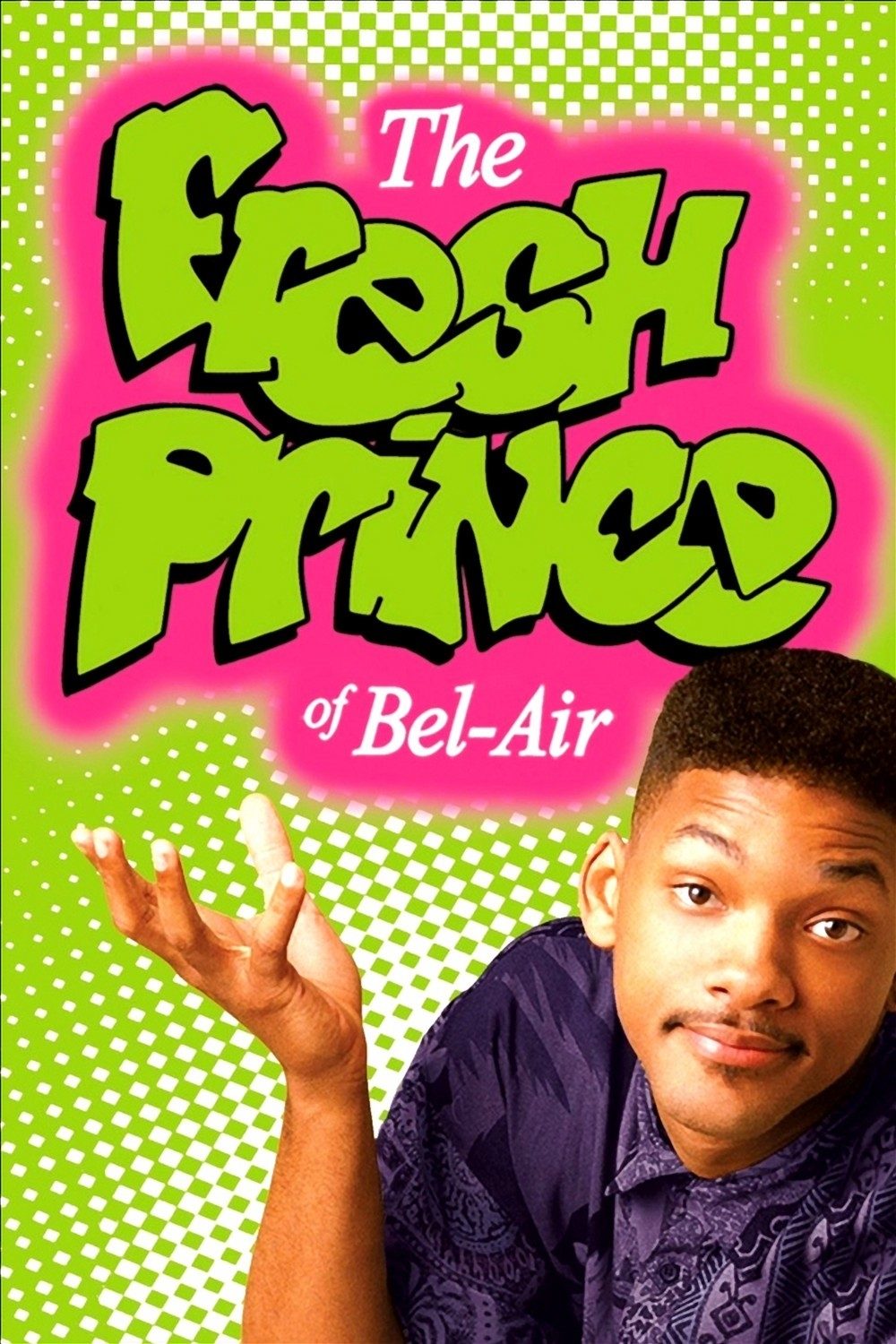
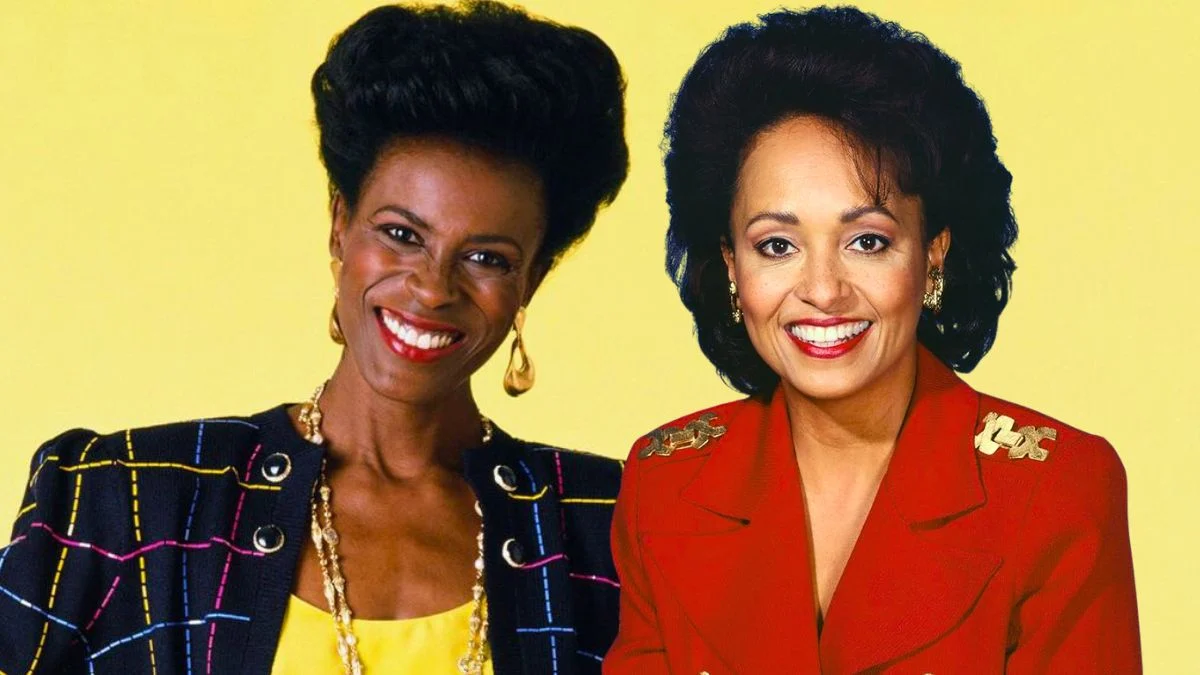
Janet Hubert originally played the role of Vivian Banks with a distinct wit and dark-skinned representation that resonated with audiences. After three seasons, she was unceremoniously replaced by Daphne Maxwell Reid, an actress with a significantly lighter complexion. This recasting altered the character’s dynamic from a fiery, career-driven woman to a more subdued, homemaker archetype. The change remains one of the most cited examples of colorism in television history, sparking debates that continue decades later.
‘My Wife and Kids’ (2001–2005)
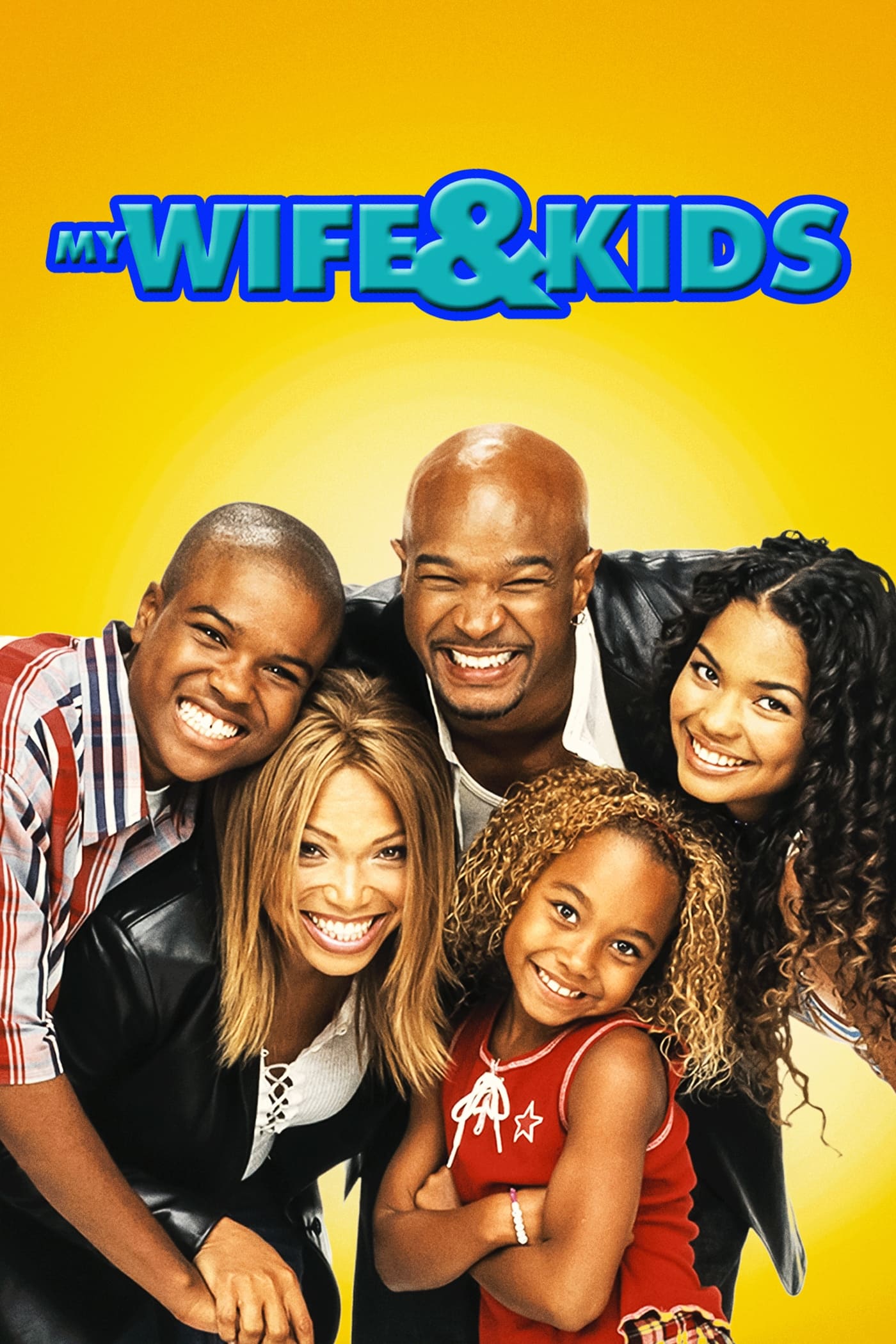
Jazz Raycole portrayed Claire Kyle in the first season, bringing a natural charm to the middle child role. By the second season, she was replaced by Jennifer Freeman, a lighter-skinned actress who played the character with a noticeably different personality. The shift was explained on-screen as a rapid aging of the character, but the stark contrast in skin tone was immediately apparent to viewers. This casting choice is frequently discussed in conversations about the erasure of dark-skinned daughters in sitcoms.
‘Family Matters’ (1989–1998)
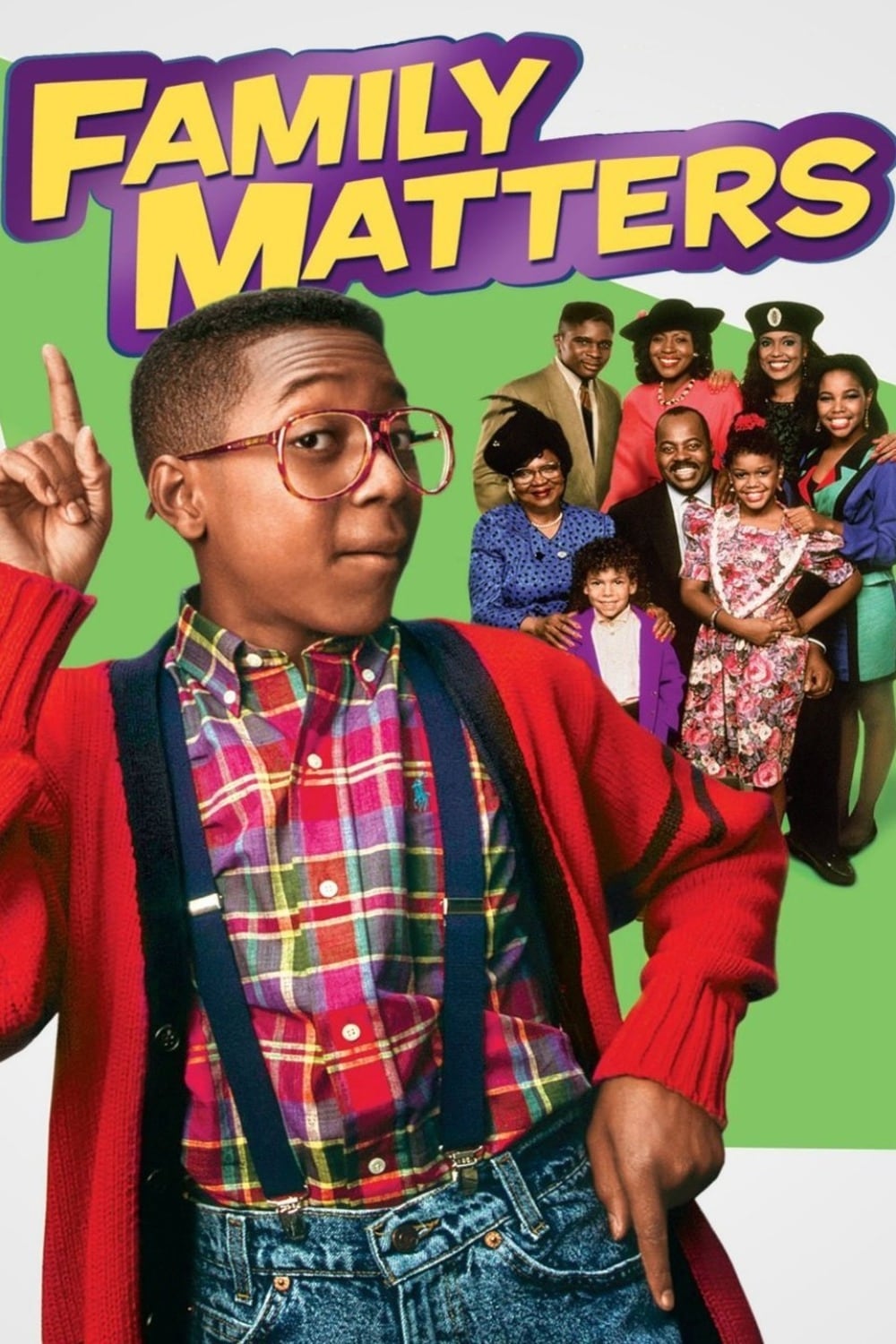
Jo Marie Payton played the matriarch Harriette Winslow for the majority of the series, serving as the grounding force of the show. Toward the end of the series, Payton left the role and was replaced by Judyann Elder, who has a lighter complexion. While the character remained the same on paper, the visual continuity was disrupted for the dedicated fanbase. This switch is often included in discussions regarding the interchangeability of Black actresses in Hollywood.
‘General Hospital’ (1963–Present)

Vinessa Antoine originated the role of Jordan Ashford, bringing a specific depth and representation to the character for several years. When Antoine left the show, the role was recast with Briana Nicole Henry, a biracial actress with a lighter skin tone. Fans of the soap opera immediately noted the shift in the character’s appearance and racial identity. This recasting highlighted the ongoing challenges regarding consistent representation in daytime television.
‘The Young and the Restless’ (1973–Present)
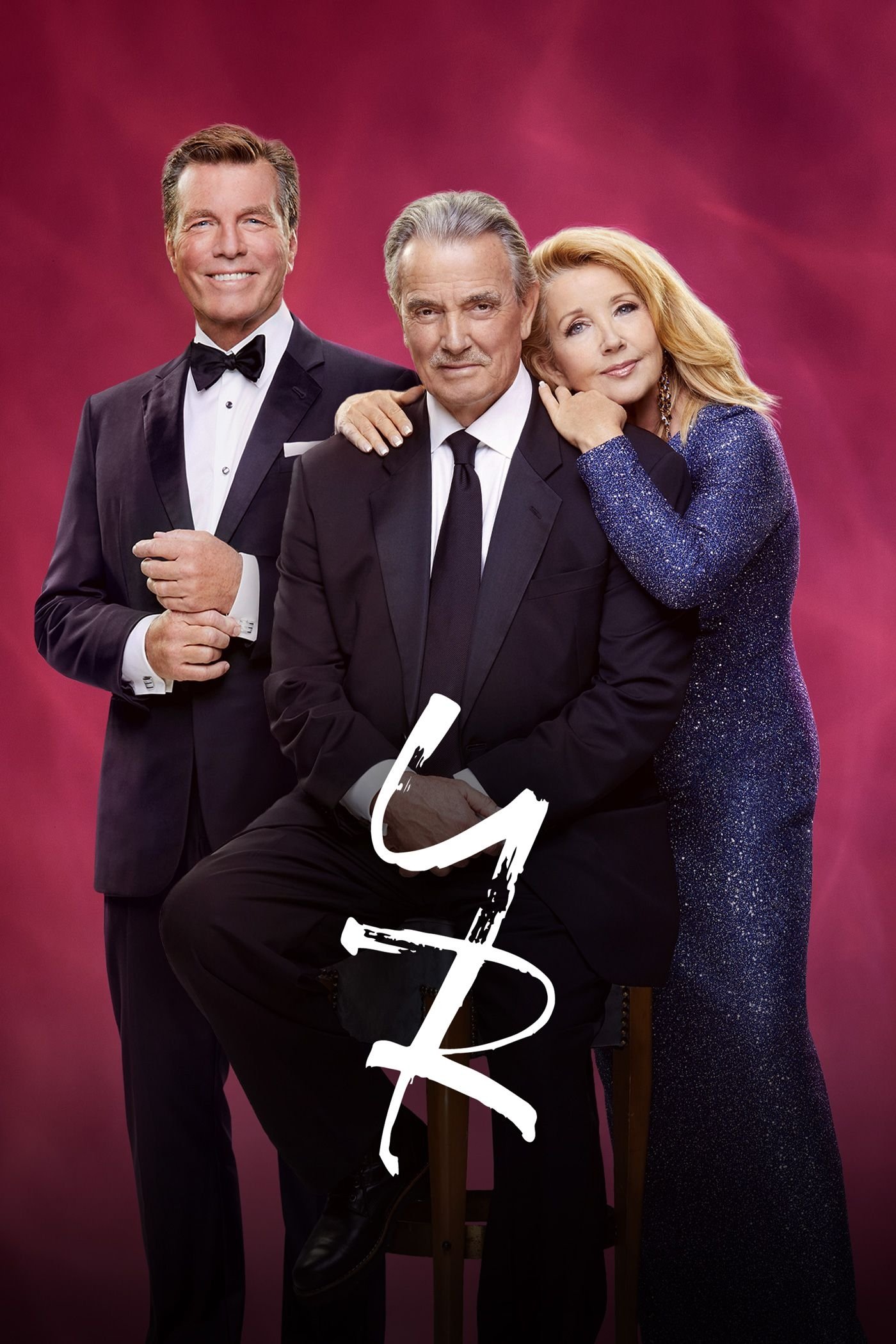
The character of Ana Hamilton was originally portrayed by Jamia Simone Nash, a dark-skinned actress and singer. When the character returned to the show years later, the role was given to Loren Lott, who is lighter-skinned. The casting decision drew criticism from viewers who felt it erased the character’s original visual identity. Such changes in long-running serials often reignite conversations about the preference for lighter skin tones in casting.
‘Nina’ (2016)
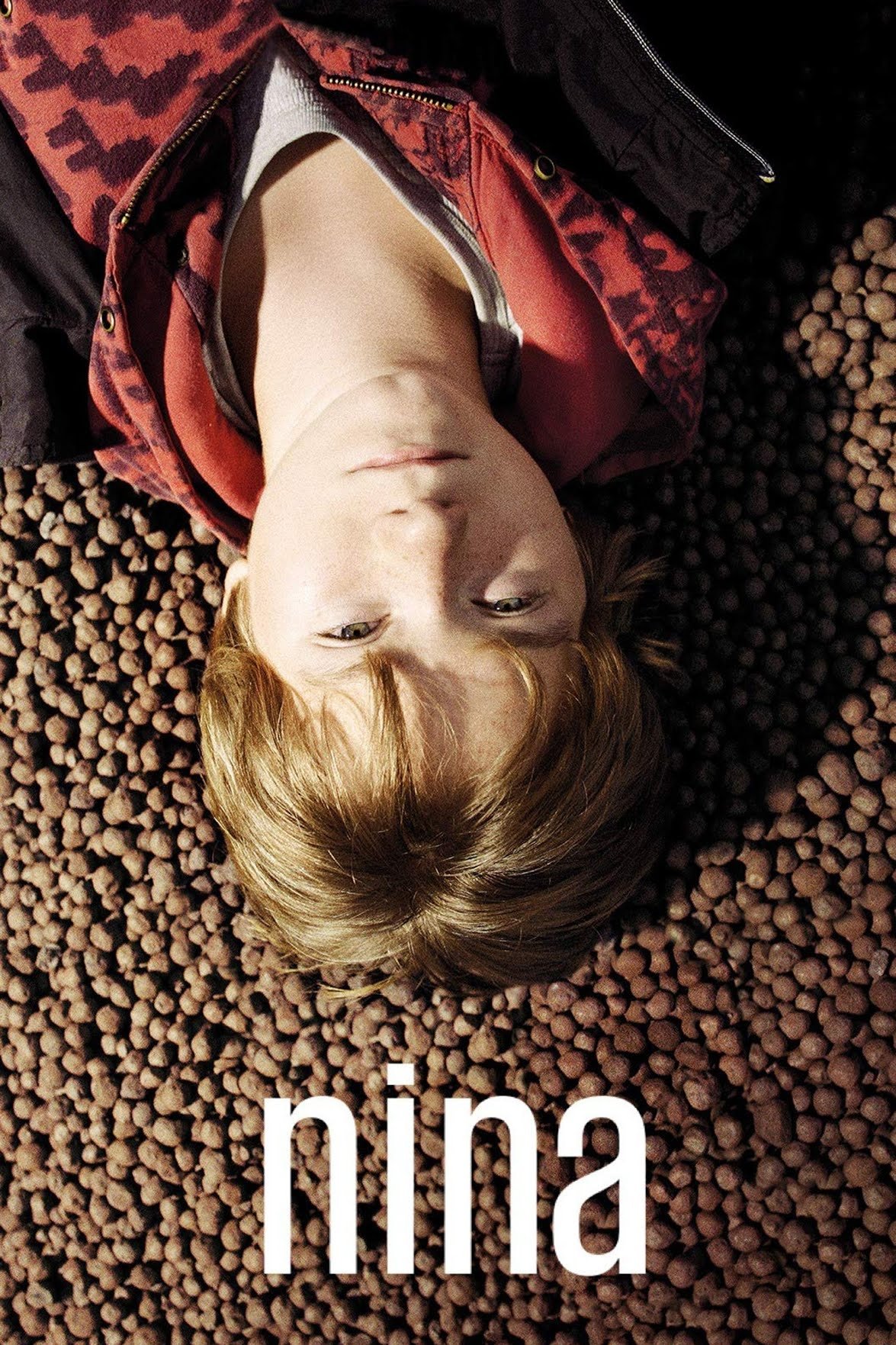
Zoe Saldana, a light-skinned Afro-Latina actress, was cast to play the legendary Nina Simone, a woman famous for her dark skin and African features. To fit the role, Saldana wore dark makeup and a prosthetic nose, leading to immediate and intense backlash. Critics argued that casting a light-skinned actress to play a figure whose career was defined by her dark-skinned experience was disrespectful. The controversy overshadowed the film’s release and sparked a wider dialogue about colorism in biopics.
‘The Hate U Give’ (2018)
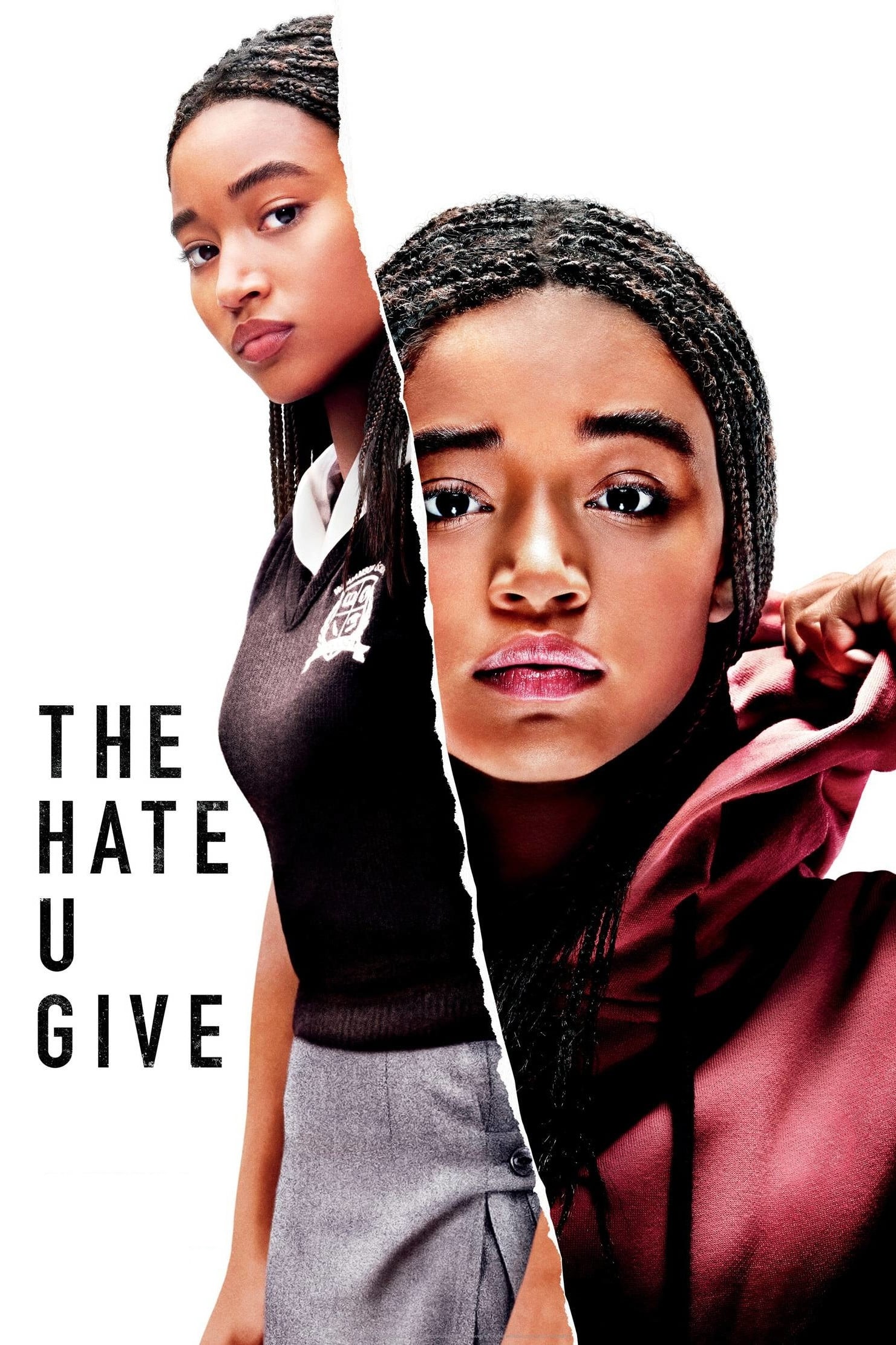
In the novel by Angie Thomas, the protagonist Starr Carter is explicitly described as having dark skin, which is central to her experience and identity. For the film adaptation, the role was given to Amandla Stenberg, a biracial and light-skinned actress. While Stenberg delivered a widely praised performance, the casting decision was criticized for erasing the specific colorist struggles the book character faced. Stenberg herself later acknowledged the complexity of the issue and the valid frustrations of the dark-skinned community.
‘Straight Outta Compton’ (2015)
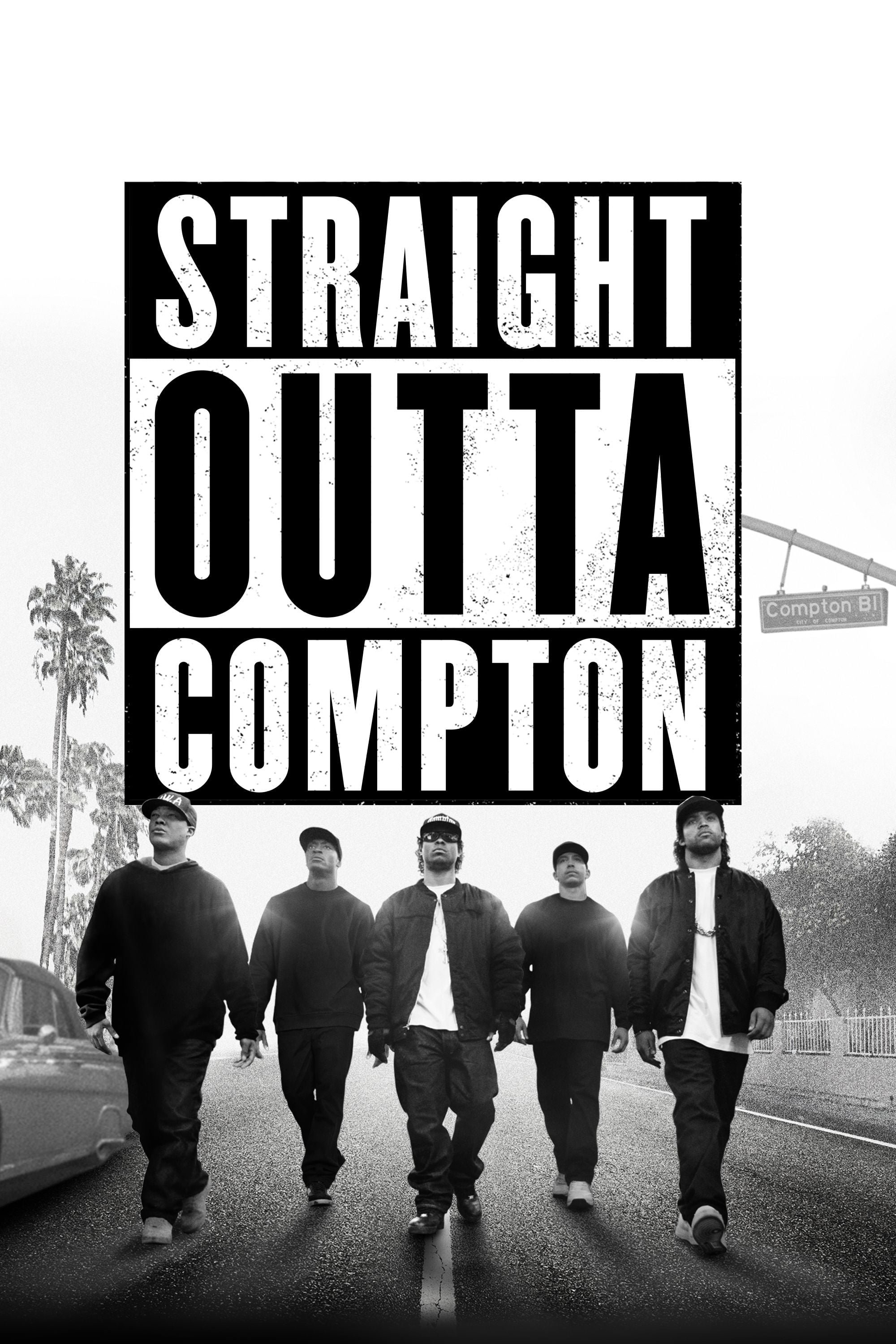
The film depicts the rise of N.W.A. and features the character of Michel’le, an R&B singer who was historically dark-skinned. In the movie, she was portrayed by Rhyon Nicole Brown, an actress with a lighter complexion than the real-life figure. This casting choice was noted by critics and the real Michel’le as an alteration of history that favored lighter skin. It contributed to the ongoing critique of how dark-skinned women are depicted in biographical dramas.
‘Aaliyah: The Princess of R&B’ (2014)
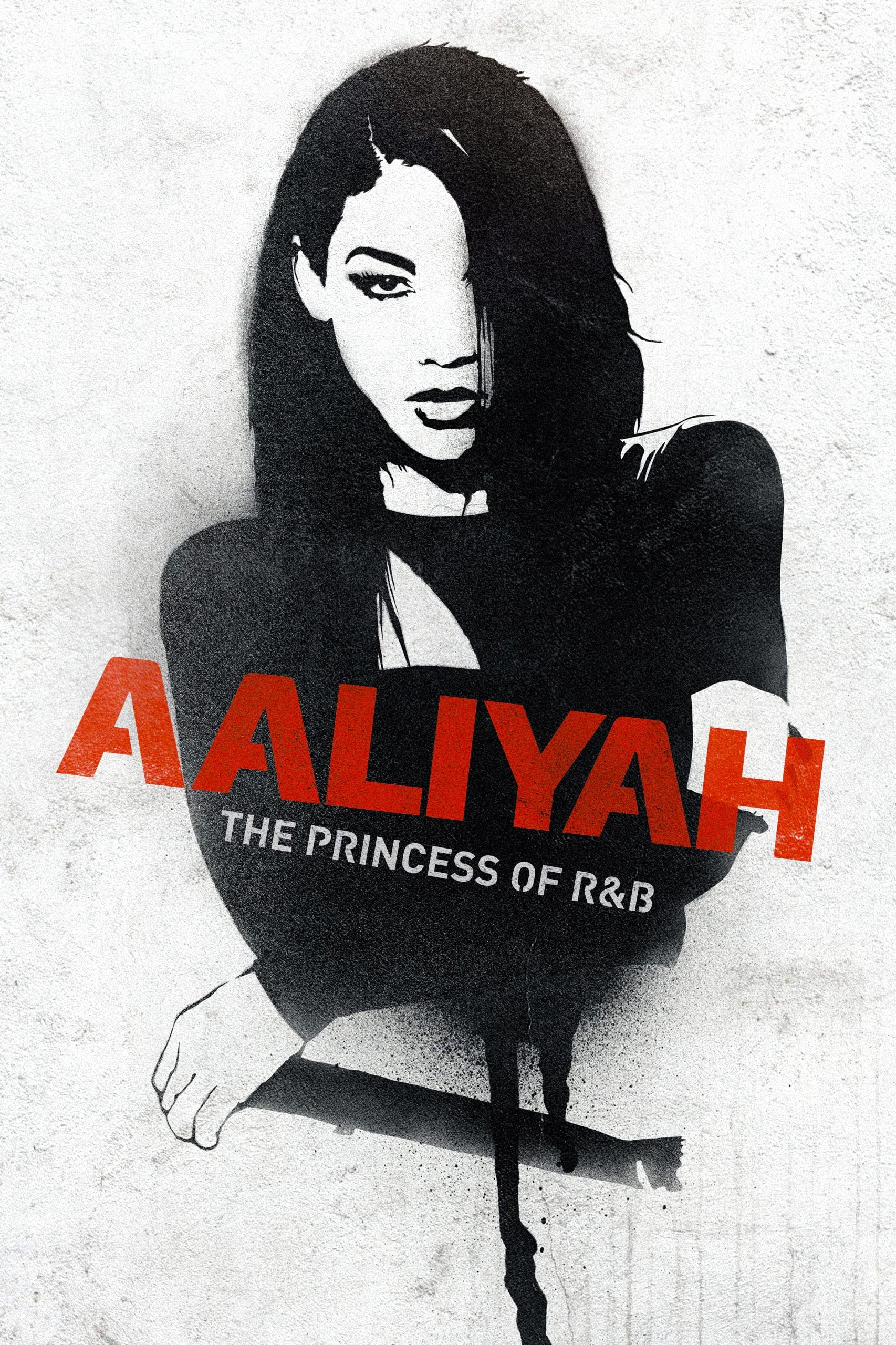
Alexandra Shipp, a biracial actress, was cast to play the late singer Aaliyah in this Lifetime biopic. While Aaliyah herself was not dark-skinned, the casting of Shipp, who is noticeably lighter and mixed-race, drew criticism from fans who felt the resemblance was lacking. The backlash was part of a larger dissatisfaction with the production quality and casting accuracy of the film. It highlighted the scrutiny placed on casting directors to match the specific phenotype of real-world icons.
‘X-Men’ (2000)
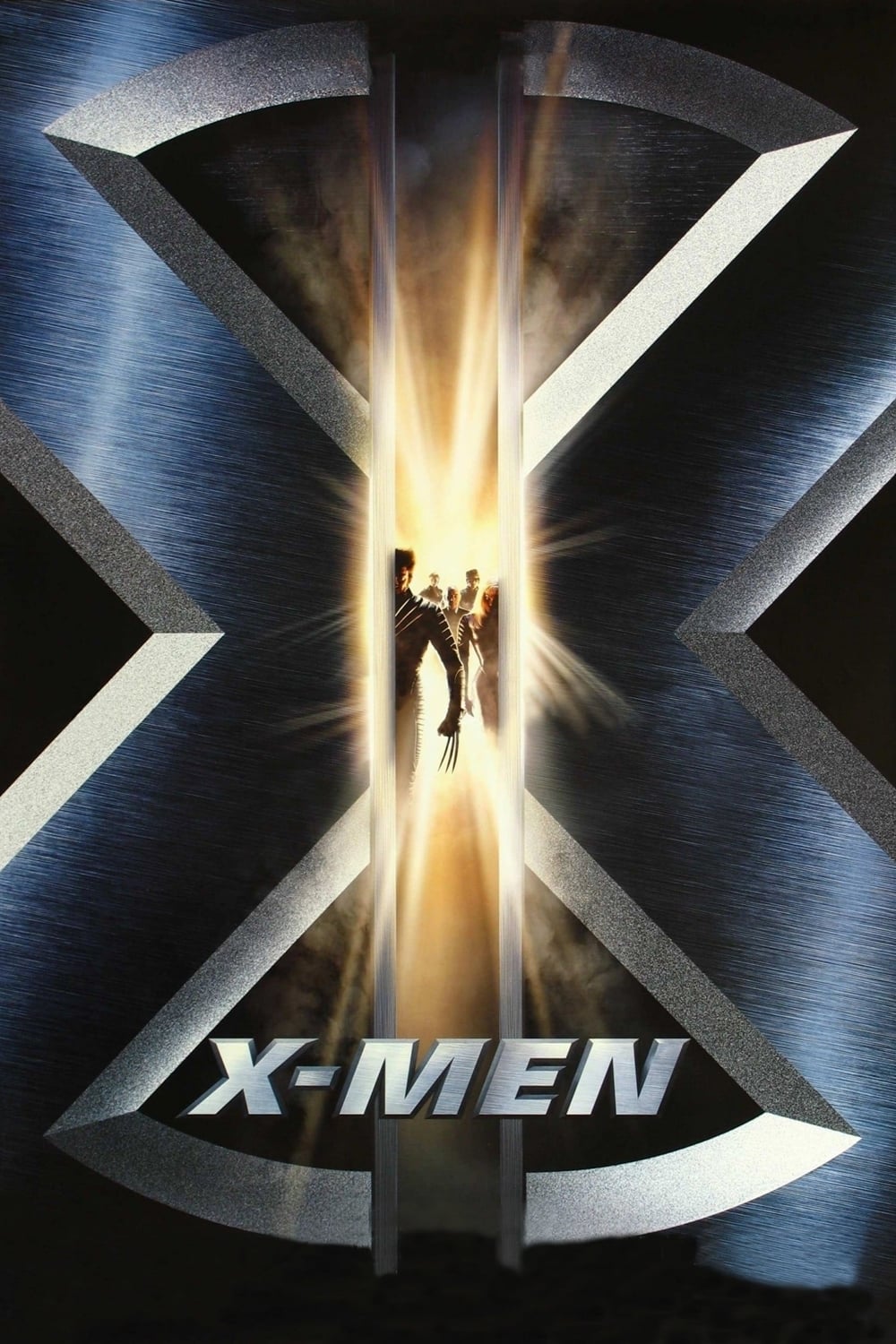
In the comic books, the mutant Storm is depicted as a dark-skinned African woman with Kenyan heritage. For the major motion picture franchise, Halle Berry, a biracial and light-skinned actress, was cast in the iconic role. While Berry became synonymous with the character for a generation, comic purists and cultural critics have long argued that a dark-skinned actress should have played the African goddess. The casting is often cited as a prime example of Hollywood’s tendency to lighten Black characters for mass appeal.
‘Star Trek’ (2009)

The character of Uhura was originally made famous by Nichelle Nichols, a brown-skinned actress who broke barriers in the 1960s. In the modern film reboot, the role was taken over by Zoe Saldana, who has a lighter complexion than Nichols. While Saldana’s performance was well-received, the casting shifted the visual representation of one of sci-fi’s most important Black heroines. This change is frequently discussed in the context of how legacy roles are handled in reboots.
‘Harry Potter and the Half-Blood Prince’ (2009)
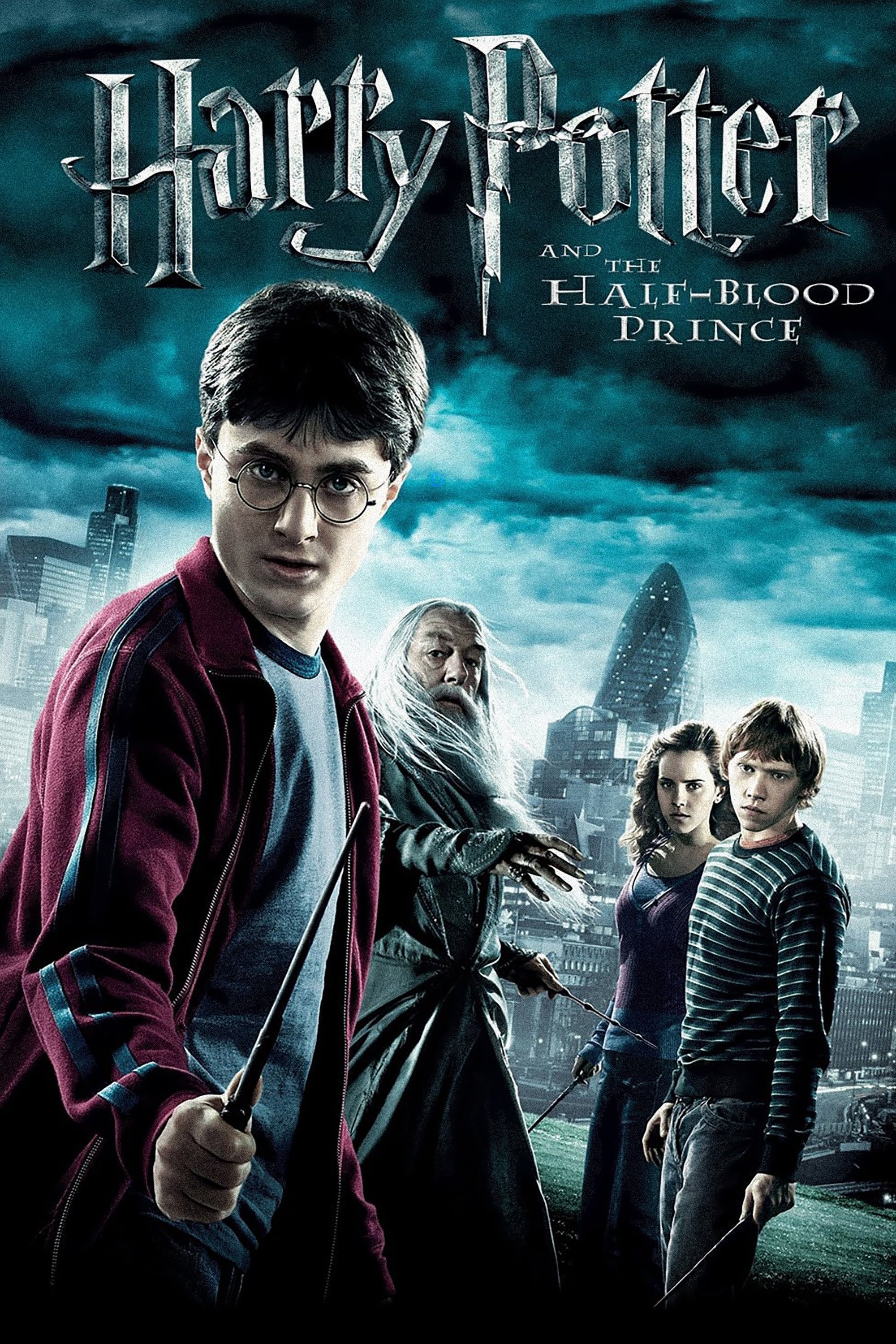
Lavender Brown was portrayed by dark-skinned Black actresses, such as Jennifer Smith, in the background of the earlier films. When the character became a love interest for Ron Weasley and had a speaking role, she was recast with Jessie Cave, a white actress. This sudden change effectively erased the Black representation that had been established, however briefly, in the previous movies. The recasting is often pointed to as a clear example of “whitewashing” a character once they become narrative-relevant.
‘Show Boat’ (1951)
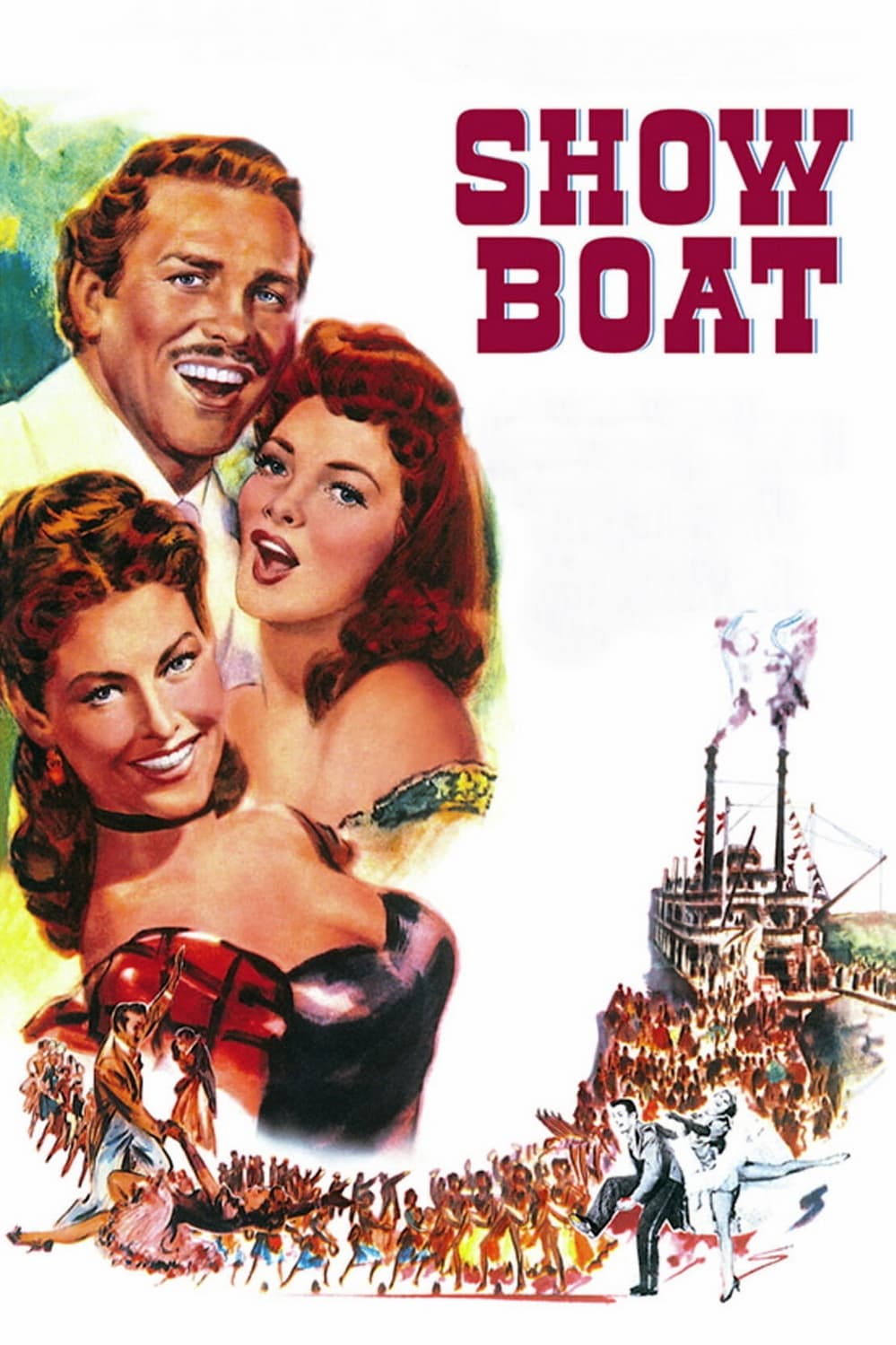
The role of Julie LaVerne is a tragic figure of mixed-race heritage who passes for white but is ultimately discovered. Lena Horne, a light-skinned Black actress, famously campaigned for the role but was rejected by the studio. Instead, the role went to Ava Gardner, a white actress who was darkened with makeup to appear “mulatto.” This historical casting decision is a foundational example of Black actresses being denied roles even when the character’s identity explicitly aligns with their own.
‘Pinky’ (1949)
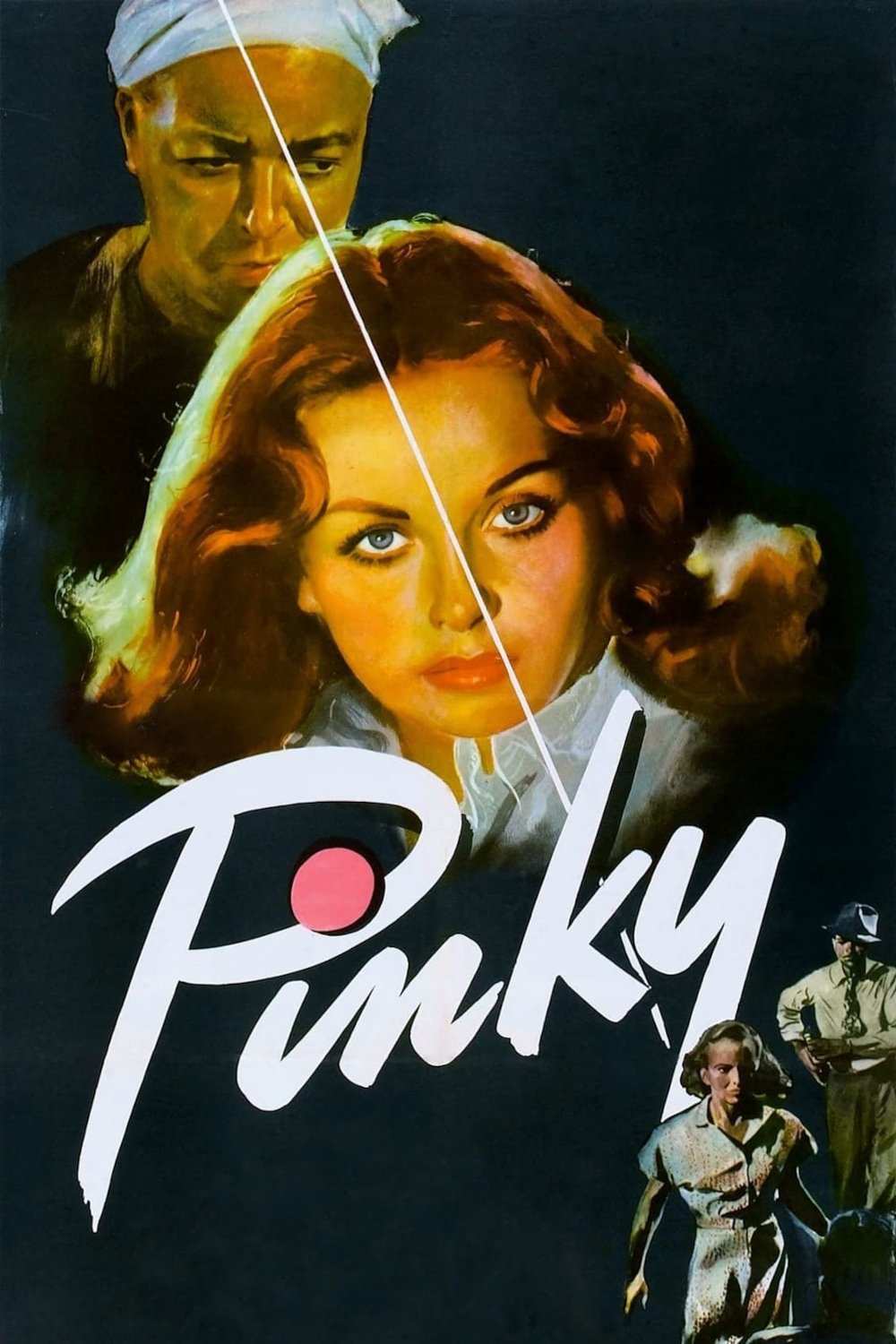
Similar to the situation with ‘Show Boat’, the title character Pinky is a light-skinned Black woman passing for white. Three prominent Black actresses, including Lena Horne and Dorothy Dandridge, were considered for the part. Ultimately, the studio cast Jeanne Crain, a white actress, to play the Black character. This decision reflected the segregationist policies of the time and the industry’s refusal to cast Black women in leading dramatic roles.
‘Imitation of Life’ (1959)
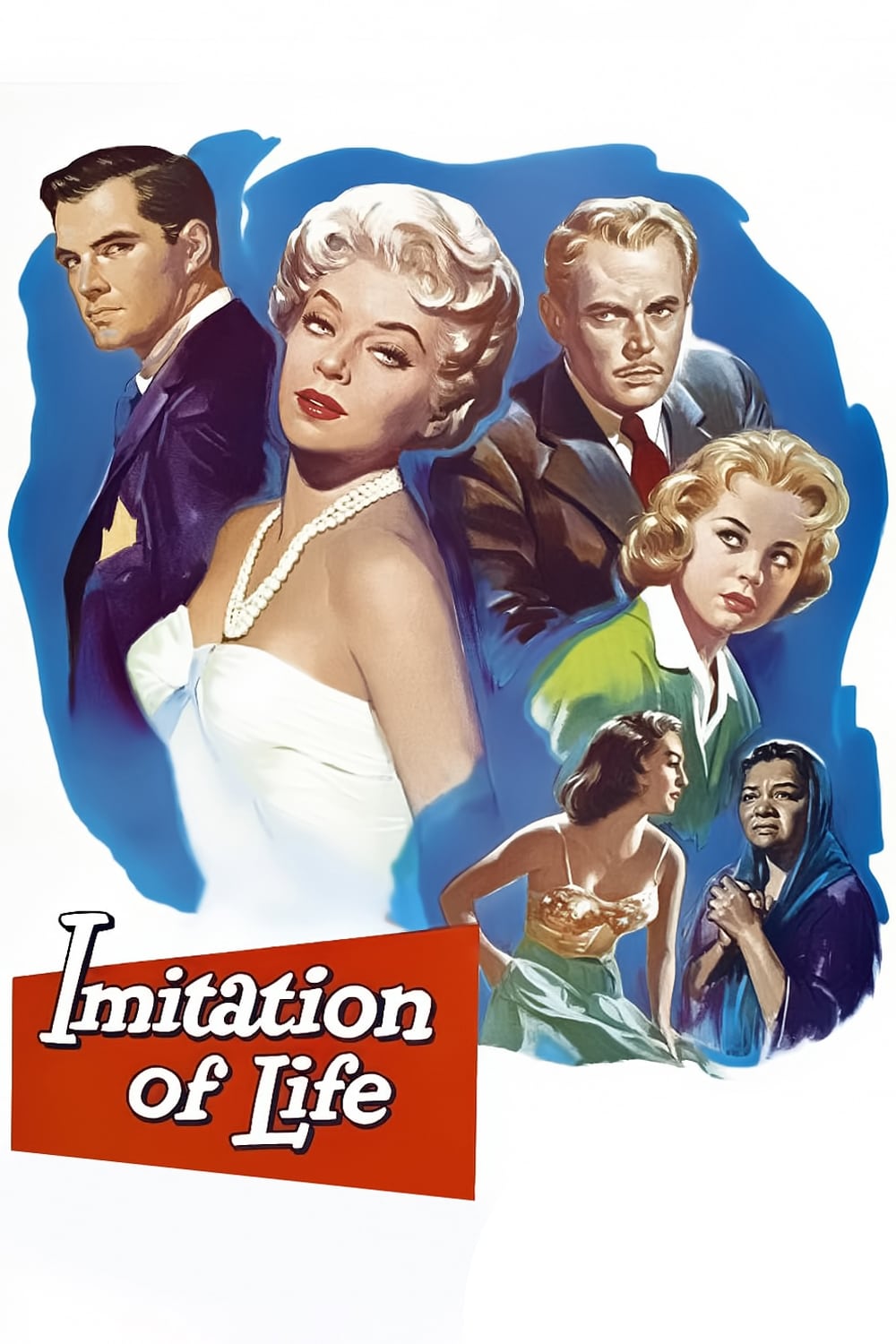
The character of Sarah Jane is a Black woman who rejects her mother and identity to pass as white. Rather than casting a light-skinned Black actress who could authentically portray this complex racial dynamic, the role was given to Susan Kohner, a white actress of Mexican and Czech descent. Kohner received an Oscar nomination for the role, while Black actresses were once again sidelined. The film remains a classic, but the casting serves as a historical marker of exclusion.
‘A Mighty Heart’ (2007)
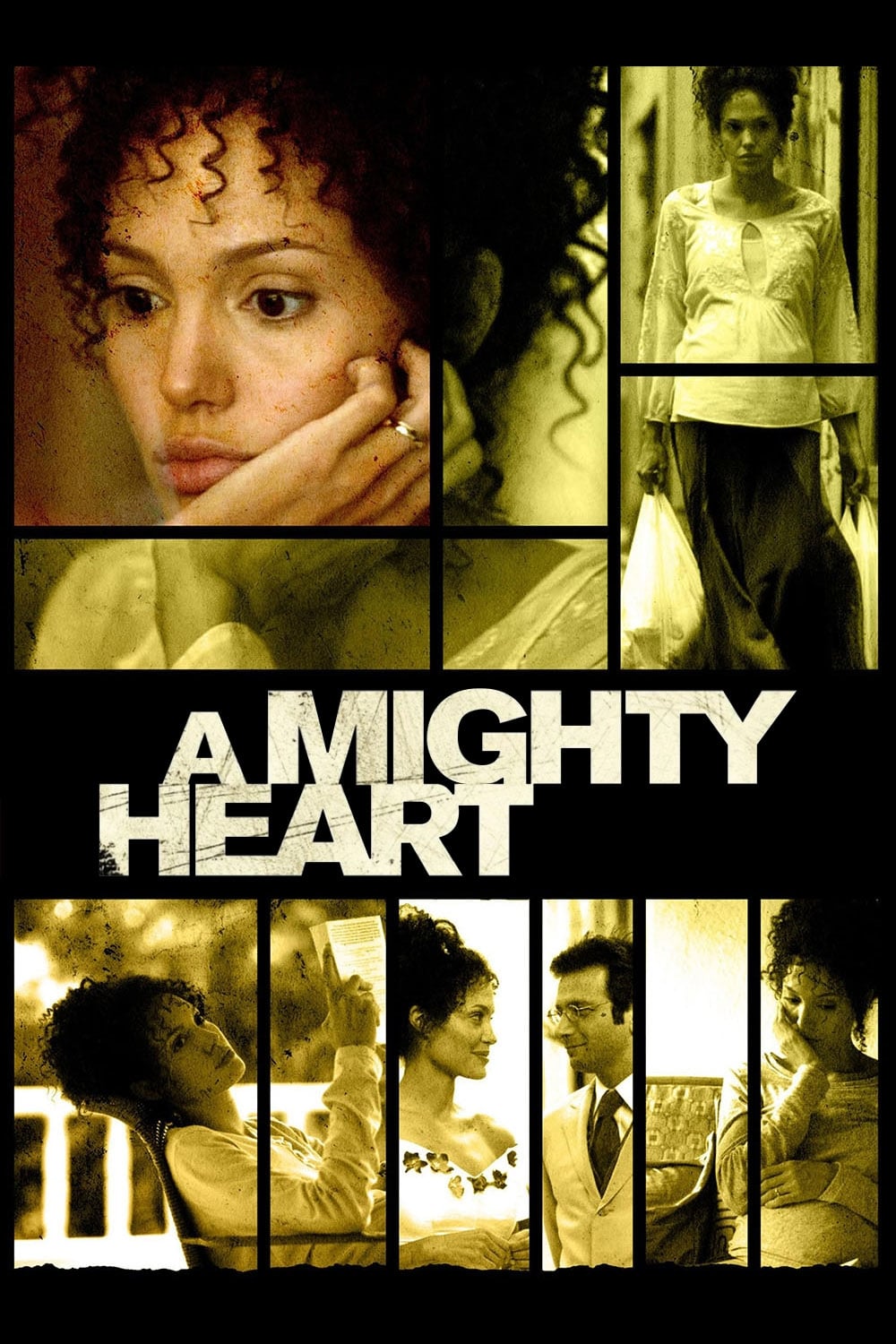
Angelina Jolie was cast to play Mariane Pearl, a real-life journalist of Afro-Chinese-Cuban descent with naturally curly hair and a darker complexion. Jolie wore dark makeup and a curly wig to portray Pearl, sparking accusations of “blackface” and whitewashing. The casting was defended by Pearl herself, but it raised significant ethical questions about why a Black or mixed-race actress was not hired. The incident remains a controversial topic in discussions about authentic representation.
‘Jem and the Holograms’ (2015)
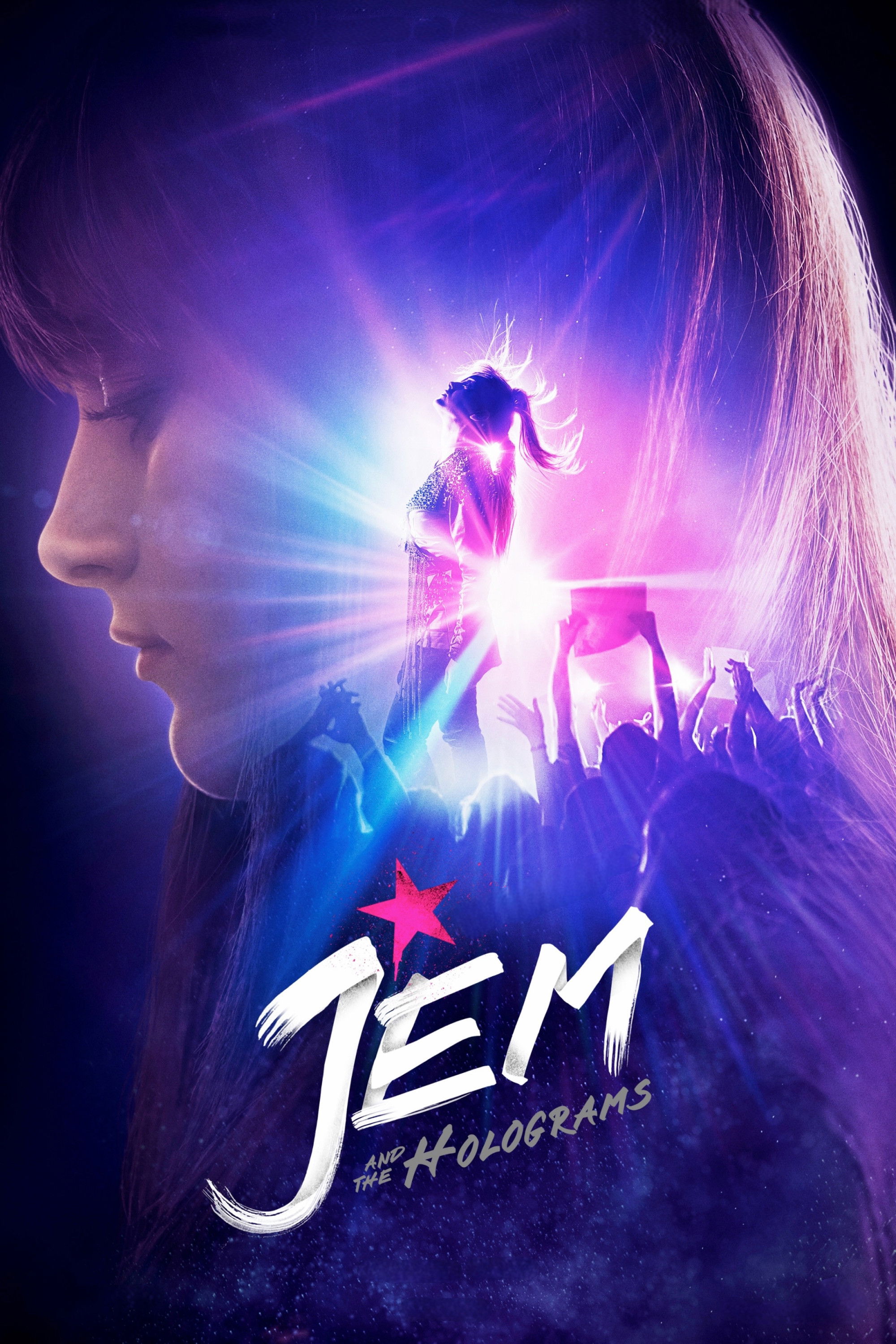
In the original animated series, the character Shana Elmsford is a dark-skinned Black woman with purple hair. In the live-action film adaptation, the role was filled by Aurora Perrineau, a biracial actress with a significantly lighter complexion. This deviation from the source material angered fans who felt the character’s specific identity was erased. The film’s failure at the box office was partly attributed to the alienation of the original fanbase through such casting choices.
‘Uncharted’ (2022)

Chloe Frazer is a popular video game character known for her ambiguous heritage and darker, Indian-Australian features. In the film adaptation, the character was played by Sophia Ali, an actress of Pakistani descent who is lighter-skinned than the digital counterpart. While Ali is a woman of color, fans noted that the rugged, darker-skinned aesthetic of the character was polished away for the movie. This reflects a broader trend in video game adaptations where characters are often lightened.
‘Wanted’ (2008)

In the comic book series that inspired the film, the character Fox is drawn to explicitly resemble the dark-skinned actress Halle Berry. However, in the film adaptation, the role was given to Angelina Jolie, a white actress. This complete erasure of a Black character’s visual identity was a disappointment to comic fans. It serves as an example of how source material featuring Black women is often disregarded when major stars are attached to a project.
‘Pan’ (2015)

Tiger Lily is a character traditionally depicted as Indigenous, and in some iterations, has been coded with darker skin. For this adaptation, the role was controversially given to Rooney Mara, a white actress. While not a case of replacing a Black actress specifically, it fits the industry pattern of replacing characters of color with white or light-skinned stars overnight. The casting was widely panned as a regression in Hollywood’s approach to diversity.
Share your thoughts on these casting decisions and whether they impact your viewing experience in the comments.