


Black Actresses Who Bravely Faced Targeted Racism

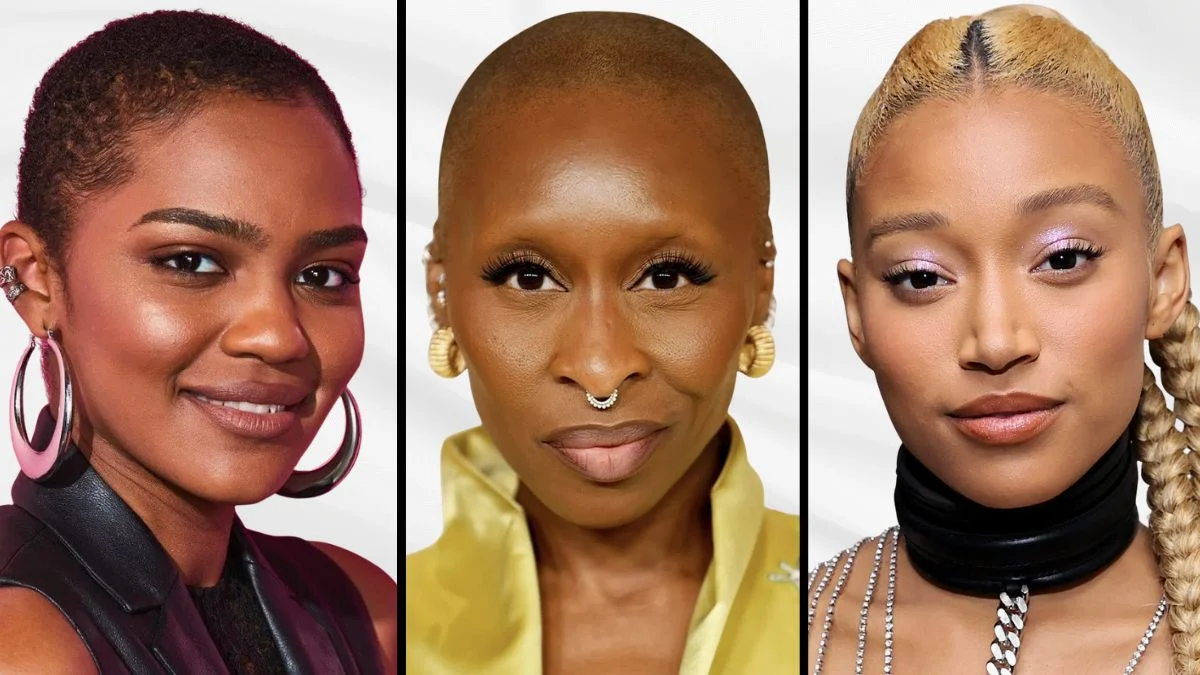


The entertainment industry has long been a place of both immense achievement and significant struggle for Black actresses. While many have reached the heights of Hollywood success they have also faced unique challenges related to their race and identity. This list highlights women who have encountered targeted racism and harassment throughout their careers. Their stories reflect a broader struggle for equity and the courage required to thrive in the public eye.
Amandla Stenberg
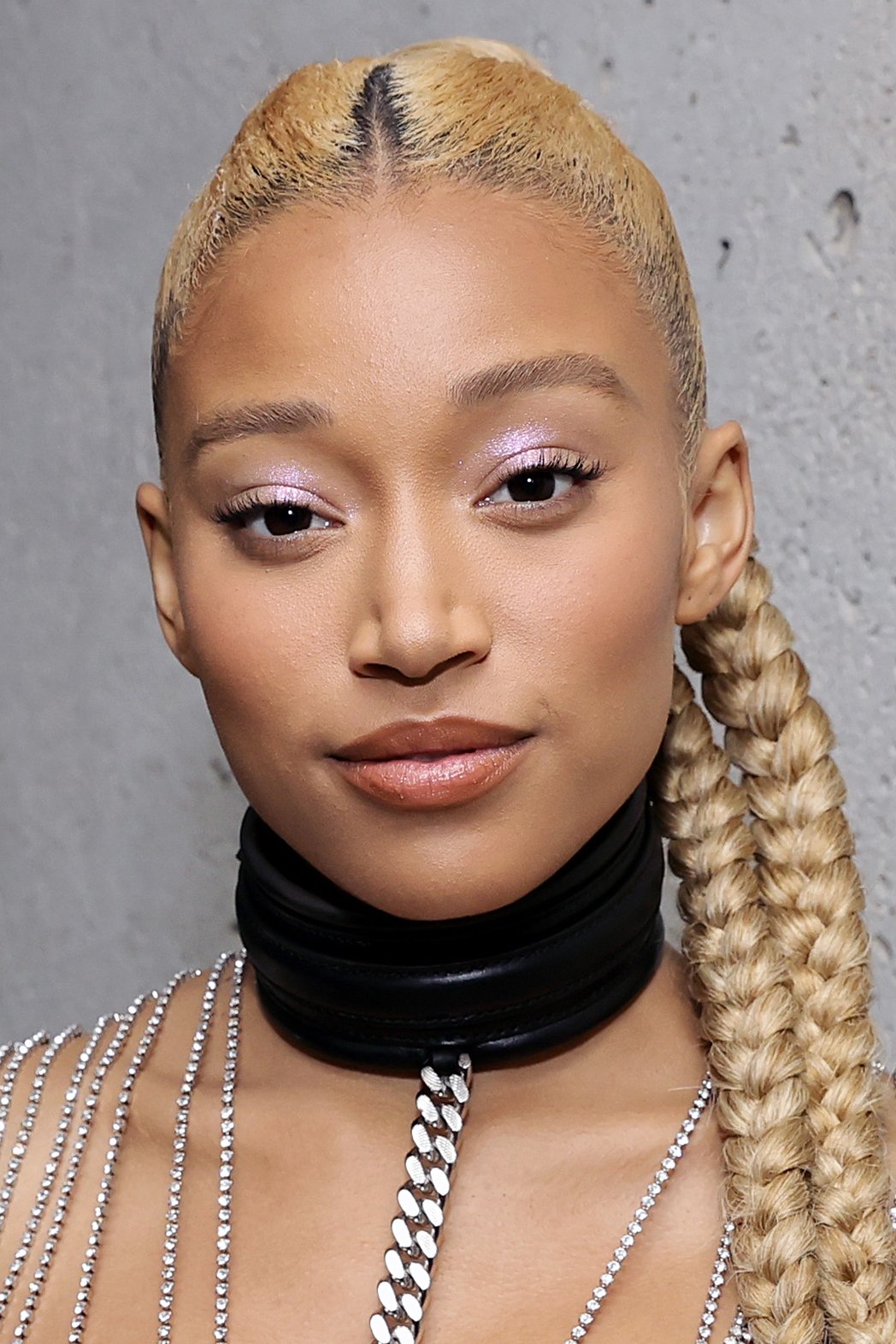
Amandla Stenberg first encountered racist backlash as a young child when she was cast as Rue in ‘The Hunger Games’. Some viewers expressed disappointment that a character they liked was portrayed by a Black actress. Stenberg later faced similar issues when she starred in projects like ‘The Hate U Give’ and ‘The Acolyte’. She has consistently used these experiences to educate the public about social justice and racial identity. Her career is defined by a commitment to telling stories that challenge the status quo.
Angela Bassett
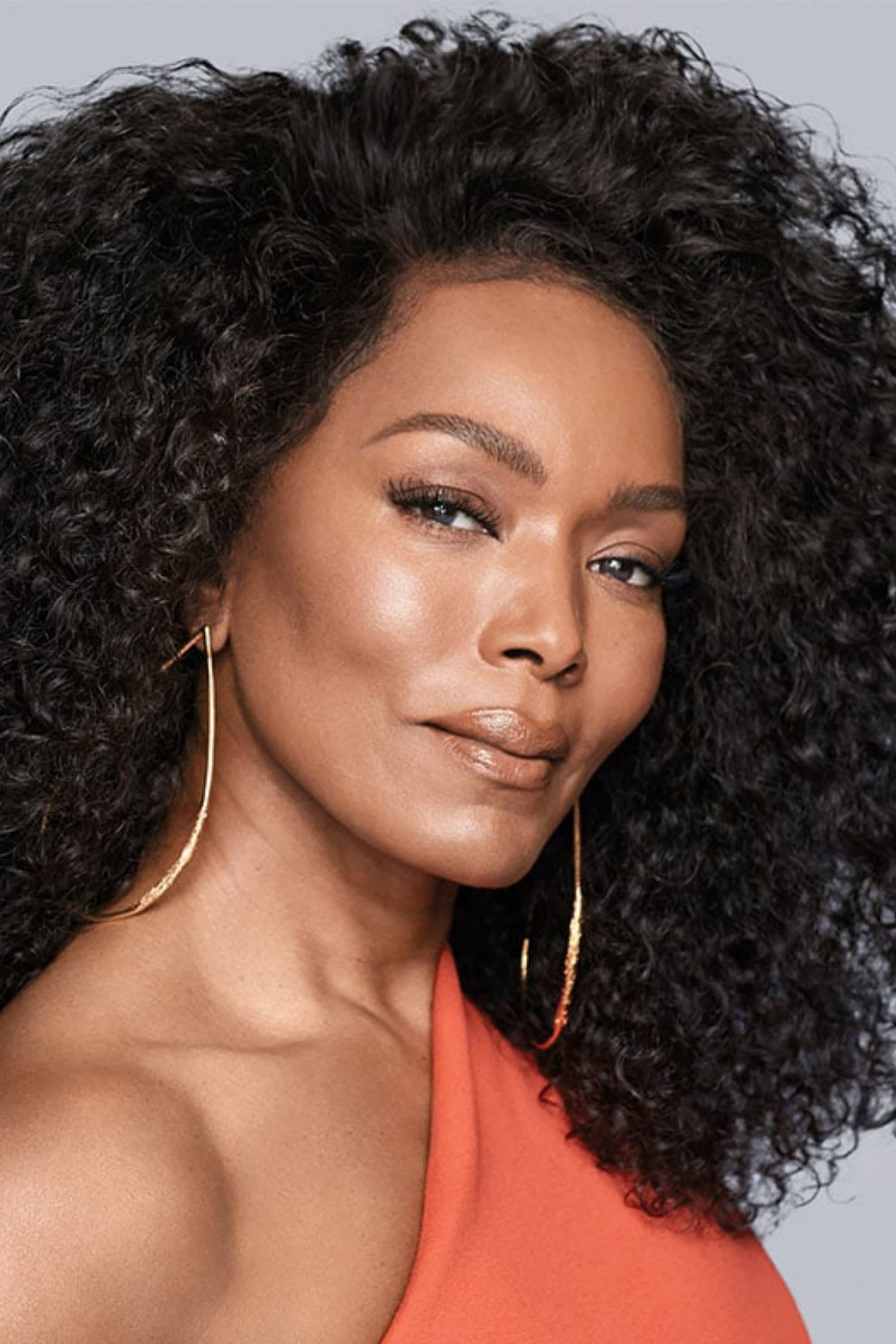
Angela Bassett has frequently discussed the systemic barriers she faced while establishing herself as a leading lady in Hollywood. Despite her immense talent and a breakthrough role in ‘Whats Love Got to Do with It’ she often encountered limited opportunities compared to her peers. Bassett has spoken about the pressure to maintain a certain image while navigating an industry that did not always value her versatility. She has used her platform to advocate for better representation and more complex roles for Black women. Her enduring career is a testament to her strength and artistic integrity.
Anna Diop
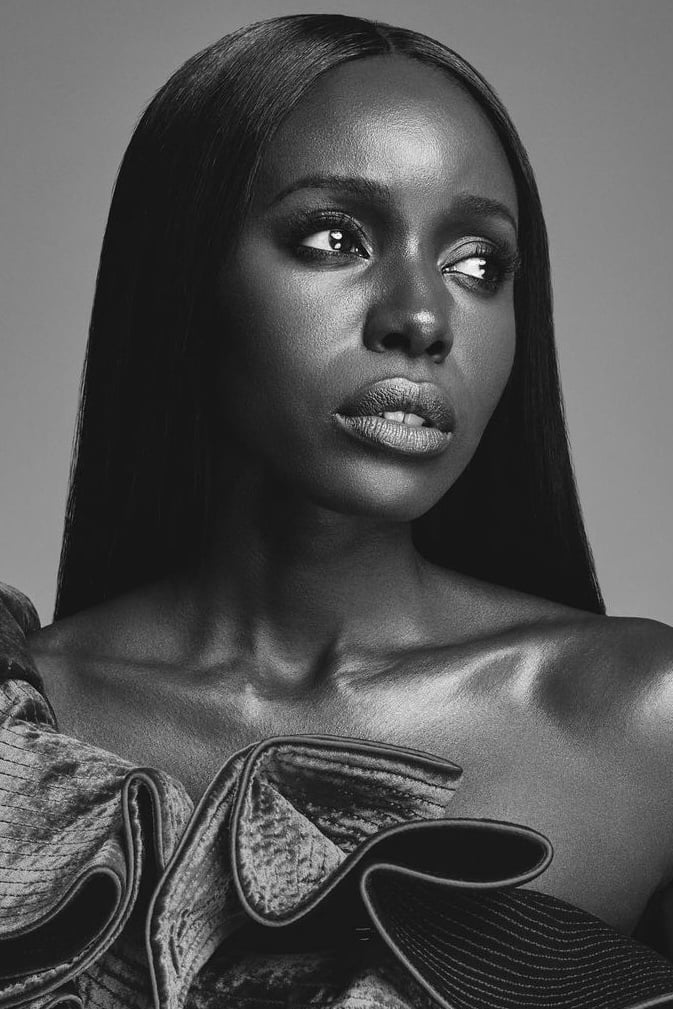
Anna Diop was subjected to intense cyberbullying after she was cast as Starfire in the series ‘Titans’. The actress had to disable her comments on social media because of the volume of racist messages she received regarding her appearance. Diop remained professional and focused on bringing a new interpretation to the beloved character. She later expressed gratitude for the fans who stood by her and countered the negativity. Her work on the show proved that she could overcome toxic fandom and deliver a strong performance.
Aunjanue Ellis-Taylor
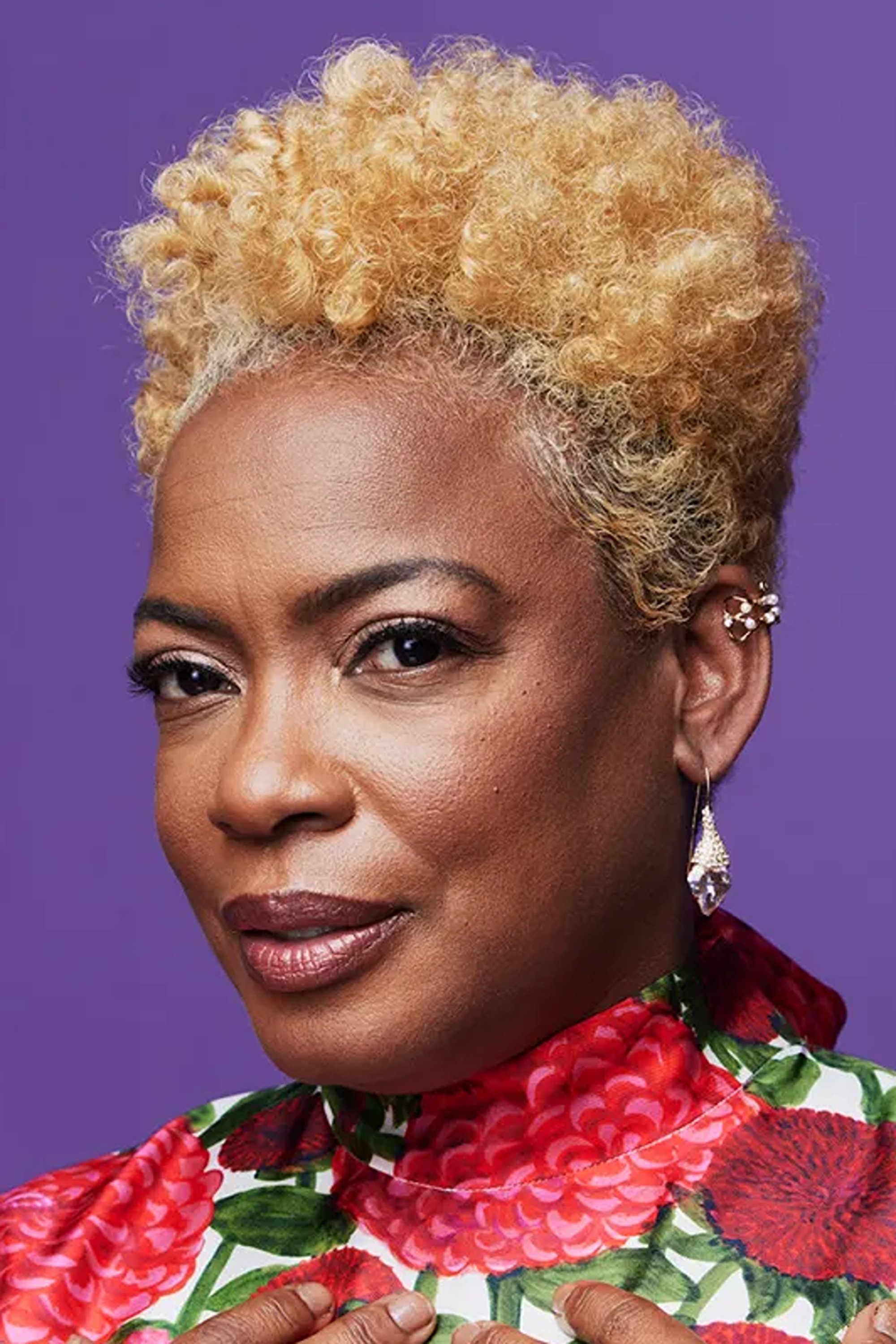
Aunjanue Ellis-Taylor has been vocal about the need for better recognition of Black actresses in Hollywood. She has spoken about the times she felt her work was undervalued because of her race. Ellis-Taylor has used her public appearances to bring attention to historical figures who have been forgotten. Her powerful performances in films like ‘King Richard’ and ‘Origin’ have earned her widespread acclaim. She continues to fight for the stories of Black women to be told with dignity and truth.
Ayo Edebiri
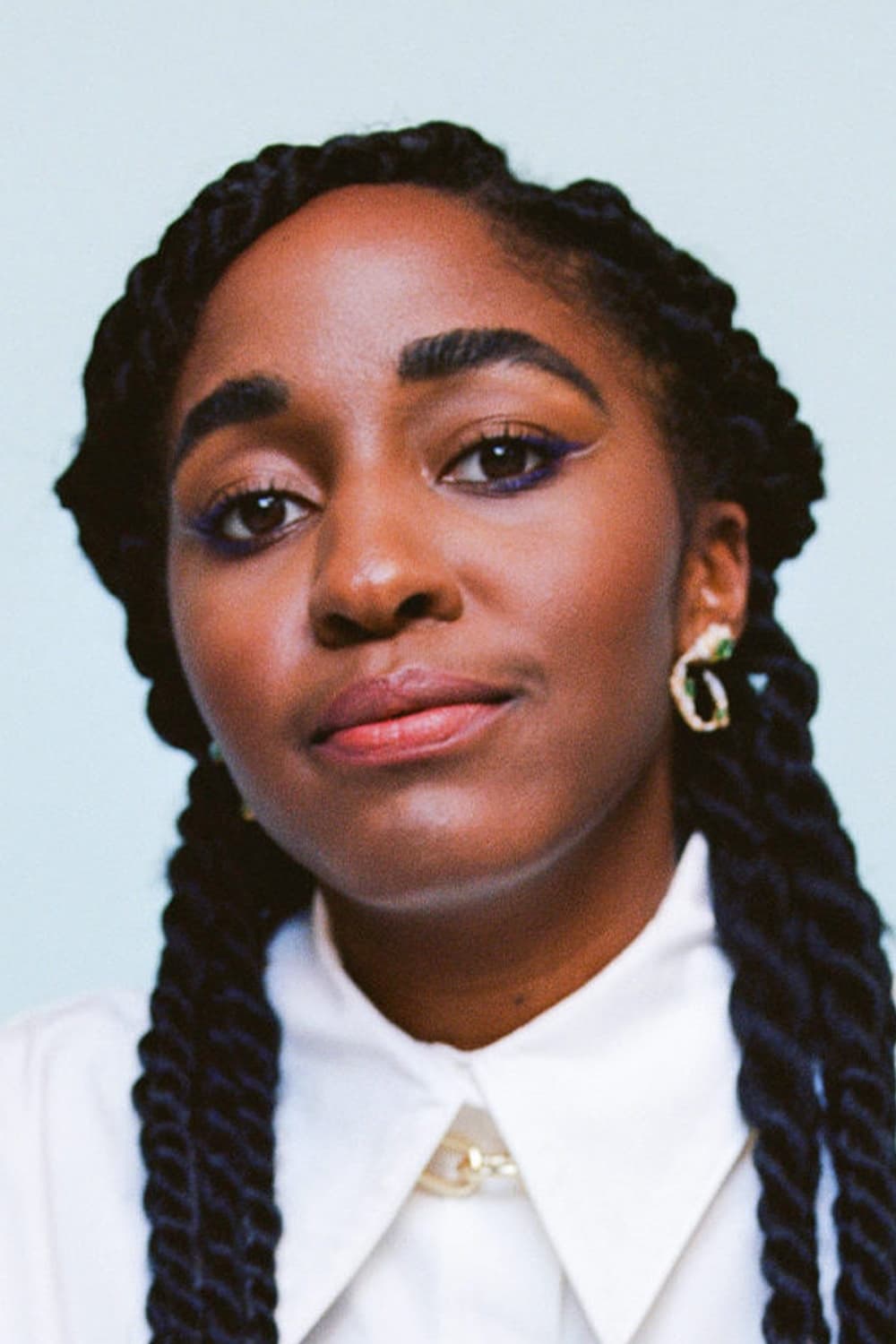
Ayo Edebiri has encountered online harassment as her profile has risen in the television industry. She has spoken about the unique pressures of being a Black woman in comedy and the vitriol that can come from toxic fanbases. Edebiri remains focused on her creative work and has received critical acclaim for her roles in shows like ‘The Bear’. She uses her platform to support other creators of color and to promote a more inclusive industry. Her success is a reflection of her talent and her ability to navigate modern fame.
Candice Patton
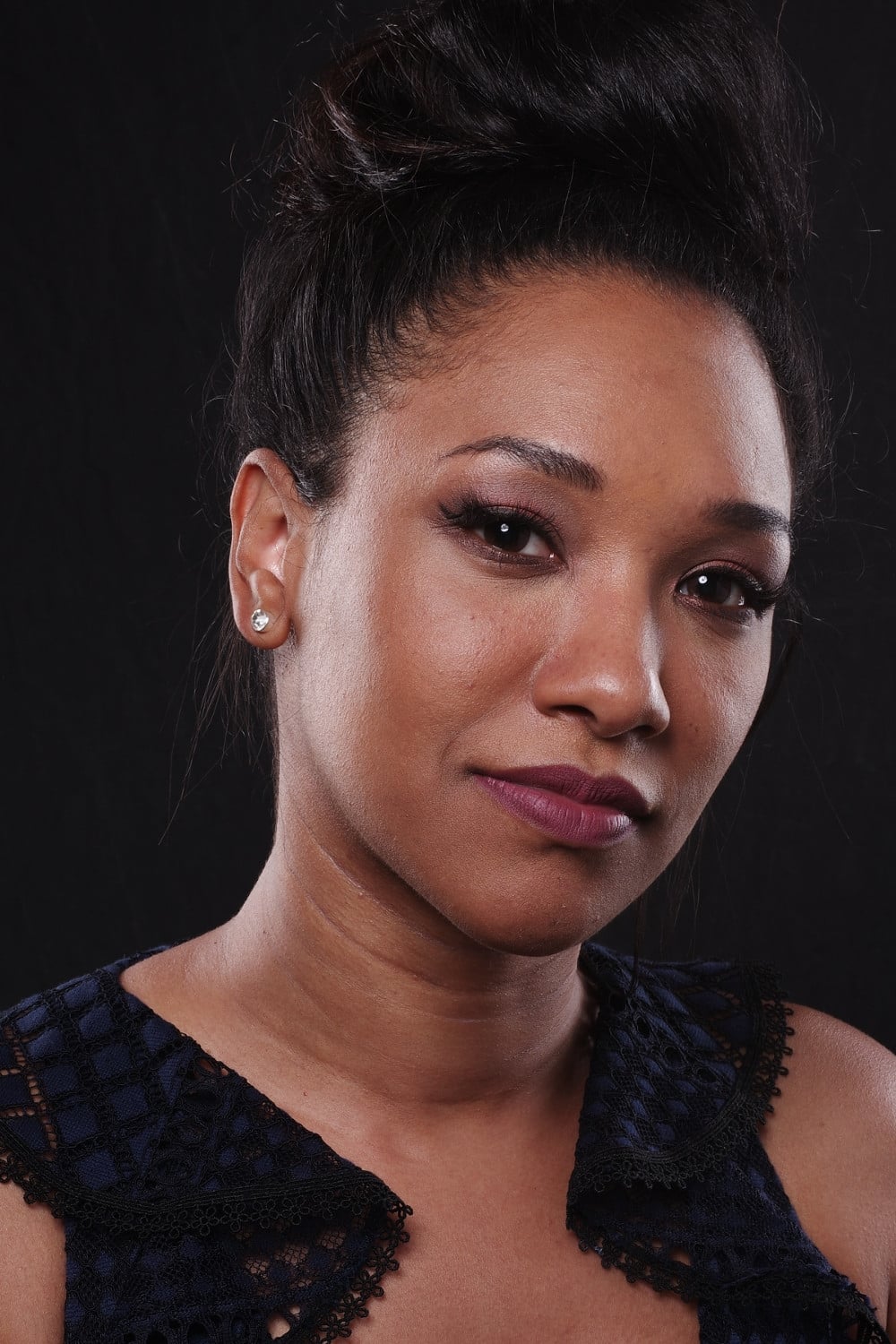
Candice Patton faced years of targeted harassment for her role as Iris West on the television series ‘The Flash’. Fans of the original comic books often directed racist vitriol toward her because she did not match the physical appearance of the character in the source material. Patton spoke openly about the lack of support she felt from the network and the studio during these difficult times. She eventually became a vocal advocate for better mental health resources for actors of color. Her persistence helped pave the way for more diverse casting in the superhero genre.
China Anne McClain
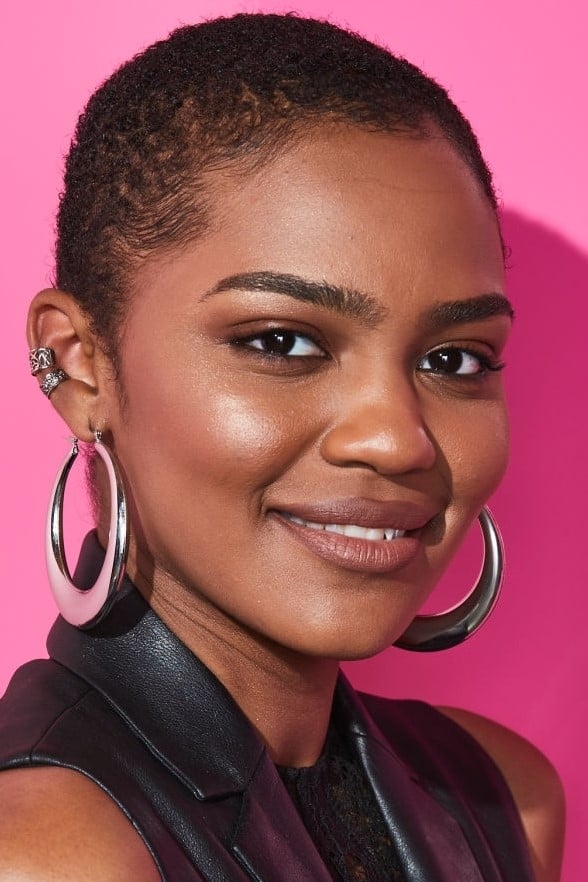
China Anne McClain has navigated the entertainment industry since she was a child and has frequently encountered racial bias. She has spoken about the pressure to conform to certain beauty standards that often exclude Black women. McClain has remained true to herself and her roots while building a successful career in music and acting. She often uses social media to encourage her followers to embrace their natural beauty. Her dedication to her craft and her community has earned her a loyal following.
Cicely Tyson

Cicely Tyson was known for her refusal to take roles that were demeaning to Black women. This principled stance often meant she went for long periods without work despite her incredible talent. Tyson used her career to portray strong and dignified characters that challenged racial perceptions. She received numerous awards and honors for her work in film and television over several decades. Her legacy is one of unwavering integrity and a commitment to uplifting the Black experience.
Cynthia Erivo
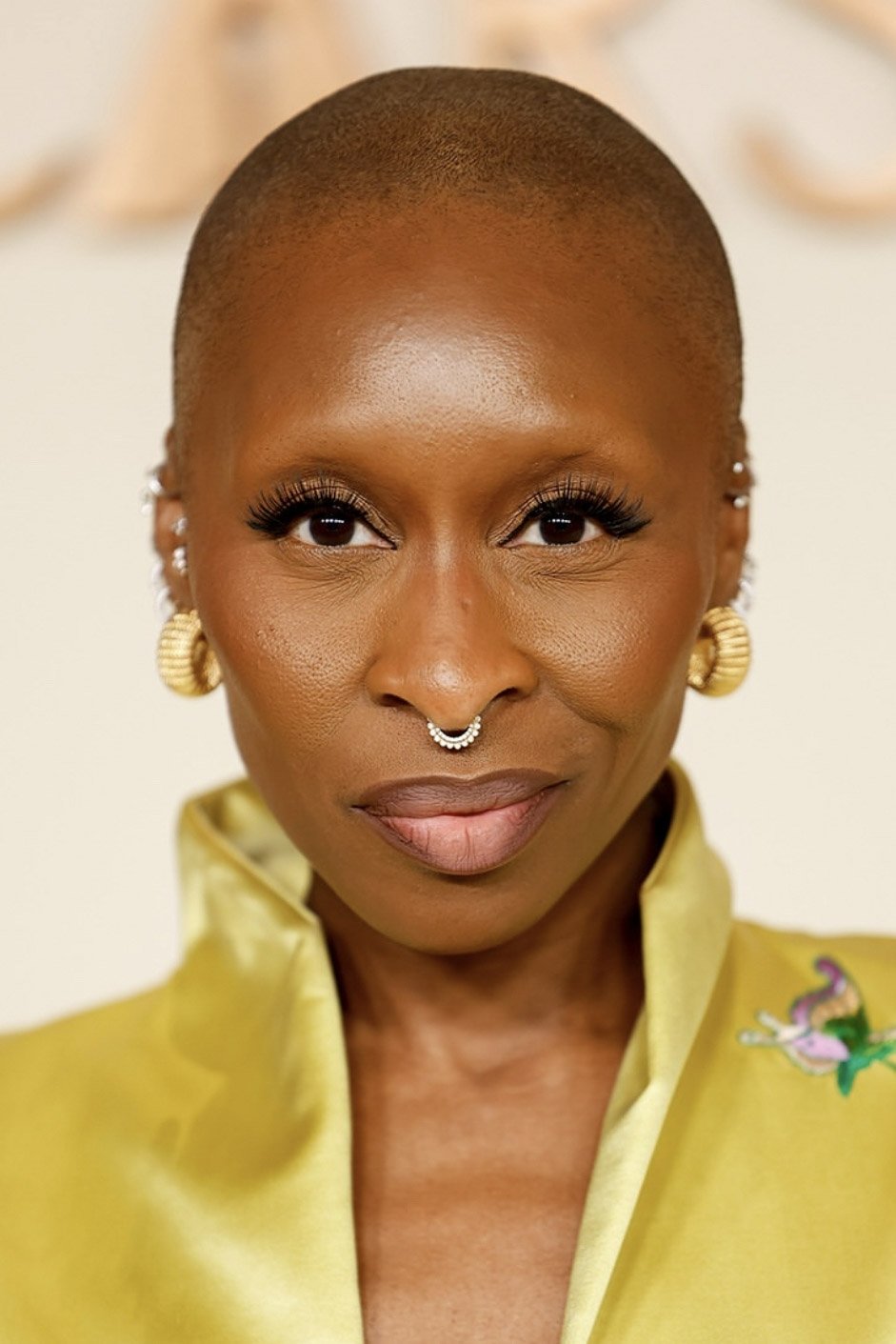
Cynthia Erivo faced criticism when she was cast to play Harriet Tubman in the film ‘Harriet’. Some critics focused on her nationality and previous comments she had made about American culture. Erivo responded by focusing on the historical importance of the role and her dedication to the character. She received two Academy Award nominations for her work on the film and its music. Her career continues to bridge the gap between theater and cinema with powerful performances.
Danai Gurira
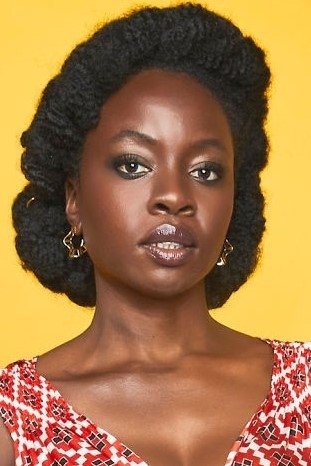
Danai Gurira has faced the challenges of being a Black woman in the competitive worlds of acting and playwriting. She has often spoken about the need for more stories that center on the experiences of African women. Gurira used her role in ‘Black Panther’ to showcase the strength and complexity of Black female warriors. She has also written award winning plays that highlight the struggles and triumphs of her community. Her work consistently challenges the limited narratives often seen in mainstream media.
Danielle Deadwyler
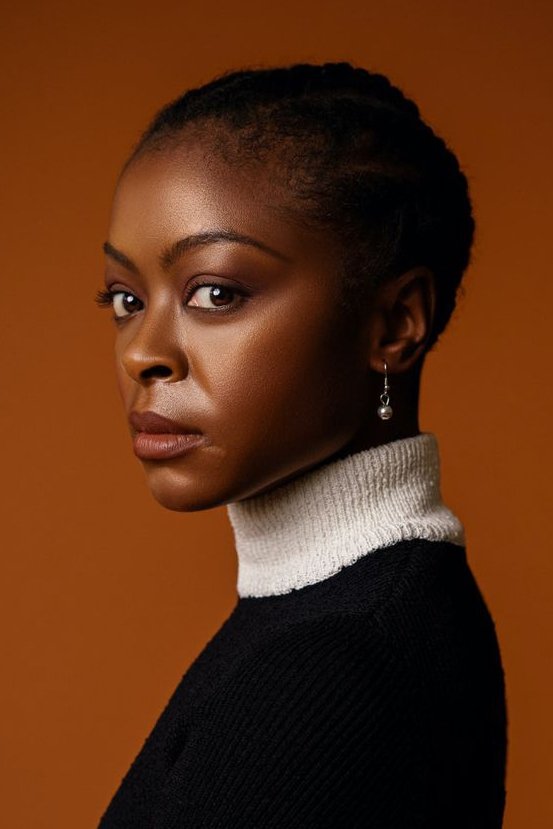
Danielle Deadwyler faced a significant public discussion regarding the lack of an Academy Award nomination for her role in ‘Till’. Many critics and fellow actors pointed to this as an example of the systemic bias within the awards system. Deadwyler remained focused on the importance of the story she was telling and the legacy of Mamie Till Mobley. She has spoken about the need for the industry to value the work of Black women without requiring them to suffer. Her career continues to rise as she takes on more challenging and influential roles.
Dominique Thorne
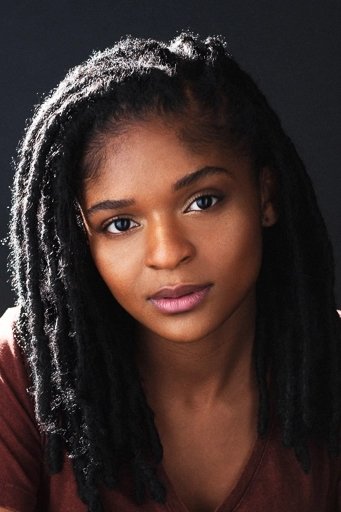
Dominique Thorne was the target of negative comments following her introduction as Riri Williams in ‘Black Panther Wakanda Forever’. Some critics argued against the inclusion of her character and her subsequent lead role in the series ‘Ironheart’. Thorne remained focused on the importance of showing young Black girls as geniuses and heroes. She participated in several interviews where she discussed the power of representation in the media. Her performance has been celebrated by many as a vital addition to the superhero landscape.
Eartha Kitt
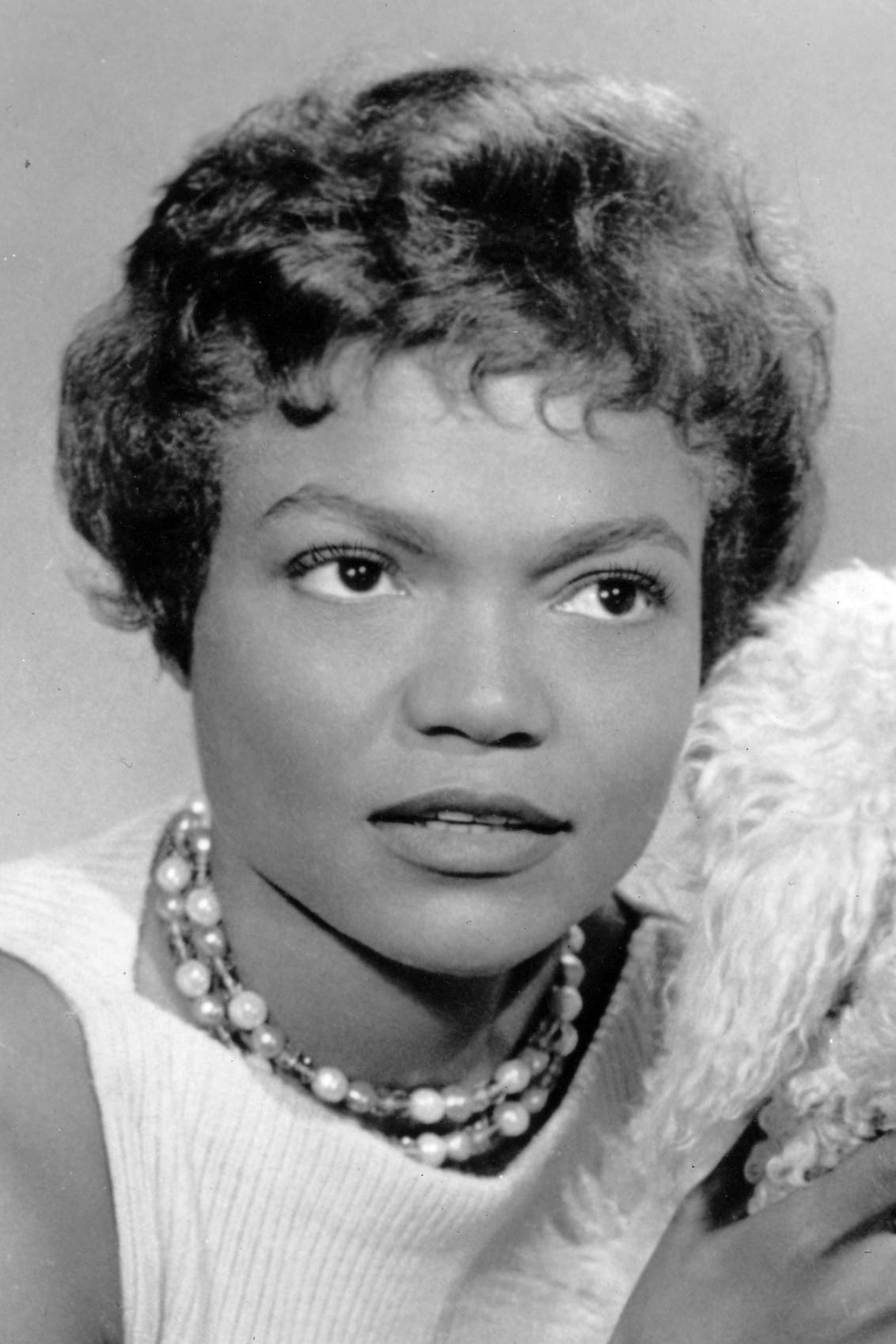
Eartha Kitt was a legendary performer who faced immense professional consequences for her political activism. She was blacklisted in the United States after speaking out against the Vietnam War during a White House luncheon. Kitt spent many years working abroad before she was eventually able to return to the American stage. She was also a vocal critic of racial segregation and used her fame to advocate for civil rights. Her legacy remains a powerful reminder of the cost of speaking truth to power.
Francesca Amewudah-Rivers
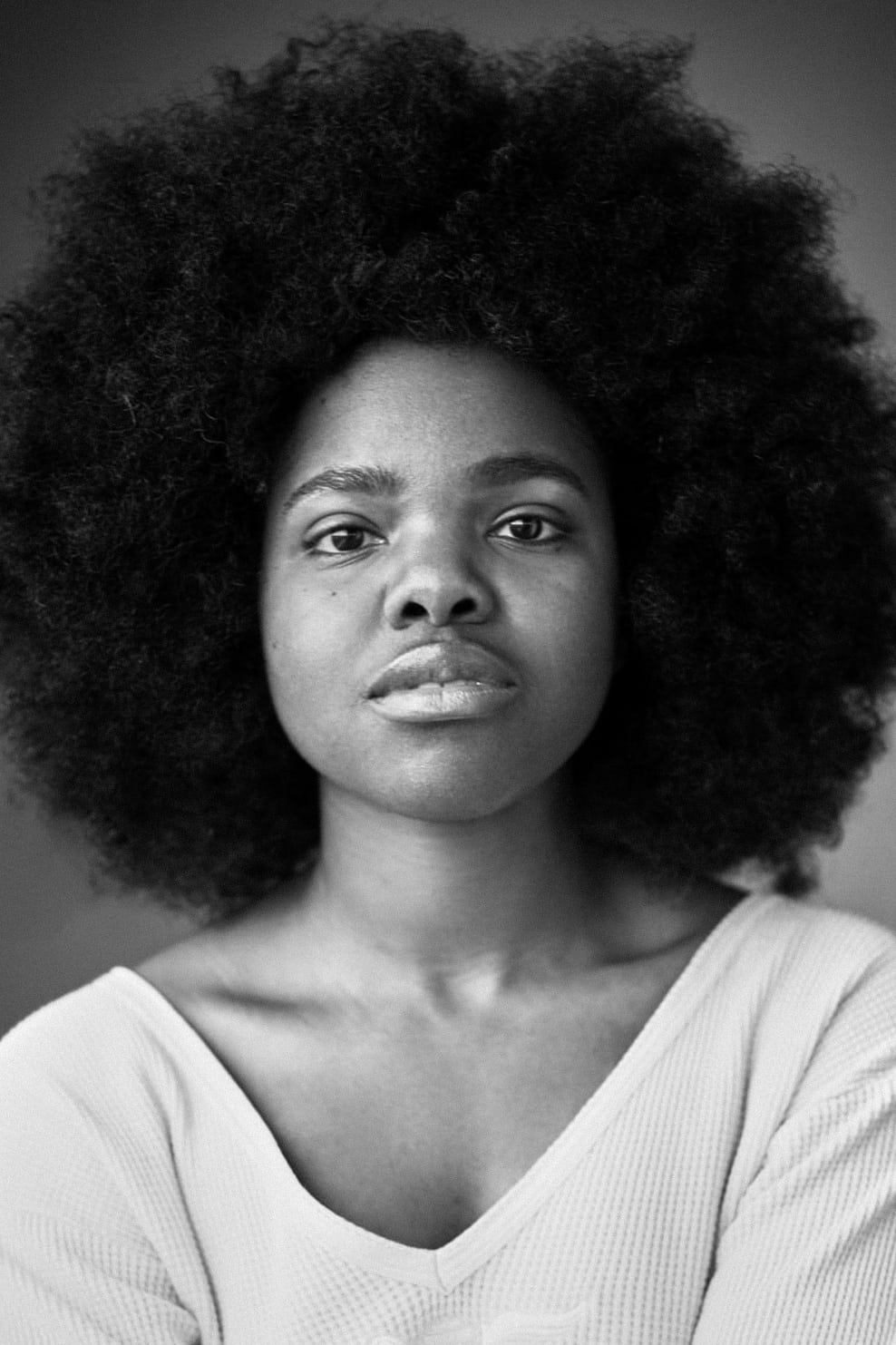
Francesca Amewudah-Rivers faced a wave of targeted racism after being cast as Juliet in a London stage production of ‘Romeo & Juliet’. The online abuse became so severe that hundreds of fellow actors signed an open letter in her support. The production company also issued a statement condemning the harassment and supporting her talent. Amewudah-Rivers continued with the production and focused on the artistic merit of the classic play. Her experience shed light on the ongoing challenges faced by Black actors in theater.
Gabourey Sidibe
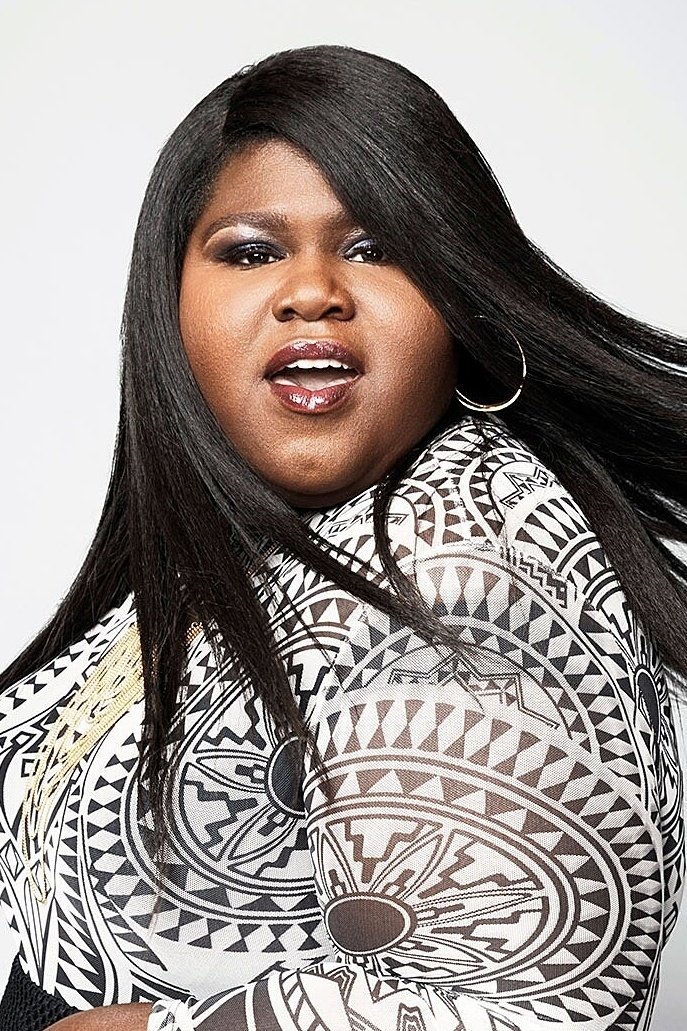
Gabourey Sidibe faced a wave of racist and fat-phobic abuse following her breakout role in the film ‘Precious’. Many critics and viewers made derogatory comments about her appearance and her fitness for the industry. Sidibe responded with humor and a strong sense of self worth that inspired many people around the world. She has since enjoyed a steady career in television series such as ‘Empire’ and ‘American Horror Story’. Her journey is a testament to the power of self confidence in the face of prejudice.
Gabrielle Union
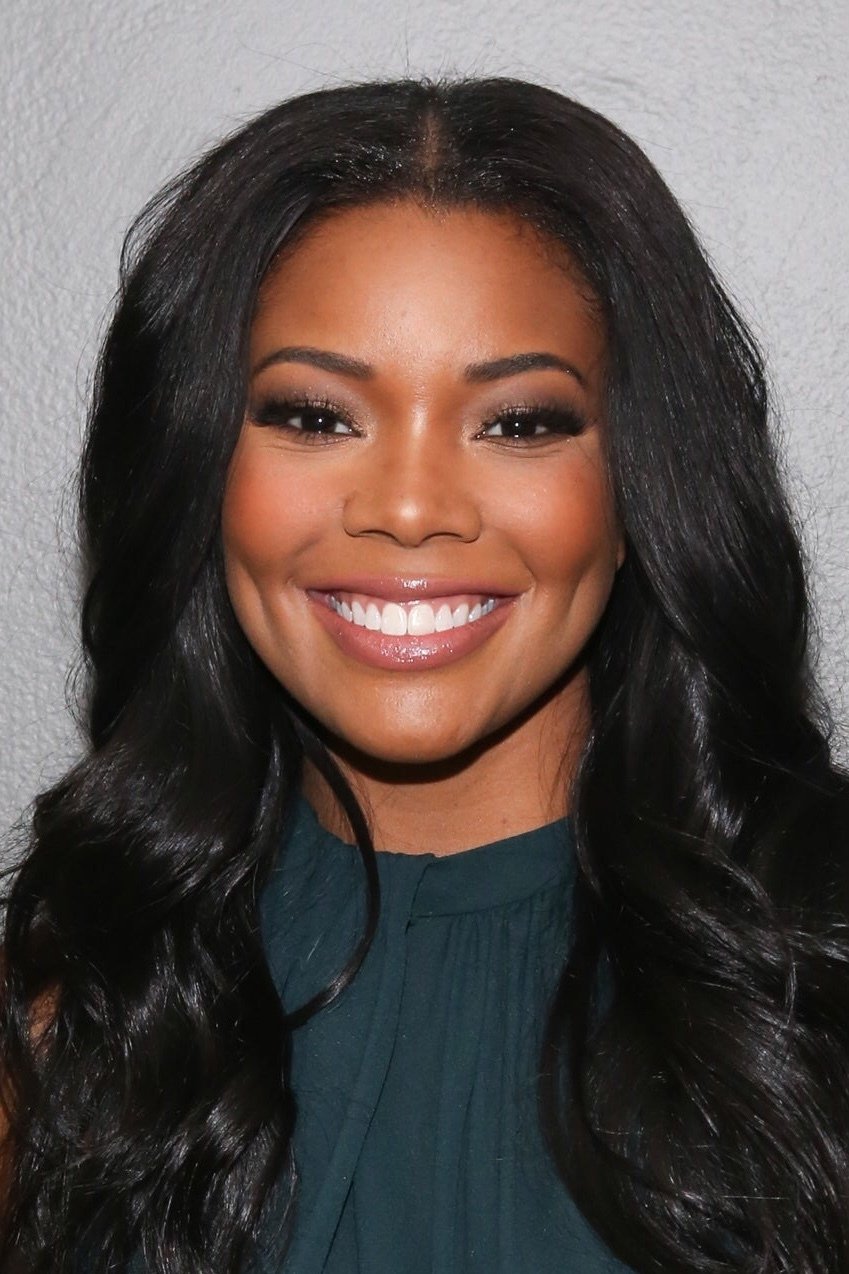
Gabrielle Union has been open about the racism she encountered while working on the set of ‘Americas Got Talent’. She spoke out about the toxic culture and the racially insensitive comments she witnessed during her time as a judge. Union filed a formal complaint to address these issues and advocate for a more inclusive workplace. She has long been a voice for Black women in Hollywood and frequently uses her platform to discuss pay equity. Her bravery in challenging major networks has made her a leader for social change.
Garcelle Beauvais
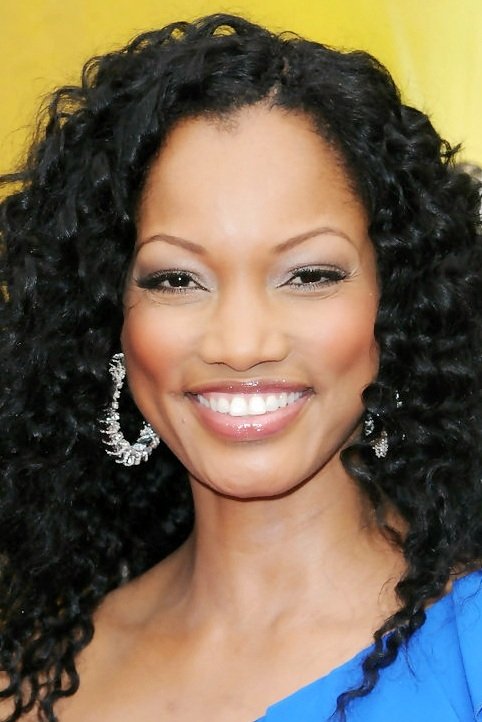
Garcelle Beauvais encountered targeted racism when she joined the cast of ‘The Real Housewives of Beverly Hills’. She was the first Black woman on the show and faced many microaggressions and overt comments from viewers and cast members. Beauvais stood her ground and addressed the issues directly on the screen. She also wrote about her experiences in her memoir to provide a deeper look at the challenges she faced. Her presence on the show has forced a long overdue conversation about race within reality television.
Halle Bailey
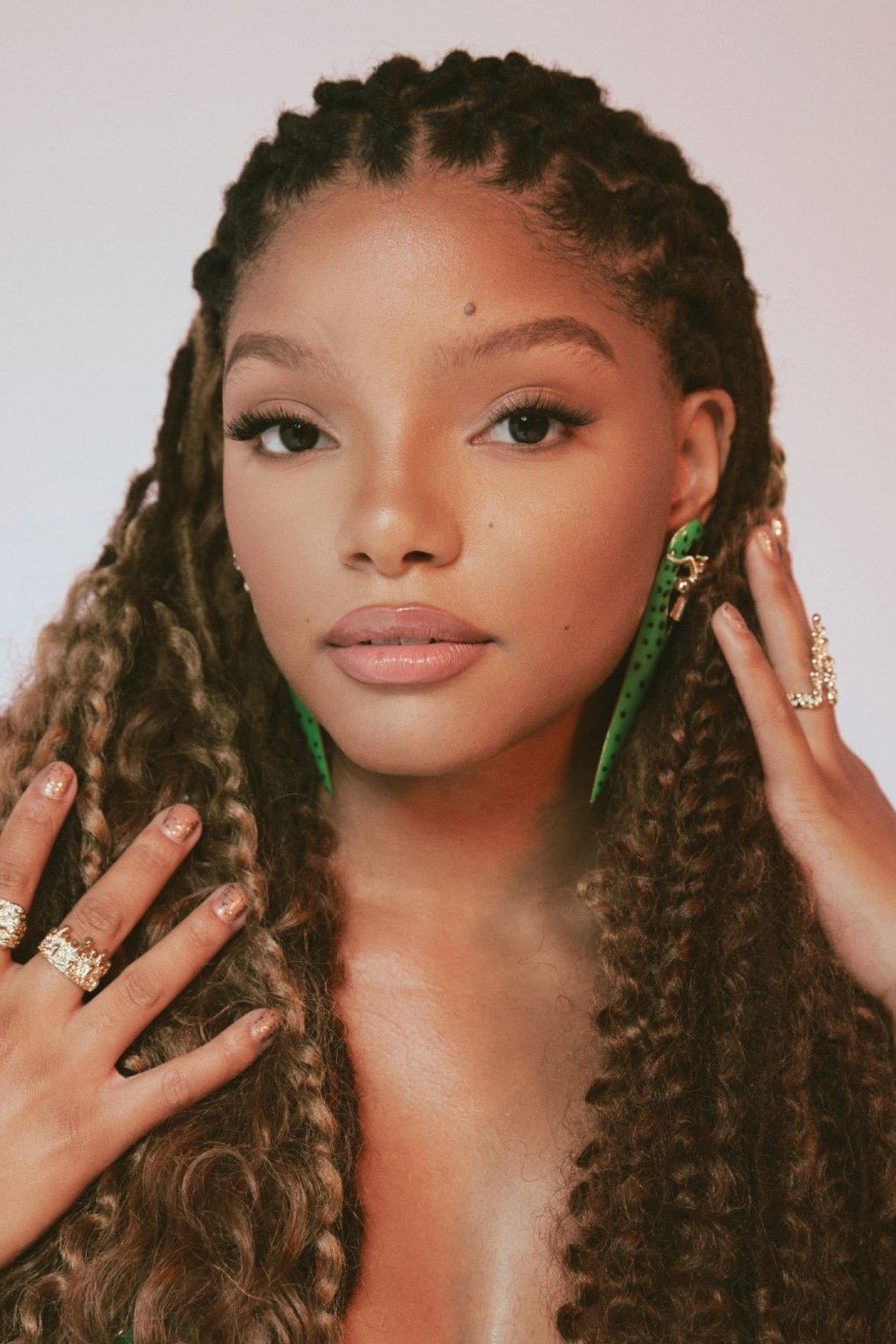
Halle Bailey encountered significant online opposition when she was cast as Ariel in the live action remake of ‘The Little Mermaid’. Many critics targeted her race and claimed that a fictional character could not be portrayed by a Black woman. Bailey remained focused on her performance and the cultural importance of her role for young viewers. She frequently spoke about how the support of her family helped her navigate the intense public scrutiny. This experience highlighted the persistent issues of diversity and inclusion in major film franchises.
Hattie McDaniel
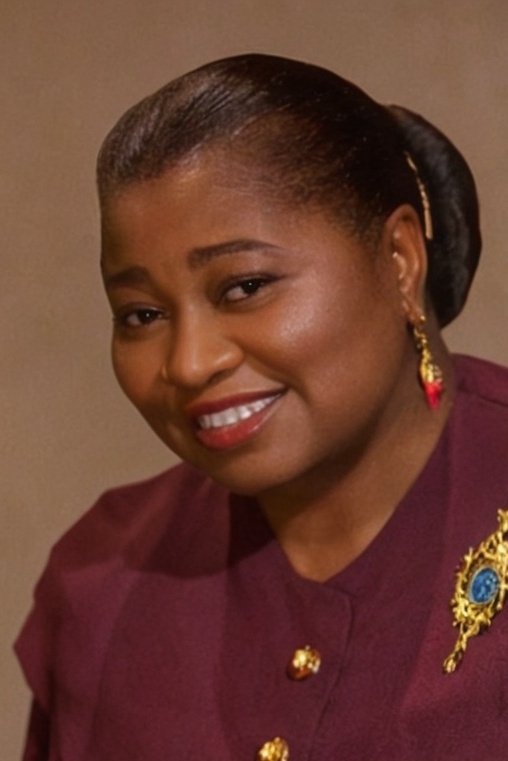
Hattie McDaniel was the first Black person to win an Academy Award but she faced extreme racism throughout her life. On the night of her win she was forced to sit at a segregated table away from her cast members. She was often criticized for playing domestic worker roles despite the limited options available to her at the time. McDaniel paved the way for future generations while enduring the hardships of the Jim Crow era. Her contribution to film history is now recognized as a vital step toward equality.
Jodie Turner-Smith
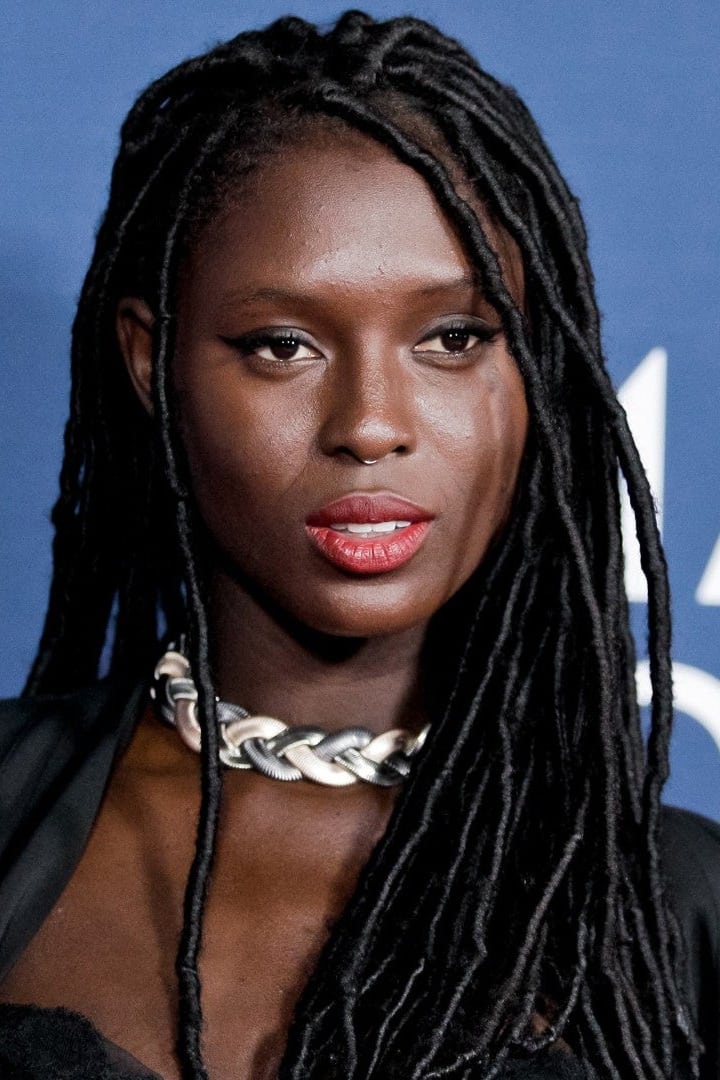
Jodie Turner-Smith received a torrent of racist abuse when she was cast as the lead in the miniseries ‘Anne Boleyn’. The decision to cast a Black woman as a historical figure from the English monarchy sparked controversy and hate speech online. Turner-Smith responded by emphasizing the importance of color blind casting in telling universal human stories. She remained dignified throughout the press cycle and received praise for her portrayal of the doomed queen. The actress continues to challenge traditional casting norms in her various projects.
Jurnee Smollett

Jurnee Smollett encountered racist responses when she was cast as Black Canary in the film ‘Birds of Prey’. Some online commentators focused on her race rather than her acting abilities or the character comic history. Smollett leaned into the role and performed many of her own stunts to prove her commitment. She later reprised the character and continued to advocate for more stories centered on women of color. Her resilience has made her a prominent voice for change in the industry.
Keke Palmer

Keke Palmer has been in the spotlight since she was a child and has frequently addressed the racism she faces. She has spoken out against colorism and the ways Black women are often pitted against each other. Palmer has also used her social media presence to document her experiences with the police and systemic inequality. She remains a versatile performer who refuses to be put into a box by the industry. Her career is a testament to the power of authenticity and hard work.
Kerry Washington
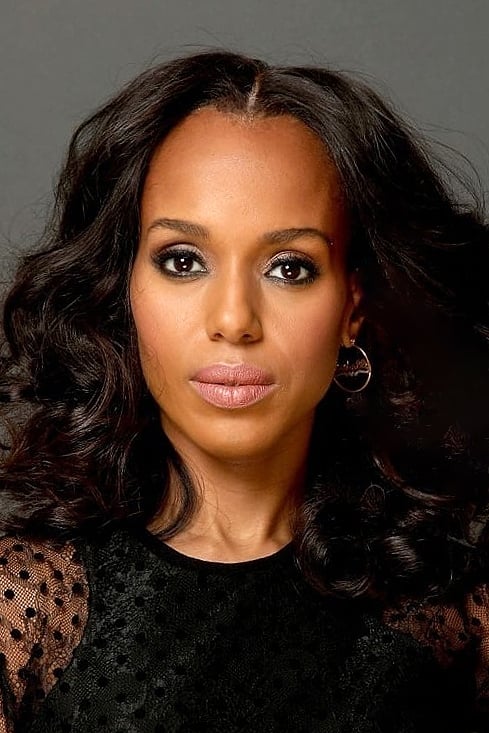
Kerry Washington has spoken about the challenges of being a Black woman in lead roles on television shows like ‘Scandal’. She has addressed the racial tropes that are often written into scripts and the effort required to make her characters more authentic. Washington has used her influence to produce content that centers on the Black experience and social justice. She is also a vocal advocate for voting rights and political engagement. Her work both on and off the screen has helped change the landscape of modern television.
Lashana Lynch

Lashana Lynch made history as the first Black woman to hold the 007 designation in the film ‘No Time to Die’. This casting choice led to a significant amount of online pushback from those who felt the role should remain unchanged. Lynch prepared herself for the reaction by reminding herself that the change was necessary for the evolution of the franchise. She focused on the positive impact her role would have on future generations of performers. Her presence in the legendary series marked a major milestone for representation in action cinema.
Lena Waithe
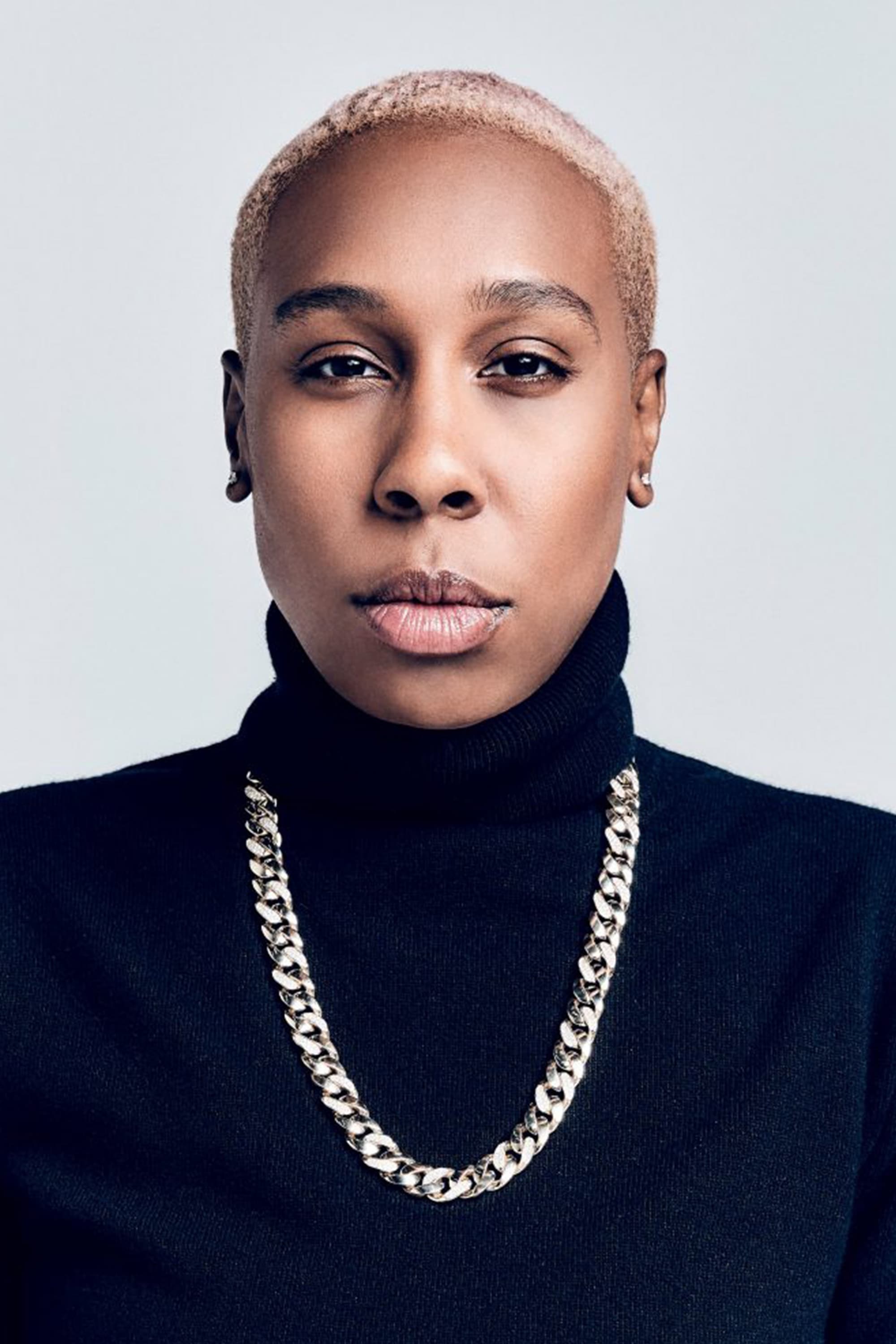
Lena Waithe has used her career as an actress and writer to break down barriers for Black and LGBTQ individuals. She has spoken about the racism and homophobia she has encountered in the writers room and on set. Waithe became the first Black woman to win a Primetime Emmy Award for Outstanding Writing for a Comedy Series. She continues to produce and create content that centers on marginalized voices and experiences. Her work is a powerful force for change and representation in modern media.
Leslie Jones
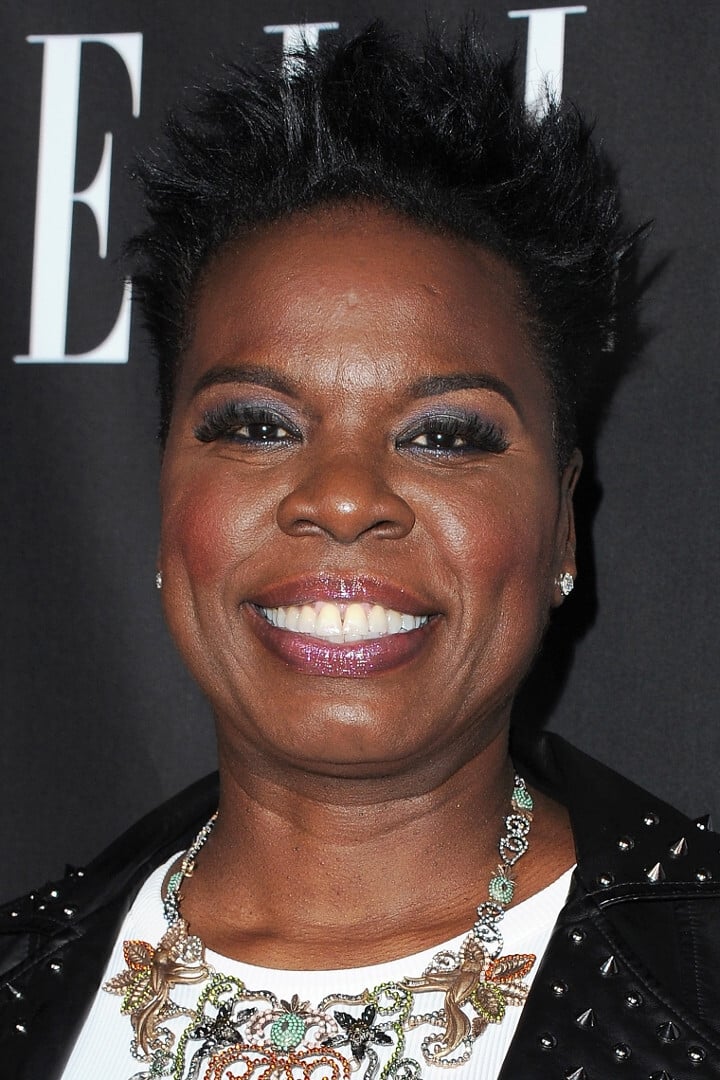
Leslie Jones endured a massive wave of coordinated online harassment after starring in the 2016 reboot of ‘Ghostbusters’. The abuse included racist comments and personal threats that forced her to temporarily leave social media platforms. She used her platform to call for better protection against hate speech and digital bullying. Her resilience sparked a global conversation about the treatment of Black women in the entertainment industry. Jones eventually returned to the spotlight and continued her successful career in comedy and television.
Lupita Nyong’o
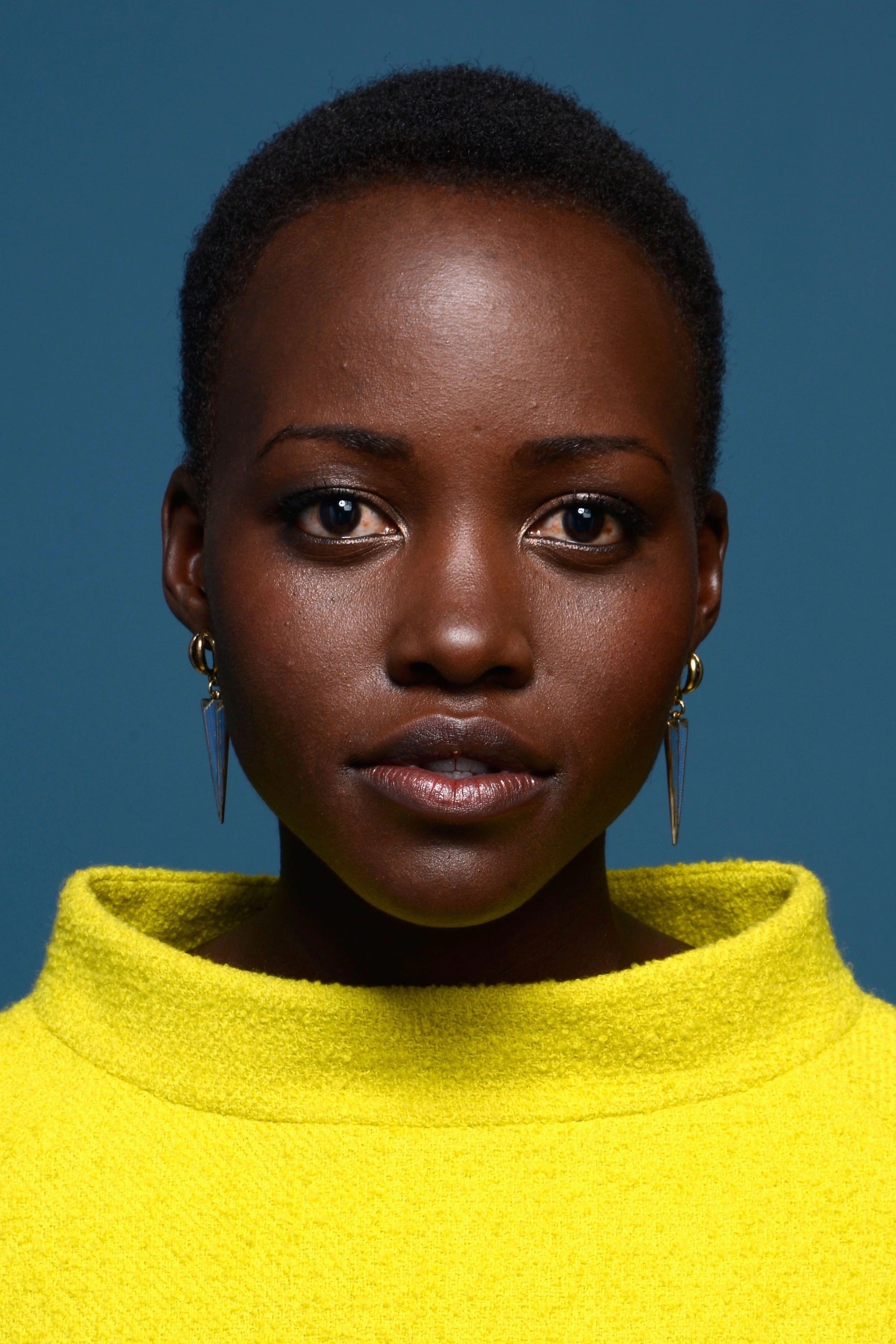
Lupita Nyong’o experienced targeted racism in the form of colorism throughout her life and career. She has shared stories of how she was encouraged to change her appearance to fit Western beauty standards. Nyong’o used her Academy Award win to speak out about the beauty of dark skin and the importance of self love. She also wrote a children’s book to help young girls embrace their natural complexions. Her influence has helped redefine beauty standards on a global scale.
Marsai Martin
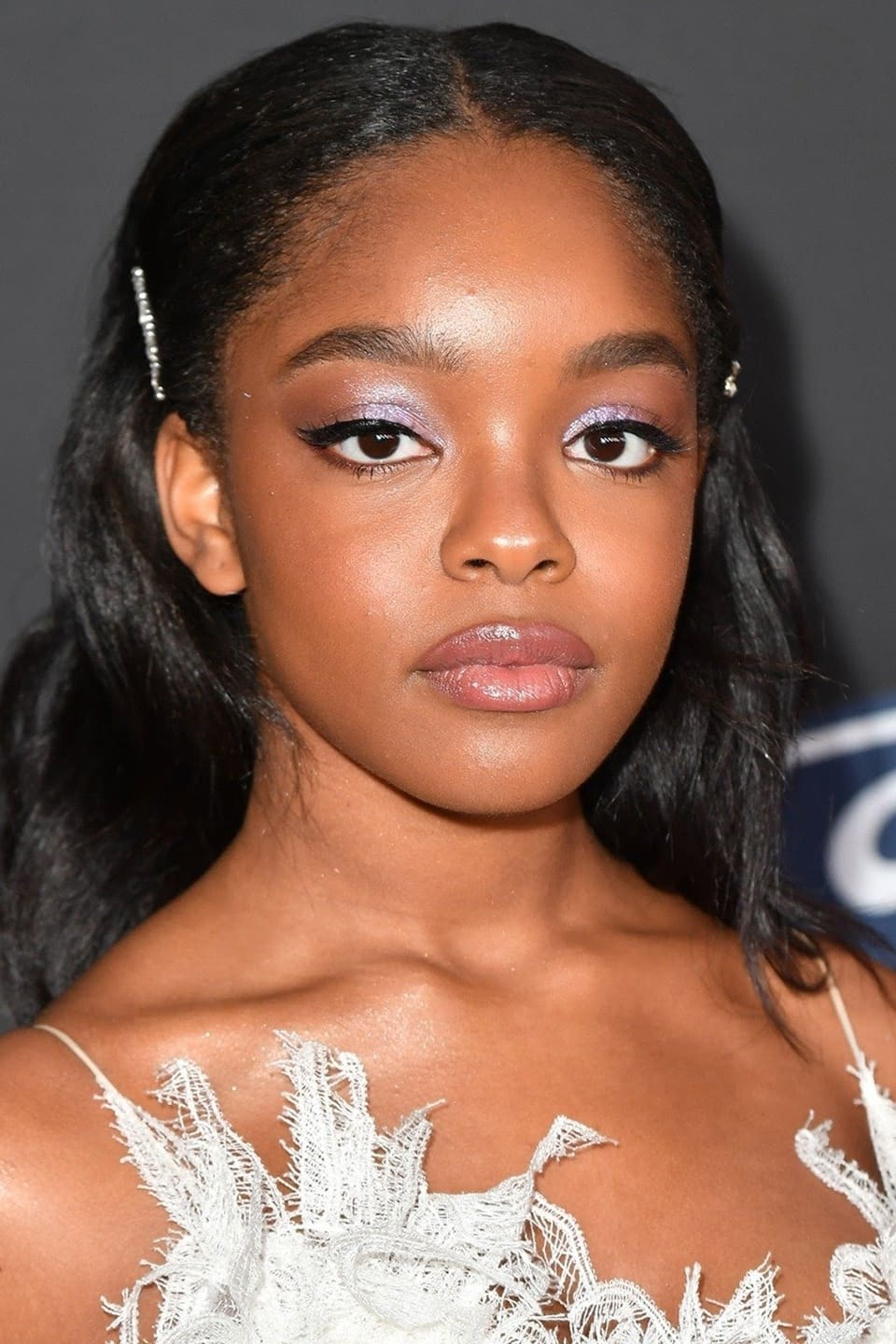
Marsai Martin has faced online bullying and racist comments since she was a child starring in ‘Black-ish’. Critics often targeted her hair and appearance as she grew up in the public eye. Martin responded by becoming the youngest executive producer in Hollywood and creating her own opportunities. She has used her success to empower other young Black girls to be confident in their own skin. Her achievements serve as a powerful rebuttal to those who tried to diminish her talent.
Meagan Good
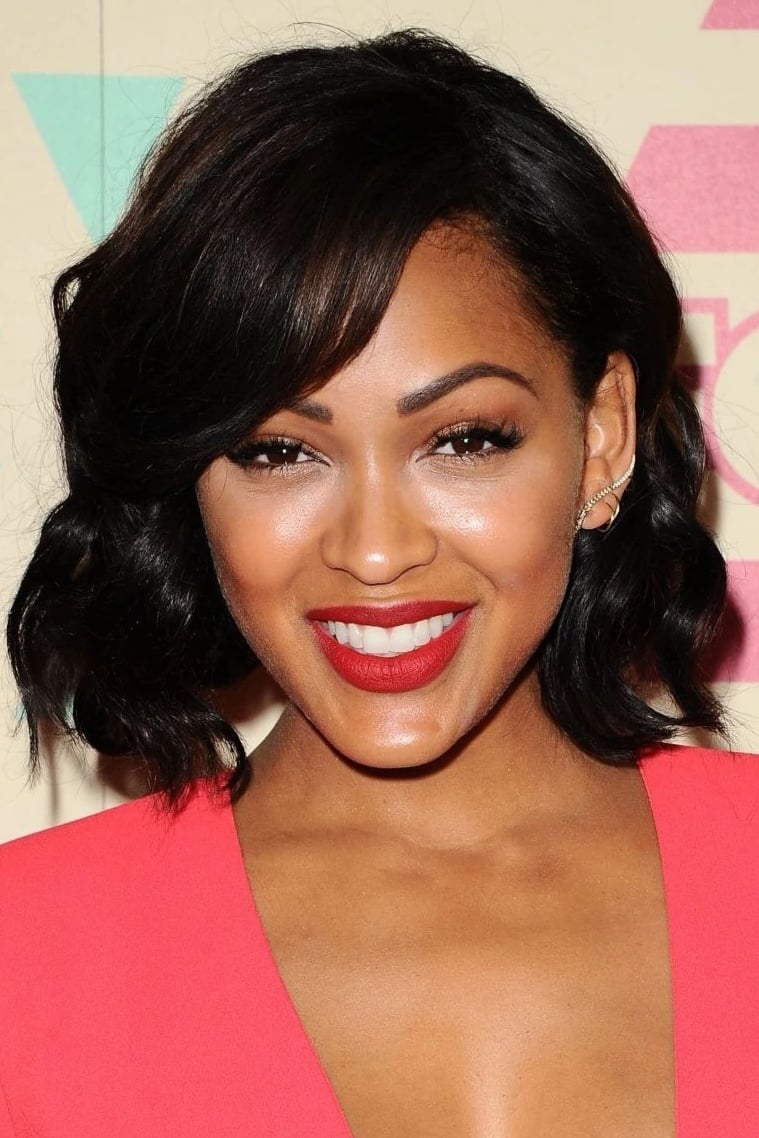
Meagan Good has faced criticism and targeted comments regarding her personal life and her choice of roles. She has spoken about the difficulty of being a Black woman in an industry that often tries to sexualize her. Good has remained focused on her faith and her commitment to her craft throughout the years. She has also worked to produce and direct her own projects to ensure better representation. Her longevity in the industry is a result of her talent and her unwavering self belief.
Naomie Harris
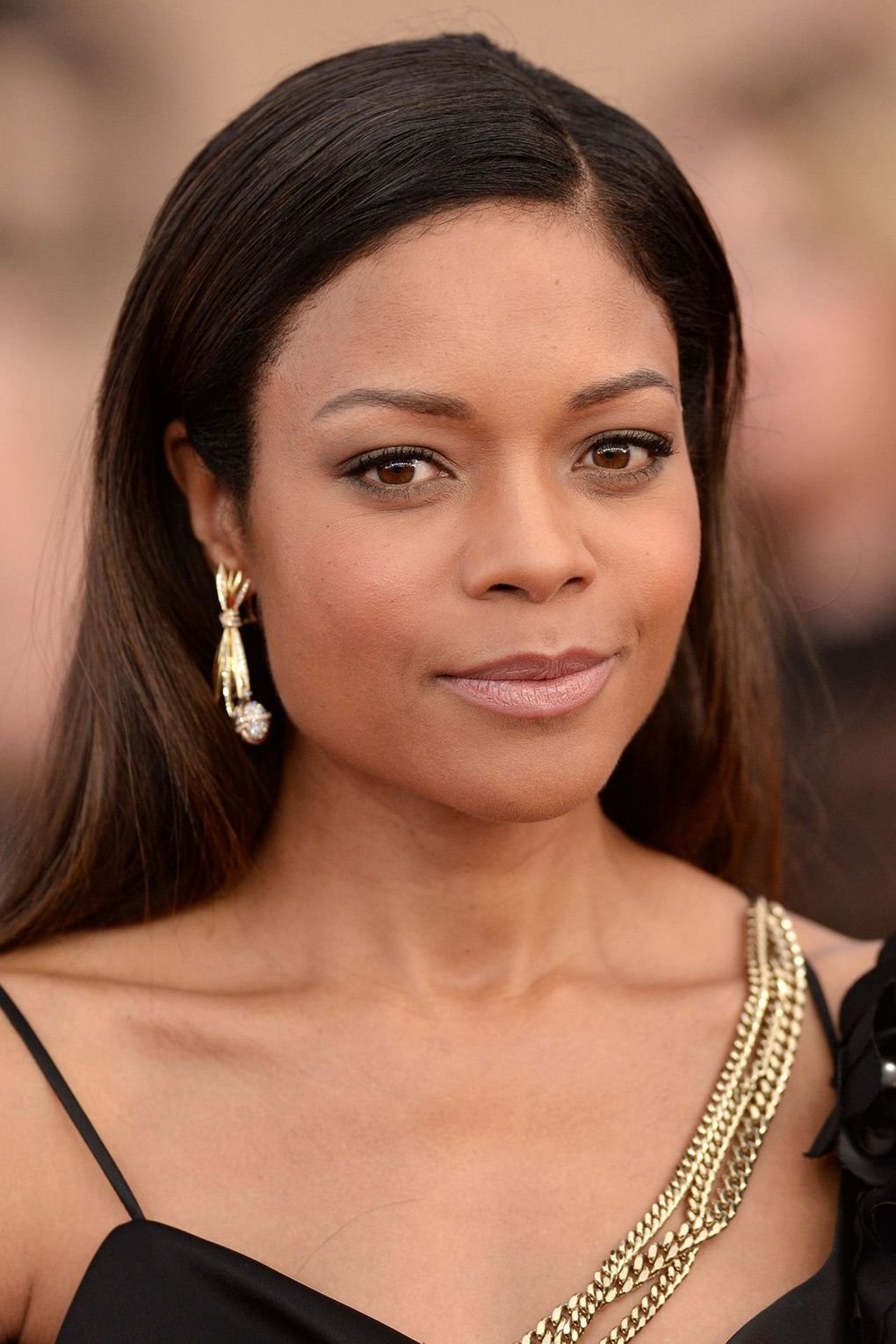
Naomie Harris has shared her experiences with racial profiling and the lack of diverse roles in the British film industry. She has spoken about the difficulty of finding characters that were not based on stereotypes. Harris has worked hard to choose roles that offer depth and humanity to Black women. Her portrayal of Eve Moneypenny in the ‘James Bond’ series brought a new level of diversity to the iconic franchise. She continues to be a leading voice for representation in international cinema.
Nia Long
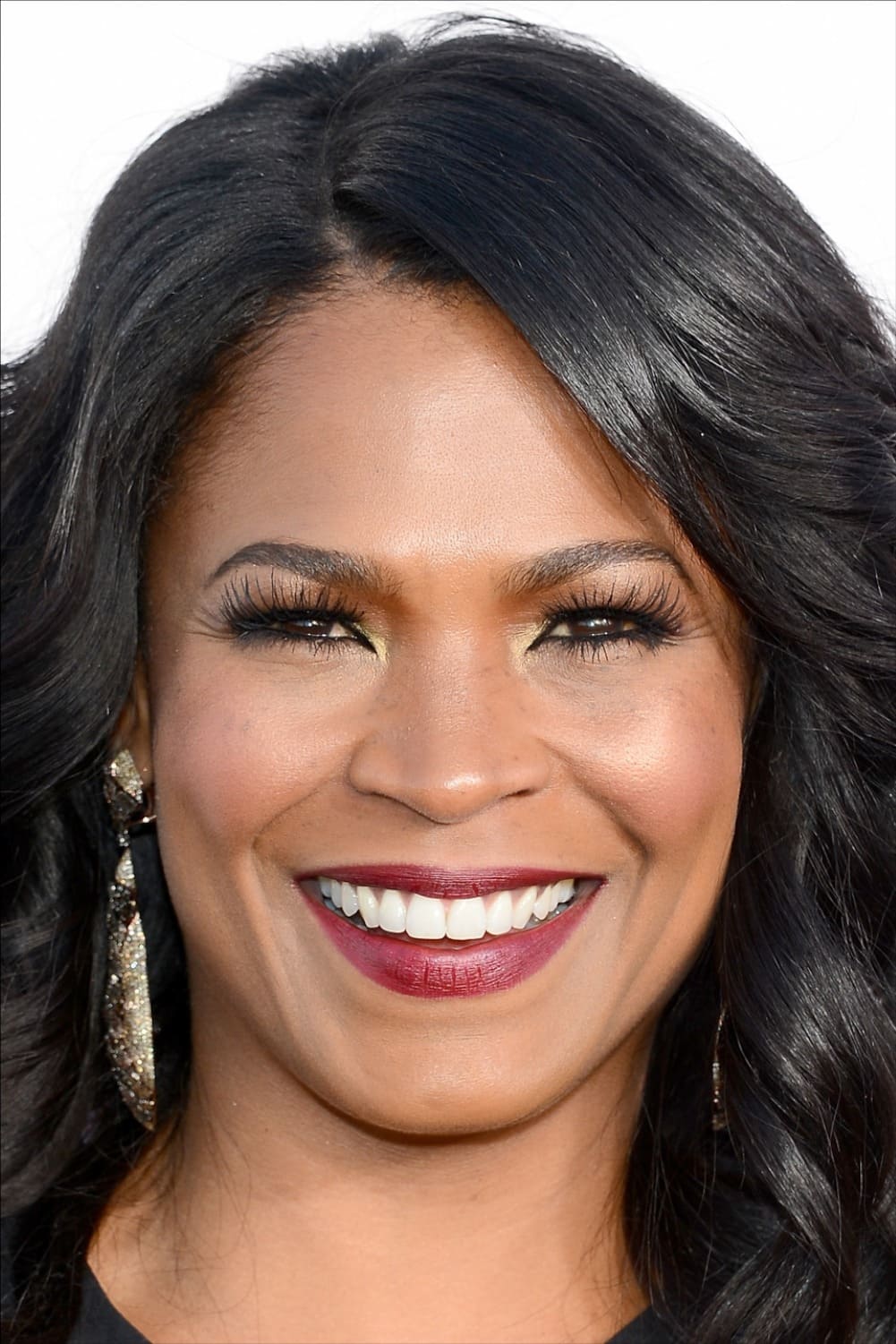
Nia Long has discussed the racial biases she encountered while auditioning for major films in the nineties and early two thousands. She has shared stories of being told she was too urban for certain roles that were eventually given to white actresses. Long has maintained a successful career by choosing roles that celebrate Black culture and identity. She remains a beloved figure in the community for her classic performances and her grace. Her advocacy for better opportunities for Black women continues to this day.
Nichelle Nichols
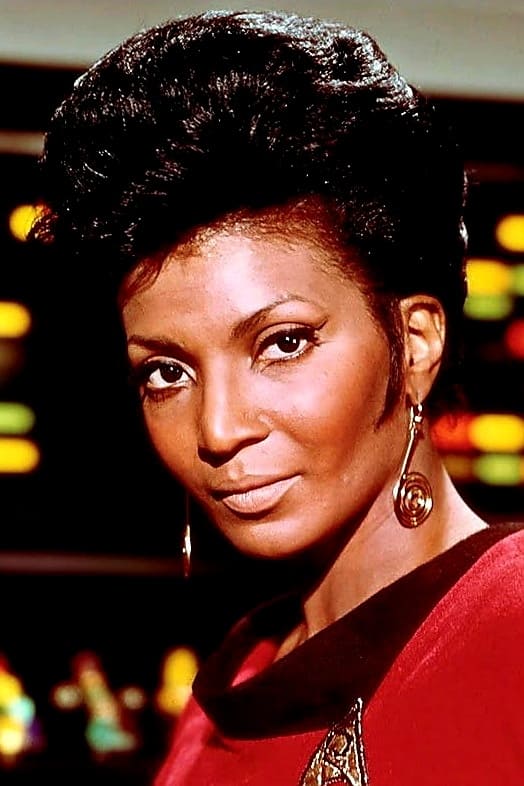
Nichelle Nichols made television history with her role as Lieutenant Uhura on the original ‘Star Trek’ series. She faced racism both behind the scenes and from the public during the height of the Civil Rights Movement. Nichols famously considered leaving the show until Dr. Martin Luther King Jr. encouraged her to stay because of the importance of her role. She later worked with NASA to recruit more women and people of color for the space program. Her influence extends far beyond the screen and into the realms of science and exploration.
Octavia Spencer
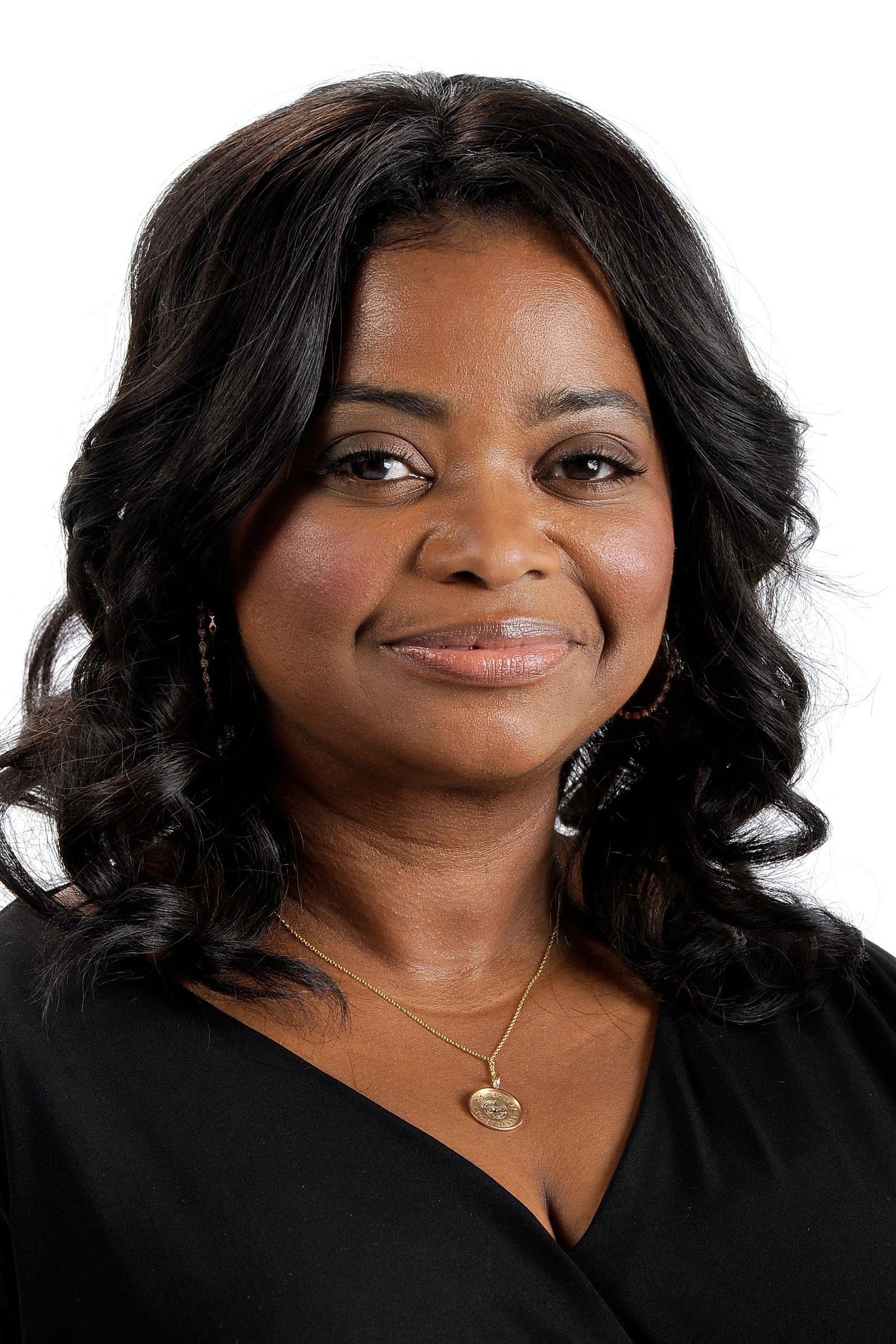
Octavia Spencer has been open about the racism she faced while trying to build her career in Hollywood. She spent many years playing minor roles before her breakout performance in ‘The Help’. Spencer has spoken about the ongoing struggle for equal pay and the need for more diverse stories in all genres. She has used her success to produce projects that feature people of color in leading roles. Her presence in the industry continues to inspire aspiring actors everywhere.
Regina King
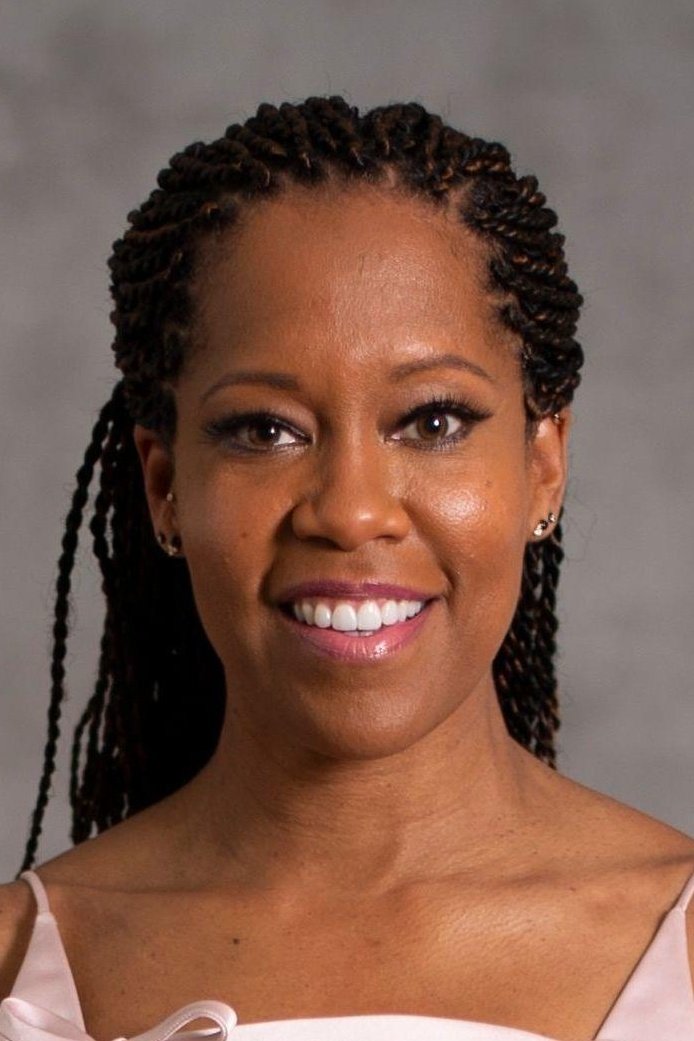
Regina King has spent decades in the industry and has witnessed the slow pace of change regarding racial equity. She has spoken about the times she was overlooked for roles despite her proven talent and success. King transitioned into directing to have more control over the stories being told about the Black experience. She has used her awards acceptance speeches to call for more diversity behind the camera. Her leadership has helped open doors for a new generation of filmmakers.
Ruth Negga
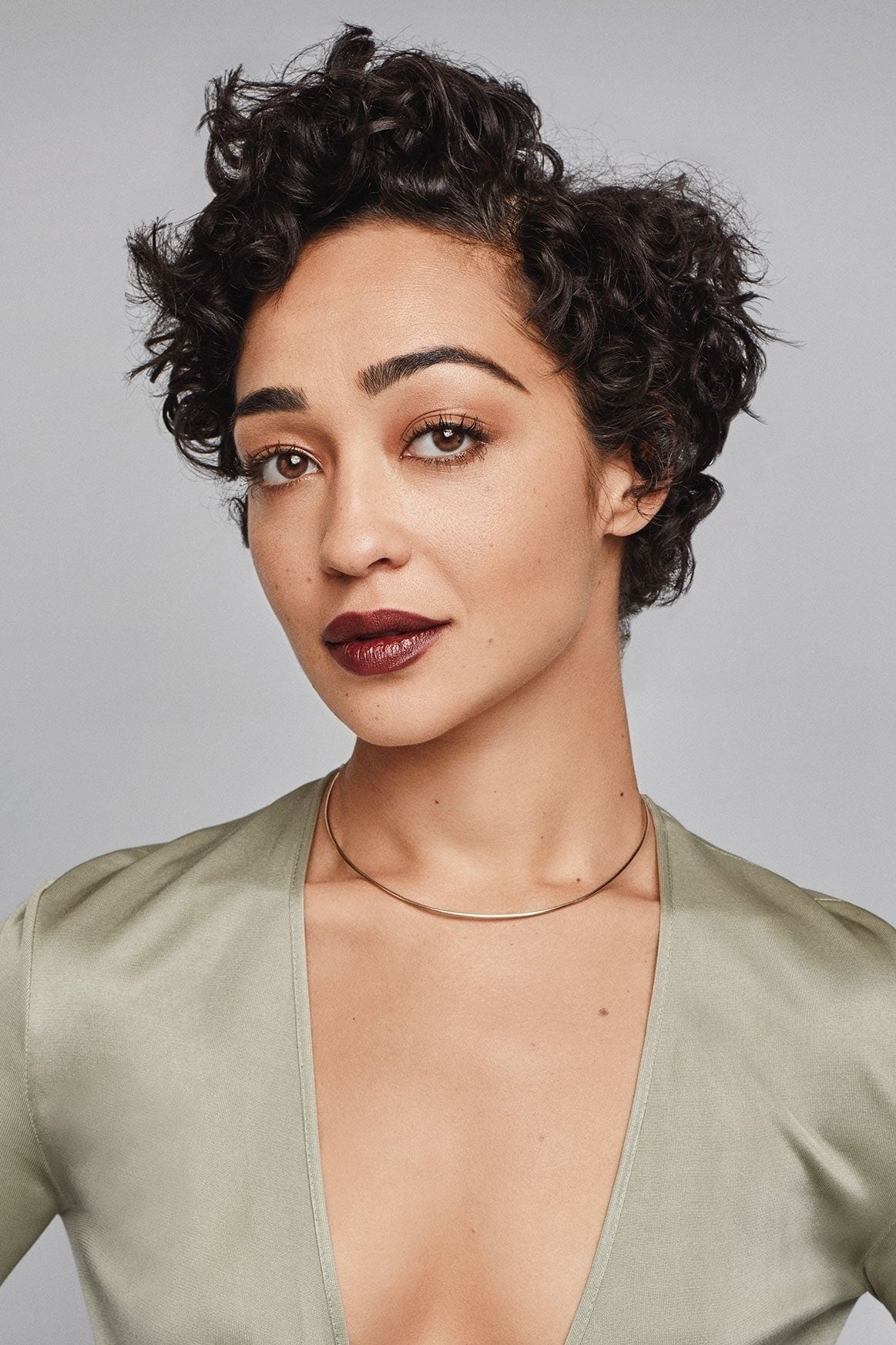
Ruth Negga has faced the challenges of being a Black actress in both the Irish and American film industries. She has spoken about the ways her identity has influenced her work and the roles she is offered. Negga received critical acclaim for her role in ‘Loving’ which explored the history of interracial marriage laws. She has consistently chosen projects that challenge societal norms and highlight human rights. Her career is a reflection of her dedication to meaningful and impactful storytelling.
Sheryl Lee Ralph

Sheryl Lee Ralph has been a trailblazer in theater and television for several decades. She has spoken about the racism she faced early in her career and the limited roles available to Black women. Ralph has used her platform to advocate for HIV awareness and the empowerment of women of color. Her recent success on ‘Abbott Elementary’ has brought her a new wave of recognition and respect. She remains a powerful mentor for young actresses entering the industry.
Sonequa Martin-Green
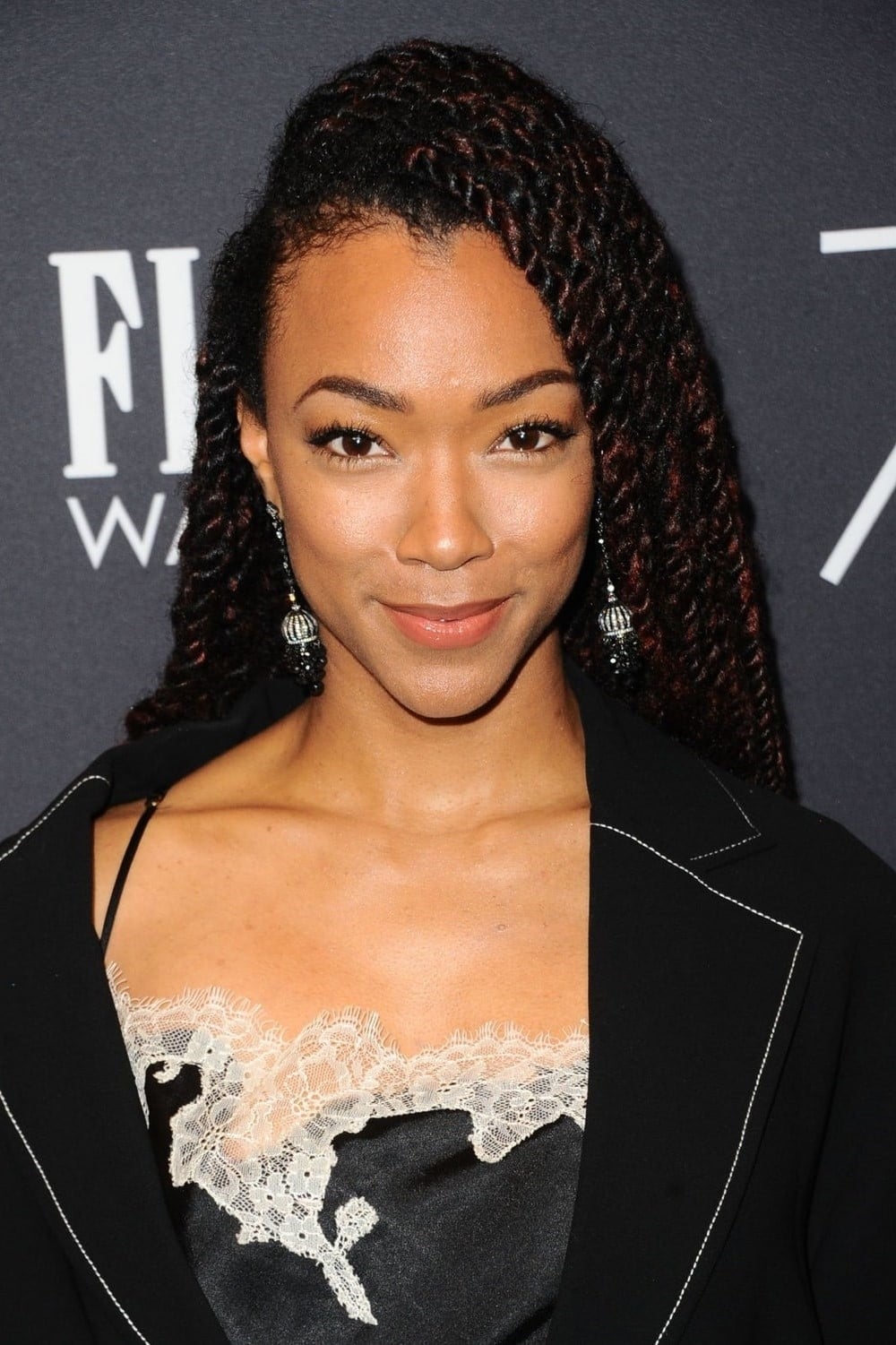
Sonequa Martin-Green faced a backlash from some viewers when she took the lead role in ‘Star Trek Discovery’. As the first Black woman to lead a series in the franchise she encountered comments that were rooted in racial bias. Martin-Green chose to focus on the legacy of the show and its history of promoting diversity. She praised the creators for their inclusive vision and remained dedicated to her character development. Her leadership on and off the screen has made her a respected figure in science fiction.
Storm Reid
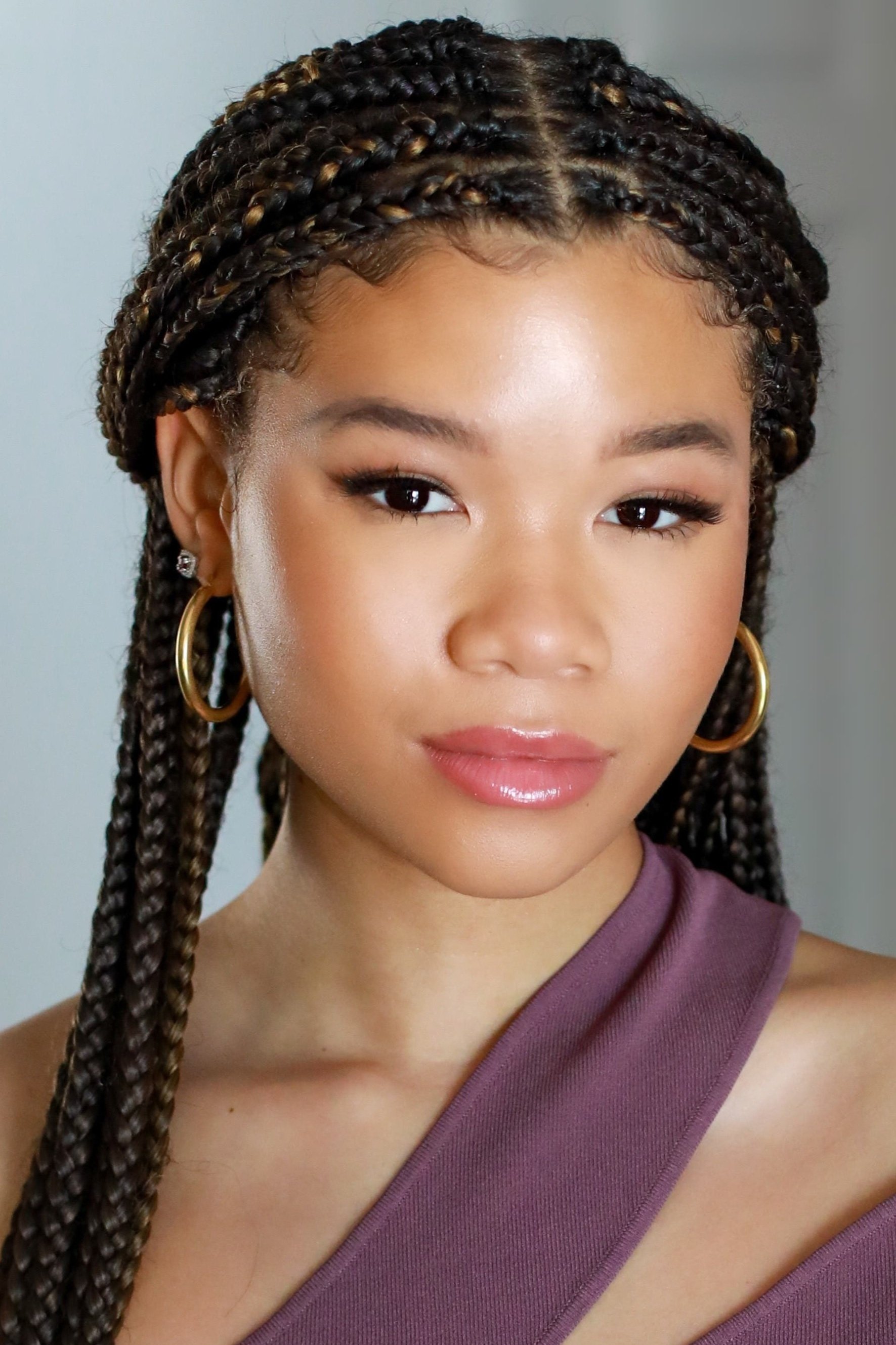
Storm Reid was subjected to racist comments when she starred in the film ‘A Wrinkle in Time’. The young actress was targeted by people who were unhappy with the diverse casting of the classic children’s book. Reid handled the situation with maturity and focused on the positive feedback from her fans. She has since become a successful producer and actress who prioritizes diverse storytelling. Her career continues to flourish as she takes on complex roles in television and film.
Tamera Mowry-Housley
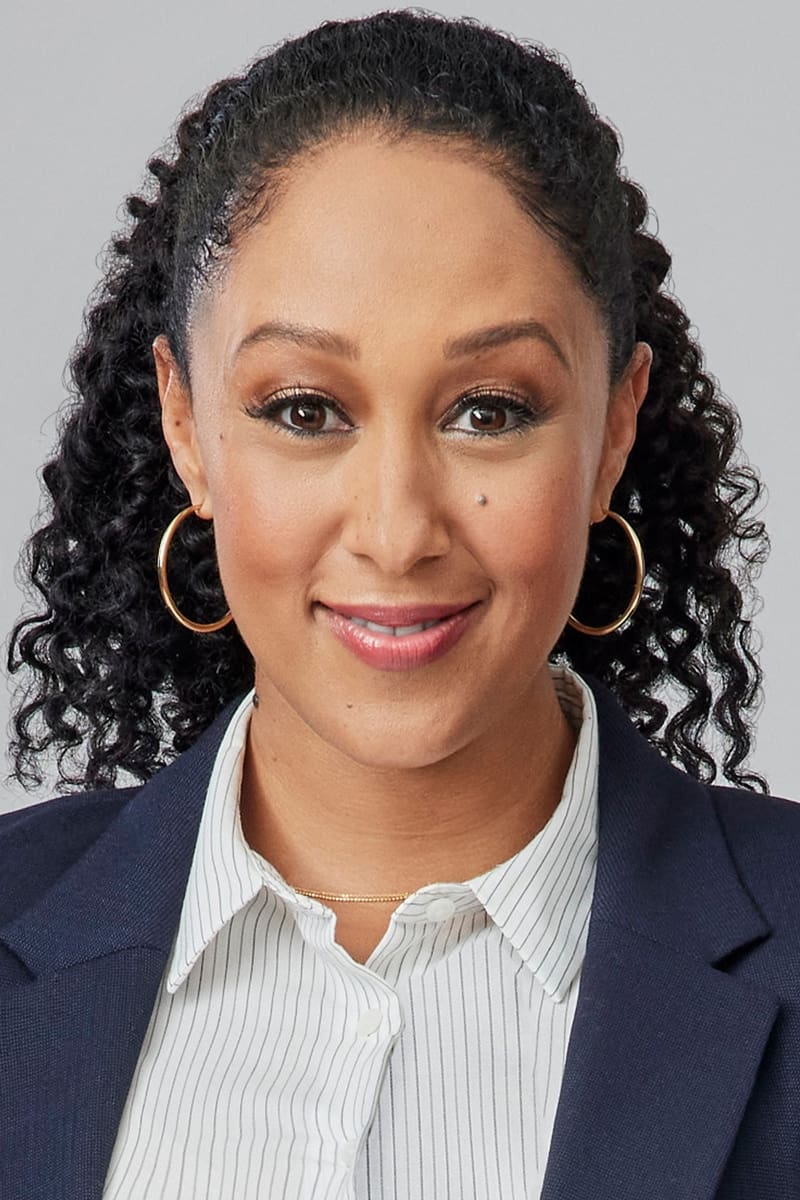
Tamera Mowry Housley has often spoken about the racism she faced due to her interracial marriage. During her time on the talk show ‘The Real’ she frequently shared the painful comments she received from strangers online. The actress expressed how these attacks affected her family and her mental well being. She used her platform to promote love and understanding across different racial backgrounds. Her honesty has helped many others dealing with similar struggles in their personal lives.
Taraji P. Henson
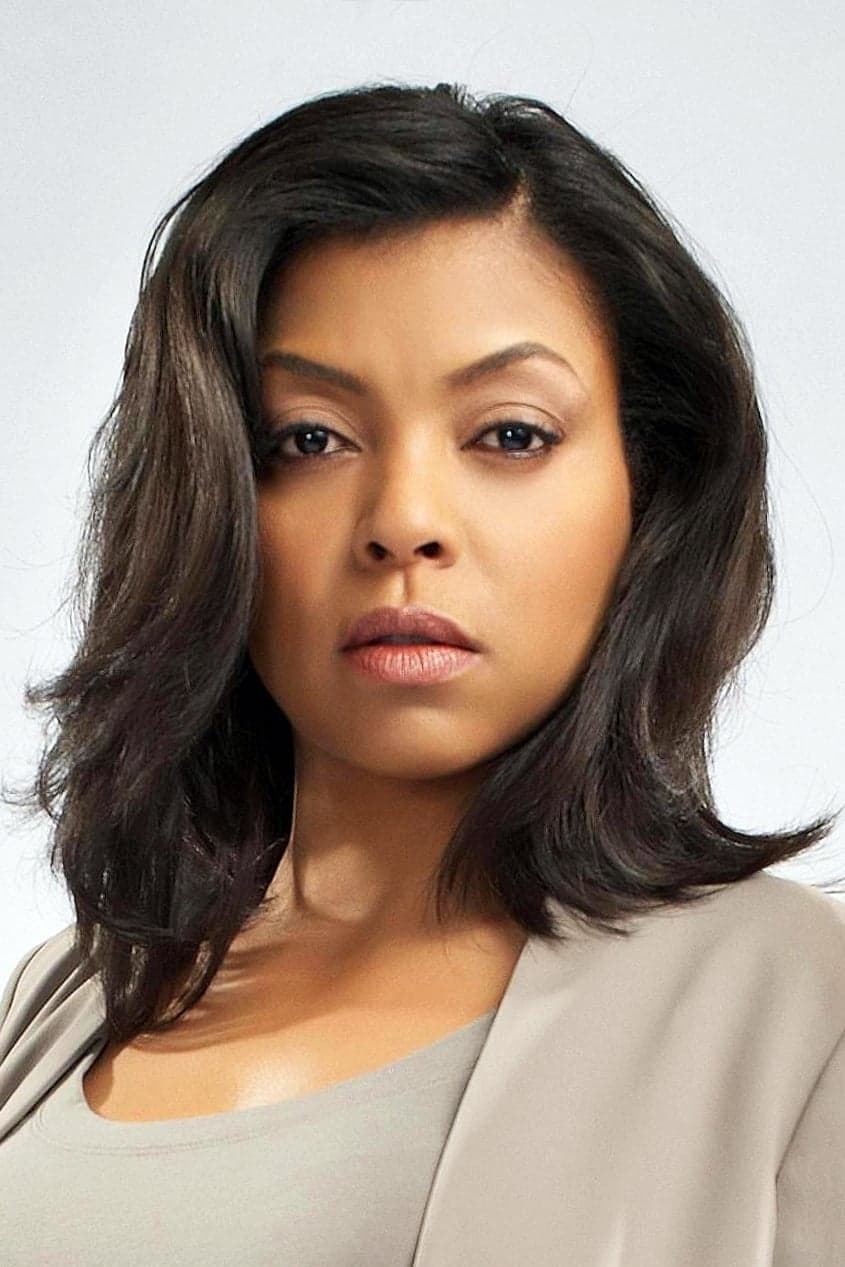
Taraji P. Henson has frequently addressed the pay inequality and lack of respect faced by Black actresses. She famously spoke about how little she was paid for her Oscar nominated role in ‘The Curious Case of Benjamin Button’. Henson has also been a leader in the conversation about mental health in the Black community. She continues to advocate for systemic changes that will ensure fair treatment for all performers. Her transparency has made her one of the most respected voices in the industry.
Tessa Thompson
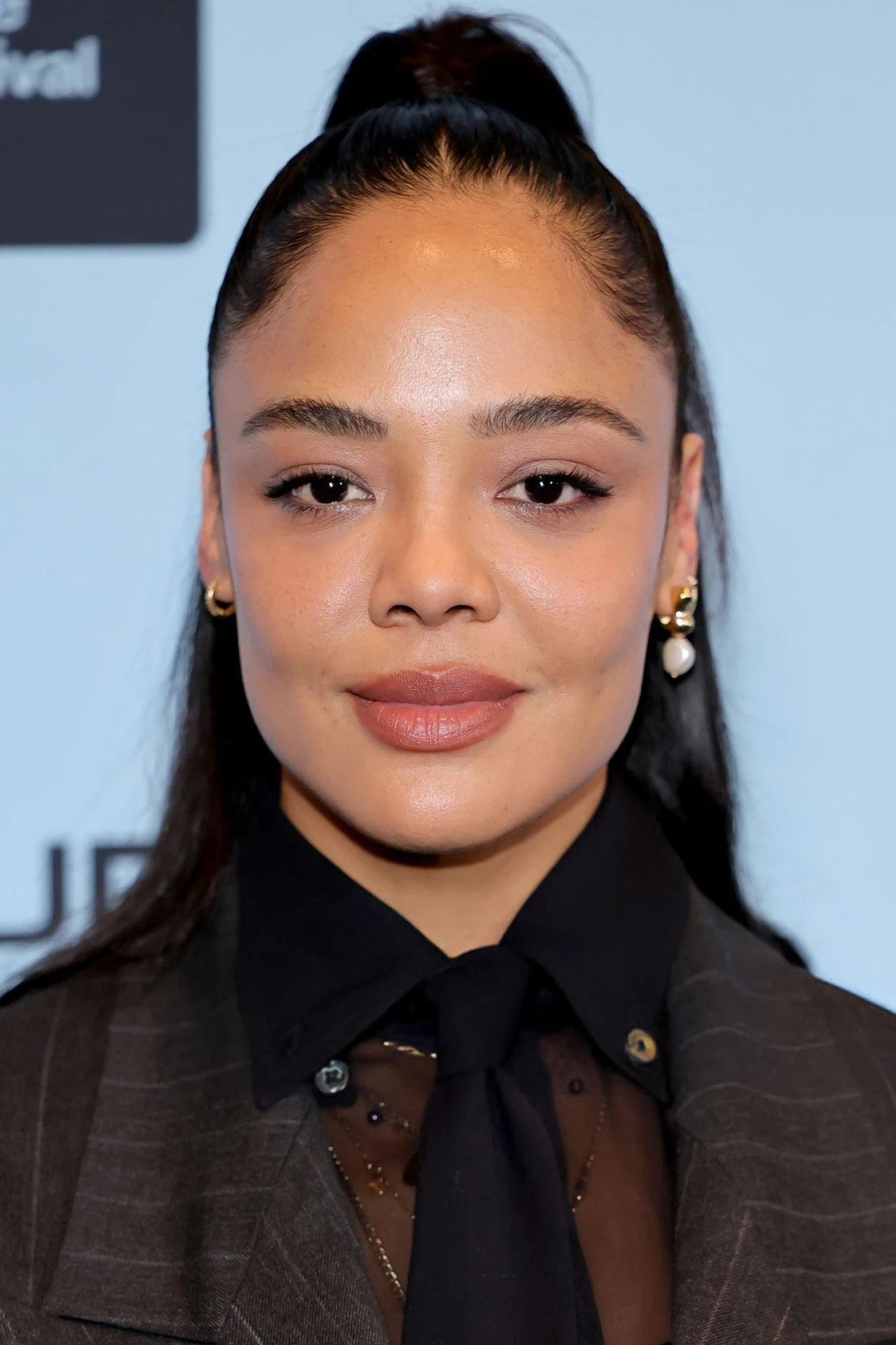
Tessa Thompson dealt with criticism from certain segments of the audience when she was cast as Valkyrie in ‘Thor Ragnarok’. Some fans claimed the character should only be portrayed by an actress who looked like the comic book version. Thompson ignored the noise and focused on creating a multifaceted and memorable character. She has since become a staple of the Marvel Cinematic Universe and a leader for diverse representation. Her success has helped shift the conversation around race in big budget blockbuster films.
Thandiwe Newton

Thandiwe Newton has been vocal about the racism and sexual harassment she faced early in her career. She spoke out about the ways she was marginalized and the pressure to change her name to sound less ethnic. Newton eventually reclaimed her original name as a way to honor her heritage and her identity. She has used her platform to advocate for the rights of women and people of color globally. Her bravery in speaking her truth has inspired many others to do the same.
Tichina Arnold
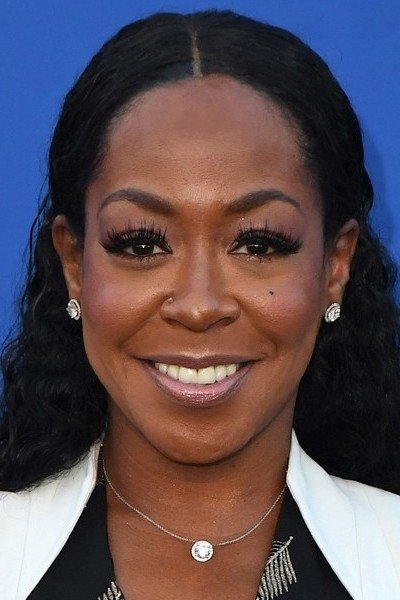
Tichina Arnold has navigated the ups and downs of Hollywood while consistently advocating for more opportunities for Black performers. She has spoken about the challenges of being typecast and the struggle to find diverse roles. Arnold has maintained a successful career in television for decades through her talent and comedic timing. She also works with various charities to give back to the community and support the next generation. Her resilience has made her a staple of American television.
Tisha Campbell
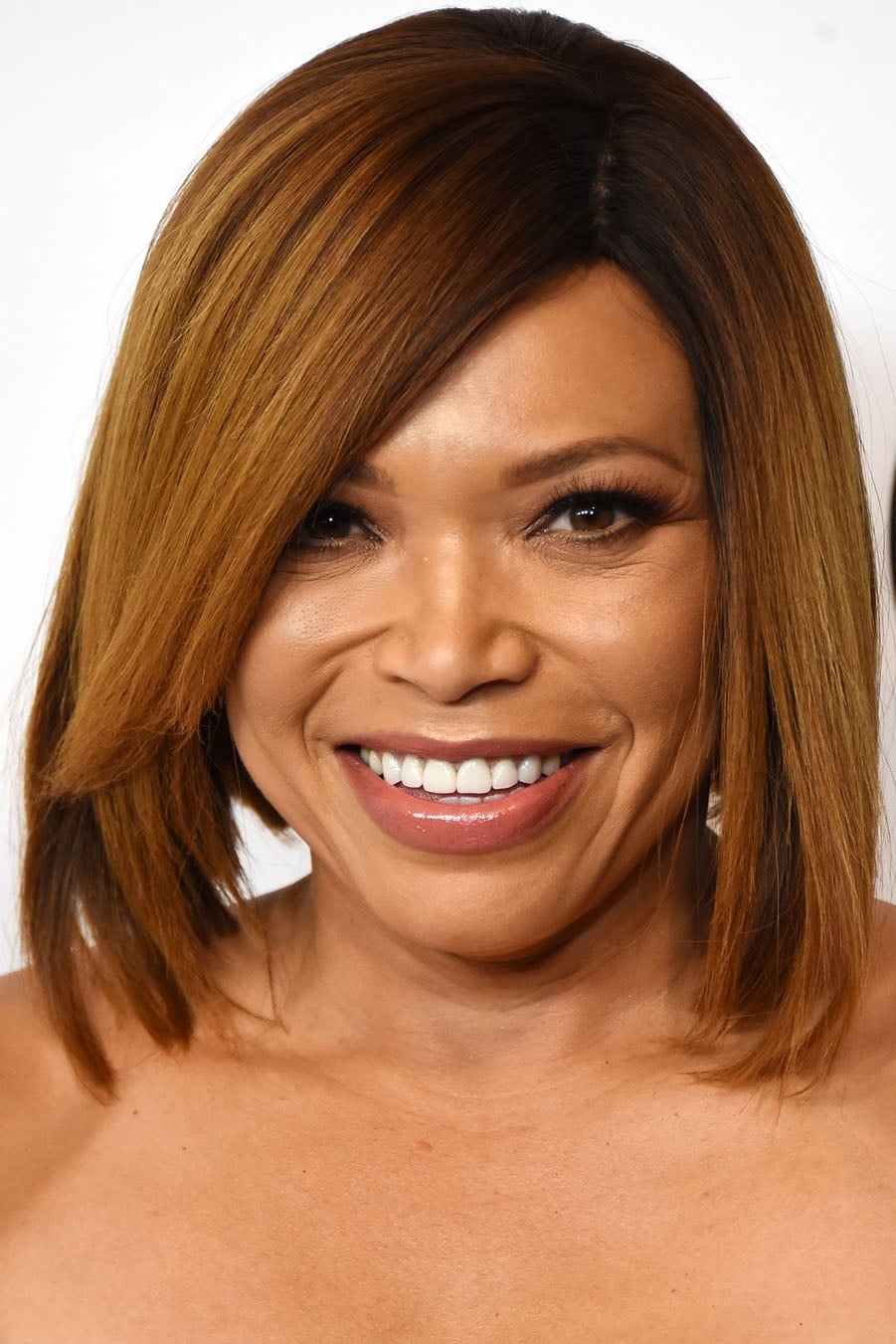
Tisha Campbell has faced many personal and professional hurdles throughout her long career in the public eye. She has spoken about the difficulties of being a Black woman in an industry that often lacks support systems. Campbell has used her experiences to educate others about the importance of mental health and self care. She continues to be a versatile performer who excels in both comedy and drama. Her ability to overcome adversity has earned her the respect of her peers and fans.
Tracee Ellis Ross
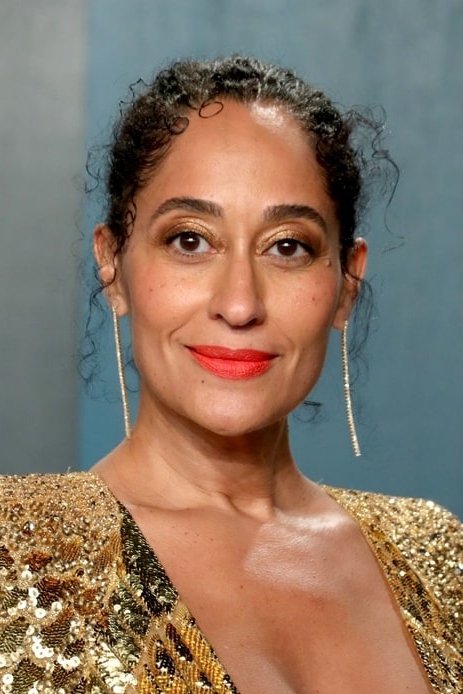
Tracee Ellis Ross has often discussed the racial dynamics of the entertainment industry and the pressure to conform. As the daughter of a legend she has carved out her own path while acknowledging the struggles of those who came before her. Ross has been a vocal advocate for the representation of Black hair and the importance of self care. She has used her roles to highlight the joy and complexity of Black womanhood. Her career is defined by her commitment to uplifting her community.
Vanessa Williams
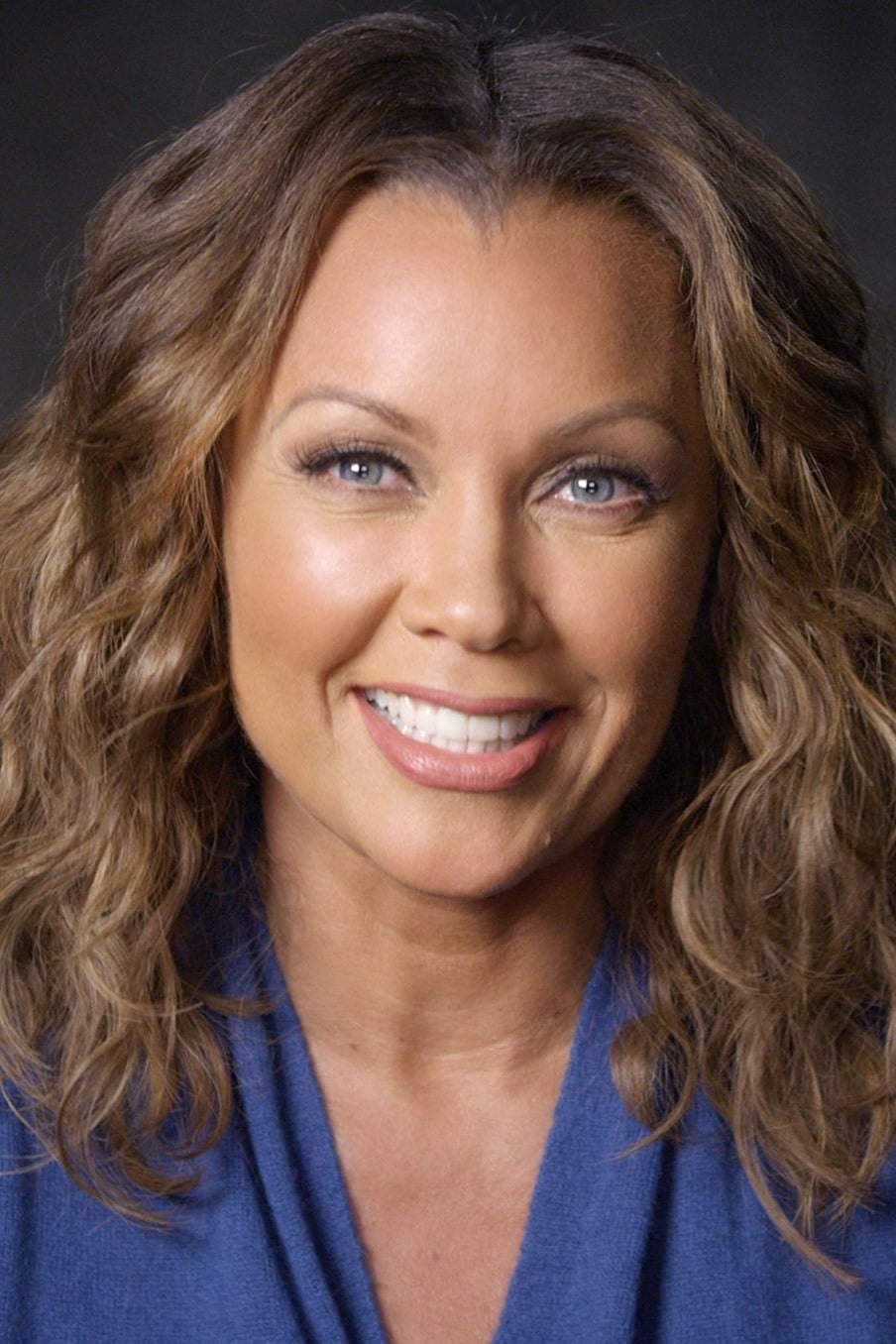
Vanessa Williams faced an unprecedented level of public scrutiny and racism when she became the first Black Miss America. The backlash she received led to her resigning from the position under intense pressure. Williams refused to let this moment define her and went on to have a highly successful career in music and acting. She has since been invited back to the pageant for an official apology and recognition of her achievements. Her story is one of the most famous examples of overcoming targeted racism in the industry.
Viola Davis
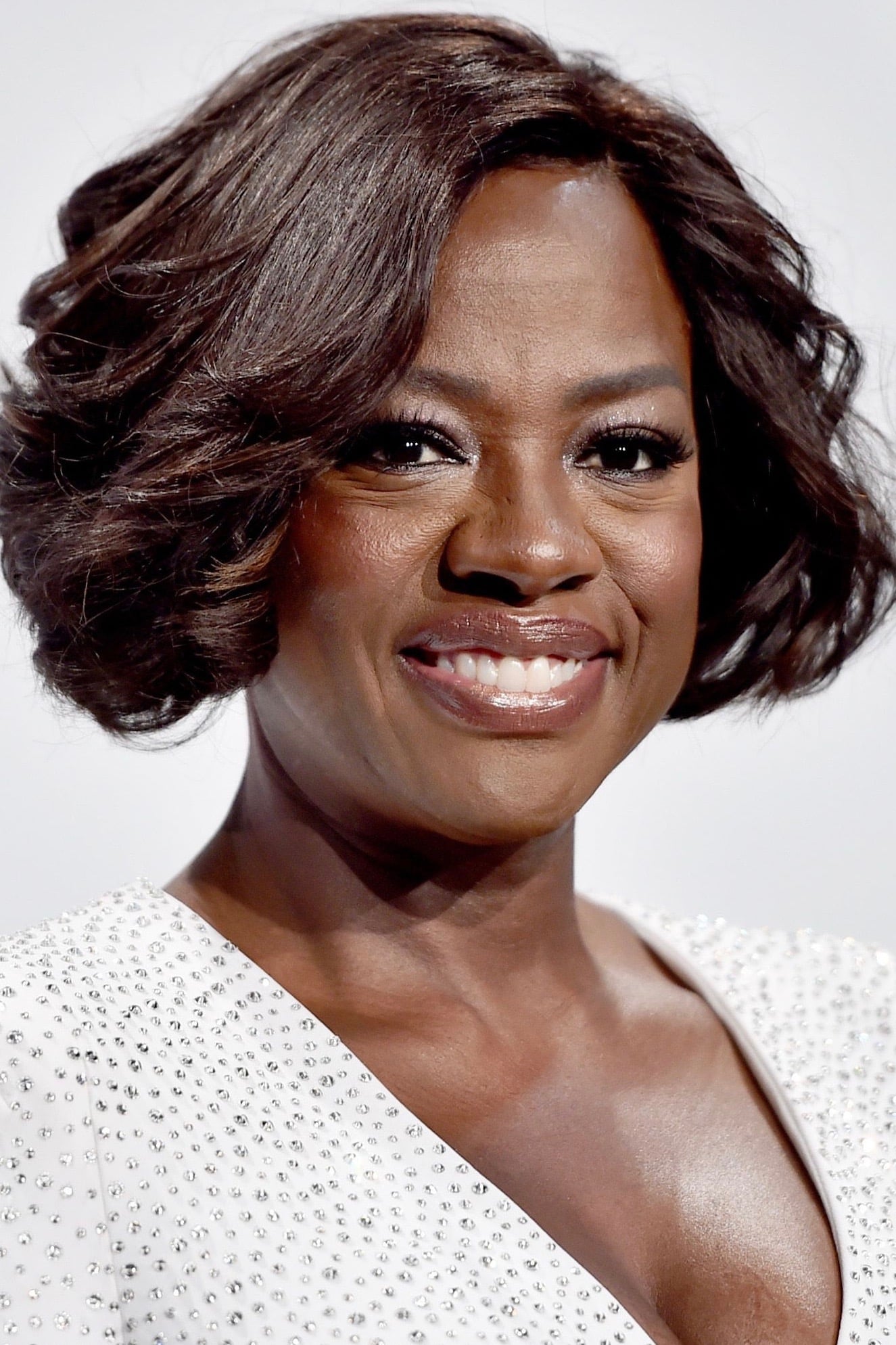
Viola Davis has frequently discussed the systemic racism she has encountered throughout her legendary career. She has pointed out the pay gap between Black actresses and their white counterparts in Hollywood. Davis has also spoken about being told she was not classically beautiful enough for certain leading roles. Despite these hurdles she became the first Black actress to achieve the Triple Crown of Acting. Her advocacy for equal pay and better roles has made her a champion for all women in the industry.
Whoopi Goldberg
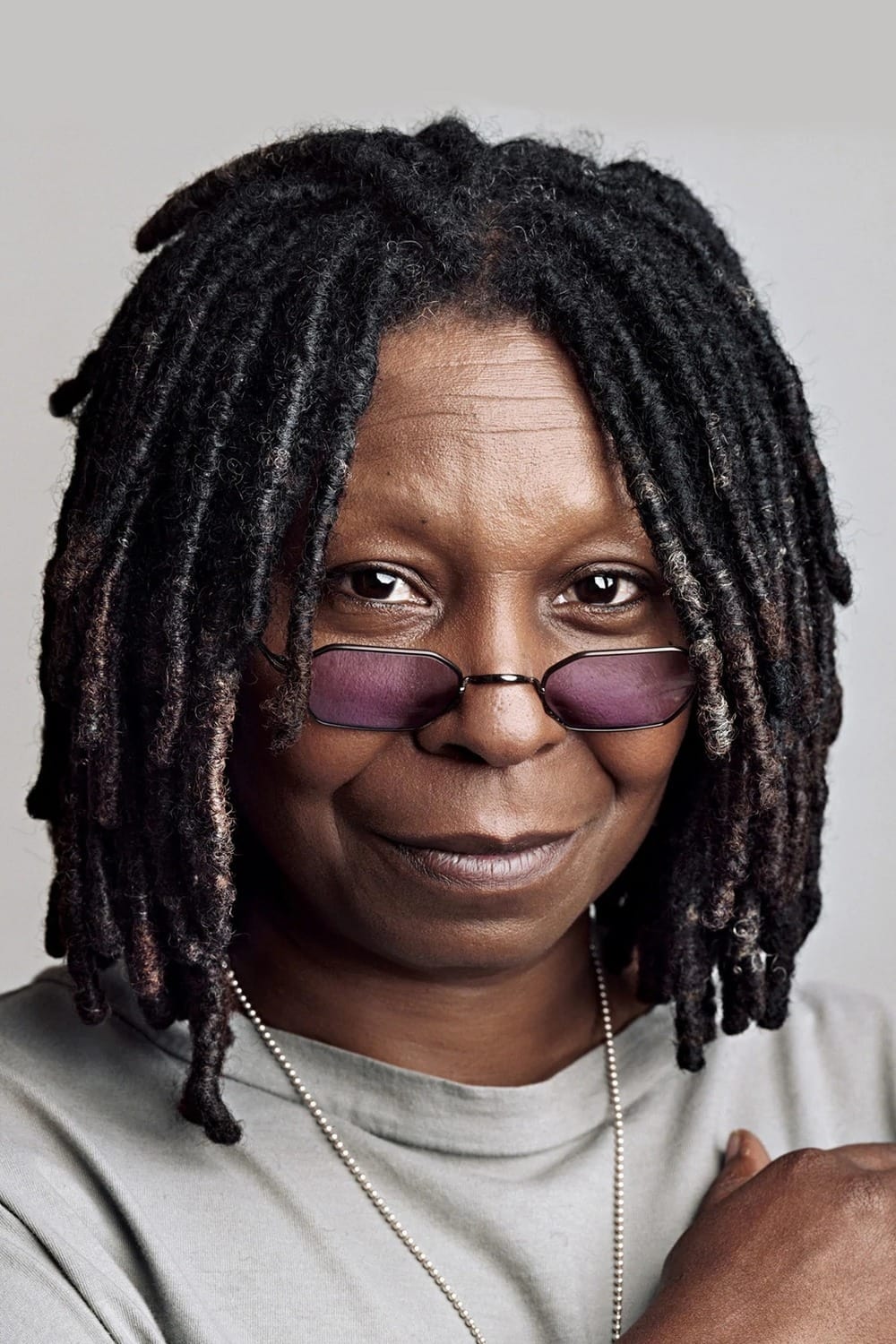
Whoopi Goldberg has faced decades of racism and professional pushback since she first started in Hollywood. She has often been the only Black woman in the room and has had to fight for her voice to be heard. Goldberg has spoken about the criticism she received for her appearance and her unconventional roles. Despite the obstacles she became an EGOT winner and a mainstay on daytime television. Her career serves as a blueprint for longevity and resilience in a changing industry.
Yara Shahidi
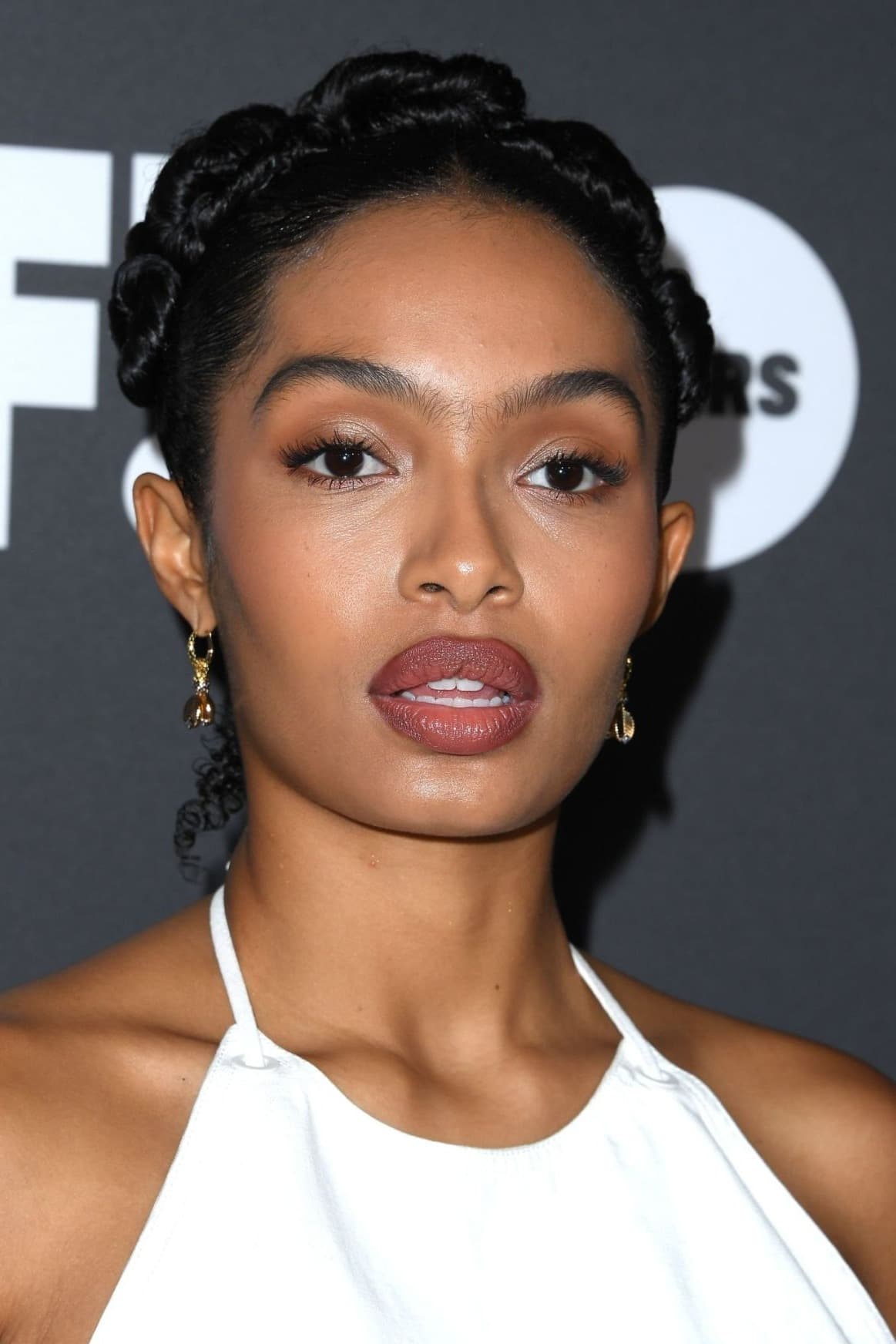
Yara Shahidi faced criticism when she was cast as Tinker Bell in the live action film ‘Peter Pan & Wendy’. Like other actresses she was targeted by those who opposed the reimagining of classic characters with diverse actors. Shahidi responded with grace and highlighted the joy of bringing a new perspective to a magical role. She has long been an activist for social justice and used the moment to further the conversation on inclusion. Her performance was a landmark for young girls who had never seen themselves in such roles.
Zoe Saldaña
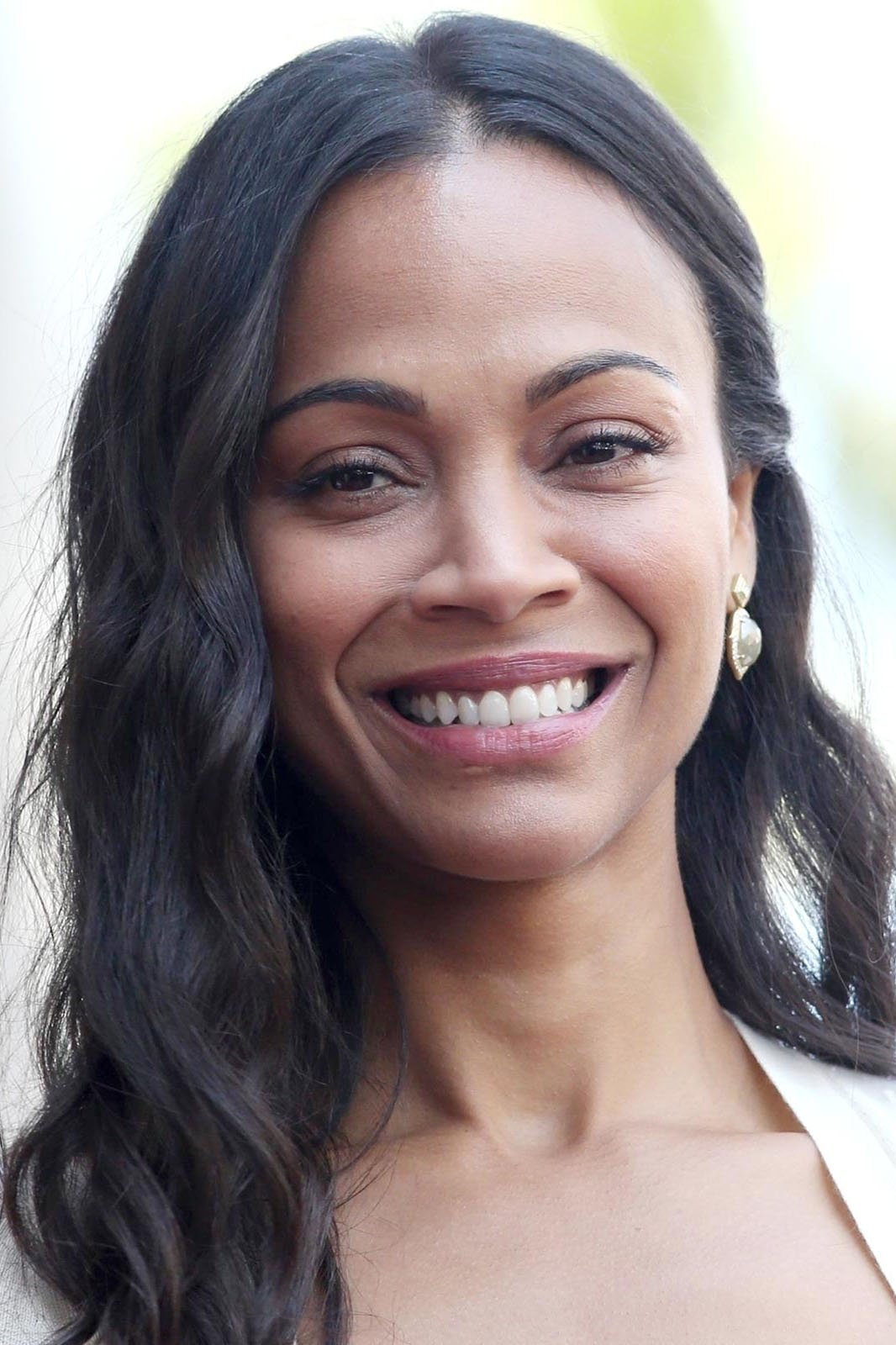
Zoe Saldana faced significant backlash and accusations of colorism when she was cast to play Nina Simone in the biopic ‘Nina’. Many people felt that her skin was darkened and that a Black actress with a closer physical resemblance should have been cast. Saldana eventually apologized for taking the role and acknowledged the pain it caused the community. This experience led to a wider discussion about representation and the nuances of identity within the Black community. She has since focused on roles that allow her to represent her heritage in more authentic ways.
Share your thoughts on these resilient actresses and their impact on the industry in the comments.