


15 Black Actresses Who Carried Hits with Fewer Than 30 Lines

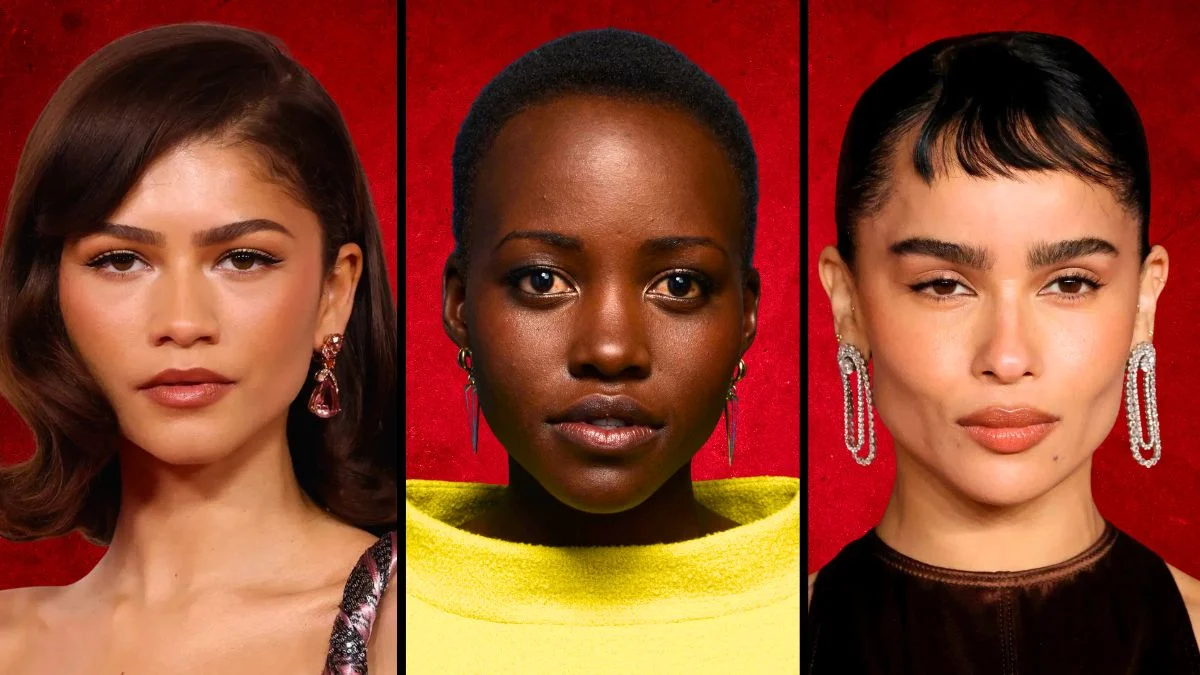


Some performances linger because of what is said. Others last because of what is felt between the words. This list looks at Black actresses who made a major impression in hit projects while speaking sparingly, showing how presence, movement, and a few well chosen lines can shape entire stories.
Each entry highlights a role in a commercially successful film or franchise entry where the character’s dialogue stays lean but the impact is unmistakable. You will find details about the role, where the character fits in the plot, and why the performance mattered to audiences and filmmakers even without much talking.
Zendaya in ‘Dune’ (2021)

Zendaya appears as Chani in visions that guide Paul across the desert world, then steps into the story’s final movement as the person who anchors his next chapter. Her scenes establish the Fremen culture, the language of the sand, and the stakes of the coming conflict without long conversations. The role threads imagery, prophecy, and quiet signals that set up the sequel’s central relationships.
The film became a global hit and revived large scale science fiction for a new audience. Production used location work and large format cameras to capture faces against massive landscapes, which lets Chani’s few lines land with more weight. Marketing centered on the ensemble and still leaned on her character’s imagery, proving how little dialogue can still drive a franchise.
Betty Gabriel in ‘Get Out’ (2017)
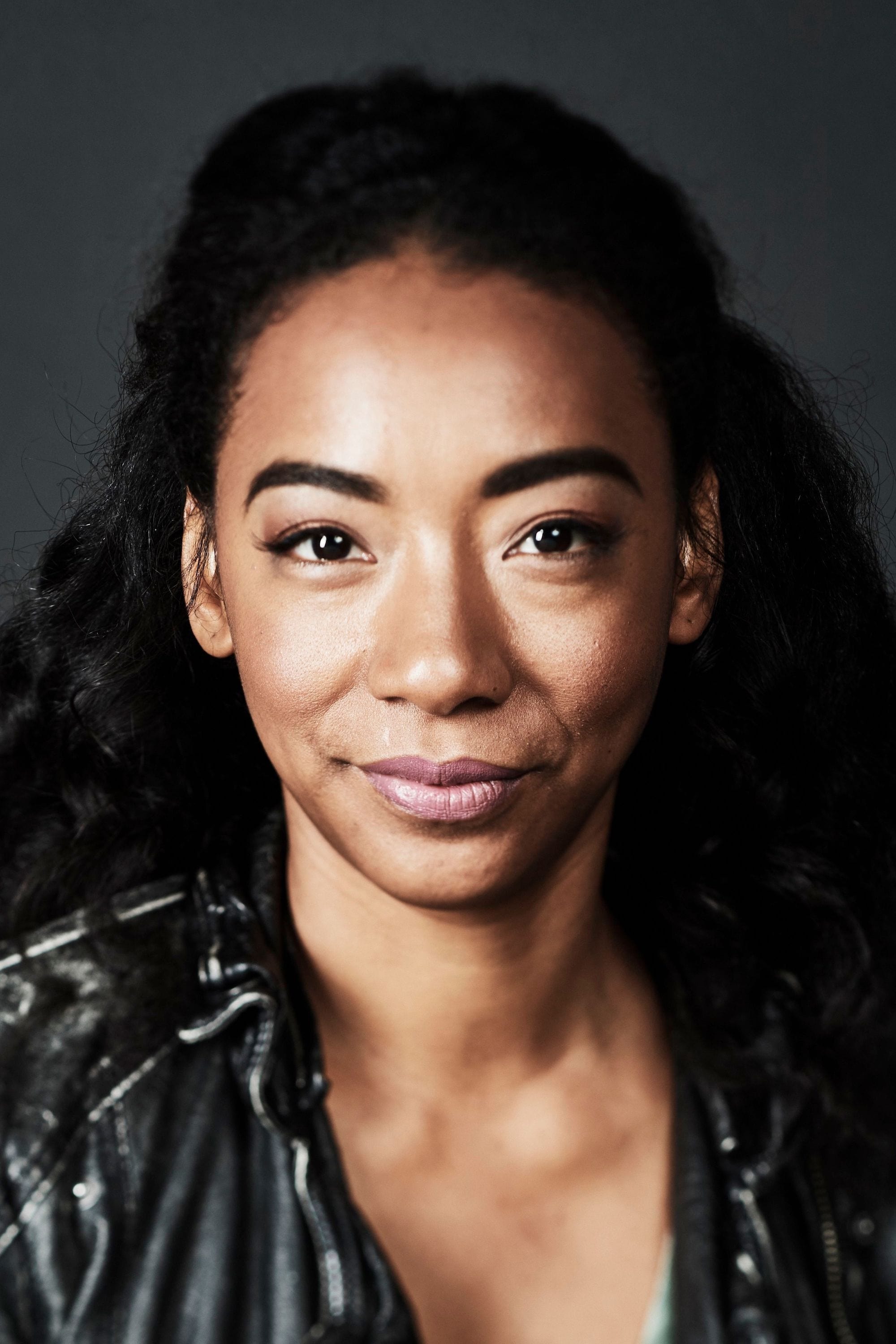
Betty Gabriel plays Georgina, whose brief exchanges with Chris create unease that builds the film’s central mystery. Her restrained delivery in the kitchen and the living room scene with the single tear reveal the story’s hidden mechanics without explicit exposition. The performance shows how pauses and facial shifts can point viewers toward the twist.
The film became a cultural phenomenon and a box office success built on word of mouth. It earned major awards attention and reshaped expectations for social thrillers from studios. Gabriel’s limited dialogue became one of the most quoted and analyzed elements, and her scenes are often used in film classes to demonstrate subtext.
Zoë Kravitz in ‘Mad Max: Fury Road’ (2015)
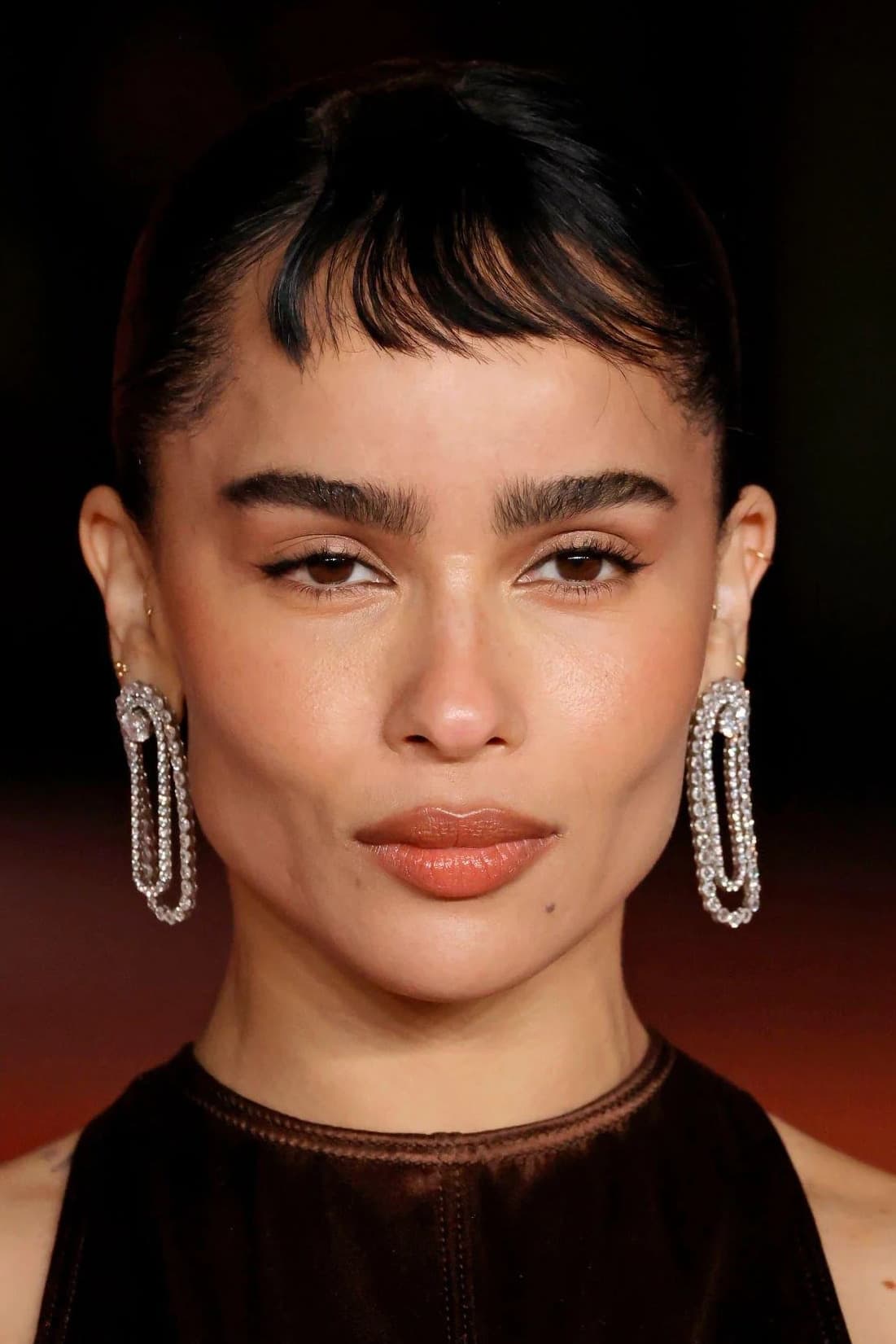
Zoë Kravitz plays Toast the Knowing, one of the wives escaping Immortan Joe. The character communicates priorities and small tactical choices inside chase sequences that leave little room for speeches. Short lines placed between engine roars and practical stunt work sketch personality through action.
The production emphasized physical stunts and minimal green screen, so dialogue often yields to sound and motion. The film won multiple craft awards and built strong legs in theaters through repeat viewing. Toast’s concise moments help track the group’s evolving plan, which shows how clarity in a few words can keep high speed storytelling readable.
Halle Berry in ‘X-Men: Days of Future Past’ (2014)
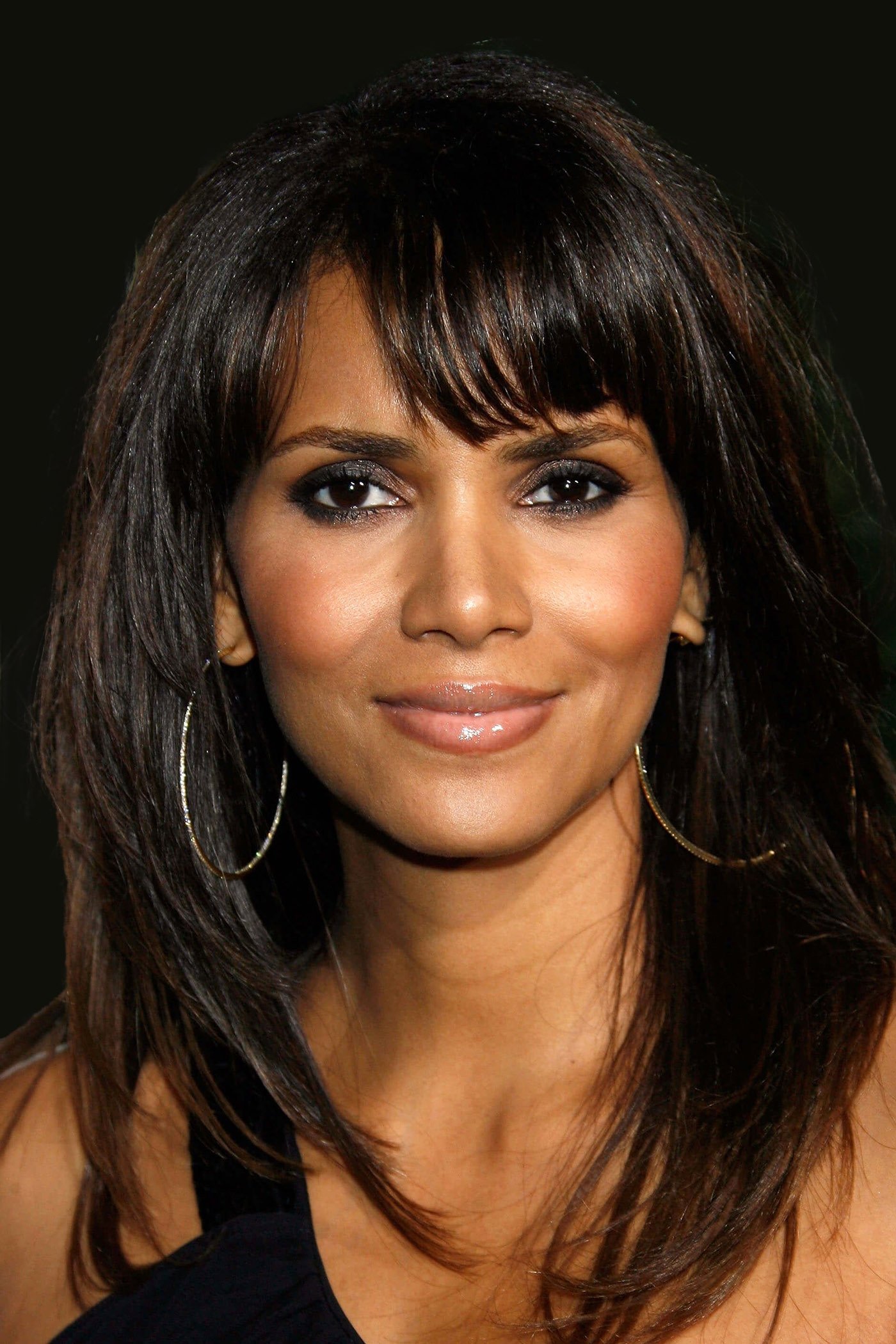
Halle Berry returns as Storm during the future war timeline, where the role focuses on leadership and battle execution rather than conversation. Most of her communication happens through quick commands and reactions as the team fights Sentinels. The character’s abilities and presence fill in the rest.
The film united casts from different series entries and delivered franchise best grosses at the time. Large ensemble scheduling limited extended dialogue for many returning characters, yet the action design keeps them memorable. Storm’s brief lines pair with signature weather effects to maintain continuity across the timeline story.
Lupita Nyong’o in ‘Star Wars: The Force Awakens’ (2015)
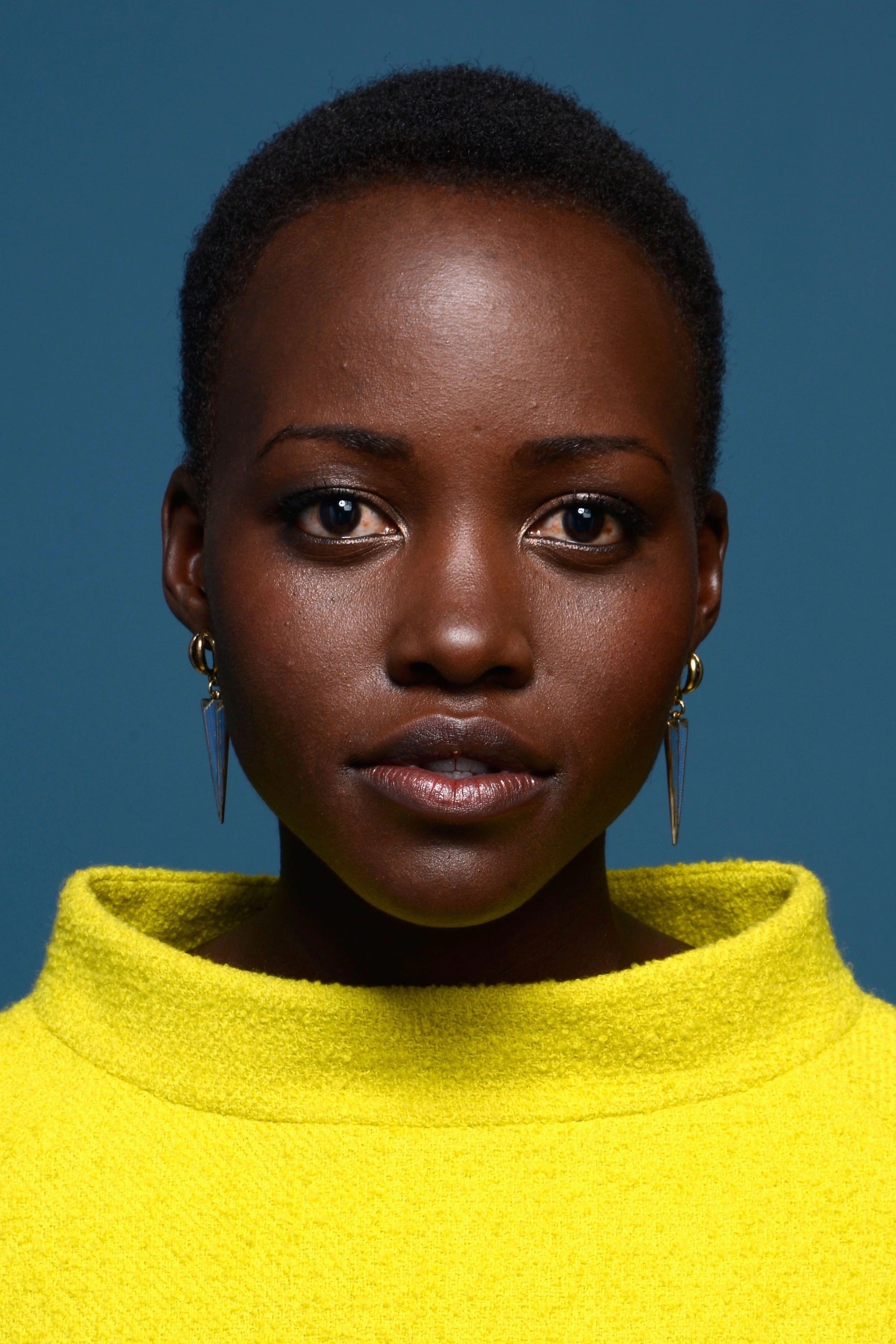
Lupita Nyong’o performs Maz Kanata through performance capture, giving the antique shop owner a small number of lines that still pass key information to Rey and Finn. Maz points the heroes toward a lightsaber and a path, serving as a narrative bridge without long speeches.
The production used a blend of practical sets and digital characters to recall early trilogy textures. The film relaunched the saga and set new records. Merchandising and behind the scenes reels featured Maz’s design and Nyong’o’s capture work, showing how a compact performance can become part of a global brand’s iconography.
Gloria Foster in ‘The Matrix’ (1999)
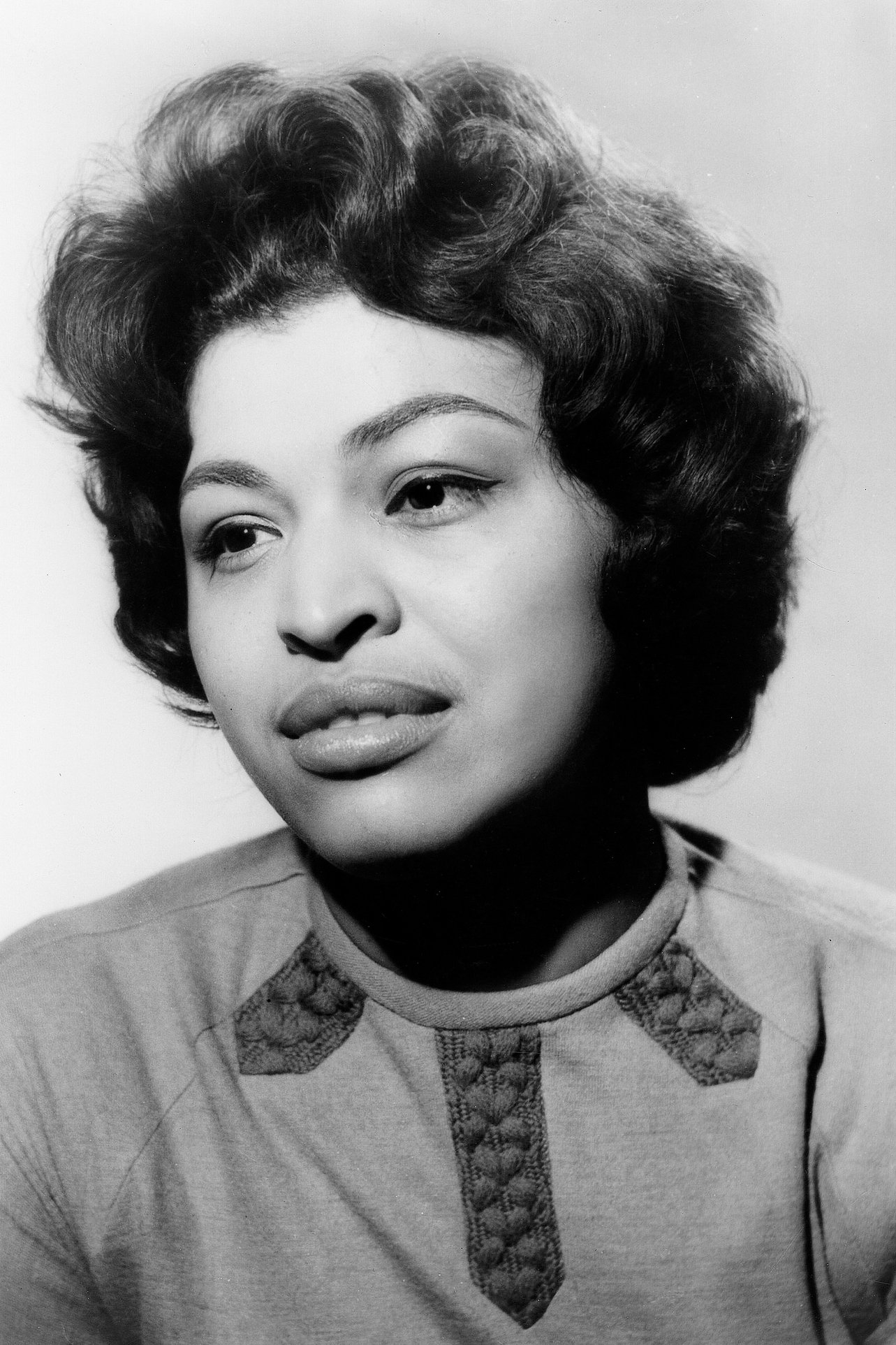
Gloria Foster appears as the Oracle, meeting Neo in a kitchen that hides the story’s deepest rules. The conversation is short but introduces ideas that define the trilogy, including choice and fate. Her measured cadence and the setting’s small details turn a brief scene into a thematic anchor.
The film transformed action filmmaking with wire work, bullet time photography, and a new approach to cyberpunk. Audience interest in the Oracle led to expanded material in later entries and games. Foster’s limited dialogue stands at the center of that mythology, proving how a single scene can frame a franchise.
Amandla Stenberg in ‘The Hunger Games’ (2012)
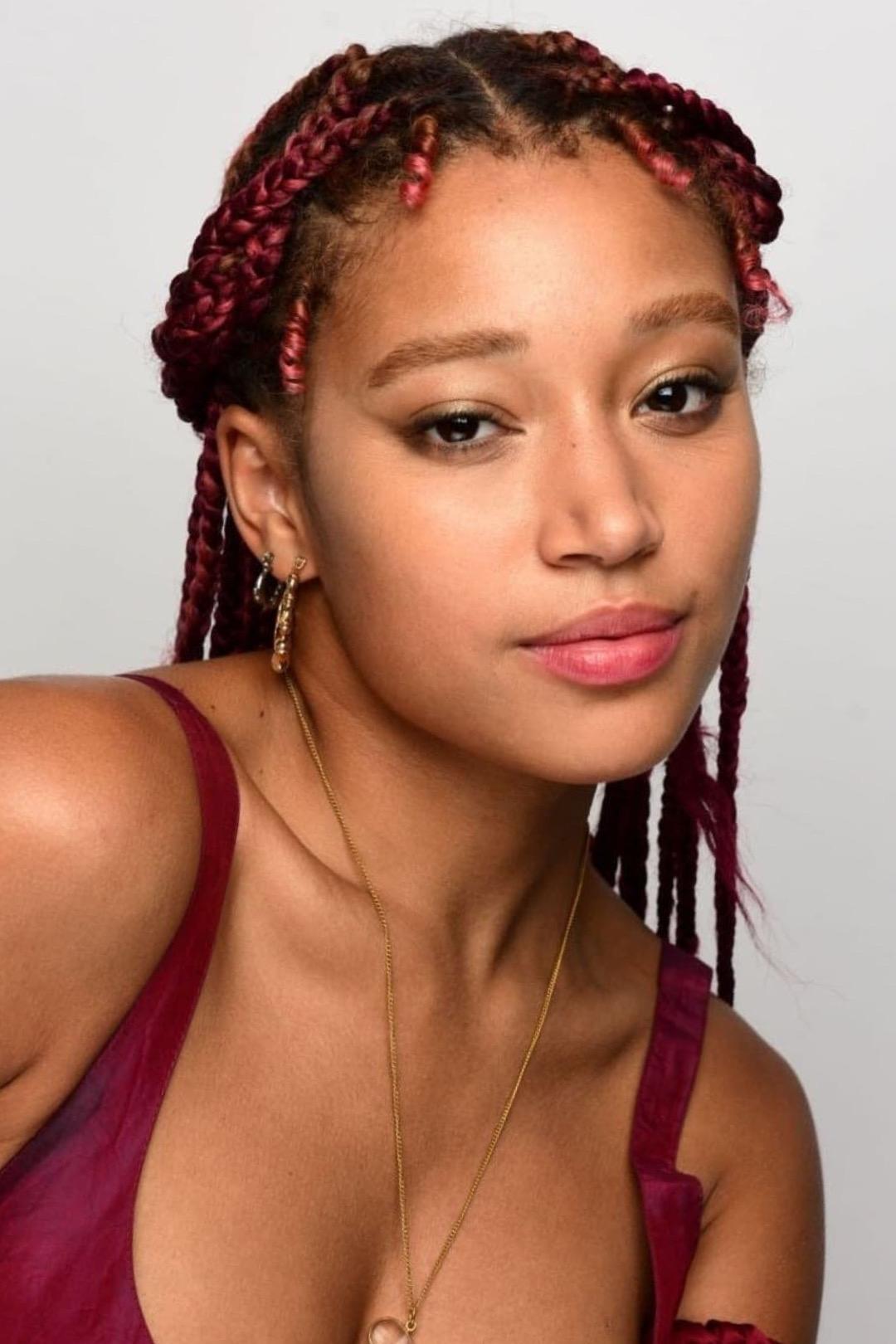
Amandla Stenberg plays Rue, whose relationship with Katniss grows through gestures, signals, and a few heartfelt lines. The character’s quiet teamwork, tracking skills, and warning calls move the plot across arenas where silence can mean survival. The bond changes the audience’s view of the games.
The film launched a blockbuster series and broadened the audience for young adult adaptations. Marketing and fan art quickly elevated Rue to a symbol within the story’s rebellion. Stenberg’s brief dialogue became central to discussions about empathy and alliance in competitive narratives.
Tessa Thompson in ‘Avengers: Endgame’ (2019)
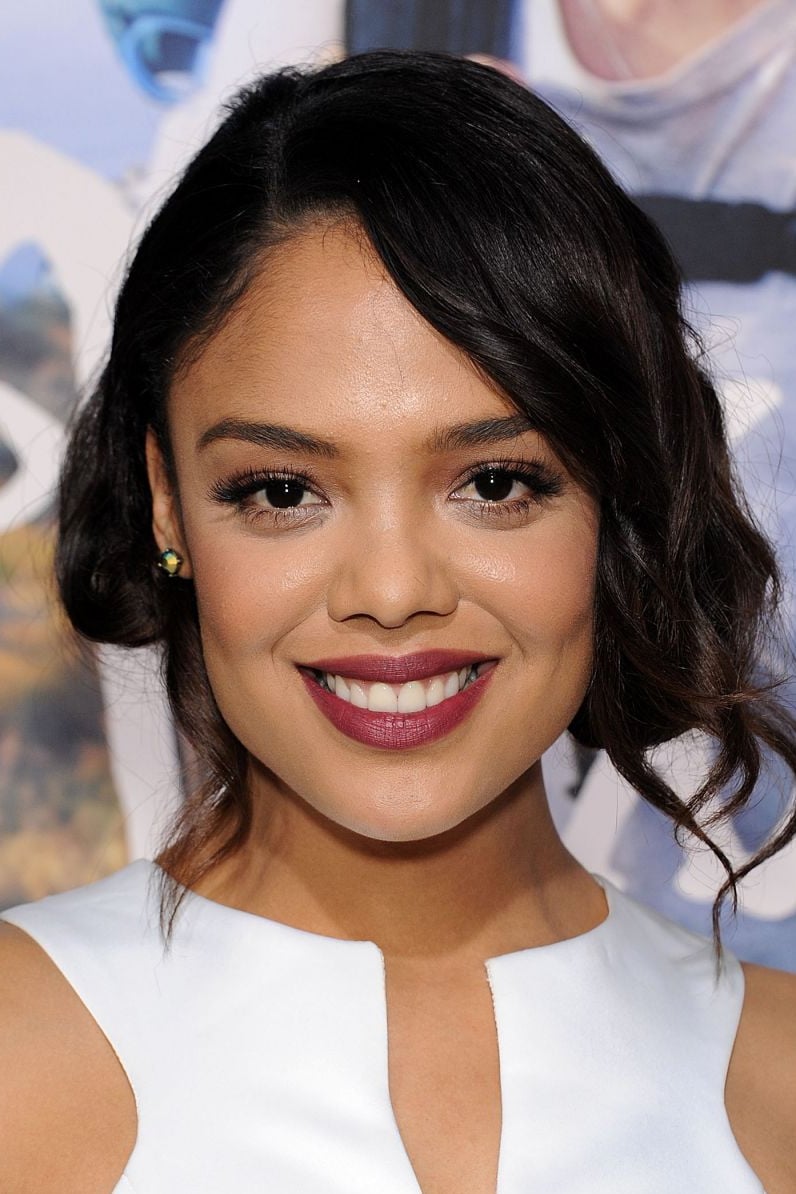
Tessa Thompson returns as Valkyrie with concise exchanges that mark her leadership and combat role. She appears at a pivotal moment to support Thor and then in the final battle, where short lines punctuate large scale action. The character’s choices are mostly communicated through positioning and movement.
The film set worldwide records and closed a long running arc for the studio. Valkyrie’s appearance drew attention from fans who track character continuity across titles, and a closing scene set her future responsibilities. Her limited dialogue shows how event films rely on quick beats to signal status and direction inside massive ensembles.
Letitia Wright in ‘Avengers: Endgame’ (2019)
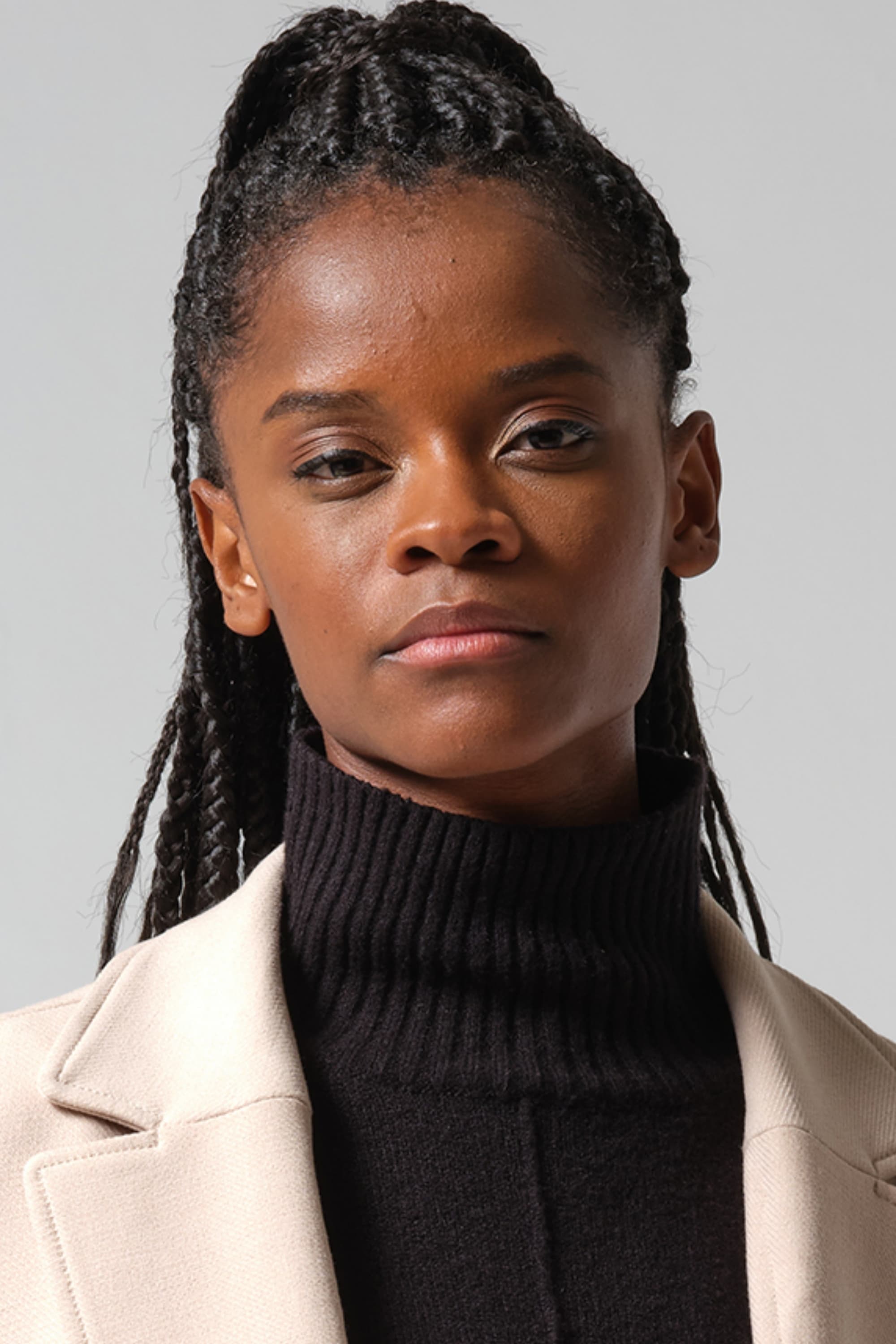
Letitia Wright appears as Shuri during the climactic fight, where her lines are brief and tactical. The character’s technology and support actions carry over from earlier stories and are communicated through devices, gestures, and short acknowledgments. The presence confirms a key return that drives audience response.
The production coordinated dozens of returning characters, so information often moves through visual cues rather than long exchanges. Shuri’s quick beats connect science and strategy inside the battle plan. The approach keeps rhythm fast while honoring a character fans had been eager to see again.
Naomi Ackie in ‘Star Wars: The Rise of Skywalker’ (2019)

Naomi Ackie plays Jannah, a freedom fighter who appears on a coastal world and later joins the final assault. Dialogue stays brief as the character demonstrates skills with riding and ground tactics. Small exchanges with Finn connect backstories and suggest future missions.
The film concluded the trilogy and featured large location sequences with practical creatures and new vehicles. Jannah’s introduction added new costumes and props that moved quickly through product lines and visual guides. The role illustrates how franchise entries seed characters with minimal lines who can carry momentum into other media.
Lauren Ridloff in ‘Eternals’ (2021)
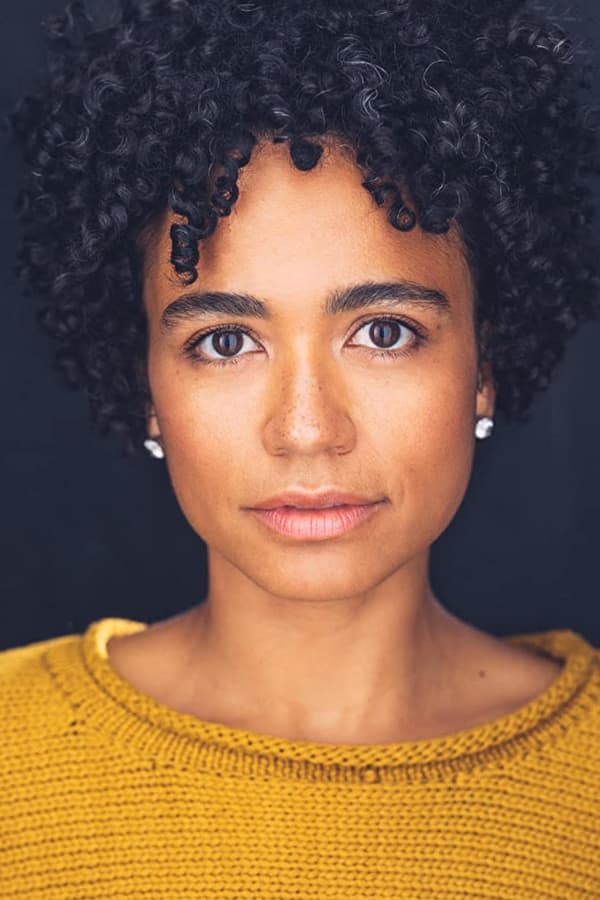
Lauren Ridloff portrays Makkari, a speedster who communicates with American Sign Language. The character’s interactions rely on signing, facial expression, and rapid movement rather than spoken lines. Fight scenes use slow motion and visual effects to translate her perspective for audiences.
The movie introduced the first deaf superhero in the franchise and worked with consultants to present signing clearly on screen. Marketing featured Makkari in character posters and featurettes about accessibility. The role broadened representation within a major series while keeping spoken dialogue minimal.
Yvette Nicole Brown in ‘Avengers: Endgame’ (2019)
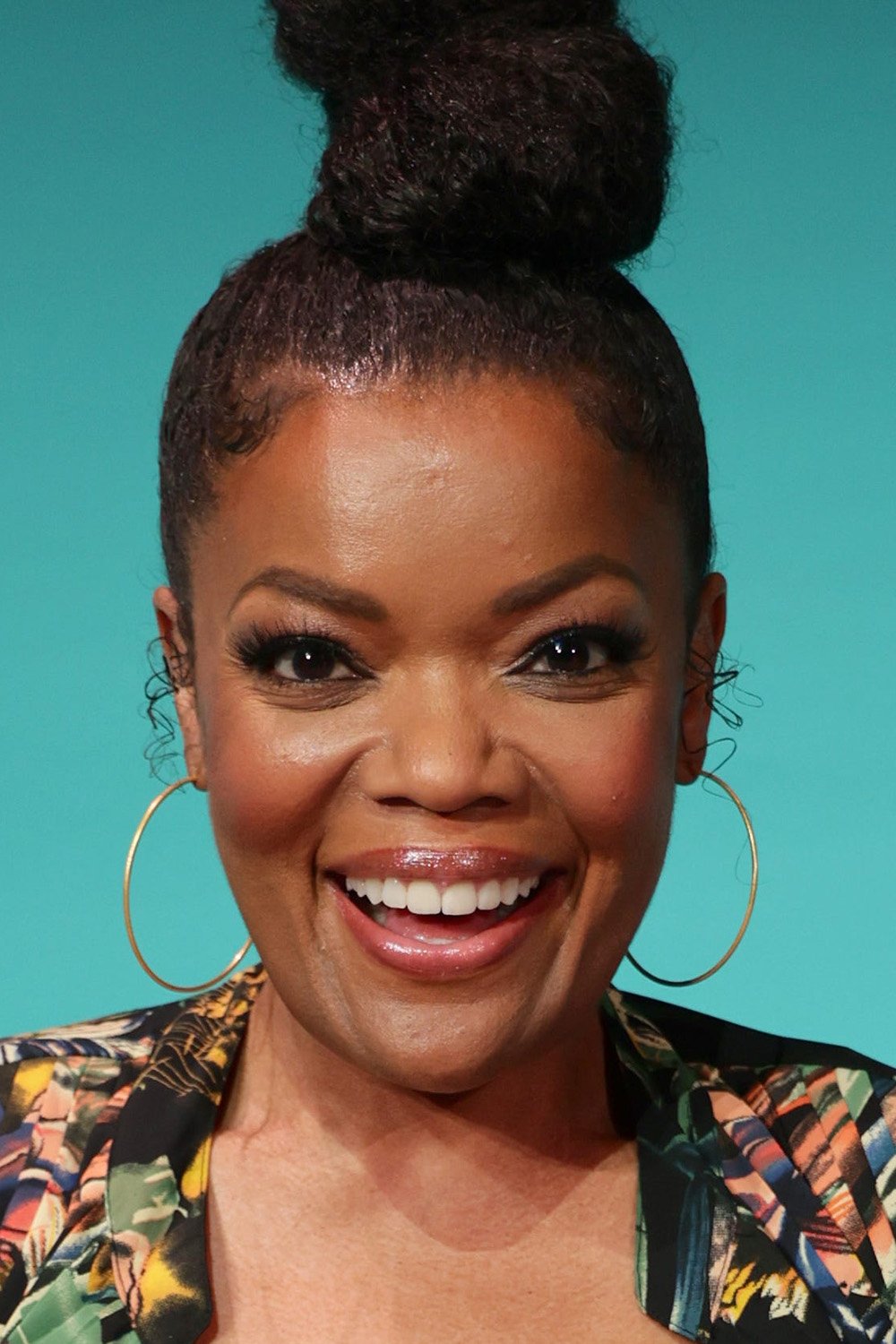
Yvette Nicole Brown appears in a facility scene that interrupts a covert mission with a short, sharp exchange. The character’s questions create a security problem that forces the heroes to adjust plans. Her few lines add tension and humor during a time travel sequence.
Cameos from recognizable performers became part of the film’s appeal, rewarding repeat viewings. Brown’s brief appearance joined a long list of small roles that fans cataloged across scenes. The moment shows how a handful of words can shift the stakes in a complex set piece.
Alfre Woodard in ‘Captain America: Civil War’ (2016)
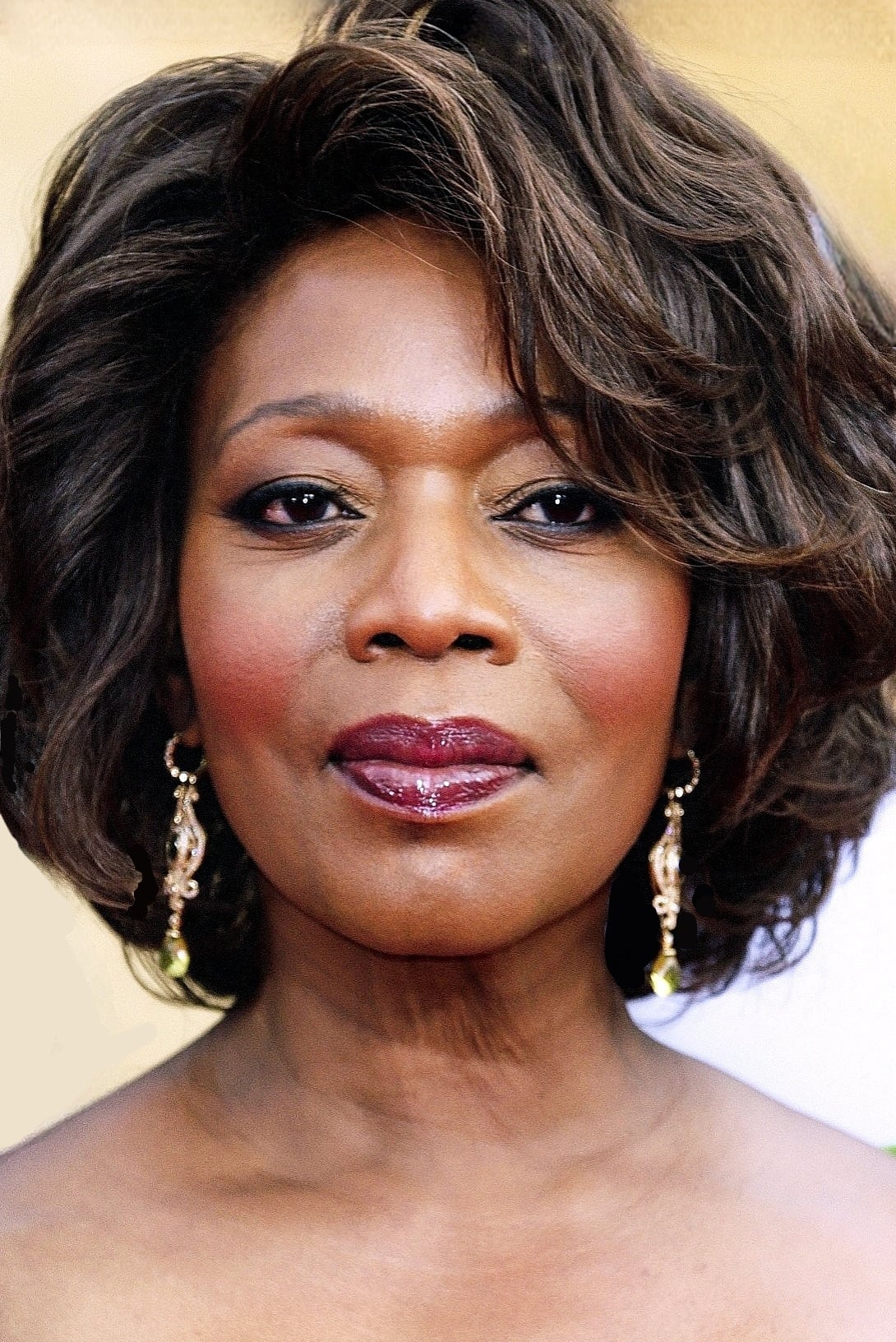
Alfre Woodard plays a grieving mother who confronts Tony Stark in an elevator. The encounter is short and direct, and it reframes the debate over accountability that drives the story. The scene delivers motive with a few lines rather than a long monologue.
The film launched a new status quo for the team and set up future conflicts. Woodard’s appearance connected the superhero scale to personal cost, which became a reference point in later titles. The role demonstrates how compact dialogue can redirect a franchise’s internal politics.
Florence Kasumba in ‘Wonder Woman’ (2017)
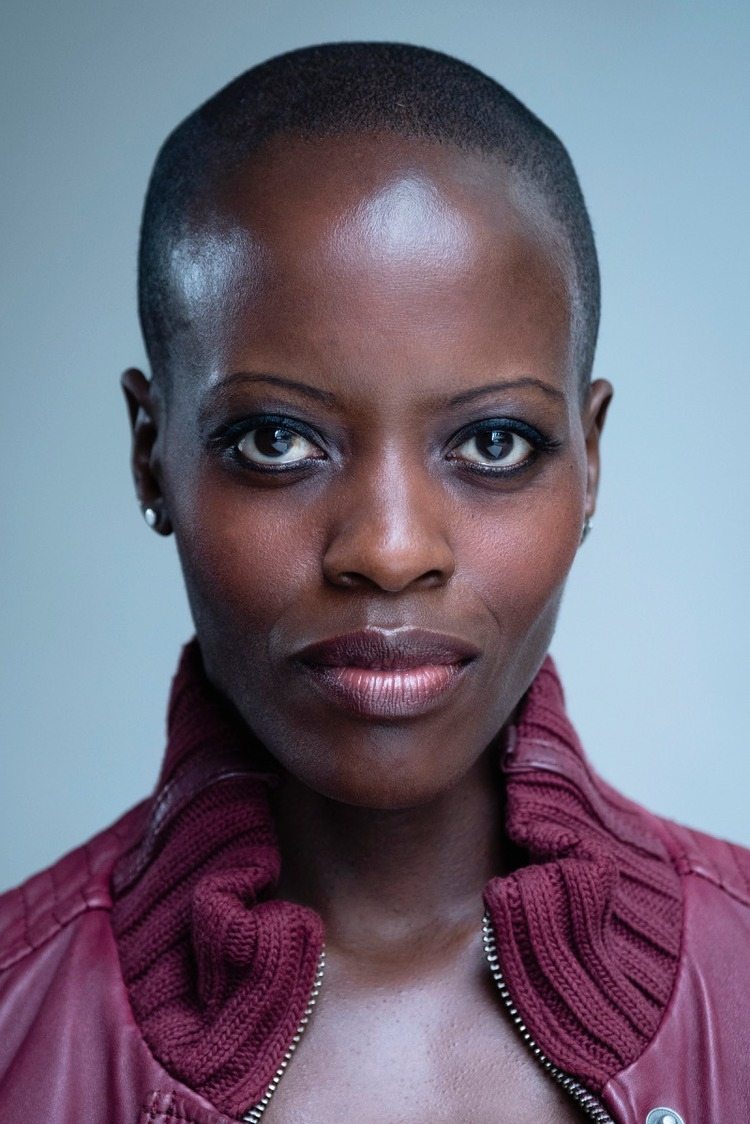
Florence Kasumba appears among the Amazons as a senator who weighs in during early Themyscira scenes. Her lines are brief but help establish the island’s leadership and the debate over intervention in the world of men. Costuming and staging communicate rank before she speaks.
The production blended location photography with studio backlots to create the island’s look, and the scenes introduced audiences to the society’s structure. Kasumba’s short exchanges contribute to that worldbuilding while keeping focus on the central mentor and student dynamic. The character adds to continuity for viewers who also follow her work in other superhero titles.
Grace Jones in ‘A View to a Kill’ (1985)
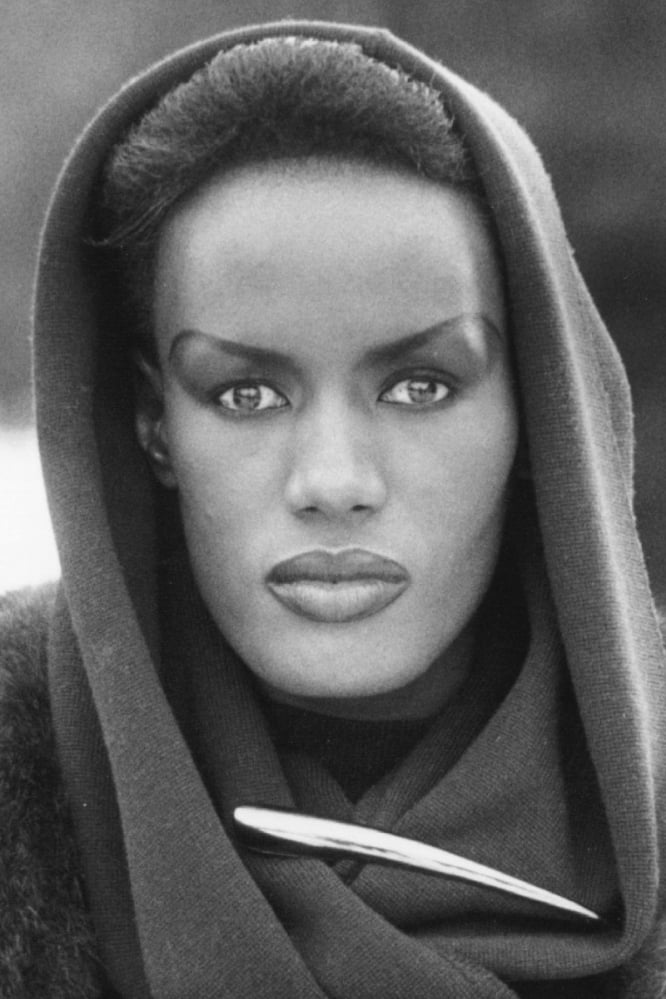
Grace Jones plays May Day, whose presence is defined by athletic stunts and striking design more than lengthy dialogue. The character switches allegiance late in the story, and that turn is conveyed with a small number of lines and a decisive action. Physicality carries most of her arc.
The movie continued the long running spy series and featured a theme song that topped charts. Location work in Paris and San Francisco created set pieces where May Day’s silence enhances suspense. The role became a style touchstone for the franchise, showing how a bold look and minimal speech can leave a lasting mark.
Share the Black actresses you would add to this list in the comments.