


Black Actresses Who Claim Modern Hollywood Only Wants “Victimhood” Stories



The film industry has faced increasing scrutiny from performers who feel that stories about the Black experience are often limited to themes of suffering. Many actresses have spoken out about the prevalence of scripts that focus heavily on historical trauma and systemic oppression. They argue that these narratives can overshadow the diverse and joyful realities of everyday life. By advocating for more varied roles these women hope to change the landscape of modern entertainment. Their efforts emphasize the importance of seeing Black characters in every genre from romantic comedies to science fiction.
Viola Davis
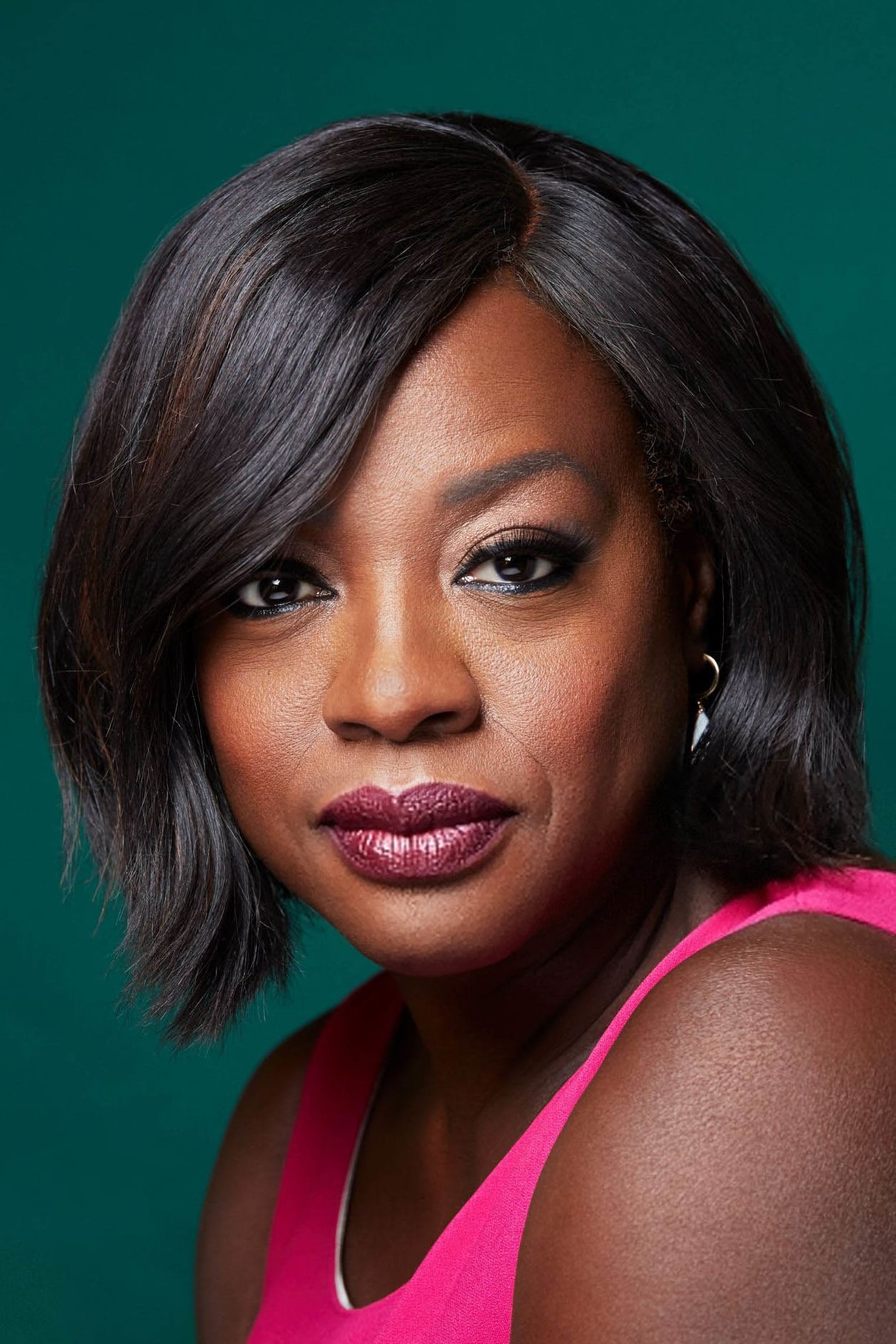
Viola Davis has frequently addressed the limited range of roles offered to Black women in mainstream productions. She noted that the industry often prioritizes scripts that center on historical trauma or domestic struggle. The actress expressed her desire to see more Black women in roles that are not defined by their pain or systemic oppression. She believes that moving beyond these narratives is essential for the growth of inclusive storytelling. Davis continues to use her platform to advocate for complex characters that reflect a full spectrum of human experiences.
Issa Rae
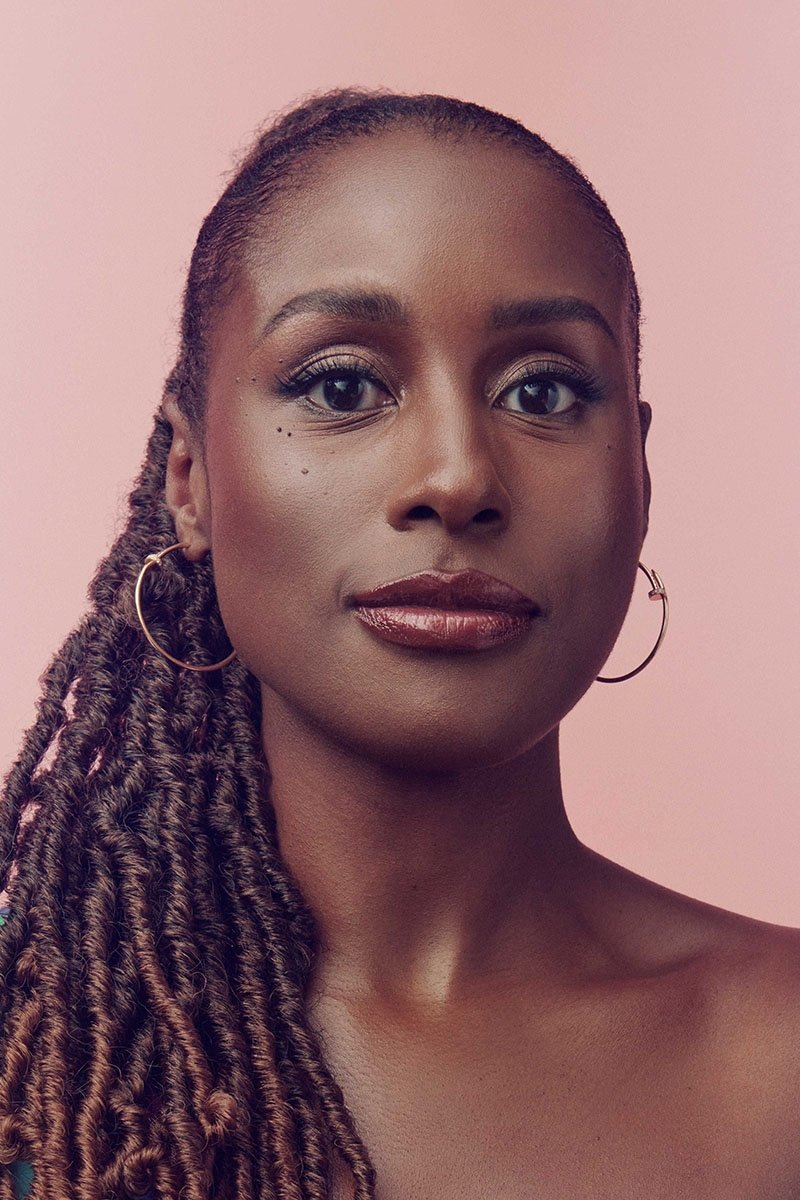
Issa Rae has been a vocal advocate for stories that showcase the mundane and joyful aspects of Black life. She rose to prominence with her series ‘Insecure’ which focused on friendship and career struggles rather than systemic trauma. The creator and actress has mentioned that she often avoids scripts that focus solely on the struggle narrative. She aims to normalize Black characters in everyday situations that audiences can relate to universally. Rae continues to produce content through her company that centers on humor and authentic relationships.
Marsai Martin
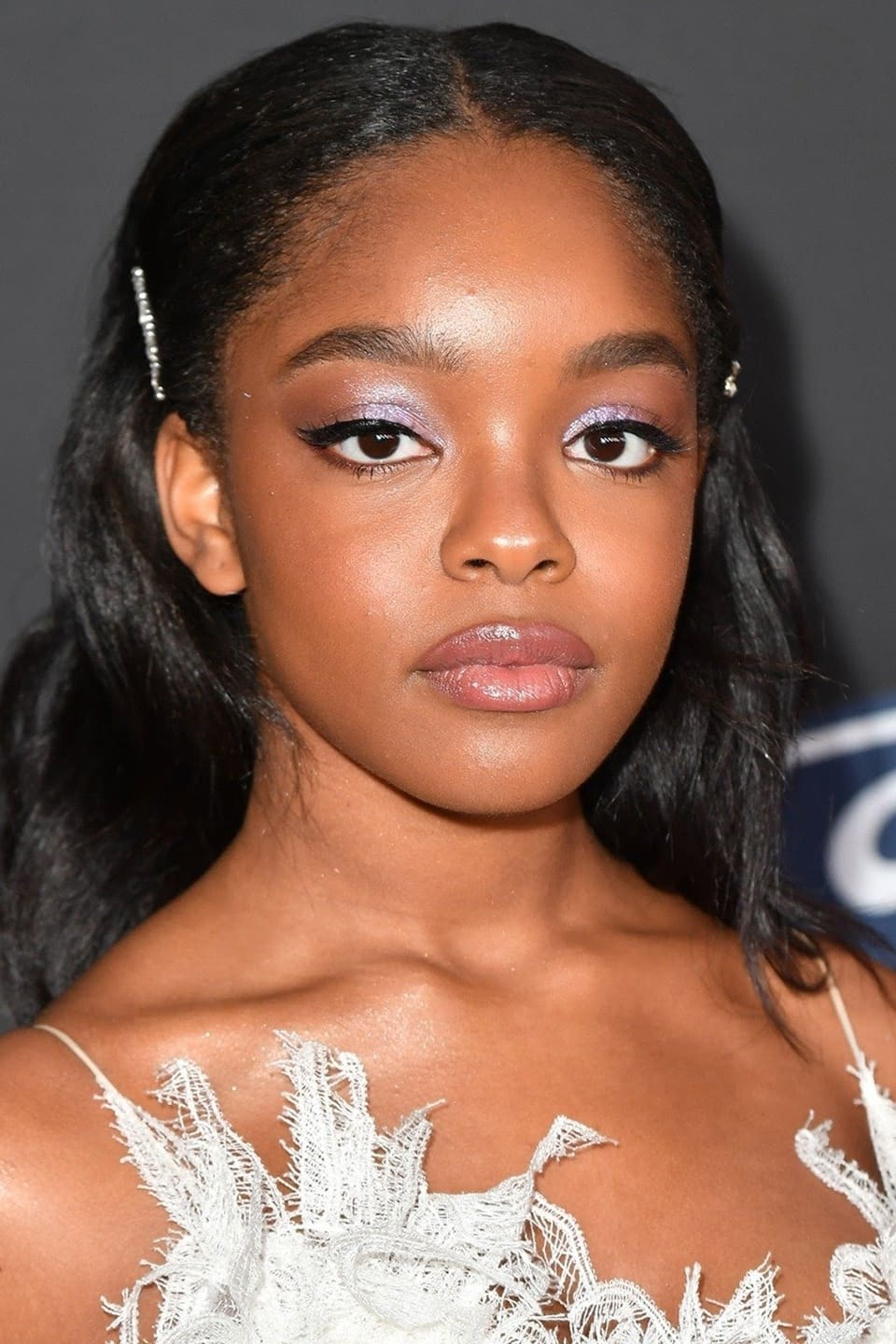
Marsai Martin famously implemented a policy for her production company that excludes projects focused on Black pain. She stated that she wants to create content that highlights joy and empowerment rather than historical suffering. The actress believes that younger generations deserve to see themselves in lighthearted and aspirational roles. Her work on the film ‘Little’ demonstrated her commitment to family friendly comedy and imaginative storytelling. Martin remains a leading voice in the movement to diversify the types of stories told about her community.
Zendaya

Zendaya has spoken about her desire to take on roles that are not rooted in the traditional struggle of the Black experience. She intentionally seeks out characters that allow her to simply exist as a person in various genres. The actress highlighted the importance of playing roles that are not defined by racial trauma in order to expand representation. She mentioned this during her transition from ‘Euphoria’ to more diverse film projects. Zendaya believes that seeing Black women in simple and beautiful stories is a powerful form of progress.
Lupita Nyong’o
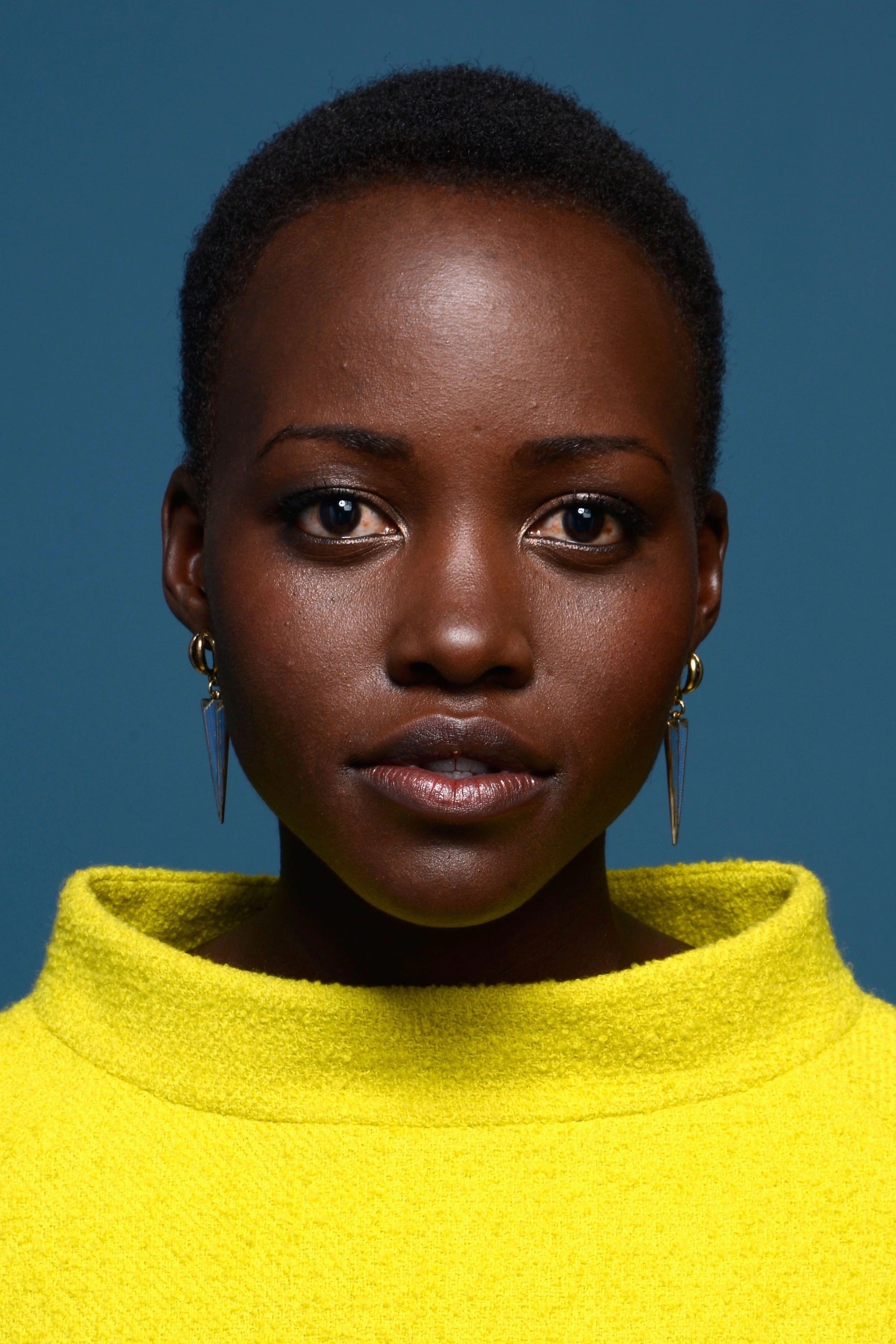
Lupita Nyong’o has discussed the emotional weight of playing roles that are centered on historical trauma. While she has earned acclaim for these performances she has also expressed a deep desire to explore lighter genres. She mentioned that she looks for projects that allow her to showcase joy and a wide range of human emotions. The actress pointed out that the industry often expects Black performers to carry the burden of trauma on screen. She continues to branch out into science fiction and horror to escape the limitations of historical victimhood.
Regina King
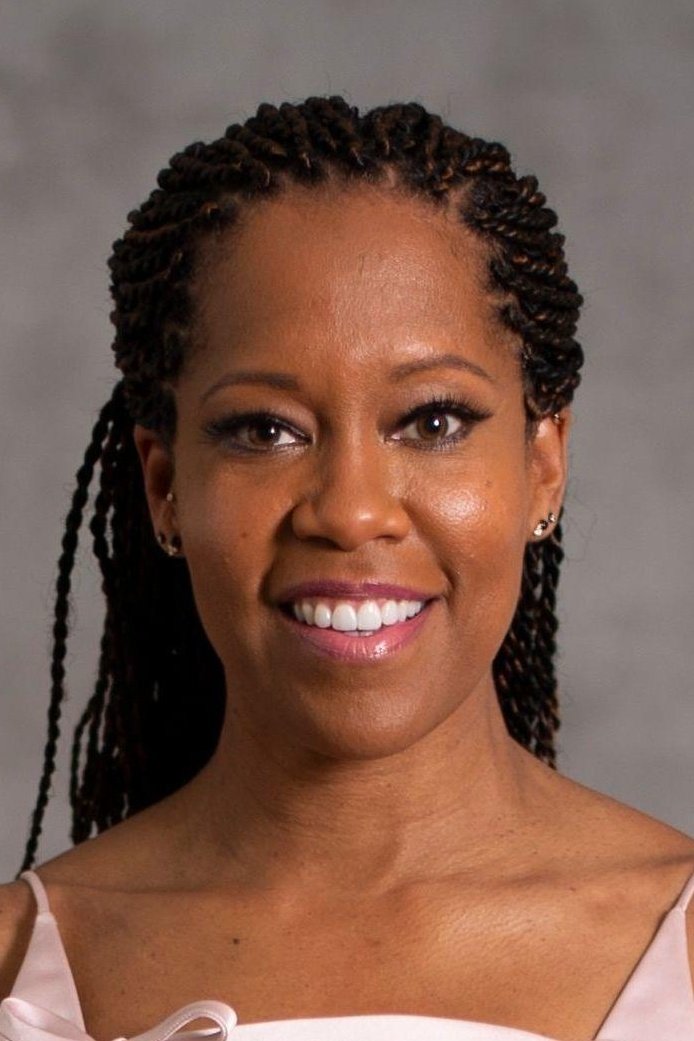
Regina King has addressed the industry obsession with the struggle narrative in many of her interviews. She has advocated for more stories that show the internal lives of Black families without focusing on external trauma. As a director and actress she seeks projects that emphasize the strength and complexity of her characters. King noted that it is important to provide audiences with a balance of stories that include success and normalcy. She remains committed to elevating scripts that move away from stereotypical portrayals of suffering.
Tracee Ellis Ross
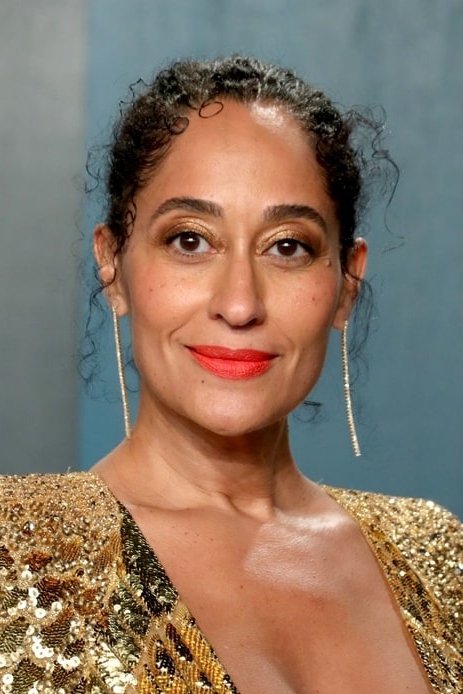
Tracee Ellis Ross has long advocated for the idea of joy as a revolutionary act in storytelling. She often discusses the need for Black women to be seen in roles that are funny and lighthearted. The actress has noted that the industry frequently rewards stories that lean into pain and hardship. Through her work on ‘Black-ish’ she aimed to showcase a multi dimensional family life filled with laughter. Ross continues to champion roles that allow for a broader definition of what it means to be a Black woman.
Dominique Fishback
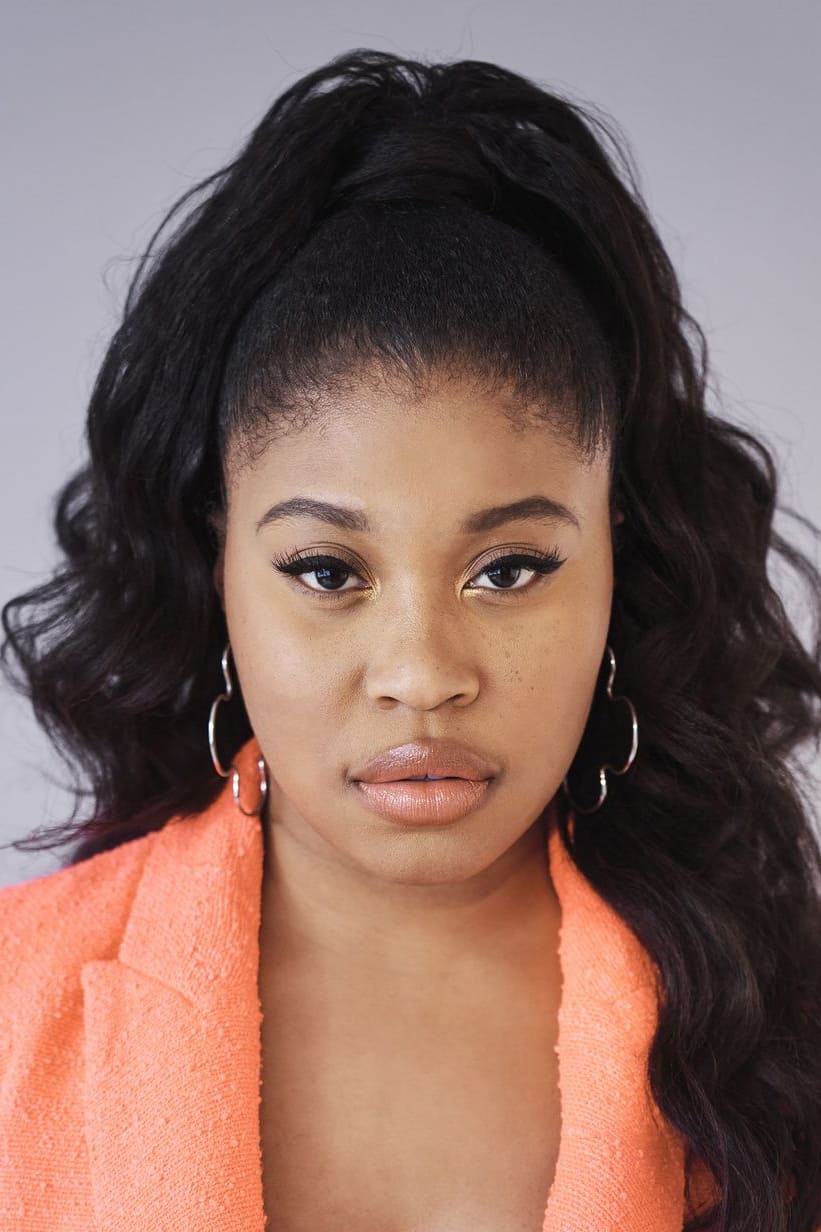
Dominique Fishback has expressed her wish to play roles that go beyond the typical trauma based narratives. She mentioned that she wants to be seen as a versatile performer capable of playing any character in any genre. The actress has spoken about the fatigue that comes with continually revisiting historical pain for the sake of art. She seeks out projects like ‘Swarm’ and ‘Transformers’ that offer different creative challenges. Fishback believes that Hollywood should invest more in the imagination of Black creators rather than their historical trauma.
Cynthia Erivo
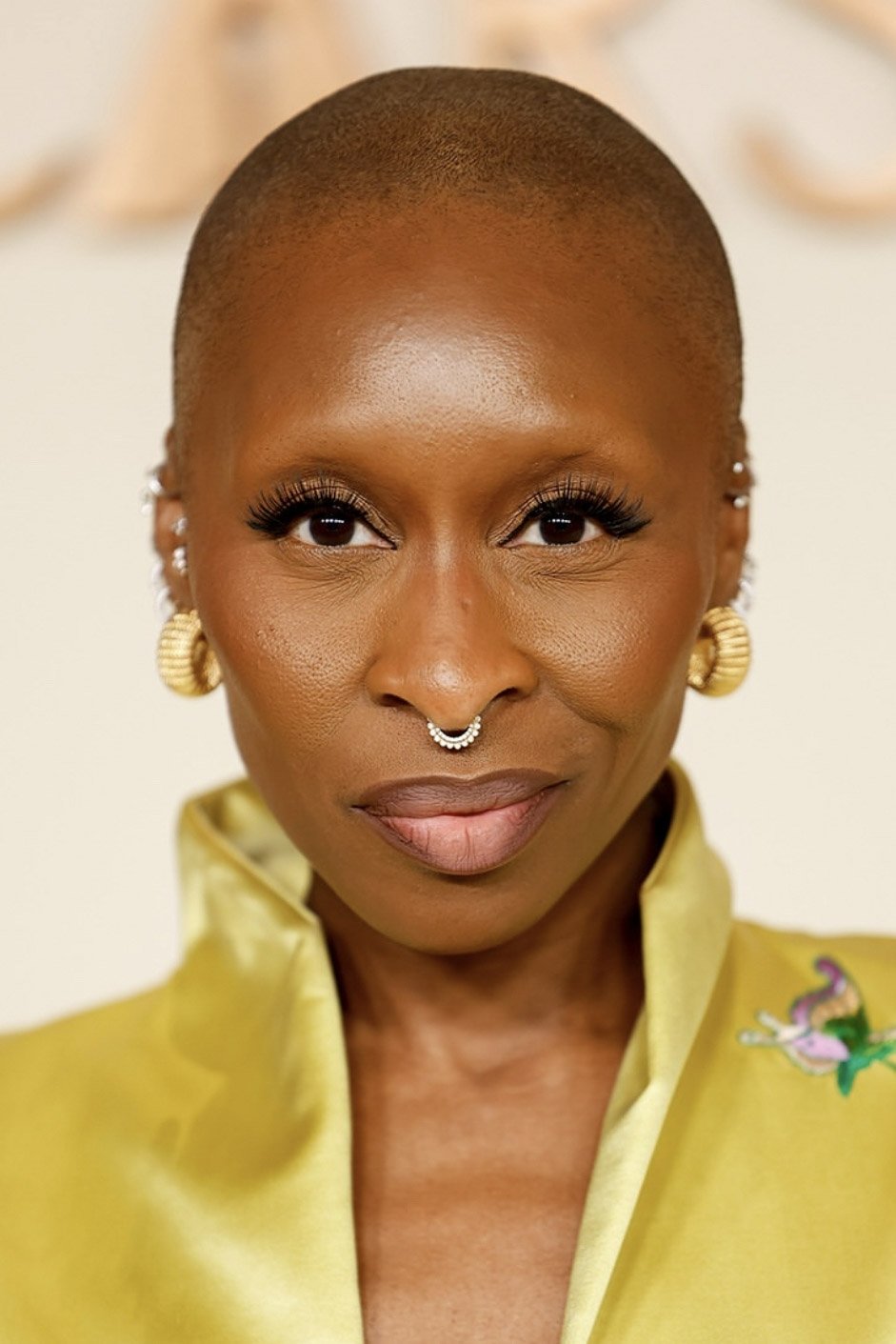
Cynthia Erivo has faced criticism for playing historical figures associated with trauma and has addressed the industry trends directly. She explained that while these stories are important they are often the only prestige roles available to Black women. The actress expressed a desire to move into fantasy and musical roles that offer a different type of performance. She believes that the industry should provide more space for Black joy and whimsy on the big screen. Erivo continues to seek a balance between historical dramas and modern character driven pieces.
Janelle Monáe
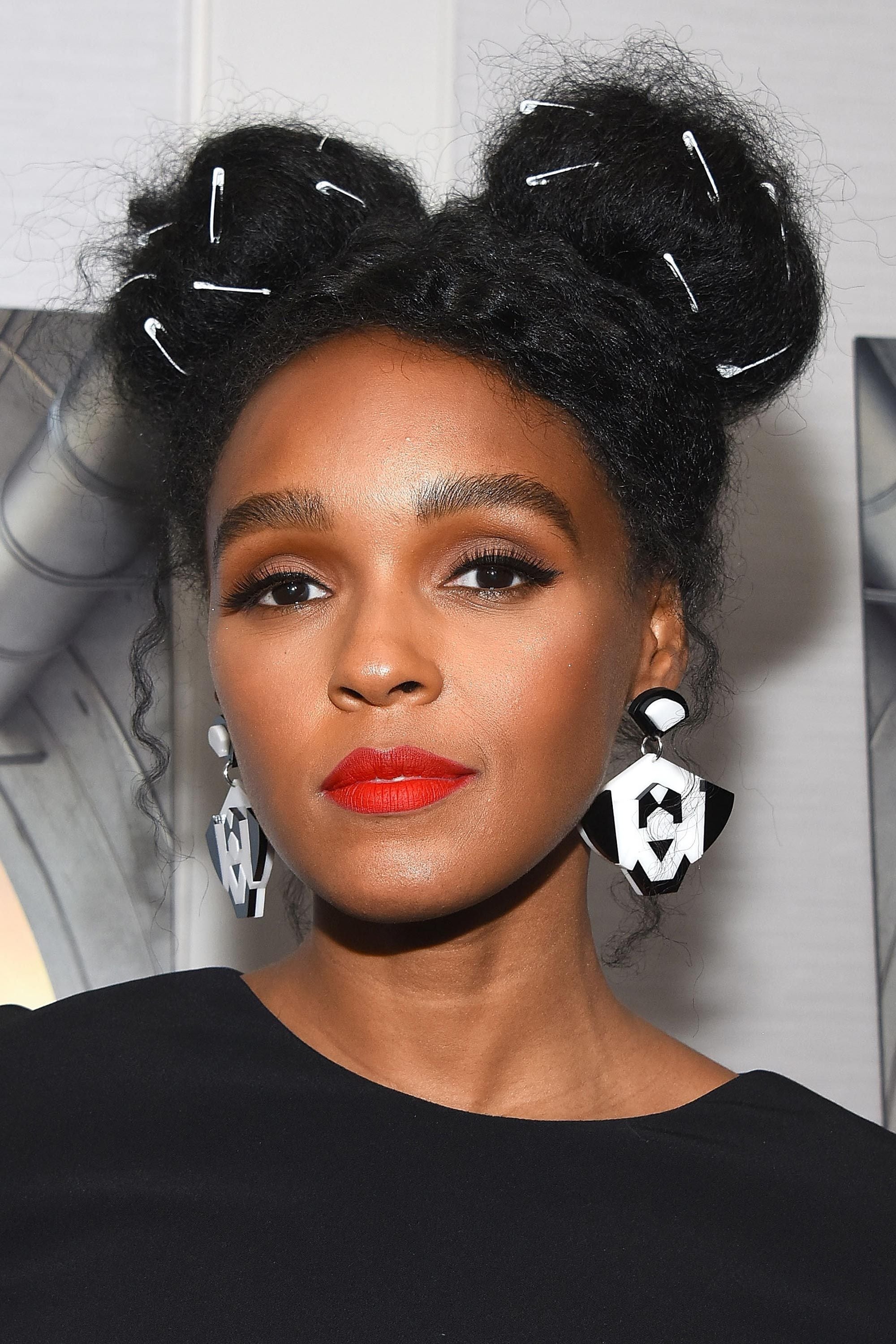
Janelle Monáe has consistently pushed for stories that lean into science fiction and afrofuturism. She believes that these genres allow for a level of freedom and imagination that trauma based stories do not. The actress and singer has spoken about the need to move past the victimhood trope in order to see Black people in the future. Her roles in films like ‘Hidden Figures’ and ‘Glass Onion’ showcase her range outside of traditional struggle narratives. Monáe continues to advocate for radical joy and creative liberation in all of her artistic endeavors.
Keke Palmer

Keke Palmer has frequently talked about the types of scripts she receives and the prevalence of trauma centered themes. She noted that many auditions for Black actresses involve roles that require a deep well of emotional suffering. The actress has expressed a preference for comedies and action films that allow her to showcase her personality. She believes that the industry should normalize Black characters in every day situations without making their race the central conflict. Palmer remains dedicated to projects that celebrate life and vitality rather than focusing on pain.
Gabrielle Union
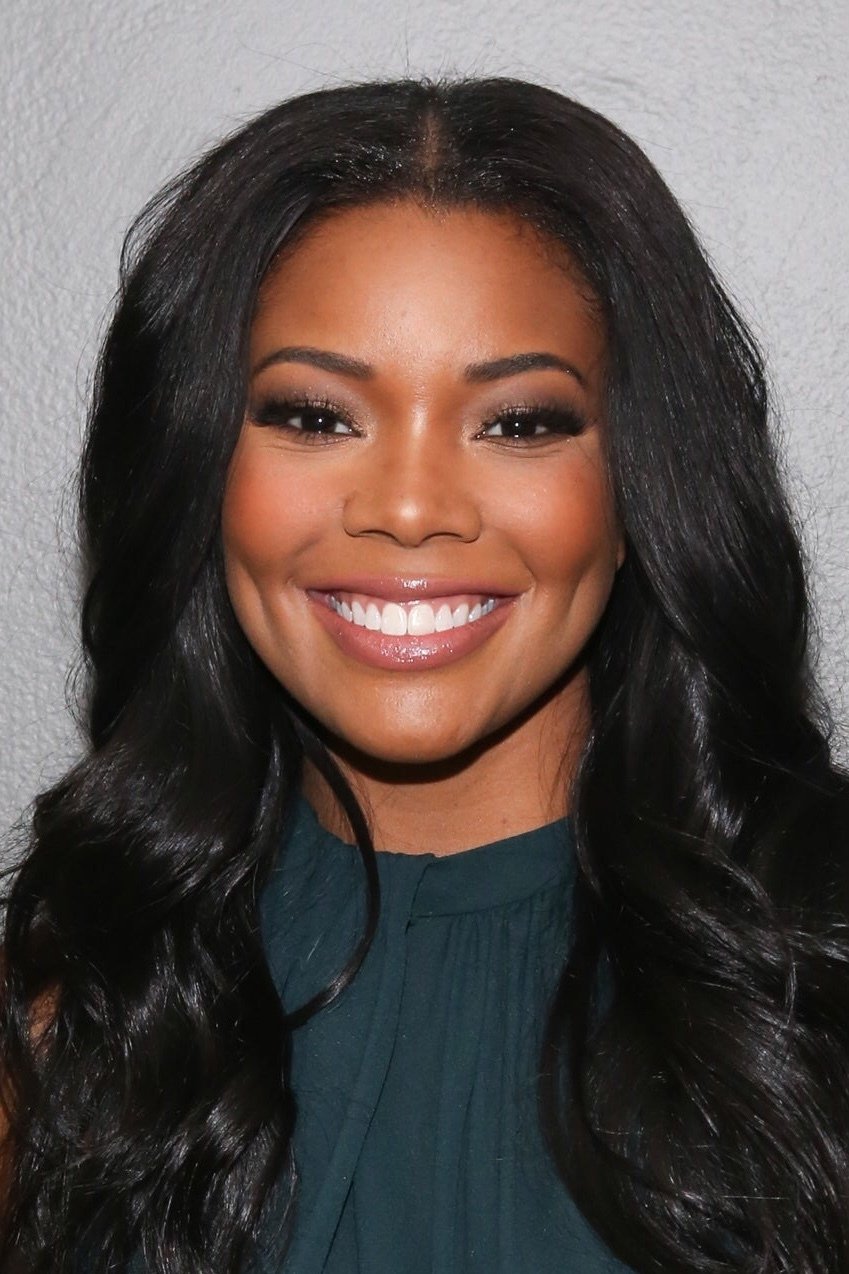
Gabrielle Union has been vocal about the limitations of the strong Black woman trope which she views as a form of victimhood. She argued that this archetype often forces characters to endure excessive pain without any support. The actress has spoken about the need for more roles that allow Black women to be vulnerable and happy. She advocates for stories that focus on romance and professional success rather than just survival. Union continues to work toward a more nuanced representation of Black life in her acting and producing roles.
Taraji P. Henson
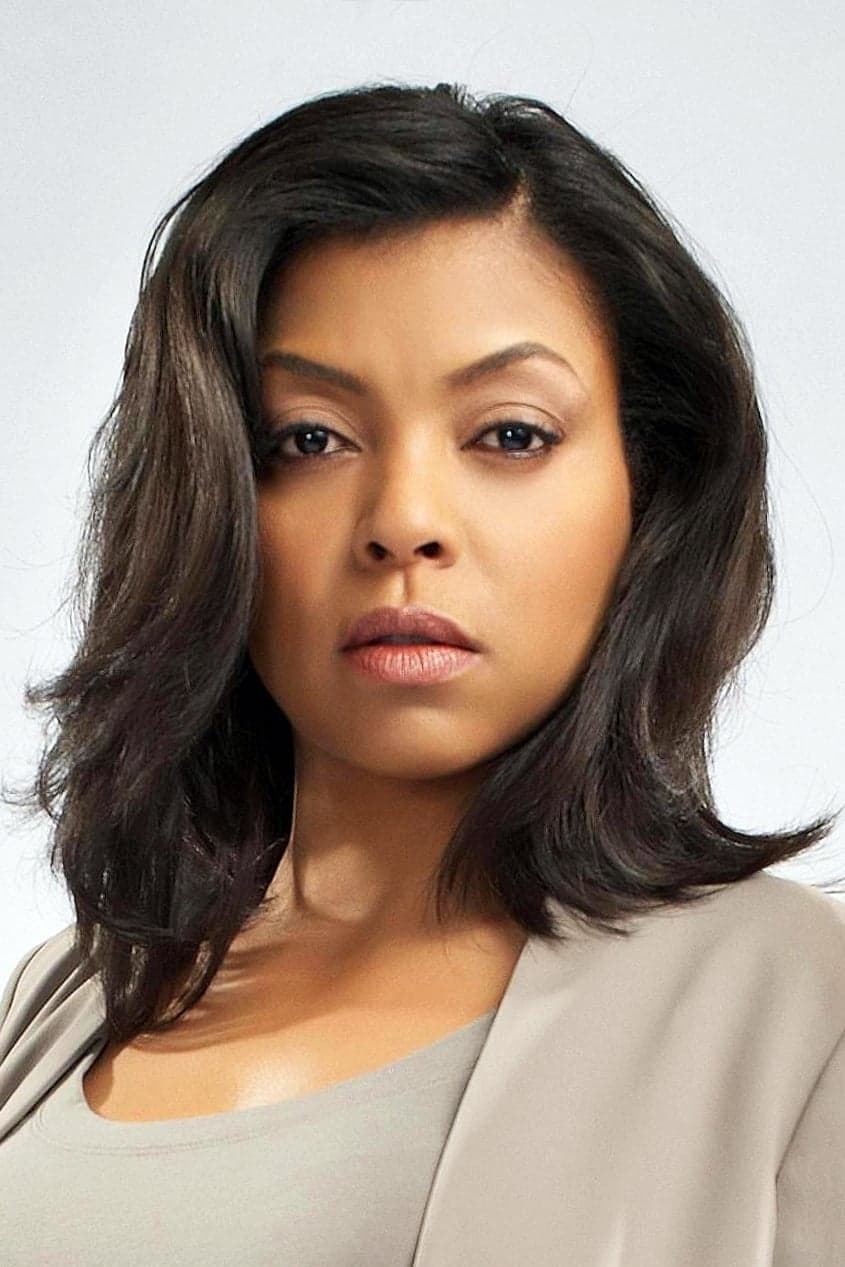
Taraji P. Henson has discussed the emotional exhaustion that comes with playing roles rooted in systemic struggle. She mentioned that while these performances are often praised they can take a toll on the performer. The actress has expressed a desire to do more comedy and projects that are purely for entertainment. She noted that Black actresses are often expected to provide a certain level of emotional labor in their work. Henson continues to push for roles that highlight the brilliance and humor of Black women.
Tessa Thompson
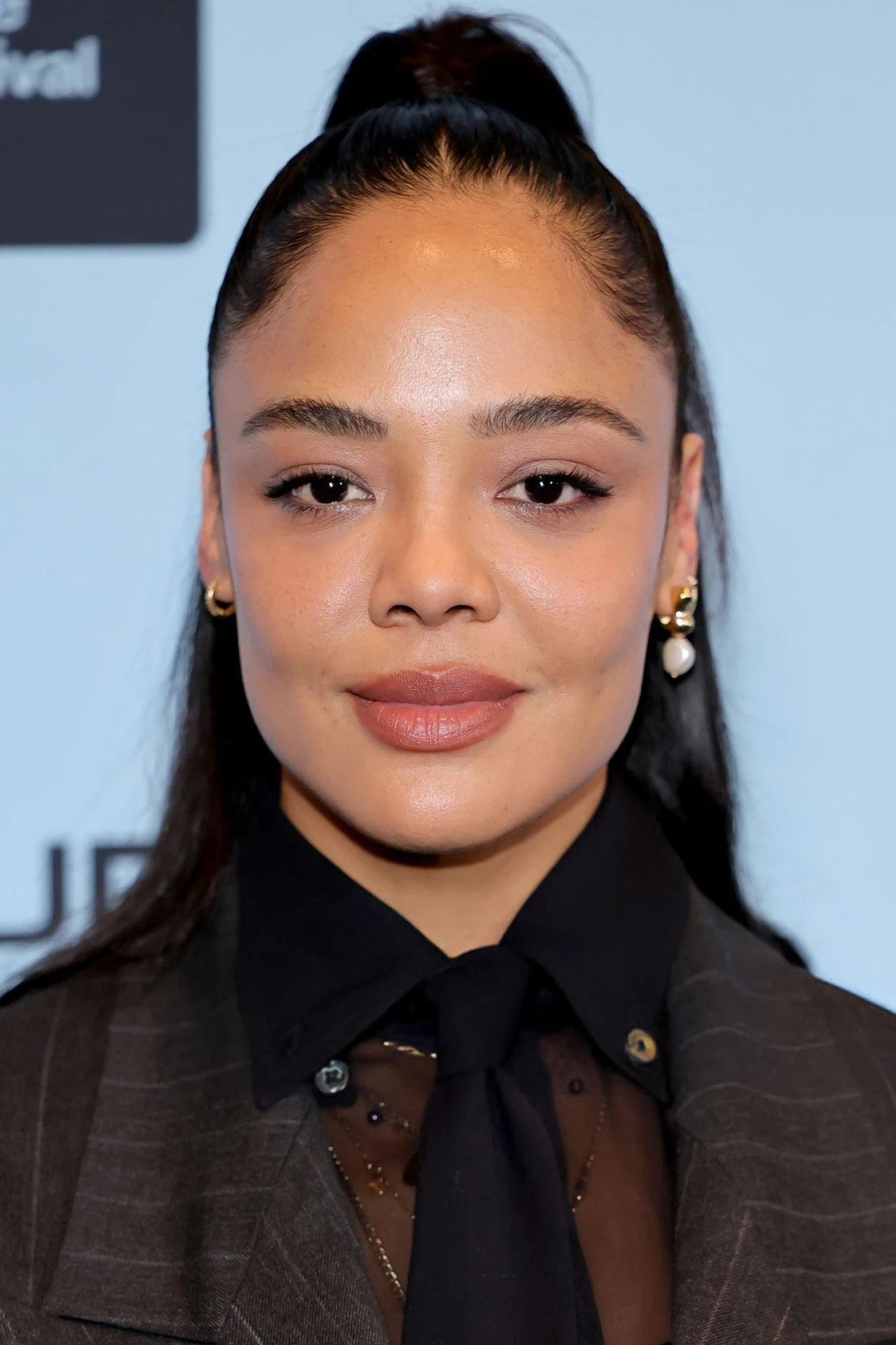
Tessa Thompson has been a strong advocate for the concept of Black normalcy on the screen. She mentioned that she purposefully chooses roles in genres like science fiction and romantic drama to broaden representation. The actress believes that seeing Black characters in space or in love stories is essential for the culture. She has spoken out against the industry tendency to only celebrate stories of Black suffering during awards seasons. Thompson continues to collaborate with filmmakers who are interested in subverting traditional archetypes.
Danielle Brooks
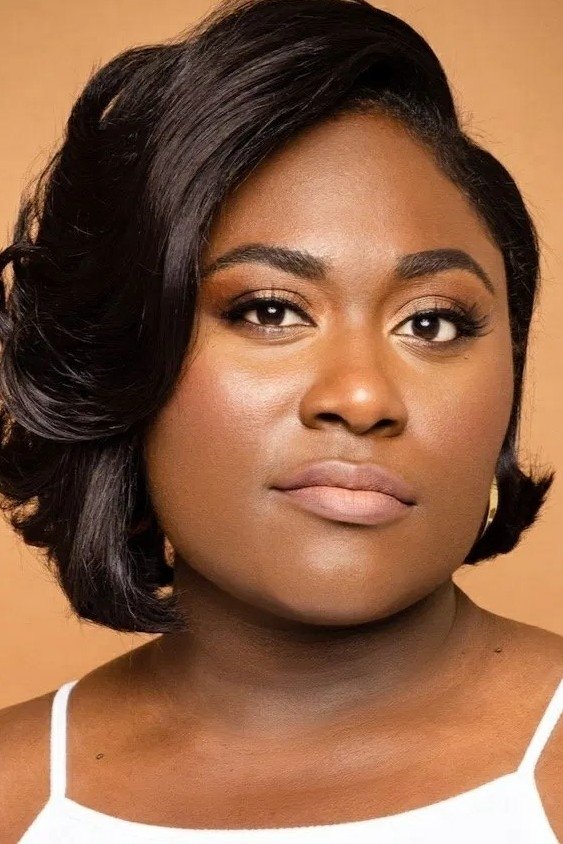
Danielle Brooks has expressed her desire to see more Black women in roles that are joyful and successful. She noted that after her work on ‘Orange is the New Black’ she wanted to explore characters with more agency and happiness. The actress has spoken about how the industry often funnels talent into stories of struggle and incarceration. She advocated for more opportunities in musical theater and prestige television that center on positive narratives. Brooks remains committed to portraying characters that inspire hope and display a wide range of emotions.
Teyonah Parris
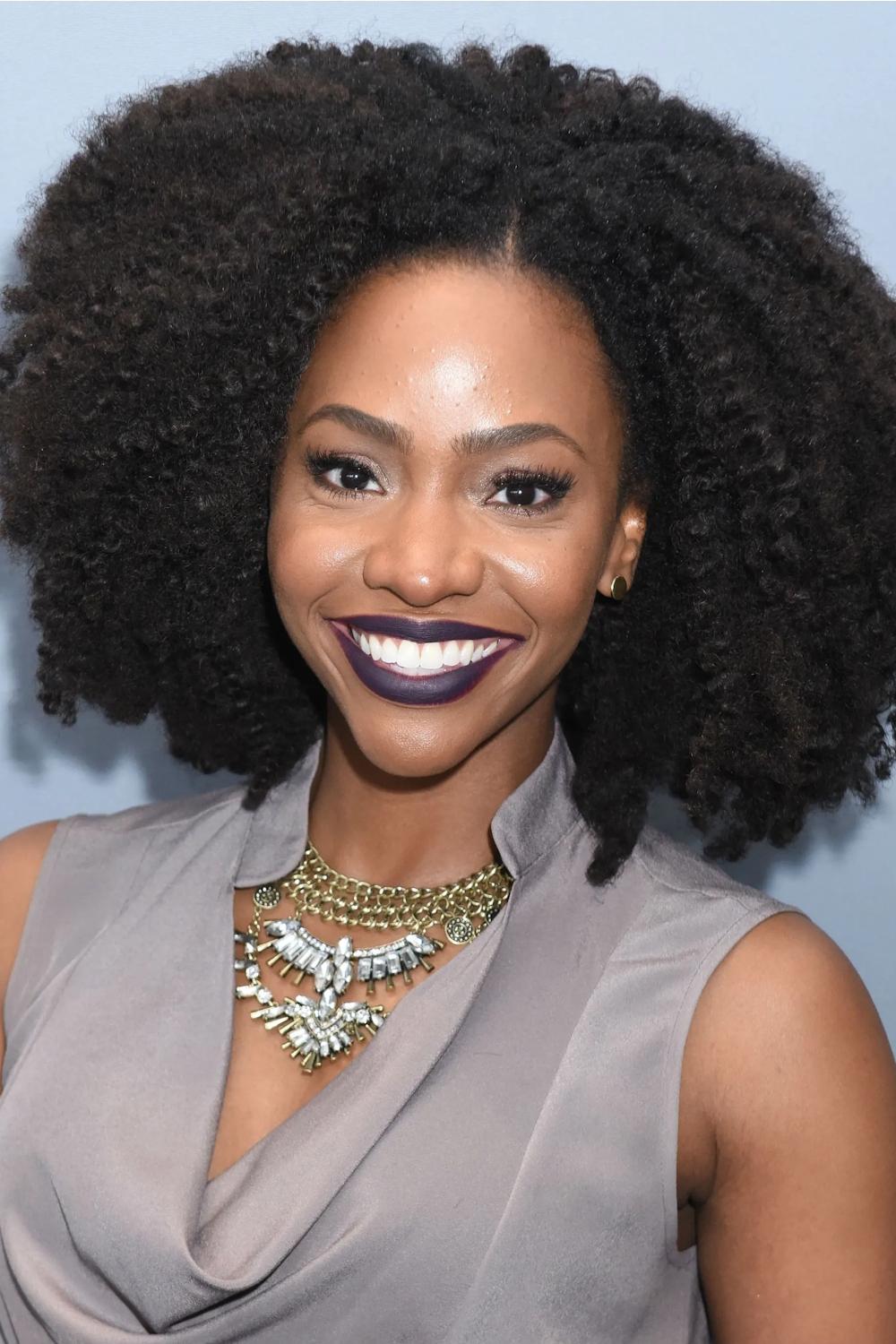
Teyonah Parris has discussed the importance of seeing Black women in elevated and imaginative roles. She mentioned that she was excited to join the ‘Marvel Cinematic Universe’ because it offered a departure from trauma based stories. The actress has spoken about the need for more Black characters in period pieces that are not about slavery or civil rights. She believes that audiences are ready for more variety and less focus on the historical pain of Black people. Parris continues to seek out roles that emphasize strength and wonder.
Zazie Beetz
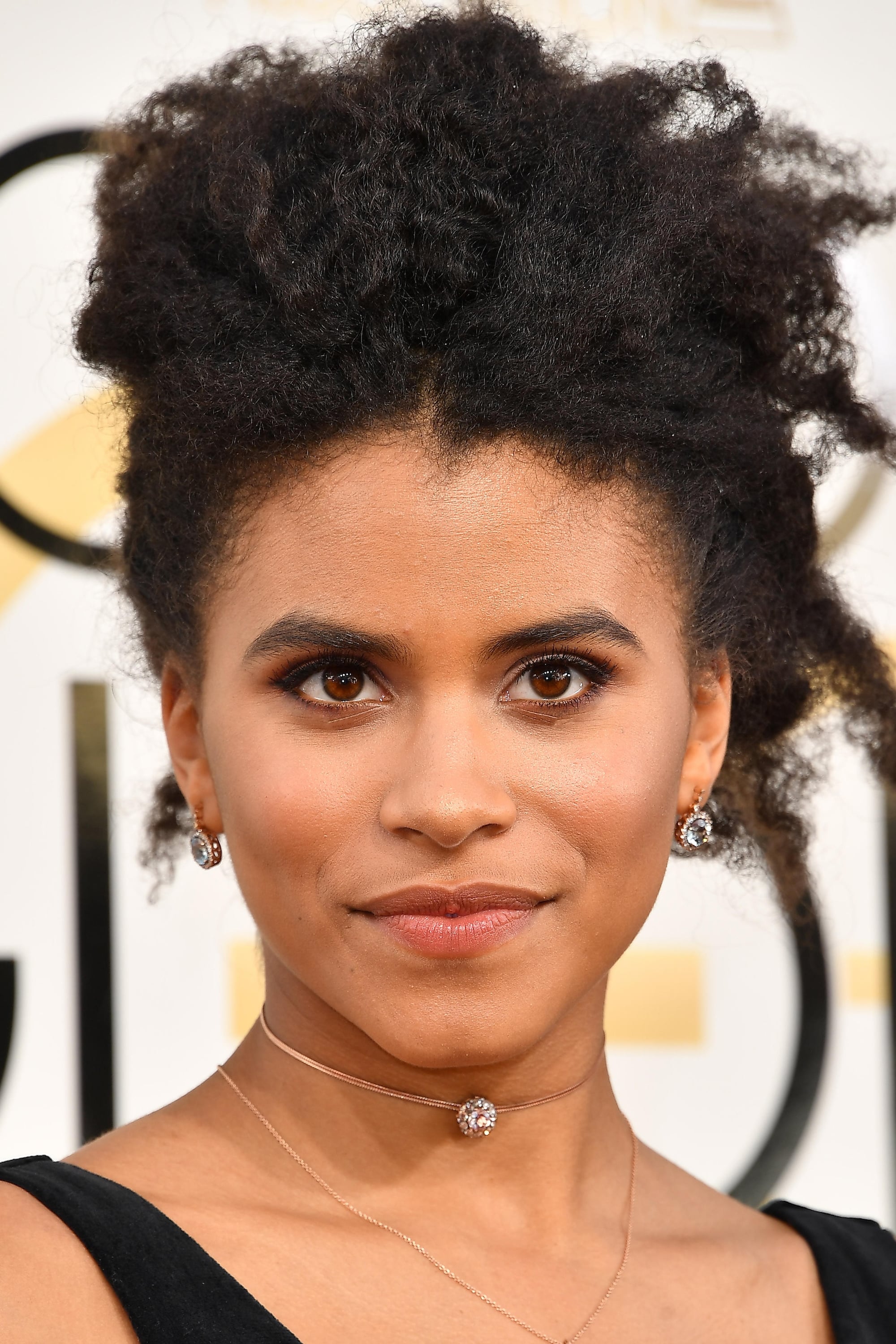
Zazie Beetz has commented on the trend of trauma porn in prestige cinema and how it impacts Black performers. She noted that there is an industry expectation for Black actors to engage with pain in order to be considered for major awards. The actress expressed a desire to work on projects that are more experimental and lighthearted. She believes that the focus on suffering can be reductive and limits the artistic possibilities for people of color. Beetz continues to take on roles in diverse genres to show that Black life is not a monolith of struggle.
Yara Shahidi
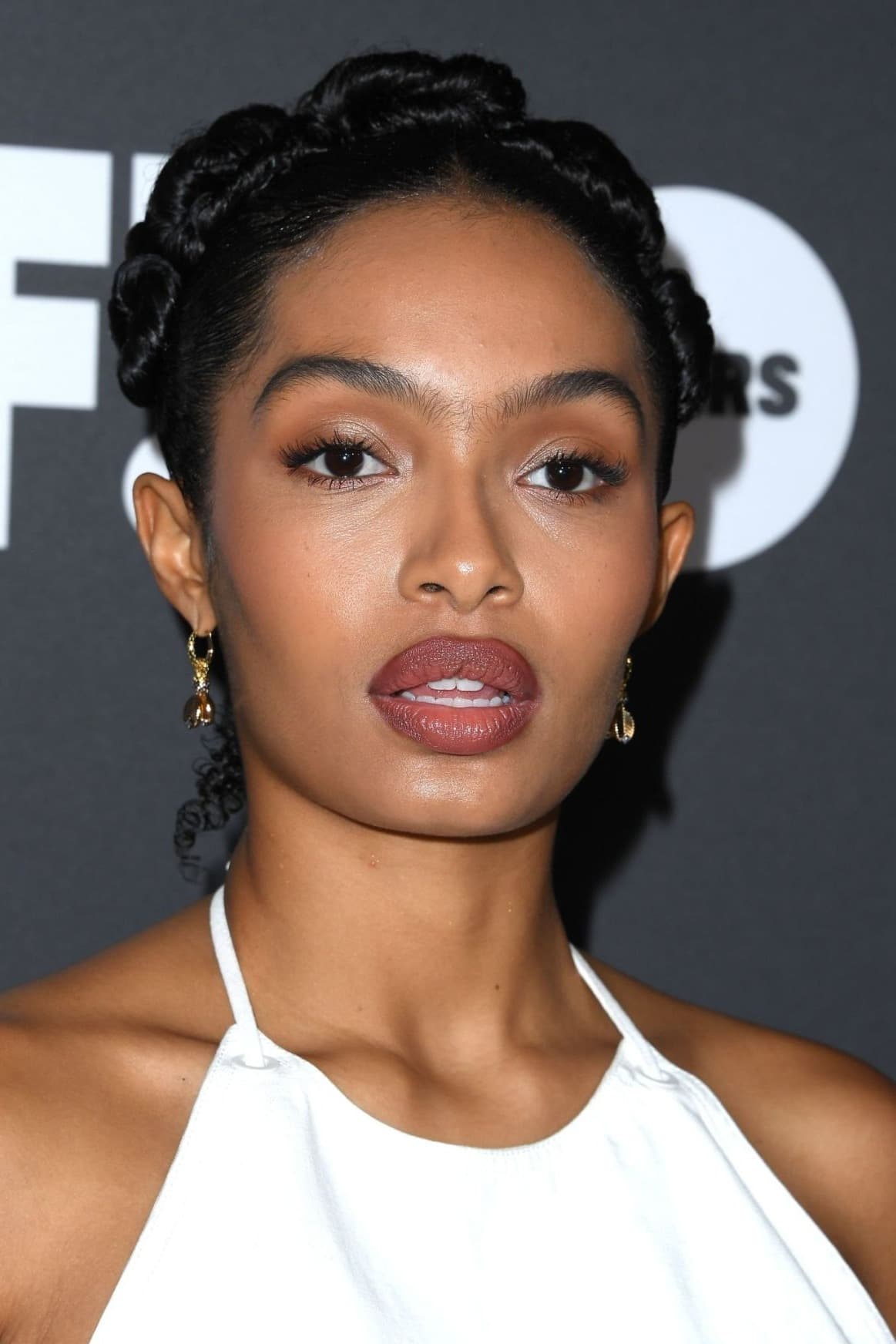
Yara Shahidi has focused much of her career on highlighting joyful and intellectual Black characters. She mentioned that she purposefully chose ‘Grown-ish’ to show the fun and educational side of young adulthood. The actress has spoken about the importance of protecting Black joy in media as a form of resistance. She believes that constant exposure to trauma on screen can have a negative impact on the audience. Shahidi continues to advocate for stories that empower and educate while maintaining a sense of lightheartedness.
Letitia Wright
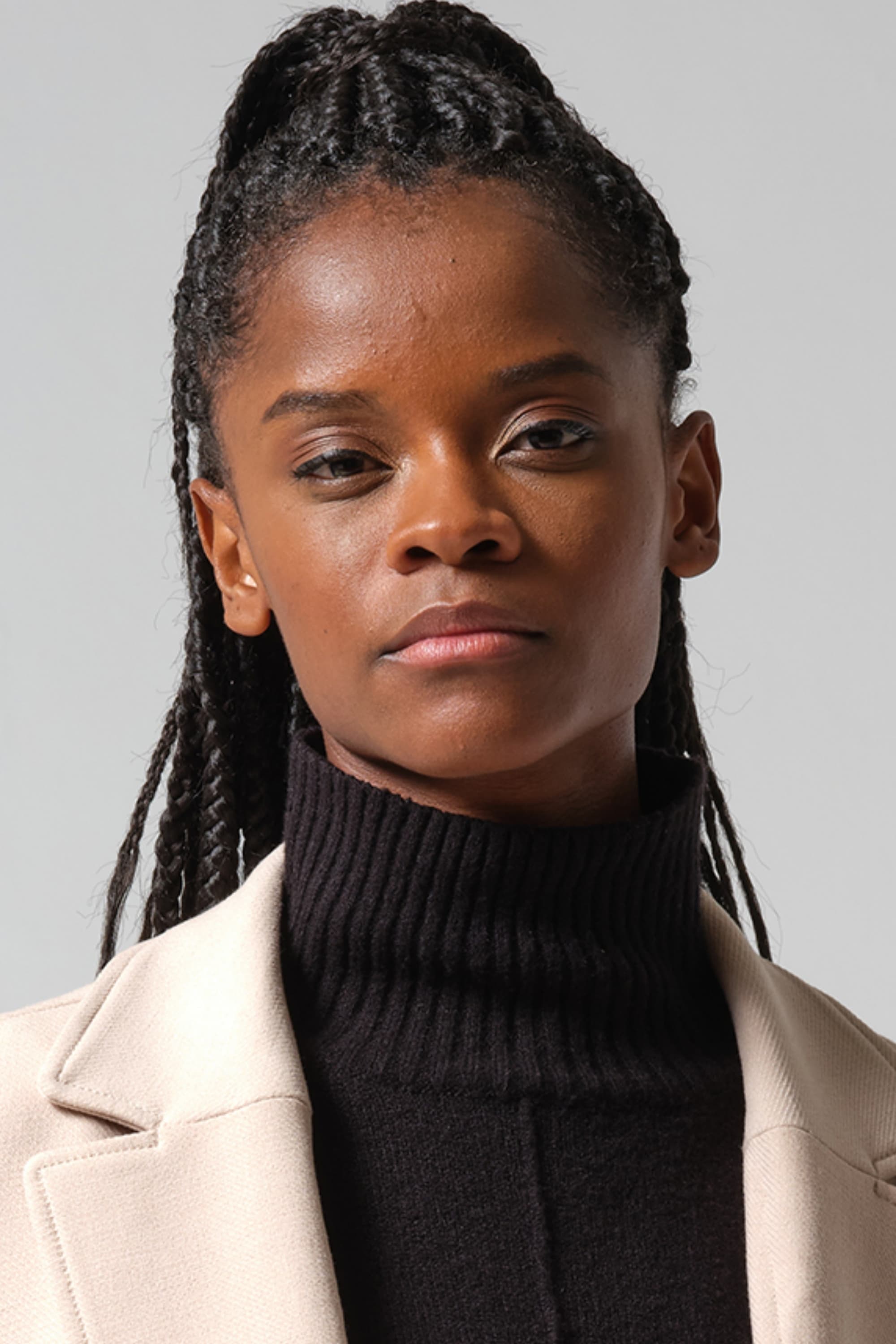
Letitia Wright has spoken about the necessity of aspirational stories for the Black community. She noted that her role in ‘Black Panther’ was a significant shift away from the typical roles offered to her. The actress mentioned that she wants to continue working on projects that show Black people as leaders and innovators. She believes that moving away from victimhood narratives allows for more creative freedom and inspiration. Wright remains dedicated to finding roles that celebrate the richness of her heritage without focusing solely on pain.
Quinta Brunson
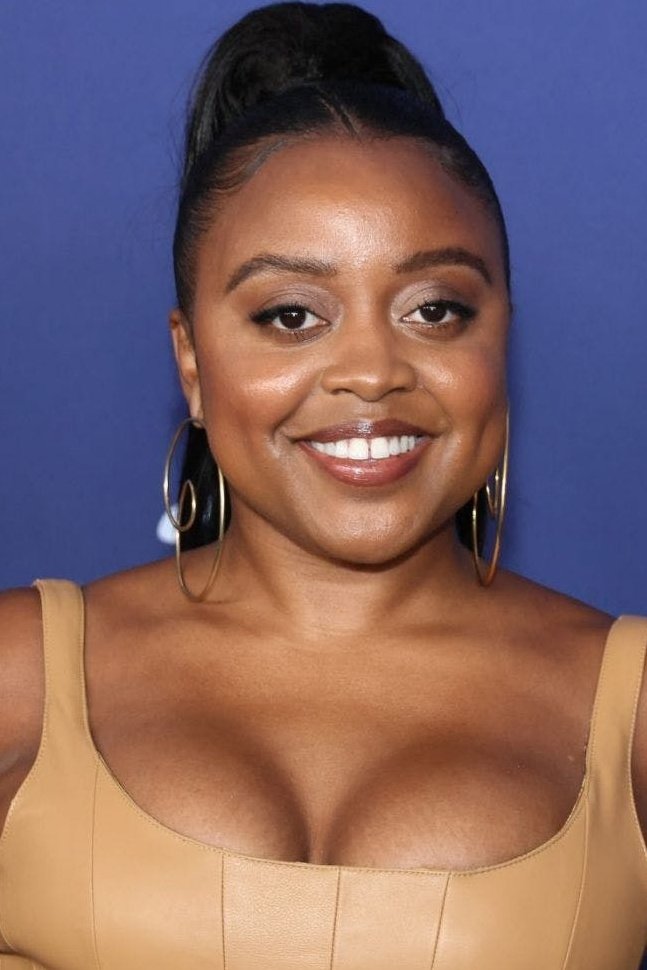
Quinta Brunson created the series ‘Abbott Elementary’ specifically to avoid the trauma based storytelling often found in modern television. She stated that she wanted to show a workplace comedy that was honest but also warm and funny. The actress and writer argued that Black stories do not always need to be about systemic struggle to be important. She highlighted the value of showing Black people in the context of their community and their professional lives. Brunson has received widespread acclaim for proving that joyful and mundane stories can be incredibly successful.
Michaela Coel
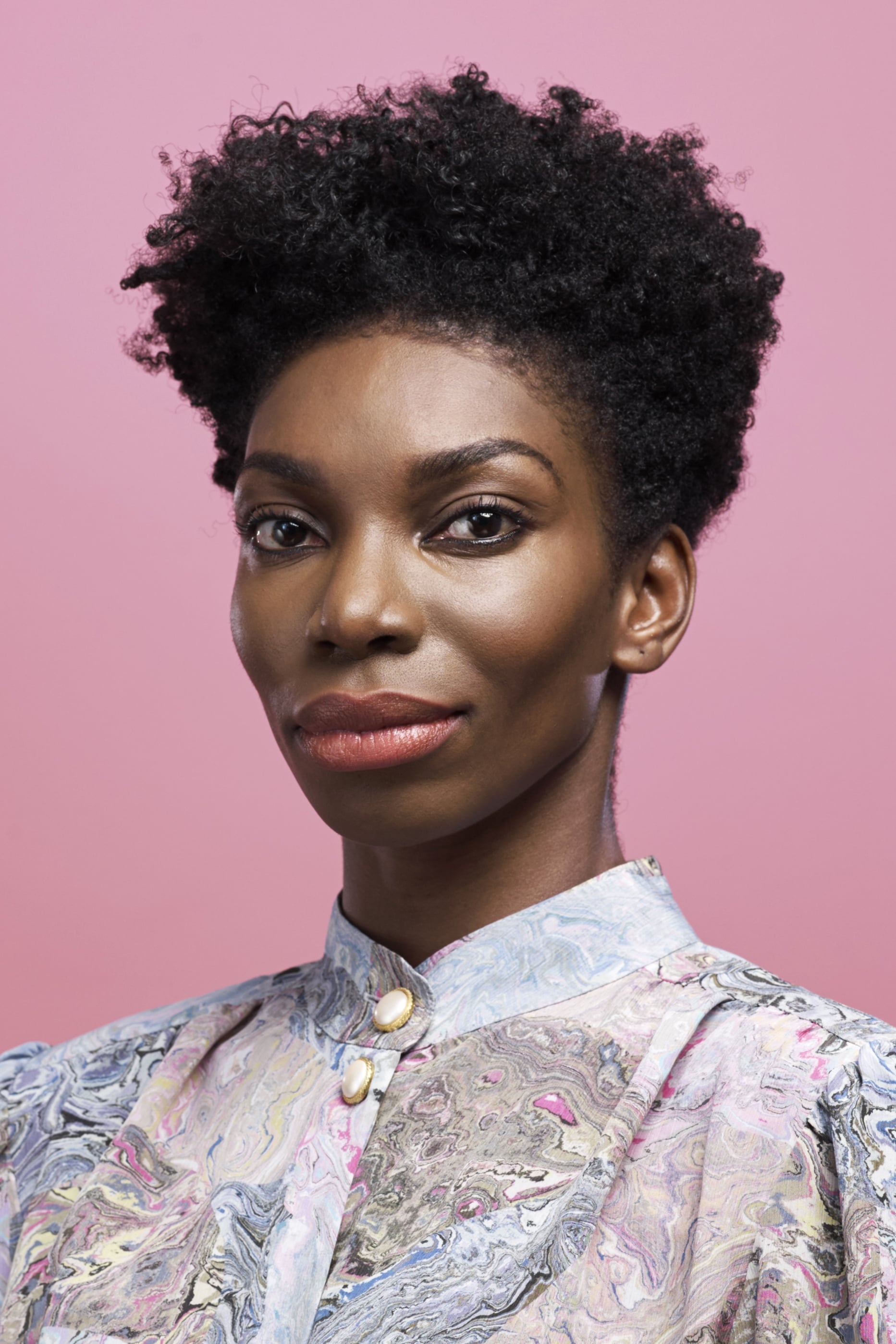
Michaela Coel has explored the nuances of trauma in her work while also critiquing the branding of victimhood. She stated that she wants to create stories that are raw and honest without being exploitative. The actress and creator has mentioned that she refuses to let her characters be defined only by what has happened to them. She seeks to find the humor and humanity in difficult situations rather than just the suffering. Coel continues to push the boundaries of storytelling by centering on the internal strength of her characters.
Gugu Mbatha-Raw
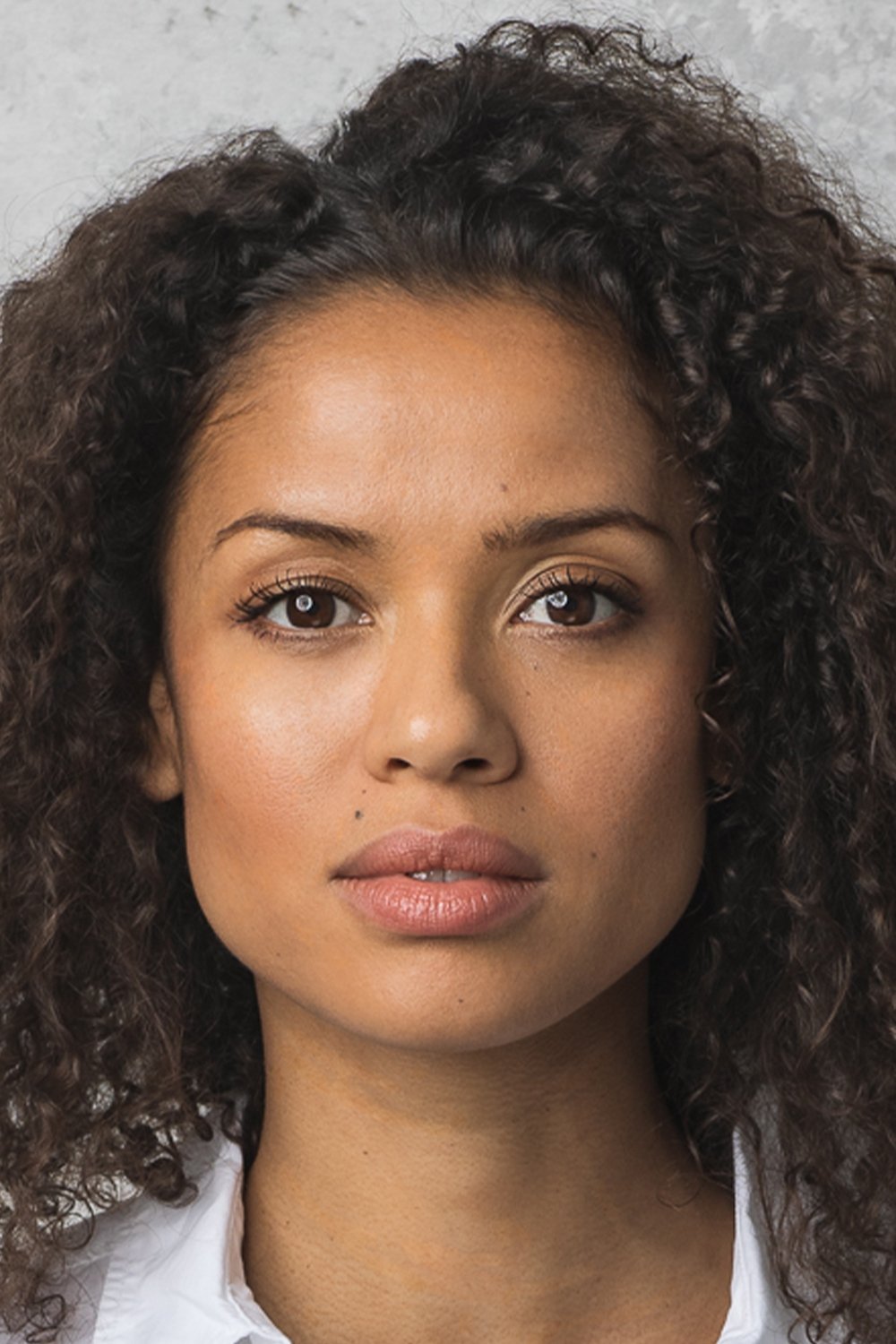
Gugu Mbatha-Raw has often sought out roles that offer a sense of hope and agency to her characters. She mentioned that she is drawn to scripts that allow for a wide range of human experience including romance and adventure. The actress has noted that many prestige films for Black actors are rooted in the history of oppression. She expressed a desire to see more contemporary stories that celebrate Black achievement and love. Mbatha-Raw continues to work in both independent and studio films that challenge the traditional victimhood narrative.
Sophie Okonedo
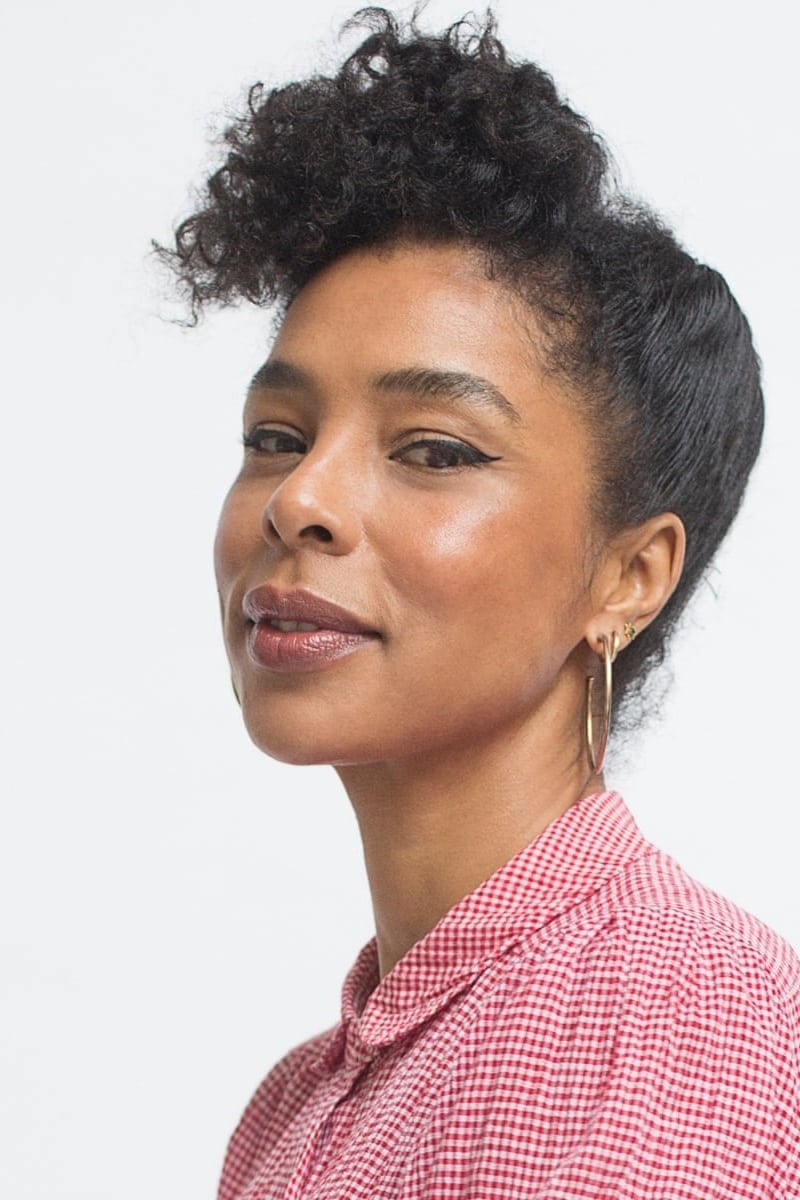
Sophie Okonedo has commented on the lack of variety in dramatic roles available to Black women in international cinema. She noted that the industry often gravitates toward specific historical archetypes that center on struggle. The actress has spoken about her desire to play more characters in comedies and thrillers that are not race specific. She believes that the focus on Black pain can limit the development of more creative and diverse scripts. Okonedo remains a respected figure who advocates for more complex and less stereotypical representations.
Ruth Negga
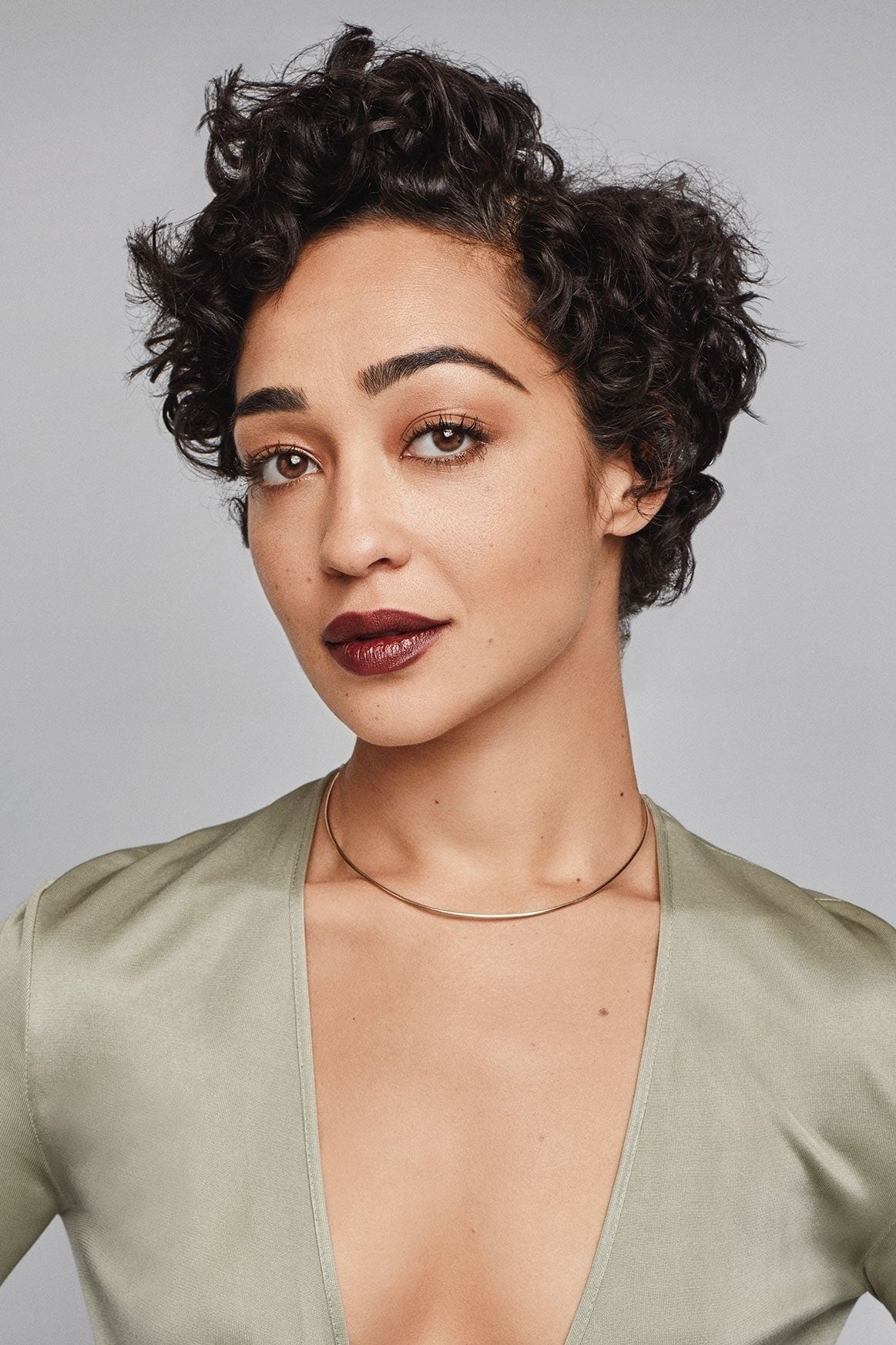
Ruth Negga has advocated for subtle and human stories that avoid the common tropes of Black struggle. She has mentioned that she prefers roles that allow for a deep exploration of character rather than a focus on systemic issues. The actress noted that the industry often rewards performances that are loudly centered on trauma. She believes that there is a great deal of power in telling quiet and personal stories about the Black experience. Negga continues to select projects that offer a nuanced and often understated look at life and relationships.
Naomie Harris
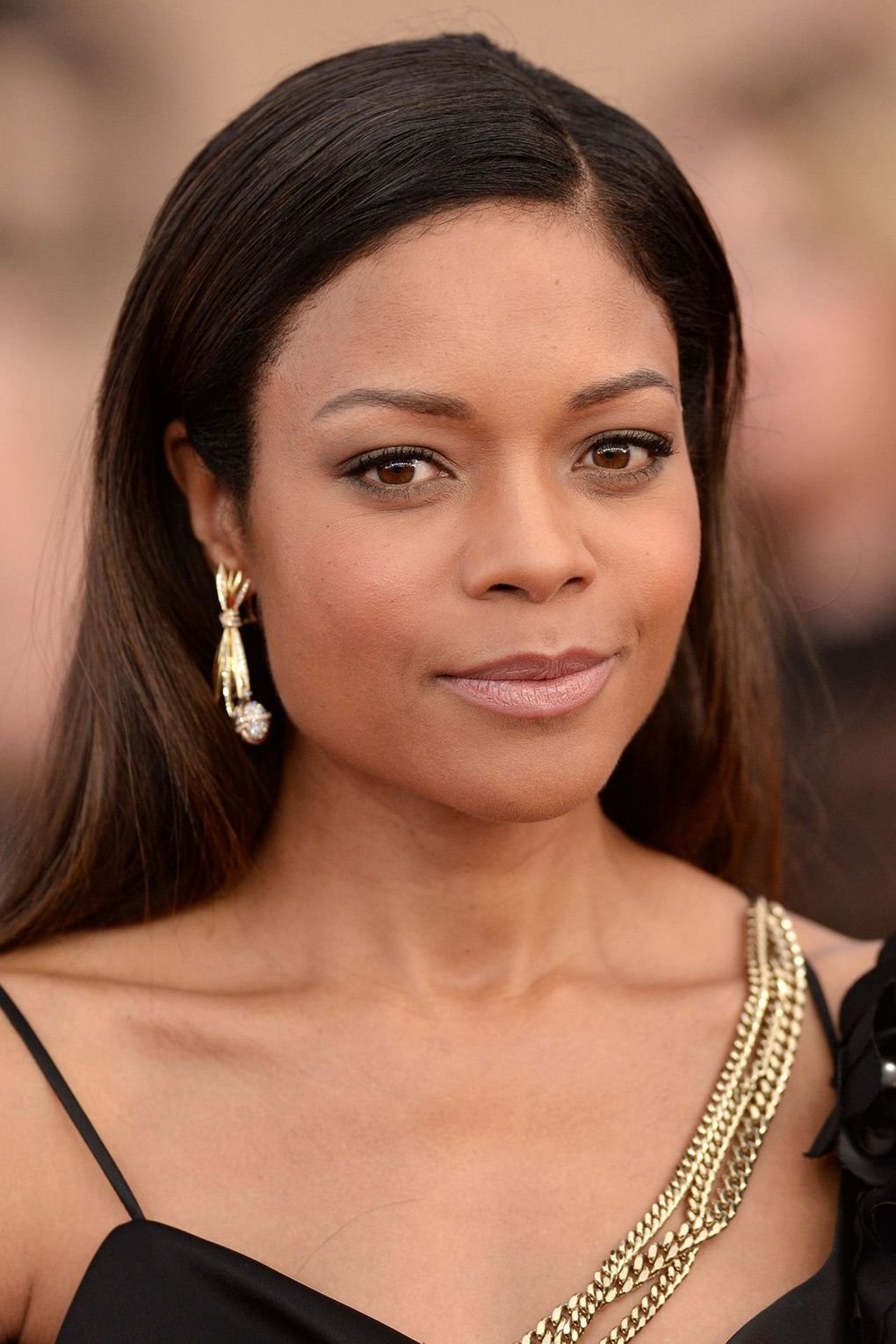
Naomie Harris has expressed that she looks for characters who are defined by more than their suffering or their environment. She has mentioned that she often turns down roles that feel like they are repeating the same victimhood narratives. The actress is interested in playing strong and capable women in a variety of genres including action and drama. She pointed out that the industry needs to move beyond the idea that Black stories must be tragic to be impactful. Harris remains committed to portraying characters that display resilience and personal power.
Alfre Woodard
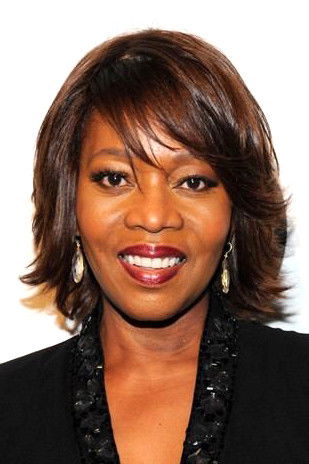
Alfre Woodard has had a long career and has witnessed the industry shifting focus on different types of stories. She has commented on how Hollywood often validates only a narrow slice of the Black experience. The actress believes that it is important to show Black people in every facet of life from the elite to the everyday. She has advocated for more investment in scripts that celebrate the history and the future of the Black community. Woodard continues to be a mentor and an advocate for more diverse and positive storytelling.
Angela Bassett
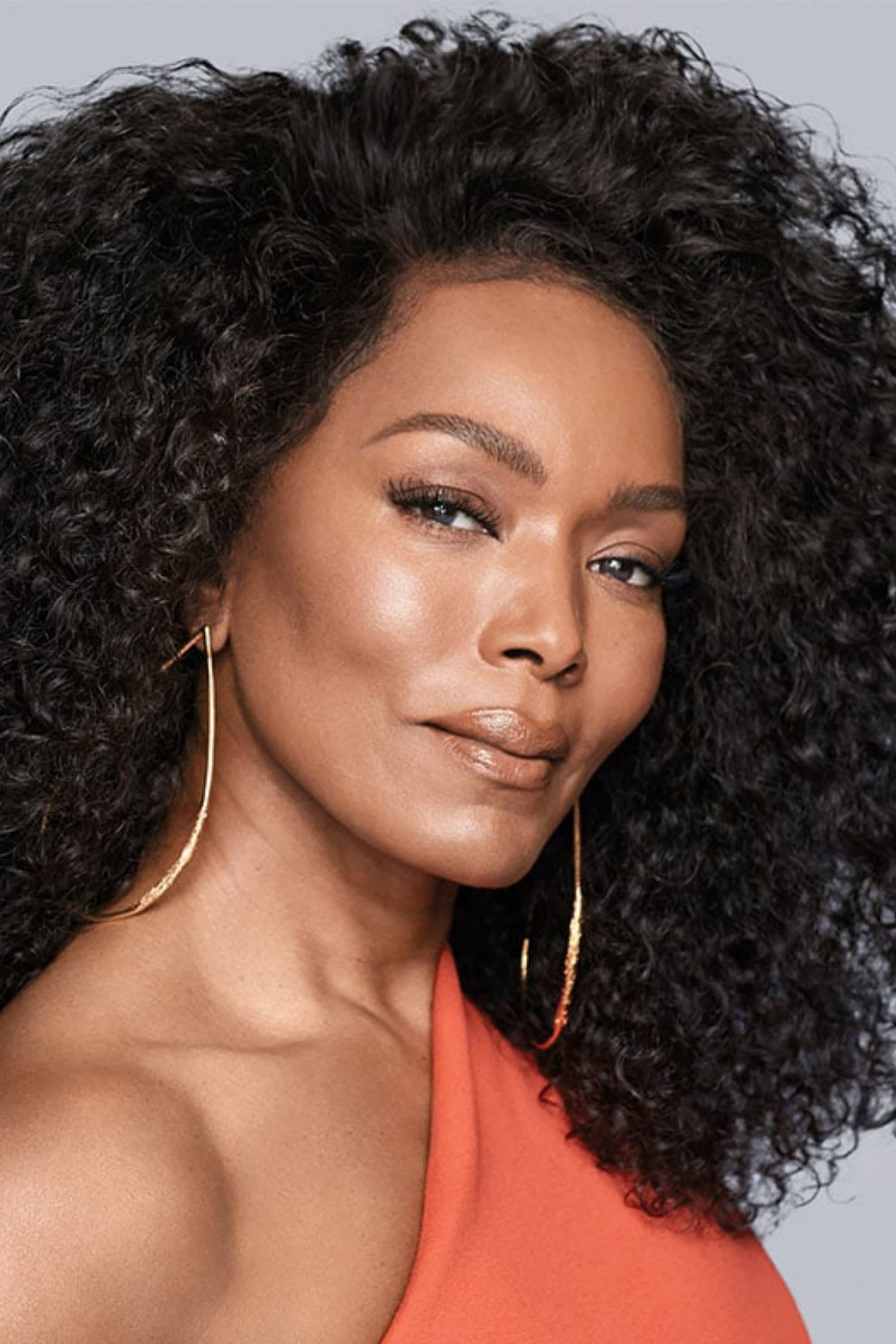
Angela Bassett has often been the choice for roles that emphasize power and leadership rather than victimhood. She has spoken about the importance of representing Black women as regal and strong figures in media. The actress mentioned that she is selective about the scripts she takes to avoid being pigeonholed into trauma narratives. She believes that her work should inspire pride and demonstrate the capability of her community. Bassett remains a legendary figure who consistently seeks to elevate the image of Black women on screen.
Octavia Spencer
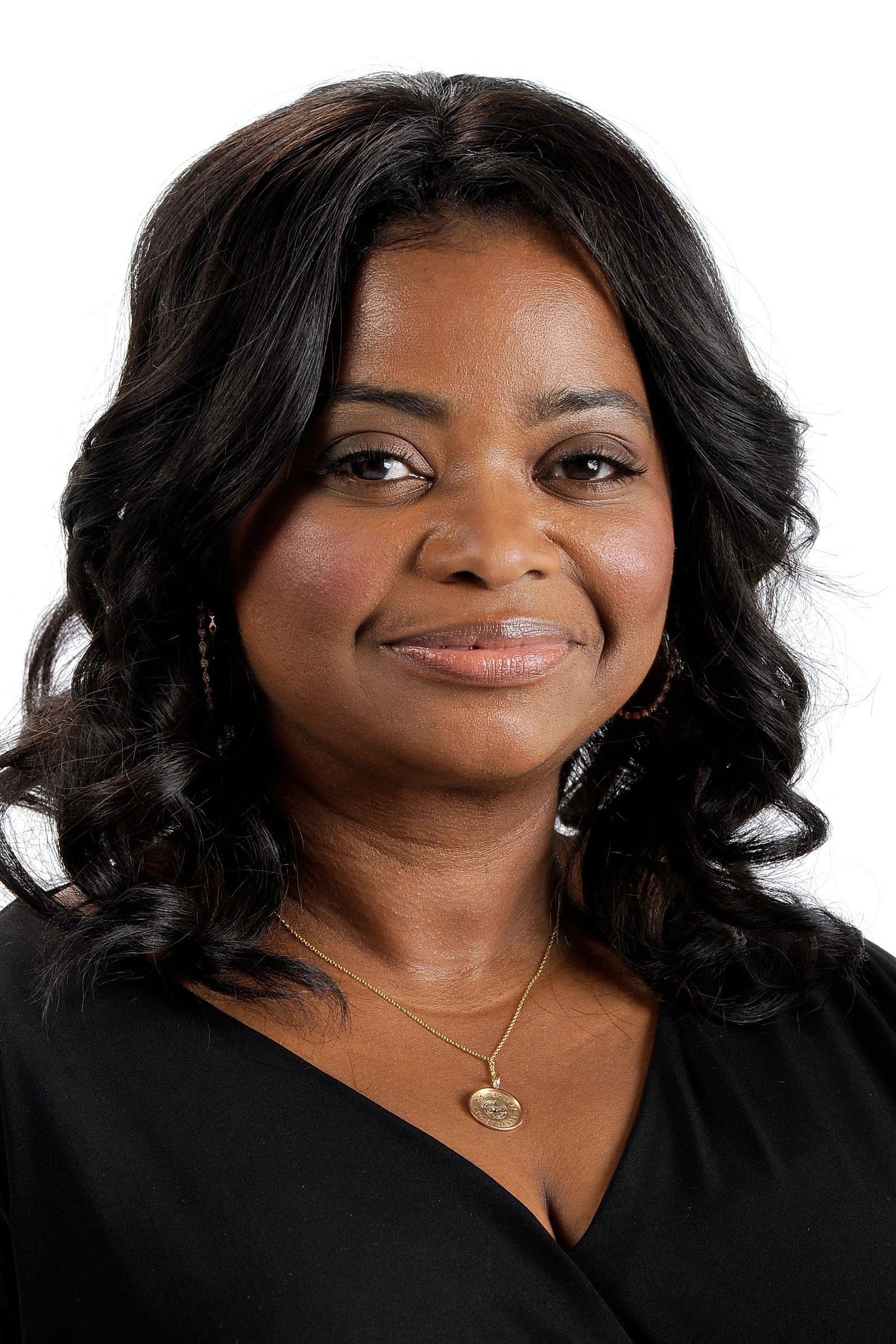
Octavia Spencer has discussed her desire to move away from the archetypes of the maid or the victim in her film roles. She mentioned that after her early success she wanted to explore different genres like horror and science fiction. The actress has spoken about the need for Black women to lead films that are purely for entertainment. She pointed out that the industry sometimes struggles to see Black performers in roles that are not rooted in a social message. Spencer continues to use her influence to produce and star in more diverse projects.
Thandiwe Newton

Thandiwe Newton has been vocal about the commodification of Black pain in the entertainment industry. She noted that there is a specific market for stories that center on the suffering of Black characters for a global audience. The actress expressed her desire to see more stories that focus on the internal joy and complexity of Black women. She has moved into science fiction roles that allow her to play characters with immense power and intelligence. Newton continues to advocate for a more honest and less exploitative approach to storytelling.
Kerry Washington
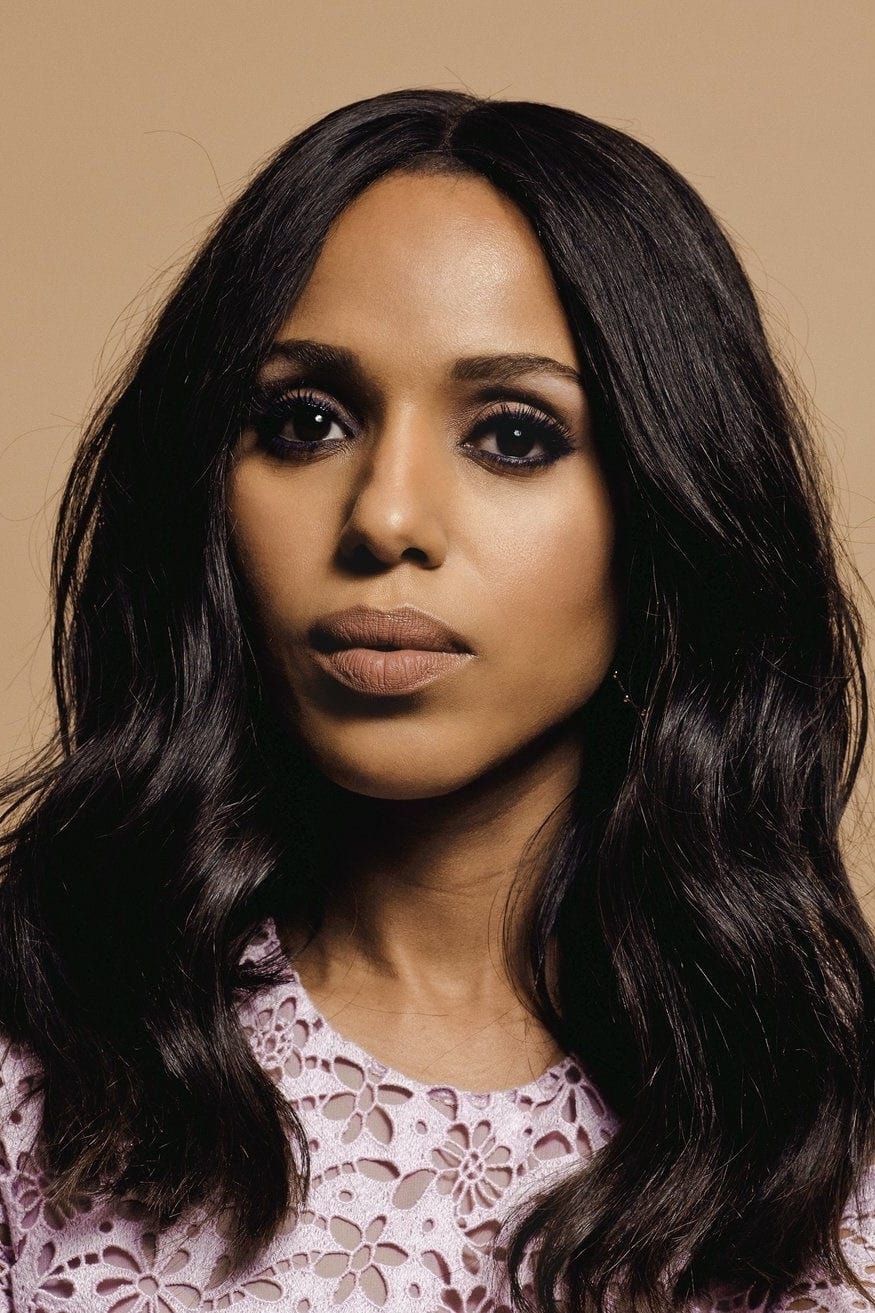
Kerry Washington has discussed the burden of representing only one type of experience through struggle narratives. She noted that for a long time the roles available to her were limited to specific tropes of hardship. The actress and producer has worked to create more space for Black women to be seen as professionals and romantic leads. She believes that showing the variety of the Black experience is essential for breaking down stereotypes. Washington remains a leading voice in the push for more inclusive and well rounded characters in Hollywood.
Jurnee Smollett

Jurnee Smollett has emphasized the need for genre diversity beyond the historical trauma often seen in prestige films. She has sought out roles in action and horror to show that Black women can excel in these spaces. The actress mentioned that it is refreshing to play characters whose main conflict is not based on their race. She believes that the industry should provide more opportunities for Black performers to lead in commercial and genre heavy films. Smollett continues to take on roles that showcase her versatility and strength outside of traditional drama.
Lashana Lynch

Lashana Lynch has spoken about looking for roles that break away from traditional victim tropes and stereotypes. She mentioned that joining a franchise like ‘James Bond’ was a way to redefine what a Black woman can be on screen. The actress is interested in characters that possess agency and are not defined by their relationship to trauma. She believes that the industry is slowly changing but still needs to focus more on joyful representation. Lynch remains committed to portraying women who are modern and multifaceted.
KiKi Layne
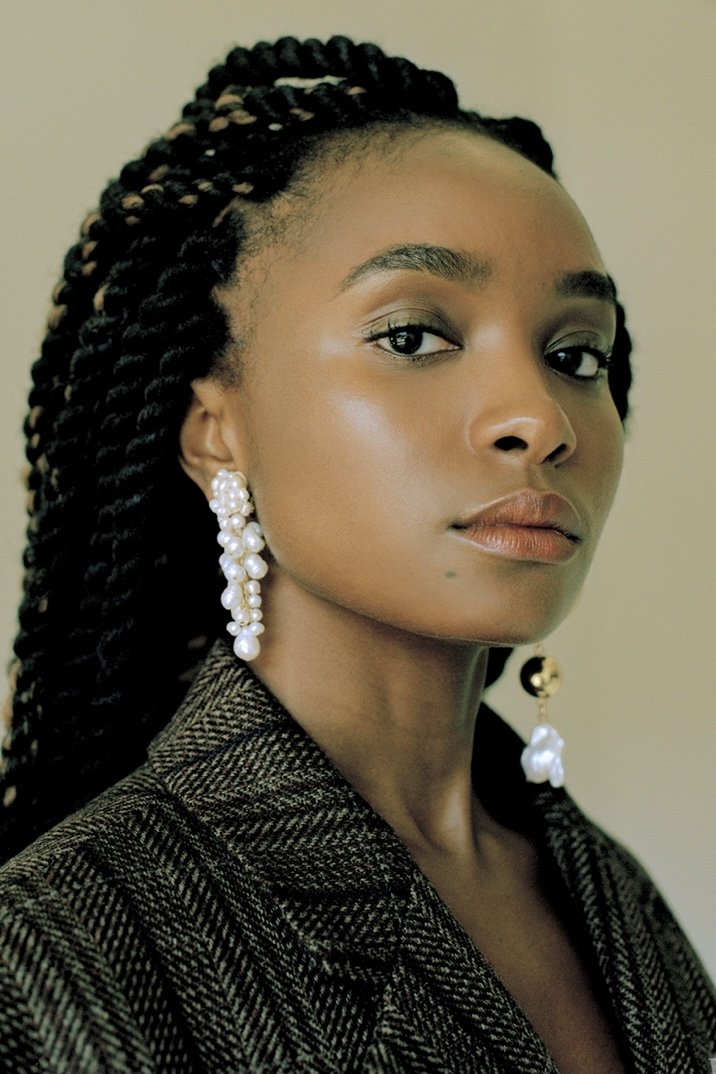
KiKi Layne has explicitly requested roles where she can just be a person without having to endure excessive suffering. She noted that her debut in ‘If Beale Street Could Talk’ was a beautiful but painful story and she wanted to find balance. The actress has expressed a love for romantic comedies and action films that allow for a lighter tone. She believes that it is important for the industry to see Black beauty and joy as something that can carry a film. Layne remains a rising star who is intentional about the types of stories she tells.
Thuso Mbedu
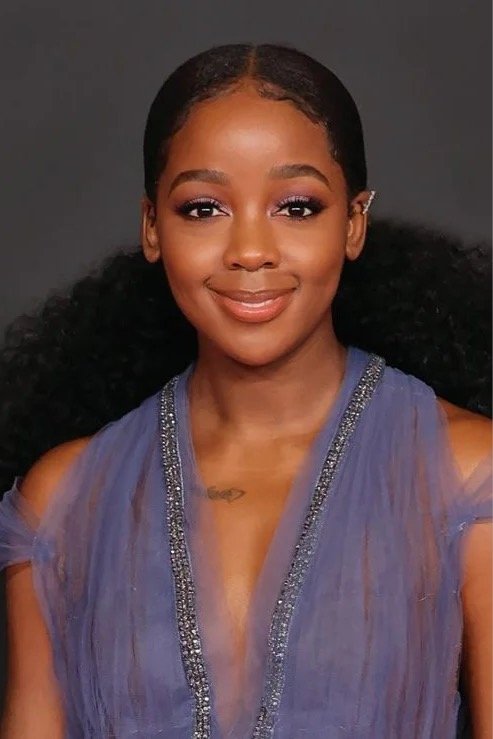
Thuso Mbedu has discussed the psychological toll that comes with playing trauma heavy roles in her recent projects. While she has been praised for her intense performances she has also expressed a desire for more variety. The actress mentioned that she is interested in exploring comedy and other genres to protect her mental health. She believes that Black performers should not always be expected to delve into historical pain for their art. Mbedu continues to look for roles that offer a different perspective on the human condition.
Moses Ingram
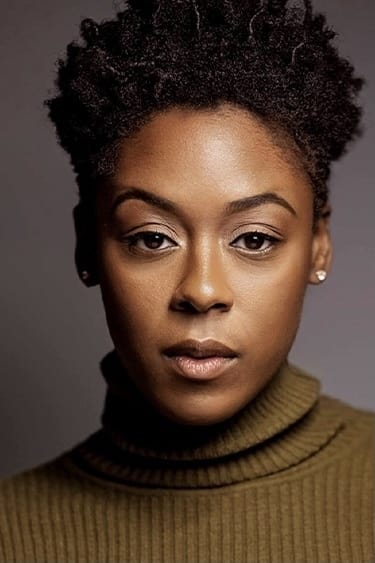
Moses Ingram has voiced her desire to see Black women in science fiction and fantasy without the inclusion of racial baggage. She mentioned that being in the ‘Star Wars’ universe allowed her to exist in a world where her character was not defined by trauma. The actress believes that these types of roles are essential for the imagination of the audience. She has spoken out about the need for more diverse storytelling that allows Black actors to just be part of the adventure. Ingram remains an advocate for expanding the boundaries of Black representation in genre film.
Taylor Russell
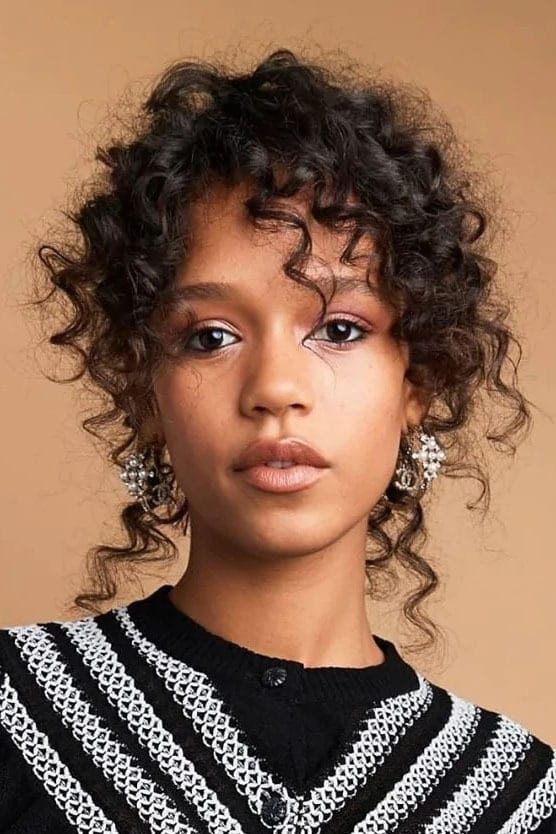
Taylor Russell has explored themes of normalcy and internal life in her work in independent film. She mentioned that she is drawn to characters who are dealing with universal human emotions rather than just systemic struggle. The actress believes that there is a space for Black performers in quiet and experimental cinema. She has noted that the industry often overlooks these smaller stories in favor of big trauma narratives. Russell continues to choose projects that offer a subtle and thoughtful look at the lives of young Black women.
Da’Vine Joy Randolph
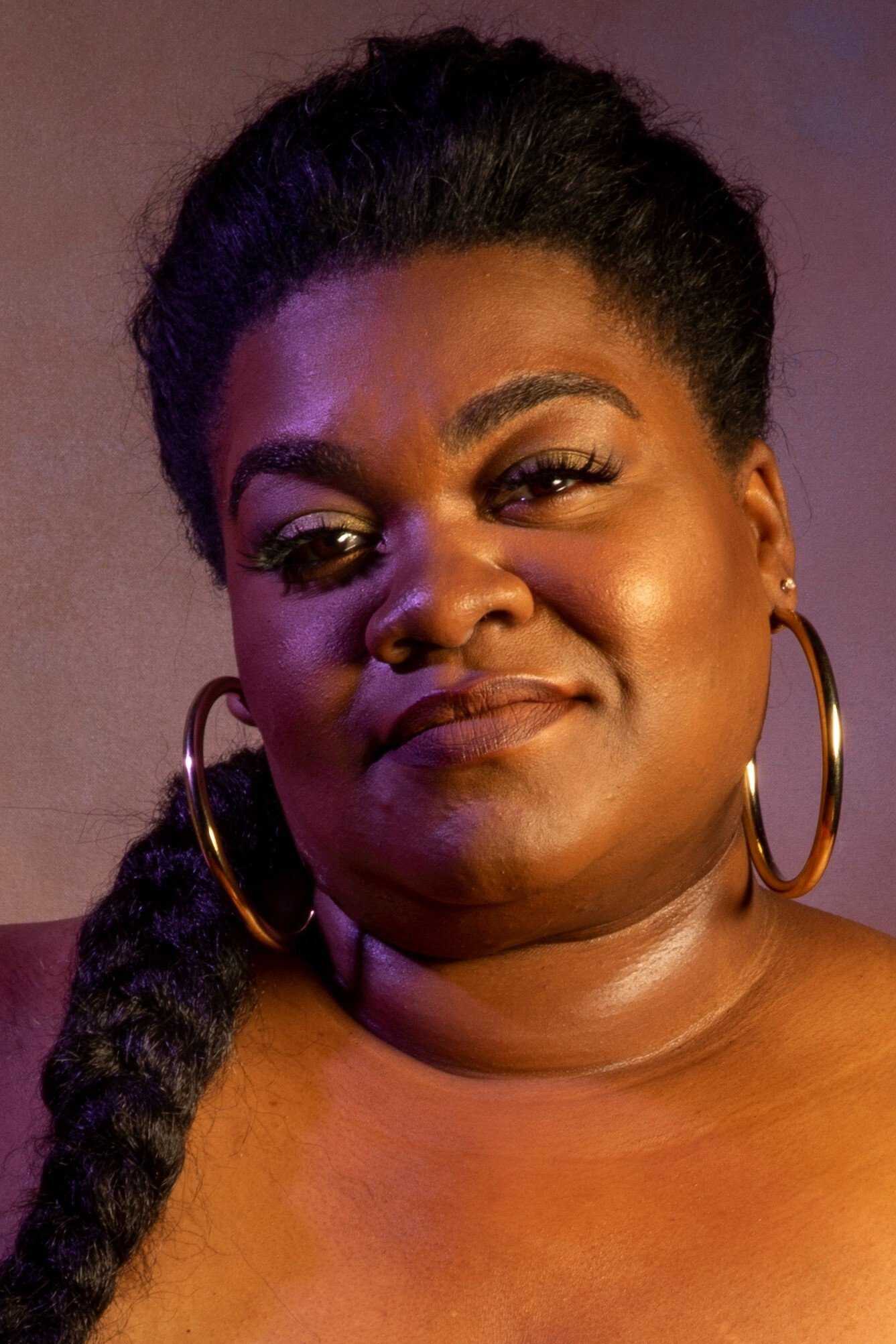
Da’Vine Joy Randolph has advocated for complicated and joyful characters that go beyond the usual tropes. She mentioned that she wants to play women who are funny and successful and full of life. The actress has spoken about the industry tendency to cast Black women in roles that are solely supportive or rooted in hardship. She seeks to find the humanity and the humor in every character she portrays. Randolph remains a versatile performer who is committed to showing the depth and the delight of the Black experience.
Erika Alexander
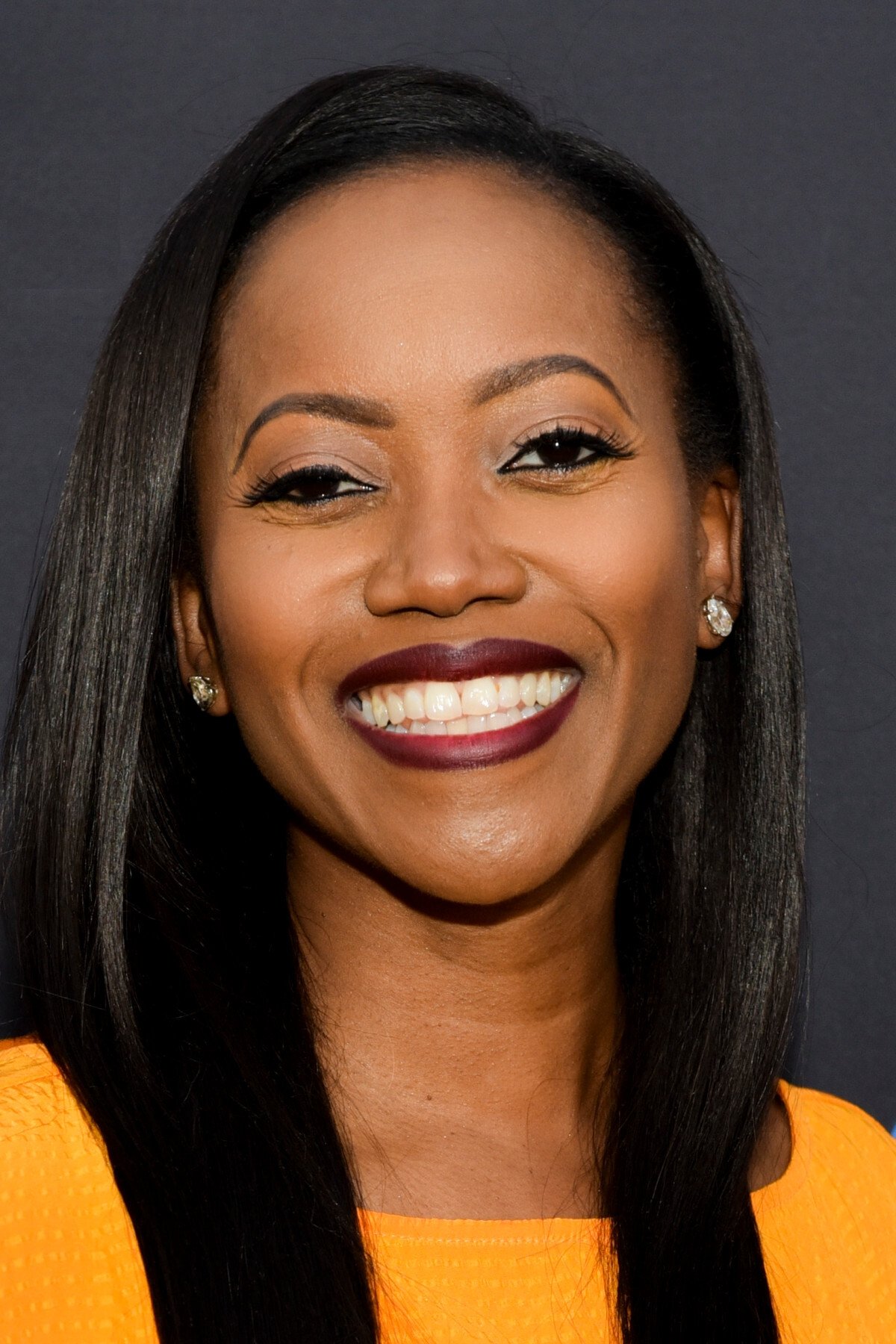
Erika Alexander has been a long time critic of the suffering narrative and its dominance in Hollywood. She has advocated for more stories that show Black people as creators and innovators and heroes. The actress believes that the focus on trauma can be limiting to the growth of the culture and the industry. She has used her platform to highlight the importance of intellectual and positive representation. Alexander continues to work on projects that challenge the status quo and offer a more expansive view of Black life.
Sheryl Lee Ralph

Sheryl Lee Ralph has often encouraged the industry to look at the royal and positive history of the Black community. She believes that there are many stories of success and leadership that have yet to be told on screen. The actress has spoken about the importance of playing characters that inspire and uplift the next generation. She mentioned that she is proud to be part of shows that celebrate Black family and professional achievement. Ralph remains a legendary figure who champions the idea of Black excellence in all forms.
Amandla Stenberg
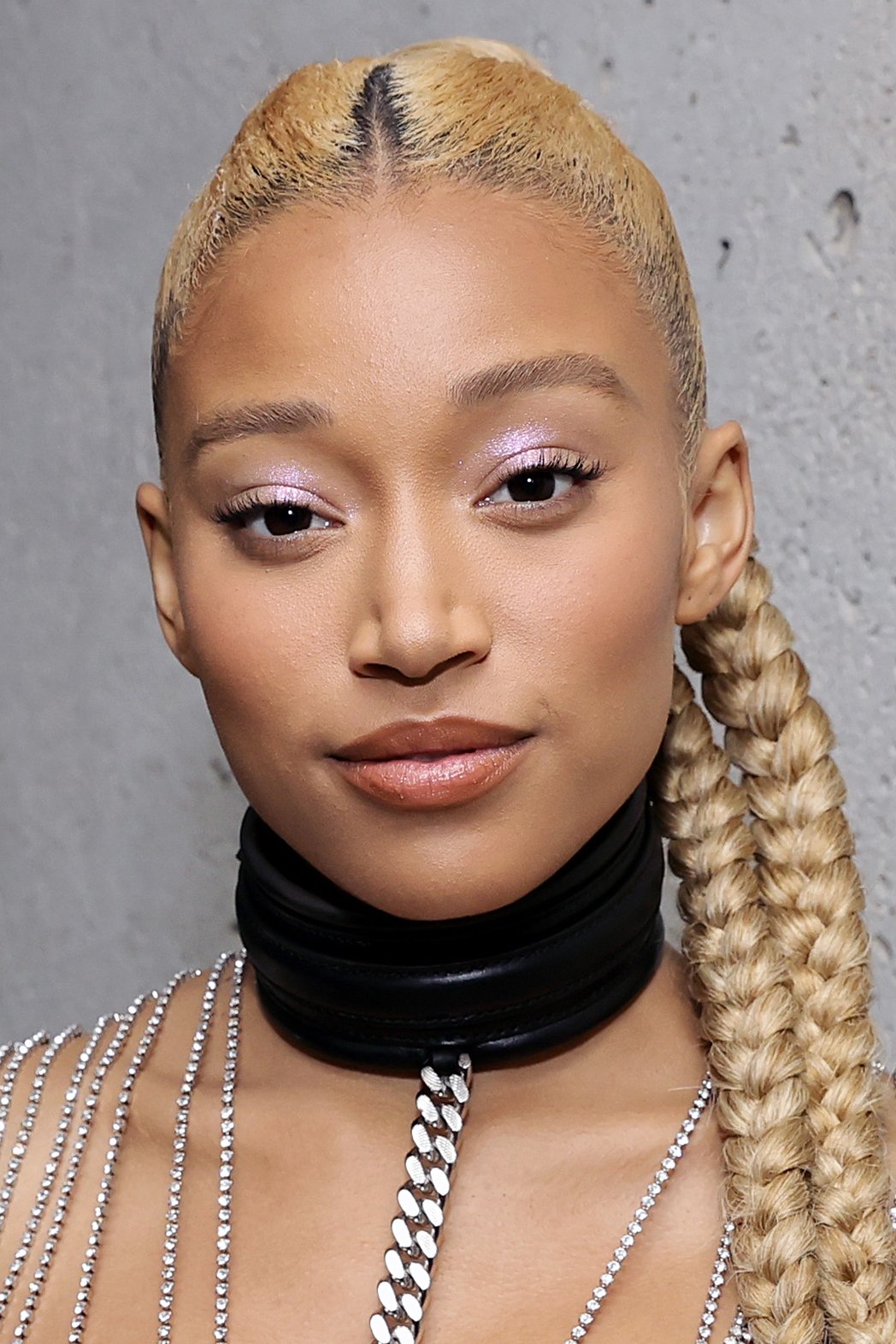
Amandla Stenberg has discussed the industry narrow view of the Black experience and how it affects casting. She noted that many roles for young Black actresses still revolve around themes of struggle and identity conflict. The actress has expressed a desire to see more stories that are whimsical and fantastical. She believes that Black youth should see themselves in roles that are not always tied to a social or political message. Stenberg remains an active voice in the push for more creative and diverse representation in film.
Lovie Simone
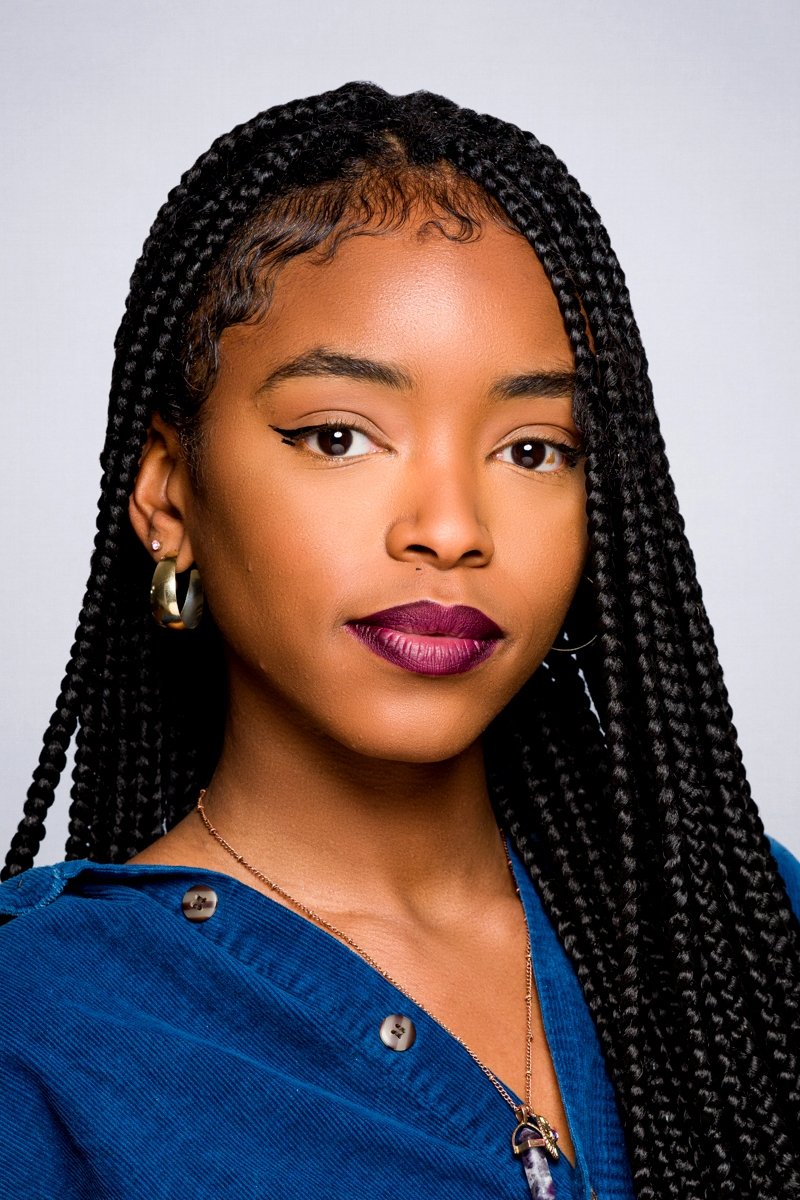
Lovie Simone has focused on youth narratives that are not primarily about trauma or systemic oppression. She mentioned that she wants to play characters that are dealing with the typical highs and lows of being a teenager. The actress believes that normalizing these experiences is a way to broaden the understanding of Black life. She has sought out roles in independent films that offer a more intimate and less stereotypical perspective. Simone remains committed to telling stories that are honest but not defined by suffering.
Nicole Beharie
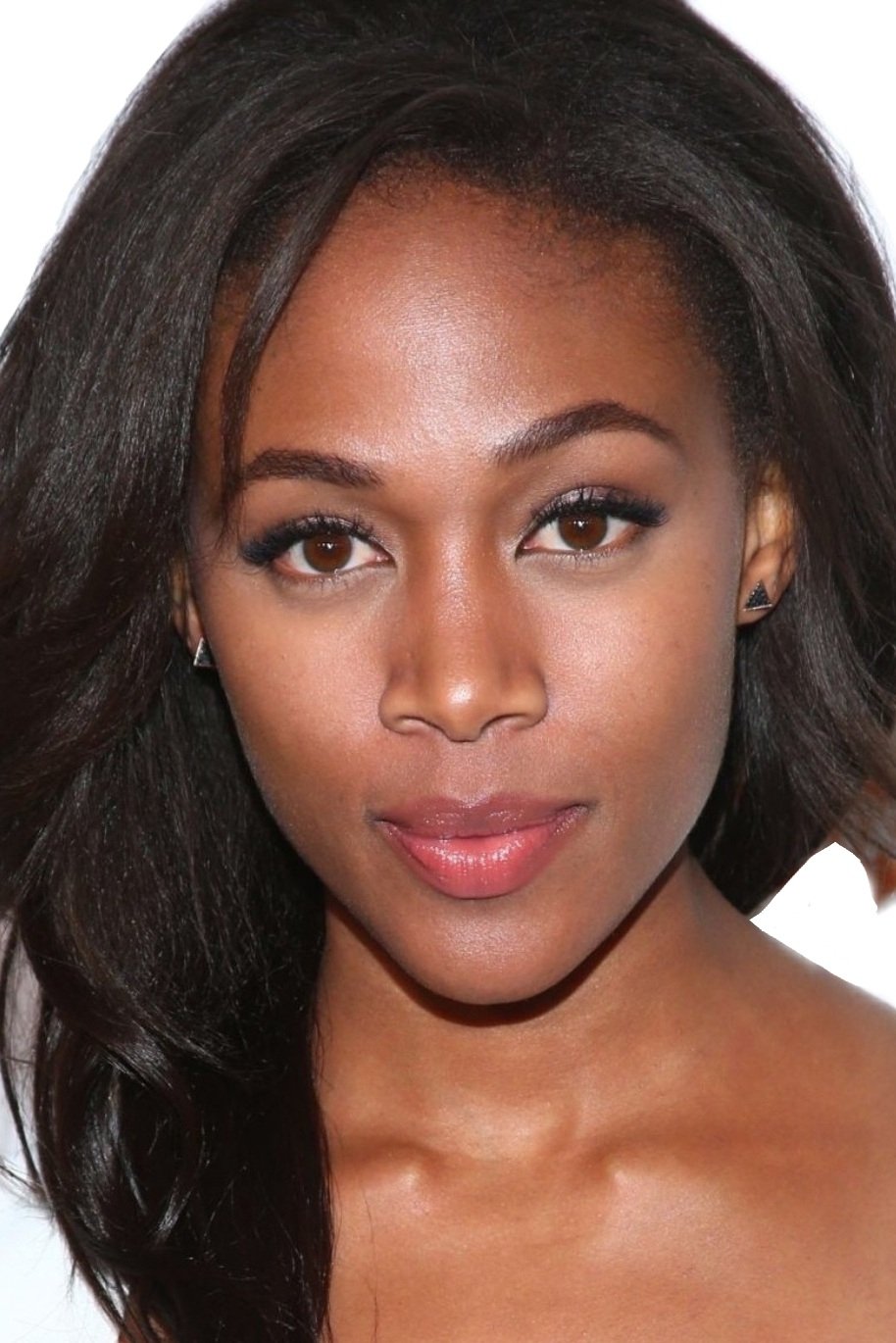
Nicole Beharie has spoken about the difficulty of finding roles that are not trauma based in the current landscape. She noted that she is often drawn to characters with a rich internal world and complex motivations. The actress has expressed a desire to work in genres that allow for more imagination and less historical pain. She believes that the industry should value the emotional range of Black performers outside of struggle narratives. Beharie continues to take on challenging roles that highlight her talent and versatility.
Aunjanue Ellis-Taylor
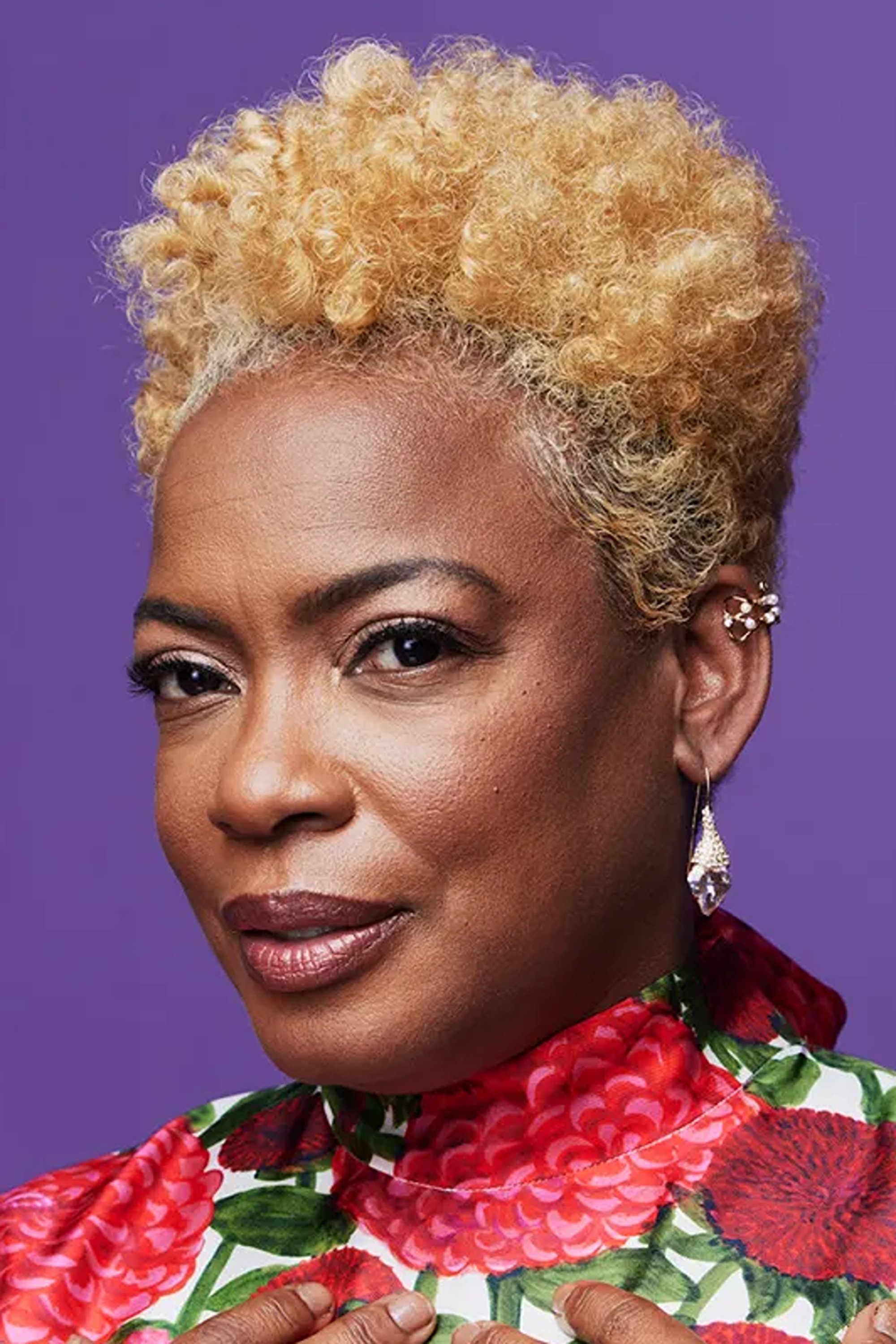
Aunjanue Ellis-Taylor has discussed the importance of reclaiming the narratives of Black women from a perspective of agency. She has mentioned that she seeks out roles that show the strength and the internal lives of her characters. The actress has spoken about the need for Hollywood to move away from the victimhood trope in historical dramas. She believes that even in stories of struggle it is essential to highlight the humanity and the resistance of the people involved. Ellis-Taylor remains a respected performer who advocates for more thoughtful and nuanced storytelling.
Meagan Good
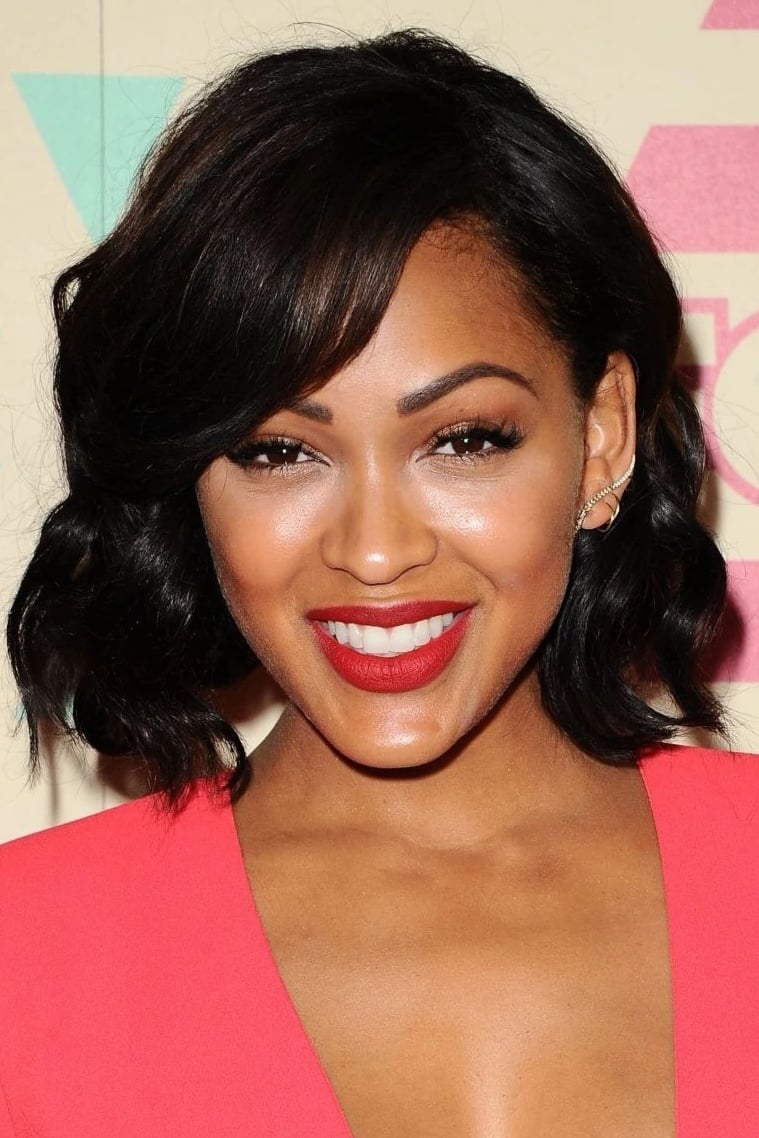
Meagan Good has expressed her desire for more action and lighthearted roles for Black women in film. She mentioned that she grew up wanting to see herself as a hero in an adventure story rather than a victim in a drama. The actress has worked to produce and star in projects that lean into entertainment and genre fun. She believes that the industry should provide more space for Black actresses to lead in commercial and high energy films. Good remains a popular figure who continues to advocate for more diverse opportunities in Hollywood.
Regina Hall
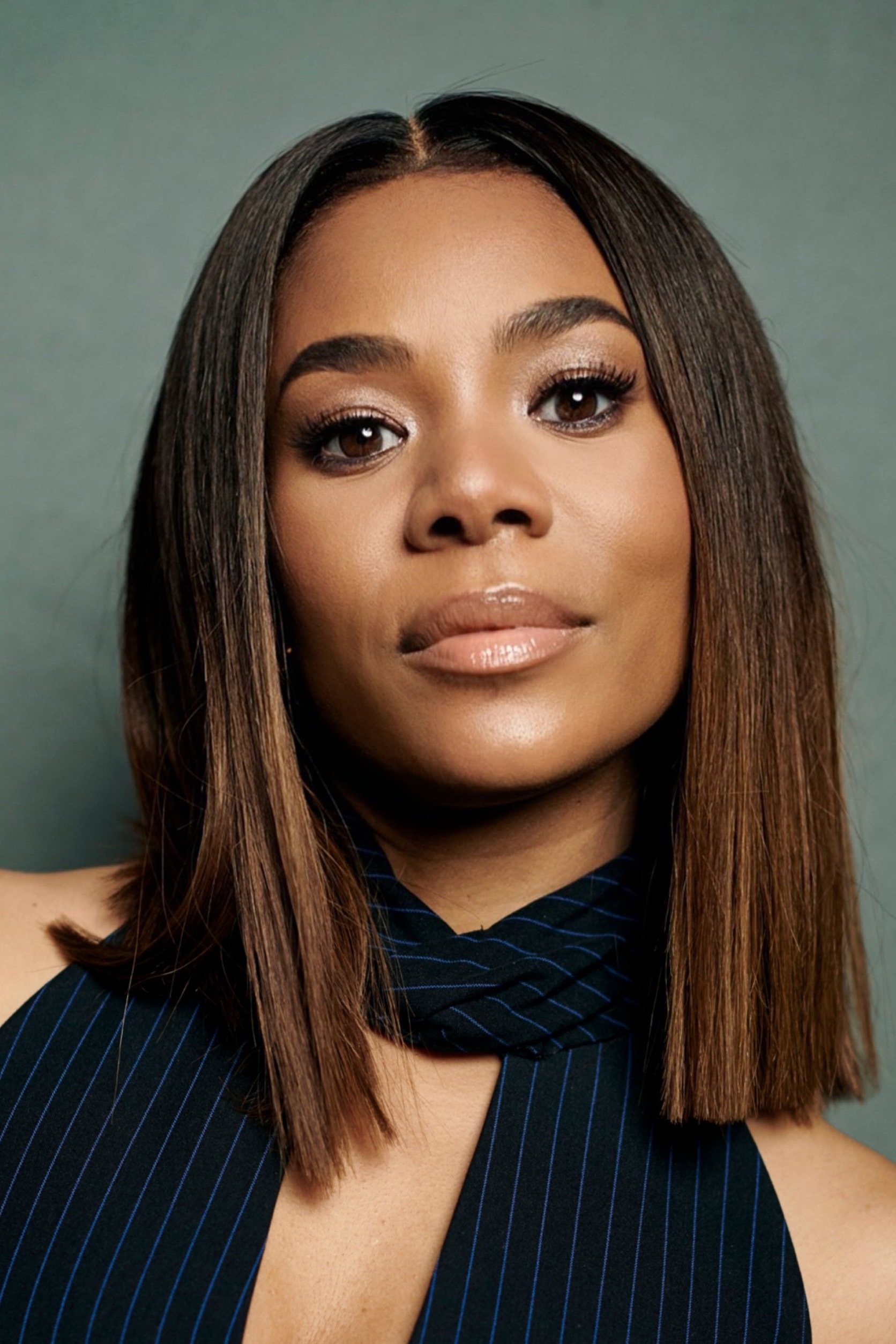
Regina Hall is well known for her comedy work and often advocates for the importance of Black humor. She has mentioned that comedy is a way to show the resilience and the joy of the community without focusing on pain. The actress believes that audiences need more movies that allow them to laugh and see Black people in lighthearted situations. She has spoken out against the idea that a film must be a serious drama to be considered important for representation. Hall remains a leading voice in the comedy world and a champion for joyful stories.
Joy Bryant
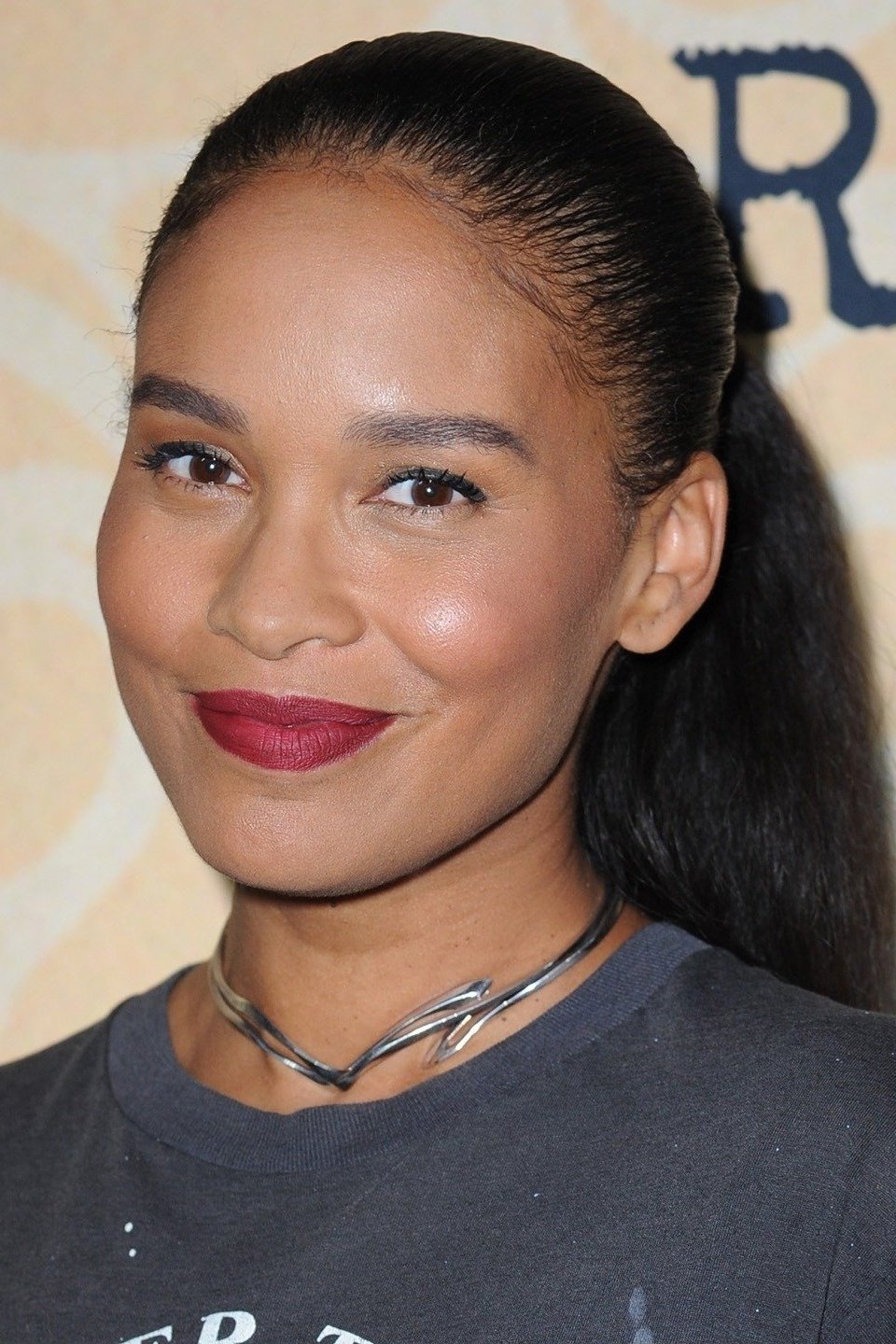
Joy Bryant has mentioned that she looks for projects that allow her to play relatable and modern characters. She has spoken about the need to see Black women in roles where their race is not the primary focus of the story. The actress believes that there is a great deal of value in showing the everyday lives and relationships of Black people. She has moved into writing and producing to help create the types of stories she wants to see in the world. Bryant remains committed to expanding the range of narratives available to performers of color.
Adepero Oduye
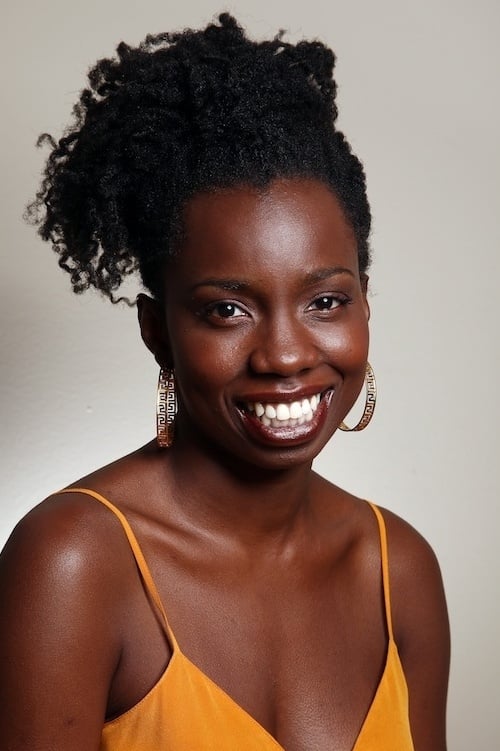
Adepero Oduye has expressed a desire to play roles that go beyond the typical narratives of suffering and hardship. She has mentioned that she is interested in stories that are poetic and personal and human. The actress noted that the industry often expects Black performers to provide a specific type of emotional intensity related to trauma. She believes that there is power in telling stories that are quiet and observational about the Black experience. Oduye continues to seek out independent and artistic projects that offer a unique perspective.
Wunmi Mosaku
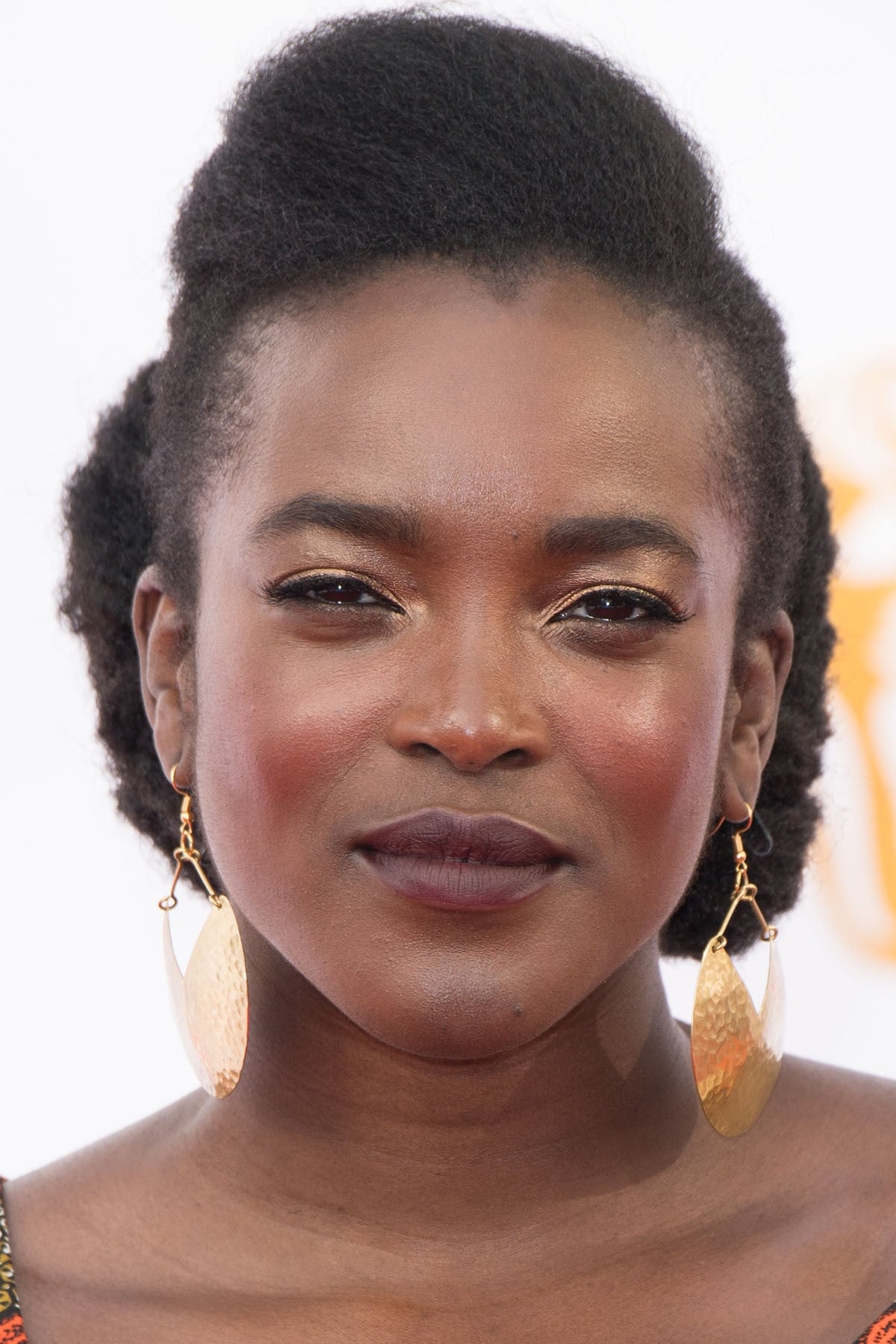
Wunmi Mosaku has discussed the prevalence of trauma based stories in both the British and American film industries. She noted that she is often cast in roles that require a deep exploration of pain and systemic issues. The actress has expressed an interest in doing more comedy and lighthearted drama to show her full range. She believes that the focus on victimhood can be exhausting for both the performer and the audience. Mosaku remains a highly regarded actress who continues to advocate for more variety in the roles offered to her.
Sheila Atim

Sheila Atim has spoken about the need for more imaginative and elevated stories for Black performers. She mentioned that she enjoys working in theater and film genres that allow for a departure from reality. The actress believes that the industry should invest more in stories that show Black people in high fantasy and classical roles. She has noted that the focus on historical trauma can limit the creative growth of the industry. Atim remains a talented performer who seeks to challenge the traditional boundaries of storytelling.
DeWanda Wise
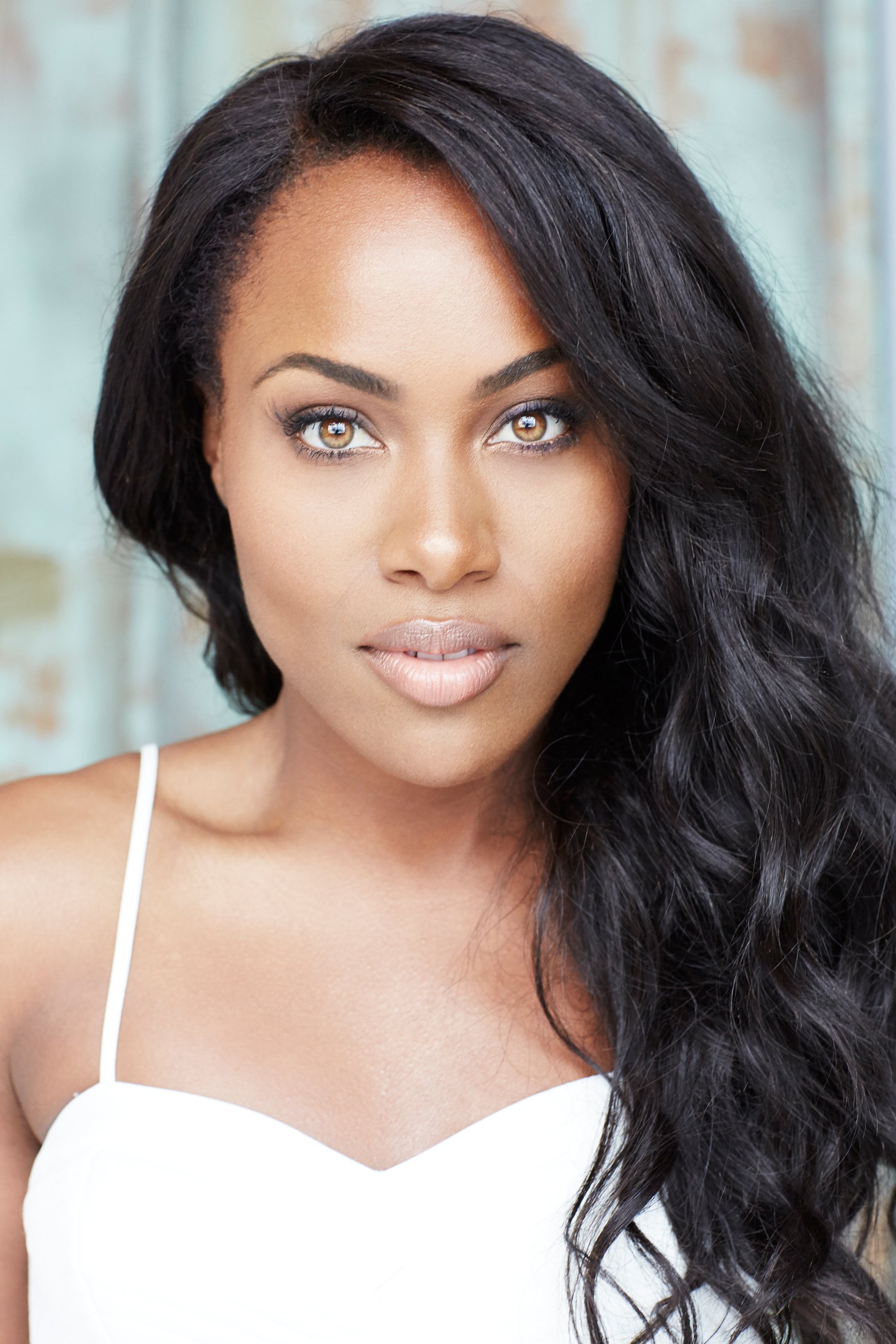
DeWanda Wise has been vocal about her desire to see more Black women in roles that are joyful and powerful. She mentioned that she intentionally seeks out characters that possess agency and a sense of wonder. The actress has spoken about the importance of being part of projects like ‘Jurassic World’ that offer a global and adventurous platform. She believes that it is essential for the culture to see Black joy as a centerpiece of mainstream entertainment. Wise remains an advocate for more expansive and less trauma centered representation in all media.
Share your favorite examples of Black joy in film and television in the comments.