


Black Actresses Who Claim They Were Passed Over for Being “Too Light”

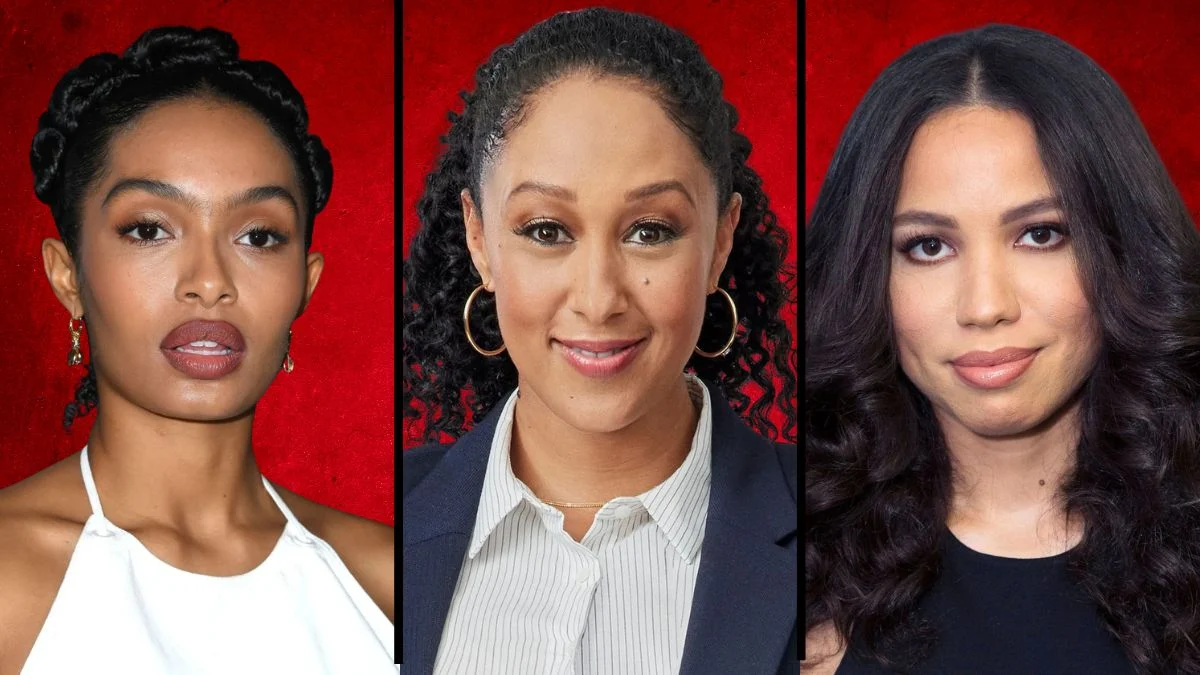


The entertainment industry has long struggled with issues of colorism and the narrow standards used to define racial identity. Many Black actresses have shared their experiences of being passed over for roles because their skin tone did not fit a specific vision. While light skinned actresses often benefit from certain industry biases they also face unique challenges when their heritage is questioned. These stories highlight the ongoing need for a more diverse and inclusive approach to casting in Hollywood.
Zendaya

Zendaya has often spoken about her position as a light skinned woman in the entertainment industry. She acknowledges that she is often the preferred choice for roles that should go to darker actresses. However she has also faced situations where she was told she was not dark enough for specific cultural narratives. This complexity highlights the ongoing issues of colorism and casting biases in Hollywood. She uses her platform to advocate for more diverse representation across all skin tones.
Amandla Stenberg
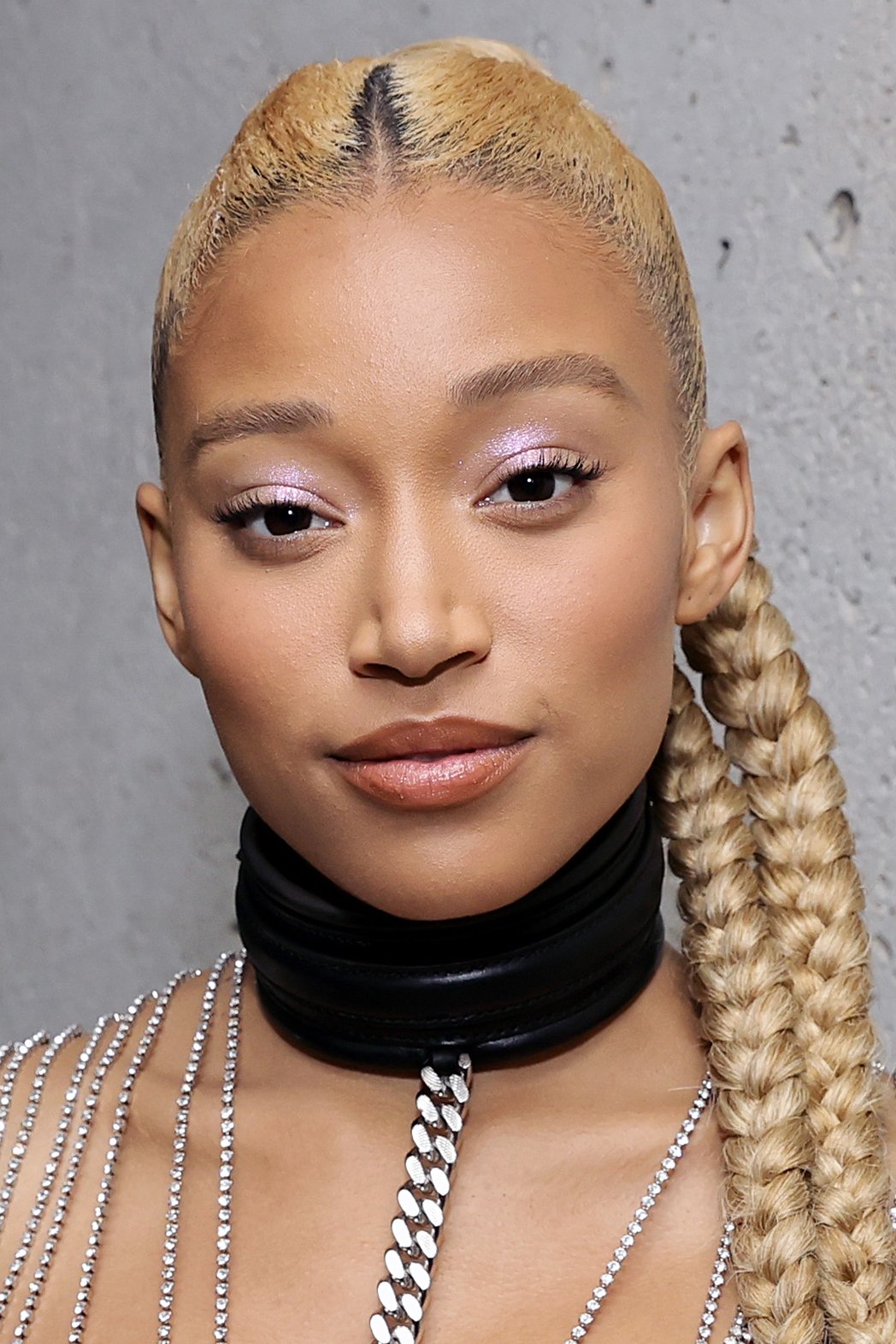
Amandla Stenberg notably stepped away from a role in ‘The Black Panther’ because she felt her light skin was not appropriate for the character. She has also discussed how she has been rejected for being too light for certain projects in the past. These decisions were made to ensure that darker skinned actresses received the opportunities they deserved. She remains an active advocate for fair casting practices and thoughtful representation. Her experiences reflect a deep understanding of the politics of skin tone in film.
Alexandra Shipp
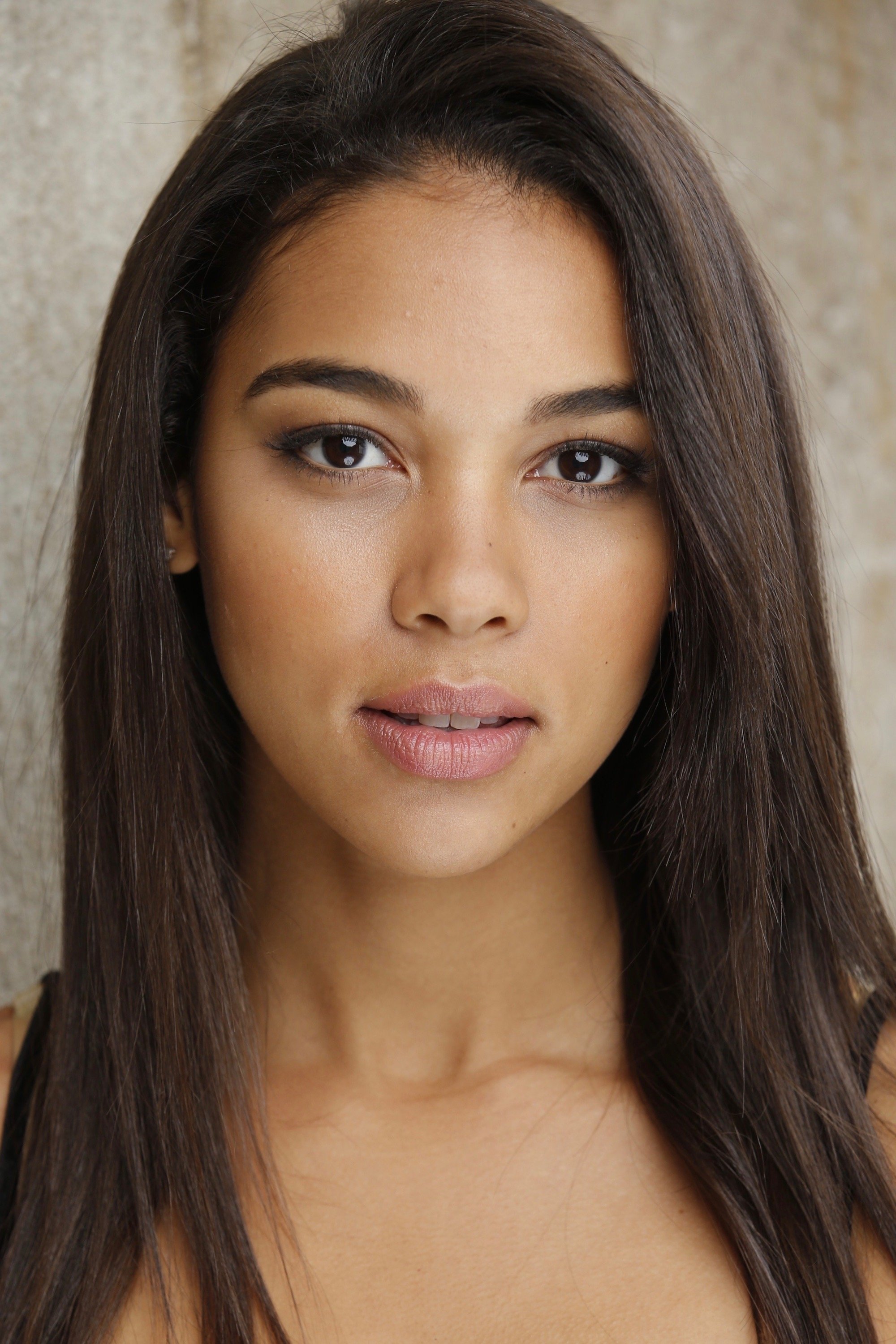
Alexandra Shipp faced significant backlash when cast as the lead in ‘Aaliyah: The Princess of R&B’ due to her skin tone. She has spoken about the pain of being told she is not Black enough by both the industry and the public. These experiences have made her a central figure in discussions about representation and colorism. She continues to push for a more inclusive understanding of Blackness in all her professional endeavors. Her career is marked by a determination to define her own identity.
Thandiwe Newton

Thandiwe Newton has been very vocal about her experiences as a biracial actress in Hollywood. She once apologized to darker skinned actresses for taking roles that they might have been better suited for. She has also mentioned being passed over for roles because she was deemed too light for the specific Black experience being portrayed. This awareness has shaped her perspective on the industry and her own career choices. She remains a powerful voice for nuanced representation in cinema.
Meghan, Duchess of Sussex
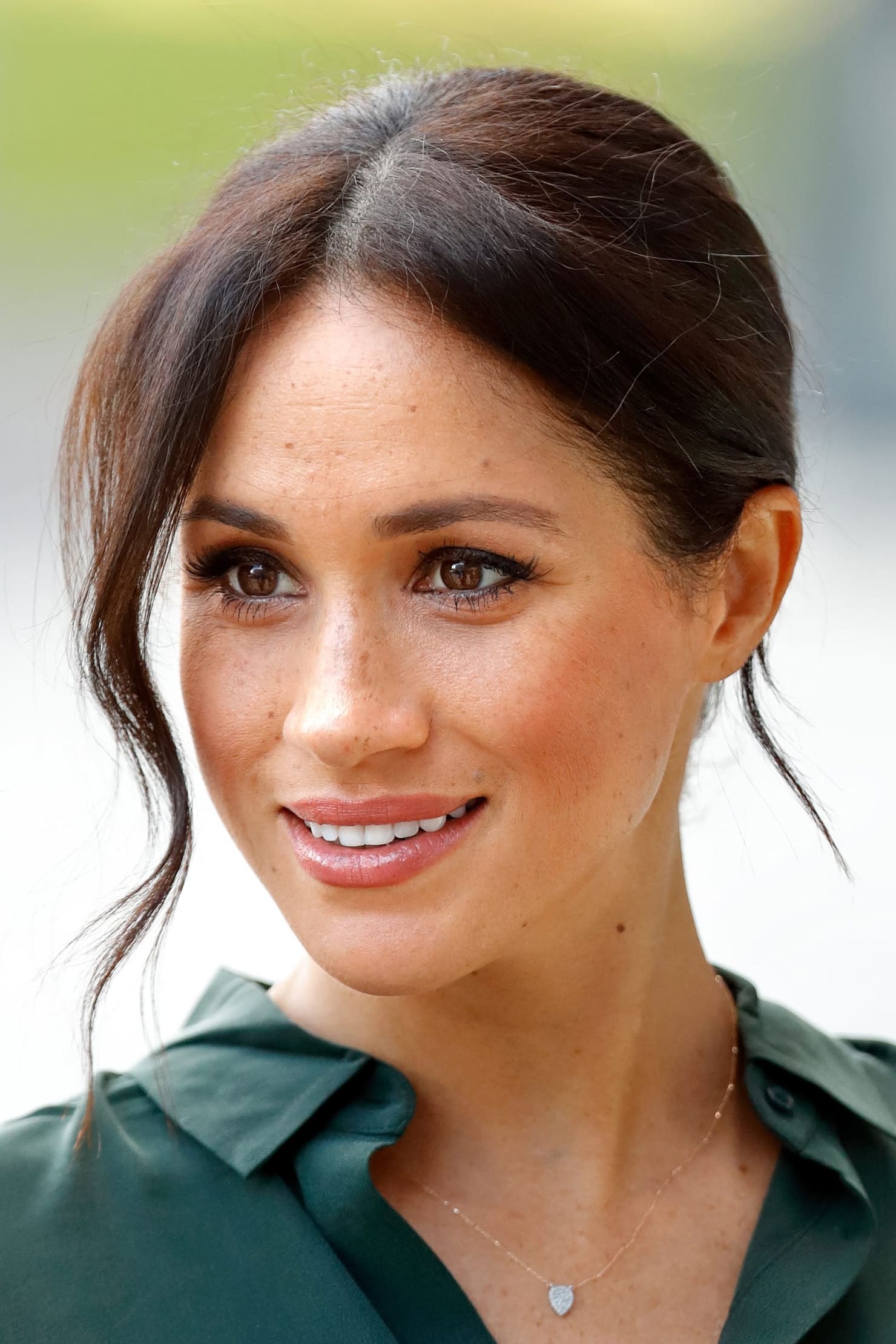
Before her marriage she worked extensively as an actress and often faced casting hurdles. She described herself as an ethnic chameleon who could not find a place in the industry. She was frequently told she was not Black enough for Black roles and not White enough for White roles. This left her in a frustrating middle ground for many years before finding success on the television show ‘Suits’. Her journey highlights the difficulties faced by biracial performers in a rigid casting system.
Rashida Jones
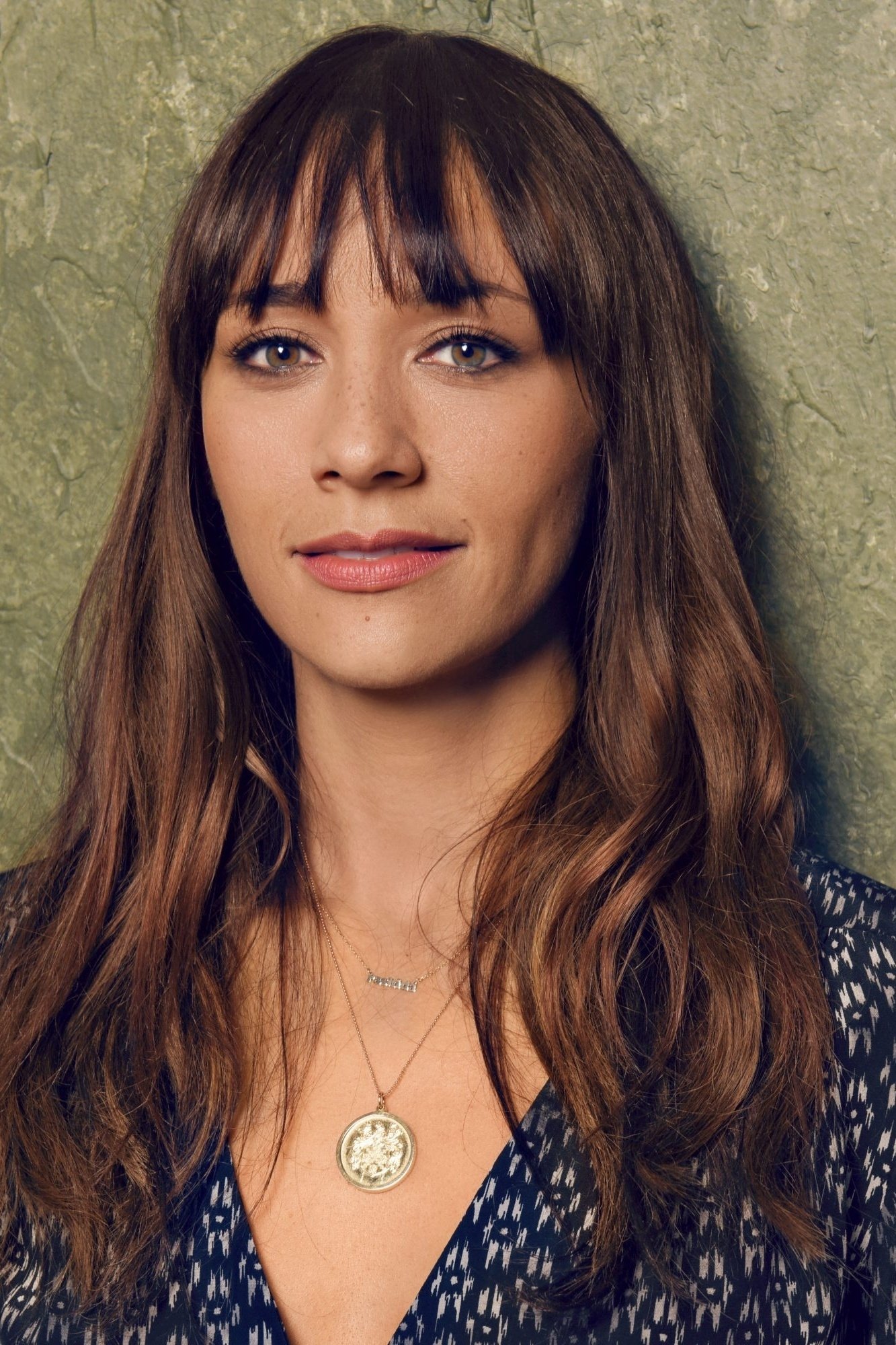
The actress has mentioned that her heritage often confused casting agents during the early years of her career. She was frequently passed over for Black roles because she did not look the part according to Hollywood standards. This forced her to find a niche that did not rely on her being easily categorized. She has been very vocal about the limitations placed on biracial actors and the need for more flexibility. Her success has allowed her to challenge these narrow definitions.
Zoë Kravitz
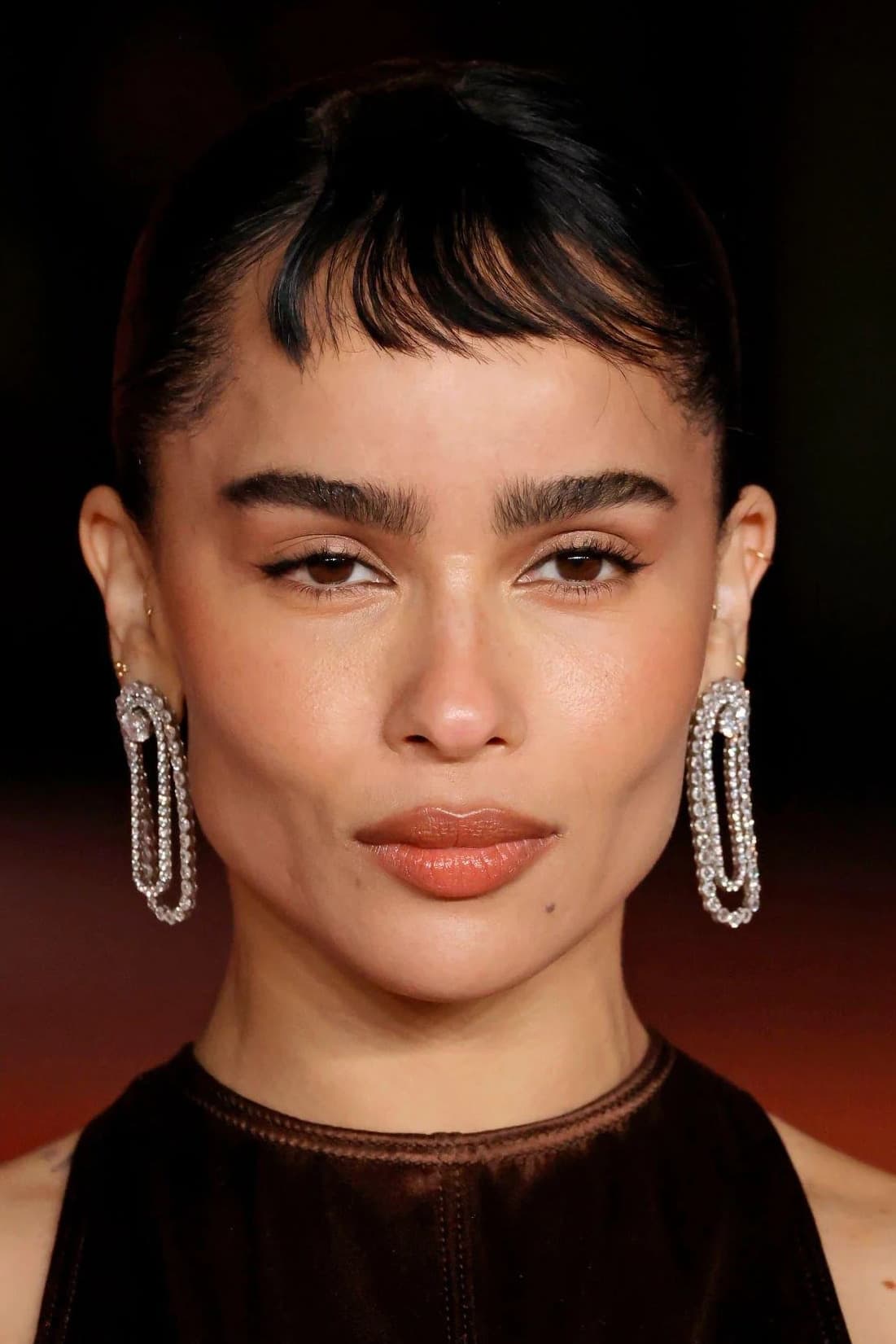
Zoë Kravitz once revealed that she was told she was too urban for certain roles in major franchises which she felt was a code for her race. While she has seen great success she also felt her light complexion made her an odd fit for specific types of casting. She had to fight against the preconceived notions of what a Black woman should look like on screen. Her experiences highlight the narrow definitions of Blackness that still exist in film. She continues to choose roles that defy simple categorization.
Logan Browning
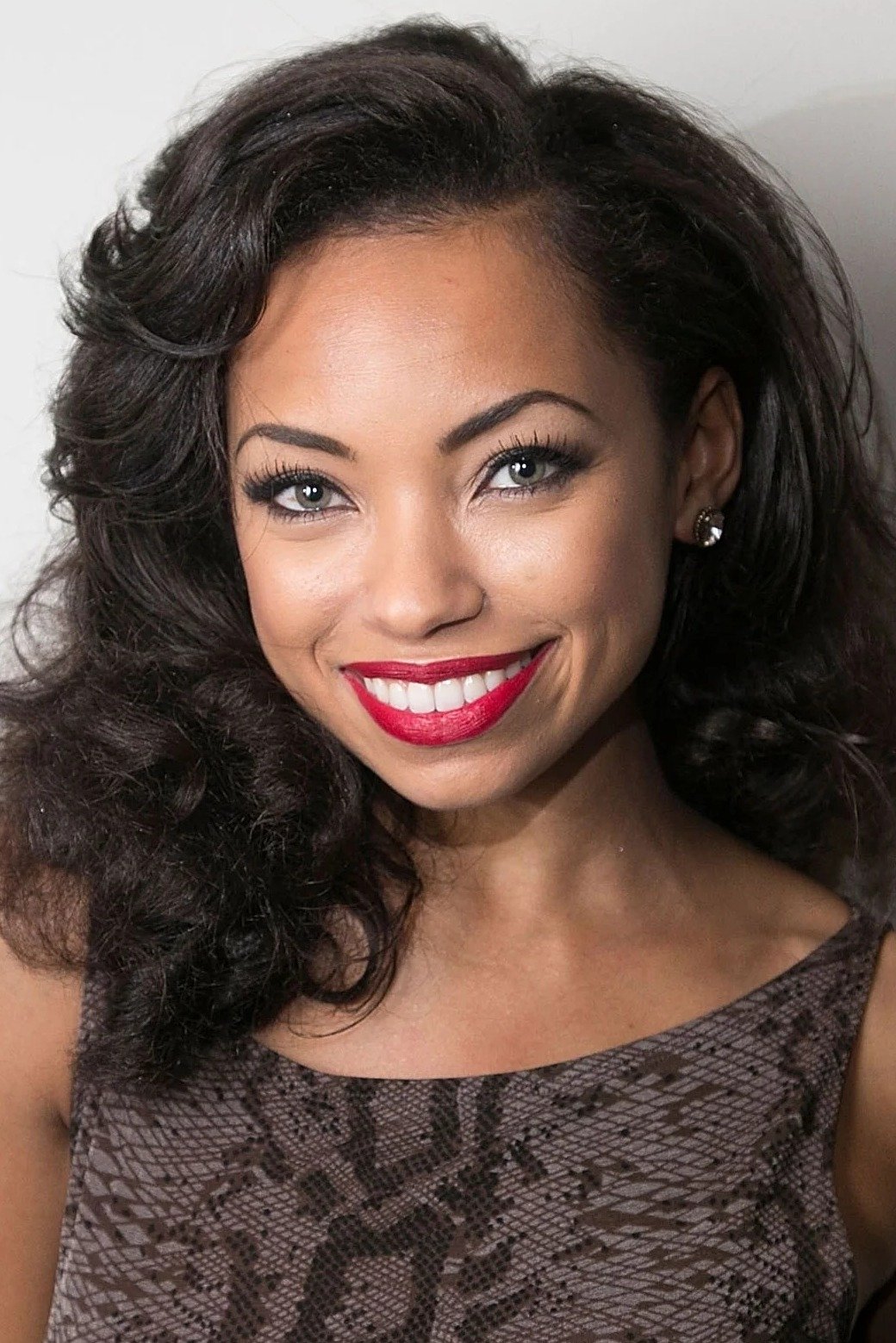
After being cast in ‘Dear White People’ she faced criticism from the public regarding her skin tone. She has addressed how she was sometimes deemed not representative enough of the Black experience due to her light skin. These conversations are a constant part of her professional life and her public discourse. She continues to navigate the complexities of her identity while pursuing diverse and challenging roles. Her work often encourages audiences to rethink their own biases.
Jennifer Beals
After her breakout role in ‘Flashdance’ she dealt with many questions about her racial identity. She has spoken about the difficulty of being cast in Black roles when she was perceived as being too light by the industry. This experience made her very aware of the politics of skin tone in the entertainment world from a young age. She has continued to choose roles that challenge these narrow perceptions and celebrate diversity. Her career remains a testament to her talent and her refusal to be boxed in.
Vanessa Williams
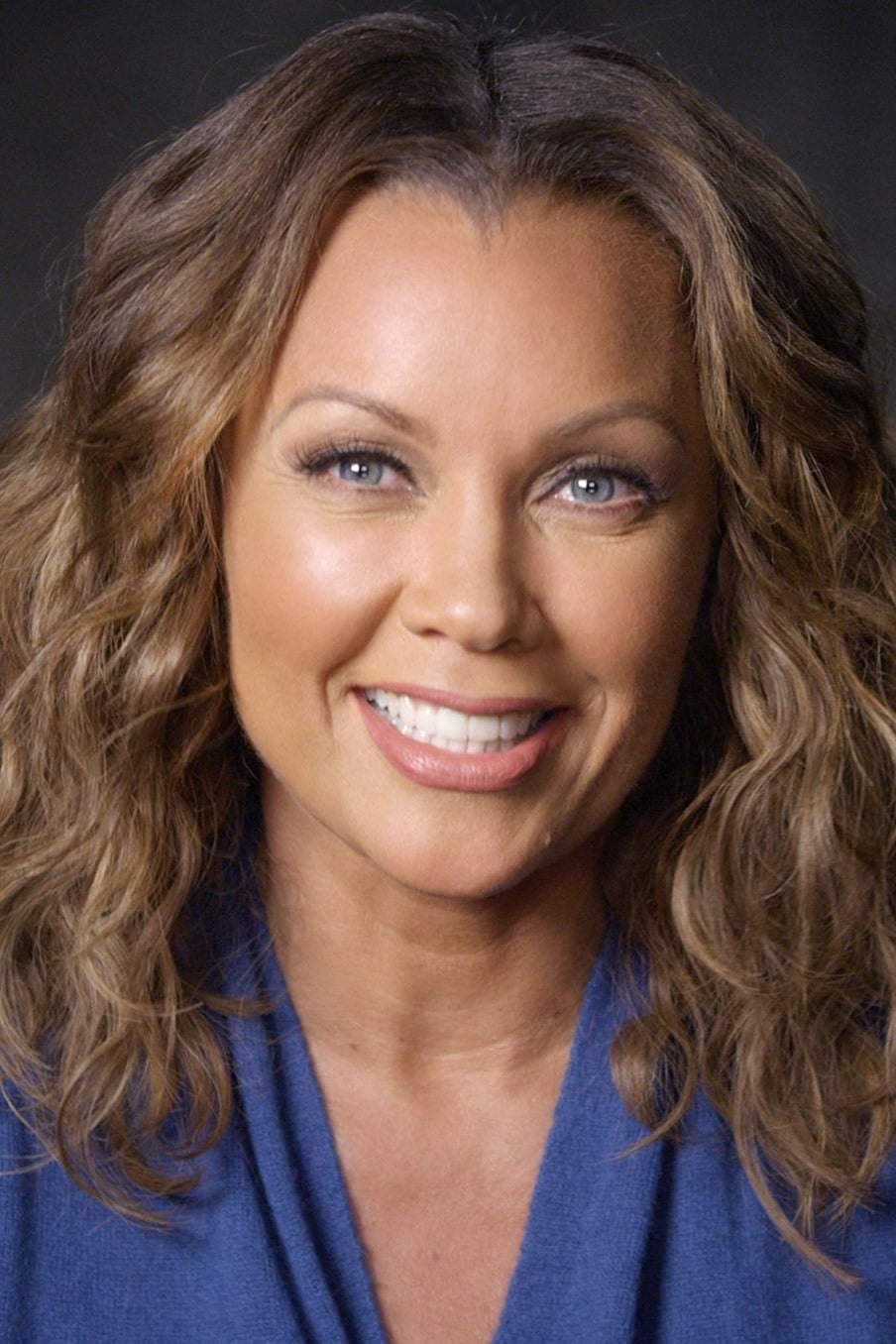
After becoming the first Black Miss America she moved into acting and faced intense scrutiny. She was often told she was too light or did not look Black enough for certain scripts and characters. This led her to seek out roles that were not defined solely by her race or appearance. Her success in both music and acting helped break many barriers for light skinned women. She remains a respected figure who has paved the way for future generations.
Maya Rudolph
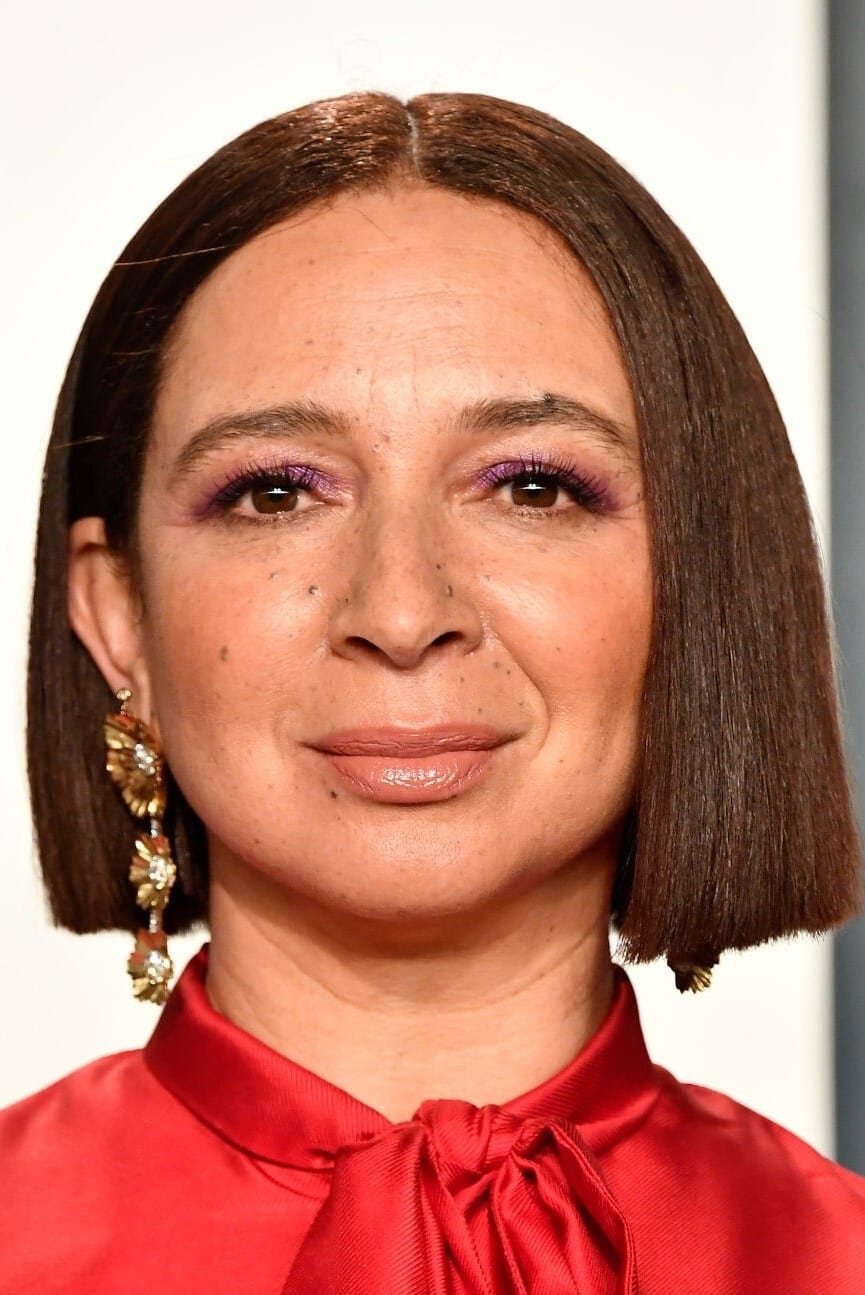
Maya Rudolph has often used her ability to play many different ethnicities as an advantage but has also faced rejection. She has shared that being biracial meant she was often not Black enough for some roles and not White enough for others. This ambiguity was a significant hurdle in the early stages of her career in television and film. She eventually found her voice in comedy where she could define herself on her own terms. Her versatility has become one of her greatest professional strengths.
Tracee Ellis Ross
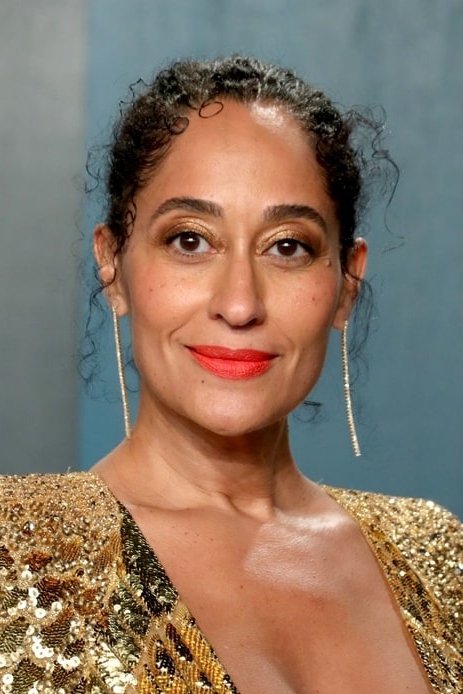
Growing up as the daughter of a legendary singer she still faced challenges in the acting world. She has mentioned the difficulty of fitting into the boxes that Hollywood creates for Black women. Her light complexion sometimes meant she was not seen as the right fit for specific cultural roles and stories. She has worked hard to define her own path regardless of these industry perceptions. Her role on ‘Black-ish’ allowed her to explore these themes in a public way.
Nathalie Emmanuel
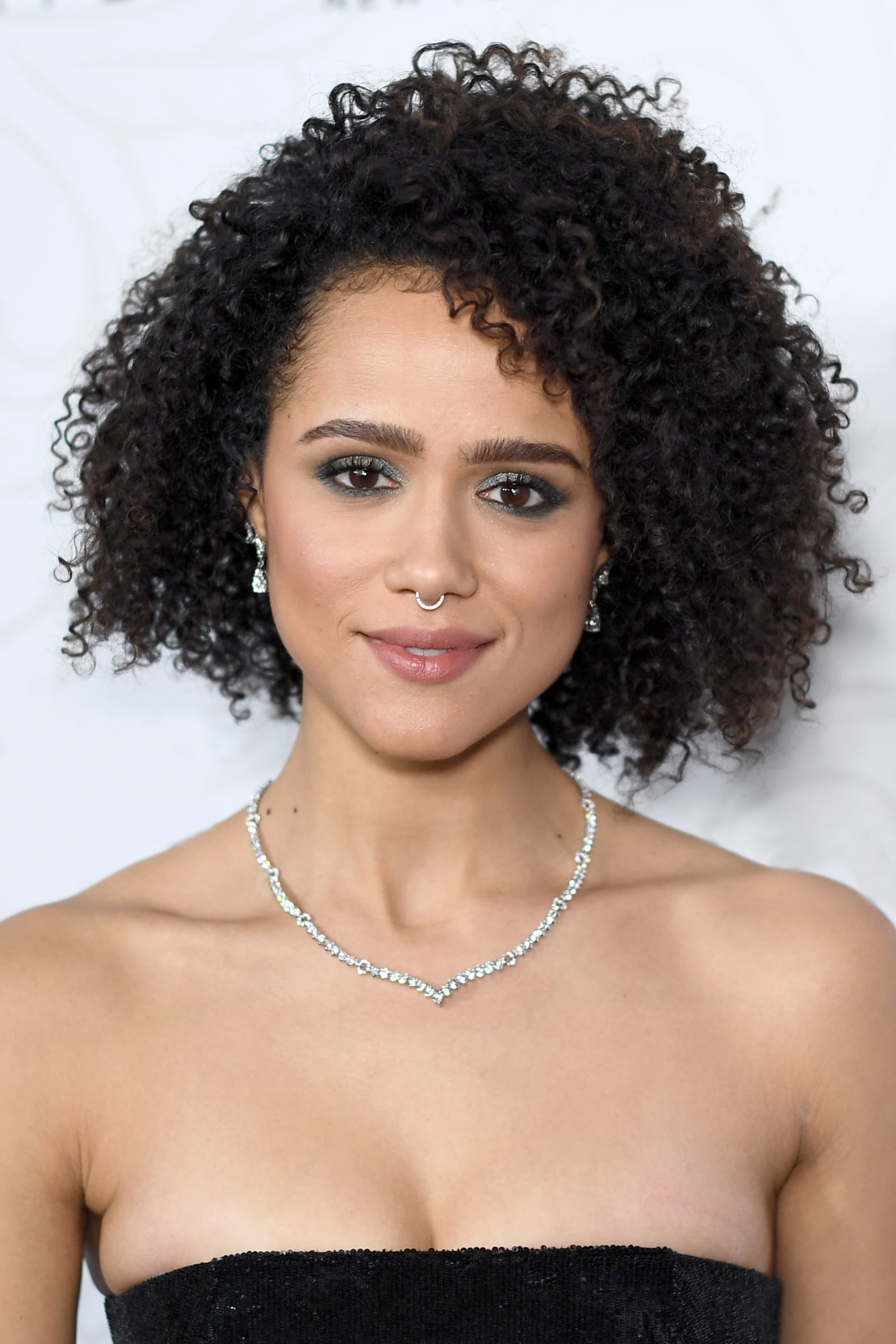
The actress has spoken about the erasure of darker skinned women in the industry and how she fits into that dynamic. She has also faced situations where her biracial heritage was seen as not Black enough for certain roles. These experiences have shaped her perspective on her own career and the industry at large. She advocates for more visibility for all types of Black women regardless of their skin tone. Her work in ‘Game of Thrones’ brought her to international prominence.
Jurnee Smollett

Jurnee Smollett has been in the industry since childhood and has seen how casting preferences have shifted. She has occasionally encountered the sentiment that her look did not match the specific Black experience a production wanted to portray. This has led her to be very vocal about the need for nuanced and varied representation. She continues to take on roles that showcase the diversity of Black identity and experience. Her talent has kept her at the forefront of the industry for decades.
Jasmine Guy
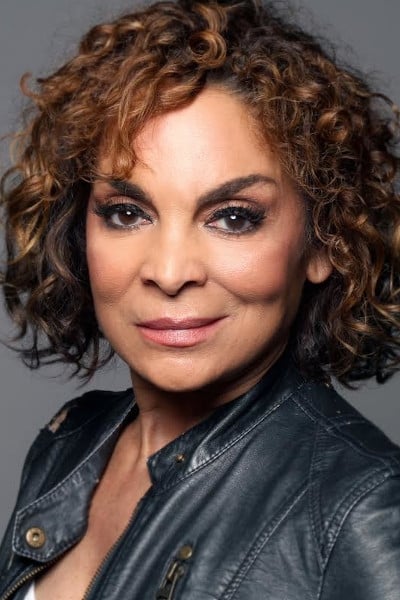
In her early career she often found herself in a position where she was considered too fair for certain Black roles. This led to challenges in securing work that felt authentic to her heritage and her personal identity. She has discussed how the industry often prefers a very specific and limited look for Black women. Her tenure on the show ‘A Different World’ helped challenge some of these restrictive industry standards. She remains a dedicated actress who values authenticity in her work.
Lonette McKee
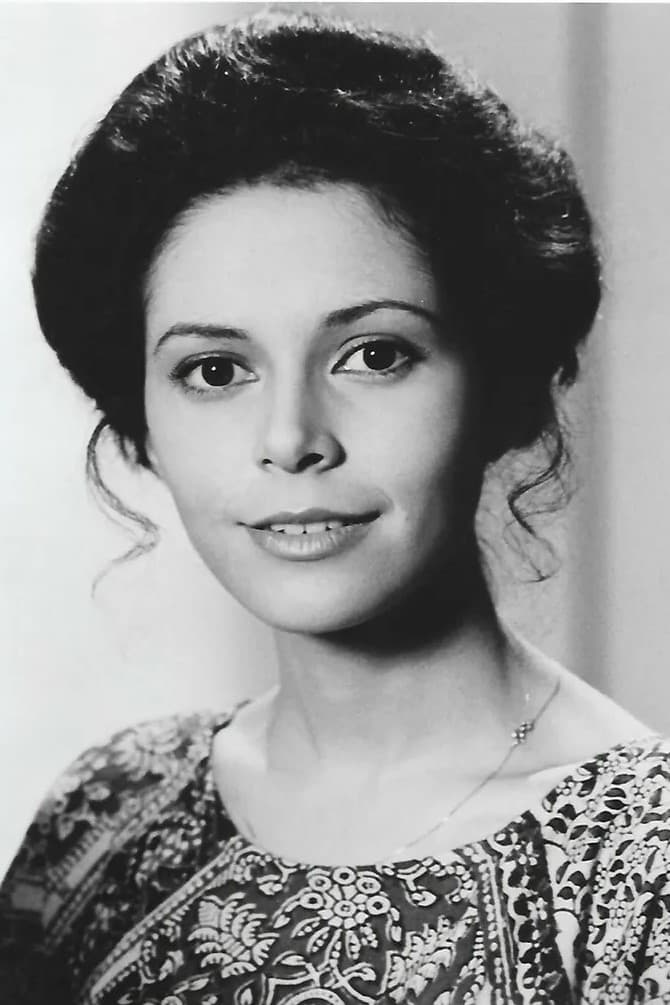
Lonette McKee is one of the most prominent actresses to speak on the difficulty of being biracial in Hollywood. She often felt that her light skin prevented her from being seen as a Black woman by casting directors. This led to her being passed over for roles that required a more traditional Black appearance according to the studio. She has been a strong voice against colorism for decades and has written about her experiences. Her career spans film and musical theater with great success.
Tamera Mowry-Housley
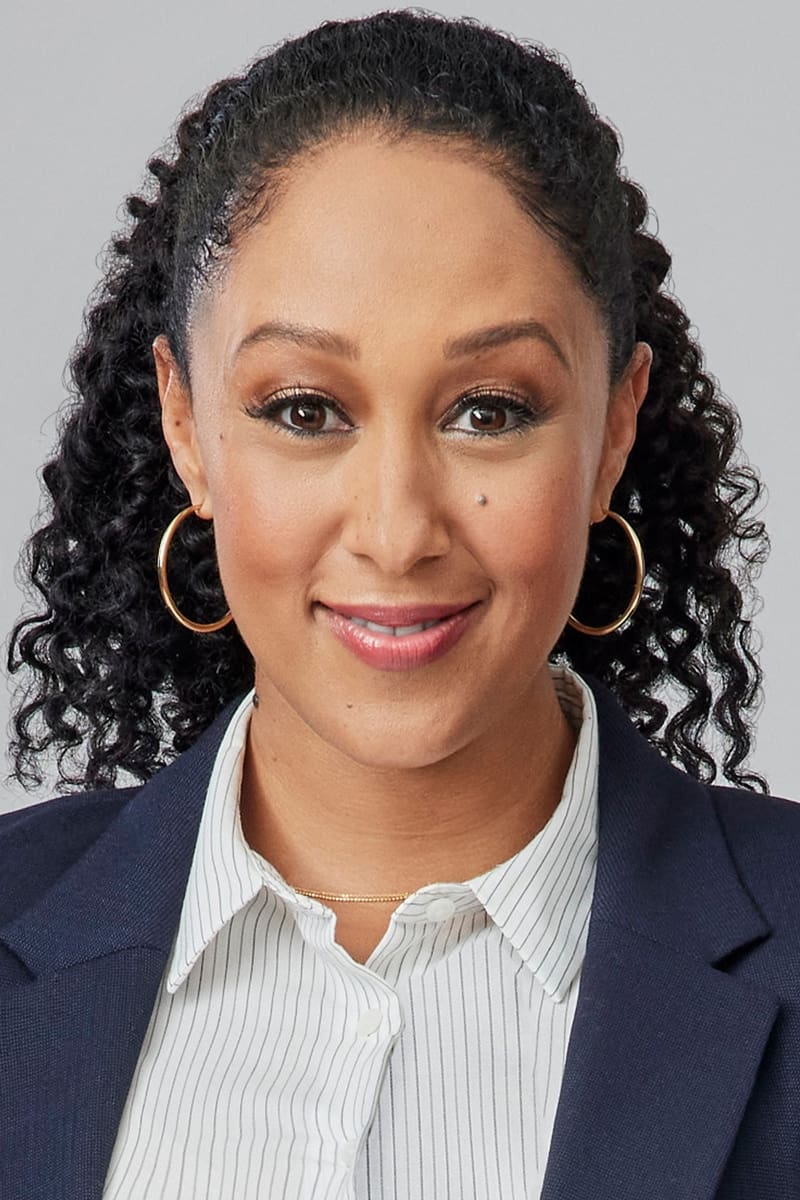
Along with her sister she has been a fixture on television for many decades. She has spoken about the difficulty of being biracial and not fitting into the boxes that casting directors created. There were times when she was told she was too light for roles meant for Black women. She has used her platform on various talk shows to discuss these issues openly with the public. Her career continues to thrive as she explores new avenues in entertainment.
Tia Mowry
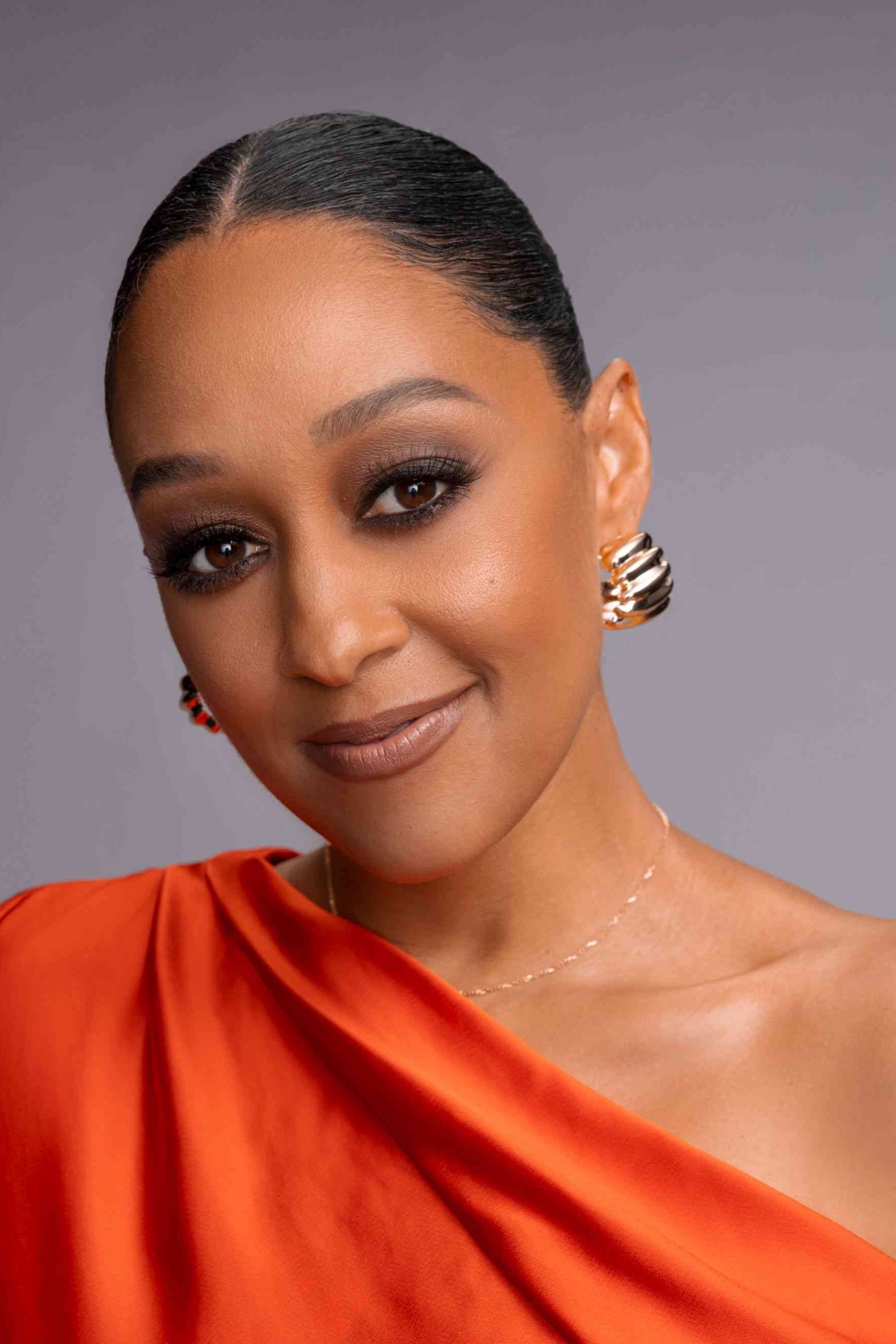
Like her twin sister she has faced the challenges of colorism throughout her long career. She has shared that she was sometimes rejected for roles because she was not considered Black enough by the production team. This experience has made her very aware of the need for better representation for all Black women. She continues to be a successful actress and producer with a loyal fan base. Her work often focuses on family and relatable life experiences.
Cree Summer
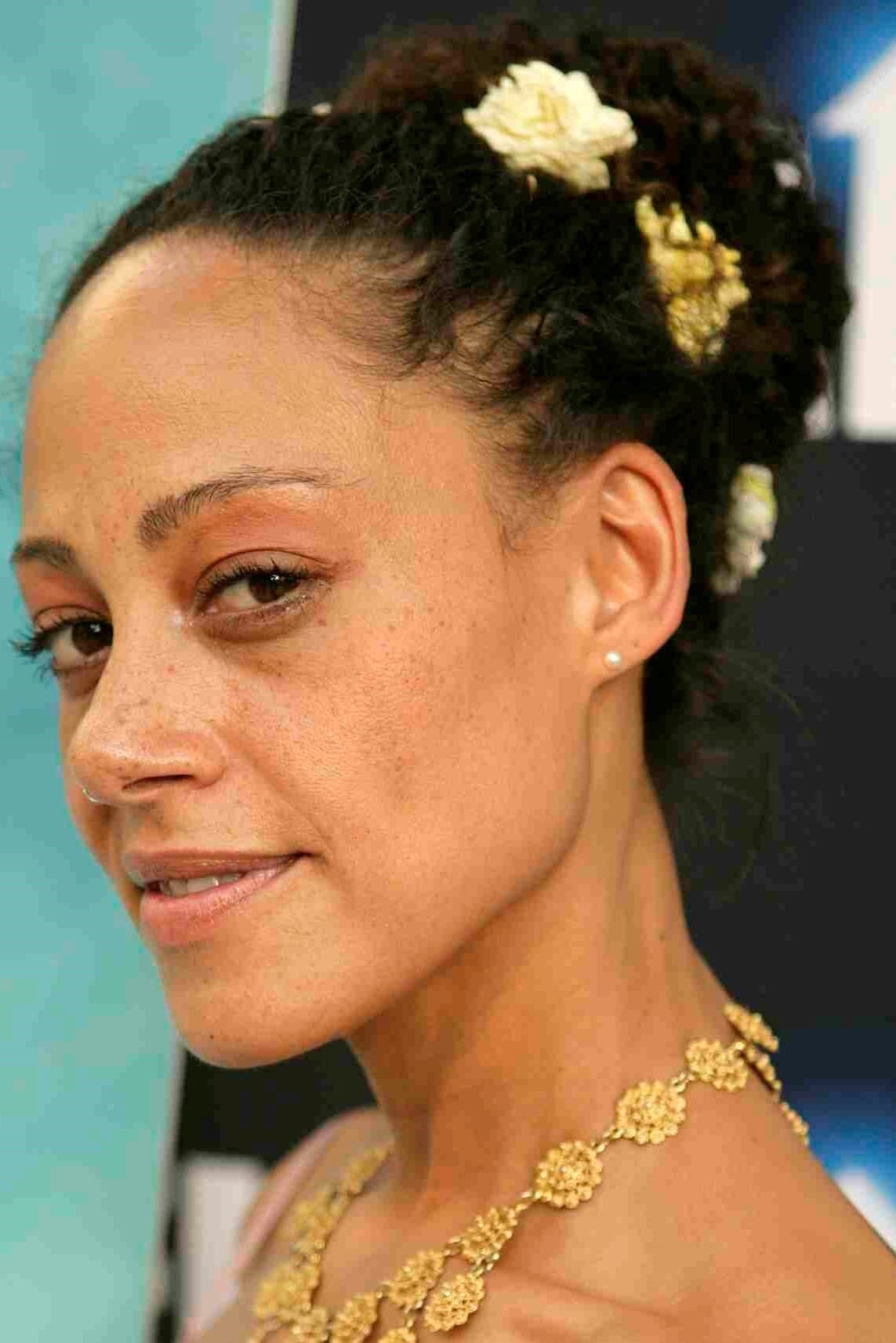
Best known for her voice work and her role on ‘A Different World’ she has faced these issues as well. She has mentioned that her look was sometimes a barrier to getting roles that were written for Black women. This pushed her to explore voice acting where her appearance was not a factor in the casting process. She has since become a legend in the animation industry with hundreds of credits. Her unique voice has made her an icon for many fans.
Essence Atkins
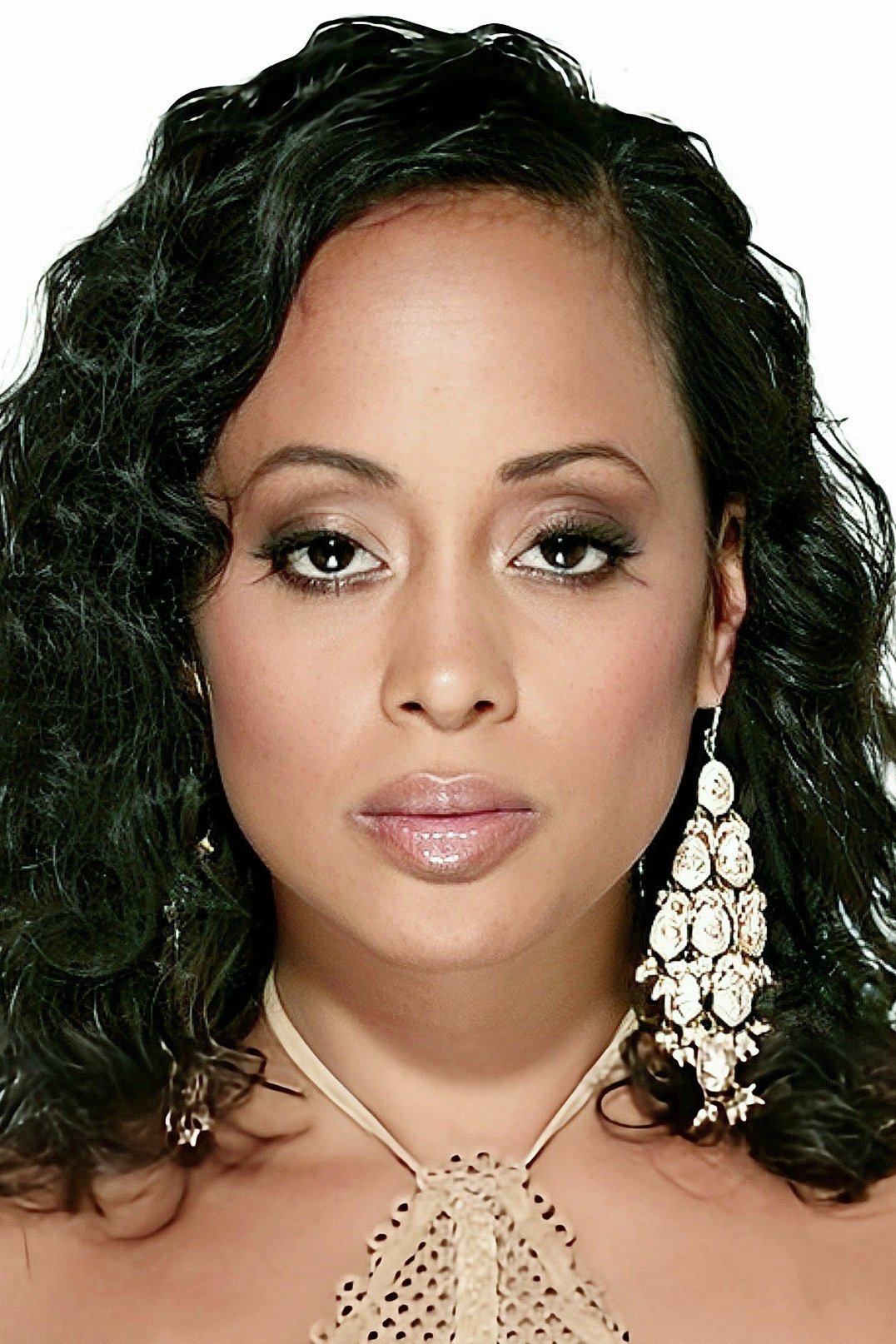
Essence Atkins has had a long career in television and has frequently discussed the nuances of casting. She has mentioned being passed over for roles because her skin tone did not match the vision of the production. This is a common experience for many light skinned actresses in the industry. She continues to work consistently while speaking out about these systemic issues. Her versatility has allowed her to find success in both comedy and drama.
Salli Richardson-Whitfield
She has been very open about how her biracial heritage has affected her casting opportunities. She was often told she was too light for Black roles but too dark for others. This led her to eventually move into directing where she could have more control over representation. Her career is a testament to her resilience in the face of these industry challenges. She is now one of the most sought after directors in television.
Nicole Ari Parker
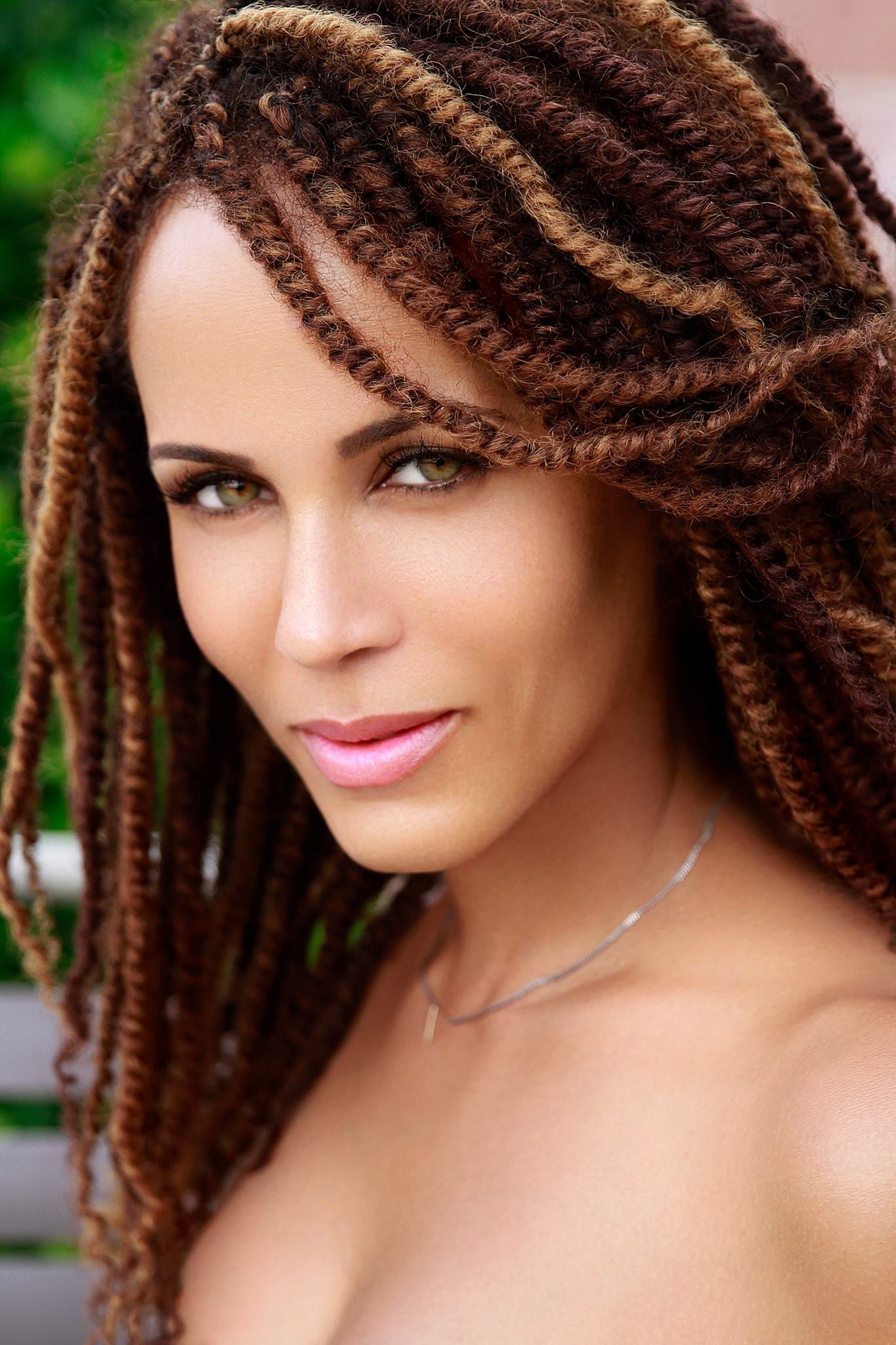
The actress has discussed how the industry often categorizes Black women based on their skin tone. She has faced rejection for being too light for roles that were specifically written for Black actresses. This experience has made her very aware of the internal colorism within Hollywood. She continues to champion for more diverse and accurate portrayals of Black life in her work. Her talent has earned her many fans in both television and film.
Tamara Taylor
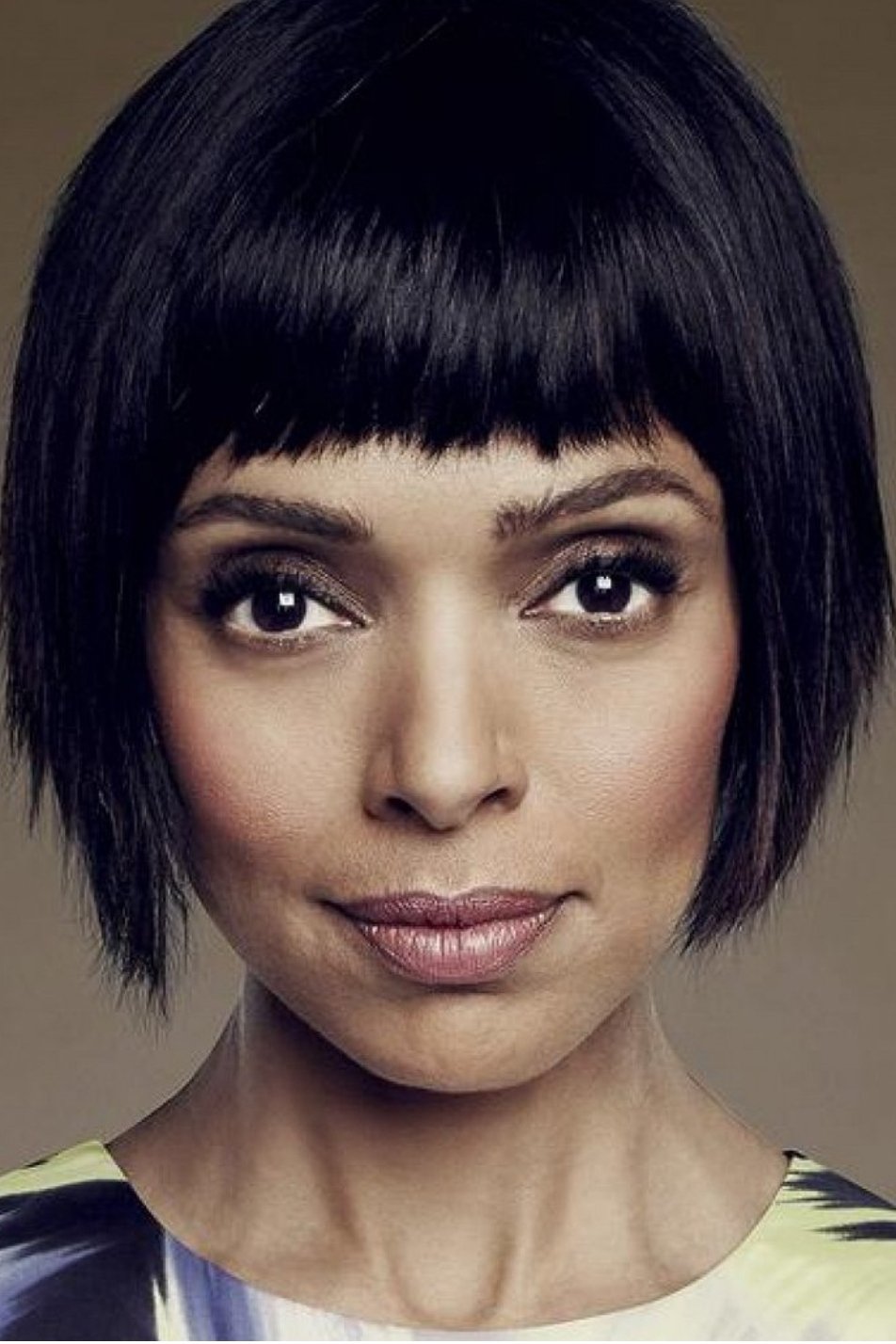
Tamara Taylor has spoken about the ambiguity of her heritage and how it affected her early career. She was often told she was not Black enough for certain roles and not White enough for others. This led to a period of struggle before she found success on shows like ‘Bones’. She remains an advocate for more diverse casting in the television industry. Her experiences reflect the challenges many biracial performers face.
Zazie Beetz
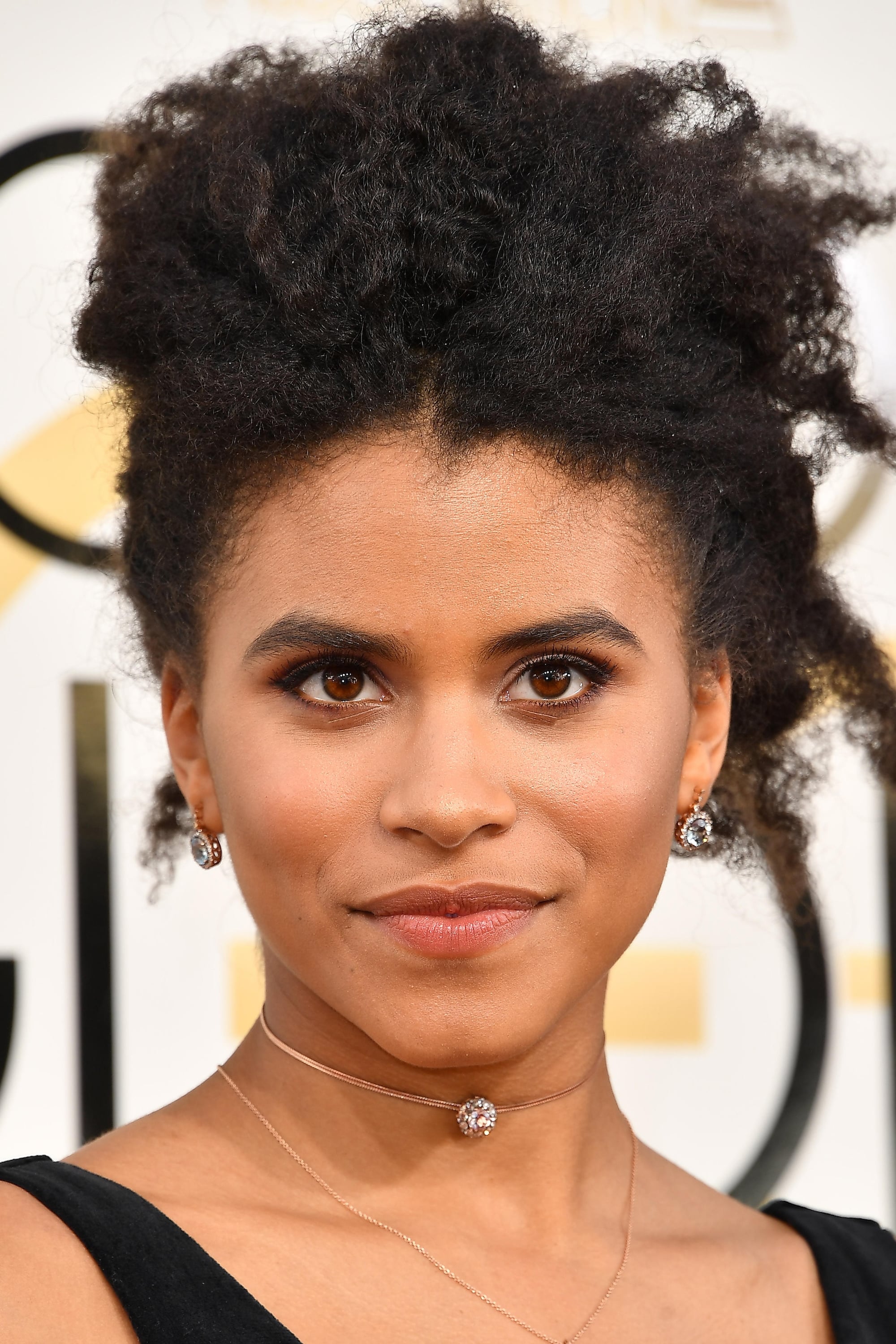
Zazie Beetz has talked about the privilege that comes with being a light skinned Black woman while also acknowledging the downsides. She has occasionally been told she was not the right fit for roles that sought a more traditional Black look. These conversations are part of her regular experience in the industry. She remains committed to using her platform to discuss these complex issues. Her roles in ‘Atlanta’ and ‘Joker’ have made her a major star.
Yara Shahidi
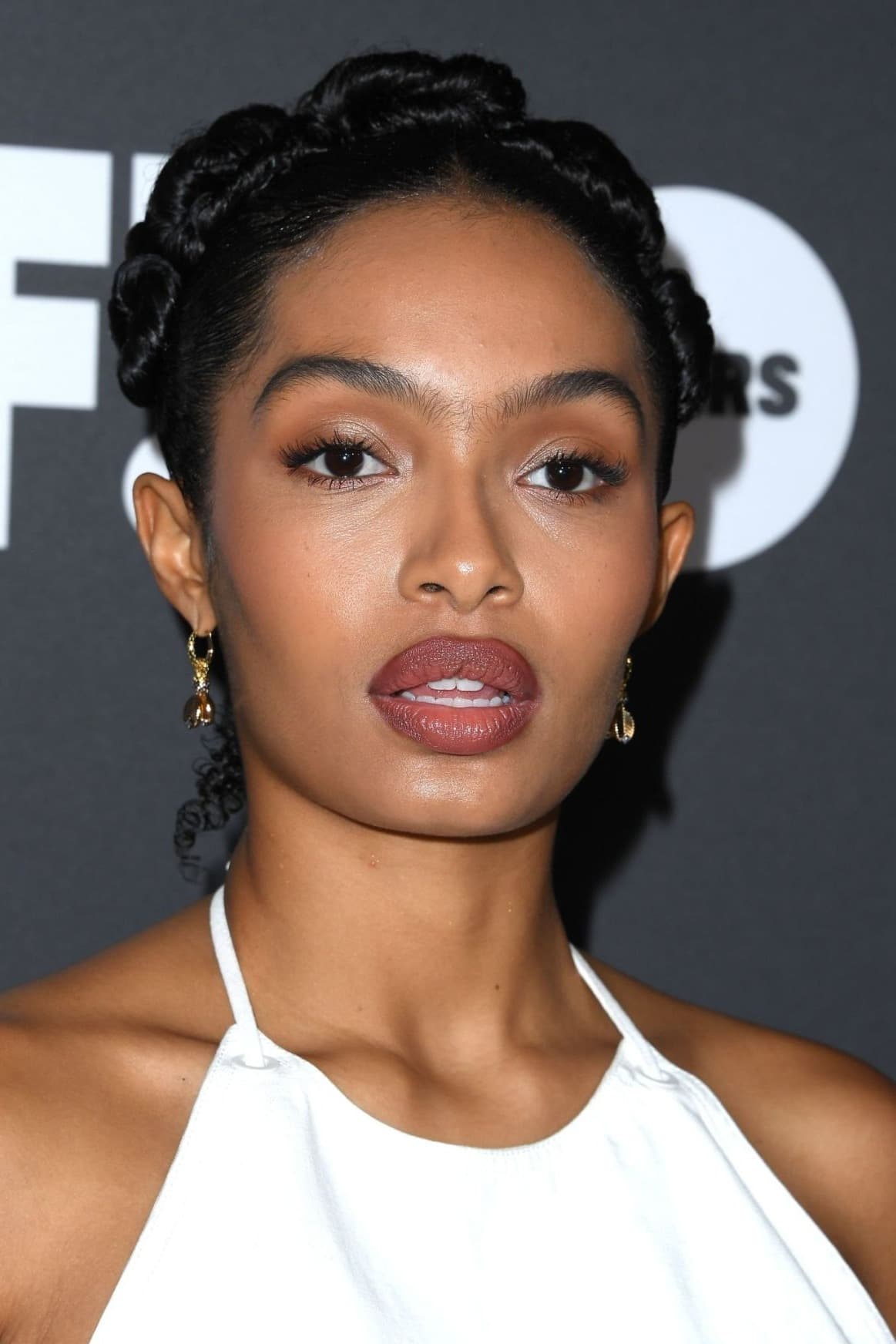
Known for her roles in ‘Black-ish’ and ‘Grown-ish’ she has become a voice for her generation. She has addressed the fact that she is often the beneficiary of colorism but has also faced rejection for not being Black enough for some roles. Her awareness of these dynamics helps her navigate her career with intention and grace. She is a strong advocate for education and diverse representation in media. Her influence extends far beyond the acting world.
Laura Harrier
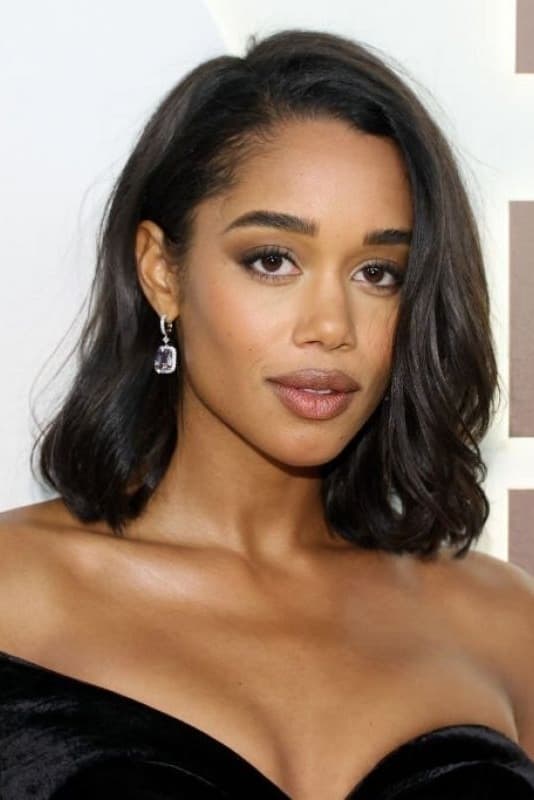
Laura Harrier has mentioned the difficulty of finding roles that do not rely on tired tropes about biracial women. She has been passed over for roles because she was deemed too light for the specific Black experience being portrayed. This has led her to seek out more complex and varied characters in film. She continues to be a rising star in the industry despite these hurdles. Her role in ‘Spider-Man: Homecoming’ brought her significant attention.
Kiersey Clemons
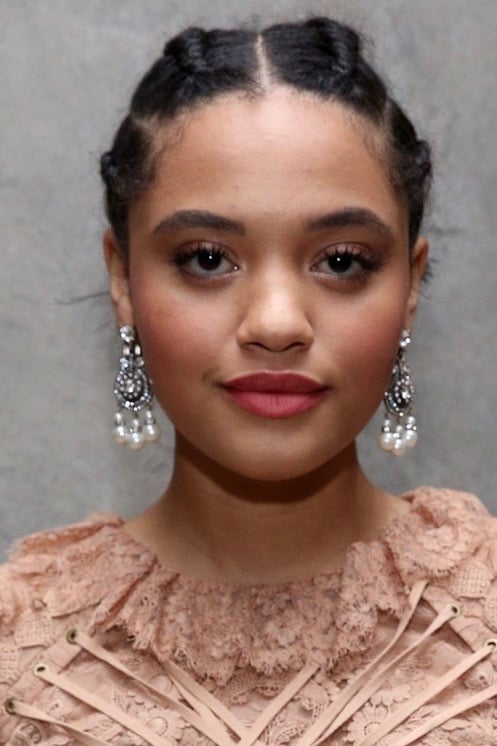
Kiersey Clemons has been open about the challenges of being a biracial actress in a competitive industry. She has faced situations where she was not considered Black enough for specific roles. This has led her to be very vocal about the need for more inclusive casting practices for all performers. She continues to take on roles that challenge the status quo and explore new territory. Her work is often praised for its authenticity and depth.
Candice Patton
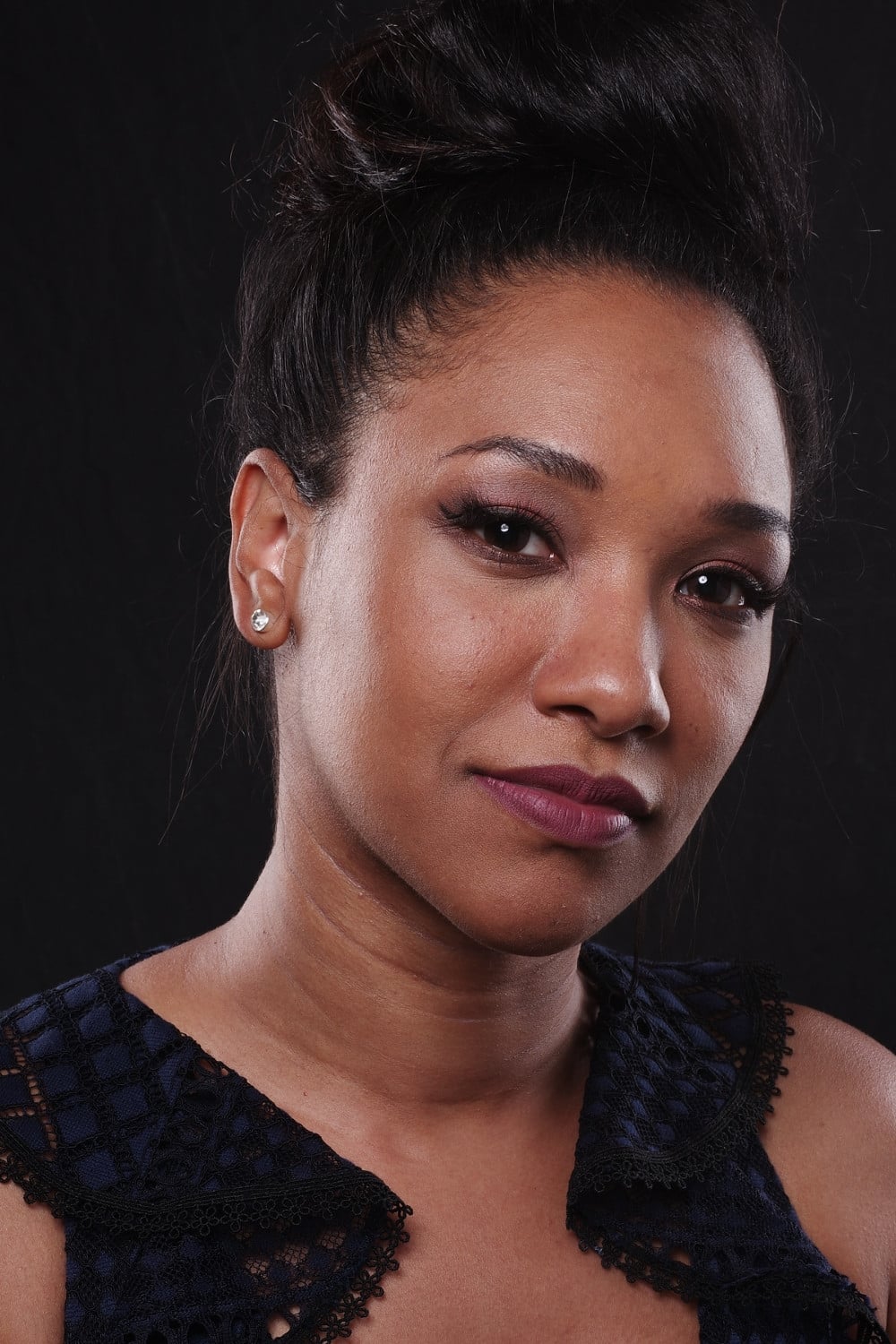
Candice Patton has faced significant online harassment and casting challenges due to her skin tone. She has shared that she was sometimes seen as not Black enough for certain projects. This has been a recurring theme throughout her career in television. She uses her experience to highlight the double standards that Black actresses face in the industry. Her role on ‘The Flash’ has provided a platform for these important discussions.
Lisa Bonet
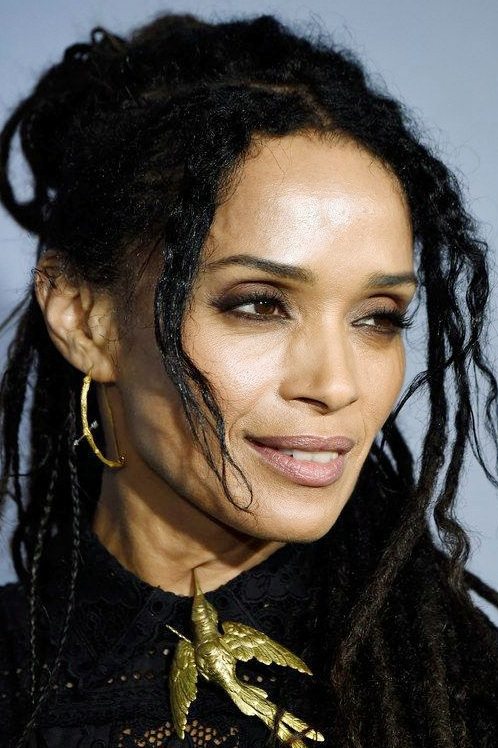
Lisa Bonet was a major star in the eighties and nineties who often challenged traditional views of Blackness. She sometimes faced issues where her light skin and unique style were seen as not fitting the typical Black role. This led her to take on more unconventional projects that allowed her to express her true self. Her influence is still felt in the industry today as she remains a style icon. She continues to be a respected figure in film and television.
Sophie Okonedo
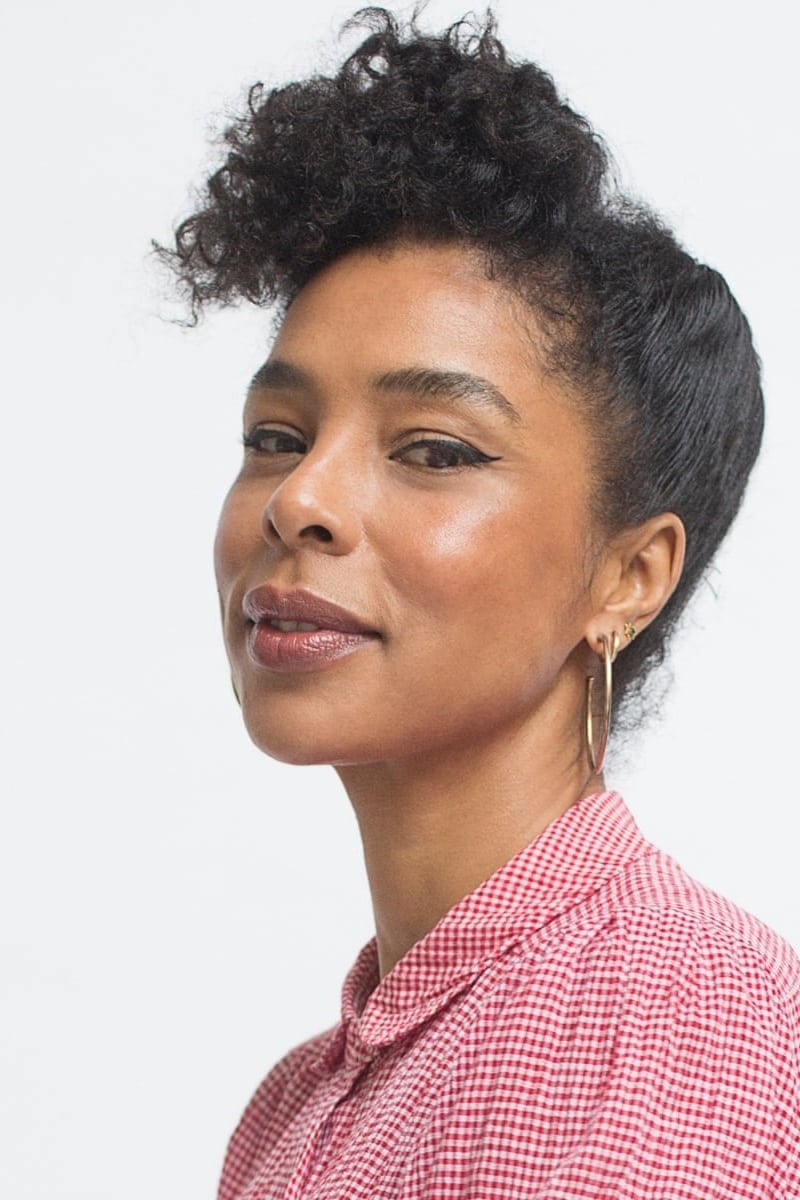
The British actress has worked internationally and faced different versions of colorism. She has mentioned being passed over for roles in both the United Kingdom and the United States because of her skin tone. She was often told she did not look the part for characters that were meant to be Black. Her talent has eventually led her to receive numerous awards despite these early setbacks. She is widely considered one of the finest actresses of her generation.
Ruth Negga
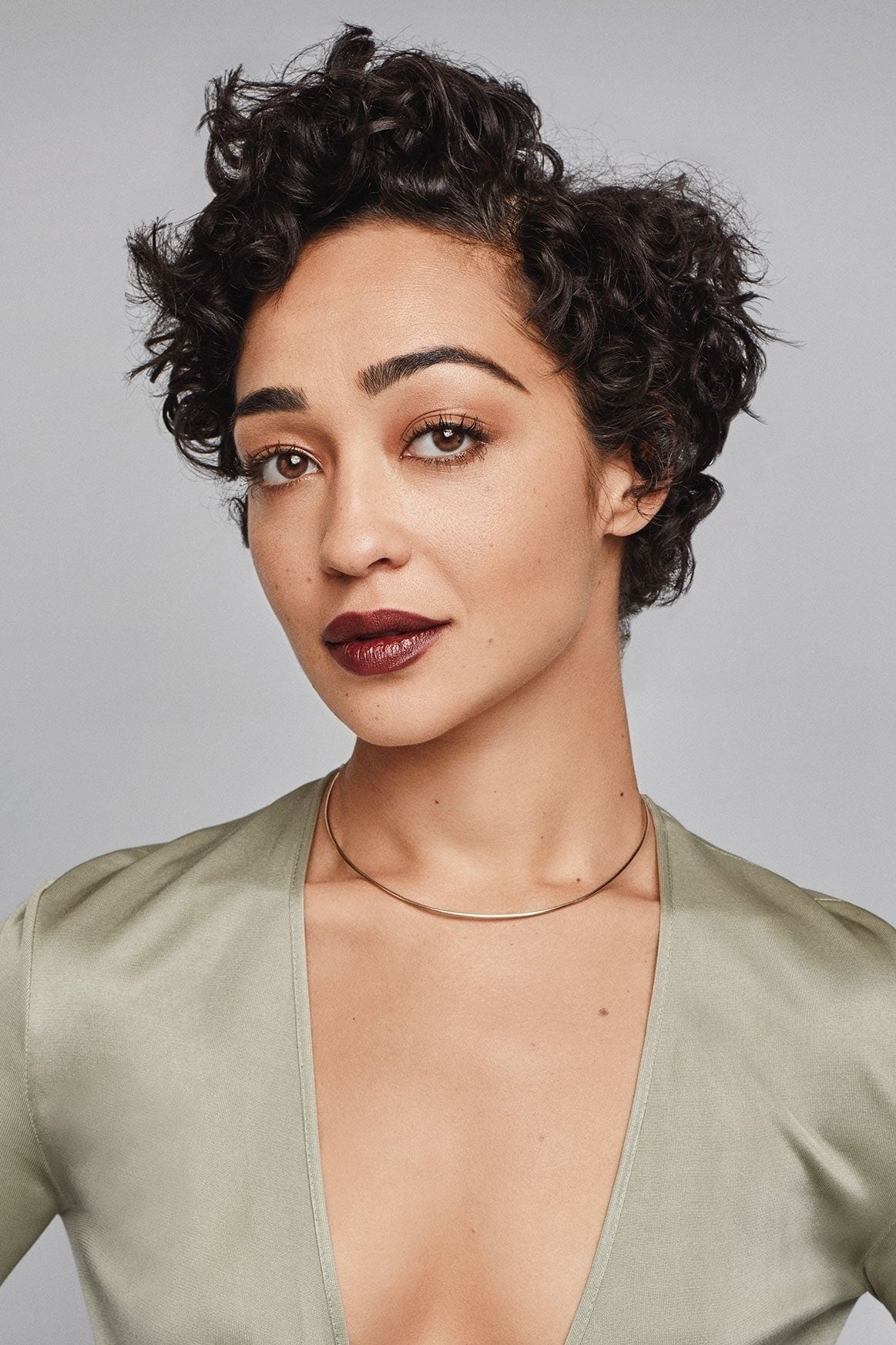
Ruth Negga has spoken about how being biracial has made her feel like an outsider in many spaces. She has faced casting directors who felt she was not Black enough for certain historical or cultural roles. This led her to develop a very diverse filmography that spans many different genres and countries. She remains one of the most respected actresses working today. Her performance in ‘Loving’ earned her an Academy Award nomination.
Gugu Mbatha-Raw
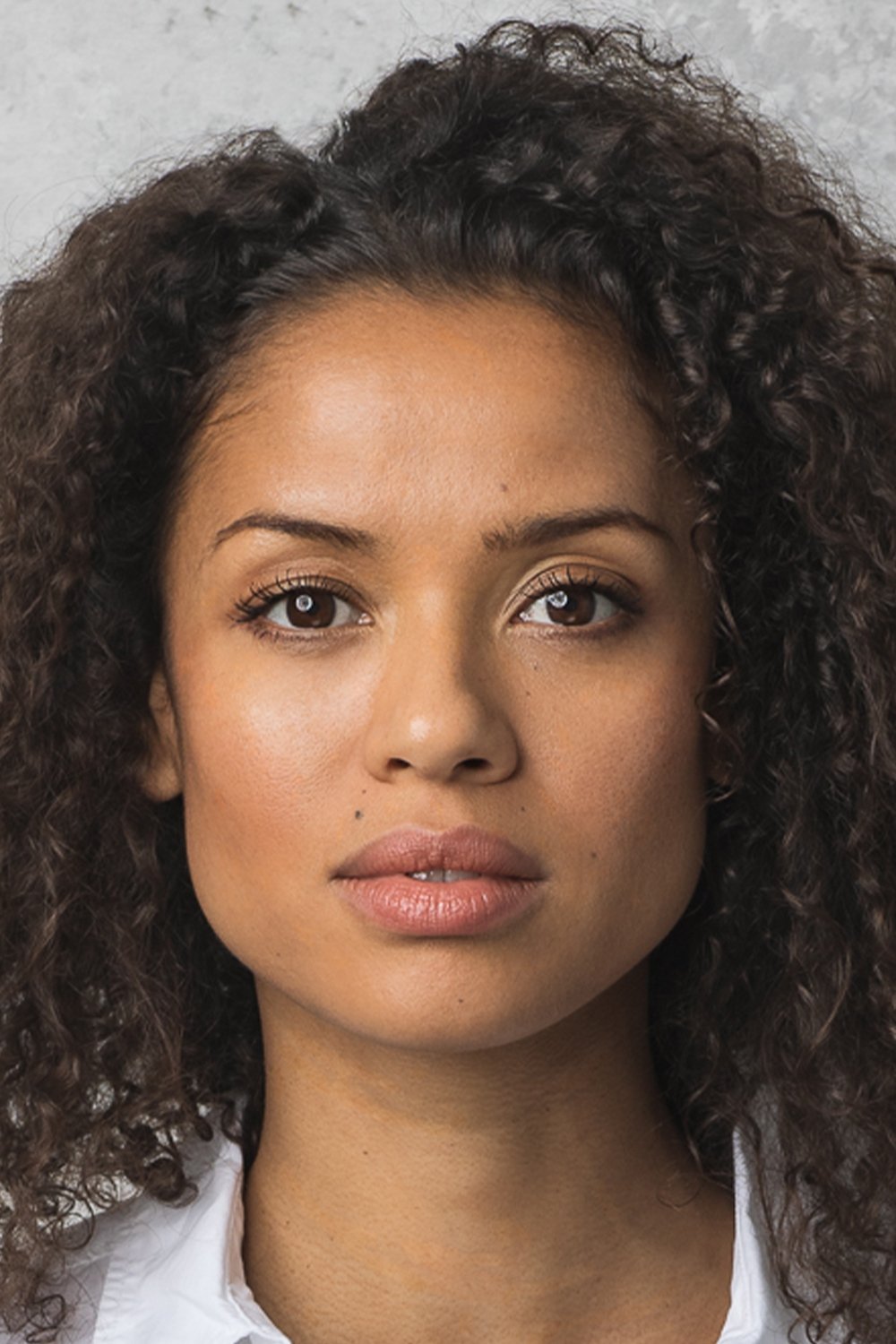
Gugu Mbatha-Raw has played many roles that explore the complexities of race and identity. She has also mentioned being passed over for roles because her light skin did not fit the specific requirements of the production. This has made her very selective about the stories she chooses to tell as a performer. She continues to be a powerful voice for nuanced representation in film. Her role in ‘Belle’ was a significant moment for period dramas.
Victoria Rowell
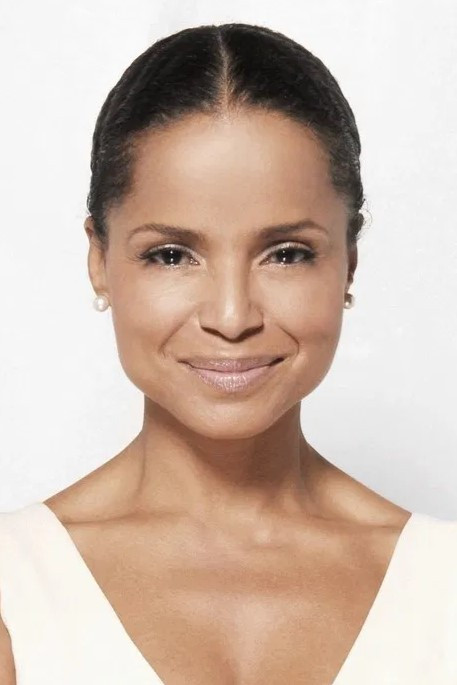
The soap opera veteran has been a long time advocate for diversity in the television industry. She has spoken about how her light skin was sometimes a barrier to getting roles that were written for Black women. She eventually sued a major network over these and other issues related to racial discrimination. Her activism has paved the way for many younger actresses to demand fair treatment. She remains a beloved figure for her work on ‘The Young and the Restless’.
Debbi Morgan

Debbi Morgan has had a legendary career in daytime television and has seen many changes over the years. She has shared stories about being told she was too light for certain roles during her early years in the industry. This is a common hurdle that many women of her generation faced. She has remained a consistent and beloved figure in the acting world. Her talent has earned her multiple awards and a lasting legacy.
Dorothy Dandridge
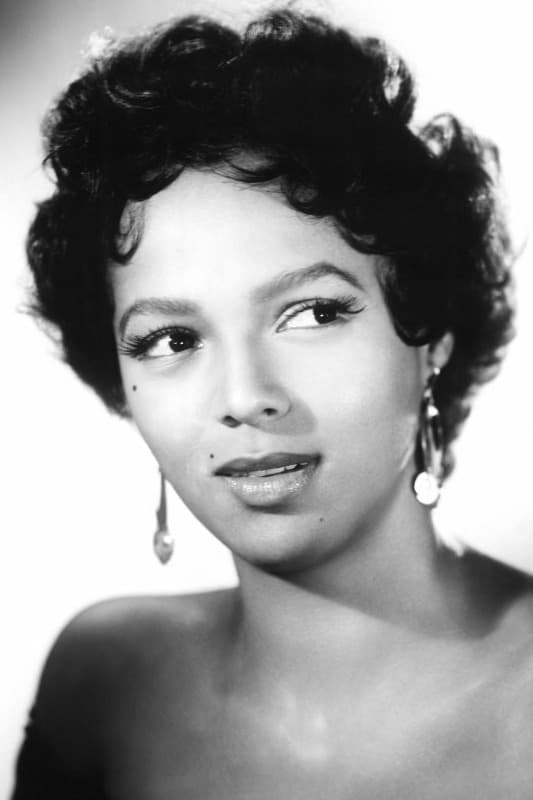
As the first Black woman nominated for an Academy Award for Best Actress she faced immense pressure. She was often told she was too light to play certain roles and was sometimes required to wear darker makeup. This constant focus on her skin tone was a source of great frustration throughout her career. Her life story remains a poignant example of the history of colorism in Hollywood. She paved the way for all Black women who followed in her footsteps.
Lena Horne
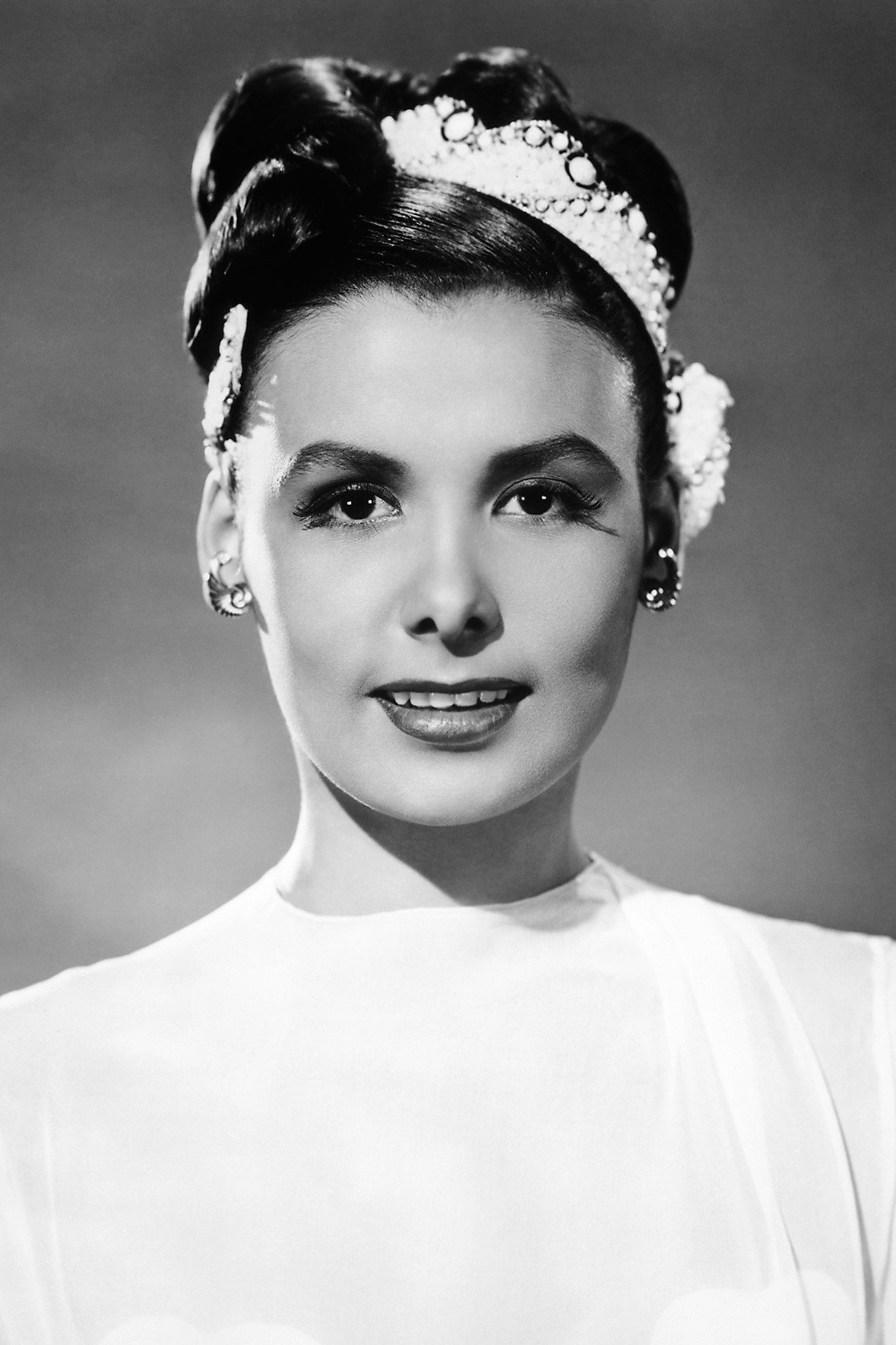
Studio executives often tried to make her appear darker with makeup to fit their idea of a Black woman. When she refused she was sometimes passed over for roles that were then given to others. Her light skin was seen as both an asset and a hindrance depending on the project. She eventually paved the way for many others to speak about these issues. Her career in film and music is legendary.
Fredi Washington
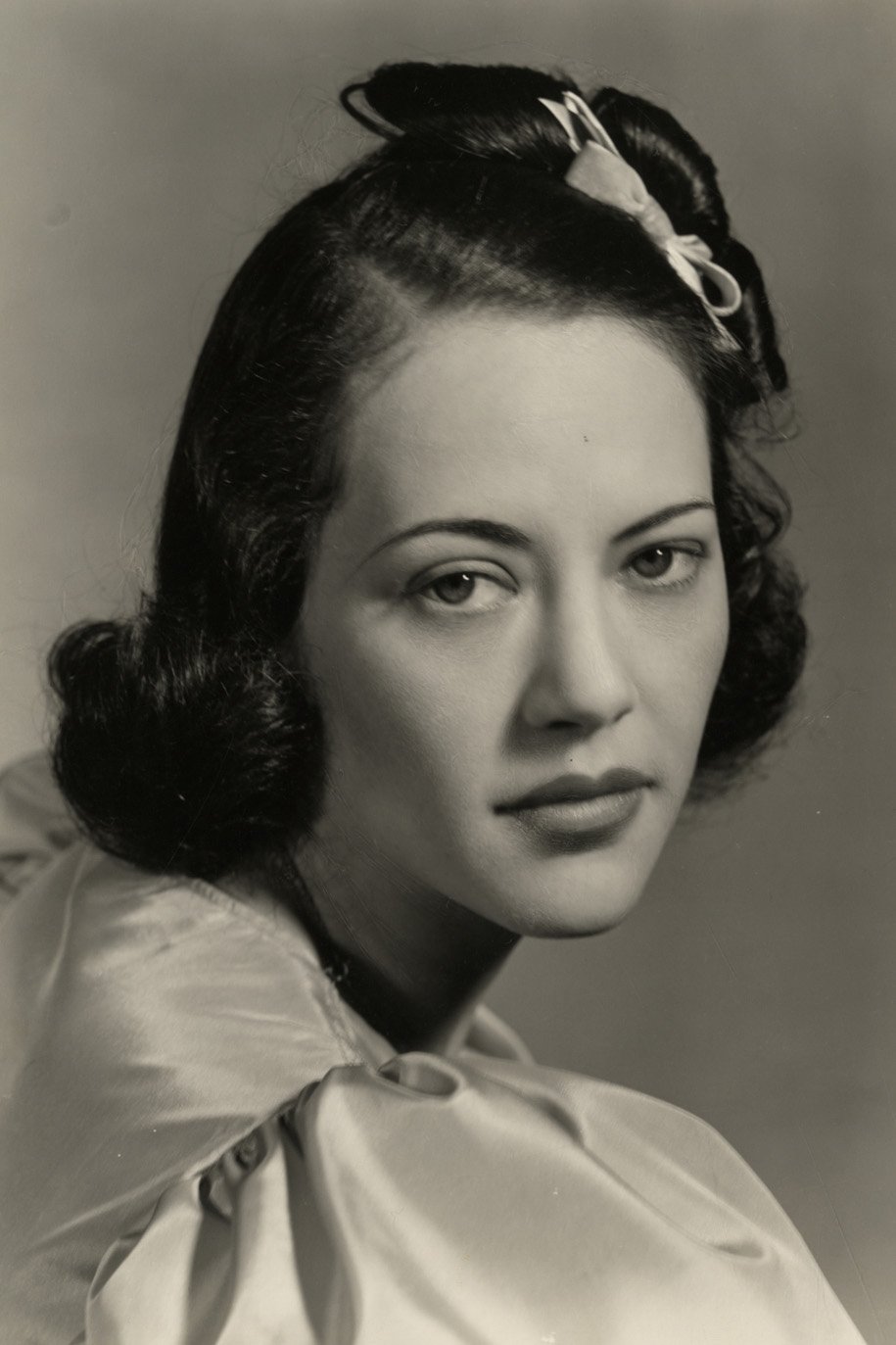
Fredi Washington was a pioneer who famously starred in the original ‘Imitation of Life’ during the nineteen thirties. Despite her talent she was often passed over for Black roles because she appeared too White. She refused to pass for White in her personal or professional life which limited her opportunities in a segregated industry. Her legacy remains a significant part of the history of colorism in film. She was also a dedicated civil rights activist.
Roxie Roker
Best known for her role on ‘The Jeffersons’ she was a pioneer for biracial representation on television. She often faced challenges in her career because she did not fit the narrow definitions of Blackness at the time. She was sometimes passed over for roles that were given to darker skinned actresses. Her presence on a hit sitcom was a major milestone for many viewers. Her legacy continues through the work of her son and her fans.
Paula Patton
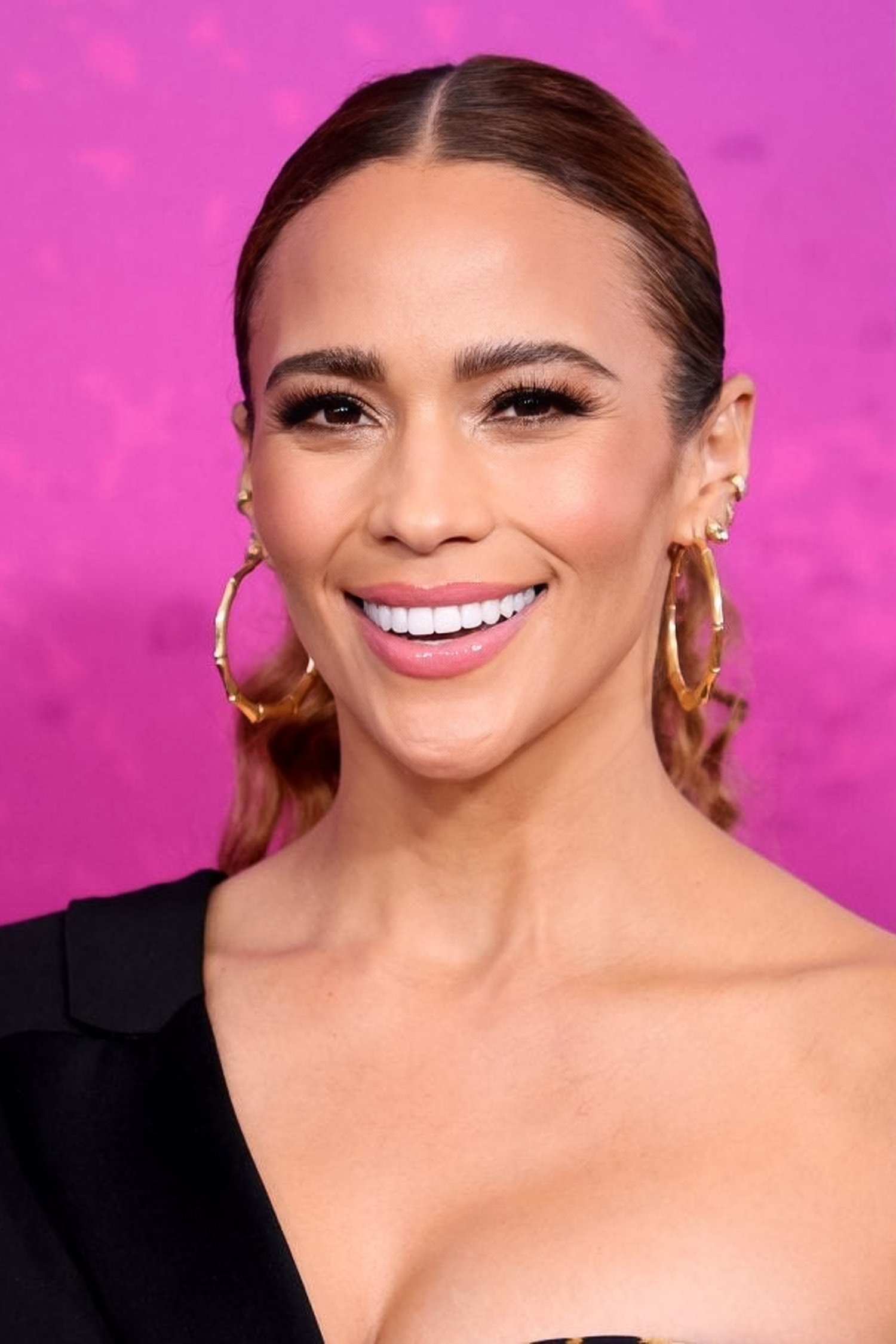
Paula Patton has faced questions about her racial identity since the beginning of her career. She has mentioned that being biracial often led to her being rejected for Black roles because she did not look the part. This forced her to find her own way in an industry that wanted to pigeonhole her into specific categories. She has since starred in many major films and continues to work steadily. Her career reflects the complexity of navigating Hollywood as a biracial woman.
Cynthia Kaye McWilliams
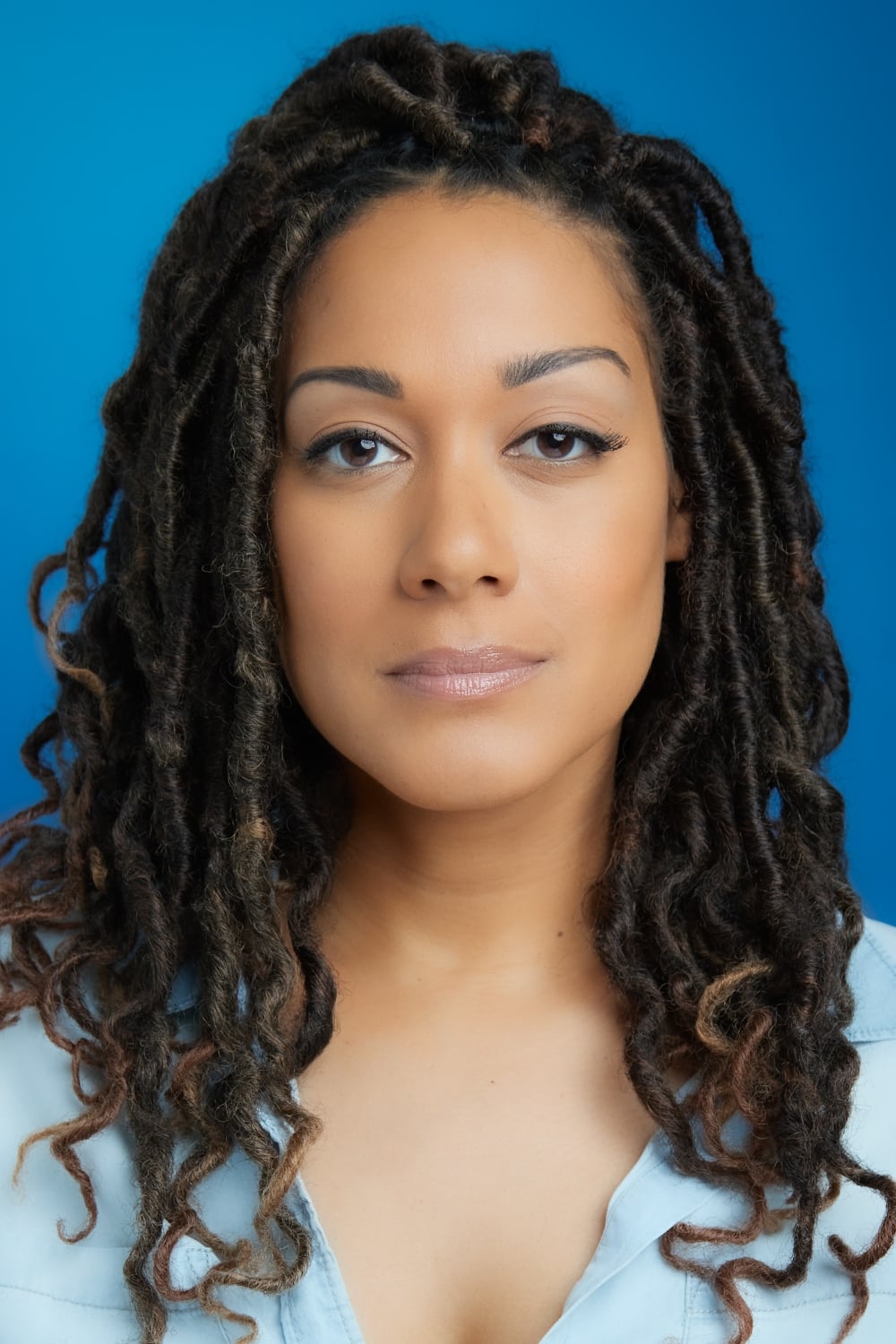
Cynthia Kaye McWilliams has discussed the frustrations of being a light skinned Black actress in a field that often prefers stereotypes. She has been passed over for roles that were deemed to require a darker complexion. This experience has motivated her to seek out roles that allow for more depth and nuance. She remains a dedicated professional who speaks her truth about the industry. Her work in television continues to be well received.
Noémie Lenoir
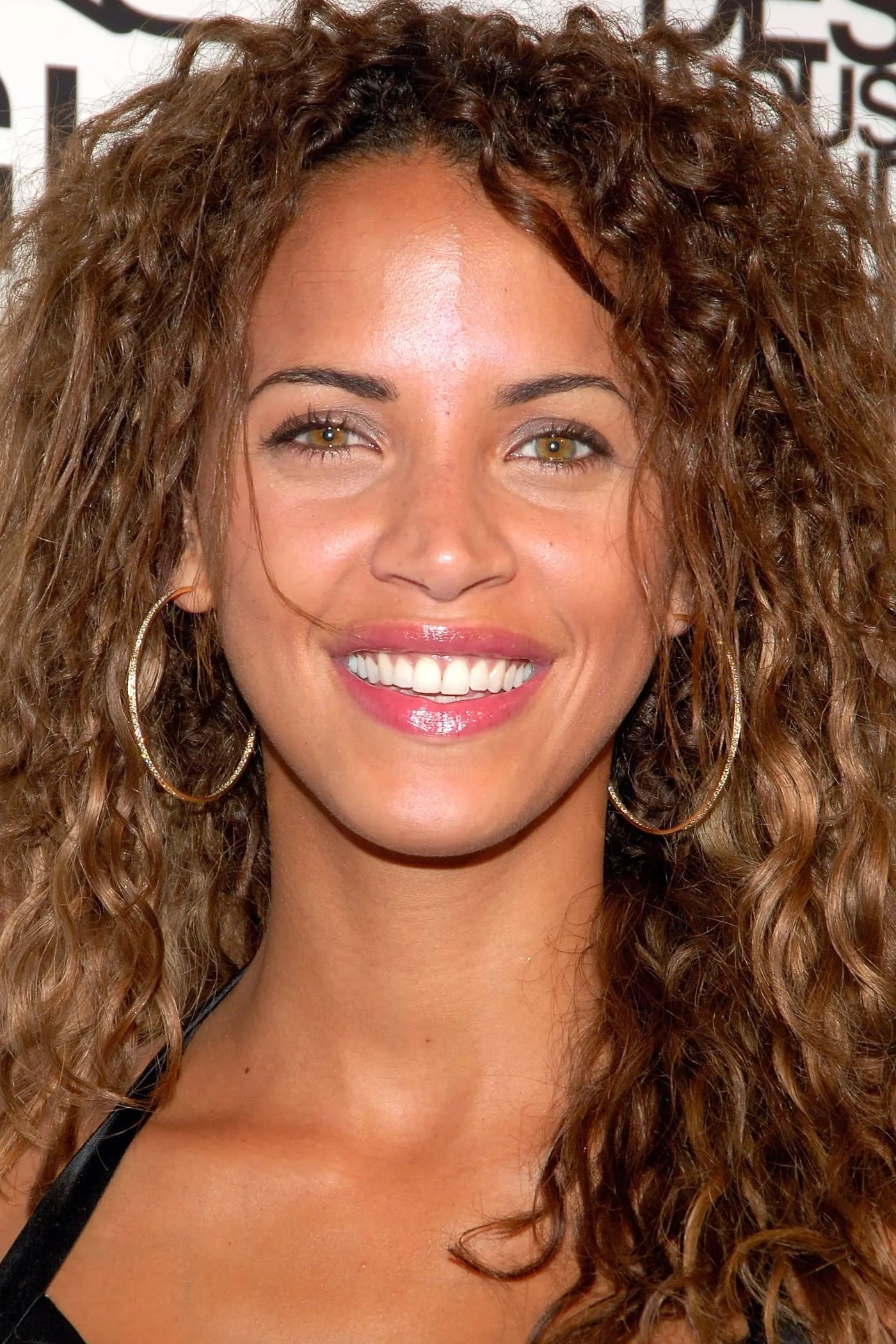
The French actress and model has spoken about the unique challenges she faces in the European film industry. She has mentioned being passed over for roles because her look is considered too ambiguous. This has made it difficult for her to secure roles specifically written for Black women. She continues to work internationally while advocating for more inclusive casting. Her career is a reflection of the global nature of these issues.
Stacey Dash
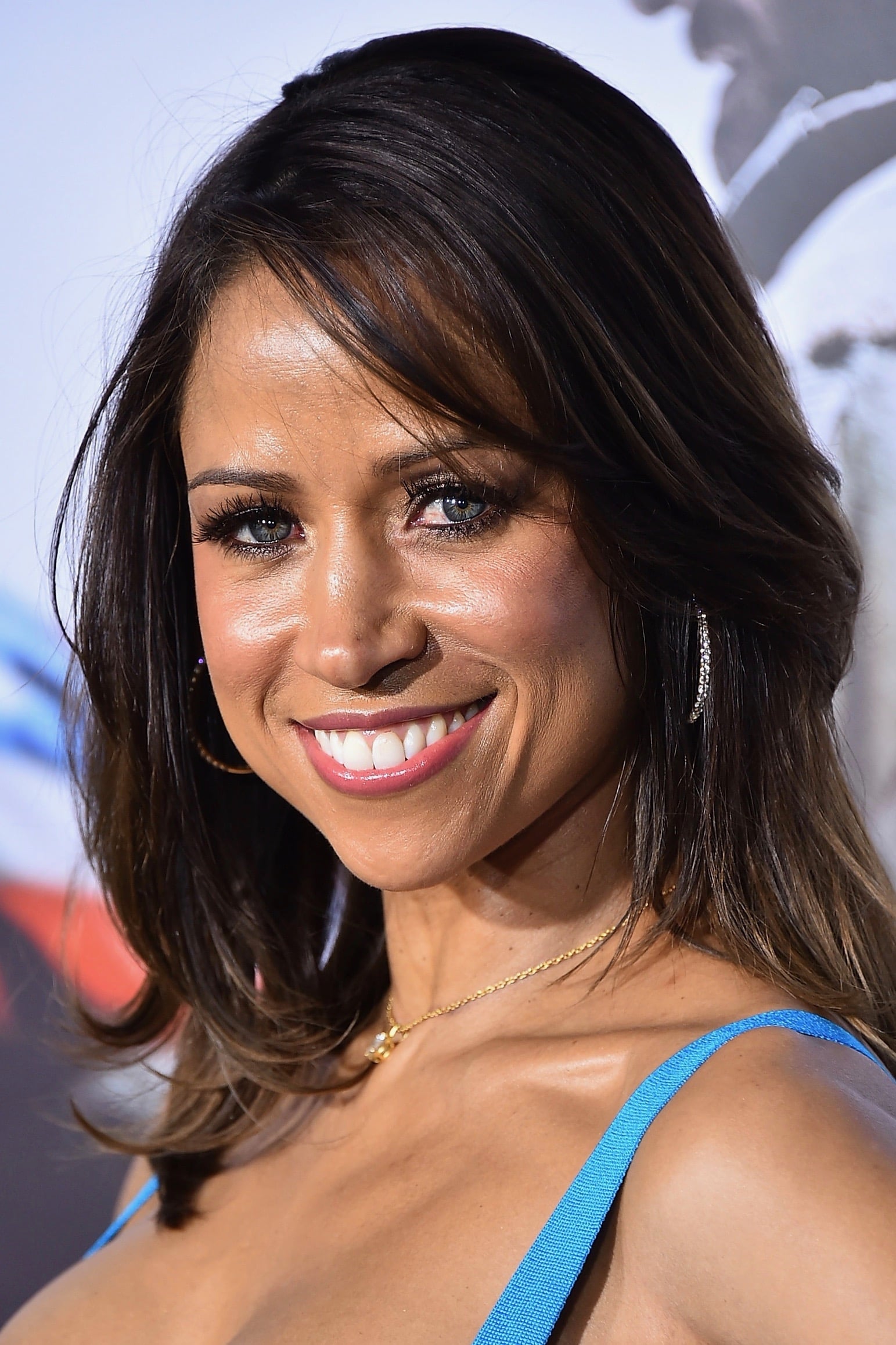
Stacey Dash has discussed her racial identity and the challenges it posed during her career. She has shared that she was sometimes not seen as Black enough for certain roles in television and film. This perception influenced the types of projects she was offered over the years. She remains a controversial but recognized figure in the entertainment world. Her role in ‘Clueless’ is her most famous contribution to cinema.
Rachel True
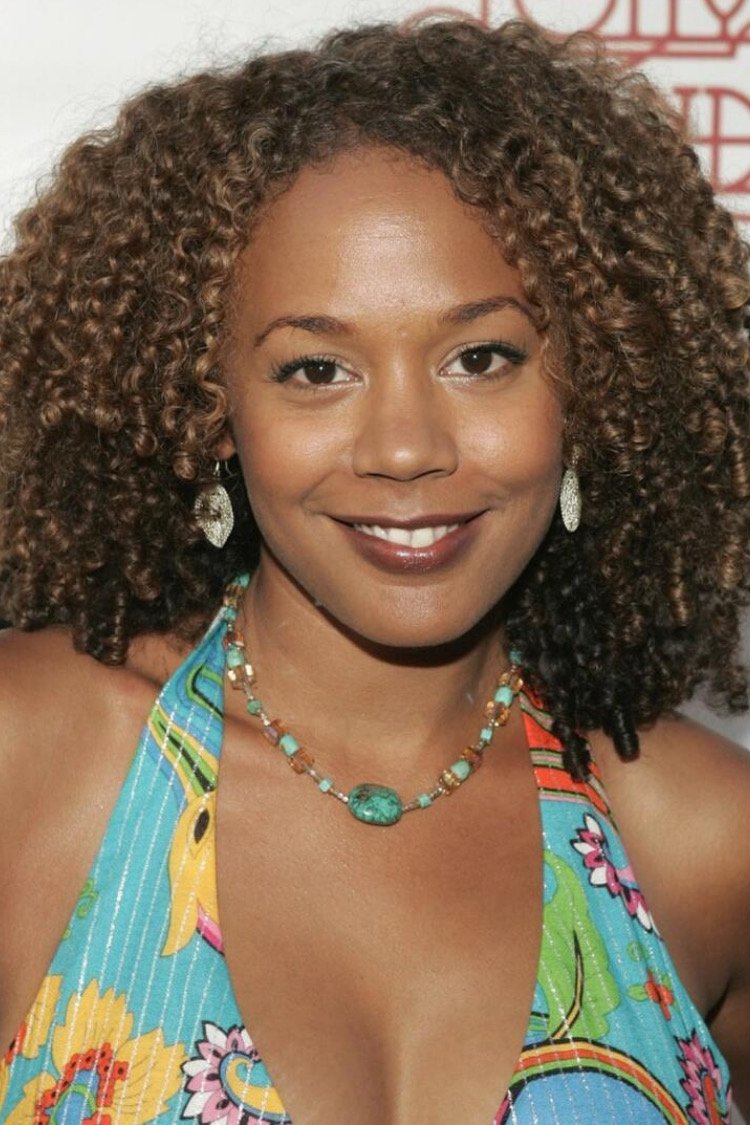
Rachel True has spoken extensively about being the Black girl in ‘The Craft’ and the tropes she encountered. she has mentioned that she was often considered not Black enough for specific cultural roles. This led to a career where she had to fight for visibility and fair representation. She continues to be a vocal advocate for better casting in the horror and fantasy genres. Her experiences highlight the specific challenges faced by alternative Black actresses.
Trina McGee
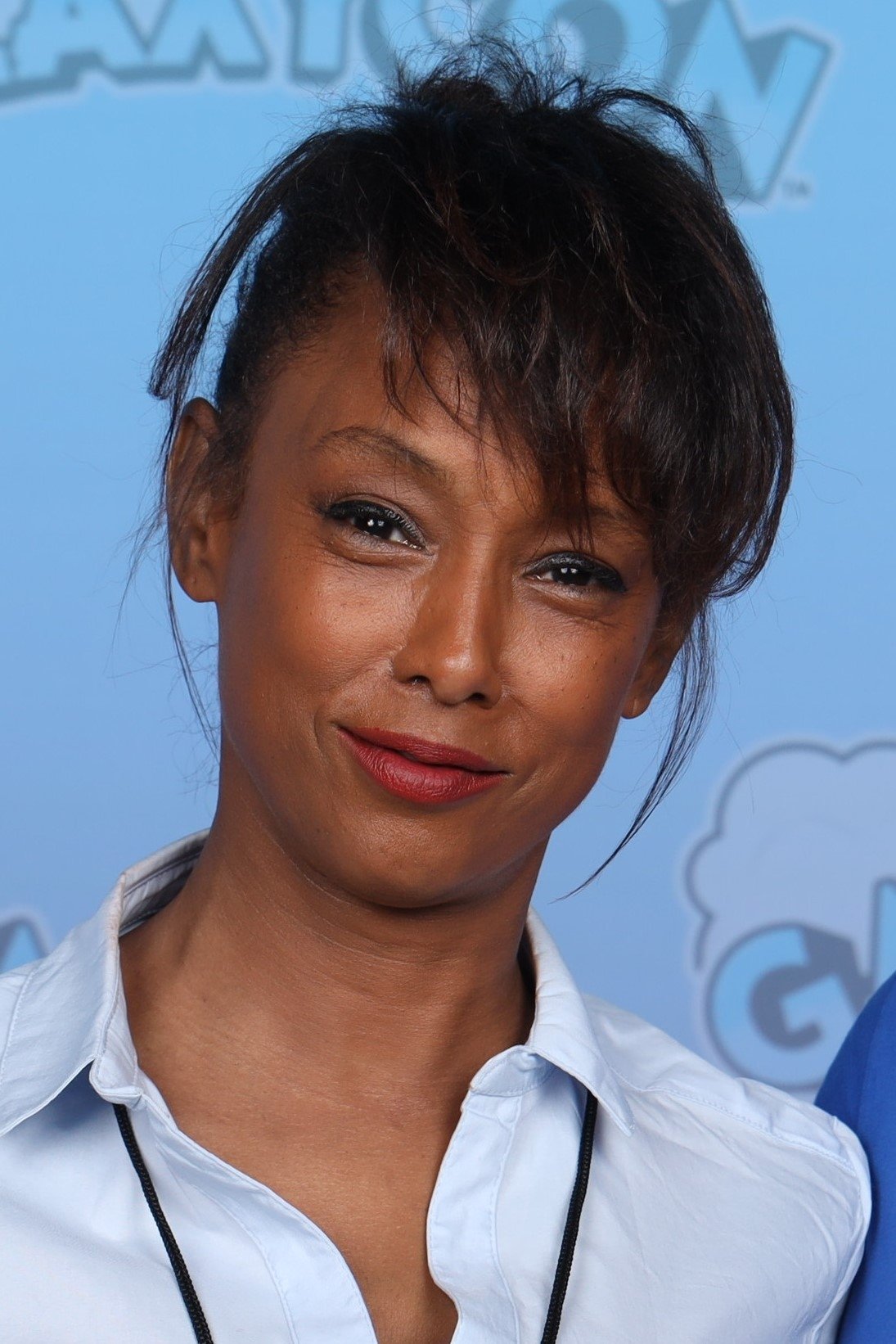
Trina McGee has shared her experiences of being a biracial actress on popular television shows. she has mentioned facing rejection because her skin tone did not fit the aesthetic desired for certain Black characters. This led to tension and a feeling of being an outsider on some sets. she continues to discuss these issues and advocate for a more inclusive industry. Her role on ‘Boy Meets World’ remains a significant part of her legacy.
Tessa Thompson
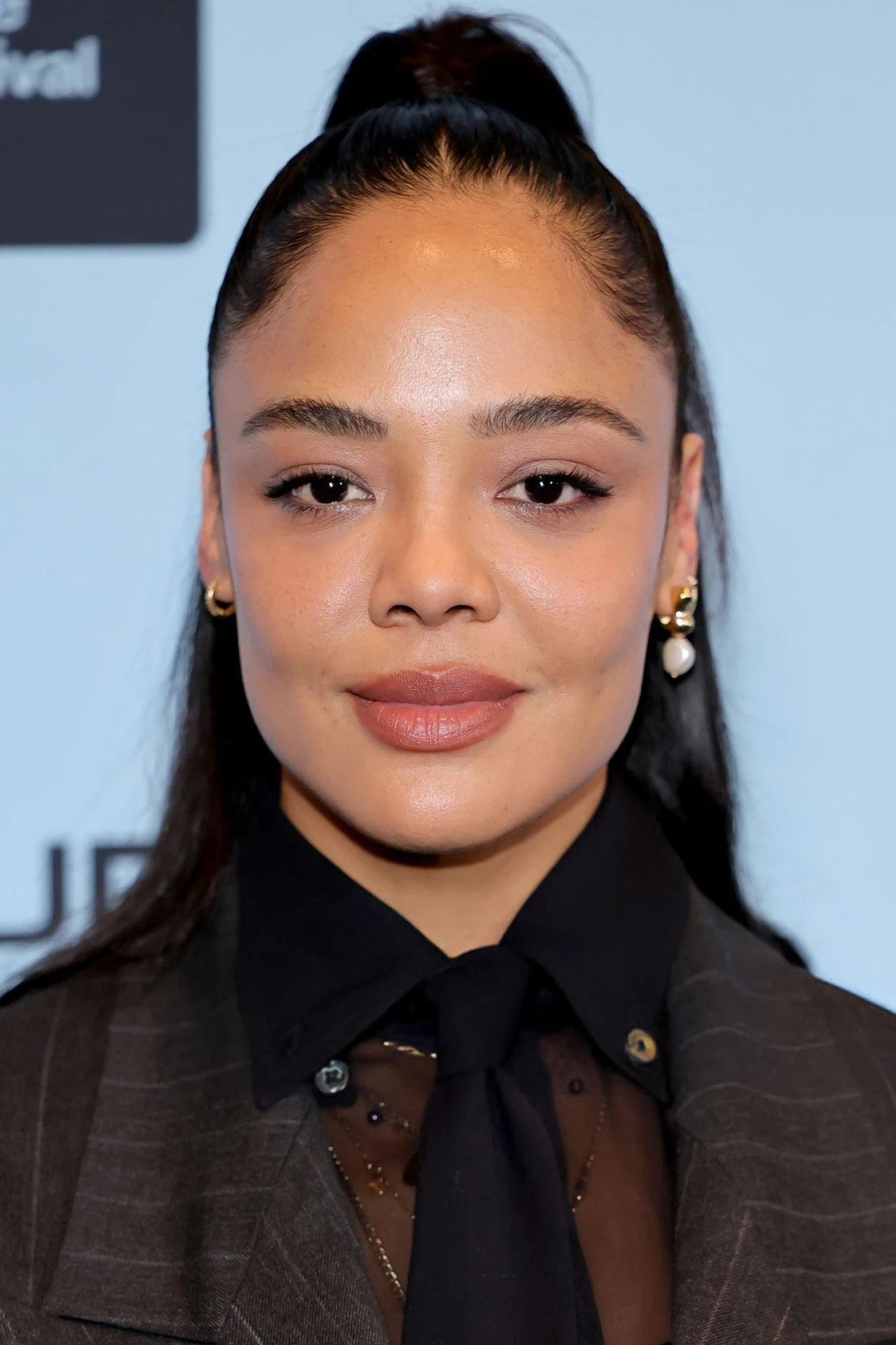
Tessa Thompson has been very open about the privilege she holds as a light skinned actress. She has also mentioned the pressure of being told she did not fit the mold for certain Black roles. These experiences have led her to be very intentional about the projects she chooses to support. She is a leader in the push for better representation behind and in front of the camera. Her success in the Marvel Cinematic Universe has given her a global platform.
Storm Reid
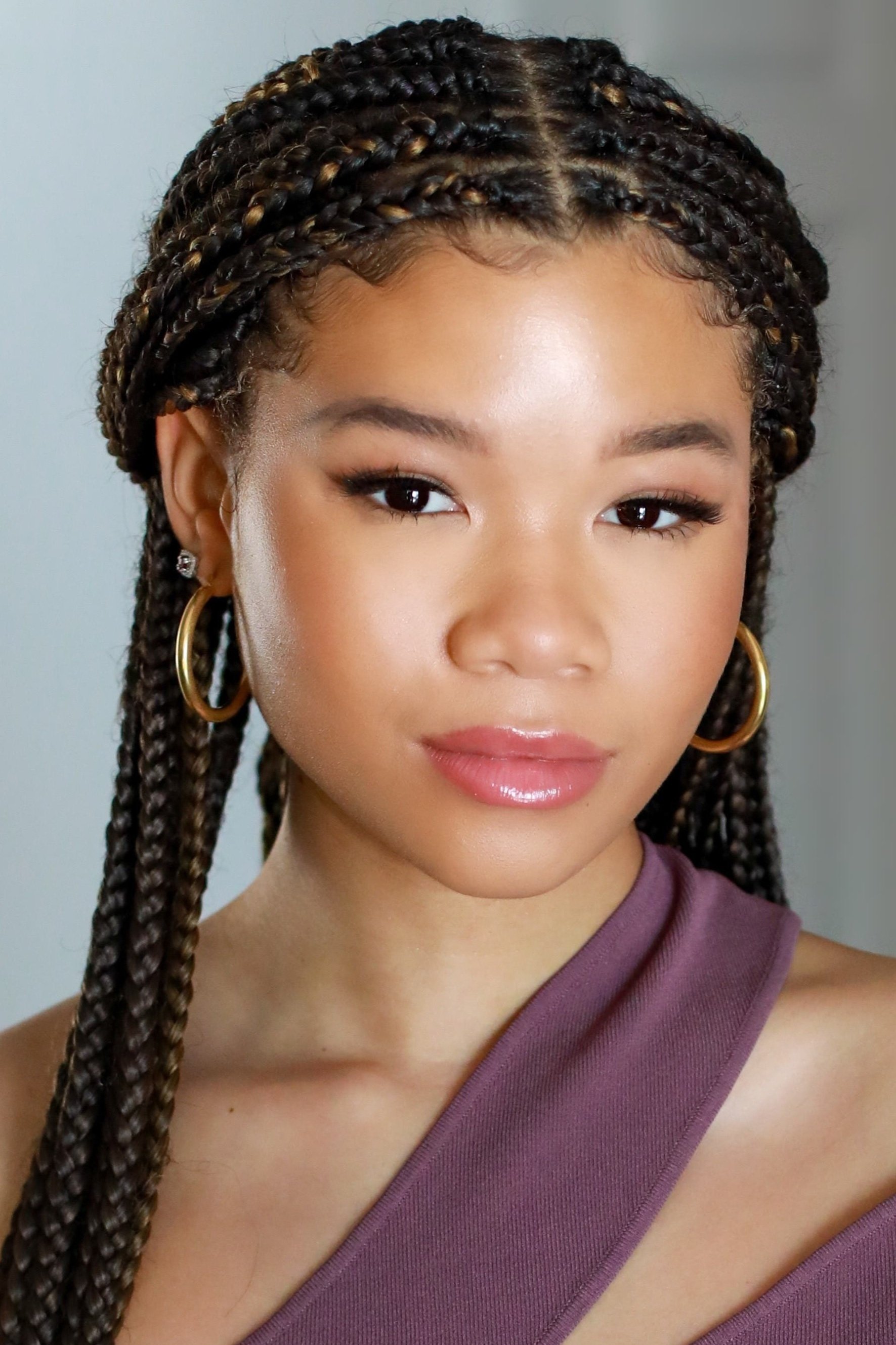
Storm Reid has already begun to navigate the complex world of colorism as a young actress. She has mentioned the conversations surrounding skin tone and how they affect the roles she is considered for. While she has been successful she is aware of the limitations that the industry places on Black actresses. She remains a positive force who advocates for her peers and for better storytelling. Her future in the industry looks very bright.
Halle Berry
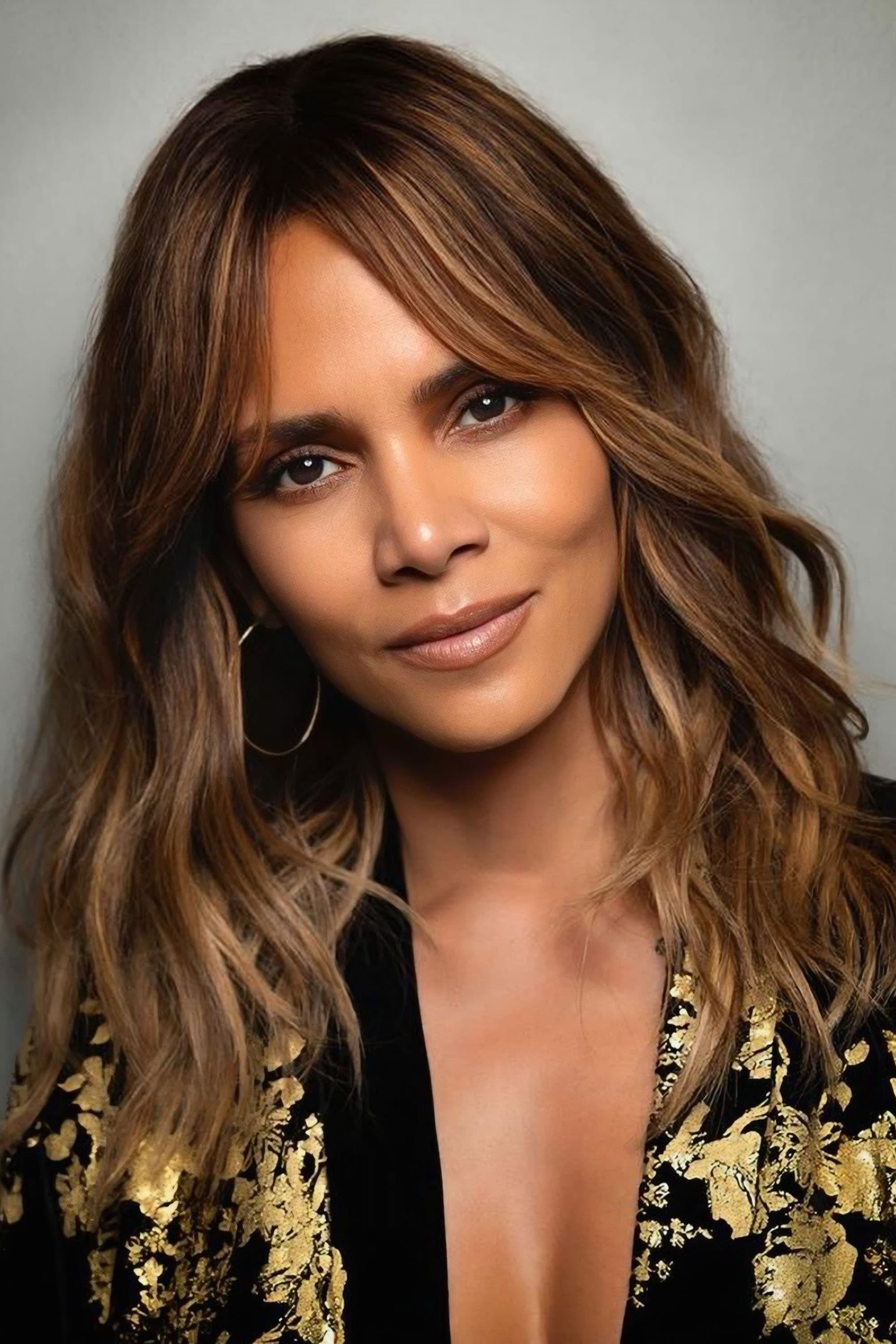
Halle Berry has mentioned the difficulty of being biracial in an industry that often wants to categorize people. She has shared that she was sometimes told she was too light or did not look Black enough for specific roles. This led her to take on transformative characters that challenged the public’s perception of her. She eventually became the first Black woman to win the Academy Award for Best Actress. Her career is a landmark in the history of cinema.
Share your thoughts in the comments.