


17 Black Actresses Who Forced Studios to Rewrite “Sassy Best Friend” Lines

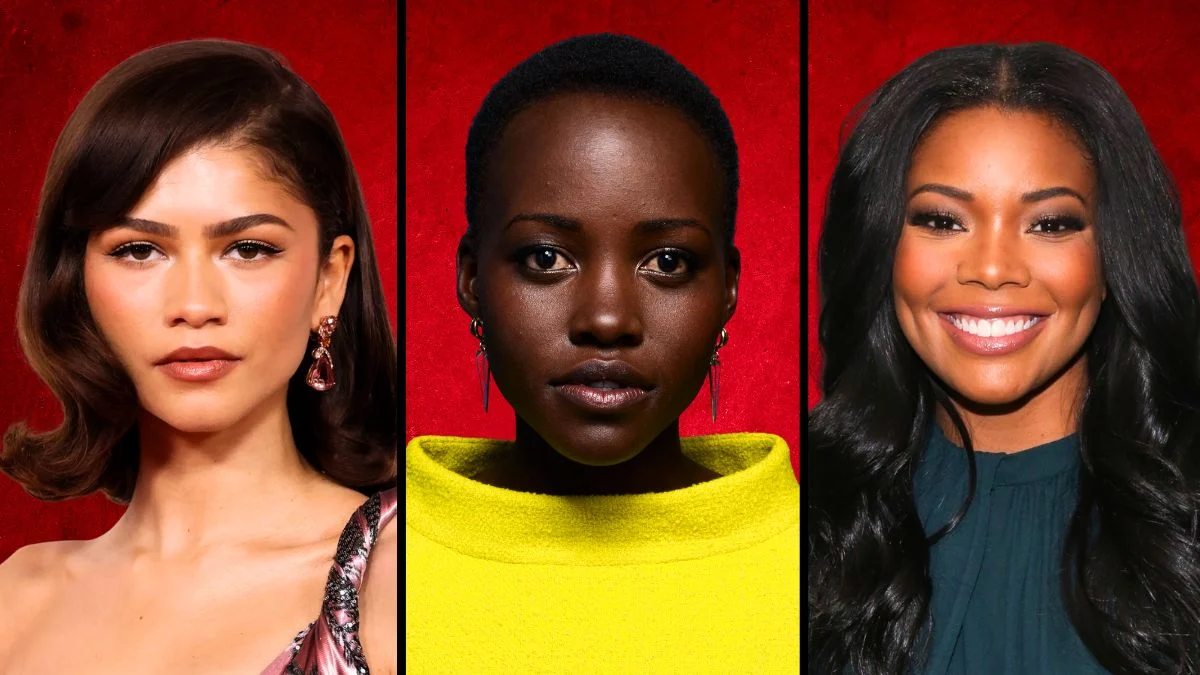


Black actresses have historically faced limited casting options, often finding themselves relegated to one-dimensional tropes like the “sassy best friend” or the comedic sidekick. These roles typically exist solely to support a white protagonist, lacking depth, backstory, or genuine humanity. Over the years, many talented performers have fought back against these caricatures, demanding script changes or reinventing characters through their performance. By challenging writers and studios, these women have reshaped the cinematic landscape and insisted on authentic representation.
Gabrielle Union
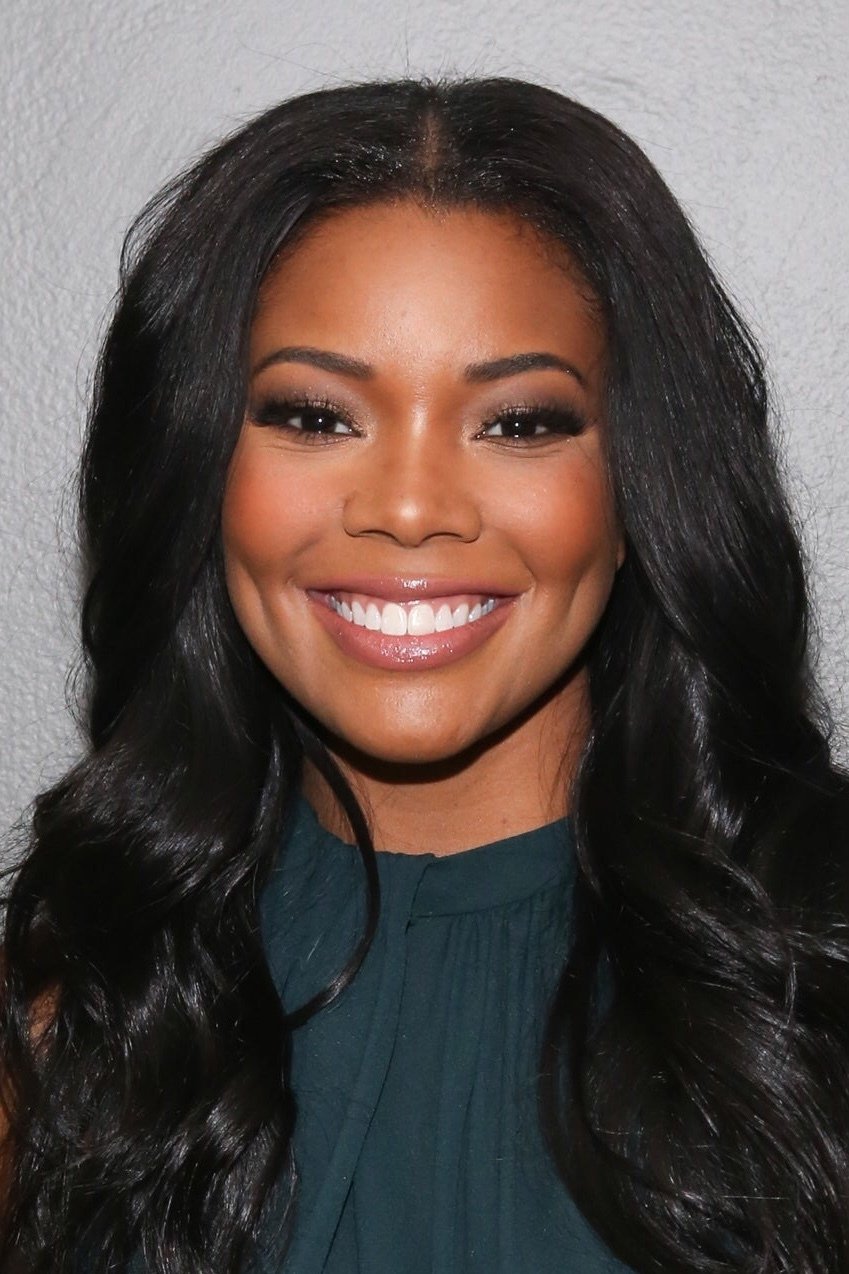
Gabrielle Union famously took a stand against the original script for ‘Bring It On’ (2000), which depicted the East Compton Clovers as stereotypes. She worked with the director and cast to rewrite the dialogue, specifically removing lines that included “meow” and other caricatured slang. Union wanted her character, Isis, to be a dignified leader who demanded credit for her work rather than a villain. Her insistence turned a potential trope into one of the most respected teen movie antagonists of the era.
Dominique Fishback
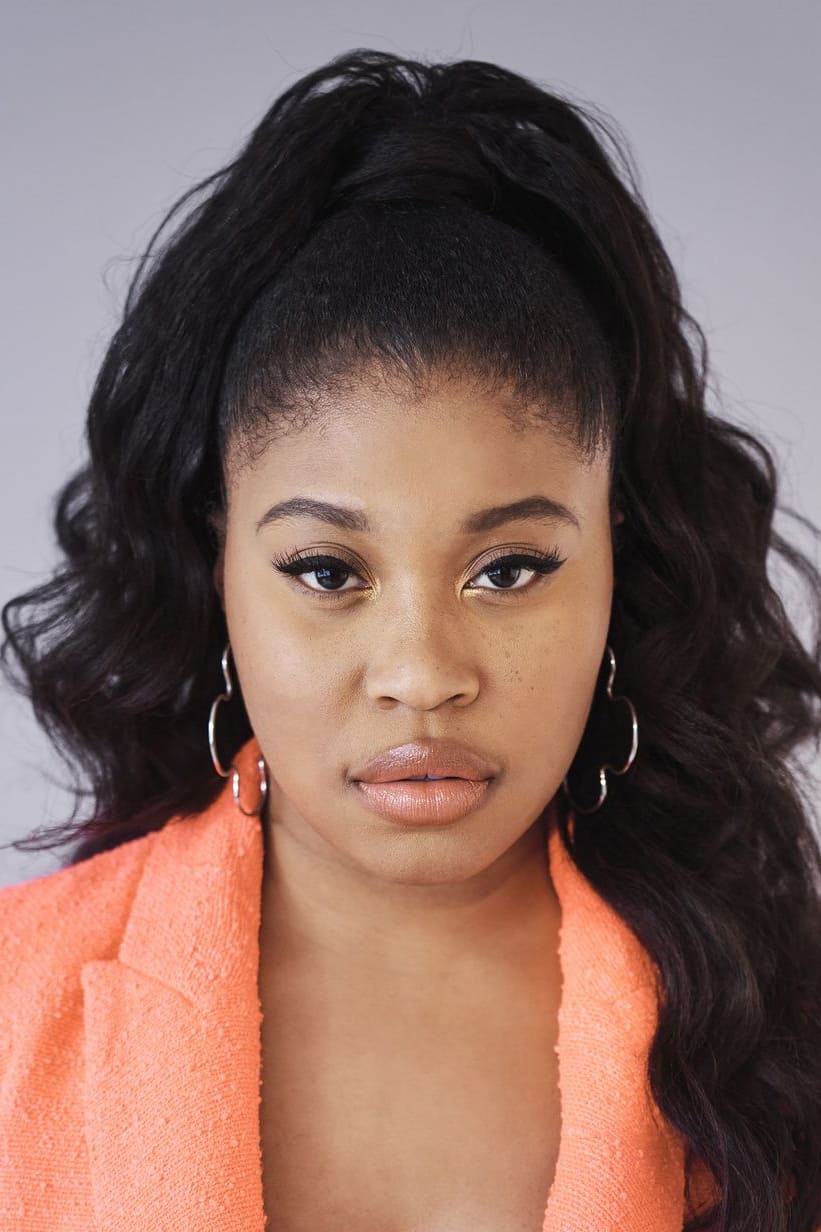
While filming the sci-fi thriller ‘Project Power’ (2020), Dominique Fishback felt her character’s dialogue did not accurately reflect a young rapper from Brooklyn. She collaborated with the creative team to rewrite her character’s rhymes, ensuring the flow and vocabulary were authentic to the setting. Fishback also challenged a specific direction to use a gendered slur at the end of a scene, arguing it reduced her character’s complexity. Her dedication grounded the role in reality rather than relying on lazy writing habits.
Viola Davis
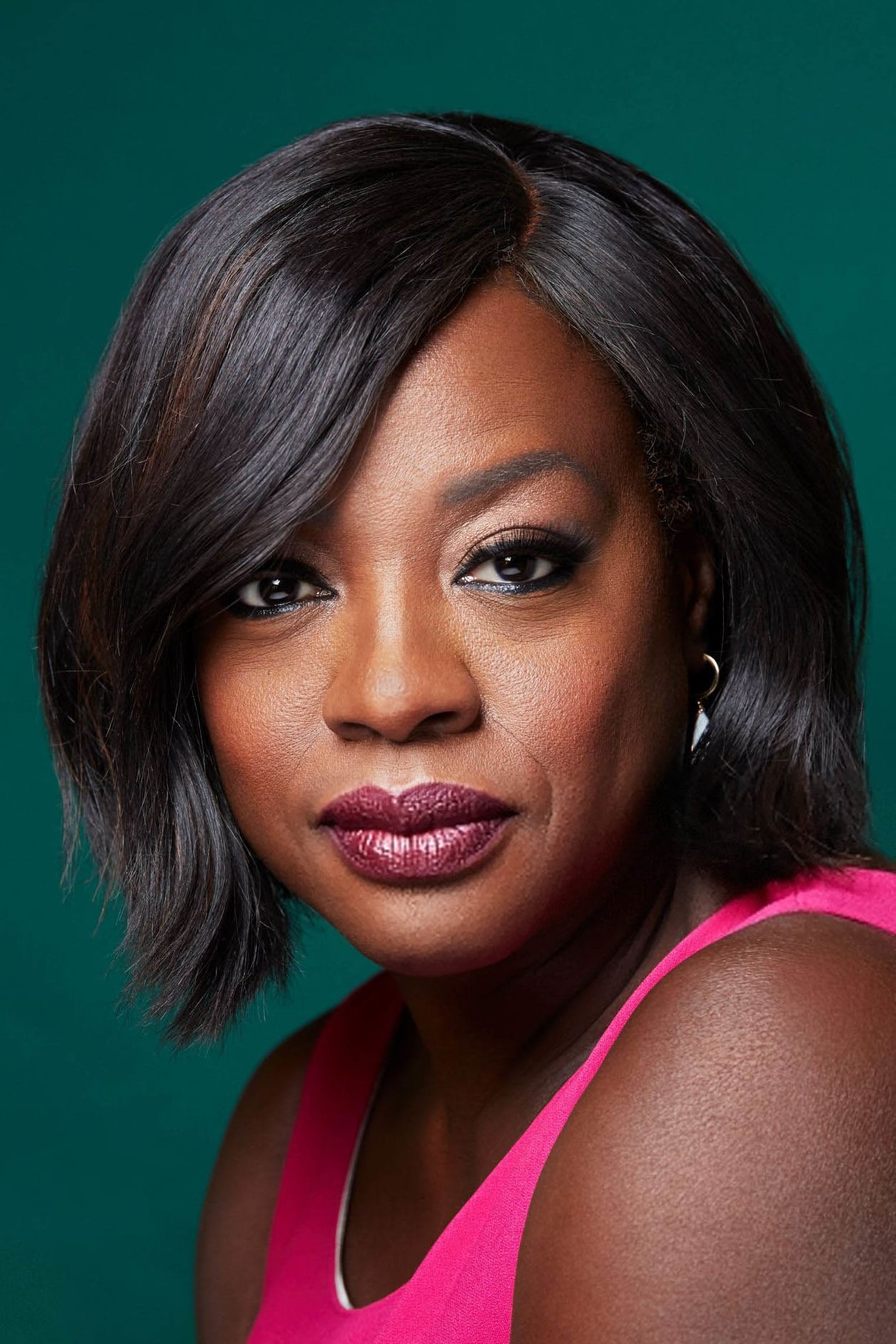
During the first season of ‘How to Get Away with Murder’ (2014–2020), Viola Davis felt her character needed to be more than just a high-powered, fearless attorney. She pitched the now-iconic scene where Annalise Keating removes her wig and makeup, revealing the vulnerable woman beneath the armor. Davis argued that keeping the character polished at all times would feed into the “strong Black woman” trope without showing her humanity. The scene became a defining moment for the series and changed how lead female characters were portrayed on television.
Susan Kelechi Watson
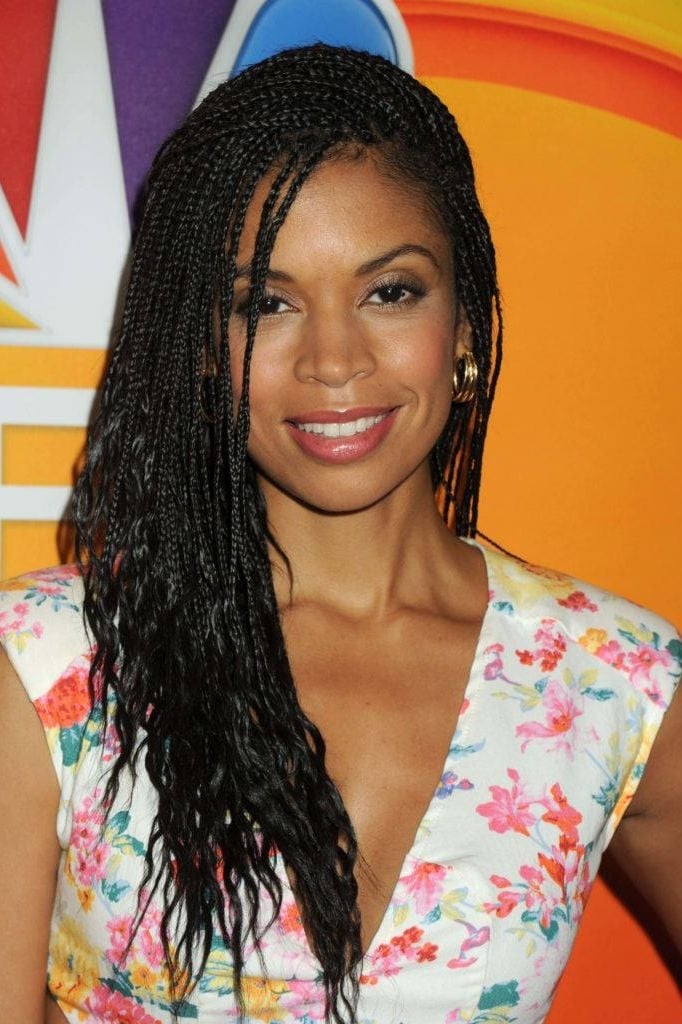
In the family drama ‘This Is Us’ (2016–2022), Susan Kelechi Watson played Beth Pearson, a character who easily could have fallen into the role of the “nagging wife” or “sassy support system.” Watson collaborated closely with the writers to ensure Beth had her own career, anxieties, and soft moments that were independent of her husband’s storyline. She infused the role with her own background in dance, giving Beth a physical grace and history that wasn’t in the original draft. This partnership transformed Beth into one of the most beloved and fully realized characters on the show.
Zendaya

When casting for ‘Spider-Man: Homecoming’ (2017), the filmmakers were looking to reinvent the character of MJ, who had traditionally been a white redhead. Zendaya brought a dry, observant, and awkward energy to the role that completely subverted the “bubbly love interest” or “sassy friend” expectations. She played the character as an intellectual introvert, avoiding the standard teen movie tropes often assigned to women of color. This interpretation allowed MJ to stand out as a unique individual within the Marvel Cinematic Universe.
Cynthia Erivo
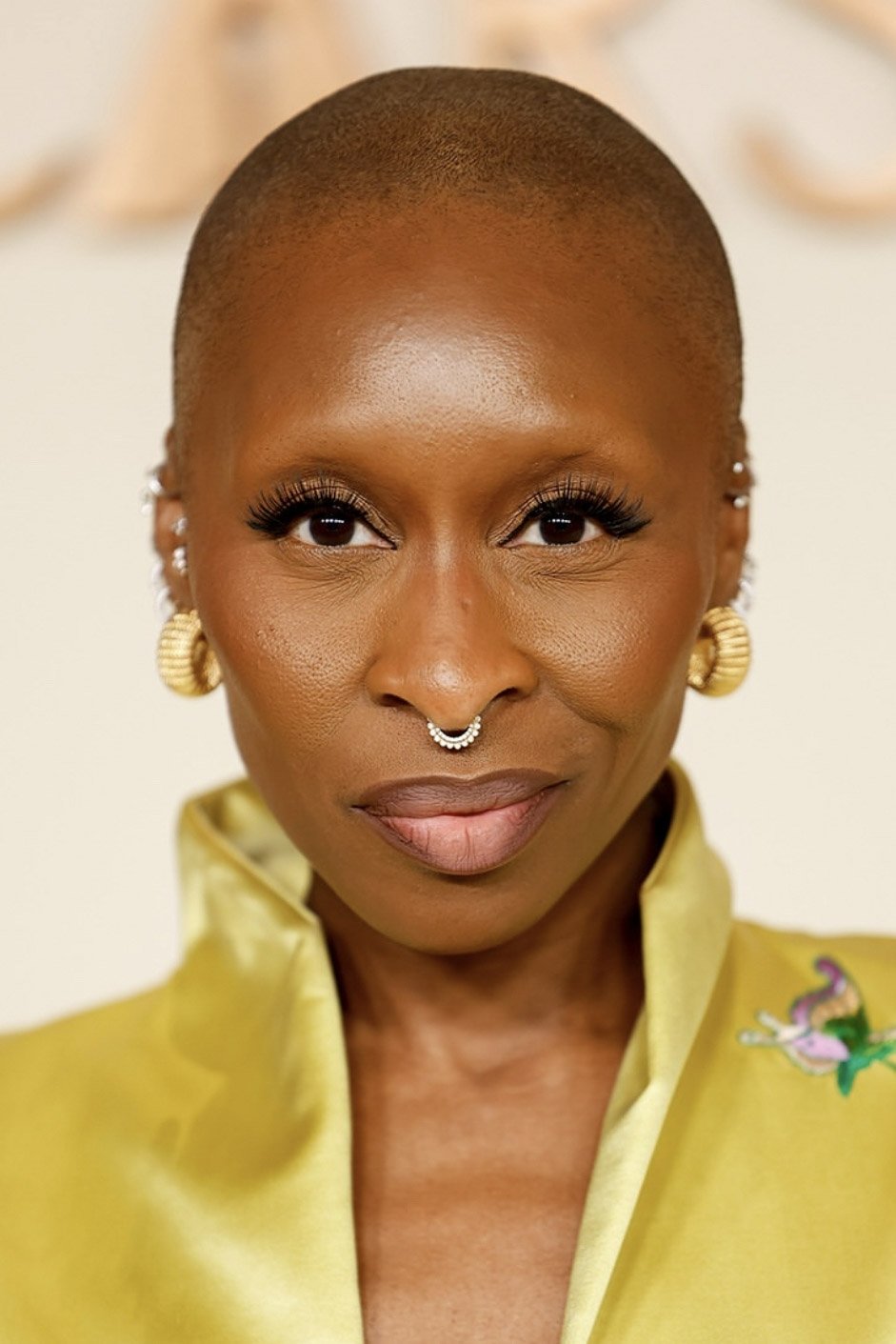
For Steve McQueen’s heist thriller ‘Widows’ (2018), Cynthia Erivo was initially presented with a character who was meant to be a beautician. Erivo pushed for her character, Belle, to have a more physically demanding job that would justify her stamina and strength during the heist. The role was changed to a hair salon worker who also runs everywhere, adding a layer of physical agency and determination. This adjustment steered the character away from being just a struggling mother and highlighted her athleticism and grit.
Anna Diop
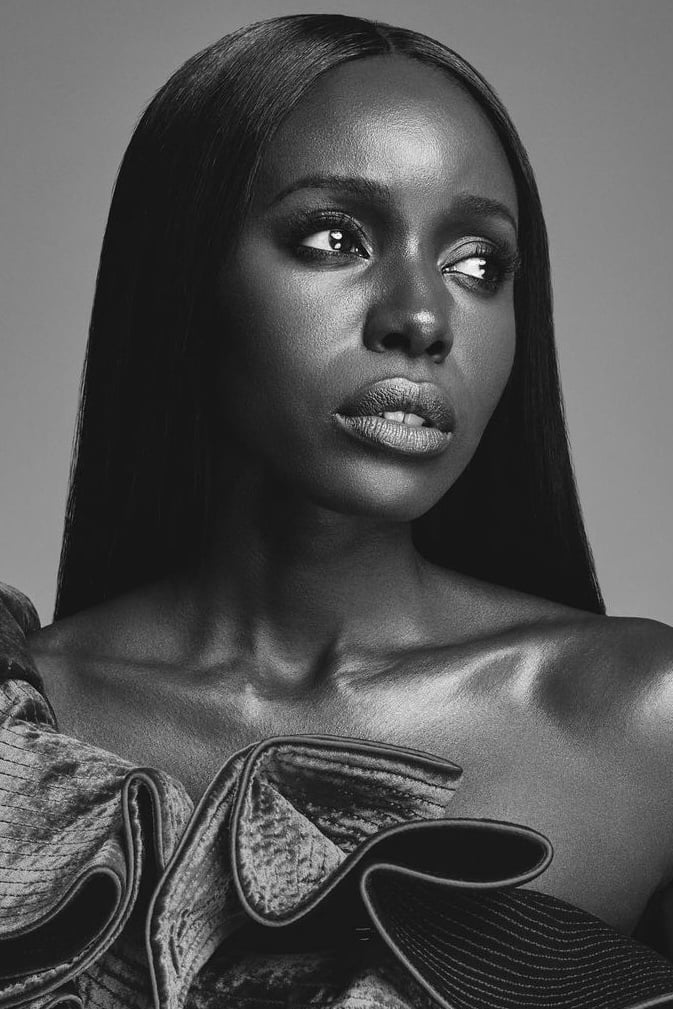
The character of Starfire in the ‘Titans’ (2018–2023) series was originally known in cartoons for being bubbly, naive, and overly energetic. Anna Diop took the role in a different direction, portraying the alien princess with a gritty, amnesiac edge that fit the show’s darker tone. She ignored the “exotic” and “sassy” expectations often placed on alien characters played by Black women, instead grounding Starfire in confusion and power. Her performance demanded a more serious narrative arc that moved beyond comic relief.
Lupita Nyong’o
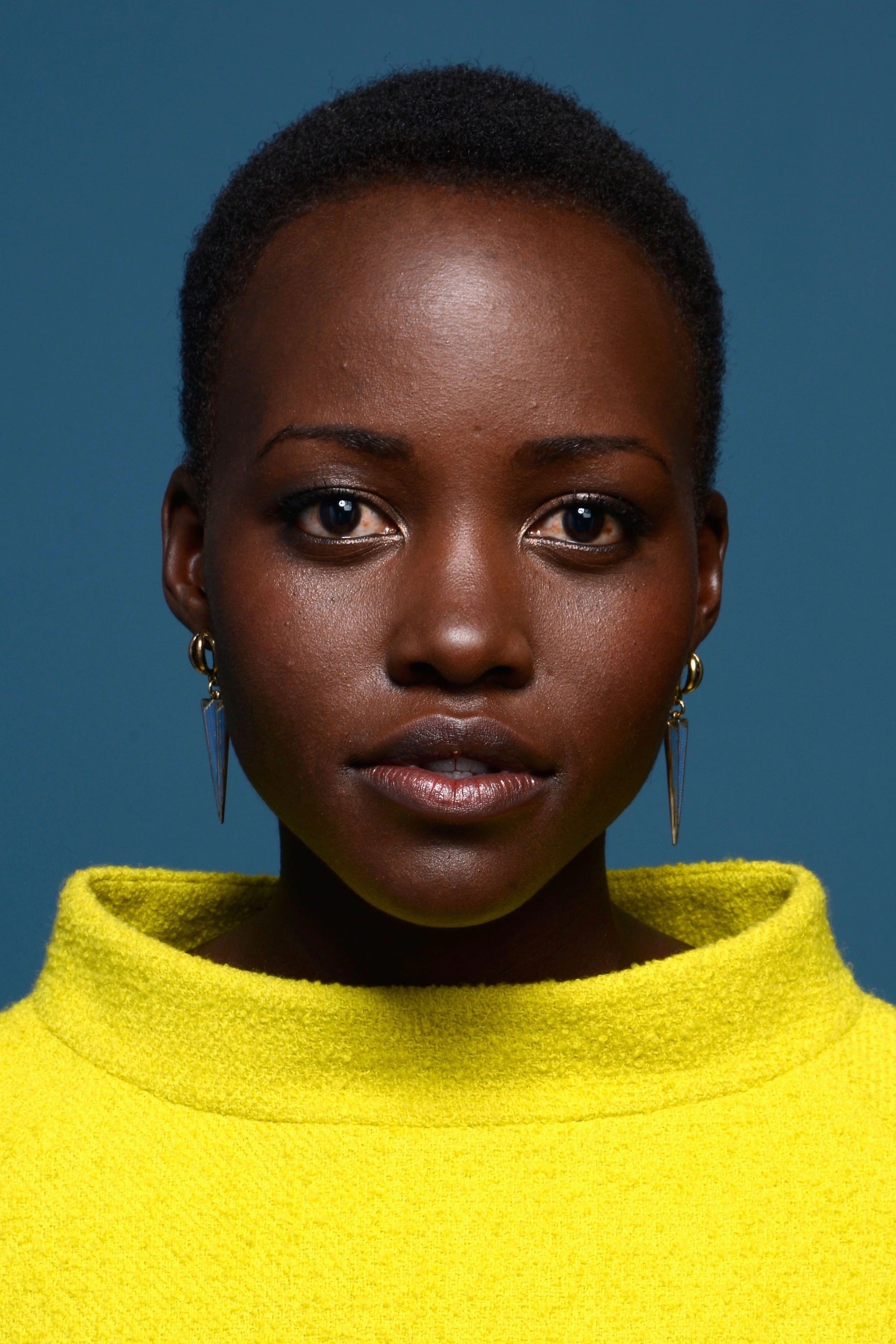
In the original comics, the character of Nakia in ‘Black Panther’ (2018) often served as a jealous antagonist or a mere love interest. Lupita Nyong’o worked with director Ryan Coogler to ensure the film version was a “War Dog” with her own ideologies and agency. She portrayed Nakia as a spy who prioritized Wakanda’s global responsibility over her romantic relationship with the protagonist. This shift created a character who was an intellectual equal to the hero rather than a supportive bystander.
Taraji P. Henson
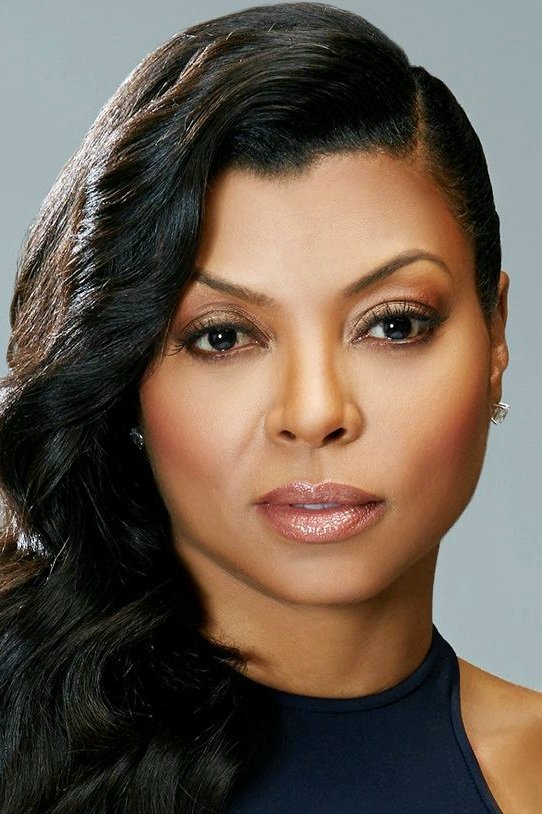
Taraji P. Henson has spent her career fighting against being boxed into the “sassy” stereotype, notably bringing depth to Cookie Lyon in ‘Empire’ (2015–2020). However, in ‘Hidden Figures’ (2016), she improvised moments of frustration and brilliance that were not explicitly in the script to highlight Katherine Johnson’s humanity. She pushed for scenes that showed the visceral reality of segregation, such as the bathroom runs, to be played with exhaustion rather than just attitude. Her input ensured the character was defined by her genius and resilience, not just her snappy comebacks.
Queen Latifah
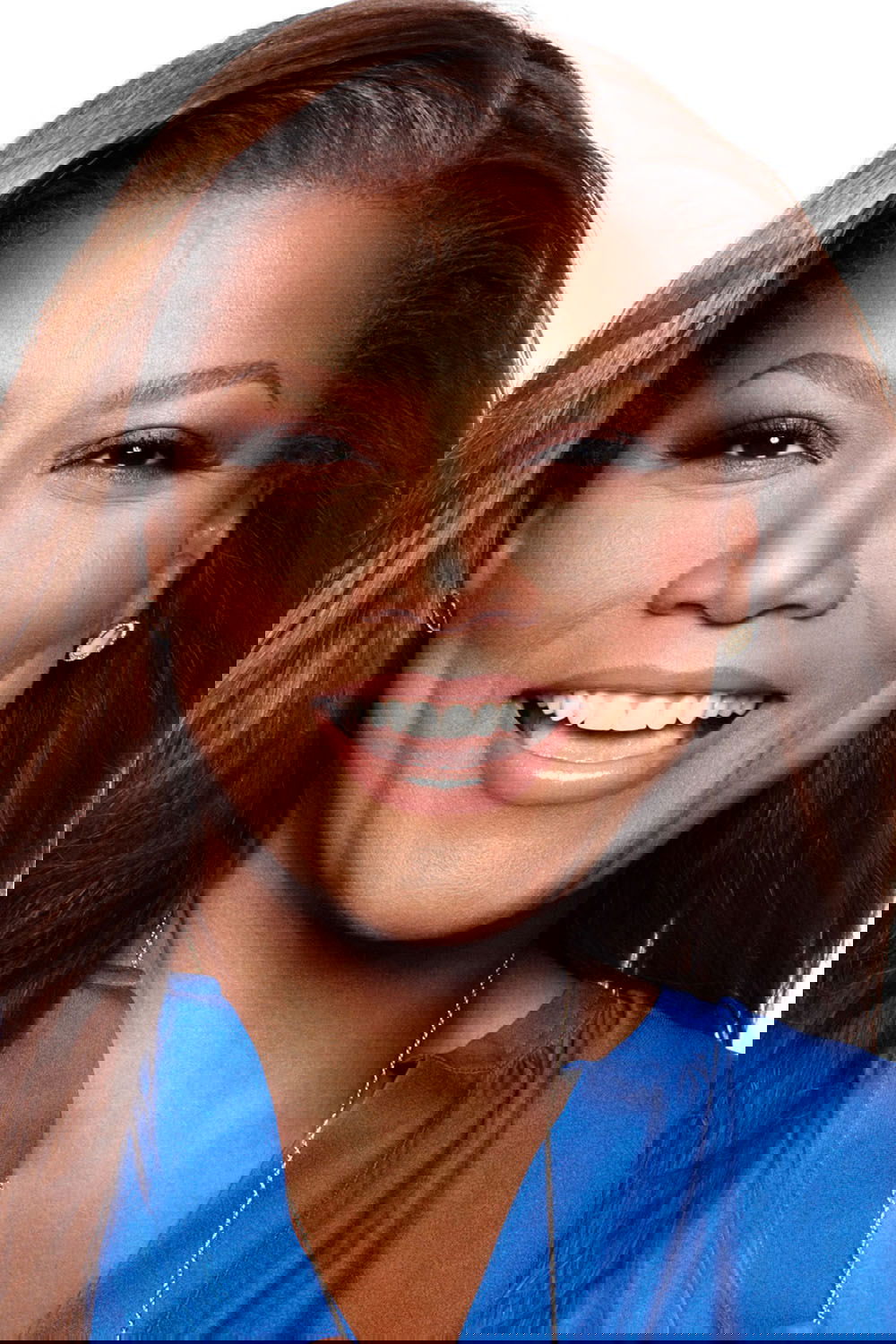
As an executive producer and star of ‘Bringing Down the House’ (2003), Queen Latifah had significant control over her character, Charlene. The script relied heavily on “fish out of water” racial stereotypes, but Latifah worked to ensure Charlene had heart and genuine motivation. She balanced the comedy with moments of connection, preventing the character from becoming a pure caricature of an ex-convict. Her influence allowed the film to succeed commercially while softening some of the script’s rougher, more stereotypical edges.
Danai Gurira
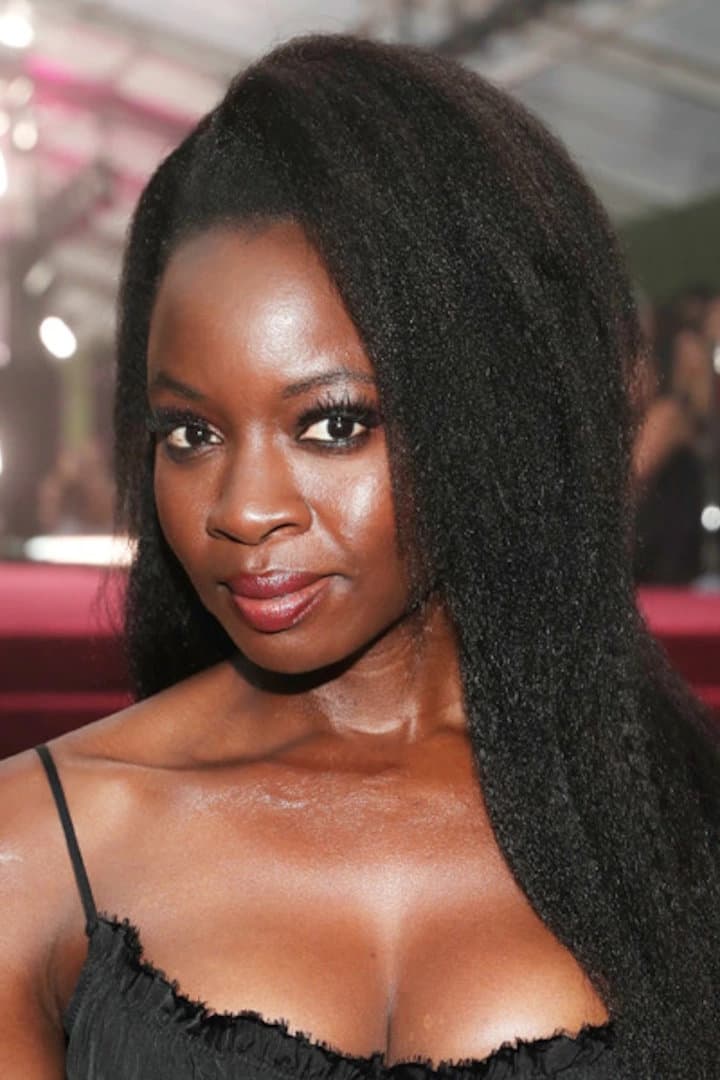
Danai Gurira is a playwright as well as an actress, and she brought that storytelling expertise to her role as Okoye in ‘Black Panther’ (2018). She worked to ensure the Dora Milaje were not just faceless bodyguards but warriors with distinct personalities and a code of honor. Gurira emphasized Okoye’s loyalty to the throne over personal relationships, giving the character a stoic complexity often reserved for male soldiers. This focus on duty and tradition completely bypassed the “sassy sidekick” trope often assigned to action heroines.
Issa Rae
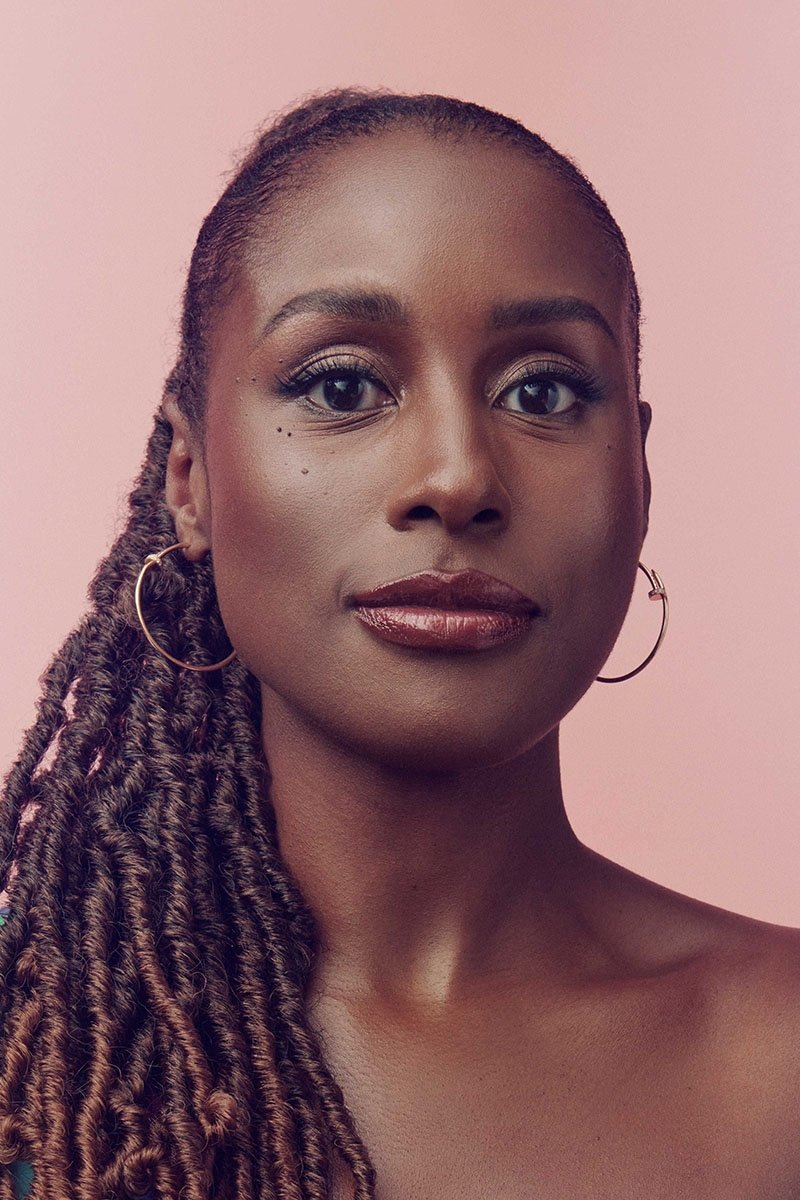
Frustrated by the lack of nuanced roles for Black women, Issa Rae created her own lane with the web series ‘The Misadventures of Awkward Black Girl’ and later HBO’s ‘Insecure’ (2016–2021). By writing the scripts herself, she ensured that her characters were allowed to be uncertain, weird, and multifaceted. She explicitly wrote against the “strong Black woman” and “sassy best friend” narratives, creating space for characters who were simply trying to figure out life. Her work forced the industry to recognize that Black women could lead shows about everyday awkwardness and vulnerability.
Michaela Coel
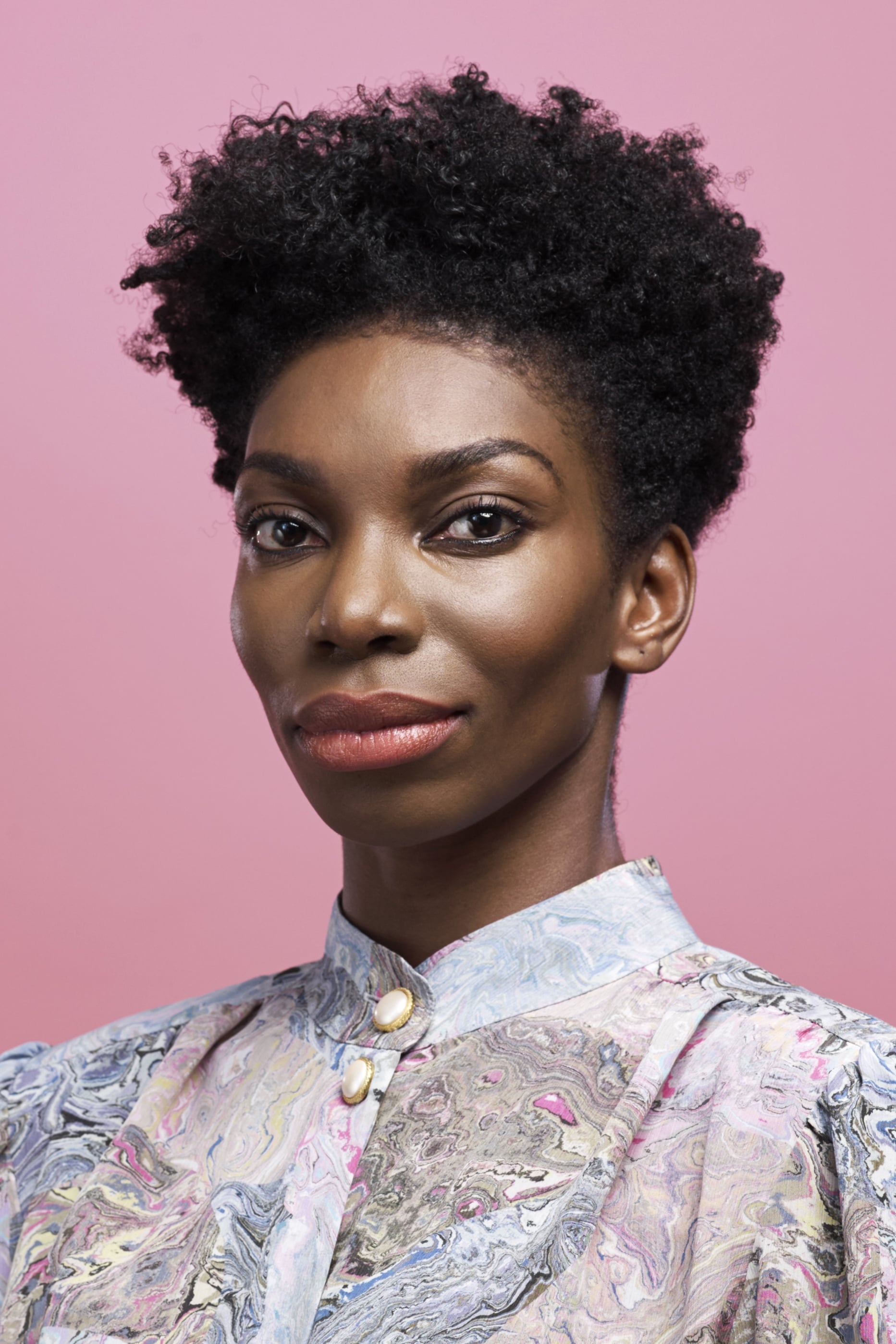
Michaela Coel famously turned down a $1 million deal from Netflix for her series ‘I May Destroy You’ (2020) because the streamer refused to allow her to retain a percentage of the copyright. By maintaining creative control, Coel wrote a show that defied every convention of how Black women are portrayed in trauma narratives. Her character, Arabella, was messy, successful, and deeply human, navigating sexual assault without becoming a tragic victim or a flawless hero. Coel’s refusal to compromise allowed for a script that was authentic and completely devoid of studio-mandated tropes.
Zoë Kravitz

Zoë Kravitz has been vocal about rejecting auditions that ask her to play the “quirky” or “sassy” best friend to a white lead. For ‘High Fidelity’ (2020), she took on a role originally played by John Cusack, reimagining the cynical music snob as a woman of color without falling into stereotypes. She infused the character with a brooding, dry wit that is rarely afforded to Black female leads in romantic comedies. Her deliberate career choices have forced casting directors to consider her for complex leads rather than peripheral support.
Yvonne Orji
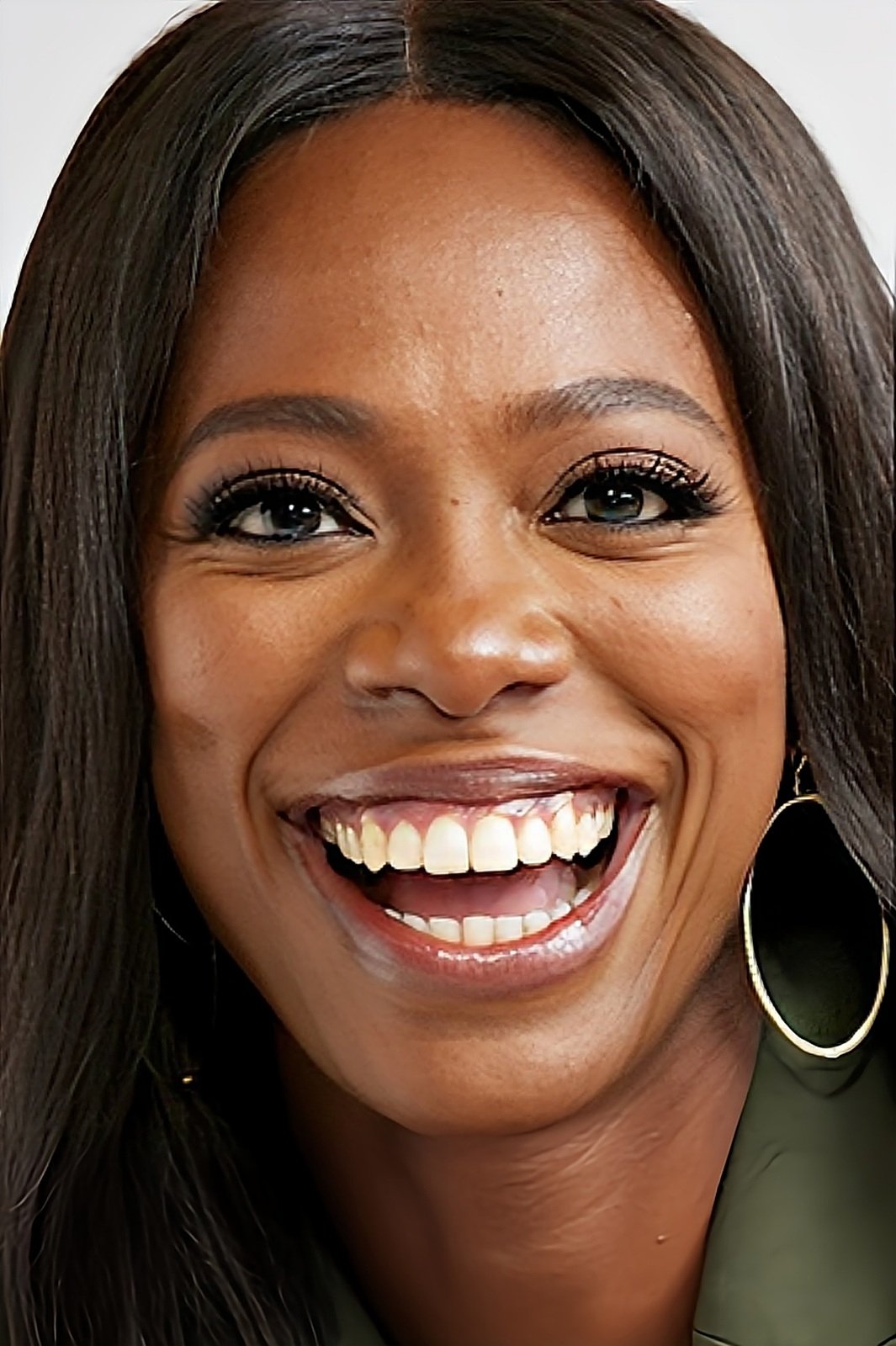
In ‘Insecure’ (2016–2021), Yvonne Orji played Molly, a character who could have easily been the successful but bitter best friend. Orji and the writers worked to make Molly just as central and complex as the protagonist, giving her a fully fleshed-out career and dating life. The character was allowed to be vulnerable, make terrible mistakes, and go to therapy, which added layers rarely seen in the “best friend” archetype. Orji’s performance ensured Molly was a co-lead with her own valid narrative arc.
Regina King
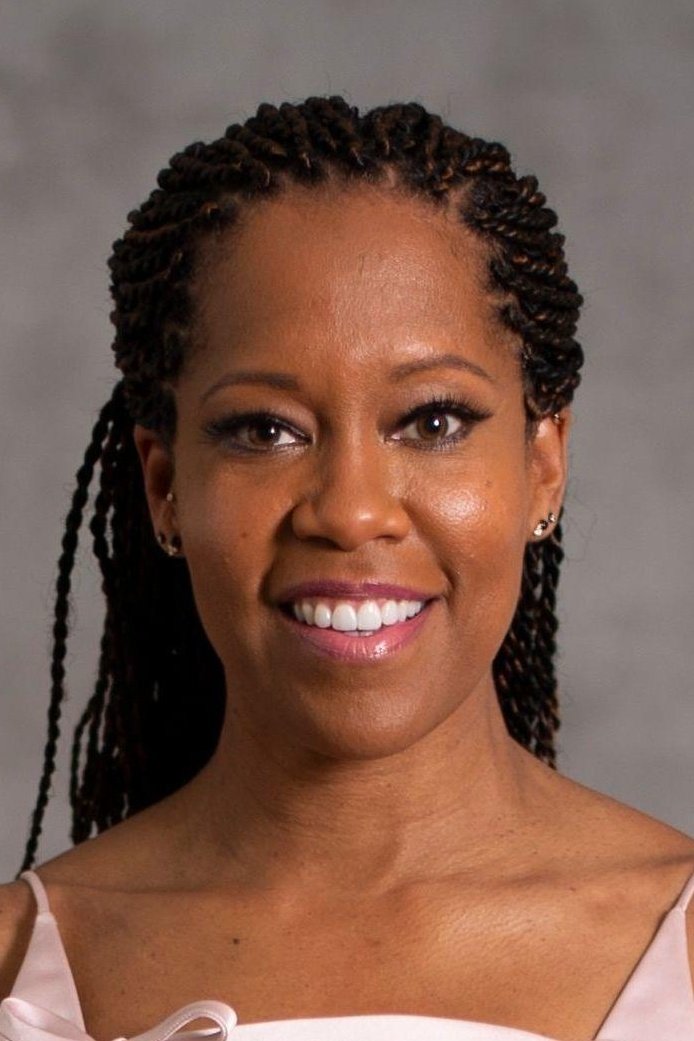
Regina King has long advocated for characters with substance, evidenced by her role as Angela Abar in ‘Watchmen’ (2019). The character was written as a complex detective and mother with a secret identity, requiring a performance that balanced toughness with deep emotional wounds. King played Angela with a grounded intensity that anchored the show’s fantastical elements, avoiding the “angry” tropes often associated with tough female cops. Her portrayal forced the audience to engage with Angela’s trauma and legacy rather than just her action scenes.
Lashana Lynch

When Lashana Lynch was cast as Maria Rambeau in ‘Captain Marvel’ (2019), the role was positioned as the best friend to the titular hero. Lynch brought a grounding, maternal energy to the character, emphasizing her role as a pilot and a mother rather than just a sidekick. She played the character with a quiet strength and emotional intelligence that served as the film’s moral compass. This interpretation ensured that Maria was defined by her competence and love, rather than just being a sounding board for the hero.
We’d love to hear which of these performances resonated with you the most, so please share your thoughts in the comments.