


Black Actresses Who Sabotaged Darker-Skinned Co-Stars

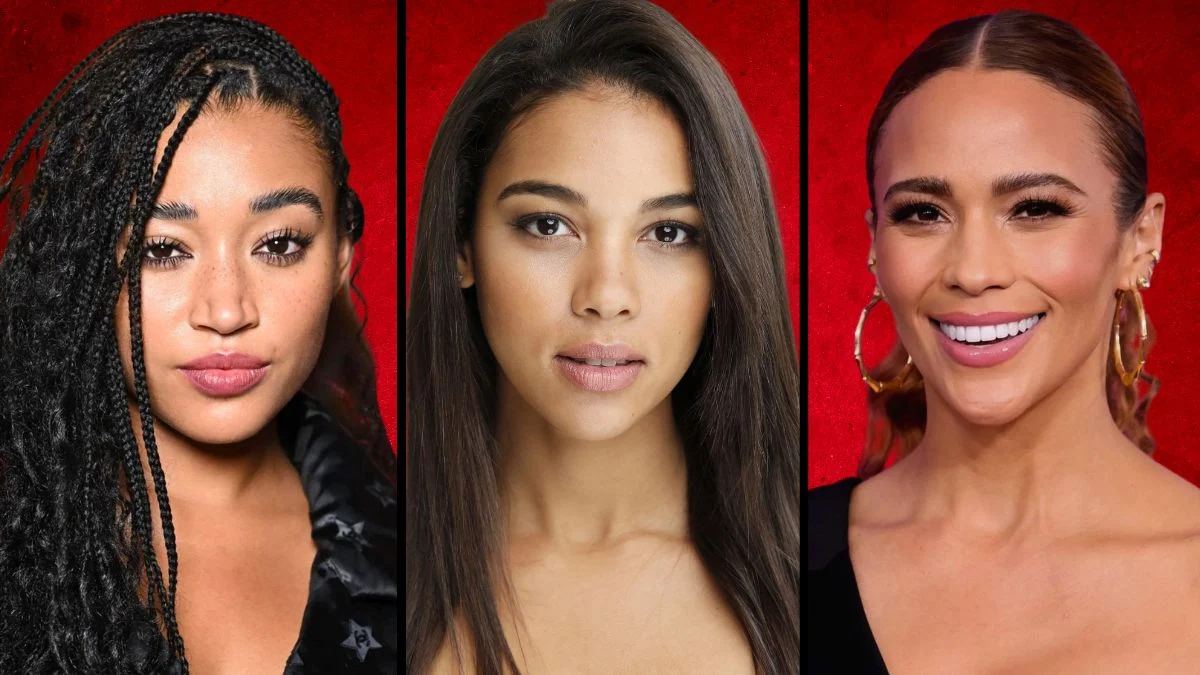


The conversation surrounding colorism in Hollywood highlights how lighter-skinned actresses often secure roles originally written for or historically associated with darker-skinned women. This systemic preference frequently results in the erasure of dark-skinned talent from major narratives and limits their opportunities for critical acclaim. Critics argue that when lighter-skinned actresses accept these parts, they inadvertently participate in a cycle that sabotages the careers and visibility of their darker-skinned peers. The following list explores instances where casting choices involving prominent actresses sparked intense debate regarding representation and opportunity.
Zoe Saldaña
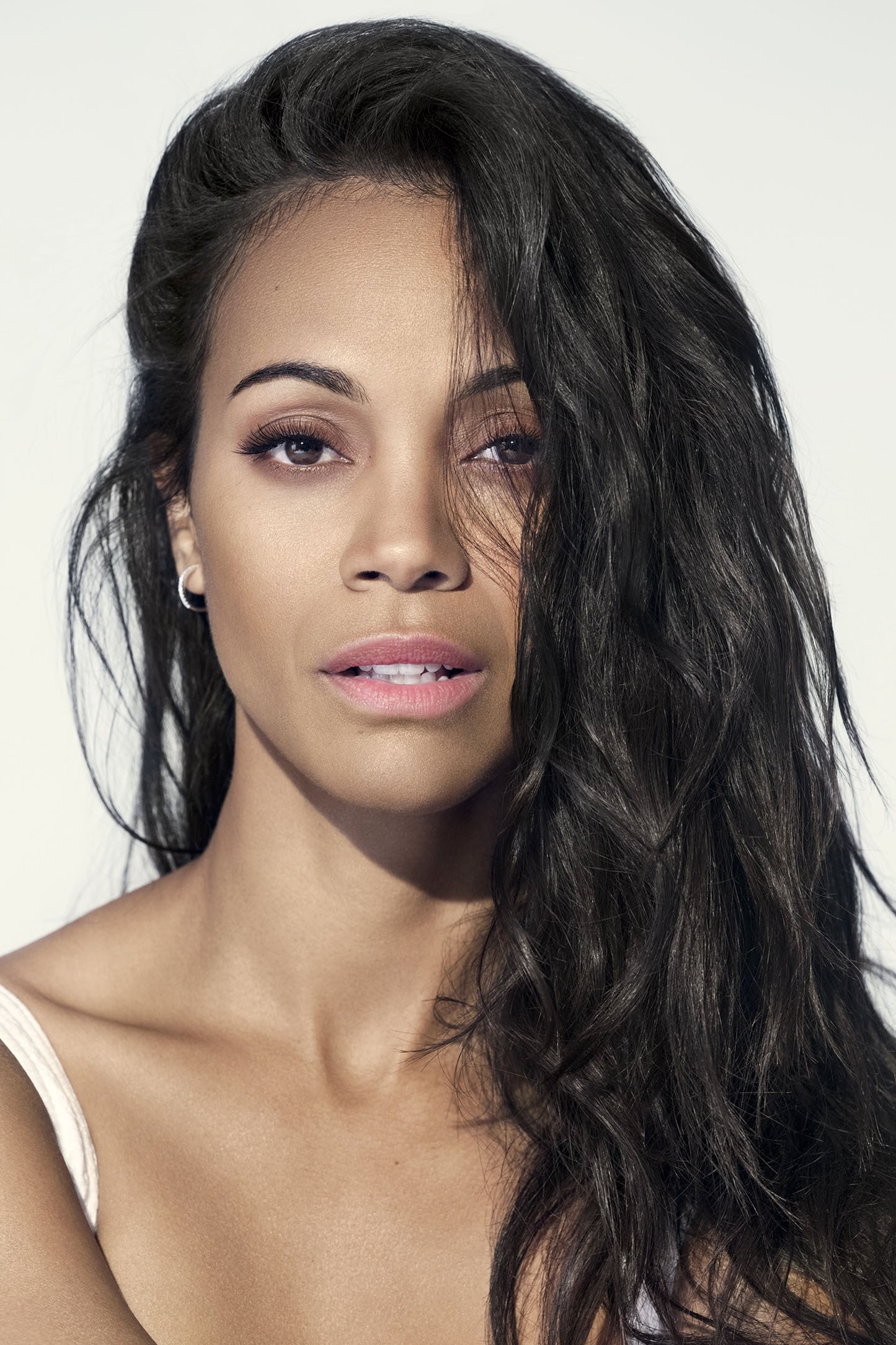
Saldana faced significant backlash after accepting the title role in the biopic ‘Nina’ (2016) about the legendary singer Nina Simone. The actress wore prosthetic makeup and used skin-darkening techniques to portray the dark-skinned icon, which many critics likened to modern-day minstrelsy. This casting choice was viewed as a direct sabotage of darker-skinned actresses who naturally possessed the physical traits Simone famously fought to celebrate. Saldana later expressed regret for taking the role and acknowledged that she should have stepped aside for someone who better embodied Simone’s reality.
Alexandra Shipp
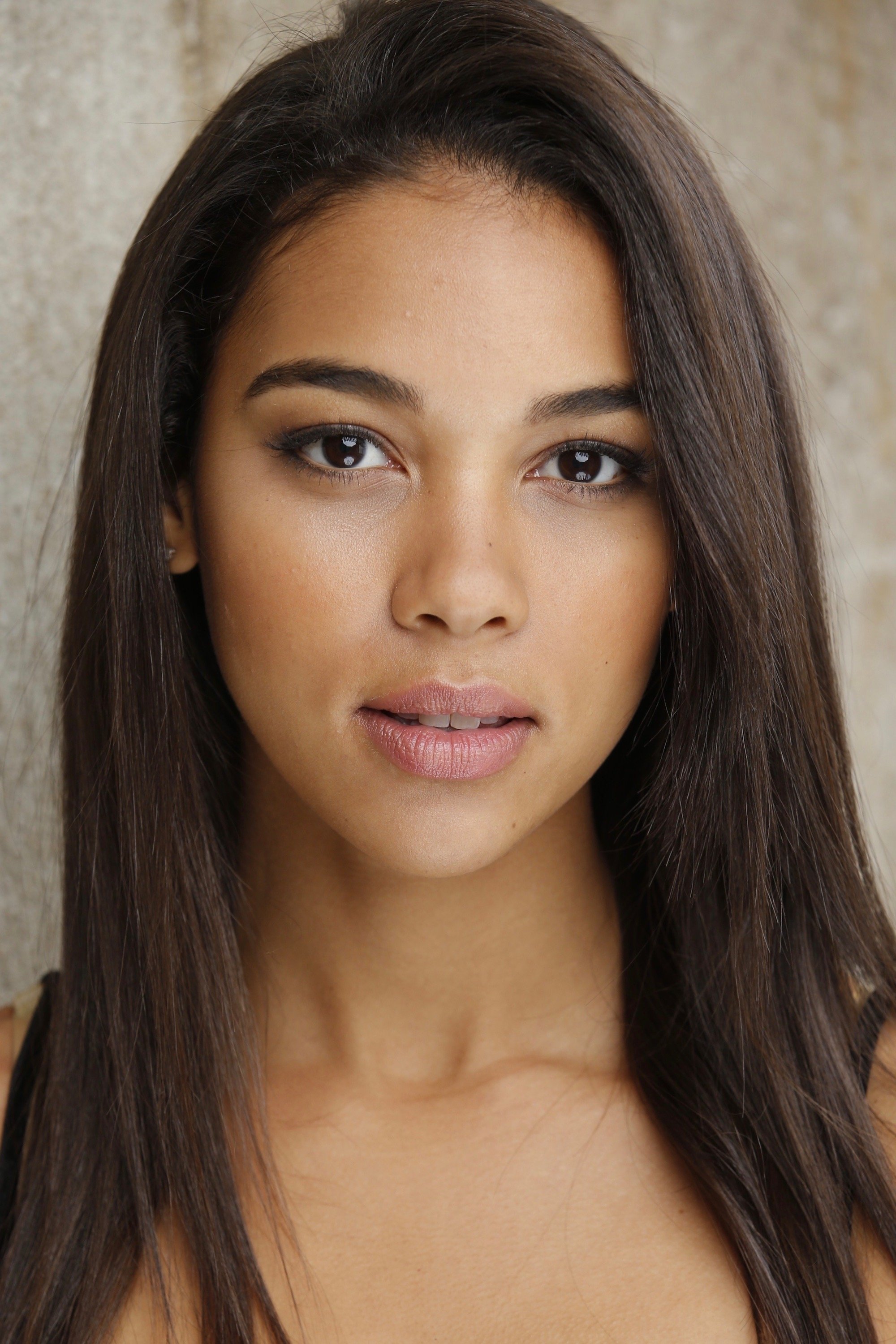
Shipp took on the role of Ororo Munroe, also known as Storm, in ‘X-Men: Apocalypse’ (2016), a character historically depicted as a dark-skinned African woman in the comic books. Fans and critics argued that casting a light-skinned, biracial actress erased the character’s specific identity and the struggles associated with her dark skin. Shipp defended her casting and dismissed the criticisms, which further fueled the debate about light-skinned privilege in superhero franchises. The controversy highlighted how studios often dilute the visual impact of iconic black characters by favoring lighter complexions.
Amandla Stenberg
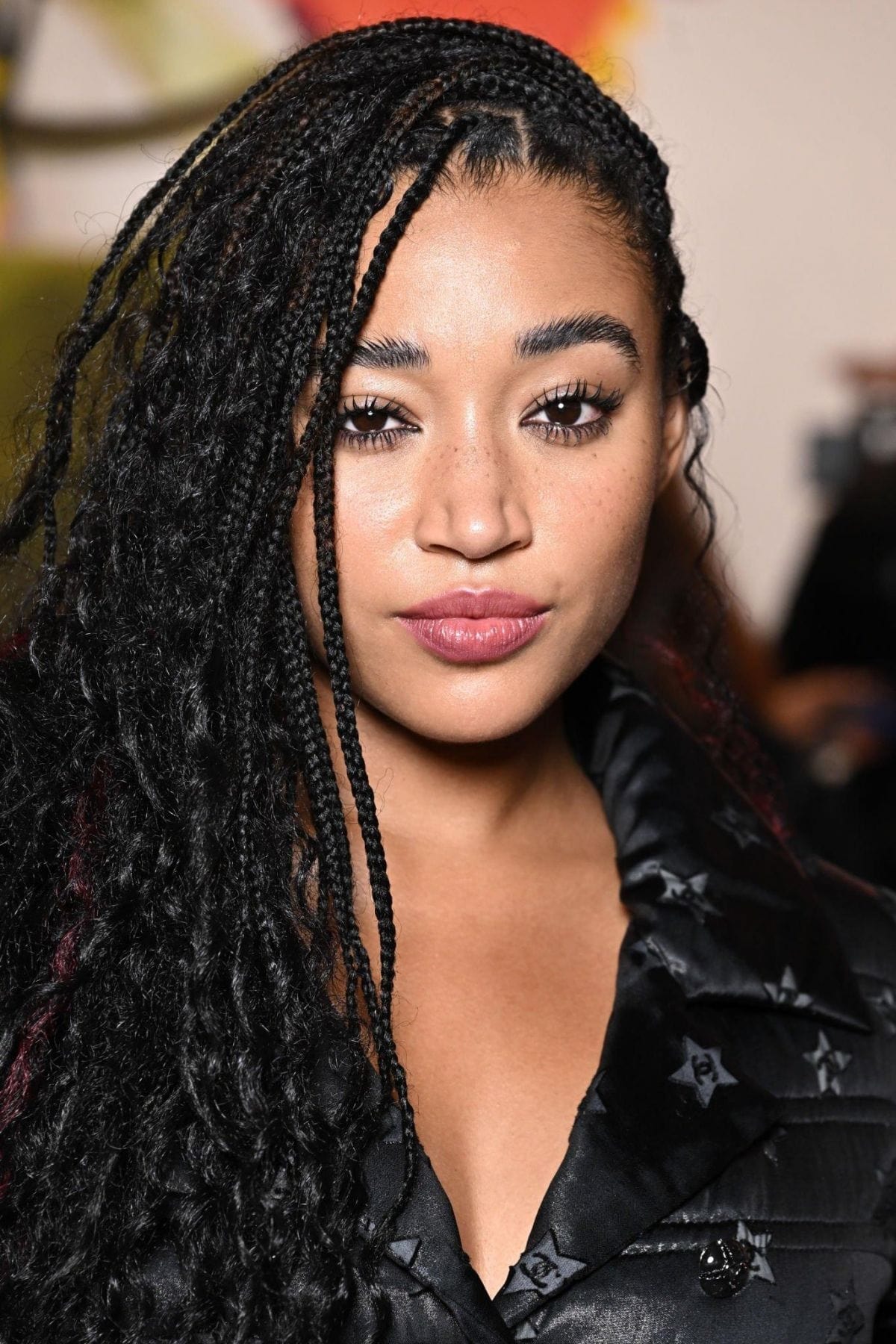
Stenberg starred as Starr Carter in the film adaptation of ‘The Hate U Give’ (2018), a role based on a book cover illustration featuring a clearly dark-skinned girl. The casting drew criticism for adhering to Hollywood’s tendency to select lighter-skinned actresses for lead roles in black narratives, effectively sidelining darker talent. Stenberg acknowledged the validity of the colorism critique and the privilege that allowed them to secure the part. They later turned down a role in ‘Black Panther: Wakanda Forever’ to ensure they did not take up space meant for a darker-skinned performer.
Thandiwe Newton

Newton has openly discussed how her light skin and mixed heritage have afforded her opportunities that were denied to darker-skinned actresses in the UK and Hollywood. She faced criticism for her role in ‘God’s Country’ (2022), where the character’s racial identity was a central theme, yet she acknowledged that her presence might overshadow the struggles of darker women. In an emotional interview, she apologized to darker-skinned actresses for being the one chosen to represent black women in roles they arguably deserved. Her admission brought attention to the industry’s habit of using light-skinned women as the palatable face of black stories.
Zazie Beetz
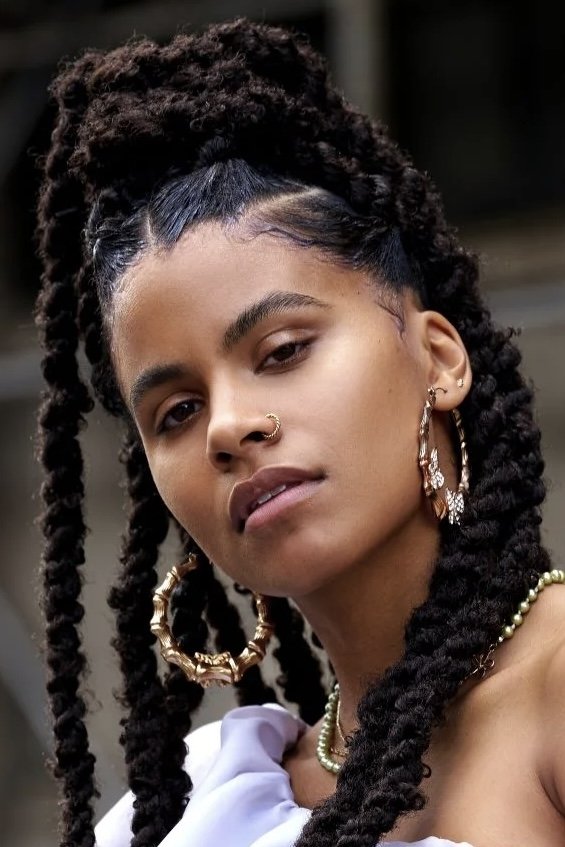
Beetz was cast as Stagecoach Mary in the western ‘The Harder They Fall’ (2021), portraying a real historical figure who was a dark-skinned, plus-sized woman. The casting decision was criticized for erasing the actual physical reality of Mary Fields and replacing her with a Hollywood standard of beauty. Critics argued that this choice sabotaged the chance for a dark-skinned character actress to shine in a rare, high-budget action role. Beetz addressed the backlash by stating she wanted to honor the spirit of the character, though the visual discrepancy remained a point of contention.
Zendaya

Zendaya has consistently dominated the landscape for young black actresses, starring in major franchises like ‘Spider-Man’ and the drama ‘Euphoria’ (2019–present). She has publicly acknowledged that she is Hollywood’s acceptable version of a black girl and that her casting often takes opportunities away from her darker-skinned peers. While she has not maliciously sabotaged anyone, her ubiquity in roles written for black women generally contributes to a bottleneck effect for darker actresses. She has stated her intention to use her privilege to open doors, yet her monopoly on lead roles remains a topic of industry critique.
Tessa Thompson
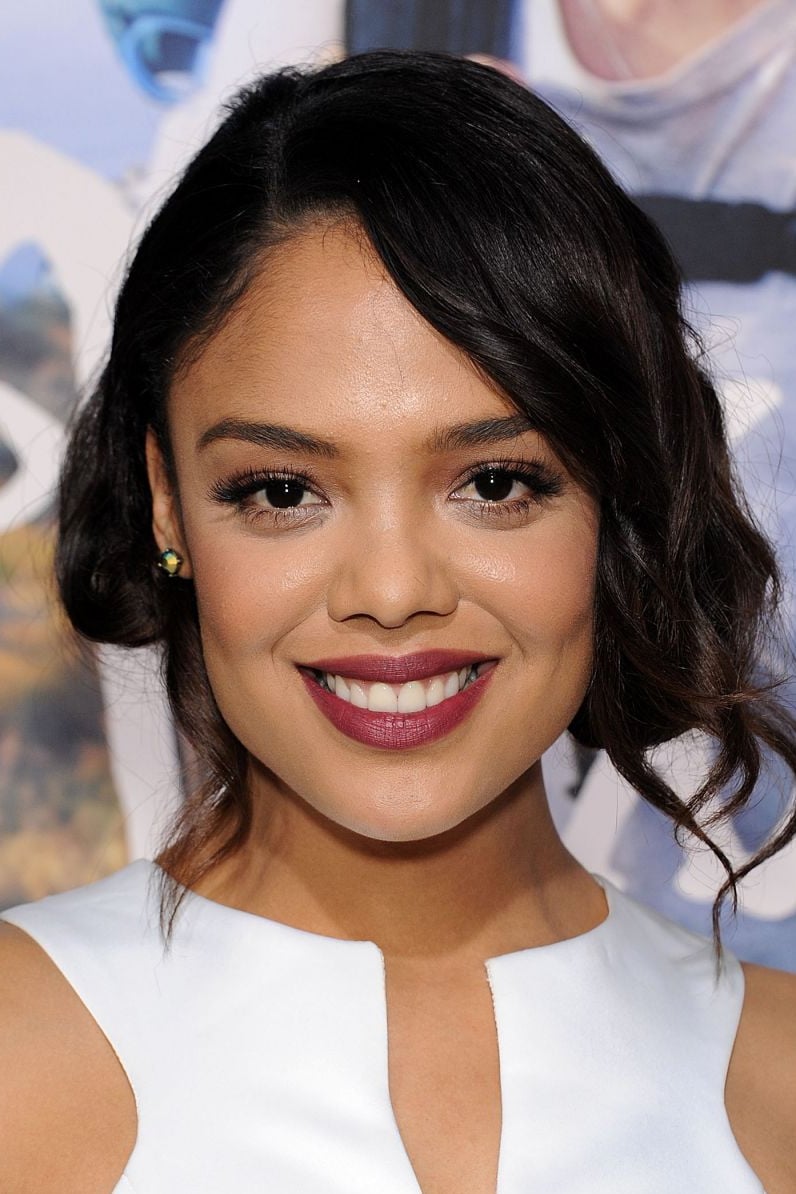
Thompson faced questions regarding her casting in ‘Passing’ (2021), where she played a woman passing as white, though some viewers felt her complexion was naturally too dark to convincingly pass, while others felt her casting in black roles often displaces darker women. In the Marvel Cinematic Universe, her role as Valkyrie in ‘Thor: Ragnarok’ (2017) reimagined a white character, but colorism debates persisted regarding why a dark-skinned actress wasn’t chosen for this new representation. Thompson acts as a bridge in these conversations but remains a beneficiary of the industry’s preference for lighter skin tones. Her dominance in sci-fi and fantasy roles often leaves little room for other black phenotypes.
Yara Shahidi
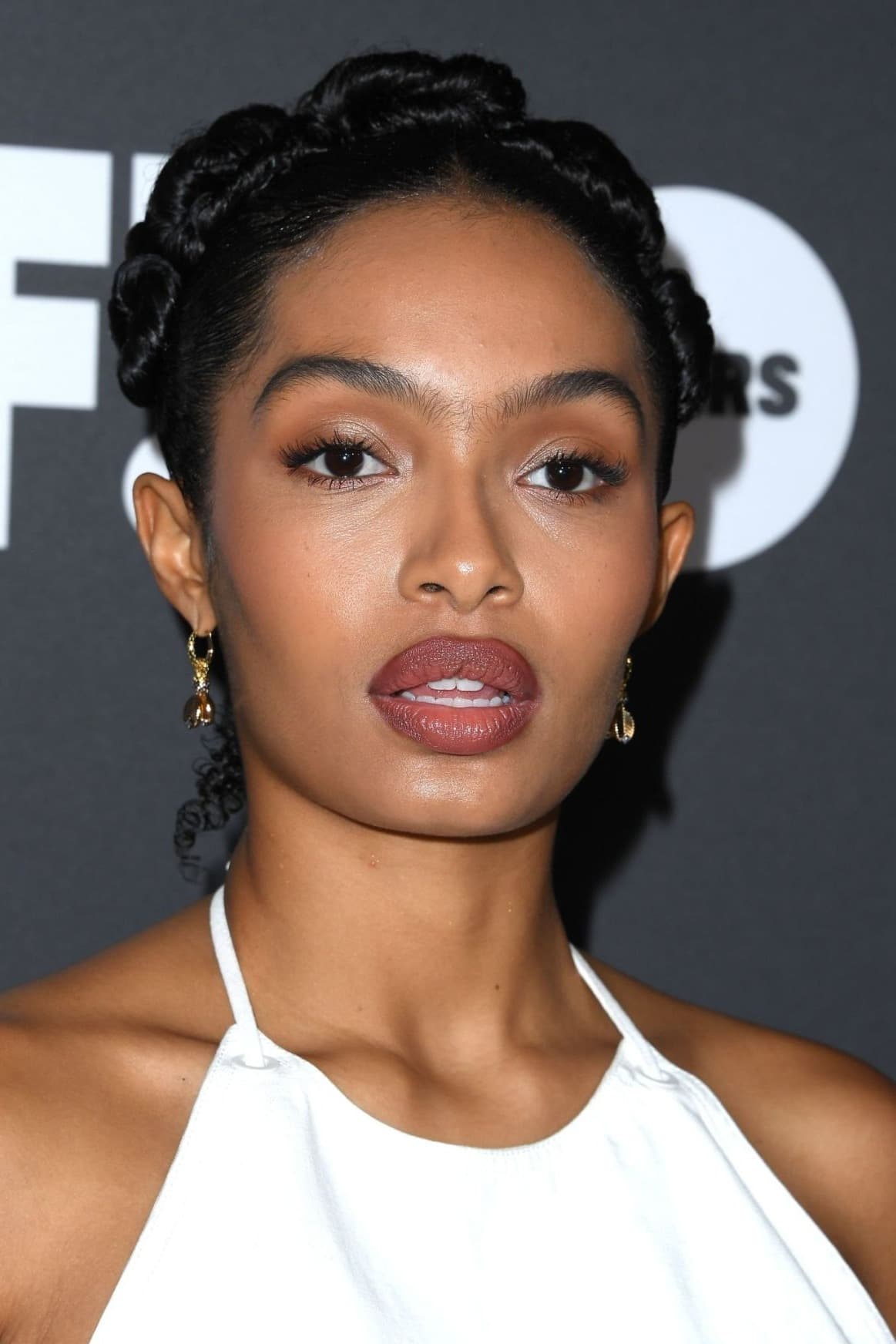
Shahidi was cast as Tinkerbell in ‘Peter Pan & Wendy’ (2023), a role that sparked predictable racist backlash but also conversations about colorism within the black community. Critics noted that when studios race-swap characters, they almost exclusively choose light-skinned or biracial actresses, thereby sabotaging the potential for dark-skinned fantasy representation. Shahidi’s casting in ‘The Sun Is Also a Star’ (2019) similarly replaced a book character described with specific dark features. These repeated choices reinforce a hierarchy where light skin is seen as the only alternative to whiteness.
Halle Berry
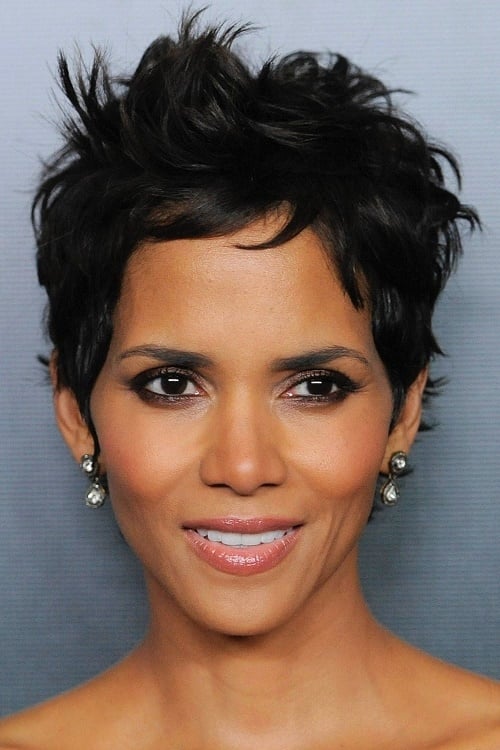
Berry broke barriers as the first black woman to win the Best Actress Oscar, but her success in the early 2000s often meant she was the only black woman in the room. In films like ‘Monster’s Ball’ (2001), her casting established a precedent where the tragic, desirable black female lead had to look a certain way. While Berry fought for her own place, the industry used her success to justify excluding darker-skinned actresses from sex symbol roles for decades. Her casting as ‘Catwoman’ (2004) further solidified the studio logic that black female leads in action films must have lighter complexions.
Paula Patton
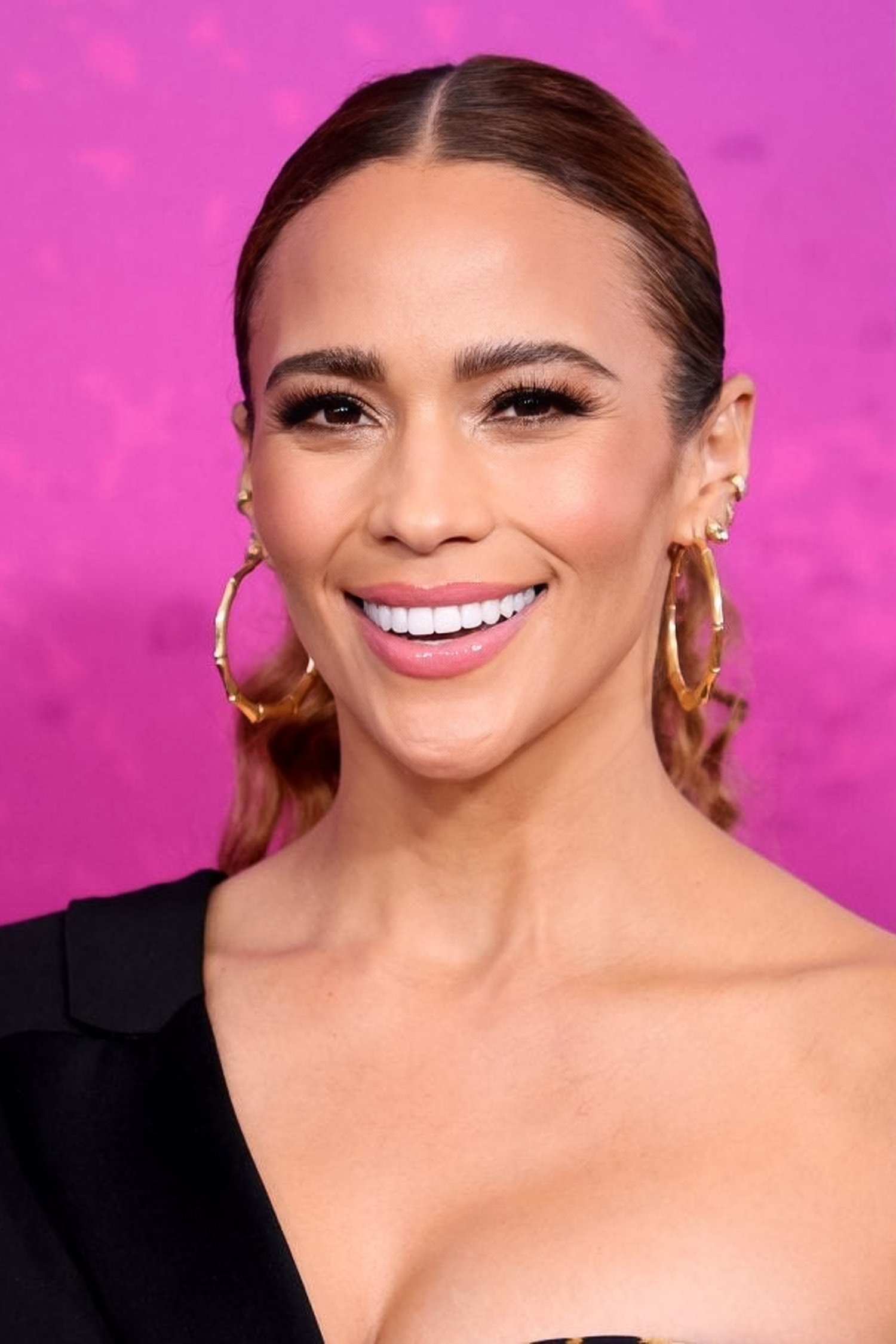
Patton played the half-orc Garona in ‘Warcraft’ (2016), a character that required green makeup but was fundamentally a casting choice favoring her features. Throughout her career, including roles in ‘Mission: Impossible – Ghost Protocol’ (2011), she has been the go-to choice for the “exotic” female lead, often in spots that could have diversified representation. This trend perpetuates the idea that black women in blockbusters must possess racially ambiguous features to appeal to global audiences. Her consistent casting in these roles acts as a barrier for darker-skinned actresses attempting to enter the action genre.
Rashida Jones
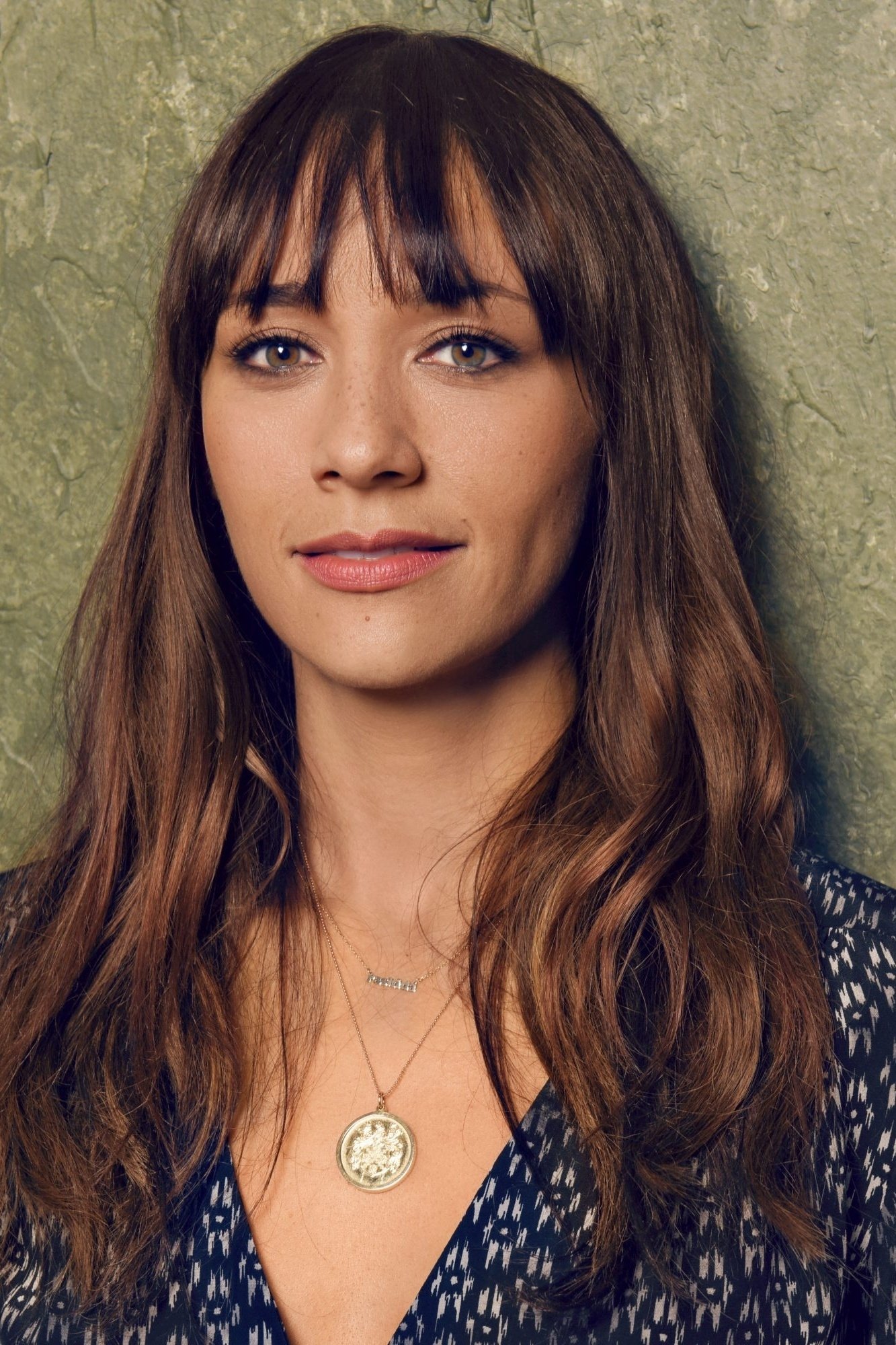
Jones starred in and produced the series ‘#BlackAF’ (2020), which was heavily criticized for its casting of the main family. The show featured a cast of predominantly light-skinned and mixed-race actors portraying a black family, which viewers felt erased the reality of dark-skinned individuals within black families. Critics argued that Jones used her creative power to center narratives around her own proximity to whiteness, effectively sabotaging the validity of diverse black experiences. The backlash highlighted the responsibility of black creators to ensure their casting does not perpetuate colorist erasure.
Alicia Keys
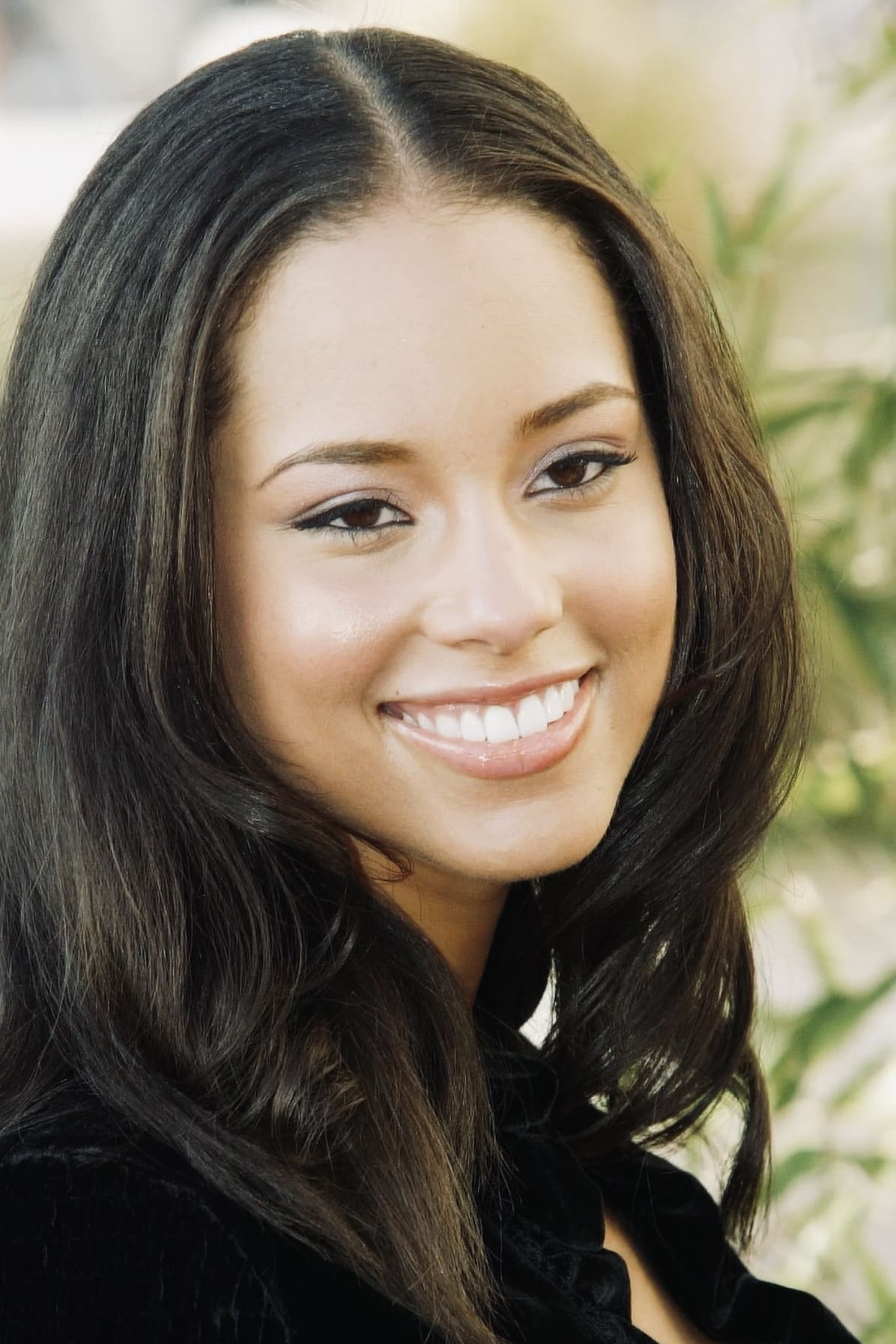
Keys starred in ‘The Secret Life of Bees’ (2008) alongside Queen Latifah and Jennifer Hudson, but her casting in other projects has sparked debate. As a light-skinned, biracial woman, her casting in roles that are culturally coded as black often brings up discussions about authenticity and displacement. In the music biopic industry specifically, lighter-skinned singers often get cast to play darker icons, a trend Keys’ acting career inadvertently supports. Her presence in Hollywood films contributes to the limited spectrum of black beauty allowed on screen.
Rosario Dawson
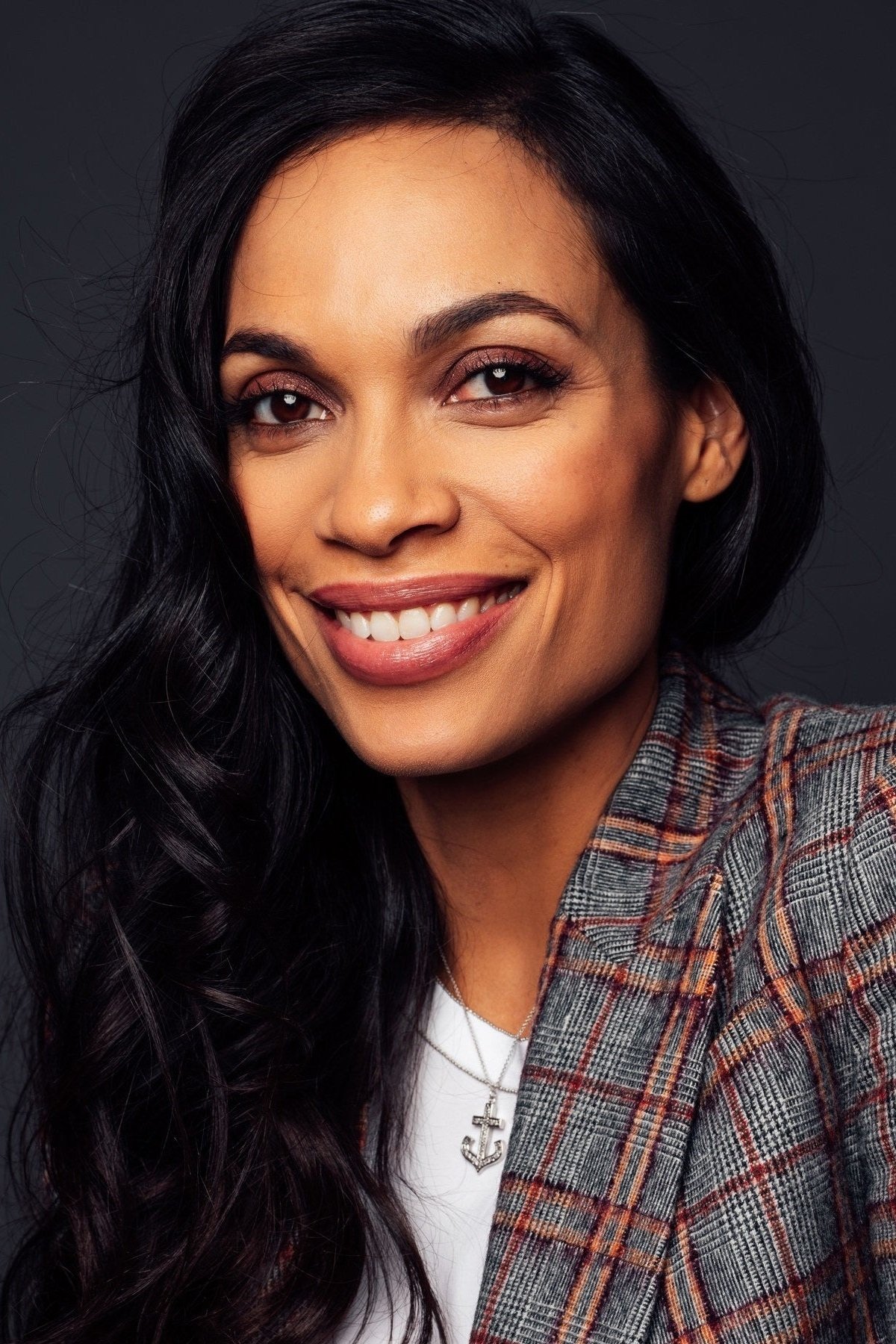
Dawson was cast as Ahsoka Tano in the ‘Star Wars’ series ‘Ahsoka’ (2023), a character who is an orange-skinned alien but coded as a woman of color. While the character is not human, the casting of a light-skinned multi-ethnic actress follows the sci-fi trend of avoiding dark-skinned actresses for major alien protagonists. In films like ‘Rent’ (2005), her role as Mimi favored a lighter complexion for the tragic heroine archetype. This pattern reinforces the industry standard that sidelines darker women even in fantasy settings.
Jennifer Beals
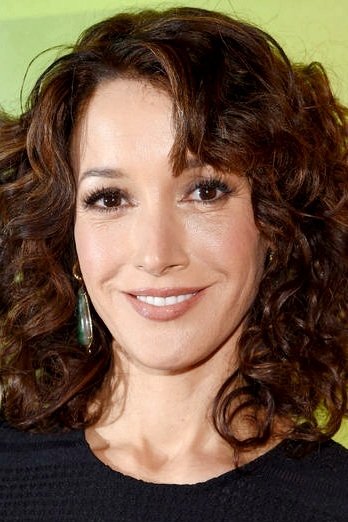
Beals starred in ‘The L Word’ (2004–2009) as Bette Porter, a biracial character whose storylines often revolved around her racial identity. However, her very light passing privilege meant that the show explored blackness through a lens that was palatable to white audiences, often ignoring the realities of darker-skinned women. This casting dynamic allowed the show to claim diversity without challenging the status quo of beauty standards. It set a tone for prestige television where black female leads were almost exclusively lighter-skinned.
Meghan, Duchess of Sussex
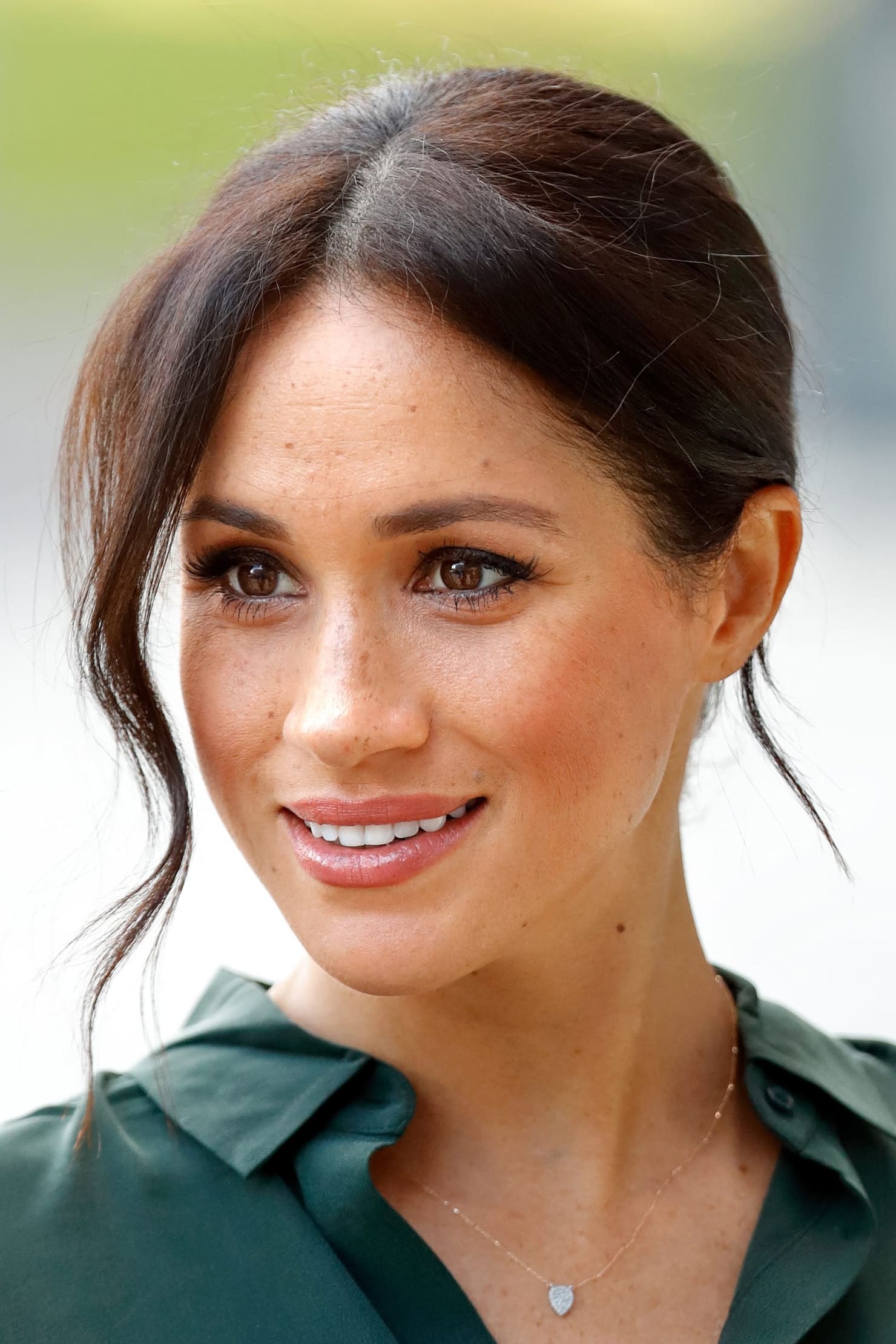
Before her royal marriage, Markle played Rachel Zane in the legal drama ‘Suits’ (2011–2018). Her character was the primary love interest, a role rarely afforded to dark-skinned black women on basic cable television at the time. Her casting reinforced the “ambiguously ethnic” trope that allows networks to tick a diversity box without hiring a dark-skinned actress. This phenomenon is often cited as a subtle form of sabotage that keeps dark-skinned women out of romantic lead roles.
Tracee Ellis Ross
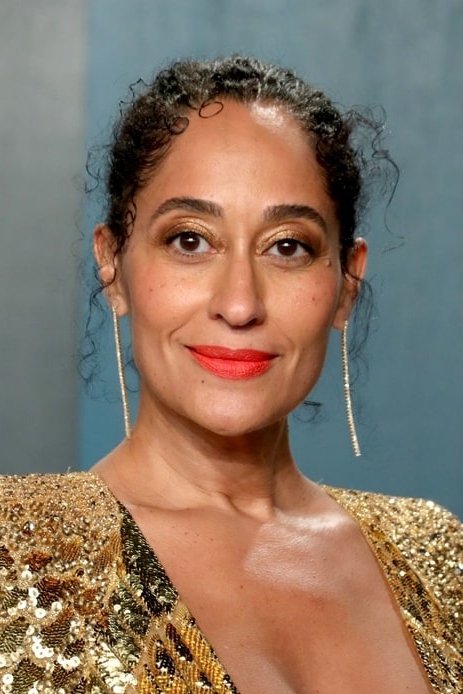
Ross starred as Rainbow Johnson in the sitcom ‘Black-ish’ (2014–2022), a show that frequently tackled issues of race and even devoted an episode to colorism. However, the casting of the Johnson children and the focus on a light-skinned matriarch drew criticism for perpetuating the very color hierarchy the show sought to critique. Critics pointed out that the lack of dark-skinned women in the immediate family unit sabotaged the show’s claim to represent the average black American family. The casting choices maintained the “paper bag test” standard for prime-time sitcom success.
Gugu Mbatha-Raw
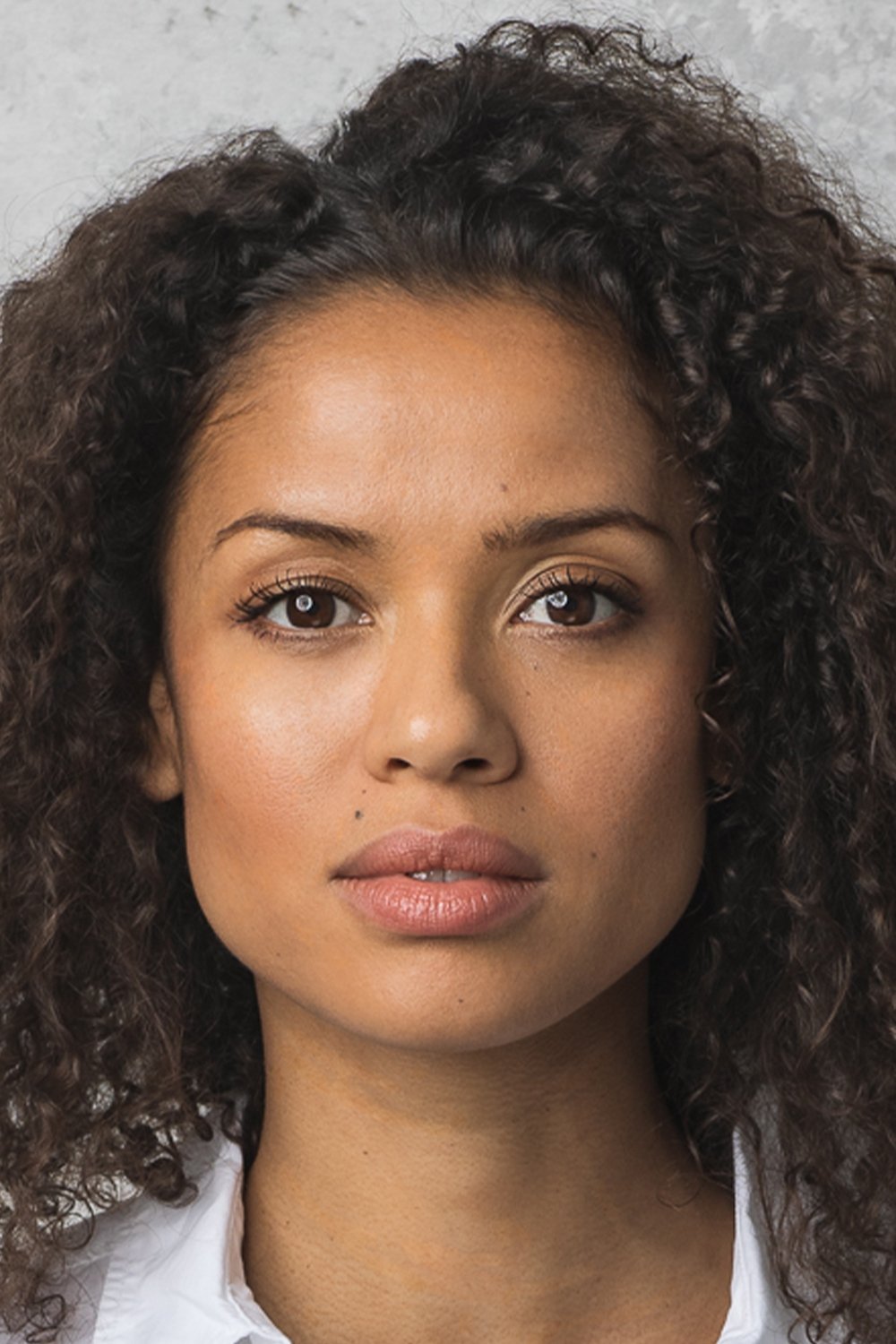
Mbatha-Raw gained critical acclaim for her role in the period drama ‘Belle’ (2013), playing a mixed-race aristocrat. While the role was historically accurate for Dido Elizabeth Belle, Mbatha-Raw’s subsequent career in sci-fi and fantasy often places her in roles that could be race-blind or specifically black. Her casting in ‘The Cloverfield Paradox’ (2018) and ‘Loki’ (2021) continues the trend of studios preferring biracial actresses for genre leads. This preference effectively locks darker-skinned actresses out of high-concept sci-fi roles.
Laura Harrier
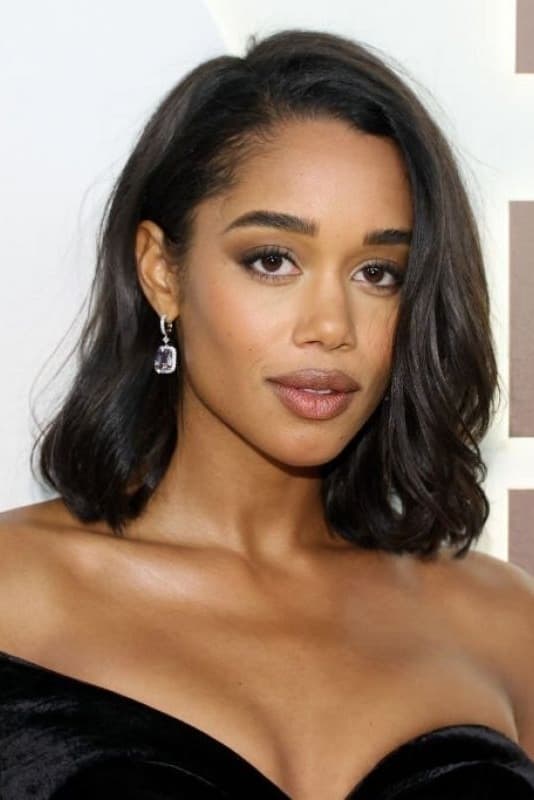
Harrier played Liz Allan in ‘Spider-Man: Homecoming’ (2017), reimagining the classic comic book character as a woman of color. While a win for diversity, the choice to cast a light-skinned, biracial actress as the high school love interest adhered to the MCU’s colorist casting patterns. This decision was seen as sabotaging the potential for a dark-skinned girl to be viewed as the primary object of affection in a teen blockbuster. Harrier has since spoken about the nuances of her privilege, but the casting trend remains prevalent.
Vanessa Williams
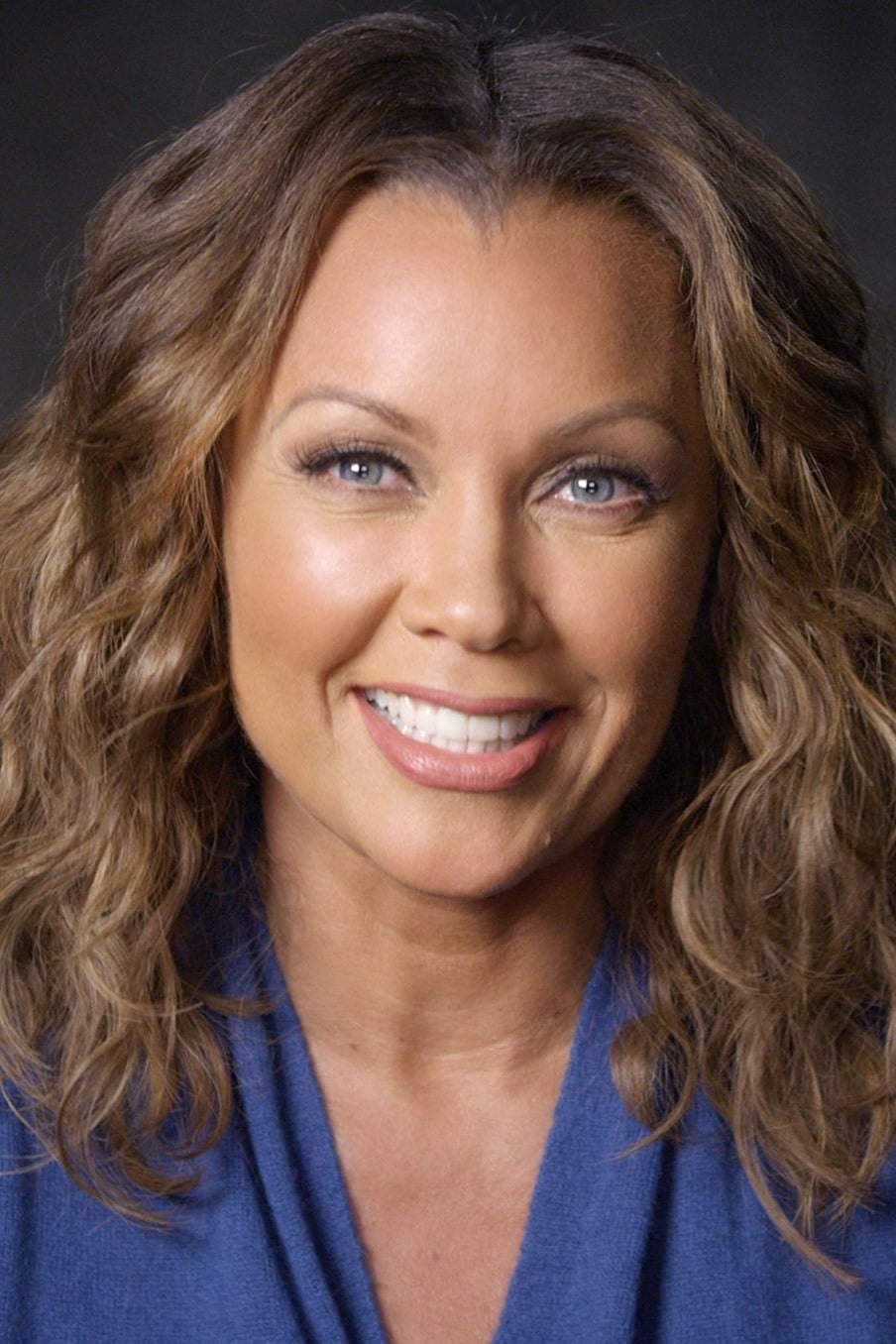
Williams starred in the film ‘Soul Food’ (1997), where she played the successful, lighter-skinned sister often at odds with her family. While the film explicitly addressed the tension between skin tones, Williams’ real-life success as the first black Miss America often serves as a reference point for colorism discussions. Her career path paved the way for black actresses, but specifically those who fit a Eurocentric beauty standard. This legacy creates a barrier where producers look for the “next Vanessa Williams” rather than widening the scope of black beauty.
Lisa Bonet
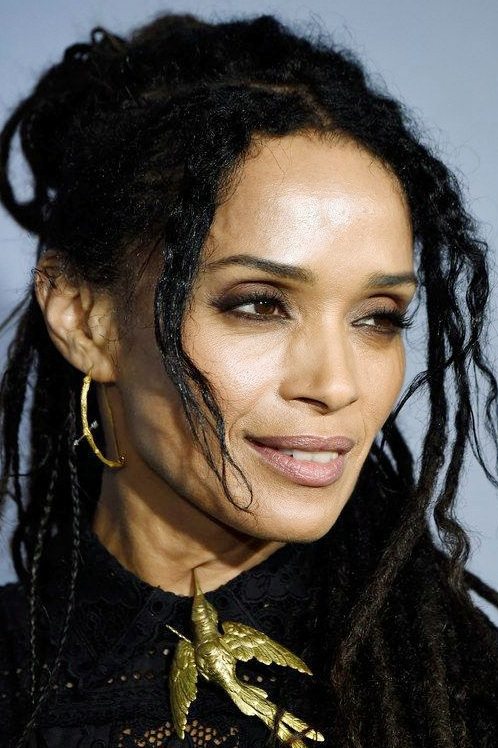
Bonet became a cultural icon as Denise Huxtable on ‘The Cosby Show’ (1984–1992) and its spinoff ‘A Different World’. Her character was the epitome of the bohemian black girl, a highly specific archetype that became strictly associated with light-skinned women. This characterization sabotaged the ability of darker-skinned actresses to inhabit the “quirky” or “free-spirited” role, as casting directors spent decades trying to replicate Bonet’s specific look. Her influence cemented a casting bias that equates light skin with eclectic, desirable femininity.
Share your thoughts on these casting controversies and the impact of colorism in Hollywood in the comments.