


Black Actresses Who Spoke Out Against Colorism and “Fair-Skin” Bias in Hollywood

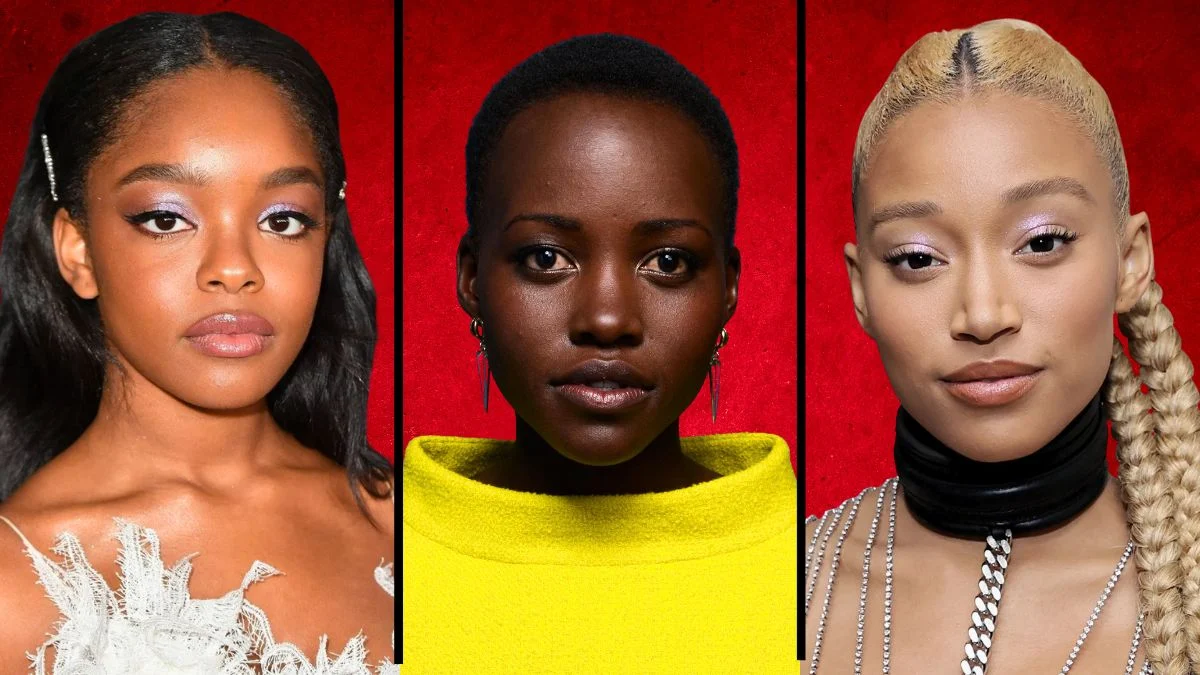


Hollywood has long grappled with deep-seated biases regarding skin tone and representation within the Black community. Many actresses have used their platforms to address the pervasive issue of colorism and the preferential treatment often given to fair-skinned performers. These women have shared personal experiences of being overlooked for roles or facing discriminatory standards during the casting process. Their advocacy aims to create a more inclusive industry where talent is recognized regardless of complexion. By speaking out they continue to challenge systemic hurdles that affect the visibility of dark-skinned performers in mainstream media.
Viola Davis
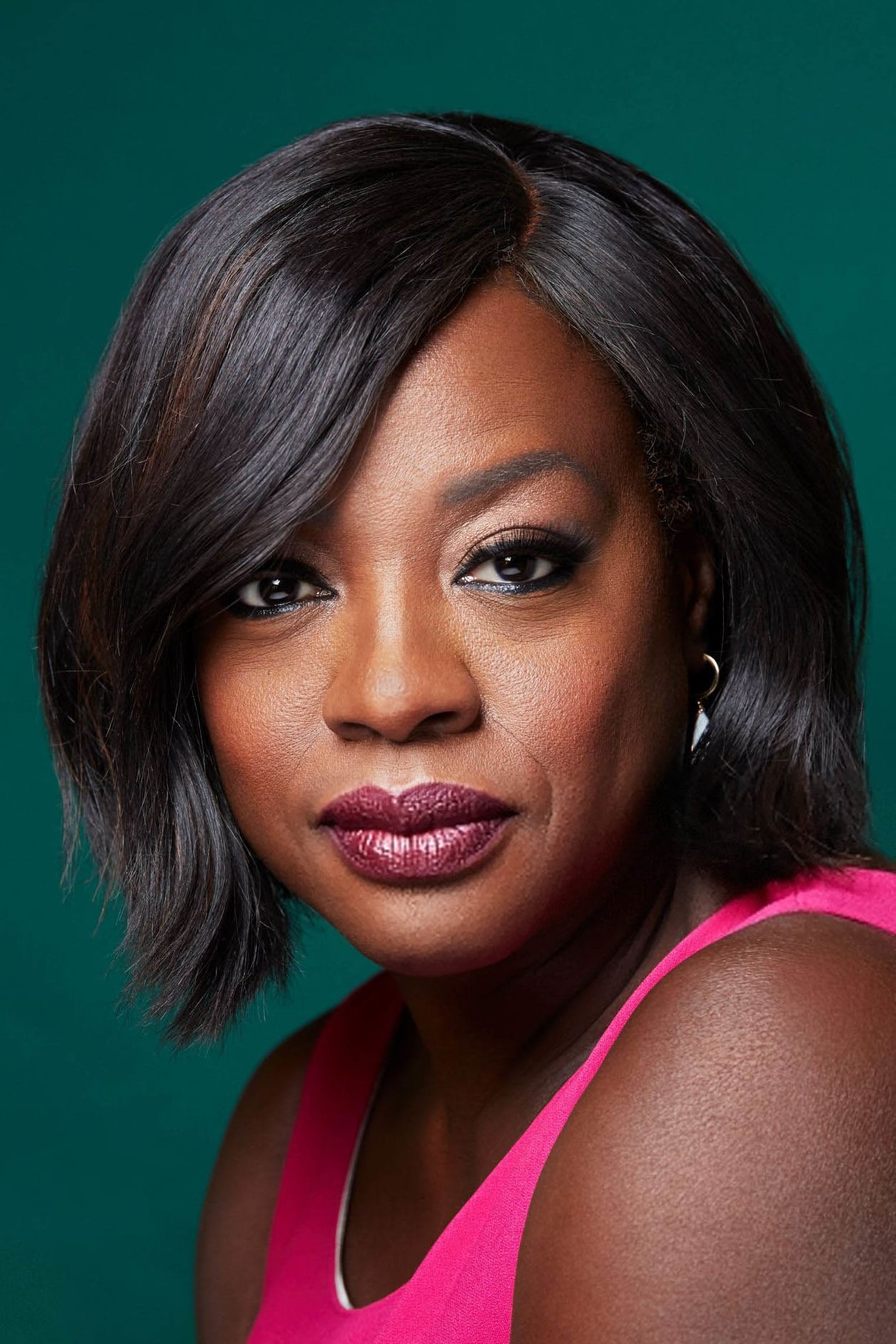
Viola Davis has frequently addressed the paper brown bag test that continues to influence casting decisions in the entertainment industry. She has described how dark-skinned women are often relegated to specific archetypes or overlooked for romantic leads. The actress noted that her own success came after years of navigating a system that favors lighter complexions. She continues to advocate for more diverse representation that accurately reflects the spectrum of Black womanhood. Her role in ‘How to Get Away with Murder’ was a significant milestone for dark-skinned actresses in leading television positions.
Lupita Nyong’o
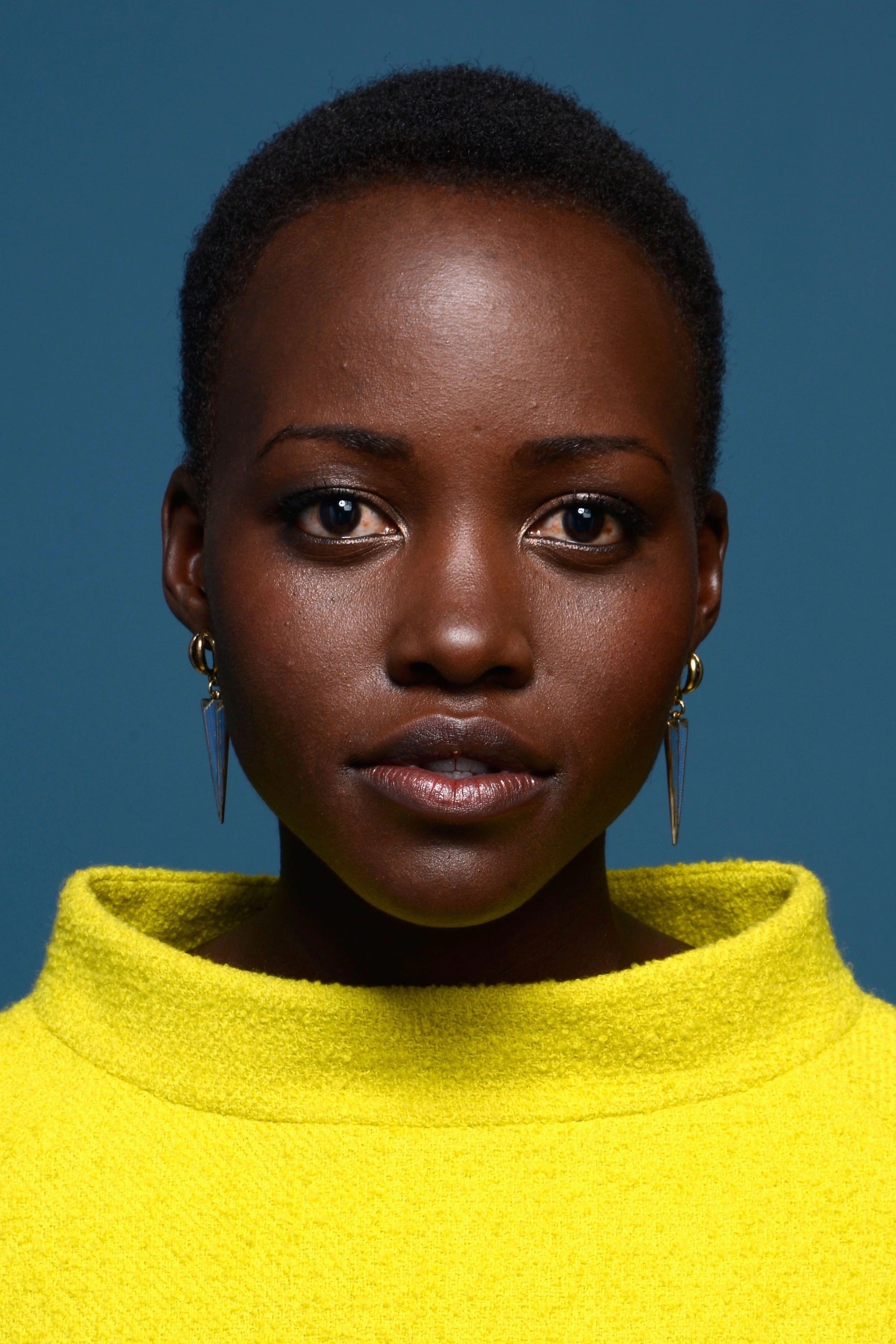
Lupita Nyong’o has been open about her journey toward self-acceptance in a world that often prizes lighter skin tones. She shared personal stories about praying for her skin to change during her youth due to the lack of dark-skinned role models in media. Through her children’s book ‘Sulwe’ she addresses colorism and encourages young girls to find beauty within themselves. The actress emphasizes the importance of visibility for dark-skinned people in global film and fashion. Her career has become a beacon for representation in major franchises like ‘Star Wars’ and ‘Black Panther’.
Zendaya

Zendaya has consistently used her platform to acknowledge her privilege as a light-skinned Black woman in Hollywood. She stated that she is the industry’s acceptable version of a Black girl and that this must change. The actress has committed to using her influence to open doors for darker-skinned performers who do not have the same access. She often speaks about the need for more diverse storytelling that does not rely on a single aesthetic. Her work in ‘Euphoria’ and ‘Spider-Man’ has made her one of the most recognizable faces in modern cinema.
Amandla Stenberg
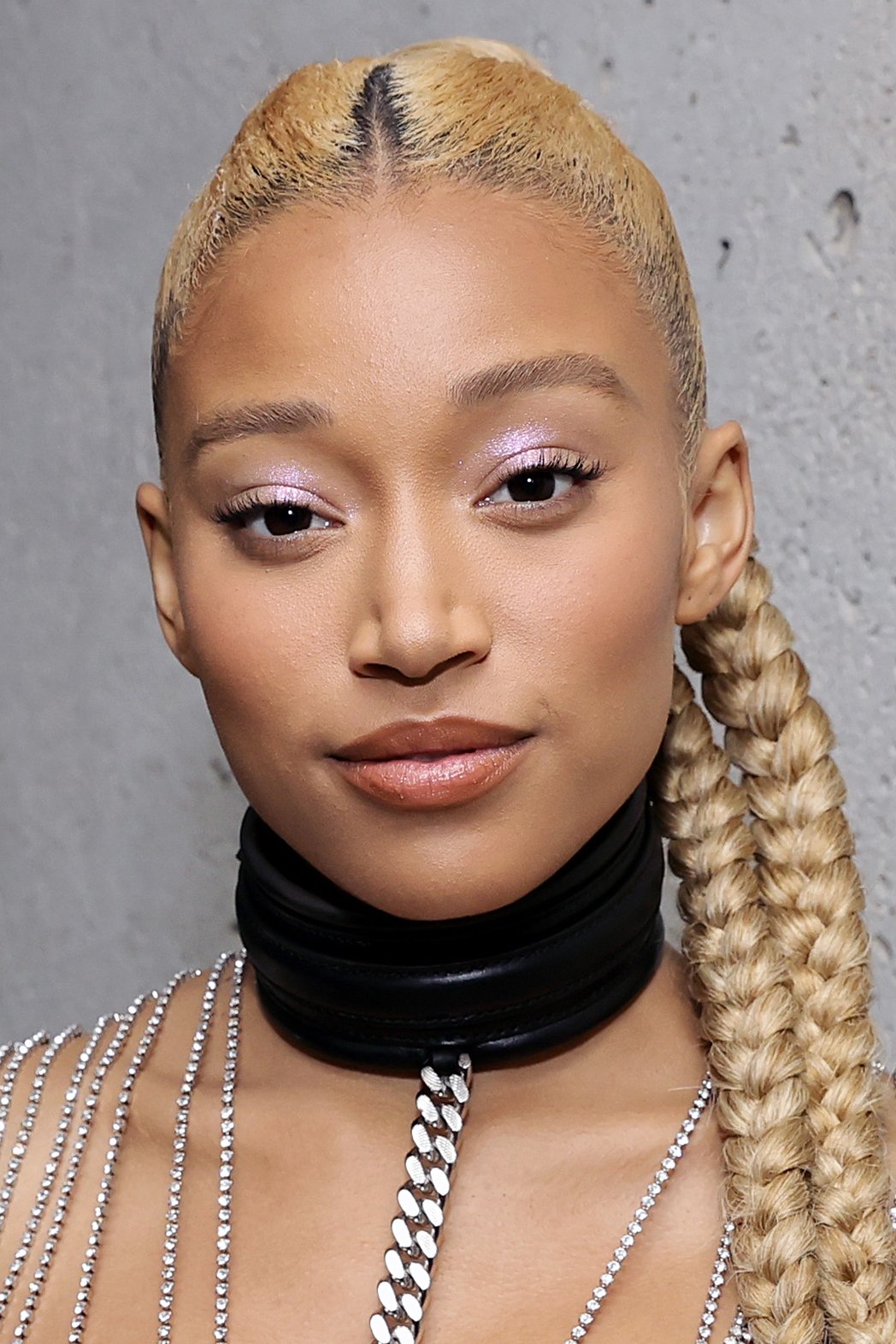
Amandla Stenberg has spoken extensively about the importance of authentic casting and the role of colorism in the industry. She notably withdrew from consideration for a role in ‘Black Panther’ because she felt the part should go to a dark-skinned actress. The performer has often discussed the nuances of being biracial and how that impacts the opportunities available to her compared to others. She uses her social media and interviews to educate fans on the history and impact of skin tone bias. Her starring role in ‘The Hate U Give’ highlighted the complexities of identity and race in America.
Gabrielle Union
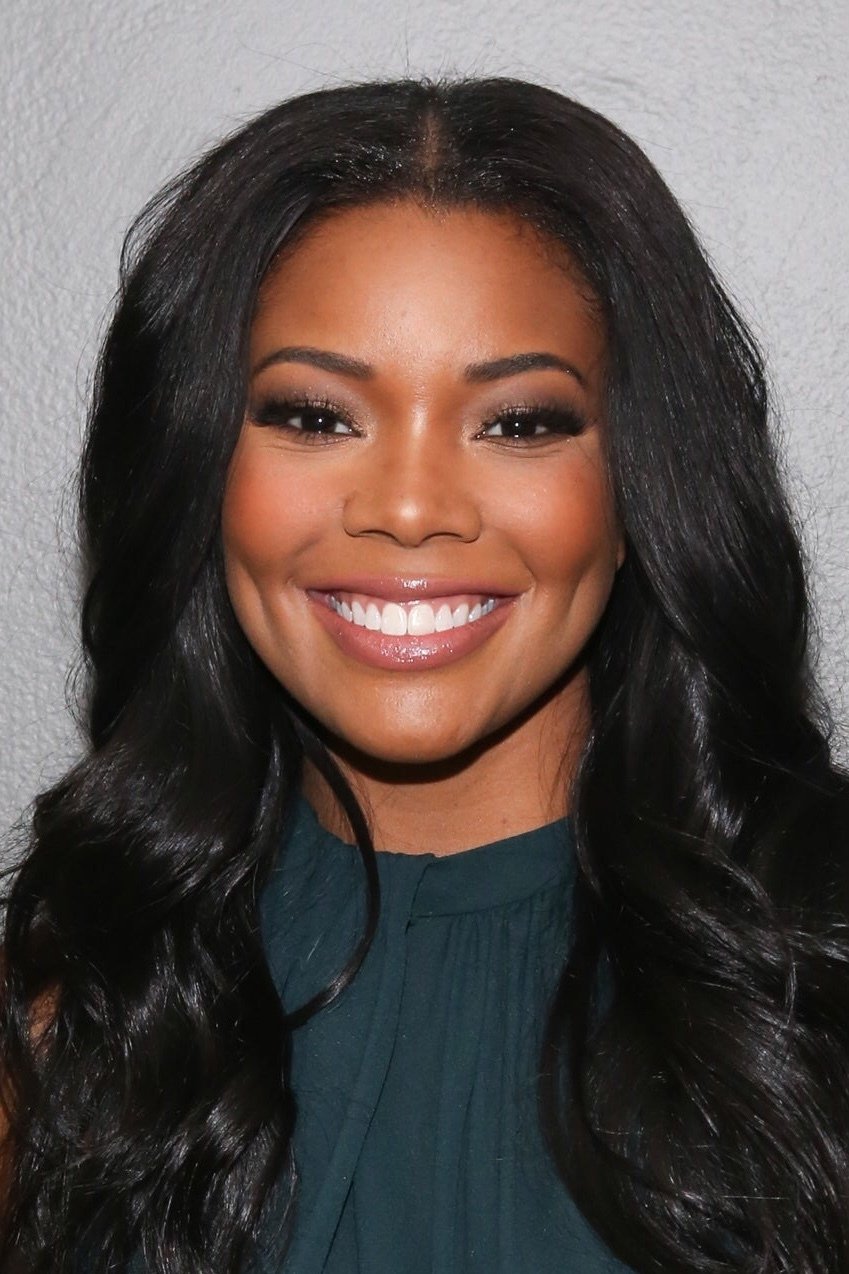
Gabrielle Union has been a vocal critic of the beauty standards that prioritize lighter skin in both film and television. She shared her experiences of feeling inadequate early in her career due to the industry’s narrow definition of attractiveness. The actress has detailed the systemic hurdles she faced while working on projects like ‘Bring It On’ and ‘Being Mary Jane’. She often discusses the importance of the Black community addressing internal biases to foster collective growth. Union remains a prominent voice for equity and inclusion for all Black performers.
Tika Sumpter
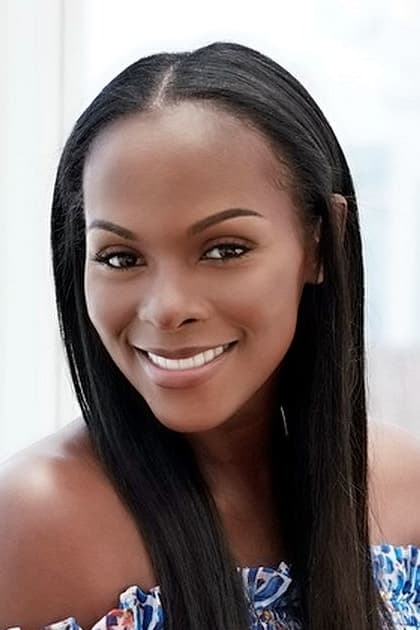
Tika Sumpter has dedicated much of her public discourse to celebrating dark-skinned beauty and challenging industry norms. She has spoken about the lack of leading roles for women with her complexion and the need for more diverse narratives. The actress frequently highlights how colorism affects the self-esteem of young girls watching television. She produced and starred in projects that center dark-skinned Black women in multifaceted ways. Sumpter continues to push for a shift in how Hollywood perceives and casts performers across the skin tone spectrum.
Thandiwe Newton

Thandiwe Newton issued a public apology to dark-skinned actresses for being the one the industry often chose to represent them. She acknowledged that her lighter skin made her more palatable to casting directors and audiences in a biased system. The actress expressed regret for not fully understanding the extent of colorism earlier in her career. She has since become a vocal advocate for more equitable representation and has critiqued the ways the industry sidelines darker women. Her roles in ‘Westworld’ and ‘Crash’ have established her as a prominent figure in the conversation about race.
Keke Palmer

Keke Palmer addressed the issue of colorism by comparing her career trajectory to other actresses in the industry. She noted that while she has had immense success her journey was influenced by the different standards applied to performers based on their skin tone. The actress pointed out that comparisons between Black women often ignore the systemic advantages of being light-skinned. She encourages fans to support all Black artists while remaining aware of the biases that exist in media coverage. Palmer has enjoyed a diverse career spanning music and film through projects like ‘Nope’ and ‘Hustlers’.
Marsai Martin
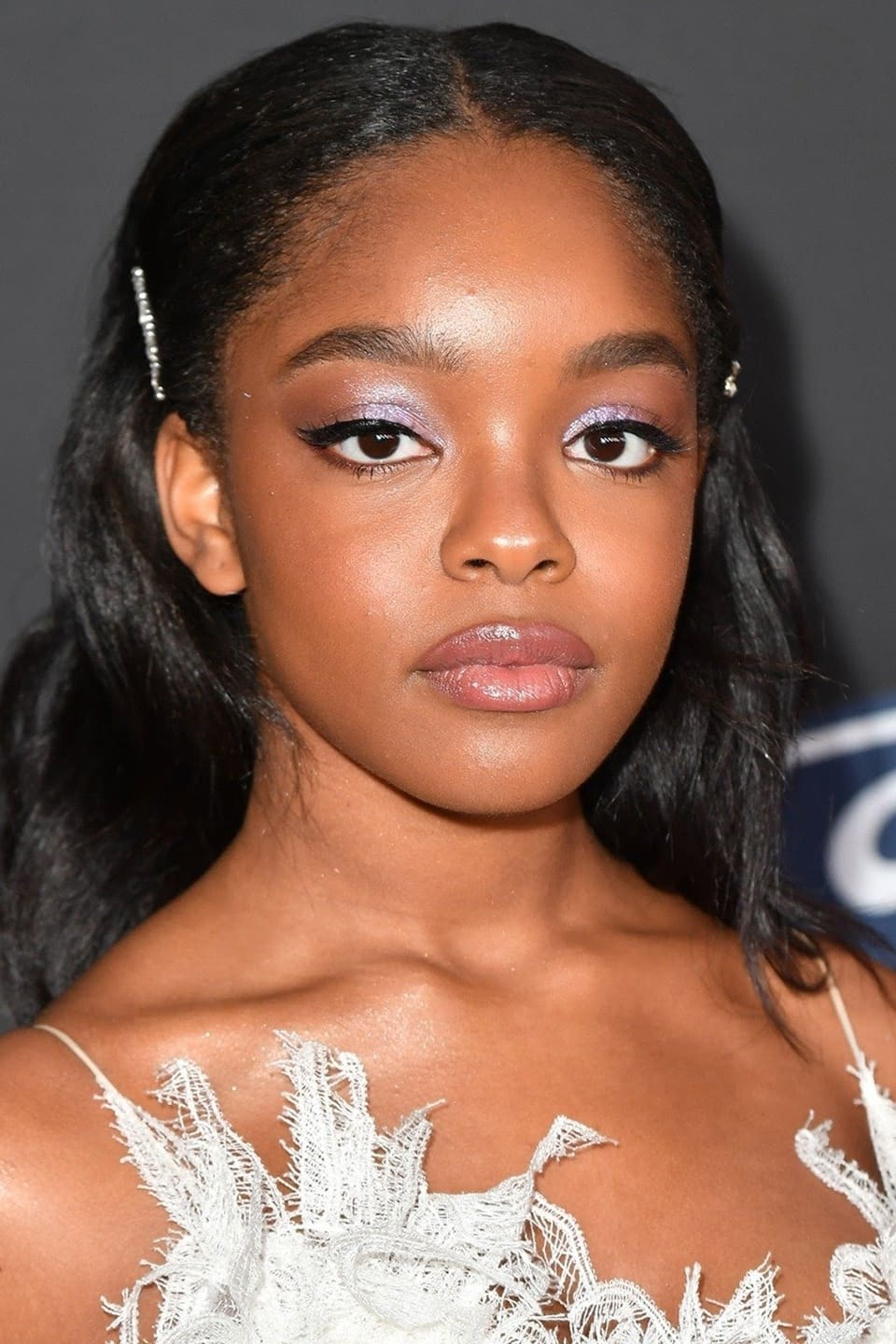
Marsai Martin has utilized her position as a young producer and actress to champion dark-skin visibility in Hollywood. She often speaks about the importance of seeing girls who look like her in positions of power and as romantic leads. Through her production company she aims to create content that defies traditional stereotypes and showcases the variety of Black life. The actress has been a consistent voice against the limitations placed on dark-skinned performers in the industry. Her breakout role in ‘Black-ish’ allowed her to reach a global audience and advocate for change.
Issa Rae
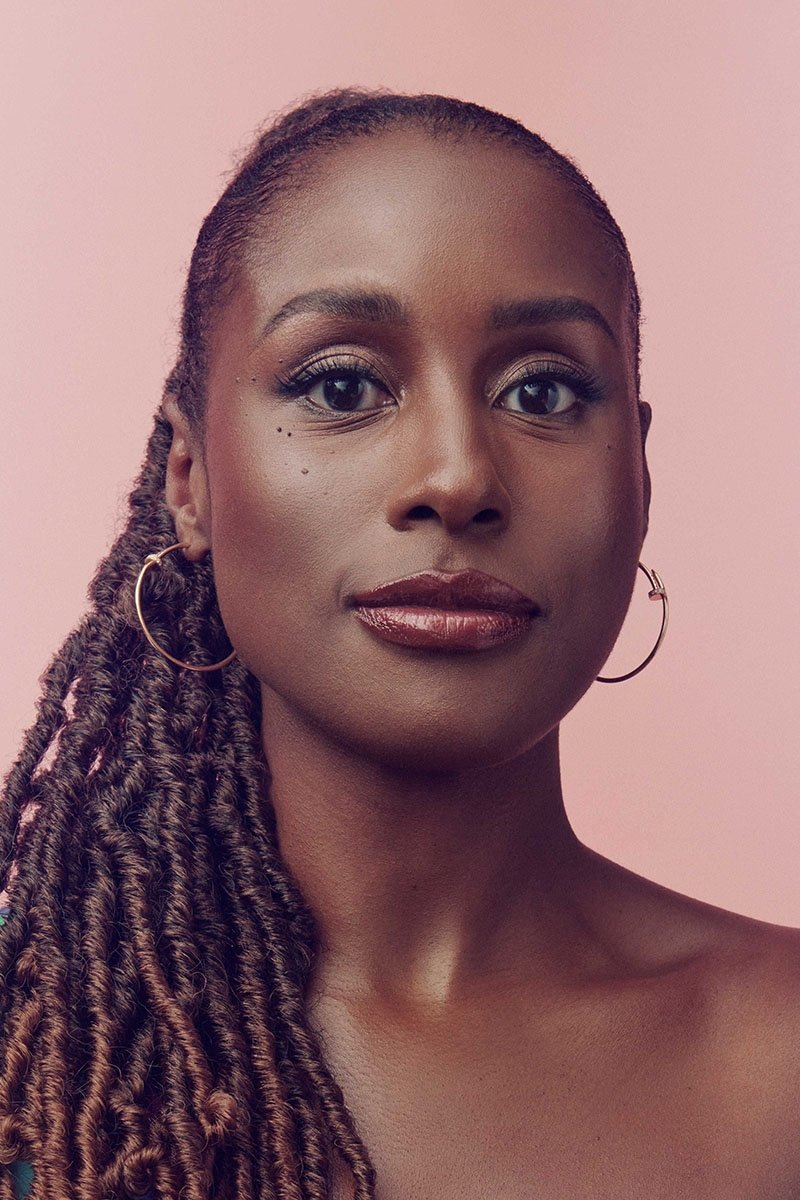
Issa Rae has been transparent about the casting choices she made for her hit series ‘Insecure’ to ensure dark-skinned representation. She has criticized the industry’s tendency to only cast light-skinned women in leading or desirable roles. The creator and actress has spoken about the pushback she occasionally faced when insisting on a diverse range of complexions for her show. She remains committed to creating spaces where all Black people can see themselves reflected authentically. Her work has fundamentally shifted the landscape of modern television comedy.
Michaela Coel
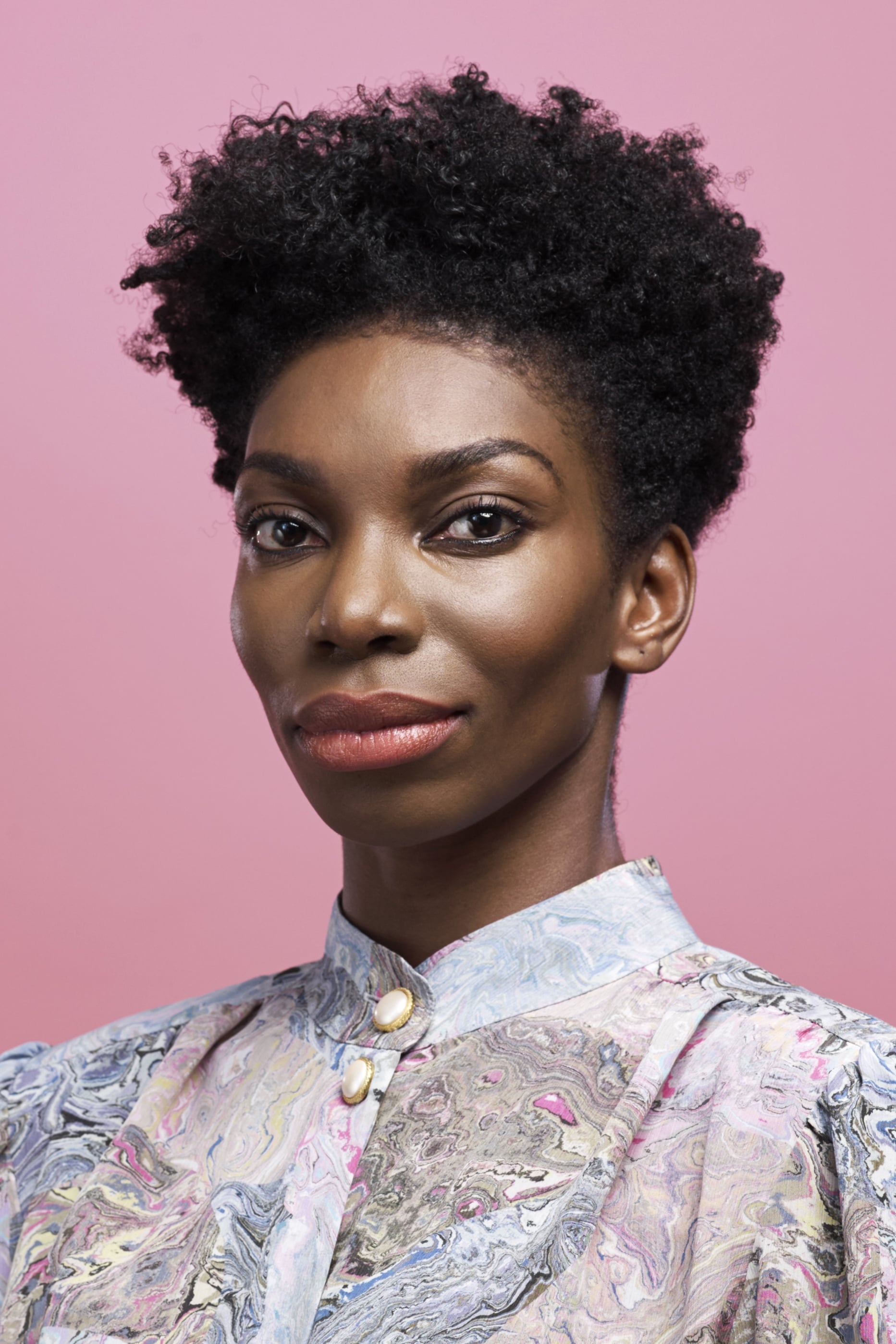
Michaela Coel has used her unique storytelling style to explore the intersections of race and colorism in the modern world. She has spoken about the challenges of being a dark-skinned woman in the British and American entertainment industries. The actress and writer often centers dark-skinned characters in her work to provide the representation she missed as a child. She gained international acclaim for her series ‘I May Destroy You’ and ‘Chewing Gum’. Coel continues to challenge the status quo by producing content that is both raw and inclusive.
Teyonah Parris
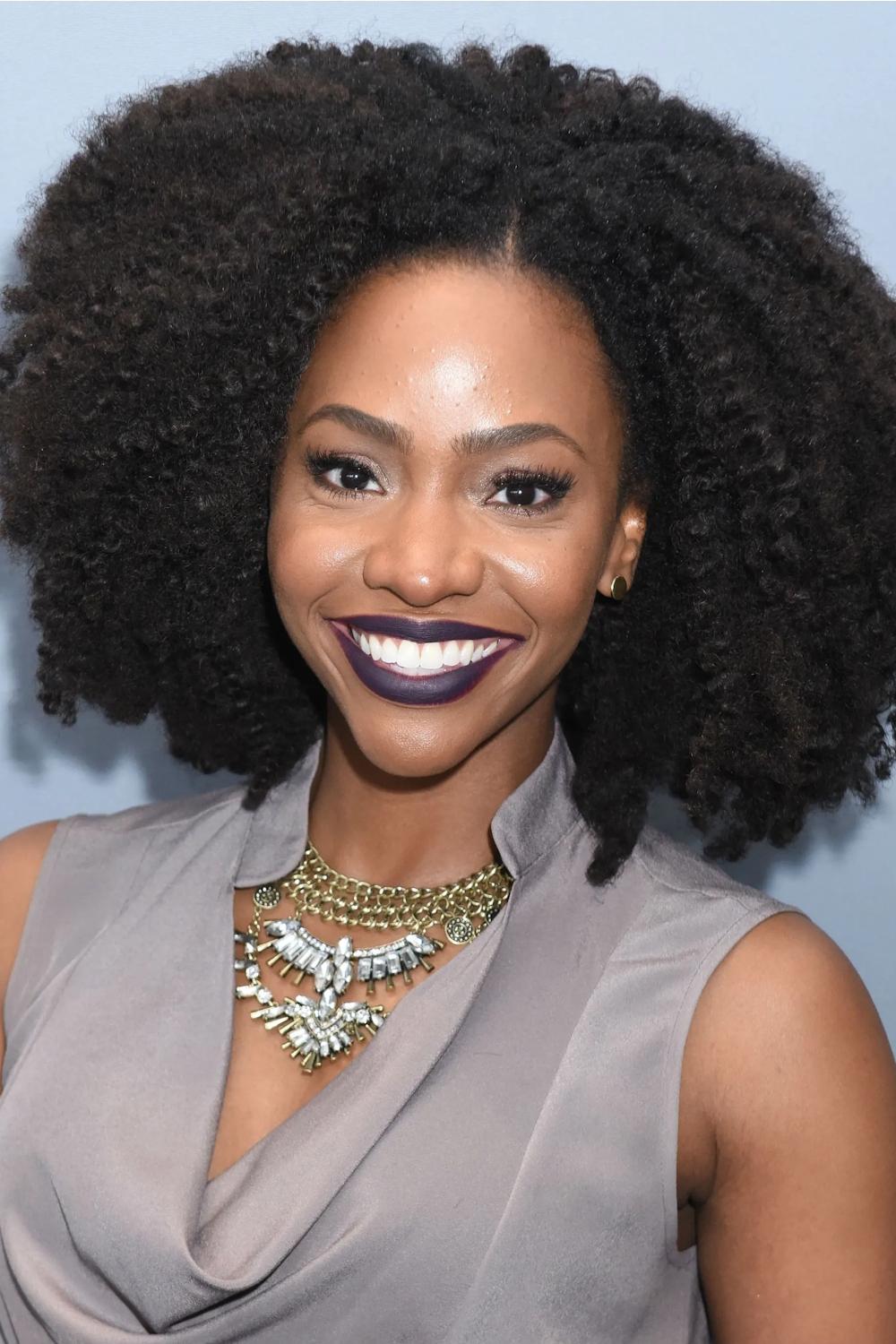
Teyonah Parris has been vocal about the importance of dark-skinned women being cast in roles that showcase their range and beauty. She discussed how colorism within the industry often limits the types of characters dark-skinned actresses are allowed to play. The performer has celebrated the natural hair movement and its role in defying traditional Hollywood beauty standards. She has appeared in significant projects like ‘Dear White People’ and ‘The Marvels’ where she represents dark-skinned excellence. Parris continues to advocate for a more nuanced portrayal of Black women in mainstream media.
Aja Naomi King
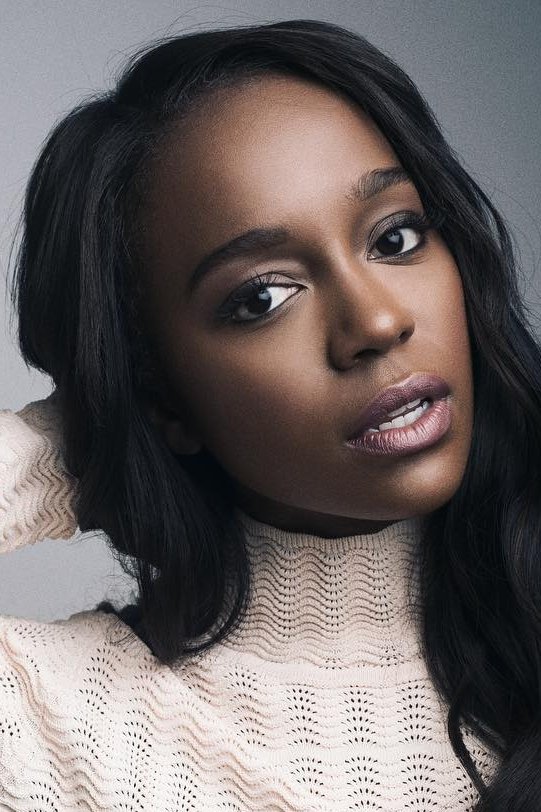
Aja Naomi King has spoken about the pressure to conform to specific beauty standards in the entertainment industry. She has addressed the lack of visibility for dark-skinned women in high-fashion and major film roles. The actress emphasized the need for more dark-skinned women to be cast as romantic leads and complex characters. She often uses her social media to highlight the beauty of her complexion and support other Black women in the industry. Her performance in ‘How to Get Away with Murder’ helped bring more dark-skinned representation to prime-time television.
Danielle Brooks
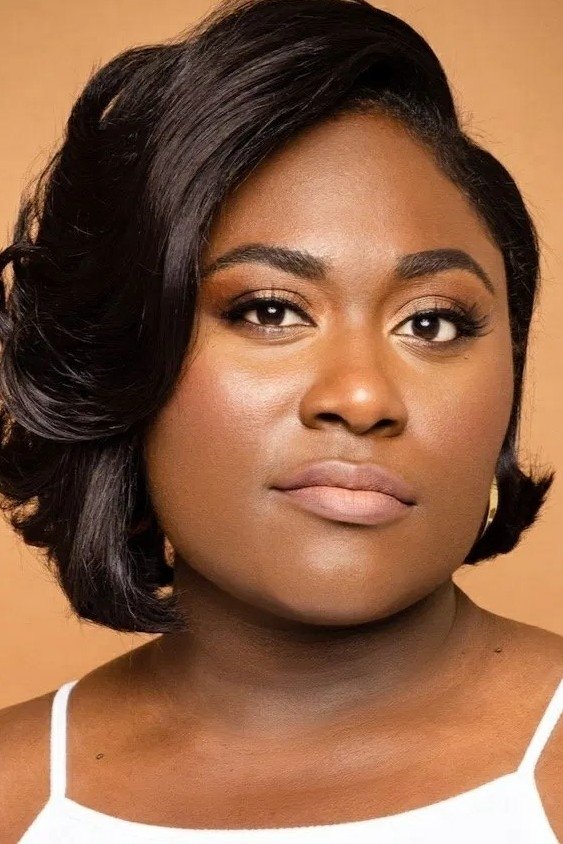
Danielle Brooks has been an outspoken advocate for body positivity and dark-skin representation in Hollywood. She has shared stories about the difficulties of finding roles that did not rely on stereotypes for women with her complexion and size. The actress has celebrated her dark skin as a source of power and pride in numerous interviews. She rose to fame in ‘Orange Is the New Black’ and has since taken on powerful roles in theater and film. Brooks remains a vital voice for women who feel underrepresented by mainstream media standards.
Sheryl Lee Ralph

Sheryl Lee Ralph has reflected on her long career and the colorism she faced during the early days of her journey. She shared how casting directors once told her she was not light enough to be a leading lady in certain projects. The actress has remained resilient and has consistently advocated for the inclusion of all Black women in the industry. She has experienced a career resurgence with ‘Abbott Elementary’ where she continues to inspire new generations. Ralph uses her platform to remind the industry that talent knows no skin tone.
Cynthia Erivo
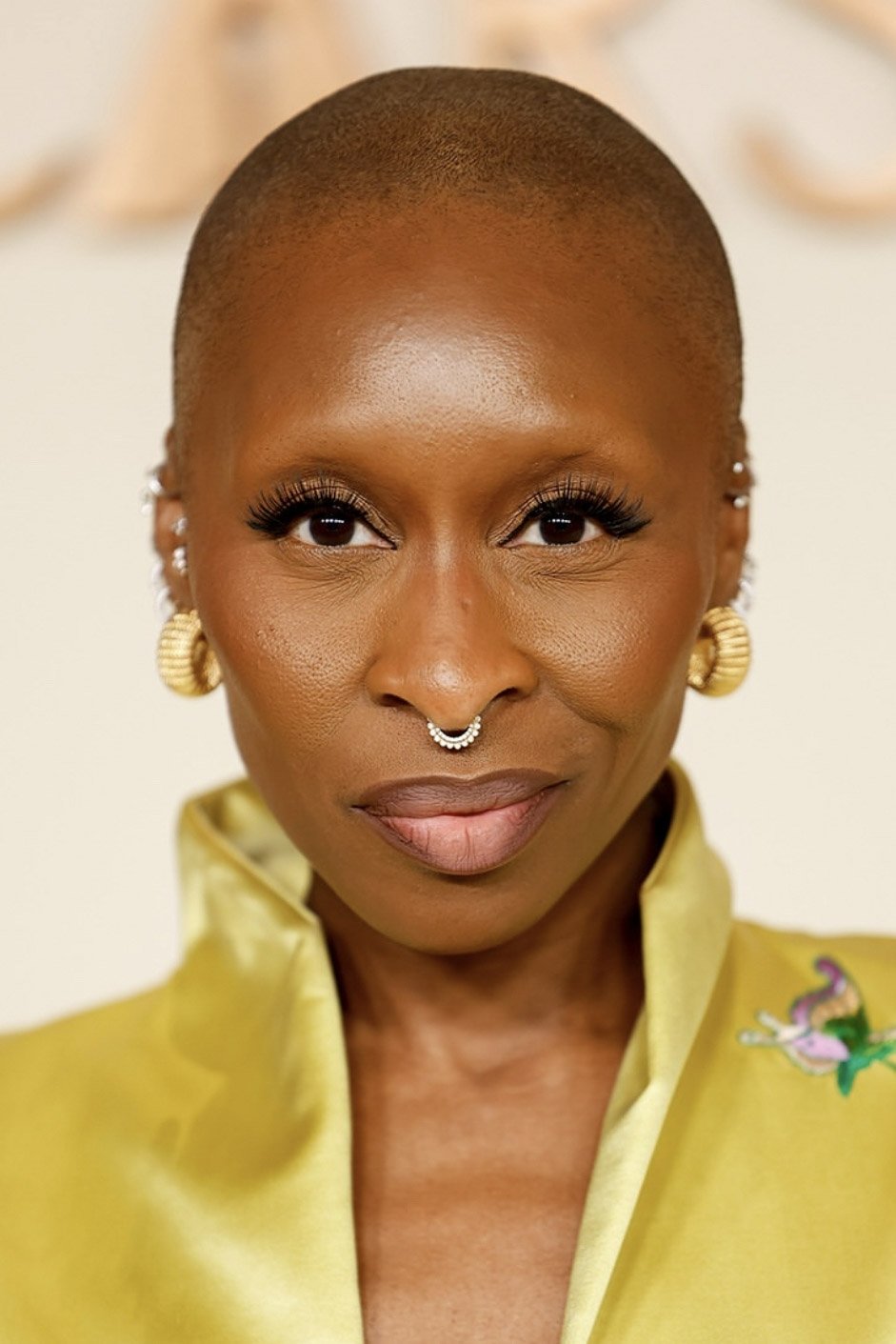
Cynthia Erivo has addressed the complexities of representation and the expectations placed on dark-skinned performers. She has spoken about the weight of playing historical figures like Harriet Tubman and the importance of accurate skin tone casting. The actress emphasizes the need for more dark-skinned women to be given the resources to lead major motion pictures. She has been a fixture at major award ceremonies where she advocates for diversity and inclusion. Erivo continues to break barriers in both the music and film industries with her powerful performances.
Logan Browning
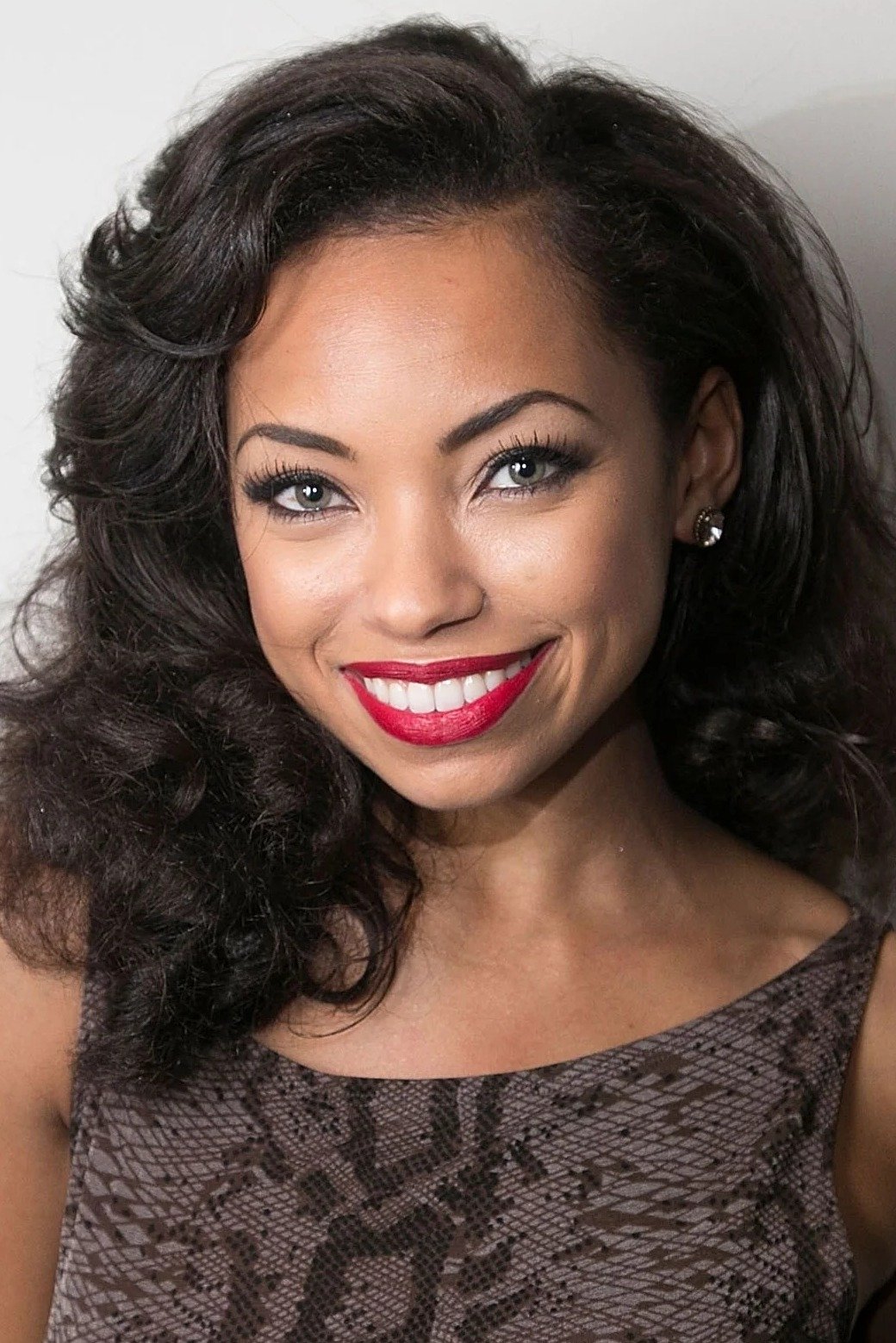
Logan Browning has acknowledged the privilege she holds as a light-skinned Black woman in the industry. She has participated in deep discussions about how her appearance has helped her secure certain roles over darker-skinned peers. The actress played a lead role in the series ‘Dear White People’ which directly tackled themes of colorism and identity. She uses her influence to encourage the industry to move beyond its preference for a single aesthetic. Browning remains committed to being an ally for dark-skinned women in the fight for equitable casting.
Yara Shahidi
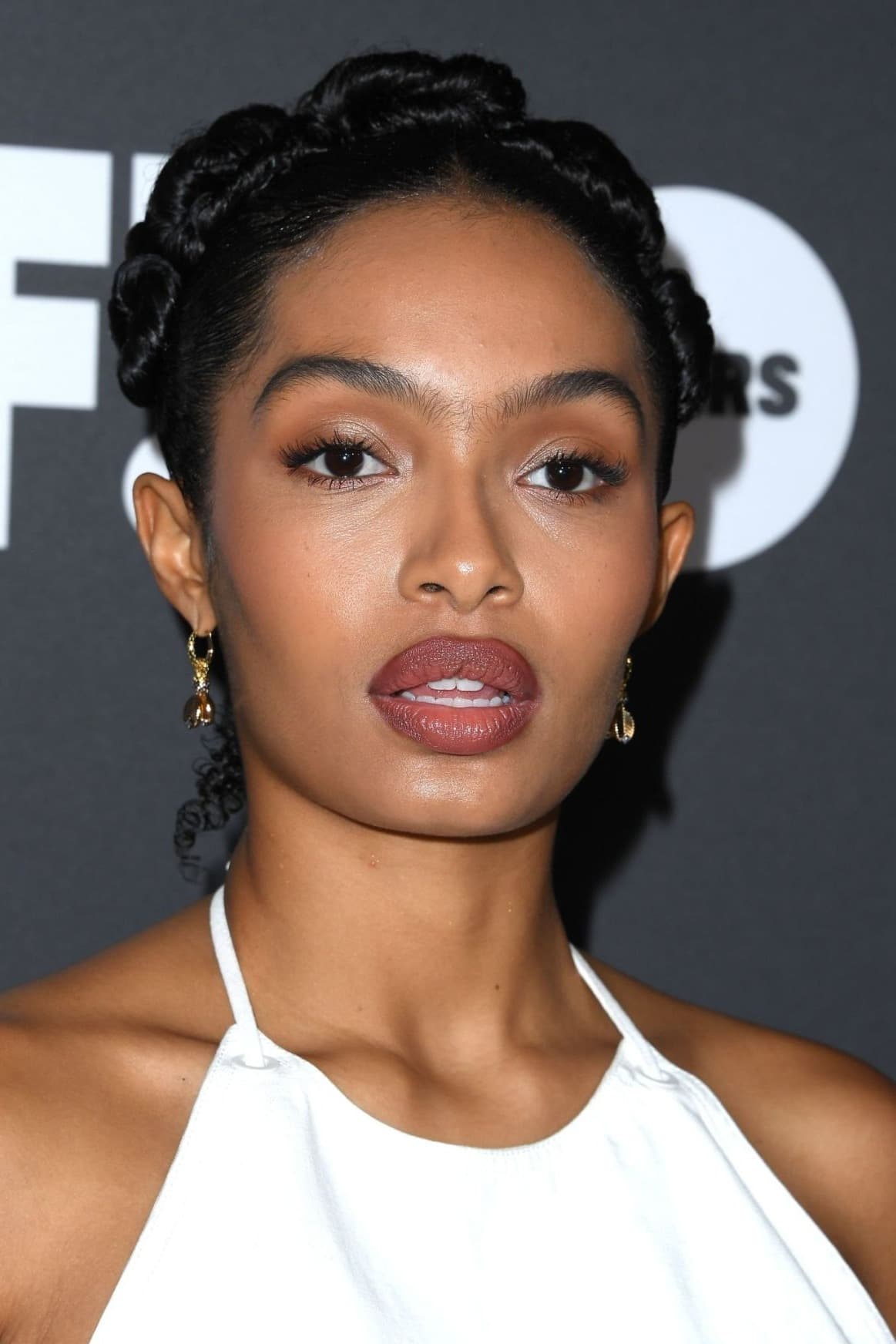
Yara Shahidi has frequently used her platform to discuss the systemic nature of colorism and its impact on the Black community. She has acknowledged her own privilege as a biracial and light-skinned actress in Hollywood. The ‘Grown-ish’ star advocates for a wider variety of Black stories that represent the full spectrum of the community. She often engages in social activism and educational initiatives to raise awareness about skin tone bias. Shahidi continues to be a leading voice for the next generation of performers seeking a more just industry.
Holly Robinson Peete
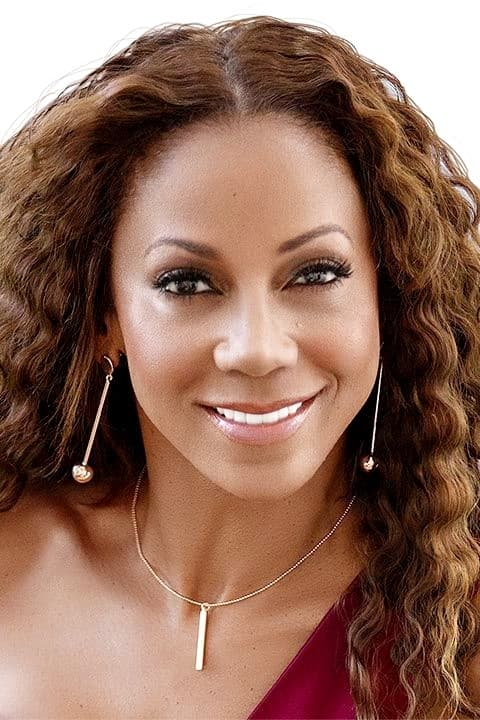
Holly Robinson Peete has spoken about the history of colorism in television and how it affected her early career. She noted the industry’s long-standing preference for lighter-skinned Black women in leading sitcom roles. The actress has used her experience to mentor younger performers and advocate for more diverse casting practices. She continues to work in the industry and remains a vocal supporter of initiatives that promote equity for all Black actors. Peete often shares her insights on the progress and remaining challenges regarding skin tone bias in media.
Jodie Turner-Smith
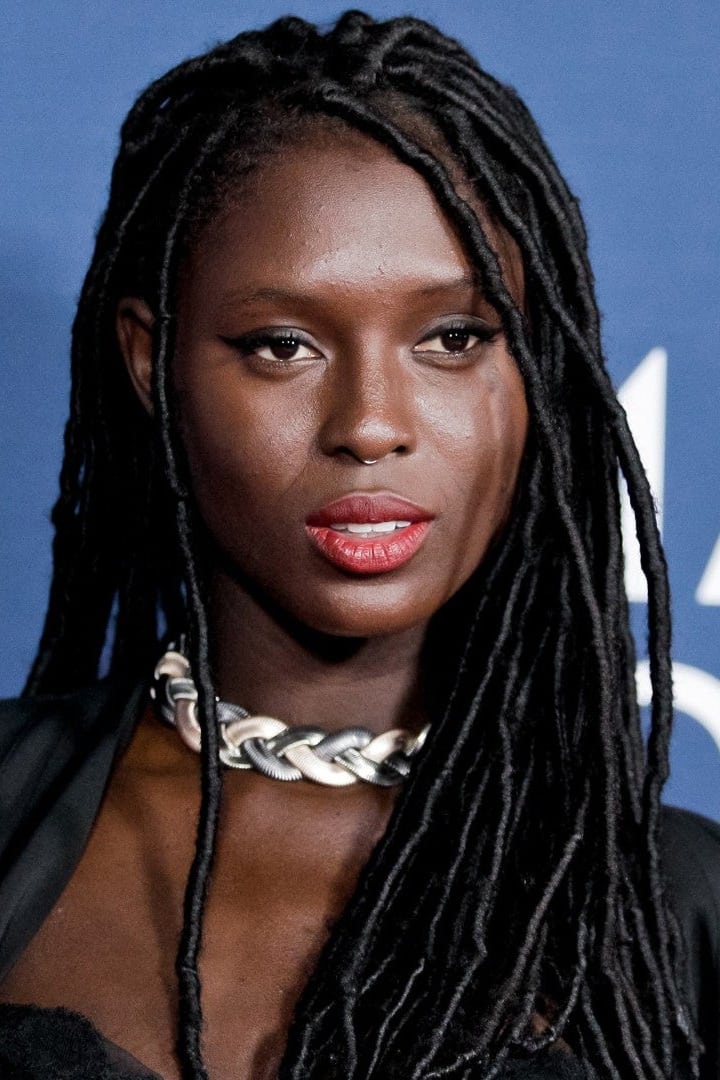
Jodie Turner-Smith has been a powerful voice for the celebration of dark skin in both film and fashion. She has criticized the global standards of beauty that often marginalize women with dark complexions. The actress has spoken about the empowerment she feels in her skin and the importance of passing that confidence to her daughter. She has taken on high-profile roles in ‘Queen & Slim’ and ‘Anne Boleyn’ that challenge traditional casting norms. Turner-Smith continues to push for a world where dark-skinned beauty is recognized as a standard rather than an exception.
Ryan Destiny
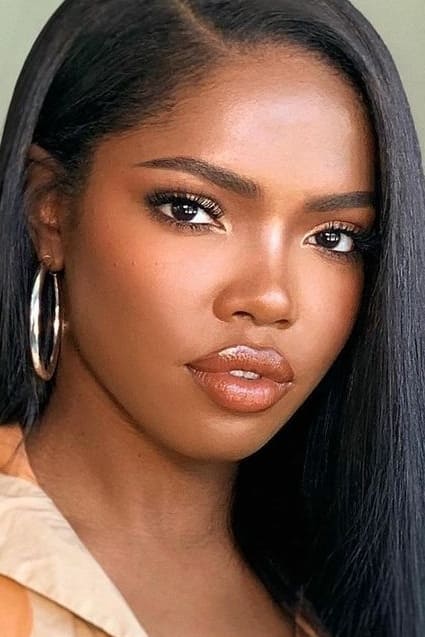
Ryan Destiny has been very transparent about her struggles with colorism in the music and film industries. She has described how being a dark-skinned woman often meant working twice as hard to receive the same opportunities as her lighter-skinned counterparts. The actress and singer has spoken about the frustration of being compared to other Black women based solely on skin tone. She continues to use her platform to advocate for dark-skinned visibility and self-love. Her roles in ‘Star’ and ‘Grown-ish’ have made her a recognizable face for fans seeking more representation.
Adrienne Warren
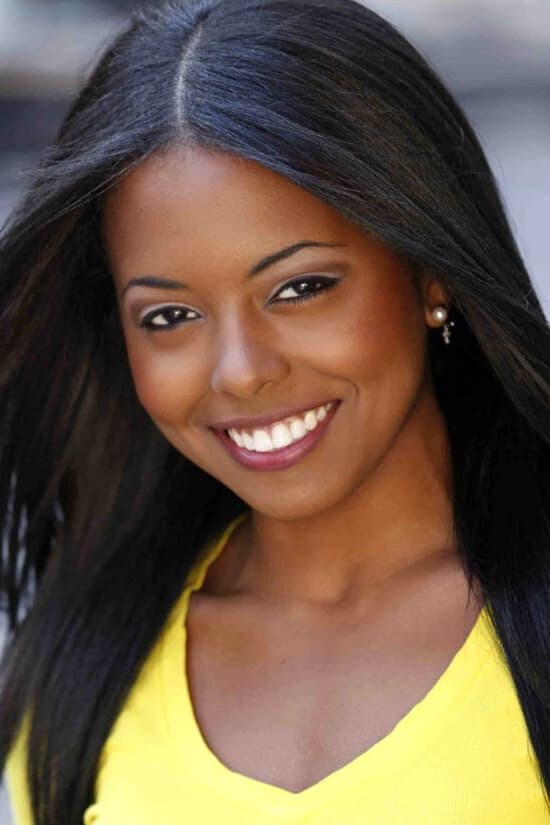
Adrienne Warren has discussed the impact of colorism in the world of musical theater and Broadway. she has shared experiences of being told she was too dark for certain roles that were traditionally played by lighter-skinned women. The actress has won critical acclaim for her portrayal of Tina Turner in ‘Tina: The Tina Turner Musical’ on both sides of the Atlantic. She uses her success to highlight the need for more inclusive casting in the theater community. Warren remains a dedicated advocate for performers of all skin tones in the performing arts.
Kelly Rowland
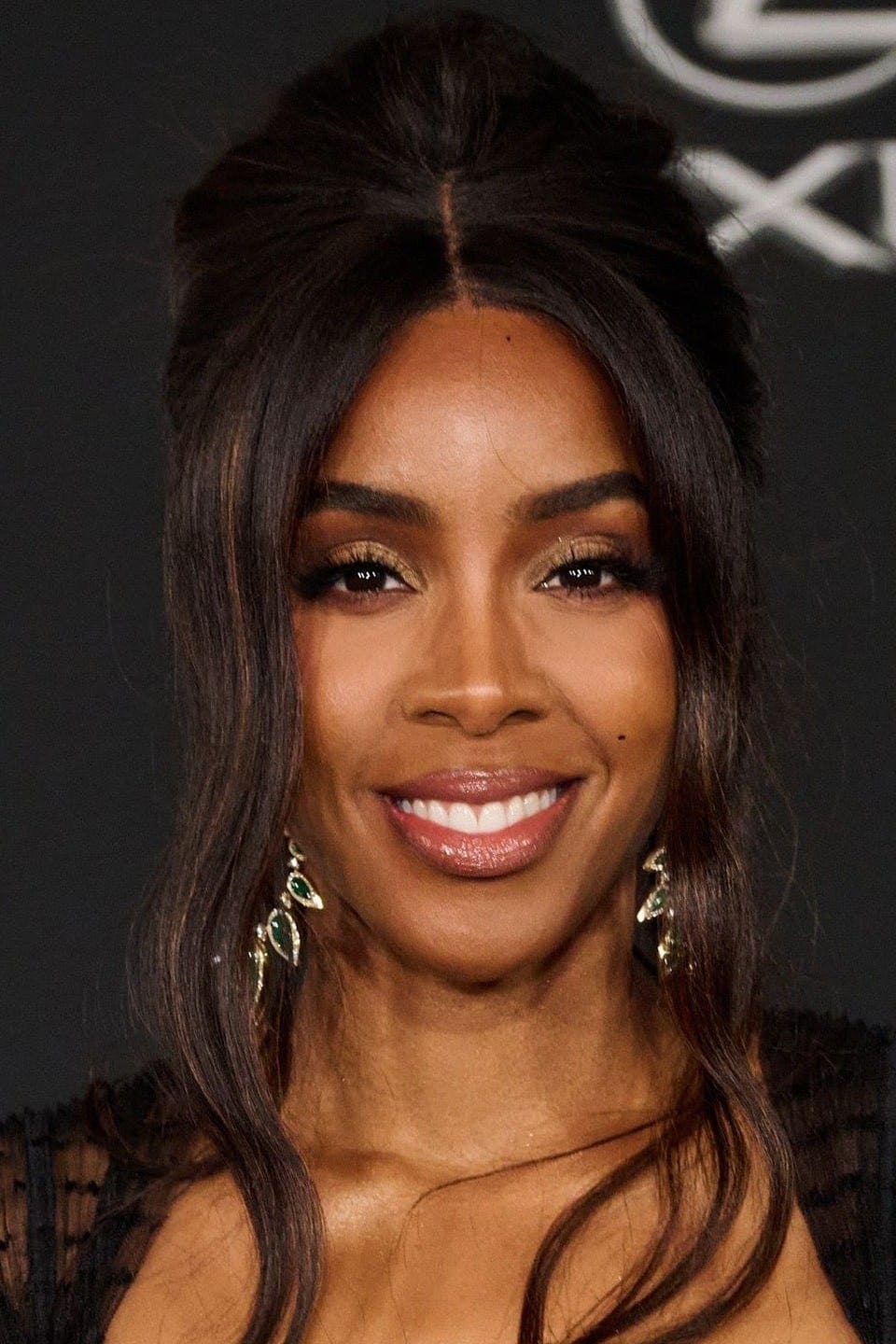
Kelly Rowland has shared her personal journey with skin tone bias during her time in one of the world’s most famous girl groups. She spoke about the insecurities she felt as a dark-skinned woman in an industry that frequently praised lighter complexions. The singer and actress has credited her mother and other role models for helping her embrace her beauty. She has since become a vocal advocate for dark-skinned girls and has encouraged them to own their radiance. Rowland continues to work in both music and television while promoting messages of self-acceptance.
Brandee Evans
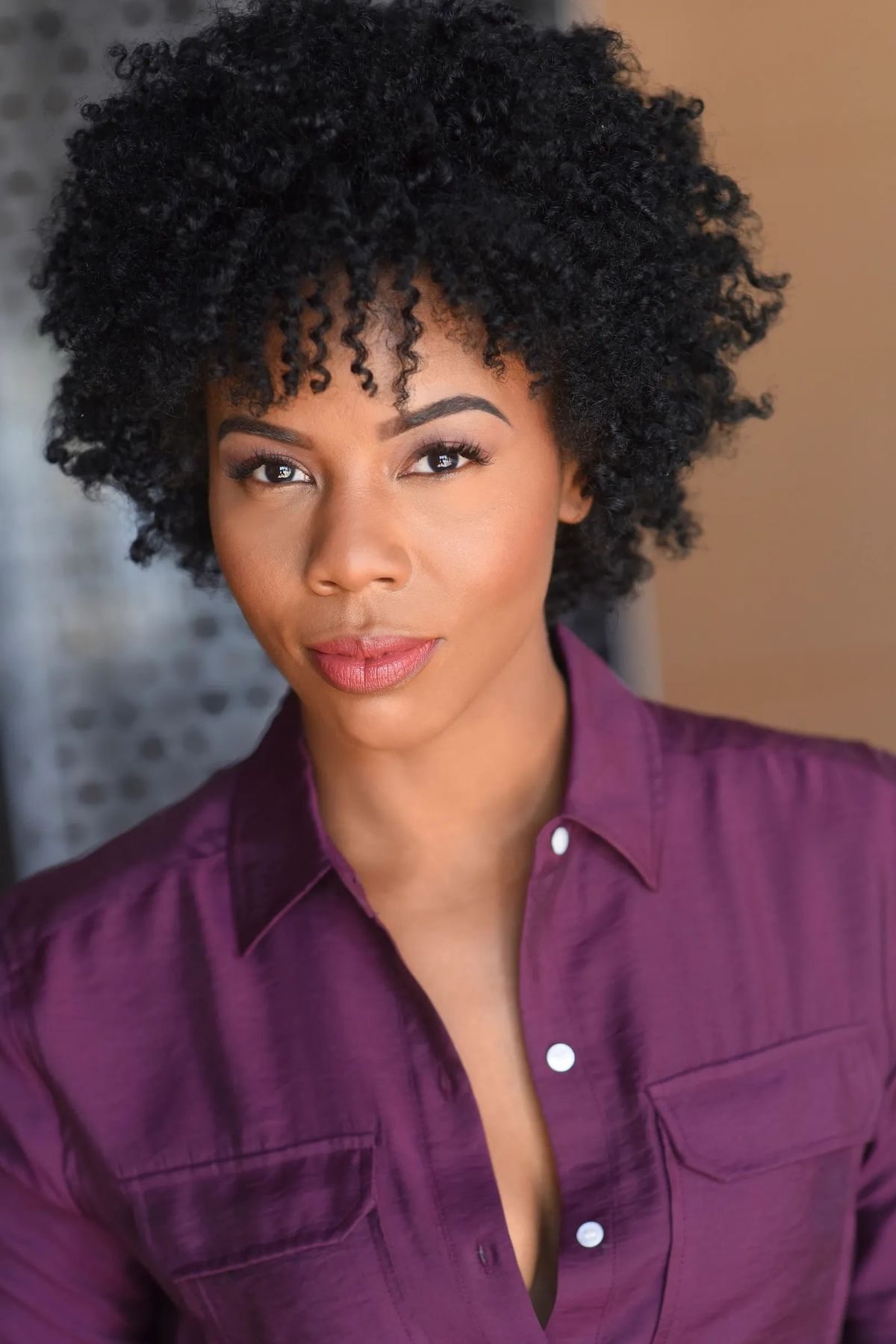
Brandee Evans has spoken about the importance of dark-skinned representation in the television series ‘P-Valley’. She has addressed how the show intentionally cast women of various skin tones to reflect the reality of the Black community. The actress has shared her pride in playing a character that showcases the strength and beauty of dark-skinned women. She continues to advocate for more roles that allow dark-skinned performers to be seen as multifaceted and desirable. Evans remains a rising star who uses her voice to challenge the status quo in casting.
Thuso Mbedu
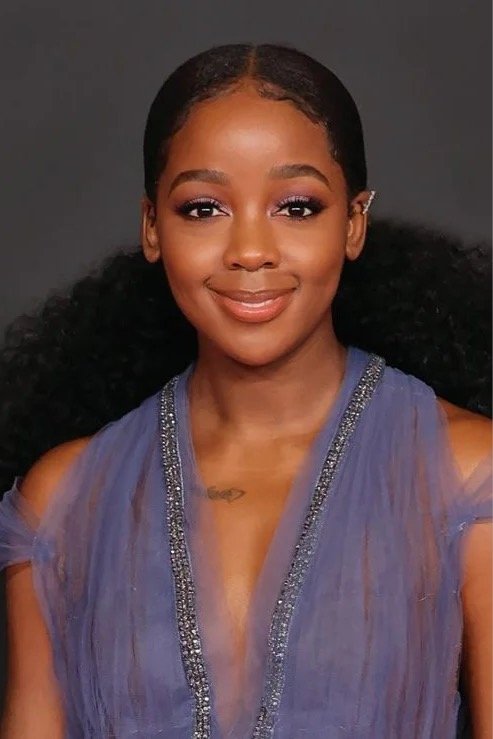
Thuso Mbedu has discussed the international perceptions of skin tone and how they affect her career as a South African actress in Hollywood. She has spoken about the importance of dark-skinned women being given the opportunity to lead major historical dramas. The performer gained international recognition for her powerful role in ‘The Underground Railroad’. She continues to work on high-profile projects that center Black stories and diverse complexions. Mbedu remains a prominent figure in the global conversation about colorism and representation in film.
Lashana Lynch

Lashana Lynch has spoken about the significance of her casting as a lead agent in the James Bond franchise. She addressed the historical lack of dark-skinned women in high-octane action roles and the importance of visibility. The actress has highlighted the need for more dark-skinned women to be portrayed as capable and intelligent in mainstream cinema. She continues to take on diverse roles in projects like ‘The Woman King’ and ‘Captain Marvel’. Lynch remains a strong advocate for the inclusion of dark-skinned performers in all genres of film.
Wunmi Mosaku
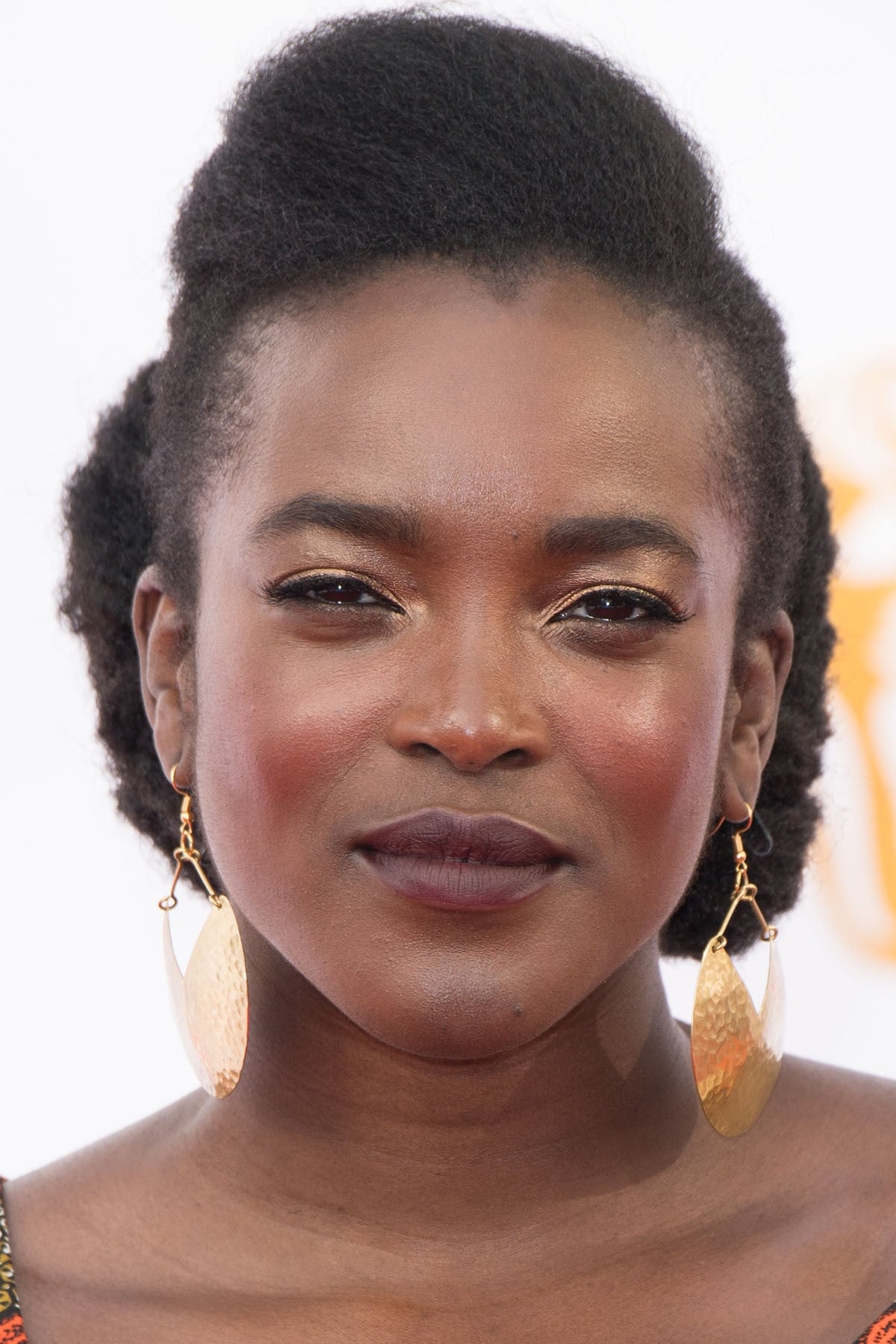
Wunmi Mosaku has addressed the limited opportunities for dark-skinned women in the British film and television industry. She has spoken about the industry’s tendency to cast dark-skinned actors in specific types of roles that lack depth. The actress has used her platform to call for more varied and complex characters for performers with her complexion. She has received critical acclaim for her work in ‘His House’ and ‘Loki’. Mosaku continues to be a vocal proponent for more equitable casting practices across the globe.
Dominique Fishback
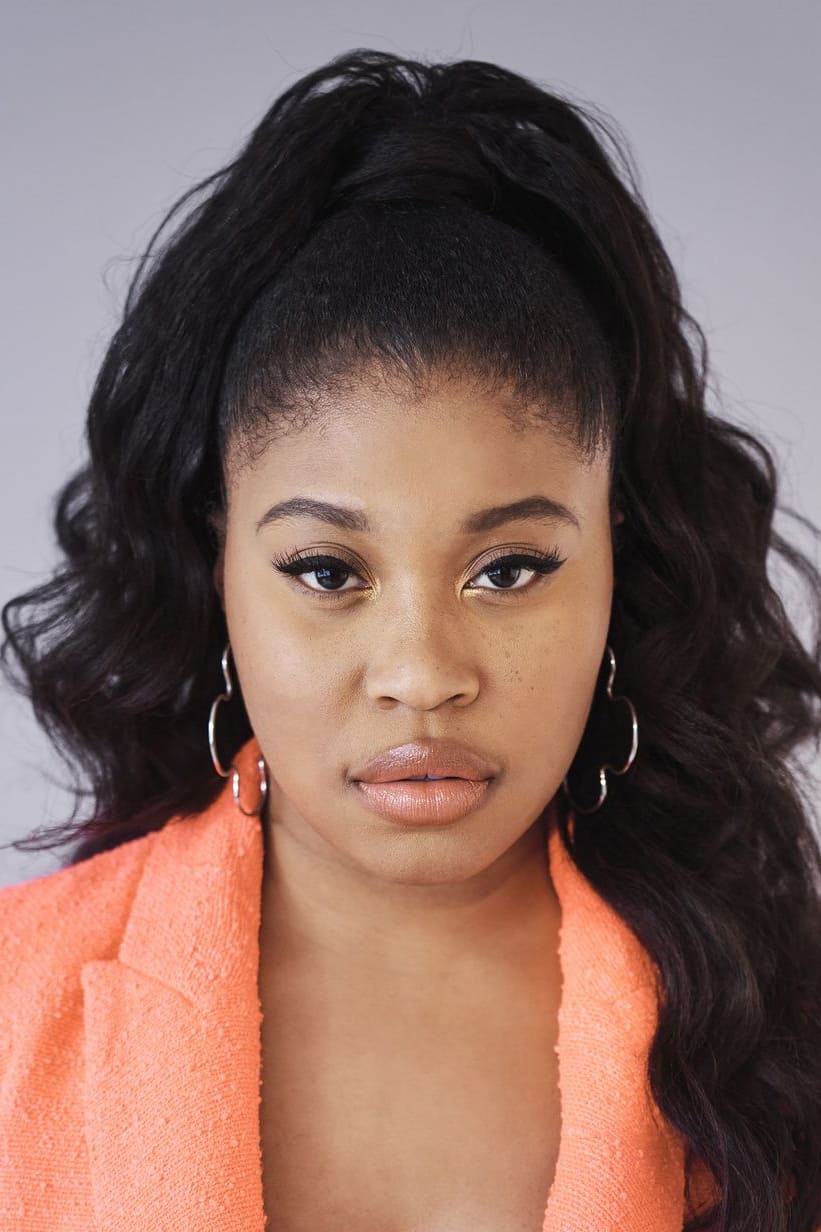
Dominique Fishback has spoken about the power of dark-skinned representation in films like ‘Judas and the Black Messiah’. She has discussed the importance of seeing dark-skinned women as romantic leads and intellectual equals on screen. The actress frequently shares her thoughts on the industry’s narrow beauty standards and the need for more diverse narratives. She has been praised for her ability to bring depth and humanity to every character she portrays. Fishback continues to work on projects that challenge stereotypes and highlight the beauty of Black women.
Danai Gurira
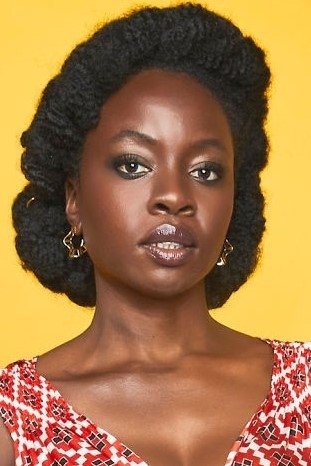
Danai Gurira has been a consistent advocate for the visibility of dark-skinned African women in global media. She has spoken about the importance of the ‘Black Panther’ films in showcasing the strength and elegance of dark-skinned performers. The actress and playwright uses her work to explore the complexities of identity and culture within the African diaspora. She has been a vocal supporter of more diverse casting in both film and theater. Gurira remains a powerful figure in the industry who continues to champion the representation of all Black people.
Anika Noni Rose
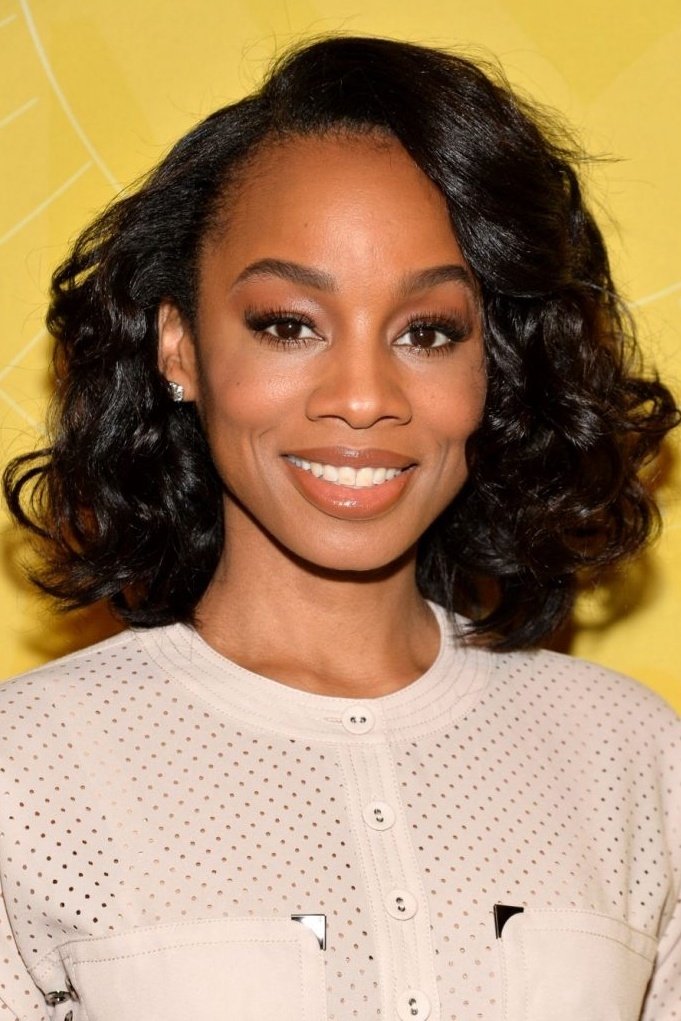
Anika Noni Rose has spoken about the significance of her role as the first Black Disney princess in ‘The Princess and the Frog’. She addressed the importance of Tiana being a dark-skinned woman and the impact that had on young audiences. The actress has also discussed the challenges of navigating the industry as a dark-skinned performer in Broadway and film. She remains a dedicated advocate for more inclusive storytelling that reflects the diversity of the Black experience. Rose continues to take on roles that showcase her immense talent and versatility.
Amber Riley
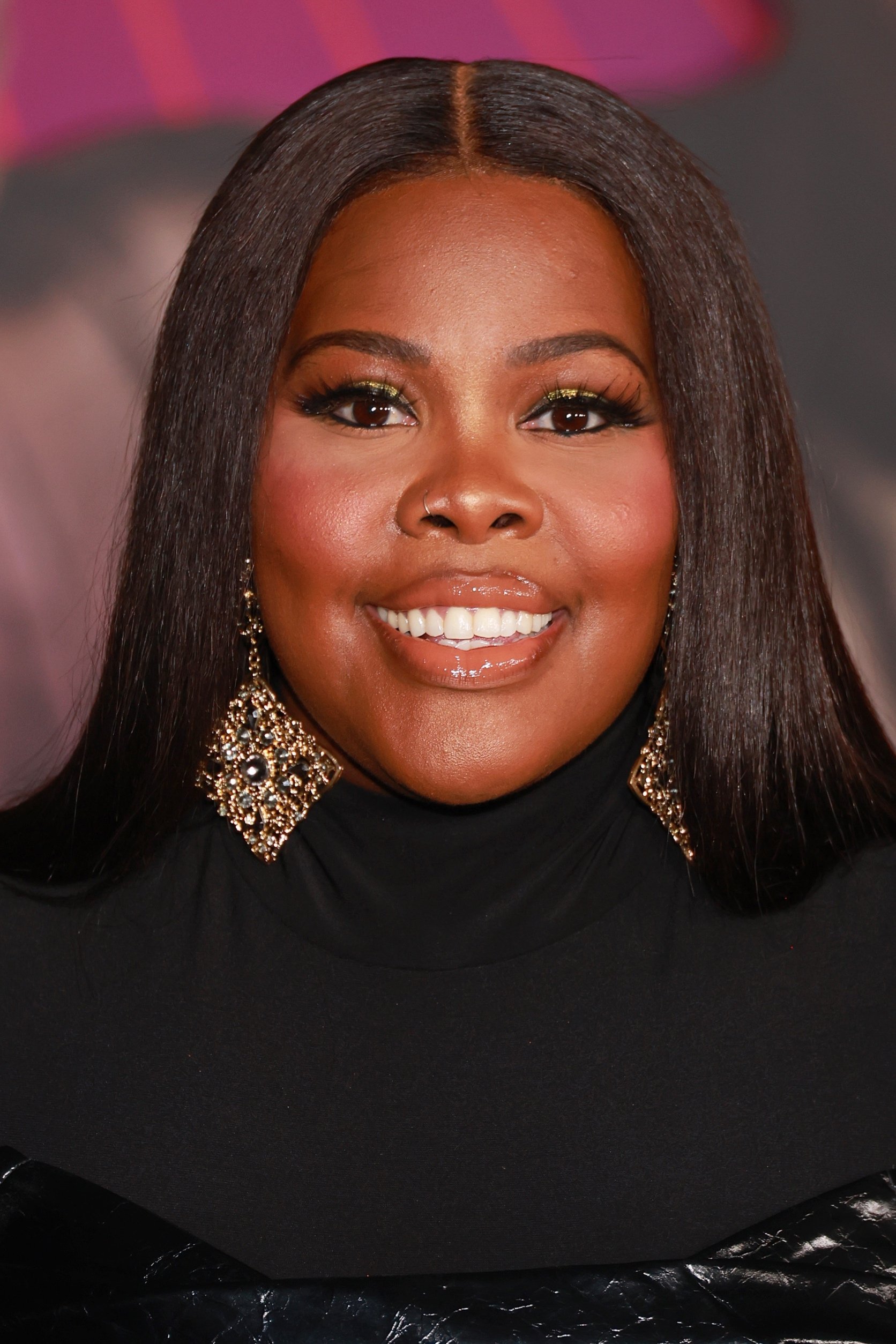
Amber Riley has spoken about her experiences with colorism and body image during her time on the hit series ‘Glee’. She shared how she often felt sidelined compared to her lighter-skinned or thinner counterparts in the industry. The actress and singer has since become a vocal advocate for self-love and the celebration of all Black women. She continues to work in television and musical theater where she remains a fan favorite. Riley uses her platform to encourage others to fight for their place in an industry that often tries to exclude them.
Zoe Saldaña
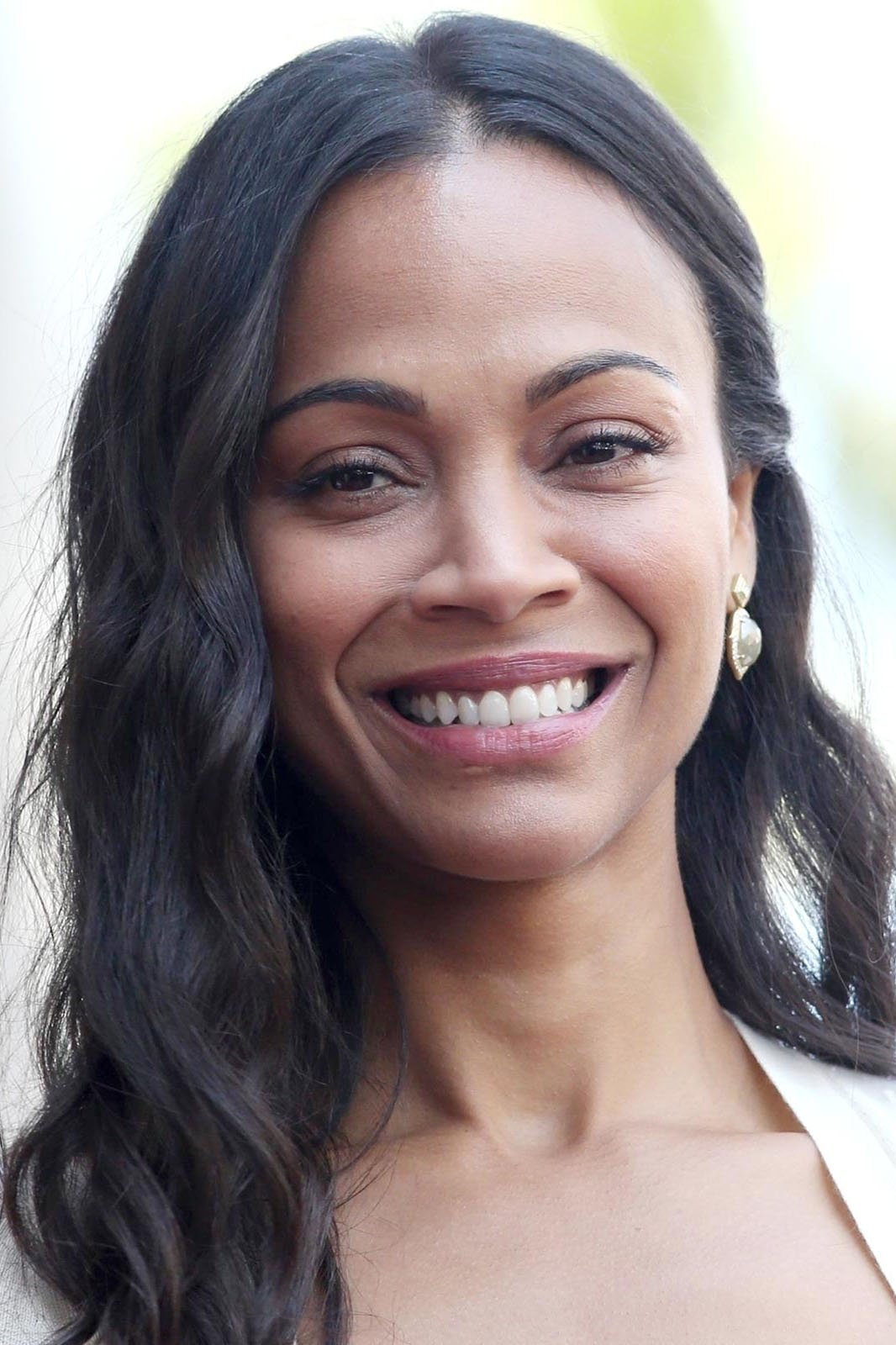
Zoe Saldana has addressed the controversy surrounding her role as Nina Simone and the resulting conversations about colorism. She eventually apologized for taking the role and acknowledged that the part should have gone to a dark-skinned actress. The actress has since spoken about the importance of skin tone accuracy in casting historical figures. She remains one of the most successful actresses in Hollywood with major roles in the ‘Avatar’ and ‘Guardians of the Galaxy’ franchises. Saldana continues to participate in discussions about how the industry can improve its approach to representation.
Regina King
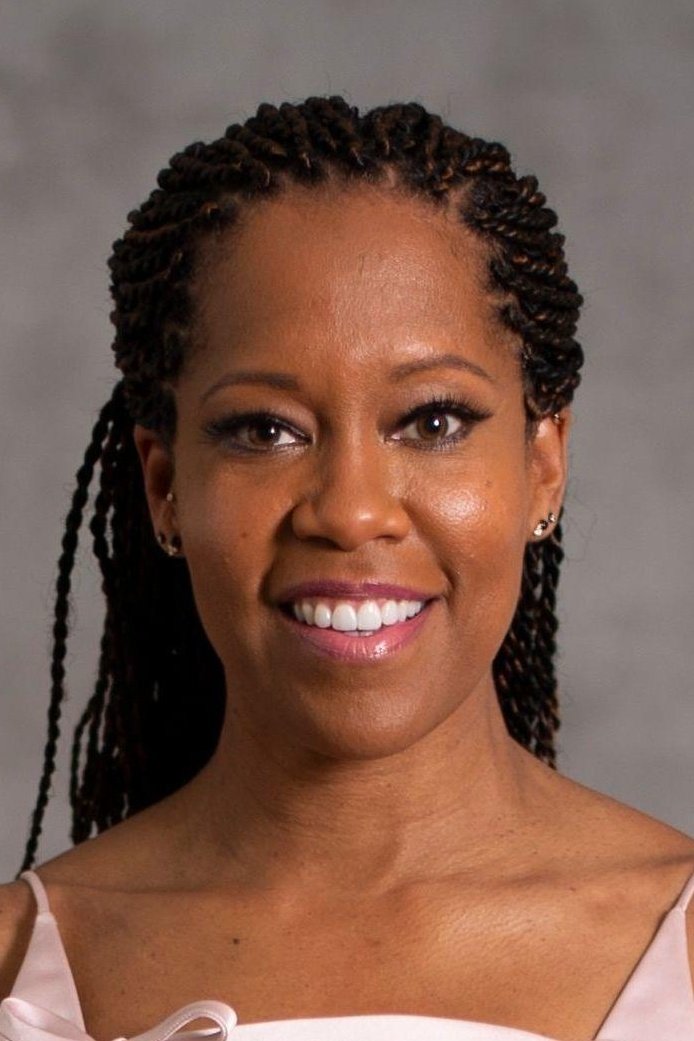
Regina King has discussed the evolution of Hollywood and the historical biases that have affected Black actresses. She has spoken about the importance of creating opportunities for dark-skinned performers through her work as a director and producer. The Academy Award winner has remained a steady presence in the industry for decades while advocating for more inclusive stories. She has been a vocal supporter of the movement to increase diversity behind and in front of the camera. King continues to lead by example through her powerful performances and directorial projects.
Angela Bassett
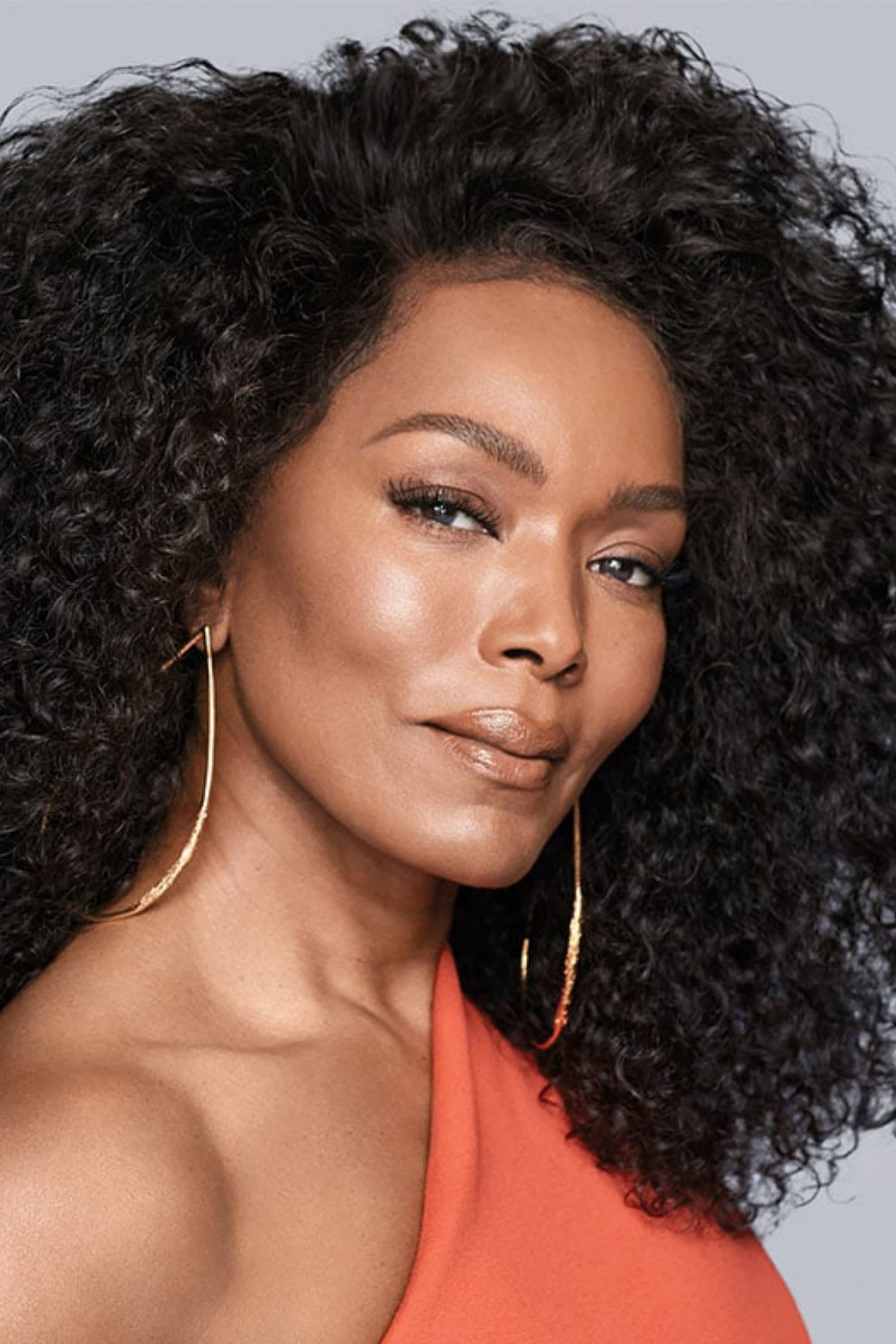
Angela Bassett has addressed her career longevity and the importance of dark-skinned women being seen as icons of beauty and strength. She has spoken about the pressures of the industry and her commitment to portraying Black women with dignity. The actress has been a consistent voice for the empowerment of the Black community in Hollywood. Her roles in ‘What’s Love Got to Do with It’ and ‘Black Panther’ have solidified her status as a legendary performer. Bassett remains an inspiration for actresses of all complexions who seek to make a lasting impact.
Whoopi Goldberg
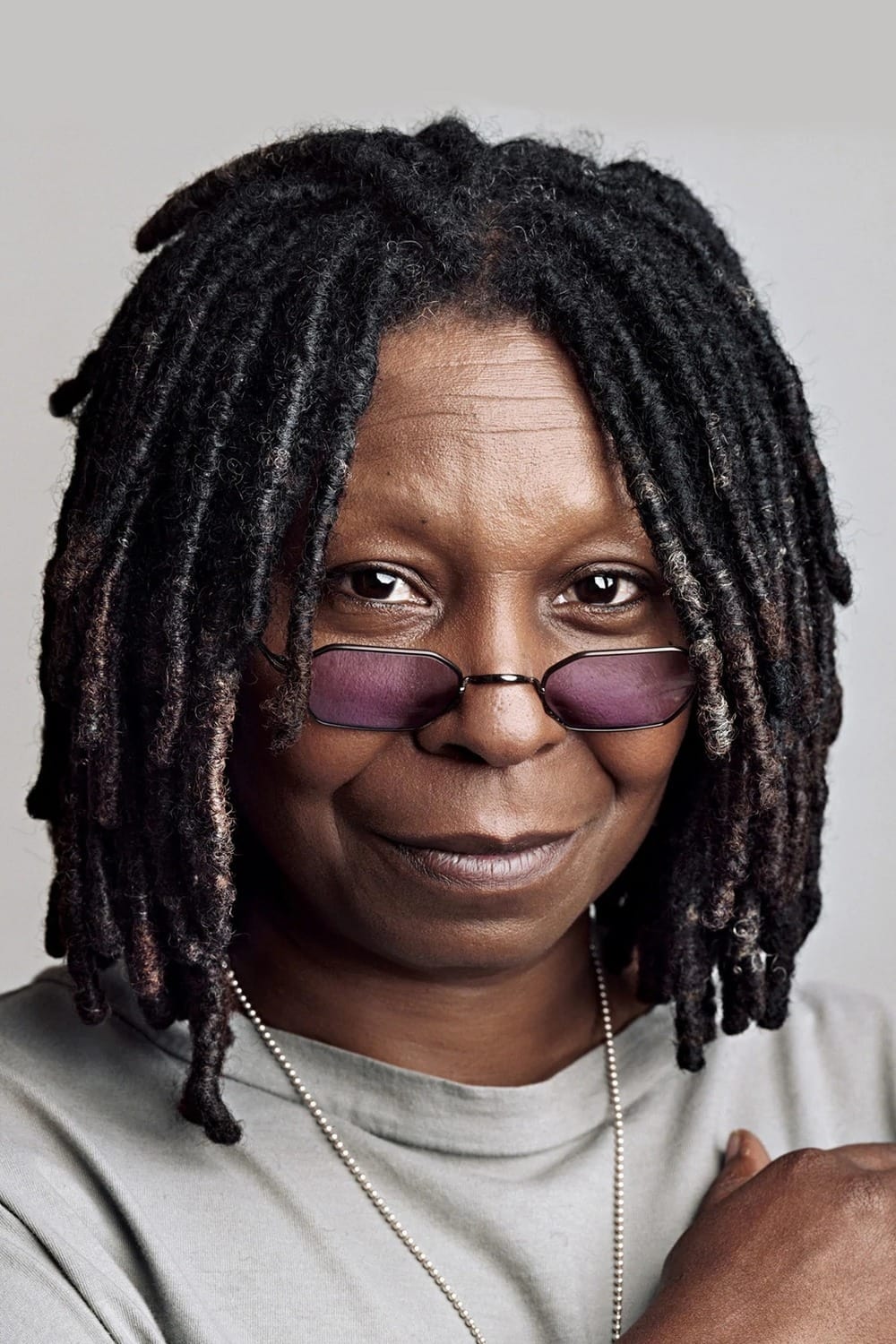
Whoopi Goldberg has frequently spoken about the historical context of colorism within the film industry. She has shared her experiences of working on ‘The Color Purple’ and the importance of that story for the Black community. The EGOT winner has been a vocal critic of the industry’s narrow casting practices and the marginalization of dark-skinned talent. She uses her position on ‘The View’ to address current events and social issues related to race and skin tone. Goldberg remains a trailblazer who has spent her career challenging the status quo in Hollywood.
Tracee Ellis Ross
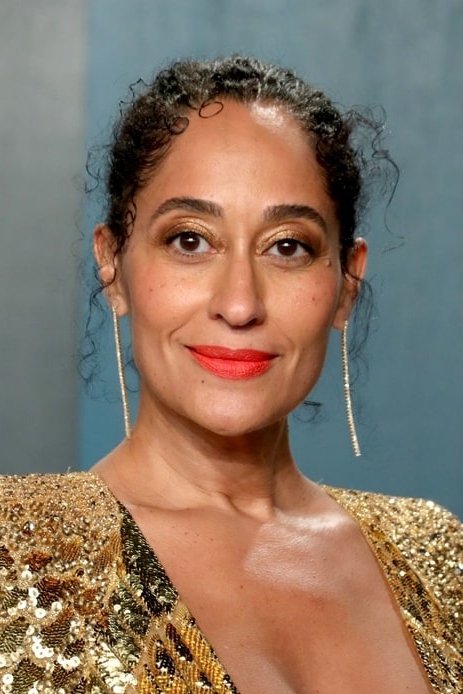
Tracee Ellis Ross has acknowledged the privilege she holds as a light-skinned and biracial actress in the entertainment world. She has participated in many conversations about how her appearance has influenced her career compared to darker-skinned peers. The ‘Black-ish’ star advocates for the industry to recognize and dismantle the biases that favor certain aesthetics. She uses her social media and public appearances to celebrate the beauty of all Black women. Ross remains a dedicated ally in the movement for more equitable representation in media.
Erika Alexander
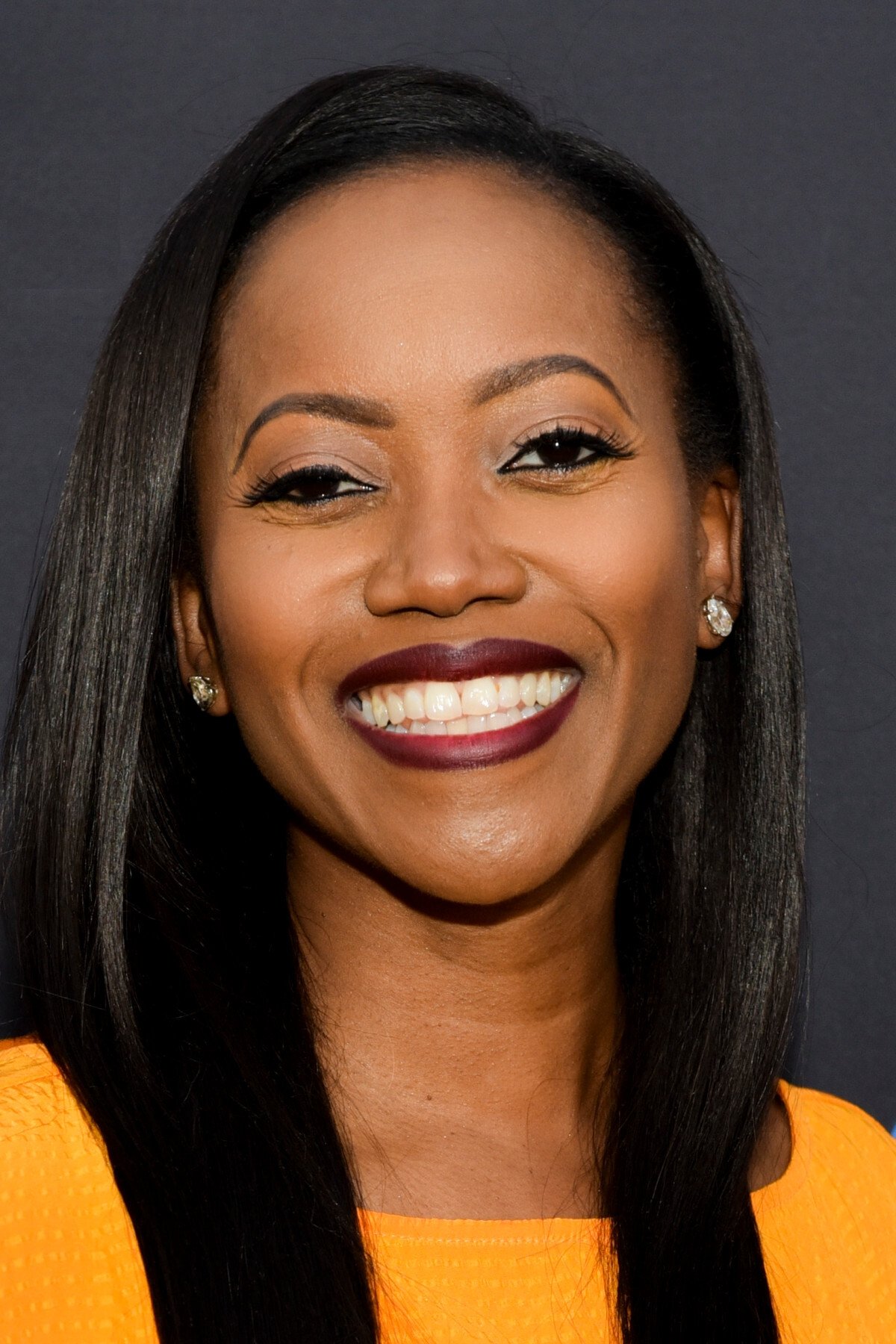
Erika Alexander has been a vocal critic of the casting dynamics she witnessed during her time on ‘Living Single’. She has spoken about the ways the industry often pits Black women against each other based on skin tone and appearance. The actress has become an advocate for creators to take control of their narratives and ensure diverse representation. She continues to work as an actress and producer while promoting the importance of Black ownership in media. Alexander remains an influential voice in the discussion about the future of Black entertainment.
Tichina Arnold
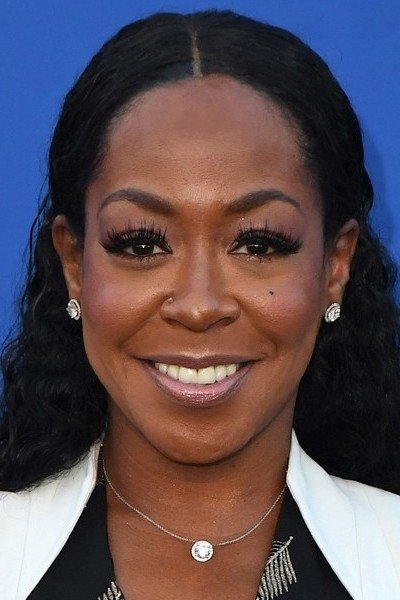
Tichina Arnold has discussed the beauty standards of the industry and how they have shifted over her decades-long career. She has shared her experiences of navigating Hollywood as a dark-skinned woman who has consistently found success in comedy and drama. The actress has been a vocal supporter of more visibility for dark-skinned performers in leading roles. She remains a beloved figure in television through her work on ‘Martin’ and ‘The Neighborhood’. Arnold continues to use her platform to mentor others and advocate for a more inclusive industry.
Gugu Mbatha-Raw
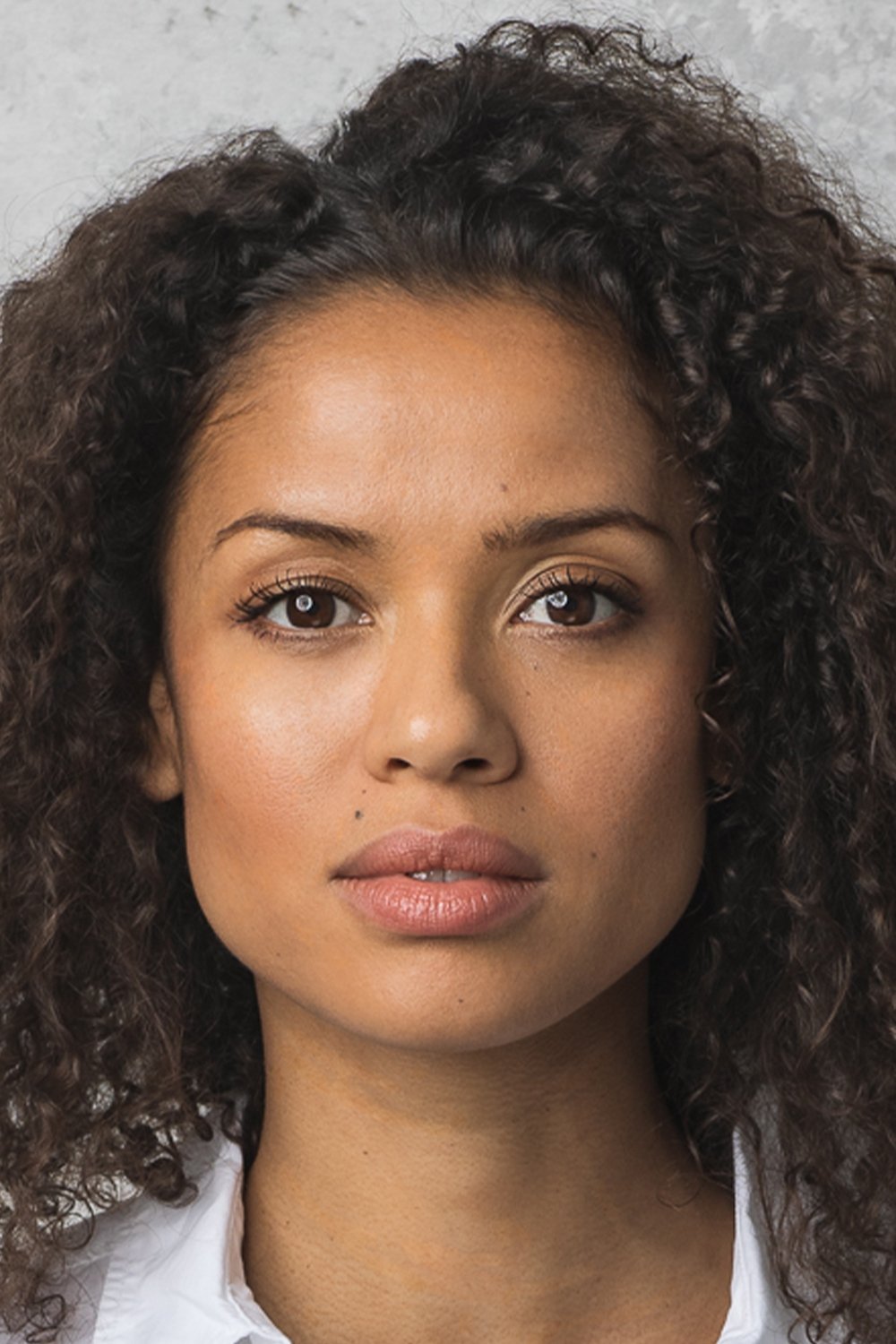
Gugu Mbatha-Raw has spoken about the role of colorism in period pieces and the importance of her role in ‘Belle’. She addressed how the film challenged traditional notions of race and beauty in historical narratives. The actress has discussed the complexities of being biracial and how that impacts the roles she is offered. She remains committed to taking on projects that explore identity and representation in unique ways. Mbatha-Raw continues to work in major productions and advocates for more diversity in the stories being told.
Naomie Harris
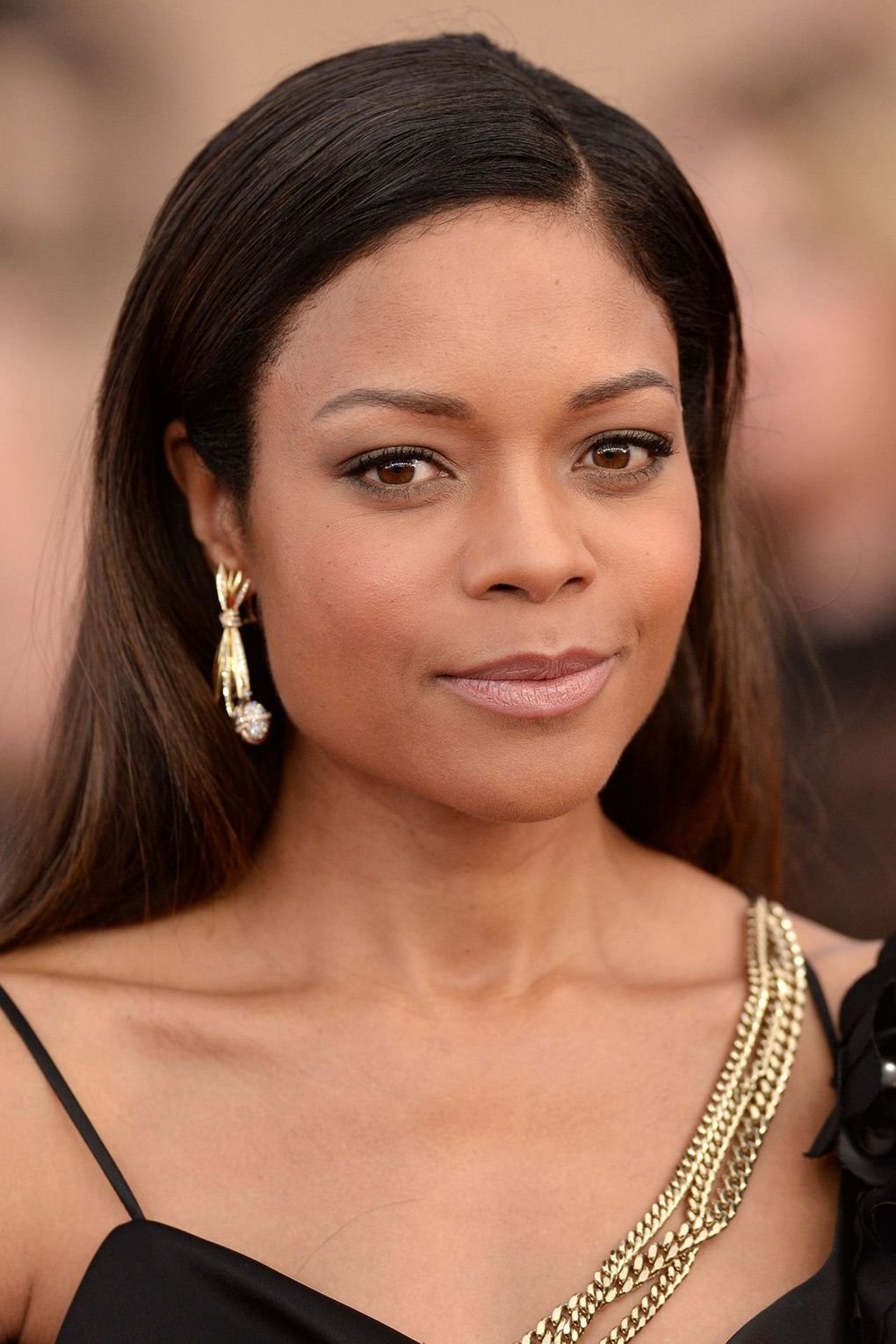
Naomie Harris has discussed her views on representation and the importance of dark-skinned women being cast in high-profile roles. she has spoken about her personal journey with self-image and how her career has helped her embrace her complexion. The actress gained widespread acclaim for her performance in ‘Moonlight’ and her role in the James Bond series. she emphasizes the need for more dark-skinned performers to be seen as versatile and capable of leading any project. Harris remains a prominent figure in the conversation about skin tone bias in the global film industry.
Sophie Okonedo
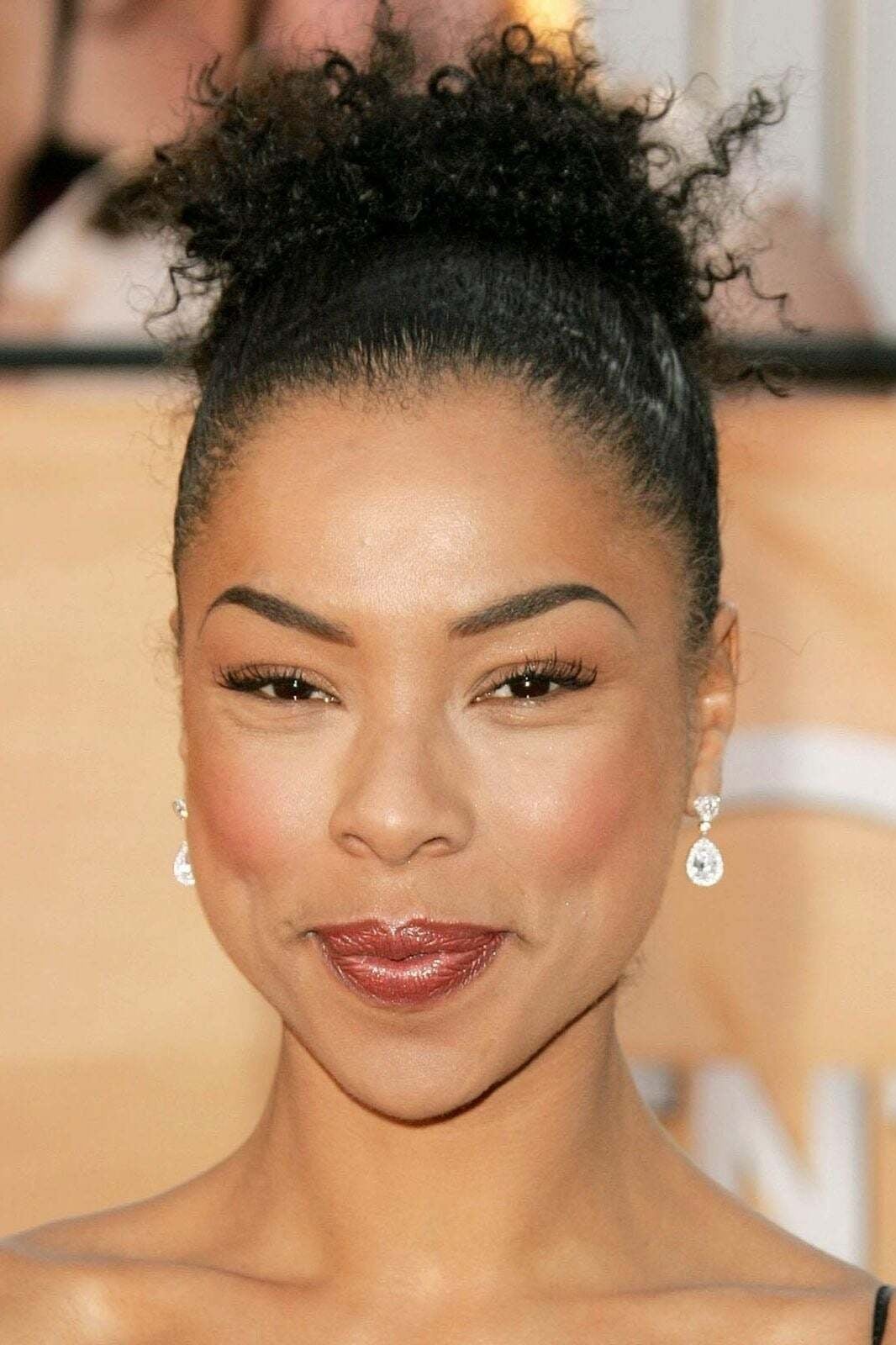
Sophie Okonedo has addressed the lack of opportunities for dark-skinned women in the British acting community. She has spoken about the need for more diverse casting that reflects the reality of modern society. The Academy Award-nominated actress has built a career spanning film and theater in both the United Kingdom and the United States. She continues to take on challenging roles that defy stereotypes and showcase her incredible range. Okonedo remains a vocal proponent for more equitable treatment of performers regardless of their skin tone.
Indya Moore
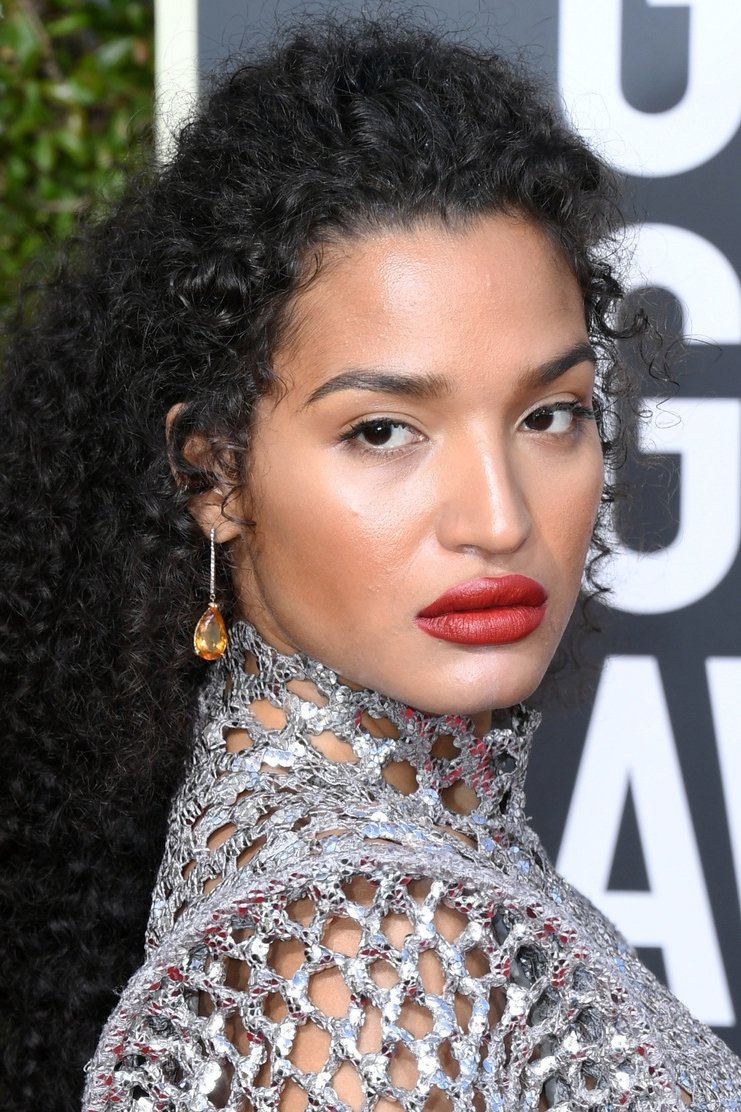
Indya Moore has spoken about how light skin impacts success and visibility within the trans community and the wider entertainment industry. The actress and model has addressed the intersections of colorism and transphobia in many interviews. She advocates for more representation of dark-skinned trans people who are often marginalized within an already marginalized group. Her role in ‘Pose’ was a landmark moment for representation and she continues to push for more inclusion. Moore remains a dedicated activist and performer who uses her voice to uplift others.
Michaela Jaé Rodriguez
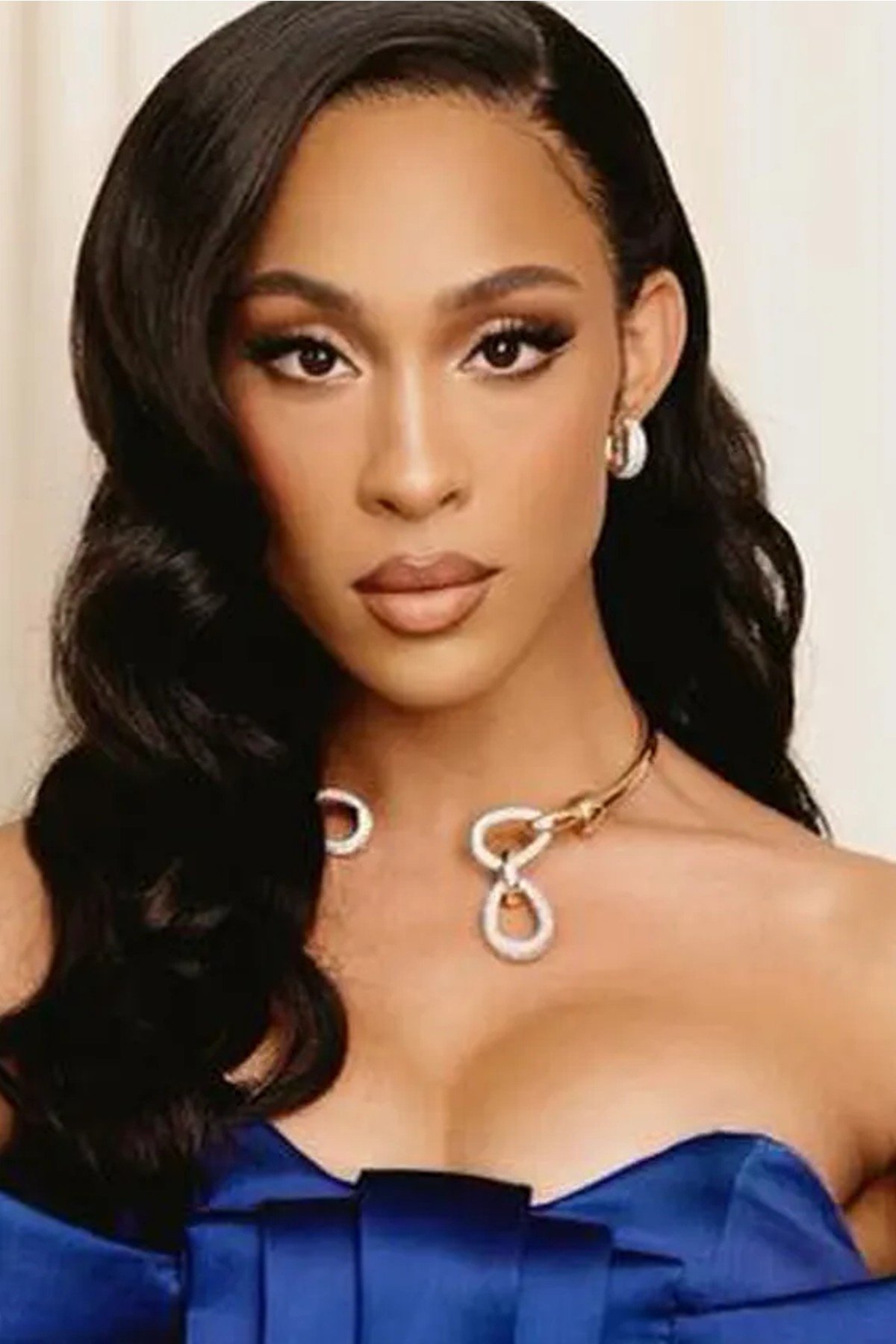
Michaela Jaé Rodriguez has discussed skin tone privilege within the Black trans experience and the Hollywood landscape. She has acknowledged her own privilege as a lighter-skinned performer while advocating for her darker-skinned peers. The actress made history as the first trans woman to win a Golden Globe and uses her platform to fight for equity. She emphasizes the importance of the industry moving beyond its aesthetic biases to recognize true talent. Rodriguez remains a leading figure in the movement for a more inclusive and representative entertainment industry.
Tia Mowry
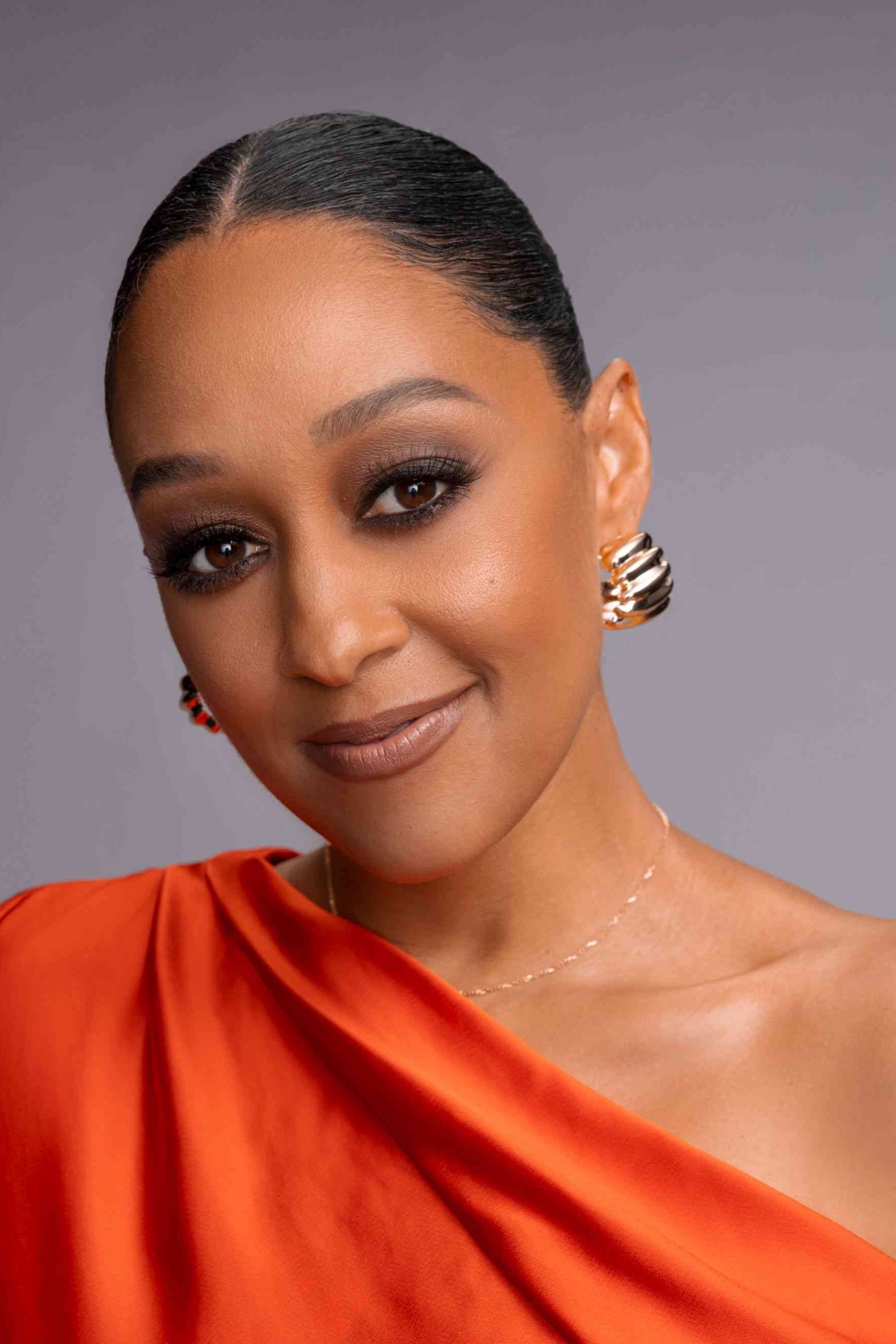
Tia Mowry has shared how she and her sister were often treated differently than their white or lighter-skinned peers in the industry. she has spoken about the impact of colorism on her career and the pressure to conform to certain beauty standards. The actress has become a vocal advocate for self-love and the celebration of natural hair and skin tones. She continues to work in television and digital media where she promotes messages of empowerment. Mowry remains a beloved figure who uses her personal stories to inspire others to fight for equality.
Pearl Thusi
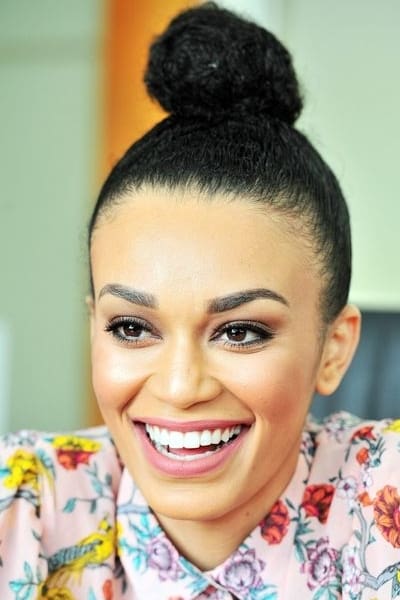
Pearl Thusi has acknowledged the privilege her lighter skin tone has afforded her in the South African and international film industries. she has participated in heated discussions about colorism and the need for more dark-skinned women to be given leading roles. The actress has been a prominent figure in African media and has worked on major projects like ‘Queen Sono’. she continues to advocate for a more equitable industry that prioritizes talent over skin tone. Thusi remains a vocal participant in the global conversation about representation and fairness.
Naturi Naughton
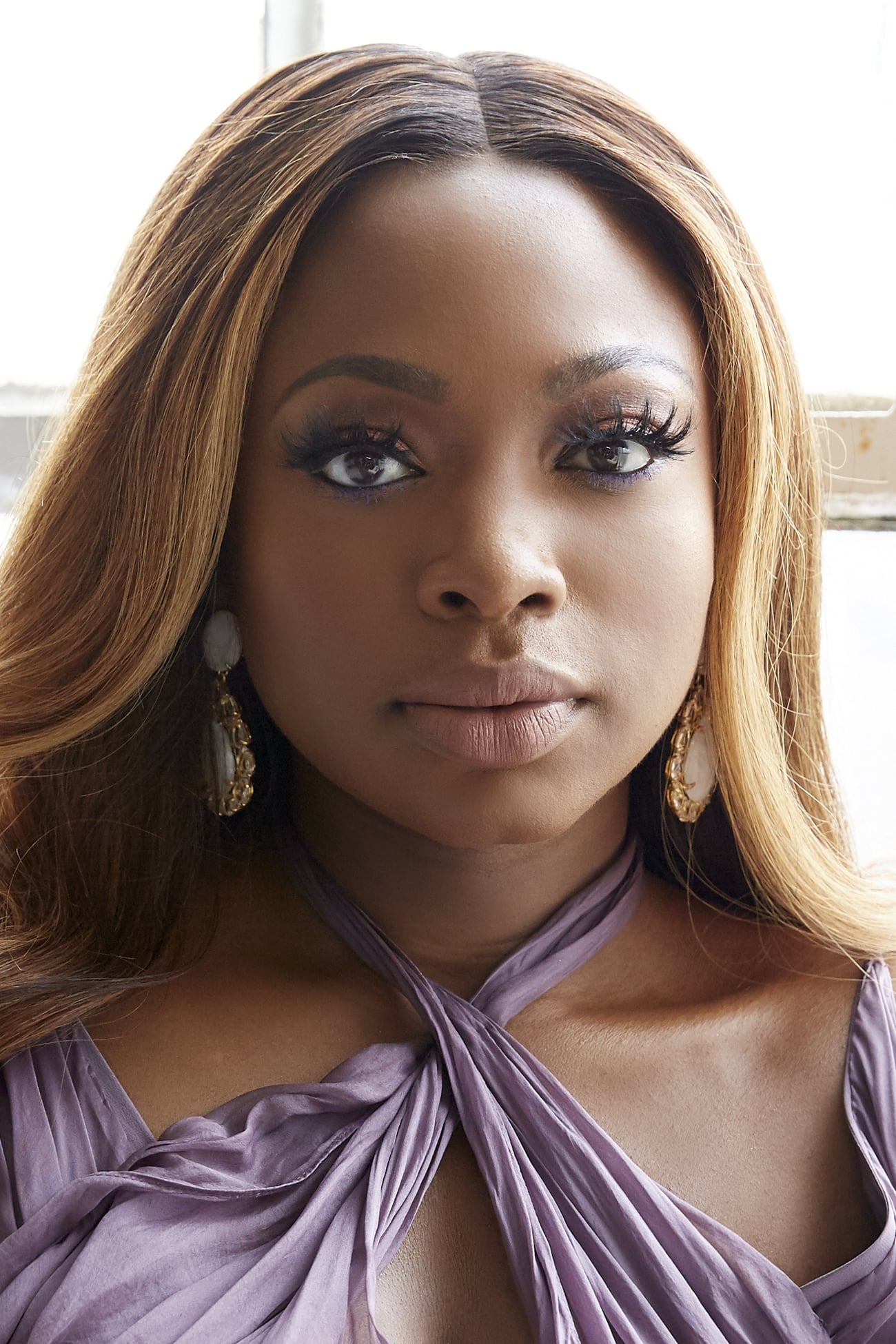
Naturi Naughton has been very open about the bullying and colorism she experienced during her early career in the group 3LW. She shared how her skin tone was used as a reason to sideline her in favor of lighter-skinned members. The actress has since found immense success in her acting career with major roles in ‘Power’ and ‘Notorious’. she uses her story to encourage young dark-skinned girls to persist in the face of discrimination. Naughton remains a strong voice for the fair treatment of all Black women in the entertainment industry.
Retta
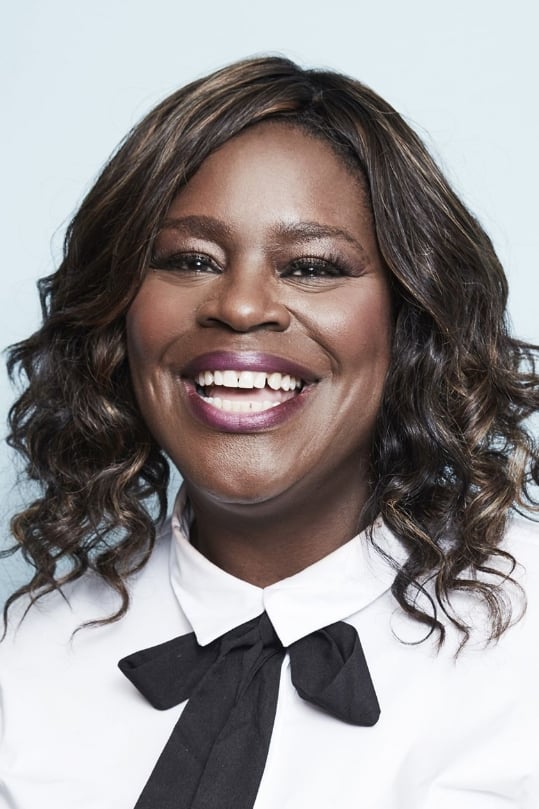
Retta has mentioned the pressure of often being the only dark-skinned woman on set during her early years in comedy and television. She has spoken about the industry’s tendency to cast dark-skinned women in specific and often limited roles. The actress and comedian gained widespread recognition for her work in ‘Parks and Recreation’ and ‘Good Girls’. she continues to advocate for more diverse casting that allows dark-skinned performers to show their full range of talent. Retta remains a trailblazer in the industry who uses her humor and platform to call for change.
Please share your thoughts on the impact of colorism in the entertainment industry in the comments.