


Black Actresses Who Spoke Out Against Modern Diversity Quotas in Hollywood

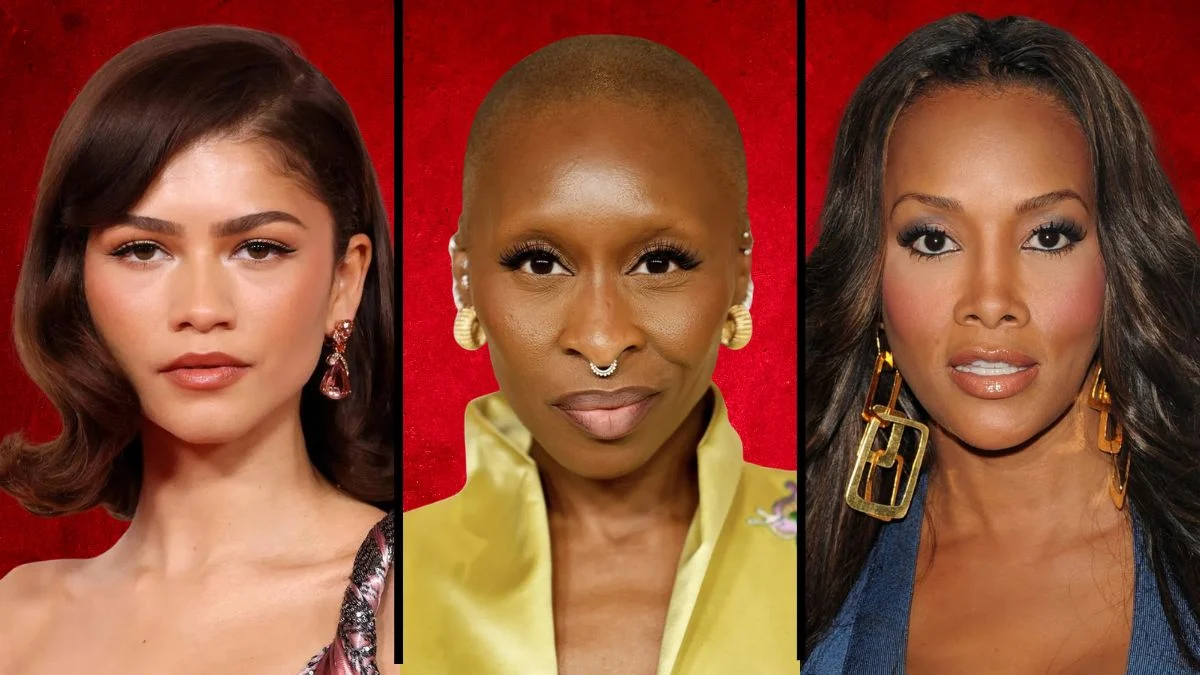


The entertainment industry has faced significant scrutiny regarding its methods for achieving equitable representation on screen. While many initiatives aim to increase visibility for underrepresented groups, several prominent Black actresses have expressed concerns about the implementation of these modern diversity quotas. Their critiques often focus on the difference between performative gestures and genuine systemic change that values artistic merit. These women have used their platforms to challenge the industry to move beyond superficial checklists and toward a more authentic form of inclusion.
Whoopi Goldberg
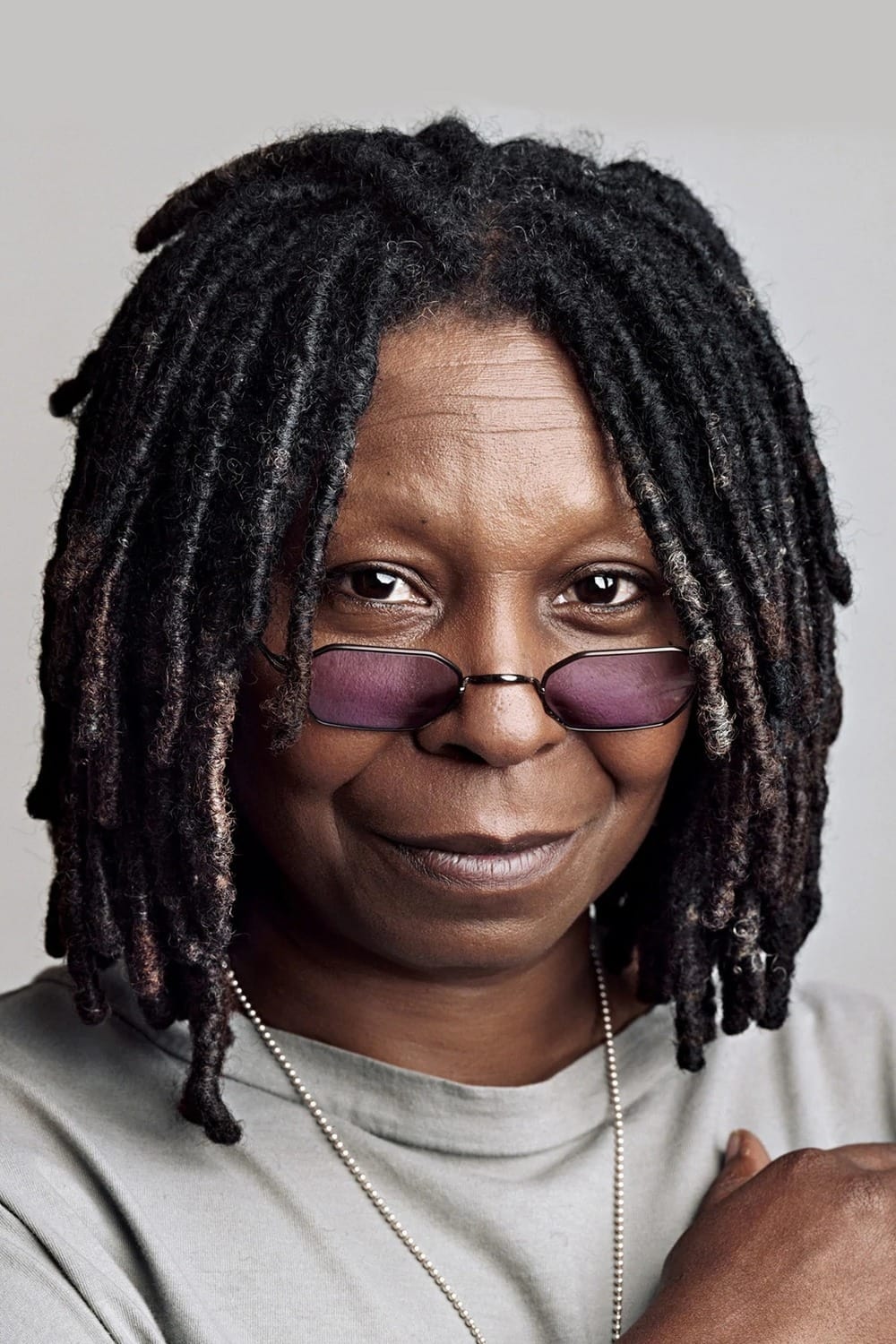
The legendary performer has expressed significant skepticism regarding the new diversity requirements introduced by major awards bodies. She has argued that creative projects should be driven by the vision of the filmmaker rather than mandated bureaucratic targets. Goldberg noted that these rules could potentially limit the types of stories that are told, especially those with specific historical settings. Her perspective emphasizes that true inclusion should occur naturally through broader access and opportunity. She continues to advocate for an industry that prioritizes storytelling over institutional checklists.
Thandiwe Newton

The ‘Westworld’ star has been vocal about her experiences with what she describes as performative diversity in the casting process. She has spoken about the frustration of being cast to satisfy a diversity requirement while feeling that her talent was secondary to the production’s image. Newton has critiqued Hollywood for using diverse actors as tokens to avoid public criticism without addressing deeper power imbalances. Her comments suggest that the current focus on quotas can lead to shallow representation that does not empower the artists involved. She remains a strong advocate for meaningful structural change rather than just visual optics.
Issa Rae
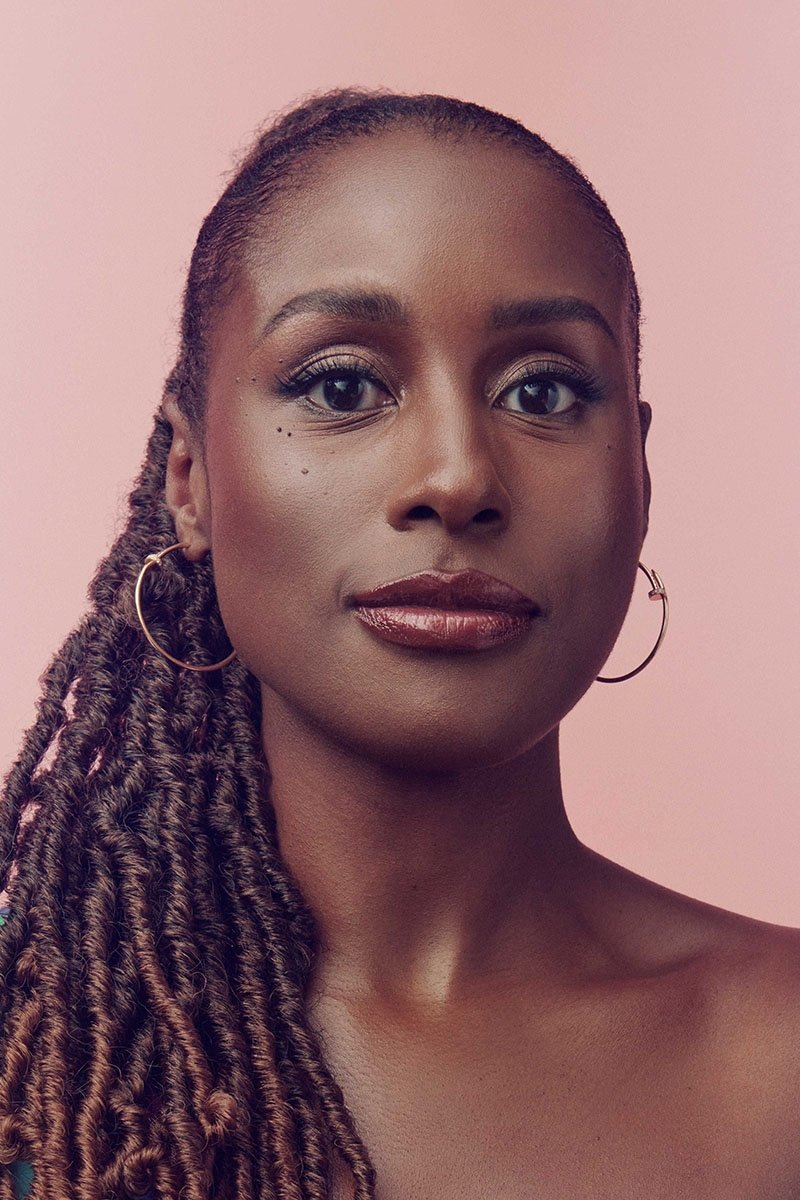
The creator and star of ‘Insecure’ has offered a critical take on how Hollywood studios approach diversity as a passing trend. She noted that many industry leaders treat inclusion initiatives as a fad that can be abandoned when financial or political priorities shift. Rae has expressed frustration with the performative nature of these quotas because they often fail to create permanent roles for Black creators in leadership positions. Her remarks highlight a concern that the current industry focus is more about meeting temporary targets than building a sustainable future. She continues to push for a model that values Black storytelling regardless of shifting industry fashions.
Mo’Nique
The Academy Award winner has long critiqued the entertainment industry for its inconsistent approach to diversity and inclusion. She has pointed out that while studios may hire diverse casts to meet public expectations, they often fail to provide equitable pay and support behind the scenes. Mo’Nique has argued that modern diversity initiatives are often hollow if they are not backed by fair treatment and financial compensation. Her stance highlights the gap between the public image of a diverse production and the private reality for the performers. She remains a vocal figure in demanding that the industry move past optics to address core issues of fairness.
Queen Latifah
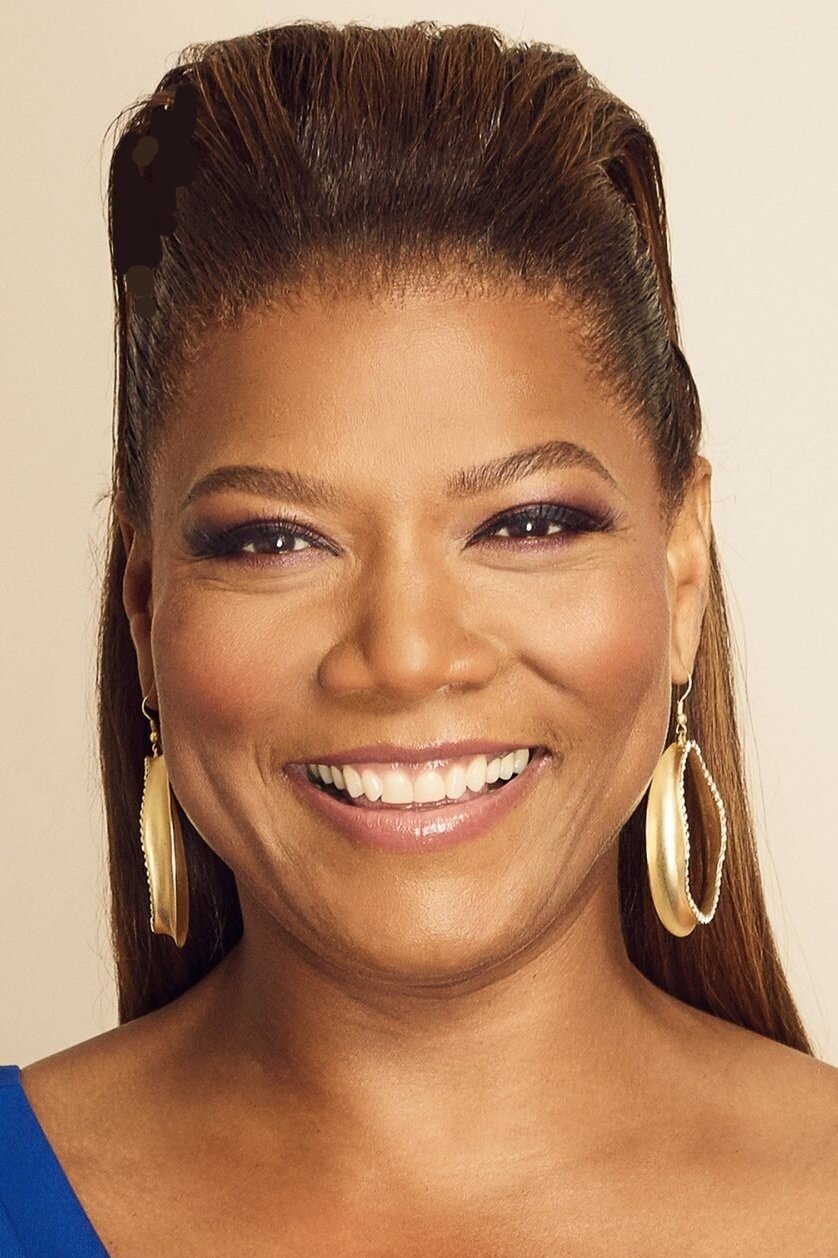
The multi-talented artist has discussed the importance of merit and authenticity in an industry that is increasingly focused on numerical targets. She has stated that while representation is vital, the primary focus should always remain on the quality of the work and the truth of the story. Queen Latifah has expressed that forced inclusion can sometimes undermine the achievements of talented individuals who want to be recognized for their skills. Her views reflect a desire for an environment where opportunities are based on talent rather than rigid quotas. She continues to support natural growth and empowerment within the film and music sectors.
Jada Pinkett Smith
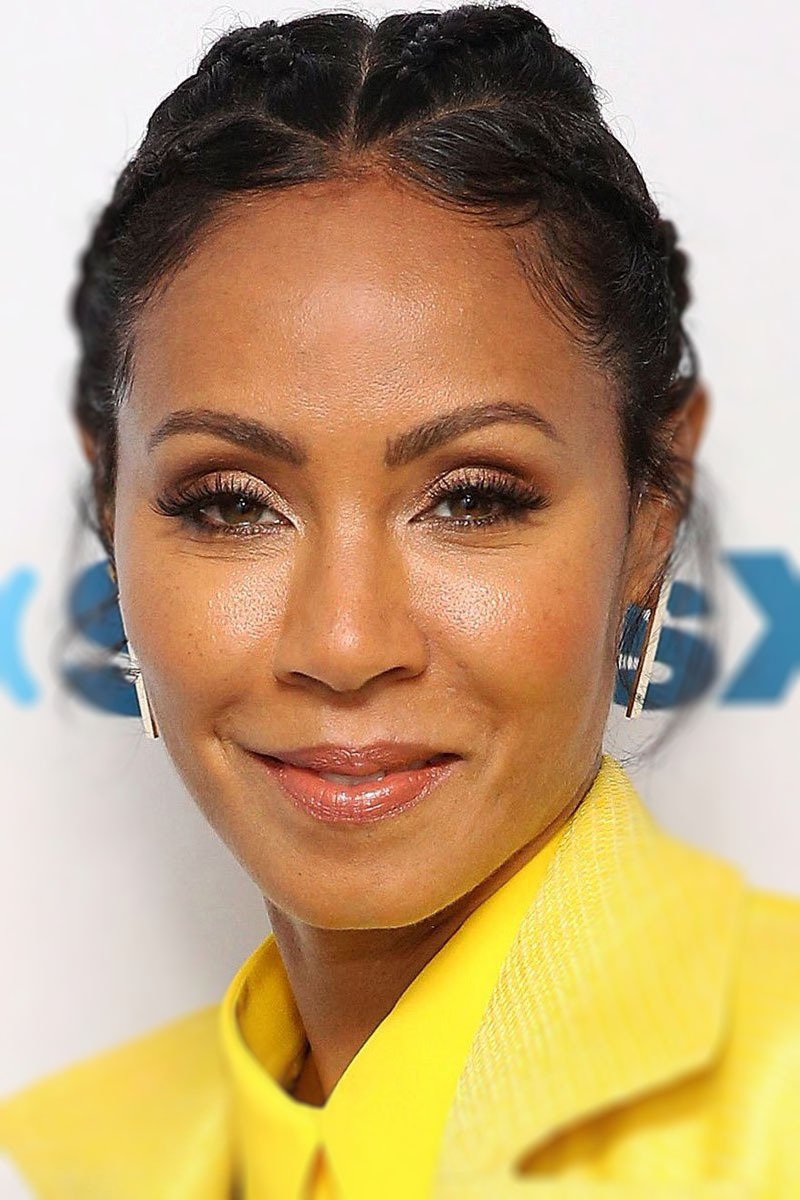
The ‘Girls Trip’ star has addressed the complexities of industry boycotts and the push for greater diversity in awards ceremonies. While she has advocated for change, she has also expressed concerns that the focus on quotas can sometimes distract from the need for Black-owned infrastructure. Pinkett Smith has suggested that instead of only seeking validation from existing systems, creators should focus on building their own platforms. Her comments highlight a belief that true progress comes from independence rather than just meeting the inclusion standards of major studios. She continues to encourage Black artists to define their own success on their own terms.
Janet Hubert
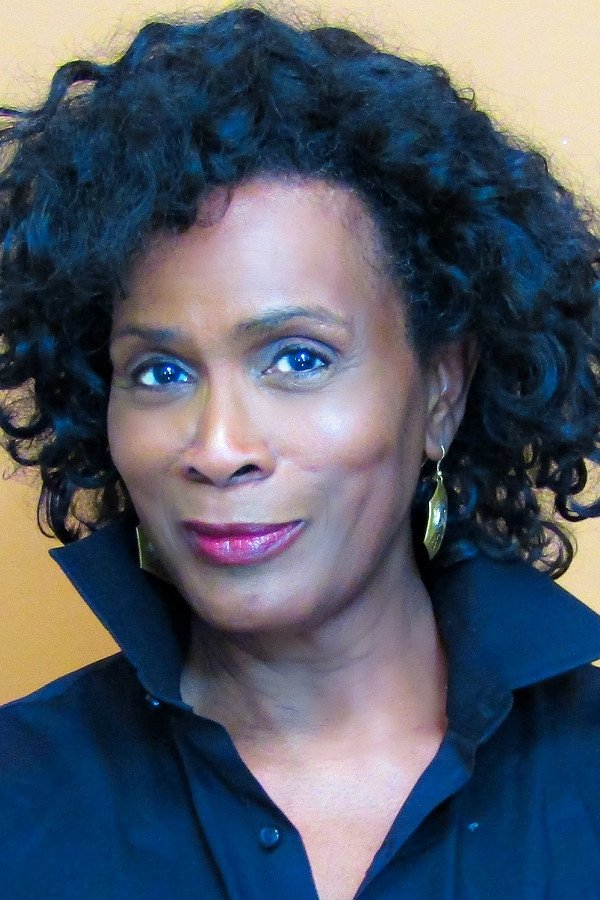
The veteran actress known for ‘The Fresh Prince of Bel-Air’ has been critical of how some diversity movements are led by high-profile celebrities. She has argued that boycotts and public demands for quotas can sometimes be more about individual egos than systemic progress for all actors. Hubert has expressed that the industry needs to focus on providing consistent work and respect for seasoned performers rather than just chasing modern trends. Her perspective emphasizes the importance of a professional environment that values experience and craft over performative activism. She remains a candid voice regarding the realities of working as a Black actress in Hollywood.
Vivica A. Fox
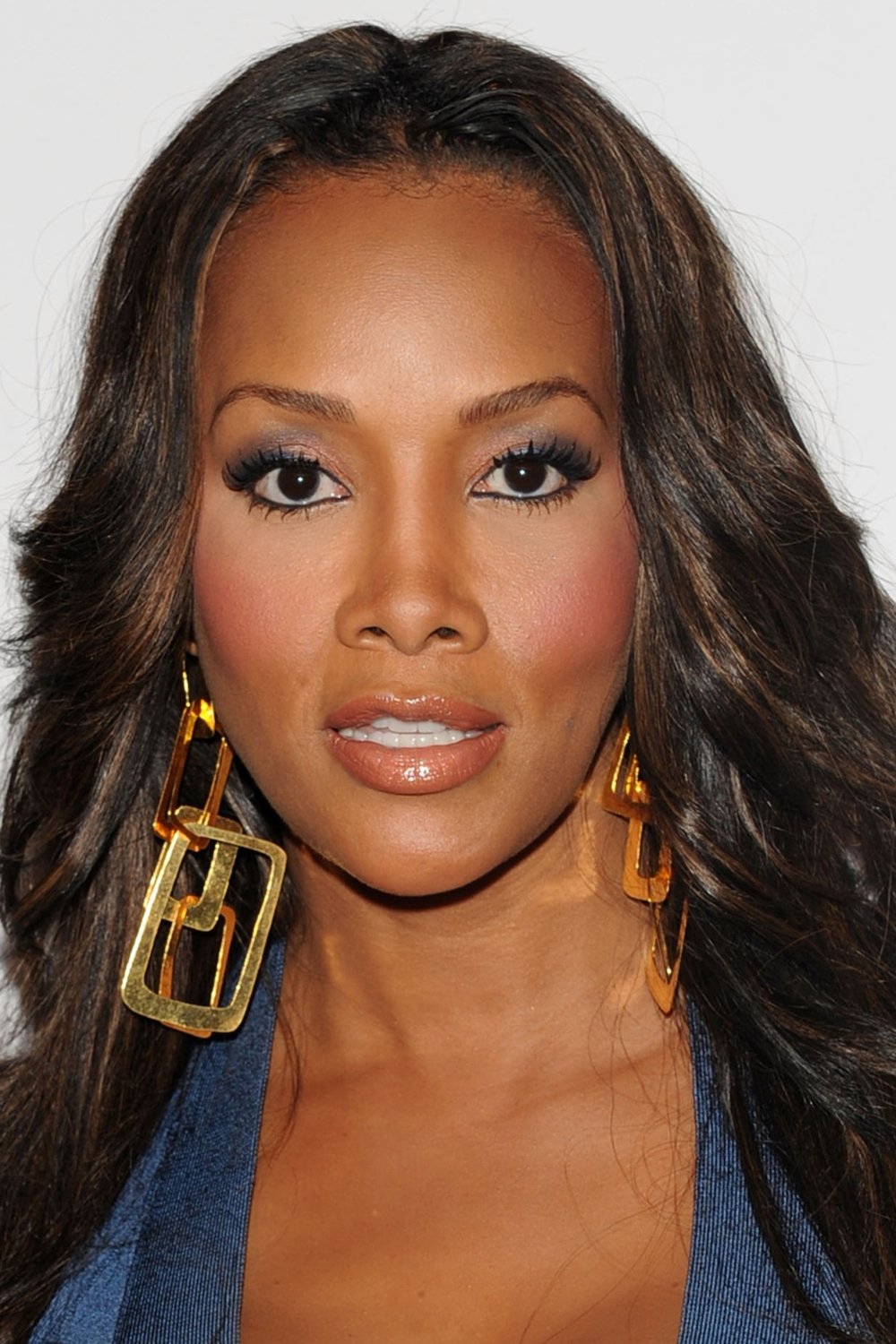
The ‘Independence Day’ actress has shared her thoughts on the changing landscape of Hollywood and the role of diversity initiatives. She has noted that while it is positive to see more opportunities, the focus should not be on taking roles away from others to meet a quota. Fox has expressed that true diversity involves creating new stories and characters that reflect the breadth of human experience. Her comments suggest a preference for an industry that expands its horizons through creativity rather than restrictive mandates. She continues to advocate for a competitive and fair environment where all performers can thrive based on their work.
Regina Hall
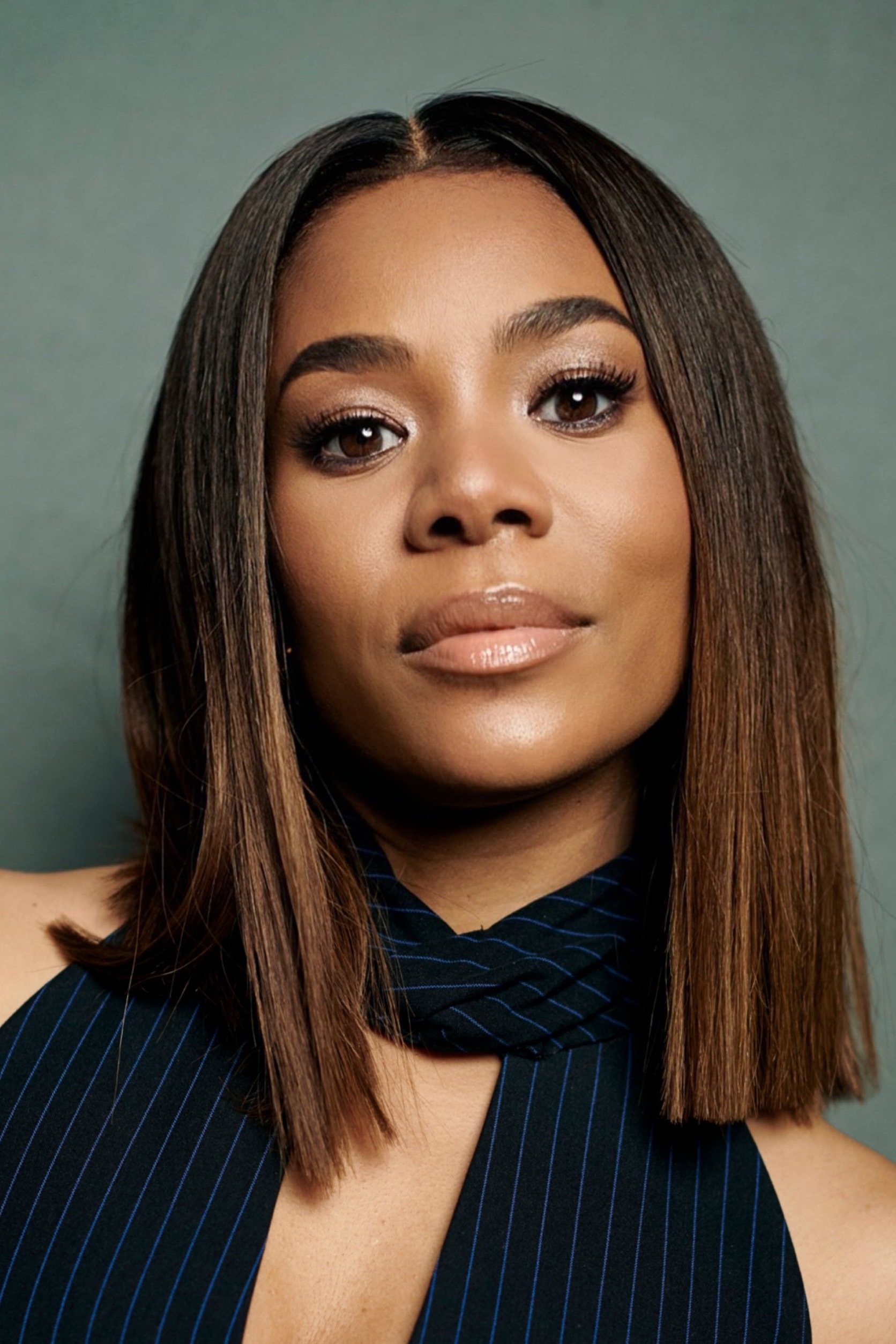
The star of ‘Honk for Jesus. Save Your Soul.’ has discussed the limitations of being cast in roles that feel like they were written solely to meet a diversity requirement. She has noted that these roles often lack the depth and nuance required for a truly compelling performance. Hall has expressed that the industry should focus on high-quality writing and character development rather than just checking a box for representation. Her perspective highlights the need for filmmakers to treat diverse characters with the same complexity as any other lead. She remains committed to pursuing roles that challenge her as an artist.
Gabrielle Union
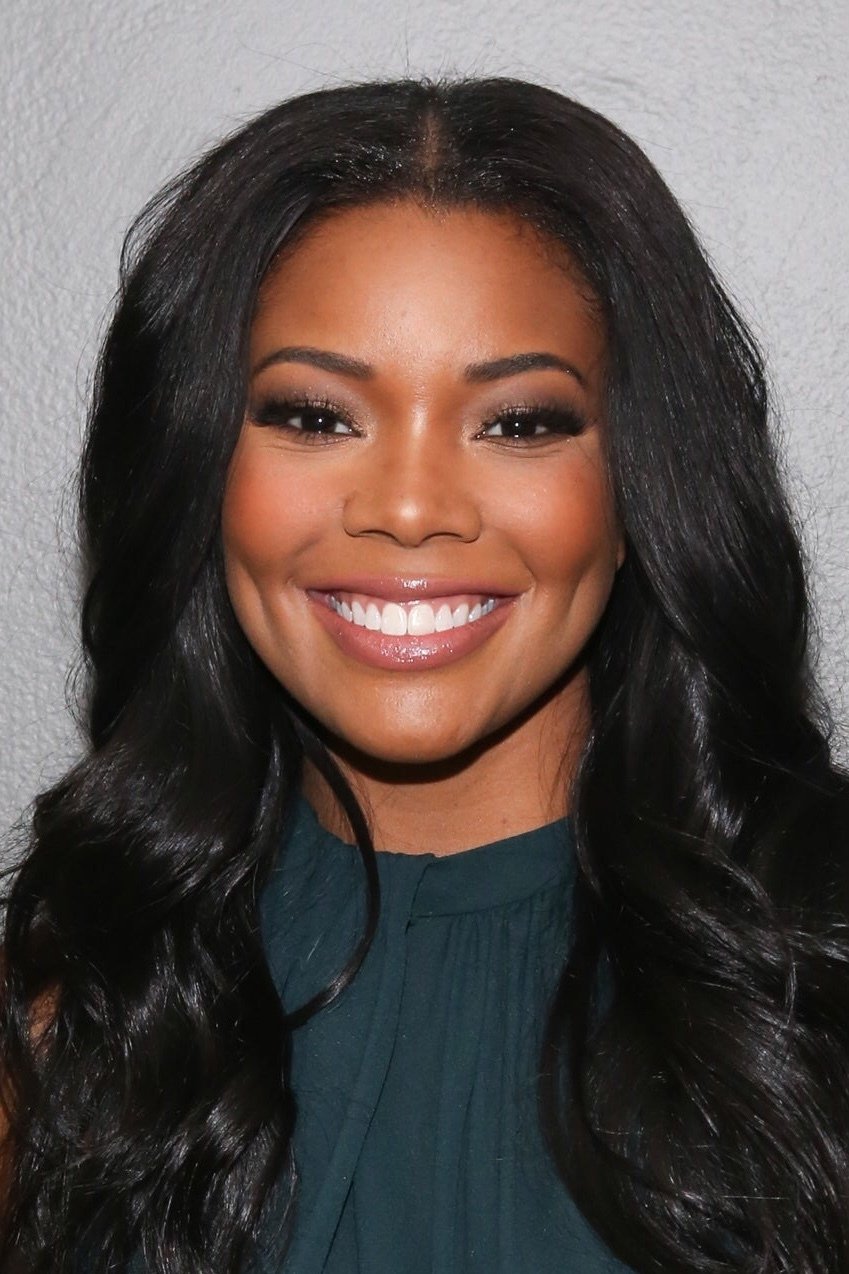
The ‘Bring It On’ actress has been an outspoken critic of performative diversity in major media companies. She has shared her experiences with corporate cultures that prioritize the appearance of inclusion while maintaining exclusionary practices behind the scenes. Union has argued that modern diversity quotas are often used as a shield to prevent actual accountability for toxic work environments. Her comments emphasize that true progress requires a total overhaul of industry culture rather than just meeting casting targets. She continues to fight for transparency and genuine equity in the workplace.
Taraji P. Henson
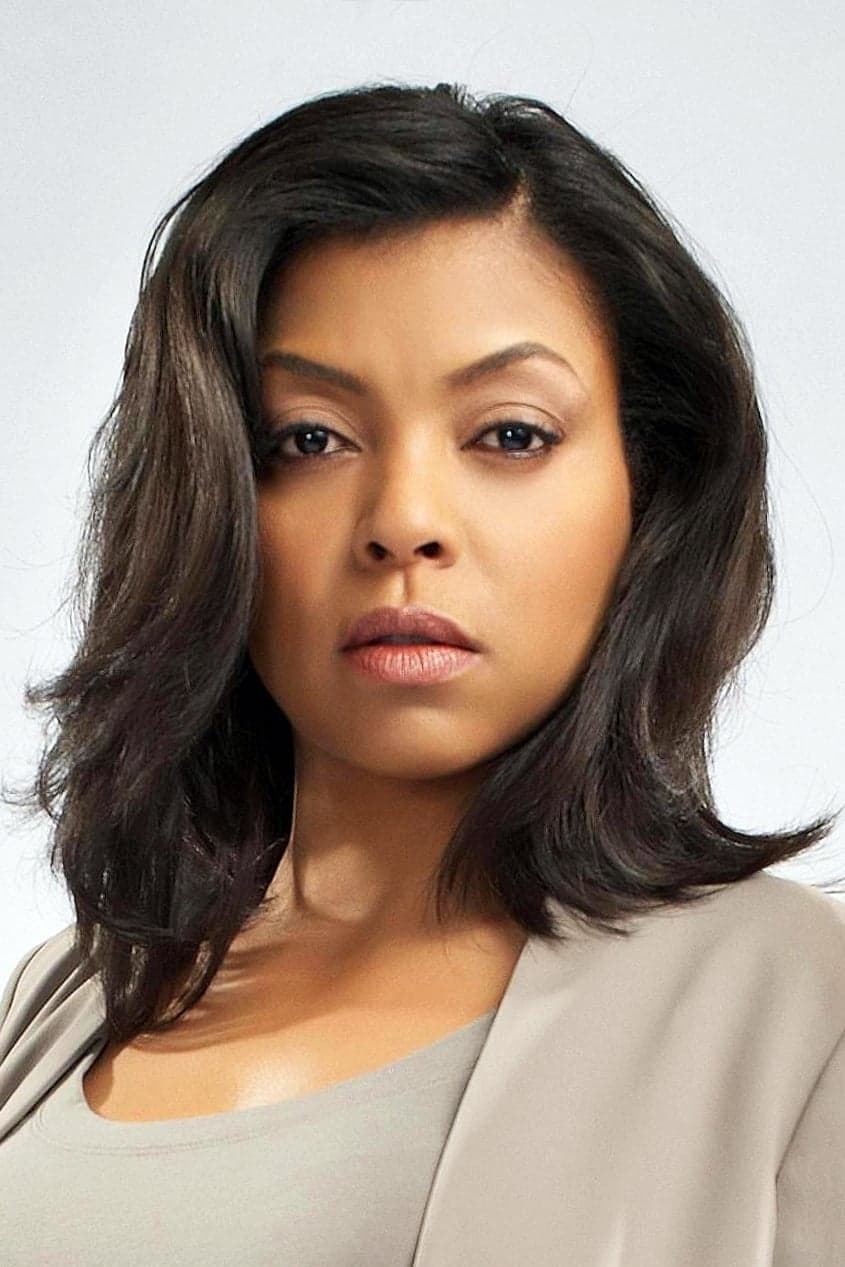
The ‘Empire’ star has frequently highlighted the disparity between the industry’s public commitment to diversity and the reality of pay inequality. She has expressed frustration that actresses of color are often used to market a studio’s inclusivity while being underpaid compared to their peers. Henson has suggested that quotas mean very little if they do not result in tangible financial and professional respect for the actors involved. Her remarks have sparked important conversations about the value of Black talent in the global marketplace. She remains a powerful advocate for equal pay and long-term career stability.
Zendaya

The ‘Euphoria’ star has spoken about her awareness of how the industry uses certain types of Black actresses to meet diversity goals while ignoring others. She has critiqued the concept of being the acceptable face of diversity, noting that colorism often plays a role in who gets cast to fill a quota. Zendaya has expressed that true representation must include a wide range of skin tones and experiences rather than a single, repeated archetype. Her comments highlight the limitations of modern diversity initiatives that fail to be truly inclusive of the entire Black community. She continues to use her influence to open doors for a more varied group of performers.
Amandla Stenberg
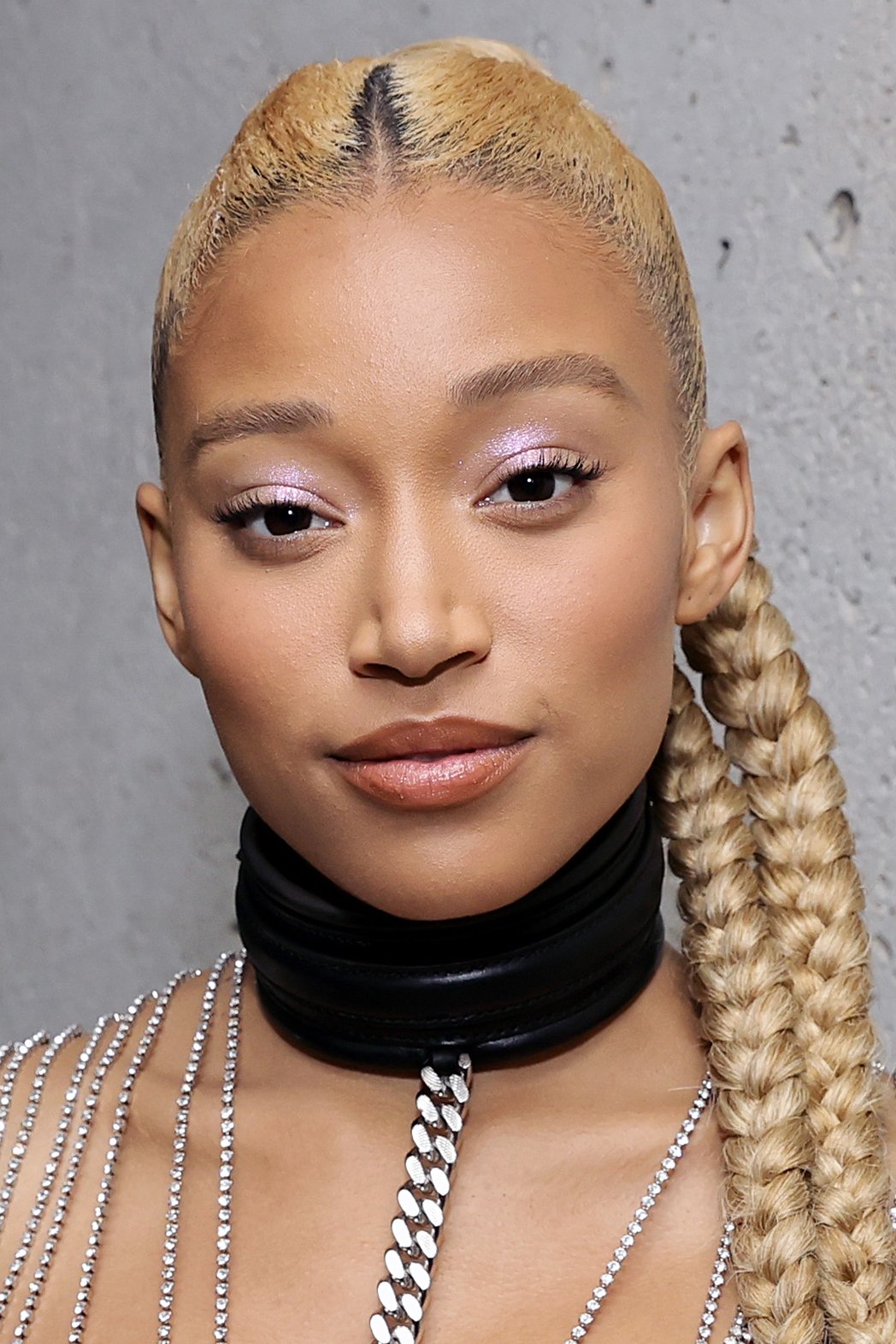
The actress has been vocal about the pressure and expectations placed on Black actors who are seen as representatives of diversity. She has critiqued the industry for its tendency to box performers into specific categories based on their identity rather than their range. Stenberg has expressed that modern quotas can sometimes lead to a reductive view of Blackness that does not allow for individual artistic expression. Her perspective encourages a more nuanced understanding of identity that goes beyond simple labels and targets. She remains dedicated to exploring complex characters that defy industry stereotypes.
Cynthia Erivo
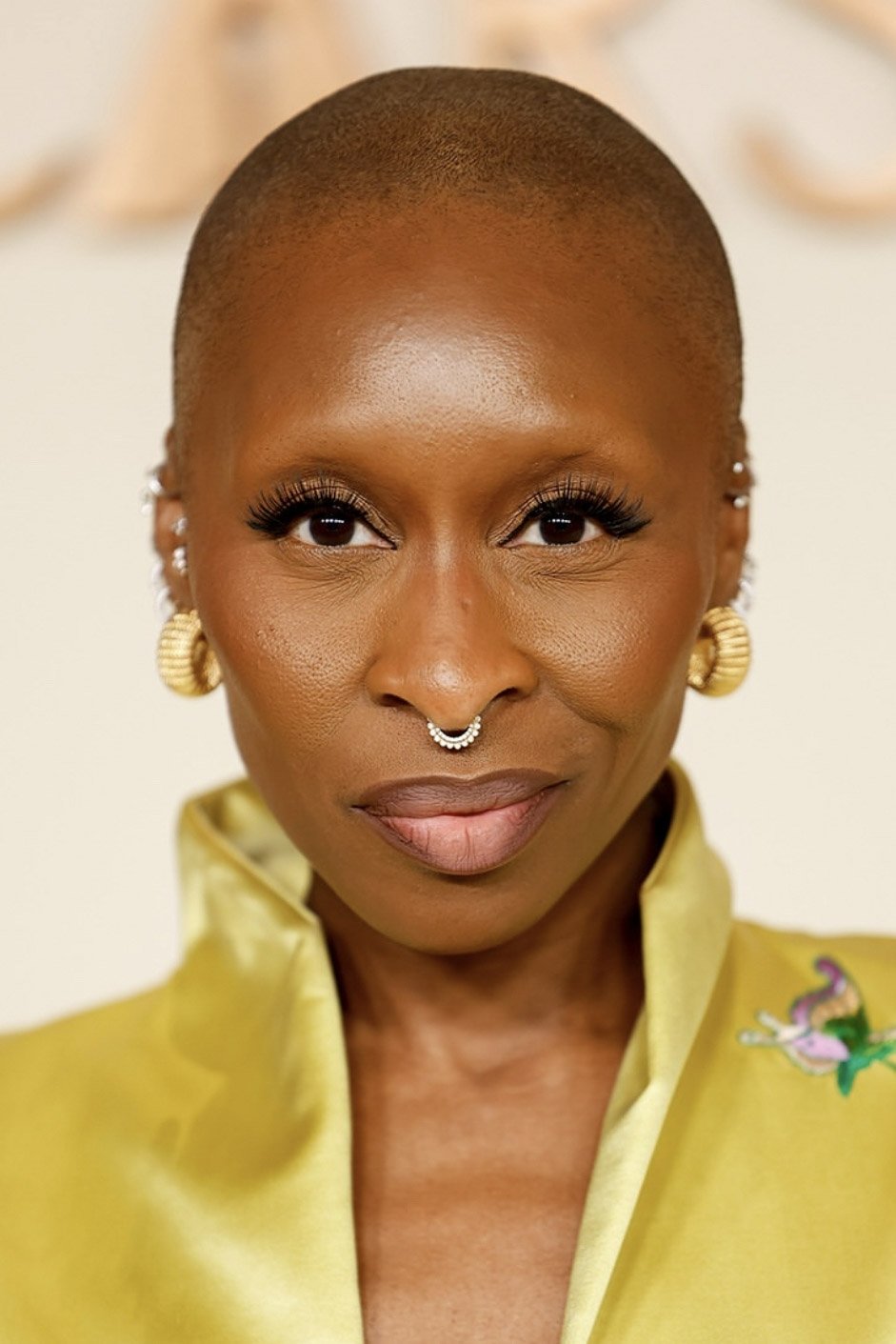
The ‘Harriet’ star has addressed the political nature of casting and the scrutiny that comes with being a Black actress in high-profile roles. She has expressed that the focus on diversity metrics can sometimes overshadow the individual talent and dedication required for a role. Erivo has noted that the industry should prioritize the best person for the job while also ensuring that the path to those opportunities is fair. Her comments reflect a desire for a merit-based system that is supported by broad and inclusive recruitment. She continues to achieve success by focusing on the excellence of her craft.
Michaela Coel
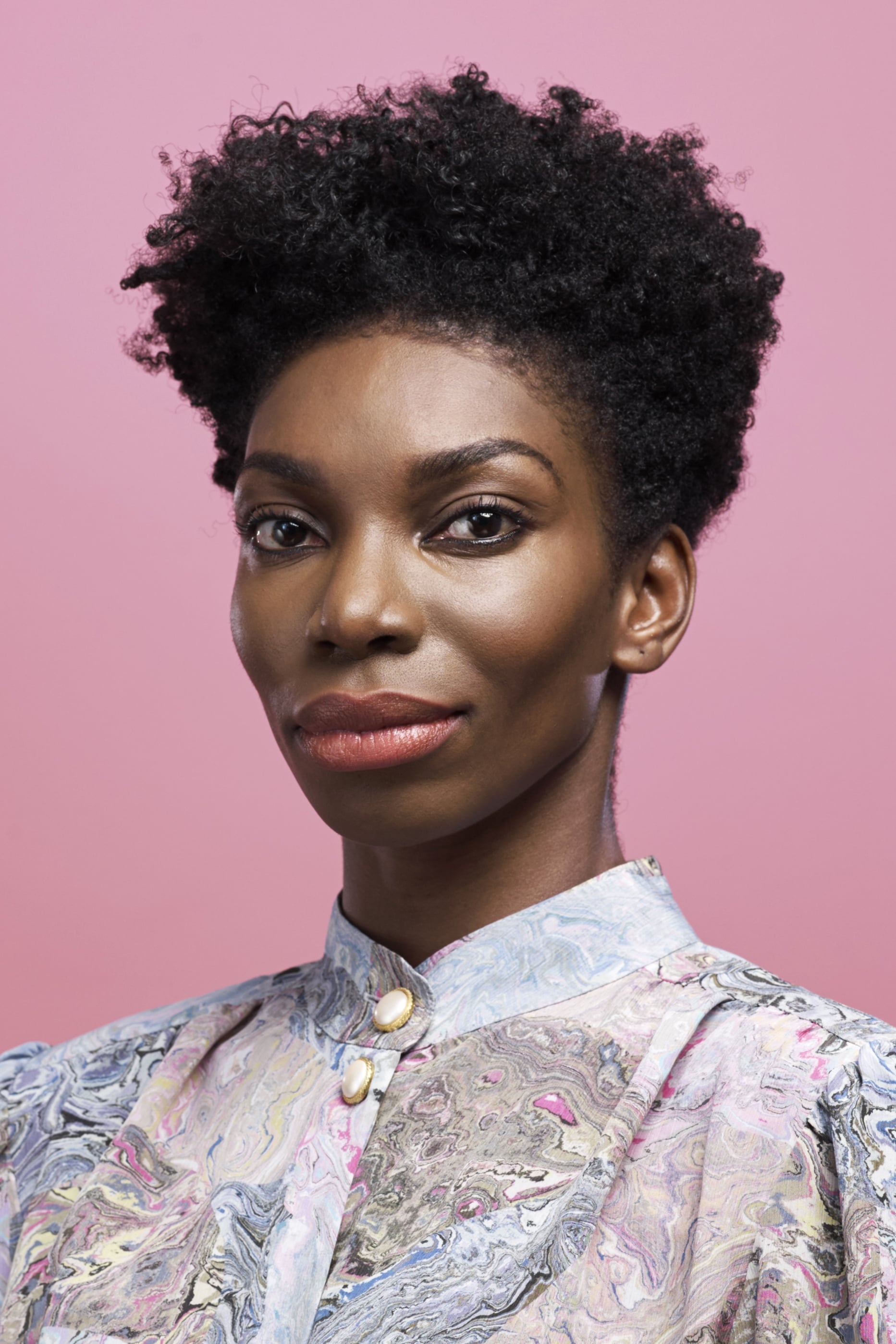
The creator and star of ‘I May Destroy You’ has spoken about the transactional nature of diversity in the television industry. She has expressed concerns that studios often try to buy the rights to diverse stories to improve their image without respecting the creator’s vision. Coel has critiqued the practice of using diversity as a marketing tool rather than a commitment to honest and challenging storytelling. Her perspective highlights the importance of creative autonomy and ownership for Black artists. She remains a leading figure in the movement for independence and integrity in modern media.
Naomie Harris
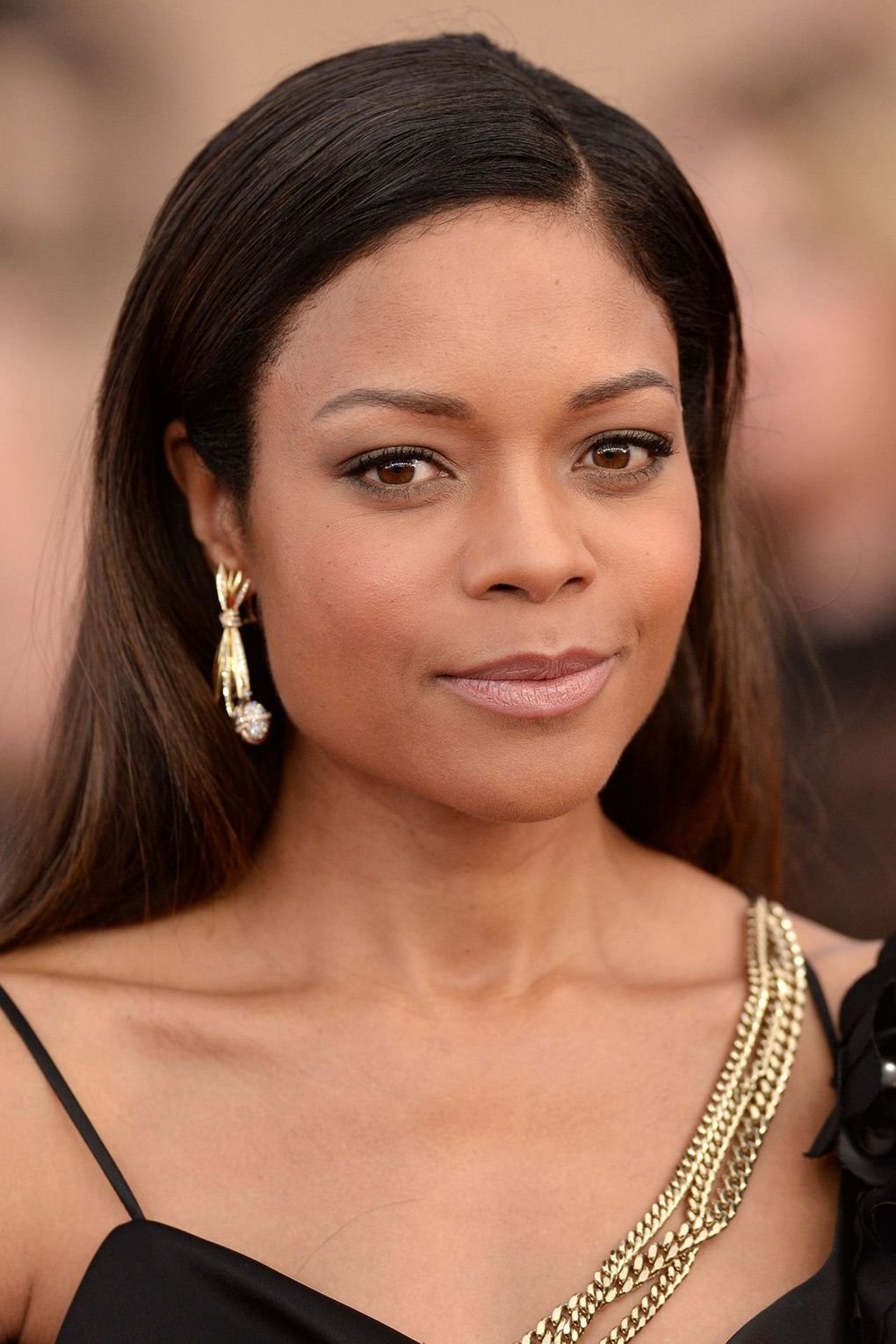
The ‘Moonlight’ actress has expressed her dislike for being defined primarily by her race in the context of industry diversity discussions. She has stated that she prefers to be seen as an actress who can inhabit any role regardless of her background. Harris has noted that the constant focus on diversity quotas can sometimes make performers feel like they are being reduced to a category. Her views reflect a desire for a post-racial industry where talent is the only metric that matters. She continues to choose roles that showcase her versatility and skill.
Sophie Okonedo
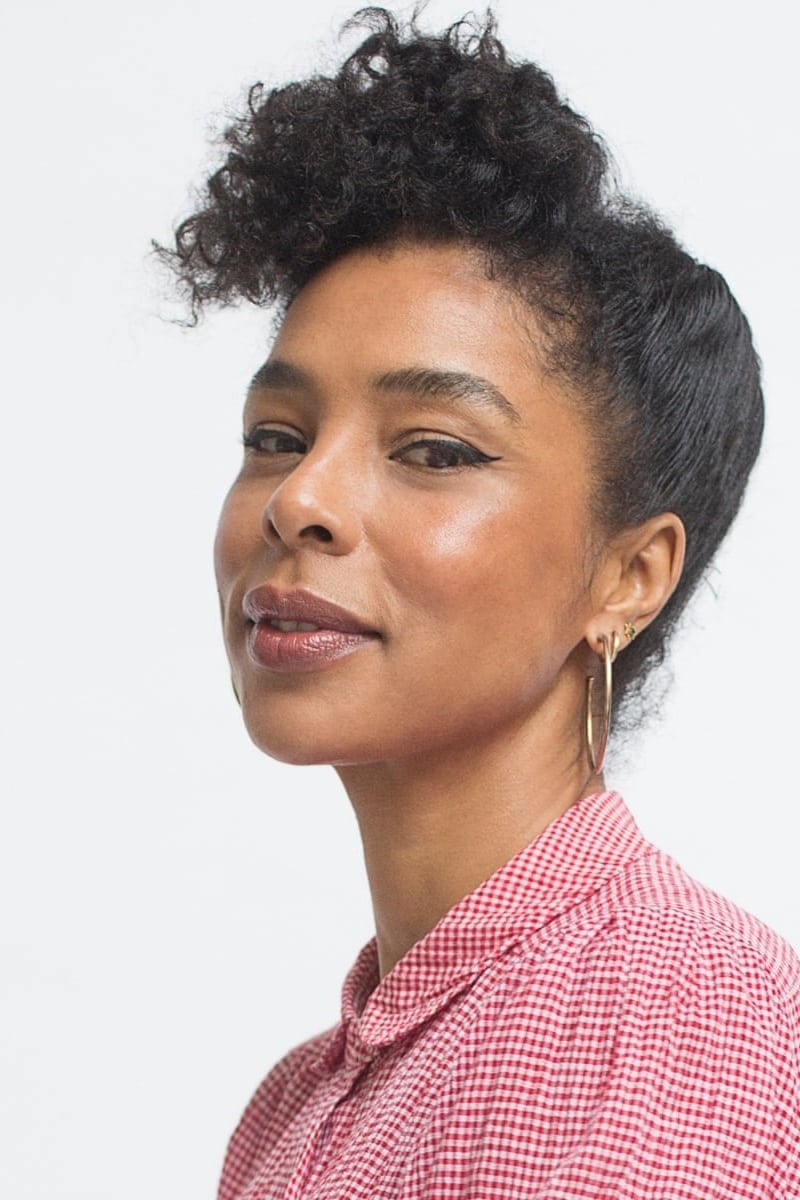
The Academy Award nominee has discussed the challenges of navigating an industry that often labels actors based on their ethnicity. She has expressed that the term diversity itself can feel like a way of separating certain performers from the mainstream. Okonedo has noted that the goal should be an industry where inclusion is so natural that it no longer needs to be a topic of conversation. Her comments suggest that modern quotas are a temporary and imperfect solution to a deeper structural issue. She remains focused on delivering powerful performances that transcend labels.
Marianne Jean-Baptiste
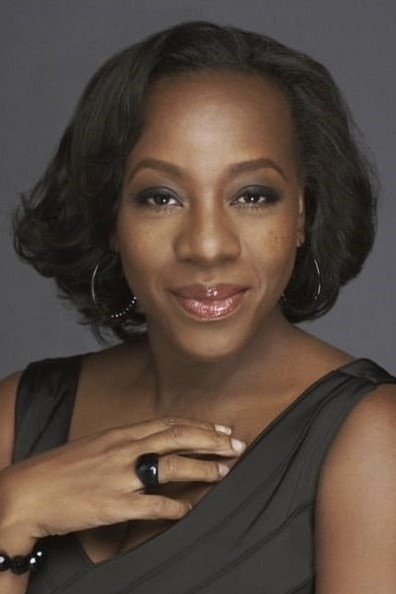
The ‘Secrets & Lies’ star has been critical of the lack of opportunities for Black actors in the British film industry, which led her to move to Hollywood. She has noted that diversity initiatives in the United Kingdom have often been slow to produce real results for veteran performers. Jean-Baptiste has expressed that talk about quotas is often meaningless without a genuine change in the types of stories being greenlit by studios. Her perspective emphasizes the need for a global shift in how Black talent is utilized and respected. She continues to be a respected voice for actors who seek meaningful work across borders.
Adjoa Andoh
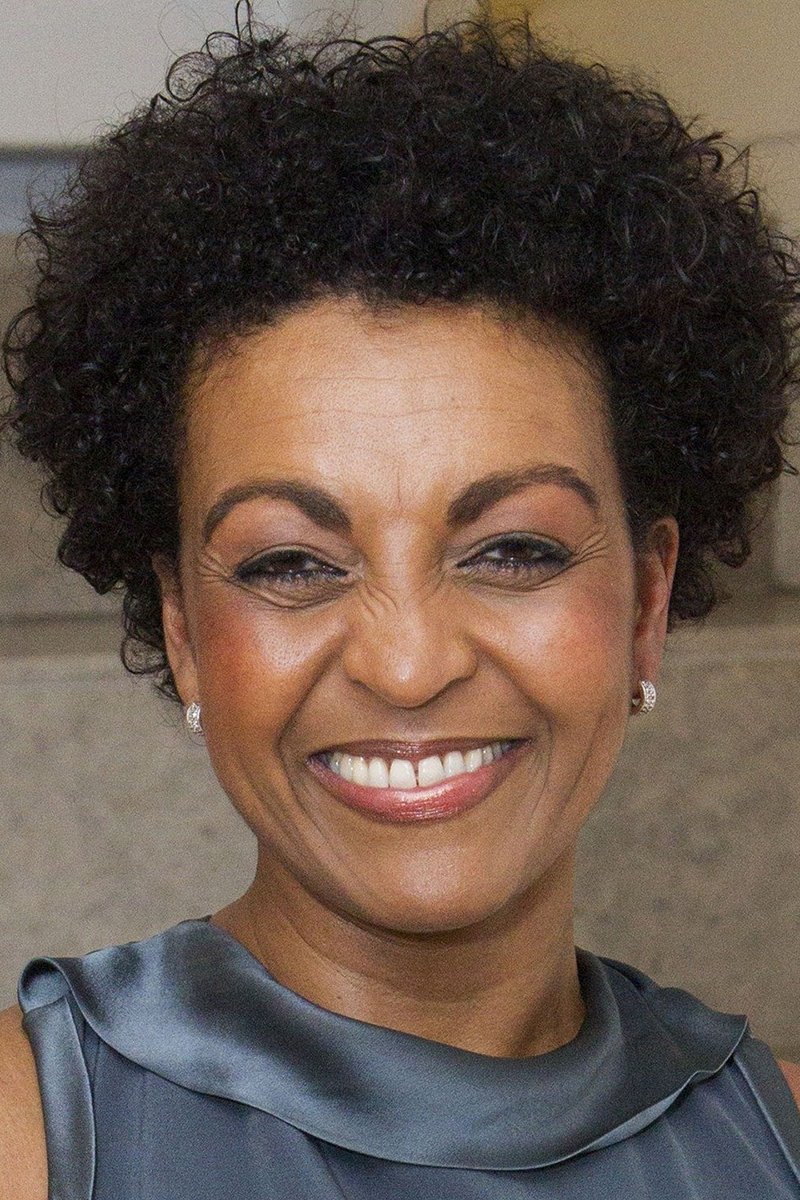
The ‘Bridgerton’ star has commented on the visual optics of major institutional events and the industry at large. While she has pointed out the lack of diversity in certain traditional spaces, she has also critiqued the superficial nature of some modern inclusion efforts. Andoh has expressed that true change comes from education and a shift in perspective rather than just filling a room with a diverse group of people. Her remarks highlight the importance of depth and historical context in the conversation about representation. She remains an influential figure in both theater and television.
Golda Rosheuvel
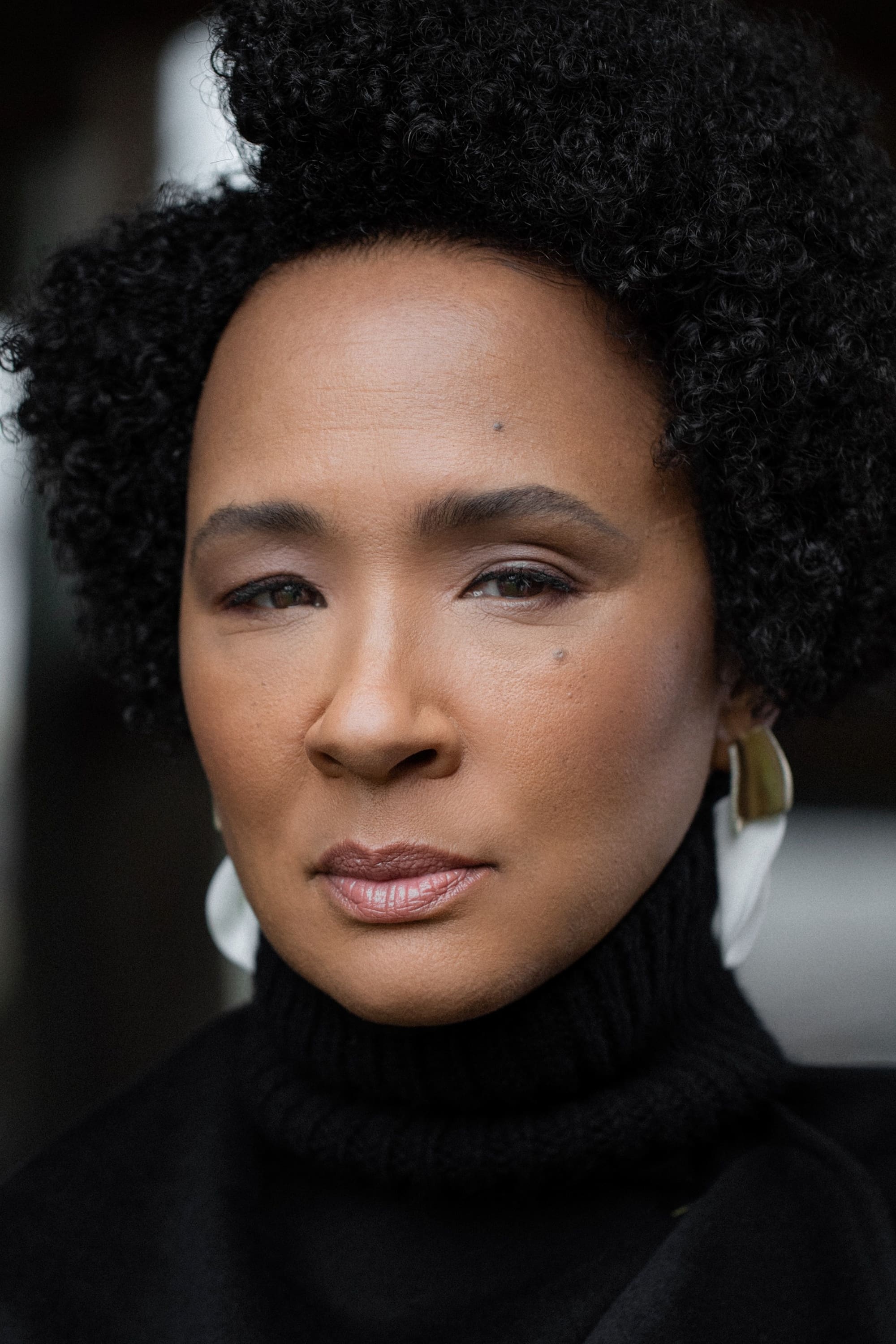
The actress known for her role in ‘Queen Charlotte: A Bridgerton Story’ has discussed the exhaustion that can come from the constant focus on diversity as a talking point. She has expressed that while representation is important, it should not be treated as a burden or a chore for the performers involved. Rosheuvel has noted that the best way to achieve inclusion is to create high-quality content that naturally reflects the world we live in. Her views suggest that the industry should focus on the joy and creativity of diverse storytelling rather than just the politics of quotas. She continues to champion roles that celebrate the power and presence of Black women.
Ruth Negga
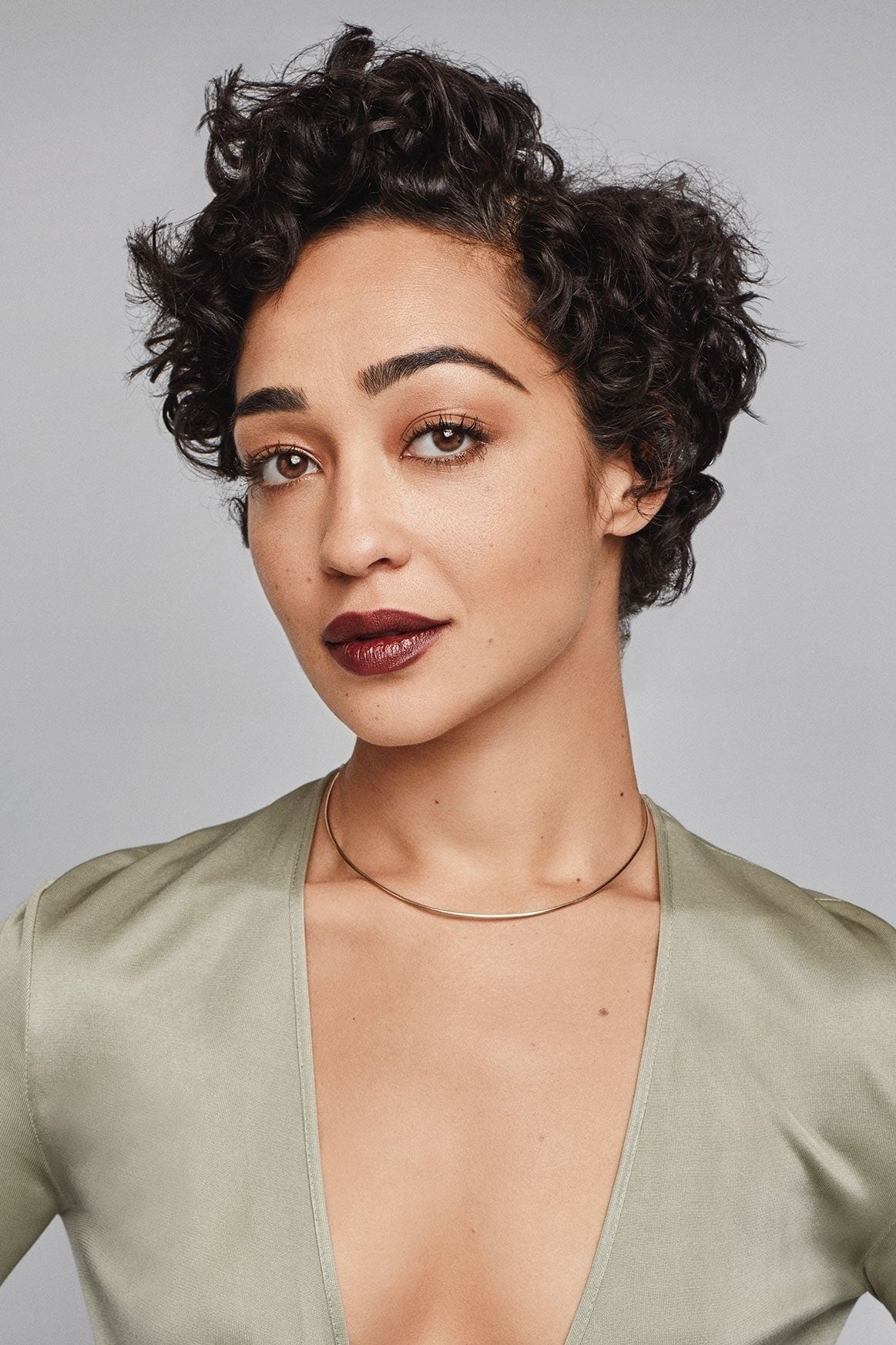
The ‘Loving’ star has spoken about the tendency of the industry to use diversity as a box-ticking exercise that lacks real heart. She has expressed that being part of a diversity target can feel limiting for an actor who wants to explore a wide range of human emotions. Negga has noted that the focus should be on the humanity of the characters rather than the demographic they represent. Her perspective encourages a more empathetic and artistic approach to casting and production. She remains a critically acclaimed performer known for her depth and subtlety.
Tessa Thompson
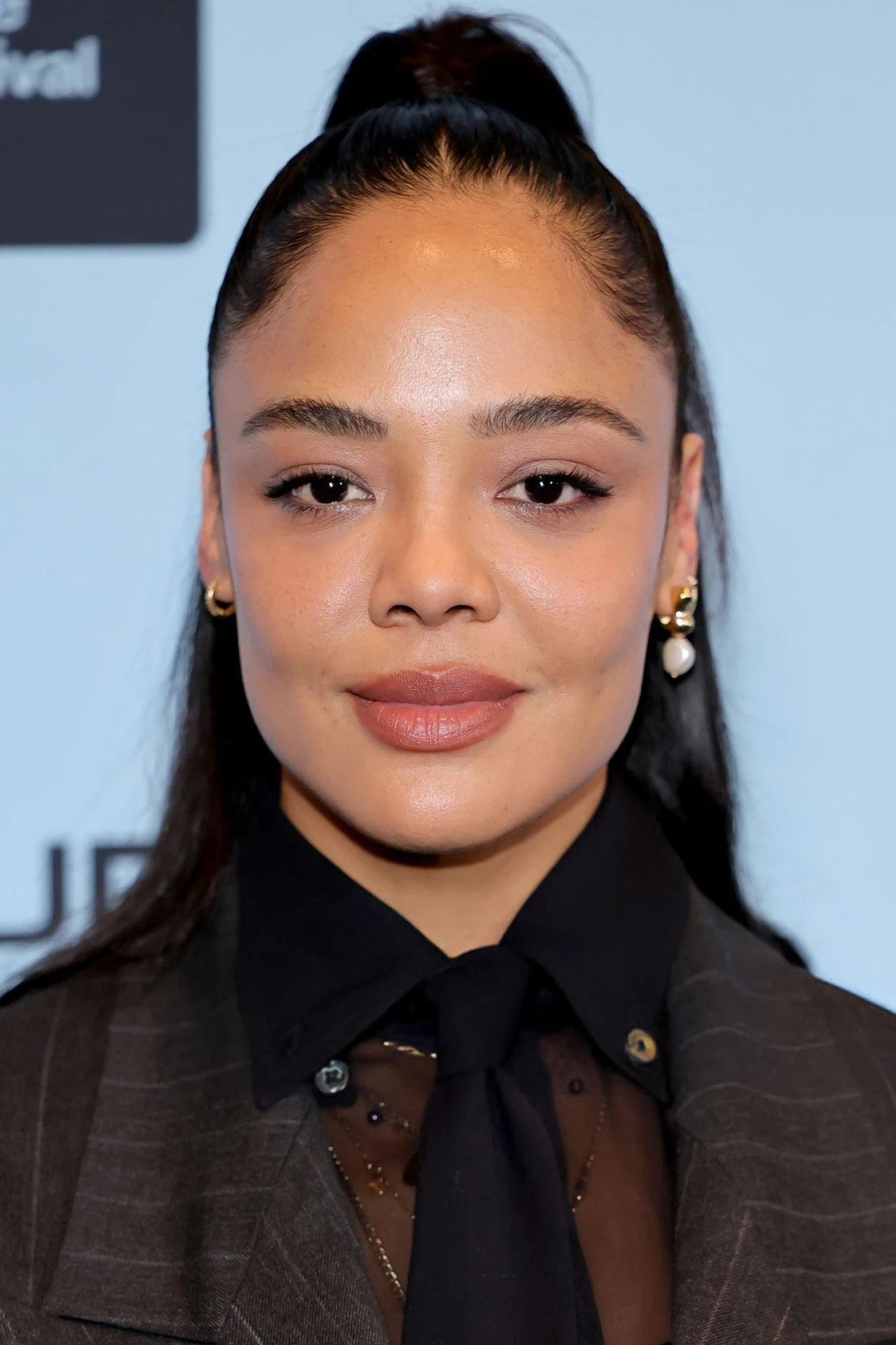
The ‘Passing’ star has critiqued the use of diversity as a buzzword in Hollywood marketing campaigns. She has expressed that the industry often uses the term to appear progressive without making the necessary changes to its executive ranks. Thompson has noted that quotas are only a small part of a much larger need for equity in financing and distribution. Her comments highlight the importance of having Black women in positions of power who can make final decisions on projects. She continues to work toward a more inclusive industry through her acting and producing.
Janelle Monáe
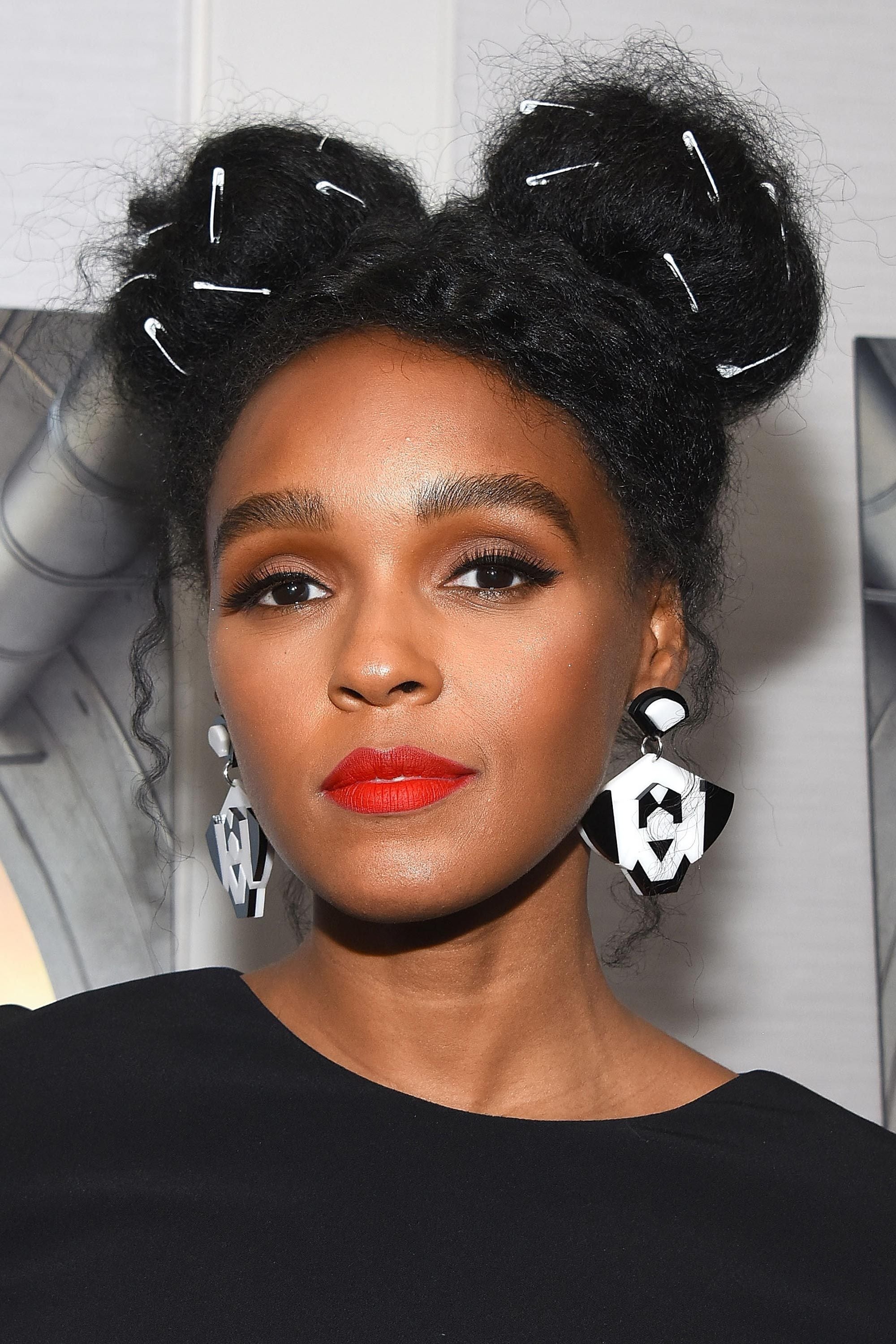
The ‘Hidden Figures’ star has addressed the performative nature of support for Black artists during times of social unrest. She has expressed that diversity quotas can feel like a temporary reaction rather than a permanent commitment to justice and equity. Monáe has argued that the industry needs to move beyond surface-level inclusion to address the root causes of systemic exclusion. Her perspective emphasizes the need for a radical shift in how the entertainment world values the lives and stories of marginalized people. She remains a bold voice for authenticity and liberation in the arts.
Keke Palmer

The ‘Nope’ star has spoken about the challenges of being a child star who had to navigate the industry’s evolving views on diversity. She has expressed that being placed in a box based on her identity has often been a source of frustration throughout her career. Palmer has noted that modern diversity initiatives should focus on giving actors the freedom to experiment and fail just like their peers. Her views suggest that true equality means having the same opportunities to explore different genres and styles. She continues to build a diverse and successful career on her own terms.
Sheryl Lee Ralph

The ‘Abbott Elementary’ star has discussed the longevity of her career and the different eras of diversity she has witnessed in Hollywood. She has noted that while there are more conversations about inclusion now, the underlying challenges for Black actresses remain very similar. Ralph has expressed that the industry’s current focus on quotas can sometimes feel like a trend that lacks a deep understanding of history. Her perspective emphasizes the importance of resilience and the need for consistent support for Black artists across all stages of their careers. She remains a beloved and influential figure in the entertainment community.
Quinta Brunson
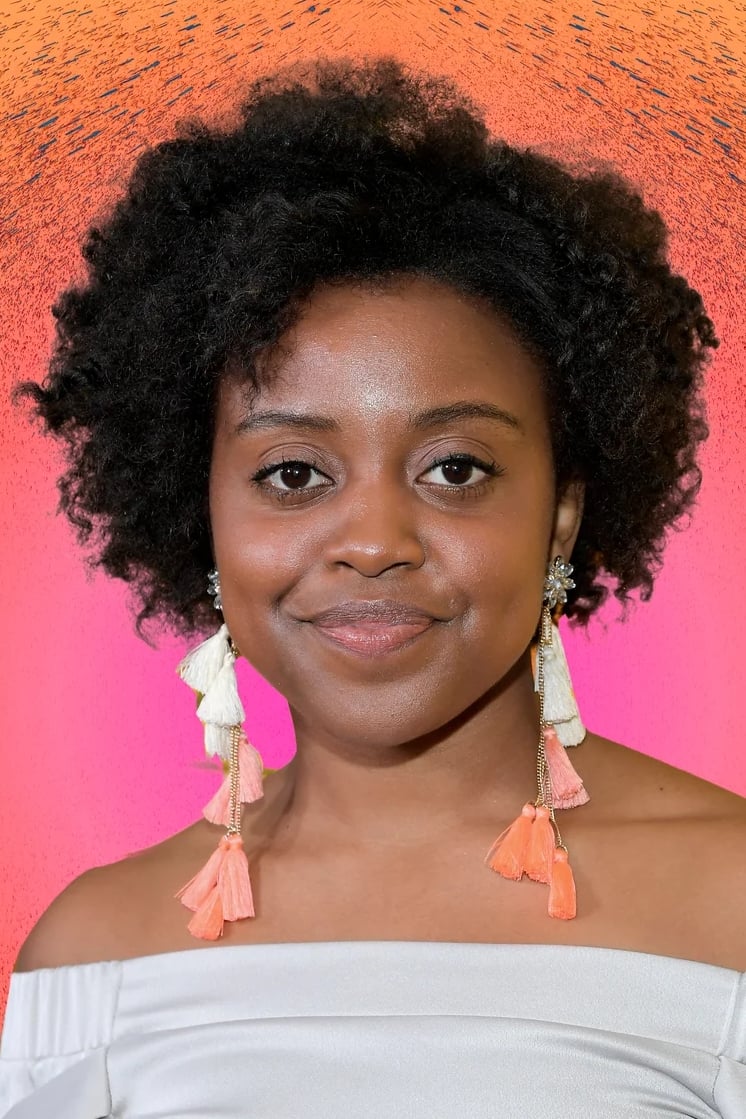
The creator and star of ‘Abbott Elementary’ has offered a fresh perspective on how to handle the pressure of being a representative of diversity in comedy. She has expressed that she prefers to focus on making a great show that people enjoy rather than focusing on the labels placed upon it. Brunson has noted that the best way to prove the value of diversity is through the success and quality of the work itself. Her comments suggest that when the storytelling is strong, the need for rigid quotas becomes less relevant. She continues to lead the way for a new generation of Black creators in television.
Ayo Edebiri
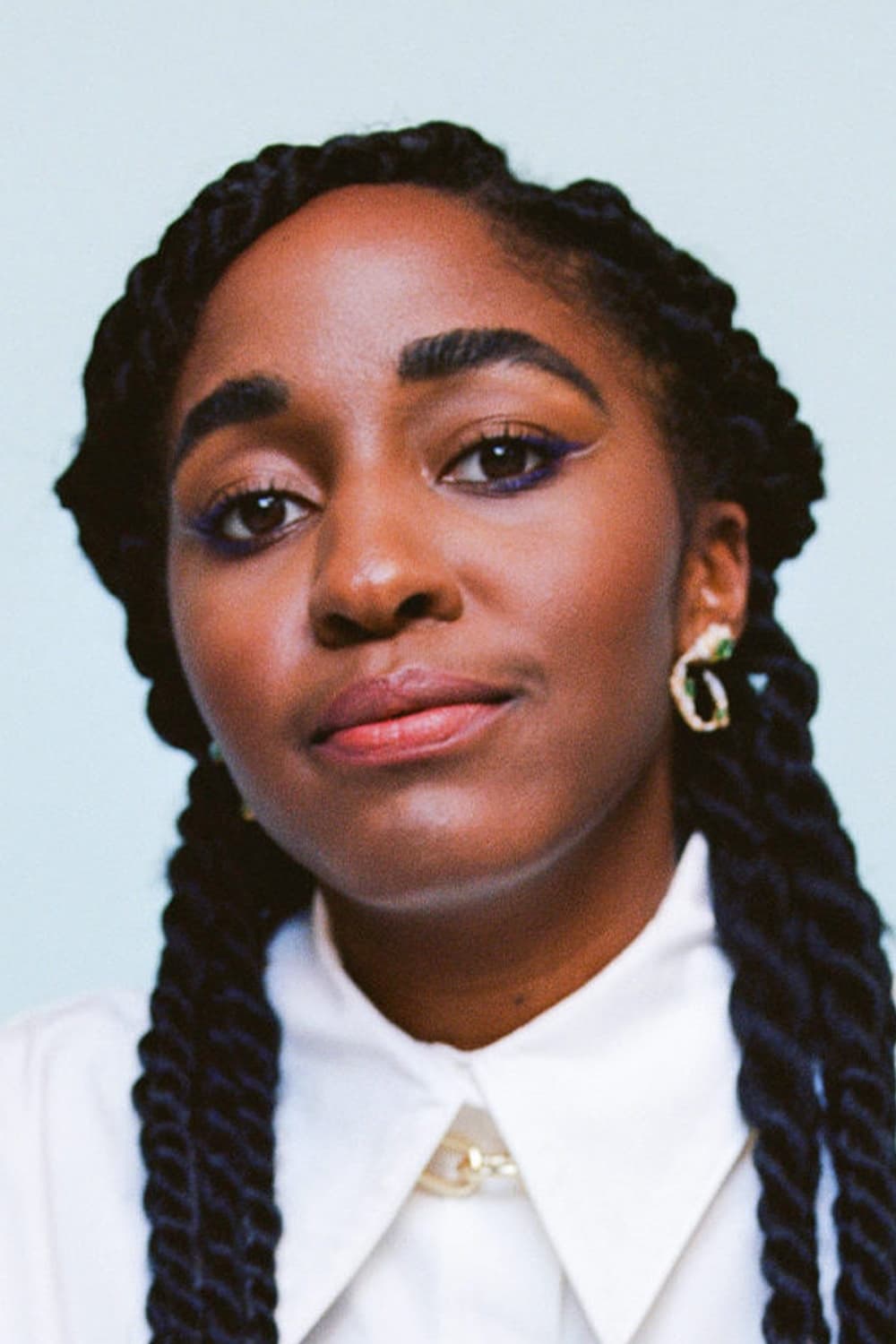
The star of ‘The Bear’ has spoken about the modern pressure of identity as a brand in the entertainment industry. She has expressed that the focus on diversity can sometimes lead to a reductive view of an artist’s work and personality. Edebiri has noted that she wants to be recognized for her comedic timing and acting skills above all else. Her perspective highlights the desire for a career that is not defined solely by the politics of representation. She remains one of the most exciting and versatile young talents in Hollywood today.
Da’Vine Joy Randolph
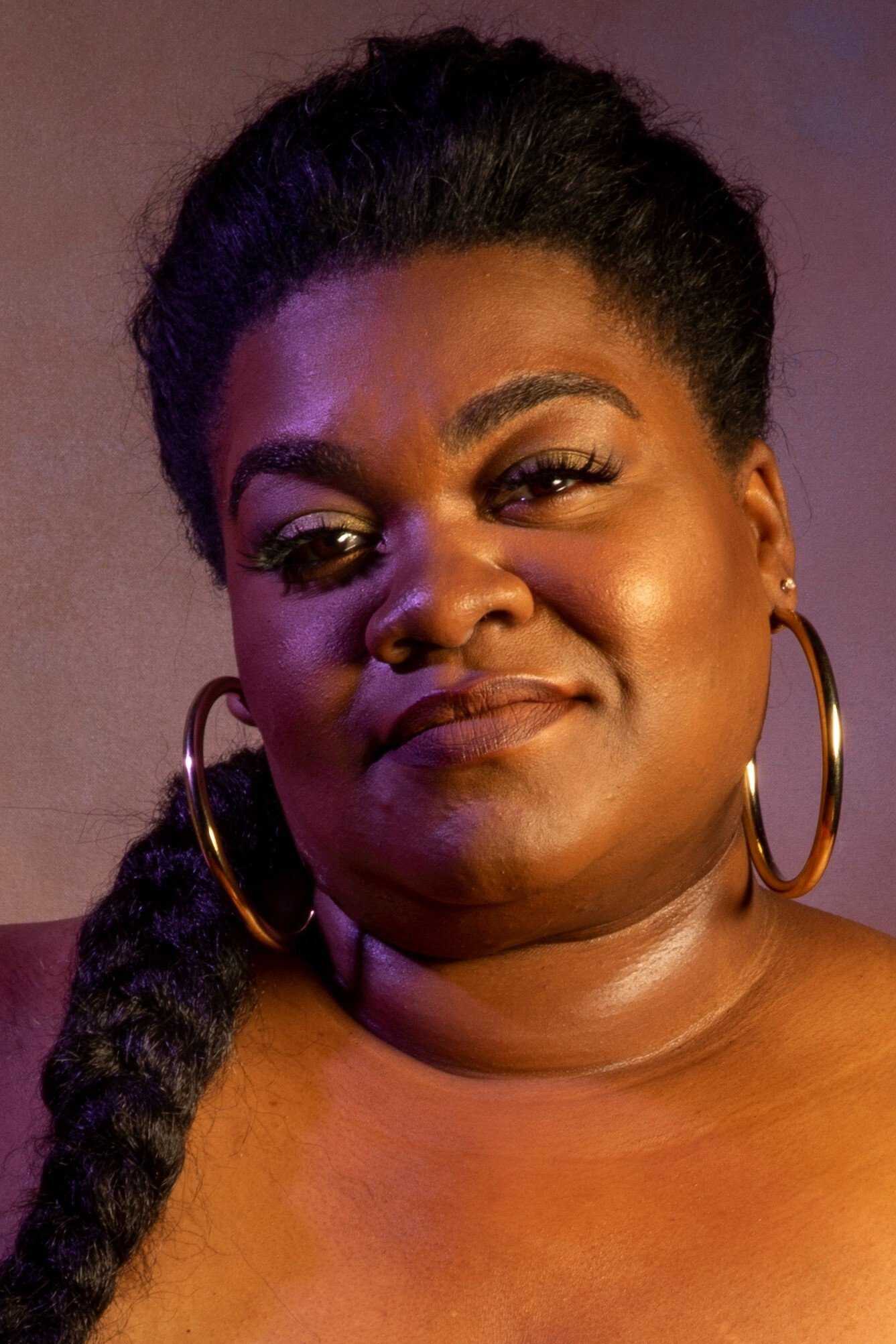
The Academy Award winner for ‘The Holdovers’ has discussed the importance of character nuance over stereotypical roles often associated with diversity targets. She has expressed that for too long Black actresses were only offered a limited range of archetypes to satisfy casting requirements. Randolph has argued that the current push for diversity must be accompanied by a commitment to well-rounded and complex writing. Her success demonstrates the power of a performance that is rooted in truth rather than a checklist. She continues to seek out roles that allow her to showcase her incredible range.
Danielle Brooks
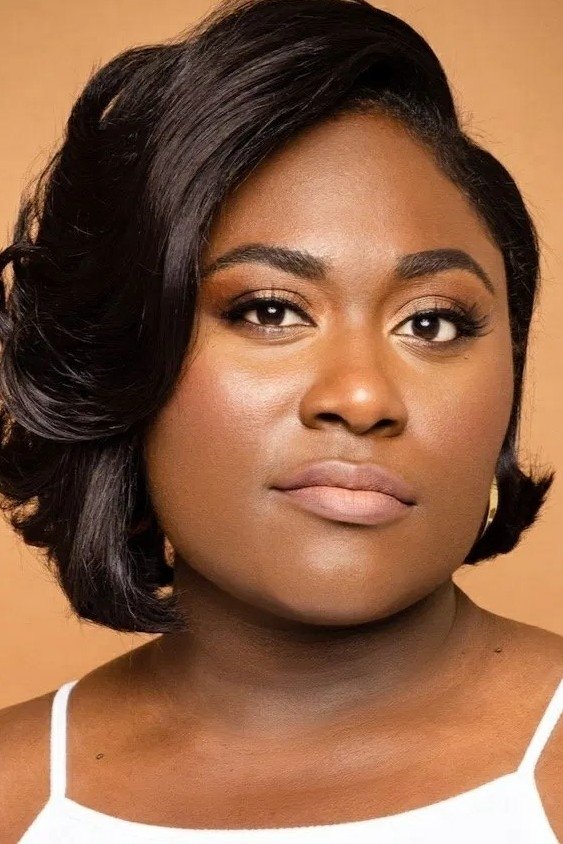
The ‘The Color Purple’ star has shared her experiences with the limitations of tokenism in both theater and film. She has expressed that being the only Black person in a production to meet a quota can be an isolating and difficult experience. Brooks has noted that true diversity involves creating a community where many different voices can thrive together. Her perspective emphasizes the need for a holistic approach to inclusion that goes beyond a single casting choice. She remains a powerful advocate for representation that is both deep and wide.
Lupita Nyong’o
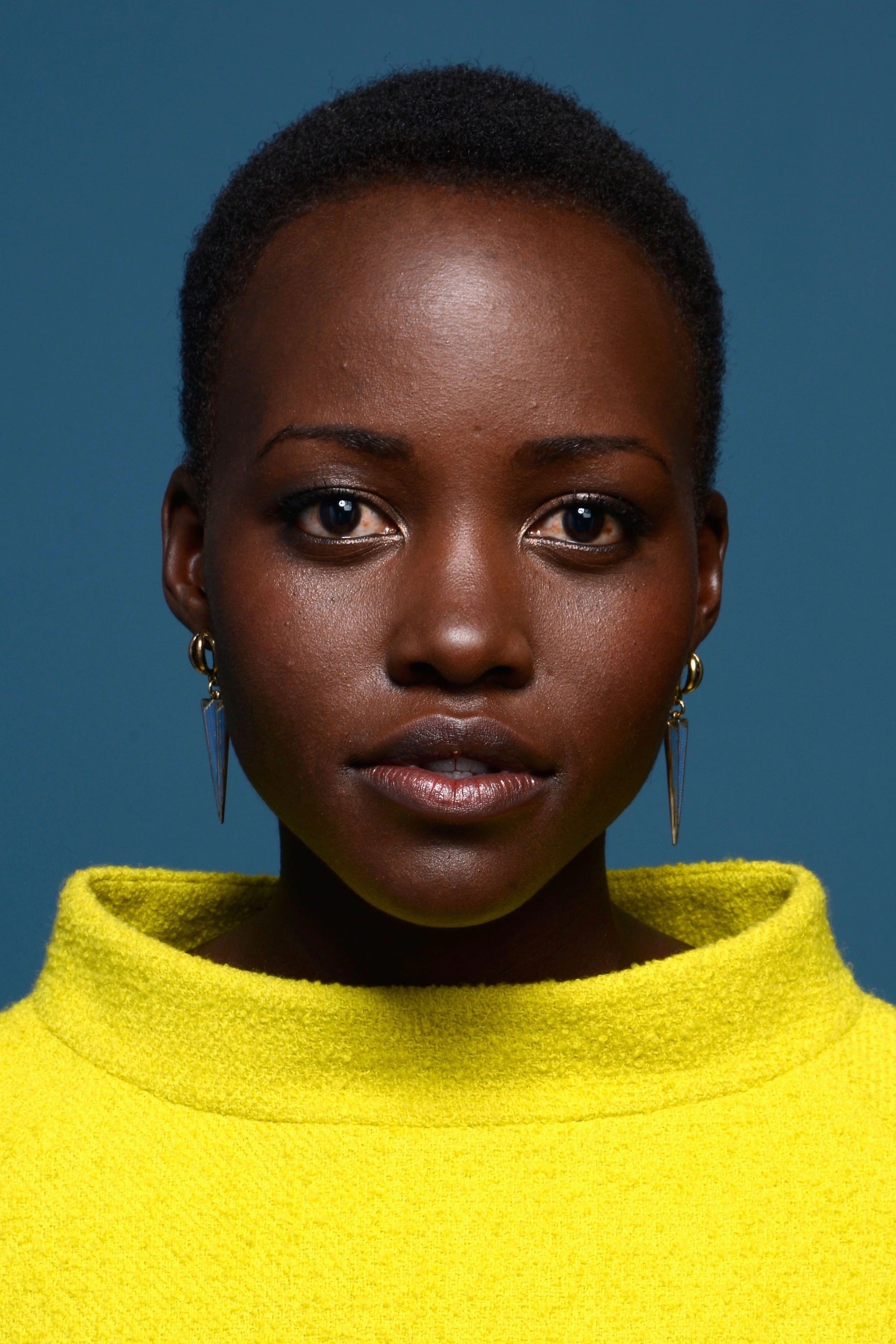
The ’12 Years a Slave’ star has spoken about the global nature of beauty and the industry’s limited definition of what a diverse lead can look like. She has expressed that while quotas have opened some doors, there is still a long way to go in terms of accepting different types of Blackness. Nyong’o has noted that the focus should be on expanding the imagination of the industry to include stories from all over the world. Her comments highlight the importance of global representation that moves beyond Western-centric views of diversity. She continues to be a trailblazer for African actors in the international film scene.
Meghan, Duchess of Sussex
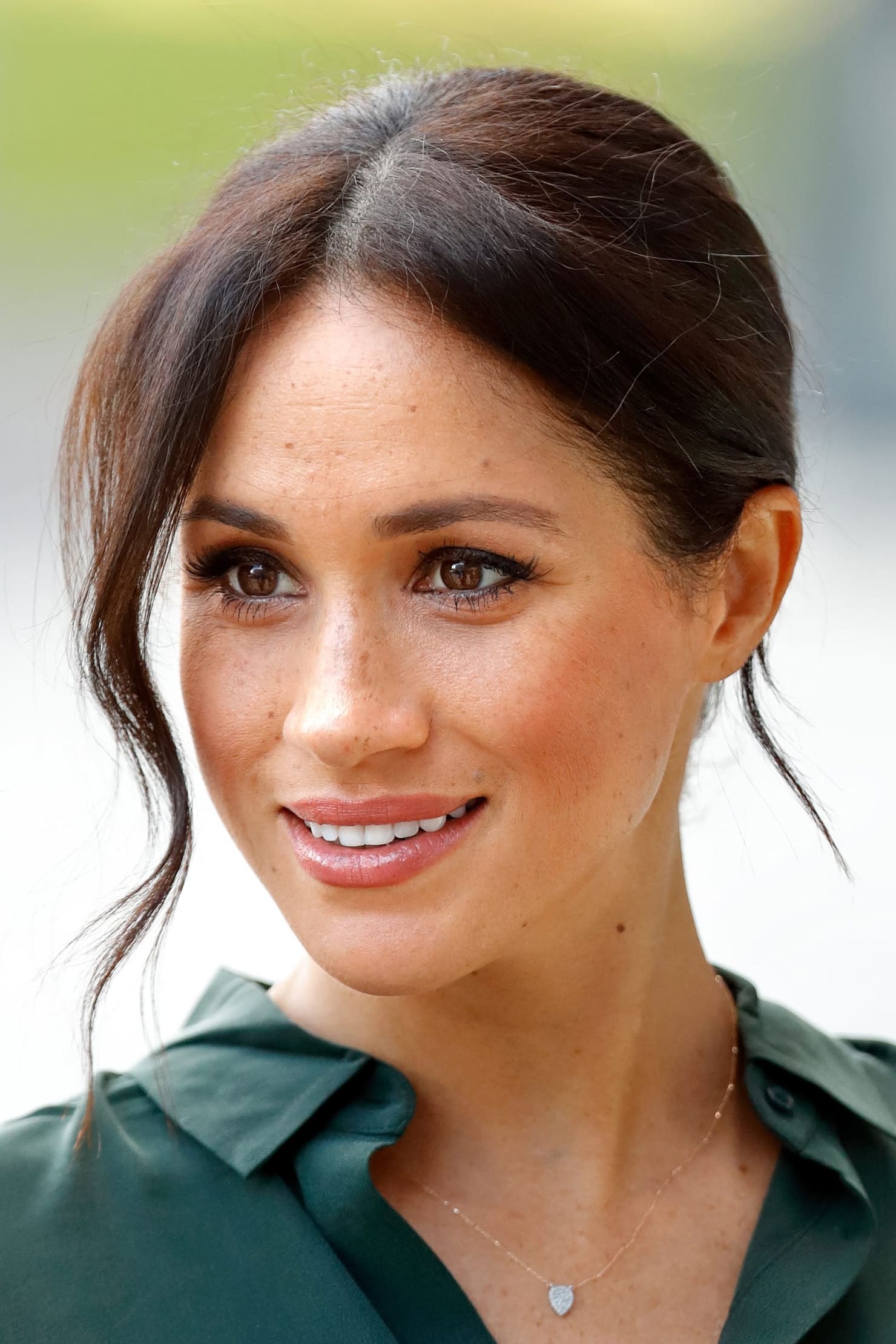
The former ‘Suits’ star has discussed the complexities of her identity and her experiences as a biracial woman in the entertainment industry. She has spoken about the frustration of being cast based on how she could fit into different racial categories to satisfy a diversity checklist. Meghan has noted that the industry often struggles to understand the nuance of being between different worlds. Her perspective highlights the need for a more sophisticated approach to identity that moves beyond simple boxes and targets. She has used her platform to encourage more inclusive and honest storytelling.
Alfre Woodard
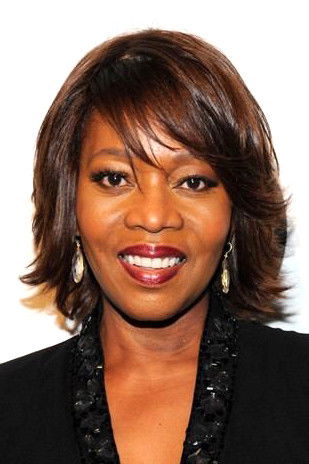
The veteran actress has discussed the importance of consistency and quality in the career of a Black performer. She has noted that while quotas may provide an initial opportunity, they do not guarantee a long and successful career. Woodard has expressed that the industry must focus on building a foundation of respect and opportunity that lasts beyond a single project. Her views reflect a deep understanding of the work required to maintain excellence in a changing industry. She remains a highly respected and sought-after actress known for her dedication to her craft.
Octavia Spencer
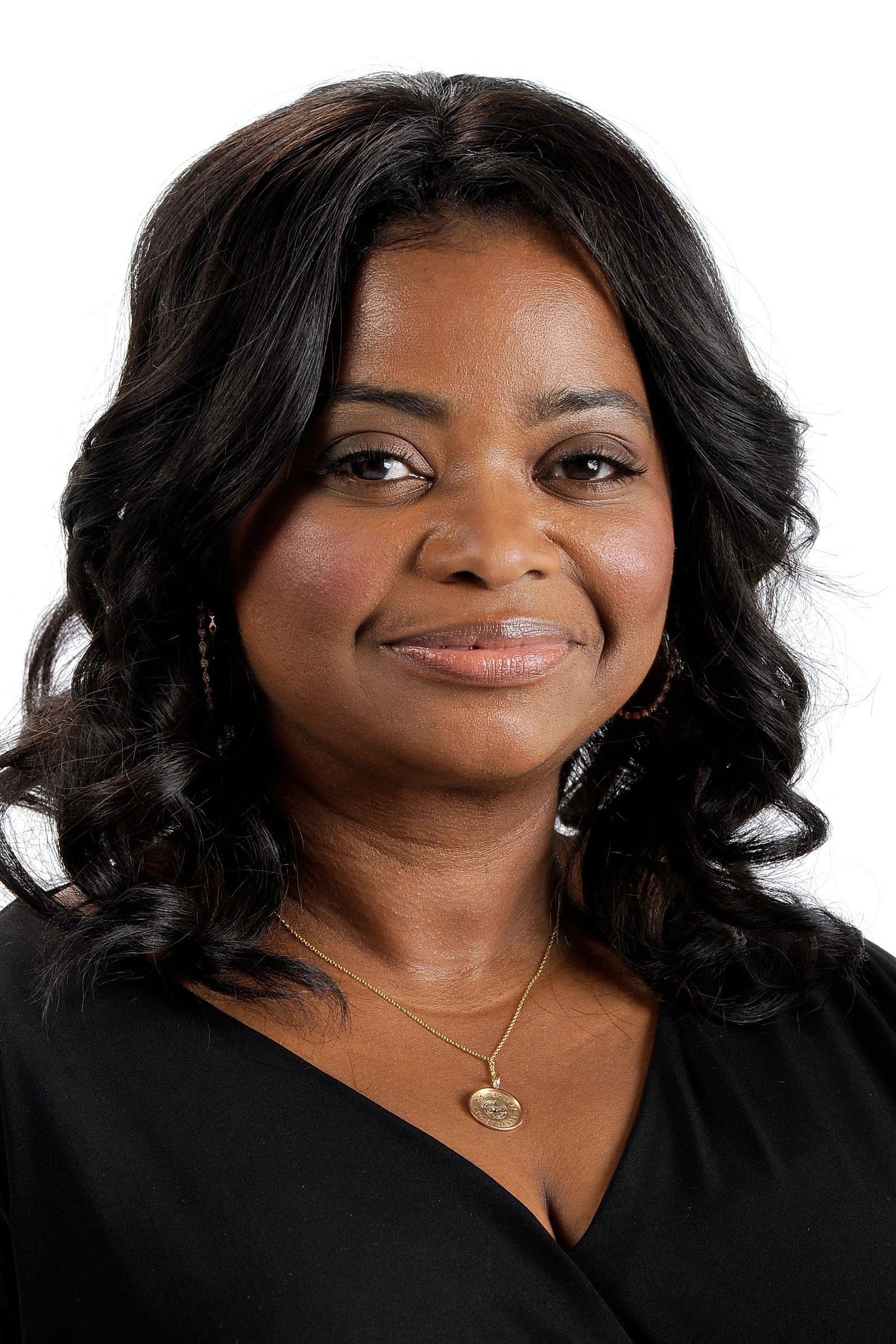
The Academy Award winner has spoken about the transition from being a character actress to a leading lady and a producer. She has expressed that true diversity means having the power to greenlight projects and hire your own team. Spencer has noted that meeting a casting quota is not the same as having economic and creative control. Her comments highlight the shift from seeking inclusion in others’ projects to creating her own opportunities. She continues to be a force in the industry as both a talented performer and a successful producer.
Angela Bassett
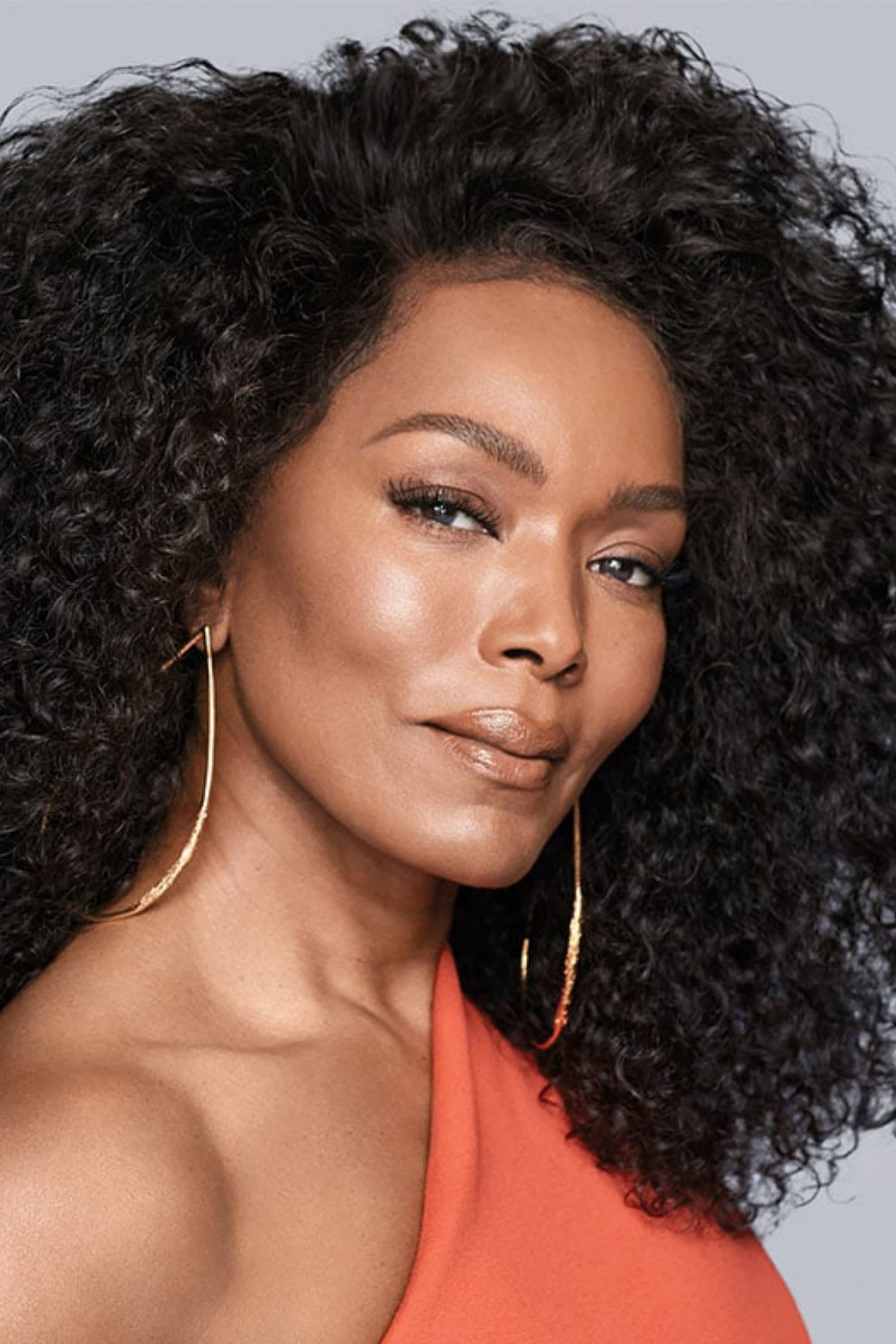
The ‘Black Panther: Wakanda Forever’ star has discussed the power of representation when it is handled with dignity and respect. She has expressed that the goal of diversity should be to show the full range of human strength and vulnerability. Bassett has noted that characters should not be defined by their race alone, even when they are part of a diversity initiative. Her views emphasize the importance of high-quality roles that allow actors to show their full potential. She remains an icon of strength and grace in the Hollywood community.
Kerry Washington
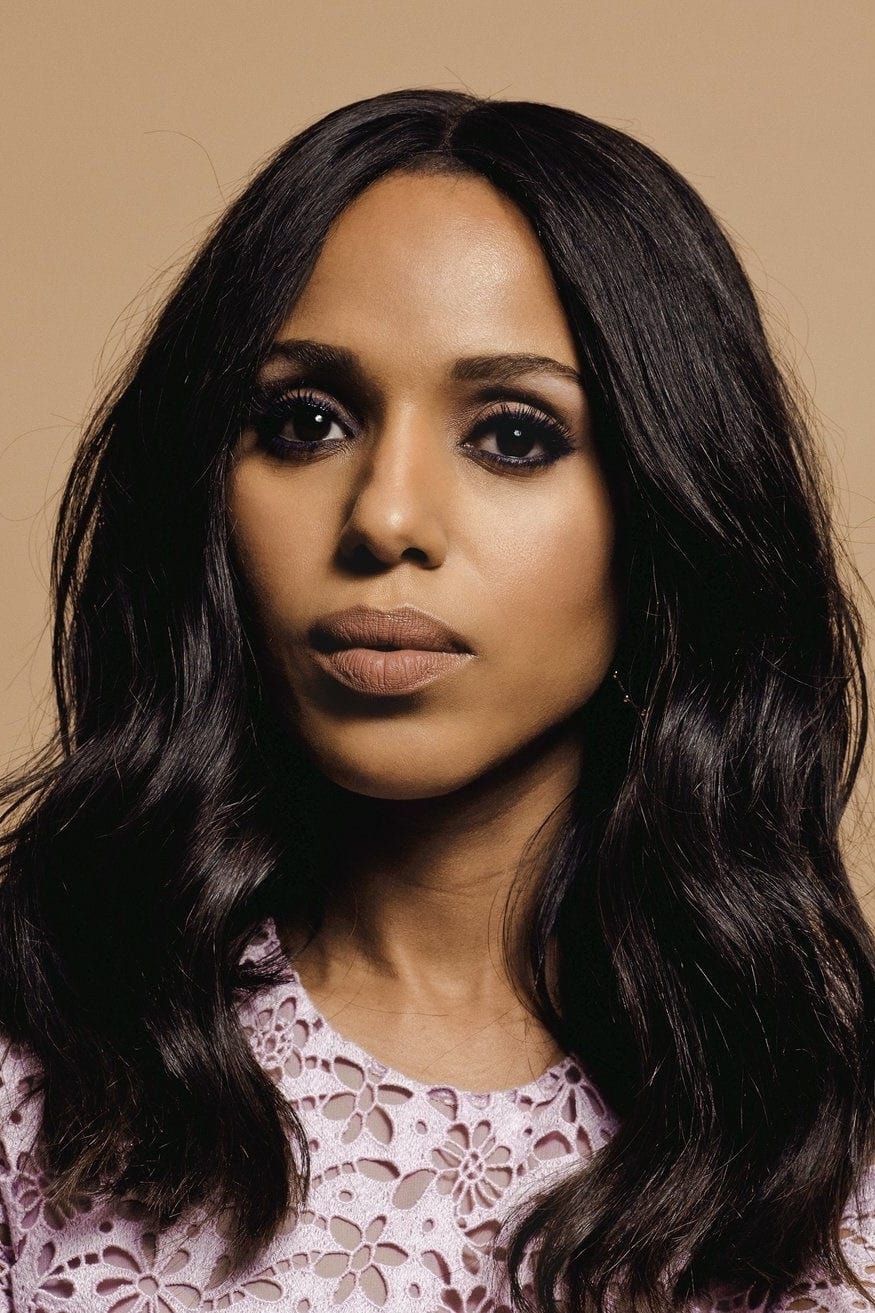
The ‘Scandal’ star has been a leader in the conversation about diversity and its impact on the political and cultural landscape. She has expressed that while representation matters, it must be paired with an understanding of the power structures that govern the industry. Washington has noted that quotas are only a starting point for a much larger discussion about who gets to tell their story. Her perspective highlights the need for a strategic and thoughtful approach to inclusion. She continues to use her influence to champion diverse voices both in front of and behind the camera.
Tracee Ellis Ross
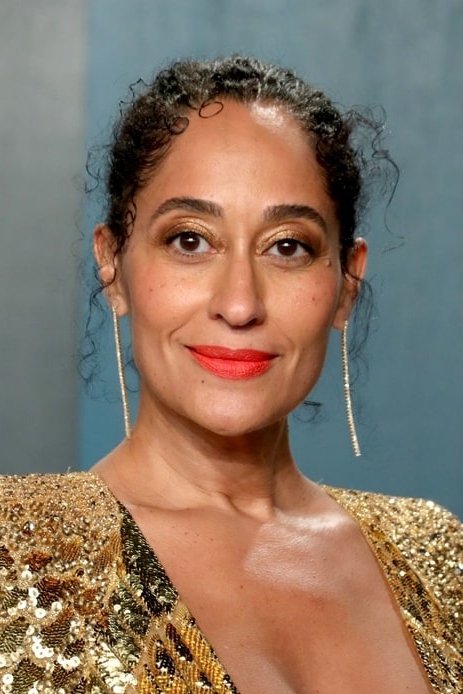
The ‘Black-ish’ star has spoken about the importance of joy and authenticity in the representation of Black families on television. She has expressed that diversity initiatives should allow for stories that are not just about struggle or trauma. Ross has noted that the industry often uses quotas to fulfill a specific type of diverse story that fits a preconceived narrative. Her comments suggest a desire for a more expansive and celebratory view of Black life in the media. She remains a powerful advocate for creativity and self-expression.
Regina King
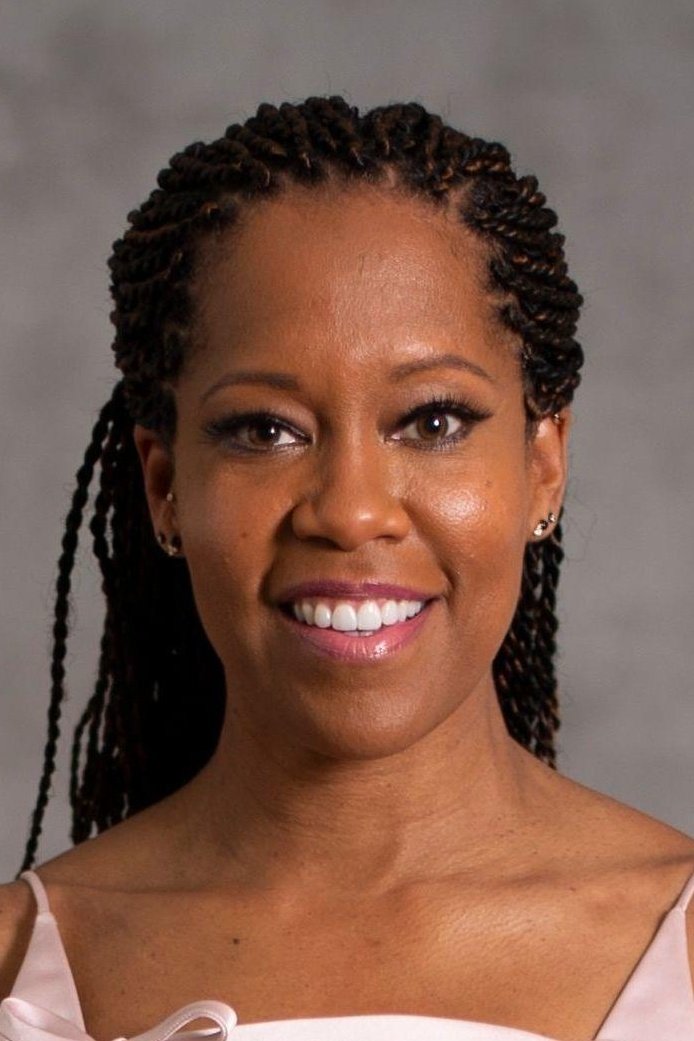
The Academy Award-winning actress and director has discussed the shift from acting to directing and the importance of having a voice in the room. She has expressed that true diversity is found in the perspective of the person behind the camera. King has noted that quotas for actors are only one part of the equation and that the entire production team must reflect the world we live in. Her perspective emphasizes the importance of leadership and vision in the quest for genuine inclusion. She continues to break barriers as a filmmaker who prioritizes authentic and powerful storytelling.
Viola Davis
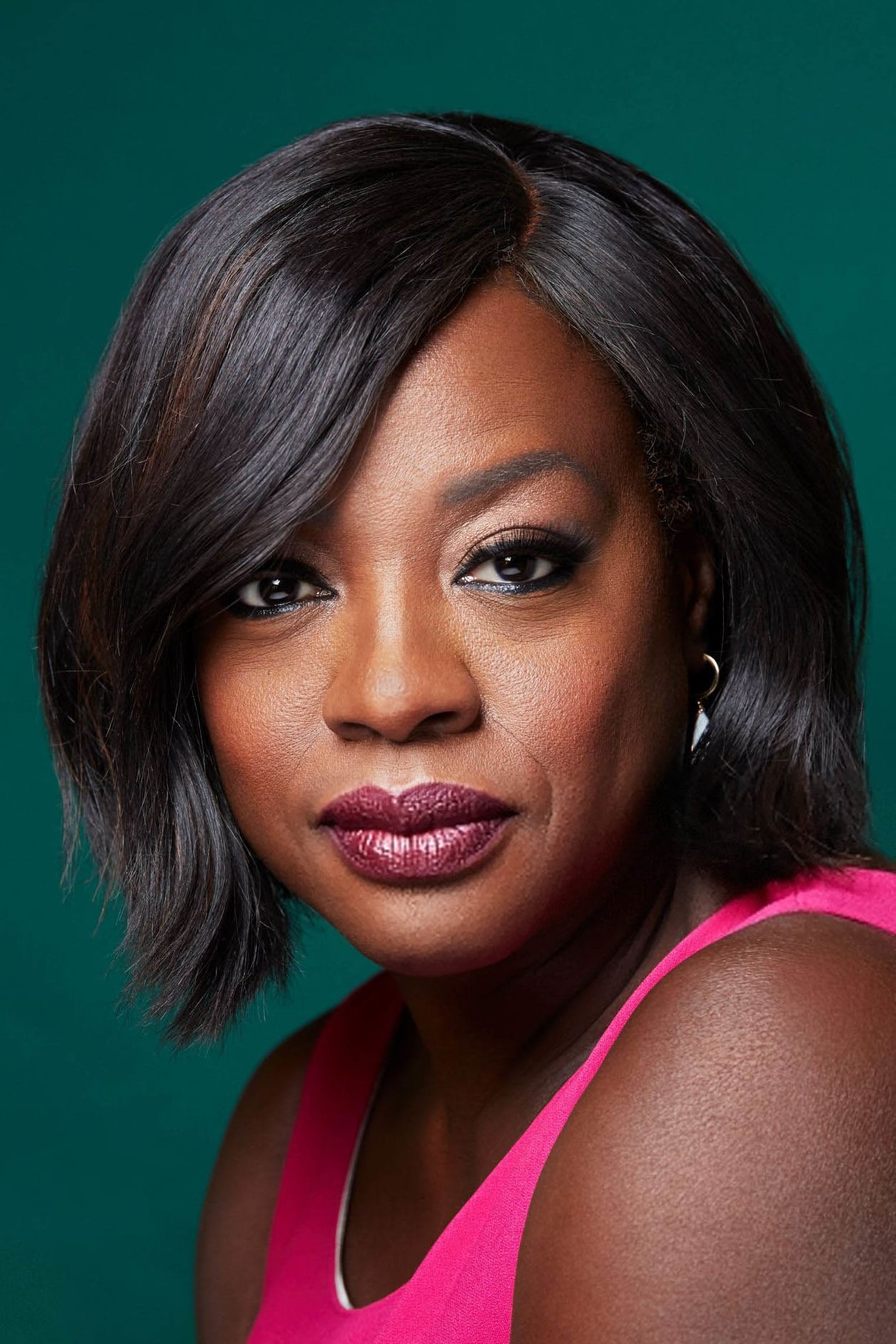
The ‘The Woman King’ star has been a candid critic of the limitations placed on Black actresses even in an era of increased focus on diversity. She has expressed that the industry often treats diversity as a trend rather than a fundamental change in how stories are valued. Davis has noted that Black actresses are still fighting for the same level of investment and support as their white counterparts. Her remarks highlight the gap between the optics of a diverse cast and the reality of industry bias. She remains a dominant and essential voice in the fight for true equity and respect.
Lashana Lynch

The ‘No Time to Die’ actress has spoken about the intense scrutiny and pressure that comes with taking on iconic roles as a Black woman. She has expressed that being part of a diversity shift in a major franchise can be both an honor and a significant burden. Lynch has noted that the industry must do more to support the actors who are chosen to lead these high-profile projects. Her perspective highlights the human cost of being a pioneer in a rapidly changing industry. She continues to deliver groundbreaking performances that challenge traditional expectations.
Nathalie Emmanuel
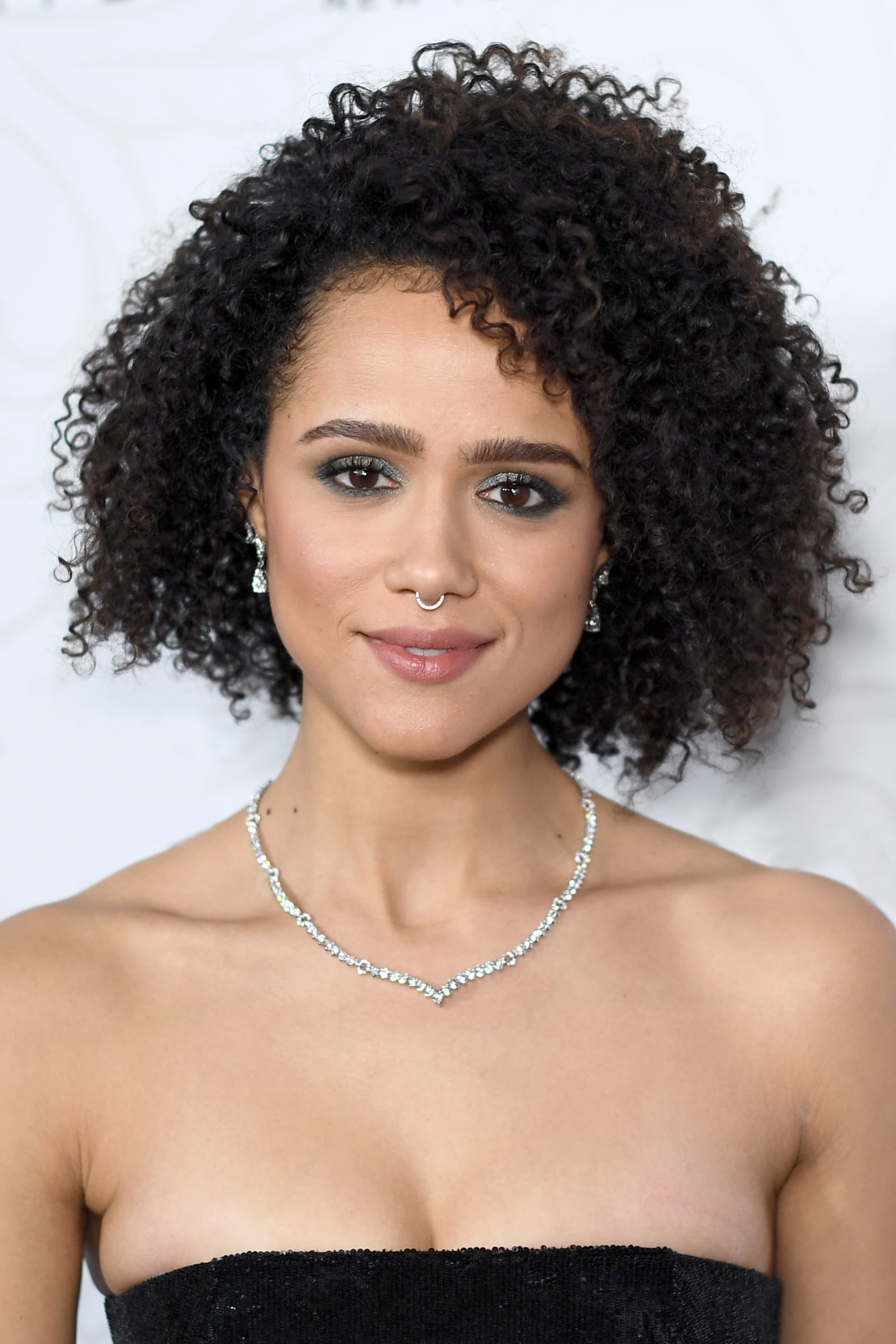
The ‘Game of Thrones’ star has discussed the box-ticking nature of some casting processes in both the United Kingdom and Hollywood. She has expressed that it is often clear when a production is hiring an actor simply to satisfy a diversity requirement. Emmanuel has noted that this can lead to a lack of genuine connection between the actor and the material. Her comments suggest a preference for an industry that values diversity as a core creative strength rather than an external mandate. She remains a vocal advocate for more thoughtful and integrated representation in film and television.
Please share your thoughts on these actresses and their perspectives on diversity in the comments.