


Black Artists Who Refuse to Work With Directors Known for “Savior” Tropes

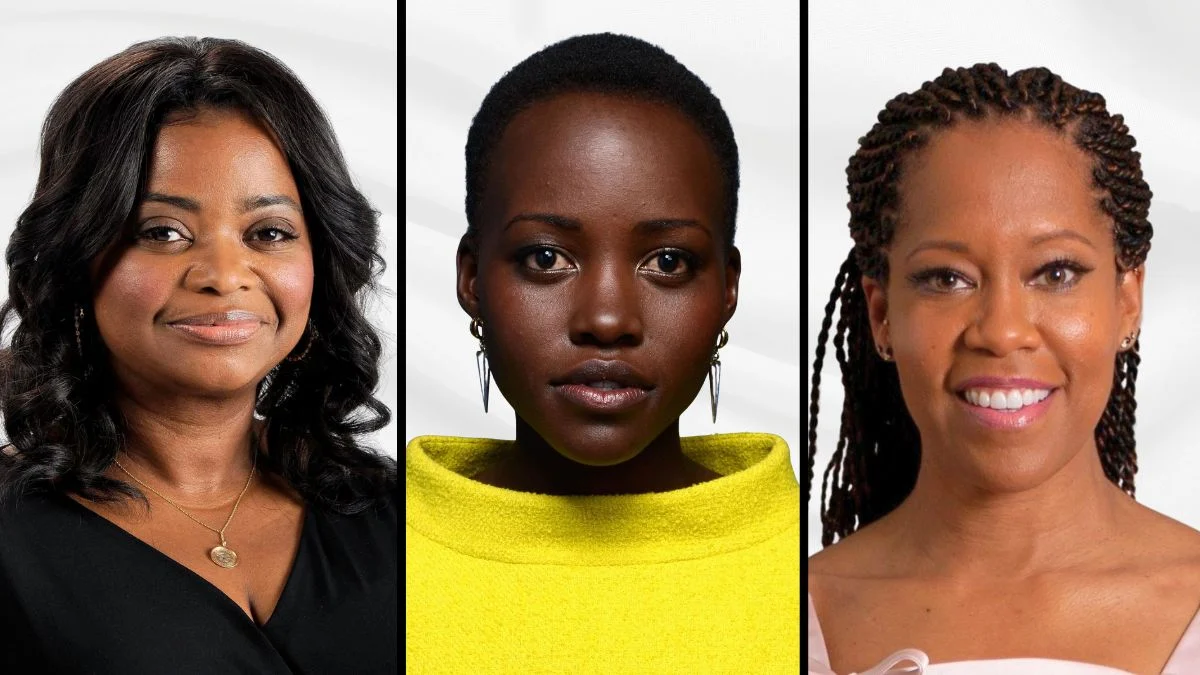


Entertainment industries have long relied on narratives that prioritize external intervention over the agency of marginalized communities. Many Black artists now actively avoid projects that utilize the white savior trope to center their own stories and cultural experiences. These actors and creators emphasize the importance of authentic representation that highlights Black resilience and self-determination. By selecting roles that challenge traditional power dynamics they aim to reshape the cinematic landscape for future generations. This shift represents a significant move toward narrative sovereignty in modern filmmaking.
Viola Davis
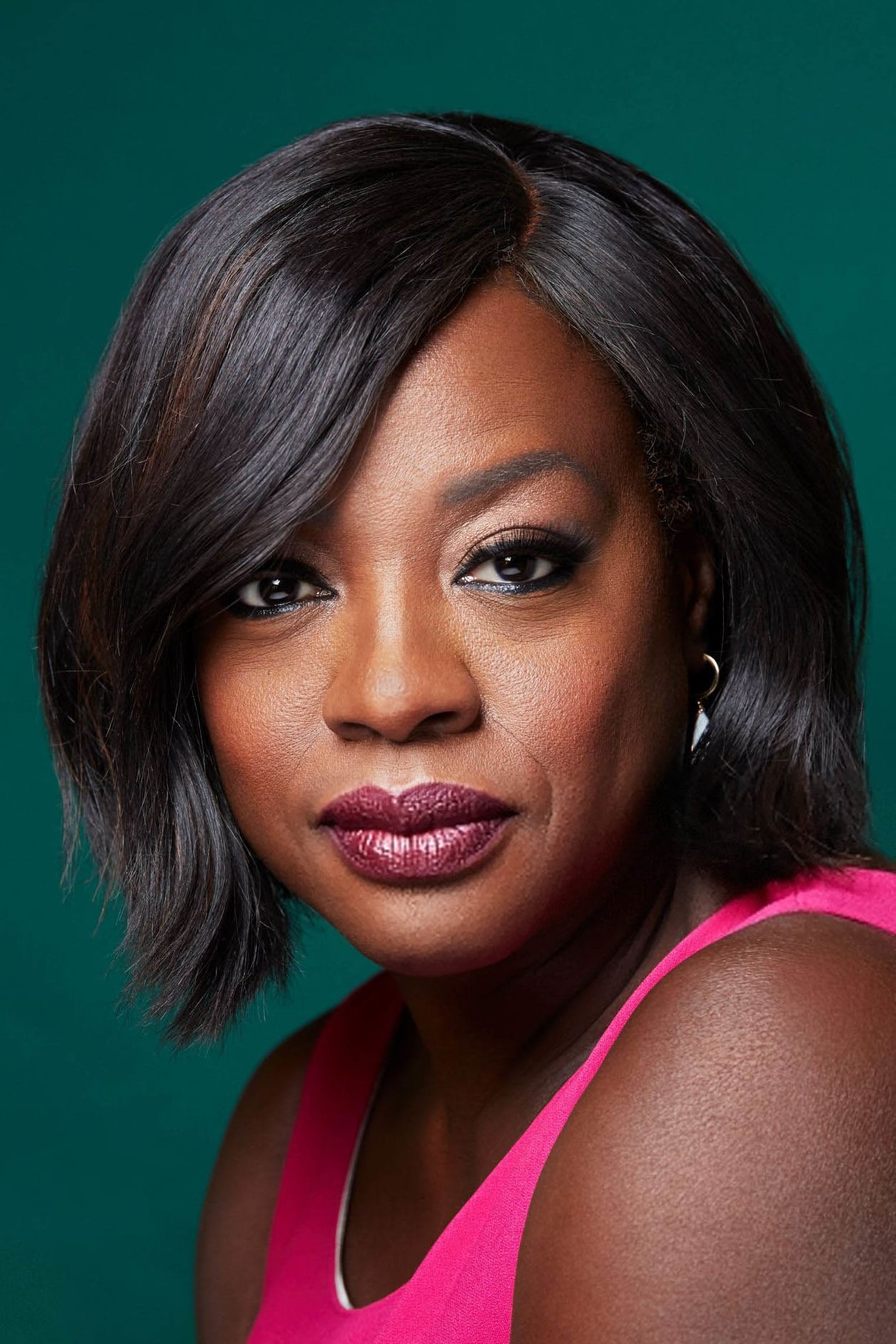
Viola Davis has expressed her discomfort with the perspective of the film ‘The Help’ in several interviews. She feels that the story did not sufficiently explore the lives and thoughts of the Black characters involved. The actress has committed to choosing roles that emphasize the strength and independence of Black women. She avoids scripts that frame Black suffering as a catalyst for a white character’s personal growth. Her work now centers on providing a platform for authentic and complex Black narratives.
John Boyega
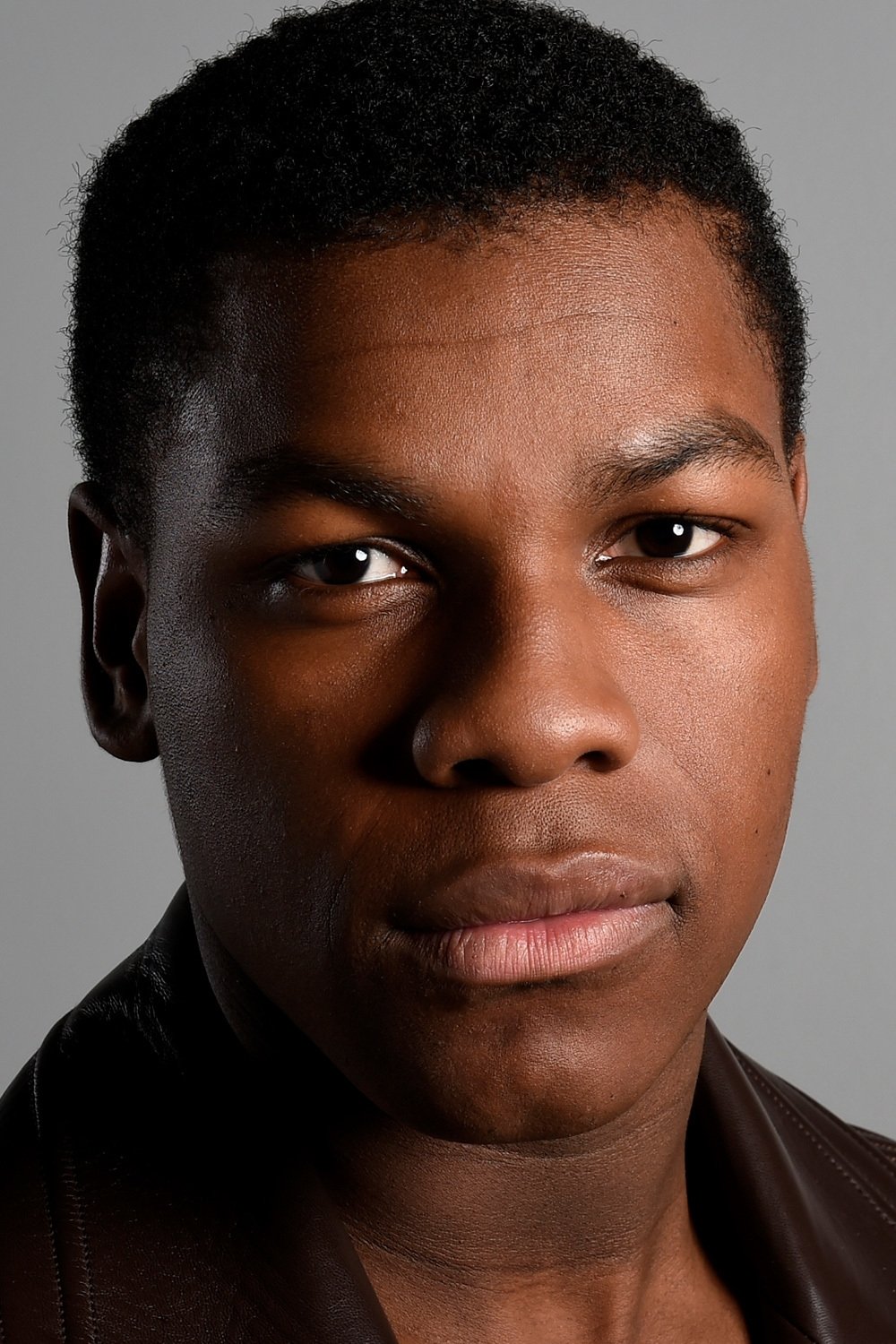
John Boyega has been vocal about his dissatisfaction with how his character was handled in the ‘Star Wars’ sequels. He criticized the industry for sidelining actors of color while elevating white leads in major franchises. The actor now seeks out roles and directors that guarantee his characters have significant narrative impact and independence. Boyega actively pushes against storytelling that uses minority characters as background support for traditional savior arcs. He remains dedicated to producing and starring in content that honors the depth of the Black experience.
Issa Rae
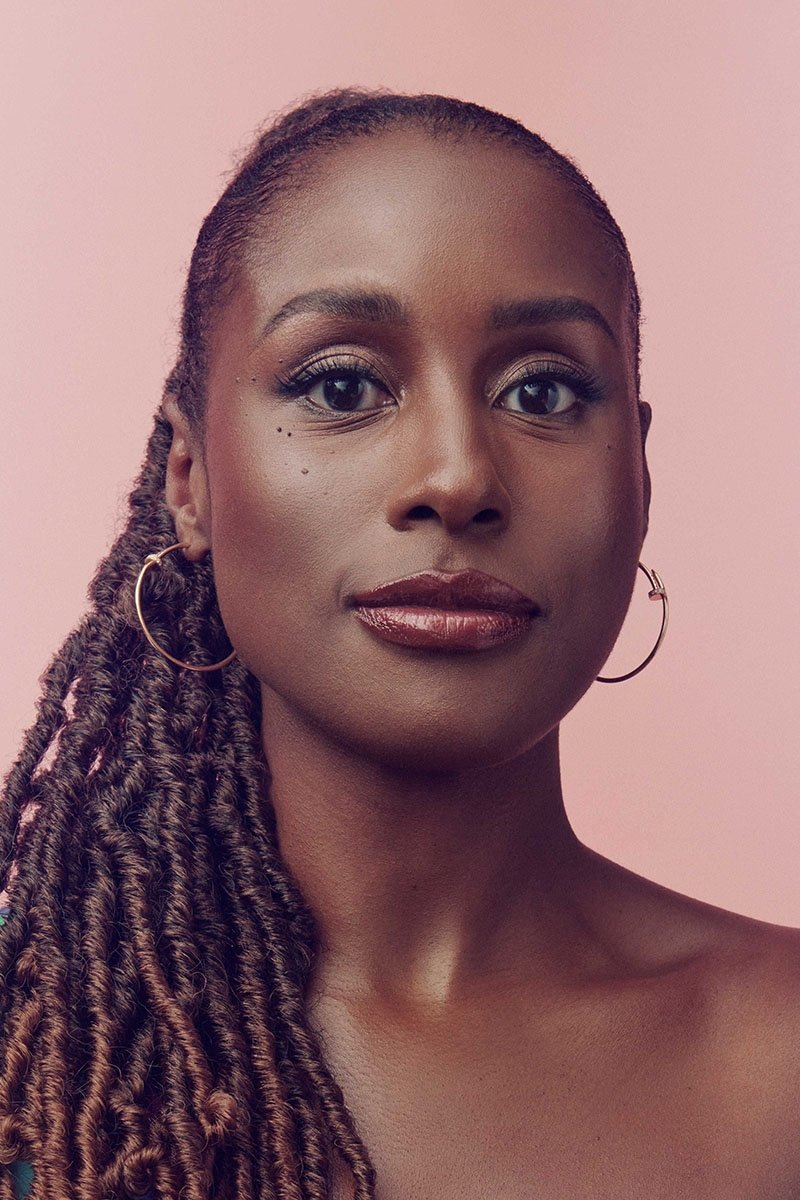
Issa Rae has built her career on creating spaces for Black stories that exist outside of traditional Hollywood tropes. She focuses on the everyday lives and joys of Black people rather than their relationship to systemic trauma or external help. The creator consistently rejects roles that place Black characters in positions of perpetual victimhood. Through her production company she prioritizes directors who center the agency and humor of the Black community. Her work serves as a blueprint for self-determined storytelling in the modern era.
Lakeith Stanfield
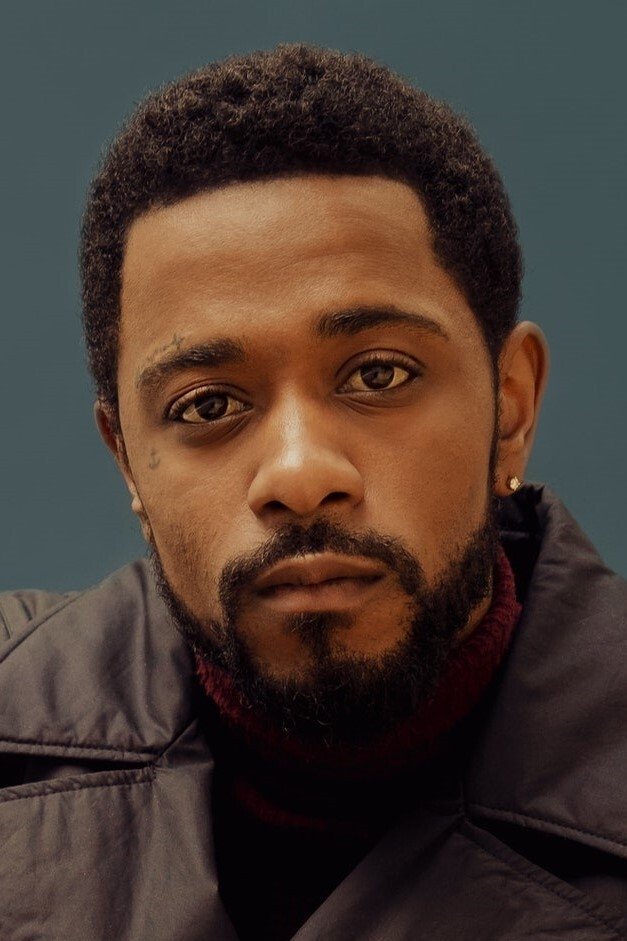
Lakeith Stanfield is known for choosing unconventional roles that challenge the status quo of Black representation. He has expressed a preference for characters who possess a high degree of interiority and existential depth. The actor avoids projects that rely on simplistic moral lessons or the intervention of outside figures. He often collaborates with filmmakers who are interested in subverting common cinematic tropes and exploring surrealist themes. Stanfield remains a key figure in the movement toward more nuanced and autonomous Black cinema.
Amandla Stenberg
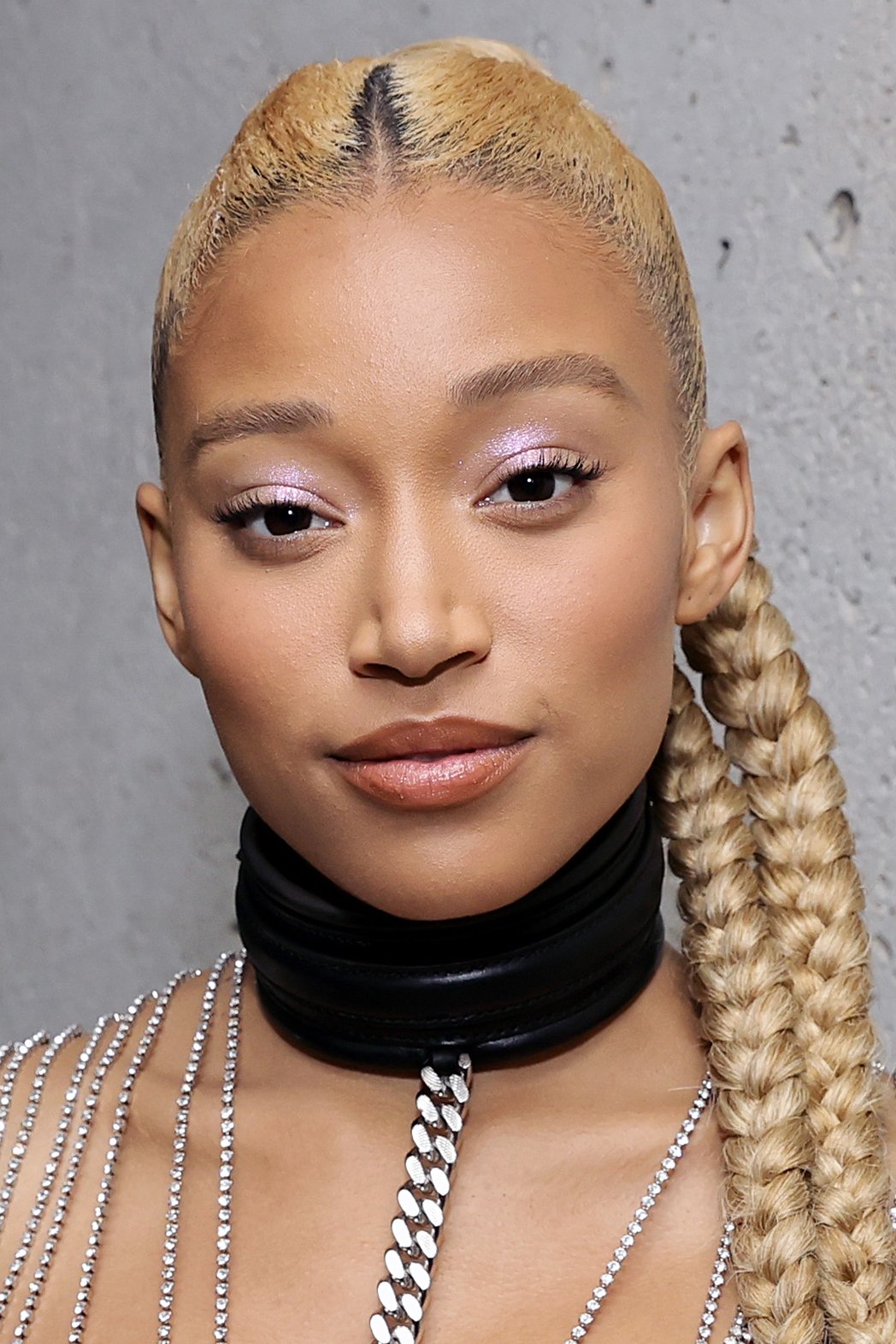
Amandla Stenberg has used her platform to educate audiences on the dangers of cultural appropriation and narrative tropes. She carefully selects roles that empower young Black women and reflect their real-world complexities. The actress avoids scripts that utilize Black characters as moral compasses for protagonists from other backgrounds. She advocates for films that allow Black youth to be the heroes of their own journeys without needing a savior. Stenberg continues to work with directors who are committed to authentic and intersectional representation.
Tessa Thompson
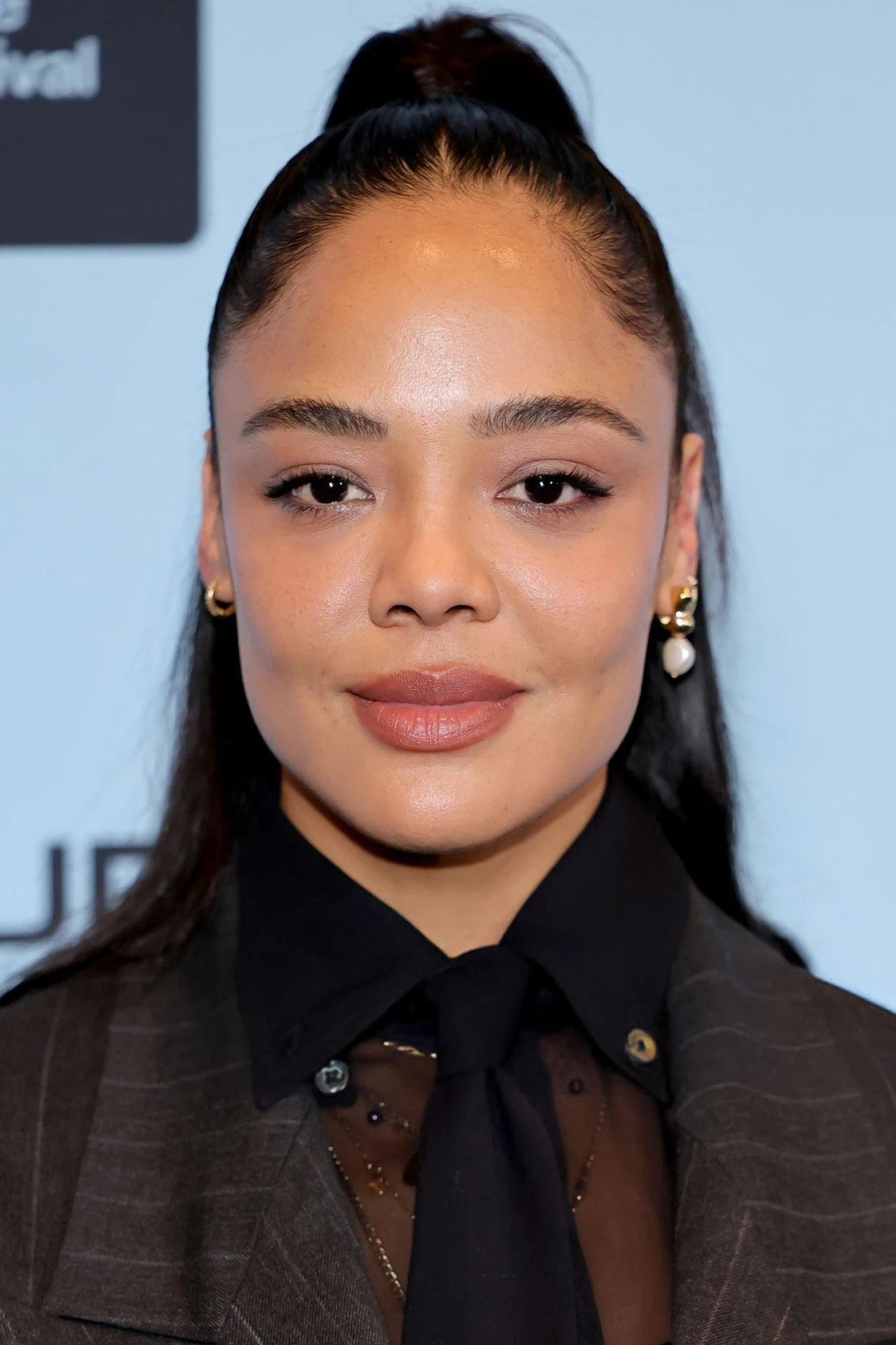
Tessa Thompson has been instrumental in advocating for more diverse and inclusive storytelling through the Time’s Up movement. She often chooses roles that subvert traditional gender and racial expectations in major film genres. The actress avoids projects that relegate Black women to supporting roles meant to facilitate a white lead’s development. She seeks out collaborators who are interested in exploring the power and agency of the Black diaspora. Her career is defined by a commitment to projects that prioritize narrative independence and cultural depth.
Regina King
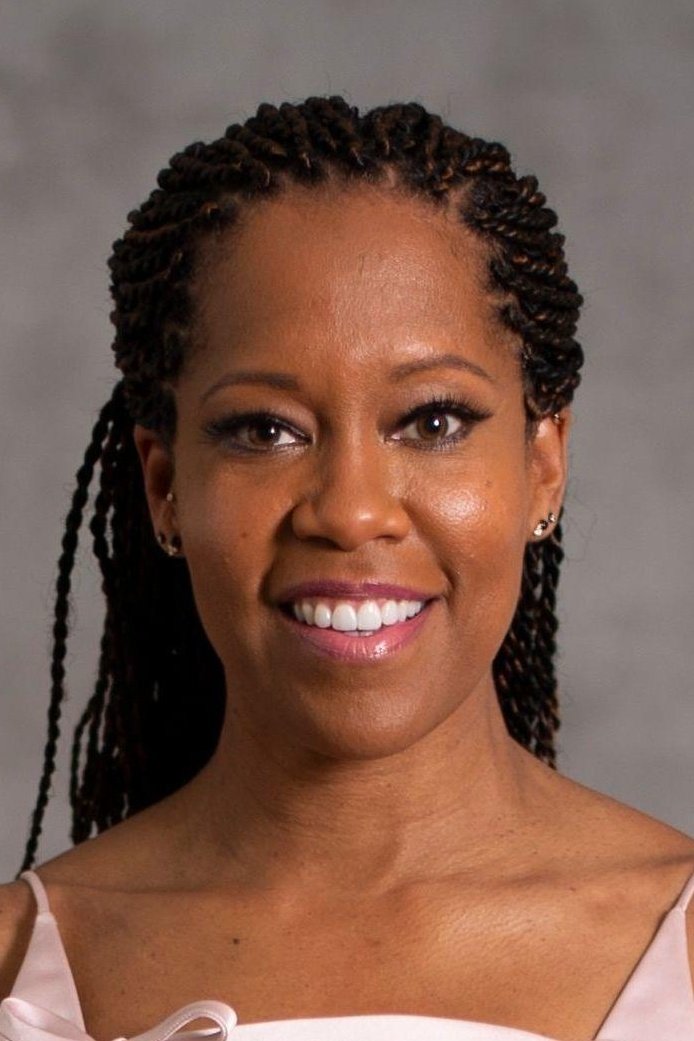
Regina King has transitioned into directing to ensure that the stories she cares about are told with integrity. As an actress she has consistently sought out roles that highlight the resilience and complexity of Black families. She avoids narratives that frame the Black experience through the lens of external assistance or pity. King focuses on projects that emphasize the self-reliance and leadership of her characters. Her work behind and in front of the camera continues to challenge the prevalence of savior tropes in the industry.
Daniel Kaluuya
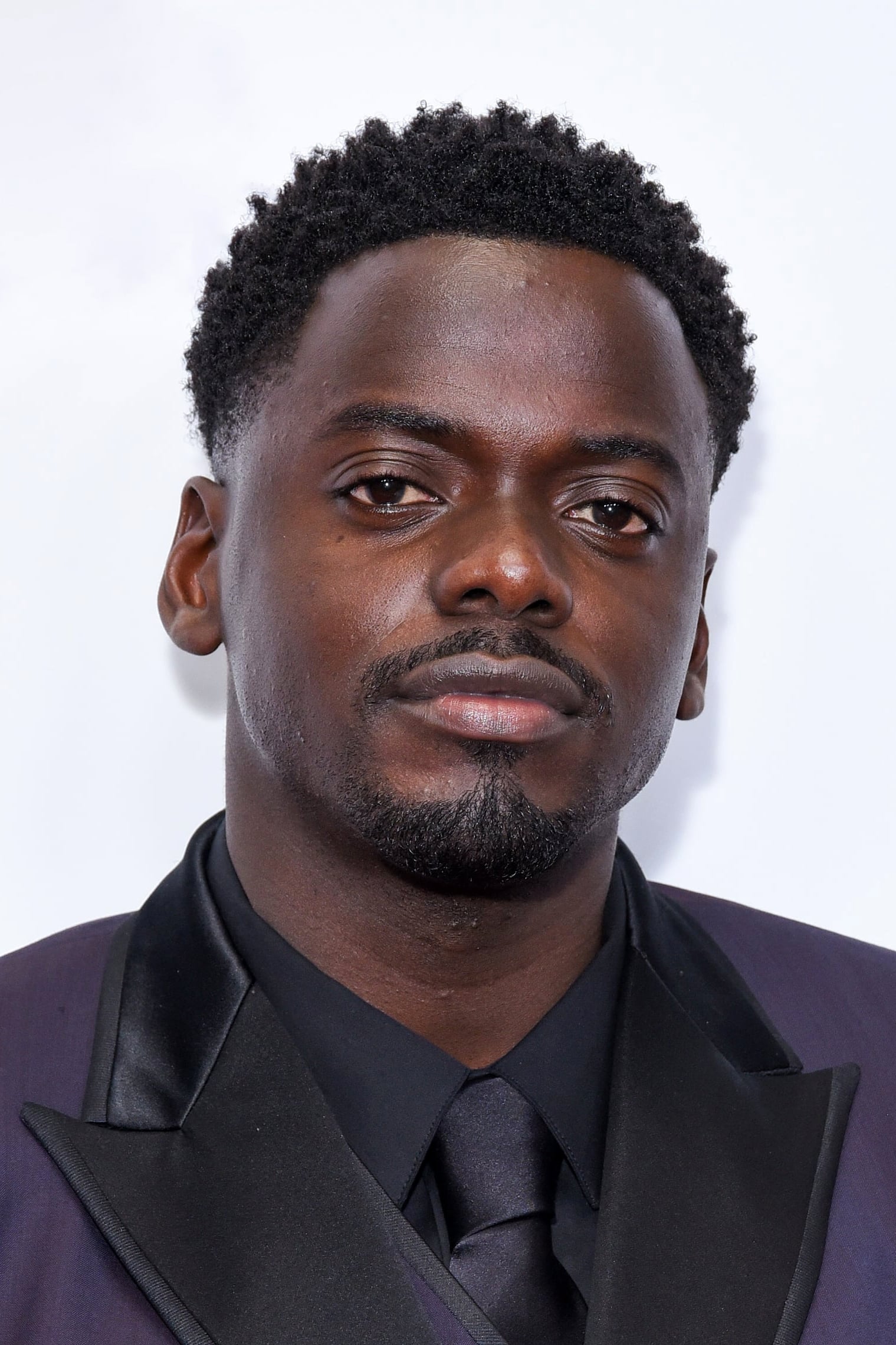
Daniel Kaluuya often selects projects that address social issues through a unique and focused Black lens. He gained international acclaim for his role in ‘Get Out’ which directly criticized the performative nature of certain savior behaviors. The actor avoids roles that feel like caricatures or those that lack a sense of individual purpose. He prefers to work with directors who allow his characters to navigate their own struggles and triumphs. Kaluuya remains a powerful voice for the importance of intellectual and emotional agency in Black roles.
Lupita Nyong’o
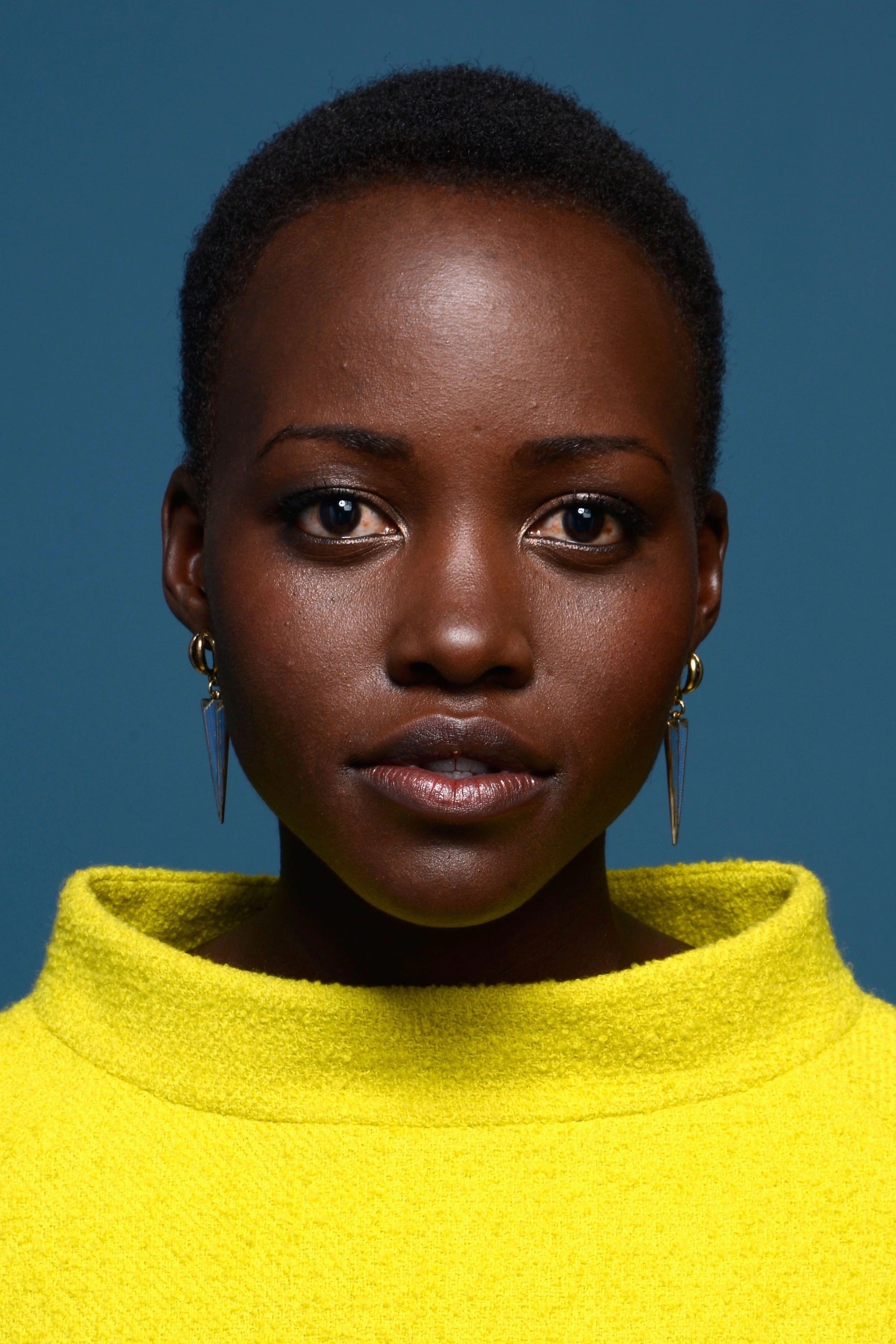
Lupita Nyong’o has been selective about her roles since winning her first Academy Award for ’12 Years a Slave’. She has leaned toward projects like ‘Us’ and ‘Black Panther’ that celebrate Black identity and personal power. The actress avoids stories that treat Black history as a backdrop for a different group’s moral awakening. She prioritizes working with filmmakers who see the inherent value and heroism in Black protagonists. Her presence in cinema serves as a reminder of the importance of sovereign storytelling.
Sterling K. Brown
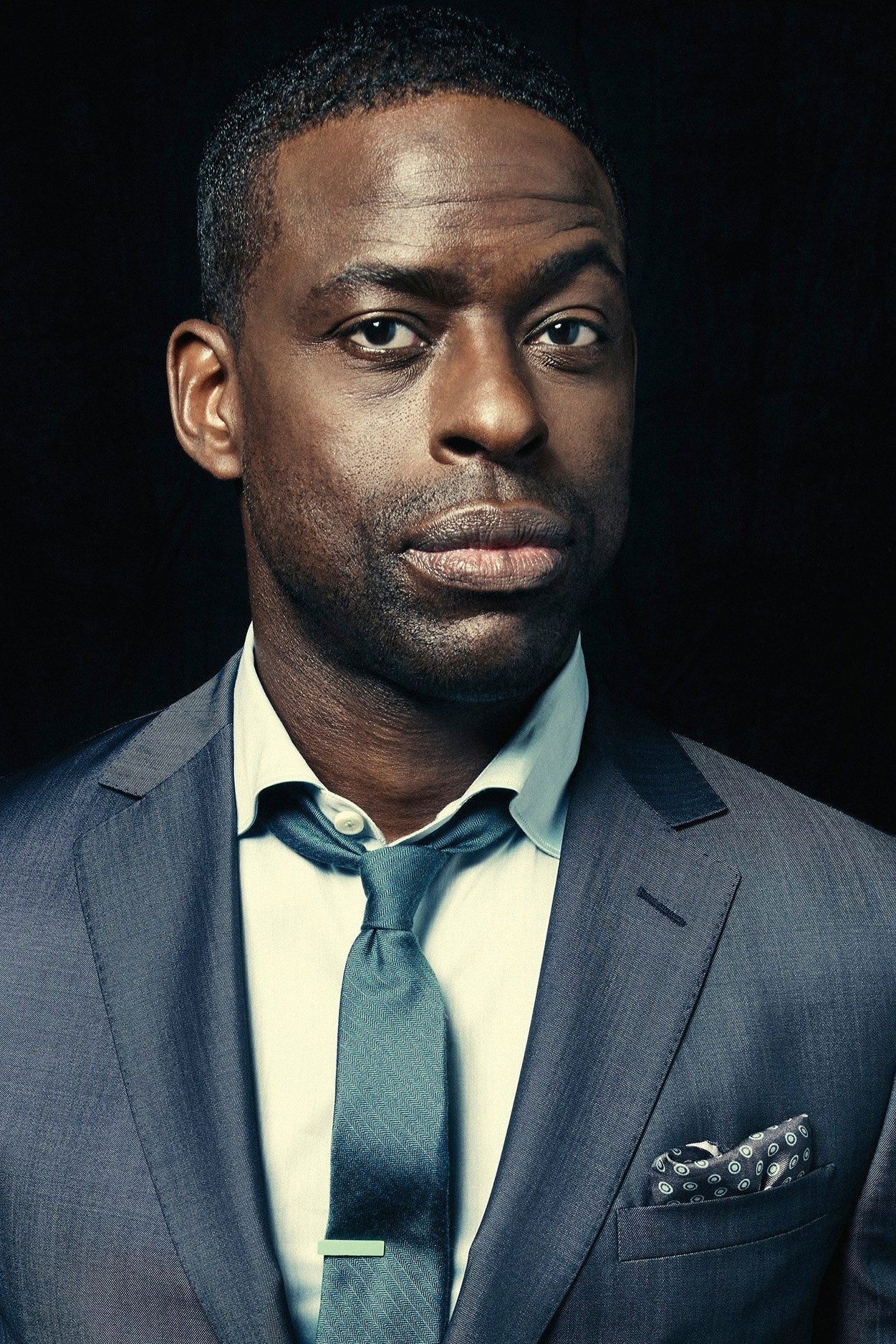
Sterling K. Brown is celebrated for his ability to bring immense emotional depth and humanity to his performances. He chooses roles that explore the intricacies of Black fatherhood and professional life with great nuance. The actor avoids scripts that rely on stereotypes or those that depict Black characters as being in constant need of rescue. He advocates for stories where Black characters are the primary drivers of their own destiny. Brown continues to work with creators who value the intellectual and emotional sovereignty of his roles.
Michael B. Jordan
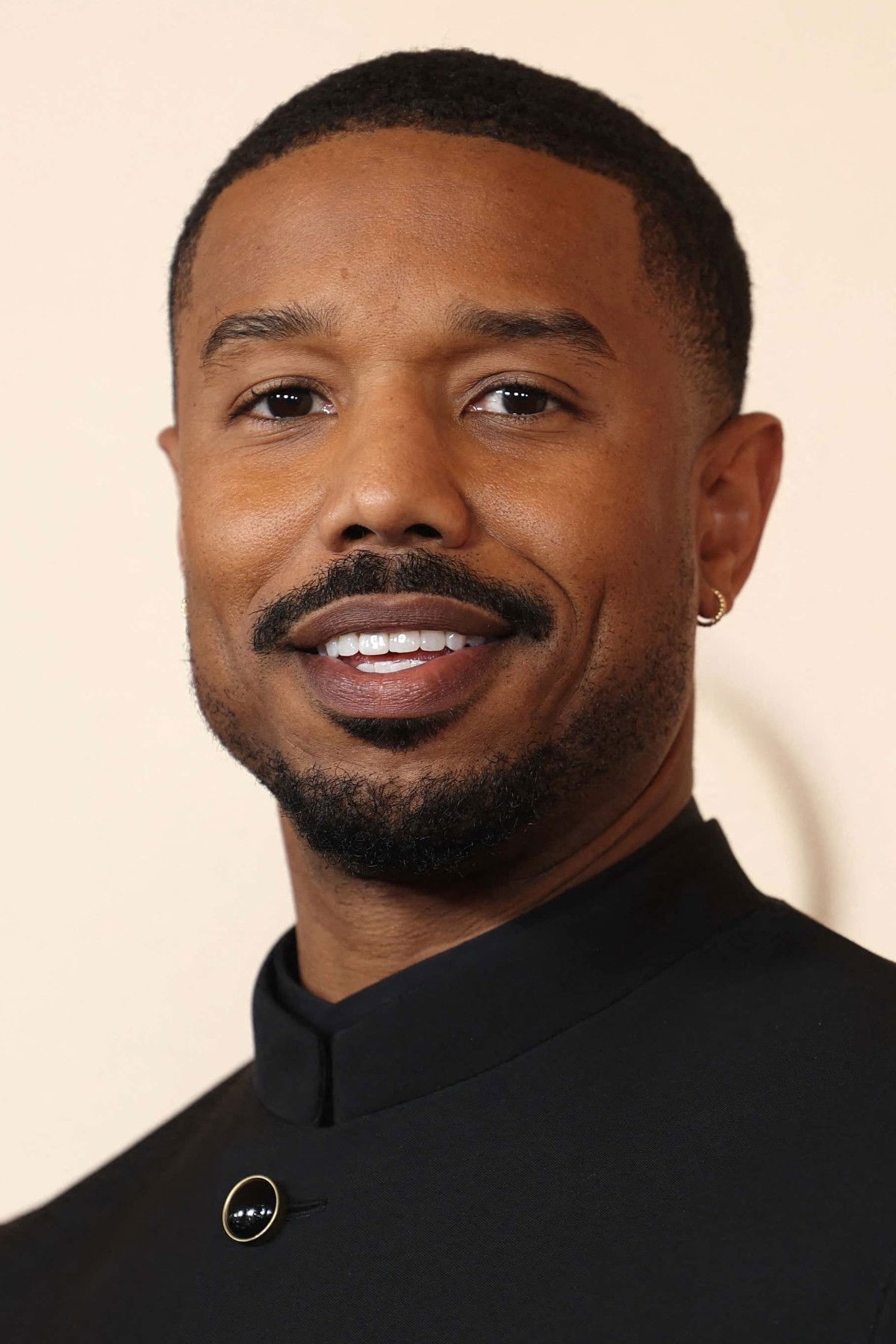
Michael B. Jordan has used his production company to implement inclusion riders and ensure diverse hiring practices. He focuses on starring in and producing films that showcase Black excellence and physical prowess. The actor avoids narratives where Black characters are secondary to a white protagonist’s arc of enlightenment. He seeks out roles that allow him to portray powerful figures who lead their own communities. Jordan is dedicated to creating a legacy of films that center the strength and agency of the Black experience.
David Oyelowo
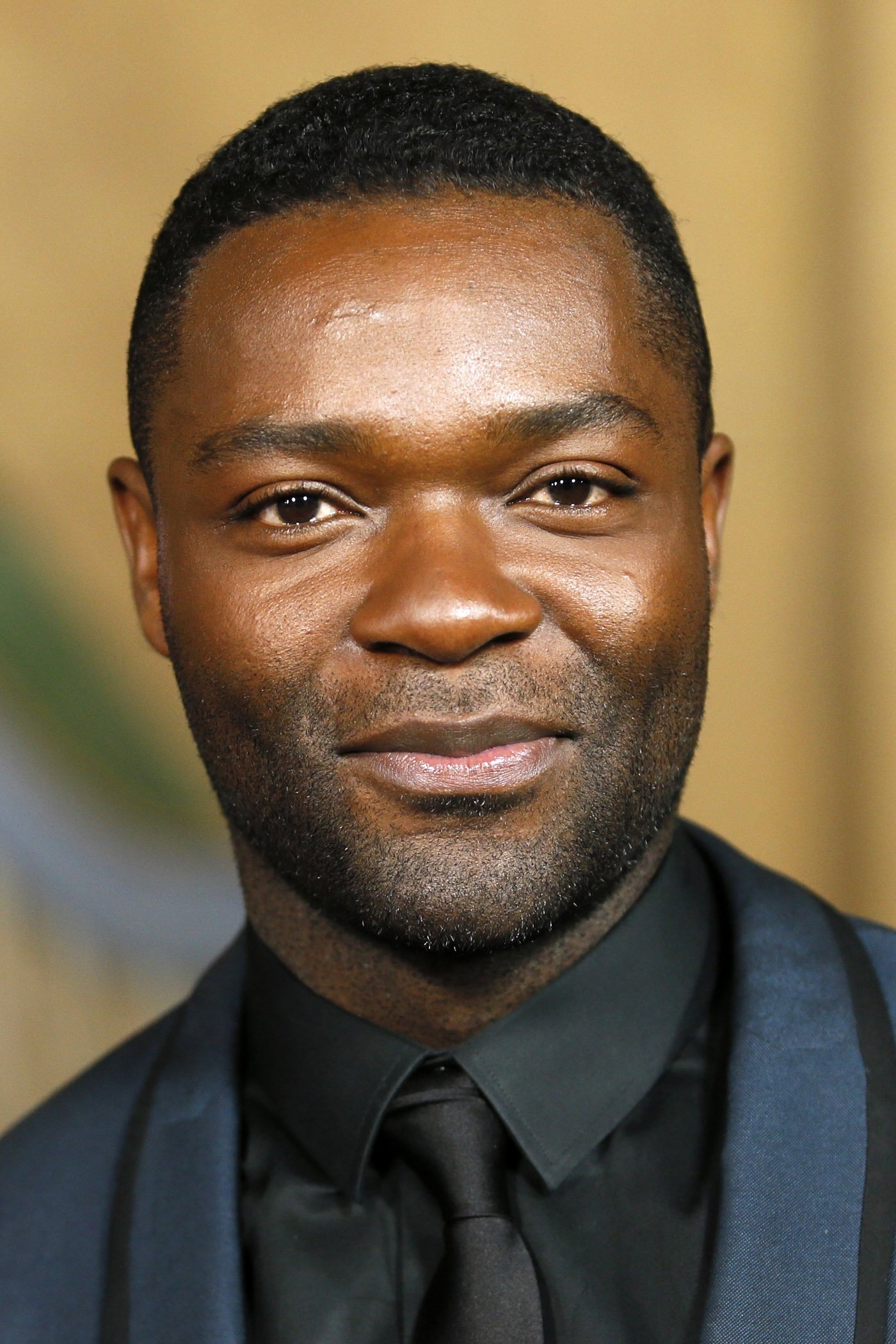
David Oyelowo has often spoken about the lack of opportunities for Black actors in historical dramas that do not focus on servitude. He famously portrayed Martin Luther King Jr. in ‘Selma’ highlighting the leader’s strategic brilliance and self-determination. The actor avoids projects that frame Black civil rights as a gift from outside political figures. He advocates for a more balanced portrayal of history that acknowledges the leadership and agency of Black individuals. Oyelowo continues to support projects that center the true architects of social change.
Taraji P. Henson
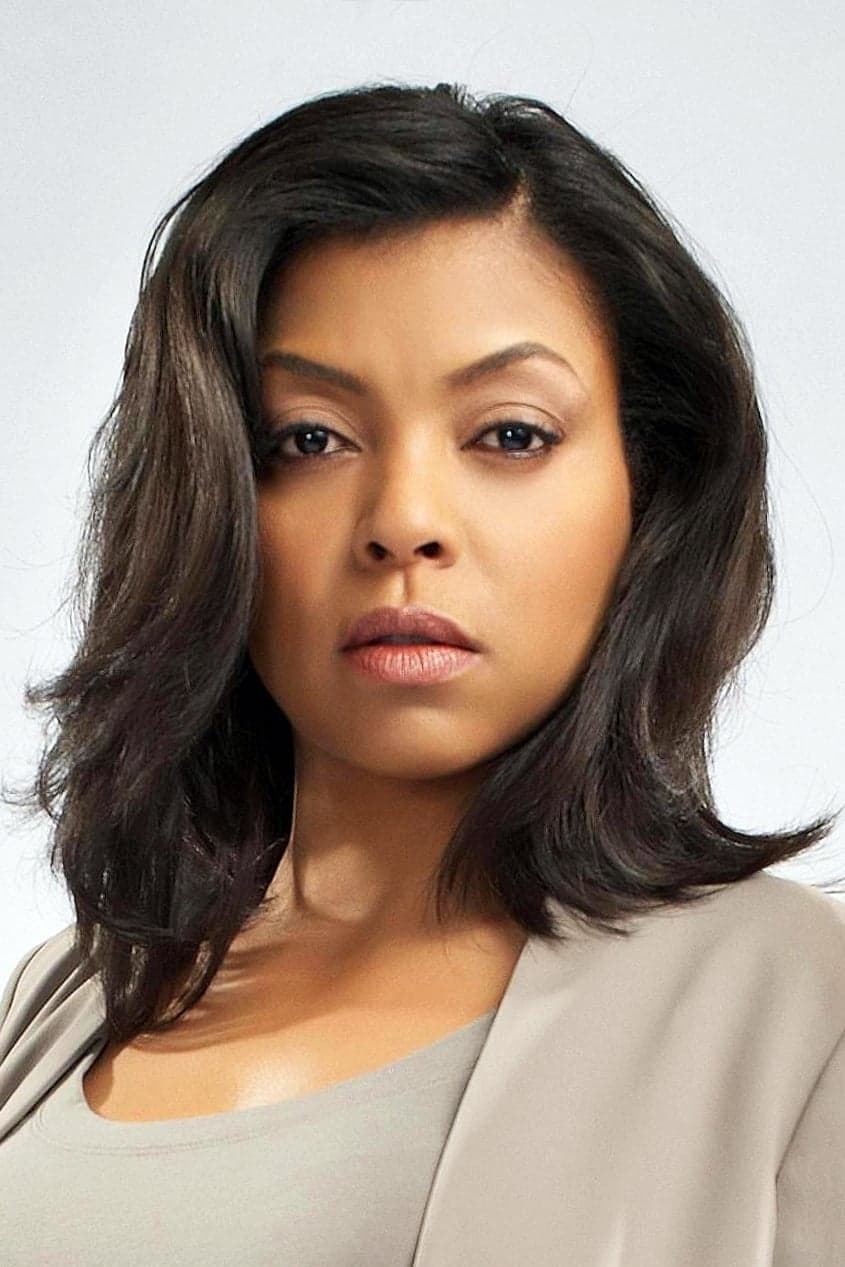
Taraji P. Henson has consistently portrayed strong and determined Black women throughout her extensive career. She avoids roles that diminish the intelligence or capability of her characters in favor of a savior narrative. The actress has been vocal about the need for equal pay and respect for the contributions of Black women in film. She seeks out projects like ‘Hidden Figures’ that celebrate the brilliance and independence of Black professionals. Henson remains a fierce advocate for stories that honor the self-sufficiency of the Black community.
Octavia Spencer
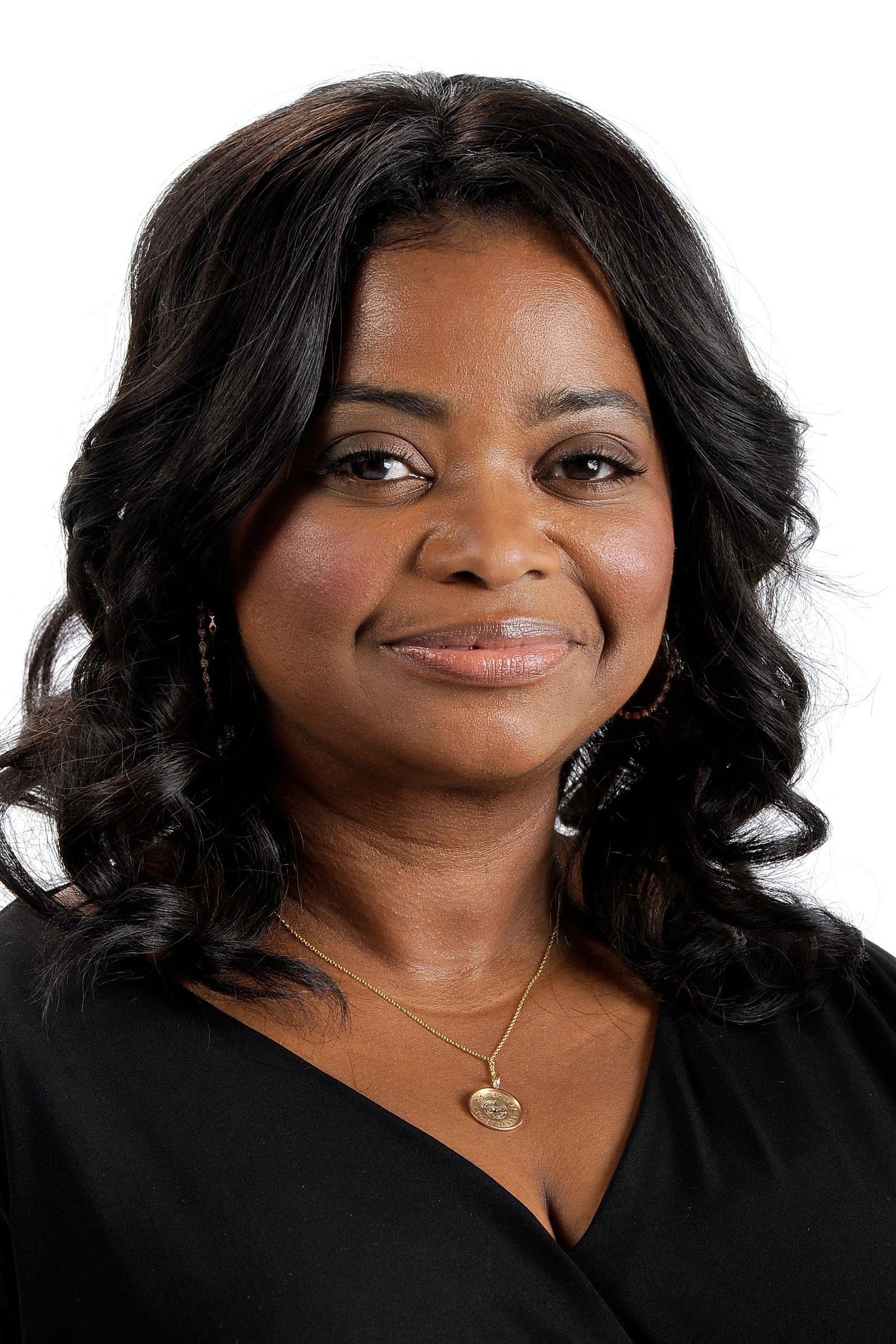
Octavia Spencer has navigated a career that often places her in high-profile dramas and science fiction films. She has expressed a desire to move away from roles that repeat the same narrative patterns seen in her earlier work. The actress now focuses on projects where she can portray characters with significant authority and personal agency. She avoids stories that use Black characters primarily as emotional support for white leads. Spencer continues to collaborate with directors who offer her the chance to lead her own narratives.
Idris Elba
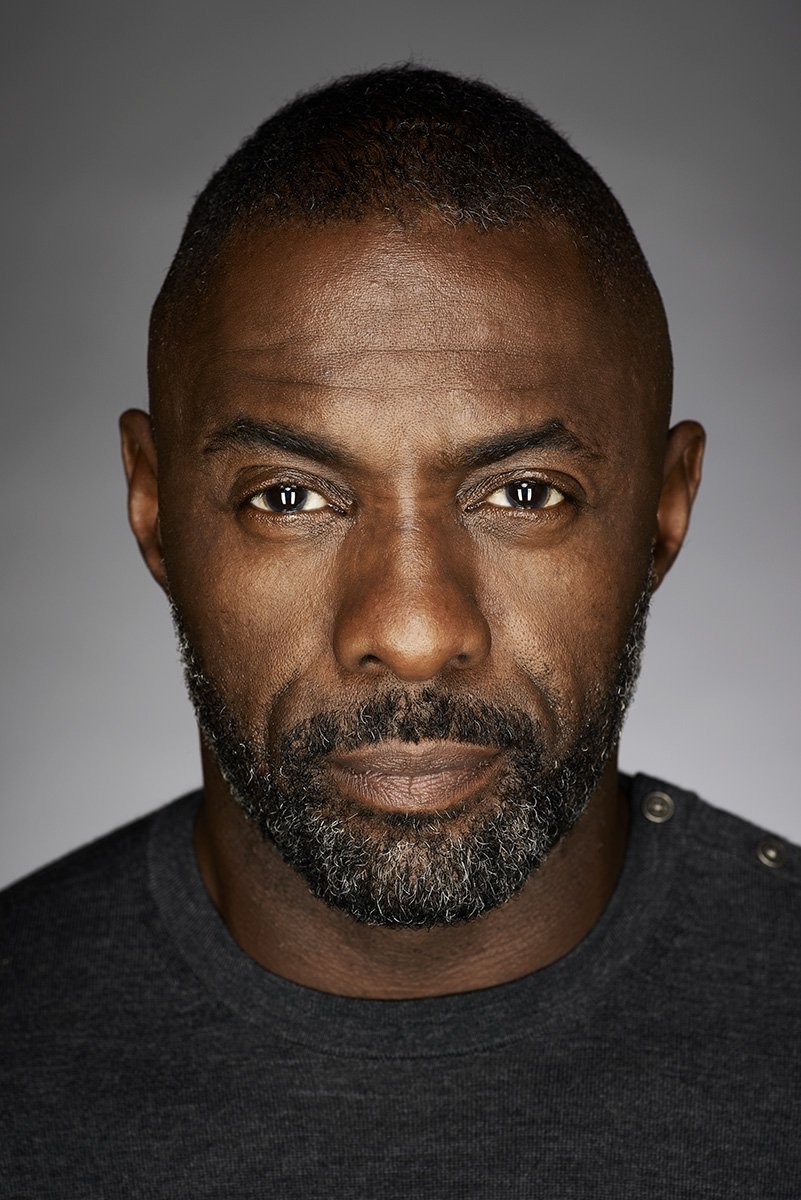
Idris Elba has become a global star by playing characters who are defined by their authority and charisma. He avoids roles that are limited by racial tropes or those that require his character to be saved by others. The actor often takes on leadership roles that highlight his character’s competence and decision-making skills. He is interested in projects that treat Black identity as a natural part of a complex individual rather than a plot point for someone else’s growth. Elba continues to champion stories that allow for a wide range of Black experiences.
Samuel L. Jackson
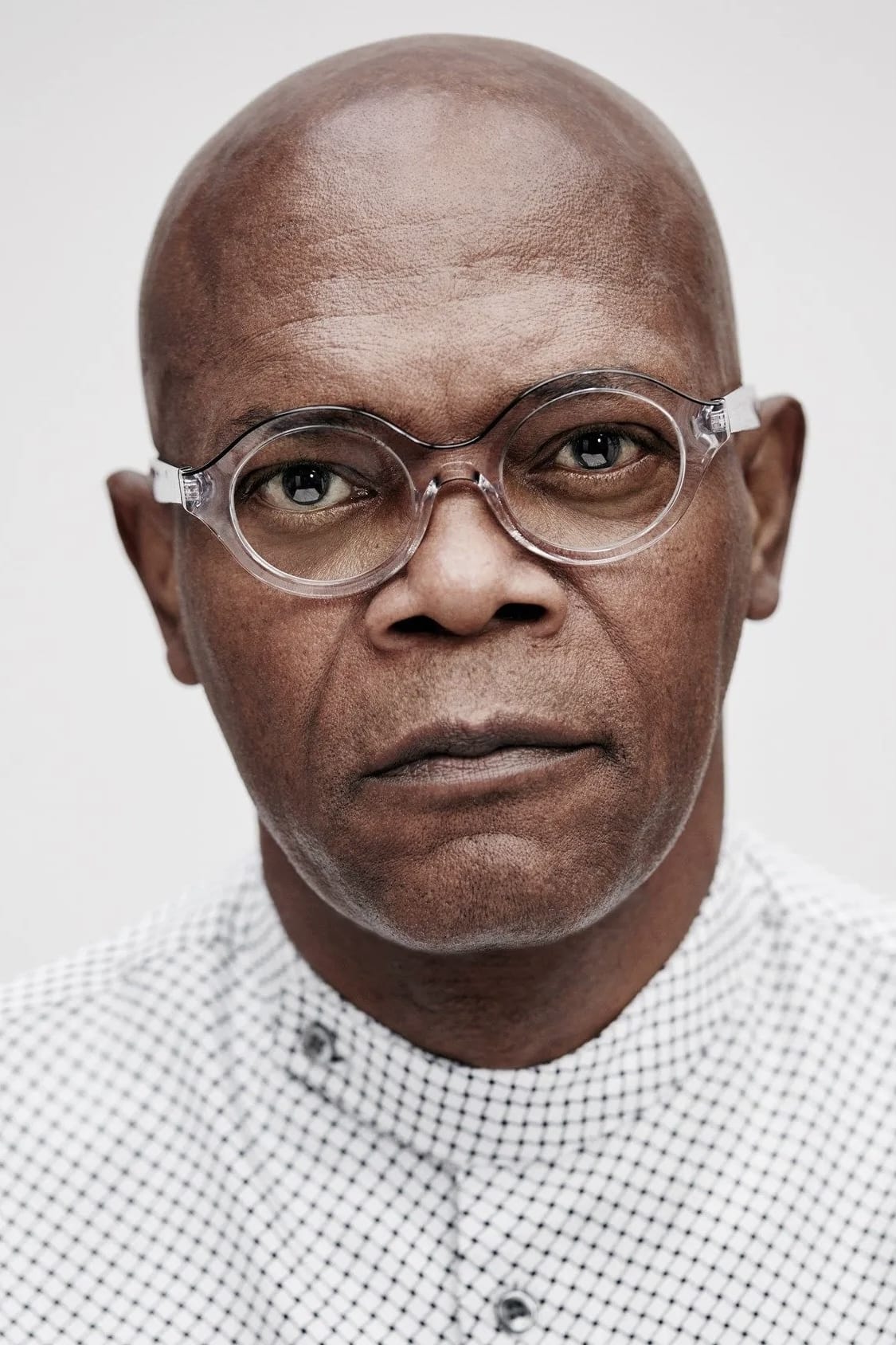
Samuel L. Jackson has a long history of playing characters who command attention and exert total control over their environment. He famously avoids roles that depict Black men in a subservient or helpless light. The actor prefers characters who are proactive and possess their own distinct moral codes. He has worked with directors who celebrate the toughness and independence of his roles. Jackson remains one of the most prolific figures in cinema while maintaining a strict standard for the agency of his characters.
Denzel Washington
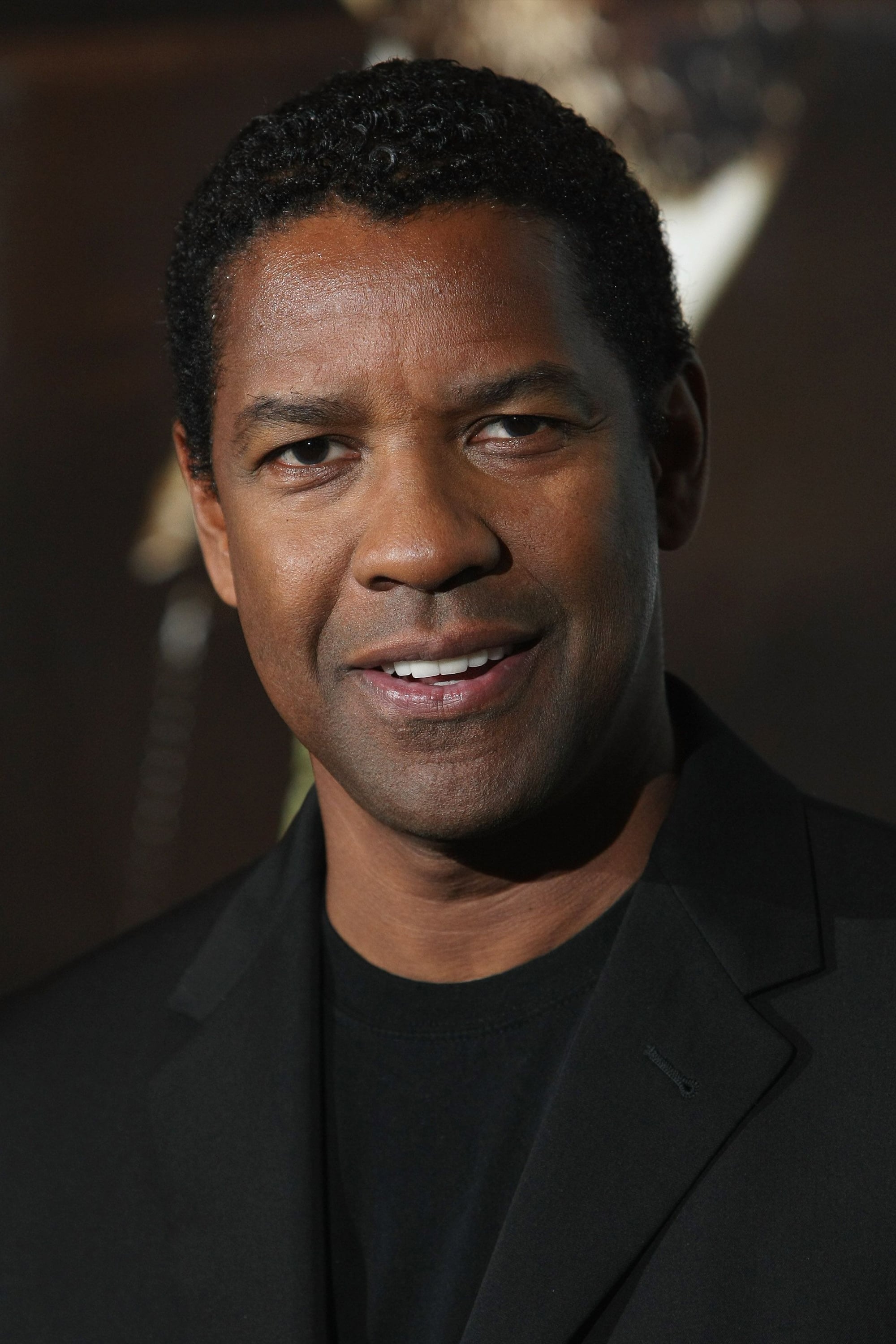
Denzel Washington is widely regarded as one of the greatest actors of his generation for his portrayal of powerful and complex figures. He has consistently avoided roles that utilize savior tropes to tell a story. The actor focuses on characters who are the masters of their own fate and who influence the world around them. He has often taken on roles originally written for white actors to prove the universal appeal of Black agency. Washington continues to inspire others by choosing projects that prioritize the dignity and power of the individual.
Angela Bassett
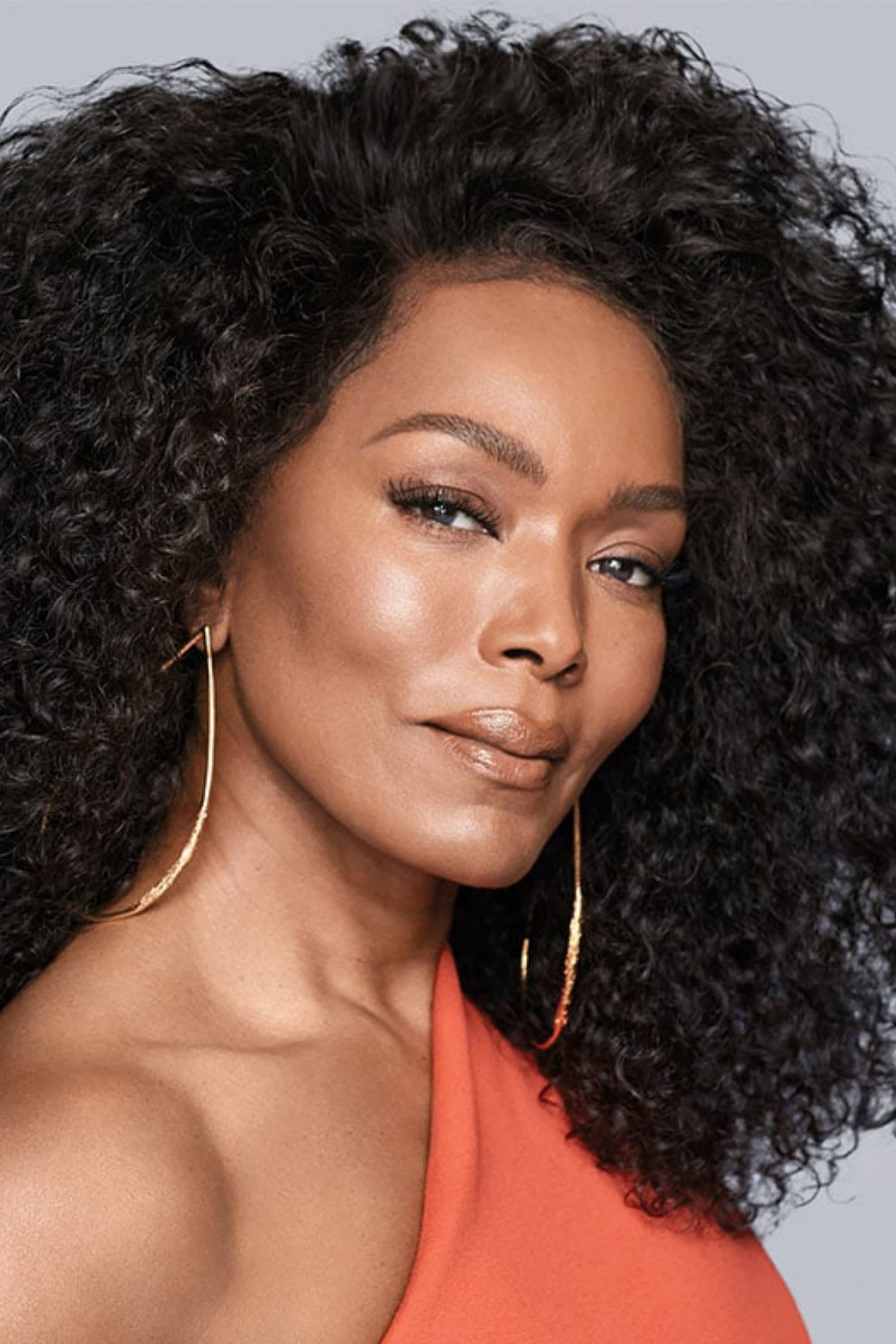
Angela Bassett is known for her regal presence and her ability to portray legendary figures with immense grace. She avoids roles that undermine the strength or intelligence of Black women in any capacity. The actress has been a vocal critic of scripts that do not give her characters a full and independent life. She seeks out directors who are capable of capturing the intensity and power of the Black female experience. Bassett remains a symbol of resilience and authority in every project she undertakes.
Sophie Okonedo
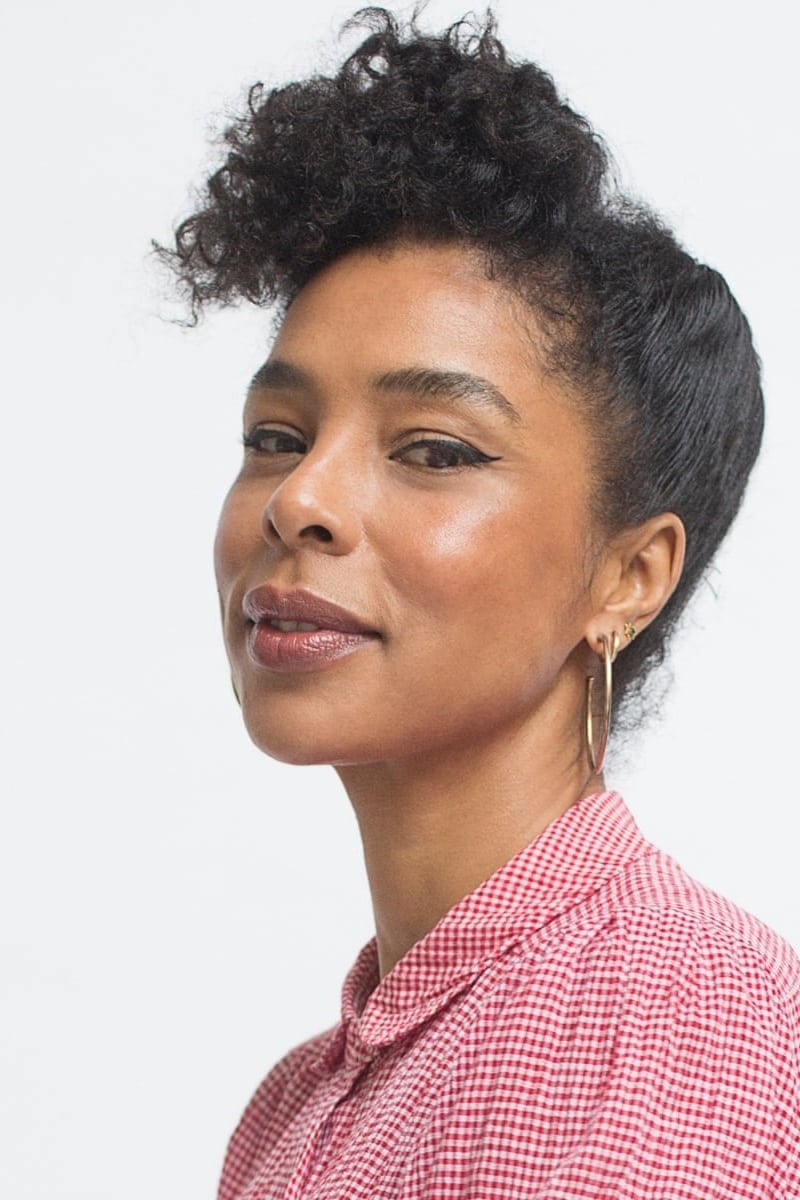
Sophie Okonedo has built a distinguished career by appearing in thought-provoking films and stage productions. She avoids projects that rely on simplistic portrayals of Black characters as victims of their circumstances. The actress focuses on roles that offer a deep exploration of human emotion and personal agency. She prefers to work with directors who are interested in the complexities of the diaspora rather than stereotypical narratives. Okonedo continues to be a sought-after performer for her commitment to authentic and nuanced storytelling.
Ruth Negga
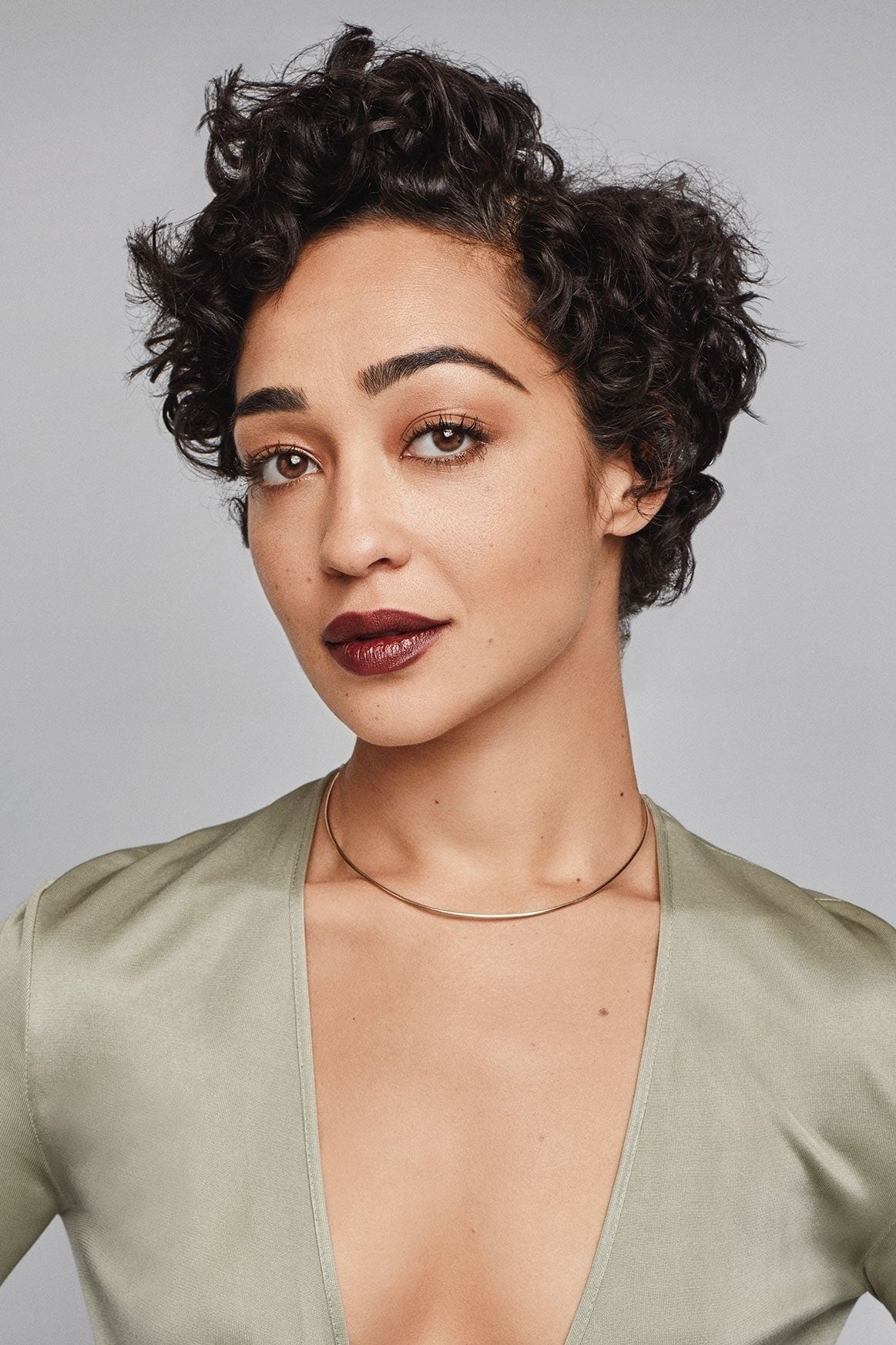
Ruth Negga earned critical acclaim for her role in ‘Loving’ where she portrayed a woman fighting for her own rights and dignity. She avoids scripts that frame the struggle for equality as something handed down by external figures. The actress seeks out roles that allow her to explore the quiet strength and internal life of her characters. She is drawn to projects that center the experiences of those who are often marginalized by traditional history. Negga remains focused on collaborating with filmmakers who value the autonomy of their subjects.
Gugu Mbatha-Raw
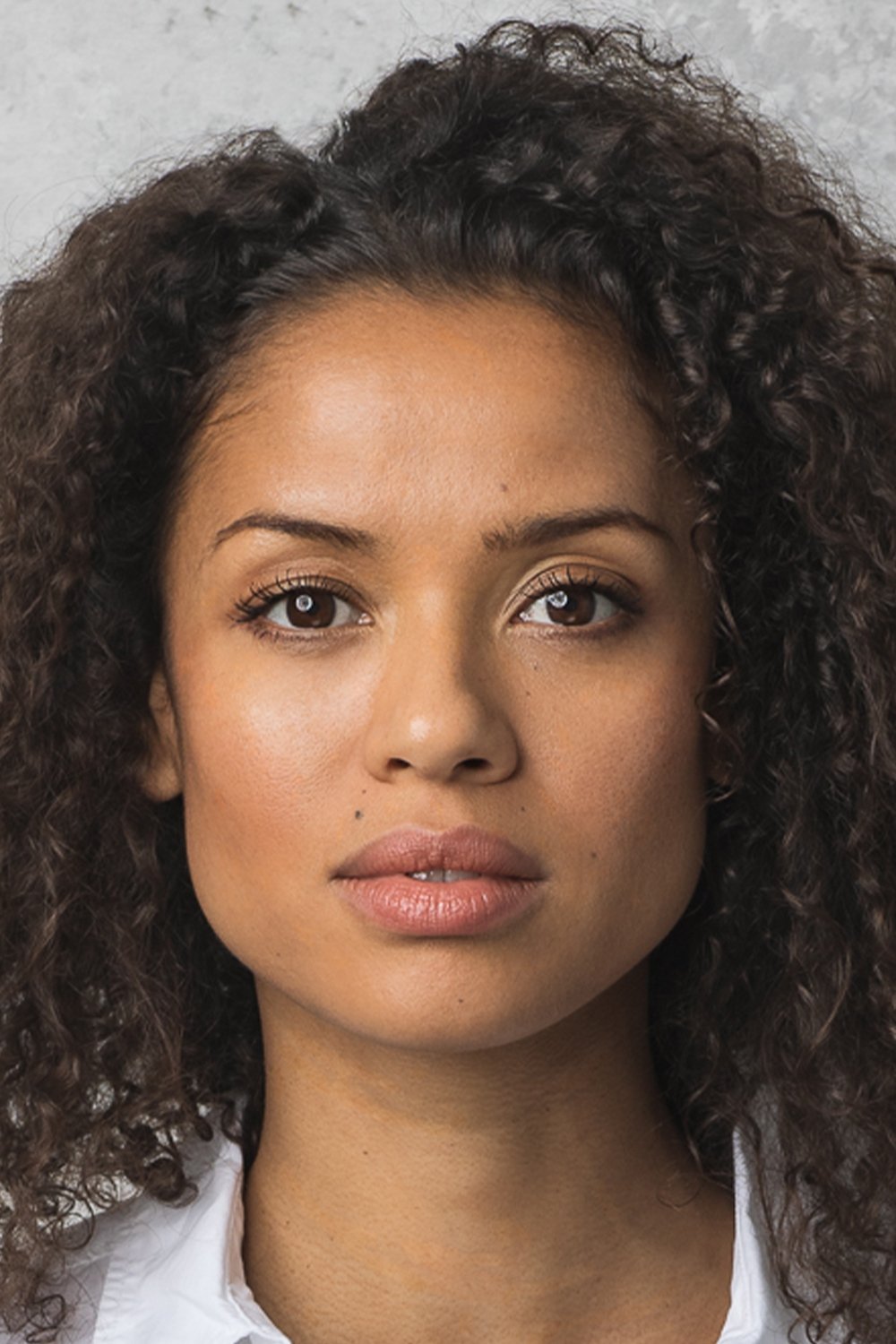
Gugu has taken on a variety of roles that highlight the intersection of race and class in historical and modern settings. She avoids projects that treat her characters as symbols rather than fully realized individuals with their own goals. The actress has been careful to select roles that demonstrate her character’s influence and intelligence. She seeks out directors who are committed to telling stories of Black women who navigate their worlds with agency. Gugu continues to advocate for more inclusive and self-determined narratives in the film industry.
Letitia Wright
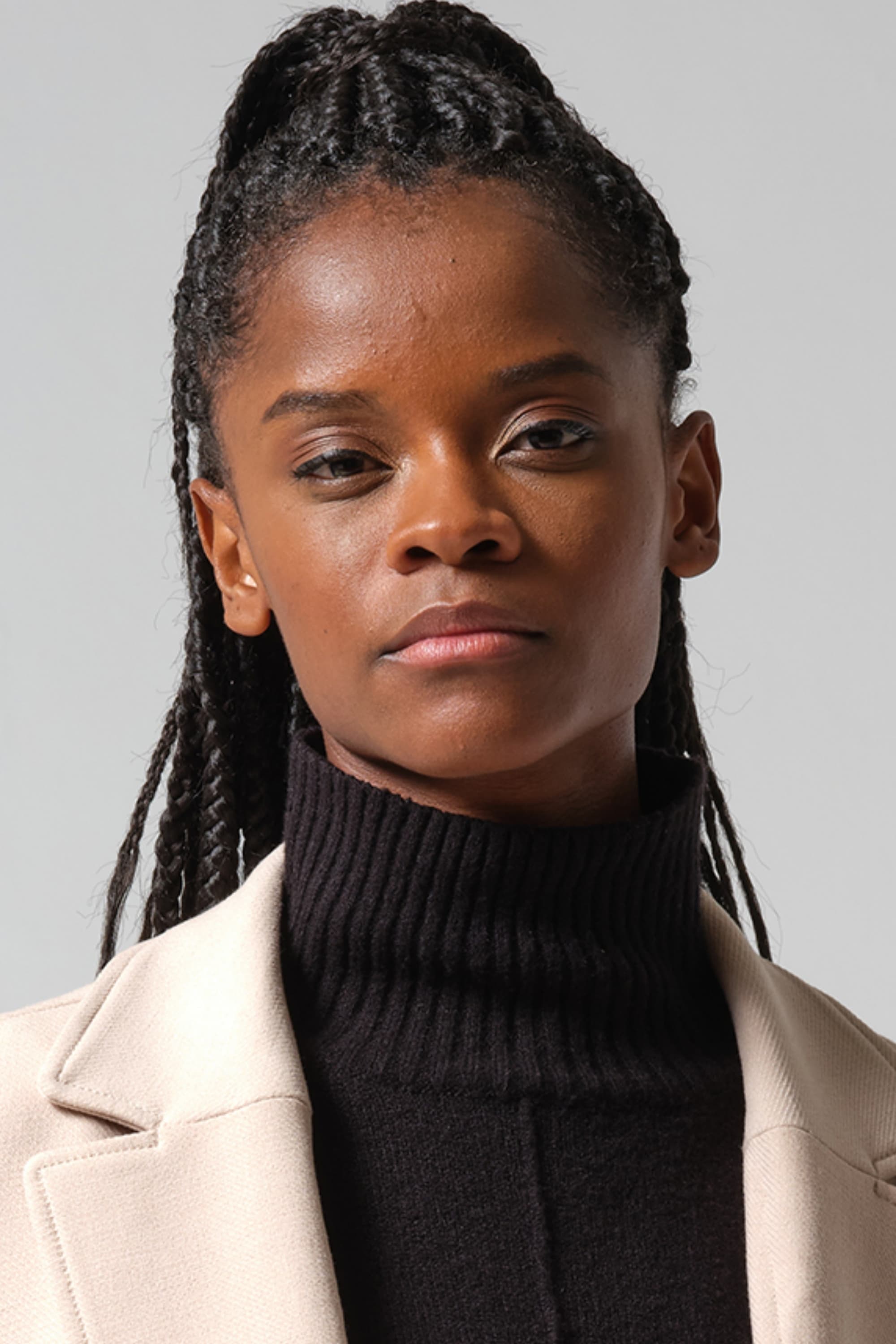
Letitia Wright rose to fame portraying a brilliant scientist who is the technological heart of her nation. She avoids roles that perpetuate negative stereotypes or depict Black youth as lacking direction. The actress is interested in projects that celebrate the intellect and innovation of the Black community. She seeks out characters who are empowered and who do not rely on outside help to achieve their objectives. Wright remains a positive force for change by choosing roles that highlight the potential and power of the next generation.
Winston Duke
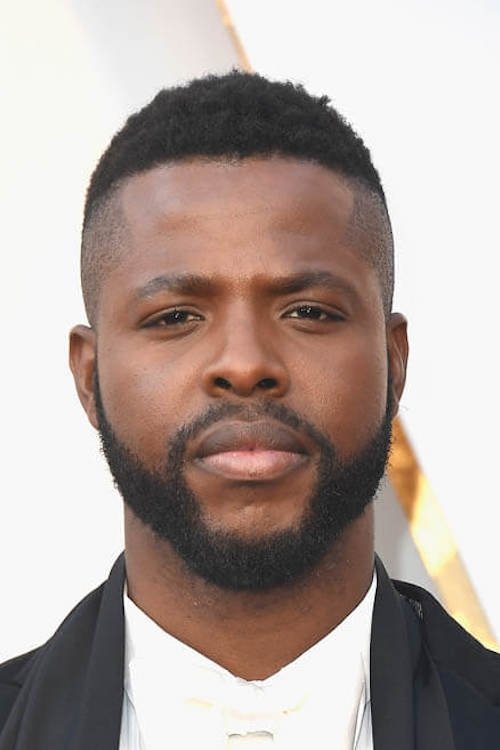
Winston Duke made a major impact with his portrayal of a powerful leader who prioritizes the well-being of his own people. He avoids roles that diminish the physical or intellectual stature of Black men. The actor is drawn to characters who possess a strong sense of cultural identity and personal pride. He focuses on working with directors who are interested in exploring the depths of Black masculinity without relying on tired tropes. Duke continues to use his visibility to advocate for stories that center Black strength and community.
Janelle Monáe
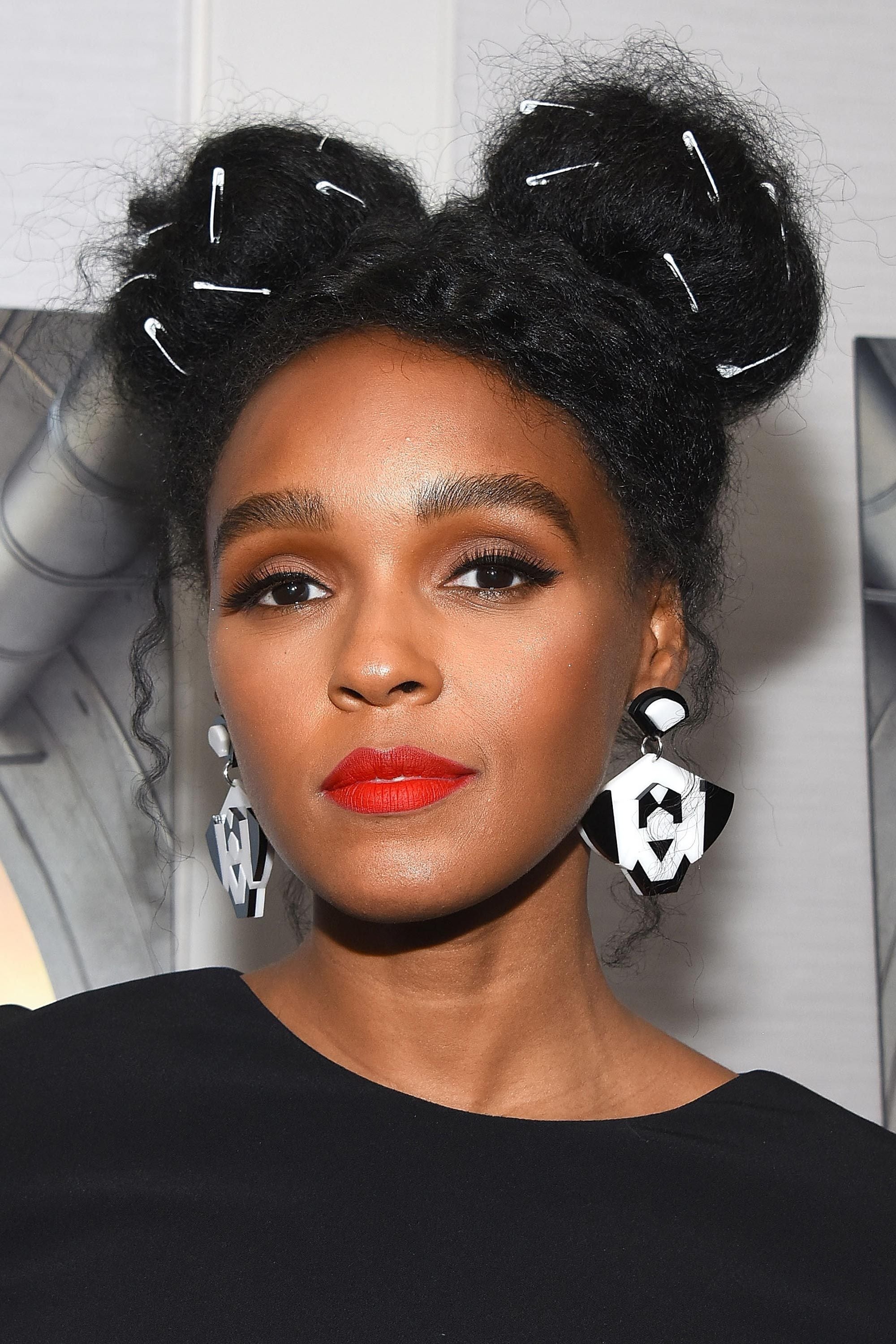
Janelle Monáe has seamlessly transitioned from a successful music career to a series of impactful film roles. She avoids projects that do not allow for the exploration of queer and Black identity in an empowering way. The artist is attracted to speculative fiction and historical dramas that center the perspective of the marginalized. She seeks out directors who are willing to take risks and challenge the conventional savior narrative. Monáe remains a visionary figure who uses her work to push for more imaginative and autonomous Black stories.
Donald Glover
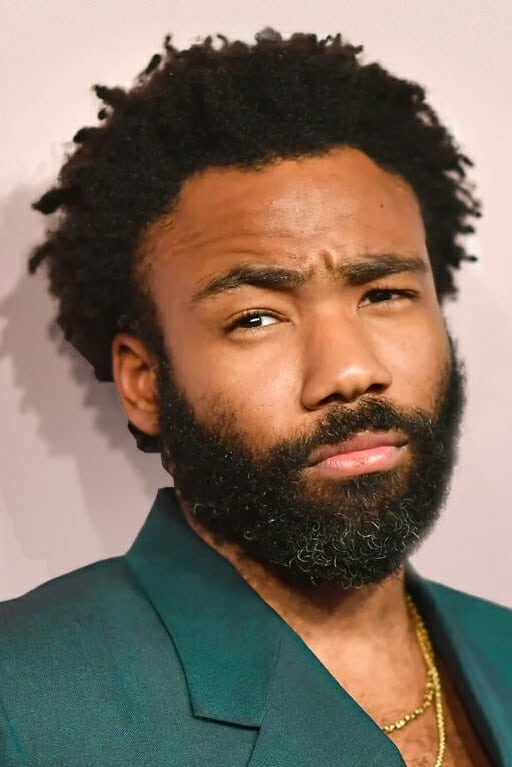
Donald Glover has redefined what it means to be a multi-hyphenate artist in the modern entertainment landscape. He created ‘Atlanta’ to showcase a side of Black life that is rarely seen on television without the filter of external expectations. The creator avoids traditional Hollywood formulas that rely on savior figures to resolve Black struggles. He focuses on projects that explore the surreal and mundane aspects of the Black experience with complete creative control. Glover continues to be a pioneer for independent and self-aware storytelling.
Lena Waithe
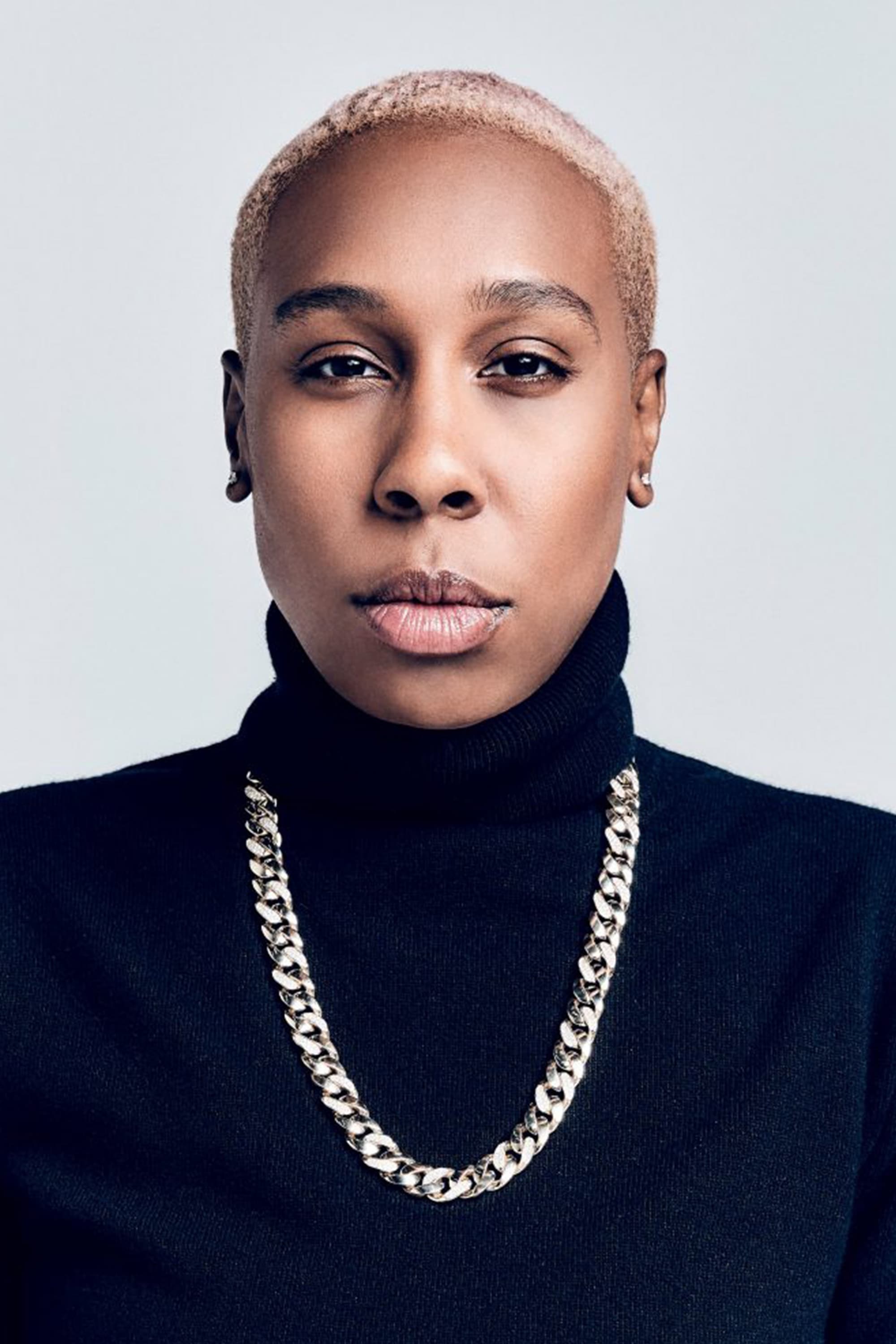
Lena Waithe has become a prominent voice for Black and queer representation in both writing and acting. She avoids projects that treat these identities as problems to be solved by others. The creator focuses on telling stories that emphasize the community and self-reliance of her characters. She utilizes her platform to mentor new talent and ensure that diverse voices are leading their own narratives. Waithe remains dedicated to dismantling the structures that perpetuate savior tropes in media.
Michaela Coel
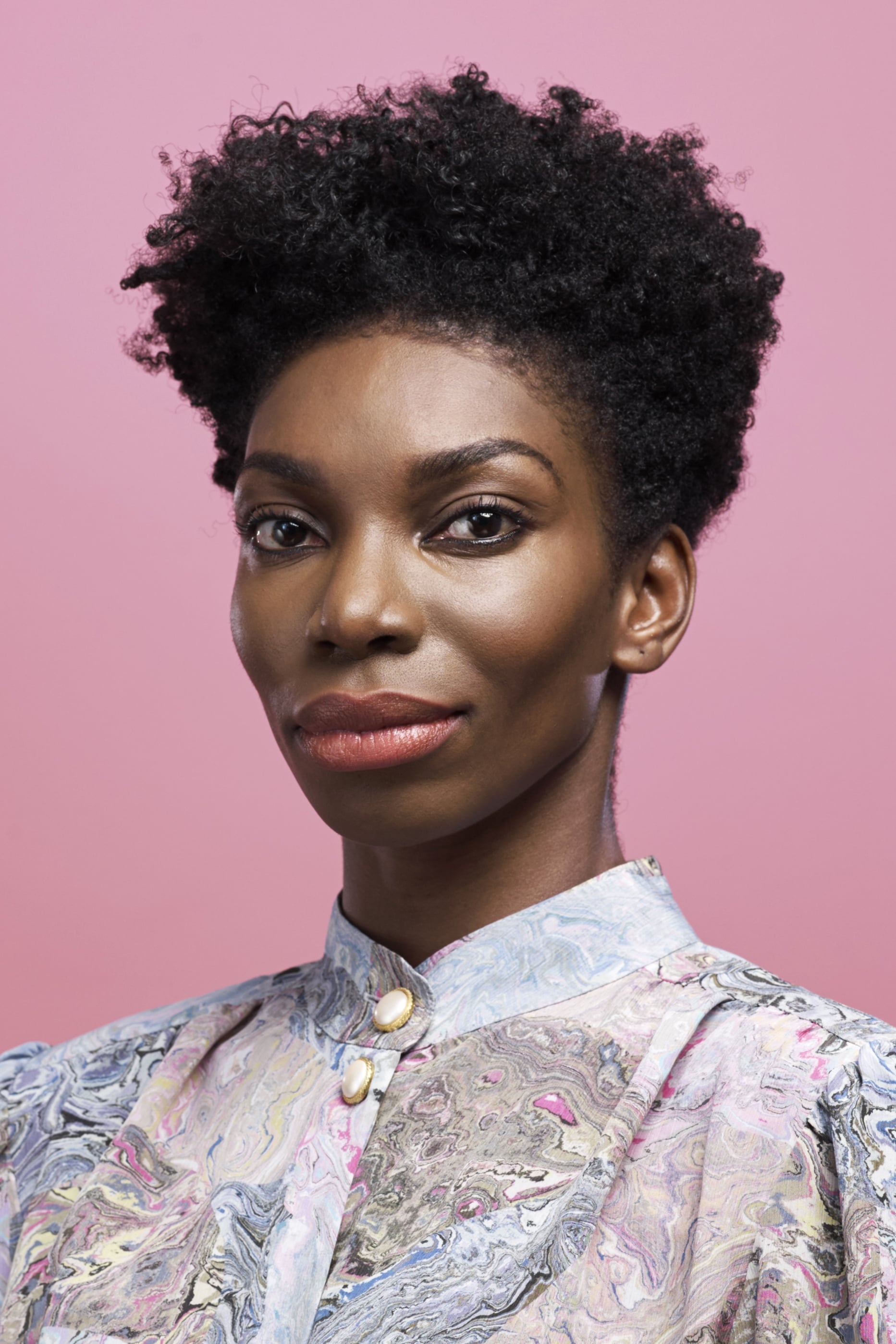
Michaela Coel achieved global recognition for ‘I May Destroy You’ which she wrote and starred in to explore trauma and healing. She famously turned down a massive deal from a major streaming service to maintain the rights to her work. The artist avoids projects where she does not have a significant say in the creative direction and narrative arc. She prioritizes storytelling that is raw and honest and entirely centered on the Black experience. Coel is a leading figure in the push for creator ownership and narrative integrity.
Zazie Beetz
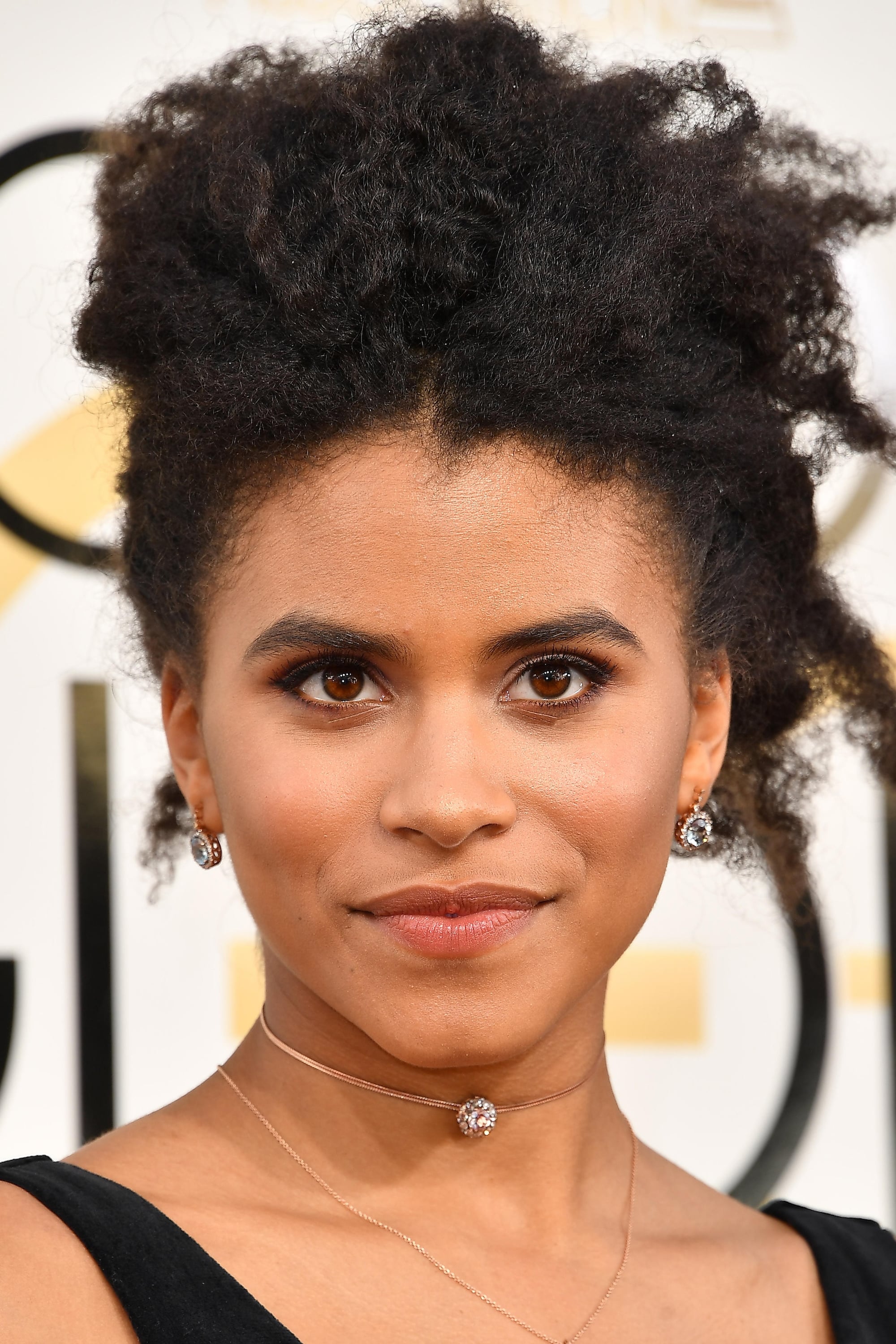
Zazie Beetz has appeared in a wide range of projects from independent films to major superhero franchises. She avoids roles that feel like standard tokens or those that lack a personal journey independent of the lead. The actress seeks out characters who are grounded and who possess a unique perspective on the world around them. She prefers to work with directors who are interested in the subtle and human elements of Black life. Beetz continues to select roles that emphasize the individuality and agency of her characters.
Yahya Abdul-Mateen II
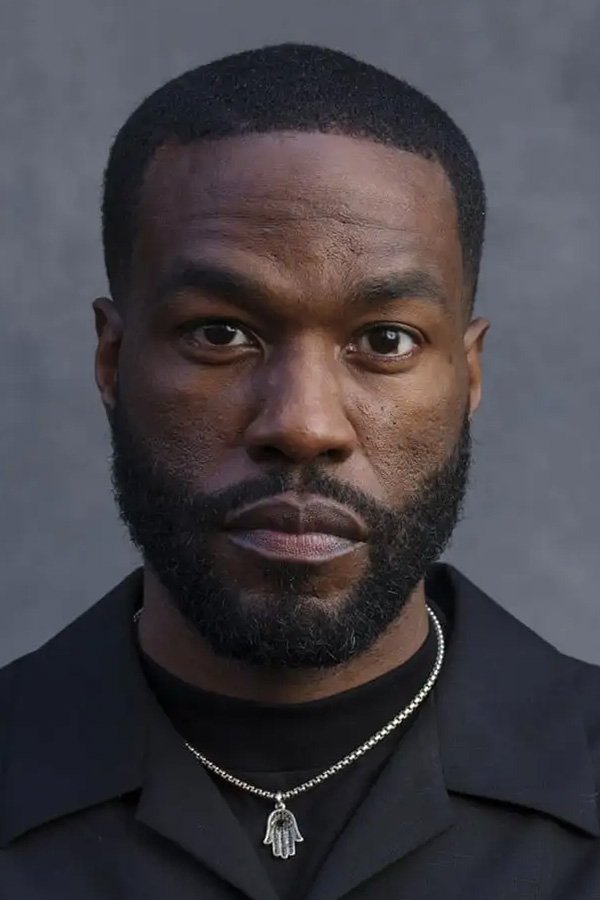
Yahya Abdul-Mateen II has quickly become one of the most versatile actors in the industry today. He avoids roles that are defined purely by their relationship to a white protagonist’s growth. The actor focuses on characters who are powerful and complex and who drive the action of the film. He seeks out projects that allow him to explore a wide variety of genres while maintaining his character’s dignity. Abdul-Mateen II is committed to working with filmmakers who see the importance of Black leadership on screen.
Teyonah Parris
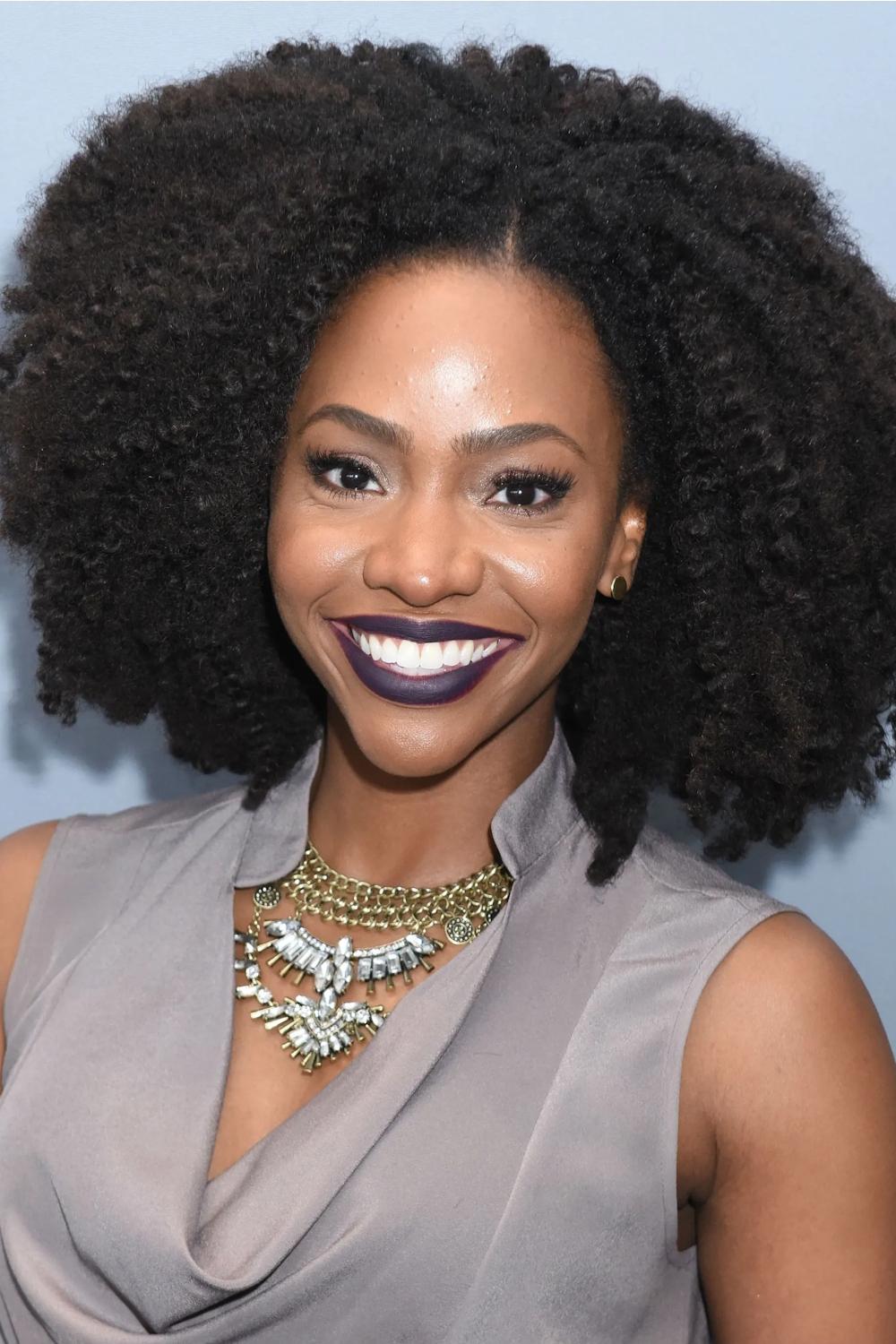
Teyonah Parris has built a career by playing vibrant and intelligent Black women who stand their own ground. She avoids scripts that relegate her characters to being the helpful sidekick without their own clear motivations. The actress is drawn to roles that highlight the professional and personal success of Black women. She seeks out directors who are capable of portraying the nuance and strength of the Black community. Parris remains a dedicated advocate for stories that center the experiences and triumphs of Black women.
Brian Tyree Henry
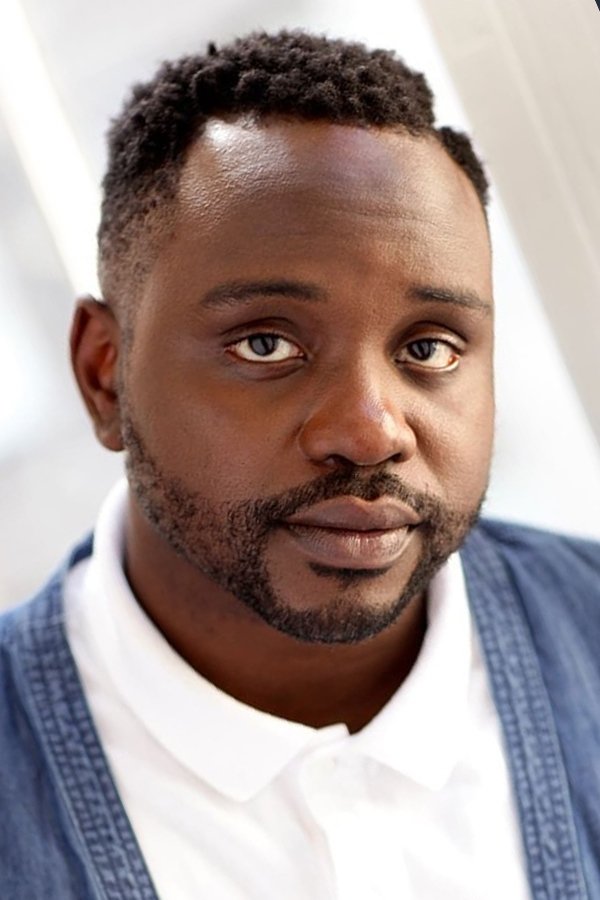
Brian Tyree Henry is known for his ability to bring a sense of vulnerability and deep humanity to his characters. He avoids roles that are one-dimensional or those that serve as a punchline for a larger narrative. The actor seeks out projects that explore the emotional interior of Black men in a way that is rarely seen on screen. He prefers to work with directors who value the quiet and reflective moments of a character’s journey. Henry continues to be a powerful presence in cinema by prioritizing authentic and autonomous storytelling.
Corey Hawkins
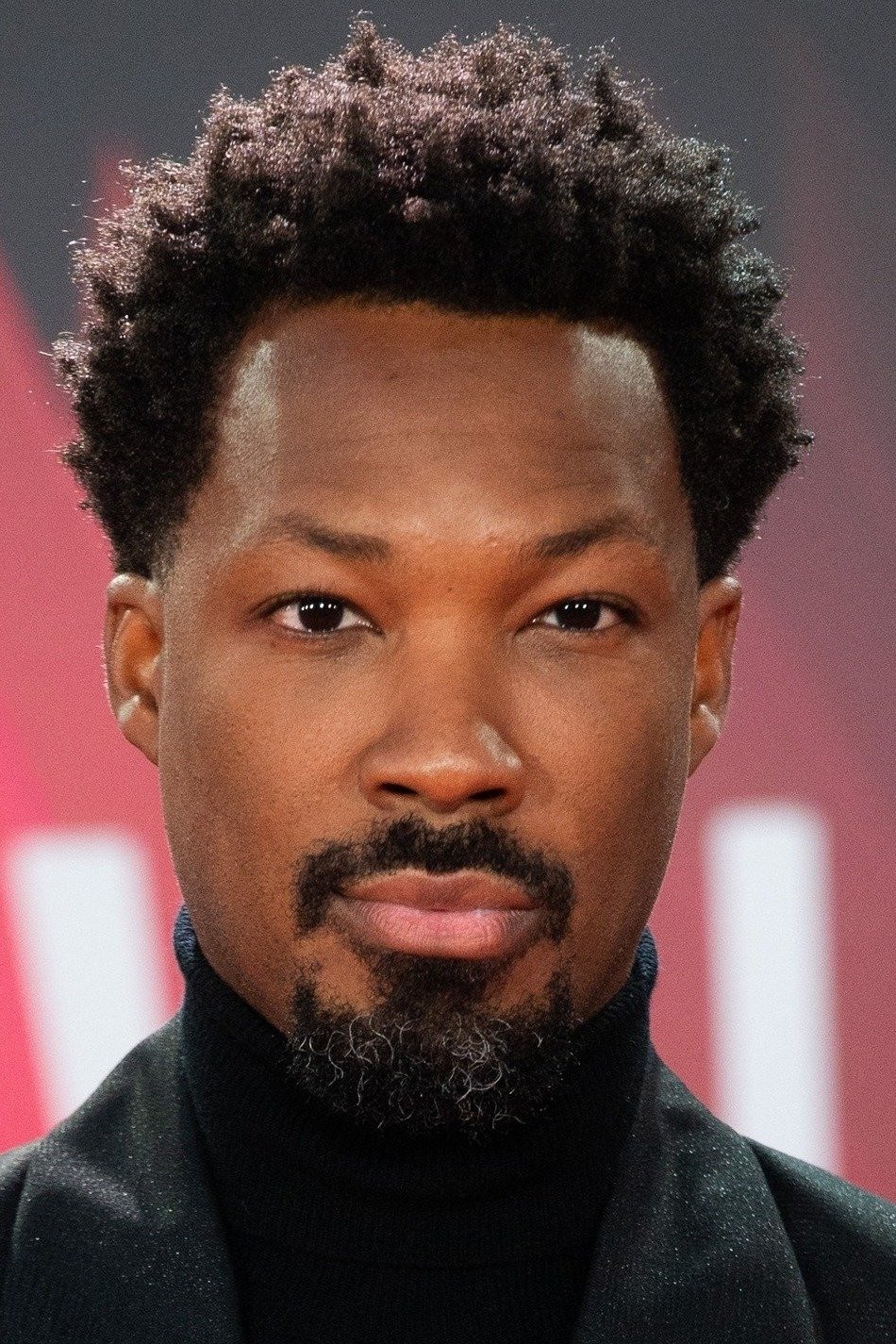
Corey Hawkins has taken on roles that showcase the talent and history of the Black community in music and drama. He avoids projects that frame Black achievement as something that requires external validation or discovery. The actor is interested in stories that highlight the hard work and self-determination of his characters. He seeks out directors who are committed to historical accuracy and the celebration of Black culture. Hawkins remains focused on projects that honor the legacy of Black excellence without relying on savior tropes.
Damson Idris
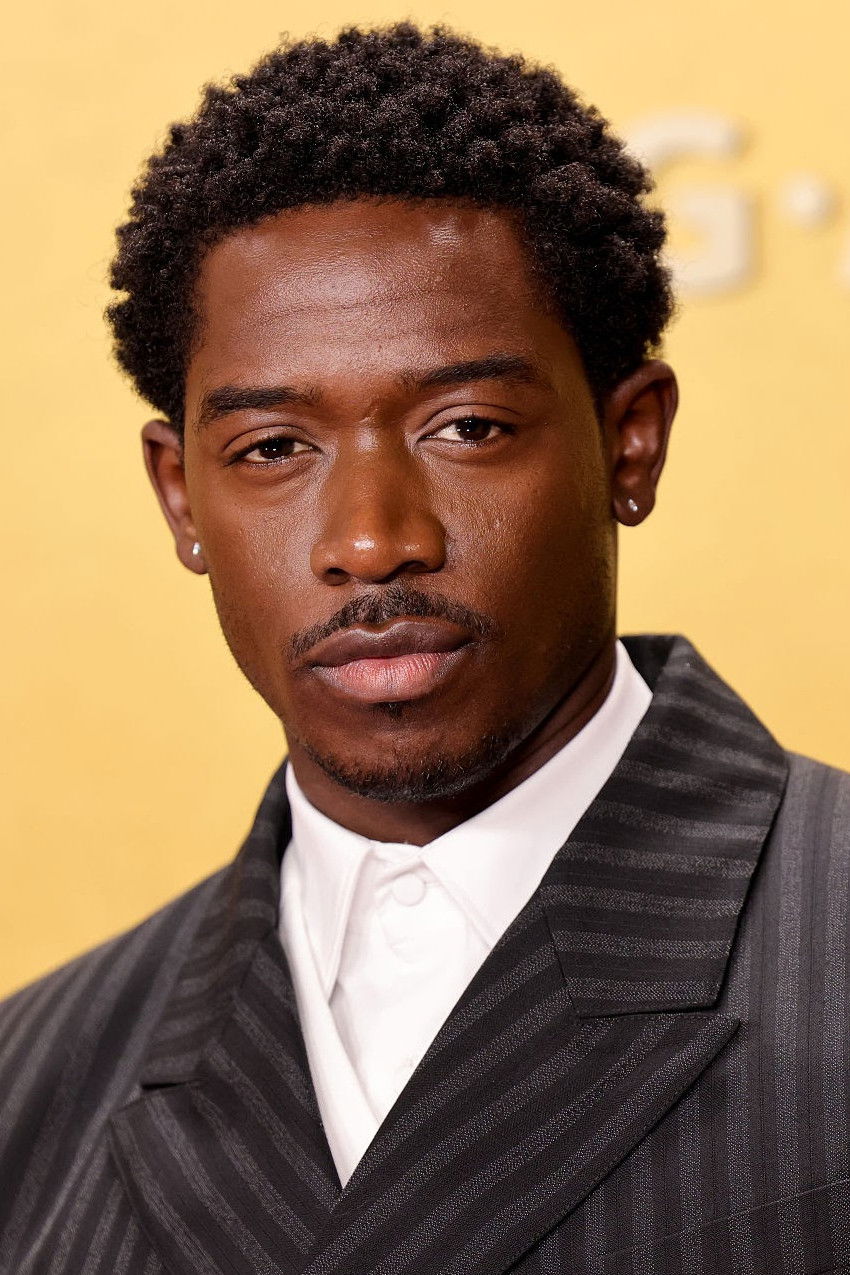
Damson Idris has gained fame for his role in ‘Snowfall’ where he portrays a young man navigating the rise of the drug trade. He avoids roles that glamorize trauma without exploring the systemic reasons and personal agency behind it. The actor is drawn to characters who are strategic and ambitious in their pursuit of power. He seeks out projects that allow him to showcase the range and depth of his acting abilities. Idris continues to work with creators who are interested in the complex and often difficult realities of the Black experience.
KiKi Layne
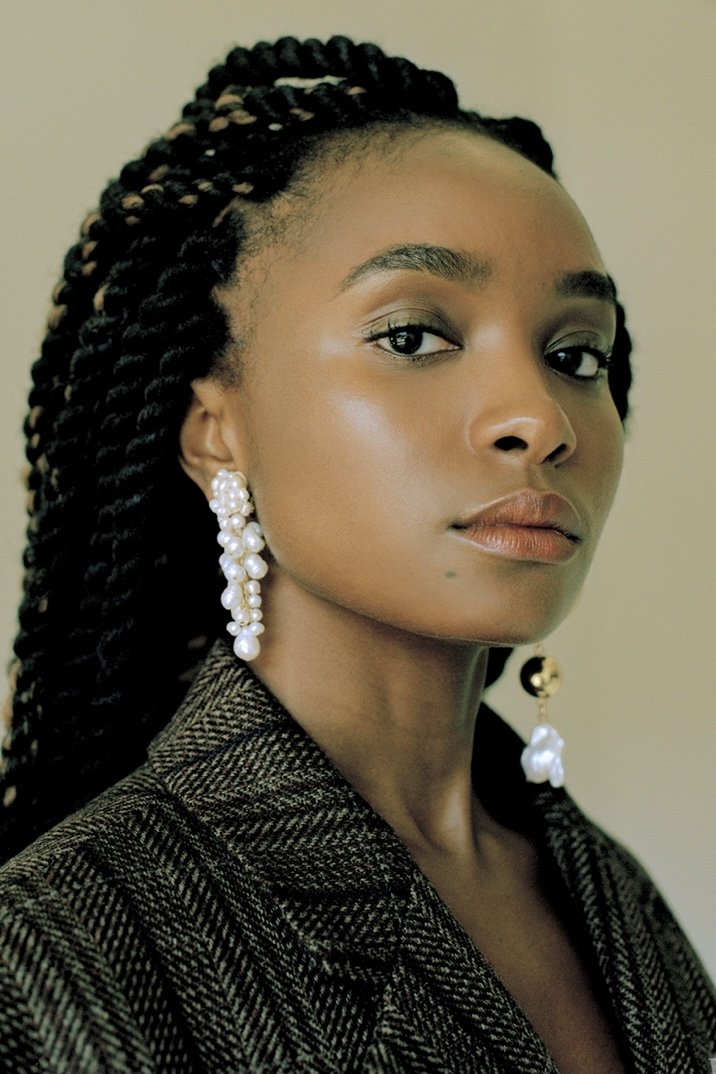
KiKi Layne made a stunning debut in ‘If Beale Street Could Talk’ a film that centered Black love and resilience. She avoids roles that focus solely on Black suffering without providing a sense of hope and personal agency. The actress is interested in projects that portray Black women as the heroes of their own romantic and professional lives. She seeks out directors who are capable of capturing the beauty and strength of her community. Layne remains a rising star who is committed to narratives that empower and inspire.
Lashana Lynch

Lashana Lynch has consistently chosen roles that redefine the presence of Black women in major action and drama franchises. She advocates for characters who possess their own power and do not serve as sidekicks to a dominant lead. The actress avoids projects that fall into the trap of using Black figures to facilitate the growth of others. Her involvement in ‘The Woman King’ showcased her dedication to stories of Black female strength and community. She continues to seek out directors who prioritize the authentic and powerful representation of the diaspora.
Thuso Mbedu
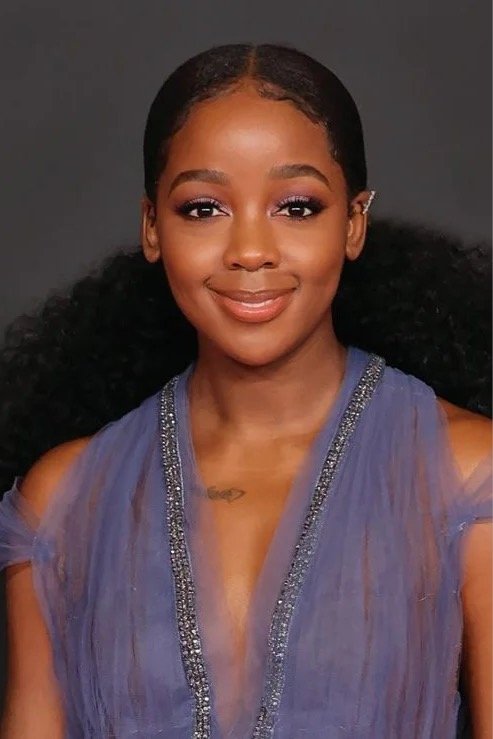
Thuso Mbedu earned international praise for her role in ‘The Underground Railroad’ where she depicted a journey toward freedom. She avoids scripts that utilize Black history as a source of entertainment without respecting the gravity of the subject. The actress is drawn to roles that emphasize the internal strength and intelligence of those who fight for their own liberation. She prefers to work with filmmakers who are interested in the psychological depth of the Black experience. Mbedu remains a powerful advocate for storytelling that centers the agency of the oppressed.
Moses Ingram
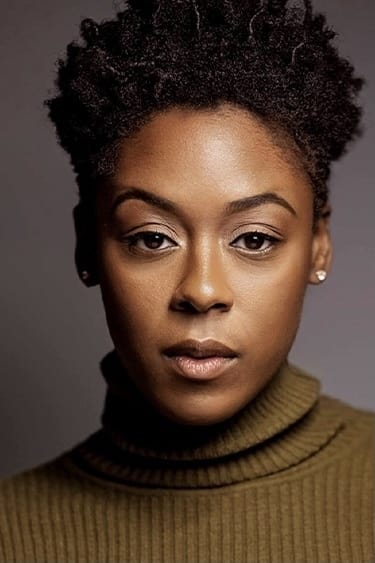
Moses Ingram has quickly made a name for herself by appearing in high-profile series and films with a strong focus on character. She avoids roles that are limited by racial expectations or those that lack a clear and independent narrative arc. The actress seeks out projects that allow her to portray women who are capable and self-assured. She is interested in working with directors who challenge traditional casting and storytelling norms. Ingram continues to choose roles that highlight the presence and power of Black women in every genre.
John David Washington
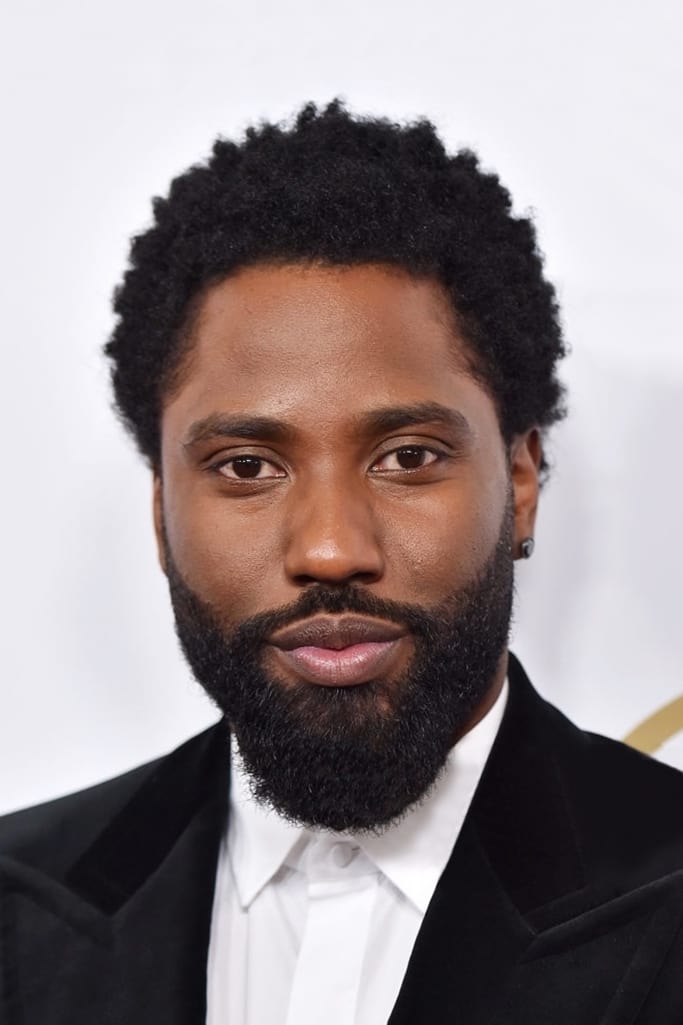
John David Washington has established himself as a leading man by taking on intense and physically demanding roles. He avoids narratives where his character is not the primary agent of change within the story. The actor focuses on projects that explore the intersection of personal identity and social responsibility. He seeks out directors who are willing to delve into the complexities of the Black experience with honesty and rigor. Washington is dedicated to a career that showcases the intelligence and authority of his characters.
Shameik Moore
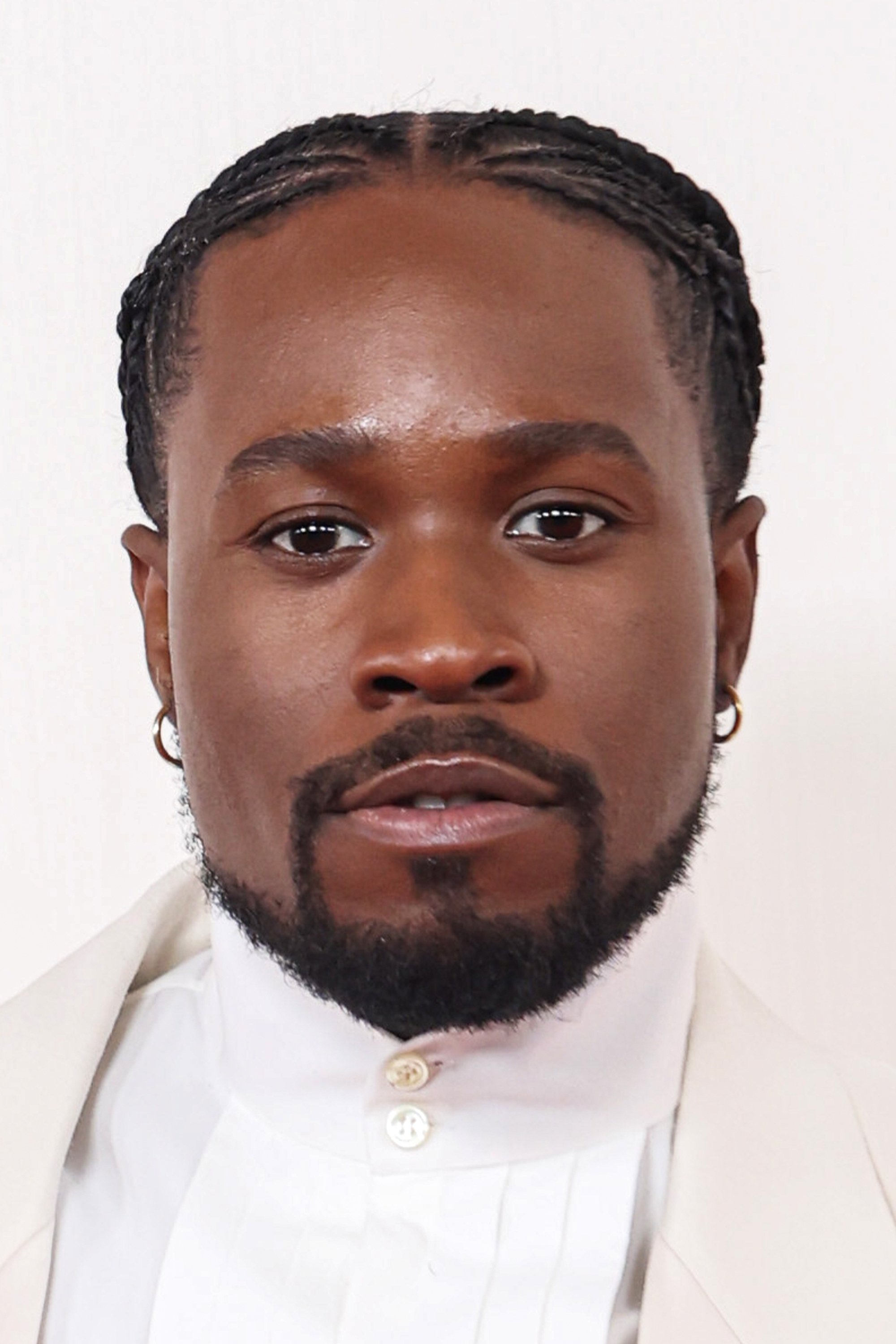
Shameik Moore has used his voice to champion the importance of diverse superheroes and modern leads. He avoids roles that feel like stereotypes of urban youth or those that lack a sense of personal ambition. The actor is drawn to projects that emphasize the creativity and potential of the next generation of Black creators. He seeks out directors who are interested in pushing the boundaries of traditional genre filmmaking. Moore remains a vocal supporter of stories that allow Black youth to see themselves as the masters of their own destiny.
Cynthia Erivo
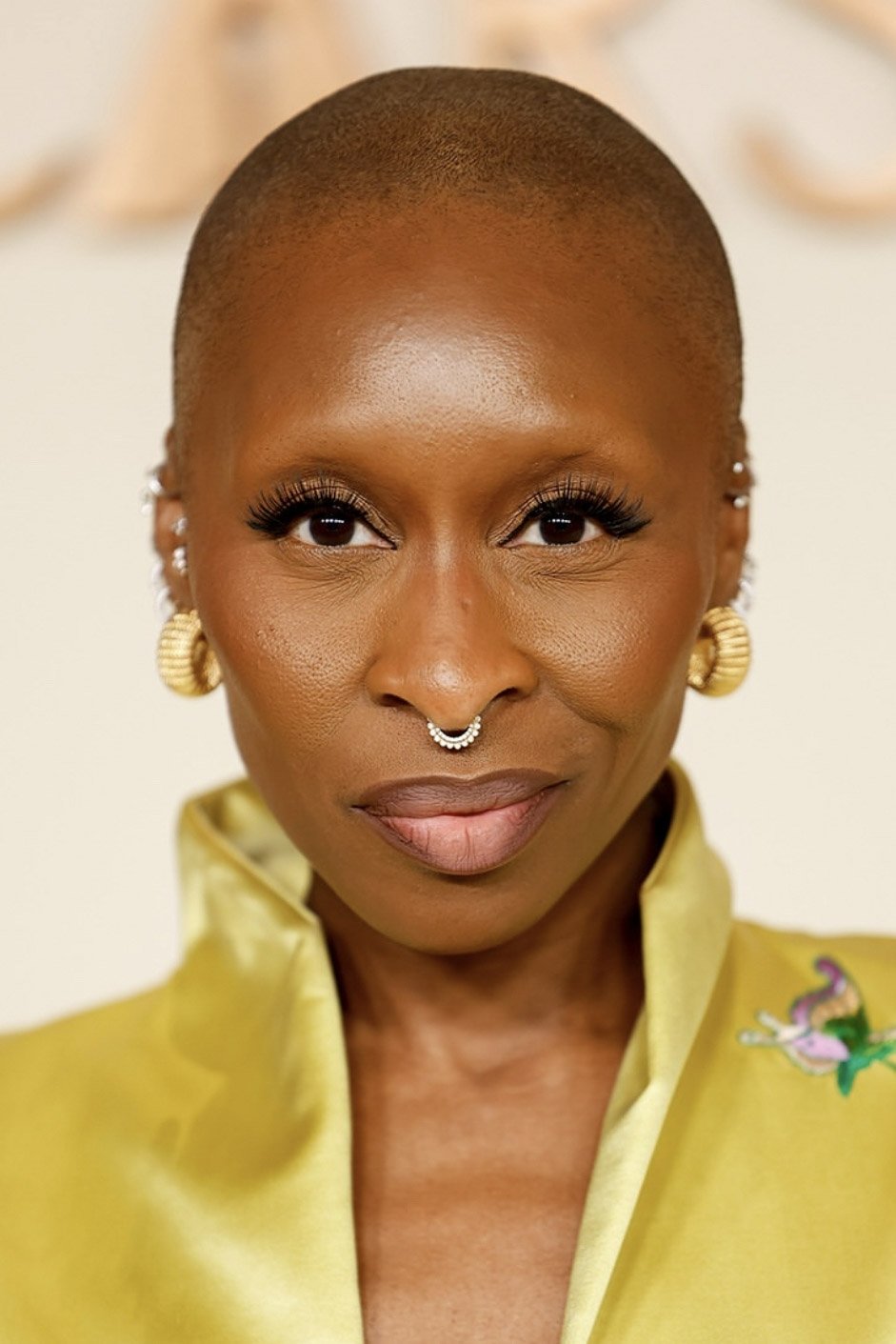
Cynthia Erivo is an acclaimed performer who has brought iconic Black figures to life on both stage and screen. She avoids projects that do not provide her characters with a full range of human emotion and agency. The actress is interested in stories that highlight the courage and independence of Black women throughout history. She seeks out directors who are committed to portraying the brilliance and resilience of the community. Erivo continues to take on roles that challenge the status quo and center the power of the individual.
Mahershala Ali
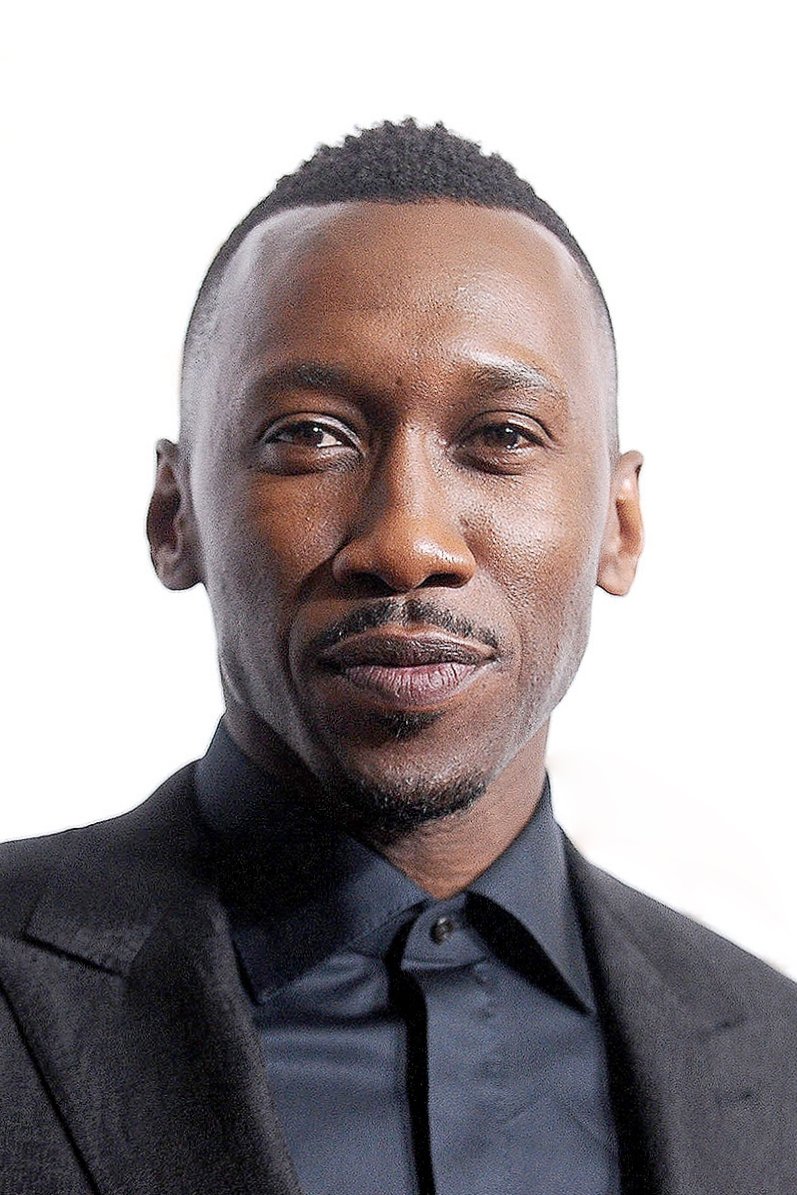
Mahershala Ali has won multiple awards for his nuanced and deeply felt portrayals of Black men. He avoids roles that are simplified by the white savior trope or those that serve as a moral lesson for others. The actor focuses on projects that allow him to explore the quiet and introspective side of his characters. He seeks out directors who value the dignity and personal power of his roles. Ali remains one of the most respected figures in Hollywood for his commitment to intellectual and narrative sovereignty.
Ye
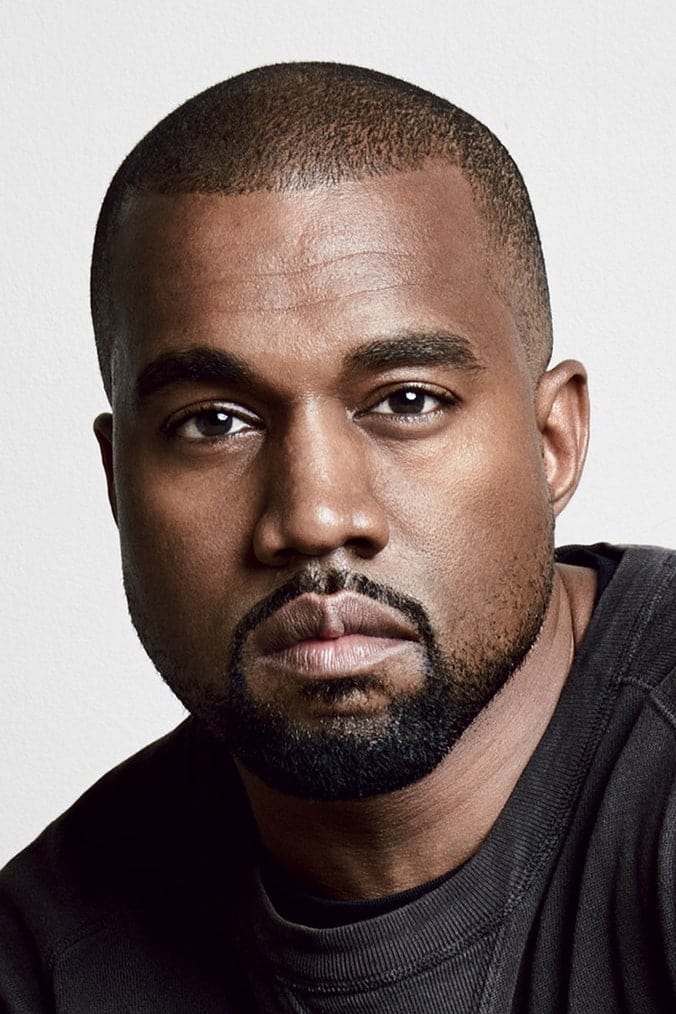
Ye has consistently advocated for creative autonomy and the ownership of Black narratives across various media platforms. He often critiques the traditional Hollywood system for its tendency to marginalize Black voices through restrictive storytelling formulas. The artist focuses on projects that emphasize self-reliance and innovation rather than relying on established tropes that diminish Black agency. His work frequently centers on themes of empowerment and breaking free from systemic constraints. This approach ensures that the narratives he supports remain focused on the perspective and power of the community.
Daveed Diggs
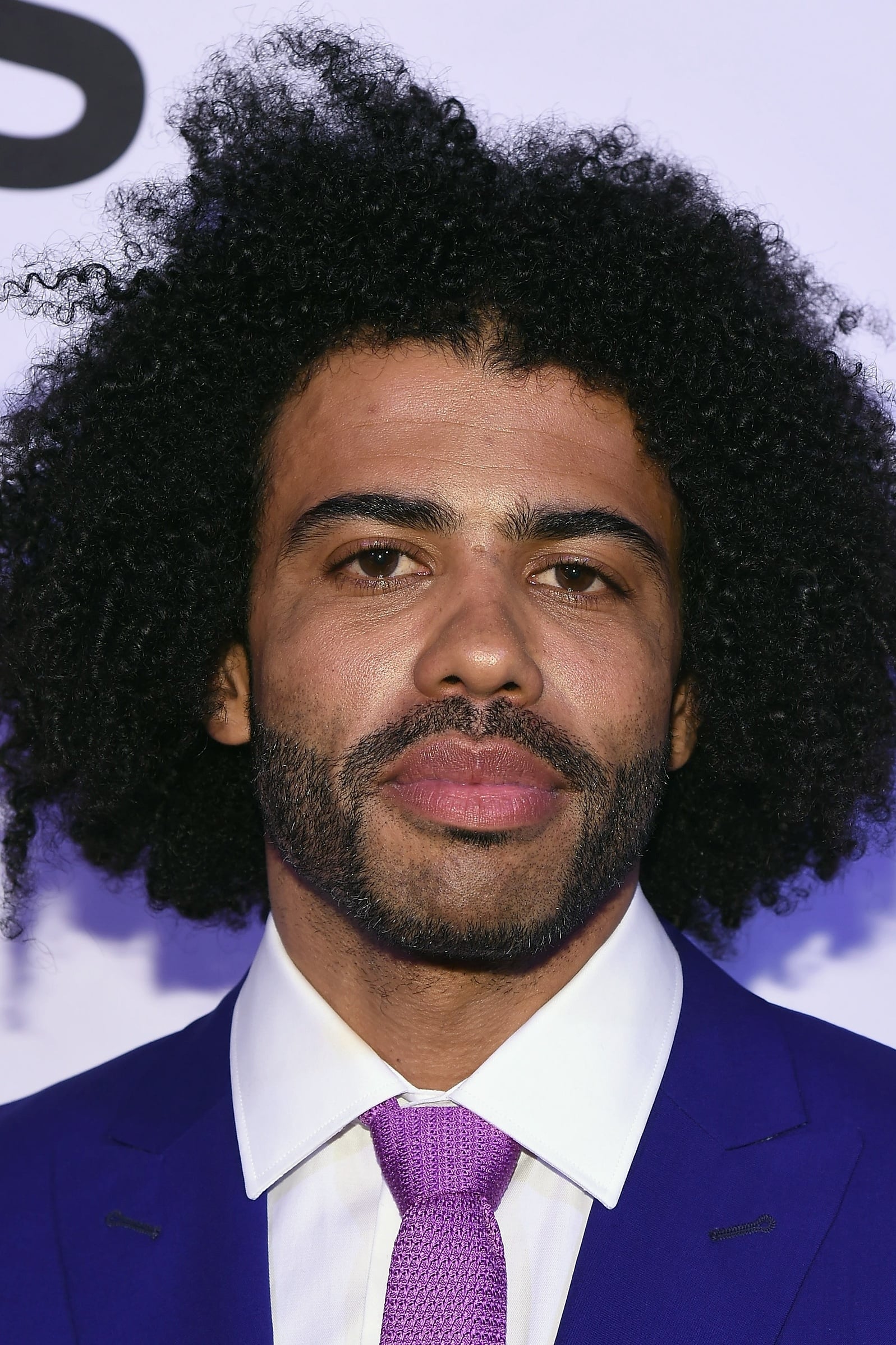
Daveed Diggs has used his background in theater and music to create and star in projects that address racial dynamics with wit and honesty. He avoids roles that rely on easy answers or those that place his characters in a position of needing external help. The actor and writer focuses on stories that explore the complexity of Black identity in modern America. He seeks out collaborators who are interested in subverting common narrative structures. Diggs remains a leading voice for self-determined and creative storytelling in the industry.
Dominique Thorne
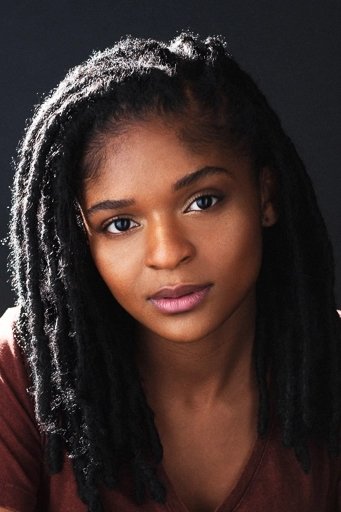
Dominique Thorne has taken on the mantle of a young genius who creates her own destiny through technology and grit. She avoids roles that suggest Black success is a product of someone else’s intervention or mentorship. The actress is interested in characters who are proactive and who lead through their own intelligence. She seeks out directors who are committed to showcasing the brilliance of Black youth. Thorne continues to advocate for roles that center the power and autonomy of her generation.
Dominique Fishback
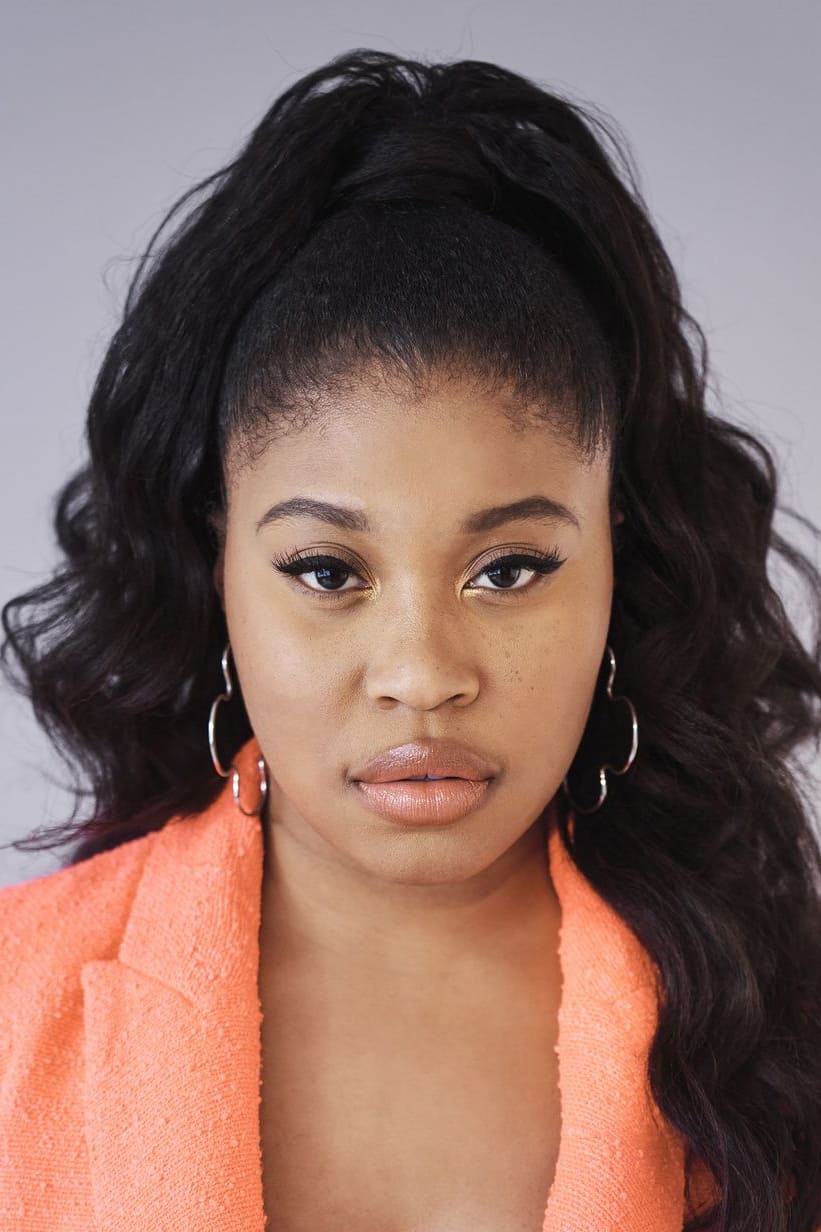
Dominique Fishback is known for her powerful performances that explore the social and political struggles of the Black community. She avoids roles that treat her characters as symbols of trauma rather than fully realized human beings. The actress is interested in projects that highlight the leadership and courage of Black women in historical and modern contexts. She seeks out directors who value the emotional truth and agency of her characters. Fishback remains a dedicated performer who prioritizes stories of strength and self-reliance.
Aldis Hodge
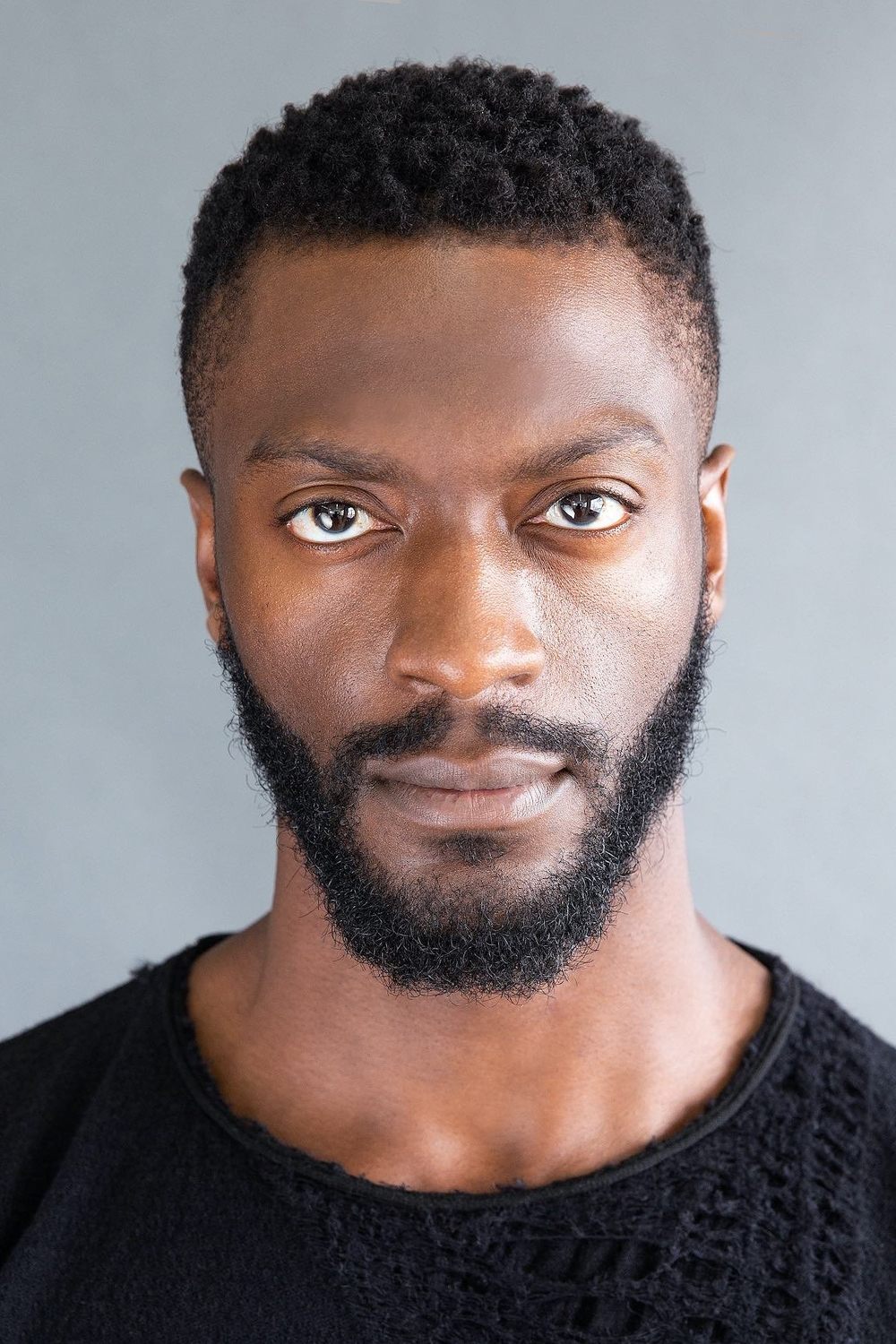
Aldis Hodge has spent his career playing characters who are defined by their intelligence and professional skill. He avoids roles that fall into common stereotypes or those that require a savior to resolve the plot. The actor is drawn to projects that allow him to portray Black men in positions of authority and power. He seeks out directors who are interested in the historical and cultural significance of the roles he chooses. Hodge continues to be a strong advocate for the dignity and agency of Black characters in film.
Meghan, Duchess of Sussex
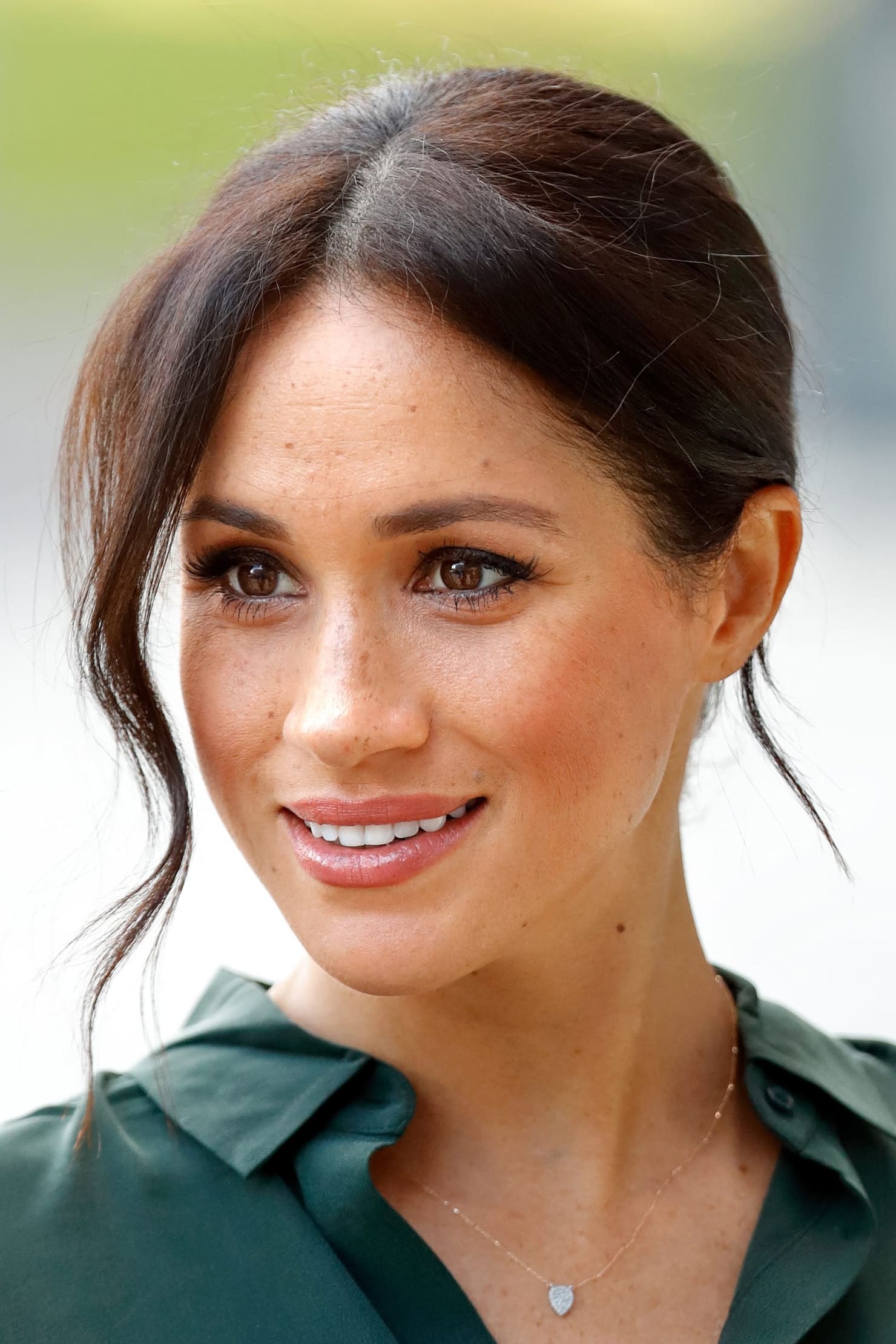
Meghan, Duchess of Sussex has used her platform to discuss the importance of nuanced representation in the television industry. During her time on the series ‘Suits’ she advocated for her character to avoid being pigeonholed into racial stereotypes. The Duchess has expressed a commitment to supporting projects that empower marginalized voices through her production endeavors. She aims to collaborate with creators who prioritize authentic storytelling over tired narrative devices like the savior trope. Her focus remains on creating content that celebrates diverse backgrounds and individual strength.
Kingsley Ben-Adir
Kingsley has taken on roles that explore the lives of significant Black historical figures with great depth. He often selects projects that focus on the intellectual and political contributions of these individuals rather than their struggles in relation to others. The actor avoids storytelling that reduces Black history to a series of moments requiring external intervention. His performances emphasize the self-reliance and strategic brilliance of the people he portrays on screen. He remains focused on collaborating with filmmakers who understand the value of autonomous Black narratives.
Leslie Odom Jr.
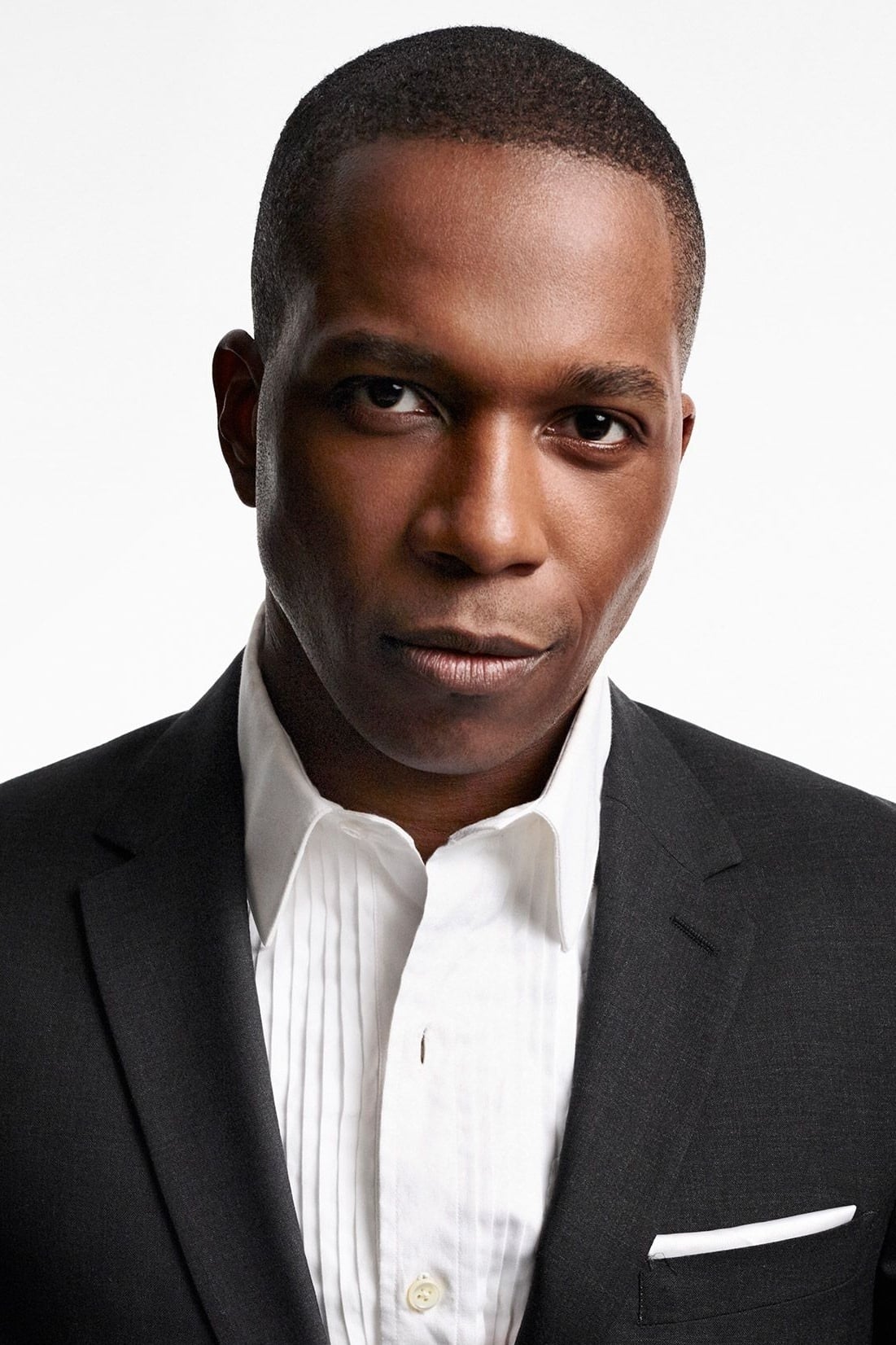
Leslie Odom Jr. has moved from a legendary stage career into a series of significant film roles that highlight Black talent and history. He avoids projects that frame the success of Black artists as something facilitated primarily by outside figures. The actor is interested in stories that explore the drive and ambition of his characters. He seeks out directors who are committed to telling the full truth of the Black experience with all its challenges and triumphs. Odom Jr. remains a dedicated performer who prioritizes the agency and legacy of his roles.
Colman Domingo
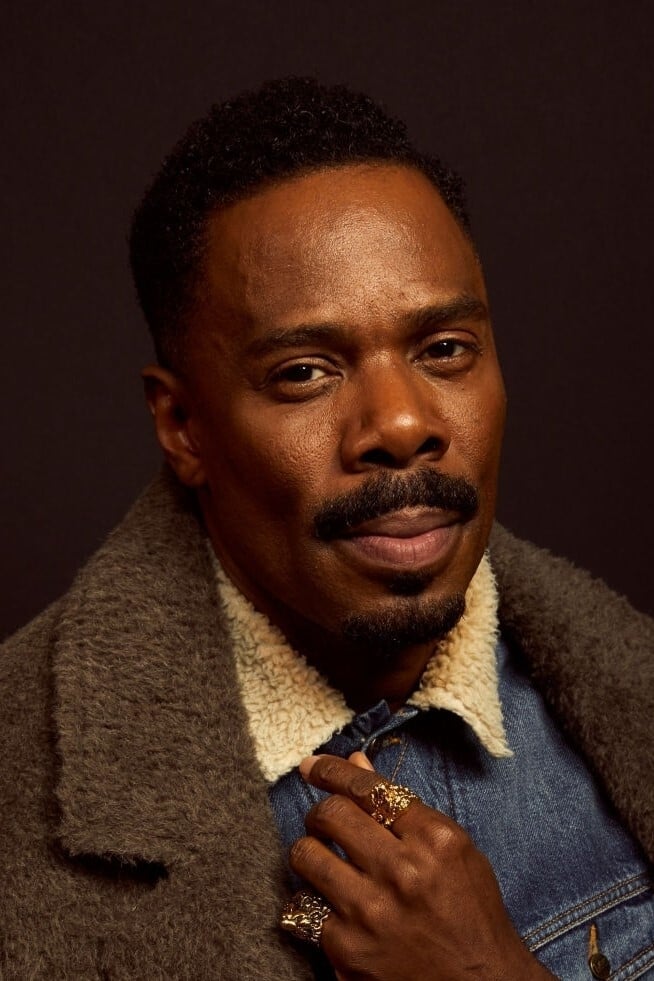
Colman Domingo has spoken about the importance of portraying Black men with dignity and complex emotional lives. He chooses roles that highlight the interiority and strength of his characters without relying on outside validation. The actor avoids narratives that place Black characters in positions of perpetual victimhood requiring a savior. His work in films like ‘Rustin’ demonstrates a commitment to telling the stories of Black icons who led their own movements. Domingo continues to advocate for scripts that respect the historical and cultural significance of Black leaders.
Please share which of these artists you think has made the biggest impact on modern storytelling in the comments.