


Black Celebrities Who Claim Awards Still Favor “Acceptable” Skin Tones

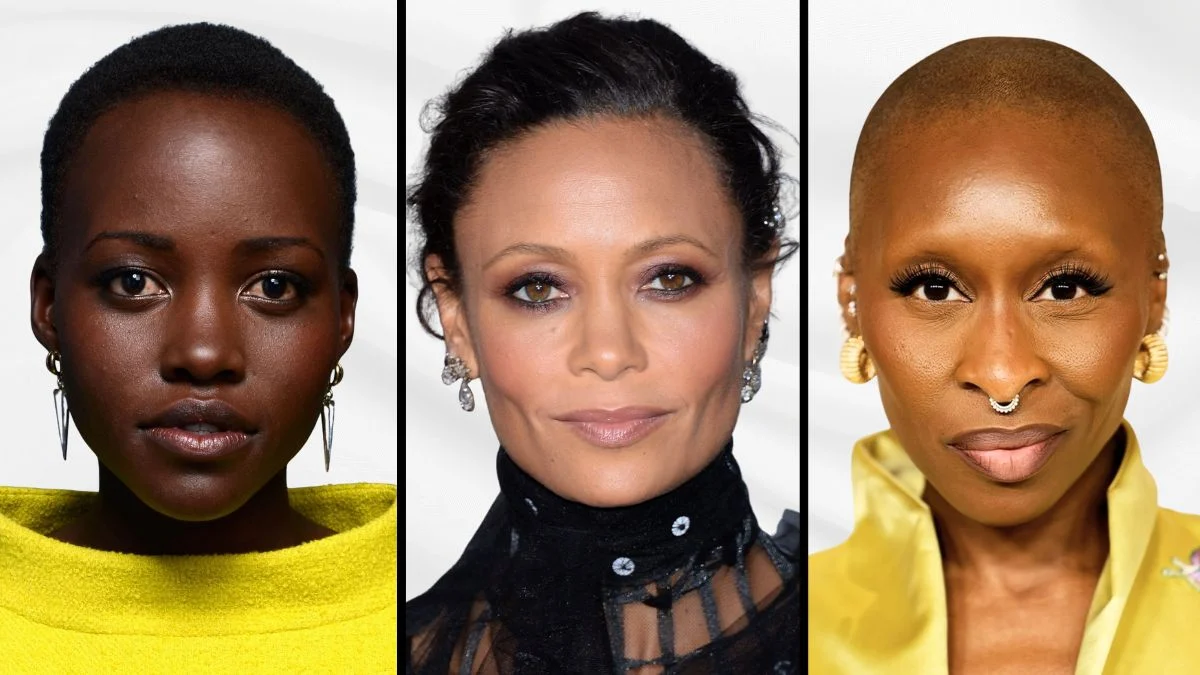


The conversation surrounding representation in the entertainment industry has evolved to include the nuances of colorism within the Black community. Many actors have pointed out that award shows and major studios often lean toward performers with lighter skin tones who are deemed more palatable to global audiences. This bias can limit the types of stories told and the individuals who receive critical acclaim for their work. By examining these public statements, it becomes clear that the fight for equity involves addressing how complexion influences visibility and prestige in Hollywood.
Viola Davis
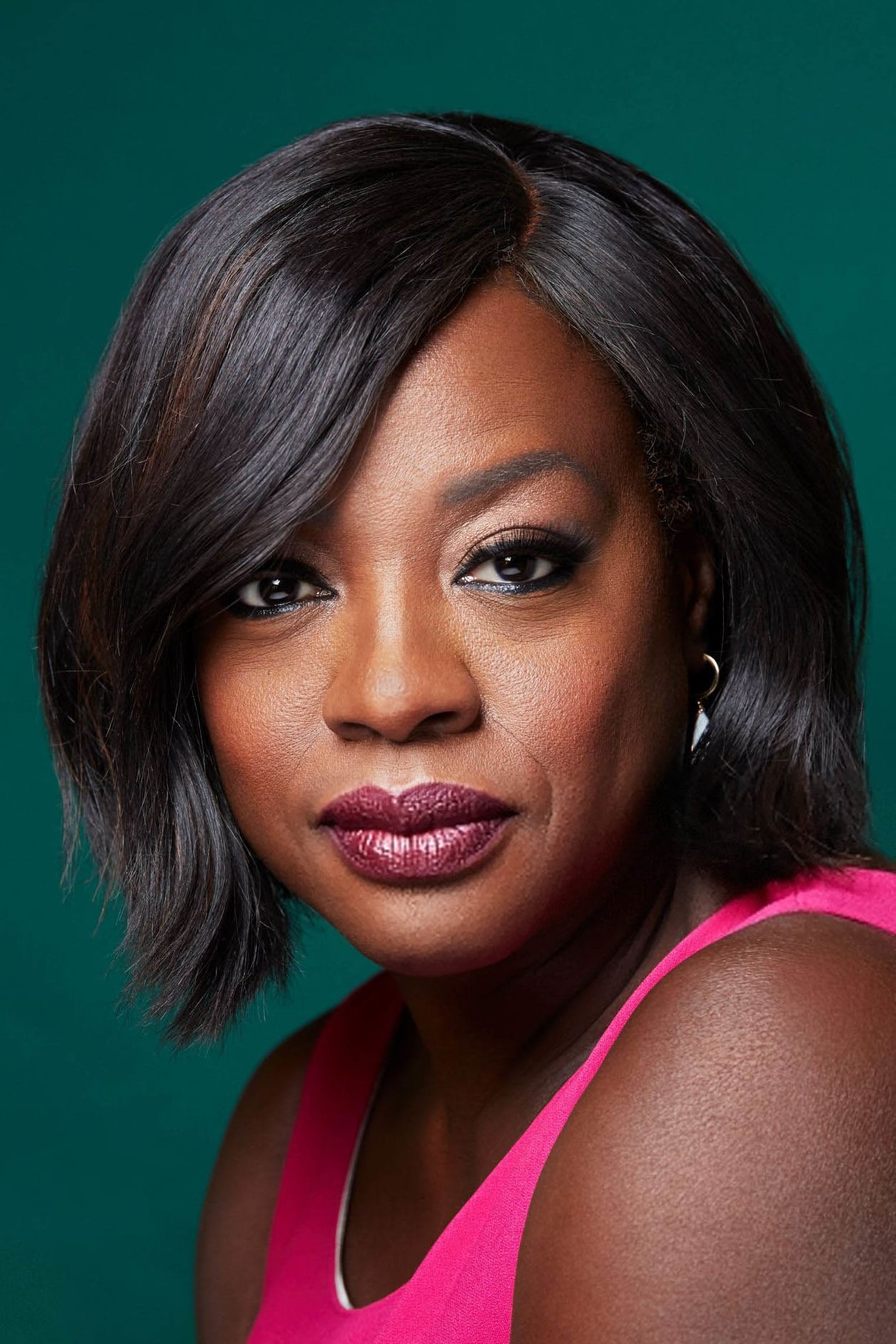
Viola Davis has frequently addressed the systemic barriers that darker skinned actresses face when seeking leading roles. She has noted that Hollywood often relies on a narrow definition of beauty that excludes women with deep complexions. During various press events, she spoke about the difficulty of getting projects funded when they feature dark skinned leads. Her advocacy focuses on ensuring that all Black women have the chance to be recognized for their craft regardless of their skin tone.
Lupita Nyong’o
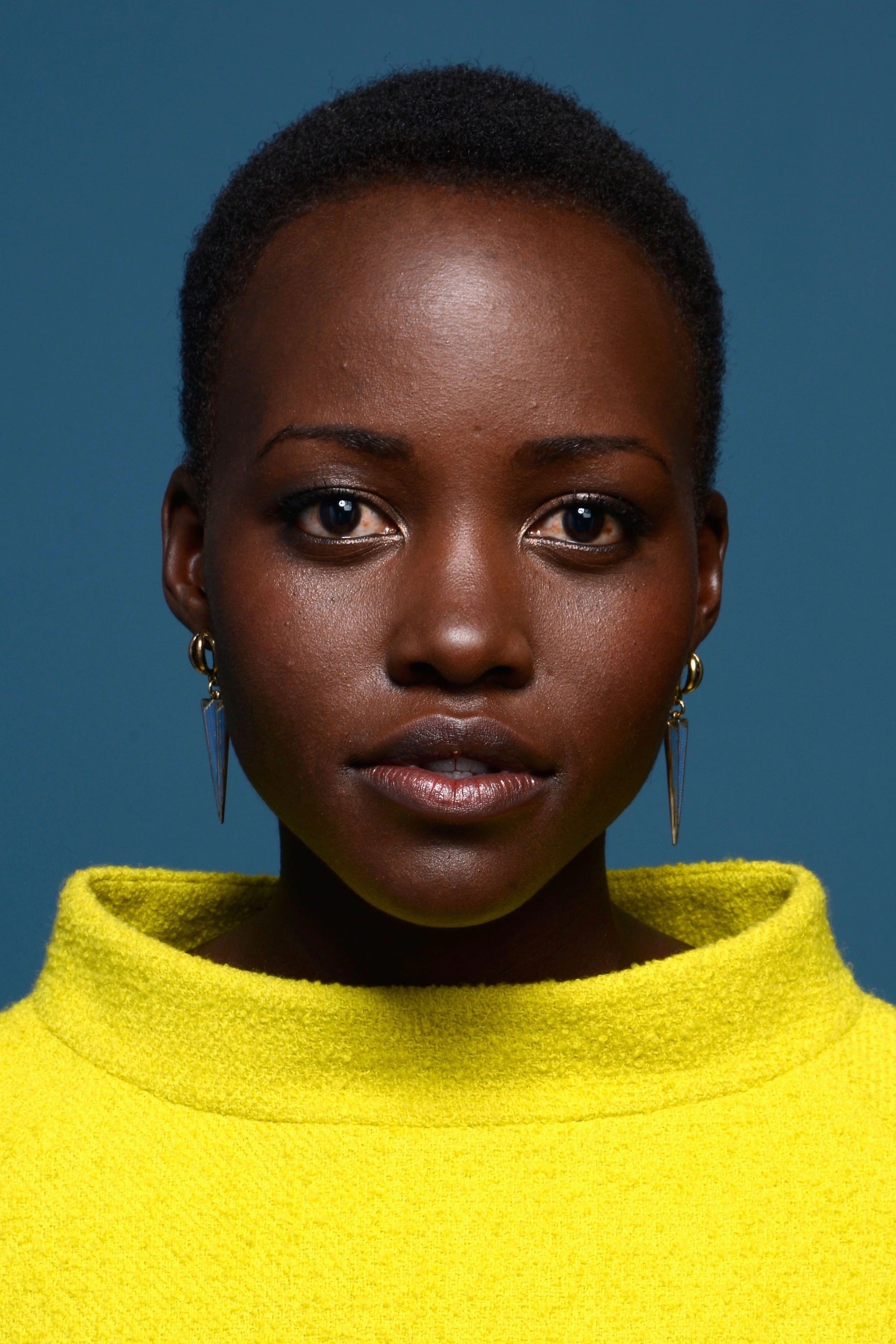
Lupita Nyong’o has been a prominent voice in the discussion about the global impact of colorism. She has shared her personal journey of self acceptance and the realization that the industry often prioritizes certain looks. Her book ‘Sulwe’ was inspired by these experiences and seeks to empower children who feel overlooked because of their skin color. She continues to challenge the status quo by taking on diverse roles that highlight the beauty of dark skin.
Zendaya

Zendaya has used her platform to acknowledge that her lighter skin tone has played a role in her career success. She has called herself the acceptable version of a Black girl in the eyes of Hollywood casting directors. By speaking openly about her privilege, she encourages the industry to look beyond a single aesthetic. She frequently advocates for more representation of darker skinned women in lead roles and award categories.
Thandiwe Newton

Thandiwe Newton once shared a vulnerable reflection on her career and the impact of her skin tone. She expressed regret for being the type of Black woman that the industry prefers to cast in high profile projects. Her apology to darker skinned actresses highlighted the internal dynamics of colorism that persist in film and television. She emphasized that the industry needs to broaden its scope to include all shades of Blackness.
Michaela Coel
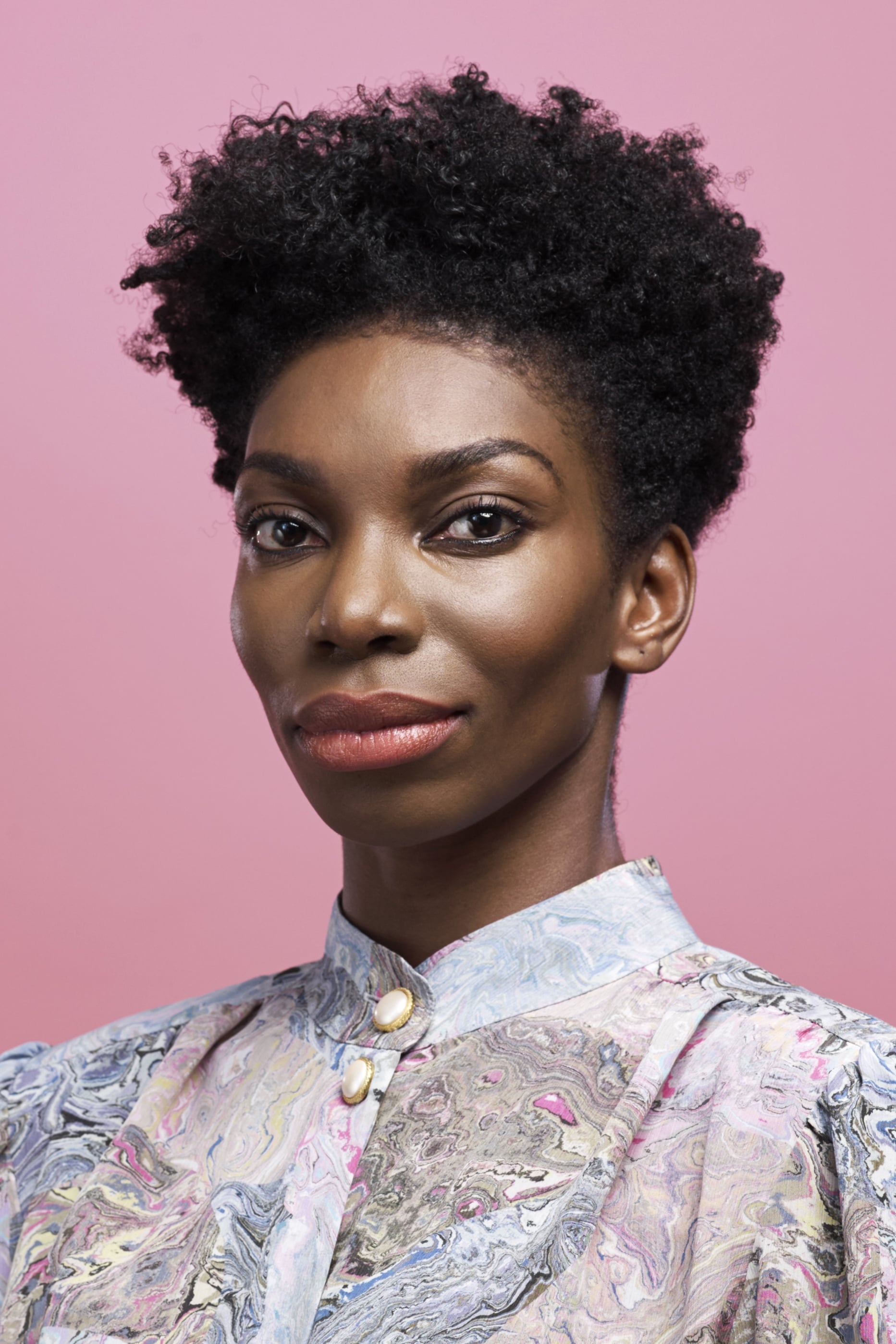
Michaela Coel has been vocal about the lack of diversity and skin tone representation in the British television industry. She famously turned down a major deal to maintain creative control over her stories which often center on dark skinned characters. Her work on ‘I May Destroy You’ received critical acclaim but she remains critical of the broader industry standards. She continues to push for a landscape where talent is recognized without a bias toward lighter complexions.
Gabrielle Union
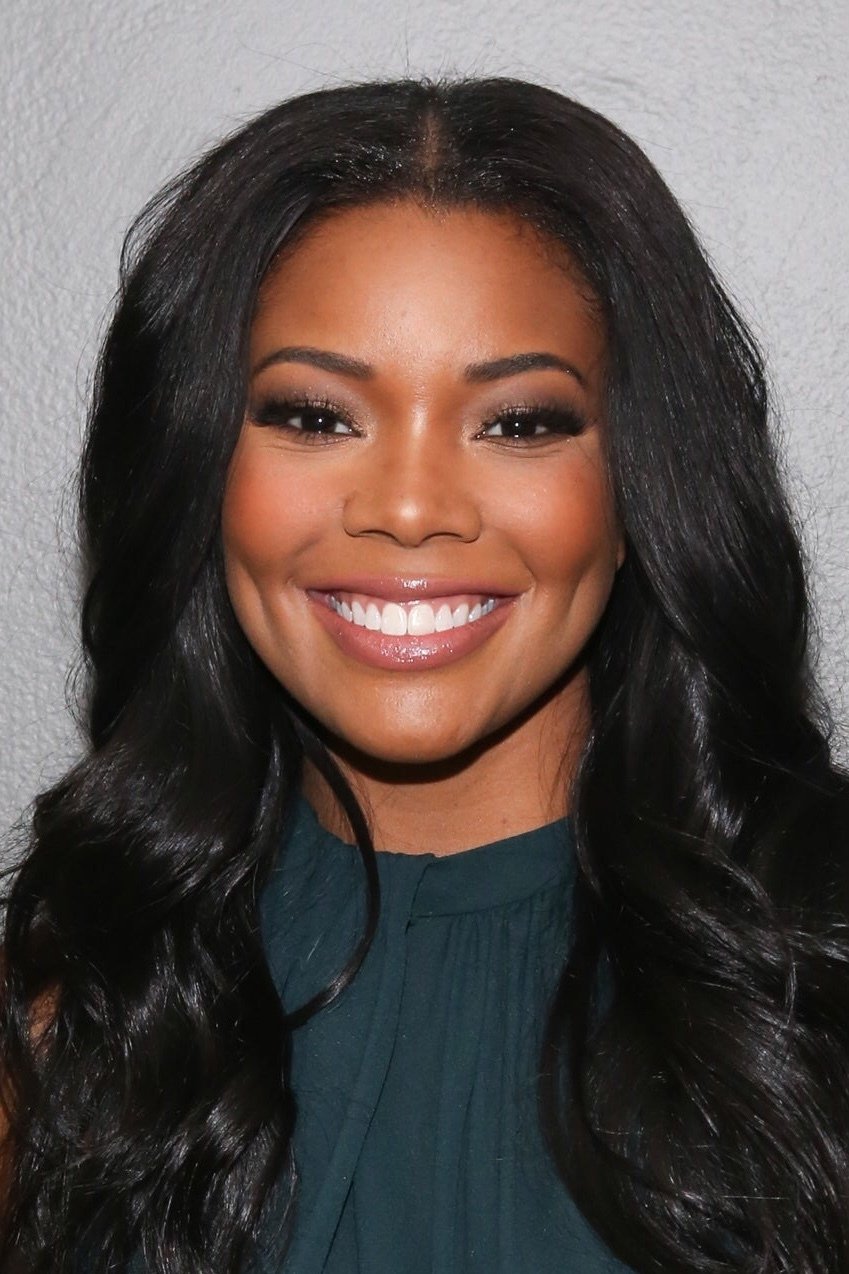
Gabrielle Union has discussed how her experiences in Hollywood have been shaped by her skin tone since the start of her career. She noted that for a long time there was only space for one or two Black actresses in major films. Often these roles were reserved for those with a specific look that fit traditional beauty standards. She has become an advocate for opening doors for all Black women to ensure that award recognition is truly inclusive.
Amandla Stenberg
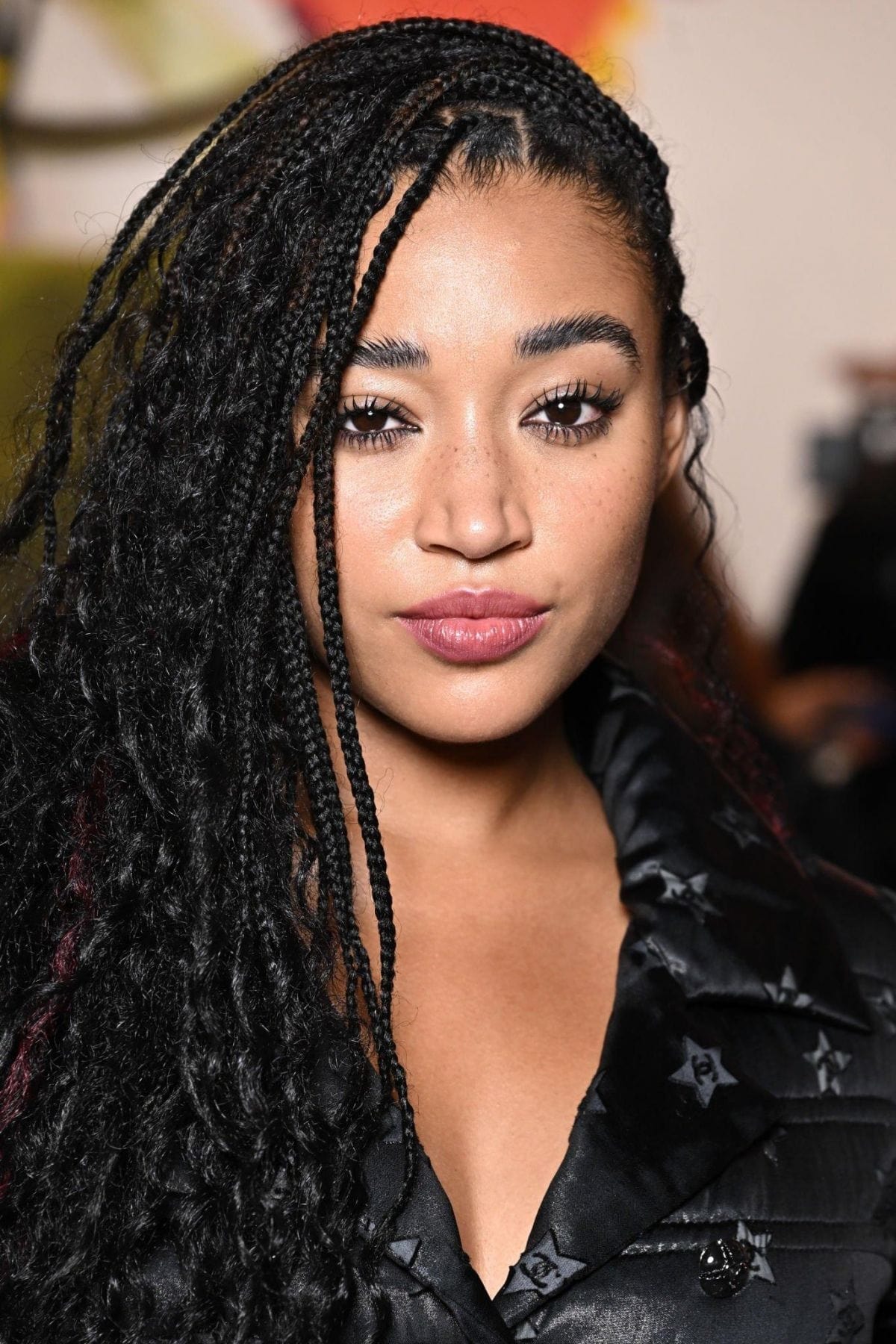
Amandla Stenberg has spoken about the importance of being conscious of colorism when accepting roles. She chose to step away from certain projects because she felt the characters should be played by darker skinned actresses. This decision was based on her belief that representation must be authentic to the source material. Her actions have sparked important conversations about the responsibility of light skinned actors in the industry.
Keke Palmer

Keke Palmer has addressed the comparisons made between her and other actresses who have had different career trajectories. She pointed out that skin tone often plays a major factor in how performers are marketed and perceived by the public. Her comments underscored the reality that dark skinned performers often have to work twice as hard for the same recognition. She remains a firm believer in the talent of her peers and the need for systemic change.
Yara Shahidi
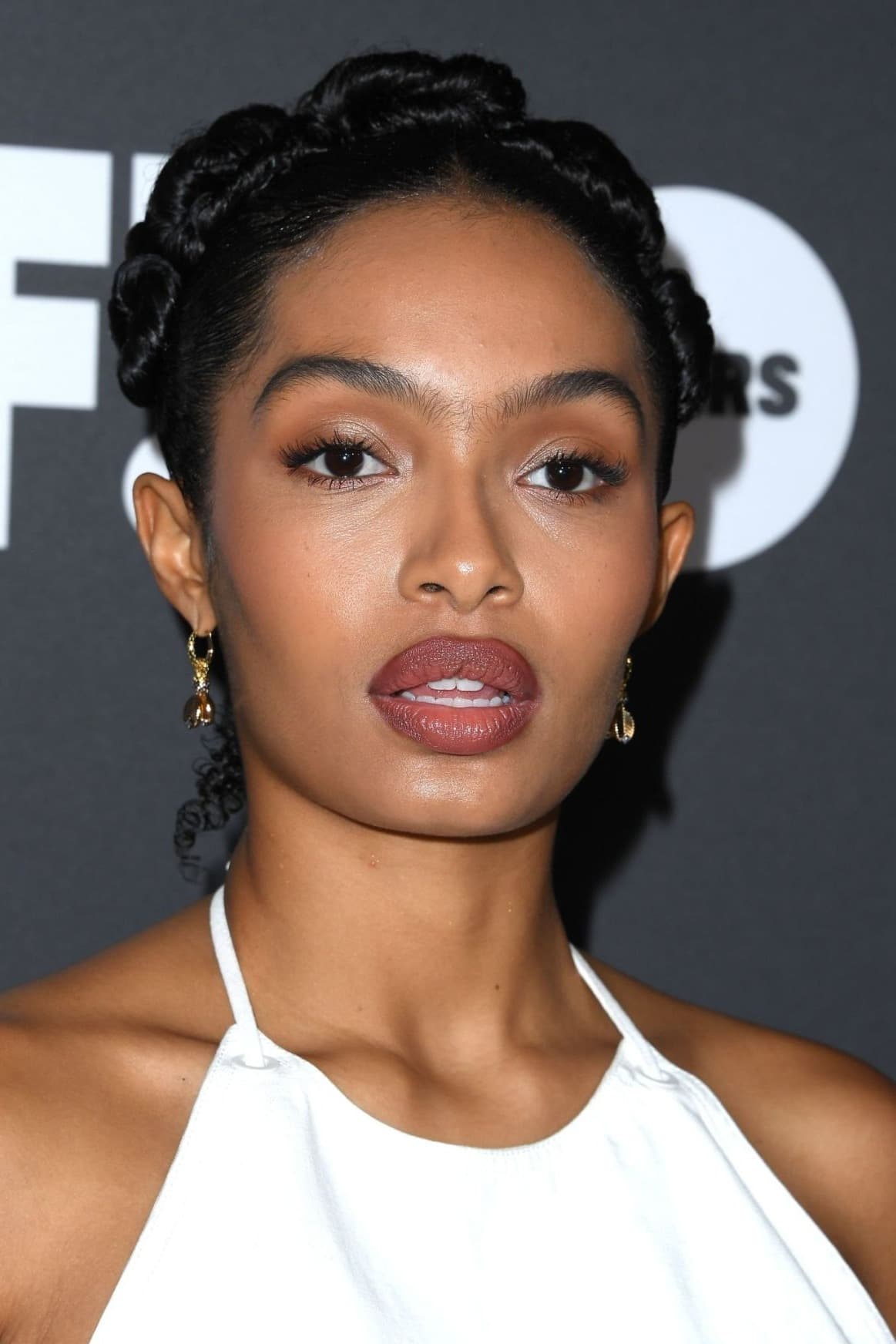
Yara Shahidi has utilized her influence to discuss the importance of diverse representation within the Black community. She acknowledges her own position as a light skinned actress and the opportunities it has afforded her. Through her work and public speaking, she emphasizes that the industry must make room for all shades. Her production company focuses on telling stories that reflect a wide range of experiences and complexions.
Tessa Thompson
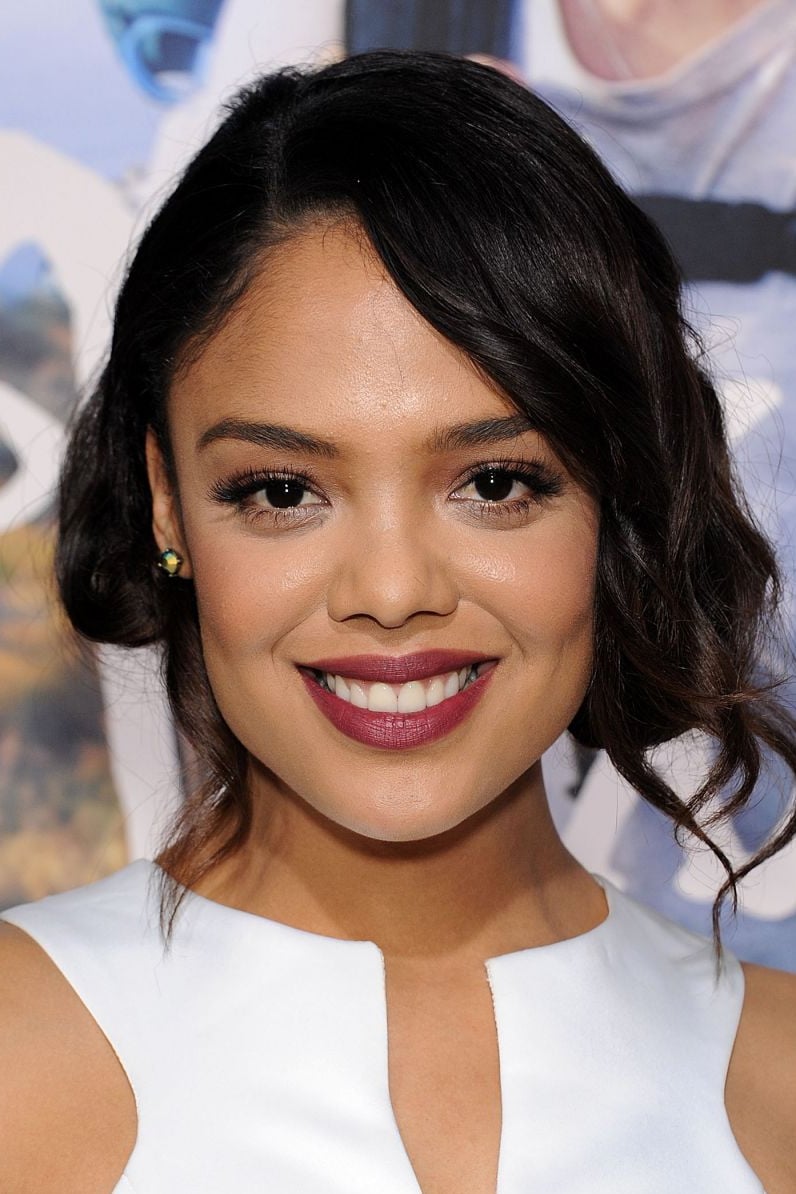
Tessa Thompson has discussed how her skin tone has influenced the types of roles she is offered in Hollywood. While filming ‘Passing’, she explored the historical and modern implications of colorism and social standing. She has been open about the privilege she carries as a light skinned woman in a competitive industry. Her goal is to use her success to create more space for performers who do not fit the narrow aesthetic favored by many studios.
Taye Diggs
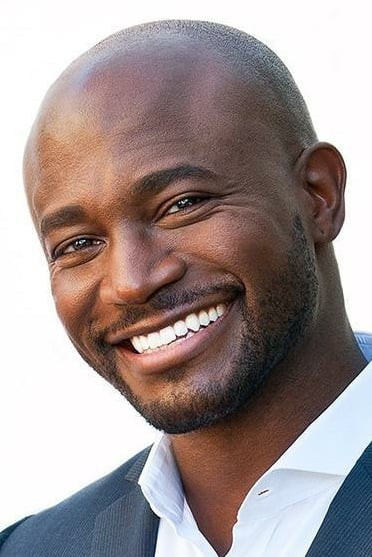
Taye Diggs has reflected on how his skin tone was perceived when he first entered the acting world. He mentioned that there were times when he felt his deep complexion was seen as a barrier to certain leading man roles. Over the years, he has seen shifts in the industry but believes more work is needed to eliminate bias. His career stands as a testament to his talent despite the early hurdles he faced regarding his appearance.
Jurnee Smollett

Jurnee Smollett has spoken about the beauty standards in Hollywood and how they impact Black actresses. She highlighted that the industry often gravitates toward a specific look for its leading ladies. During her work on ‘Lovecraft Country’, she explored themes of race and identity that resonate with these real world issues. She continues to advocate for a more equitable system that recognizes the talent of all Black performers.
Teyonah Parris
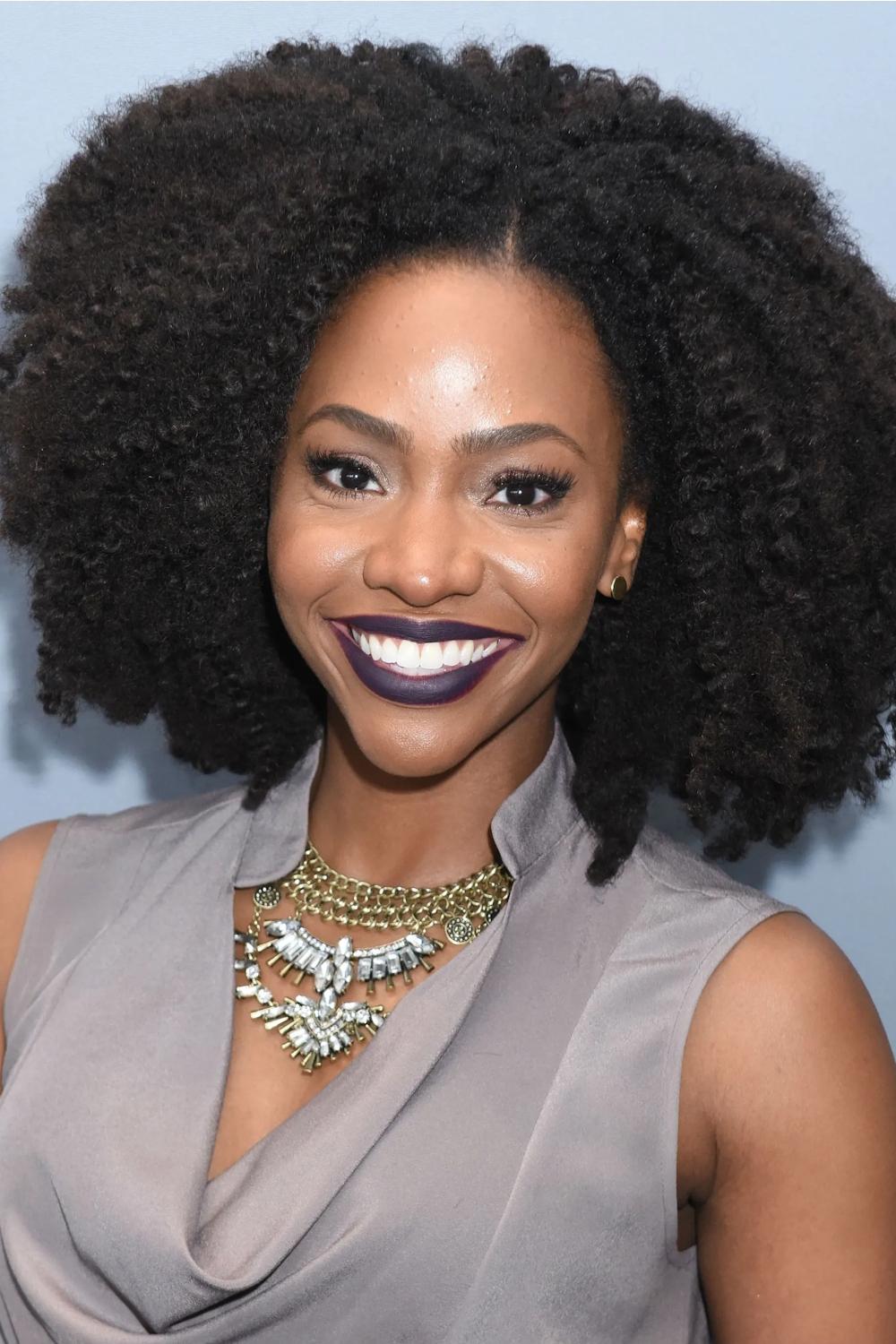
Teyonah Parris has been vocal about the importance of seeing dark skinned women in diverse and powerful roles. She noted that her role in ‘Dear White People’ allowed her to explore the complexities of colorism on screen. She believes that the industry often limits the potential of dark skinned actresses by pigeonholing them into specific archetypes. Her success in major franchises serves as an inspiration for more inclusive casting practices.
Thuso Mbedu
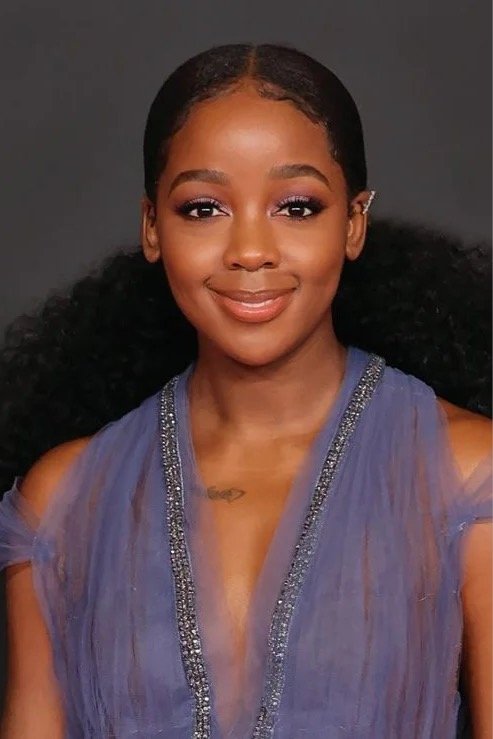
Thuso Mbedu has shared her experiences with colorism both in South Africa and in the United States. She noted that certain roles are often harder to come by for actresses with her complexion. Her breakout performance in ‘The Underground Railroad’ proved that audiences are hungry for stories led by dark skinned women. She hopes that her success will lead to more opportunities for others who share her look.
Wunmi Mosaku
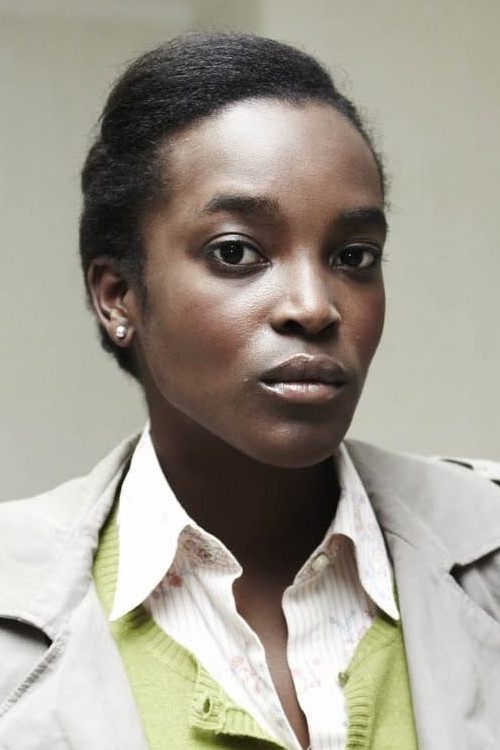
Wunmi Mosaku has commented on the rarity of seeing dark skinned women as romantic leads in major films. She has observed that the industry tends to favor lighter skin tones for characters that are meant to be soft or vulnerable. Her award winning performance in ‘His House’ showcased her incredible range and depth as an actress. She remains a strong advocate for changing the narrative around skin tone and talent.
Dominique Fishback
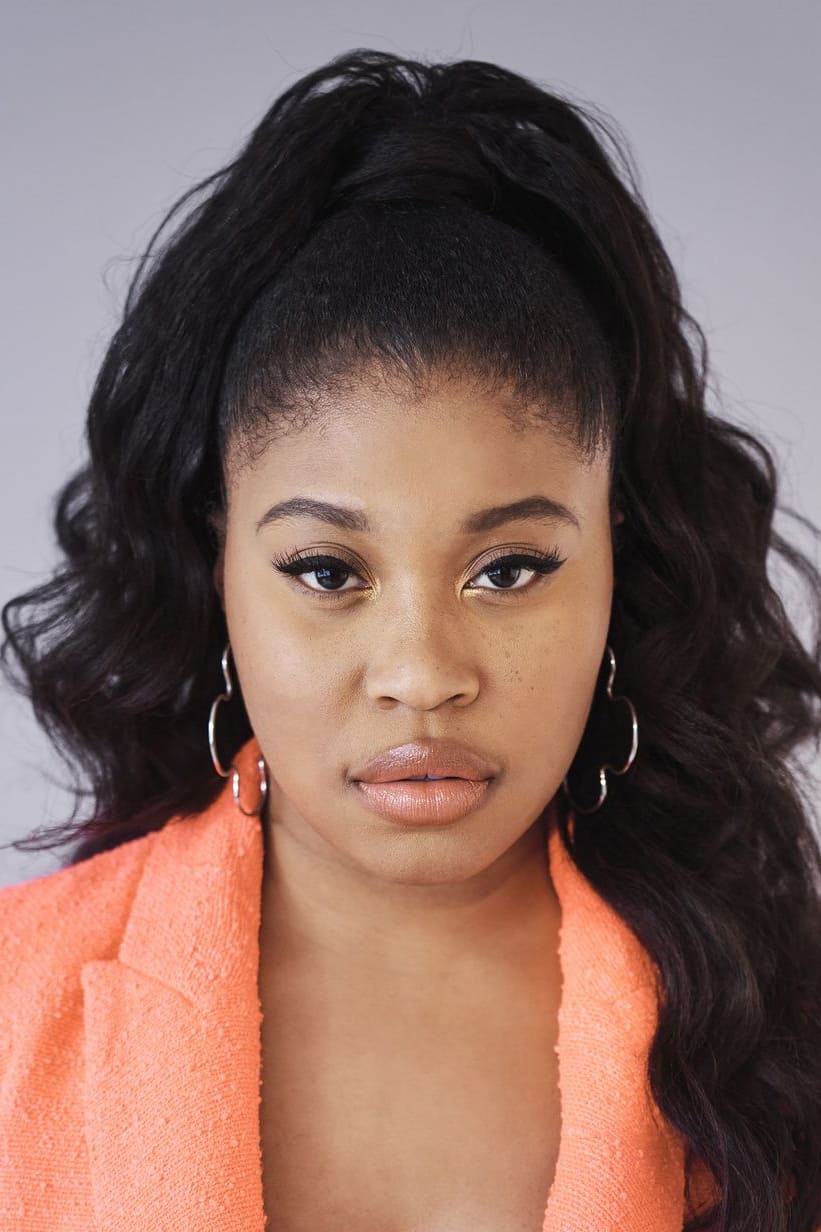
Dominique Fishback has expressed her desire to play a wide variety of roles that are not defined by her skin tone. She has noted that dark skinned actresses are often cast in roles that are solely focused on trauma or struggle. Her work in ‘Judas and the Black Messiah’ demonstrated her ability to bring complex characters to life. She continues to push for roles that allow dark skinned women to be seen in all their humanity.
Cynthia Erivo
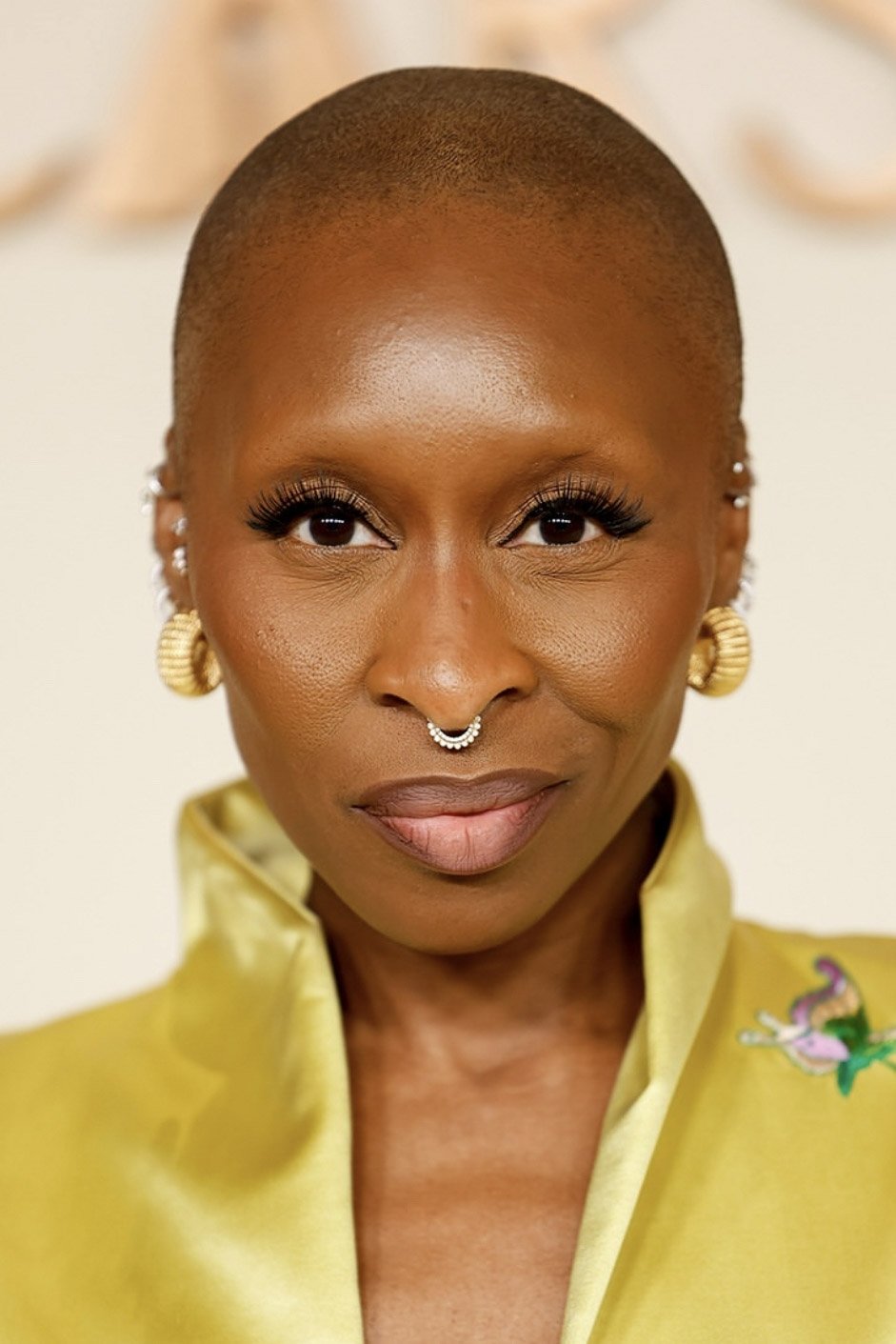
Cynthia Erivo has been part of the conversation regarding which stories are selected for major awards. She has noted that the industry often rewards a very specific type of Black story and aesthetic. Her portrayal of ‘Harriet’ brought her critical acclaim and multiple award nominations. She continues to work toward a future where a broader range of Black experiences is celebrated by the Academy.
Danielle Deadwyler
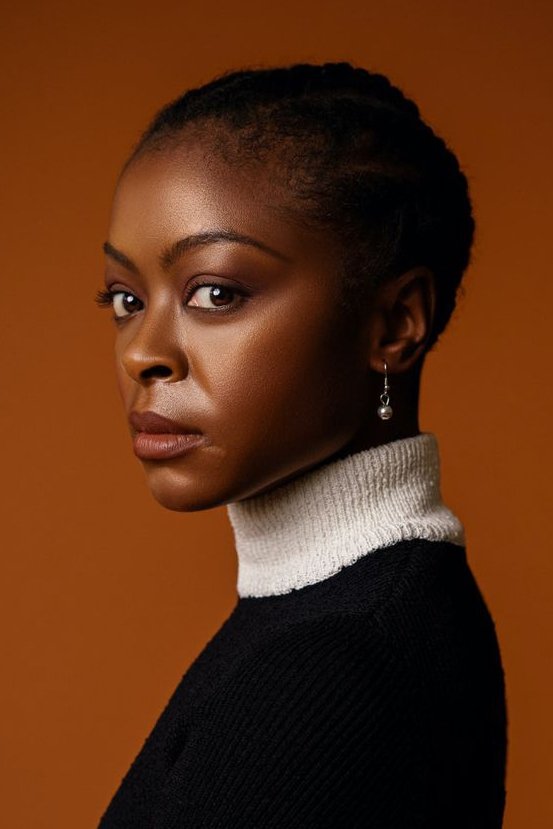
Danielle Deadwyler became a central figure in the debate over award snubs after her performance in ‘Till’. Many critics and fans pointed to her lack of an Oscar nomination as evidence of systemic bias against certain types of Black performances. She spoke about the hurdles that Black women face when seeking recognition for their artistic contributions. Her experience highlighted the ongoing struggle for equity in the awards circuit.
KiKi Layne
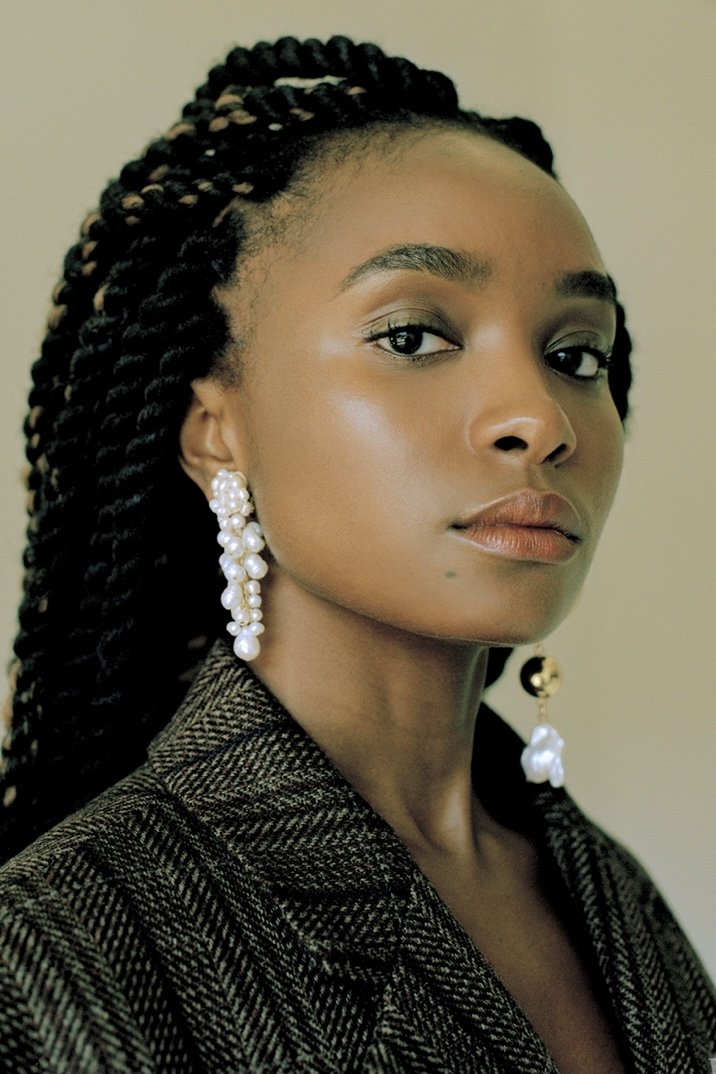
KiKi Layne has addressed the frustrations of having her work diminished or cut from major productions. She has spoken about the unique challenges that dark skinned actresses face when trying to maintain their presence in high profile films. Her breakout role in ‘If Beale Street Could Talk’ established her as a major talent in the industry. She remains committed to seeking out roles that honor her identity and her craft.
Aja Naomi King
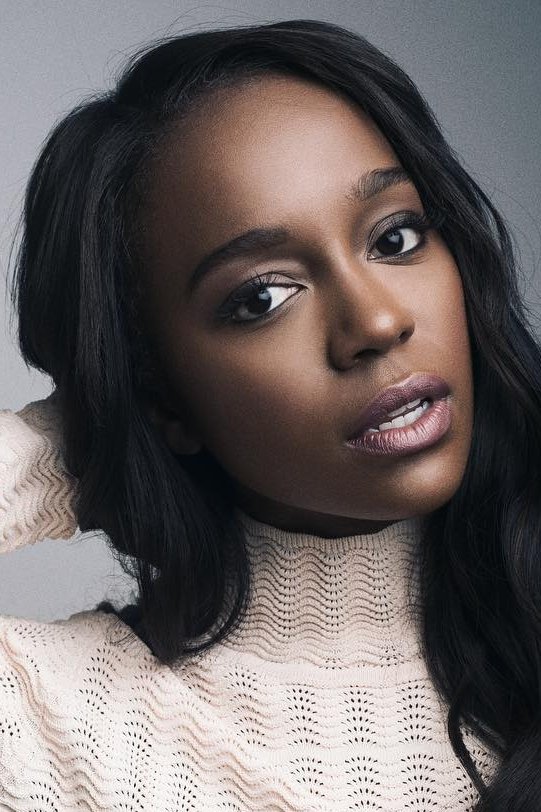
Aja Naomi King has shared her experiences with the beauty standards that dominate the television and film industries. She noted that for many years, the industry seemed to favor a very specific and limited look for Black women. Her role on ‘How to Get Away with Murder’ allowed her to shine alongside other talented Black performers. She continues to advocate for a more inclusive environment where all skin tones are celebrated.
Alexandra Shipp
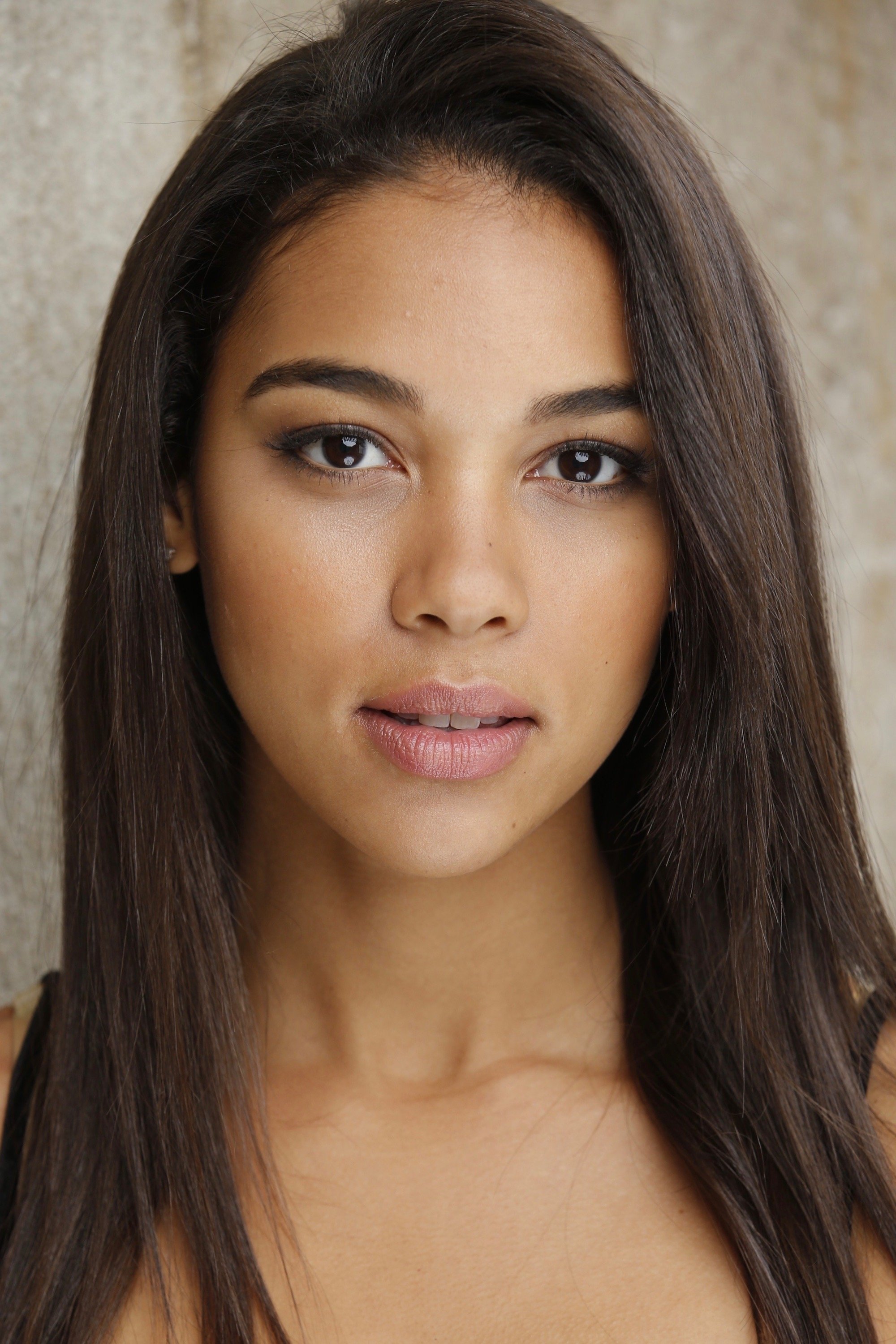
Alexandra Shipp has engaged in public discussions about colorism following her casting in various roles. She acknowledged that the industry often casts lighter skinned performers in roles that could have gone to darker skinned actors. While defending her own work, she expressed an understanding of the systemic issues at play. Her comments have contributed to the ongoing dialogue about casting choices and representation.
Logan Browning
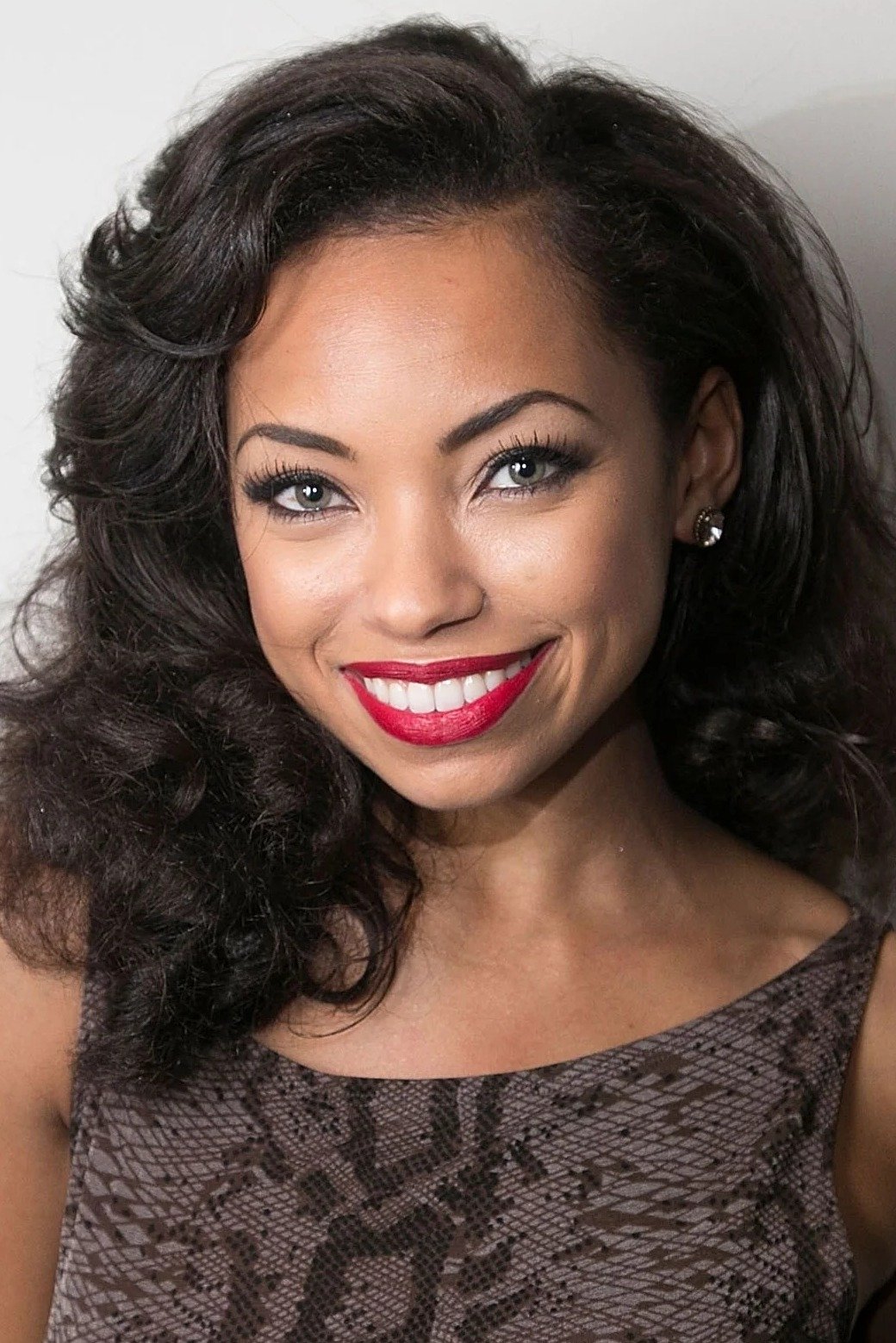
Logan Browning has discussed her role in ‘Dear White People’ and how it addressed the internal politics of colorism. She recognized that her character’s experiences were shaped by her lighter skin tone and the privilege that comes with it. By participating in these stories, she helps to shine a light on the real world implications of skin tone bias. She believes that acknowledging these differences is the first step toward creating a more just industry.
Zazie Beetz
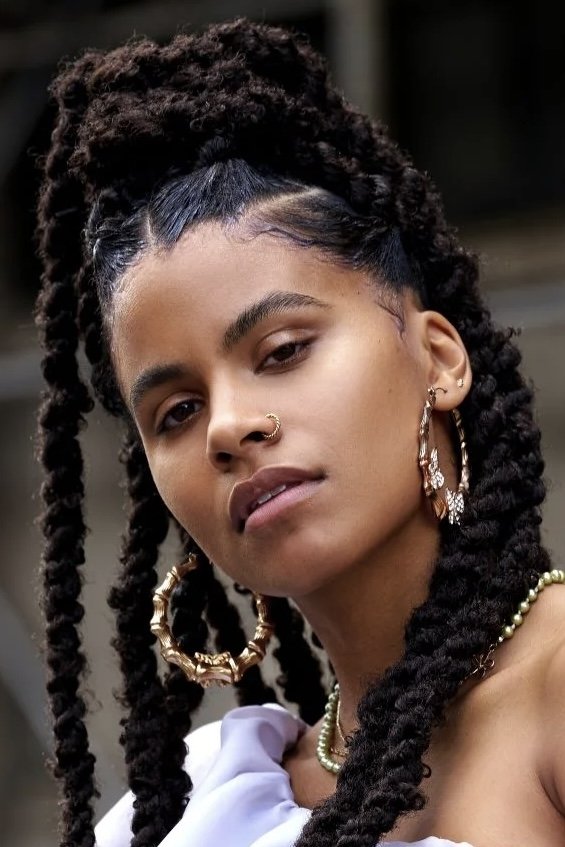
Zazie Beetz has reflected on her career and the ways in which her appearance has influenced her opportunities. She has noted that as a light skinned woman, she often fits the aesthetic that Hollywood is most comfortable with. She uses her interviews to discuss the importance of broadening the industry’s definition of Blackness. Her goal is to see a more diverse array of Black women represented in lead roles and awards.
Naomie Harris
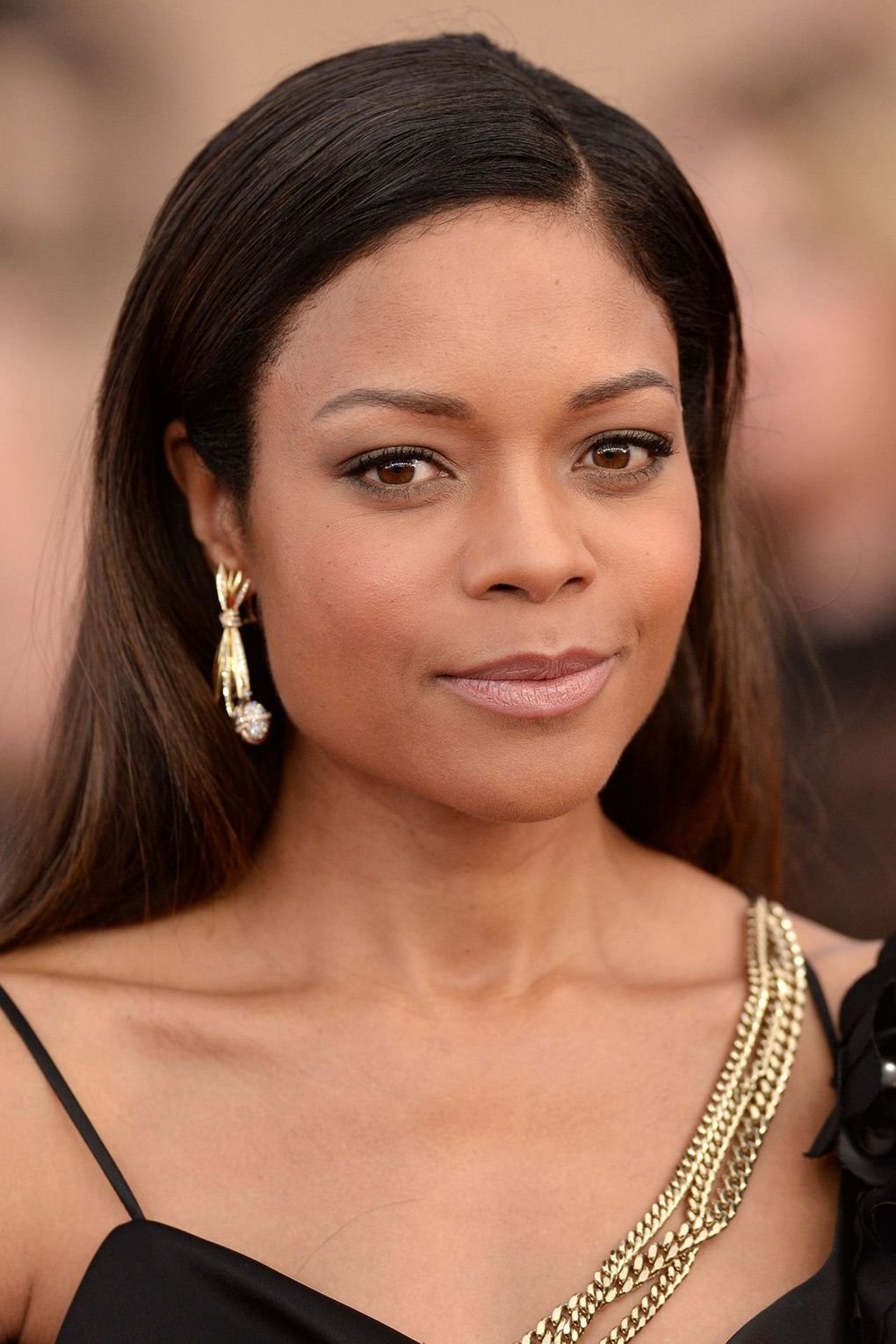
Naomie Harris has shared her views on the progress and the remaining obstacles for Black actors in Hollywood. She has noted that while there is more visibility now, the industry still has a preference for certain looks. Her work in the Bond films and ‘Moonlight’ has earned her international recognition and critical praise. She continues to support initiatives that promote diversity in all aspects of filmmaking.
Ruth Negga
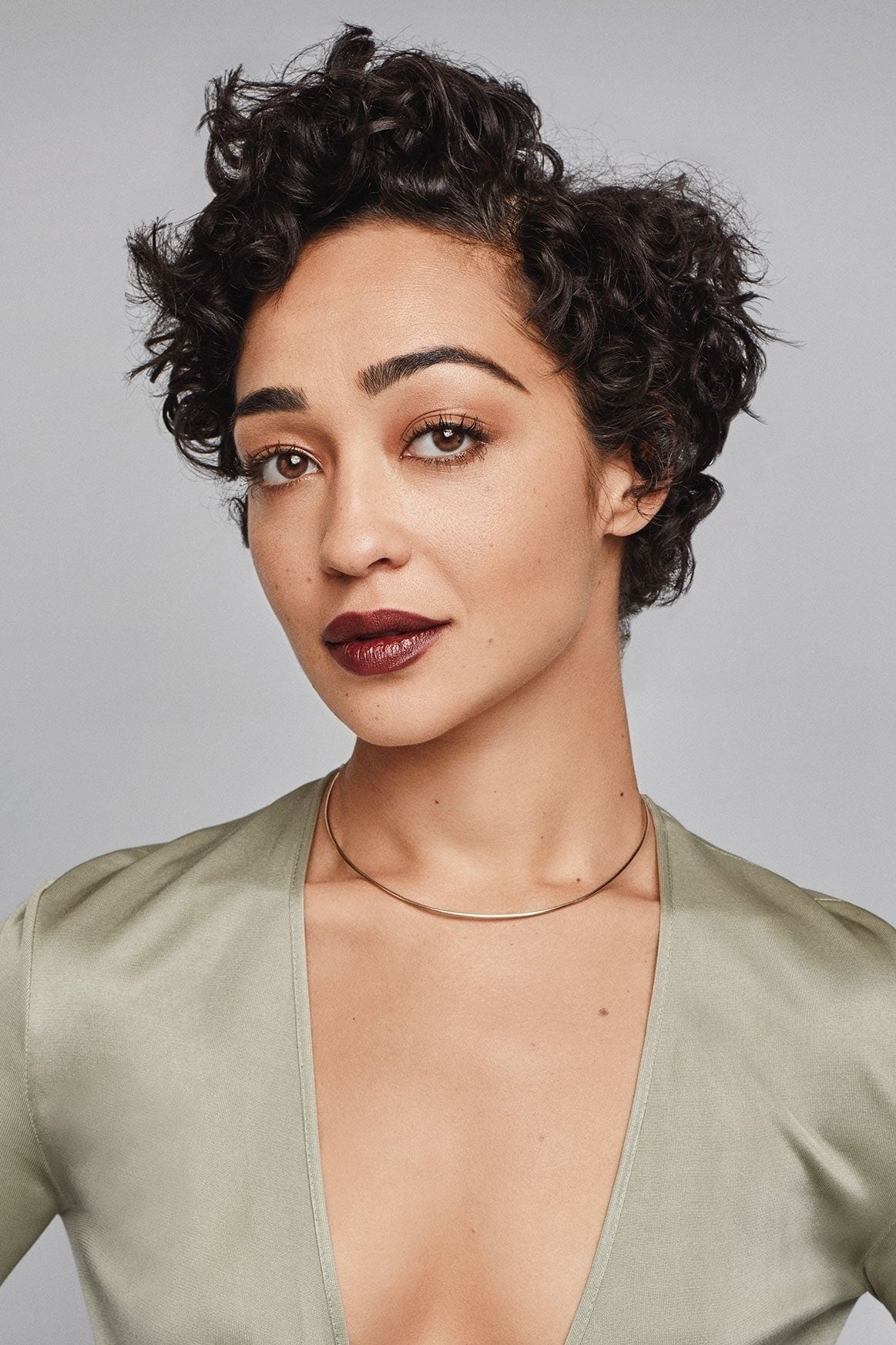
Ruth Negga has been recognized for her powerful performances in films like ‘Loving’ and ‘Passing’. She has discussed how the industry navigates race and skin tone through the roles it chooses to highlight. Her work often explores the nuances of identity and the social constructs that define it. She remains a prominent figure in the conversation about how talent is evaluated in the awards season.
Sophie Okonedo
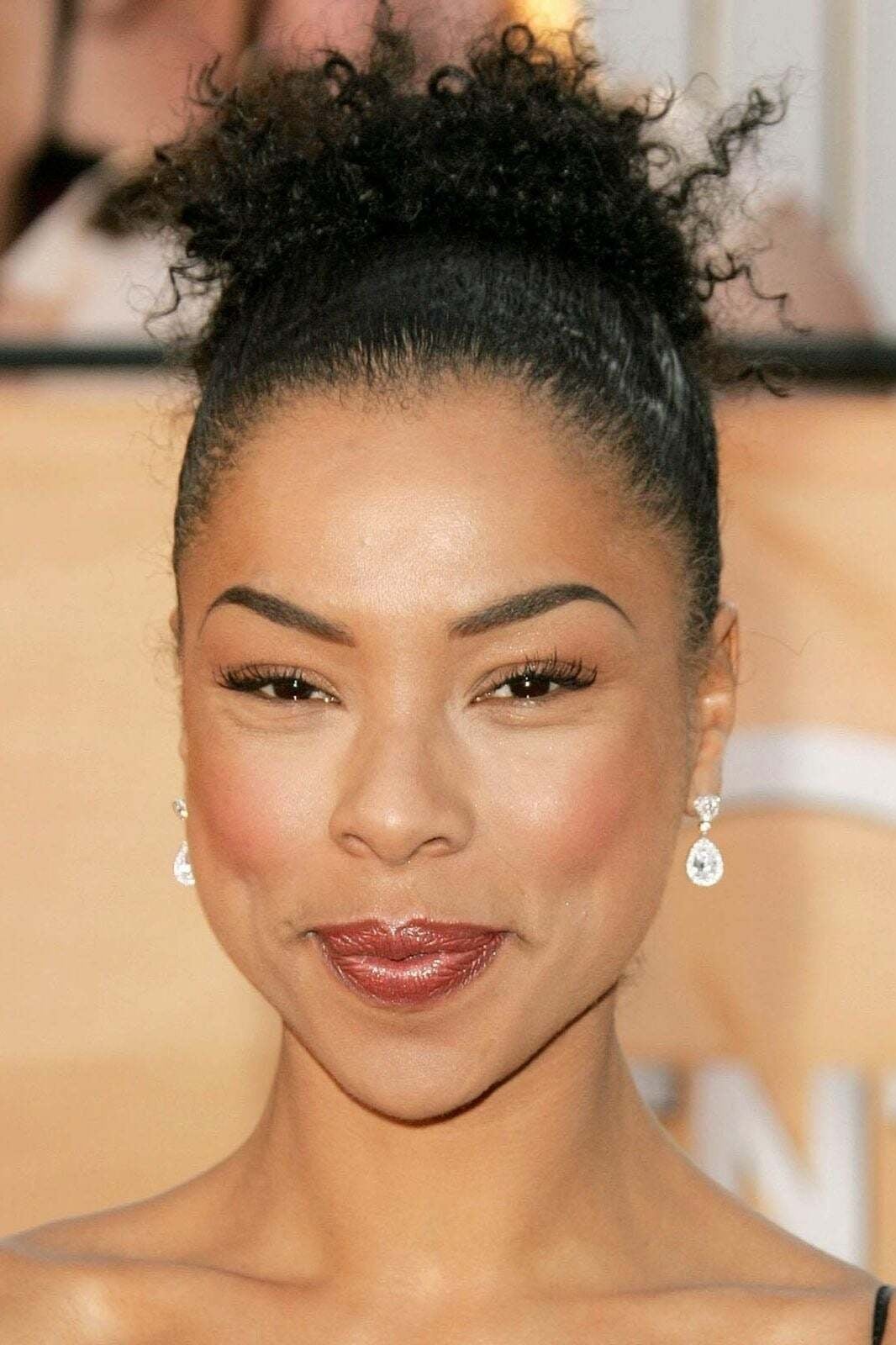
Sophie Okonedo has had a long and successful career in both the United Kingdom and the United States. She has spoken about the hurdles she faced as a Black actress trying to find diverse and challenging roles. She noted that the industry often has a limited imagination when it comes to casting performers with deeper complexions. Her continued success is a testament to her skill and persistence in a challenging field.
Danai Gurira
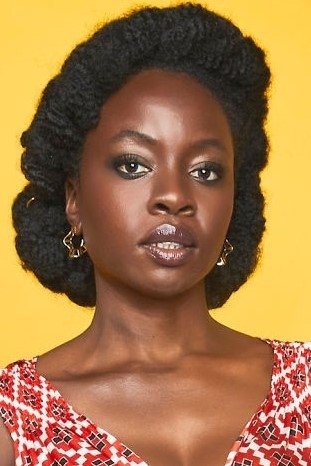
Danai Gurira has used her roles in ‘Black Panther’ and ‘The Walking Dead’ to celebrate the strength and beauty of dark skin. She has spoken about the importance of creating spaces where Black women are seen as leaders and warriors. Her work as a playwright also focuses on telling stories that are often overlooked by the mainstream industry. She remains committed to expanding the narrative possibilities for Black actors.
Letitia Wright
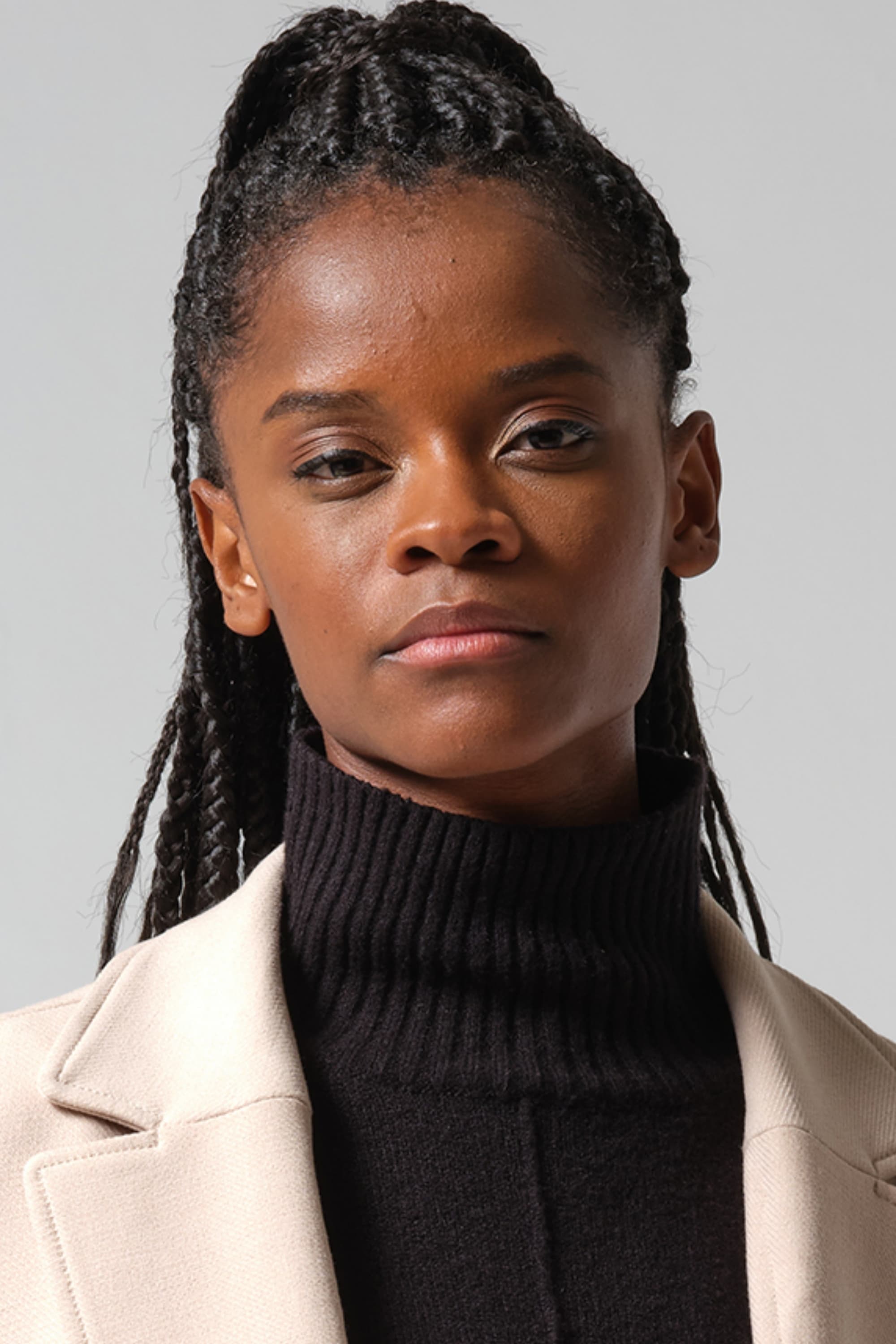
Letitia Wright has discussed the impact of seeing dark skinned characters in major blockbuster films. She believes that visibility in franchises like the Marvel Cinematic Universe is a crucial step toward changing industry standards. Her comments focus on the need for young Black girls to see themselves represented in all their variety. She continues to take on roles that challenge the status quo and promote inclusivity.
Sheila Atim

Sheila Atim has gained recognition for her work on stage and screen in projects like ‘The Woman King’. She has noted that the industry is beginning to see the value in casting a wider range of skin tones. However, she believes there is still a long way to go before true equity is achieved in casting and awards. Her presence in major films helps to push the boundaries of what is considered acceptable in Hollywood.
Ryan Destiny
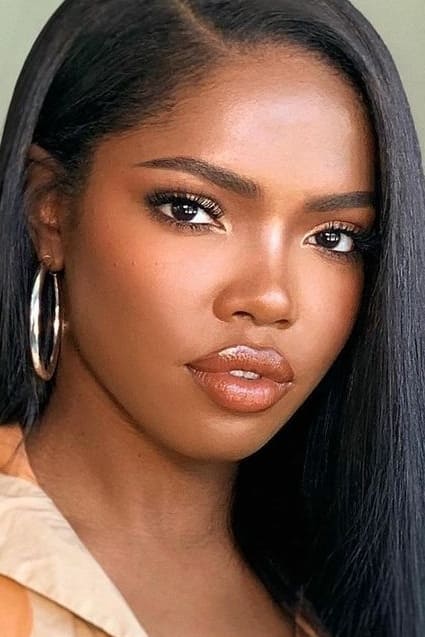
Ryan Destiny has been very vocal about her experiences with colorism in both the music and film industries. She has shared how she was often told that she was too dark for certain roles or projects. Her persistence has allowed her to find success and become a role model for other dark skinned performers. She continues to speak out against the biases that limit the potential of Black artists.
Lovie Simone
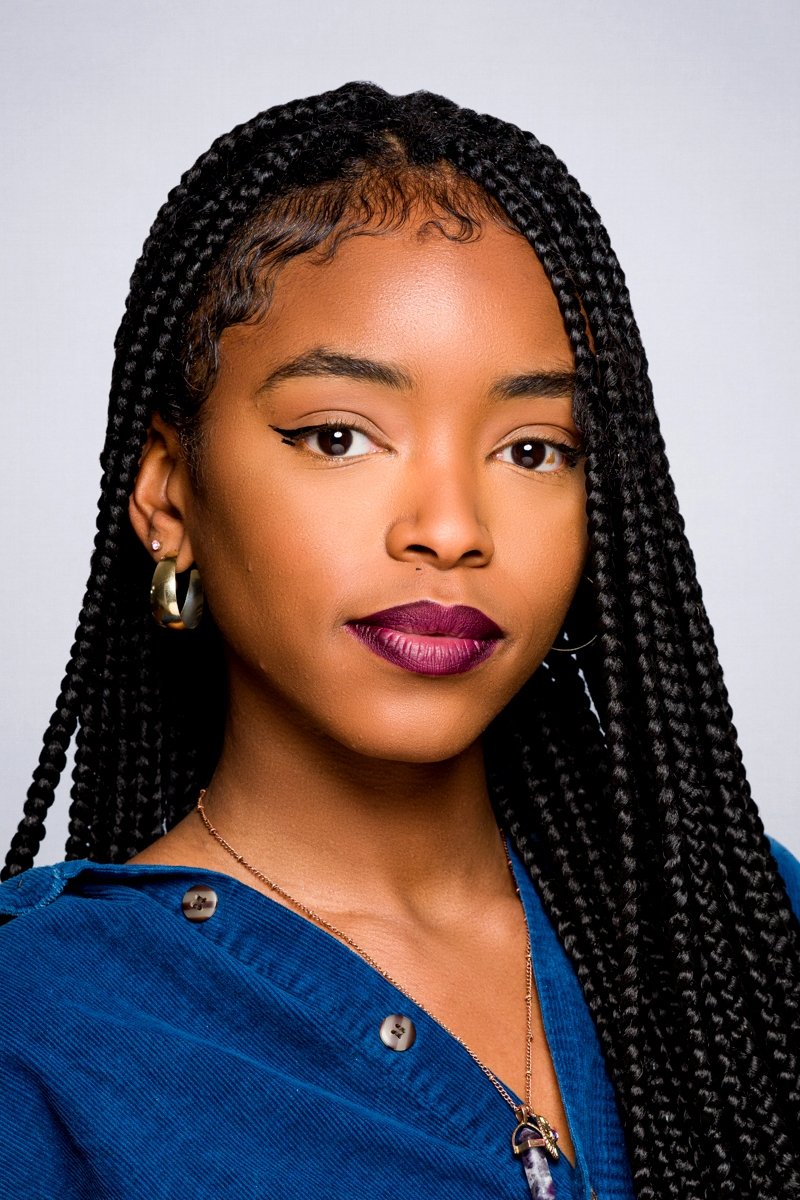
Lovie Simone has discussed the importance of dark skinned actresses being given the chance to lead complex stories. Her role in ‘Selah and the Spades’ showcased her ability to carry a film with confidence and grace. She believes that the industry needs to move away from the idea that only certain looks are marketable. Her work is a call for more authentic and diverse representation in every genre.
Laura Harrier
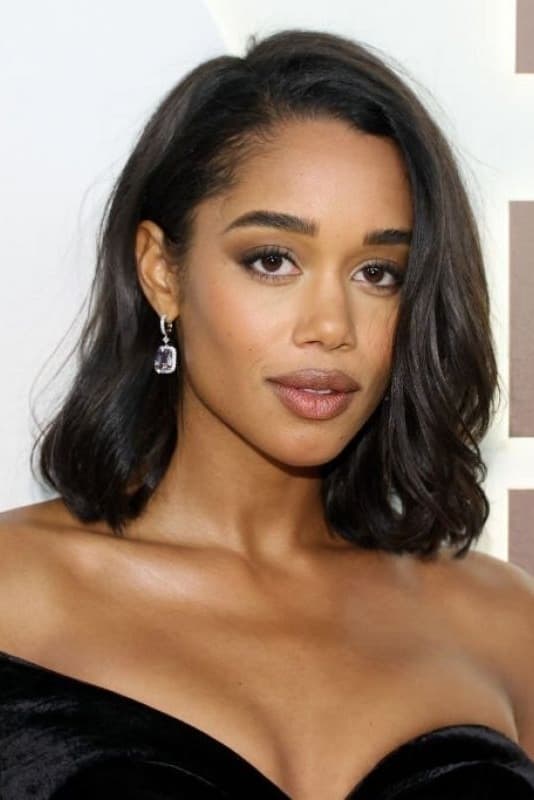
Laura Harrier has acknowledged the privilege that comes with being a light skinned actress in the current Hollywood landscape. She has spoken about the roles that are often only available to women who look like her. By speaking on these issues, she hopes to encourage a more inclusive casting process that benefits all Black women. She remains a supporter of movements that seek to dismantle colorism in the arts.
Storm Reid
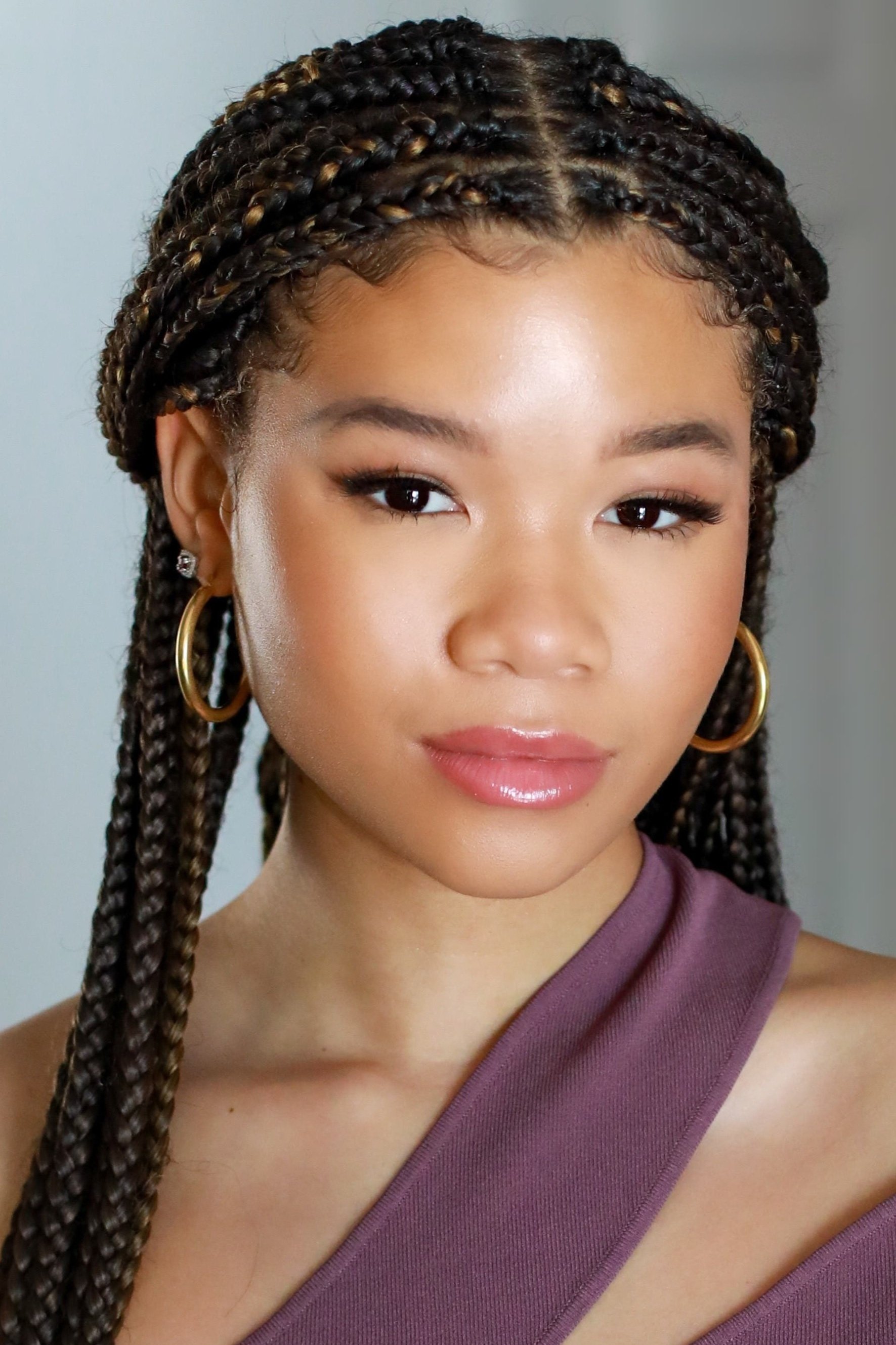
Storm Reid has grown up in the industry and has seen the shifts in conversations around representation. She has spoken about the importance of young actresses having a seat at the table to discuss these issues. Her work in ‘A Wrinkle in Time’ and ‘Euphoria’ has established her as a significant talent. She continues to advocate for a future where skin tone is not a barrier to success.
Marsai Martin
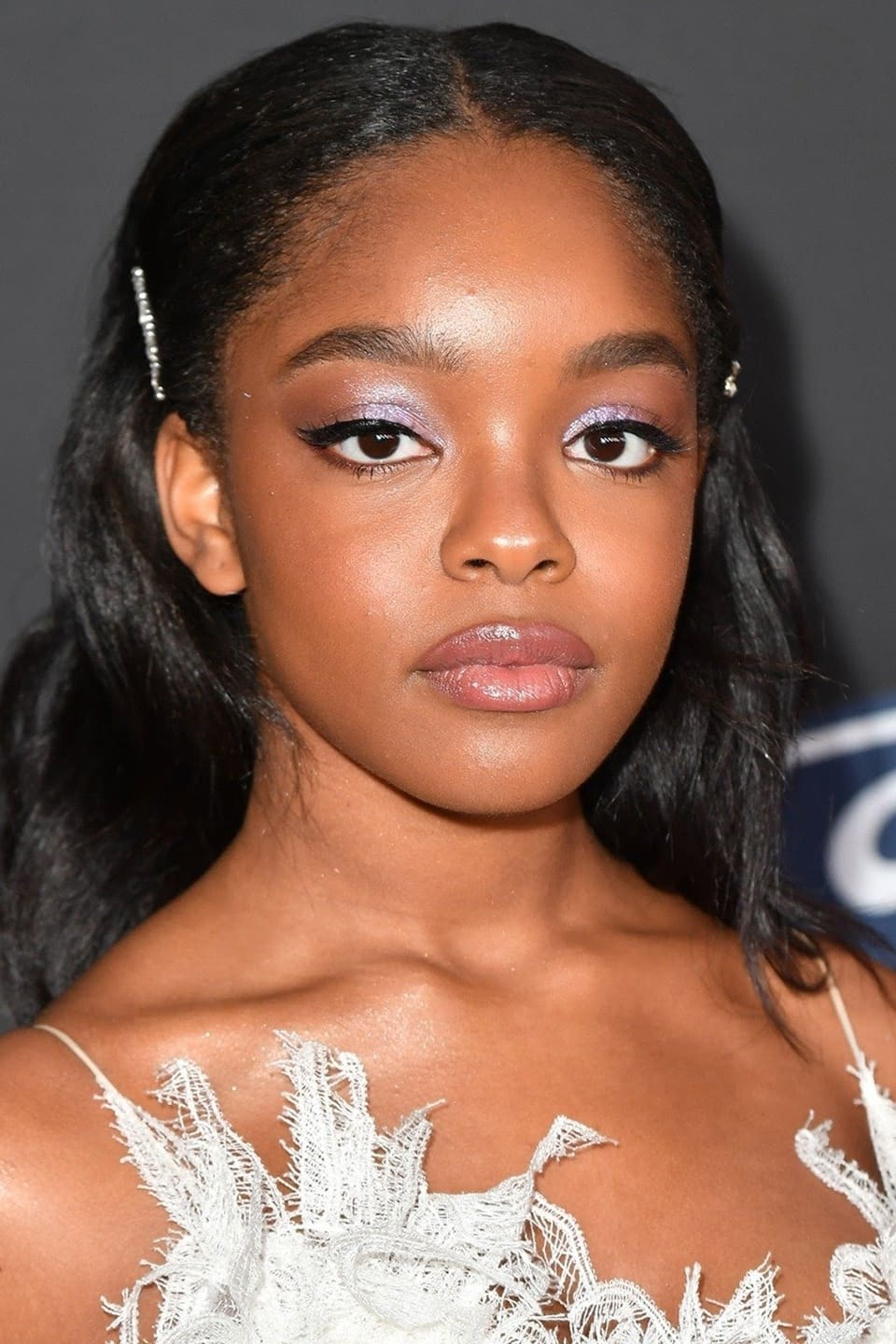
Marsai Martin has taken control of her career by becoming the youngest executive producer in Hollywood history. She has expressed a commitment to creating projects that celebrate Black girls of all complexions. Her work with her production company focuses on diversity and positive representation. She believes that by being behind the camera, she can help change the standards of the industry.
Erika Alexander
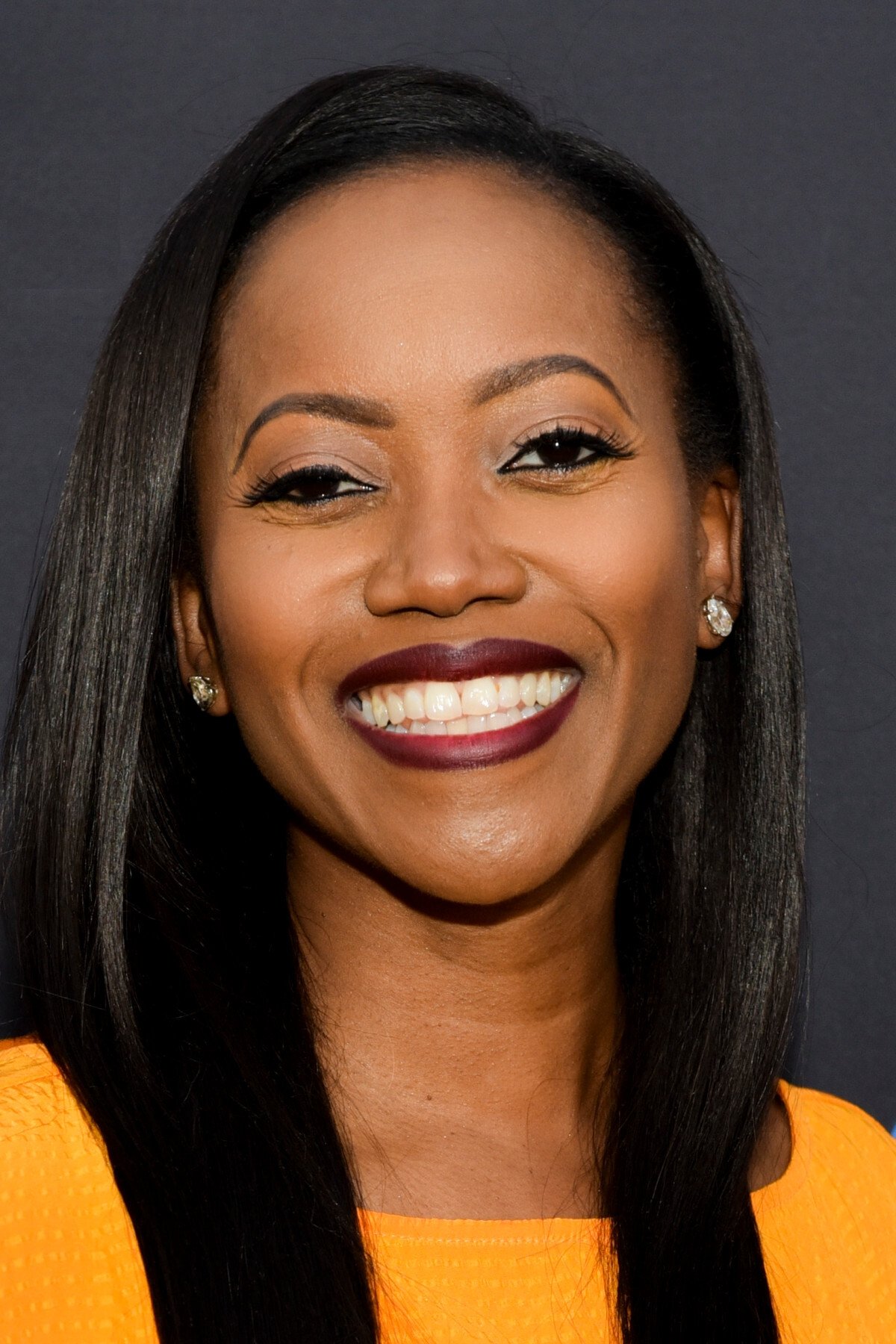
Erika Alexander has a long history in the industry and has been a consistent voice against colorism. She has pointed out how the industry’s preferences have shifted over the decades but still remain restrictive. Her advocacy includes discussing the economic impact of these biases on Black performers. She remains a sharp critic of the systemic issues that prevent true equity in Hollywood.
Naturi Naughton
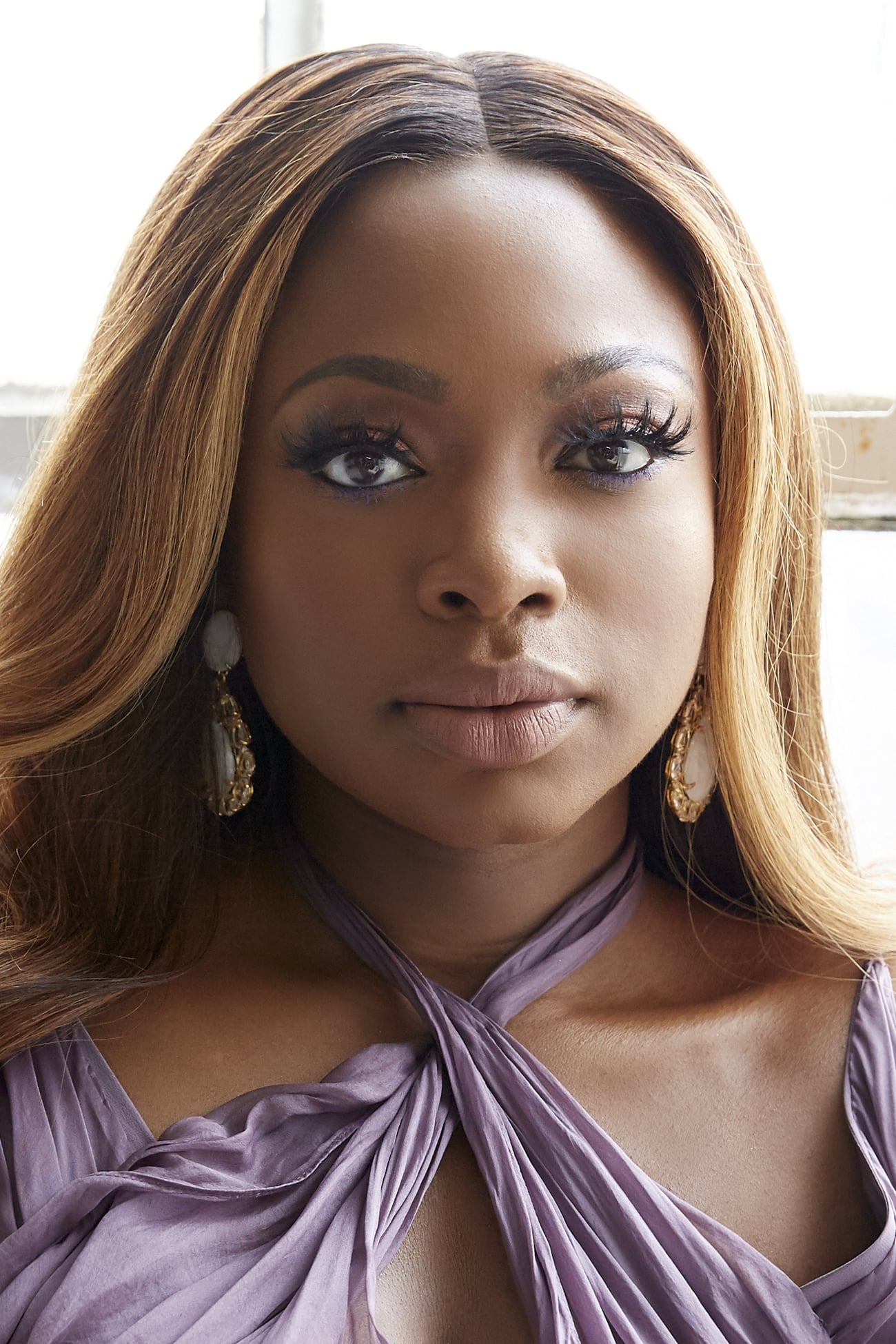
Naturi Naughton has shared painful stories of how colorism affected her early career in the music industry. She noted that these experiences followed her as she transitioned into a successful acting career. Her role in ‘Power’ allowed her to showcase her talent to a wide audience and gain the respect she deserves. She continues to be an advocate for fair treatment and recognition for all dark skinned artists.
Sheryl Lee Ralph

Sheryl Lee Ralph has spoken about her long journey in the industry and the changes she has witnessed. She noted that for many years, dark skinned actresses were often overlooked for major awards and leading roles. Her recent Emmy win was a historic moment that celebrated her decades of hard work and dedication. She encourages the next generation of Black actors to keep pushing for their rightful place in the spotlight.
Share your thoughts on these perspectives and the state of the industry today in the comments.