


Black Celebrities Who Spoke Out Against Modern Diversity Quotas in the Arts

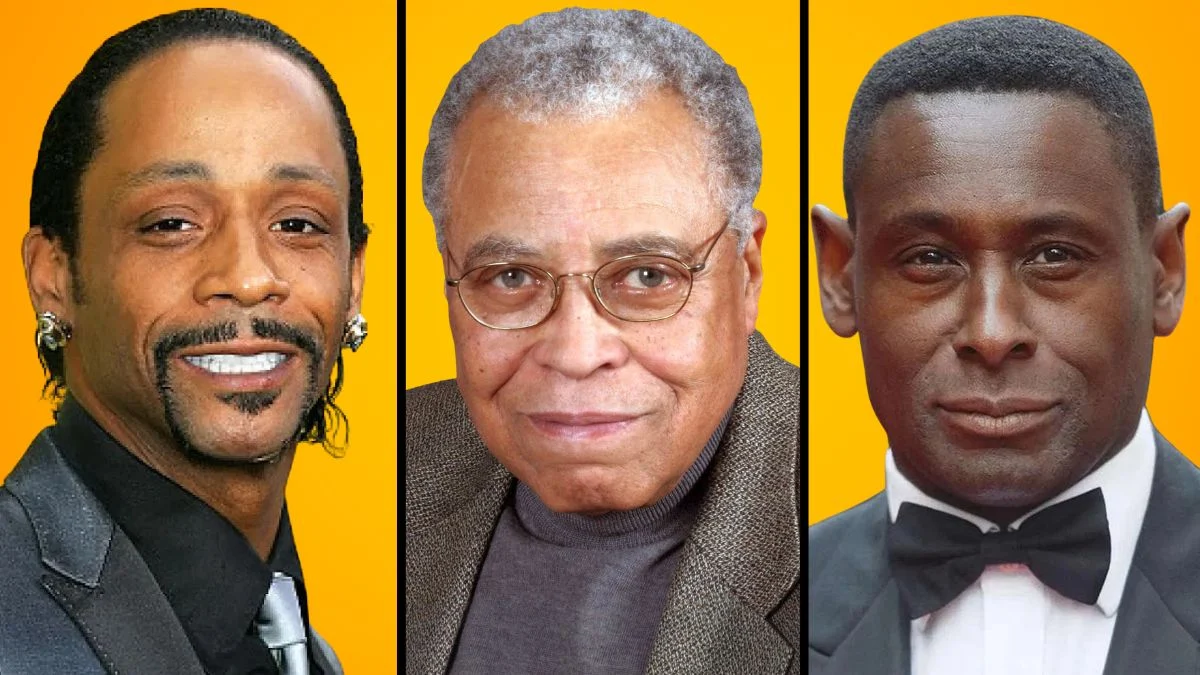


The conversation regarding diversity in Hollywood and the broader arts has shifted significantly in recent years toward the implementation of specific inclusion requirements. While many celebrate these changes as necessary progress some prominent figures have expressed concerns about the potential for these rules to overshadow artistic merit. These individuals often argue that talent and vision should remain the primary factors in casting and production decisions rather than strictly following numerical quotas. This list explores several influential Black celebrities who have voiced their skepticism or opposition toward modern diversity mandates in the creative industries.
Morgan Freeman
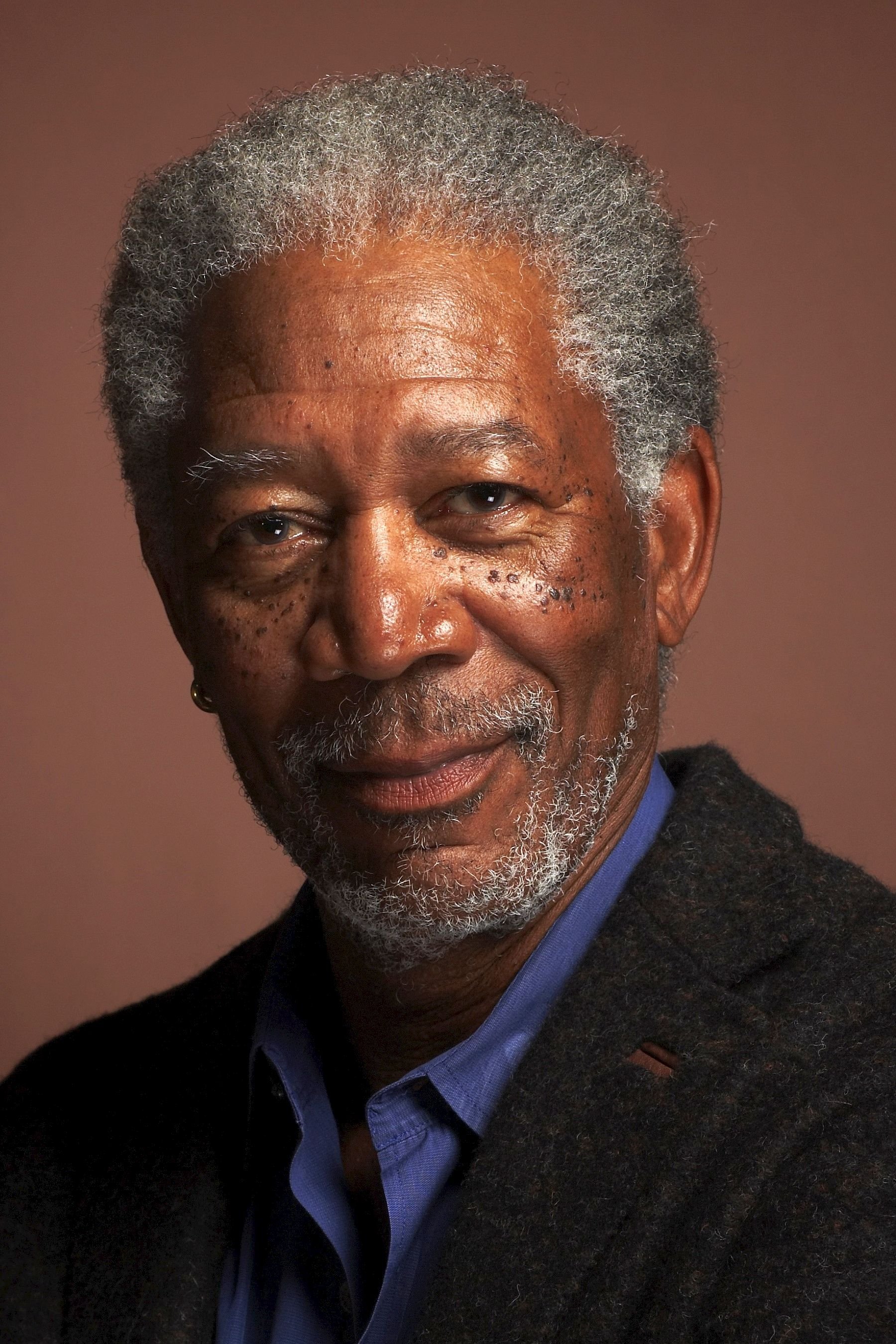
Morgan Freeman has frequently expressed his disdain for the concept of Black History Month and the categorization of actors by race. He believes that focusing on racial divisions only serves to perpetuate them in society. The veteran actor suggests that the best way to end racism is to stop talking about it as a defining characteristic. He prefers to be recognized for his work as an artist rather than being placed in a specific box based on his skin color. His stance emphasizes individual merit over institutionalized diversity initiatives.
Ye
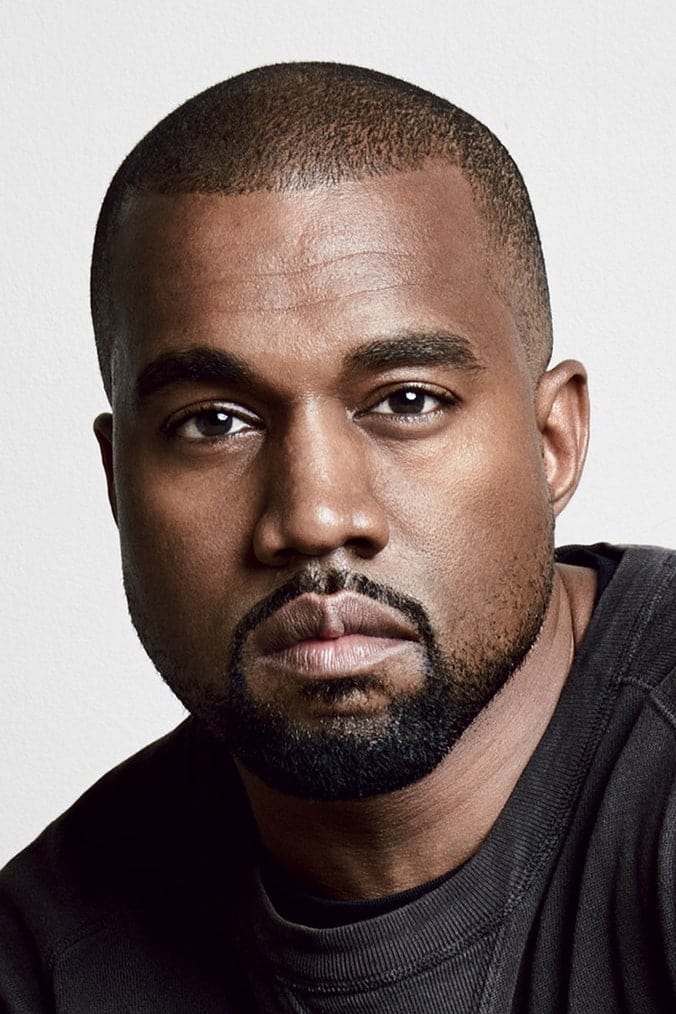
Ye has often criticized the gatekeepers of the entertainment and fashion industries for using diversity as a performative tool. He argues that true creative freedom is hindered when artists are forced to comply with corporate structures and inclusion checklists. The rapper and designer has voiced his preference for breaking down these systems entirely rather than working within their established rules. He believes that artistic genius should dictate opportunities rather than demographic requirements. His public statements frequently challenge the conventional methods of achieving representation in the arts.
Anthony Mackie
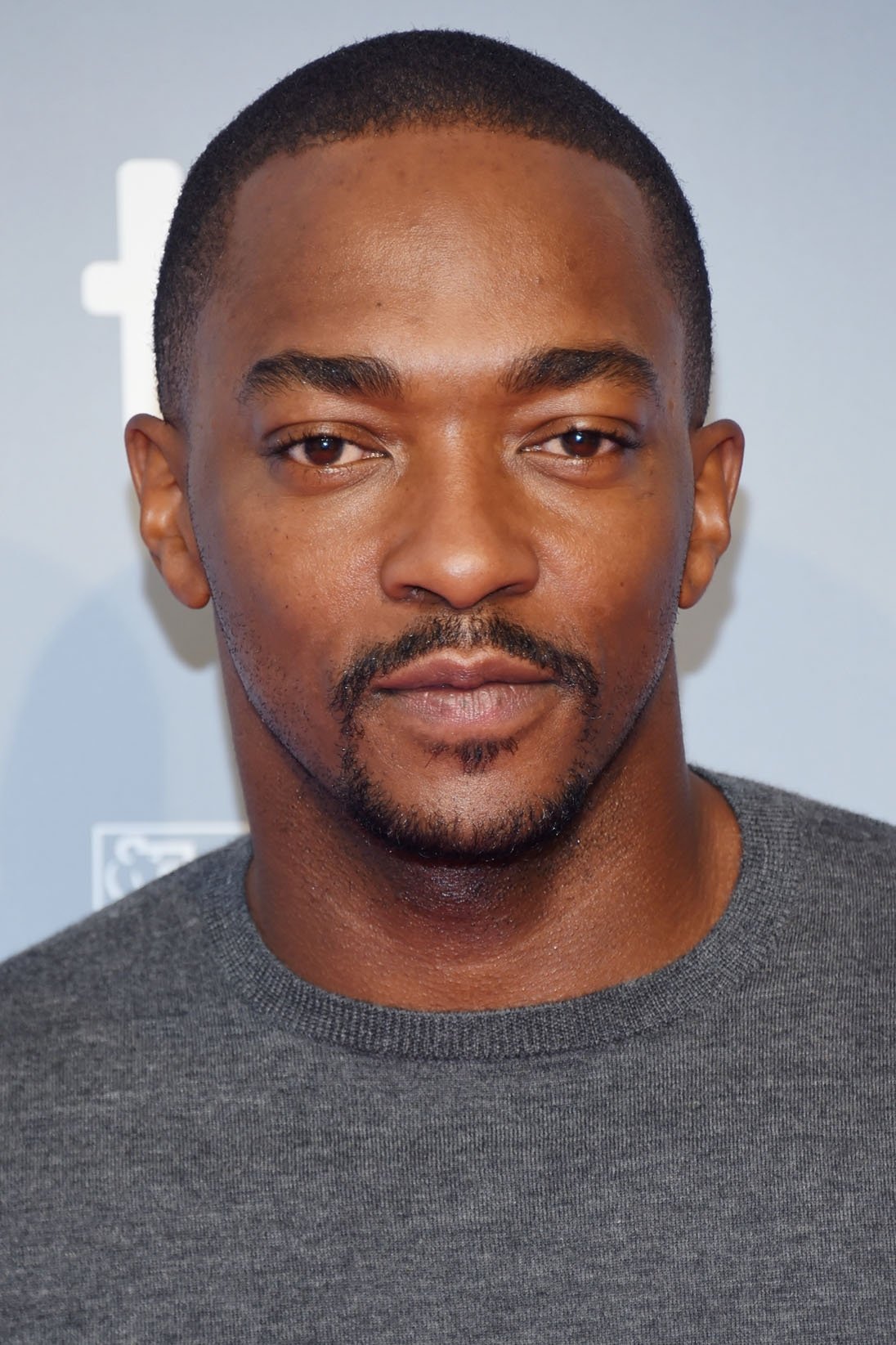
Anthony Mackie has shared his views on the importance of hiring the best person for a job regardless of their background. He specifically mentioned his experiences working on major film sets where he observed the implementation of diversity hires. The actor suggested that the industry should focus on mentorship and training rather than simply filling quotas to satisfy public perception. He believes that the quality of the final product is most important and that should be the driving force behind casting decisions. His comments highlight a desire for authentic inclusion built on talent and experience.
Idris Elba
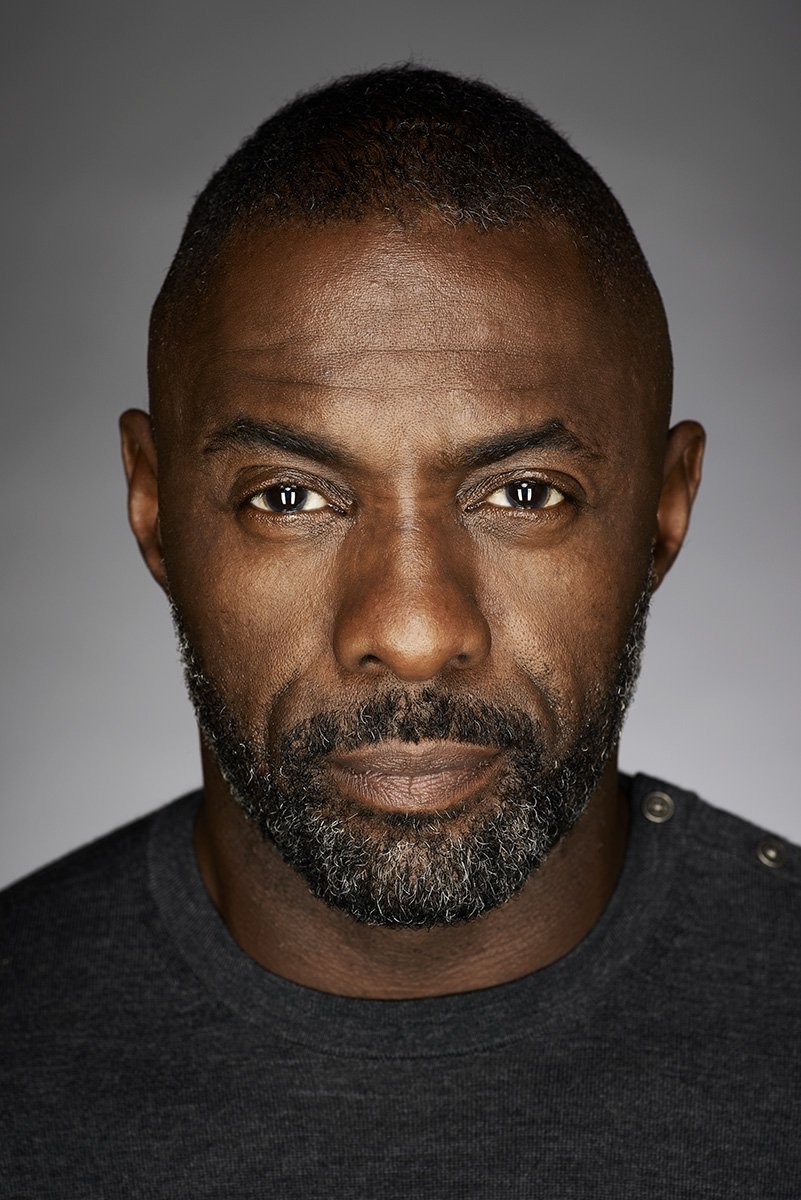
Idris Elba made headlines when he announced that he would no longer describe himself as a Black actor. He feels that this label puts him in a confined space and limits his potential in the eyes of the industry. The performer advocates for a world where his race is not the primary focus of his professional identity. He expressed that an obsession with race can be a hindrance to personal growth and career longevity. His perspective challenges the modern trend of using racial quotas to define the success of diversity efforts.
John Boyega
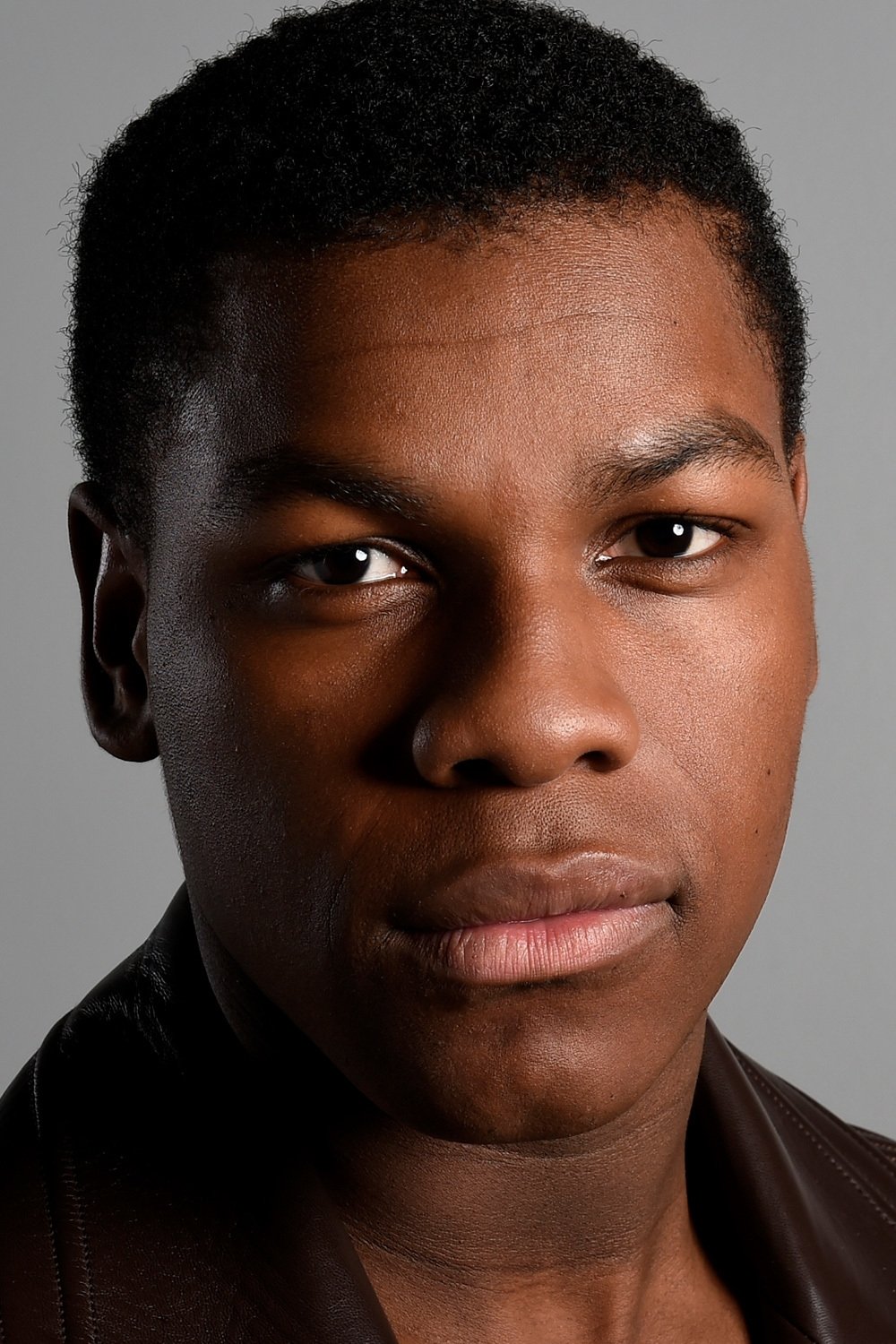
John Boyega has been vocal about his experiences with tokenism in major film franchises. He criticized the way some studios use diverse actors for marketing purposes without giving their characters meaningful narrative arcs. The actor suggests that true representation involves authentic storytelling rather than just meeting a visual requirement. He has pushed for the industry to move beyond surface level diversity to ensure that all performers have equal opportunities for character development. His critiques aim to improve the quality of representation by focusing on substance over statistics.
Whoopi Goldberg
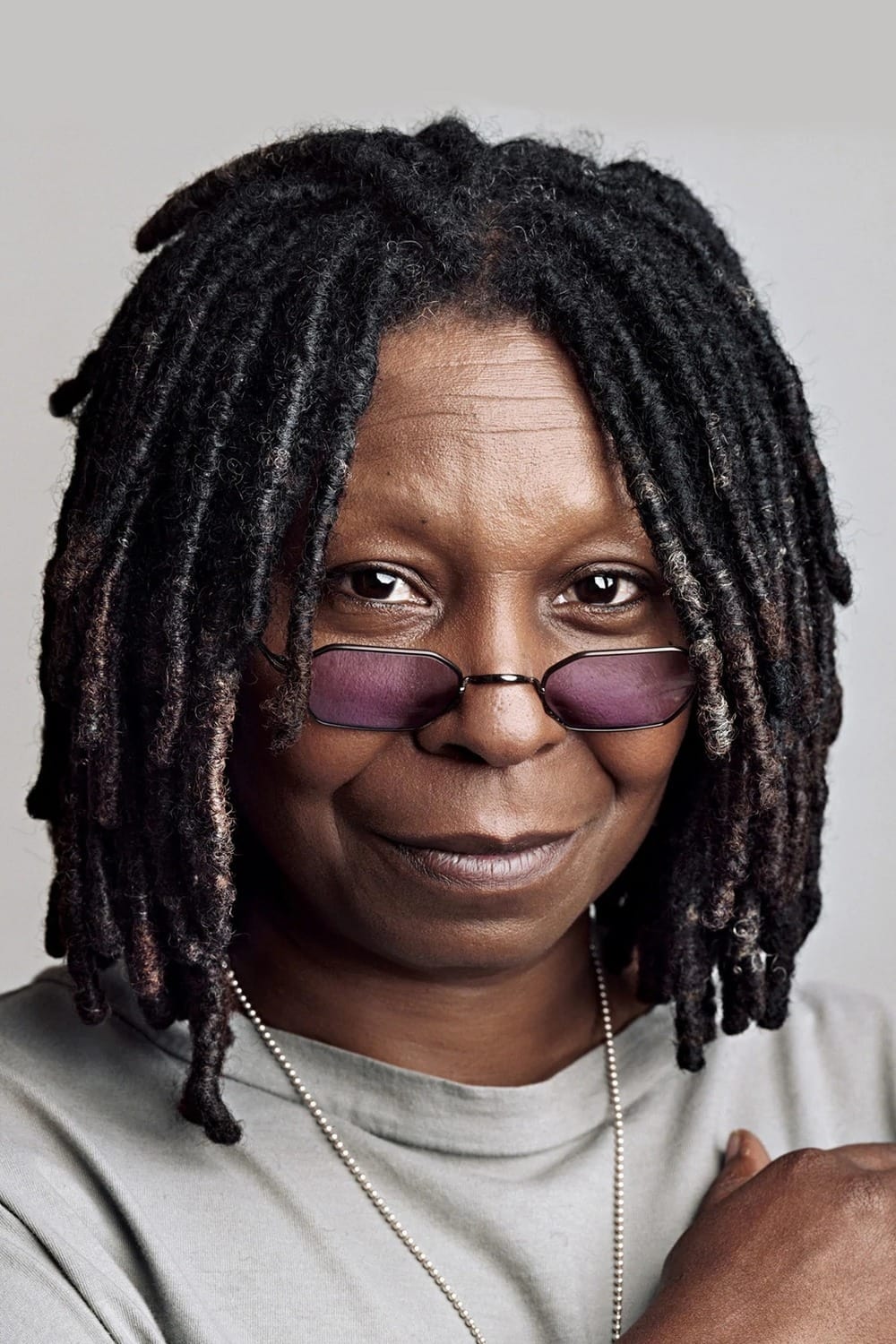
Whoopi Goldberg has expressed skepticism regarding the new inclusion standards set by major awards bodies. She argued that movies should be judged solely on their artistic quality and the story they are trying to tell. The veteran entertainer believes that forcing diversity through strict rules can feel artificial and forced. She has long advocated for organic representation that arises naturally from the creative process. Her views represent a preference for a more traditional approach to filmmaking where the craft takes center stage.
Terry Crews
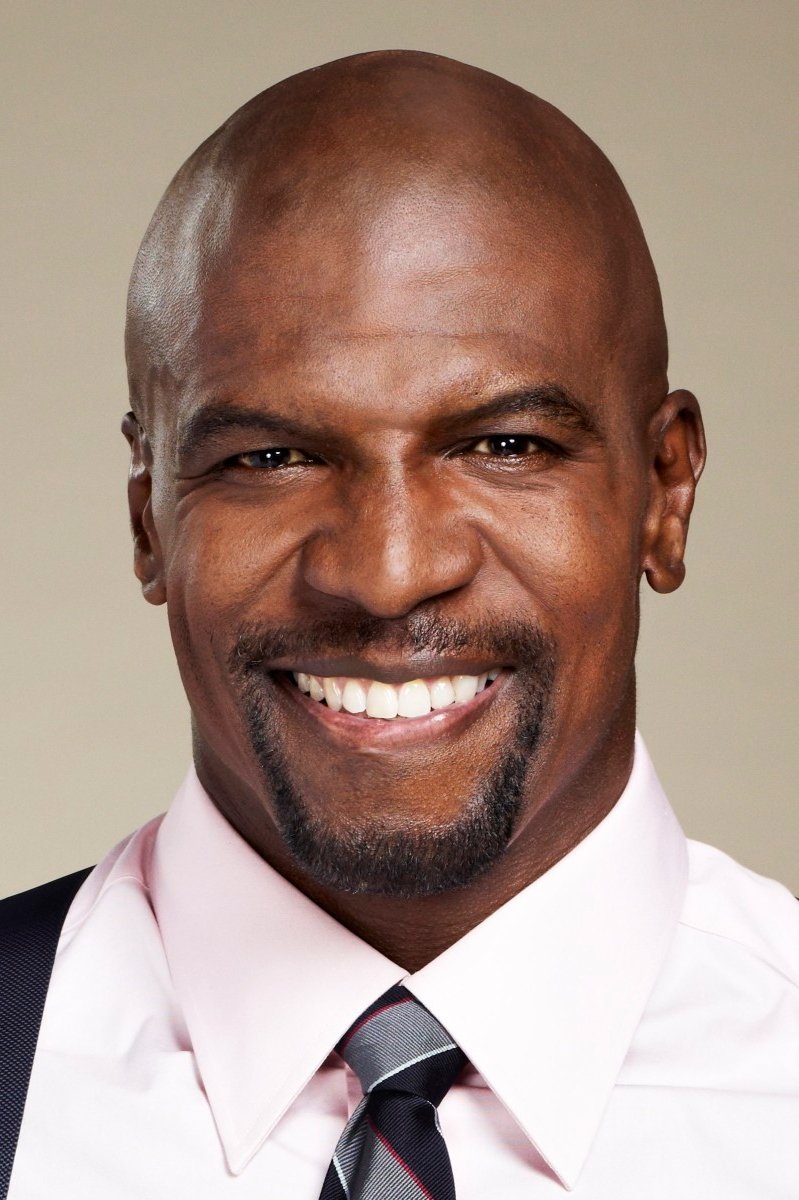
Terry Crews has spoken out about the need for unity and the dangers of creating new forms of exclusion in the pursuit of diversity. He warned that some modern social movements might inadvertently promote division rather than genuine equality. The actor emphasizes the importance of meritocracy and the belief that everyone should be judged by their character and abilities. He has faced criticism for his views but remains firm in his stance on the value of individual effort. His perspective focuses on the universal human experience rather than specific demographic categories.
Stacey Dash
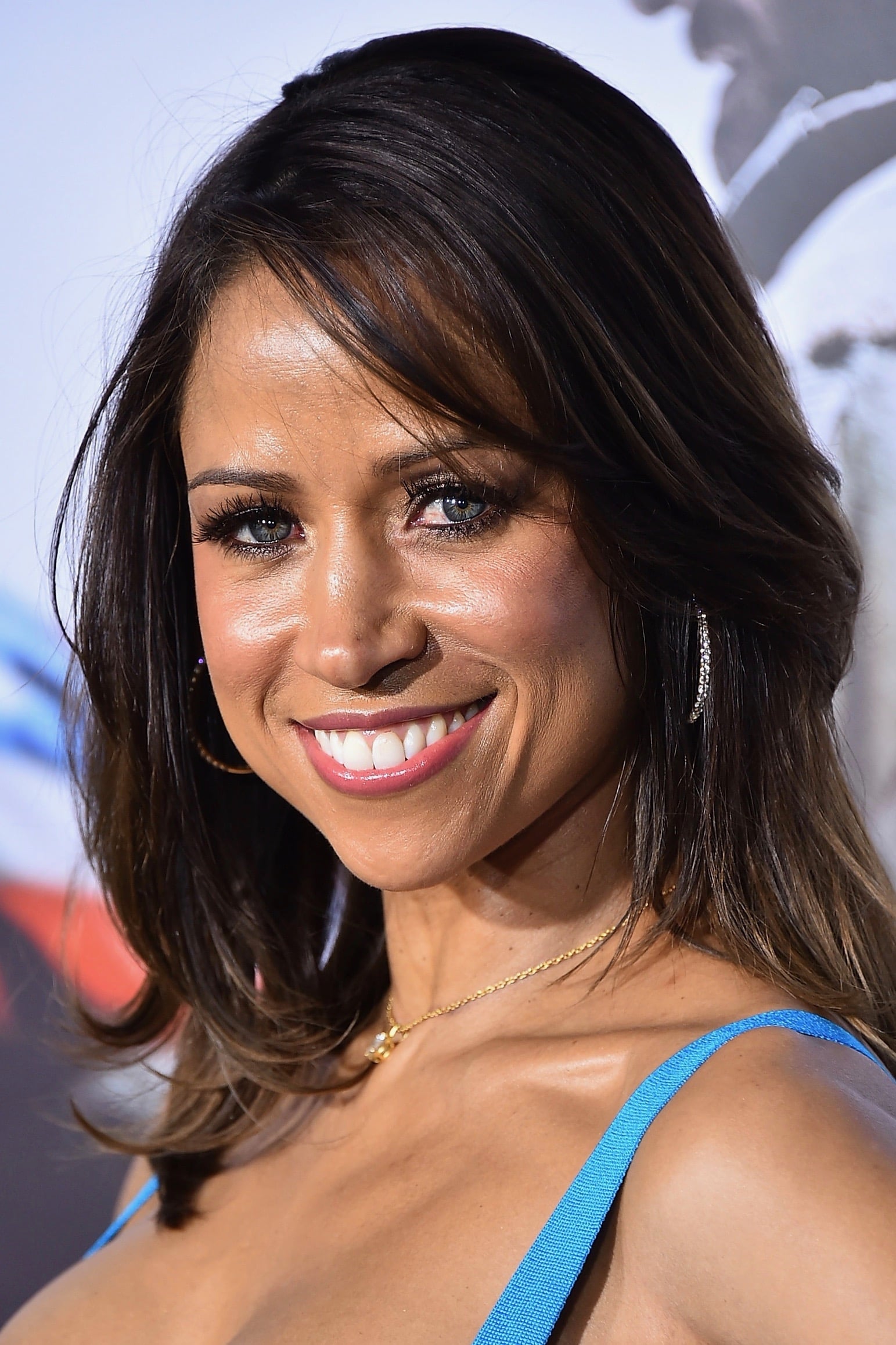
Stacey Dash became a polarizing figure for her direct opposition to Black focused awards shows and television networks. She argued that such entities promote segregation and prevent society from moving past racial lines. The actress believes that true equality means the removal of all race based distinctions in the professional world. She has consistently challenged the necessity of diversity quotas and institutionalized inclusion programs. Her comments reflect a desire for a colorblind society where individuals succeed based on their own efforts.
Ice Cube
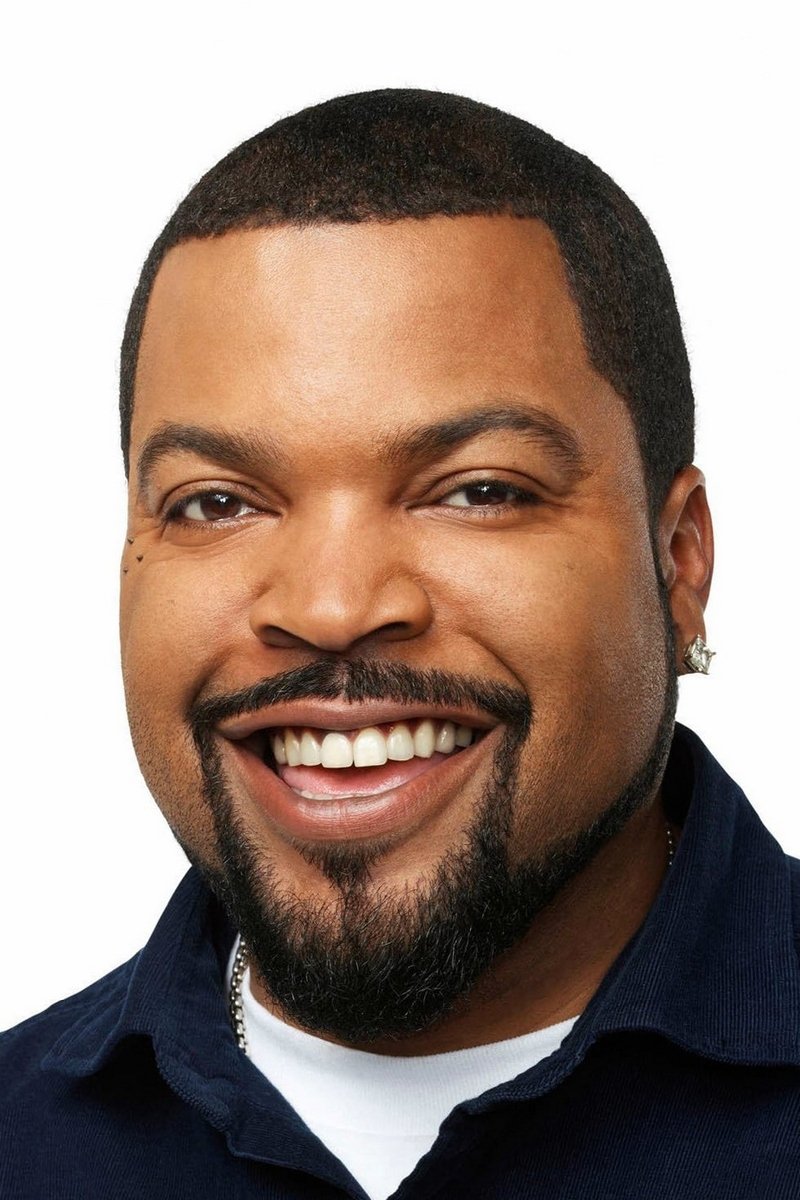
Ice Cube has criticized the entertainment industry for what he perceives as performative diversity. He suggests that many companies use inclusion as a way to avoid addressing deeper systemic issues in ownership and distribution. The rapper and actor prefers the creation of independent platforms where Black creators have full control over their work. He argues that relying on corporate quotas is not a sustainable way to achieve true empowerment. His focus is on economic independence and the preservation of artistic integrity.
Kevin Hart
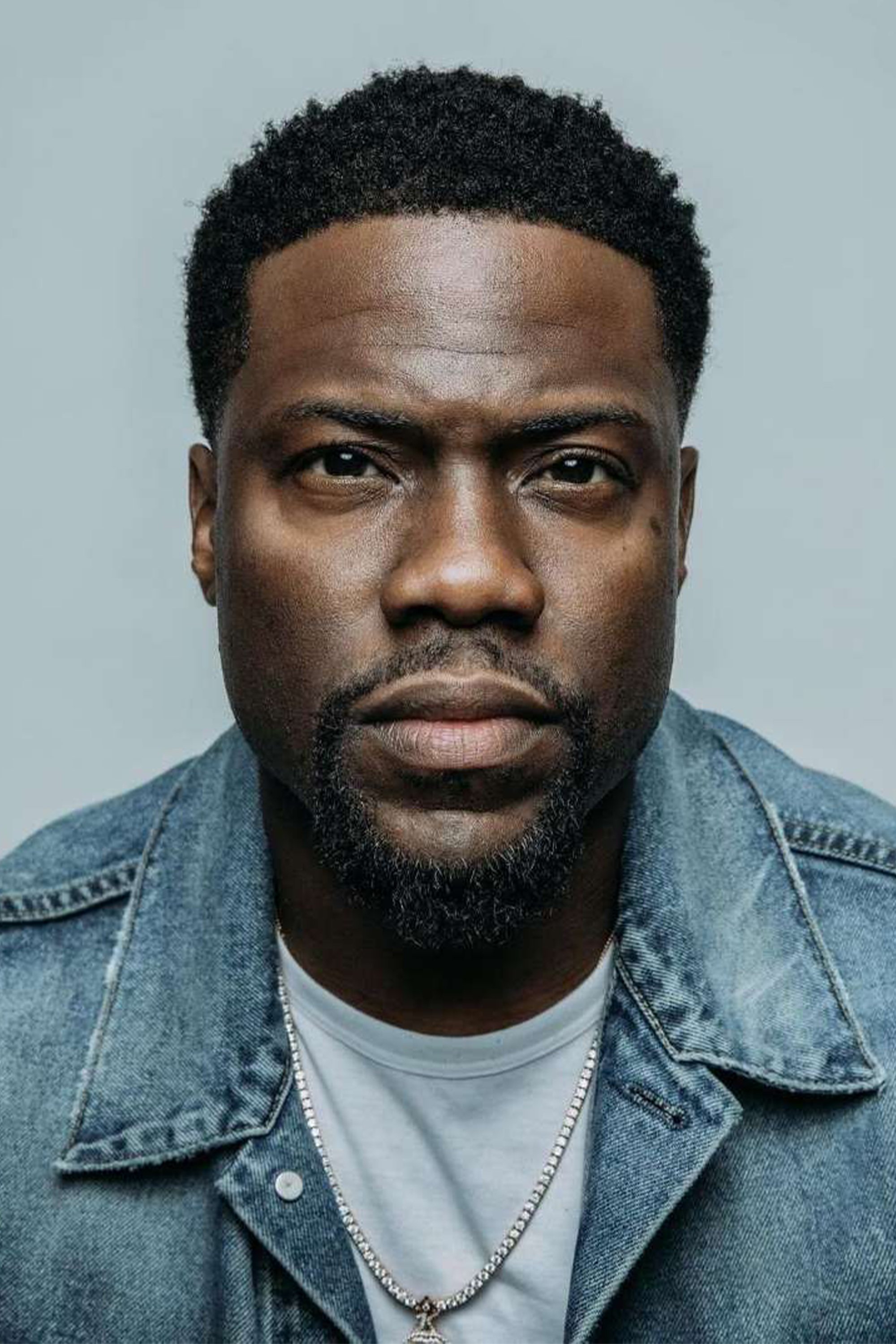
Kevin Hart often emphasizes the role of hard work and personal branding in his career success. He has expressed that he does not want to be hired because of a diversity requirement but because he is the best comedian for the job. The actor focuses on building a global brand that transcends racial and cultural boundaries. He believes that excellence is the most effective way to overcome barriers in the entertainment industry. His approach prioritizes individual achievement over collective diversity mandates.
Marlon Wayans
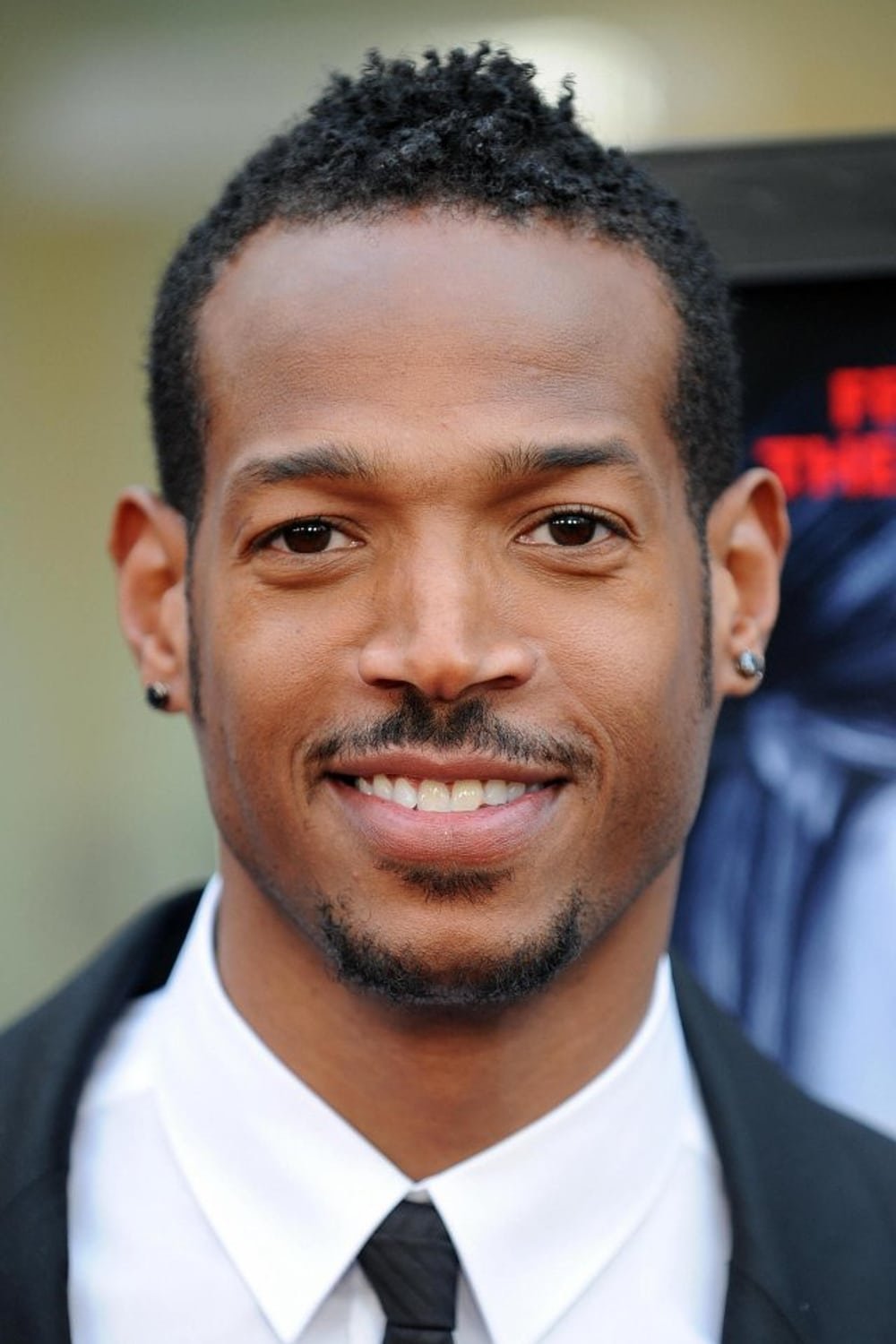
Marlon Wayans has voiced concerns about the impact of modern social sensitivities on the world of comedy. He believes that the push for inclusion and political correctness can stifle the creativity of comedians. The actor argues that humor should be a space where boundaries can be pushed without the fear of meeting specific diversity criteria. He suggests that the focus should remain on what makes people laugh rather than following a set of social rules. His comments advocate for the protection of artistic freedom in the comedic arts.
Damson Idris
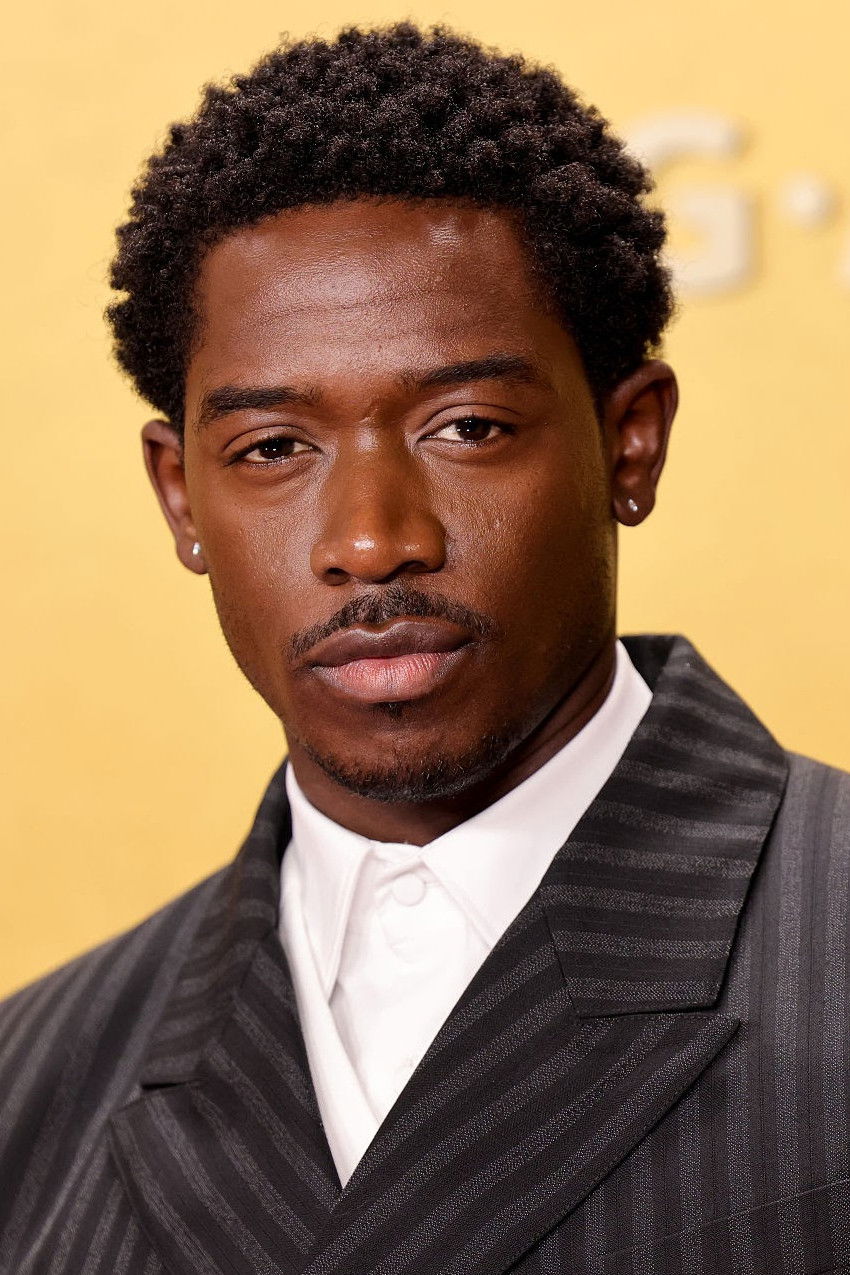
Damson Idris has spoken about the importance of being recognized for his skill as a performer above all else. He has expressed a desire to avoid being cast simply to fill a diversity checkbox on a production list. The actor believes that the work should speak for itself and that opportunities should be earned through talent. He focuses on the rigorous preparation required for his roles rather than the politics of industry casting. His stance highlights a commitment to the craft of acting as a merit based profession.
David Harewood
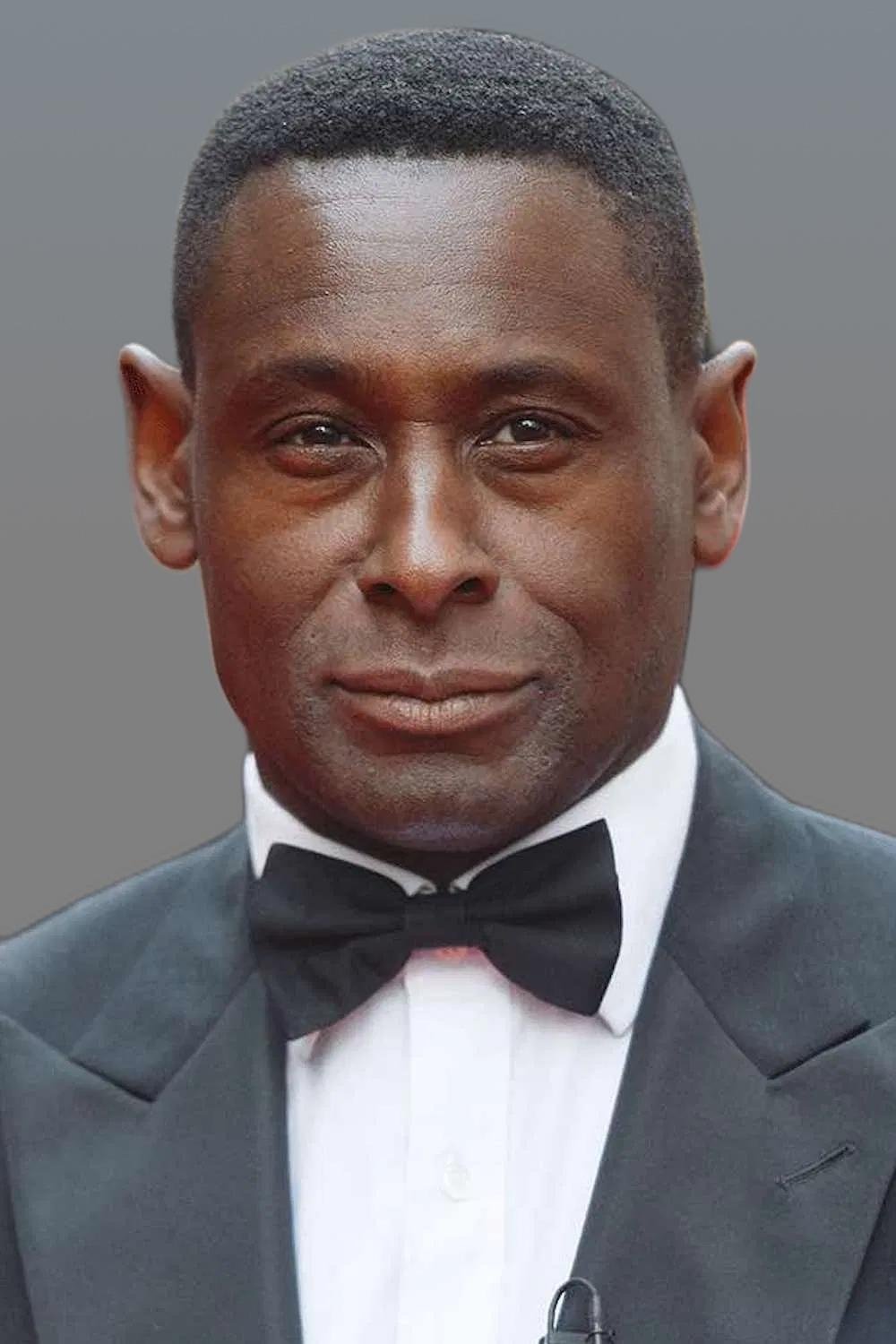
David Harewood has commented on the limitations of diversity quotas within the television and film industry in the United Kingdom. He suggested that while the intention behind quotas is positive they can sometimes lead to a tick box exercise that lacks depth. The actor advocates for a more systemic change that allows diverse creators to lead projects from the beginning. He believes that true progress comes from authentic storytelling rather than meeting numerical targets. His insights emphasize the need for substantive change over performative gestures.
Isaiah Washington
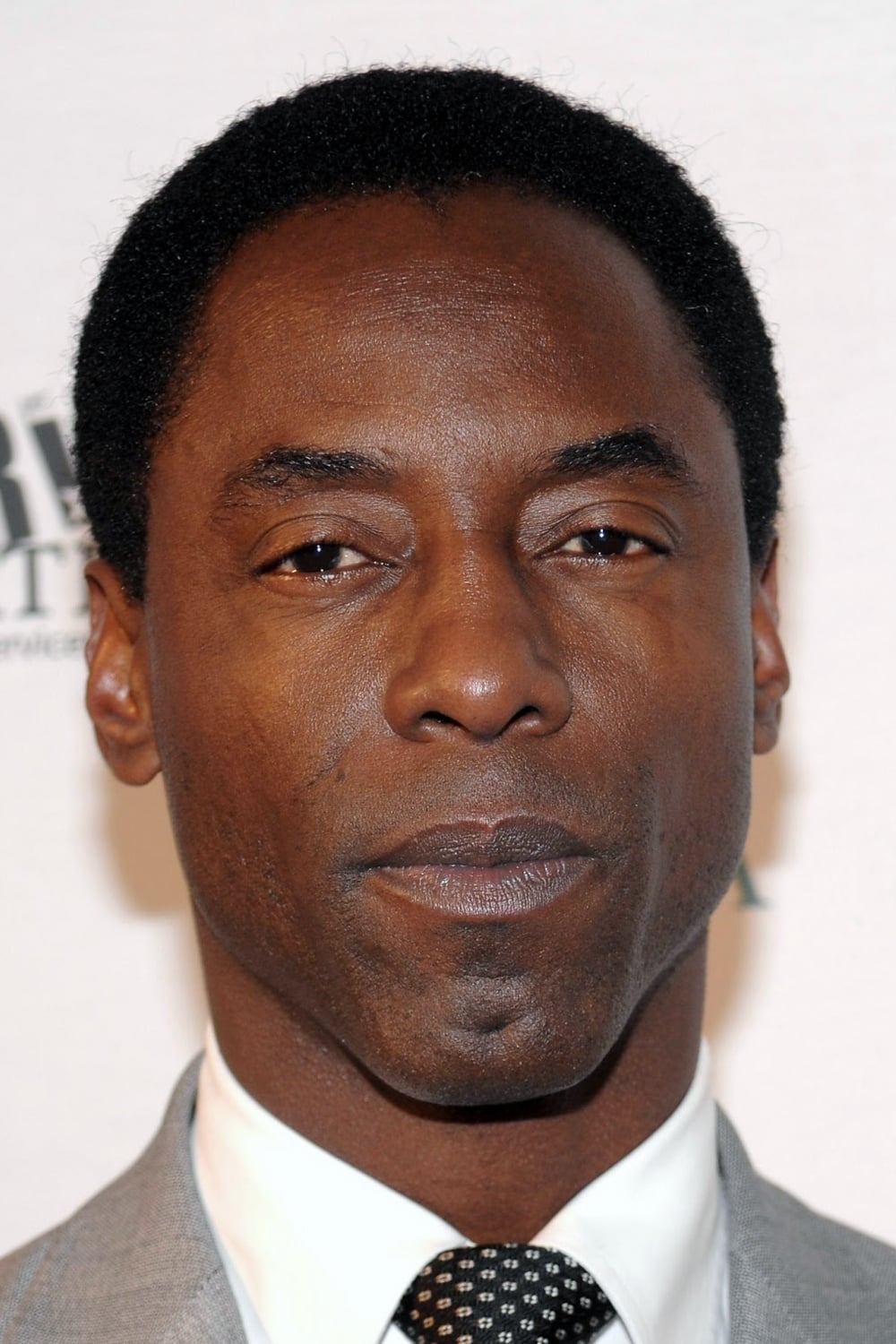
Isaiah Washington has been a vocal critic of what he describes as the liberal agenda in Hollywood diversity efforts. He argues that the industry often uses inclusion as a tool for social engineering rather than promoting genuine artistic talent. The actor has shared his belief that many diversity initiatives actually exclude individuals who do not fit a specific political narrative. He encourages artists to seek independence and build their own platforms outside of the traditional studio system. His perspective is rooted in a desire for intellectual and creative autonomy.
Samuel L. Jackson
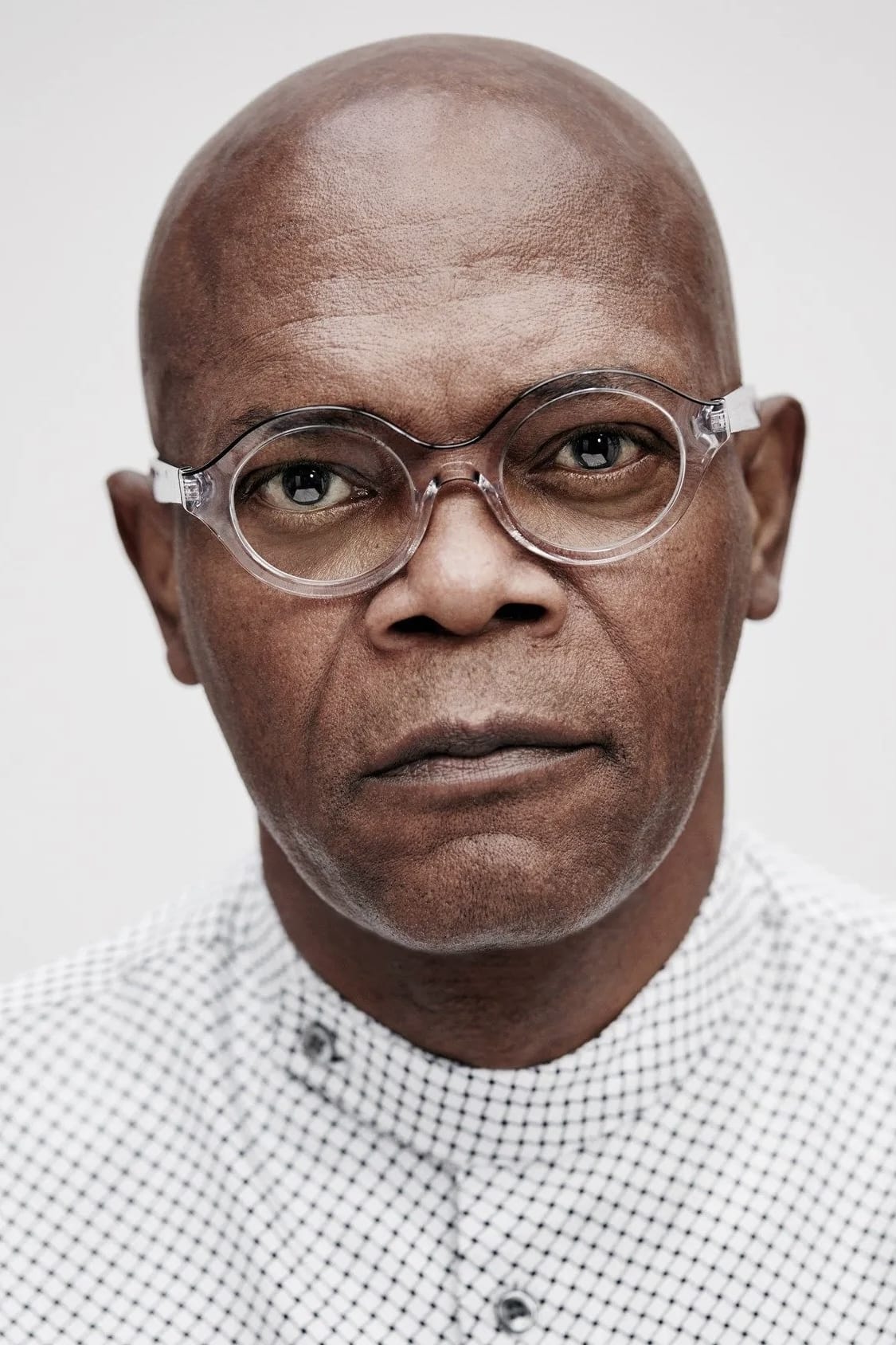
Samuel L. Jackson has occasionally critiqued the casting choices made by major studios in the name of diversity. He once questioned the trend of casting British Black actors in roles that he felt required a specific American cultural experience. The veteran performer believes that the nuance of the character and the background of the actor are essential for an authentic performance. He suggests that simply filling a role with a person of color is not enough if the cultural context is ignored. His comments highlight the complexity of achieving true representation beyond surface level quotas.
Lil Wayne
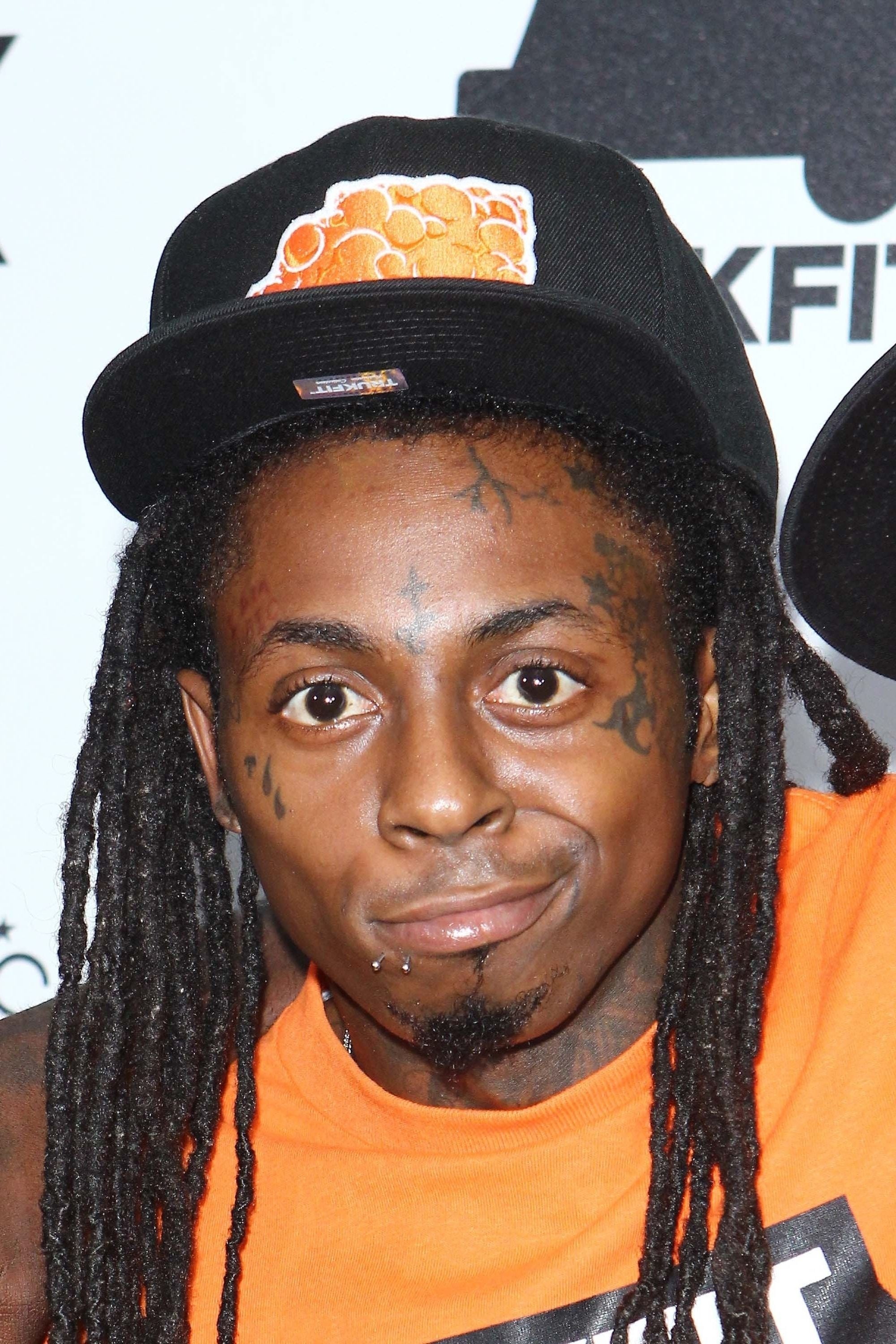
Lil Wayne has stated in various interviews that he does not feel limited by race or systemic quotas in his career. He expressed that he does not see racism as a defining factor in his personal life or professional success. The rapper believes that his fans connect with his music regardless of his background or any industry mandates. He focuses on his personal creative output and the loyalty of his audience rather than industry diversity standards. His views suggest a belief in the power of individual talent to transcend social structures.
50 Cent
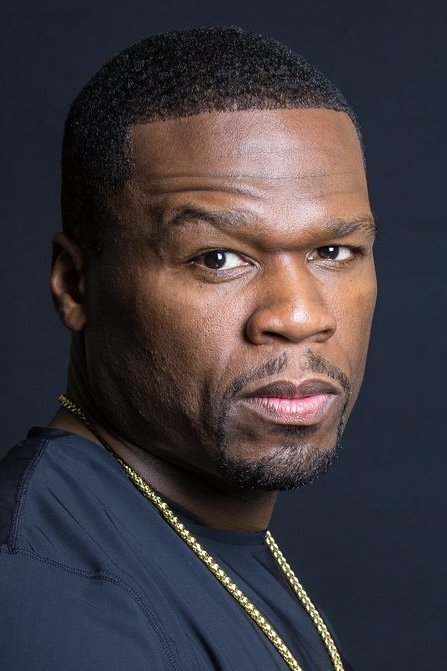
50 Cent has often criticized the corporate side of the entertainment industry for its handling of diversity and inclusion. He argues that many programs are more about public relations than creating actual opportunities for talented individuals. The rapper and producer prefers to take a business oriented approach to his projects and hires based on who can get the job done. He believes that the focus should remain on profitability and the quality of the content. His perspective emphasizes the importance of merit and marketability over mandated quotas.
Candace Owens

Candace Owens is a prominent media personality who has frequently spoken out against the implementation of diversity equity and inclusion programs in the arts. She argues that these initiatives are patronizing and suggest that Black artists cannot succeed without special help. The commentator believes that quotas undermine the achievements of individuals who have worked hard to reach the top of their fields. She advocates for a strict meritocracy where race is never a factor in hiring or awards. Her critiques are often directed at the perceived ideological motivations behind modern inclusion rules.
Terrence Howard
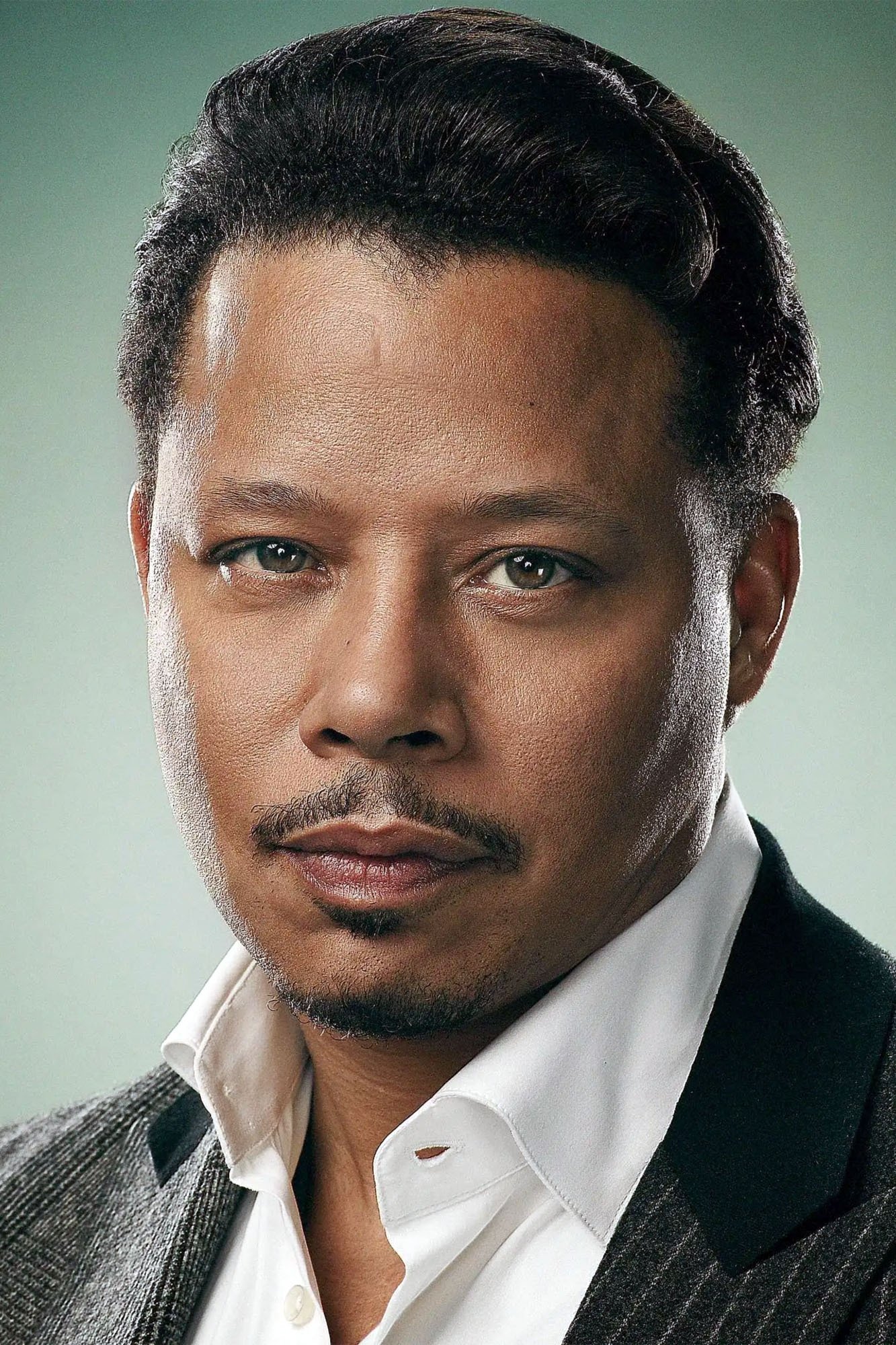
Terrence Howard has expressed his desire for a Hollywood that values unique artistic vision over corporate compliance. He has spoken about the challenges of working within a system that he feels often prioritizes statistics over creativity. The actor believes that the industry should foster an environment where artists are free to explore their own truths. He has often sought unconventional paths in his career to maintain his creative integrity. His views reflect a preference for an organic and talent driven approach to the arts.
Tyler Perry
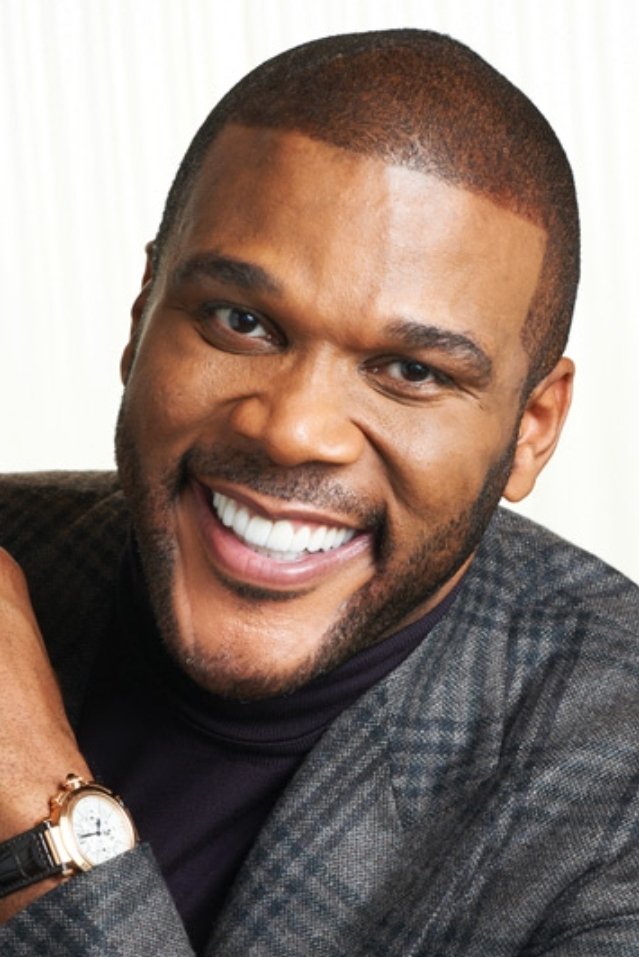
Tyler Perry has built his own studio empire as a way to bypass the gatekeepers and quotas of traditional Hollywood. He often speaks about the importance of ownership and the ability to create your own opportunities. The filmmaker believes that his success is a result of hard work and understanding his specific audience rather than industry diversity programs. He has expressed that he does not want to be a part of a system that treats diversity as a requirement rather than a natural part of life. His career is a testament to the power of independent success and merit.
James Earl Jones
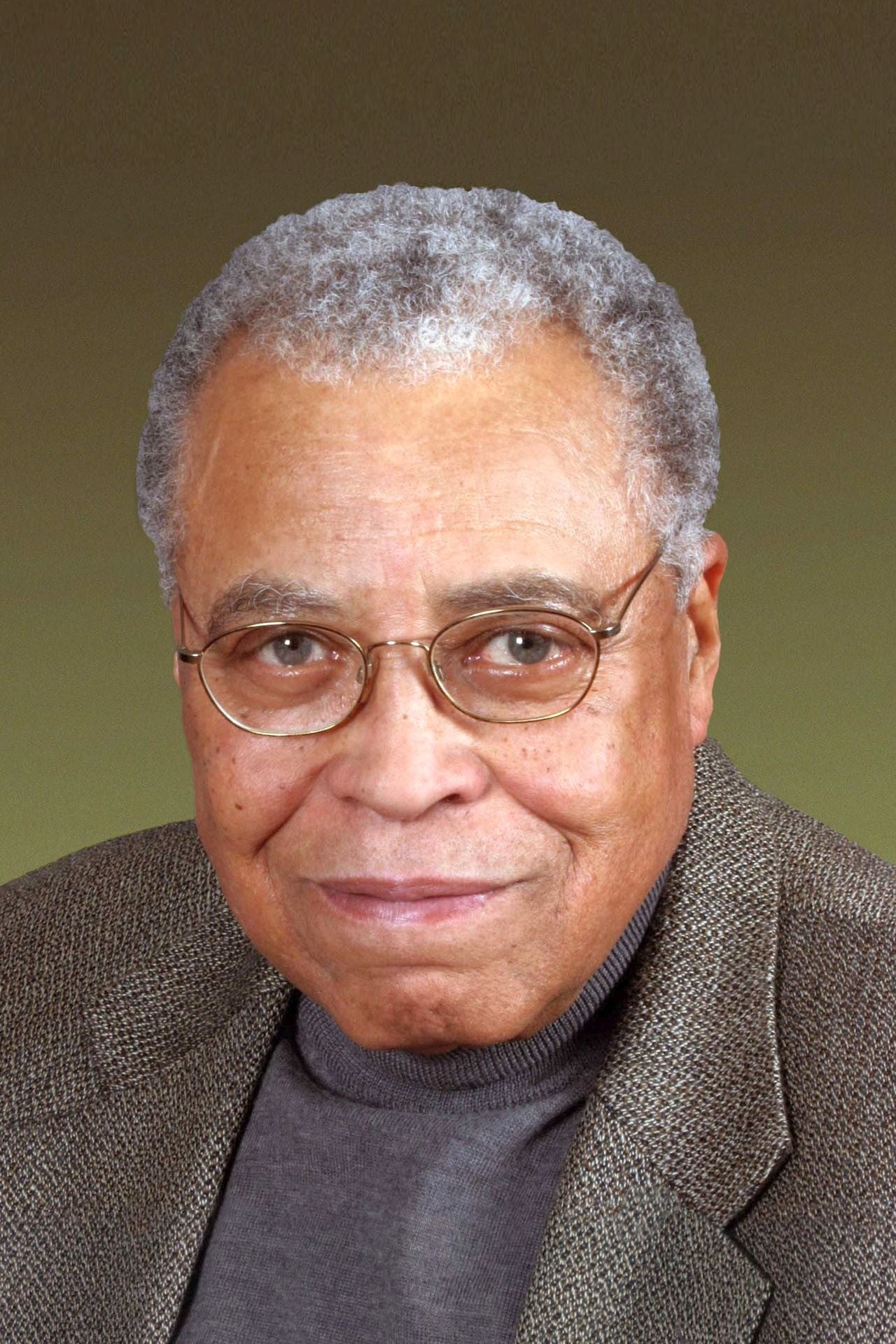
James Earl Jones was a legendary figure who consistently focused on the universal nature of the acting craft. He believed that the voice and the performance should transcend the physical identity of the actor. The performer often avoided the political discussions surrounding diversity in favor of mastering his roles. He felt that the power of a great story could connect with anyone regardless of their race or background. His legacy continues to inspire those who value the timeless quality of artistic excellence.
Billy Dee Williams
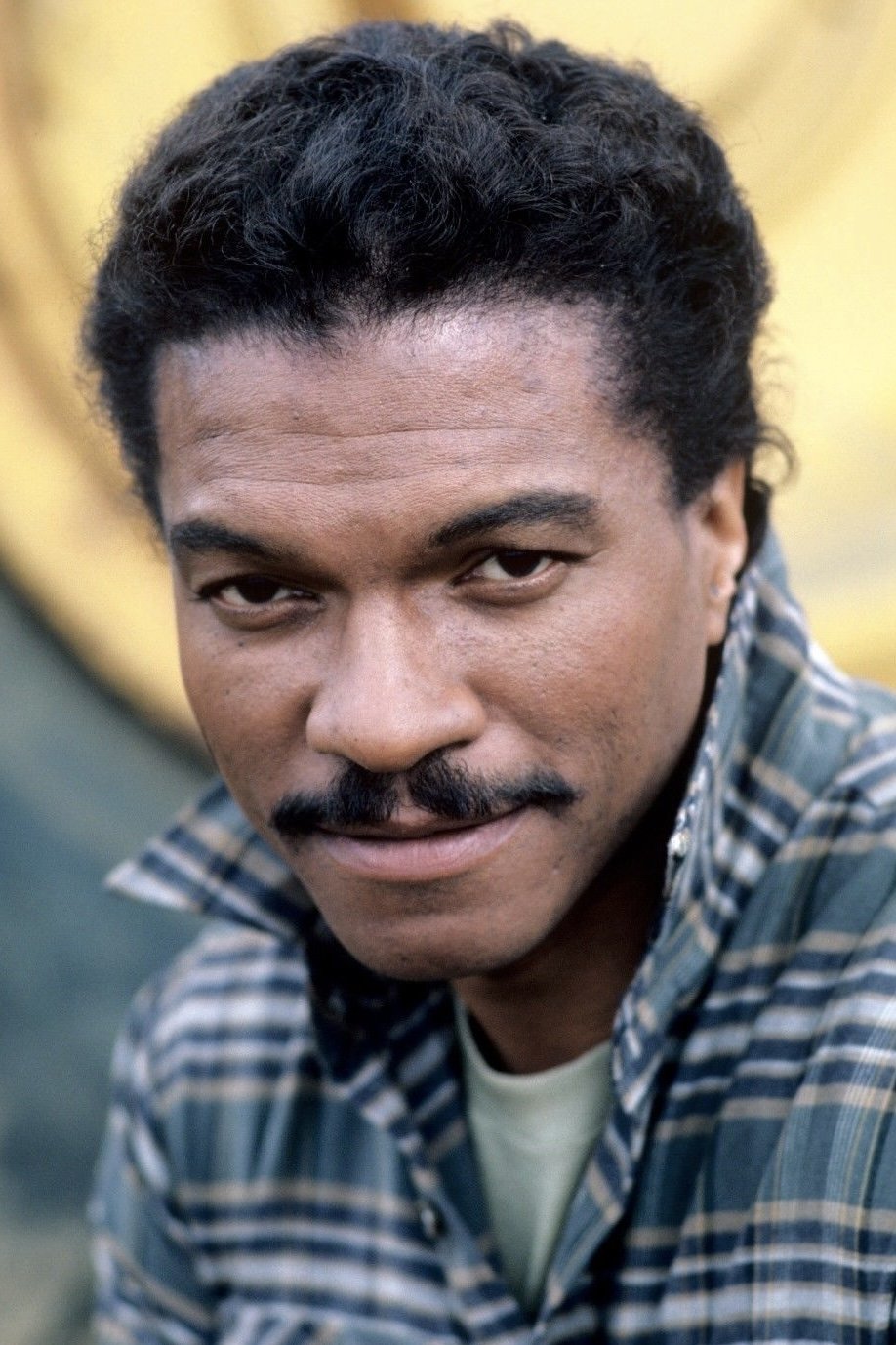
Billy Dee Williams has expressed his belief that actors should be seen for their talent rather than their racial identity. He famously stated that he is an actor who happens to be Black rather than a Black actor. The star has often avoided the political aspects of Hollywood casting in favor of focusing on the art of performance. He believes that the emphasis on diversity quotas can sometimes distract from the quality of the storytelling. His approach has always been to present himself as a universal artist.
Ernie Hudson
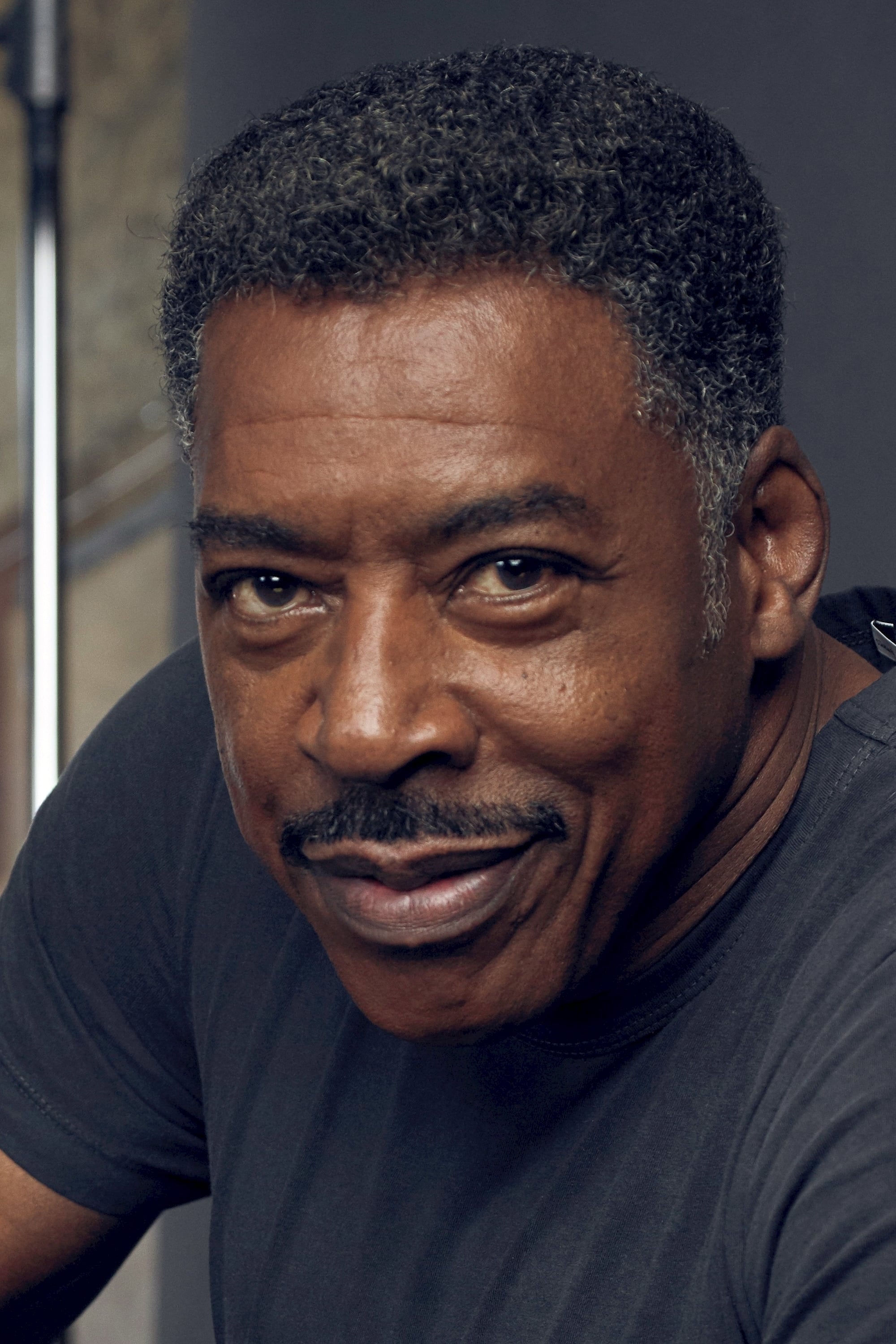
Ernie Hudson has shared his perspective on the differences between organic casting and diversity mandates. He noted that in the original ‘Ghostbusters’ the diversity of the cast was not a primary marketing point but a result of the characters. The actor has voiced concerns that modern requirements can feel like an afterthought that does not respect the performers. He advocates for meaningful roles that exist because of the script and not because of a checklist. His views reflect a desire for authenticity in the creative process.
Dave Chappelle
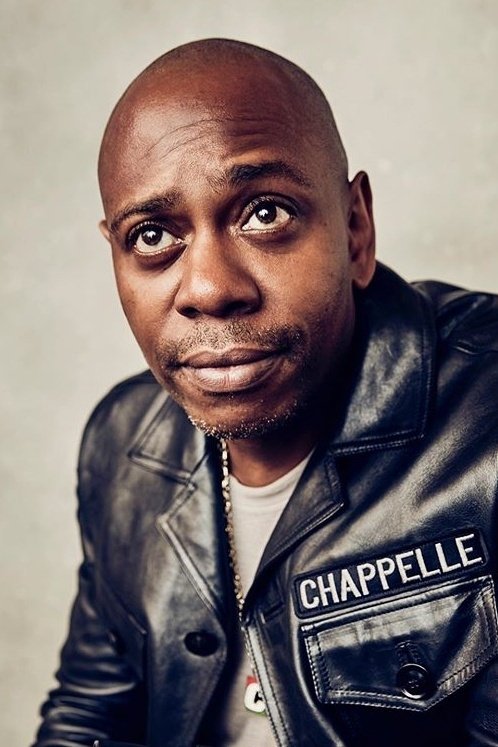
Dave Chappelle has become a leading voice in the critique of modern inclusion and sensitivity standards in the arts. He argues that the pressure to comply with certain social norms can be detrimental to the honesty of a comedian. The performer believes that his primary responsibility is to his art and his audience rather than to industry quotas. He has frequently challenged the idea that artists should be the moral arbiters of society. His work continues to spark debate about the limits of creative freedom in a world of increasing regulation.
Laurence Fishburne
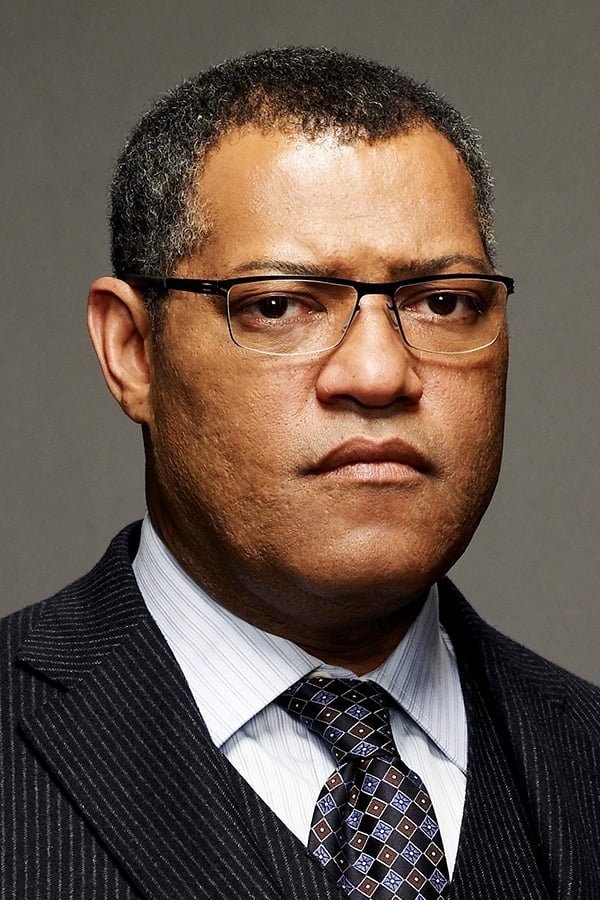
Laurence Fishburne has maintained a focus on the craft of acting and the importance of professional discipline. He believes that the best way to ensure diversity is to train and hire the most capable individuals for every role. The actor has expressed that the pursuit of excellence should always be the priority in the entertainment industry. He suggests that when the work is of the highest quality it naturally finds a place in the cultural landscape. His career demonstrates a commitment to the enduring value of artistic skill.
Bill Bellamy
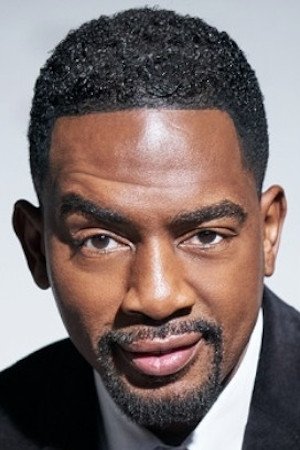
Bill Bellamy has reflected on the changes in the entertainment industry and the shift toward more regulated diversity. He believes that the organic energy of the 1990s comedy scene was a result of talent finding its own way to the top. The actor and comedian suggests that forcing inclusion can sometimes miss the spark that comes from natural competition and collaboration. He advocates for a return to a system where the funniest and most talented people get the most opportunities. His perspective values the raw and unfiltered nature of the creative arts.
Katt Williams
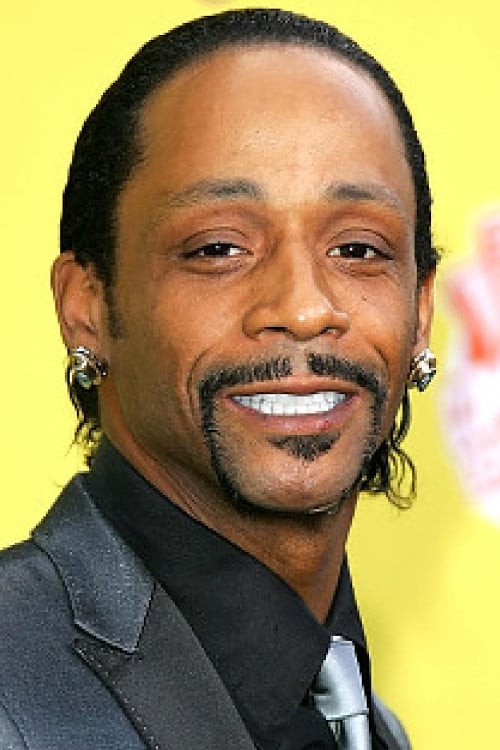
Katt Williams has spoken out against the gatekeeping and corporate influence that he feels controls the entertainment industry. He believes that diversity quotas are often used to maintain control rather than to empower true artists. The comedian argues that real talent cannot be manufactured or mandated through industry rules. He focuses on his direct relationship with his audience and his ability to deliver high quality performances. His critiques highlight a skepticism toward the motivations of major Hollywood institutions.
Faizon Love
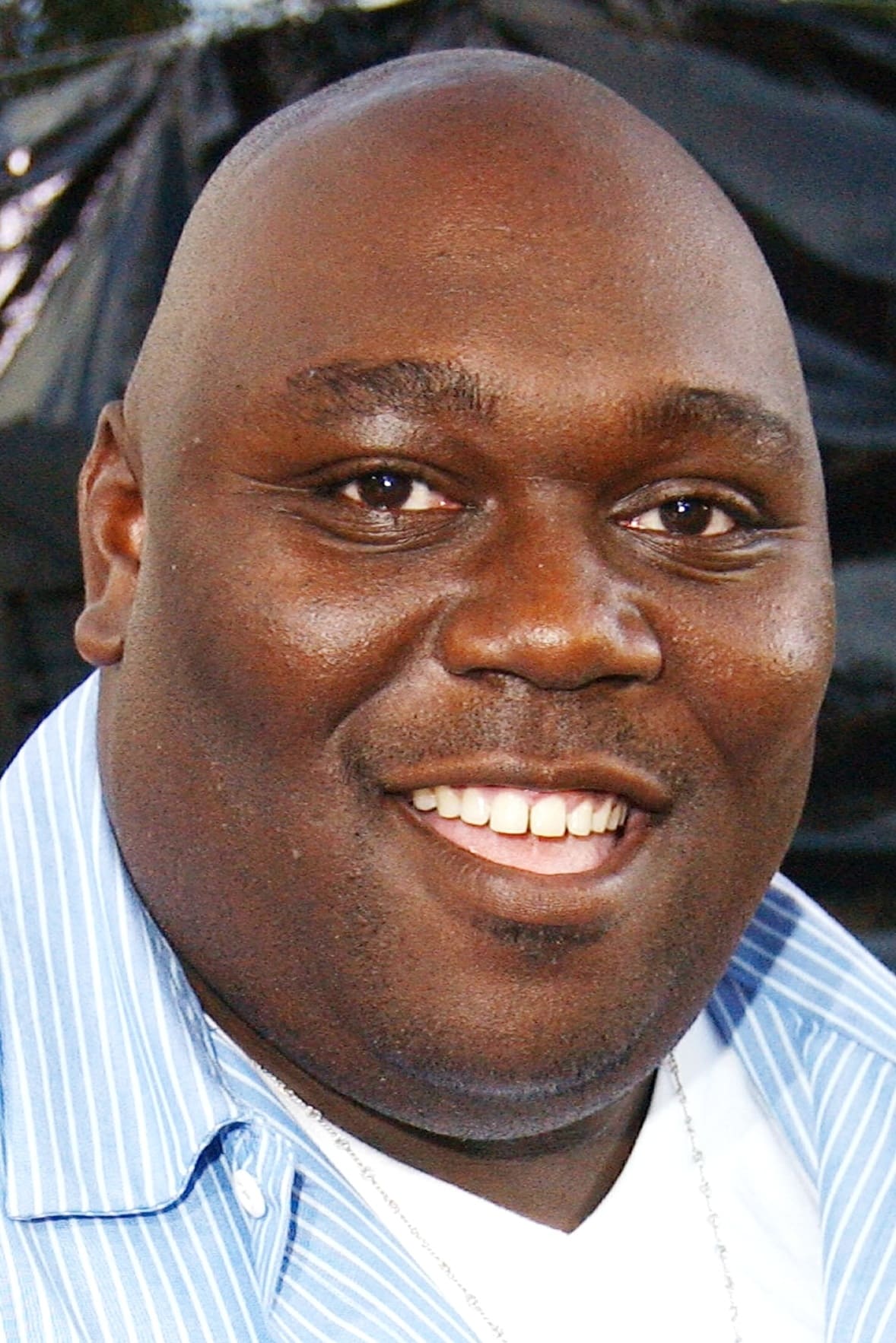
Faizon Love has been critical of the way modern diversity trends affect the casting of Black actors in Hollywood. He argues that some initiatives favor certain types of performers who fit a specific corporate mold over others. The actor believes that the industry should focus on the genuine skill and history of performers rather than meeting numerical targets. He has expressed frustration with the perceived lack of respect for veteran actors in the current environment. His comments reflect a desire for a more merit based and respectful approach to casting.
Sheryl Lee Ralph

Sheryl Lee Ralph has shared her views on the importance of traditional standards and professional conduct in the theater and film worlds. She believes that the focus on diversity should not come at the expense of the discipline required for the craft. The actress emphasizes the need for young performers to earn their place through hard work and dedication. She suggests that while representation is vital it is most effective when it is paired with exceptional talent. Her stance is one of balance between modern goals and timeless artistic values.
Tiffany Haddish
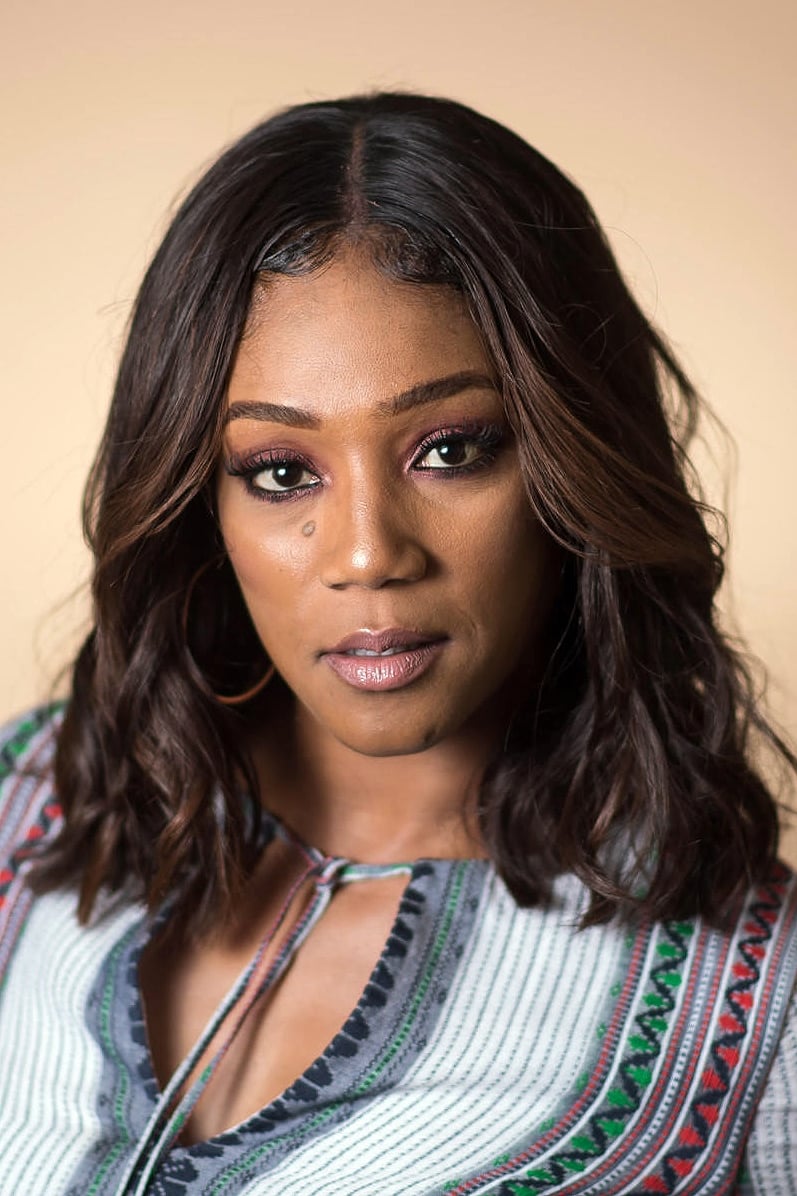
Tiffany Haddish has stated that she wants to be recognized as the funniest person in the room regardless of her gender or race. She focuses on her personal journey and the hard work that led to her success in the comedy world. The actress believes that excellence is the key to breaking down doors in Hollywood. She has expressed that she does not want to be a part of a quota but wants to be hired because she brings something unique to the table. Her approach is centered on the power of individual personality and comedic timing.
Taye Diggs
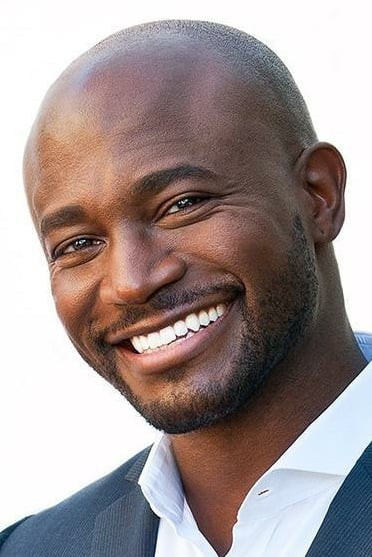
Taye Diggs has discussed the challenges and labels that come with being a Black actor in the modern era. He has expressed a desire for a world where he can play any role based on his abilities rather than his skin color. The actor believes that the focus on diversity categories can sometimes be limiting for performers. He advocates for a more fluid approach to casting where the best actor is chosen for the part. His perspective highlights the desire for professional freedom beyond racial designations.
Zoe Saldaña
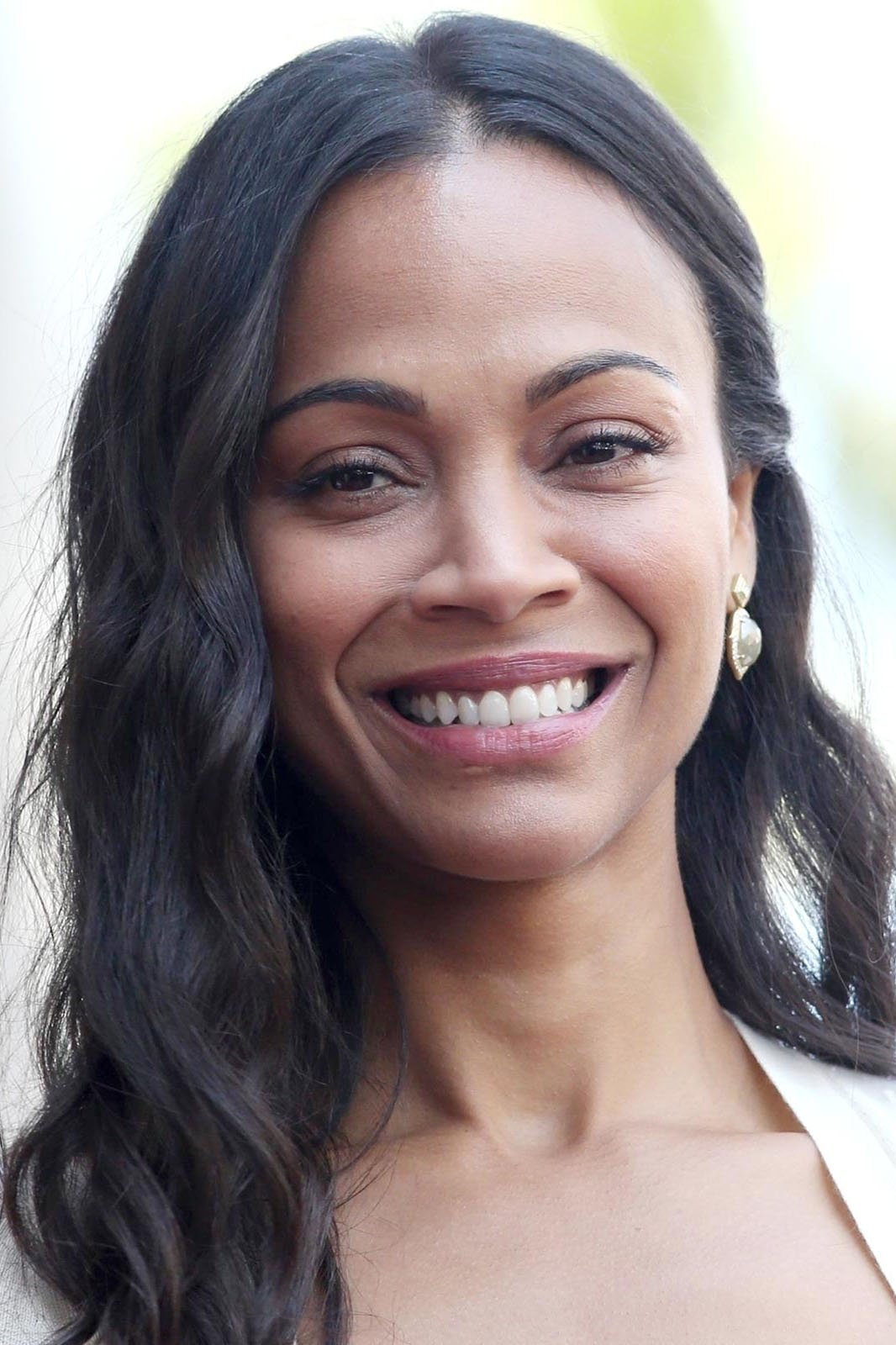
Zoe Saldaña has spoken about the pressure of being a representative for her community and how it can affect her work as an actress. She has expressed that the focus on identity politics in Hollywood can sometimes feel overwhelming and restrictive. The performer believes that artists should be allowed to explore the human experience without the burden of constant social commentary. She suggests that true inclusion is when an actor is seen as a person first. Her views reflect a desire for a more nuanced and individualistic approach to representation.
Thandiwe Newton

Thandiwe Newton has voiced her concerns about the performative nature of some diversity efforts in the film industry. She believes that simply putting diverse faces on screen is not enough if the underlying structures remain the same. The actress has shared her experiences with the “tick box” mentality of some productions and how it can feel dehumanizing. She advocates for a deeper and more authentic engagement with different cultures and stories. Her critiques aim to push the industry toward more meaningful and less superficial inclusion.
Adrian Lester
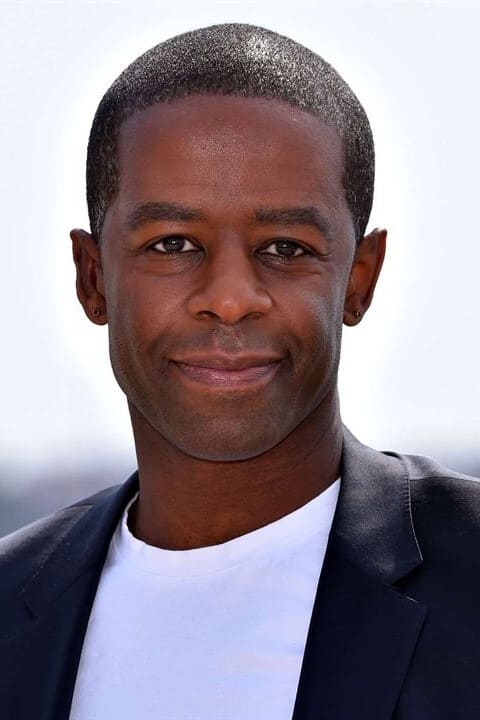
Adrian Lester has commented on the flaws he sees in the implementation of diversity quotas in the United Kingdom. He believes that these rules can sometimes lead to a superficial diversity that does not address the lack of opportunity behind the scenes. The actor suggests that the focus should be on creating a level playing field from the earliest stages of a project. He argues that when the process is truly fair the results will naturally be diverse. His insights highlight the importance of structural change over statistical requirements.
Sophie Okonedo
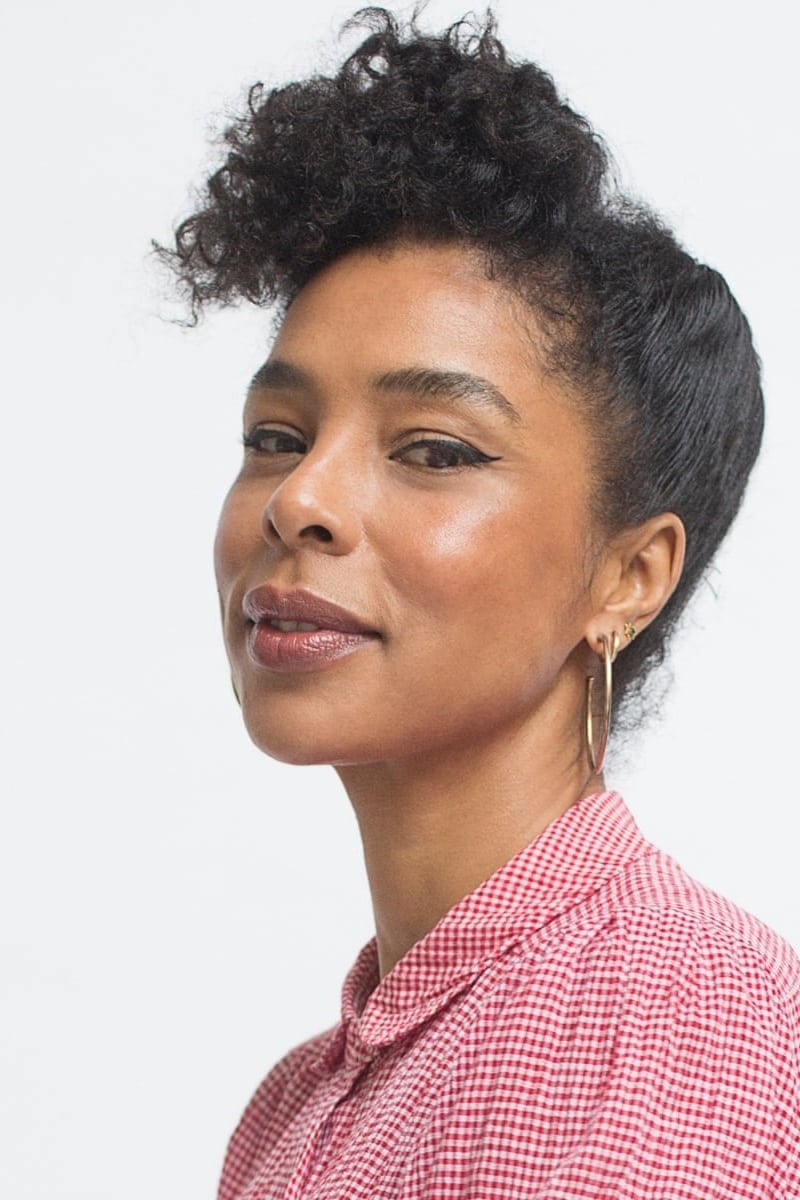
Sophie Okonedo has maintained a focus on being an actress who is judged by the quality of her performances. She has expressed that she does not want to be seen as a quota hire or a representative of a demographic group. The performer believes that the art of acting is about transformation and the ability to play any character. She focuses on the specific requirements of each role rather than the broader politics of the industry. Her stance is one of professional integrity and dedication to the craft.
Chiwetel Ejiofor
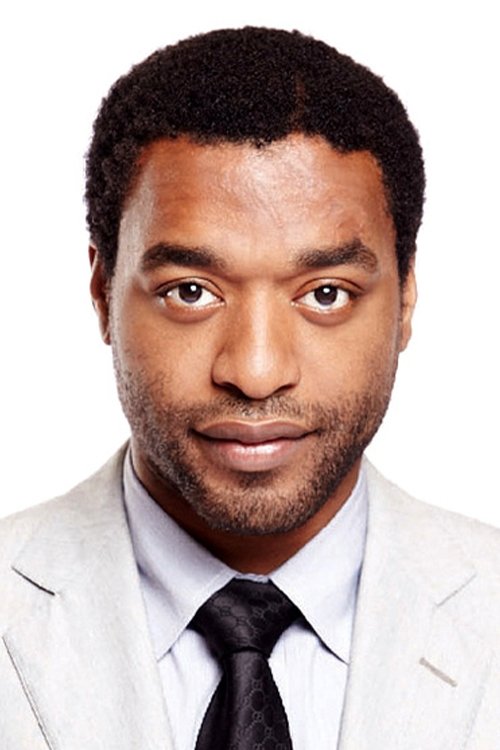
Chiwetel Ejiofor has often emphasized the importance of merit and the artistic process in his career. He believes that the focus of the entertainment industry should always be on the search for truth and excellence in storytelling. The actor has spoken about the need for a more organic approach to diversity that arises from the stories themselves. He suggests that while quotas may have a purpose they should not be the primary driver of creative decisions. His work is a reflection of his commitment to the universal power of the arts.
David Oyelowo
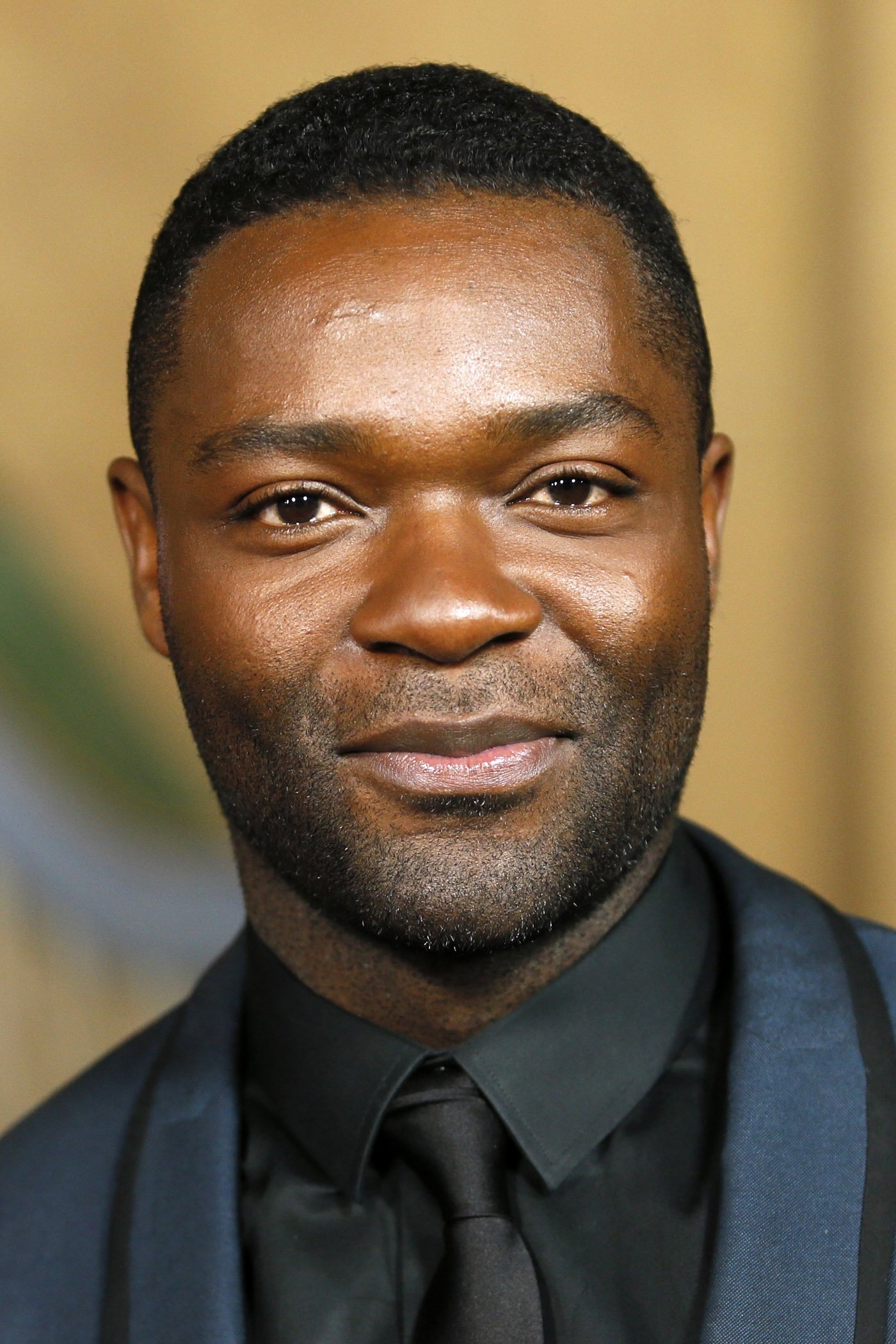
David Oyelowo has discussed the complexities of representation and the potential pitfalls of modern diversity rules. He believes that the industry must move beyond performative gestures to achieve real and lasting change. The actor argues that the best way to promote diversity is to empower a wide range of creators to tell their own stories. He suggests that forced quotas can sometimes lead to a lack of authenticity in the final product. His focus is on the creation of high quality content that reflects the true diversity of the human experience.
Winston Duke
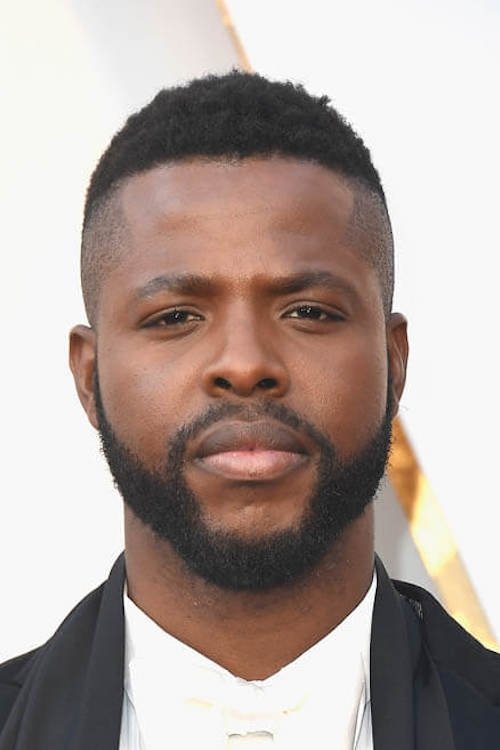
Winston Duke has shared his perspective on the difference between being present and being represented in the media. He believes that diversity quotas can sometimes lead to a visual presence that lacks true narrative power. The actor advocates for characters that are fully realized and central to the stories they inhabit. He suggests that the focus should be on the depth of the role rather than the demographic of the performer. His views highlight the need for more substantial and meaningful representation in the arts.
Daniel Kaluuya
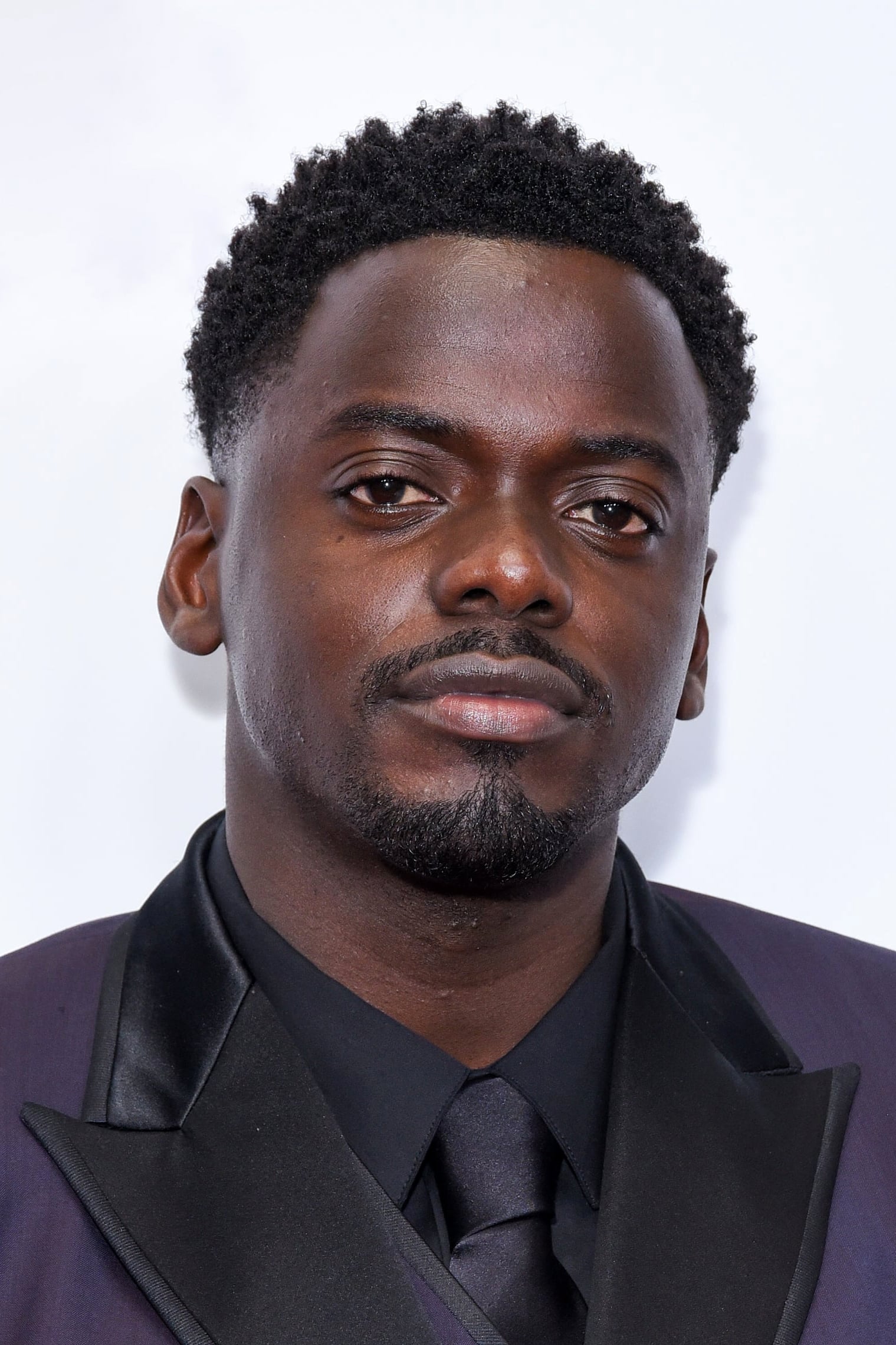
Daniel Kaluuya has expressed frustration with the way diversity is often the primary topic of conversation for Black actors in interviews. He believes that he should be able to discuss his craft and his performances without always being framed by his race. The actor suggests that the constant focus on diversity initiatives can overshadow the actual work being done. He prefers to let his performances speak for themselves and focuses on the artistic challenges of his roles. His perspective is a call for a more professional and less political engagement with the arts.
Giancarlo Esposito
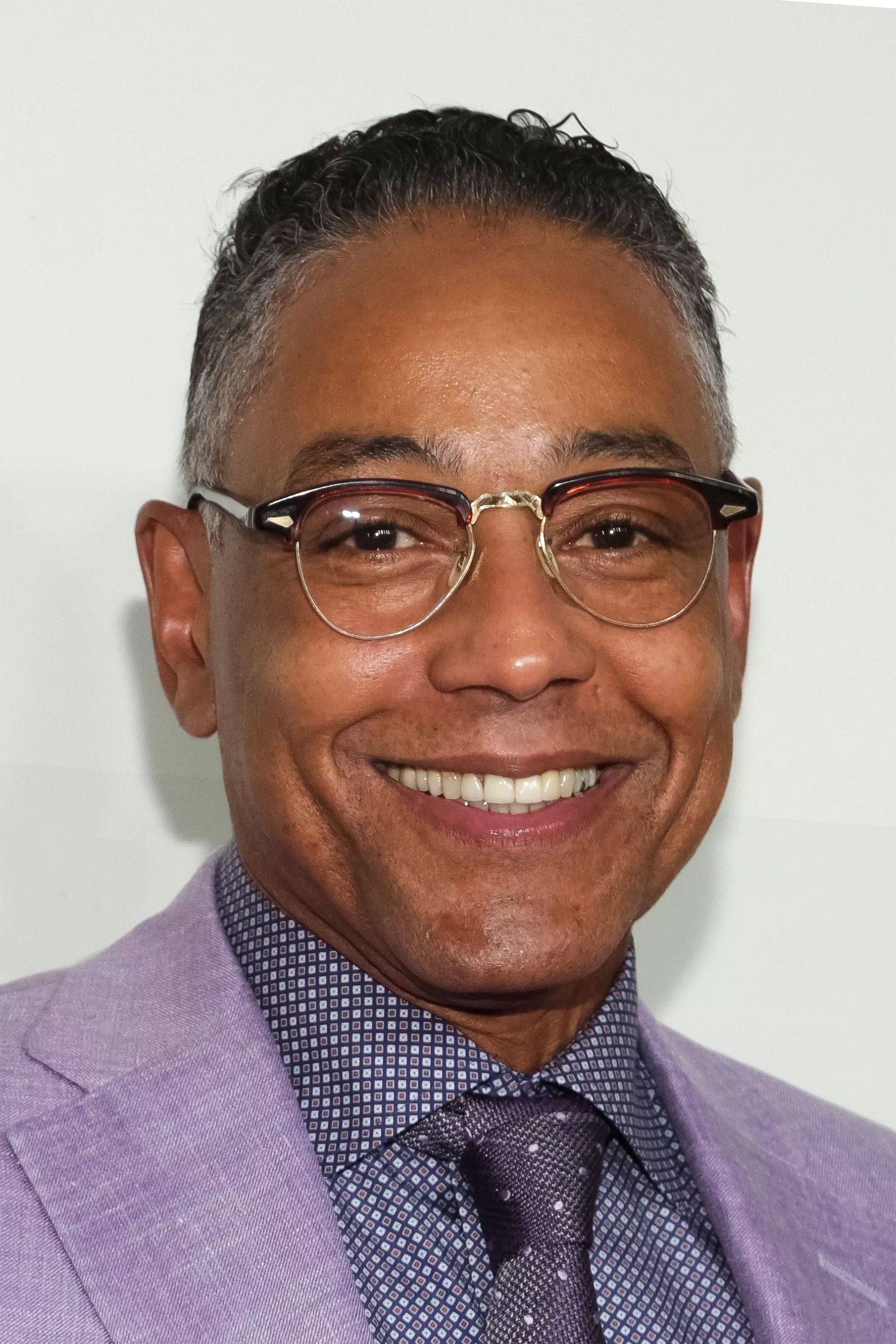
Giancarlo Esposito has consistently focused on the universality of his characters and the importance of professional excellence. He believes that an actor should be able to inhabit any world and connect with any audience. The performer has expressed that the industry should move toward a place where race is not the deciding factor in casting. He suggests that the best way to achieve true equality is through a relentless pursuit of quality in every production. His career is marked by a wide range of roles that transcend specific demographic categories.
Keith David
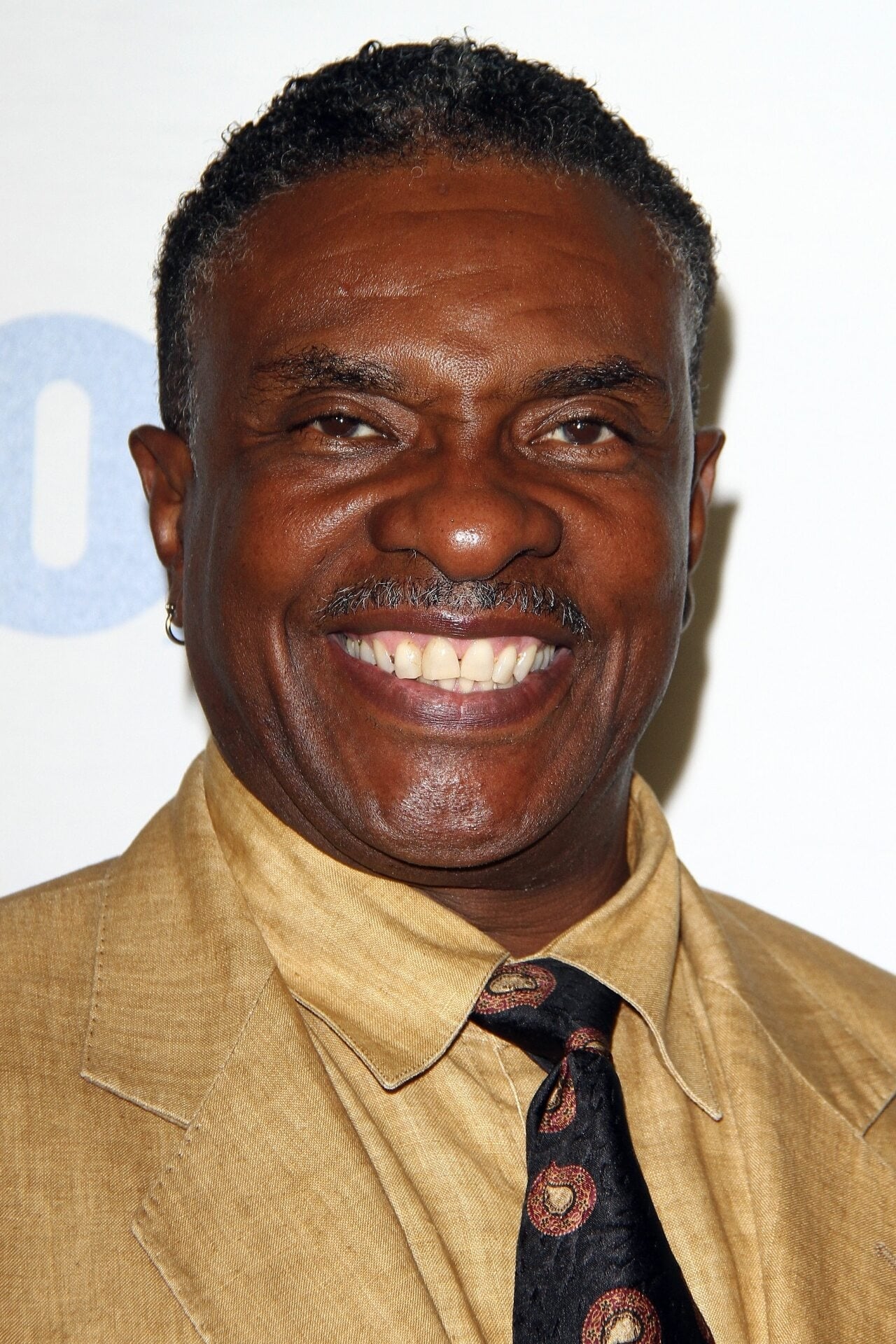
Keith David has shared his belief that the focus of the entertainment industry should remain on the “work” and the mastery of the craft. He believes that a great performance is undeniable regardless of the background of the actor. The veteran performer suggests that the emphasis on diversity quotas can sometimes lead to a decline in the standards of professional training. He advocates for a return to a more traditional and rigorous approach to the arts. His views reflect a deep respect for the history and discipline of his profession.
Louis Gossett Jr.

Louis Gossett Jr. was a vocal proponent of the idea that the arts should be a unifying force for all of humanity. He believed that the industry should move beyond racial categories to find common ground through storytelling. The legendary actor expressed that while representation is important it should not be achieved through artificial or mandated means. He emphasized that the only metric for success should be the quality of the performance. His legacy is one of pursuing excellence and breaking down barriers through talent.
Ving Rhames
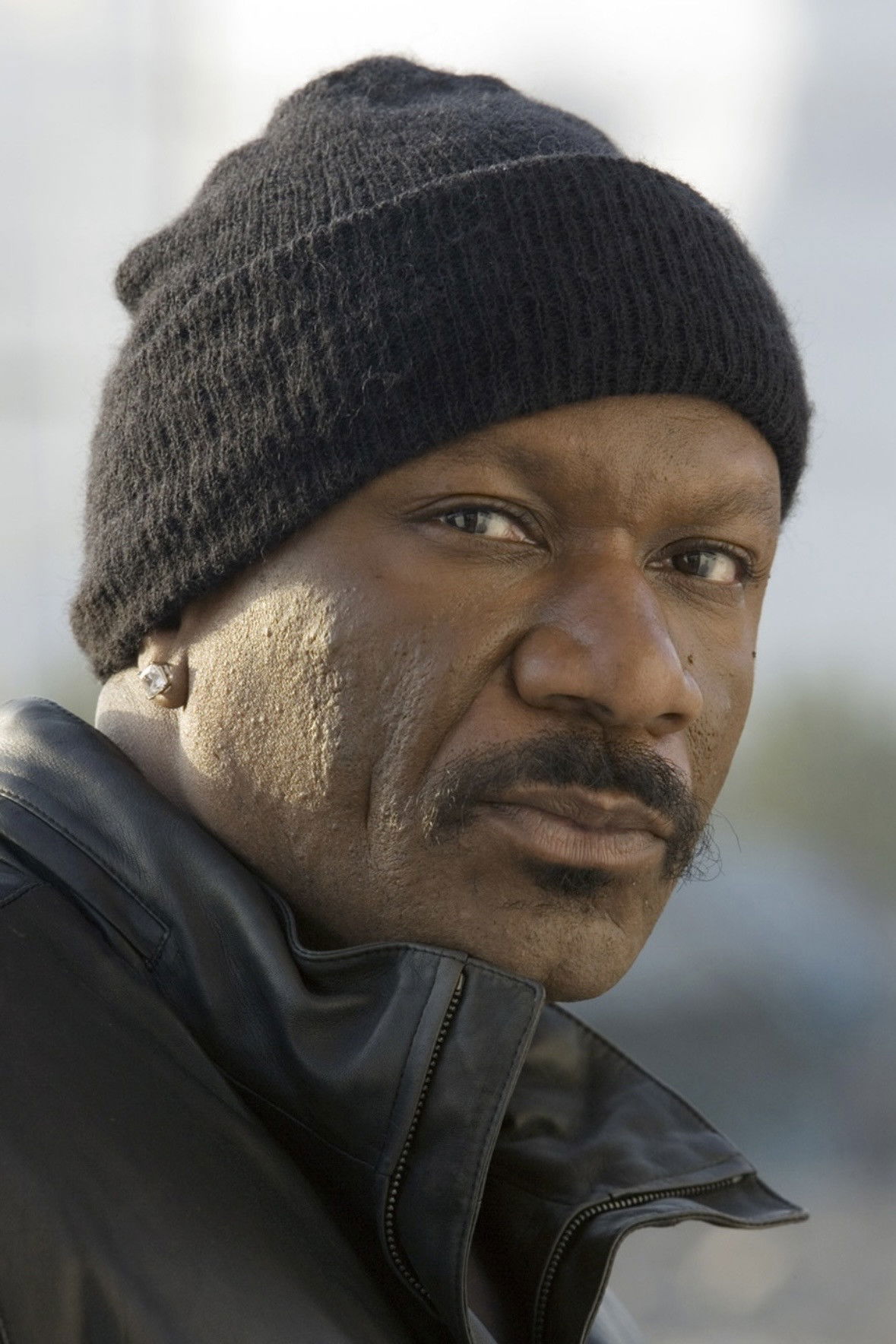
Ving Rhames has maintained a strict focus on his individual merit and the requirements of his roles throughout his career. He often avoids industry politics in favor of focusing on the specific demands of his characters. The actor believes that the best way to achieve equality is through consistent and high quality work that cannot be ignored. He has expressed skepticism toward initiatives that place demographic statistics over the artistic needs of a production. His professional philosophy is centered on the belief that talent will eventually rise to the top.
Forest Whitaker
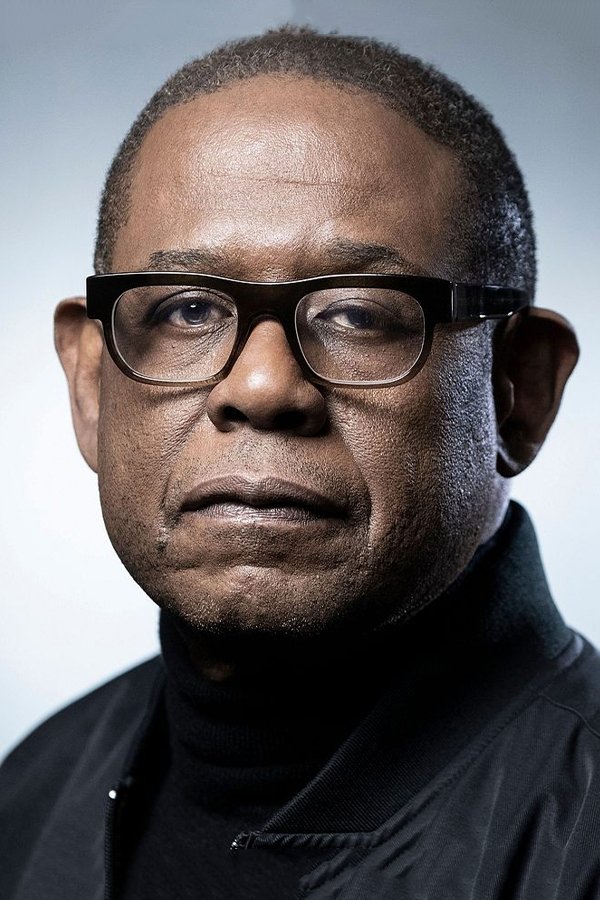
Forest Whitaker has discussed the importance of empathy and the universal human condition in the arts over the implementation of quotas. He believes that stories should connect people across different backgrounds rather than focusing on their differences. The actor has voiced his hope for an industry that values the depth of a performance above all else. He suggests that while diversity is a reality of life it should not be treated as a regulatory requirement. His work reflects a deep commitment to the power of art to bring people together.
Wesley Snipes
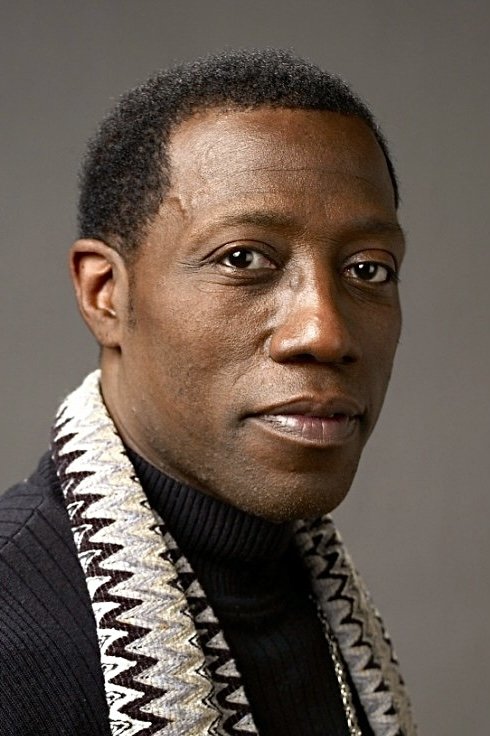
Wesley Snipes has spoken about the importance of being an action star and a versatile actor who is judged by his box office success and skill. He believes that the industry should focus on the marketability and talent of individuals rather than meeting specific diversity criteria. The actor has often taken an independent approach to his career and has been critical of the traditional studio system. He suggests that the best way to overcome barriers is to create content that audiences want to see. His perspective is one of self reliance and artistic ambition.
Clarence Gilyard Jr.
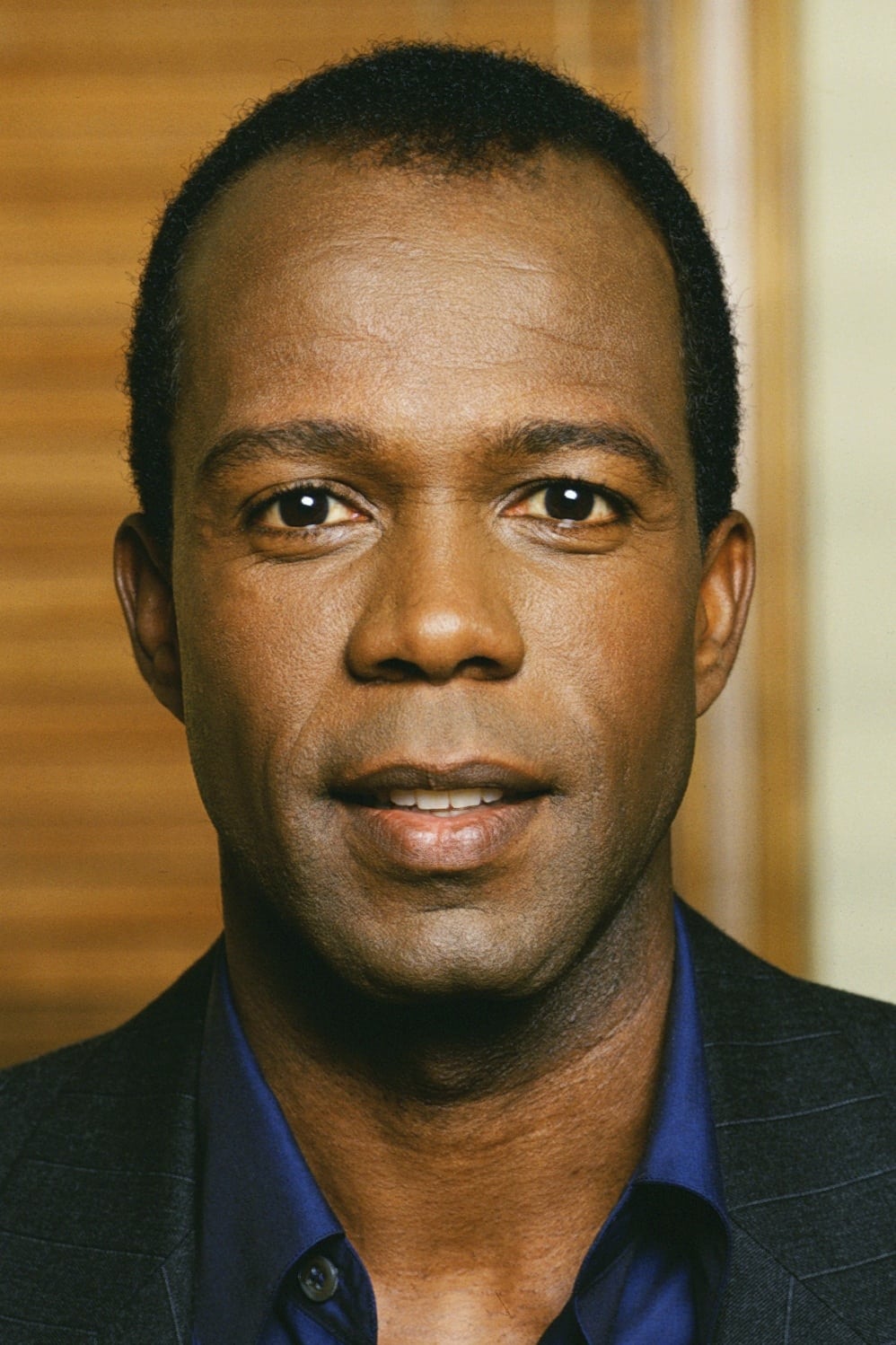
Clarence Gilyard Jr. was a traditionalist who believed in the importance of moral values and individual responsibility in the arts. He often expressed that the industry should focus on creating positive and uplifting content for all audiences. The actor believed that the best way to achieve success was through hard work and a commitment to one’s craft. He was skeptical of modern diversity trends that he felt were more about politics than art. His career was defined by his dedication to his roles and his personal beliefs.
Don Cheadle
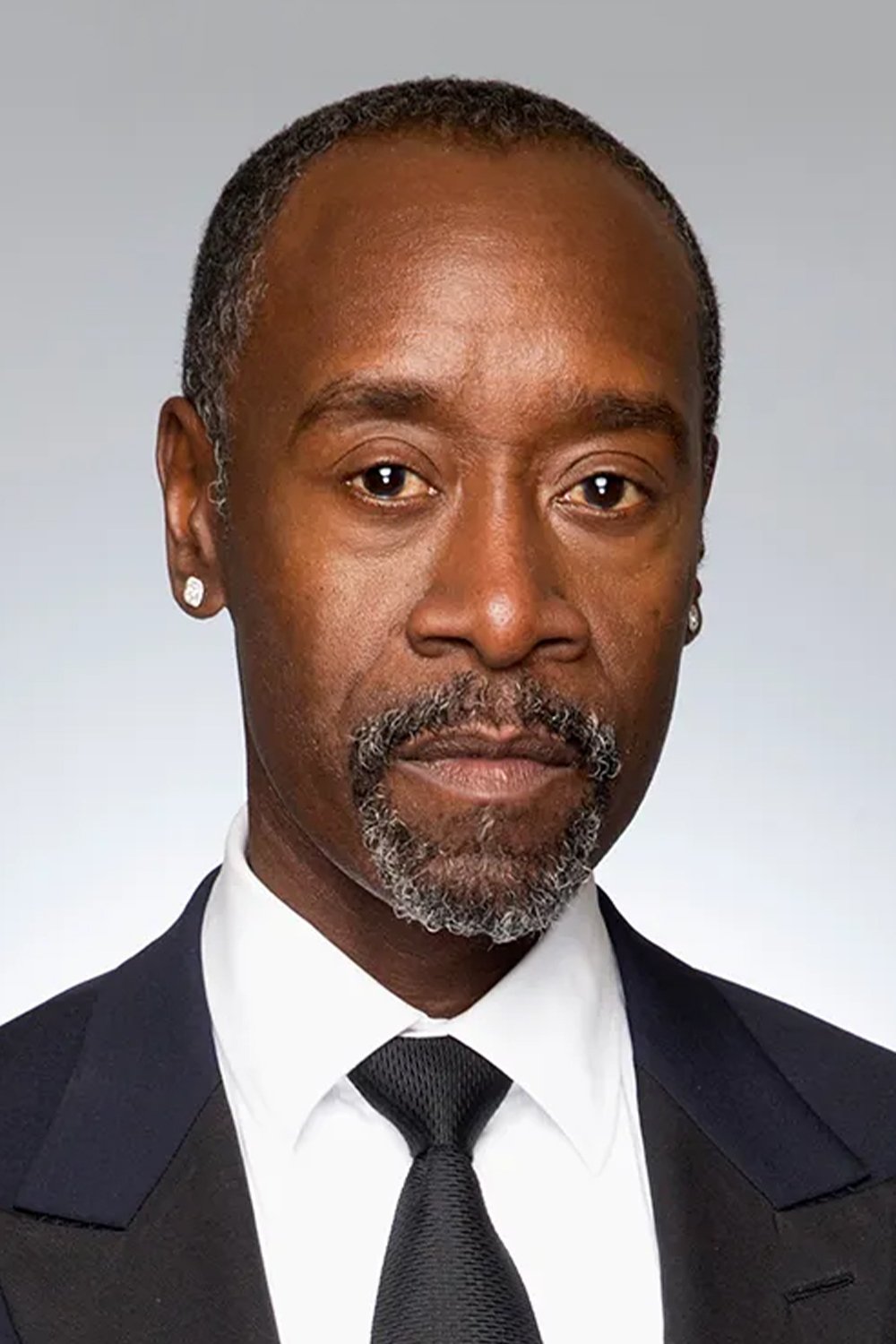
Don Cheadle has commented on the complexity of diversity initiatives and the potential for them to become performative. He believes that while the goals of these programs are often good the implementation can be flawed. The actor suggests that the industry should focus on long term changes that allow for more organic representation. He has expressed a desire for a system where creators are free to tell the stories they are passionate about. His views highlight the need for a more thoughtful and less bureaucratic approach to inclusion.
Regina King
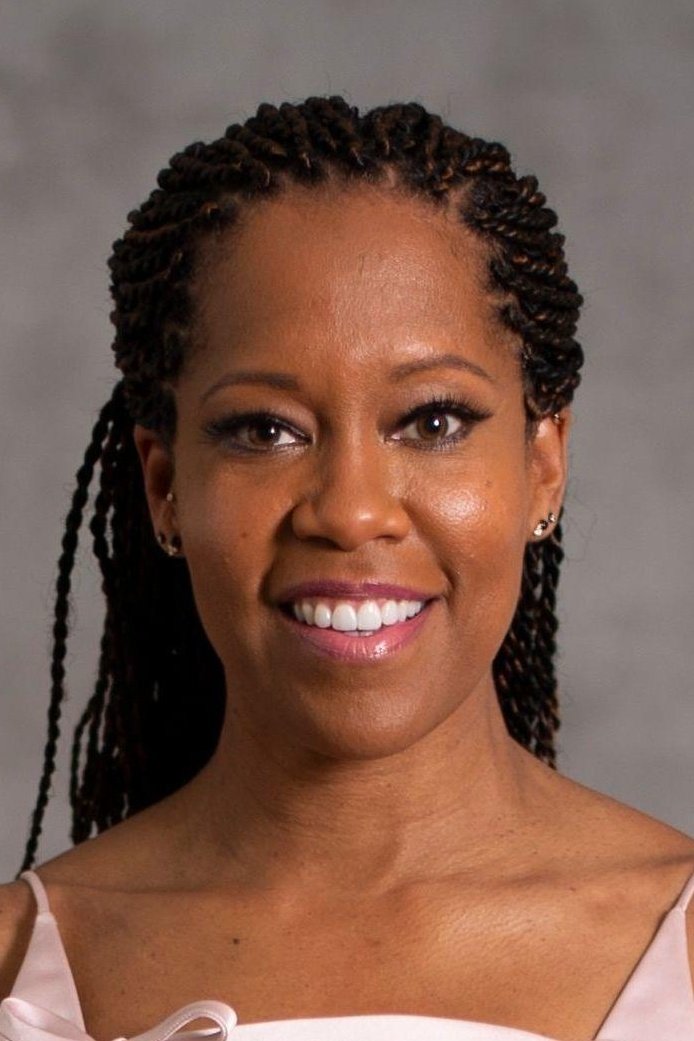
Regina King has consistently focused on the quality of the material and the integrity of the creative process. She believes that the best way to promote diversity is to create high quality work that demands attention. The actress and director suggests that the industry should focus on the merit of the script and the vision of the creator. She has expressed that while representation is vital it should not be the only factor in making artistic decisions. her career is marked by a focus on excellence in both acting and directing.
Jeffrey Wright
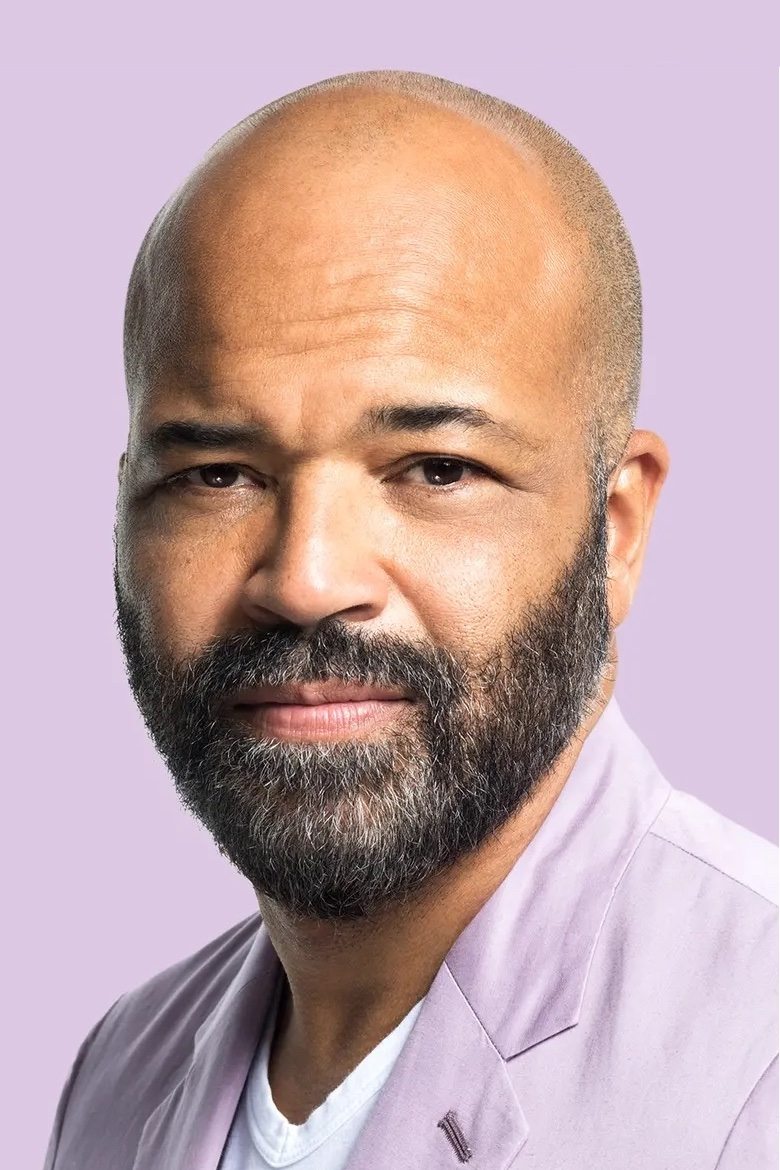
Jeffrey Wright has been critical of simplistic and performative approaches to diversity in the entertainment industry. He believes that the conversation should be about the depth and authenticity of the stories being told. The actor suggests that modern quotas can sometimes lead to a surface level diversity that does not respect the cultures being represented. He advocates for a more serious and intellectual engagement with the arts. His work is known for its complexity and his commitment to the truth of his characters.
Taye Diggs
Taye Diggs has voiced his concerns about the labels that are often placed on Black actors and how they can be limiting. He believes that the industry should move toward a place where actors are seen as universal performers. The actor has expressed that the constant focus on race can sometimes detract from the actual art of acting. He suggests that the best way to achieve true diversity is to stop treating it as a special category. His perspective is one of seeking a more inclusive and less categorized professional world.
Please share your thoughts on these perspectives in the comments.