


Black Celebrities Who Were Harassed After Criticizing Major Award Shows for Forced Diversity

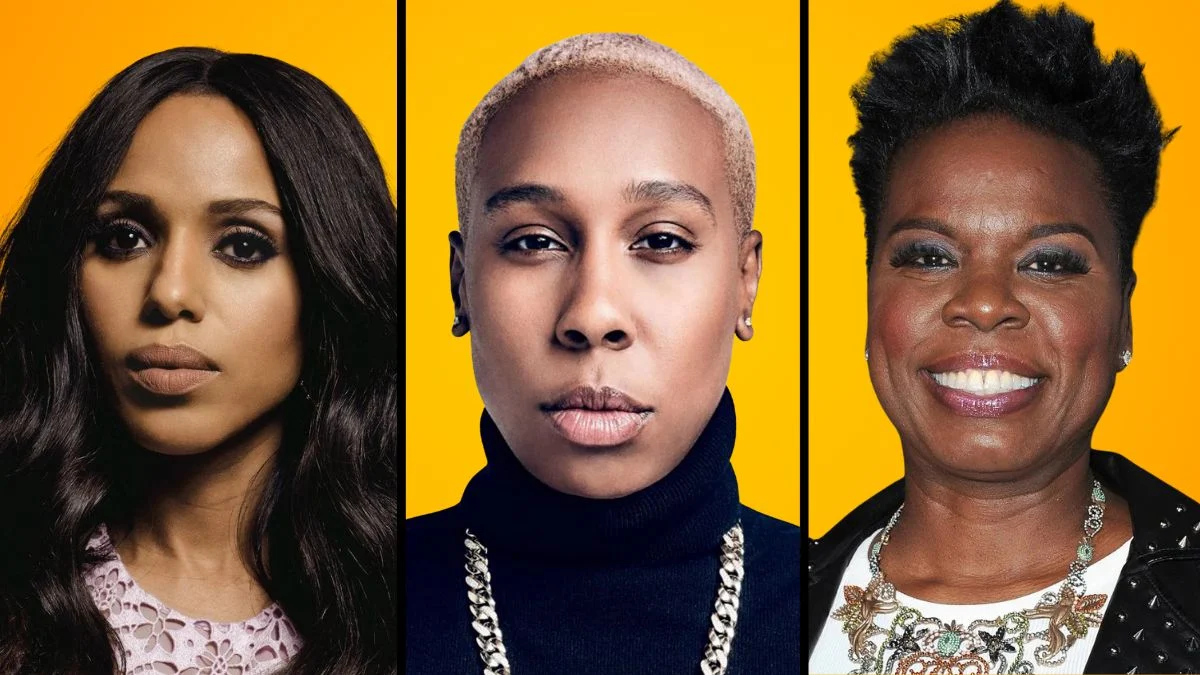


The conversation surrounding diversity in major award shows has led to significant debate and public outcry over the years. Many prominent Black celebrities have used their platforms to voice concerns about the industry approach to inclusion and the perceived performative nature of these efforts. While some advocated for more representation others criticized the specific methods used to achieve diversity in voting and nominations. These individuals often faced intense harassment and professional repercussions for challenging the status quo of prestigious institutions. This list explores the Black celebrities who experienced backlash after speaking out against the major award show structures.
Mo’Nique
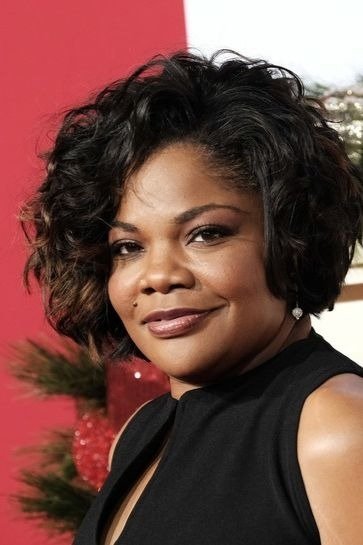
Mo’Nique won an Academy Award for her performance in ‘Precious’ but later became a vocal critic of the awards process. She claimed the industry punished her for refusing to participate in unpaid promotional campaigns which she saw as exploitative. Her comments regarding the performative nature of diversity in Hollywood led to a public feud and professional blacklisting. She was frequently harassed on social media for her blunt approach to discussing pay equity and racial bias. She continues to advocate for fair treatment despite the significant toll her stance took on her career.
Jada Pinkett Smith
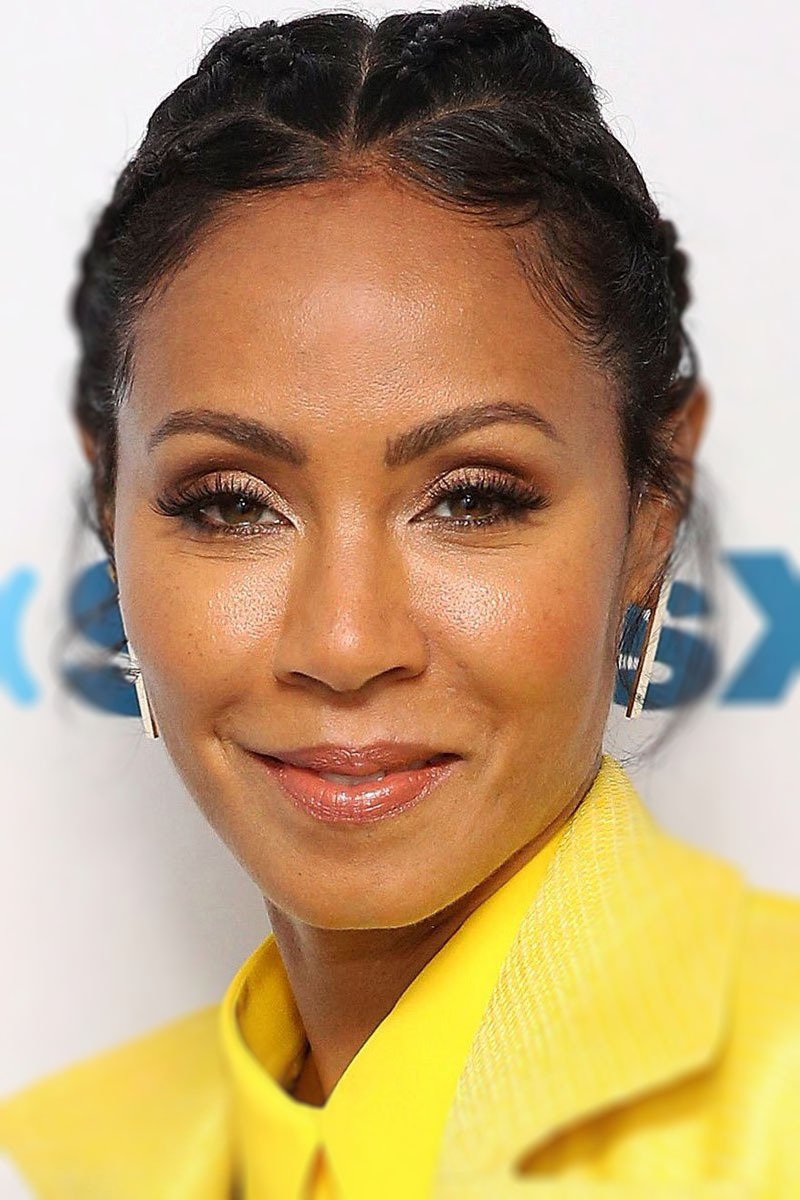
Jada Pinkett Smith sparked a major cultural conversation when she announced a boycott of the Academy Awards. She criticized the lack of diversity among nominees and the way the industry handled inclusion. Her public stance led to significant backlash and mockery from other celebrities and late night hosts. Many viewers harassed her for what they perceived as an entitled reaction to her husband being snubbed. She remained a central figure in the debate over how award shows recognize minority talent.
Will Smith
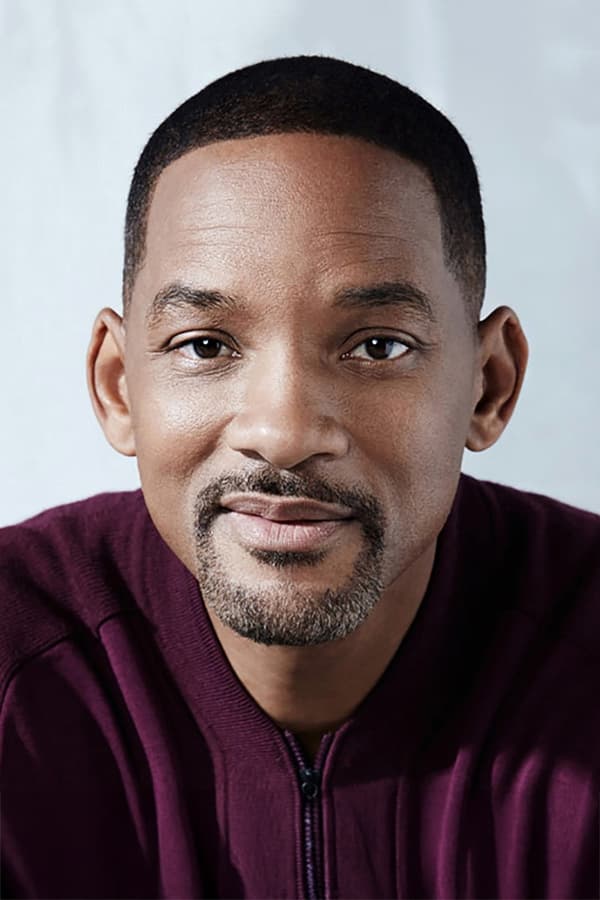
Will Smith joined the calls for reform within the Academy of Motion Picture Arts and Sciences after his work in ‘Concussion’ was overlooked. He spoke about the importance of award shows reflecting the actual diversity of the audience and the creative community. This position brought a wave of criticism from those who felt he was only speaking out because of his personal lack of a nomination. He faced online harassment and was accused of trying to force diversity through a boycott. The situation highlighted the intense pressure placed on high profile actors when they challenge institutional norms.
Spike Lee
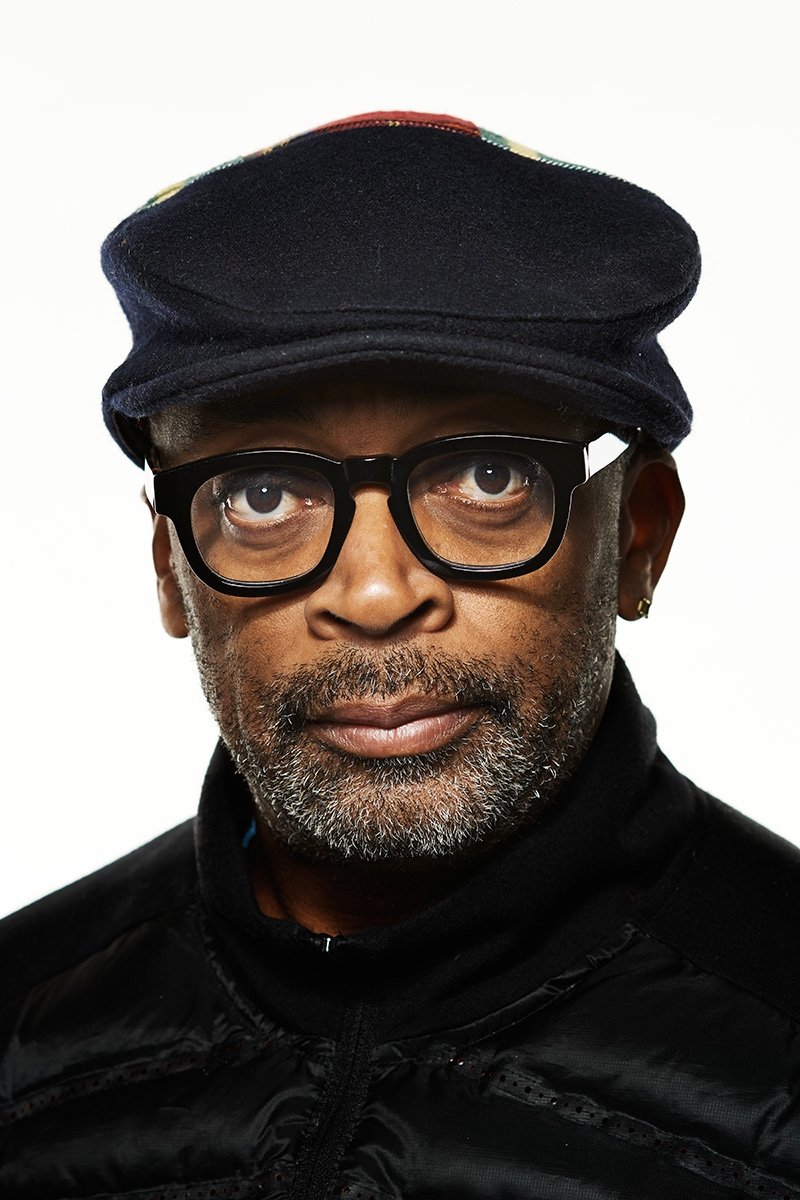
Spike Lee has long been a critic of how the Oscars and other major ceremonies treat Black filmmakers. He famously chose to skip the awards ceremony to attend a basketball game after speaking out against the lack of diverse nominees. His comments regarding the need for systemic change rather than performative gestures drew a mix of praise and vitacle. He was harassed by critics who claimed his grievances were outdated or self serving. His persistent advocacy has made him a lightning rod for discussions about racial parity in the film industry.
Ye
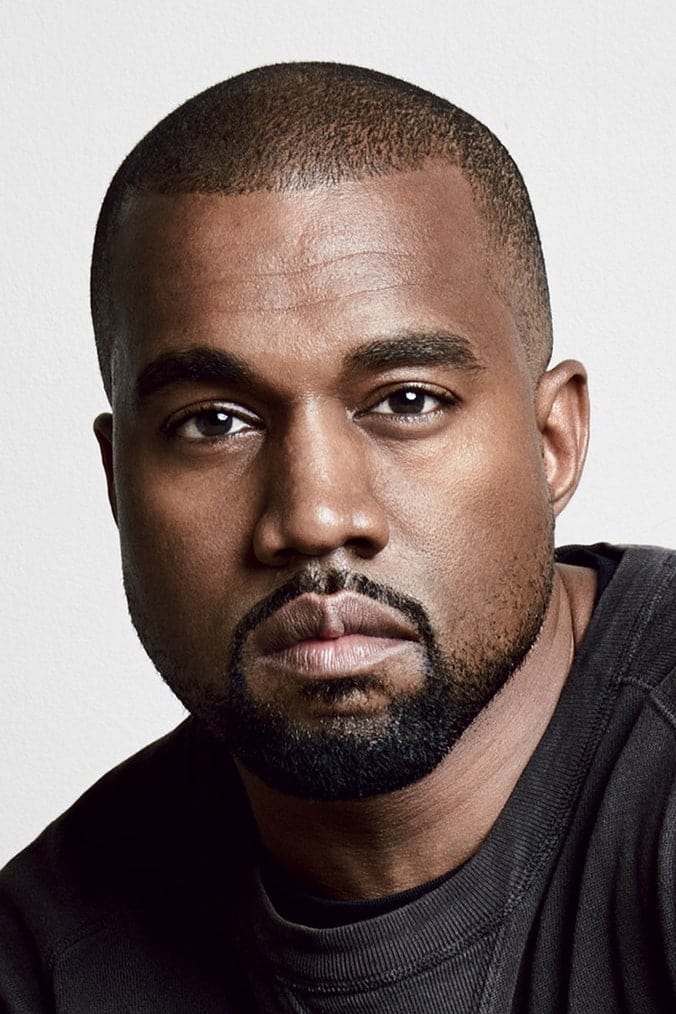
Ye has frequently used his platform to criticize the Grammy Awards for their voting categories and perceived lack of respect for Black artistry. He once famously interrupted an acceptance speech to argue that the industry was not properly recognizing the most impactful work. These actions led to years of public harassment and a reputation for being erratic in professional settings. He argued that major award shows often use diversity as a marketing tool while failing to reward Black innovators in top categories. His ongoing battle with the Recording Academy remains one of the most documented conflicts in music history.
Nicki Minaj

Nicki Minaj criticized the MTV Video Music Awards and the Grammys for the way they categorize and nominate Black female artists. She pointed out that her cultural influence was often ignored in favor of artists who fit a specific mainstream mold. This led to a highly publicized disagreement with other celebrities and a wave of harassment from rival fan bases. Critics accused her of being bitter while she maintained that the industry was failing to reward actual innovation. She has remained vocal about the need for award shows to move past superficial inclusion.
50 Cent
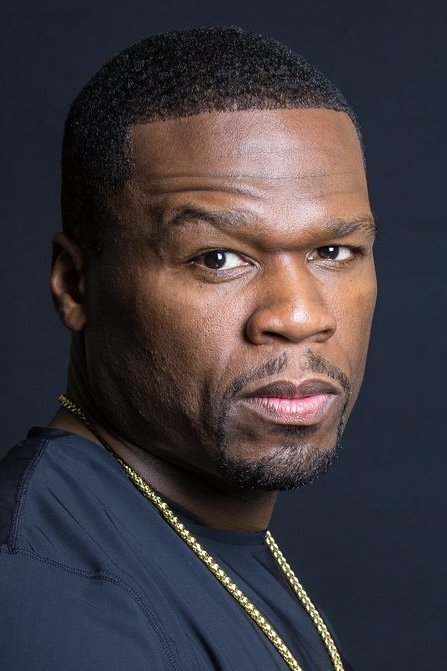
50 Cent has often expressed his disdain for the Grammy Awards and their handling of the hip hop genre. He criticized the organization for using Black artists for ratings while consistently snubbing them for the most prestigious honors. This outspokenness led to a fractured relationship with the Recording Academy and criticism from industry insiders. He was harassed by those who felt his public complaints were unprofessional or driven by ego. He continues to suggest that major award ceremonies are out of touch with modern musical culture.
Drake
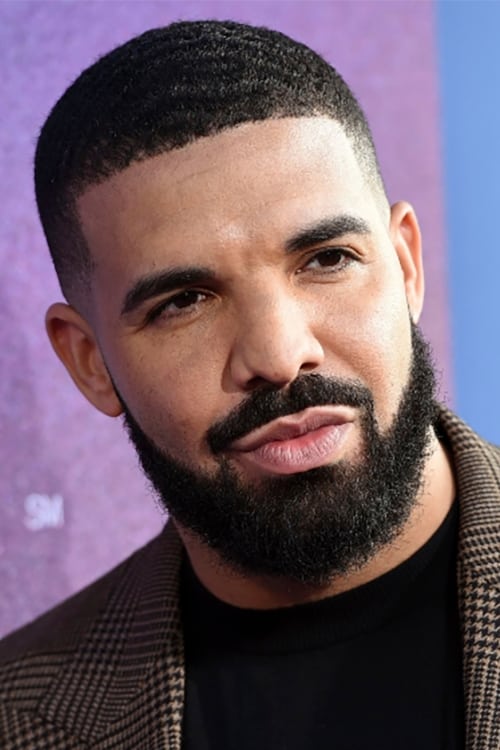
Drake used his acceptance speech at the Grammys to tell fellow artists that they do not need the validation of award shows. He criticized the way the industry treats rap music and the limitations placed on Black creators within the voting system. His microphone was cut off during the speech which many fans saw as a sign of institutional pushback. He faced harassment from those who believed he was being ungrateful for his win. He later withdrew his nominations from the ceremony to further protest the organization.
The Weeknd
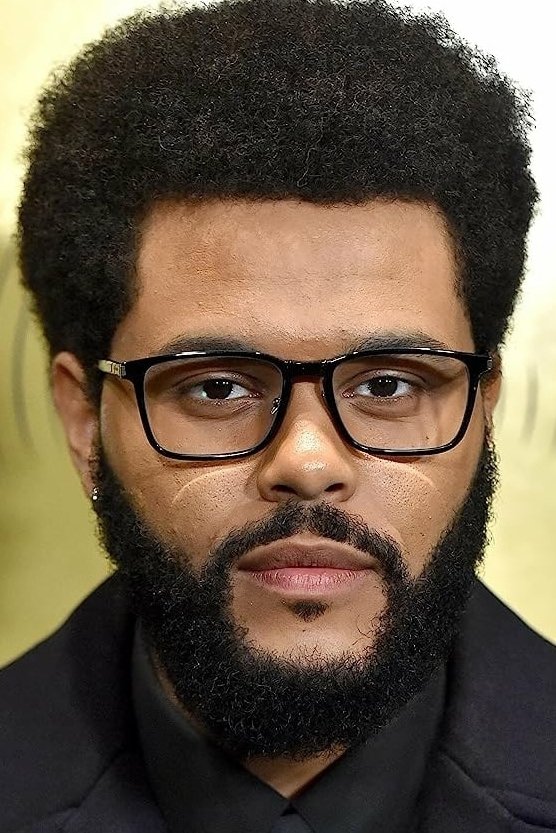
The Weeknd publicly called out the Grammys after his critically acclaimed album ‘After Hours’ received zero nominations. He described the organization as corrupt and demanded transparency in their secret voting committees. His stance led to a significant amount of industry gossip and online harassment from detractors. He eventually announced a permanent boycott of the show stating he would no longer allow his label to submit his music. This move forced the Recording Academy to address its voting practices under intense public scrutiny.
Janet Hubert
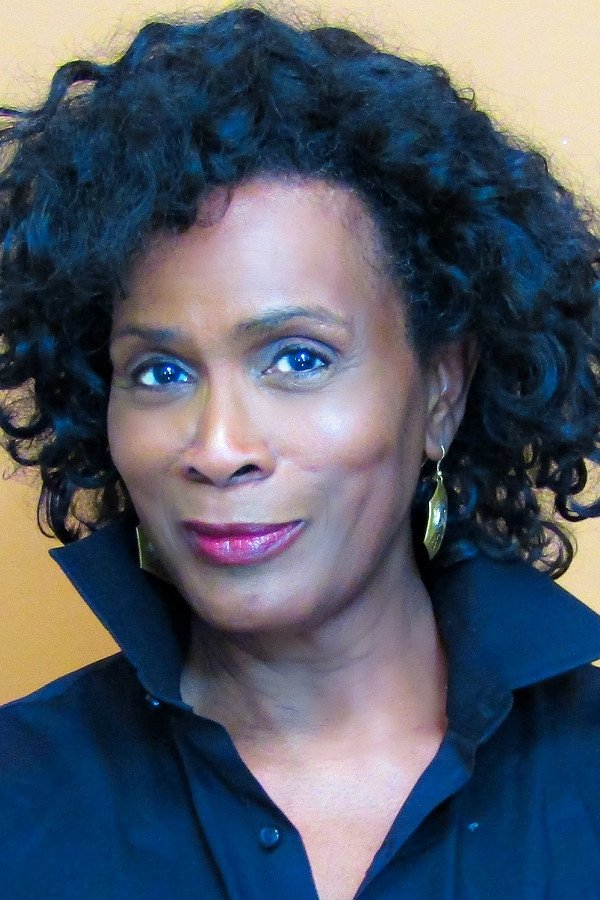
Janet Hubert famously criticized the call for an Oscars boycott by Jada Pinkett Smith and Spike Lee. She argued that the approach was performative and that there were more pressing issues facing the Black community. Her comments led to intense harassment from fans who felt she was betraying a common cause. She stood her ground and insisted that diversity should not be forced through social media campaigns. Her perspective added a layer of complexity to the national conversation about inclusion in Hollywood.
Tiffany Haddish
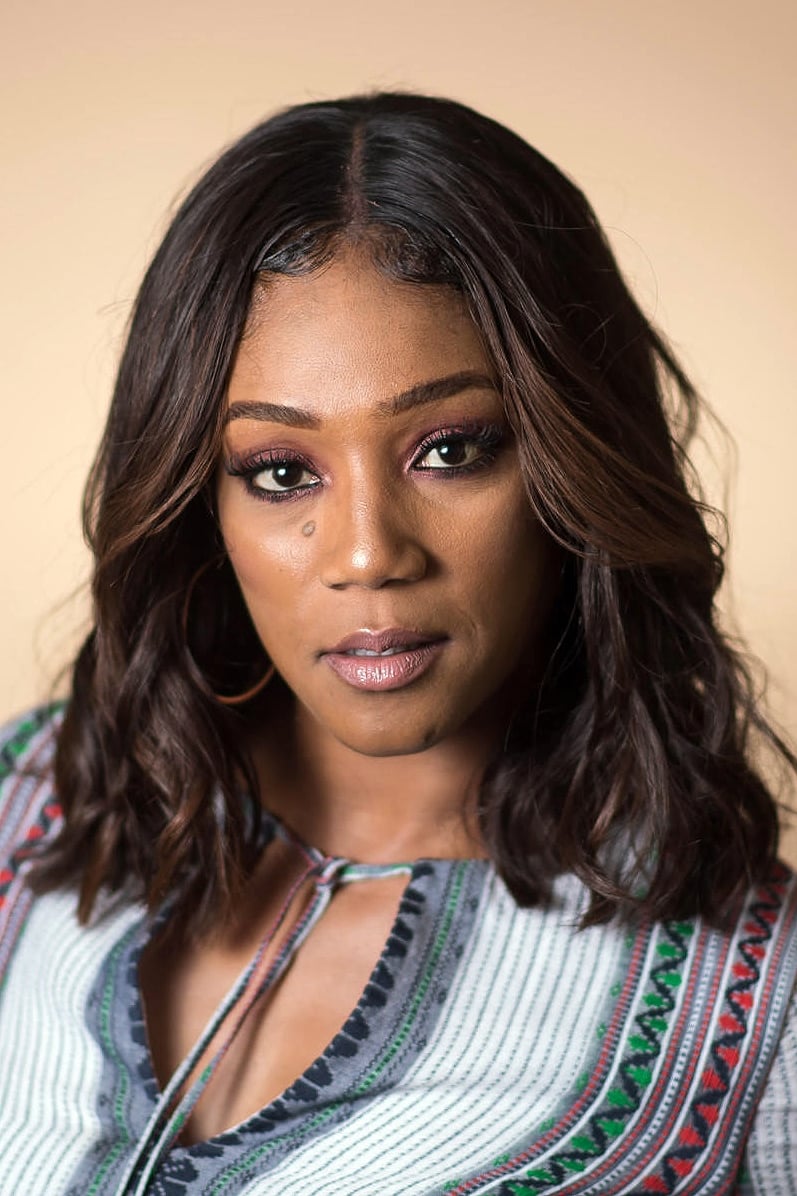
Tiffany Haddish criticized the Recording Academy when she was asked to host the pre-telecast ceremony without compensation for hair and makeup. She called out the organization for expecting Black women to cover their own expenses while providing a service for the show. Her public refusal led to some industry backlash and harassment from those who felt she should just be happy for the opportunity. She insisted that diversity efforts are meaningless if they do not include financial respect for the participants. The organization eventually apologized after the story went viral.
Tyler, The Creator

Tyler, The Creator criticized the Grammys after winning for Best Rap Album for ‘IGOR’ because he felt the category was a backhanded compliment. He stated that whenever Black artists do something genre-bending they are always put in a rap or urban category. This critique of the industry’s need to label and box in Black talent led to a heated debate. He faced harassment from traditionalists who felt he was being disrespectful to the history of the genre. He argued that such categorization is a form of forced and limited diversity.
Wiz Khalifa
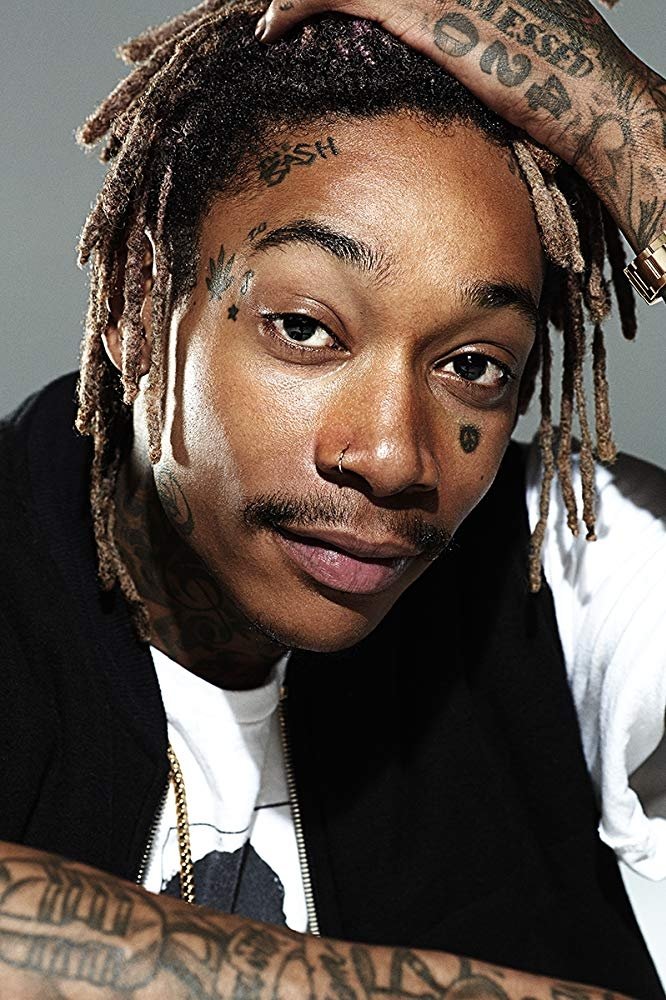
Wiz Khalifa shared his frustrations with award shows by highlighting how the voting process often favors certain narratives over others. He suggested that the ceremonies are more about politics than the actual quality of the music being produced. His comments resulted in online harassment and accusations that he was simply upset about not winning. He maintained that the lack of transparency makes it difficult for Black artists to feel truly valued by these institutions. He has since been selective about his participation in major industry events.
Snoop Dogg
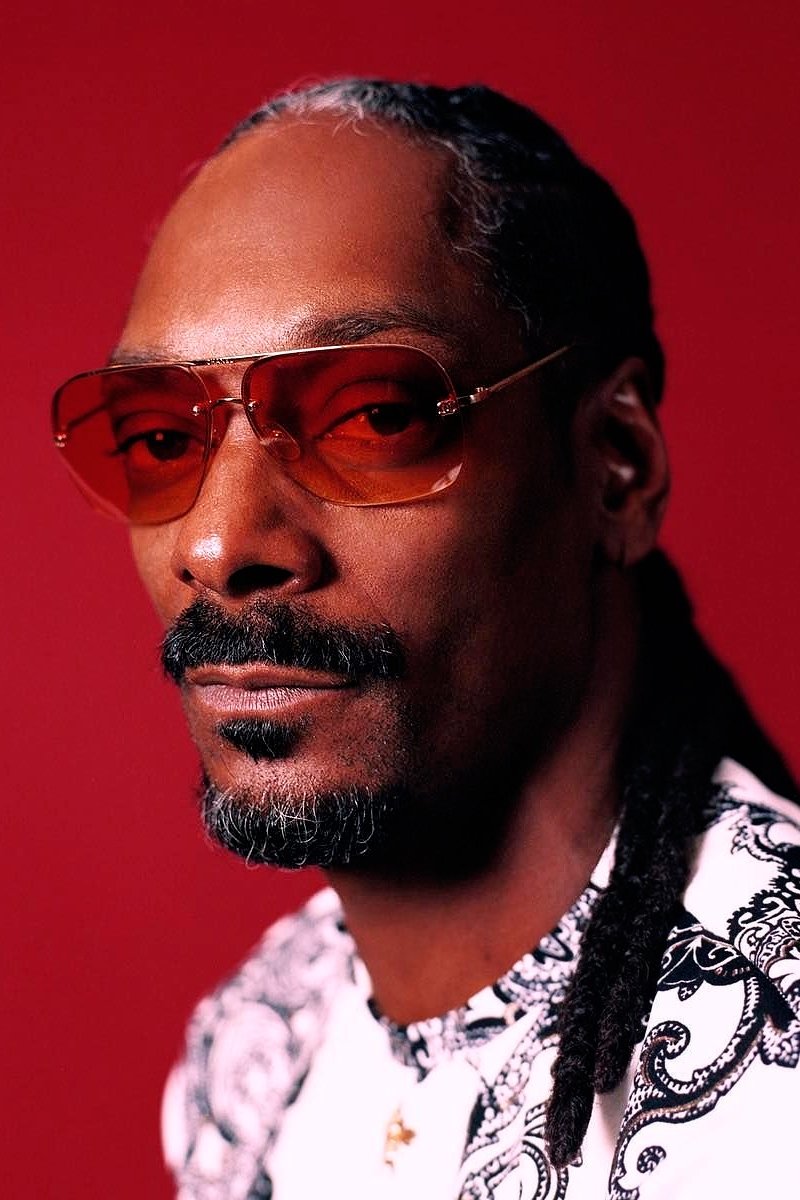
Snoop Dogg has spent years criticizing the Grammy Awards for never awarding him a trophy despite his massive cultural impact. He has often joked about the situation while also pointing out the serious flaws in how the academy recognizes hip hop. His vocal frustration has led to occasional harassment from critics who believe he should move on from the topic. He argues that the industry’s attempts at diversity often feel forced and fail to acknowledge the architects of the culture. He remains one of the most high profile artists to never win a Grammy.
T.I.
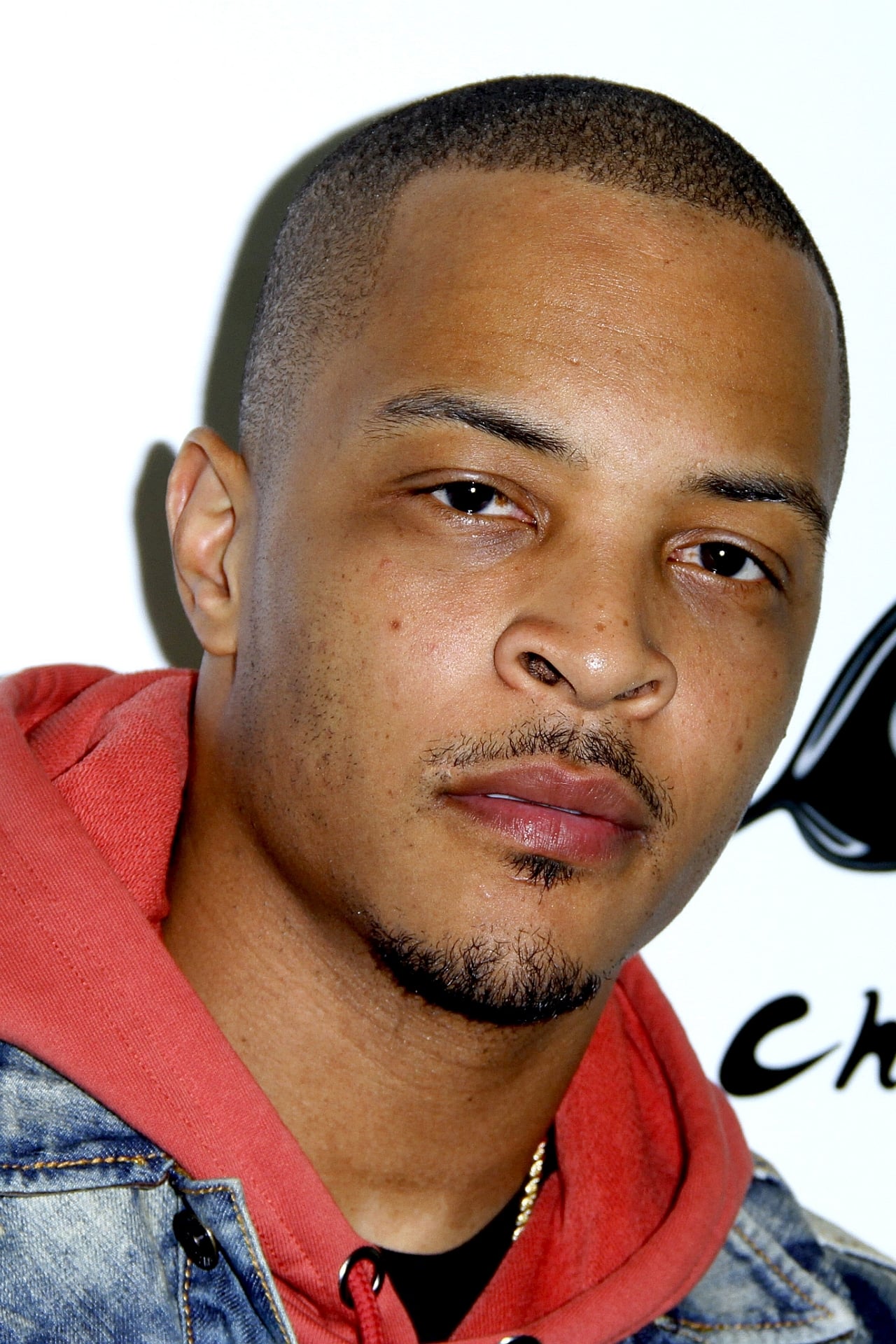
T.I. has frequently challenged the legitimacy of major award shows in the wake of controversial nomination snubs. He argued that the industry often overlooks the cultural significance of Southern hip hop in favor of more safe and commercial acts. His comments led to social media harassment and debates about the criteria used by voting bodies. He has suggested that award shows use Black culture for entertainment without providing equitable recognition in the top tiers. He continues to push for more independent and transparent ways to honor musical achievements.
Quavo
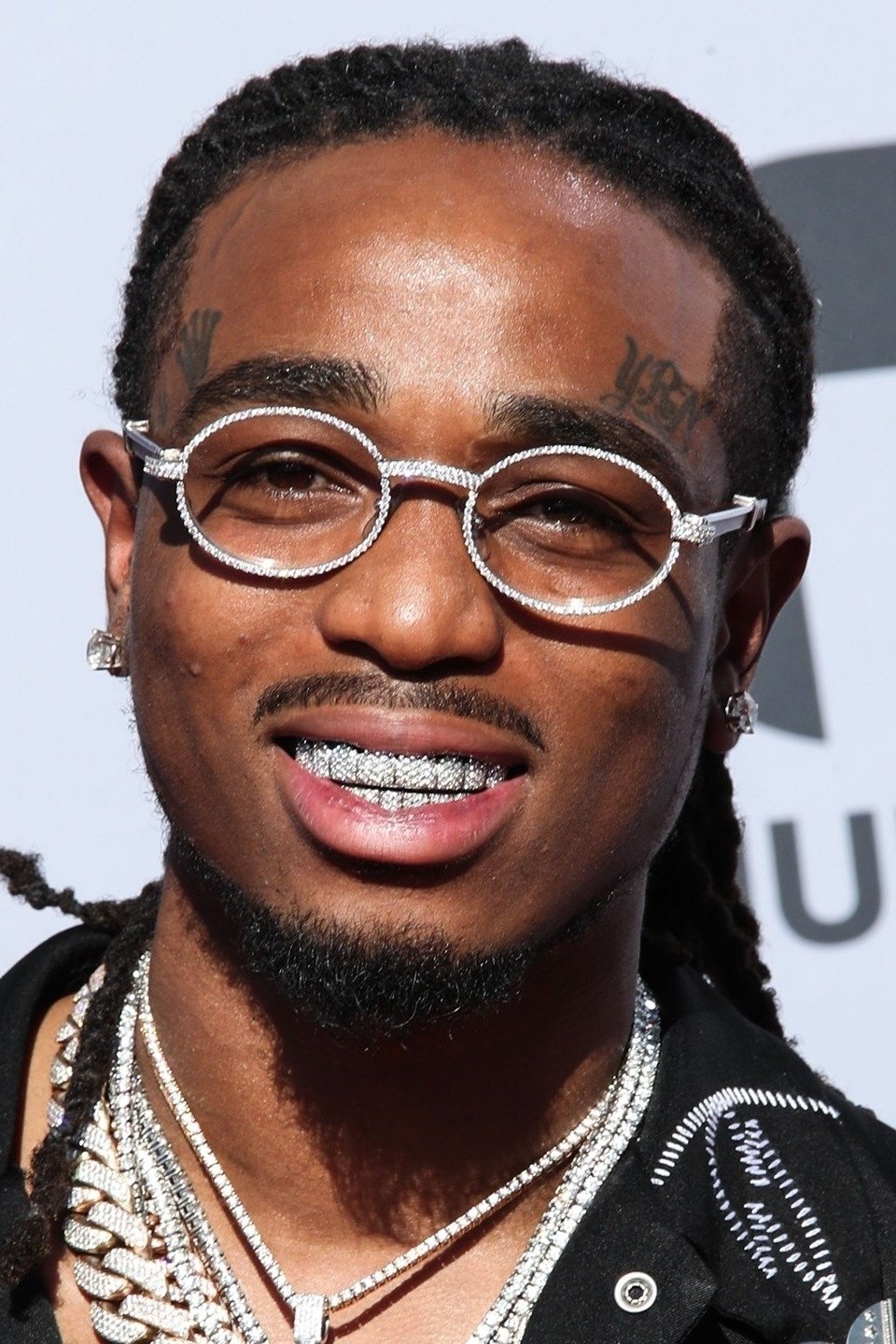
Quavo expressed his disappointment with the way groups are treated in the major categories of award shows. He pointed out that despite the massive success of Migos the industry seemed hesitant to grant them the same prestige as solo pop acts. This critique of the industry standards led to a wave of online harassment from fans of other genres. He argued that the diversity efforts of these shows often feel like tokenism rather than genuine appreciation. He has been vocal about the need for a more modern approach to music recognition.
Janelle Monáe
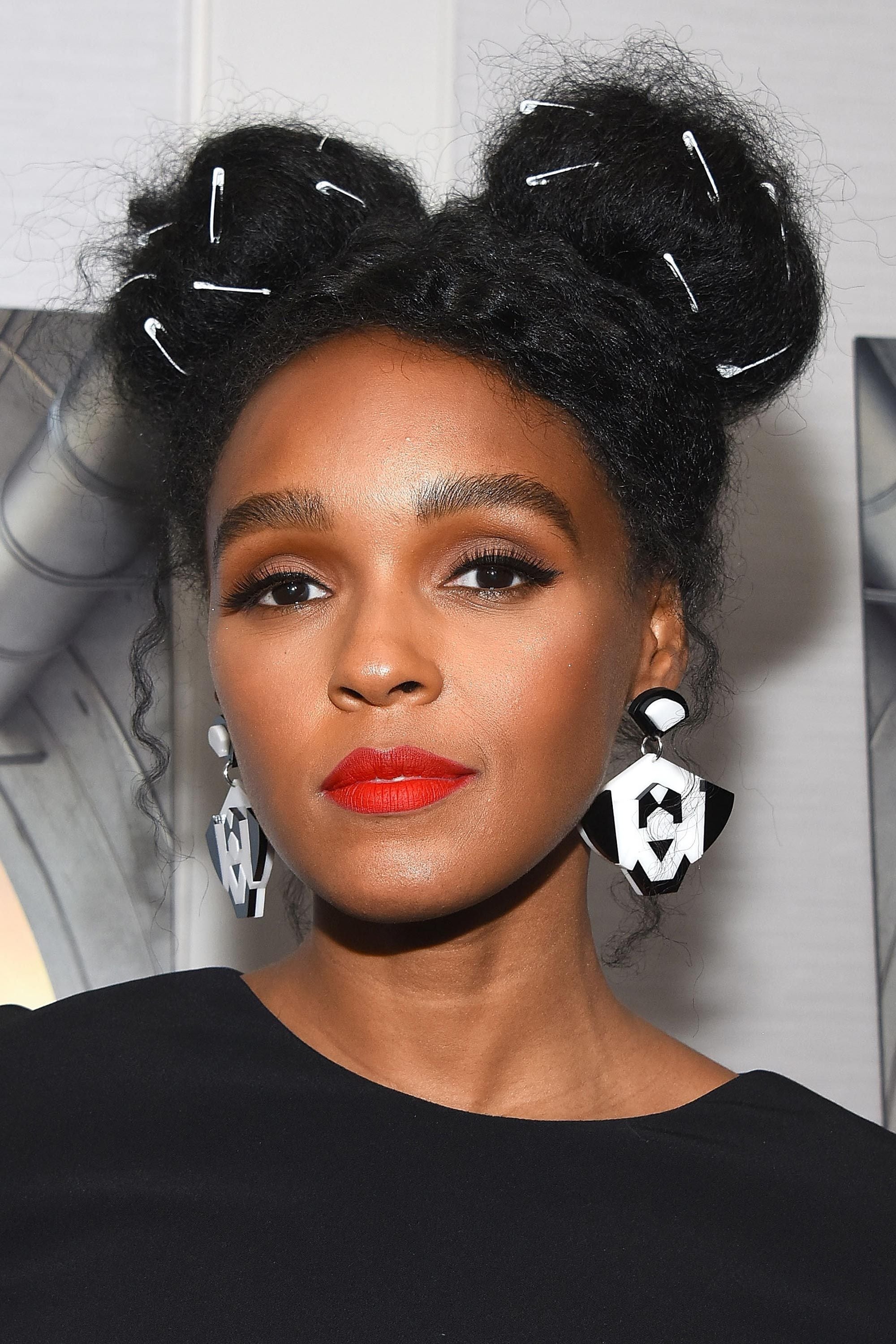
Janelle Monáe used her platform at an award show to speak out against the exclusion of women and people of color in the industry. While she is often praised for her advocacy she has also faced harassment from those who believe award shows should remain apolitical. Her performance at the Oscars was a direct critique of the lack of diverse nominations that year. Critics accused her of participating in forced diversity while she argued she was simply demanding visibility. She continues to use her art to challenge the traditional structures of Hollywood.
Taraji P. Henson
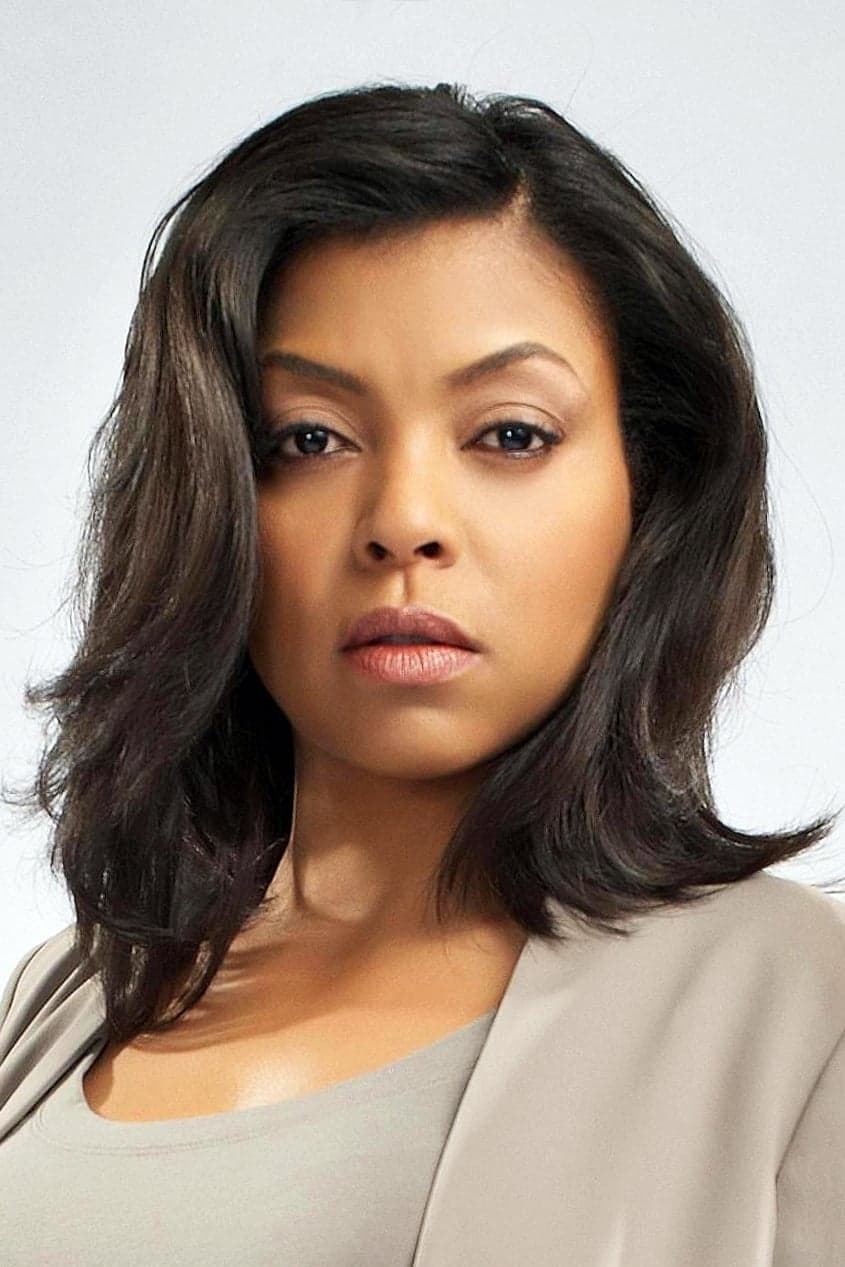
Taraji P. Henson spoke candidly about the pay gap and the lack of respect she received during the awards season for ‘The Curious Case of Benjamin Button’. She revealed that she had to pay for her own travel and accommodations despite being a nominee. Her decision to share these details led to a mix of support and professional harassment from industry insiders. She argued that the diversity initiatives seen on camera do not match the reality of how Black actors are treated behind the scenes. Her story remains a pivotal example of the financial hurdles faced by minority talent.
Viola Davis
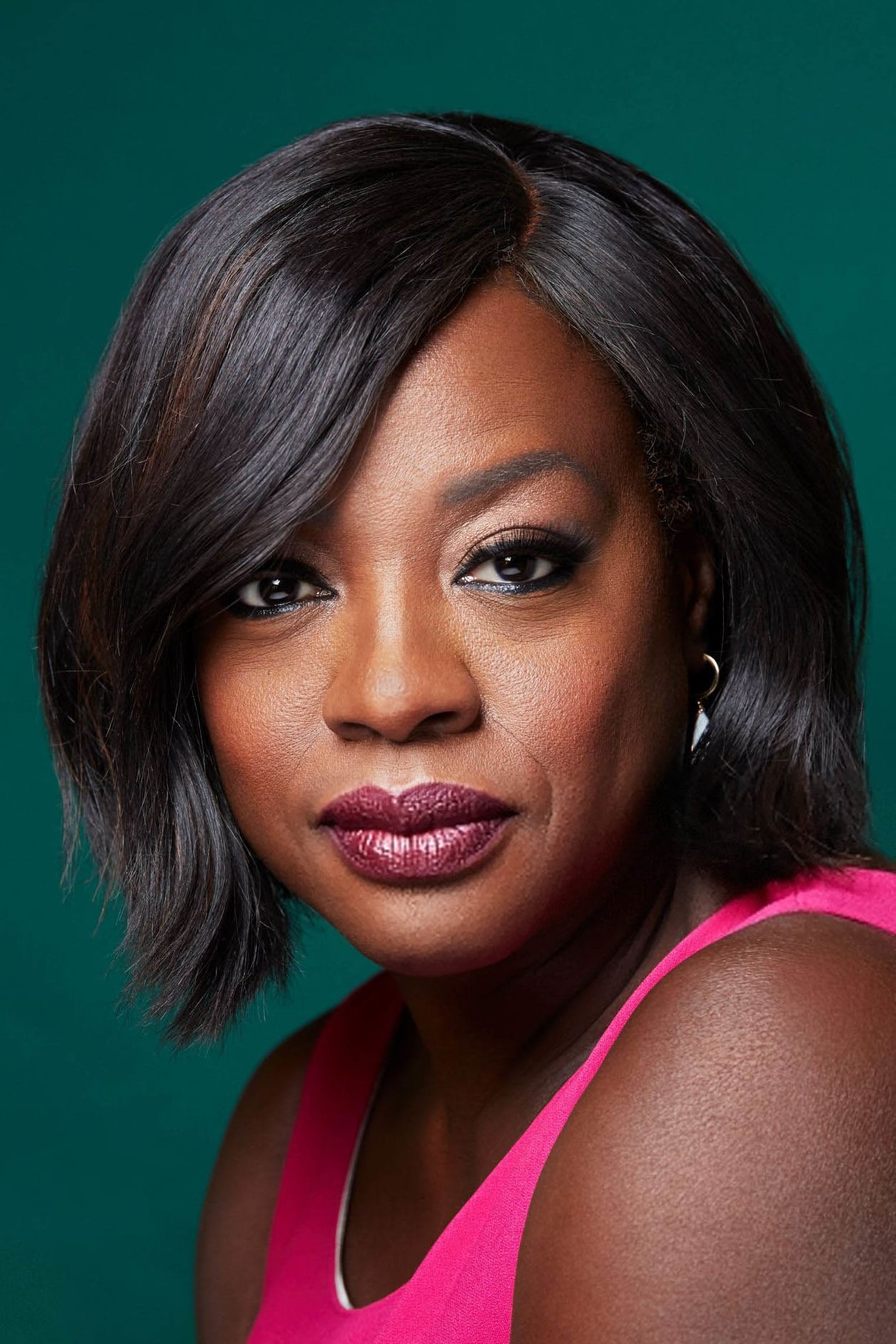
Viola Davis has frequently spoken about the lack of opportunity for Black women in Hollywood and the limitations of award show recognition. She famously stated that the only thing that separates women of color from anyone else is opportunity. This speech drew significant harassment from people who felt she was being too critical of the industry that had honored her. She has continued to highlight that diversity must be more than just a trend for these organizations. She remains a powerful voice for systemic change in how talent is scouted and celebrated.
Anthony Mackie
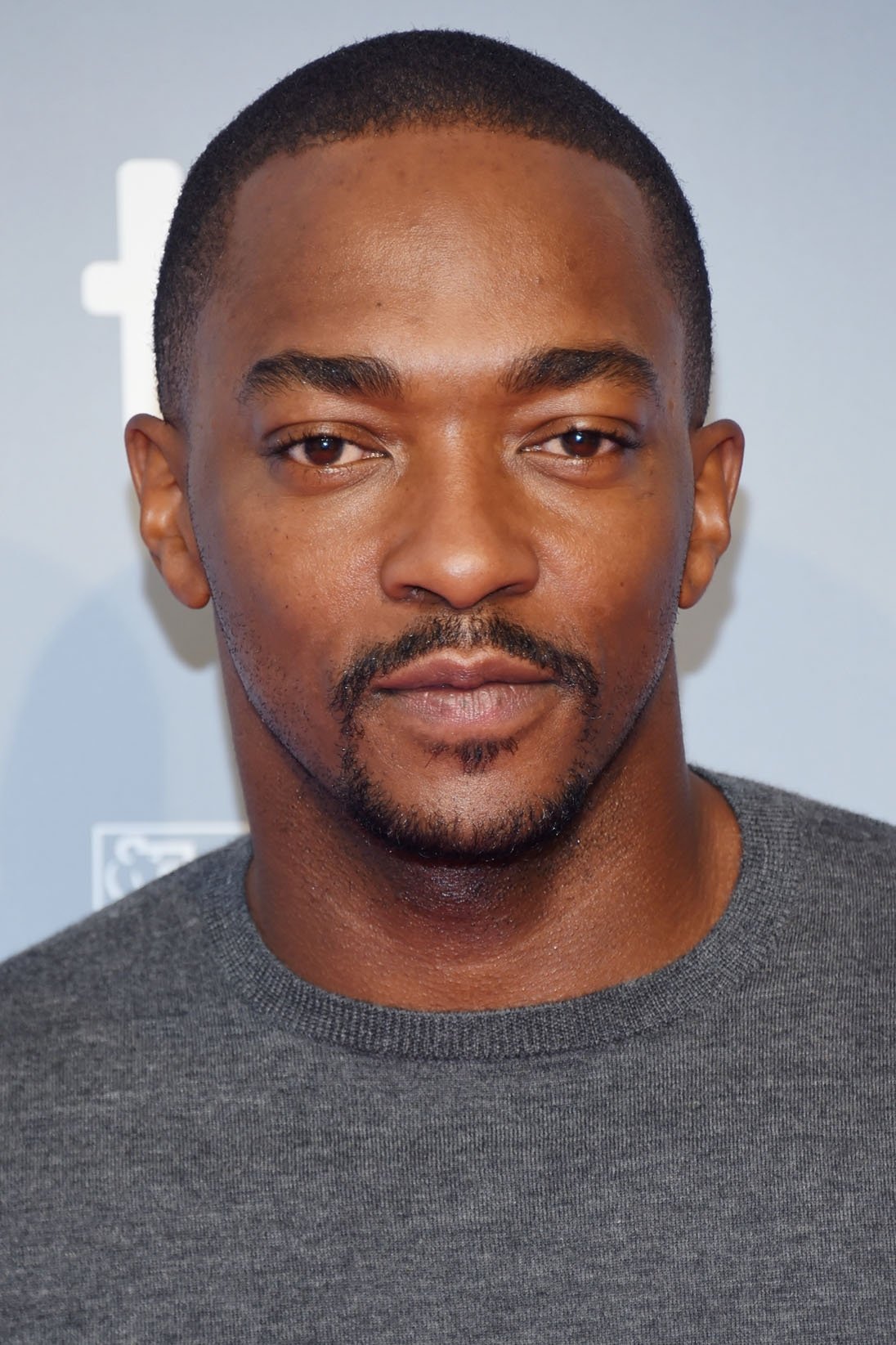
Anthony Mackie criticized the film industry for its approach to diversity by pointing out that hiring practices should be more than just performative. He mentioned that he wanted to see more diversity behind the camera rather than just on the screen. This stance led to harassment from those who misinterpreted his comments as a rejection of inclusion efforts. He argued that the industry needs to focus on training and opportunities rather than just meeting quotas. He has been vocal about the need for genuine excellence over forced optics.
John Boyega
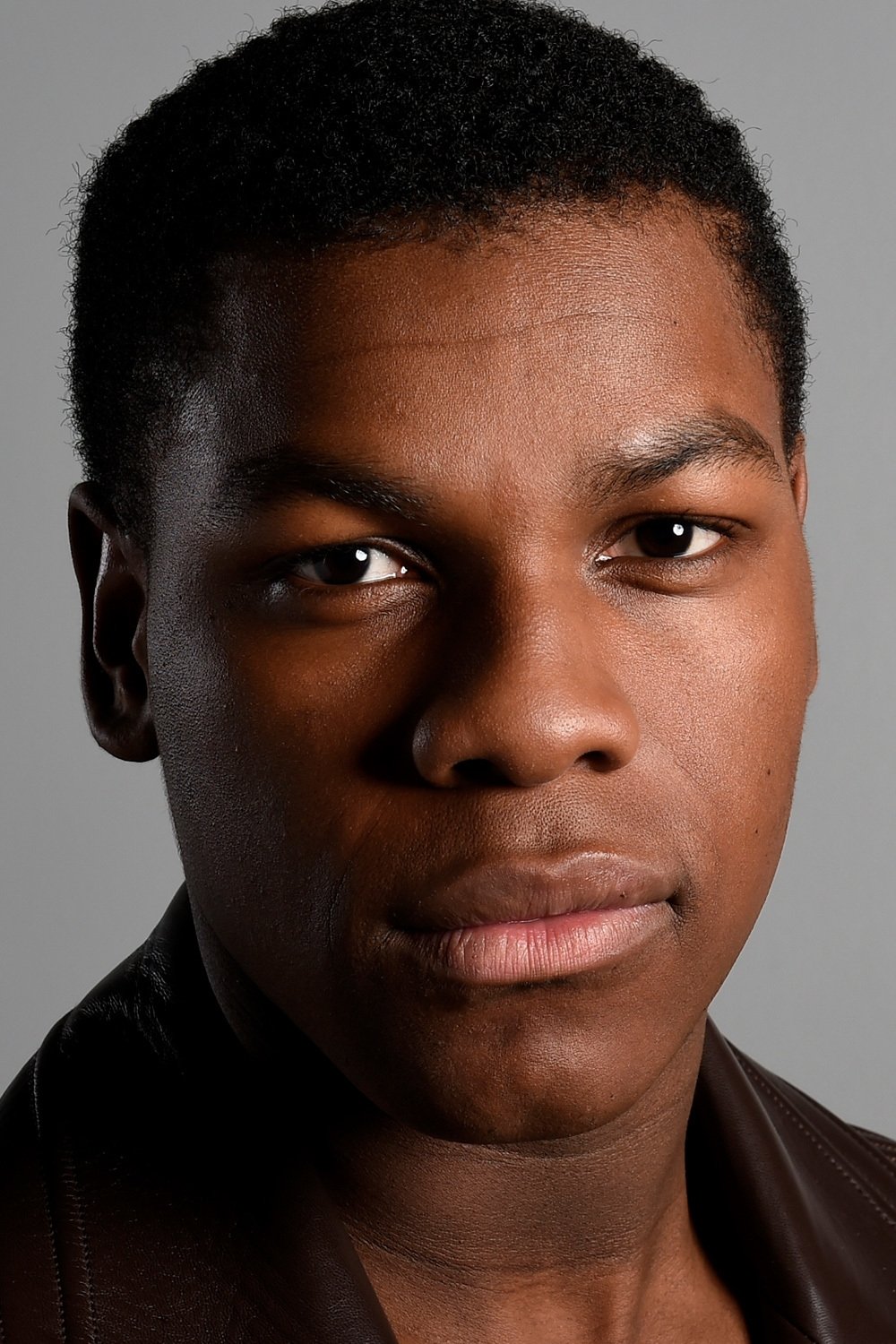
John Boyega criticized the way his character was pushed to the side in the ‘Star Wars’ franchise despite the initial marketing. He called out the studio for using his image to represent diversity while failing to provide a meaningful narrative arc. This led to a massive amount of harassment from a toxic segment of the fan base. He stood his ground and spoke about how major franchises and award shows often use diversity to sell products without valuing the actors. His honesty about his experience became a major talking point in the industry.
Issa Rae
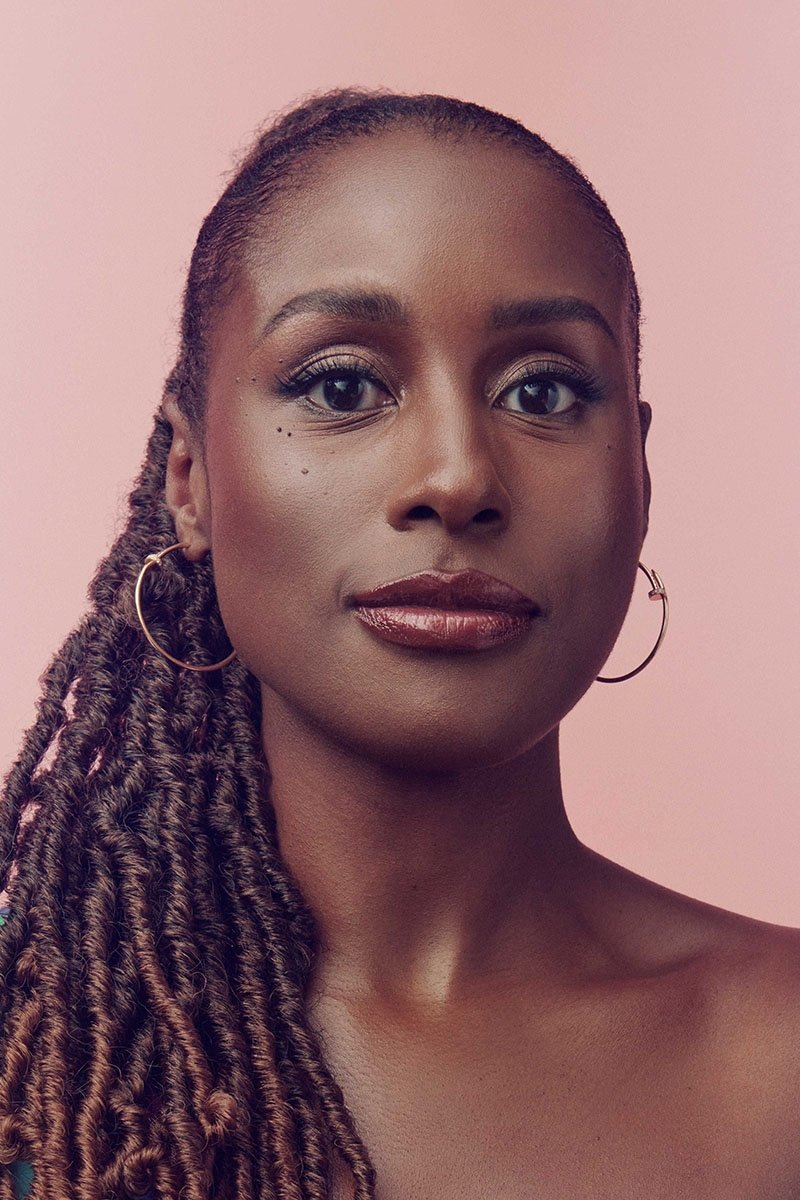
Issa Rae made headlines when she pointed out the lack of diversity in the nominations while presenting for a major award show. Her comment about rooting for everyone Black became a viral sensation but also a target for harassment. Critics accused her of being exclusionary and pushing for forced diversity in the voting process. She maintained that the industry still has a long way to go in recognizing the breadth of Black talent. She has used her own production company to create the opportunities she felt were missing.
Lena Waithe
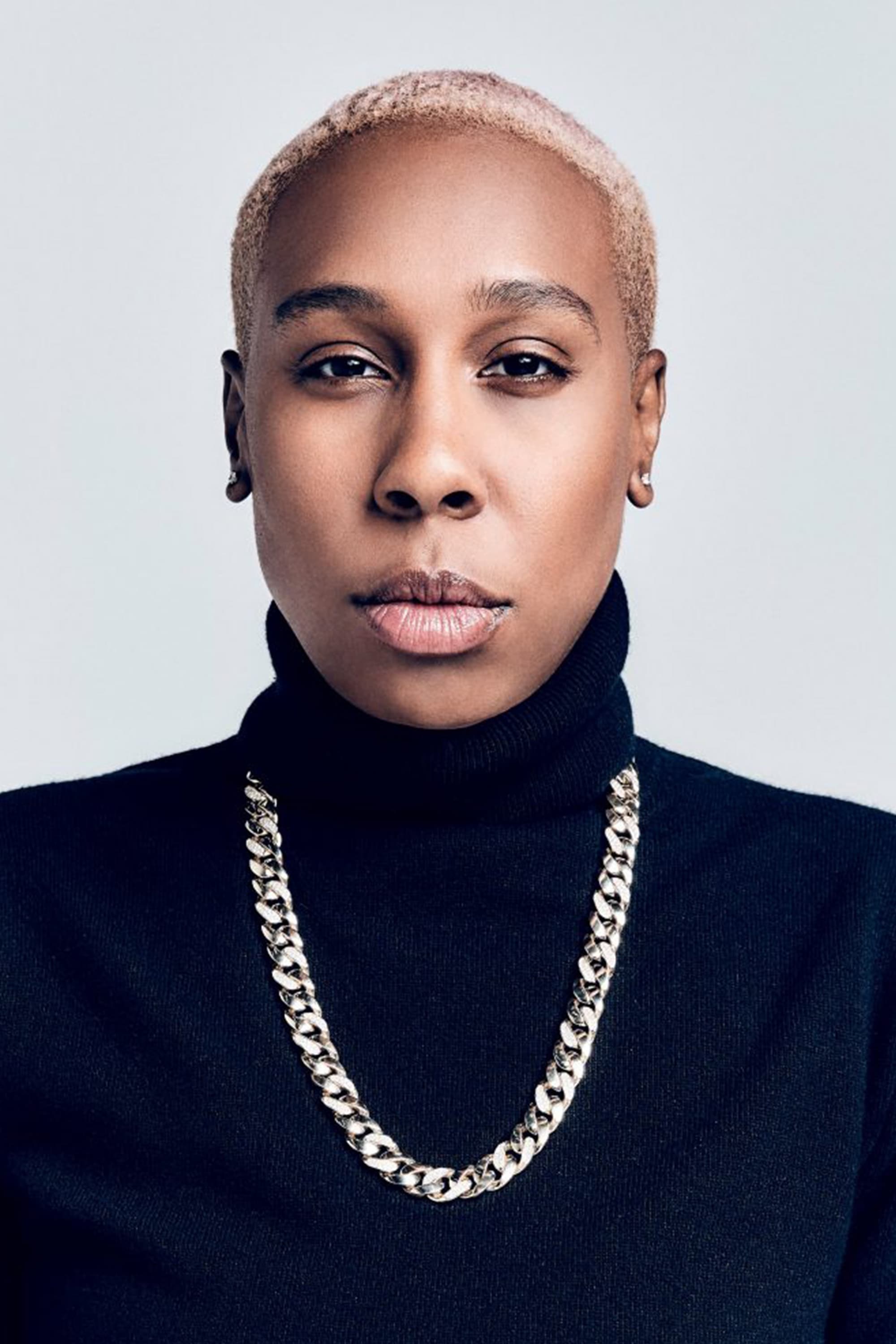
Lena Waithe has used her success to advocate for more queer and Black representation in major award ceremonies. She has been critical of the slow pace of change and the way the industry often rewards the same types of stories. Her outspoken nature has led to harassment from those who believe she is too focused on identity politics. She argues that the diversity seen at awards shows is often forced and does not reflect the actual landscape of the creative world. She continues to push for more authentic and varied storytelling in Hollywood.
Leslie Jones
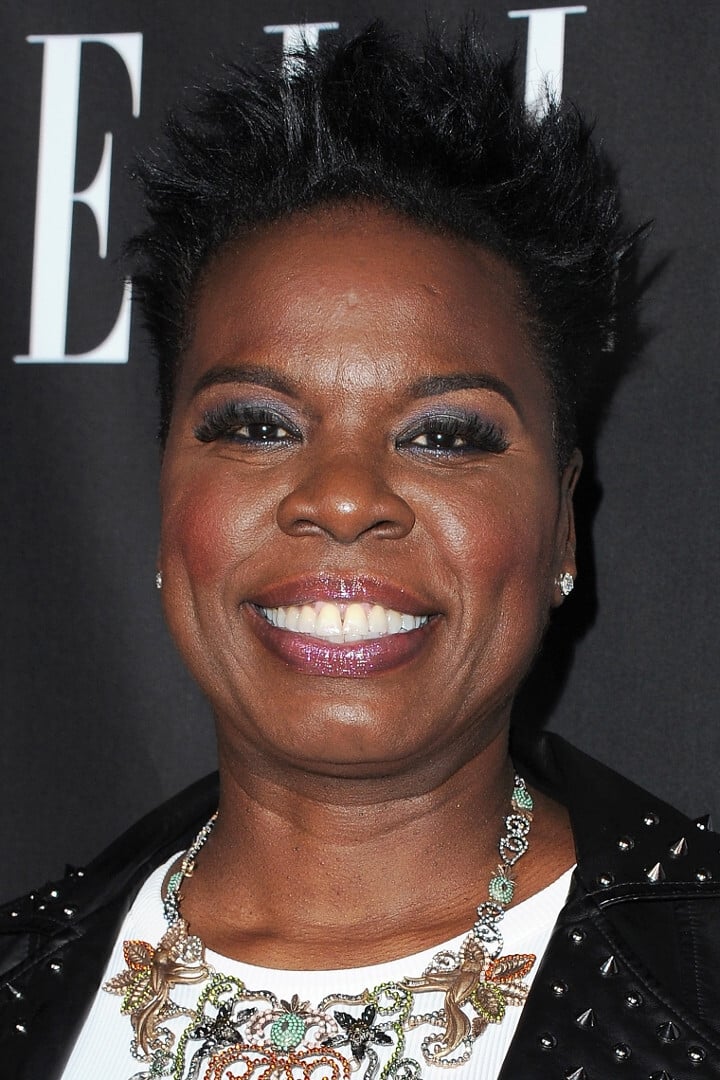
Leslie Jones faced some of the most intense harassment in social media history after starring in a film that was part of a major diversity push. She also criticized the way award shows and the industry at large failed to protect her from this vitriol. Many users targeted her with racial slurs and sexist comments for being the face of what they called forced diversity. She eventually left social media temporarily to protect her mental health. Her experience highlighted the dangers faced by Black women when they are at the center of industry changes.
Michael B. Jordan
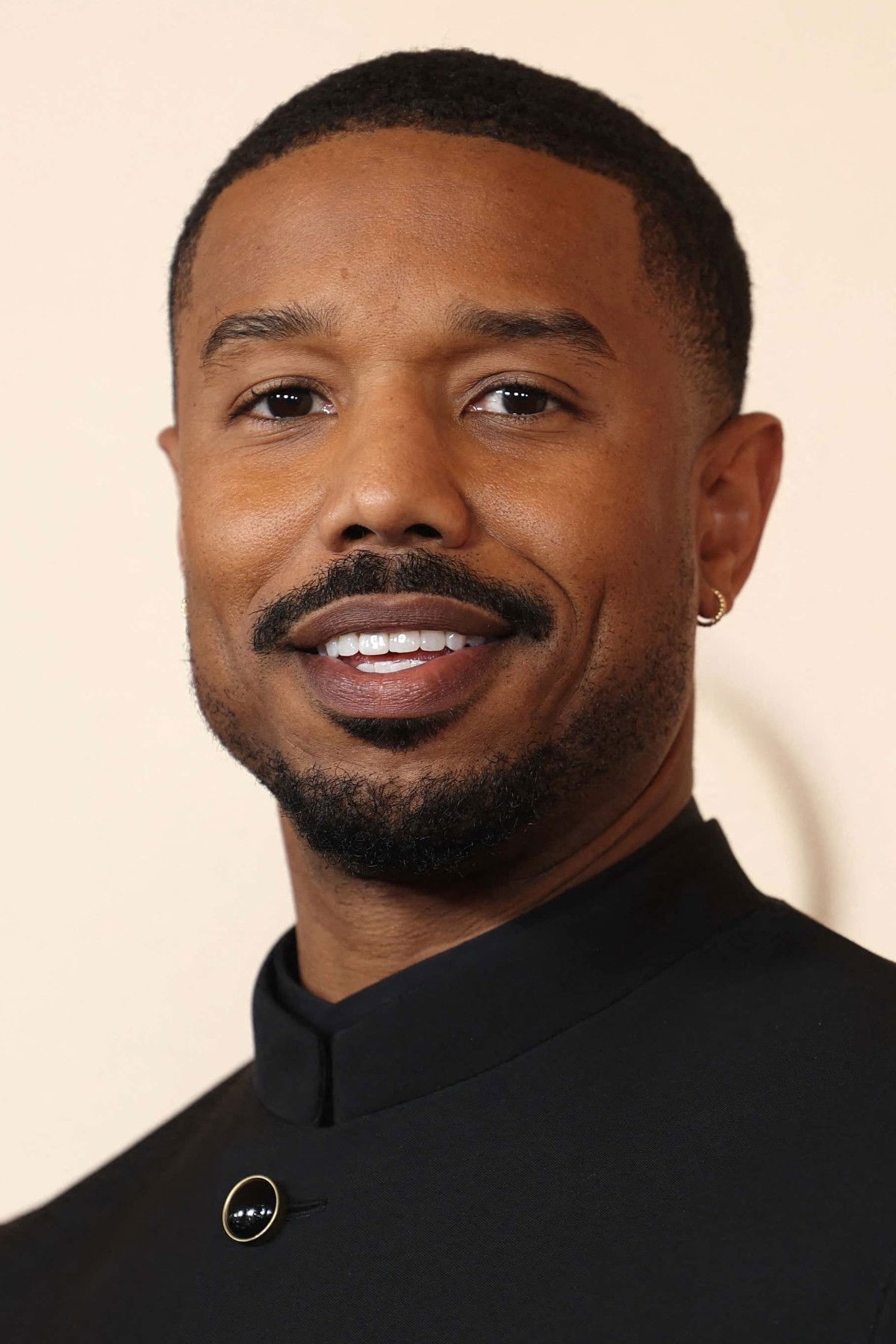
Michael B. Jordan was one of the first major actors to adopt the inclusion rider to ensure diversity on his film sets. This move led to criticism from some industry veterans who felt it was a form of forced diversity that would hinder the creative process. He was harassed by detractors who argued that talent should be the only factor in hiring. He argued that talent is everywhere but opportunity is not and that formal requirements are necessary for change. He has since become a leader in the movement to make Hollywood more representative.
Idris Elba
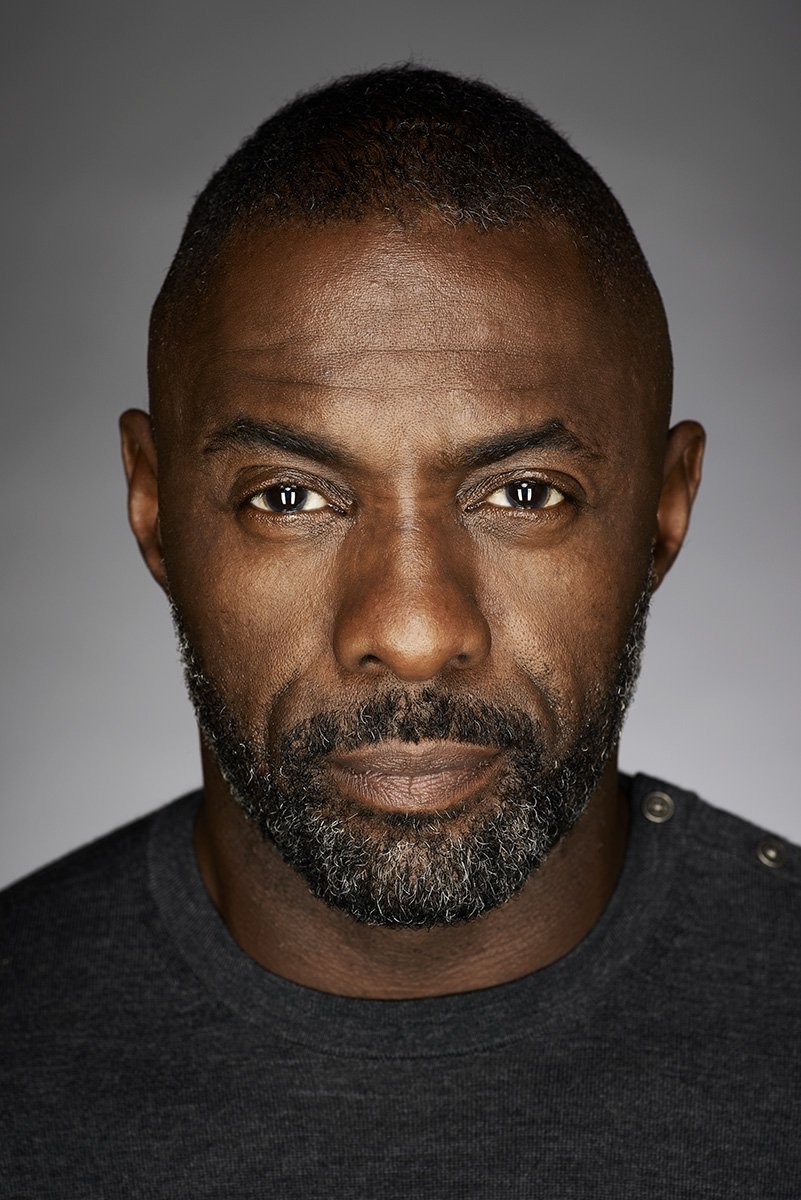
Idris Elba spoke to the British Parliament about the lack of diversity in the television and film industry and how it affects awards. He argued that the current system forces talented individuals to move abroad to find work and recognition. His comments led to a backlash from those who felt he was being overly critical of his home country. He faced harassment from people who argued that diversity should not be a legislative or institutional mandate. He continues to advocate for a more global and inclusive approach to recognizing artistic achievement.
Samuel L. Jackson
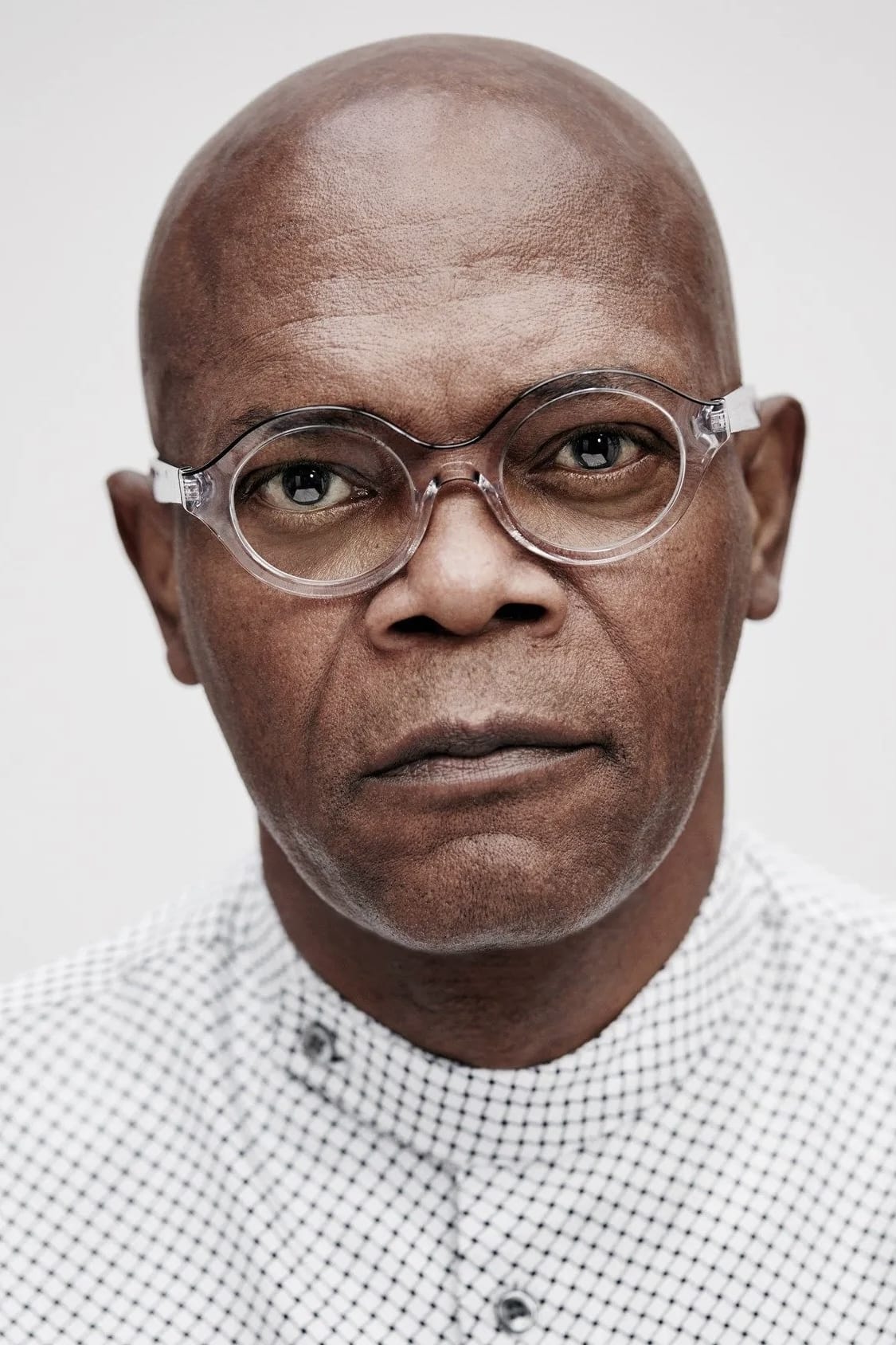
Samuel L. Jackson criticized the casting of Black British actors in roles specifically about the American Black experience. He argued that this was sometimes used as a way for award shows and studios to avoid dealing with the complexities of American racial politics. This led to a heated debate and harassment from those who felt he was being divisive. He maintained that the industry approach to diversity can sometimes feel like a shortcut that bypasses real local talent. His perspective sparked a conversation about the nuances of Black identity in film.
Halle Berry
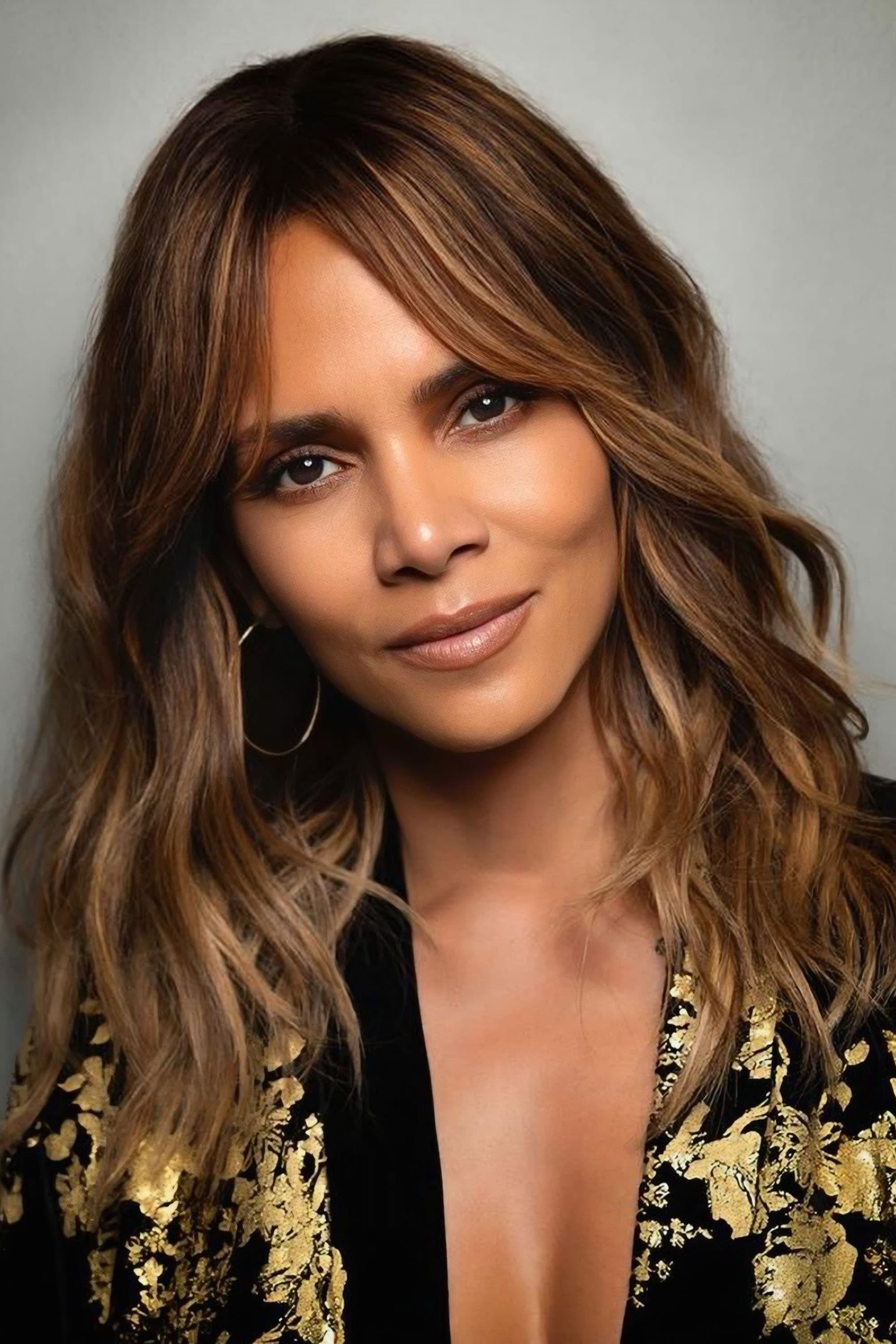
Halle Berry expressed her disappointment that she remains the only Black woman to win the Academy Award for Best Actress. She spoke about how her win felt like it opened a door that was immediately closed again by the industry. This critique of the lack of progress led to harassment from critics who felt she was diminishing the achievements of other actresses. She argued that the diversity celebrated in the year of her win was not a lasting change. She remains a vocal advocate for more consistent recognition of Black female leads.
Denzel Washington
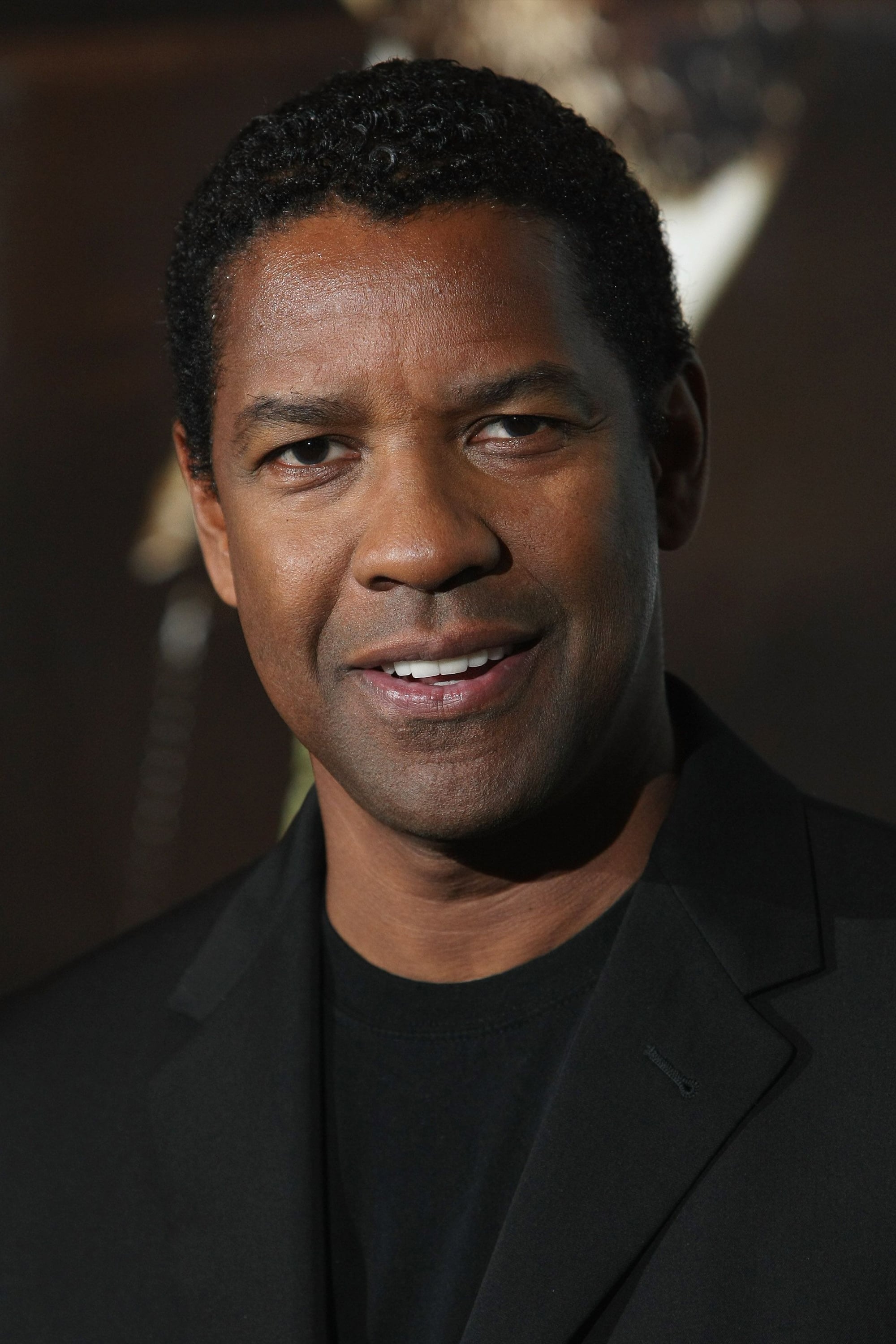
Denzel Washington has often taken a more stoic approach to the diversity debate but has acknowledged the inherent bias in the system. He famously told young actors that it is not about the awards but about the work while also noting the difficulties of the industry. His refusal to get heavily involved in social media campaigns for diversity has sometimes led to harassment from those who want him to be more vocal. He has suggested that the focus should remain on excellence despite the flaws of the institutions. He continues to be one of the most respected and awarded actors in history.
Whoopi Goldberg
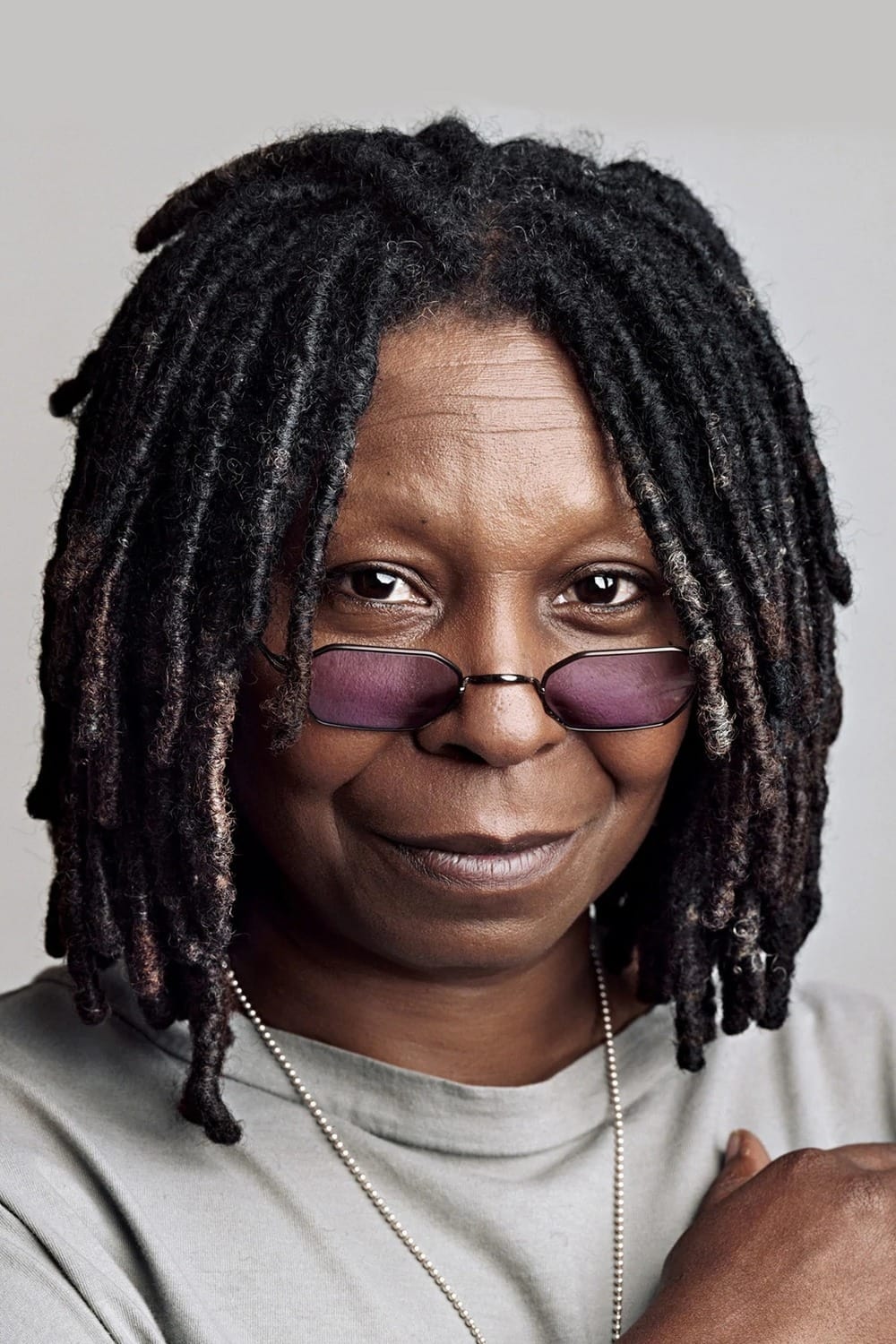
Whoopi Goldberg defended the Academy during the initial boycott discussions while acknowledging that there were systemic issues. Her stance that a boycott was not the answer led to harassment from those who felt she was not supporting her community. She argued that the focus should be on getting more Black voters and producers into the industry rather than just protesting the show. Her comments highlighted the internal disagreements within the Black creative community regarding how to handle diversity. She remains a prominent member of the Academy and a vocal commentator on industry issues.
Tracee Ellis Ross
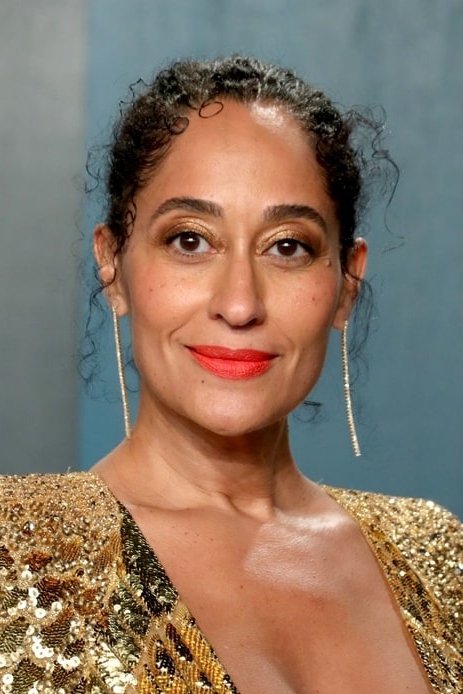
Tracee Ellis Ross has spoken about the lack of recognition for Black women in comedy categories at major award shows. She pointed out that it had been decades since a Black woman won certain lead actress awards on television. Her advocacy for her peers led to harassment from those who felt she was complaining despite her own success. She argued that the industry needs to broaden its understanding of what is considered award worthy. She continues to use her platform to celebrate and uplift underrepresented voices in the entertainment world.
Gabrielle Union
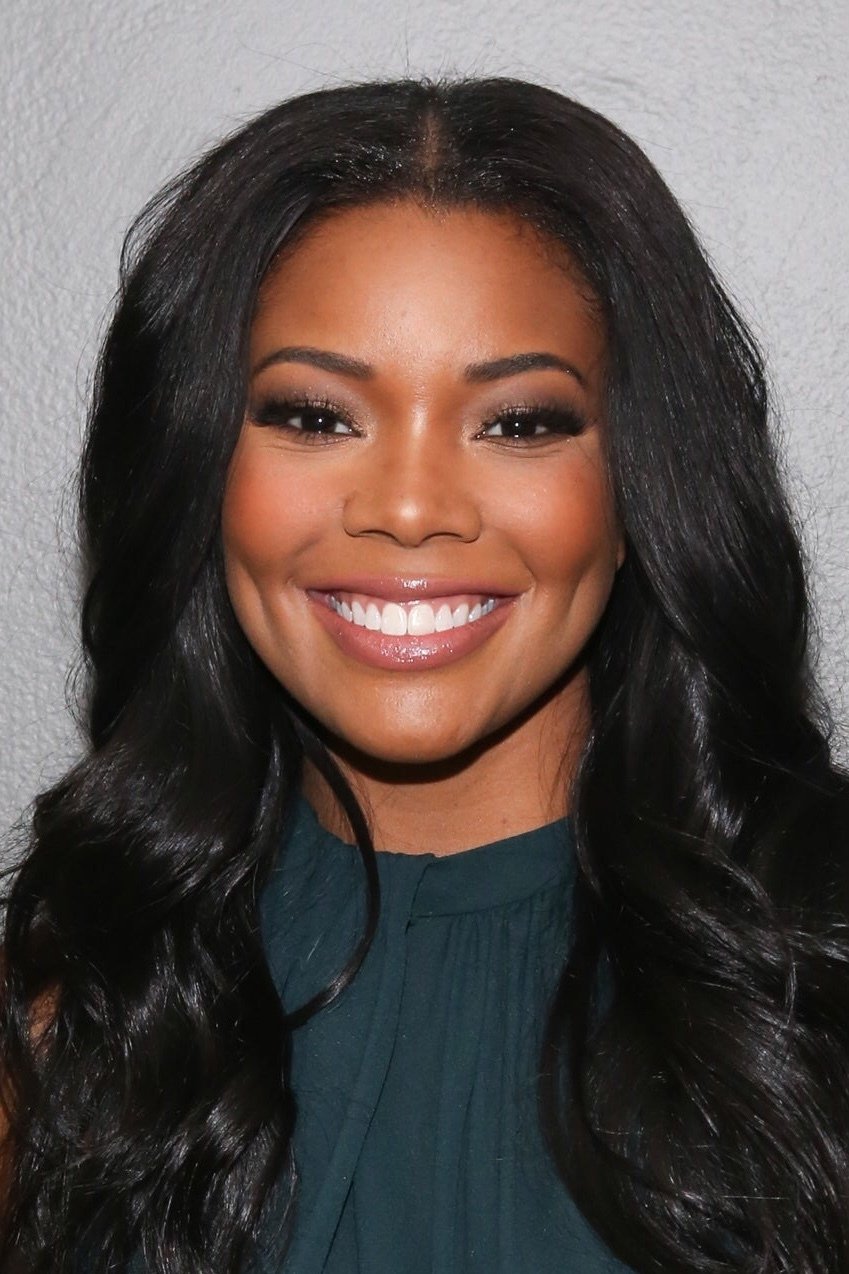
Gabrielle Union was at the center of a major controversy after she criticized the culture at a major network show. She reported issues with racial bias and the way diversity was handled behind the scenes of the production. Her decision to speak out led to a legal battle and significant harassment from those who sided with the network. She argued that the public image of diversity often masks a toxic internal environment for Black performers. Her experience served as a wake up call for many regarding the reality of inclusion in mainstream media.
Kerry Washington
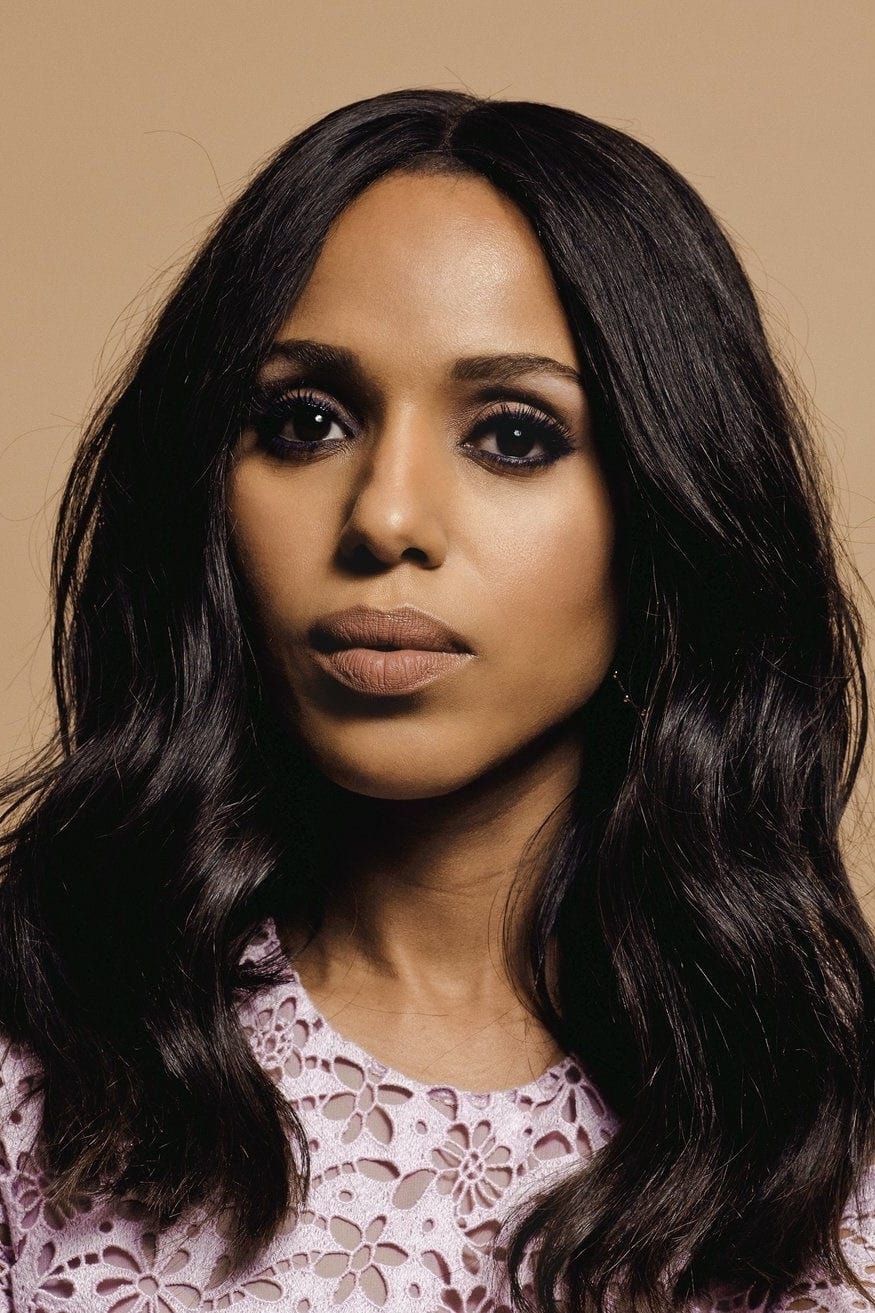
Kerry Washington has been a vocal advocate for diversity in the voting bodies of major award shows. She has worked with various organizations to increase representation and ensure that more voices are heard in the process. Her activism has made her a target for harassment from those who oppose what they call forced diversity in the arts. She argues that a more diverse voting pool will naturally lead to more diverse winners without the need for quotas. She remains committed to using her influence to create lasting institutional change.
Sterling K. Brown
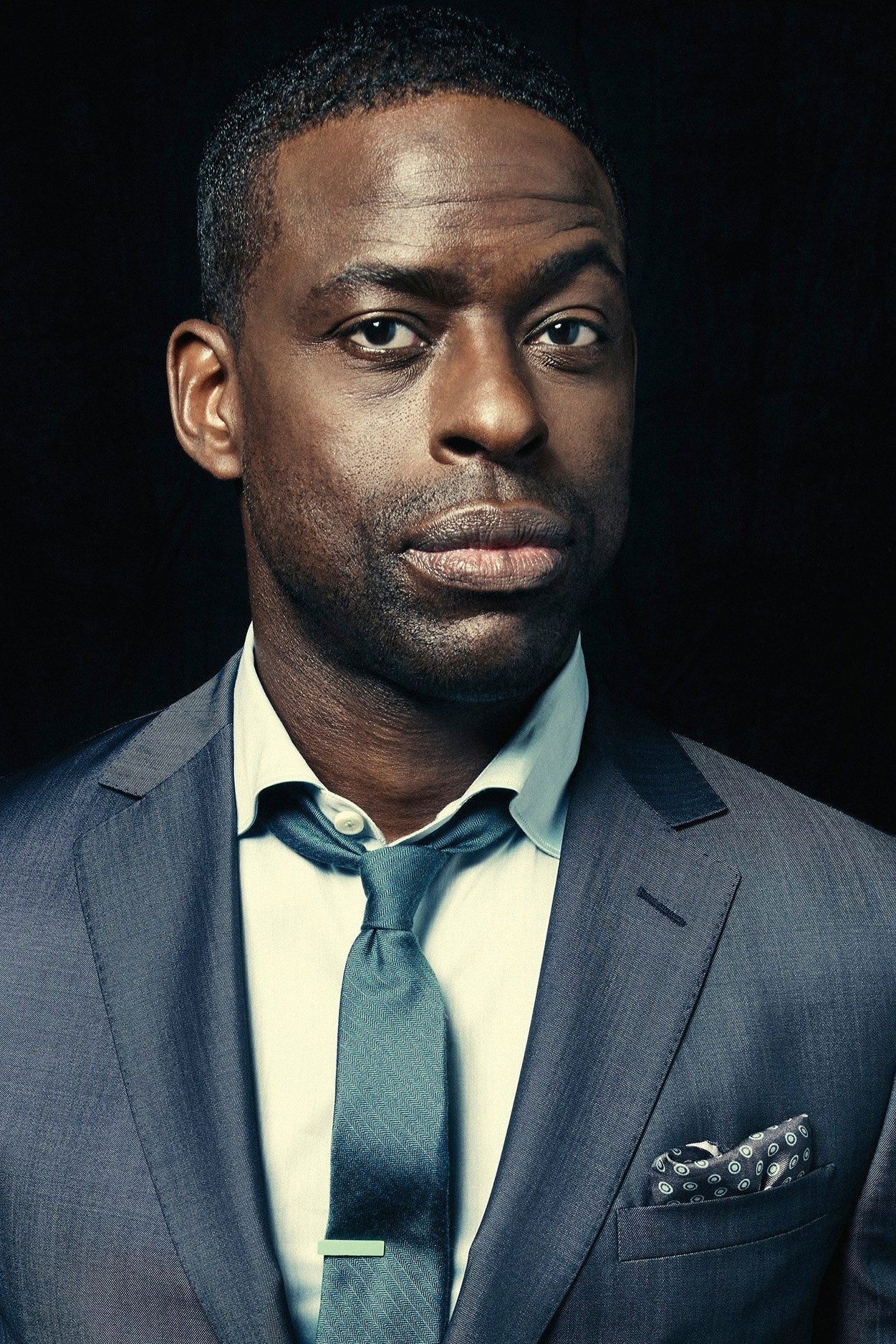
Sterling K. Brown used his platform during award speeches to highlight the importance of being seen and acknowledged. He has spoken about the responsibility that comes with being a Black man in a high profile role. While he is widely respected he has also faced harassment from people who believe he focuses too much on race during his public appearances. He argues that his identity is inseparable from his work and that recognition is part of the healing process for the community. He continues to be a leading voice for representation in the industry.
Regina King
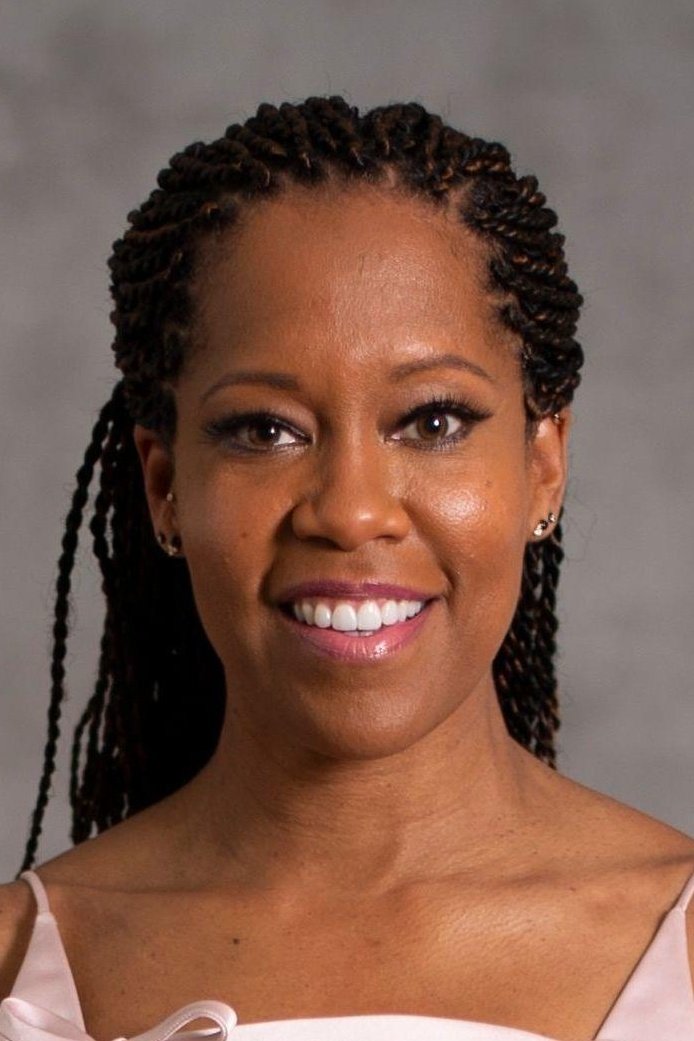
Regina King made a public pledge to ensure that fifty percent of the people working on her projects are women. This inclusion initiative led to a wave of harassment from critics who argued that it was a form of forced diversity. She stood by her decision and stated that she wanted to use her power to create the world she wanted to see. She has frequently spoken about how the award show system needs to change to reflect a more equitable industry. Her leadership has inspired other creators to take similar steps in their own careers.
Mahershala Ali
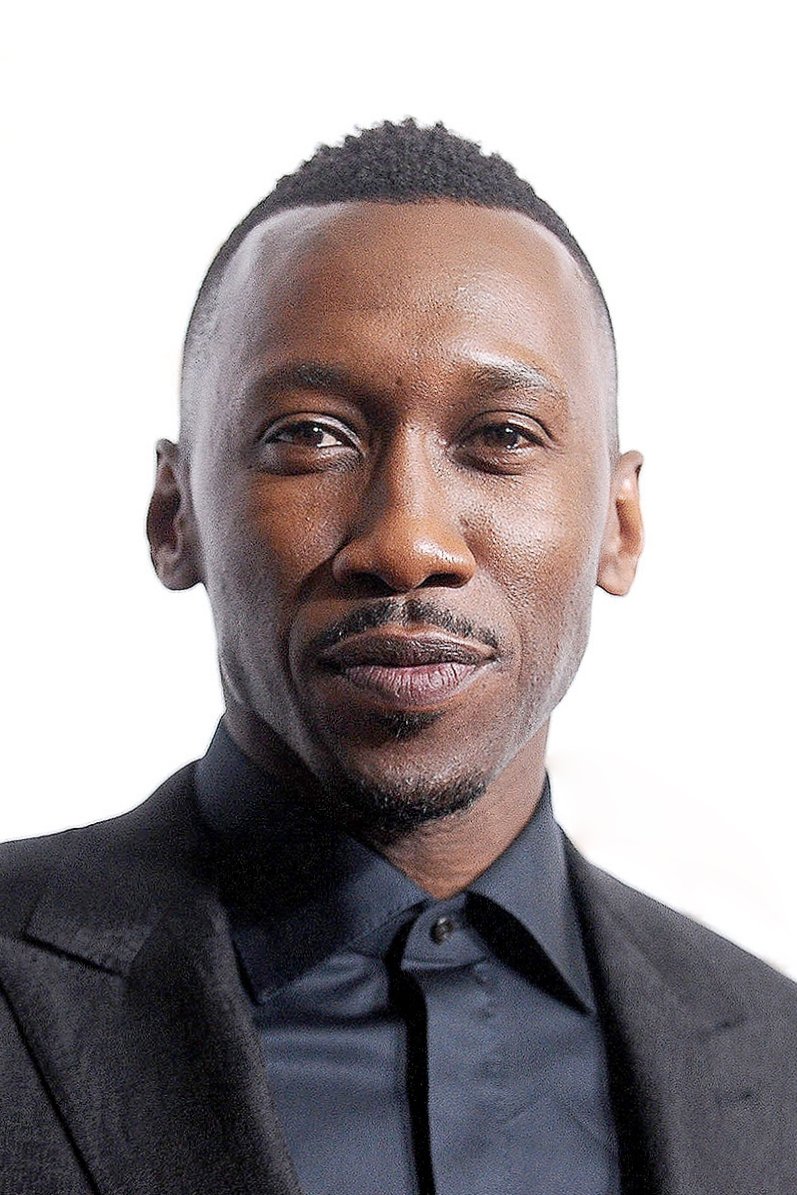
Mahershala Ali has spoken about the dangers of tokenism and how being a diversity win can be a heavy burden for an actor. He argued that the focus should always be on the humanity of the character rather than just the color of their skin. This nuanced take on the diversity debate has sometimes led to harassment from those who want more radical stances. He has managed to navigate the award show circuit with grace while still calling for more meaningful inclusion. He remains one of the most successful and thoughtful actors of his generation.
Daniel Kaluuya
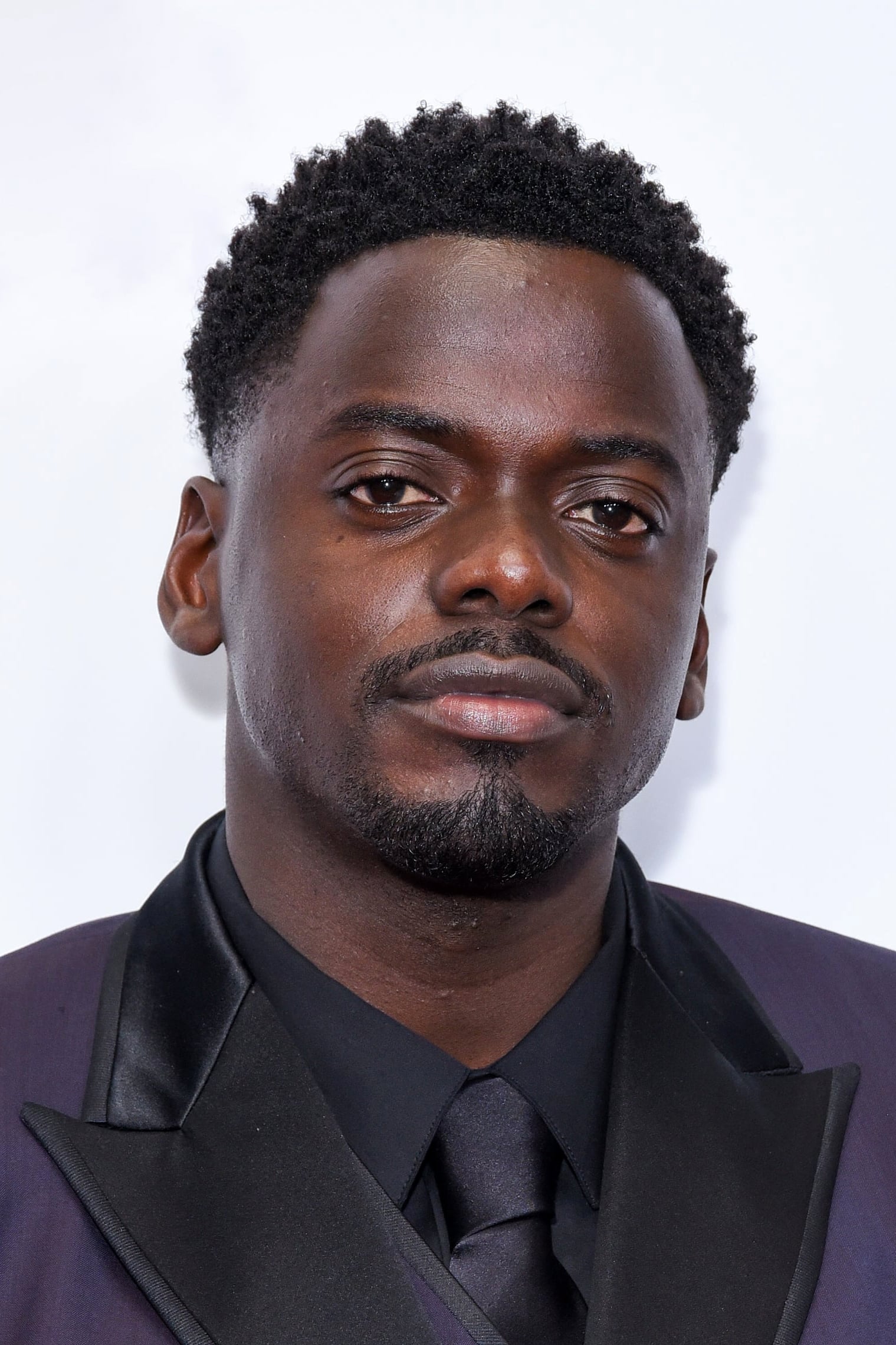
Daniel Kaluuya has expressed his frustration with being asked about race constantly during the awards season for his film ‘Get Out’. He argued that the industry and the media often focus on the politics of diversity rather than the craft of the acting. This critique led to some harassment from people who felt he was being dismissive of important social issues. He maintained that he wants to be seen as an actor first and that the constant focus on race can feel like a form of forced identity. He continues to take on challenging roles that push the boundaries of traditional expectations.
Cynthia Erivo
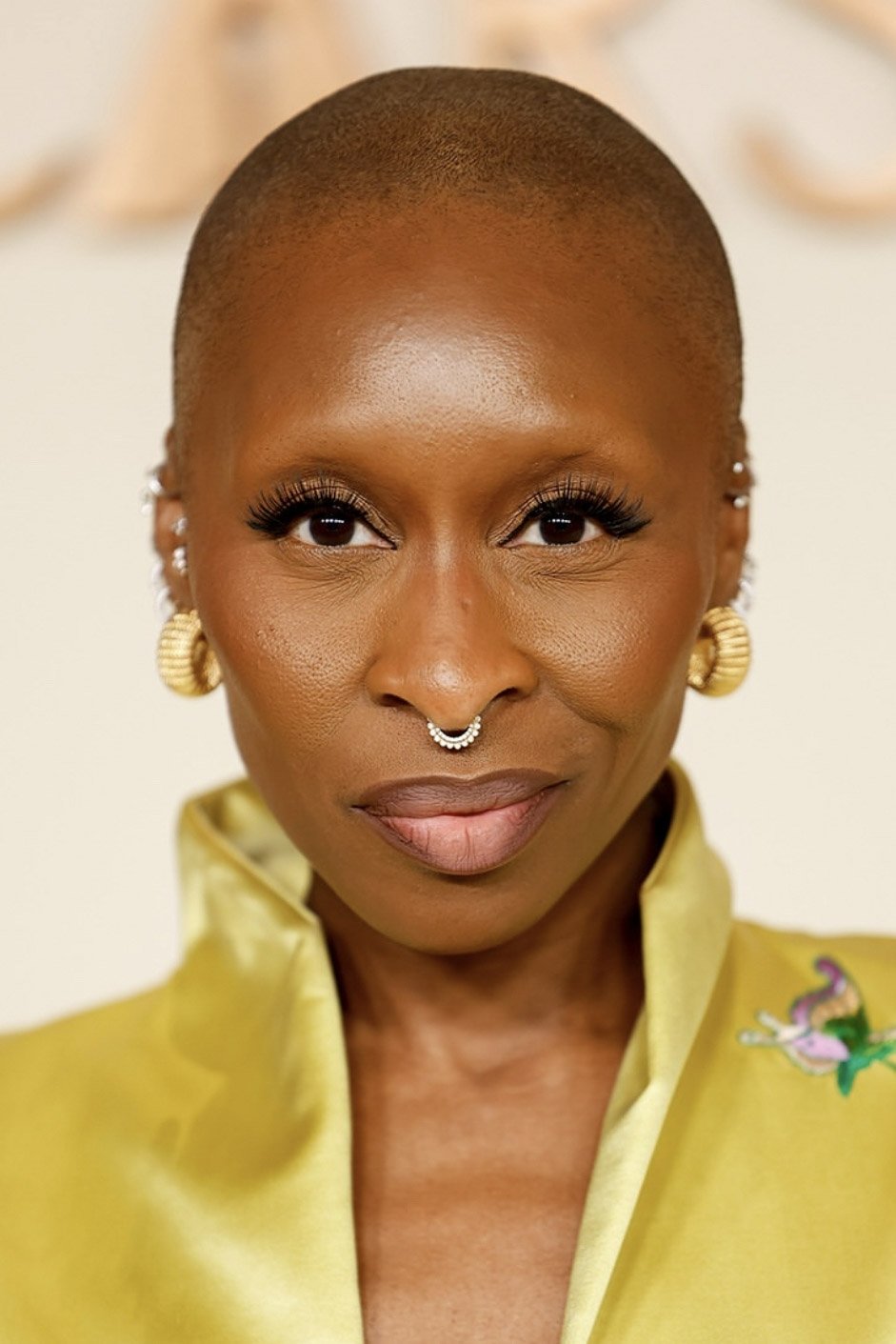
Cynthia Erivo faced a complex situation when she was the only person of color nominated in the acting categories one year. She chose to decline an invitation to perform at the BAFTAs as a protest against the lack of diversity in their nominations. Her decision led to harassment from those who felt she was being ungrateful for her own success. She argued that her presence alone was not enough to represent the entire community and that systemic change was needed. Her protest was a major moment in the ongoing debate over international award shows.
Billy Porter
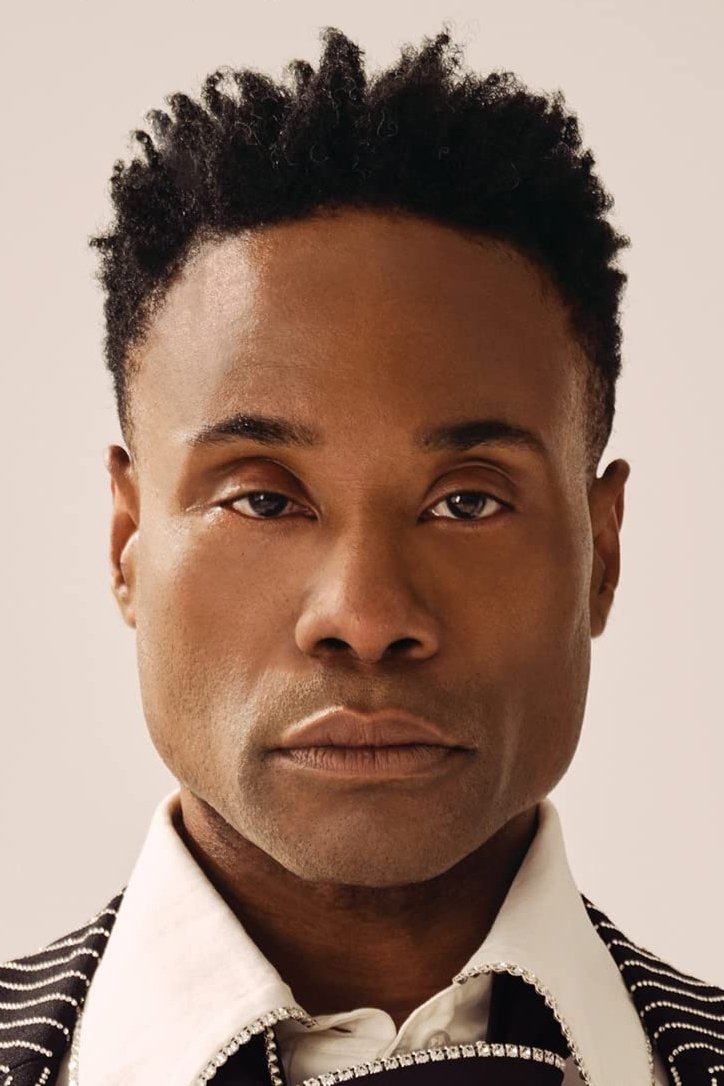
Billy Porter has been a fierce critic of the lack of diversity and gender representation in the major categories of award shows. He has used his red carpet appearances to challenge traditional norms and demand visibility for the LGBTQ+ Black community. His bold approach has led to significant harassment and mockery from conservative critics. He argues that the industry is still afraid of true diversity and often settles for safe and forced versions of inclusion. He remains a trailblazer for those who want to see a more expansive and honest award show experience.
Zendaya

Zendaya has spoken about her privilege as a light skinned Black woman in the industry and how that affects her experience with awards. She has been vocal about the need for the industry to recognize a broader range of Black beauty and talent. This honesty has led to harassment from those who believe she is virtue signaling or being overly critical. She argues that her success should be a starting point for more inclusion rather than a final goal. She continues to use her massive platform to advocate for her peers and the next generation of talent.
Amandla Stenberg
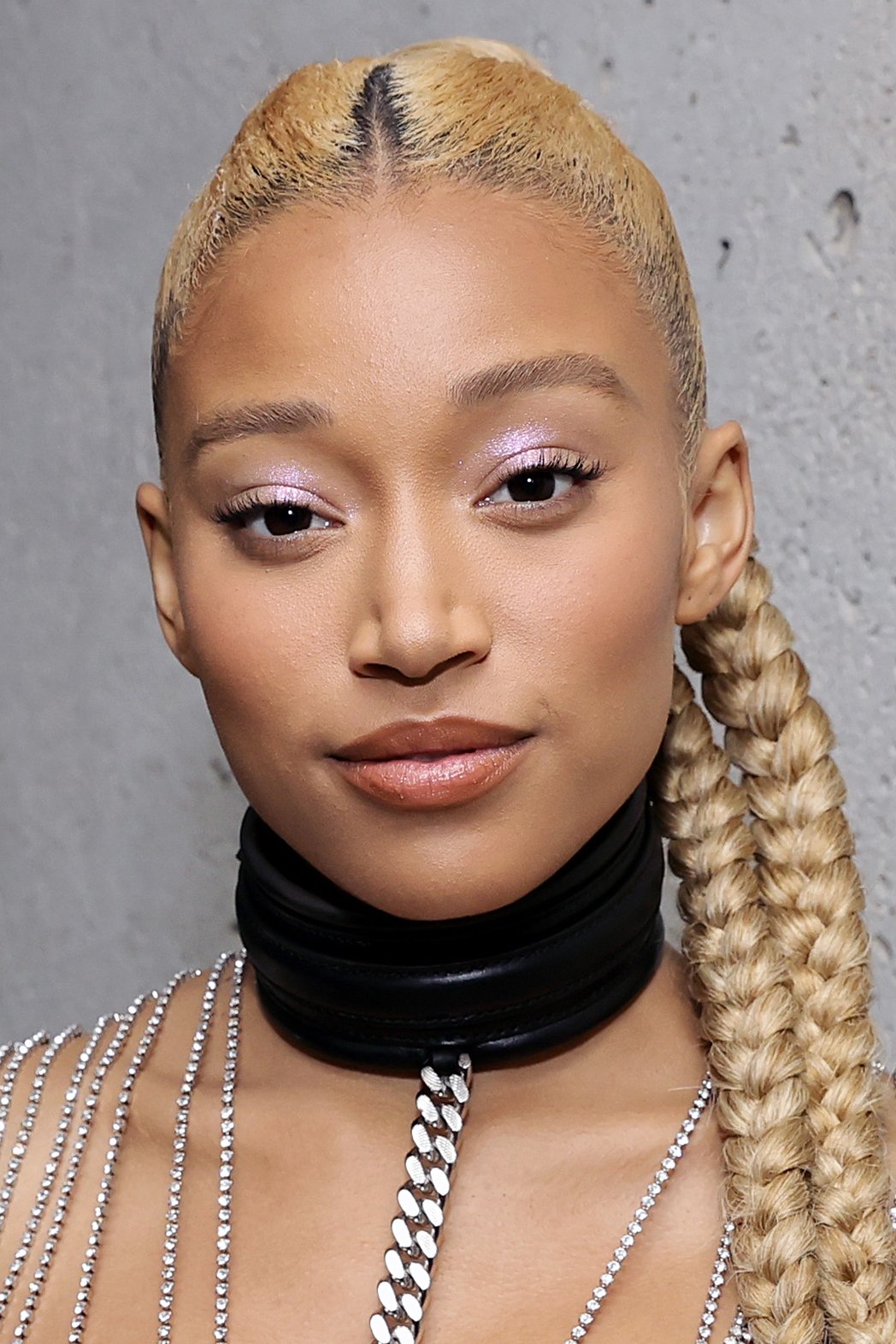
Amandla Stenberg has often criticized the industry for cultural appropriation and the way Black culture is used for entertainment without proper credit. She has been vocal about the need for award shows to recognize the origins of the trends they celebrate. Her outspoken nature has made her a target for intense social media harassment since she was a teenager. She argues that forced diversity is not a substitute for genuine understanding and respect for Black culture. She remains a powerful advocate for authenticity and accountability in the arts.
Yara Shahidi
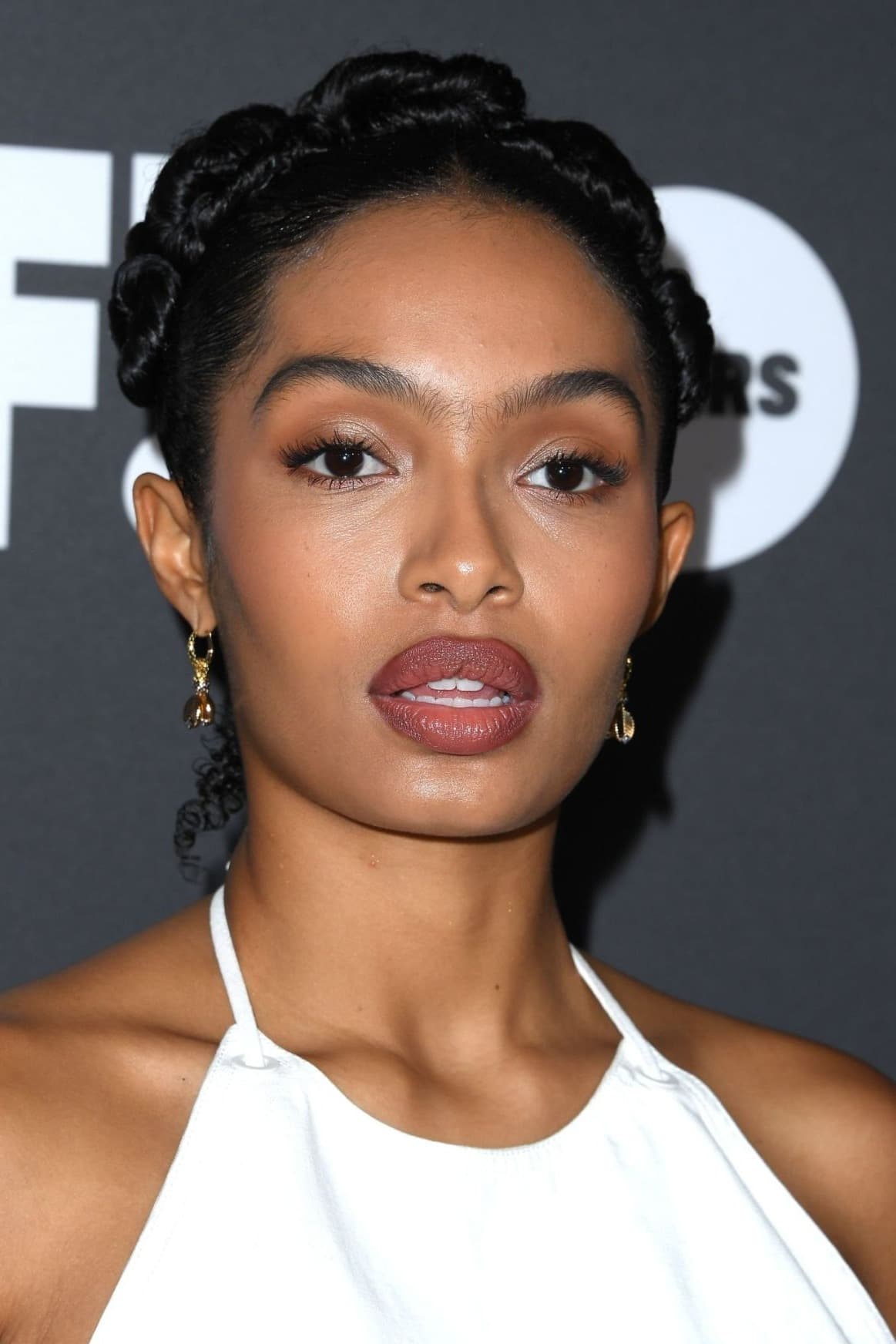
Yara Shahidi has used her platform to discuss the intersection of education and representation in the entertainment industry. She has been critical of how award shows often overlook the intellectual and social contributions of Black artists. Her activism has led to harassment from those who believe celebrities should stay away from social and political issues. She argues that the industry has a responsibility to promote a more complete and diverse image of humanity. She continues to balance her acting career with her work as a social advocate.
Lupita Nyong’o
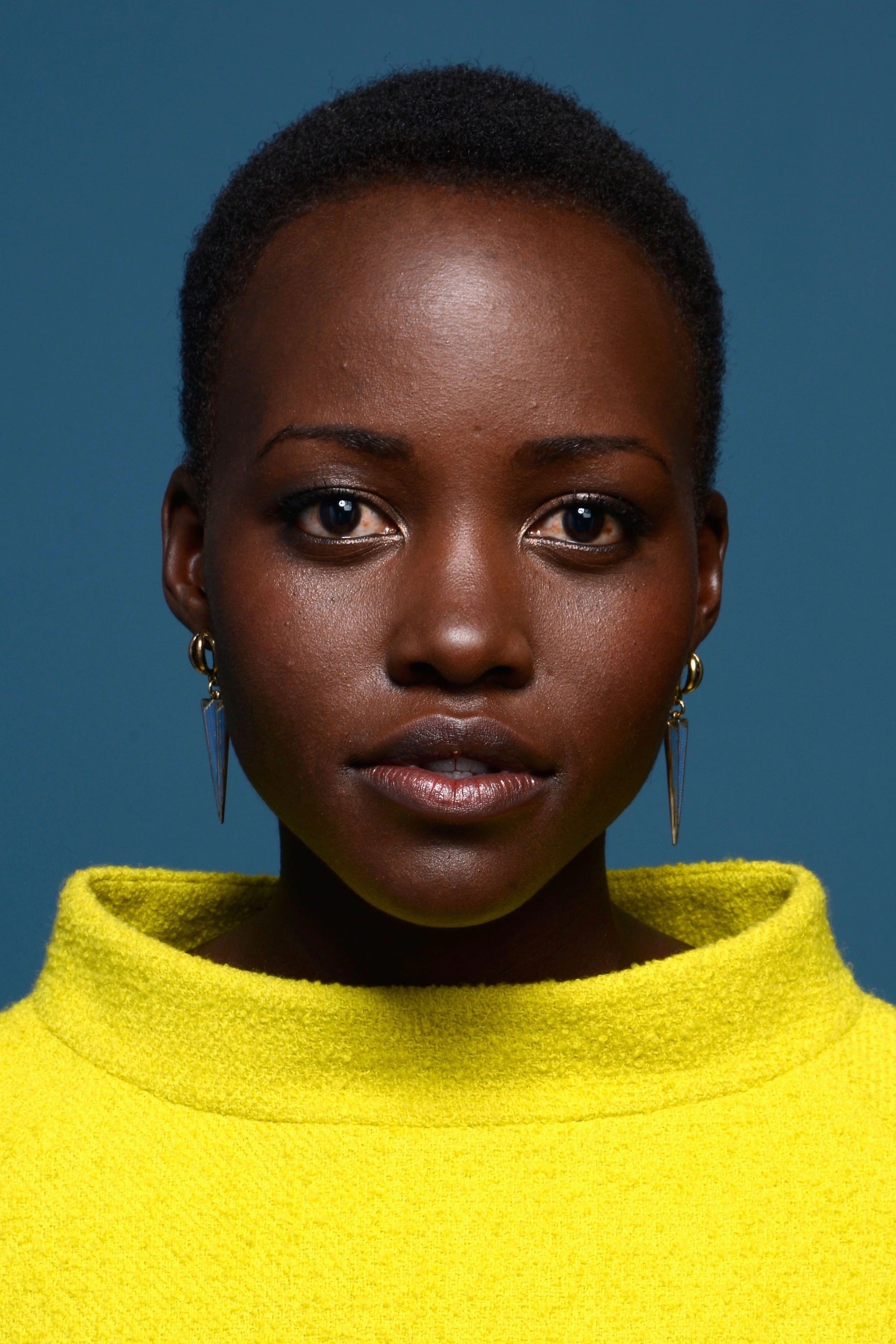
Lupita Nyong’o was one of the many celebrities who spoke out during the OscarsSoWhite movement. She expressed her disappointment with the lack of progress in the industry and the way minority stories are often marginalized. Her comments led to harassment from those who felt she was being too critical of the institution that gave her an Oscar. She maintained that the recognition of a few individuals does not mean the system is fair. She remains a key figure in the global conversation about beauty standards and representation.
Tessa Thompson
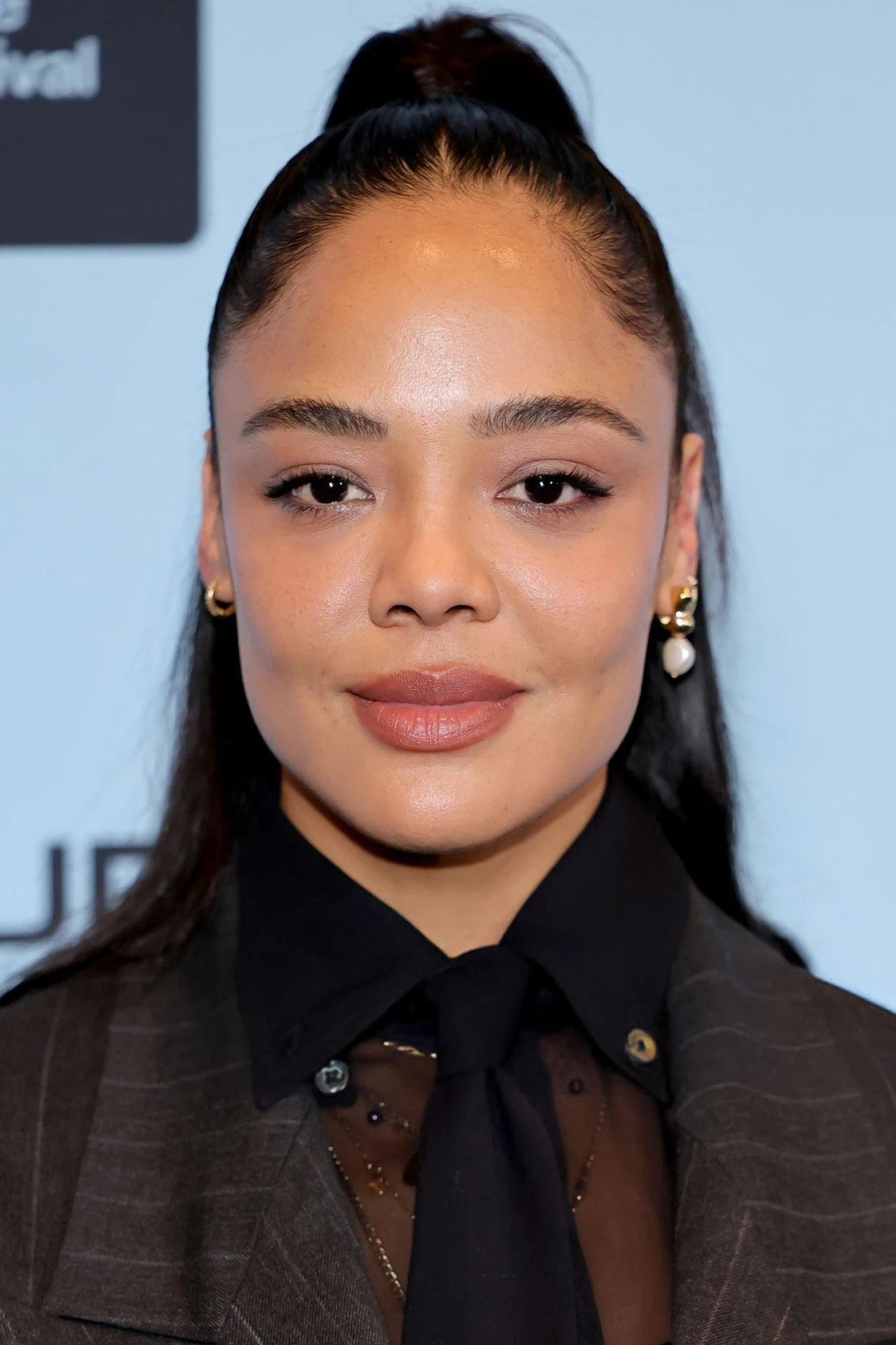
Tessa Thompson has been a leader in the movement to increase the number of female and minority critics covering films. She argued that the lack of diversity in the press affects how films are perceived and which ones get award season momentum. This stance led to harassment from some segments of the film criticism community. She argues that true diversity must include the people who are judging and writing about the art. She continues to work with organizations to ensure a more inclusive and equitable film culture.
Donald Glover
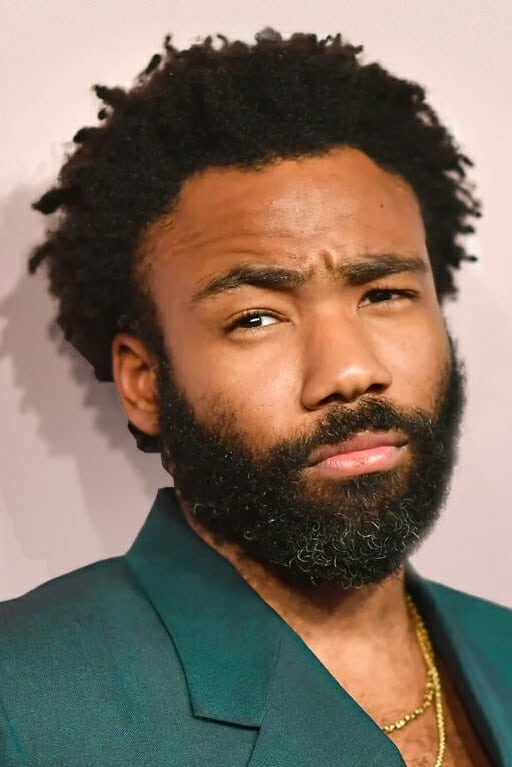
Donald Glover has frequently used humor and his art to critique the industry approach to race and awards. He famously joked about the lack of diversity during his own Emmy acceptance speeches. This led to some backlash from those who felt he was being cynical or ungrateful. He argues that the industry often engages in performative diversity that does not reflect the lived experience of Black creators. His work continues to challenge the traditional narratives and expectations of the entertainment world.
Kid Cudi
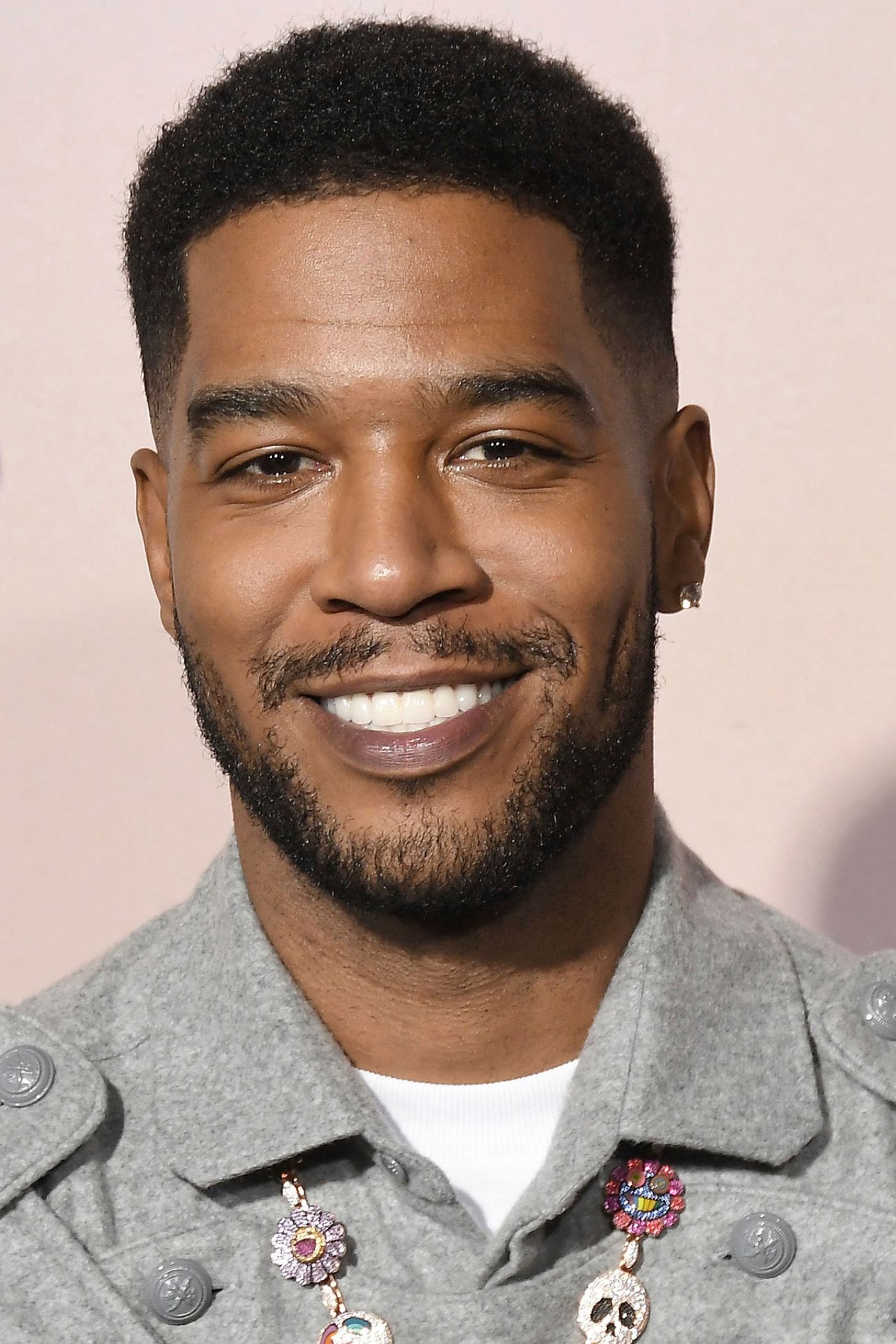
Kid Cudi has shared his frustrations with the music industry and the way award shows treat alternative Black artists. He argued that the categories are often too narrow and fail to account for the diversity of sounds being produced. His comments led to online harassment from fans of more traditional hip hop. He argues that the industry needs to move past forced labels and allow artists to be judged on their own merits. He remains a vocal advocate for mental health and artistic freedom in the music world.
Pharrell Williams
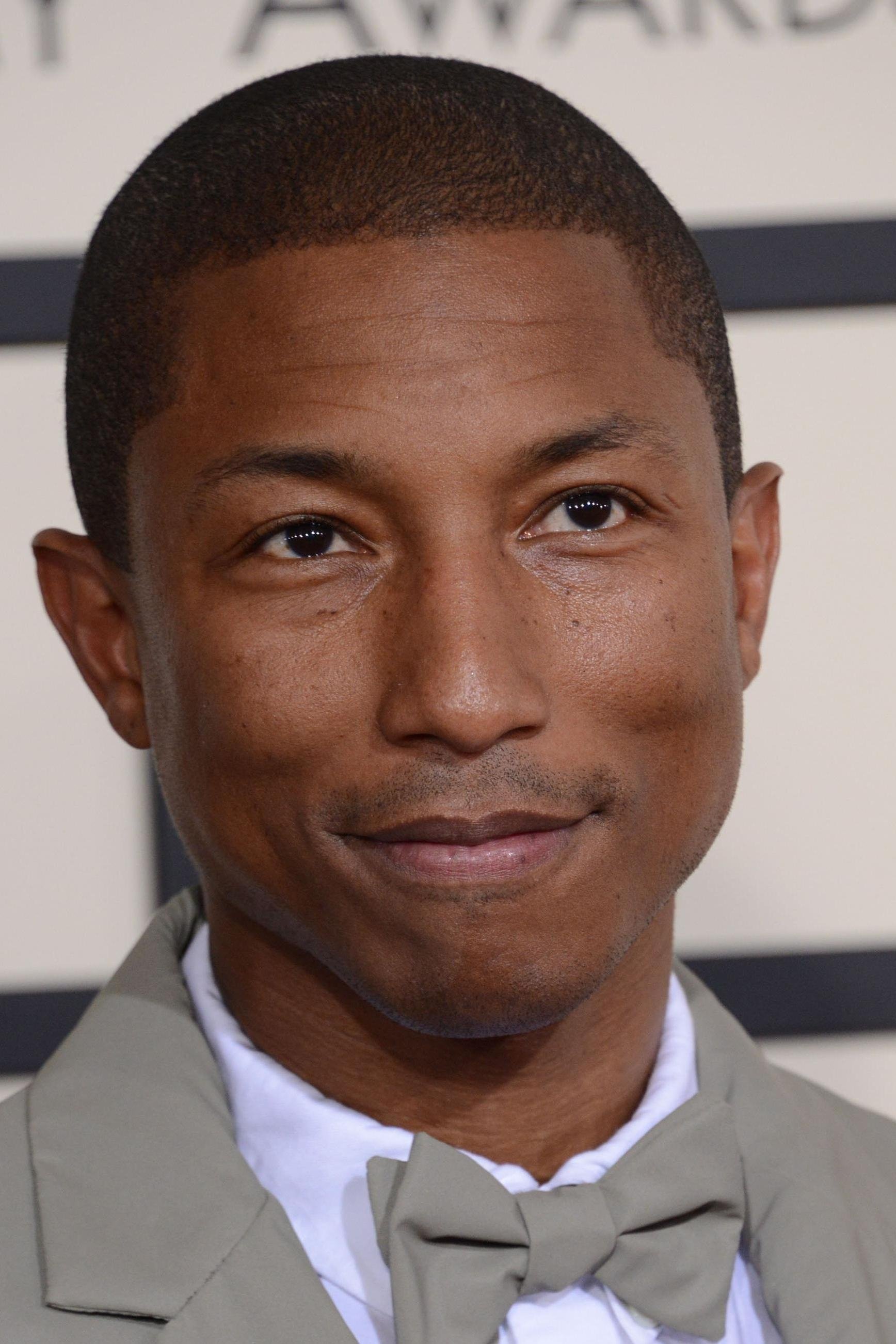
Pharrell Williams has been a vocal proponent of change within the Recording Academy and other major organizations. He has worked behind the scenes to push for more transparency and a fairer voting process. His involvement has led to harassment from those who feel he is part of the industry elite trying to force a specific agenda. He argues that the goal is not to force diversity but to ensure that the best work is recognized regardless of background. He continues to be a major influence on both music and culture.
Ludacris
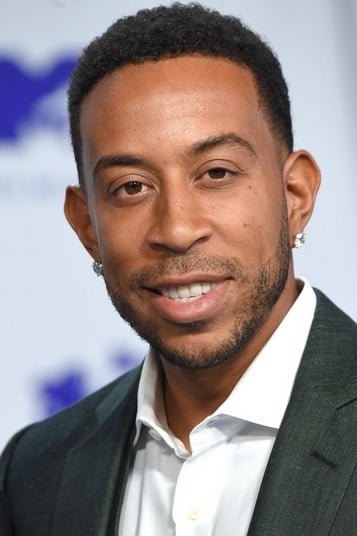
Ludacris has spoken about the difficulties Black actors face when trying to transition from music to film and the lack of recognition they receive. He argued that the award show system often has a bias against artists who come from a hip hop background. This critique led to some harassment from people who felt he was not a serious actor. He maintained that the industry needs to be more open to different types of talent and career paths. He remains a successful figure in both the music and film industries.
Common
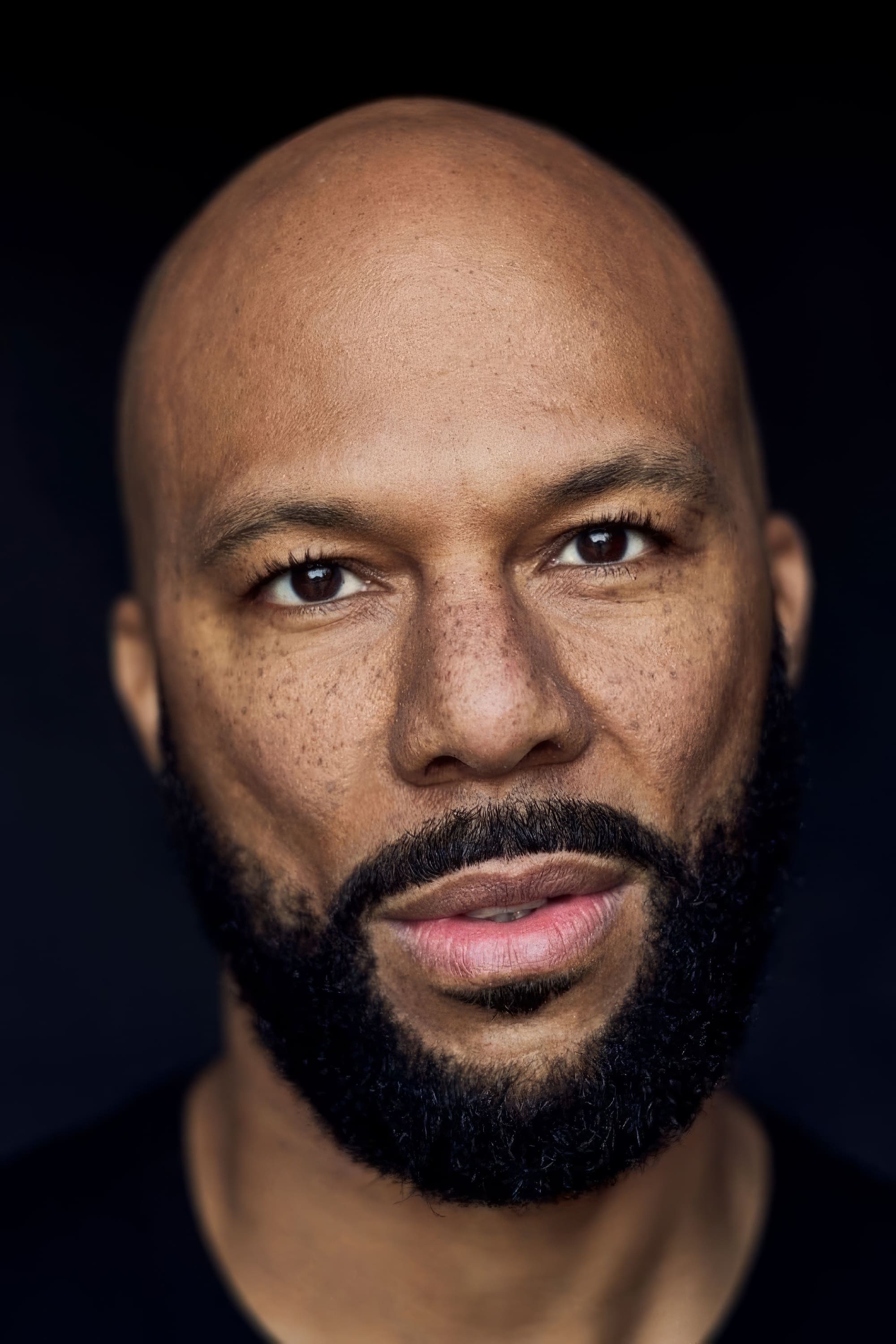
Common has used his platform at various award shows to deliver powerful messages about social justice and equality. His activism has led to significant harassment from those who believe that award shows should be purely about entertainment. He argues that art is a reflection of society and that it is impossible to separate the two. He has been a consistent voice for the importance of using one’s platform to speak truth to power. He remains one of the most respected and socially conscious artists in the industry.
Jay-Z

Jay-Z famously used his speech while receiving an impact award to call out the Grammys for their history of snubs. He pointed out that his wife had more Grammys than anyone but had never won Album of the Year and that some artists did not even feel like they belonged in the building. This direct critique of the academy led to a massive social media storm and harassment from critics of the couple. He argued that the numbers do not add up and that the industry needs to be honest about its biases. His comments forced yet another public conversation about the legitimacy of major music awards.
Share your thoughts on these industry discussions in the comments.