


17 Black Celebs Accused of Colorism in Their Casting Advocacy



Colorism remains one of the most contentious and pervasive issues within the entertainment industry. Conversations surrounding the preference for light-skinned actors over their dark-skinned peers have implicated widespread casting practices and production choices. The following celebrities have faced public accusations or backlash regarding their involvement in projects that critics claim perpetuated color bias.
Zoe Saldaña
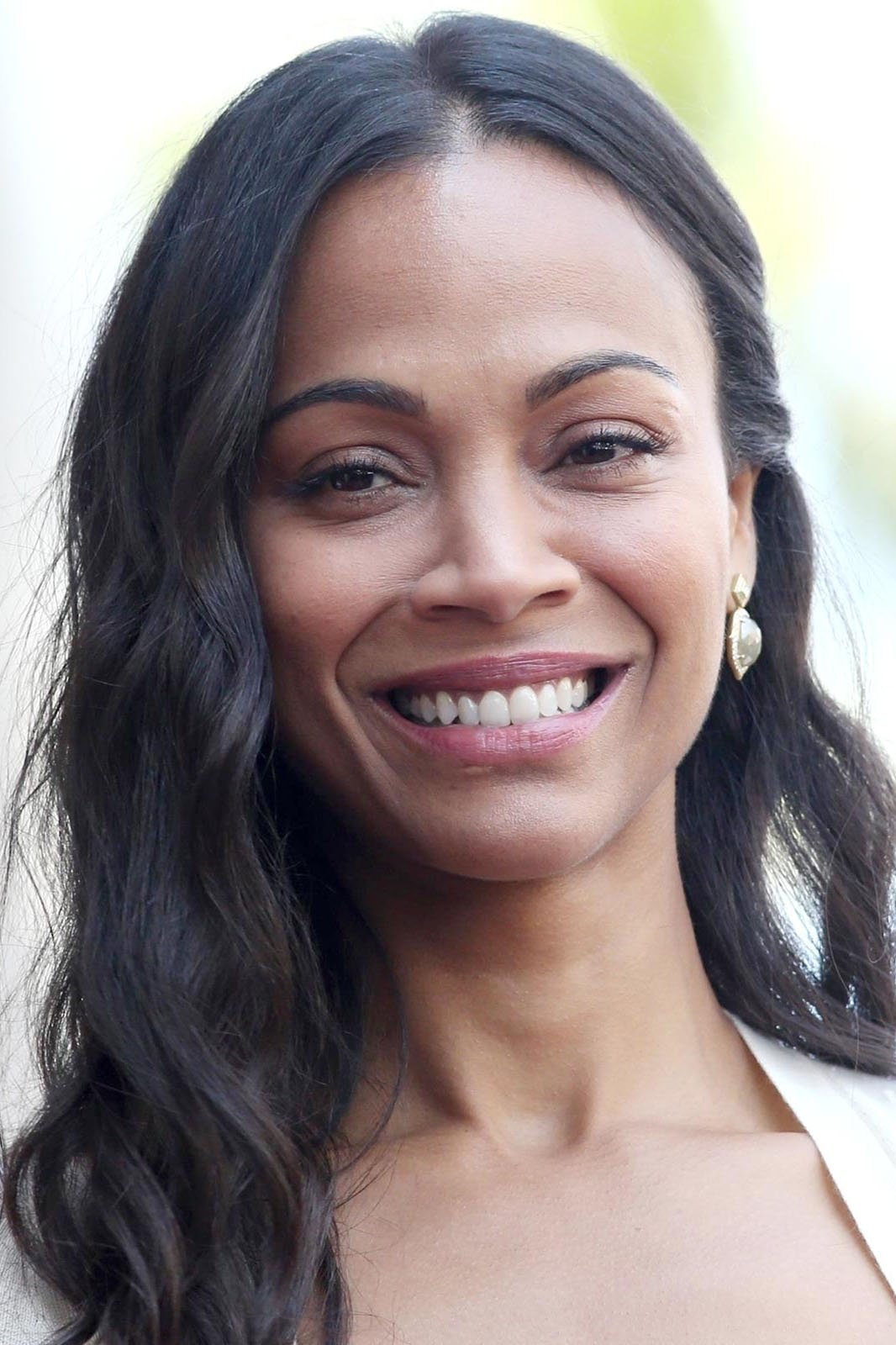
Zoe Saldana faced intense backlash after being cast as the legendary singer in the biopic ‘Nina’ (2016). Critics argued that Saldana was significantly lighter than Nina Simone and noted the production used prosthetic features and skin-darkening makeup to alter her appearance. The actress initially defended her right to play the role but later issued a tearful apology for participating in the project. Many viewers felt the casting choice erased the specific struggles Simone faced due to her dark skin and African features.
Kenya Barris
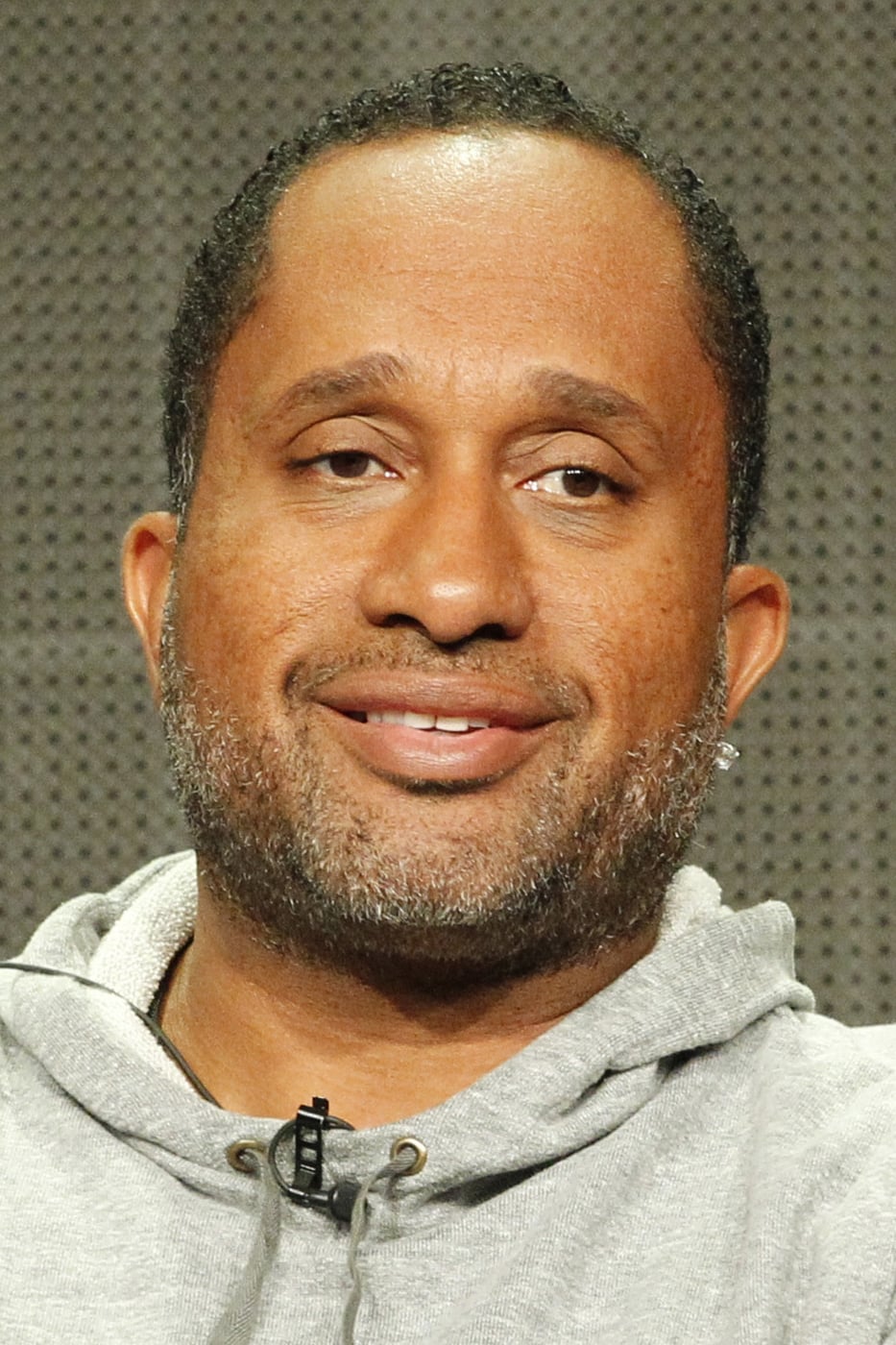
Creator Kenya Barris has frequently encountered criticism regarding the casting choices in his various television series. Social media users pointed out that the primary family members in shows like ‘#blackAF’ and ‘Black-ish’ predominantly feature actors with lighter complexions. Barris responded to these accusations by stating the casting reflected his own real-life family dynamic and lived experiences. The discourse highlighted ongoing conversations about the lack of dark-skinned representation in mainstream family sitcoms.
Alexandra Shipp
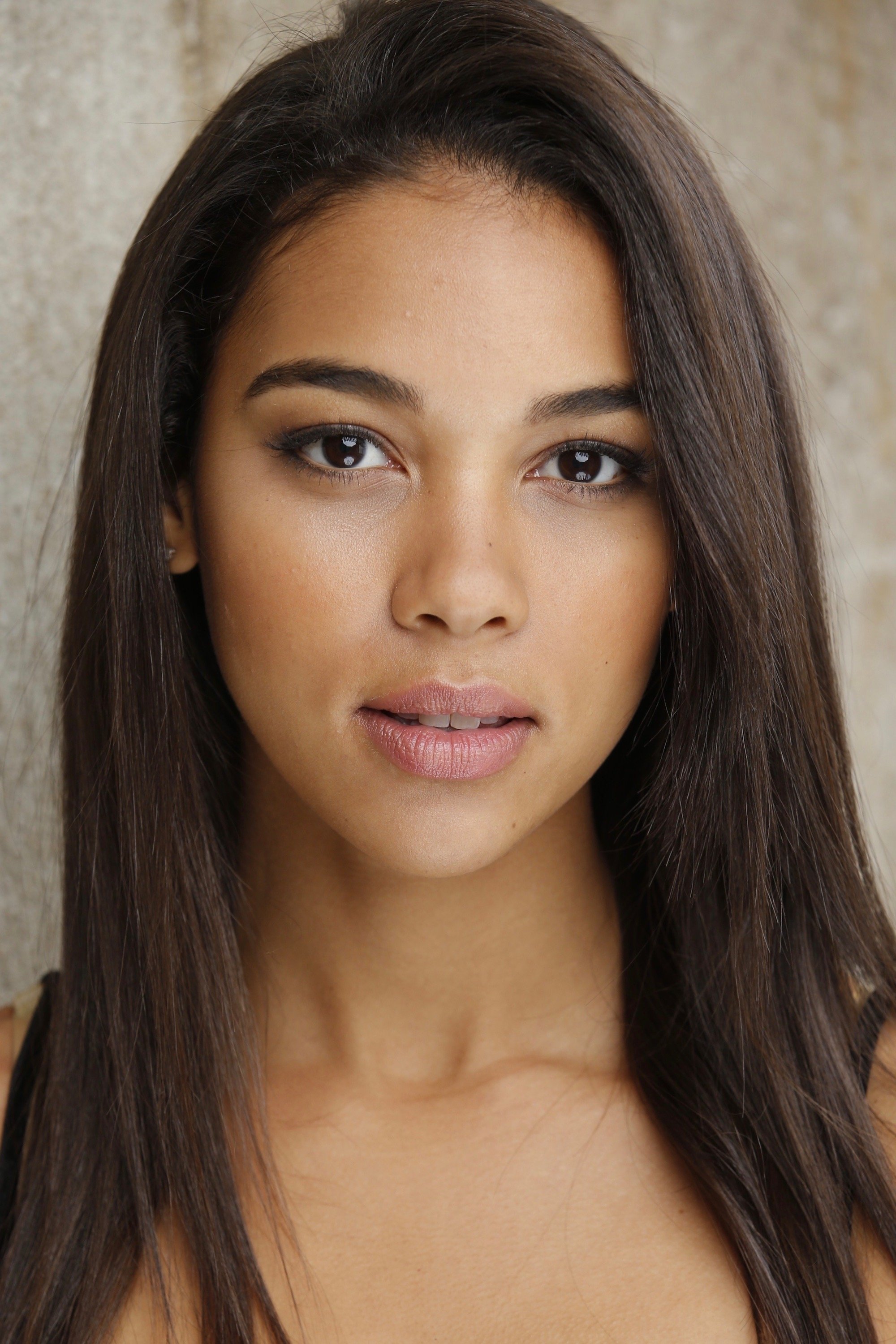
Alexandra Shipp took on the role of Ororo Munroe in ‘X-Men Apocalypse’ (2016) and ‘Dark Phoenix’ (2019). Comic book fans criticized the casting because the character of Storm is historically depicted as a dark-skinned Kenyan woman with white hair. Shipp aggressively defended her position and dismissed the complaints by comparing her skin tone to a Crayola crayon. Her comments sparked a heated debate about the erasure of dark-skinned women in major superhero franchises.
Zazie Beetz
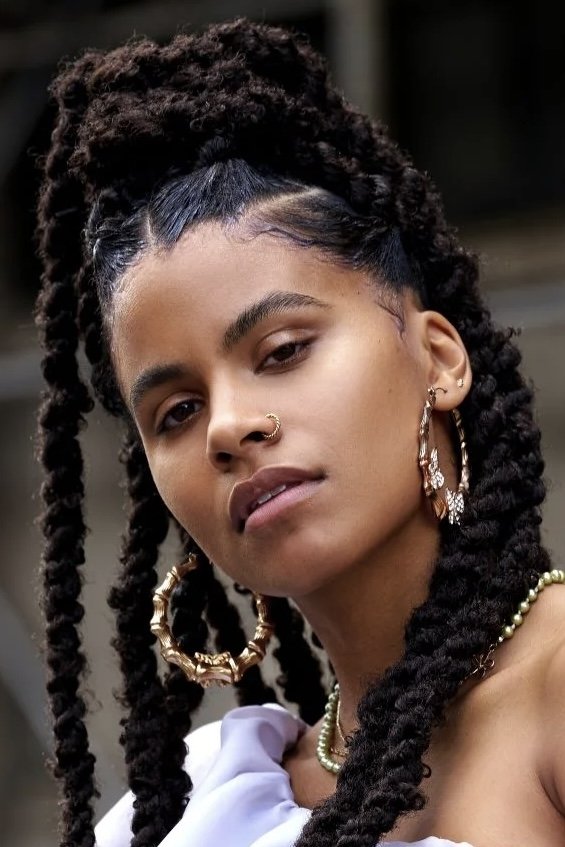
Zazie Beetz starred as the historical figure Stagecoach Mary in the Netflix western ‘The Harder They Fall’ (2021). Historians and critics noted that the real Mary Fields was a dark-skinned plus-sized woman who looked nothing like the actress. Beetz acknowledged the colorism controversy surrounding her casting but ultimately decided to keep the role to honor the character’s spirit. The situation sparked discussions about how Hollywood often replaces dark-skinned historical figures with lighter actors.
Amandla Stenberg
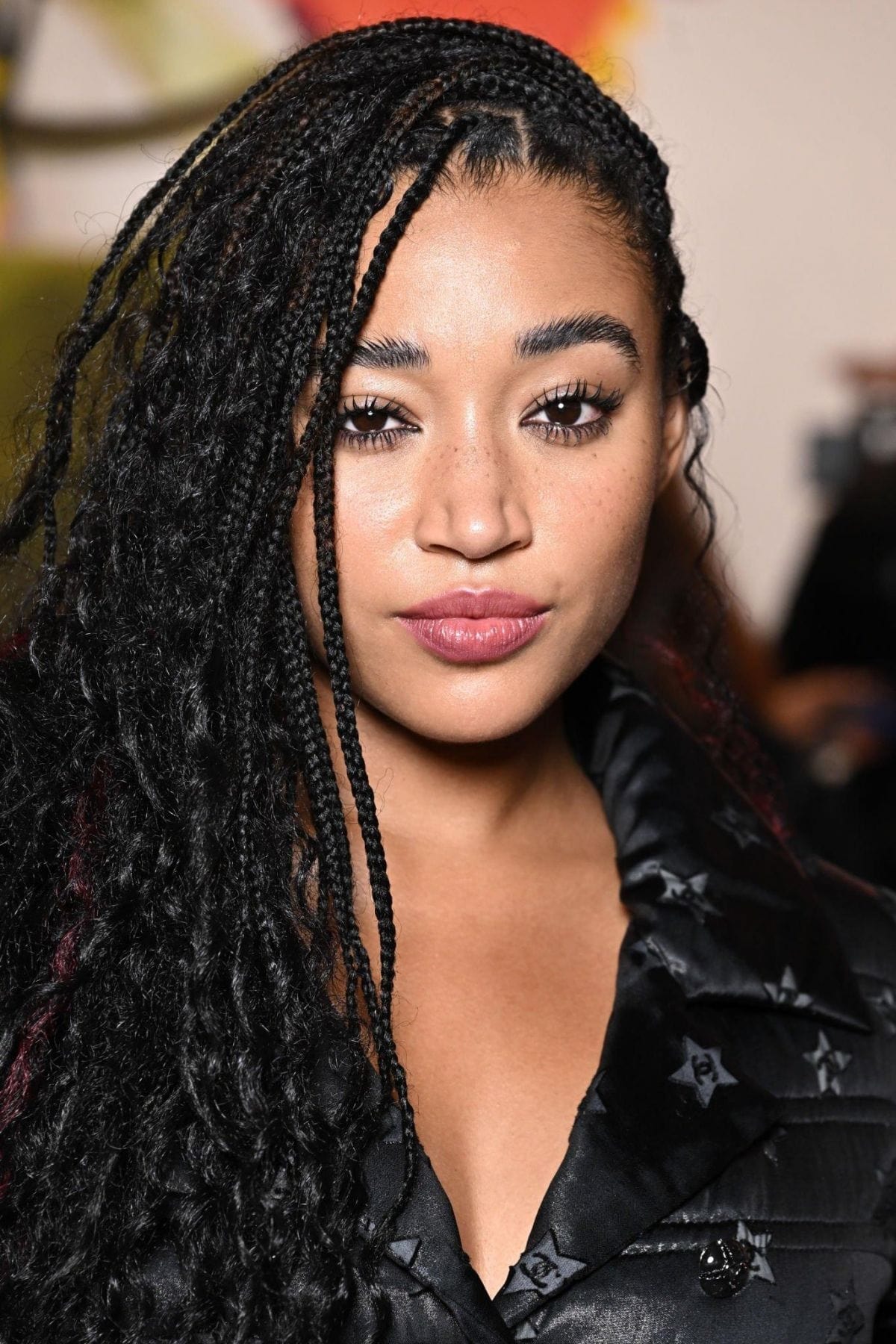
Amandla Stenberg played the lead character Starr Carter in the film adaptation of ‘The Hate U Give’ (2018). Readers of the original novel expressed disappointment because the book cover illustrated Starr as a dark-skinned teenager. Stenberg admitted that she had lighter skin privilege and that the role theoretically belonged to a darker actress. Despite the backlash the actress received praise for her performance while the industry faced renewed scrutiny over casting practices.
Thandiwe Newton

Thandiwe Newton became the center of an emotional discussion when she apologized to dark-skinned actresses during the promotion of her film ‘God’s Country’ (2022). The actress expressed guilt over being the chosen one for roles that might have gone to women with darker complexions. She tearfully acknowledged that her light skin has afforded her privileges in the entertainment industry that others do not receive. Her apology drew mixed reactions regarding the responsibility of actors to turn down roles.
Zendaya

Zendaya has openly discussed her status as the acceptable version of a Black girl in Hollywood due to her lighter skin. Critics often cite her casting in numerous high-profile roles as evidence that the industry prefers features closer to European standards. The actress has stated she encourages her agents to look for roles written for white women to leave space for other Black actresses. Despite her advocacy she remains a focal point in debates about the lack of opportunities for dark-skinned talent.
Tyler Perry
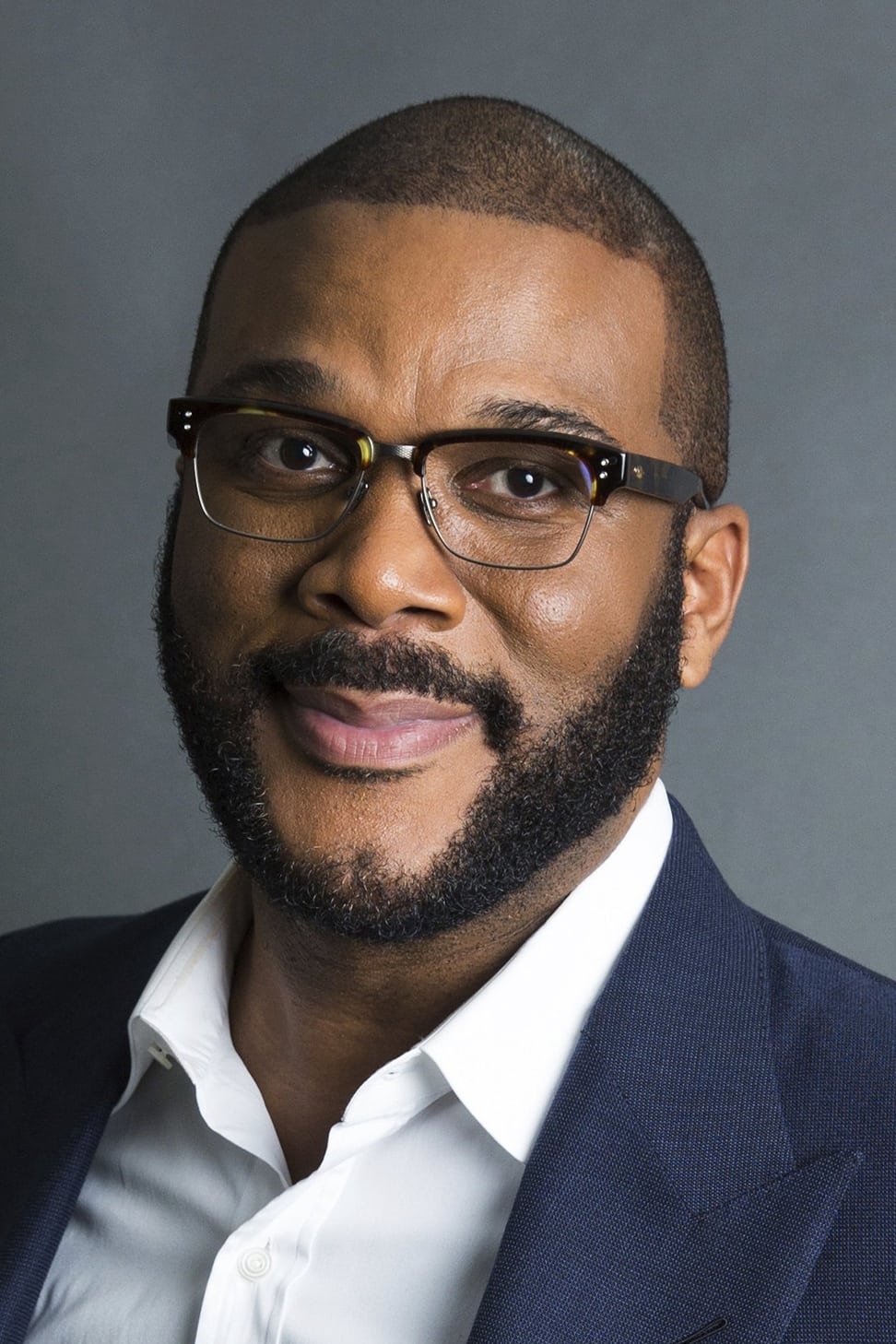
Tyler Perry has faced years of accusations regarding the casting dynamics in his extensive catalog of films and television shows. Critics argue that his productions often cast light-skinned women as sympathetic protagonists while assigning dark-skinned actresses to villainous or caricature roles. This recurring pattern has led to debates about the reinforcement of negative stereotypes within the Black community. Perry has generally dismissed these critiques and continues to produce content with his preferred ensembles.
50 Cent
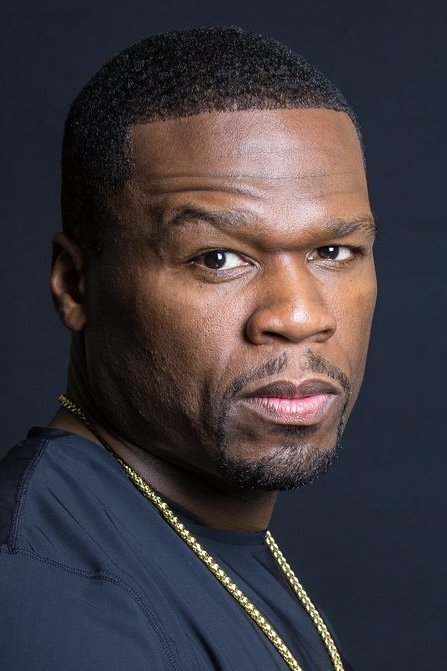
Rapper and producer 50 Cent has come under fire for his comments about angry Black women and his casting preferences in the ‘Power’ universe. He publicly stated a preference for exotic women which many interpreted as a bias against dark-skinned African American women. His social media posts often target dark-skinned women in ways that critics identify as misogynoir. These actions have led to scrutiny regarding the representation of women in the shows he produces.
Beyoncé
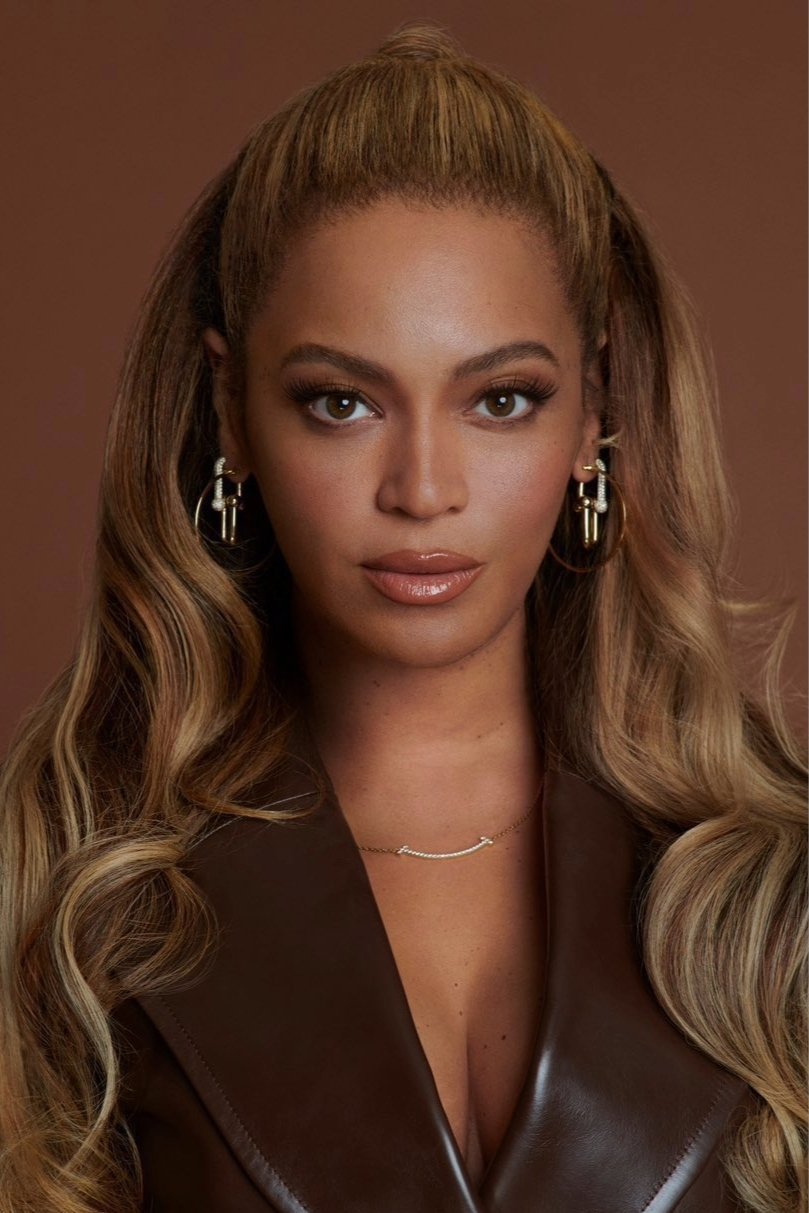
Beyoncé received critical acclaim for her visual album ‘Black Is King’ (2020) but also faced questions regarding the casting of lead roles. Some critics observed that while the background dancers were diverse the primary love interests or royalty figures were often lighter-skinned. The discourse examined whether the project inadvertently reinforced color hierarchies despite its message of Black pride. Fans defended the artist by pointing to the inclusion of dark-skinned talent like Lupita Nyong’o and Kelly Rowland.
Tessa Thompson
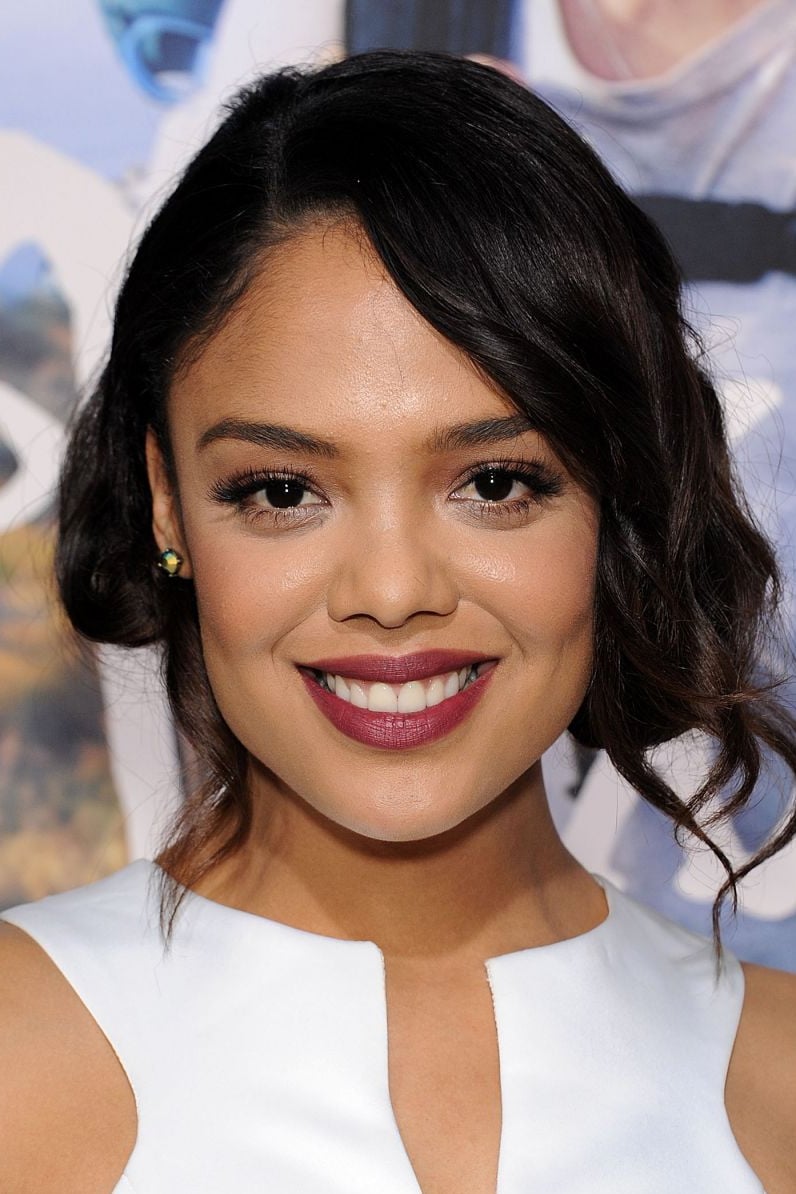
Tessa Thompson has been vocal about colorism yet faces criticism for taking roles that could have gone to darker actresses. Her role in ‘Passing’ (2021) explored these themes directly but her casting in other projects often sparks debate about the ubiquity of light-skinned women in sci-fi and fantasy. She has acknowledged that the industry uses her to fill diversity quotas in a way that is palatable to white audiences. Thompson continues to advocate for broader representation while navigating her own career choices.
Yara Shahidi
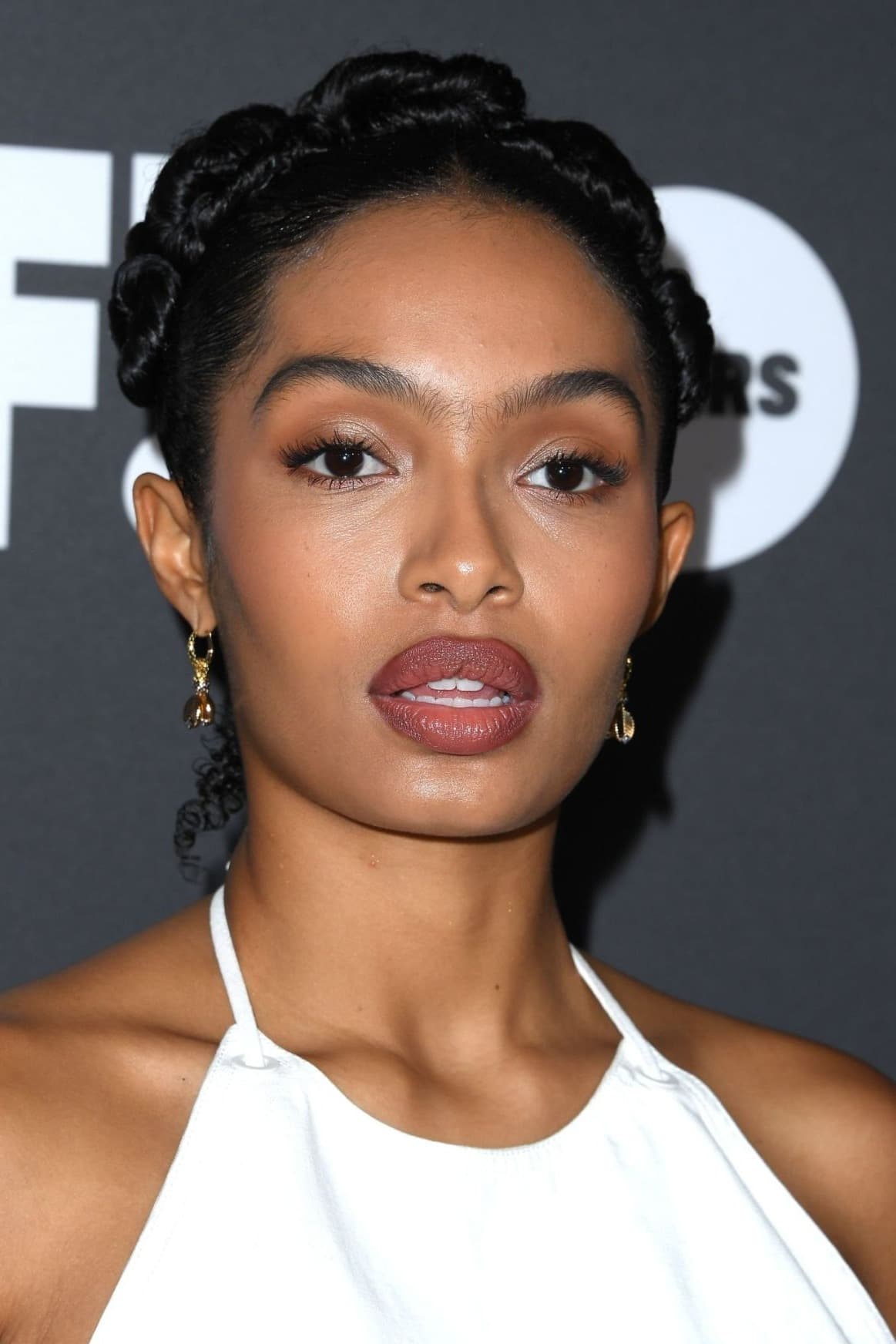
Yara Shahidi was cast as Tinkerbell in the live-action film ‘Peter Pan & Wendy’ (2023) which ignited conversations about race-swapping and colorism. While the casting was a win for diversity some critics argued that Hollywood only swaps white characters with light-skinned Black actresses. Shahidi often appears alongside Zendaya and Amandla Stenberg in discussions about the limited archetypes available for young Black women. She uses her platform to discuss these nuances but still benefits from the industry’s bias.
Jay-Z

Jay-Z served as a producer for the western ‘The Harder They Fall’ (2021) which faced significant backlash for its casting of historical figures. The production chose light-skinned Zazie Beetz to play the historically dark-skinned Stagecoach Mary. Critics argued that Jay-Z and the production team missed an opportunity to accurately represent a dark-skinned pioneer. The controversy highlighted the responsibility of Black producers to ensure authentic representation in period pieces.
Drake
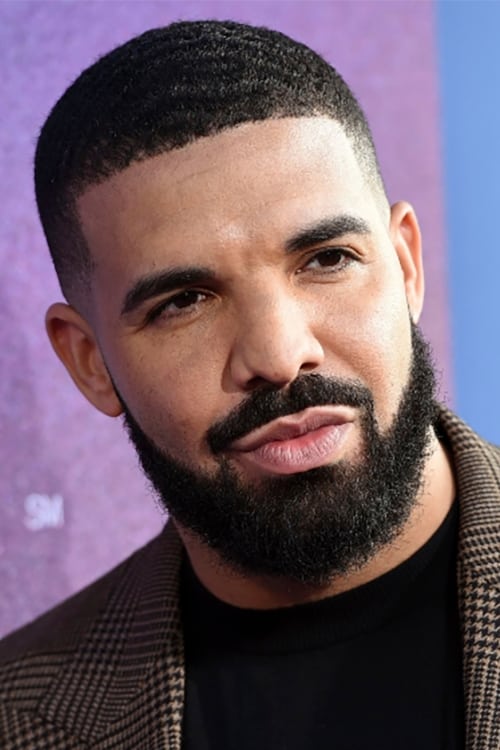
Drake has faced persistent accusations of colorism regarding the women he chooses to feature in his music videos. Viewers have noted a distinct pattern where the lead video models are almost exclusively light-skinned or racially ambiguous. This preference has influenced the aesthetic standards of hip-hop culture and sparked debates about the exclusion of dark-skinned women. The rapper has rarely addressed these specific critiques despite their longevity in online discourse.
Will Smith
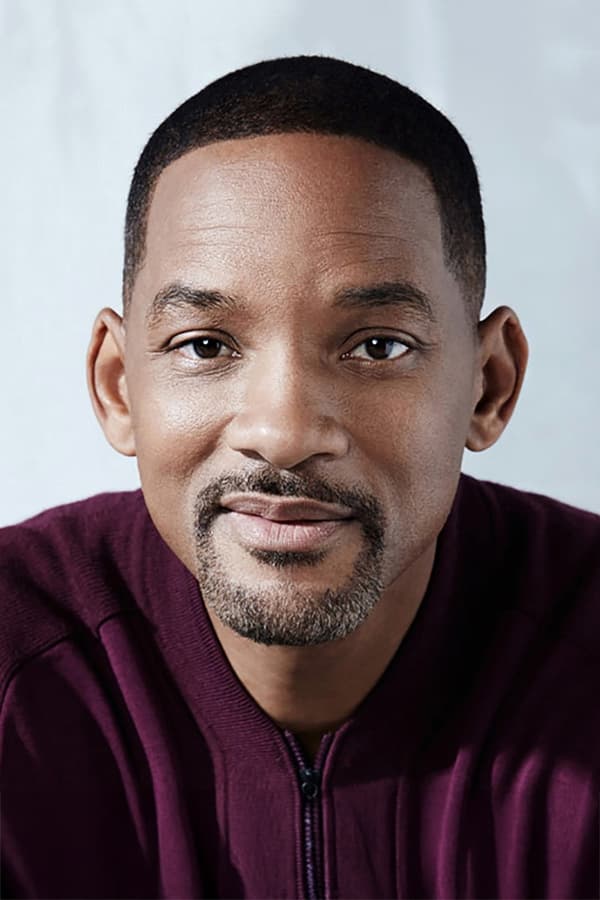
Will Smith starred as Richard Williams in the biographical drama ‘King Richard’ (2021) which earned him an Academy Award. Some observers criticized the casting because the real Richard Williams has a much darker complexion than Smith. The debate focused on whether a dark-skinned actor should have been given the opportunity to play the role of the famous tennis coach. Smith was viewed by some as a safe choice that made the story more palatable to mainstream audiences.
Rashida Jones
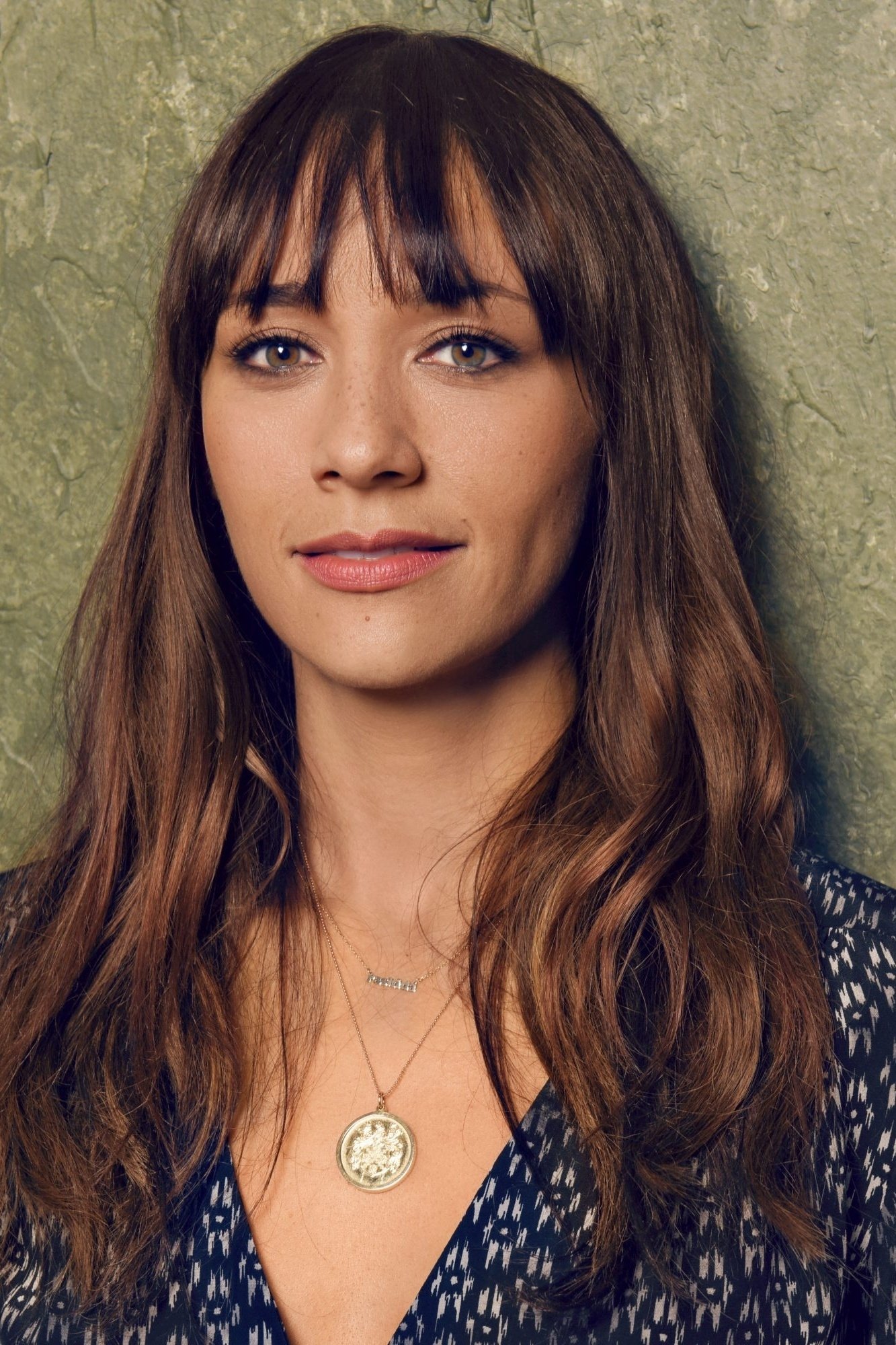
Rashida Jones starred in and executive produced the series ‘#blackAF’ alongside Kenya Barris. The show faced immediate backlash for featuring a wealthy Black family composed almost entirely of mixed-race actors. Critics felt that Jones and Barris created a world that alienated dark-skinned viewers by presenting light skin as the standard for success. Jones defended the show as a reflection of her own lived experience as a biracial woman.
Dwayne Johnson
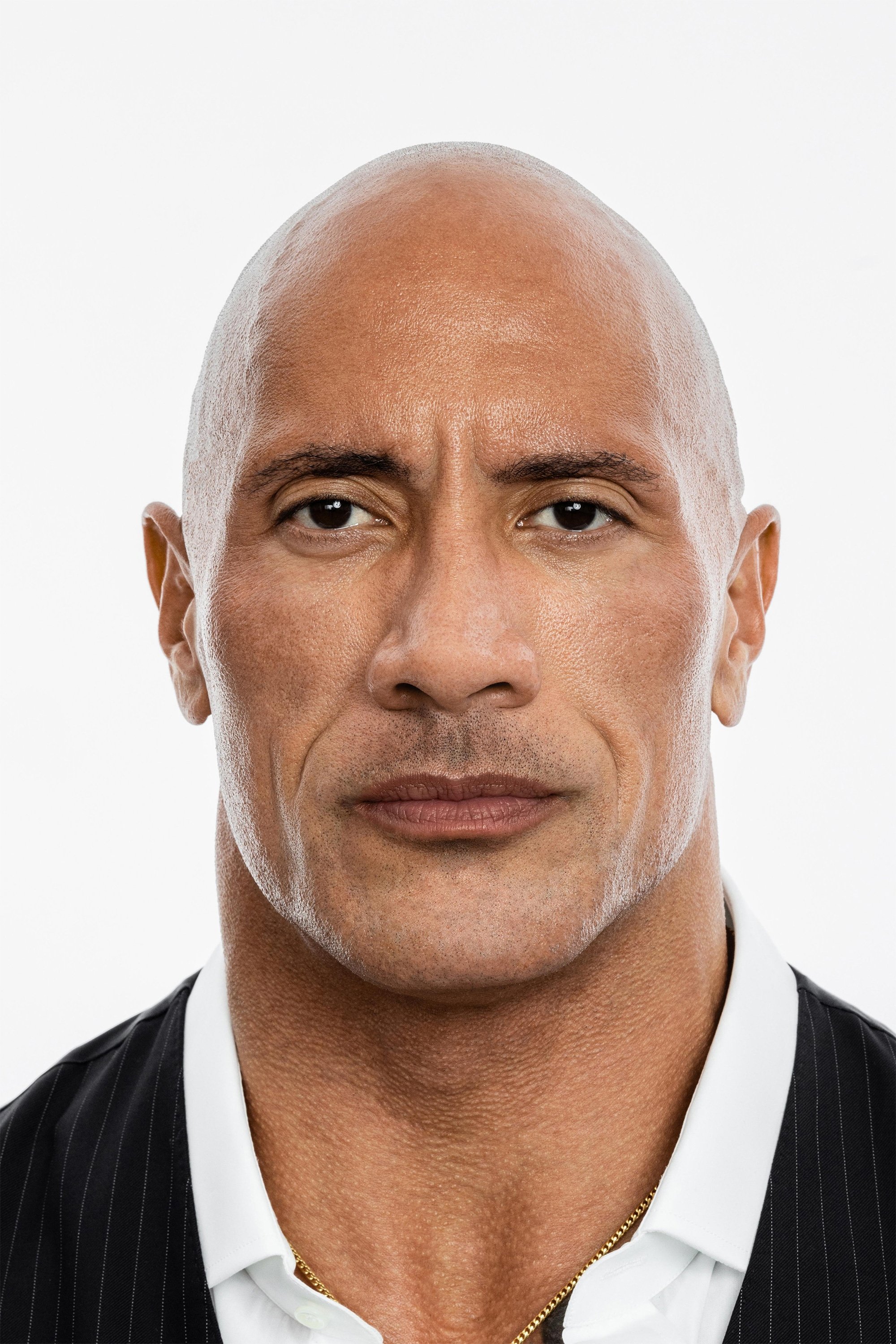
Dwayne Johnson has faced questions regarding his casting in roles that are code-coded as Black or based on Black folklore figures. Critics noted that his role as the titular character in ‘Black Adam’ (2022) presented an ambiguous ethnicity rather than a distinct African heritage. The actor identifies as Black and Samoan but his dominance in action cinema often displaces dark-skinned actors. Discussions focus on how his racially ambiguous look allows him to appeal to global markets while avoiding specific racial narratives.
Please let us know which of these casting controversies you found the most significant by leaving a reply in the comments.