


Black Celebs Accused of Colorism in Their Own Projects

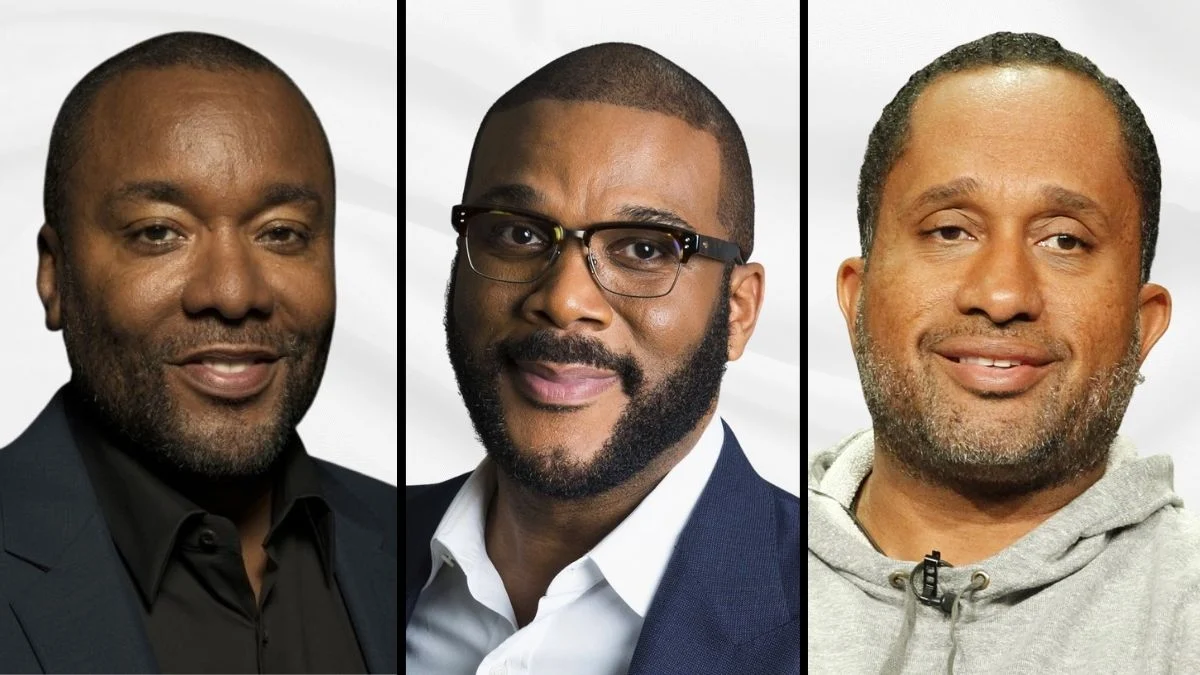


The entertainment industry frequently faces scrutiny regarding the representation of different skin tones within the Black community. Many high profile creators and performers have been at the center of discussions about colorism due to their casting choices or public statements. These accusations often highlight the preference for light skinned actors in lead roles over their dark skinned counterparts. Understanding these instances provides insight into the ongoing dialogue about diversity and inclusion in media. This list examines several instances where Black celebrities faced backlash for perceived colorism within their professional work.
Kenya Barris

Kenya Barris faced significant criticism for the casting choices in his various television and film projects. Many viewers pointed out a consistent preference for light skinned actors to portray the main family members in ‘Blackish’. This pattern continued in the series ‘#BlackAF’ where the casting of his fictional family sparked a heated debate on social media. Critics argued that these choices excluded dark skinned Black families from being represented in his work. Barris defended his creative decisions by stating they were based on his personal experiences and family history.
Tyler Perry
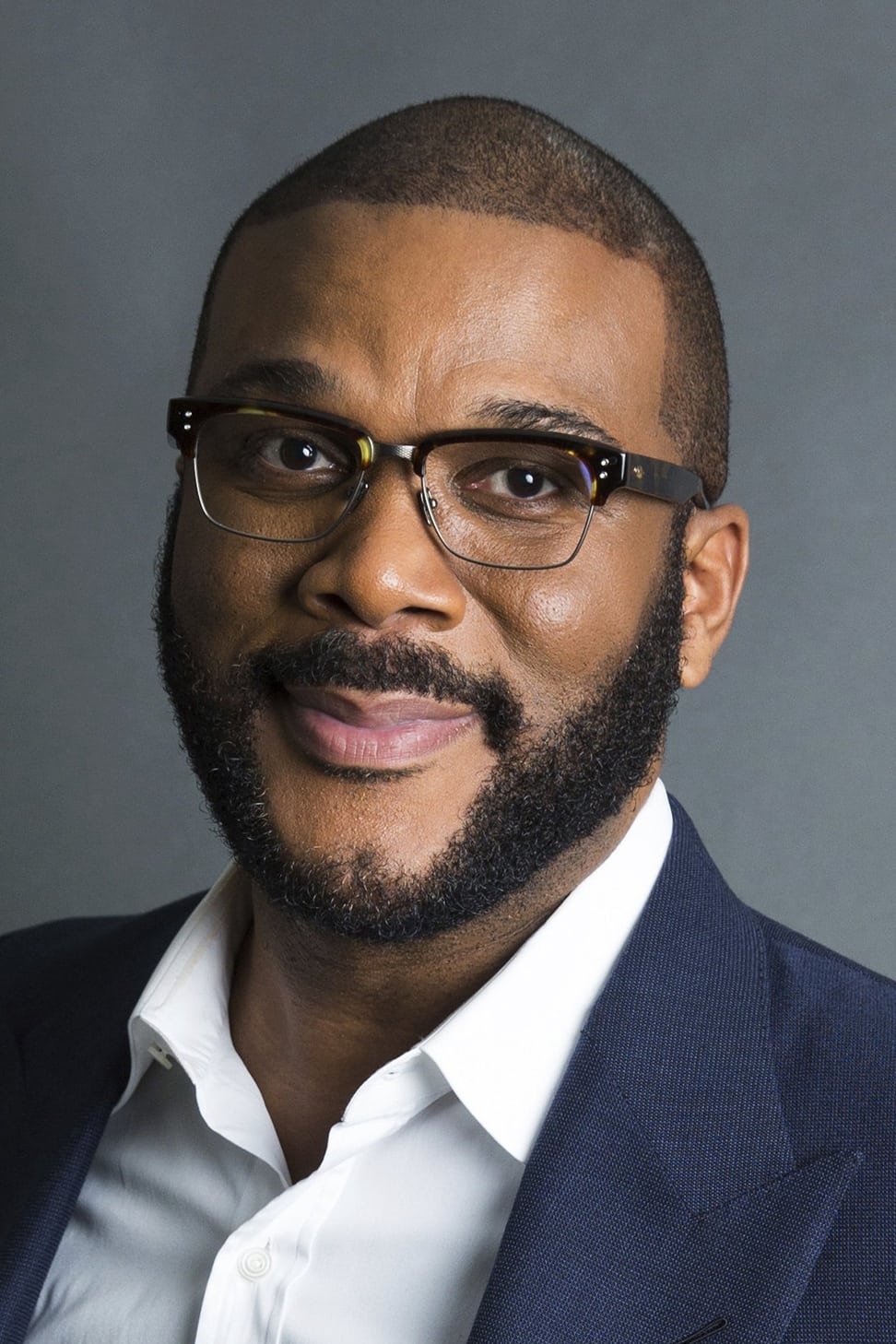
Tyler Perry has often been accused of favoring light skinned actors for leading and romantic roles in his films and television shows. Critics frequently point to his long running series ‘Sistas’ and ‘The Haves and the Have Nots’ as examples of this casting trend. Some audience members noted that darker skinned characters were often relegated to villainous or side roles. Perry has responded to these claims by emphasizing the diversity of his overall cast lists across his massive portfolio. These discussions continue to follow his new releases as fans analyze the skin tone diversity in his productions.
Spike Lee
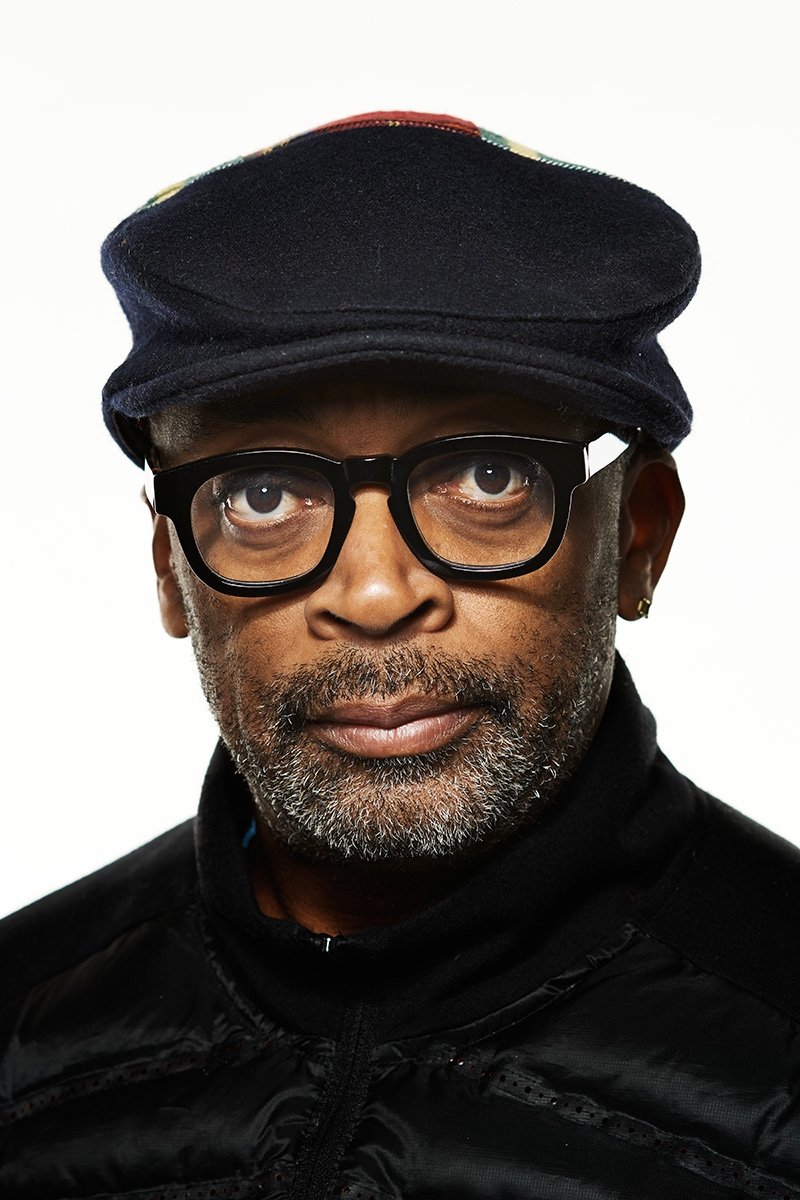
Spike Lee explored the theme of colorism directly in his 1988 film ‘School Daze’ which depicted the conflict between different groups at a Black college. However some viewers argued that his later work occasionally relied on casting tropes that favored light skinned women in romantic lead roles. There was specific backlash regarding the casting of the ‘She’s Gotta Have It’ television series reboot. Fans questioned if the visual choices in the show aligned with the progressive themes Lee often promotes. Despite these critiques Lee remains a pivotal figure in highlighting racial dynamics within the film industry.
Lee Daniels
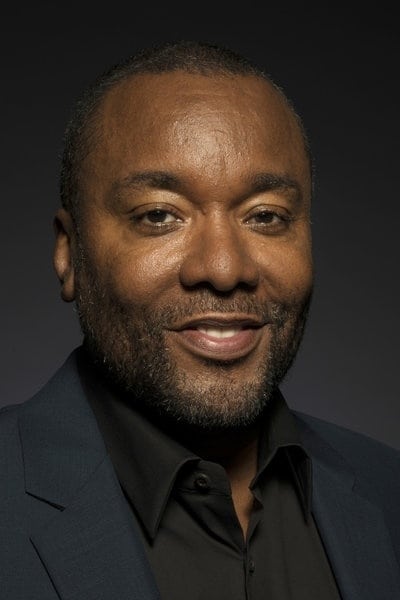
Lee Daniels faced backlash for his casting choices in the hit musical drama series ‘Empire’. Social media users and critics noted that the primary female romantic leads were predominantly light skinned. This observation led to a wider discussion about the lack of dark skinned women in high profile roles within his productions. Daniels once commented on the difficulties of finding dark skinned women who he felt fit certain roles which sparked further controversy. He later clarified his stance but the conversation regarding colorism in his work persists.
Chris Brown
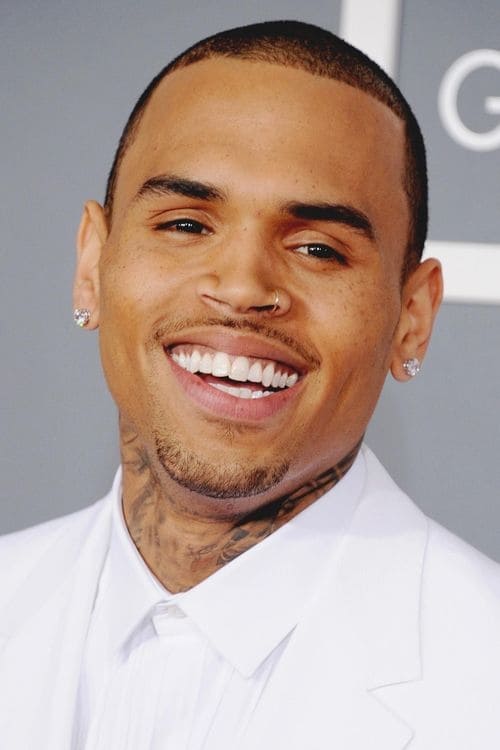
Chris Brown has faced recurring accusations of colorism related to the casting of women in his music videos. Fans and observers have noted a distinct preference for light skinned or multiracial models across his extensive videography. This issue gained more attention after reports surfaced of alleged restrictions on skin tone for entry into his private events. The singer has occasionally addressed these claims on social media by posting images of various women he has worked with. The debate remains a common topic among his followers whenever a new visual project is released.
50 Cent
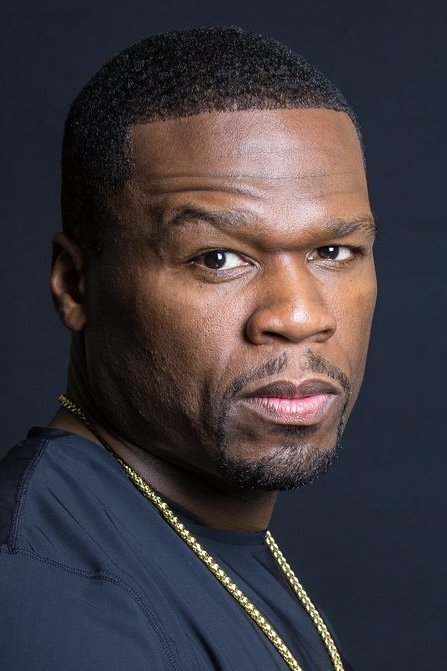
50 Cent has been criticized for the casting of female leads and love interests in the ‘Power’ universe of television shows. Viewers often pointed out that many of the prominent female characters in ‘Power’ and ‘Power Book II: Ghost’ are light skinned. This observation sparked discussions about the representation of dark skinned women in the gritty dramas he produces for the Starz network. 50 Cent has been known to interact with fans on social media regarding these casting critiques. Despite the backlash the franchise continues to expand with multiple spin offs featuring various cast members.
Will Smith
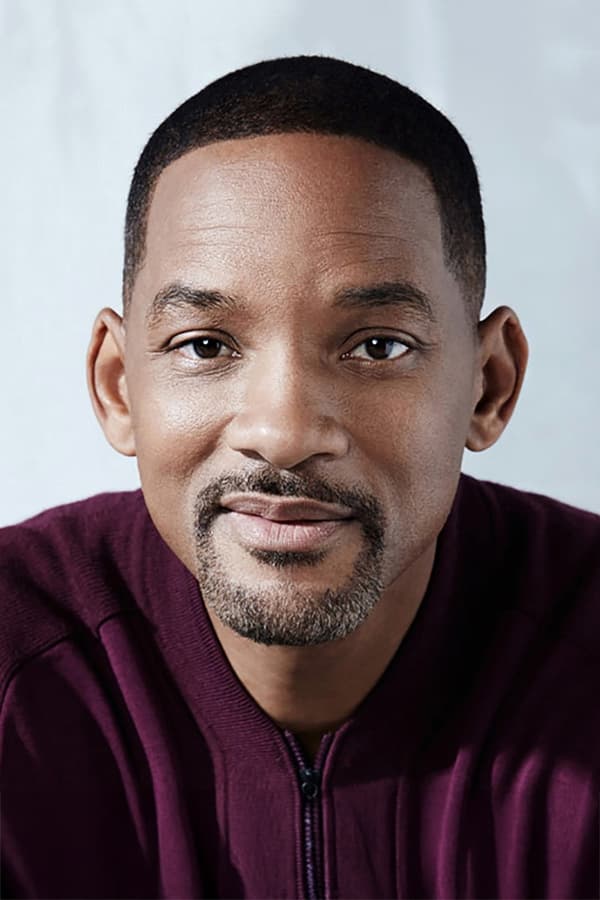
Will Smith faced scrutiny for his role in the biographical drama ‘King Richard’ which he also produced. The controversy centered on Smith portraying Richard Williams who is a dark skinned man in real life. Some critics argued that a dark skinned actor should have been chosen to accurately represent the Williams family patriarch. This casting choice led to broader conversations about the trend of light skinned actors being preferred for major biographical roles. Smith received critical acclaim for his performance despite the initial debates surrounding his casting.
Ye
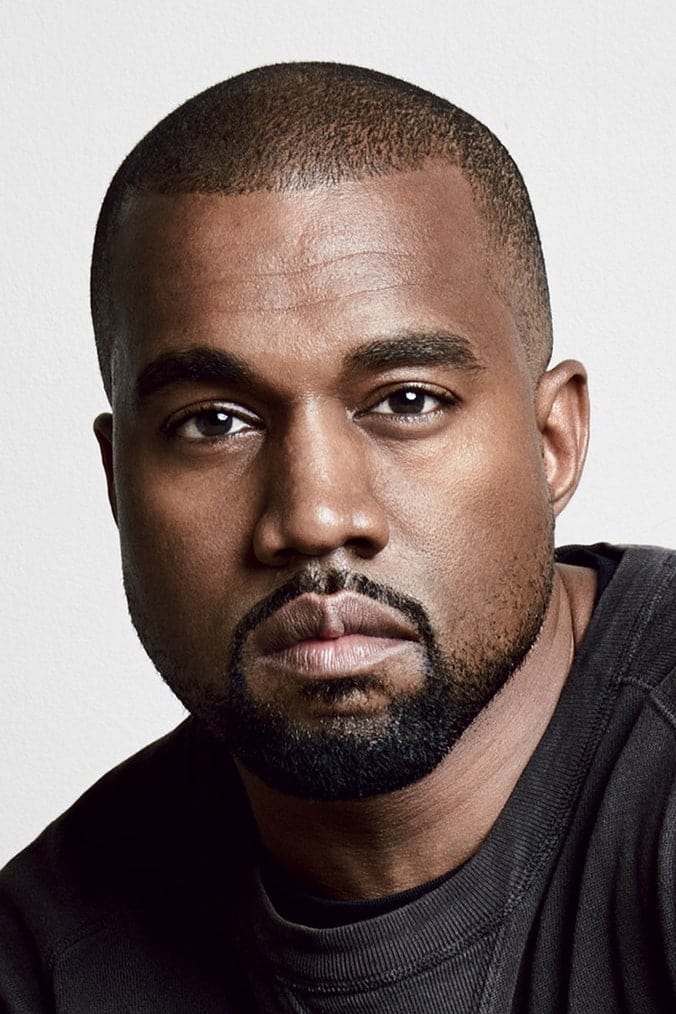
Kanye West sparked a major controversy during the casting process for his Yeezy Season 4 fashion show. A casting call for the event specifically requested multiracial women only and told applicants not to come if they did not fit that description. This requirement was widely viewed as a form of colorism that excluded many Black women from participating. West defended the decision by stating he wanted to showcase a specific aesthetic for his clothing line. The incident remains one of the most cited examples of skin tone preferences in the fashion and music industry.
Kodak Black
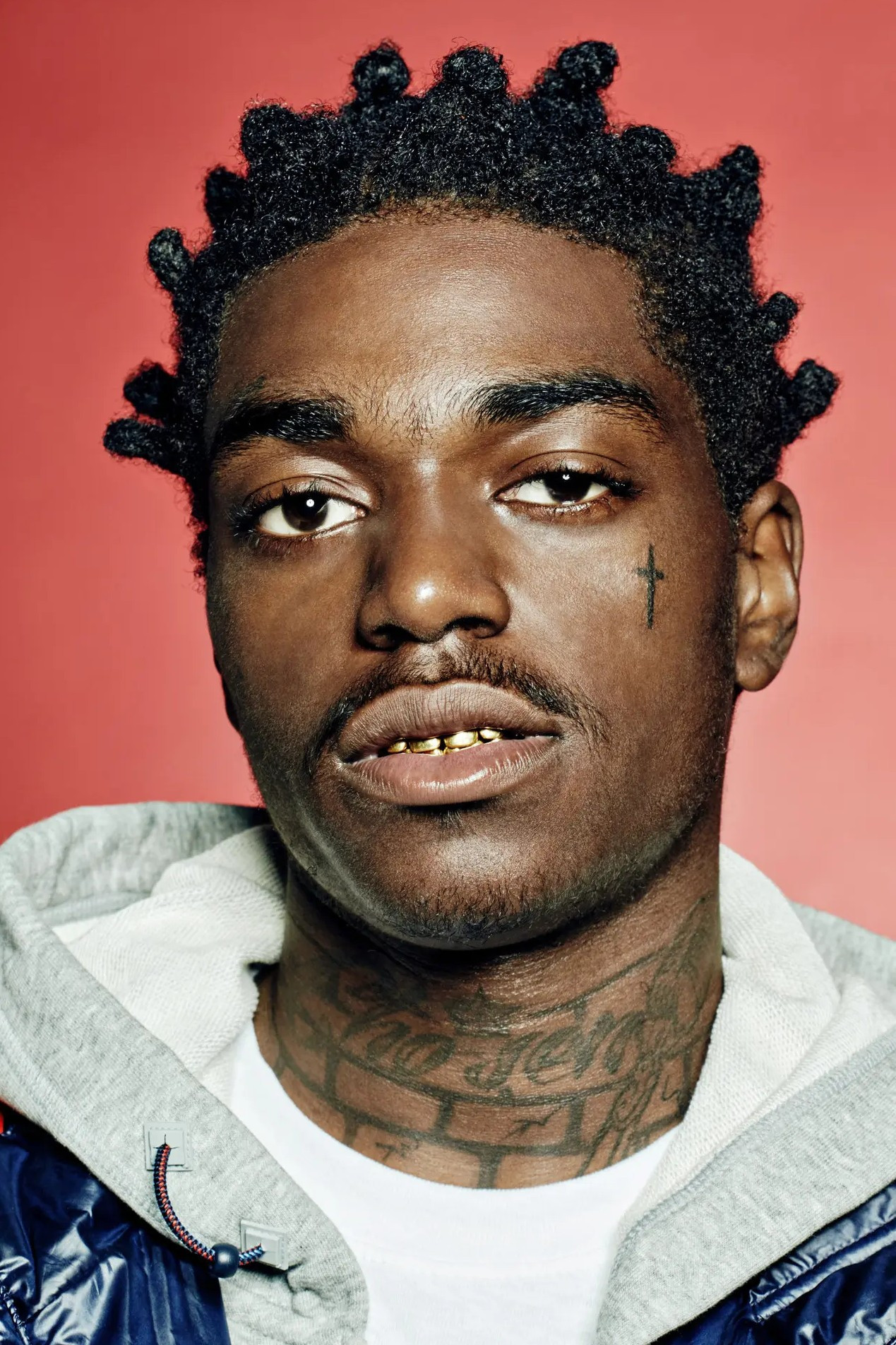
Kodak Black has been accused of colorism due to both his lyrics and the casting of women in his music videos. In several songs the rapper has made derogatory comments about dark skinned women while praising light skinned women. These lyrics caused significant backlash on social media from fans who felt his words were harmful and divisive. He later attempted to explain his preferences in interviews but his comments often led to more confusion. His music videos continue to be analyzed for their representation of Black women of various skin tones.
Lil Wayne
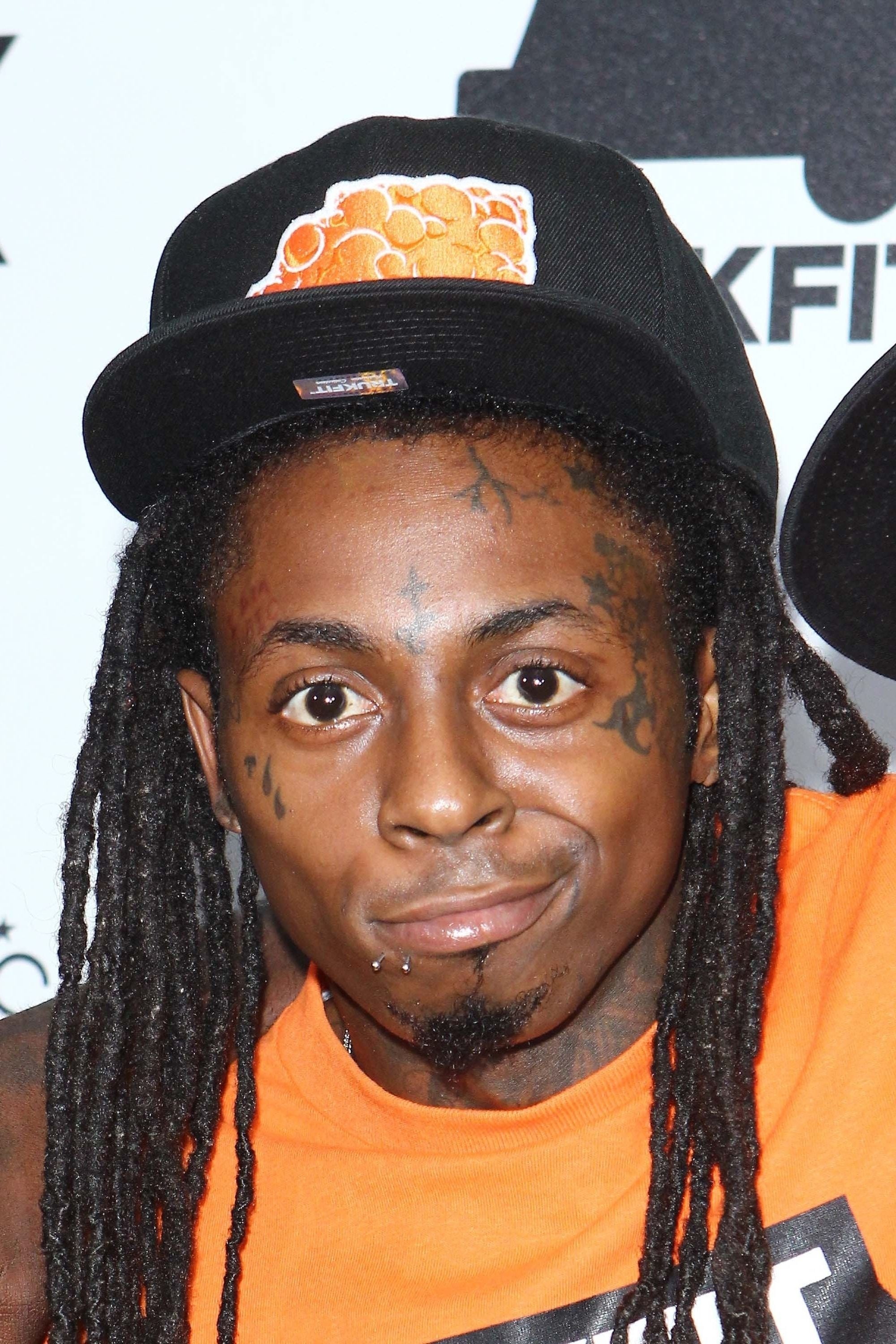
Lil Wayne has faced longstanding accusations of colorism because of the lyrics in several of his popular songs. References to skin tone in his music often portrayed light skinned women in a more favorable light than dark skinned women. This pattern in his songwriting was criticized for perpetuating negative stereotypes within the Black community. Additionally his music videos throughout the 2000s were noted for predominantly featuring light skinned models. These choices have made him a central figure in discussions about internal bias in hip hop culture.
Nicki Minaj

Nicki Minaj faced criticism regarding colorism during the promotion and casting for her music videos and business ventures. Some fans pointed out that the background dancers and models in her visuals were often light skinned. This led to a discussion about her responsibility as a leading Black female artist to represent a wide range of skin tones. Minaj has worked with many dark skinned creators throughout her career and has spoken about the importance of Black excellence. However the debate over her visual aesthetics and casting preferences resurfaces periodically.
A$AP Rocky
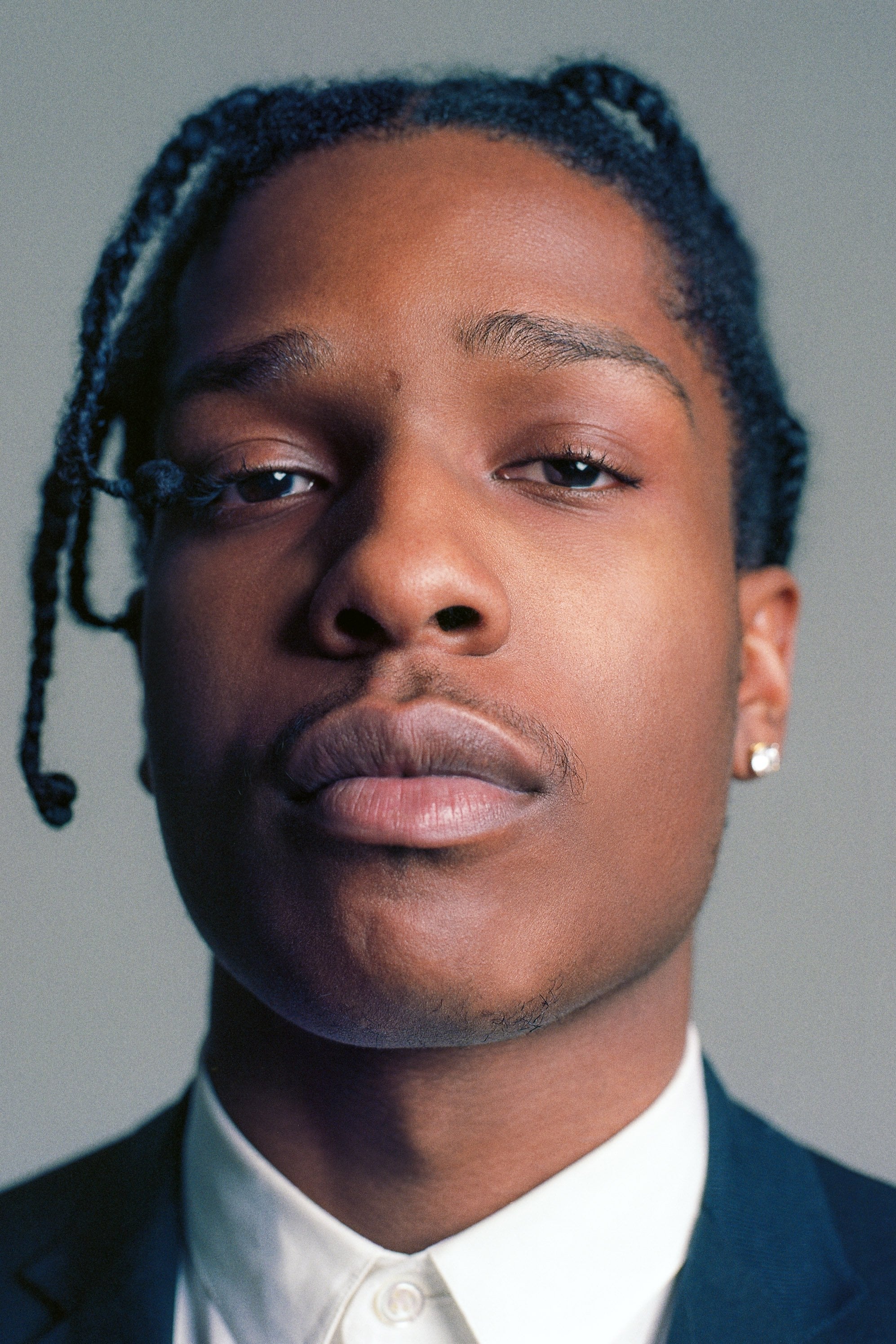
A$AP Rocky was criticized for comments he made during an interview regarding dark skinned women and makeup. He suggested that dark skinned women should not wear certain colors of lipstick like red. These remarks were widely condemned as being rooted in colorist and exclusionary beauty standards. Many fans pointed to this statement as evidence of a bias that impacts how Black women are perceived in fashion and media. Although he later attempted to clarify his meaning the comments significantly impacted his reputation regarding these issues.
T.I.
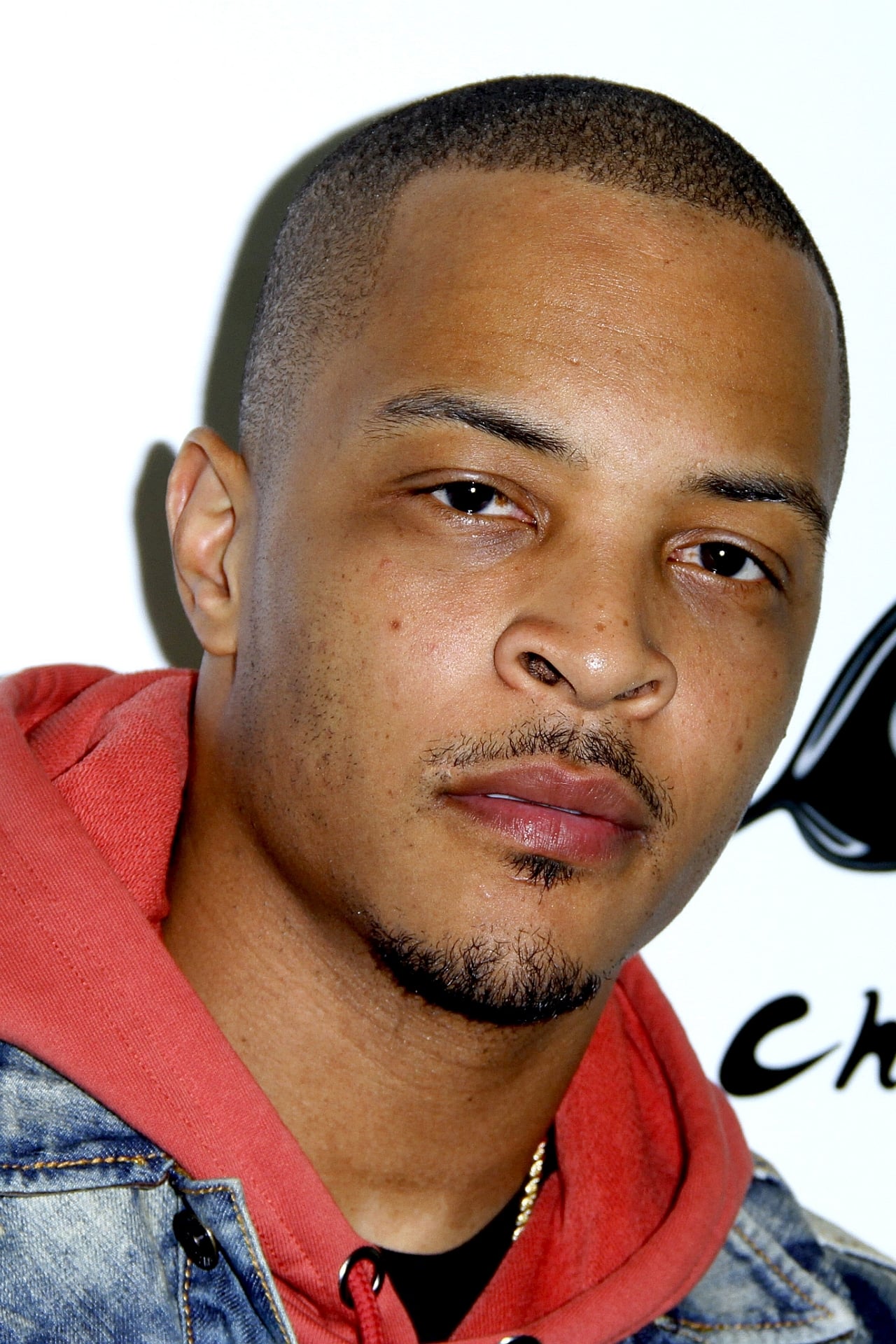
T.I. has faced accusations of colorism related to the casting calls for his music videos and film projects. Observers noted that the women featured in his visual work often belonged to a narrow range of light skin tones. This trend sparked conversations about how successful Black male artists contribute to the lack of visibility for dark skinned women. T.I. has also made public comments about skin tone and beauty that many found problematic or biased. He continues to be a vocal presence in hip hop but these past controversies remain part of his public record.
Tyrese Gibson
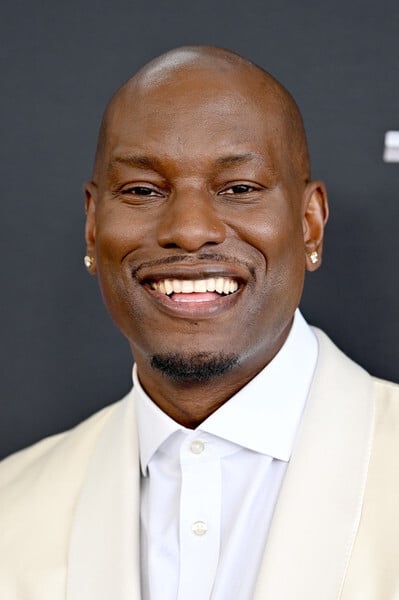
Tyrese Gibson has been accused of colorism following various interviews where he discussed his preferences in women. Some of his remarks were interpreted as favoring light skinned women over dark skinned women in a way that many found offensive. These comments led to a backlash on social media with users calling for more awareness of internal biases. Tyrese has often been vocal about his life and career but these specific statements have drawn the most criticism regarding racial dynamics. His casting choices in music videos have also been scrutinized by fans over the years.
Nick Cannon
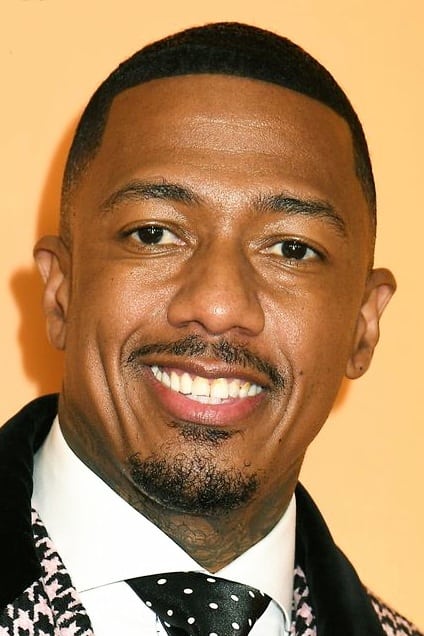
Nick Cannon has faced scrutiny for the casting of the female performers known as the Wild ‘N Out Girls on his long running show. Critics have pointed out that the majority of these women are light skinned or multiracial. This observation led to claims that the show does not adequately represent the full spectrum of Black beauty. Cannon has frequently discussed his commitment to providing opportunities for Black talent in the industry. However the specific visual makeup of his variety show continues to be a point of contention for some viewers.
Ice Cube
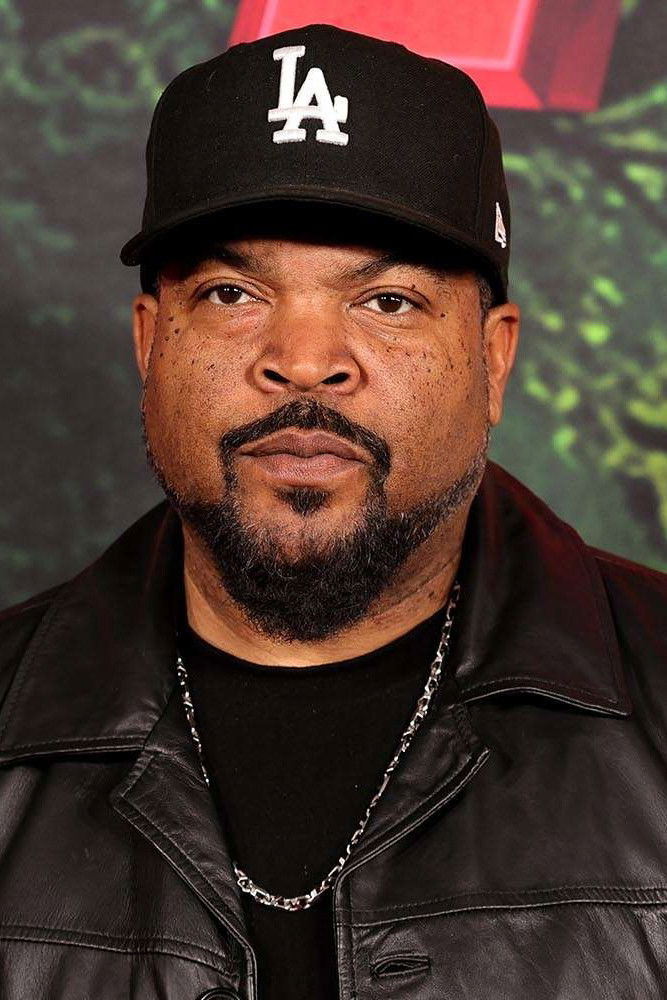
Ice Cube faced accusations of colorism during the casting process for the film ‘Straight Outta Compton’. The casting call for the movie used a grading system that categorized women based on their skin tone and hair texture. Light skinned women were placed in the top tier while darker skinned women were ranked in lower categories. This sparked widespread outrage and led to a discussion about the practices used by the film’s production team. Ice Cube was one of the producers of the film which told the story of his own hip hop group N.W.A.
Zoe Saldaña
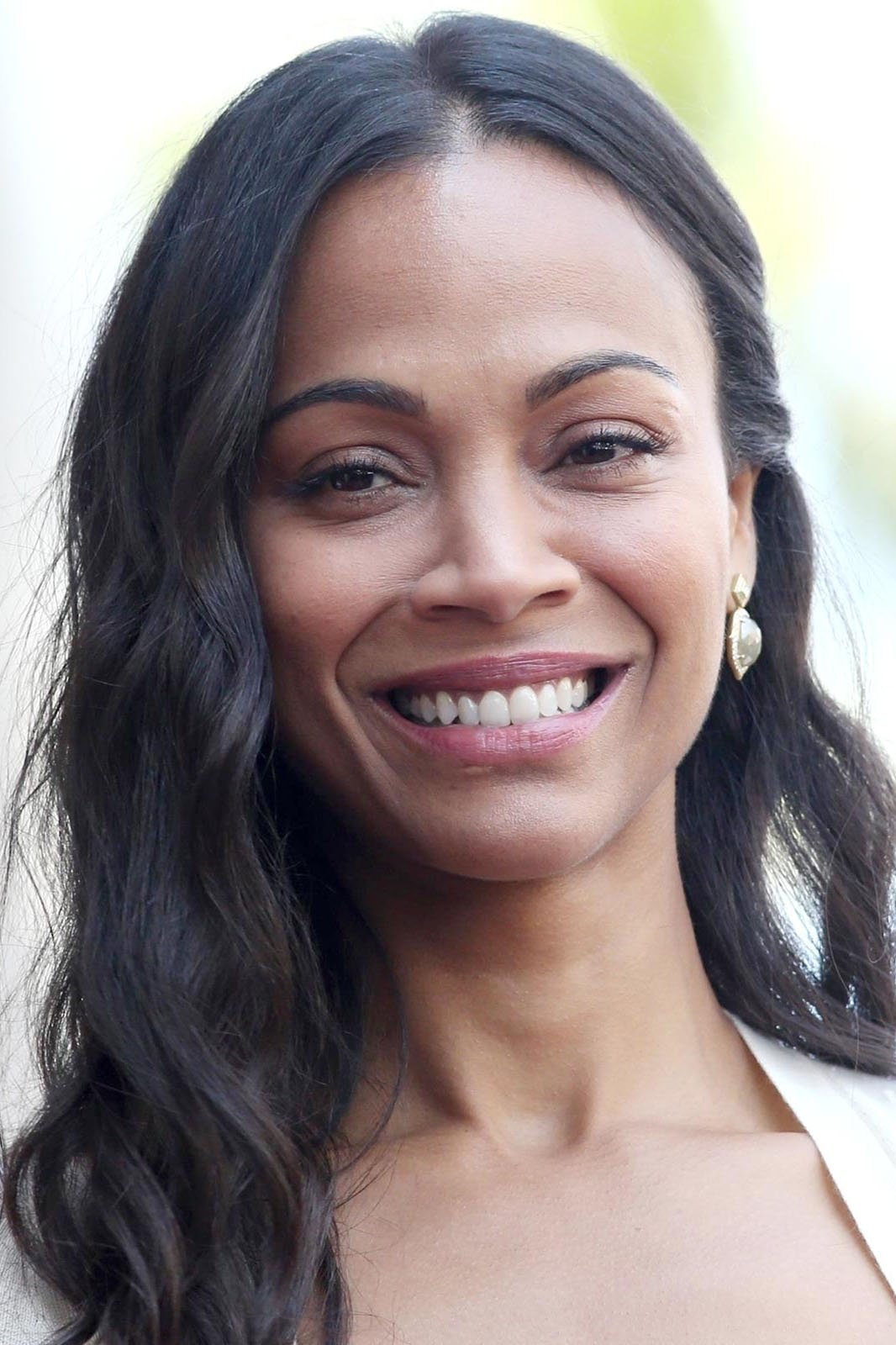
Zoe Saldana faced major backlash for her role in the biographical film ‘Nina’ where she portrayed singer Nina Simone. Saldana used skin darkening makeup and a prosthetic nose to closer resemble the iconic dark skinned artist. Many critics and fans of Simone argued that the role should have been given to a dark skinned actress who naturally shared her features. The controversy overshadowed the film’s release and led to a larger conversation about colorism in Hollywood casting. Saldana later expressed regret for taking the role and acknowledged the pain it caused.
Amandla Stenberg
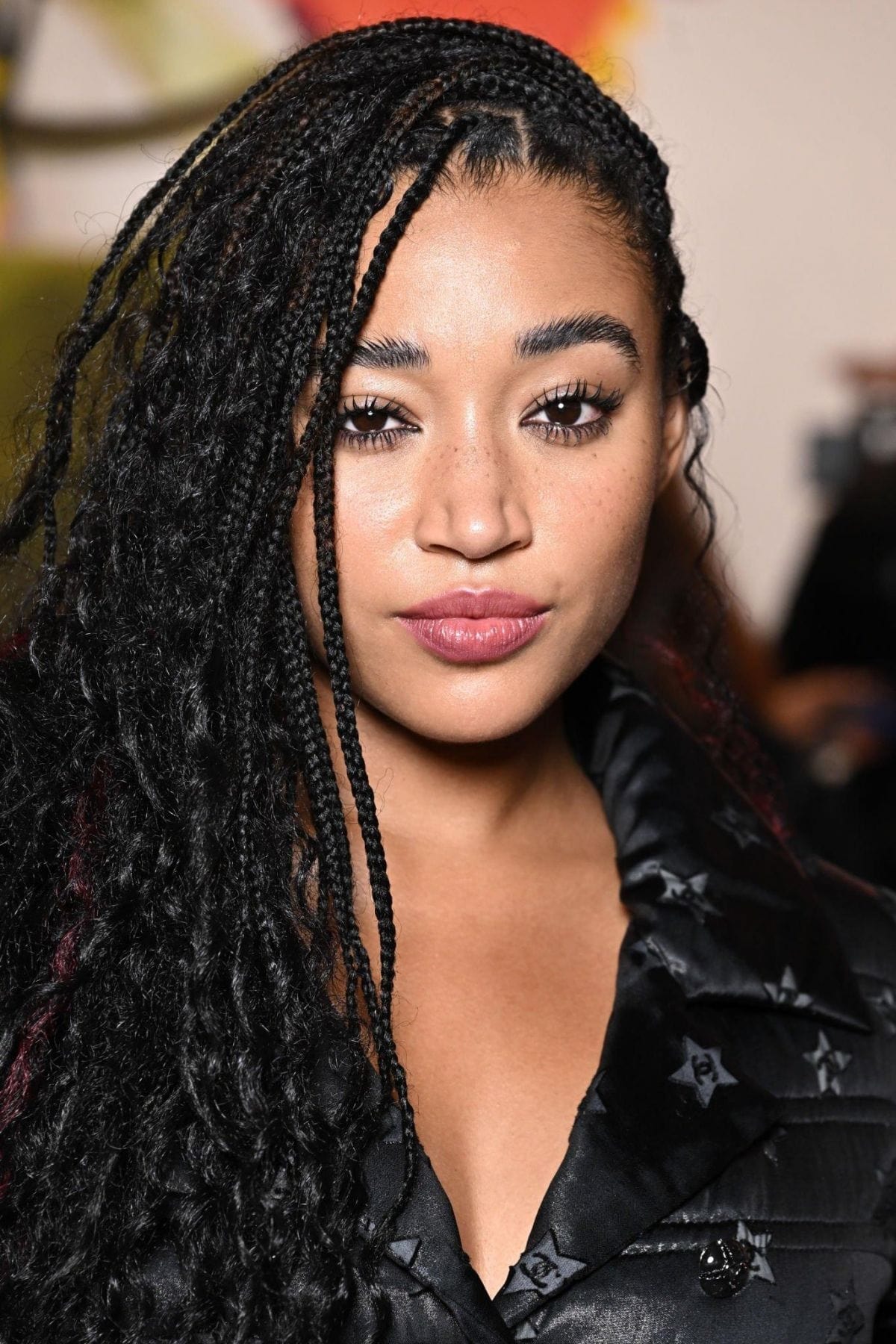
Amandla Stenberg faced criticism after being cast as the lead in the film adaptation of ‘The Hate U Give’. The character in the original book was described in a way that many readers interpreted as being dark skinned. Stenberg acknowledged her privilege as a light skinned actress but took the role which led to a debate about representation. Some activists argued that casting her was another example of Hollywood avoiding dark skinned female leads. The film was commercially successful but the casting remains a point of discussion in conversations about colorism.
Yara Shahidi
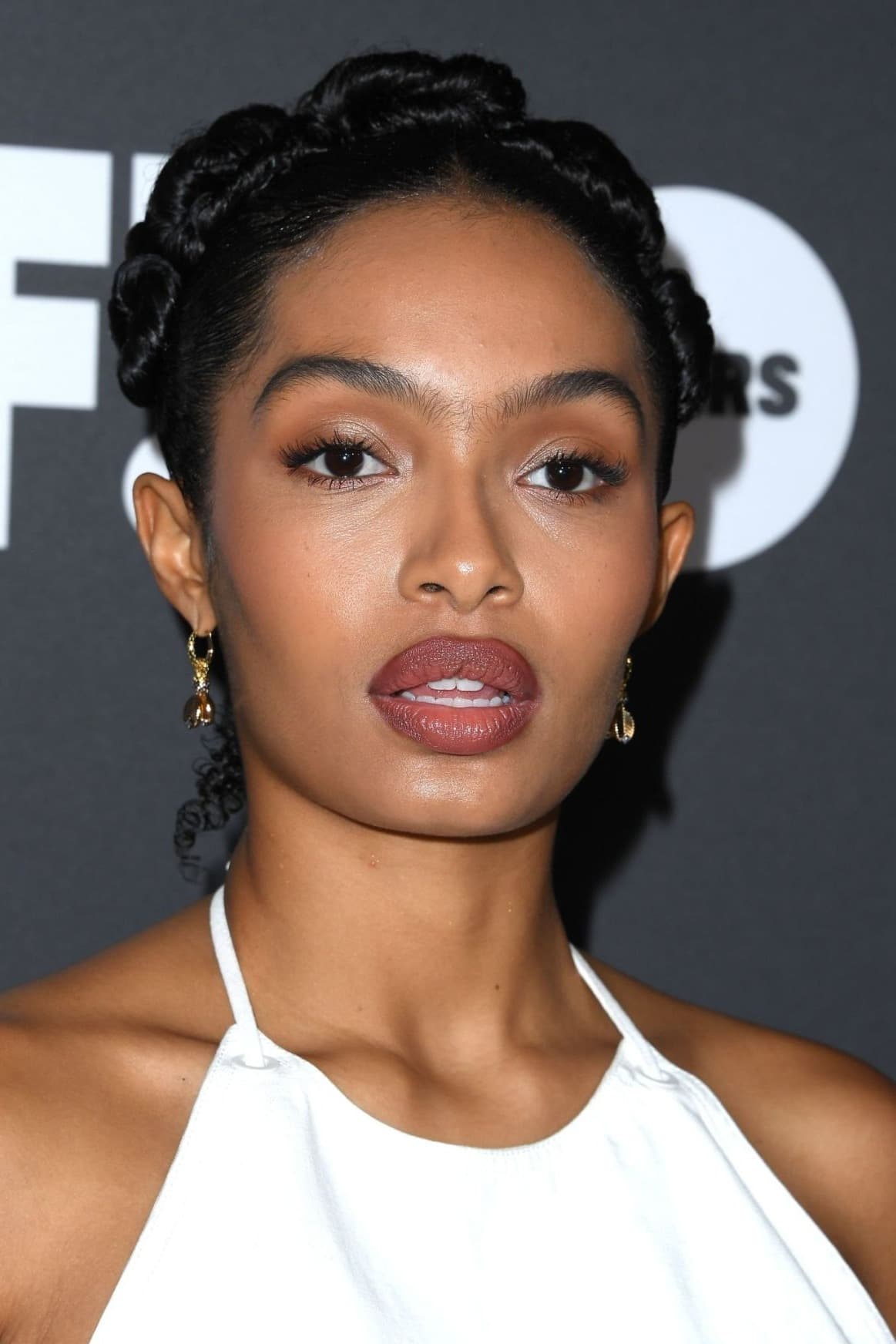
Yara Shahidi was at the center of a colorism debate regarding her role in the film ‘The Sun Is Also a Star’. Like several other adaptations of popular novels the casting of a light skinned actress for a role perceived as darker sparked backlash. Fans of the book pointed out that the representation of dark skinned girls in young adult romances is exceptionally rare. Shahidi has been a vocal advocate for diversity and social justice throughout her career. Despite her activism the controversy highlighted the systemic preference for light skinned leads in the film industry.
Zendaya

Zendaya has been open about the colorism she benefits from as a light skinned actress in Hollywood. She has acknowledged that she is often the industry’s acceptable version of a Black girl which allows her more opportunities. Despite her self awareness she has been cast in roles where some felt a dark skinned actress would have been more appropriate. One example includes her role in ‘The Greatest Showman’ where the historical context led to discussions about skin tone. She continues to use her platform to advocate for more inclusion for dark skinned women in major projects.
Michael B. Jordan
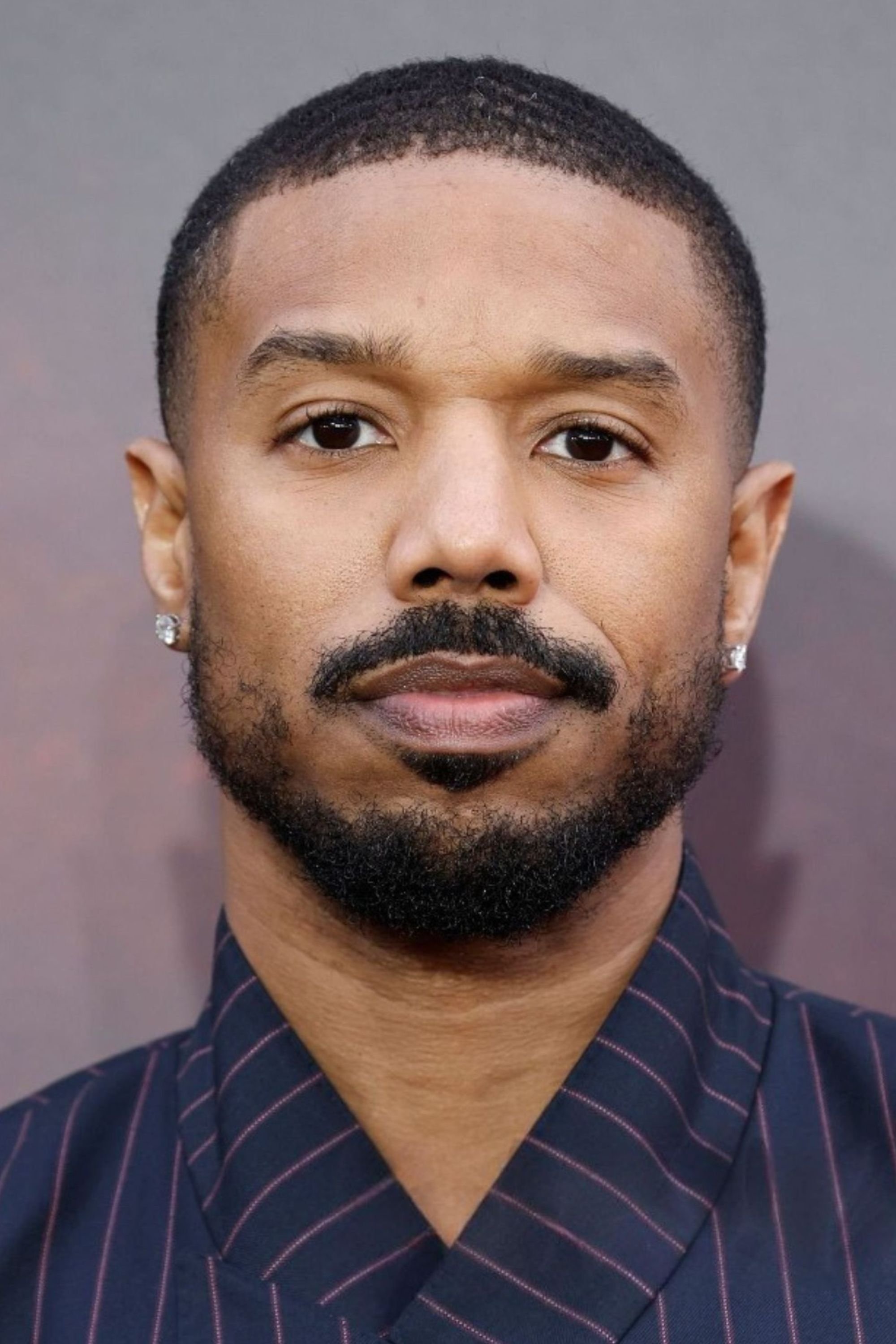
Michael B. Jordan has faced questions about colorism regarding the casting of love interests in the films he produces and stars in. Critics have noted a pattern where the women paired with his characters are predominantly light skinned. This observation led to discussions on social media about the responsibility of Black leading men to champion dark skinned actresses. Jordan has produced various projects through his company Outlier Society and has implemented diversity mandates. However the skin tone of his onscreen romantic partners remains a frequent topic of debate among fans.
Kevin Hart
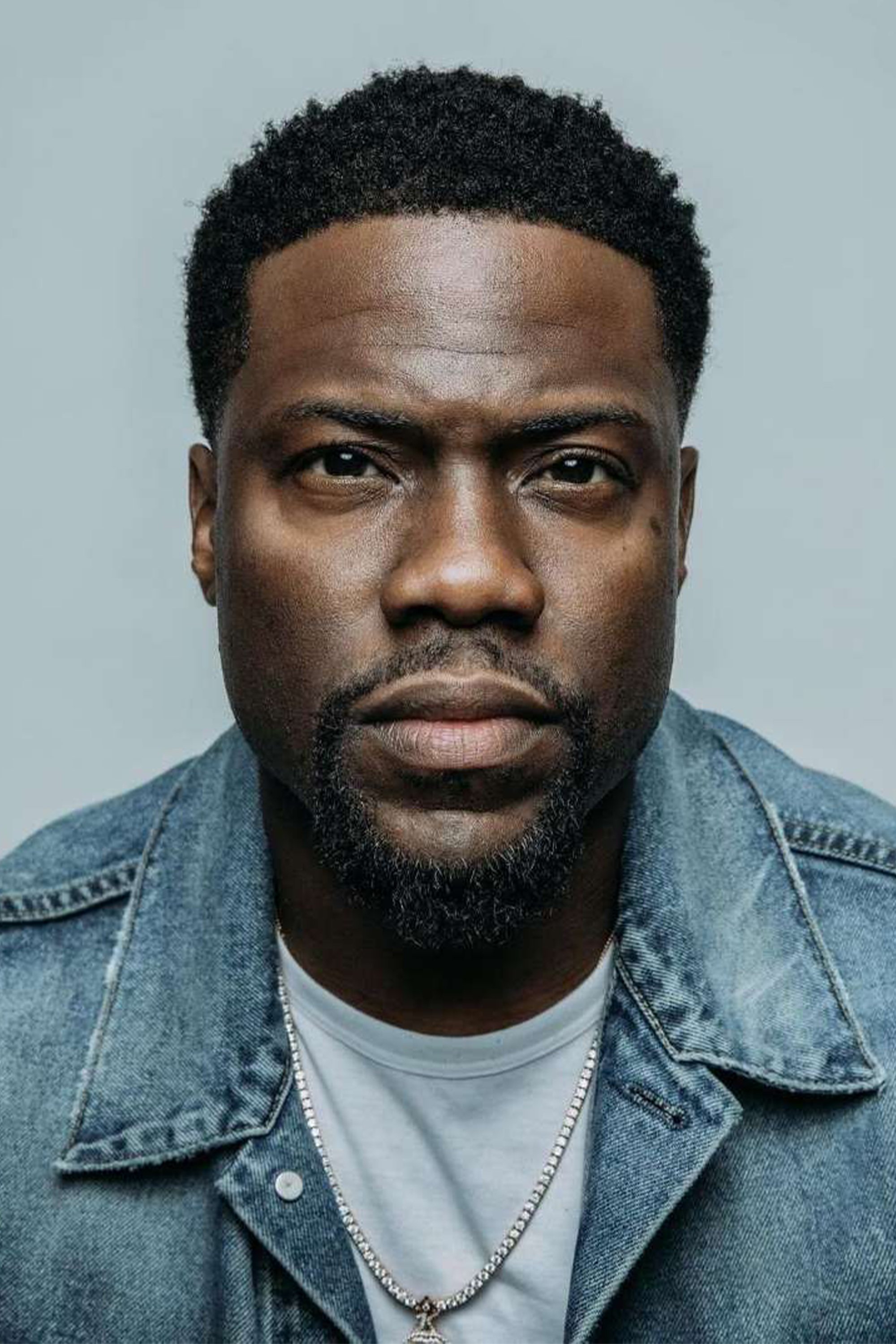
Kevin Hart was accused of colorism following the release of a promotional poster for his film ‘Night School’. The poster featured Tiffany Haddish but some viewers noted that other dark skinned female cast members were less prominent. Additionally Hart has been critiqued for certain jokes in his past stand up specials that targeted dark skinned women. These past comments resurfaced and led to a broader discussion about his views on skin tone and beauty. Hart has since addressed these issues and continues to be one of the most successful comedians in the world.
Bill Cosby
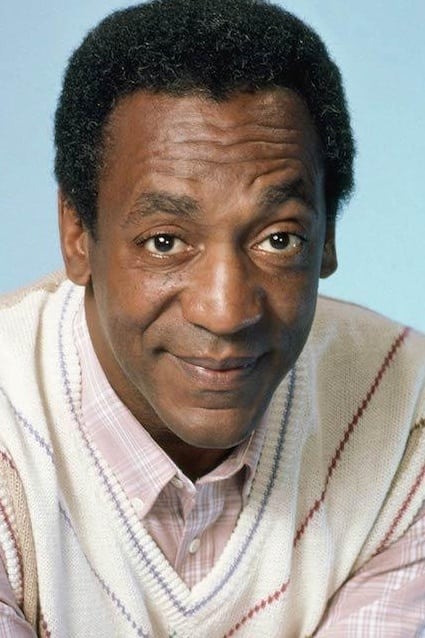
Bill Cosby was criticized by some during the height of ‘The Cosby Show’ for the casting of the Huxtable family. While the show was revolutionary for its portrayal of an affluent Black family some noted a preference for lighter skinned actors in many roles. This critique was often framed within the context of 1980s television standards where light skin was often seen as more palatable to mainstream audiences. The show remains a landmark in television history but its casting choices are still analyzed through the lens of colorism today. Cosby had a high level of control over every aspect of the production including the cast.
Anthony Anderson
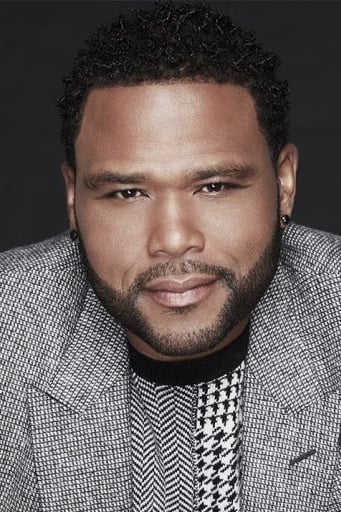
Anthony Anderson faced critiques similar to Kenya Barris for the casting of his children on the show ‘Blackish’. Many viewers pointed out that the children of his character and Tracee Ellis Ross’s character were all very light skinned. This led to a discussion about whether the show accurately represented the diversity of Black families. Some argued that the casting reinforced the idea that light skin is the standard for beauty in media. Anderson served as an executive producer and was a central figure in the creative direction of the long running series.
Nelly
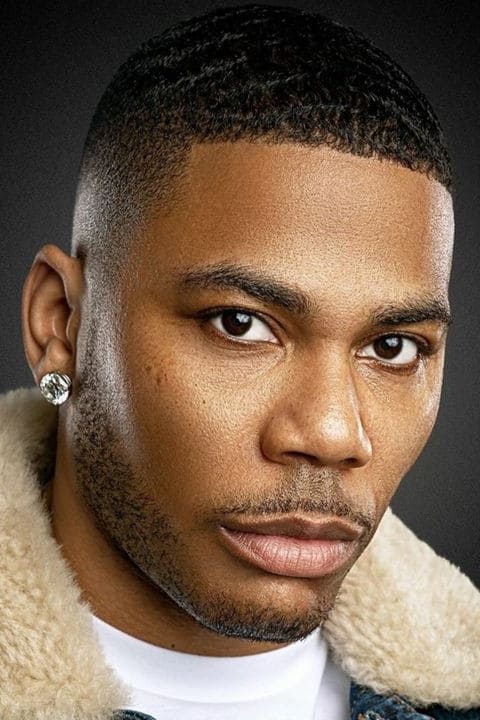
Nelly was at the center of a major colorism and sexism controversy following the release of the music video for ‘Tip Drill’. The video was heavily criticized for its treatment of women and the perceived preference for light skinned models in certain scenes. This led to protests at Spelman College and a national conversation about the depiction of Black women in hip hop. The incident is often cited as a turning point in how audiences began to hold artists accountable for their visual choices. Nelly’s videography during this era frequently highlighted the industry’s skin tone biases.
Ludacris
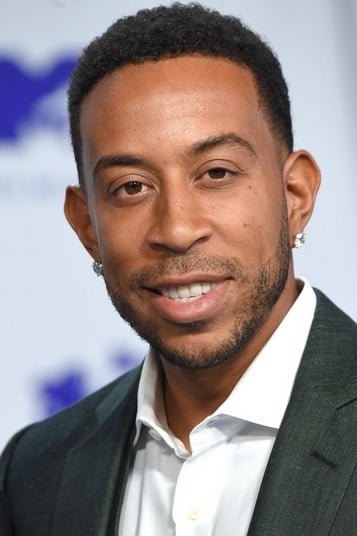
Ludacris faced scrutiny for the casting of women in his early music videos which often featured a narrow range of skin tones. His visuals were known for being high energy and comedic but were also analyzed for their beauty standards. Like many of his peers in the early 2000s the preference for light skinned models was a recurring theme. This trend in the rap industry during that time contributed to the ongoing debate about colorism in music media. Ludacris has since transitioned into a successful acting career in the ‘Fast & Furious’ franchise.
Rick Ross
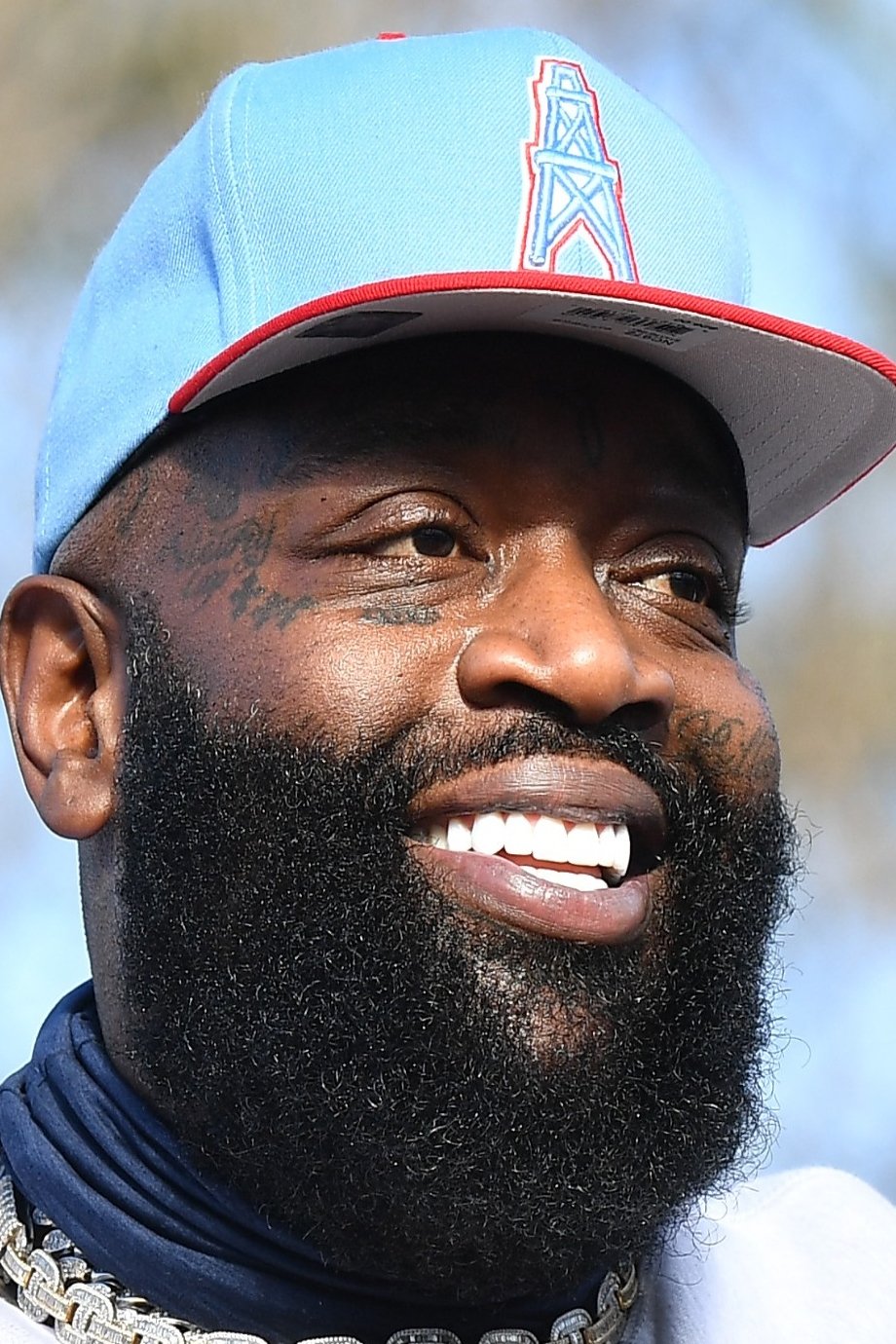
Rick Ross has been accused of colorism based on the casting of female leads in his music videos and his public comments. Critics have noted that the women featured as his love interests are almost exclusively light skinned. In interviews Ross has occasionally discussed his personal preferences in a way that some found exclusionary. This has led to social media discussions about the lack of dark skinned representation in his visual brand. As the head of Maybach Music Group Ross has significant influence over the imagery of his many projects.
Future

Future has faced recurring accusations of colorism related to his lyrics and the women he features in his visual projects. His music often contains references to light skinned women that some listeners find problematic. Additionally the casting of models for his music videos has been critiqued for lacking dark skinned representation. These choices have made him a target of criticism from fans who want to see more diversity in hip hop visuals. Future remains one of the most influential artists in the genre despite these longstanding critiques.
Drake

Drake has been accused of colorism for the lyrics in his songs and the casting of women in his music videos. He frequently references light skinned or multiracial women as his romantic ideals in his discography. This pattern has been noted by fans and critics who argue that it reinforces colorist beauty standards. His music videos like ‘Hotline Bling’ and others have also been analyzed for the skin tones of the featured dancers and models. Drake is one of the biggest stars in the world and his influence on these standards is often discussed.
Dr. Dre
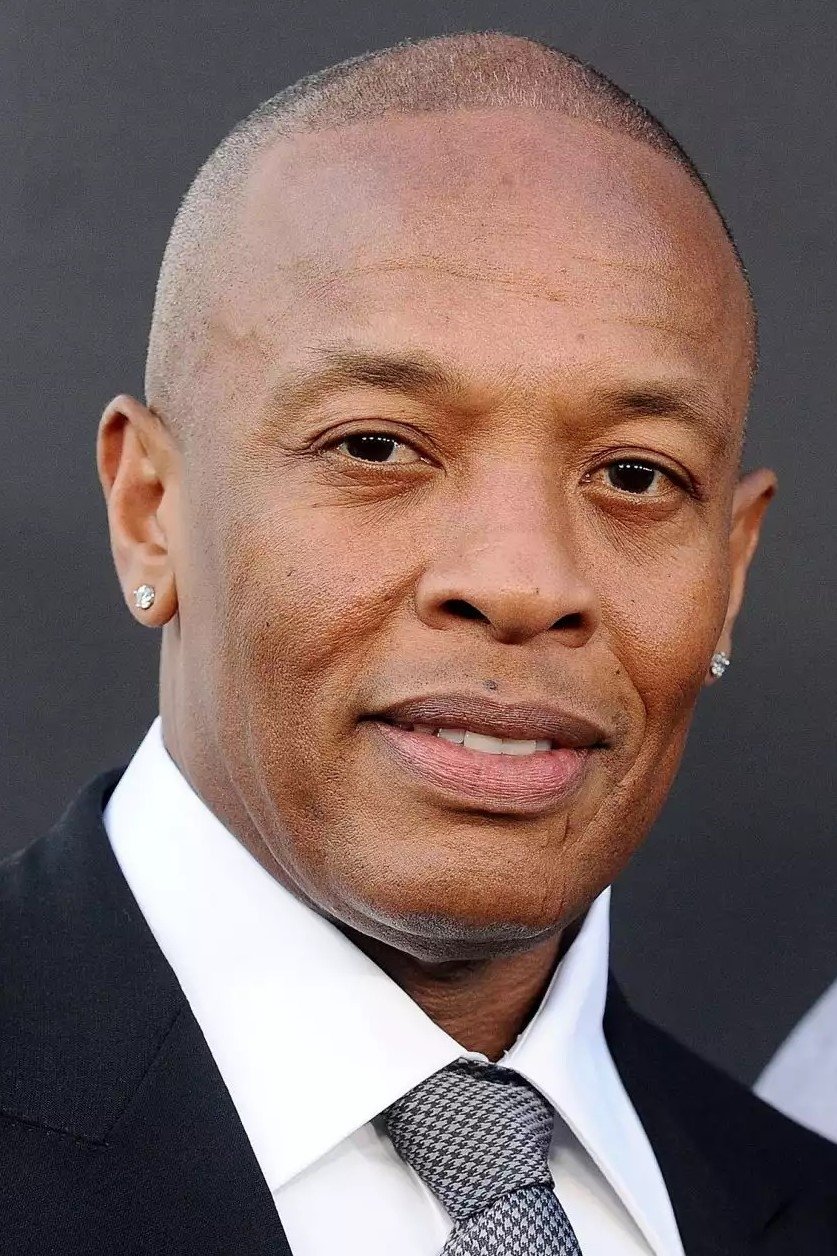
Dr. Dre faced significant backlash as a producer of the film ‘Straight Outta Compton’ due to its controversial casting call. The call sought women for background roles and categorized them by skin tone with darker women being labeled as less desirable. This incident was widely condemned as an overt example of colorism in the film industry. Many people were surprised that a project celebrating the history of a Black hip hop group would use such methods. The production team eventually apologized for the wording of the casting call after the public outcry.
Beyoncé
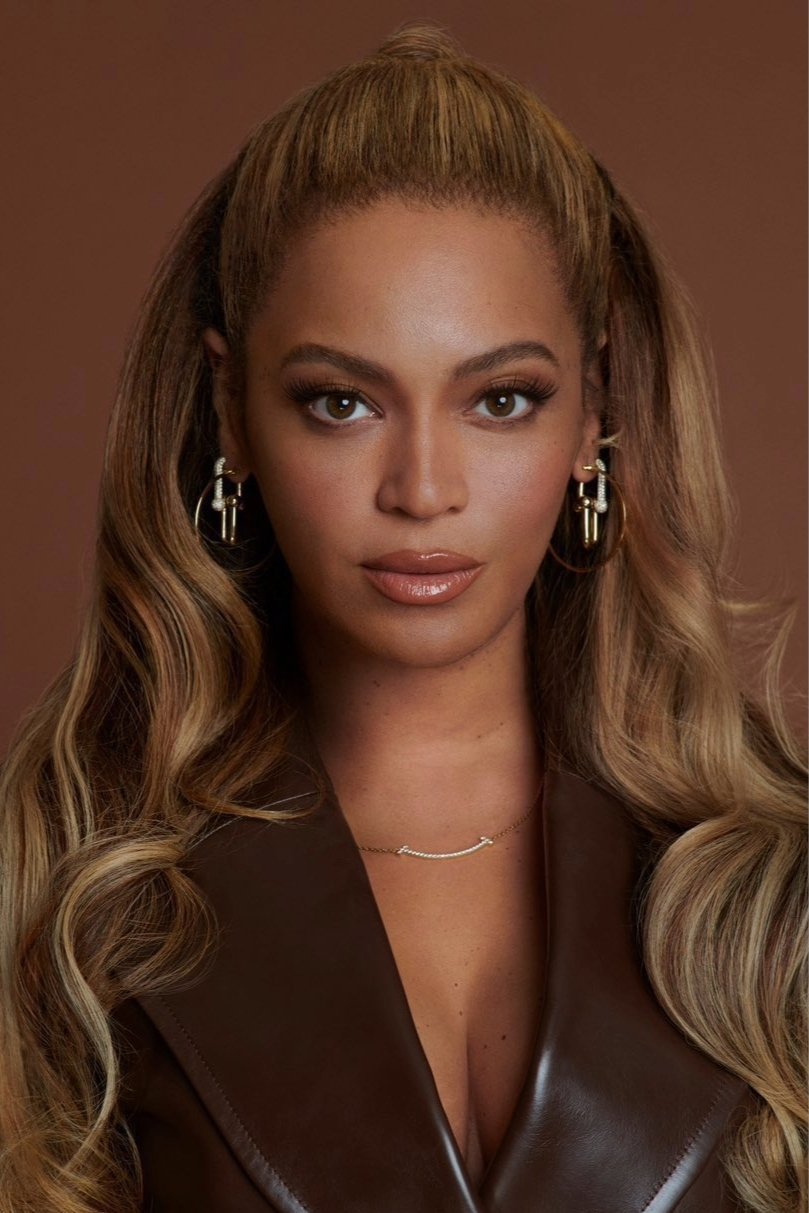
Beyoncé has occasionally faced accusations of colorism despite being widely praised for her celebration of Black culture. During the release of the visual album ‘Black Is King’ some viewers questioned the focus and casting choices regarding skin tone. Critics have also looked back at her early career and the way her solo success was managed by the industry. While she has worked extensively to promote dark skinned women in her more recent projects the discussion of her position as a light skinned artist remains. Her father Mathew Knowles famously stated that her skin tone played a role in her mainstream success.
Please share your perspective on how colorism affects the entertainment industry and which of these instances surprised you the most in the comments.