


Black Celebs Accused Of Only Supporting Light-Skinned Co-Stars

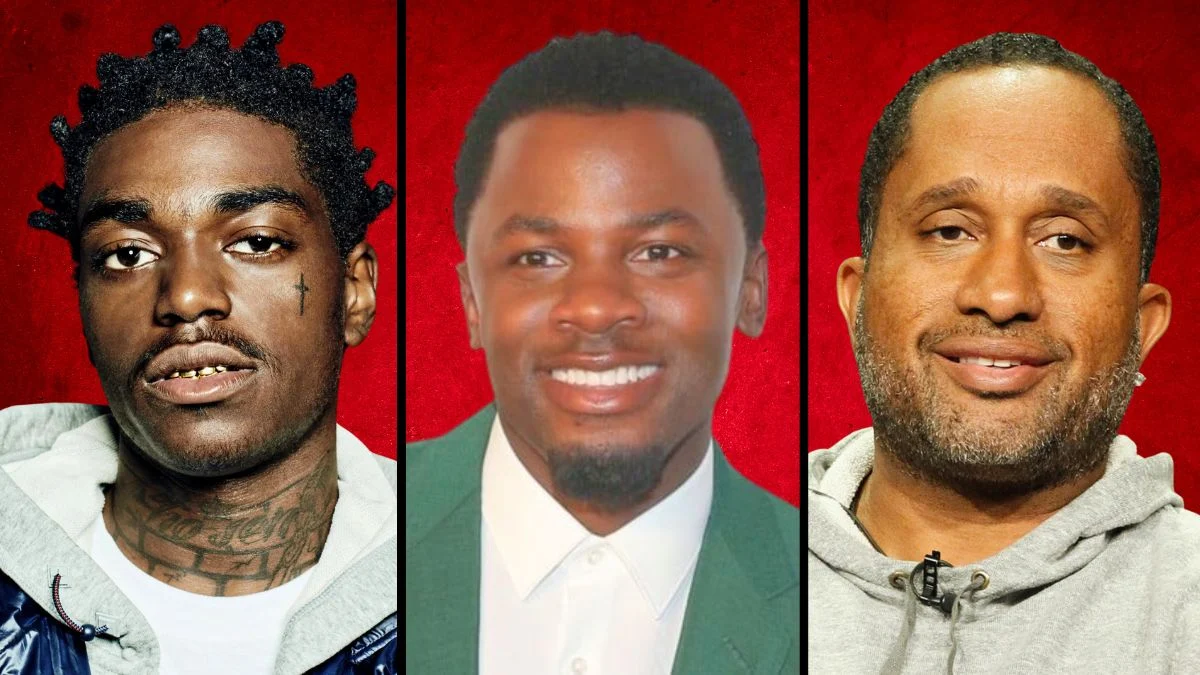


The entertainment industry has long been a focal point for discussions regarding representation and the nuances of colorism within the Black community. Many fans and critics have voiced concerns over the perceived preference for light skinned actors and models in major film and television productions. These accusations often target high profile creators and performers who seem to consistently cast or support a narrow aesthetic. While some argue these choices are based on marketability or personal vision others see them as a perpetuation of harmful biases. This exploration looks at several influential figures who have faced public scrutiny for their casting decisions and public associations.
Kenya Barris
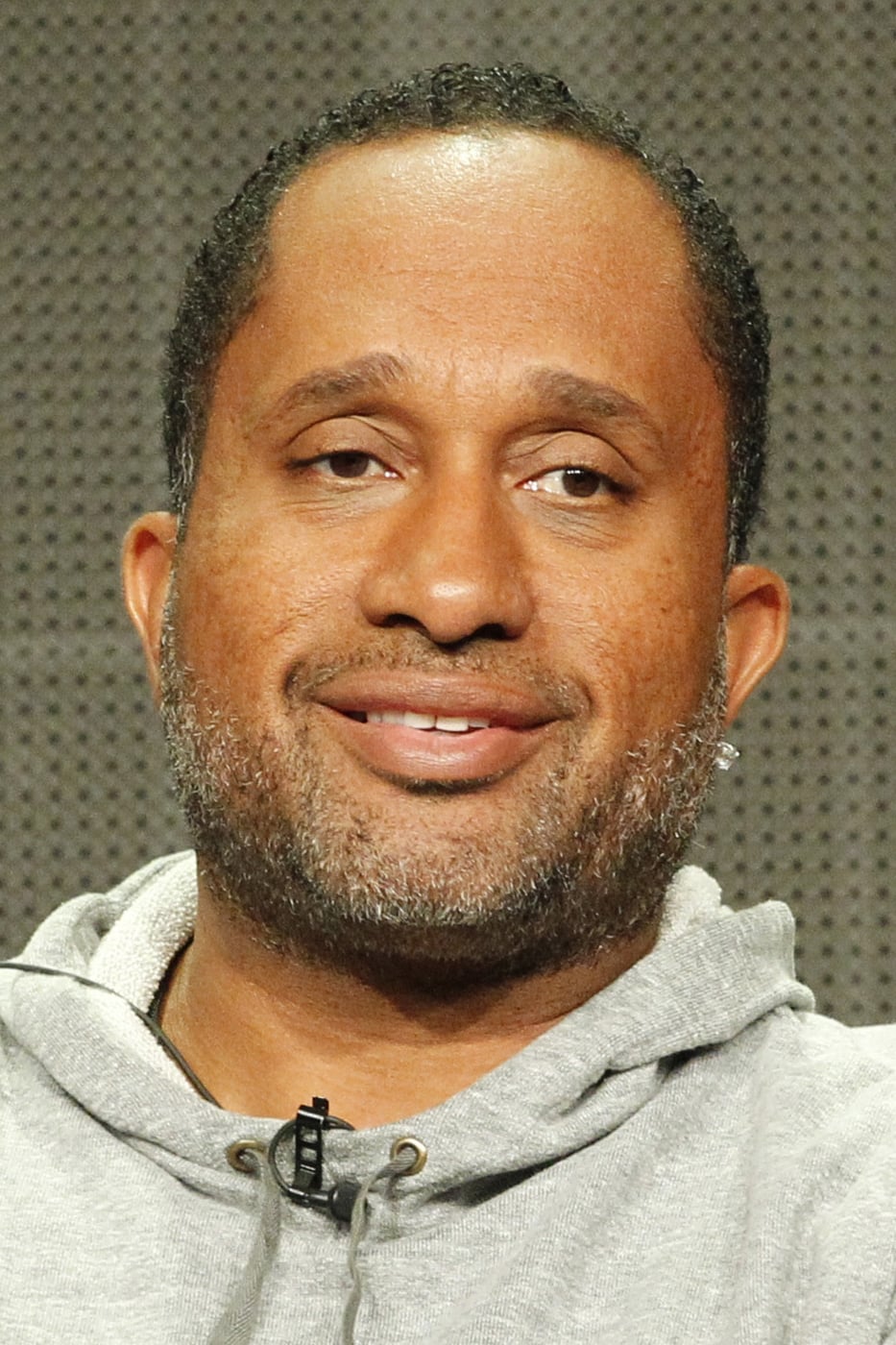
Kenya Barris has faced significant public backlash regarding the casting of his television shows. Many viewers noted that the majority of his female leads in ‘Blackish’ and its related series have lighter complexions. Critics argue that this representation neglects the diversity of the Black community. Barris has defended his choices as being reflective of his own life experiences and family dynamics. This ongoing conversation highlights the complexities of colorism in modern television production.
Tyler Perry
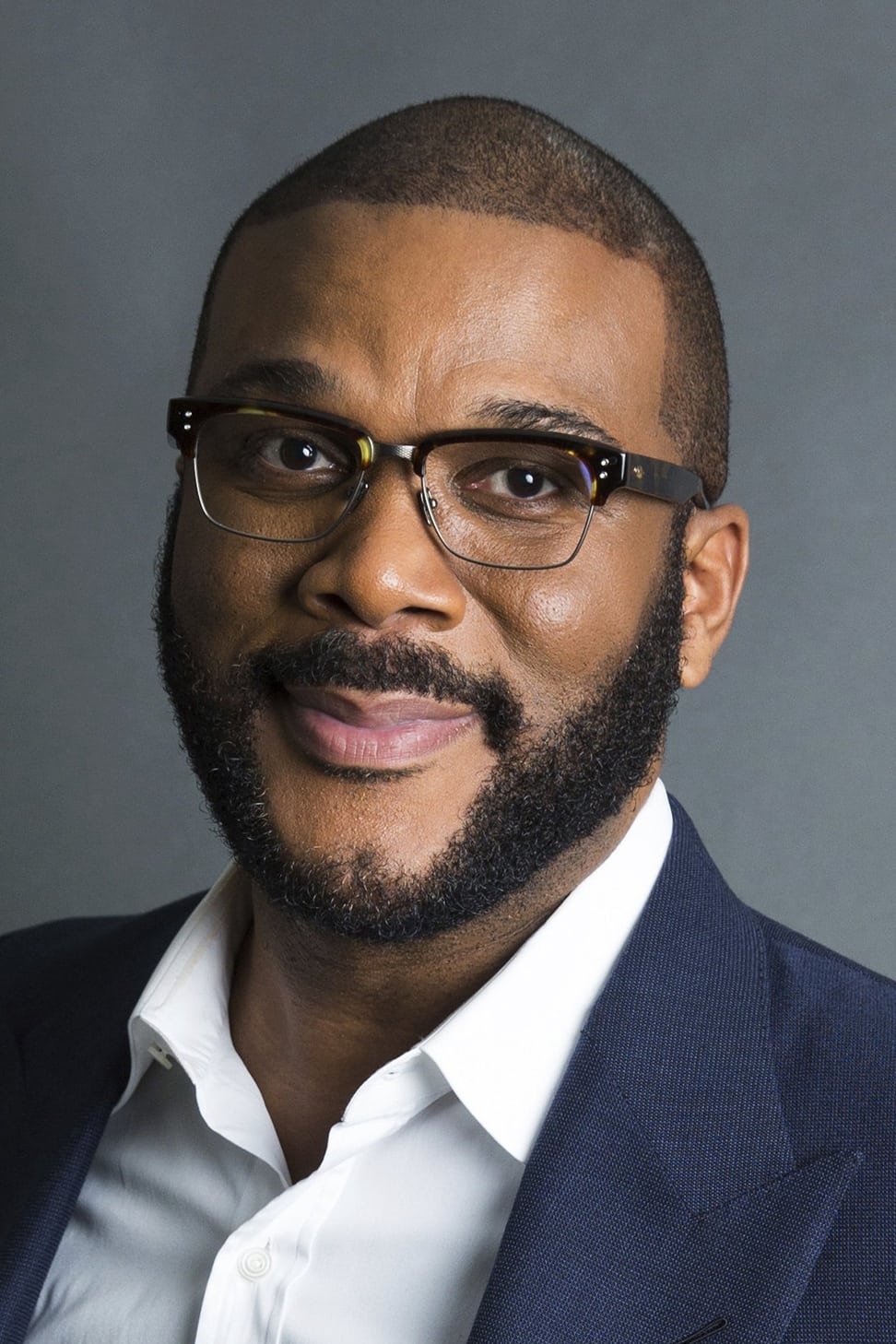
Tyler Perry is frequently criticized for the casting choices in his various television and film projects. Social media users often point out that the female leads in shows like ‘Sistas’ and ‘The Oval’ tend to have lighter skin tones. Some viewers believe this creates a narrow standard of beauty within his extensive body of work. Perry has addressed these concerns by stating he casts based on talent and the specific needs of the characters. The debate remains a recurring topic among fans of his massive media empire.
Michael B. Jordan
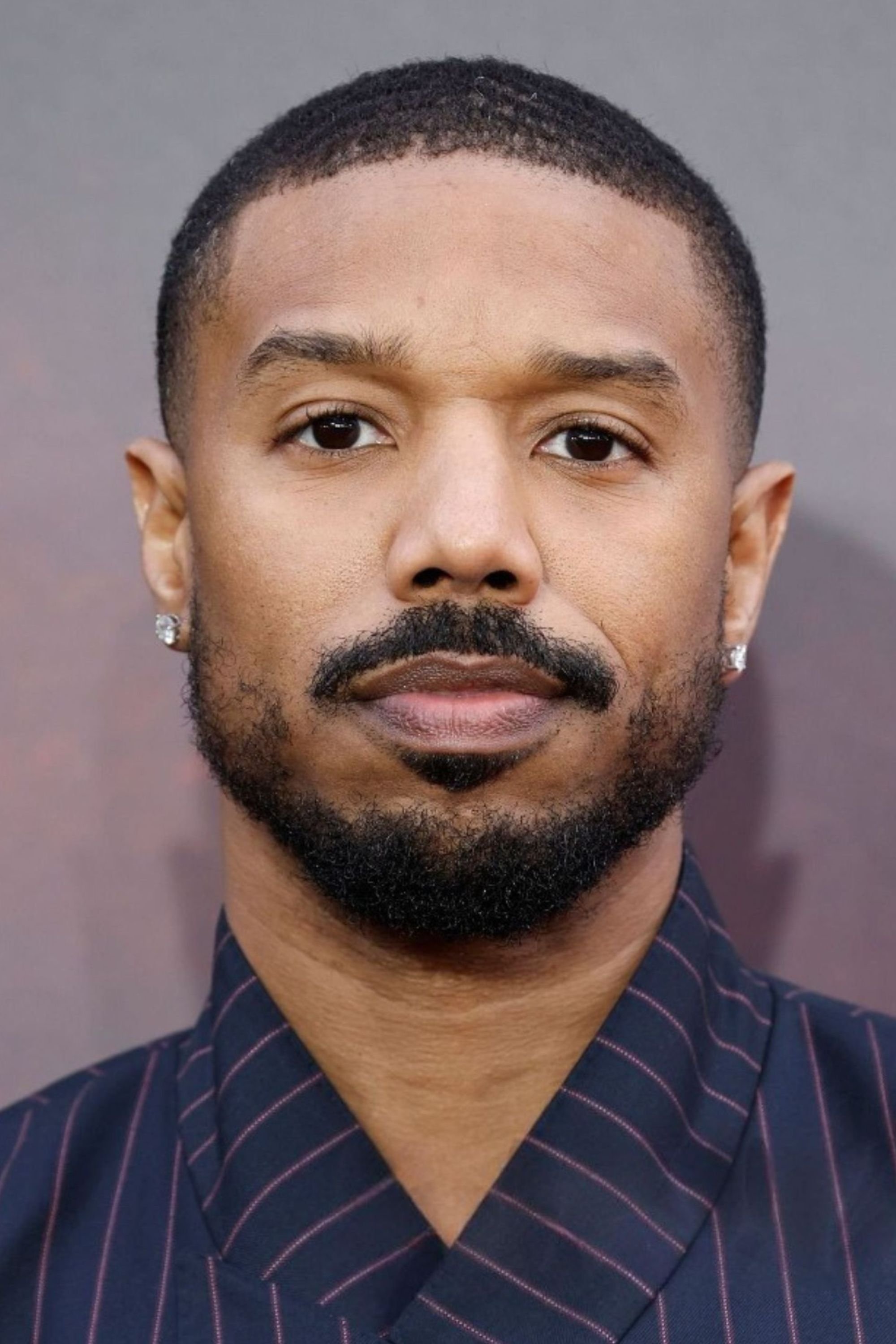
Michael B. Jordan has encountered public debate regarding the actresses cast as his love interests. Following the release of ‘Creed’ and its sequels some fans questioned the lack of dark skinned women in prominent roles alongside him. This scrutiny extended to his personal life and public appearances where his preferences were analyzed by social media users. Jordan has remained focused on his professional growth as both an actor and a producer. He continues to lead major franchises while the conversation about inclusive casting in his projects persists.
Kevin Hart
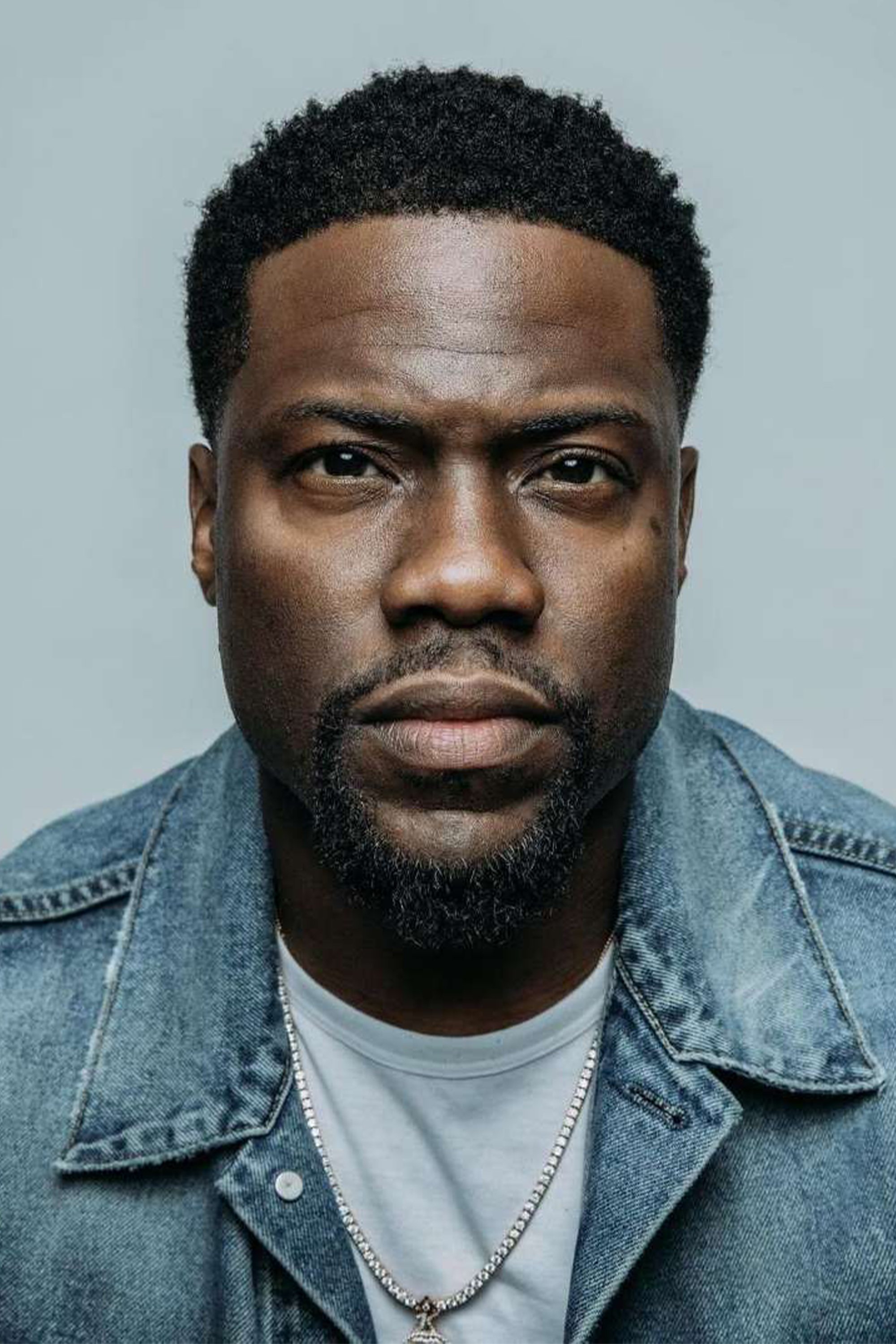
Kevin Hart has been accused of favoring light skinned women in his films and music video appearances. Critics pointed to movies like ‘Night School’ and various comedy specials where the female cast members often shared a similar aesthetic. This led to discussions about the lack of visibility for dark skinned Black women in mainstream comedy. Hart has often used humor to deflect or address such criticisms during his performances. His production company continues to be one of the most active in the industry despite these ongoing critiques.
Anthony Anderson
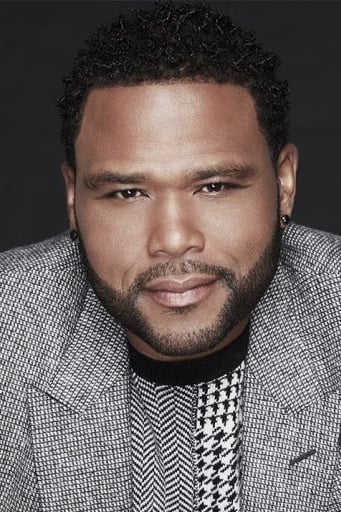
Anthony Anderson faced scrutiny alongside his colleagues for the aesthetic choices made on ‘Blackish’ throughout its long run. The show focused on a family with diverse skin tones but many viewers felt the female leads were predominantly light skinned. This sparked broader discussions about the “paper bag test” in modern Hollywood casting. Anderson has celebrated the show for its cultural impact and its ability to tackle sensitive racial issues. Nevertheless the series remains a central example in the debate over colorism in sitcoms.
Derek Luke
Derek Luke became the center of a social media storm after he posted photos of his wife online. He faced comments from users who criticized his preference for his light skinned spouse and suggested he did not support dark skinned women. Luke responded with a powerful defense of his relationship and personal choices. He clarified that love should not be dictated by skin tone or societal expectations. This incident highlighted the intense pressure placed on Black male celebrities regarding their public and private associations.
Chris Brown
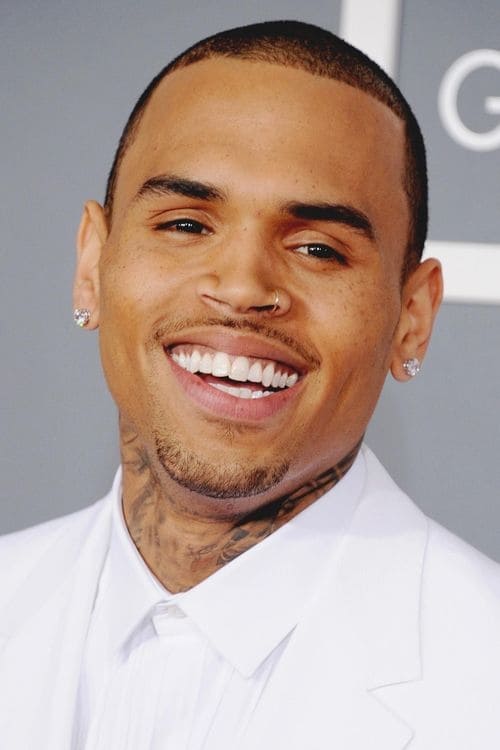
Chris Brown has faced multiple accusations of colorism throughout his music career. Promoters and fans have alleged that he maintains specific preferences for light skinned women at his parties and in his music videos. These claims often surface when casting calls or club entry rules are leaked to the public. Brown has denied these allegations and often reacts strongly to such claims on his social media platforms. His visual work continues to be a point of contention for those tracking representation in the music industry.
Lee Daniels
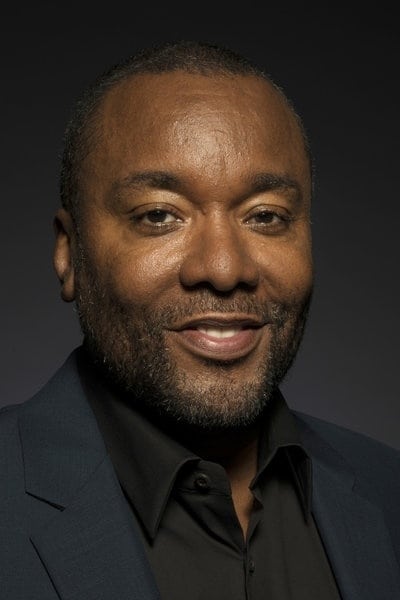
Lee Daniels has been criticized for the casting of his hit series ‘Empire’ and several of his films. Critics often mention that the female leads and love interests in his projects lean toward a lighter complexion. This led to accusations that he was reinforcing industry standards that marginalize dark skinned talent. Daniels has spoken about his own experiences with colorism and the challenges of the production process. His work remains highly influential even as it faces continuous evaluation from a critical audience.
F. Gary Gray
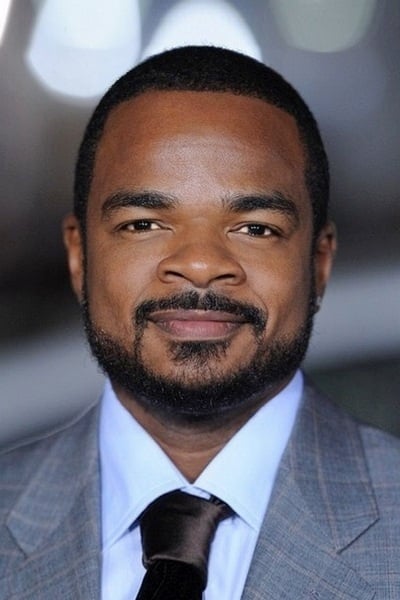
F. Gary Gray faced intense scrutiny during the casting process for the film ‘Straight Outta Compton’ in recent years. A casting call was leaked that categorized women into groups based on their skin tone and hair texture. The call specifically sought light skinned women for higher tier roles while dark skinned women were listed for background positions. This sparked a national conversation about systemic colorism in Hollywood filmmaking. Gray and the production team faced heavy backlash for the language and criteria used in the search.
Spike Lee
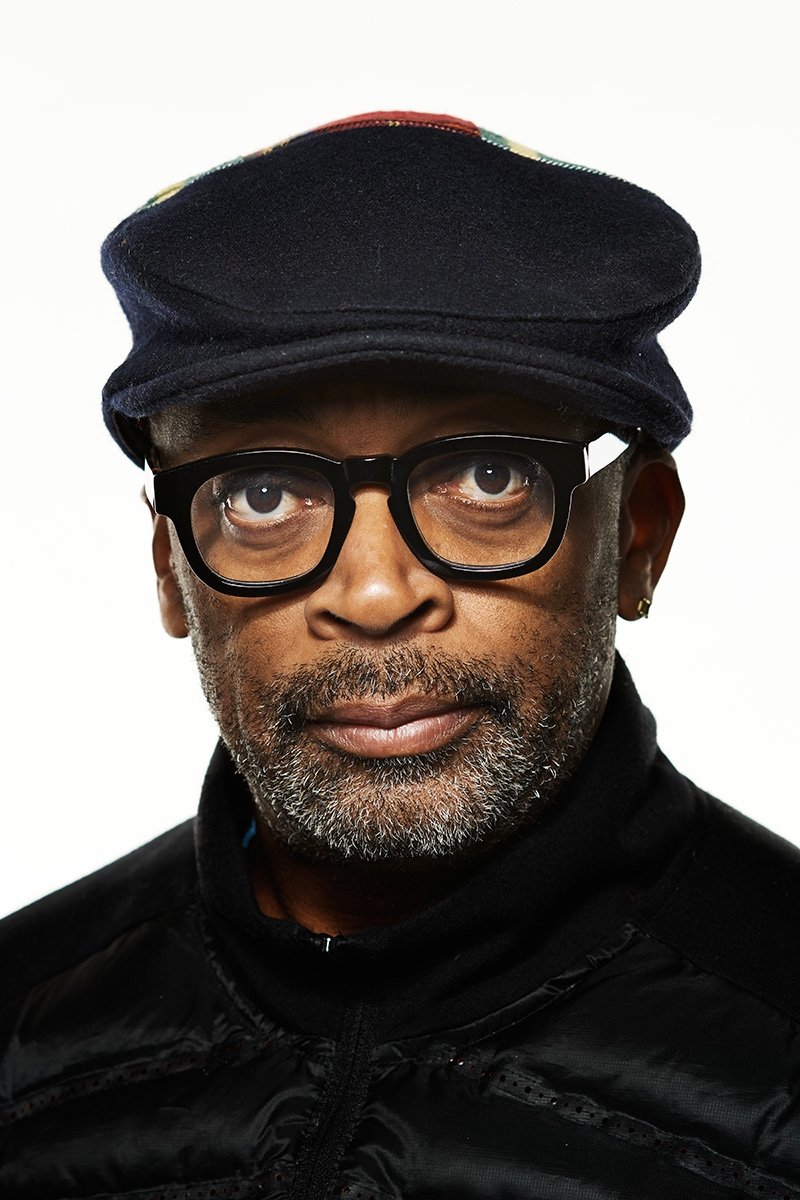
Spike Lee is a pioneer in addressing colorism through his early work such as ‘School Daze’ which depicted the conflict between different skin tones. However he has also faced criticism from some who believe his later films have not always practiced the inclusivity he preaches. Some viewers have noted a pattern in the casting of female leads across his extensive filmography. Lee has always been a vocal advocate for Black cinema and the authentic portrayal of the Black experience. His legacy is often discussed in the context of how he pioneered these difficult conversations.
Eddie Murphy
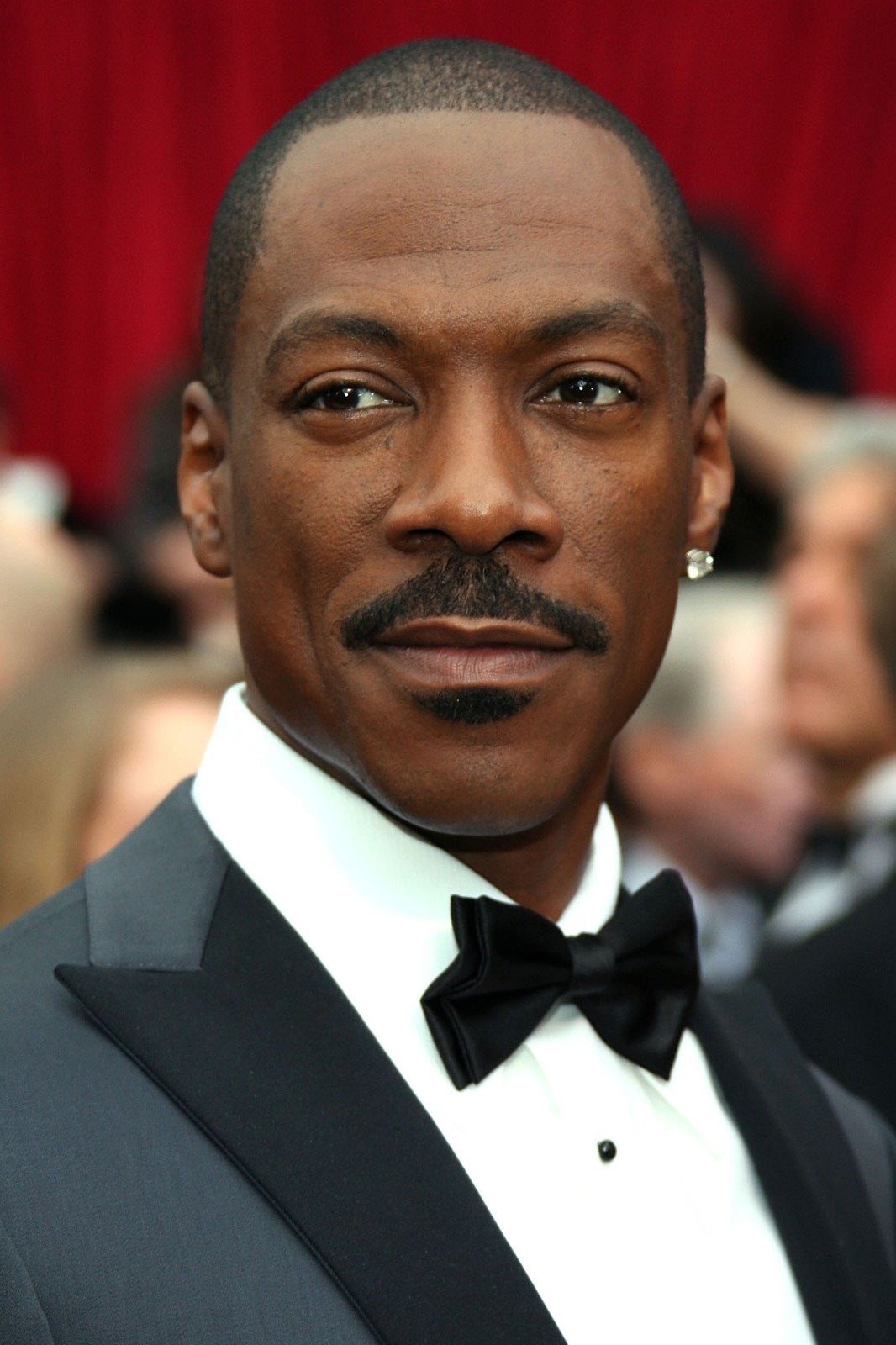
Eddie Murphy was at the center of casting discussions during his peak years in the 1980s and 1990s. Critics noted that in many of his major romantic comedies like ‘Coming to America’ the primary love interests were light skinned. This led to a belief that a specific aesthetic was required for leading ladies in high budget Black films. Murphy has worked with a vast array of talent over his four decade career in Hollywood. The historical analysis of his casting choices continues to be a part of film studies regarding Black representation.
Lil Wayne
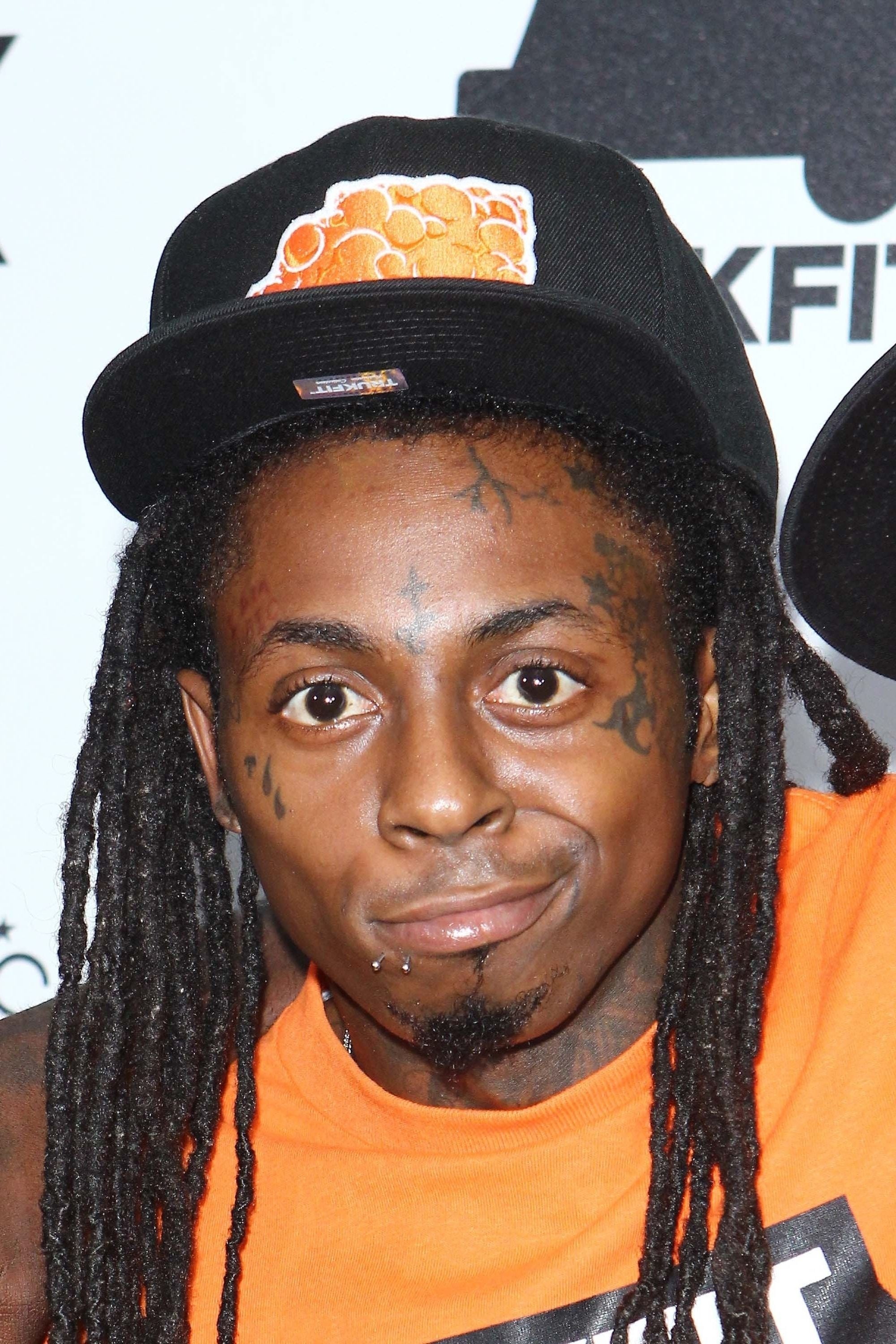
Lil Wayne has long been criticized for his lyrics and the women featured in his music videos. Many of his songs contain references that appear to favor light skinned or “redbone” women over those with darker complexions. This aesthetic preference is also visible in the casting of the models who appear in his visual projects. Lil Wayne has addressed these critiques sporadically throughout his career in interviews and lyrics. His influence on a generation of rappers has made his perceived preferences a significant part of the colorism dialogue.
Drake
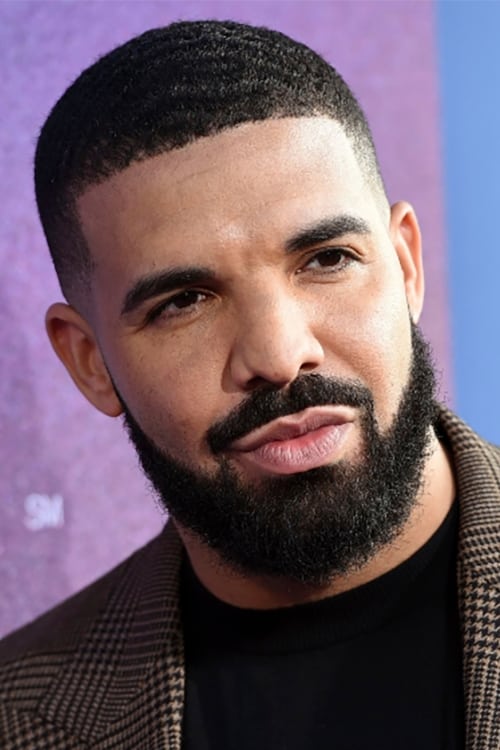
Drake is frequently accused of prioritizing light skinned women in his music videos and public life. Fans have analyzed his visuals for years and often point to a lack of dark skinned representation among his female co stars. This has led to social media debates about his role in shaping modern beauty standards in the music industry. Drake has occasionally included a more diverse range of women in his work but the accusations persist. His global platform ensures that his casting choices remain under a constant microscope.
Kodak Black
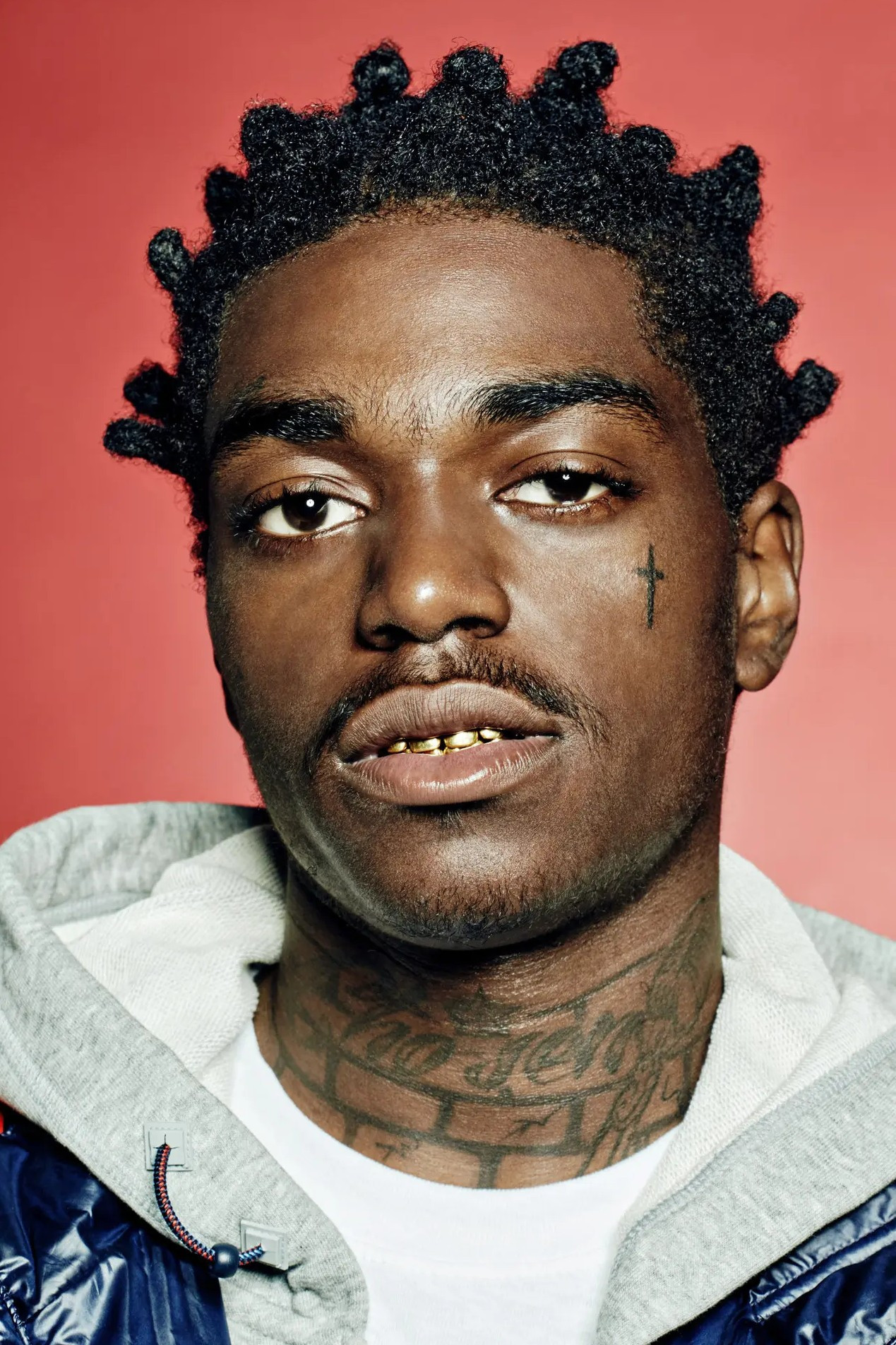
Kodak Black has made several public statements regarding his preferences that were deemed colorist by the public. He explicitly stated in interviews and on social media that he prefers light skinned women over dark skinned women. These comments led to widespread condemnation from both fans and other celebrities. Kodak Black defended his right to have a preference while critics argued his platform made his words harmful. His stance remains one of the most blatant examples of public colorism in the contemporary rap scene.
Nick Cannon
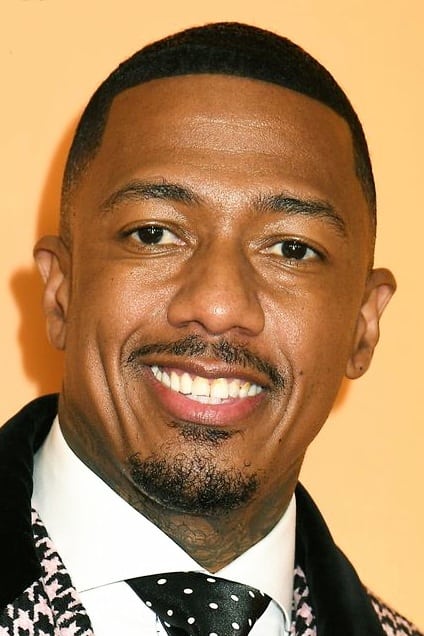
Nick Cannon has been accused of favoring a specific look for the women cast in his long running show ‘Wild N Out’ over the years. Viewers have pointed out that the majority of the female models and performers on the show have lighter skin tones. This has led to accusations of colorism in the way the program markets its aesthetic. Cannon has also faced scrutiny regarding his personal dating history which many see as reflective of his professional casting. He continues to be a major figure in television production while these questions remain.
Dr. Dre
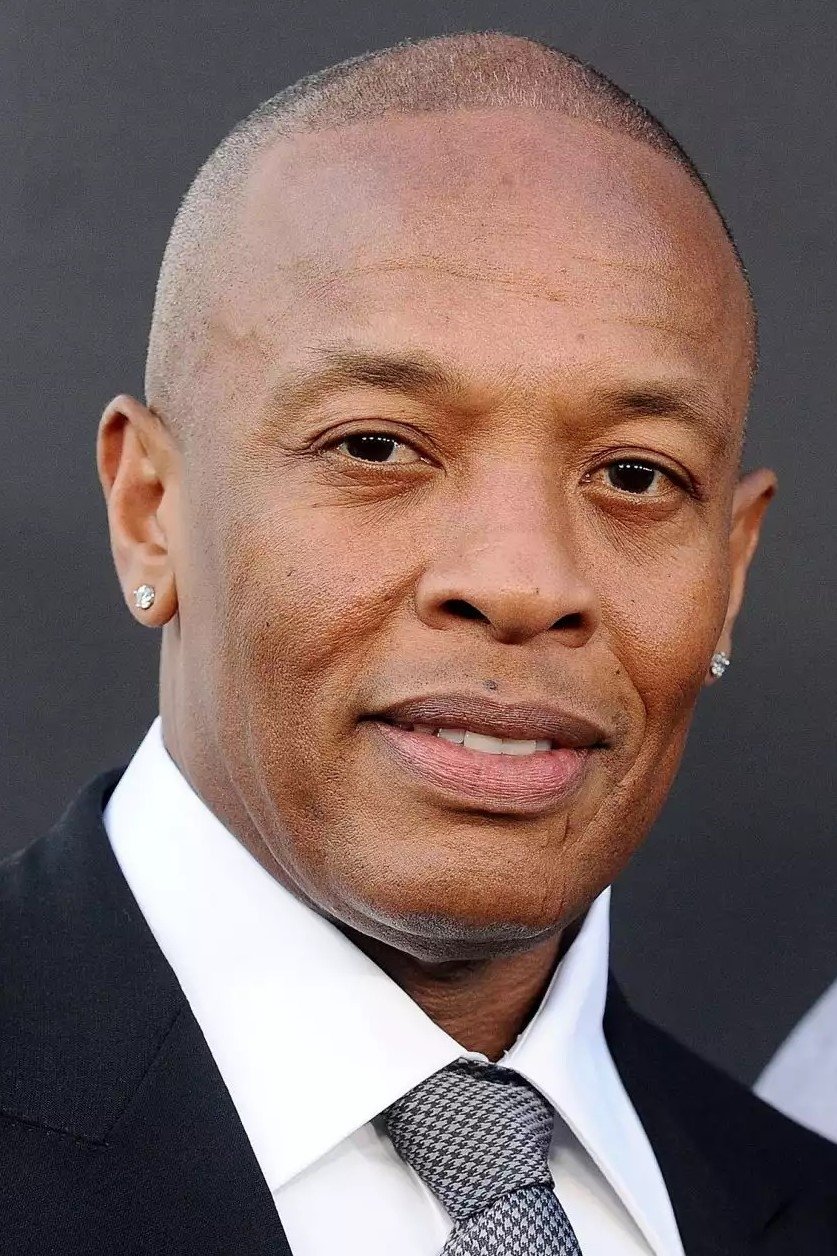
Dr. Dre was involved in the production of the NWA biopic ‘Straight Outta Compton’ which faced a major casting controversy. The project was linked to a casting call that used a grading system to rank women by their skin tone and hair texture. This led to accusations that the legendary producer and his team were engaging in blatant colorism. While the film was a massive success the casting controversy remains a significant part of its history. Dr. Dre has rarely spoken directly about the specific details of that casting call.
Tyga
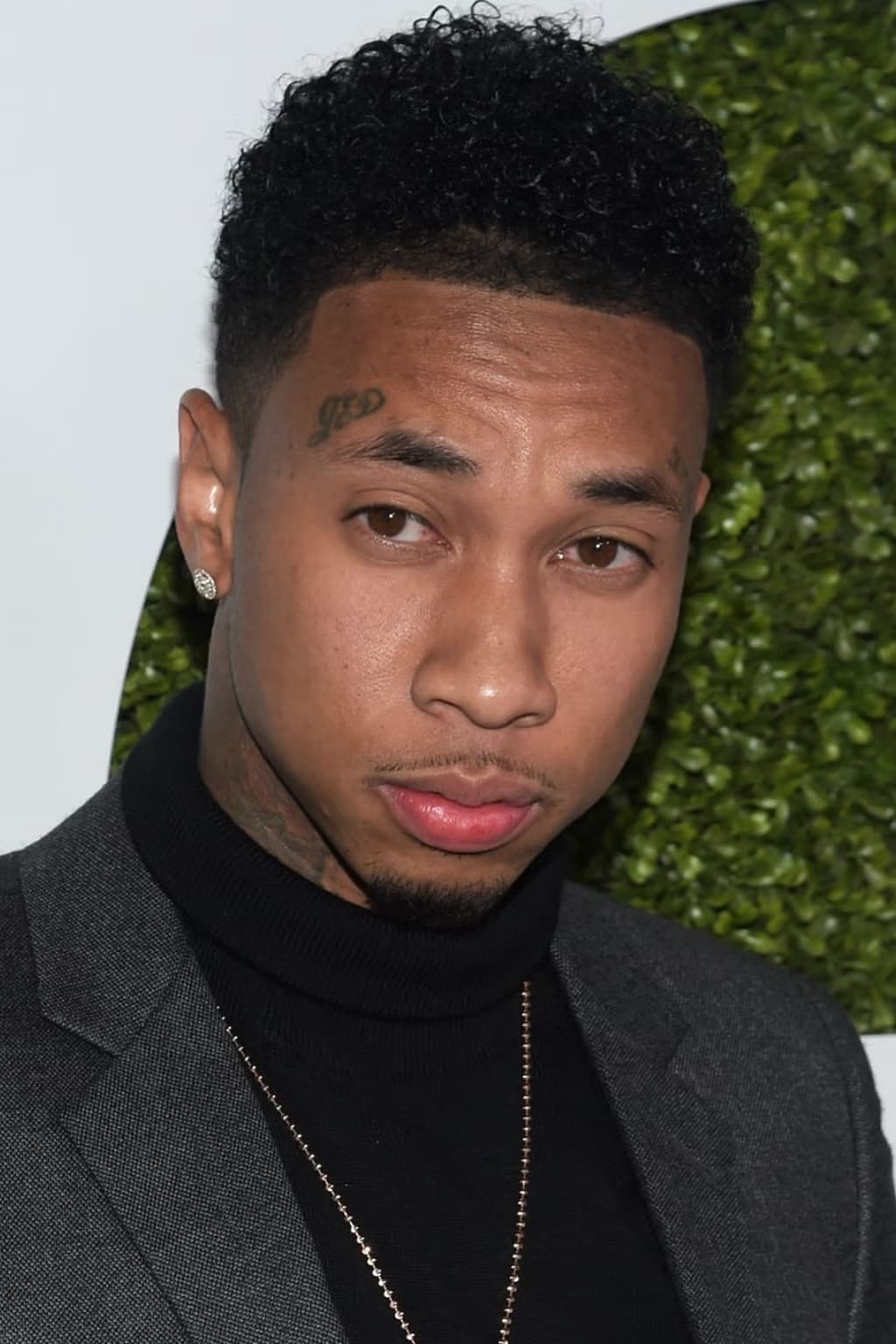
Tyga is another artist who has faced recurring accusations of colorism regarding his music video casting. Fans have noted that the women featured in his visuals are almost exclusively light skinned or non Black. This has led to social media threads detailing a perceived pattern of exclusion of dark skinned models. Tyga has continued to release high energy videos that lean heavily into this specific aesthetic. His choices are often used to illustrate the lack of diversity in the “video girl” era of hip hop.
Rick Ross
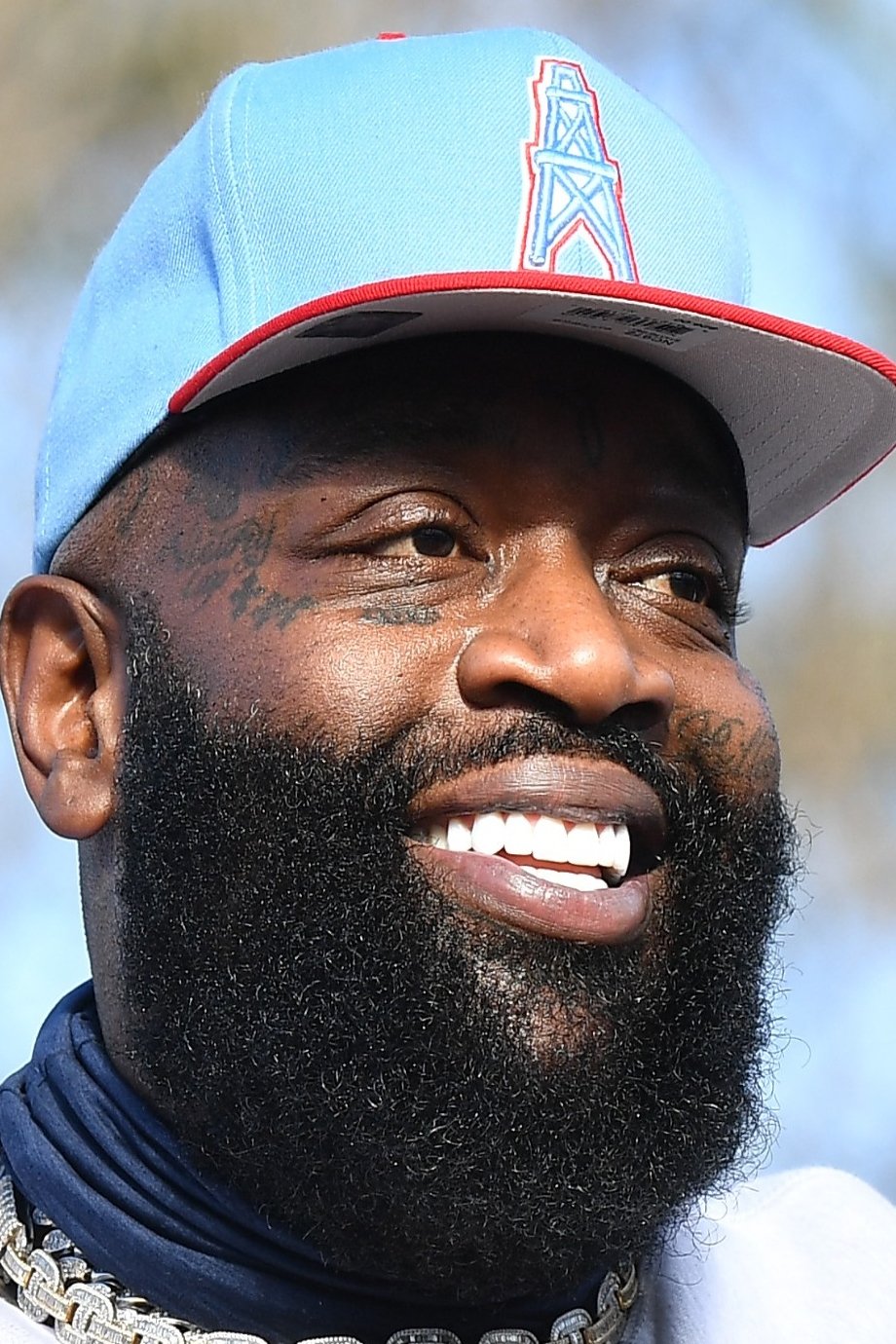
Rick Ross has been criticized for his comments regarding why he does not sign more female rappers to his label. He suggested that the potential for romantic attraction would complicate the professional relationship. Critics argued that this mentality coupled with the imagery in his music videos suggests a bias toward a specific look. His visual work consistently features light skinned models in luxury settings. This has contributed to the perception that his brand only supports a limited version of Black beauty.
50 Cent
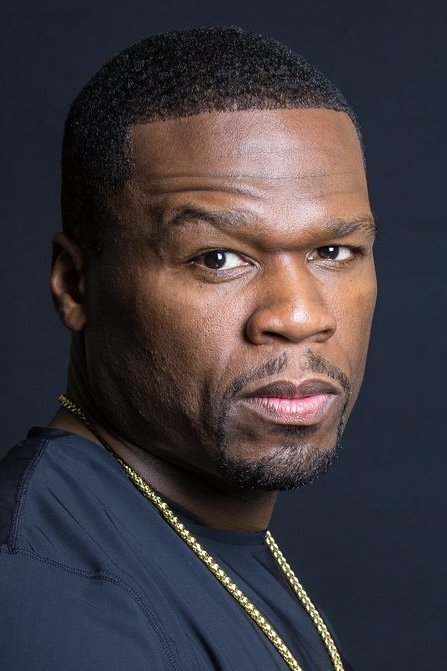
50 Cent is known for his unfiltered social media presence and has frequently touched on topics of skin tone. He has made comments that fans interpreted as favoring light skinned women and exotic looks. These remarks often lead to heated debates in his comment sections about colorism and self hate. 50 Cent usually responds to these accusations with further jokes or dismissive comments. His influence in television and music makes his stance a frequent topic of cultural conversation.
Future

Future has faced scrutiny for both his music video casting and his highly publicized dating history. Critics argue that his visual projects lack representation for dark skinned women which reinforces industry biases. This observation is often paired with discussions about the types of women he associates with in the public eye. Future has not addressed these specific accusations in depth despite the regular social media discourse. He remains one of the most successful artists in rap while these critiques persist.
Nelly
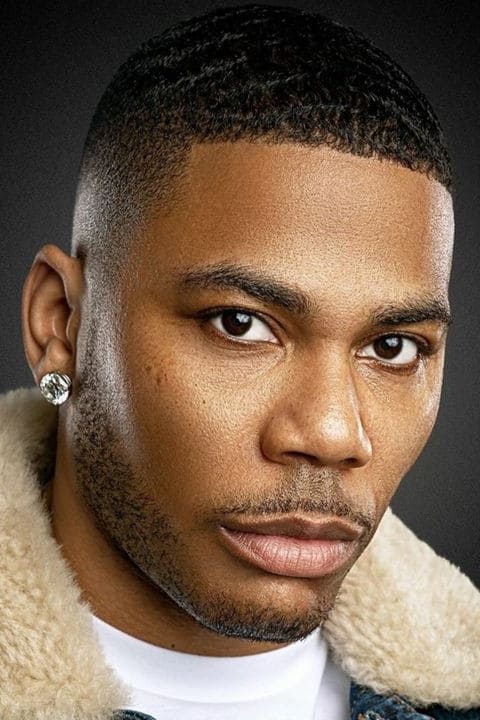
Nelly was at the forefront of the music video era that many point to as the height of colorist casting. His infamous ‘Tip Drill’ video and others from that period were criticized for their narrow range of female representation. Activists and students famously protested his appearances due to the imagery in his work. Nelly has defended his career and the cultural impact of his music over the years. The era he helped define is still studied for its role in establishing modern colorist trends.
Fabolous
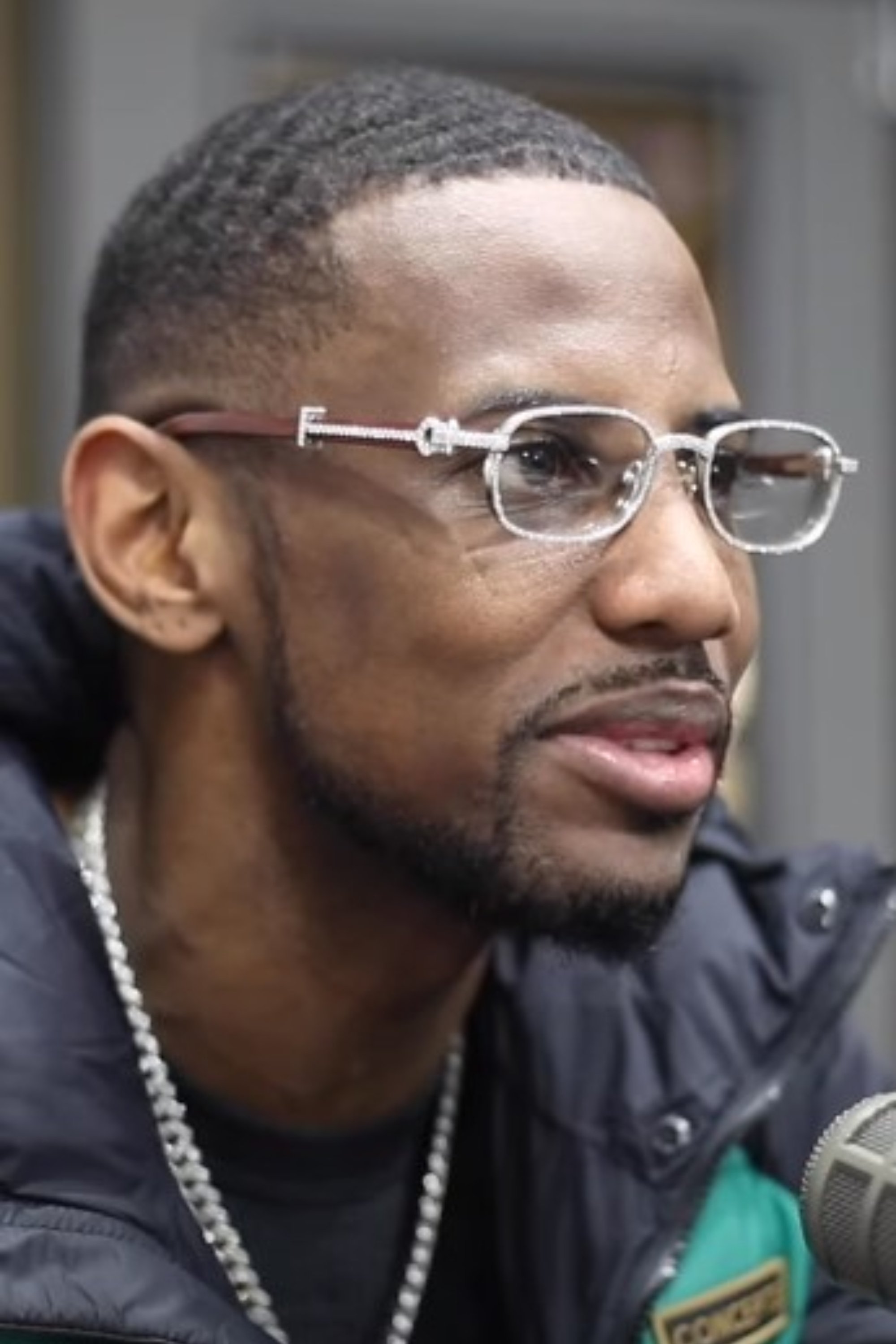
Fabolous has encountered criticism for lyrics in several of his songs that seem to prioritize light skin. His music videos have also been analyzed for a perceived lack of dark skinned leading ladies. Fans have pointed out these instances on social media as examples of how colorism is woven into the fabric of hip hop culture. Fabolous continues to be a staple in the New York rap scene with a long career of hits. These critiques represent a growing awareness among listeners about the impact of lyrical and visual themes.
Master P
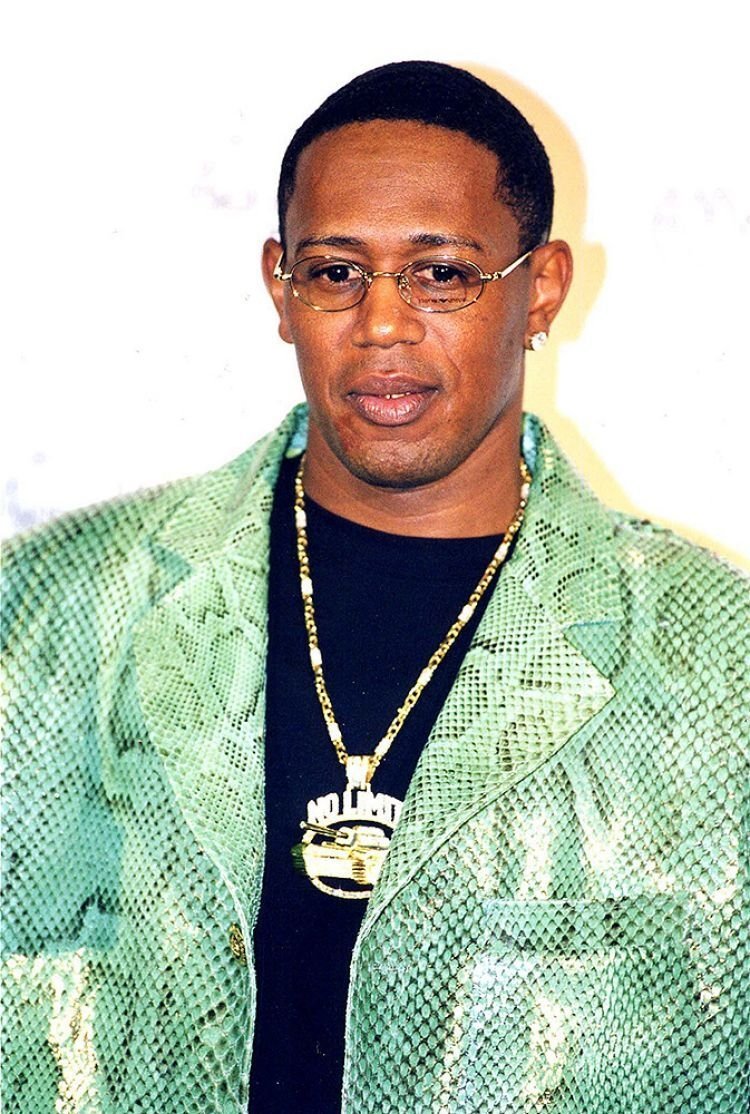
Master P built an independent empire with No Limit Records and produced numerous films during the late 1990s. Some critics have looked back at his filmography and noted a preference for light skinned women in lead roles. This observation has led to discussions about how independent Black cinema also struggled with colorism. Master P has always focused on the importance of ownership and financial independence in the Black community. His contribution to the industry is immense but not exempt from the scrutiny of modern representation standards.
T.I.
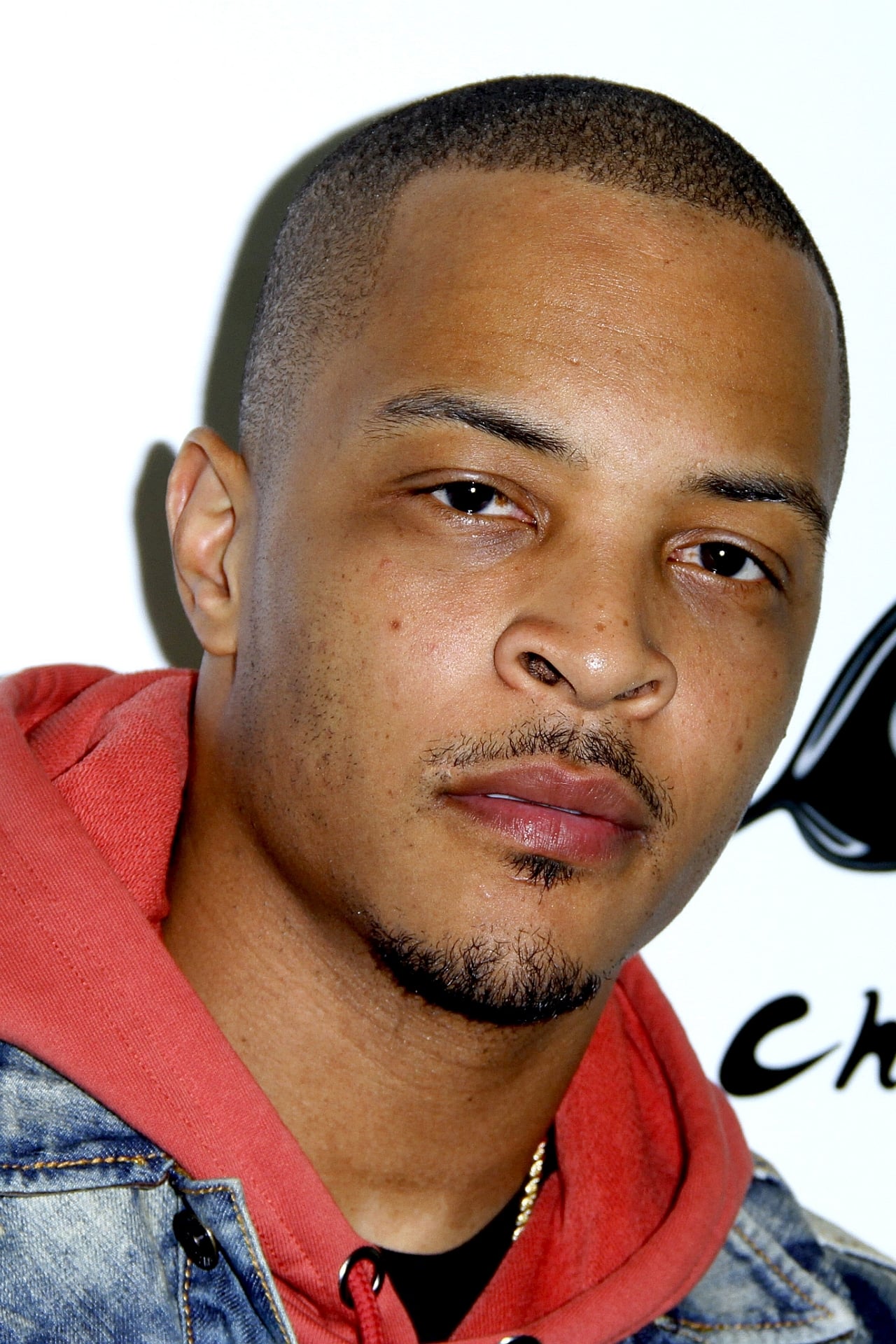
T.I. has been vocal in many social and political debates but has also faced accusations of colorism. These claims usually stem from the casting of his music videos and his public comments on beauty standards. He has often engaged with fans on social media to defend his views and his artistic choices. T.I. has stated that he appreciates all forms of Black beauty even as critics point to patterns in his work. His role as a cultural commentator makes his personal choices a subject of frequent public interest.
Jamie Foxx
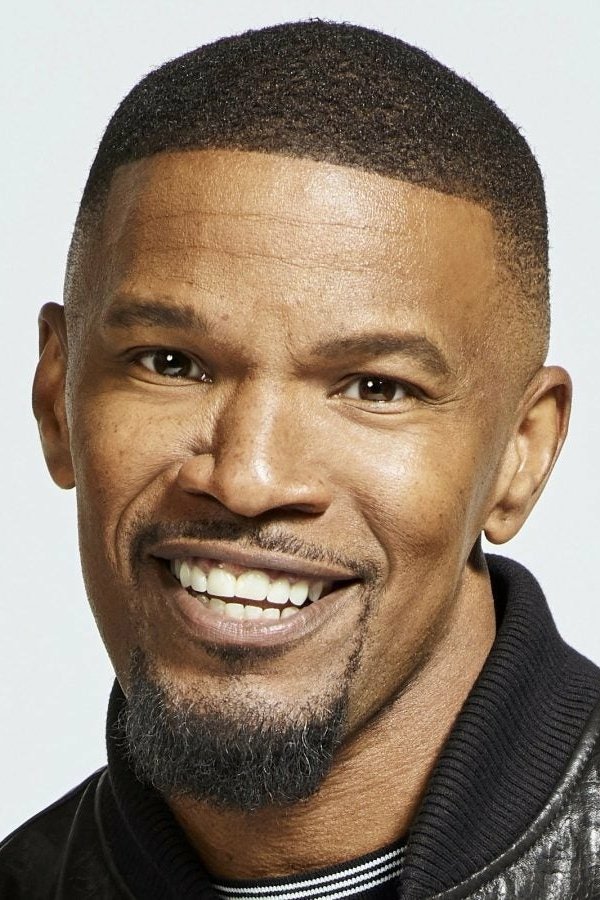
Jamie Foxx has a long career in music and film where he has often been in a position to influence casting. Some social media users have pointed to his music videos as evidence of a preference for light skinned or ethnically ambiguous women. This conversation often resurfaces when he is seen in public with romantic partners who fit a certain aesthetic. Foxx has remained one of the most versatile and respected talents in Hollywood. The discussion around his projects reflects the broader industry pressure to diversify lead roles.
Usher
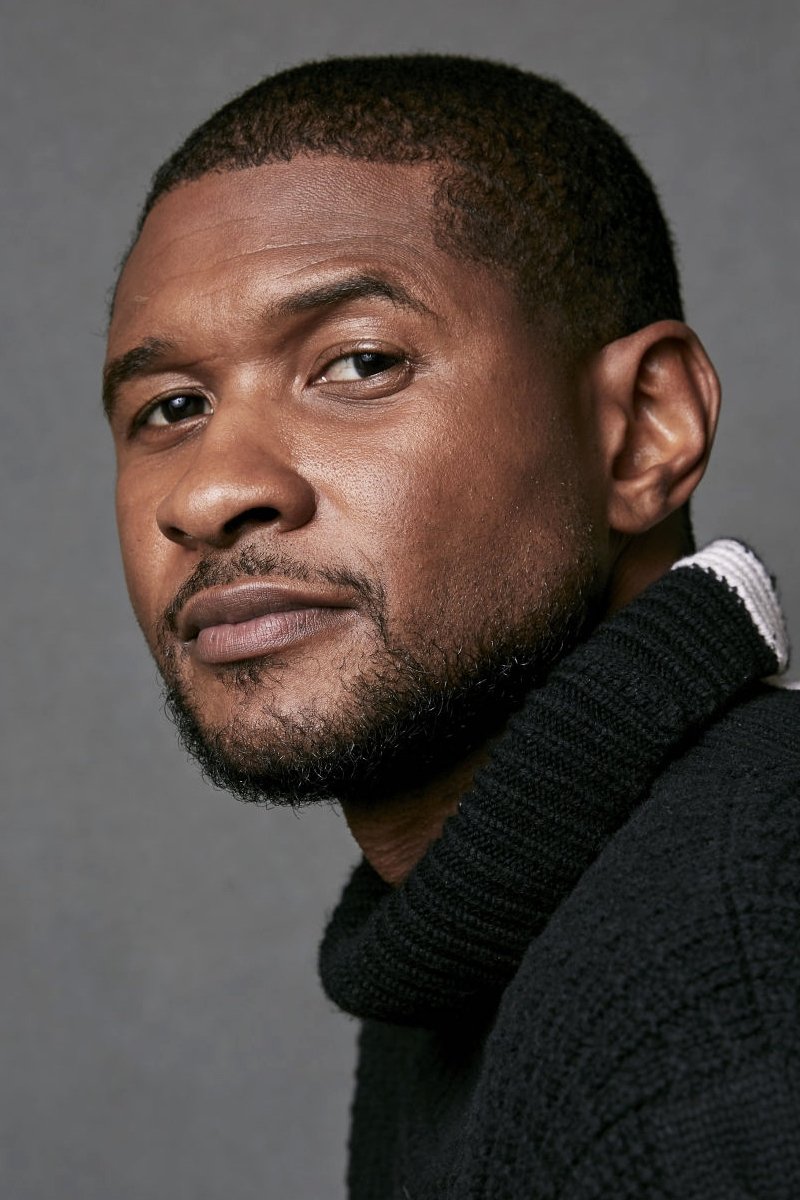
Usher has been a leading man in the music industry for decades and has featured many women in his videos. Over time some fans have noted that his female co stars are predominantly light skinned. This observation has led to his inclusion in wider debates about the history of R&B and its casting standards. Usher has worked with legendary directors to create some of the most iconic visuals in music history. The evolution of his videography serves as a timeline for shifting standards of beauty in entertainment.
Snoop Dogg
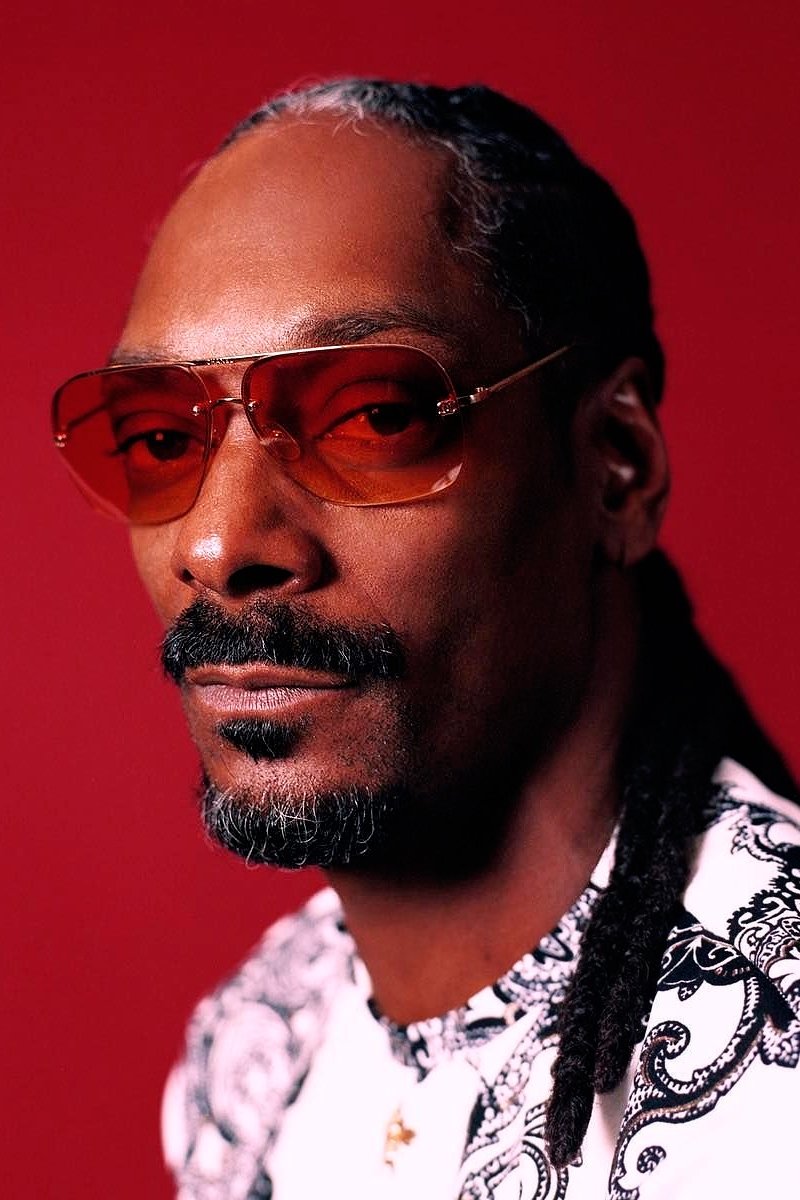
Snoop Dogg has faced historical criticism for his portrayal of women in his early music videos and lyrics. While he has evolved significantly as a public figure some critics still point to past patterns of colorism in his work. His music video casting during the height of the G-funk era often leaned into a specific look that excluded many dark skinned women. Snoop Dogg has become a beloved global icon who often champions Black culture in various forms. His early work remains a part of the discussion regarding how hip hop aesthetics were formed.
French Montana

French Montana faced an intense backlash after a social media interaction with a Black woman. He used a derogatory term to describe her hair and made comments that many felt were rooted in colorism and anti Blackness. The incident led to a public outcry and calls for a boycott of his music. French Montana later attempted to clarify his comments and expressed his love for all Black women. This event is often cited as a clear example of how colorism can manifest in social media conflicts.
Terrence J
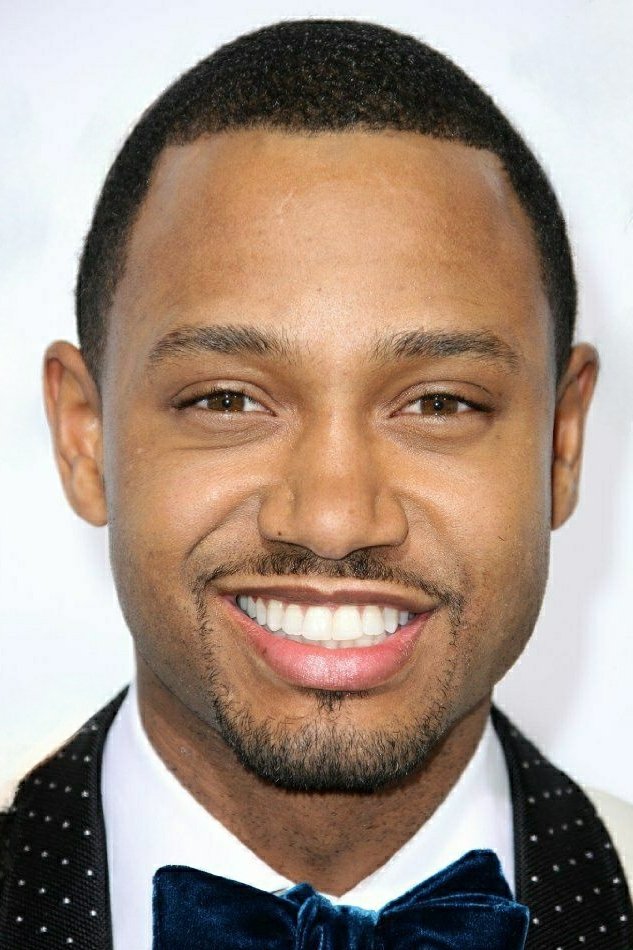
Terrence J has built a successful career as a host and actor in films like ‘Think Like A Man’ and its sequels. Critics have noted that many of the projects he is associated with feature a predominantly light skinned cast in the leading romantic roles. This has led to him being included in conversations about the “pretty boy” aesthetic in Hollywood. Terrence J has continued to be a prominent figure on red carpets and in television production. His career trajectory is often used to discuss the types of Black men who find the most success in mainstream media.
DC Young Fly
DC Young Fly has faced criticism for the casting in his independent films and digital sketches. Some viewers have observed that the women featured in his content often share a similar light skinned look. This has led to social media threads questioning his commitment to representing the full spectrum of the Black community. DC Young Fly has built a massive following through his comedy and presence on ‘Wild N Out’. His projects are a testament to the power of independent media but also a target for those seeking more inclusive representation.
DeRay Davis
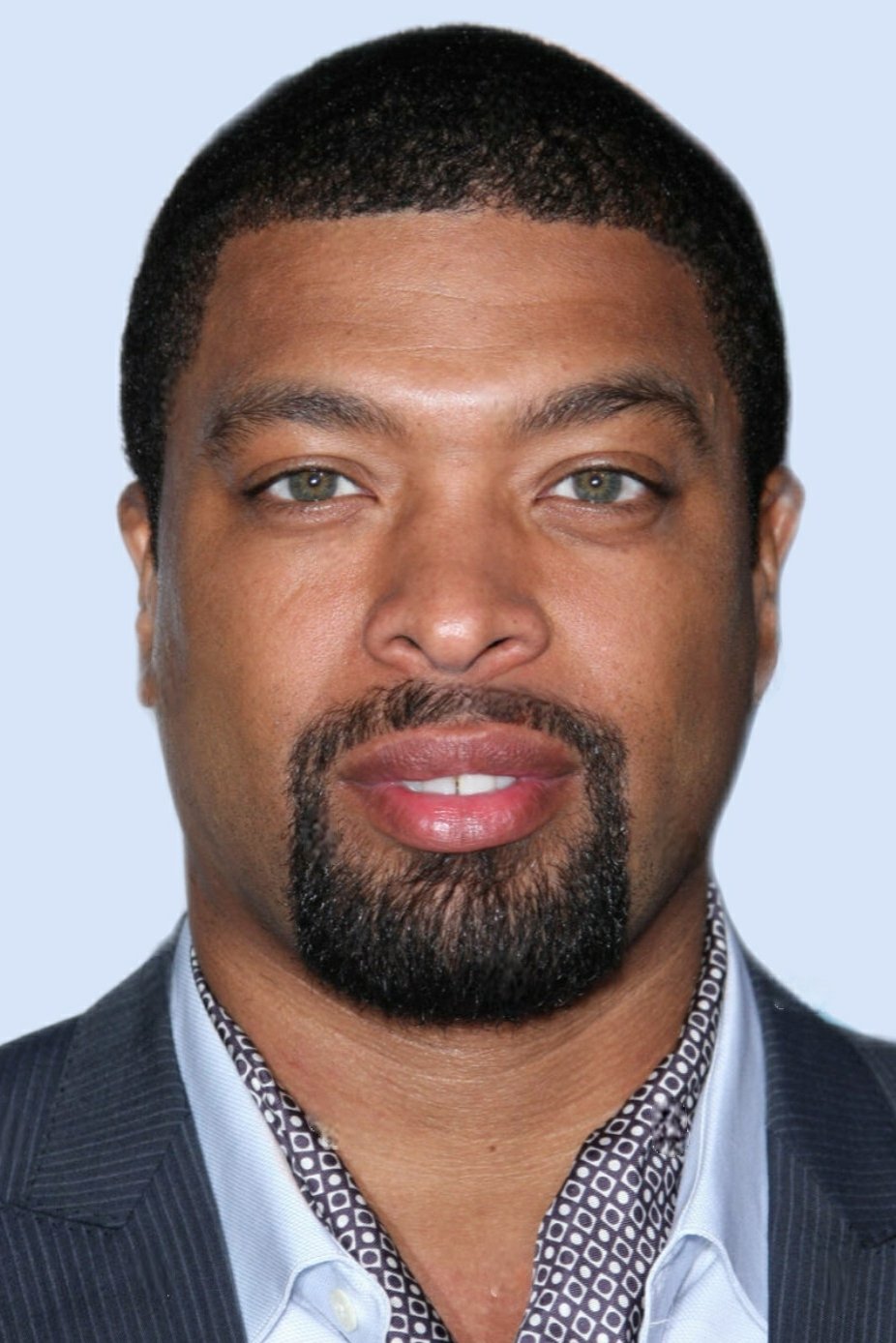
DeRay Davis has often been at the center of social media debates regarding his personal relationships. He has been open about his polyamorous lifestyle and the women he dates who are frequently light skinned. This openness has led to accusations from some fans that he does not value or support dark skinned women. Davis has addressed these claims in his comedy sets and during interviews with various outlets. He maintains that his personal choices are his own while critics continue to analyze the optics of his public life.
Will Packer

Will Packer is one of the most successful Black producers in Hollywood history with hits like ‘Think Like A Man’ and ‘Girls Trip’. Despite his success he has faced questions about the lack of dark skinned women in lead romantic roles in some of his earlier hits. Critics argue that as a powerful producer he has the ability to shift industry standards more aggressively. Packer has been a vocal advocate for Black talent and has worked to bring more diverse stories to the big screen. His filmography is often at the heart of discussions about the commercial viability of different skin tones in cinema.
Mike Epps
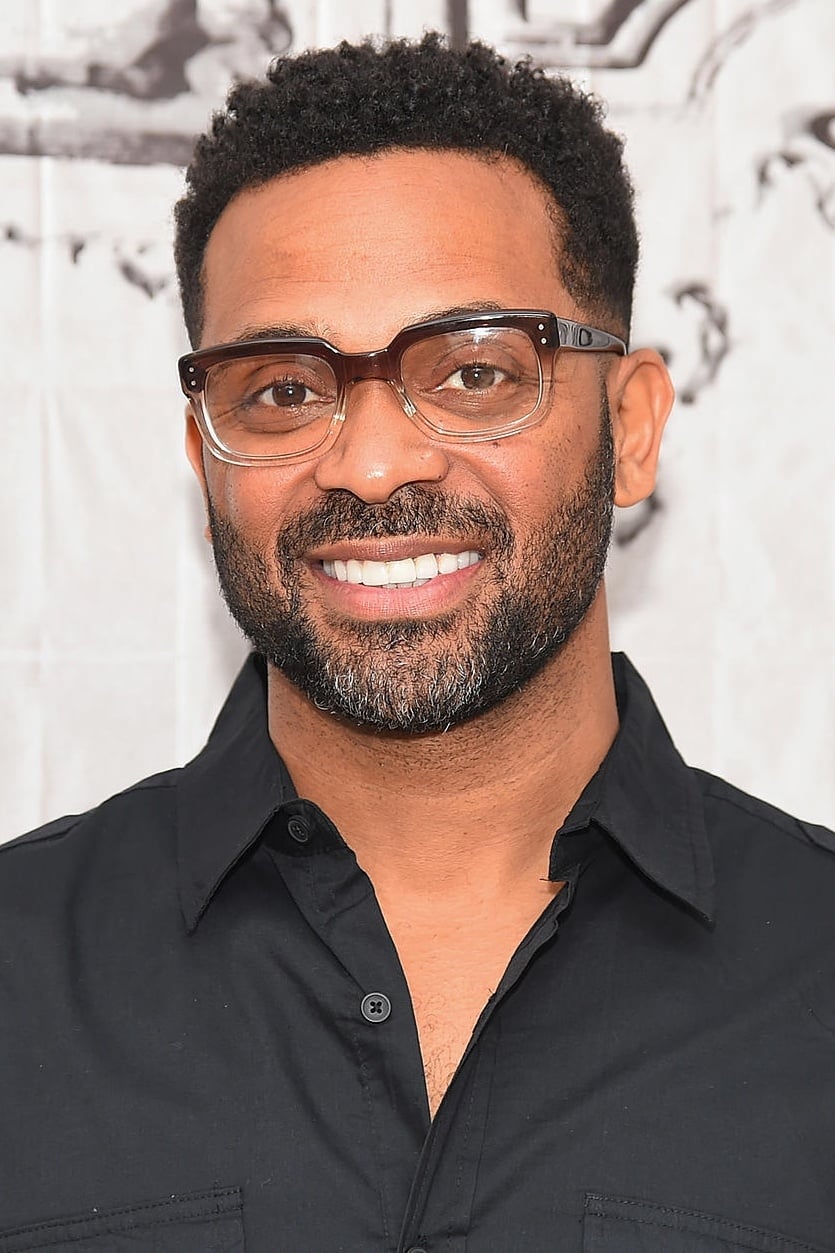
Mike Epps has faced scrutiny for his comedy routines and the casting of women in his various film projects. Some of his jokes regarding skin tone and hair have been criticized as being rooted in colorist tropes. Additionally the female leads in his movies have often fit the industry standard for light skinned representation. Epps remains a highly popular comedian and actor with a dedicated fan base. The critique of his work highlights the tension between traditional Black comedy and modern sensibilities regarding colorism.
Bow Wow
Bow Wow has a long history in the public eye and has frequently shared his personal views on social media. He has faced accusations of colorism based on his dating history and comments about the women he finds attractive. These discussions often turn into larger debates about the impact of the “teen idol” era on beauty standards. Bow Wow has often pushed back against these critiques by highlighting his support for the Black community. His social media presence continues to be a lightning rod for conversations about preference and bias.
Please share your thoughts on these celebrities and the ongoing conversation about colorism in the entertainment industry in the comments.