


Black Celebs Everyone Accuses of “Acting White” in Interviews

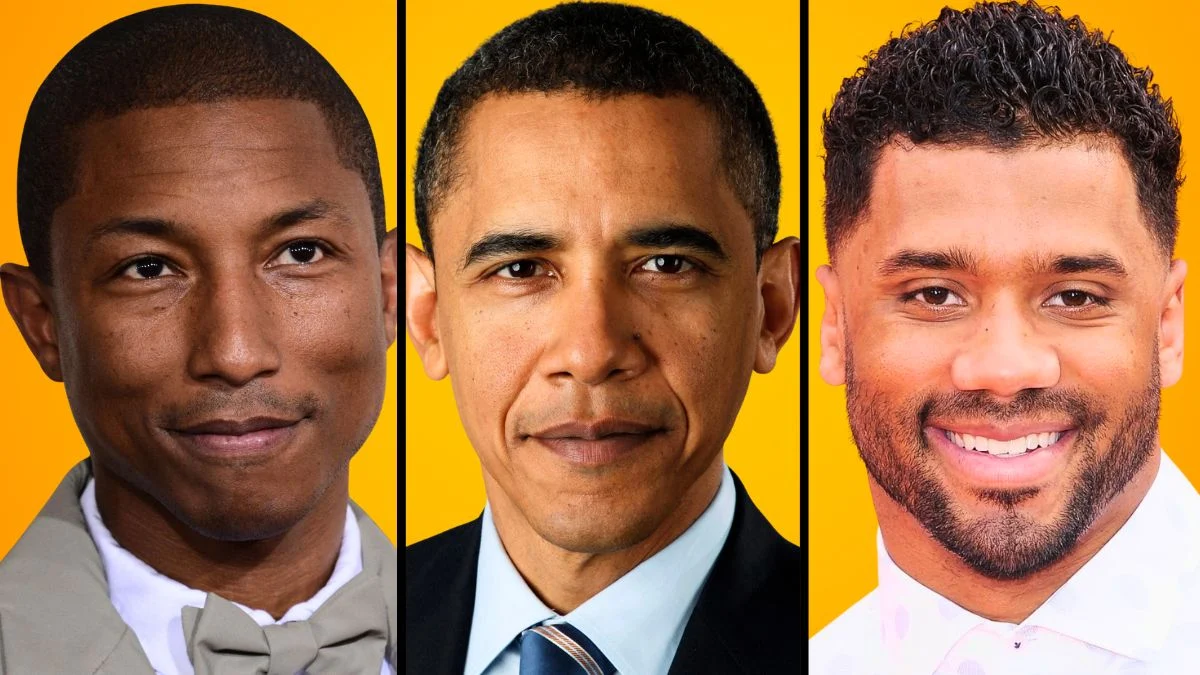


Public figures often face scrutiny for their personal expression and the way they communicate during media appearances. In the entertainment industry many Black celebrities have been criticized for behaviors that some perceive as being distant from their cultural roots. These accusations often focus on their speech patterns and political opinions or social circles. This cultural critique is frequently rooted in a limited understanding of the diverse experiences within the Black community. The following list highlights individuals who have dealt with these specific public perceptions throughout their careers.
Will Smith
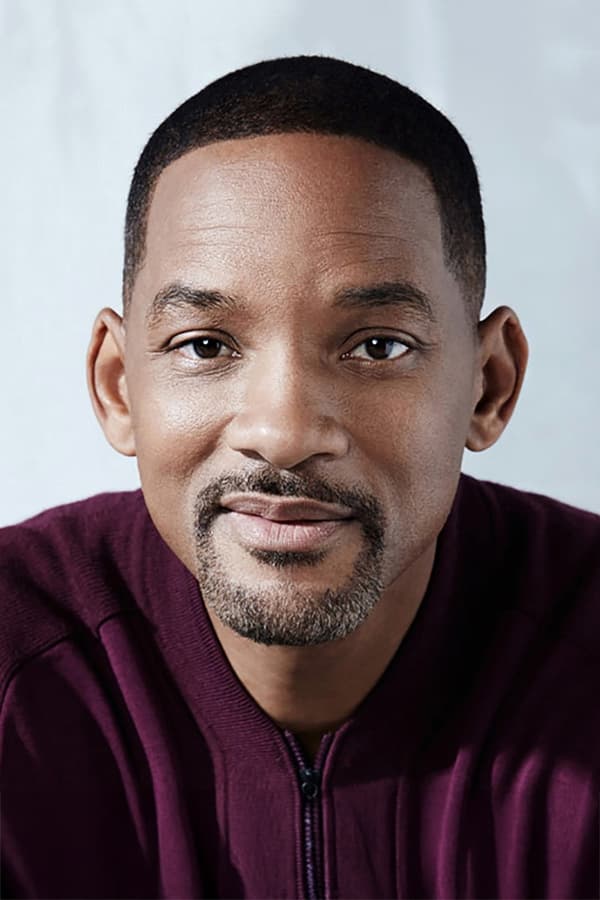
Will Smith rose to prominence with a clean image that contrasted with the more aggressive personas of other rappers at the time. His interviews during the era of ‘The Fresh Prince’ often featured his polished and articulate speaking style. Some critics claimed his mainstream appeal was a result of him catering to a white demographic. Smith has addressed these perceptions by noting that his upbringing in a middle class environment shaped his communication. His career trajectory continues to be a point of discussion regarding the intersection of race and relatability.
Wayne Brady
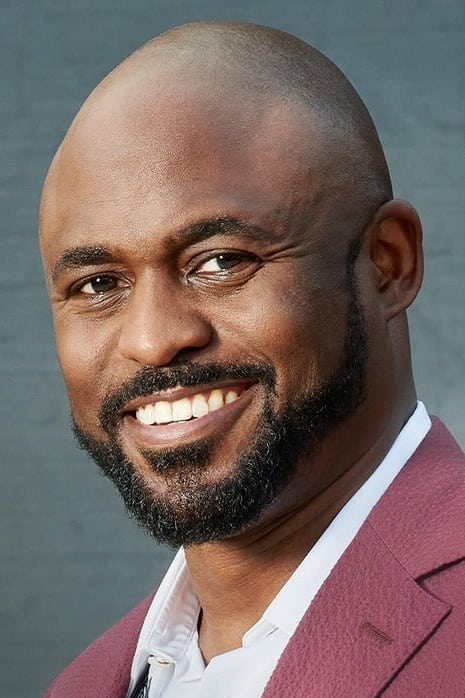
Wayne Brady became a household name for his improvisational skills on ‘Whose Line Is It Anyway?’. His polite image and comedic style led to a persistent stereotype that he was not authentically Black. He famously addressed these accusations in a sketch on ‘Chappelle’s Show’ where he played an aggressive version of himself. Brady has since spoken openly about the pressure of representing his race while navigating a white dominated industry. His career highlights the struggle many performers face when their personality does not fit a specific mold.
Russell Wilson
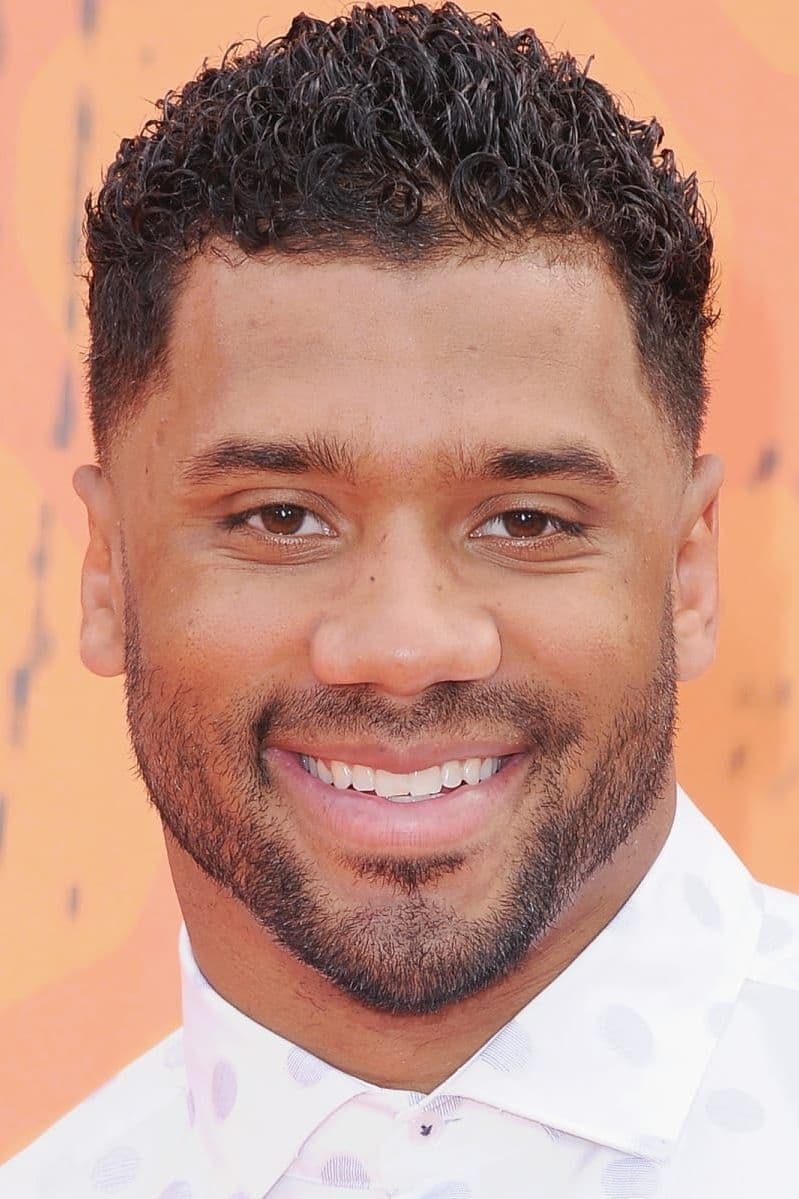
Russell Wilson is often discussed for his perceived lack of cool or street credibility in his public interactions. Critics on social media frequently joke about his robotic delivery and extremely polite demeanor during press conferences. This perception followed him throughout his time with the Seattle Seahawks and into his current career phases. Many fans defend him by stating that professional success and a stable family life should not be equated with a loss of cultural identity. Wilson remains a polarizing figure in sports media for his unique personality.
Terry Crews
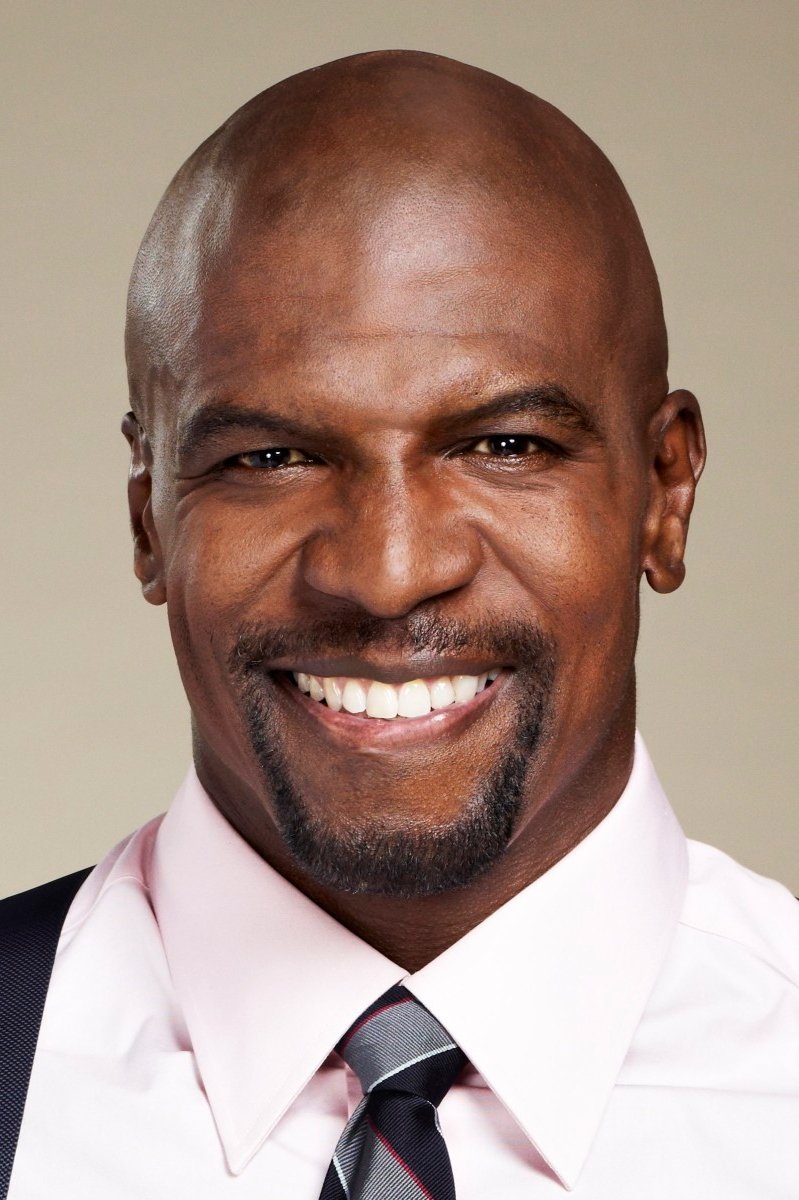
Terry Crews has faced backlash for several comments made during interviews regarding social justice movements. Some members of the public accused him of seeking approval from white audiences at the expense of his own community. His enthusiastic and high energy persona is sometimes characterized by critics as a performance intended for the mainstream. Crews has defended his right to hold diverse opinions and has spoken about the importance of individual thought. He continues to be a prominent figure in both acting and television hosting.
Alfonso Ribeiro
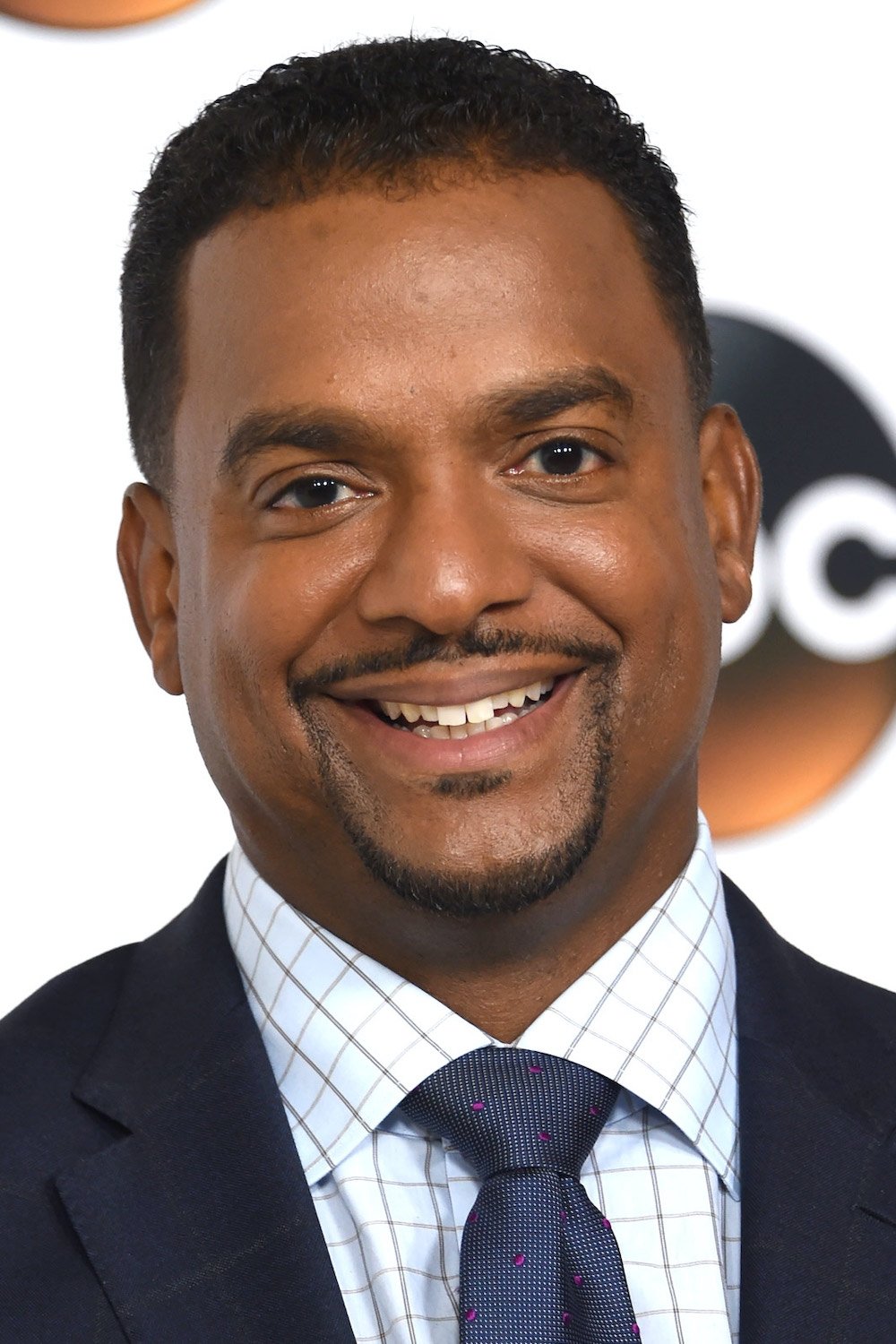
Alfonso Ribeiro is forever linked to his character Carlton Banks who was written as a wealthy and preppy teenager. In various interviews Ribeiro has mentioned how this role influenced the public’s perception of his real life personality. He is often asked to perform the famous dance associated with his character which reinforces a specific cultural stereotype. Some fans have difficulty distinguishing his actual identity from the famously uncool character he played on television. Ribeiro has embraced his legacy while continuing to work as a successful host and performer.
John Legend

John Legend is known for his sophisticated musical style and his articulate way of speaking in the media. Because of his Ivy League education and polished appearance he is sometimes accused of being out of touch with more gritty cultural elements. Legend frequently uses his platform to discuss social issues which leads to further debate about his perceived identity. He has consistently maintained a calm and intellectual approach to public discourse regardless of the criticism. His success in the music industry has made him an EGOT winner with a global reach.
Bryant Gumbel
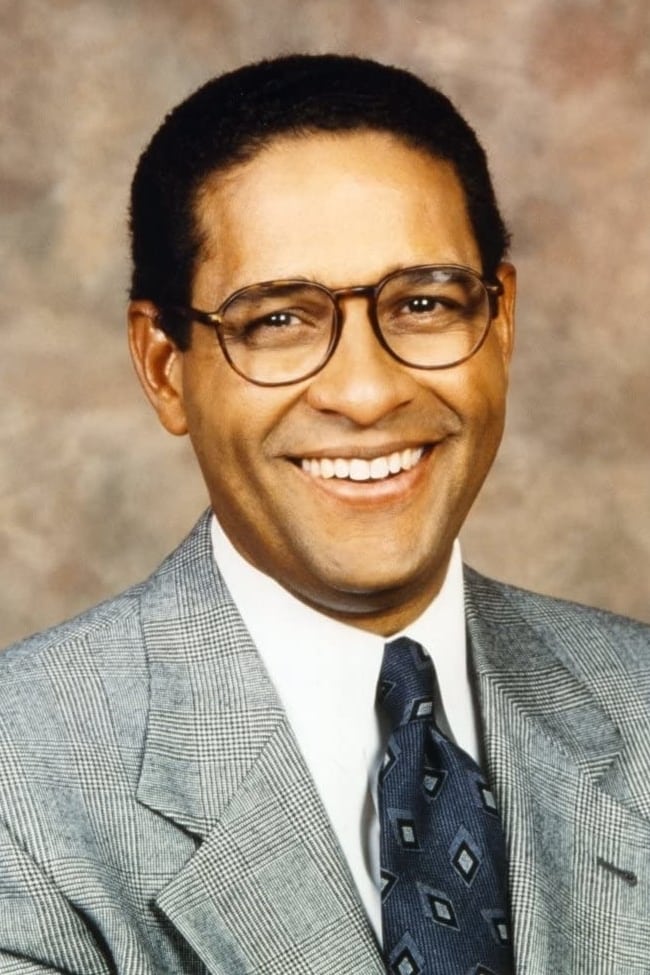
Bryant Gumbel was a pioneer in broadcast journalism and faced significant criticism for his professional demeanor. During his long tenure on ‘The Today Show’ he was often accused by viewers and colleagues of being too formal or elitist. This led to a public perception that he was trying to distance himself from Black culture in favor of a more corporate identity. Gumbel remained focused on his journalistic standards and refused to change his style to satisfy critics. His career helped pave the way for future generations of Black journalists in mainstream media.
Don Lemon
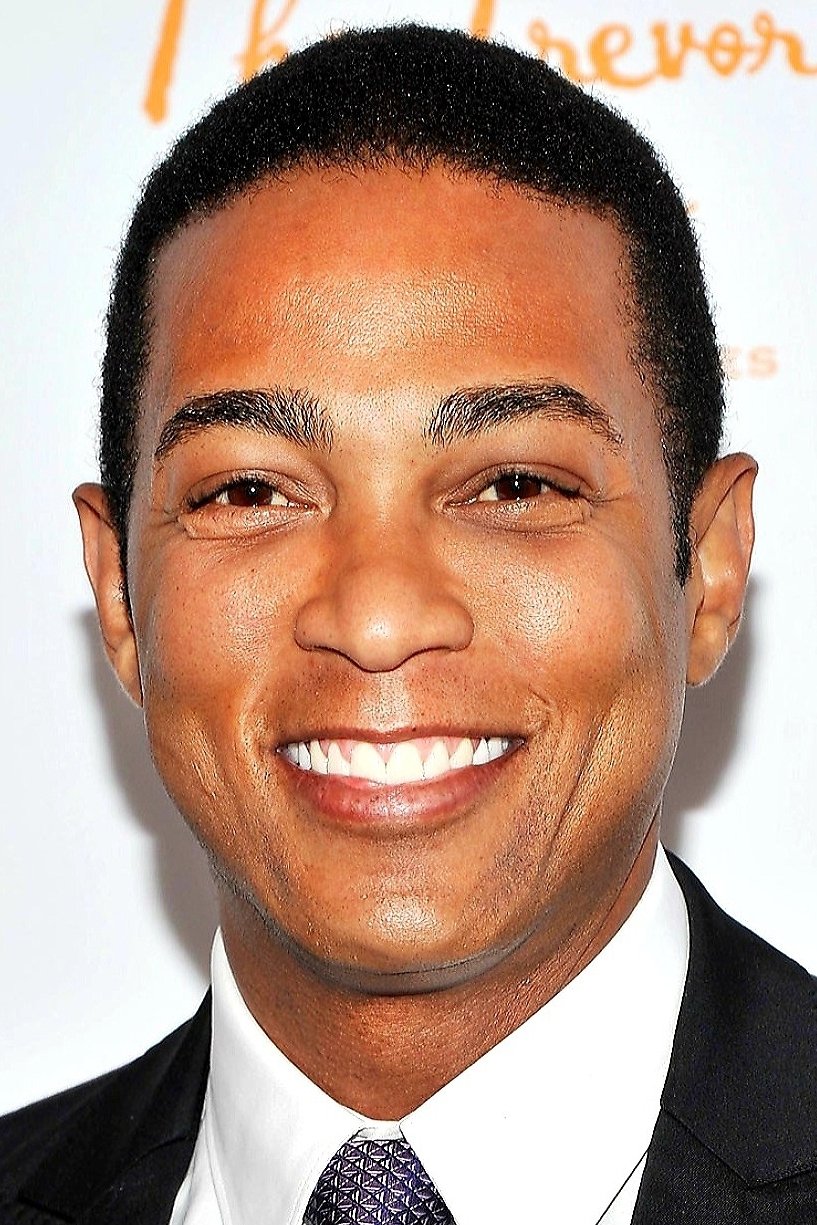
Don Lemon has frequently been the subject of controversy due to his opinions on race and respectability politics. In several high profile interviews he suggested that Black youth should change their attire or behavior to avoid negative attention. These comments led to widespread accusations that he was adopting a white perspective on Black life. Lemon often defended his stance as a form of tough love intended to help the community succeed. His departure from major networks has not silenced the debate surrounding his cultural commentary.
Candace Owens

Candace Owens is frequently at the center of heated debates regarding race and political ideology in the United States. Her media appearances often involve critiques of mainstream Black culture and advocacy for conservative values. Many viewers accuse her of adopting a specific rhetorical style to distance herself from other Black public figures. Owens has consistently defended her views as independent thinking rather than an attempt to mimic another race. Her presence in the political landscape continues to trigger conversations about authenticity and communal loyalty.
Stacey Dash
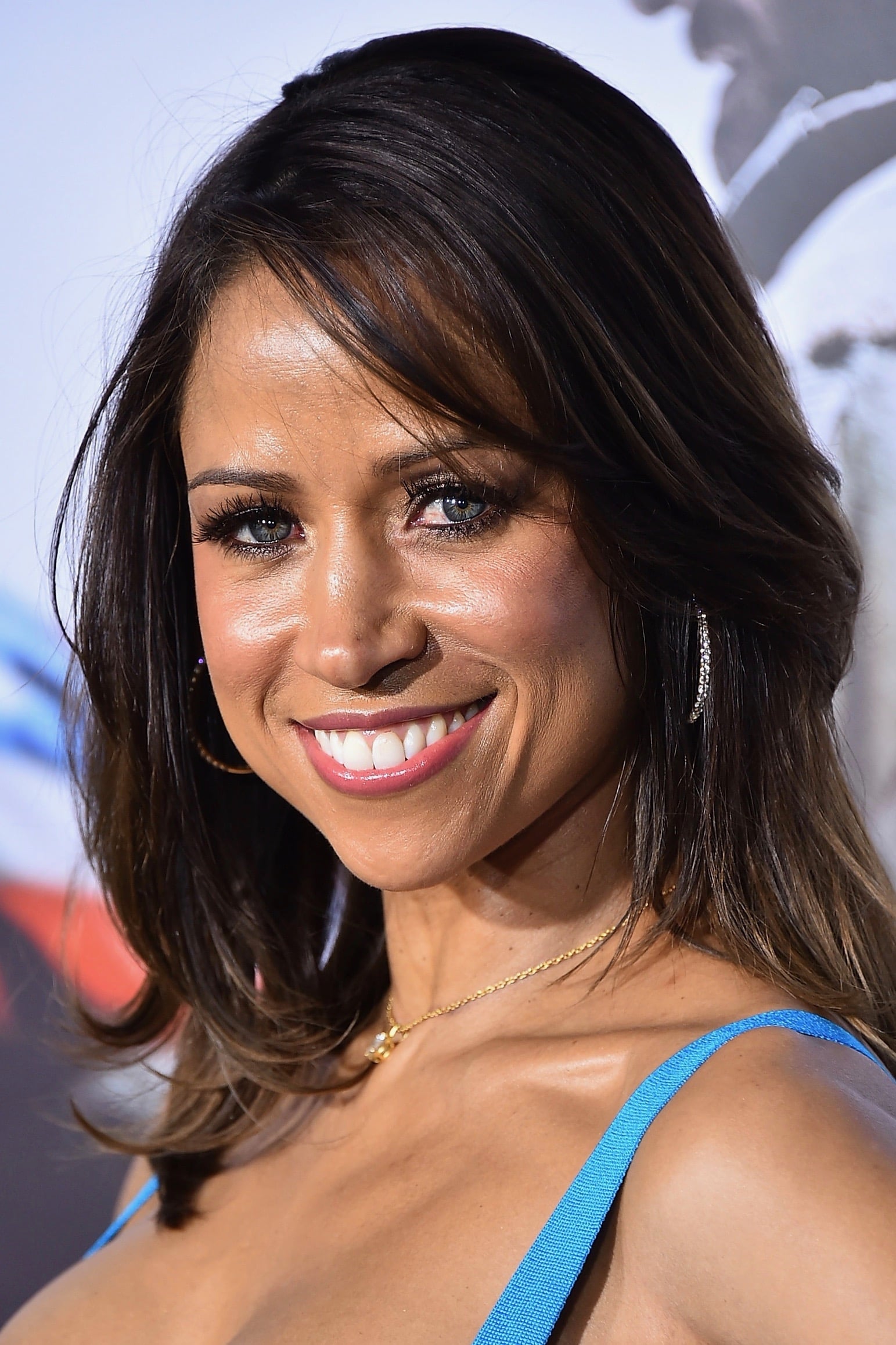
Stacey Dash transitioned from a successful acting career to a role as a political commentator with very vocal opinions. She famously called for the end of Black History Month and the BET awards during various television appearances. These statements led to intense criticism from the Black community who accused her of turning her back on her heritage. Dash has often claimed that her views are based on a desire for true equality rather than racial division. Her public image remains heavily tied to these controversial stances on cultural institutions.
Barack Obama
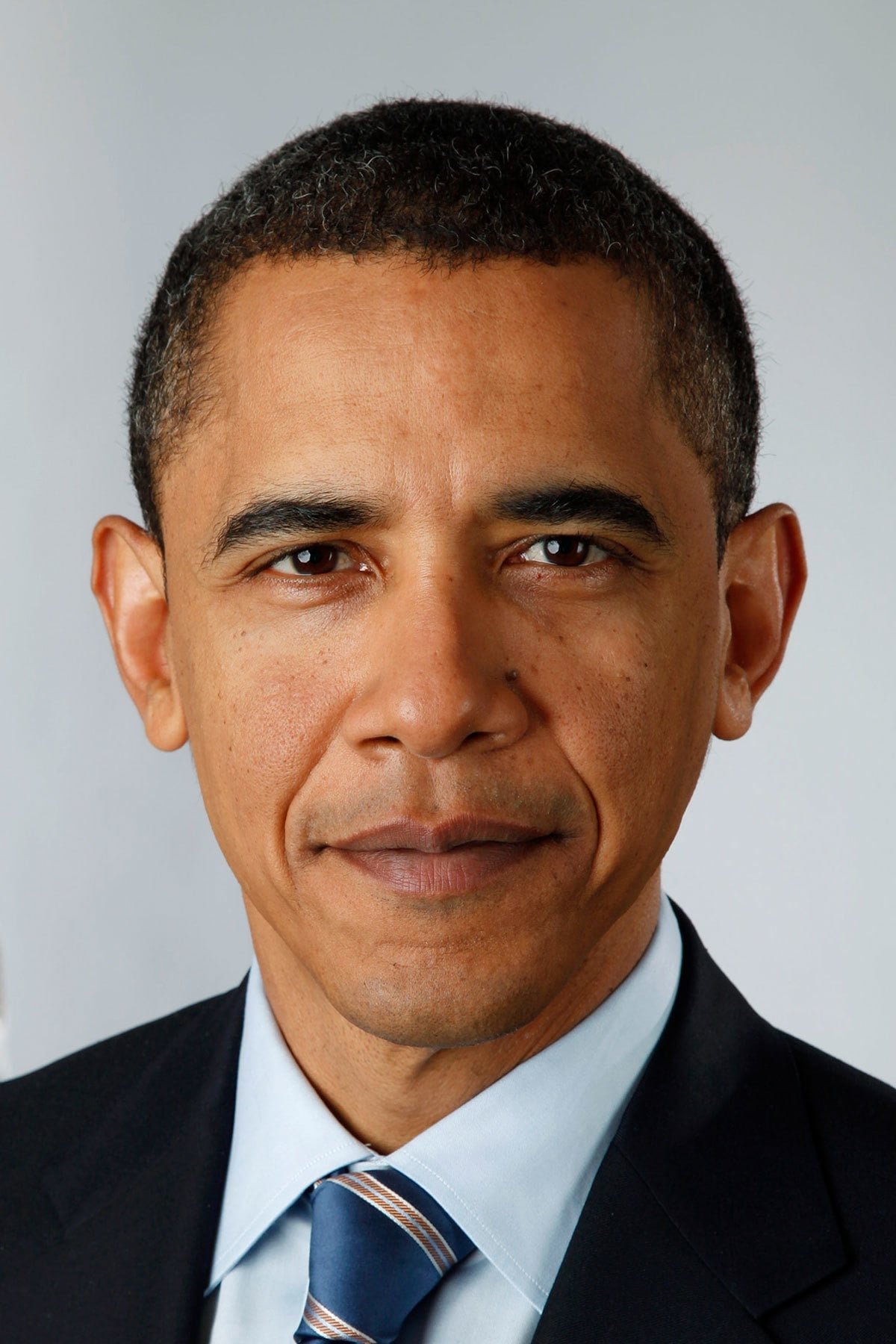
Barack Obama faced numerous critiques regarding his speech and cultural presentation during his presidency. Opponents and some public figures often described him as being too detached or scholarly in his delivery. This prompted discussions about whether he was performing for a specific demographic to gain political leverage. He famously utilized code switching to navigate different social and professional environments throughout his career. His identity as a biracial man added another layer to the public debate over his cultural authenticity.
Michelle Obama
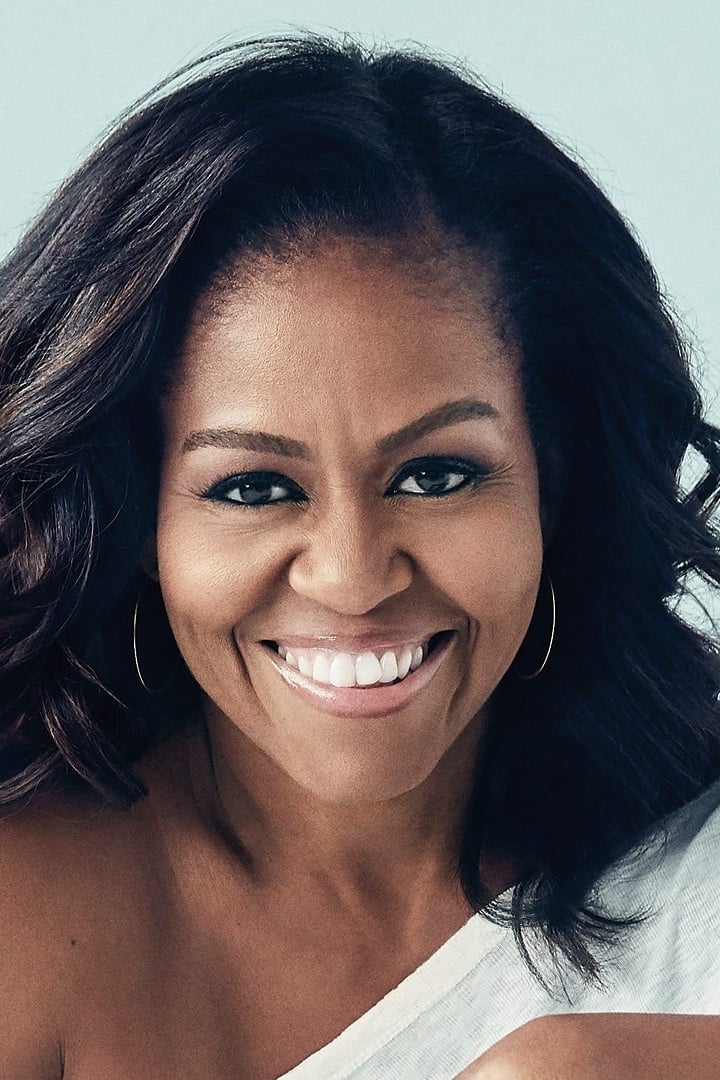
Michelle Obama was often scrutinized for her fashion choices and her refined way of speaking while in the White House. Critics sometimes compared her to previous First Ladies in a way that suggested she was attempting to fit into a traditional white mold. Despite this she frequently incorporated elements of her Chicago upbringing into her public narrative. She has written extensively about the pressure of being the first Black woman in such a prominent role. Her public appearances continue to be highly influential and widely analyzed by the media.
Tiger Woods
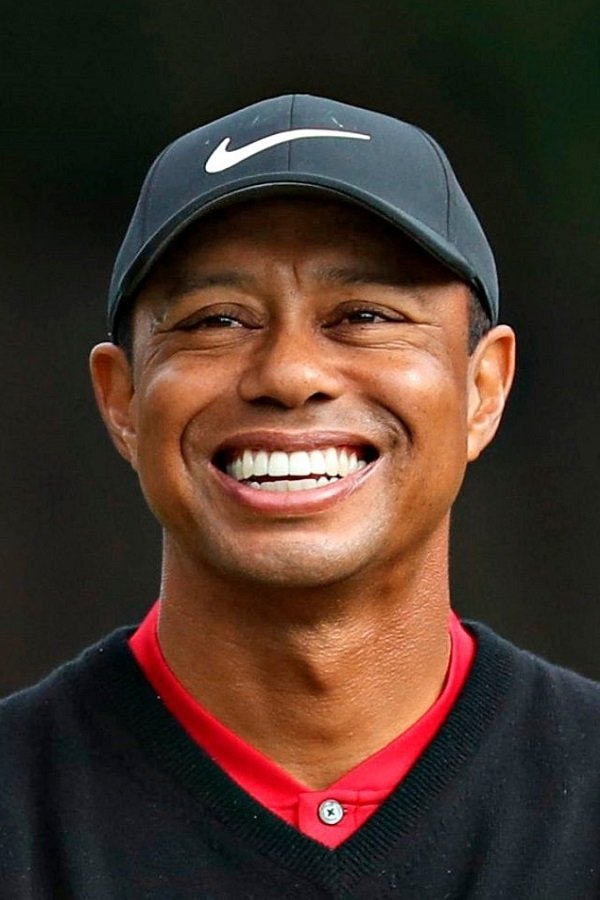
Tiger Woods entered the world of professional golf which is a sport traditionally dominated by white athletes. His choice to identify as Cablinasian during a famous interview led to accusations that he was rejecting his Black identity. Throughout his career he has maintained a very private and professional public persona that some find inaccessible. This has led to recurring debates about his cultural alignment and his role as a Black icon in sports. Woods has largely focused on his athletic achievements rather than engaging in these social debates.
Serena Williams
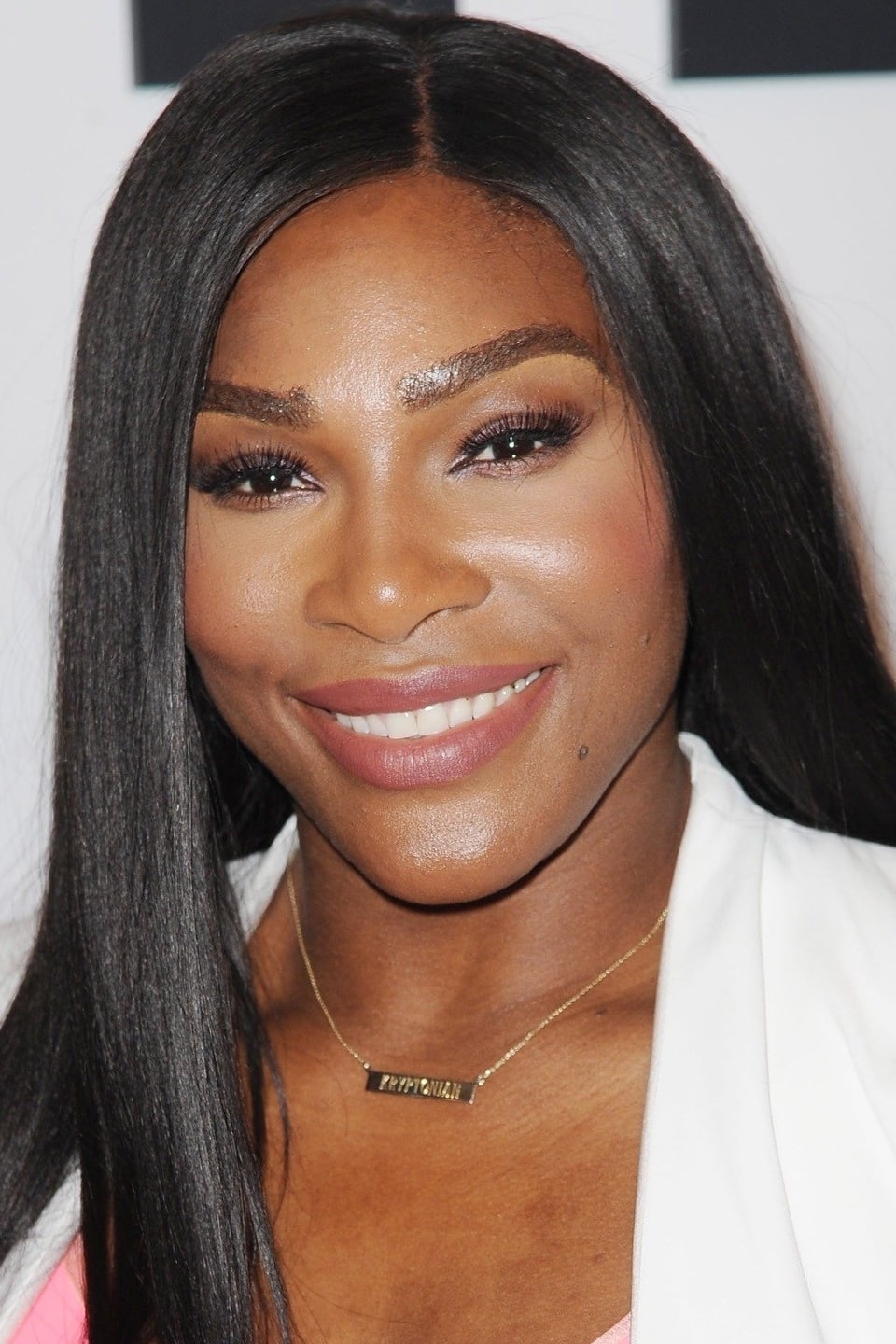
Serena Williams has often been criticized for her behavior on the court as well as her presentation in interviews. While some accused her of being too aggressive others suggested she was trying to conform to country club standards in her later career. She has used her platform to speak out against racial and gender discrimination in the world of tennis. Her evolution from a young prodigy to a global fashion and business mogul has been closely watched. Williams has consistently challenged the narrow definitions of how a Black female athlete should behave.
Pharrell Williams
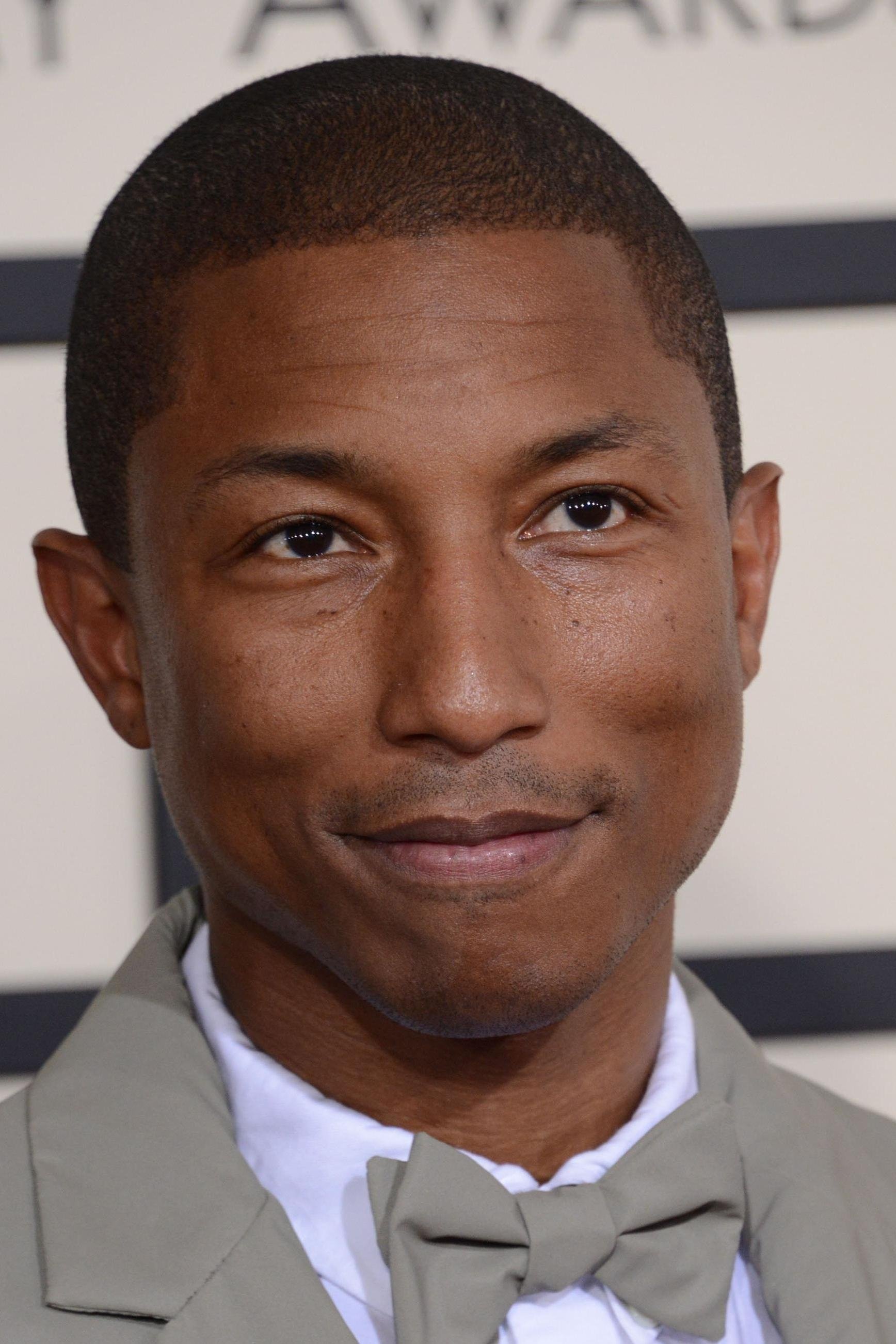
Pharrell Williams is known for his eccentric fashion sense and his unique approach to music production. Some critics have pointed to his “Happy” era and his pivot toward high fashion as signs of him acting white. He has frequently spoken about the importance of being an individual and not being restricted by racial expectations. His interviews often feature a philosophical and calm tone that some find unconventional for a hip hop artist. Williams continues to influence both the music and fashion industries with his boundary pushing style.
Donald Glover
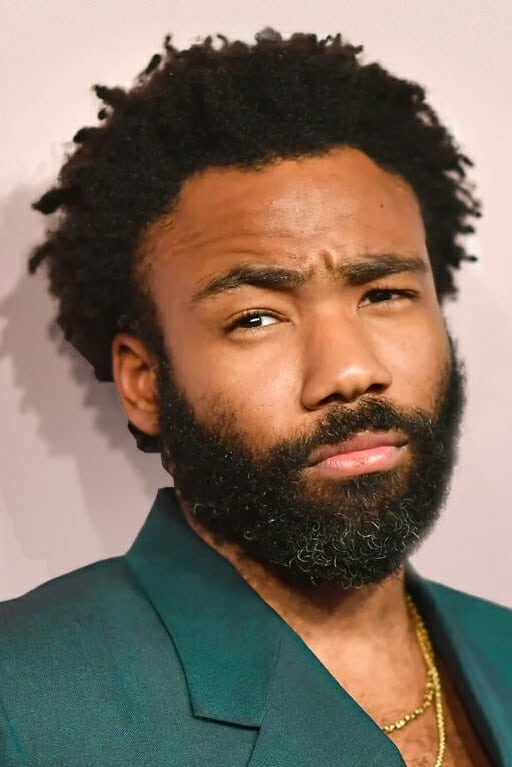
Donald Glover has often been called into question for his interests and the themes he explores in his projects. During his early stand up comedy career he discussed feeling like an outsider within the Black community because of his hobbies. His work on ‘Atlanta’ was seen by some as a way to bridge the gap between different cultural expectations. Fans have debated whether his success in mainstream spaces is linked to his specific brand of storytelling. Glover continues to challenge traditional notions of Blackness through his multifaceted artistic output.
Tyler, The Creator
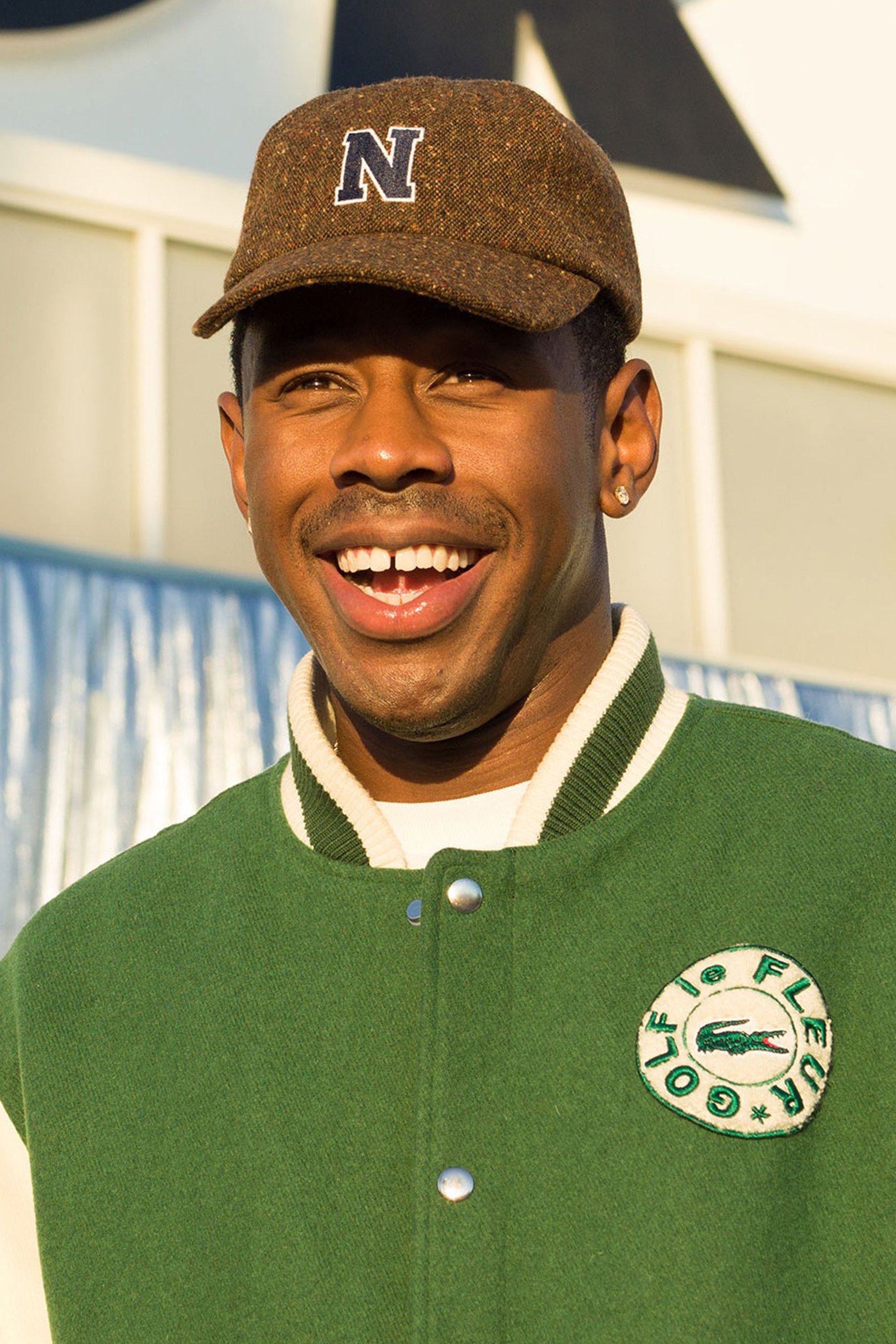
Tyler, The Creator started his career with a rebellious and highly controversial persona that didn’t fit typical hip hop molds. His early interviews featured a level of irony and humor that some critics labeled as being more aligned with white alternative culture. As his music evolved to include more melodic and jazz influenced sounds the accusations of him changing his identity persisted. He has addressed these claims by stating that he simply makes the music he likes without regard for labels. His success has allowed him to build a massive brand that spans music and apparel.
Raven-Symoné
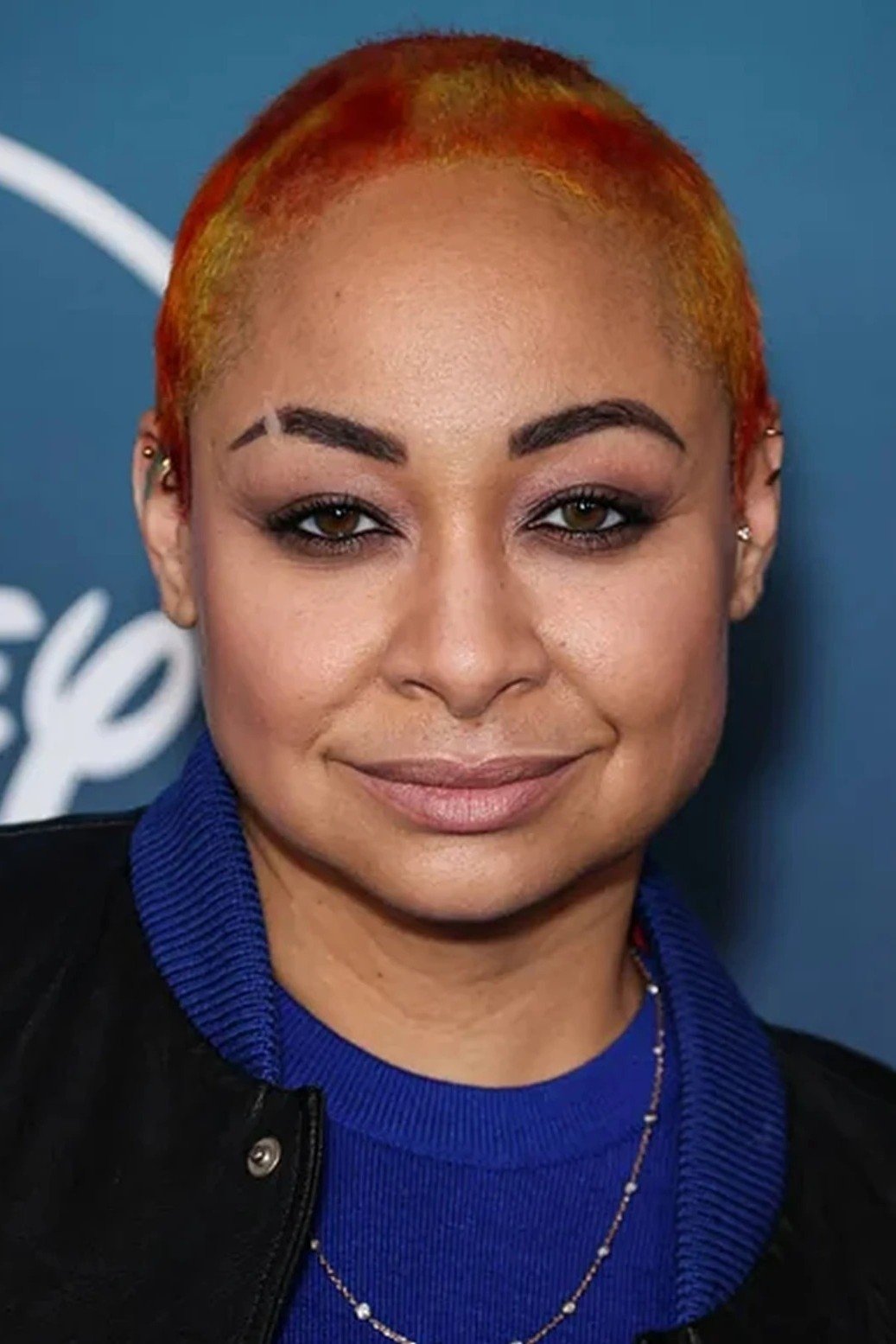
Raven-Symoné sparked a major public debate when she told Oprah Winfrey that she did not want to be labeled as African American. She expressed a preference for being identified simply as an American or a human being. This statement led to significant backlash from people who felt she was trying to distance herself from her Black heritage. In subsequent interviews she has clarified her stance while continuing to advocate for a more fluid view of identity. Her career as a child star and adult personality has kept her in the public eye for decades.
Tracee Ellis Ross
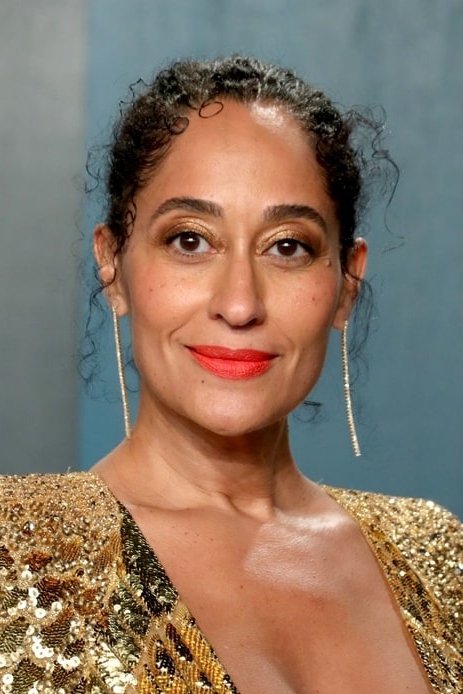
Tracee Ellis Ross is the daughter of music legend Diana Ross and grew up in a world of high fashion and international travel. Her precise diction and refined personality in interviews have sometimes led to claims that she acts white. She often uses her social media and public appearances to celebrate Black hair and Black womanhood. Ross has spoken about the complexity of her identity and the influence of her upbringing on her worldview. Her roles in ‘Blackish’ and ‘Girlfriends’ have solidified her status as a cultural icon.
Rashida Jones
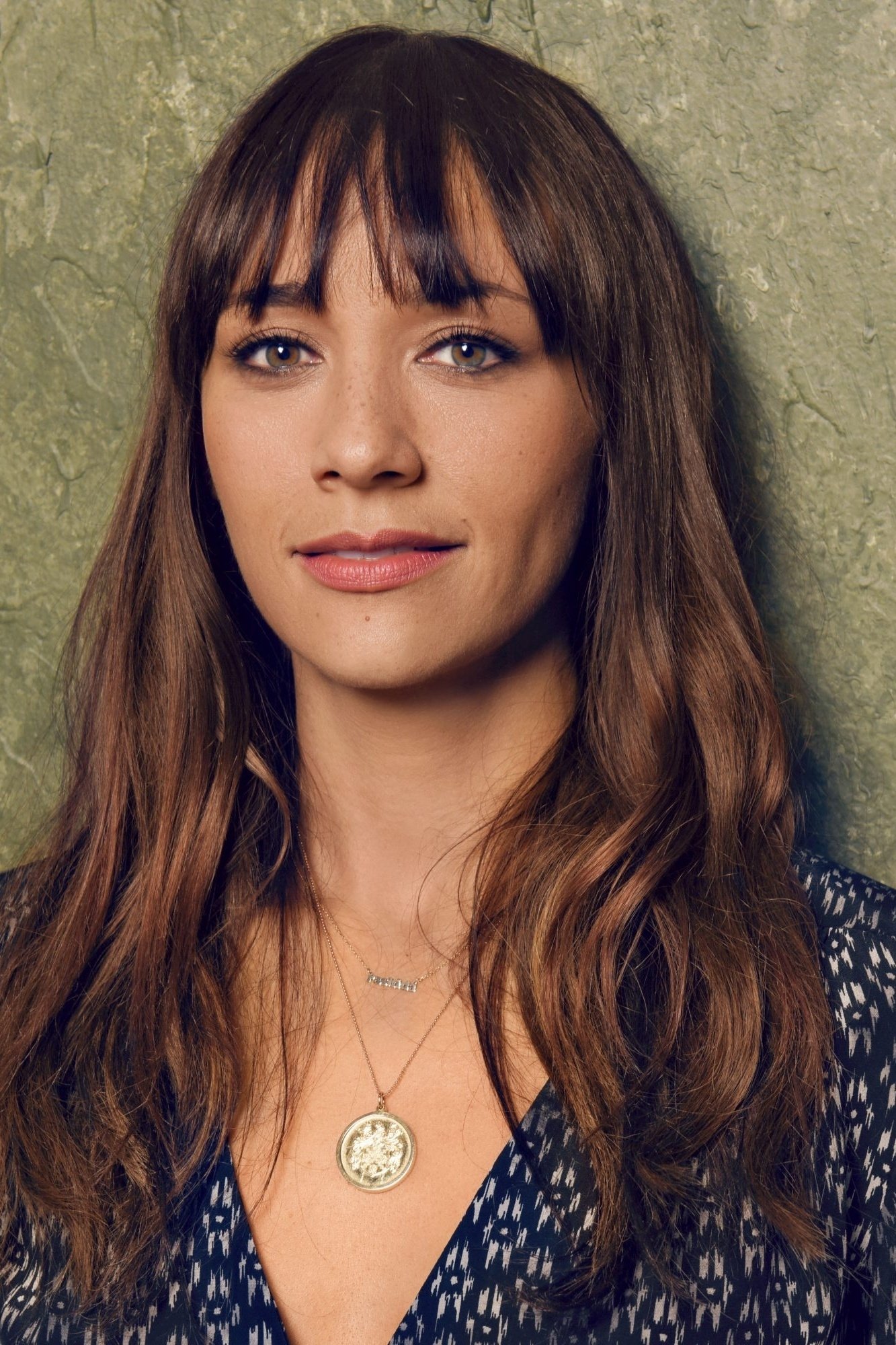
Rashida Jones is often discussed in the context of her biracial identity and the roles she chooses to play. Because she often portrays characters in comedies with predominantly white casts some viewers project those traits onto her real life persona. In interviews she has spoken about the challenges of being biracial in the entertainment industry. Some critics have accused her of benefiting from a certain level of ambiguity in her appearance. Jones continues to be a successful actress and producer who works on a wide variety of projects.
Taye Diggs
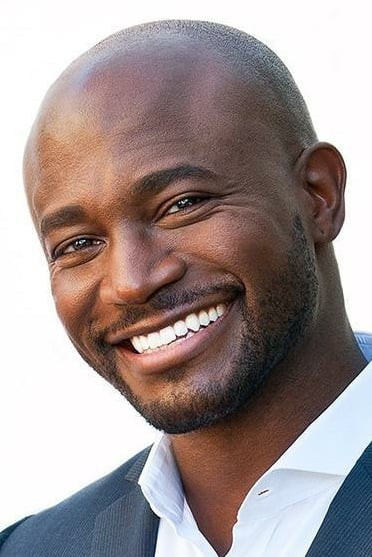
Taye Diggs has faced criticism for his dating history and his comments regarding the identity of his biracial son. He once stated that he wanted his son to be recognized for both parts of his heritage which some interpreted as a rejection of Blackness. This led to a wave of social media backlash and accusations that he was trying to fit into a white social structure. Diggs has often defended his right to speak his truth regardless of public opinion. He remains a popular figure in television and theater with a long list of credits.
Ciara
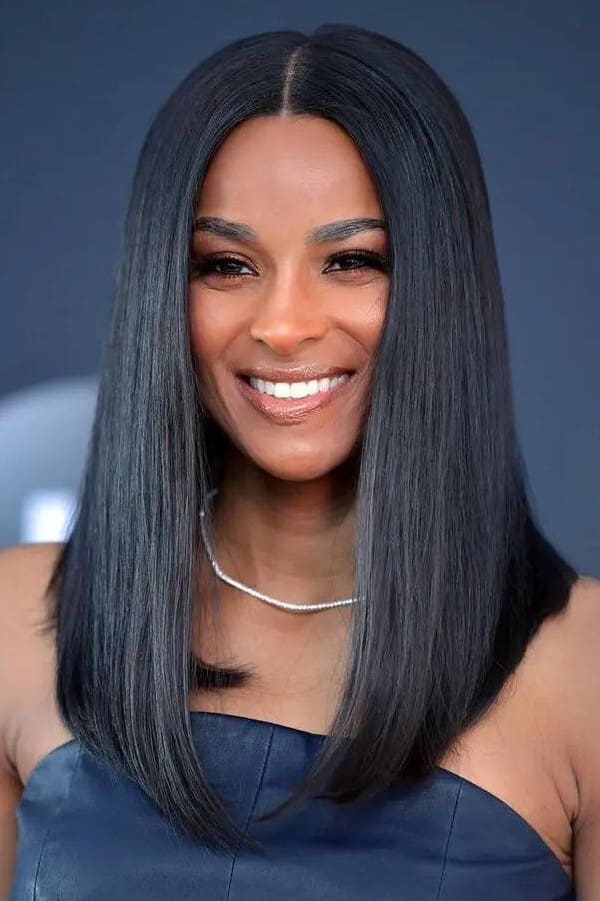
Ciara is frequently praised for her polished image and her transition into a lifestyle and fashion entrepreneur. Some critics have compared her current public persona to her earlier career as a crunk pop star and noted a change in her demeanor. Her marriage to Russell Wilson has led to the couple being labeled as “corny” or “acting white” by some online communities. Ciara has largely ignored these critiques while focusing on her family and her business ventures. She continues to be a major influence in the music and beauty industries.
Venus Williams
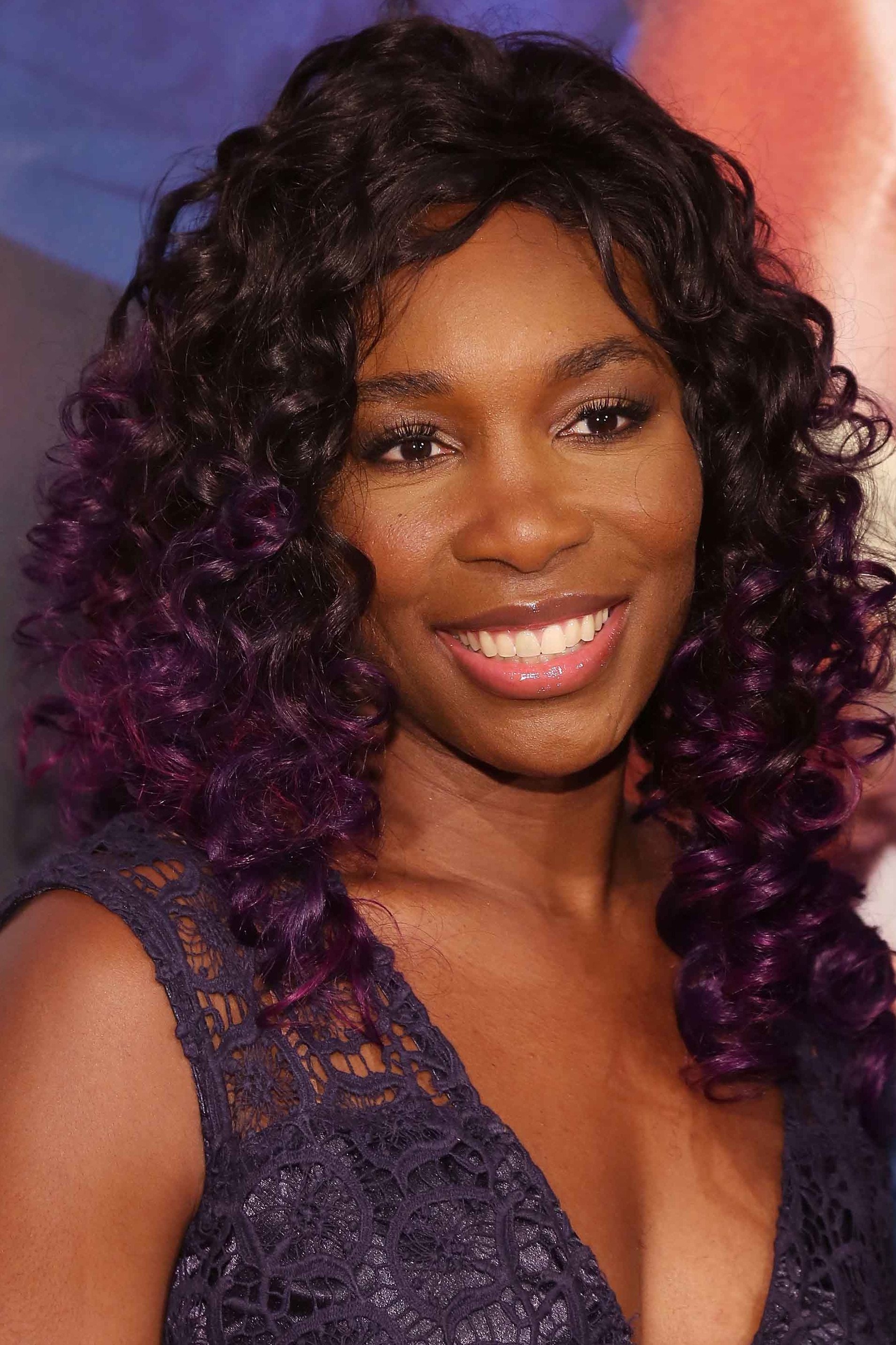
Venus Williams has always maintained a quiet and dignified presence in the world of professional tennis. Her interviews are often noted for her calm and intellectual responses to complex questions. Because she pioneered a path in a predominantly white sport she faced early scrutiny regarding her cultural presentation. Some fans felt that her reserved nature was a way to navigate the elite circles of the tennis world. Williams has remained a steadfast advocate for equal pay and racial justice throughout her long career.
Frank Ocean
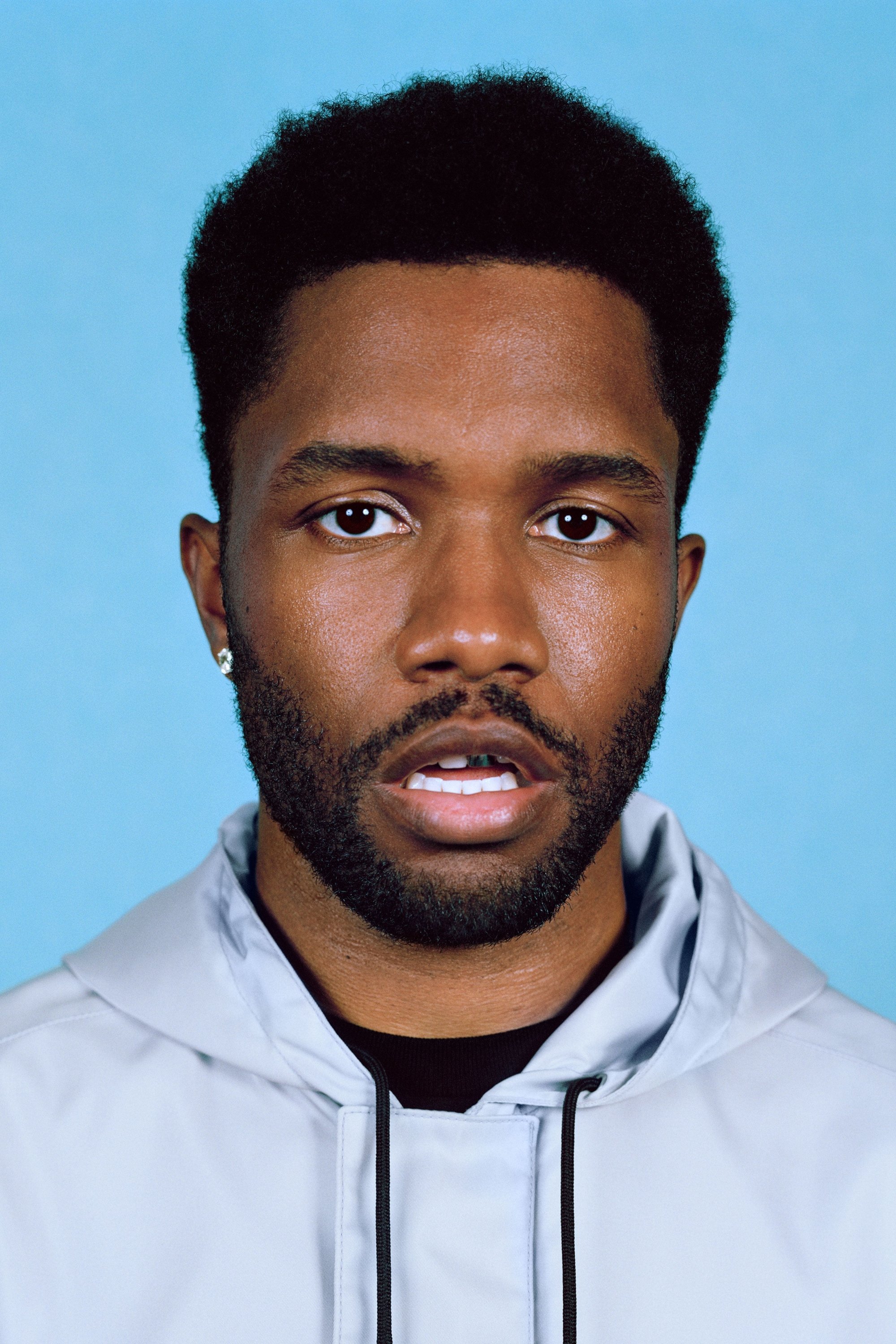
Frank Ocean is known for his reclusive nature and his atmospheric and experimental approach to R&B music. His interviews are rare and often feature a soft spoken and introspective tone that departs from typical celebrity tropes. Some listeners have accused him of making music that is more catered to a white indie audience than a Black one. Ocean has never directly addressed these claims and instead lets his art speak for itself. He is widely considered one of the most influential artists of his generation.
Ye
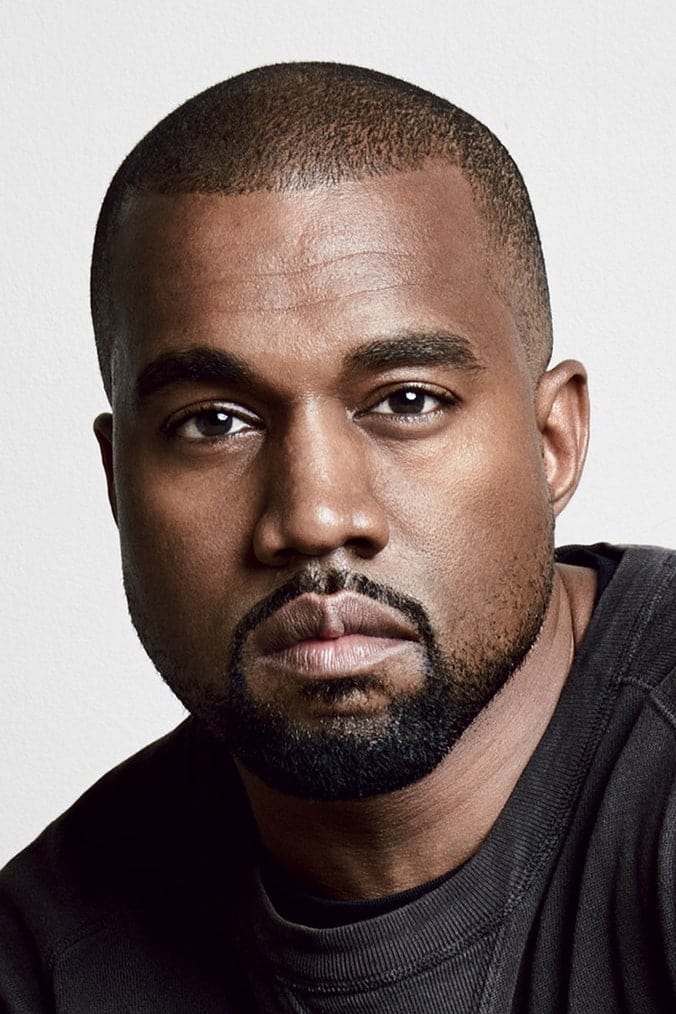
Kanye West has had a complex relationship with the concept of racial identity throughout his career. While he once famously criticized a sitting president for not caring about Black people his later comments took a different turn. His public support for certain political figures led many to accuse him of adopting a white nationalist perspective. West has frequently claimed that he is a free thinker who refuses to be told how to act or speak. His erratic interviews and social media posts continue to be a source of global fascination and debate.
Doja Cat
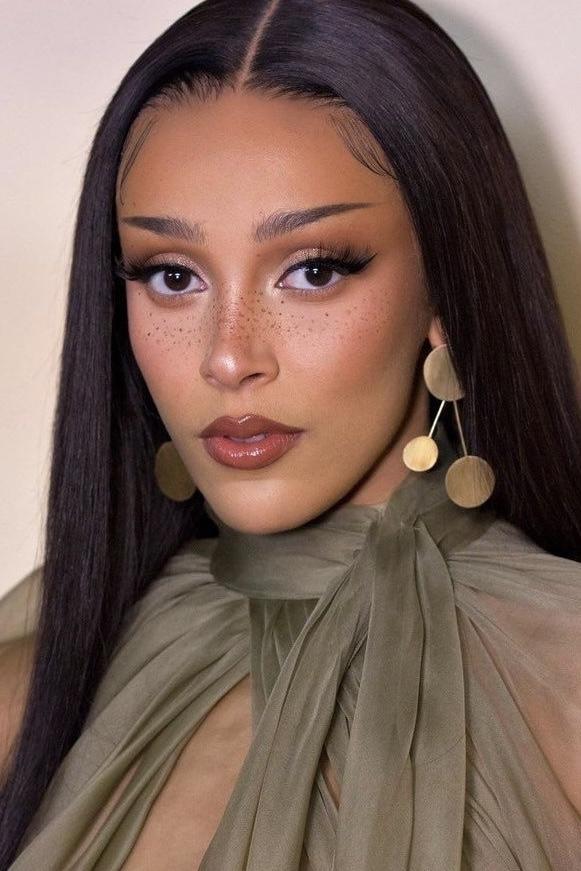
Doja Cat has faced numerous accusations regarding her online behavior and her interactions in various chat rooms. Some critics claimed that she engaged in behavior that was derogatory toward her own community to please a specific audience. These accusations led to a massive public discourse about her identity and her loyalty to Black culture. She has addressed the controversy in interviews and through her music with varying degrees of seriousness. Despite the backlash her commercial success in the pop and rap genres remains incredibly high.
Lil Nas X
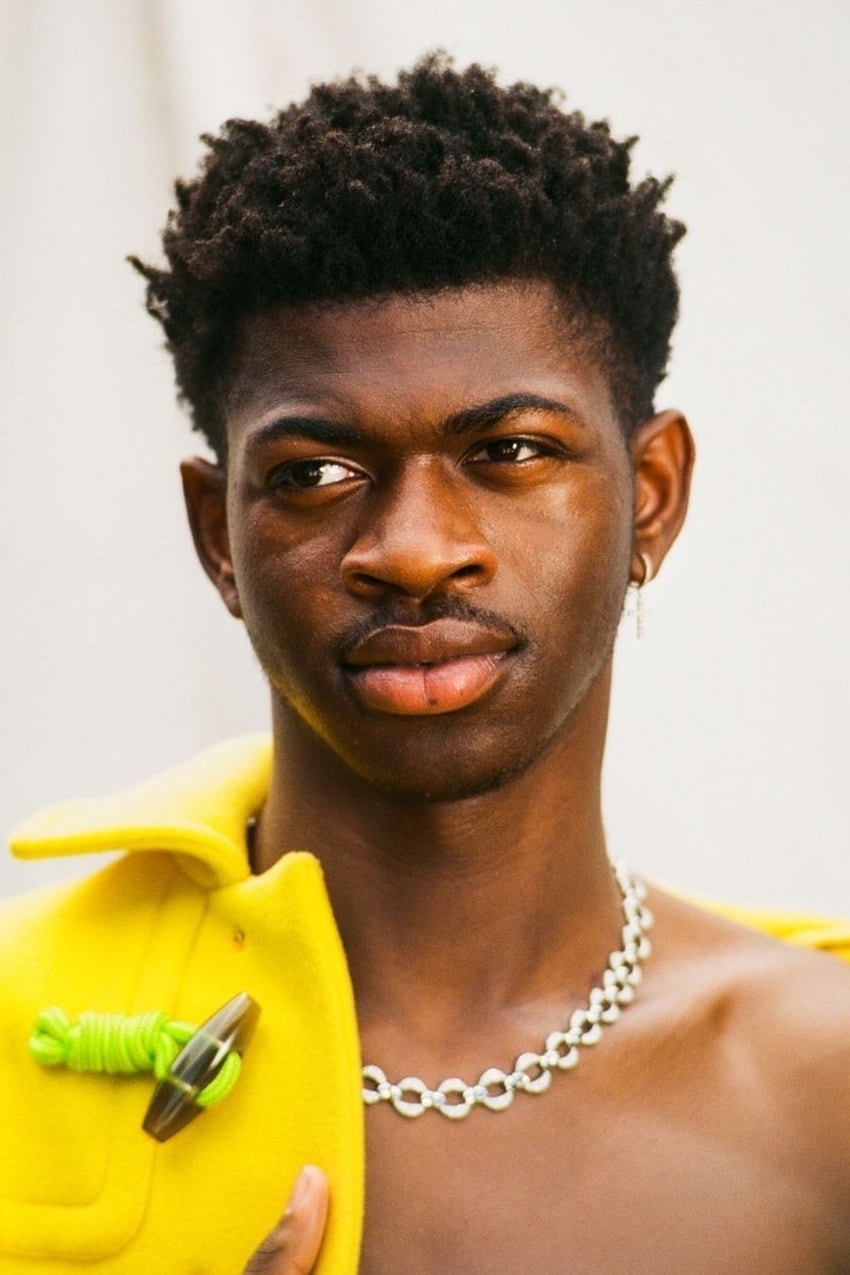
Lil Nas X broke into the mainstream with a song that blended country music and hip hop. His use of cowboy imagery and his internet savvy marketing led to debates about the authenticity of his persona. Some critics accused him of using white cultural tropes to gain a foothold in the music industry. He has consistently used humor and social media to push back against these labels and embrace his queer identity. His interviews often highlight his desire to be a boundary breaking artist who defies categorization.
Drake
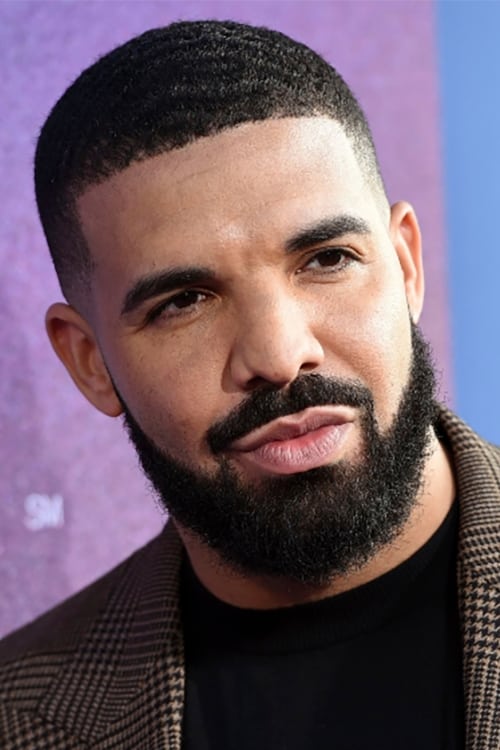
Drake is a global superstar who often navigates different cultural sounds and accents in his music. Because he grew up in Canada and had a career as a child actor on ‘Degrassi’ some critics question his authenticity. He is frequently accused of being a “culture vulture” or performing a version of Blackness that is not his own. His interviews often feature a very smooth and calculated persona that some find insincere. Drake has addressed these criticisms by pointing to his massive success and his influence on the modern music landscape.
Lewis Hamilton
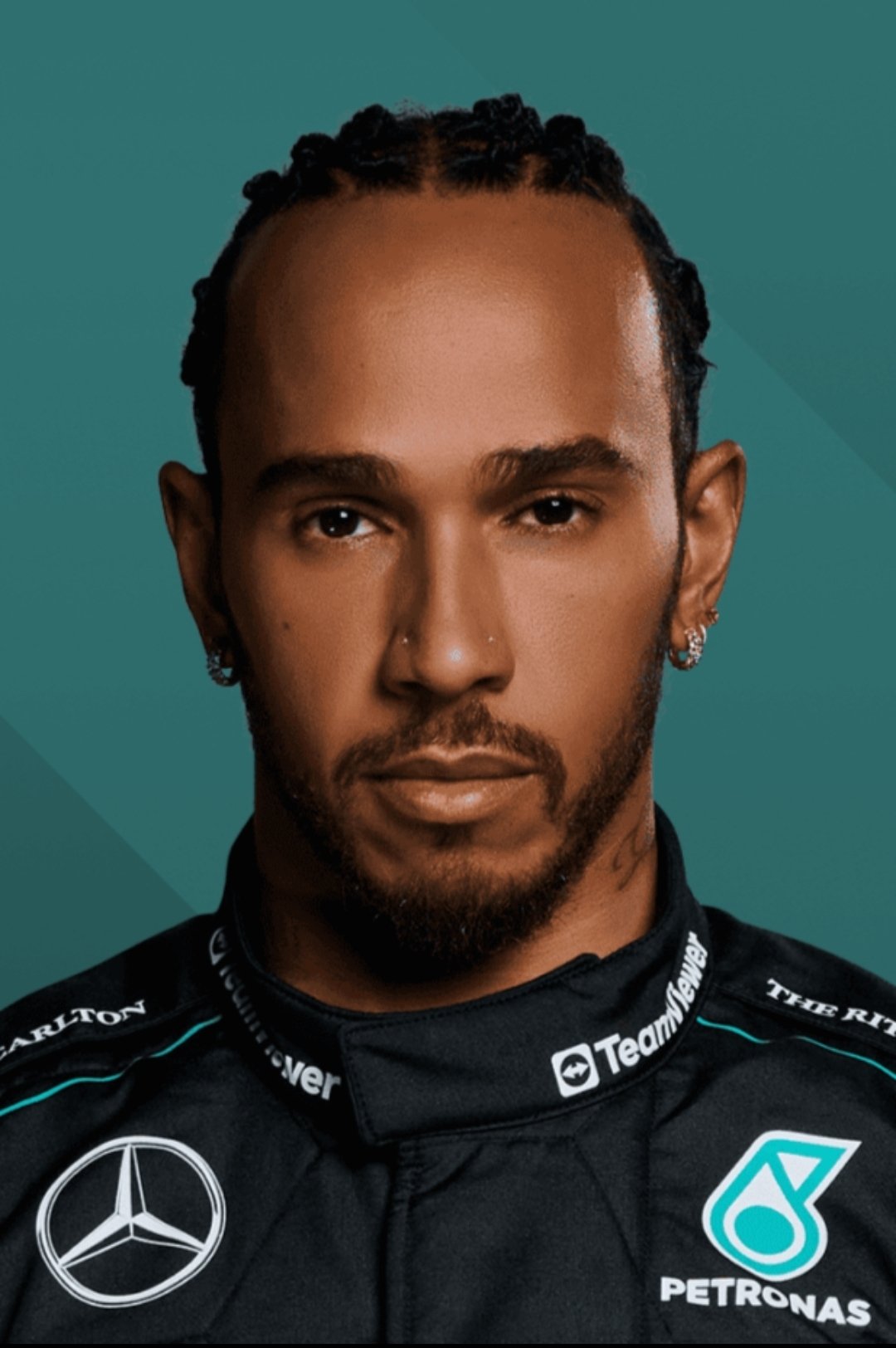
Lewis Hamilton is a dominant force in Formula One which is a sport with very little historical Black representation. His posh British accent and his involvement in high fashion circles have led some to accuse him of acting white. Hamilton has become increasingly vocal about racial inequality and the lack of diversity within his own sport. He has used his platform to advocate for environmental and social causes on a global scale. His presence in the racing world continues to challenge traditional expectations of athletes in that space.
Kobe Bryant
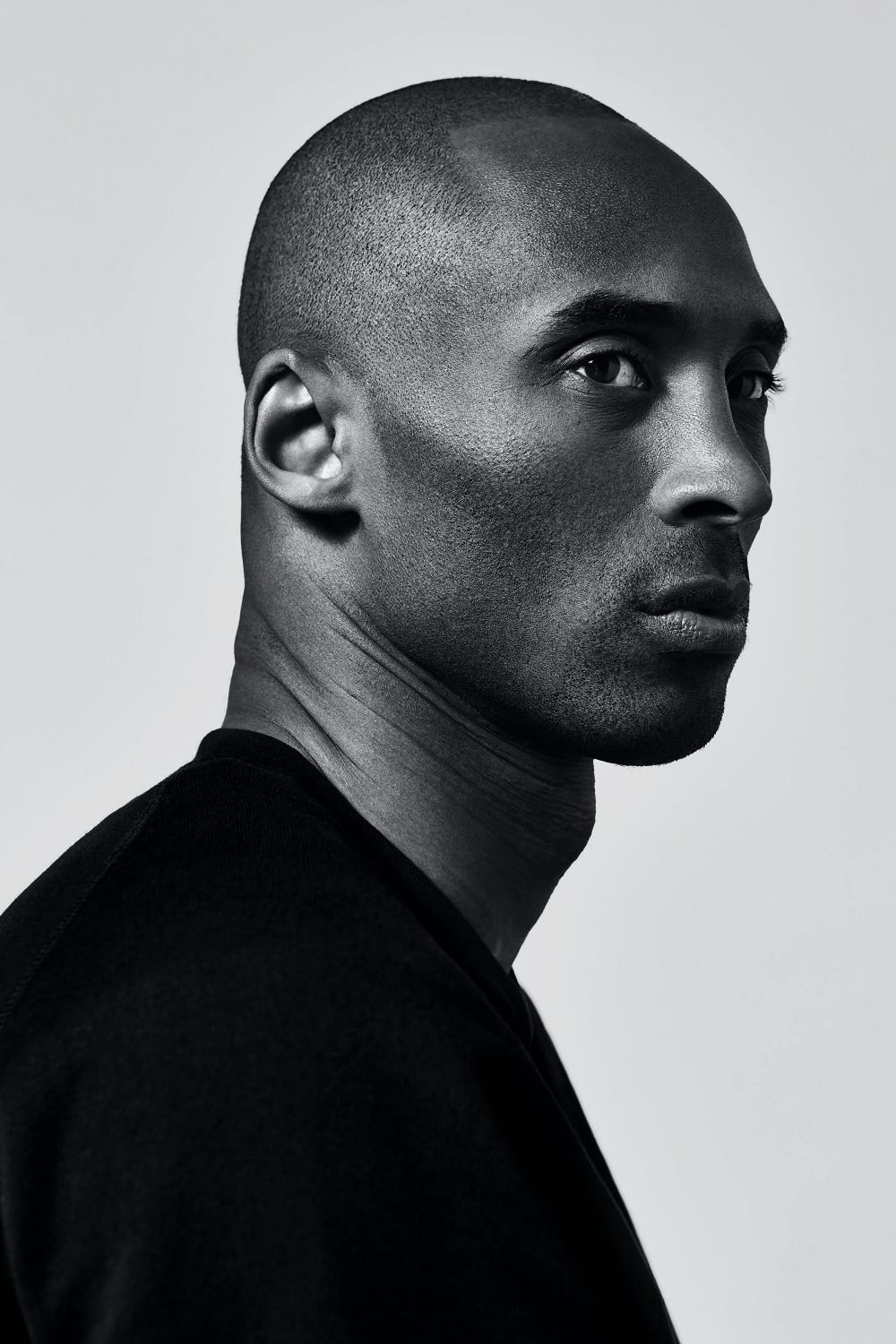
Kobe Bryant was known for his incredible work ethic and his very focused and articulate media presence. Having spent part of his childhood in Italy he possessed a global perspective that some interpreted as being distant from American Black culture. Critics sometimes pointed to his speech patterns and his intellectual approach to the game of basketball. Over time he became a beloved mentor to many younger players and a legendary figure in the sport. His tragic passing led to a massive outpouring of respect for his legacy and his impact on the world.
Michael Jordan
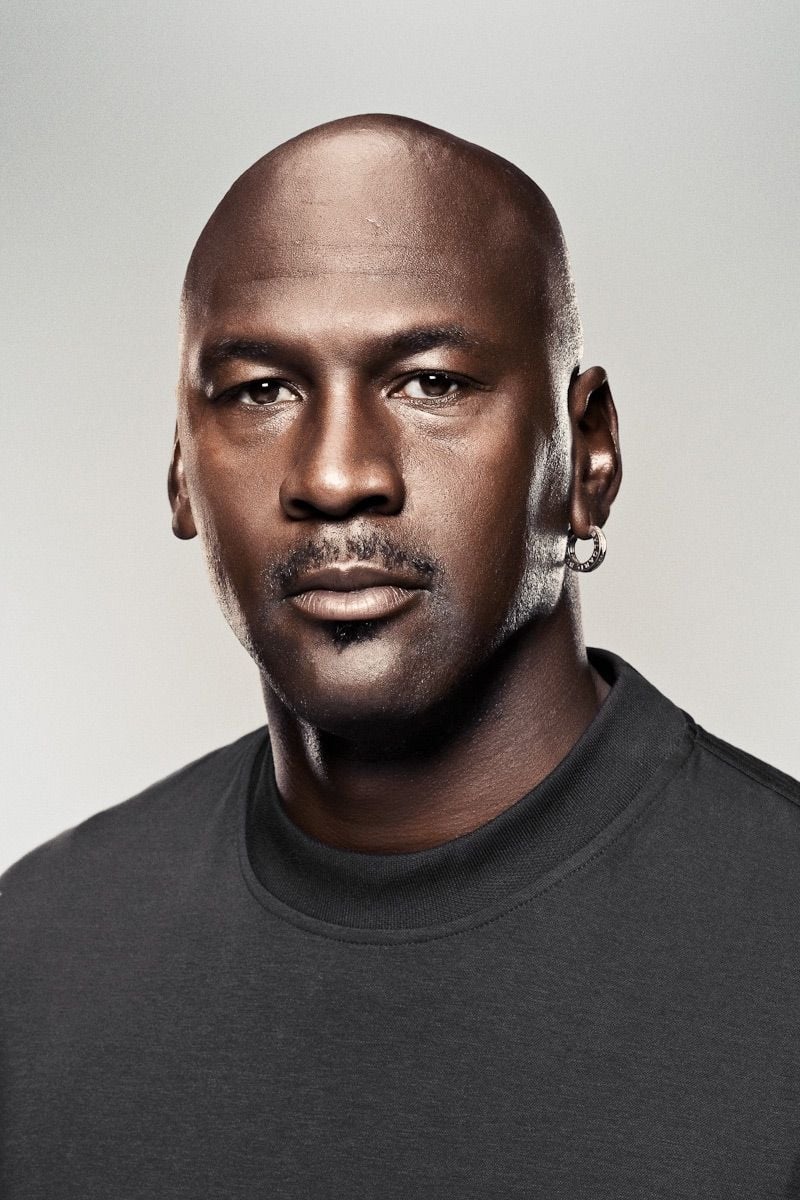
Michael Jordan maintained a very carefully curated public image during his time as the world’s most famous athlete. He was often criticized for not taking a more vocal stand on social and political issues affecting the Black community. This led to a perception that he was more focused on his brand and his appeal to white consumers. Jordan has since explained that his focus was on being the best basketball player he could be at that time. His influence on sports and business remains unparalleled in the history of professional athletics.
Condoleezza Rice
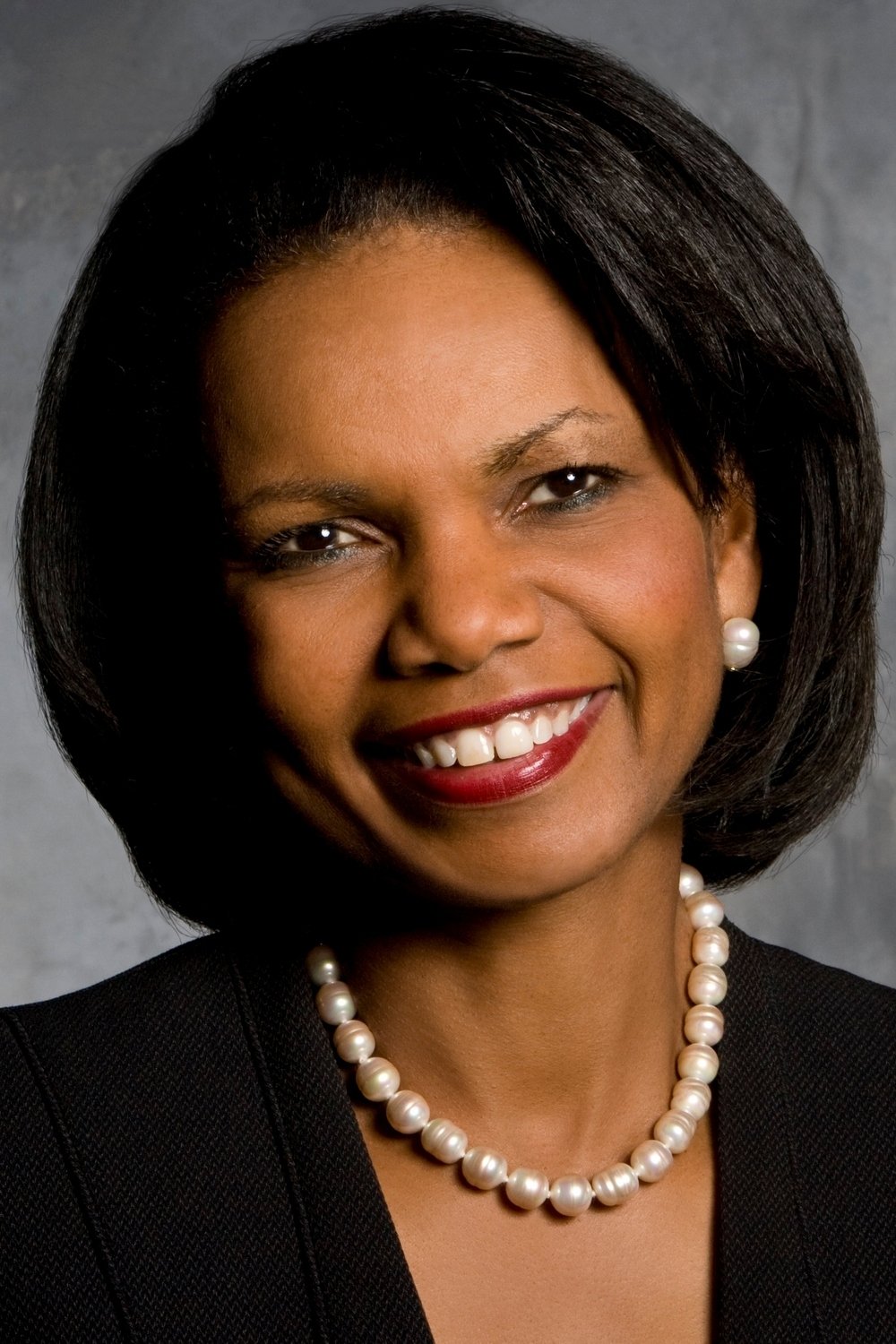
Condoleezza Rice held some of the highest offices in the United States government and was known for her formal and precise demeanor. Her political positions often placed her at odds with many Black civil rights leaders and organizations. This led to frequent accusations that she was a figurehead for an administration that did not prioritize Black interests. Rice has always maintained that her professional life is a reflection of her qualifications and her dedication to the country. She continues to be a respected academic and public speaker.
Clarence Thomas
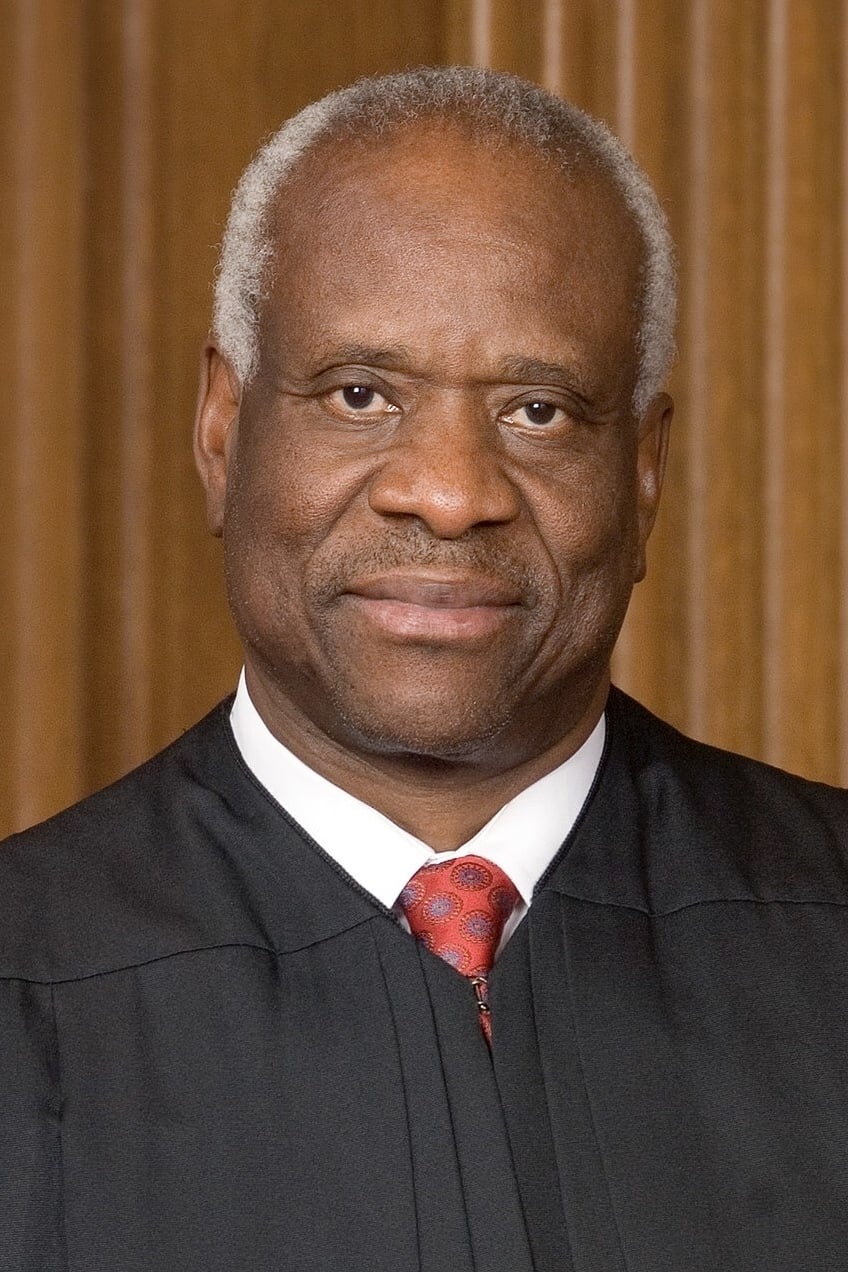
Clarence Thomas is a Supreme Court Justice who has long been a controversial figure within the Black community. His conservative judicial philosophy and his opposition to affirmative action have led to intense criticism. Many have accused him of being out of touch with the struggles of Black Americans and of acting in the interest of a white conservative agenda. Thomas has rarely granted interviews but has used his written opinions to express his worldview. His tenure on the court remains one of the most debated in modern American history.
Morgan Freeman
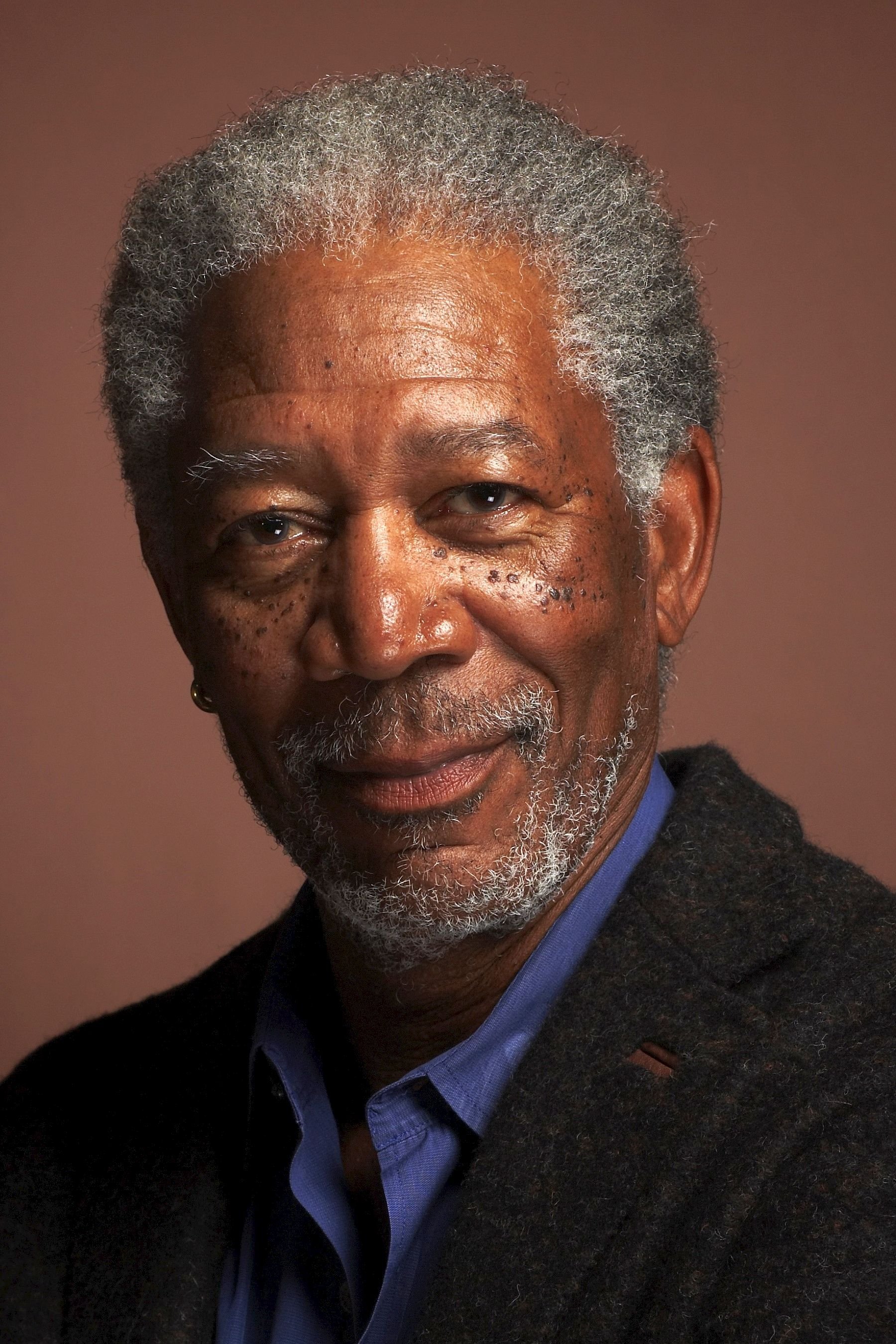
Morgan Freeman is celebrated for his iconic voice and his roles in many legendary films. He has occasionally sparked controversy with his views on race relations and the celebration of Black History Month. In various interviews he has suggested that the best way to end racism is to stop talking about it. These comments led to accusations that he was taking a stance that favored a white perspective on social progress. Freeman remains one of the most respected actors in Hollywood with a career spanning several decades.
Denzel Washington
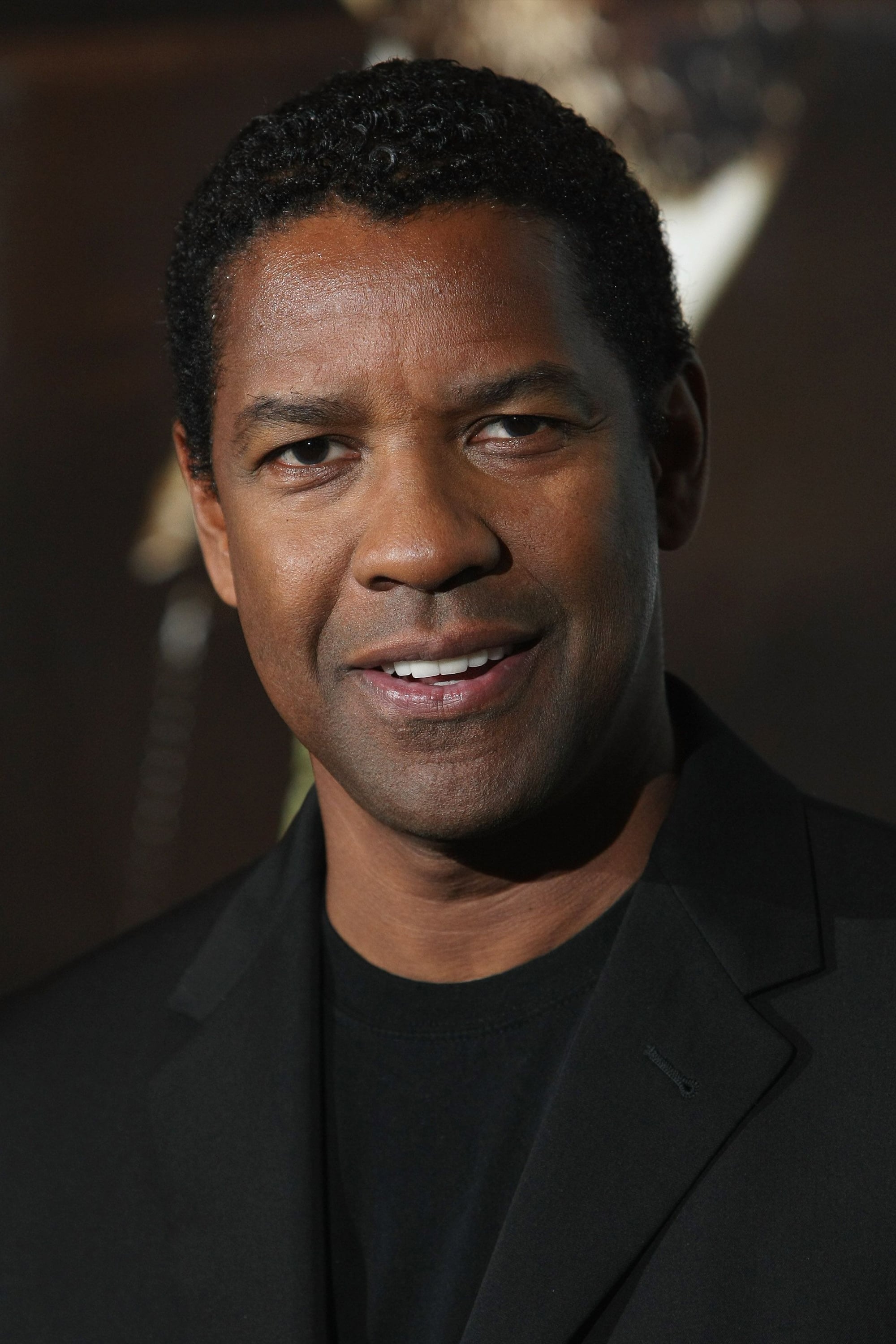
Denzel Washington is often cited as the gold standard for Black actors in Hollywood due to his immense talent and professionalism. While he is widely respected some critics have analyzed his speech and presentation as being tailored for the mainstream. He often speaks about the importance of discipline and traditional values during his public appearances. Washington has consistently chosen roles that portray Black men with dignity and complexity. He continues to be a major force in the film industry as both an actor and a director.
Viola Davis
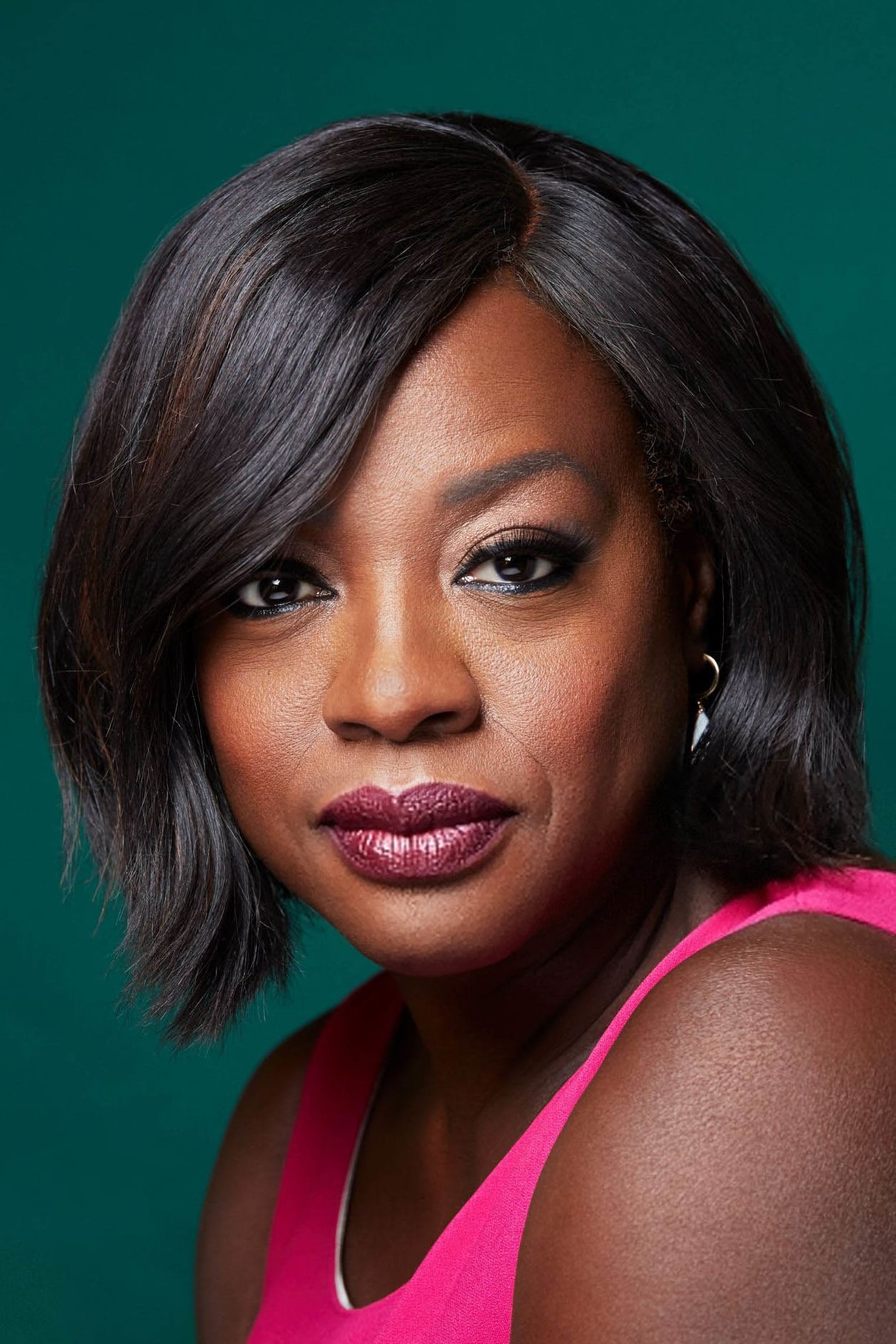
Viola Davis is known for her powerful performances and her very articulate and thoughtful interviews. She has often spoken about the challenges of being a Black woman in an industry that prizes a specific look and demeanor. Some critics have suggested that her formal way of speaking is a way to navigate the elite circles of award shows. Davis has used her platform to advocate for more diverse storytelling and better opportunities for actors of color. Her success has made her one of the most decorated performers in history.
Shonda Rhimes
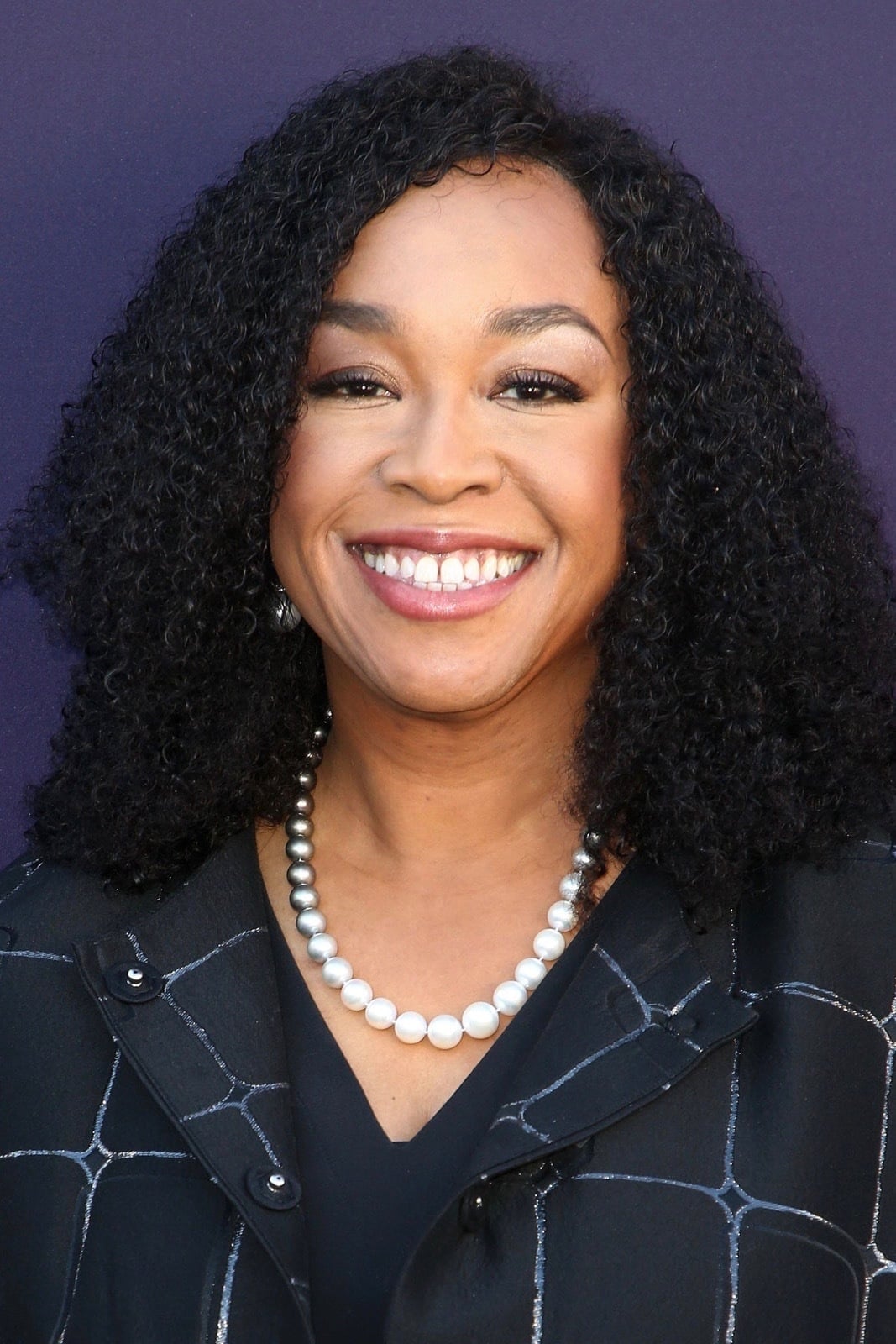
Shonda Rhimes transformed the landscape of television with her production company and her hit shows like ‘Grey’s Anatomy’. She was often criticized early in her career for creating characters whose race was not the central focus of their identity. Some viewers felt this was a way to make her shows more palatable to white audiences. Rhimes has countered this by stating that she wants to show Black people living normal and complex lives. She remains one of the most powerful and influential producers in the entertainment world.
Issa Rae
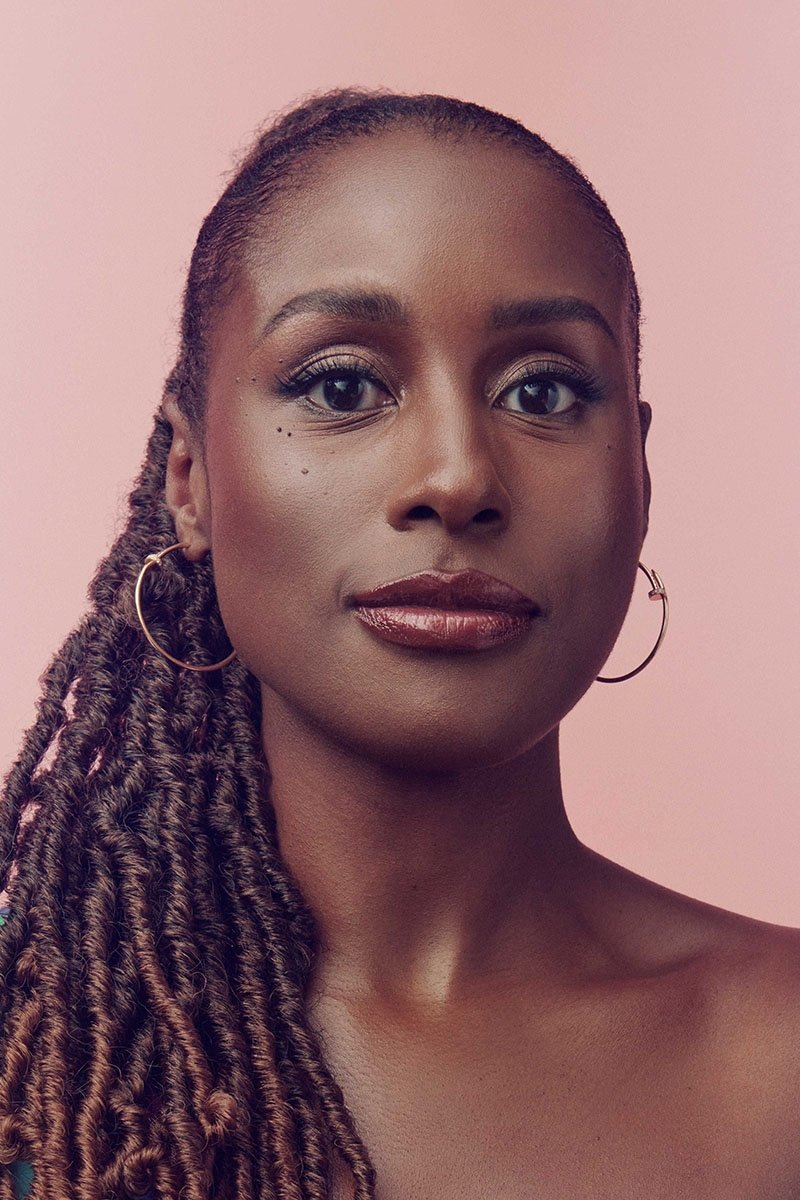
Issa Rae gained fame with her web series ‘Awkward Black Girl’ which explored a side of Black life rarely seen on television. By focusing on social awkwardness and unconventional hobbies she challenged the idea of what it means to be Black. While many praised her for her relatability some critics accused her of playing into “white” personality tropes. Rae has used her success to create more opportunities for Black creators and to tell authentic stories. Her show ‘Insecure’ became a cultural phenomenon that resonated with a wide variety of viewers.
Keegan-Michael Key
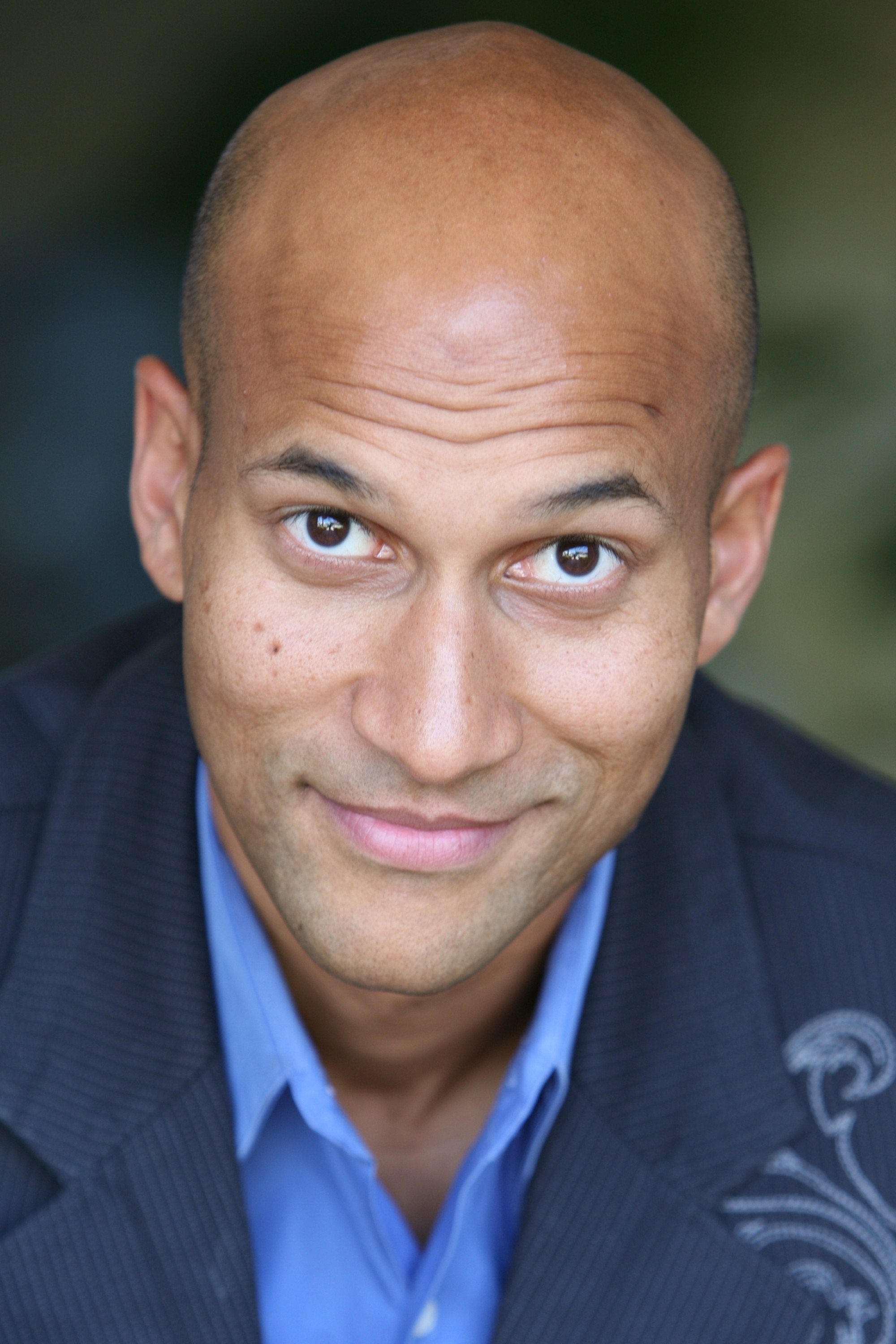
Keegan-Michael Key is known for his incredible range as a comedic actor and his collaboration with Jordan Peele. His mixed race heritage and his high energy performance style have sometimes led to discussions about his cultural identity. In interviews he often discusses the concept of code switching and how it has influenced his work and personal life. Some critics have labeled his comedy as being more accessible to white audiences than traditional Black comedy. Key continues to be a versatile performer in both television and film.
Jordan Peele
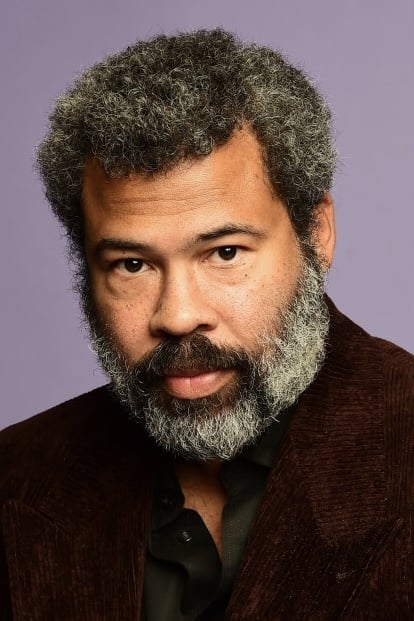
Jordan Peele transitioned from a career in sketch comedy to becoming a visionary director of horror films. His movies often explore complex themes of race and identity through a lens that some find unconventional. Because his early work was frequently associated with a mainstream comedy style he faced questions about his cultural alignment. Peele has since proven to be a master of social commentary through his unique storytelling. He continues to push the boundaries of the horror genre while centering Black perspectives.
Jaden Smith
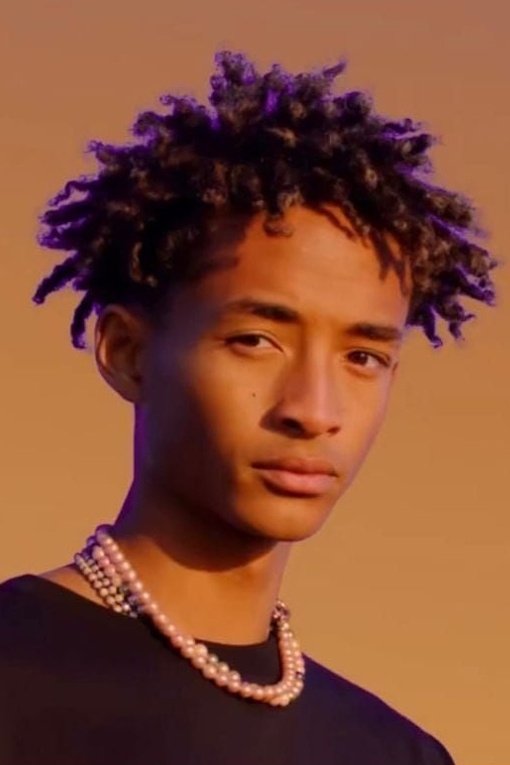
Jaden Smith has been the subject of public fascination since he was a child due to his famous parents and his eccentric personality. His interviews often feature philosophical and abstract ideas that some critics find pretentious or “acting white.” He has embraced a gender fluid fashion sense and has been involved in various environmental and social projects. Some viewers feel that his upbringing in extreme wealth has distanced him from the typical Black experience. Jaden continues to forge his own path in music and activism regardless of the criticism.
Willow Smith
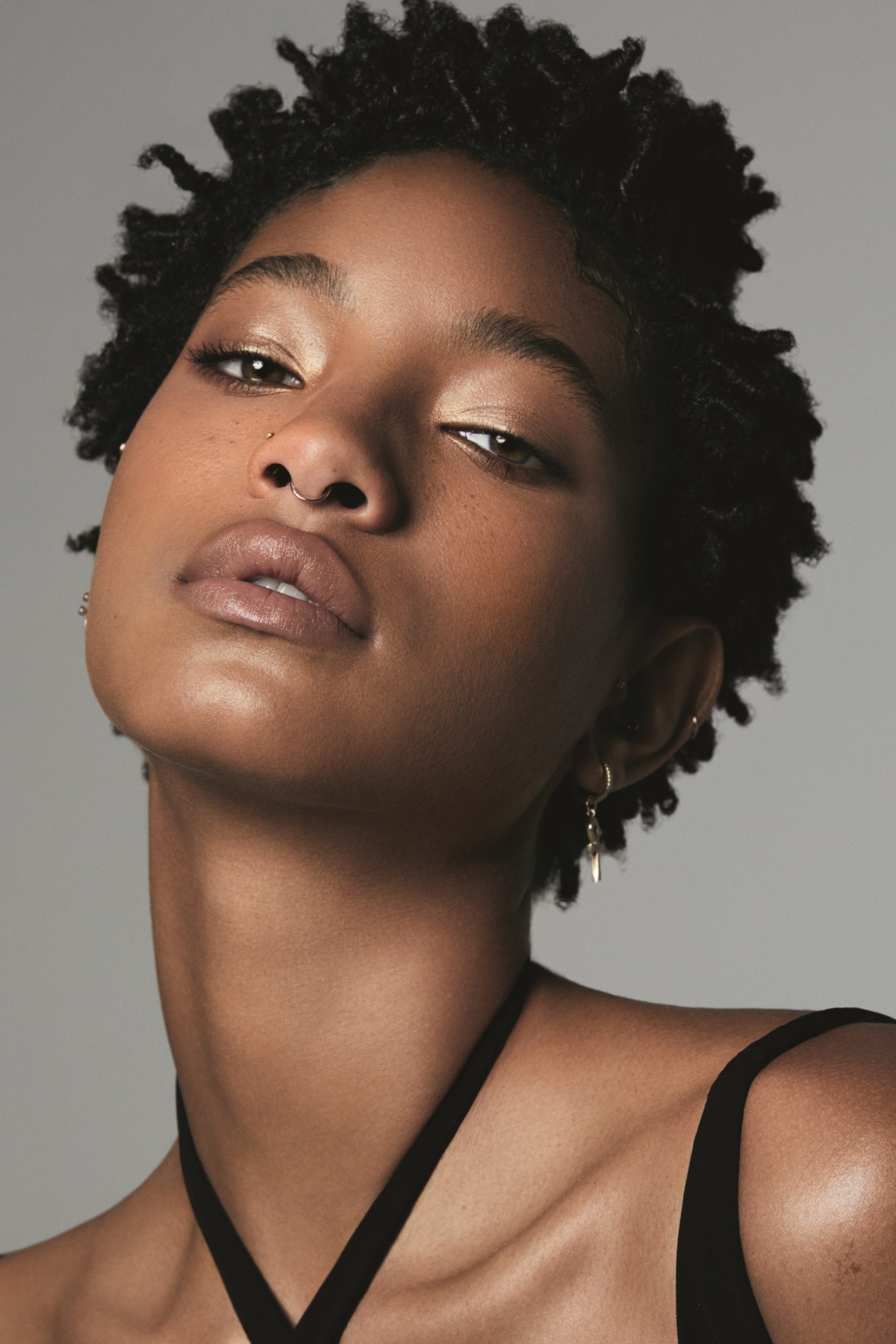
Willow Smith followed a similar path to her brother by exploring a variety of artistic and musical styles. Her transition from pop music to pop punk led to accusations that she was trying to fit into a white alternative subculture. She has spoken openly about her struggles with mental health and her desire to be authentically herself. Willow often features a very calm and introspective demeanor in interviews which some find unconventional for her age. She remains a prominent voice for her generation through her music and her work on ‘Red Table Talk’.
Common
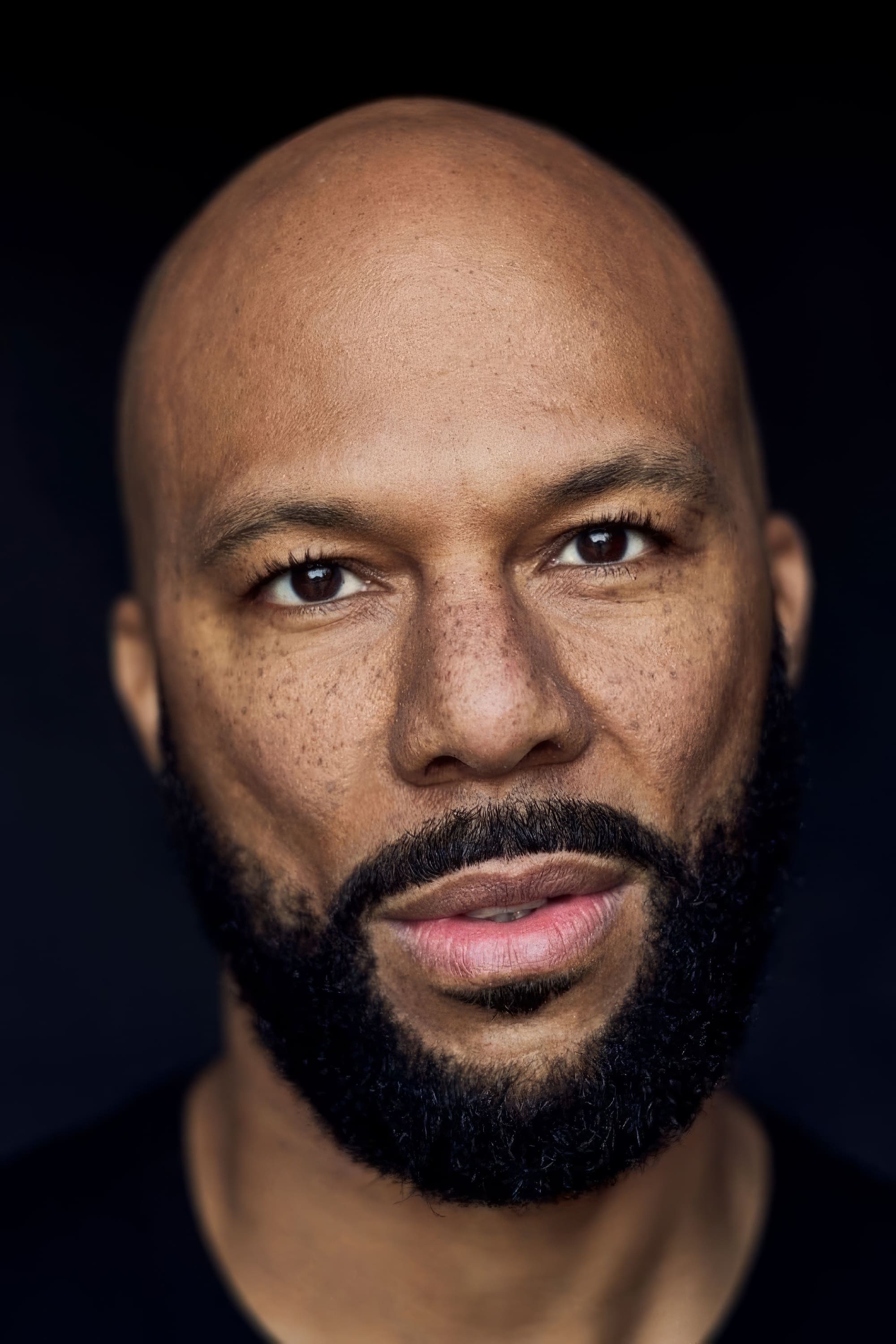
Common is a rapper and actor known for his conscious lyrics and his very smooth and polite public persona. Because of his transition into mainstream films and his appearances at high profile events some critics have questioned his street credibility. He has frequently been accused of being too “soft” or catering to a white demographic with his image. Common has consistently maintained his focus on social activism and positive messaging through his art. He remains a respected figure in both the music and film industries.
Thandiwe Newton

Thandiwe Newton is a British actress who has spoken extensively about her experiences with race in the film industry. Her refined accent and her roles in various period dramas have sometimes led to accusations that she is more aligned with white culture. She has been very vocal about the lack of representation for dark skinned Black women in Hollywood. Newton has addressed the complexity of her identity and her heritage in several emotional interviews. Her work continues to be highly regarded for its depth and emotional resonance.
Idris Elba
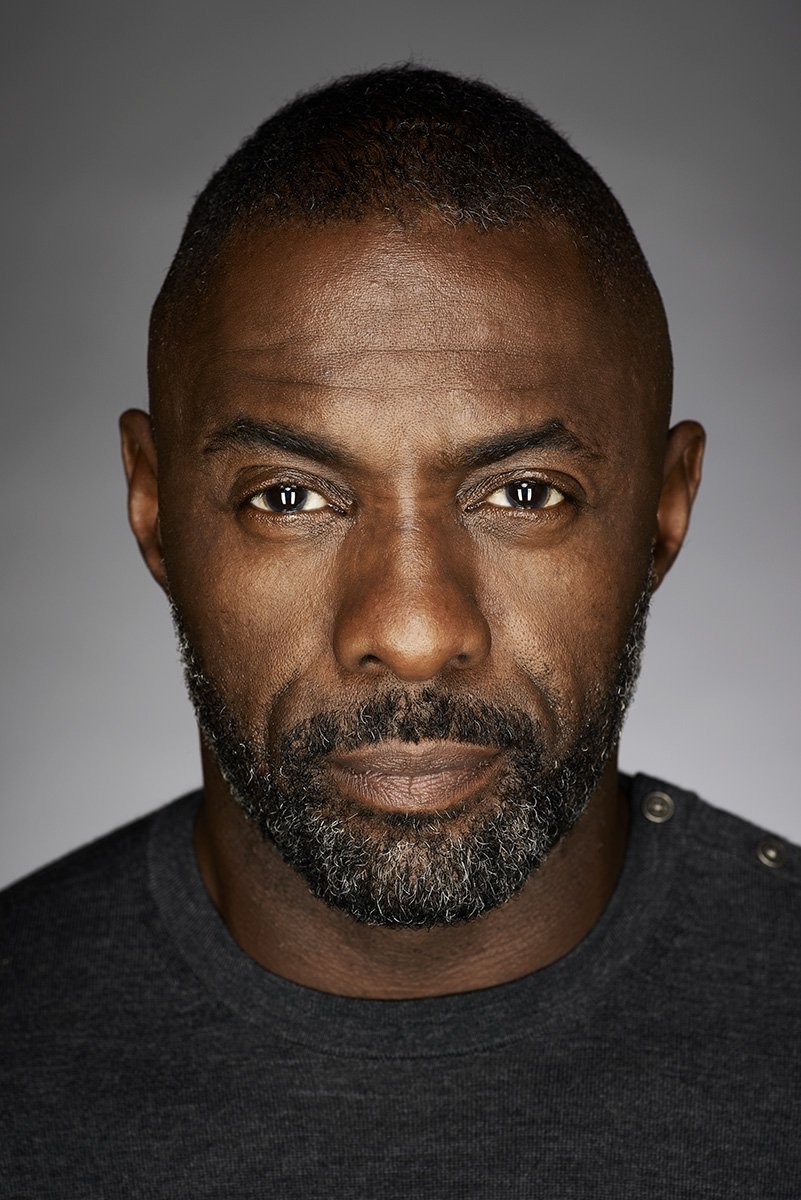
Idris Elba is a global star who often has to navigate different cultural expectations due to his British upbringing. Some American viewers have accused him of acting white because of his accent and his involvement in high end fashion and lifestyle brands. He has frequently played roles that defy racial stereotypes and has spoken about the importance of being an individual. Elba remains one of the most popular and sought after actors in the world. His work in both television and film has earned him numerous awards and a dedicated fan base.
Zoe Saldaña
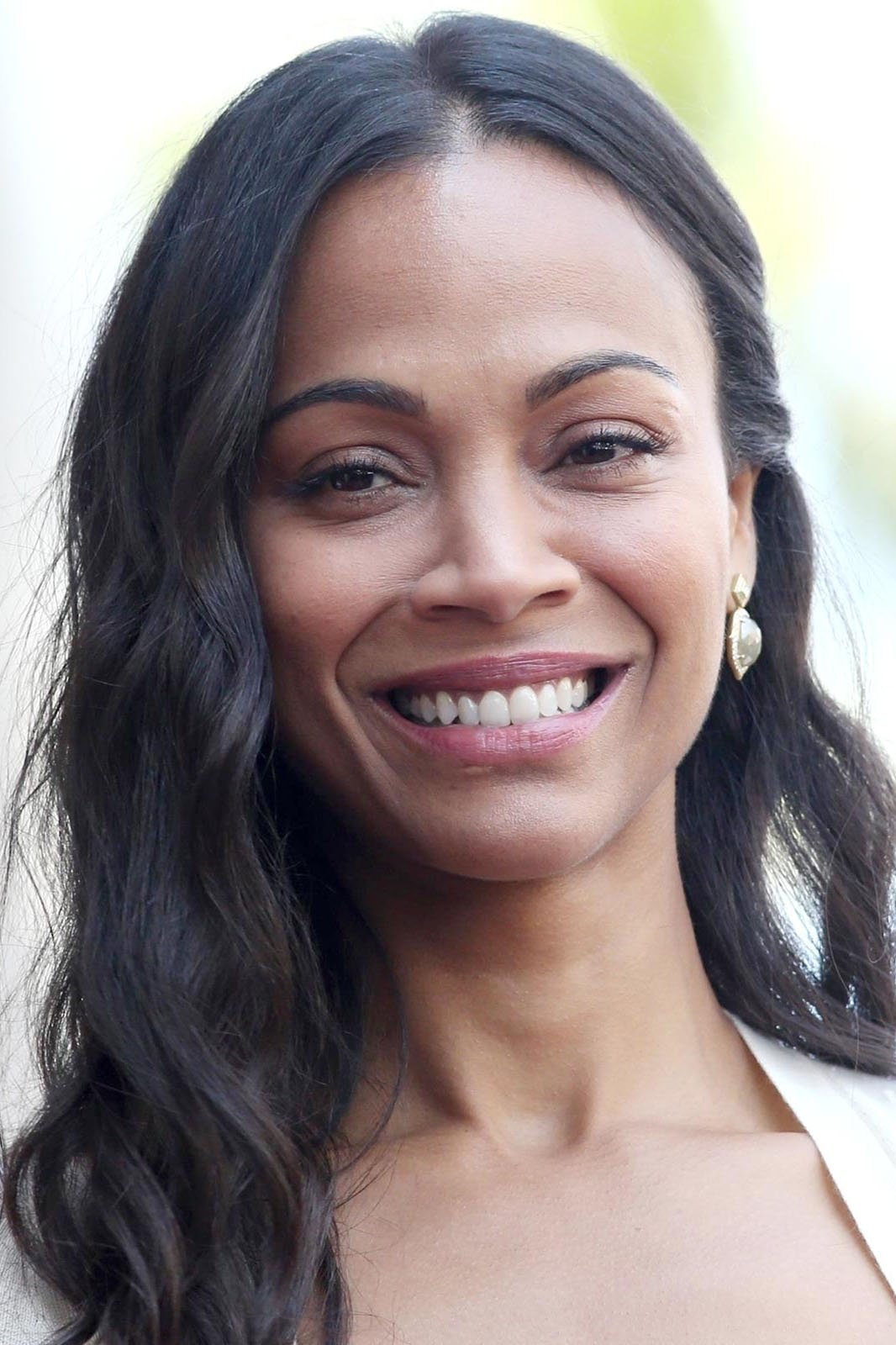
Zoe Saldana has faced criticism regarding her identity as a Latina of Black heritage and the roles she chooses to play. She was at the center of a major controversy when she was cast as Nina Simone and used makeup to darken her skin. This led to accusations that she was out of touch with the Black experience and was benefiting from her proximity to whiteness. Saldana has addressed these criticisms with both defense and reflection over the years. She continues to be one of the highest grossing actresses of all time.
Garcelle Beauvais
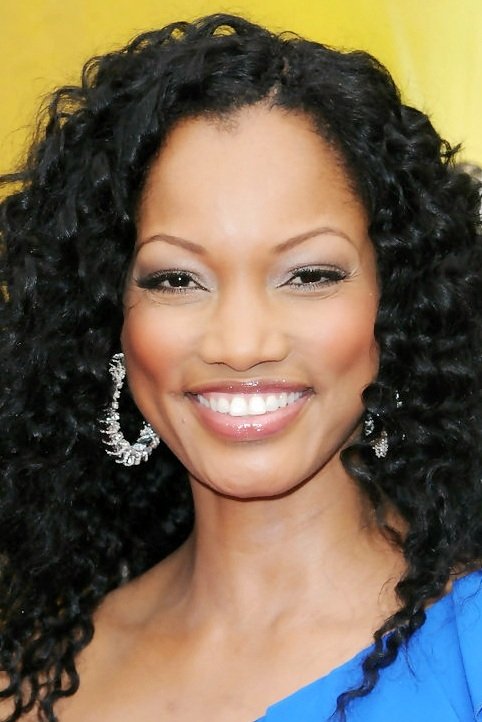
Garcelle Beauvais became the first Black cast member on ‘The Real Housewives of Beverly Hills’ and faced immediate scrutiny. Some viewers and cast mates suggested that her professional and polished demeanor was a way to fit into the wealthy white social circle. She has used her platform on the show to have difficult conversations about race and microaggressions. Beauvais has been a successful actress and model for decades and often speaks about the importance of representation. Her presence on reality television has brought a new level of cultural discourse to the franchise.
Cynthia Erivo
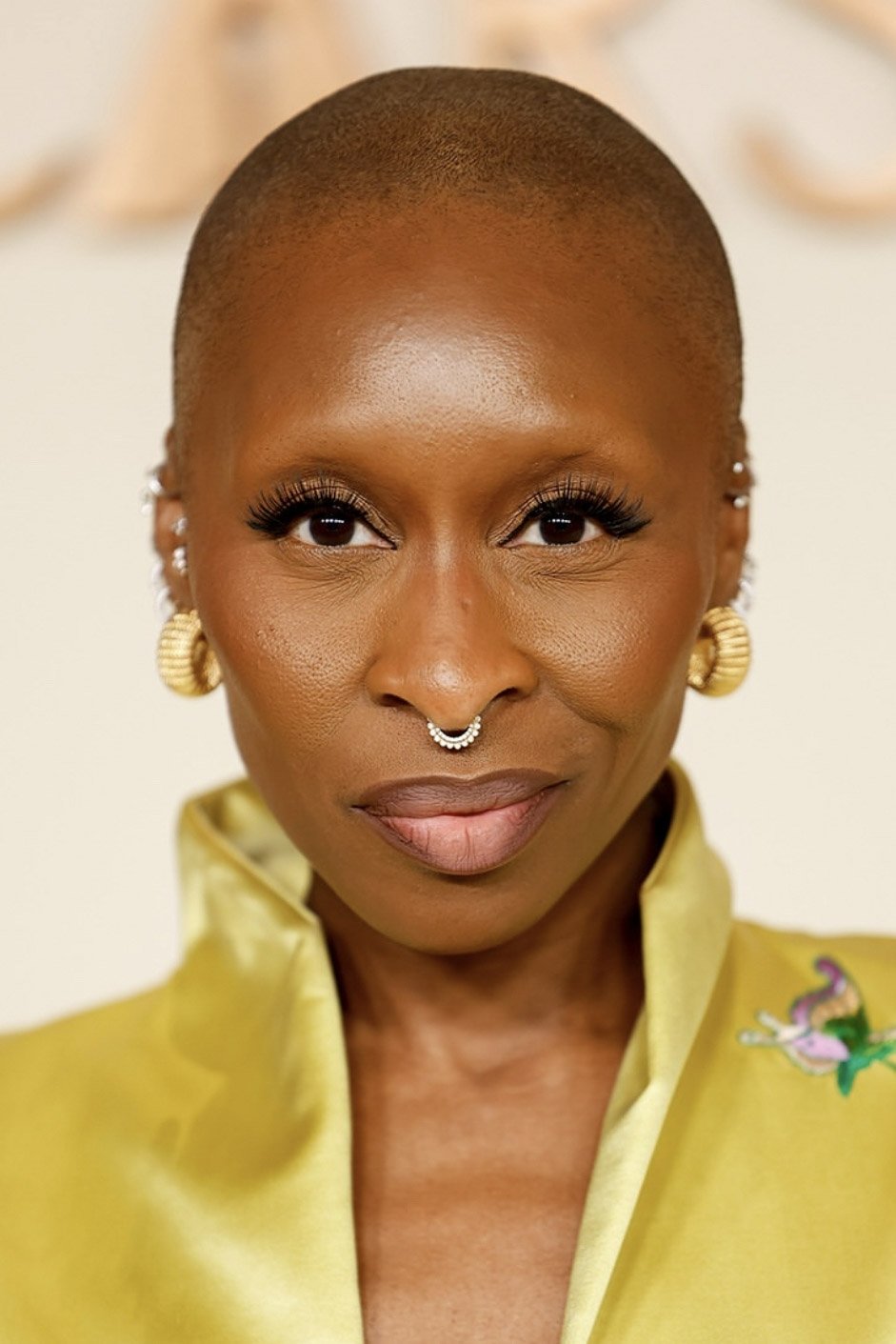
Cynthia Erivo is a highly talented actress and singer who has faced backlash for her comments on the differences between Black American and Black British experiences. When she was cast as Harriet Tubman some critics felt that a Black American actress should have played the role. This led to a broader discussion about her cultural identity and whether she was being used by Hollywood to bypass American Black actors. Erivo has defended her right to play a variety of roles while acknowledging the complexity of the debate. She continues to be a major star on both the stage and the screen.
Daniel Kaluuya
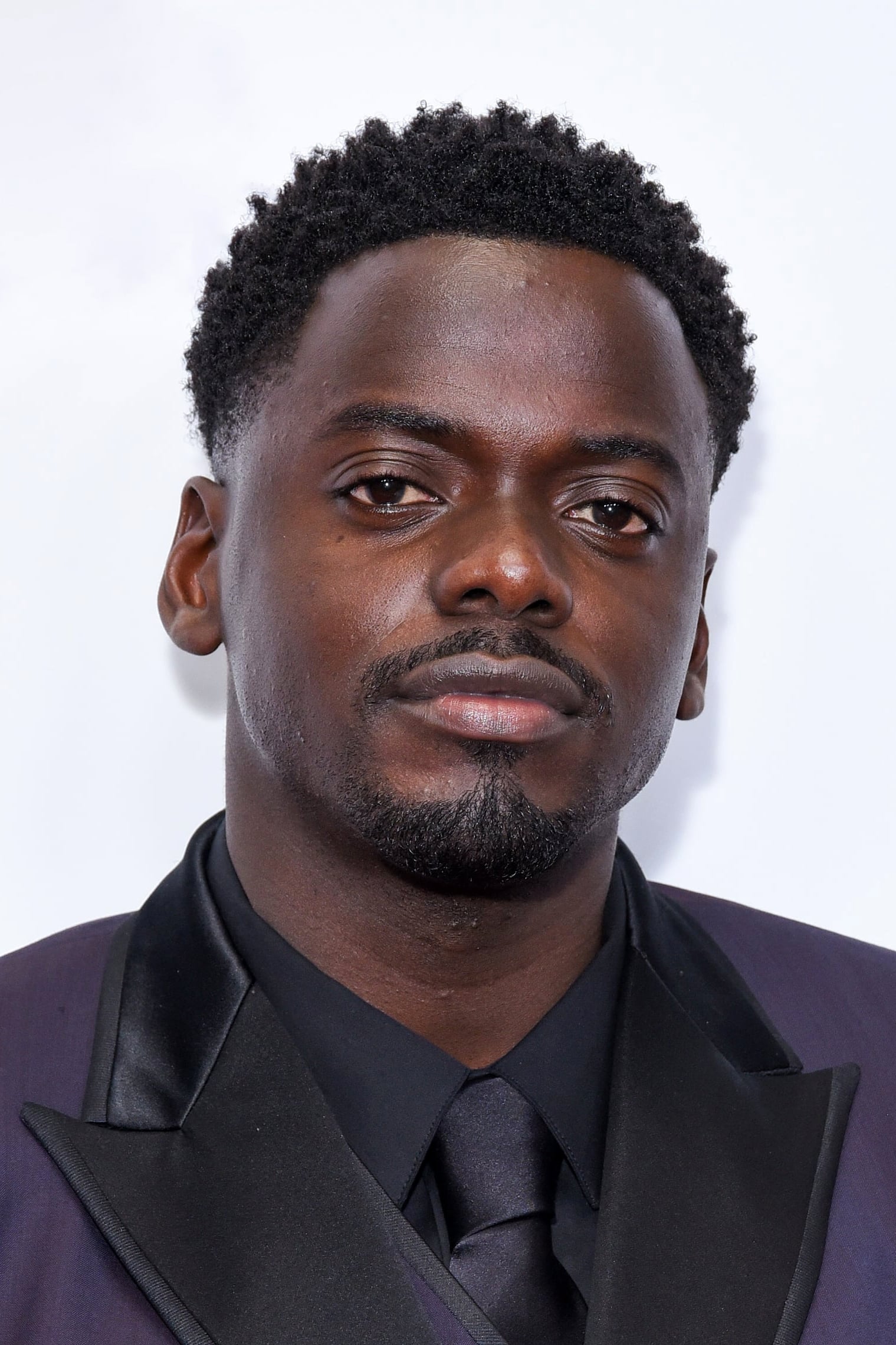
Daniel Kaluuya is an Oscar winning actor who rose to fame with his lead role in ‘Get Out’. Some critics in the United States have questioned his ability to represent the American Black experience due to his British background. This has led to recurring debates about whether Black British actors are “acting white” or performing a sanitized version of Blackness for Hollywood. Kaluuya has addressed these claims by highlighting the universal elements of the Black experience across the diaspora. His performances continue to receive critical acclaim for their intensity and authenticity.
Stephen A. Smith
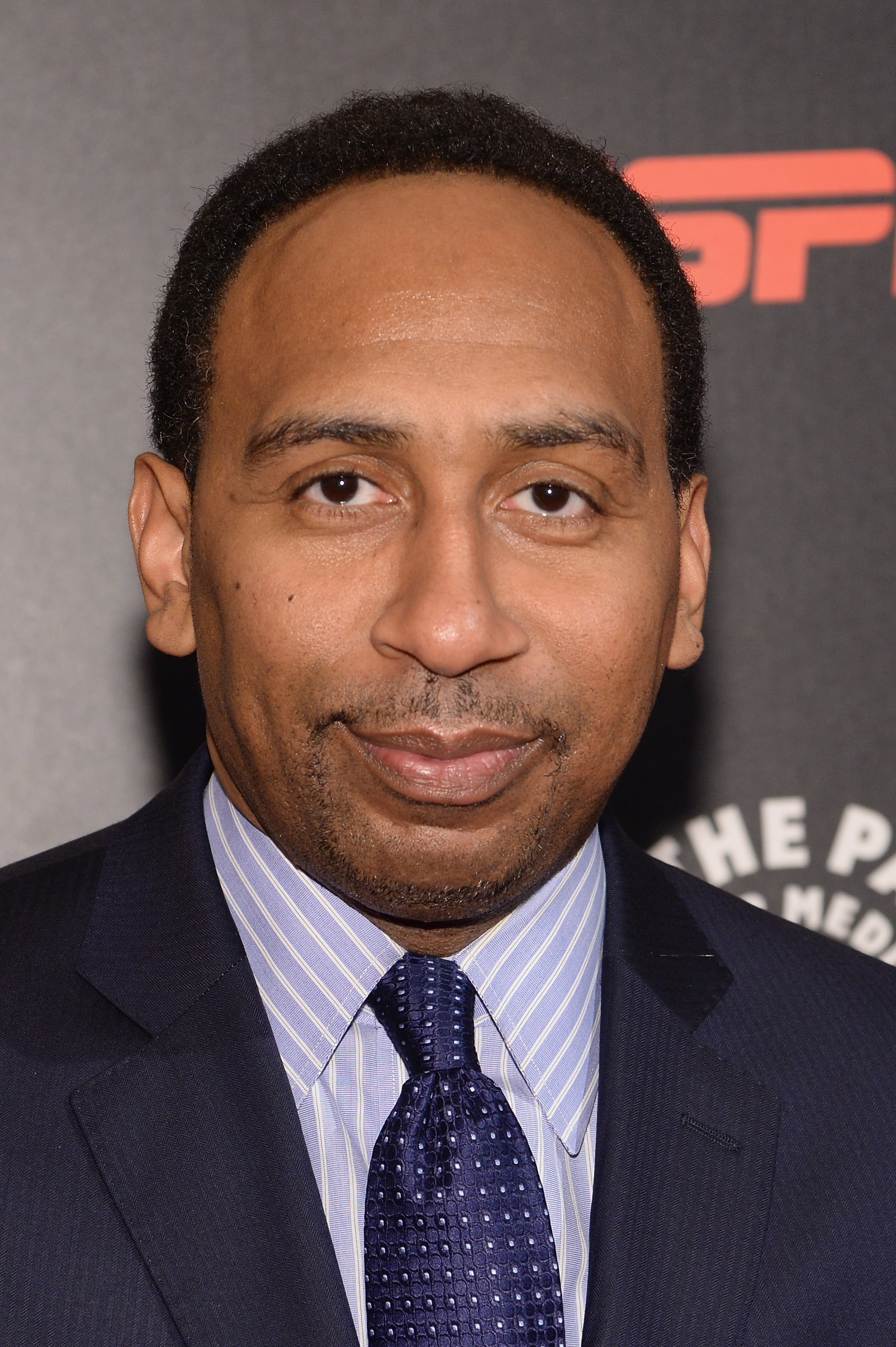
Stephen A. Smith is one of the most prominent voices in sports media known for his loud and assertive delivery. Despite his vocal style some critics have accused him of performing for a specific audience when discussing sensitive social issues. He has frequently pushed back against these claims by emphasizing his commitment to hard work and professional standards. Smith often uses his platform to debate cultural topics that intersect with the world of professional sports. His persona remains a major talking point for fans who analyze his influence on public discourse.
Please share your thoughts on these celebrities and the concept of cultural identity in the comments.