


Black Celebs Who Defined an Era of Pop Culture

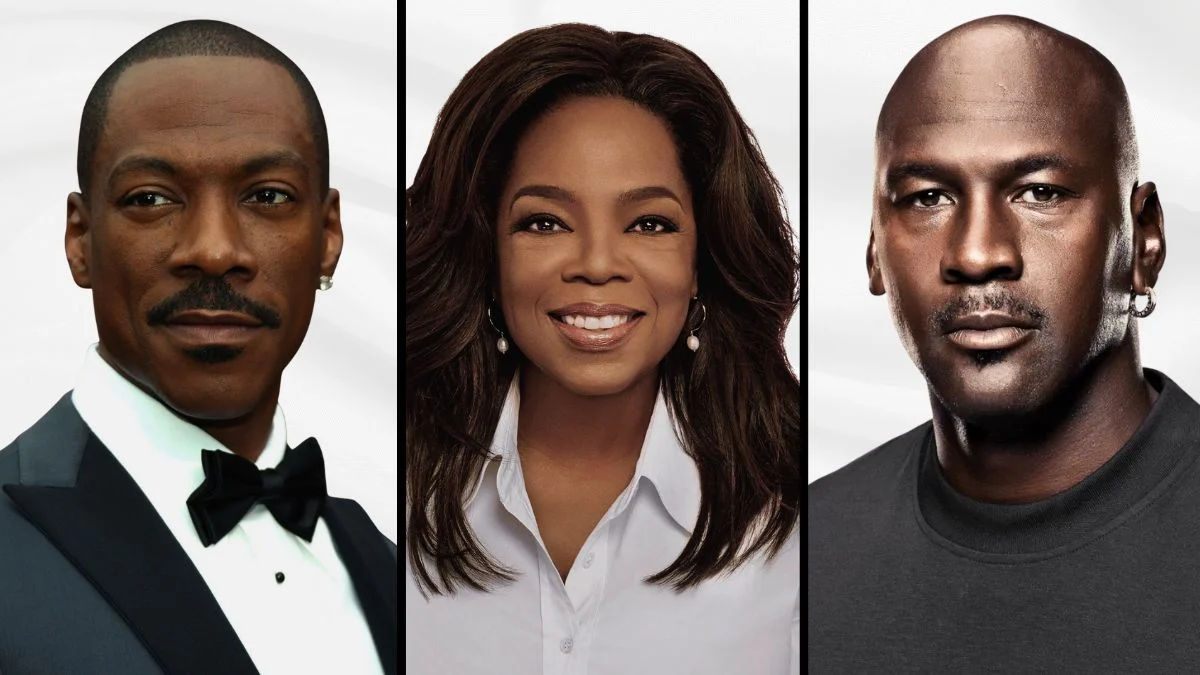


Black celebrities have fundamentally shaped the landscape of global entertainment through their groundbreaking contributions to music, film, sports, and fashion. These icons broke through racial barriers to become household names and influenced generations with their unique talents and perspectives. Their artistry often reflected the social climates of their times while simultaneously providing escapism and joy to millions of fans. From the golden age of Hollywood to the digital streaming era, these figures utilized their platforms to redefine what it means to be a superstar. The following individuals left an indelible mark on history and continue to inspire new waves of talent today.
Michael Jackson
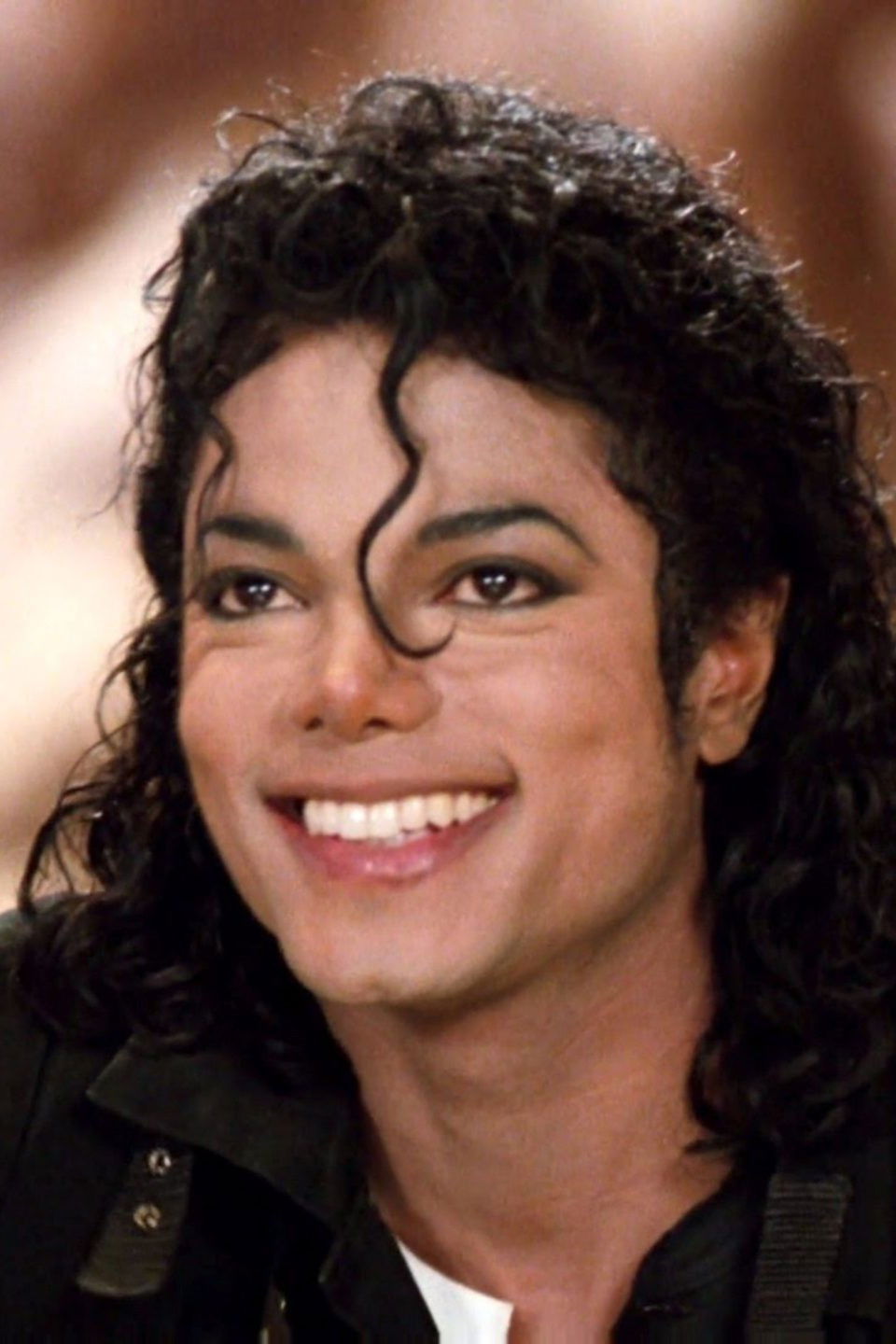
The King of Pop transformed the music industry with his electrifying vocals and innovative dance moves. His album ‘Thriller’ remains the best-selling album of all time and shattered racial barriers on MTV. Jackson turned music videos into cinematic events that captivated audiences around the world. His signature Moonwalk and military-inspired fashion became instantly recognizable symbols of his global dominance. He set a standard for live performance that pop stars continue to emulate decades later.
Oprah Winfrey
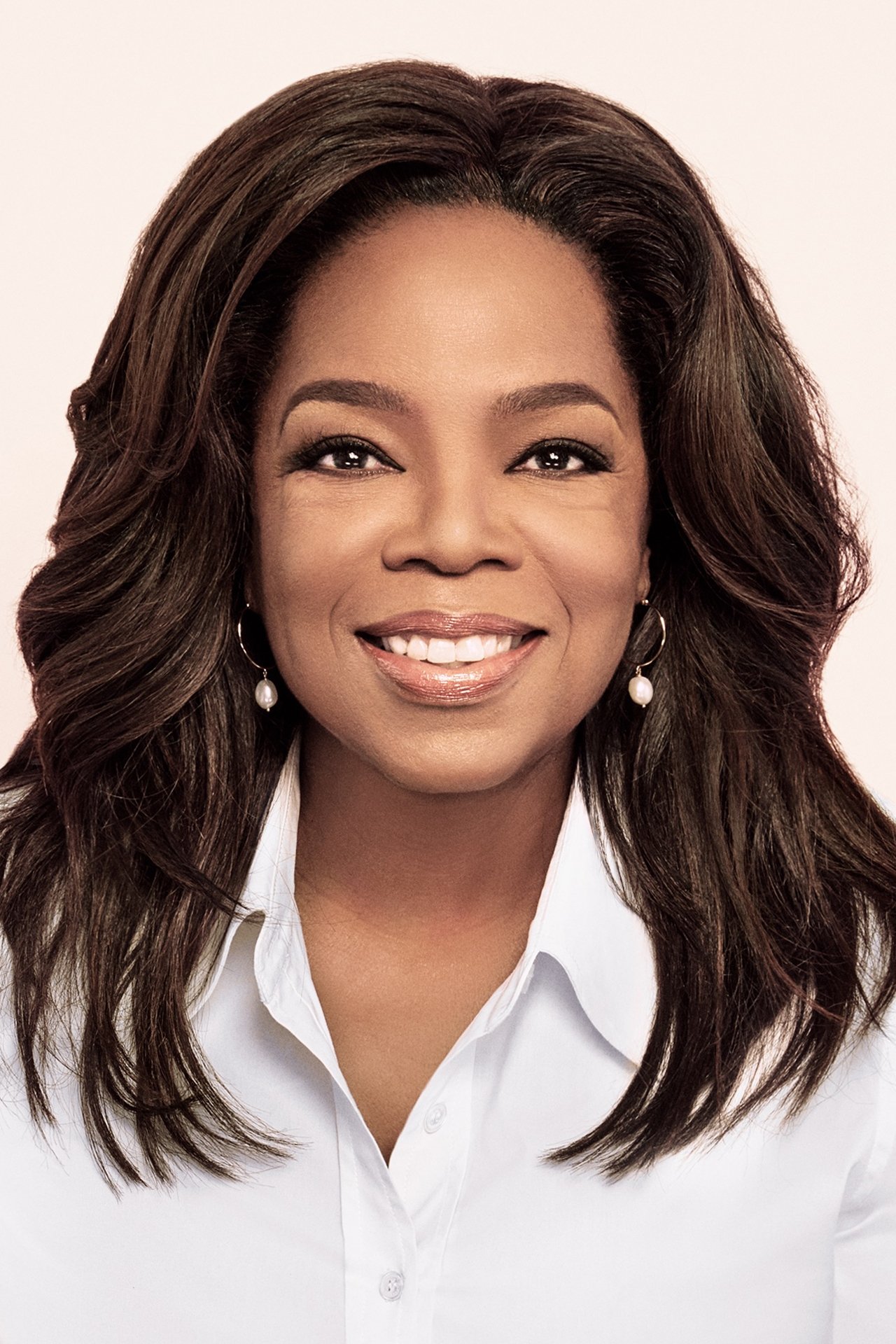
Winfrey revolutionized daytime television with her empathetic hosting style and ability to connect with diverse audiences. Her talk show became a platform for open discussions on mental health, literature, and social issues. She expanded her influence by launching her own television network and becoming a major media mogul. Her book club became a powerful force in the publishing industry that could turn obscure novels into bestsellers overnight. Winfrey demonstrated how media personalities could leverage their fame for substantial philanthropic impact.
Prince
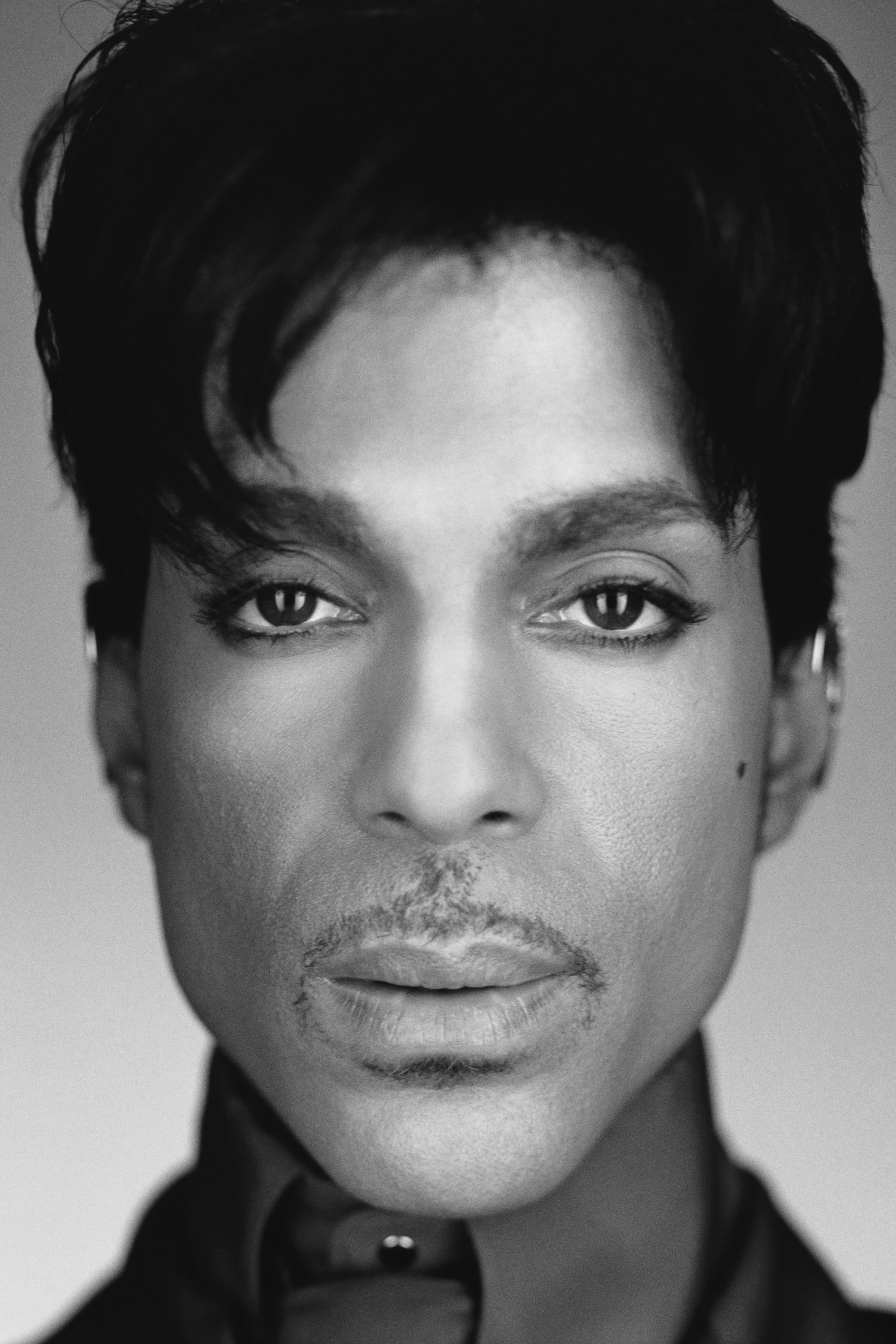
This musical virtuoso mastered multiple instruments and blended funk, rock, and pop into a unique Minneapolis Sound. He challenged industry norms regarding artistic freedom and music ownership throughout his prolific career. His album ‘Purple Rain’ remains a landmark soundtrack that solidified his status as a global superstar. The artist pushed boundaries with his androgynous fashion and provocative lyrics that defied categorization. Prince remained a mysterious and influential figure who prioritized musical integrity above all else.
Beyoncé
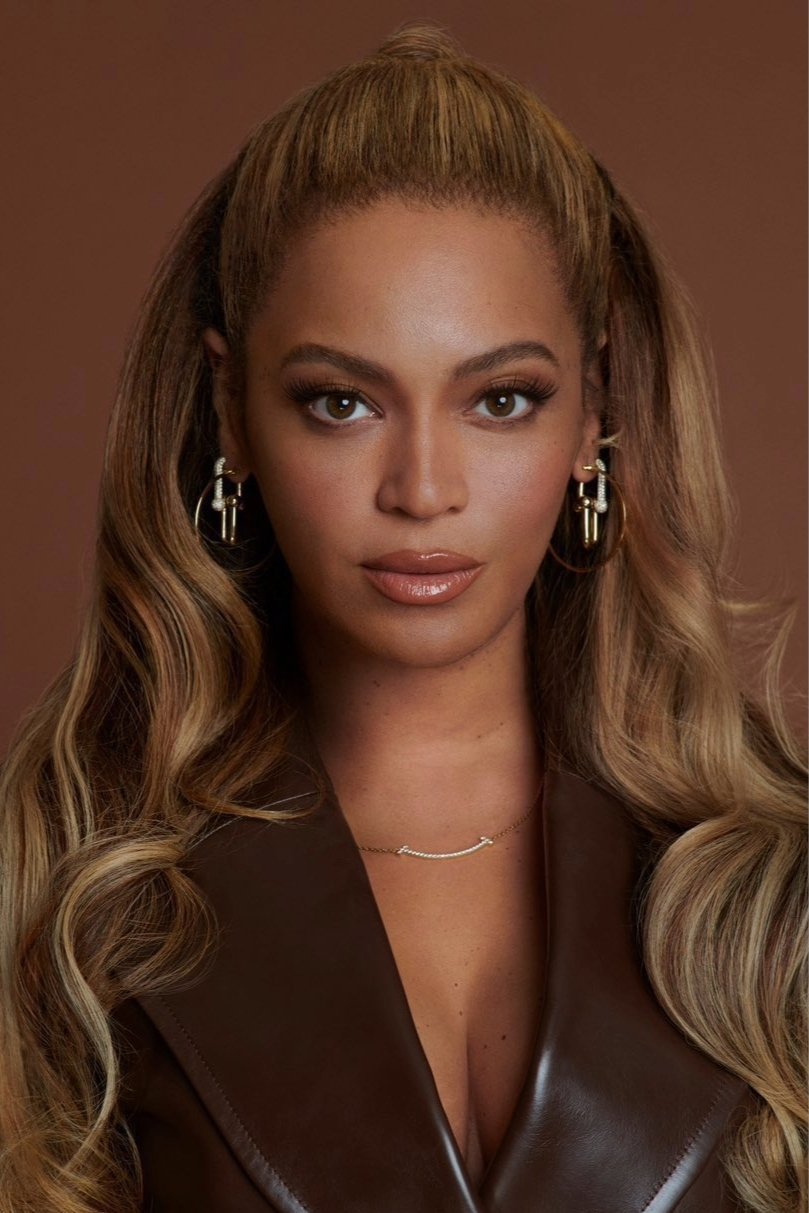
Starting as a member of Destiny’s Child, she evolved into a solo powerhouse who redefined the modern pop stardom model. Her visual albums like ‘Lemonade’ garnered critical acclaim for their exploration of infidelity, black womanhood, and resilience. She became the first woman to headline Coachella and turned the performance into a historic celebration of HBCU culture. Her business acumen extends to successful fashion lines and production companies. Beyoncé consistently raises the bar for vocal performance and intricate choreography.
Muhammad Ali
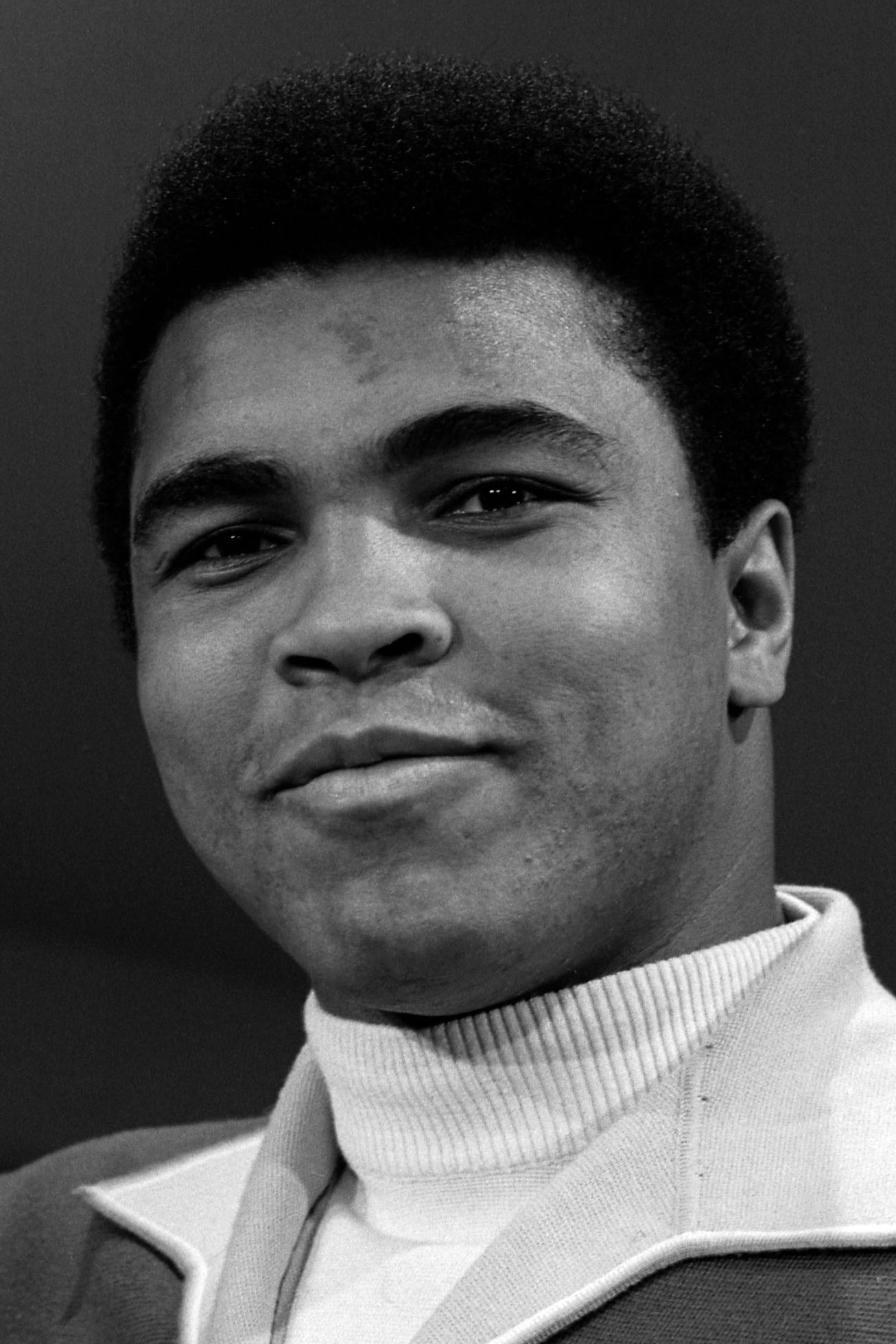
Ali transcended the sport of boxing to become a global symbol of civil rights and religious freedom. His refusal to be drafted into the Vietnam War cost him his title but cemented his legacy as a man of principle. Inside the ring, his footwork and speed were unmatched by any heavyweight of his era. His poetic trash talk and charismatic interviews changed how athletes marketed themselves to the public. He remains one of the most recognized and respected sports figures in history.
Sidney Poitier
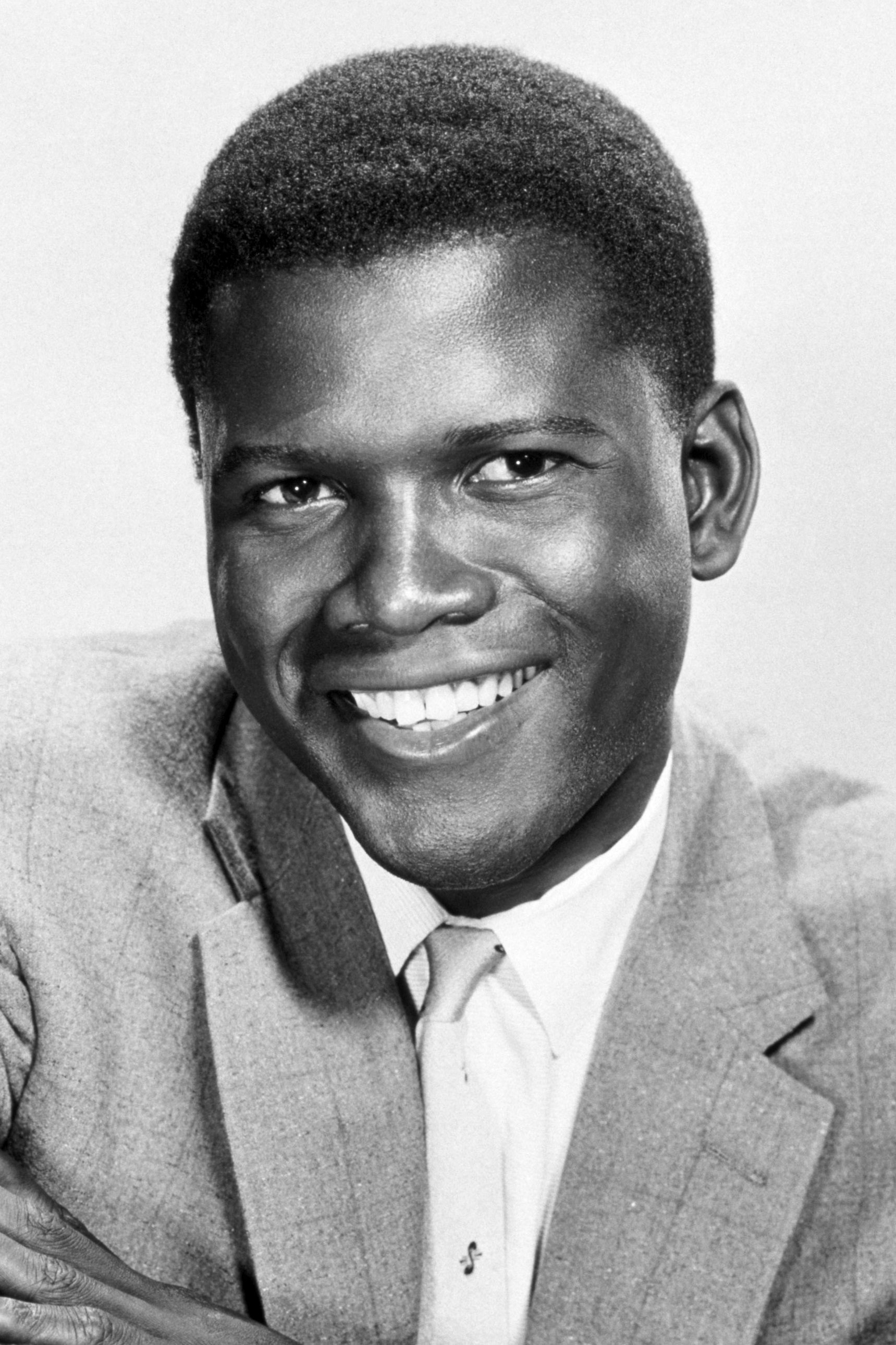
Poitier broke significant ground in Hollywood by becoming the first Black man to win the Academy Award for Best Actor. He refused roles that demeaned his character and instead chose parts that portrayed Black men with dignity and intelligence. Films like ‘In the Heat of the Night’ and ‘Guess Who’s Coming to Dinner’ challenged audiences to confront their prejudices. His elegant demeanor and commanding screen presence paved the way for future generations of Black leading men. Poitier defined a specific era of cinema where art directly intersected with the civil rights movement.
Whitney Houston
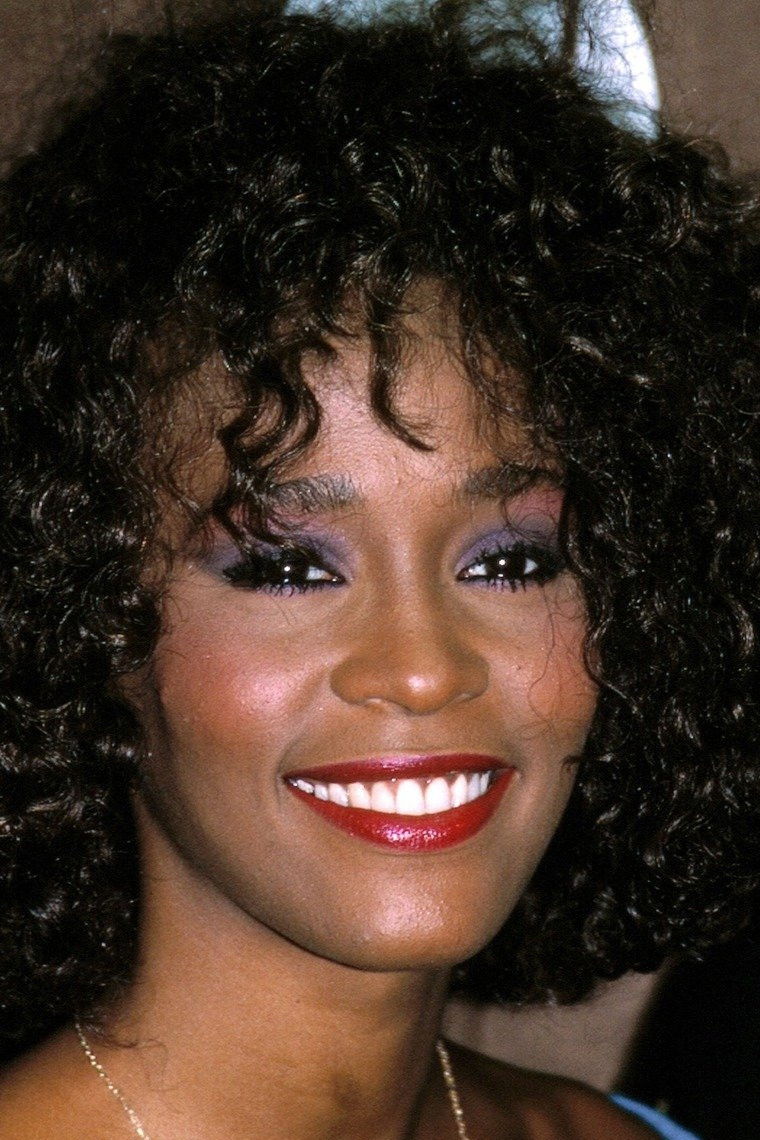
Houston possessed a voice of such power and clarity that she was nicknamed The Voice. She dominated the charts in the 1980s and 1990s with a string of consecutive number-one hits. Her acting debut in ‘The Bodyguard’ produced a soundtrack that became the best-selling soundtrack of all time. Her rendition of the national anthem at the Super Bowl is widely considered the definitive version. Houston influenced countless vocalists who attempted to replicate her intricate runs and emotional delivery.
Eddie Murphy
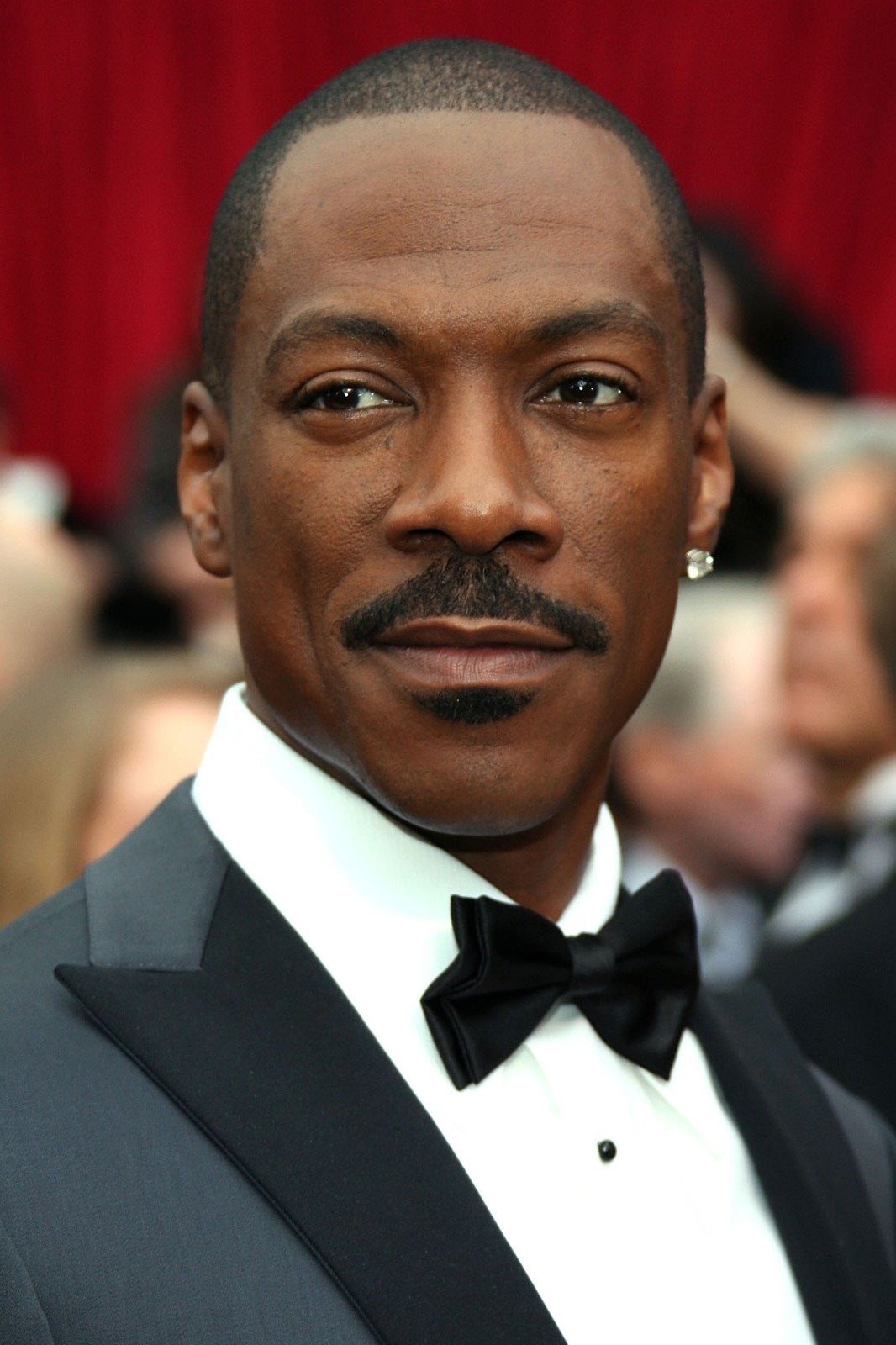
Murphy single-handedly revitalized ‘Saturday Night Live’ in the early 1980s with his memorable characters and sketches. He transitioned effortlessly to the big screen and became one of the biggest box office draws of the decade. His stand-up specials like ‘Delirious’ and ‘Raw’ are legendary for their raw humor and leather-suit aesthetics. Murphy proved his versatility by playing multiple characters in films such as ‘Coming to America’ and ‘The Nutty Professor’. His comedic timing and energy defined the humor of an entire generation.
Michael Jordan
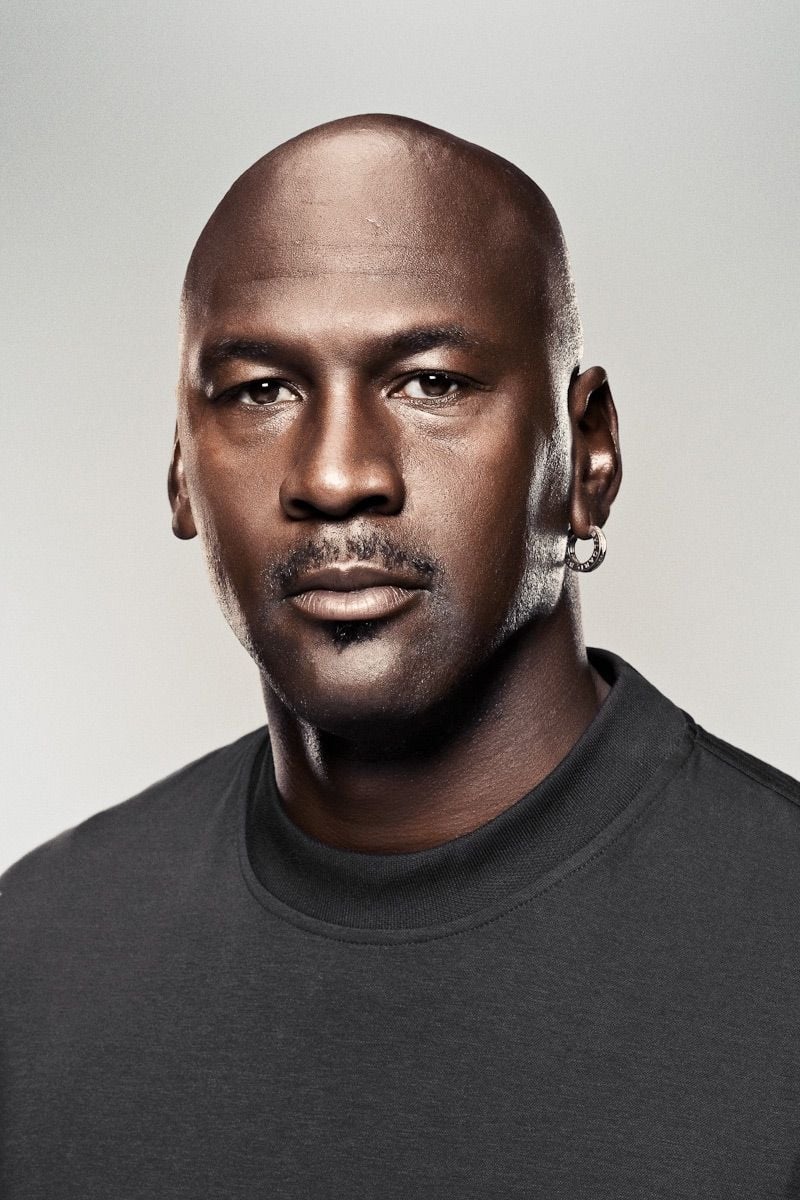
Jordan elevated basketball to a global phenomenon during his time with the Chicago Bulls. His partnership with Nike created the sneaker culture that thrives today through the Air Jordan brand. He led his team to six championships and earned a reputation as the ultimate competitor. His influence extended beyond sports into movies with ‘Space Jam’ and massive endorsement deals. Jordan is frequently cited as the standard of excellence against whom all other athletes are measured.
Tupac Shakur
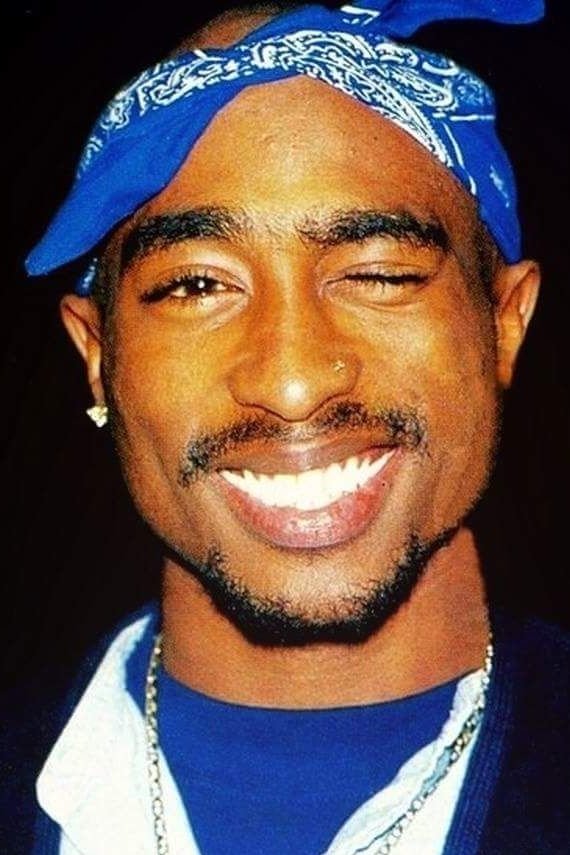
Shakur was a central figure in West Coast hip-hop who brought poetic lyricism and raw emotion to the genre. His music addressed social injustice and poverty while also delivering club anthems. He was a talented actor who starred in films like ‘Juice’ and ‘Poetic Justice’ during his short career. His outspoken nature and legal troubles often kept him in the headlines alongside his chart-topping hits. Tupac remains a cultural icon whose work continues to resonate with listeners seeking authenticity.
The Notorious B.I.G.
Christopher Wallace, known as Biggie Smalls, redefined East Coast hip-hop with his effortless flow and storytelling ability. His debut album ‘Ready to Die’ is considered a masterpiece that vividly depicted life in Brooklyn. He played a crucial role in putting Bad Boy Records on the map and influencing the sound of 90s rap. Biggie combined gritty street tales with a smooth charisma that appealed to mainstream audiences. His legacy endures as one of the greatest rappers to ever touch a microphone.
Denzel Washington
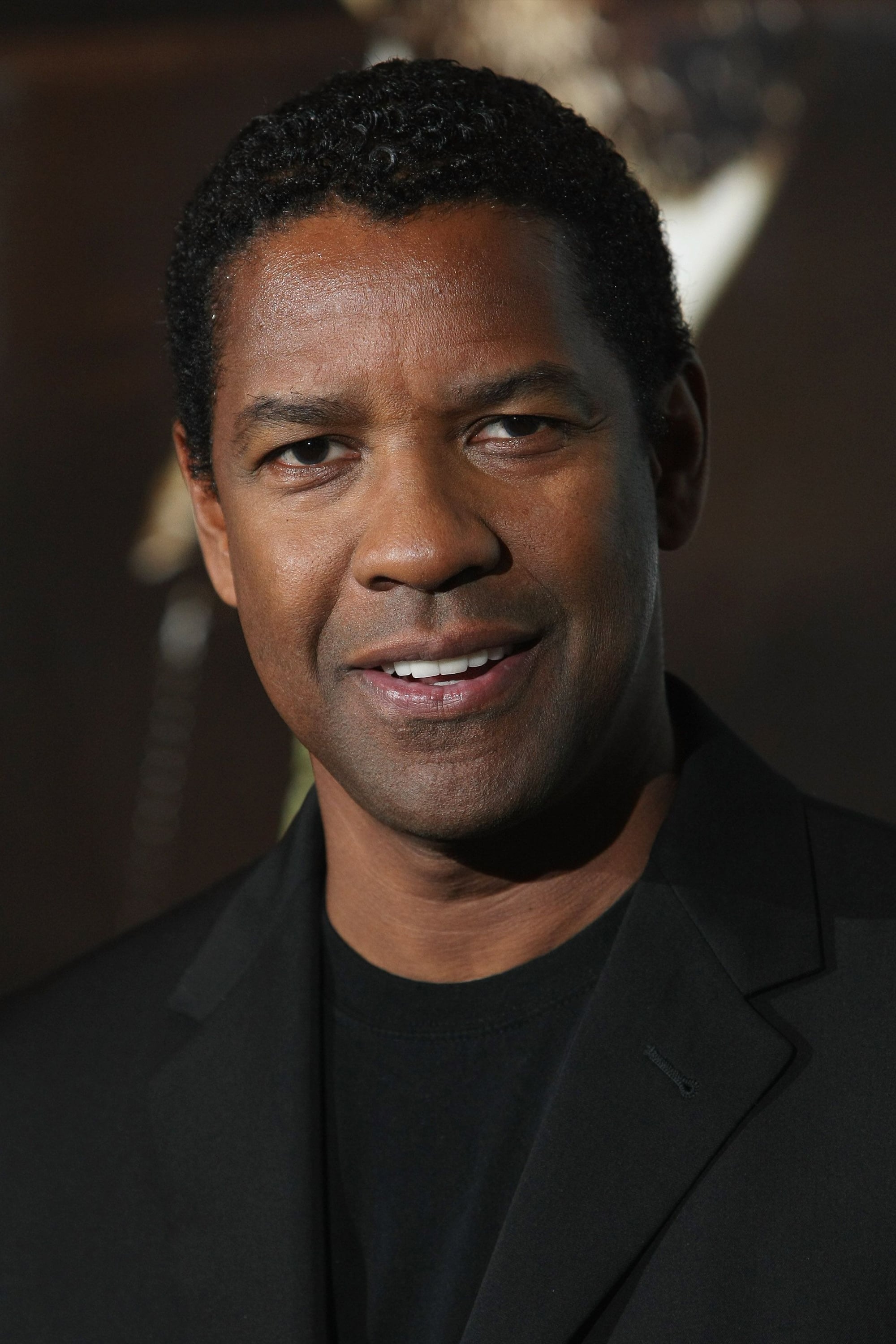
Washington established himself as a serious actor capable of portraying complex characters with intensity and grace. He won Academy Awards for his roles in ‘Glory’ and ‘Training Day’, showcasing his range from historical dramas to gritty thrillers. His consistent delivery and commanding presence have made him a reliable box office draw for decades. He frequently returns to the theater to tackle classic works and keep his acting skills sharp. Washington serves as a mentor and role model for aspiring actors across the industry.
Aretha Franklin
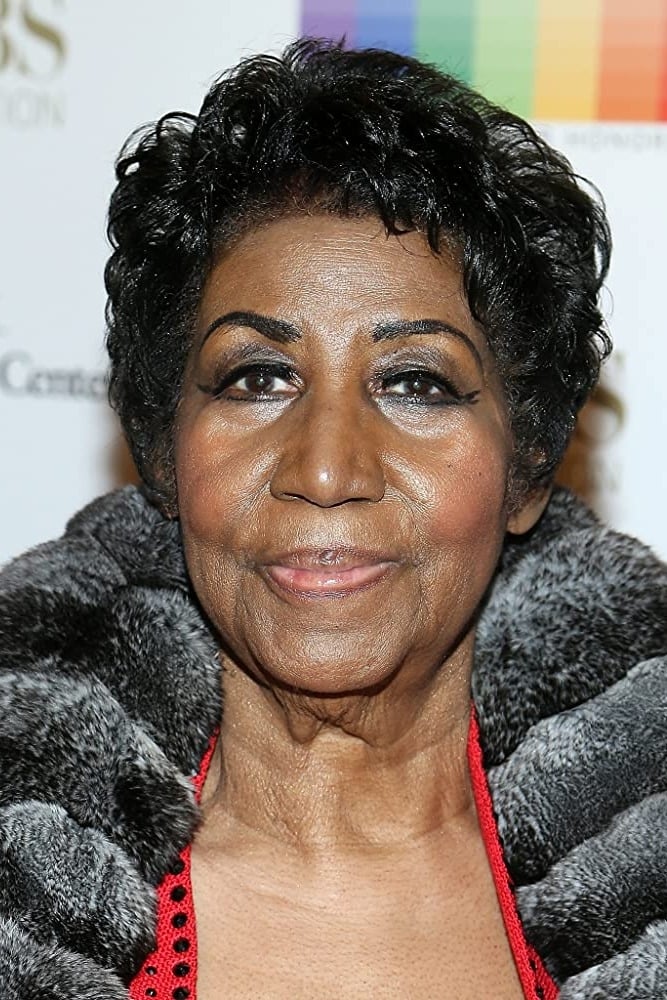
The Queen of Soul used her unmatched vocal range to fuse gospel, jazz, and R&B into a sound that defined an era. Her hit ‘Respect’ became an anthem for both the civil rights and women’s rights movements. Franklin was the first woman inducted into the Rock and Roll Hall of Fame. Her ability to reinterpret songs and make them her own was a hallmark of her artistry. She performed at pivotal historical events, including presidential inaugurations, until her final years.
Will Smith
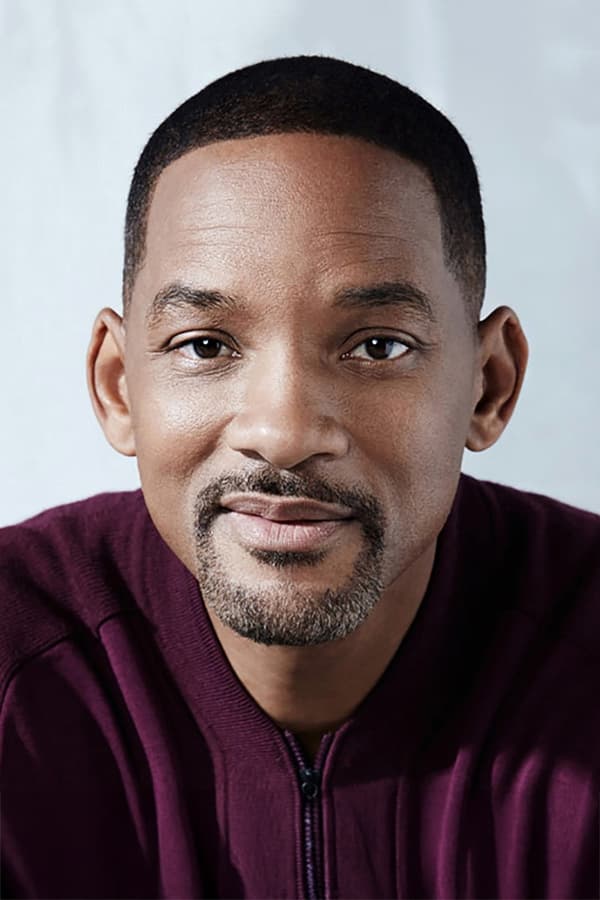
Smith successfully transitioned from a Grammy-winning rapper to the star of the hit sitcom ‘The Fresh Prince of Bel-Air’. He conquered the summer box office in the 90s with massive blockbusters like ‘Independence Day’ and ‘Men in Black’. His charismatic persona and mass appeal made him one of the most bankable stars in Hollywood history. He later proved his dramatic chops with Oscar-nominated performances in biographical films. Smith demonstrated that a hip-hop artist could achieve mainstream domination across multiple entertainment mediums.
James Brown

Brown earned the title Godfather of Soul and was instrumental in the development of funk music. His high-energy performances and strict band discipline set a new standard for live entertainment. Tracks like ‘Say It Loud – I’m Black and I’m Proud’ became rallying cries for Black empowerment. His dance moves and vocal grunts have been sampled in hip-hop more than perhaps any other artist. Brown worked tirelessly to maintain control over his business and artistic output.
Jimi Hendrix
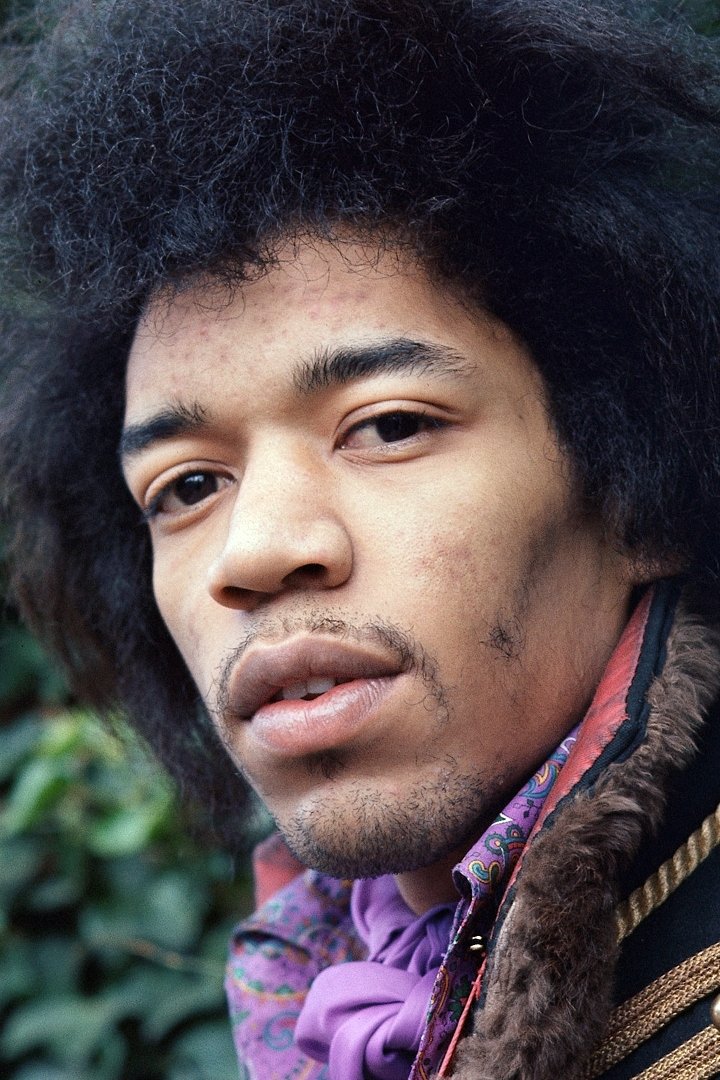
Hendrix revolutionized the electric guitar with his experimental use of feedback and distortion. His performance of ‘The Star-Spangled Banner’ at Woodstock became a defining image of the 1960s counterculture. He blended blues, rock, and psychedelia to create a sound that was previously unimaginable. Although his mainstream career lasted only four years, his influence on rock music is immeasurable. Hendrix remains the reference point for guitar virtuosity and flamboyant stage presence.
Diana Ross
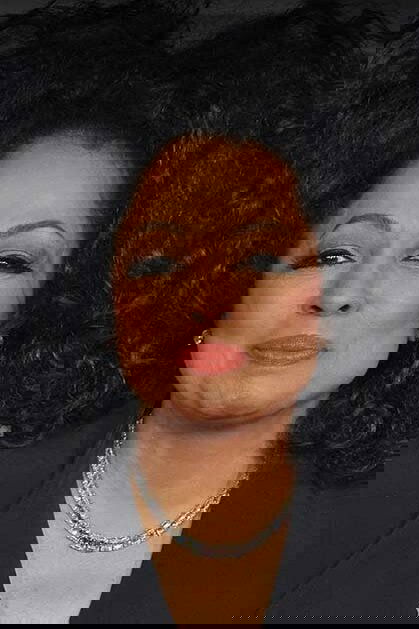
Ross rose to fame as the lead singer of The Supremes, which became one of the most successful groups in history. She embarked on a highly successful solo career that produced hits across the disco, pop, and R&B genres. Her film portrayal of Billie Holiday in ‘Lady Sings the Blues’ earned her an Academy Award nomination. Ross became a fashion icon known for her glamorous gowns and voluminous hair. She paved the way for future Black female artists to cross over into mainstream pop success.
Stevie Wonder
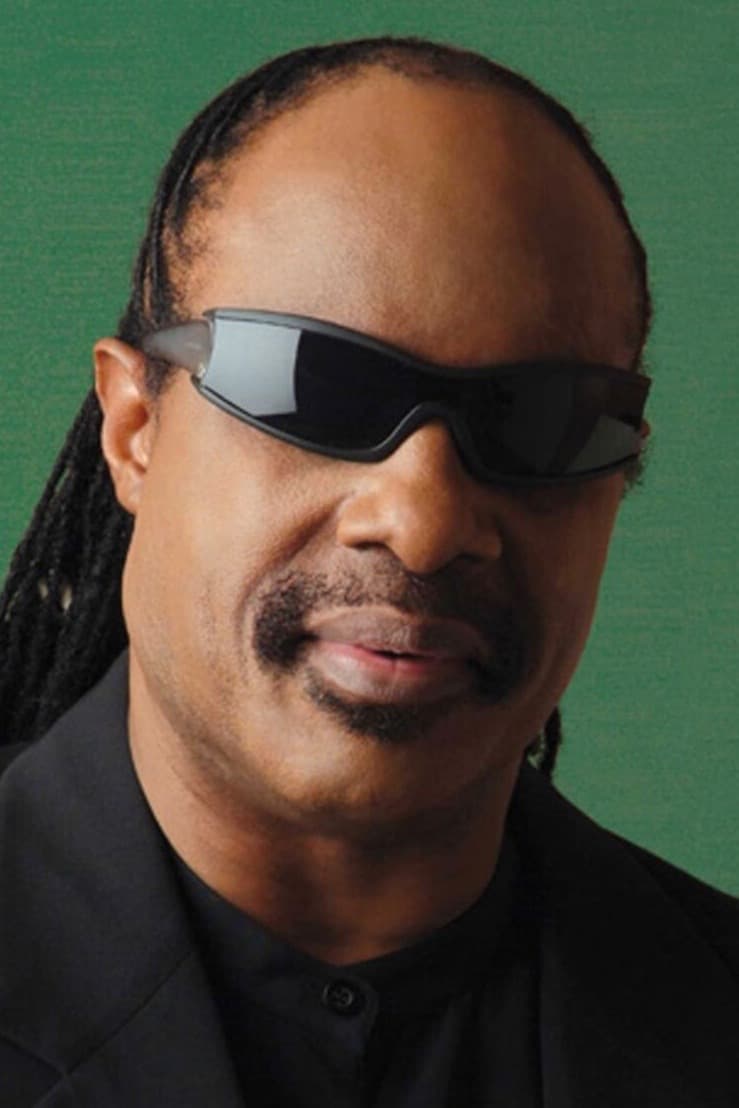
Wonder began his career as a child prodigy at Motown before negotiating complete creative control over his music. His run of albums in the 1970s is considered one of the greatest winning streaks in music history. He pioneered the use of synthesizers in R&B and brought social consciousness to his lyrics. Wonder played a key role in the campaign to establish Martin Luther King Jr. Day as a national holiday. His songs remain essential staples in the American songbook.
Janet Jackson
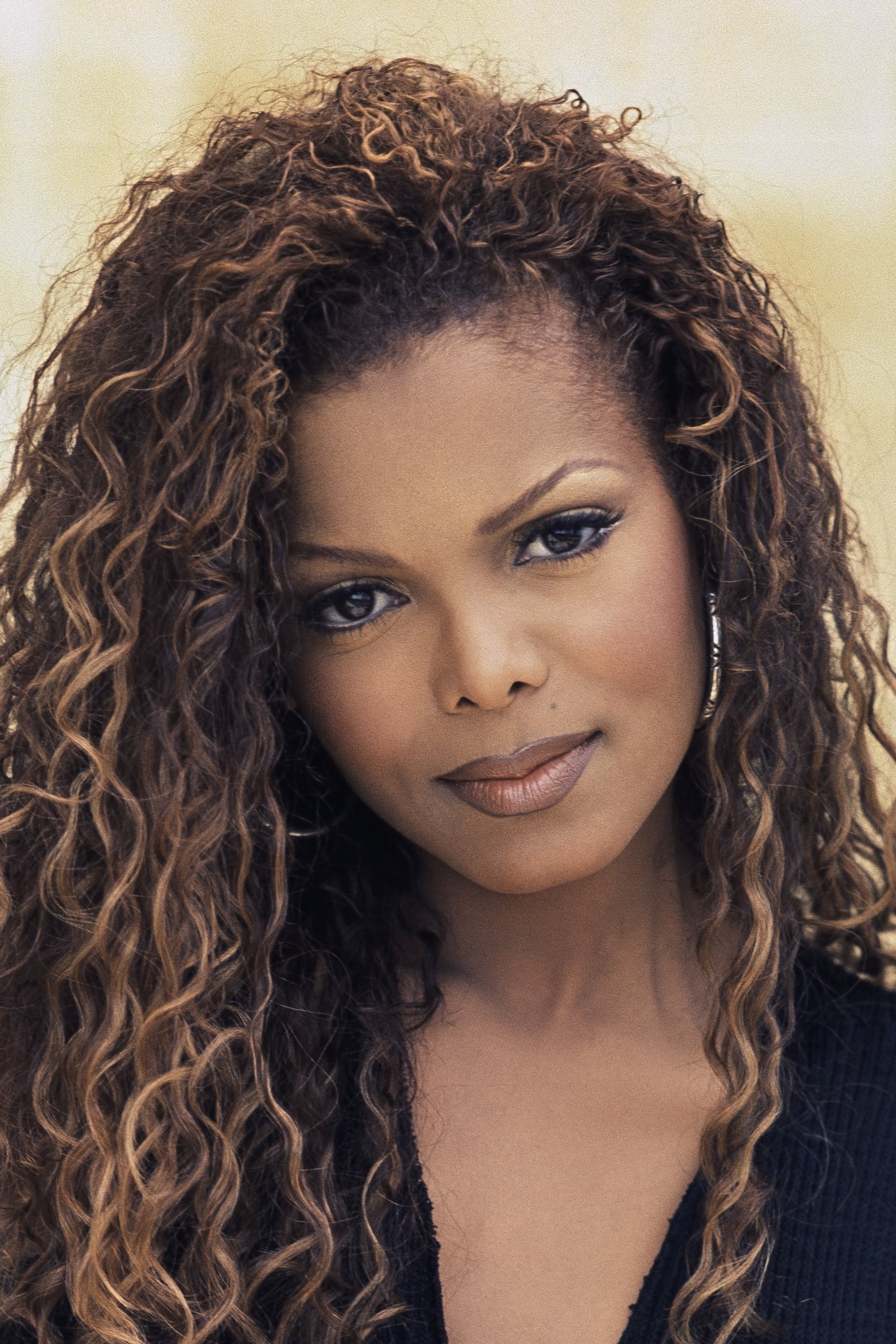
Jackson stepped out of her brother’s shadow to become a superstar with her socially conscious album ‘Rhythm Nation 1814’. She is credited with developing the blueprint for modern pop concerts with her intricate choreography and theatrical productions. Her music videos were heavy rotation staples that influenced the visual style of the 90s. She tackled taboo subjects in her lyrics and asserted control over her sexual image. Jackson remains a massive influence on the current generation of pop and R&B performers.
Spike Lee
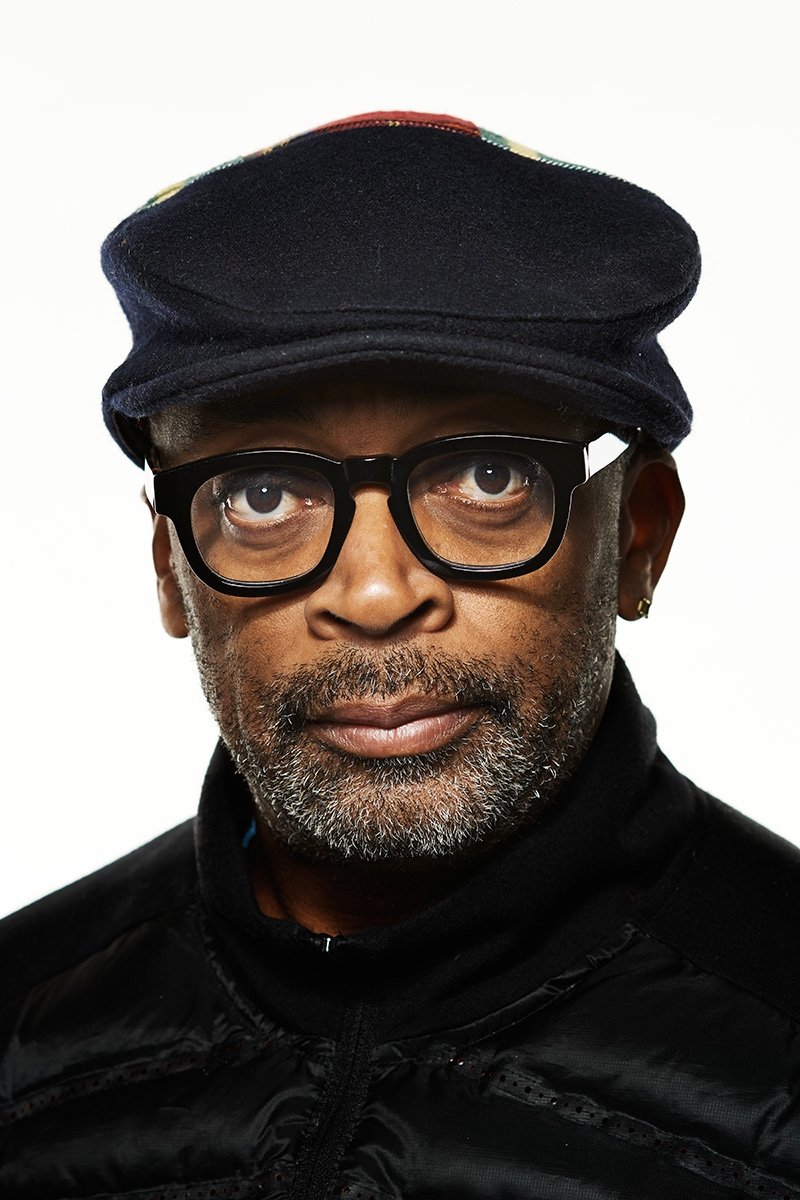
Lee revolutionized independent cinema with his provocative films that explored race relations and urban life. His movie ‘Do the Right Thing’ is hailed as a culturally significant masterpiece that ignited necessary conversations. He introduced a unique visual language that included breaking the fourth wall and distinct camera angles. Lee has consistently provided opportunities for Black actors and crew members throughout his career. His work as a director and activist has kept him at the forefront of cultural dialogue.
Whoopi Goldberg
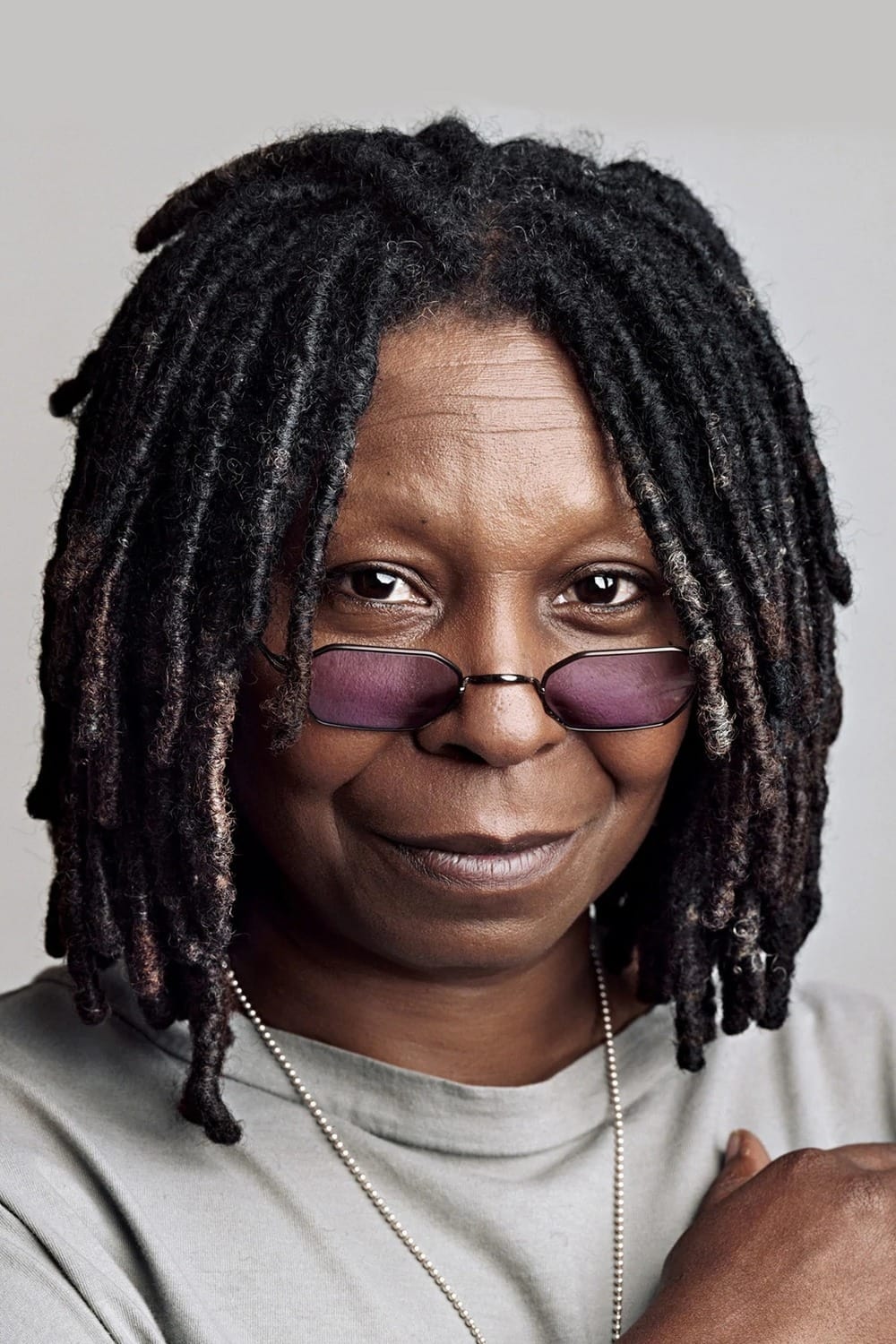
Goldberg is one of the few entertainers to achieve EGOT status by winning an Emmy, Grammy, Oscar, and Tony. She broke barriers for Black women in comedy with her one-woman shows and successful film career. Her role in ‘Ghost’ made her the first Black woman to win a Best Supporting Actress Oscar in fifty years. She later transitioned to daytime television as a long-running moderator on ‘The View’. Goldberg has always been known for her distinctive look and refusal to conform to Hollywood beauty standards.
Halle Berry
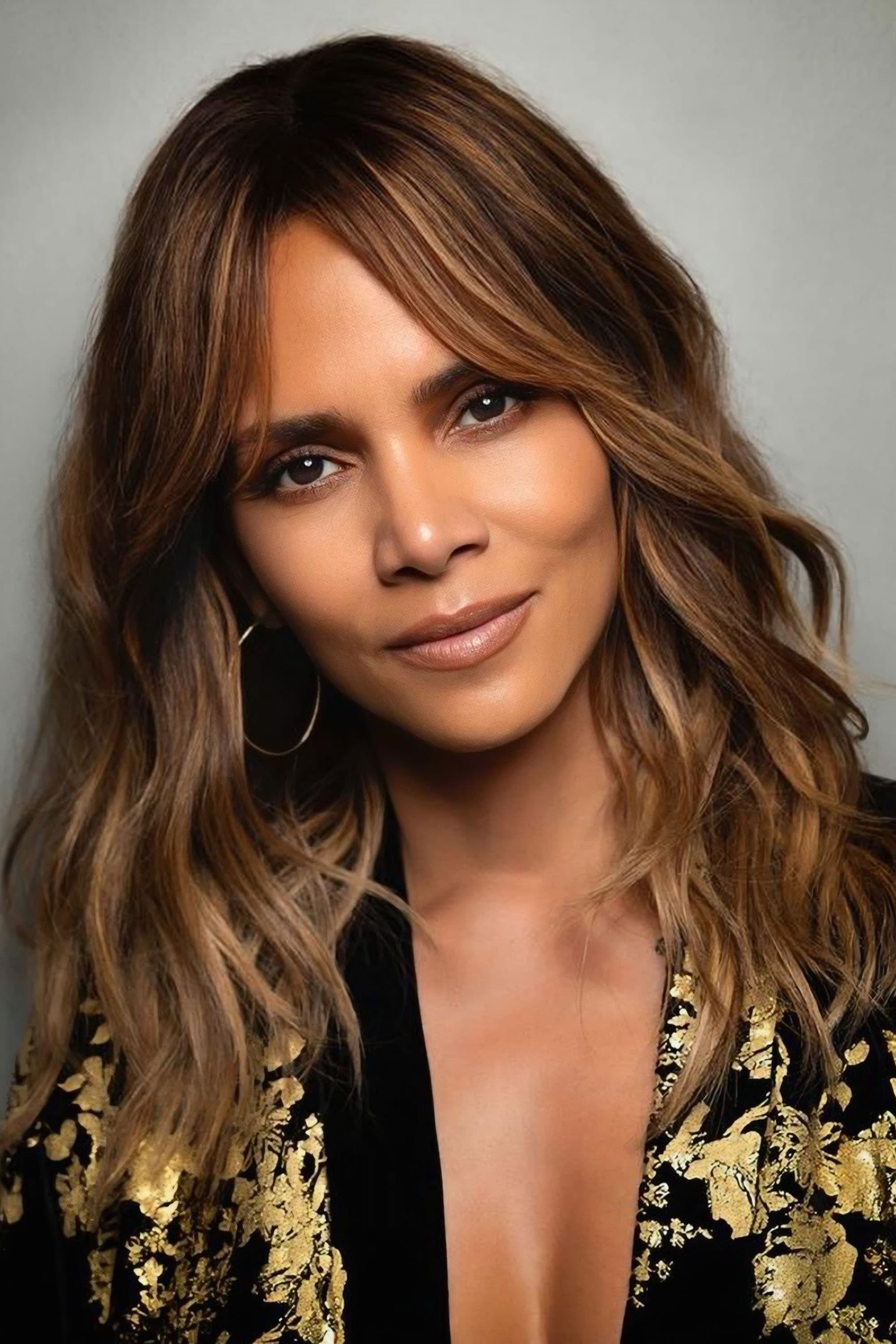
Berry made history as the first Black woman to win the Academy Award for Best Actress for her role in ‘Monster’s Ball’. She proved her versatility by starring in blockbuster franchises like ‘X-Men’ and becoming a Bond girl. Her win opened doors for other women of color in the industry and highlighted the lack of diversity in awards. Berry remains a fashion icon and continues to produce and direct her own projects. She successfully navigated a career that balanced serious drama with high-budget action films.
Samuel L. Jackson
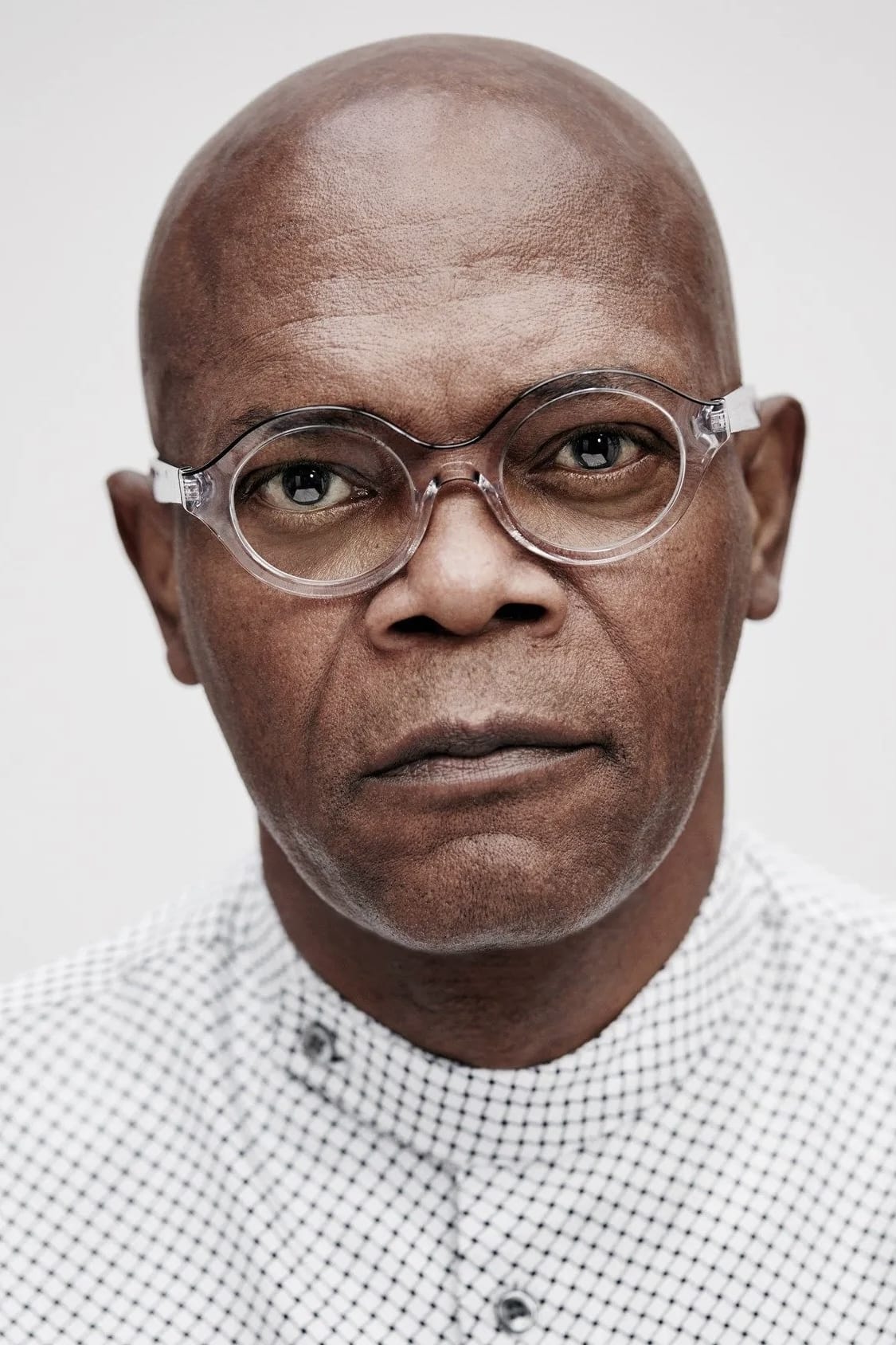
Jackson is one of the highest-grossing actors of all time due to his prolific work ethic and memorable roles. His collaboration with Quentin Tarantino produced the iconic character Jules Winnfield in ‘Pulp Fiction’. He became a central figure in the Marvel Cinematic Universe as Nick Fury. His distinctive voice and delivery allow him to steal scenes in every movie he appears in. Jackson has become a pop culture staple who is recognizable to audiences of all ages.
Morgan Freeman
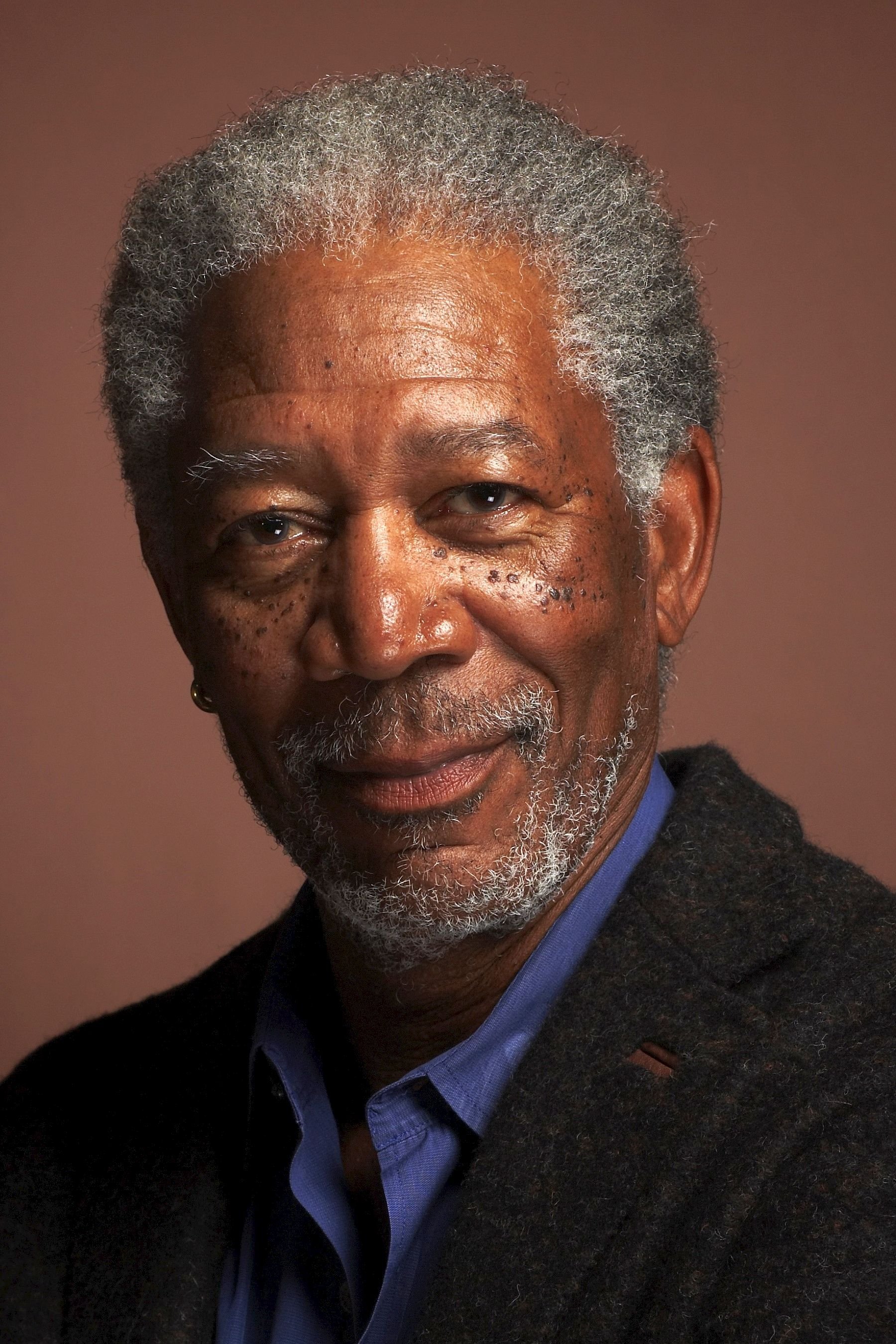
Freeman is revered for his authoritative voice and calm demeanor, which often lands him roles as wise mentors or leaders. His narration style is so iconic that it has become a frequent subject of parody and admiration. He delivered an unforgettable performance in ‘The Shawshank Redemption’ that cemented his status as a legendary character actor. Freeman has won an Academy Award and continues to work steadily well into his later years. His presence lends instant gravitas to any project he joins.
Richard Pryor

Pryor transformed stand-up comedy by bringing intense vulnerability and personal tragedy to the stage. He spoke openly about drug addiction and race relations in a way that was both hilarious and heartbreaking. His concert films are considered essential viewing for anyone studying the art of comedy. Pryor also had a successful film career, often pairing with Gene Wilder for a series of hit comedies. He influenced virtually every comedian who came after him, including Eddie Murphy and Chris Rock.
Dave Chappelle
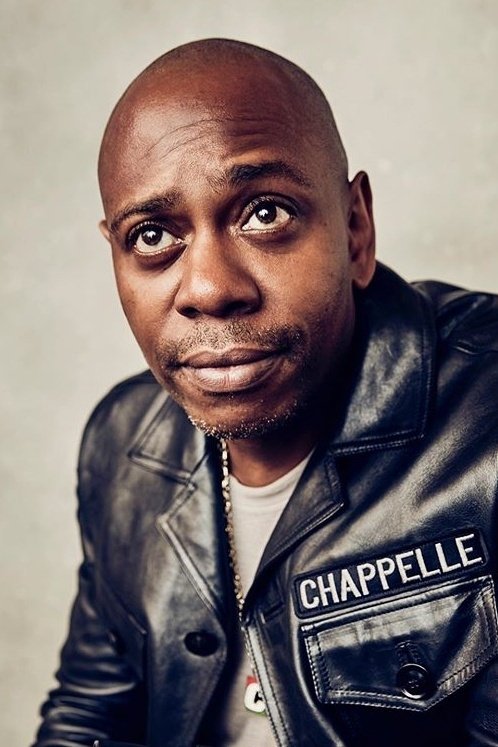
Chappelle captured the zeitgeist of the early 2000s with his sketch comedy series ‘Chappelle’s Show’. His sketches provided biting social commentary on race and culture that went viral before the internet era. He walked away from a massive contract to maintain his sanity and integrity, only to return years later as a stand-up giant. His specials often spark intense debate and dominate cultural conversations upon release. Chappelle is widely regarded by his peers as a master of the comedic form.
Jay-Z

Shawn Carter rose from the Marcy Projects to become a billionaire hip-hop mogul and business leader. His lyrical prowess and ability to adapt to changing musical trends kept him relevant for decades. He founded Roc Nation and expanded his portfolio into sports management, fashion, and spirits. His marriage to Beyoncé created a power couple dynamic that fascinates the public. Jay-Z is frequently cited as the blueprint for rappers who want to transition into corporate ownership.
Ye
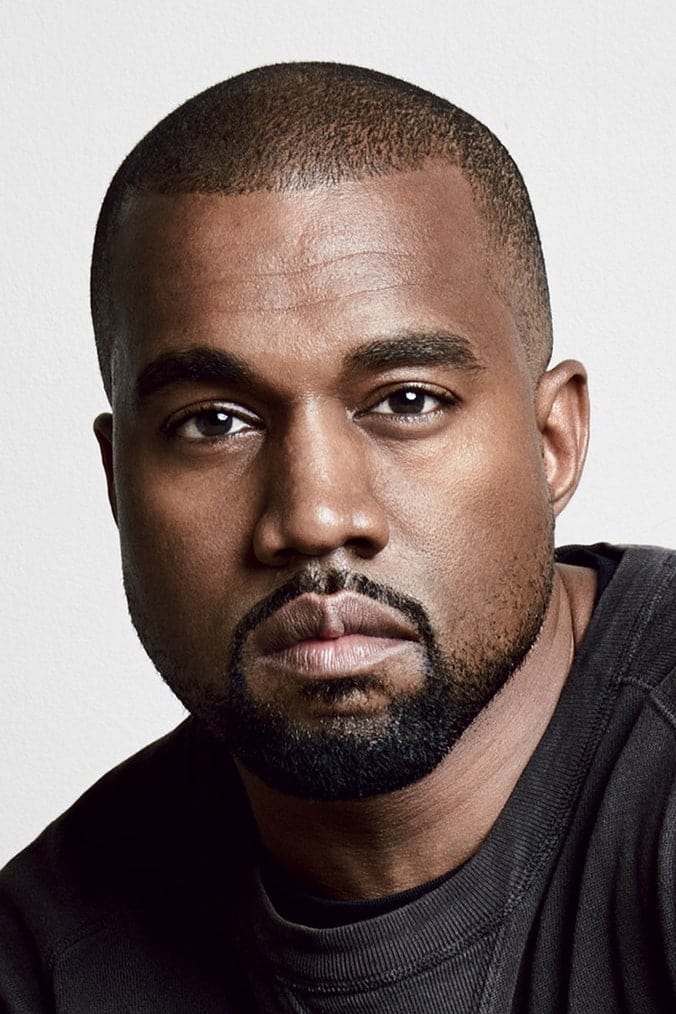
West initially gained fame as a producer who sped up soul samples to create a distinctive sound for Roc-A-Fella Records. His debut album ‘The College Dropout’ shifted hip-hop away from gangster personas toward more relatable themes. He constantly reinvented his musical style with albums like ‘808s & Heartbreak’ and ‘Yeezus’. West also made a massive impact on the fashion industry with his Yeezy brand and sneaker collaborations. despite controversies, his artistic influence on the sound and look of the 21st century is undeniable.
Rihanna
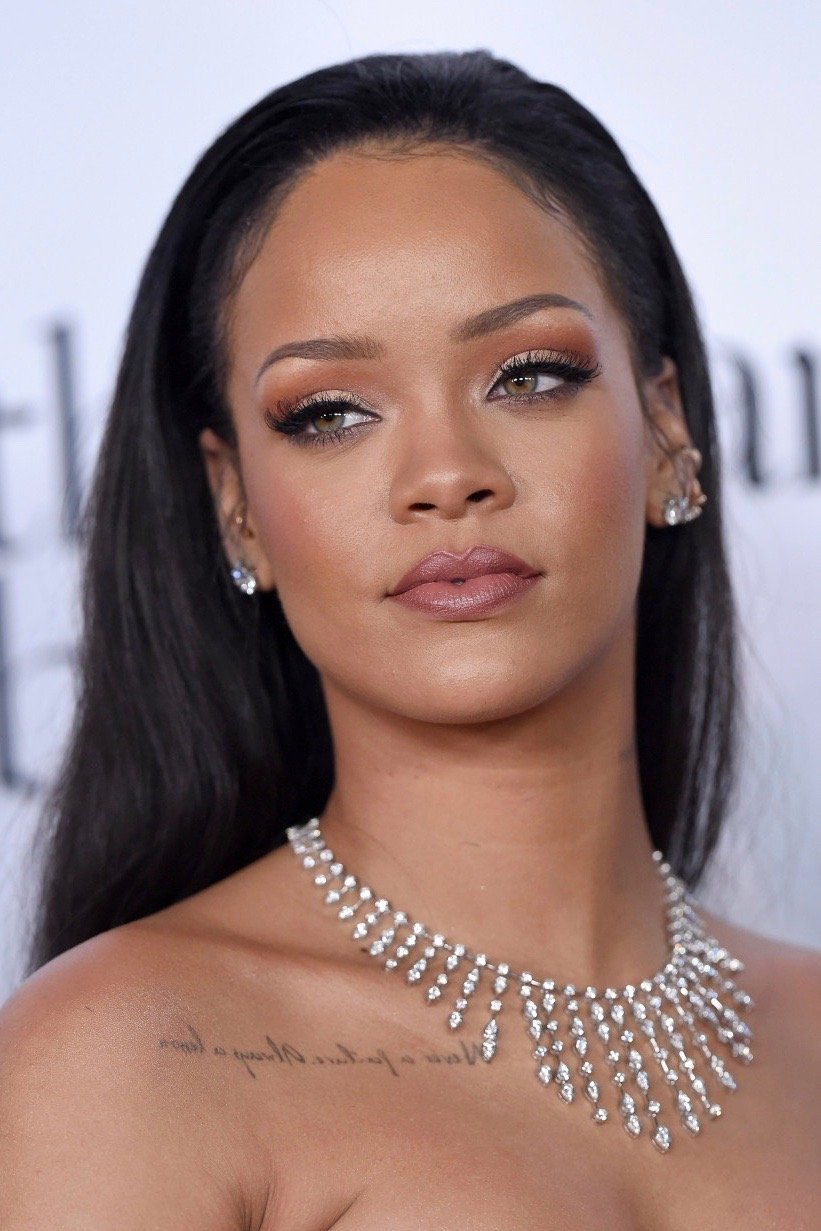
Rihanna evolved from a Caribbean pop singer into a global fashion and beauty mogul. Her brand Fenty Beauty revolutionized the cosmetics industry by offering 40 foundation shades to cater to all skin tones. Musically, she churned out hit after hit, earning her a place among the best-selling music artists of all time. She leveraged her fame to build a business empire that includes lingerie and high fashion. Rihanna defines the modern celebrity entrepreneur who successfully pivots between industries.
Serena Williams
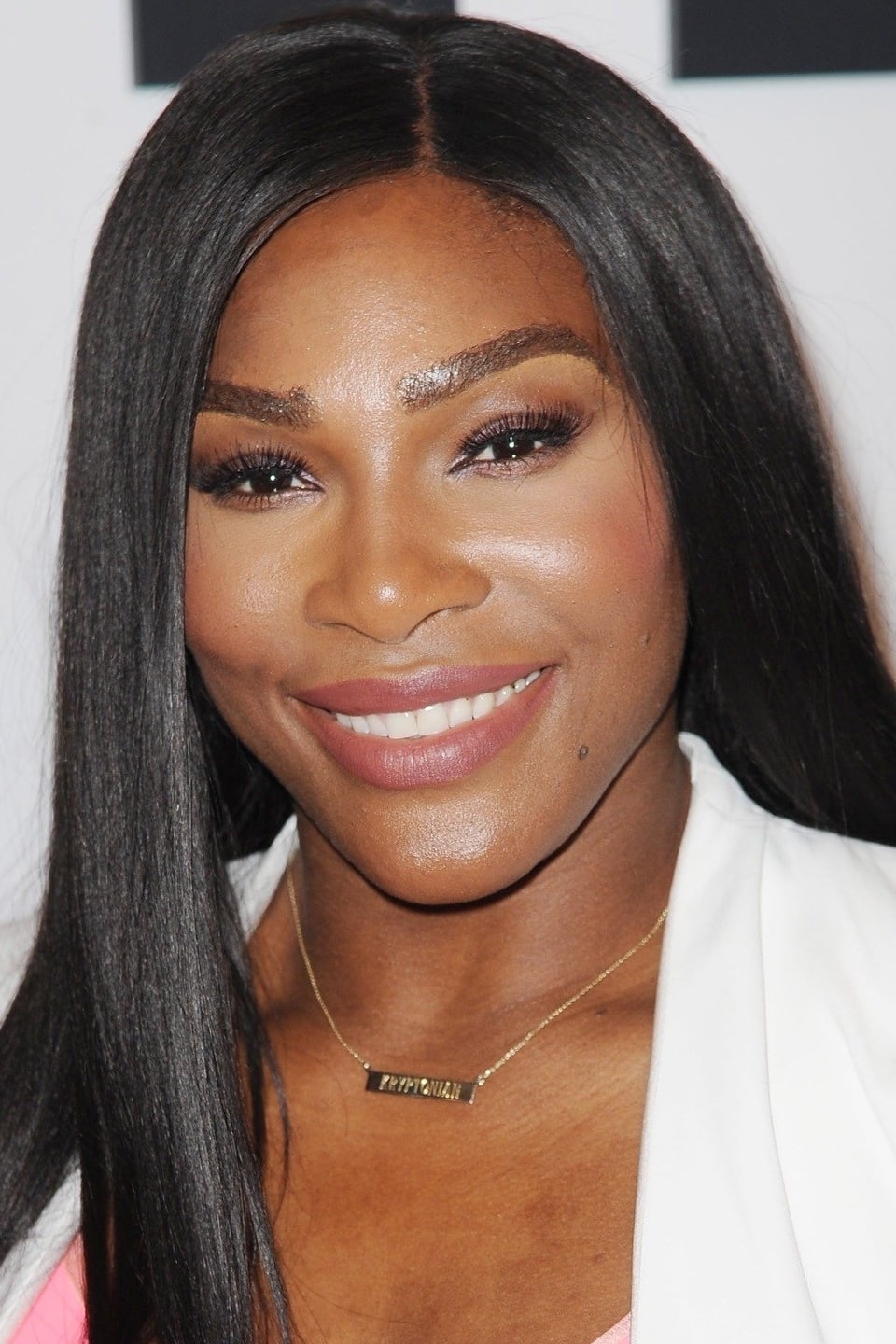
Williams dominated women’s tennis with a power game that fundamentally changed how the sport was played. She won 23 Grand Slam singles titles, the most by any player in the Open Era. Her on-court fashion choices often made headlines and challenged the conservative traditions of tennis. She overcame injuries and health scares to return to the top of the rankings multiple times. Williams opened doors for young Black girls to enter a sport that was historically white-dominated.
Tiger Woods
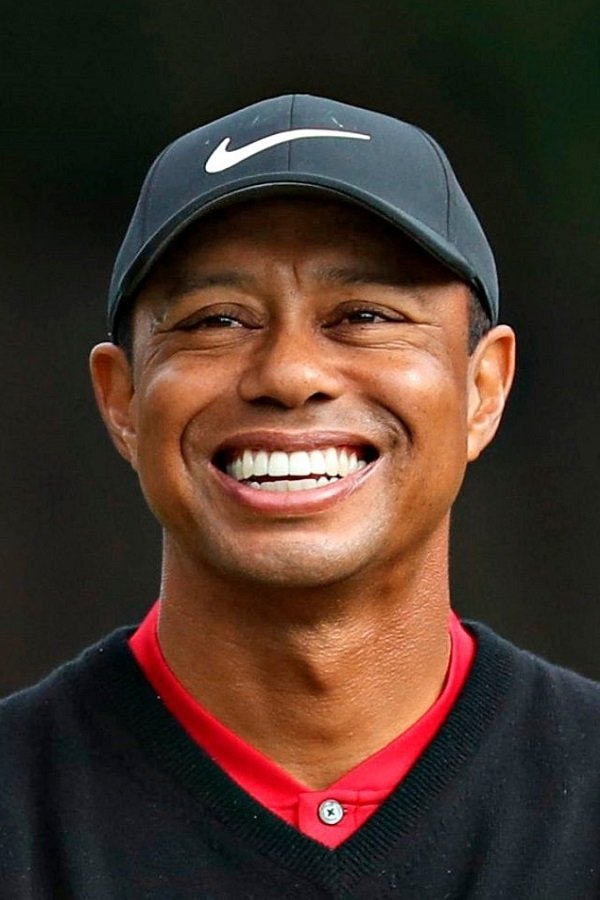
Woods became a global phenomenon who single-handedly increased the popularity and prize money of professional golf. As a Black and Asian athlete in a predominantly white sport, his success broke significant cultural barriers. He dominated the PGA Tour for over a decade and won 15 major championships. His Sunday red shirt became one of the most feared sights in sports history. Woods inspired a new generation of golfers to focus on fitness and athleticism.
LeBron James
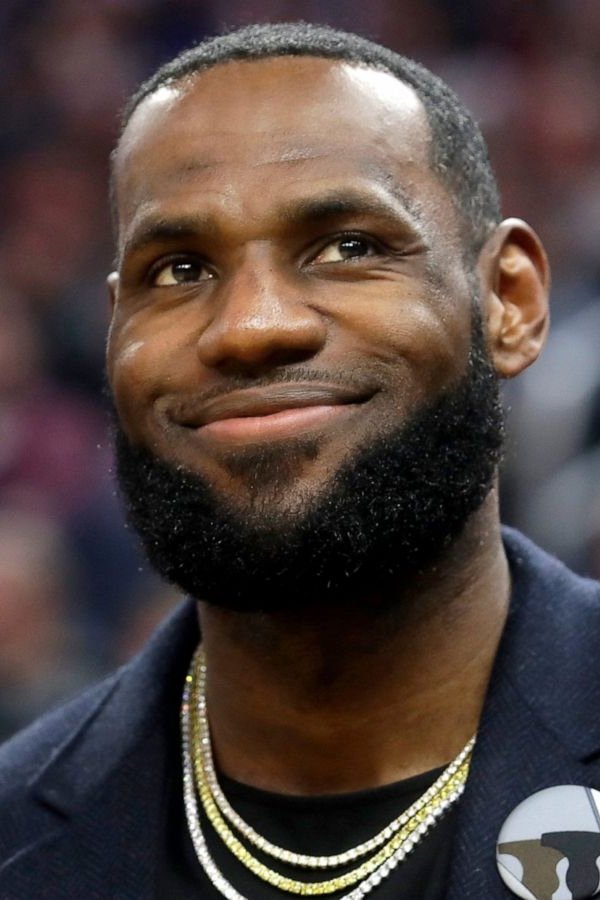
James entered the NBA directly from high school with unprecedented hype and managed to exceed expectations. He has won championships with three different franchises and broke the all-time scoring record. Beyond the court, he empowered athletes to take control of their careers and business interests. He opened the I Promise School to provide education and support to at-risk children in his hometown. James has remained a dominant force in basketball for over two decades.
Snoop Dogg
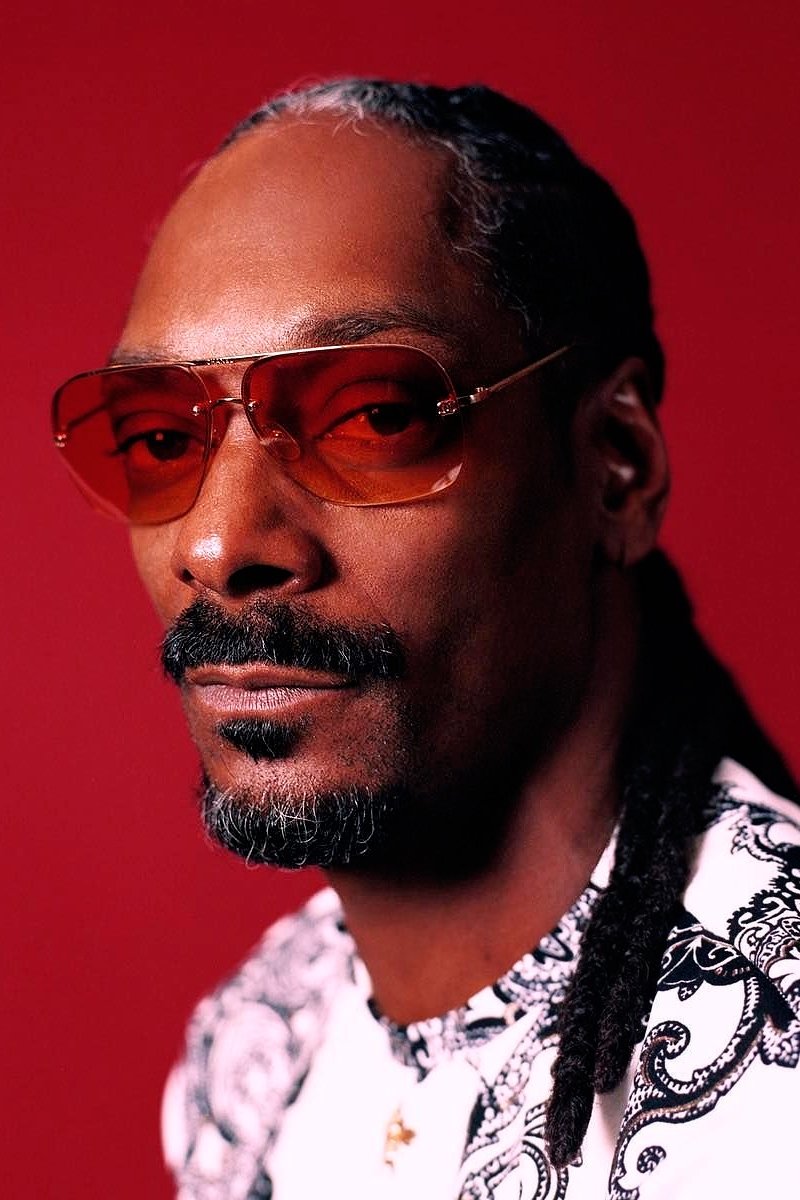
Snoop Dogg burst onto the scene with a relaxed delivery that defined the G-Funk era of West Coast hip-hop. He has managed to stay culturally relevant for thirty years by adapting to various entertainment roles. His unlikely friendship with Martha Stewart and appearances at the Olympics showcase his broad mainstream appeal. He owns his own record label and has invested in numerous business ventures. Snoop has evolved from a gangster rapper into a beloved American media personality.
Dr. Dre
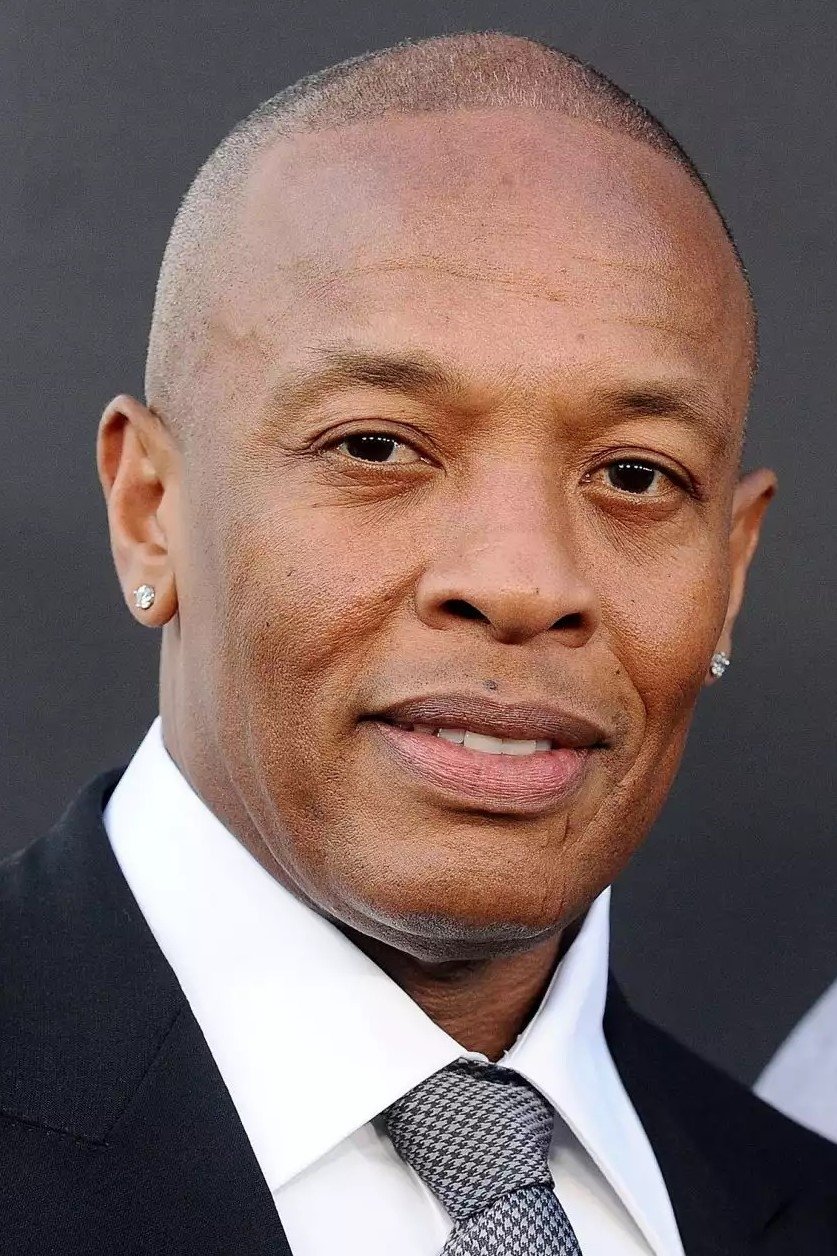
Dre shaped the sound of West Coast hip-hop as a member of N.W.A. and later as a solo artist and producer. He discovered and mentored superstars like Snoop Dogg, Eminem, and 50 Cent. His creation of the Beats by Dre headphone line changed how people consume audio and made him a business titan. He is widely respected for his perfectionism in the studio and his ear for talent. Dre remains a pivotal figure in the history and business of hip-hop.
Ice Cube
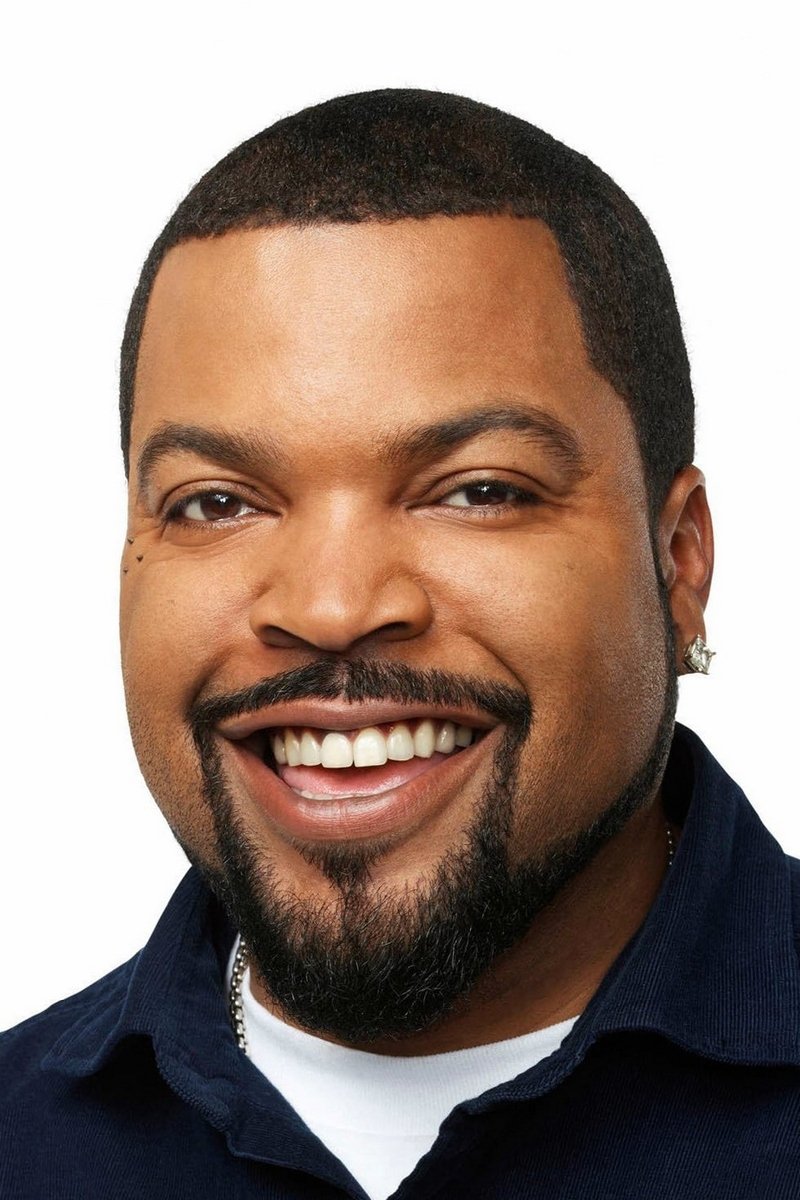
Cube was the lyrical force behind N.W.A., writing songs that reflected the anger and reality of South Central Los Angeles. He launched a successful solo career before transitioning into writing and producing films. He created the ‘Friday’ franchise, which became a cult classic in stoner comedy and urban cinema. He proved his range by starring in family comedies like ‘Are We There Yet?’ while maintaining his credibility. Cube demonstrated that rappers could become successful Hollywood filmmakers and studio heads.
Queen Latifah
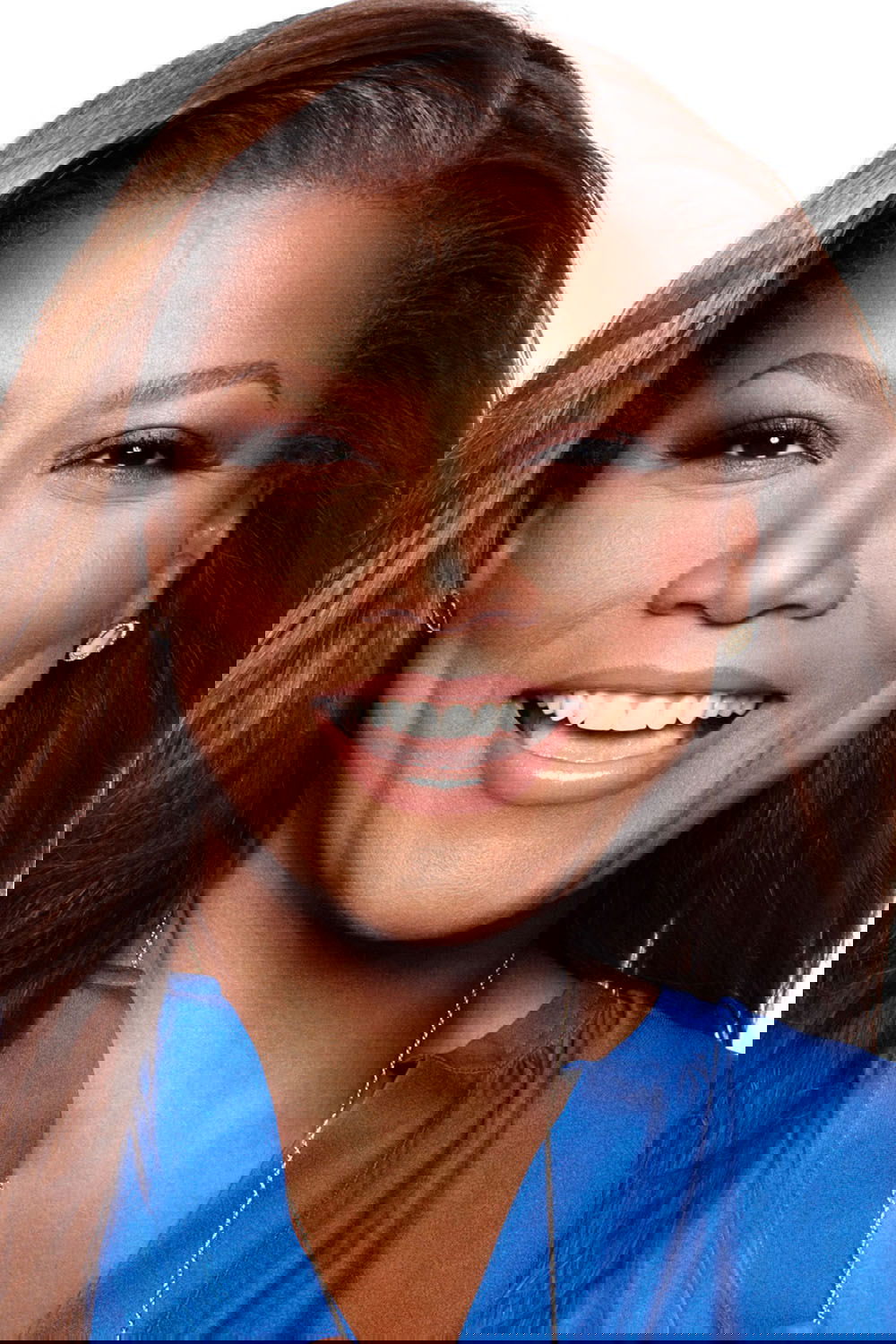
Latifah was a pioneer for women in hip-hop who demanded respect with her anthem ‘U.N.I.T.Y.’ She successfully crossed over into acting with the hit sitcom ‘Living Single’ and roles in major films. She earned an Academy Award nomination for her performance in the musical ‘Chicago’. Latifah became a spokesperson for major cosmetic brands, showcasing beauty in diverse forms. She continues to produce and star in television and film projects that highlight inclusive storytelling.
Mary J. Blige
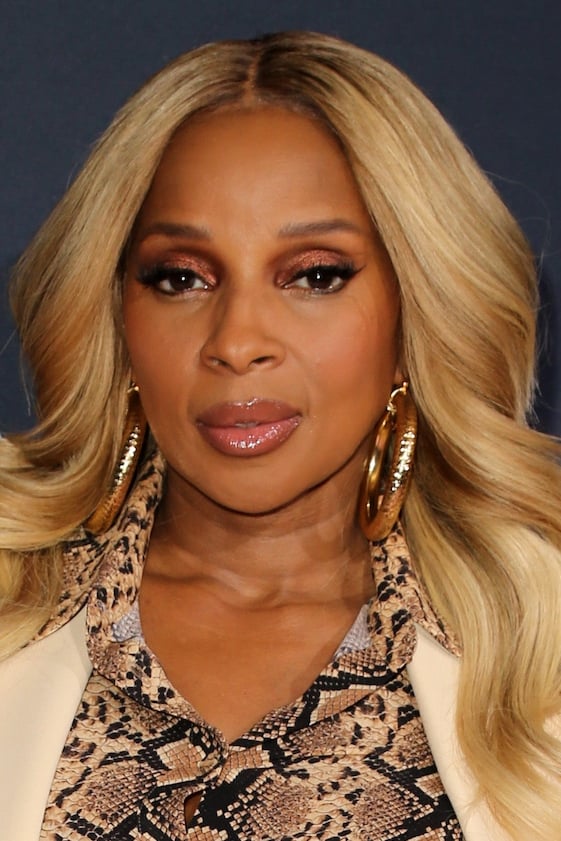
Blige earned the title Queen of Hip-Hop Soul by blending R&B vocals with hip-hop beats and samples. Her album ‘My Life’ connected deeply with fans due to its raw honesty about pain and addiction. She has maintained a dedicated fanbase for decades through her music and concert tours. Blige also found success as an actress, earning two Oscar nominations in the same year for ‘Mudbound’. Her style and sound influenced a generation of female R&B singers who followed her.
Usher
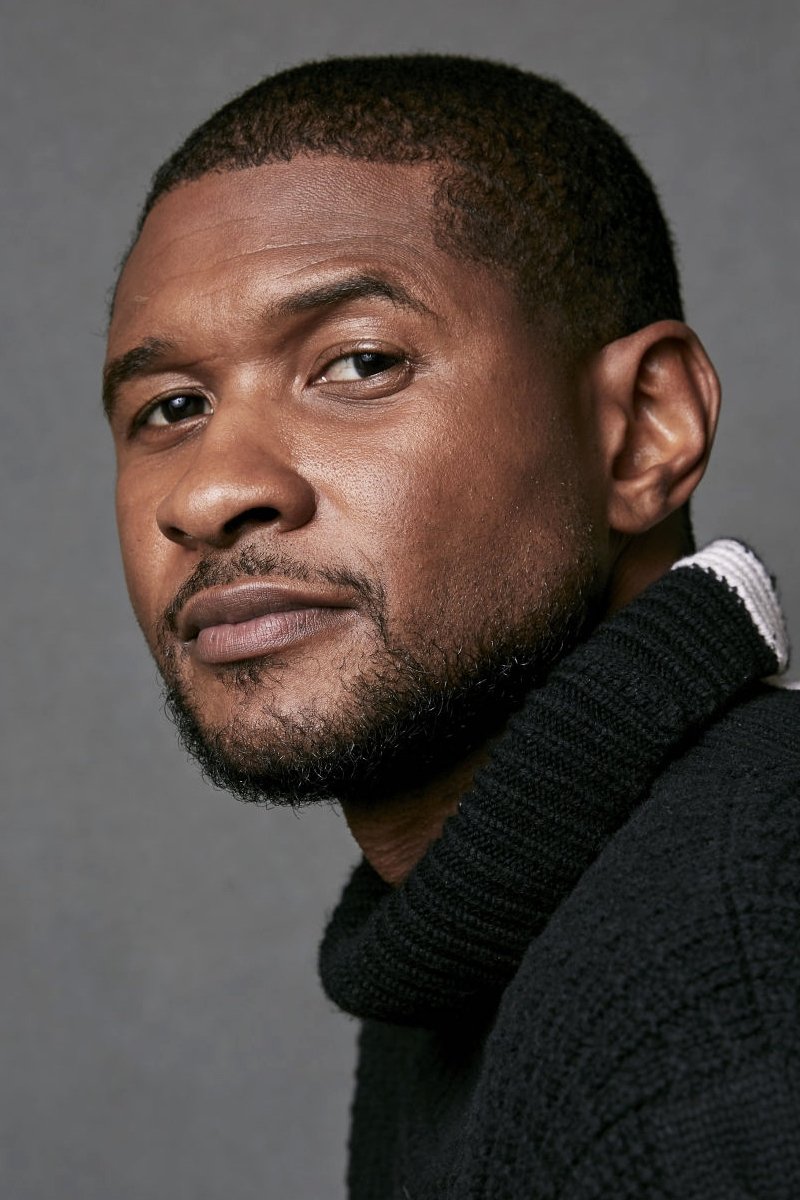
Usher dominated the R&B and pop charts in the 2000s with his smooth vocals and impressive dance skills. His album ‘Confessions’ became one of the best-selling albums of the decade and produced multiple number-one hits. He played a crucial role in discovering and mentoring Justin Bieber, shaping the next generation of pop. Usher successfully transitioned into a residency performer in Las Vegas, proving his longevity. He remains a standard-bearer for male R&B performance and showmanship.
Chadwick Boseman
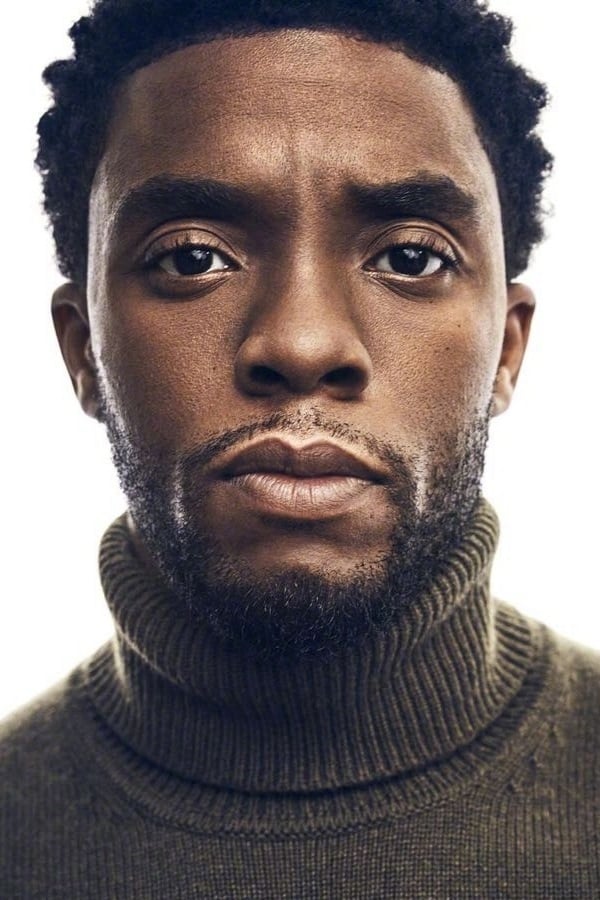
Boseman became a global icon for his portrayal of King T’Challa in Marvel’s ‘Black Panther’. He specialized in playing historical figures, bringing Jackie Robinson, James Brown, and Thurgood Marshall to life on screen. His work ethic was legendary, as he filmed action-heavy movies while privately battling cancer. His performances were marked by a quiet dignity and intense focus that commanded attention. Boseman’s legacy is tied to the cultural pride and joy his superhero role brought to millions.
Viola Davis
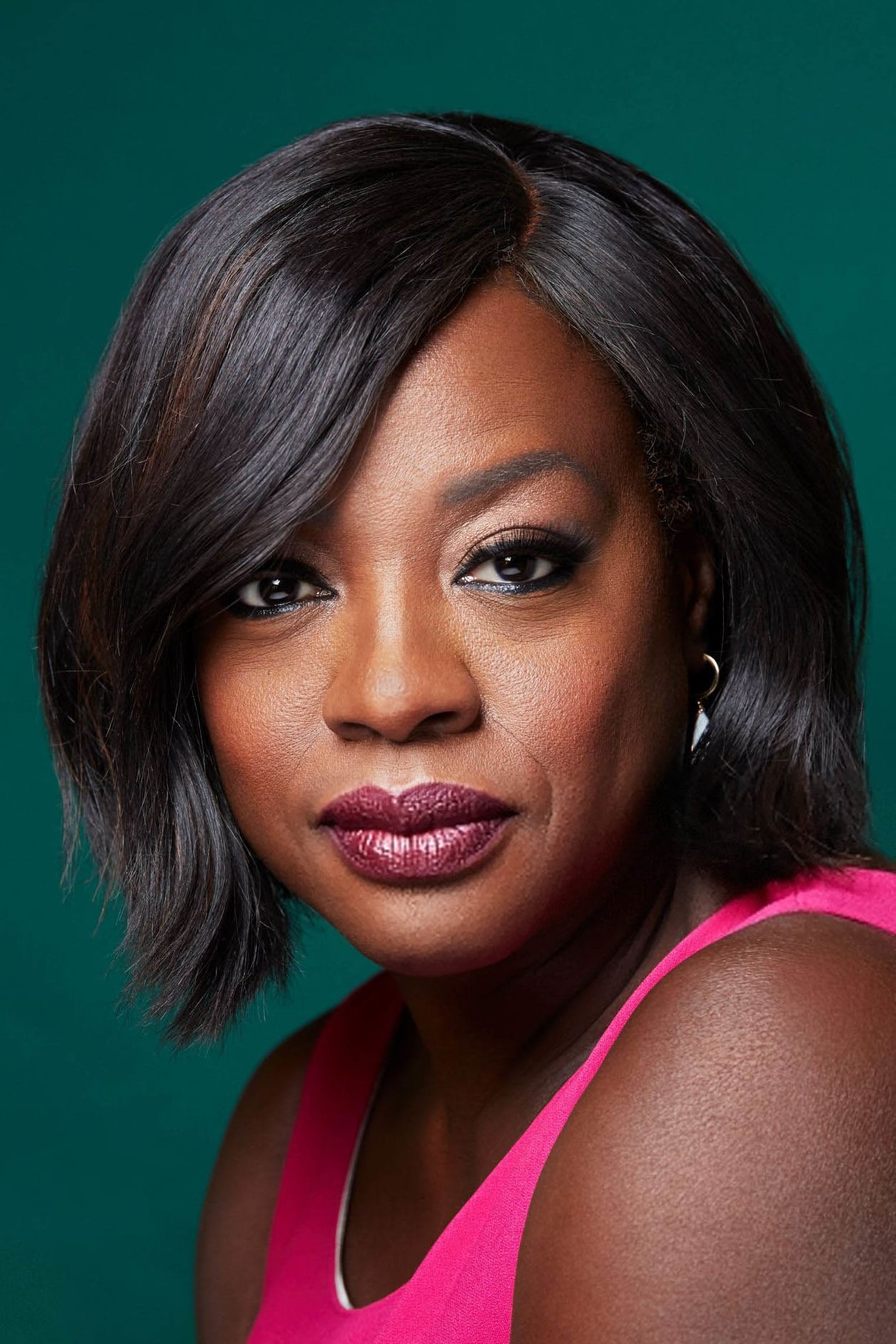
Davis is the first African American to achieve the Triple Crown of Acting with an Oscar, Emmy, and Tony. She is known for her powerhouse performances in projects like ‘Fences’ and ‘How to Get Away with Murder’. Her speeches on diversity and opportunity in Hollywood have been widely circulated and praised. She brings a depth and gravitas to her roles that few contemporaries can match. Davis overcame significant poverty in her youth to become one of the most celebrated actors of her generation.
Tyler Perry
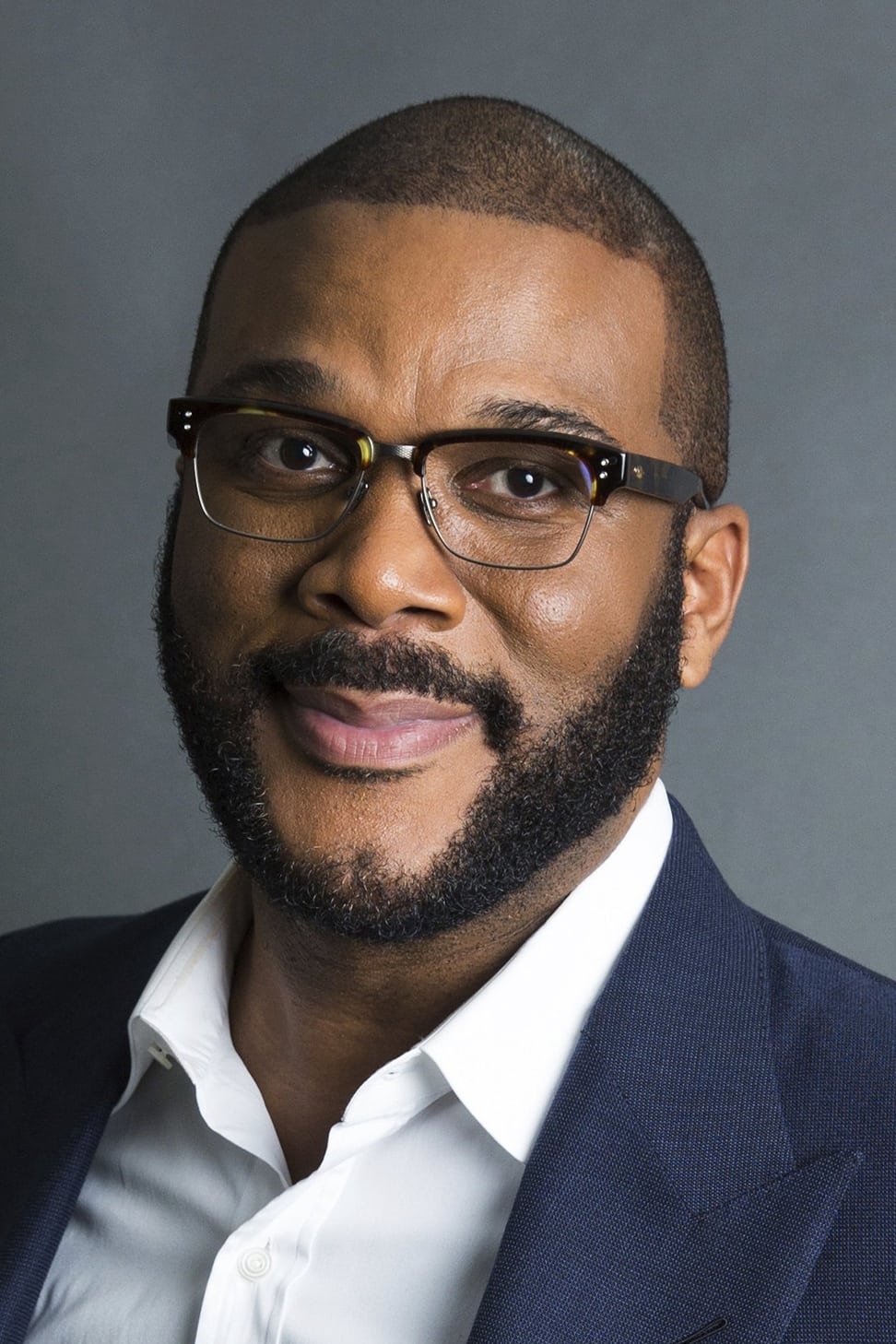
Perry built an entertainment empire by writing, directing, and producing content that specifically catered to African American audiences. He gained initial fame through his stage plays and the creation of the character Madea. He built his own massive studio lot in Atlanta, creating thousands of jobs for Black creatives. Perry is known for his rapid production schedule and ownership of his intellectual property. He proved there was a massive, underserved market for stories about Black families and faith.
Shonda Rhimes
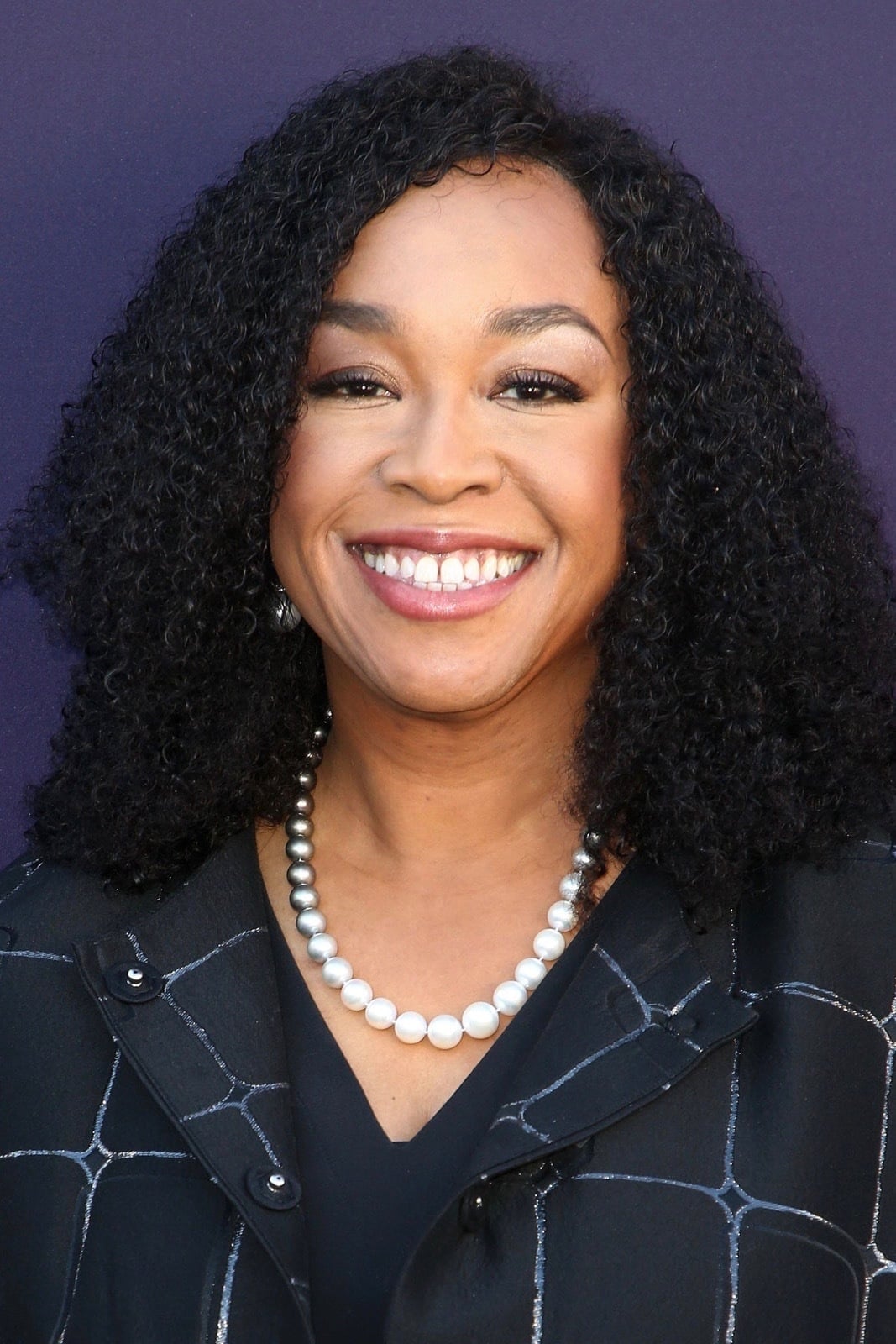
Rhimes took over network television with her production company Shondaland and her “TGIT” programming block. She created massive hits like ‘Grey’s Anatomy’ and ‘Scandal’ that featured diverse casts and complex female leads. Her move to Netflix produced the global phenomenon ‘Bridgerton’, reimaging period dramas with color-conscious casting. She is one of the most powerful showrunners in the history of television. Rhimes changed the industry standard for how ensembles are cast and how stories are told.
Lenny Kravitz
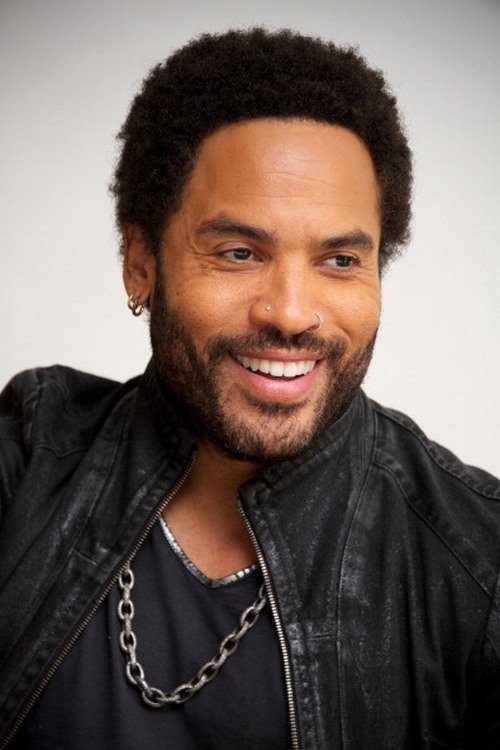
Kravitz broke the mold by embracing a retro rock sound and aesthetic during an era dominated by pop and R&B. He played most of the instruments on his albums and won four consecutive Grammys for Best Male Rock Vocal Performance. His fashion sense is as legendary as his music, often mixing bohemian and rock star elements. He expanded his career into acting with roles in ‘The Hunger Games’ franchise. Kravitz remains a symbol of cool and a reminder of the Black roots of rock and roll.
Erykah Badu
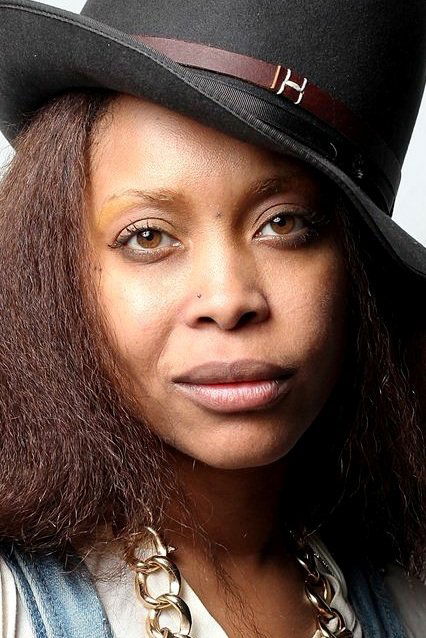
Badu was a leading figure in the neo-soul movement of the late 1990s with her debut ‘Baduizm’. Her eccentric style, including tall headwraps and incense, influenced the fashion of the era. Her music blended jazz, soul, and hip-hop into a sound that was spiritual and socially conscious. She is known for her midwifery work and distinct, uncompromising artistic vision. Badu continues to be a cultural touchstone for alternative R&B and soul music.
Lauryn Hill
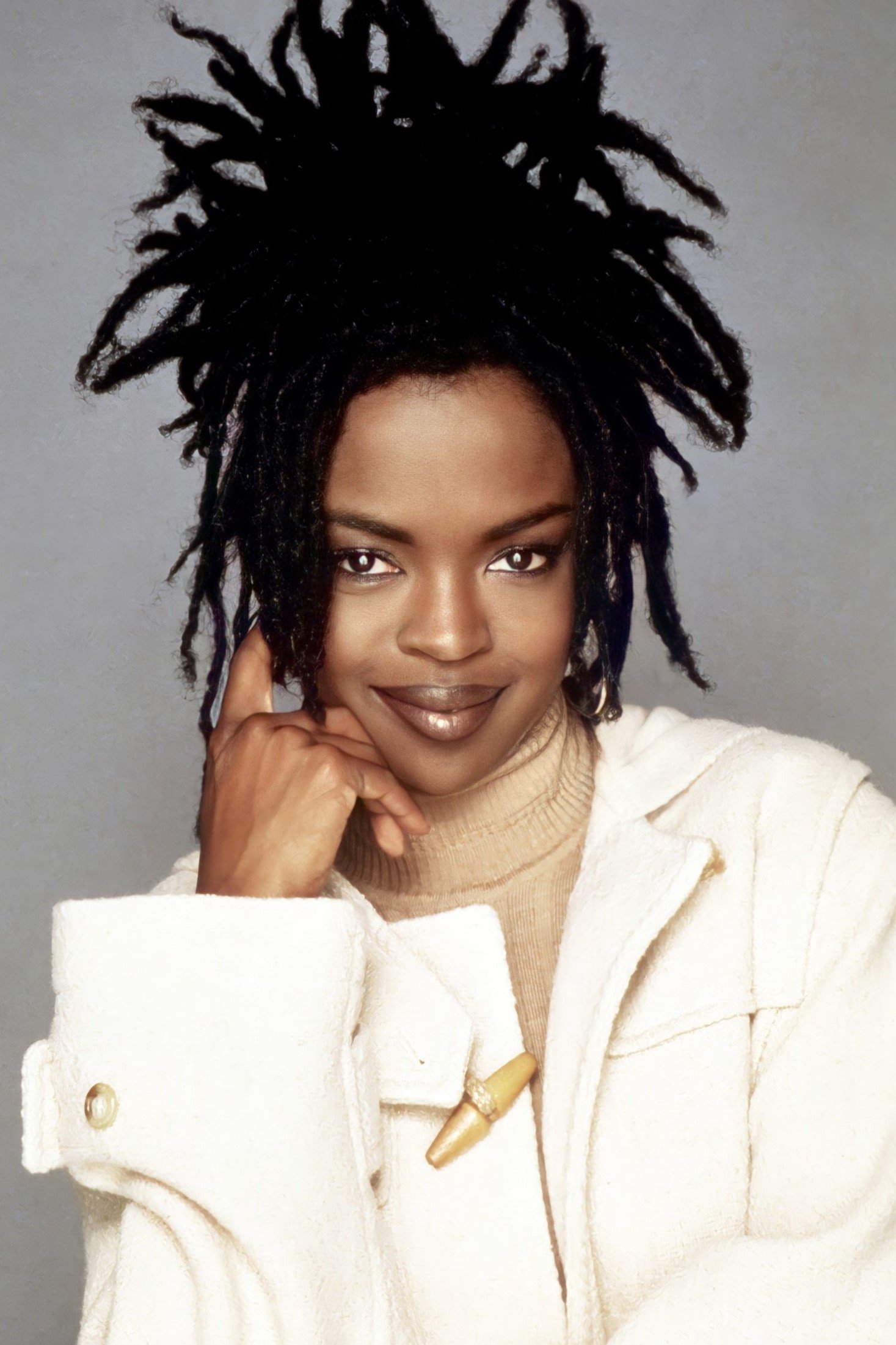
Hill achieved massive success as a member of The Fugees before releasing her solo masterpiece ‘The Miseducation of Lauryn Hill’. The album swept the Grammys and broke sales records for female artists. She seamlessly blended rapping and singing in a way that set the template for future artists like Drake. Although her output slowed significantly after her debut, her impact on music remains profound. She is frequently cited by modern artists as a primary inspiration for their work.
RuPaul
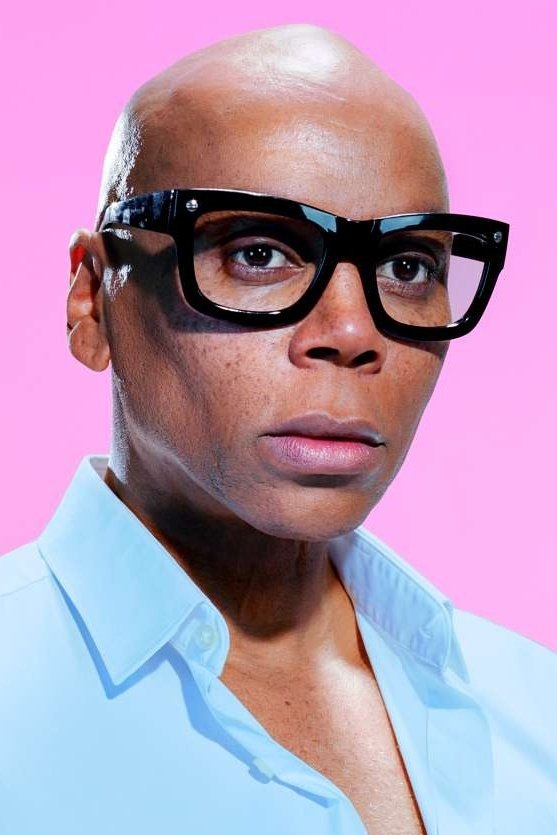
RuPaul brought drag culture into the mainstream and became the most commercially successful drag queen in the world. His hit song ‘Supermodel (You Better Work)’ introduced his glamorous persona to a global audience. He created ‘RuPaul’s Drag Race’, a reality competition franchise that has launched the careers of hundreds of drag artists. He has won multiple Emmys for hosting and has championed LGBTQ rights for decades. RuPaul taught the world that we are all born naked and the rest is drag.
Miles Davis

Davis was a jazz trumpeter who was at the forefront of almost every major development in jazz from World War II to the 1990s. He pioneered cool jazz, hard bop, modal jazz, and fusion throughout his chameleonic career. His album ‘Kind of Blue’ is the best-selling jazz record of all time and a masterpiece of improvisation. Davis was known for his raspy voice, distinct fashion, and refusal to compromise his artistic vision. He remains the definition of cool in the world of music.
Bob Marley
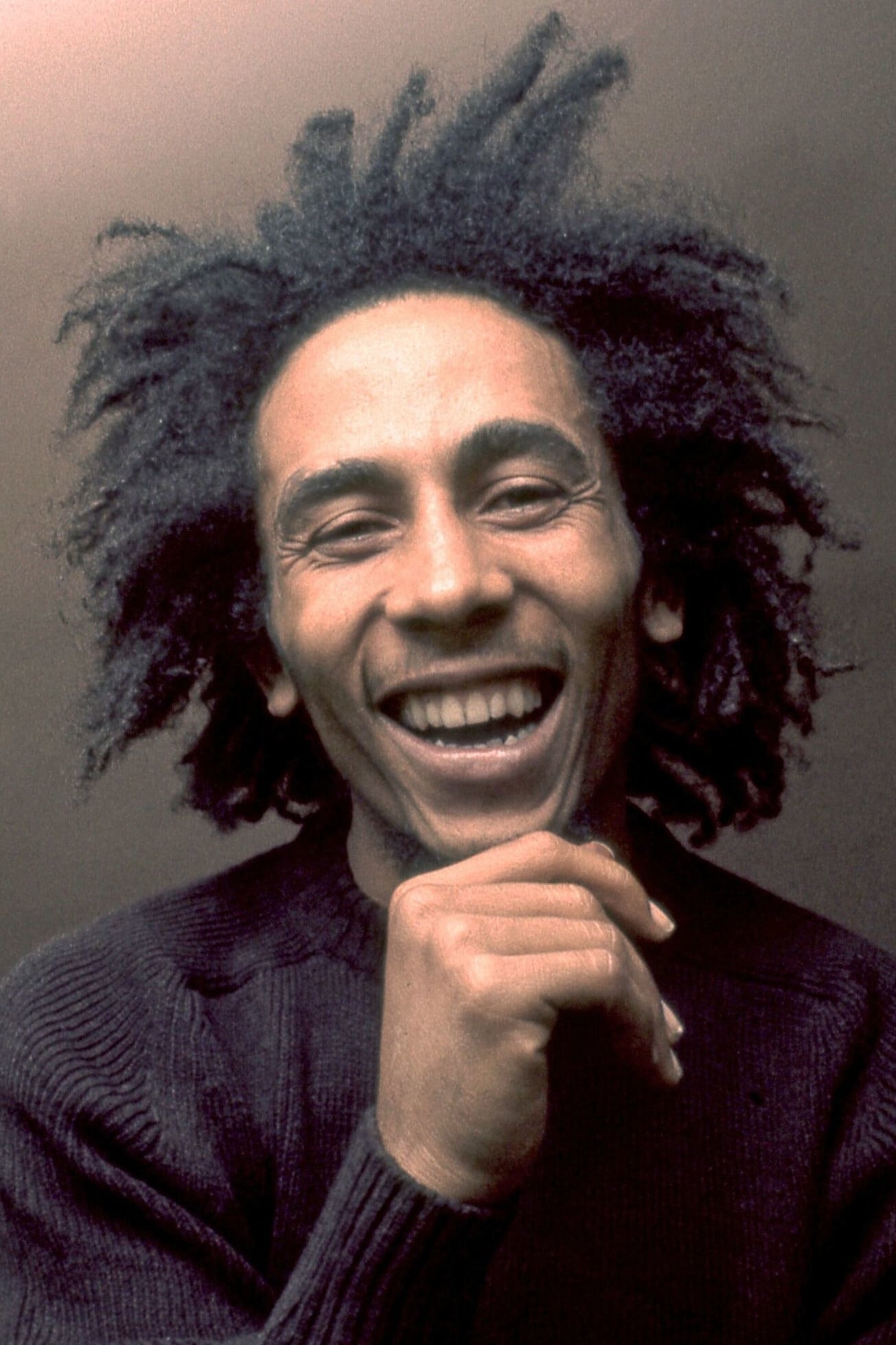
Marley introduced reggae music and Rastafarian culture to a global audience during the 1970s. His songs like ‘One Love’ and ‘Redemption Song’ carried messages of peace, unity, and resistance against oppression. He became a symbol of third-world struggle and spiritual awakening. Despite his passing at a young age, his compilation album ‘Legend’ remains on the charts decades later. Marley is one of the most recognizable faces and voices on the planet.
Stevie Wonder
Wonder began his career as a child prodigy at Motown before negotiating complete creative control over his music. His run of albums in the 1970s is considered one of the greatest winning streaks in music history. He pioneered the use of synthesizers in R&B and brought social consciousness to his lyrics. Wonder played a key role in the campaign to establish Martin Luther King Jr. Day as a national holiday. His songs remain essential staples in the American songbook.
Chris Rock
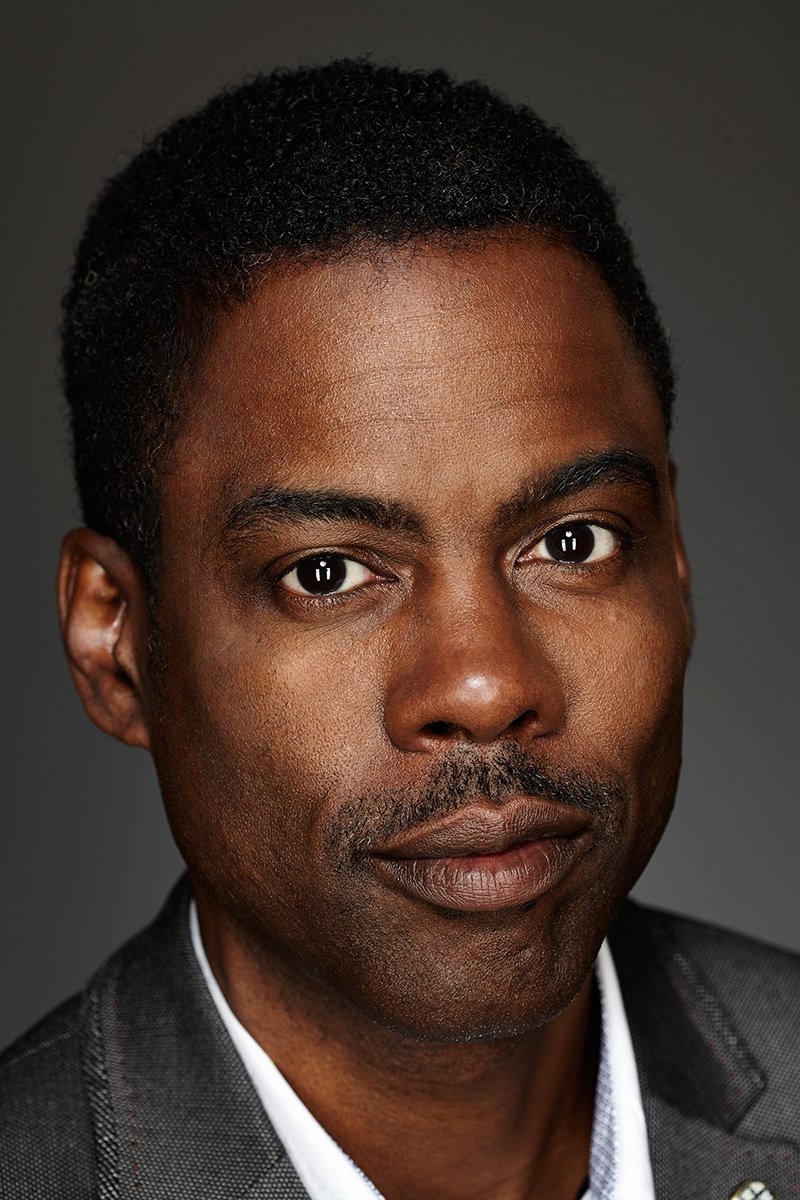
Rock redefined stand-up comedy in the 90s with his sharp social commentary and distinct delivery style. His special ‘Bring the Pain’ is widely cited as one of the greatest comedy specials ever filmed. He successfully transitioned to film and television, creating the autobiographical sitcom ‘Everybody Hates Chris’. Rock has hosted the Academy Awards multiple times, proving his status as an industry heavyweight. He continues to tour globally and tackle controversial subjects with humor and insight.
Share your thoughts on which celebrity had the biggest impact in the comments.