


Black Celebs Who Lost it All to Drugs

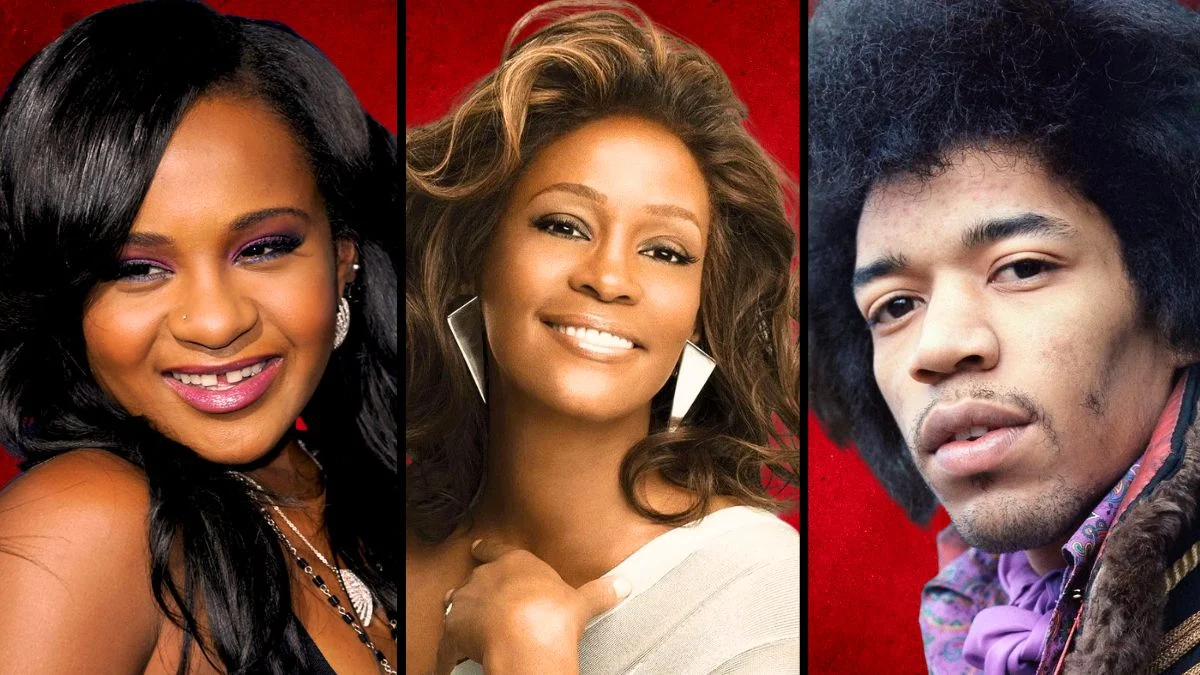


Stories about fame and talent can turn tragic when substance abuse takes over, and many Black celebrities have faced that reality. The names on this list include musicians, actors, artists, and athletes whose lives or careers were derailed by drugs. Each entry focuses on verifiable events like arrests, suspensions, chart success followed by decline, or confirmed causes of death. The goal is to present clear details that show how addiction or overdose altered the course of their lives and work.
Billie Holiday
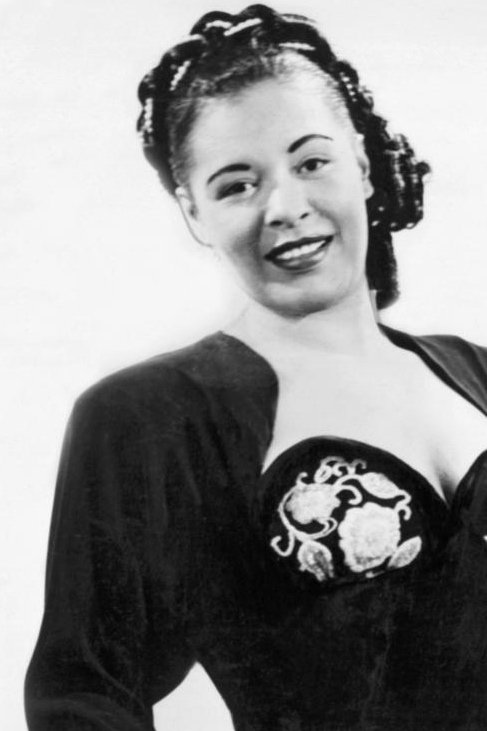
Billie Holiday battled heroin addiction for years while performing under restrictive touring conditions and facing legal surveillance. She was arrested on narcotics charges and served time, which interrupted her recording and touring schedules. Late in life she was hospitalized under police guard and denied access to visitors and funds. She died at 44, with her health and career damaged by addiction and repeated legal entanglements.
Jimi Hendrix
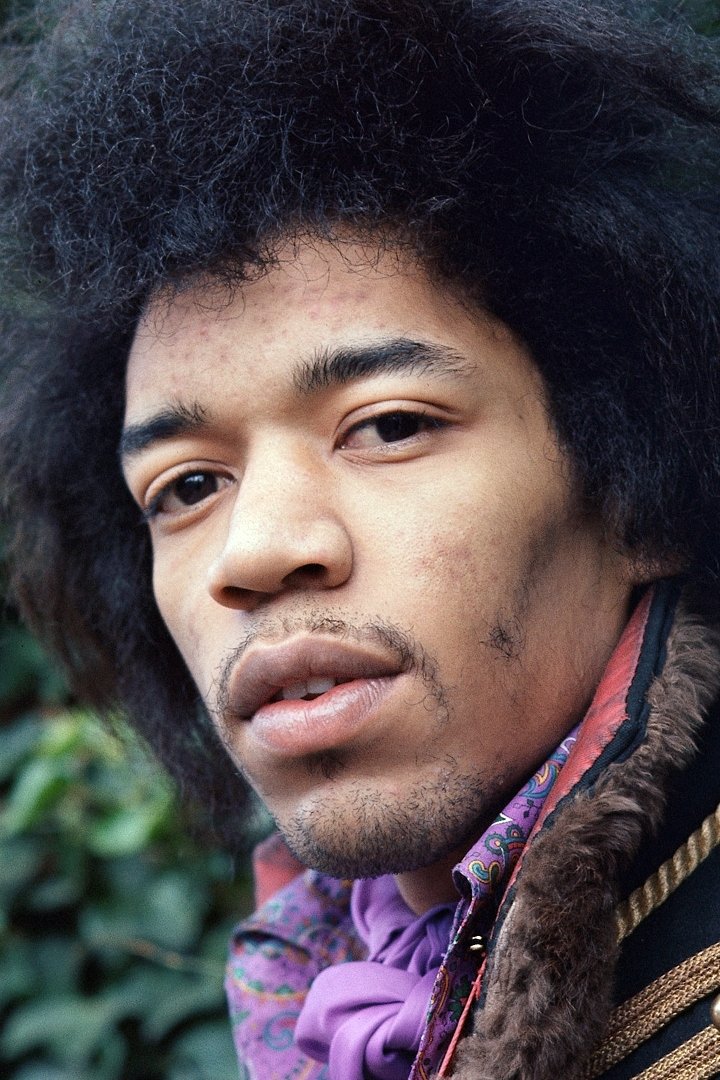
Jimi Hendrix became an international rock icon with groundbreaking performances and best-selling records. He struggled with substance use on the road, including heavy experimentation that affected reliability and personal relationships. He died at 27 after complications related to barbiturates. His death ended a rapidly rising career and halted ongoing projects and collaborations.
David Ruffin

David Ruffin rose to fame as a lead singer of the Temptations with multiple chart hits. Cocaine addiction led to missed shows, disputes, and an eventual split from the group. He faced arrests connected to drug possession and ongoing financial troubles. He died at 50 after a cocaine overdose, leaving behind a complicated legacy and stalled solo momentum.
Rick James
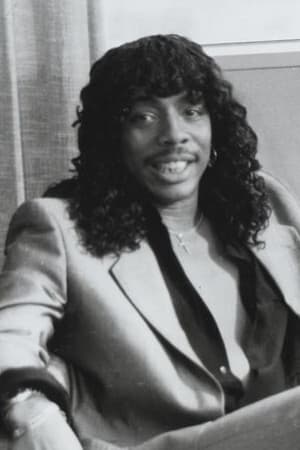
Rick James achieved major success with hit singles, platinum albums, and a flashy stage show. His long-running cocaine addiction fueled legal conflicts and prison time for violent offenses connected to drug use. Attempts at comebacks were hindered by health problems and continued substance struggles. He died at 56 with multiple drugs noted in his system, closing a career that had once dominated funk and R&B charts.
Ike Turner
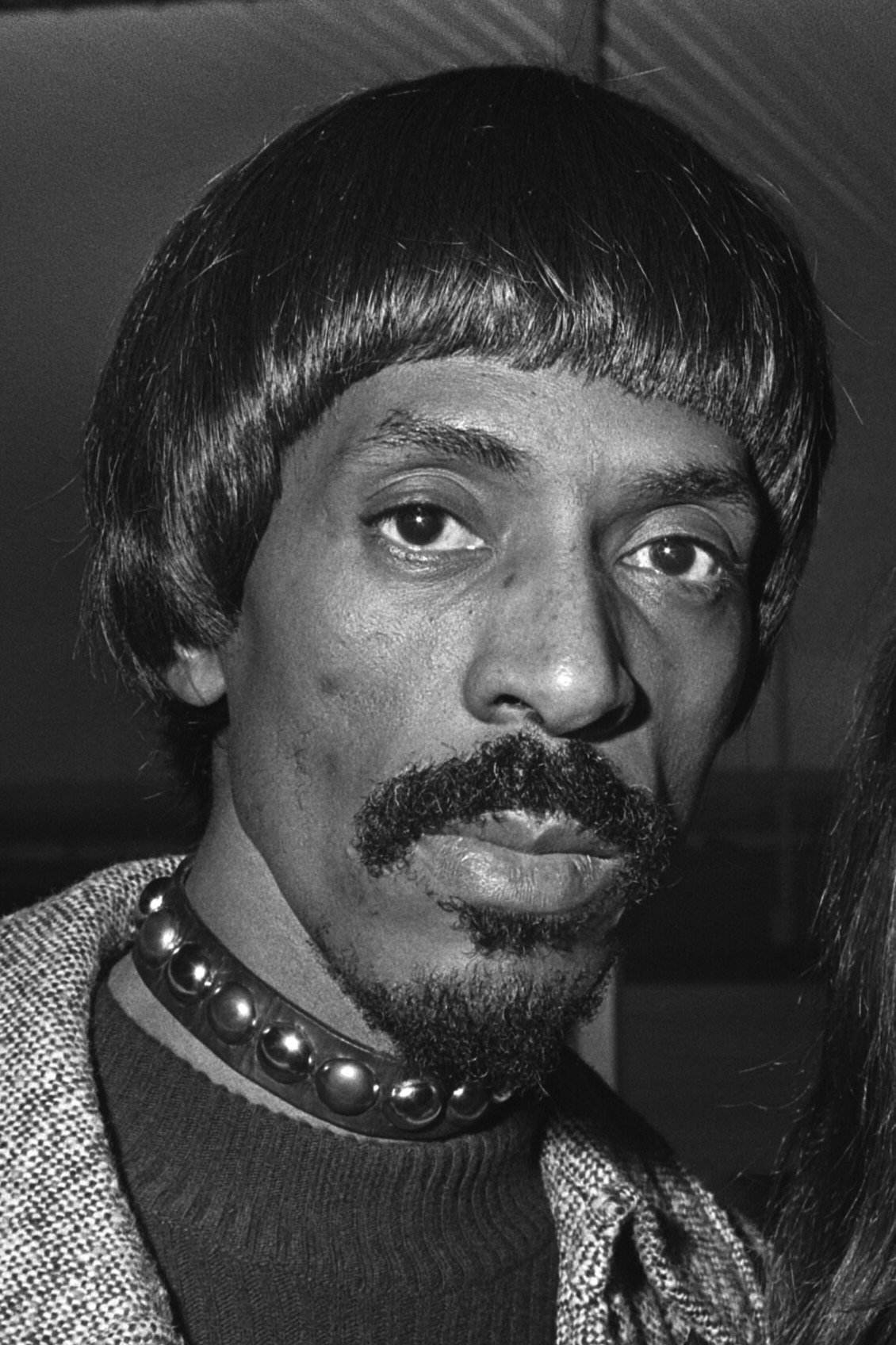
Ike Turner was a pioneering rock and R&B musician who produced and performed on numerous influential records. A long history of cocaine addiction led to erratic behavior, arrests, and periods of incarceration. His substance use damaged professional relationships and halted steady work in the studio and on tour. He died at 76 with cocaine toxicity reported, with his career overshadowed by addiction and abuse allegations.
Sly Stone
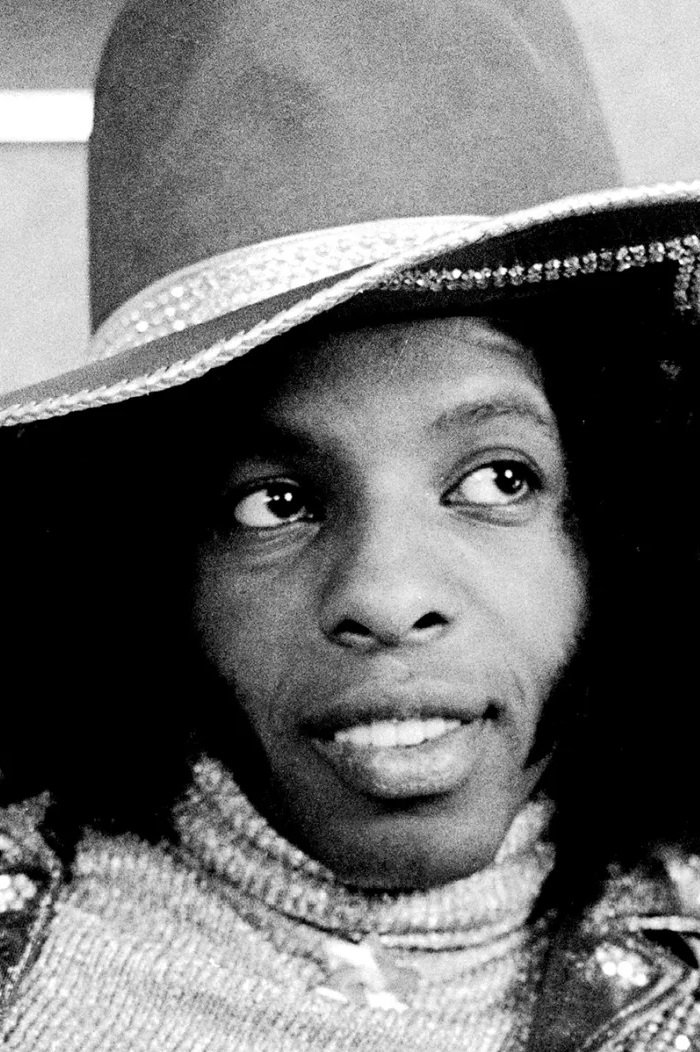
Sly Stone led a genre-shaping band that fused rock, soul, and funk with hits and landmark festival appearances. Prolonged drug use contributed to missed concerts, band turmoil, and a decline in output after early success. He experienced legal and financial difficulties, including reports of unstable housing. Sporadic performances and legal actions could not fully restore the sustained momentum he once had.
Jean-Michel Basquiat
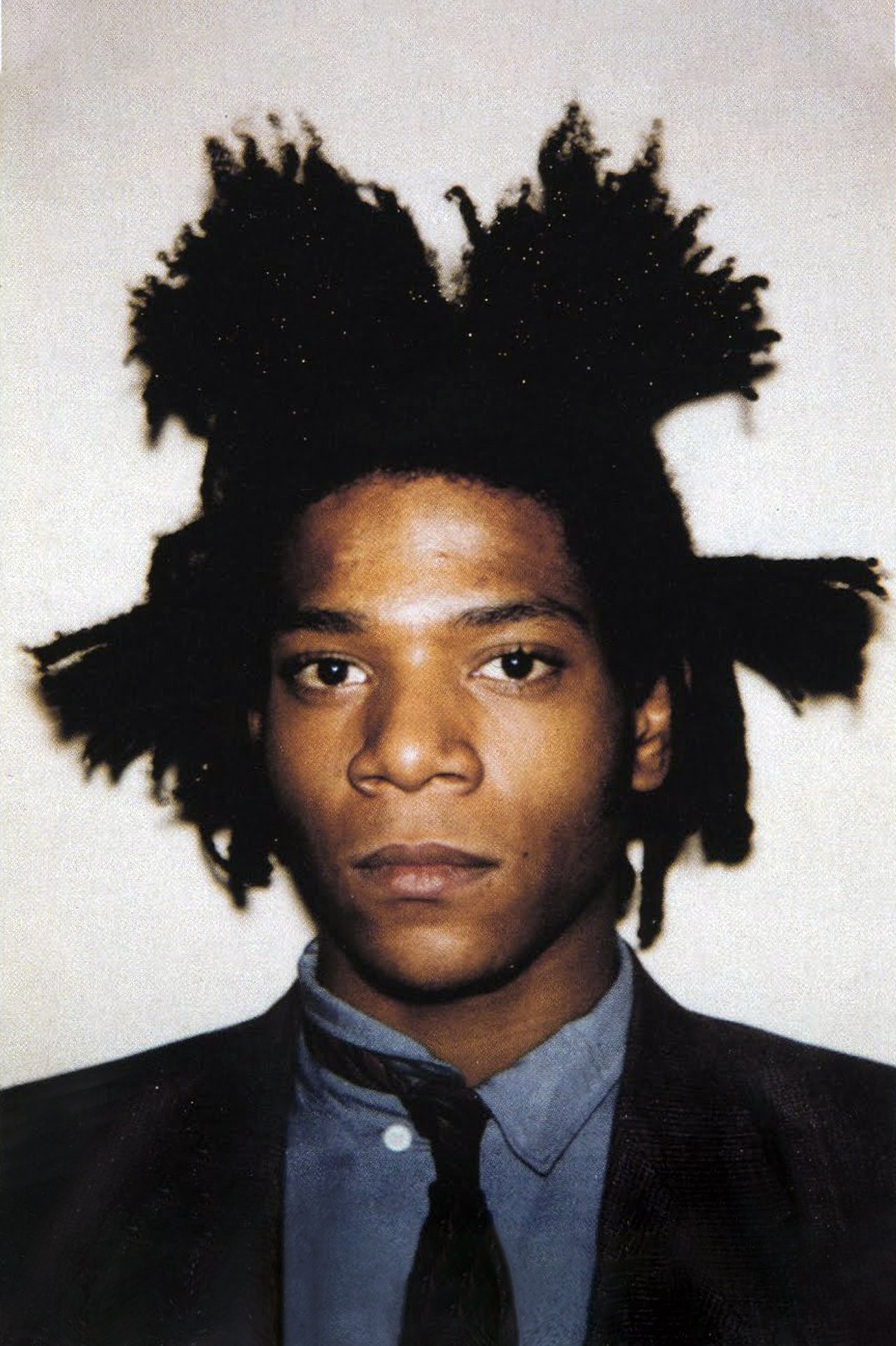
Jean-Michel Basquiat became a leading figure in contemporary art with high-profile exhibitions and collaborations. He struggled with heroin addiction during a period of intense fame and productivity. Efforts at sobriety were documented alongside continued relapse and isolation. He died at 27 of a heroin overdose, cutting short a rapidly evolving career in the global art world.
Whitney Houston
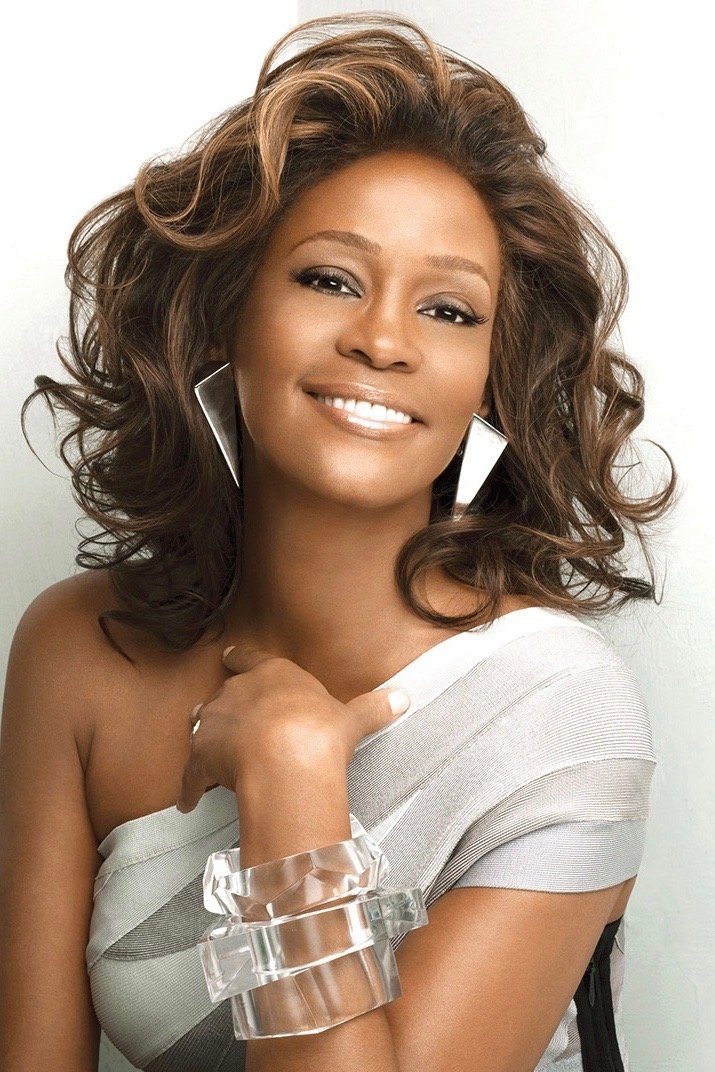
Whitney Houston set records with chart-topping albums, major tours, and film roles. Substance abuse led to canceled shows, a noticeable vocal decline, and highly publicized treatment attempts. Legal incidents and financial disputes compounded professional setbacks. She died at 48 with cocaine and other factors cited, ending one of pop music’s most commercially successful careers.
Bobbi Kristina Brown

Bobbi Kristina Brown grew up in the public eye as the daughter of two music stars and appeared on reality television. She struggled with substance use and personal upheavals following her mother’s death. She was found unresponsive in a bathtub and later died at 22 after months of medical care. Toxicology findings indicated drug involvement, bringing another tragic loss to the family.
Ol’ Dirty Bastard
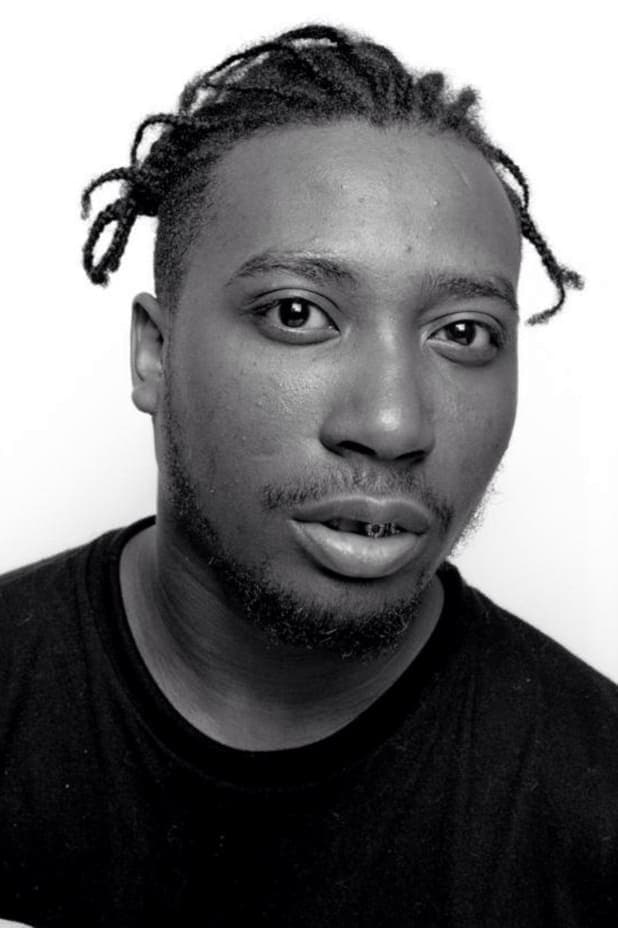
Ol’ Dirty Bastard helped launch a new era of hip-hop as a founding member of the Wu-Tang Clan. Ongoing legal issues and probation violations were tied to drug possession and related behavior. His solo releases and group work were disrupted by incarceration and instability. He died at 35 from an accidental overdose involving multiple substances, halting further work with his group and as a solo artist.
DMX
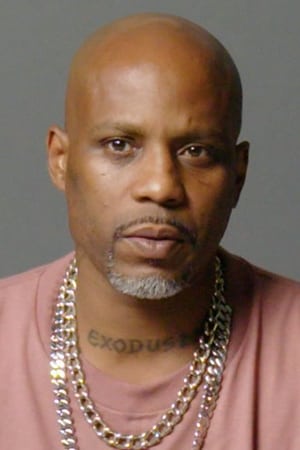
DMX sold millions of records and topped charts with several consecutive No. 1 albums. His career was repeatedly interrupted by arrests, probation violations, and rehab stays connected to drug addiction. Financial problems, including tax issues and lawsuits, compounded the instability. He died at 50 after a heart attack associated with a reported overdose, ending a turbulent but influential run in hip-hop.
Shock G
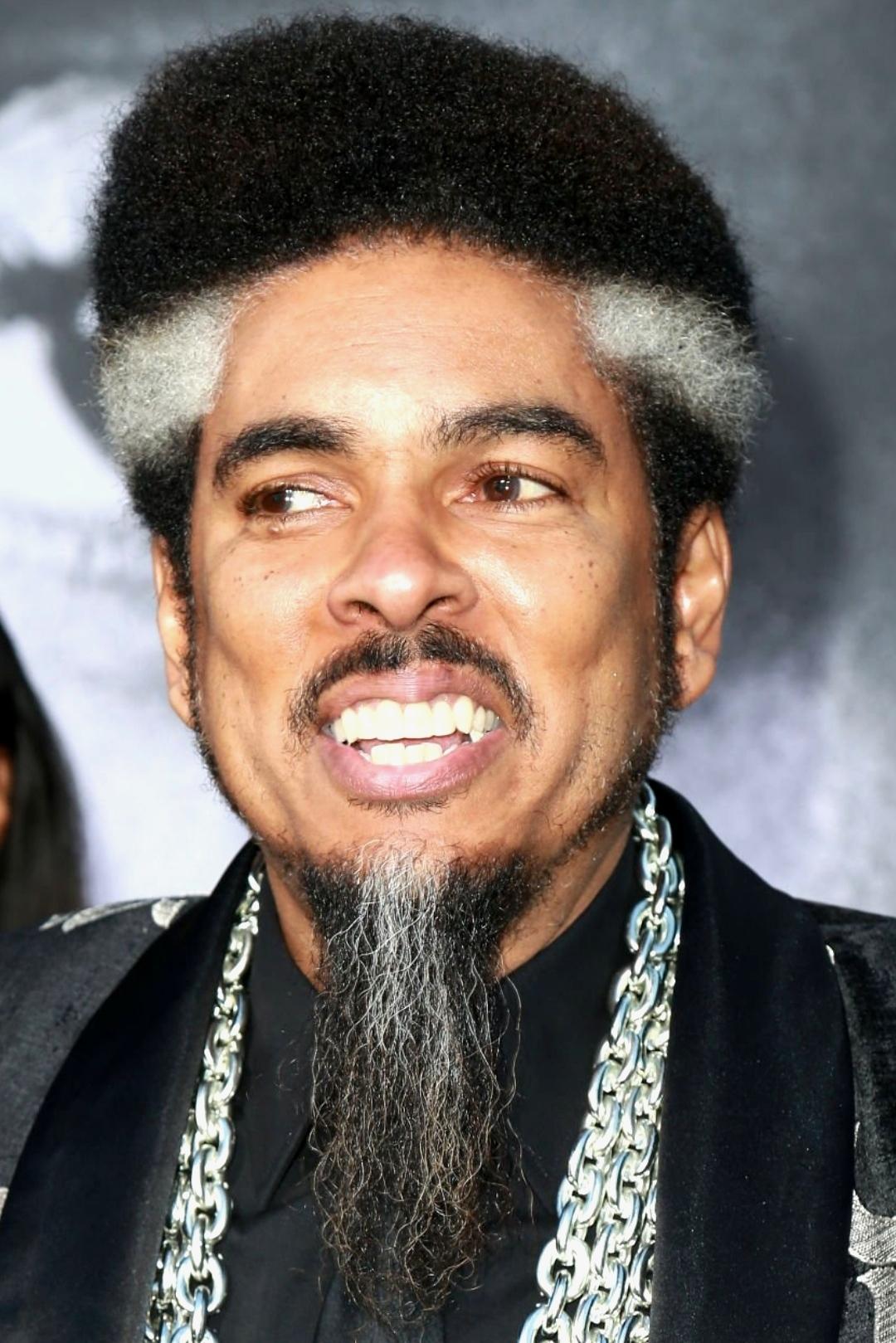
Shock G gained fame as the frontman of Digital Underground and as a producer who elevated other hip-hop artists. He dealt with substance use that coincided with legal troubles and uneven later-career activity. Touring and studio momentum slowed as health and addiction concerns grew. He died at 57 from an accidental overdose involving fentanyl and other substances.
Coolio
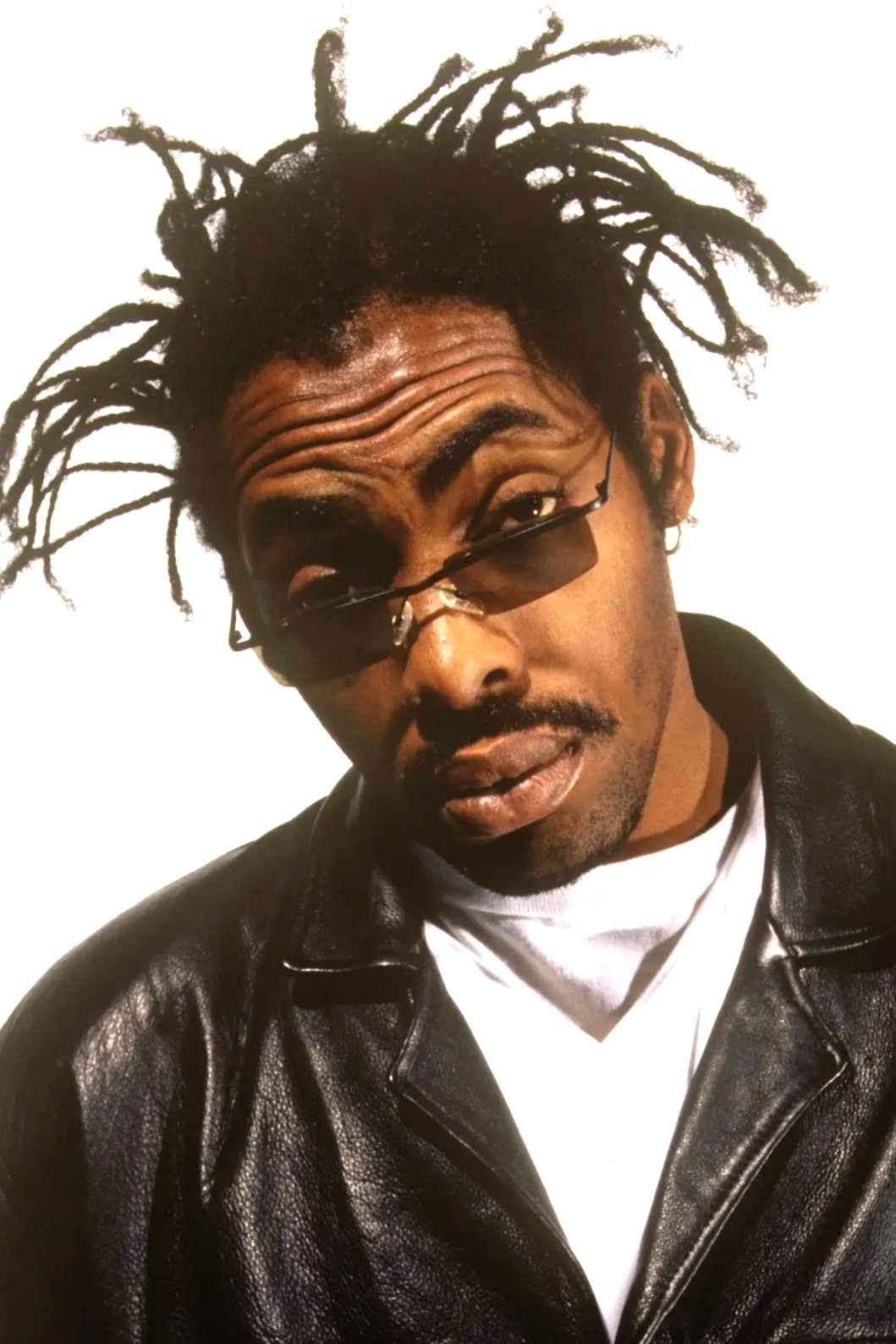
Coolio became a global name with a signature hit and high-profile soundtrack placements. He faced legal issues and health concerns while struggling with drug use after his commercial peak. Media appearances and touring continued sporadically but did not match earlier success. He died at 59 with fentanyl and other drugs reported, closing a long career that began in the early West Coast scene.
Juice WRLD

Juice WRLD broke out with viral tracks and a rapid succession of platinum releases and collaborations. He openly referenced drug use in his lyrics and discussed efforts to cut back. He died at 21 from an accidental overdose involving oxycodone and codeine shortly after landing from a flight. The loss halted an ascendant path in mainstream rap and left a large catalog of posthumous releases.
Pimp C
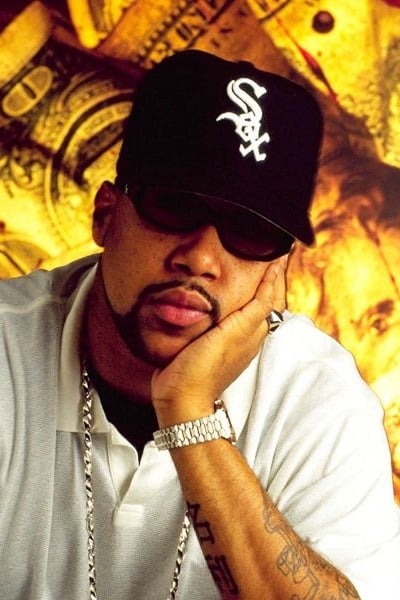
Pimp C was a founding member of UGK and a key voice in Southern hip-hop. Legal troubles led to prison time, and he continued to struggle with codeine use after returning to music. His collaborations and productions kept him active, but health risks persisted. He died at 33 from complications related to codeine and other factors, curtailing a renewed period of creativity.
DJ Screw
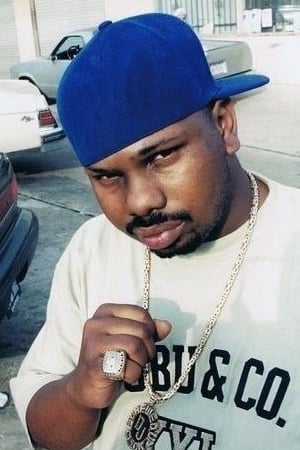
DJ Screw pioneered chopped-and-screwed mixtapes that influenced Southern rap and beyond. He was known to use codeine-based cough syrup while working long studio hours. He died at 29 from a codeine overdose, which shocked the scene he helped build. The loss ended a prolific output that had shaped a regional sound into a national influence.
Darryl Strawberry

Darryl Strawberry became a Major League Baseball standout with Rookie of the Year honors and multiple All-Star selections. Cocaine addiction led to suspensions, rehab stays, and legal problems that interrupted seasons. He faced financial penalties and publicized relapses that affected team commitments. Although he later pursued recovery work, the substance issues undercut what had been a dominant early career.
Dwight “Doc” Gooden

Dwight “Doc” Gooden dominated early in his MLB career with Cy Young-level performance and a World Series title. Cocaine addiction brought suspensions, arrests, and repeated rehab attempts that removed him from key stretches of play. Contract opportunities and public trust declined with each relapse and sanction. Later appearances and coaching roles never fully restored the trajectory set by his historic start.
Share your thoughts in the comments about which stories you think should be remembered and discussed more often.