


Black Celebs Who Publicly Feuded Over “Not Black Enough” Accusations



The concept of identity in the entertainment industry often leads to intense public debates regarding the authenticity of Black celebrities. Many stars have faced accusations of not being Black enough due to their upbringing or their career choices and even their personal relationships. These criticisms often spark wider conversations about colorism and classism and the diverse nature of the Black experience. Some celebrities choose to address these claims directly while others ignore the noise to focus on their work. This list explores several prominent figures who have navigated these complex social waters throughout their careers.
Zoe Saldaña
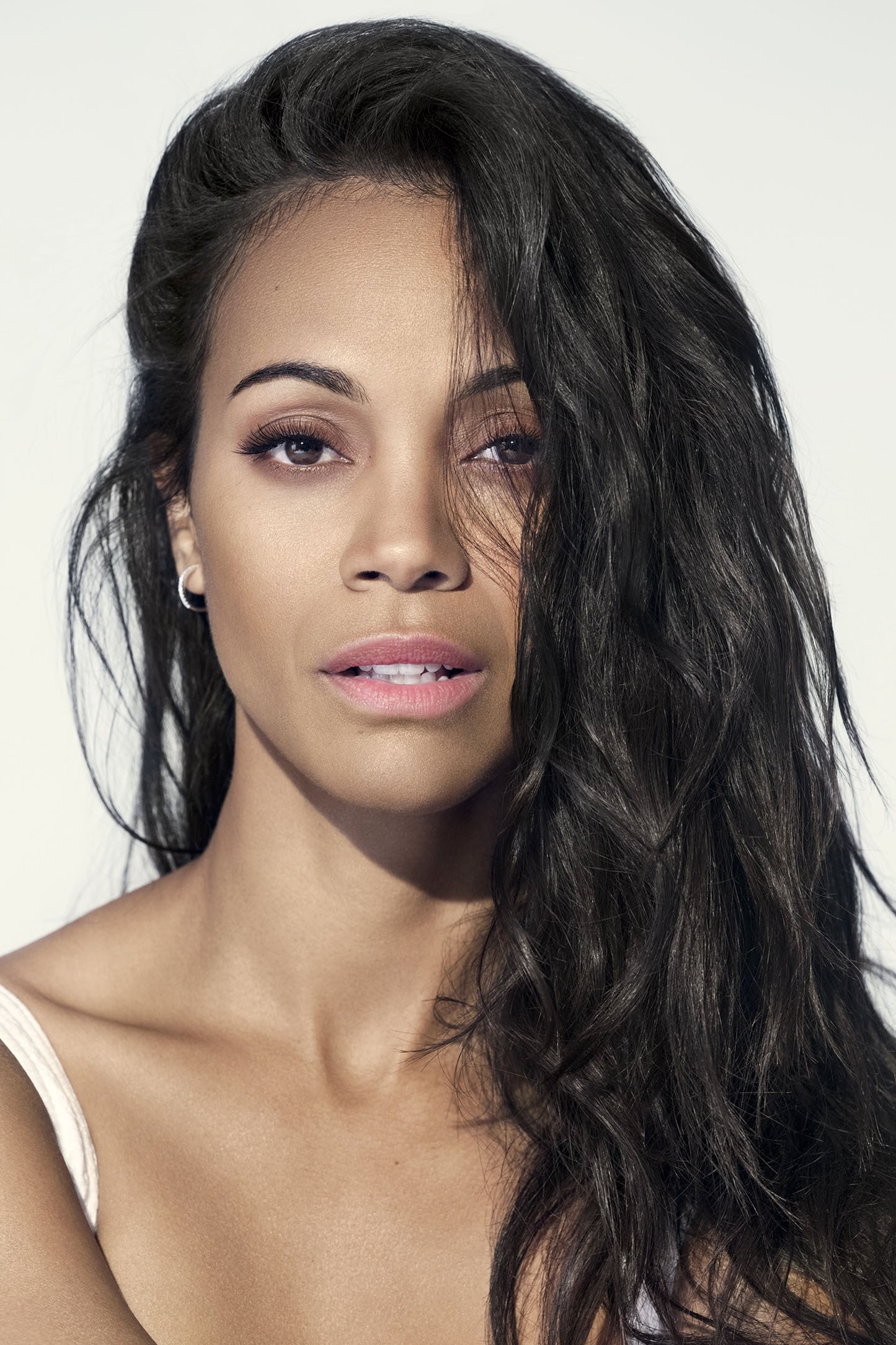
The actress faced significant backlash when she was cast to play Nina Simone in the biographical film ‘Nina’. Critics argued that her skin tone was too light and she required prosthetic makeup to resemble the legendary singer. Saldana defended her choice to take the role by emphasizing the importance of telling the story. She later expressed regret over the decision and admitted that she should have used her influence to cast a more appropriate actor. This incident remains a central point of discussion regarding colorism in Hollywood.
Zendaya

Zendaya encountered scrutiny when she was initially cast to play Aaliyah in a television movie project. Public outcry focused on her lighter skin tone and whether she was the right fit to represent the icon. The actress eventually dropped out of the production and cited a lack of permission from the family. She later spoke about the importance of colorism awareness and her responsibility as a light skinned woman in the industry. Zendaya has since become a vocal advocate for more diverse representation in her various roles.
Drake
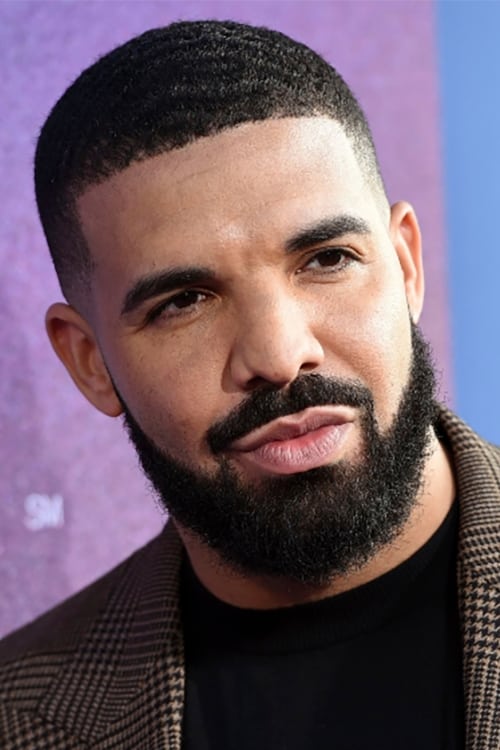
The Canadian rapper has frequently dealt with claims that he is not truly part of the hip hop culture. Critics often point to his middle class upbringing and his start on the teen drama ‘Degrassi The Next Generation’ as evidence. Drake has addressed these comments in his music by highlighting his success and his work ethic. He argues that his background does not invalidate his contributions to the genre or his identity. His massive commercial success has not fully silenced those who question his authenticity.
Russell Wilson
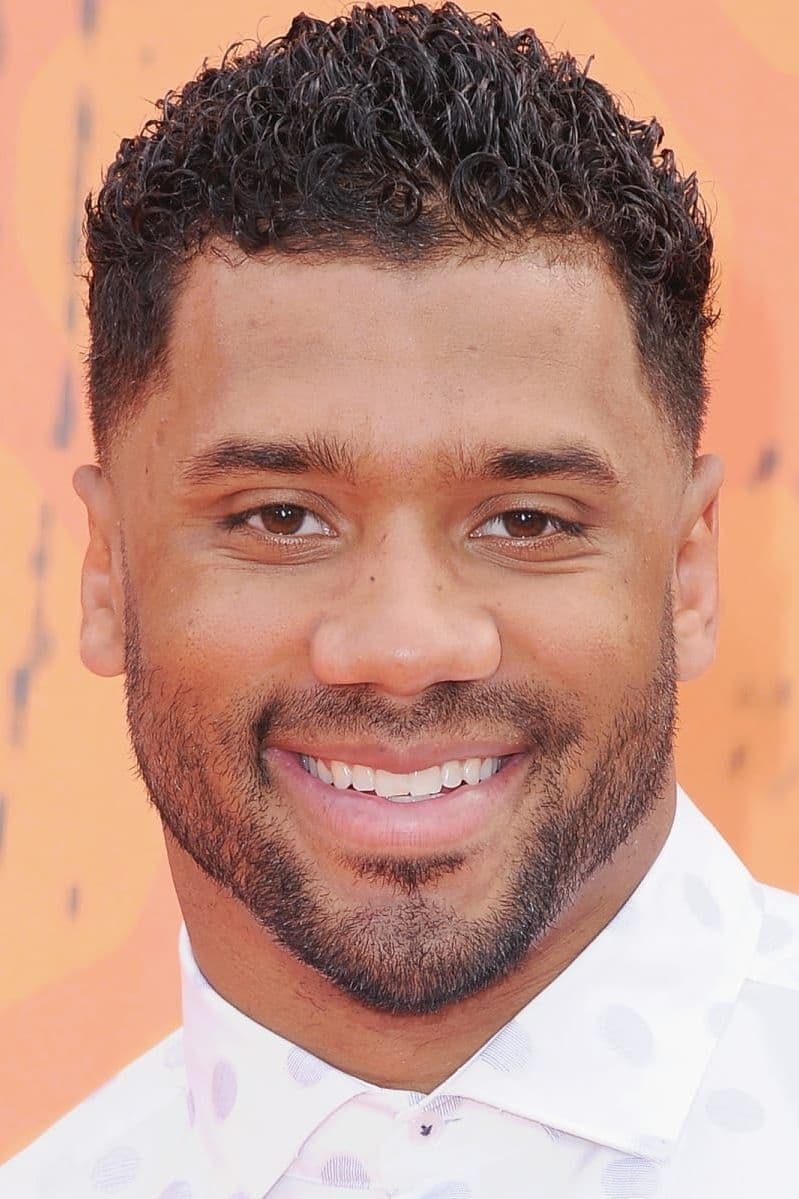
The professional athlete has faced years of comments regarding his perceived lack of street credibility. Media personalities have suggested that he does not act Black enough for a typical locker room environment. These criticisms often compare him to other players who have a more aggressive public persona. Wilson typically responds by focusing on his family and his philanthropic work and his performance on the field. He maintains that being a positive role model is his primary goal regardless of public perception.
Doja Cat
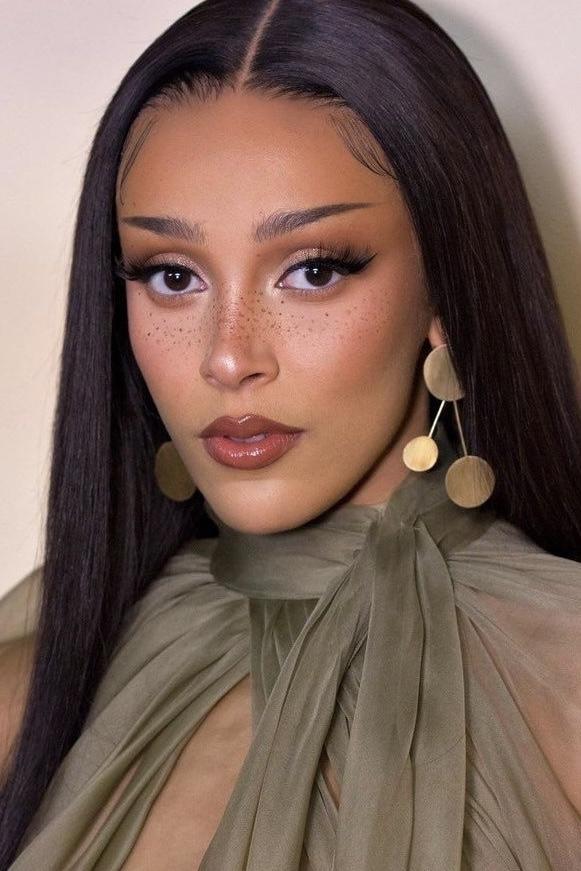
The singer and rapper faced intense scrutiny over her past participation in online chat rooms. Critics accused her of entertaining individuals who held racist views and questioned her pride in her heritage. Doja Cat issued multiple apologies and explained that she was simply socializing in the wrong spaces. She has since used her music and public appearances to reclaim her narrative. The controversy sparked a wider debate about digital history and the expectations placed on Black artists.
Raven-Symoné
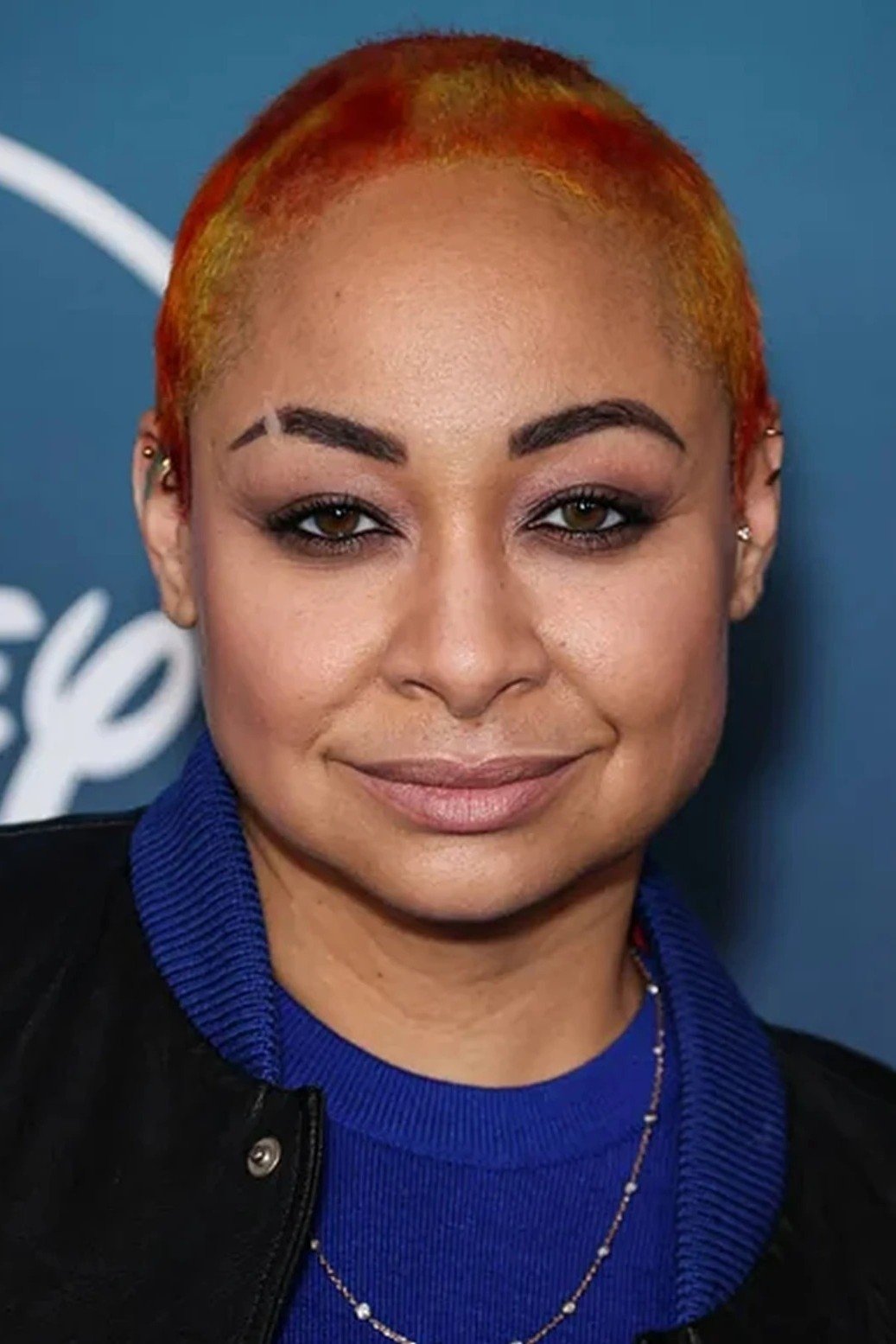
The former child star sparked a national conversation when she told Oprah Winfrey that she does not identify as African American. She stated that she prefers to be labeled as an American and does not want to be categorized by her race. This comment led to a massive wave of criticism from people who felt she was distancing herself from her roots. Raven Symone clarified that she acknowledges her heritage but wants to move beyond labels. Her stance remains one of the most cited examples of the tension between individual identity and community expectations.
Stacey Dash
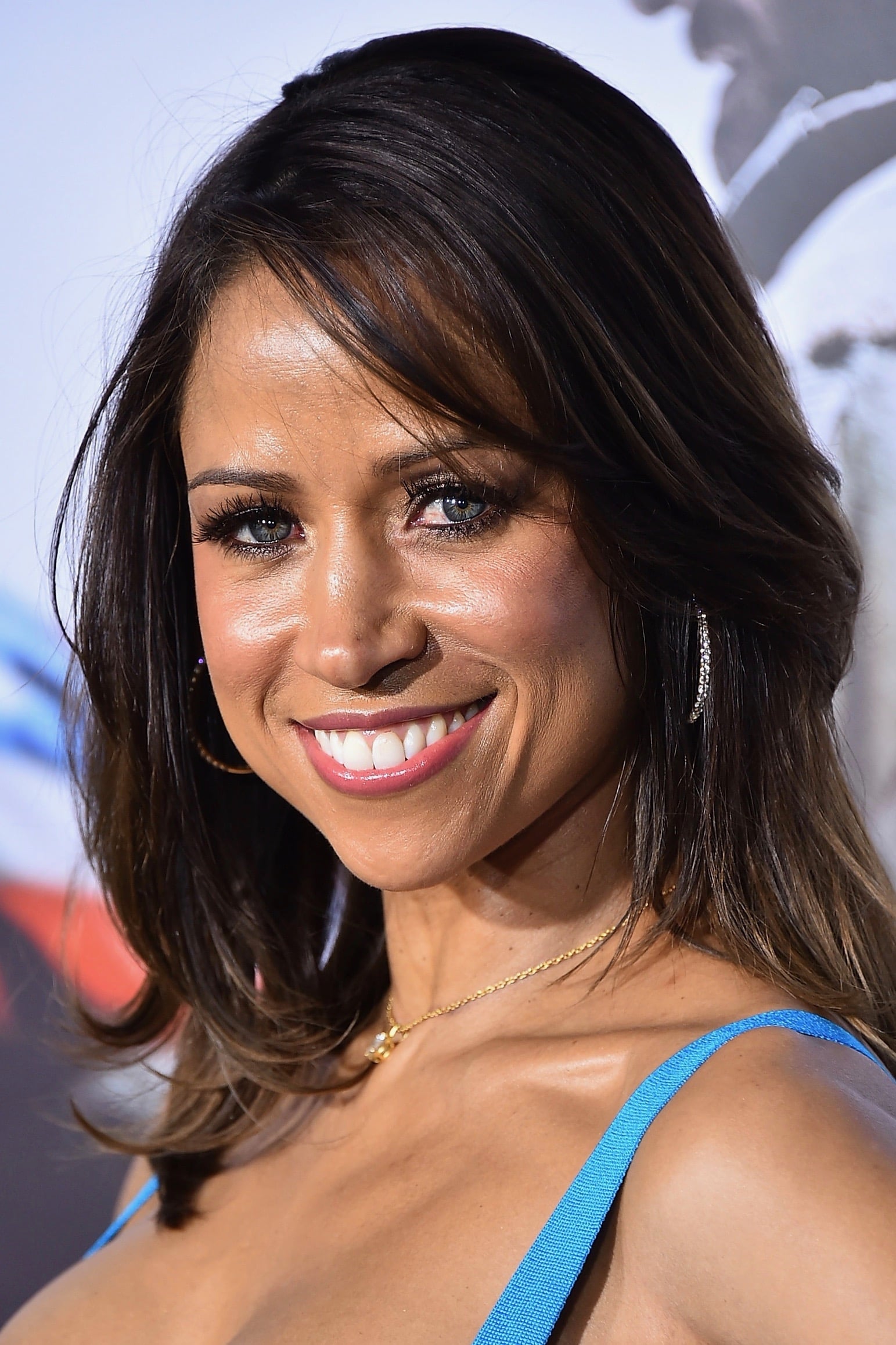
The actress became a polarizing figure after she called for the end of Black History Month and the BET network. She argued that these institutions promote segregation and are no longer necessary in modern society. Her comments led to a public feud with many fellow celebrities and media commentators who accused her of turning her back on her community. Dash has remained firm in her conservative political views despite the frequent backlash. Her career trajectory shifted significantly following these public statements.
Tiger Woods
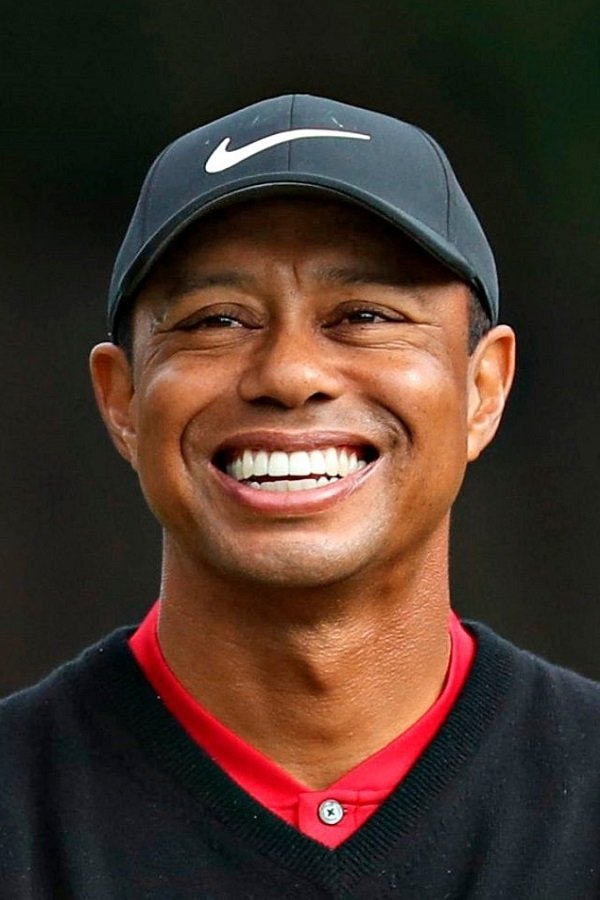
The legendary golfer famously coined the term Cablinasian to describe his multiethnic background. This move was met with criticism from those who felt he was distancing himself from his Black identity to appeal to a broader audience. Critics argued that the world would always see him as a Black man regardless of how he labeled himself. Woods maintained that he wanted to honor all parts of his heritage including his mother who is from Thailand. This debate highlighted the complexities of multiracial identity in professional sports.
Rashida Jones
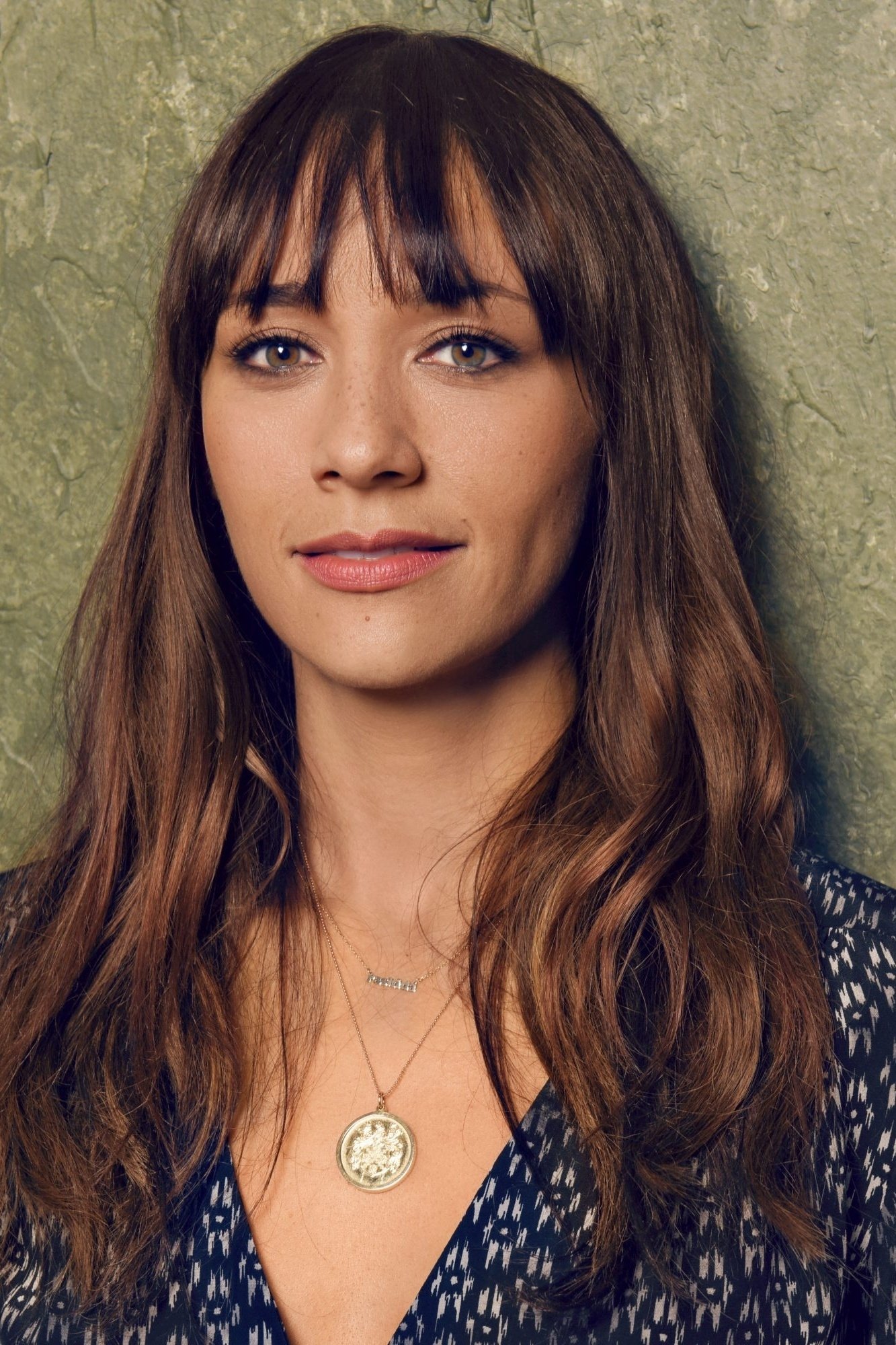
The actress has discussed the challenges of being a biracial woman who is often perceived as white by the public. Critics have occasionally questioned her casting in roles that are not explicitly defined by race. Jones has addressed these concerns by discussing her pride in her father Quincy Jones and his legendary legacy. She advocates for the right of multiracial actors to inhabit a variety of characters without their identity being scrutinized. Her perspective highlights the nuances of the biracial experience in Hollywood.
Cynthia Erivo
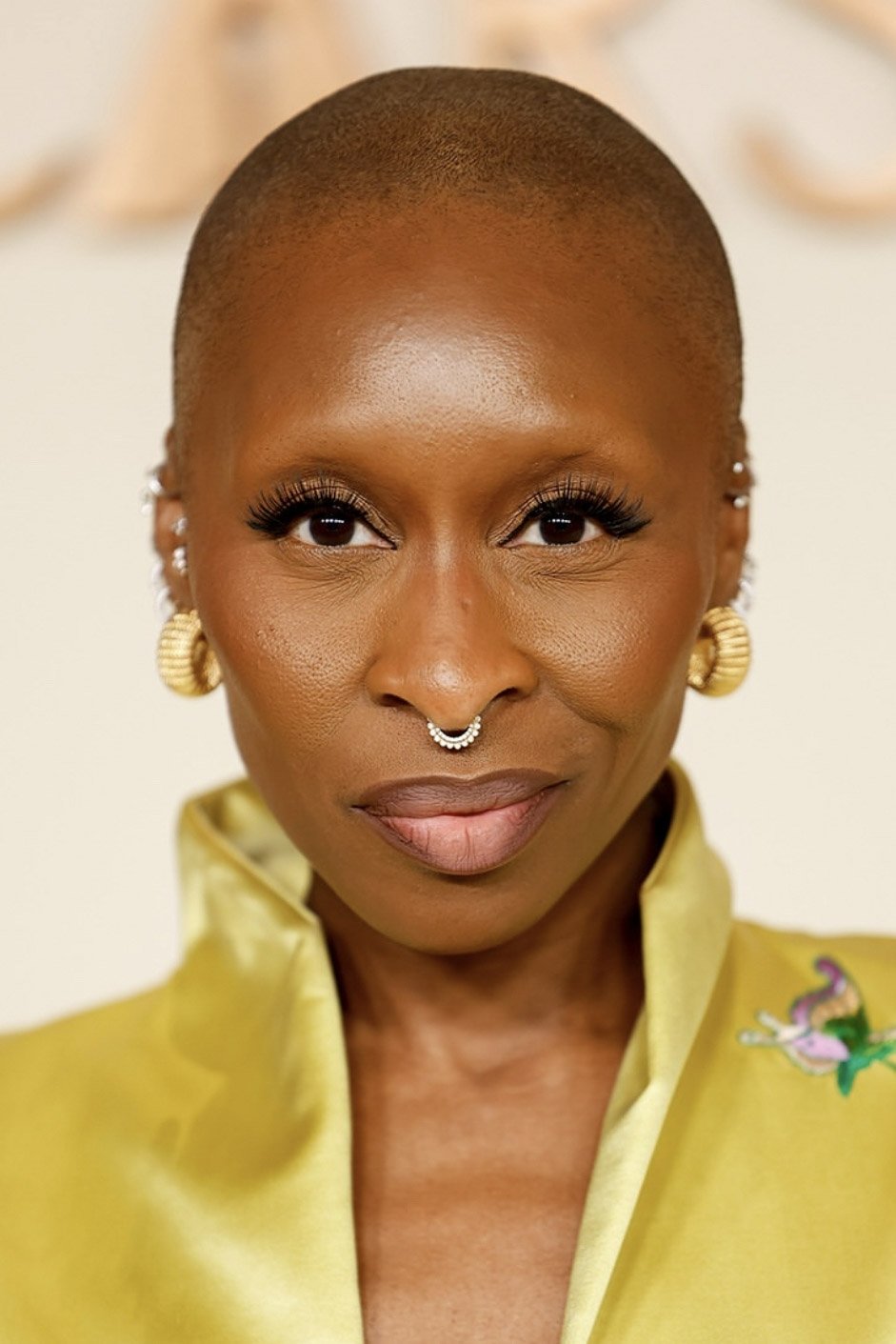
The British actress faced criticism from some African Americans when she was cast as Harriet Tubman in the film ‘Harriet’. Critics argued that the role should have gone to an American descendant of enslaved people who had a direct connection to the history. Erivo defended her ability to portray the historical figure with respect and research. She emphasized the shared struggle of the African diaspora across different continents. The debate sparked a larger conversation about the casting of British Black actors in American historical roles.
Daniel Kaluuya
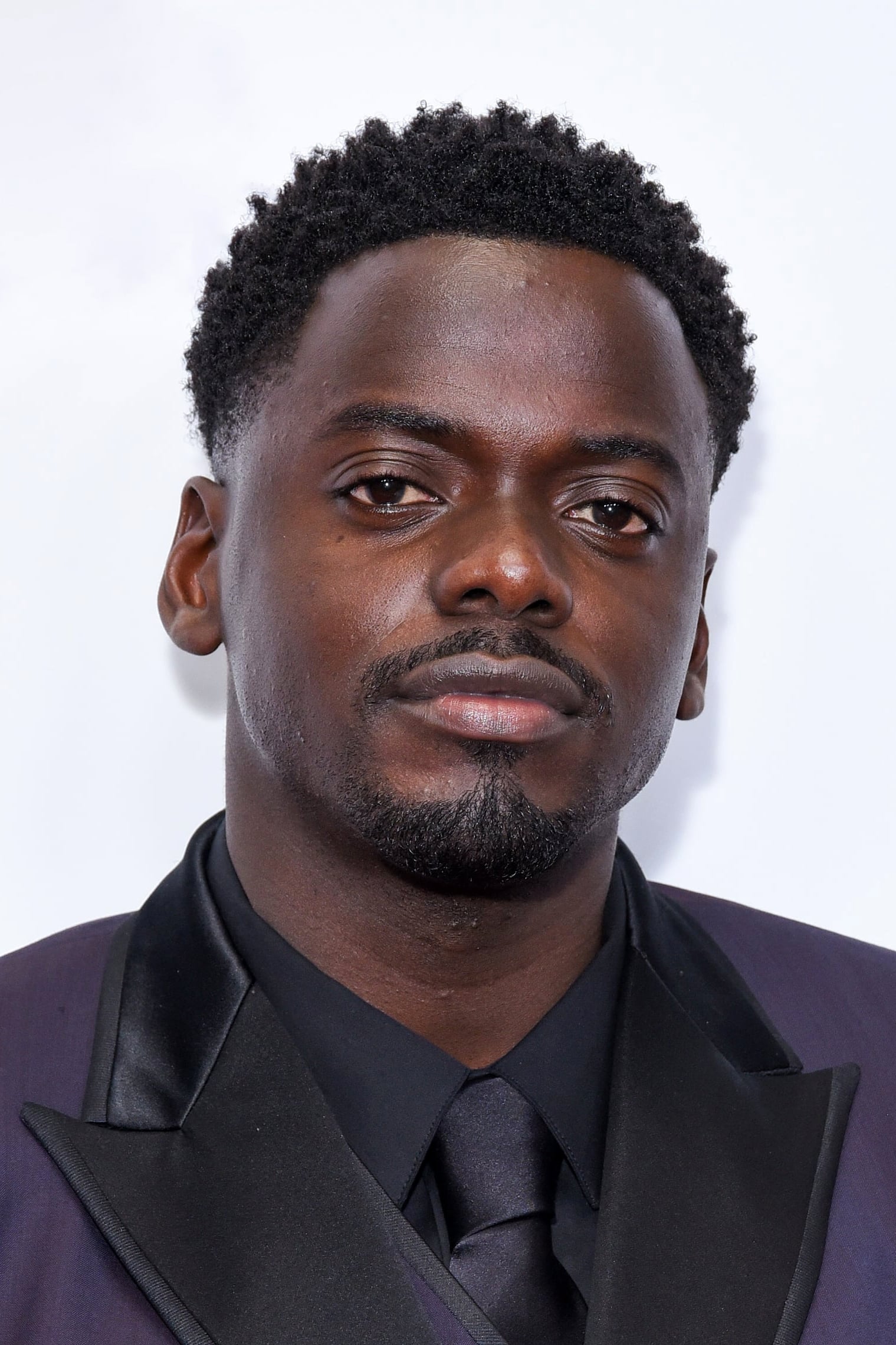
The actor was the subject of public comments by Samuel L Jackson regarding his role in the movie ‘Get Out’. Jackson suggested that an African American actor might have brought a different perspective to the story of American racism. Kaluuya responded by detailing his own experiences with prejudice in the United Kingdom. He argued that the Black experience is global and should not be limited by national borders. The exchange eventually led to a more nuanced discussion about the diversity of Black stories.
Damson Idris
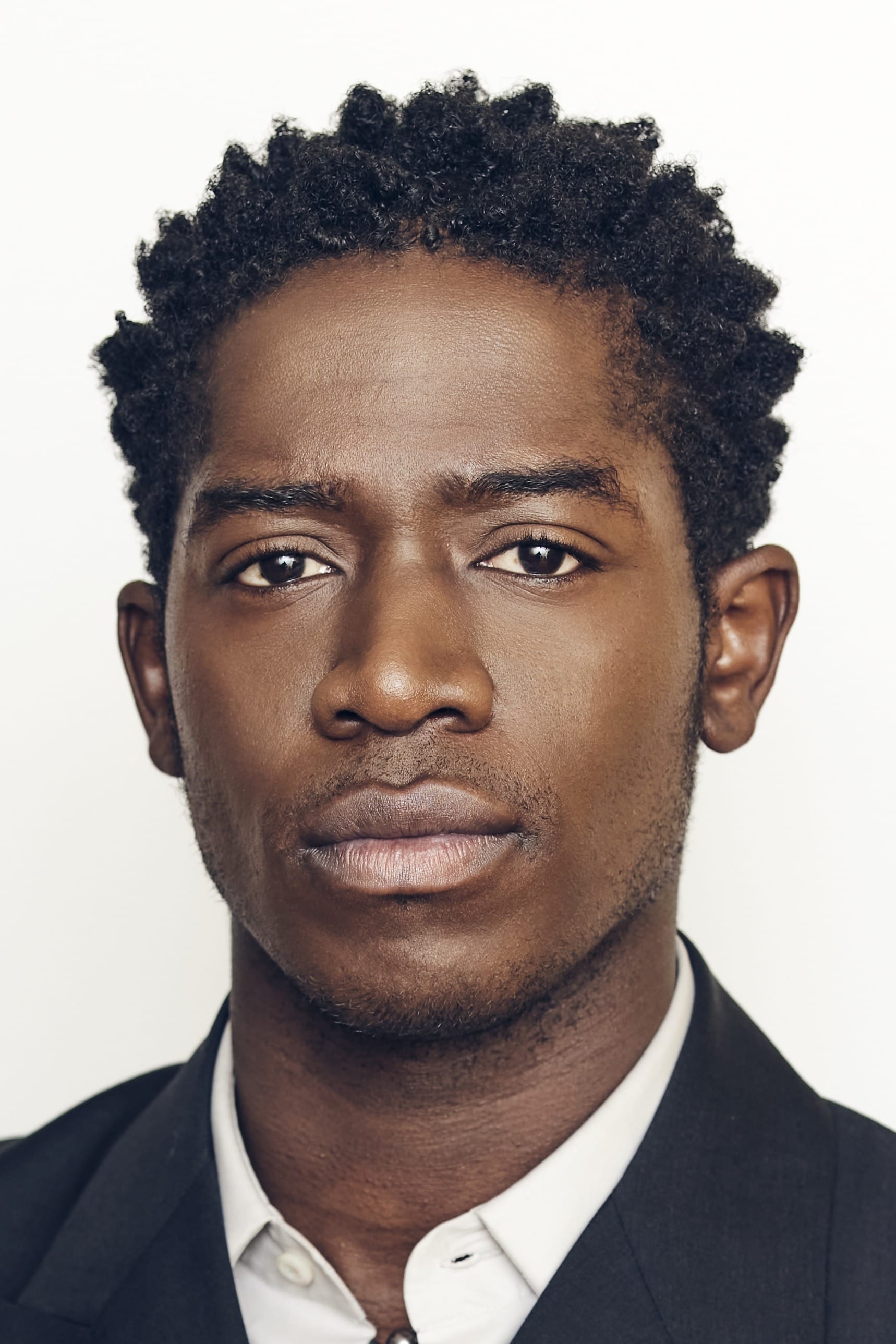
The star of the show ‘Snowfall’ has often had to defend his portrayal of an American character from South Central Los Angeles. Because he is a British actor some viewers questioned if he could truly capture the nuances of the local culture. Idris has spoken about the extensive research and vocal training he underwent to deliver an authentic performance. He maintains that his craft allows him to bridge the gap between his British upbringing and his American roles. His success has helped pave the way for other international Black actors.
John Boyega
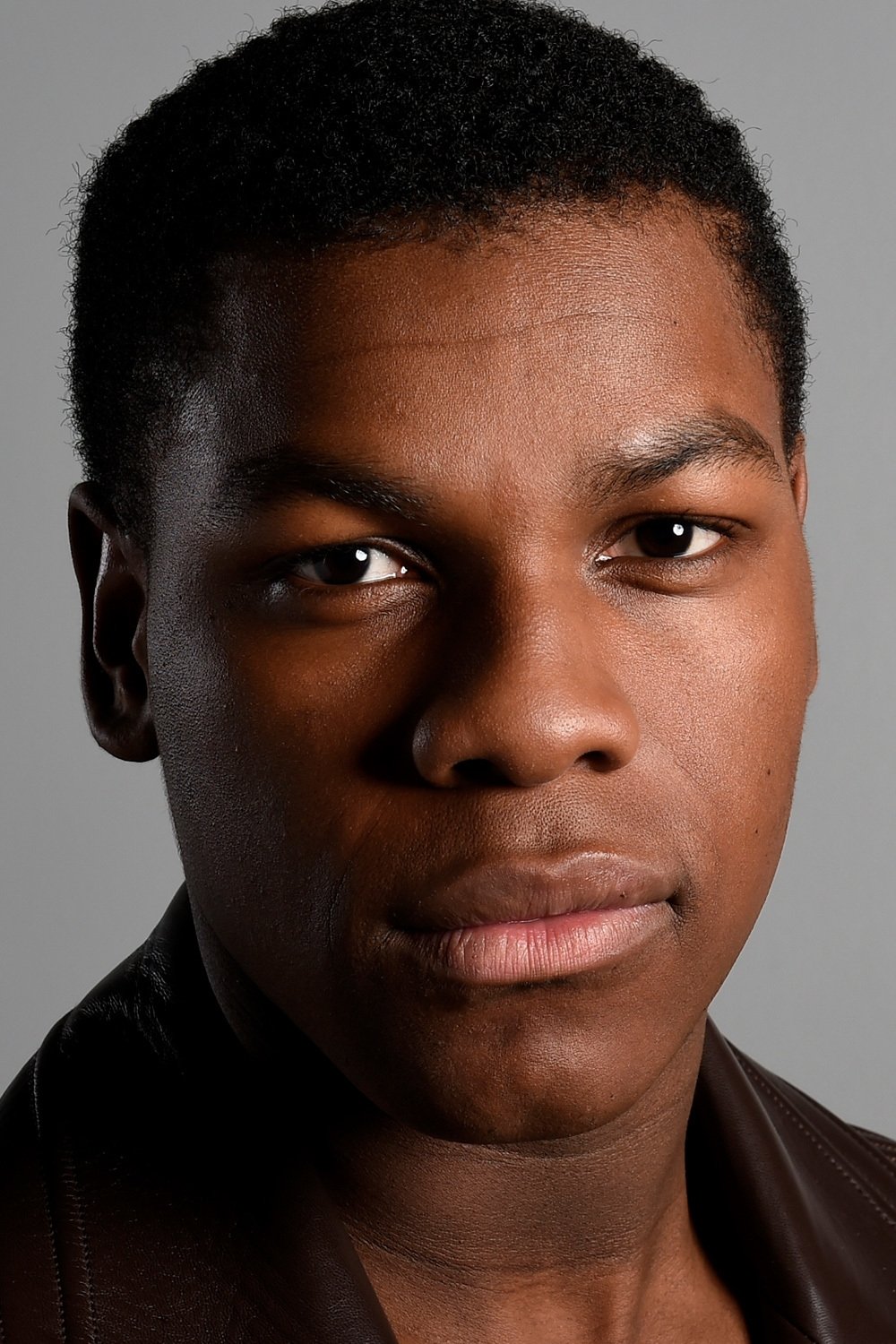
The actor faced online harassment and criticism after he became a vocal leader in social justice protests. Some critics felt that his activism was performative or that he should focus purely on his acting career. Boyega responded by stating that he was willing to lose his career to stand up for what he believed was right. He also criticized the way his character was handled in the ‘Star Wars’ franchise. His outspoken nature has made him a hero to many while drawing fire from those who prefer celebrities to remain neutral.
Lil Nas X
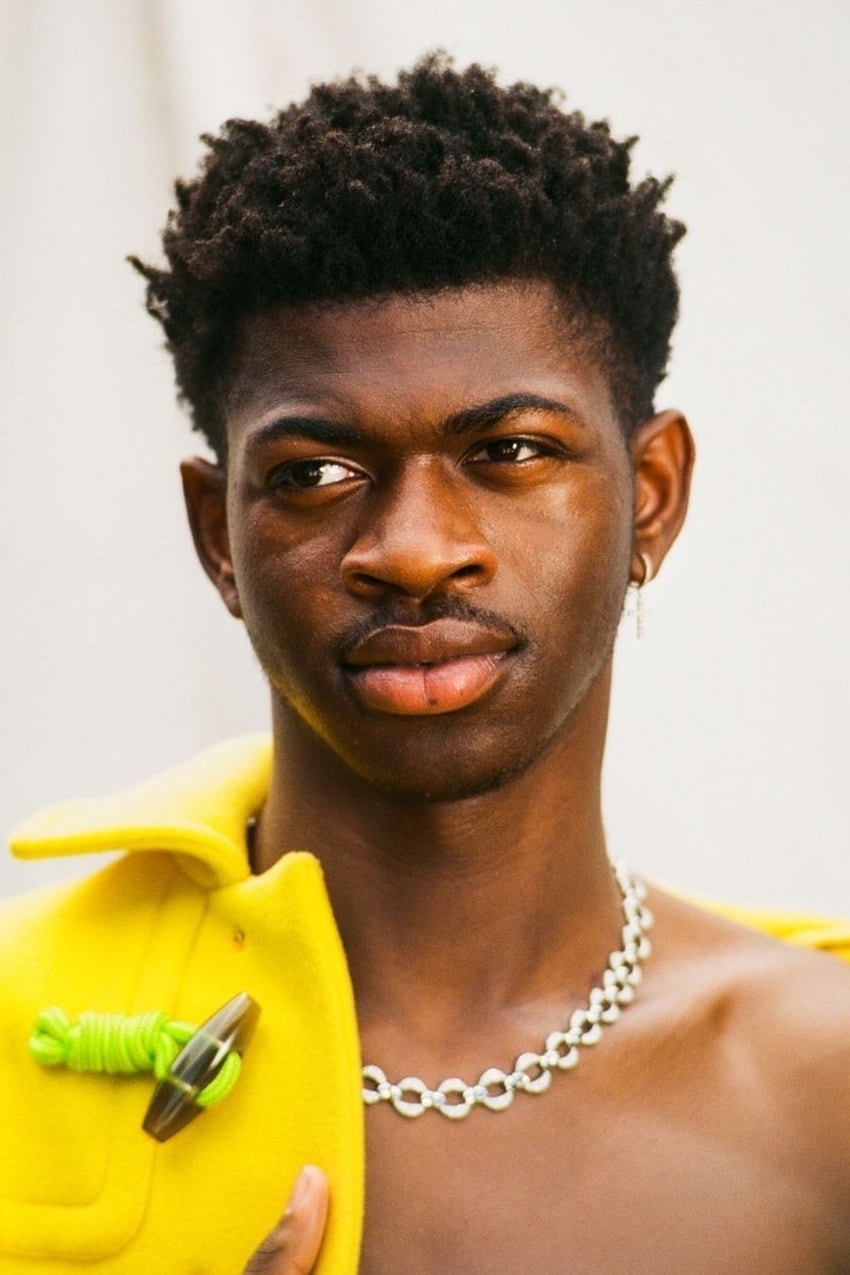
The artist faced gatekeeping when his breakout hit ‘Old Town Road’ was removed from the country music charts. Some critics argued that the song was not authentic country while others questioned his place in the genre. Lil Nas X leaned into the controversy by collaborating with established country stars to prove his point. He has since become a major figure in music who constantly challenges traditional boundaries. His career serves as a testament to the evolving nature of genre and identity.
Will Smith
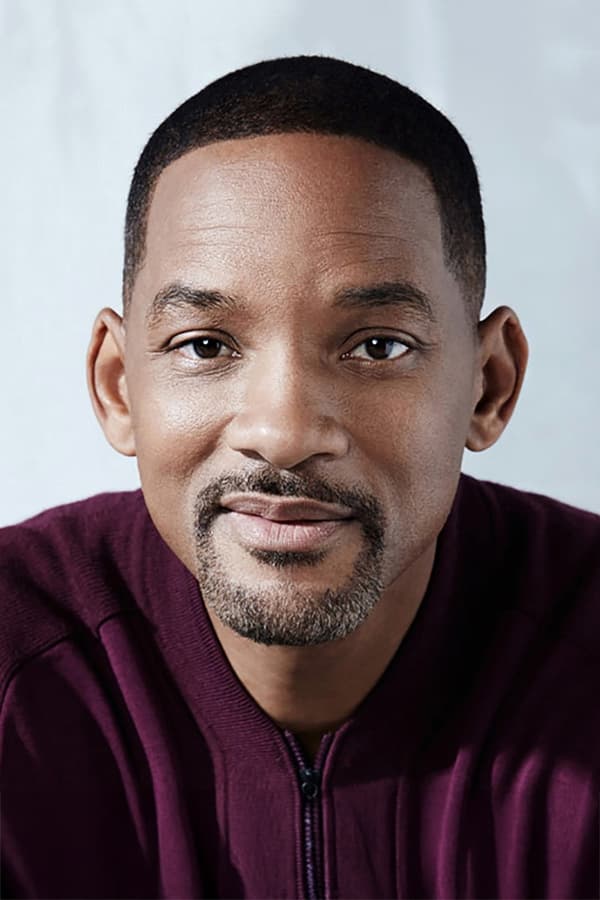
In the early stages of his rap career Will Smith was often criticized for making music that was considered too clean. Fellow artists and critics suggested that he was not authentic because he did not use profanity or discuss street themes. Smith addressed these claims by stating that he wanted to make music his whole family could listen to. He eventually transitioned into a massive acting career that made him a global icon. The early critiques of his music are now seen as a footnote in his extensive legacy.
Alfonso Ribeiro
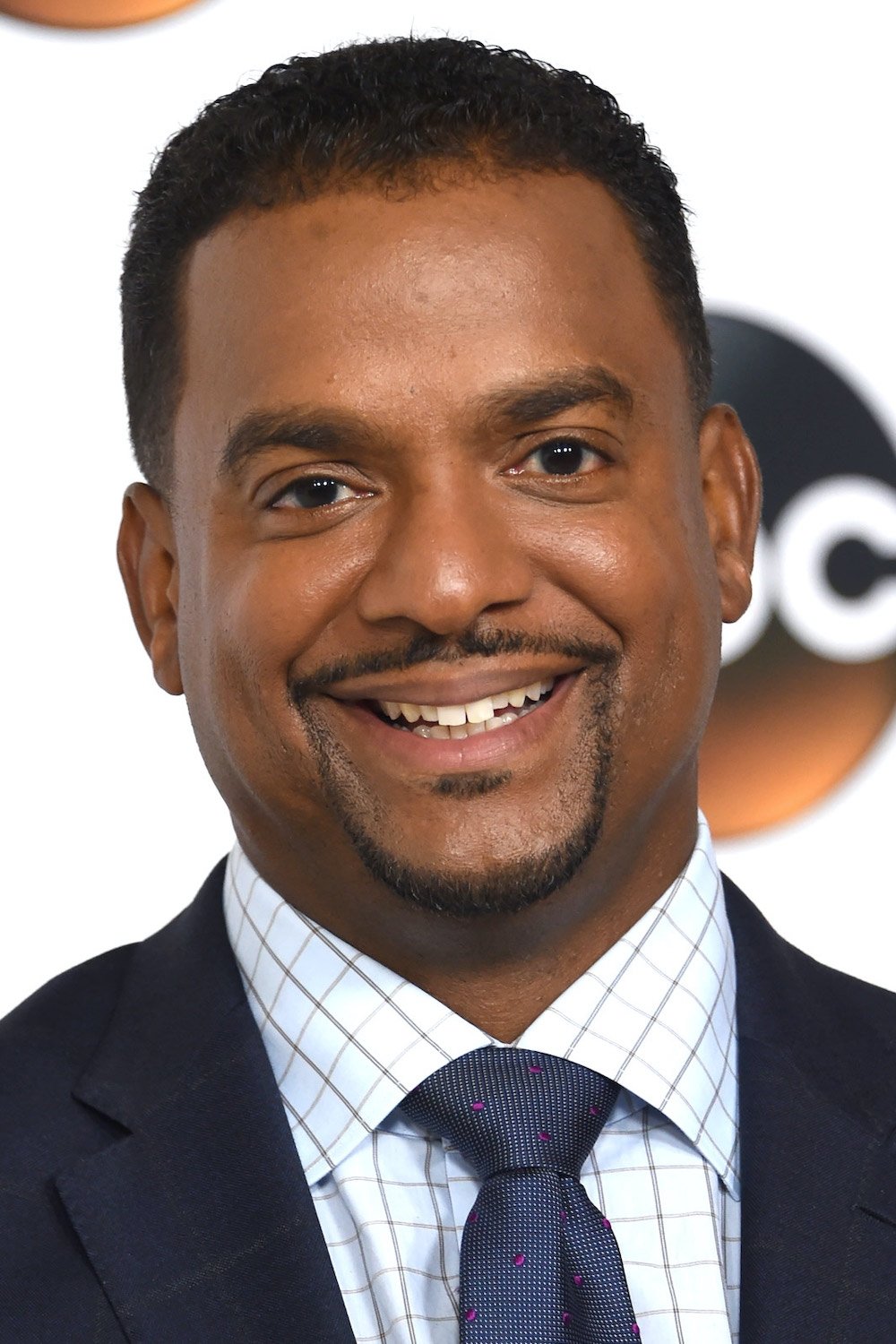
The actor became famous for his role as Carlton Banks on ‘The Fresh Prince of Bel Air’. The character was written to be the opposite of the street smart Will Smith and often faced jokes about not being Black enough. Ribeiro has shared that the character was so convincing that people often projected those same traits onto him in real life. He has had to work hard to separate his own identity from the sheltered persona he played on television. This experience highlights how fictional roles can impact public perception of an actor.
Logic
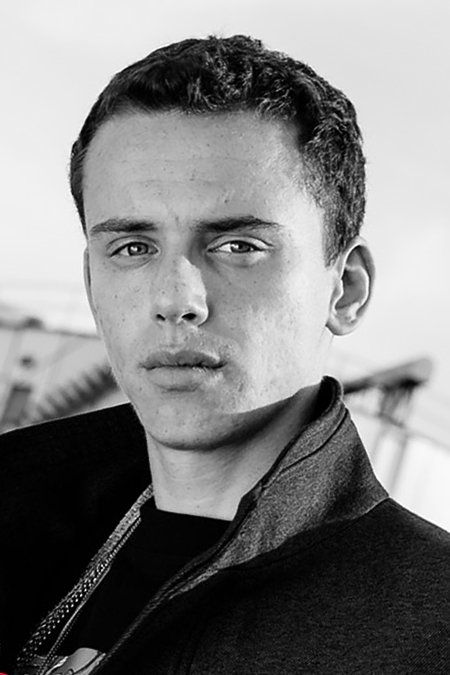
The rapper has frequently discussed his biracial identity and the criticism he receives from all sides. Some listeners have accused him of overcompensating for his appearance by constantly mentioning his heritage in his lyrics. Logic has defended his right to speak about his life and the struggles he faced growing up in a diverse household. He maintains that his music is a reflection of his true self and refuses to be silenced by critics. His transparency has earned him a dedicated fan base that appreciates his honesty.
J. Cole

The artist has been part of a broader conversation about the advantages of being a light skinned man in the music industry. While he is widely respected for his lyricism some critics have used his appearance to question his place in certain discussions. J Cole addressed these themes in his music and admitted to his own internal conflicts regarding his identity. He has consistently used his platform to highlight social issues and support dark skinned artists. His willingness to engage with these sensitive topics has solidified his status as a thought leader.
Candace Owens

The political commentator has built a career on challenging mainstream views within the Black community. Her criticisms of social movements and her support for conservative policies have led to many public feuds. Critics often accuse her of being a tool for opposing interests and not representing the needs of her own people. Owens responds by arguing that independent thought is essential for progress and that she will not be bullied into a specific political lane. Her presence in the media continues to spark intense debate.
Don Lemon
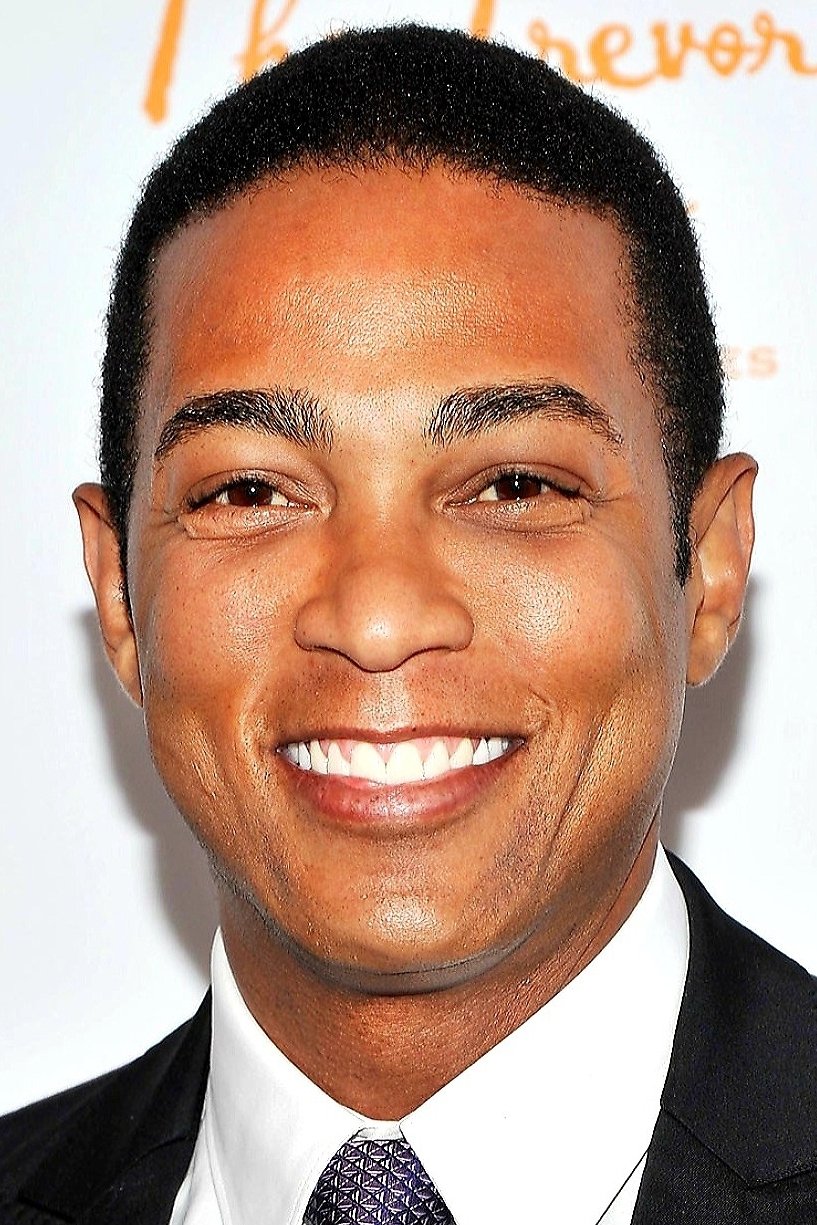
The television journalist has faced criticism from Black viewers who felt his commentary on social issues was sometimes out of touch. Certain segments on his show led to accusations that he was lecturing the community rather than advocating for it. Lemon has defended his work as an attempt to have honest and sometimes difficult conversations about culture. He has also spoken about the pressure of being a high profile Black man in the news industry. His tenure at his former network was marked by both professional success and public controversy.
Stephen A. Smith
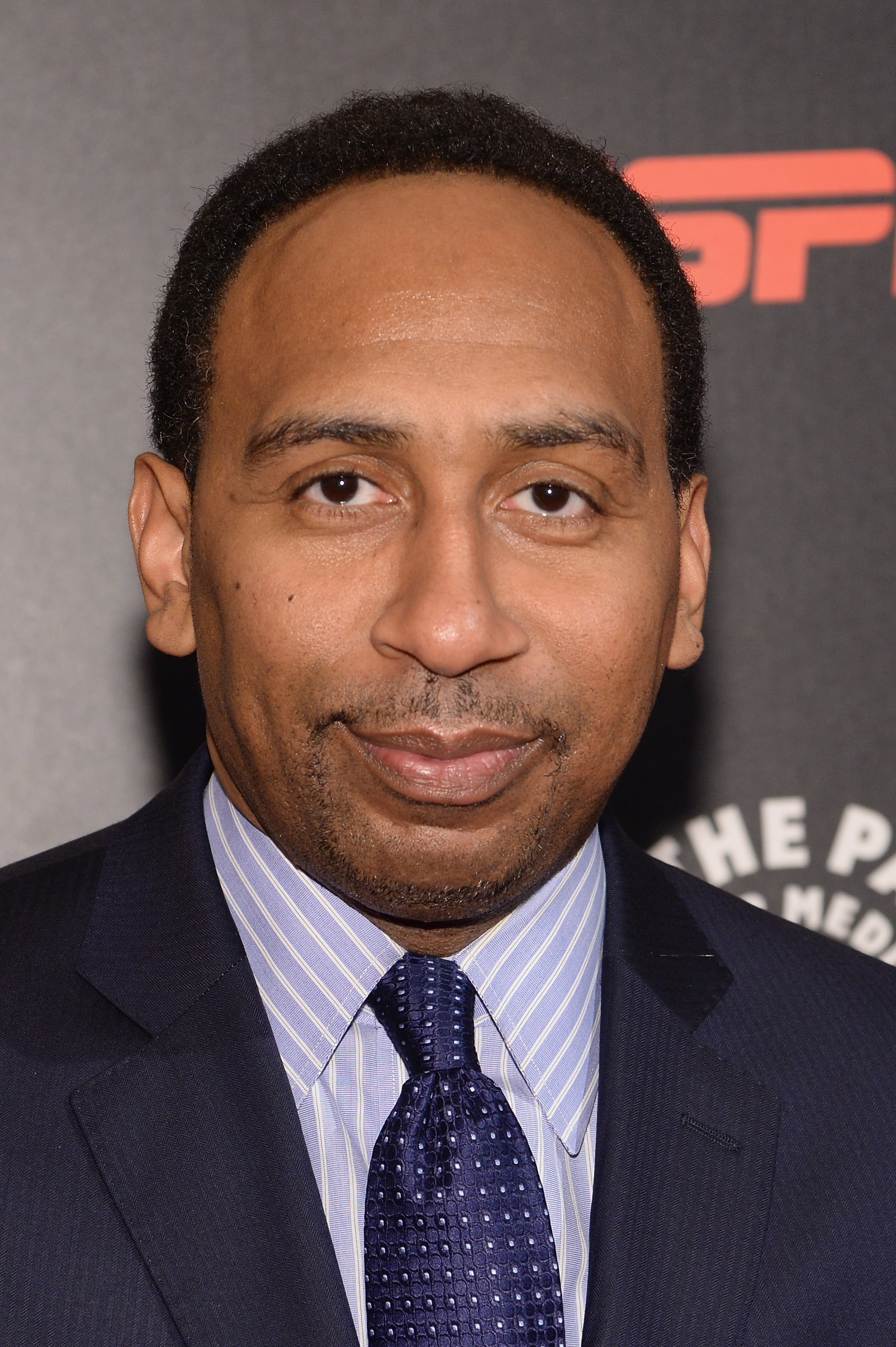
The sports analyst is known for his loud and often polarizing opinions on athletes and their personal lives. He has occasionally been accused of being too harsh on Black players while giving others a pass. Smith maintains that he is a journalist whose job is to provide honest analysis regardless of the person involved. He often highlights his own upbringing and his journey through the industry as proof of his authenticity. His public feuds with various athletes have become a staple of sports media.
Maya Rudolph
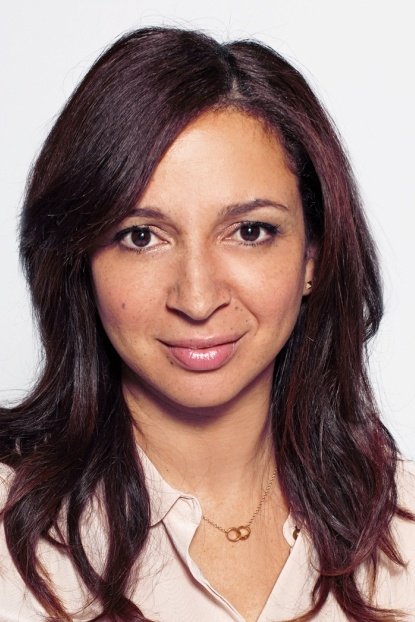
The comedian and actress has spoken about the early days of her career when she felt like she did not fit into a specific category. Because of her biracial heritage she was sometimes told she was not Black enough for certain roles or white enough for others. She found her place on ‘Saturday Night Live’ where her versatility allowed her to play a wide range of characters. Rudolph has since become one of the most respected figures in comedy. Her success has shown that being between categories can be a professional strength.
Halsey
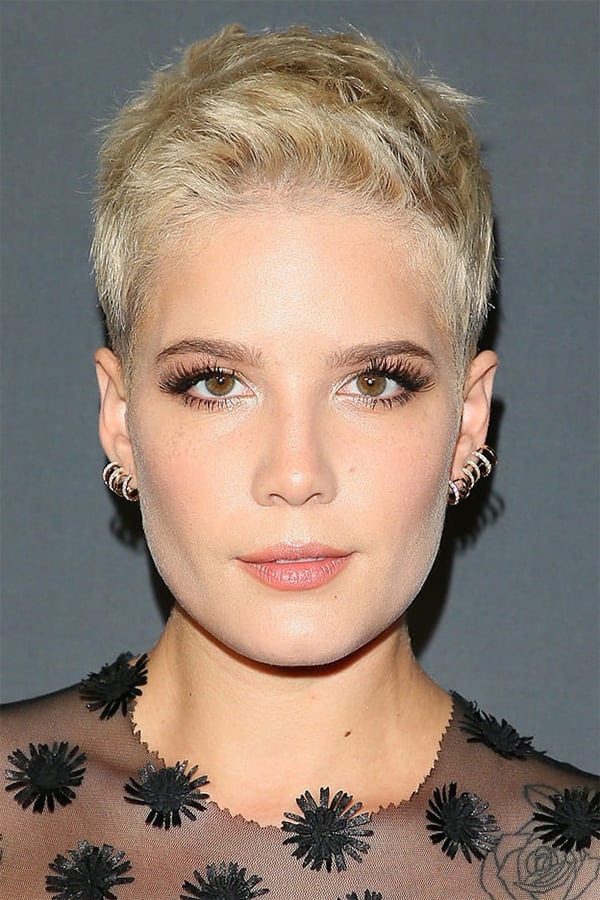
The singer has occasionally had to defend her identity to fans who were unaware that she is biracial. Critics have accused her of passing for white and only claiming her Black heritage when it benefits her image. Halsey has responded by clarifying her family history and discussing the complexities of her appearance. She has been vocal about her support for social justice and her desire to use her platform for good. Her experience reflects the ongoing challenges faced by multiracial individuals in the spotlight.
Ye
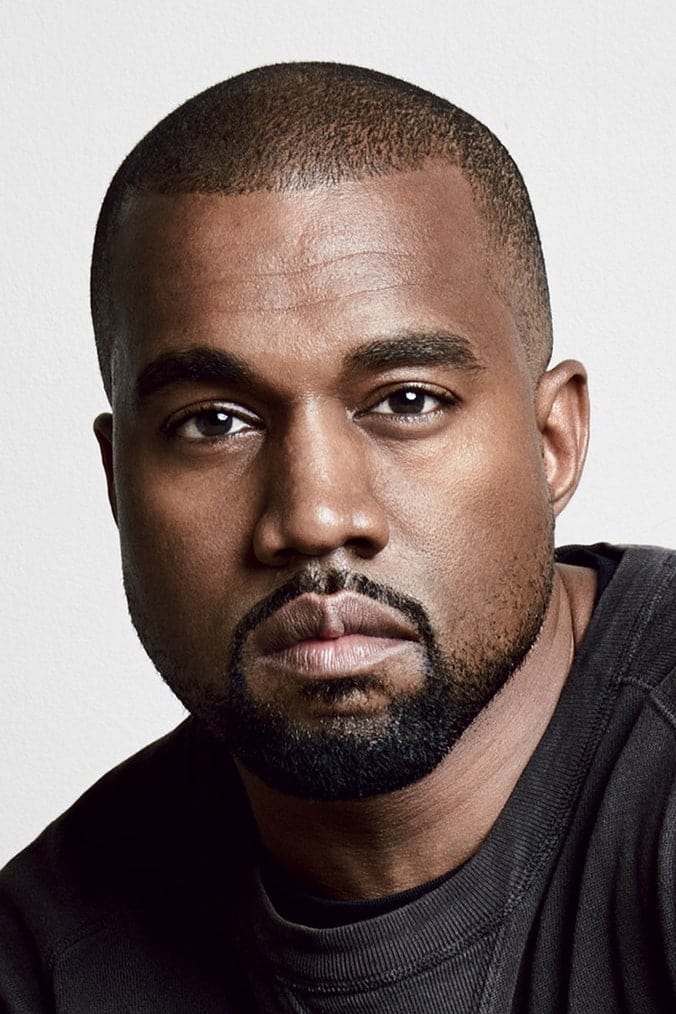
The rapper and fashion mogul has gone through several public shifts that have led to questions about his identity. His early work was praised for its social consciousness while his later political associations drew heavy criticism. Many fans felt that his actions were a betrayal of the community that first supported him. West has consistently argued that he is a free thinker who cannot be contained by traditional expectations. His public feuds with other celebrities over these issues have been extensively documented.
Wale
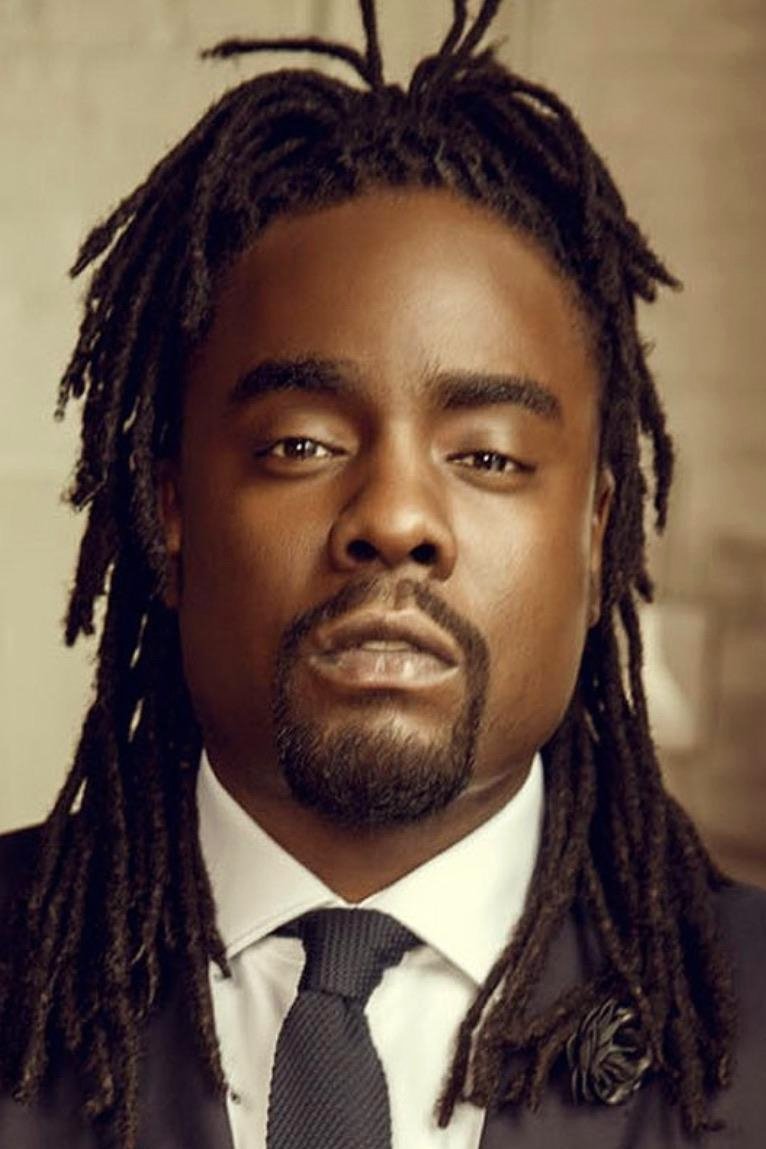
The rapper has often expressed frustration with how he is perceived by the industry and his peers. He has faced accusations of being too sensitive or not fitting into the traditional mold of a rap superstar. Wale has used his music and social media to address these claims and defend his artistic vision. He often highlights the beauty of Black culture while pointing out the internal divisions that can hold artists back. His career has been a constant negotiation between his personal truth and public expectations.
Pharrell Williams
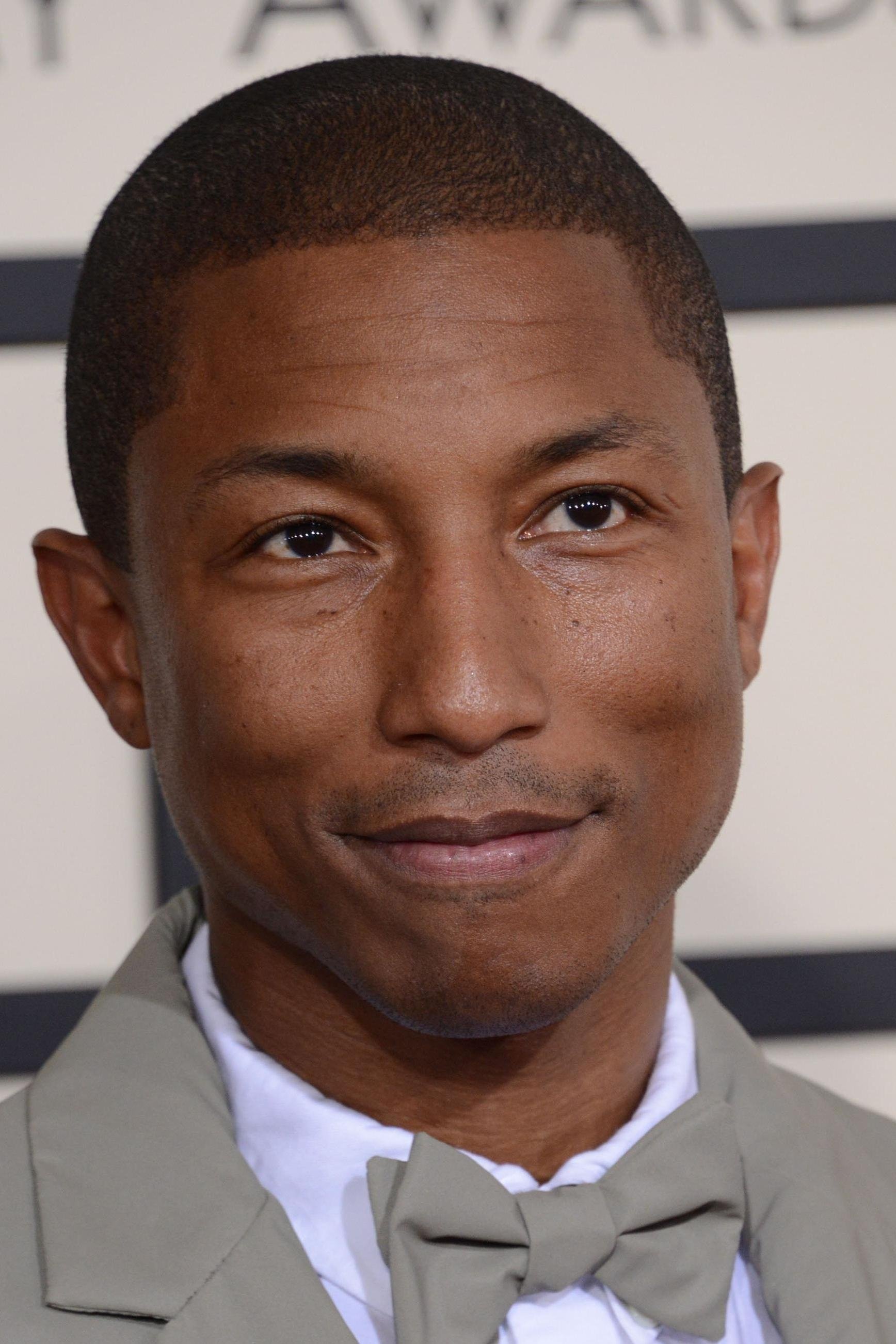
The producer and singer was once criticized for his comments regarding a new room of thought that seemed to downplay the impact of racism. Some felt that his wealthy lifestyle had disconnected him from the realities faced by many Black people. Pharrell later clarified his stance and became more involved in community projects and social activism. He has used his success to create opportunities for underrepresented entrepreneurs and students. His evolution shows how a public figure can learn and grow from criticism.
Tyler Perry
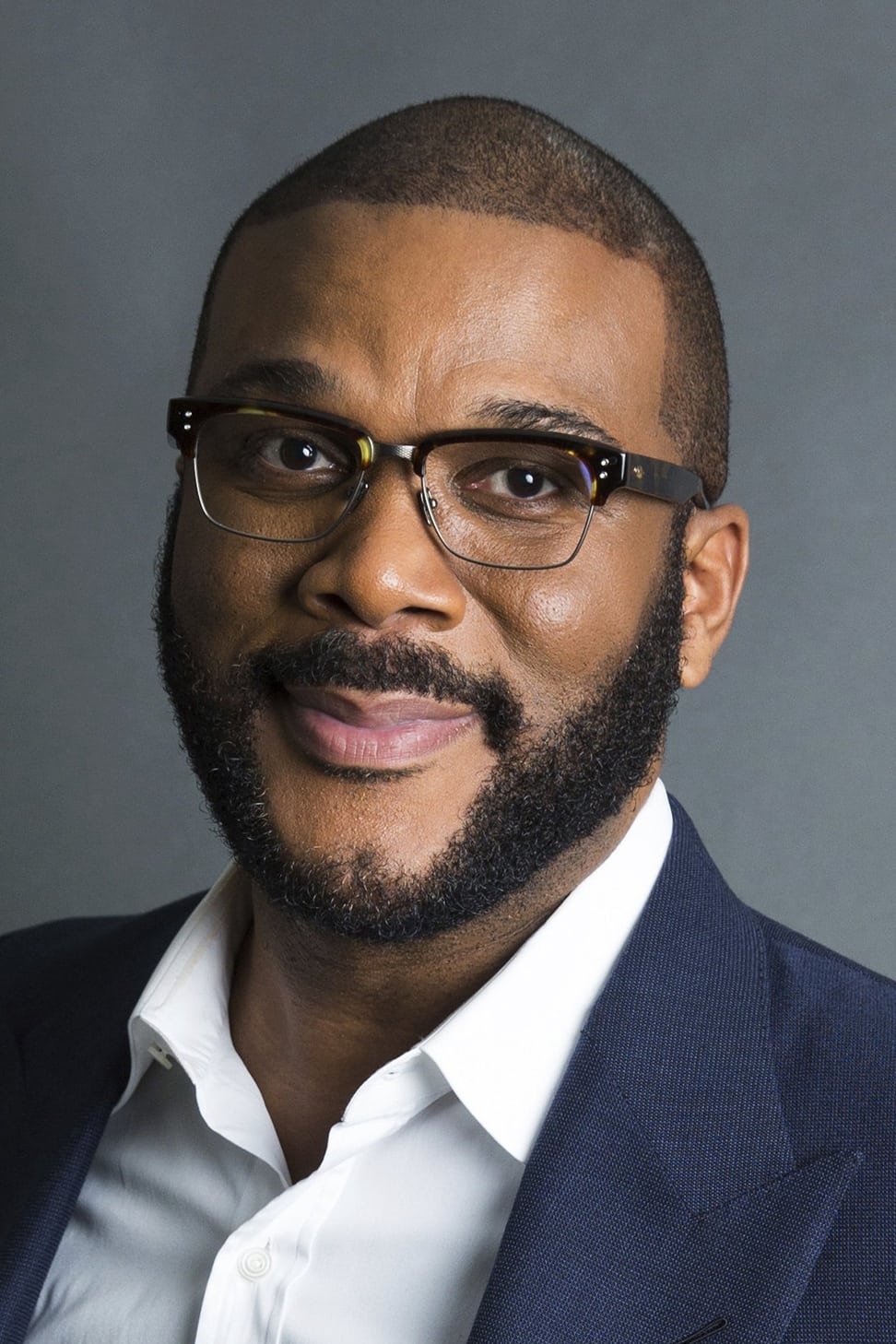
The filmmaker was famously involved in a feud with Spike Lee who criticized his work for promoting stereotypes. Lee suggested that Perry’s films and shows were a form of buffoonery that did not accurately represent the community. Perry defended his creations by stating that they were based on his own life experiences and the people he grew up with. He argued that his massive commercial success proved that there was a large audience for his specific brand of storytelling. The two eventually reconciled but the debate over the quality of his work continues.
Lena Waithe
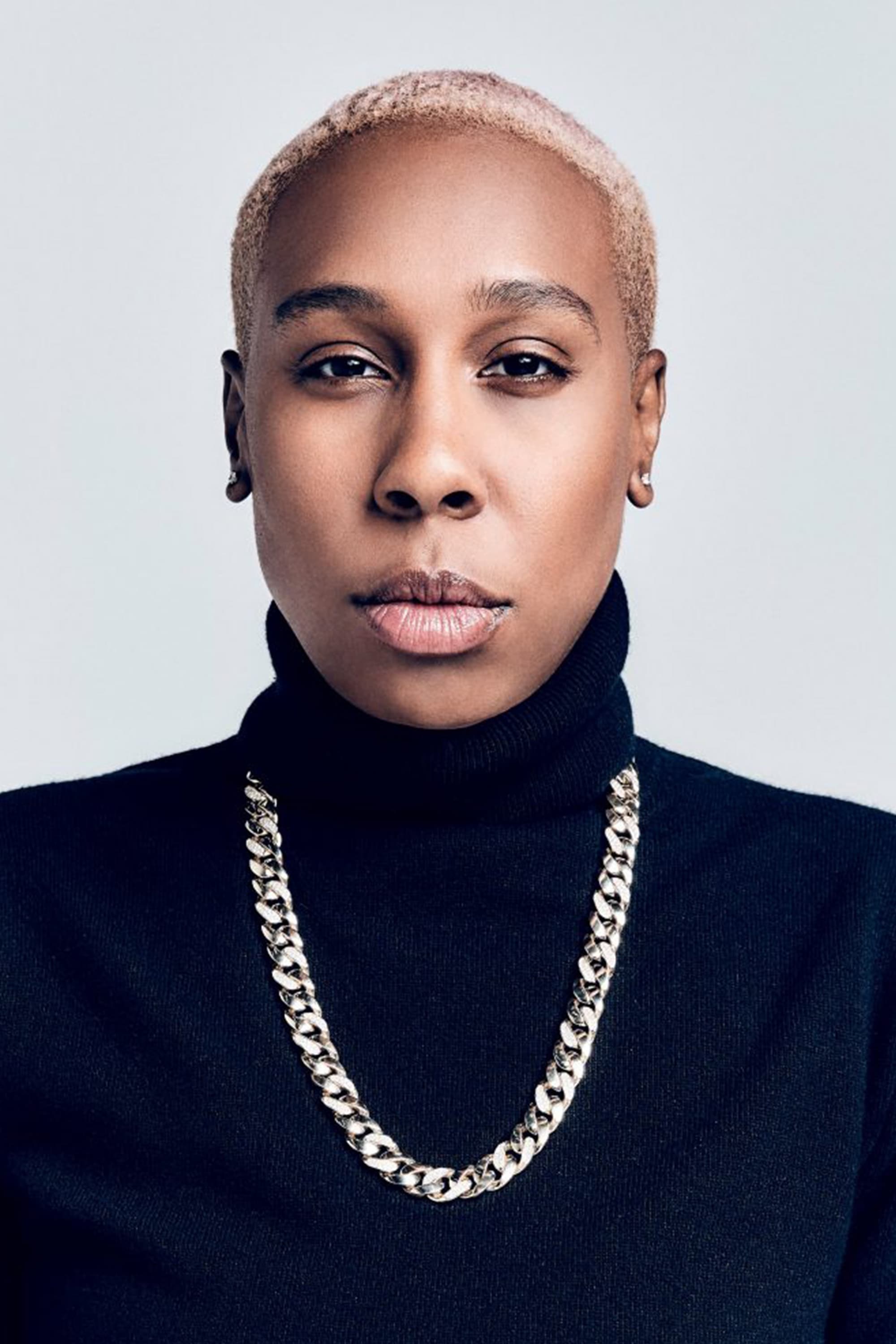
The writer and actress has faced criticism for the way she portrays certain characters and themes in her shows. Some viewers have accused her of creating content that focuses too much on trauma or does not represent the diversity of the community. Waithe has responded by emphasizing her commitment to telling unique and often overlooked stories. She believes that every artist should have the freedom to explore their own vision without being a spokesperson for an entire race. Her work continues to push boundaries in the television industry.
Issa Rae
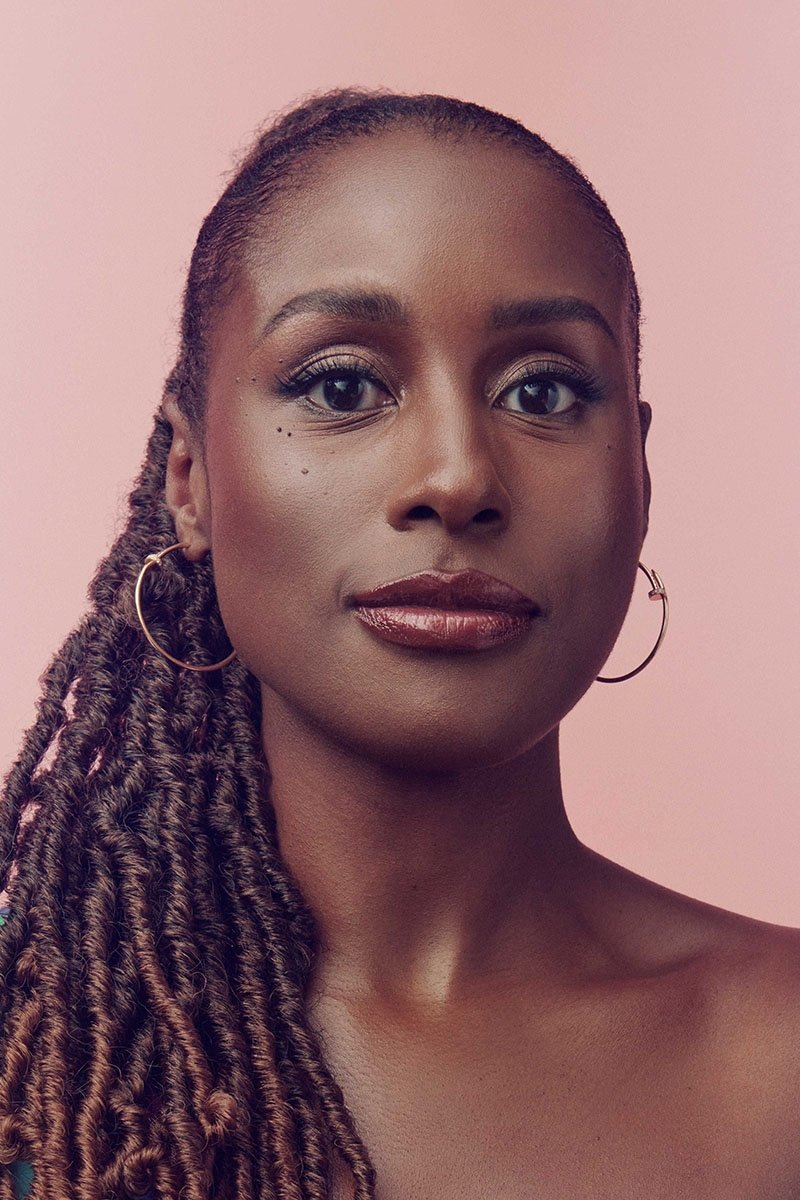
The creator of ‘Insecure’ has dealt with discussions regarding the casting of her show and whether it favored certain skin tones. While the show was praised for its authenticity some critics still questioned if it did enough to address colorism. Rae has been open about her desire to showcase a wide range of Black talent and has supported many upcoming artists. She maintains that her goal is to tell stories that feel real to her own experiences. Her success has transformed the landscape of modern television.
Marsai Martin
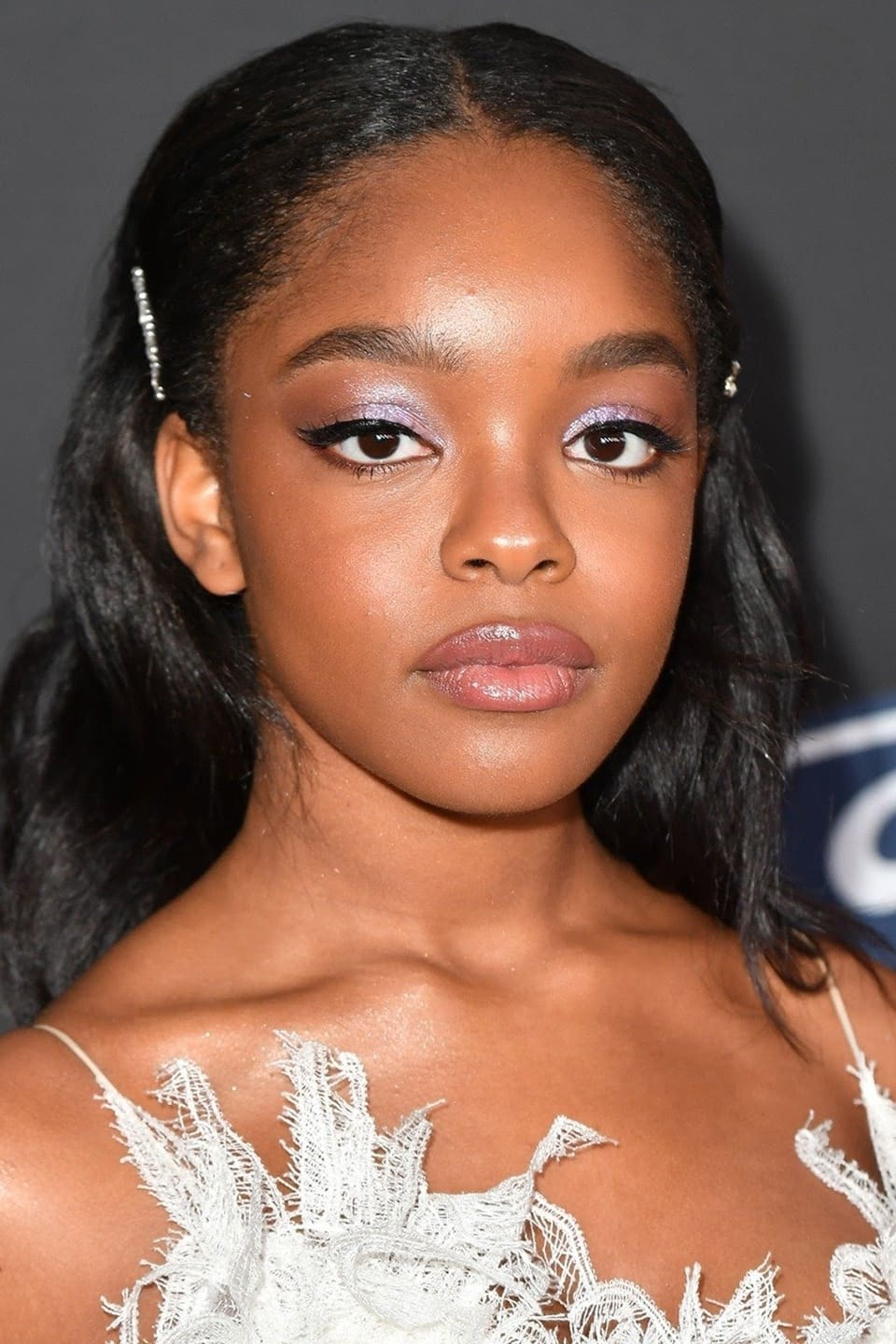
The young actress and producer has had to deal with adult critics who commented on her hair and appearance on social media. She responded to these claims by standing up for herself and pointing out the absurdity of judging a teenager. Martin has used her platform to promote self love and confidence among young Black girls. She has become one of the youngest successful producers in Hollywood history. Her poise in the face of public criticism has earned her widespread respect.
Yara Shahidi
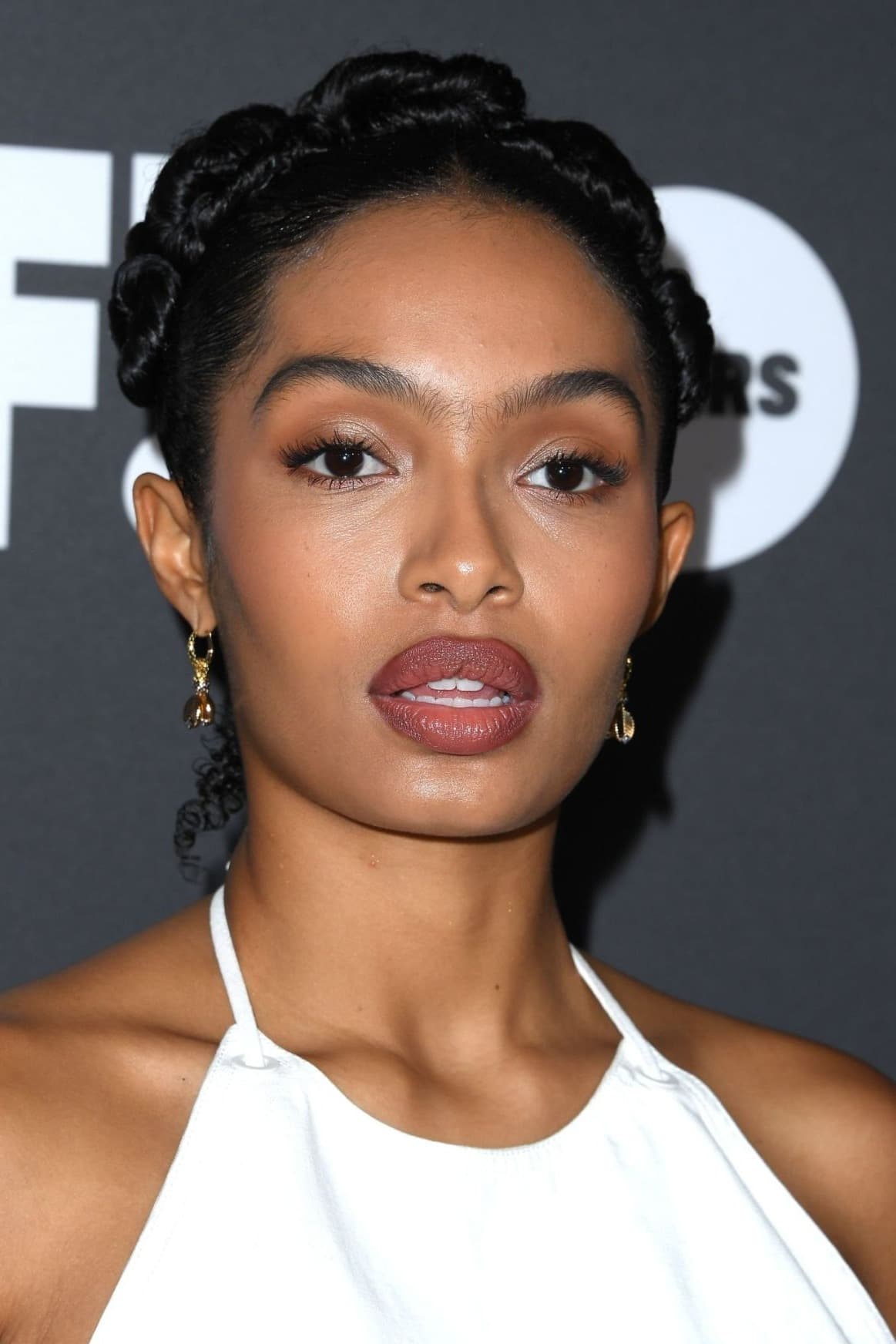
The actress and activist has occasionally faced claims that she is the face of a specific type of acceptable Blackness in Hollywood. Critics have discussed whether her lighter skin tone and academic background make her more palatable to a mainstream audience. Shahidi has addressed these ideas by acknowledging her privilege and advocating for more space for all Black women. She continues to use her influence to support voting rights and education. Her career is a balance of professional excellence and social responsibility.
Tracee Ellis Ross
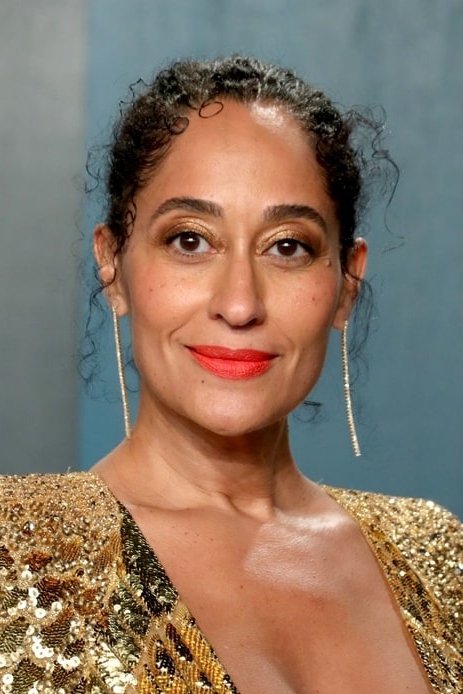
The daughter of Diana Ross has spent her life in the public eye and has often discussed the nuances of her identity. She has faced questions about her upbringing in high society and whether that disconnected her from the Black experience. Ross has used her roles on shows like ‘Girlfriends’ and ‘Blackish’ to explore these themes with humor and depth. She maintains that there is no single way to be Black and that all experiences are valid. Her work has made her a style icon and a respected voice in the industry.
Zoë Kravitz

The actress has spoken about being told she was not Black enough for certain roles early in her career. She noted that some casting directors had a very narrow view of what a Black woman should look like or act like. Kravitz has since carved out a unique path for herself by taking on a wide variety of roles in different genres. She continues to challenge stereotypes through her work and her personal style. Her success serves as a reminder that the industry is slowly changing.
Lenny Kravitz
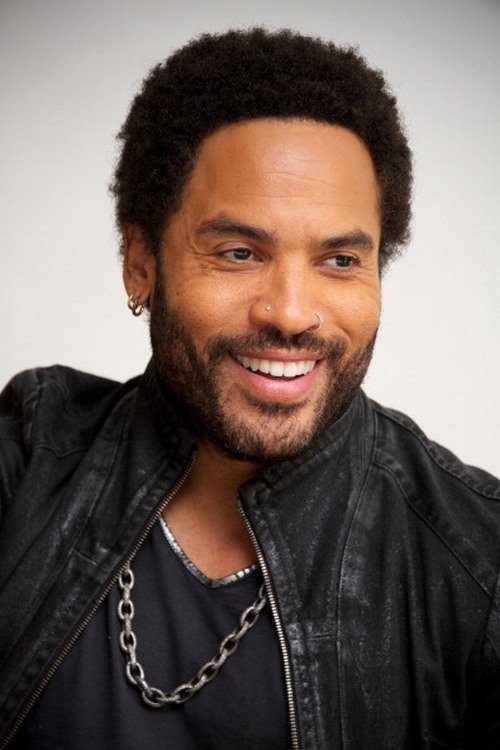
The rock star faced early criticism from those who felt his music was too white for a Black artist. At the time rock was often seen as a genre that had been reclaimed by white musicians despite its Black roots. Kravitz ignored the critics and stayed true to his sound and eventually became a global superstar. He has often spoken about how his heritage influences his art and his worldview. His career helped reopen the door for Black musicians in the rock genre.
Lizzo
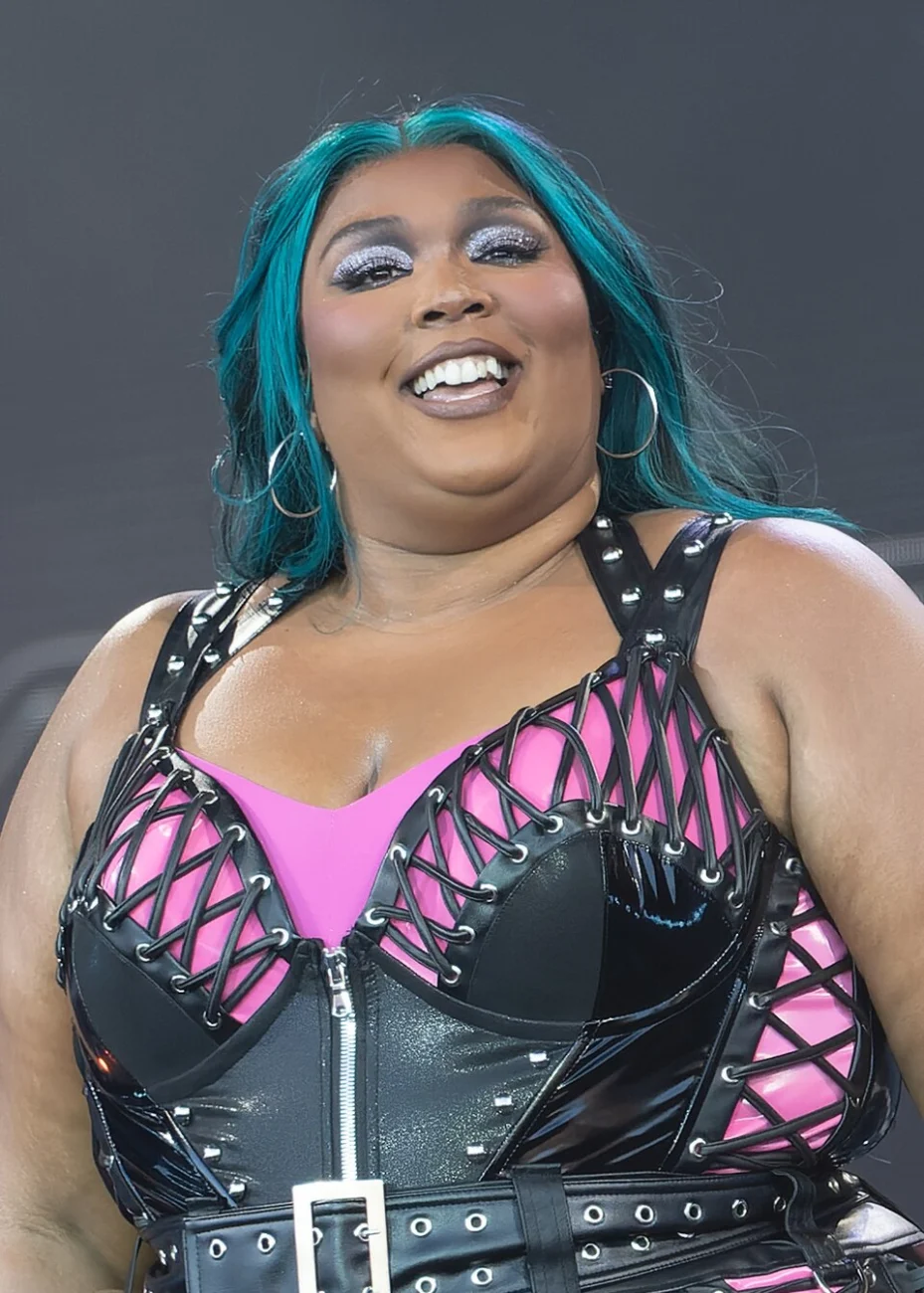
The singer and flautist has faced claims that her music is primarily made for a white audience and does not resonate with the Black community. Critics have also targeted her public persona and her focus on body positivity. Lizzo has defended herself by stating that she is a Black woman making music based on her own life and joy. She has worked with many legendary Black artists to show her connection to the culture. Her success has made her a prominent and sometimes polarizing figure in pop music.
Nicki Minaj

The rapper has frequently feuded with other artists and media personalities over her place in the industry. During her transition into pop music some critics argued that she was leaving her rap roots behind to find mainstream success. Minaj responded by consistently delivering high quality rap verses and reminding the world of her skills. She has been a vocal critic of how Black women are treated in the music business. Her influence on the next generation of female rappers is undeniable.
Cardi B
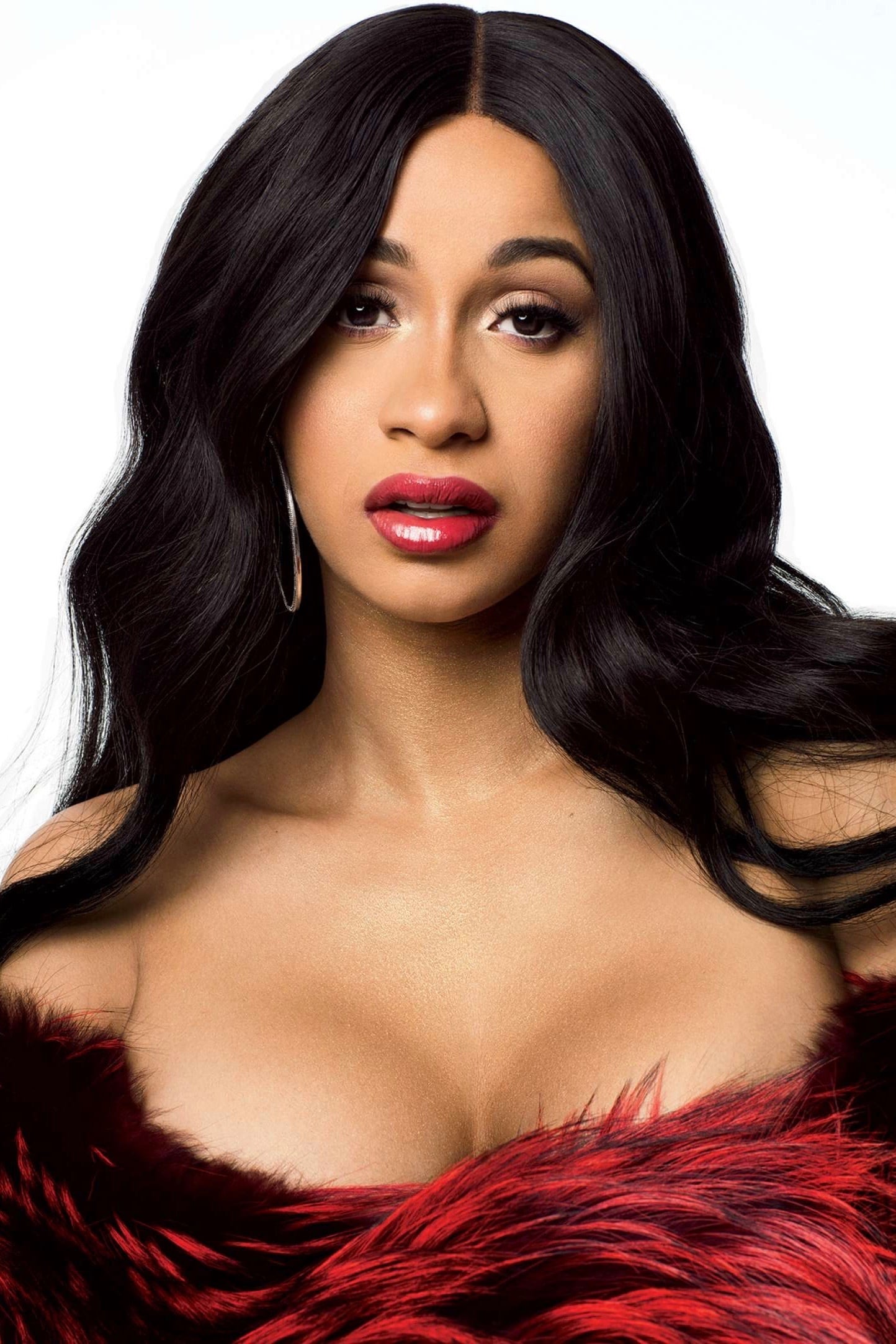
The artist has had to defend her Black identity because of her Afro Latina heritage. Some people have argued that she should not use certain language or claim a Black identity because she is from the Dominican Republic and Trinidad. Cardi B has used her social media to educate her followers on the history of the African diaspora in the Caribbean. She maintains that her identity is not up for debate and that she is proud of all her roots. Her transparency has sparked important conversations about ethnicity and race.
Meghan, Duchess of Sussex
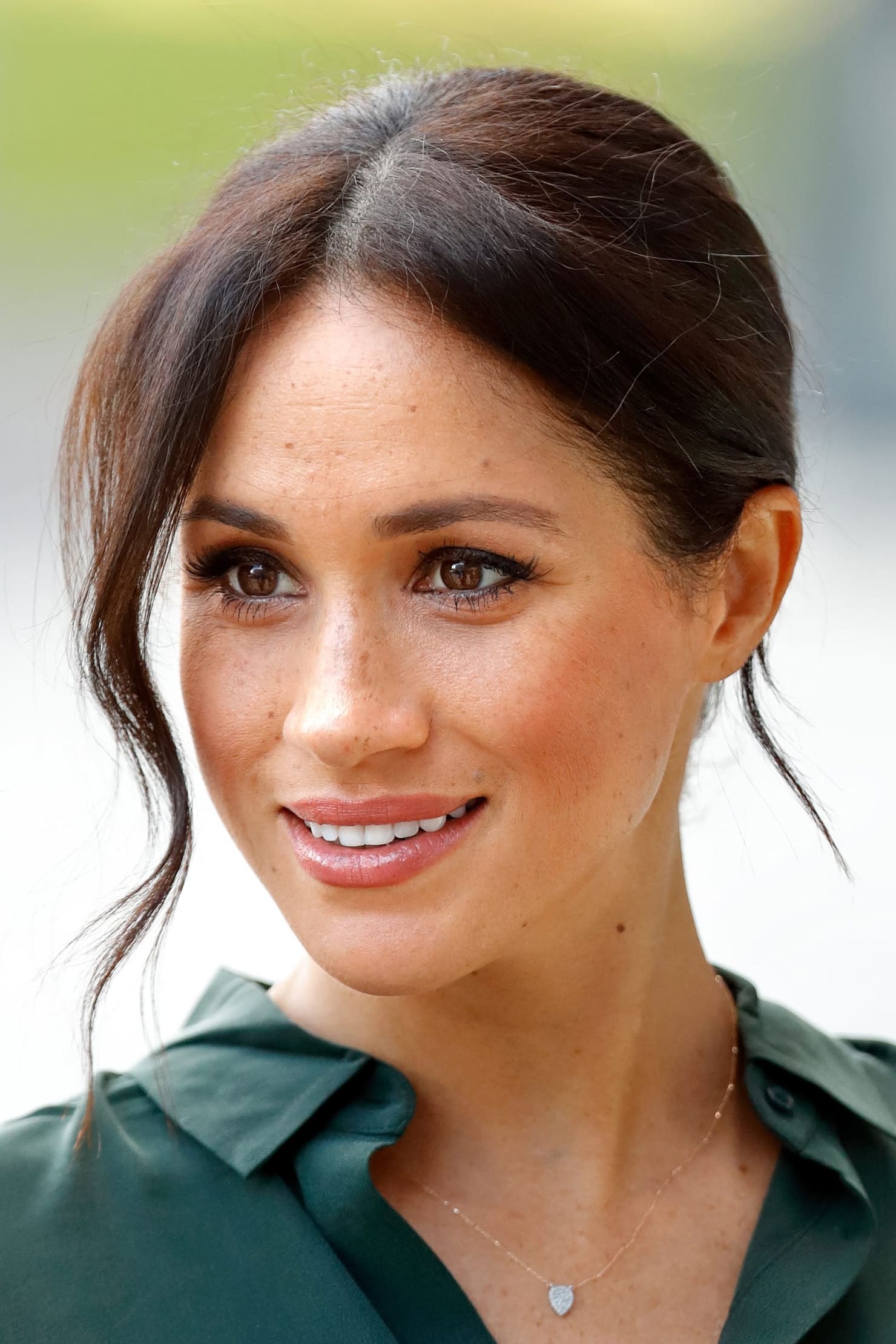
The Duchess of Sussex has been at the center of a global conversation about race since she joined the Royal Family. She has faced criticism from those who felt she was not Black enough to understand certain struggles and from others who targeted her heritage. Markle addressed these issues in a high profile interview where she discussed the challenges of navigating the British monarchy. Her experience highlighted the deep rooted prejudices that still exist in traditional institutions. She continues to advocate for social justice through her various projects.
Kamala Harris
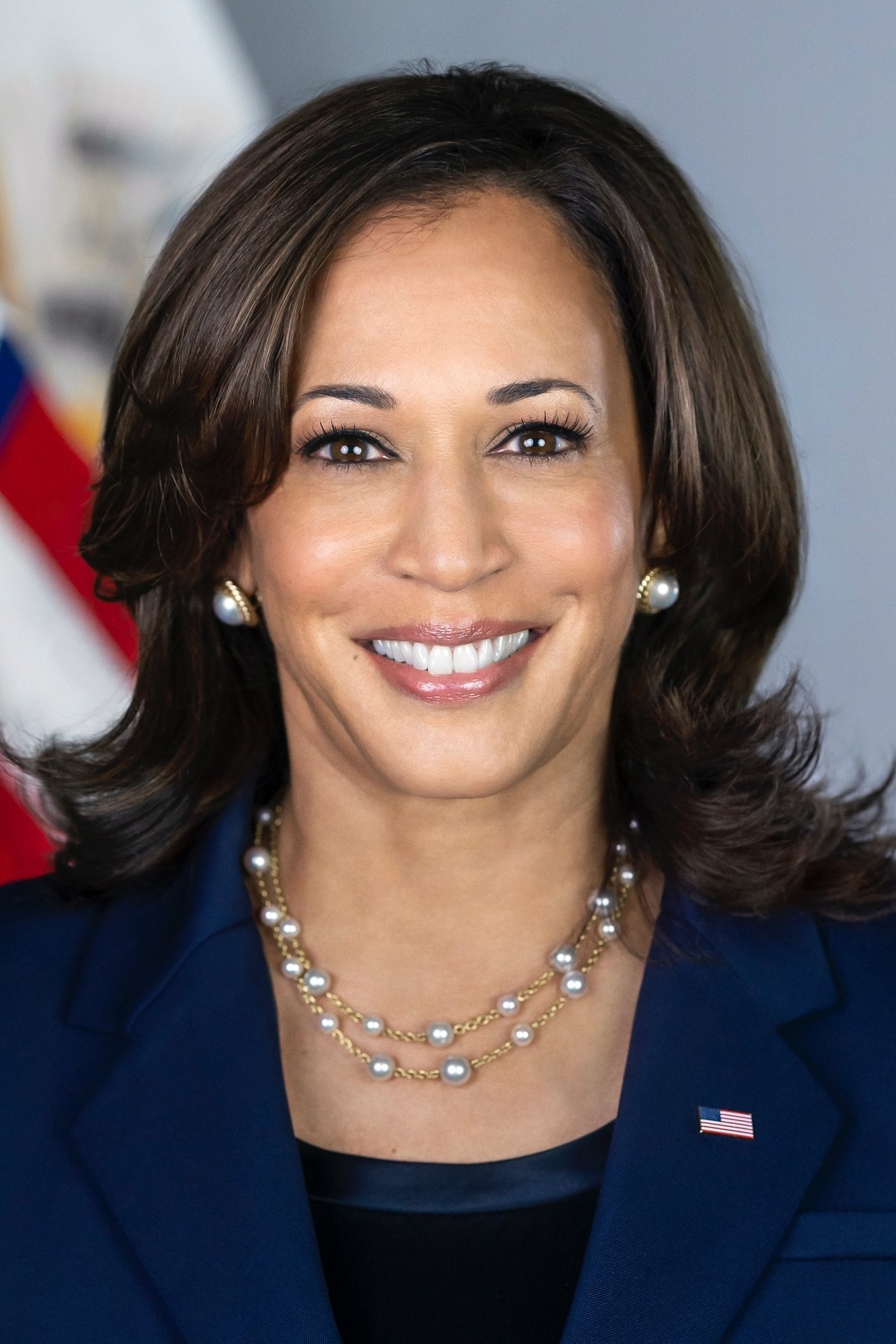
The Vice President has faced scrutiny from across the political spectrum regarding her identity and her record. Some critics have questioned her authenticity as a Black woman while others have focused on her professional background. Harris has responded by highlighting her upbringing and her education at a historically Black university. She maintains that her identity is a source of strength and informs her work in government. Her position as the first woman of color in her role makes her a historic figure.
Anthony Anderson
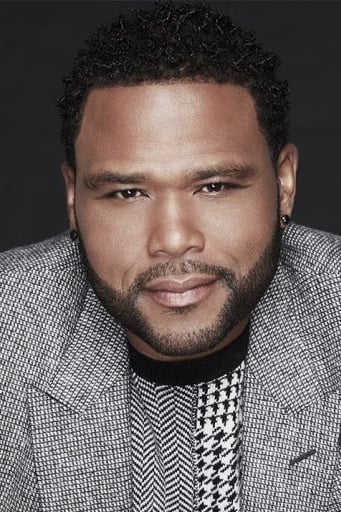
The actor has faced questions about the content of his show ‘Blackish’ and whether it accurately represents the community. Some viewers felt the show focused too much on the struggles of wealthy Black families while ignoring other perspectives. Anderson has defended the show as a necessary exploration of modern identity and success. He believes that showing a diverse range of Black lives is essential for progress. The show has won many awards and sparked countless discussions.
Terrence Howard
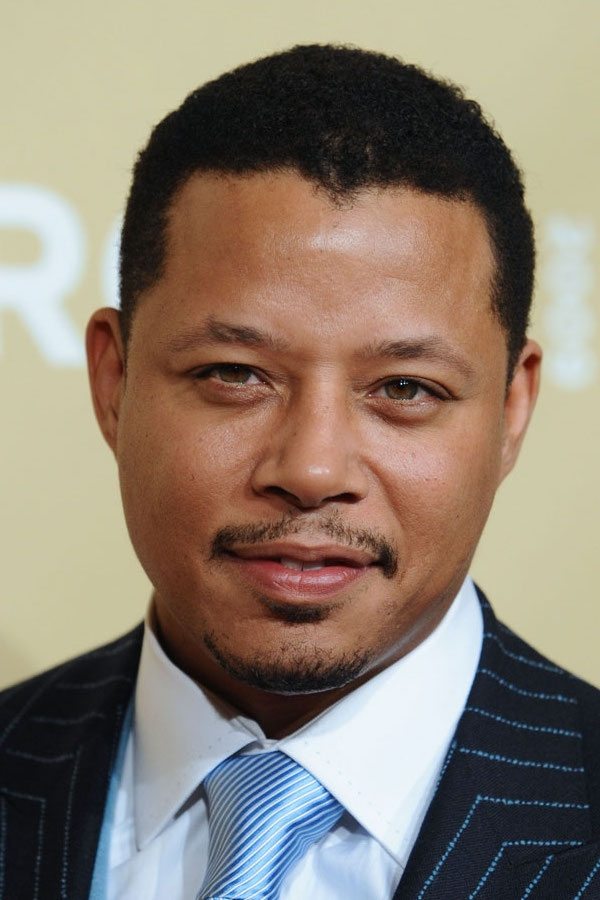
The actor has often been a polarizing figure due to his unconventional views on science and philosophy. Some critics have suggested that his public persona is a distraction from his work and his community responsibilities. Howard has defended his right to explore his own ideas regardless of how they are perceived. He has also been open about his struggles in the industry and his desire for more creative control. His career has been marked by both critical acclaim and public controversy.
Whoopi Goldberg
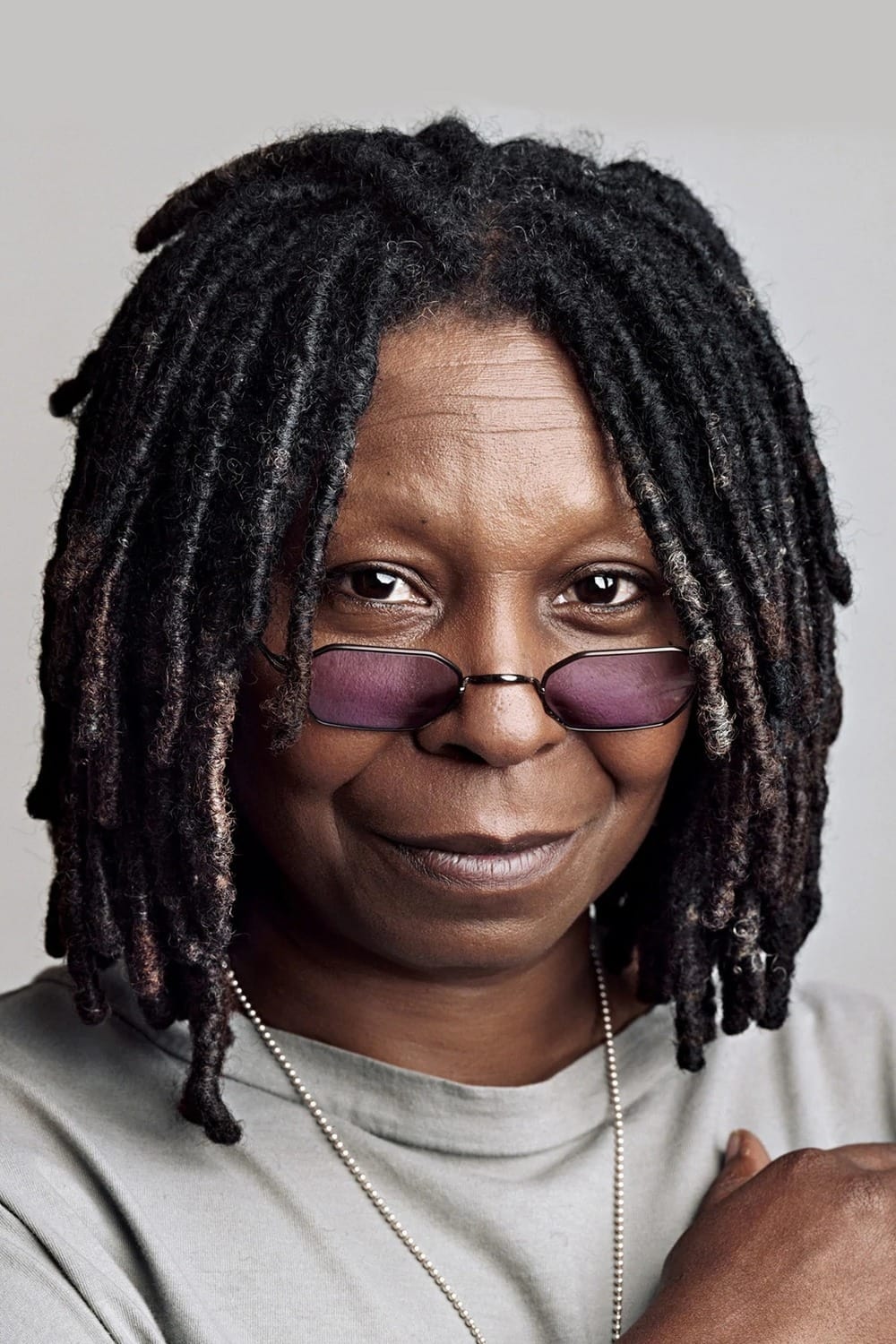
The legendary entertainer has frequently been at the center of debate due to her comments on ‘The View’. Some of her statements regarding race and history have led to public outcries and even a brief suspension from her show. Goldberg has consistently defended her right to express her opinion while acknowledging the need for learning. She has a long history of activism and has broken many barriers for Black women in Hollywood. Her presence in the media remains influential and often controversial.
Gabrielle Union
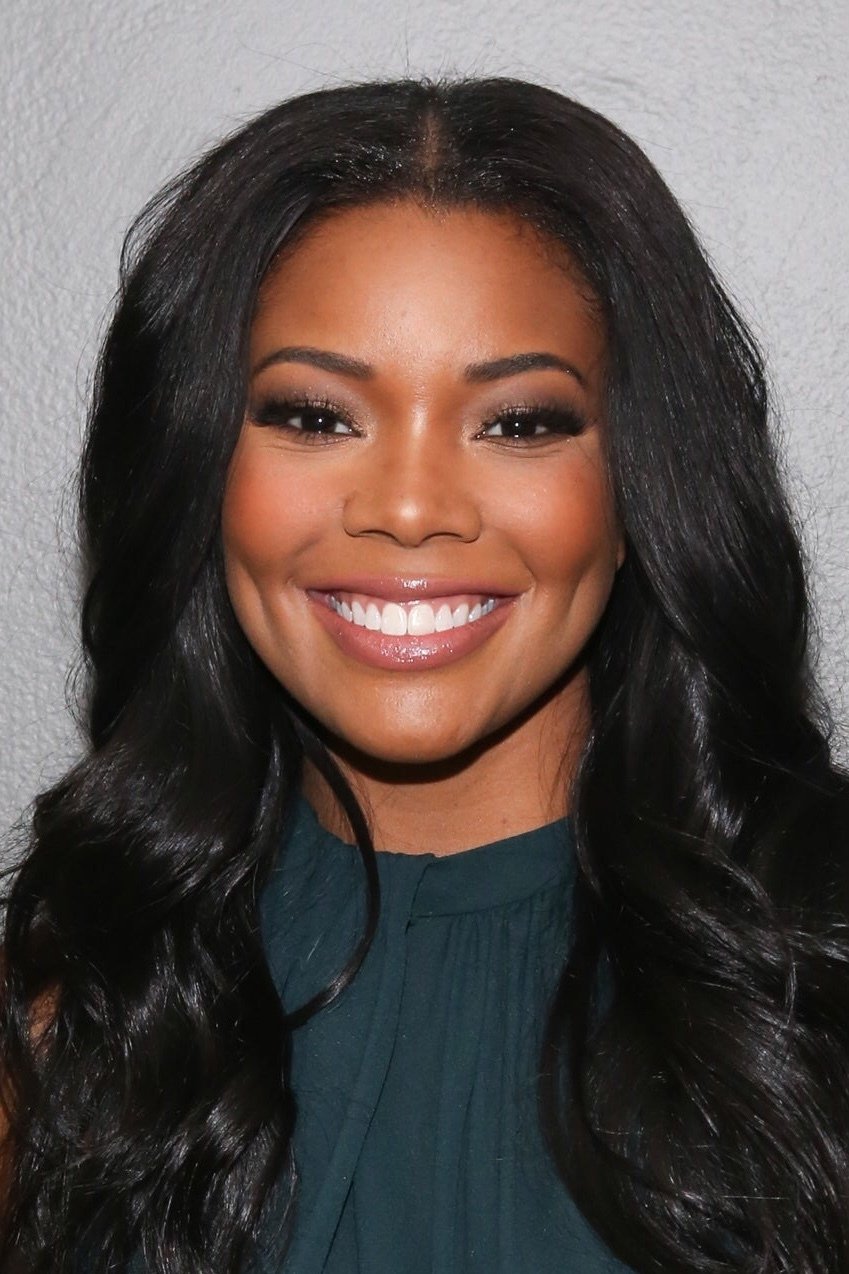
The actress made headlines when she spoke out about the culture at ‘Americas Got Talent’ and her eventual departure from the show. She accused the production of having an environment that was not supportive of diverse voices. Some critics questioned her motives while many others praised her for her bravery. Union has since become a vocal advocate for workplace equality and better representation behind the scenes. She continues to use her platform to support other women in the industry.
Michael Jordan
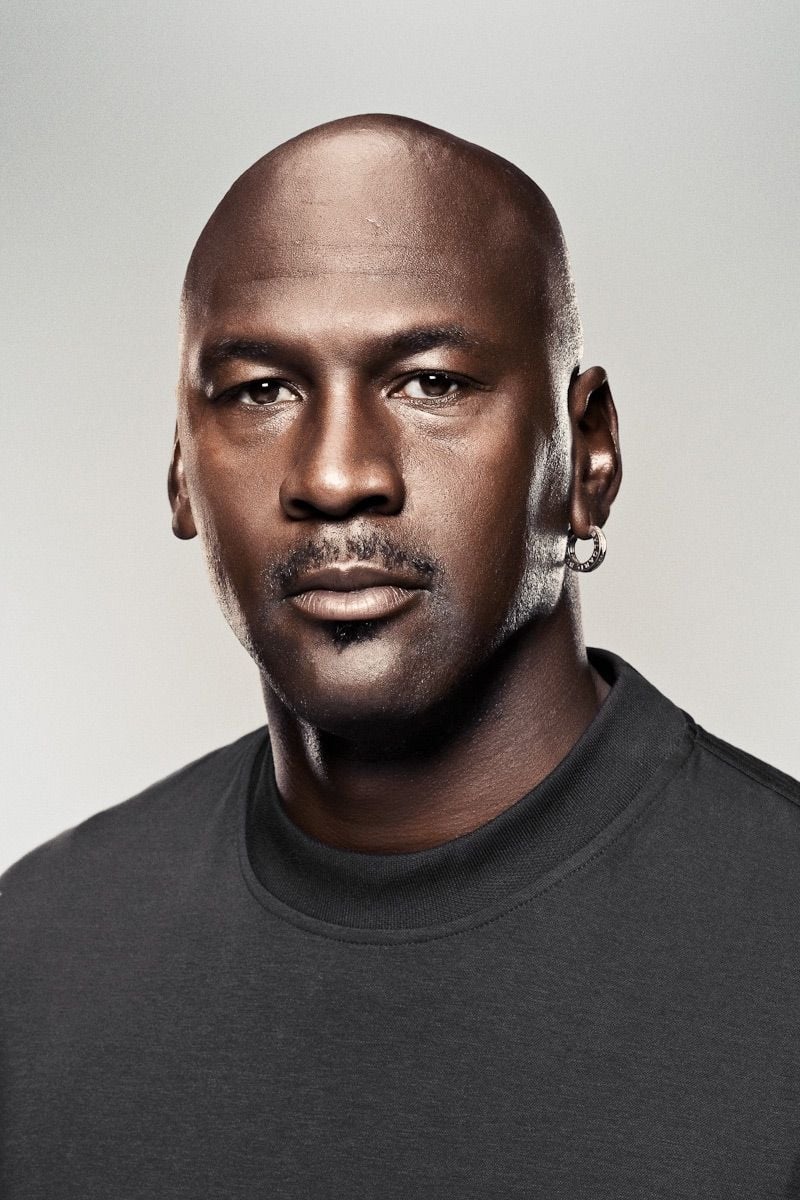
The basketball legend was often criticized during his playing career for his lack of public involvement in social and political issues. Many compared him to activists like Muhammad Ali and suggested he was more concerned with his brand than his community. Jordan famously defended his neutral stance by stating that Republicans buy sneakers too. He later became more vocal and contributed significant financial support to social justice causes in his post playing years. His early silence remains a point of debate among those who expect athletes to be community leaders.
Barack Obama
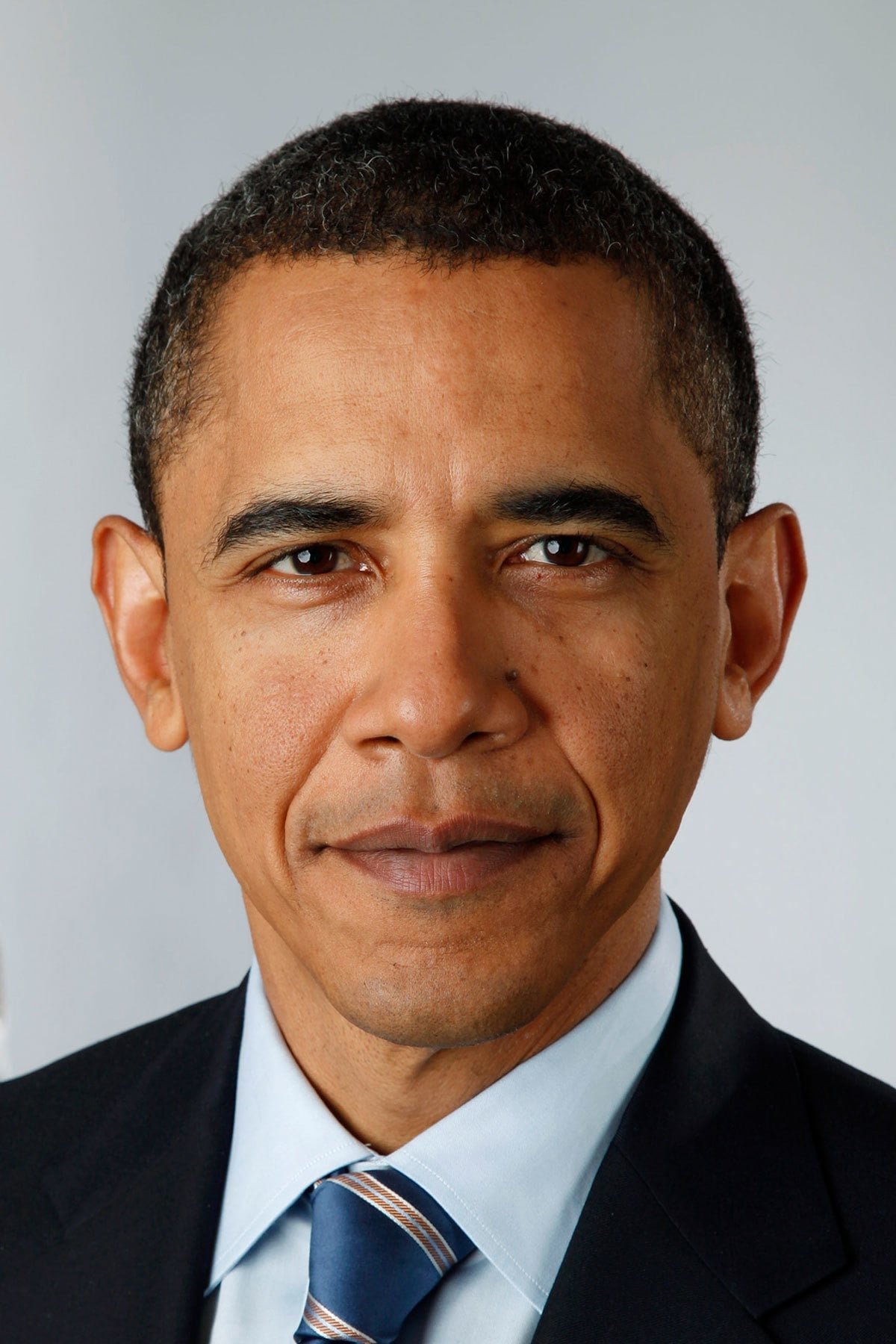
The former President faced questions about his authenticity during his first campaign for the White House. Some critics argued that his upbringing and his Ivy League education made him disconnected from the average Black American experience. Obama addressed these concerns by discussing his heritage and his work as a community organizer in Chicago. He went on to become the first Black president and remains one of the most respected figures in the world. His journey showed that there is no single path to leadership.
Clarence Thomas
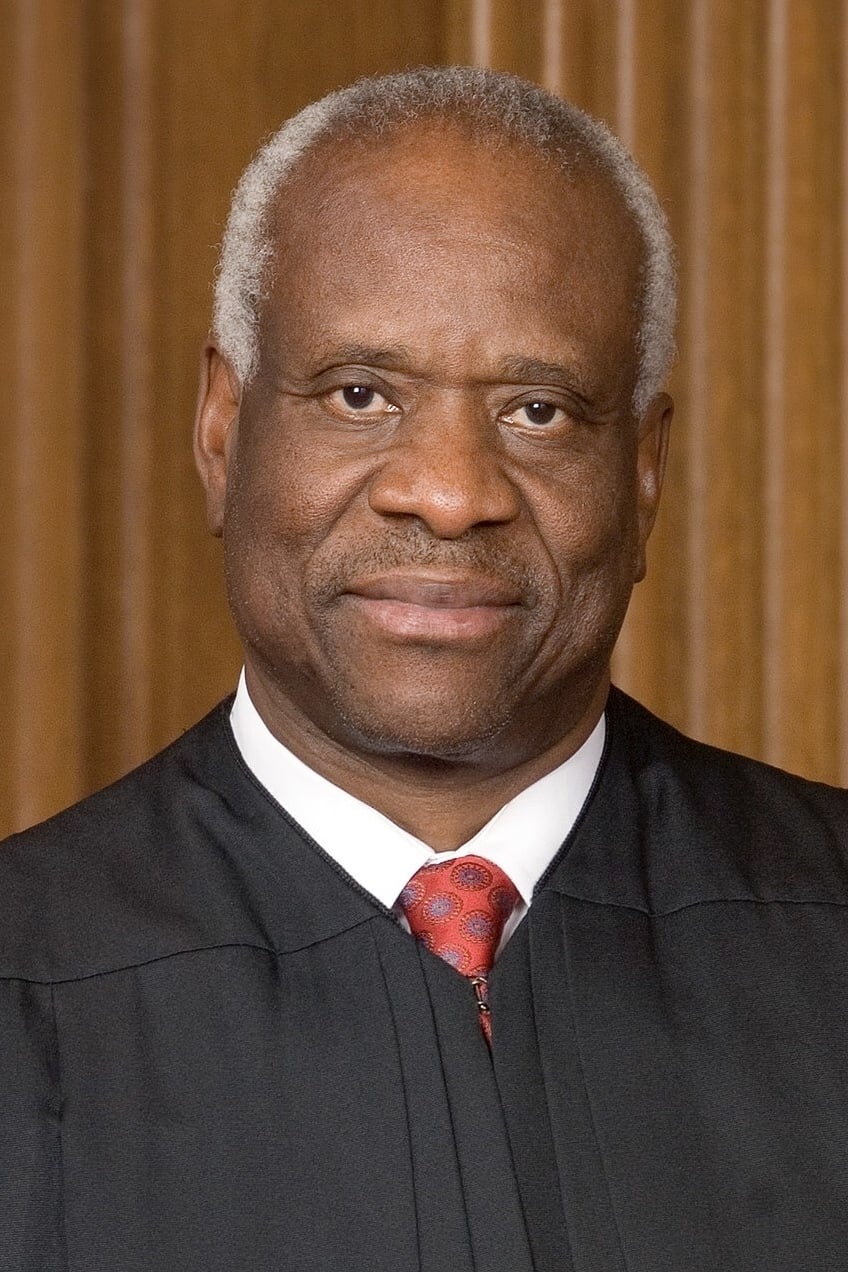
The Supreme Court Justice has long faced criticism from Black leaders and citizens who disagree with his conservative judicial philosophy. Critics often argue that his rulings on civil rights and affirmative action do not align with the interests of the Black community. Thomas famously described his confirmation hearings as a digital lynching for individuals who think for themselves. He has consistently maintained that his views are based on a strict interpretation of the Constitution rather than racial identity. This ongoing tension has made him one of the most polarizing figures in American legal history.
Colin Powell
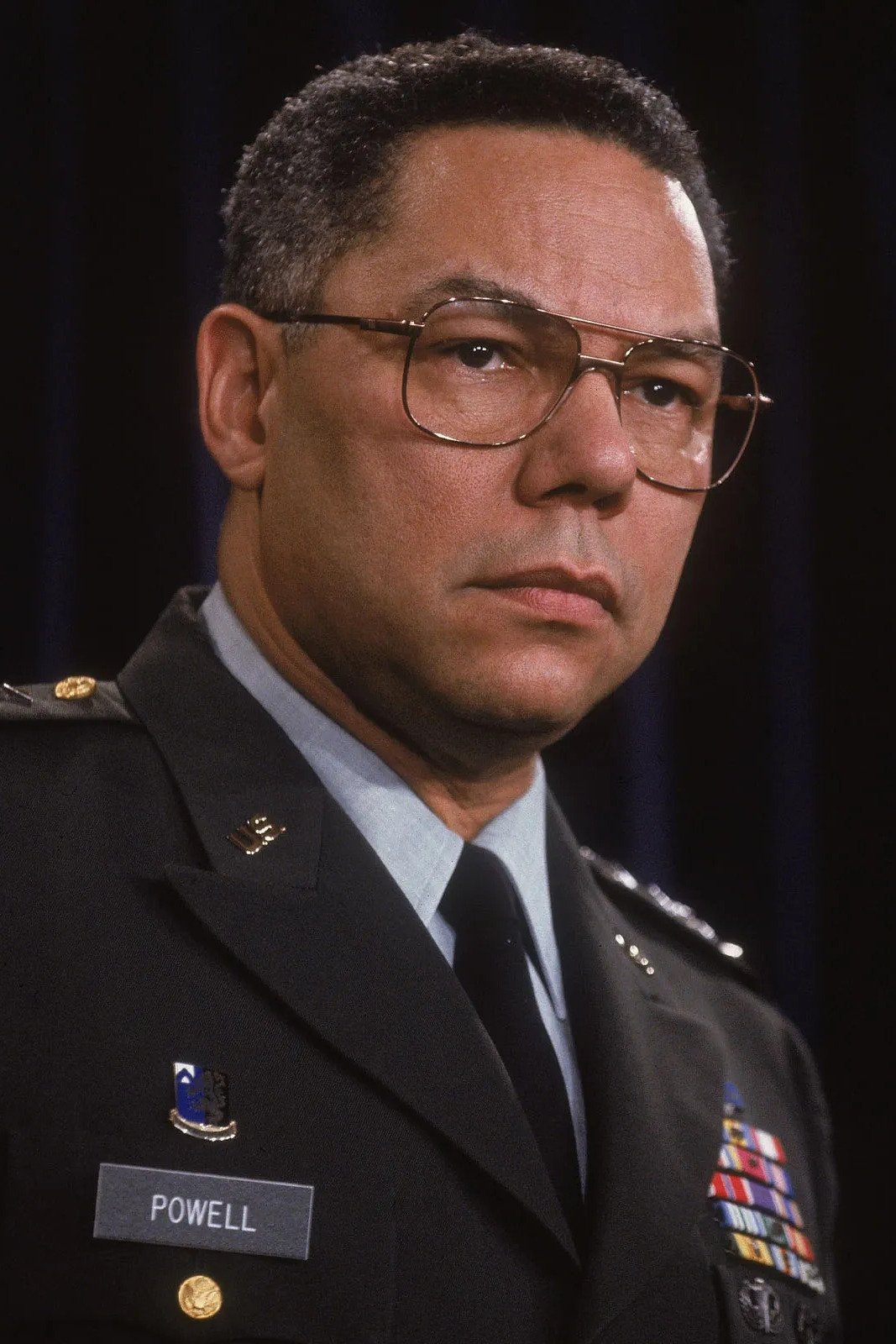
The late statesman and General was sometimes criticized for his role in administrations that were seen as unfavorable to the interests of the Black community. Some activists felt that he was a face for policies that did not benefit his own people. Powell defended his service as a commitment to his country and the ideals of the military. He later became a vocal critic of certain political directions and advocated for more inclusion. His legacy as a pioneer in the government and military is widely acknowledged.
Idris Elba
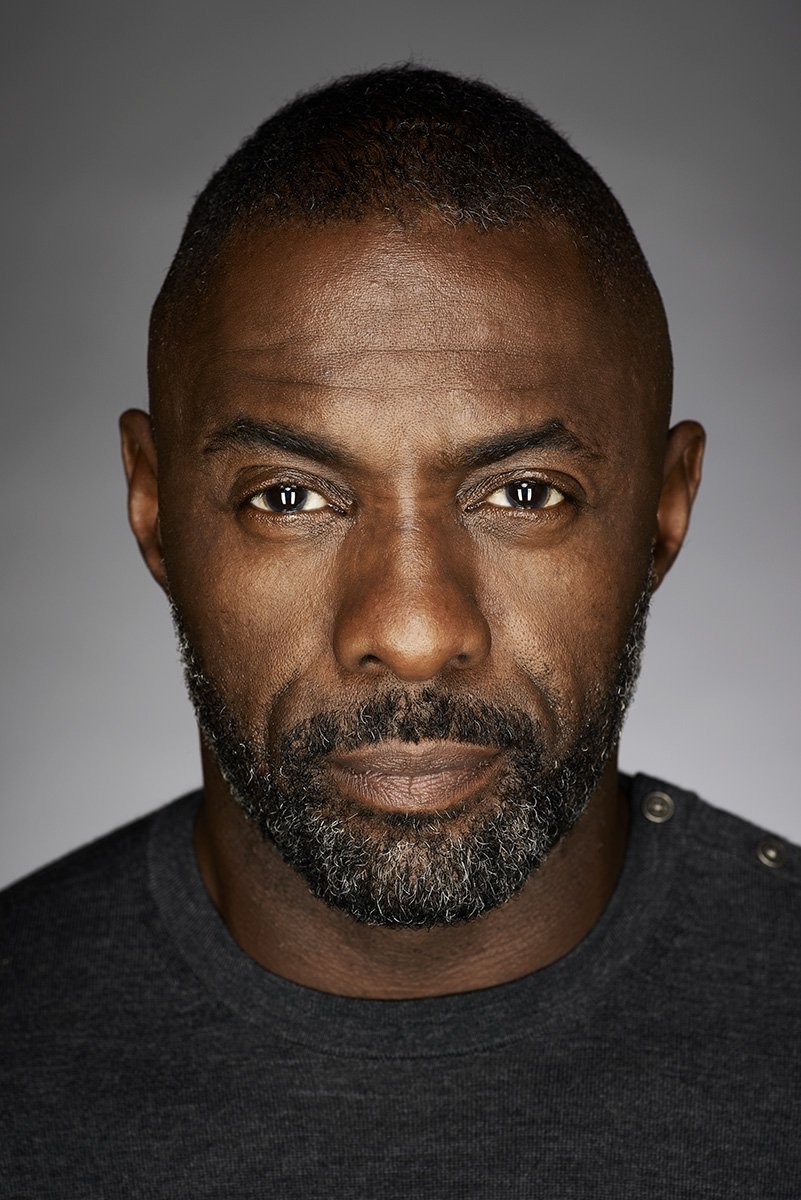
The British actor has faced criticism regarding his casting in roles that were traditionally seen as African American. Some fans argued that he should focus on British stories rather than taking opportunities from American actors. Elba has responded by stating that the Black experience is universal and that he is a professional actor who can inhabit many worlds. He has also been a target of debate regarding whether he should be the first Black James Bond. He continues to be one of the most successful and sought after actors in the world.
Share your perspective on these public debates in the comments.