


Black Celebs Who Refused to Promote Films with Whitewashed Posters

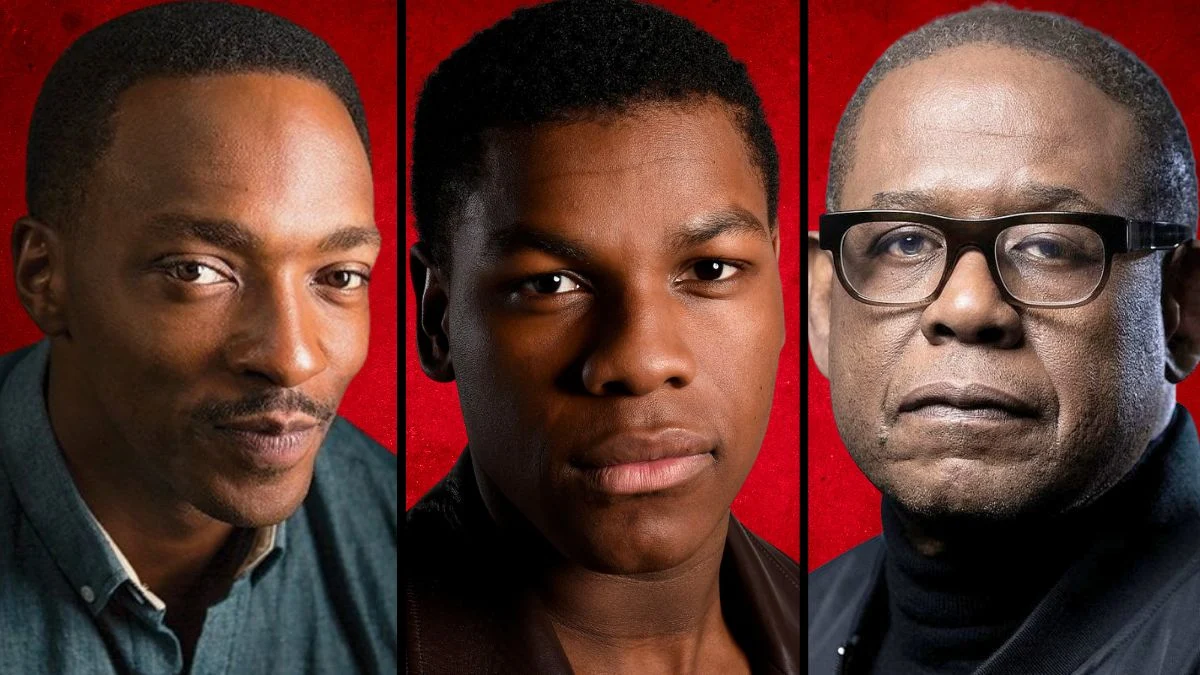


Marketing campaigns in the film industry have frequently sparked controversy for altering the appearance of Black actors to appeal to international or specific demographics. This practice, often referred to as whitewashing, involves lightening skin tones, minimizing actor presence, or removing them entirely from promotional materials. The following celebrities have either taken legal action, spoken out publicly, or had their participation in press tours overshadowed by these discriminatory editing choices.
Faizon Love

This actor took significant legal action against Universal Studios regarding the marketing for the comedy ‘Couples Retreat’. Love discovered that while the domestic poster featured all four couples, the international version used in the UK and other territories removed him and his Black co-star entirely. He filed a lawsuit alleging discrimination and breach of contract, stating that the studio had erased his presence to appease foreign markets. Love settled the lawsuit later, but his refusal to stay silent brought major attention to digital erasure in Hollywood.
Kali Hawk
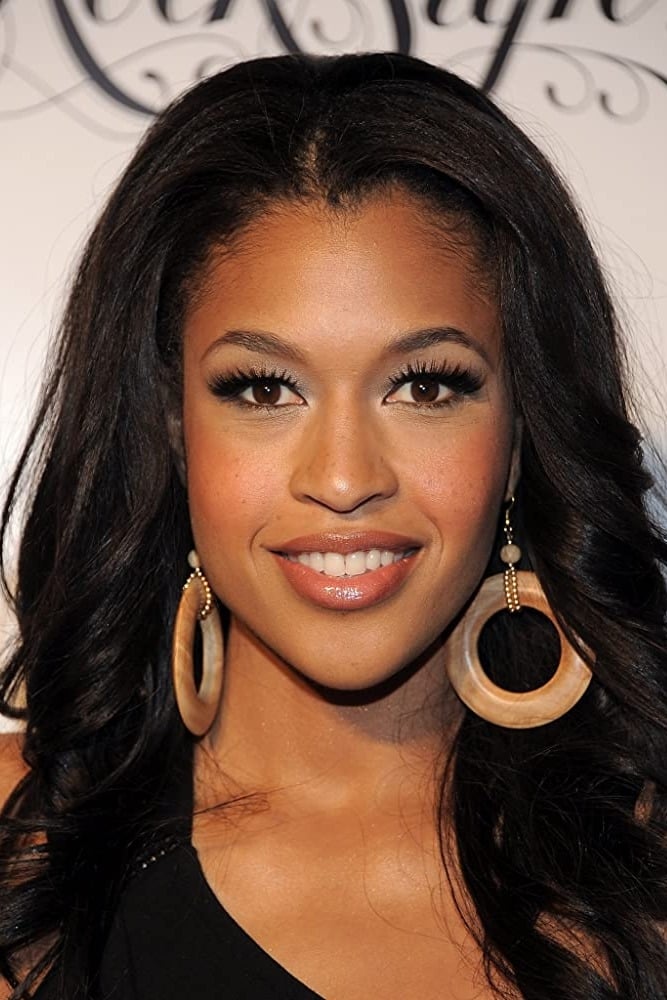
Kali Hawk starred alongside Faizon Love in ‘Couples Retreat’ and faced the exact same erasure from the film’s international marketing materials. The actress was completely removed from the key art in the UK, leaving only the six white actors visible to potential audiences. Her exclusion raised serious questions about how studios value Black leading ladies in romantic comedies overseas. Hawk supported the move to hold the studio accountable for the decision to segregate the cast in promotional assets.
John Boyega

The marketing rollout for ‘Star Wars: The Force Awakens’ caused a global uproar when the Chinese theatrical poster was revealed. Boyega, who played the lead character Finn, was significantly shrunk on the Chinese version compared to the US poster, while other characters were enlarged. He later voiced his frustration with how his character was marketed and treated within the franchise, criticizing the studio for sidelining Black characters. His outspoken stance sparked a necessary conversation about how global franchises market Black leads in Asia.
Chiwetel Ejiofor

During the European release of the Best Picture winner ’12 Years a Slave’, Italian theatrical posters sparked immediate backlash. The marketing materials featured massive portraits of white supporting actors Brad Pitt and Michael Fassbender, while the lead star Ejiofor was relegated to a tiny figure in the bottom corner. Lionsgate eventually apologized and recalled the unauthorized posters after the public outcry. Ejiofor’s diminishing presence on the poster for a film about his own character’s survival was seen as a prime example of misleading marketing.
Deborah Mailman

As one of the leads in the acclaimed Australian film ‘The Sapphires’, Mailman faced a disappointing controversy regarding the US DVD release. The American cover art featured a blue filter that obscured the skin tone of the four Aboriginal actresses and placed the white supporting actor, Chris O’Dowd, front and center. Mailman and her co-stars signed a letter to the NAACP protesting the whitewashed artwork. The distributor eventually apologized and agreed to consider changing the artwork for future prints.
Jessica Mauboy

Jessica Mauboy, an Australian pop star and actress in ‘The Sapphires’, was also subjected to the controversial US DVD cover redesign. Despite the film being the true story of four Indigenous women, the marketing material minimized her presence and altered her appearance with a monochromatic wash. Mauboy publicly supported the move to call out the distributor for misrepresenting the film’s core cast. The incident highlighted the specific challenges Indigenous actors face when their stories are exported to American markets.
Shari Sebbens

Another member of ‘The Sapphires’ cast, Sebbens found her image relegated to the background of the US home release cover. The decision to place the male manager character in the foreground undermined the narrative agency of the female singing group the film was actually about. Sebbens joined her castmates in condemning the artwork as a form of erasure that contradicted the film’s message of empowerment. The backlash forced the US distributor to acknowledge the insensitivity of the design.
Miranda Tapsell

Tapsell completed the quartet of actresses from ‘The Sapphires’ who fought against the whitewashed US marketing. She expressed that the cover art reinforced the very bigotry that the characters in the film were fighting against during the 1960s. Her refusal to accept the “marketing necessity” excuse helped drive the international conversation about how Black and Indigenous women are packaged for consumption. The controversy remains a key case study in international film distribution ethics.
Beyoncé
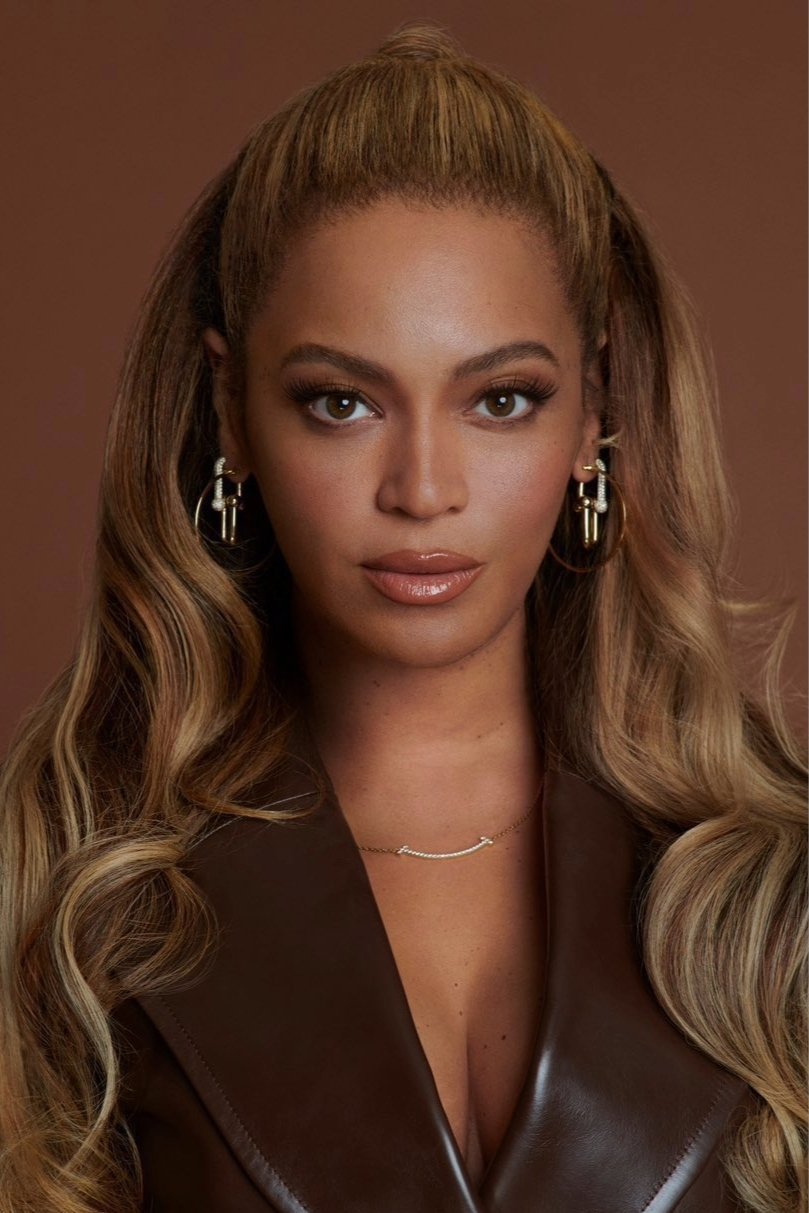
When promoting the spy comedy ‘Austin Powers in Goldmember’, Beyoncé reportedly intervened regarding the film’s promotional posters. The marketing team had digitally altered her body and lightened her skin tone in the initial drafts of the key art. The singer and actress insisted that the studio restore her natural appearance before the materials were officially released. Her refusal to allow the edited images to circulate prevented a potentially damaging whitewashing scandal for the blockbuster franchise.
Ernie Hudson

Ernie Hudson has been vocal for decades about his exclusion from the theatrical posters for the original ‘Ghostbusters’. Despite being the fourth member of the team, the marketing campaign focused almost exclusively on his three white co-stars, Bill Murray, Dan Aykroyd, and Harold Ramis. Hudson revealed that this exclusion from the initial push profoundly affected his career trajectory and recognition. He has frequently cited this as a painful example of how Black actors are sidelined in ensemble blockbusters.
Sharon Duncan-Brewster

The release of the sci-fi epic ‘Dune’ in China brought renewed scrutiny to how Hollywood markets to the region. Reports and side-by-side comparisons surfaced alleging that Duncan-Brewster, who played Dr. Liet Kynes, was removed or obscured in certain Chinese promotional materials. While the studio maintained that global posters were used, the online discourse highlighted the recurring fear of Black erasure in that market. The actress’s role, originally a white man in the book, was a victory for representation that the marketing controversy threatened to undermine.
Chadwick Boseman
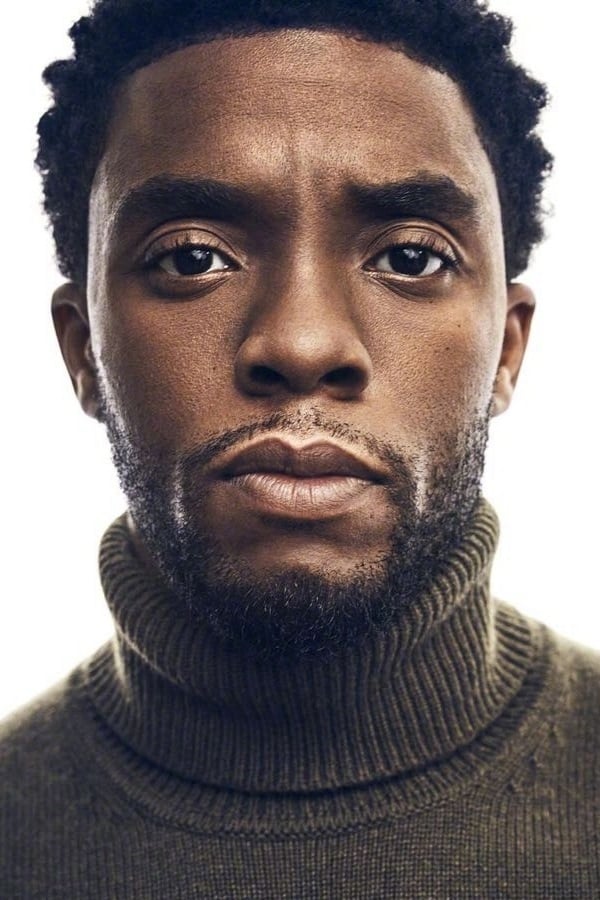
While ‘Black Panther’ was a global phenomenon, its marketing in certain Asian territories faced criticism similar to other Disney properties. In the Hong Kong and Chinese posters, Boseman’s face was completely covered by his superhero mask, whereas other markets showed his unmasked face. This stood in contrast to posters for other Marvel heroes like Iron Man or Captain America, who were often shown unmasked. The subtle distinction raised complaints about the studio’s hesitancy to center a Black face in specific international markets.
Ray Fisher
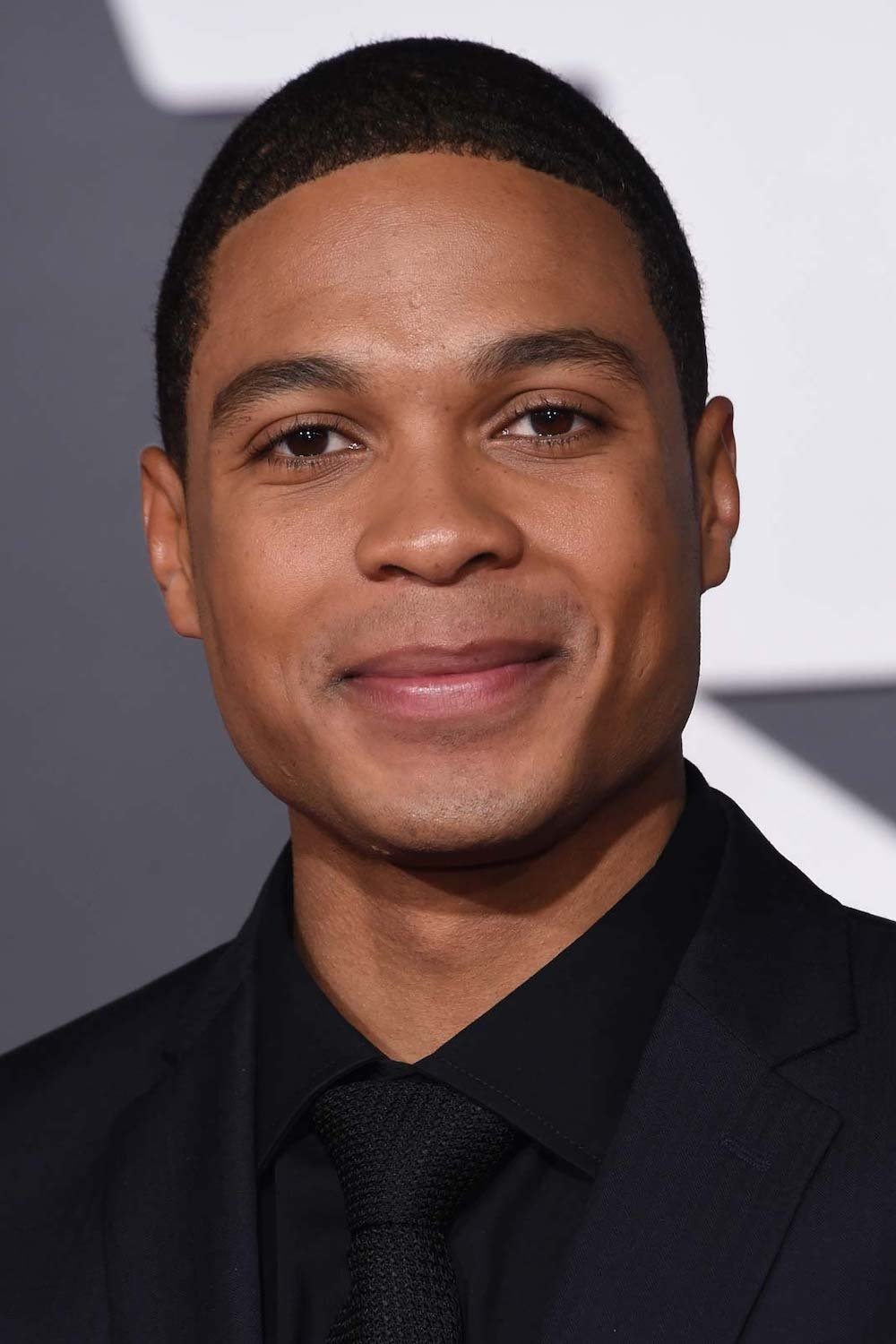
Ray Fisher’s battle with Warner Bros. regarding ‘Justice League’ extended beyond on-set treatment to post-production and marketing. Fisher accused the studio of altering the color grading of the film to lighten skin tones and reducing his character’s role significantly in the theatrical cut. He refused to participate in certain promotional activities and demanded accountability from studio executives. His stand led to a massive investigation and highlighted the intersection of creative editing and racial bias.
Lupita Nyong’o

Oscar winner Lupita Nyong’o has been a fierce advocate against the lightening of her skin in editorial and promotional content. She publicly called out a magazine for digitally removing her natural hair texture and lightening her skin on a cover promoting her films. Nyong’o emphasized that erasing her heritage to fit Eurocentric standards of beauty was unacceptable. Her stance forced the publication to apologize and sparked a wider industry change regarding photo editing.
Zoe Saldaña

Zoe Saldana faced a complex controversy regarding the biopic ‘Nina’, where she was darkened with makeup to play Nina Simone. However, in other marketing campaigns for franchises like ‘Guardians of the Galaxy’, fans have noted inconsistent skin tones in posters. While Saldana often promotes her films, she has acknowledged the colorism debates that surround her casting and marketing images. The ‘Nina’ poster specifically remains a point of contention for how Black icons are visually represented.
Halle Berry
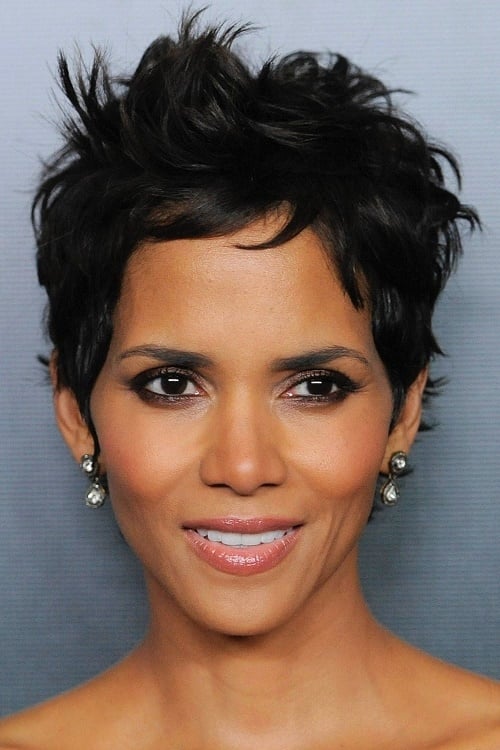
As one of the most recognizable actresses in the world, Halle Berry has faced numerous instances where her skin was lightened on movie posters. During the promotion of ‘X-Men’ and other action films, critics noted that her complexion appeared significantly paler in print advertisements than in real life. Berry has spoken about the struggle to maintain her authentic image in an industry that favors lighter skin. These marketing choices often attempt to make Black stars “palatable” to general audiences.
Gabourey Sidibe
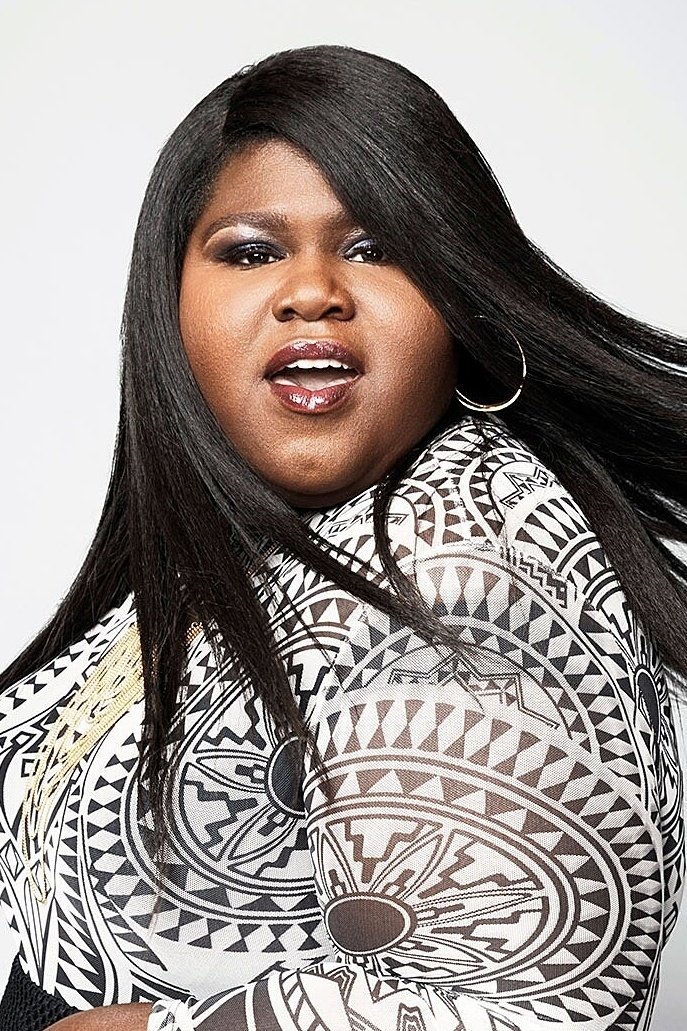
Following her breakout role in ‘Precious’, Gabourey Sidibe faced a magazine cover controversy where her skin was notably lightened. The promotion for the film was meant to celebrate her raw performance, but the retouching sparked backlash for adhering to beauty standards that the film critiqued. Sidibe responded with grace but the incident underscored the industry’s inability to market dark-skinned Black women without alteration. The “whitewashing” here was literal digital bleaching of the promotional image.
Viola Davis
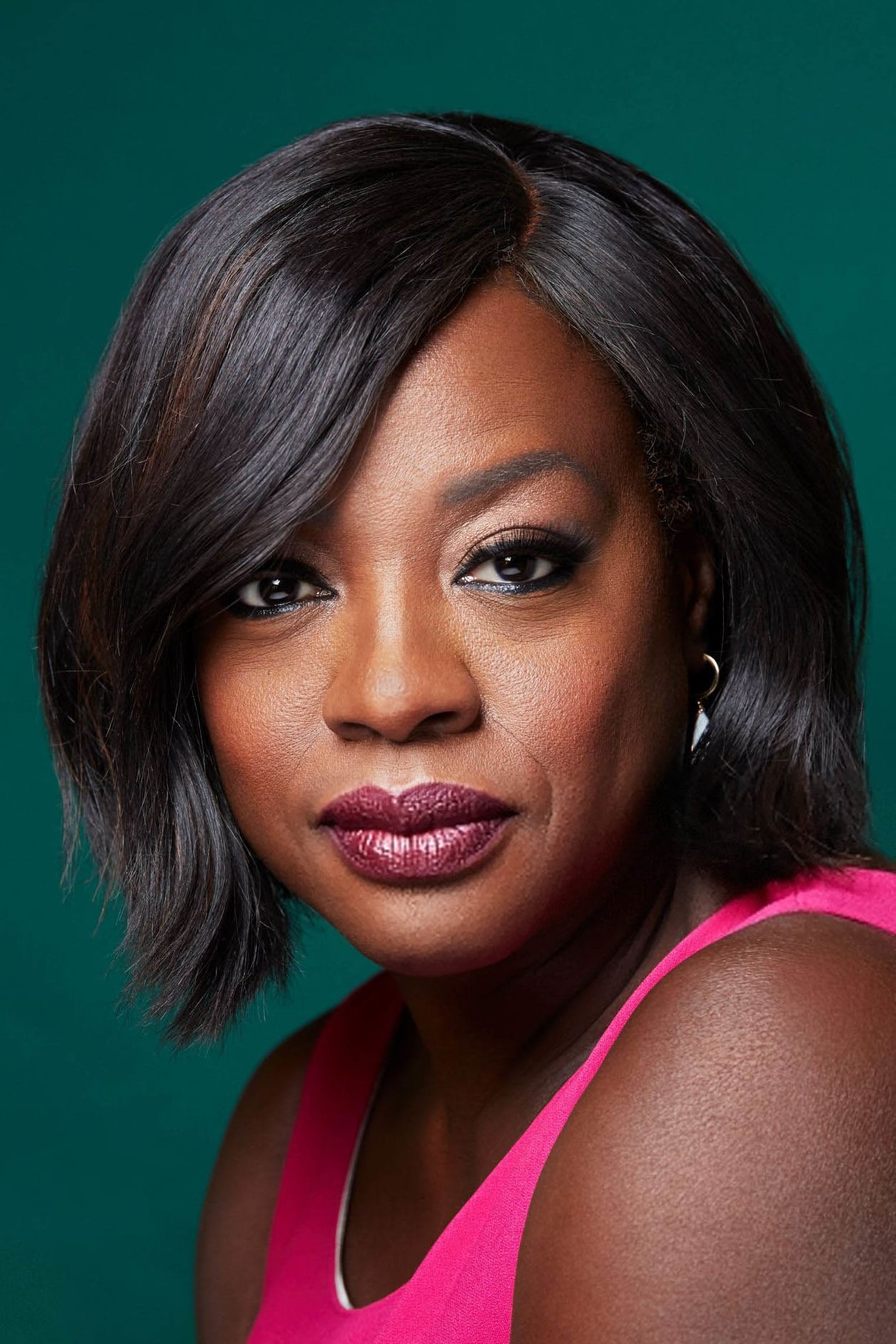
During the international rollout of ‘The Help’, marketing materials in some regions were criticized for focusing heavily on the white savior narrative. Posters in certain European markets centered Emma Stone while marginalizing Davis and Octavia Spencer, the actual subjects of the story. Davis has since expressed regret about her role in the film, citing how the narrative—and by extension its marketing—catered to white audiences. Her refusal to stay silent about the film’s flaws has redefined her career choices.
Octavia Spencer

Like her co-star Viola Davis, Octavia Spencer navigated the complex marketing of ‘The Help’ which often sidelined the Black perspective. The promotional tour frequently required her to defend a film that many felt sanitized the history of the Civil Rights era for white comfort. Spencer has since moved toward producing her own projects to control the narrative and the marketing imagery. She continues to advocate for fair representation on and off the poster.
Jamie Foxx

The release of Pixar’s ‘Soul’ sparked a debate about the “animated trope” of turning Black leads into non-human creatures for the majority of the film. Marketing posters featured the blue “soul” version of Foxx’s character more prominently than his human likeness in many assets. Foxx promoted the film, but the discourse surrounding the poster highlighted a pattern in animation where Black bodies are hidden. This conversation has made studios more conscious of showing Black human characters in key art.
Samuel L. Jackson
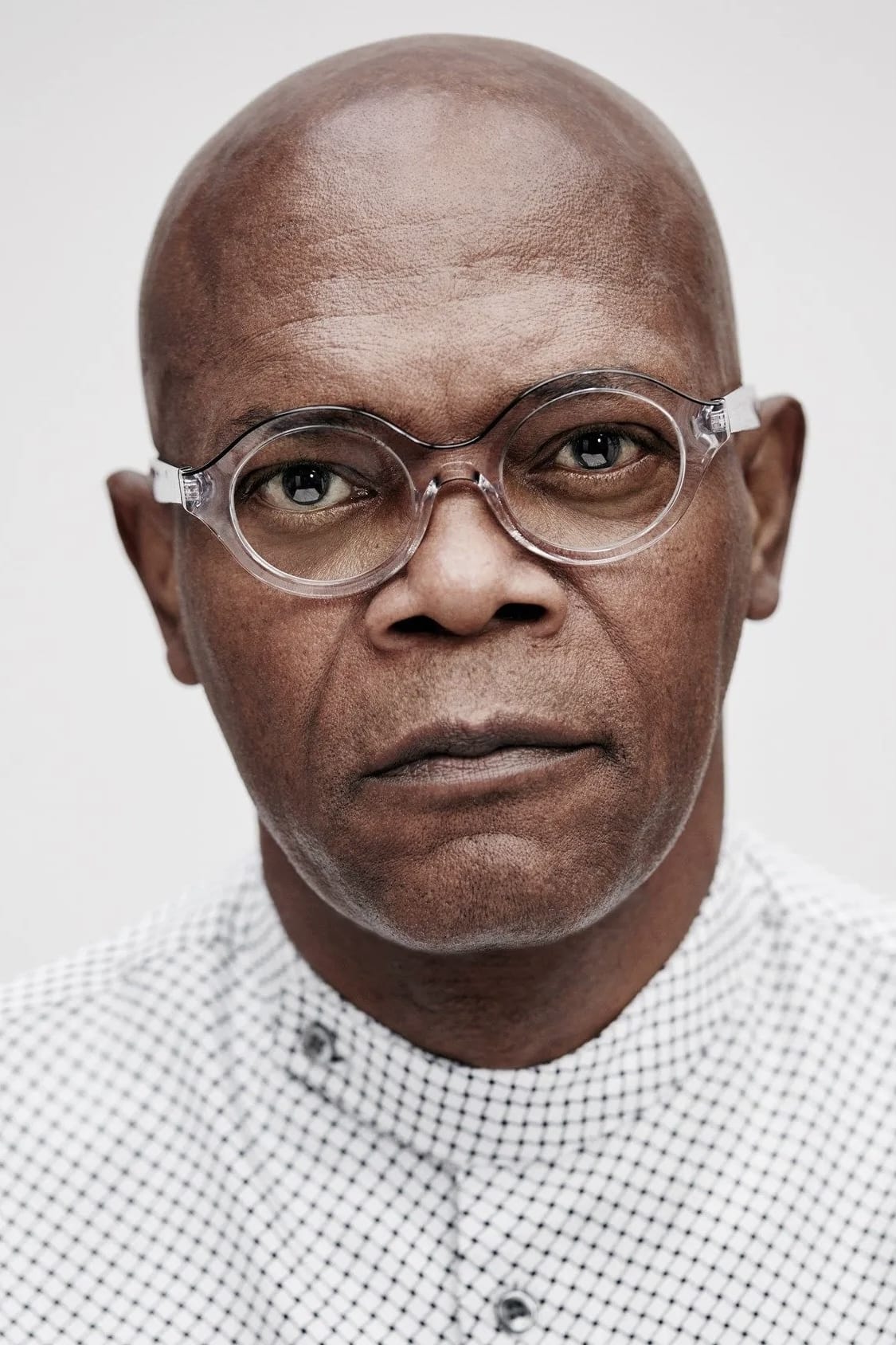
Even a legend like Samuel L. Jackson is not immune to international marketing adjustments. In various Marvel releases in China and Russia, his character Nick Fury has sometimes been positioned further back or made smaller compared to domestic posters. Jackson has famously noted that he knows his value to the box office and monitors how he is sold globally. His awareness of the business side of Hollywood includes keeping an eye on where he lands on the billing block.
Anthony Mackie

As the Falcon and later Captain America, Anthony Mackie has been part of the massive Marvel promotional machine. He has spoken candidly in interviews about the lack of diversity on set and in the boardroom, which trickles down to marketing decisions. When posters for ‘Avengers’ movies are localized for restrictive markets, Black characters like his are often the first to be minimized. Mackie’s push for equity extends to ensuring the marketing reflects the true diversity of the cast.
Don Cheadle
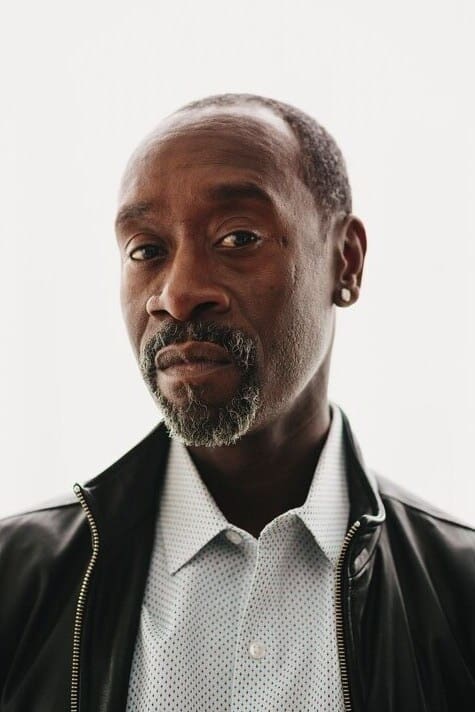
Don Cheadle’s War Machine is a staple of the MCU, yet he often suffers from the “floating head” syndrome on crowded posters where Black actors are pushed to the periphery. In Asian markets, his presence on posters for the ‘Iron Man’ and ‘Avengers’ sequels was often reduced compared to Robert Downey Jr. and other white co-stars. Cheadle has used social media to joke about and critique the absurdity of Hollywood’s hierarchy. He remains vigilant about how his image is used to sell global blockbusters.
Idris Elba
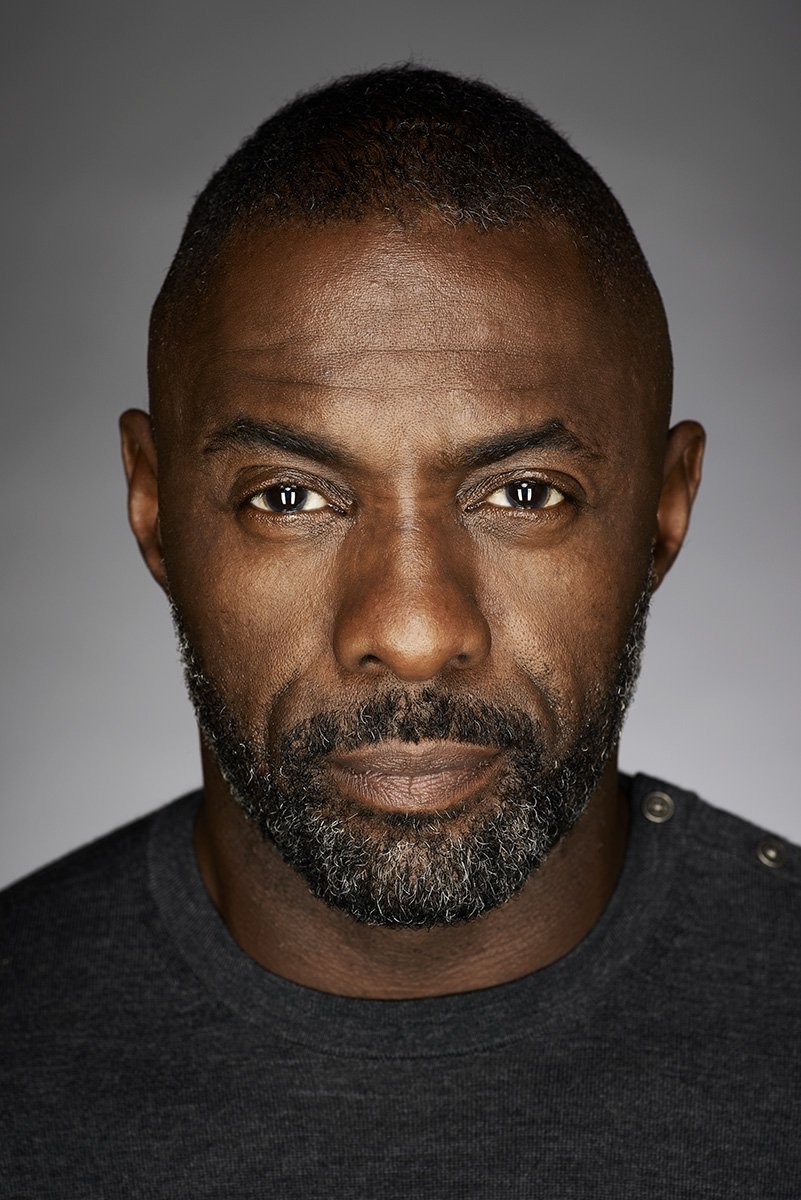
Idris Elba’s role as Heimdall in the ‘Thor’ franchise initially sparked a racist backlash from fans who claimed a Norse god couldn’t be Black. The studio’s marketing response was often to keep him in the background of posters to avoid further agitating that toxic demographic. Elba dismissed the criticism but the marketing strategy often felt like a capitulation to the detractors. He has since become a leading man who commands the center of the poster, refusing to be sidelined.
Tessa Thompson

When Tessa Thompson was cast as Valkyrie in ‘Thor: Ragnarok’, she faced similar “anti-woke” backlash which the marketing team had to navigate. Some international posters minimized her presence despite her being a lead character, favoring the male heroes. Thompson has been vocal about wanting her character’s bisexuality and race to be front and center, not hidden. She actively fights for the queer and Black representation in the marketing of her blockbuster projects.
Michael B. Jordan
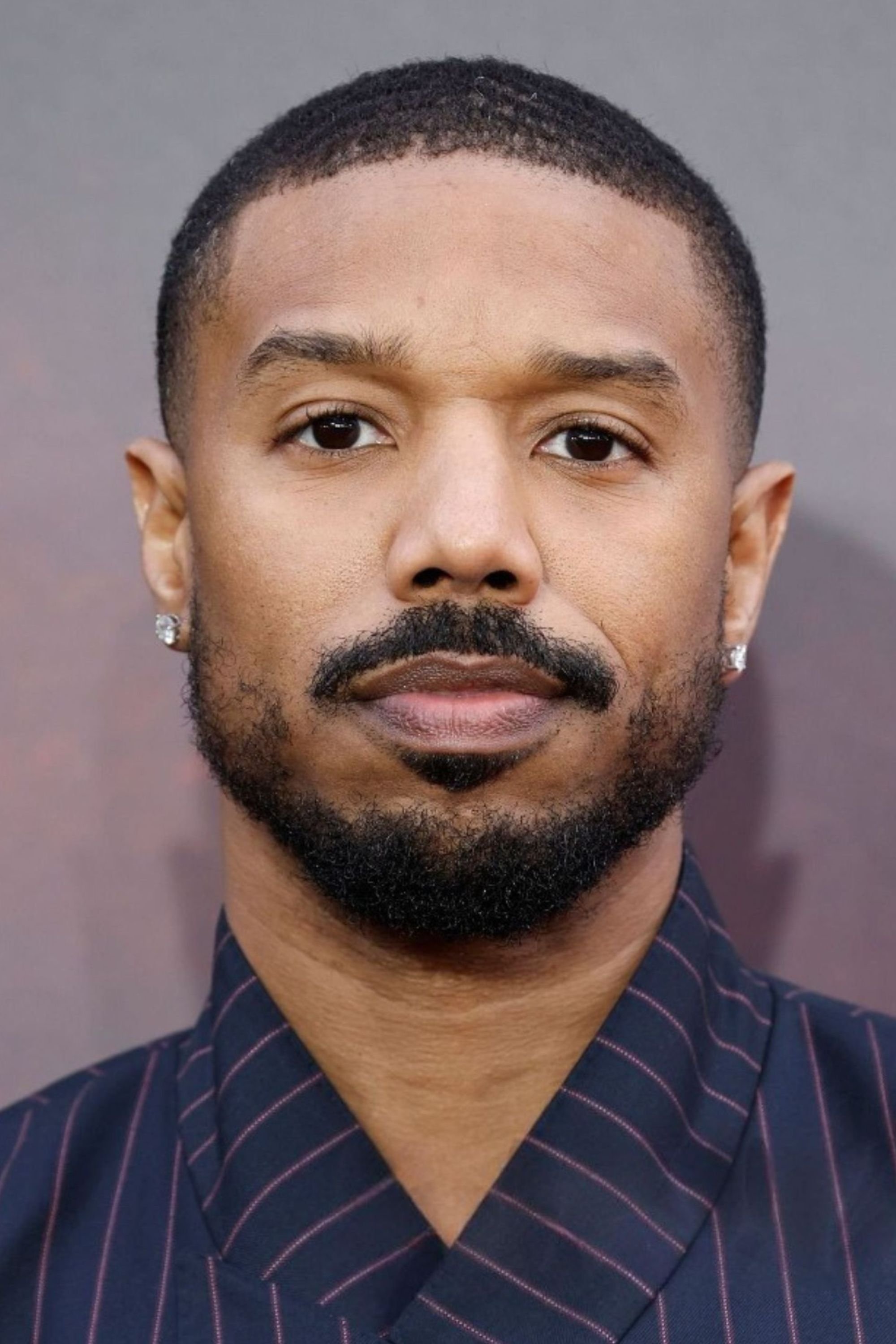
Before ‘Black Panther’, Michael B. Jordan played the Human Torch in ‘Fantastic Four’, a casting choice that caused a massive racist uproar. The marketing for the film seemed hesitant to feature him prominently in certain territories to avoid conflict. Jordan wrote a famous essay addressing the trolls and refusing to apologize for his casting. He has since ensured that his production company controls the marketing narratives of his films.
Zendaya

Zoe “Zendaya” Coleman faced a unique marketing situation with ‘Spider-Man: Homecoming’, where the studio hid her true identity as MJ to preserve a twist. However, this resulted in her being absent from much of the initial poster run, which frustrated fans who wanted to see the female lead. While not a case of whitewashing skin, the erasure of the main female Black character from the campaign felt familiar to many. She has since ensured she is front and center in the marketing for the sequels and ‘Dune’.
Danai Gurira

As Okoye in ‘Black Panther’, Danai Gurira was a breakout star, yet the Chinese poster controversy affected the entire Wakandan cast. The darkening or masking of the actors in Asian marketing materials was a slight against the Dora Milaje’s visibility. Gurira has always been a staunch defender of African storytelling and visual integrity. She continues to push for marketing that celebrates dark-skinned women without alteration.
Letitia Wright

Letitia Wright’s Shuri was another character affected by the subtle minimization in international ‘Black Panther’ posters. The tech genius of Wakanda was often placed in the far background in localized art for conservative markets. Wright has spoken frequently about the importance of Shuri as an icon for Black girls in STEM. Ensuring that her image is visible and unaltered on global posters is part of that mission.
Winston Duke

Winston Duke’s M’Baku became a fan favorite, but as a dark-skinned Black man, he faces the industry’s tendency to desexualize or hide such figures in general marketing. The ‘Black Panther’ China poster issue was a collective erasure that he and his castmates had to weather during the press tour. Duke uses his platform to challenge stereotypes about Black masculinity. He demands that his image be used to convey strength, not just background texture.
Daniel Kaluuya

Before winning his Oscar, Daniel Kaluuya starred in ‘Get Out’, a film that was difficult to market in territories that didn’t understand American race relations. Some international posters tried to sell it as a generic thriller, downplaying the racial horror elements and Kaluuya’s face. Kaluuya has been vocal about the British and American film industries’ different struggles with race. He is known for choosing projects where the marketing cannot hide the Blackness of the narrative.
Tyrese Gibson
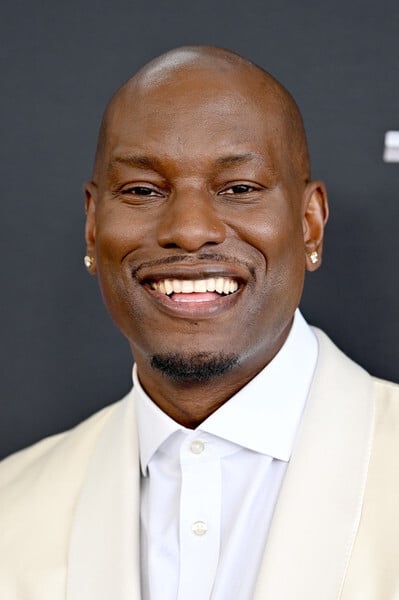
Tyrese Gibson has publicly feuded with his ‘Fast & Furious’ co-stars and the studio regarding the direction of the franchise. He has complained on social media about poster positioning and the prioritization of other actors over the “family” core. While his complaints are often personal, they touch on the racial hierarchy of Hollywood billing. Gibson refuses to let the studio forget his contribution to the multi-billion dollar series.
Ludacris
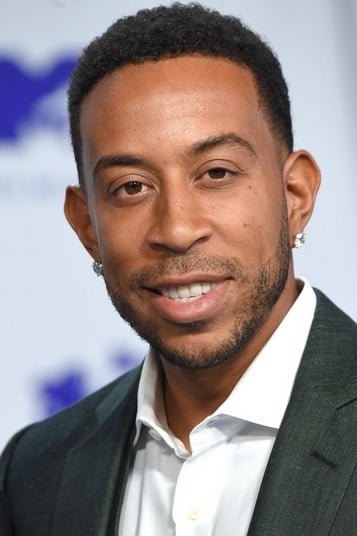
Chris “Ludacris” Bridges has also navigated the evolving posters of the ‘Fast & Furious’ saga. As the cast grew, the original Black members were often squeezed to the margins of the artwork to make room for new white action stars. Ludacris has maintained a diplomatic but firm stance on his value to the franchise. He ensures that his image remains a key part of the visual selling point of the movies.
Nathalie Emmanuel

Joining a massive franchise like ‘Fast & Furious’ as a woman of color meant Nathalie Emmanuel had to fight for visibility on crowded posters. Fans noticed when her character was edited to look lighter or placed significantly behind her male counterparts. Emmanuel has spoken out about the lack of opportunities for mixed-race actresses to be seen as leads. She uses her social media to promote the authentic version of her work.
Forest Whitaker
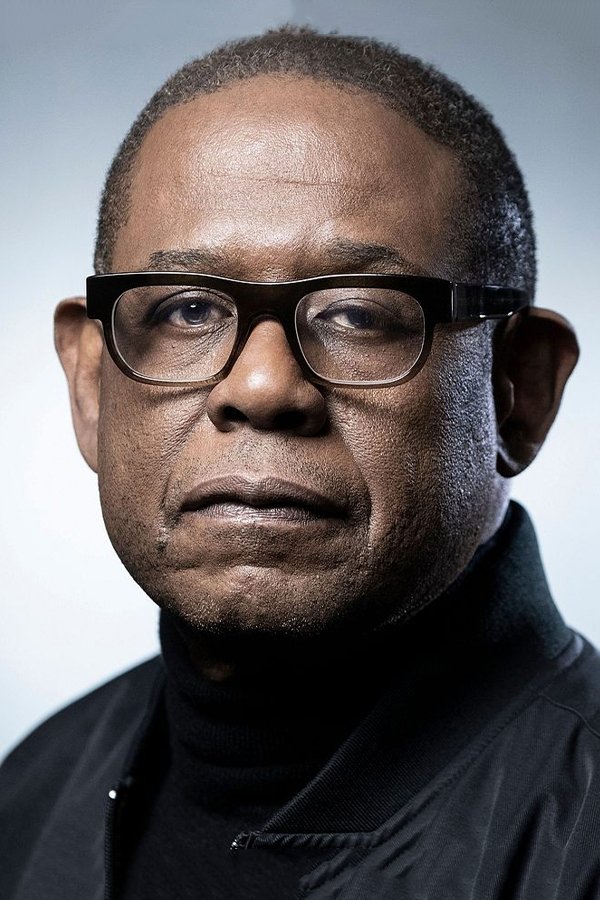
Legendary actor Forest Whitaker has seen decades of Hollywood marketing evolve, yet he still faces the “mentor in the background” trope on posters. In ‘Black Panther’ and ‘Rogue One’, his character was pivotal but often minimized in the artwork for overseas releases. Whitaker’s quiet dignity often contrasts with the loud erasure of Black elders in film marketing. He continues to work in projects that center Black narratives, making erasure impossible.
Angela Bassett
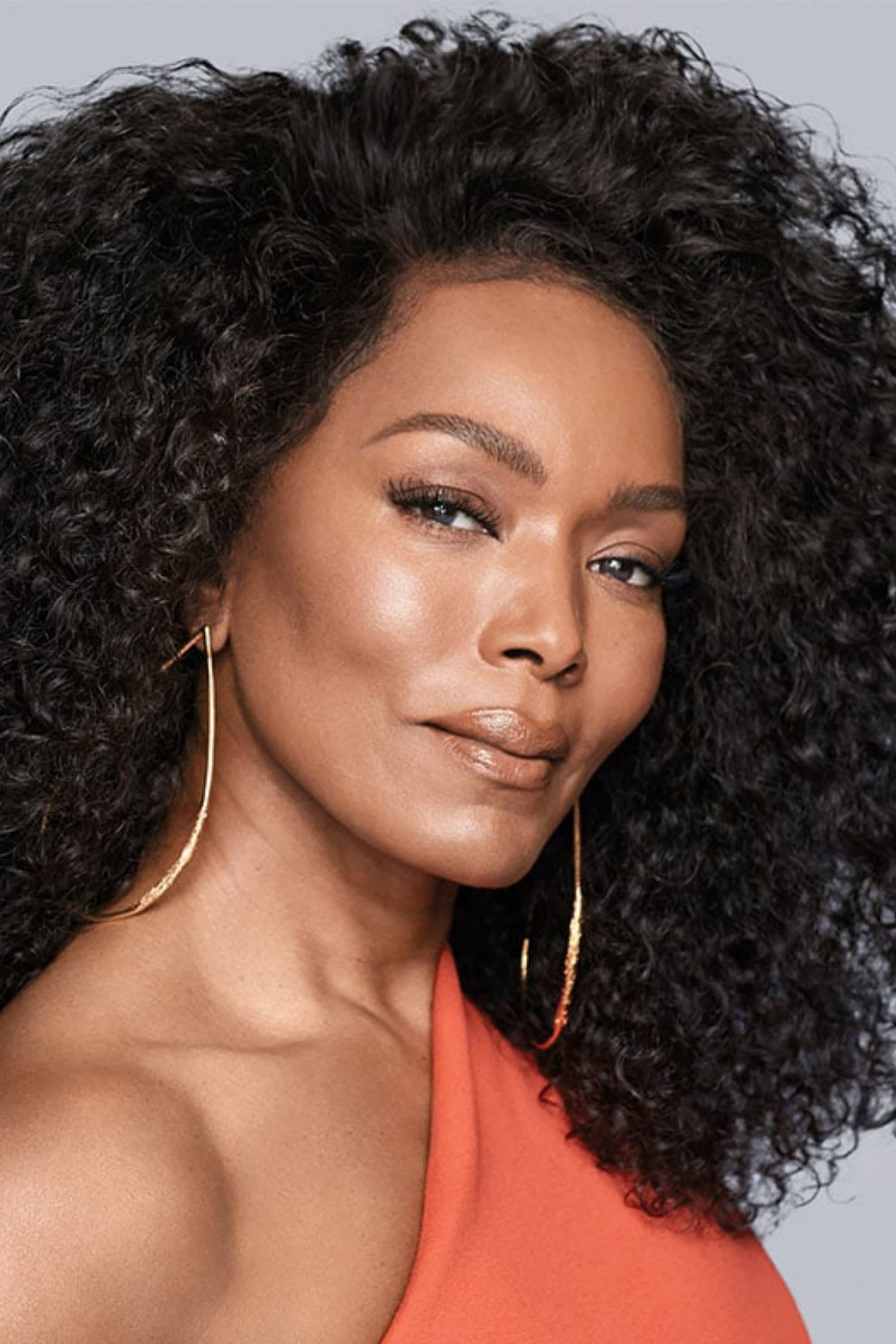
Angela Bassett’s regal presence in ‘Black Panther’ demanded a prominent spot on the poster, yet the Chinese marketing issues affected her as well. Throughout her career, from ‘What’s Love Got to Do with It’ to ‘American Horror Story’, she has battled ageism and racism in promotional materials. Bassett remains a vocal advocate for women of color receiving their due credit and visibility. She refuses to engage in self-deprecation during press tours.
Sterling K. Brown
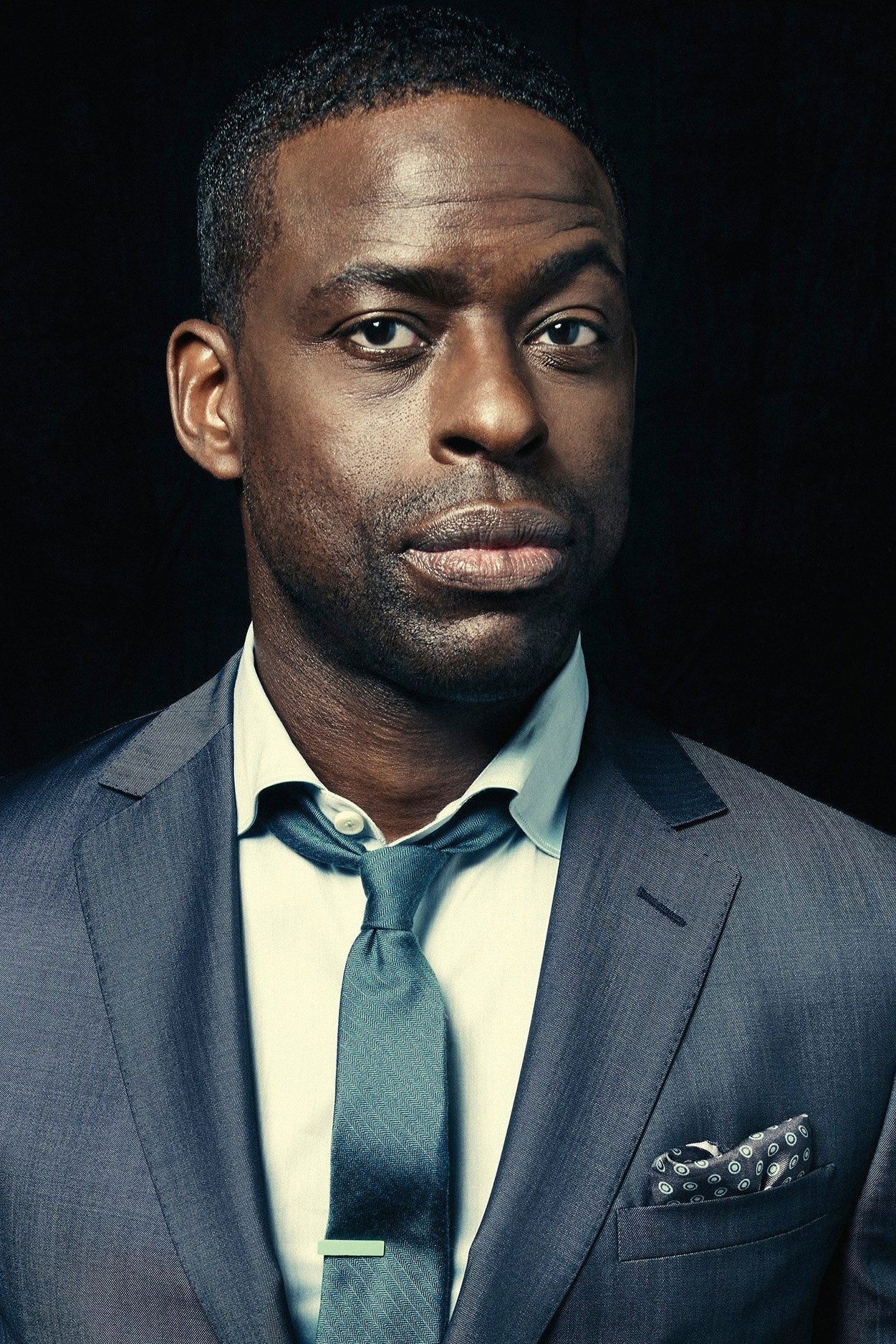
Although his role in ‘Black Panther’ was brief, Sterling K. Brown was part of the cultural moment that the film represented. The altering of the cast’s images in China was a direct insult to the “Black excellence” the film promoted. Brown has been a vocal critic of colorblind casting that ignores the specific realities of Black life. He advocates for marketing that is as honest and authentic as the performances.
Djimon Hounsou
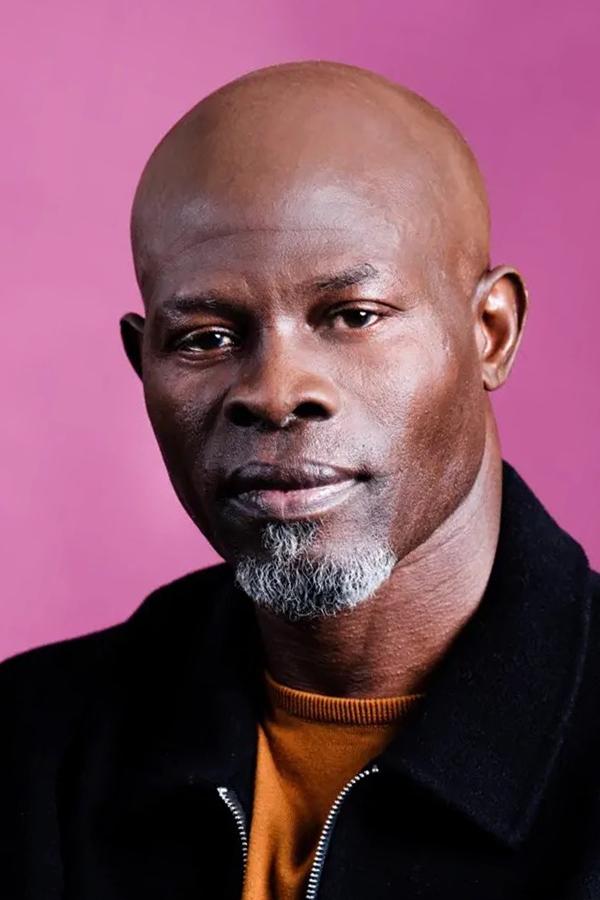
Djimon Hounsou has played supporting roles in massive blockbusters like ‘Guardians of the Galaxy’ and ‘Gladiator’, often facing erasure on the poster. As a dark-skinned African actor, he is frequently omitted from the main key art in favor of white leads. Hounsou has expressed frustration with the limited scope of roles and recognition available to African actors in Hollywood. His struggle for visibility is evident in how rarely he is centered in the marketing campaigns.
Naomie Harris

Naomie Harris plays Moneypenny in the James Bond franchise, a role that was historically white. Her inclusion sparked predictable backlash, and some international marketing minimized her presence to appease traditionalists. Harris has spoken about the pressure of stepping into iconic roles and the abuse that comes with it. She stands firm in her portrayal, refusing to let the marketing hide the modernization of the franchise.
Lashana Lynch

Lashana Lynch faced intense vitriol when it was rumored she would take the 007 title in ‘No Time To Die’. The marketing team had to balance promoting her groundbreaking role while shielding her from racist trolls, often resulting in mixed messaging on posters. Lynch addressed the controversy head-on in interviews, refusing to shrink away from her prominence in the film. She views her position on the poster as a statement of progress.
Leslie Jones
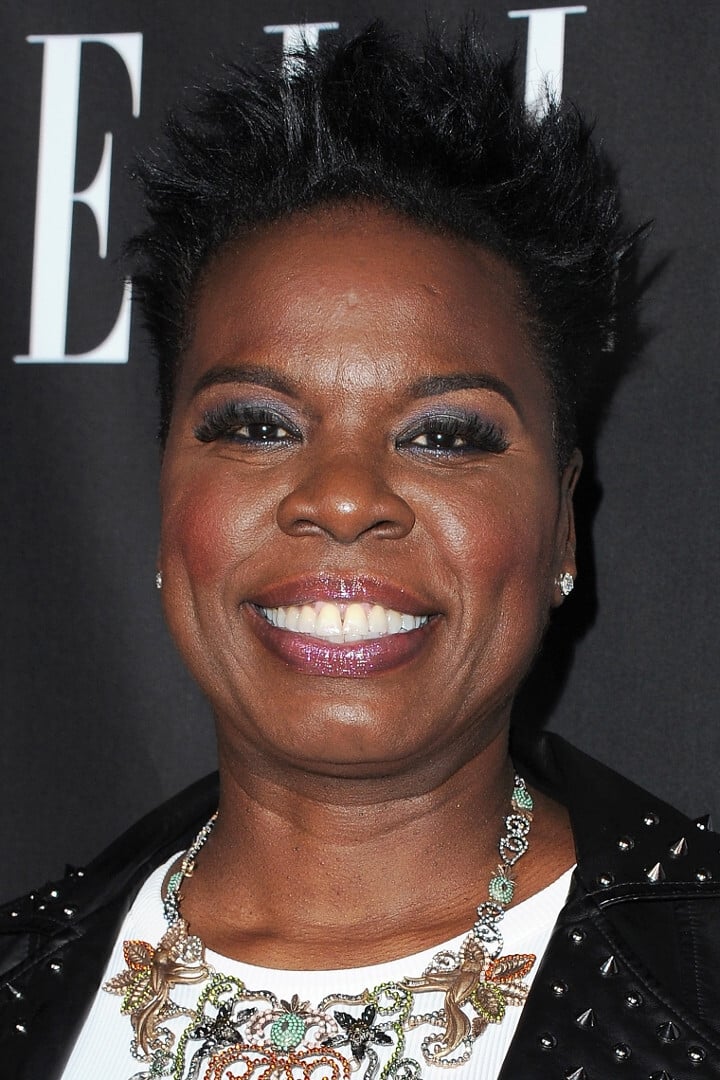
The ‘Ghostbusters’ (2016) reboot saw Leslie Jones targeted by a massive hate campaign that criticized her appearance and character. The studio’s marketing sometimes failed to protect her or leaned into stereotypes that fueled the fire. Jones famously called out the fashion industry and the film industry for not supporting her during the press tour. She refused to be silenced by the backlash, reclaiming her space in the conversation.
Mo’Nique
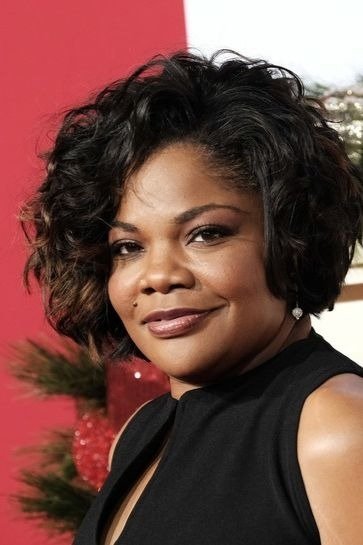
Mo’Nique famously refused to campaign for her role in ‘Precious’ without compensation, arguing that the studio should pay for her time promoting the film. This led to her being “blackballed” by the industry, but she stood her ground regarding fair labor practices. While not about a poster specifically, her refusal to promote was a protest against the exploitation of Black talent. She sued Netflix years later for pay discrimination, proving her commitment to fighting for her worth.
Keke Palmer

Keke Palmer has always been vocal about colorism and her portrayal in the media. When promoting films like ‘Nope’, she ensured that her dark skin was celebrated and not altered in editorial shoots. She has called out fans and industry insiders who try to compare her career to lighter-skinned contemporaries. Palmer’s control over her own social media marketing allows her to bypass traditional studio whitewashing.
Lakeith Stanfield
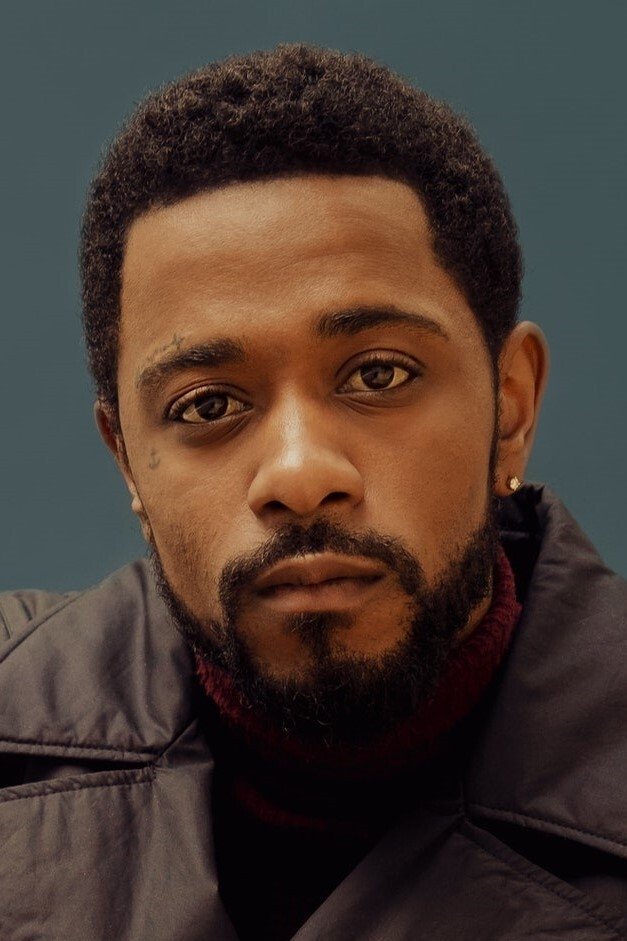
Lakeith Stanfield is known for his unpredictable and honest presence during press tours. He has criticized the awards system and the marketing of “Black trauma” films for white audiences. Stanfield’s refusal to play the “safe” Black actor makes him a disruption to standard Hollywood marketing. He demands that the art be respected over the commercial packaging.
Dominique Fishback
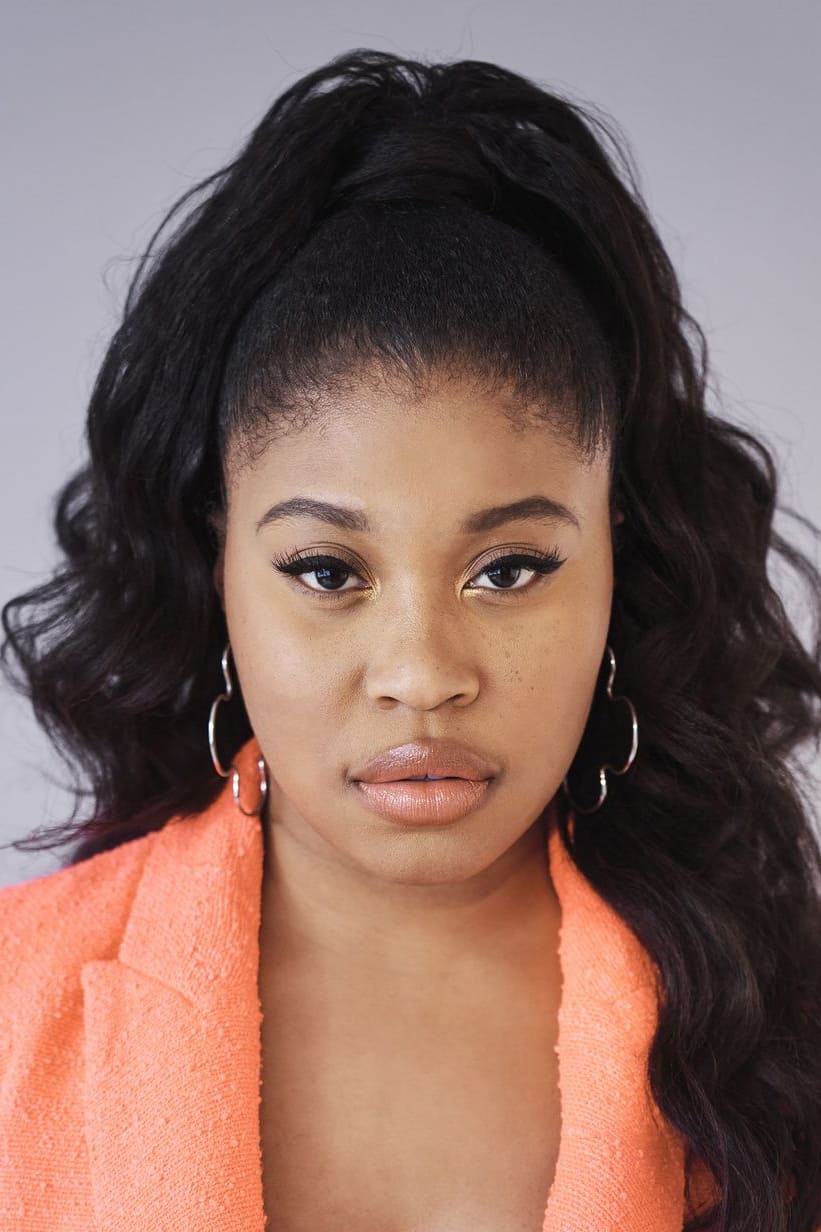
Co-starring in ‘Judas and the Black Messiah’, Fishback advocated for the visibility of the female revolutionaries who are often erased from history and posters. She pushed for her character to be more than just a love interest in the promotional narrative. Fishback uses her poetry and platform to speak about the protection of Black women’s images. She ensures her presence on the red carpet is an act of resistance.
Regina King
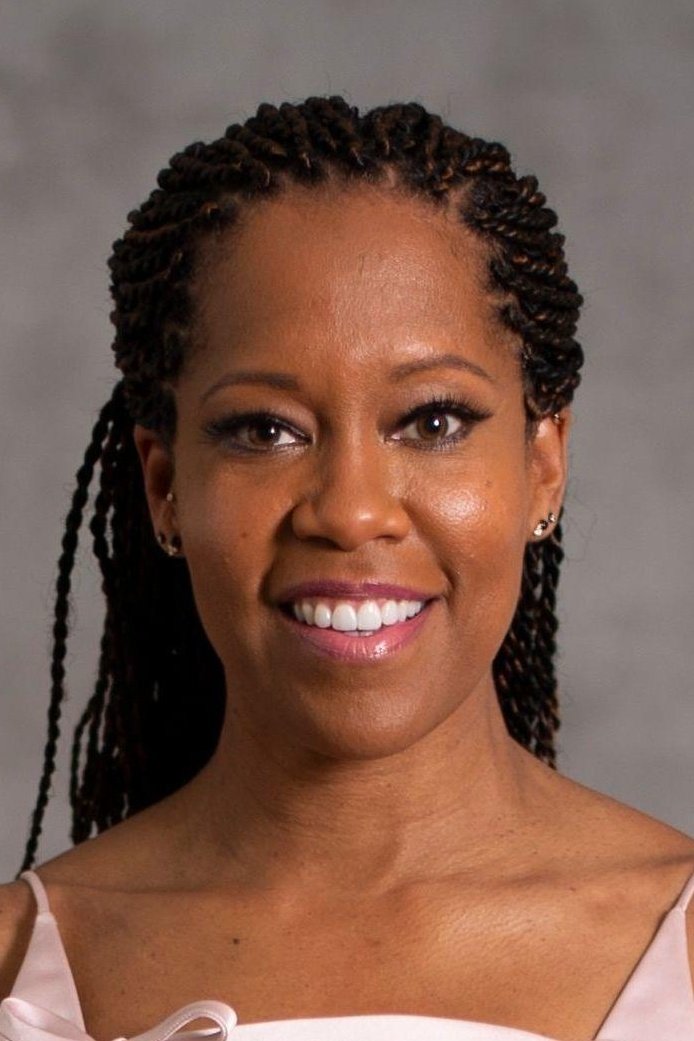
Regina King has transitioned from actor to director, giving her more control over how films are marketed. She has spoken about the difficulty of getting Black films distributed and poster real estate in international markets. King advocates for marketing campaigns that trust the Black audience’s buying power. She refuses to accept the myth that Black faces don’t sell movies overseas.
Taraji P. Henson

Taraji P. Henson has been vocal about the pay disparity and the lack of marketing support for Black-led films like ‘Proud Mary’. She noted that the studio failed to capitalize on the international audience, effectively burying the film. Henson has refused to stay quiet about how the business side of Hollywood sets Black films up to fail. She fights for the marketing budget her films deserve.
Meagan Good

Meagan Good has faced scrutiny over her appearance and “marketability” for decades. She has spoken about the pressure to look a certain way to land leads and feature on posters. Good has refused to let the industry dictate her image, maintaining her identity through various genre shifts. She continues to challenge the narrow definitions of Black beauty in film promotion.
Cynthia Erivo
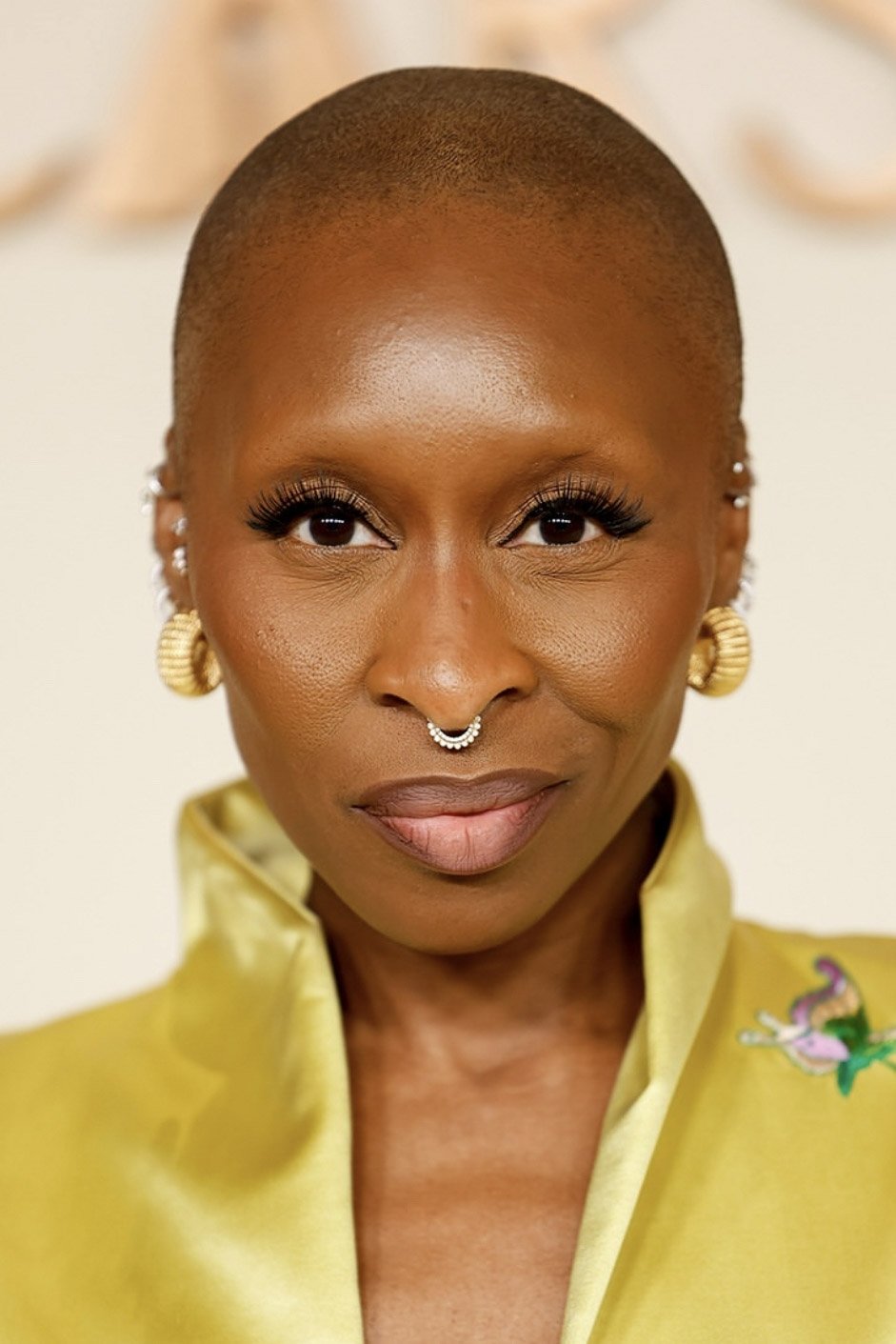
When Cynthia Erivo played Harriet Tubman, the casting controversy spilled over into how the film was marketed. Erivo faced criticism, but she also stood firm that the marketing should focus on Tubman’s heroism. She has since been very particular about her editorial and poster appearances, ensuring her skin tone and features are honored. Erivo’s fashion choices on press tours often serve as their own form of unignorable promotion.
How do you feel about the way studios alter movie posters for international markets? Share your thoughts in the comments.