


Black Celebs Who Turned Down Big Roles Over Stereotypes

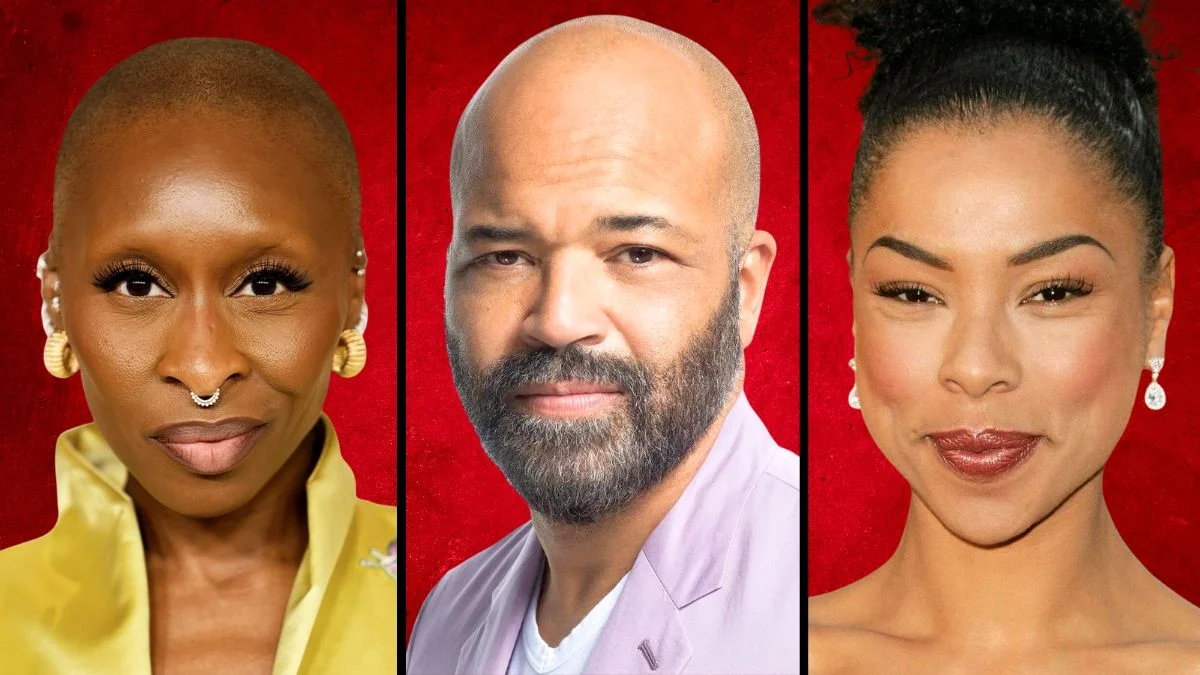


The history of Hollywood is filled with instances where Black actors have had to choose between a lucrative role and their personal principles. Many stars have walked away from major projects to avoid perpetuating harmful stereotypes or one dimensional caricatures. These decisions often involve rejecting roles that rely on trauma or criminal tropes in favor of more nuanced representation. By turning down these opportunities these actors have helped shift the industry toward more diverse and authentic storytelling. Their commitment to dignity has paved the way for future generations to inhabit more complex characters.
Will Smith
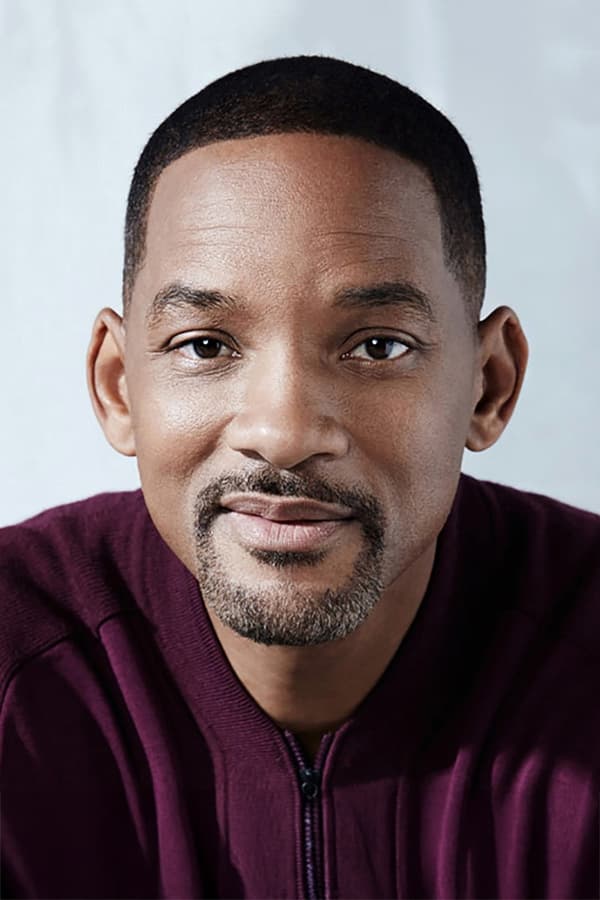
Will Smith turned down the lead role in ‘Django Unchained’ because he felt the character was not the primary lead of the story. He believed the script focused too much on the retribution of the bounty hunter rather than the agency of the titular character. Smith also avoided roles early in his career that depicted Black men as criminals or thugs. He intentionally sought out parts that would showcase Black intelligence and heroism. This strategy helped him become one of the biggest stars in the world while maintaining his professional integrity.
Angela Bassett
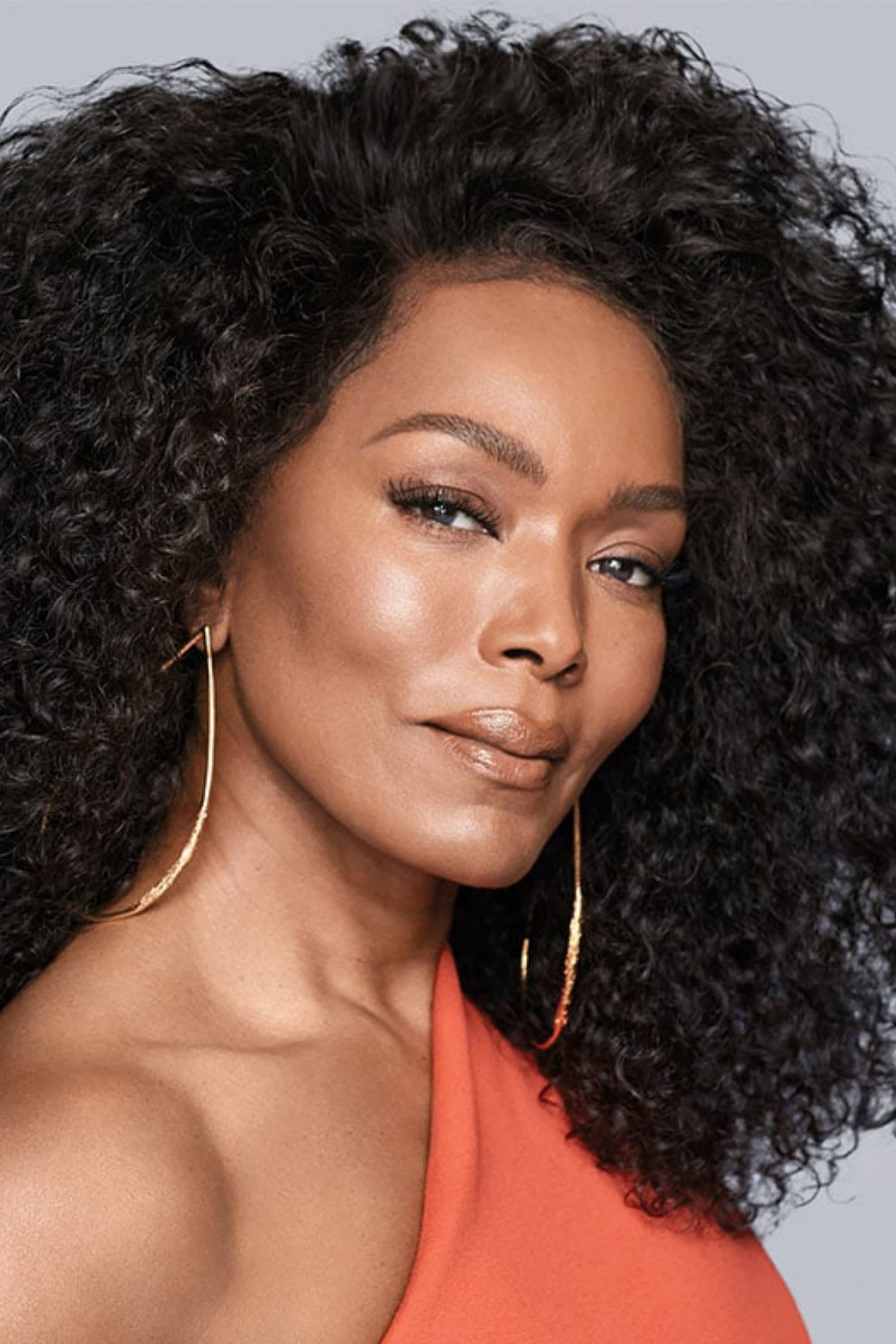
Angela Bassett declined the role of Leticia Musgrove in the film ‘Monster’s Ball’ because she found the portrayal of the character to be demeaning. She believed the script relied on hyper sexualized stereotypes of Black women that she did not want to perpetuate. Bassett stated that she could not find any artistic merit in the specific scenes required for the role. She chose to protect her professional integrity rather than pursue a role that eventually won an Academy Award. This decision solidified her reputation as an actress who demands respect for her characters.
Chadwick Boseman
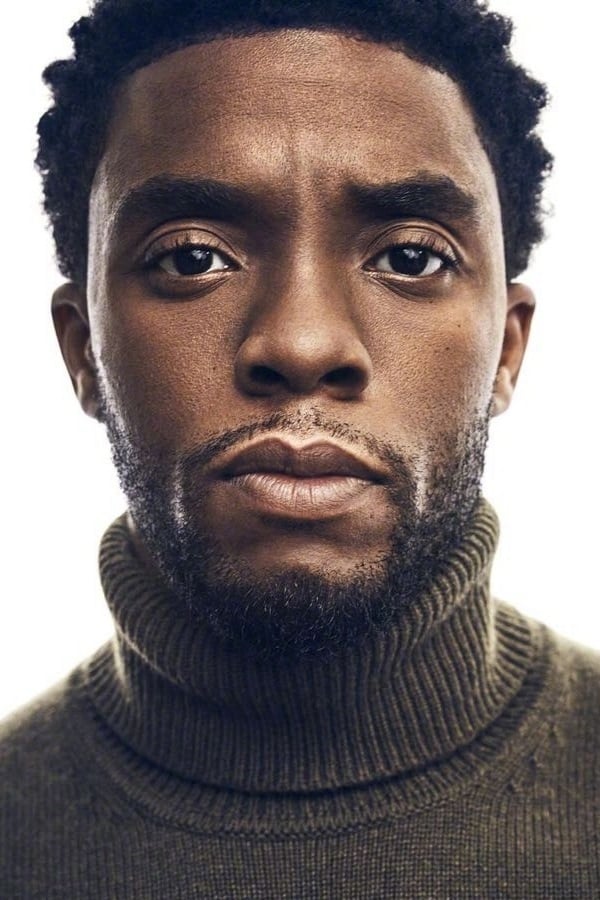
Chadwick Boseman was fired from his role on the soap opera ‘All My Children’ for questioning the stereotypical nature of his character. He expressed concerns that the role of a young gang member was one dimensional and lacked a positive future. The producers replaced him after he spoke up about the need for more depth and humanity in the writing. This early career decision defined his lifelong commitment to portraying dignified Black figures like T’Challa and Jackie Robinson. Boseman proved that standing up for better representation can lead to a more meaningful legacy.
Laurence Fishburne
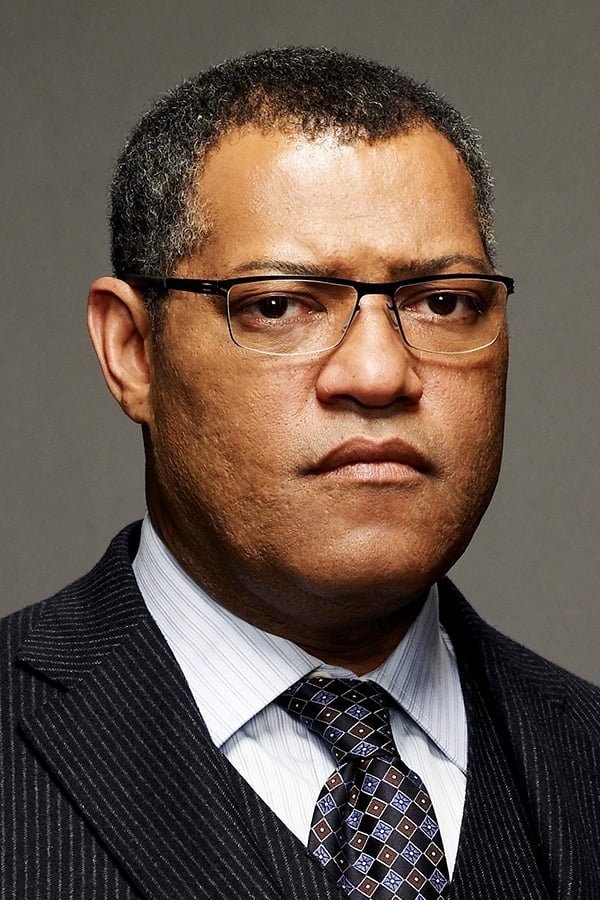
Laurence Fishburne declined the role of Jules Winnfield in ‘Pulp Fiction’ due to concerns about the depiction of heroin use. He felt the movie made drug addiction look attractive and cool which he strongly disagreed with. Fishburne believed the role reinforced negative tropes about Black men and criminality in a way that he did not want to support. He chose to walk away from the blockbuster project to maintain his personal and professional principles. His career continued to flourish as he took on iconic roles in ‘The Matrix’ and other major films.
Cicely Tyson

Cicely Tyson spent decades of her career waiting for roles that depicted Black women with dignity and strength. She famously refused to play drug addicts or maids or prostitutes during the peak of her popularity. Tyson believed that the visual representation of Black people in media influenced public perception and self esteem. Her selectivity helped pave the way for more complex and diverse roles for future generations of Black actresses. She remained dedicated to her mission until the very end of her legendary life.
Sidney Poitier
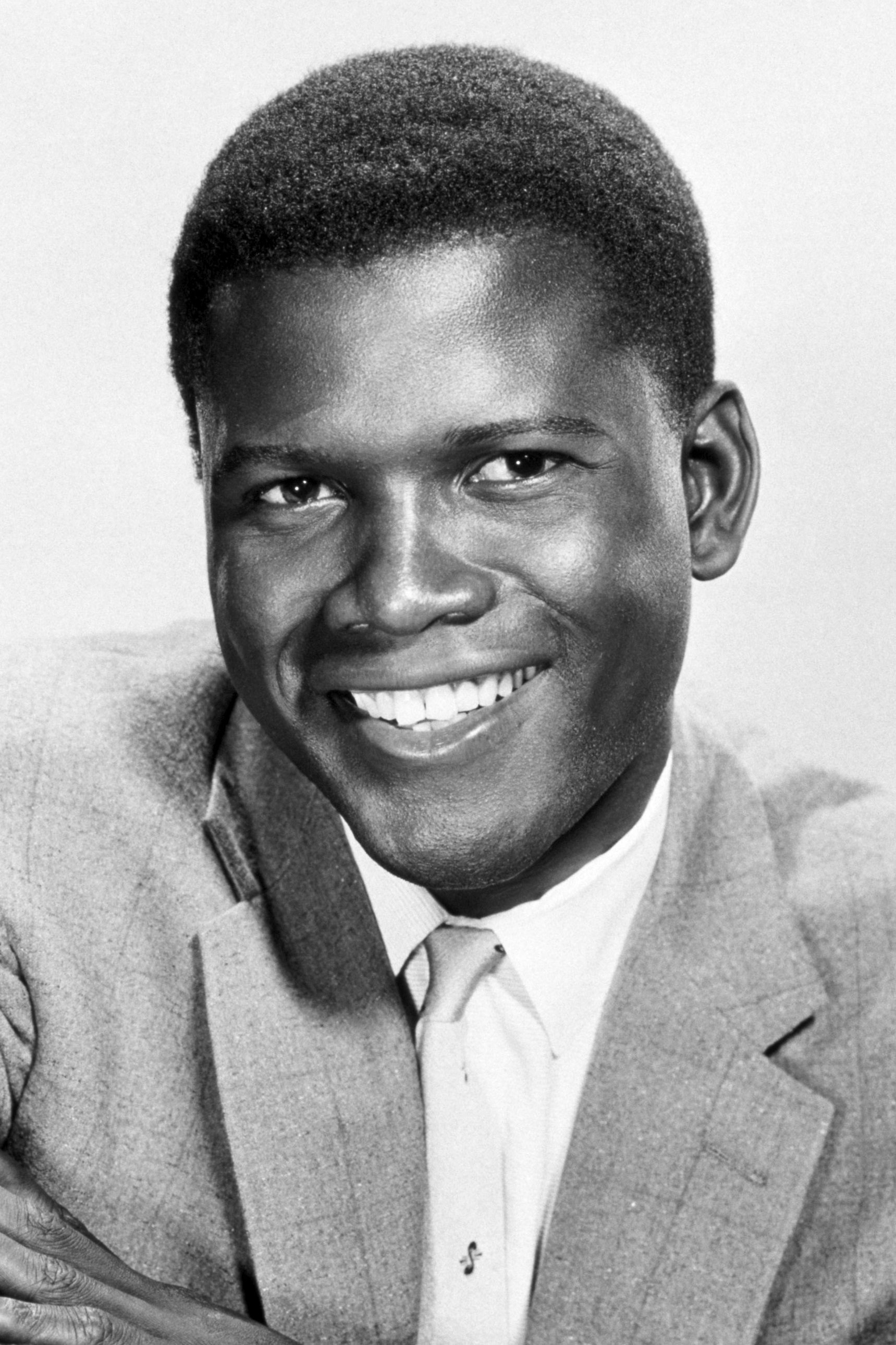
Sidney Poitier refused many roles that portrayed Black men as subservient or uneducated throughout the 1950s and 1960s. He purposely chose characters that were professionals or possessed high moral character to challenge the racism of the time. Poitier understood that he was often the only Black leading man in Hollywood and carried a heavy responsibility. He used his platform to dismantle the caricature of the subservient figure and demanded equal treatment on screen. His career choices changed the landscape of cinema forever.
Denzel Washington
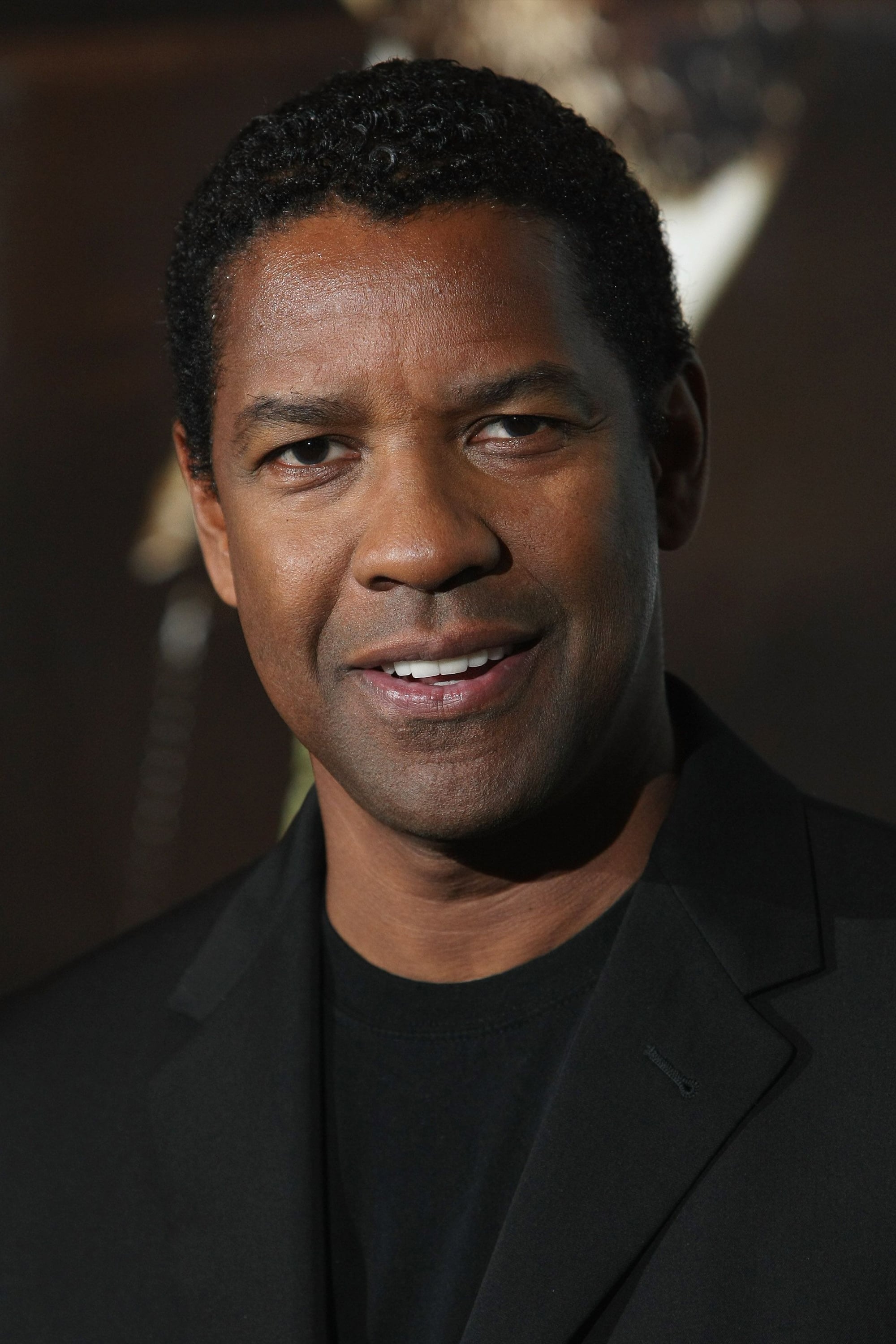
Denzel Washington turned down the role of Detective David Mills in ‘Seven’ because he felt the script was too demonic and dark. He later expressed minor regret but maintained that he wanted to avoid certain bleak and hopeless portrayals. Washington has a long history of choosing roles that emphasize strength and leadership and intellectual power. He often negotiates script changes to ensure his characters are not reduced to simple stereotypes. This approach has made him one of the most respected and powerful actors in film history.
John Boyega
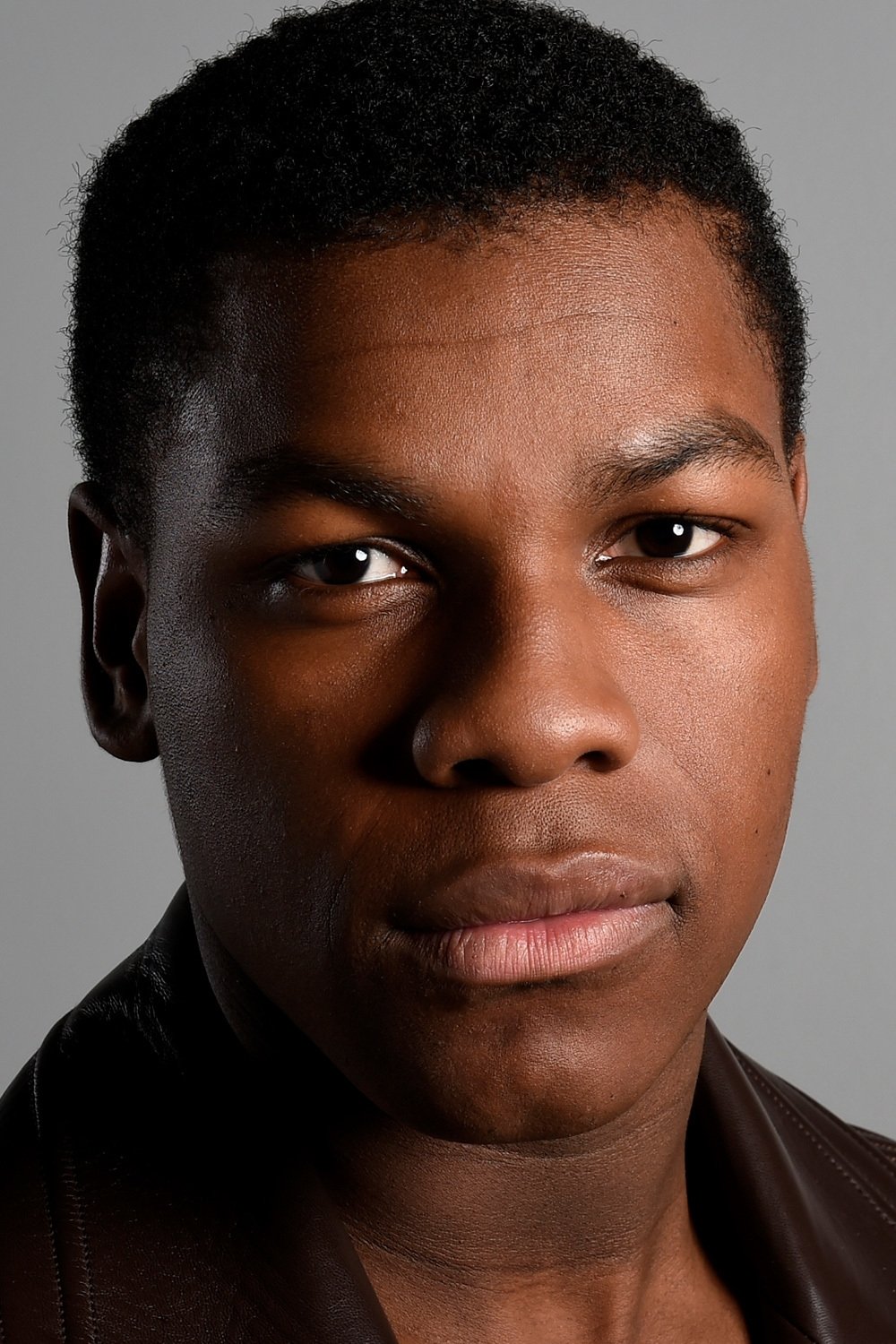
John Boyega has become very vocal about refusing roles that use Black actors as mere tokens or marketing tools. He publicly criticized ‘Star Wars’ for the way his character was sidelined in the sequel trilogy. Boyega now seeks projects where Black characters have central narratives and meaningful emotional arcs. He prioritizes working with filmmakers who understand the nuances of the Black experience and avoid lazy tropes. His advocacy has sparked important conversations about diversity in major film franchises.
Viola Davis
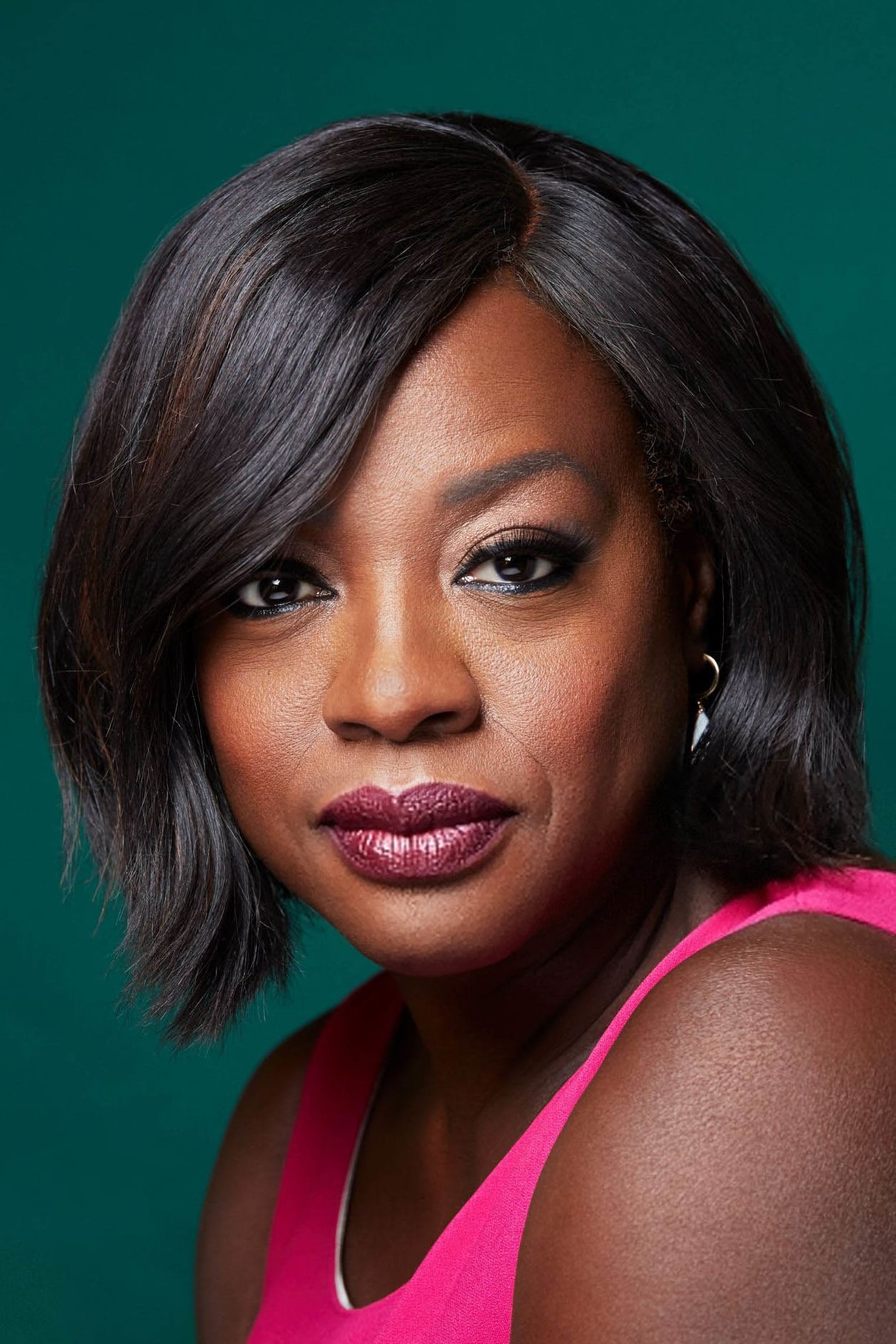
Viola Davis has spoken openly about her regret for starring in ‘The Help’ because the story was not told through the perspective of the Black characters. Since that project she has been extremely selective about the scripts she accepts to ensure they have depth. She avoids roles that rely on the strong Black woman trope without providing real vulnerability. Davis advocates for roles that allow Black women to be multifaceted human beings with their own desires. Her commitment to quality has led to numerous awards and a reputation for excellence.
Harry Belafonte

Harry Belafonte rejected several major film roles because they did not align with his civil rights activism. He refused to play characters that were subservient to white leads or lacked intellectual depth. Belafonte believed that art should be a tool for social change rather than entertainment at the expense of dignity. He famously turned down a role in ‘Porgy and Bess’ because he felt it was racially offensive and harmful. His career was a testament to the power of using fame to fight for justice.
Idris Elba
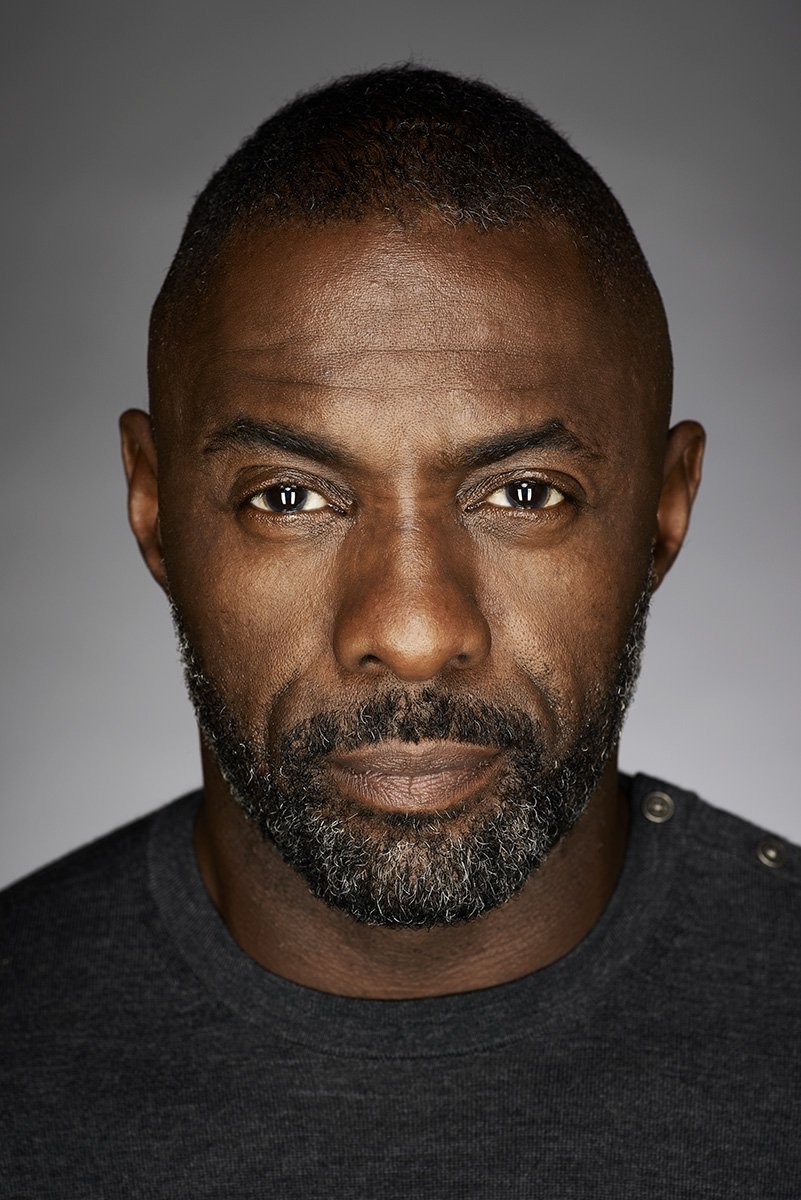
Idris Elba has stated that he avoids roles that focus solely on the trauma of slavery or the struggle of the inner city. He seeks out characters that are defined by their profession or personality rather than their race alone. Elba often turns down scripts that require him to play a stereotypical street character with no depth. He prefers to inhabit roles that could be played by an actor of any ethnicity to prove his versatility. This strategy has allowed him to lead major films and television series globally.
Michael B. Jordan
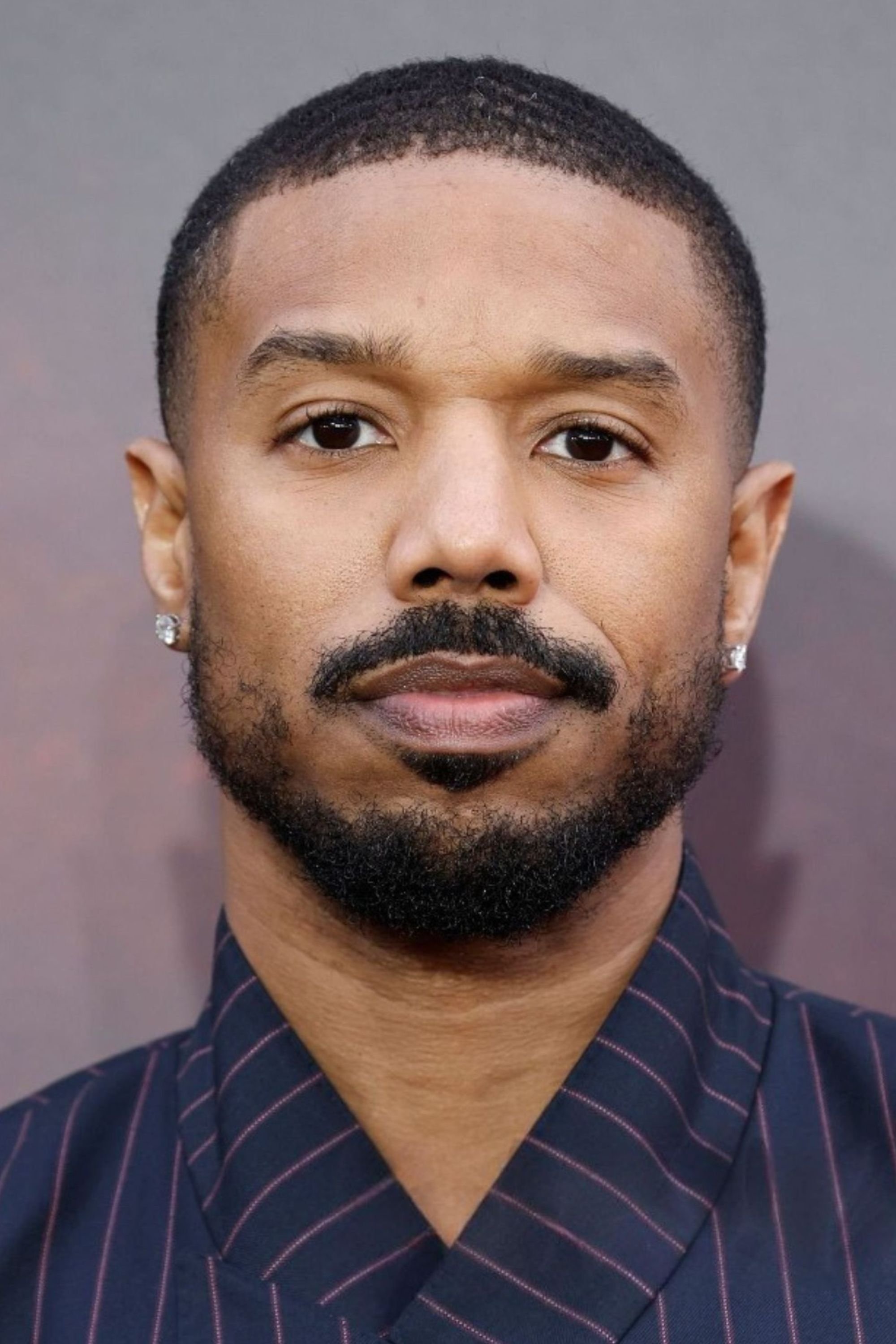
Michael B. Jordan made a conscious decision early in his career to stop auditioning for roles specifically written for Black actors. He told his agents to only send him roles written for white men to avoid being pigeonholed by stereotypes. This strategy led him to secure lead roles in major franchises like ‘Creed’ and ‘Fantastic Four’. He continues to push for colorblind casting to broaden opportunities for all Black talent in the industry. Jordan is now a producer who creates the kind of inclusive content he wants to see.
Thandiwe Newton

Thandiwe Newton refused a role in ‘Charlie’s Angels’ because of the way the director spoke about the character introduction. She felt the description was hyper sexualized and played into racial fetishes that she found offensive. Newton walked away from the massive production to maintain her self respect and professional boundaries. She has been a consistent voice against the mistreatment and objectification of Black women in Hollywood. Her career has since been defined by powerful and complex performances in projects like ‘Westworld’.
Zendaya

Zendaya instructed her team to only look for roles that were not explicitly written for Black women to avoid being limited by tropes. She wanted to prove that she could play the girl next door or the lead in a romantic comedy without race being the focal point. This approach allowed her to land roles in ‘Spider Man Homecoming’ and ‘The Greatest Showman’ that were originally envisioned differently. She actively avoids projects that rely on outdated ideas about Black teenagers. Zendaya is now one of the most influential young stars in the entertainment industry.
David Oyelowo
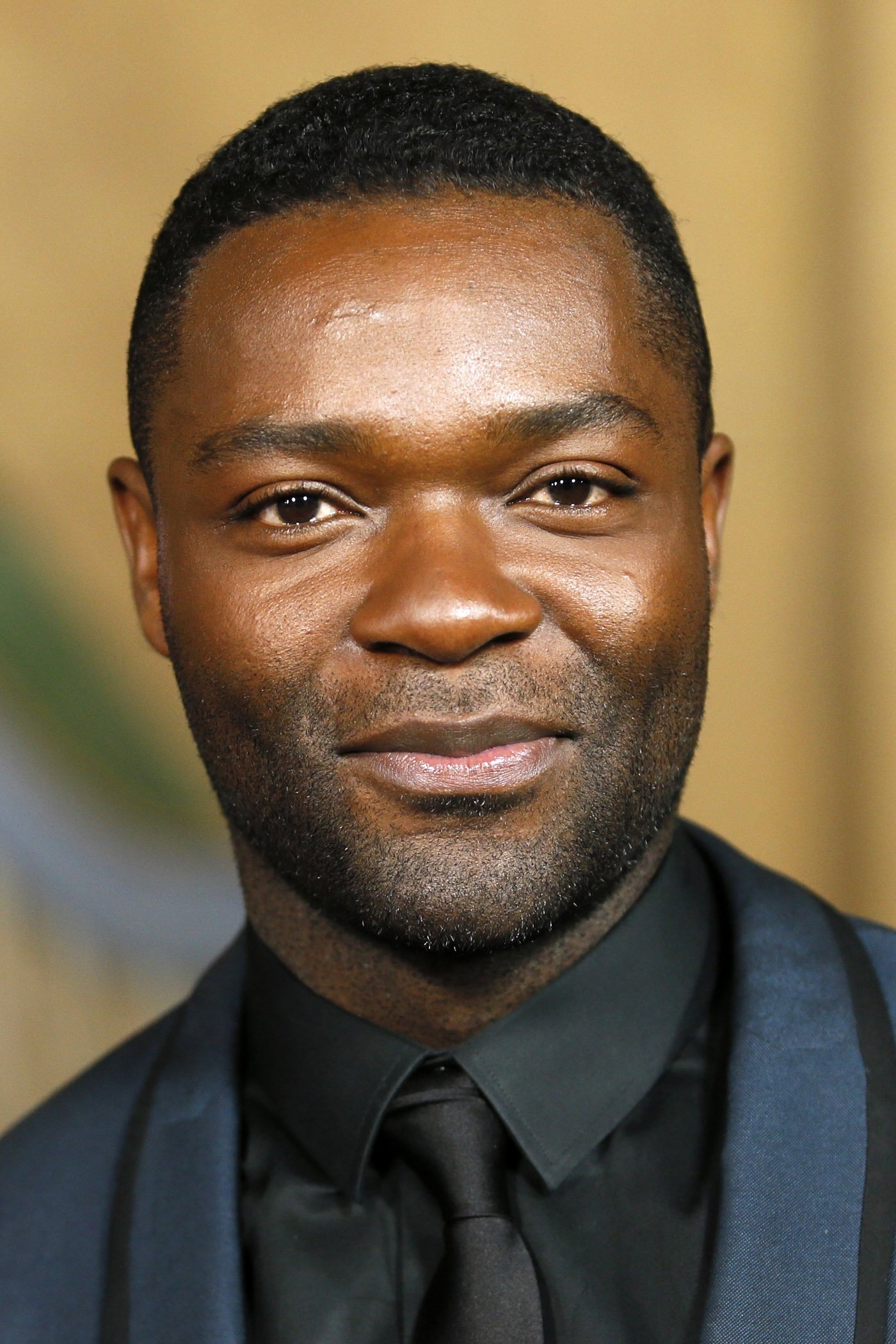
David Oyelowo turned down several roles in big budget films that he felt lacked substance or basic humanity. He has been vocal about the tendency of Hollywood to only greenlight Black stories centered on suffering and pain. Oyelowo looks for scripts that show the diversity and richness of the African diaspora. He focuses on portraying historical figures and fictional characters with equal gravitas and respect. His work continues to challenge the industry to think beyond limited racial narratives.
Regina King
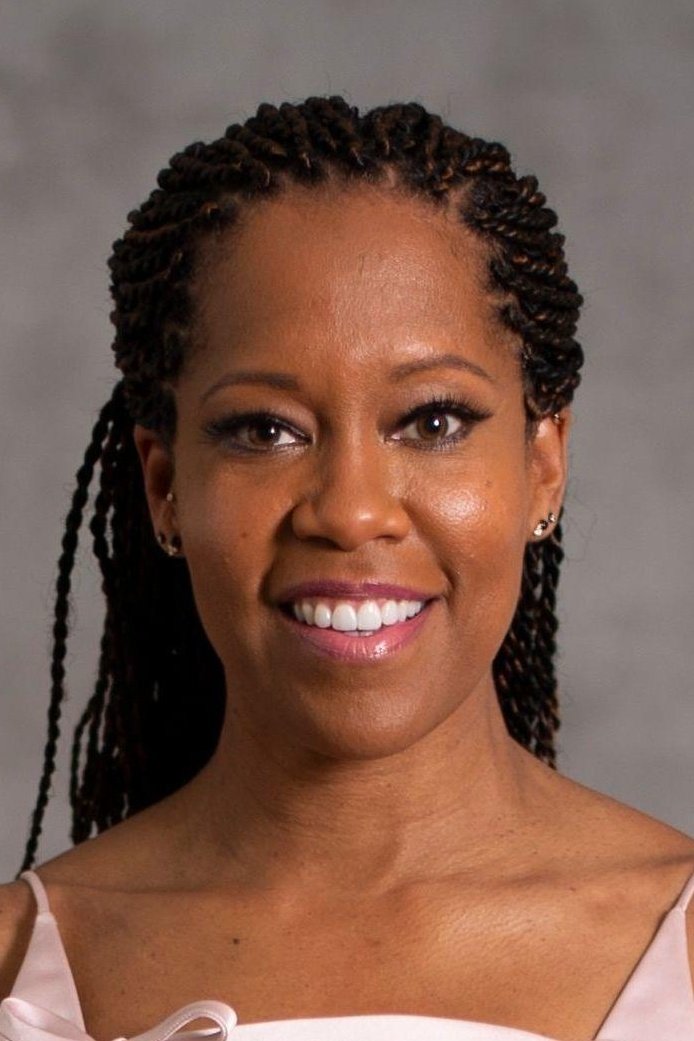
Regina King has often turned down roles that she felt were mother figures with no internal life of their own. She seeks out projects that allow her to showcase power and complexity and leadership. King has transitioned into directing to have more control over the narratives being told about Black families. She is dedicated to ensuring that Black women are seen as multifaceted human beings in every genre. Her success as both an actor and director has made her a powerhouse in the industry.
Daniel Kaluuya
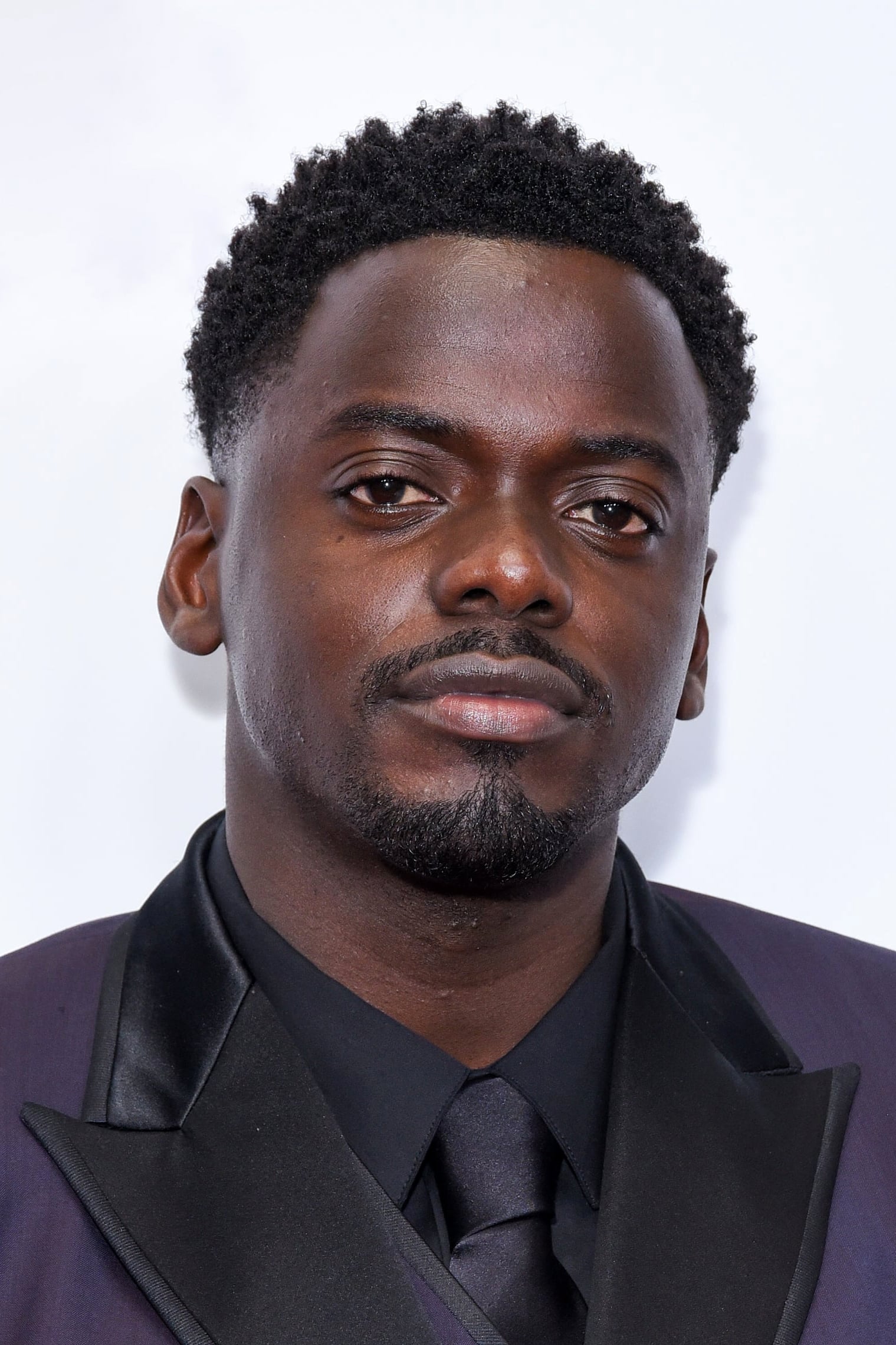
Daniel Kaluuya rejected roles that he felt were too similar to the token Black friend trope found in many scripts. He looks for scripts that challenge the audience and explore deep psychological themes. Kaluuya has expressed a preference for roles that provide a unique and authentic perspective on the Black experience. He avoids characters that are defined only by their relationship to white protagonists. This discerning approach has led him to star in groundbreaking films like ‘Get Out’ and ‘Judas and the Black Messiah’.
Damson Idris
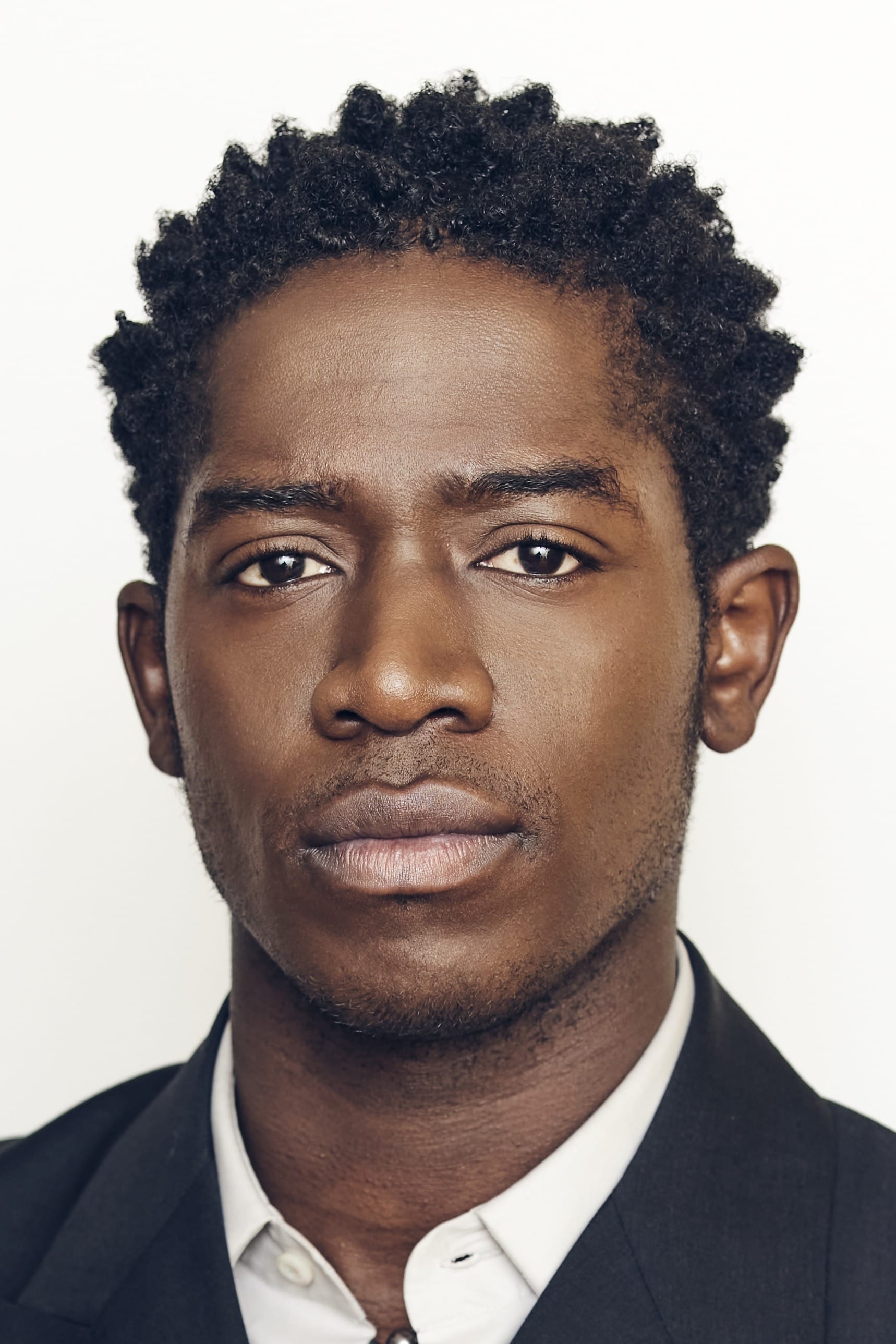
Damson Idris has spoken about his refusal to play characters that are simply criminals without any backstory or human motivation. He wants to ensure that even his more gritty roles have a level of sophistication and complexity. Idris looks for projects that showcase the nuance of both the London and American Black experiences. He avoids roles that feel like caricatures of urban life or rely on lazy cultural assumptions. His performance in ‘Snowfall’ demonstrated his ability to bring depth to a challenging character.
Mahershala Ali
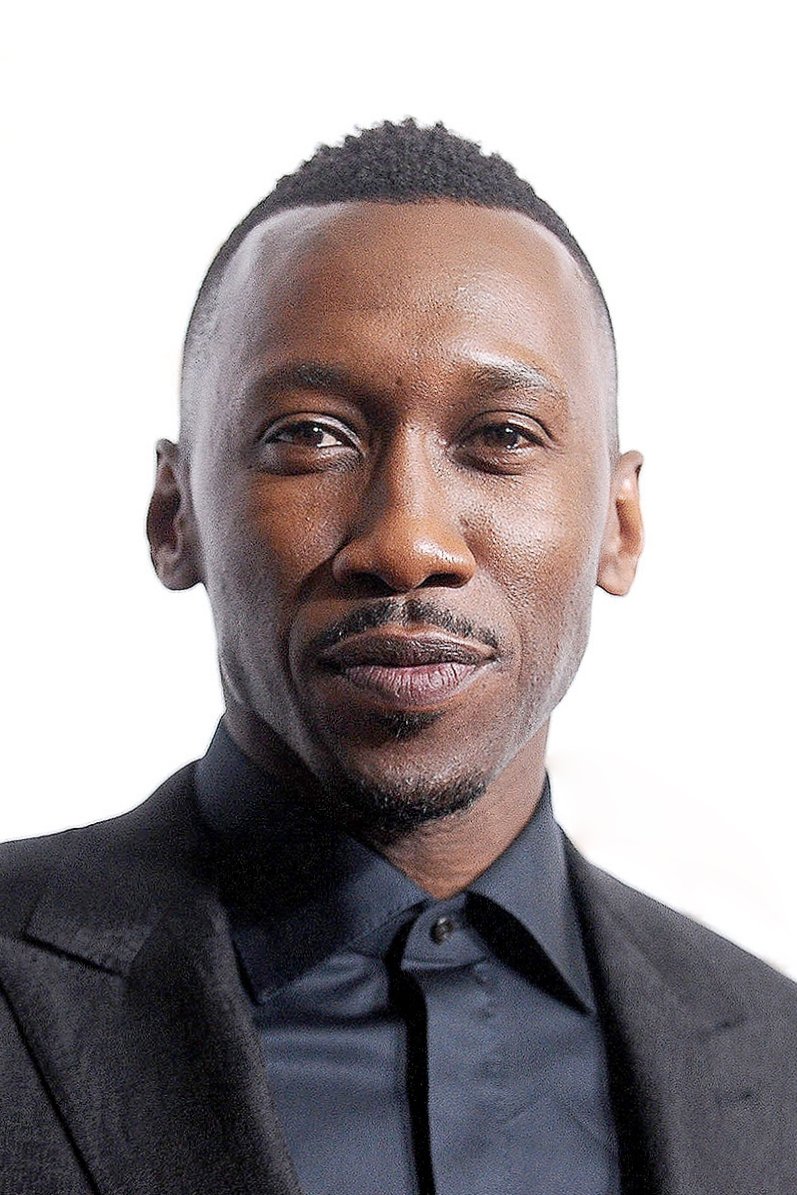
Mahershala Ali once turned down a role because it required him to do a street accent that he felt was unnecessary and stereotypical. He prefers characters who are defined by their intelligence and quiet strength and moral complexity. Ali famously refused to do a sex scene in ‘The Curious Case of Benjamin Button’ out of respect for his personal faith. He continues to choose roles that reflect his values and high professional standards. His two Academy Awards are a testament to the success of his selective approach.
Lupita Nyong’o
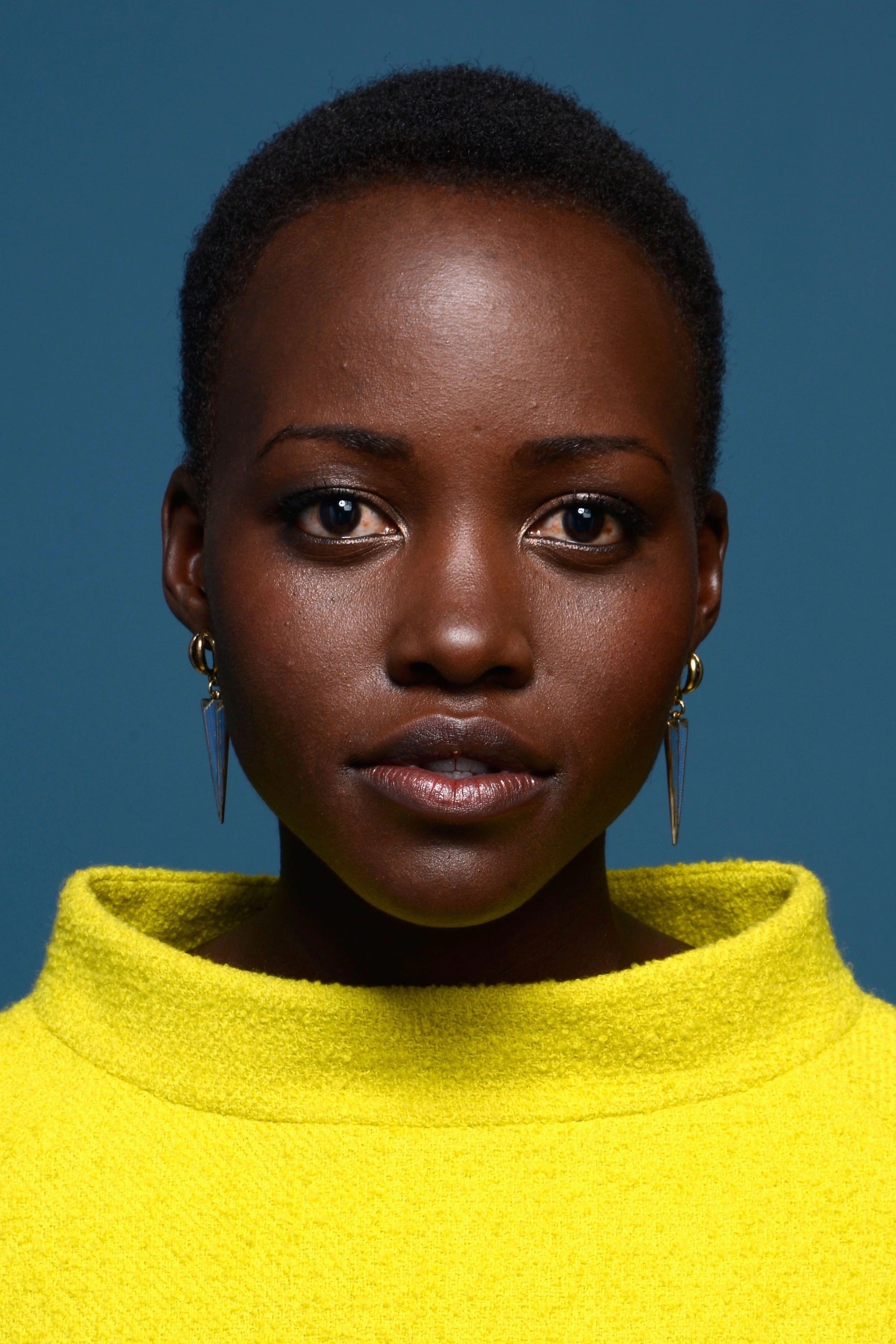
Lupita Nyong’o has been very selective about her projects following her breakout success and Oscar win. She avoids roles that focus only on Black suffering or servitude in favor of fantasy and horror and action. Nyong’o wants to show that Black women can lead in any genre of film without being restricted by their race. She has consistently turned down roles that she felt were stereotypical or lacked a clear sense of agency. Her work in ‘Us’ and ‘Black Panther’ has redefined what a Black female lead can be.
Yahya Abdul-Mateen II
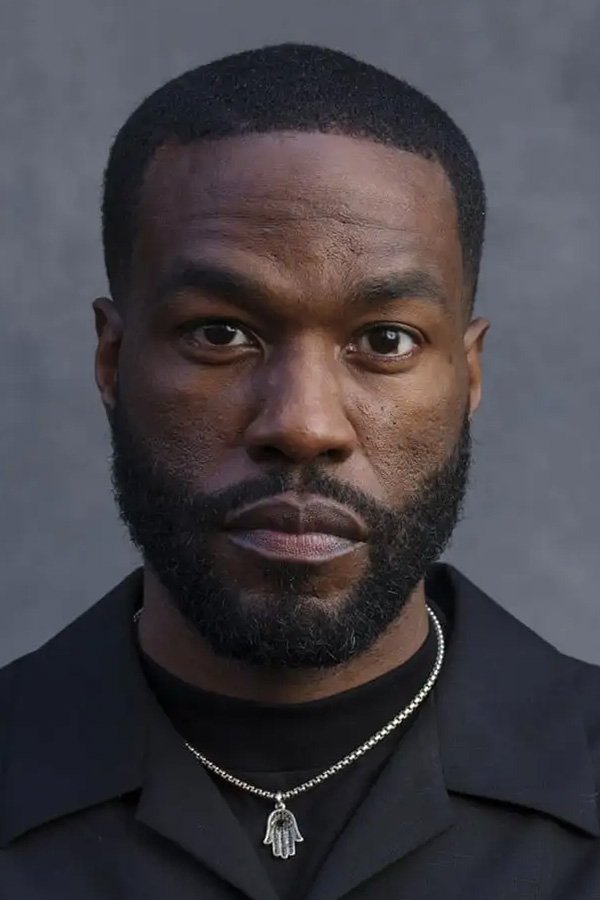
Yahya Abdul Mateen II expressed that he is wary of roles that place Black men in positions of constant struggle and trauma. He enjoys playing characters in sci fi and superhero films because they allow for more imagination and power. He avoids projects that require him to play a generic thug or a background character with no purpose. He aims to be a leading man who transcends racial expectations and explores the human condition. His rise to stardom has been marked by a series of bold and unconventional choices.
Lakeith Stanfield
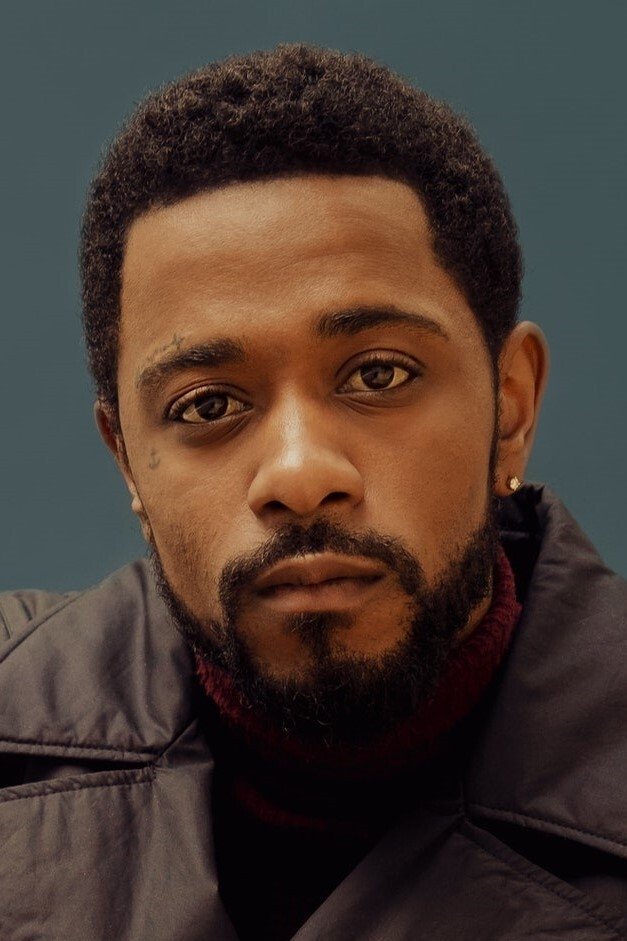
Lakeith Stanfield is known for choosing eccentric and unconventional roles to avoid being typecast by the industry. He has turned down mainstream projects that felt too predictable or relied on common Black stereotypes. Stanfield prefers to work on indie films that offer a more artistic and experimental approach to storytelling. He strives to represent the diversity of Black thought and personality in all of his work. His unique screen presence has made him one of the most exciting actors of his generation.
Sterling K. Brown
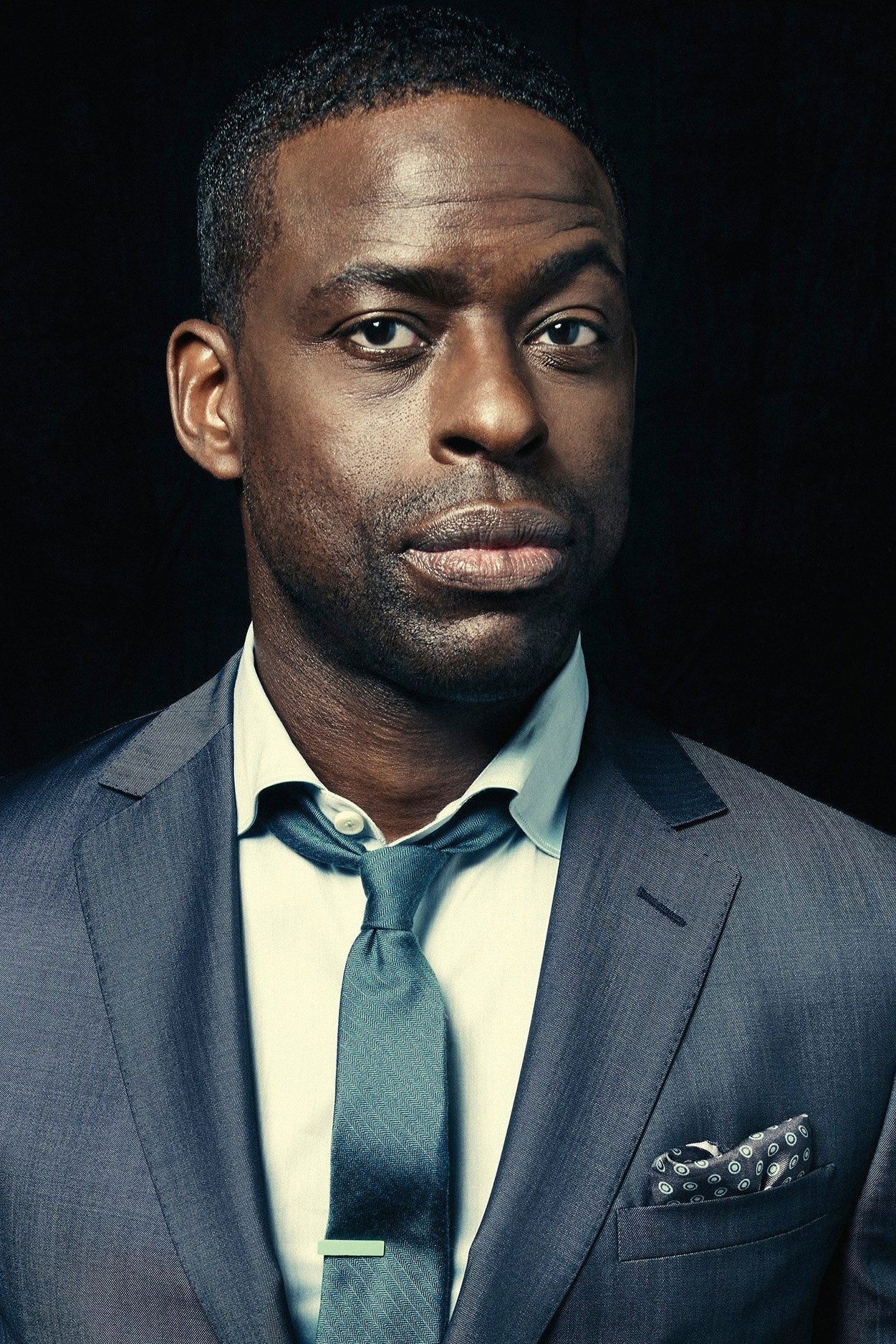
Sterling K. Brown has stated that he looks for roles that show Black men being present fathers and loving husbands. He avoids scripts that depict the absent father trope which has negatively impacted Black media for decades. Brown wants his work to reflect the reality of the healthy Black families he knows in real life. He is very careful about the message his characters send to the young audience. This commitment has made his role in ‘This Is Us’ a landmark for representation.
Jeffrey Wright
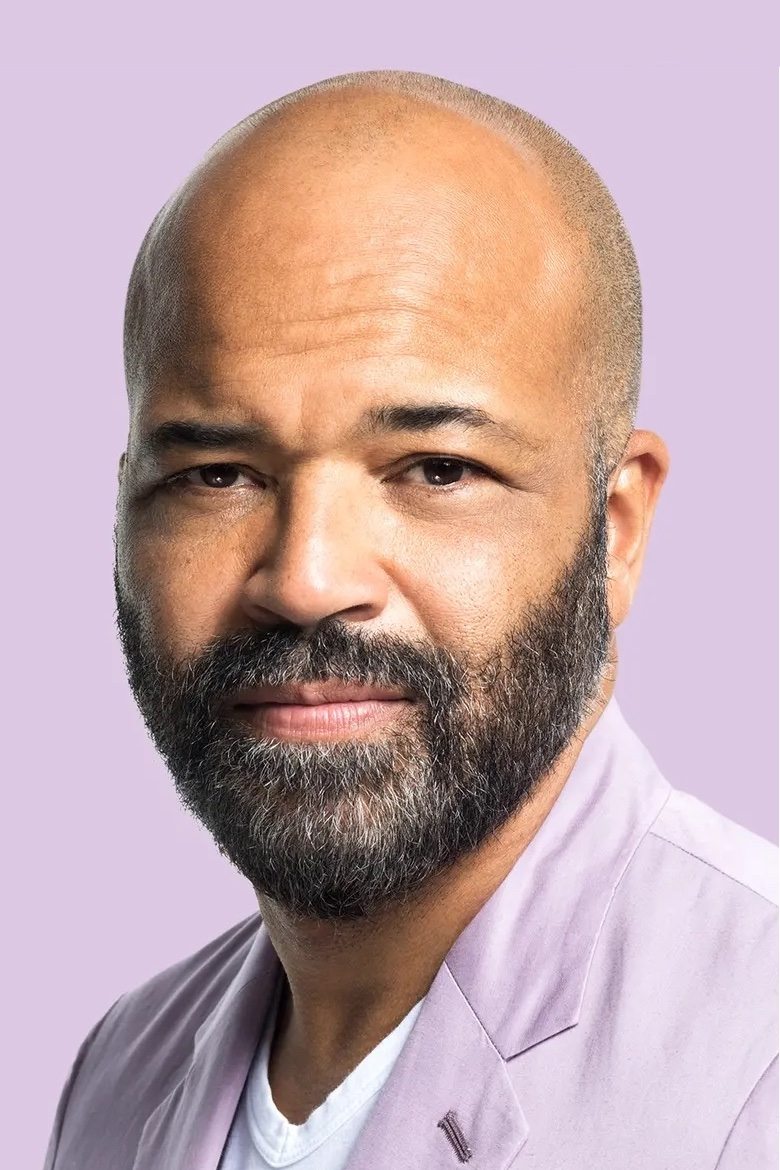
Jeffrey Wright frequently turns down roles that he finds to be poorly written or culturally insensitive. He is known for his intellectual approach to acting and his demand for high quality scripts with depth. Wright avoids characters that are merely the help or the magical negro trope used to assist white leads. He chooses projects that are socially relevant and intellectually stimulating to both him and the audience. His career spans across major franchises and prestige dramas with equal success.
Taraji P. Henson
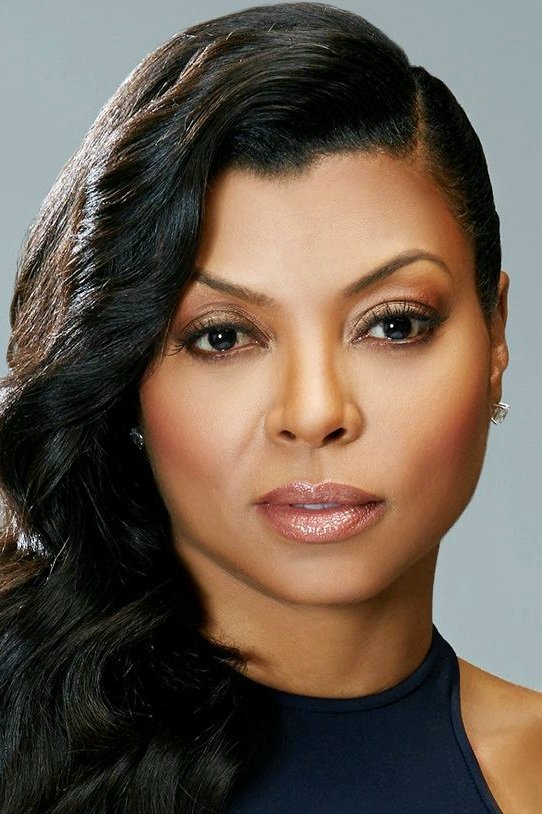
Taraji P. Henson refused to take on certain roles that she felt were beneath her talent or reinforced negative images of Black women. She has been vocal about the pay disparity and the lack of quality roles for women of color in Hollywood. Henson looks for characters that are strong and independent and intellectually capable. She avoids scripts that rely on the angry Black woman stereotype or other reductive tropes. Her portrayal of Katherine Johnson in ‘Hidden Figures’ inspired millions of viewers around the world.
Adewale Akinnuoye-Agbaje
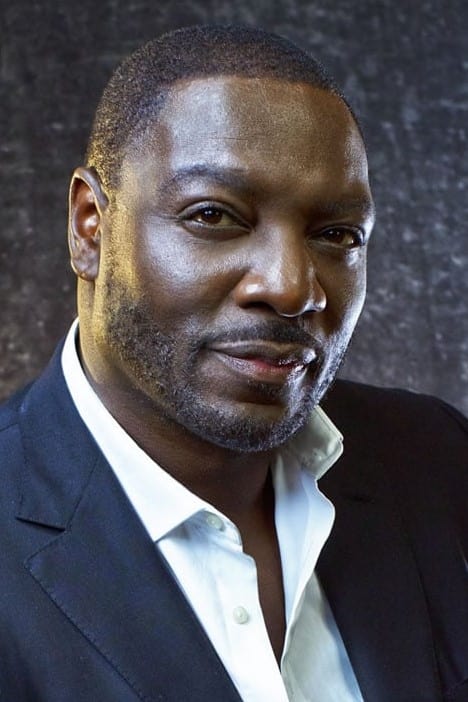
Adewale Akinnuoye-Agbaje has spoken about the struggle of being an African actor in Hollywood and being asked to play generic rebels. He has turned down many roles that did not respect the cultural nuances of his Nigerian background. He looks for projects that provide a more authentic and varied look at African identities. He strives to bring dignity and a unique voice to every character he portrays on screen. His career is a balance of major blockbusters and culturally significant independent projects.
Gugu Mbatha-Raw

Gugu Mbatha Raw prioritizes roles in period pieces that show Black people in positions of wealth or influence. She avoids roles that suggest Black people did not exist or had no agency in historical settings. Mbatha Raw wants to change the narrative about what prestige cinema and historical drama look like. She is careful to avoid roles that are one dimensional or purely decorative in nature. Her performance in ‘Belle’ was a major step forward for representation in the costume drama genre.
Anthony Mackie
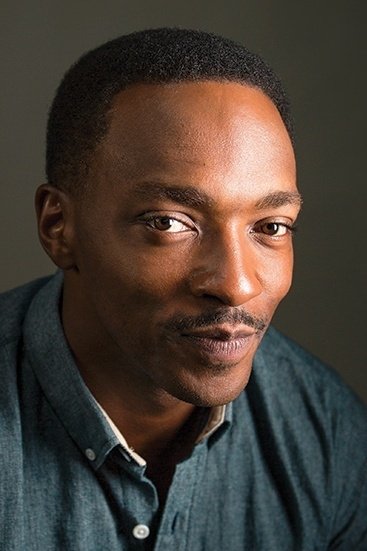
Anthony Mackie has criticized the industry for often relegating Black actors to the best friend role. He pushes for his characters to have their own lives and motivations independent of the white lead. Mackie has used his influence in the Marvel Cinematic Universe to ensure his character has a strong and heroic narrative arc. He avoids projects that treat Black characters as secondary afterthoughts or comic relief. He is now leading his own major franchise as the new Captain America.
Tessa Thompson

Tessa Thompson co founded a collective to advocate for more diversity and better representation behind the scenes. She turns down roles that do not offer a fresh or subversive perspective on femininity and race. Thompson is particularly interested in subverting tropes in the sci fi and western genres. She looks for scripts that allow for queer and Black representation in a natural and meaningful way. Her work continues to push the boundaries of what is expected from a Hollywood leading lady.
Alfre Woodard
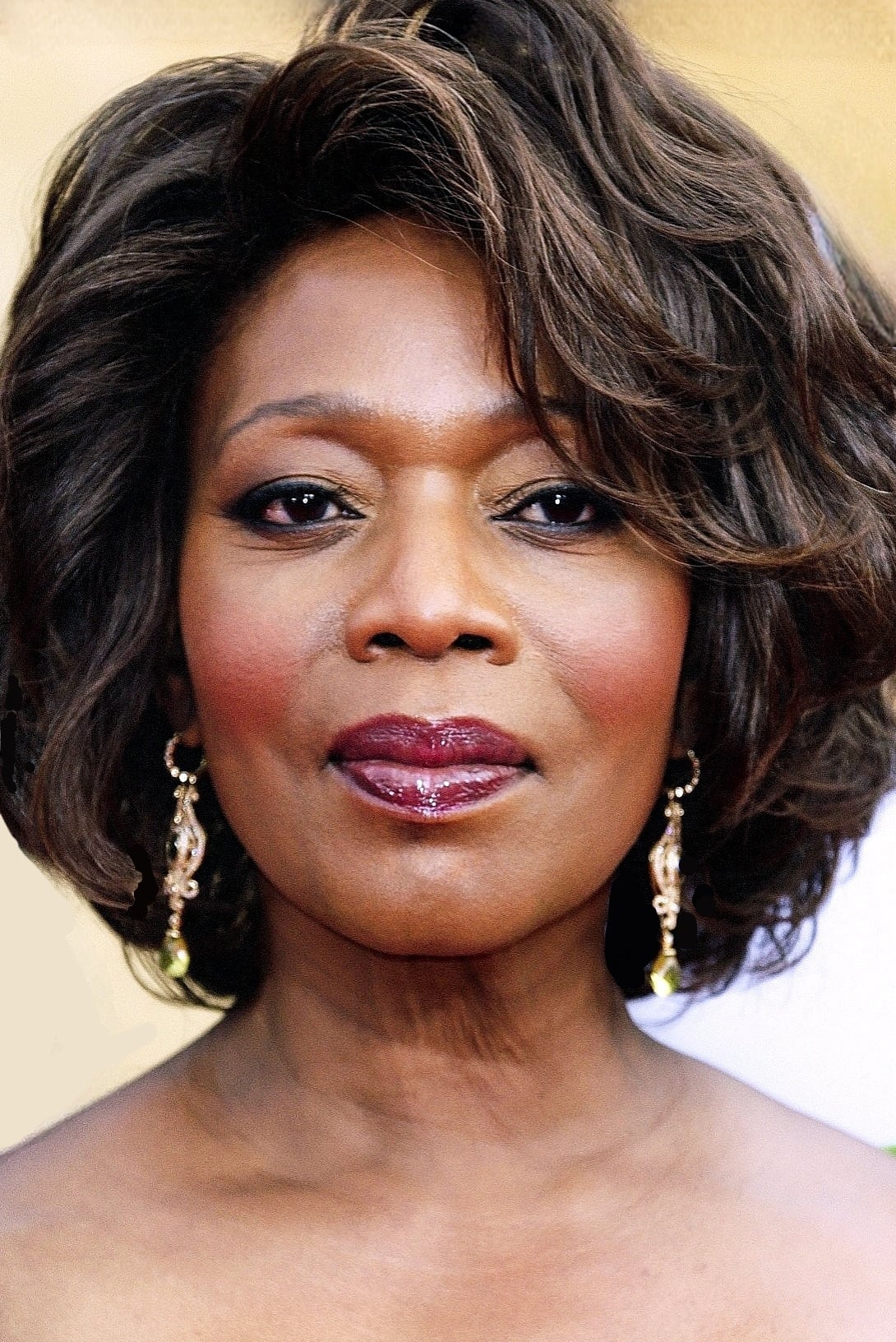
Alfre Woodard has maintained a long and successful career by being incredibly picky about the roles she accepts. She has famously turned down roles that she felt were stereotypical or lacked a true human heart. Woodard seeks out characters that have authority and wisdom and complex emotional lives. She has been a mentor to many younger actors and encourages them to value their own dignity. Her body of work is a masterclass in how to sustain a career with integrity.
Sophie Okonedo
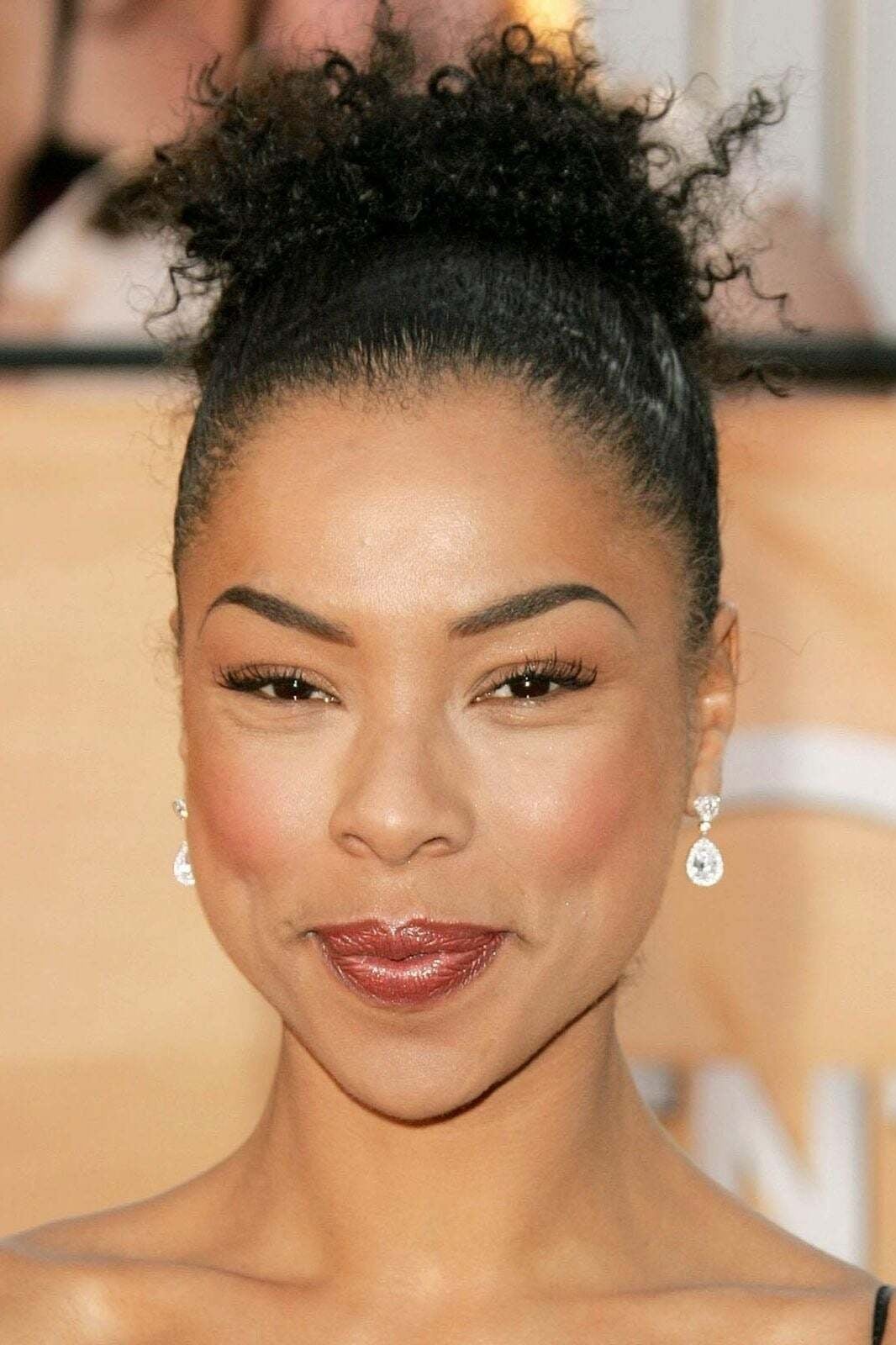
Sophie Okonedo avoids roles that she feels are one dimensional or rely on common tropes about Black women. She looks for scripts that offer a unique challenge and allow her to explore different facets of humanity. Okonedo has worked in a wide range of genres from historical dramas to modern thrillers. She is careful to choose projects that treat her characters with respect and depth. Her Academy Award nomination proved that her selective and thoughtful approach pays off.
Cynthia Erivo
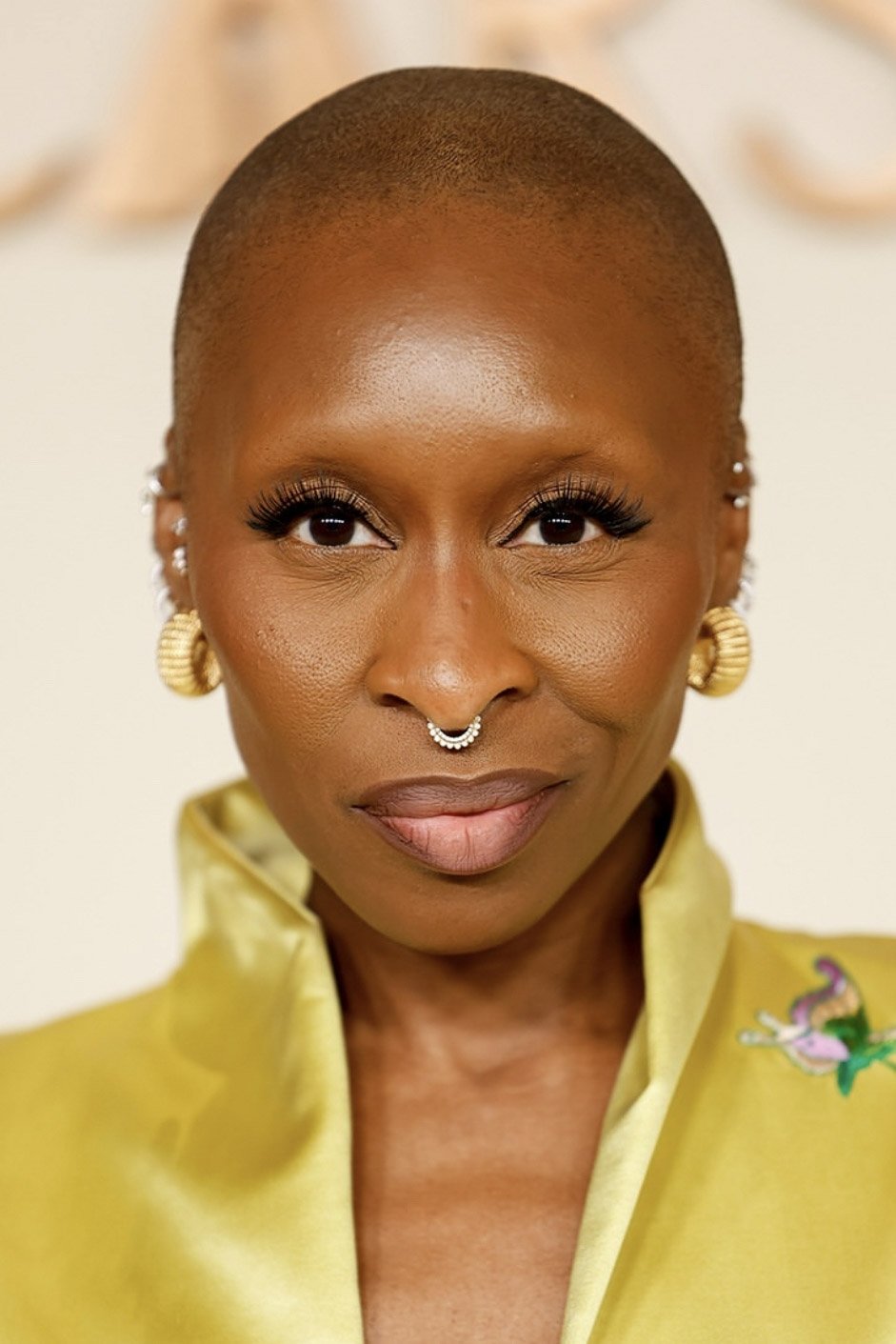
Cynthia Erivo has been vocal about her desire to avoid roles that are solely defined by Black pain or historical suffering. She looks for scripts that allow her to showcase her range in different genres including musicals and action. Erivo turned down several early opportunities that she felt were based on tired tropes about the Black experience. She prefers to work on projects that offer a fresh perspective or a unique artistic challenge. Her career choices reflect a commitment to expanding the types of stories told about Black women.
Letitia Wright
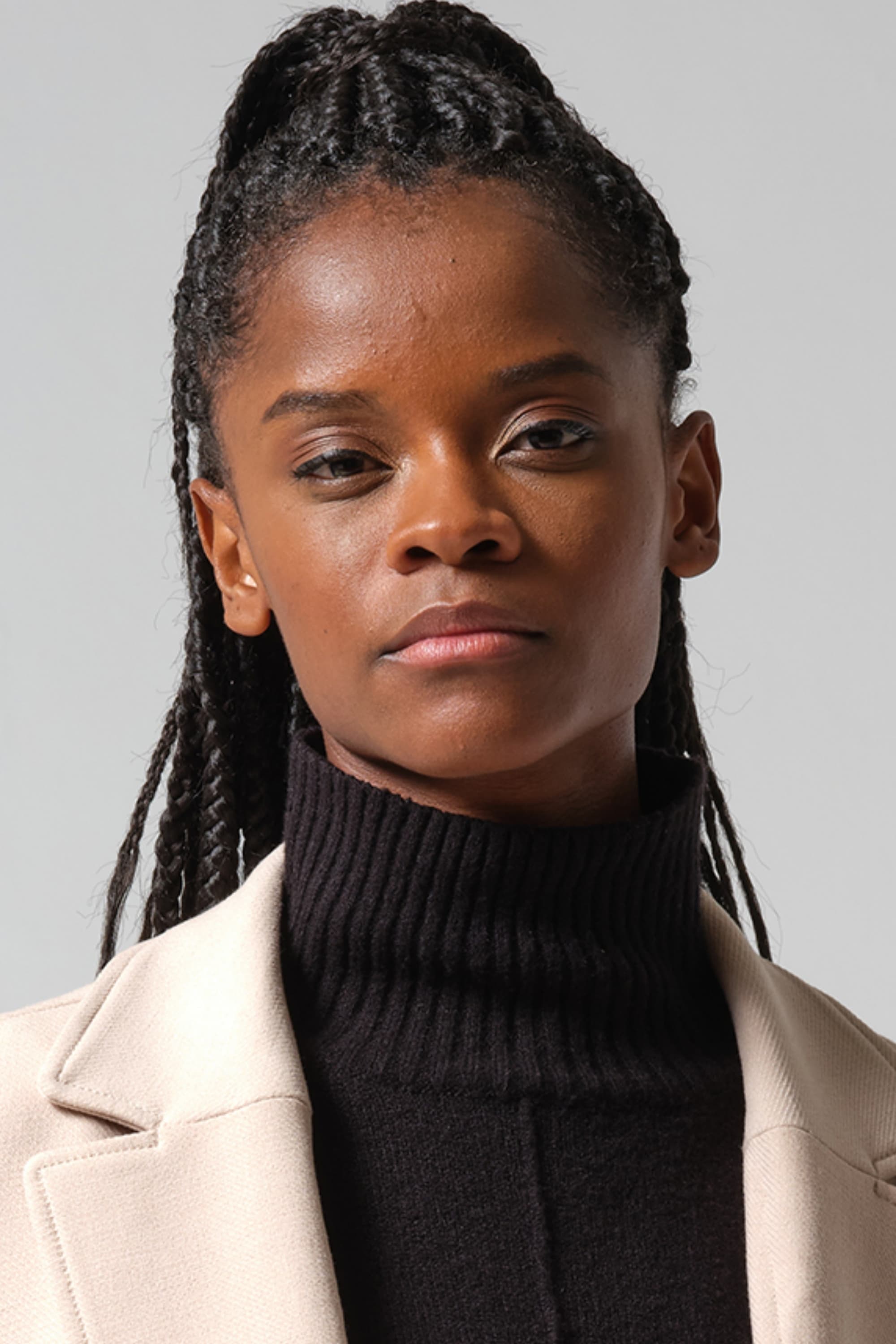
Letitia Wright chooses roles that align with her personal faith and her desire for positive representation. She has turned down multiple scripts that featured excessive violence or stereotypical depictions of urban life. Wright gained international fame for playing a brilliant scientist in ‘Black Panther’ which was a role she actively sought. She continues to prioritize characters that are intelligent and resourceful and influential. Her selectivity ensures that her body of work inspires young viewers of color around the world.
Daveed Diggs
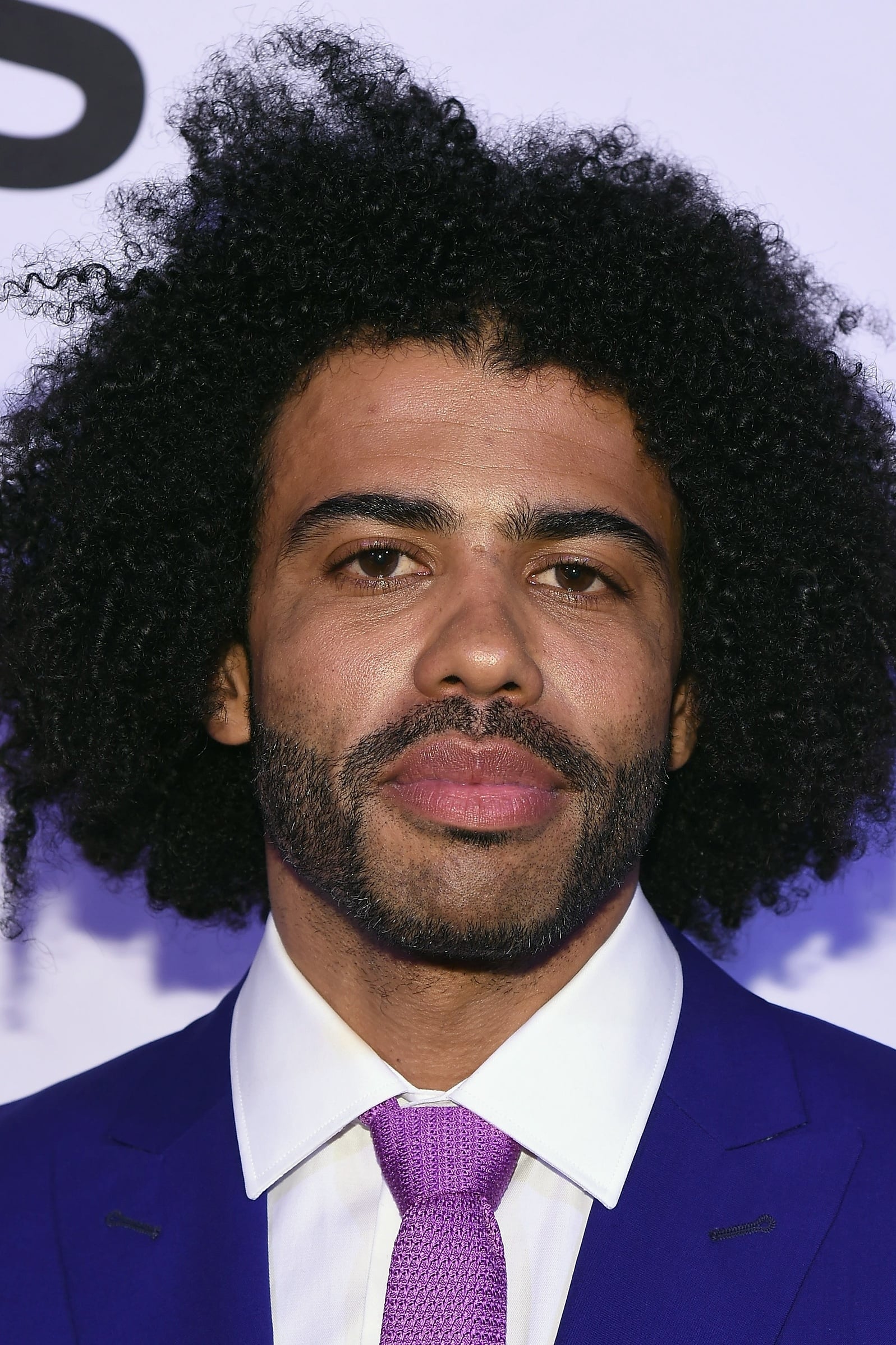
Daveed Diggs often rejects roles that feel like they are checking a diversity box without providing a real character arc. He is particularly wary of scripts that use Black characters as props for white protagonists. Diggs prefers to work on projects that explore complex social issues with humor and creativity. He has turned down several mainstream television roles to focus on more experimental and authentic work. His career is defined by a refusal to be pigeonholed into any single category or stereotype.
Louis Gossett Jr.
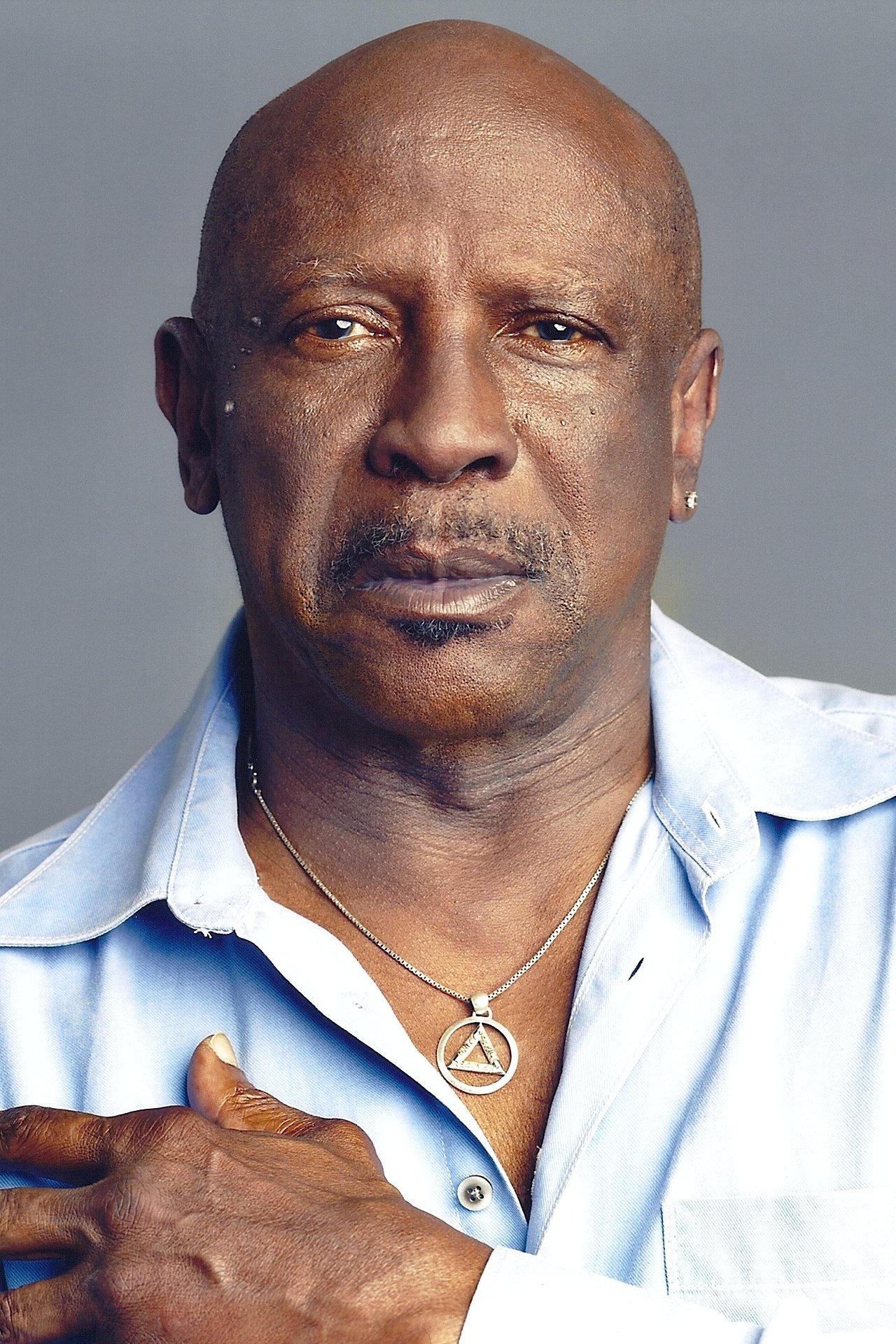
Louis Gossett Jr. refused many roles early in his career that were just the heavy or a generic villain. He understood that these parts contributed to a negative perception of Black men in society. He held out for roles that had more depth and allowed him to show his full range as an actor. This persistence eventually led him to his iconic and Oscar winning role in ‘An Officer and a Gentleman’. He remains a pioneer for Black actors seeking respect in the industry.
Whoopi Goldberg
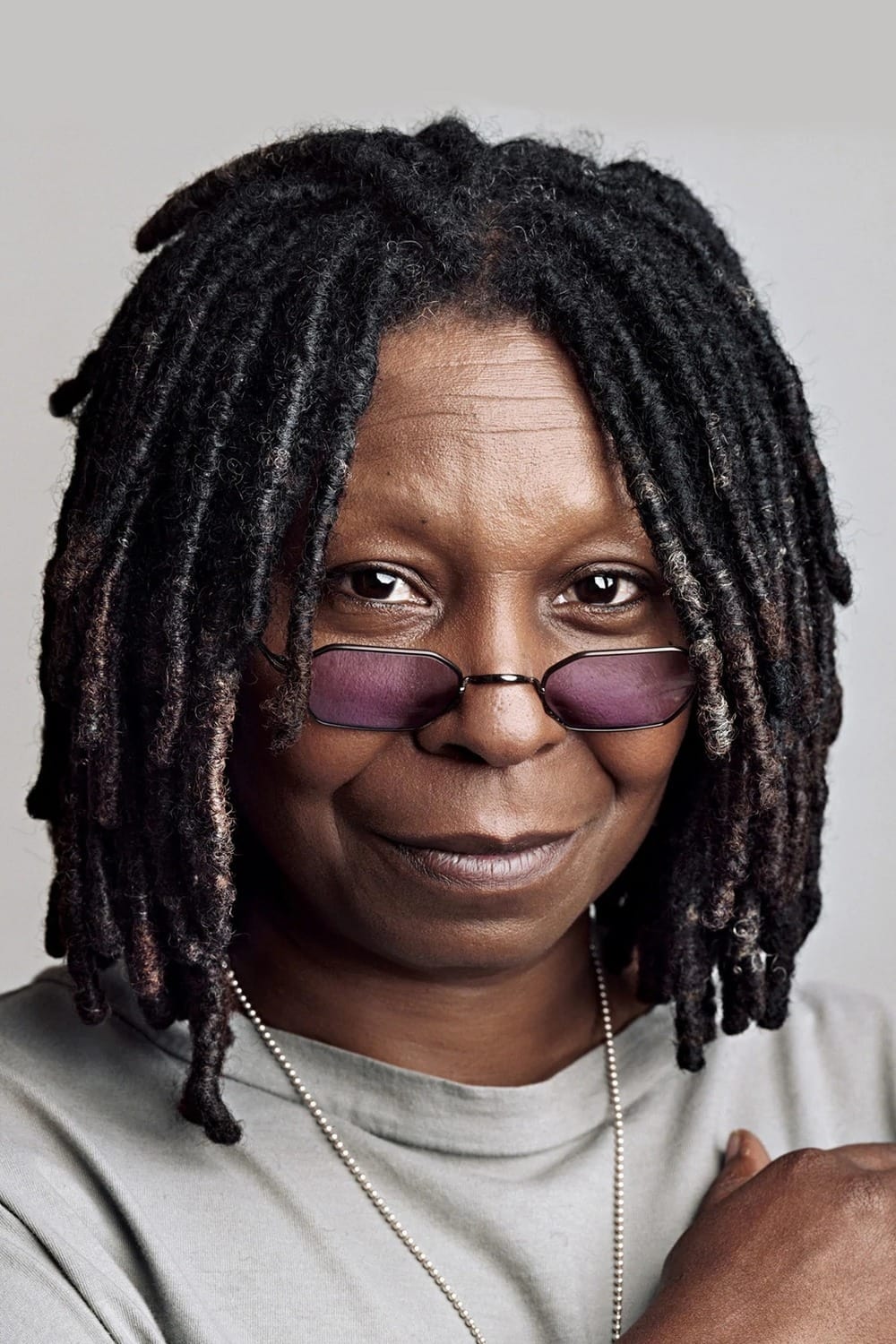
Whoopi Goldberg has spoken about turning down maid roles and other subservient parts early in her career. She wanted to play characters that were funny and smart and completely original. Goldberg broke many barriers by taking roles that were not originally written for a Black woman. She used her unique voice to create a career that spans film and television and stage. Her success showed that being true to oneself is the best path to a lasting legacy.
James Earl Jones
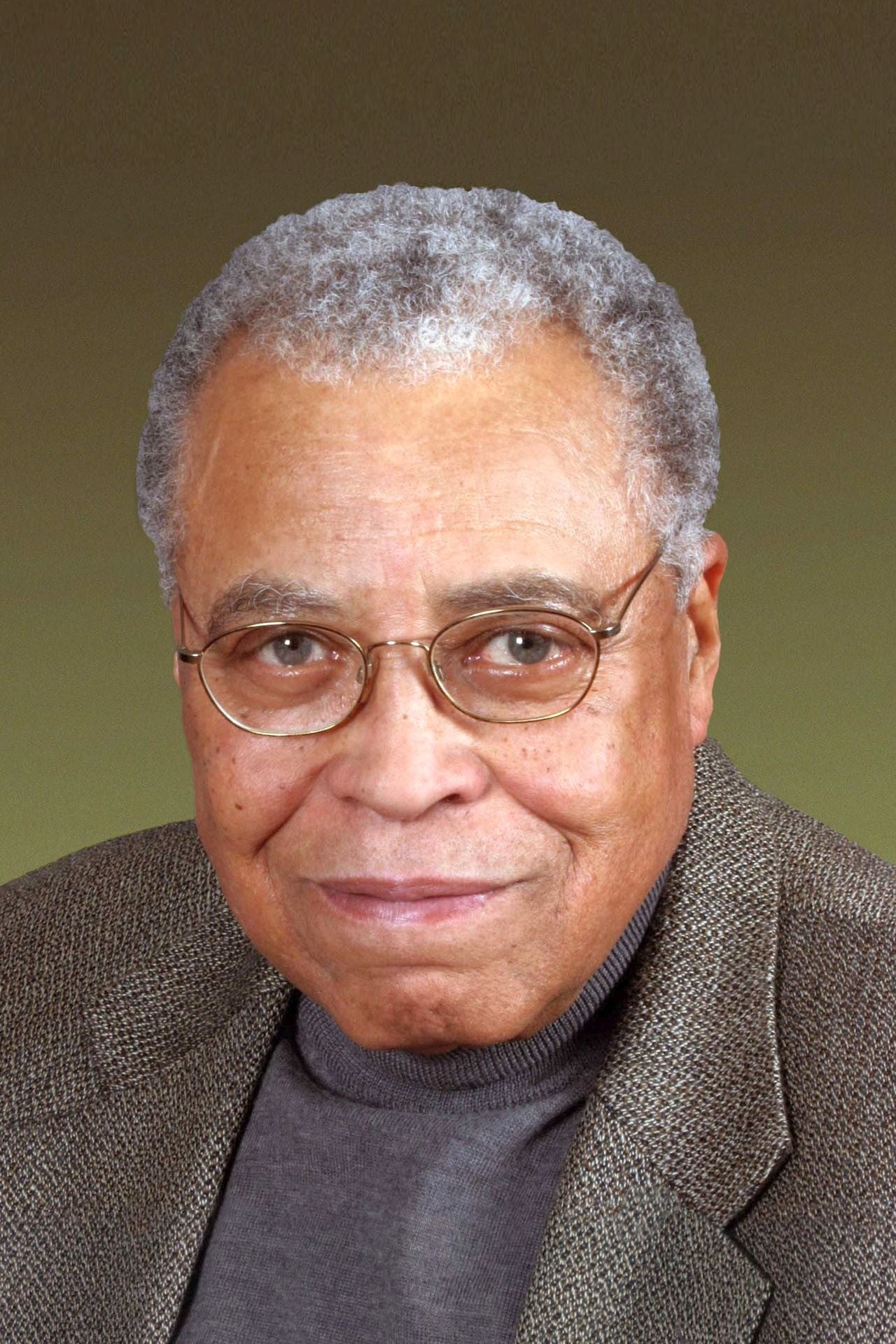
James Earl Jones refused to play characters that were just a voice or a scary figure without any internal depth. He demanded that his characters have a history and a reason for their actions. Jones was very careful about the roles he took on during the height of the civil rights movement. He chose parts that showcased the power and gravitas of the Black voice and presence. His legendary career is built on a foundation of dignity and artistic excellence.
Ossie Davis
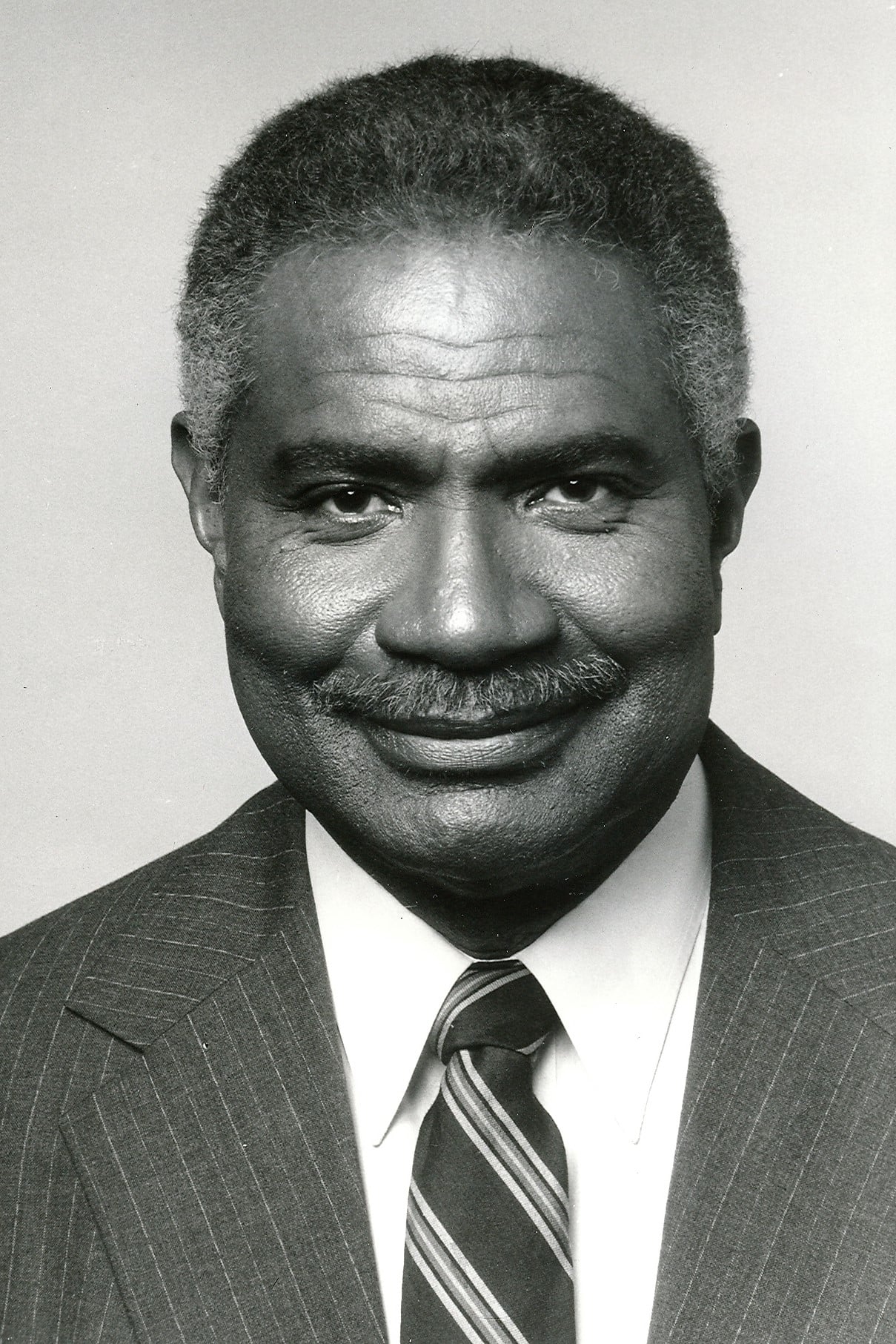
Ossie Davis was a dedicated activist who only took roles that he felt had a level of dignity. He often worked with his wife Ruby Dee to promote better representation for Black actors in Hollywood. Davis turned down scripts that he felt were offensive or promoted harmful racial ideas. He believed that his work on screen was an extension of his work for social justice. His legacy is one of unwavering commitment to his community and his art.
Ruby Dee
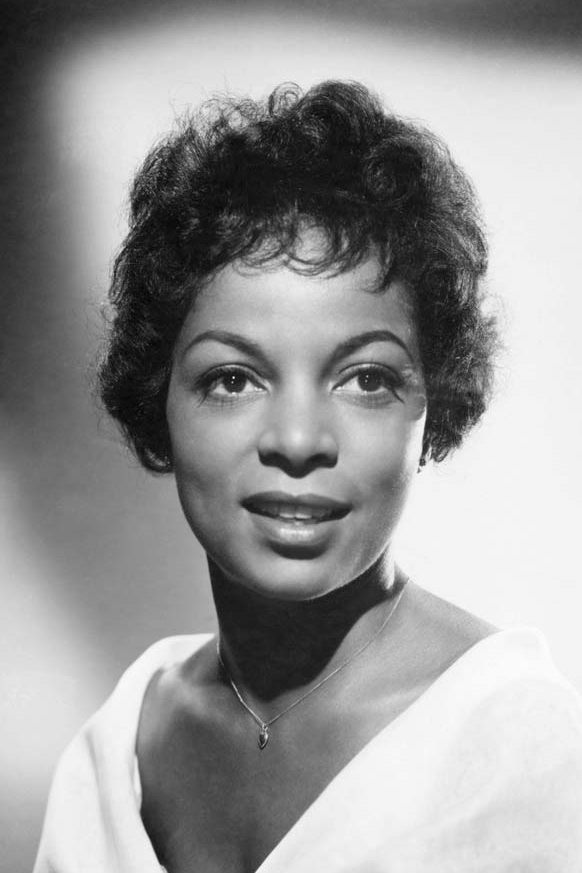
Ruby Dee spent her career fighting for more substantial roles for Black women in film and theater. She refused to take parts that she felt were demeaning or promoted negative stereotypes. Dee used her talent to highlight the struggles and triumphs of Black people in America. She was a trailblazer who proved that an actor could be both a great artist and a great activist. Her impact on the industry is still felt by actors working today.
Share your thoughts on which of these actors made the most impactful decision for their career in the comments.