


Black Celebs Whose Potential Was Mishandled

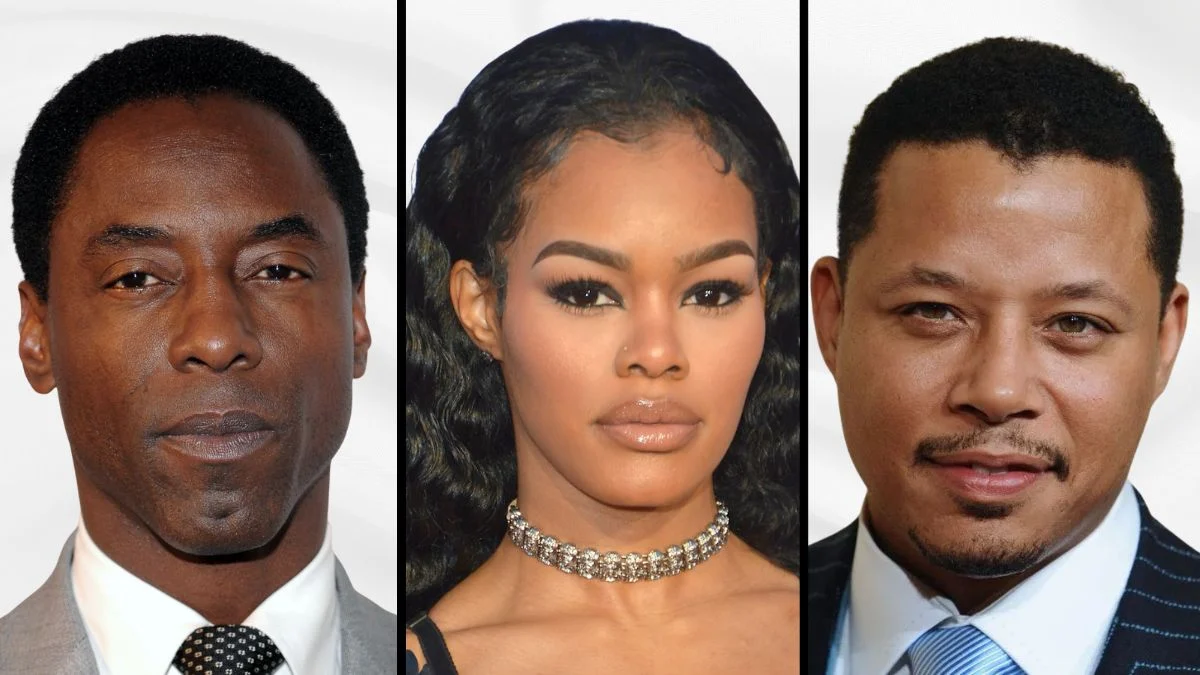


The entertainment industry is notorious for being fickle and difficult to navigate for rising stars. This reality is often harsher for Black celebrities who face systemic hurdles and rigid typecasting. Many talented actors and musicians have seen their careers stall due to bad management or industry blacklisting. Some were labeled difficult for standing up for themselves while others fell victim to label politics. This list highlights those whose massive potential was not fully realized due to external mishandling.
Mo’Nique
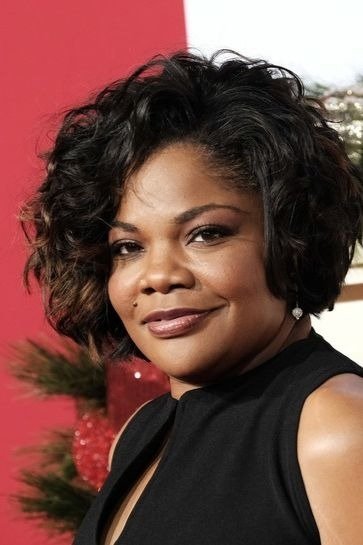
Mo’Nique delivered a powerhouse performance in ‘Precious’ that earned her the Academy Award for Best Supporting Actress. Despite this monumental win she found herself blackballed by the industry for refusing to campaign for the film without pay. Studios and executives labeled her as difficult to work with which halted her momentum significantly. She later sued Netflix for racial and gender discrimination regarding pay disparities. Her career trajectory serves as a stark example of how standing on principle can lead to professional isolation.
Nicole Beharie
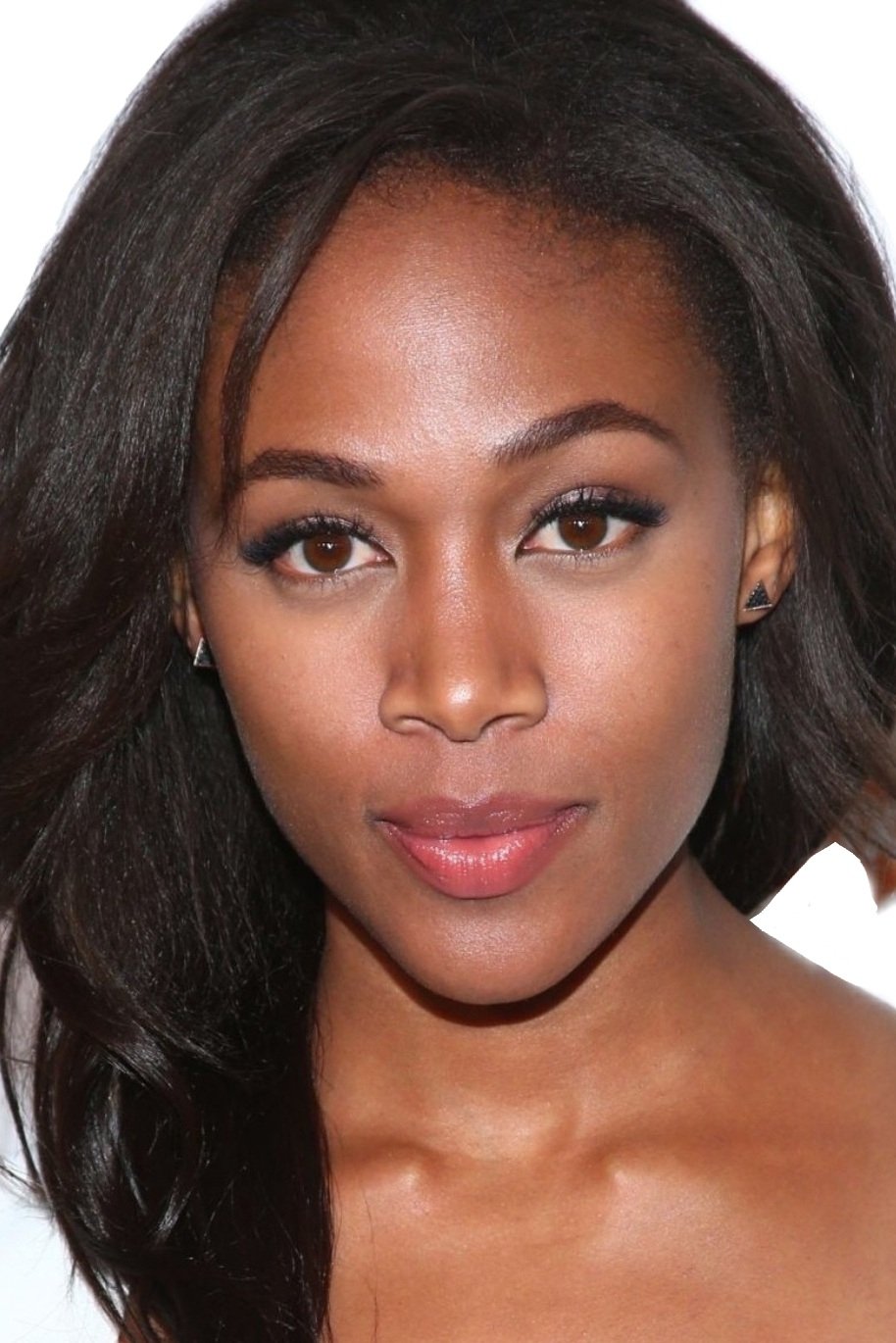
Beharie starred as Abbie Mills in the supernatural drama ‘Sleepy Hollow’ alongside Tom Mison. Her character was killed off in the third season despite being a co-lead and fan favorite. The actress later revealed she was treated differently than her white co-stars regarding working conditions and health issues. She was labeled as difficult by production staff after advocating for her physical well-being. This reputation negatively impacted her career trajectory for several years before she returned in ‘Miss Juneteenth’.
Terrence Howard
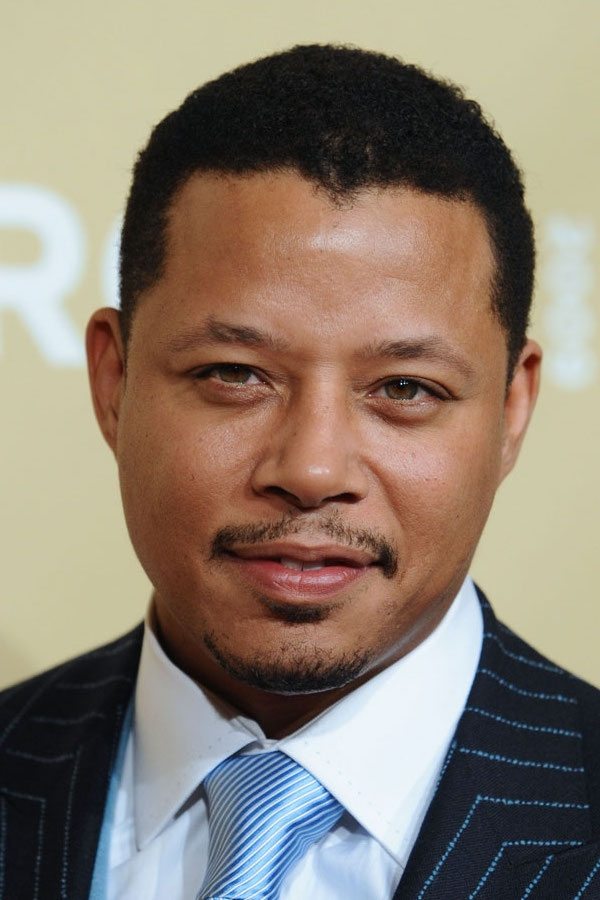
Howard was the highest-paid actor in the first ‘Iron Man’ film where he played James Rhodes. Marvel Studios demanded he take a massive pay cut for the sequel in favor of Robert Downey Jr. When he refused the studio recast the role with Don Cheadle. Howard claimed the studio used his initial salary to secure Downey and pushed him out of the franchise. This contract dispute cost him a permanent spot in the most lucrative film franchise in history.
Teyana Taylor
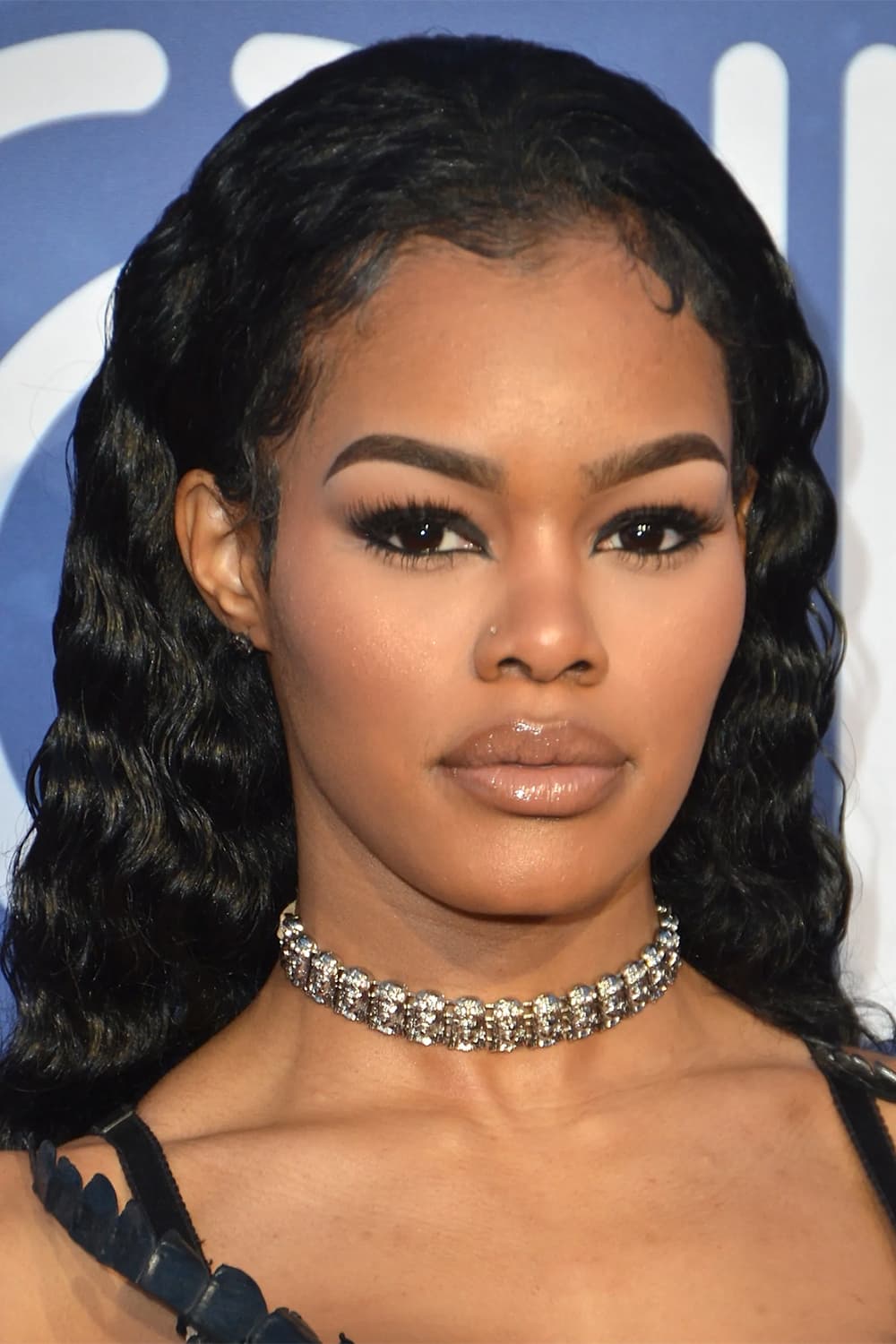
Taylor signed to Star Trak Entertainment and later GOOD Music with high expectations from fans. She frequently expressed frustration over her labels failing to clear samples or promote her albums properly. Her retirement announcement in 2020 cited feeling underappreciated and overlooked by her management teams. While she eventually returned to the spotlight she spent years fighting for the creative support her talent deserved. Her career is often cited as a prime example of label negligence.
Isaiah Washington
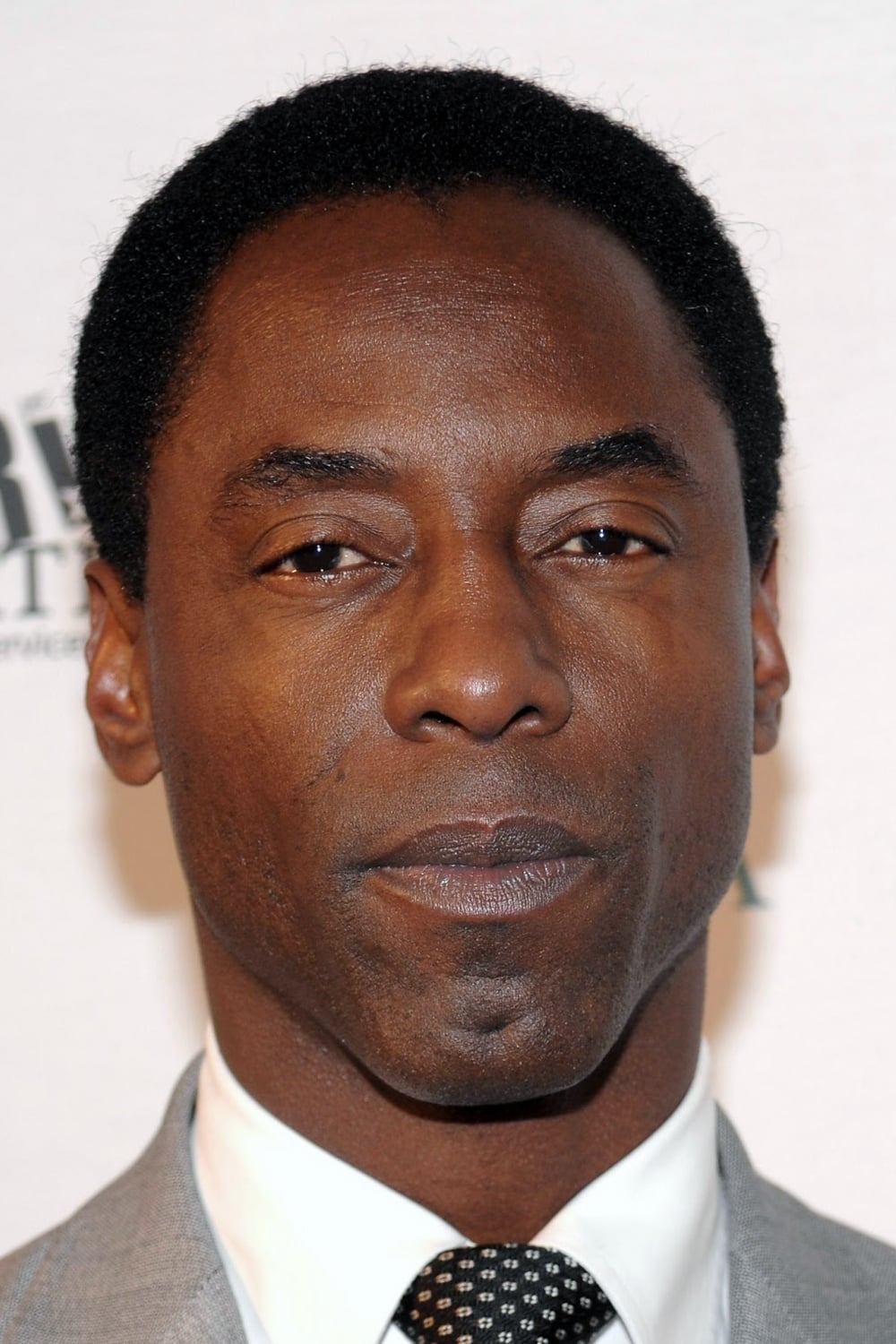
Washington played the brilliant Dr. Preston Burke on the hit medical drama ‘Grey’s Anatomy’. He was fired from the show following a highly publicized on-set altercation involving a homophobic slur. While his behavior was widely condemned the industry completely shut him out of mainstream roles for years. He argued that others in Hollywood had done worse without losing their entire livelihoods. His character was written out abruptly which derailed a very promising arc.
Keri Hilson

Hilson was a successful songwriter who transitioned into a promising solo singing career with hits like ‘Knock You Down’. Her momentum crashed after a rumored diss toward Beyoncé in a remix of ‘Turnin Me On’. The resulting backlash from fans and industry insiders effectively froze her recording career. She took a long hiatus from music and stated that the pressure was mentally draining. Industry politics seemingly punished her disproportionately for a perceived slight.
Orlando Jones
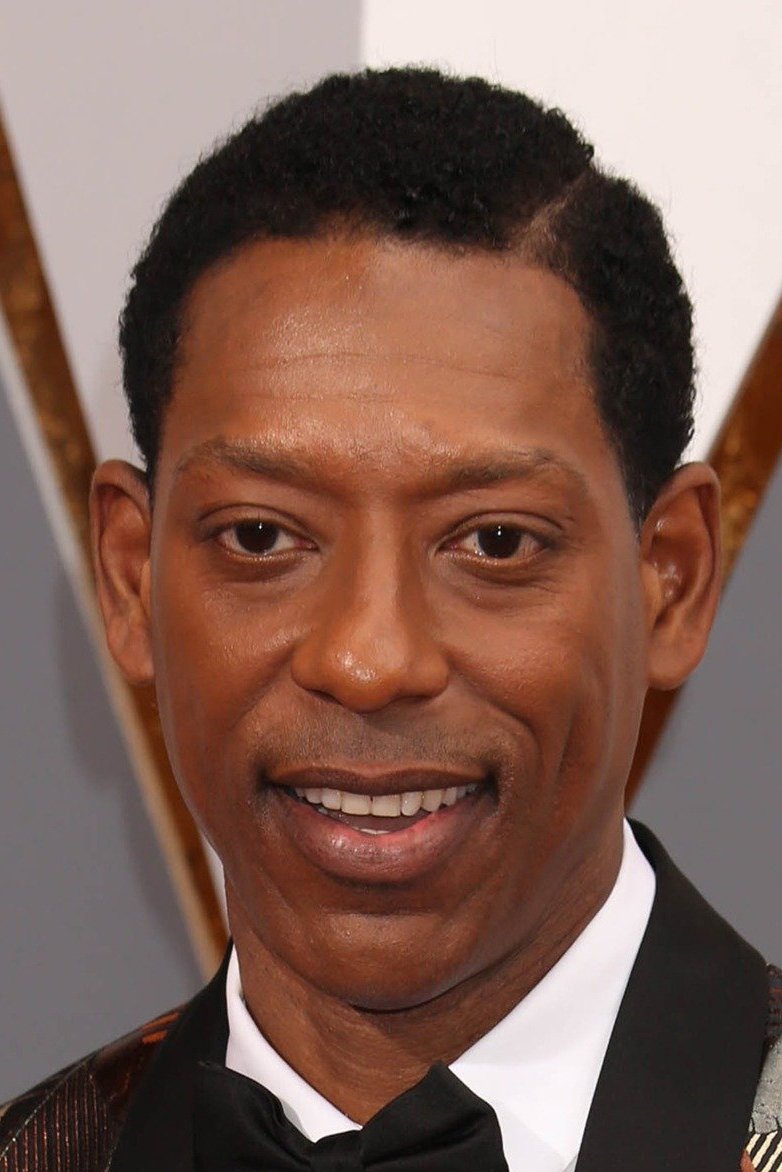
Jones was a ubiquitous presence in film and television throughout the late 1990s and early 2000s. He later garnered critical acclaim for his role as Mr. Nancy in the series ‘American Gods’. He was fired from the show and alleged that the new showrunner did not like the message his character sent to Black America. Jones spoke out about the mishandling of race within the production team. This conflict highlighted how easily veteran actors can be discarded when they challenge creative leadership.
Janet Jackson
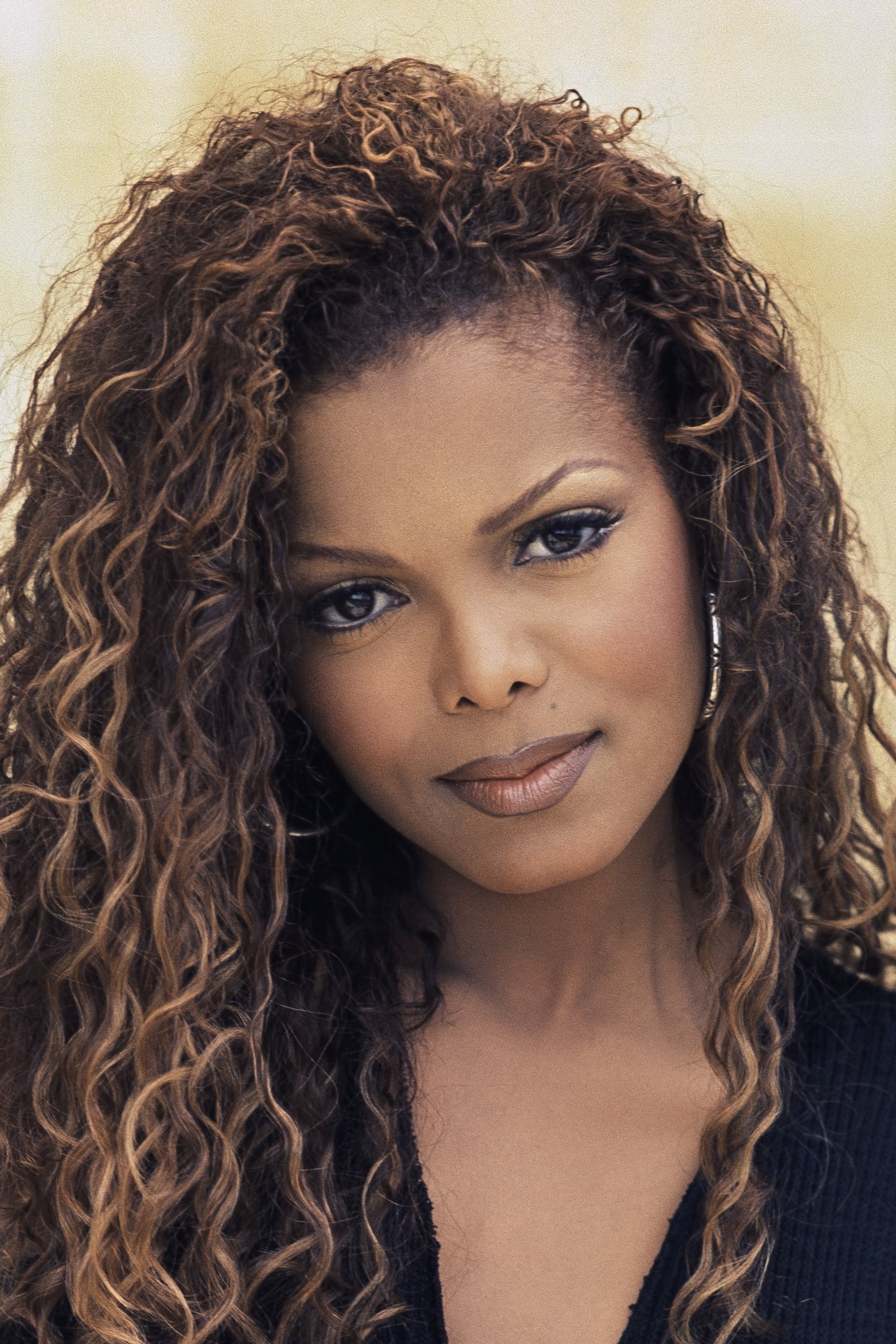
Jackson was a global icon long before the Super Bowl XXXVIII halftime show controversy. The “wardrobe malfunction” incident resulted in her being blacklisted by major radio stations and television networks. Justin Timberlake suffered almost no professional consequences for his part in the event. Jackson faced an industry-wide ban that severely hampered the promotion of her subsequent albums. This double standard remains one of the most cited instances of misogynoir in pop culture history.
Wesley Snipes
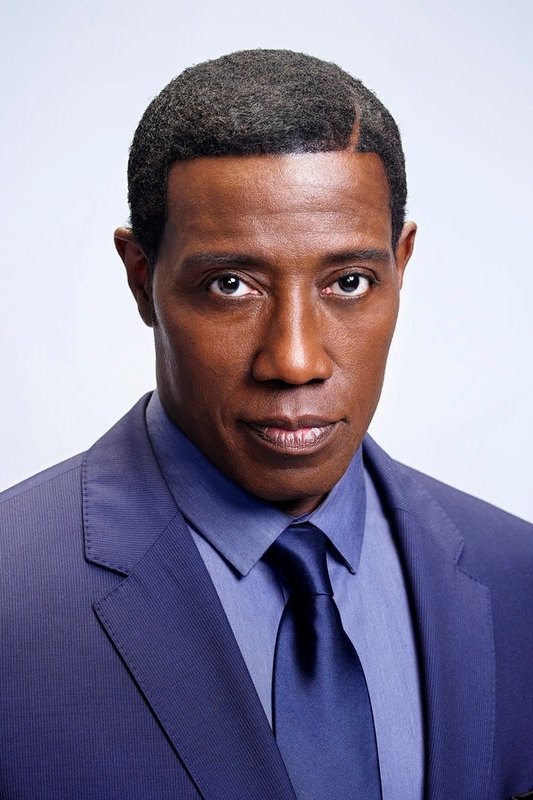
Snipes was one of the biggest action stars in the world during the 1990s and helped launch the modern superhero era with ‘Blade’. His career derailed due to a high-profile conviction for tax evasion that resulted in a prison sentence. The studios moved on to other stars while he was incarcerated and he struggled to regain top billing upon release. He was also reputed to be difficult on the set of ‘Blade: Trinity’. The franchise continued without him and left his legacy as the Daywalker in the past.
Stacey Dash
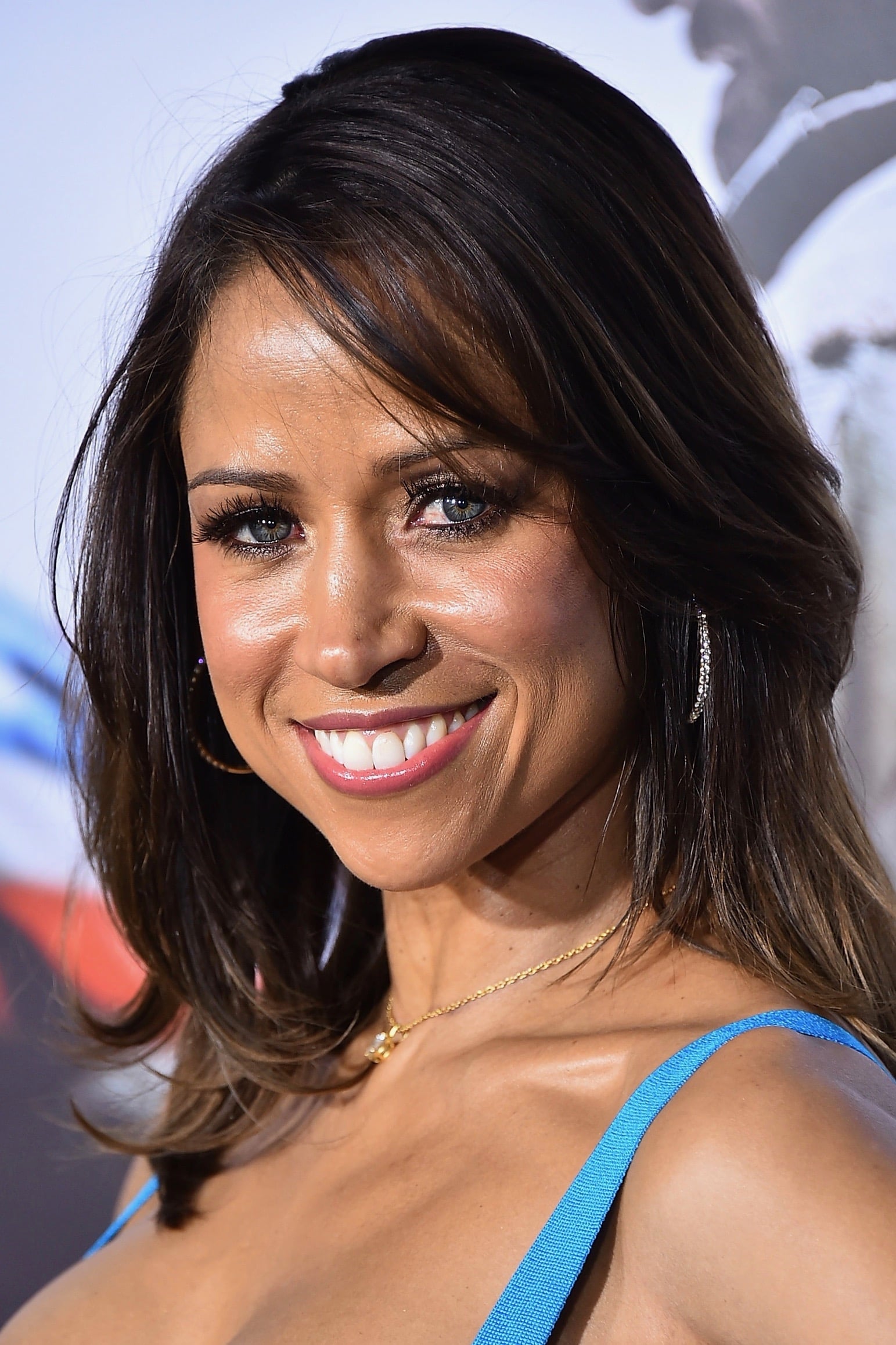
Dash became a pop culture staple after starring as Dionne in the hit film ‘Clueless’. She failed to secure roles that allowed her to transition out of the teen sidekick archetype. Her later career became defined by controversial political commentary rather than her acting ability. Industry casting directors largely stopped considering her for serious scripted projects. Her pivot to political punditry alienated her original fanbase and stalled her acting momentum.
Lark Voorhies
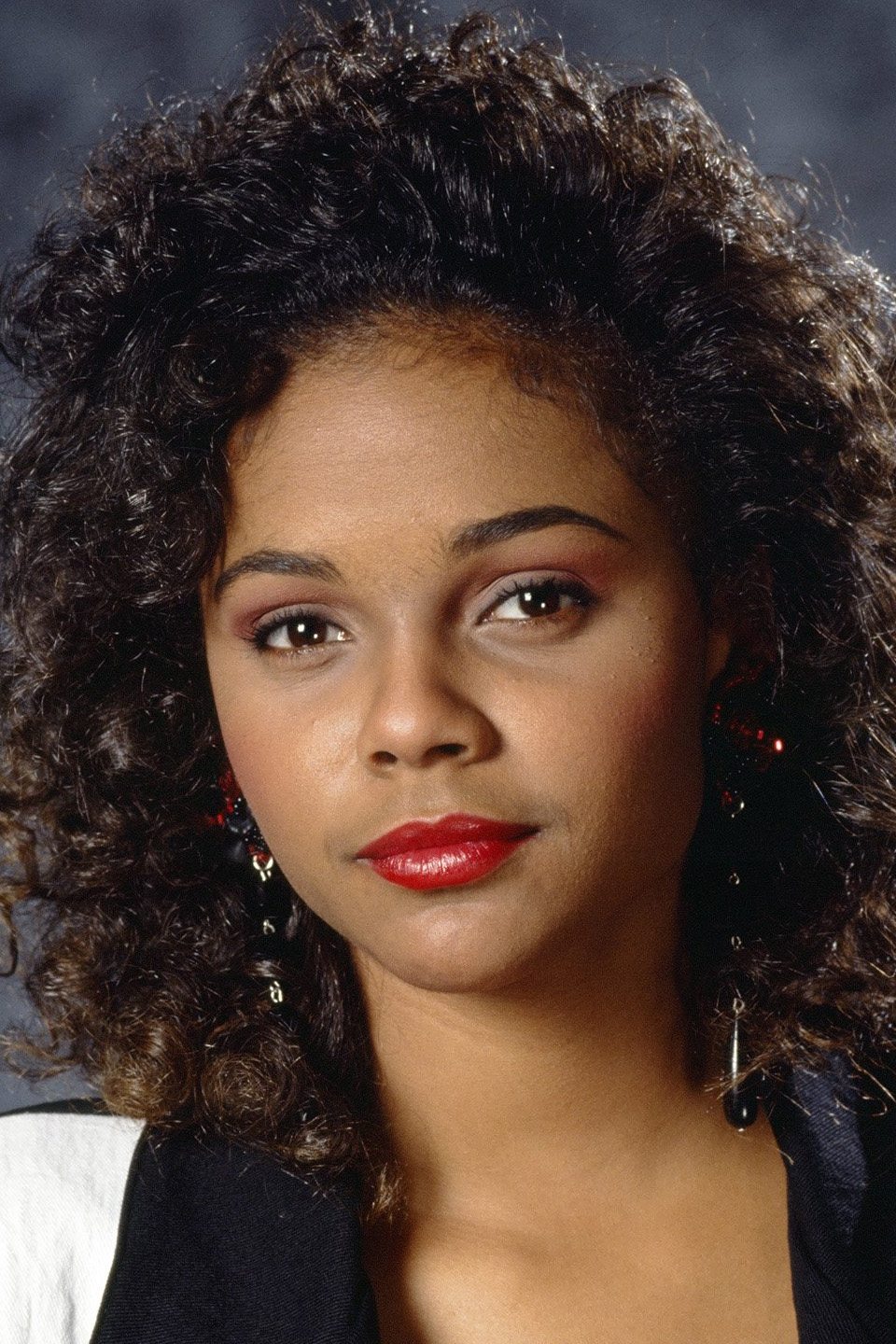
Voorhies became a household name playing Lisa Turtle on ‘Saved by the Bell’. After the show ended she struggled to find consistent work in a Hollywood that often pigeonholed Black actresses. Tabloids focused heavily on her changing appearance and mental health rather than her professional endeavors. Former castmates moved on to hosting gigs and other series while she was left behind. The industry failed to provide the support system she needed to transition into adult roles.
Amerie

Amerie burst onto the scene with the massive hit ‘1 Thing’ which showcased her unique go-go influence. She struggled with her record label Columbia regarding the direction of her subsequent music. The label allegedly sabotaged her projects by delaying releases and withholding promotion. She eventually left the major label system to release music independently. Her mainstream impact was cut short due to executives not understanding her artistic vision.
Kat Graham
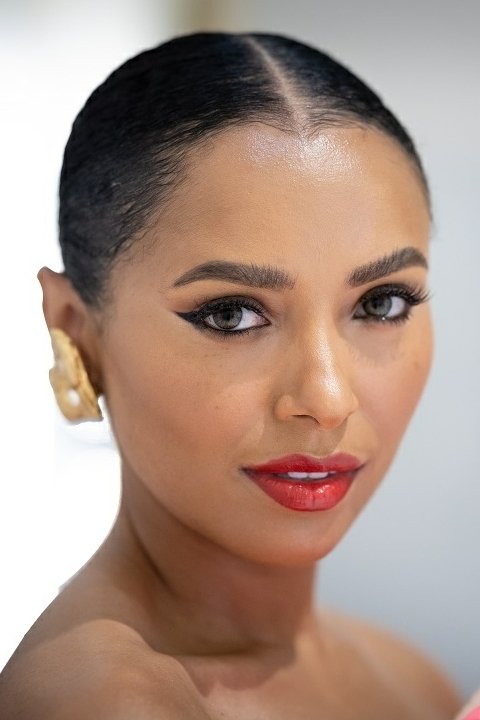
Graham starred as Bonnie Bennett on the popular series ‘The Vampire Diaries’. She stated that she had to fight for hair and makeup stylists who knew how to work with Black textures. Her character was frequently killed off or sidelined in favor of the white protagonists. Fans criticized the writers for treating her character as a plot device to save others. The show failed to utilize her full range as an actress and performer.
Columbus Short
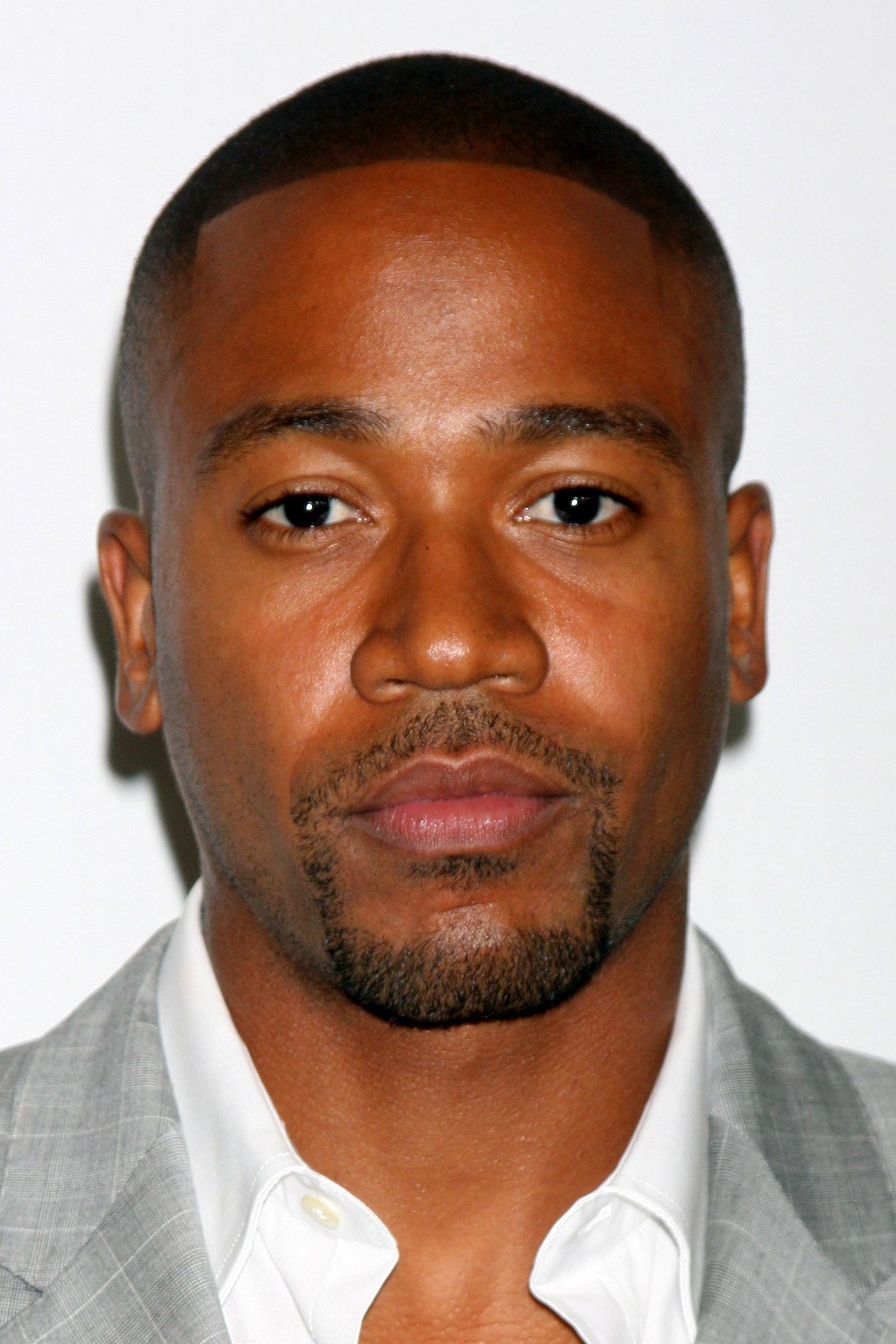
Short was a rising star with a leading role on the hit political thriller ‘Scandal’. His personal struggles with substance abuse and legal issues led to his dismissal from the show. The writers killed off his character Harrison Wright rather than recasting or sending him to rehab. He publicly stated that his addiction issues were exacerbated by the pressures of the industry. His swift removal from a top-tier show effectively ended his run as a leading man.
Azealia Banks
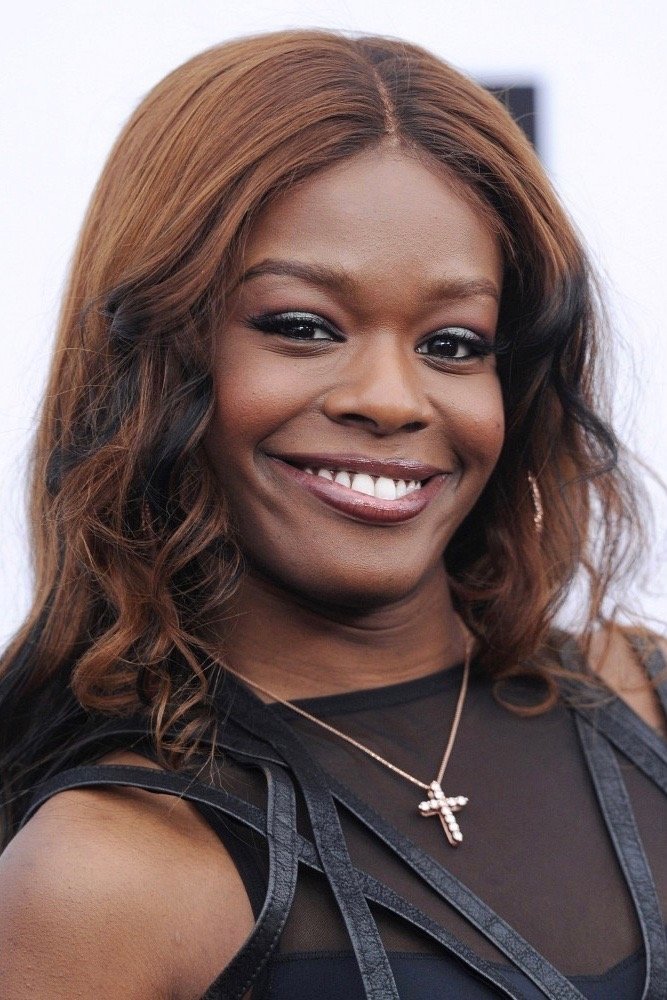
Banks garnered massive critical acclaim for her debut single ‘212’ and her unique blend of house and hip-hop. Her constant feuds on social media and erratic behavior alienated fans and industry gatekeepers. Labels became wary of working with her despite her undeniable musical talent. She burned bridges with producers and fellow artists which isolated her professionally. Her career became a case study in how public persona can overshadow artistic ability.
Jaleel White
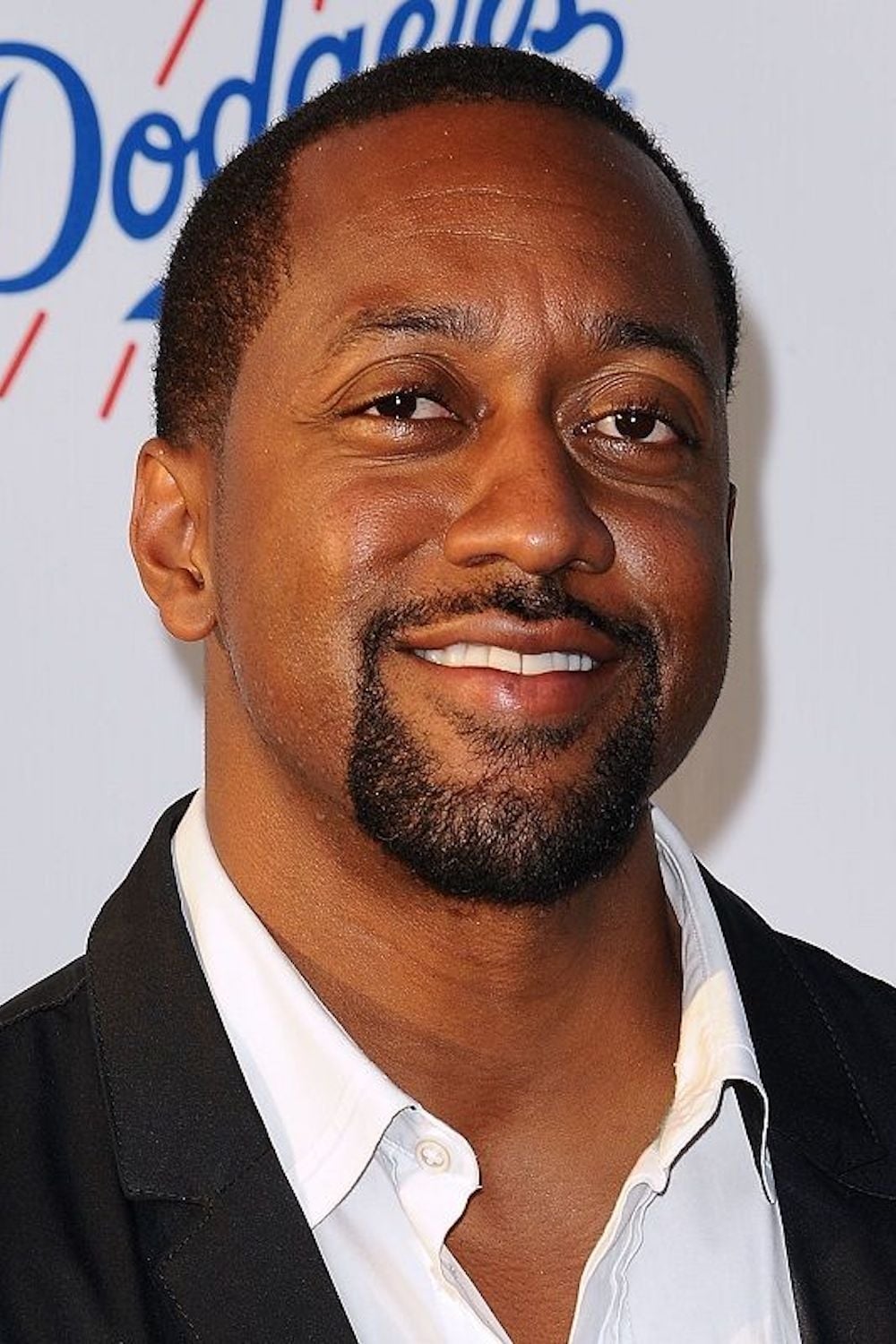
White became a television legend playing Steve Urkel on ‘Family Matters’. The character became so iconic that White was unable to book roles that were not comedic or nerdy. He struggled for decades to be taken seriously as a dramatic actor or leading man. The industry refused to see him as anything other than the suspender-wearing teenager he played. This extreme typecasting stifled his growth as an adult performer.
Alfonso Ribeiro
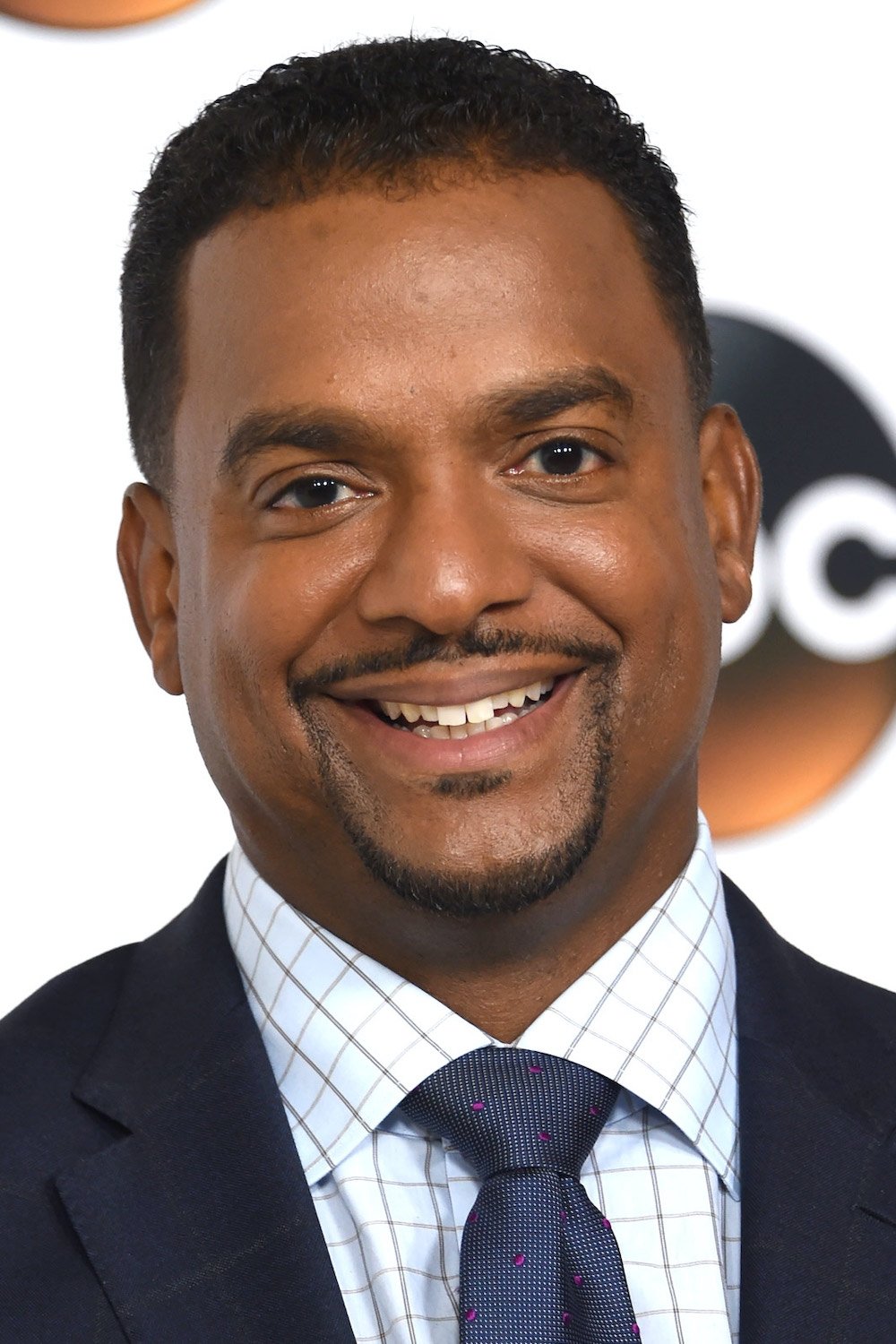
Ribeiro is best known for his role as Carlton Banks on ‘The Fresh Prince of Bel-Air’. He created a dance that became a cultural phenomenon but trapped him in that specific persona. Casting directors could not separate him from the uptight preppy character he perfected. He eventually found success in hosting but his acting career was limited by his sitcom success. He has spoken about the difficulty of being known primarily for one character.
Lisa Bonet
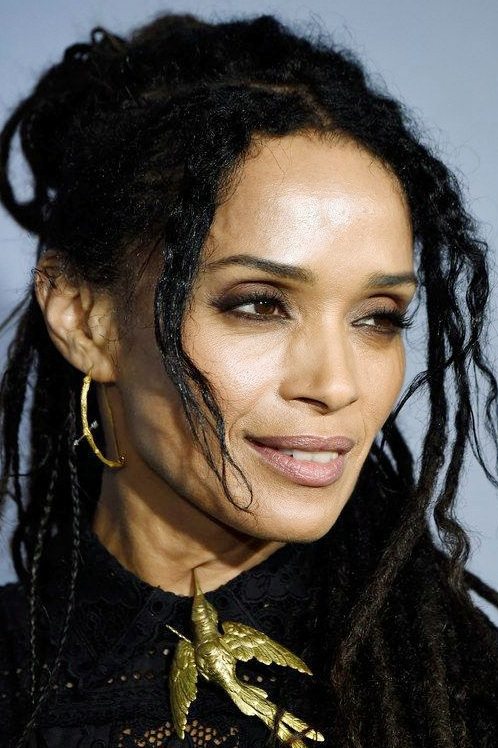
Bonet was a breakout star on ‘The Cosby Show’ and its spinoff ‘A Different World’. Creative differences and her decision to appear in the film ‘Angel Heart’ caused friction with Bill Cosby. She was eventually written out of the spinoff that was originally created for her. Her bohemian image and refusal to conform to industry expectations limited her roles in the 90s. She stepped away from the limelight rather than compromising her artistic integrity.
Lauryn Hill
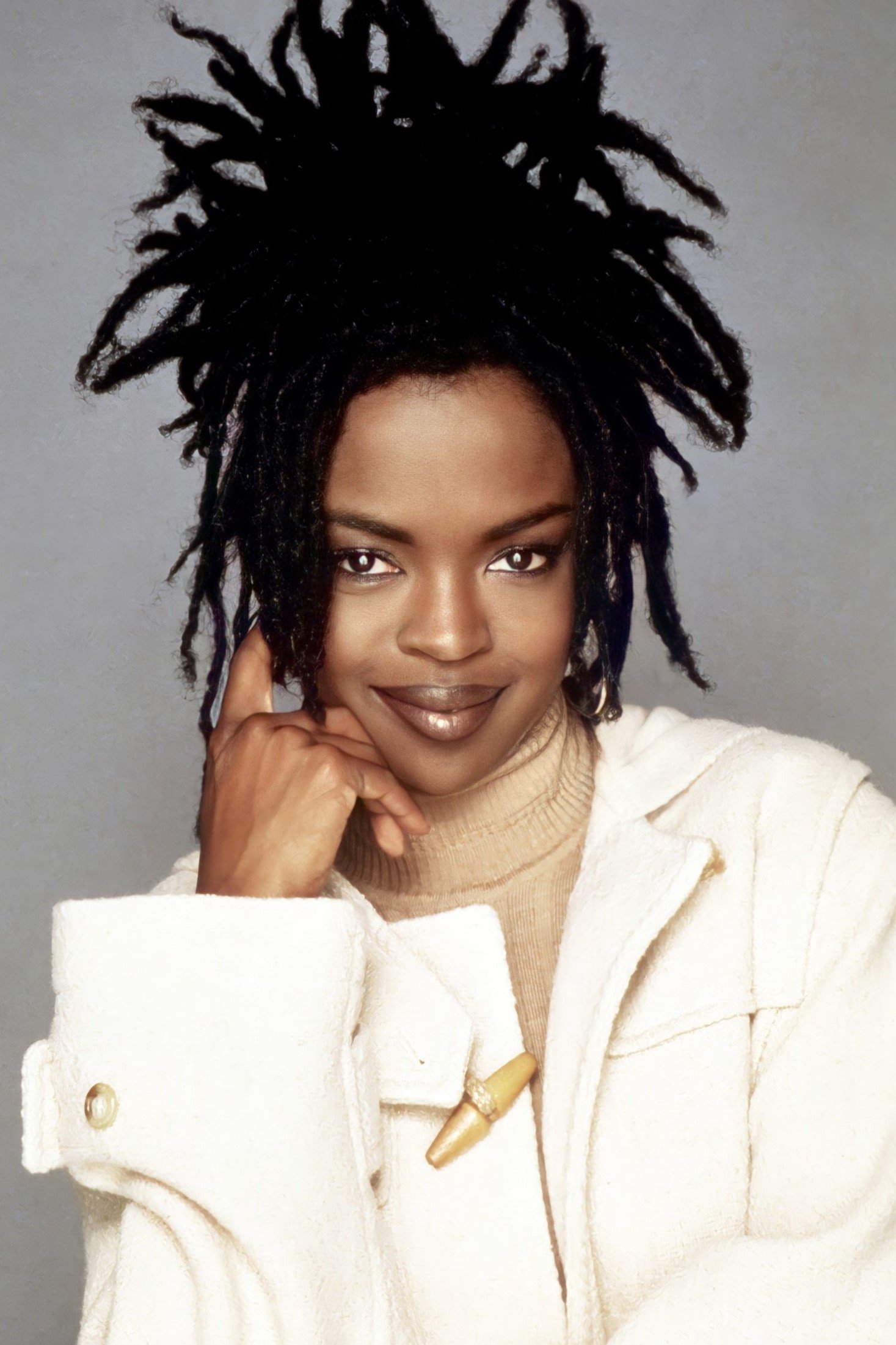
Hill released ‘The Miseducation of Lauryn Hill’ which became one of the most acclaimed albums of all time. She retreated from the public eye due to the overwhelming pressures of fame and industry exploitation. Her ‘MTV Unplugged’ performance revealed a raw and unpolished artist struggling with her reality. The industry labeled her unstable and she ceased releasing studio albums. Her potential to dominate music for decades was halted by her disillusionment with the business.
Foxy Brown
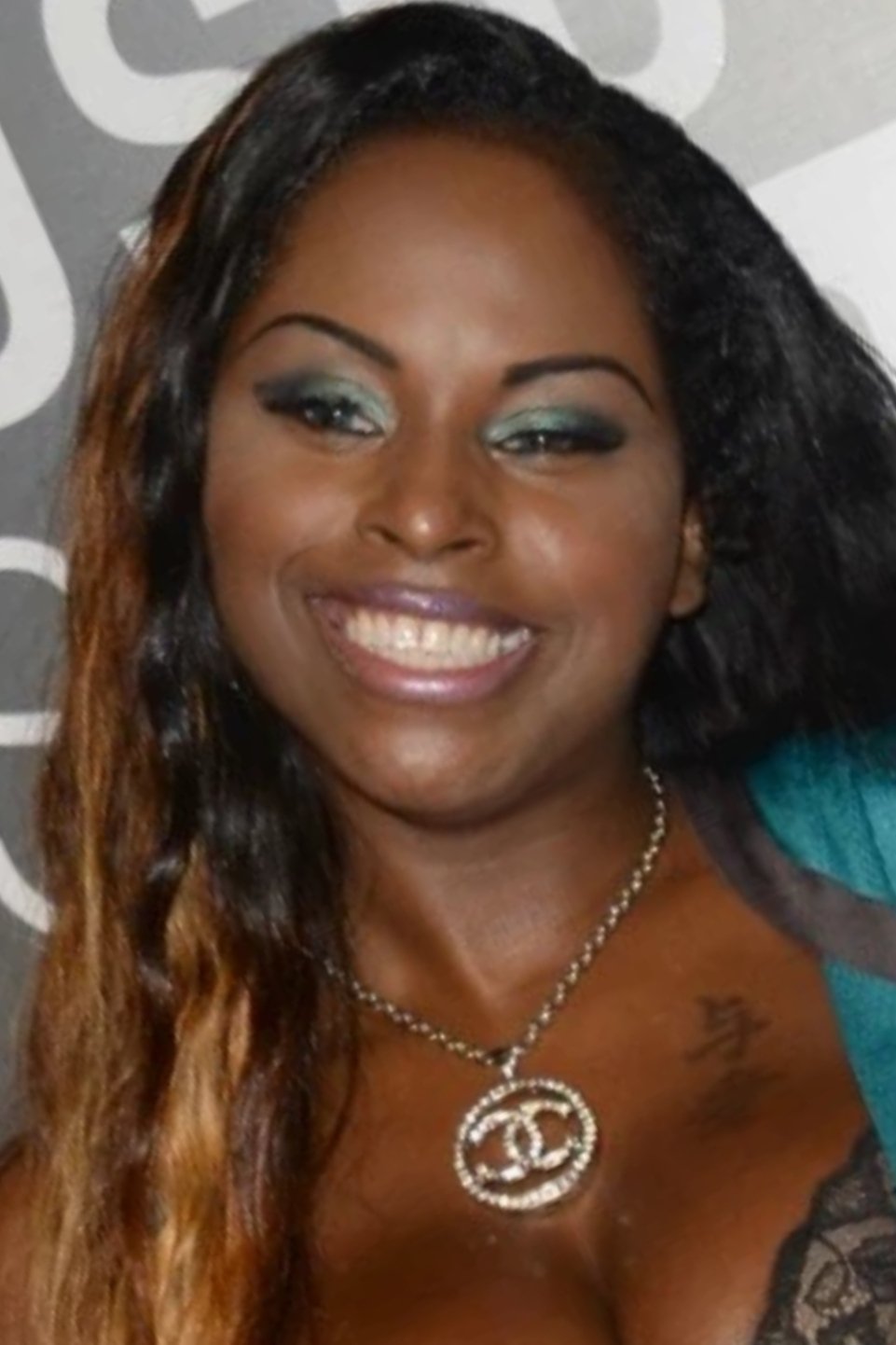
Brown was a premier female rapper in the late 90s and a key member of The Firm. Her career was derailed by a combination of legal issues and a sudden hearing loss diagnosis. Def Jam delayed her albums repeatedly which caused her buzz to fade. She struggled to adapt to the changing landscape of hip-hop as younger artists emerged. Her legacy remains influential but her active career was cut short.
Craig Mack
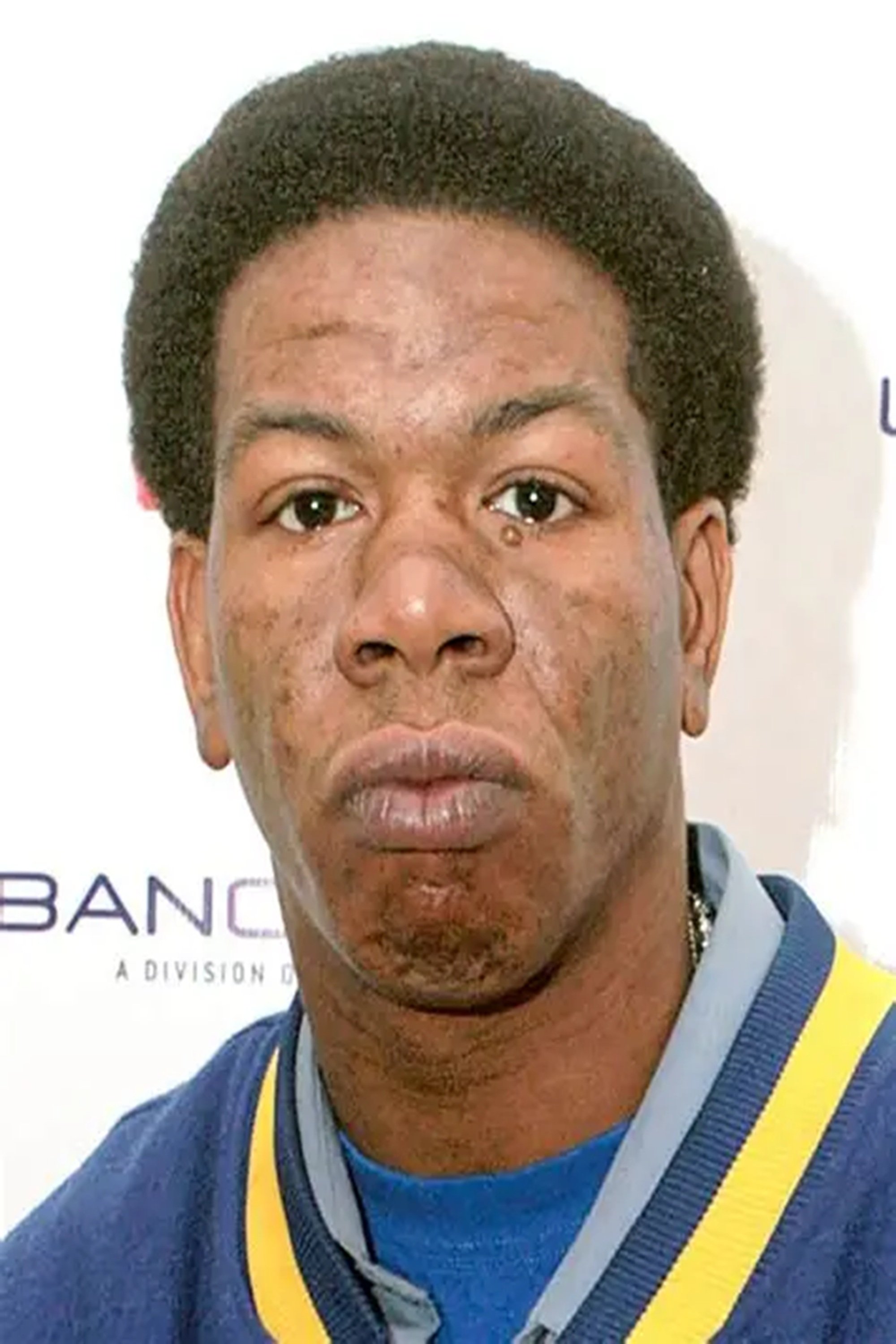
Mack kicked off the Bad Boy Records era with the platinum hit ‘Flava In Ya Ear’. The label quickly shifted its marketing machinery to focus entirely on The Notorious B.I.G. Mack released a second album that received little promotion and failed to chart well. He eventually left the industry to join a religious cult before his passing. He is often remembered as the forgotten catalyst for the Bad Boy empire.
Sisqó
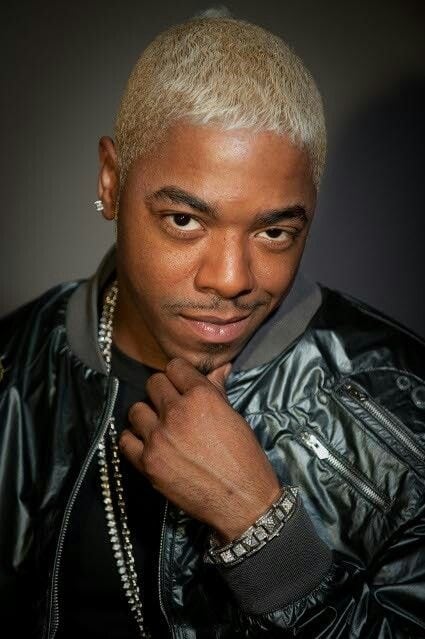
Sisqó dominated the charts with ‘Thong Song’ and his work with the group Dru Hill. His solo success caused tension within the group and management struggles ensued. Overexposure and a rapid shift in R&B trends left him behind quickly. He failed to sustain the momentum of his massive debut album. The industry treated him as a novelty act rather than a long-term R&B star.
Macy Gray
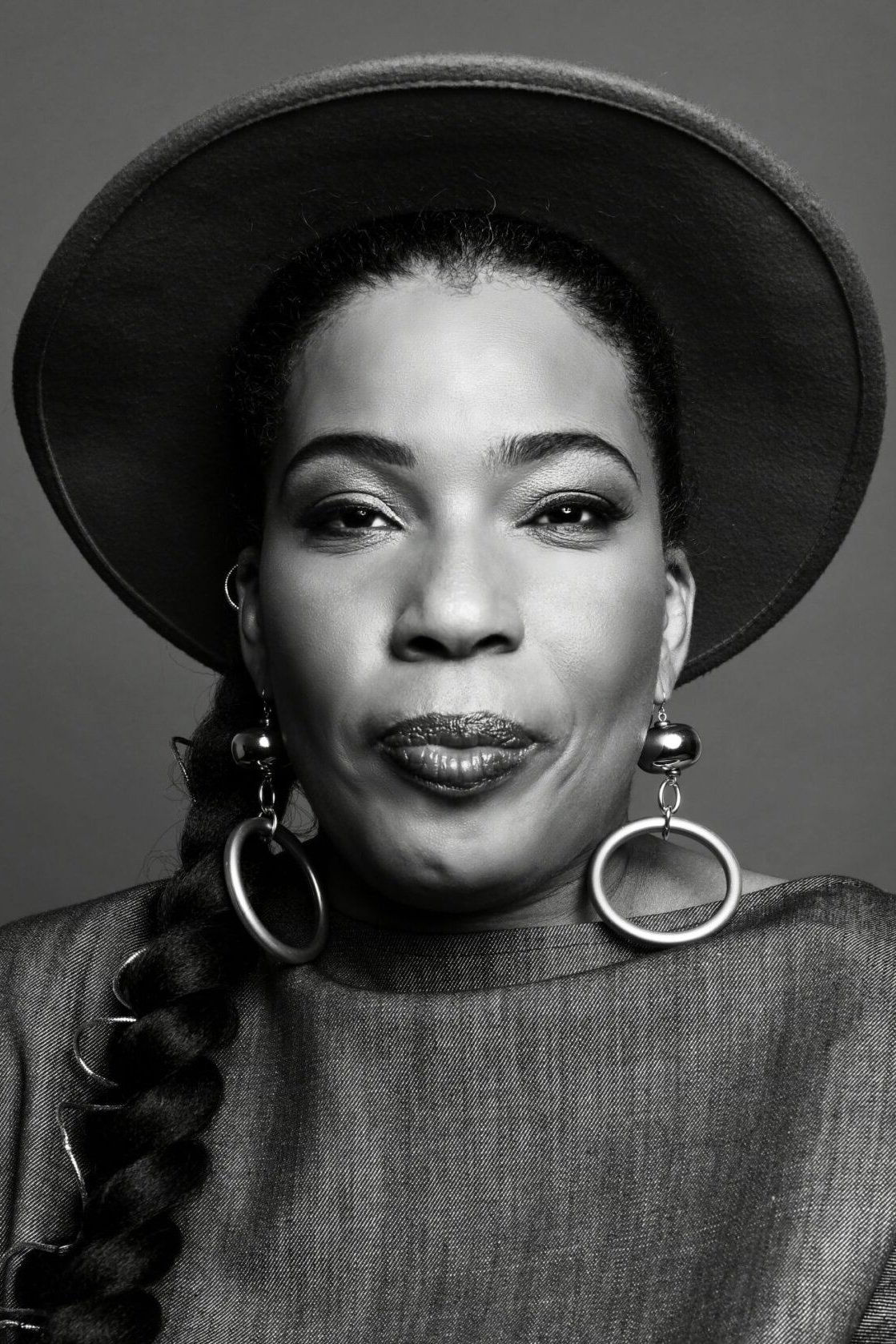
Gray won a Grammy for her distinctive voice and the hit single ‘I Try’. Her follow-up projects failed to capture the same audience due to poor marketing. She was often styled and presented as an eccentric oddity rather than a serious soul singer. The industry did not know how to market her unique sound beyond her debut. She drifted into smaller roles and reality television appearances.
Kel Mitchell
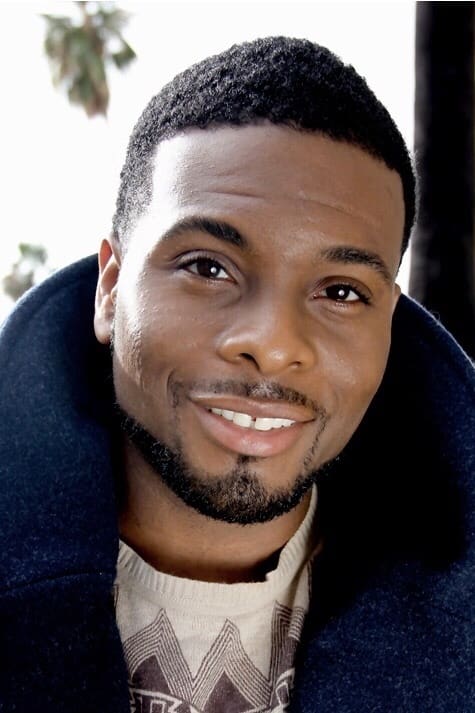
Mitchell was the comedic force behind ‘Kenan & Kel’ and the film ‘Good Burger’. He lost out on a role on ‘Saturday Night Live’ to his partner Kenan Thompson. While Thompson found stability on SNL Mitchell struggled to find his footing as a solo adult actor. Rumors of personal struggles and a lack of serious roles kept him out of the spotlight. He has recently experienced a resurgence but lost years of prime earning potential.
Lloyd
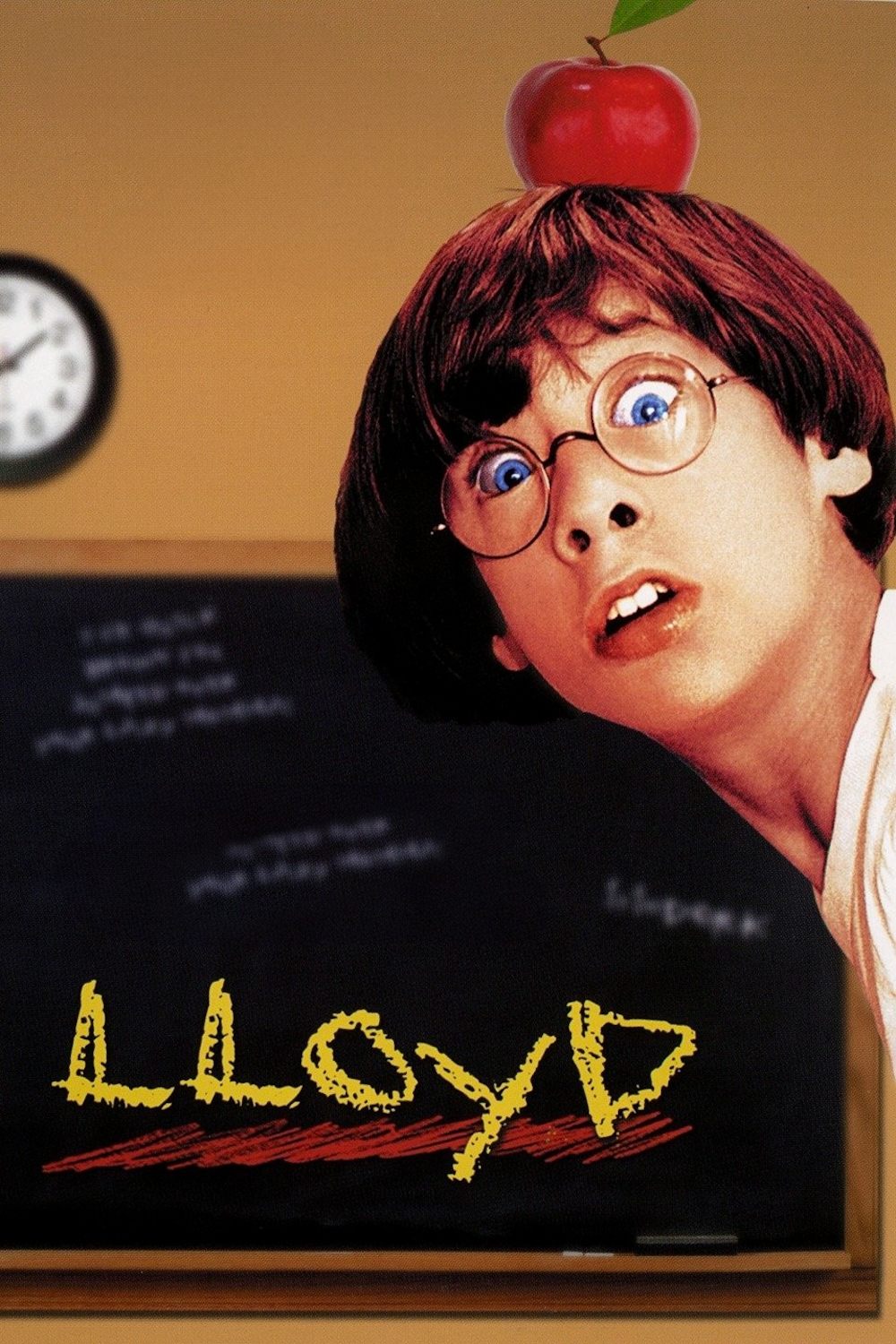
Lloyd was a key player in the Murder Inc. roster with hits like ‘Southside’. The federal investigation into the record label crippled the careers of everyone on the roster. He later signed with other labels but never regained his initial chart dominance. His smooth vocals were often overlooked as the genre shifted toward auto-tune. He was a victim of corporate legal battles that had nothing to do with his talent.
Charli Baltimore
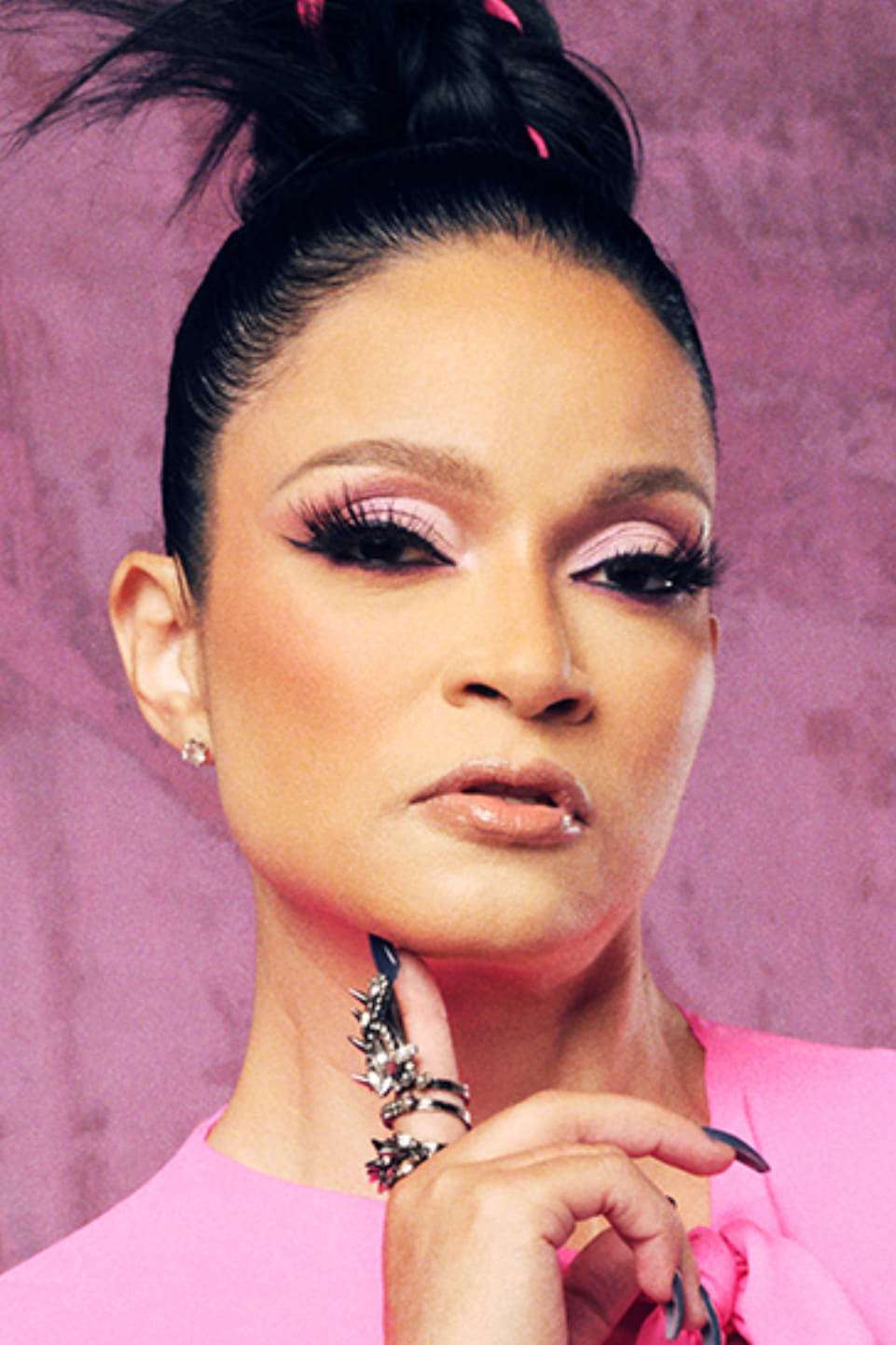
Baltimore was marketed heavily by Murder Inc. and The Notorious B.I.G. before his death. Her debut album was shelved for years due to label politics and leaks. She never received a proper release during the peak of her popularity. By the time her music surfaced the window of opportunity had closed. She remains one of the biggest “what if” stories in female hip-hop.
Beanie Sigel
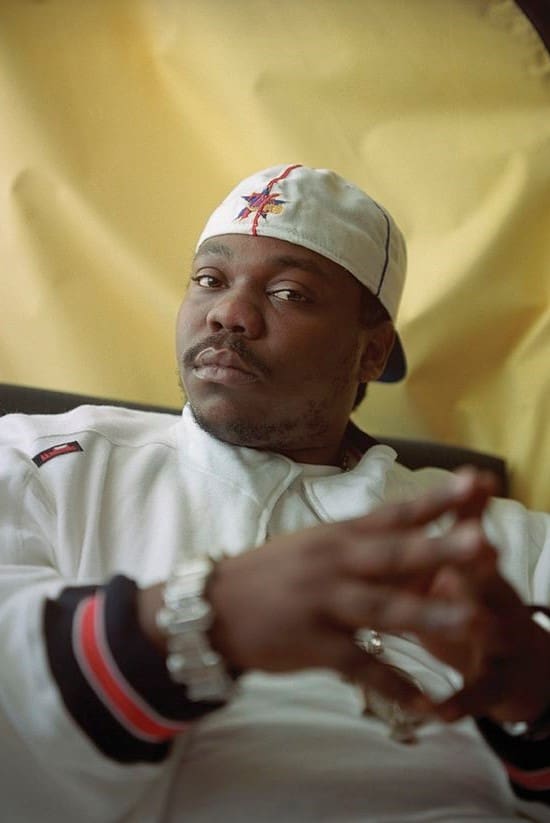
Sigel was the captain of the State Property crew under Roc-A-Fella Records. His career was constantly interrupted by legal troubles and prison sentences. The tension between Jay-Z and Dame Dash left him in a difficult position regarding loyalty. He lacked the management structure to keep him out of trouble and focused on music. His gritty street tales were authentic but his lifestyle prevented sustained success.
Nona Gaye
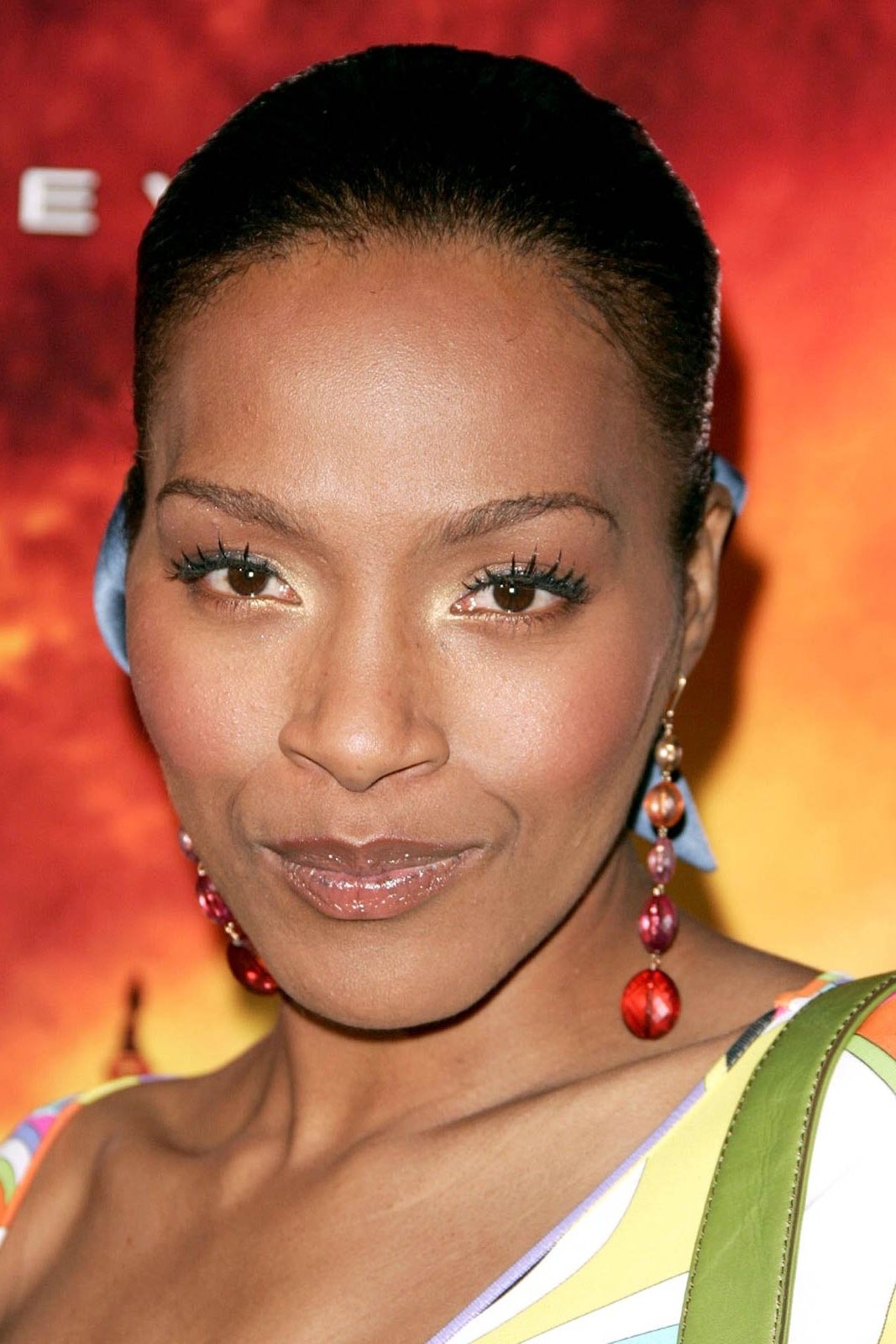
Gaye replaced Aaliyah in the ‘Matrix’ sequels and showed significant promise as an actress. She also appeared in ‘Ali’ alongside Will Smith. The pressure of living up to the legacy of her father Marvin Gaye weighed heavily on her. She largely disappeared from Hollywood after a few high-profile roles. The industry failed to nurture her talent independent of her famous surname.
Monique Coleman
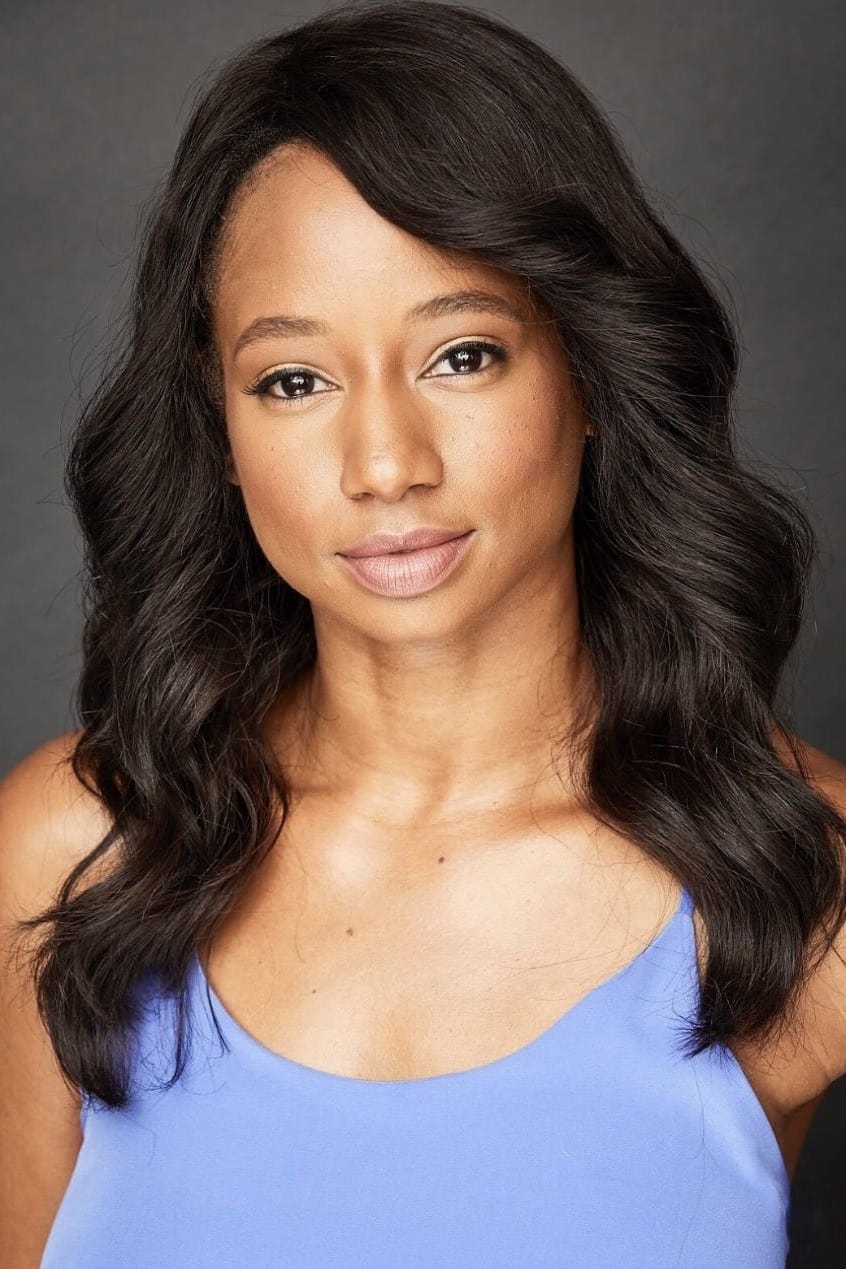
Coleman played Taylor McKessie in the massive ‘High School Musical’ franchise. She was the only main cast member who was not invited to the ensuing concert tour. Stylists on the set famously did not know how to do Black hair which forced her to wear headbands. She struggled to book significant roles after the Disney franchise ended. Her exclusion from the tour cost her exposure and financial gain compared to her peers.
Mario
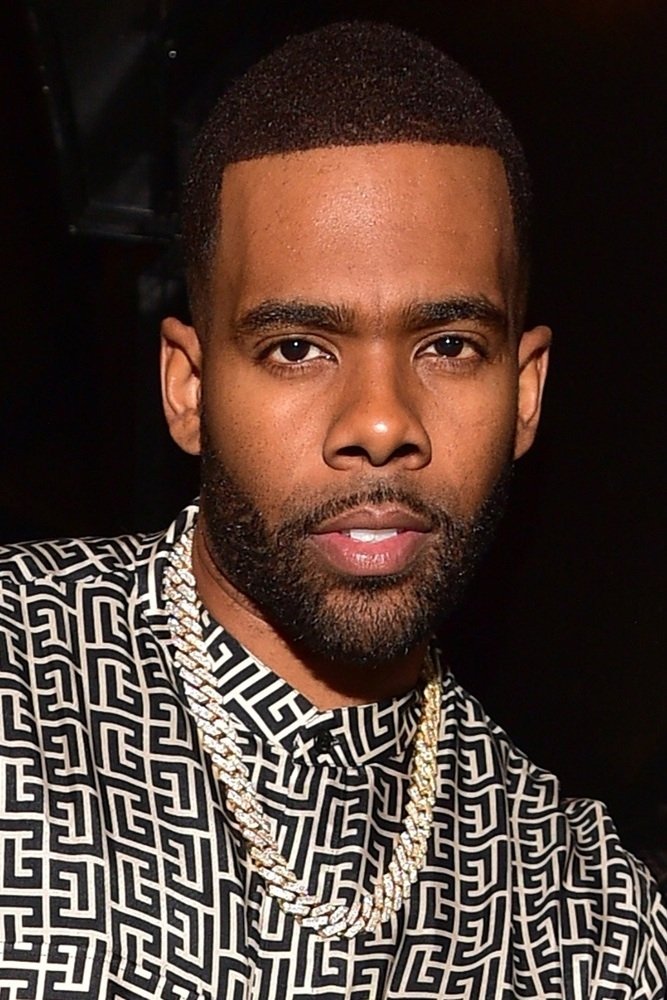
Mario had a massive hit with ‘Let Me Love You’ and possessed a strong vocal range. His career stalled due to conflicts with his management and mother. He took long hiatuses between albums which killed his momentum in a fast-paced market. The label struggled to transition him from a teen heartthrob to an adult R&B star. His talent often exceeded the material he was given to record.
Chingy
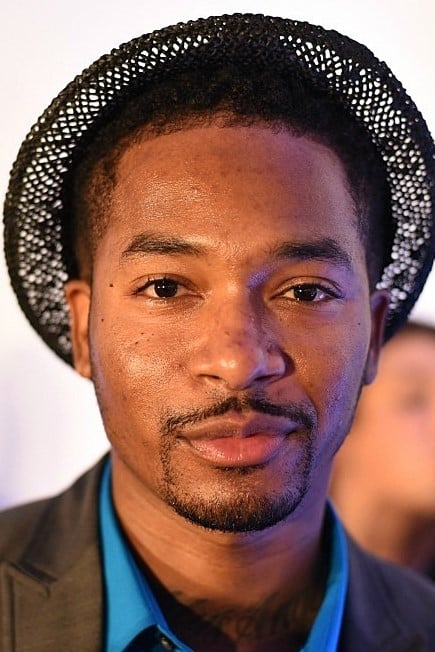
Chingy had a run of top-charting hits like ‘Right Thurr’ and ‘One Call Away’. A rumor involving a relationship with a trans model damaged his reputation in the hip-hop community. His label Disturbance Disturbing the Peace failed to support him during the controversy. His sales plummeted and he was unable to recover his commercial standing. The industry’s homophobia at the time played a major role in his downfall.
Amil
Amil was the prominent female voice on Jay-Z’s Roc-A-Fella records in the late 90s. She was often criticized for her lack of lyrical depth but had a unique commercial appeal. She was dropped from the label abruptly after her debut album. Rumors of friction with Jay-Z and management shadowed her exit. She vanished from the music scene entirely after being positioned as the First Lady of the Roc.
Nate Parker
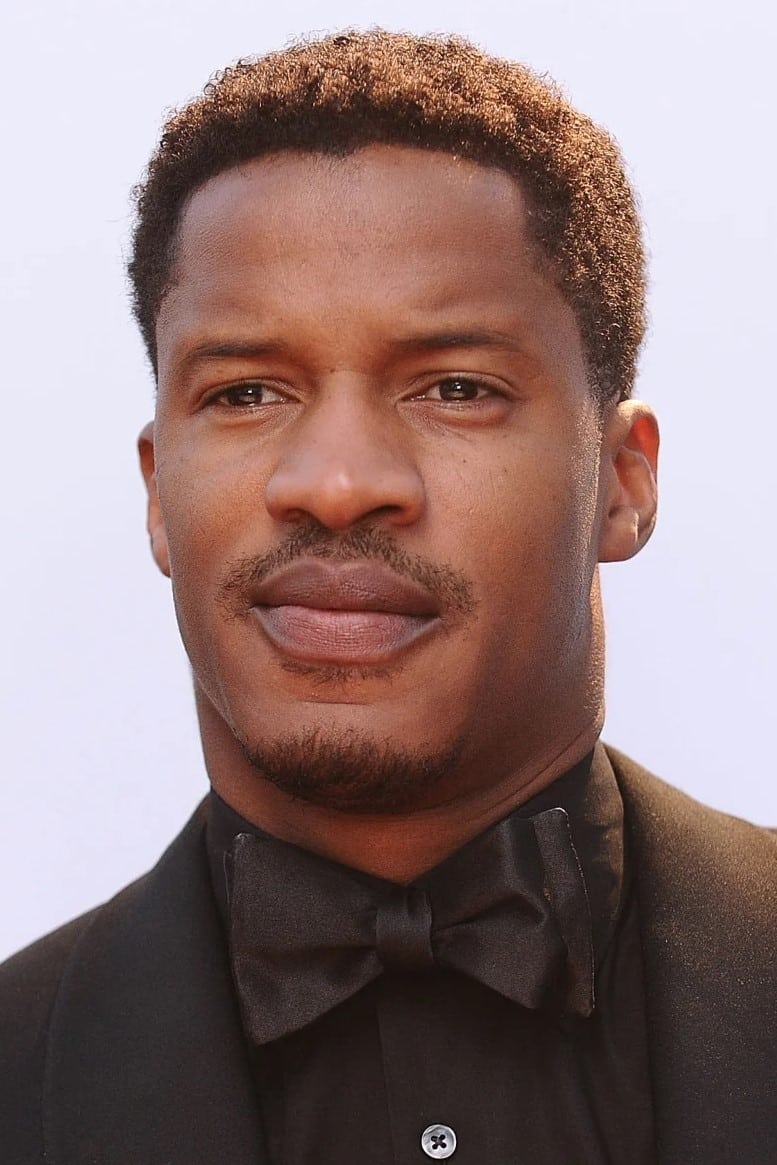
Parker was poised for superstardom as the writer, director, and star of ‘The Birth of a Nation’. An old court case regarding a sexual assault allegation resurfaced just as the film was being promoted. The media storm surrounding his past overshadowed the film’s release and critical reception. Searchlight Pictures pulled back on the Oscar campaign they had planned. His career as a major Hollywood player was halted before it truly began.
Desiigner

Desiigner exploded onto the scene with the chart-topping single ‘Panda’. Kanye West signed him to GOOD Music but the label provided little follow-up support. He was often compared unfavorably to Future and labeled a one-hit wonder. He eventually asked to be released from his contract after years of inactivity. His energy and unique ad-libs were not enough to sustain a career without proper management.
Mya

Mya was a triple threat who could sing, dance, and act with major hits like ‘Case of the Ex’. Her label delayed her projects frequently and leaked her music online. She transitioned to independent releases to maintain control over her art. While she maintains a loyal fanbase she fell out of the mainstream spotlight. The major label system failed to prioritize her despite her clear crossover appeal.
Faizon Love
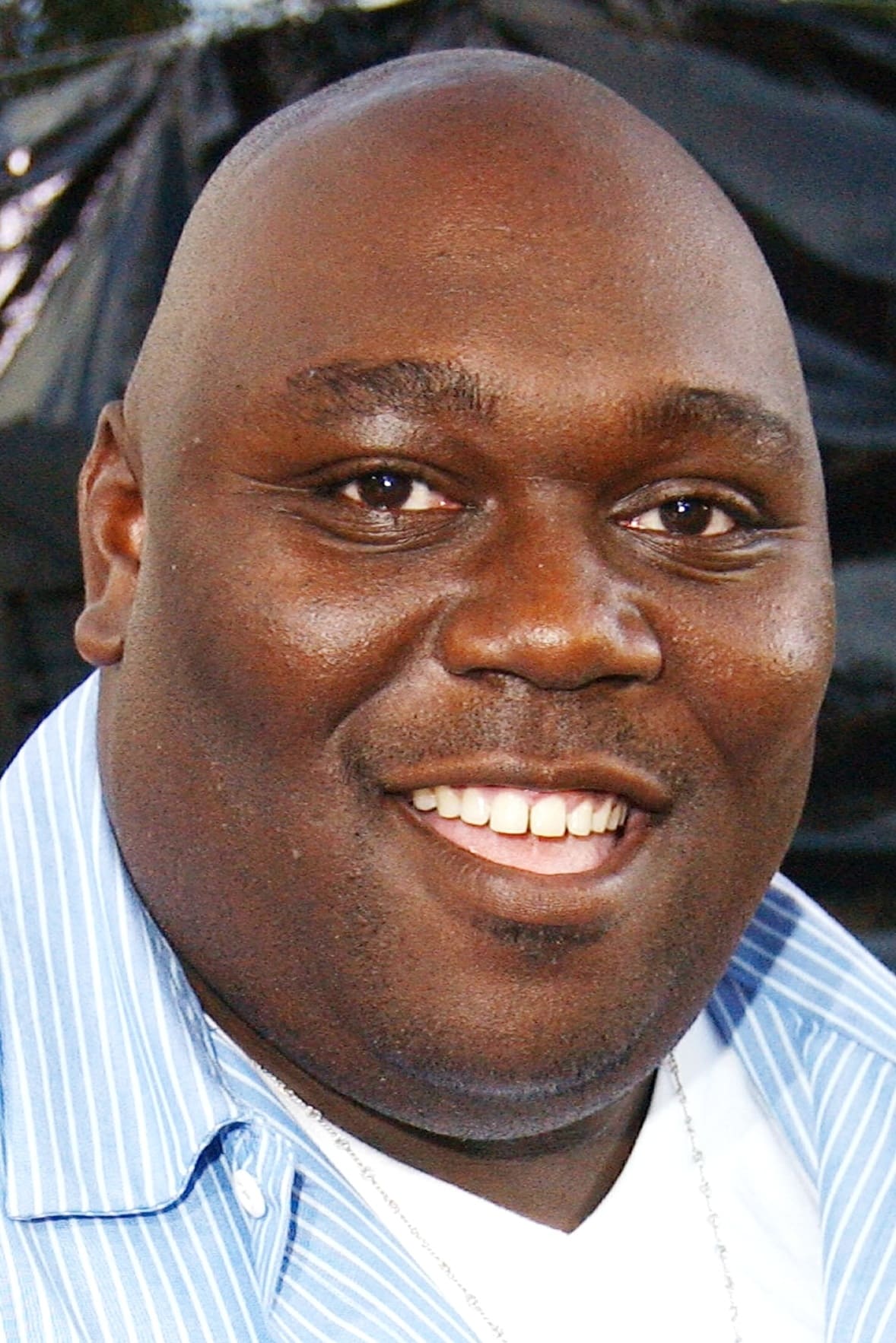
Love is a recognizable character actor known for ‘Friday’ and ‘Elf’. He has frequently spoken out about the low pay he received for iconic roles. He claimed he was typecast as the funny big guy and denied opportunities for growth. Studios often used his comedic timing to save weak scripts without compensating him fairly. He remains a working actor but never reached the leading man status he pursued.
Gary Dourdan

Dourdan played Warrick Brown on the massive hit ‘CSI: Crime Scene Investigation’. He was killed off the show following contract negotiations and personal legal issues. His departure from one of the most-watched shows on television halted his momentum. He struggled with bankruptcy and legal troubles in the years that followed. He went from being a household name to appearing in low-budget productions.
Share your thoughts on which of these celebrities deserves a comeback in the comments.