


Black Cinema Classics That Hollywood Tried To Bury

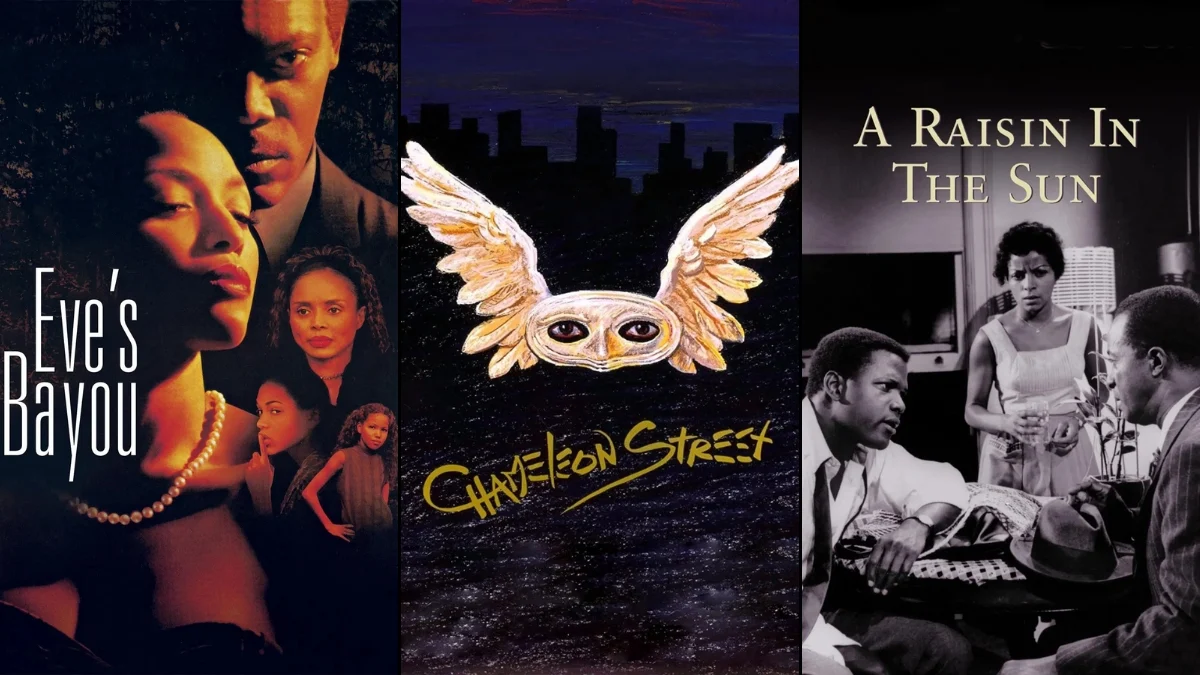


The history of American cinema is often told through a narrow lens, frequently omitting the vital contributions of Black filmmakers who operated outside the traditional studio system. For decades, many groundbreaking films were suppressed by censorship boards, sabotaged by poor distribution, or lost to time due to a lack of preservation efforts. These movies offered nuanced perspectives on the Black experience that challenged the stereotypical narratives favored by major Hollywood executives. Recent restoration projects and independent archives have finally begun to bring these buried treasures back to the public eye, revealing a rich legacy of artistic rebellion.
‘Within Our Gates’ (1920)

Directed by Oscar Micheaux, this silent film was long thought lost until a print was discovered in Spain in the 1970s. It provides a direct response to the racism depicted in ‘The Birth of a Nation’ by highlighting the reality of lynching and Jim Crow. The film faced heavy censorship from local boards that feared it would incite racial unrest among audiences. Today, it is recognized as the oldest surviving feature film by an African-American director and a crucial historical document.
‘The Blood of Jesus’ (1941)
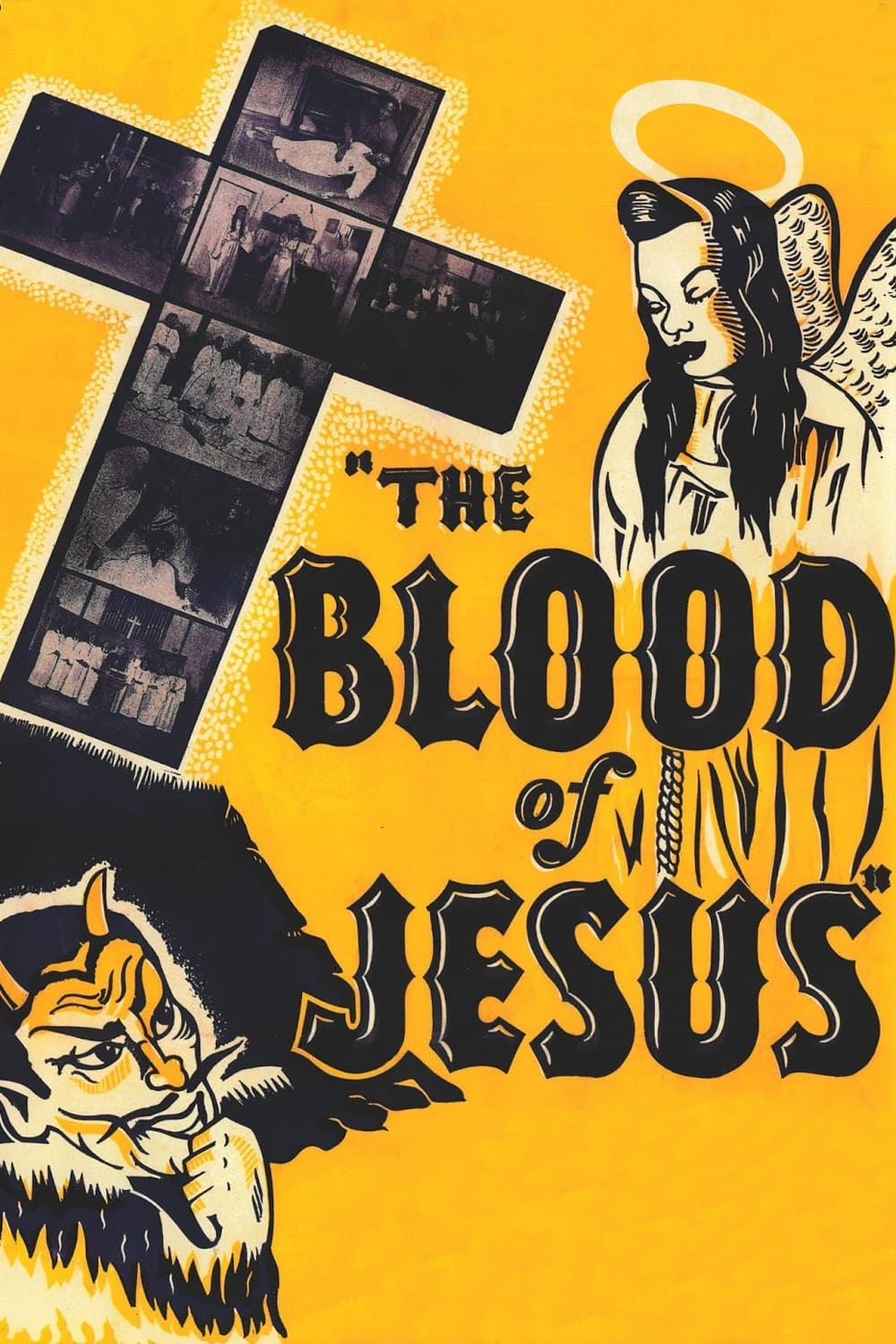
Spencer Williams directed and starred in this “race film” that was made specifically for Black audiences during the era of segregation. After its initial run in southern theaters and churches, the film was lost for decades until a print was found in a warehouse in the 1980s. It uses religious imagery and folk culture to tell the story of a woman’s spiritual journey between heaven and hell. It was eventually the first race film to be added to the National Film Registry for its cultural significance.
‘Hell-Bound Train’ (1930)
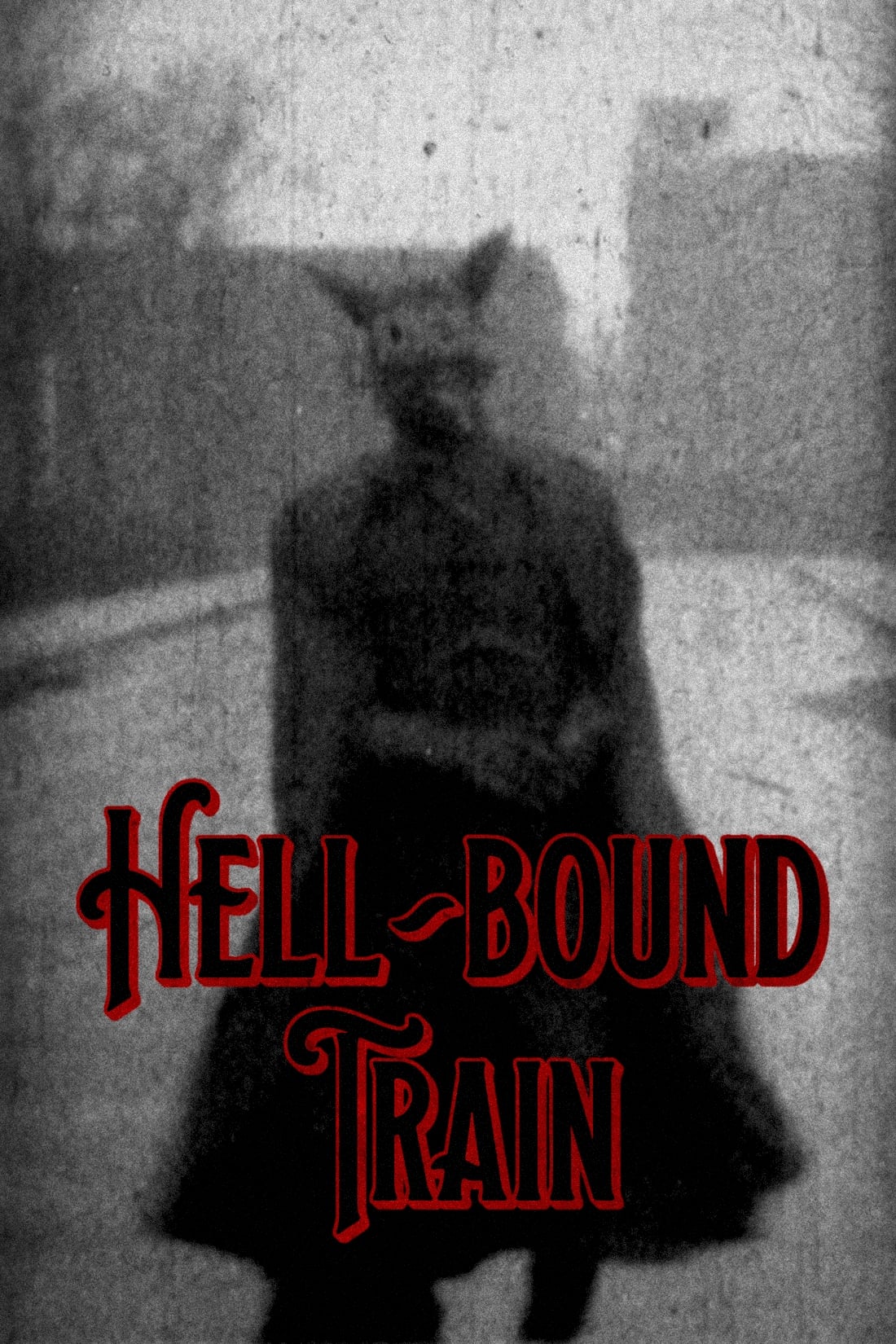
This silent film was created by James and Eloyce Gist as a tool for religious evangelism within Black communities. It depicts a train where each car represents a different sin, leading the passengers toward eternal damnation. The film was never intended for Hollywood distribution and was only screened in non-traditional venues like community halls. The Library of Congress later restored the surreal footage from 16mm prints, preserving a unique example of early independent Black surrealism.
‘Native Son’ (1951)
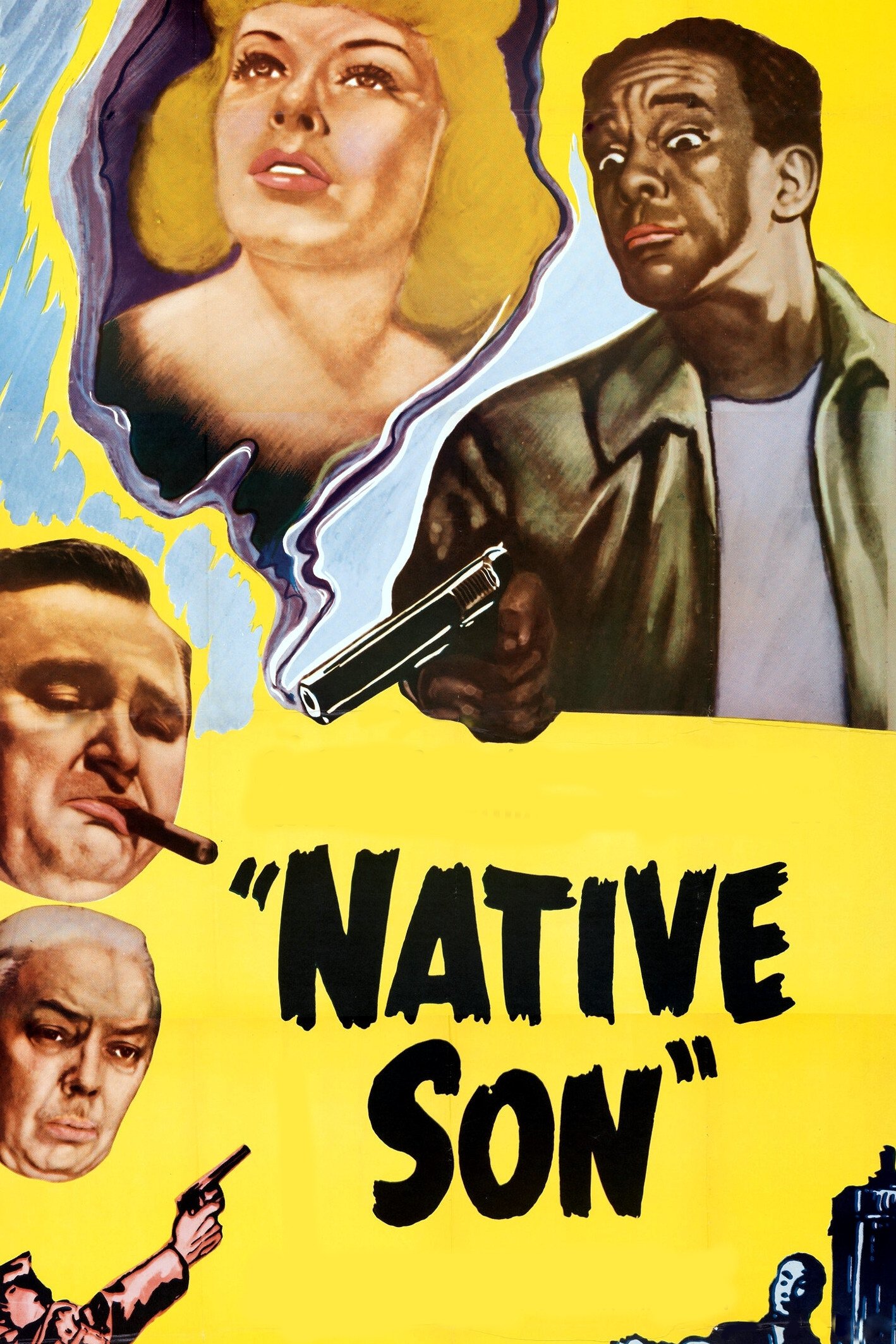
This adaptation of Richard Wright’s novel was filmed in Argentina because the political climate in the United States made production impossible. When it was finally brought to America, it was heavily censored, with many of its most potent social critiques removed. The film stars the author himself as Bigger Thomas, a young man trapped in a cycle of poverty and systemic violence. The original, uncensored version was only recently recovered and restored to its full, harrowing length.
‘A Raisin in the Sun’ (1961)
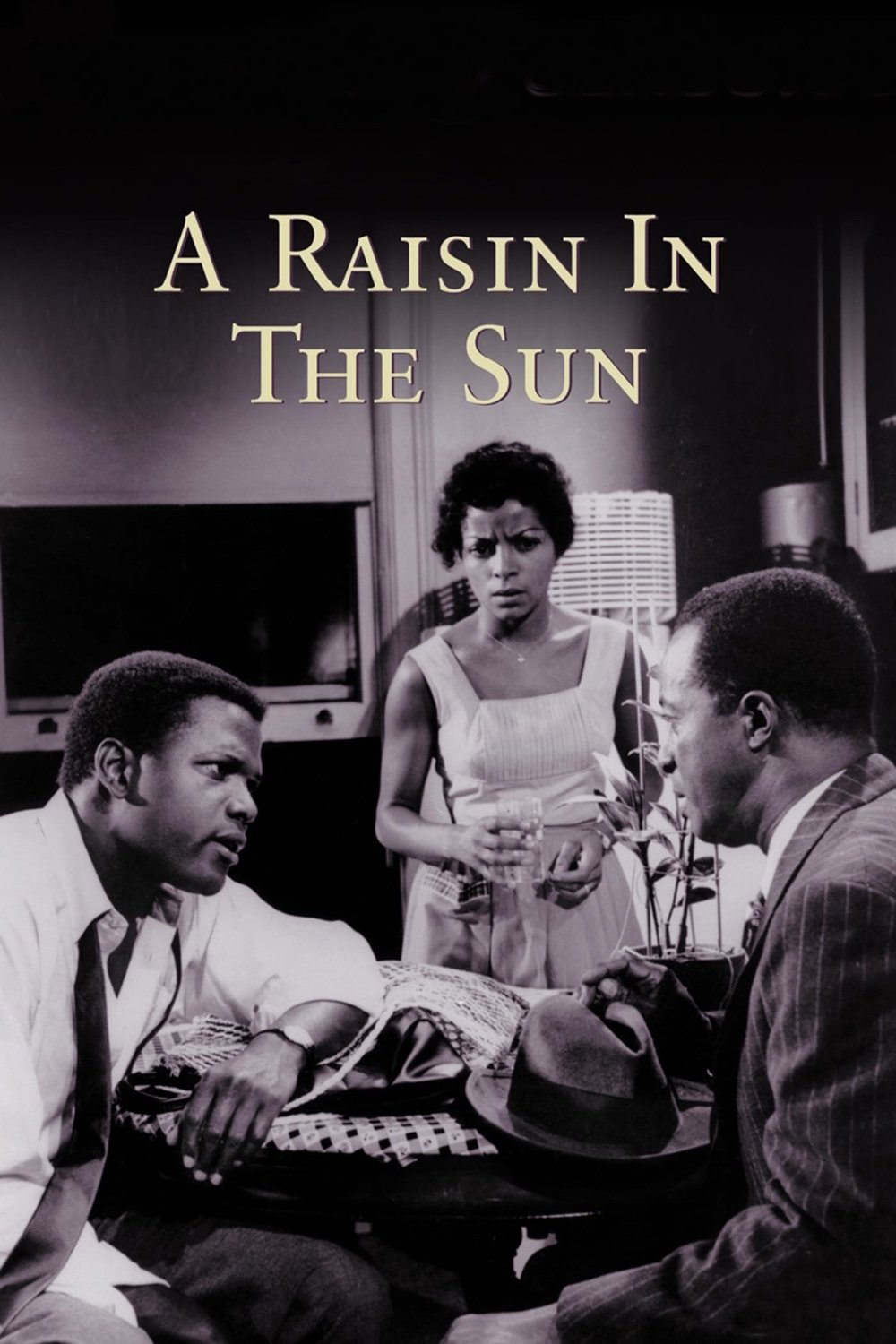
Although based on a hit play, the film version faced skepticism from studio executives who doubted white audiences would watch a domestic drama about a Black family. The screenplay was subject to various edits during development to make the social commentary more palatable for mainstream viewers. It remains a definitive portrayal of the struggle for the American Dream against the backdrop of housing discrimination in Chicago. The performances by Sidney Poitier and Claudia McNeil are now considered legendary despite the initial industry hesitation.
‘Nothing But a Man’ (1964)
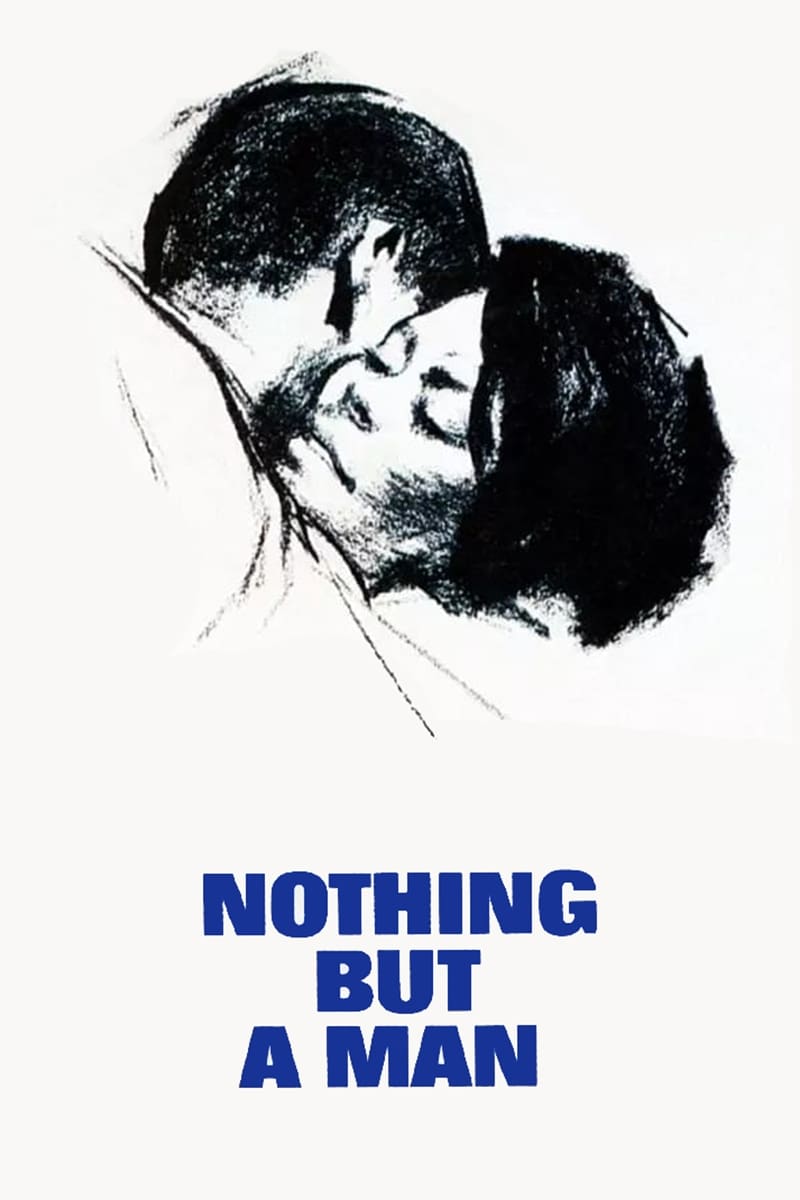
This realistic drama about a railroad worker in Alabama was praised for avoiding the caricatures prevalent in 1960s Hollywood. Despite its quality, it faced significant hurdles in distribution because it did not fit the “message movie” mold expected of Black-led films at the time. It stars Ivan Dixon and Abbey Lincoln in a quiet, powerful exploration of maintaining dignity under the weight of systemic racism. The film was a favorite of Malcolm X and remains a landmark of independent filmmaking for its authentic tone.
‘Symbiopsychotaxiplasm: Take One’ (1968)
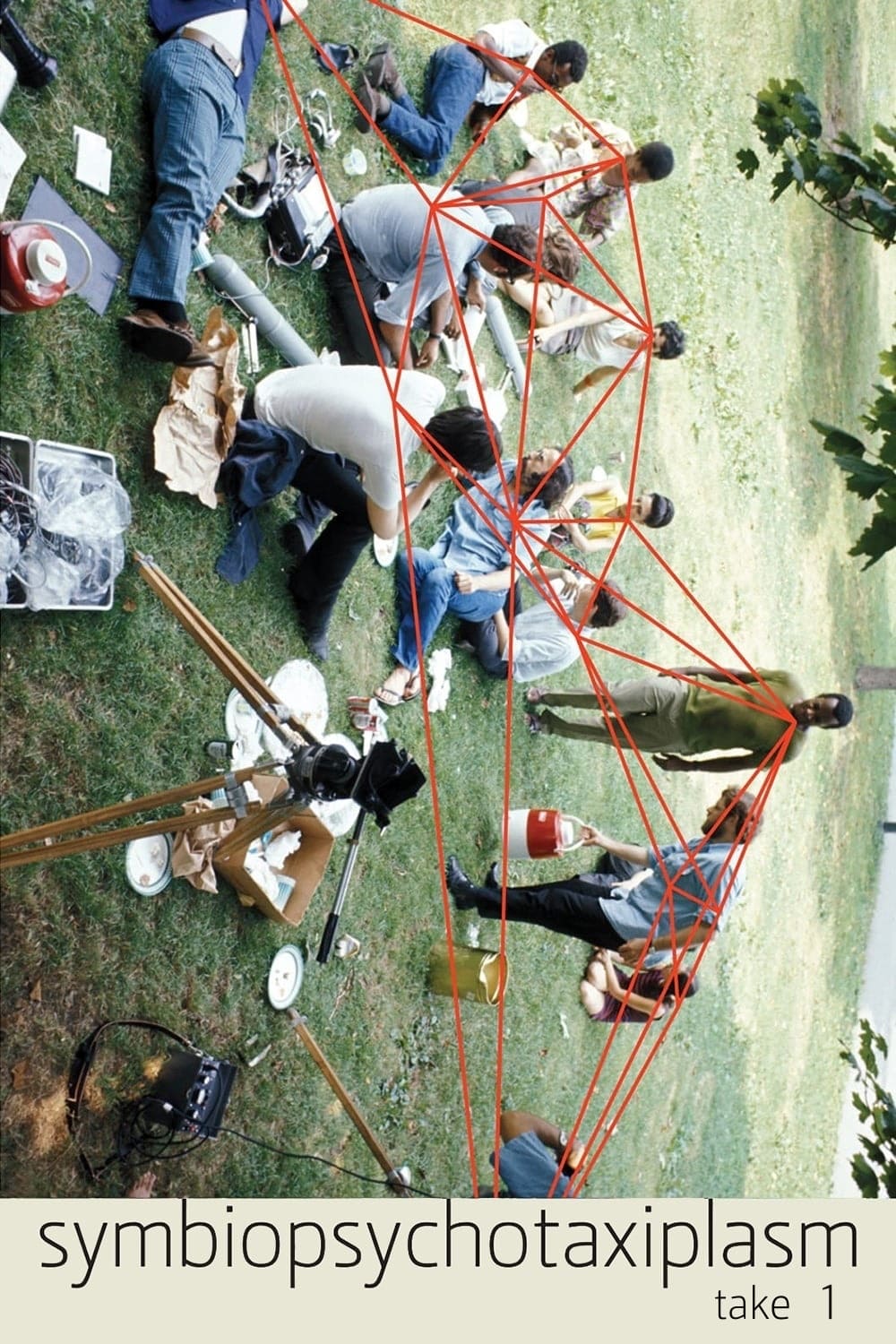
William Greaves directed this highly experimental documentary-fiction hybrid that challenged traditional filmmaking structures. It remained unreleased for decades until actors Steve Buscemi and Danny Glover helped bring it to a wider audience in the early 2000s. The film captures a film crew filming a scene while a second crew films them, creating a meta-commentary on the creative process. It is now considered a masterpiece of the American avant-garde and a precursor to the reality television era.
‘The Learning Tree’ (1969)

Gordon Parks became the first Black director to helm a major studio film with this adaptation of his own semi-autobiographical novel. Warner Bros.-Seven Arts provided the funding, but the film’s quiet, pastoral tone was a difficult sell in an era of high-octane action cinema. It tells the story of a young boy growing up in Kansas during the 1920s while dealing with the onset of racial awareness. The film is notable for its beautiful cinematography and its refusal to simplify the complexities of rural life.
‘Sweet Sweetback’s Baadasssss Song’ (1971)
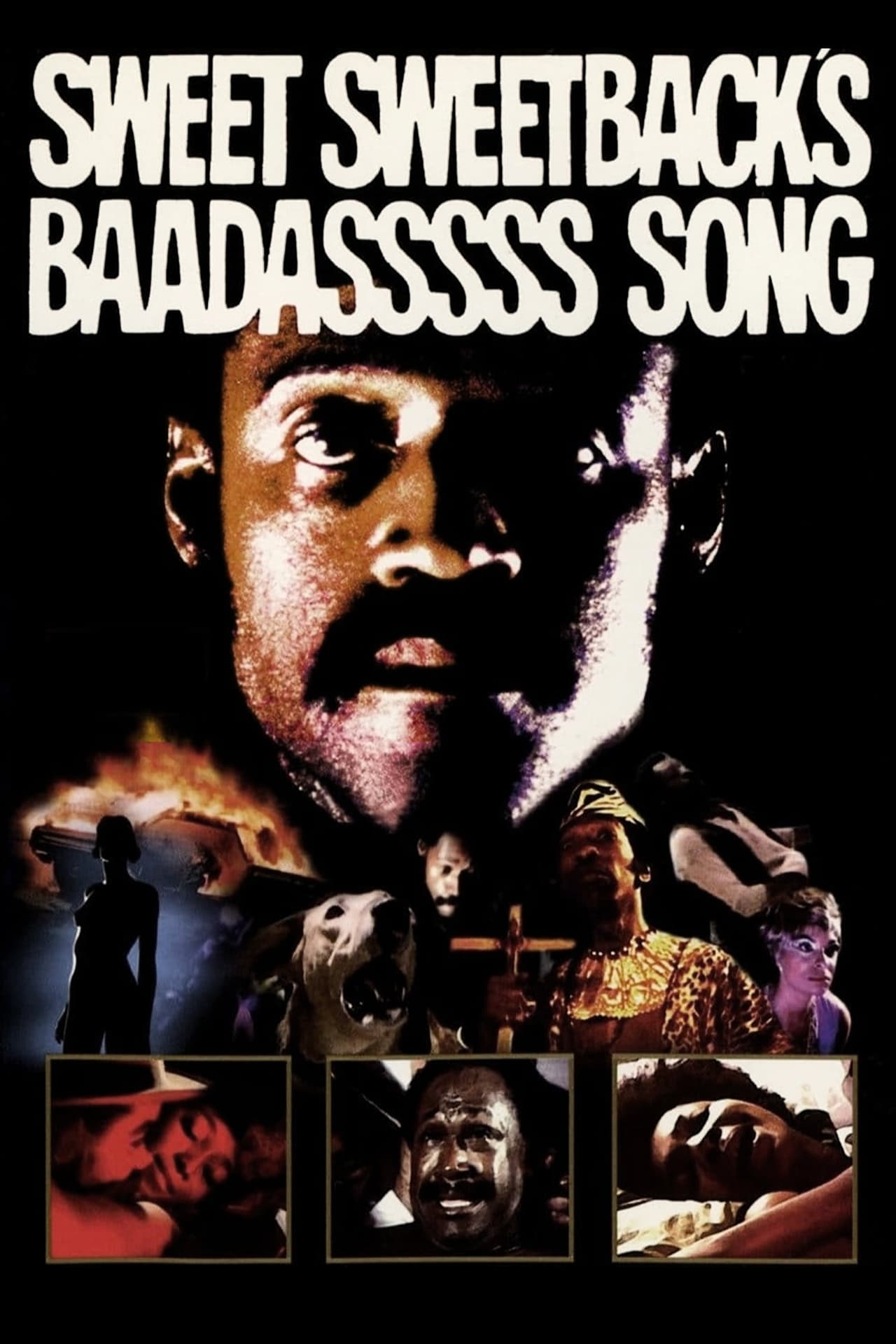
Melvin Van Peebles produced, directed, scored, and starred in this film that effectively birthed the Blaxploitation genre. It was given an X rating by the MPAA, which the director famously used as a marketing tool to attract Black audiences. Major studios initially refused to touch the project, forcing Van Peebles to release it independently in only two theaters. It eventually became one of the highest-grossing independent films of its era, proving the existence of a massive, underserved Black audience.
‘Buck and the Preacher’ (1972)

Sidney Poitier made his directorial debut with this Western that challenged the traditional erasure of Black pioneers from the American frontier. Poitier had to fight for creative control to ensure the film accurately reflected the Black experience in the post-Civil War West. The story follows an ex-soldier and a con artist helping former slaves reach the safety of the frontier. It represented a significant departure from the assimilationist roles Poitier was usually cast in by major studios.
‘The Spook Who Sat by the Door’ (1973)
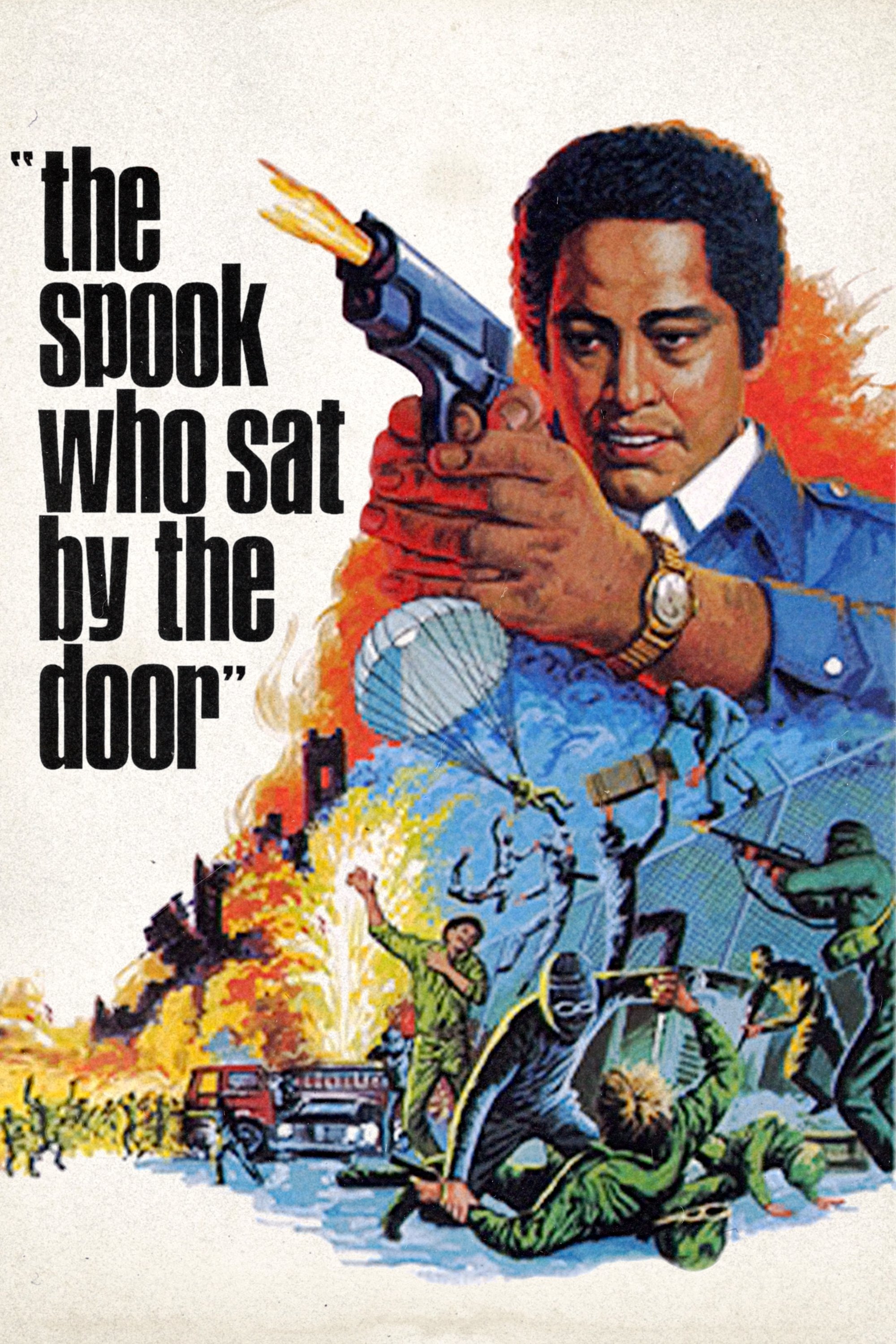
This film adaptation of Sam Greenlee’s novel was pulled from theaters just weeks after its release by United Artists. The studio reportedly faced pressure from the FBI due to the movie’s themes of militant revolution and urban guerilla warfare. For decades, it was only available via bootleg copies before receiving a proper digital restoration in the 2000s. The story follows a CIA-trained Black operative who uses his specialized skills to lead a rebellion in Chicago.
‘Ganja & Hess’ (1973)

After a successful premiere at Cannes, this experimental horror film was recut by its producers into a generic vampire movie titled ‘Blood Couple’. Director Bill Gunn used blood as a metaphor for addiction and cultural assimilation within the Black middle class. The original version was nearly lost until it was painstakingly restored by the Museum of Modern Art. It remains a landmark of Black independent cinema for its poetic visual style and philosophical depth.
‘Claudine’ (1974)
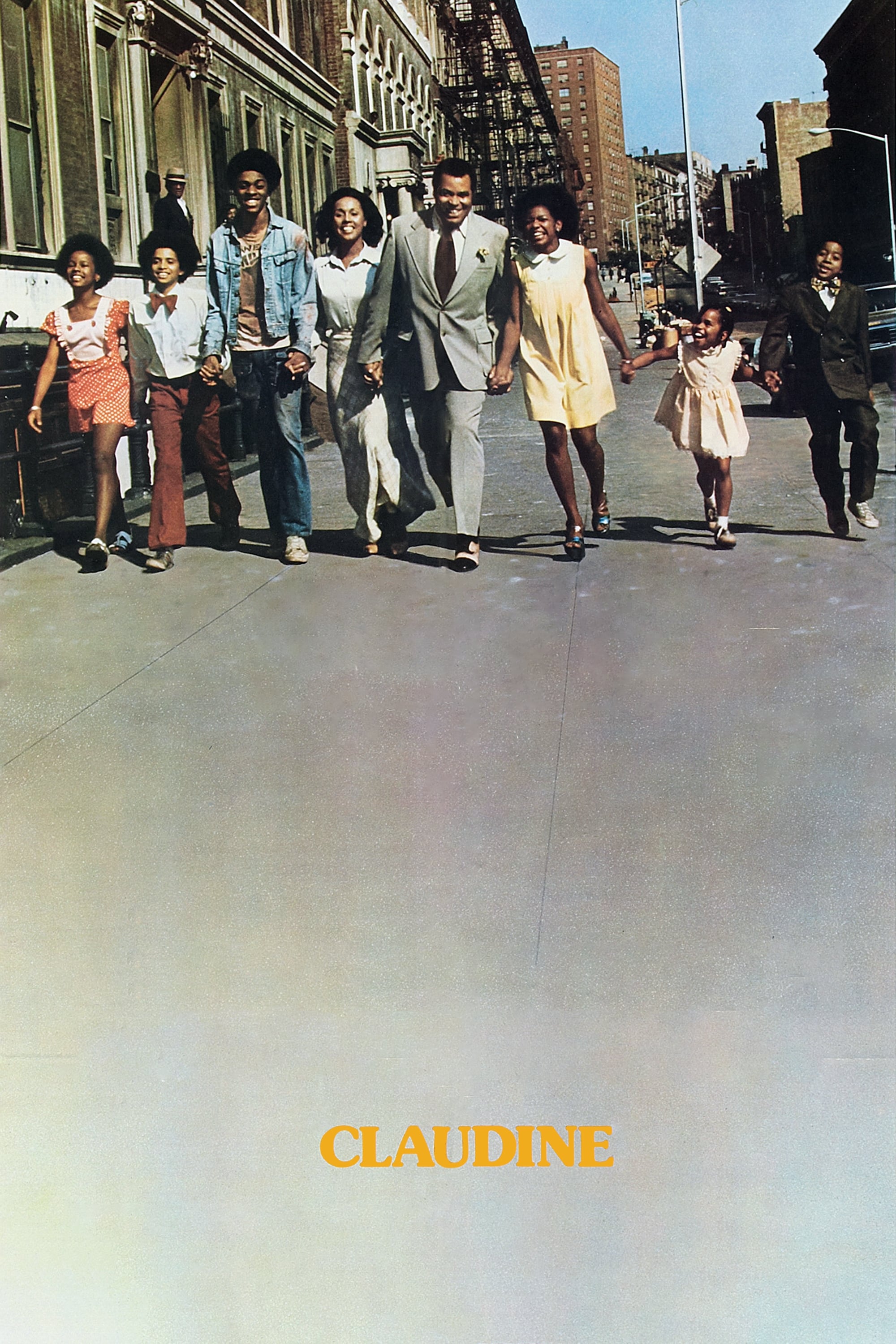
This film offered a rare, grounded look at a single mother raising six children while navigating the complex welfare system. While it received an Academy Award nomination for Diahann Carroll, it was often categorized with lower-budget action films by critics of the era. The production sought to humanize a demographic that was often vilified or ignored by mainstream media. Its blend of romantic comedy and social realism was highly unique for a mid-70s studio production.
‘Uptown Saturday Night’ (1974)
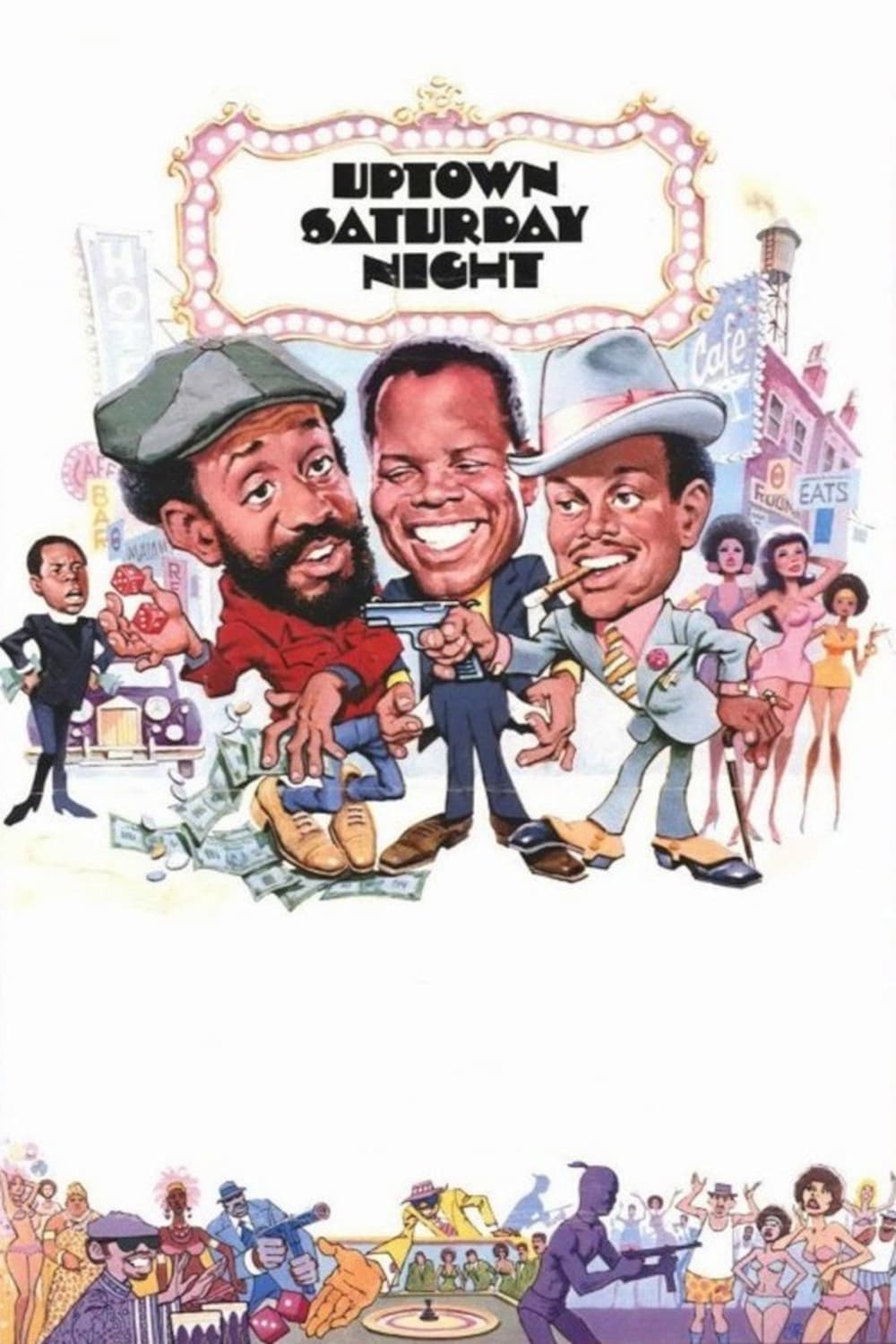
Directed by Sidney Poitier, this action-comedy featured a massive cast of Black stars, including Bill Cosby and Richard Pryor. While successful at the box office, it was often dismissed by mainstream critics who did not see the value in Black-centric comedies. The film was part of a trilogy that sought to provide positive and joyful representations of Black life. It paved the way for the buddy-cop and ensemble comedy genres that became staples of the 1980s.
‘Cooley High’ (1975)
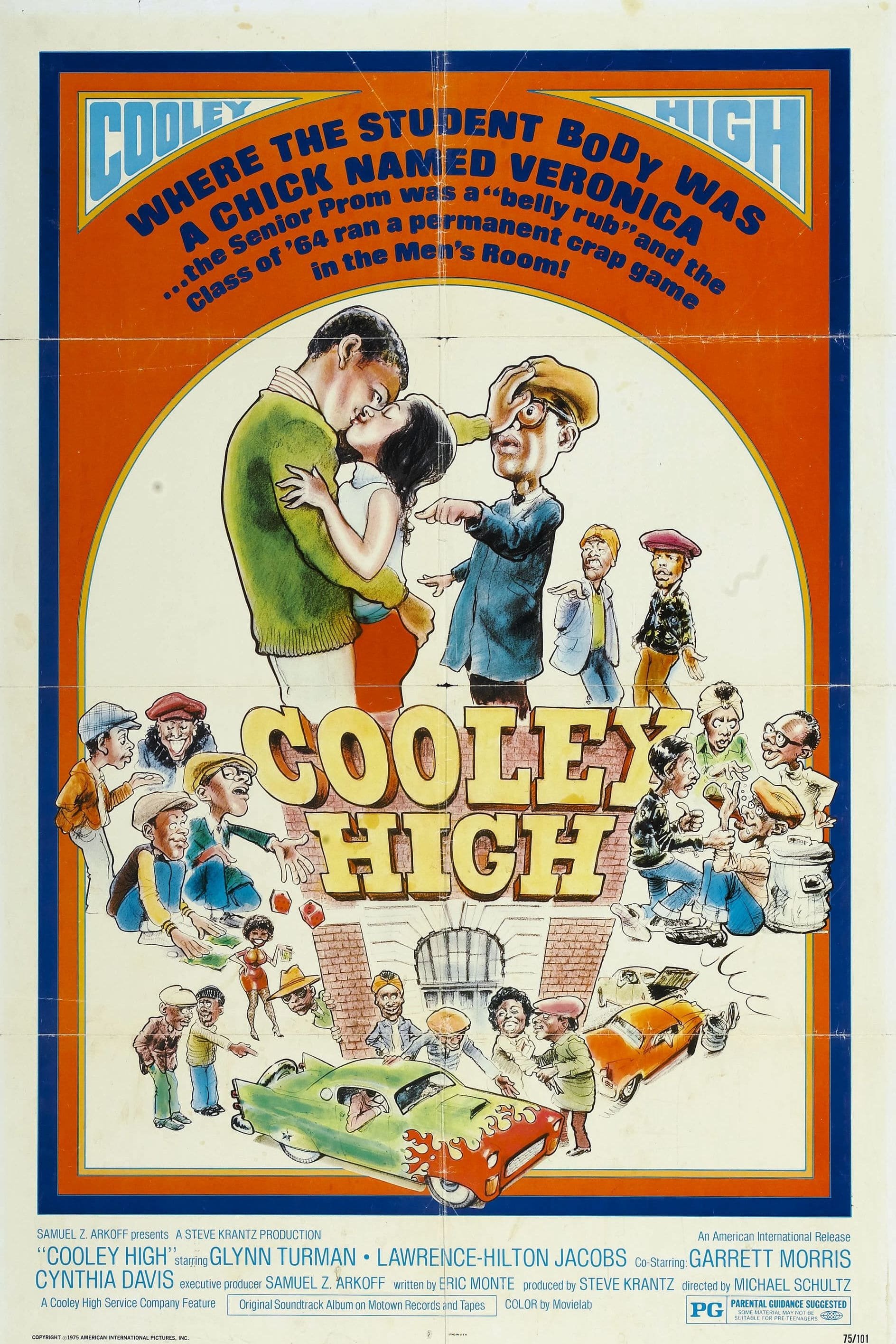
This coming-of-age story set in 1960s Chicago was a direct response to the Blaxploitation trend, focusing on real teenagers rather than stylized caricatures. Despite its success and influence on future filmmakers, it was often ignored in broader discussions of great American teen movies. The film uses a soundtrack of Motown hits to anchor its nostalgic yet tragic narrative about friendship and loss. It remains a beloved classic for its authentic portrayal of Black youth and urban life.
‘Passing Through’ (1977)

Larry Clark directed this film which is often cited as one of the best representations of jazz music on screen. Due to music licensing issues and the director’s desire to maintain total creative control, the film was rarely shown in commercial theaters. It follows a young saxophonist searching for his mentor while resisting the commercialization of his art form. Its limited availability over the years has given it a legendary status among dedicated cinephiles and jazz historians.
‘Killer of Sheep’ (1978)
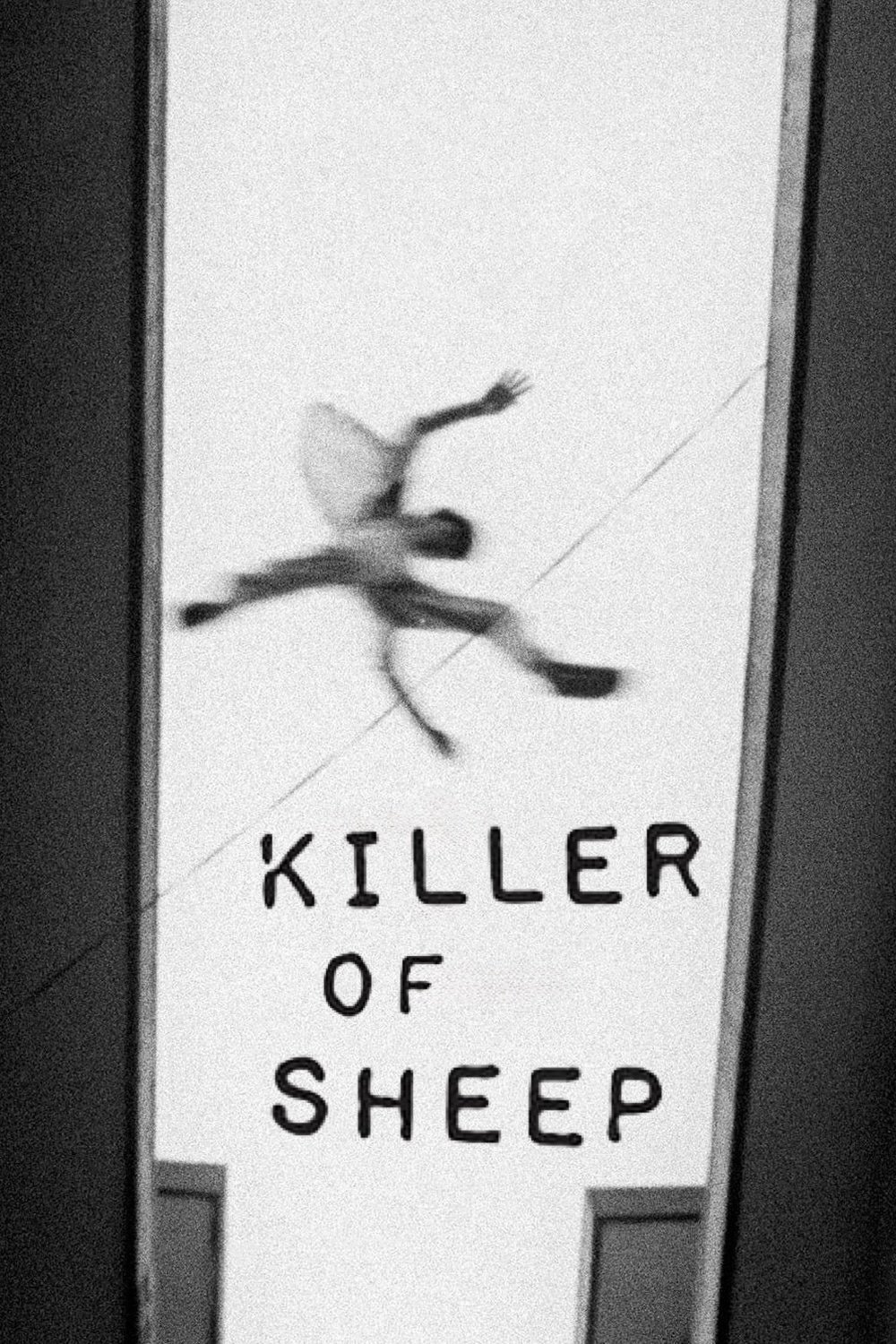
Charles Burnett shot this film in Los Angeles’ Watts neighborhood on a minimal budget as his master’s thesis project. It could not be released commercially for nearly 30 years due to the prohibitive costs of clearing the music rights for its soundtrack. The film depicts the daily struggles of a slaughterhouse worker attempting to maintain his family’s humanity. It is now part of the National Film Registry and is considered one of the most important American films ever made.
‘Bush Mama’ (1979)
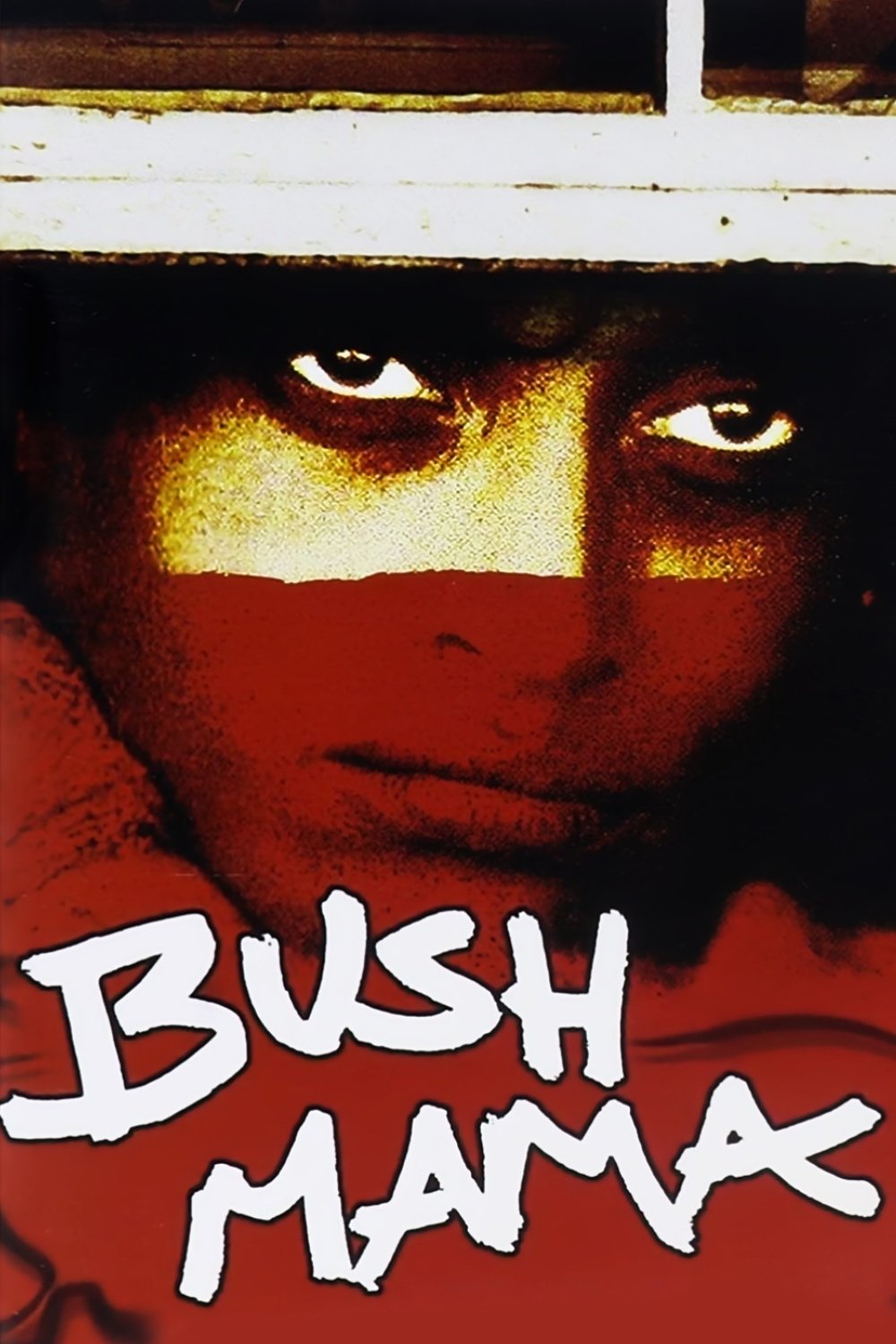
Haile Gerima filmed this stark portrayal of institutional oppression in the Watts neighborhood of Los Angeles using a gritty, documentary-like style. The film was part of the L.A. Rebellion movement and focused on a woman navigating the welfare system and police brutality. Because of its radical politics and independent production, it saw very limited distribution outside of film festivals. It provides a raw, uncompromising look at the socio-political landscape of the late 1970s.
‘Personal Problems’ (1980)
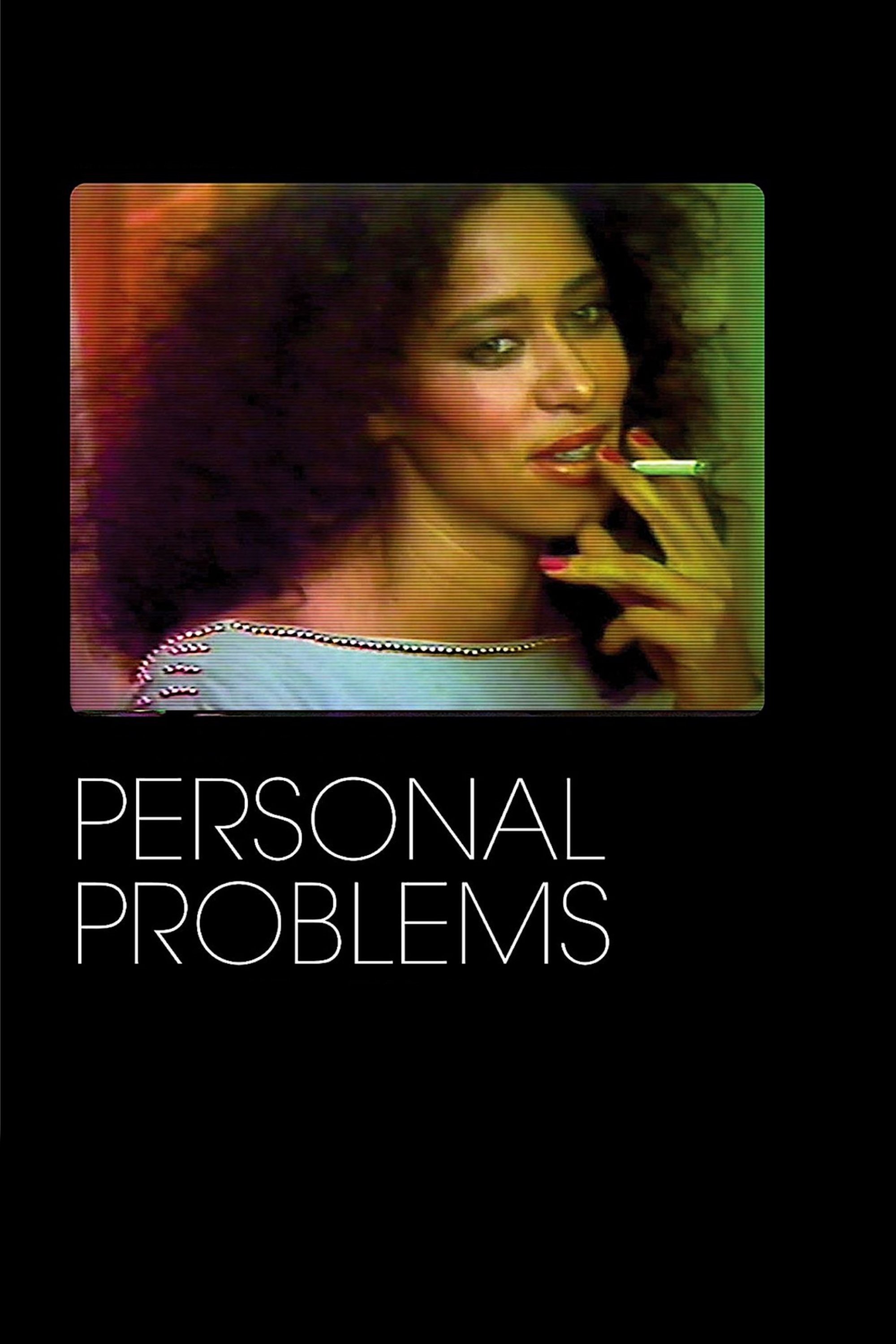
Written by Ishmael Reed and directed by Bill Gunn, this “meta-soap opera” was originally shot on three-quarter-inch video. It was intended for public television but was largely sidelined and forgotten by the mainstream industry for decades. The film explores the mundane and complex lives of a group of Black New Yorkers in a realistic, improvisational style. A 2018 restoration finally allowed the film to be seen by a global audience and solidified Gunn’s legacy.
‘Losing Ground’ (1982)
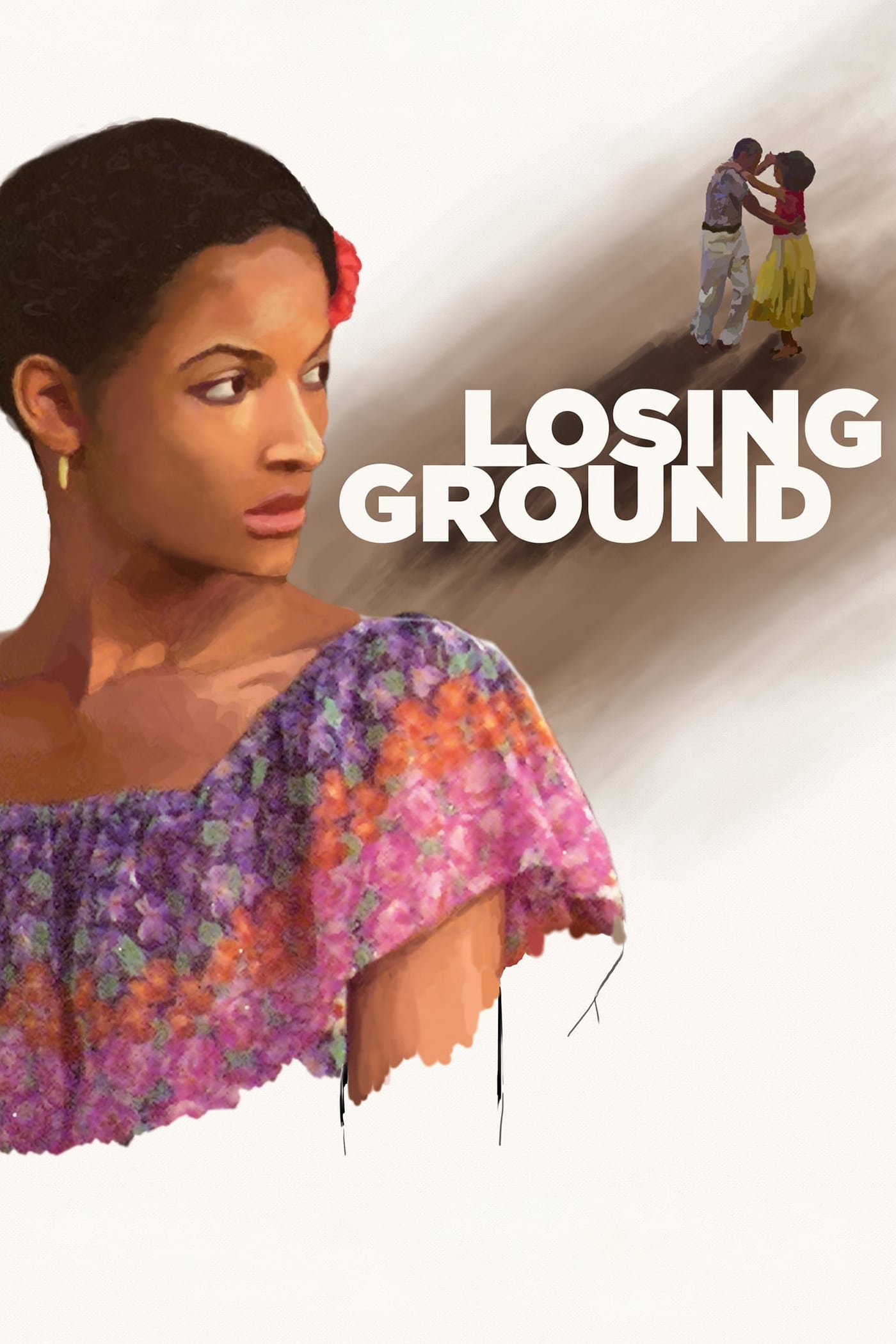
Kathleen Collins directed this groundbreaking drama, which was one of the first feature films directed by a Black woman. Despite its high quality, the film failed to secure theatrical distribution and remained largely unseen for over thirty years. It explores the intellectual and emotional life of a philosophy professor dealing with her marriage and her own creative awakening. It was finally restored and released to wide acclaim in 2015, long after the director’s death.
‘Cane River’ (1982)
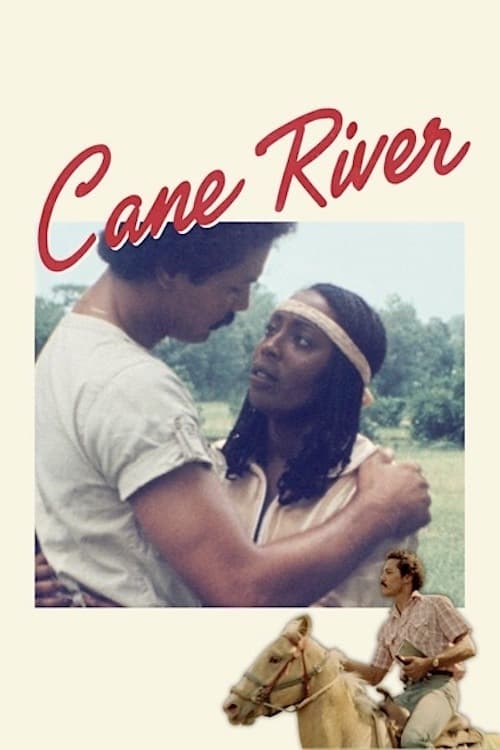
This romantic drama was written and directed by Horace B. Jenkins, who passed away shortly after the film’s completion. The film was never released and was considered lost until a negative was discovered in a New York vault in 2013. It tells the story of two young Black lovers from different social classes in rural Louisiana. Its restoration in 2020 revealed a sensitive portrayal of colorism and land ownership that was decades ahead of its time.
‘Chameleon Street’ (1991)
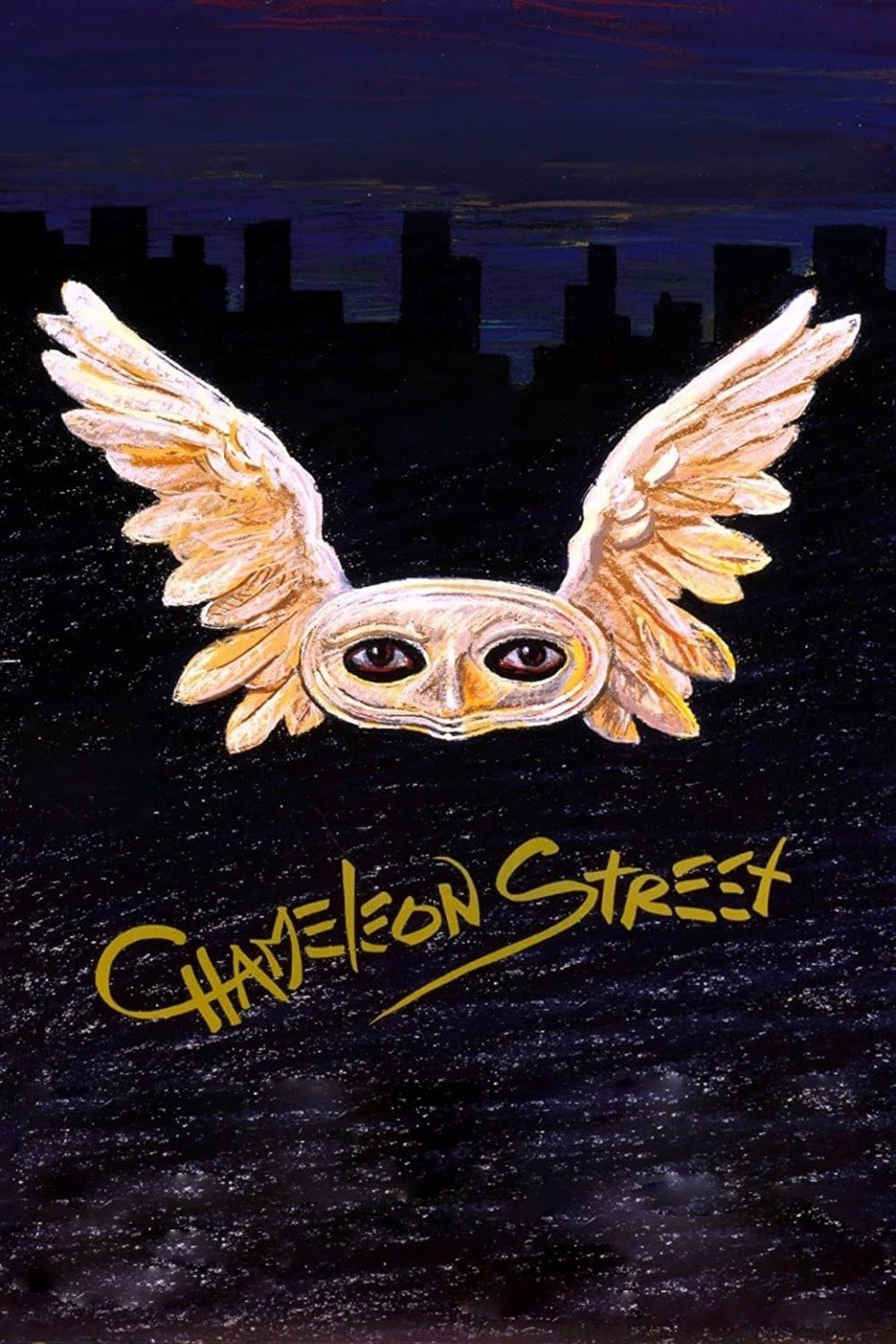
Wendell B. Harris Jr. wrote, directed, and starred in this satire which won the Grand Jury Prize at the Sundance Film Festival. Despite the win, major Hollywood distributors refused to pick up the film, claiming it was too difficult to market to a general audience. The plot follows a real-life con artist who successfully impersonates doctors, lawyers, and French journalists. The film was eventually self-distributed but remained largely obscure until its recent 4K restoration.
‘Tongues Untied’ (1989)

Marlon Riggs directed this experimental documentary that gave a powerful voice to Black gay men. The film became a lightning rod for controversy when it was aired on PBS, leading to heated debates in Congress about government funding. It uses poetry, dance, and music to confront homophobia and racism simultaneously within the American landscape. The film was effectively suppressed in many markets due to its revolutionary and explicit content.
‘To Sleep with Anger’ (1990)
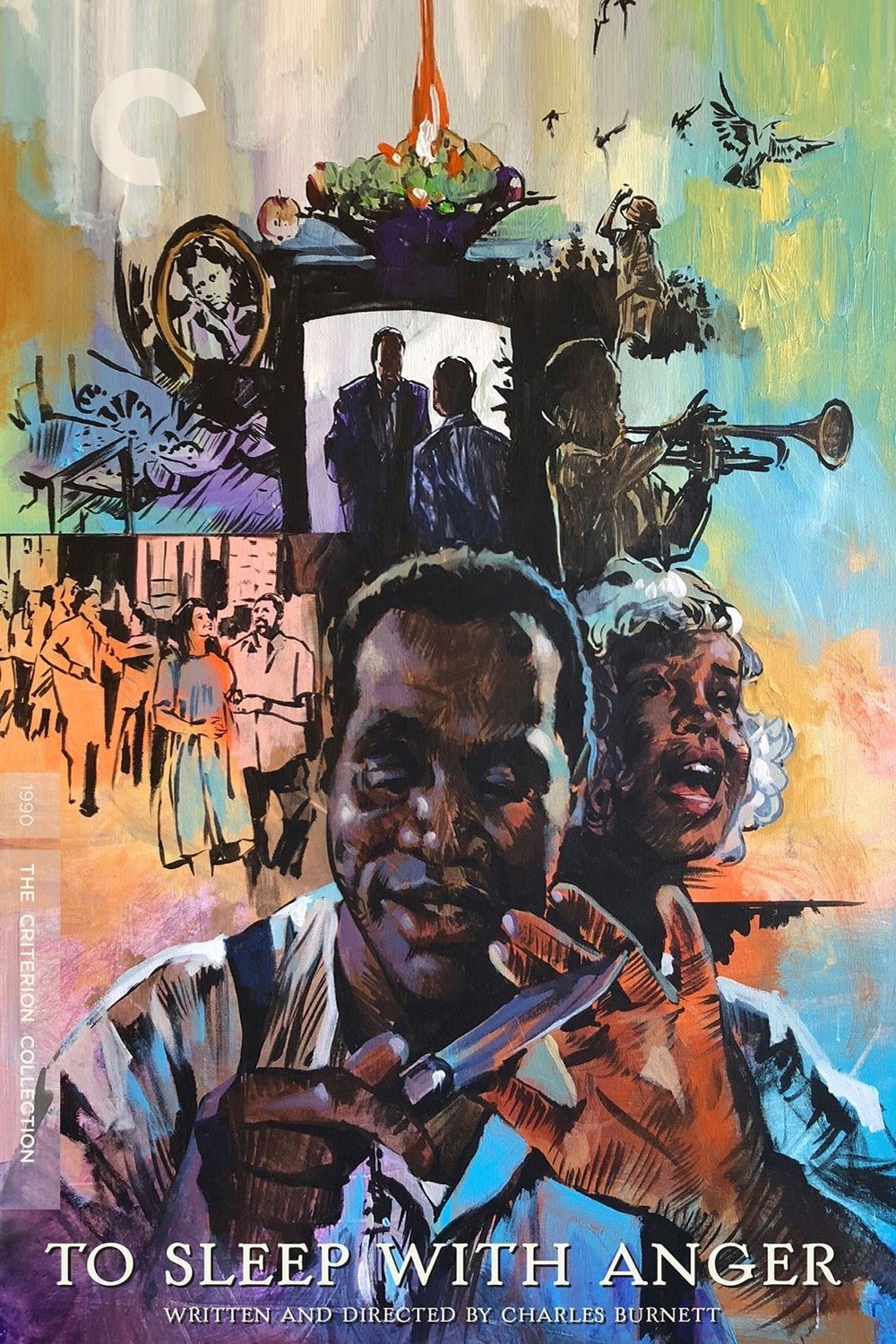
Danny Glover used his own money to help fund this family drama directed by the legendary Charles Burnett. Despite receiving critical acclaim, the film’s distributor struggled to market its specific blend of folklore and domestic realism. The story involves a mysterious guest from the South who disrupts the lives of a middle-class Black family in Los Angeles. It remains one of the most spiritually complex and rewarding films in the history of American cinema.
‘Daughters of the Dust’ (1991)
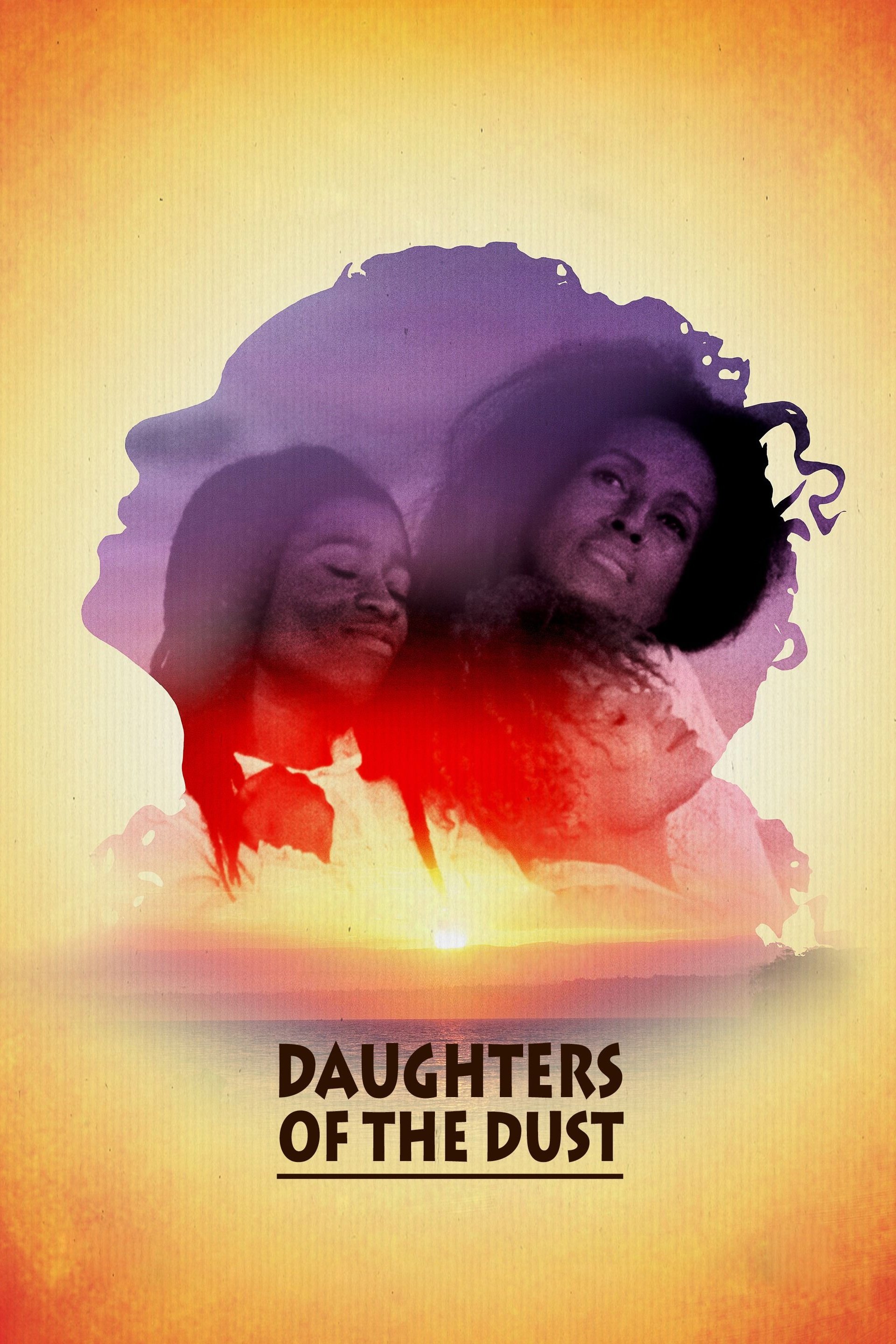
Directed by Julie Dash, this was the first feature film by an African-American woman to receive a wide theatrical release in the United States. Despite this milestone, the film faced immense distribution challenges as studios doubted its commercial appeal to non-Black audiences. The narrative focuses on three generations of Gullah women in South Carolina as they prepare to migrate to the mainland. Its lush cinematography and non-linear storytelling later influenced modern visual albums like Beyonce’s ‘Lemonade’.
‘Deep Cover’ (1992)
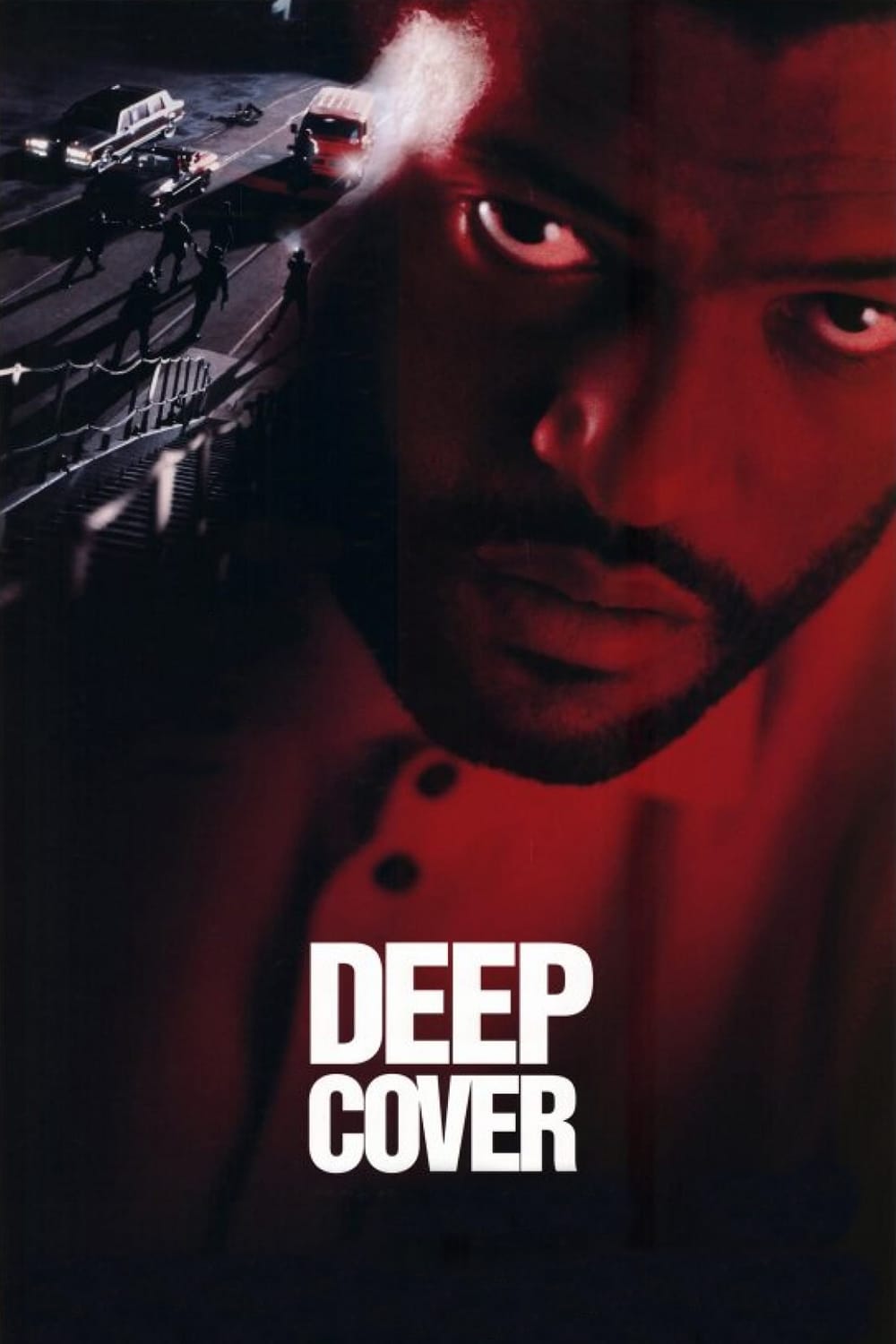
Bill Duke directed this noir thriller which stars Laurence Fishburne as an undercover cop infiltrating a drug ring. While it was marketed as a standard action film, it contains a deep critique of the war on drugs and systemic corruption. The film’s complex moral landscape and philosophical undertones were often overlooked by mainstream critics at the time. It has since been re-evaluated as a masterpiece of the 90s crime genre with a sharp political edge.
‘The Watermelon Woman’ (1996)
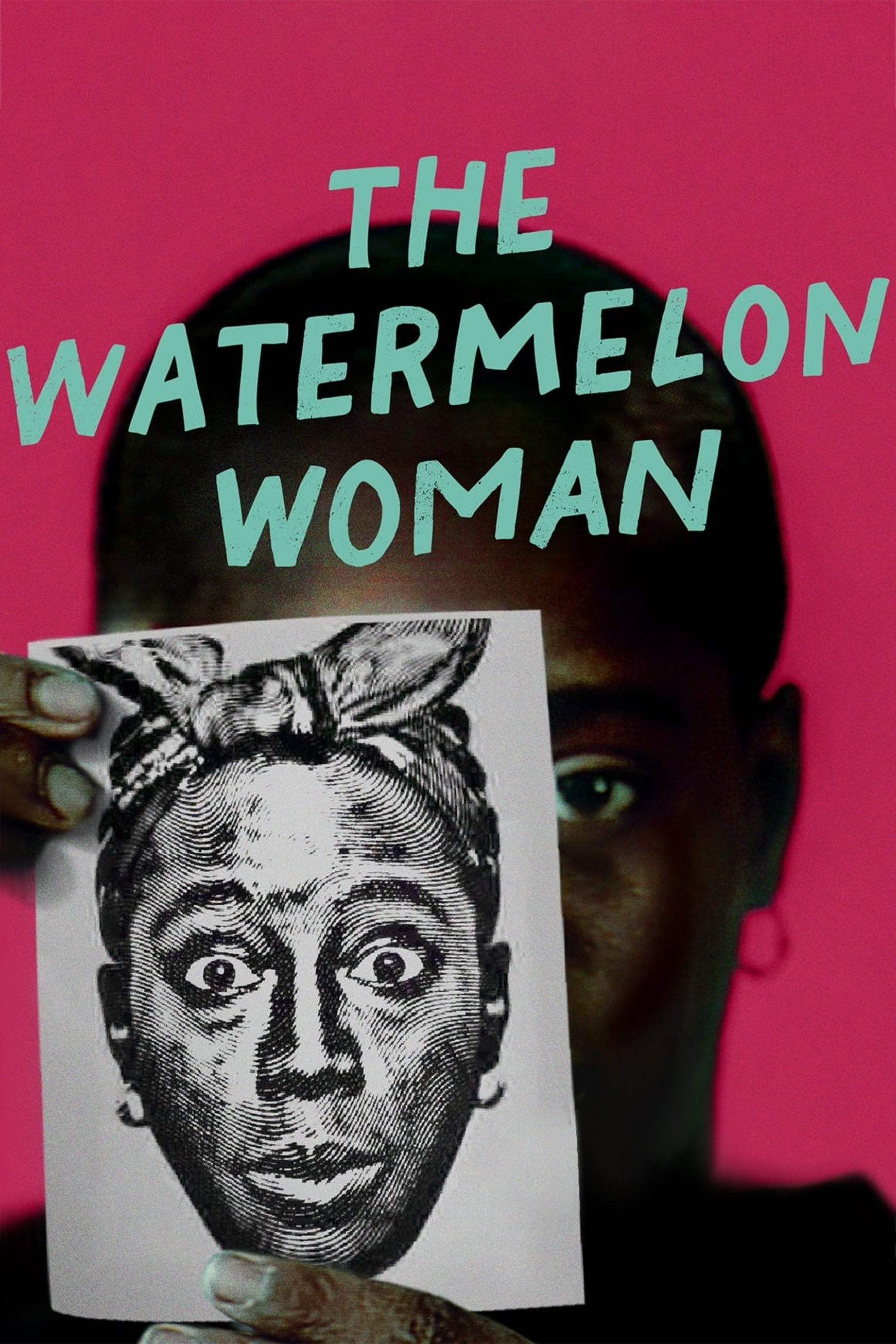
Cheryl Dunye directed this landmark film, which was the first feature length movie directed by an out Black lesbian. It faced significant political backlash when a conservative lawmaker criticized the National Endowment for the Arts for funding the project. The story follows a young filmmaker researching a forgotten Black actress from the 1930s who was often cast in stereotypical roles. It is now celebrated as a crucial work in both Black and queer cinema history.
‘Eve’s Bayou’ (1997)
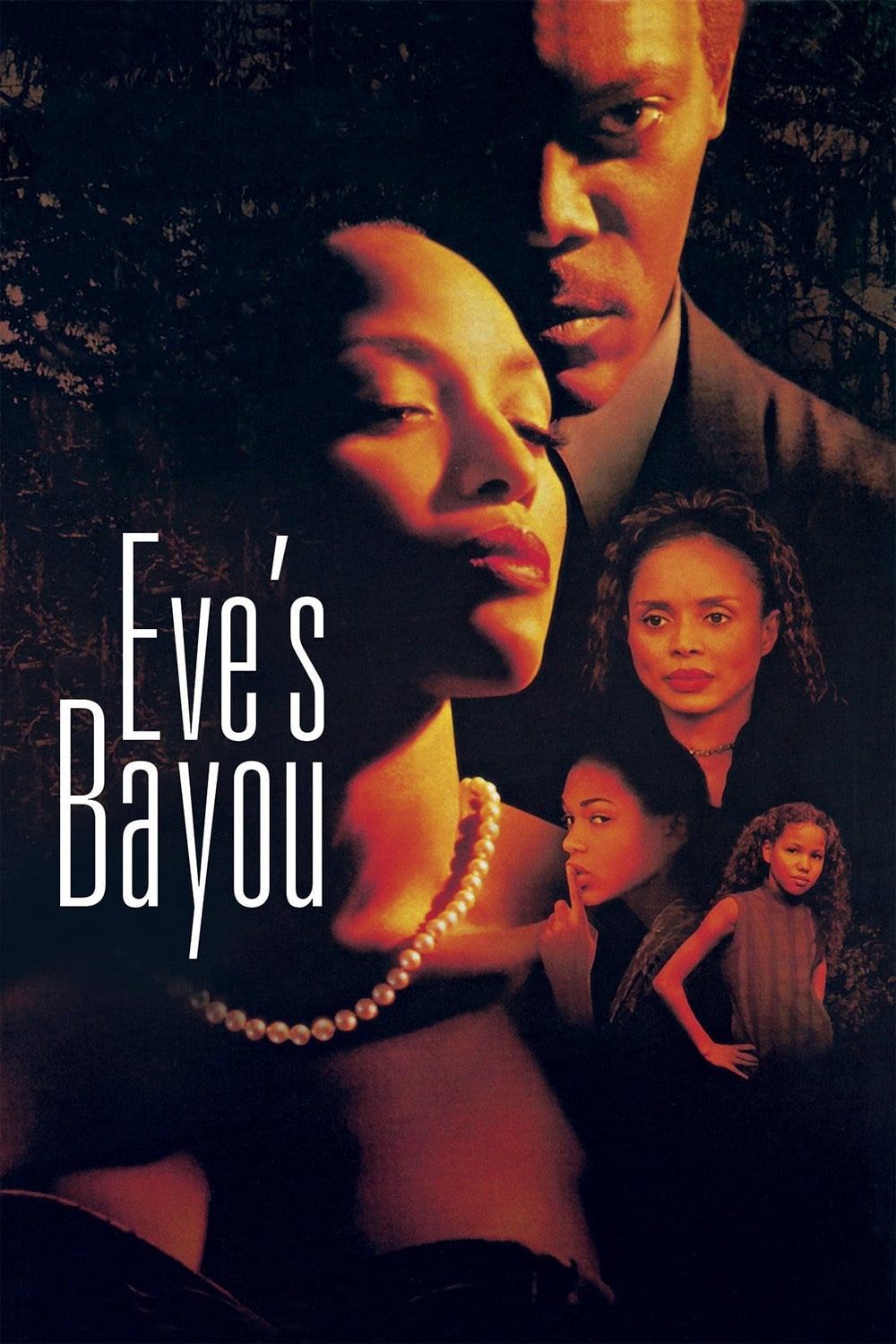
Kasi Lemmons made her directorial debut with this Southern Gothic drama set in 1960s Louisiana. Despite receiving glowing reviews and being the highest-grossing independent film of its year, it was largely ignored by major awards bodies. The story is told through the eyes of a young girl discovering her father’s infidelities and the supernatural secrets of her family. It has since been recognized by the Library of Congress for its significant artistic and cultural merit.
‘Drylongso’ (1998)
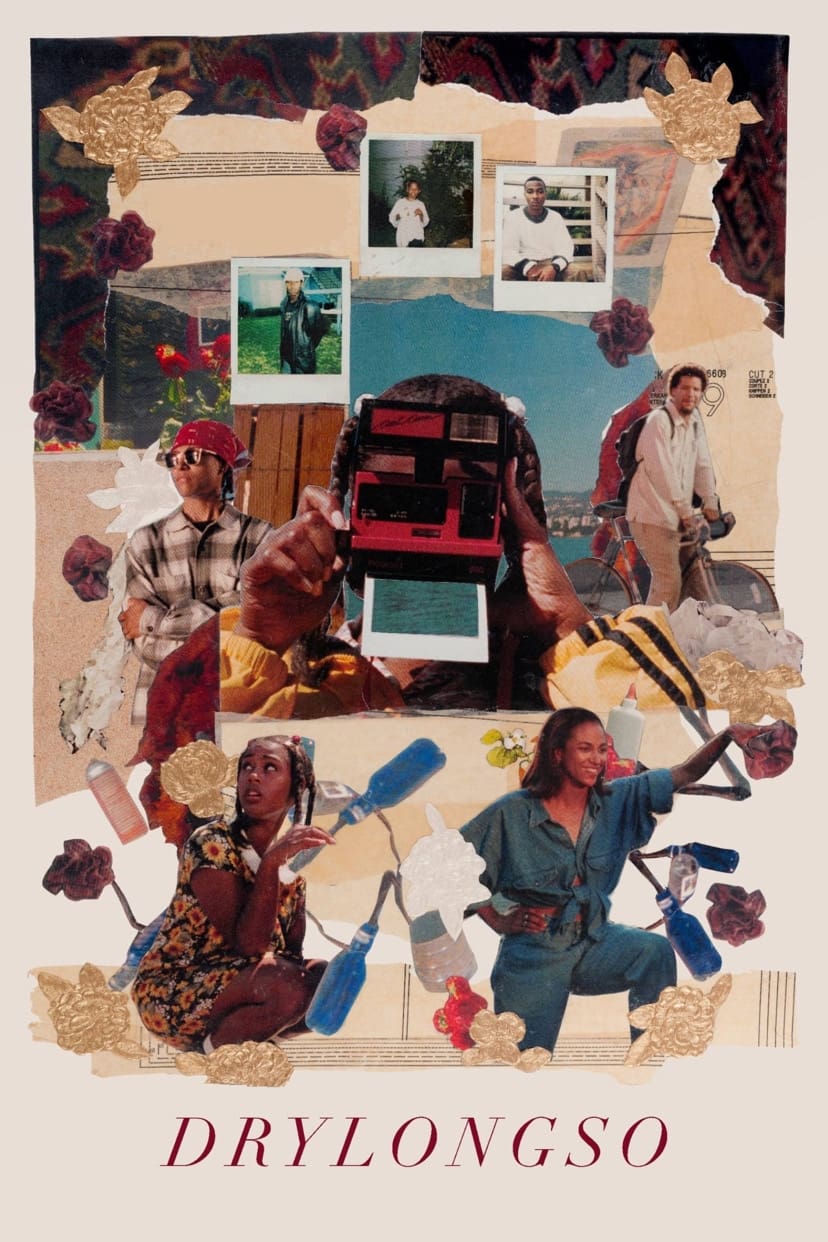
Cauleen Smith’s feature debut was a hit at the Sundance Film Festival but failed to find a major distributor for several years. The film follows a young art student in Oakland who photographs Black men to preserve their existence in the face of community violence. It captures a specific time and place with a unique DIY aesthetic that was overlooked by 90s Hollywood studios. A recent restoration has brought the film back into the cultural conversation for new audiences.
Which of these rediscovered Black cinema classics do you believe deserves a modern remake, or should they all remain untouched? Share your thoughts in the comments.