


17 Black Gay Actors Suing for Unequal Pay in Ensemble Casts

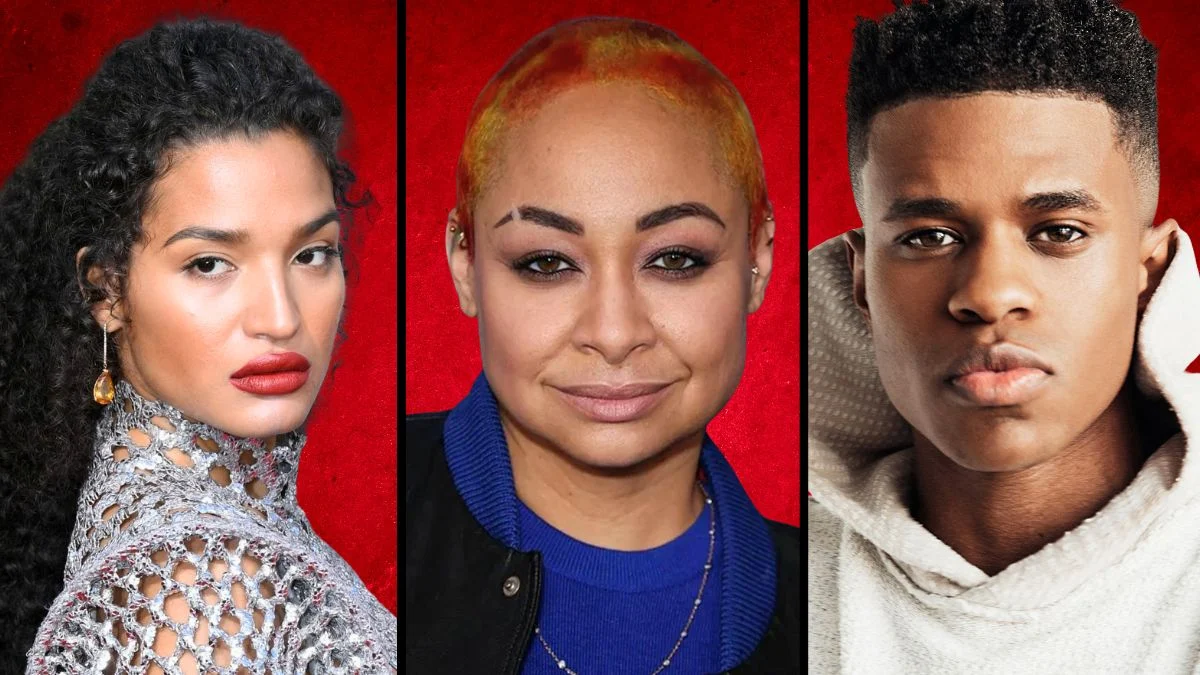


Pay disparity in Hollywood remains a contentious issue, particularly for marginalized communities within ensemble productions where salary tiers often vary wildly. Black LGBTQ+ actors have increasingly taken legal and public stands to demand equitable compensation, challenging studios to match their pay with that of their white or heterosexual counterparts. This movement has seen collective bargaining, contract renegotiations, and formal complaints filed to address systemic wage gaps in successful television shows and films. The following individuals have been at the forefront of these disputes, advocating for fair treatment and financial parity in the entertainment industry.
Billy Porter
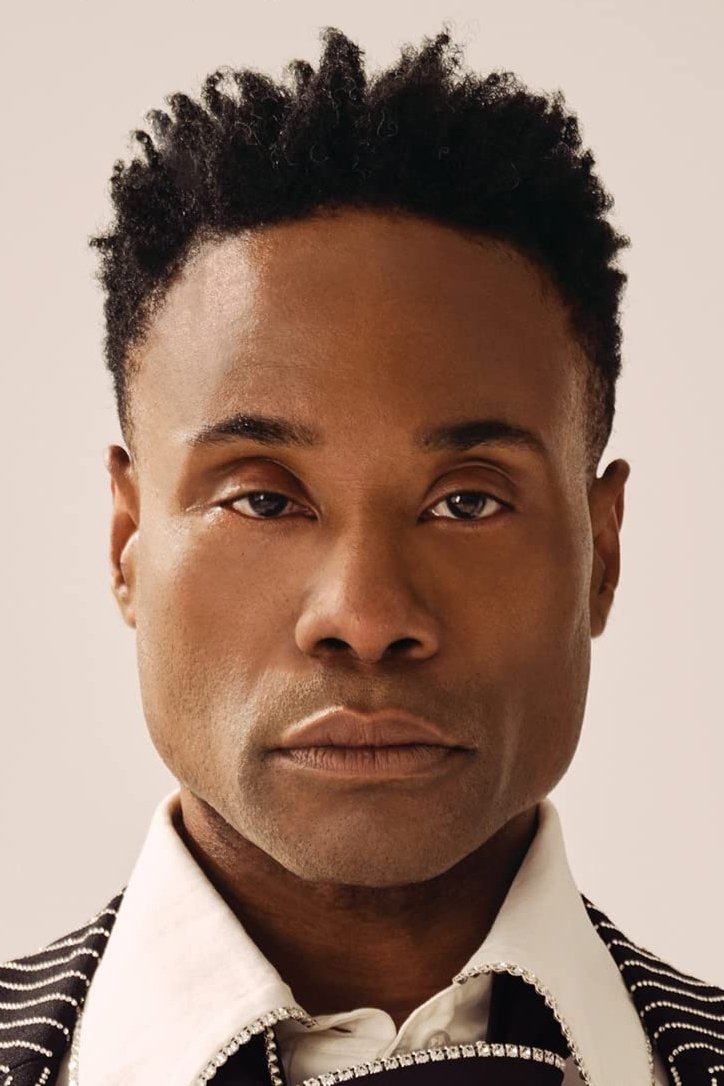
Billy Porter gained worldwide acclaim for his role in ‘Pose’, yet he publicly disclosed the financial struggles he faced despite his Emmy-winning success. The actor revealed that he lived check-to-check for years and had to sell his home during the industry strikes, highlighting the lack of residual income from streaming platforms. Porter has been a vocal leader in demanding that studios restructure how ensemble casts in marginalized stories are compensated. His advocacy focuses on ensuring that veteran theater and screen actors receive pay commensurate with their contributions to hit series.
Indya Moore
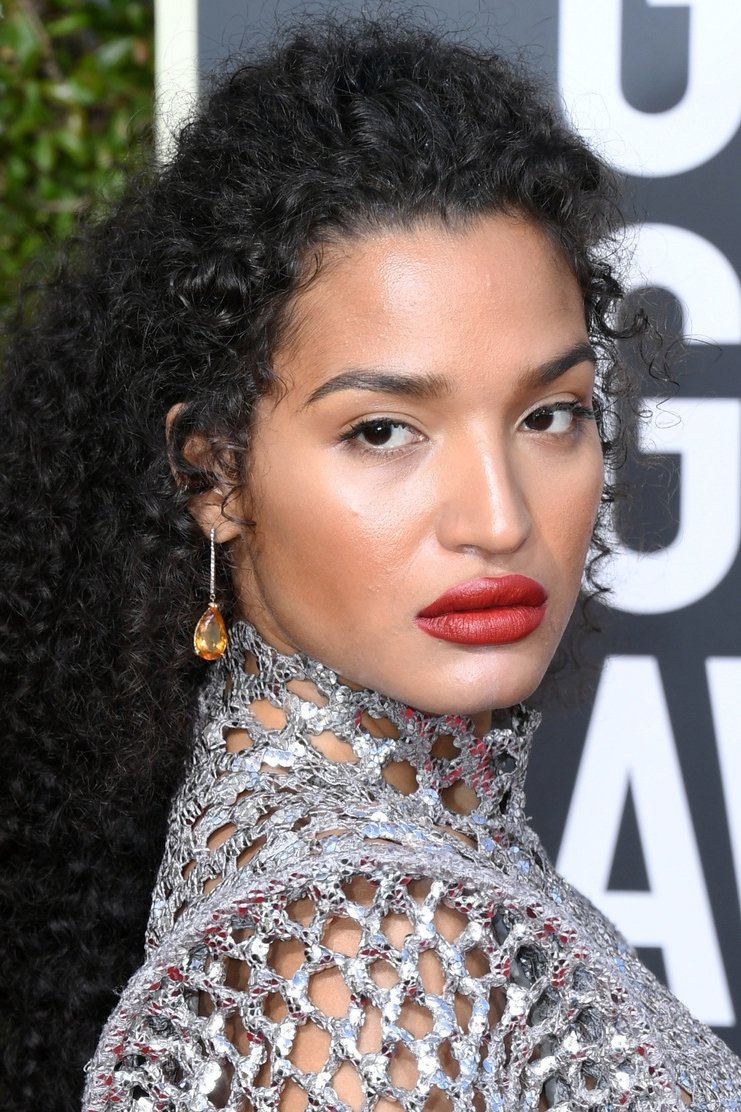
Starring alongside Porter in ‘Pose’, Indya Moore has frequently addressed the economic disparities faced by trans and non-binary actors in Hollywood. Moore utilized social media and industry platforms to criticize the pay gaps between the show’s trans cast members and cisgender actors in similar prestige dramas. The actor emphasized that despite the show’s groundbreaking nature, the financial rewards often did not trickle down to the talent telling the stories. Moore’s stance involved pushing for contract renegotiations that reflected the ensemble’s integral value to the network’s brand.
Dominique Jackson

Dominique Jackson, known for her commanding presence as Elektra, has been outspoken about the reality of being a Black trans woman in the entertainment business. She has detailed the difficulties of securing fair wages in an industry that often views trans stories as niche or risky. Jackson joined her co-stars in collective negotiations to secure better terms for the later seasons of their hit series. Her efforts highlight the necessity of legal and union support to close the wage gap for LGBTQ+ performers.
Angelica Ross
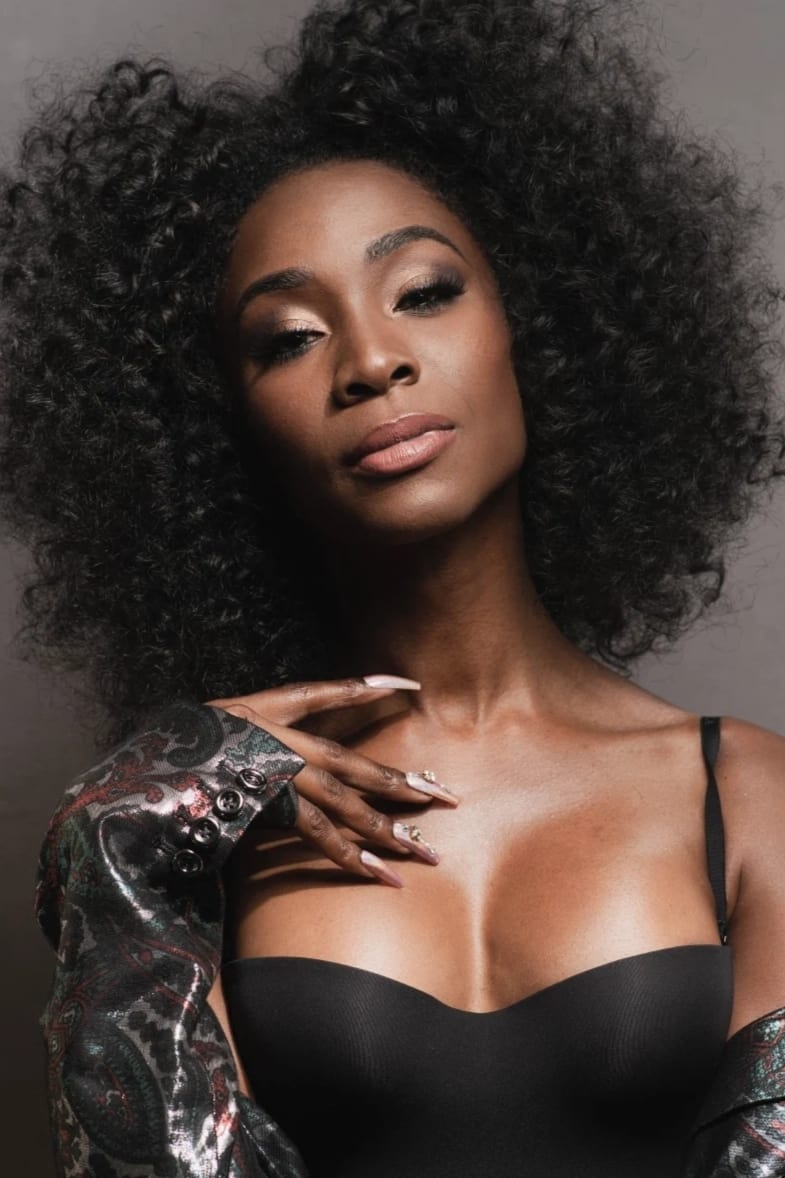
After her departure from ‘Pose’ and her time on ‘American Horror Story’, Angelica Ross publicly criticized the production environments and compensation models she experienced. She revealed tensions regarding her treatment and pay compared to other actors in the Ryan Murphy universe. Ross has since pivoted towards tech and advocacy, using her platform to call out performative allyship that does not include financial equity. Her transparency has shed light on the specific challenges Black trans women face when navigating ensemble hierarchies.
Hailie Sahar

Hailie Sahar played a crucial role in the ‘Pose’ ensemble and faced similar hurdles regarding initial pay rates for the groundbreaking series. Together with her co-stars, she pushed for contract terms that recognized the cast’s collective impact on the cultural landscape. Sahar has advocated for long-term residual models that protect actors after a show concludes. Her participation in these negotiations marked a significant moment for trans actors asserting their worth in contract law.
Dyllón Burnside
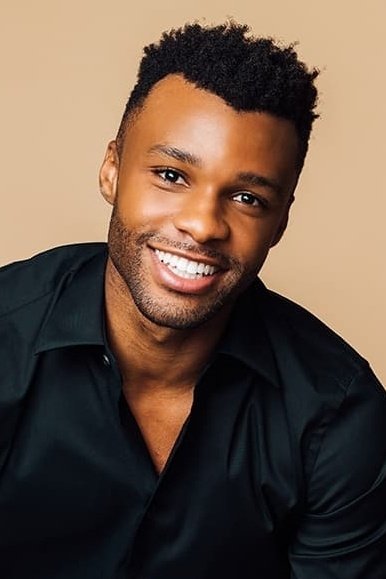
Portraying Ricky in ‘Pose’, Dyllón Burnside was part of the core group that navigated the complex salary tiers of a large ensemble cast. He has spoken about the importance of unions like SAG-AFTRA in protecting actors who do not have the individual leverage of A-list stars. Burnside actively supported the recent strikes, emphasizing that ensemble actors are often the most vulnerable to pay erosion in the streaming era. His advocacy centers on establishing a baseline of fairness for all members of a production, regardless of billing order.
Ryan Jamaal Swain
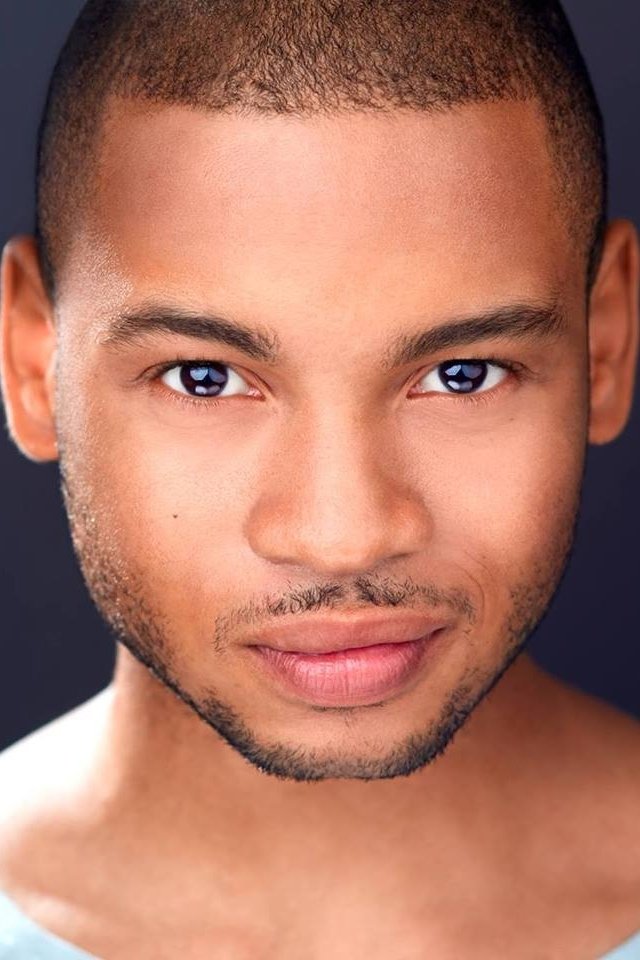
Ryan Jamaal Swain, who played Damon, experienced the highs of a breakout role and the lows of industry pay standards for newcomers in diverse casts. His legal and management teams have had to navigate the disparity between the show’s visibility and the actual compensation provided to its young stars. Swain has been a proponent of transparency in billing and salary to prevent studios from underpaying emerging Black queer talent. His journey underscores the need for better legal protections for young actors entering hit ensembles.
Jeremy Pope

Jeremy Pope has quickly risen through the ranks with roles in ‘Hollywood’ and ‘The Inspection’, garnering critical praise that he argues should be matched by financial equity. Pope has been selective with his projects, reportedly turning down roles that did not meet his quote or offer fair terms for a lead actor. He has advocated for Black queer actors to know their value and be willing to walk away from prestigious but low-paying ensemble work. His approach involves leveraging critical success to demand parity in contract negotiations.
Colman Domingo
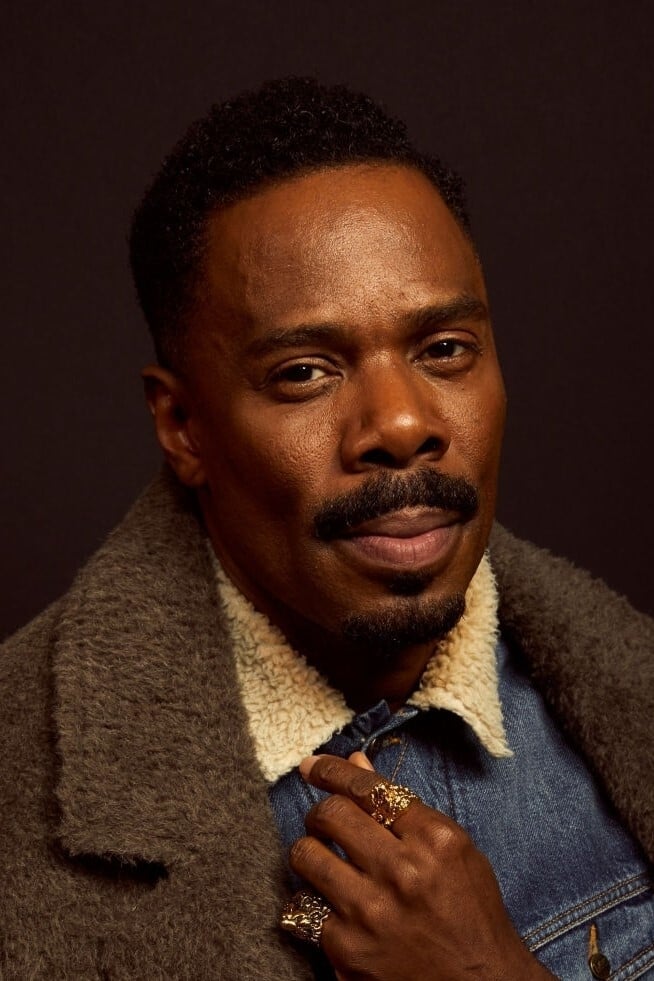
A veteran of stage and screen, Colman Domingo has openly discussed the long road to financial stability for Black character actors. With major roles in ‘Euphoria’ and ‘Rustin’, he has negotiated forcefully to ensure his compensation reflects his years of experience and contribution to ensemble success. Domingo has criticized the “exposure” payment model, insisting that diverse talent must be paid in dollars, not just acclaim. His legal representatives work to secure backend points and production credits to bridge the pay gap.
Tituss Burgess
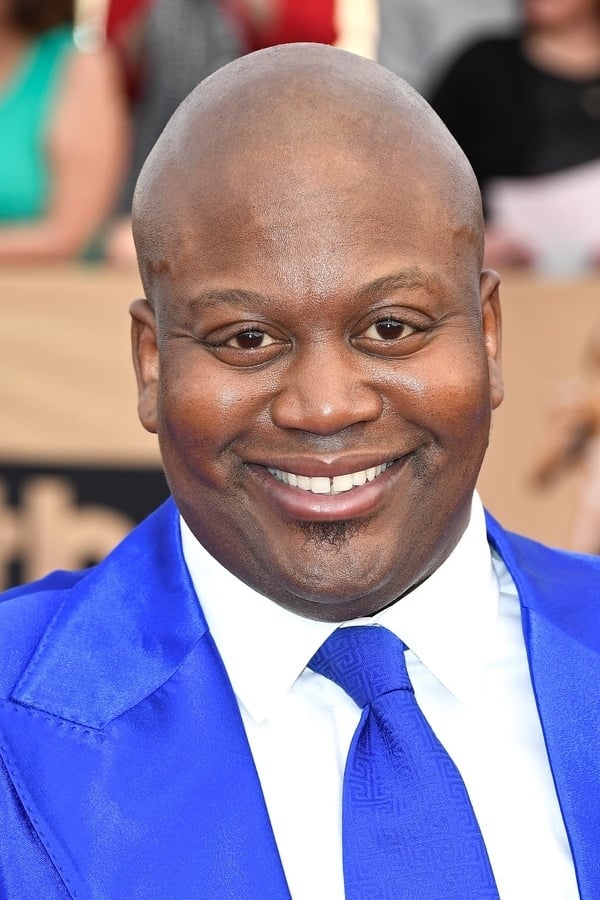
Tituss Burgess became a breakout star in ‘Unbreakable Kimmy Schmidt’, yet he voiced frustrations regarding the industry’s treatment of Black gay actors. He has famously called out collaborators and studios when he felt undervalued or mistreated in professional settings. Burgess has utilized his platform to demand that his pay checks reflect his status as a scene-stealer in major comedy ensembles. His willingness to speak publicly about industry slights serves as a form of leverage in future contract disputes.
Wanda Sykes
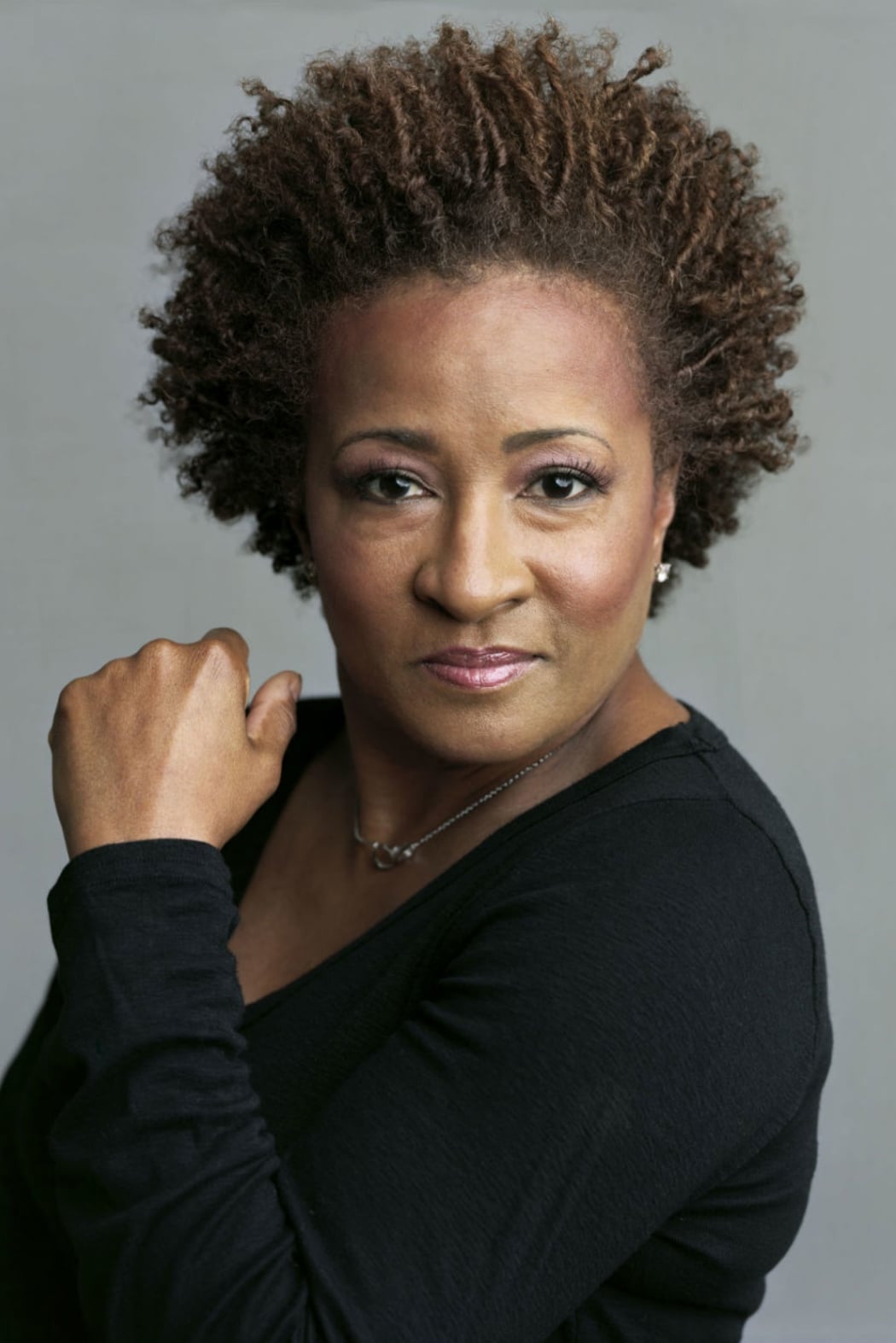
Wanda Sykes made headlines when she rejected a lowball offer from Netflix for a comedy special, citing pay disparity compared to Dave Chappelle and Amy Schumer. Although not an ensemble cast dispute in the traditional sense, her stand influenced pay structures for Black LGBTQ+ comics across the industry, including those in sitcom ensembles. Sykes used the moment to highlight how veteran Black women are often offered a fraction of what their peers receive. Her legal team successfully negotiated better terms by exposing these inequalities to the public.
Raven-Symoné
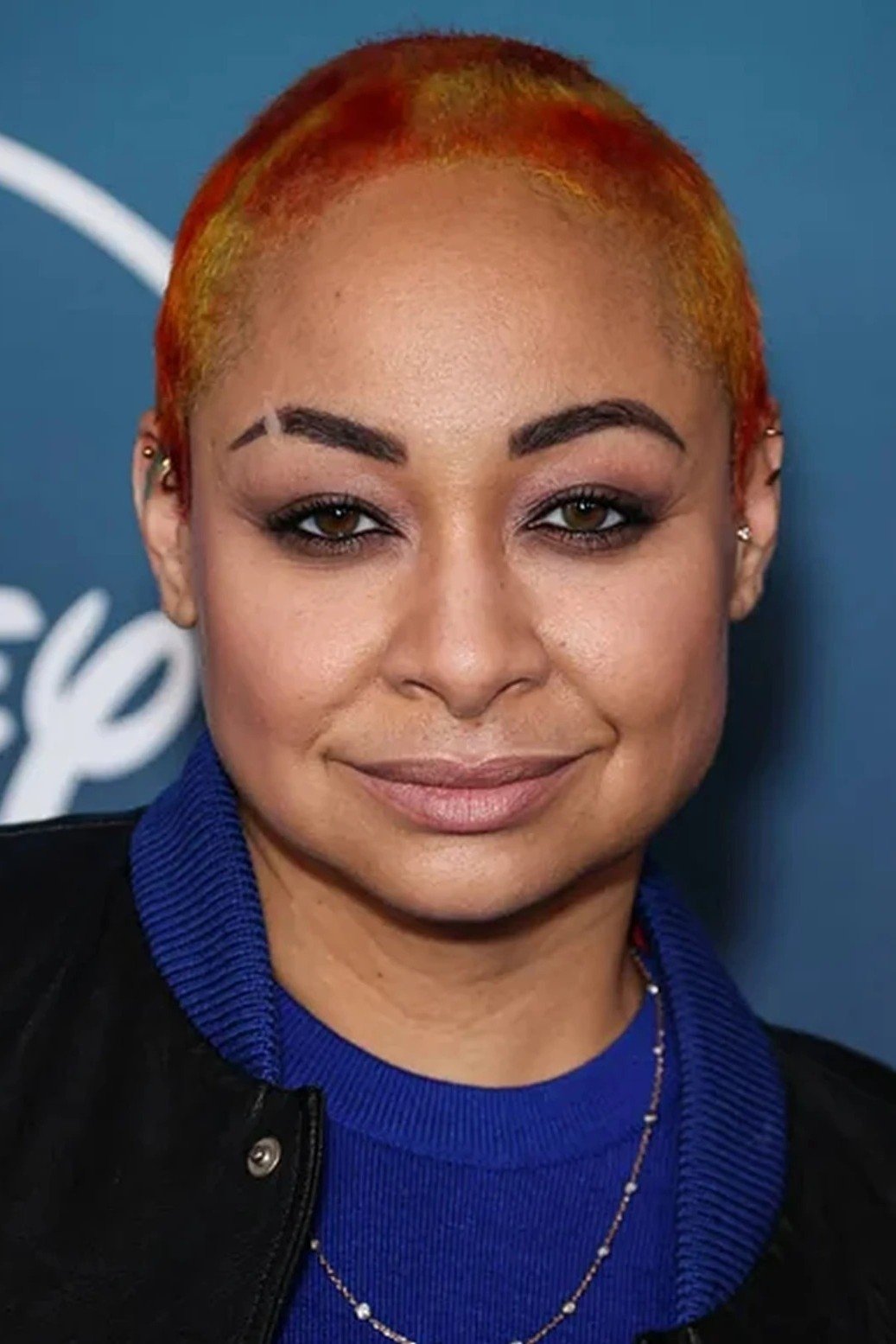
Growing up in the industry, Raven-Symoné has managed to retain ownership and secure residuals for her work, a rarity for child stars. However, she has spoken out about the lack of residuals for her early work on ‘The Cosby Show’ and the need for modern contracts to account for streaming. As a lesbian woman of color in Hollywood, she mentors younger actors on the importance of aggressive legal representation in contract talks. She advocates for pay parity in reboot ensembles, ensuring legacy actors are compensated for their nostalgia value.
RuPaul
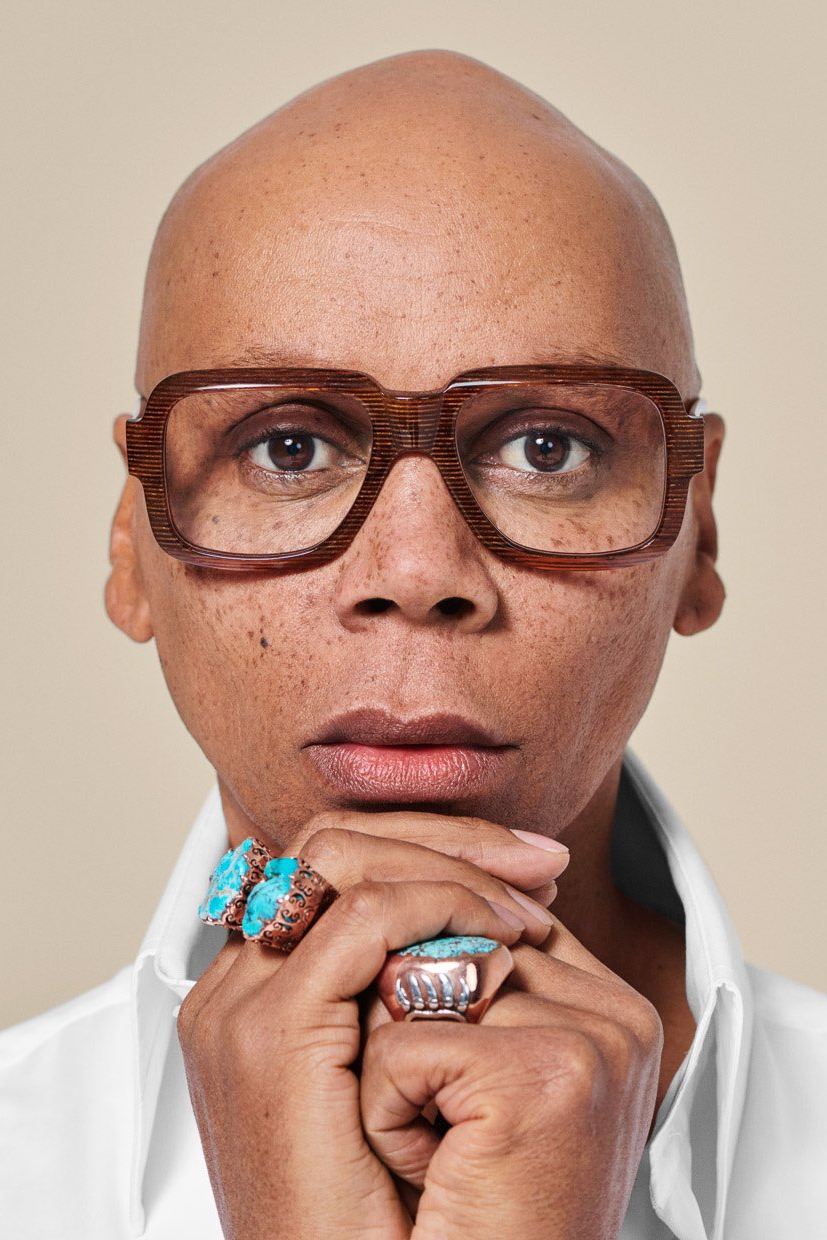
RuPaul has built an empire but has had to fight for ownership and fair compensation for himself and the queens in his ensemble reality series. Early in his career, he faced significant lowball offers for appearances and hosting gigs, prompting him to produce his own content. RuPaul has faced legal disputes regarding music rights and royalties, consistently fighting to keep creative control and revenue. His business model now serves as a blueprint for drag artists seeking financial independence from traditional studio systems.
Jussie Smollett
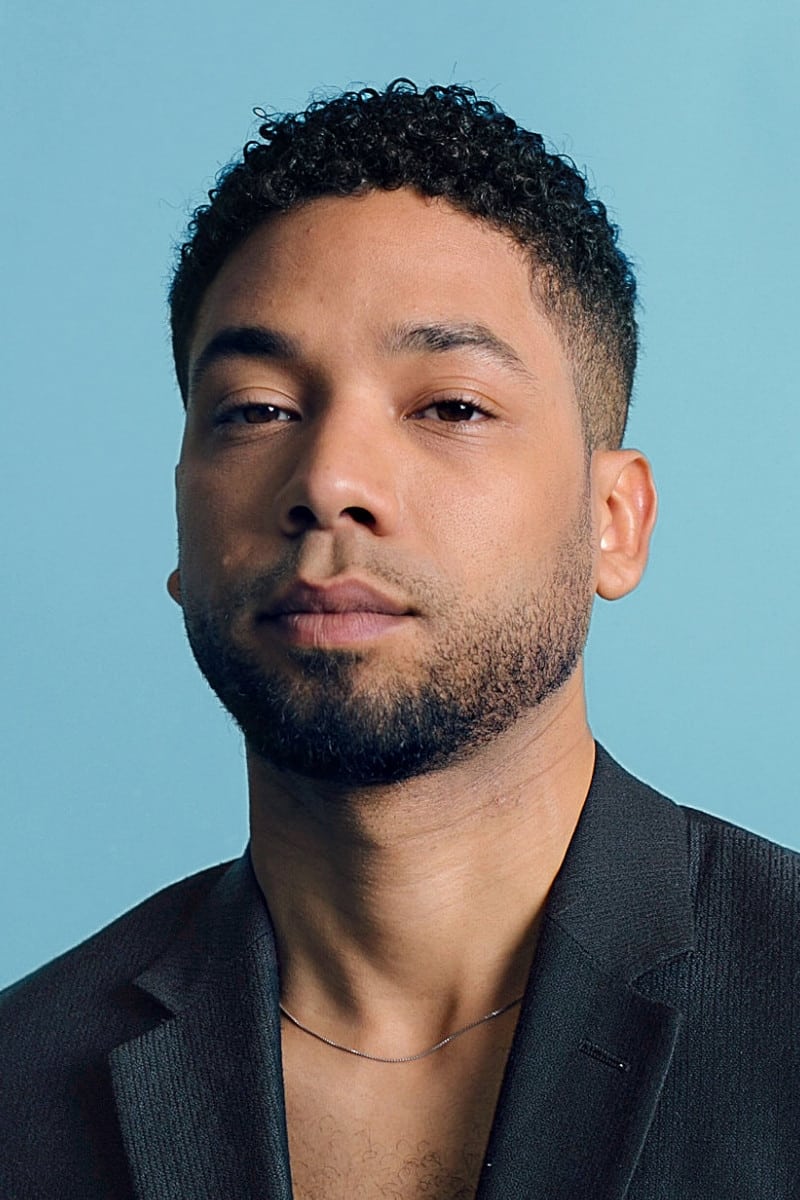
Prior to his highly publicized legal troubles, Jussie Smollett was involved in salary disputes regarding his role on the hit show ‘Empire’. As the breakout star of the ensemble, his team pushed for significant pay raises in later seasons to match the show’s massive revenue generation. These negotiations highlighted the friction between networks and Black gay actors who become central to a show’s success. The legal fallout of his later controversies often overshadows his initial battles for pay equity within the cast.
Cynthia Erivo
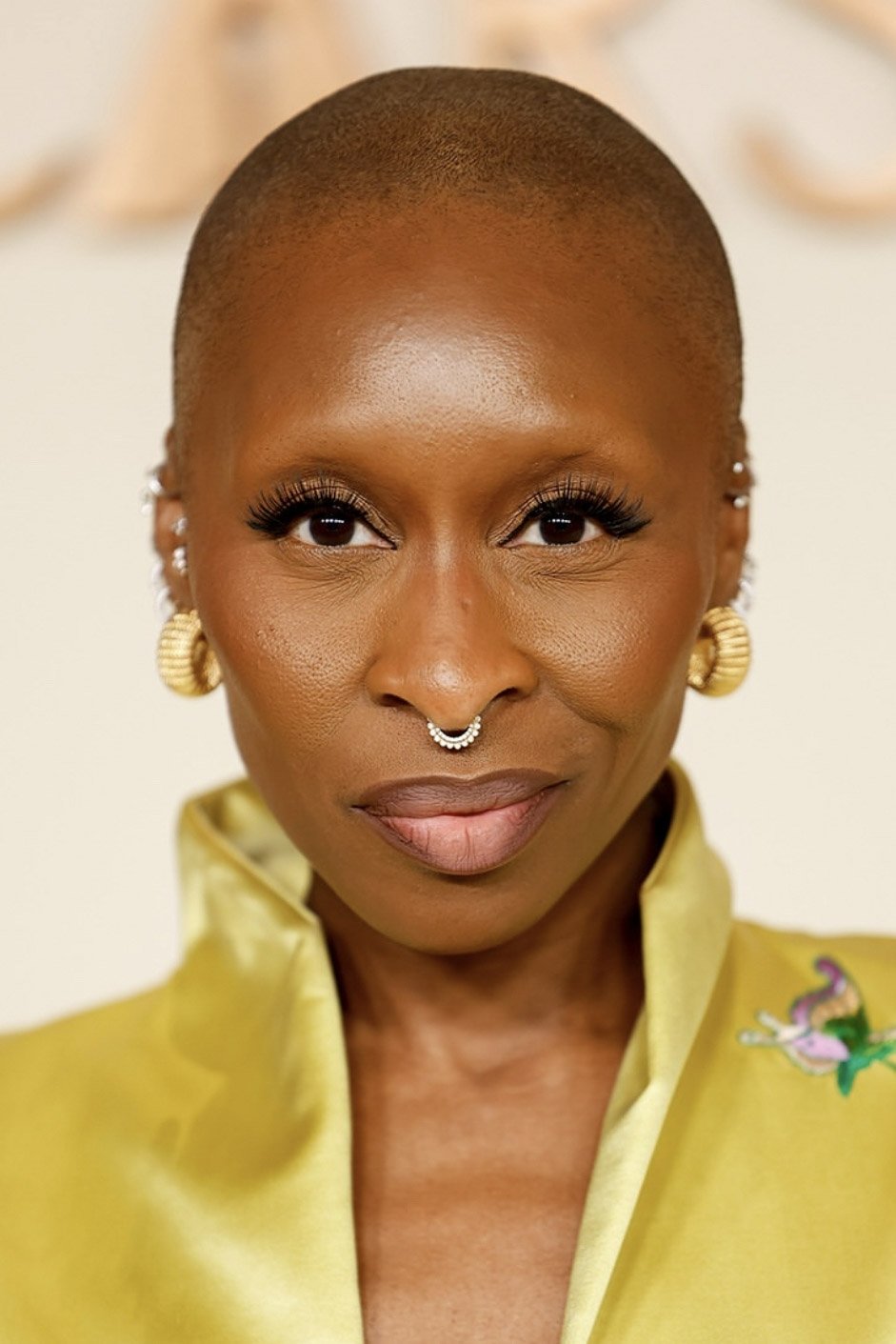
Cynthia Erivo has been a staunch advocate for pay equity, famously acknowledging the difficulties Black British queer women face in Hollywood. In major ensemble films like ‘Widows’ and ‘The Color Purple’, she has ensured her contracts include provisions that protect her billing and compensation. Erivo has walked away from projects that refused to meet her salary requirements, setting a precedent for other performers. Her team prioritizes “most favored nations” clauses in ensemble contracts to guarantee she is paid on par with her co-stars.
Ariana DeBose
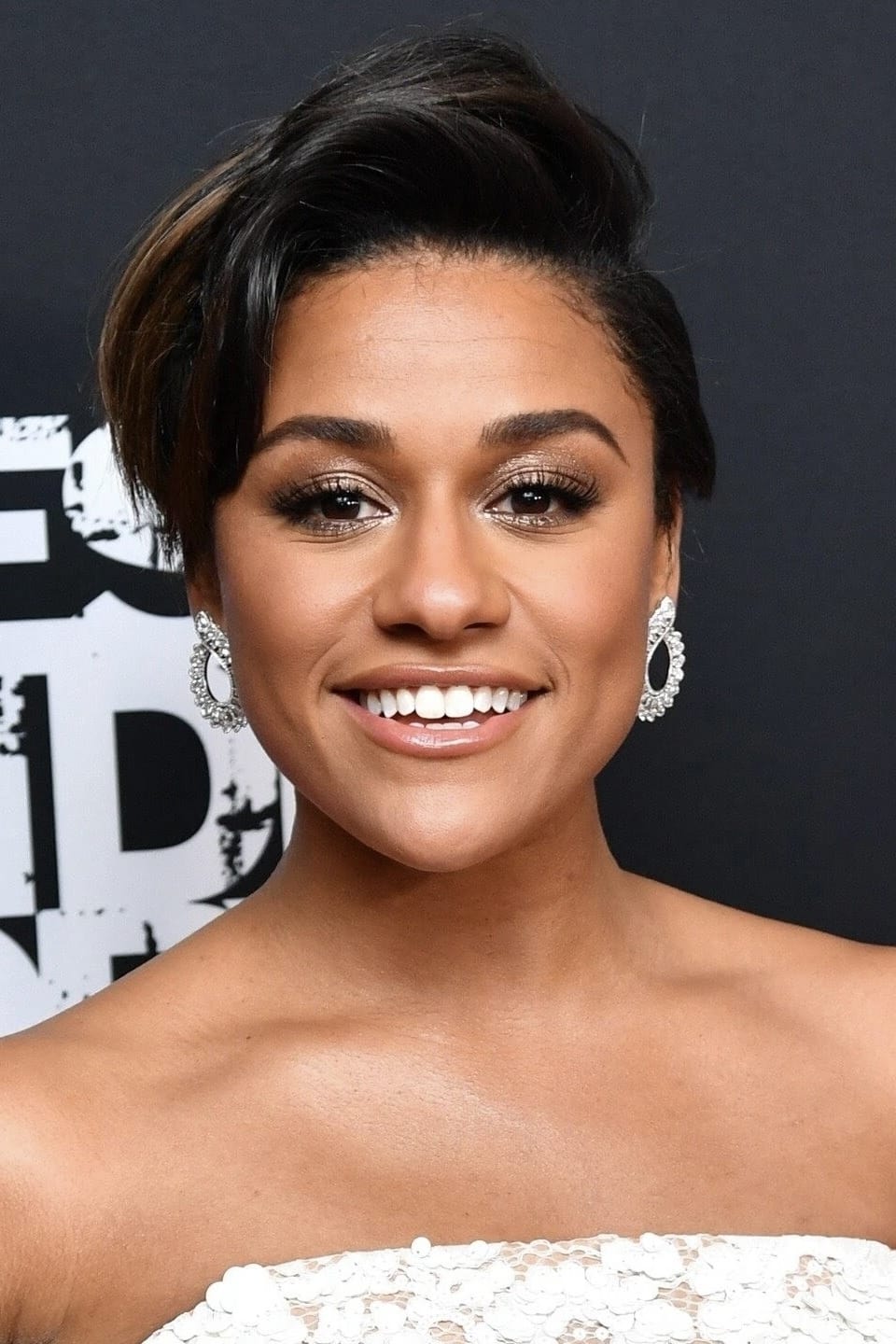
Following her Oscar win, Ariana DeBose became a vocal figure regarding the compensation of Afro-Latina queer actors in musical ensembles. She has navigated the transition from Broadway pay scales to Hollywood salaries, often challenging the low base rates offered to theater actors crossing over. DeBose’s representatives have fought for parity in voice acting and live-action roles, ensuring her “triple threat” status is monetized correctly. She continues to push for transparency in streaming residuals for large musical casts.
Janelle Monáe
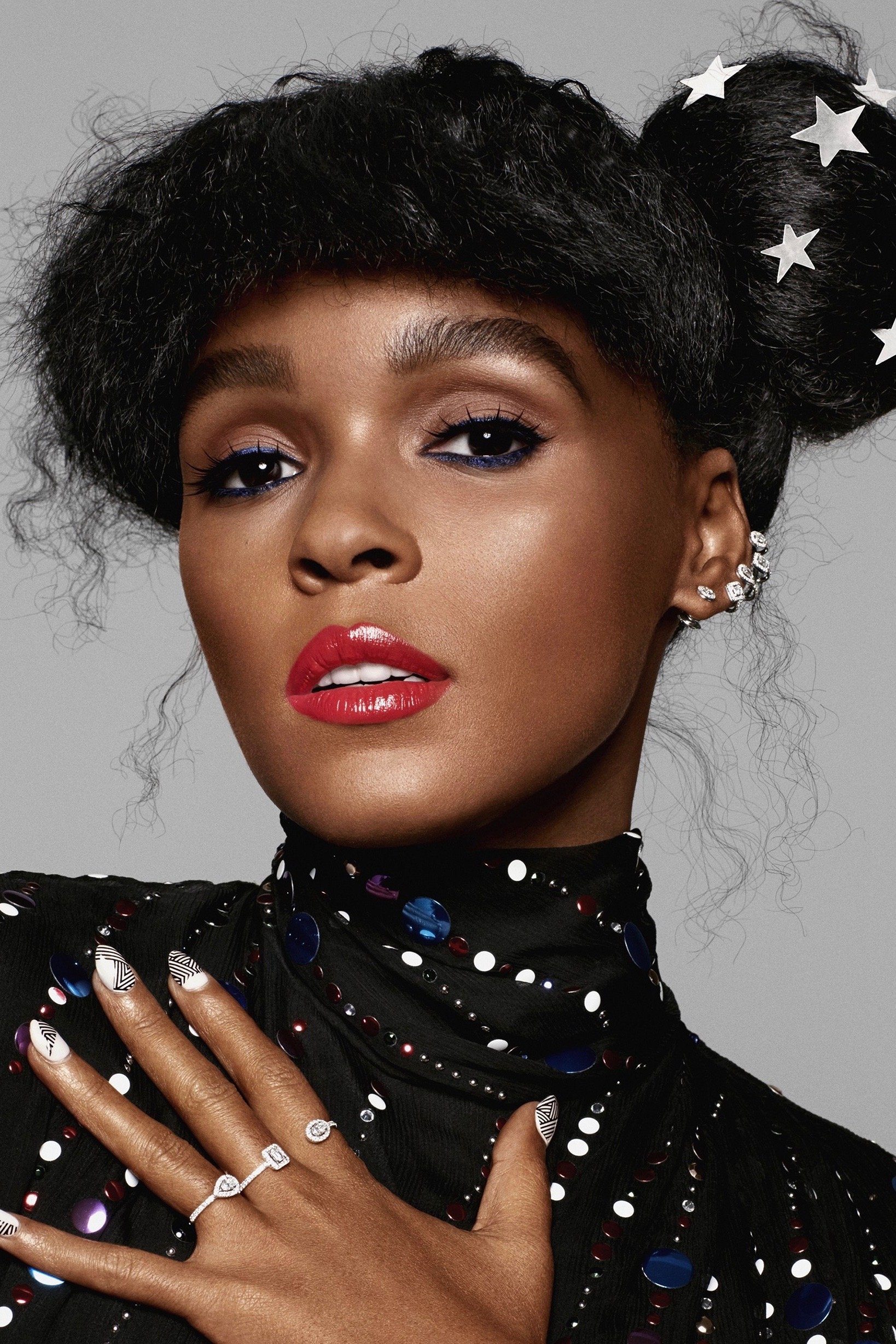
Janelle Monáe has consistently controlled her own narrative and compensation by operating as both a musician and an actor in ensemble hits like ‘Hidden Figures’ and ‘Glass Onion’. She has spoken about the importance of ownership and refusing to accept less than her worth in collaborative projects. Monáe’s team is known for negotiating strict terms that ensure she is not tokenized or underpaid in large, star-studded casts. Her advocacy extends to demanding inclusive hiring practices behind the camera as well.
Share your thoughts on the fight for pay equity in Hollywood in the comments.