


Black Gay Icons in Rivalries Over ‘First’ Representation Claims

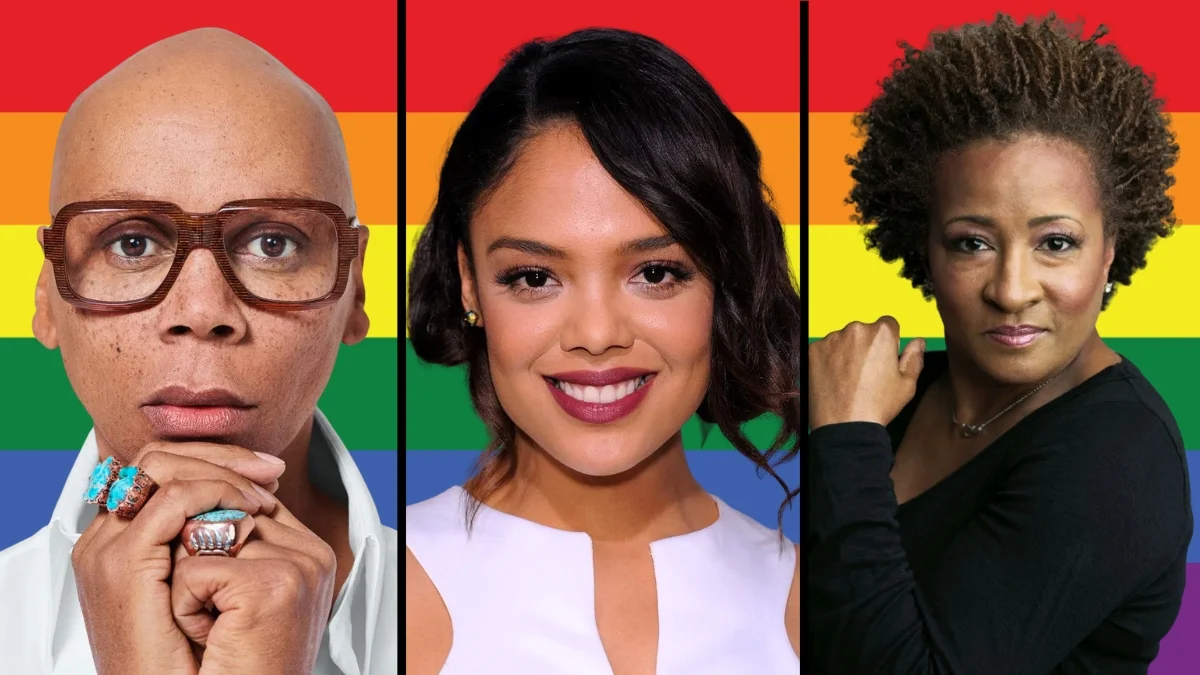


Representation in Hollywood is a constant battle for visibility, and for Black LGBTQ+ entertainers, achieving a “first” often comes with intense scrutiny and debate. While studios and marketing teams love to tout groundbreaking milestones, these claims frequently erase the contributions of earlier pioneers or spark rivalries between contemporaries vying for the same historical spotlight. From the Marvel Cinematic Universe to the Broadway stage, the race to be the “first” has created a complex web of contested legacies. Here are 20 Black gay and queer icons involved in these significant moments of representation history.
Brian Tyree Henry
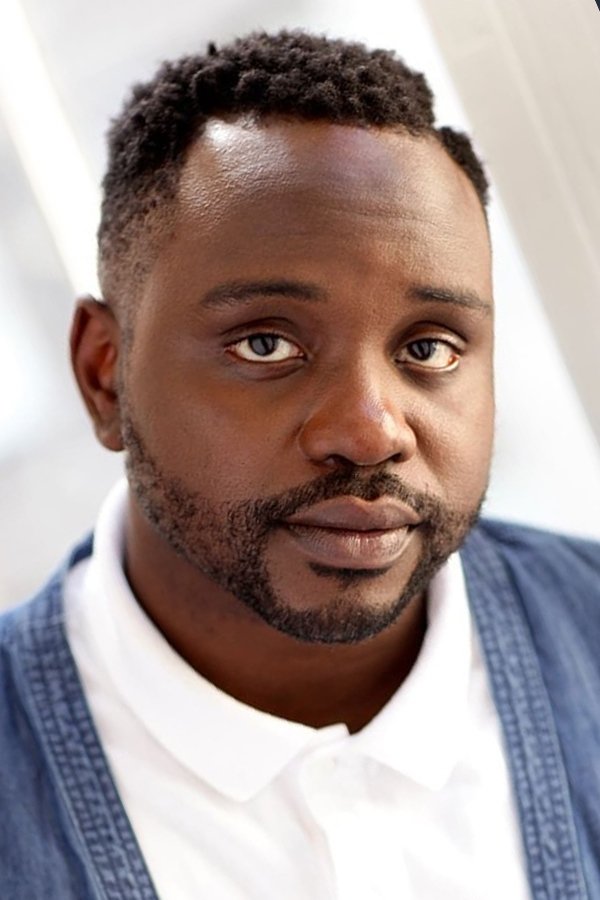
When Marvel Studios released ‘Eternals’, the marketing machine heavily promoted Phastos as the Marvel Cinematic Universe’s first gay superhero. Henry portrayed the eternal inventor in a loving marriage with a husband and child, marking a significant departure from the franchise’s previous coyness about sexuality. However, this “first” claim sparked a debate among fans who pointed to earlier characters like Valkyrie, whose bisexuality was confirmed by actors but edited out of films. The specific label of “first gay superhero” effectively erased the nuances of previous queer-coded characters who never got their on-screen kiss.
Tessa Thompson
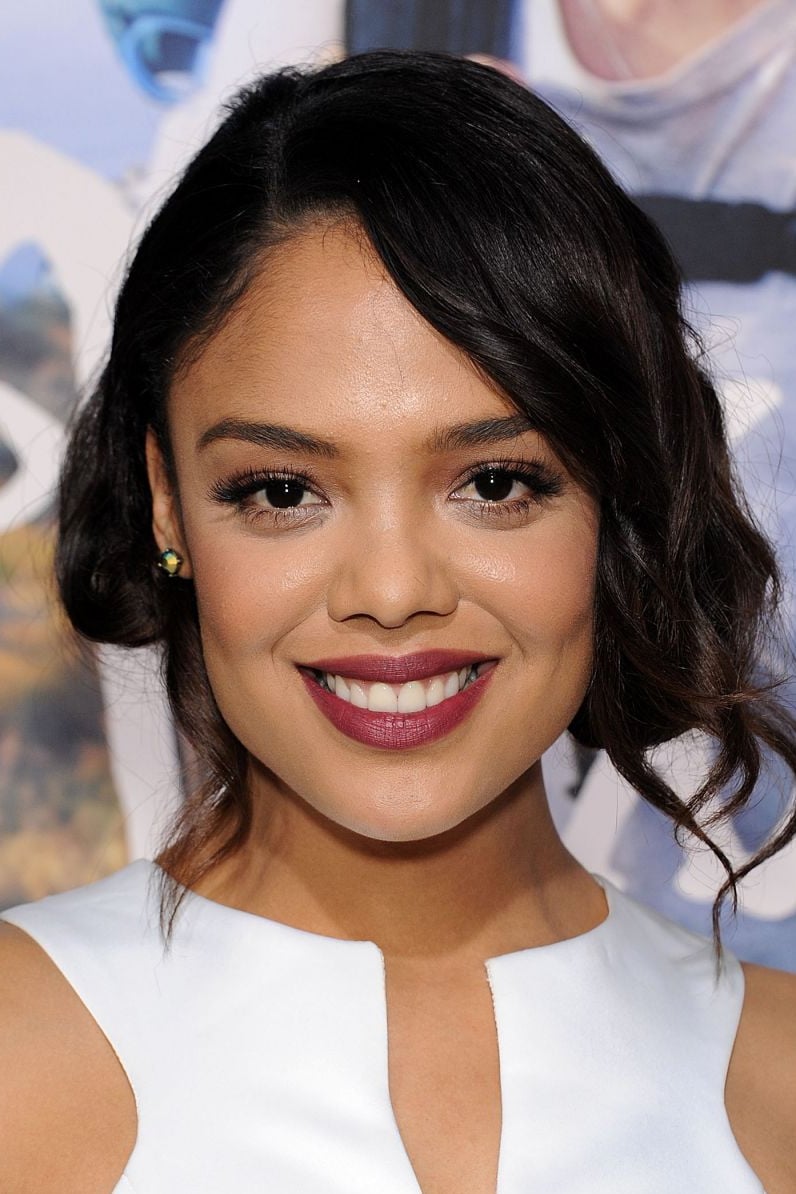
Thompson has long championed the queer identity of her character Valkyrie in the ‘Thor’ and ‘Avengers’ franchises, asserting that the warrior is bisexual as per the comics. Despite filming a scene for ‘Thor: Ragnarok’ that confirmed her sexuality, the moment was cut, leaving her representation largely subtextual until later installments. This editorial decision allowed ‘Eternals’ to claim the “first” title, creating a rivalry of recognition between the two properties. Thompson remains a vocal icon for pushing the studio to make subtext into text, eventually becoming the King of Asgard searching for her queen.
Lil Nas X
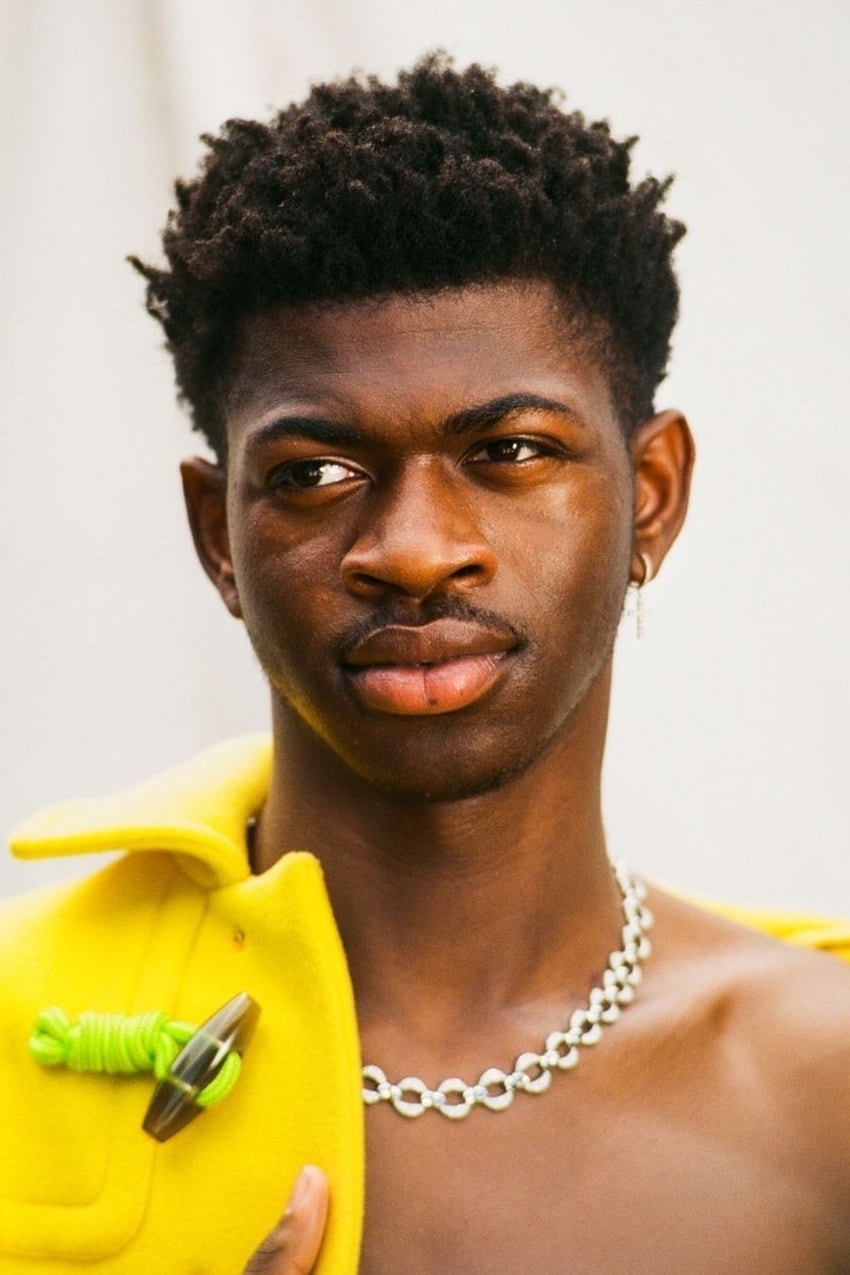
Bursting onto the scene with ‘Old Town Road’, Lil Nas X shattered records and glass ceilings by coming out as gay while sitting atop the Billboard Hot 100. His unapologetic embrace of his sexuality in music videos and performances led to him being hailed as the first openly gay rapper to achieve such mainstream dominance. This designation often invites comparisons to Frank Ocean, with fans debating the distinction between a pop-rap superstar and an R&B auteur. Lil Nas X’s loud, visual pride contrasts with the industry’s history of silence, cementing his status as a modern revolutionary.
Frank Ocean
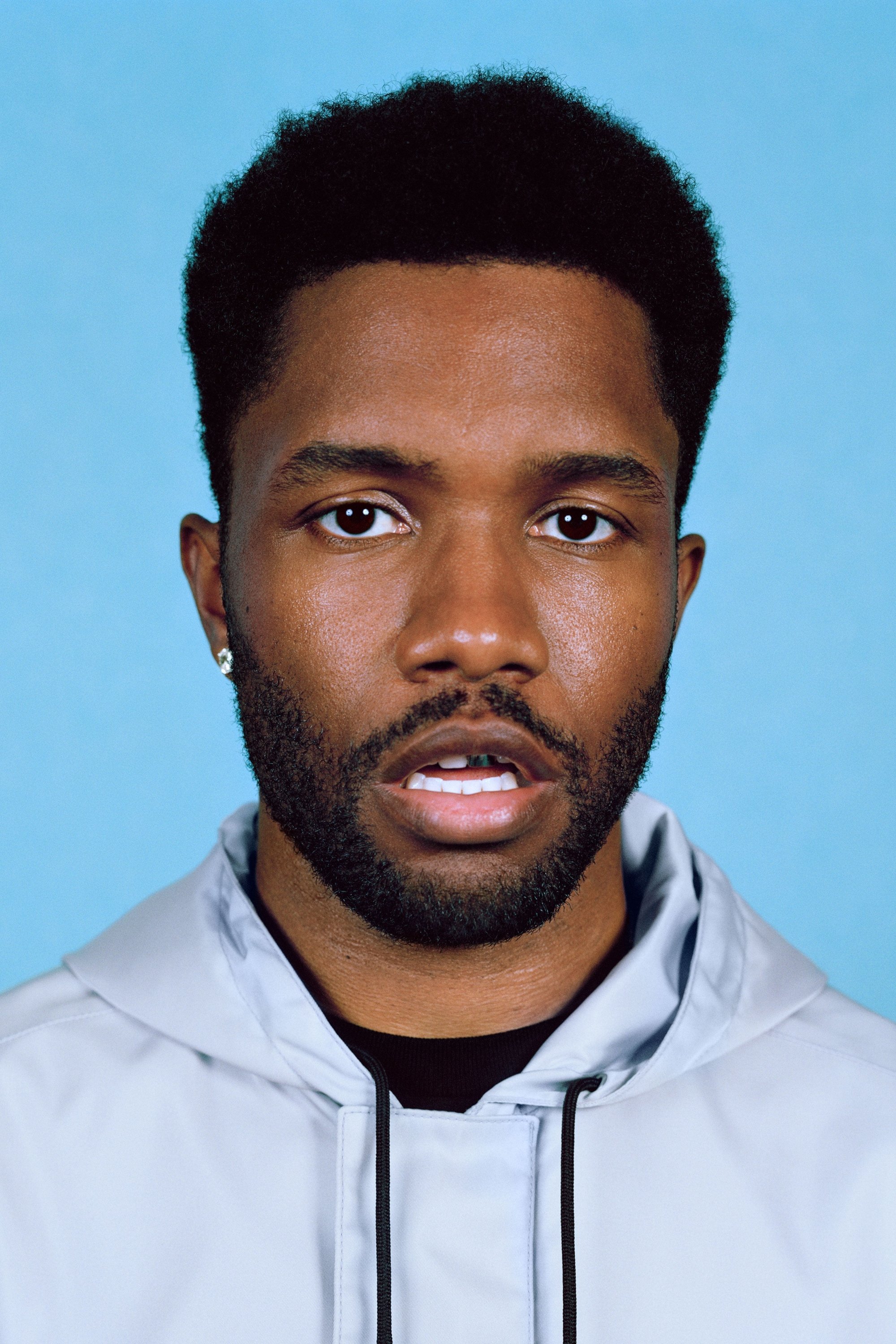
Before Lil Nas X took the internet by storm, Frank Ocean changed the landscape of hip-hop and R&B with a heartfelt Tumblr letter revealing his first love was a man. His coming out was a watershed moment for a genre historically associated with homophobia, and he is frequently cited as the true pioneer of mainstream queer acceptance in urban music. Debates often arise regarding who holds the title of the “first” major icon, with Ocean’s subtle, artistic approach juxtaposed against later, more flamboyant representations. Ocean’s legacy paved the way for every Black queer artist who followed, proving authenticity could coexist with commercial success.
Jaboukie Young-White
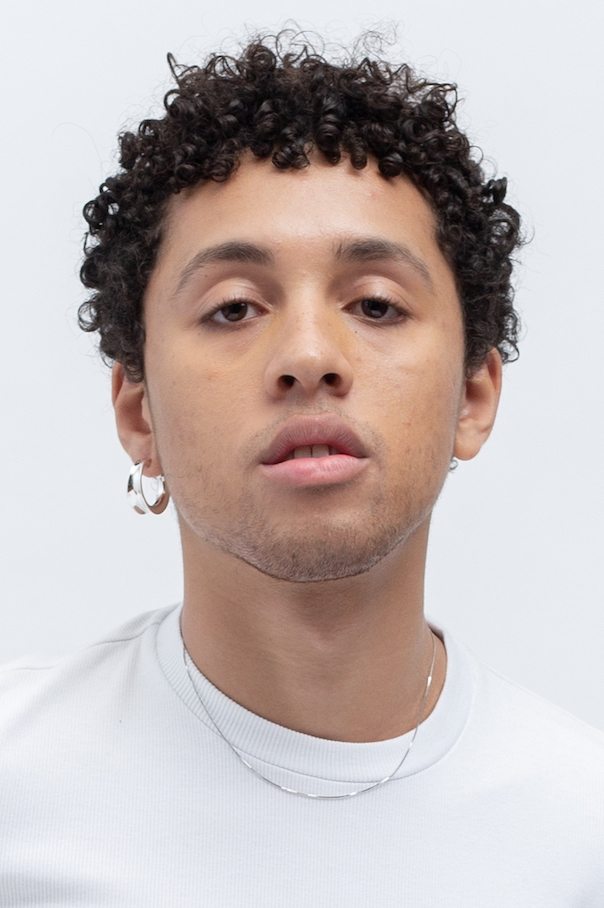
Voicing the character Ethan Clade in Disney’s ‘Strange World’, Young-White brought life to the studio’s first openly gay teen romance in a feature animation. The film showcased Ethan’s crush on a boy as a normal part of life, without it being the central conflict or a source of tragedy. This milestone was immediately compared to the blink-and-you-miss-it moments in films like ‘Lightyear’ and ‘Onward’, which had previously claimed to break barriers. Young-White’s role highlighted the difference between genuine representation and easily editable content intended for international censorship.
Jussie Smollett
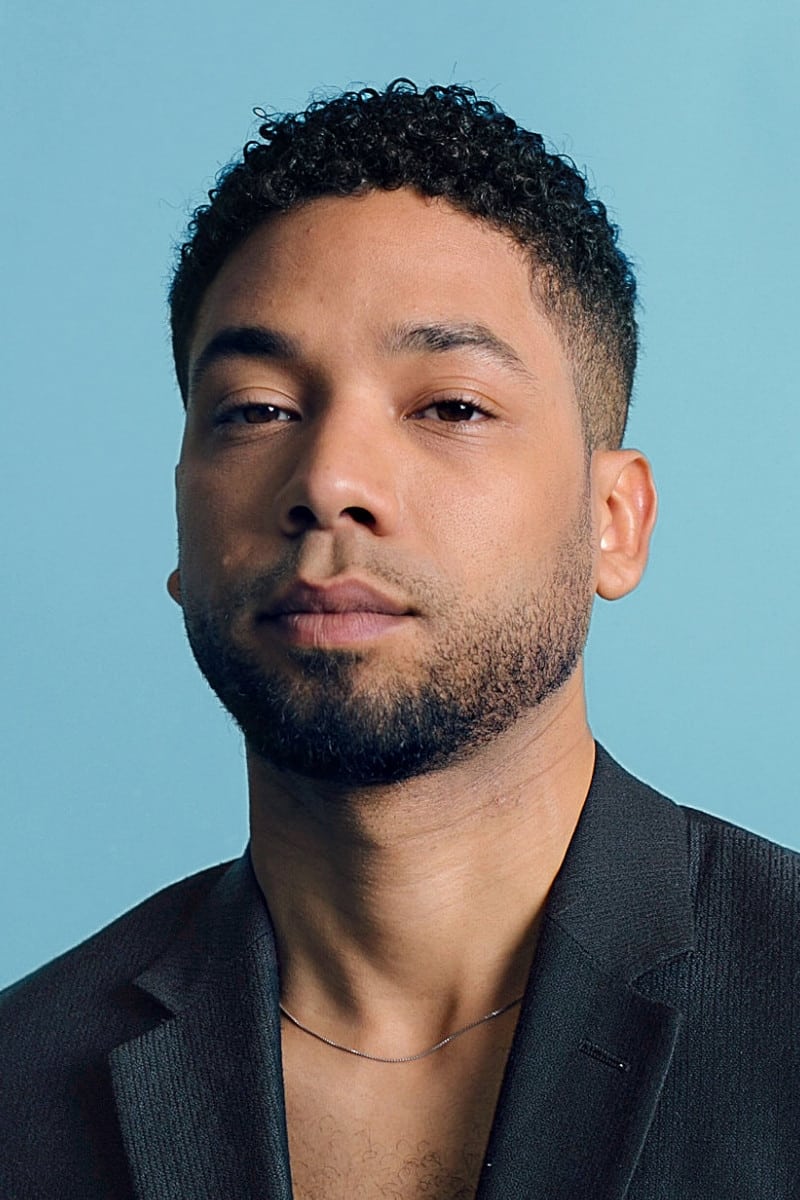
As Jamal Lyon on the hit series ‘Empire’, Smollett played a central role in one of network television’s most watched dramas, featuring storylines that included a historic black gay wedding. The show and network frequently touted the groundbreaking nature of Jamal’s character as a black gay lead on primetime TV. However, this often drew ire from fans of ‘Noah’s Arc’, who felt the earlier cable series was being ignored in the conversation about “firsts.” Smollett’s portrayal was undeniably influential, bringing black gay storylines to millions of households that had never seen them before.
Darryl Stephens
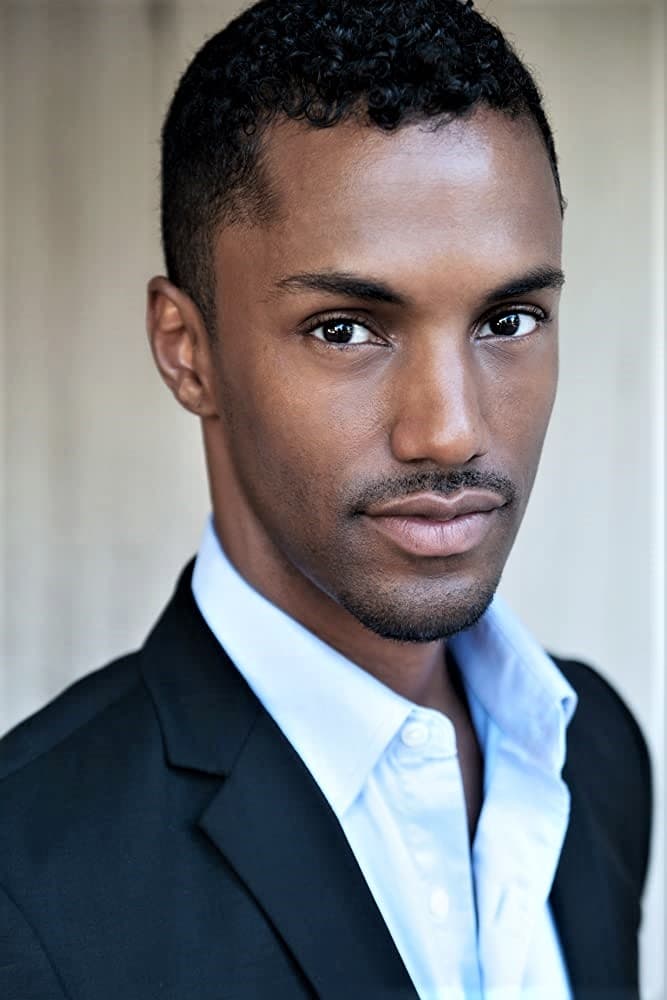
Starring as the titular character in ‘Noah’s Arc’, Stephens led the first scripted series centering on the lives of Black gay men. Premiering on Logo years before ‘Empire’ or ‘Pose’, the show gained a cult following but often struggles for recognition in mainstream “first” conversations dominated by major networks. Stephens has become an icon for maintaining the legacy of this pioneering show, which offered a diverse and unapologetic look at black queer friendship and romance. His work serves as the benchmark against which all subsequent black gay ensemble shows are measured.
RuPaul
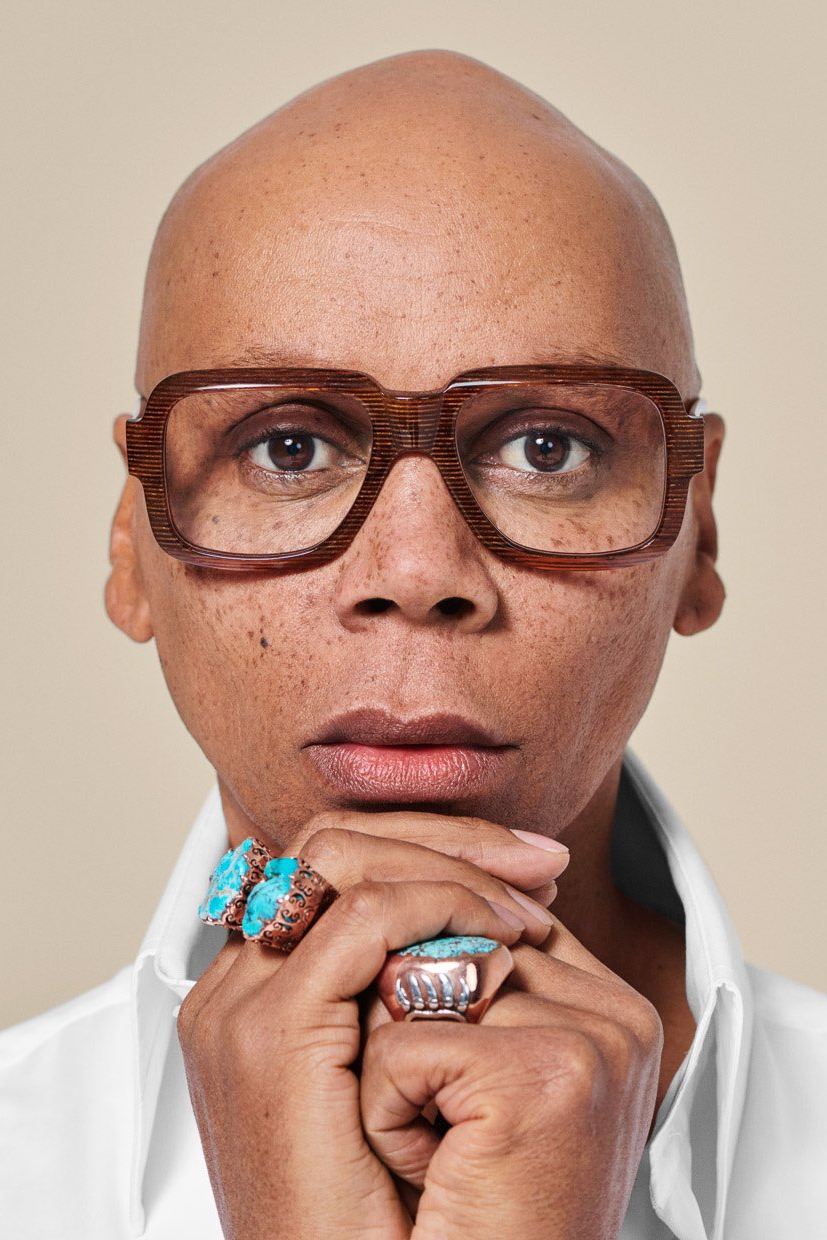
RuPaul Andre Charles is arguably the most famous drag queen in the world, responsible for bringing drag culture into the mainstream living rooms of America. His claim to the throne of the “first” drag superstar is complicated by the legacies of underground ballroom icons who created the culture ‘Drag Race’ often mines for content. While RuPaul is the first to build a global media empire from drag, debates persist about the commercialization of the art form versus its radical roots. Nevertheless, his impact on visibility for black gay men in media is unparalleled.
Billy Porter
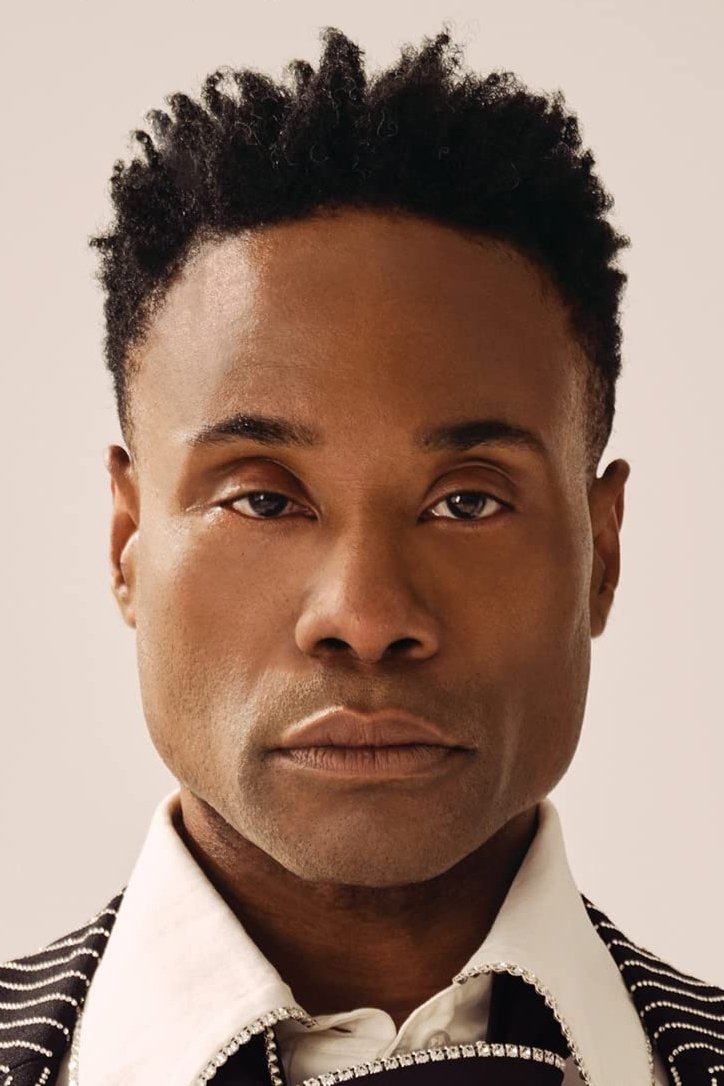
Porter made history by becoming the first openly gay Black man to win the Primetime Emmy Award for Outstanding Lead Actor in a Drama Series for his role in ‘Pose’. This victory was a massive triumph, yet it also highlighted how long the industry had taken to recognize black queer talent in leading roles. His win is often contrasted with the careers of earlier actors who lived in the closet or were relegated to stereotypical sidekick roles. Porter’s flamboyant red carpet fashion and advocacy continue to challenge gender norms and define what a leading man can look like.
Michaela Jaé Rodriguez
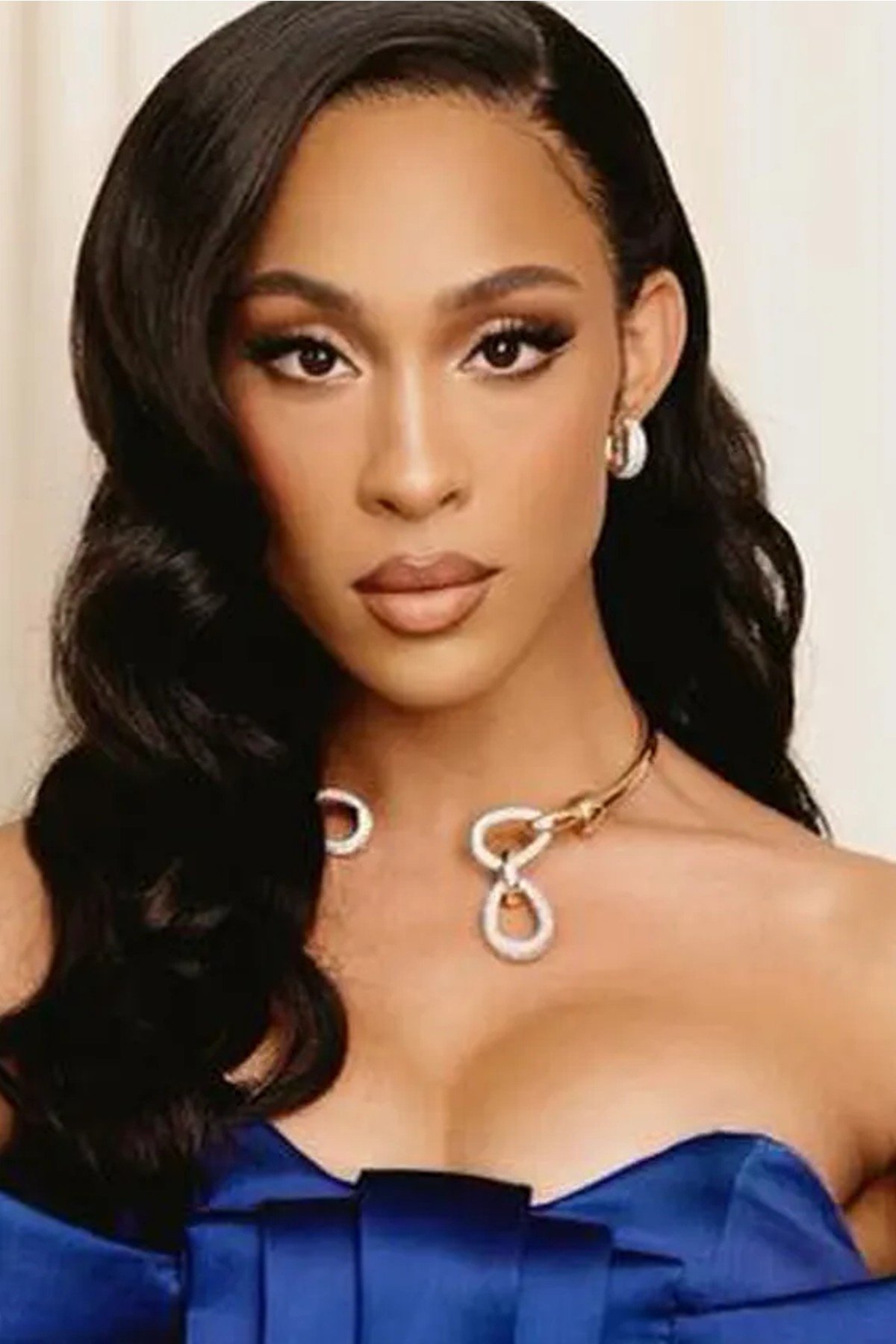
As the heart of ‘Pose’, Rodriguez became the first transgender actress to win a Golden Globe, a monumental achievement for Black trans representation. Her recognition brought a spotlight to the specific struggles and triumphs of trans women of color, a demographic often overlooked even within LGBTQ+ discussions. The “first” narrative surrounding her win was a victory for the entire cast, who had collectively pushed for award season recognition for years. Rodriguez stands as a symbol of progress, breaking doors down for the next generation of trans talent.
Alex Newell
Newell achieved a historic milestone by winning the Tony Award for Best Featured Actor in a Musical for ‘Shucked’, becoming one of the first openly non-binary actors to win a Tony. The same night, J. Harrison Ghee also won, creating a shared “first” that was celebrated rather than contested. However, the media’s struggle to categorize and credit the “first” non-binary winner created a unique narrative rivalry where both actors had to share the headline. Newell’s powerhouse vocals and gender-non-conforming visibility have long made them a favorite on stage and screen.
J. Harrison Ghee
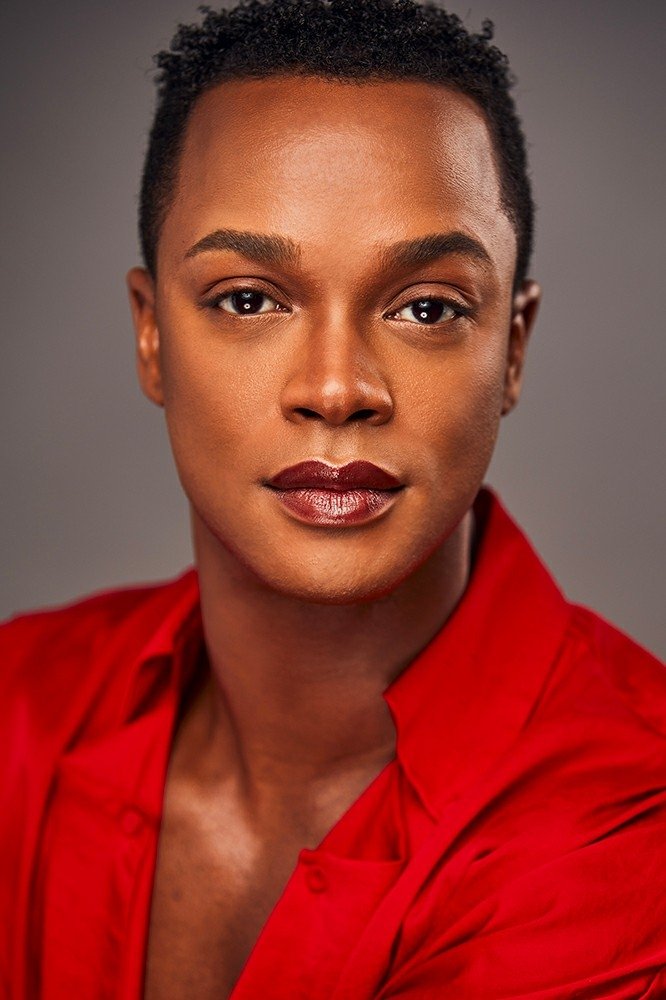
Winning the Tony Award for Best Lead Actor in a Musical for ‘Some Like It Hot’, Ghee stood alongside Alex Newell in shattering the gendered categories of the American Theatre Wing. Ghee’s win was specifically for a leading role, adding a layer of distinction to the shared history-making evening. The duality of their wins sparked conversations about the need for gender-neutral acting categories in award shows. Ghee represents the new vanguard of Broadway stars who refuse to be boxed into traditional gender expectations.
Karamo Brown
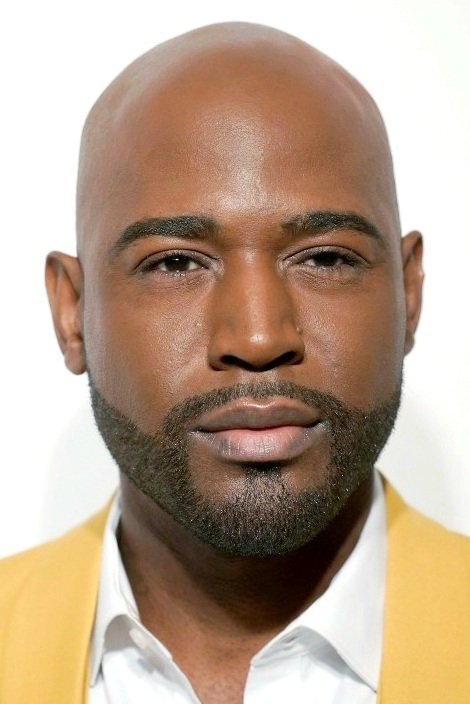
Before he was the culture expert on ‘Queer Eye’, Brown was the first openly gay Black man cast on a reality TV series, appearing on MTV’s ‘The Real World: Philadelphia’ in 2004. This appearance predated the explosion of reality TV and the visibility of queens from ‘RuPaul’s Drag Race’, making him a true pioneer of the genre. Modern reality stars often claim “first” titles, forgetting the era when Brown navigated race and sexuality on camera without a blueprint. His career evolution from reality star to advocate highlights the longevity of his impact.
Lena Waithe
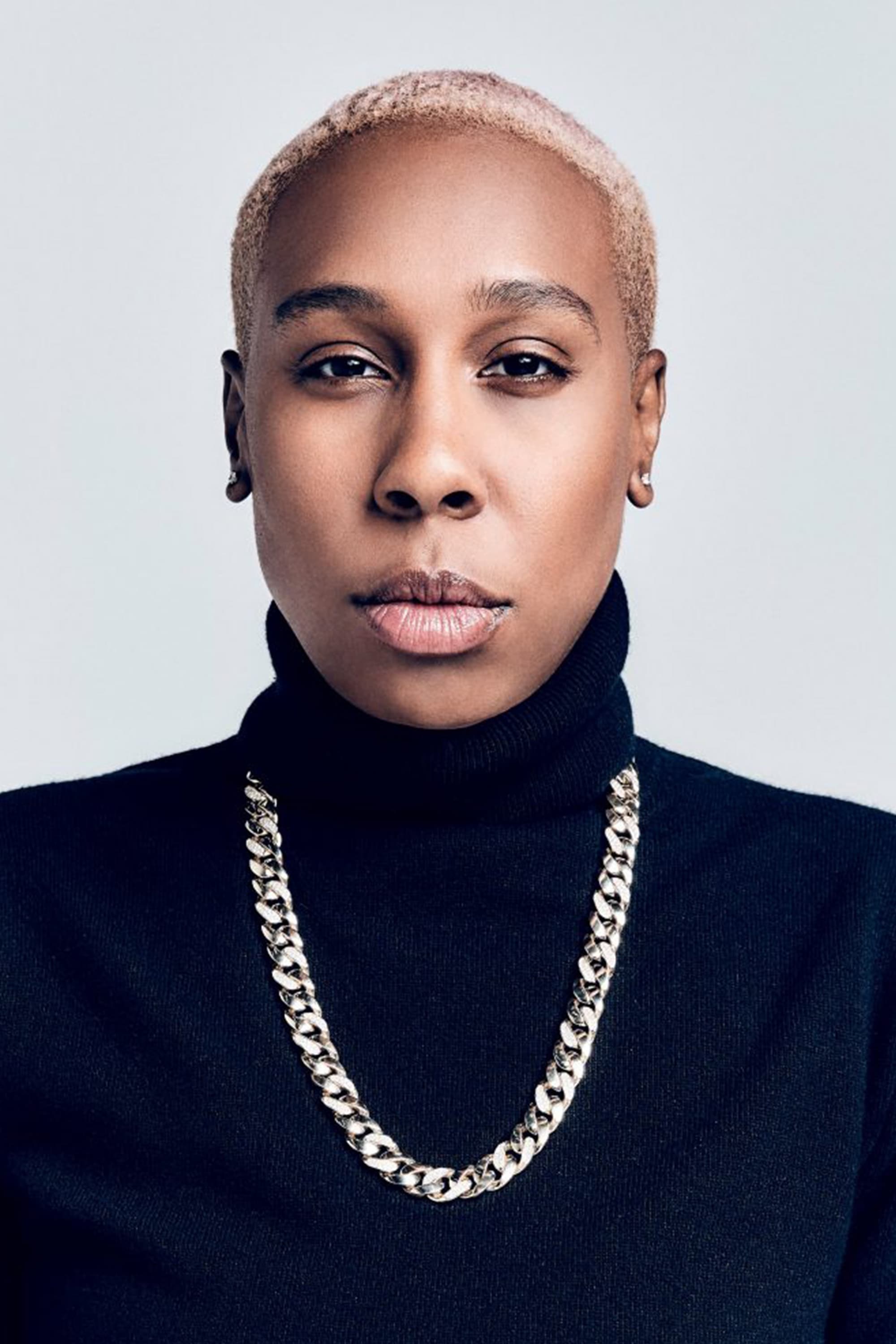
Waithe became the first Black woman to win the Primetime Emmy Award for Outstanding Writing for a Comedy Series for the ‘Master of None’ episode “Thanksgiving”. The episode was based on her own experience coming out as a lesbian, adding personal weight to the professional milestone. While celebrated, her rapid ascent and subsequent projects have sparked debates about the burden of representation placed on the “first” visible creators. Waithe remains a polarizing but undeniable force, creating content that centers Black queer masculinity and femininity.
Michael Kenneth Williams
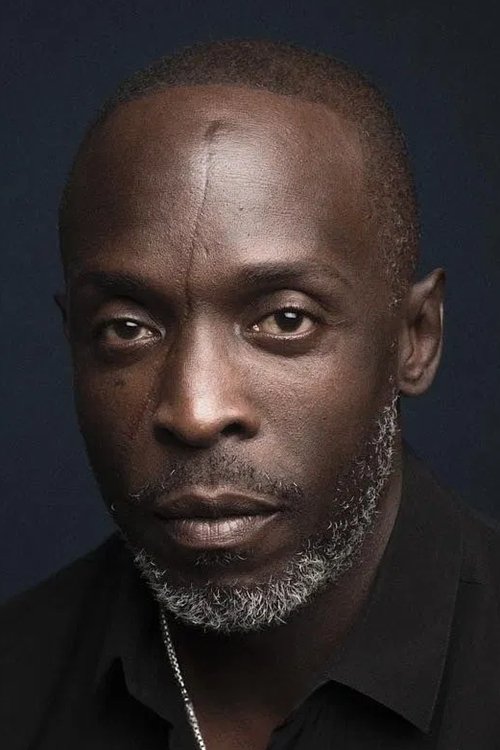
Portraying Omar Little on ‘The Wire’, Williams created one of television’s most iconic characters: a gay stick-up man who shattered every stereotype of black male homosexuality. Omar was feared and respected, a portrayal that stood in stark contrast to the effeminate or victimized tropes common in the early 2000s. While not a rivalry in the traditional sense, Omar’s legacy is often used to refute claims by newer shows that they are the “first” to present complex, masculine black gay characters. Williams’ performance remains the gold standard for nuanced intersectional storytelling.
Nelsan Ellis
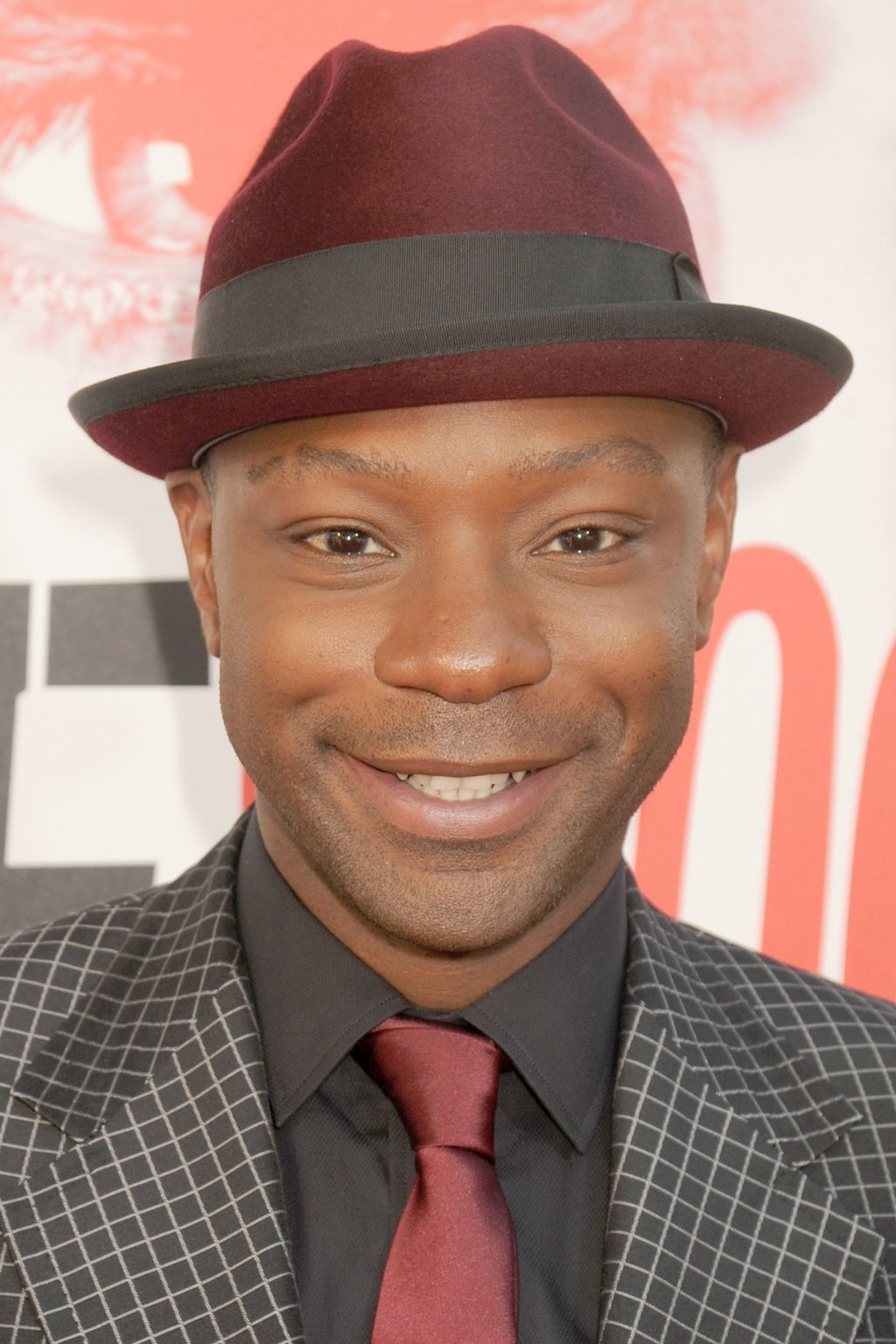
As Lafayette Reynolds on ‘True Blood’, Ellis played a character who was originally killed off in the books but was kept alive in the series due to his electrifying performance. He was one of the first Black gay characters to be a series regular on a premium cable hit, dealing drugs and magic with equal flair. His portrayal is frequently cited by fans when newer shows claim to be breaking ground on multidimensional queer characters. Ellis brought a vulnerability and strength to Lafayette that defied the “sassy gay friend” caricature.
Raven-Symoné
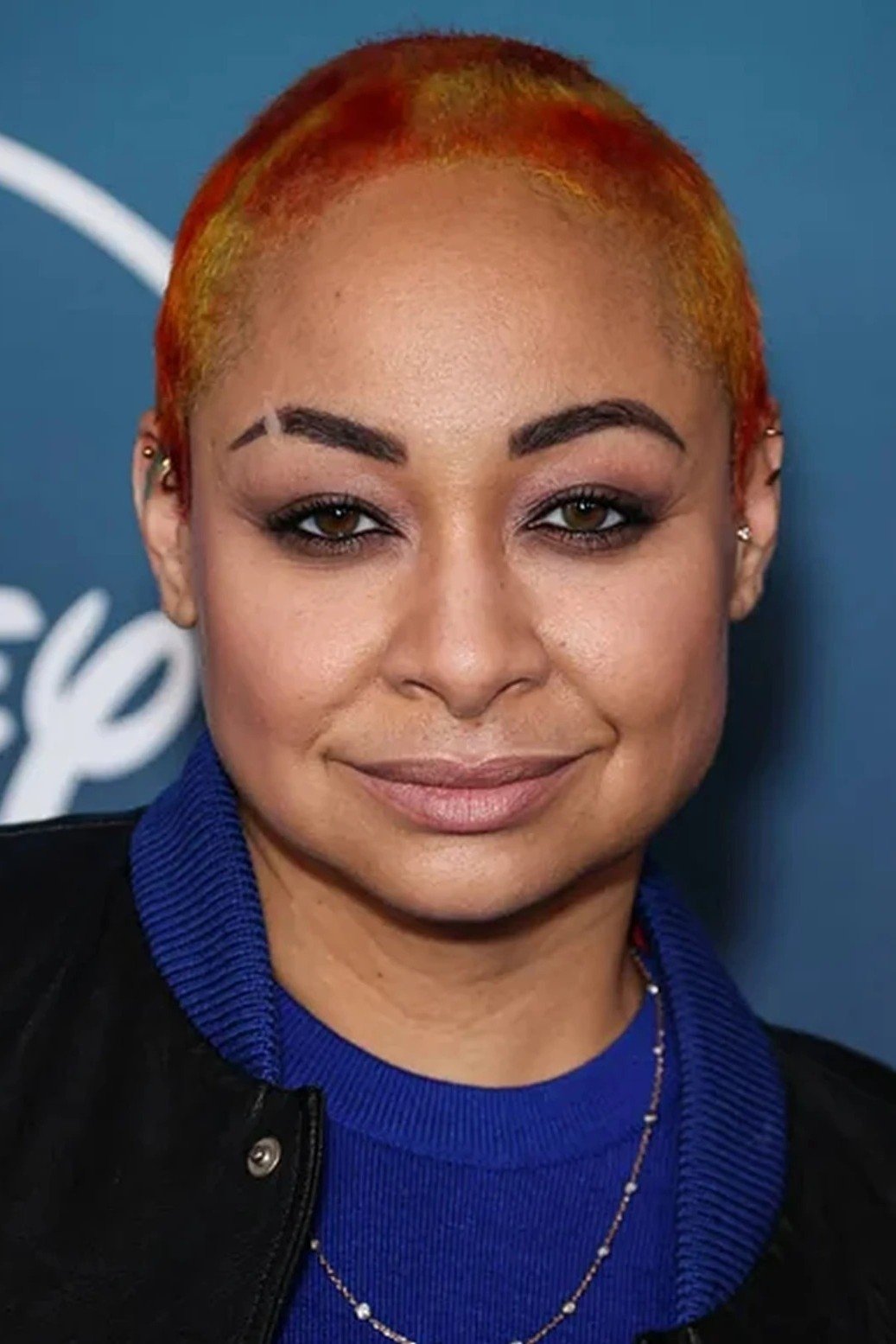
A child star who grew up in the public eye, Raven-Symoné sparked immense conversation when she casually came out, refusing to label herself but living openly with her female partner. Her tenure at Disney is often discussed in the context of “firsts,” as fans debate whether her character Raven Baxter was queer-coded or if her personal life retroactively made her a Disney icon for the community. She later returned to the franchise and insisted her character remain straight to keep the performance separate from her identity. Her approach to labels has often put her at odds with more activist-minded peers in the “first” debates.
Wanda Sykes
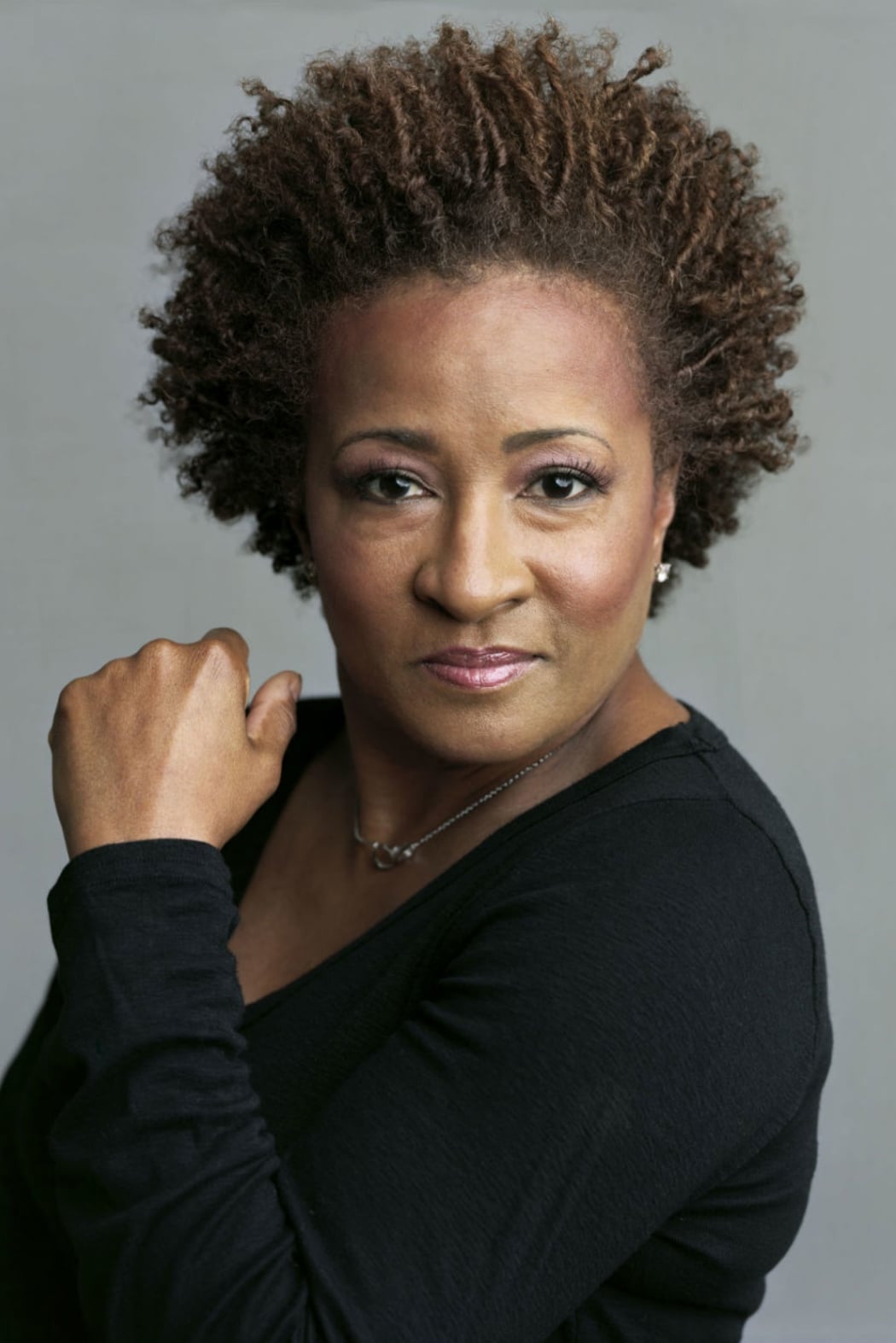
Sykes has been a trailblazer in comedy, often recognized as the first openly black lesbian comic to break into mainstream hosting gigs like the White House Correspondents’ Dinner. Her “first” status is sometimes overshadowed by the broader umbrella of “female comics,” but her specific intersectional identity was groundbreaking in the stand-up world. Sykes uses her platform to normalize black lesbian families, countering the lack of visibility in sitcoms and films. She remains a sharp critic of the industry, paving the way for the likes of Lena Waithe and Hannah Gadsby.
Janelle Monáe
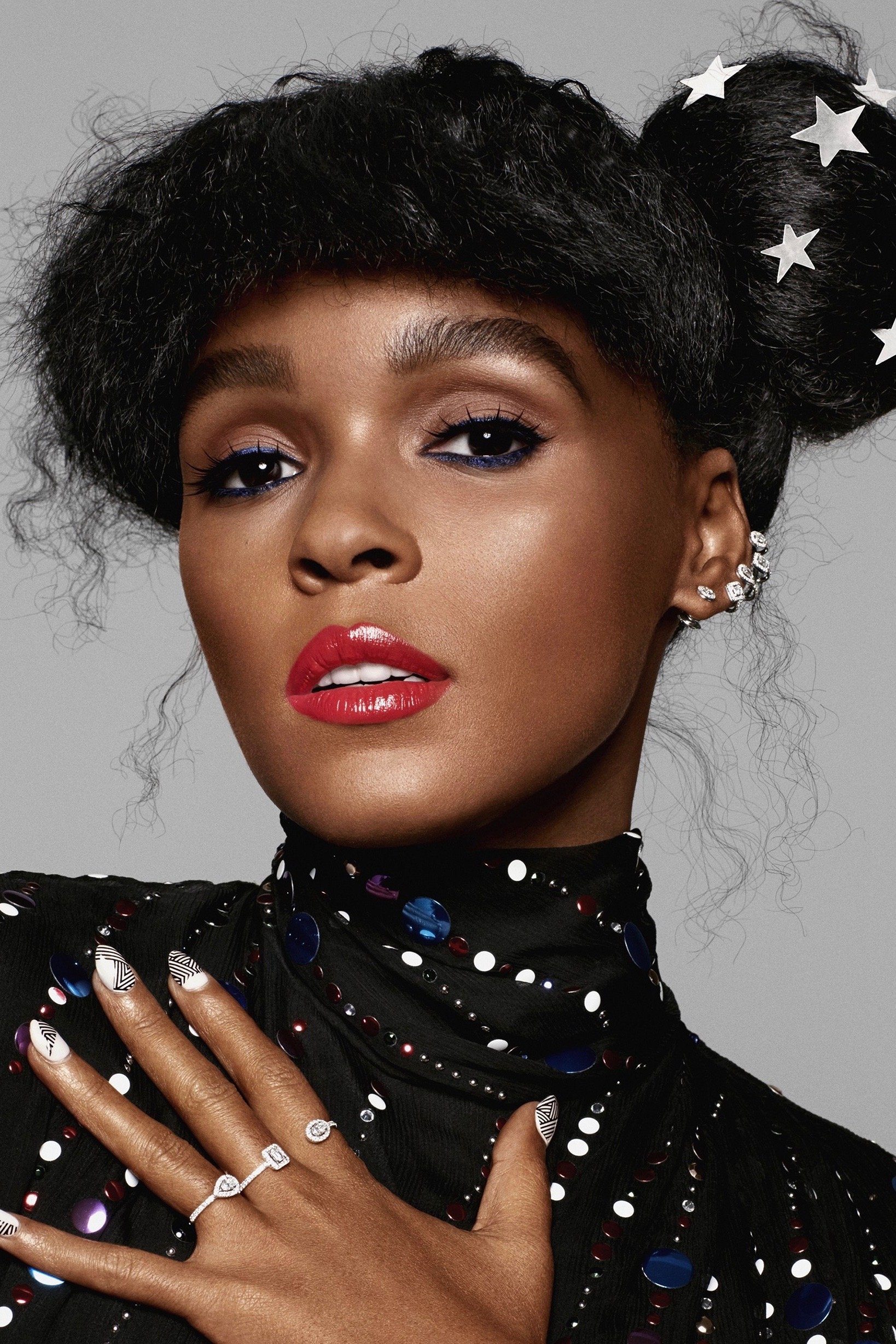
Monáe spent years dodging questions about her sexuality before coming out as pansexual and non-binary, embracing the “Free Ass Mutha” persona. Her earlier android-themed albums are now read by fans as a precursor to her coming out, creating a “first” narrative around Afrofuturist queer pop. She is often pitted against traditional pop stars in debates about who is effectively using their platform to challenge gender binaries. Monáe’s ability to blend high-concept art with queer identity makes her a unique figure in the representation conversation.
Laverne Cox
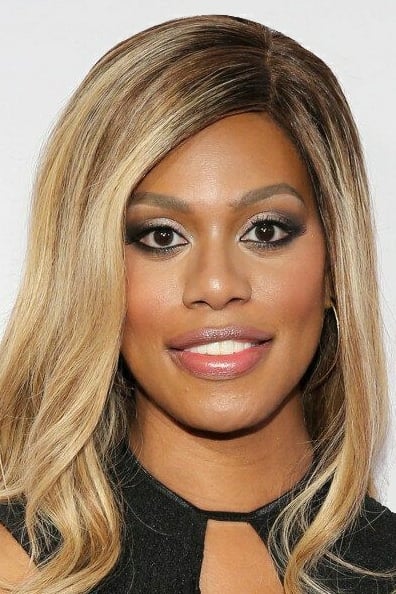
Cox’s appearance on the cover of Time magazine marked a “tipping point” for transgender visibility, and she became the first openly trans person nominated for a Primetime Emmy in an acting category. Her rise sparked discussions about who gets to be the face of the movement, with Cox always careful to pay homage to the black trans elders who came before her. While others have since won awards she was nominated for, her role in ‘Orange Is the New Black’ remains the breakthrough moment for modern trans representation. She continues to be the reference point for any “first” achieved by trans actors in Hollywood.
Who do you think truly deserves the title of the ultimate trailblazer in this list? Share your thoughts in the comments.