


Black Icons Whose Deaths Sparked Real Industry Reforms

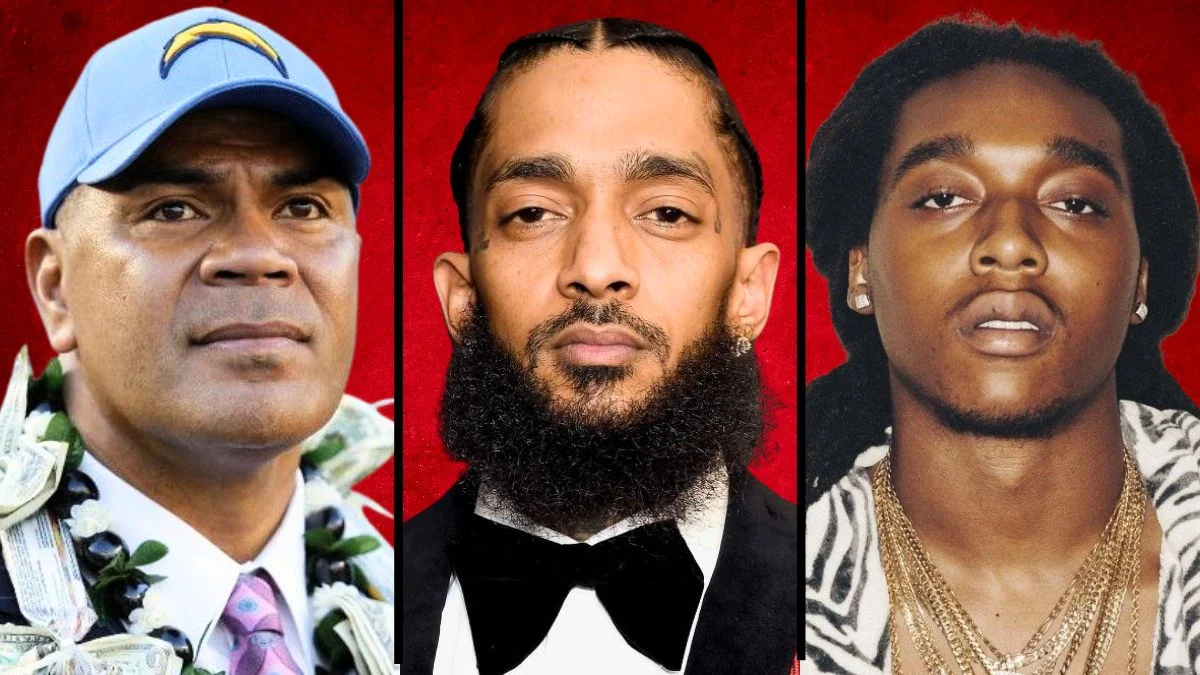


The legacy of a cultural icon often transcends their body of work to influence the very systems that governed their lives. When beloved figures in entertainment, sports, and civil rights pass away under tragic or preventable circumstances, the aftermath frequently compels industries to reevaluate their safety protocols and legal standards. These moments of collective grief have historically served as catalysts for legislative changes and significant overhauls in operational guidelines. From aviation safety and medical oversight to criminal justice reform, the impact of these losses continues to shape modern society.
Kobe Bryant
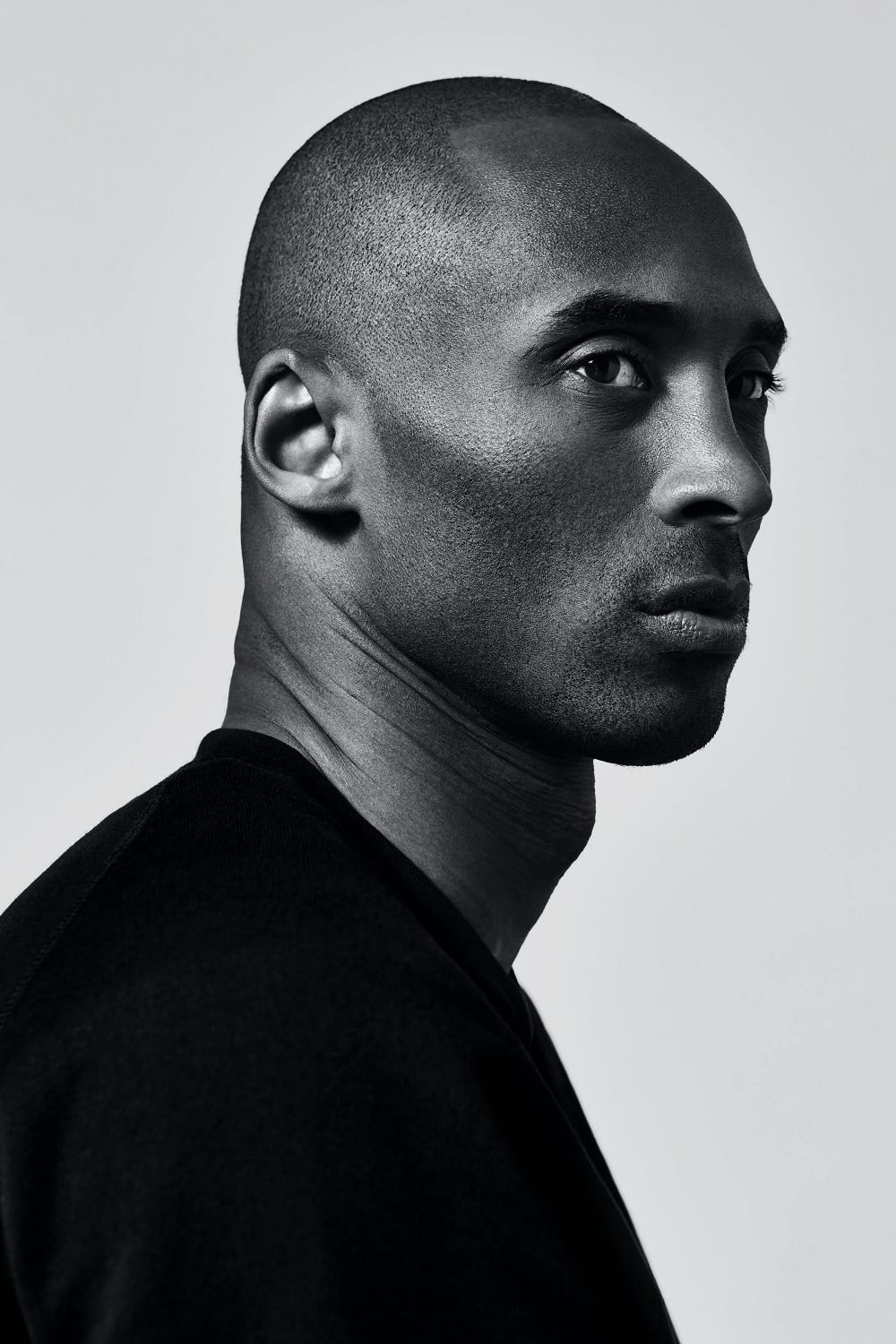
The tragic helicopter crash that claimed the life of this NBA legend and eight others led to immediate scrutiny of aviation safety regulations. The National Transportation Safety Board pushed for a mandate requiring Flight Data Recorders and Cockpit Voice Recorders on all charter helicopters. Legislators introduced the Kobe Bryant and Gianna Bryant Helicopter Safety Act to require Terrain Awareness and Warning Systems on rotorcraft carrying six or more passengers. This disaster forced the aviation industry to reevaluate the risks of flying in low-visibility conditions without proper instrumentation. His death fundamentally changed how private charters operate and how pilots assess weather risks.
Aaliyah

The R&B superstar’s untimely death in a plane crash in the Bahamas exposed negligence in the air charter industry. Investigations revealed that the aircraft was significantly overloaded and the pilot was not approved to fly that specific plane. This tragedy resulted in much stricter vetting processes for charter pilots and ground crew operations regarding weight limits. Record labels and production companies implemented rigorous safety audits for artist travel to prevent similar oversight. Her passing stands as a grim reminder of the necessity for strict adherence to aviation protocols.
Michael Jackson
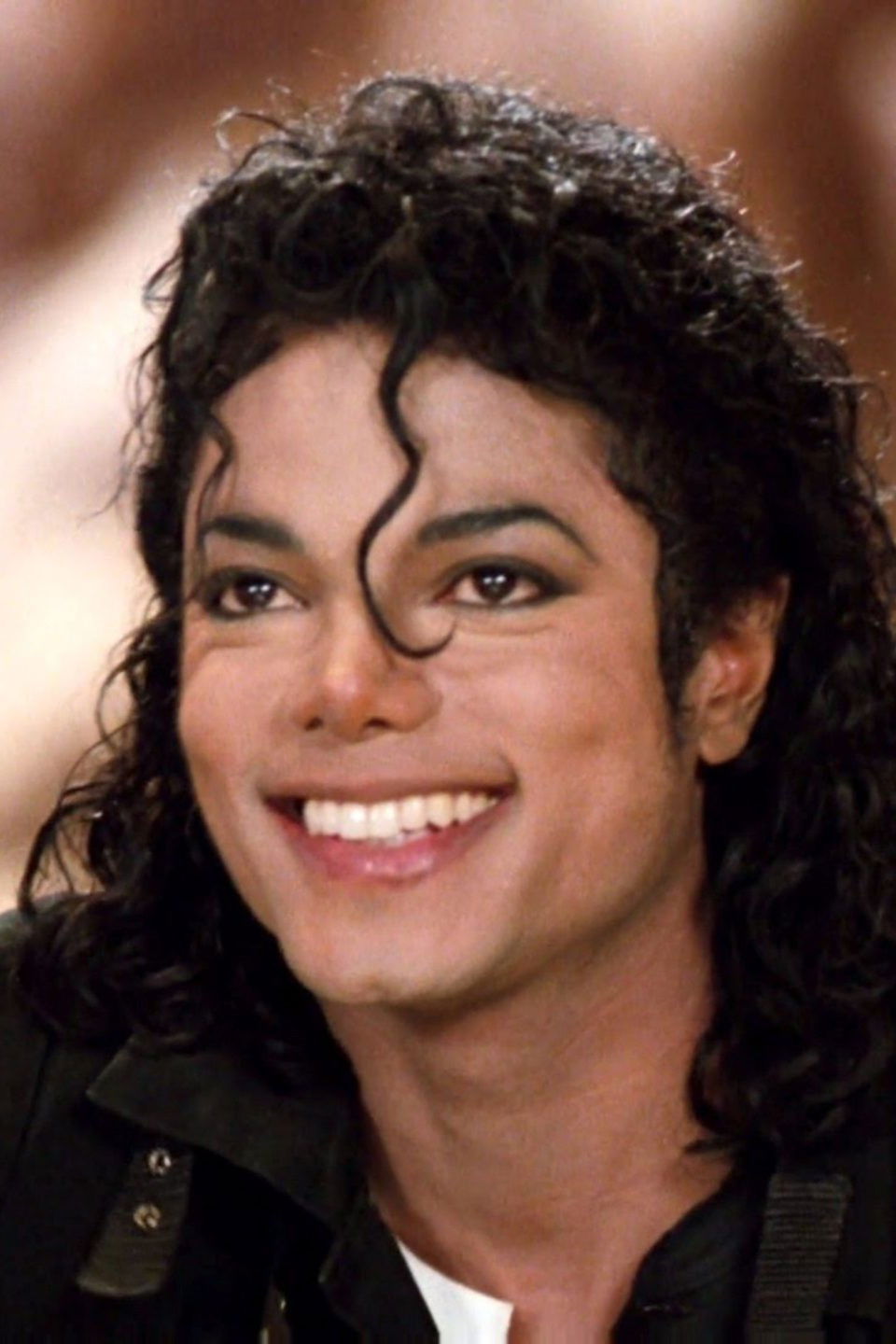
The sudden death of the King of Pop brought global attention to the misuse of surgical anesthetics in private home settings. The trial of Dr. Conrad Murray set a major legal precedent regarding the liability of medical professionals who administer propofol outside of a hospital. Concert promoters and insurance companies overhauled their policies regarding artist health screenings and the vetting of personal physicians. This case sparked a crackdown on “doctor shopping” and tightened prescription monitoring programs across the United States. It remains a pivotal moment in the regulation of concierge medicine for celebrities.
Prince
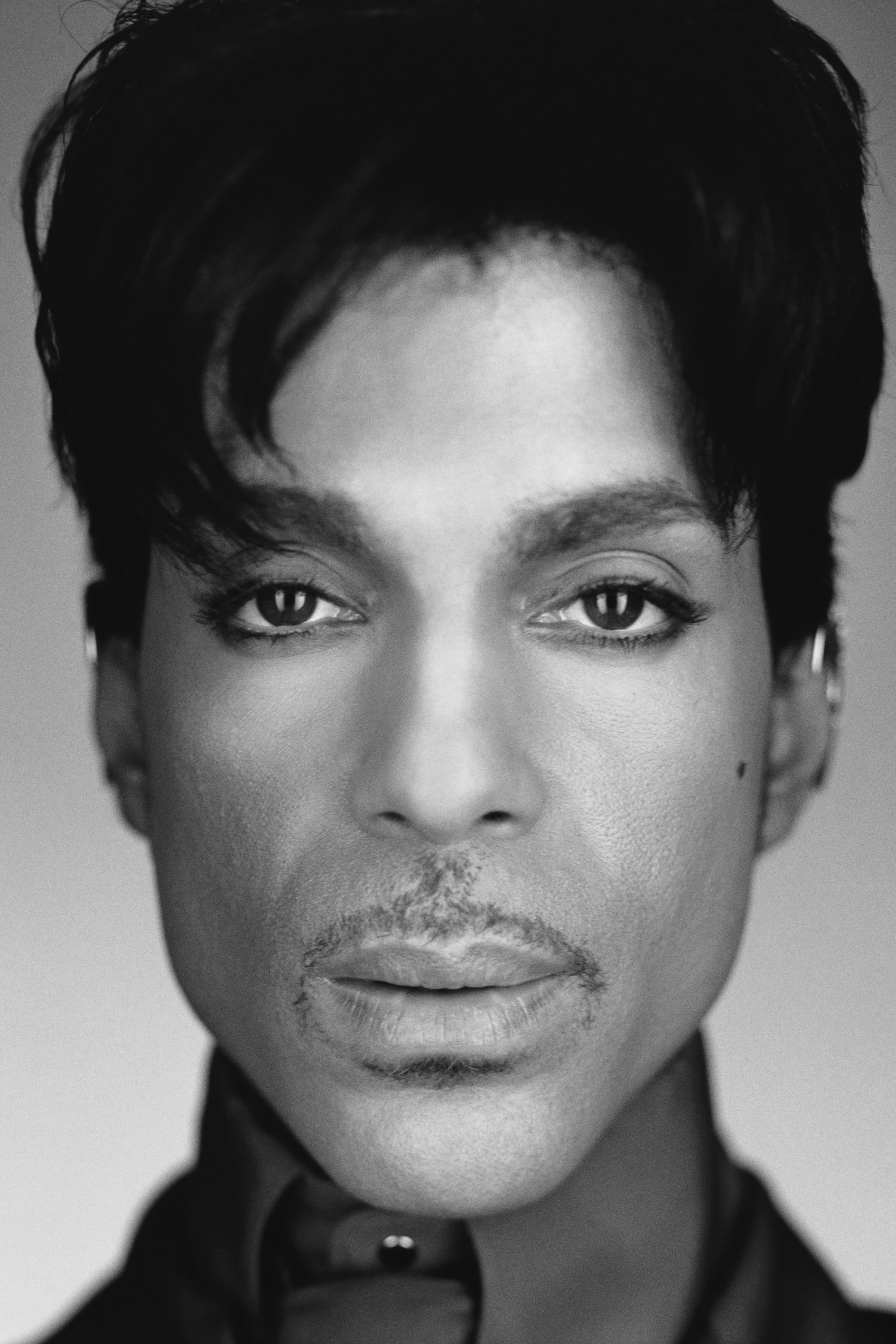
His death from an accidental fentanyl overdose highlighted the silent epidemic of opioid addiction and the complexities of artist estate planning. The chaotic aftermath regarding his lack of a will led to years of legal battles and prompted reforms in how artist estates are managed in Minnesota. Legislative discussions intensified regarding the availability of naloxone and the regulation of counterfeit pills. The music industry began to implement more robust support systems for artists dealing with chronic pain and substance use. His legacy now includes a heightened awareness of the dangers hidden within prescription medication.
Aretha Franklin
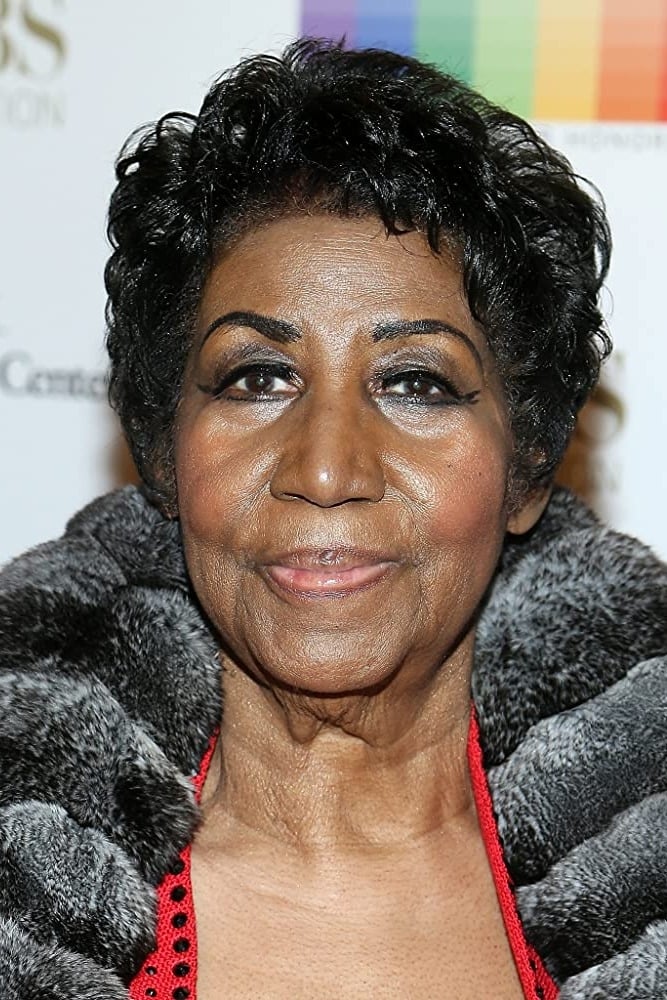
The Queen of Soul left behind a complicated legacy regarding estate laws when multiple handwritten wills were discovered in her home. Her case forced the legal system in Michigan to clarify the validity of holographic wills found in informal settings like couch cushions. This high-profile dispute educated the public and the industry on the critical importance of formal estate planning and trust formation. Legal professionals now use her situation as a primary case study for asset protection. It sparked a nationwide conversation about the necessity of clear end-of-life documentation.
Tupac Shakur
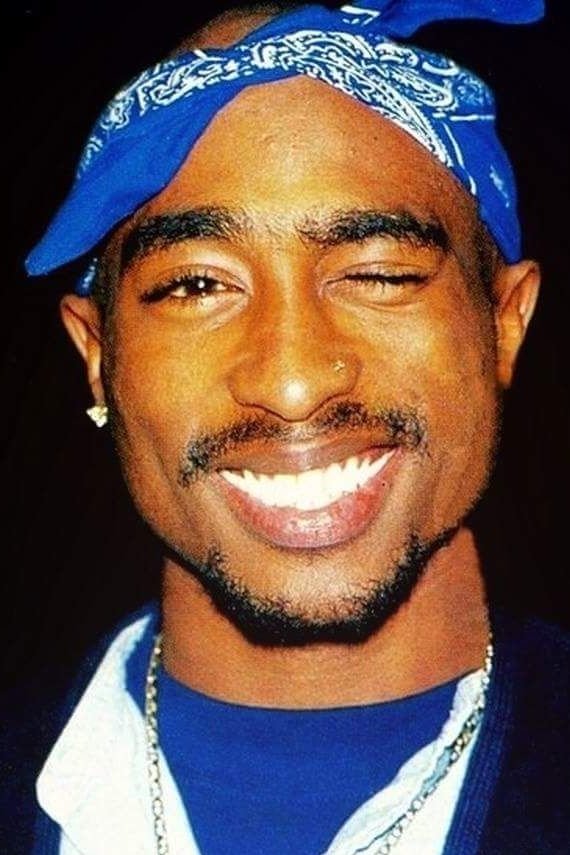
The drive-by shooting of this hip-hop luminary forced a massive restructuring of security protocols for music artists and venues. Record labels began to employ professional executive protection teams rather than relying solely on entourage members or gang affiliates. The violence associated with the East Coast-West Coast rivalry prompted industry leaders to actively de-escalate tensions for the safety of their rosters. His death served as a wake-up call that changed how rap stars move through public spaces. It professionalized the close-protection industry within the music business.
The Notorious B.I.G.
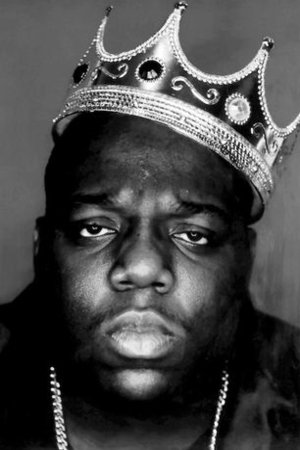
Following the murder of Tupac Shakur, the death of Christopher Wallace further cemented the need for security reform in the music industry. Venues and award shows implemented airport-style security screenings and stricter backstage access controls. The investigation into his death highlighted the need for better cooperation between law enforcement and hip-hop management. His passing effectively ended the violent coastal feud and pushed the genre toward more corporate and protected business structures. The tragedy underscored the lethal consequences of failing to separate street politics from the entertainment business.
Eazy-E
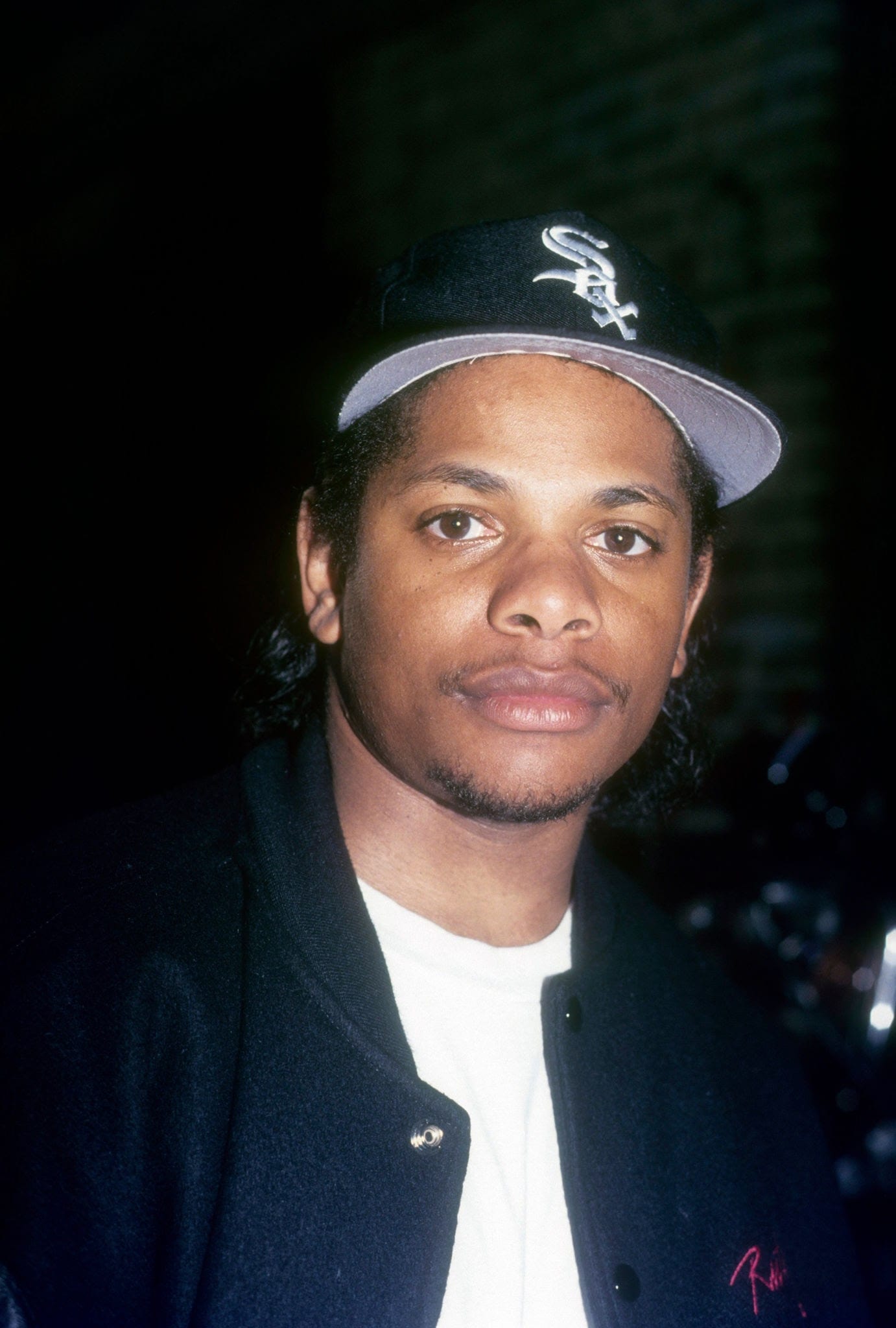
The announcement that the N.W.A. legend was dying of AIDS shattered the stigma that the virus was not a threat to the heterosexual Black community. His death galvanized the hip-hop industry to embrace sexual health education and funding for HIV/AIDS research. It led to a surge in testing among young African Americans who previously viewed the disease as distant from their reality. Health organizations began to tailor their outreach specifically to the hip-hop generation. His candor in his final days saved countless lives by normalizing the conversation around sexual health.
Nipsey Hussle
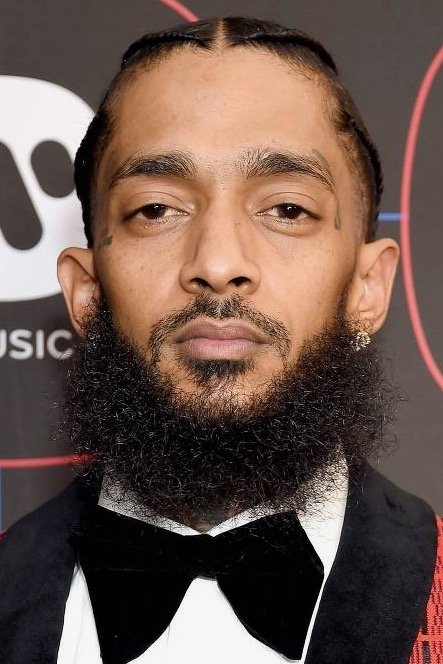
The murder of this rapper and entrepreneur in front of his own store sparked a reevaluation of community investment and local security. His death accelerated the push for “Opportunity Zones” and inspired artists to seek ownership of their neighborhoods to control safety and commerce. The tragedy led to the creation of the Marathon Book Club and similar initiatives that focus on financial literacy as a tool for violence prevention. It also prompted discussions about the safety of artists remaining accessible in their hometowns without heavy security. His legacy is now defined by the economic empowerment model he championed.
Chadwick Boseman
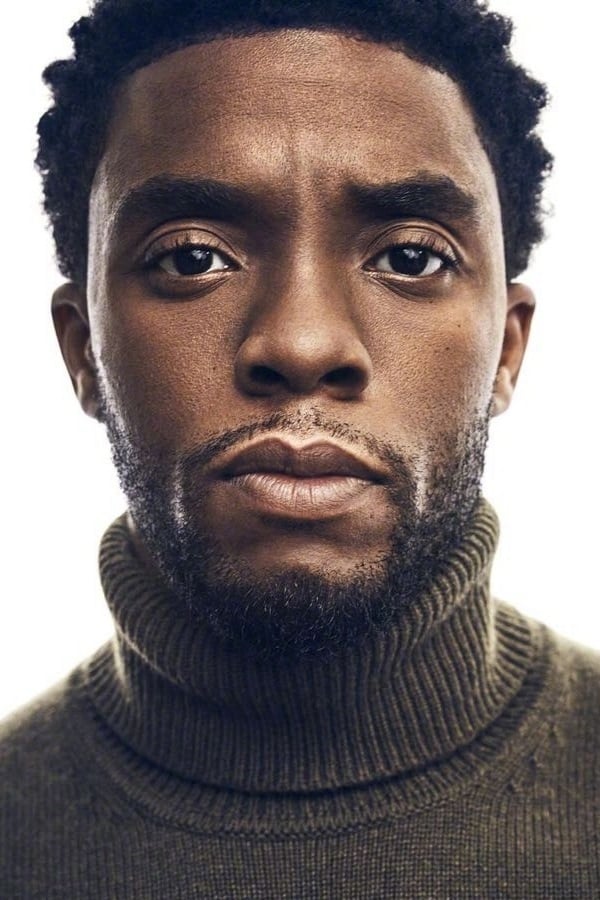
The actor’s private battle with colon cancer shocked the world and led to a massive surge in screenings for early-onset colorectal cancer. His death prompted insurance companies and studios to reexamine how they bond and insure actors with pre-existing conditions. Medical organizations revised their guidelines to advocate for earlier screenings for Black men due to higher risk factors. The tragedy forced the film industry to consider the hidden health struggles of its talent. It catalyzed a global health movement focused on preventative care.
Junior Seau
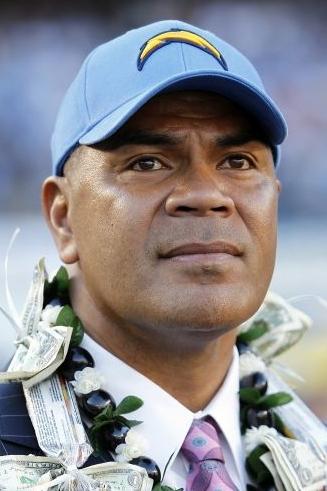
The suicide of this NFL Hall of Famer became a tipping point for the recognition of Chronic Traumatic Encephalopathy (CTE) in football. His family’s decision to donate his brain for research provided undeniable evidence of the long-term effects of repetitive head trauma. The tragedy accelerated the settlement of the massive NFL concussion lawsuit and forced rule changes to eliminate head-to-head tackling. It fundamentally altered the league’s concussion protocols and return-to-play guidelines. His death forced the sport to confront the reality of brain injuries.
Bessie Smith
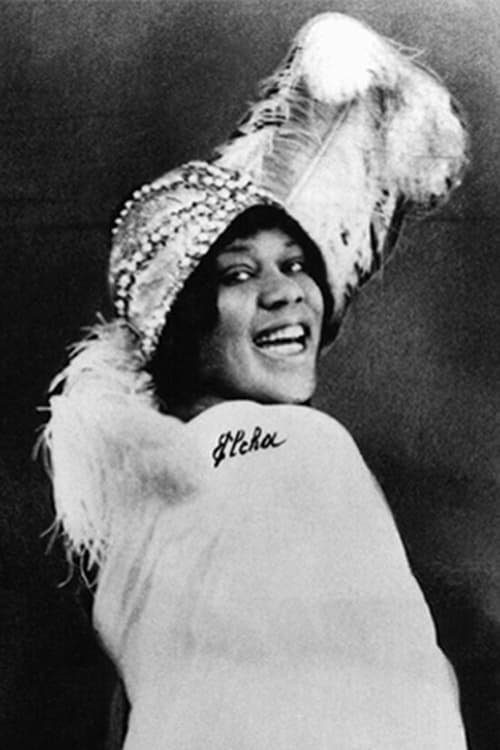
The death of the Empress of the Blues following a car accident is frequently cited as a driving force behind the desegregation of ambulance services. While the specific details of her treatment were debated, the outrage surrounding her death highlighted the fatal consequences of the segregated medical system in the South. The controversy fueled the Civil Rights movement’s push for equal access to emergency medical care. It served as a rallying cry for Black-owned hospitals and ambulance corps. Her legacy includes the dismantling of the “whites only” ambulance policies that plagued America.
Otis Redding
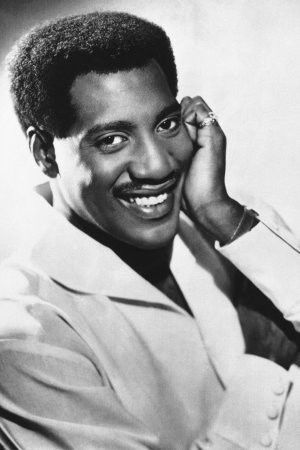
The plane crash that killed the soul legend and members of the Bar-Kays led to a reevaluation of aviation safety for touring musicians. The tragedy highlighted the risks associated with small private aircraft used for tight touring schedules in poor weather. It influenced insurance companies to demand higher pilot qualifications for bands chartering flights. The loss forced the music industry to reconsider the logistics of the “chitlin’ circuit” and the pressure put on artists to travel regardless of conditions. His death remains a somber lesson in the logistics of touring safety.
Martin Luther King Jr.
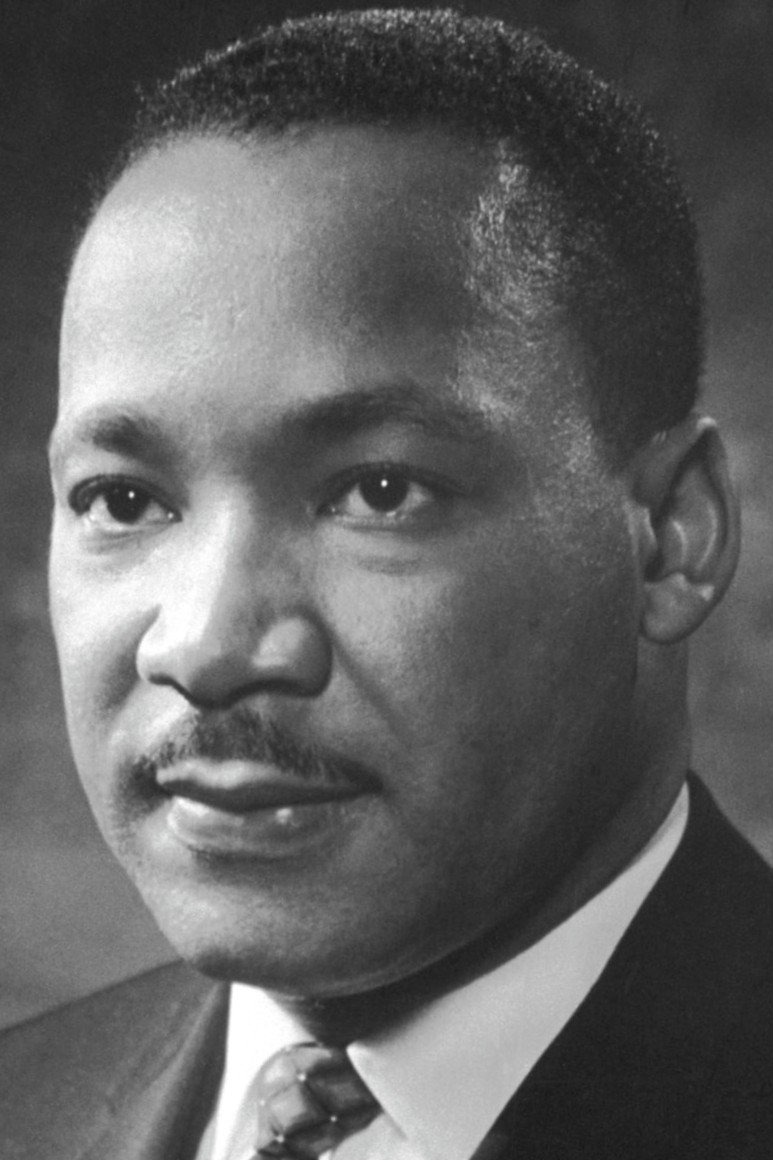
The assassination of the civil rights leader sparked immediate and violent unrest that compelled Congress to act swiftly. The Fair Housing Act of 1968 was passed by the House of Representatives just days after his death as a direct response to the national tragedy. His killing forced the federal government to expand protections against discrimination in the sale, rental, and financing of housing. It solidified the legal framework for equal housing opportunities in the United States. His martyrdom accelerated the dismantling of institutional segregation.
Takeoff
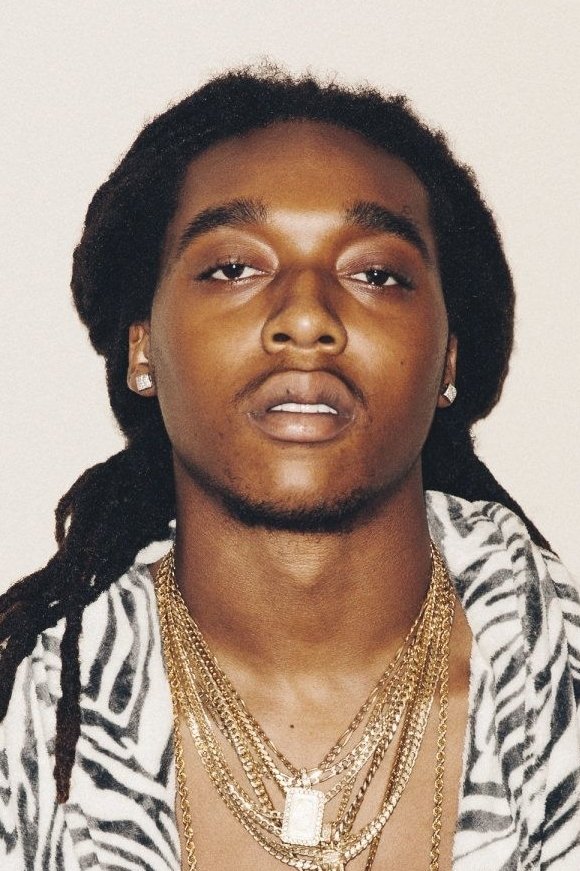
The shooting of the Migos member over a dice game disputes outside a bowling alley forced a conversation about entourage management and conflict resolution. His death led to a crackdown on weapons at private parties and industry events that were previously lax on security. Labels and management teams began to enforce stricter rules regarding the environments their artists frequent off the clock. It highlighted the unpredictability of bystander violence in crowded situations. The tragedy reinforced the need for professional security that focuses on extraction rather than escalation.
Please share your thoughts on which of these reforms you feel has had the most significant lasting impact in the comments.