


20 Black-Led Films That Bombed Because They Insulted Black Men

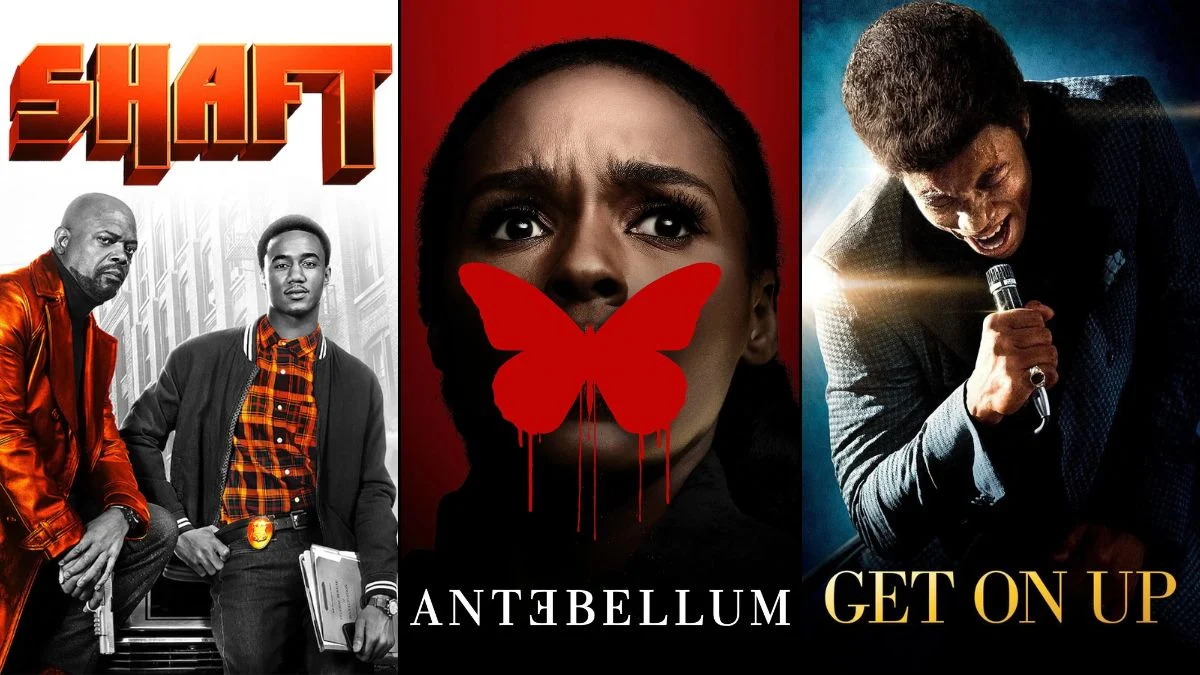


Hollywood has increasingly struggled to connect with Black male audiences, often releasing films that rely on polarizing stereotypes or reductive narratives. From emasculating protagonists to reducing complex historical figures into one-dimensional villains, these creative choices have frequently alienated the very demographic they intended to court. The following films faced significant backlash and financial failure after critics and audiences rejected their portrayal of Black men.
‘The American Society of Magical Negroes’ (2024)
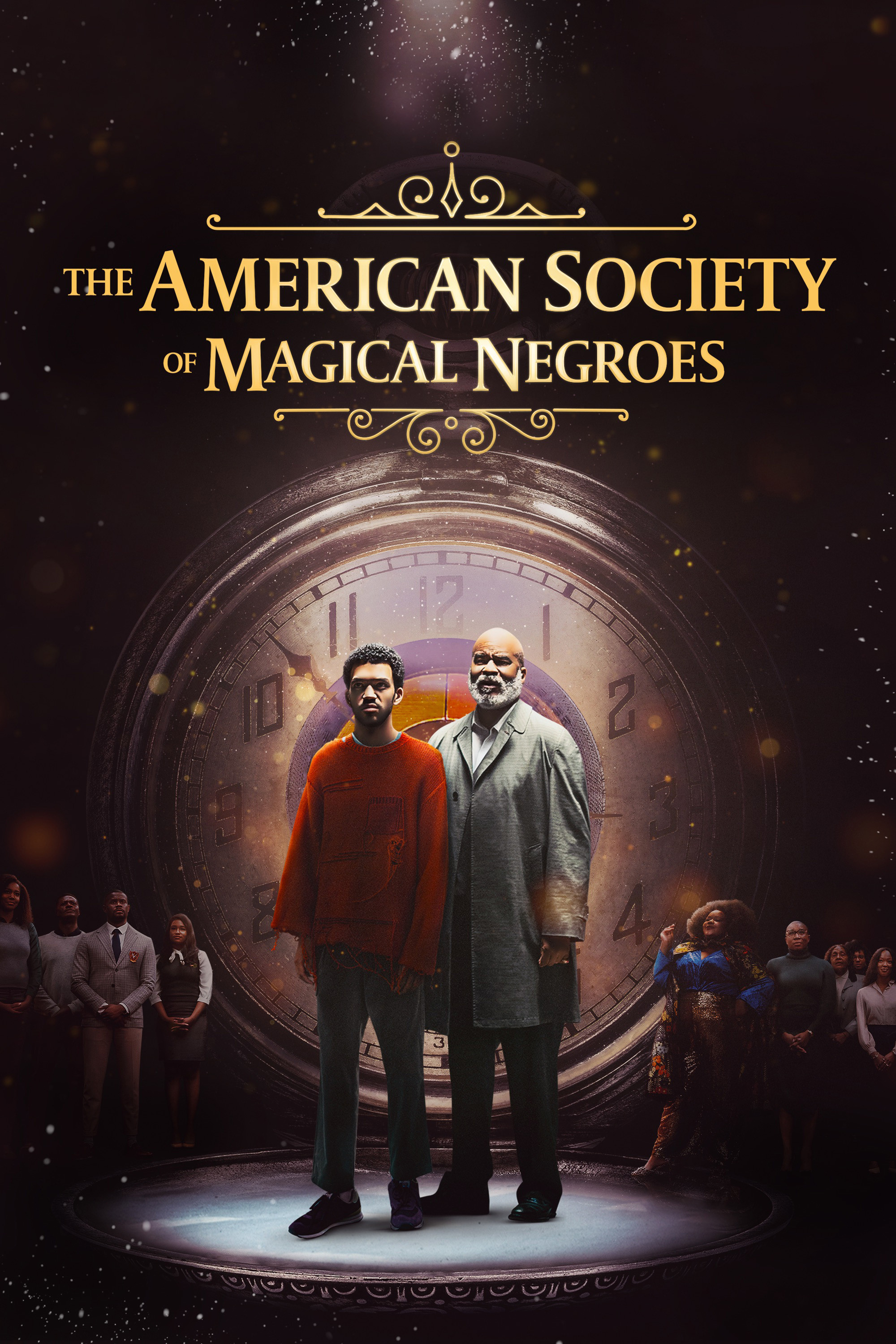
This satire attempted to deconstruct the “Magical Negro” trope but ultimately alienated audiences with its central premise. The plot follows a secret society of Black men who dedicate their lives to making white people feel comfortable to ensure their own safety. Viewers criticized the film for centering the narrative on catering to white fragility rather than Black empowerment. The protagonist’s submissive role and the lack of a strong, independent identity led to a historic box office rejection.
‘The Color Purple’ (2023)
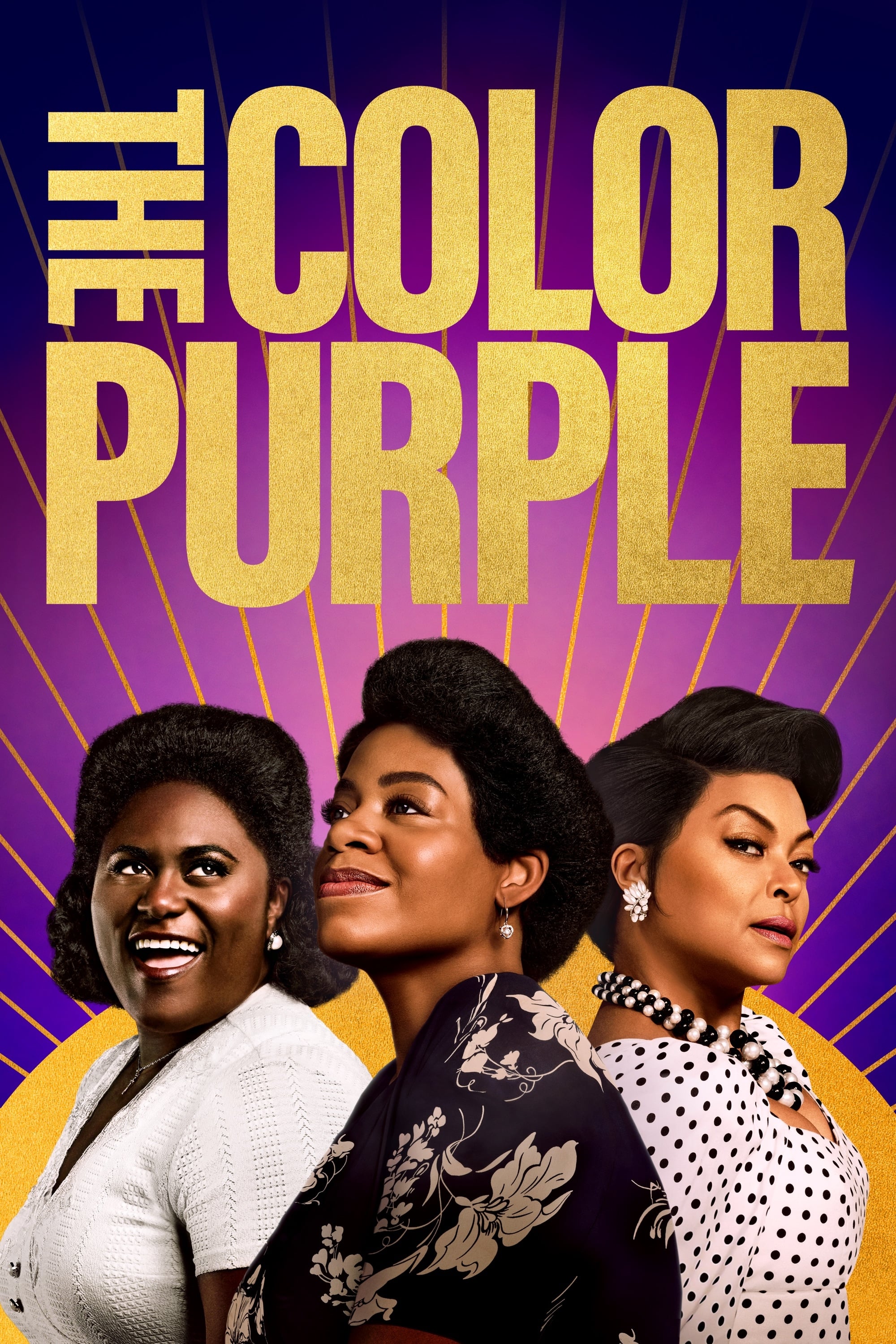
While the musical adaptation received critical praise for its performances, it significantly underperformed at the box office compared to its budget. A major point of contention within the Black community was the depiction of the male characters, particularly Mister, who many felt was portrayed as a “soulless monster” without the redemption arc found in the original novel. Critics argued that the film stripped away the nuance of the male characters, leaving only trauma and abuse. This heavy-handed vilification contributed to a lack of support from Black male audiences.
‘Shaft’ (2019)
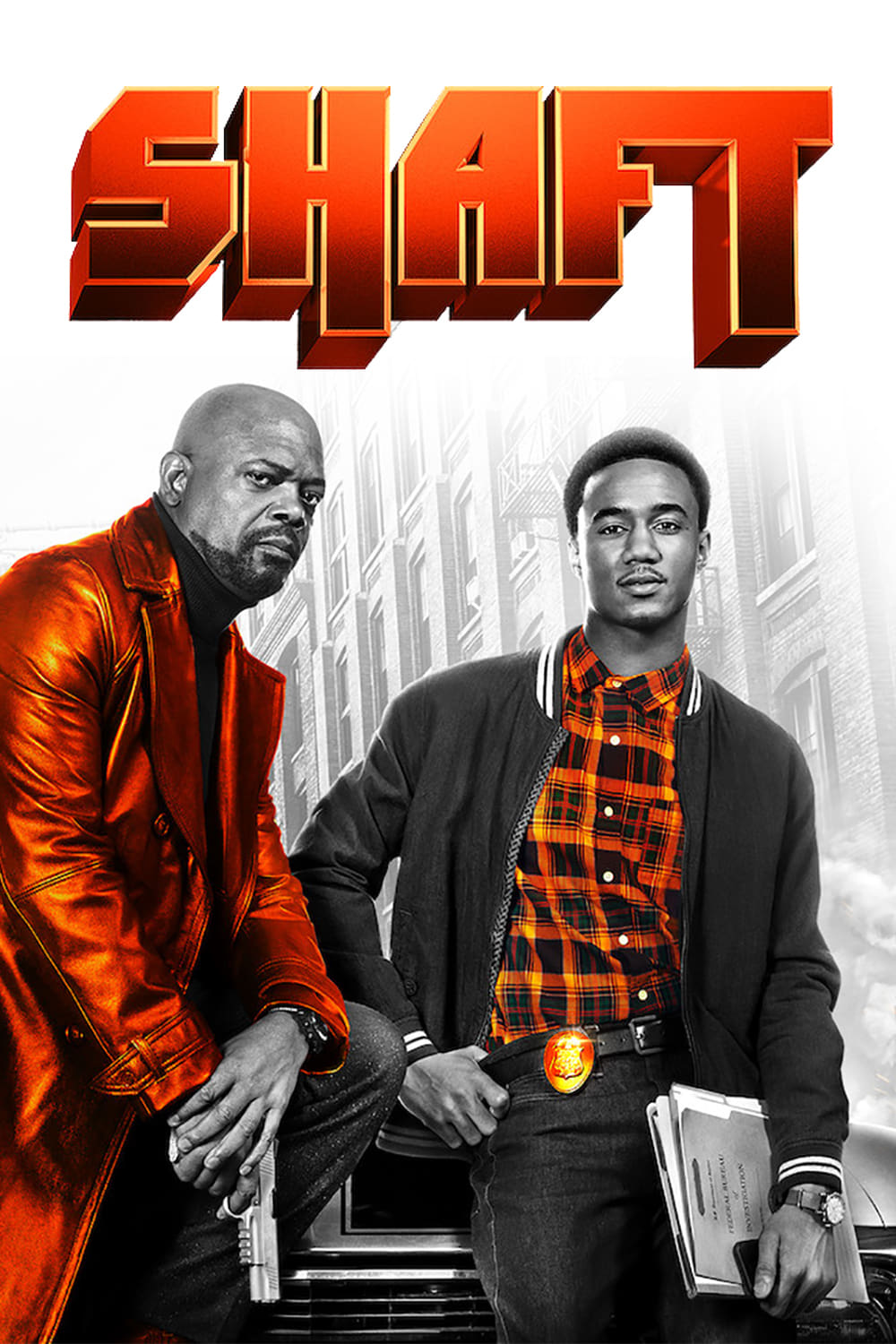
The attempt to revitalize the iconic blaxploitation franchise failed to resonate because it fundamentally misunderstood the appeal of the title character. By introducing a millennial son who was portrayed as a “safe,” anti-gun, and culturally disconnected data analyst, the film created a jarring contrast with the hyper-masculine legacy of John Shaft. Longtime fans felt the movie mocked the original’s coolness and turned the brand into a generation-gap farce. The result was a box office bomb that effectively killed the franchise’s momentum.
‘Honk for Jesus. Save Your Soul.’ (2022)
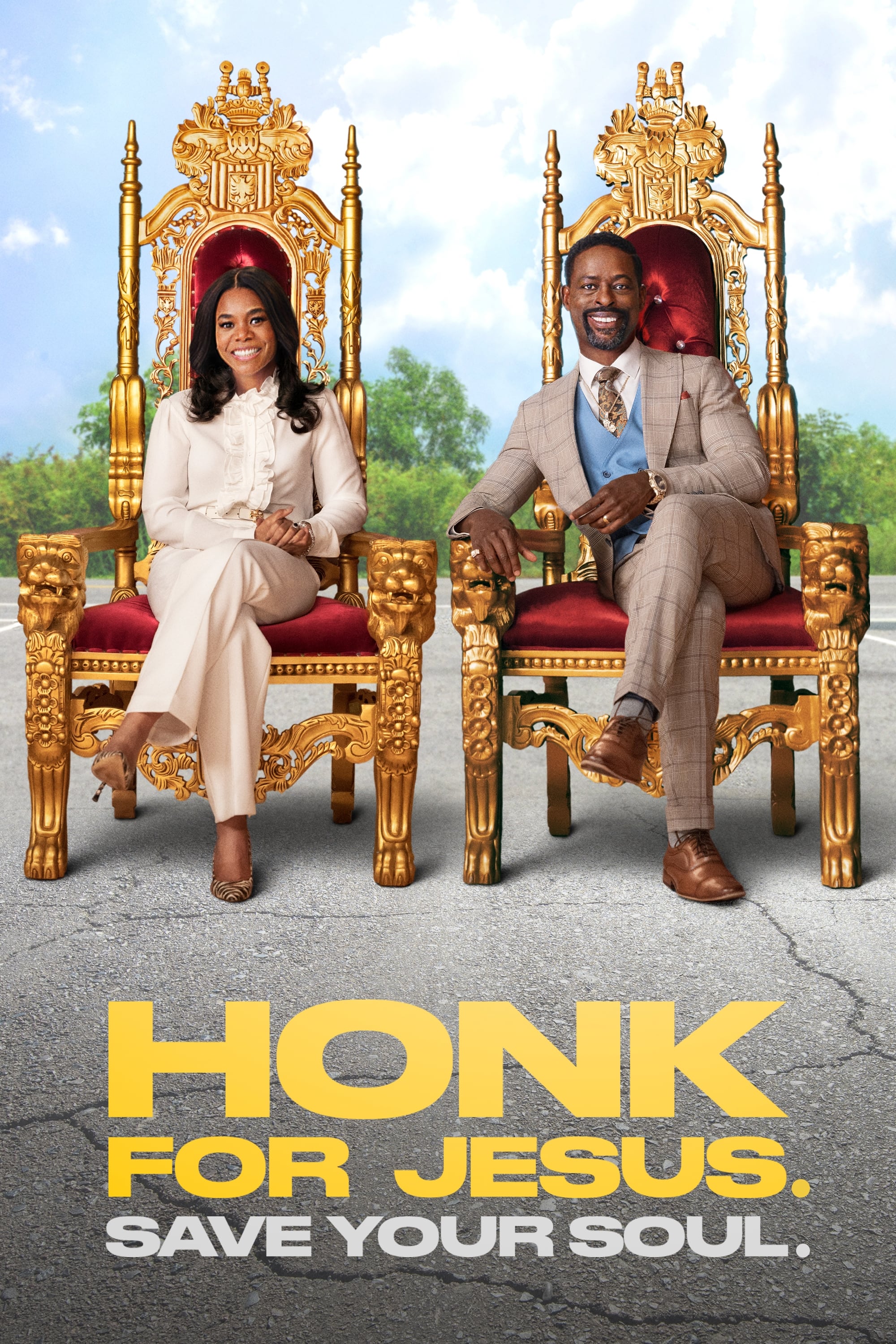
This mockumentary satire of a scandalous megachurch pastor failed to recoup its budget despite star power. Many viewers found the depiction of the lead pastor, played by Sterling K. Brown, to be humiliating rather than insightful. The film relied heavily on making the Black male lead the butt of the joke, stripping him of dignity in a way that felt mean-spirited to religious audiences. The constant emasculation of the protagonist turned off the core demographic that might have supported a faith-based comedy.
‘Respect’ (2021)

Biopics often tread a fine line, but this Aretha Franklin life story was criticized for focusing heavily on the trauma inflicted by the men in her life. The portrayal of her first husband, Ted White, as a one-dimensional violent abuser overshadowed other aspects of the narrative for some viewers. Audiences expressed fatigue with narratives that define Black female success solely through the lens of overcoming Black male violence. The film struggled to find a large theatrical audience, falling short of its production costs.
‘Whitney Houston: I Wanna Dance with Somebody’ (2022)

Similar to other recent biopics, this film faced criticism for its depiction of Bobby Brown and the focus on toxic relationships. While the film attempted to celebrate Houston’s voice, the narrative inevitably circled back to the “bad boy” tropes associated with her husband, which some felt were exaggerated or lacked nuance. The film failed to ignite the box office, with many citing the repetitive nature of “tragic diva” stories that rely on demonizing the male partner.
‘Get On Up’ (2014)
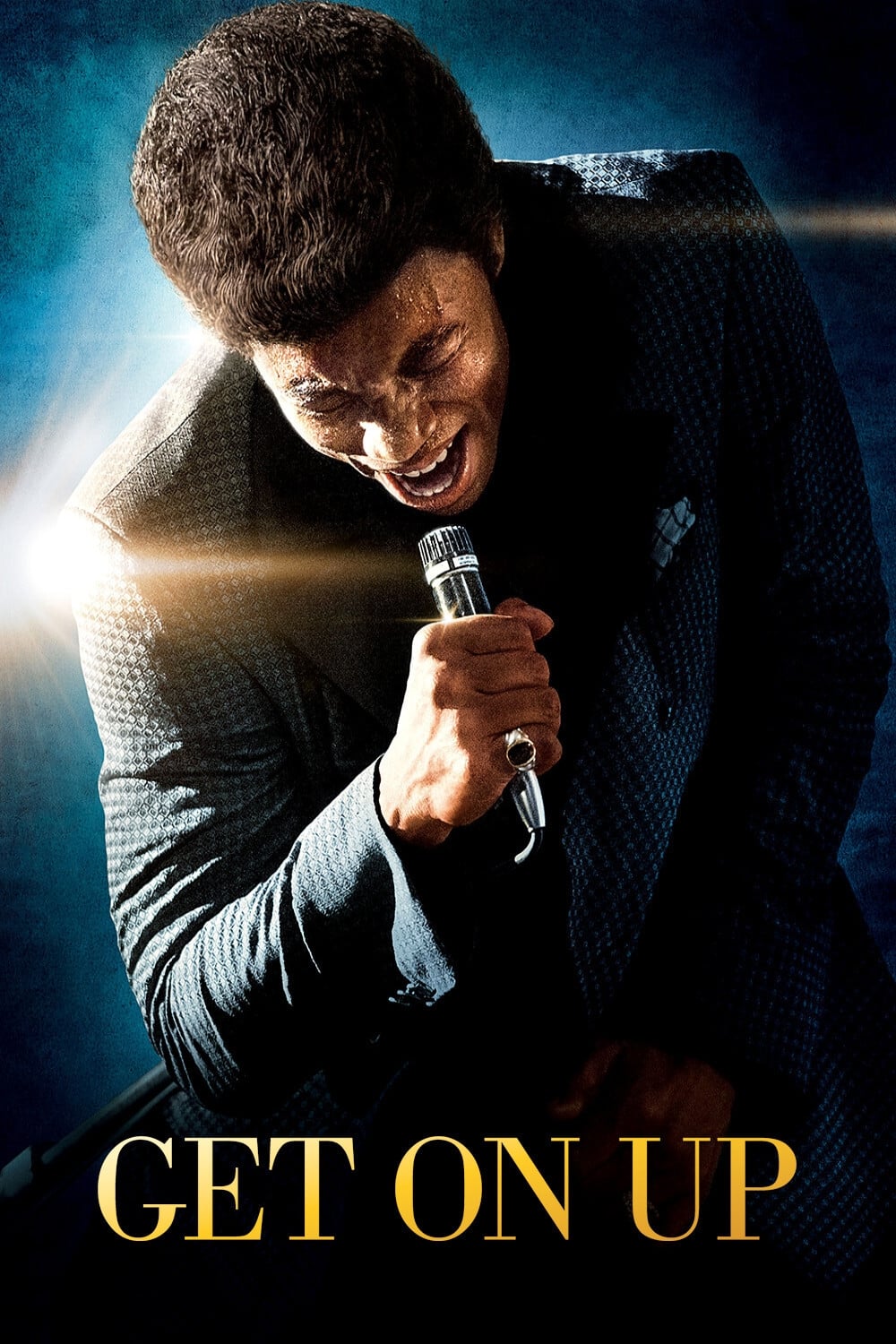
The James Brown biopic featured a dynamic performance by Chadwick Boseman but failed to turn a profit. Criticism centered on the script’s chaotic structure and its heavy focus on Brown’s domestic abuse and erratic behavior, often at the expense of his musical genius. By highlighting the darkest aspects of his personal life without sufficient context or balance, the film alienated fans who wanted to celebrate the “Godfather of Soul” rather than dissect his crimes.
‘Jimi: All Is by My Side’ (2013)
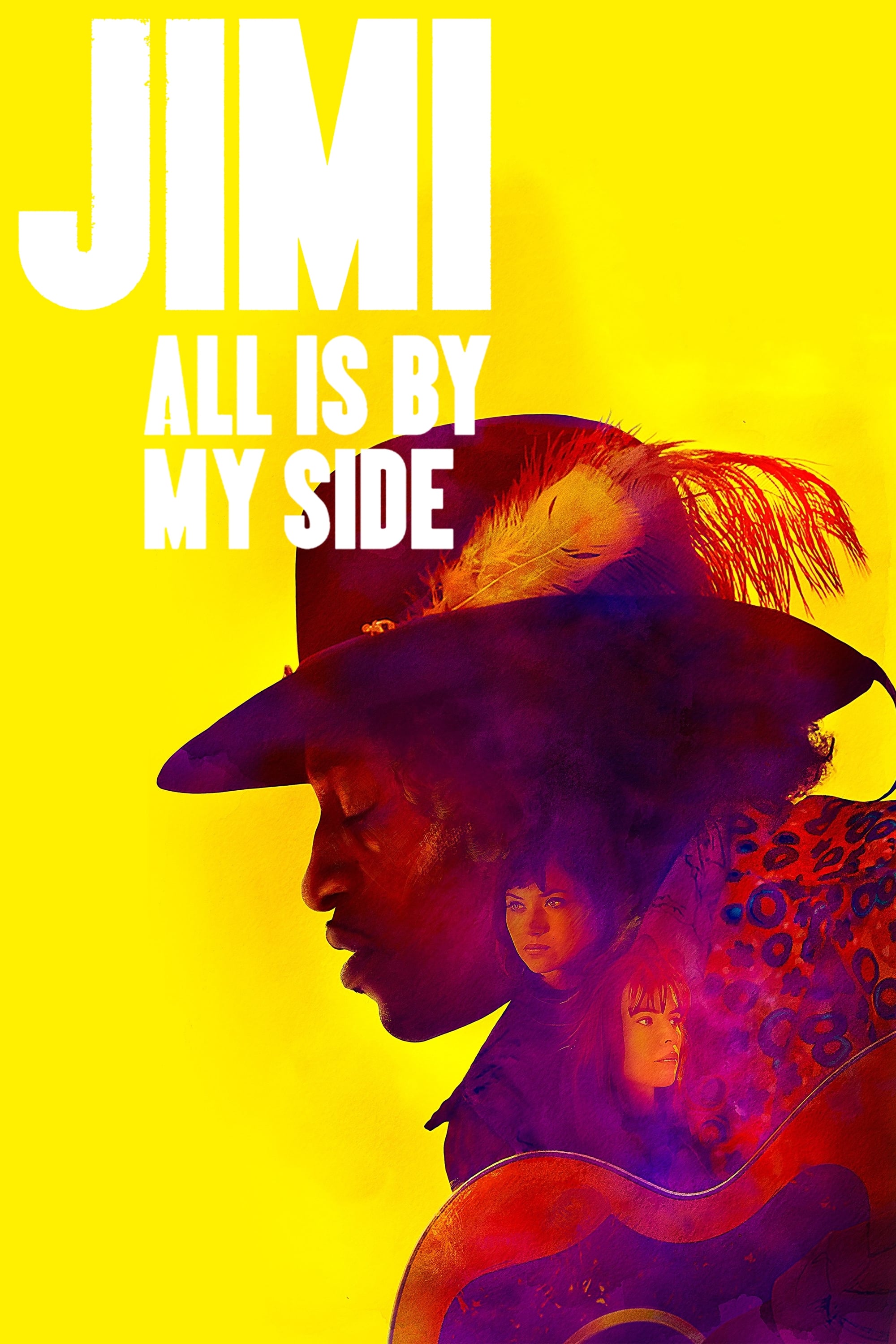
This Jimi Hendrix biopic bombed spectacularly, largely because it lacked the rights to his music, but also due to its controversial narrative choices. The film focused heavily on allegations of domestic violence, depicting the rock legend as a woman-beater. Friends and fans of Hendrix vehemently denied the accuracy of these scenes, accusing the filmmakers of assassinating his character. The negative word-of-mouth regarding this portrayal ensured theaters remained empty.
‘All Eyez on Me’ (2017)
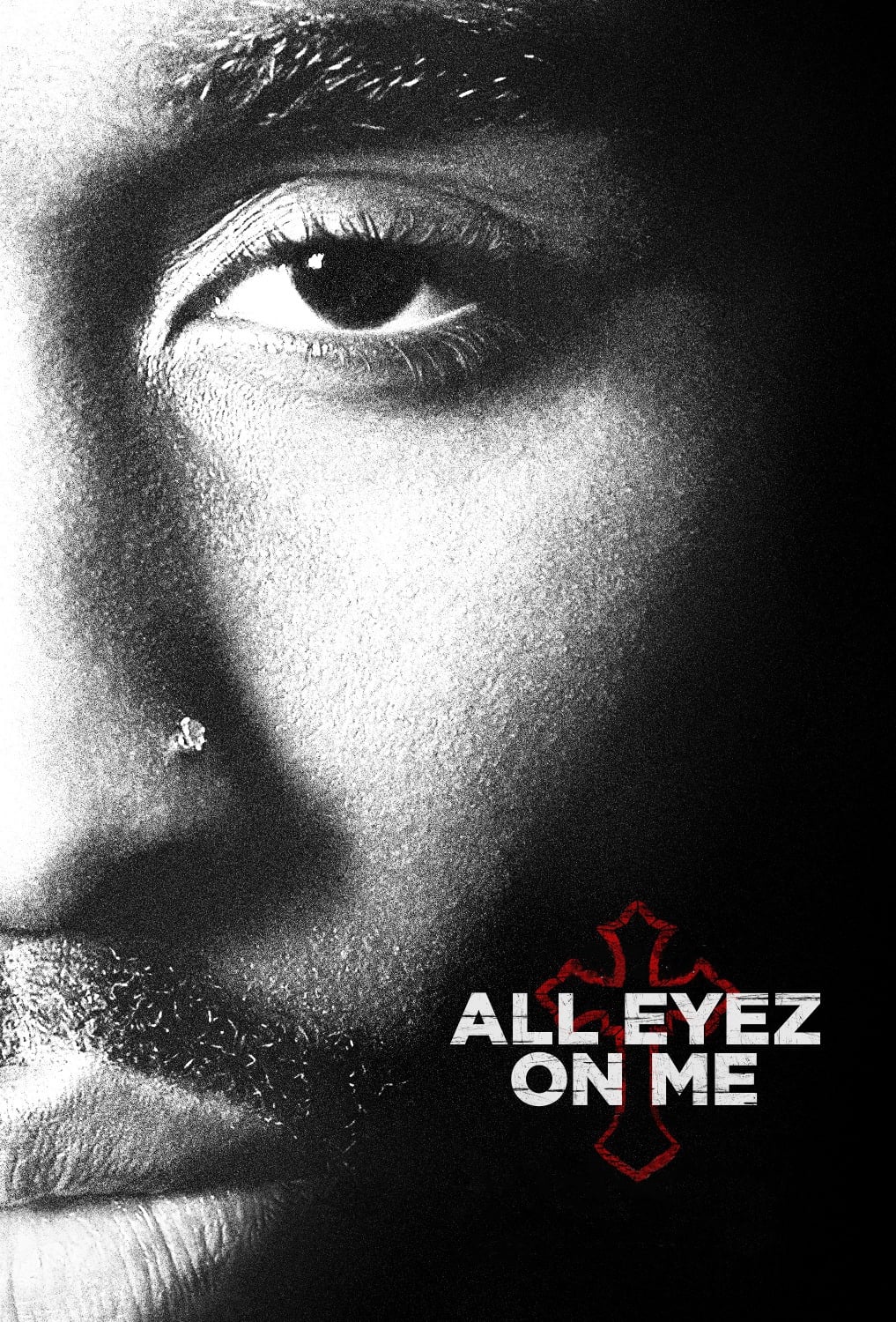
Intended to be the definitive Tupac Shakur biopic, this film was widely panned and underperformed relative to the massive interest in the subject. Critics and close associates of the rapper, including Jada Pinkett Smith, slammed the film for its inaccuracies and shallow depiction of Tupac. The movie reduced a complex poet and activist into a caricature of the “thug life” persona, failing to capture his intellectual depth. This superficial portrayal insulted his legacy and turned away his most loyal fanbase.
‘Detroit’ (2017)

Kathryn Bigelow’s historical drama about the Algiers Motel incident was rejected by audiences for its grueling depiction of Black suffering. Critics labeled the film “trauma porn,” arguing that it reduced the Black male characters to helpless victims of white police brutality without giving them agency or depth. The relentless violence and humiliation depicted on screen were seen as exploitative rather than empowering. The film was a financial disaster, proving that audiences were tired of paying to see Black men tortured on screen.
‘Antebellum’ (2020)

Marketed as a psychological horror, this film was fiercely rejected for its premise, which placed modern Black characters back into a slavery simulation. The extreme violence and dehumanization visited upon the characters, particularly the men who were silenced or killed, were viewed as gratuitous. Critics argued the film offered no social commentary, only suffering, which led to a swift backlash. It became a symbol of the industry’s obsession with Black pain over Black triumph.
‘Soul Plane’ (2004)
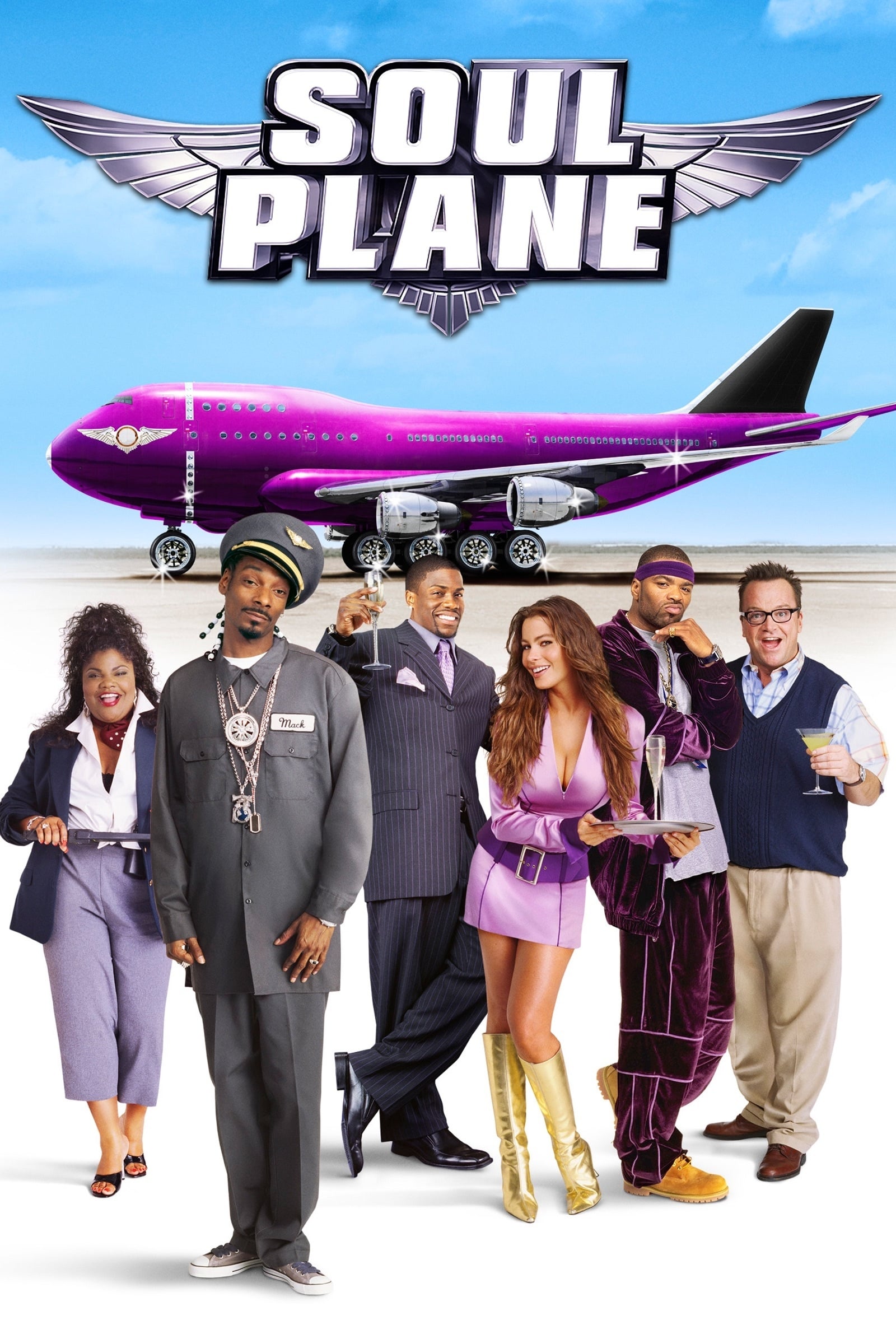
While it has developed a small cult following, this comedy was a box office failure upon release and was savaged by critics for its reliance on minstrelsy. The film was accused of setting Black cinema back by decades due to its gross stereotypes of Black men as hyper-sexualized buffoons, drug addicts, and incompetents. Spike Lee famously criticized the film for its “coonery,” and general audiences largely stayed away. The reliance on low-brow caricatures alienated viewers looking for quality comedy.
‘House Party’ (2023)

The remake of the 1990 classic was a critical and commercial failure, ignored by the very generation it tried to court. Fans of the original felt the new iteration stripped the lead characters of their charm and wit, replacing them with aimless, irresponsible protagonists who made poor decisions. The film was criticized for leaning into negative stereotypes about modern youth culture while lacking the heart and brotherhood that defined the original. It vanished from theaters quickly after a mute reception.
‘Alice’ (2022)

Similar to Antebellum, this film featured a protagonist escaping a 19th-century plantation only to discover it is actually the 1970s. The movie was criticized for its “revenge fantasy” elements that felt unearned and its use of slavery imagery for shock value. The male characters were largely relegated to the background or served as victims to motivate the plot. Audiences rejected the film’s premise, leading to a negligible box office performance.
‘The Birth of a Nation’ (2016)
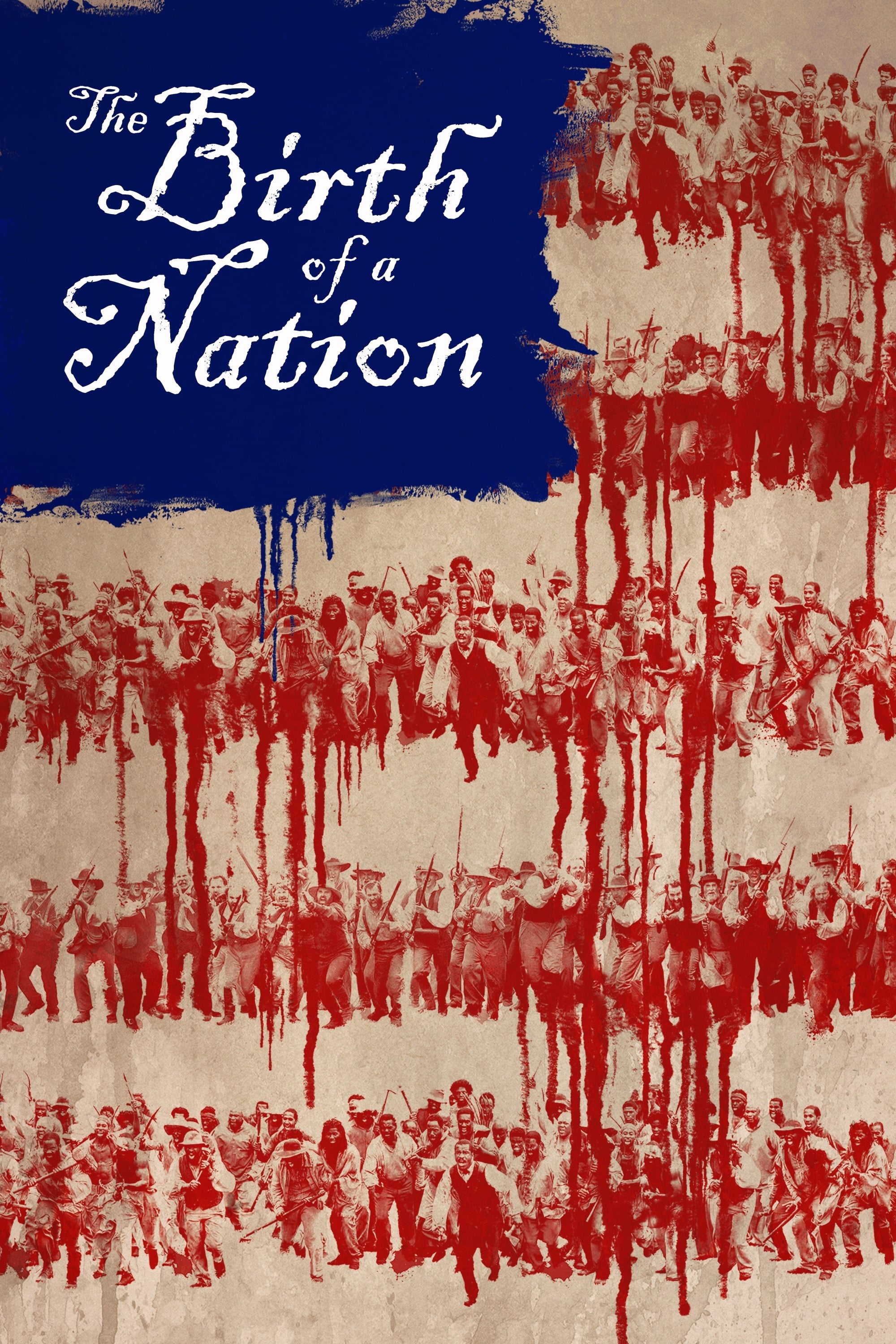
Nate Parker’s film about the Nat Turner rebellion bombed, though the reasons were a mix of off-screen controversy and on-screen narrative choices. While the film aimed to be empowering, some critics felt it centered the rebellion too heavily on the rape of Black women as a motivating factor for the male protagonist, rather than the institution of slavery itself. This narrative choice was seen as using female trauma to fuel male heroism. The film failed to recoup its record-breaking acquisition cost.
‘Beloved’ (1998)

Oprah Winfrey’s passion project was a massive box office bomb, failing to connect with mainstream audiences. While the film dealt with the horrors of slavery and the supernatural, the depiction of the male lead, Paul D, was difficult for some viewers to digest. His struggle to maintain his masculinity and sanity amidst the trauma of the story was seen by some as part of a trend of “misery porn” that stripped Black men of their strength. The heavy, depressing tone kept audiences away.
‘Pootie Tang’ (2001)

Written and directed by Louis C.K., this satire of blaxploitation was confusing to audiences and bombed hard. The title character, who speaks in an unintelligible gibberish, was viewed by many as a modern minstrel show that mocked Black speech patterns and intelligence. While intended as a parody, the humor missed the mark for general audiences who saw it as buffoonery. It stands as a prime example of a white creator misunderstanding how to satirize Black culture without being offensive.
‘Meet the Blacks’ (2016)

This parody of The Purge was criticized for relying on the lowest common denominator of racial humor. The protagonist, played by Mike Epps, was depicted as a stereotype of a cowardly, scamming father who endangers his family. Critics and audiences alike found the humor to be regressive, leaning on “ghetto” tropes that had long fallen out of favor. The film’s poor reception highlighted a growing intolerance for comedy that relies on mocking Black poverty and dysfunction.
‘The Honeymooners’ (2005)
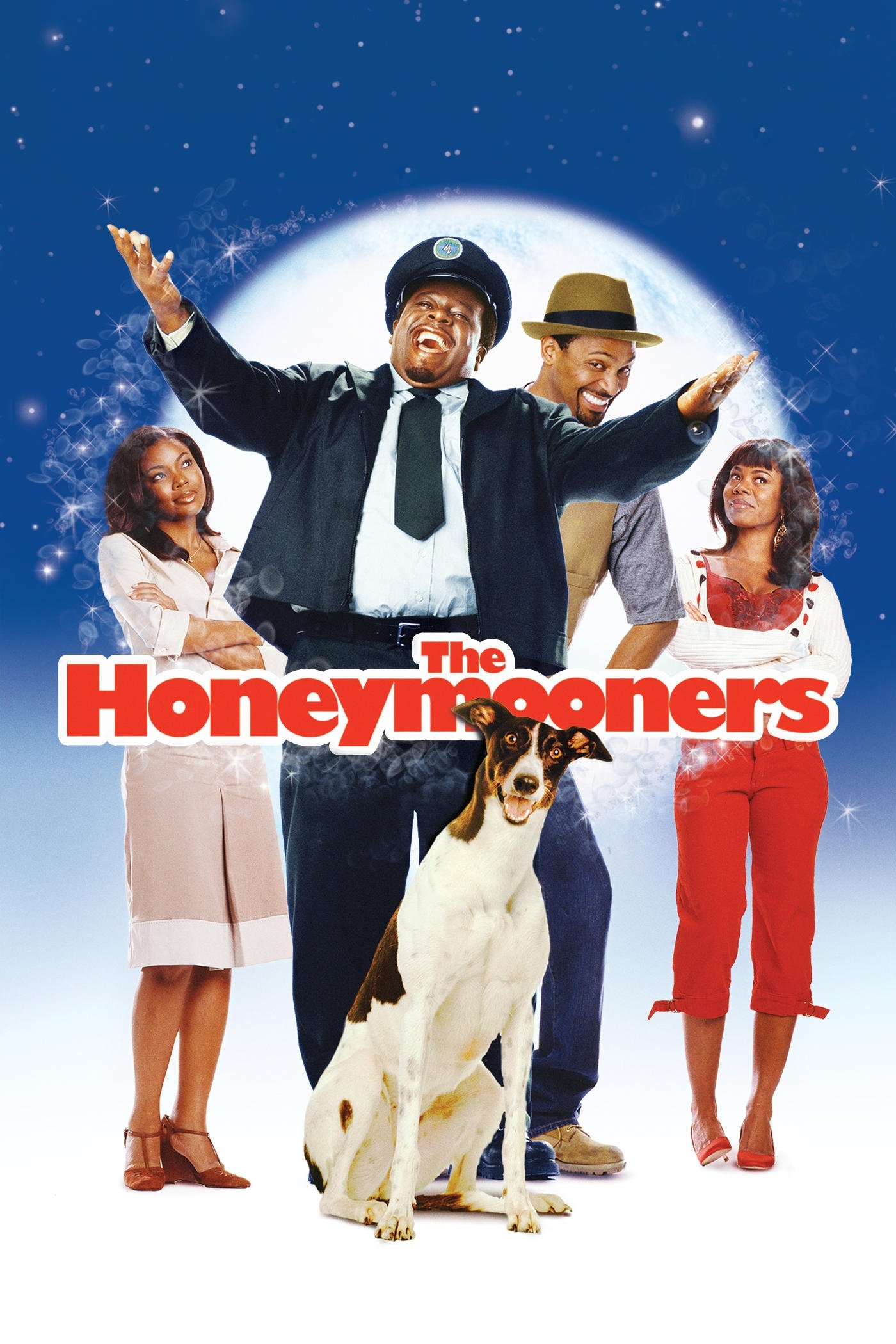
Updating the classic sitcom with a predominantly Black cast seemed like a viable commercial move, but the film bombed. Critics felt the movie disrespected the legacy of the characters by turning Ralph Kramden into a scheming, unintelligent buffoon rather than a lovable everyman. The humor relied on slapstick and stereotypes that made the male leads look incompetent. Audiences rejected this interpretation, preferring the dignity of the original material over the modernized caricature.
‘Miracle at St. Anna’ (2008)

Spike Lee’s World War II epic was a financial flop and faced criticism for its complex, sometimes unflattering portrayal of the Buffalo Soldiers. A specific subplot involving a Black soldier betraying his unit was particularly controversial, with some viewers feeling it unfairly tarnished the legacy of real-life heroes. While Lee aimed for historical nuance, the depiction of betrayal and internal conflict did not sit well with audiences hoping for a straightforward celebration of Black military valor.
Share your thoughts on these films and how Hollywood portrays Black men in the comments.