


14 Black Lesbian Stars Facing Lesbophobia From Within The Community

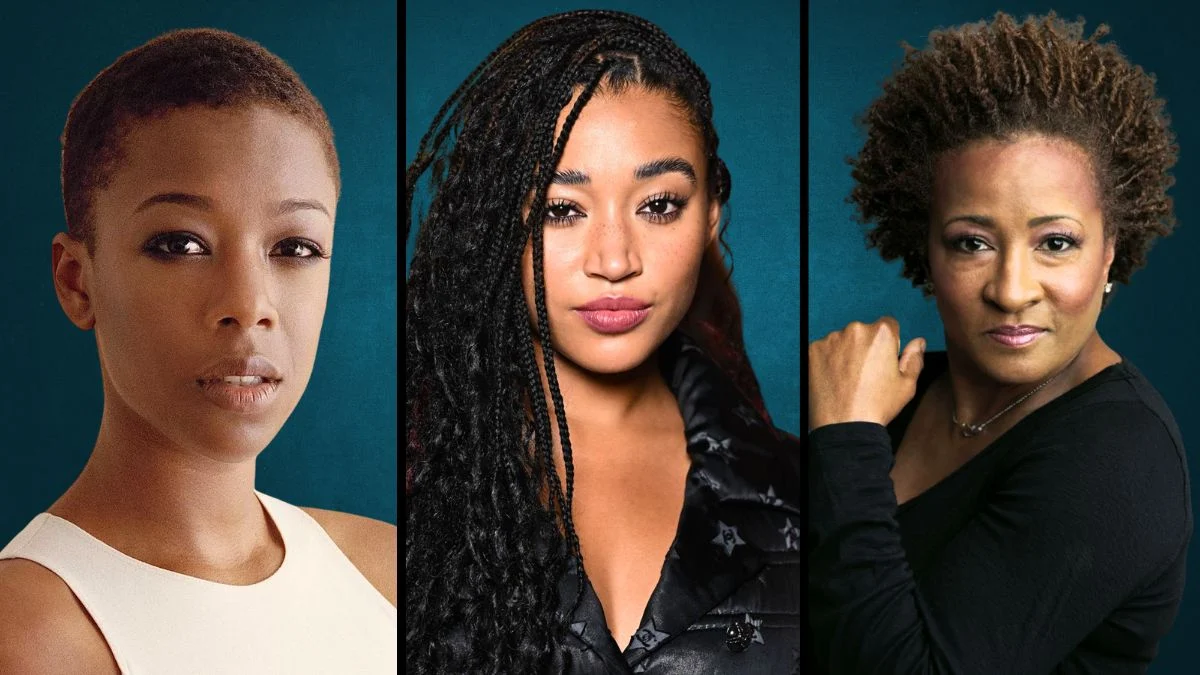


Black lesbian celebrities often navigate a complex intersection of identity, facing scrutiny not just from the heteronormative world but also from within LGBTQ+ spaces. While they are celebrated for their talent and visibility, many of these stars deal with racism from white queer communities, gatekeeping regarding their “gold star” status, or policing of their gender presentation. This specific type of discrimination—lesbophobia from within the community—manifests as exclusion, erasure, and harsh judgment over who qualifies as a “real” lesbian. These 18 stars have spoken out about these challenges or persevered through public backlash to live their authentic truths.
Wanda Sykes
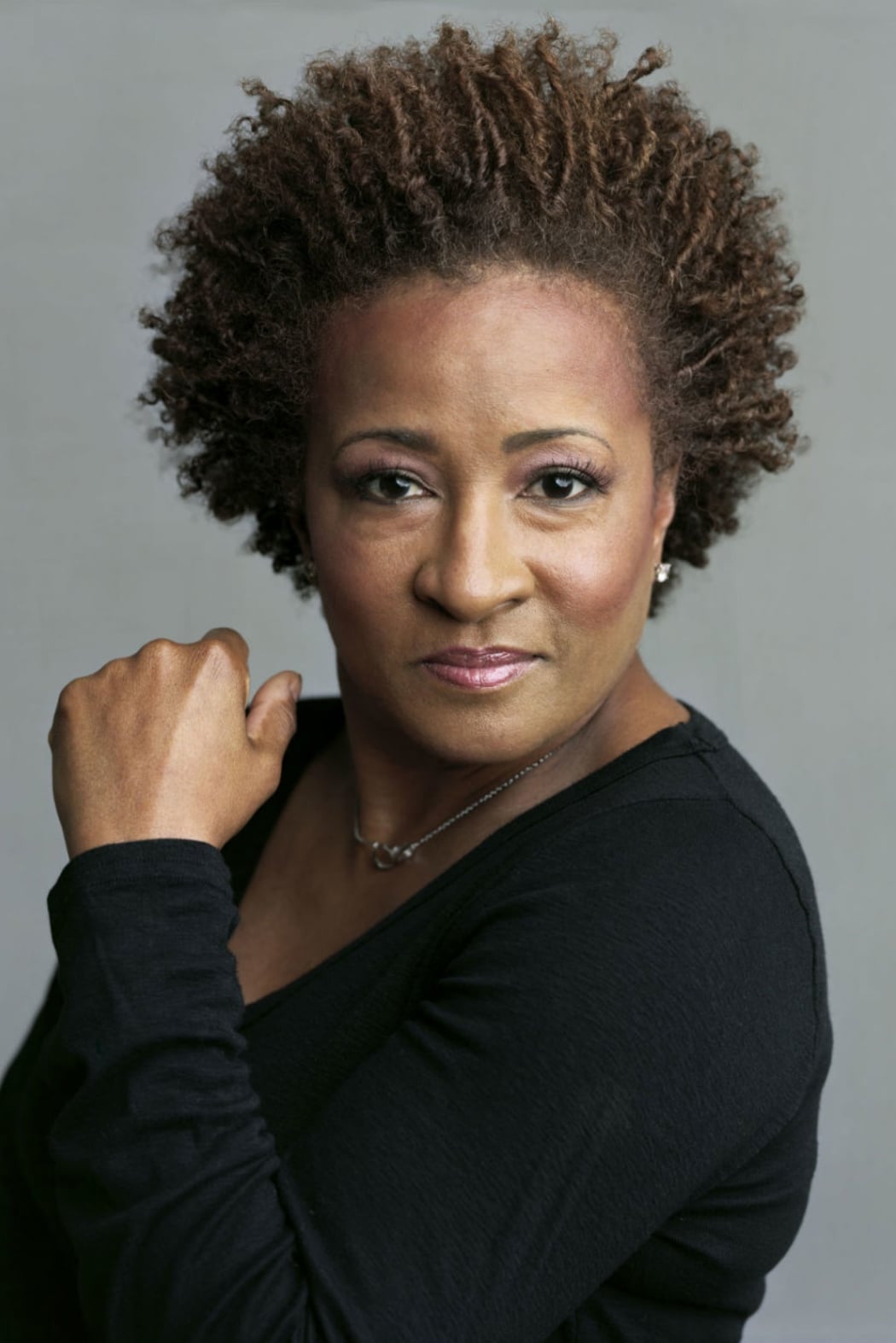
As one of the most visible comedians in the world, Sykes has been vocal about the racism she faces within the broader LGBTQ+ community. She has noted that while white gay men often lead the conversation on rights, Black lesbians are frequently marginalized or expected to prioritize their sexual identity over their racial identity. During the fight against Proposition 8, she highlighted how the blame was unfairly shifted onto Black voters, creating tension between Black and white queer people. Sykes continues to use her platform to remind the community that intersectionality is not optional.
Lena Waithe
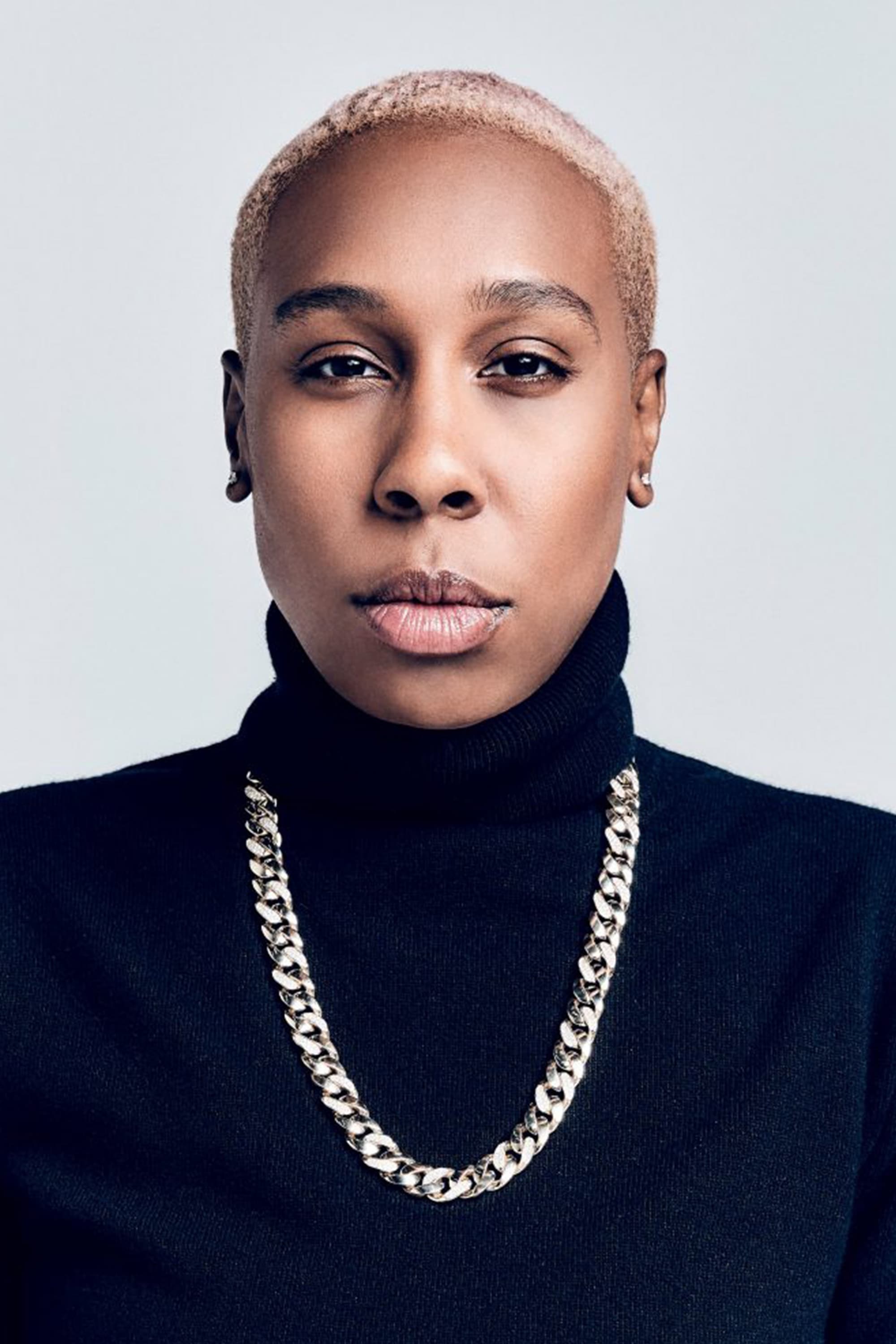
Waithe made history as the first Black woman to win an Emmy for comedy writing, yet she has faced intense criticism from Black LGBTQ+ audiences regarding her art and presentation. Critics often dissect her masculinity, sometimes projecting harmful stereotypes about “stud” culture onto her personal life and relationship choices. Her work, such as ‘The Chi’ and ‘Queen & Slim’, has sparked debates about trauma porn, leading to a polarized reception within her own community. Despite this, Waithe remains a powerful advocate for masculine-presenting women who are often invisible in Hollywood.
Raven-Symoné
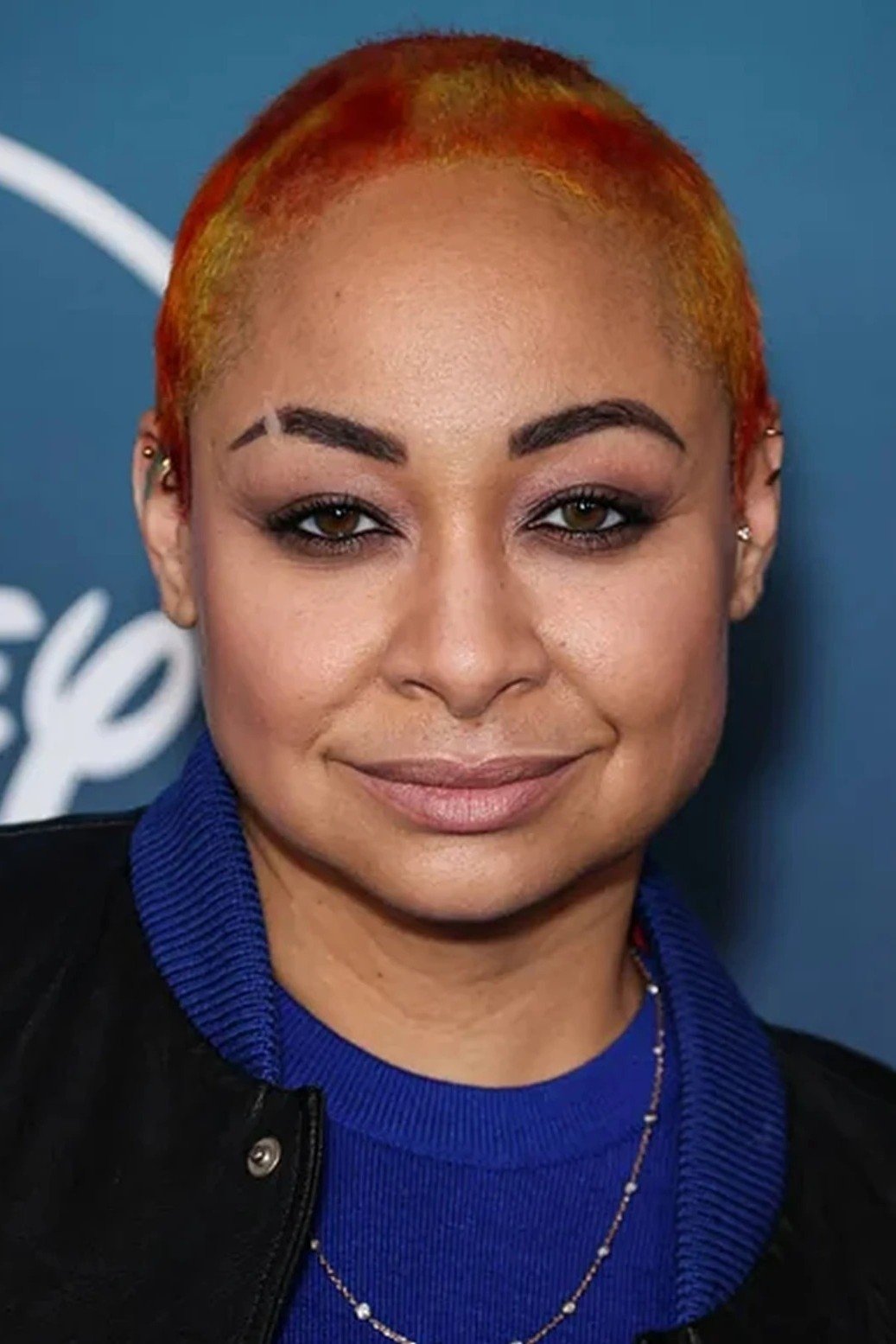
This former child star alienated many Black LGBTQ+ people when she famously rejected labels, stating she was an American rather than African-American, and refused to label her sexuality. While her intention was to exist without boxes, many in the community felt she was distancing herself from the political reality of being a Black lesbian. This led to a period of exclusion where she was mocked or dismissed by the very demographics she represented. Over time, her visibility as a married woman has mended some bridges, but the initial backlash highlighted the community’s demand for political solidarity.
Da Brat
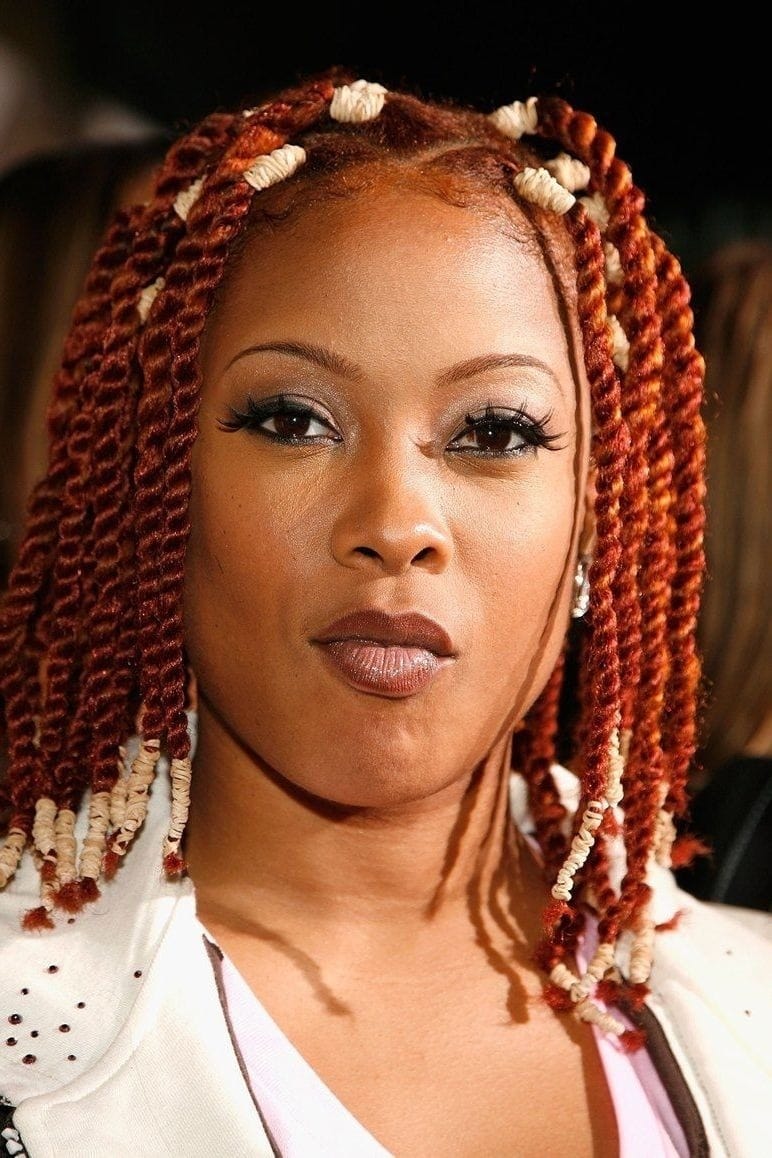
For decades, the hip-hop legend remained in the closet due to immense pressure from the music industry and the Black community to maintain a “marketable” image. When she finally came out, she discussed the fear of alienating her fanbase and the internal homophobia prevalent in hip-hop culture. Even after coming out, she faced scrutiny regarding her femme transformation during her pregnancy, with people policing her “stud” identity. Da Brat’s experience underscores the rigid gender performance expectations placed on Black lesbians.
Kehlani
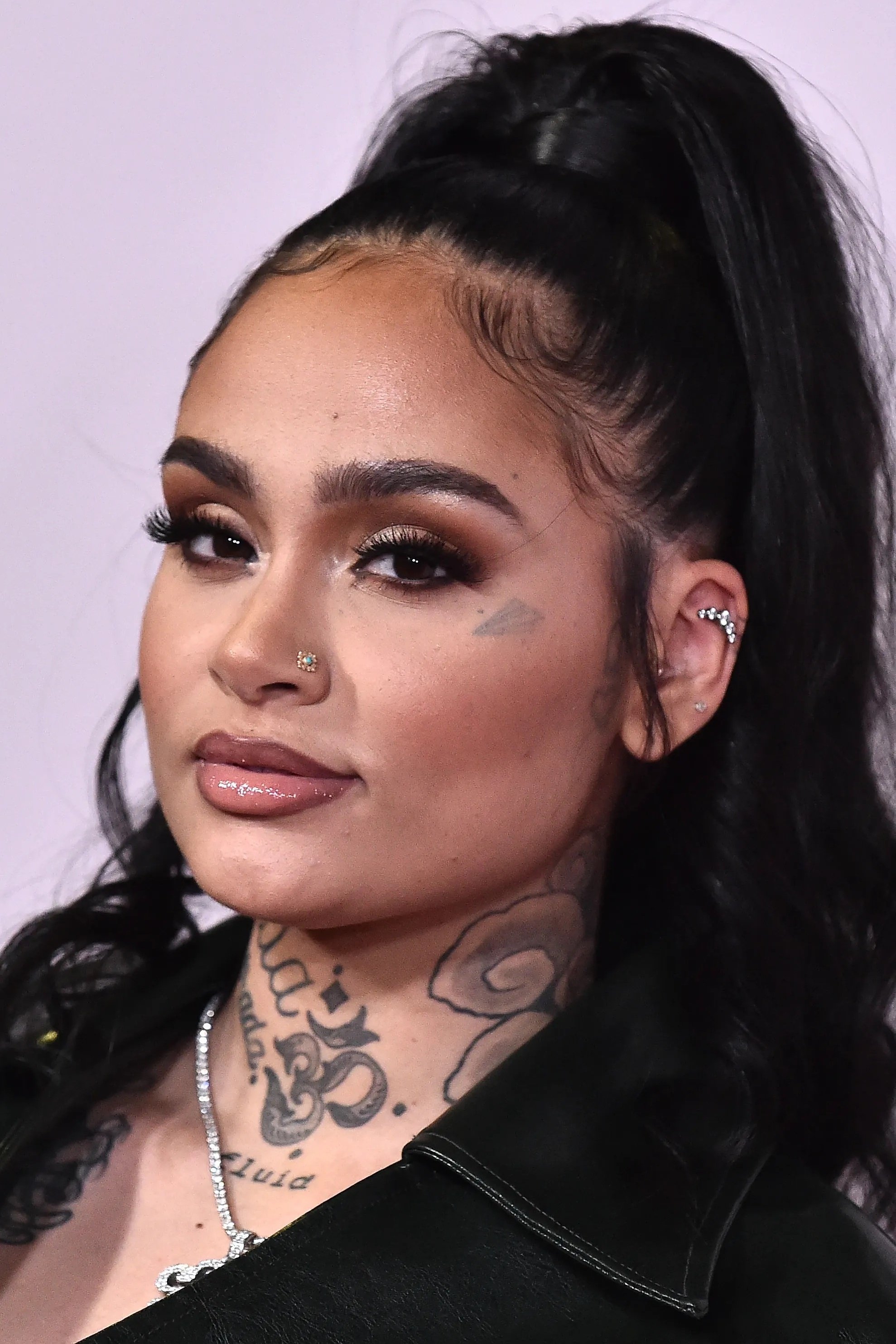
After publicly identifying as a lesbian, Kehlani faced accusations of “queerbaiting” from within the community because of her previous public relationships with men and her status as a mother. This form of gatekeeping invalidates the journeys of women who discover their lesbianism later in life or after compulsory heterosexuality. Social media commentators frequently policed her identity, arguing she was “too straight-passing” to claim the lesbian label. Kehlani has had to defend her truth against an audience that treats sexuality as a rigid, unchangeable history rather than a personal realization.
Queen Latifah
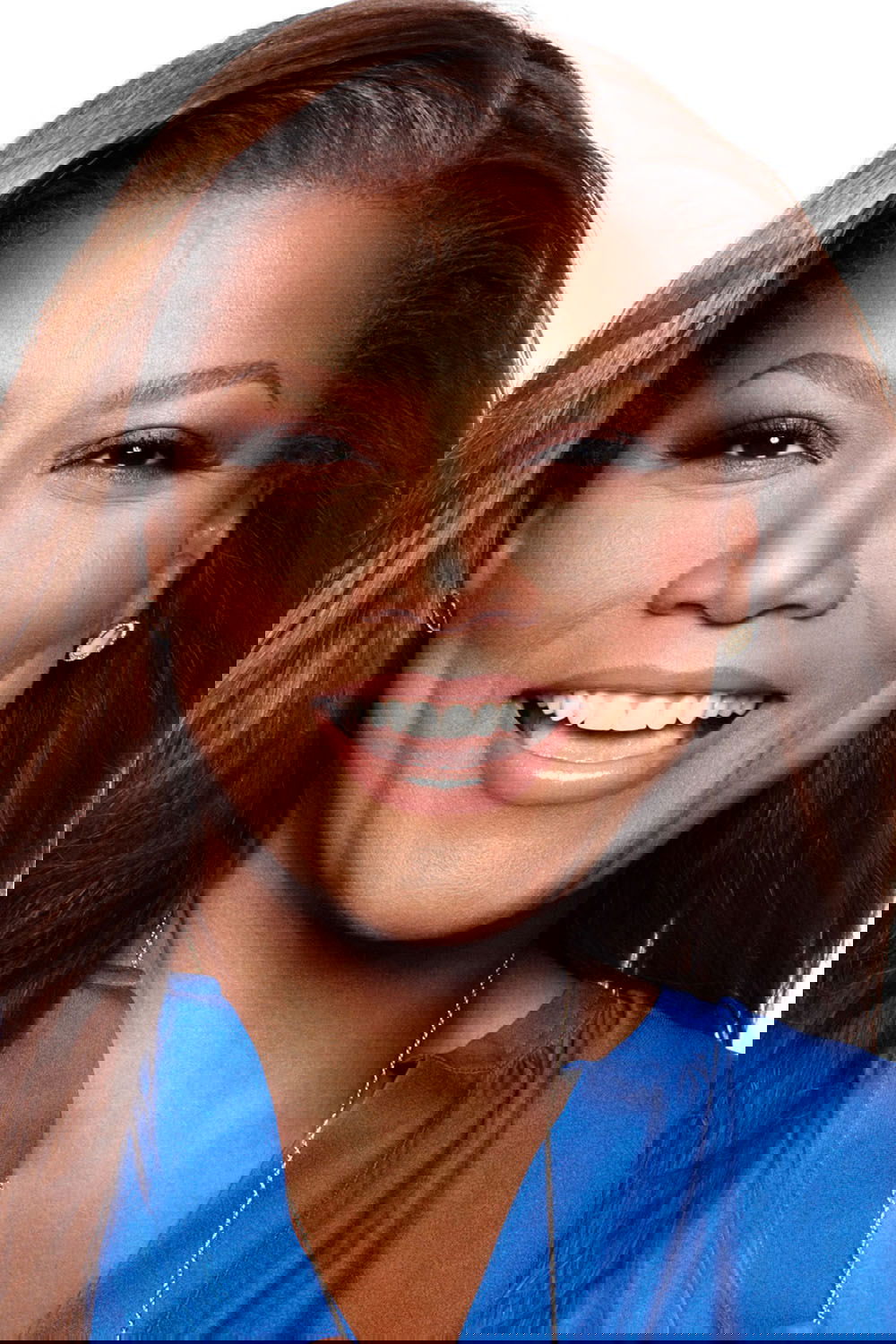
For years, the rap icon lived in what many called a “glass closet,” facing entitlement from LGBTQ+ fans who felt she owed them a public coming out. This pressure disregards the safety and privacy concerns that Black women in the public eye must navigate. When she finally acknowledged her partner publicly, the reaction was a mix of celebration and criticism for having waited so long. Her experience illustrates the community’s often aggressive demand for disclosure, regardless of the star’s personal comfort or safety.
Meshell Ndegeocello
A pioneer of the neo-soul movement, Ndegeocello was open about her sexuality in the 90s, a time when it was professional suicide. She faced isolation not just from the mainstream, but from a Black community that was not yet ready to embrace a shaved-headed, masculine-presenting lesbian bassist. Her early career struggle paved the way for others, yet she rarely receives the same level of reverence as her straight contemporaries. Her story serves as a reminder of the erasure faced by those who break the ground first.
Samira Wiley
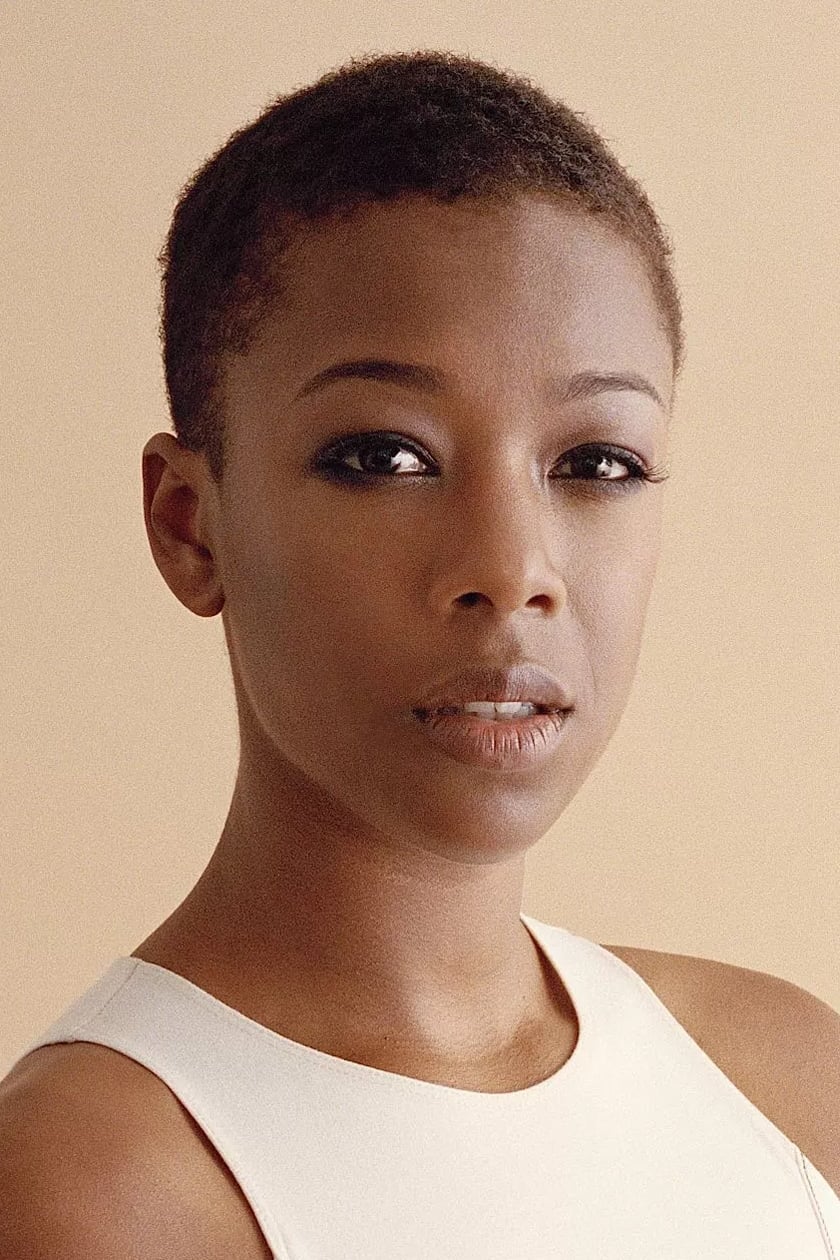
Best known for her role in ‘Orange Is the New Black’, Wiley became an instant icon, but with that came the heavy burden of being the “perfect” representation. She has spoken about the pressure to be a role model and the tokenization she faces as a Black lesbian in predominantly white queer spaces. This tokenism often requires her to speak for an entire demographic, stripping her of the nuance of her individual experience. Wiley navigates the fine line of being celebrated for her identity while fighting to be seen as an actress first.
Felicia Pearson
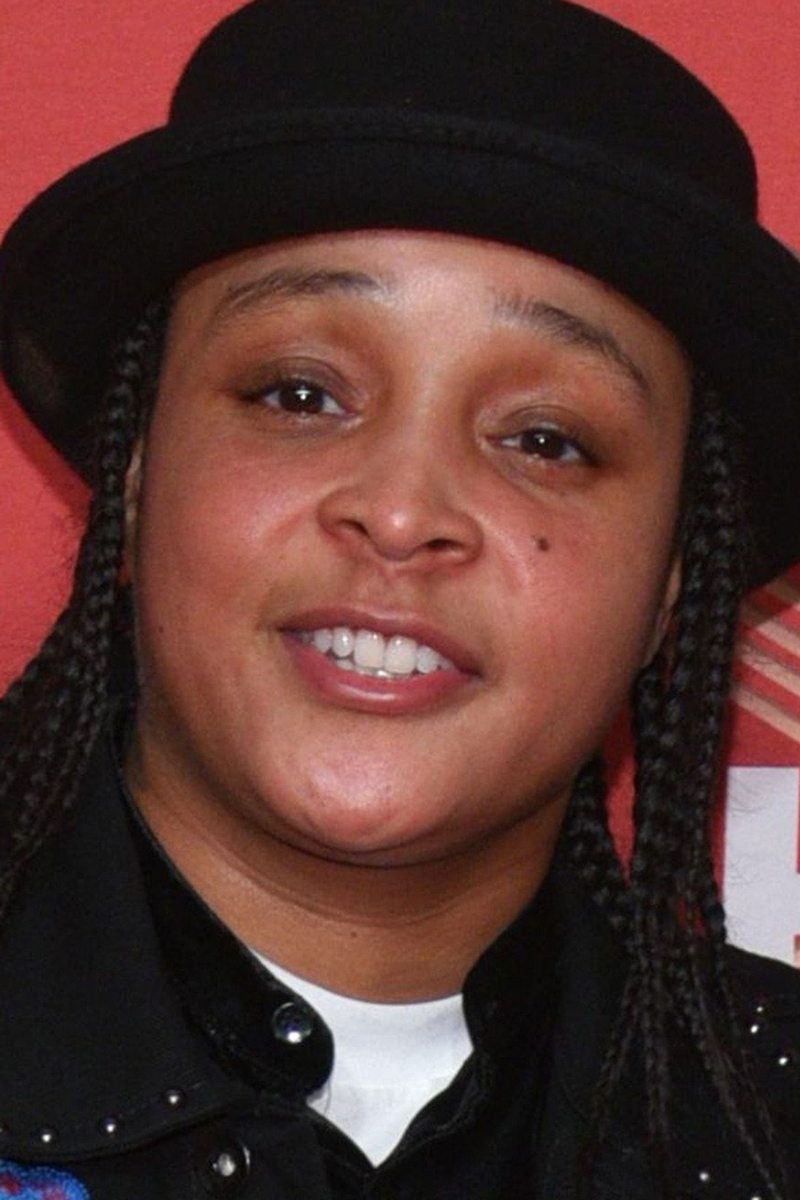
Discovered in a Baltimore club and cast in ‘The Wire’, Pearson’s reality as a masculine-presenting lesbian from the streets blurred with her on-screen persona. She faces a specific type of classist lesbophobia within the Hollywood community, where her authentic “hood” demeanor is often judged by more assimilated queer circles. This typecasting limits her roles and reflects the internal class divisions that exist within the Black LGBTQ+ community. Pearson remains a cult figure, representing a demographic often ignored by mainstream gay media.
Siya
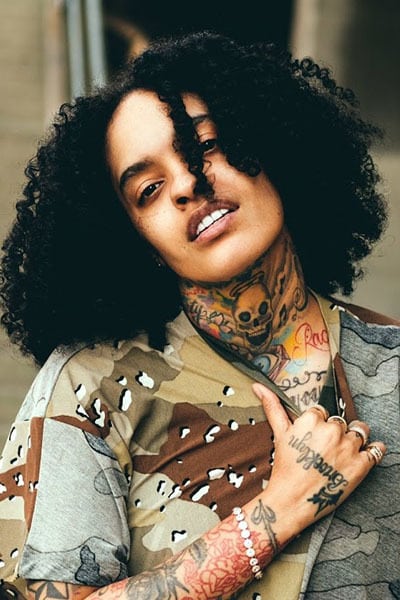
As one of the first openly gay female rappers to star in a reality show, ‘Sisterhood of Hip Hop’, Siya faced immense industry pushback. She dealt with executives who wanted to feminize her image to make her palatable to the male gaze, a struggle shared by many studs in entertainment. Within the lesbian community, she often faces the fetishization of her “thug” aesthetic while her musical talent is secondary to her sexual identity. Siya’s career highlights the double-bind of battling hip-hop’s misogyny and the queer community’s objectification.
Kiersey Clemons
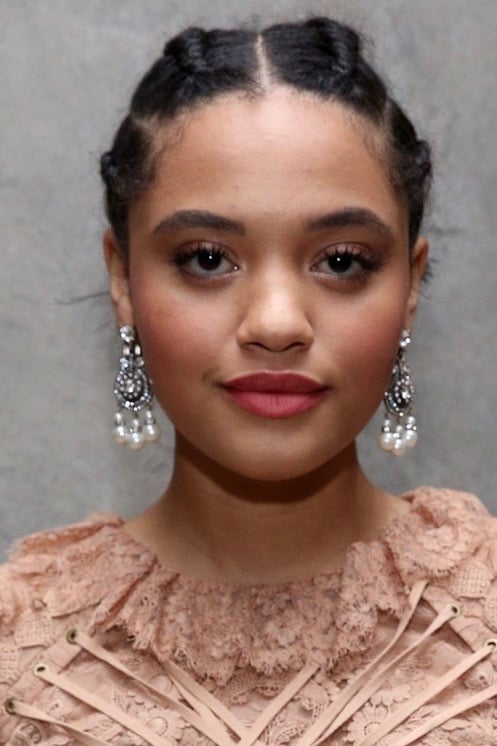
Clemons identifies as queer and has played lesbian roles, yet she often faces erasure in conversations about Black queer stars. This invisibility stems from a media landscape that favors loud, scandalous narratives over quiet, consistent authenticity. She has discussed the difficulty of navigating Hollywood as a woman of color who refuses to perform her sexuality for public consumption. Clemons represents the struggle of the “everyday” Black queer woman whose existence is validated only when it serves a trend.
Amandla Stenberg
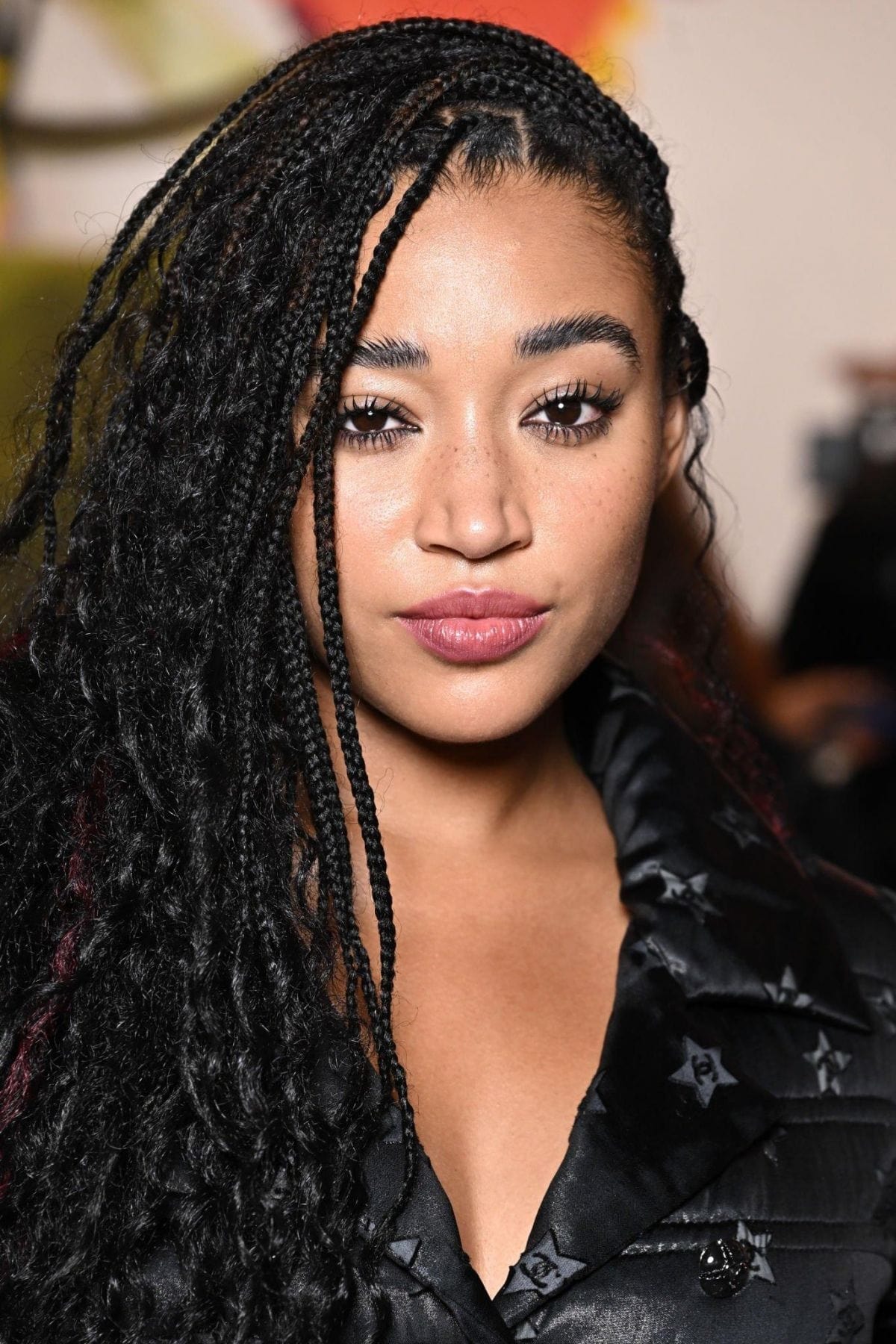
Before identifying as gay, Stenberg came out as bisexual and faced rampant biphobia, only to face “gold star” policing after realizing she was gay. Her journey through different labels has made her a target for those who believe changing labels invalidates one’s current identity. Additionally, as a light-skinned, non-binary person, they navigate complex conversations about colorism and privilege within Black queer spaces. Stenberg’s evolution is a testament to the fluidity of identity, despite a community that often demands permanence.
Tracy Chapman

Chapman has famously maintained extreme privacy regarding her personal life, which has led to decades of speculation and frustration from the LGBTQ+ community. Many felt her silence during the height of the AIDS crisis and the fight for marriage equality was a betrayal, labeling her refusal to come out as internalized shame. However, this entitlement fails to account for the hostility faced by Black women in the 80s and 90s music industry. Chapman’s choice to let her art speak remains a point of contention for those who demand political performance from artists.
Cynthia Erivo
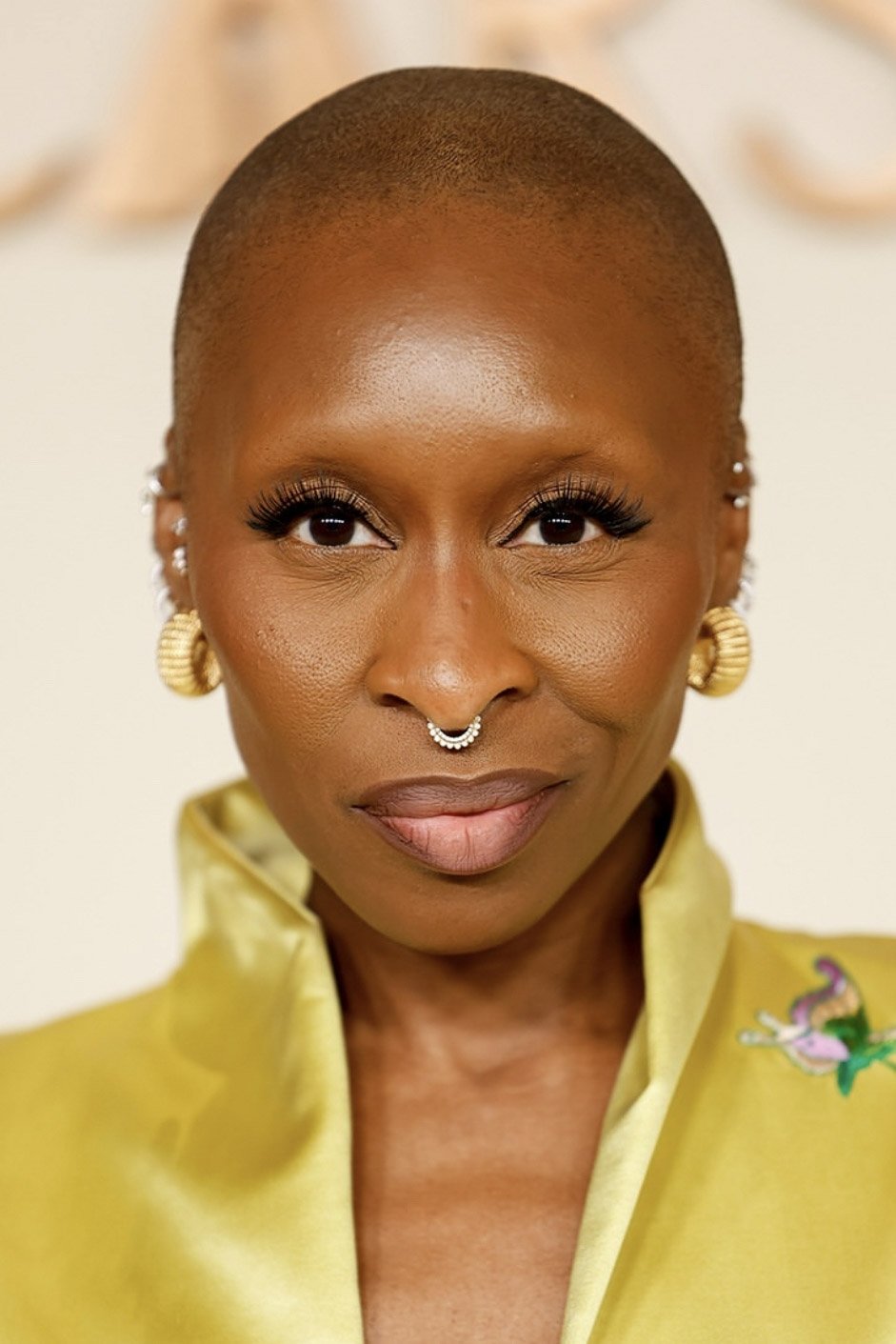
Erivo has been open about her queer identity, but she frequently faces racism within the UK and US lesbian scenes. The criticism she receives often targets her appearance and her roles, reflecting the misogynoir that Black queer women face even from white queer women. She has spoken on the importance of seeing herself represented, filling a void she felt growing up. Erivo’s success is often met with a hyper-scrutiny that her white counterparts do not endure.
Share your thoughts on how the community can better support these stars in the comments.