


25 “Black” Movies That White Directors Used to Win Awards

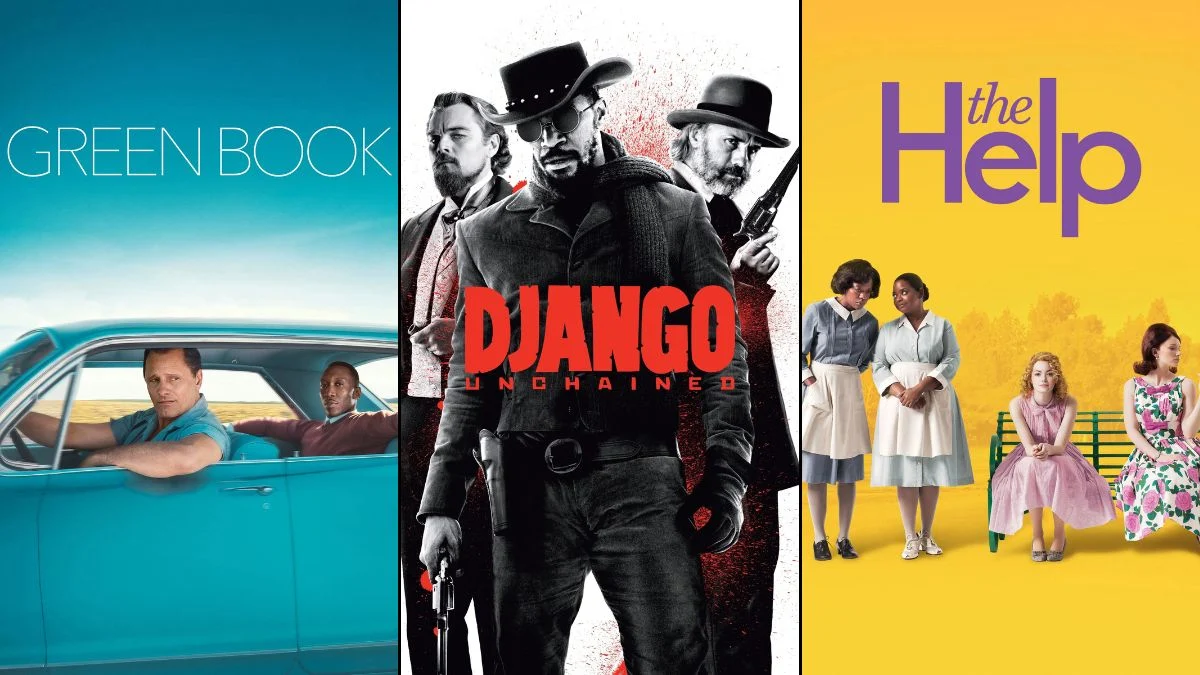


Hollywood has a long history of celebrating films centered on African American history and culture that were helmed by white filmmakers. These productions often feature acclaimed performances by Black actors and tackle significant subjects ranging from the Civil Rights Movement to the complexities of modern identity. Many of these movies achieved massive commercial success and dominated awards seasons with nominations for Best Picture and wins for acting or writing. The industry frequently rewards these directors for their handling of sensitive racial narratives and historical biopics. This list explores twenty-five notable films where white directors guided Black stories to prestige and statuettes.
‘Green Book’ (2018)
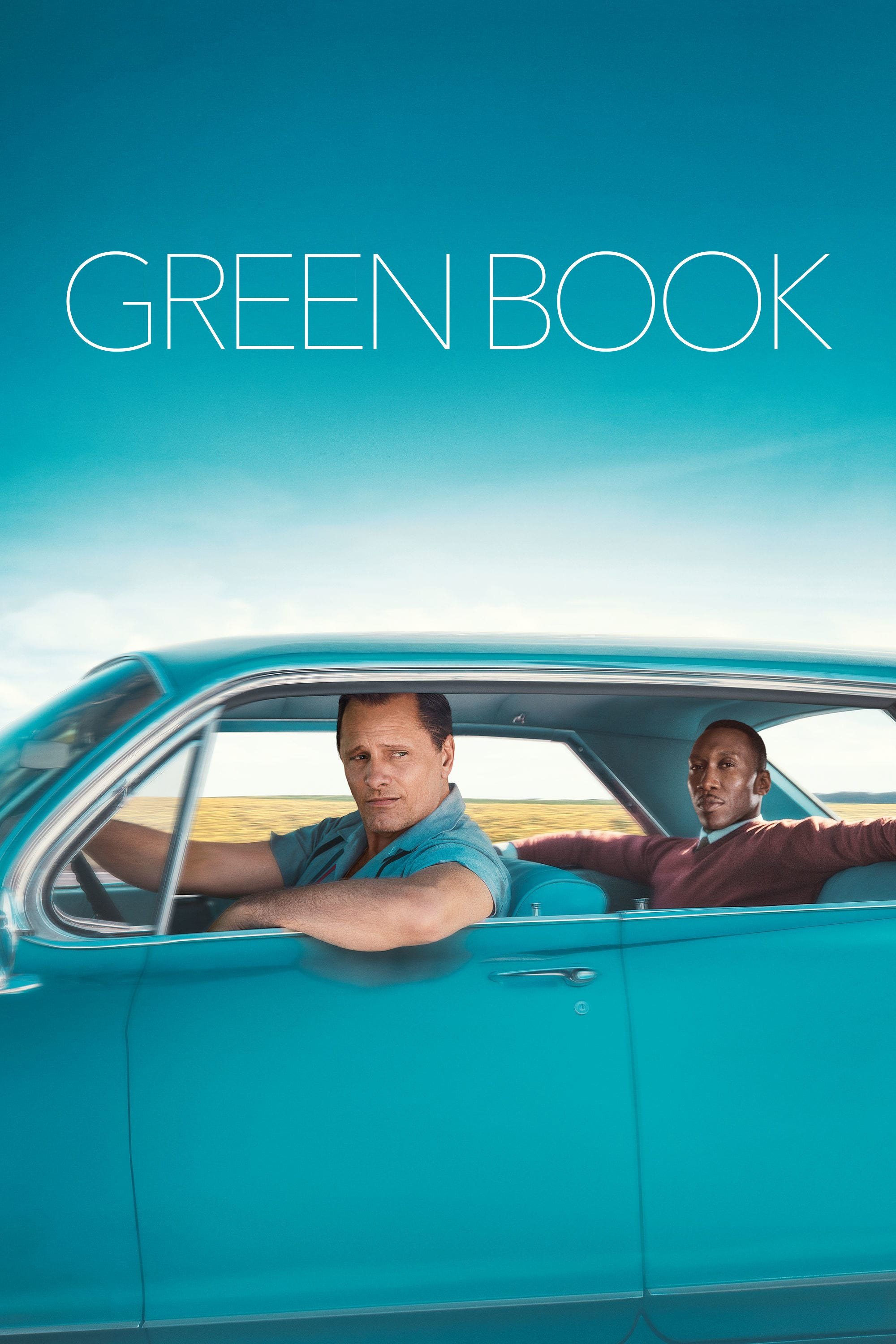
Peter Farrelly directed this biographical drama set in the 1962 American South featuring an Italian-American bouncer who drives an African American classical pianist on a concert tour. The film explores the evolving friendship between the two men as they navigate the perils of the Jim Crow era using a special guidebook for safe travel. Mahershala Ali won the Academy Award for Best Supporting Actor for his portrayal of Dr. Don Shirley. The movie itself secured the Oscar for Best Picture despite generating significant discussion regarding its historical accuracy.
‘The Help’ (2011)
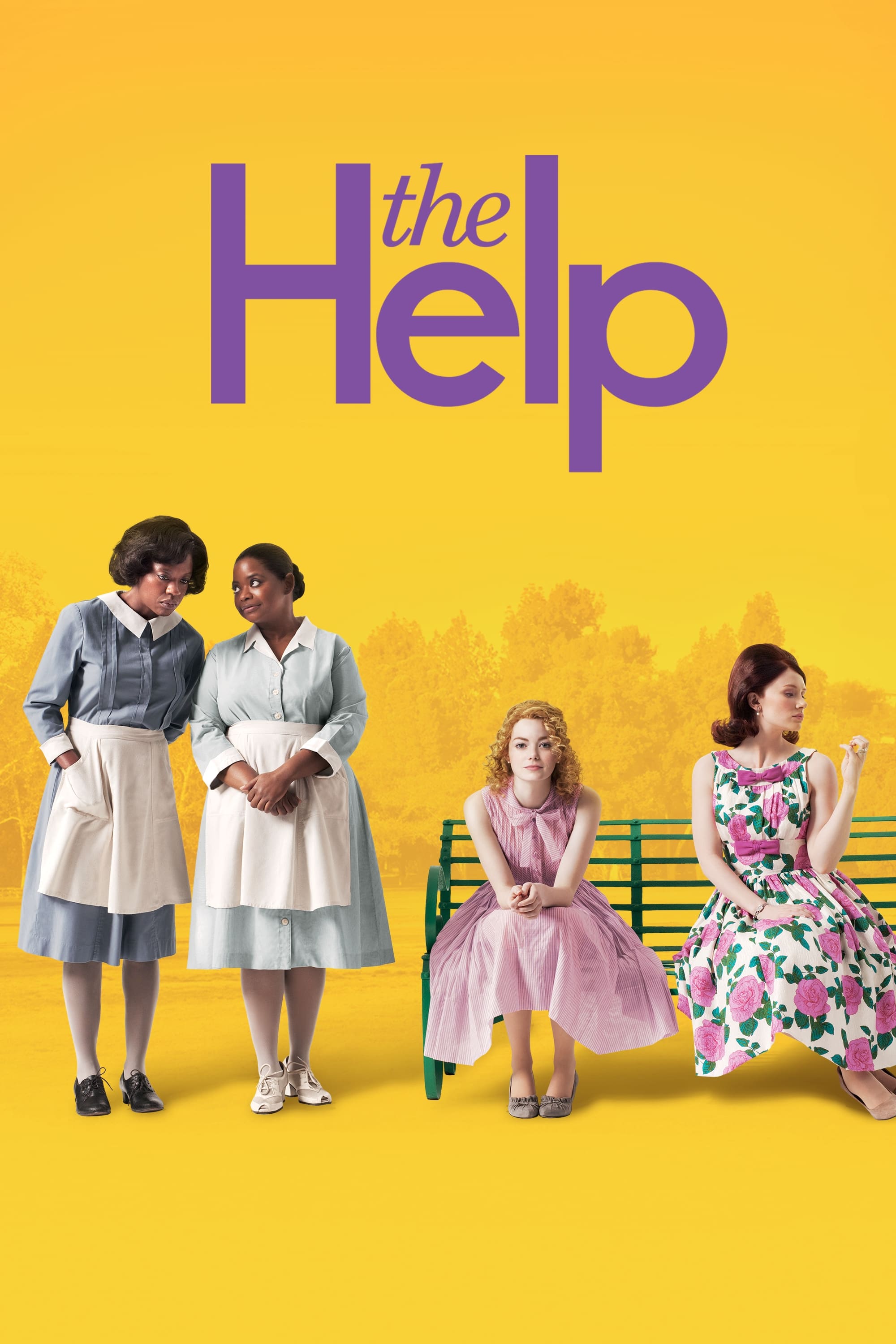
Tate Taylor adapted Kathryn Stockett’s novel about African American maids working in white households in Jackson, Mississippi, during the early 1960s. The narrative focuses on the relationship between a young white journalist and two maids who decide to expose the racism they face daily. Octavia Spencer received the Academy Award for Best Supporting Actress for her role as Minny Jackson while Viola Davis earned a Best Actress nomination. The film became a major box office success and was praised for the performances of its ensemble cast.
‘The Color Purple’ (1985)
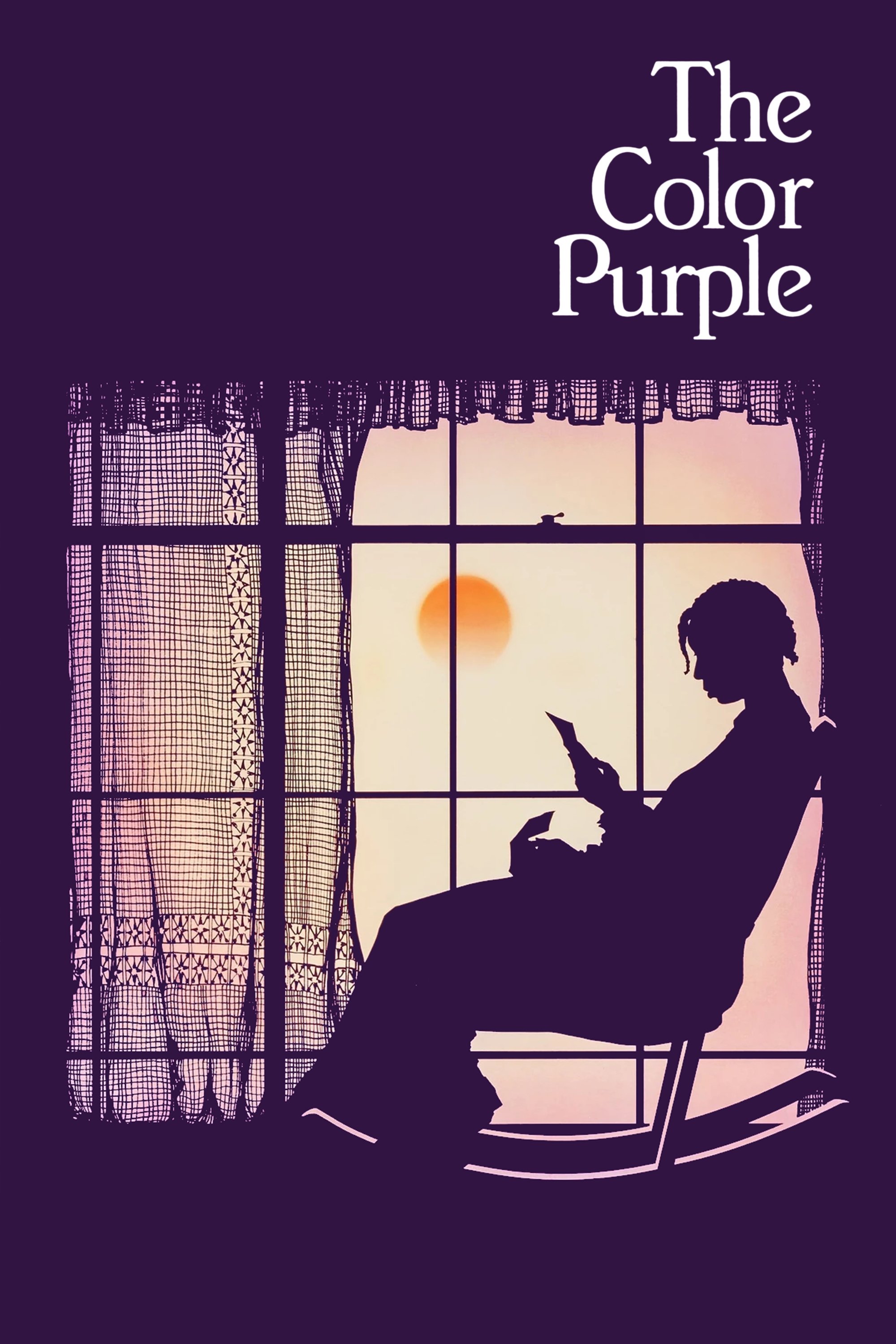
Steven Spielberg directed this adaptation of Alice Walker’s Pulitzer Prize-winning novel about the life of Celie Harris in the early 20th-century South. Whoopi Goldberg made her film debut as the lead character who endures abuse and bigotry before finding her own voice and independence. The film received eleven Academy Award nominations including Best Picture and Best Actress for Goldberg. It remains one of the most famous examples of a white director tackling a deeply specific Black female narrative.
‘Hidden Figures’ (2016)

Theodore Melfi brought to the screen the true story of three brilliant African American women at NASA who served as the brains behind one of the greatest operations in history. Taraji P. Henson, Octavia Spencer, and Janelle Monáe starred as the mathematicians who crossed gender and race lines to help launch astronaut John Glenn into orbit. The film received three Academy Award nominations including Best Picture and Best Adapted Screenplay. It highlighted the previously overlooked contributions of Black women to the Space Race.
‘Django Unchained’ (2012)
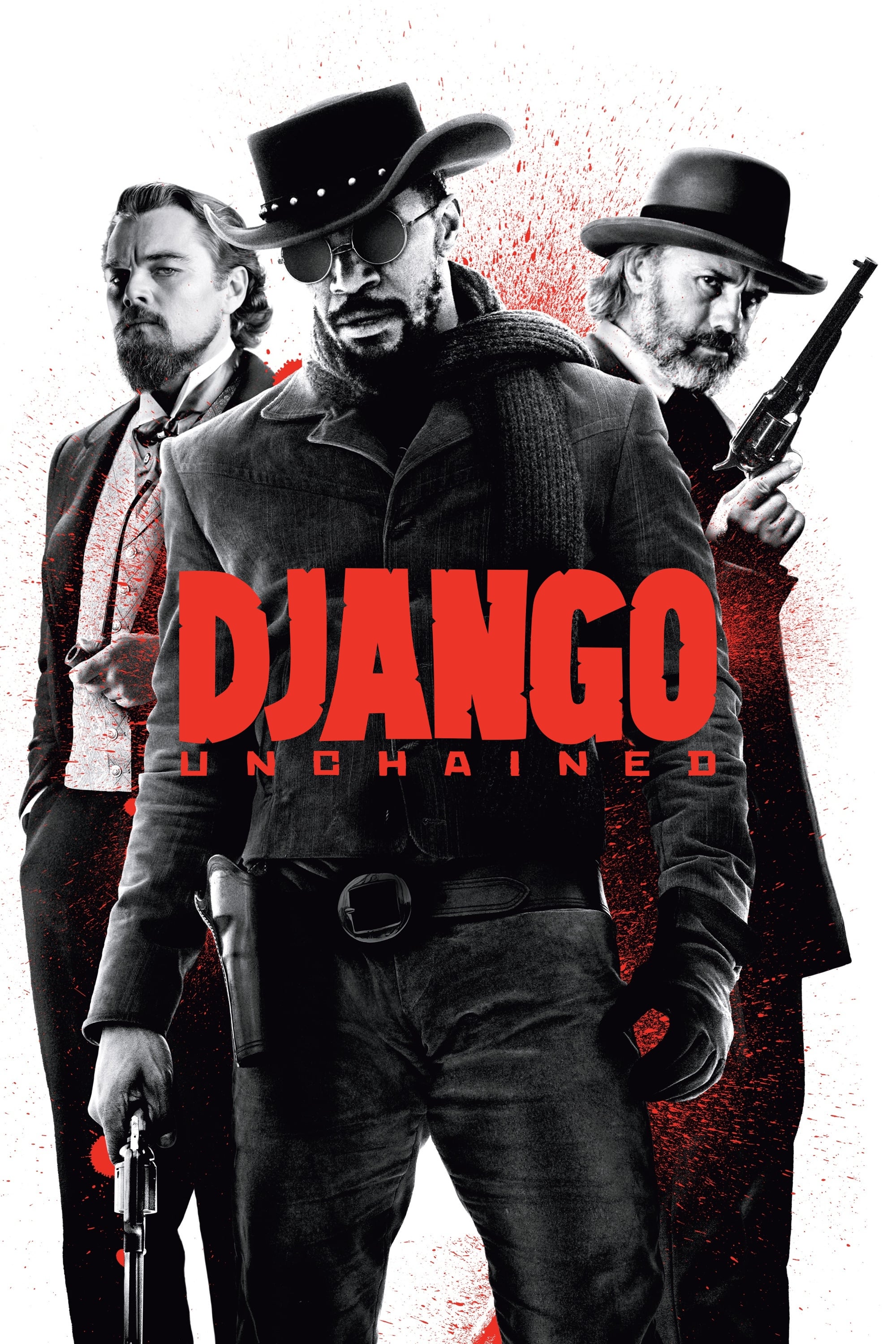
Quentin Tarantino wrote and directed this stylized western about a freed slave who teams up with a German bounty hunter to rescue his wife from a brutal Mississippi plantation owner. Jamie Foxx starred as the titular character in a film that blended graphic violence with a revisionist take on American slavery. Christoph Waltz won the Academy Award for Best Supporting Actor while Tarantino won for Best Original Screenplay. The movie generated intense debate regarding its use of racial slurs and its depiction of historical atrocities.
‘Driving Miss Daisy’ (1989)
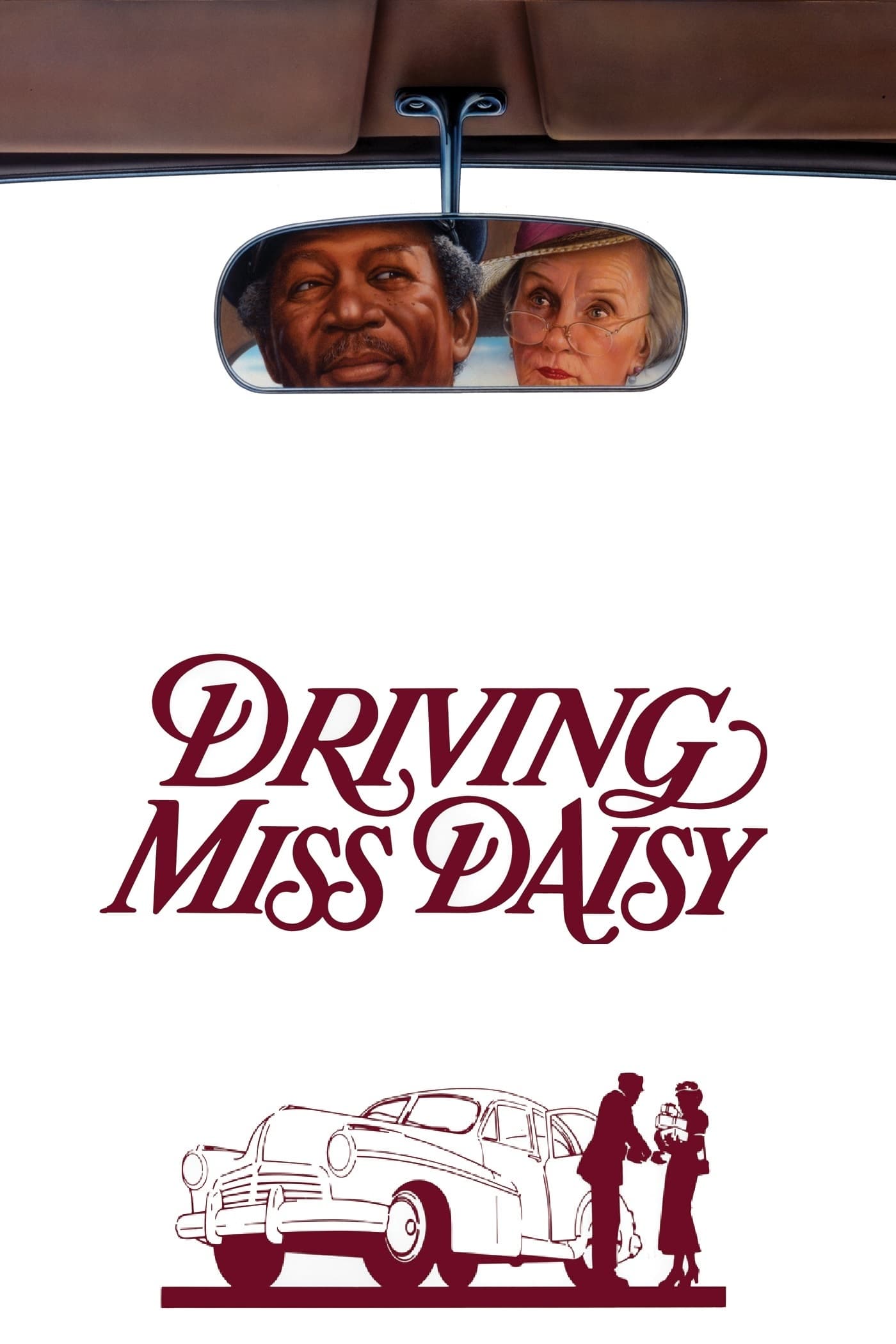
Bruce Beresford directed this adaptation of Alfred Uhry’s play concerning the twenty-five-year relationship between an elderly Jewish woman and her African American chauffeur. Morgan Freeman reprised his stage role as Hoke Colburn alongside Jessica Tandy in the American South during the mid-20th century. The film won four Academy Awards including Best Picture and Best Actress for Tandy. It is frequently cited as a classic example of a film that explores race relations through a sentimental lens.
‘Glory’ (1989)
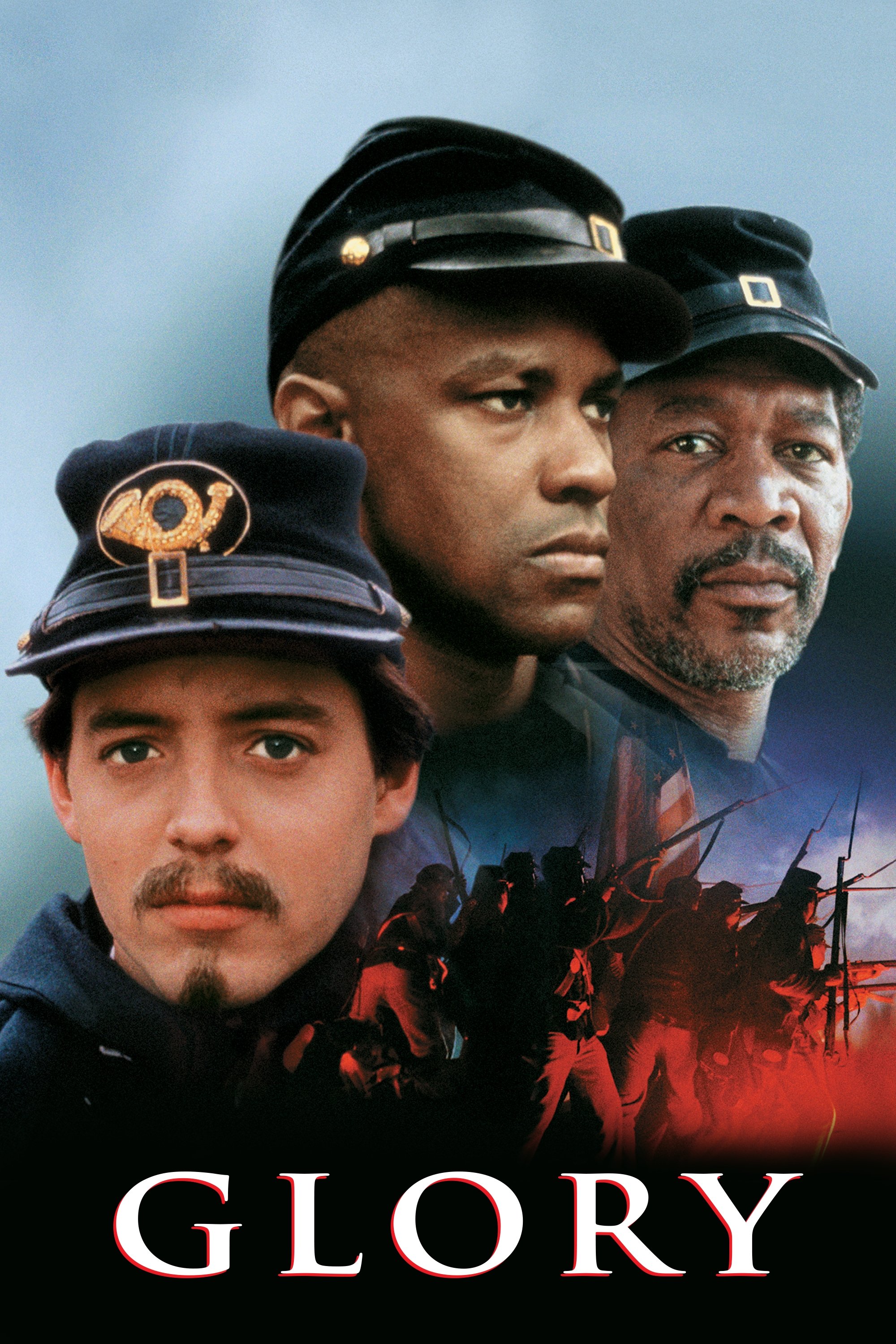
Edward Zwick directed this historical war drama about the 54th Massachusetts Infantry Regiment which was the first all-Black volunteer company to fight in the Civil War. Denzel Washington delivered a powerful performance as a defiant soldier named Trip and won his first Academy Award for Best Supporting Actor. The film details the prejudice the soldiers faced from both the Union Army and the Confederates. It is widely regarded for its battle sequences and for bringing attention to the Black soldiers who fought for their own freedom.
‘Ray’ (2004)
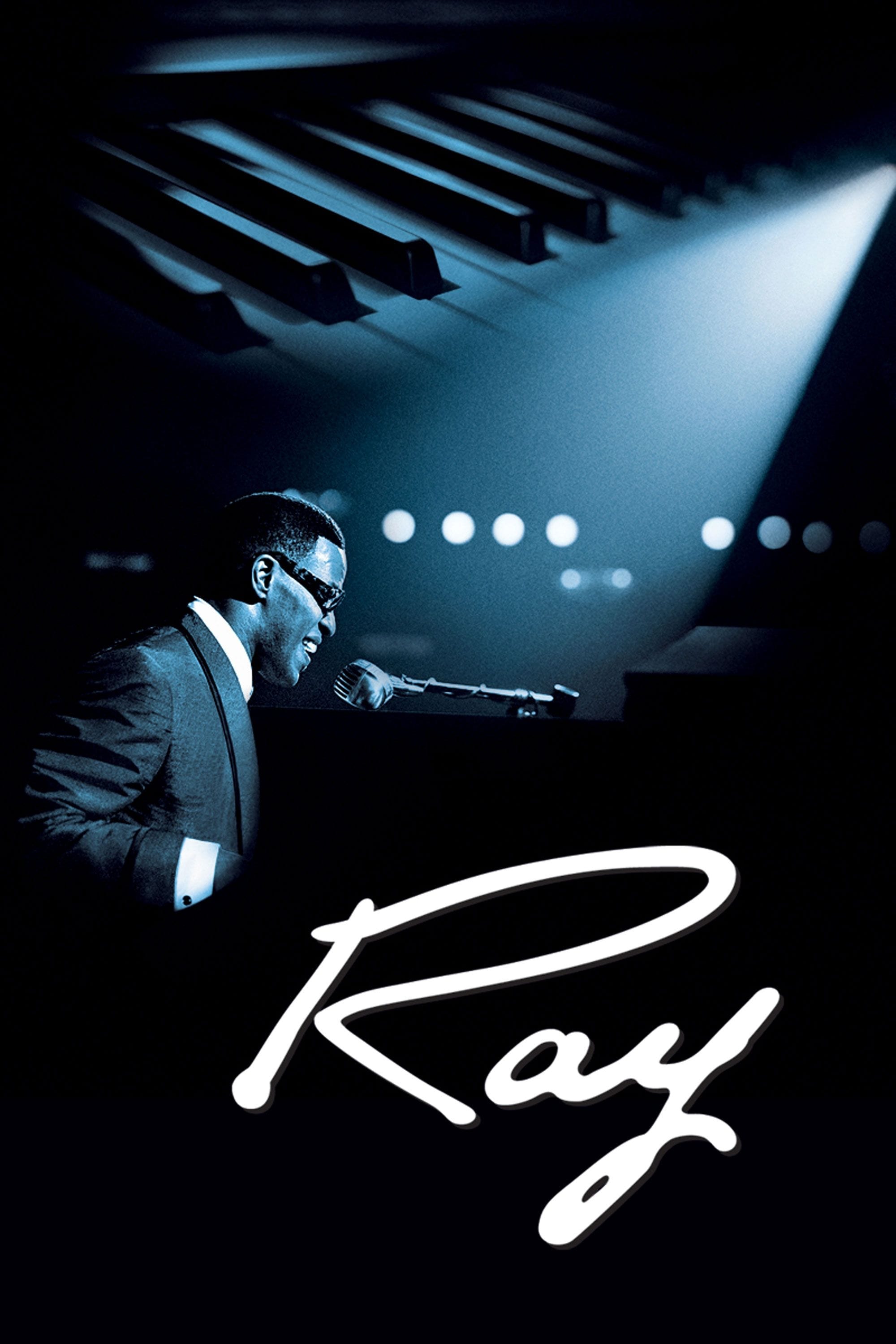
Taylor Hackford directed this biographical film about the life and career of legendary rhythm and blues musician Ray Charles. Jamie Foxx completely transformed into the musician and captured his struggle with blindness and addiction while rising to stardom. Foxx won the Academy Award for Best Actor as well as the Golden Globe, BAFTA, and Screen Actors Guild Award. The movie chronicles Charles’s journey from the segregated South to becoming an international music icon.
‘Dreamgirls’ (2006)

Bill Condon adapted and directed this musical drama inspired by the history of the Motown record label and The Supremes. Jennifer Hudson delivered a show-stopping performance as Effie White and won the Academy Award for Best Supporting Actress in her film debut. The film features a predominantly Black cast and explores the evolution of American R&B music during the 1960s and 1970s. It received eight Oscar nominations and won two while also securing the Golden Globe for Best Motion Picture – Musical or Comedy.
‘Monster’s Ball’ (2001)
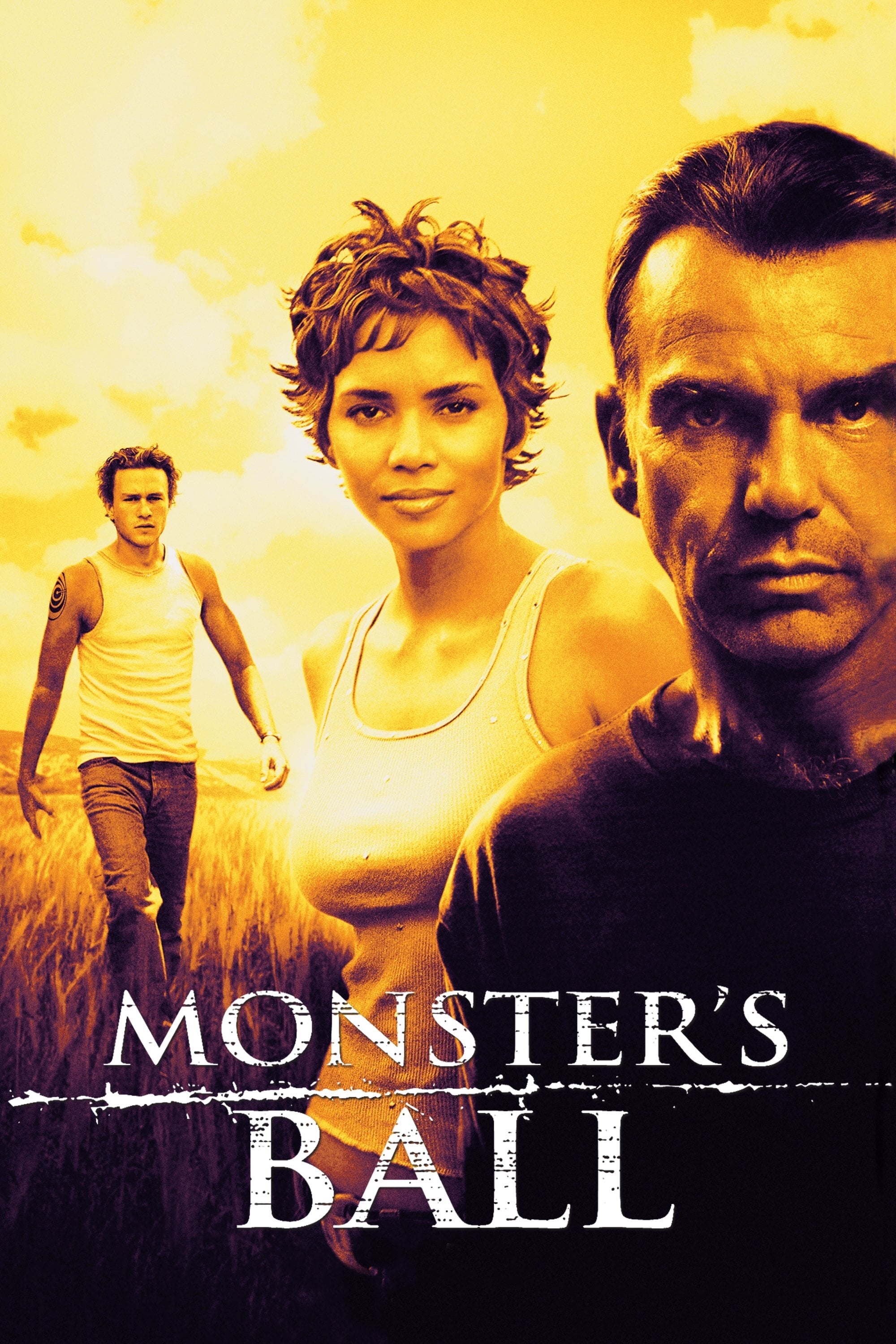
Marc Forster directed this stark drama about a racist prison corrections officer who begins a relationship with the widow of a man he executed. Halle Berry starred as Leticia Musgrove and became the first African American woman to win the Academy Award for Best Actress. The film deals with heavy themes of generational racism, grief, and poverty in the rural South. Berry’s historic win marked a significant moment in Academy Awards history.
‘The Last King of Scotland’ (2006)
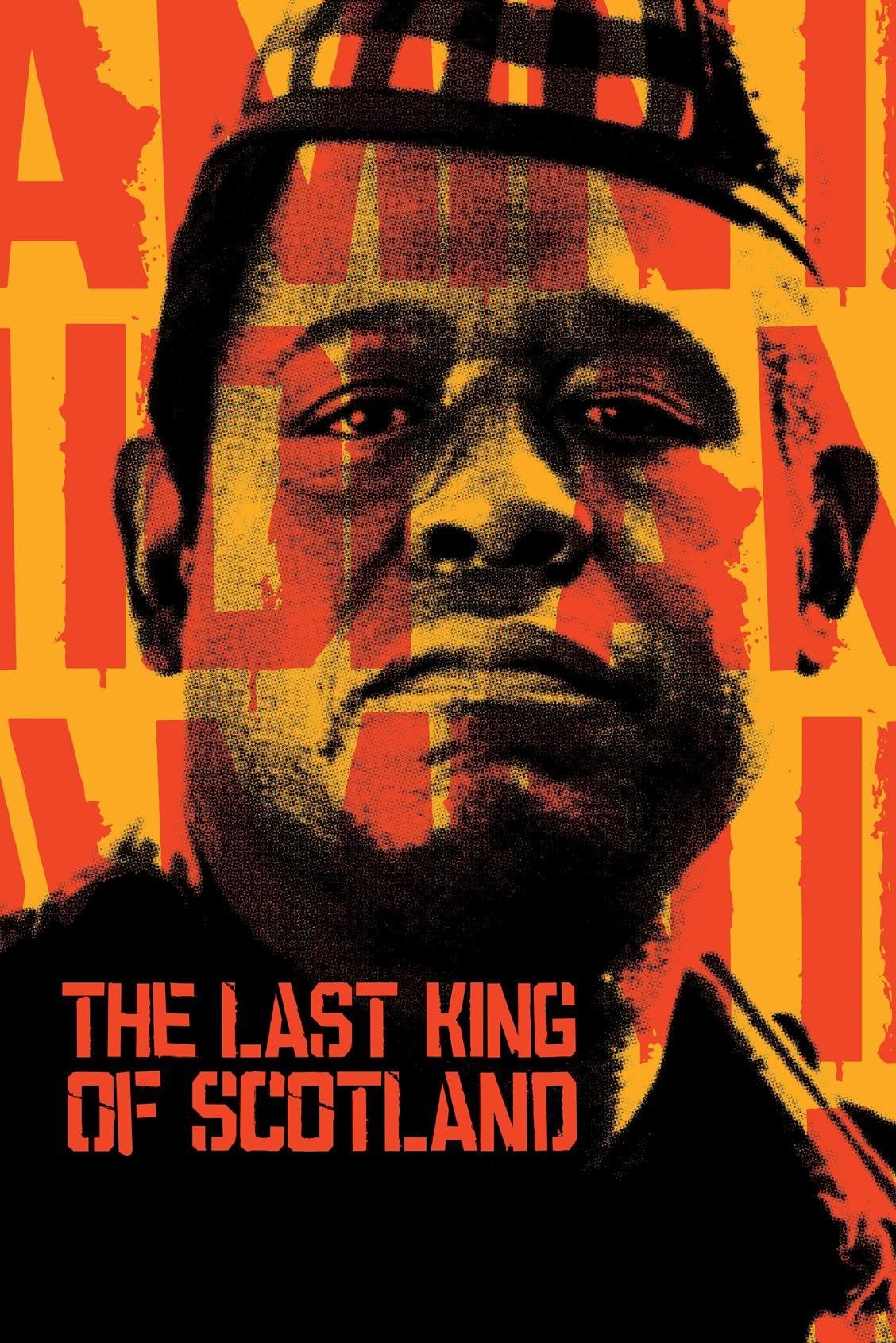
Kevin Macdonald directed this historical drama depicting the dictatorship of Ugandan President Idi Amin through the eyes of a fictional Scottish doctor. Forest Whitaker gave a commanding performance as Amin that earned him the Academy Award for Best Actor. The film examines the charisma and brutality of the dictator during his regime in the 1970s. Whitaker swept the major awards season by winning the Golden Globe, BAFTA, and SAG Award as well.
‘Mississippi Burning’ (1988)
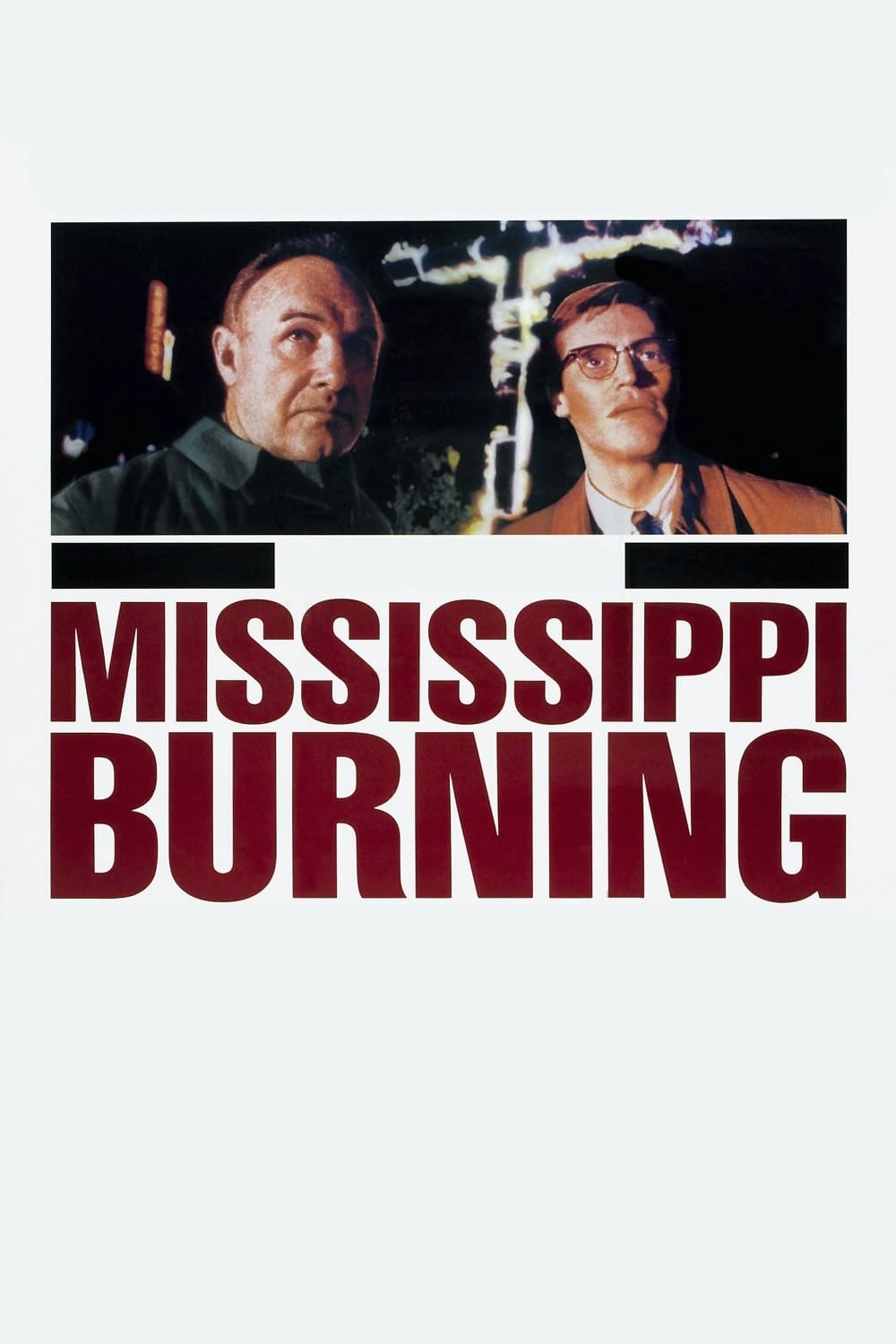
Alan Parker directed this crime thriller loosely based on the 1964 murder investigation of three civil rights workers in Mississippi. Gene Hackman and Willem Dafoe star as two FBI agents with different styles who attempt to breach the conspiracy of silence in a segregated town. The film received seven Academy Award nominations and won for Best Cinematography. It was praised for its tension and acting but criticized for focusing on white protagonists within a civil rights narrative.
‘Amistad’ (1997)
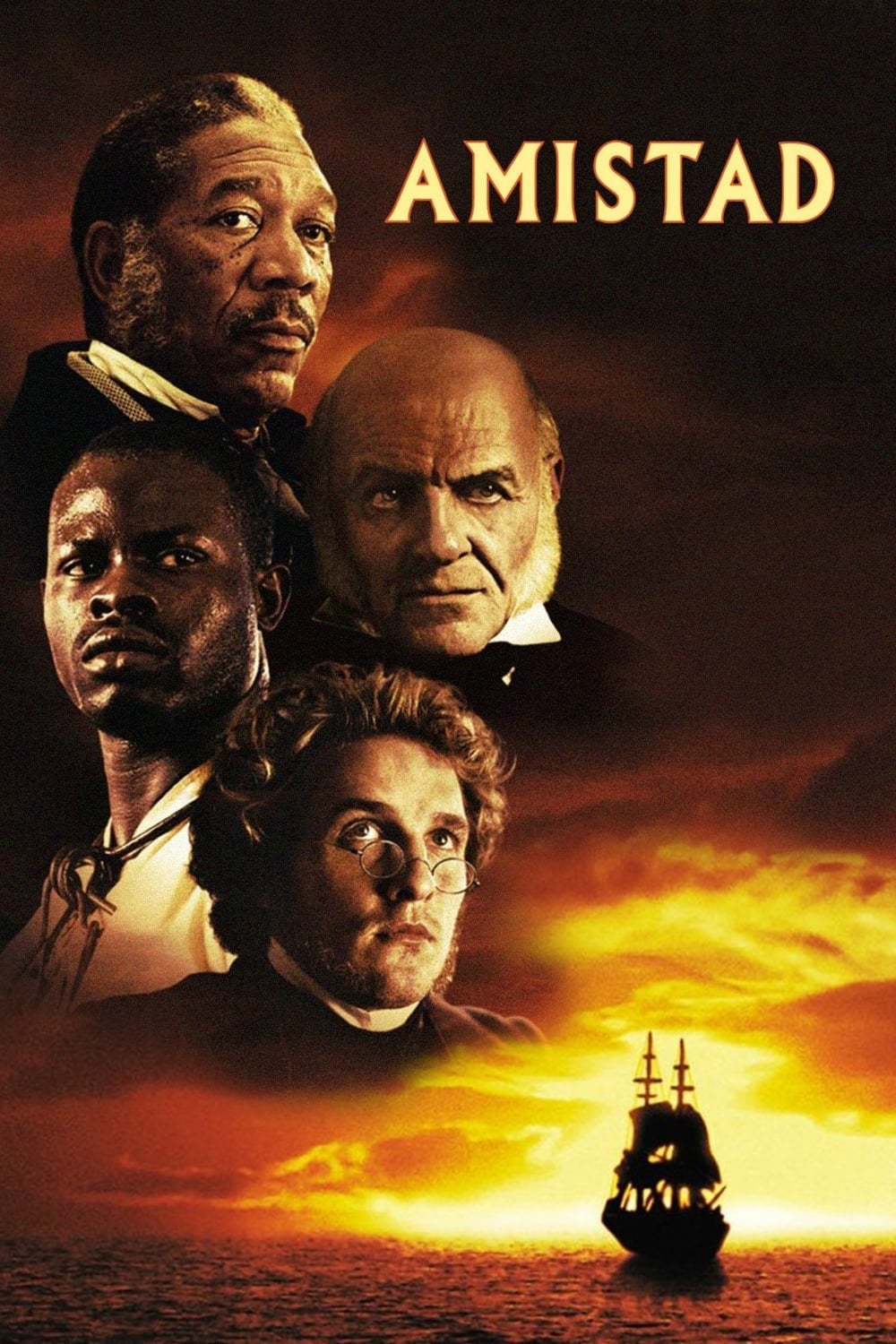
Steven Spielberg directed this historical drama based on the true story of the 1839 mutiny aboard the slave ship La Amistad. Djimon Hounsou delivered a breakout performance as Cinqué who leads the revolt and subsequently fights for his freedom in the United States legal system. The film received four Academy Award nominations including Best Supporting Actor for Anthony Hopkins. It explores the complexities of international law and the abolitionist movement in pre-Civil War America.
‘In the Heat of the Night’ (1967)
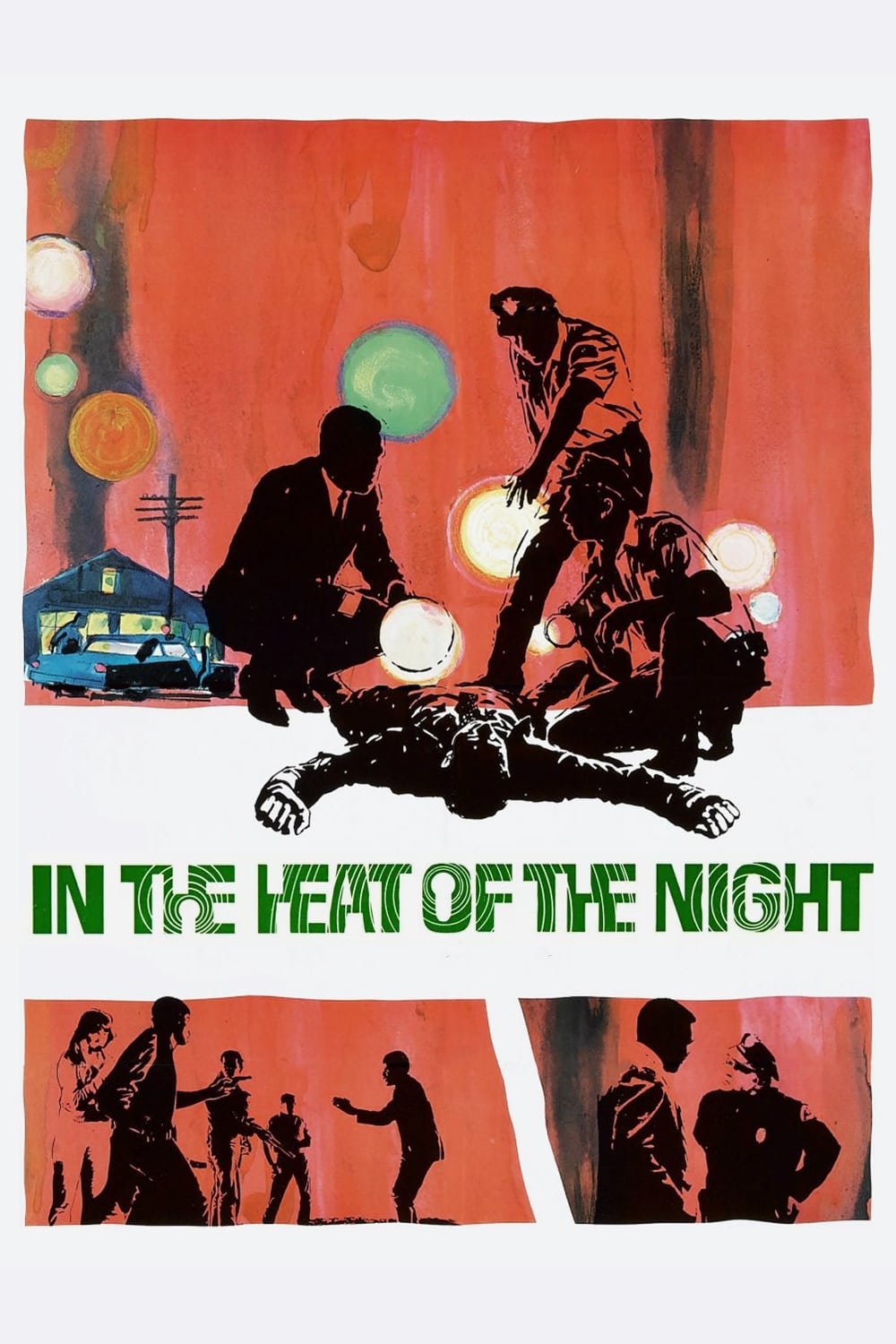
Norman Jewison directed this mystery drama involving a Black police detective from Philadelphia who becomes involved in a murder investigation in a small Mississippi town. Sidney Poitier starred as Virgil Tibbs alongside Rod Steiger who played the local police chief. The film won five Academy Awards including Best Picture and Best Actor for Steiger. It is celebrated for its script and for the dynamic tension between the two lead characters during the Civil Rights era.
‘Detroit’ (2017)

Kathryn Bigelow directed this crime drama based on the Algiers Motel incident during the 1967 Detroit 12th Street Riot. The film depicts the terrifying interrogation of a group of young Black men and two white women by police officers. It features an ensemble cast including John Boyega and Algee Smith within a narrative of systemic injustice and police brutality. The movie garnered positive reviews for its intensity and received NAACP Image Award nominations.
‘Ali’ (2001)
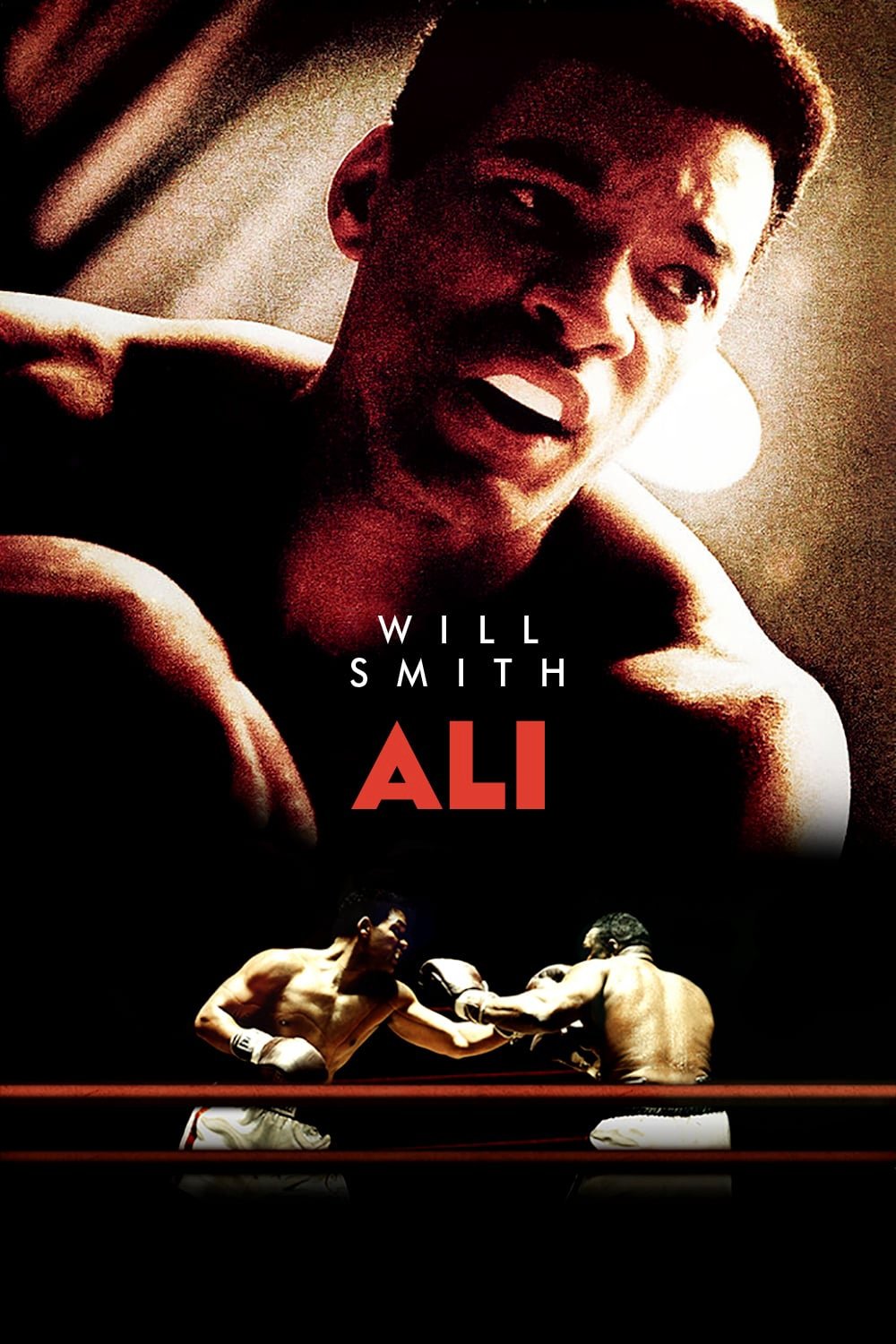
Michael Mann directed this biographical sports drama focusing on ten years in the life of boxer Muhammad Ali. Will Smith transformed physically and vocally to portray the heavyweight champion during his suspension from boxing and his political activism. Smith and Jon Voight both received Academy Award nominations for their performances. The film covers significant events such as Ali’s conversion to Islam and the Rumble in the Jungle fight.
‘Loving’ (2016)
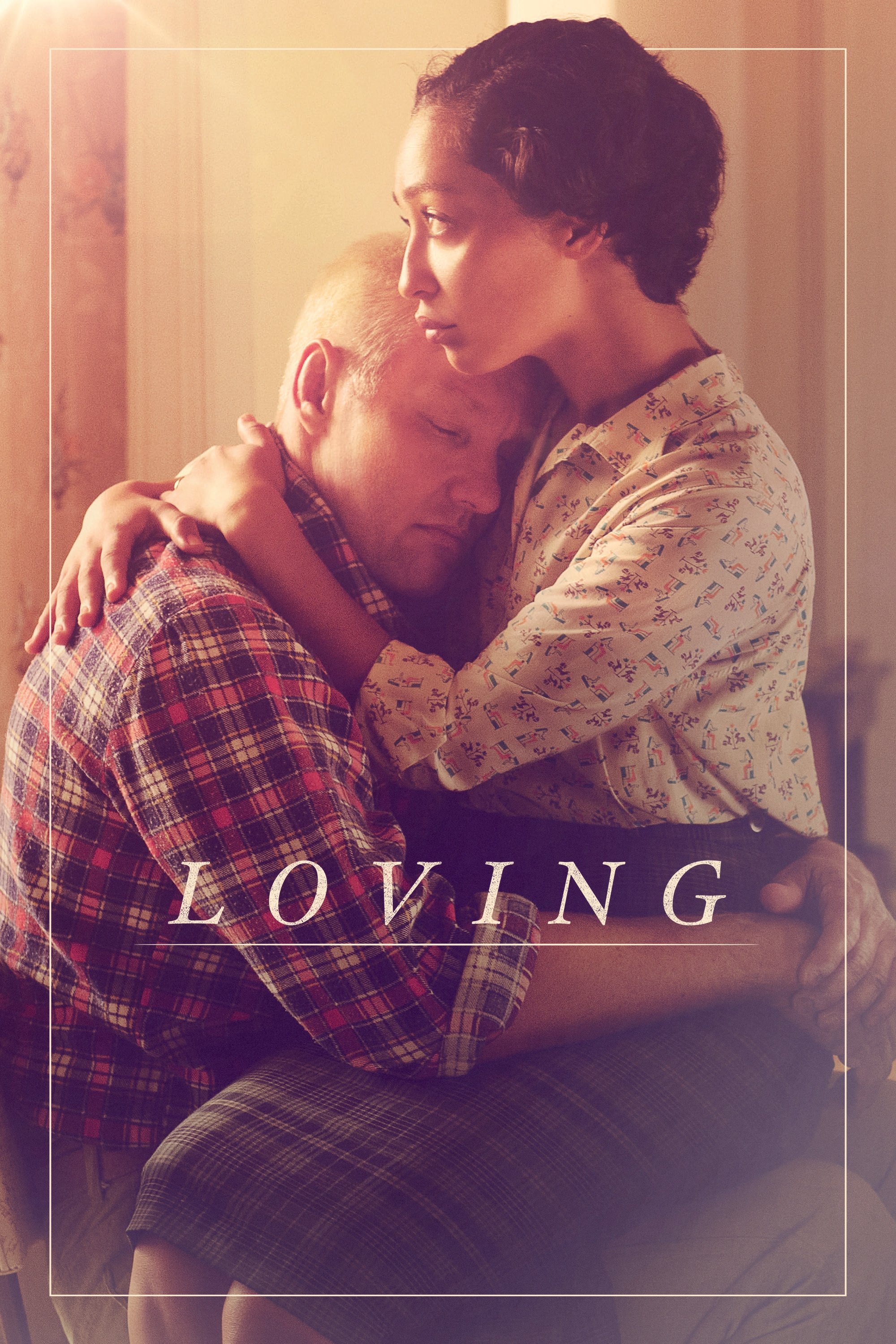
Jeff Nichols wrote and directed this historical drama about Richard and Mildred Loving whose interracial marriage led to a landmark Supreme Court decision. Ruth Negga starred as Mildred Loving and received an Academy Award nomination for Best Actress for her subtle and powerful performance. The film focuses on the quiet determination of the couple as they fight for the right to live together in their home state of Virginia. It avoids courtroom theatrics to focus on the personal bond between the central couple.
‘A Soldier’s Story’ (1984)
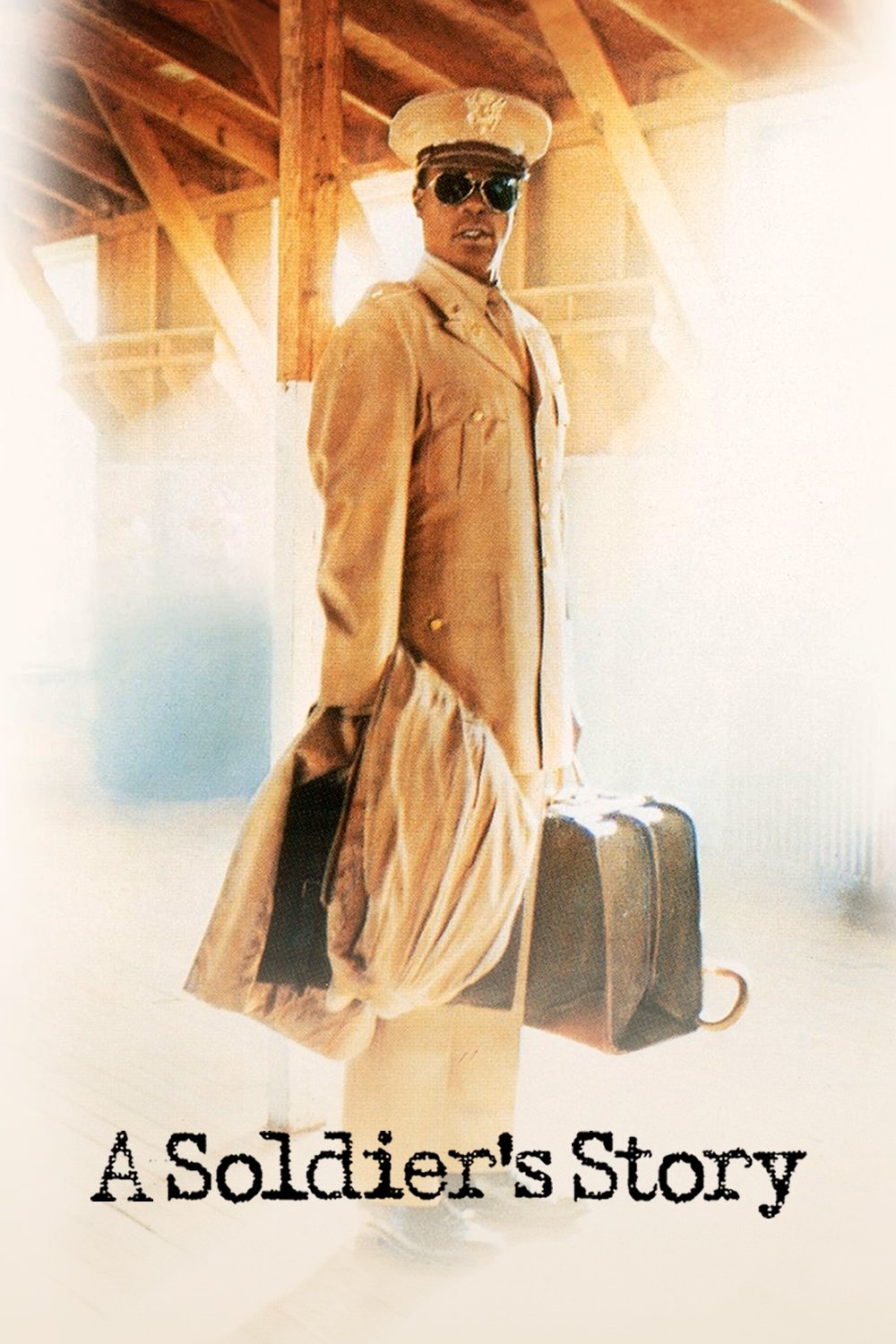
Norman Jewison directed this mystery drama adapted from Charles Fuller’s Pulitzer Prize-winning play concerning the murder of a Black sergeant on a Louisiana army base. Howard E. Rollins Jr. stars as the JAG officer sent to investigate the crime while navigating the racial hierarchy of the segregated military. The film received three Academy Award nominations including Best Picture and Best Adapted Screenplay. It is noted for its complex examination of internalized racism and power dynamics among the soldiers.
‘Sounder’ (1972)
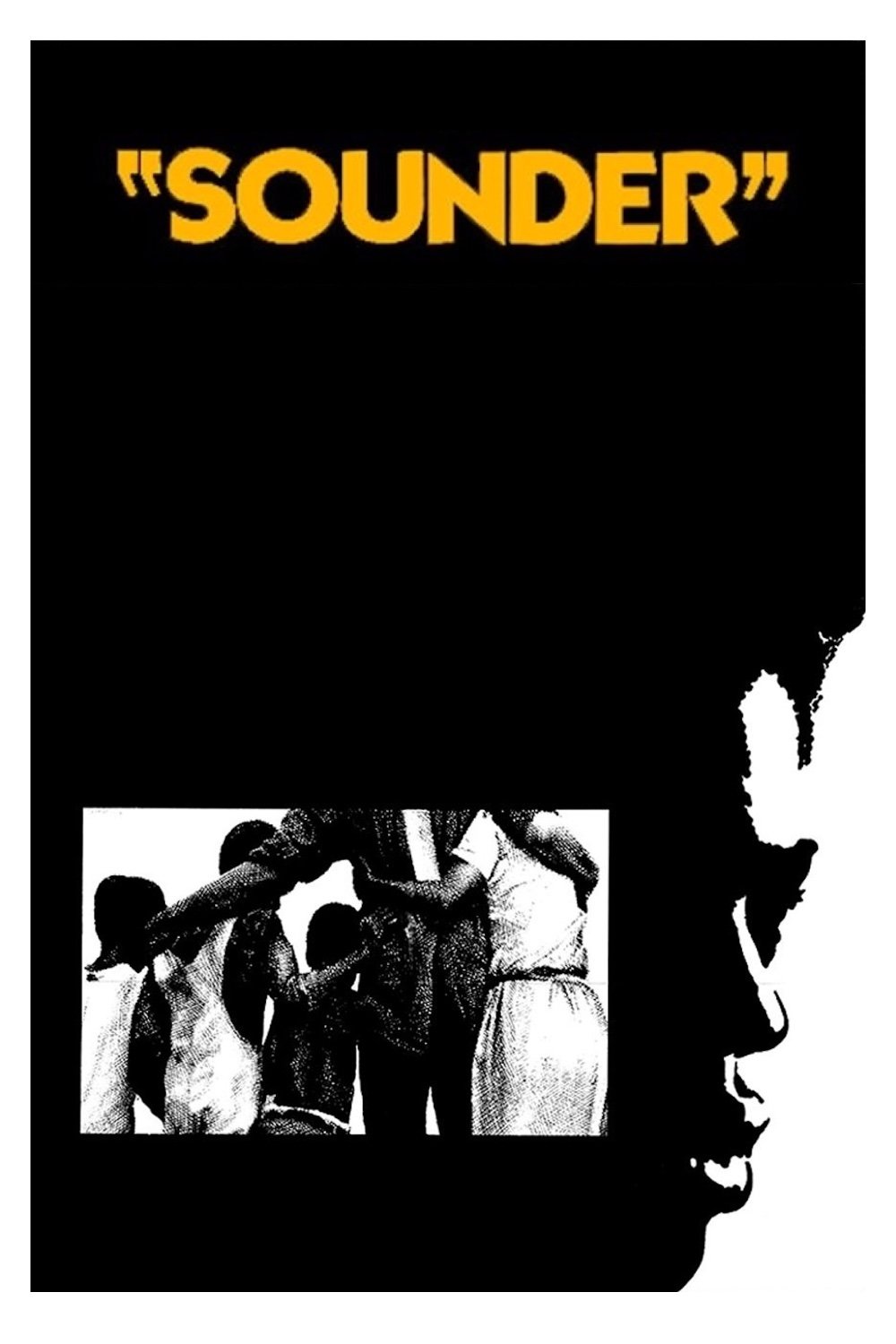
Martin Ritt directed this period drama about a family of African American sharecroppers struggling to survive during the Great Depression. Cicely Tyson and Paul Winfield both received Academy Award nominations for their portrayals of the resilient parents. The film was praised for its humanistic approach and for avoiding the stereotypes often present in films about the era. It was nominated for Best Picture and stands as a significant work of 1970s cinema.
‘Beasts of the Southern Wild’ (2012)
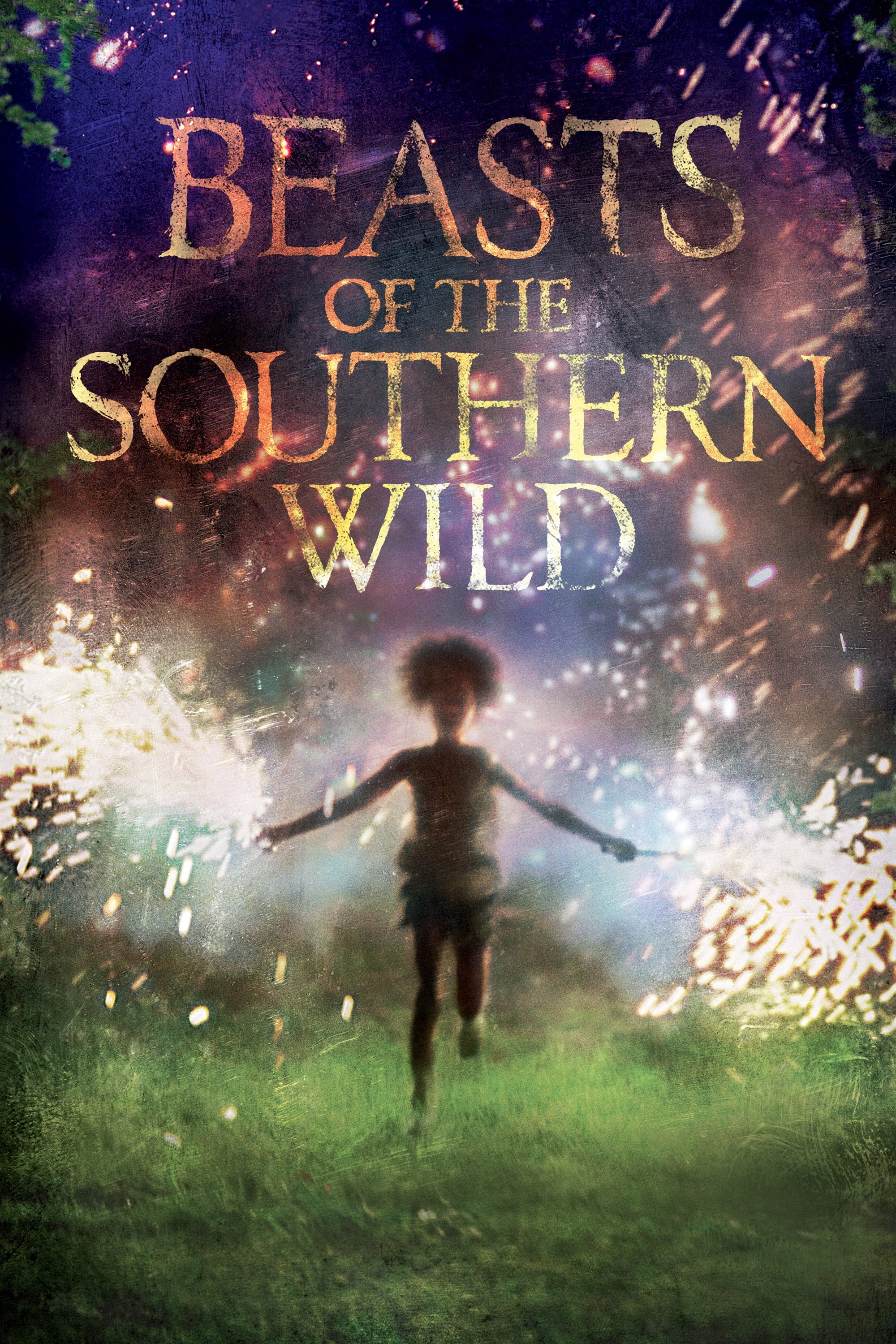
Benh Zeitlin directed this fantasy drama set in a fictional Louisiana bayou community cut off from the rest of the world by a levee. Quvenzhané Wallis starred as Hushpuppy and became the youngest person ever nominated for the Academy Award for Best Actress. The film explores themes of survival and community through the eyes of a six-year-old girl facing an uncertain future. It won the Caméra d’Or at Cannes and received four Oscar nominations including Best Picture and Best Director.
‘What’s Love Got to Do with It’ (1993)

Brian Gibson directed this biographical film based on the life of Tina Turner and her abusive relationship with her husband Ike Turner. Angela Bassett and Laurence Fishburne delivered electrifying performances that earned both of them Academy Award nominations. The movie chronicles Tina’s rise to stardom, her struggle for independence, and her eventual comeback as a solo artist. Bassett won the Golden Globe for Best Actress for her portrayal of the rock and roll icon.
‘Hotel Rwanda’ (2004)
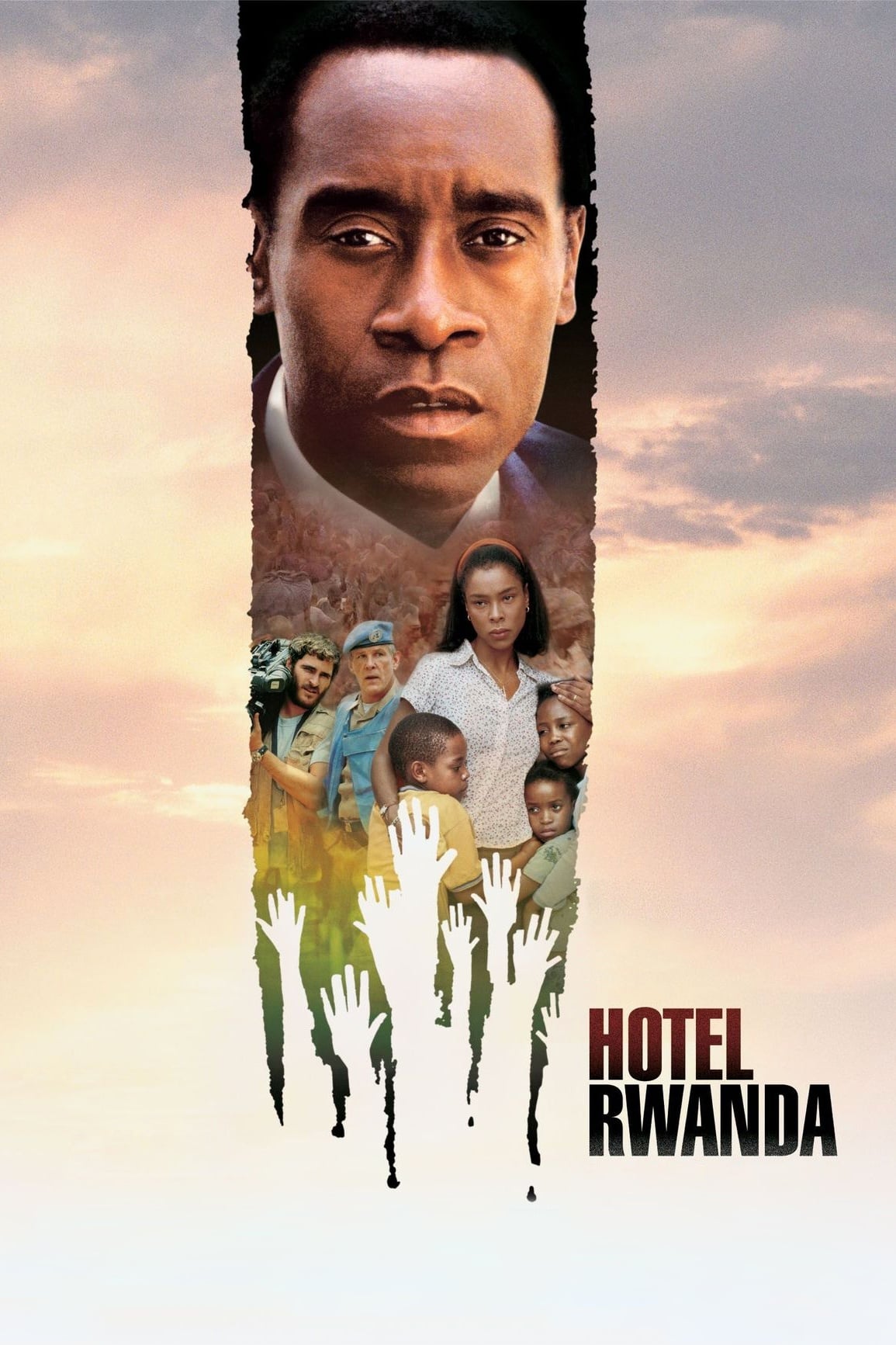
Terry George directed this docudrama based on the true story of hotelier Paul Rusesabagina who saved over a thousand refugees during the Rwandan genocide. Don Cheadle starred as Rusesabagina and earned Academy Award and Golden Globe nominations for Best Actor. The film brings attention to the horrors of the 1994 genocide and the lack of international intervention. It received nominations for Best Original Screenplay and Best Supporting Actress for Sophie Okonedo.
‘Invictus’ (2009)
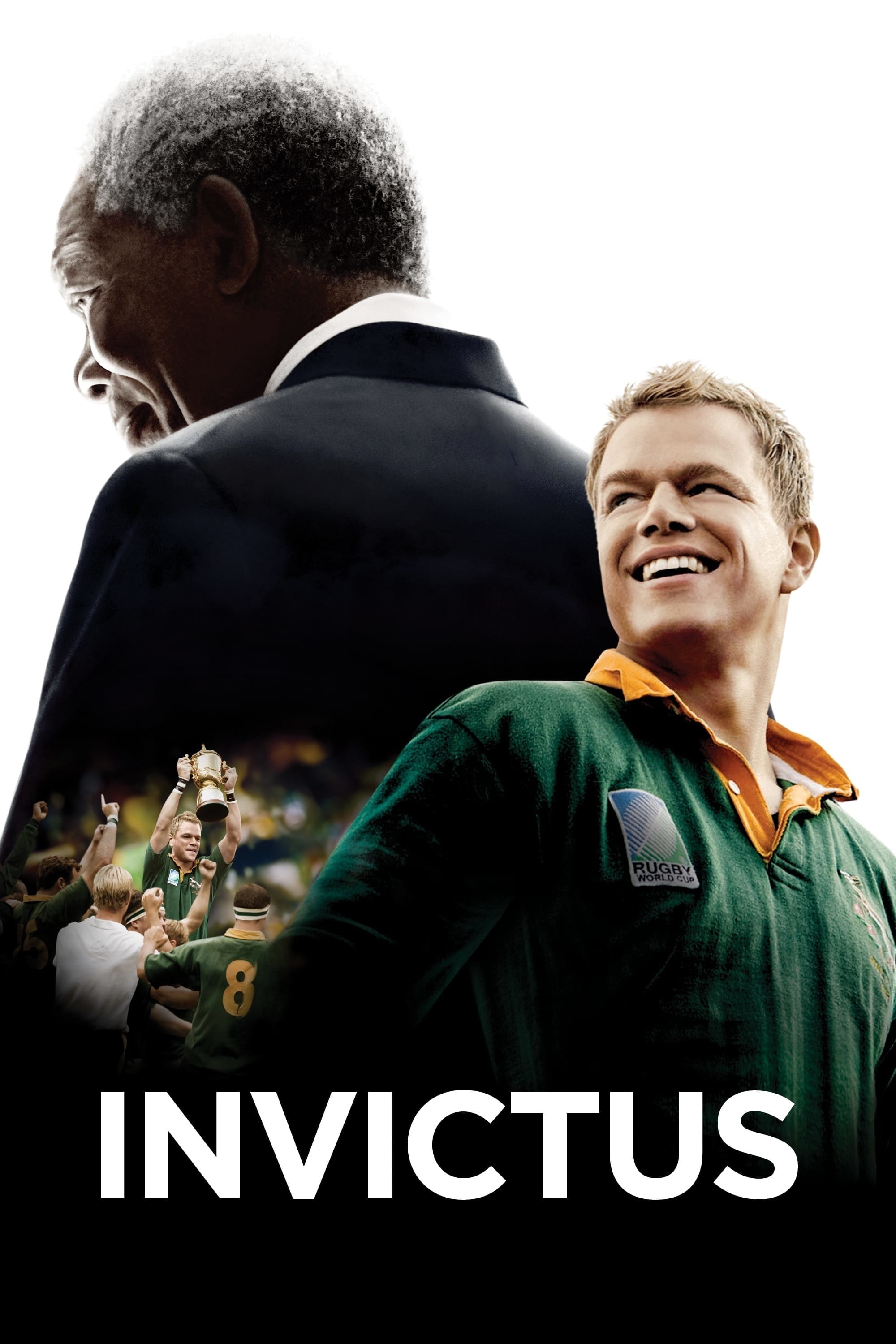
Clint Eastwood directed this biographical sports drama about the events in South Africa before and during the 1995 Rugby World Cup. Morgan Freeman starred as Nelson Mandela who enlists the national rugby team captain to unite the apartheid-torn country. Freeman and Matt Damon both received Academy Award nominations for their roles. The film explores how sports can be used as a political tool to bridge racial divides in a newly democratic nation.
‘Bird’ (1988)
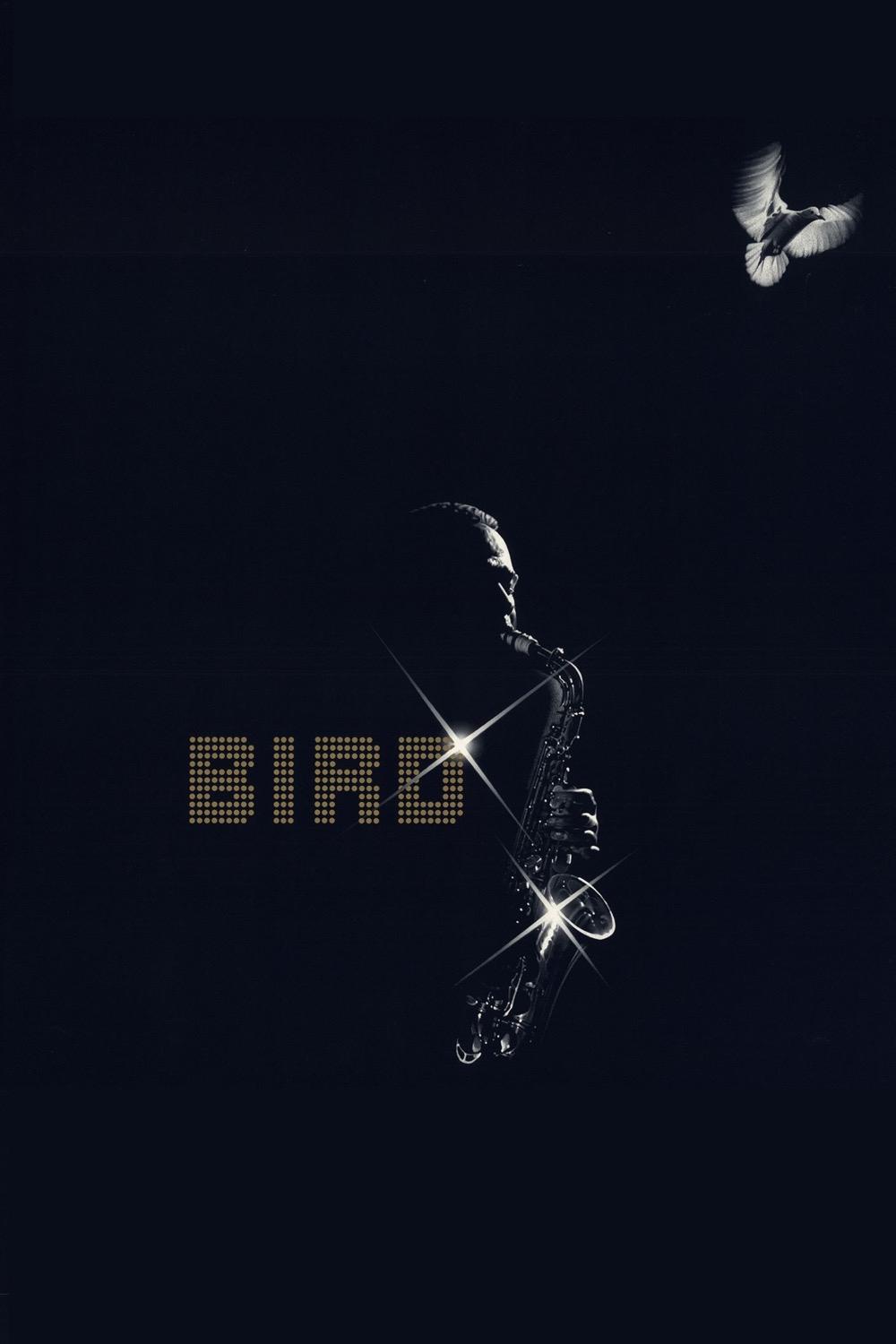
Clint Eastwood directed this biographical film celebrating the life of jazz saxophonist Charlie “Bird” Parker. Forest Whitaker starred as the troubled musician and won the Best Actor award at the Cannes Film Festival for his performance. The movie explores Parker’s musical genius alongside his battles with drug addiction and personal tragedy. It won the Academy Award for Best Sound and is highly regarded among jazz enthusiasts for its soundtrack.
‘Guess Who’s Coming to Dinner’ (1967)
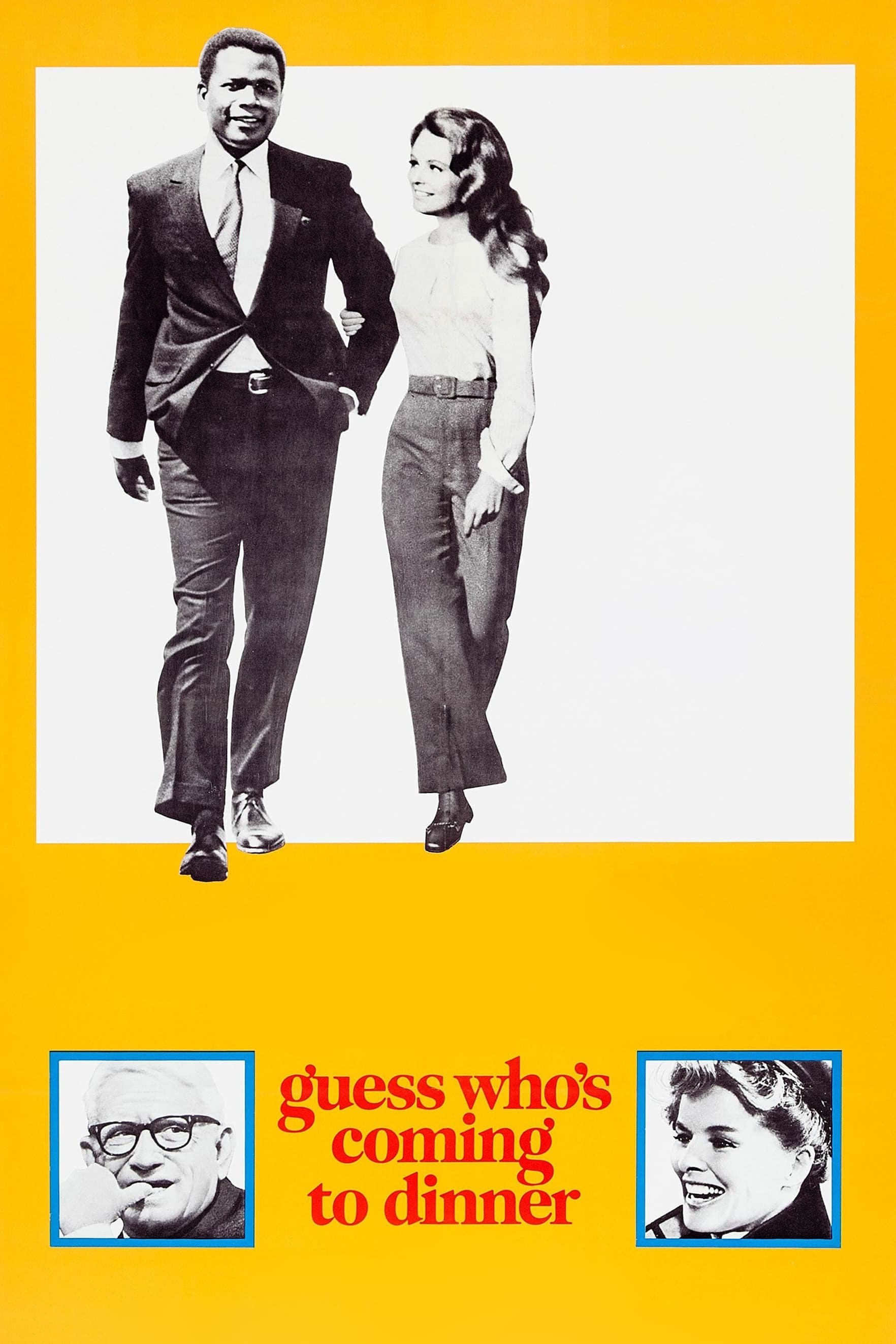
Stanley Kramer directed this groundbreaking comedy-drama about a white couple whose liberal views are tested when their daughter brings home her Black fiancé. Sidney Poitier starred as the accomplished physician Dr. John Prentice opposite Katharine Hepburn and Spencer Tracy. The film was nominated for ten Academy Awards and won two, including Best Actress for Hepburn and Best Original Screenplay. It was one of the few films of its time to depict an interracial marriage in a positive light.
Share your favorite film from this list and tell us which director you think handled the material best in the comments.