


20 Black Sitcoms That Got Canceled for Being “Too Hood”

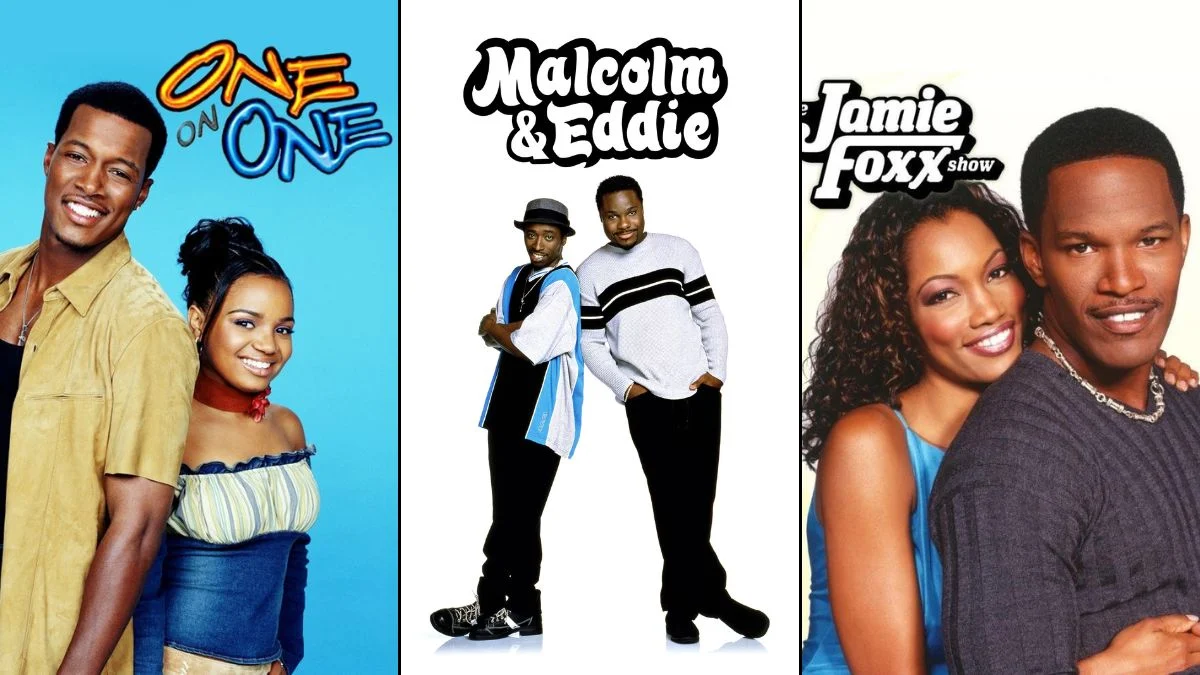


Television history is filled with shows that captured the specific nuances of Black life but struggled to find long-term support from network executives. Many of these series garnered loyal fanbases by depicting authentic urban experiences and cultural humor that mainstream advertisers often misunderstood. The merger of The WB and UPN into The CW marked a significant turning point where many popular Black sitcoms were abruptly removed to make room for programming targeting different demographics. This shift left a void in the landscape of television comedy that audiences still feel today.
‘South Central’ (1994)
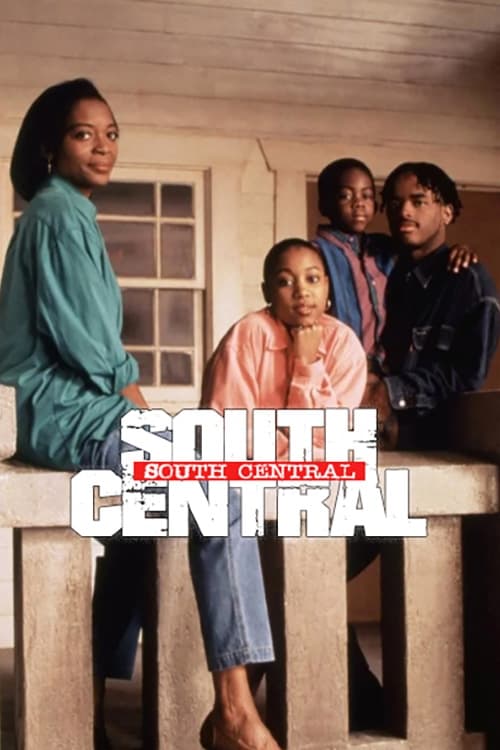
This gritty series attempted to portray the realities of life in South Central Los Angeles with a distinct mix of humor and drama. The show struggled to find a consistent audience on the Fox network despite its honest depiction of a single mother raising her children. Executives reportedly found the tone too serious and the setting too uncompromising for a standard comedy block. The cancellation came swiftly after just one short season despite the acclaim from critics who appreciated its realism.
‘Method & Red’ (2004)
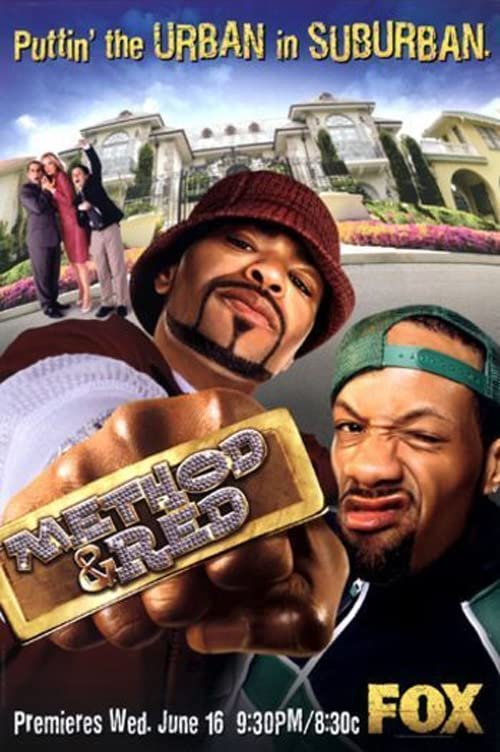
Hip hop icons Method Man and Redman starred in this Fox sitcom about rappers moving into a predominantly white gated community. The production was plagued by creative differences between the stars and network officials who wanted to dilute the urban humor. The duo publicly expressed their frustration with the laugh track and the watered-down scripts that removed their specific cultural voice. These conflicts led to the show ending quickly as the stars felt the final product did not represent their brand or humor.
‘The Wayans Bros.’ (1995–1999)
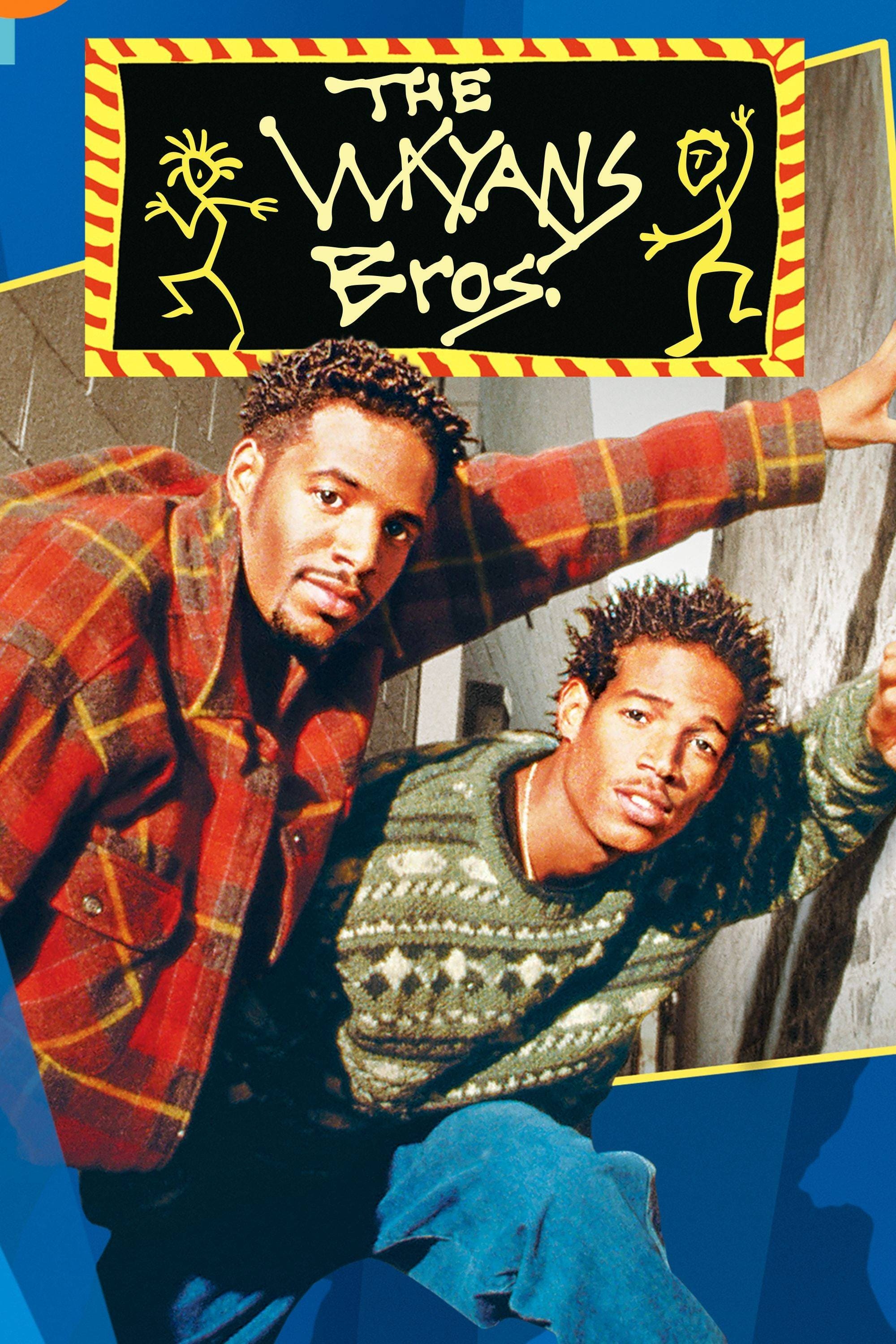
Shawn and Marlon Wayans brought their physical comedy and natural chemistry to The WB for five successful seasons. The show was a staple of the network’s early identity but faced cancellation without a proper finale during a shift in programming strategy. The abrupt ending left storylines unresolved and fans frustrated by the lack of closure for the Williams brothers. It remains a cult classic that many viewers feel was discarded as the network sought a broader mainstream appeal.
‘Homeboys in Outer Space’ (1996–1997)
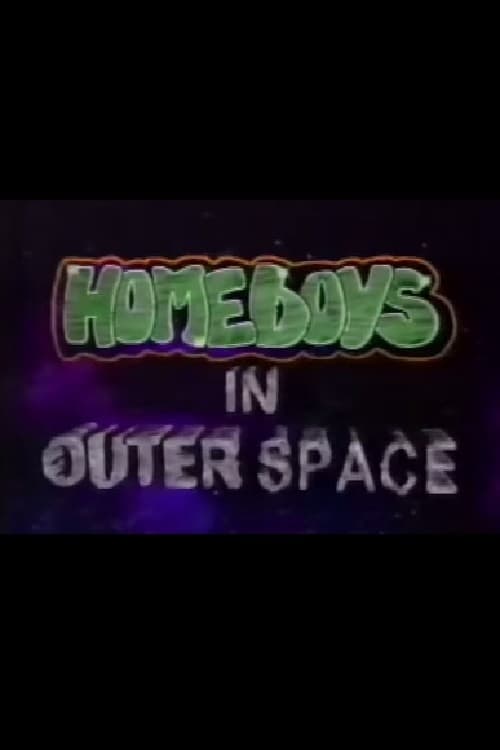
This high-concept series followed two astronauts traveling the galaxy in a space hooptie called the Space Hoopty. Critics and audiences panned the show for relying heavily on broad stereotypes and low-budget humor. UPN canceled the series after a single season as it failed to resonate with either sci-fi fans or sitcom viewers. The show is often cited in discussions about networks greenlighting questionable concepts that caricature Black culture rather than celebrating it.
‘The PJs’ (1999–2001)
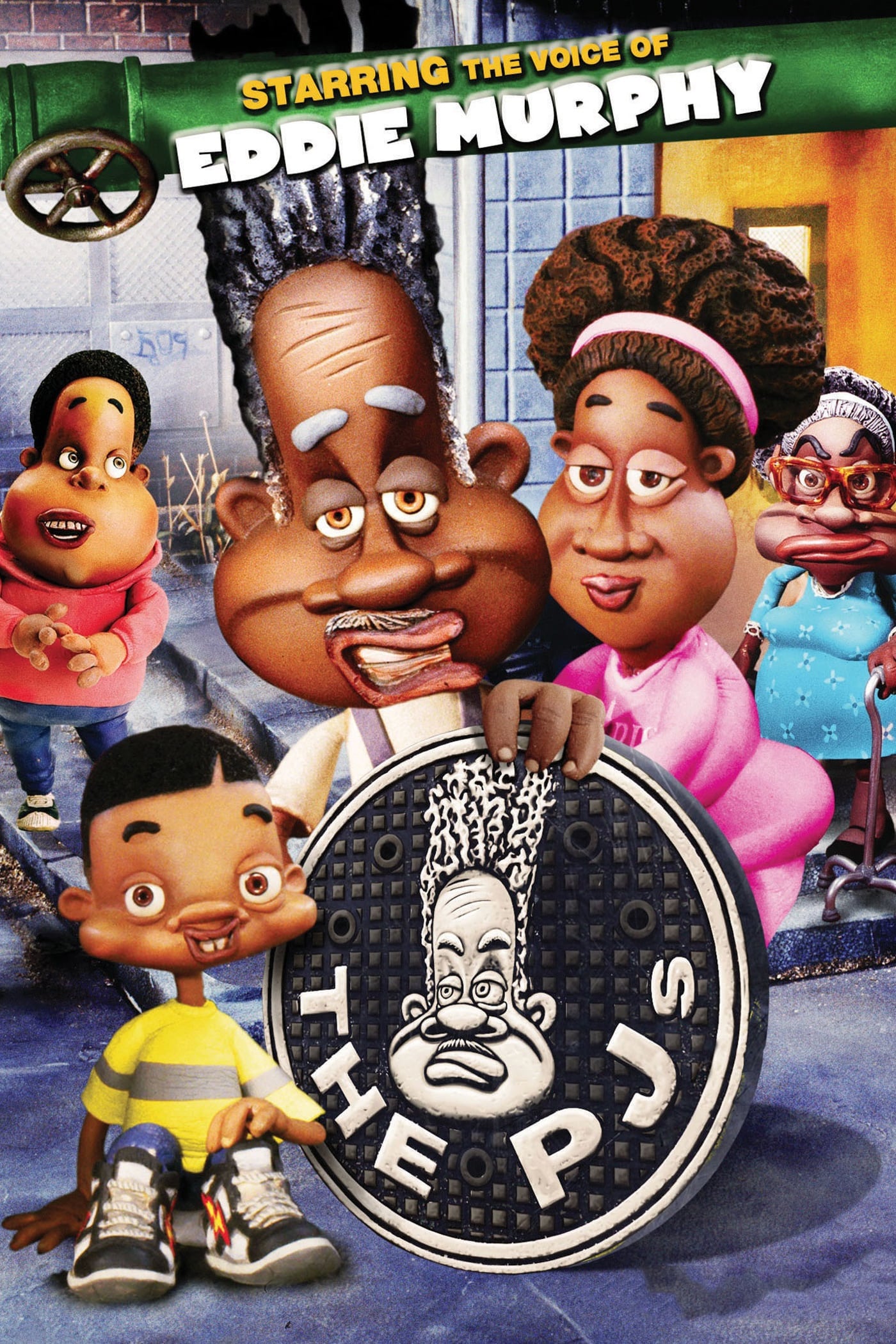
Eddie Murphy created and voiced the lead character in this stop-motion animated series set in a housing project. The show generated controversy from political groups and critics who felt it relied on negative stereotypes of inner-city life. Fox eventually canceled the series due to high production costs and declining ratings before it moved briefly to The WB. The unique visual style could not save it from the debates surrounding its depiction of the urban poor.
‘Malcolm & Eddie’ (1996–2000)
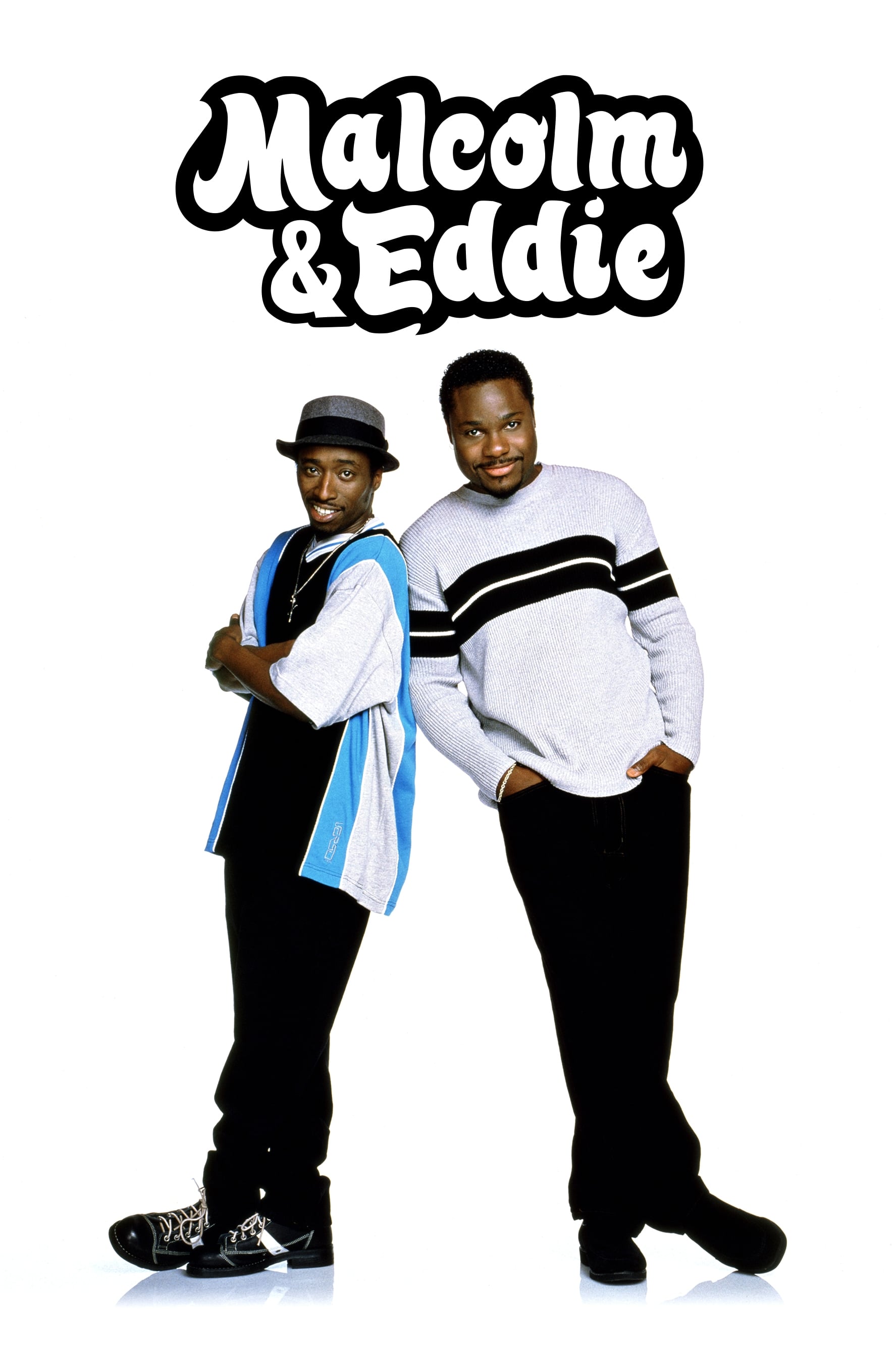
Malcolm-Jamal Warner and Eddie Griffin starred as an odd couple sharing an apartment and running a bar in Kansas City. The show relied on the friction between Malcolm’s responsible nature and Eddie’s frenetic energy to generate laughs. It enjoyed a solid four-year run on UPN but was canceled as the network began to pivot its branding. Fans often recall the show for the genuine camaraderie between the leads that anchored the comedic premises.
‘Sparks’ (1996–1998)
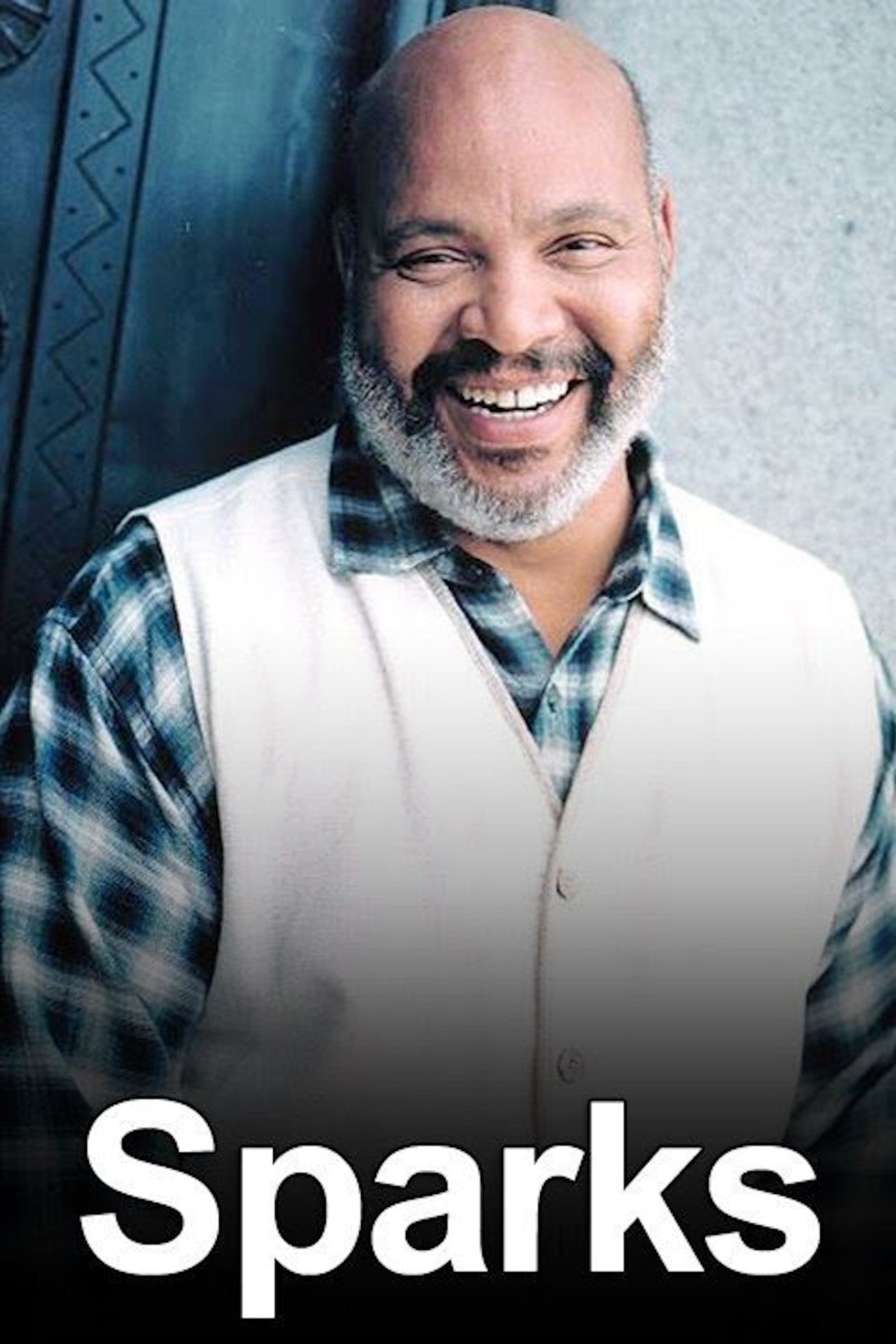
This legal sitcom featured James Avery leading a cast that included Terrence Howard and Miguel A. Núñez Jr. as lawyers in a family firm. The series balanced courtroom antics with the personal lives of the brothers and their father in Compton. Low ratings and a lack of promotion from UPN led to its cancellation after two seasons. The show is remembered now for its impressive cast who went on to achieve significant stardom in other projects.
‘Good News’ (1997–1998)
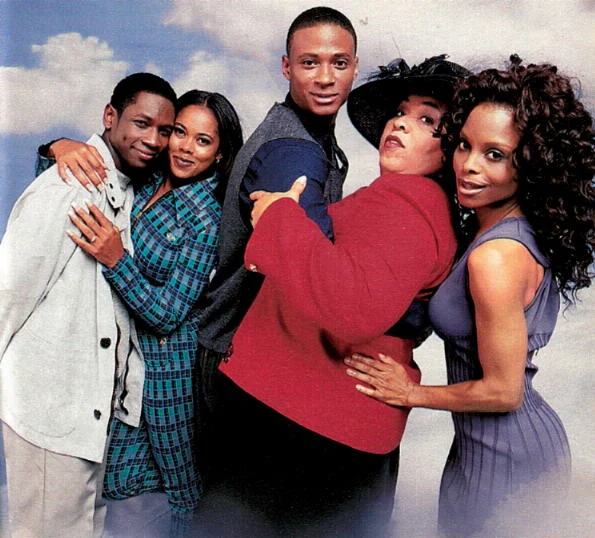
David Ramsey starred as a young pastor attempting to lead a church with a vocal and opinionated congregation. The show aimed to highlight the central role of the church in the Black community with a lighthearted touch. It struggled to find its footing on UPN and failed to secure a large enough audience to warrant renewal. The cancellation was a disappointment to viewers who appreciated the focus on faith and community dynamics.
‘The Jamie Foxx Show’ (1996–2001)
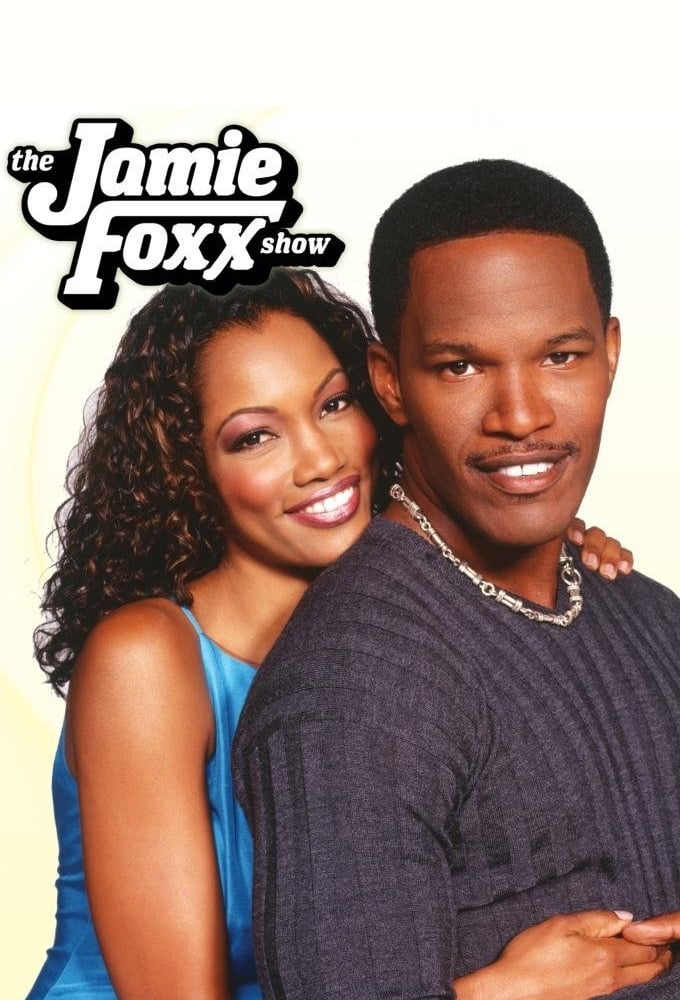
Jamie Foxx showcased his singing, acting, and impersonation skills in this hit sitcom set in a Los Angeles hotel. The series was one of the highest-rated shows on The WB but ended as the network began transitioning away from urban comedies. While it reached five seasons and had a proper conclusion, the changing landscape of the network signaled the end of an era for this type of programming. Reruns continue to perform well which proves the enduring appeal of its humor.
‘Moesha’ (1996–2001)
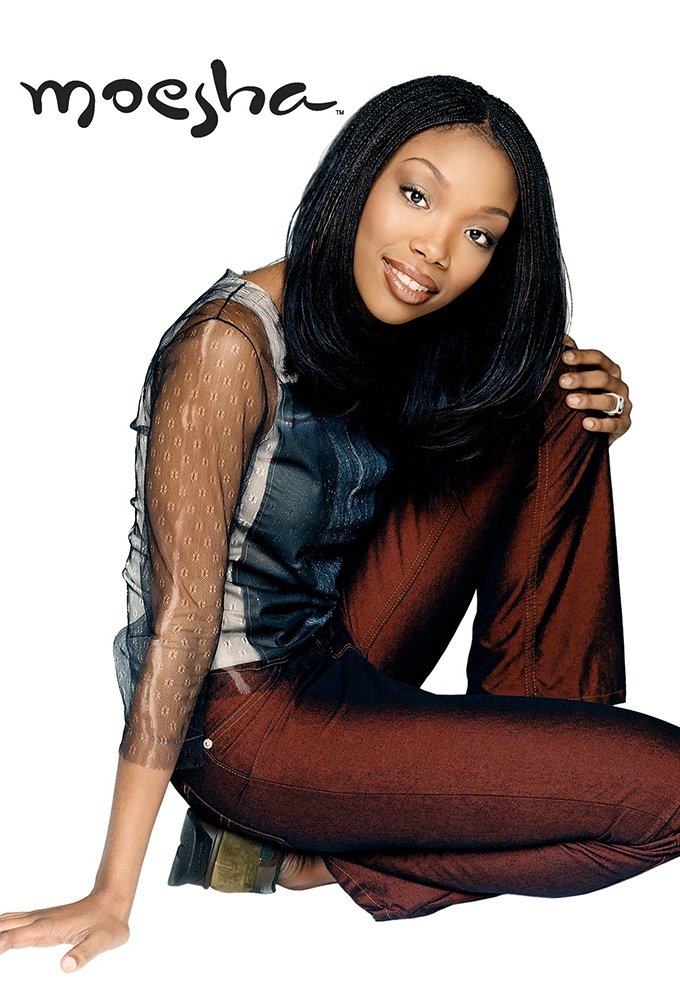
Brandy Norwood starred as a teenager navigating high school and family life in the Leimert Park neighborhood of Los Angeles. The show tackled serious social issues alongside typical teen drama and became a flagship series for UPN. It was abruptly canceled after six seasons leaving several major plotlines unresolved on a massive cliffhanger. The cancellation is frequently cited as a prime example of a network disregarding a loyal Black audience during a rebranding phase.
‘The Parkers’ (1999–2004)
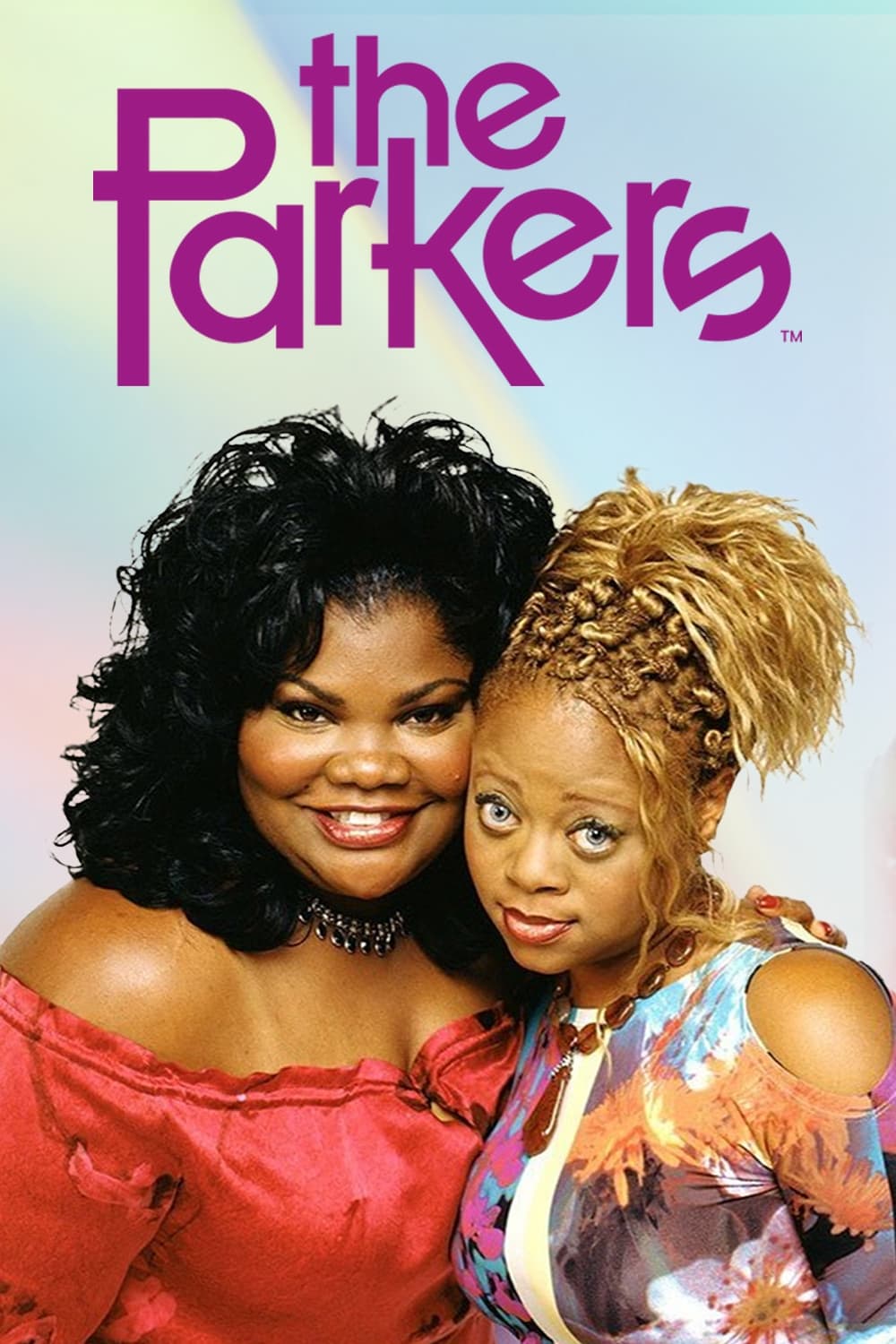
This spin-off of ‘Moesha’ featured Countess Vaughn and Mo’Nique as a daughter and mother attending the same junior college. The show became more popular than its predecessor due to the comedic chemistry between the two leads. It ended its run just prior to the full network merger that wiped out much of the remaining urban lineup. The series remains a beloved favorite for its over-the-top humor and energetic performances.
‘One on One’ (2001–2006)
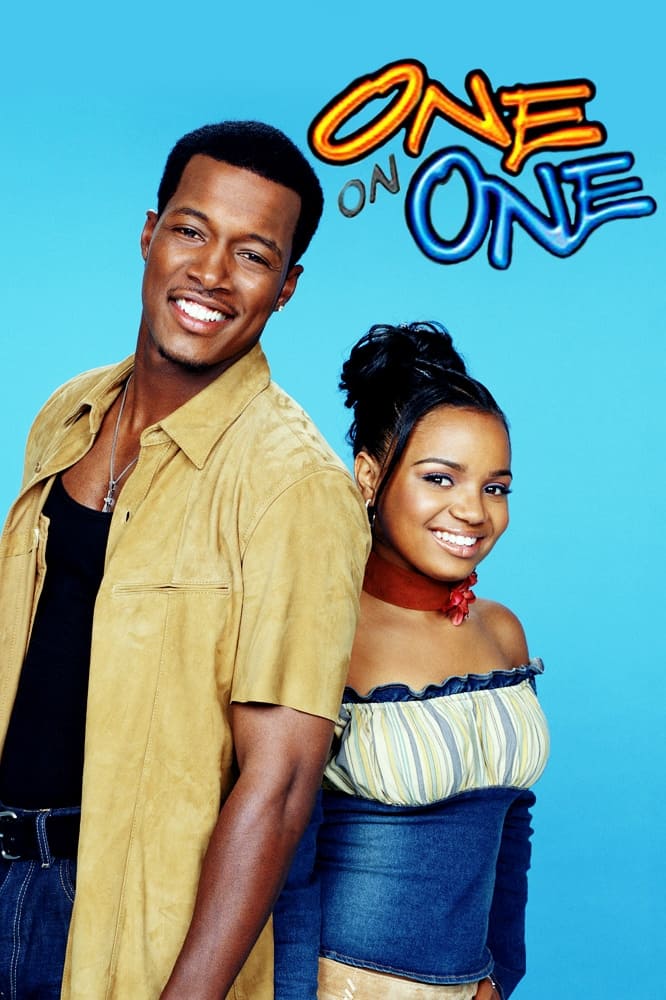
Flex Alexander played a sportscaster who becomes a full-time father when his teenage daughter moves in with him. The show offered a fresh perspective on Black fatherhood and ran successfully for several seasons. It was one of the many casualties during the formation of The CW as the new executives cleared the slate. The final season saw major cast changes that alienated fans before the ultimate cancellation.
‘Half & Half’ (2002–2006)
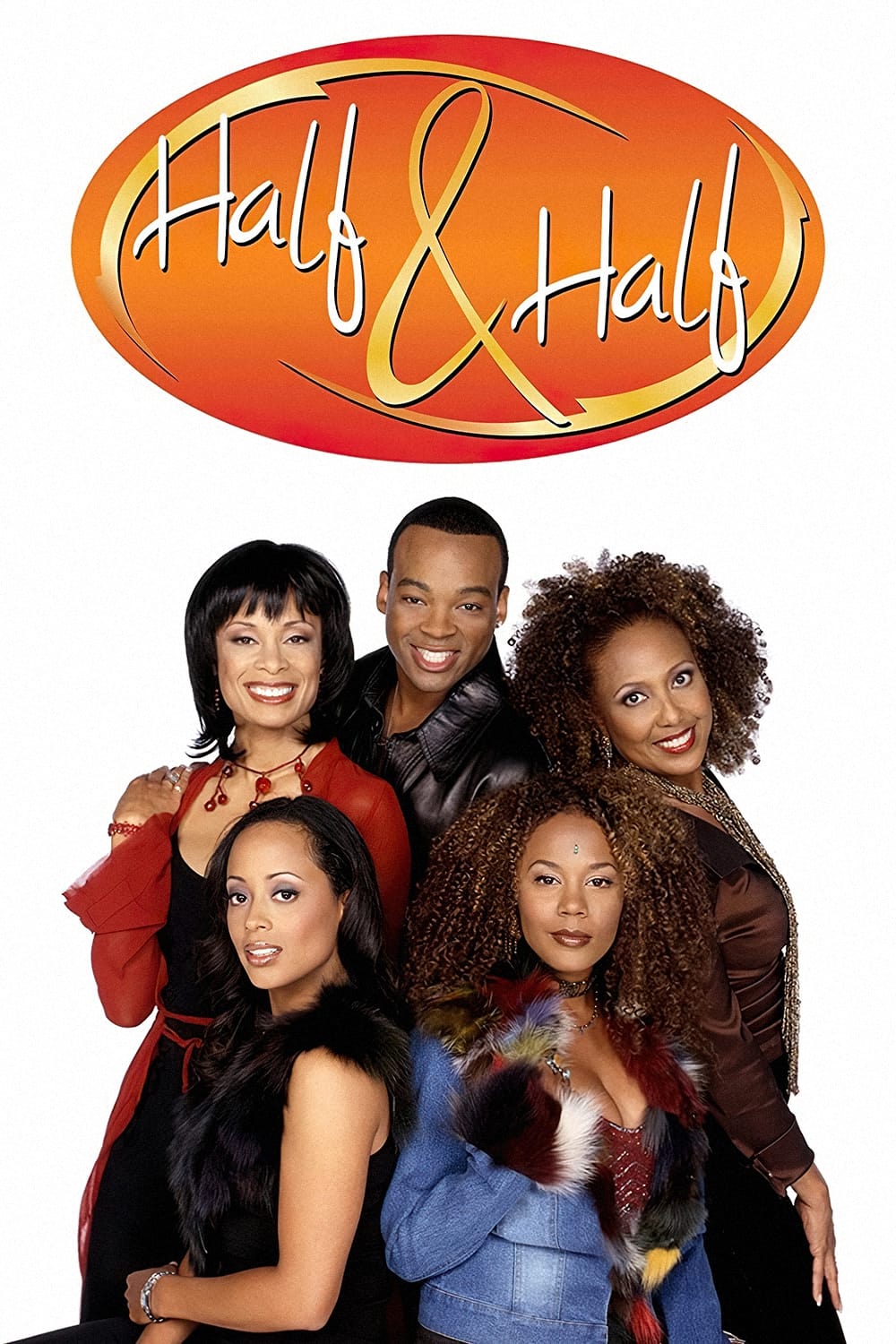
Two half-sisters from different backgrounds navigated their relationship and careers in San Francisco in this popular sitcom. The show built a strong following for its sophisticated writing and exploration of family complexities. It was canceled unexpectedly when UPN merged with The WB to form The CW. Fans launched petitions to save the series but the new network opted to focus on teen dramas instead.
‘Eve’ (2003–2006)
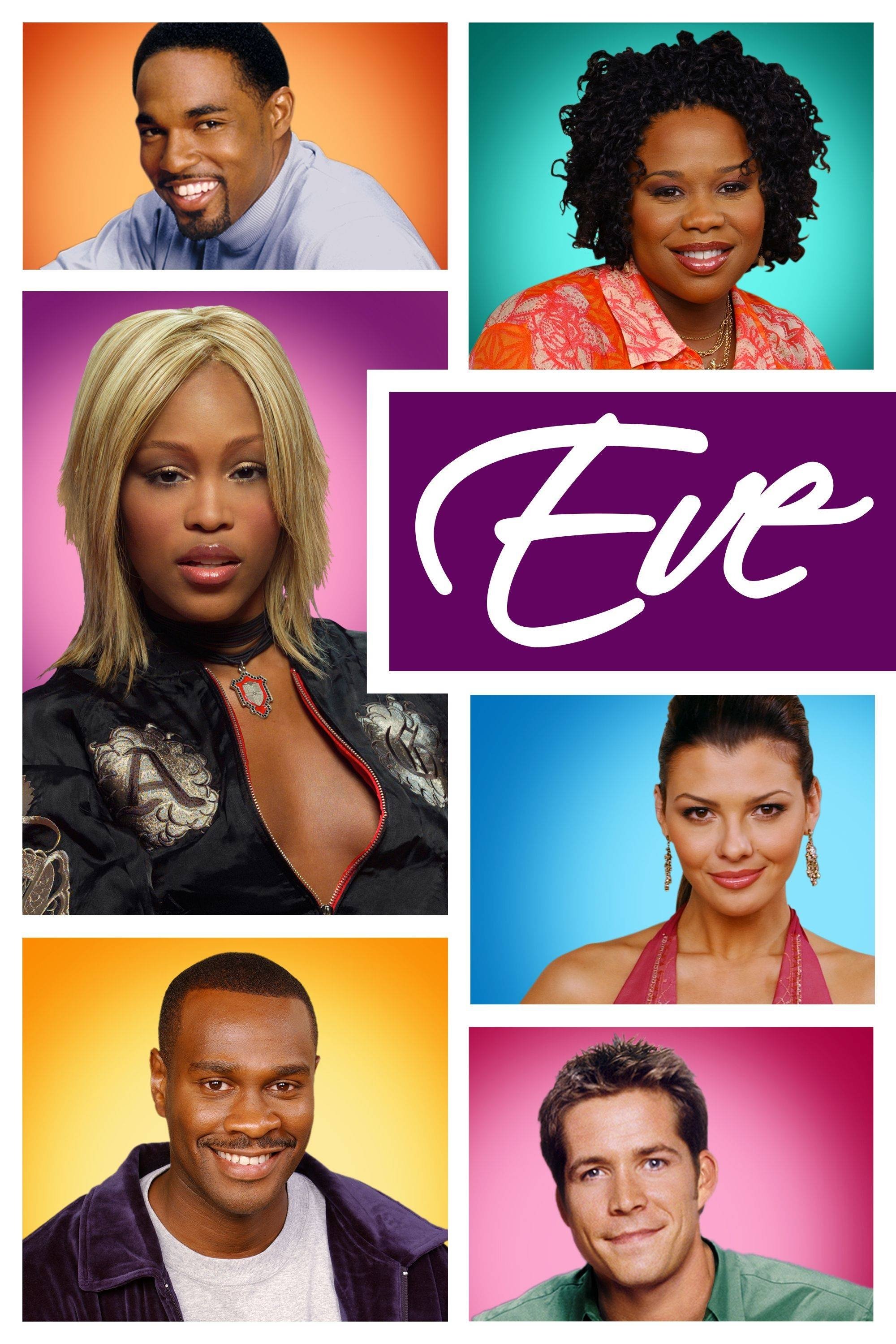
Rapper Eve starred as a fashion designer navigating business and love in Miami with her close-knit group of friends. The show featured stylish aesthetics and current music that appealed to a young urban demographic. It was another victim of the 2006 network merger that purged most Black sitcoms from the lineup. The series demonstrated strong potential and consistent ratings but did not fit the new vision for The CW.
‘All of Us’ (2003–2007)

Will Smith and Jada Pinkett Smith produced this sitcom loosely based on their own blended family dynamics. The show provided a modern look at co-parenting and divorce within an affluent Black context. It survived the initial transition to The CW for one season but was canceled shortly after as the network redefined its target audience. The cancellation marked the end of a specific wave of family-oriented urban comedies.
‘Cuts’ (2005–2006)
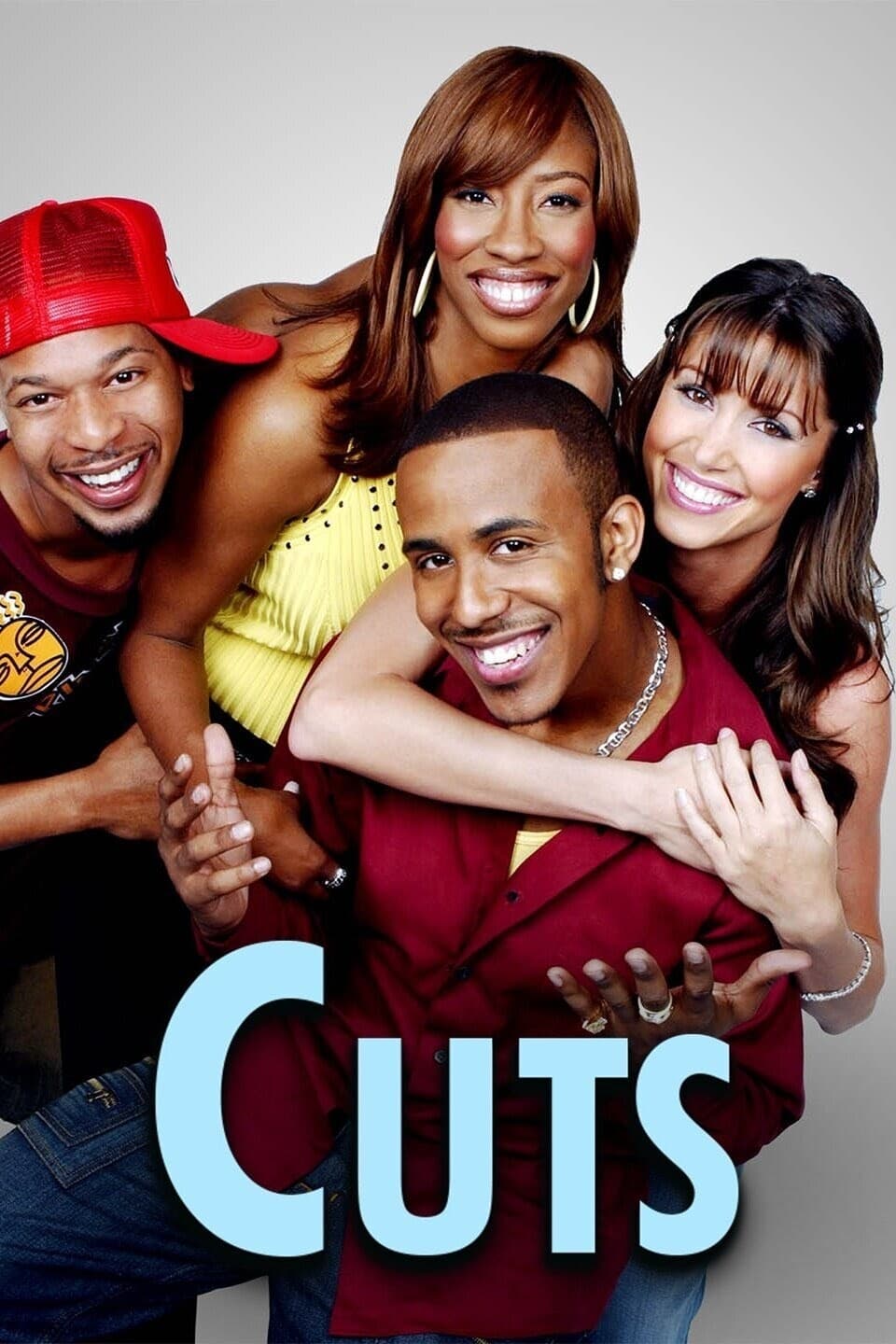
Marques Houston and Shannon Elizabeth starred in this spin-off of ‘One on One’ set in a barbershop and beauty salon. The show attempted to bridge different cultural worlds through the business partnership of the main characters. It lasted only two seasons before being swept away during the network restructuring. The barbershop setting was a staple of urban comedy that disappeared from network TV with its cancellation.
‘Between Brothers’ (1997–1999)
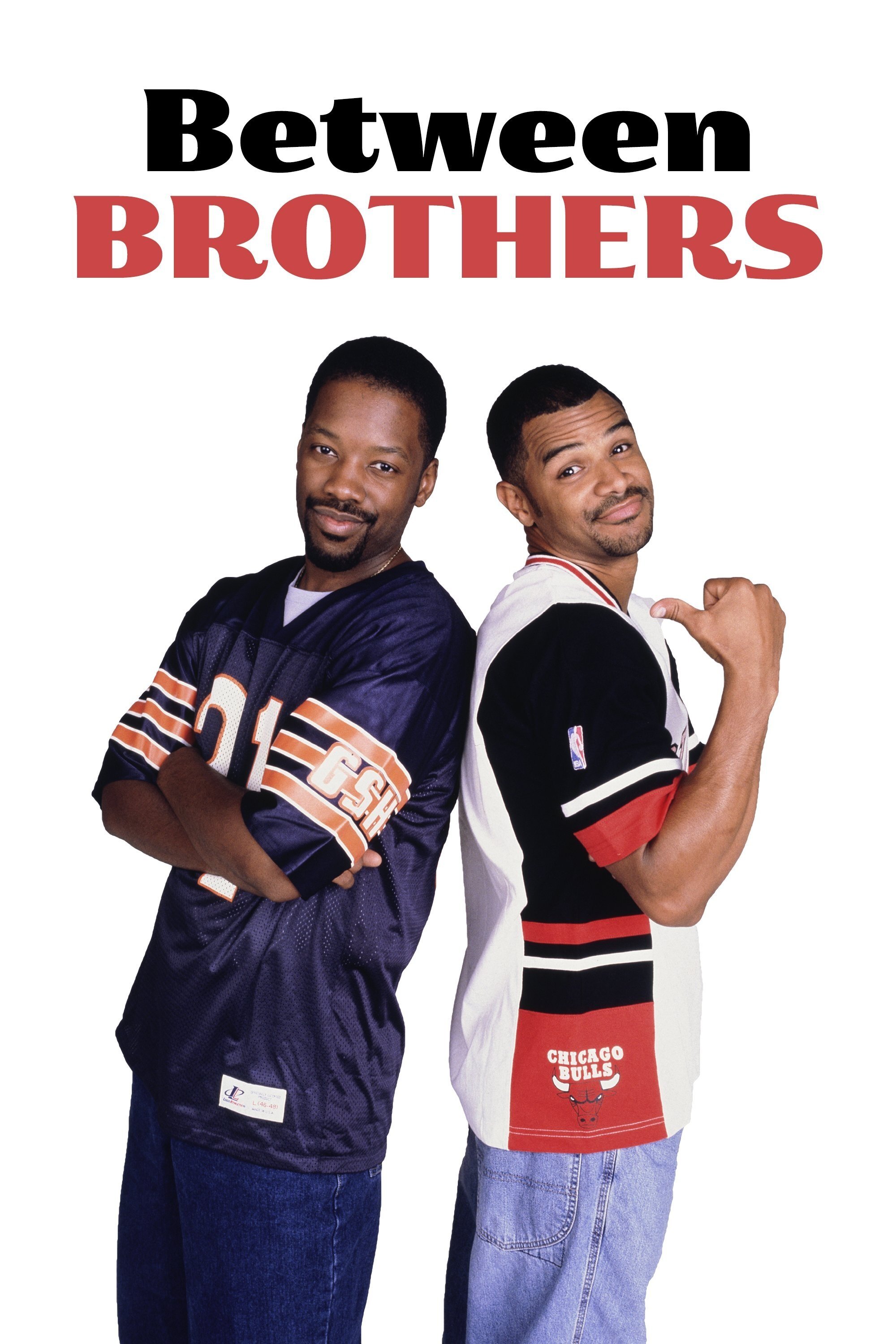
Kadeem Hardison and Dondré T. Whitfield played siblings living together in New York City with contrasting lifestyles. The show moved from Fox to UPN after its first season in an attempt to find a more suitable home. It ultimately failed to secure long-term stability and was canceled after its second season. The series struggled to stand out in a crowded market of buddy comedies despite its talented cast.
‘Out All Night’ (1992–1993)
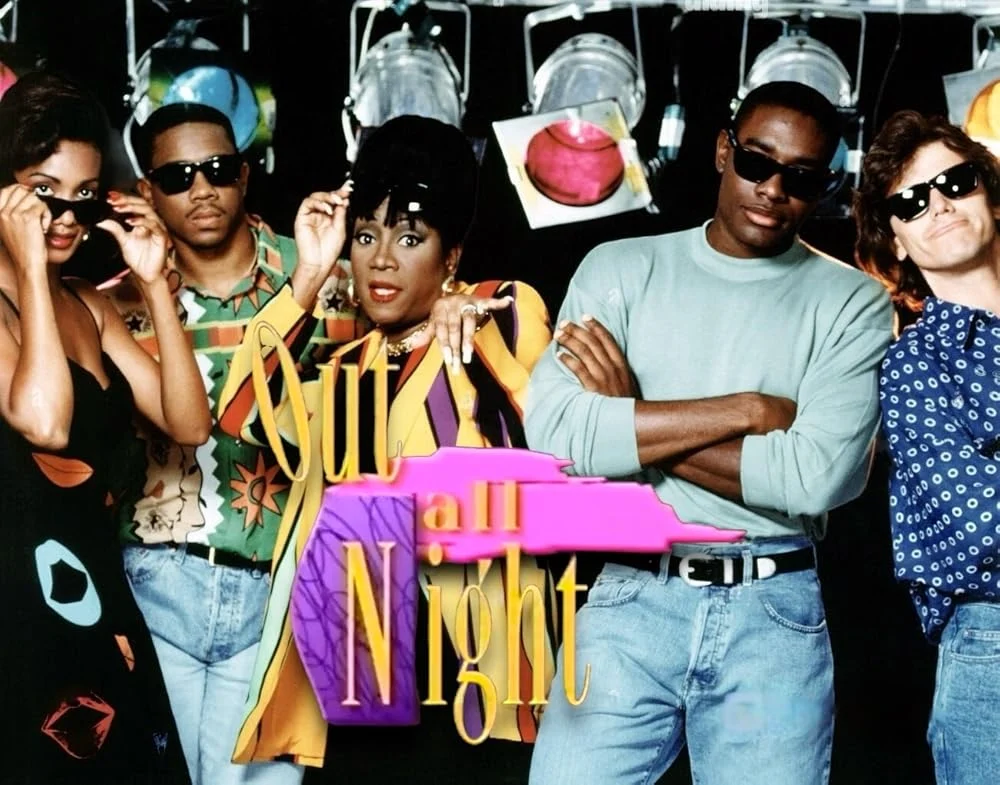
Patti LaBelle starred as the owner of a Los Angeles nightclub who rented an apartment to two young men. The show featured musical performances and appearances by various R&B stars which gave it a distinct cultural flavor. NBC canceled the series after just one season despite the star power of LaBelle. The network shifted focus to other properties and left this musically driven sitcom behind.
‘The Sinbad Show’ (1993–1994)
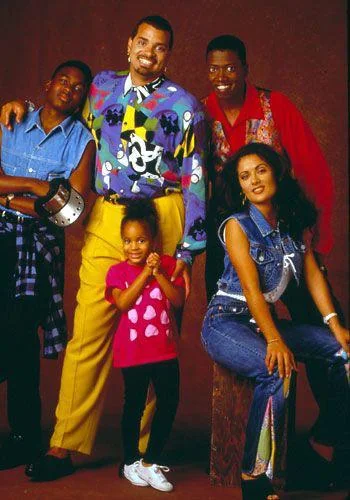
Comedian Sinbad played a bachelor who takes in two foster children in this Fox sitcom. The show was praised for its positive portrayal of adoption and Black fatherhood during its run. It was canceled controversially despite having decent ratings and earning Sinbad a Golden Globe nomination. Executives decided to replace it with a different show that they believed had higher mainstream potential.
‘Roc’ (1991–1994)

Charles S. Dutton starred as a garbage collector in Baltimore in this critically acclaimed series. The show transitioned from a broad comedy to a more serious drama that tackled intense social issues like drug addiction and gang violence. Fox canceled the show after three seasons as the tone became less commercially viable for a sitcom slot. Its willingness to address the harsh realities of urban life made it unique but also vulnerable to network interference.
Please share your favorite canceled sitcom from this list in the comments.