


25 Black Stars Who Begged for Roles They Later Called “Stereotypes”



Black actors in Hollywood have frequently faced a difficult dilemma where they must choose between limited, stereotypical roles or not working at all. Many of these talented performers fought hard to secure parts that promised exposure and acclaim, only to later realize the characters perpetuated harmful tropes or stifled their authentic voices. Even Oscar-winning performances have been looked back upon with mixed feelings by the stars who delivered them. This list explores the complex relationship these actors have with the roles that made them famous.
Viola Davis
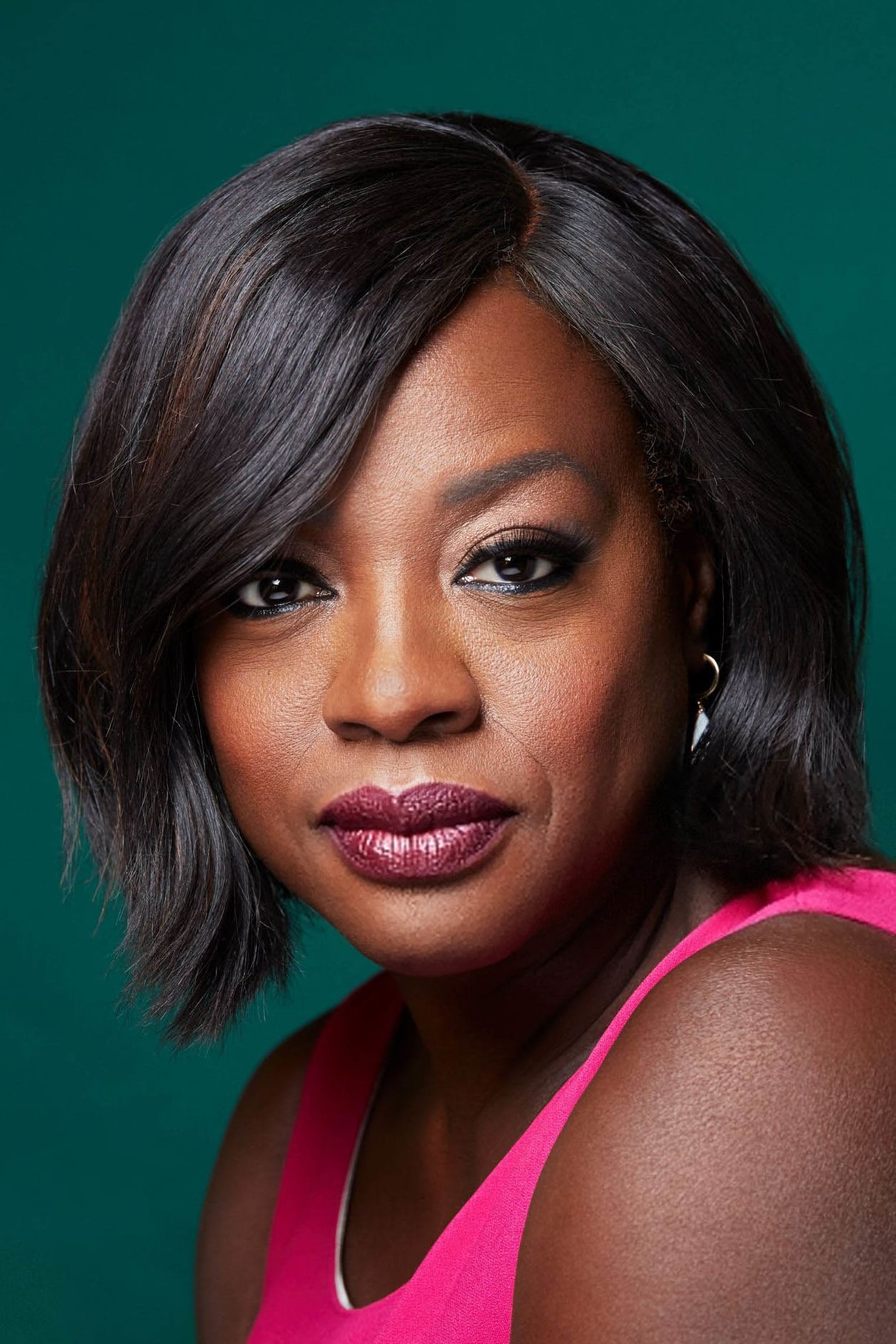
Viola Davis actively pursued the role of Aibileen Clark in ‘The Help’ (2011), seeing it as a significant opportunity to break into mainstream Hollywood. Although the performance earned her an Academy Award nomination, Davis has since expressed deep regret over participating in the film. She stated that she felt she betrayed herself and her community by being in a movie that centered the white savior narrative rather than the true perspective of the Black maids. Davis acknowledged that while the experience was professional, the final product catered to white audiences and silenced the authentic voices of the women she portrayed.
Zoe Saldana

When Zoe Saldana was cast as the legendary singer in ‘Nina’ (2016), she initially defended her right to play the role despite intense backlash regarding her lighter skin tone. Years later, Saldana offered a tearful apology for taking the part, admitting she should have used her leverage to ensure a dark-skinned actress was cast instead. She acknowledged that wearing darkening makeup and a prosthetic nose was insensitive and contributed to the erasure of the specific struggles Nina Simone faced. Saldana now views her acceptance of the role as a mistake born from ignorance regarding colorism in the industry.
Richard Pryor
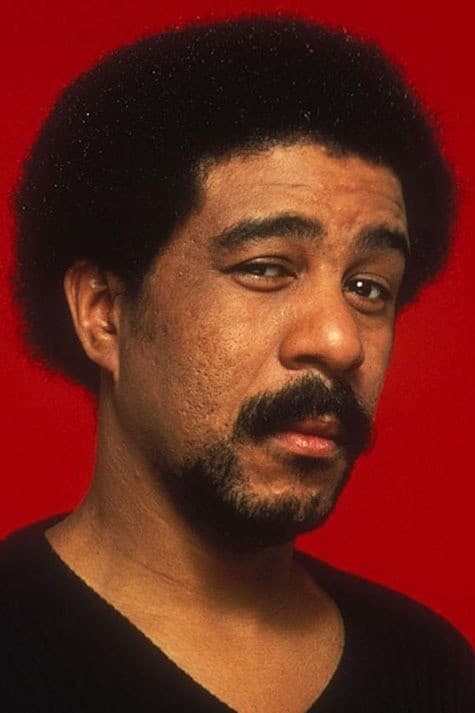
Comedic legend Richard Pryor accepted a $4 million paycheck to star in ‘The Toy’ (1982), a film where he plays a man literally purchased to be a companion for a rich white child. While the role was financially lucrative, Pryor later described the film as a low point in his career that compromised his dignity. He felt the premise reduced a Black man to a plaything and regretted that the movie’s racial optics were so demeaning. The film remains a controversial entry in his filmography, representing the type of emasculating roles he often critiqued in his stand-up.
Butterfly McQueen
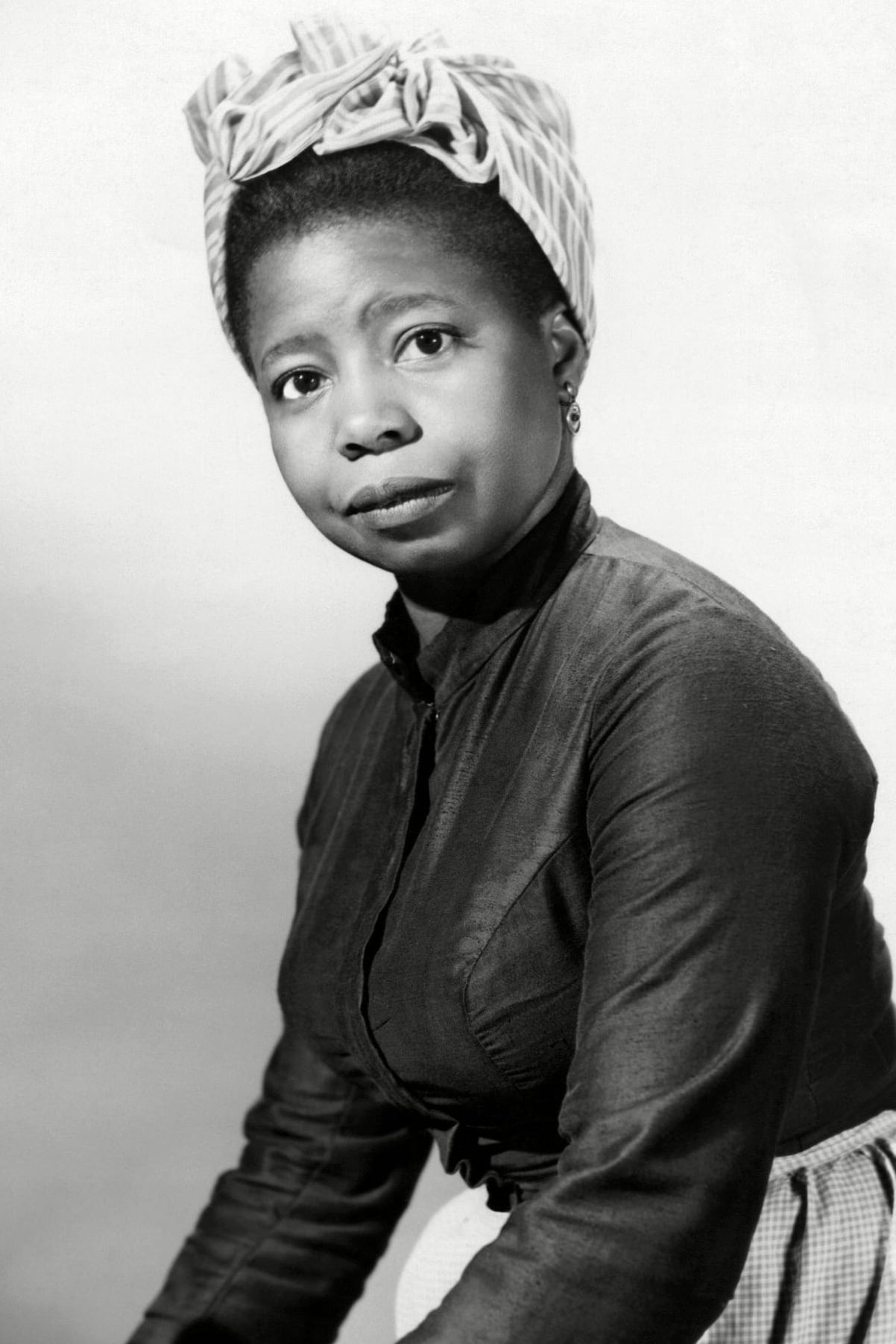
Butterfly McQueen fought to be in ‘Gone with the Wind’ (1939), landing the role of Prissy, the high-pitched, frantic house enslaved person. While the film is a cinema classic, McQueen grew to detest the character, which she felt was a backward and humiliating caricature of Black intelligence. She eventually refused to attend the film’s anniversary screenings and quit the industry for a time to work in other fields. McQueen spent much of her later life trying to distance herself from the “simple-minded” stereotype she had been forced to embody.
John Boyega
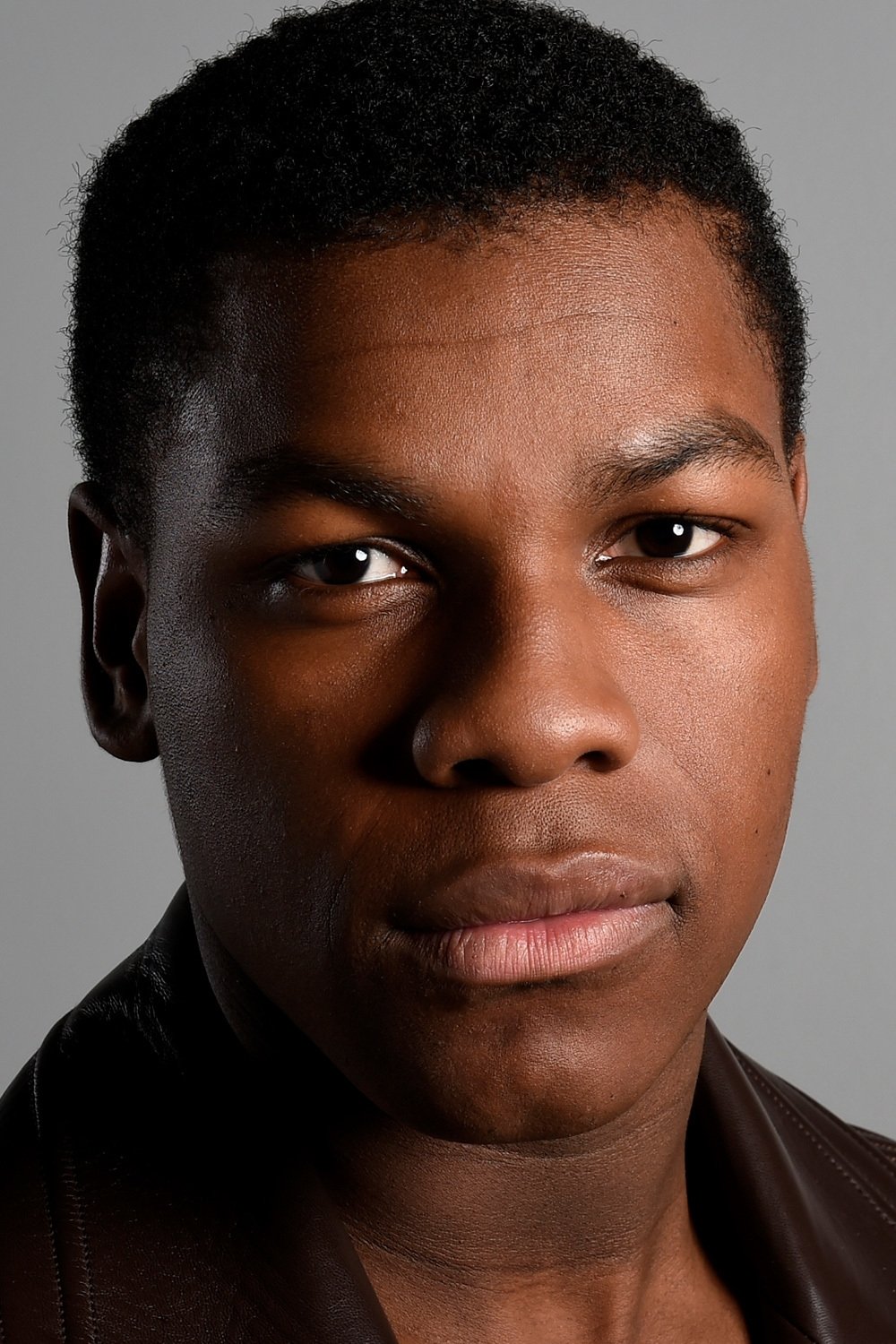
John Boyega was initially ecstatic to be cast as Finn in ‘Star Wars: The Force Awakens’ (2015), believing his character would be a central hero in the new trilogy. However, he later became a vocal critic of Disney, arguing that the studio knew what to do with white characters but sidelined the Black character after marketing him as important. Boyega expressed frustration that Finn was reduced to a comedic, sweaty sidekick rather than the Force-sensitive leader teased in the first film. He cited his experience as an example of how franchises want the diversity credit without committing to substantial non-stereotypical arcs for Black leads.
Ray Fisher
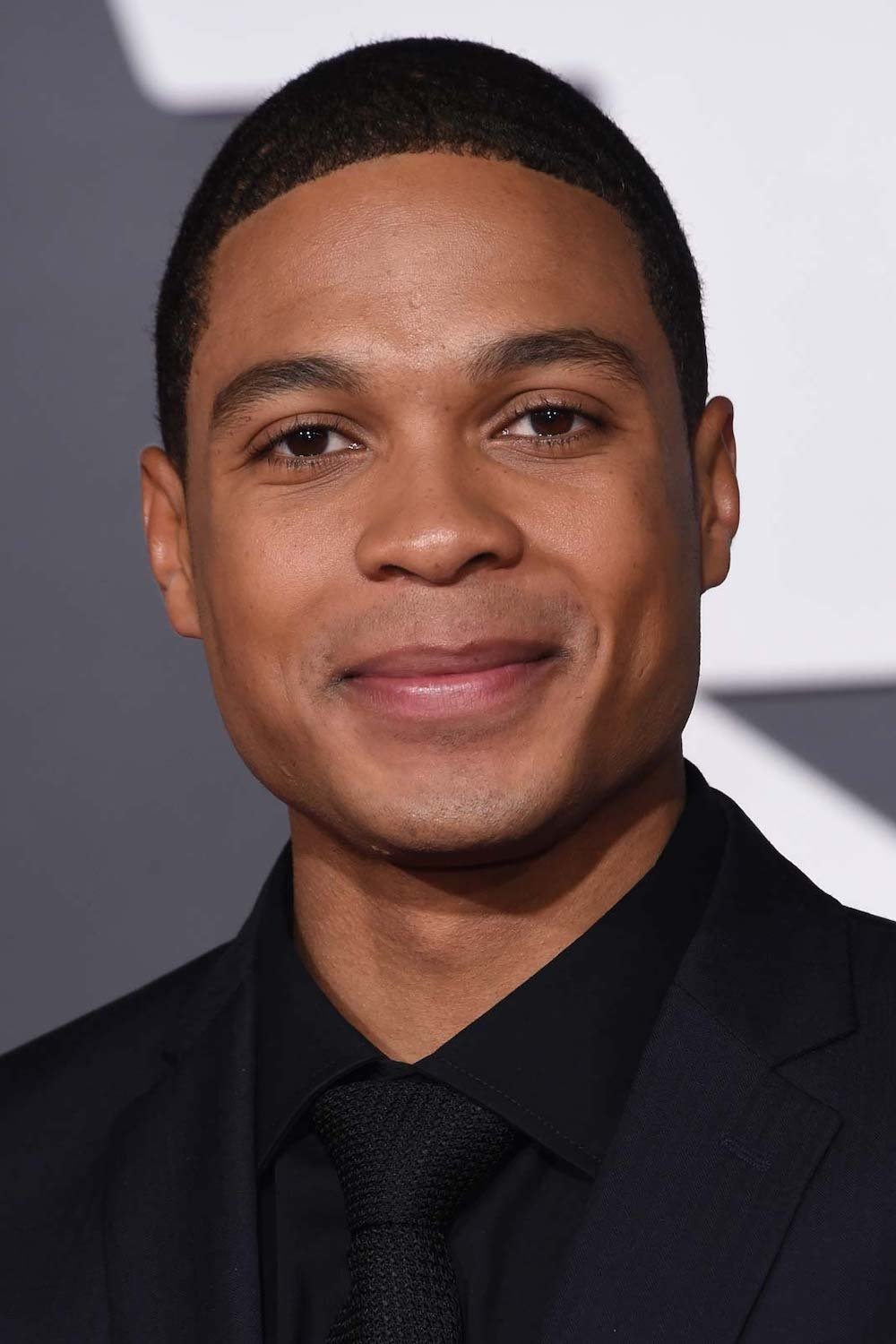
Ray Fisher celebrated his casting as Cyborg in ‘Justice League’ (2017), viewing it as a chance to bring a modern Black superhero to the screen with depth and heart. His experience turned sour during reshoots, where he accused the studio and director Joss Whedon of cutting out his character’s backstory and reducing him to a catchphrase-spouting robot. Fisher argued that the changes removed the emotional core of his character, turning a complex figure into a two-dimensional token. He has since spent years fighting for accountability regarding the treatment of actors of color on that set.
Halle Berry
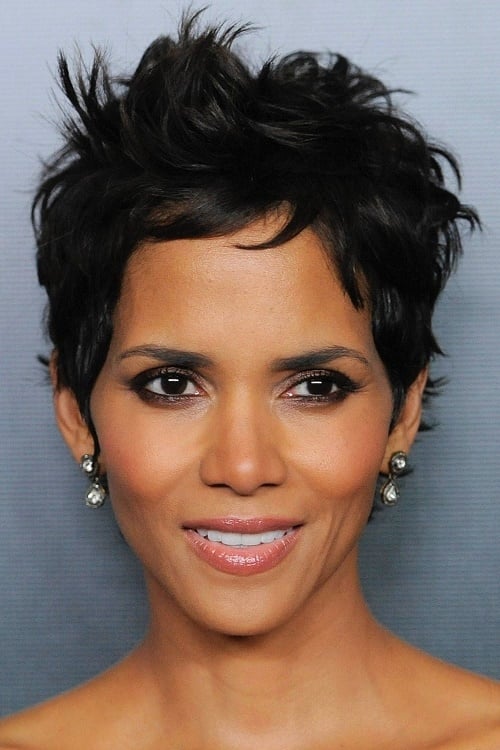
Halle Berry fought hard to secure the lead in ‘Monster’s Ball’ (2001), a role that eventually made her the first Black woman to win the Academy Award for Best Actress. Despite the historic win, Berry has faced and acknowledged criticism regarding the character of Leticia Musgrove, who is depicted as destitute and sexually desperate. She has admitted worrying that the explicit nature of the role and the “tragic Black woman” trope might have ended her career rather than elevated it. While she defends the performance, she understands the conversation around the stereotypes required to win Oscar gold.
Idris Elba
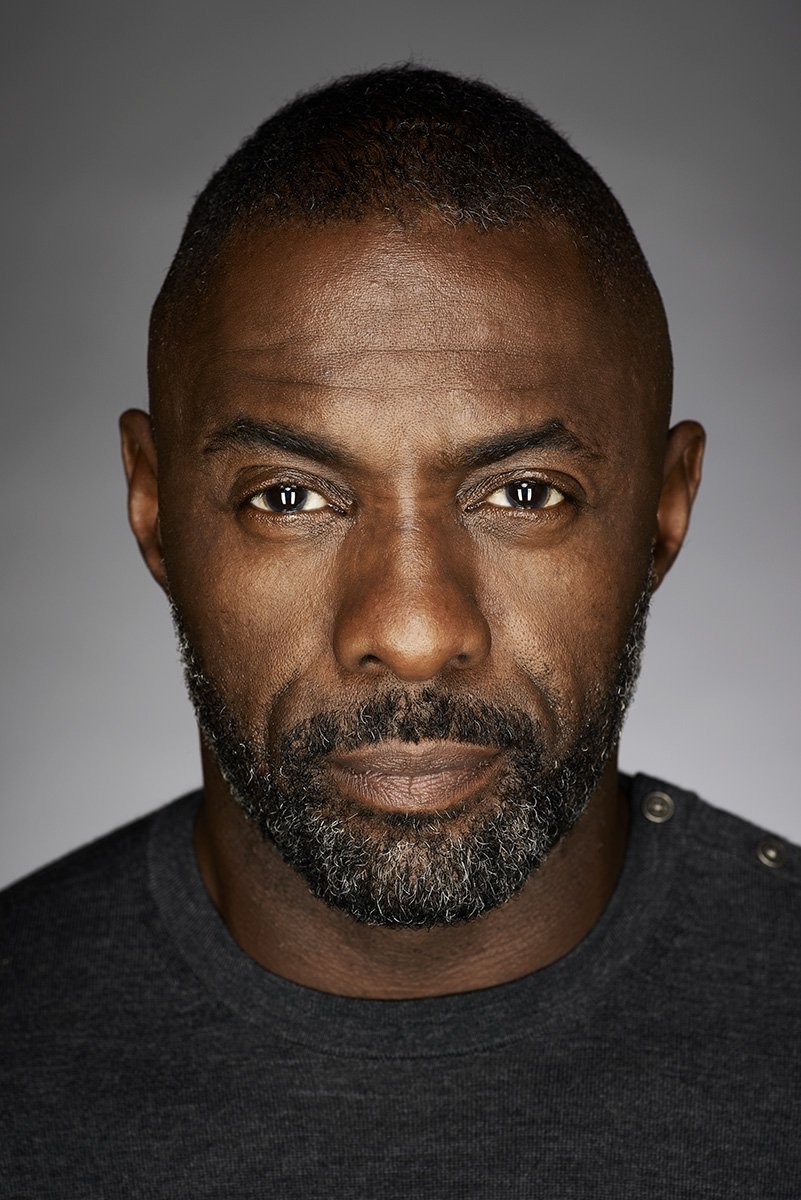
Idris Elba moved to the United States specifically to find work, landing the role of Stringer Bell in ‘The Wire’ (2002–2008), which launched his career. While he appreciates the show’s legacy, Elba has expressed discomfort with how the character glorified the “drug dealer” stereotype for a generation of viewers. He feared getting trapped in a box where he would only be seen as a criminal or a thug by casting directors. Elba has since worked tirelessly to take on diverse roles to distance himself from the archetype that made him famous.
Will Smith
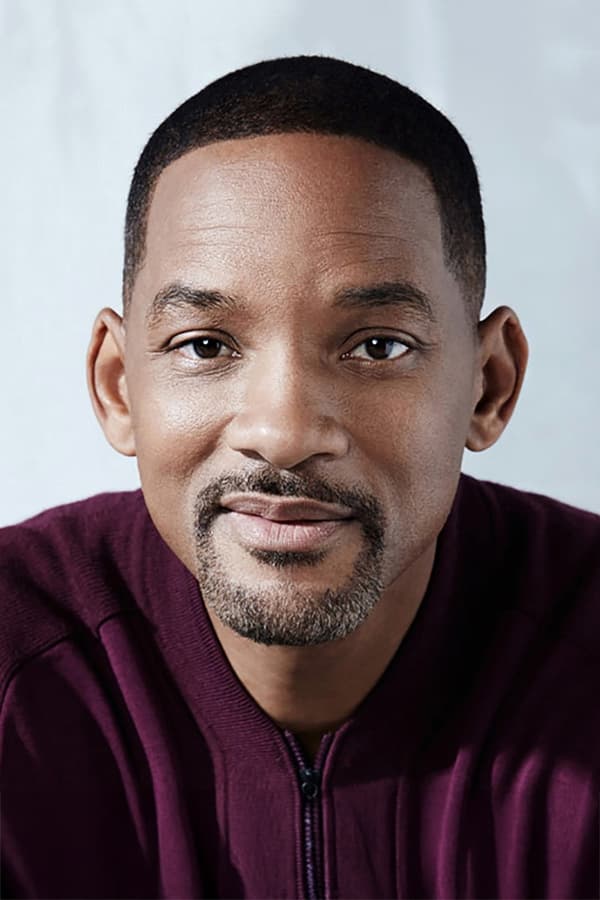
Will Smith pursued the role of the magical caddy in ‘The Legend of Bagger Vance’ (2000) because he wanted to work with director Robert Redford. The film was a critical and commercial disappointment, and the character is now frequently cited as the ultimate example of the “Magical Negro” trope, where a Black character exists solely to help a white protagonist self-actualize. Smith later realized the limitations of such roles and pivoted his career to focus on blockbusters where his race was incidental to the plot. He has spoken about his deliberate choice to avoid roles that centered on Black trauma or servitude after this period.
Octavia Spencer
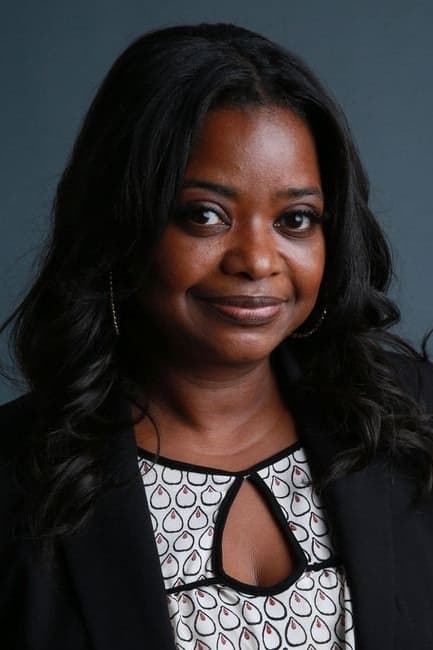
Octavia Spencer won an Academy Award for her role as Minny Jackson in ‘The Help’ (2011), a part she pursued alongside her friend Viola Davis. While she is grateful for the career boost, Spencer has openly discussed the frustration of being typecast as a maid, a role she has played nearly two dozen times. She has admitted that Hollywood struggles to imagine Black women in positions of power or romance, defaulting instead to the service industry stereotype. Spencer has since moved into producing to create more varied opportunities for herself and others.
Thandiwe Newton

Thandiwe Newton took the role of Christine in ‘Crash’ (2004) believing the film was a deep exploration of racial dynamics in Los Angeles. She later criticized the film and her specific scene involving a sexually abusive police officer, feeling that it was exploitative rather than insightful. Newton expressed regret that the film presented a simplified, almost soap-opera version of racism that made audiences feel good without challenging them. She felt the character reduced her to a victim trope that served the redemption arc of the white male character.
Leslie Jones
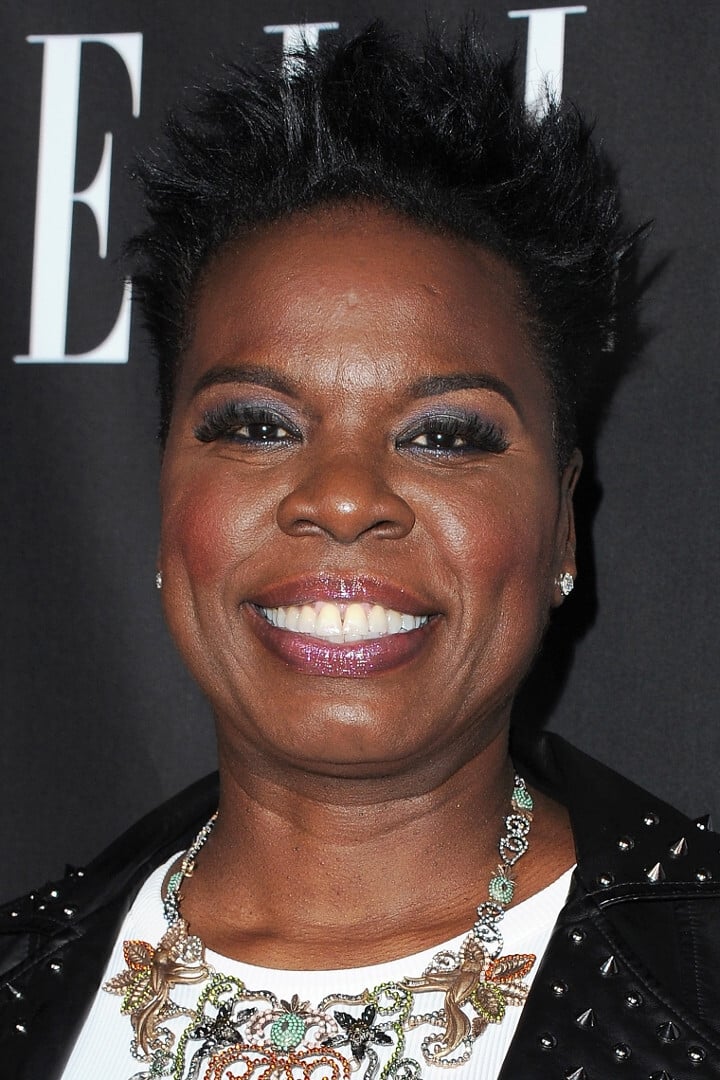
Comedian Leslie Jones was thrilled to join the cast of the all-female reboot of ‘Ghostbusters’ (2016), seeing it as a major studio break. However, she faced immediate criticism for playing a loud, street-smart MTA worker while her white co-stars played scientists and academics. Jones defended the role initially but later expressed frustration at the racist abuse she received online and the box Hollywood put her in. She has discussed the difficulty of being expected to always be the “loud” one in the room to secure screen time.
Ahmed Best
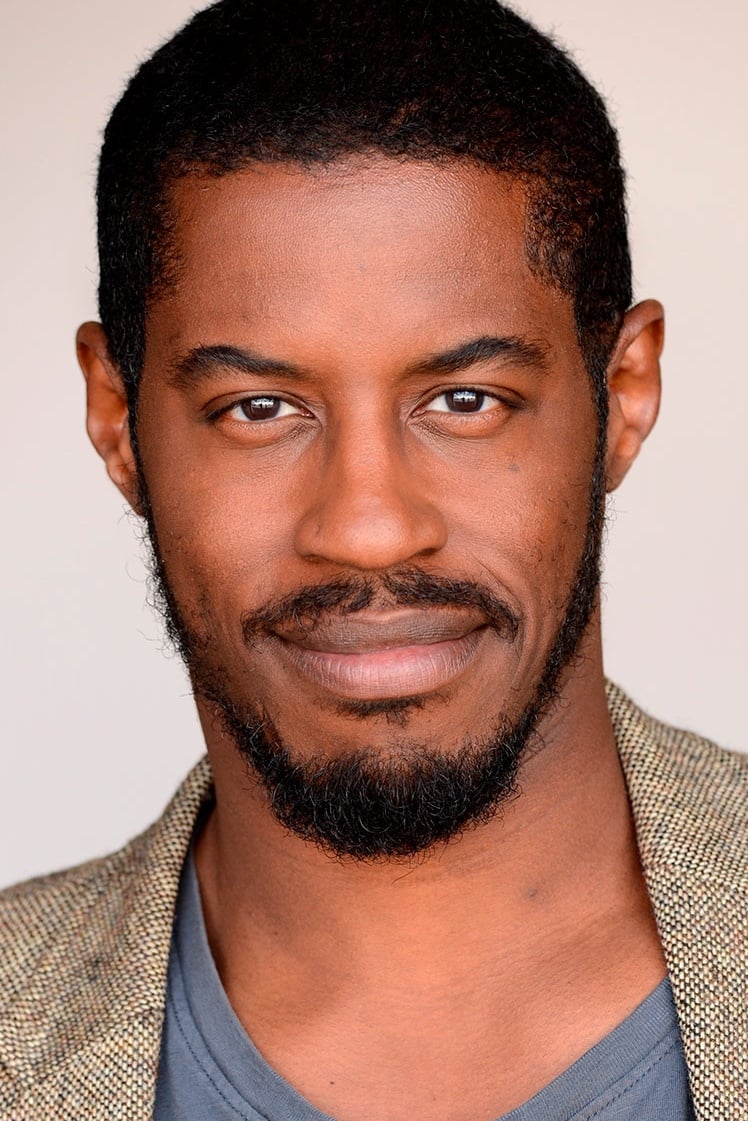
Ahmed Best lobbied hard to voice and perform the motion capture for Jar Jar Binks in ‘Star Wars: Episode I – The Phantom Menace’ (1999). He believed he was part of a technological revolution in cinema, but the character was immediately slammed as a racial caricature resembling a minstrel show performer. Best faced severe backlash and accusations of perpetuating Caribbean stereotypes, which sent him into a deep depression. He has since reconciled with the franchise but remains open about how the industry failed to protect him from the accusations that he was shucking and jiving for a white director.
Morgan Freeman
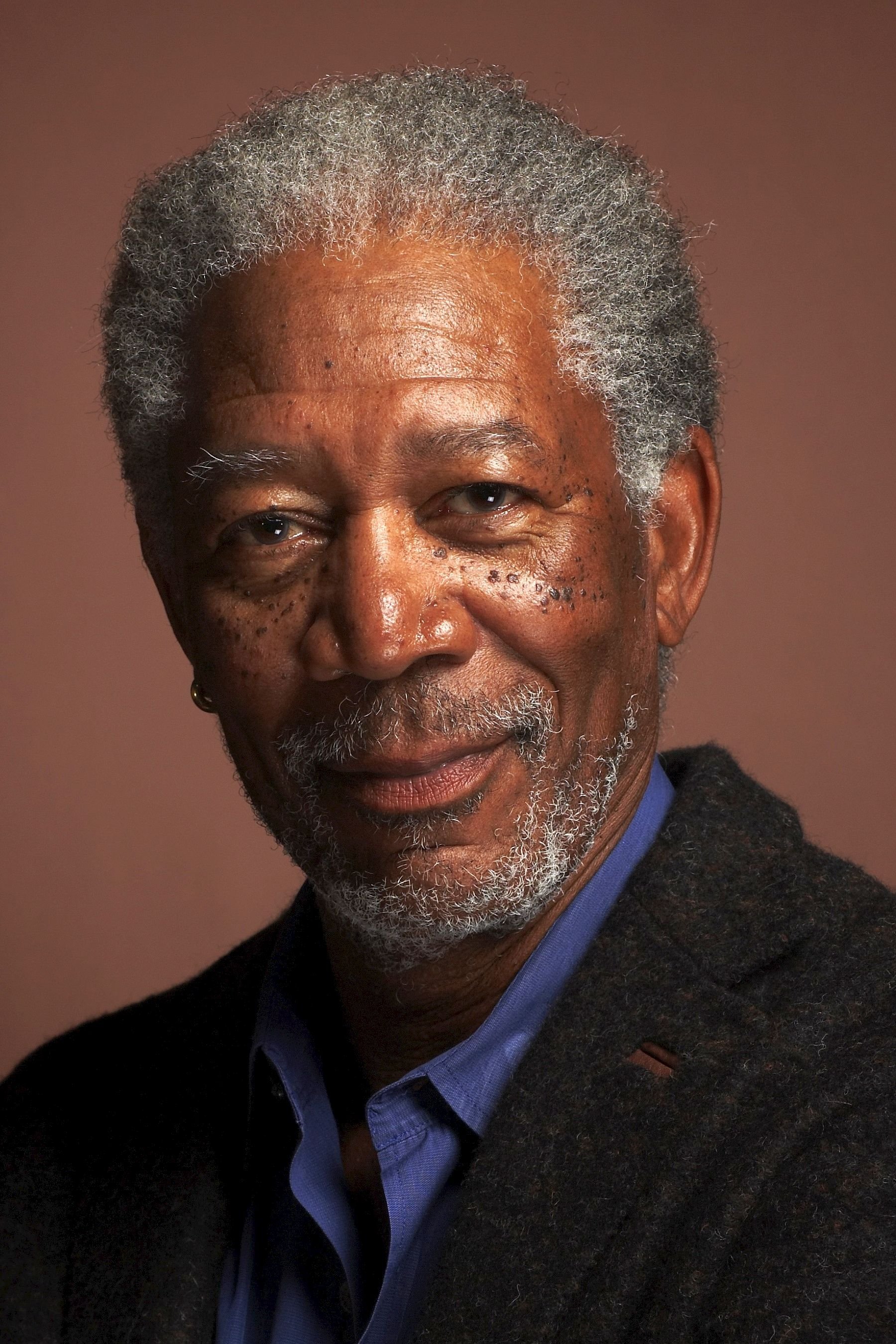
Morgan Freeman took the role of Hoke Colburn in ‘Driving Miss Daisy’ (1989), creating one of his most iconic and Oscar-nominated performances. Over time, the film has been criticized as a “fantasy of racial harmony” where the Black character is entirely subservient and saintly in the face of prejudice. Freeman has occasionally defended the film as a product of its time but acknowledges the criticism regarding the “servant” dynamic. The role cemented a certain “wise, old helper” image that Freeman has played in various iterations for decades.
Cuba Gooding Jr.
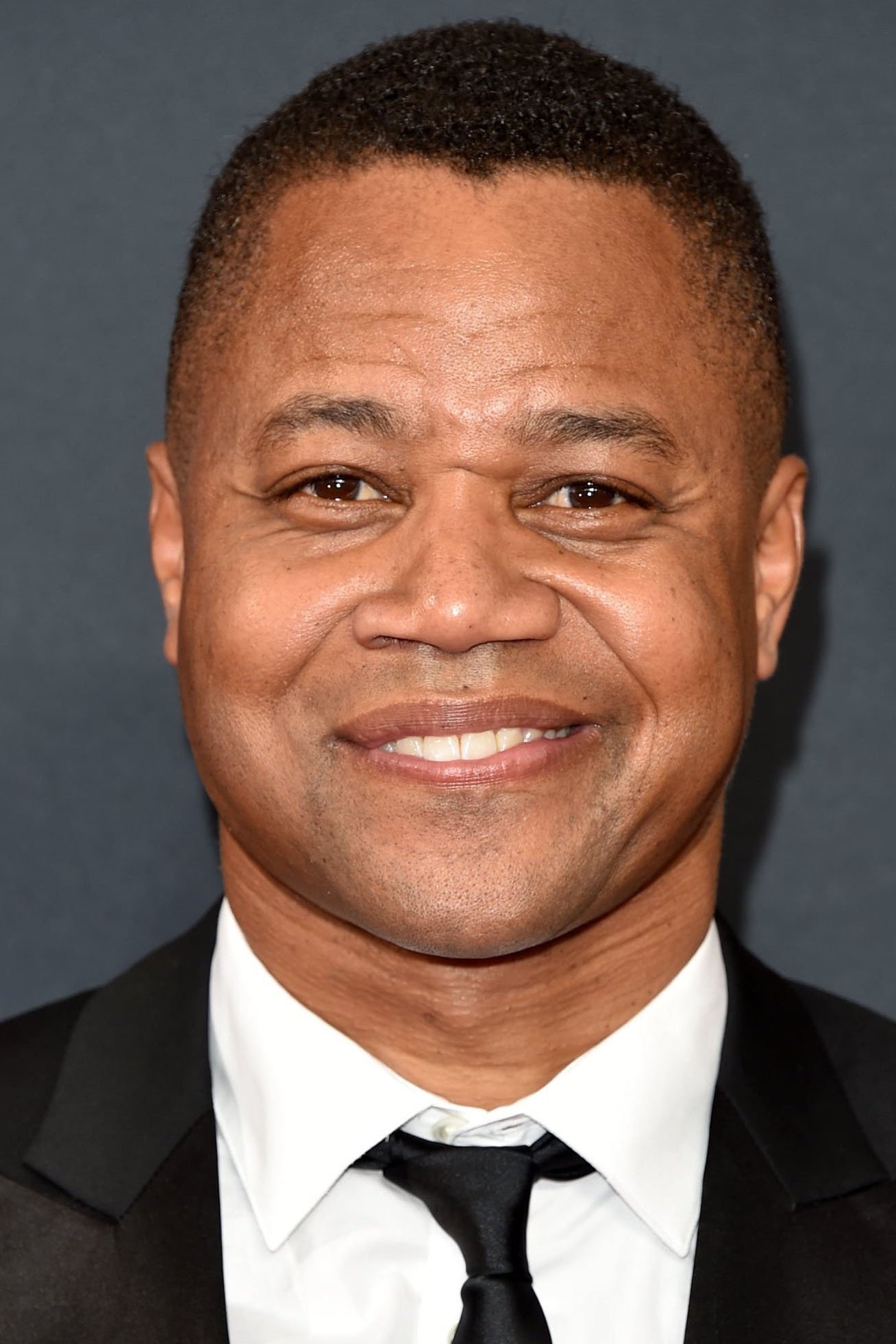
Cuba Gooding Jr. actively sought the title role in ‘Radio’ (2003), playing a mentally disabled young man befriended by a high school football coach. Critics and audiences later panned the performance as a cynical attempt to win an Oscar by playing a “magical disabled” character who inspires the white community. The role is often cited as a career misstep that leaned too heavily on sentimental stereotypes rather than genuine character development. Gooding’s career struggled to recover its momentum after the backlash to this specific type of role.
Terrence Howard
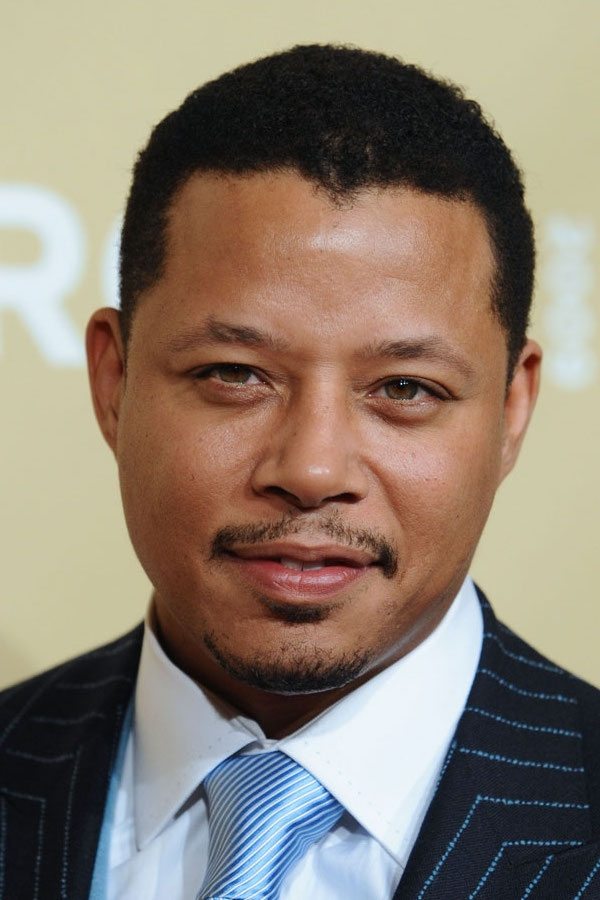
Terrence Howard fought to play the pimp and aspiring rapper Djay in ‘Hustle & Flow’ (2005), a role that earned him an Academy Award nomination. While the performance was praised, Howard later lamented that Hollywood only seemed interested in rewarding Black men when they played criminals or pimps. He expressed frustration that the industry viewed this specific archetype as the pinnacle of Black masculinity on screen. Howard has since sought roles in television and film that portray Black men as intellectuals or tycoons to counter this image.
Hattie McDaniel
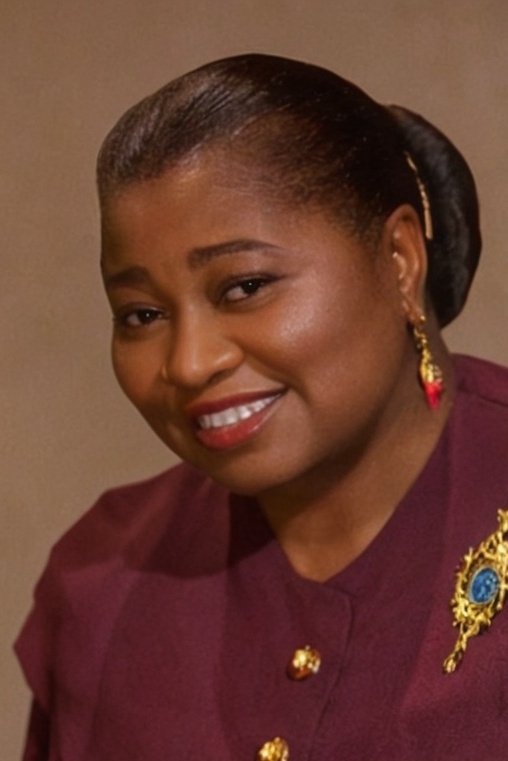
Hattie McDaniel is the first Black person to win an Oscar, which she won for playing Mammy in ‘Gone with the Wind’ (1939). While she famously said she would “rather play a maid than be one,” she was keenly aware of the limitations placed upon her. She fought for dignity within the role but was ultimately barred from the film’s premiere and relegated to a segregated table at the Oscars. Her legacy is complicated by her acceptance of a role that is the definition of the “Mammy” stereotype, a choice she made out of necessity in a segregated industry.
Eddie Murphy
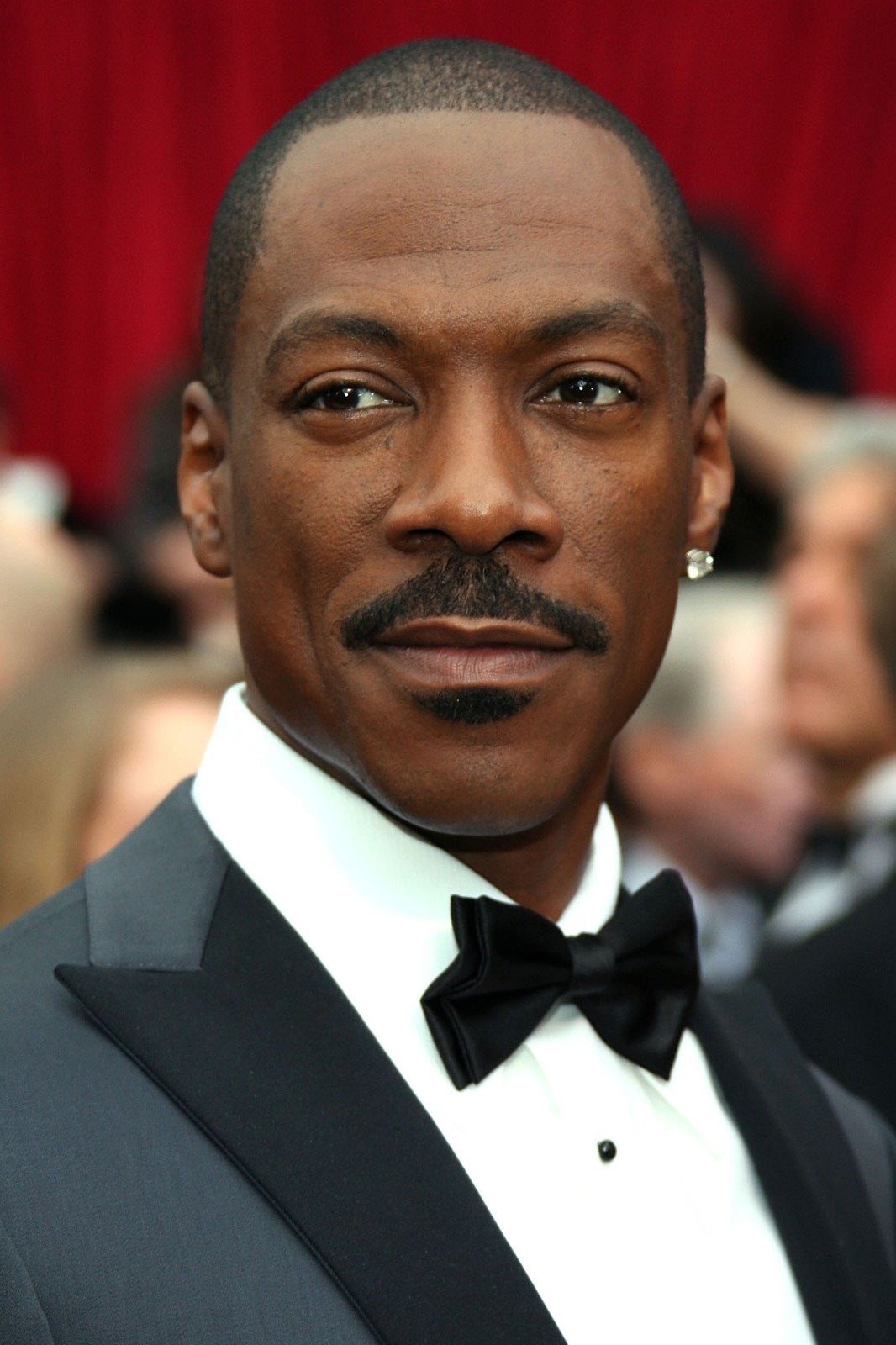
Eddie Murphy wrote and starred in ‘Norbit’ (2007), playing multiple characters including the obese and aggressive Rasputia. While the film was a financial success, it was savaged by critics and social commentators for relying on misogynistic and fat-phobic stereotypes of Black women. Murphy has generally brushed off criticism, but the film is often cited as a major reason he lost the Oscar for ‘Dreamgirls’ that same year, as voters were turned off by the caricature. The role remains a polarizing point in his career, viewed by many as a step backward into minstrelsy.
Martin Lawrence
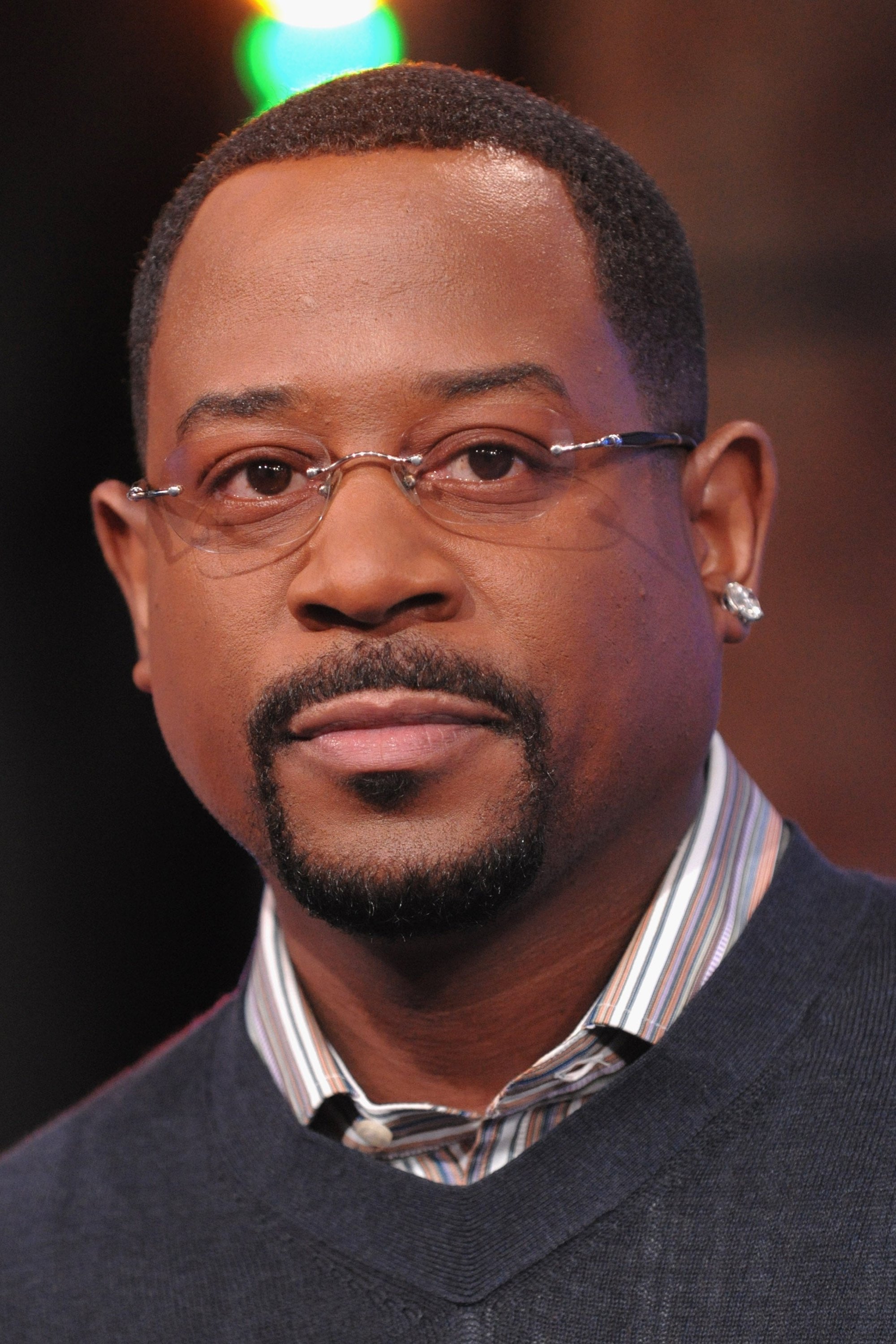
Martin Lawrence found massive success with the ‘Big Momma’s House’ franchise, where he wore a fat suit to play a grandmotherly matriarch. While he embraced the role for its comedic value and box office returns, the character has been criticized for perpetuating the “Mammy” trope in modern drag. Lawrence has acknowledged the physical and creative toll of the role, eventually stepping away from the suit. The franchise is frequently discussed in debates about Hollywood’s obsession with putting Black male comedians in dresses.
Adewale Akinnuoye-Agbaje
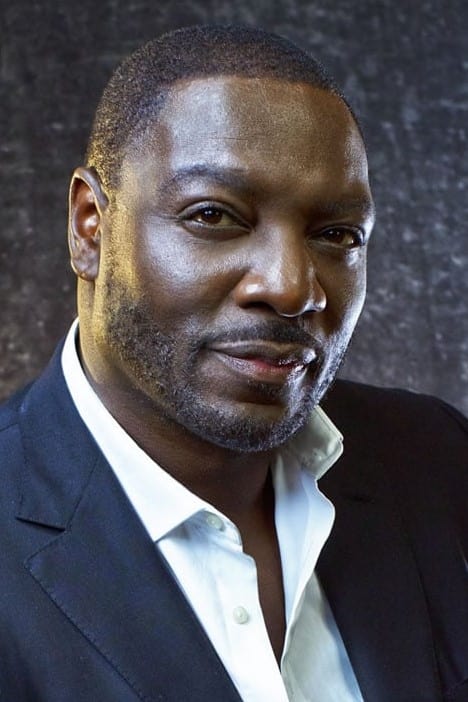
Adewale Akinnuoye-Agbaje lobbied to join the DC Universe as Killer Croc in ‘Suicide Squad’ (2016), hoping for a complex villain role. Instead, he was buried under pounds of prosthetics and given almost no dialogue, reduced to a growling brute in the background. He later described the experience as frustrating, noting that he went from playing complex characters to playing a literal monster with no agency. The role reinforced the “Black brute” stereotype, depicting the character as animalistic and silent rather than intelligent.
Michael B. Jordan
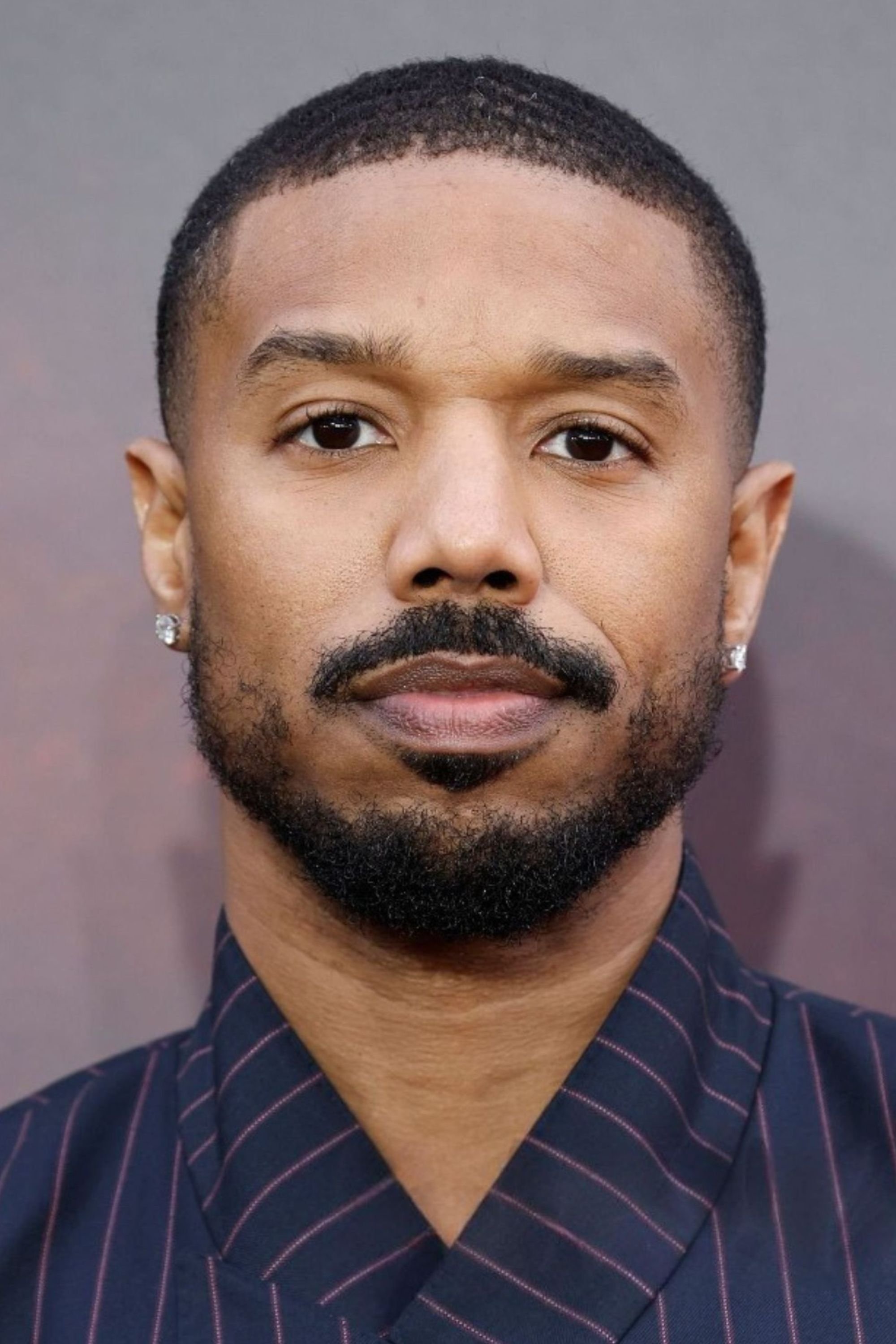
Michael B. Jordan broke out as the sensitive young dealer Wallace in ‘The Wire’ (2002), a role he auditioned for eagerly as a child actor. However, he has spoken about his fear of being typecast as the “kid who dies” or the tragic statistic from the projects. Jordan made a conscious effort to refuse roles that required him to die early or play a thug after that series ended. He successfully pivoted to action and dramatic leads to ensure he wasn’t defined by the stereotype of Black trauma.
Kevin Hart
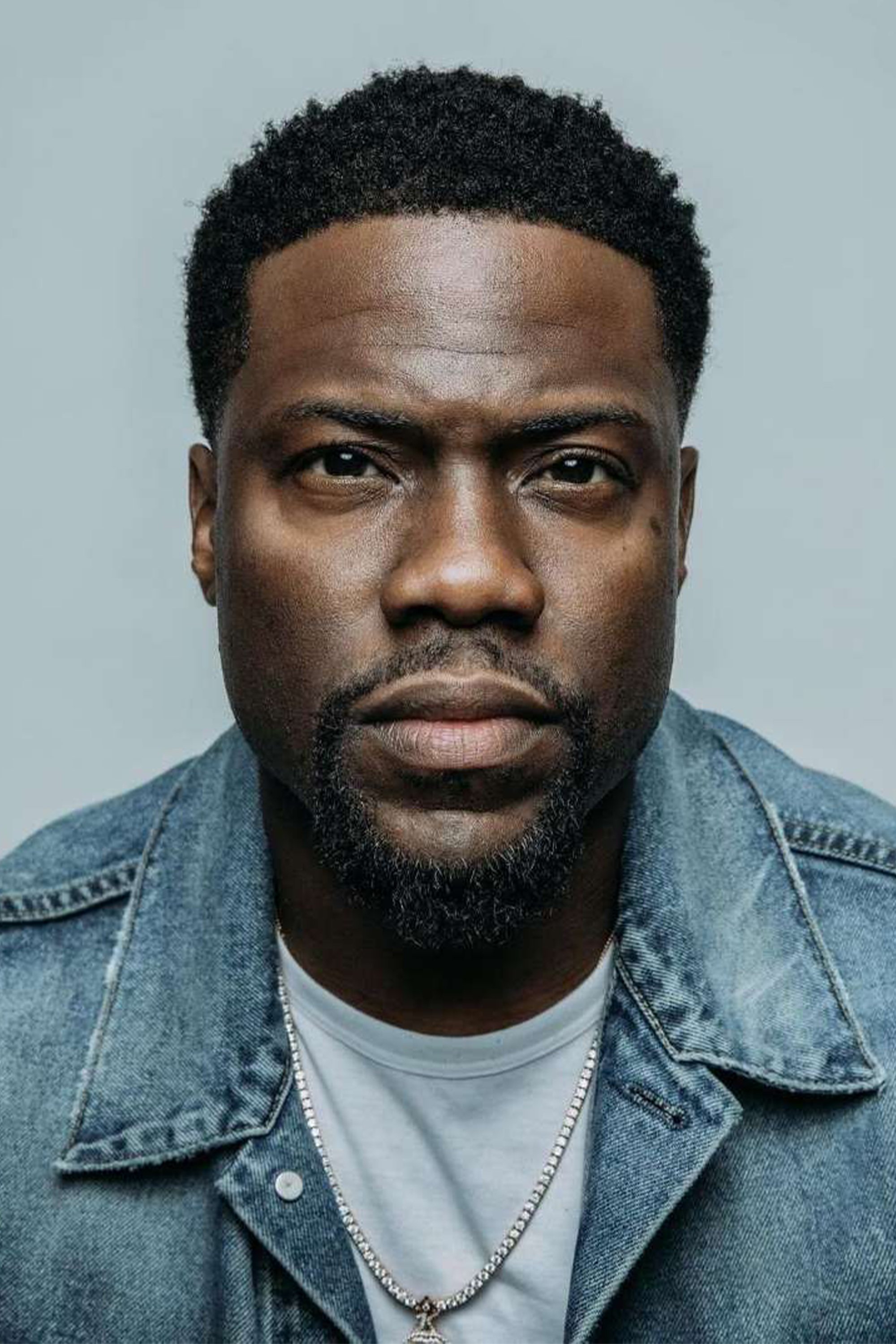
Kevin Hart starred in ‘Soul Plane’ (2004), a comedy that he initially hoped would be a spoof in the vein of ‘Airplane!’ for Black culture. The film was a critical disaster and was accused of setting Black cinema back by decades due to its reliance on crude racial stereotypes. Hart has since admitted that while he stands by his work ethic, the movie was a “bootleg” version of what it could have been. He used the failure of the film as a lesson in quality control and brand management for his future projects.
Tiffany Haddish
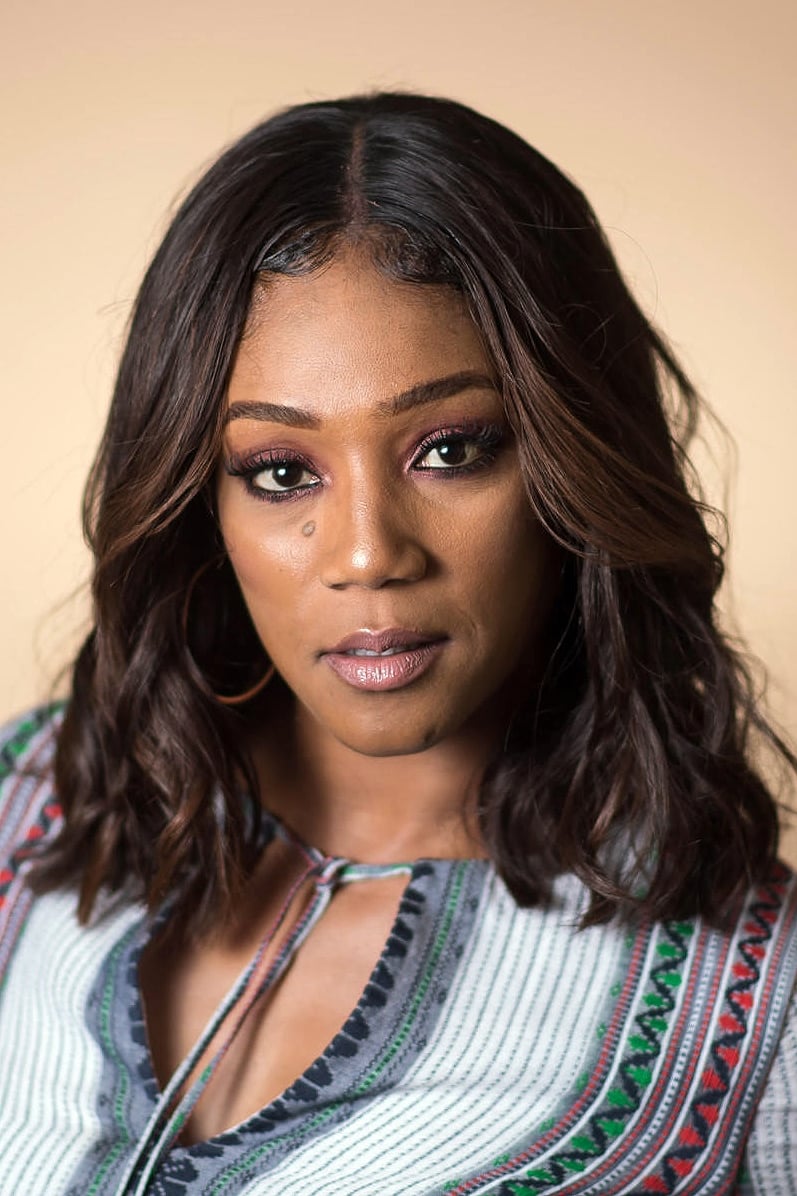
Tiffany Haddish fought for her breakout role in ‘Girls Trip’ (2017), which launched her onto the A-list. While she loves the character, she has expressed frustration that Hollywood now only sends her scripts for the “loud, ghetto, sassy friend.” She has spoken about the difficulty of proving she has dramatic range when the industry only wants to pay her to perpetuate a specific, high-energy stereotype. Haddish is actively producing new projects to show she can do more than just the “party girl” routine.
Damon Wayans
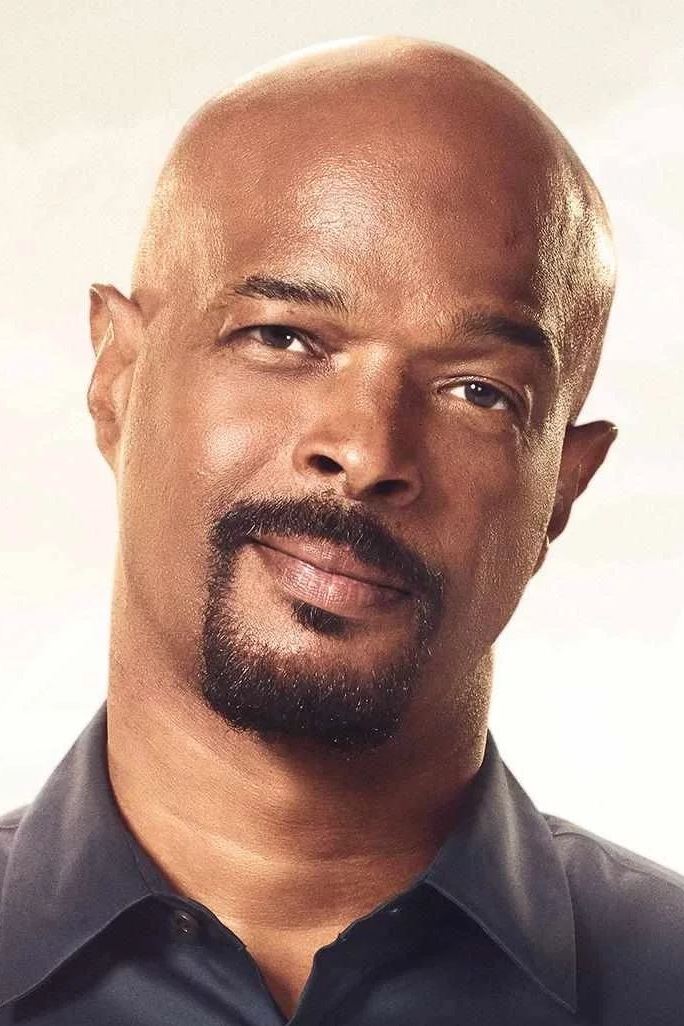
Damon Wayans starred in Spike Lee’s satire ‘Bamboozled’ (2000), playing a TV writer who creates a modern-day minstrel show that becomes a hit. While Wayans understood the satirical point, he found the experience of performing in blackface and tap-dancing emotionally draining and painful. The role required him to inhabit the very stereotypes he had spent his career trying to subvert in shows like ‘In Living Color’. He has described the movie as a necessary but deeply uncomfortable examination of what Black actors endure in show business.
Nicole Beharie

Nicole Beharie fought to land the lead role of Abbie Mills in the supernatural drama ‘Sleepy Hollow’ (2013–2017). Although she was a co-lead, she later revealed she was treated as a supporting character to her white male co-star, paid significantly less, and eventually killed off to fuel his narrative. Beharie spoke out about being labeled “difficult” when she advocated for fair treatment and health accommodations on set. She viewed her exit from the show as a symptom of how Black female leads are often disposable in genre television.
Please share your thoughts on these roles and the actors’ reactions in the comments.