


Black Stars Who Called Out Hollywood Racism Publicly

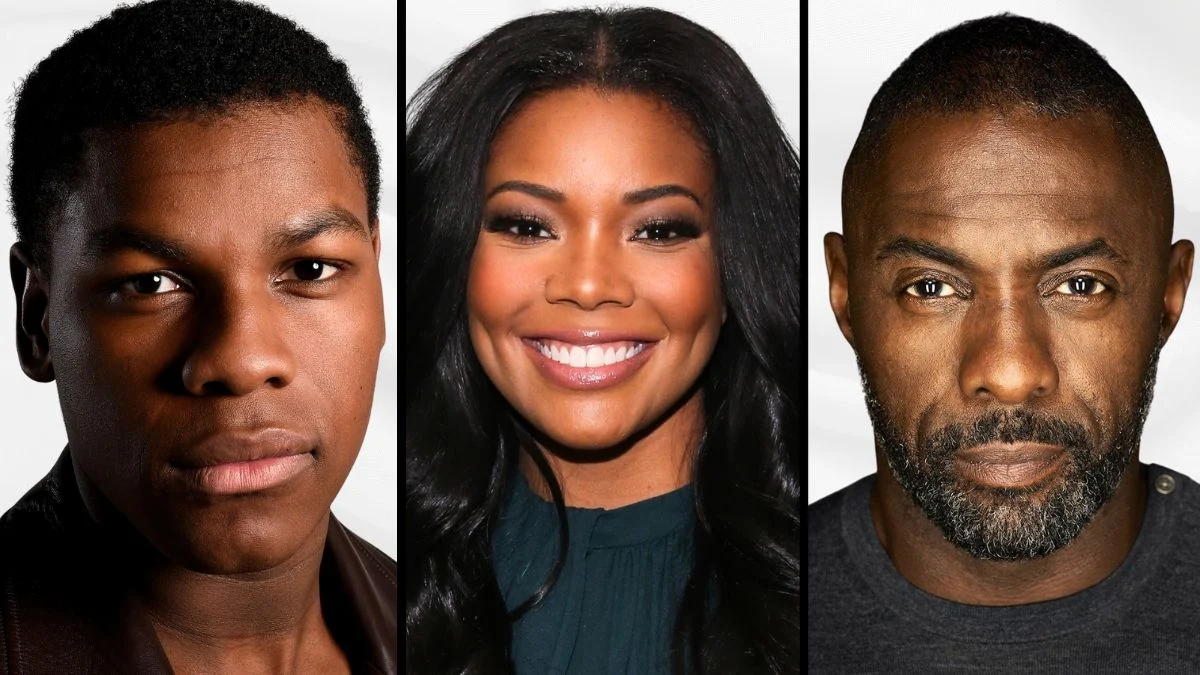


The entertainment industry has long struggled with systemic issues regarding race and representation. Many prominent Black actors and filmmakers have used their platforms to voice concerns about discrimination and inequality. These figures have addressed topics ranging from pay disparities to the lack of diversity behind the camera. Their courage in speaking out continues to push studios and executives toward meaningful change.
Viola Davis
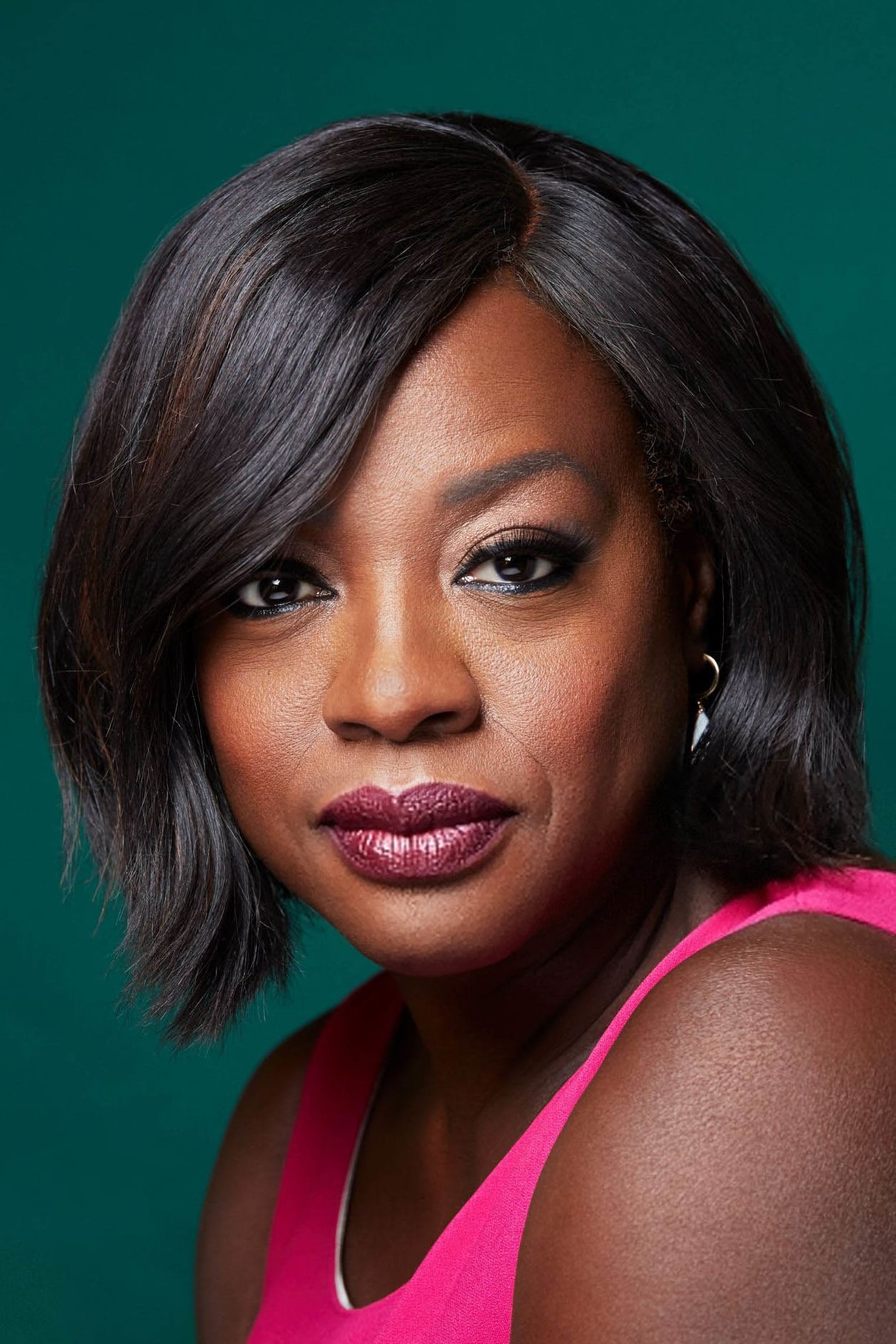
Viola Davis has consistently highlighted the significant pay gap between Black actresses and their white counterparts. She famously stated that women of color are often compared to Meryl Streep yet they do not receive equal compensation or opportunities. The actress emphasized that the only thing separating Black women from other successful performers is opportunity. Davis noted that roles reflecting the complexity of Black womanhood are still scarce in mainstream media. She continues to demand that the industry recognize the value and talent of Black artists.
John Boyega
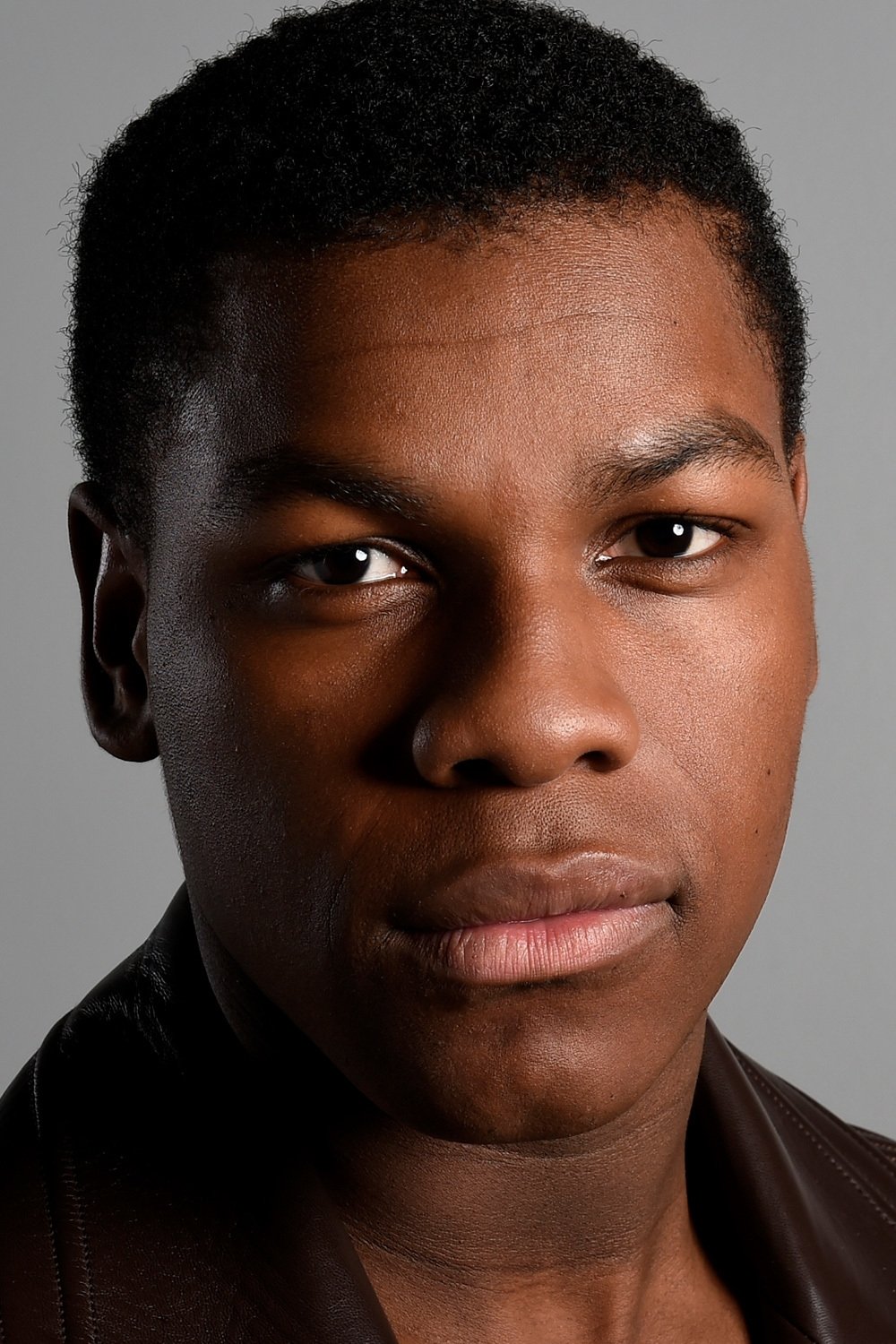
John Boyega publicly criticized the treatment of his character in the ‘Star Wars’ franchise following the conclusion of the trilogy. He expressed frustration that his character was marketed as a central figure but was sidelined in the actual storylines. Boyega pointed out that white characters were given nuanced arcs while minority characters were pushed to the background. He urged studios to support actors of color when they face targeted harassment from toxic fanbases. His candid comments sparked a necessary conversation about tokenism in blockbuster films.
Gabrielle Union
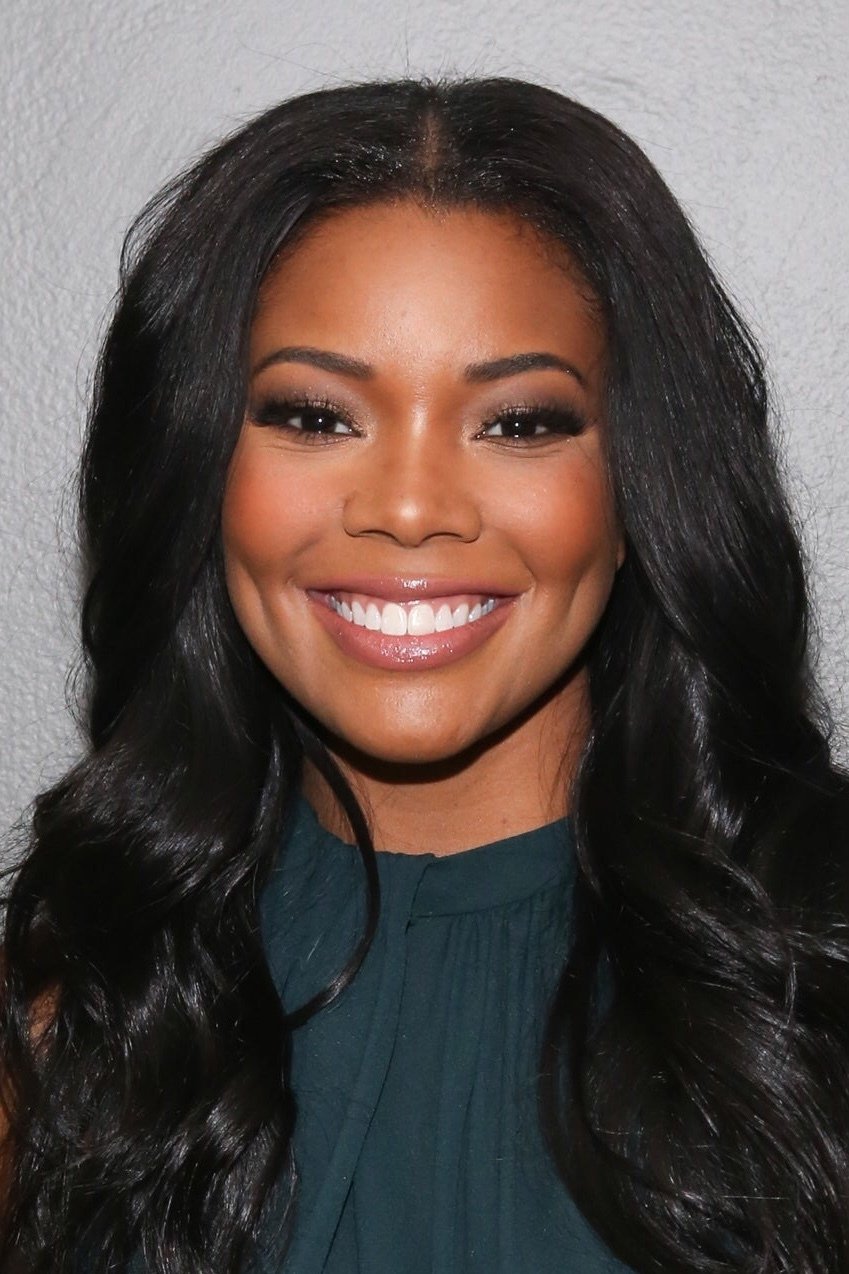
Gabrielle Union spoke out against the toxic work environment she experienced during her time on ‘America’s Got Talent’. She reported incidents of racism and discrimination that were allegedly ignored by the production team. Union highlighted specific grievances regarding excessive notes on her physical appearance and racially insensitive jokes on set. Her willingness to speak up led to an investigation and brought attention to the corporate culture at the network. She remains a vocal advocate for workplace safety and equity for Black women in media.
Idris Elba
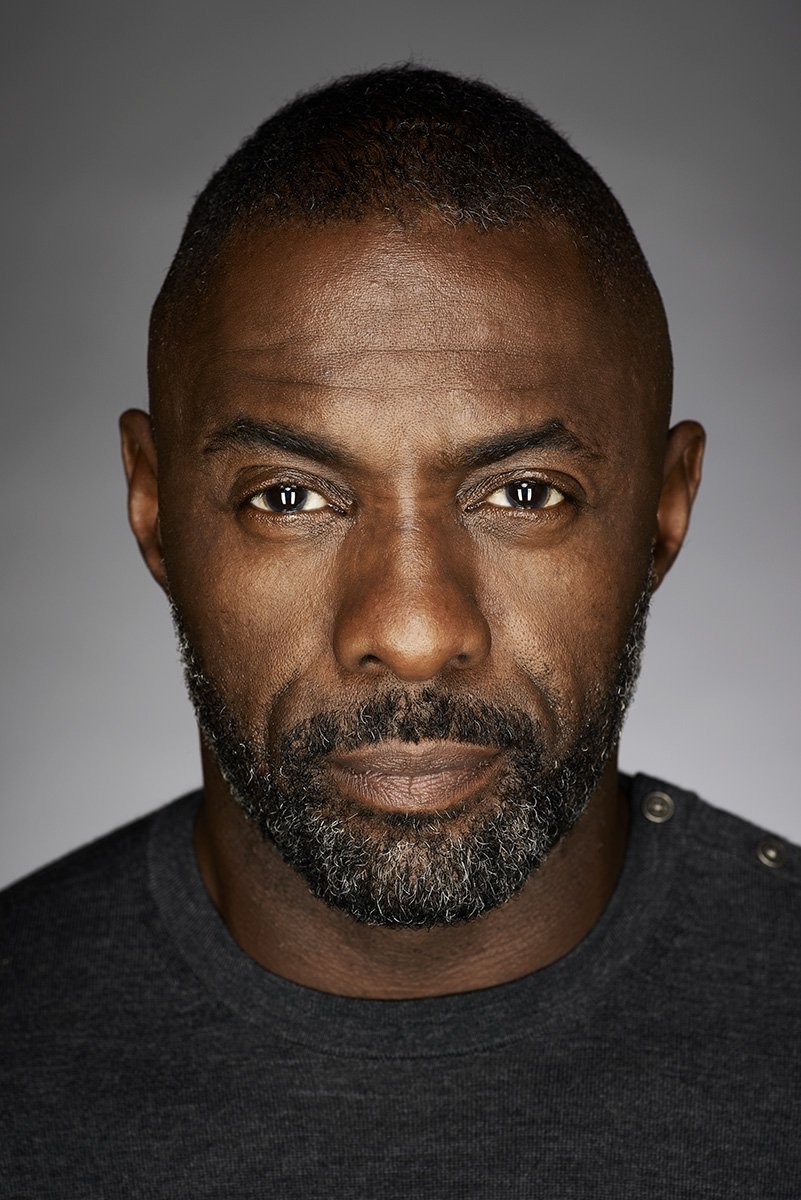
Idris Elba has discussed the imagination gap that exists when casting directors consider Black actors for traditionally white roles. He faced significant backlash when rumors circulated about him potentially playing James Bond. The actor expressed disappointment that his race became the focal point of the discussion rather than his acting ability. Elba has stated that he stopped calling himself a Black actor to avoid putting himself in a box defined by limitations. He advocates for a system where talent determines success rather than skin color.
Mo’Nique
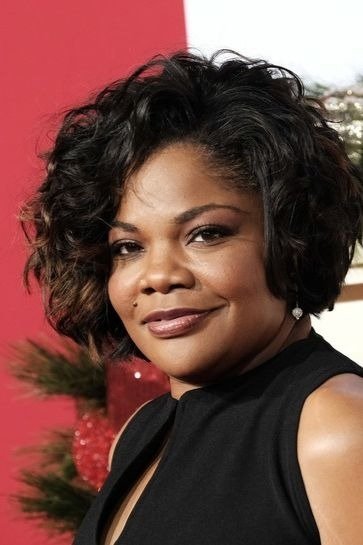
Mo’Nique has been a fierce advocate for pay equity and has openly criticized powerful industry figures for blackballing her. She called for a boycott of Netflix after receiving an offer she deemed offensive compared to sums offered to white and male comedians. The comedian argued that her resume and accolades warranted fair compensation that the streamer refused to provide. She has maintained that standing up for her worth was necessary to set a precedent for those coming after her. Her legal battle highlighted the disparities in how legacy Black talent is valued.
Michael B. Jordan
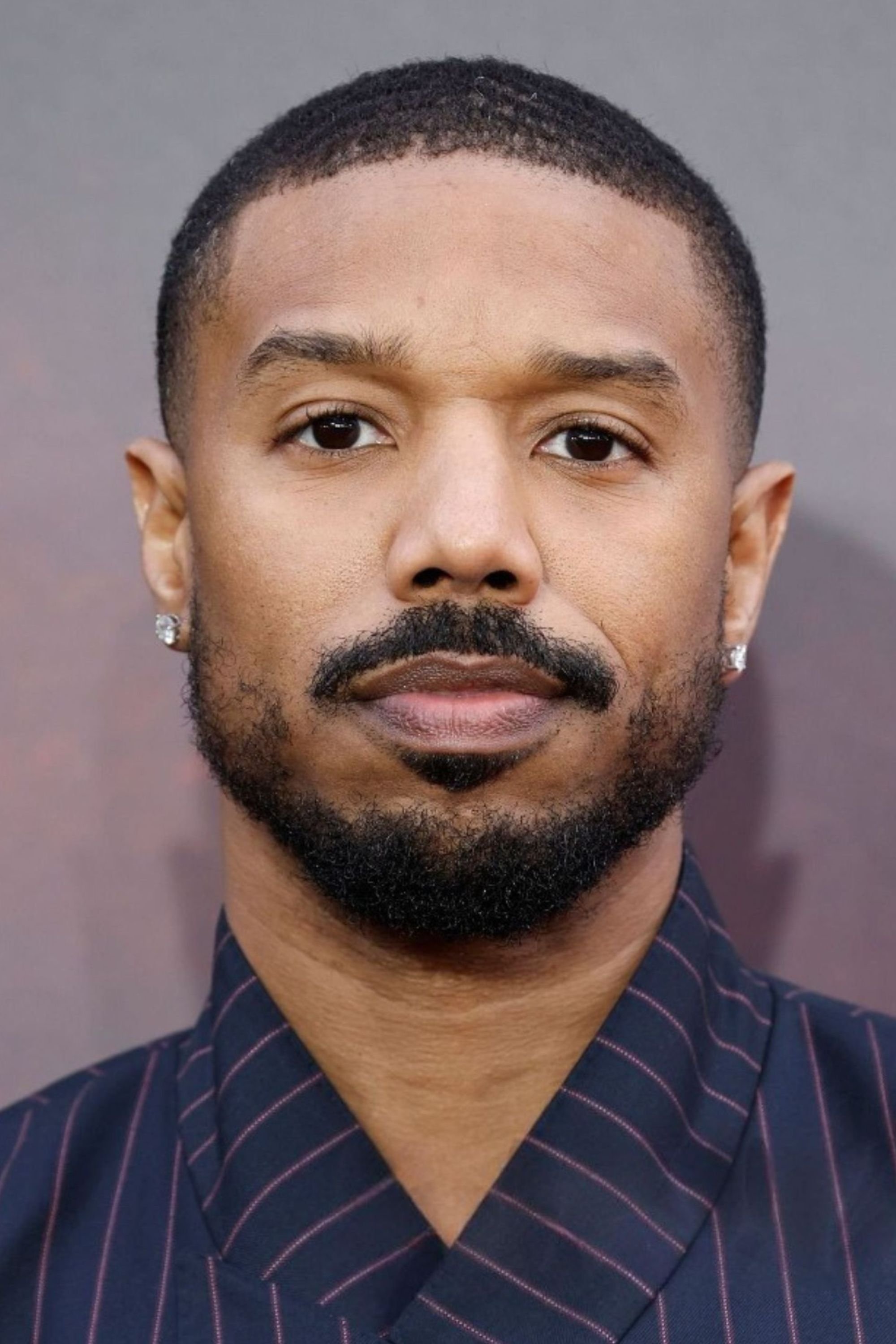
Michael B. Jordan used his platform to promote the inclusion rider which mandates diversity in cast and crew hiring. He announced that his production company would adopt this policy for all future projects to ensure representation. Jordan emphasized that true change requires actionable steps rather than just verbal support for diversity. He has actively worked to provide opportunities for Black voices to be heard and seen in Hollywood. His commitment challenges other major players in the industry to follow suit.
Spike Lee
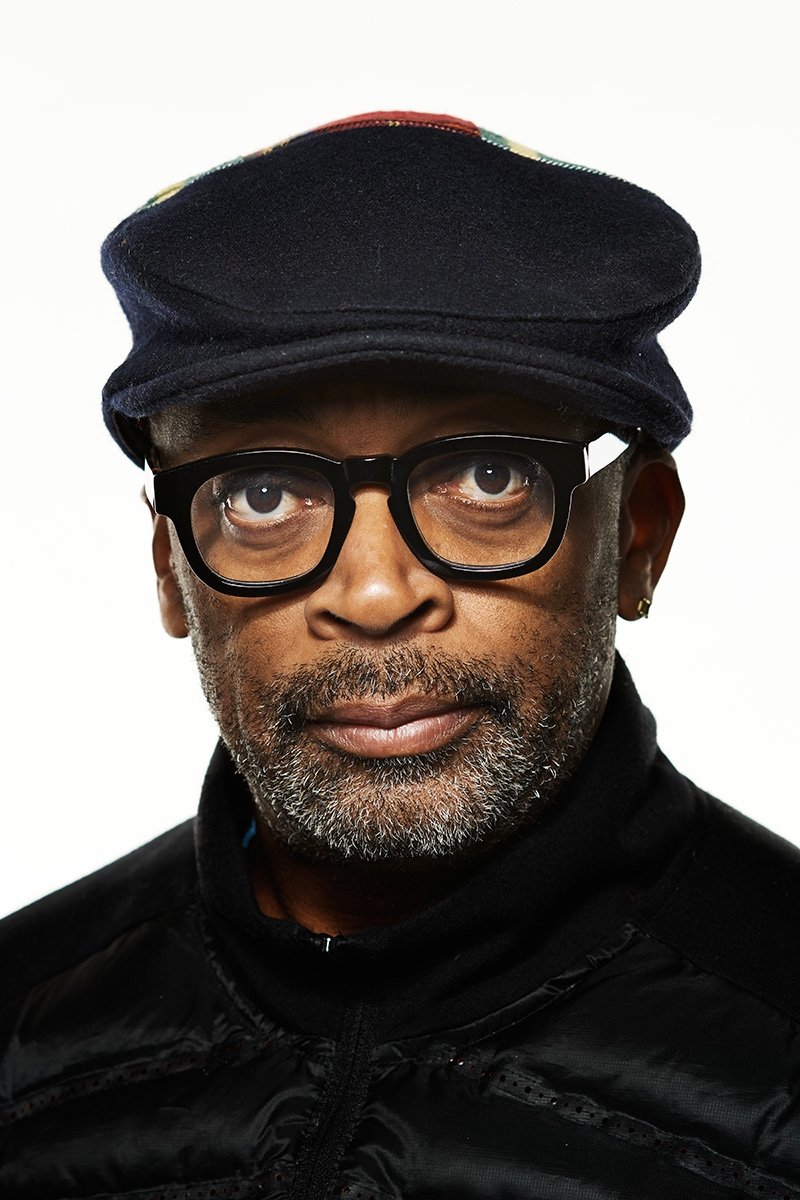
Spike Lee has been holding Hollywood accountable for decades regarding its lack of diversity in voting bodies and executive suites. He was a prominent voice during the #OscarsSoWhite controversy and chose not to attend the ceremony in protest. The director has frequently pointed out that Black films often struggle to get greenlit without white saviors or stereotypical narratives. Lee argues that the gatekeepers of the industry must change for the stories to change. He continues to push for Black ownership and autonomy in filmmaking.
Taraji P. Henson
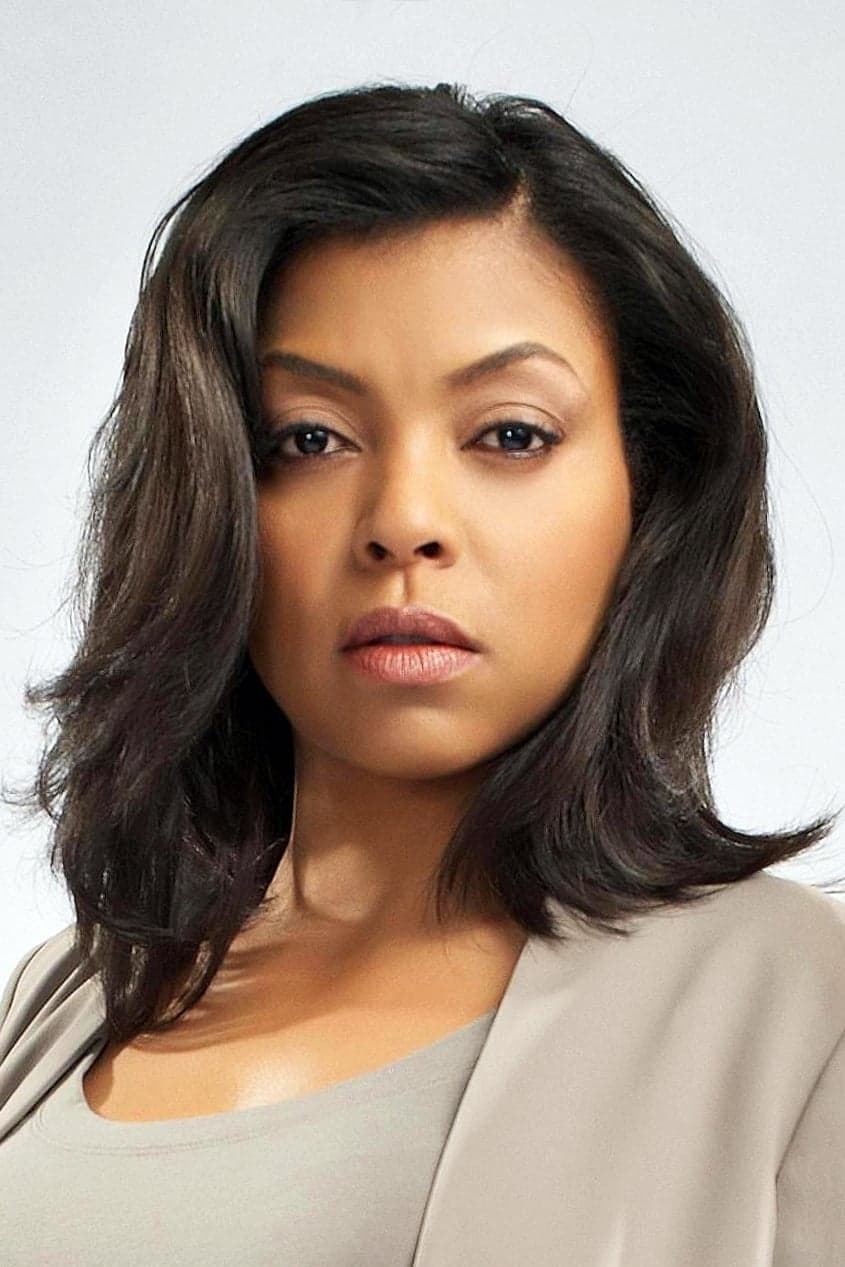
Taraji P. Henson revealed the heartbreaking reality of pay disparity when she detailed her salary for ‘The Curious Case of Benjamin Button’. She explained that she requested a fair rate but was offered a fraction of what she deserved despite her critical role. Henson noted that she had to accept the low offer to prove her worth and maintain her career momentum. The actress stated that the math rarely adds up for Black women even when they deliver acclaimed performances. Her transparency shed light on the financial struggles prominent actors still face.
Anthony Mackie
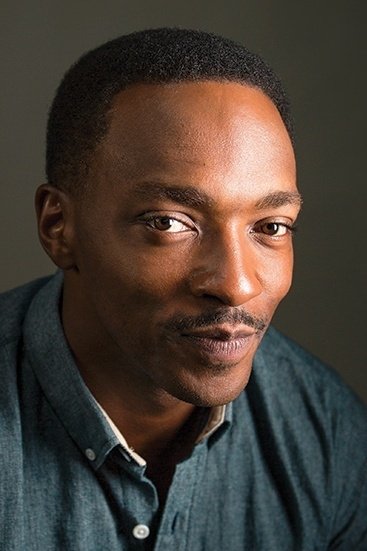
Anthony Mackie criticized Marvel Studios for the lack of diversity on their production crews during an interview. He pointed out that while ‘Black Panther’ had a Black crew the other movies he worked on were predominantly white. Mackie argued that this segregation implies that Black people are only good enough to work on Black stories. He called for studios to hire the best person for the job regardless of race on every single production. His comments highlighted the need for representation behind the camera as well as in front of it.
Thandiwe Newton

Thandiwe Newton has spoken openly about the sexual abuse and racism she endured as a young actress in the industry. She revealed that she almost quit acting due to the stereotypical roles and demeaning treatment she received. Newton criticized the killing off of her character in ‘Solo: A Star Wars Story’ as a waste of representation. She has reclaimed her original name and heritage as an act of defiance against an industry that tried to erase her identity. Her advocacy focuses on protecting young actors from the systemic predation she survived.
Will Smith
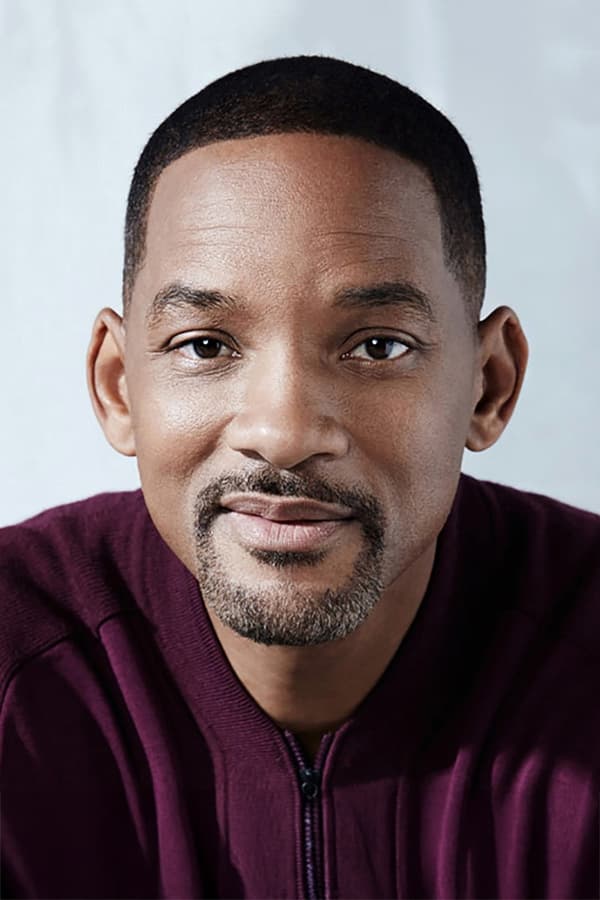
Will Smith joined the boycott of the Academy Awards during the #OscarsSoWhite movement to protest the lack of diversity among nominees. He stated that the nominations did not reflect the beauty and diversity of the country. Smith argued that the industry was moving in the wrong direction and that passive acceptance was complicity. He emphasized that the issue was not just about awards but about whose stories are considered valuable. His participation in the protest helped pressure the Academy to diversify its membership.
Halle Berry
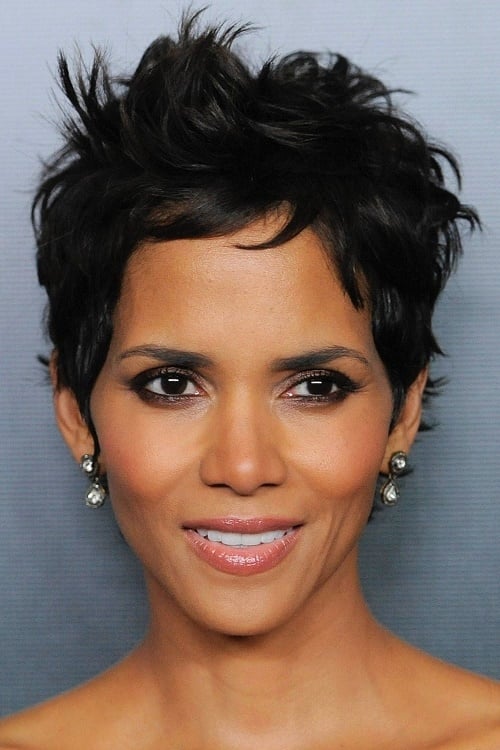
Halle Berry has expressed deep frustration that her historic Oscar win did not open more doors for Black actresses as she had hoped. She famously stated that her win felt meaningless because no other Black woman had won the Best Actress award for decades after her. Berry noted that the struggle for quality roles remains difficult for women of color despite her barrier-breaking achievement. She has questioned the progress of the industry when accolades do not translate to systemic change. Her vulnerability highlighted the isolation often felt by trailblazers.
Ray Fisher
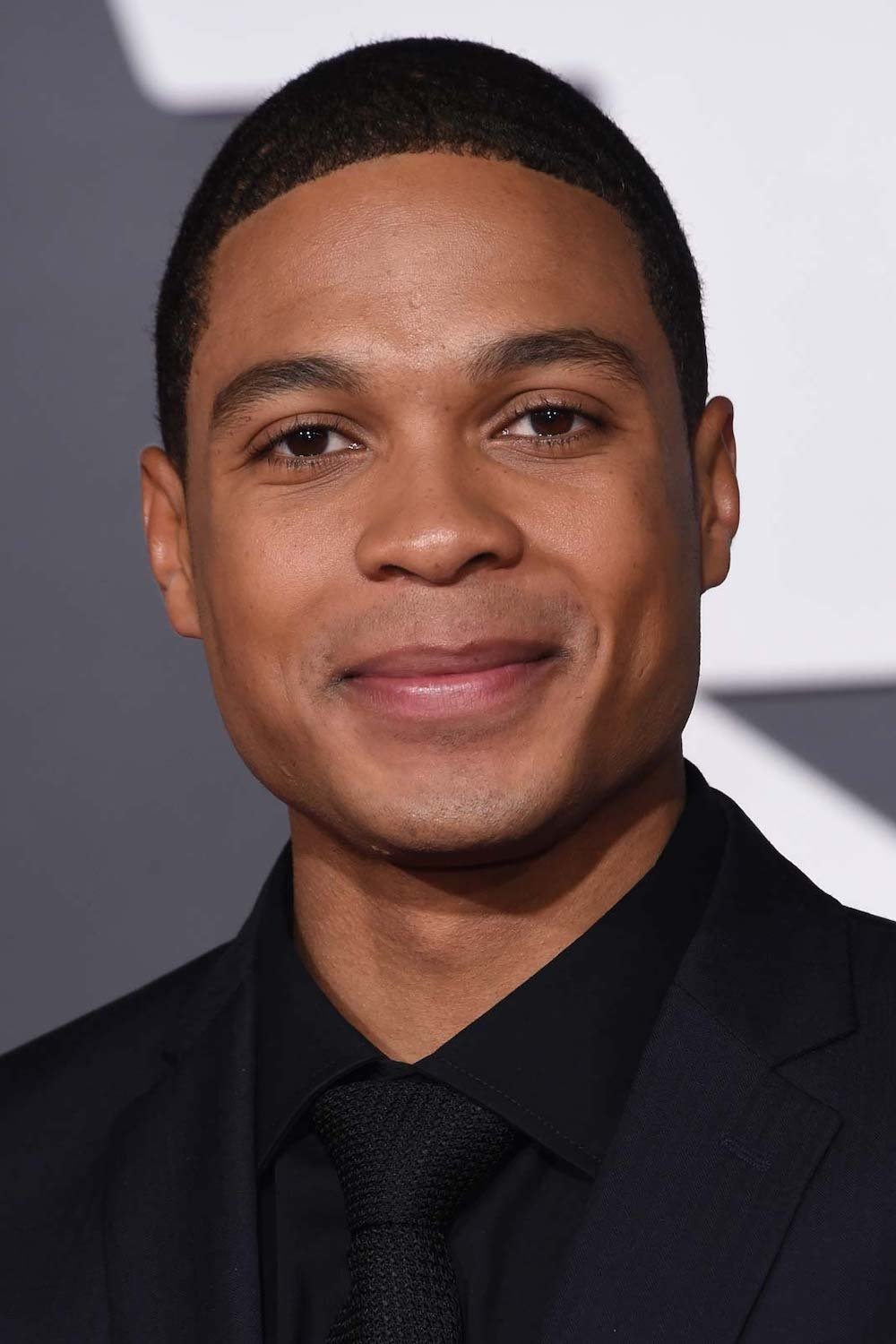
Ray Fisher accused director Joss Whedon of gross and abusive conduct on the set of ‘Justice League’. Fisher further alleged that top executives at the studio enabled this behavior and tried to hinder the subsequent investigation. He stated that race played a factor in how the investigation was handled and how characters of color were cut from the film. The actor put his career on the line to expose the toxic leadership within the studio system. His persistent demands for accountability sparked a massive internal review at the company.
Lupita Nyong’o
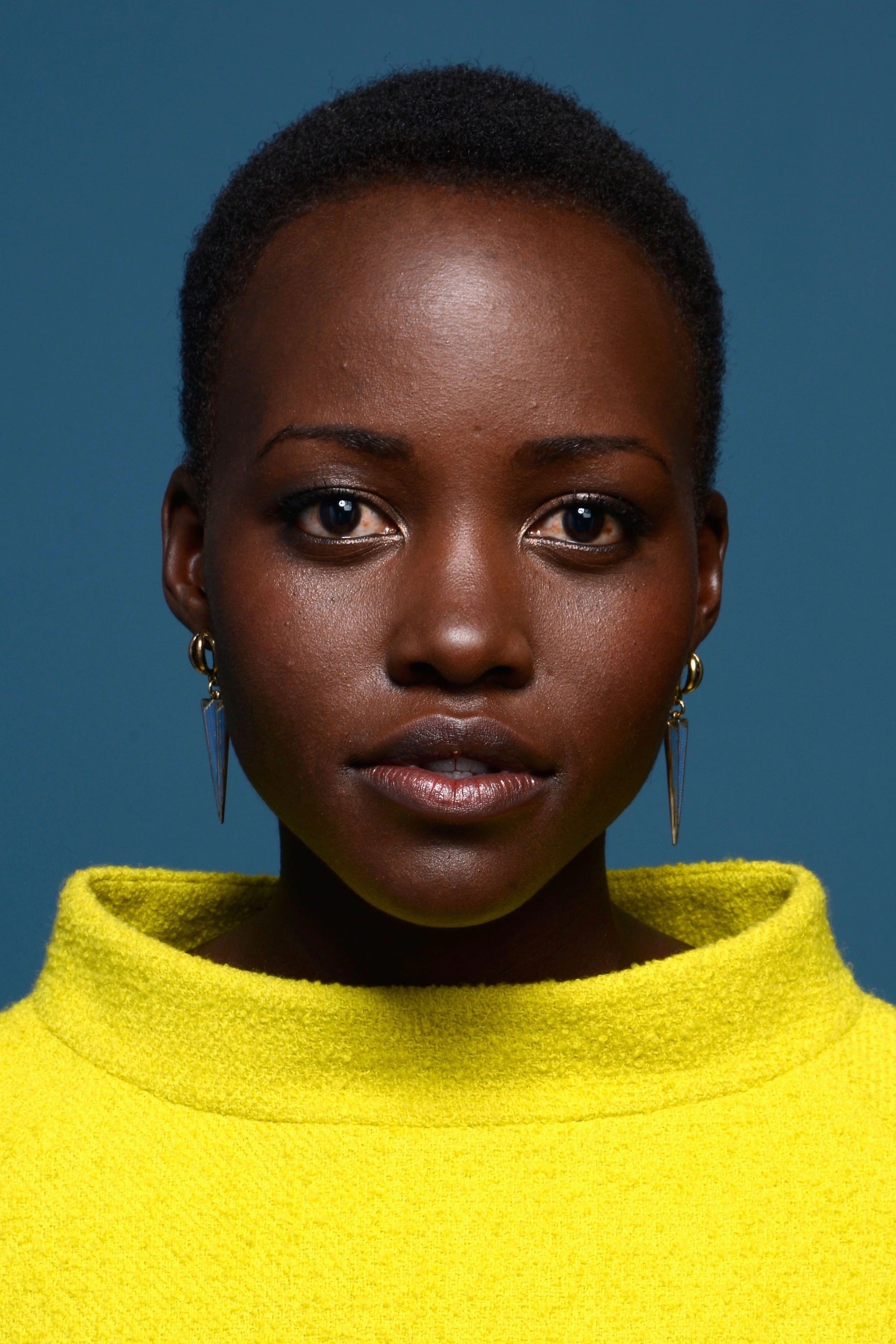
Lupita Nyong’o has been a vocal critic of colorism and the Eurocentric beauty standards prevalent in Hollywood. She shared that she once prayed for lighter skin until she saw representation that affirmed her own beauty. The actress criticized a magazine for airbrushing her hair to fit a more Western aesthetic without her permission. Nyong’o uses her platform to encourage young girls to embrace their natural skin and hair. She challenges the industry to broaden its narrow definition of what is considered marketable.
Tyler Perry
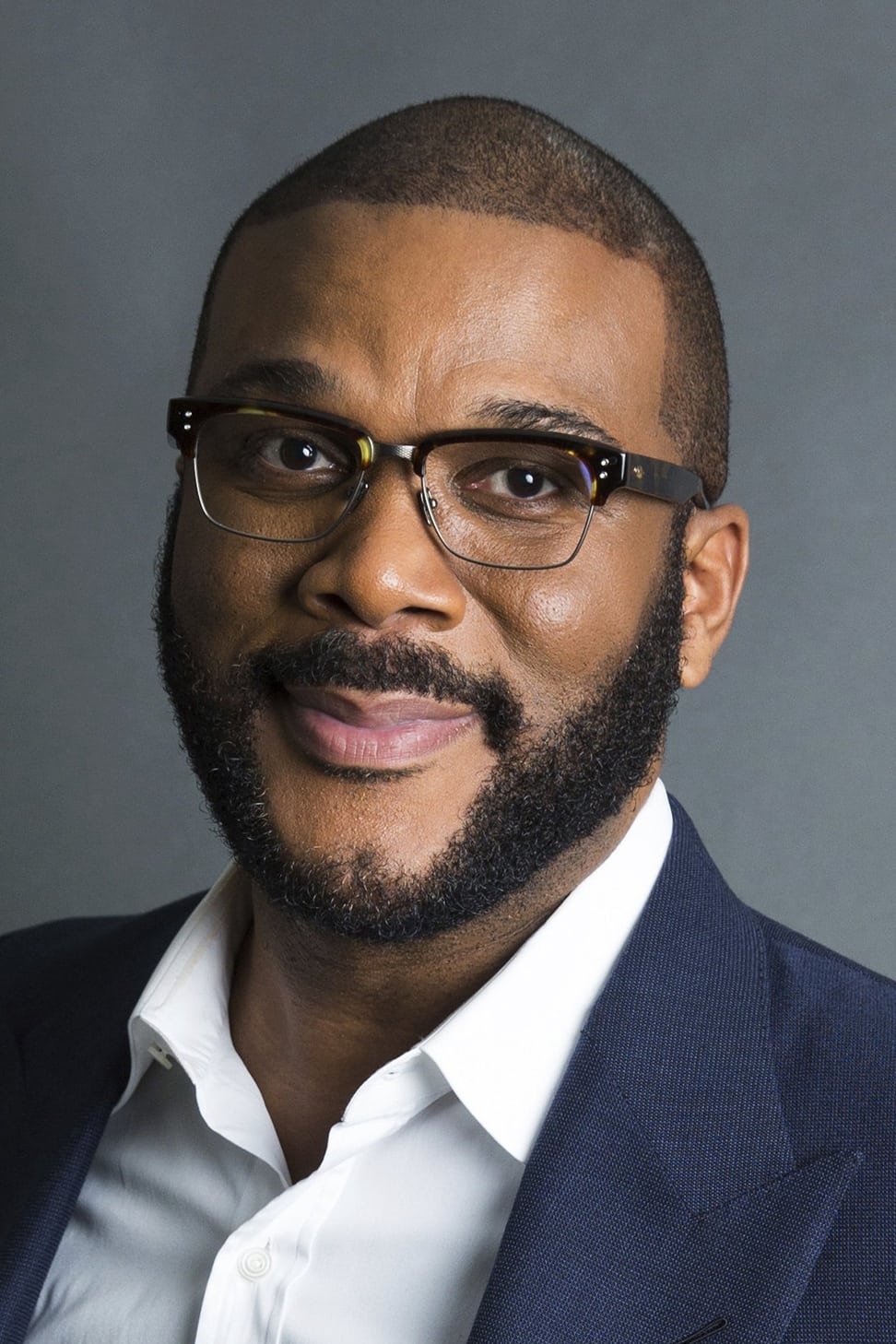
Tyler Perry has frequently discussed the lack of support he received from mainstream Hollywood when building his empire. He noted that he was often ignored by studio executives who did not understand his audience or his content. Perry decided to build his own studio to ensure that he would never have to wait for a seat at the table. He emphasized that ownership is the only way for Black creators to have true creative freedom. His success serves as a direct rebuttal to the industry leaders who doubted the viability of Black storytelling.
Jamie Foxx
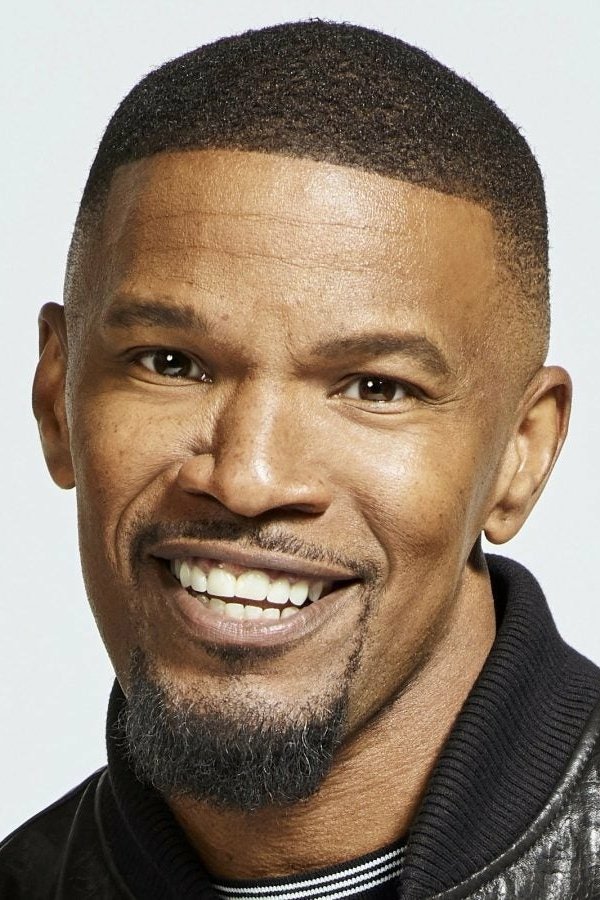
Jamie Foxx has spoken about the limited types of roles available to Black actors in mainstream cinema. He criticized the industry for often celebrating Black actors only when they play stereotypical or subservient characters. Foxx pointed out that true artistic freedom comes when actors of color can play any role without racial qualifiers. He has advocated for more diverse storytelling that moves beyond trauma and stereotypes. His insights reveal the subtle ways the industry pigeonholes minority talent.
Octavia Spencer
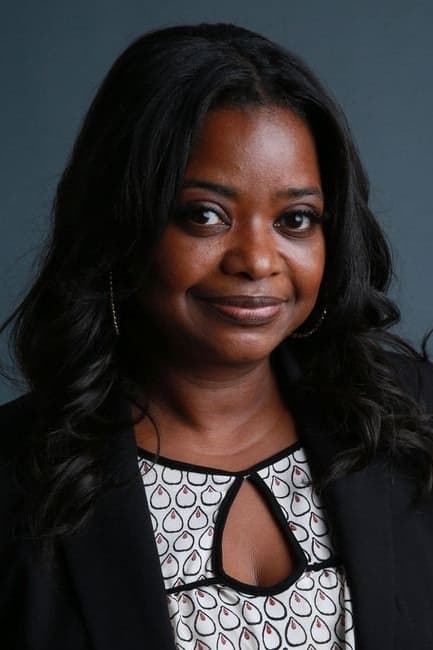
Octavia Spencer teamed up with Jessica Chastain to negotiate equal pay for a project they worked on together. She revealed that women of color earn far less than white women who already earn less than men. Spencer credited her co-star for standing with her to ensure they were compensated equally for their work. She uses this story to illustrate the power of allyship in fighting systemic wage theft. Spencer continues to advocate for transparency in salary negotiations.
David Oyelowo
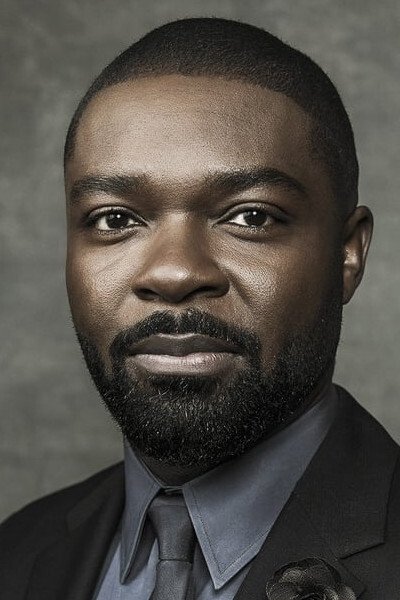
David Oyelowo expressed frustration over the Academy’s failure to nominate ‘Selma’ for major acting or directing awards. He suggested that the film was snubbed because the cast and crew protested the death of Eric Garner at the premiere. Oyelowo criticized the Academy for prioritizing comfort over acknowledging socially relevant art. He argued that historical dramas about Black resistance often face steeper hurdles for recognition. His comments highlighted the intersection of politics and prestige in Hollywood.
Tessa Thompson
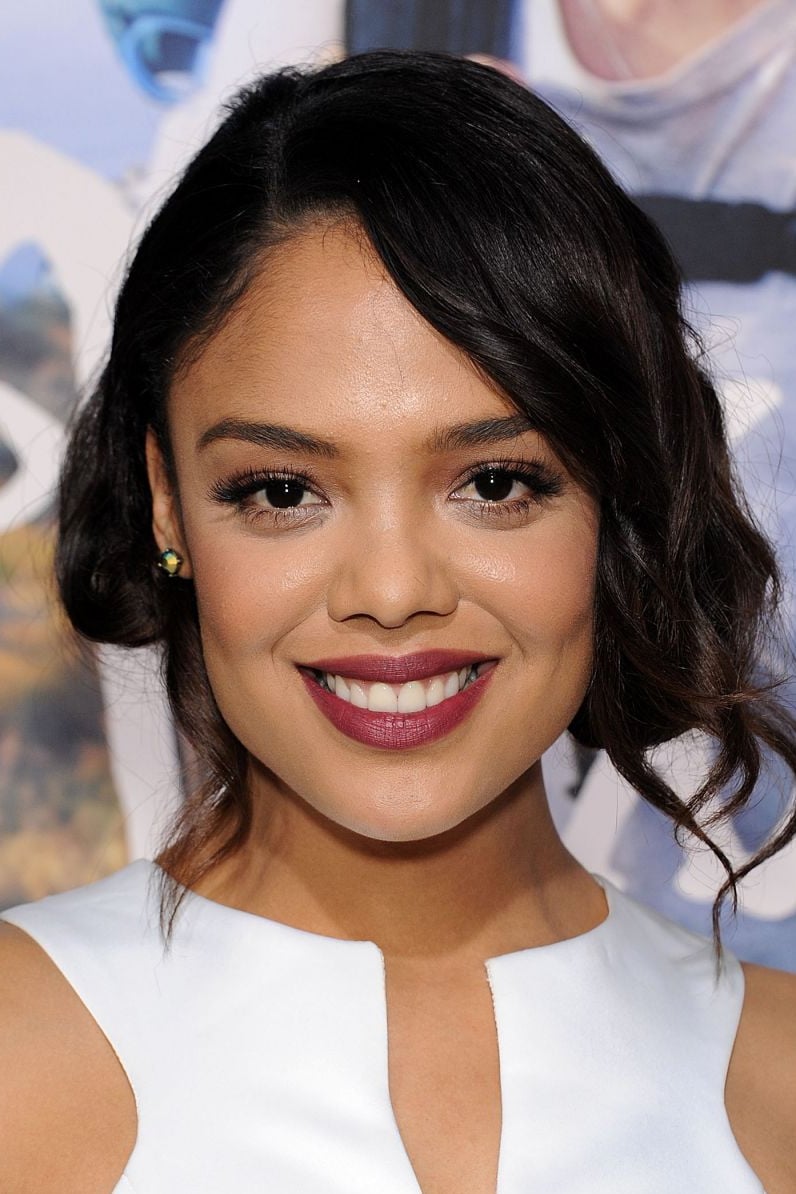
Tessa Thompson was a founding member of the Time’s Up movement and pushed for it to address intersectionality. She argued that the fight against harassment must include the voices of women of color who are often the most vulnerable. Thompson has challenged reporters to ask her about her work rather than just her race while on the red carpet. She advocates for an industry where women of color are seen as full multidimensional human beings. Her activism ensures that feminism in Hollywood remains inclusive.
Amandla Stenberg
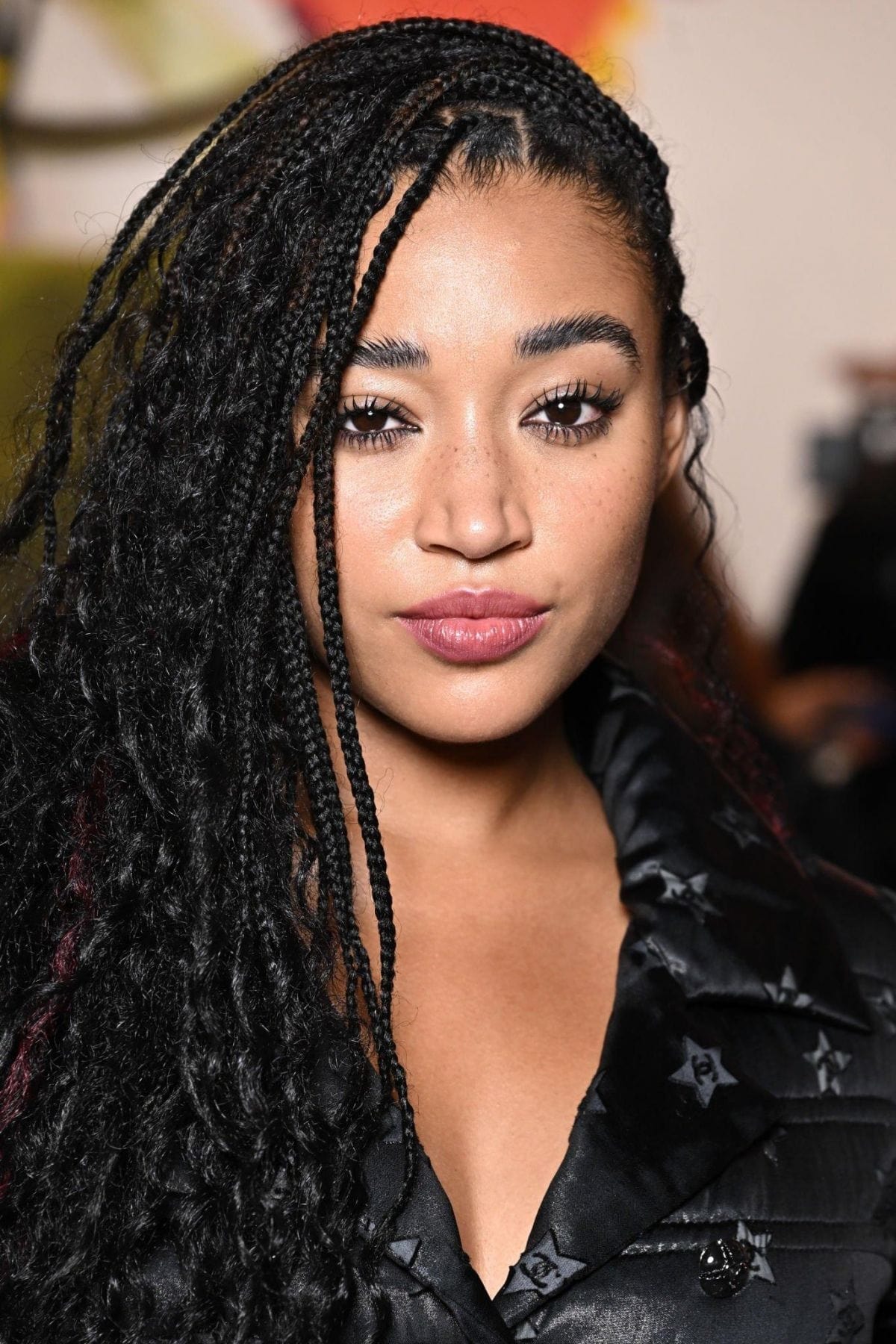
Amandla Stenberg faced a wave of racist backlash when she was cast as Rue in ‘The Hunger Games’. She responded with maturity and pointed out that the outrage stemmed from audiences claiming ownership over characters they assumed were white. Stenberg has since spoken out about cultural appropriation and the misuse of Black culture in pop media. She refuses to take roles that perpetuate harmful stereotypes about Black women. Her articulate defense of her identity has made her a role model for Generation Z.
Nicole Beharie
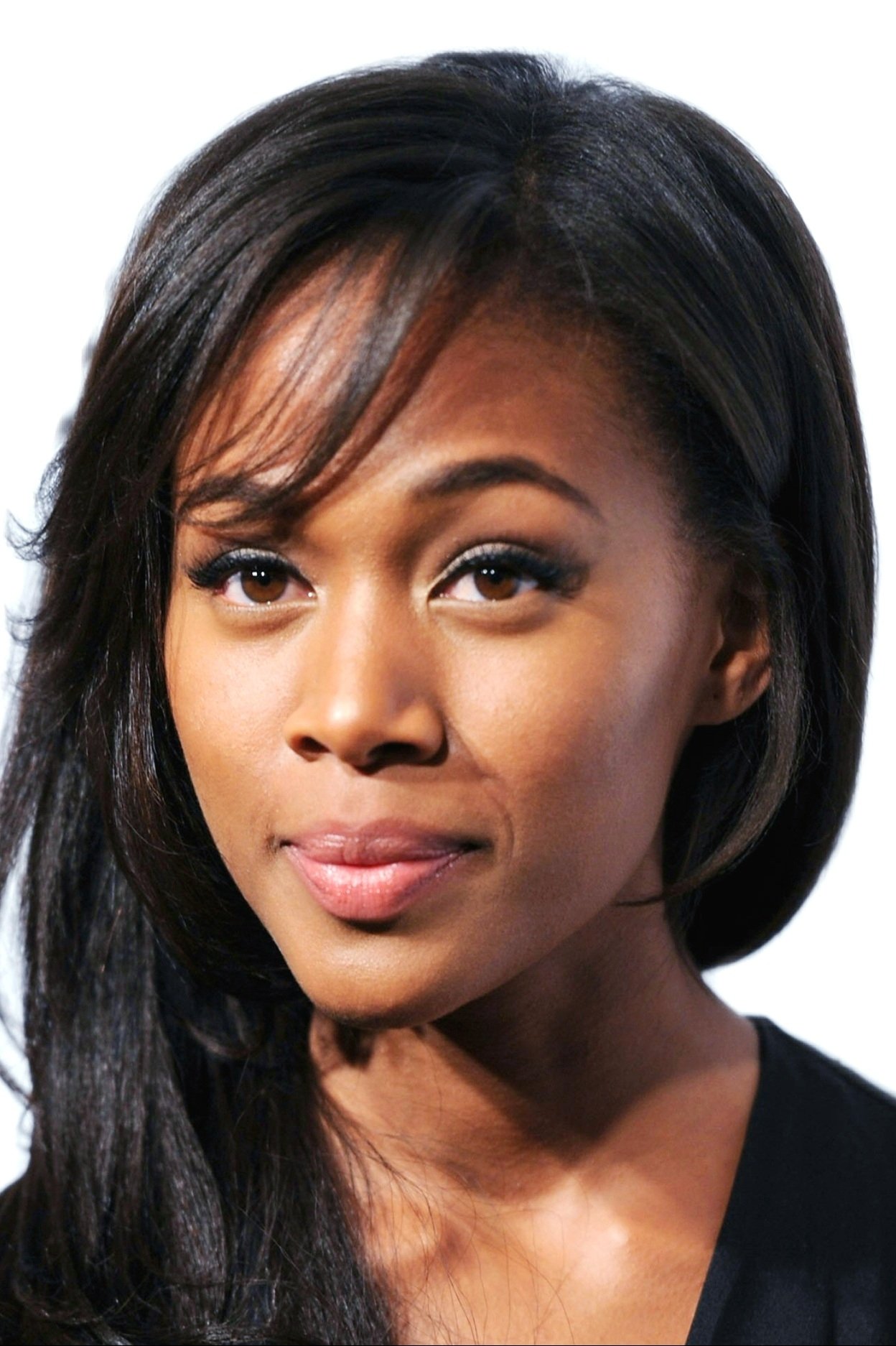
Nicole Beharie spoke about being labeled as difficult after she requested accommodations for a health issue on the set of ‘Sleepy Hollow’. She revealed that her character was written off the show and she was subsequently blacklisted for years. Beharie noted that her white co-stars were treated with care while she was viewed as a liability. The actress highlighted how health concerns for Black women are often dismissed or weaponized against them. Her return to the spotlight was a victory against an industry that tried to silence her.
Jordan Peele
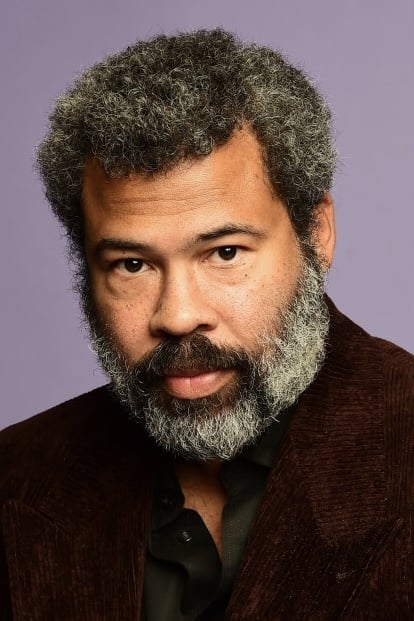
Jordan Peele publicly stated that he does not envision casting a white dude as the lead in his movies. He explained that he wants to provide opportunities for Black actors to be the heroes in genres where they are usually the first to die. Peele views this decision as a necessary correction to the history of cinema where white protagonists are the default. He argues that Black audiences deserve to see themselves centered in horror and science fiction. His success proves that diverse casting does not hinder box office performance.
Zendaya

Zendaya has acknowledged her privilege as a light-skinned Black woman in Hollywood. She admitted that she is the industry’s acceptable version of a Black girl and that colorism plays a huge role in casting. The actress has stated she wants to use her influence to open doors for her darker-skinned peers. Zendaya emphasized that true diversity means representing the full spectrum of Blackness. She refuses to be the token face of diversity while others are excluded.
Djimon Hounsou
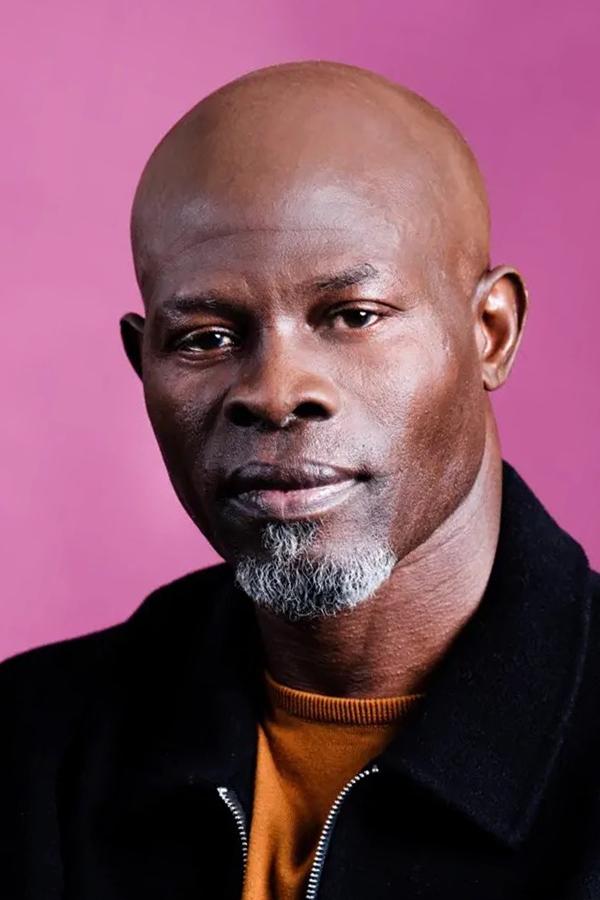
Djimon Hounsou has voiced his frustration regarding the pay disparity he has faced despite his long career and Academy Award nominations. He stated that he still has to struggle to get paid what he is worth compared to American or white actors. Hounsou noted that studios often undervalue his contribution because of his African background. He highlighted the difficulty of maintaining a career when recognition does not translate into financial stability. His struggle underscores the global dimension of Hollywood racism.
Regina King
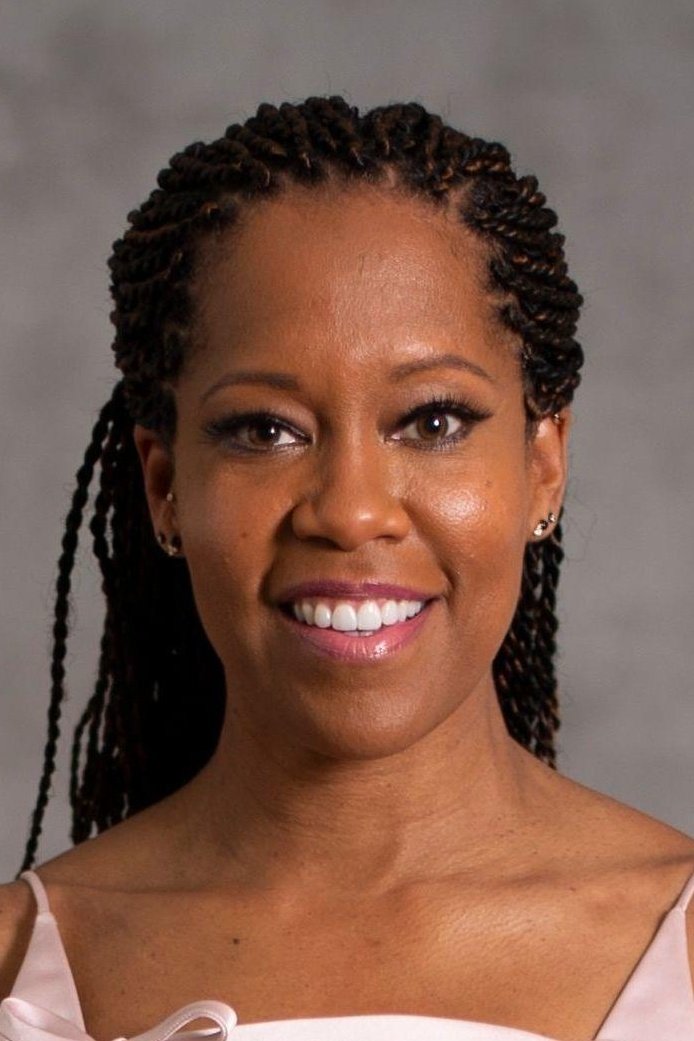
Regina King vowed to ensure that everything she produces in the future is fifty percent women. She challenged those in positions of power to make actual commitments rather than empty promises about diversity. King has spoken about the difficulty of breaking into directing as a Black woman despite her extensive acting resume. She argues that the industry must actively create pipelines for marginalized creators. Her work behind the camera demonstrates her dedication to leveling the playing field.
Ava DuVernay
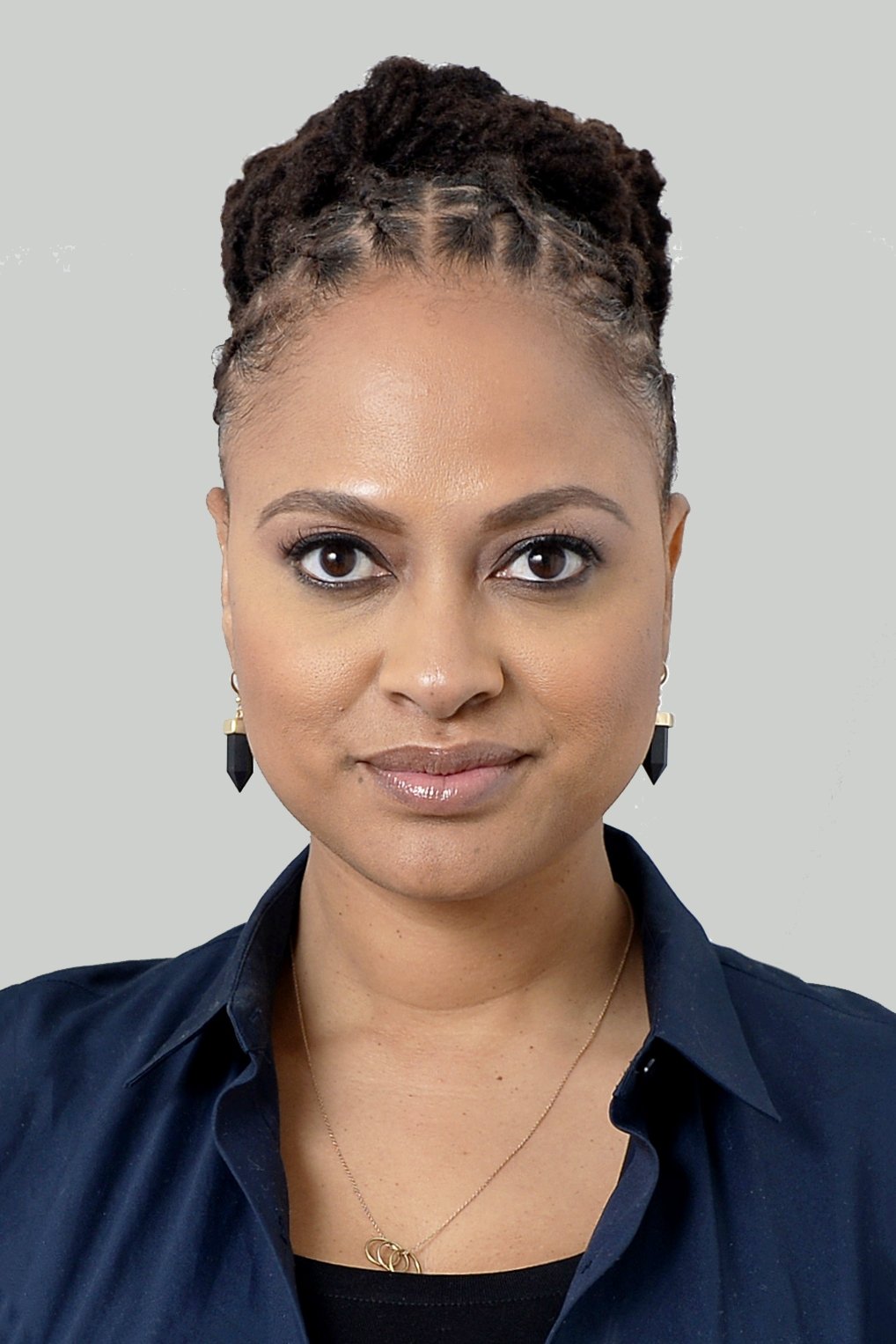
Ava DuVernay has been a leading voice in shifting the conversation from diversity to belonging. She argues that the term diversity often treats people of color as guests in a white-owned house. DuVernay created her own distribution collective to bypass the traditional gatekeepers who ignored films by people of color. She constantly advocates for systemic changes in how films are reviewed and distributed. Her goal is to create an independent ecosystem where Black art can thrive.
Daniel Kaluuya
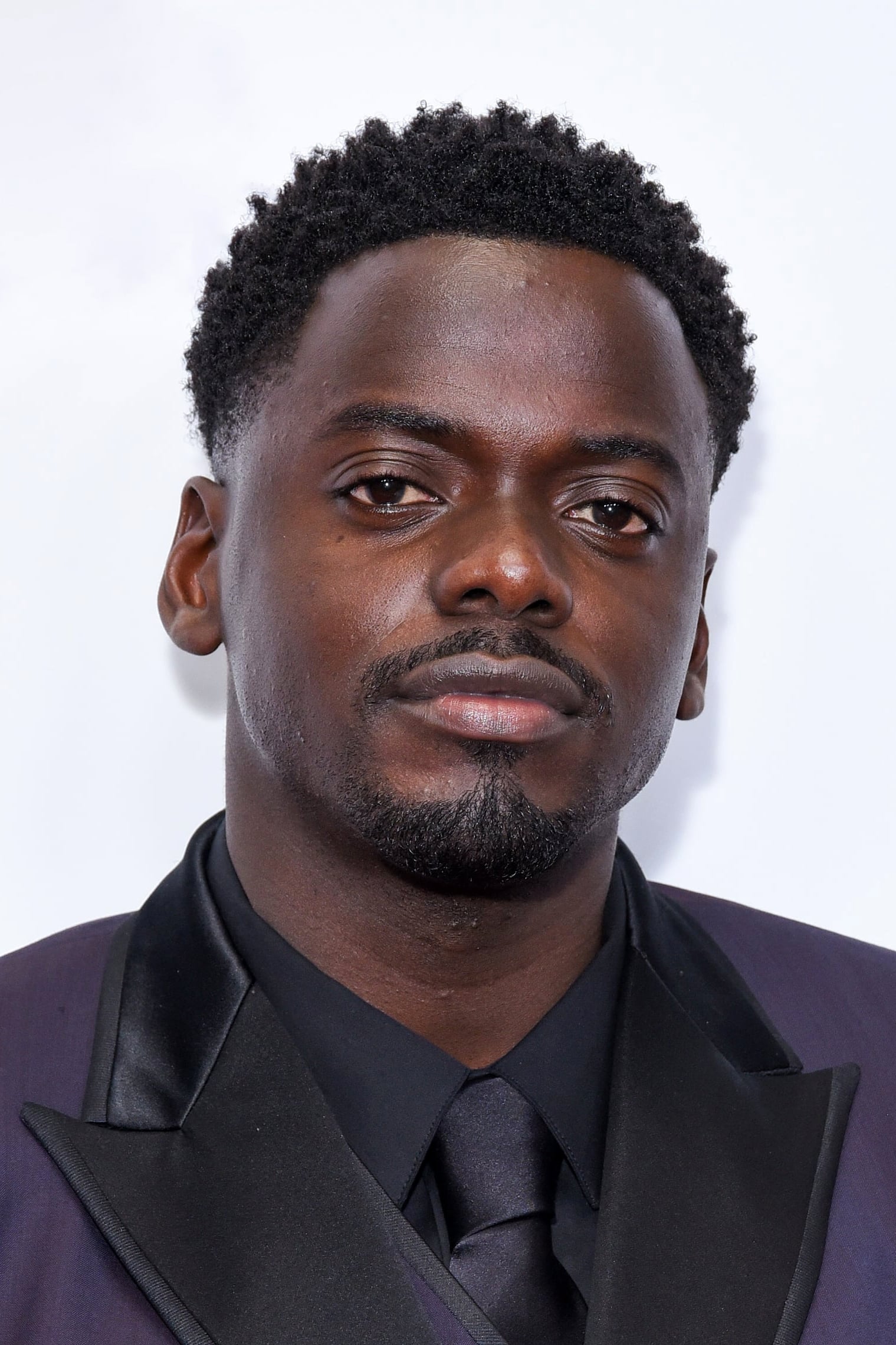
Daniel Kaluuya addressed the unique challenges he faces as a Black British actor working in Hollywood. He pushed back against the narrative that he was taking roles from African American actors by highlighting the universal struggle against racism. Kaluuya criticized the press for often confusing him with other Black actors or asking ignorant questions. He emphasized that the industry often views Blackness as a monolith rather than respecting cultural differences. His work aims to bridge the gap between different Black experiences.
Keke Palmer
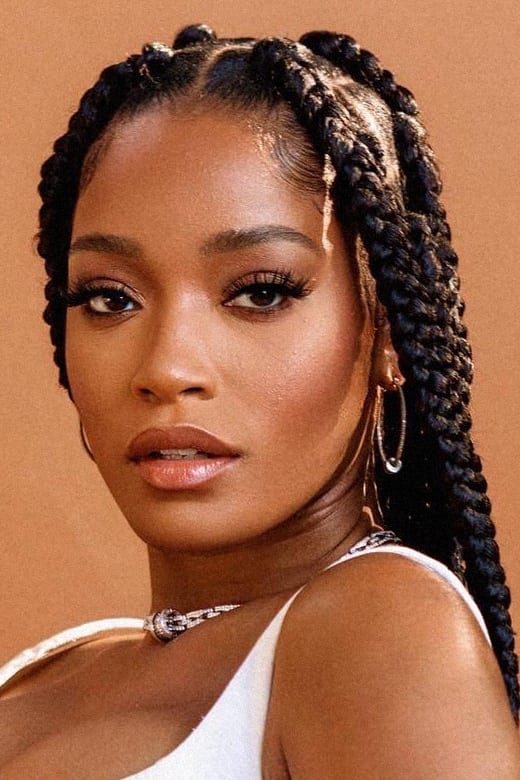
Keke Palmer used social media to address colorism and comparisons between herself and Zendaya. She rejected the idea that her career has been less successful and pointed out that colorism affects how the public perceives her stardom. Palmer noted that she has been a leading lady for years but is often discussed differently than her lighter-skinned peers. She advocates for defining success on her own terms rather than through a comparative lens. Her confidence challenges the public to examine their own biases.
Gabourey Sidibe
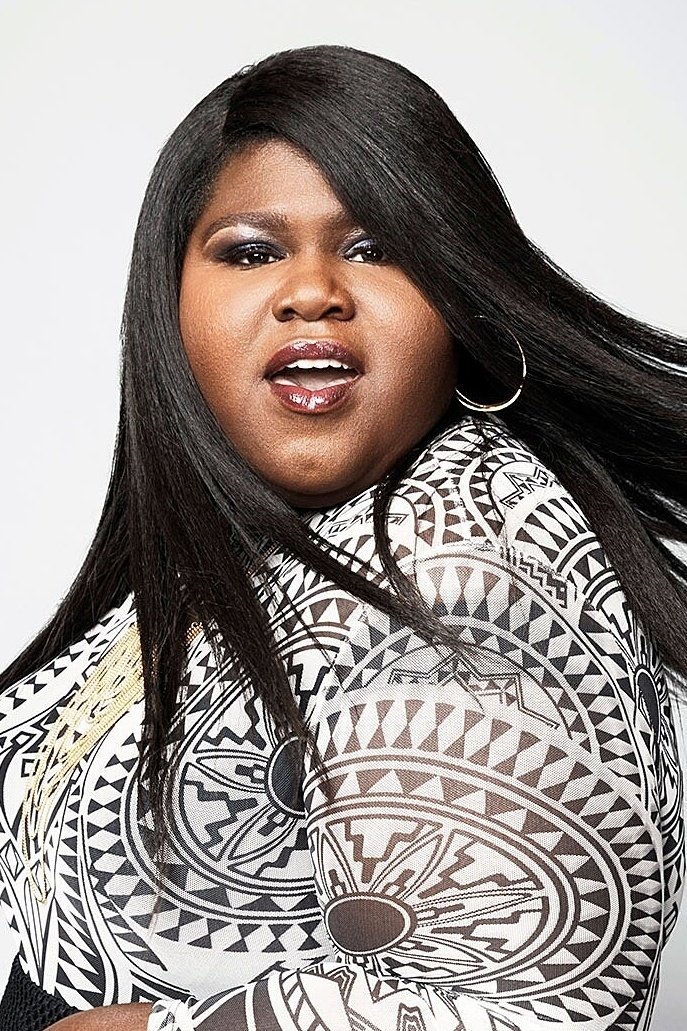
Gabourey Sidibe has opened up about the intersection of racism and fatphobia she experienced after her debut in ‘Precious’. She noted that industry insiders and media outlets often treated her as a joke rather than a serious actress. Sidibe criticized the lack of fashion options and styling support available for bodies like hers. She has carved out a successful career despite the industry initially betting against her longevity. Her resilience highlights the specific misogynoir faced by plus-size Black women.
Samuel L. Jackson
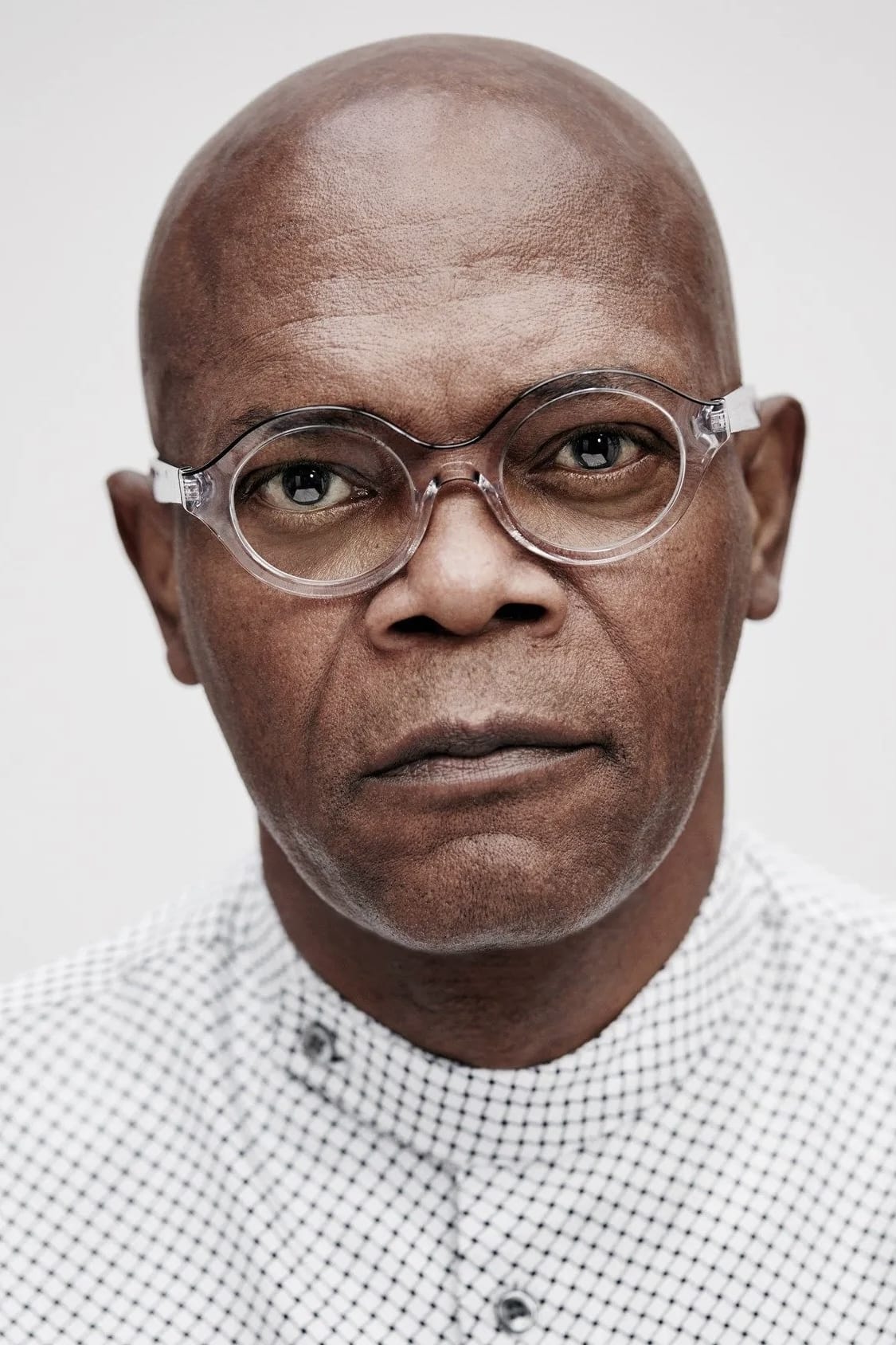
Samuel L. Jackson has been critical of the casting of Black British actors in roles specifically about the African American experience. He questioned whether ‘Get Out’ would have resonated differently with an American lead who understood the specific history of that racism. Jackson clarified that his critique was not about talent but about the Hollywood system seeking cheaper labor or different optics. He sparked a trans-Atlantic conversation about the interchangeability of Black actors in the eyes of casting directors. He advocates for authenticity in storytelling.
Please share your thoughts on these powerful stories in the comments.