


25 Blockbusters That Cut Jokes to Avoid Offending One Group



Studios often modify films to ensure maximum appeal across different cultures and demographics. These changes can range from altering dialogue to removing entire scenes that might cause offense or controversy in specific regions. Sometimes these edits are made years after the original release to align with evolving social standards. The following movies underwent significant changes to avoid upsetting specific groups or international censors.
‘Monster Hunter’ (2020)

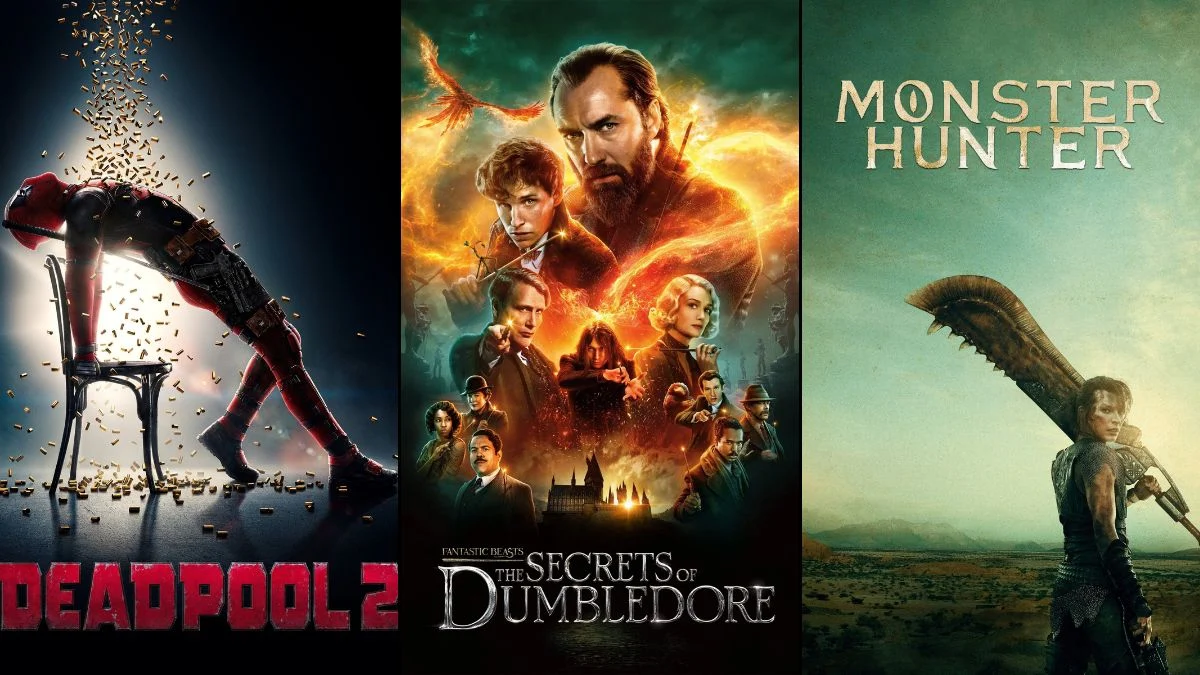
This action film faced an immediate backlash in China due to a brief dialogue exchange between two soldiers. A character makes a pun involving his knees that local audiences interpreted as a racial slur regarding Chinese people. The studio pulled the film from theaters shortly after its release to remove the offending scene globally. This incident highlights how easily wordplay can be lost in translation and cause major international controversies.
‘Spider-Man’ (2002)
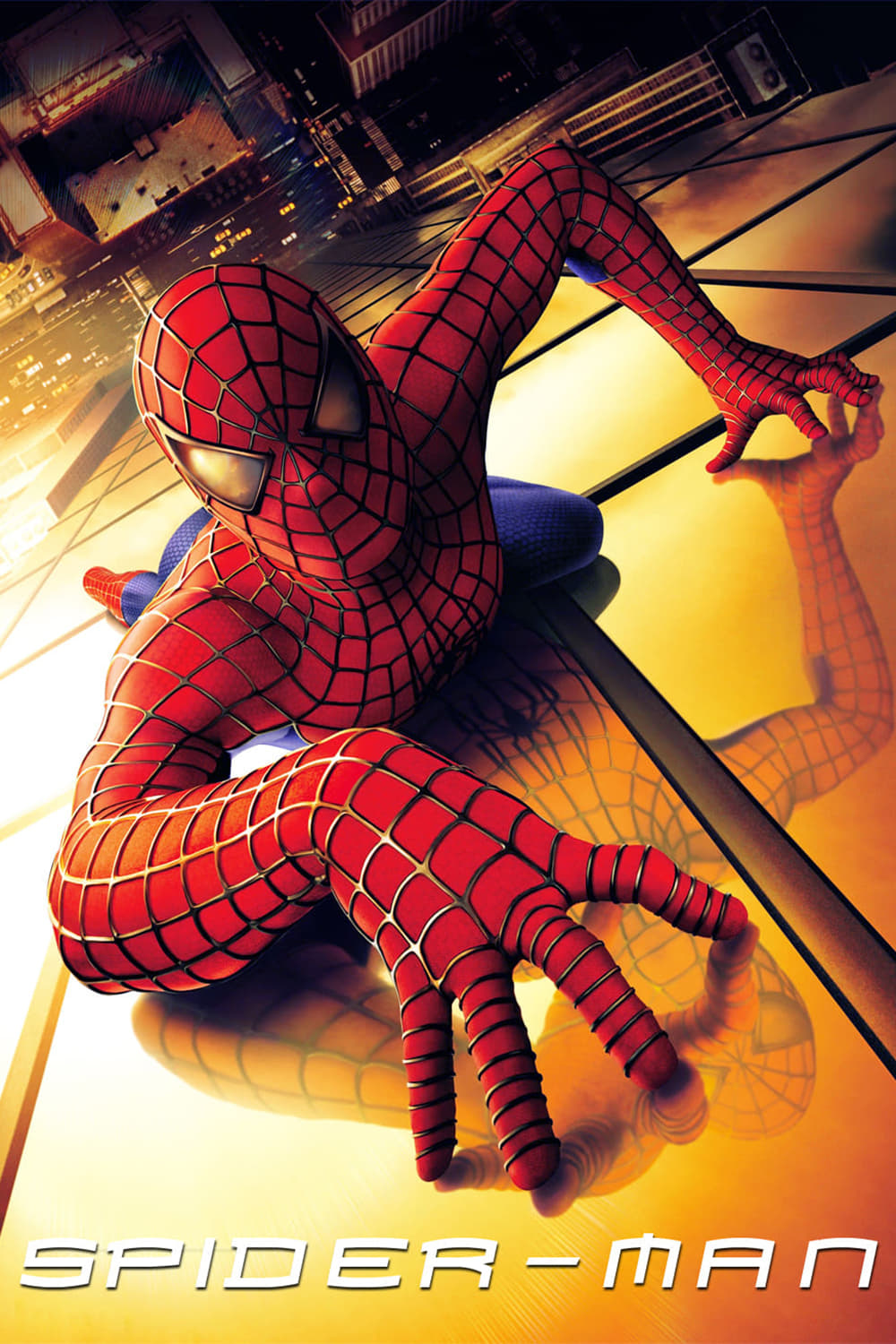
The original theatrical cut featured a scene where Peter Parker mocks a wrestler named Bonesaw inside a cage match. Parker jokes about the wrestler’s outfit and asks if his husband gave it to him. This line was eventually removed from television broadcasts and United Kingdom releases because it was deemed homophobic. The studio aimed to make the superhero more universally appealing by removing the insult from the dialogue.
‘Toy Story 2’ (1999)
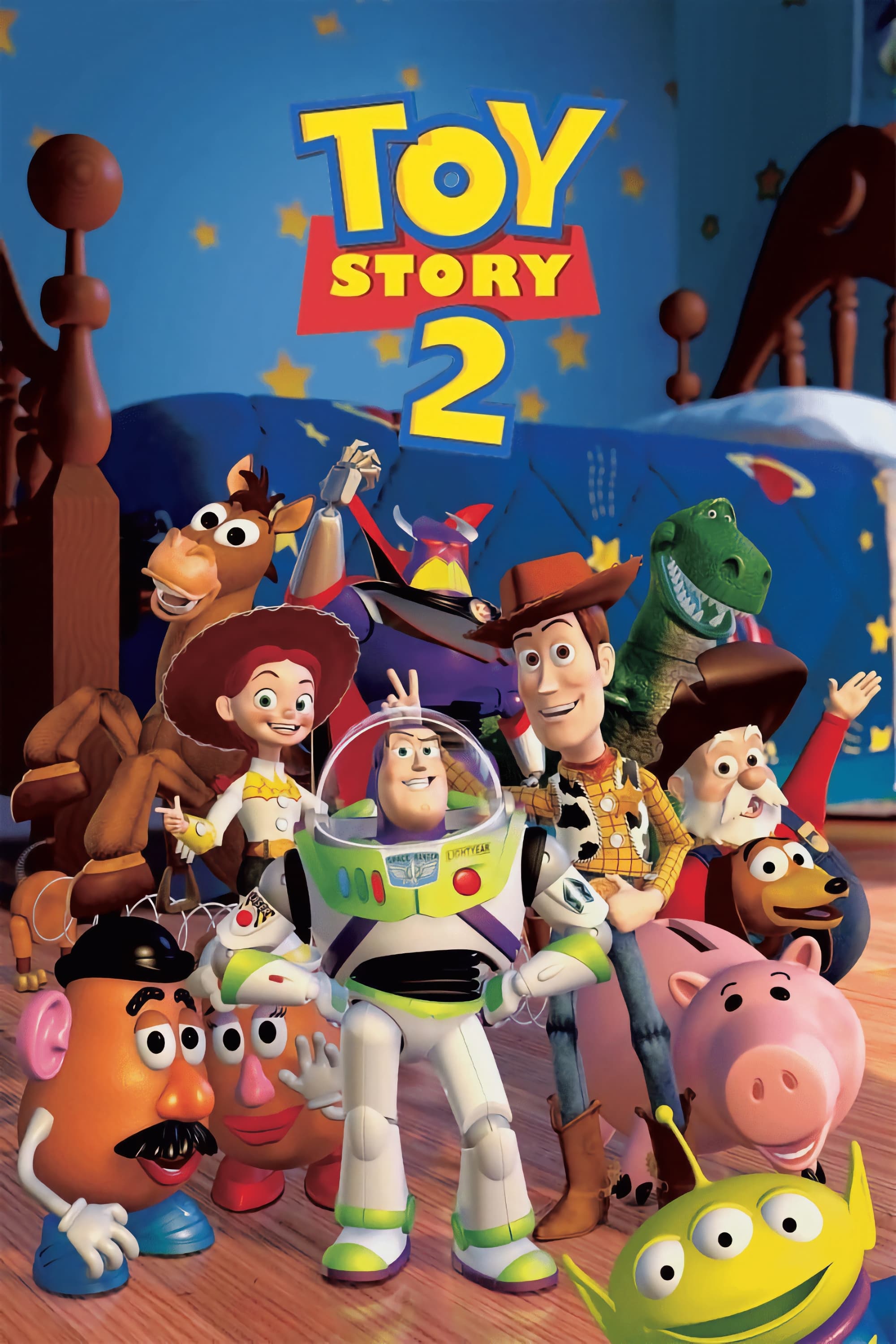
A blooper scene during the credits originally showed the character Stinky Pete flirting with two Barbie dolls inside his box. Disney quietly deleted this segment from digital releases and newer physical copies in 2019. The removal occurred because the interaction mirrored real-world casting couch misconduct that the #MeToo movement highlighted. The company sought to ensure their legacy content remained appropriate for modern audiences without offensive connotations.
‘Aladdin’ (1992)
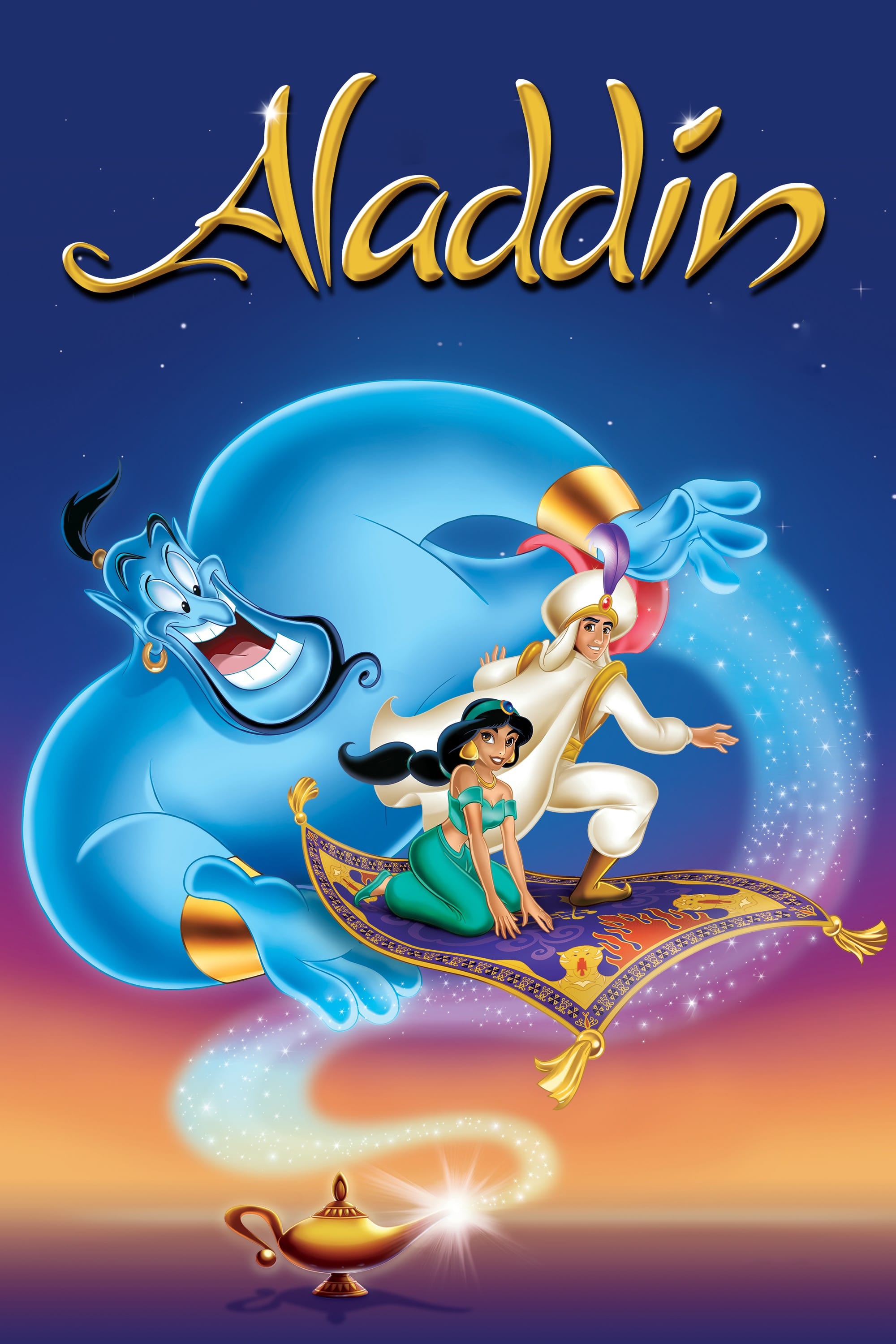
The opening song originally contained a lyric describing the setting as a place where they cut off your ear if they do not like your face. Arab-American groups protested this depiction as it reinforced violent stereotypes about their culture. Disney agreed to alter the lyrics for the home video release while keeping the original melody intact. This became one of the first high-profile instances of a studio modifying an animated classic to address cultural sensitivity.
‘Fantastic Beasts: The Secrets of Dumbledore’ (2022)
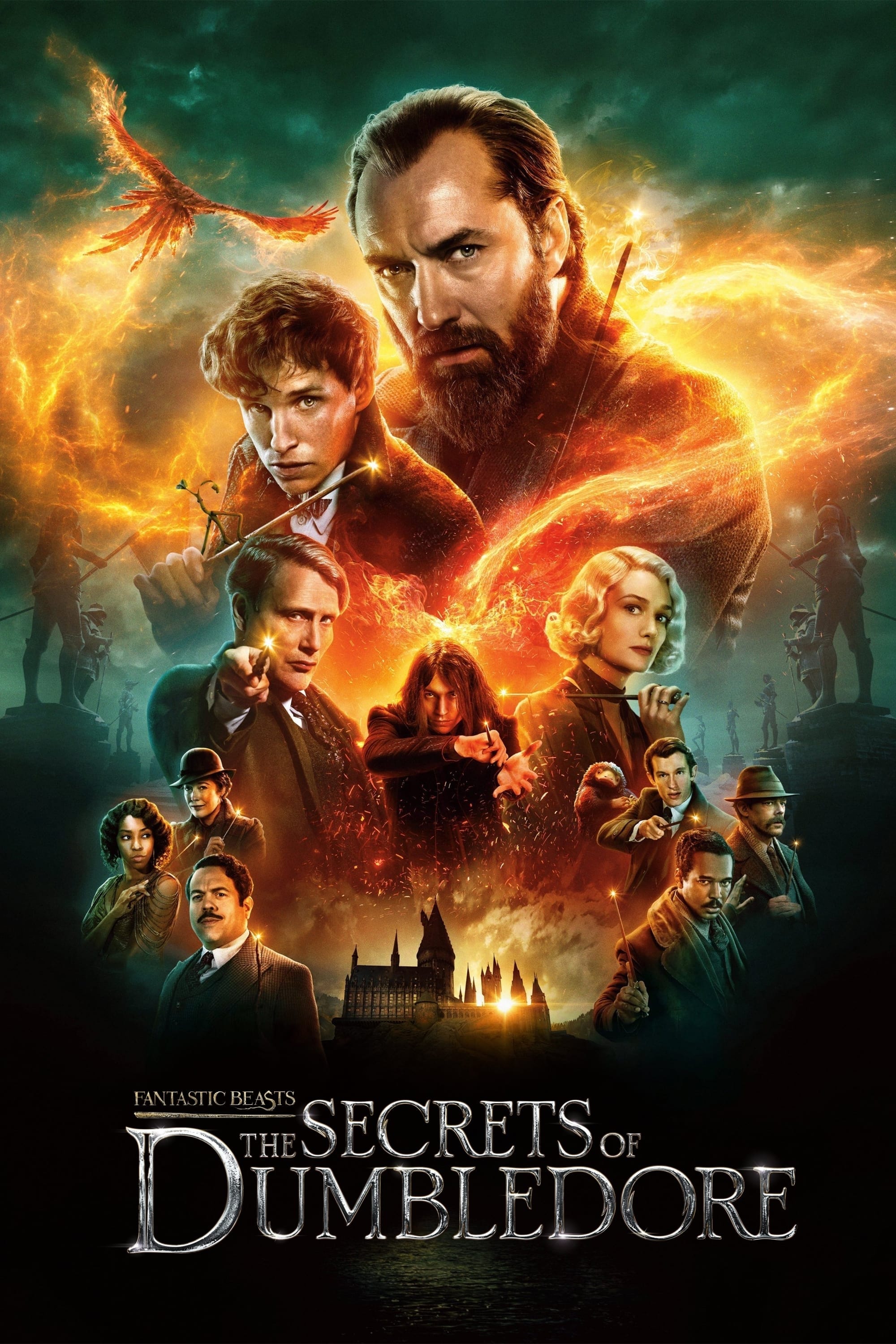
Warner Bros removed six seconds of dialogue from the Chinese release of this wizarding world sequel. The cut lines specifically referenced the romantic past between Dumbledore and the villain Grindelwald. The studio stated that they complied with local censorship requirements to ensure the film could be shown to Chinese audiences. Despite the removal of these specific lines the film still implies a deep bond between the two characters.
‘Lilo & Stitch’ (2002)
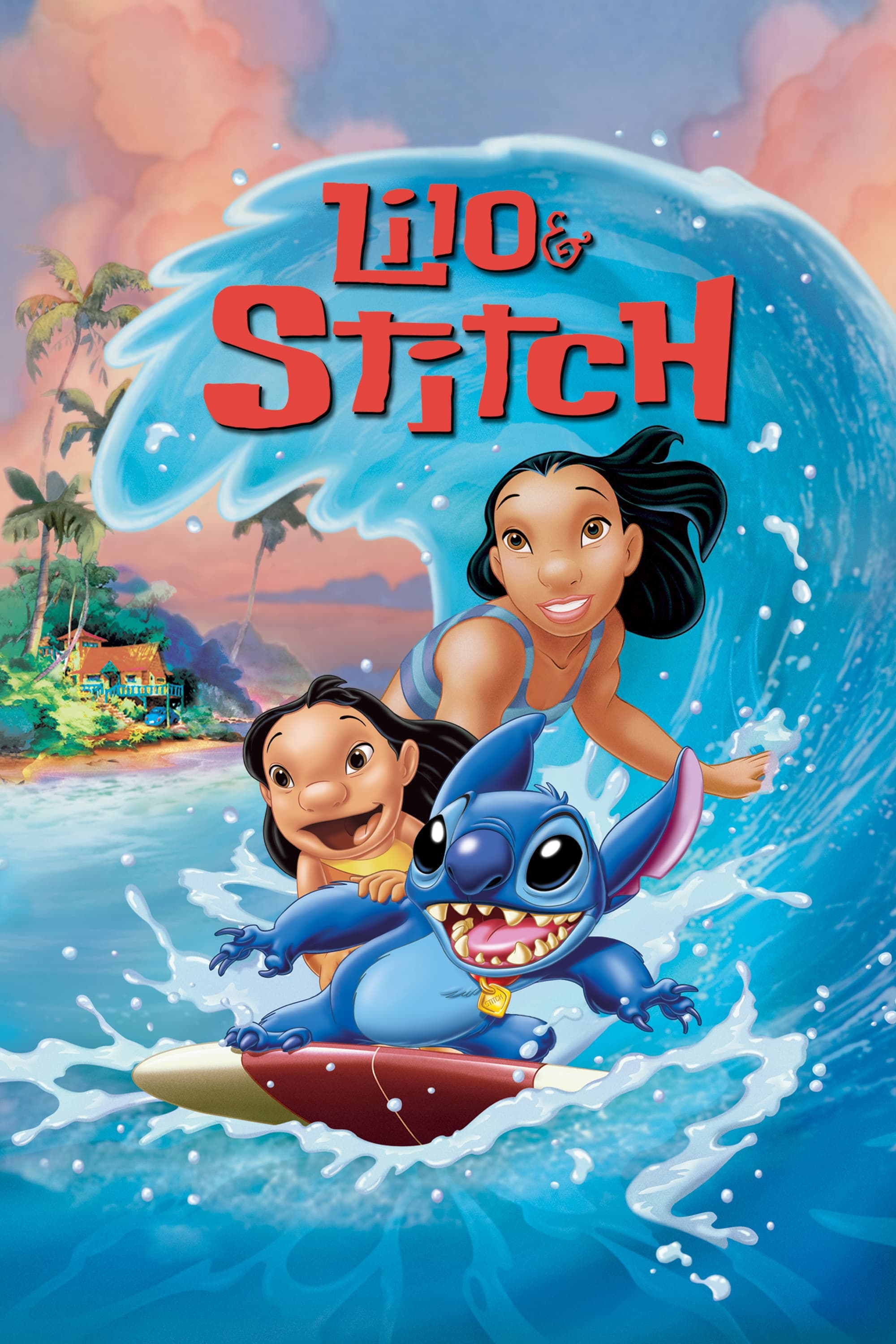
The original version of this animated film featured a scene where Lilo hides from her sister inside a dryer. Disney animators altered the scene to show her hiding behind a pizza box instead. Concerns were raised that young children might imitate the behavior and climb into dangerous appliances. This visual joke was changed strictly for safety reasons rather than cultural offense.
‘Deadpool 2’ (2018)
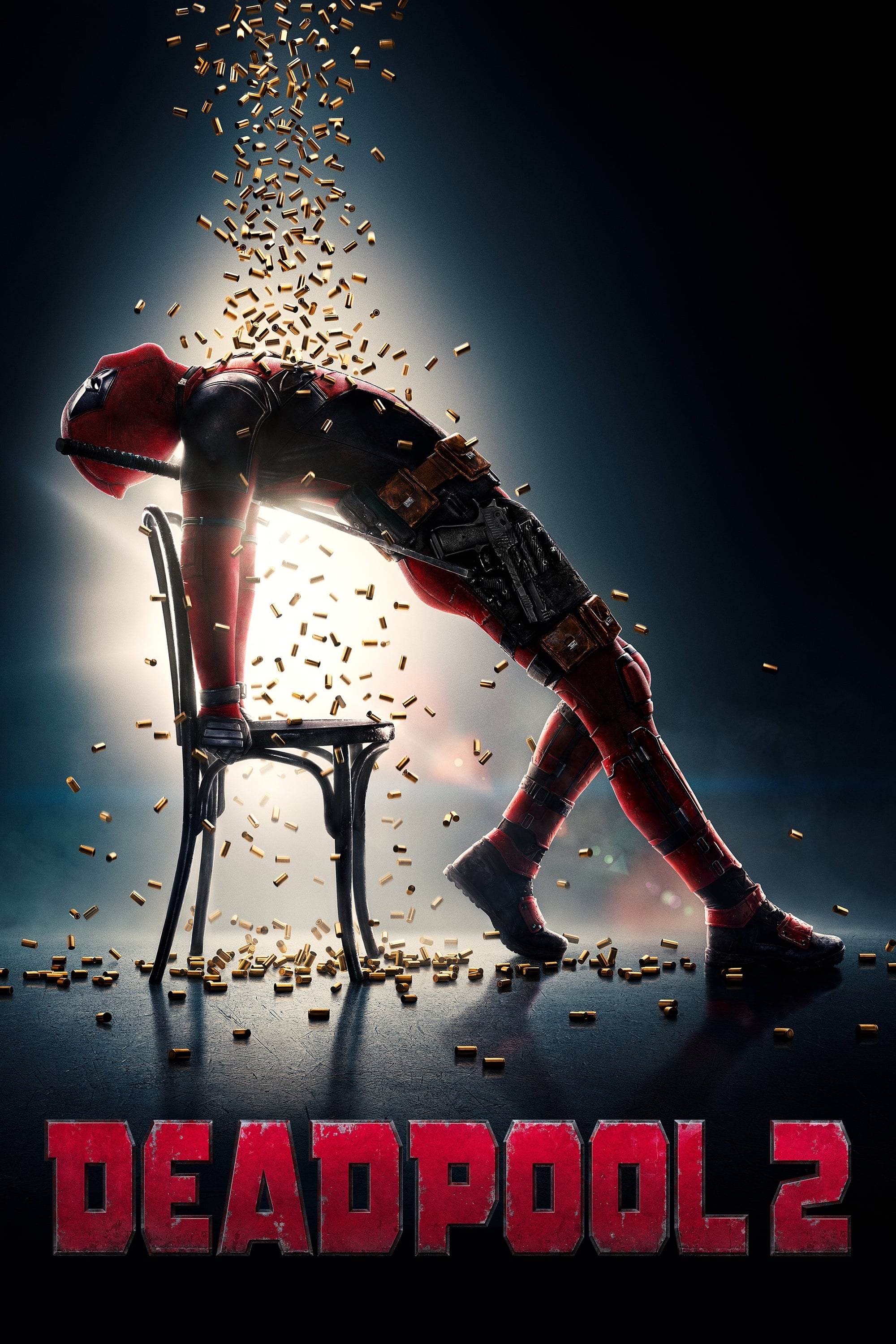
A post-credits scene originally depicted the title character traveling back in time to kill Adolf Hitler as a baby. Test audiences reportedly found the joke too disturbing despite the comedic tone of the franchise. The filmmakers decided to cut the sequence from the theatrical release to avoid crossing a line with viewers. It was later included in the extended home release for those who wanted to see the darker humor.
‘Onward’ (2020)
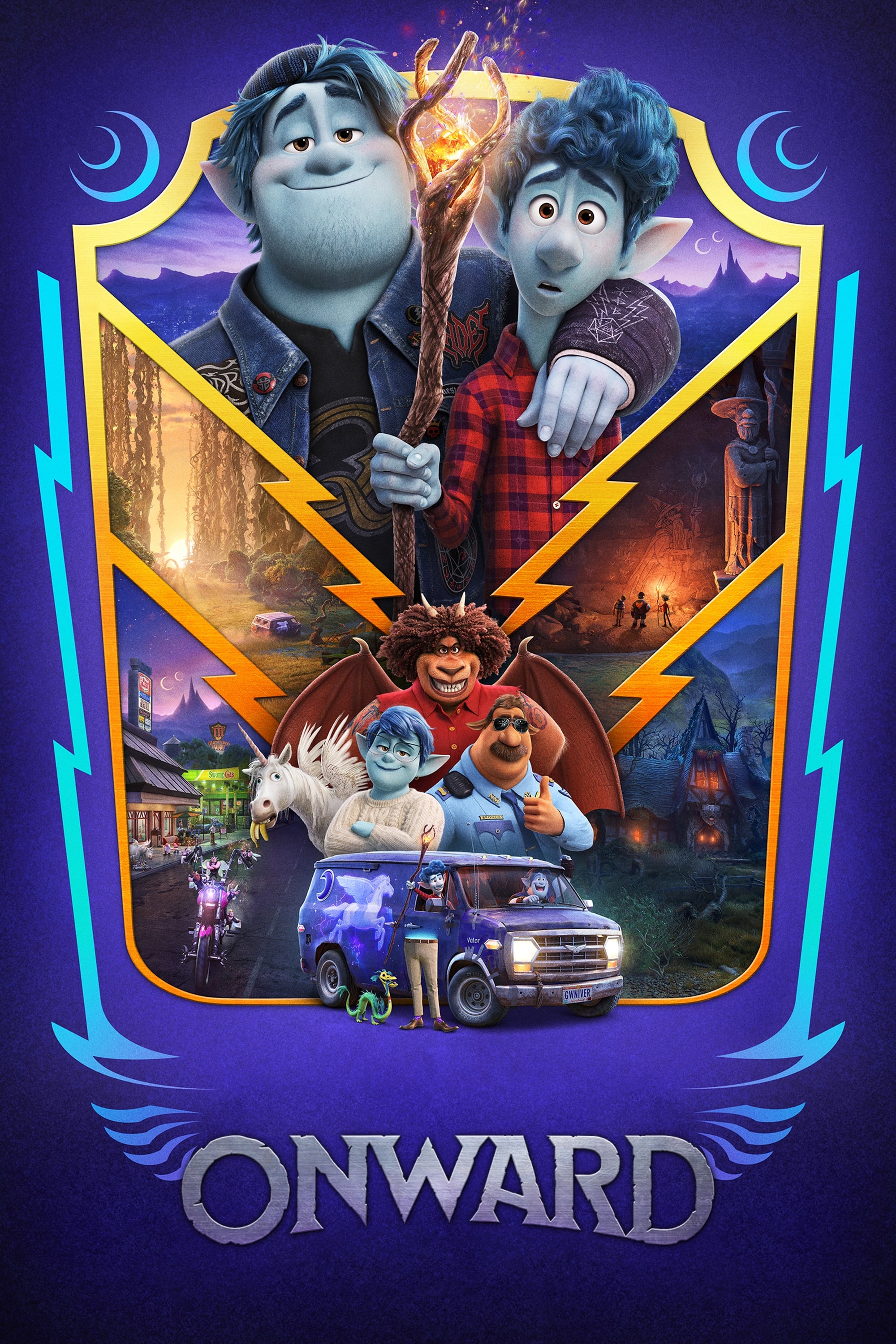
Pixar featured its first openly gay character in this fantasy film through a brief line of dialogue about a girlfriend. This reference was altered in several Middle Eastern markets and Russia to avoid bans. The localized dubs changed the word girlfriend to partner or best friend depending on the region. These edits allowed the film to play in theaters where LGBTQ content is strictly prohibited.
‘Minions: The Rise of Gru’ (2022)

The Chinese release of this animated hit featured a completely different ending compared to the international version. Text appeared on screen stating that the mentor character Wild Knuckles was caught by police and served jail time. This change was made to satisfy local censors who require that criminals in movies must always be punished by the law. The original ending showed the characters riding off into the sunset to commit more heists.
‘Fight Club’ (1999)
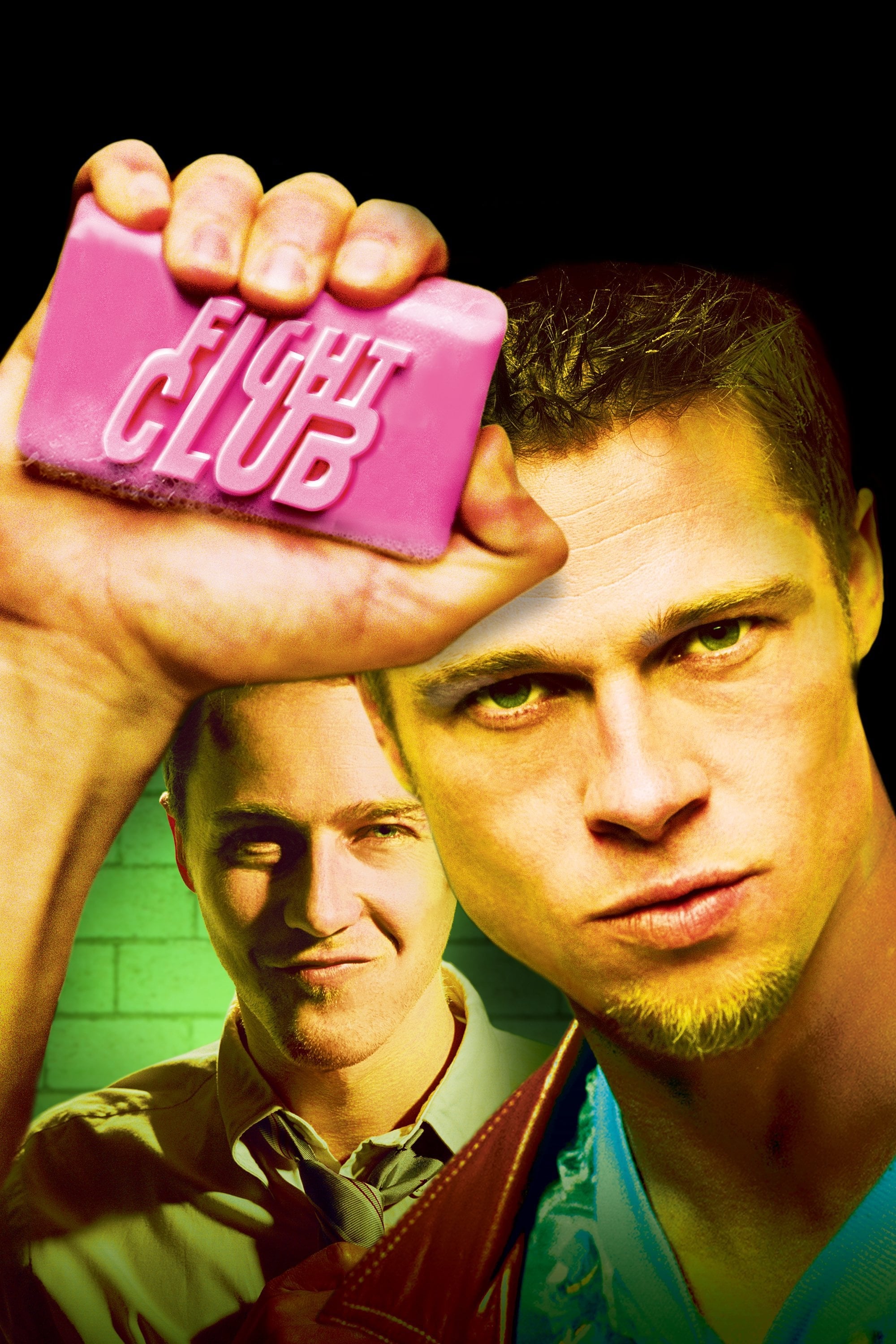
The streaming release of this cult classic on Tencent Video in China famously replaced the explosive finale with a title card. The new text explained that the police rapidly figured out the plan and arrested all criminals to prevent the explosion. Viewers mocked the change for undermining the anti-establishment message of the entire movie. The original ending was eventually restored after the censorship sparked widespread online debate.
‘Iron Man 3’ (2013)
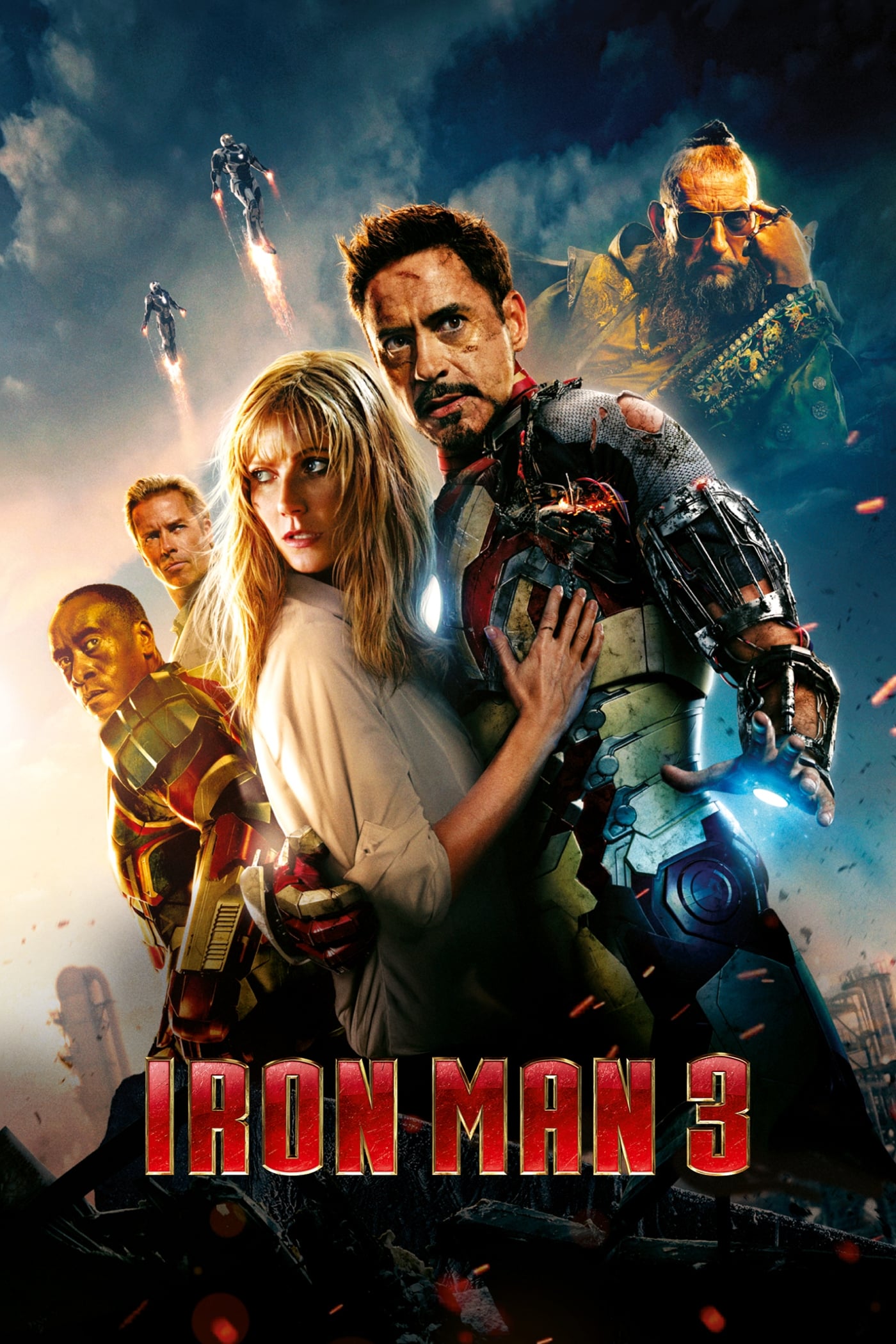
Marvel Studios created a specific version of this superhero sequel solely for the Chinese market. This version included additional scenes featuring famous Chinese actors and product placement for a local milk drink. These additions were intended to appeal to the local audience but confused viewers who felt the scenes disrupted the pacing. The extra content was never included in the standard international release of the film.
‘Inside Out’ (2015)
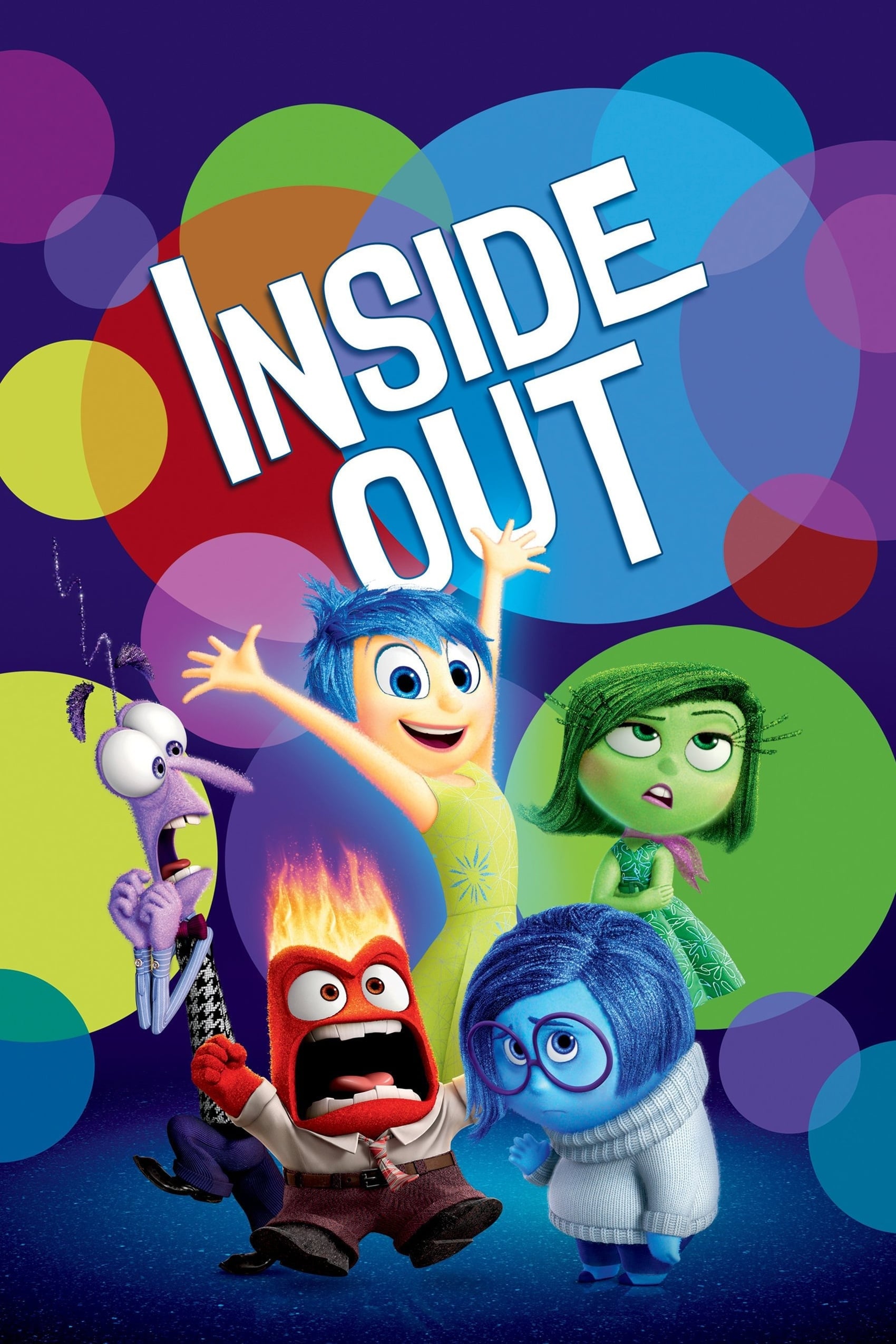
Pixar altered a visual gag involving pizza toppings to suit different cultural tastes. The American version showed a pizza covered in broccoli which disgusted the main character. This was changed to green peppers for the Japanese release because children there generally enjoy broccoli but dislike peppers. The animators wanted to ensure the joke about a gross pizza topping landed correctly with international audiences.
‘Captain America: The Winter Soldier’ (2014)
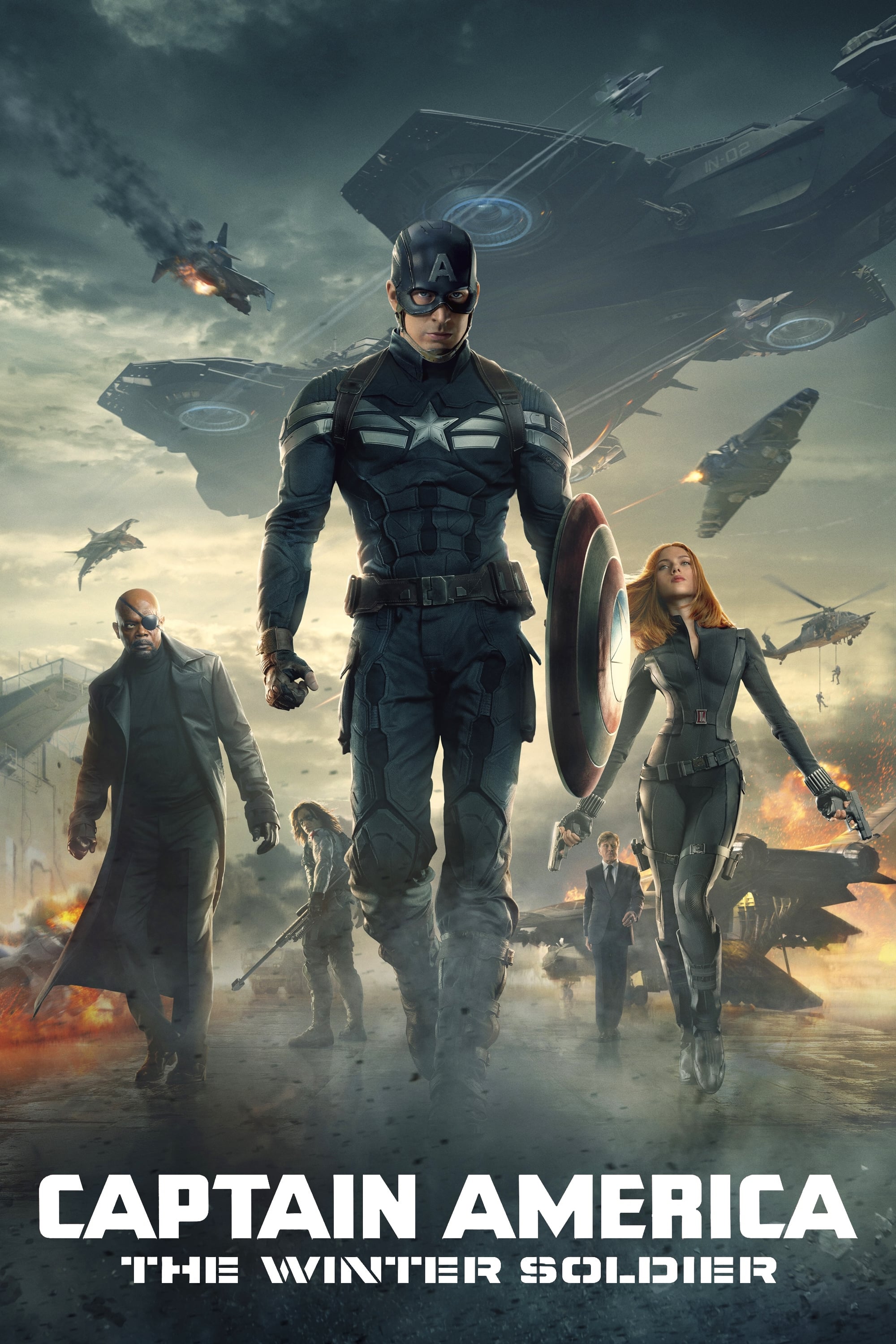
A scene showing Steve Rogers catching up on pop culture featured a list of things he missed while frozen. Marvel customized the items on this list for different countries to make the references more relevant. The UK version included The Beatles while the South Korean version listed Oldboy. These changes helped audiences connect with the character by using culturally specific touchstones.
‘Zootopia’ (2016)
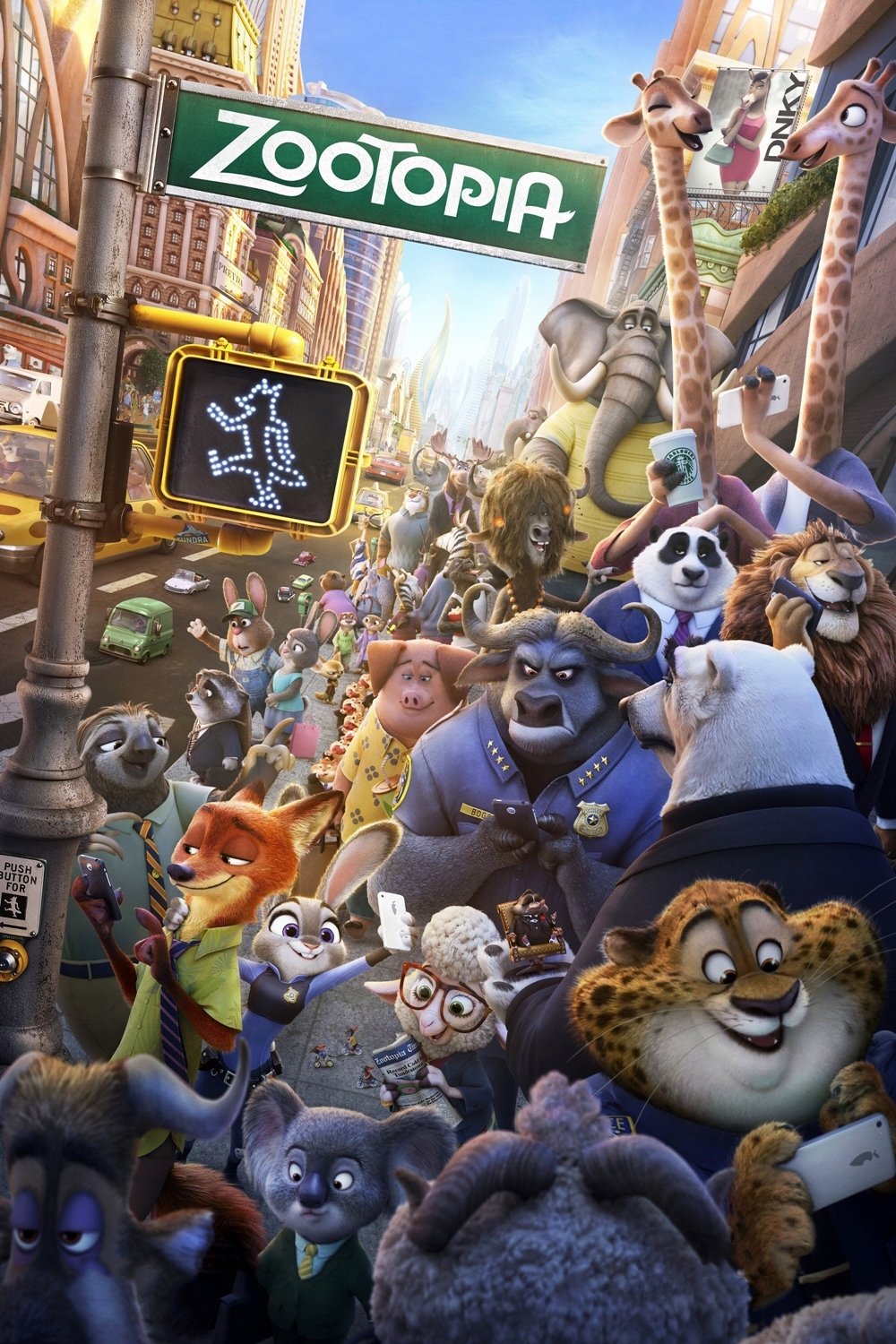
The animal news anchors seen in the film were changed depending on the territory where the movie was shown. North American audiences saw a moose while Chinese viewers saw a panda. Australian releases featured a koala and the Japanese version included a tanuki. This visual switch was a clever way to localize the humor without altering the plot.
‘Space Jam: A New Legacy’ (2021)
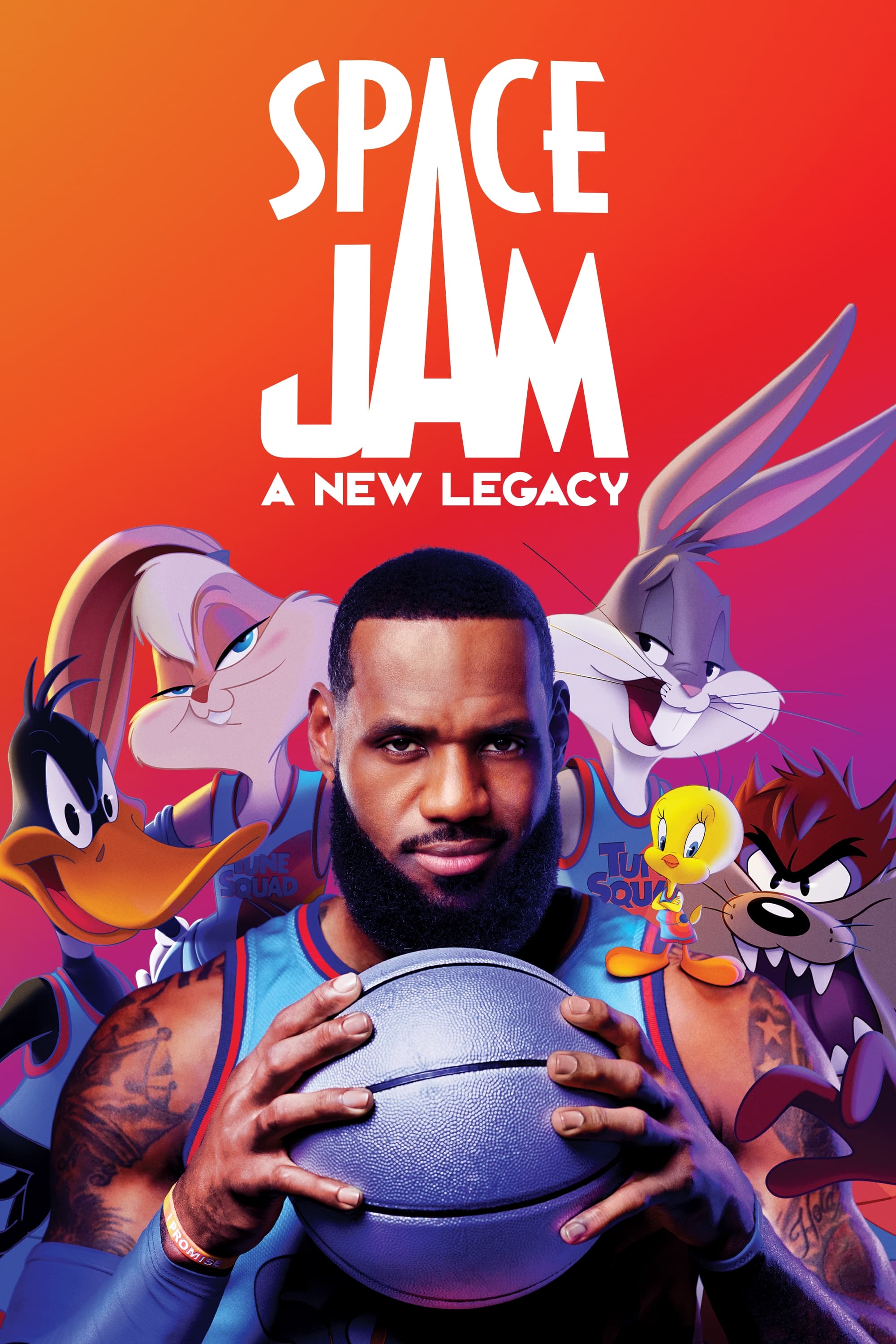
The character Pepe Le Pew was completely removed from this sequel due to concerns about his behavior in older cartoons. A scene was reportedly filmed where the skunk learns about consent but it was cut from the final movie. The studio decided to distance the franchise from the character after critics argued he normalized harassment. This decision sparked a debate about how legacy characters should be handled in modern media.
‘Brüno’ (2009)
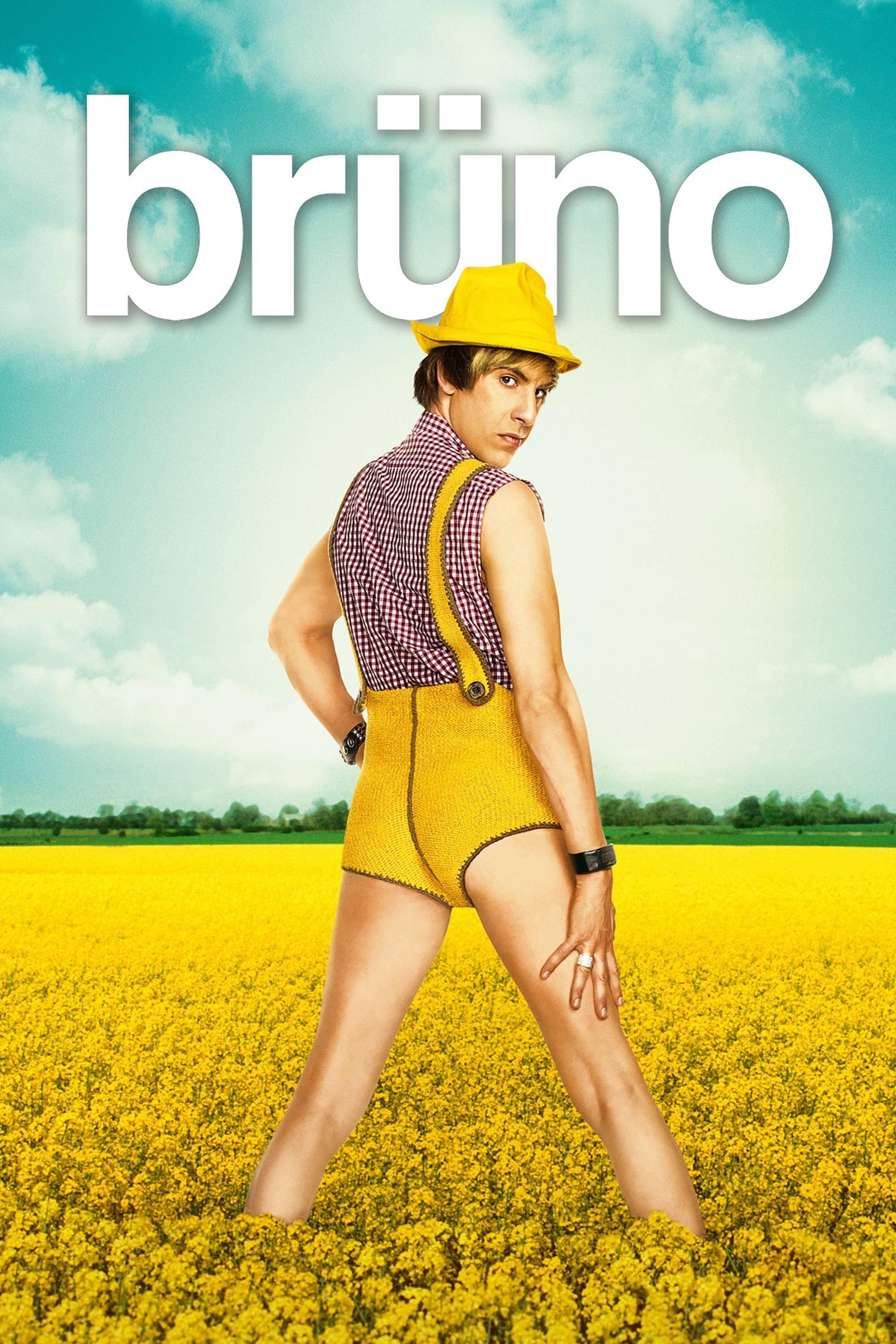
Sacha Baron Cohen cut a scene involving La Toya Jackson shortly before the film was released. The scene featured a joke about her brother Michael Jackson who died unexpectedly just weeks before the premiere. The filmmakers removed the segment out of respect for the grieving family and the sensitivity of the situation. Keeping the scene would have likely resulted in significant public backlash.
‘Adventures in Babysitting’ (1987)
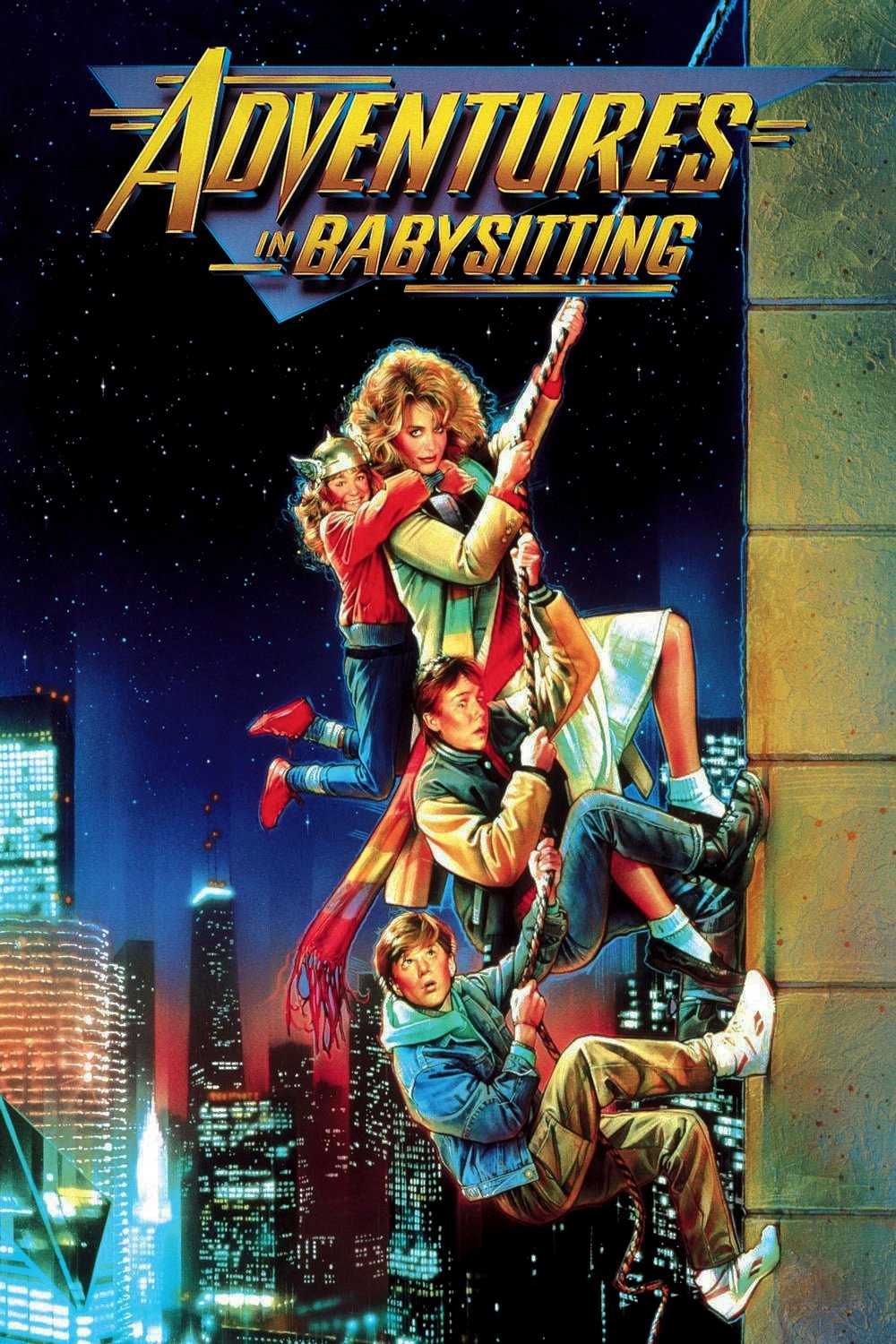
The original theatrical release included a scene where a gang leader uses a homophobic slur to threaten the children. Disney Plus edits this line to remove the offensive word and replaces it with a generic insult. The change was made to align the movie with modern standards for family-friendly entertainment. This edit ensures the film maintains a PG rating sensibility for streaming audiences.
‘Gangster Squad’ (2013)
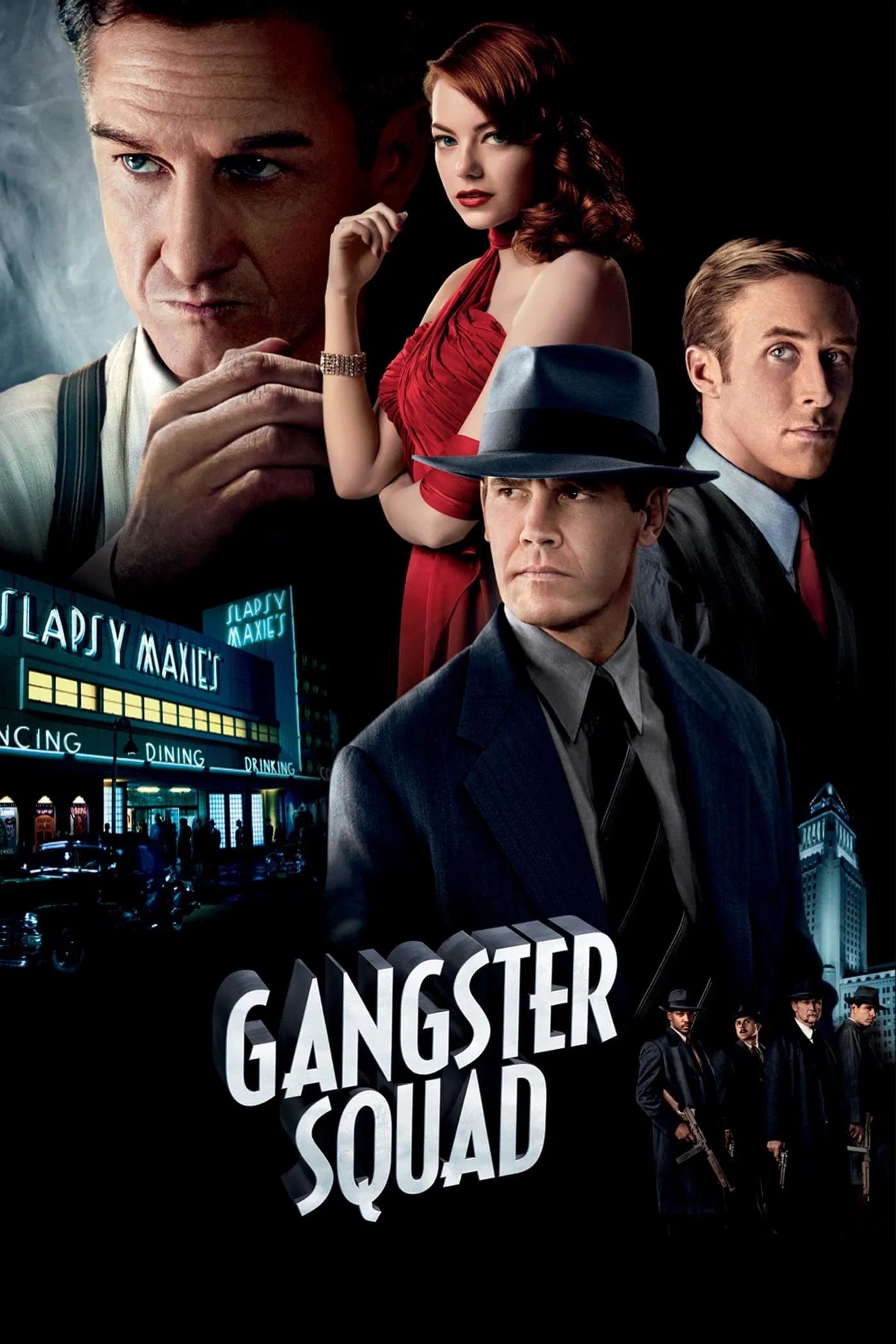
A major action sequence involving a shootout inside a movie theater was cut from the film following a real-world tragedy. The scene was removed and reshot after the 2012 shooting in Aurora took place during a screening of a Batman movie. The studio delayed the release date to accommodate the production of a new climax. This decision was made to show respect to the victims and avoid appearing insensitive.
‘The Watch’ (2012)
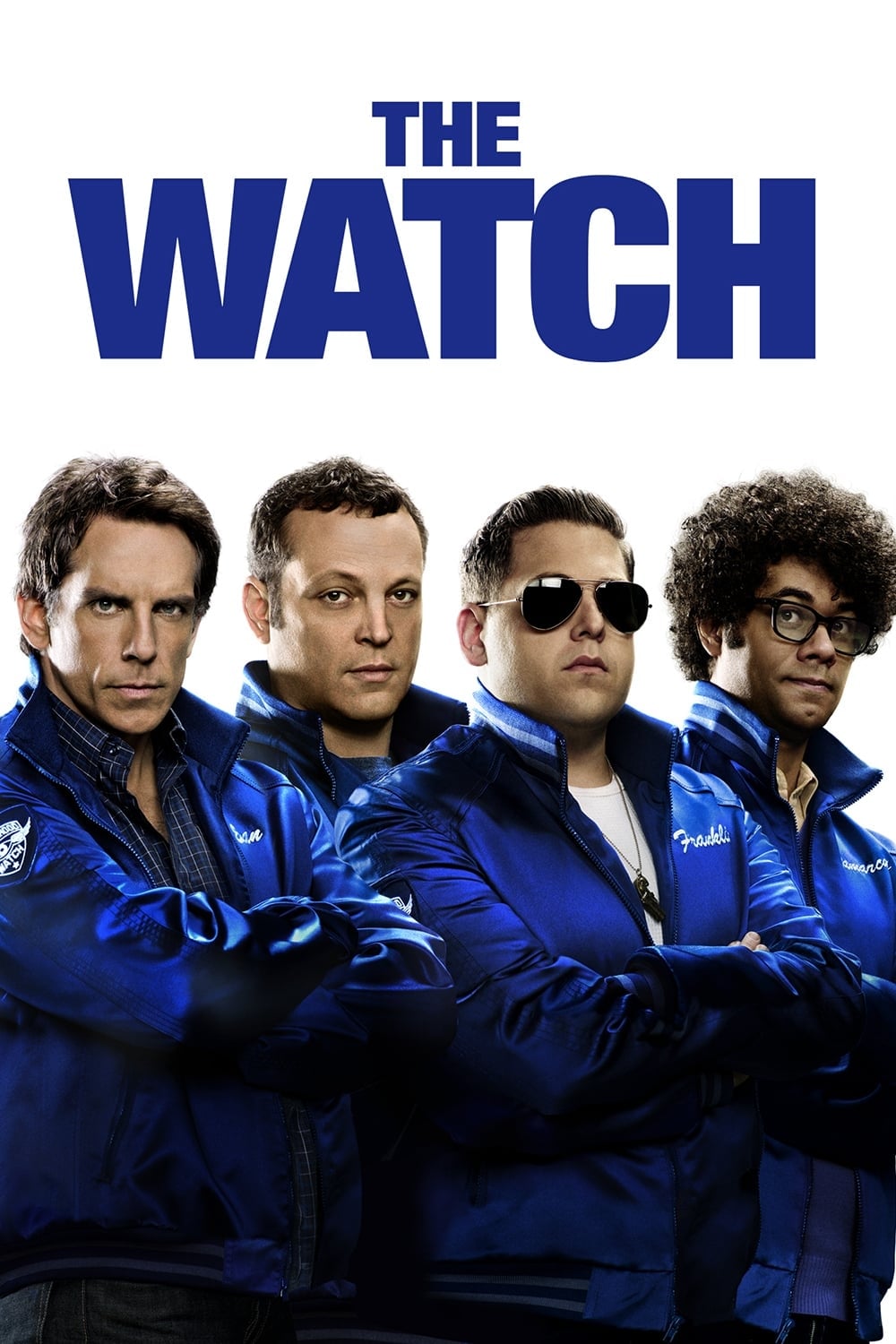
This comedy was originally titled Neighborhood Watch but was renamed during its marketing campaign. The studio changed the title and pulled trailers that focused on aliens to avoid associations with the Trayvon Martin shooting. The real-life case involved a neighborhood watch volunteer and created a tense national atmosphere. Marketing materials were adjusted to distance the sci-fi comedy from the serious news cycle.
‘Men in Black II’ (2002)
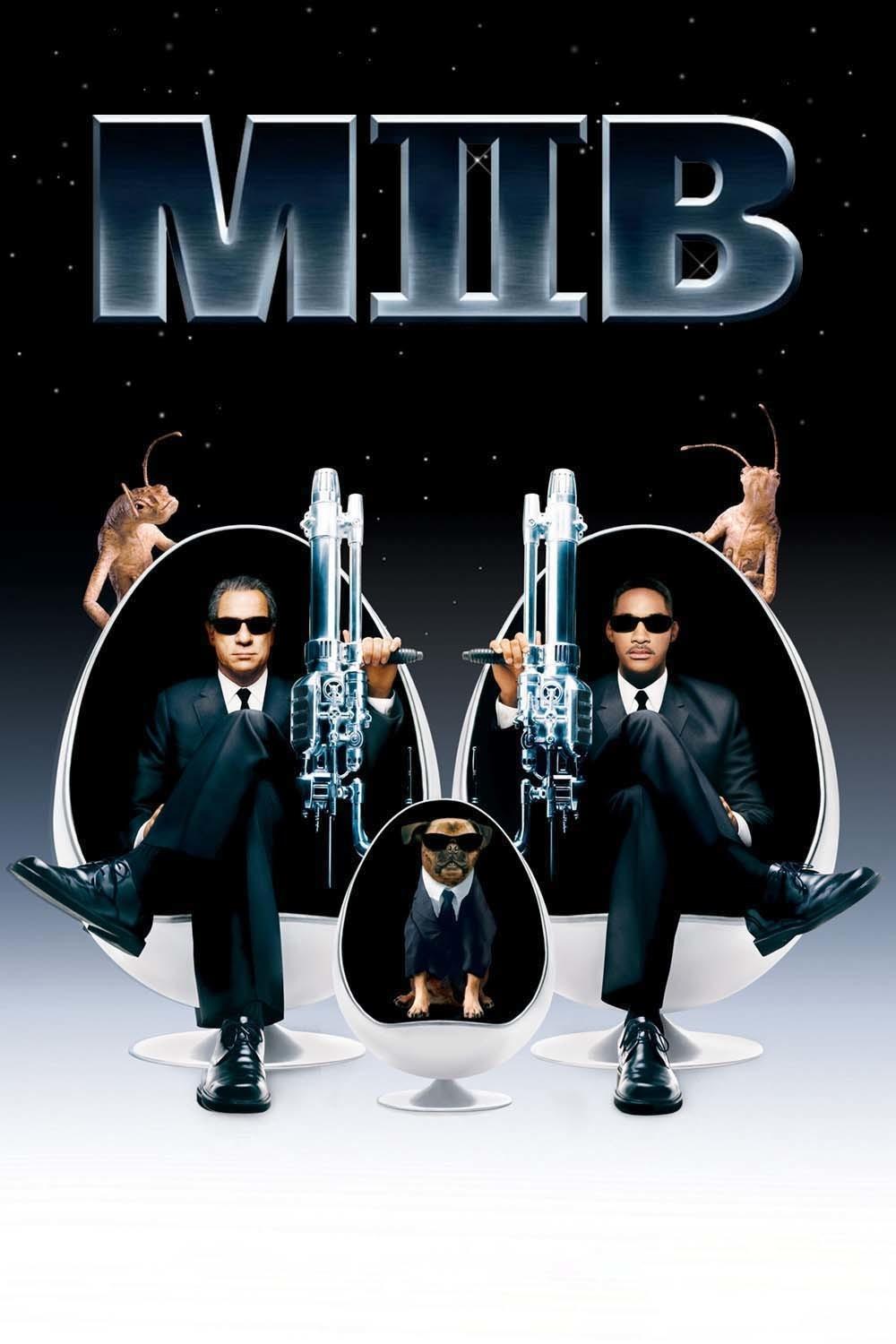
The original ending of this sci-fi comedy was scripted to take place at the World Trade Center. Following the attacks on September 11 the filmmakers reshot the finale to take place at the Statue of Liberty. The change was necessary to avoid upsetting audiences who were still grieving the national tragedy. This was one of many films from that era that had to undergo significant edits.
‘E.T. the Extra-Terrestrial’ (1982)
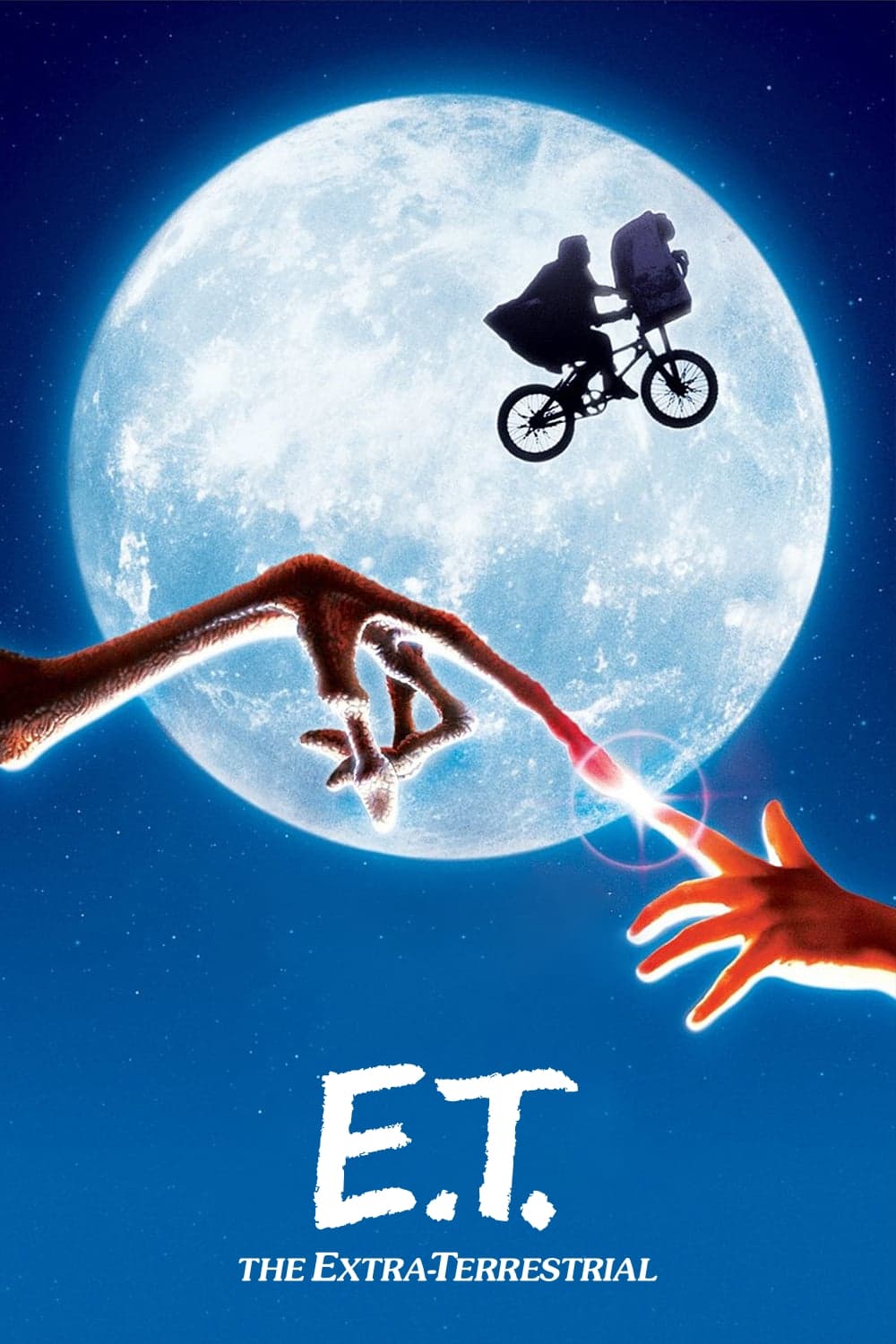
Steven Spielberg digitally altered the 20th-anniversary release of his classic film to remove firearms. The federal agents chasing the children originally carried shotguns but these were replaced with walkie-talkies. Spielberg later admitted he regretted the change and felt it compromised the artistic integrity of the original work. The guns were eventually restored in subsequent high-definition releases.
‘Skyfall’ (2012)
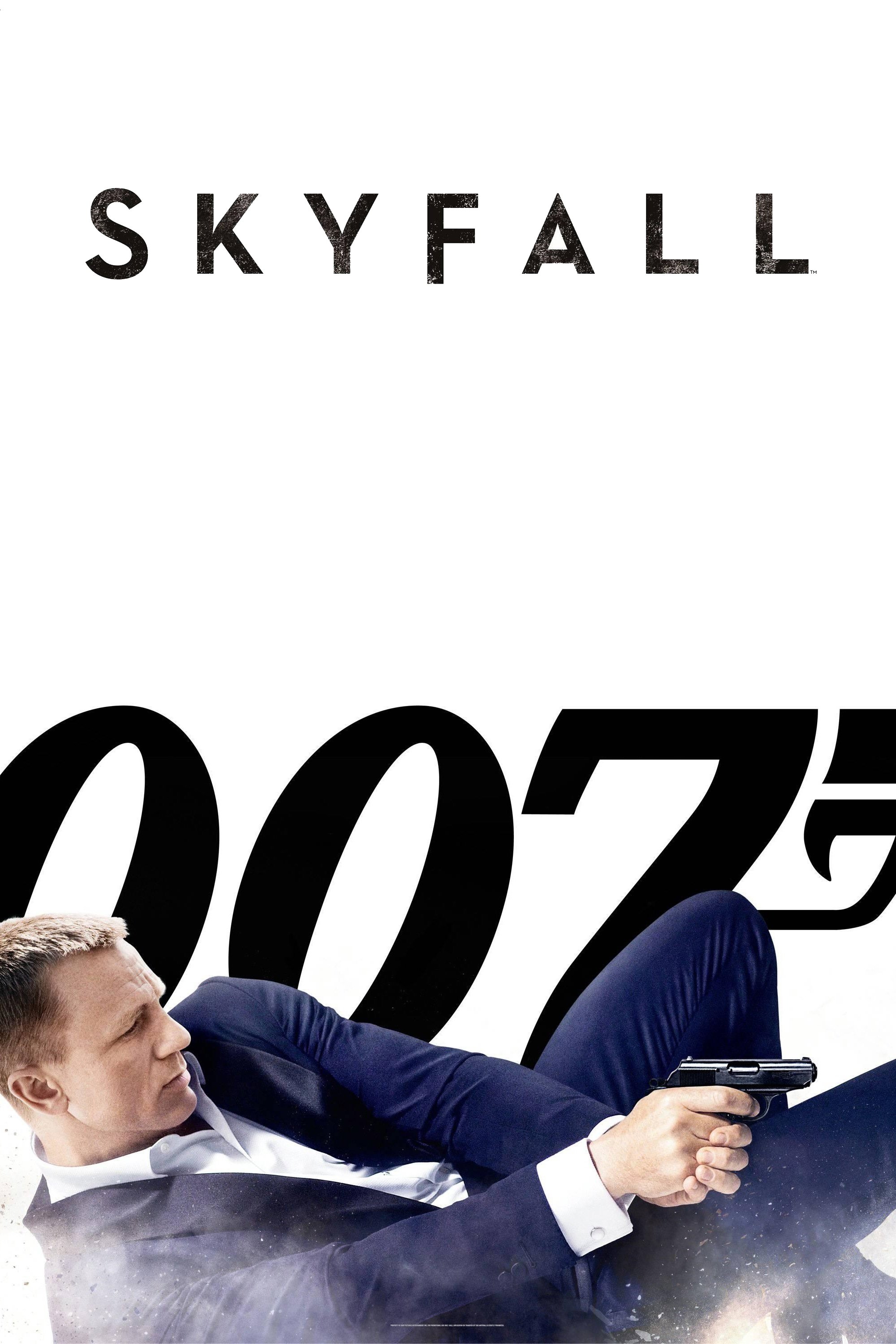
Chinese censors removed a scene where a French hitman shoots a Chinese security guard in an elevator. The authorities also altered the subtitles during a conversation about prostitution and political torture. These cuts were made to protect the image of the local police and government. The edits created minor continuity errors but allowed the film to screen in the lucrative market.
‘Doctor Strange’ (2016)
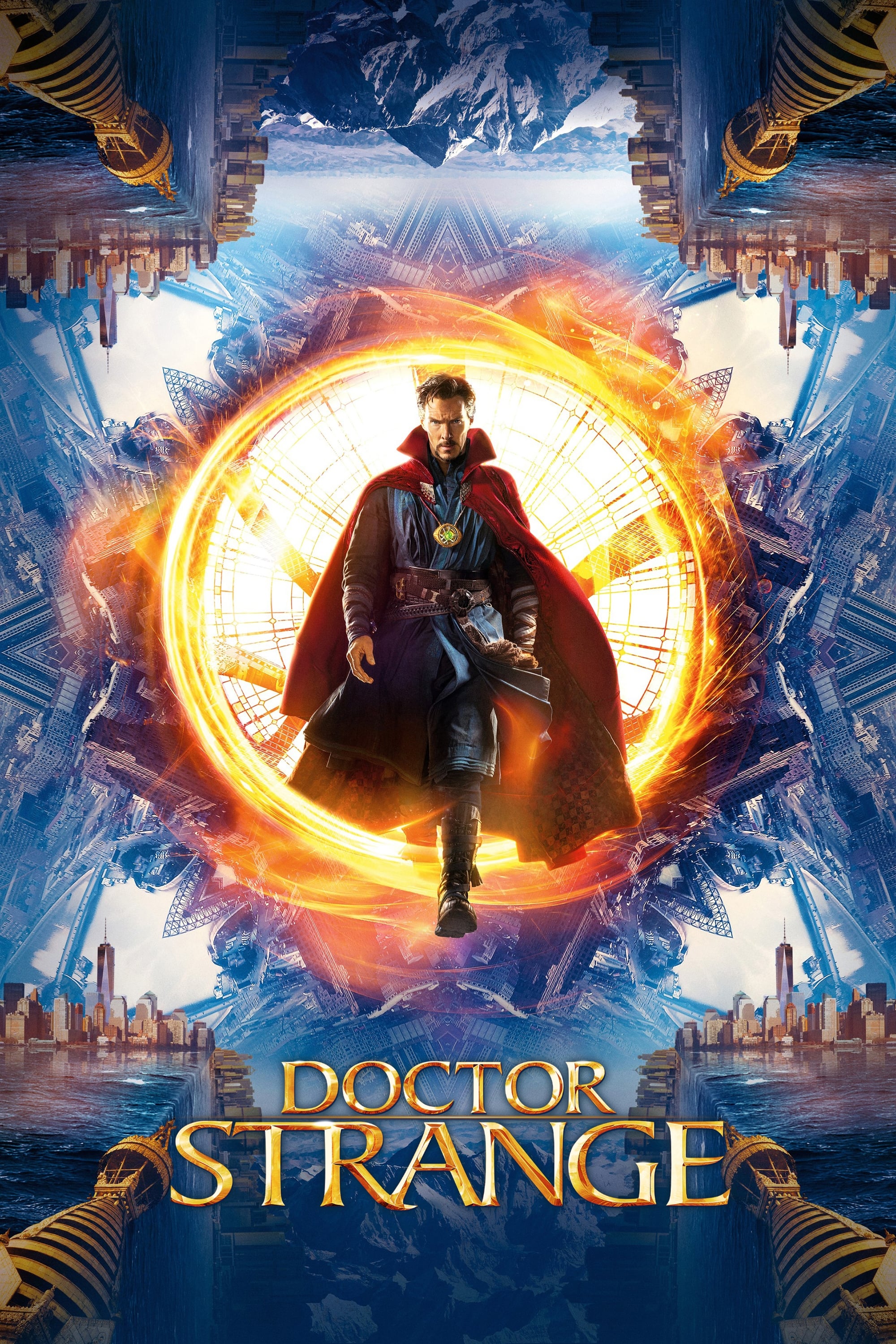
The character of the Ancient One was changed from a Tibetan man to a Celtic woman for the film adaptation. The screenwriters stated this was done to avoid risking censorship from the Chinese government regarding the political status of Tibet. This decision caused a separate controversy regarding the erasure of Asian characters in Hollywood. The studio attempted to navigate a complex geopolitical issue by altering the character’s origin.
‘Top Gun: Maverick’ (2022)
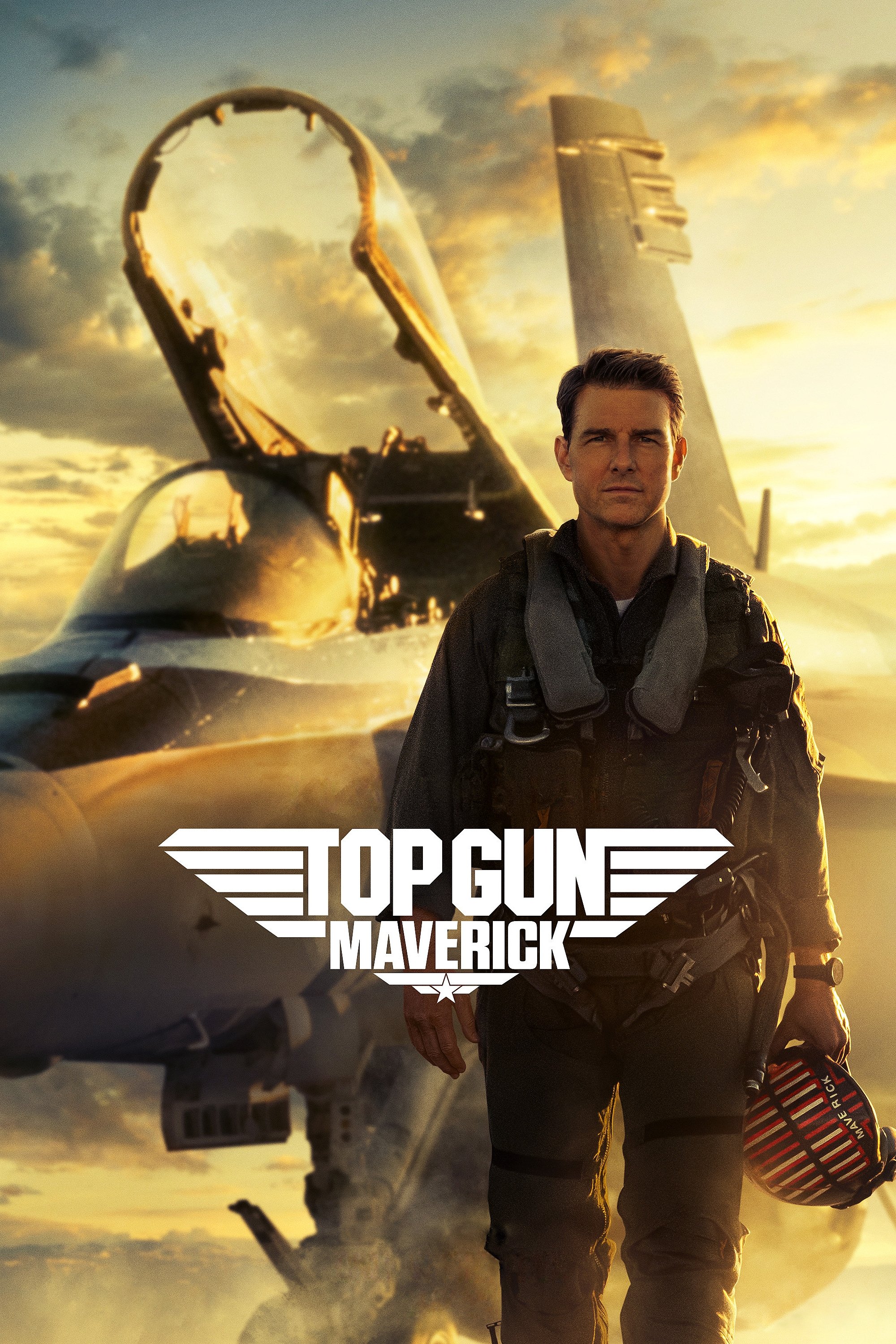
Early trailers for the film showed the protagonist’s flight jacket with the Japanese and Taiwanese flags removed. This edit was presumably made to appease Chinese censors who might object to the symbols. However the final theatrical cut restored the original flags to the patch. The decision to keep the flags resulted in the film not being released in China.
‘Fantasia’ (1940)
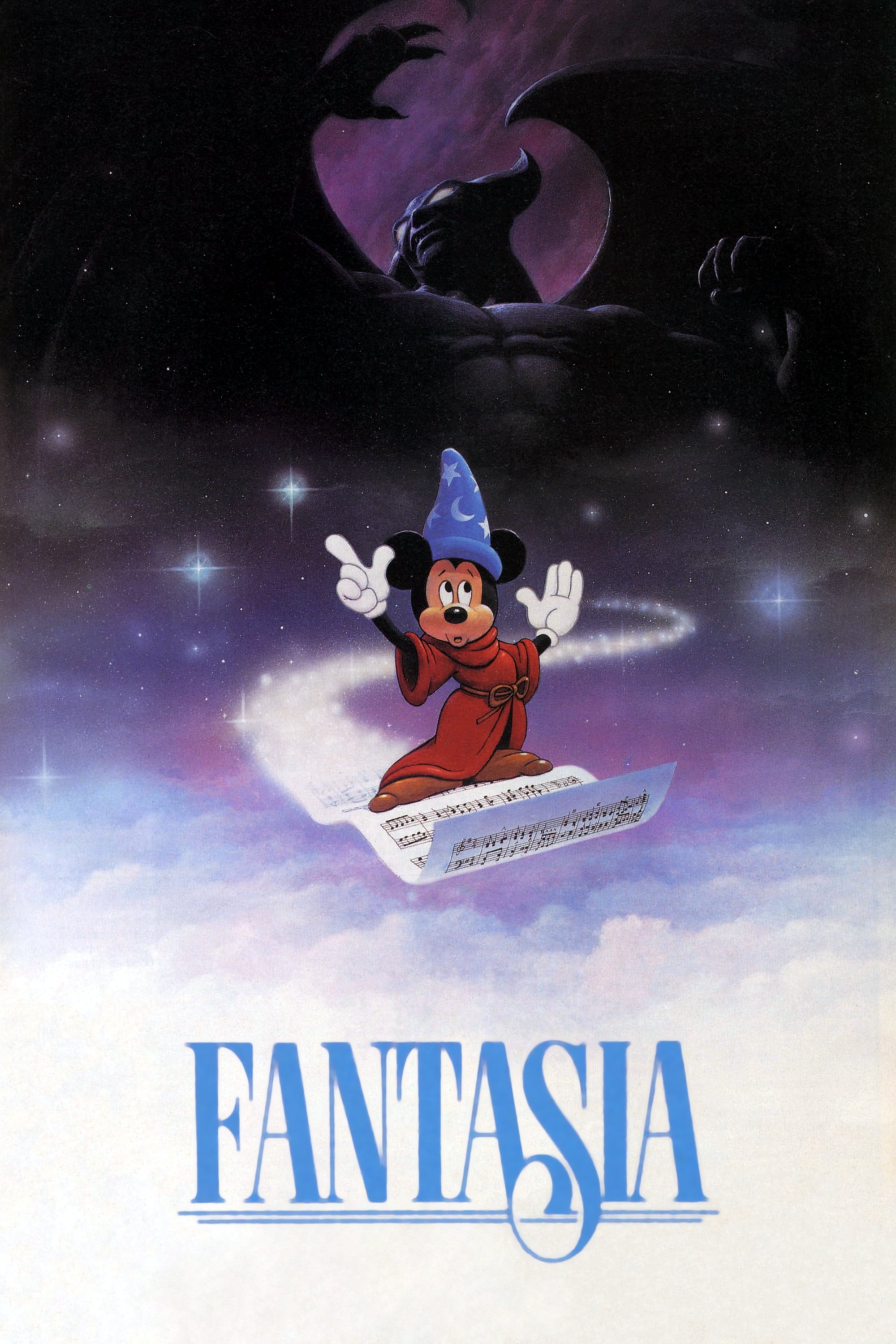
The Pastoral Symphony segment of this Disney classic originally featured a centaur character depicting racial stereotypes. The character named Sunflower was animated with exaggerated features and was shown serving the other centaurs. Disney removed this character from all prints of the film starting in the 1960s to avoid perpetuating racist imagery. Modern releases zoom in or crop the frame to hide the character completely.
Share your thoughts on these movie edits in the comments.