


‘Braveheart’ Mistakes You’ll Never Be Able to Unsee’

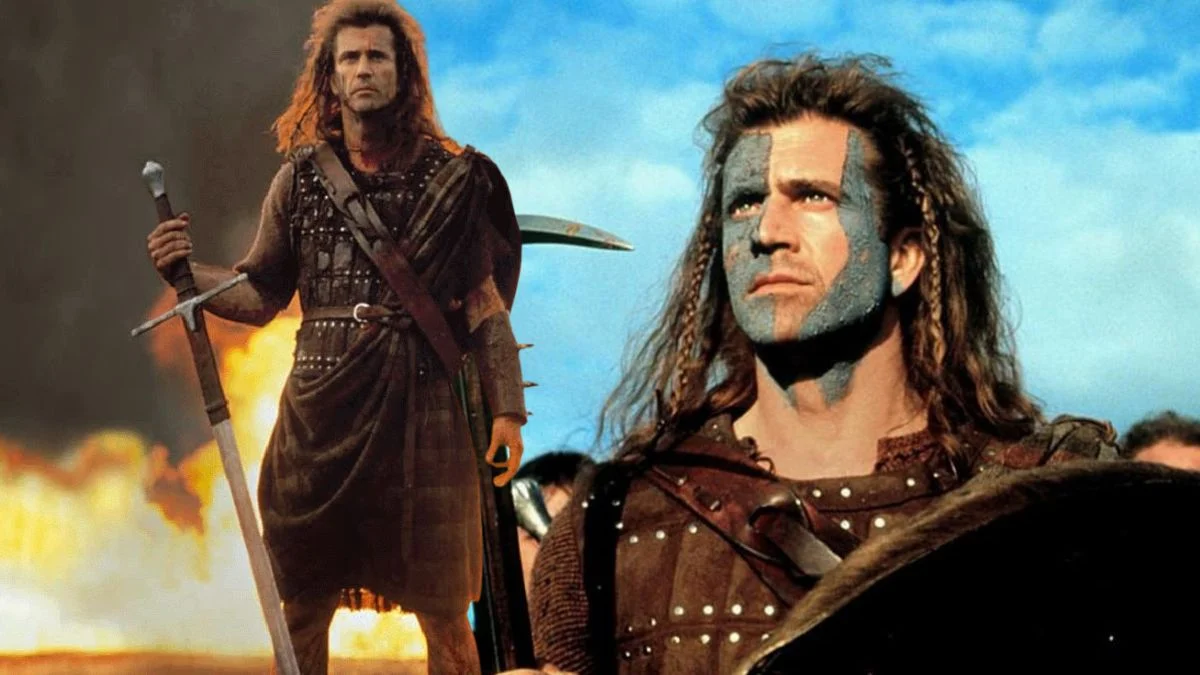


‘Braveheart’ is packed with sweeping battles and memorable images, but a lot of what you see on screen does not match the real history. Many choices were made to heighten drama and simplify events for a global audience. Historians have pointed out dozens of inaccuracies that range from clothing and customs to timelines and geography. Here are some of the most talked about mistakes and why they stand out once you know the facts.
Kilts That Arrived Centuries Later

The film dresses Scottish warriors in belted plaids that look like early kilts. Scholars place the widespread use of such Highland garments several centuries after William Wallace. Lowland Scots of Wallace’s time wore tunics, cloaks, and hose rather than pleated tartan wraps. The kilt became a national symbol much later, which makes its appearance here anachronistic.
Blue Woad Face Paint In The Wrong Era

Wallace and his men go into battle with blue painted faces. That style echoes ancient Britons who used woad in the classical period. Medieval Scots are not recorded as using war paint like this. The look delivers a strong visual, but it does not reflect thirteenth century practice.
The Myth Of Prima Nocta

The story claims English lords could claim a commoner’s bride on her wedding night through a right called prima nocta. Historians find no credible medieval evidence for the practice in Scotland or England. References appear much later as satire or propaganda. Its inclusion serves the plot but not the historical record.
The Battle Of Stirling Bridge Without The Bridge

The film’s Stirling battle takes place in an open field. The real battle pivoted on a narrow wooden bridge that forced English troops to cross in small numbers. Scottish commanders used the bottleneck to destroy isolated contingents. Removing the bridge changes the core tactic that delivered the Scottish victory.
Princess Isabella’s Timeline Does Not Fit

In the years of Wallace’s campaigns, Isabella of France was a child who lived in her father’s court. She did not travel to England to meet Wallace. She later married the future Edward II, long after the events shown. The film collapses and rewrites her life to create a romantic subplot.
Clan Tartans Before Their Time

Distinct clan tartans appear throughout the costumes. Specific patterns linked to family names were formalized many centuries later. Before that shift, people wore checks and stripes without fixed clan identities. The movie’s colorful variety suggests a system that did not yet exist.
Great Highland Bagpipes Out Of Period

You hear and see bagpipes as part of Scottish life in the movie. While pipe instruments existed in various forms, the Great Highland bagpipe depicted is associated with later centuries. Surviving records for Wallace’s era do not confirm battlefield piping as shown here. The sound suits the mood but not the timeline.
Wallace Shown As A Commoner Instead Of A Minor Noble

The film presents Wallace as a farmer who rises from humble origins. Surviving documents indicate that he came from the lesser nobility and bore arms as a knight. His family held small estates and had ties to local leadership. Changing his status simplifies the story but blurs his real background.
Edward I’s Death And Court Politics Rewritten

The movie shows Edward I near death within the royal court at a dramatic moment tied to family news. He actually died on campaign near the Scottish border in 1307. Key political moves and personal relationships are compressed and rearranged to heighten conflict. The result shifts when and where major events occurred.
Weapons, Armor, And Tactics That Do Not Match Records

Many soldiers fight bare chested or with minimal armor in scenes that favor spectacle. Contemporary forces relied on mail, padded gambesons, and helmets for protection. English longbow use and heavy cavalry tactics are simplified, and Scottish spear formations are staged without key period details. These choices create striking images while moving away from how battles of the time were fought.
Got another ‘Braveheart’ slip you noticed after a rewatch? Share your finds in the comments.