


‘Canceled’ #MeToo Men May Get a Second Chance at Paramount Pictures

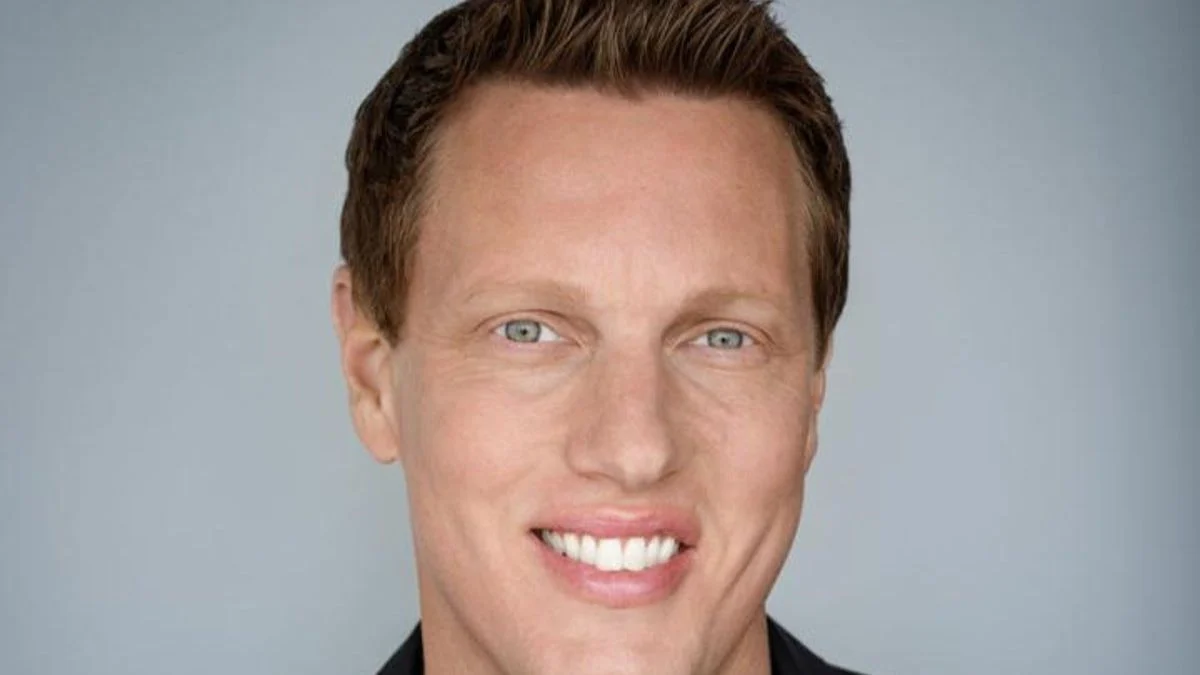


A new direction at Paramount is raising eyebrows across Hollywood. According to reporting from TheWrap, the studio, now closely tied with Skydance under the leadership of David Ellison, has recently hired several high-profile figures who previously faced accusations of s***** misconduct. The move has sparked debate inside the entertainment industry about whether Hollywood is quietly reopening its doors to controversial figures from the #MeToo era.
Among the most talked-about hires is actor Johnny Depp. Paramount is preparing a new film adaptation of Charles Dickens’ classic A Christmas Carol, and Depp is expected to take on the central role. The project would mark his first major studio production since the highly publicized legal battle with his former wife Amber Heard. In 2022 a jury ruled that Heard had defamed Depp, though the courtroom fight drew intense public attention and included troubling testimony about their relationship.
Director Brett Ratner is also returning to the spotlight. Ratner, who directed films like Rush Hour and X-Men: The Last Stand, has been chosen to direct Rush Hour 4. His career stalled in 2017 after several women accused him of s***** misconduct. Actress Olivia Munn and Natasha Henstridge were among those who spoke publicly about alleged incidents. Ratner denied the claims, and no criminal charges were filed.
Screenwriter Max Landis is another controversial figure now working with the studio. Landis has been hired to write a new G.I. Joe project for Paramount. In 2019 several women accused Landis of s***** assault, emotional abuse, and harassment in a Daily Beast investigation. According to the report, some women described violent behavior during relationships. Landis was never formally charged, but he later admitted in a 2021 blog post that “some of what’s been said about me is true,” acknowledging emotional abuse.
TheWrap reports that Paramount’s leadership now includes several executives who also faced past misconduct allegations. Jeff Shell, a former NBCUniversal CEO who admitted to having what he called “an inappropriate relationship” with an employee, now serves as president after the Skydance takeover. Meanwhile John Lasseter, once the creative force behind Pixar, continues to lead Skydance Animation after leaving Disney following complaints about his behavior toward female employees.
These decisions come nearly ten years after the #MeToo movement forced a major reckoning in Hollywood. The movement exposed widespread abuse of power in the entertainment industry and led to the downfall of many powerful figures. Some, like Harvey Weinstein, were criminally convicted. Others saw their careers collapse after public accusations.
Critics say Paramount’s hiring choices send the wrong message. Kirsten Schaffer, CEO of Women in Film, spoke to TheWrap about the issue. She said the trend is troubling for many women working in the industry. “When companies rehire or promote men accused of s**** harassment, they send a blunt message to every woman in the room: your safety is negotiable, and your voice won’t change the outcome.”
Some experts believe the decisions are not about redemption but about business. Samantha Sheppard, an associate professor of Cinema and Media Studies at Cornell University, said the move reflects the power structure of the entertainment industry. “This is meant to signal a number of things,” she explained. “The boys are back in charge. That’s really what this is: The boys club has returned.”
Other industry insiders see a more practical reason behind the hires. One top talent agent told TheWrap that studios may be taking advantage of the current market. “They’re taking advantage of the marketplace and getting high level talent for cheap.” In other words, once-successful filmmakers and writers whose careers collapsed may now accept far lower pay than they did before.
Paramount’s financial situation may also play a role. The studio is reportedly preparing for a massive $110 billion acquisition of Warner Bros. Discovery while also trying to increase production. The plan is to release around 30 films per year between Paramount and Warner Bros., which could create strong demand for experienced filmmakers and writers.
Still, the strategy carries risks. The more controversial figures join the studio, the more its public image could suffer. Hollywood remains highly sensitive to issues of misconduct and workplace safety. Some actors, directors, and executives may hesitate to work with a studio that appears willing to overlook past allegations.
This situation shows how complicated the entertainment industry can be. Some people believe in second chances, especially when no criminal charges were filed. Others feel that bringing these figures back into major projects ignores the voices of those who came forward during the #MeToo movement. Both sides raise important points, and the debate will likely continue as these projects move forward. What do you think about Paramount’s decision to work with these controversial figures again? Share your thoughts in the comments.