


Cartoons From The 90s That Would Be Banned Today

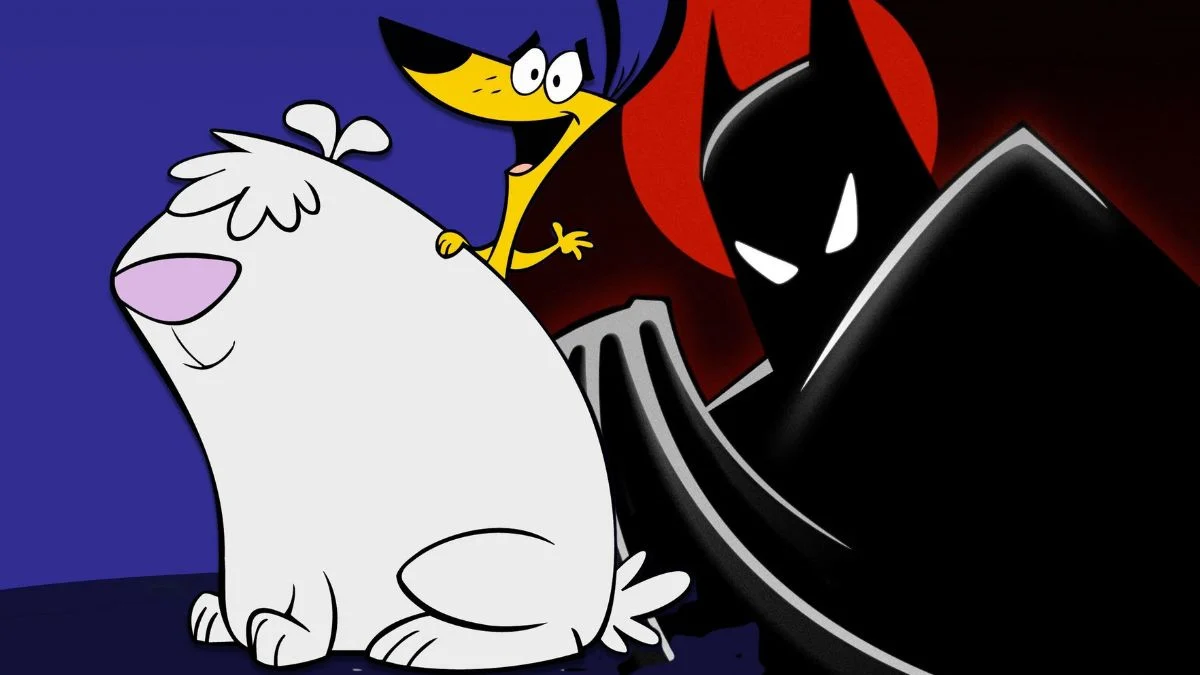


The 1990s represented a unique era in animation where creators pushed boundaries through gross out humor and subversive themes. Many programs from this decade featured content that would likely face intense scrutiny or cancellation in the modern television landscape. Standards for children’s programming have evolved significantly since these shows originally aired on major networks. This list explores various animated series that defined the decade while containing elements now considered controversial.
‘The Ren & Stimpy Show’ (1991–1996)
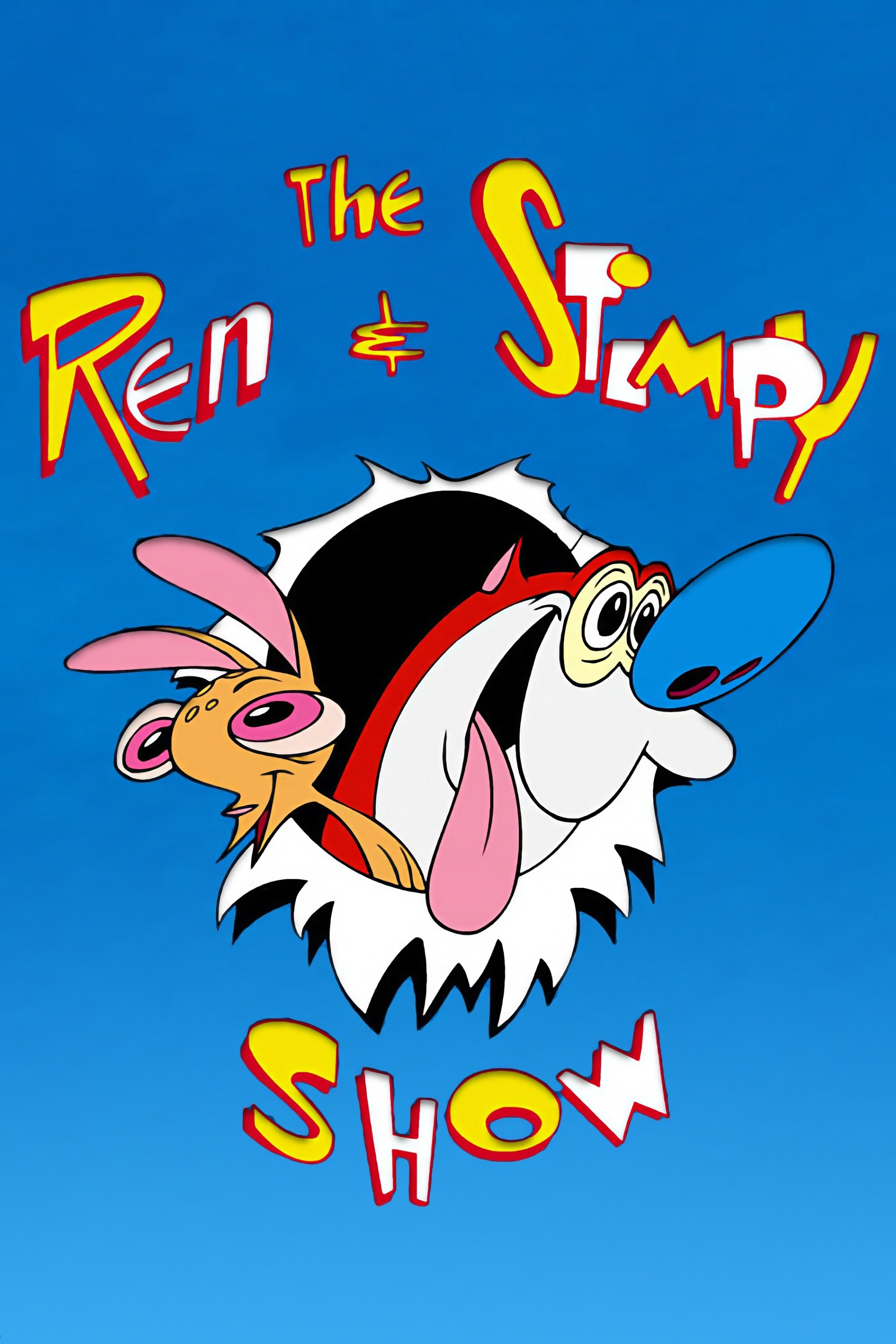
This series followed the adventures of an unstable chihuahua and a dimwitted cat. The show became famous for its extreme close ups and grotesque anatomical details. Many episodes featured dark humor and intense violence that frequently tested the patience of network executives. Its surreal nature and adult undertones made it a cult classic despite its controversial reputation.
‘Beavis and Butt-Head’ (1993–1997)
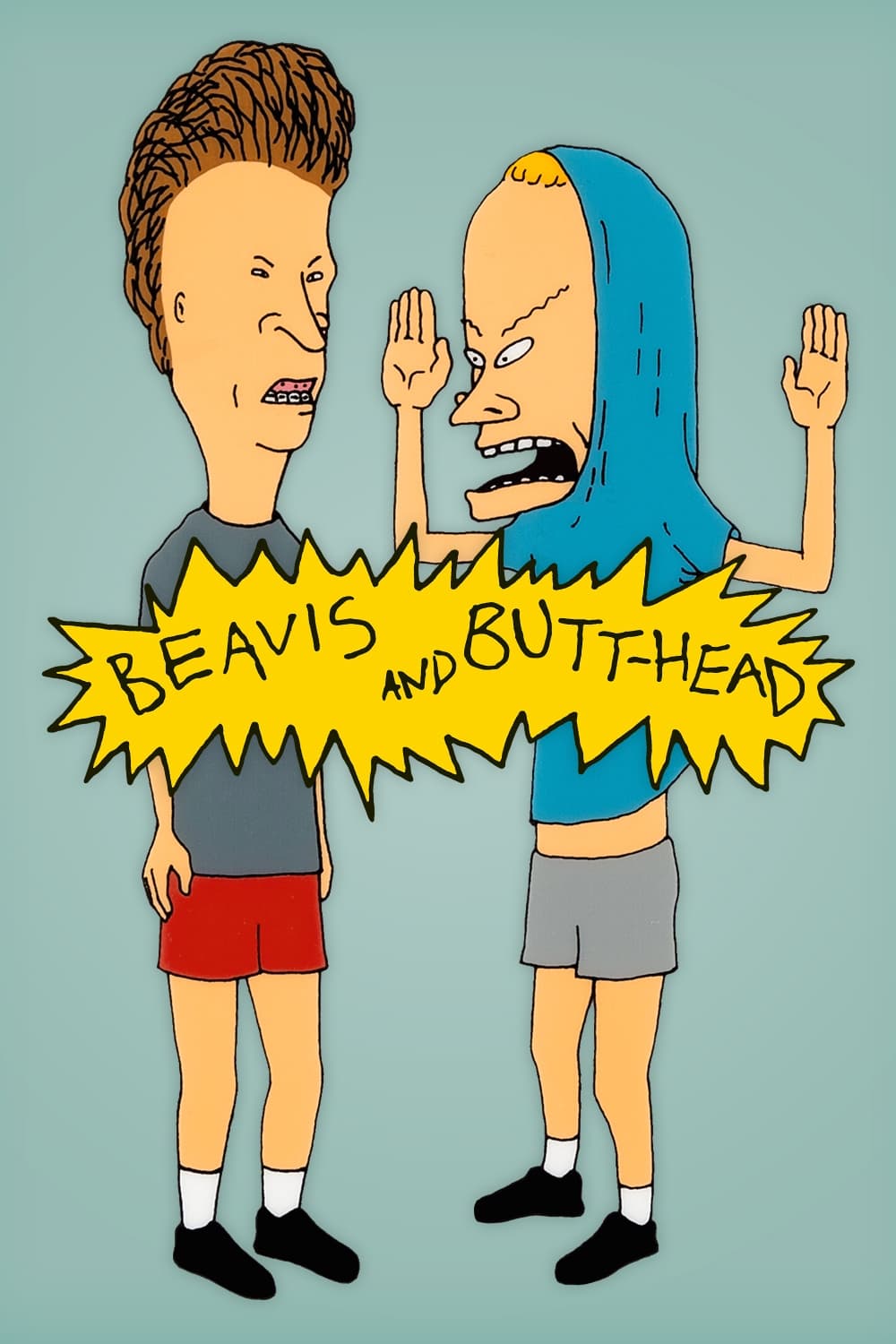
Two teenage couch potatoes spent their time critiquing music videos and engaging in dangerous activities. The show faced significant backlash due to concerns that younger viewers would imitate the destructive behavior of the protagonists. It frequently featured themes of delinquency and social ineptitude that sparked national debates about media influence. The series remains a hallmark of alternative culture from the early nineties.
‘Rocko’s Modern Life’ (1993–1996)

An Australian wallaby navigated the complexities of adult life in a fictional American city. The writers often included sophisticated double entendres and social commentary that went over the heads of younger viewers. Many segments featured suggestive situations and mature themes that would likely be flagged by modern censors. It is often cited as one of the most daring children’s shows of its time.
‘South Park’ (1997–Present)
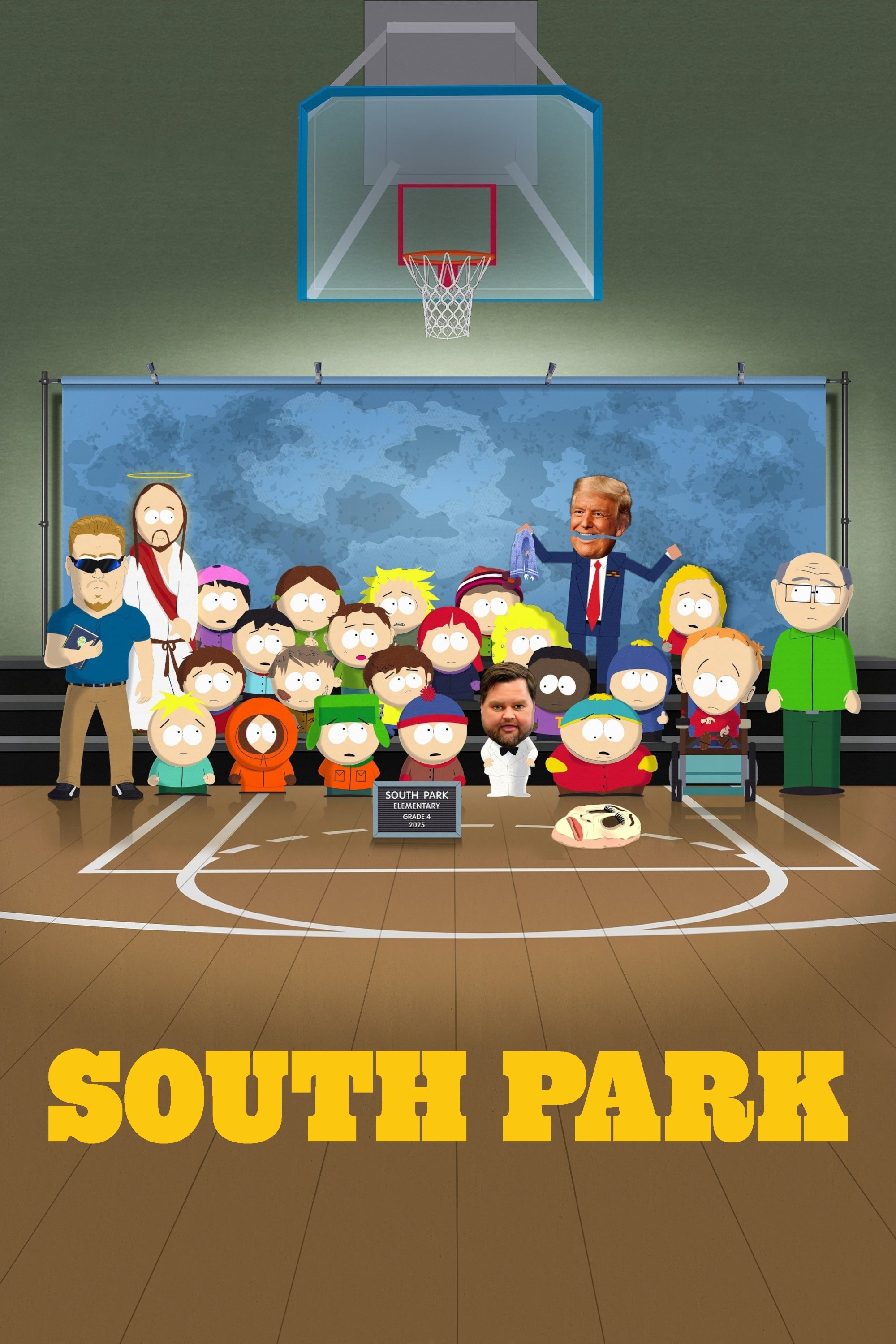
Four young boys in a small Colorado town dealt with extraordinary and often offensive situations. The show became a lightning rod for controversy due to its frequent use of profanity and satire directed at sensitive topics. It pushed the limits of what was acceptable on cable television and continues to do so today. The early seasons were particularly noted for their crude animation style and shock value.
‘Cow and Chicken’ (1997–1999)
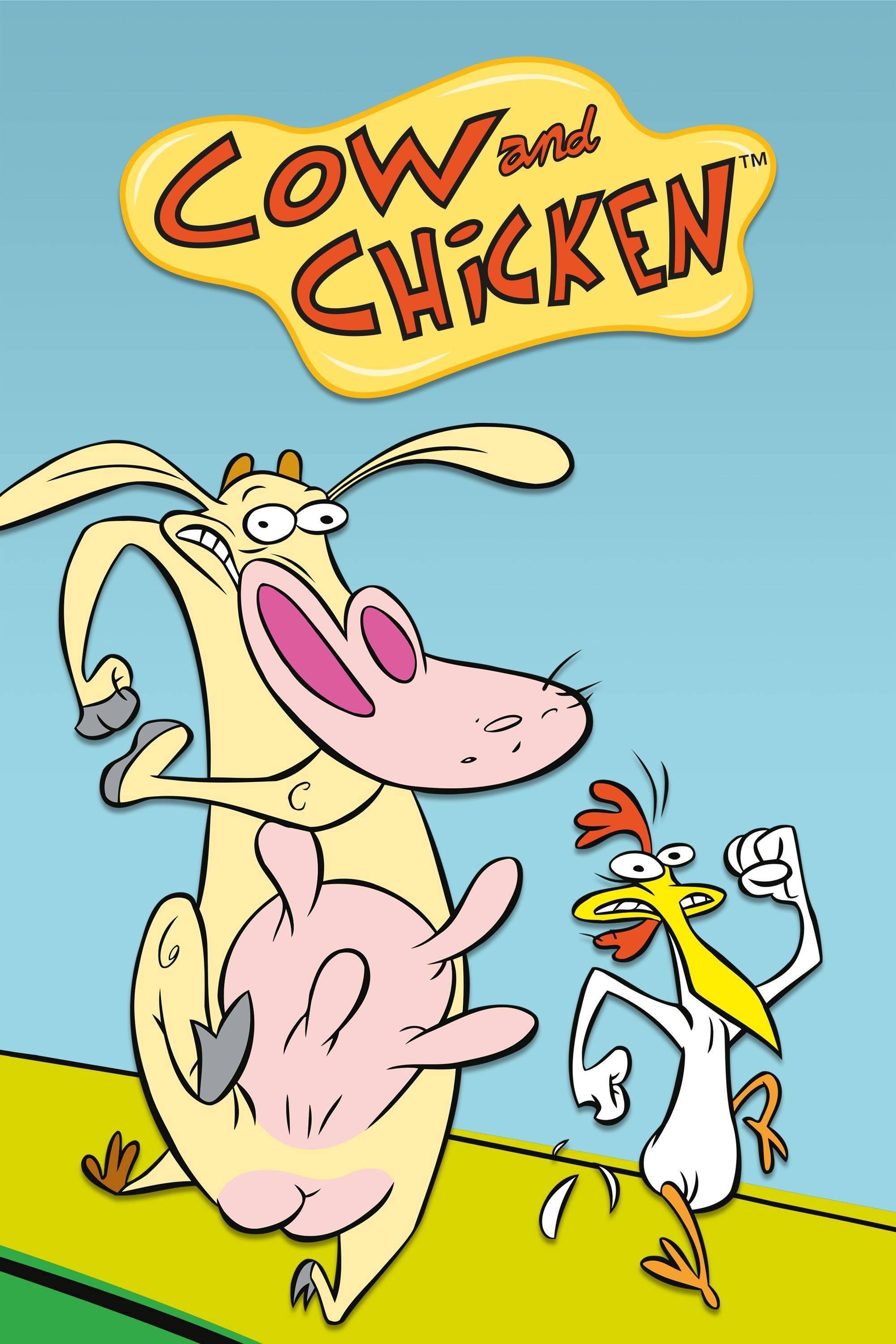
This surreal cartoon focused on a cow and a chicken who were siblings despite being different species. The main antagonist was a flamboyant red devil who often appeared without pants and engaged in suggestive behavior. Much of the humor relied on gross out gags and uncomfortable character designs. Critics often questioned the intended audience for such bizarre and sometimes inappropriate content.
‘Johnny Bravo’ (1997–2004)
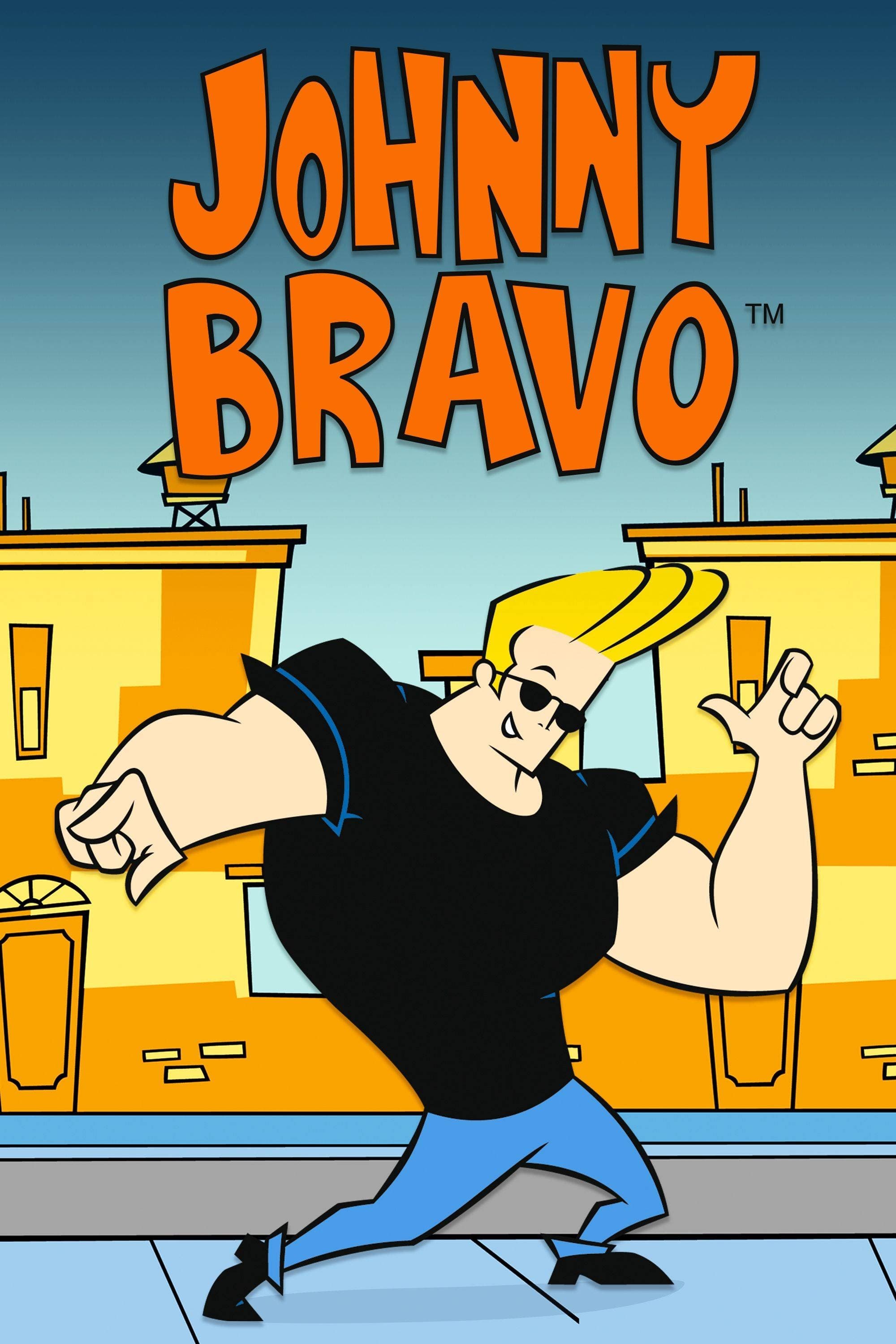
A muscular young man constantly attempted to woo women through over the top advances and pick up lines. Most episodes involved him being physically rebuffed or humiliated due to his persistent and often unwanted attention. Modern viewers might find his aggressive pursuit of women problematic in the context of current social standards. The show relied heavily on the protagonist’s lack of self awareness and exaggerated masculinity.
‘The Simpsons’ (1989–Present)
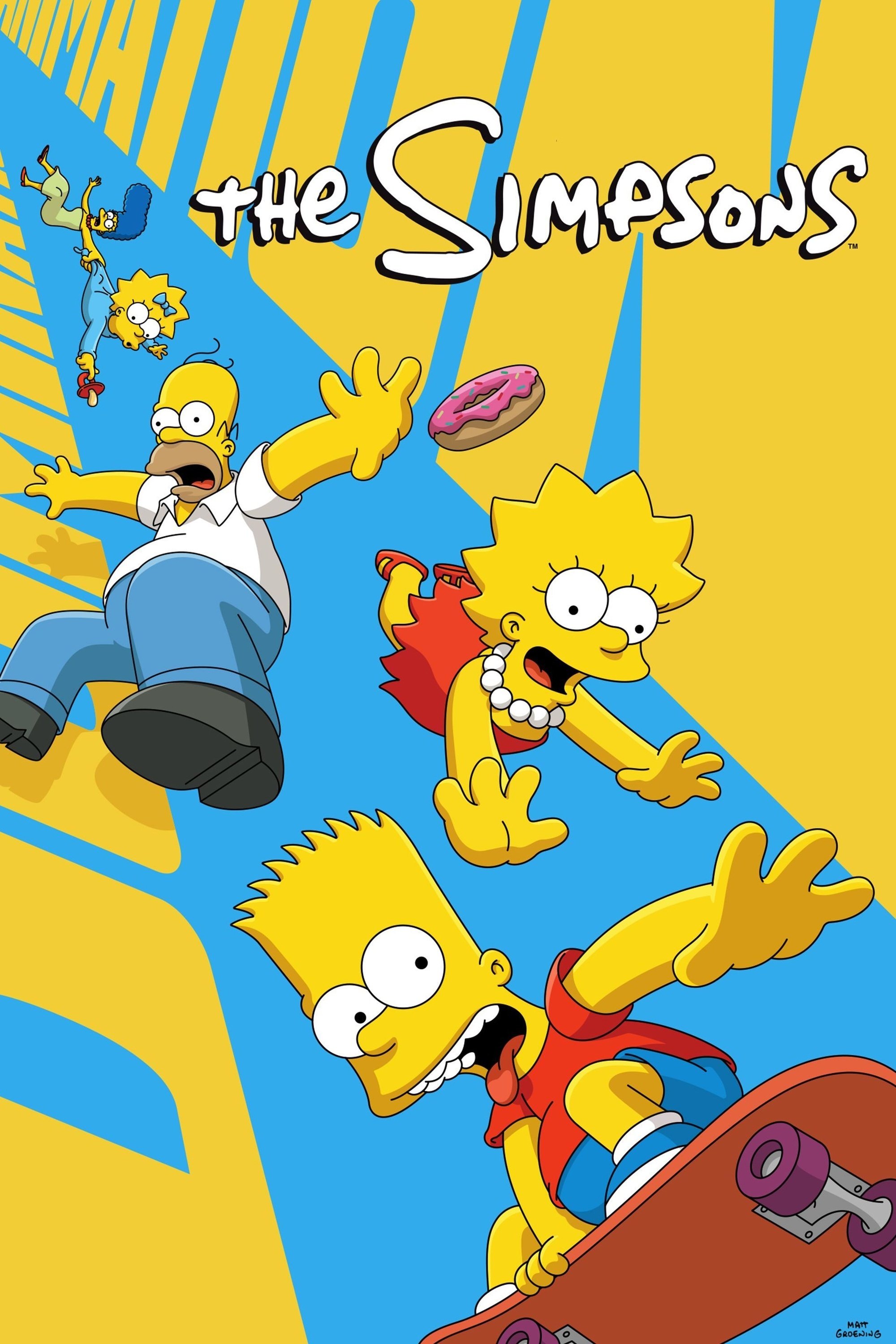
A working class family in Springfield dealt with various social and political issues through a satirical lens. In its early years the show was considered highly controversial for depicting a dysfunctional family and a rebellious son. Some schools even banned merchandise related to the show because of its perceived negative influence on children. It eventually became a cultural institution despite the initial moral panic it caused.
‘Duckman’ (1994–1997)
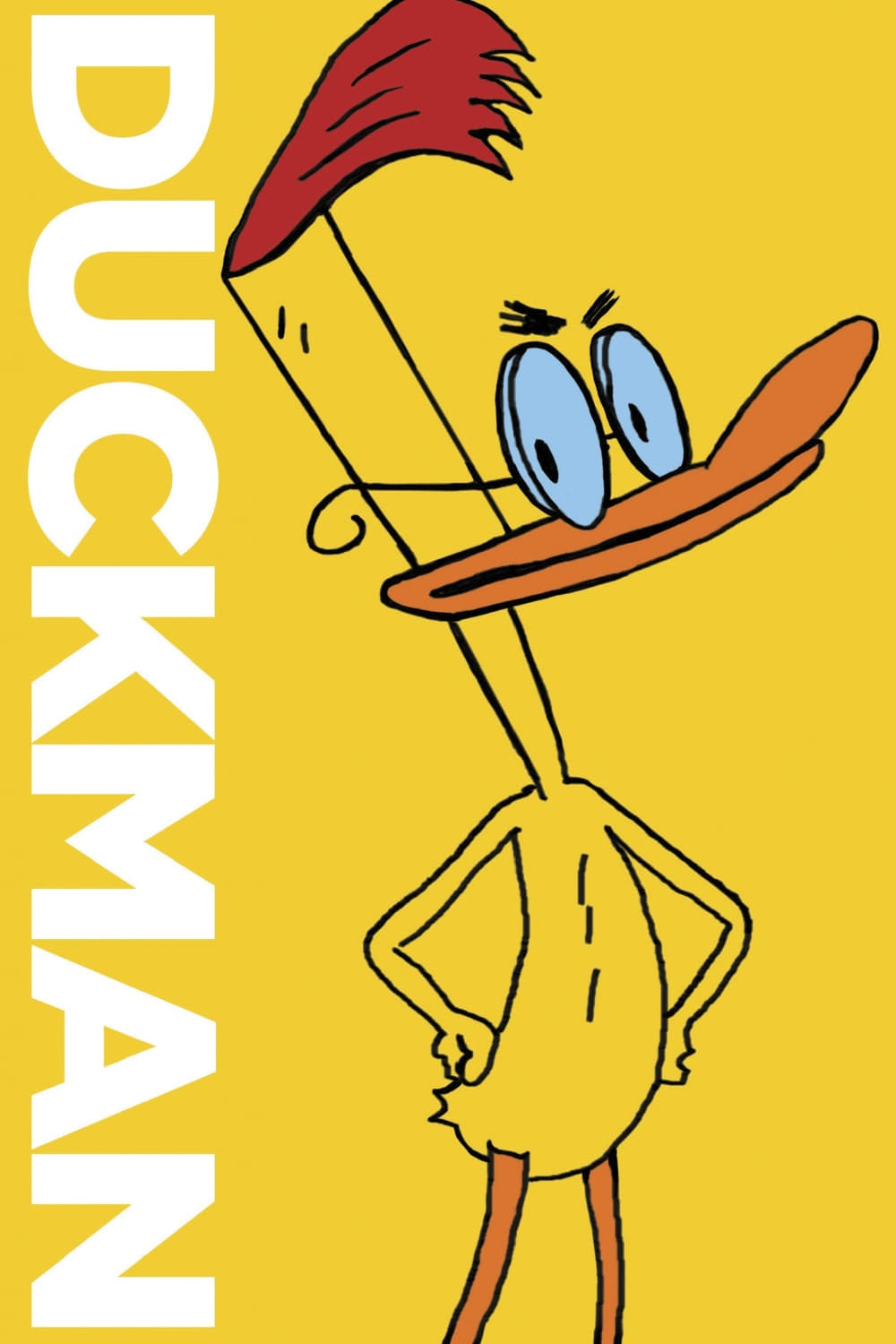
An anthropomorphic duck worked as a private investigator while living with his eccentric family. The series was strictly intended for adults and featured heavy sexual themes and nihilistic humor. Its cynical outlook on life and frequent use of mature language set it apart from typical animated fare. Censors today would likely find many of its jokes too abrasive for broadcast television.
‘Animaniacs’ (1993–1998)
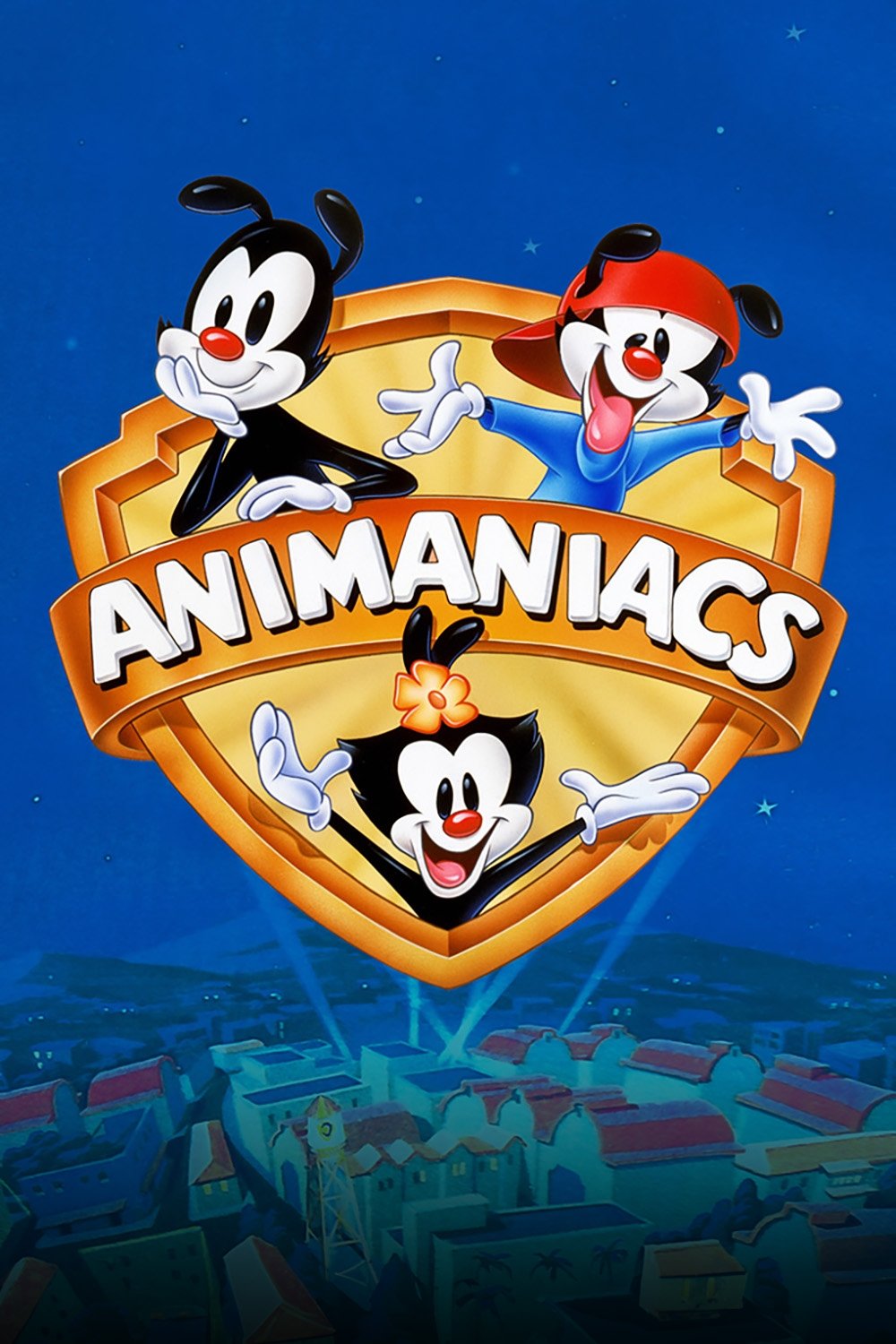
The Warner siblings caused mayhem around the movie studio while interacting with various historical and fictional figures. While it was a variety show for children it was famous for including jokes that only adults would understand. Some of the character interactions and puns contained suggestive material that would be scrutinized today. It successfully balanced slapstick comedy with intellectual wit for several seasons.
‘Family Guy’ (1999–Present)
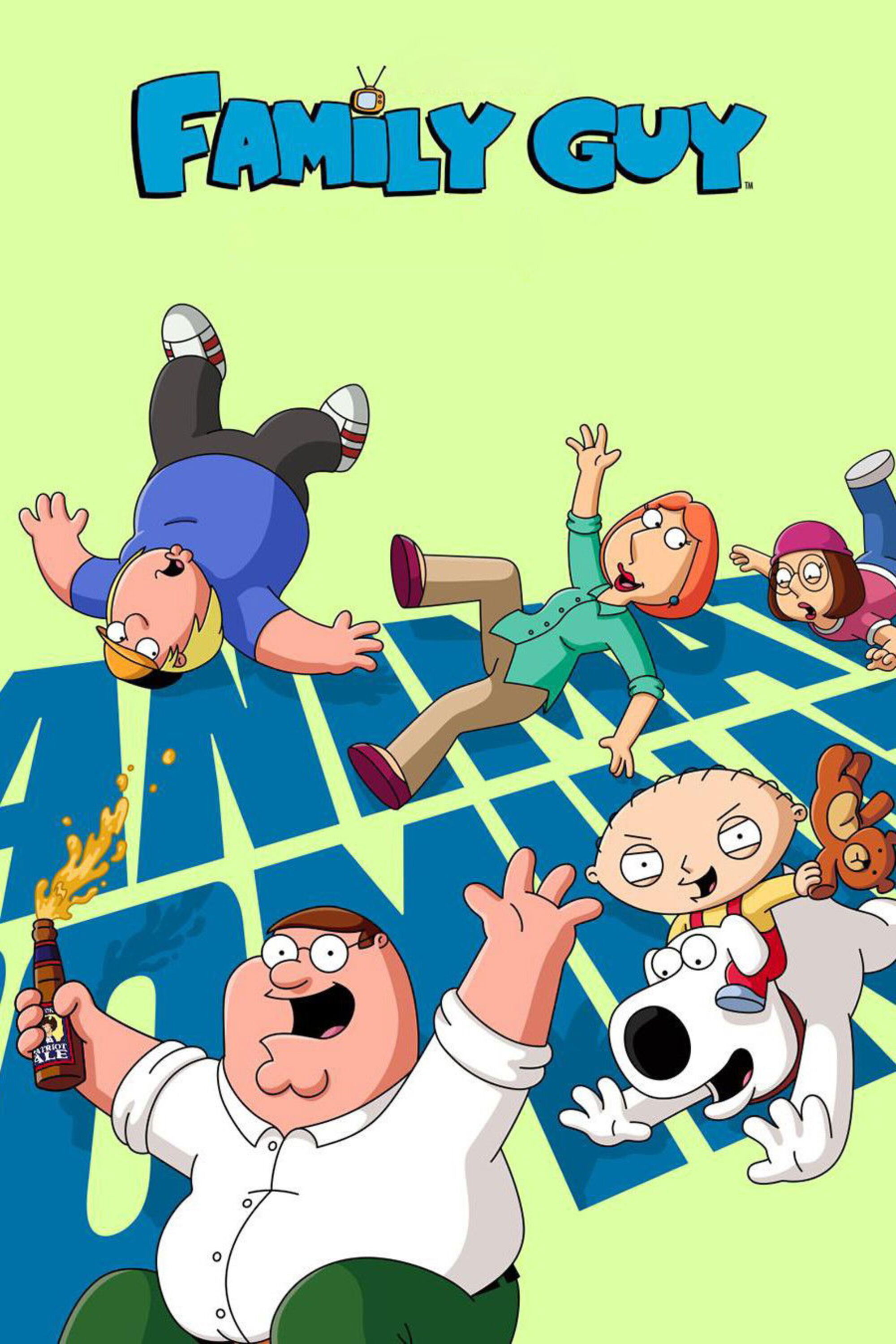
The Griffin family navigated life in Rhode Island through a series of cutaway gags and pop culture references. The show was known for its dark humor and willingness to offend almost every demographic group. It faced multiple cancellations and legal challenges due to its controversial subject matter. Many early episodes contained jokes that would be considered too insensitive for modern television standards.
‘King of the Hill’ (1997–2010)
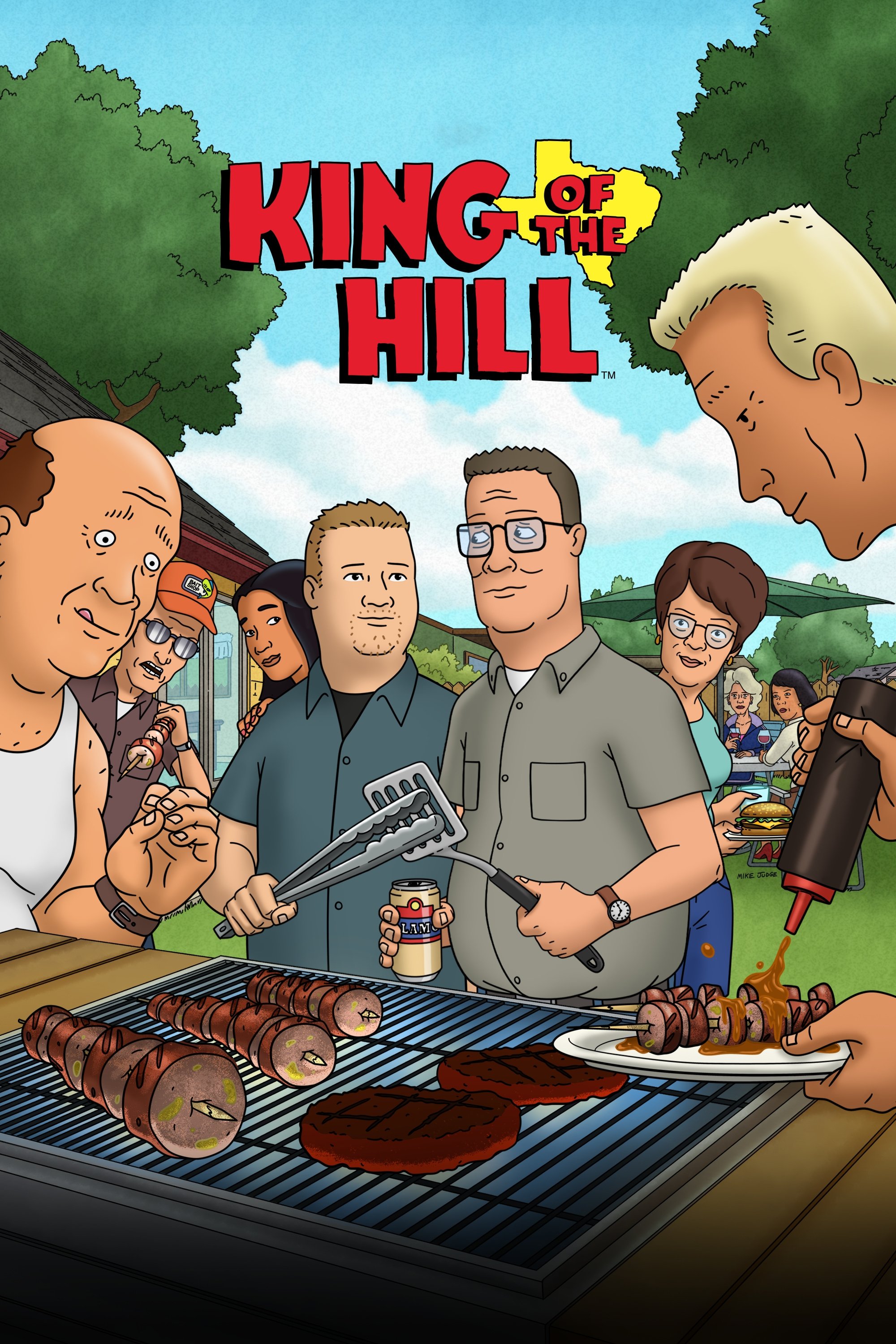
A propane salesman in Texas dealt with his family and neighbors in a realistic and grounded setting. The show often explored political and social themes with a dry and observational sense of humor. Some of the portrayals of minority characters and cultural stereotypes might be viewed differently in a modern context. It was praised for its character development but occasionally touched on sensitive regional issues.
‘Celebrity Deathmatch’ (1998–2002)
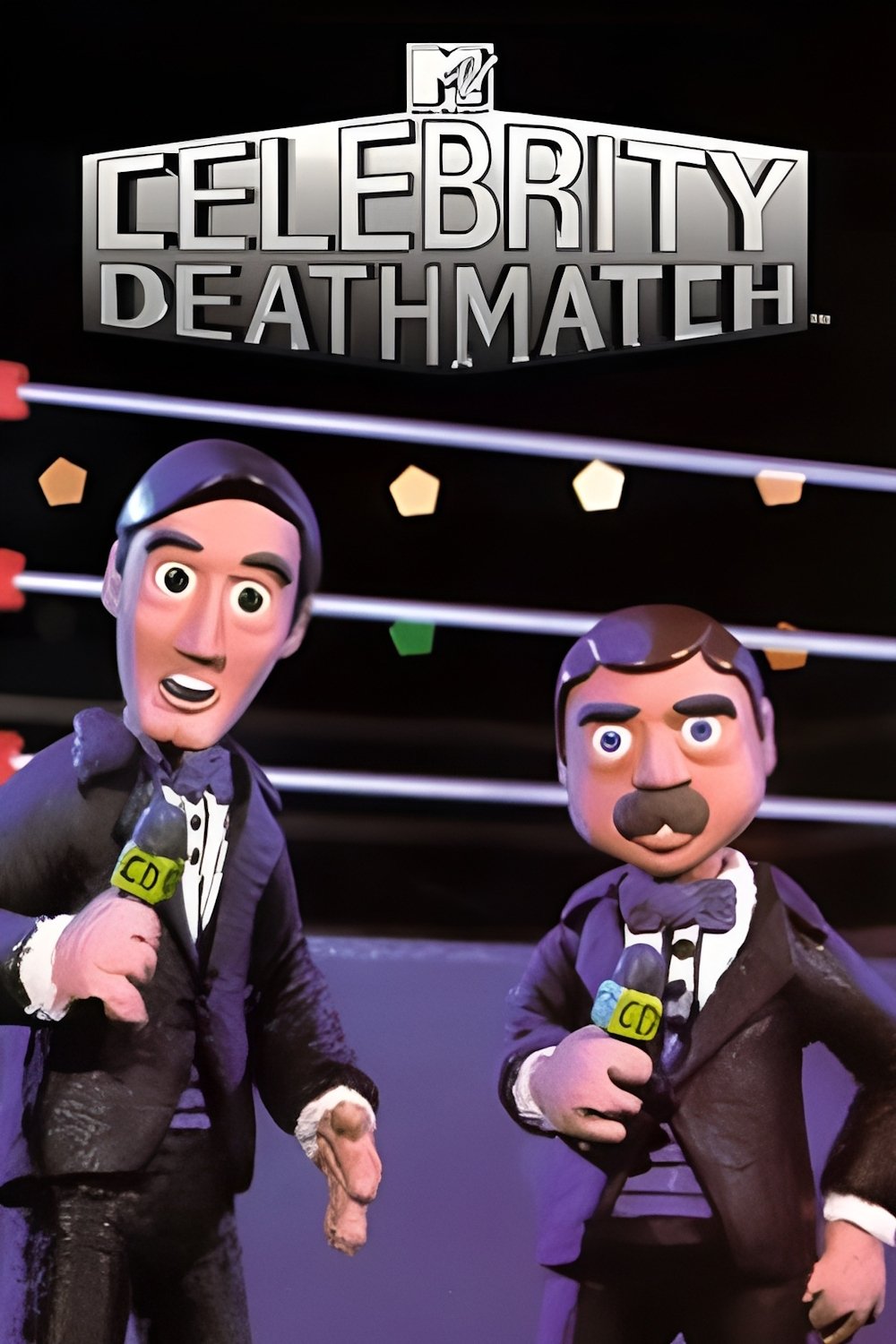
Claymation versions of famous celebrities engaged in brutal and exaggerated wrestling matches. The show was celebrated for its extreme gore and satirical take on fame and pop culture. Every episode featured creative ways to depict the demise of public figures in a ring. This level of graphic violence against real life figures would likely face significant legal and ethical hurdles today.
‘The Critic’ (1994–1995)
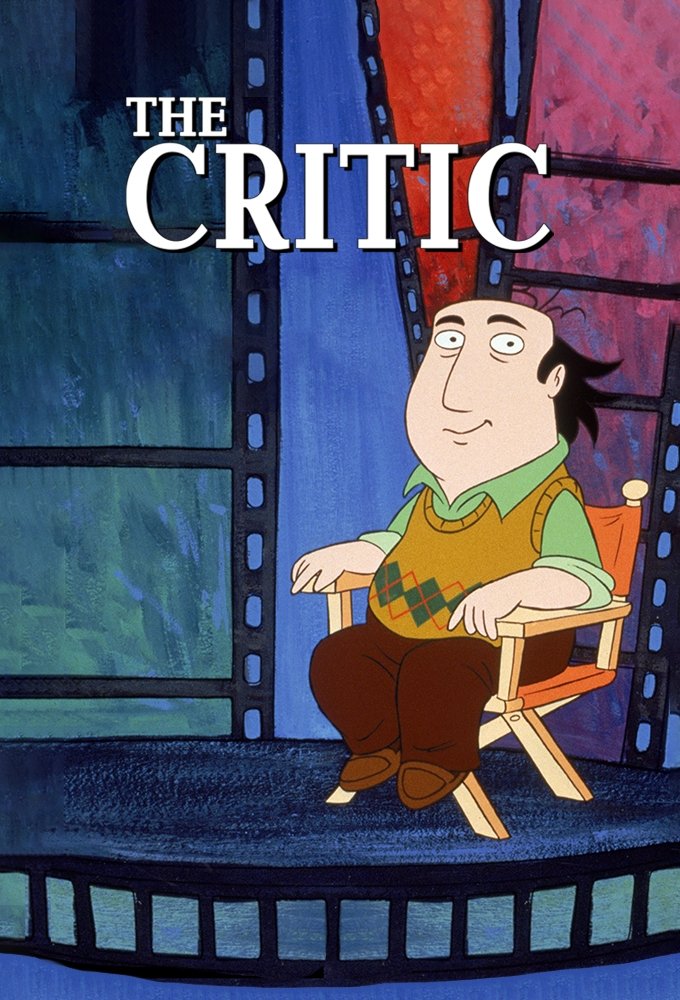
A professional film critic living in New York City balanced his career with a complicated personal life. The show featured numerous parodies of actual movies and Hollywood celebrities that were often quite biting. Its cynical tone and intellectual humor targeted a more mature demographic than most cartoons. Some of the satirical portrayals might be considered too mean spirited by current standards.
‘Daria’ (1997–2002)

A cynical and intelligent teenage girl navigated the social hierarchies of her suburban high school. The show was a spin off that focused on themes of alienation and social commentary. It often criticized the vapid nature of popular culture and the pressures of being a teenager. While highly regarded for its writing its dry sarcasm might be misinterpreted in today’s more earnest media environment.
‘The Maxx’ (1995)
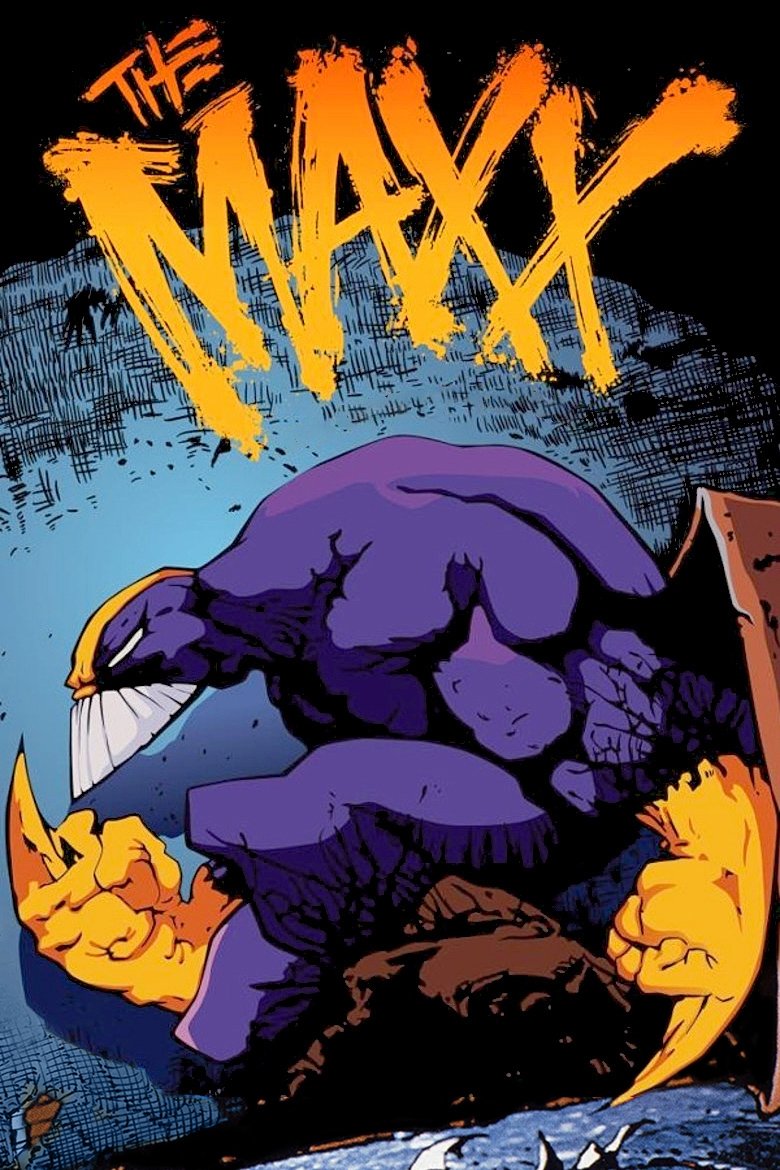
A homeless man lived between the real world and a fantasy realm where he was a powerful hero. The series dealt with very dark themes including trauma and mental health in a graphic way. Its visual style was pulled directly from the comic books and featured intense imagery. The mature nature of the storytelling made it a standout on late night television blocks.
‘Spawn’ (1997–1999)
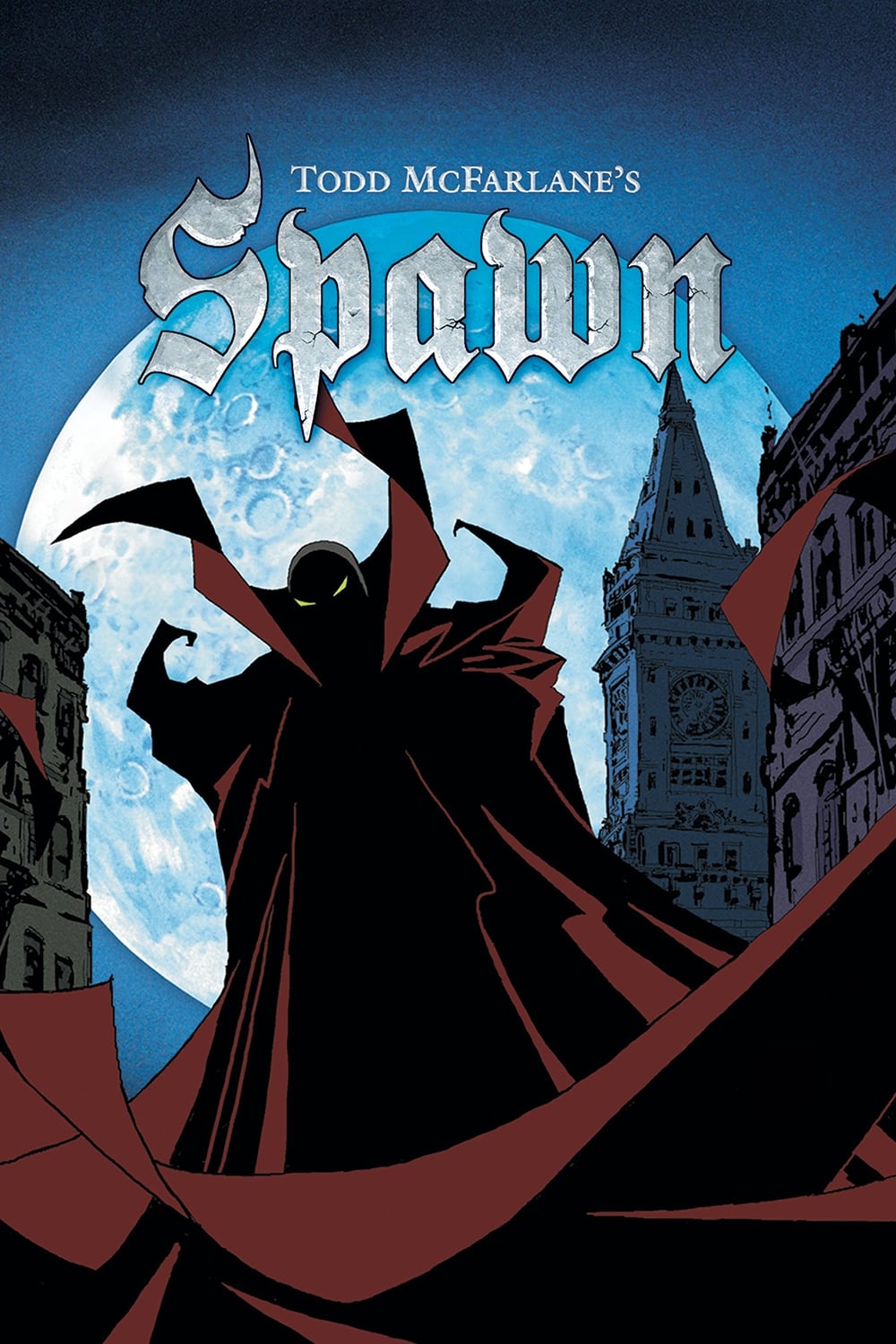
A murdered mercenary returned to Earth as a hellish soldier to seek revenge on his killers. This animated series was known for its dark atmosphere and extreme levels of violence. It explored themes of corruption and morality through a gritty supernatural lens. The graphic nature of the show was much more intense than standard superhero cartoons of the era.
‘Liquid Television’ (1991–1994)

This animation showcase featured various short segments that were often experimental and weird. It served as a launching pad for several famous series including ‘Beavis and Butt-Head’ and ‘Aeon Flux’. Many of the shorts contained adult themes and bizarre visuals that pushed the boundaries of the medium. The unpredictable nature of the content made it a staple of alternative late night programming.
‘Dr. Katz, Professional Therapist’ (1995–1999)
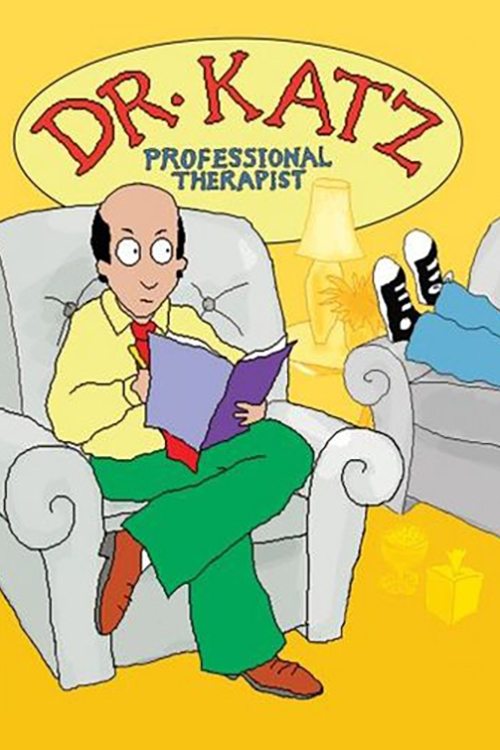
A therapist interacted with various patients who were voiced by famous stand up comedians. The show used a unique animation style known as Squigglevision which gave it a distinct look. Much of the humor was derived from the comedians’ actual routines which often included mature topics. It was a pioneering series for adult animation on cable networks.
‘The Head’ (1994–1996)
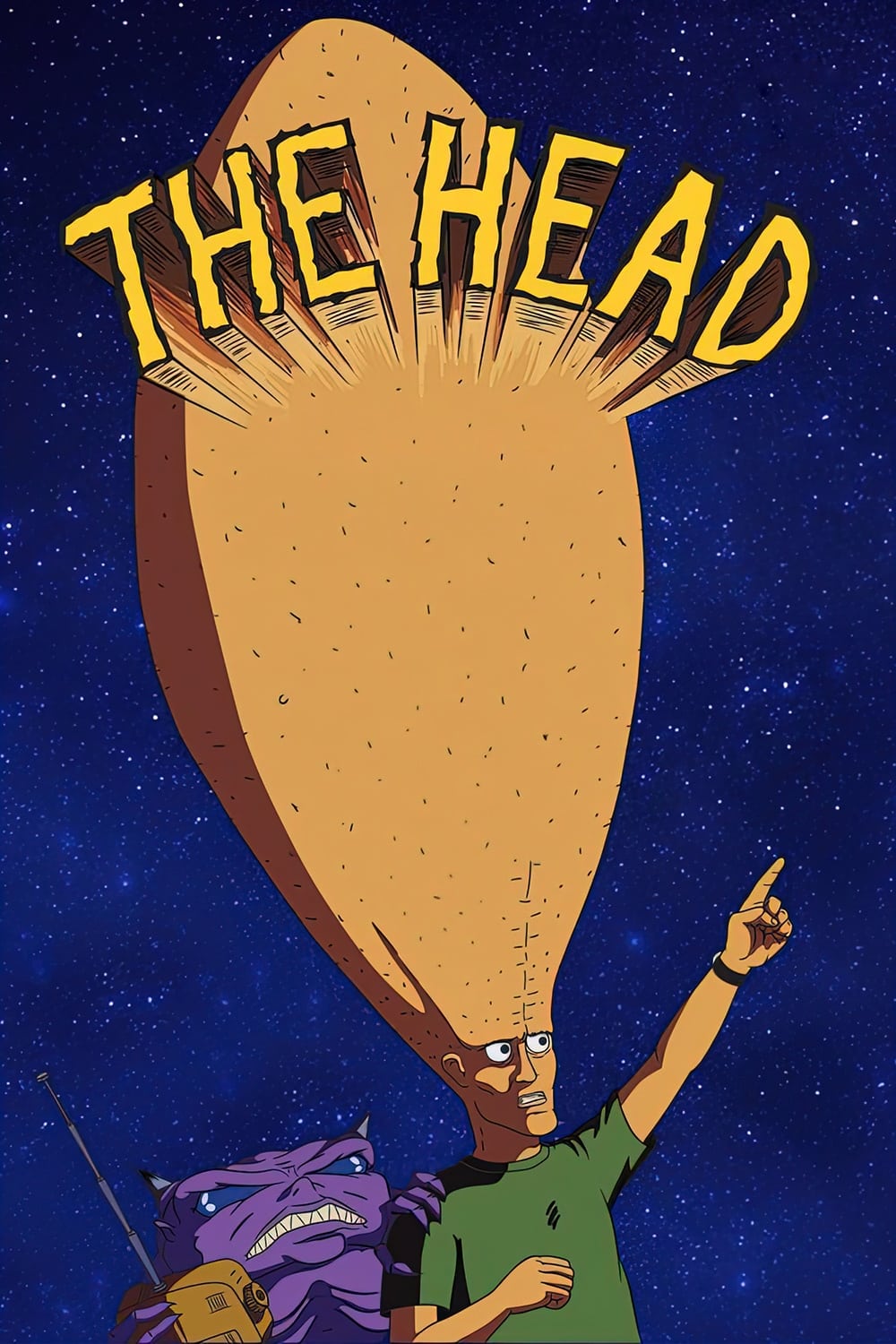
A young man discovered an alien living inside his vastly enlarged skull. The show featured a very strange art style and focused on sci fi themes with a dark comedic edge. It was part of an experimental block of programming that encouraged unconventional storytelling. The grotesque nature of the character designs would be quite polarizing for modern audiences.
‘The Brothers Grunt’ (1994–1995)
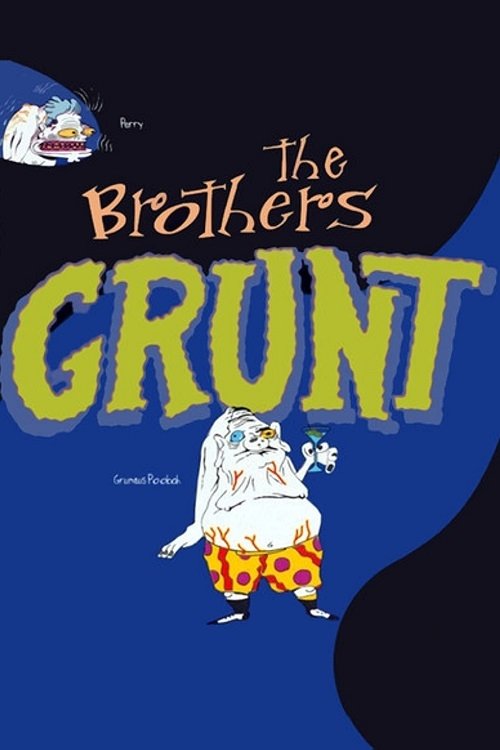
A group of pale and humanoid brothers searched for their lost sibling in a world filled with gross out humor. The show was widely criticized for its repulsive character designs and lack of coherent plot. It relied almost entirely on bodily functions and physical discomfort for its gags. It remains one of the most infamous and short lived experiments in the history of the medium.
‘Space Ghost Coast to Coast’ (1994–2008)
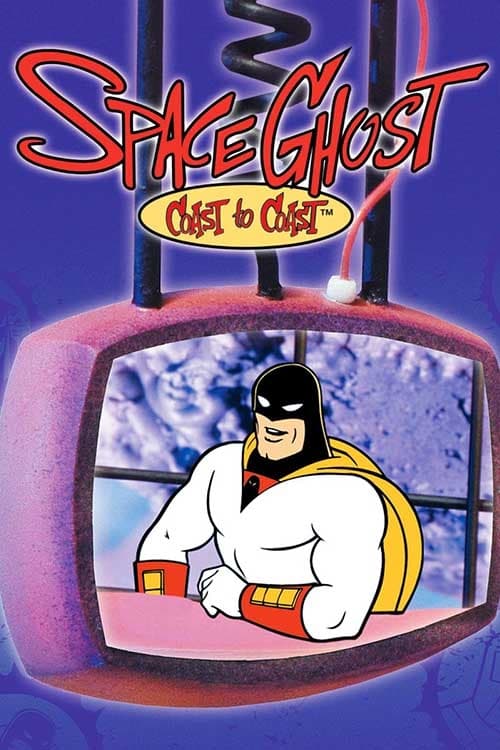
A retired superhero hosted a late night talk show where he interviewed real life celebrities. The interactions were often awkward and surreal because the guests were not always in on the joke. The show paved the way for the adult animation blocks that became popular in later years. Its dry and often nonsensical humor appealed to a niche audience of late night viewers.
‘Aaahh!!! Real Monsters’ (1994–1997)

Three young monsters attended a school to learn how to properly scare humans. The show was notable for its dark and grimy aesthetic which set it apart from other programs for children. Many of the character designs were intentionally repulsive and lived in a sewer environment. While popular its focus on the grotesque might be seen as too intense for modern young viewers.
‘Courage the Cowardly Dog’ (1999–2002)
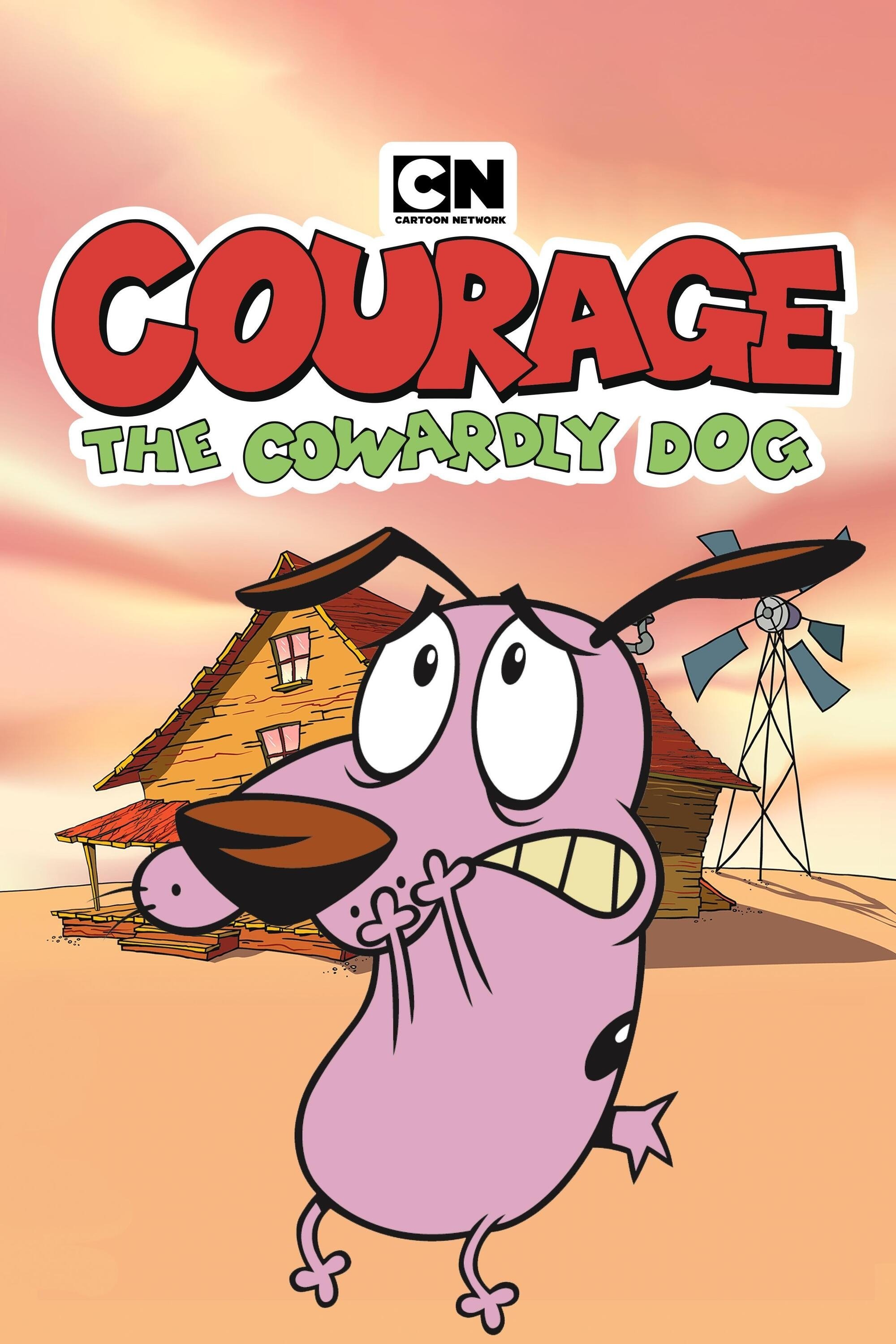
A pink dog lived with an elderly couple in the middle of nowhere and protected them from supernatural threats. The series was famous for its genuine horror elements and disturbing monster designs. Many episodes were considered quite frightening for a show aimed at children. Its blend of dark fantasy and slapstick comedy created a very specific and memorable tone.
‘2 Stupid Dogs’ (1993–1995)
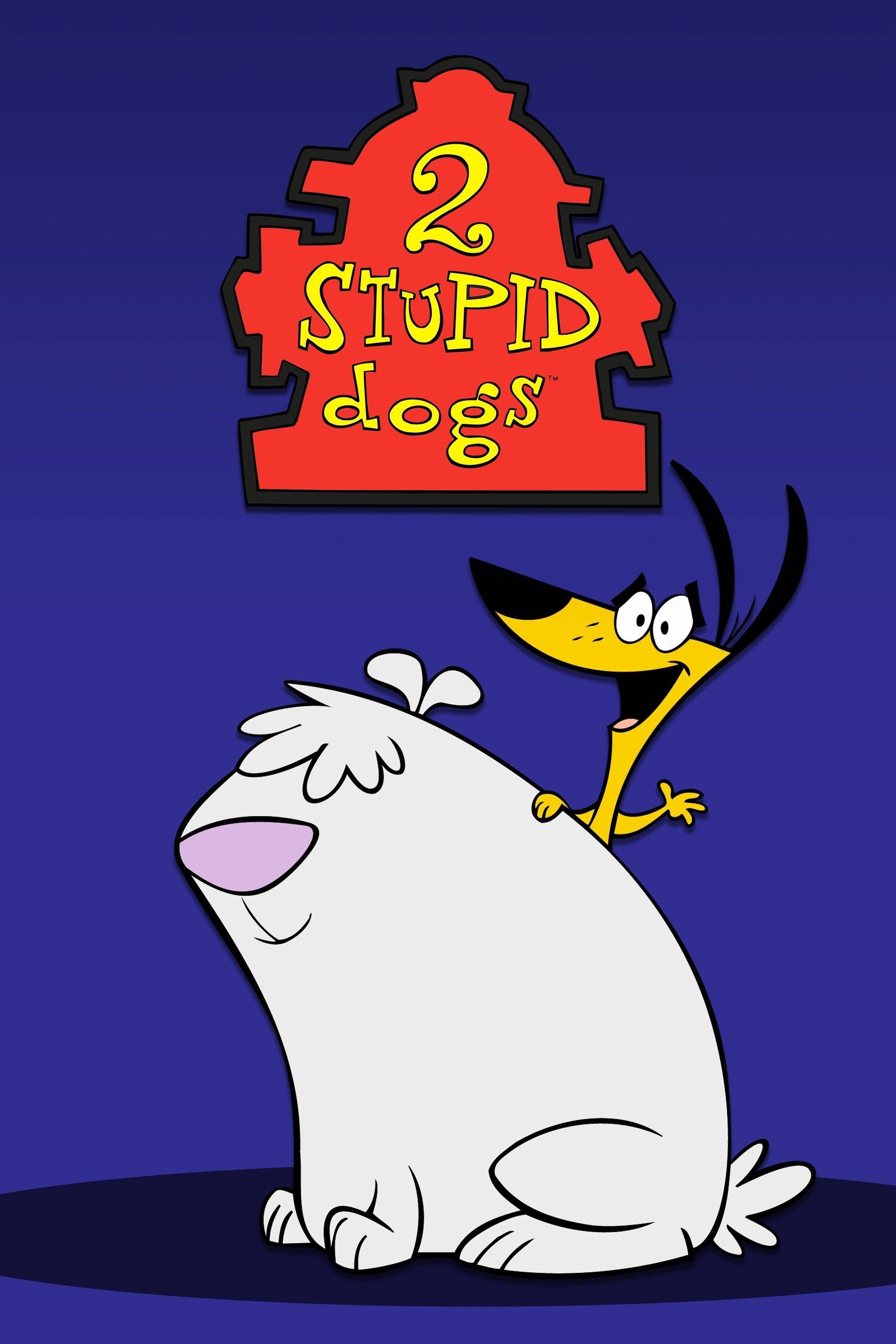
Two dogs of different sizes engaged in simplistic and often destructive adventures. The show utilized a very flat and retro art style that became popular in the early nineties. Much of the comedy came from the characters’ extreme lack of intelligence and social awareness. It was a precursor to several other successful shows that used similar comedic timing and design choices.
‘Biker Mice from Mars’ (1993–1996)
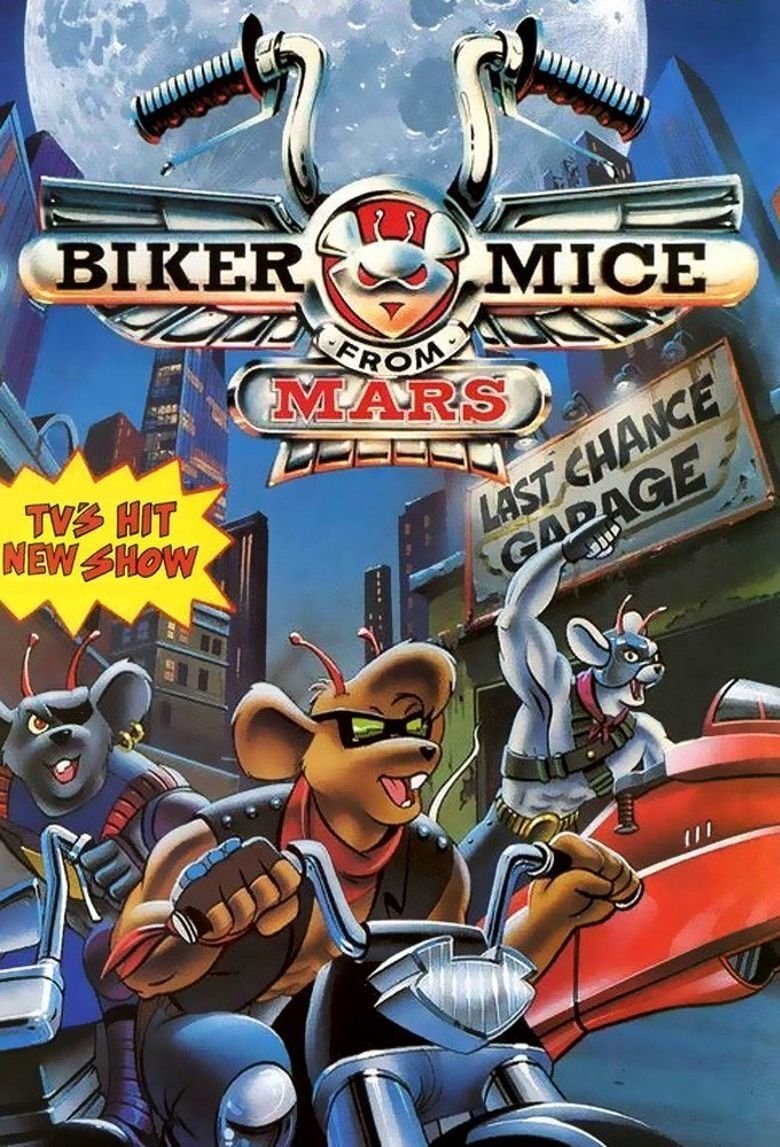
Three humanoid mice escaped their war torn home planet to fight corporate greed on Earth. The show featured plenty of action and explosions while emphasizing themes of environmentalism and anti consumerism. Some of the villains were caricatures of greedy business leaders that might be seen as too on the nose today. It was part of a wave of action cartoons that featured animal heroes with attitude.
‘Street Sharks’ (1994–1997)
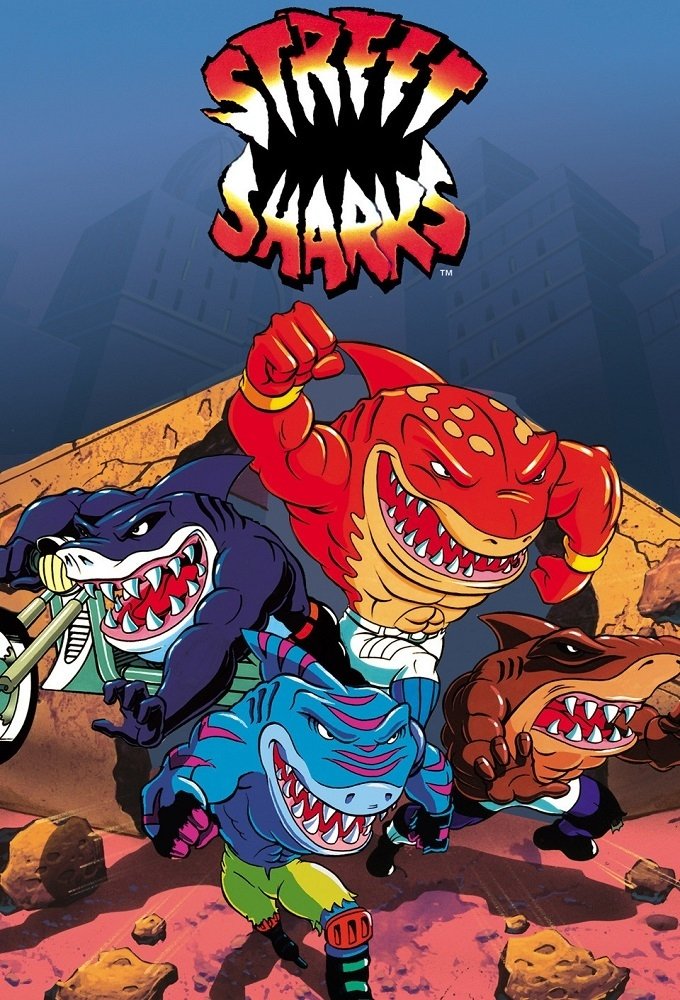
A group of brothers were transformed into human shark hybrids and fought crime in their city. The show was primarily designed to sell toys and featured extreme character designs and catchphrases. It relied on a high level of cartoon violence and loud action sequences to keep viewers engaged. The commercial nature of the show and its simple plots were typical of mid nineties action animation.
‘Tiny Toon Adventures’ (1990–1992)
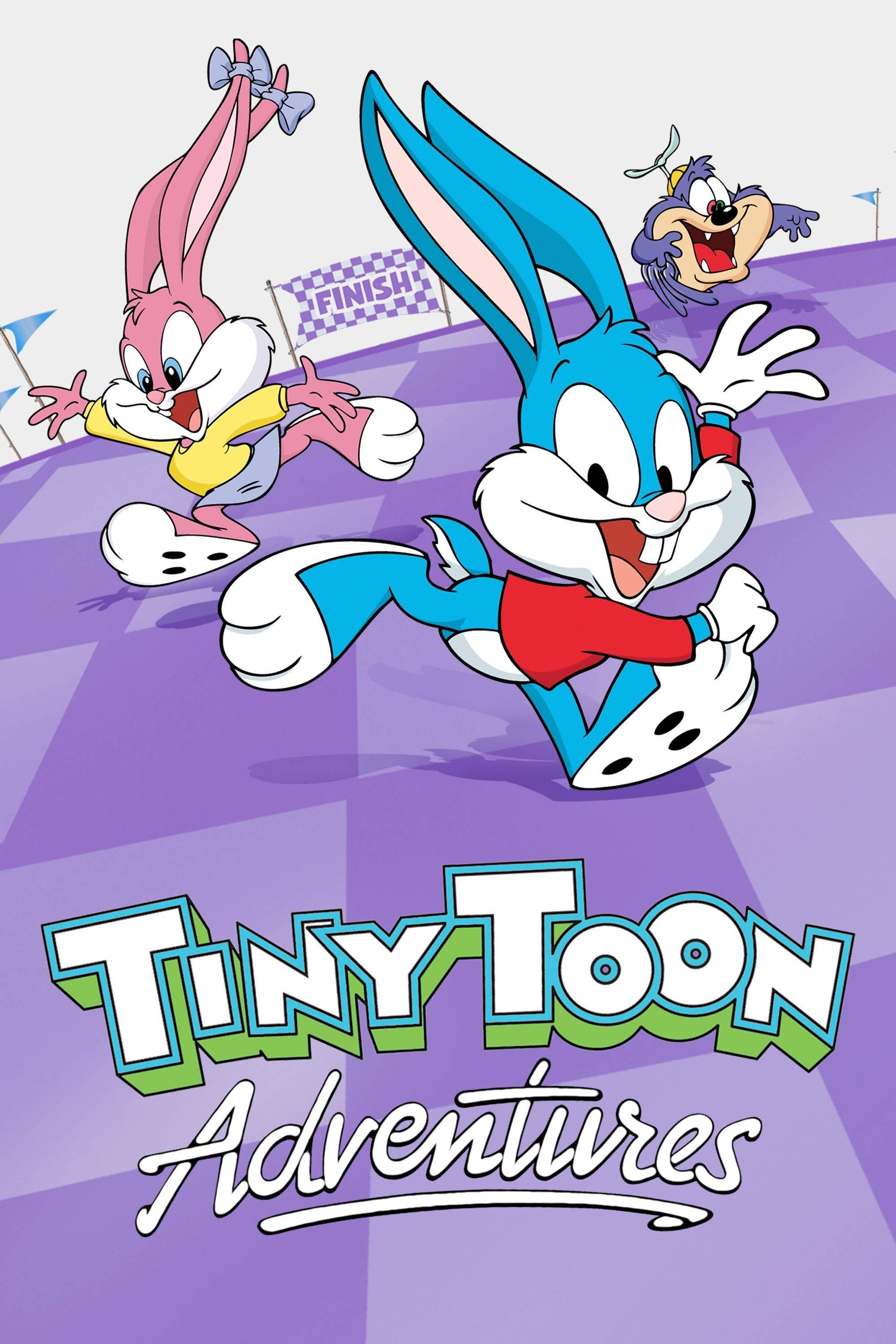
A new generation of cartoon characters attended Acme Looniversity to learn the art of being funny. The show often featured satire and parodies of contemporary culture and other media properties. One specific episode was famously banned for depicting the characters consuming alcohol and suffering the consequences. It remains a beloved series that successfully updated the spirit of classic animation for a new decade.
‘Pinky and the Brain’ (1995–1998)
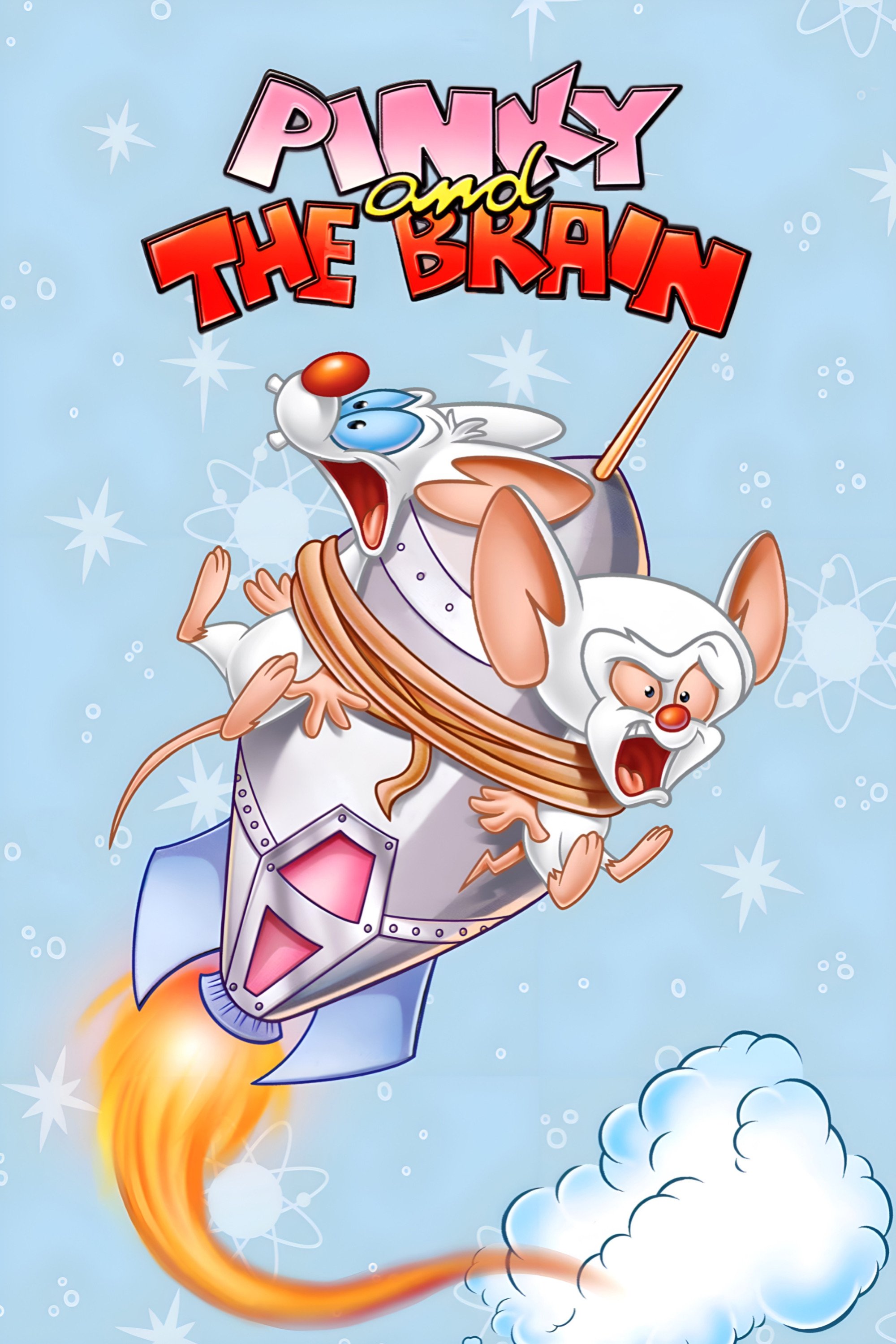
Two genetically enhanced lab mice spent every night attempting to take over the world. The Brain was a megalomaniac while Pinky was his dimwitted but loyal companion. The show was known for its sophisticated writing and frequent historical and political references. Many of the Brain’s complex schemes involved satirizing global events and social structures.
‘Dexter’s Laboratory’ (1996–2003)
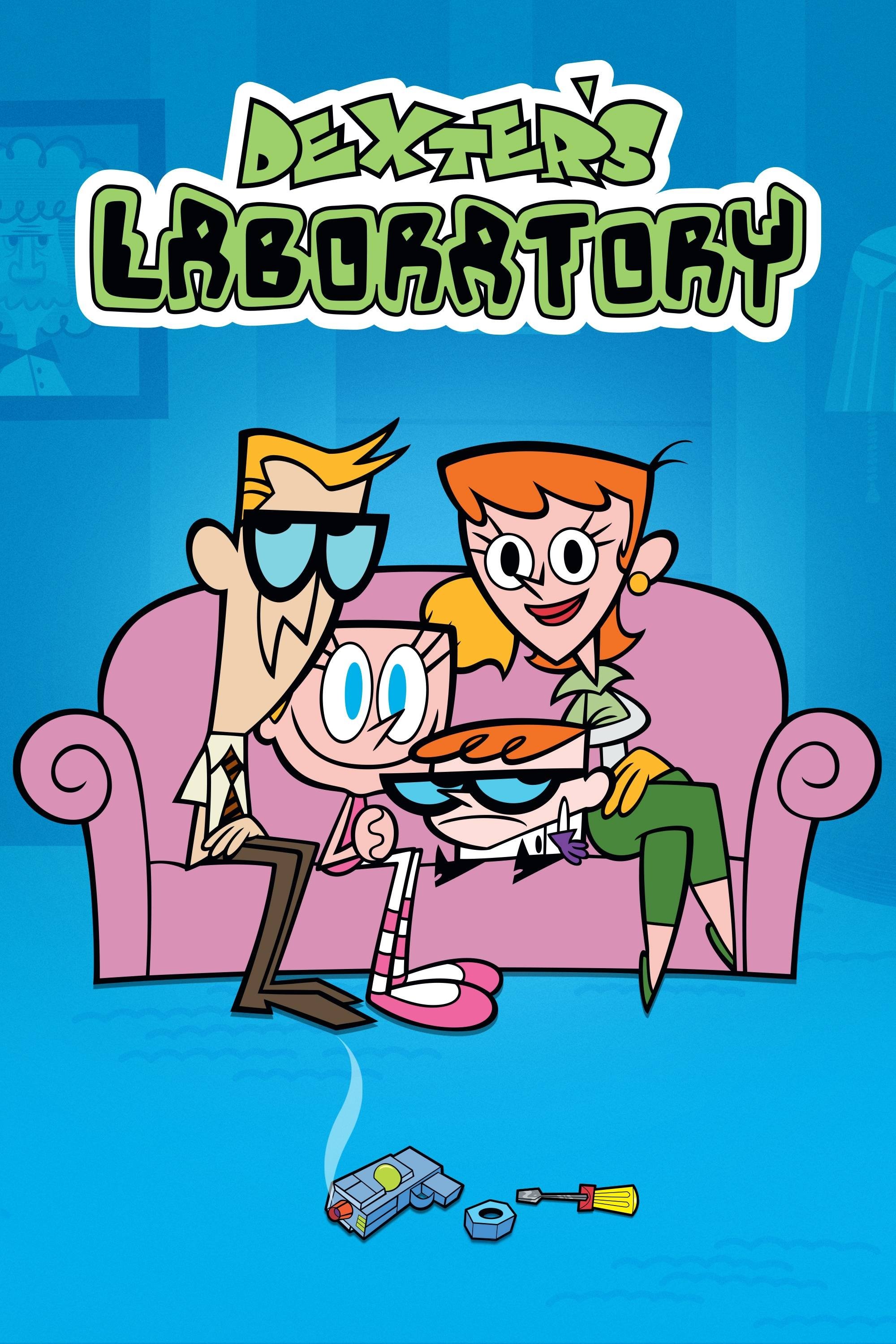
A boy genius maintained a secret lab while dealing with his annoying sister and his rival. The show was a staple of the decade and featured a highly influential art style. One episode was pulled from rotation for years because of its depiction of a stereotypical character and rude language. It remains a landmark series that helped define the look of modern television animation.
‘The Powerpuff Girls’ (1998–2005)
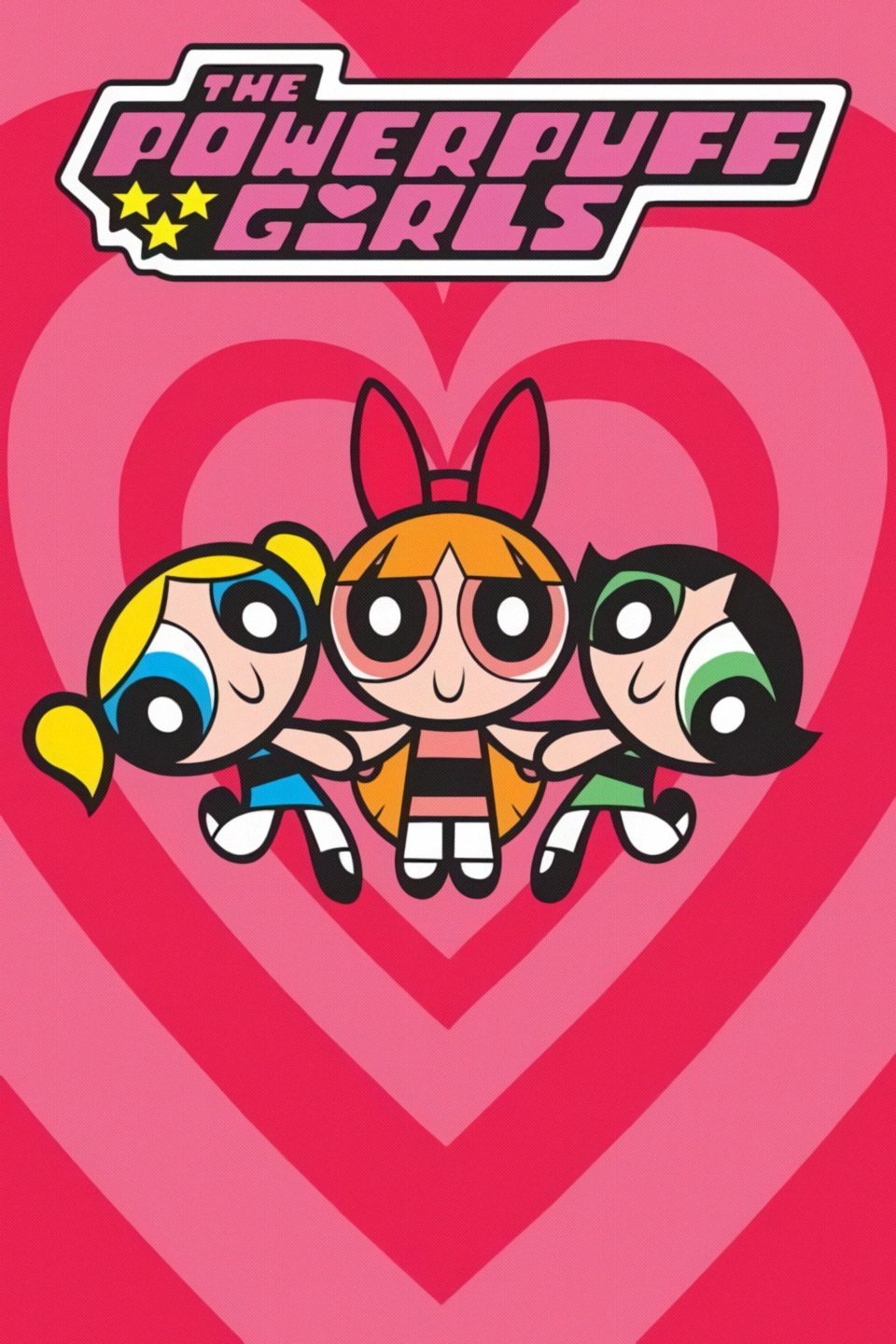
Three superpowered young girls fought crime and various villains in the city of Townsville. The show mixed cute character designs with surprisingly intense action and violence. It often played with gender tropes and included a wide variety of eccentric antagonists. One specific villain was a flamboyant figure who some modern critics might find problematic in his portrayal.
‘Ed, Edd n Eddy’ (1999–2009)
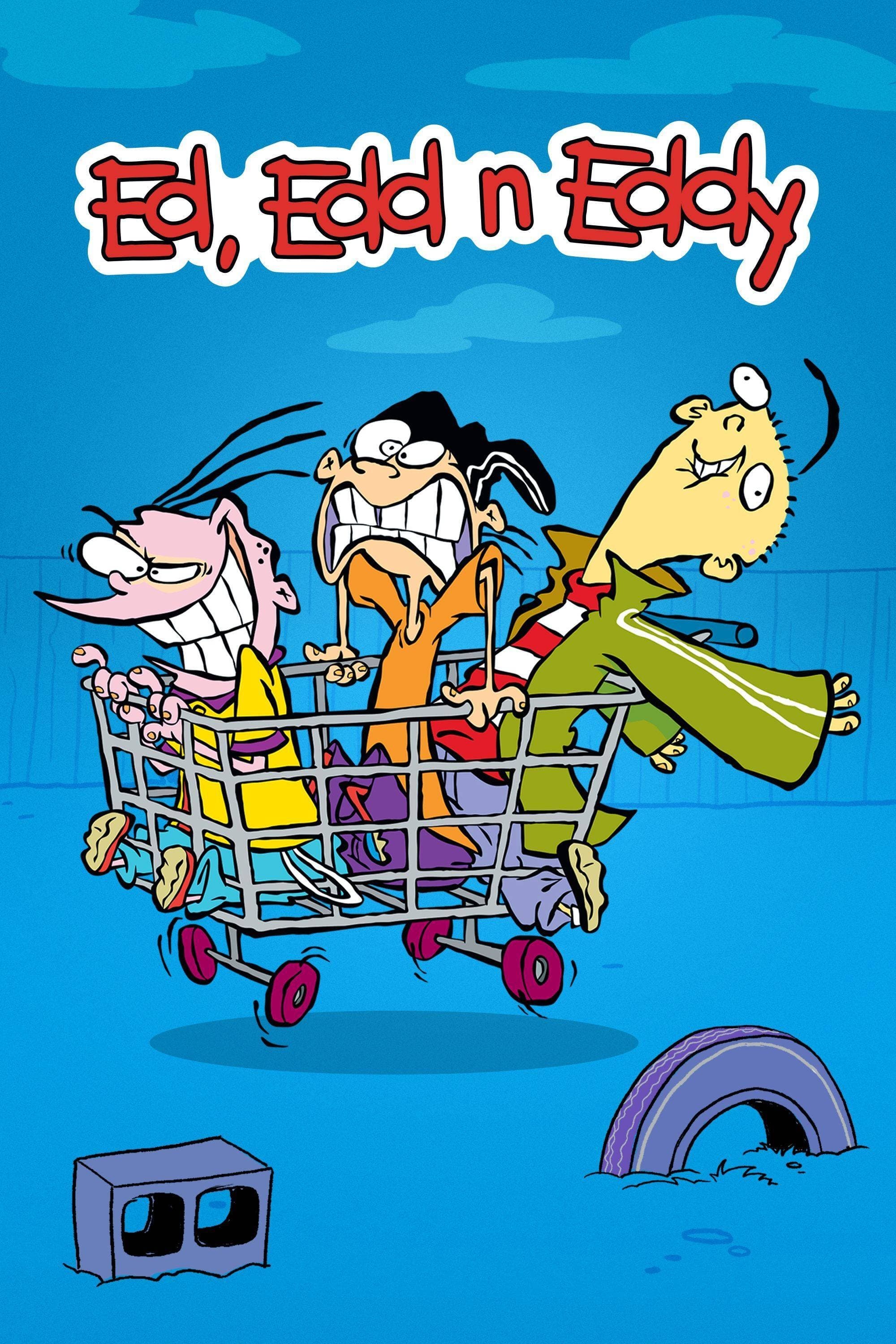
Three adolescent boys with similar names created various scams to get money for jawbreakers. The show was famous for its unique boiling line animation and slapstick humor. It focused on the awkwardness of childhood and the dynamics of a suburban cul de sac. The physical comedy was often quite rough and centered on the characters’ greed and social failures.
‘CatDog’ (1998–2005)
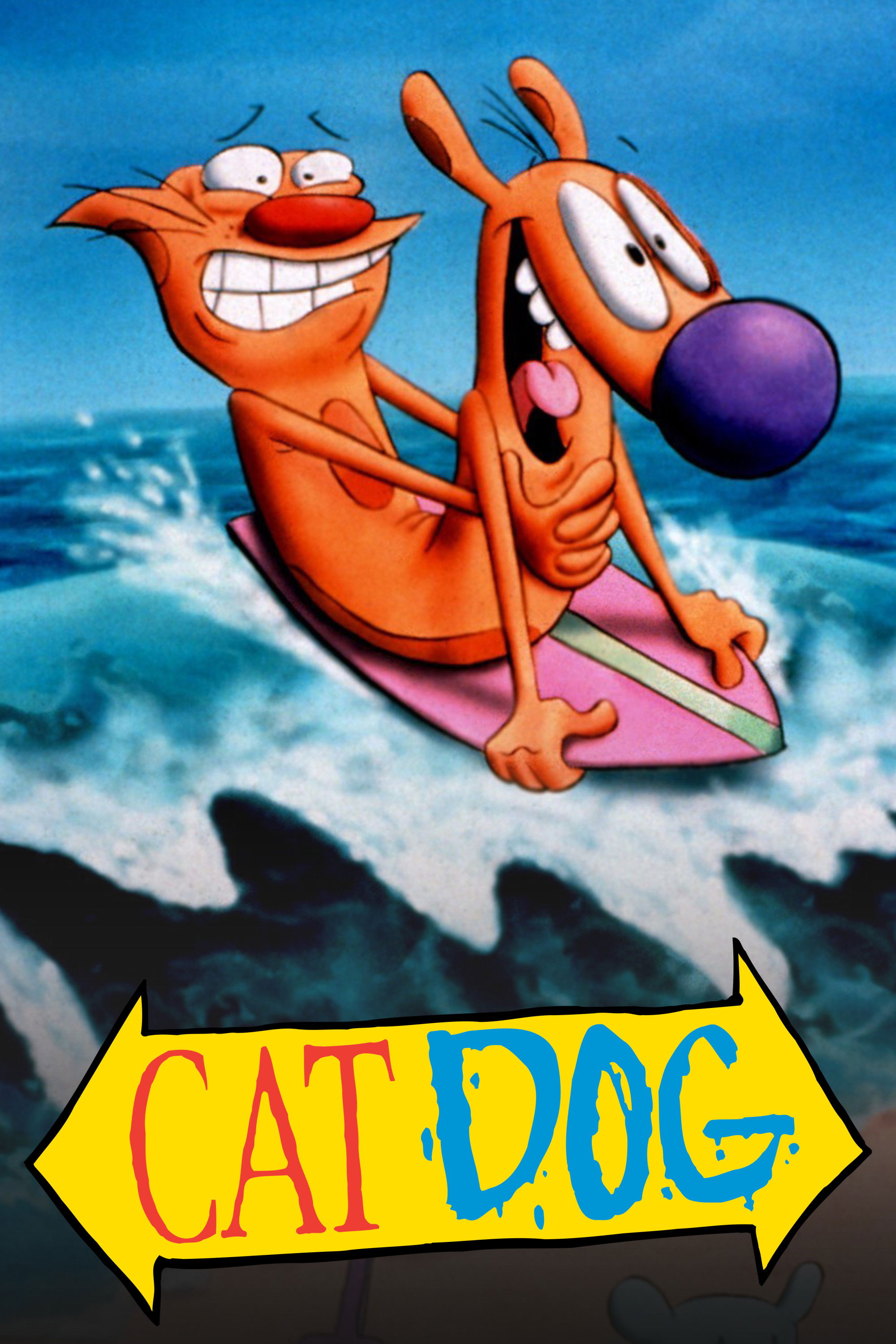
Conjoined brothers of different species struggled to live together in a world that often treated them as freaks. The show featured many uncomfortable situations related to their shared body and conflicting personalities. Much of the humor was based on the physical challenges they faced in everyday life. Its bizarre premise and sometimes mean spirited tone made it a unique addition to the era.
‘The Angry Beavers’ (1997–2001)
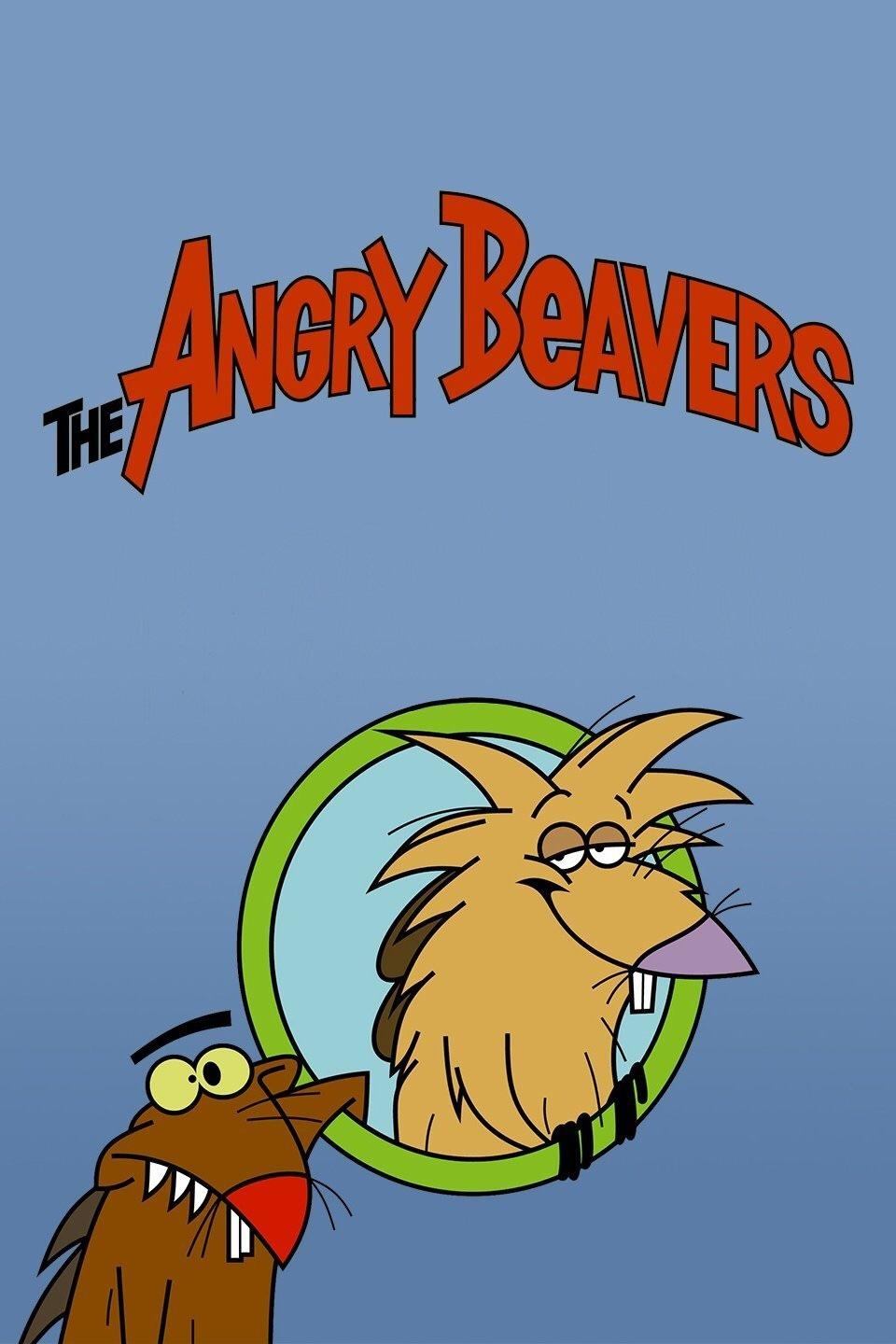
Two beaver brothers left home to live on their own and constantly bickered about their surroundings. The show featured fast paced dialogue and many pop culture references aimed at older viewers. Its final episode was famously never aired because it broke the fourth wall and mentioned the show’s cancellation. The series was known for its surreal plotlines and energetic voice acting.
‘Eek! The Cat’ (1992–1997)
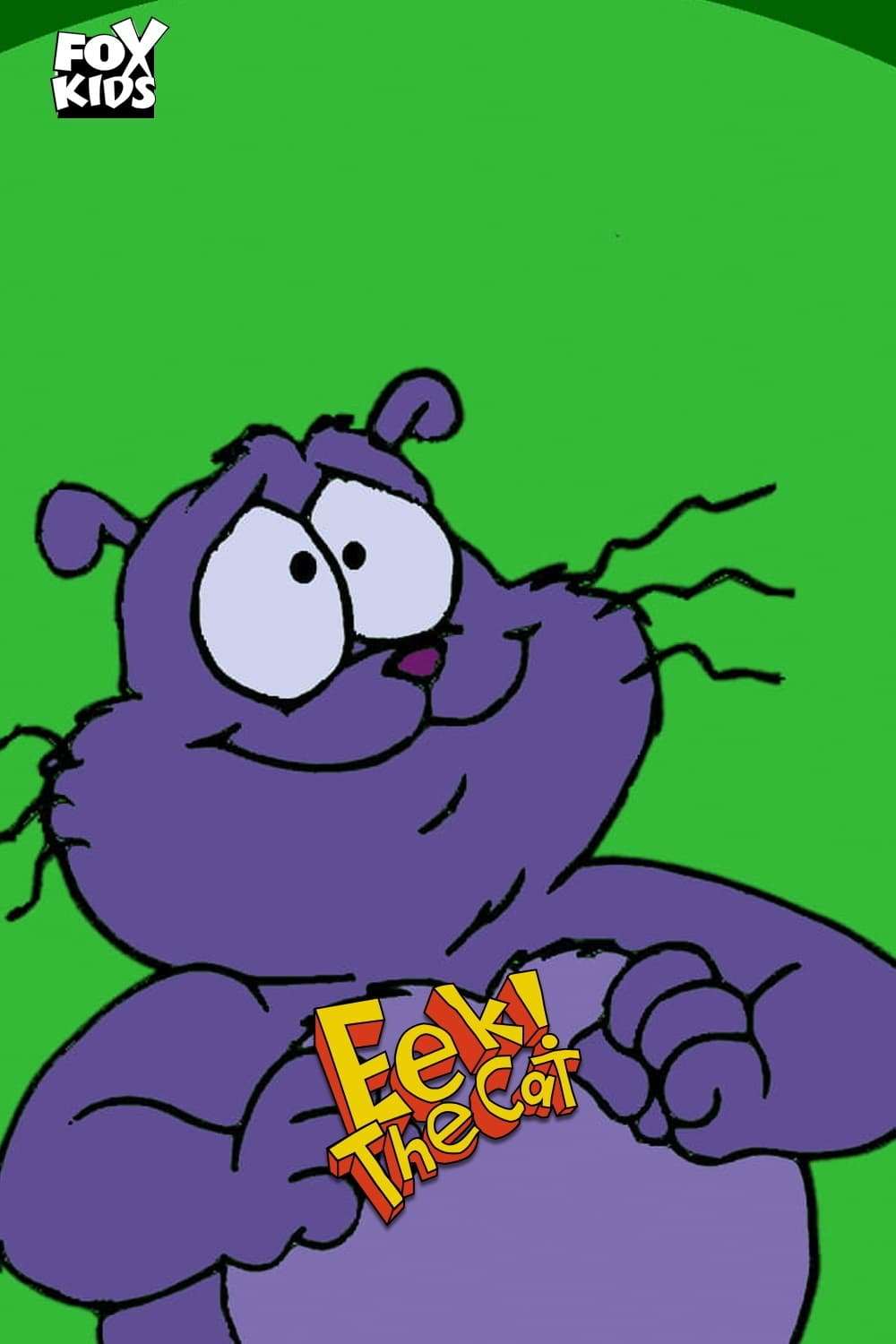
An incredibly optimistic purple cat constantly ended up in painful and dangerous situations because of his kindness. The show featured a high level of slapstick violence where the protagonist was crushed or blown up in every episode. It also included segments featuring a family of cavemen and a team of space bears. The absurdist humor and frequent physical peril were hallmarks of its style.
‘The Tick’ (1994–1996)
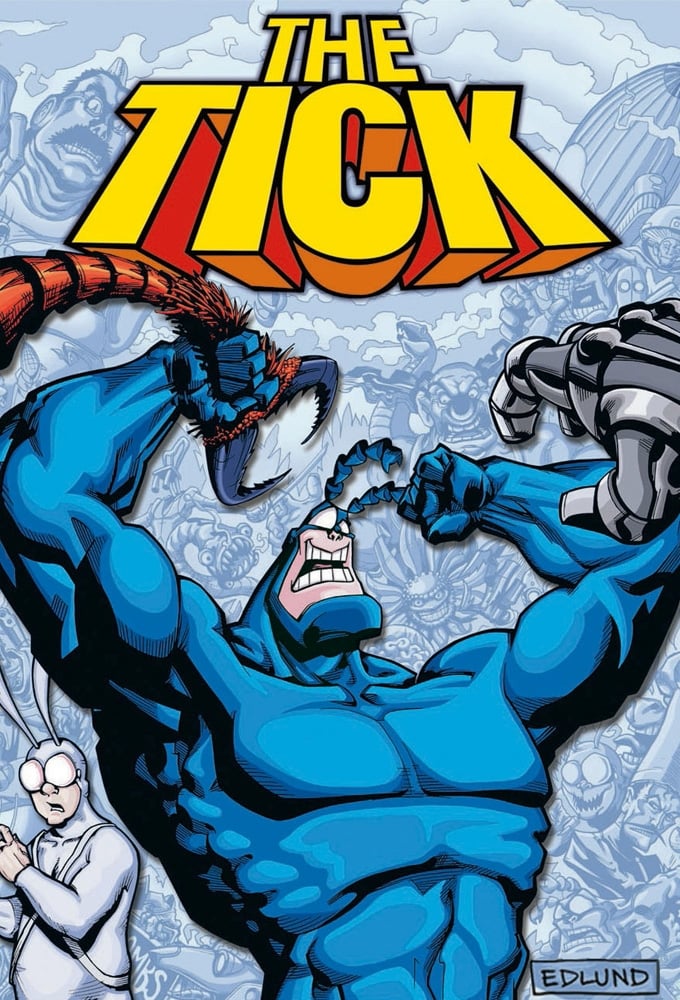
An absurdly powerful and eccentric superhero protected the city from equally bizarre villains. The show was a parody of the superhero genre and featured witty dialogue and satirical characters. It avoided many of the tropes of standard action cartoons in favor of surreal comedy. Its unique perspective on heroism made it a cult favorite among fans of alternative animation.
‘Earthworm Jim’ (1995–1996)
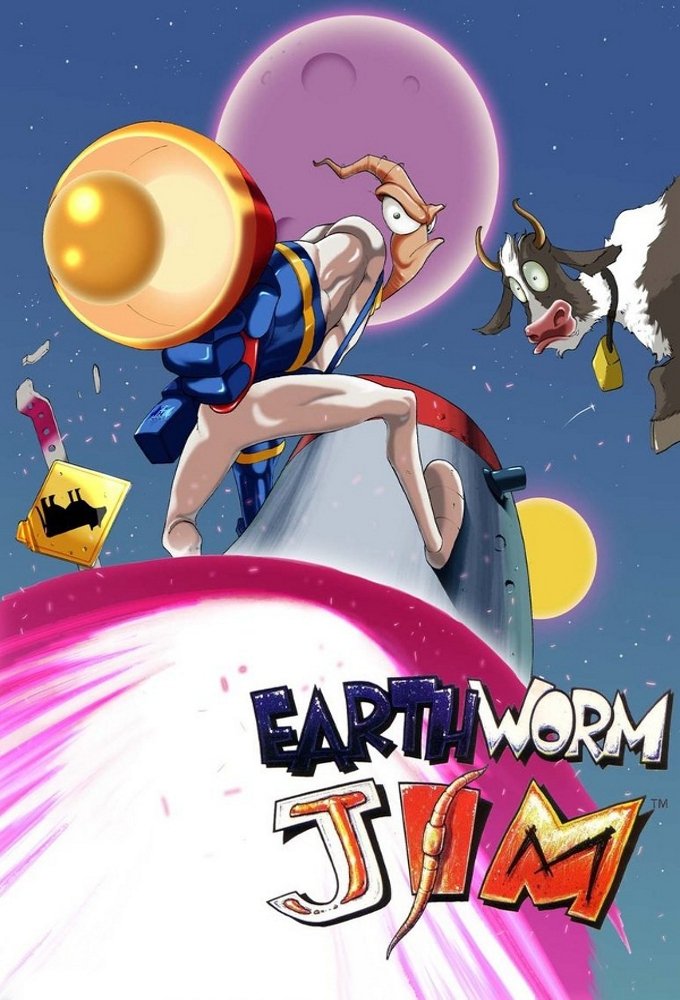
An ordinary earthworm gained superpowers from a robotic suit and fought strange cosmic threats. Based on a popular video game the series was known for its nonsensical plots and fourth wall breaks. It featured a very distinct visual style and a high energy pace. The show’s weirdness was its main selling point during its brief run on television.
‘Freakazoid!’ (1995–1997)

A teenage boy gained incredible powers and an unstable personality after being sucked into the internet. The show was executive produced by Steven Spielberg and featured a very fast and chaotic comedy style. It frequently parodied other movies and TV shows while ignoring traditional storytelling rules. Its manic energy and zany humor were ahead of their time.
‘ReBoot’ (1994–2001)
The world’s first fully computer animated series took place inside a computer system known as Mainframe. The show evolved from a simple action series into a complex drama with long running story arcs. It featured themes of warfare and loss that were quite sophisticated for its target audience. The later seasons were particularly dark and moved away from the lighter tone of the beginning.
‘Mega Man’ (1994–1995)
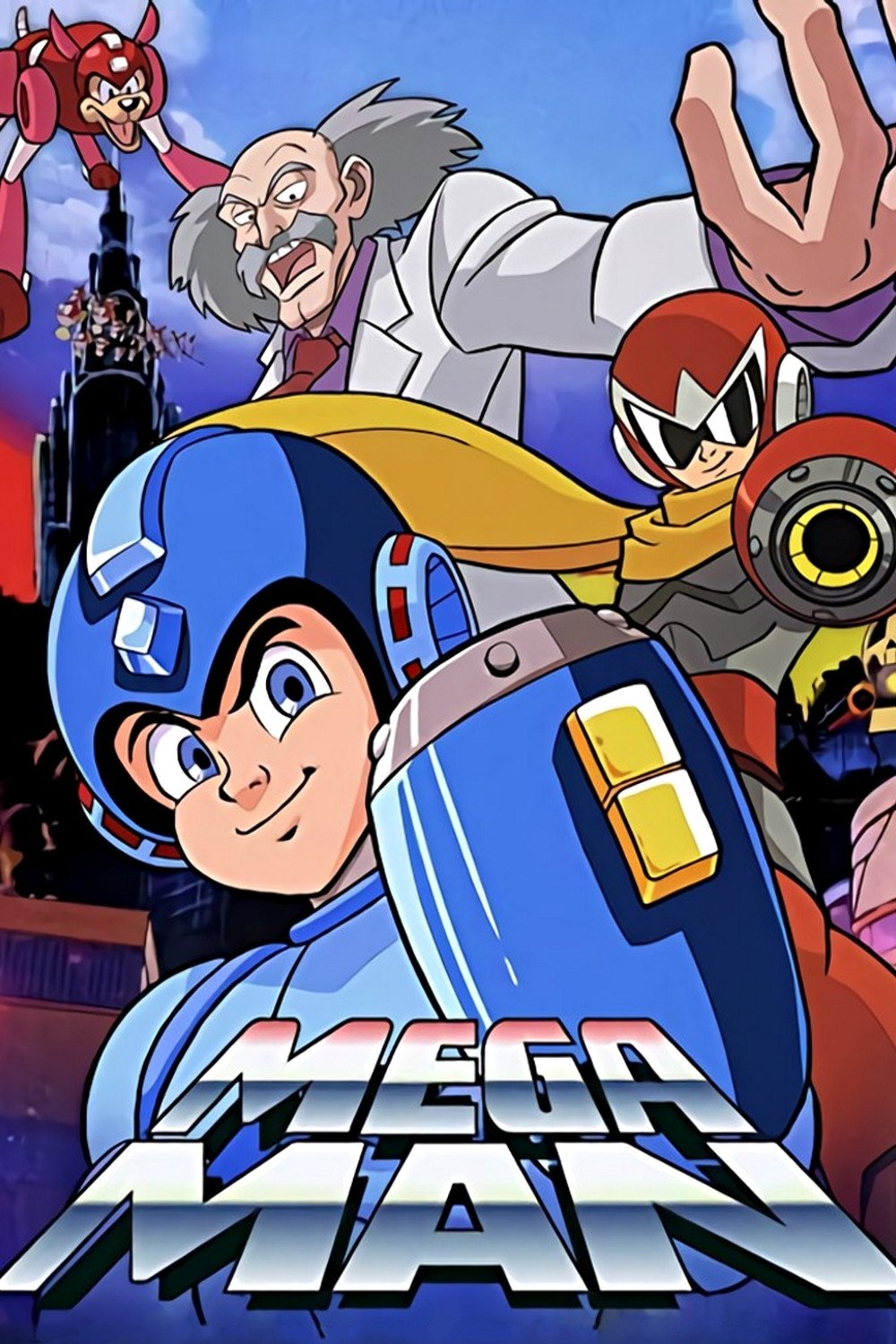
An advanced robot fought to protect the world from the evil plans of a mad scientist. The show featured a more muscular and mature design for the title character than the original Japanese source material. Every episode revolved around action sequences and the hero gaining new abilities. It was a typical example of a mid nineties adaptation designed to appeal to Western audiences.
‘Darkwing Duck’ (1991–1992)
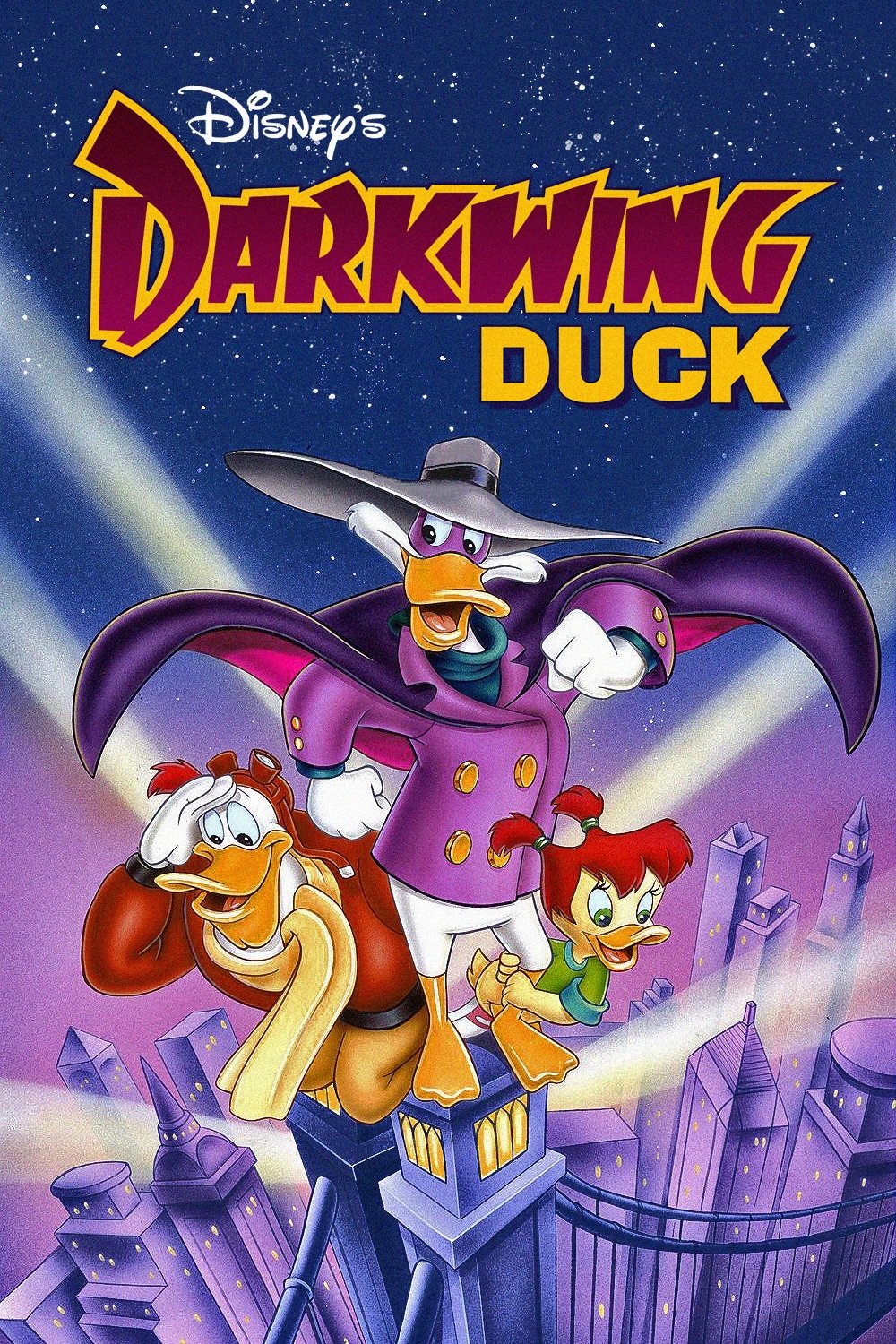
A masked mallard fought crime in the city of St. Canard with the help of his sidekick and daughter. The series was a parody of pulp fiction and superhero tropes with a focus on slapstick comedy. It featured a rogue’s gallery of villains that were often caricatures of classic comic book enemies. The show balanced family dynamics with over the top action sequences.
‘Gargoyles’ (1994–1997)
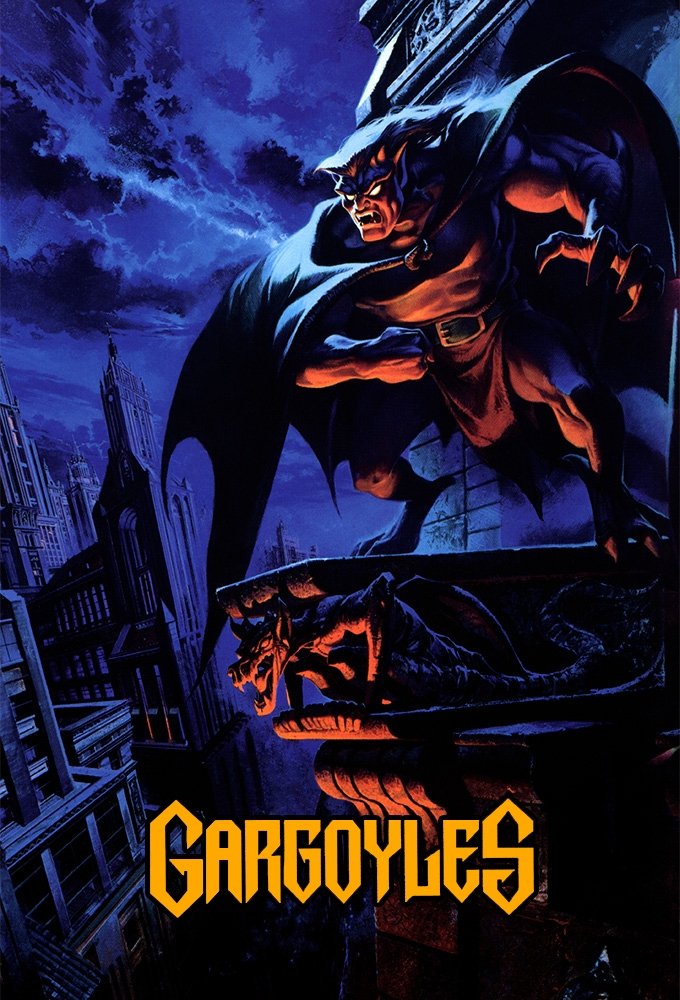
Stone statues by day and protectors by night these ancient creatures navigated modern New York City. The series was notable for its dark tone and Shakespearean themes of betrayal and redemption. It featured a continuous narrative that was rare for animated shows at the time. The complex morality of its characters made it a favorite among older viewers.
‘Mortal Kombat: Defenders of the Realm’ (1996)

Based on the famously violent video game this series followed a group of warriors protecting Earth. The show had to significantly tone down the gore of its source material to air on Saturday mornings. It focused on teamwork and martial arts battles against invading forces. Even with the censorship the premise of the show was rooted in a very mature and controversial franchise.
‘Action Man’ (1995–1996)

An amnesiac hero searched for his past while fighting a global terrorist organization. The series was based on a line of toys and featured plenty of high tech combat and espionage. It relied on a formula of action and adventure with a focus on gadgets and vehicles. The simplistic moral binary of the show was typical of action cartoons from the middle of the decade.
‘Where on Earth Is Carmen Sandiego?’ (1994–1999)
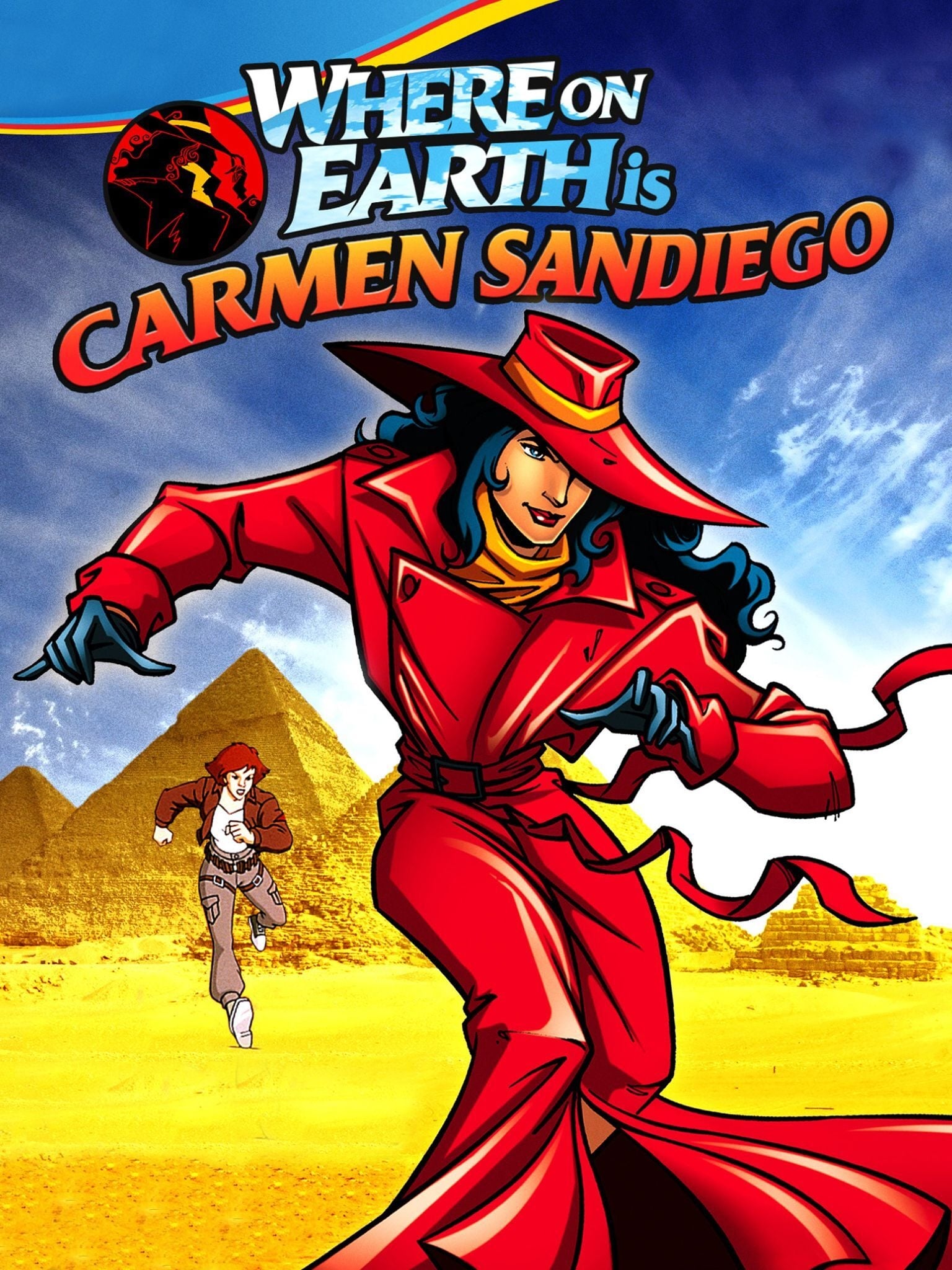
Two young detectives traveled the world to track down a legendary master thief. The show combined action and adventure with educational segments about history and geography. It was highly regarded for its focus on learning and its diverse locations. The show featured a unique dynamic where the antagonist was often portrayed as a respected rival rather than a simple villain.
‘Batman: The Animated Series’ (1992–1995)
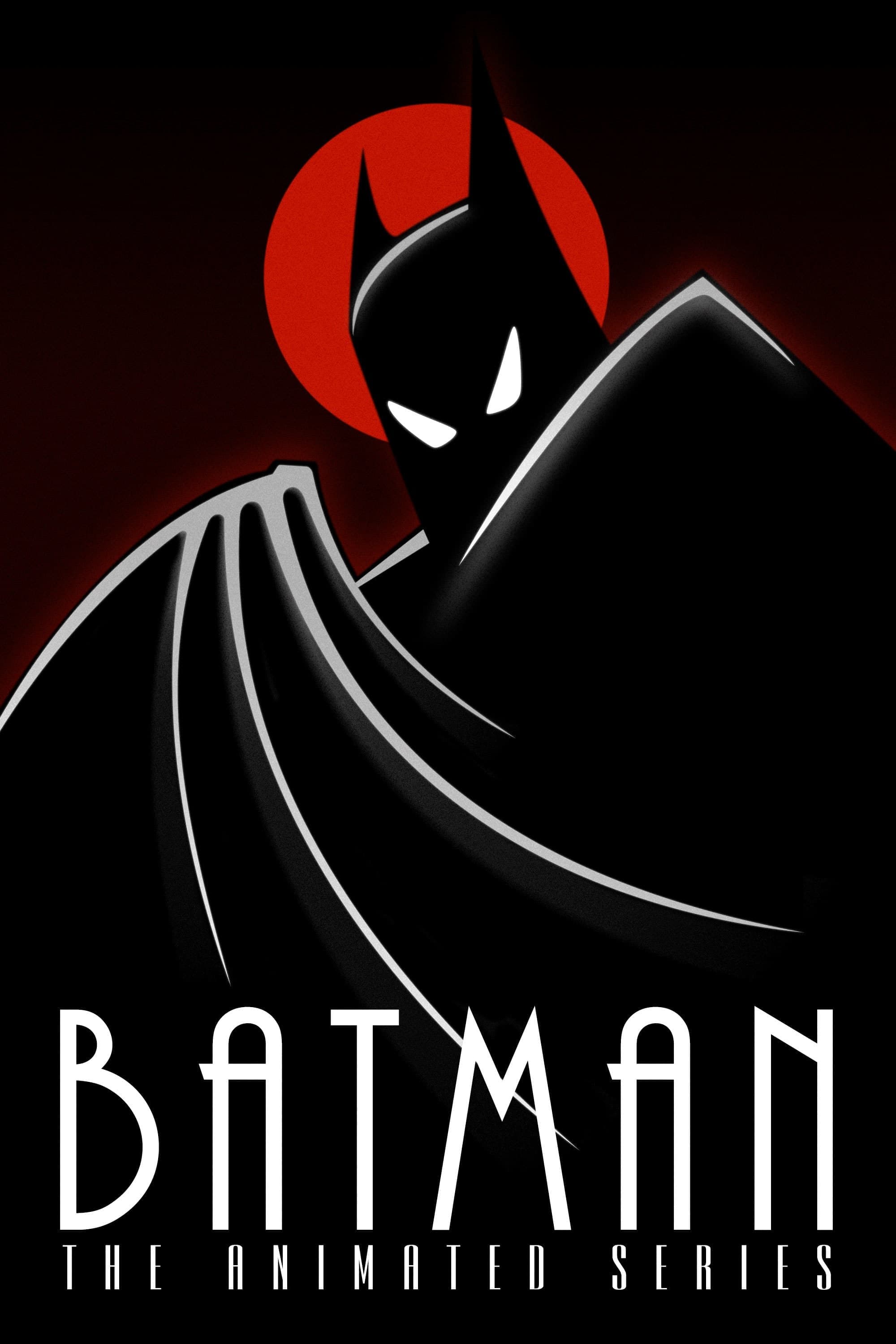
The Dark Knight protected Gotham City from a variety of colorful and dangerous criminals. This series is famous for its dark art deco style and serious approach to its source material. It explored the psychology of its villains and featured tragic backstories that were quite sophisticated. It remains one of the most critically acclaimed and influential animated series of all time.
Please share your thoughts on these classic cartoons in the comments.