


Cartoons That Traumatized 90s Kids



The decade of the 1990s was a transformational period for television animation that often blurred the lines between children’s entertainment and mature storytelling. Many creators utilized dark themes and surreal visual styles that left a significant impact on young audiences. These shows frequently explored heavy topics or presented nightmarish imagery that was surprisingly intense for their time slots. While some of these cartoons were intended for older viewers others were meant for kids but contained accidentally disturbing elements. The following list explores the animated series that shaped the memories of an entire generation.
‘Courage the Cowardly Dog’ (1999–2002)
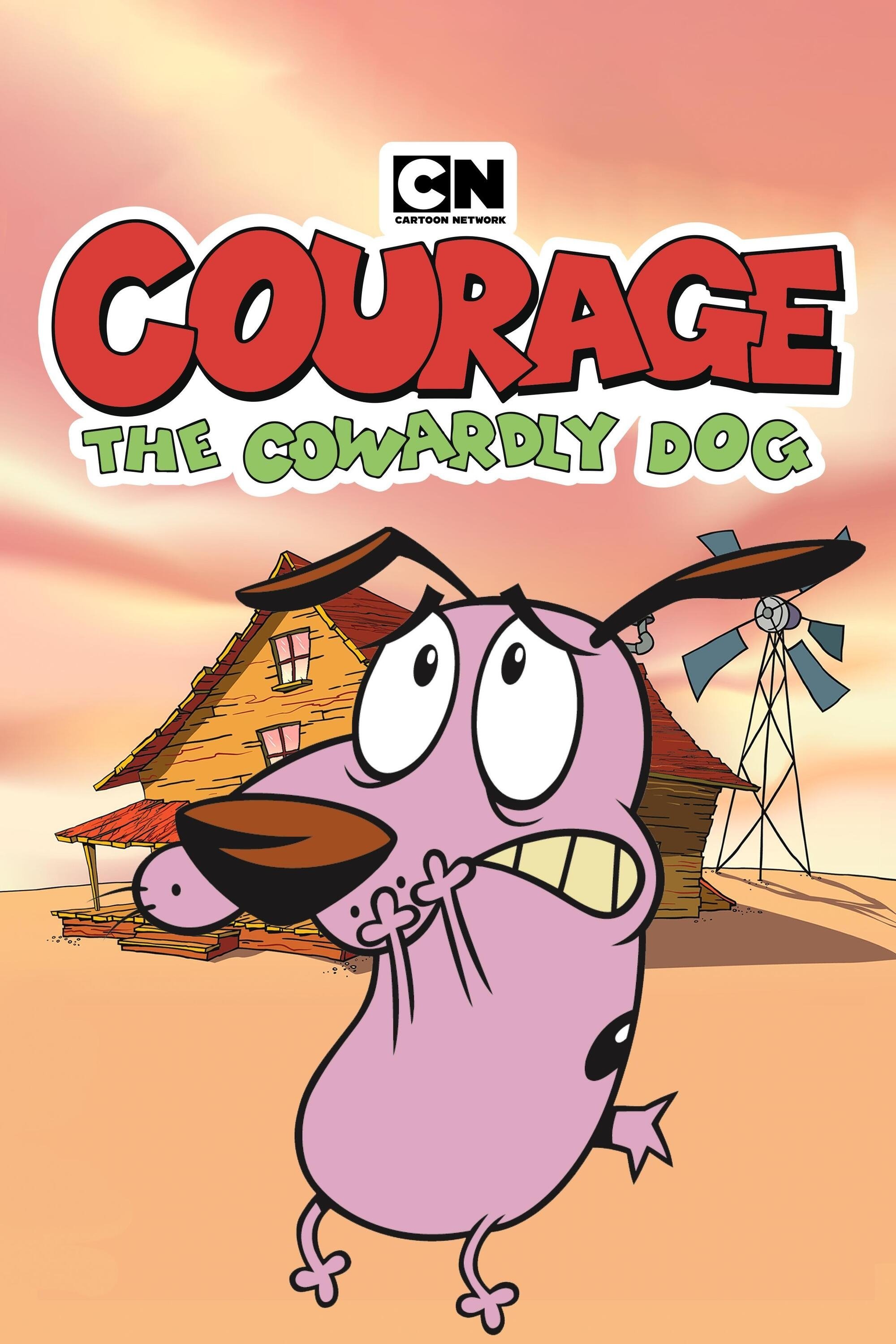
This animated series centers on a timid pink dog who must protect his elderly owners from paranormal threats in a desolate town. Each episode features bizarre monsters and disturbing scenarios that often utilize experimental animation techniques. The show is known for its eerie atmosphere and villains that range from vengeful mummies to creepy barbers. Many children found the surreal imagery and the isolated setting deeply unsettling. It remains a definitive example of psychological horror in children’s programming.
‘The Ren & Stimpy Show’ (1991–1996)
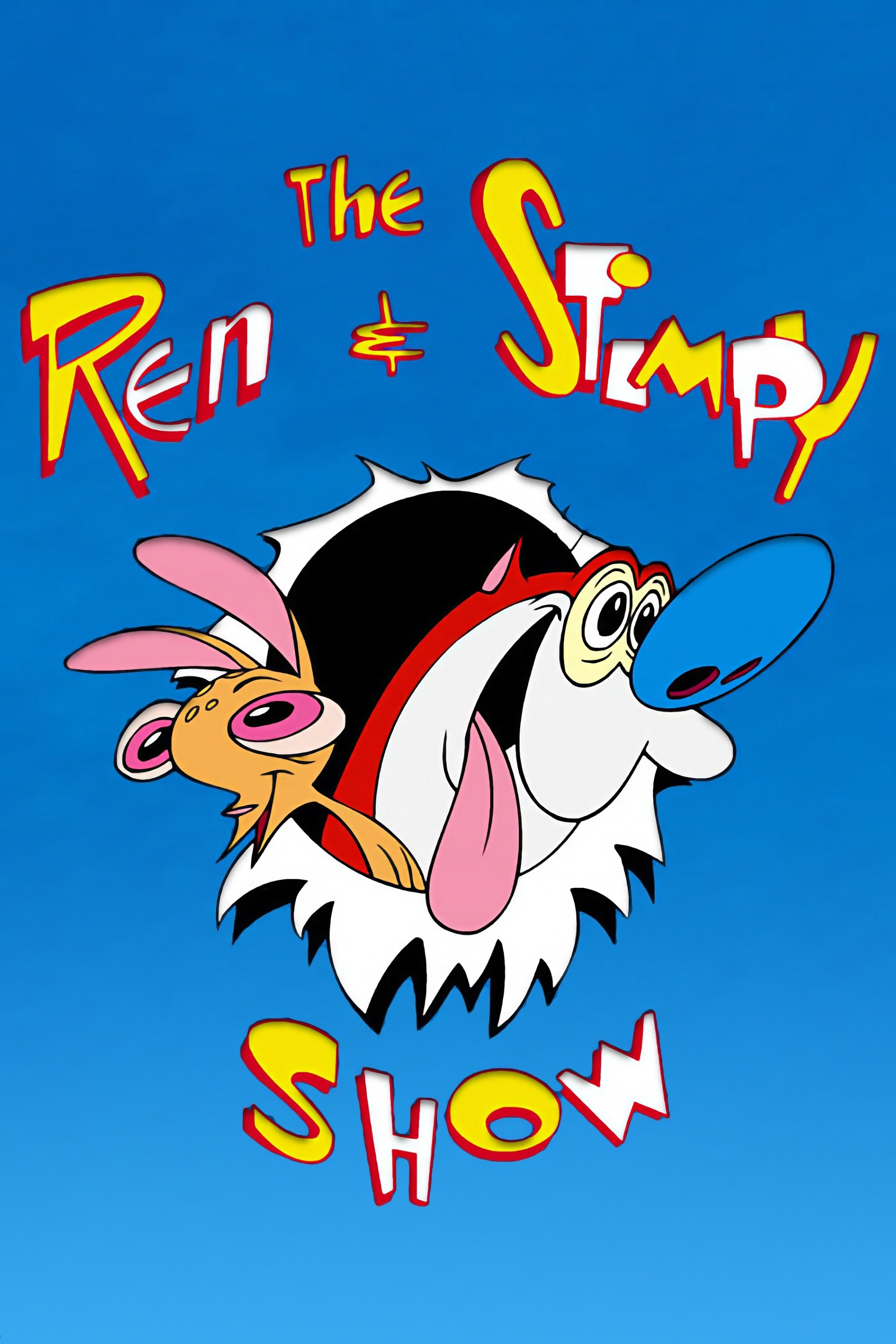
This Nickelodeon original pushed the boundaries of gross out humor and body horror through its detailed and grotesque close up drawings. The show followed an unstable Chihuahua and a dim witted cat through increasingly absurd and violent situations. Its intense visual style often featured bulging eyes and exposed nerves that felt out of place for a daytime cartoon. Many episodes leaned into psychological distress and manic behavior which made for a viewing experience that was both fascinating and repelling. The show’s legacy is defined by its ability to make audiences feel physically uncomfortable.
‘Aaahh!!! Real Monsters’ (1994–1997)

Set in a school for monsters located beneath a city dump this show focused on three students learning how to properly scare humans. The character designs were intentionally hideous and often incorporated biological horror such as Krumm holding his own eyeballs. The dark and grimy color palette of the series created a perpetually gloomy atmosphere. Many episodes featured body transformations and strange physical interactions that felt quite visceral. It normalized a level of urban decay and filth that was rare in other cartoons of the era.
‘Tales from the Cryptkeeper’ (1993–1999)

This animated spin off of the famous horror franchise aimed to bring anthology scares to a younger demographic. Each episode presented a self contained moral tale that usually ended with a terrifying twist or a character facing a grim fate. The host was a pun loving undead figure who provided a gateway to stories involving vampires and ancient curses. While the violence was toned down for television the psychological horror and creature designs remained quite potent. It served as many children’s first introduction to the horror genre in a serialized format.
‘Watership Down’ (1999–2001)
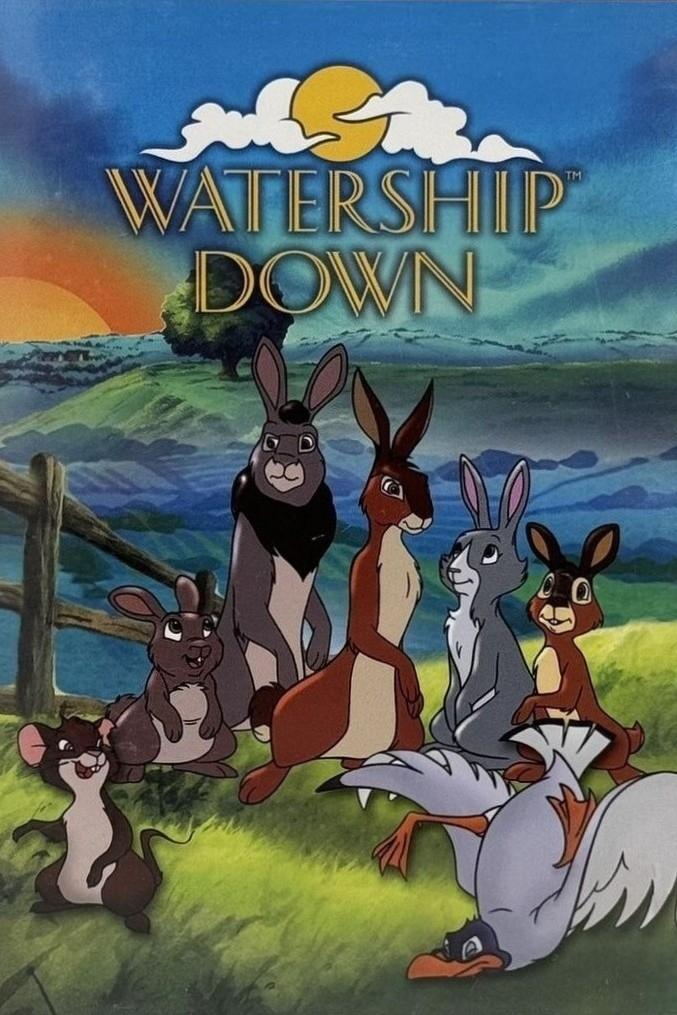
Based on the famous novel this series followed a group of rabbits looking for a new home while escaping various deadly threats. Despite the cute character designs the show did not shy away from the harsh realities of nature and the brutality of animal hierarchies. It featured moments of intense peril and the death of significant characters that often left viewers shocked. The existential dread of being hunted and the political themes within the rabbit colonies were remarkably sophisticated. It maintained the dark tone of the source material while presenting it as a serialized adventure.
‘The Animals of Farthing Wood’ (1993–1995)

This British production became notorious for its willingness to kill off major characters in graphic ways. The story followed a group of forest animals forced to migrate after their home was destroyed by human development. Throughout their journey characters were lost to predators and cold weather and even human traps. The realistic approach to the dangers of the natural world made it a harrowing experience for young viewers. It is still remembered today for the emotional trauma it inflicted through its honest portrayal of survival.
‘Spawn’ (1997–1999)
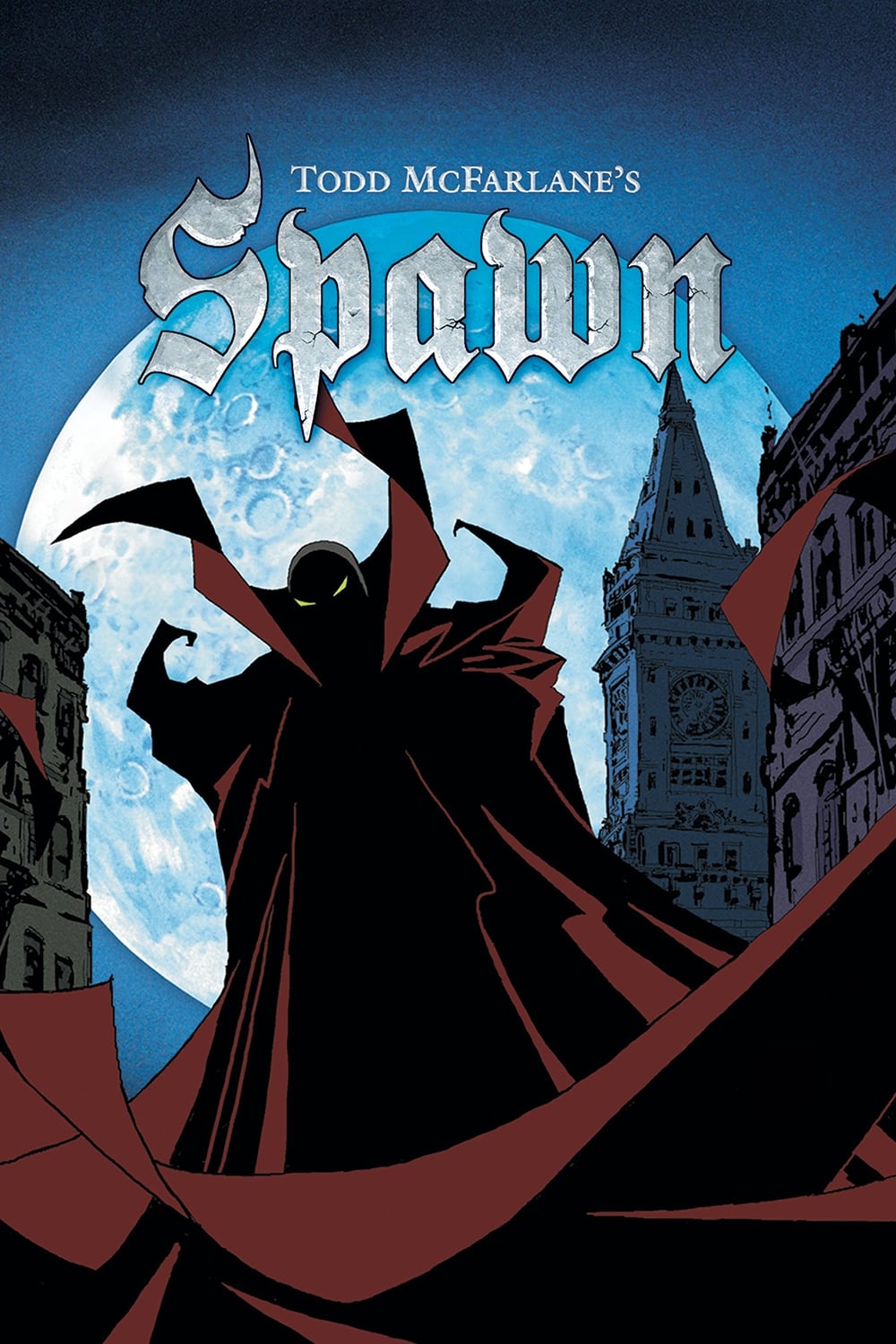
Aired as part of the late night programming on HBO this series was a dark and violent adaptation of the popular comic book. The story focused on a murdered mercenary who returns to Earth as a hellbound warrior. It featured graphic violence and heavy adult themes that were entirely different from the superhero cartoons found on Saturday mornings. The oppressive urban environment and the demonic imagery created a sense of hopelessness. It remains one of the most adult animated series ever produced during the 1990s.
‘The Maxx’ (1995)
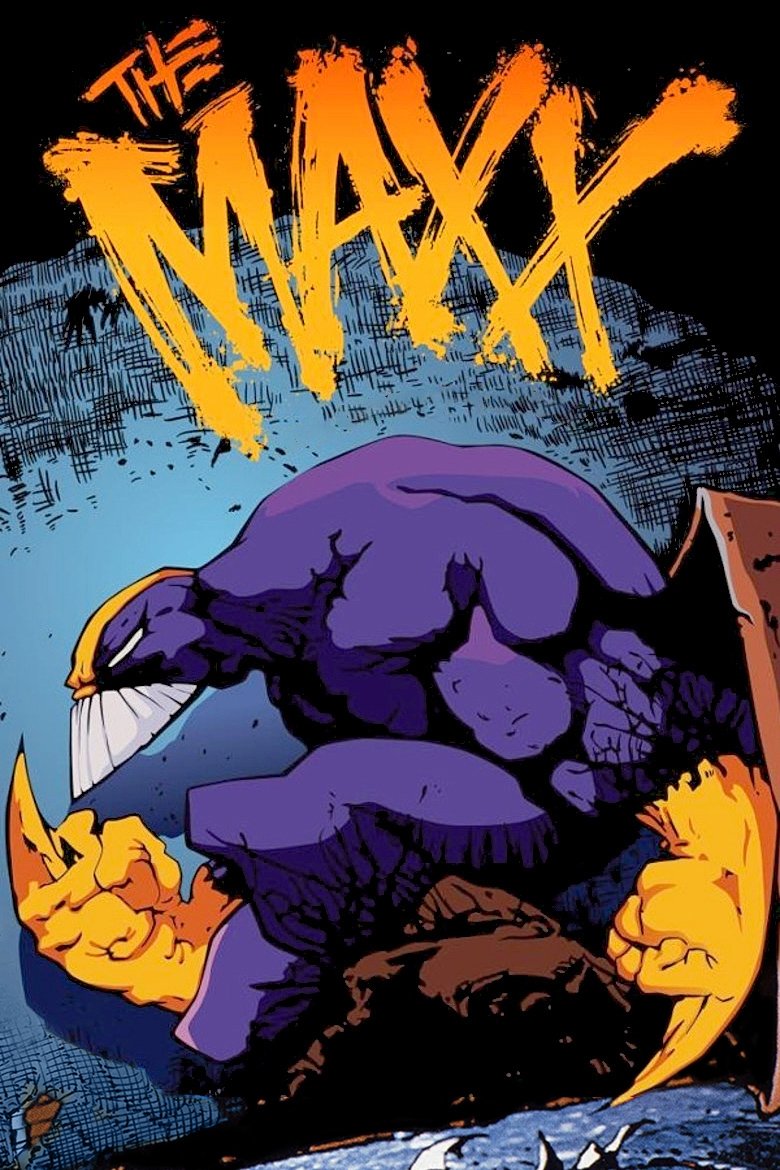
This MTV series utilized a unique animation style that mirrored the gritty look of independent comic books. The narrative shifted between the real world and a dreamlike landscape called the Outback where the titular hero protected a social worker. It dealt with heavy psychological trauma and the blurred lines between reality and fantasy. The surreal creature designs and the somber tone of the story made it a challenging watch for casual viewers. It stands as a cult classic for its mature themes and experimental visual storytelling.
‘The Real Ghostbusters’ (1986–1991)
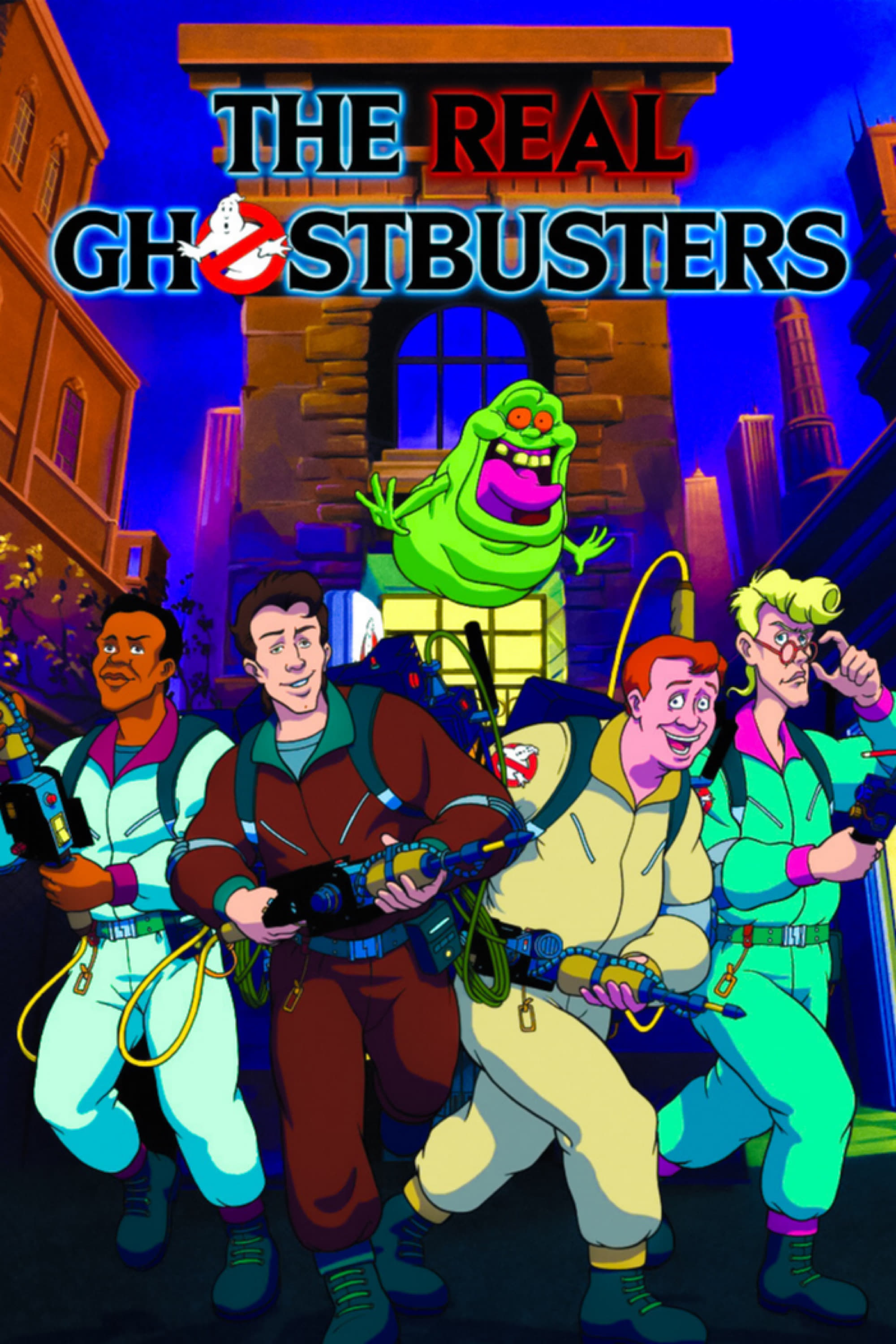
Though it began in the late eighties this show remained a staple of early nineties television and featured surprisingly dark episodes. The Ghostbusters faced a variety of Lovecraftian horrors and urban legends that were often genuinely frightening. Episodes like the one featuring the Boogieman or the Grundel left a lasting impression due to their creepy designs and psychological stakes. The show balanced comedy with high stakes supernatural action that did not always guarantee a happy ending. It was a primary source of spooky entertainment for many kids during its syndication.
‘Extreme Ghostbusters’ (1997)

Serving as a sequel to the previous series this show introduced a new team of university students fighting supernatural threats. The monster designs in this iteration were significantly more detailed and horrific than its predecessor. It leaned into body horror and urban gothic aesthetics that matched the darker tone of late nineties media. The episodes often featured gross transformations and high stakes battles against ancient entities. It provided a grittier take on the franchise that resonated with older children looking for more intense scares.
‘Batman: The Animated Series’ (1992–1995)
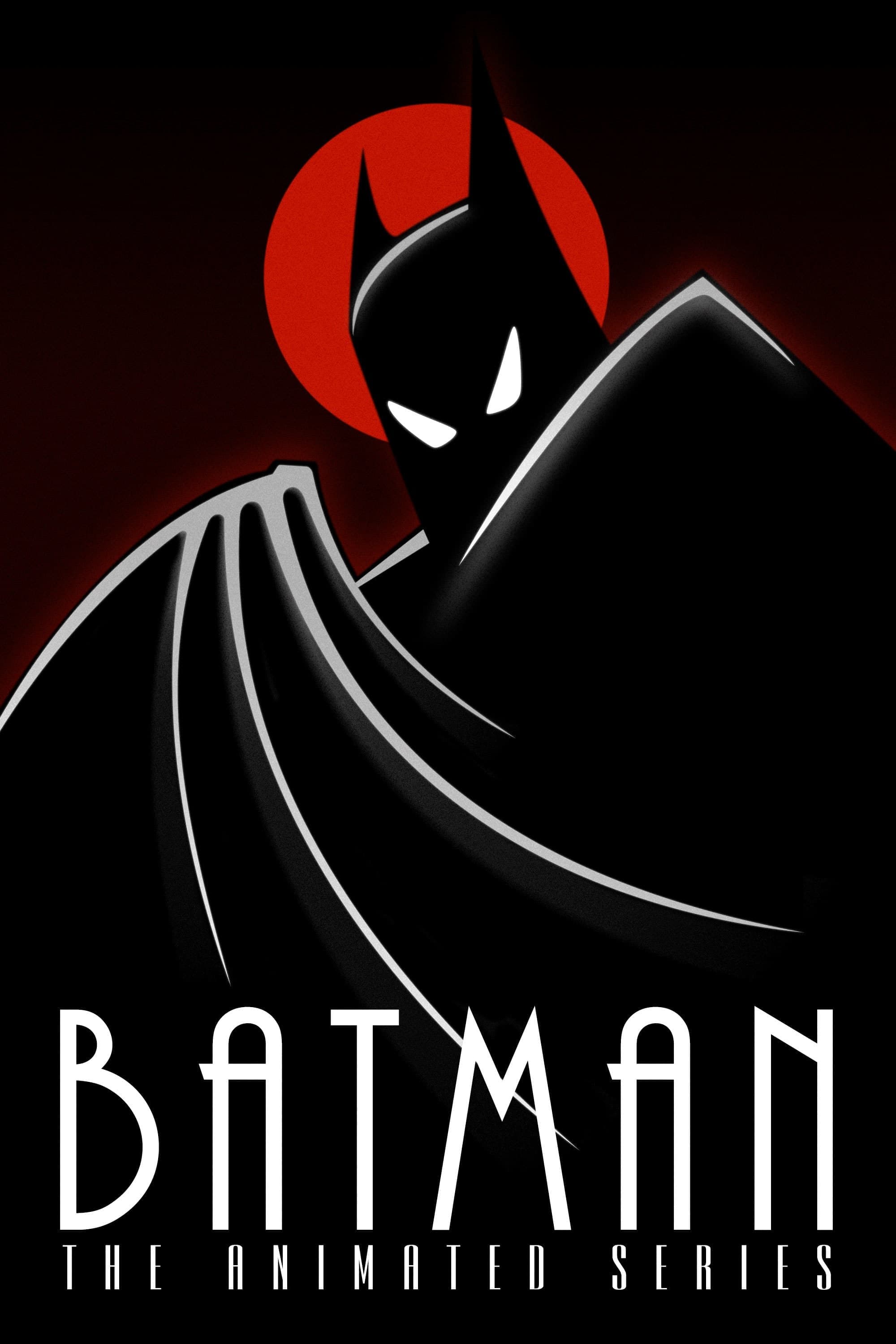
This series redefined the Dark Knight by using a dark deco art style and serious storytelling. While it featured action it also delved into the tragic backstories of its villains like Mr. Freeze and Clayface. The show frequently explored psychological themes such as fear and obsession and loss. Many episodes felt like noir films and used shadows to create a sense of mystery and danger. It elevated the superhero genre by treating its characters with a level of maturity that was rare for the time.
‘Gargoyles’ (1994–1997)
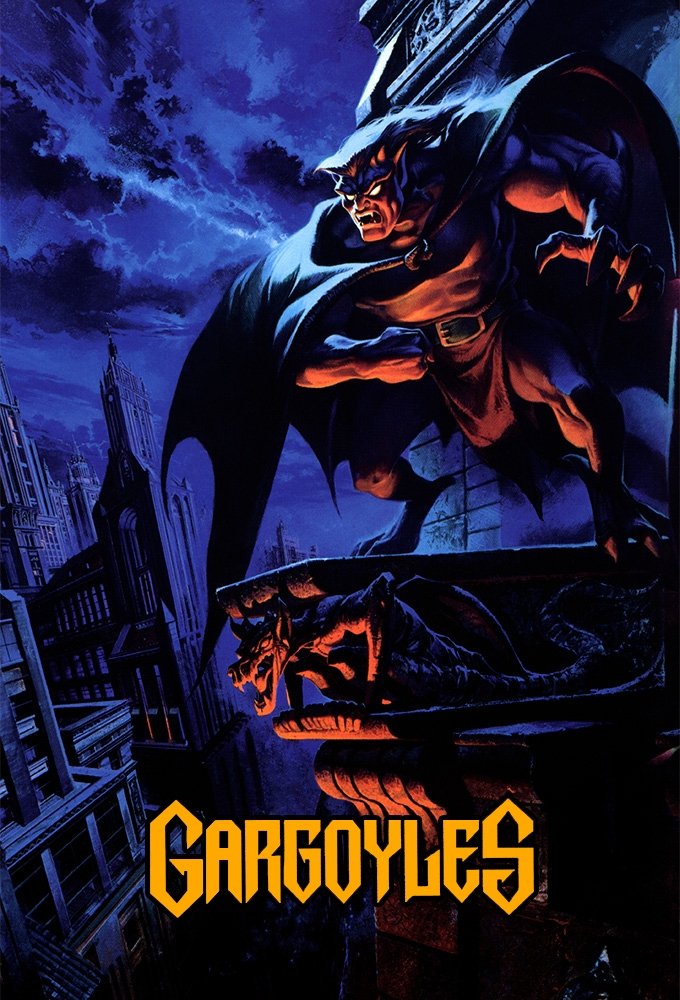
Following a group of ancient creatures who turned to stone by day and protected New York by night this show was remarkably complex. It featured a sprawling narrative involving Shakespearean drama and ancient magic and modern corporate greed. The series did not hesitate to show the consequences of violence including characters getting injured or dealing with long term trauma. The atmosphere was consistently moody and the stakes often felt life or death. It is praised for its sophisticated writing and dark fantasy world building.
‘Rocko’s Modern Life’ (1993–1996)

While primarily a comedy this show featured an underlying sense of anxiety and surrealism that could be quite disturbing. It followed an Australian wallaby trying to navigate the stresses of adult life in a chaotic city. Many episodes included adult double entendres and nightmarish scenarios involving corporate drones or medical procedures. The distorted character designs and the frantic energy of the show often bordered on the grotesque. It captured the existential dread of modern living in a way that many children found strangely intense.
‘Beetlejuice’ (1989–1991)
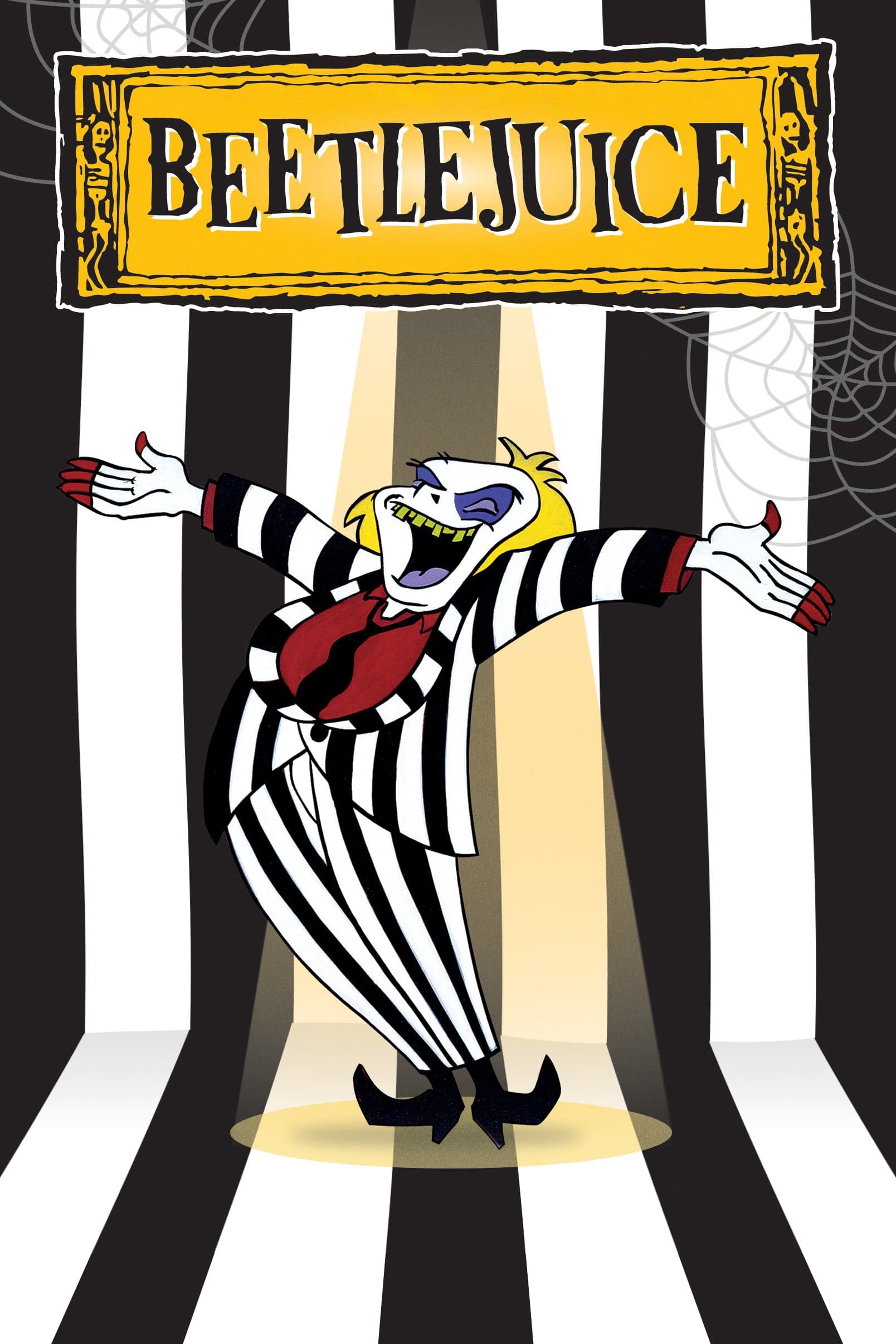
Based on the Tim Burton film this series followed the adventures of Lydia and the ghost with the most in the Neitherworld. The show was filled with colorful but macabre imagery and strange creatures that defied logic. While it was more whimsical than the movie it still maintained a focus on death and the afterlife. The chaotic nature of the Neitherworld and the unpredictable behavior of Beetlejuice created a sense of manic energy. It celebrated the weird and the spooky through its creative and often gross character designs.
‘Invader Zim’ (2001–2006)
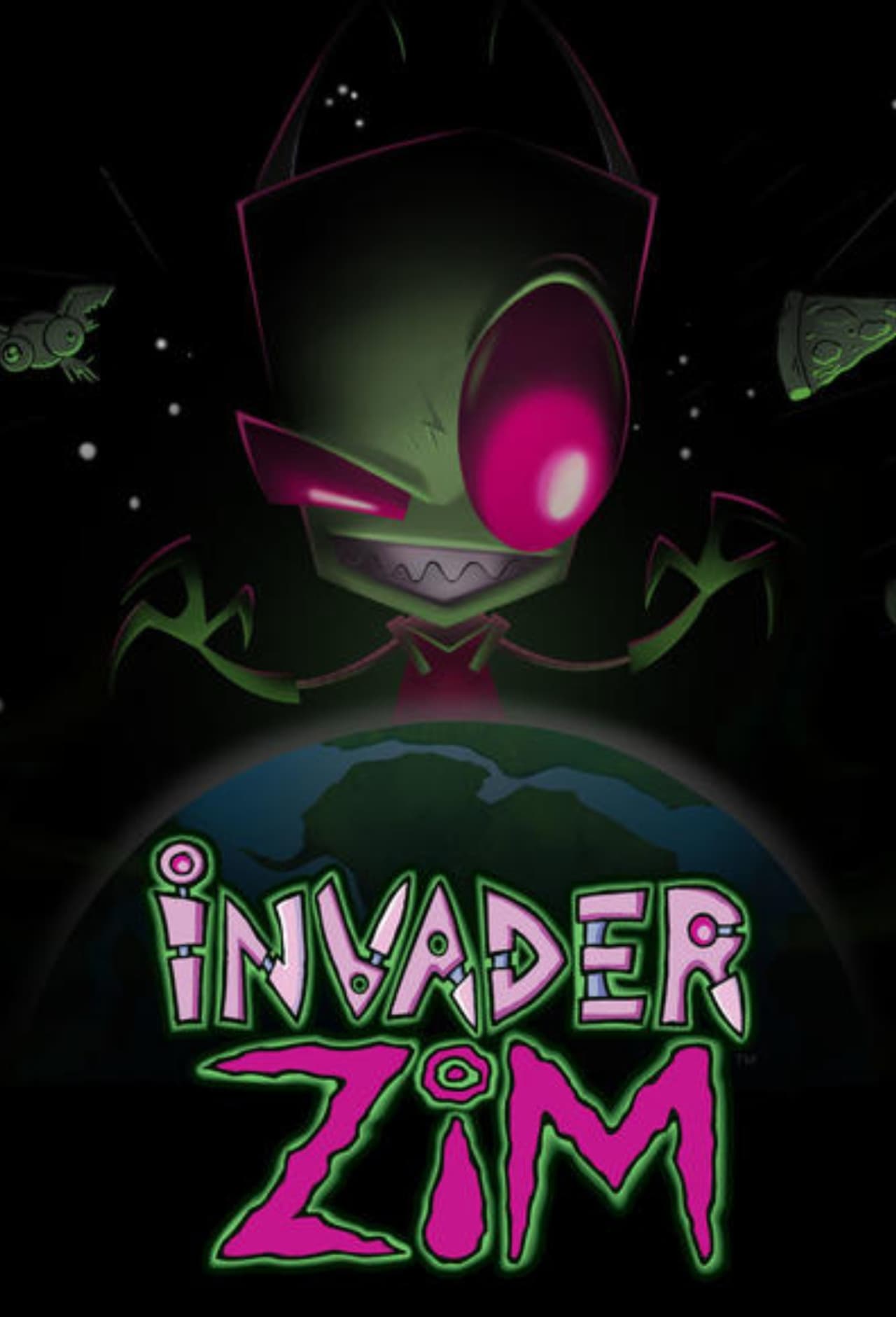
Although it premiered just after the nineties this show captured the dark alternative aesthetic of the late nineties era perfectly. It followed an incompetent alien attempting to conquer Earth while being hindered by a paranoid boy. The art style was sharp and jagged with a color palette dominated by purples and greens. Many episodes involved body horror and the disgusting habits of humans seen through an alien perspective. The show’s dark humor and cynical worldview made it a standout for fans of more edgey animation.
‘Rugrats’ (1991–2004)
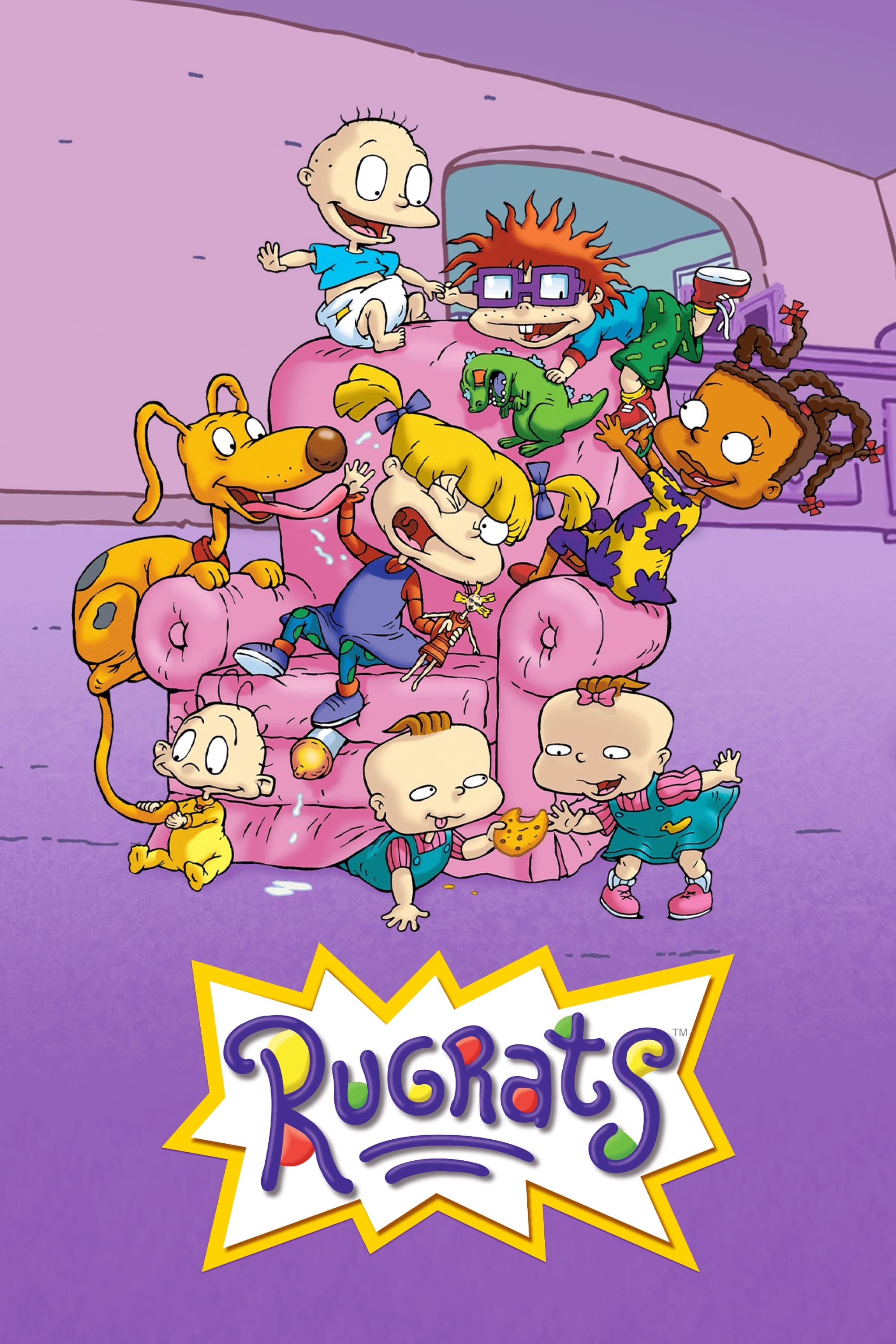
This show about toddlers often included surreal dream sequences and hallucinations that were surprisingly frightening. Episodes like the one involving a giant robot baby or the terrifying clown doll left many viewers feeling uneasy. The babies often misinterpreted adult situations in ways that created scenarios of genuine peril in their minds. The show used these imaginative segments to explore common childhood fears in a visceral way. Despite its overall charming tone these moments of horror are still frequently discussed by fans today.
‘Hey Arnold!’ (1996–2004)
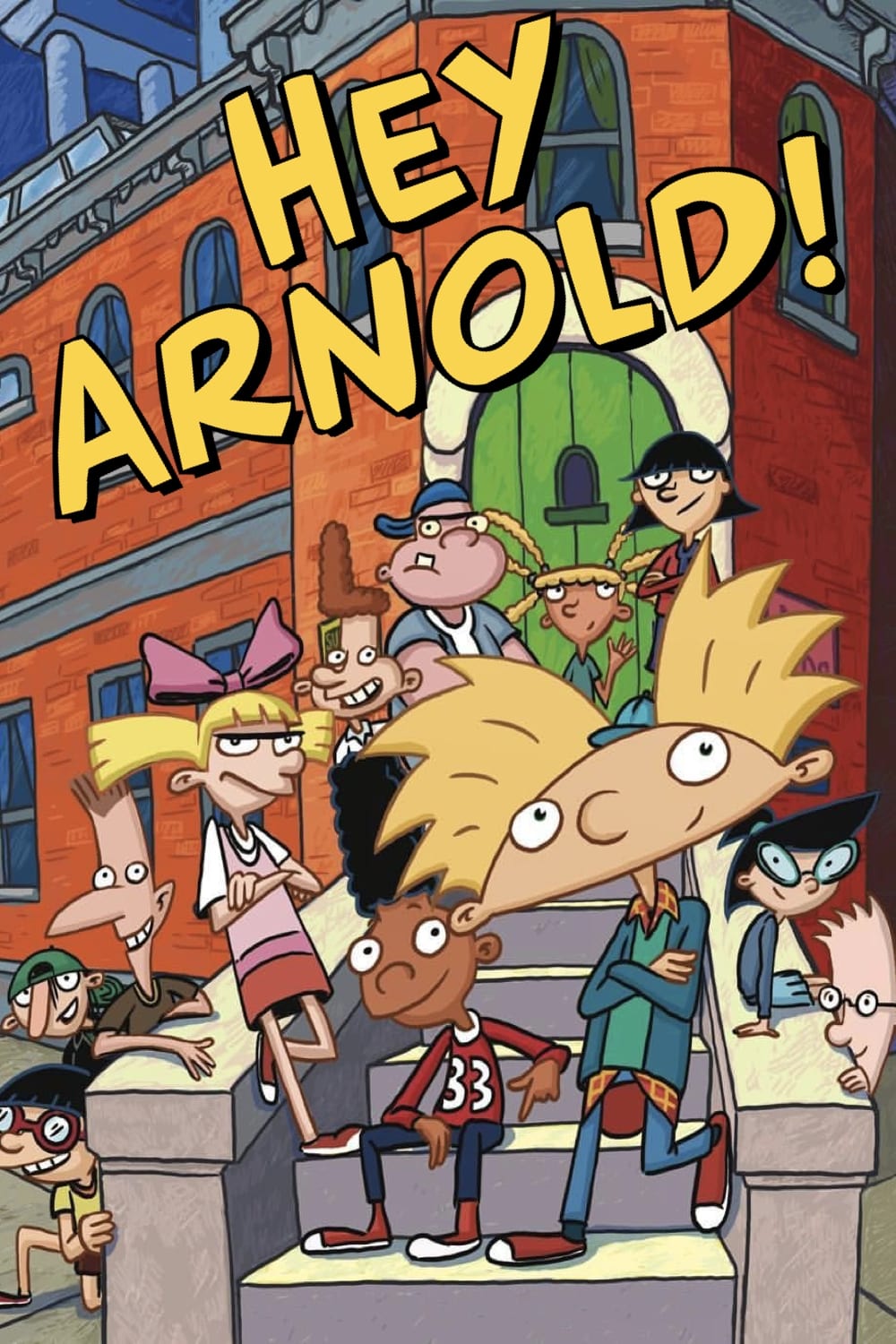
While mostly a grounded look at childhood in the city this show frequently utilized urban legends to create spooky atmospheres. Characters like the Headless Cabbie or the Ghost Train provided episodes that felt like mini horror movies. The show also dealt with heavy themes like poverty and loneliness and the complex lives of the neighborhood adults. These elements gave the city a sense of history and sometimes a sense of danger. It balanced the mundane with the mysterious to create a rich and occasionally haunting world.
‘The Head’ (1994–1996)
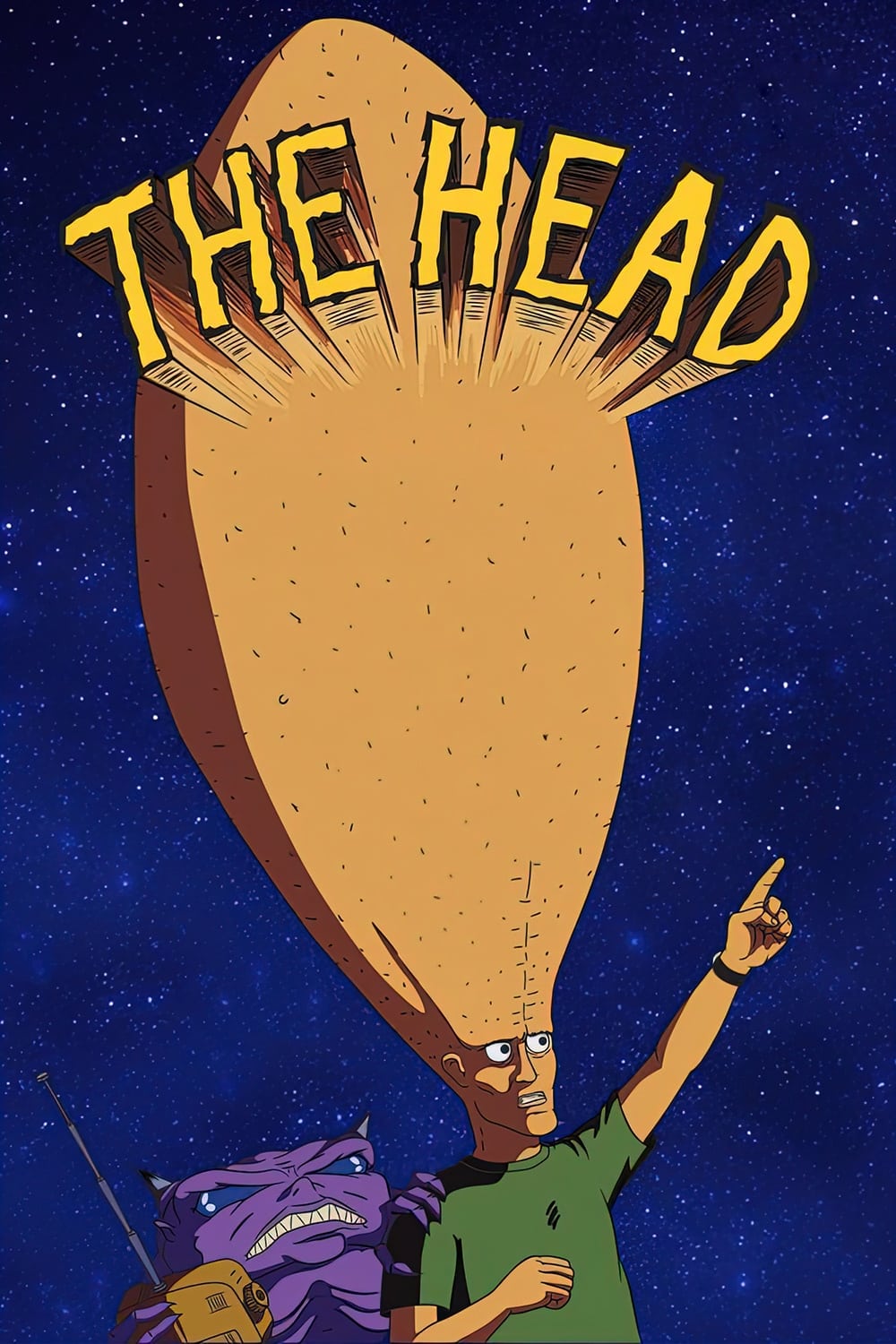
Part of the MTV Oddities block this series told the story of a man who discovers an alien living inside his oversized cranium. The visual style was grotesque and featured many strange character designs and physical mutations. It followed the pair as they tried to stop a hostile alien invasion involving bizarre psychic powers. The show leaned into the weirdness of its premise and often showcased unsettling biological details. It remains a prime example of the experimental and adult oriented animation that MTV championed during the decade.
‘Liquid Television’ (1991–1994)

This anthology show was a showcase for various experimental animation styles and short films that often leaned into the bizarre. It was responsible for launching several popular series while providing a home for unsettling and avant garde content. Viewers never knew if they would see a dark comedy or a surreal horror short during each episode. The lack of a consistent tone made it a fascinating but frequently disturbing viewing experience. It pushed the boundaries of what could be shown on television and influenced the future of adult animation.
‘Skeleton Warriors’ (1994)
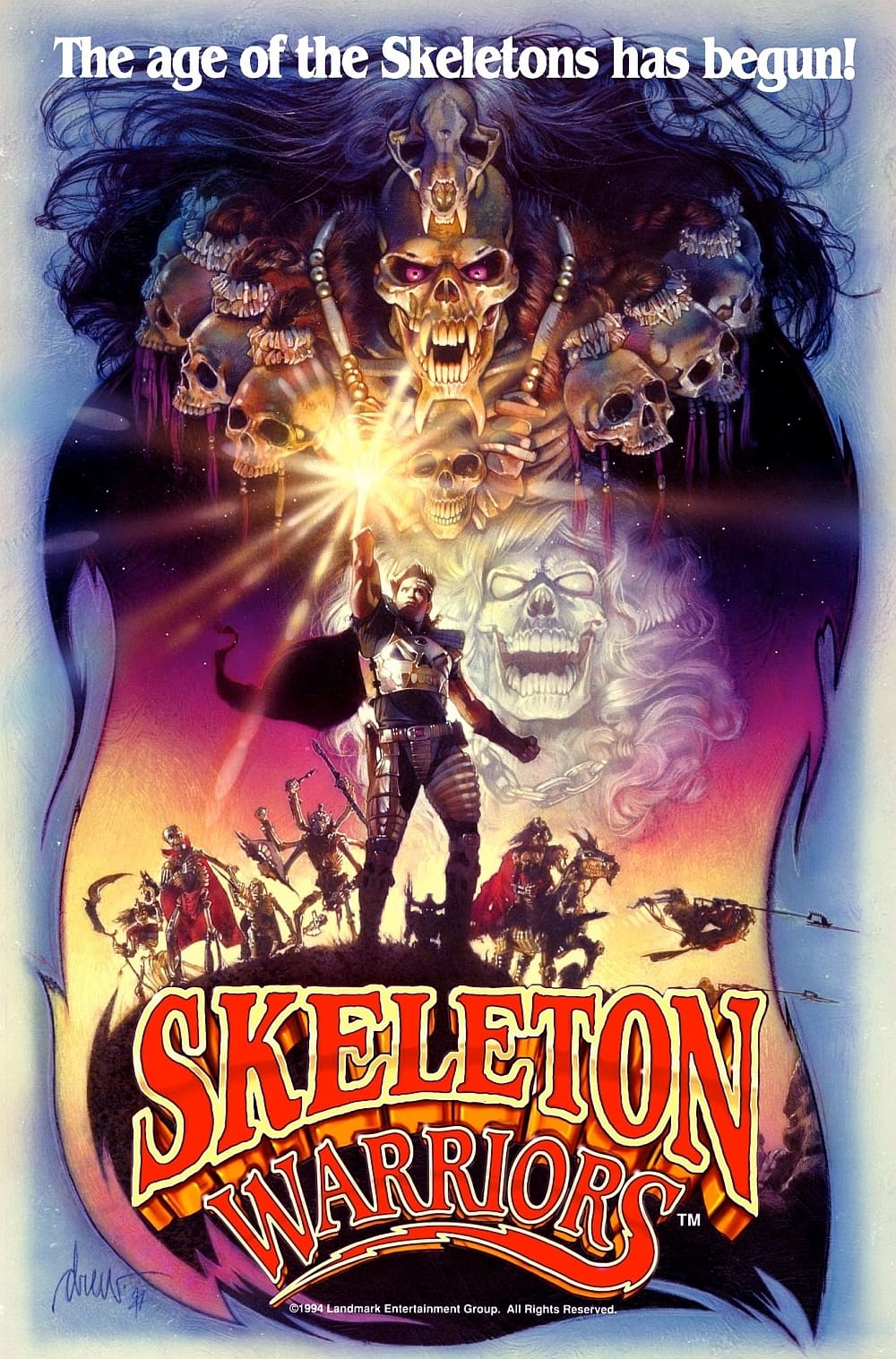
This short lived series featured a war between humans and a legion of undead skeletons on a distant planet. The villainous Baron Dark had the ability to turn living people into skeletons which was a terrifying concept for younger audiences. The show used a combination of traditional animation and early computer graphics to depict the skeletal army. Its dark fantasy setting and focus on necromancy made it stand out among more traditional action cartoons. The grim aesthetic and constant threat of transformation created a high level of tension.
‘Mighty Max’ (1993–1994)
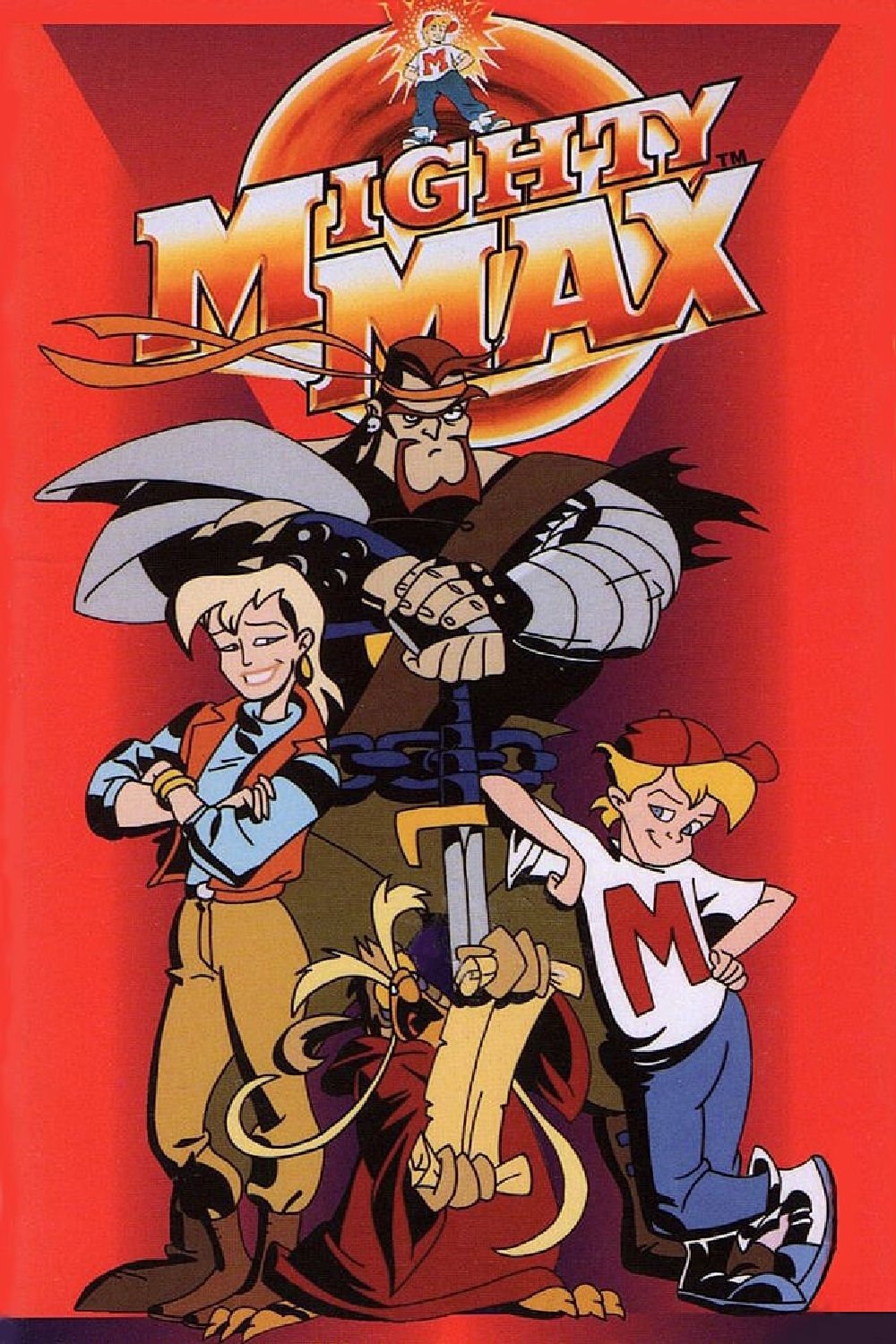
Designed to sell a line of toys this show was surprisingly dark and featured a story with actual stakes and consequences. Max traveled through portals to fight ancient evils led by the Skullmaster who was a genuinely menacing villain. The show did not hold back on showing the destruction caused by these monsters or the difficulty of the heroes’ mission. It even featured a series finale that was remarkably somber and cyclical in nature. The blend of adventure and dark mythology made it a memorable part of the nineties landscape.
‘Insektors’ (1994)
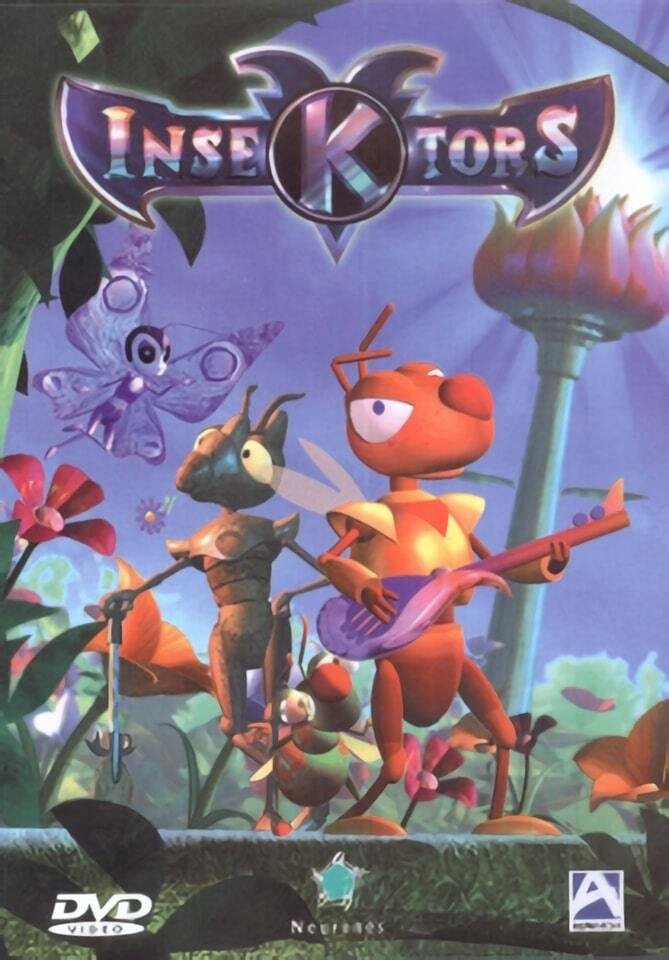
As one of the earliest fully computer animated series this show featured a war between two factions of insect like creatures. The primitive 3D graphics of the time gave the characters an uncanny and often unsettling appearance. The story involved themes of environmental collapse and the struggle between a colorful tribe and a mechanical gray one. The cold and metallic look of the villains provided a stark contrast to the organic heroes. Its unique visual style was both a technical achievement and a source of unease for many viewers.
‘ReBoot’ (1994–2001)
Taking place inside a computer system this show followed the lives of its digital citizens as they fought off viruses and played games. As the series progressed it became significantly darker and introduced high stakes story arcs that changed the world forever. The villain Megabyte was a cold and calculating figure who provided a constant sense of threat. Later seasons explored themes of loss and identity while featuring more mature character designs. It evolved from a simple adventure show into a complex epic with genuine emotional weight.
‘Animaniacs’ (1993–1998)
While mostly known for its zany humor and musical numbers this show frequently included segments that were quite creepy. Characters like the Goodfeathers or various monsters in parody sketches often brought a darker edge to the comedy. The show also used adult humor and historical references that went over the heads of younger viewers but added a layer of sophistication. Some segments leaned into the surreal and featured imagery that was strangely unsettling for a variety show. It successfully balanced broad physical comedy with a sharp and sometimes dark wit.
‘Cow and Chicken’ (1997–1999)
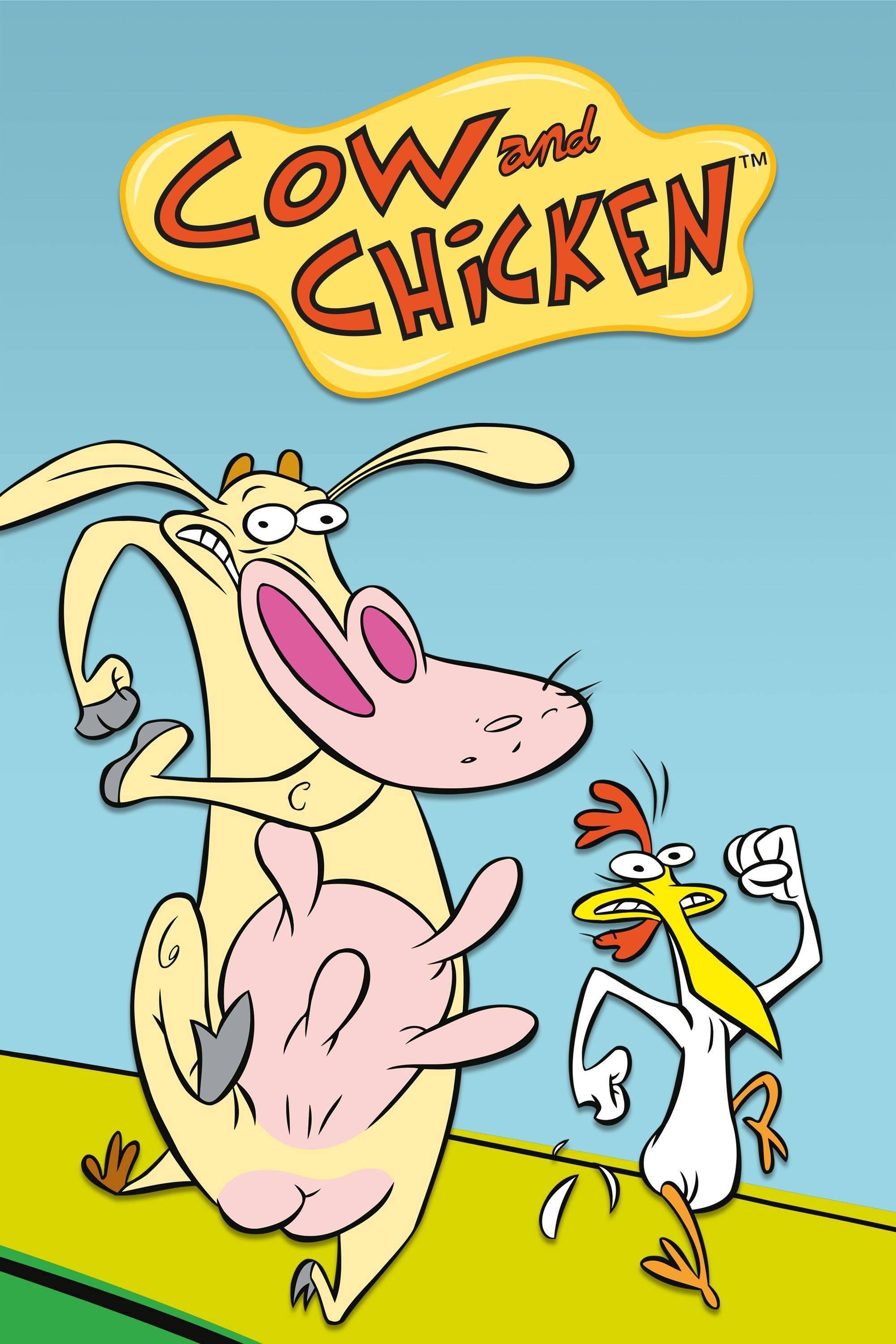
This series used a highly distorted art style and focused on the absurd adventures of a cow and a chicken who are siblings. The primary antagonist was a flamboyant red devil who frequently appeared without pants and took on various disguises. The humor was often based on physical discomfort and bizarre scenarios that felt chaotic. Many episodes featured gross out gags and unsettling character interactions that became a hallmark of the show. It was a primary example of the edgy and experimental era of Cartoon Network.
‘The Powerpuff Girls’ (1998–2005)
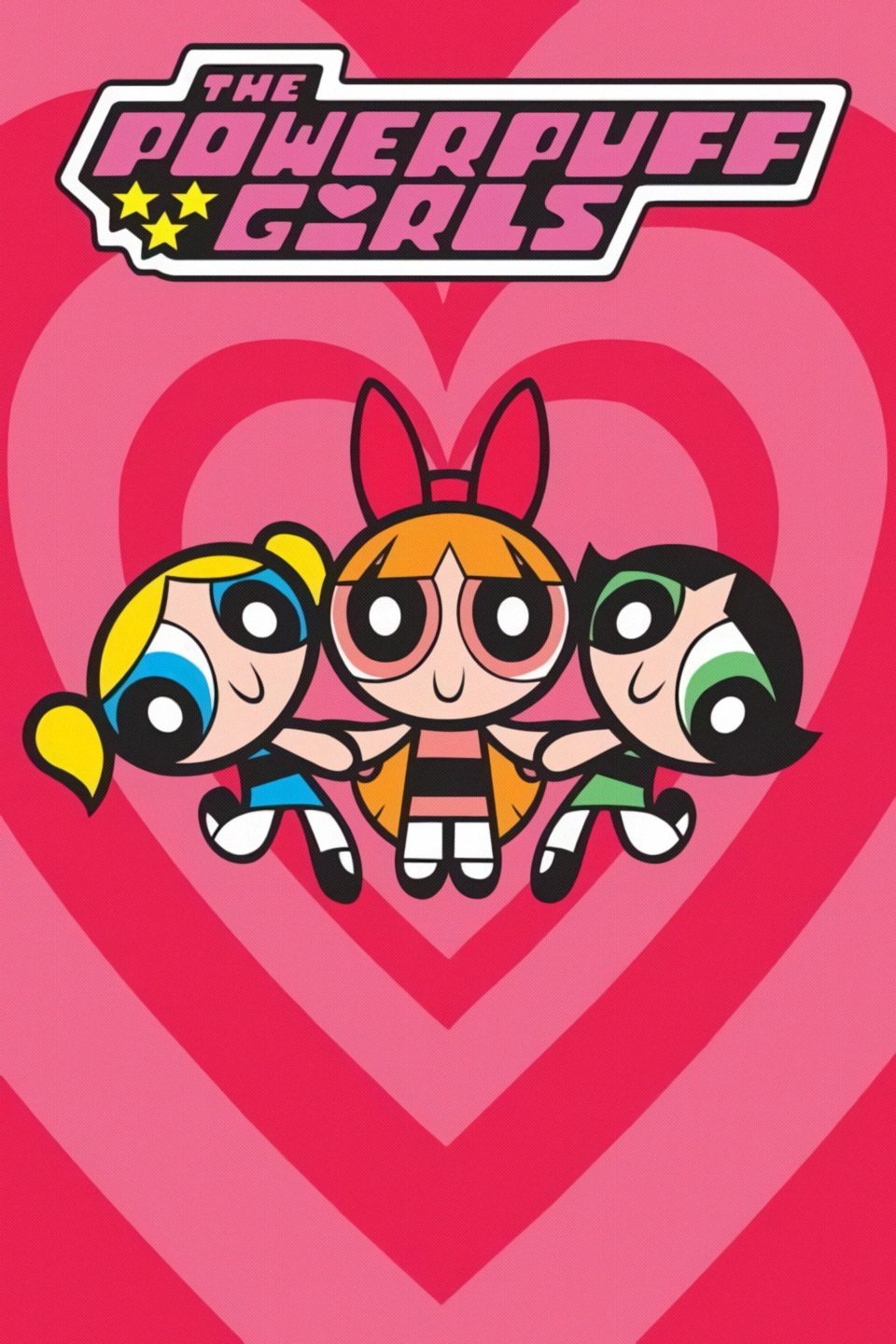
Despite its bright colors and cute protagonists this show featured some of the most disturbing villains in animation history. The character known as HIM was a demonic figure with a high pitched voice and a penchant for psychological torture. Other villains like the Amoeba Boys or various monsters often caused significant destruction and chaos in the city of Townsville. The show frequently used intense action sequences and body horror elements to raise the stakes. It balanced superhero tropes with genuine moments of horror and suspense.
‘Superman: The Animated Series’ (1996–2000)
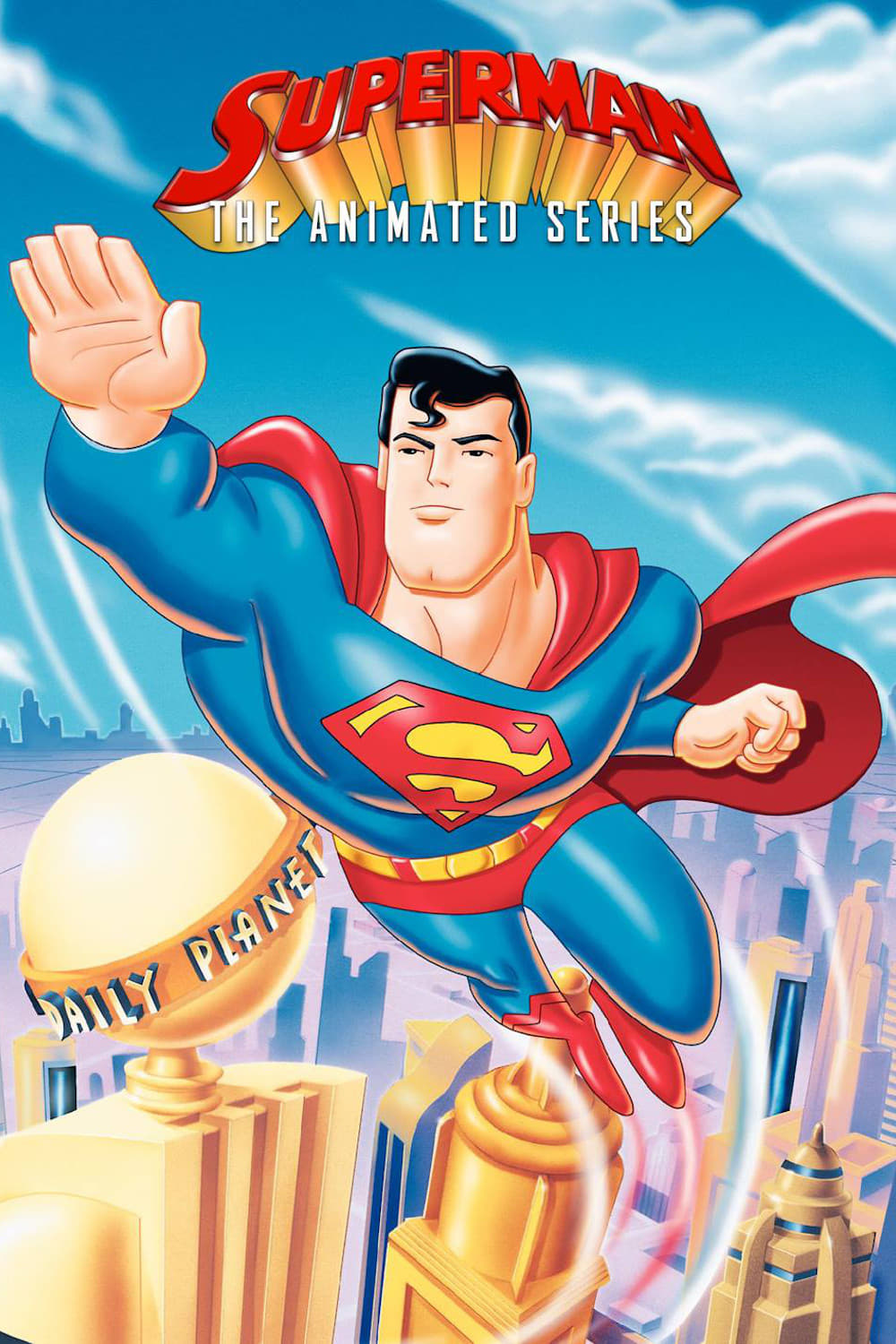
Following the success of Batman this series brought a similar level of maturity to the Man of Steel. It introduced menacing villains like Darkseid whose goal was the complete subjugation of all life in the universe. The show explored the burden of Superman’s responsibility and the toll that his battles took on the world. Some episodes featured tragic endings or the loss of allies that emphasized the high stakes of his mission. It was a grounded and sometimes grim look at one of the world’s most iconic heroes.
‘Mummies Alive!’ (1997)
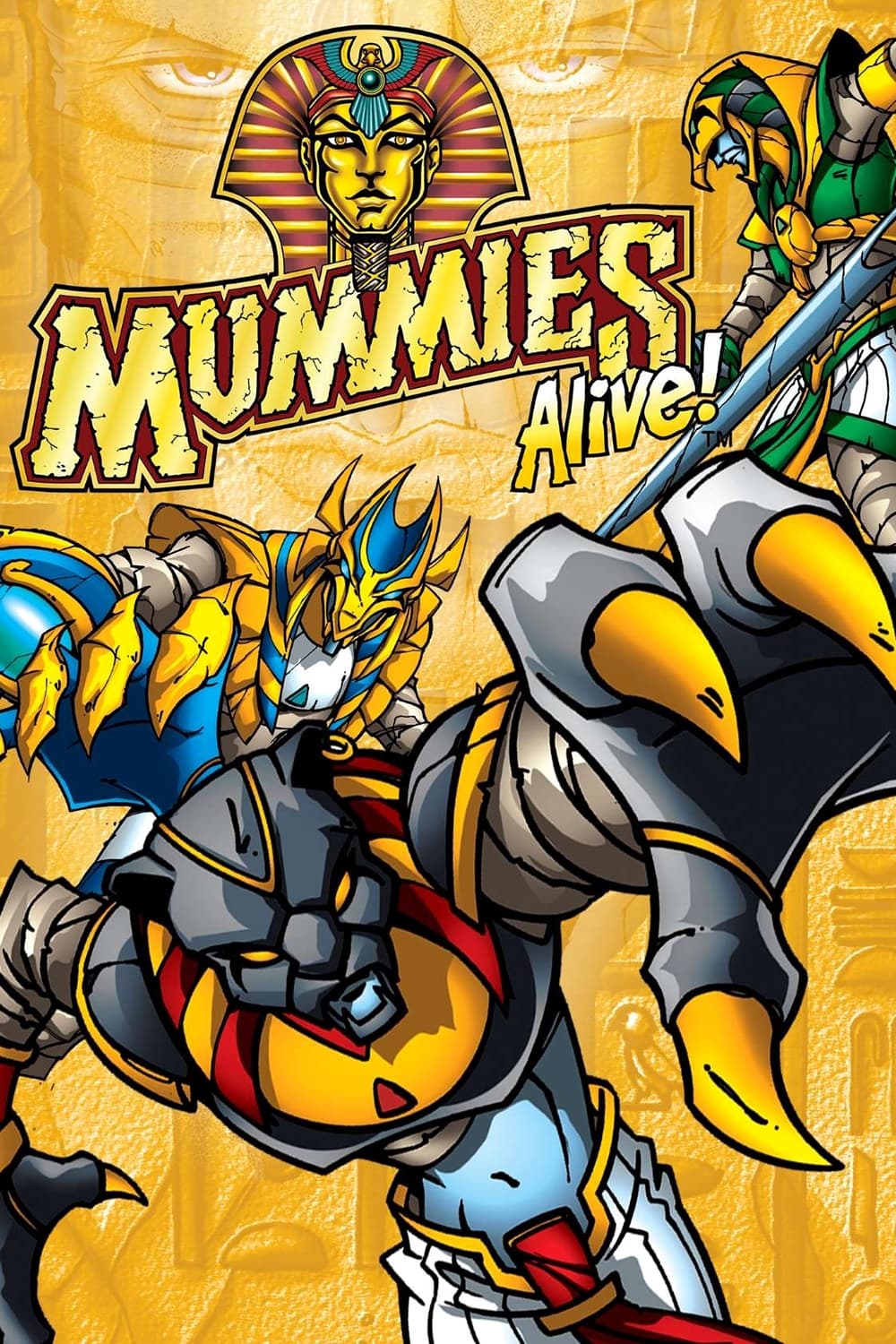
This show featured a group of ancient Egyptian warriors who were resurrected in modern day San Francisco to protect a young boy. The transformation sequences and the undead nature of the protagonists gave the show a distinct supernatural edge. They fought against the evil sorcerer Scarab who utilized ancient curses and monsters to achieve immortality. The blend of modern urban settings and ancient mythology created an interesting but often spooky atmosphere. It focused on the struggle between the living and the dead in a way that was unique for the time.
‘Godzilla: The Series’ (1998–2000)
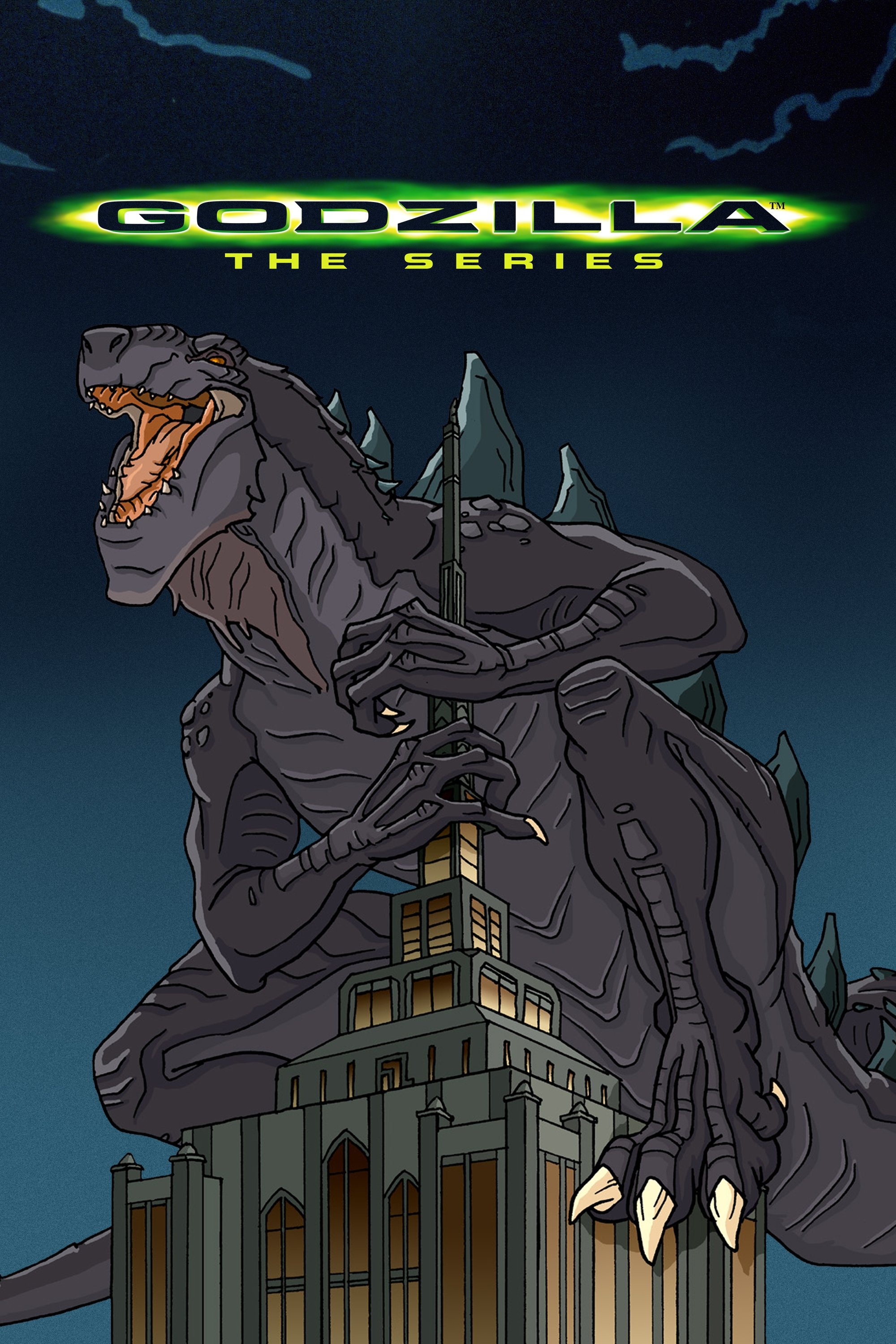
A sequel to the 1998 live action film this show followed a research team and a heroic Godzilla fighting against other mutated monsters. The creature designs were varied and often leaned into horrific biological traits like acid spit or parasitic growth. Each episode felt like a miniature monster movie with high stakes and significant urban destruction. The show maintained a serious tone and explored the consequences of human interference with nature. It provided a consistent stream of giant monster action that was often quite intense.
‘Men in Black: The Series’ (1997–2001)
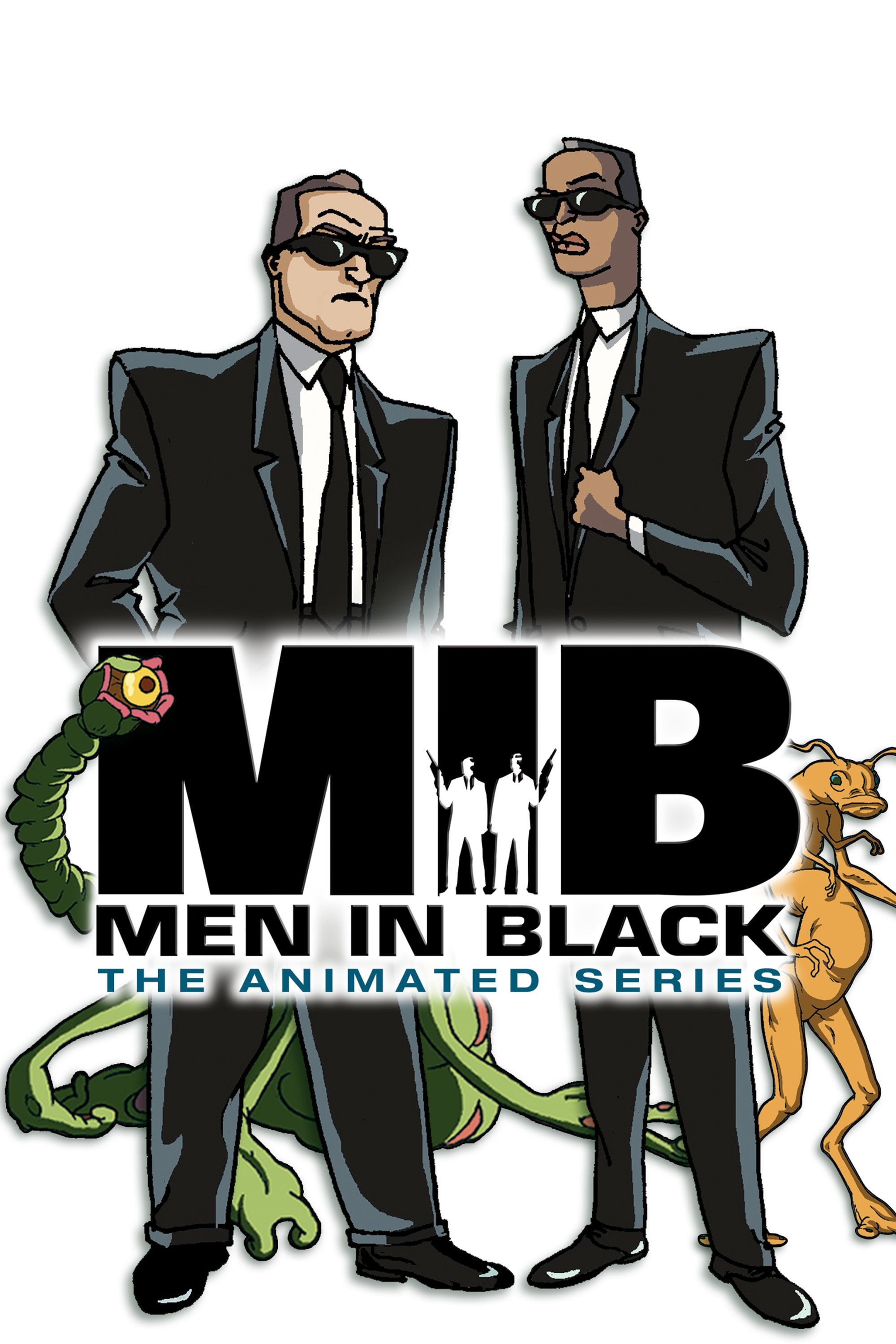
Based on the film franchise this series focused on the secret agency that monitors extraterrestrial life on Earth. The art style was highly detailed and emphasized the strange and often disgusting features of the various aliens. Many episodes involved body snatching or parasitic infections and other classic sci fi horror tropes. The grimy urban setting of New York City added to the show’s moody and sometimes oppressive atmosphere. It was a sophisticated take on the franchise that leaned more into the weirdness of its world.
‘Shadow Raiders’ (1998–1999)
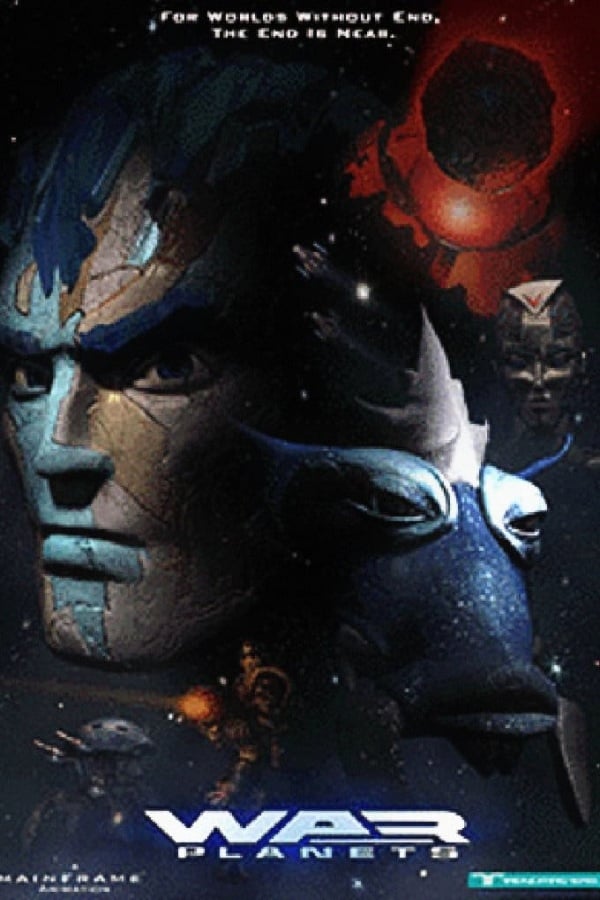
Set in a solar system where planets are made of single elements this show followed a war against a planet consuming force. The Beast Planet was a terrifying entity that literally ate other worlds and their inhabitants. The use of early CGI gave the show a unique and sometimes cold appearance that suited its space opera setting. It dealt with themes of total annihilation and the desperate alliances needed to survive such a threat. The stakes were planetary and the sense of impending doom was a constant presence.
‘Beast Wars: Transformers’ (1996–1999)
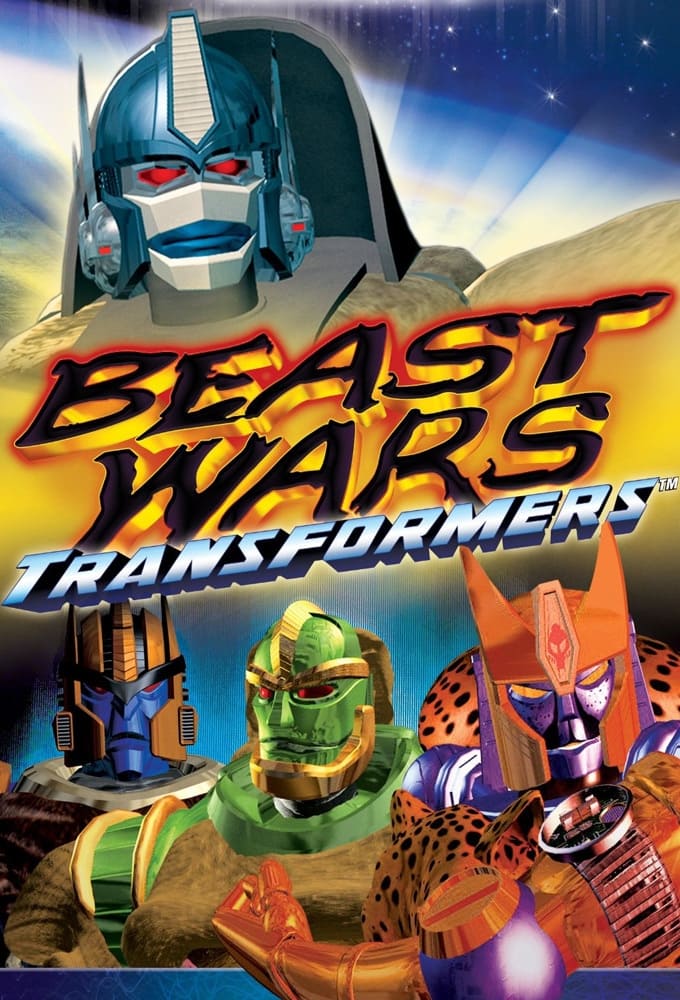
This series brought the Transformers franchise into the 3D era by having robots take on the forms of animals. It featured a complex serialized story with significant character development and permanent deaths. The animation allowed for more expressive characters but also made the battles feel more visceral and physical. Many episodes delved into philosophical questions about destiny and the nature of the soul. It is remembered for its deep lore and its willingness to put its characters through intense emotional and physical trials.
‘Darkwing Duck’ (1991–1992)
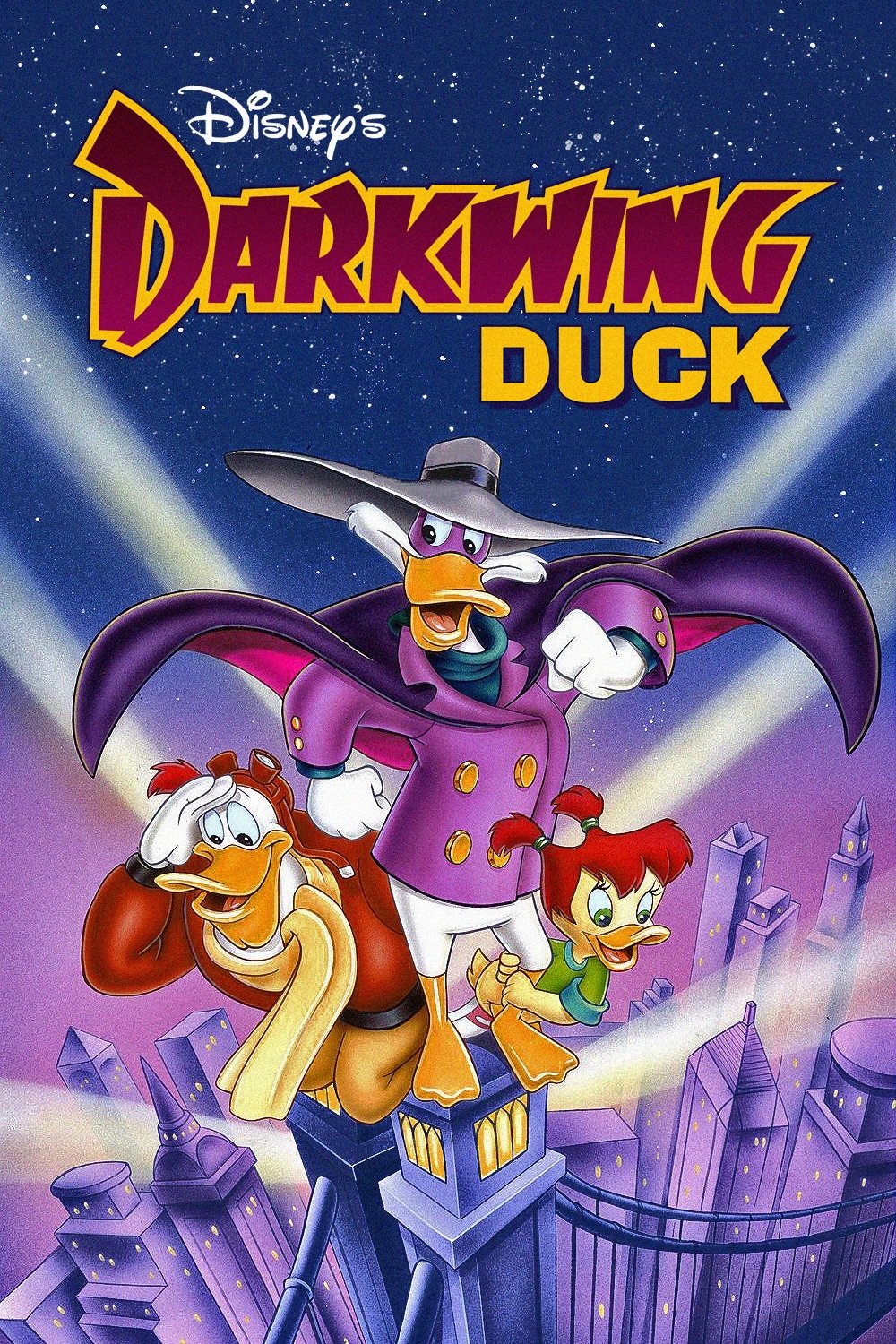
While primarily a parody of superhero and pulp fiction tropes this show featured some surprisingly dark episodes and villains. Characters like the Liquidator or Bushroot had tragic origins that leaned into body horror and psychological distress. The show often played with noir aesthetics and used dark humor to balance its more intense moments. Some episodes explored alternate realities or dream worlds that were quite surreal and unsettling. It remains a fan favorite for its ability to mix comedy with genuine stakes and creative world building.
‘Swat Kats: The Radical Squadron’ (1993–1994)
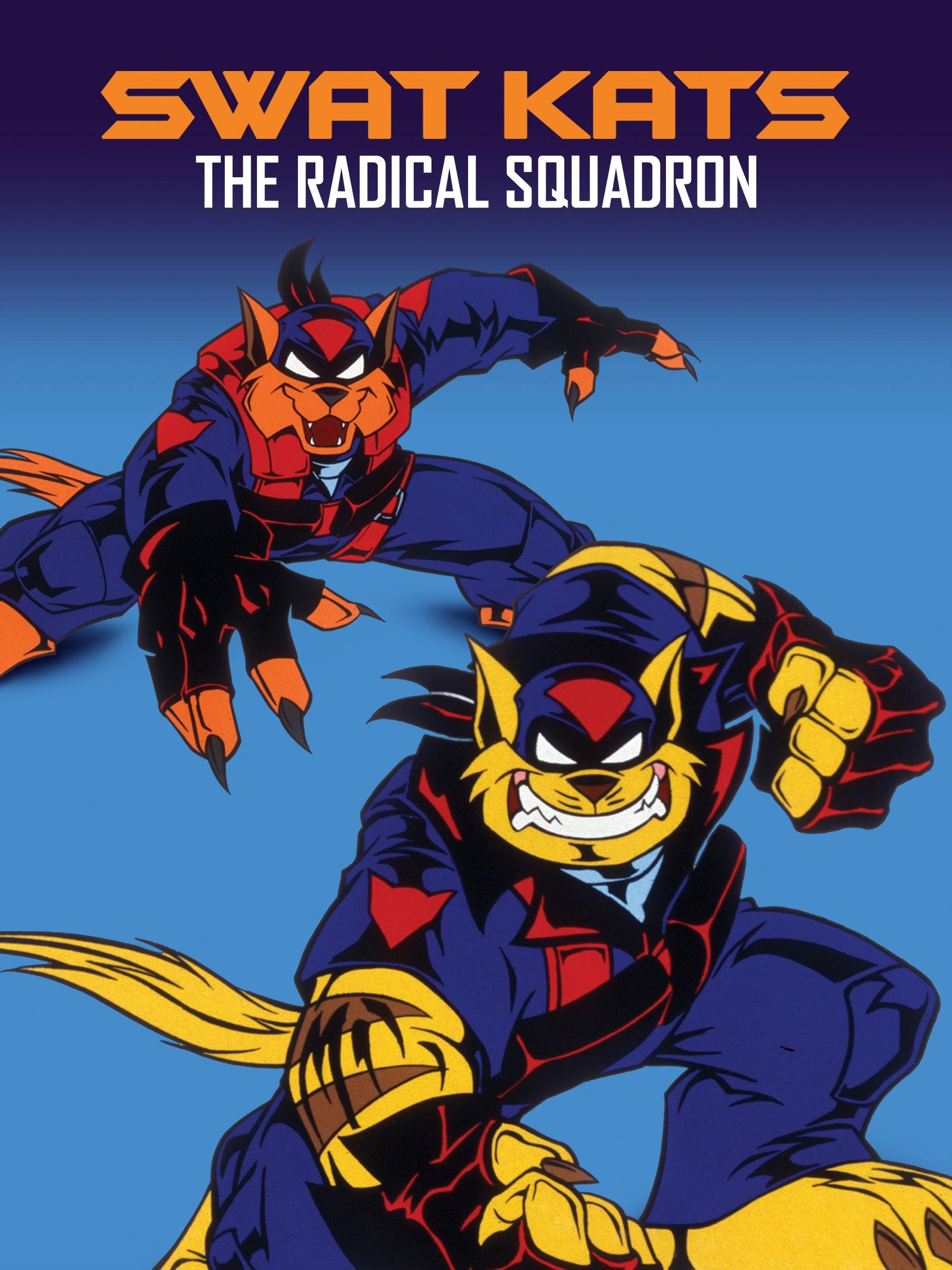
Set in a city populated by anthropomorphic cats this show followed two vigilante pilots fighting against supernatural and high tech threats. The villains ranged from an undead sorcerer to a scientist who could mutate his body into various forms. The action was intense and the show was eventually canceled for being deemed too violent for its target audience. The dark urban setting and the focus on heavy weaponry gave it a more mature feel than other cartoons on the air. It maintains a cult following for its high octane action and dark themes.
‘The Pirates of Dark Water’ (1991–1993)
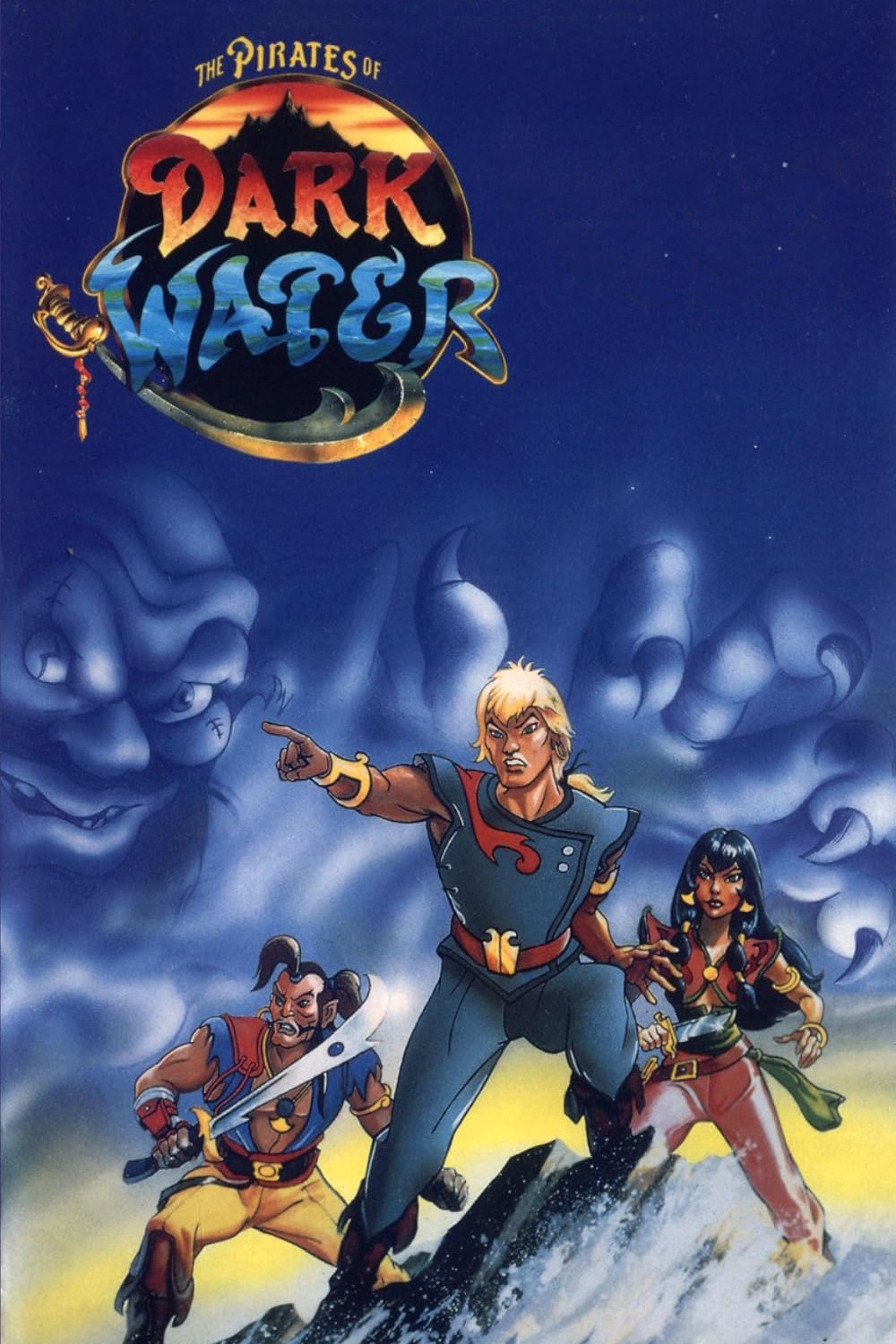
This epic fantasy series followed a prince on a quest to stop a sentient oily substance known as Dark Water from consuming his world. The show featured a rich and detailed world filled with unique creatures and dangerous environments. The threat of the Dark Water was existential and provided a constant sense of dread throughout the journey. It was a sophisticated adventure story with high stakes and a serialized narrative that was ahead of its time. The dark fantasy elements and the creative world building made it a standout production.
‘The Tick’ (1994–1996)
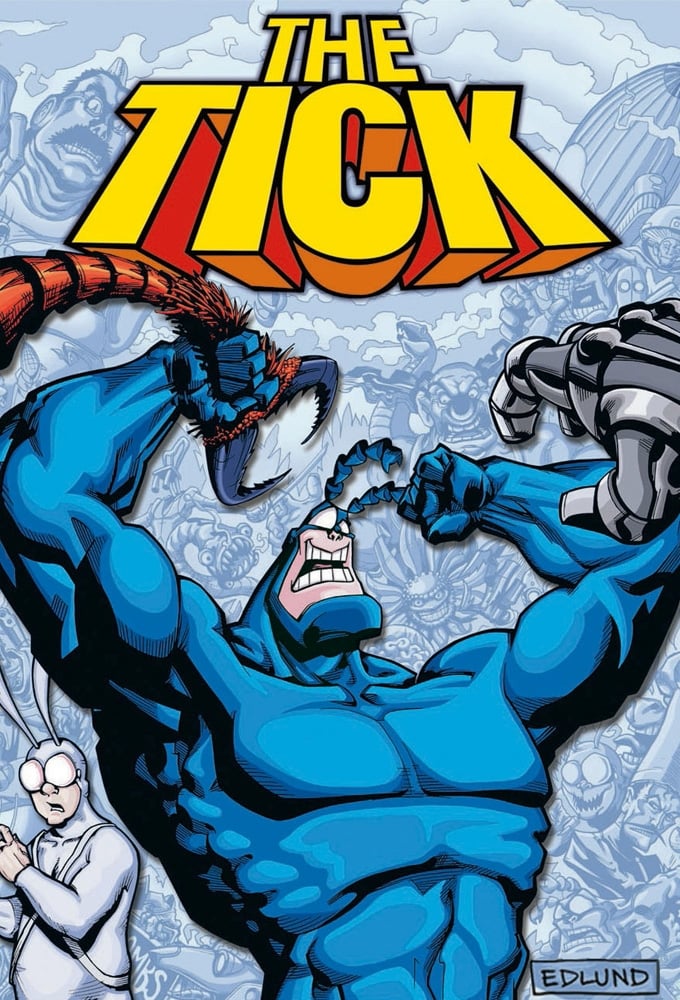
While mostly a satirical take on the superhero genre this show featured many bizarre and unsettling character designs. Villains like Chairface Chippendale or the various biological oddities that The Tick encountered were both funny and strange. The show used a vibrant but often distorted art style that captured the eccentricity of its world. Beneath the humor there was a sense of chaos and unpredictability that defined the series. It remains a cult classic for its unique voice and its creative subversion of comic book tropes.
‘The Brothers Grunt’ (1994–1995)
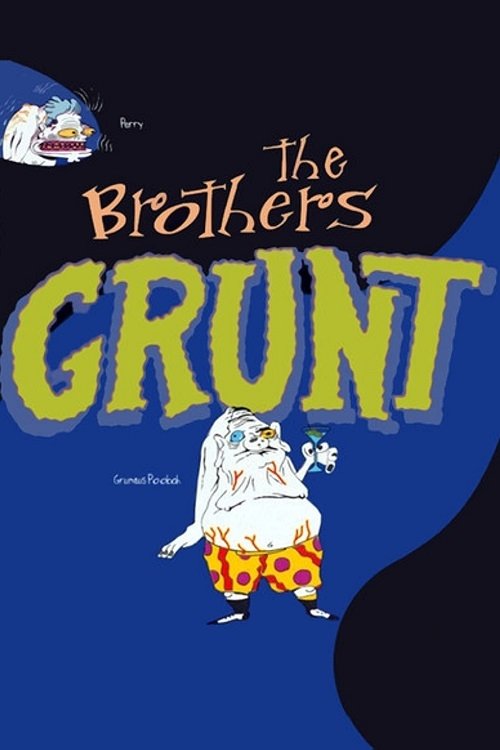
Created by the same person behind Ed Edd n Eddy this show was a much darker and more grotesque production for MTV. It followed a group of pale and sweaty creatures on a bizarre quest through a surreal world. The animation focused on bodily fluids and uncomfortable physical movements that many viewers found repelling. It was a prime example of the experimental and often gross out oriented animation of the mid nineties. The lack of dialogue and the strange nature of the characters made it a difficult but memorable watch.
‘Invasion America’ (1998)
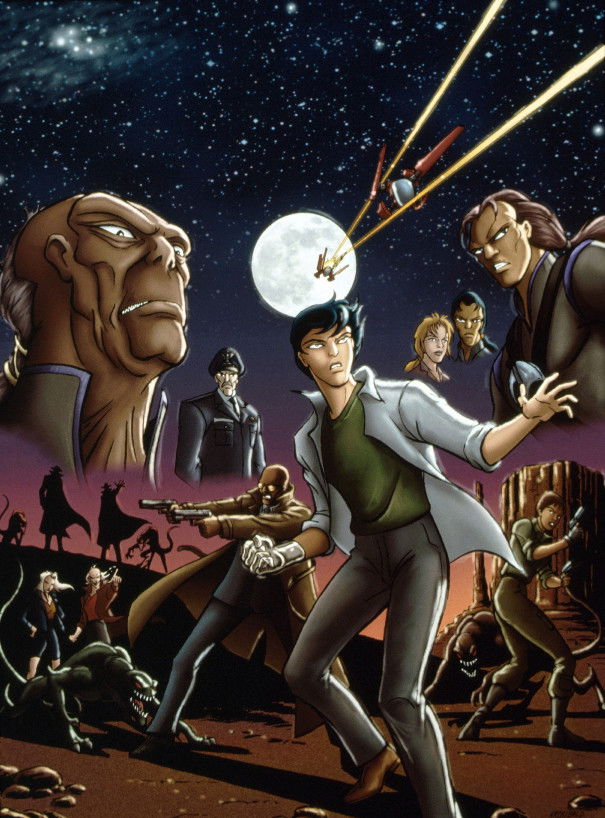
This high budget animated series for the WB network told a serious story about an alien invasion of Earth. It featured mature character designs and a focus on geopolitical tensions and human drama. The show did not shy away from the violence of war or the casualties involved in a global conflict. Its cinematic approach to storytelling was rare for television animation at the time. It provided a grounded and often grim look at a sci fi premise that resonated with older viewers.
‘Exosquad’ (1993–1994)
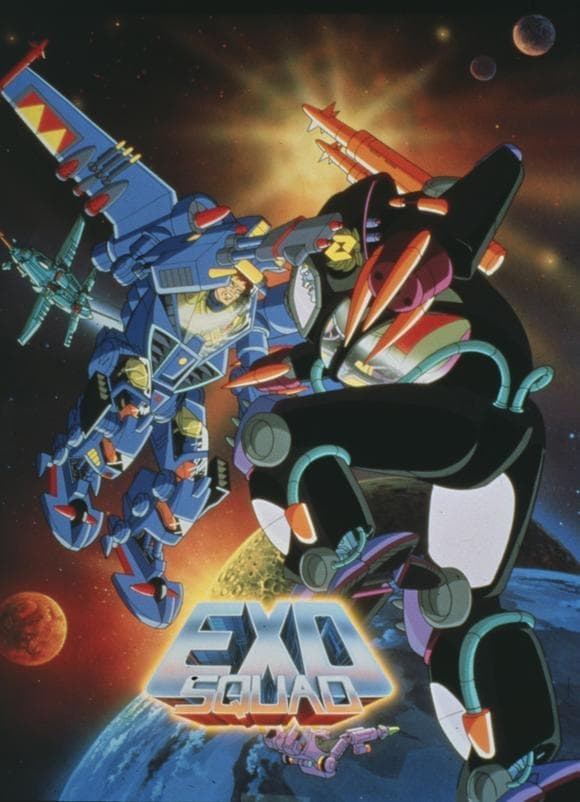
Often cited as one of the most mature western cartoons of its time this series depicted a full scale space war between humans and Neosapiens. It explored complex themes of slavery and racism and the moral ambiguities of combat. Characters frequently died or suffered life altering injuries throughout the two seasons. The show was a serious war drama that happened to be animated and used its medium to tell a sprawling epic. Its uncompromising look at the costs of conflict left a lasting impression on its audience.
‘Cadillacs and Dinosaurs’ (1993–1994)
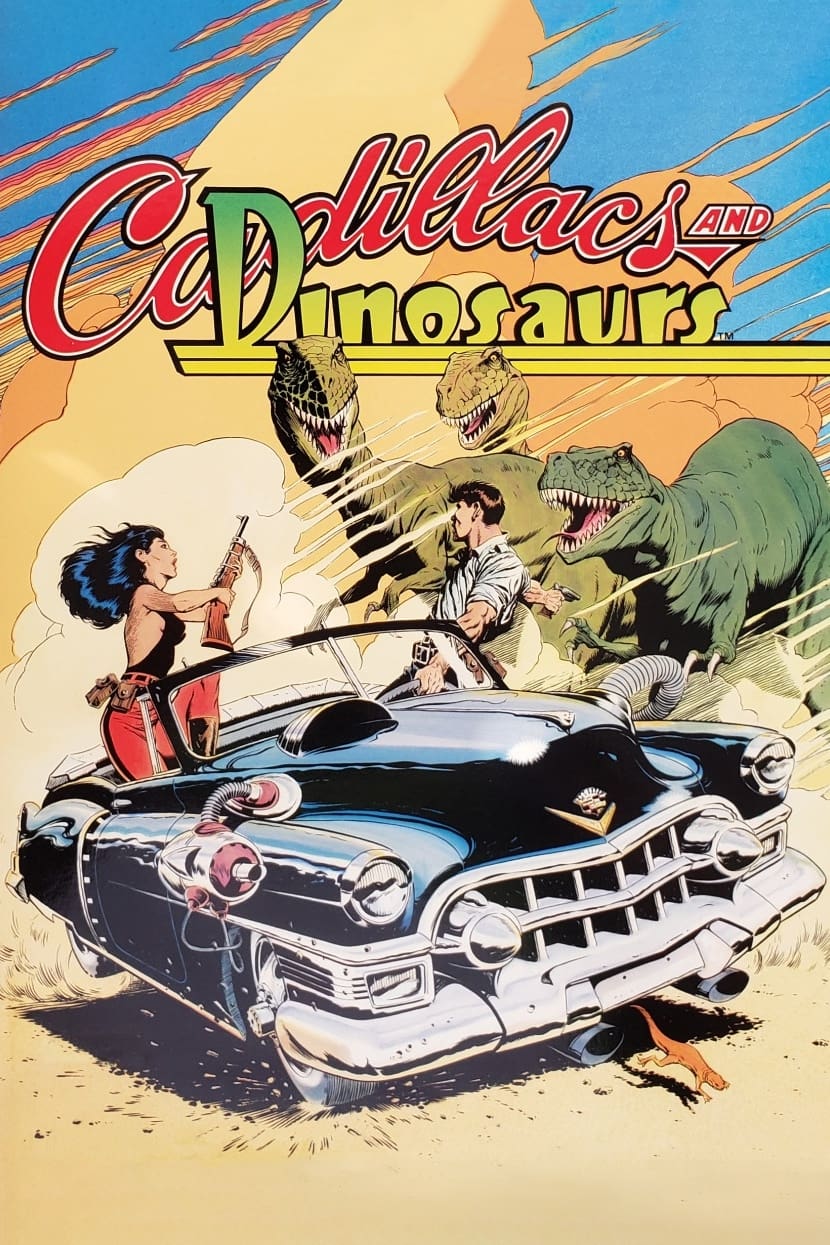
Based on a comic book series this show took place in a post apocalyptic future where humans lived alongside resurrected dinosaurs. It featured a gritty world where survival was a daily struggle and the environment was often hostile. The show dealt with ecological themes and the dangers of unchecked technology. The dinosaur attacks were often intense and the sense of living in a broken world was palpable. It offered a unique blend of prehistoric action and futuristic adventure.
Share your memories of these shows in the comments.