


Celebrities Accused of Fraud

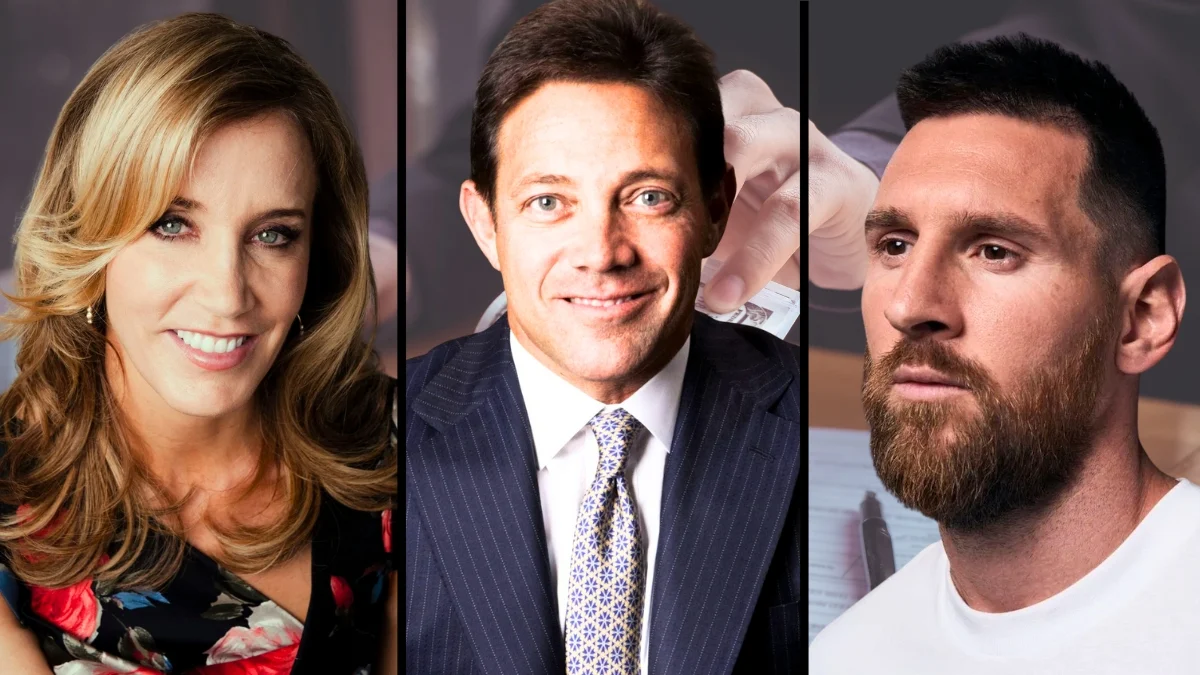


Fraud allegations have involved actors, musicians, athletes, reality-TV stars, lawyers, influencers, and tech founders. Some cases ended with convictions and prison terms, others with civil settlements or dismissals, and several remain contested in various courts.
This roundup summarizes the core accusations, charges, and outcomes—such as pleas, verdicts, sentences, fines, restitution orders, and notable procedural developments—so readers can see what authorities alleged and what courts ultimately decided.
Lori Loughlin
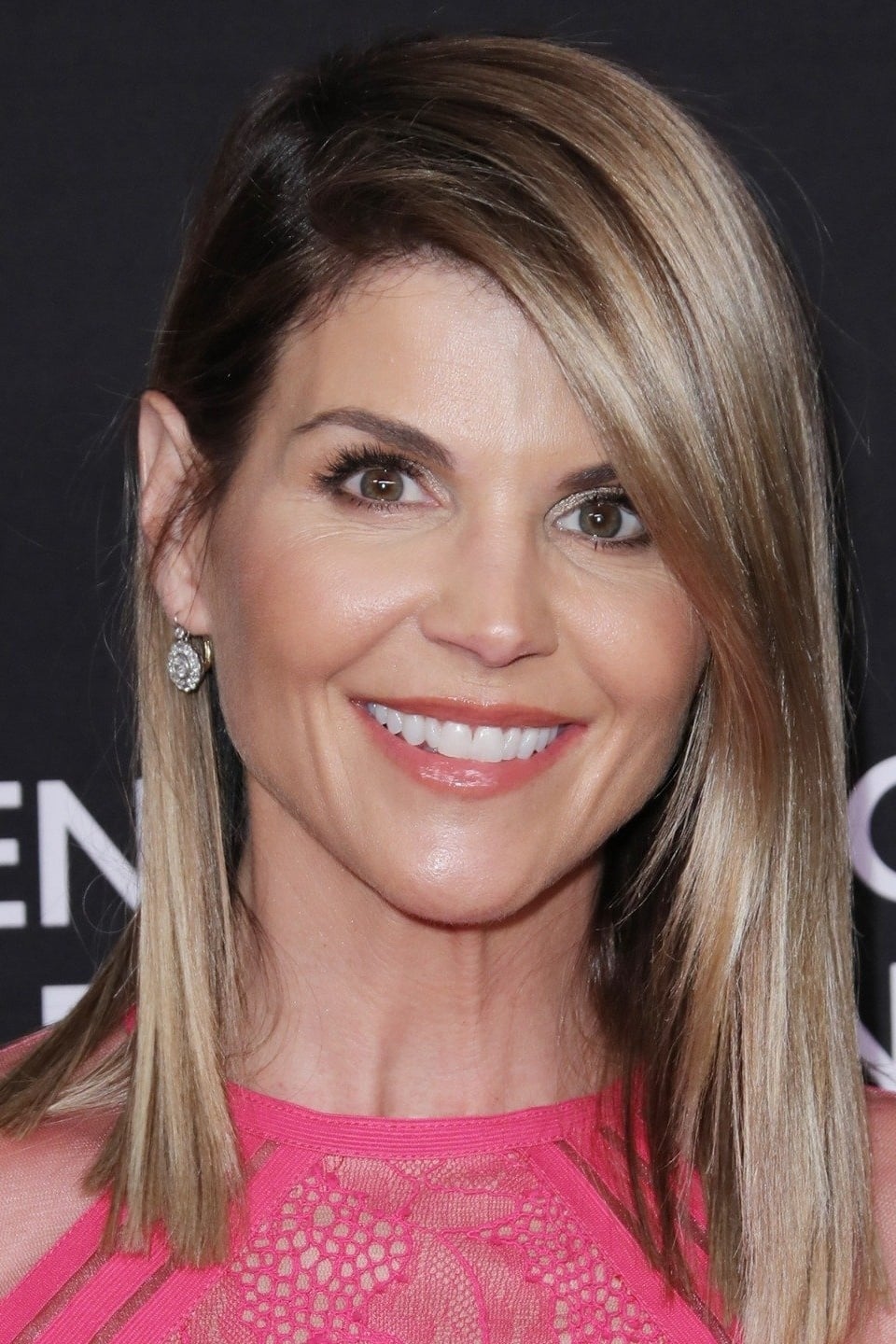
Federal prosecutors charged Lori Loughlin in the college-admissions investigation popularly called ‘Operation Varsity Blues,’ alleging a conspiracy to commit wire and mail fraud tied to her children’s admission to USC as purported crew recruits. In May 2020 she pleaded guilty to one count of conspiracy to commit wire and mail fraud.
She received a two-month prison sentence, a fine, and community service. Her husband, Mossimo Giannulli, pleaded guilty to related conduct and received a longer custodial term.
Felicity Huffman
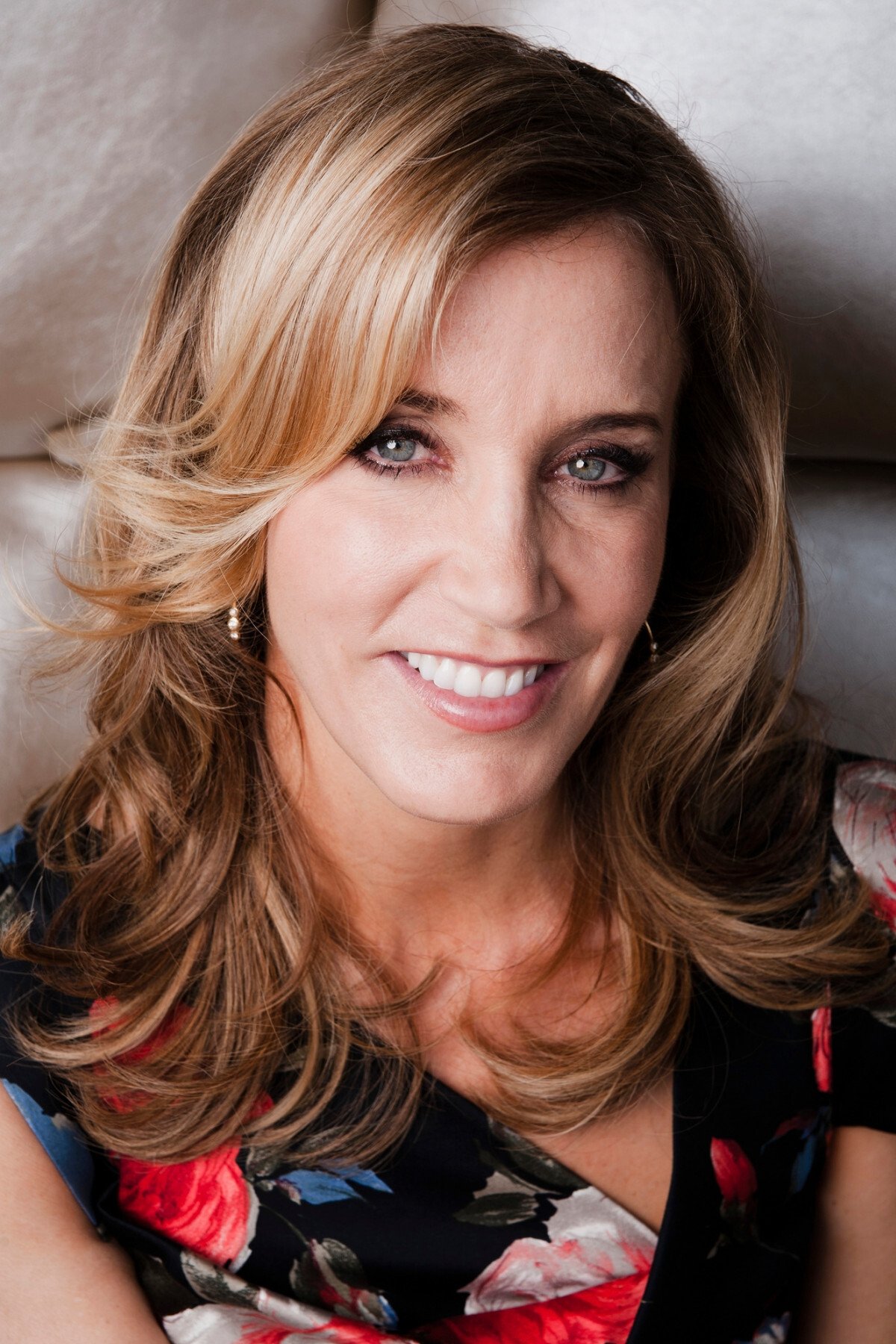
Felicity Huffman pleaded guilty in 2019 to one count of conspiracy to commit mail fraud and honest-services mail fraud after paying to inflate her daughter’s SAT score. The case stemmed from the same admissions probe that uncovered standardized-testing schemes.
She was sentenced to 14 days in prison, a fine, supervised release, and community service. Court filings detailed the testing-center arrangement and the disguised payment used to carry out the plan.
Jen Shah

‘The Real Housewives of Salt Lake City’ cast member Jen Shah pleaded guilty in 2022 to conspiracy to commit wire fraud for a telemarketing operation that targeted older adults with purported business-opportunity services. Prosecutors said the services had little or no value and that her role was obscured through intermediaries and encrypted communications.
In 2023 she was sentenced to a multi-year federal prison term, ordered to forfeit proceeds, and directed to pay substantial restitution. Conditions of supervised release and payment schedules were also set by the court.
Teresa Giudice
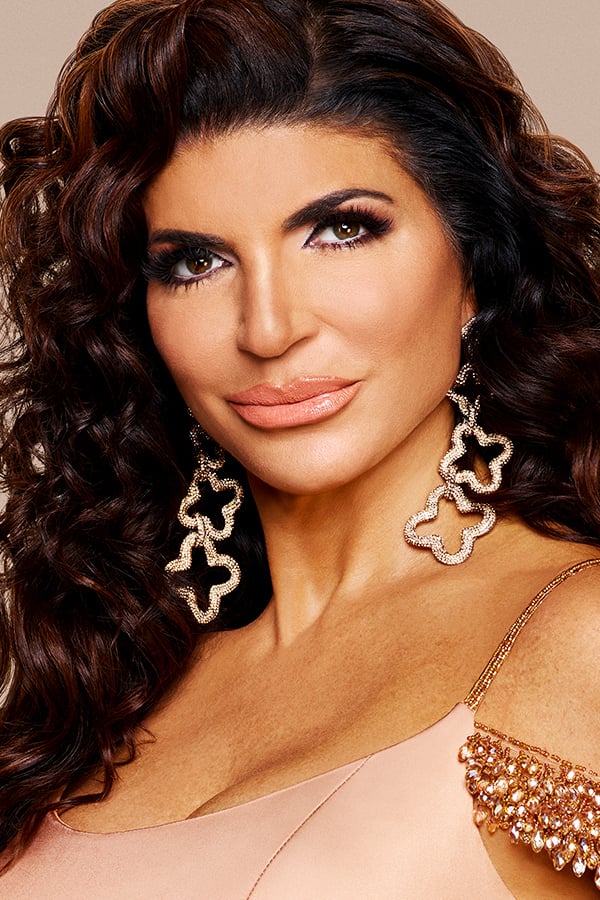
‘The Real Housewives of New Jersey’ personality Teresa Giudice pleaded guilty in 2014 to federal offenses including bankruptcy fraud and conspiracy to commit mail and wire fraud. The government cited false statements in bankruptcy filings and misrepresentations on loan applications.
She was sentenced to 15 months in prison and ordered to pay restitution, with the court structuring sentences so a parent could remain at home with the couple’s children. She completed her custodial term and supervision requirements.
Joe Giudice
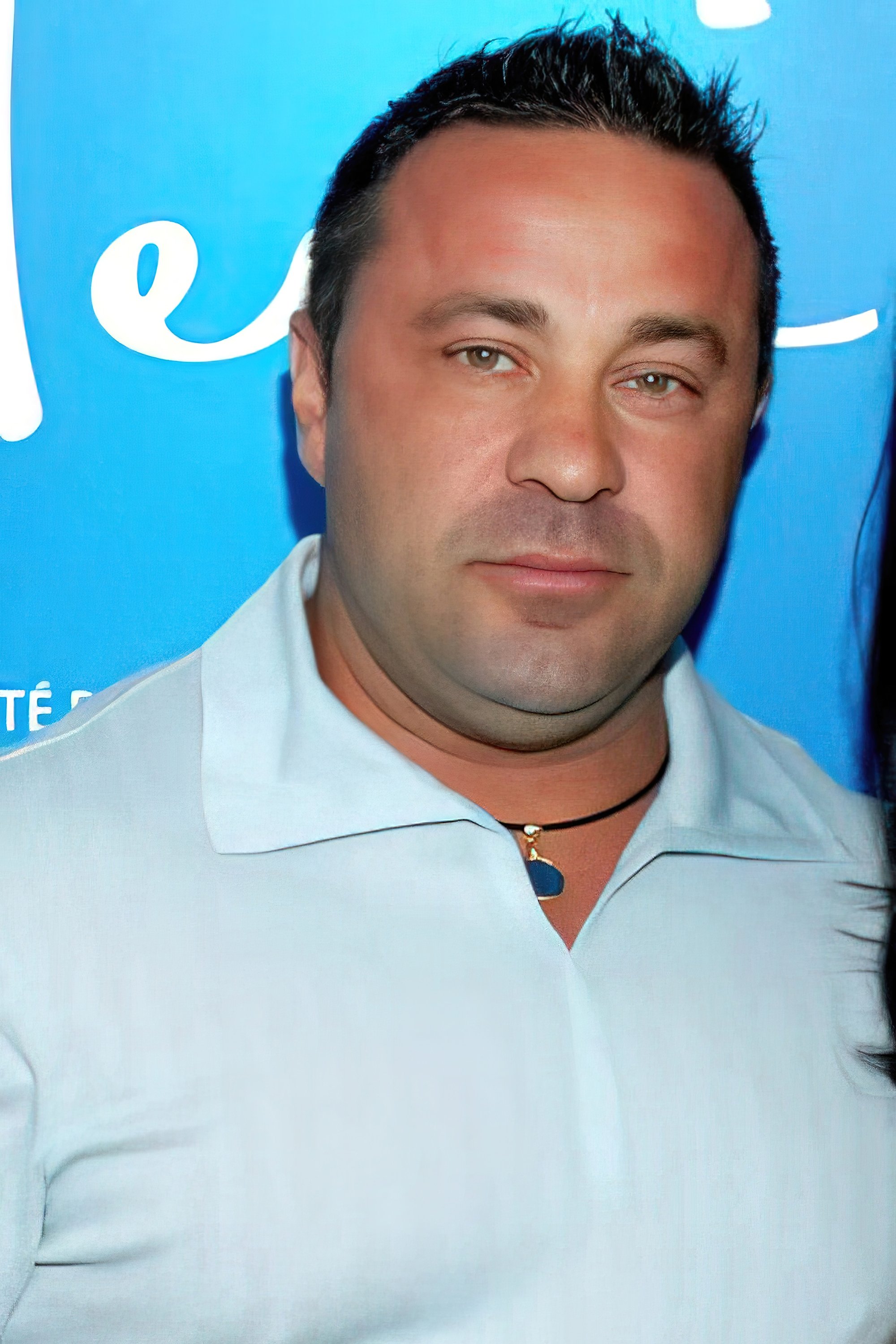
Joe Giudice pleaded guilty alongside Teresa to bank, bankruptcy, and mail-and-wire fraud conspiracies and separately admitted failing to file tax returns. His sentence exceeded three years, reflecting the additional tax offense.
After finishing his federal sentence, he entered immigration custody and later relocated outside the United States. Restitution obligations and supervised-release terms were set in the judgment.
Todd Chrisley
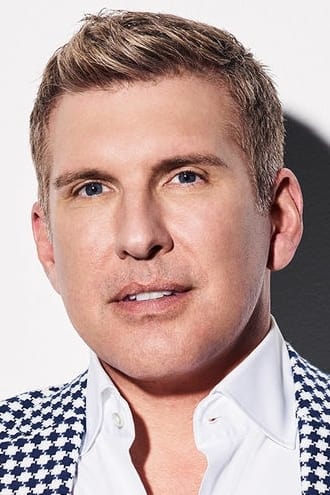
‘Chrisley Knows Best’ figure Todd Chrisley was convicted in 2022 of conspiracy to commit bank fraud, bank fraud, wire fraud, and conspiracy to defraud the IRS. Evidence presented at trial included falsified bank statements and personal financial documents used to obtain loans.
He received a lengthy prison sentence and supervised release, along with restitution and forfeiture-related orders. The tax counts also led to conditions addressing past filings and future compliance.
Julie Chrisley
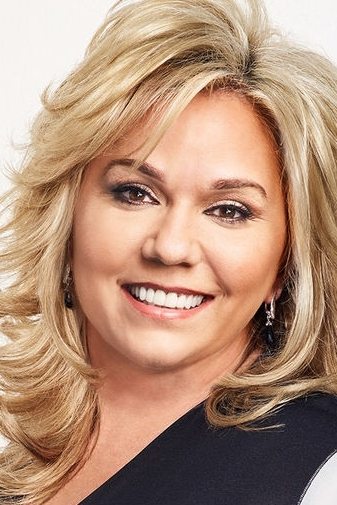
Julie Chrisley was convicted on the same fraud counts as Todd Chrisley and an additional obstruction offense. The case involved fraudulent loan applications, fabricated financial records, and tax-evasion conduct tied to personal and business finances.
She received a multi-year prison sentence, supervised release, and financial penalties. Post-trial proceedings addressed sentencing adjustments and the schedule for restitution payments.
Abby Miller

‘Dance Moms’ coach Abby Lee Miller pleaded guilty in 2016 to concealing assets in bankruptcy and failing to report an international currency transaction. Prosecutors said she hid income during Chapter 11 proceedings and failed to declare cash brought into the United States.
She was sentenced in 2017 to one year and one day in prison, two years of supervised release, a fine, and a money judgment. The court docket reflects completion of custody and supervision phases.
Shakira

Spanish authorities accused Shakira of tax fraud related to residency and income attribution. On the first day of trial in 2023, she accepted a settlement that included a suspended sentence and payment of fines in addition to taxes and interest.
A separate inquiry concerning a different tax year was later provisionally shelved by an investigating magistrate after prosecutors recommended closure. She has publicly maintained that she resolved the matter to avoid prolonged litigation.
Cristiano Ronaldo
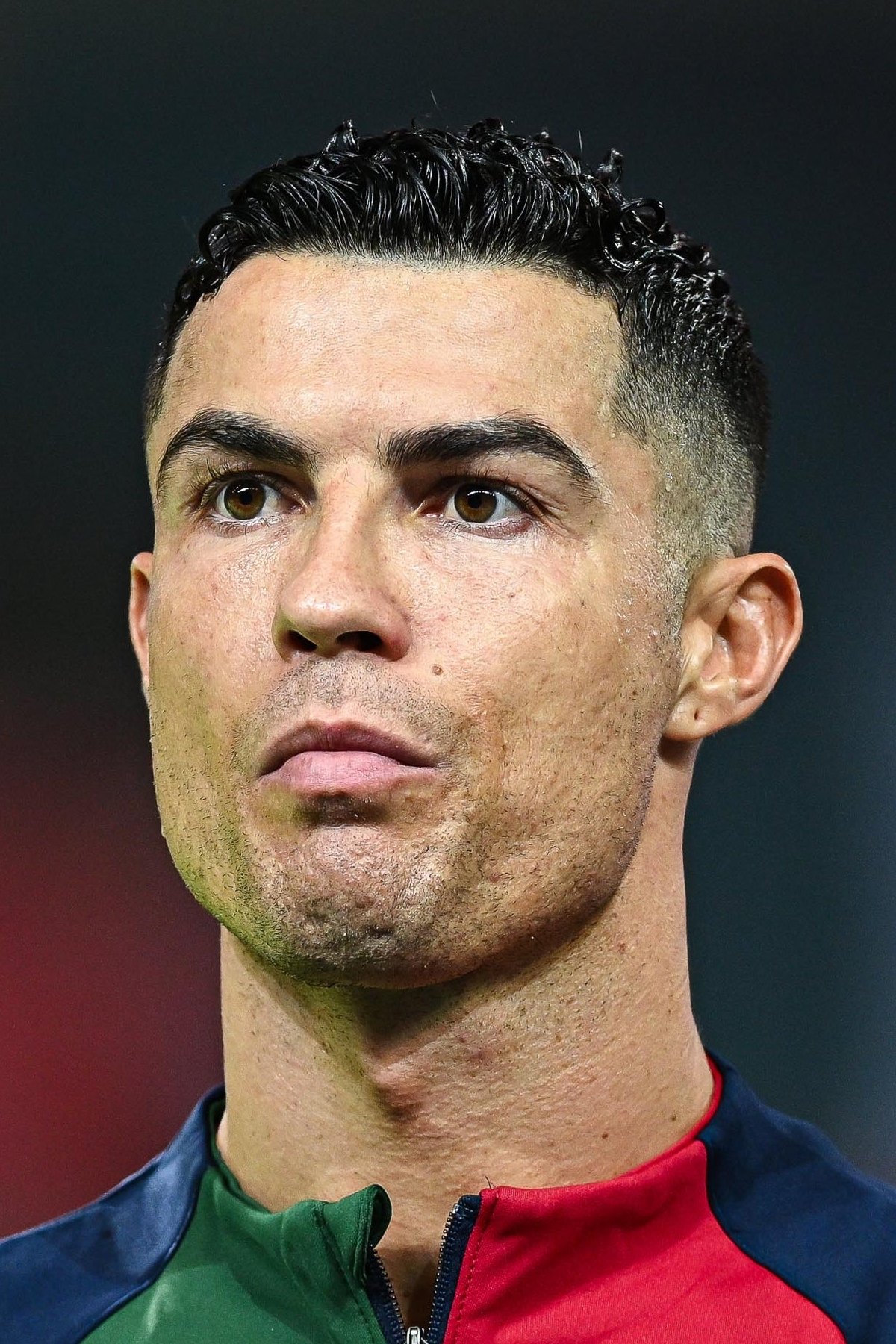
Spanish prosecutors accused Cristiano Ronaldo of tax fraud connected to image-rights income routed through companies. In 2019 he reached a plea agreement in Madrid that required a fine and a suspended sentence consistent with Spanish rules for first-time, non-violent offenders.
The case documentation outlined how image-rights payments were structured and how the agreed resolution addressed liabilities. He fulfilled the financial terms under the court’s order.
Lionel Messi
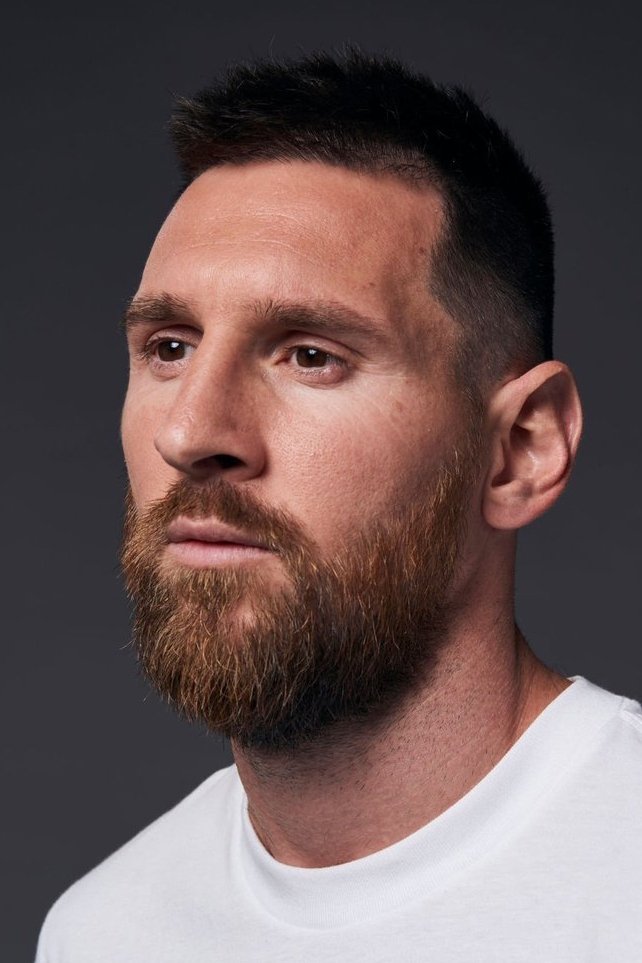
Lionel Messi and his father were convicted in Spain of tax fraud concerning image-rights revenue. The court imposed prison terms that, under Spanish law for first-time offenders, were converted to fines.
The judgment described the use of corporate structures to manage licensing income and the resulting assessments and penalties. Spain’s high court later upheld the ruling.
Boris Becker
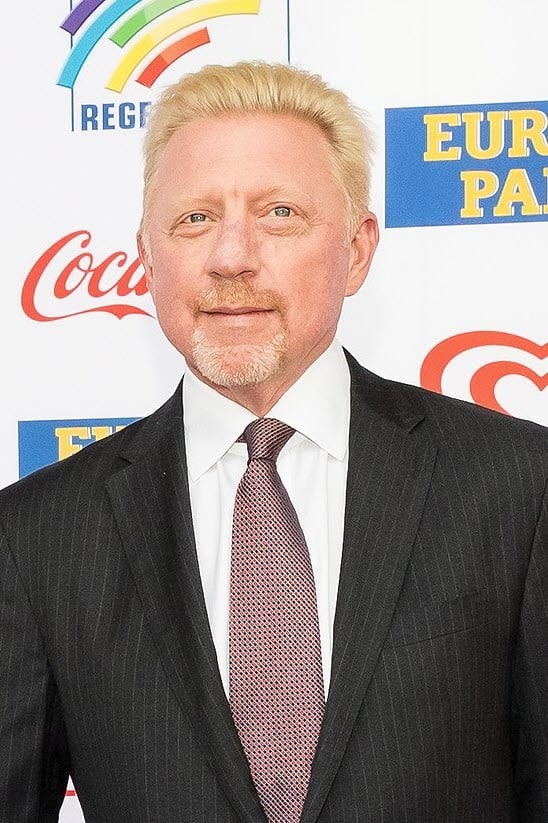
Tennis champion Boris Becker was convicted in a UK court in 2022 of offenses stemming from his bankruptcy, including concealing assets and debts from the trustee and the court. Proceedings focused on undisclosed property interests and bank accounts.
He received a custodial sentence, served part of the term, and was subsequently released and deported in line with immigration rules. The case highlighted disclosure duties in insolvency proceedings.
Wesley Snipes
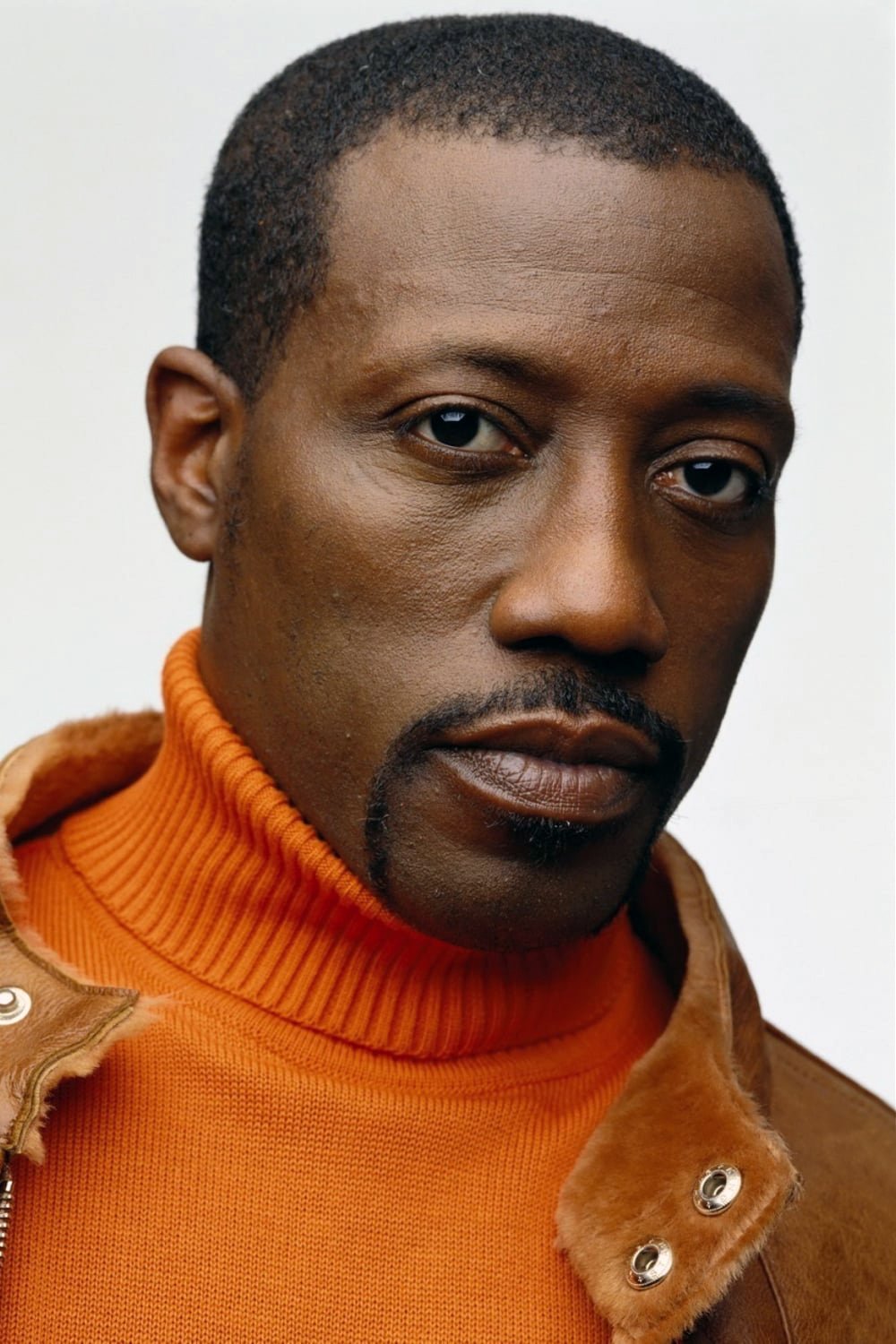
Wesley Snipes was charged with felony tax fraud and conspiracy but was acquitted of those counts in 2008. He was convicted of willful failure to file tax returns, a misdemeanor offense, and served the sentence imposed for those violations.
The prosecution emphasized years in which required returns were not filed. Post-release, he addressed outstanding obligations through court-approved arrangements.
Martha Stewart

The SEC brought a civil securities-fraud case against Martha Stewart concerning her sale of ImClone shares; she later settled the civil matter without admitting or denying the allegations. Separately, a federal jury convicted her of obstruction and making false statements during the investigation.
She served a custodial sentence and a period of home confinement and supervised release. The case became a prominent example of criminal liability tied to obstructive conduct in a market-abuse probe.
Ja Rule
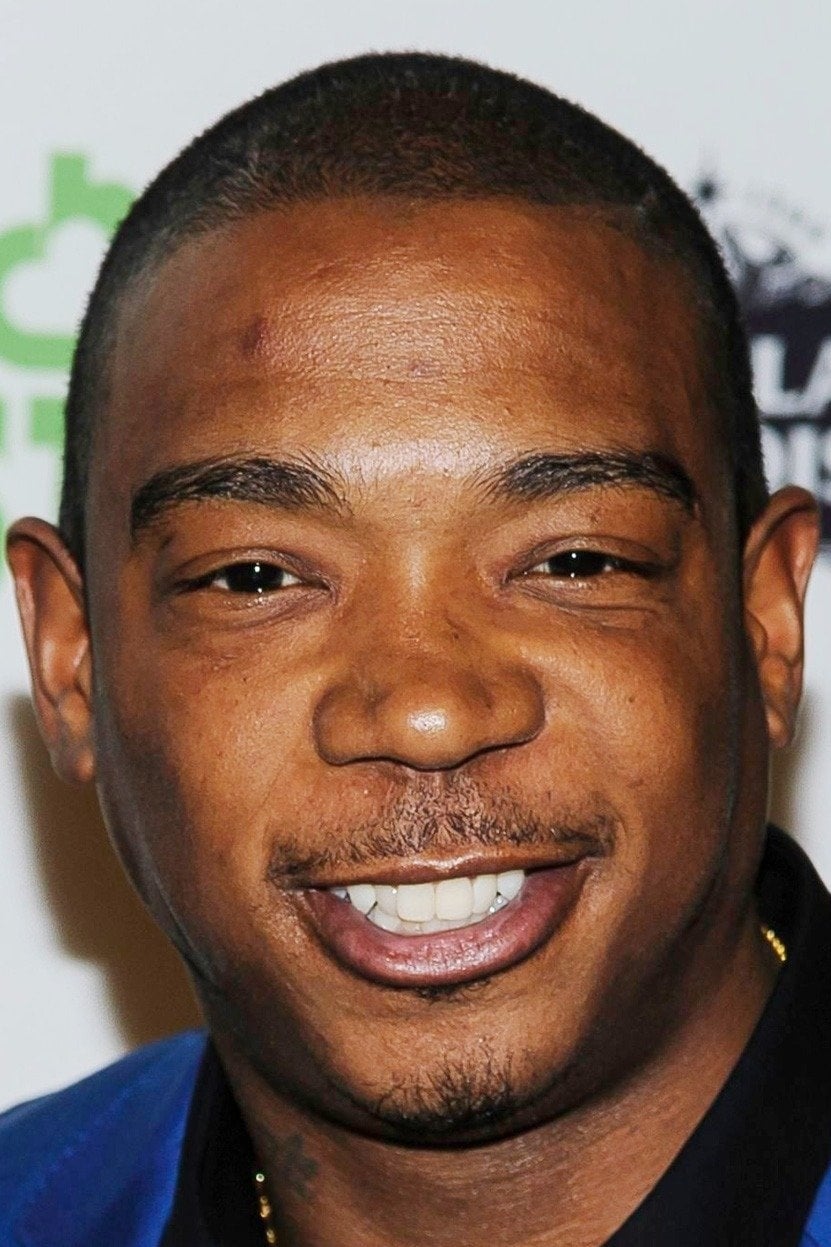
In civil litigation after the failed Fyre Festival, plaintiffs accused rapper Ja Rule (Jeffrey Atkins) of fraud based on alleged promotional misrepresentations. Federal courts later dismissed claims against him, concluding the record did not show he personally engineered deceptive statements.
The festival’s co-founder Billy McFarland, by contrast, faced criminal charges and prison time. Rulings in the civil cases explain why claims against Atkins did not proceed.
Billy McFarland

Fyre Festival organizer Billy McFarland pleaded guilty in 2018 to wire-fraud counts related to investors and ticket buyers. While on pretrial release, he admitted to additional fraudulent conduct involving luxury-event tickets.
He was sentenced to six years in federal prison and ordered to pay restitution. Supervised-release conditions and restitution schedules were set to recover losses to victims.
Jordan Belfort
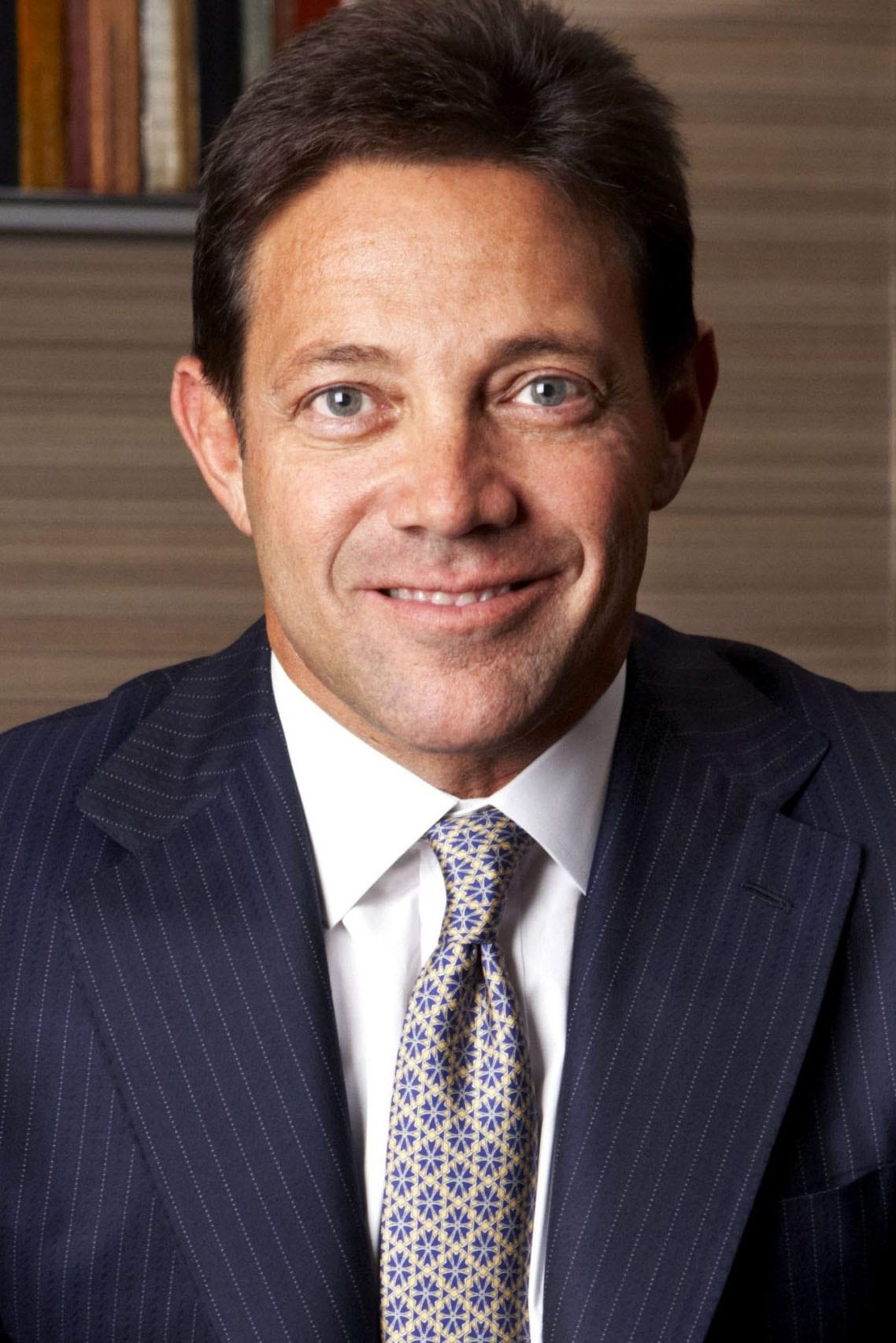
Former stockbroker Jordan Belfort pleaded guilty to securities fraud and money laundering for “pump-and-dump” schemes at his firm Stratton Oakmont. He cooperated with authorities before receiving his federal sentence.
The court ordered restitution exceeding $100 million, with ongoing payment obligations. His case is often cited in discussions of micro-cap market manipulation and investor-protection enforcement.
Erika Girardi
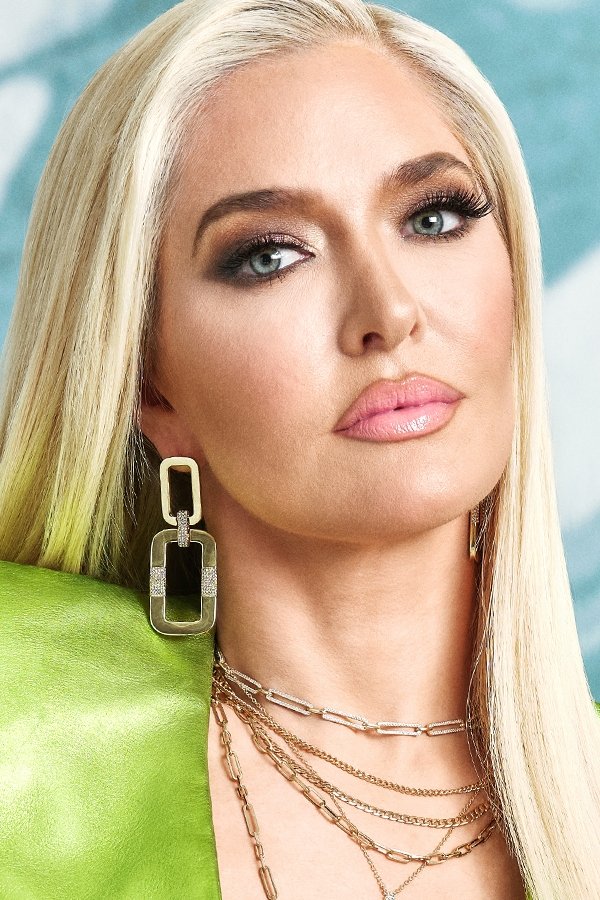
‘The Real Housewives of Beverly Hills’ performer Erika Girardi was named in multiple civil suits alleging she benefited from or aided Tom Girardi’s misuse of client funds. She has consistently denied knowledge of any wrongdoing.
Courts have dismissed some claims against her while others were litigated or resolved through bankruptcy-court processes. Trustees pursued clawback theories seeking to recover funds for creditors.
Tom Girardi
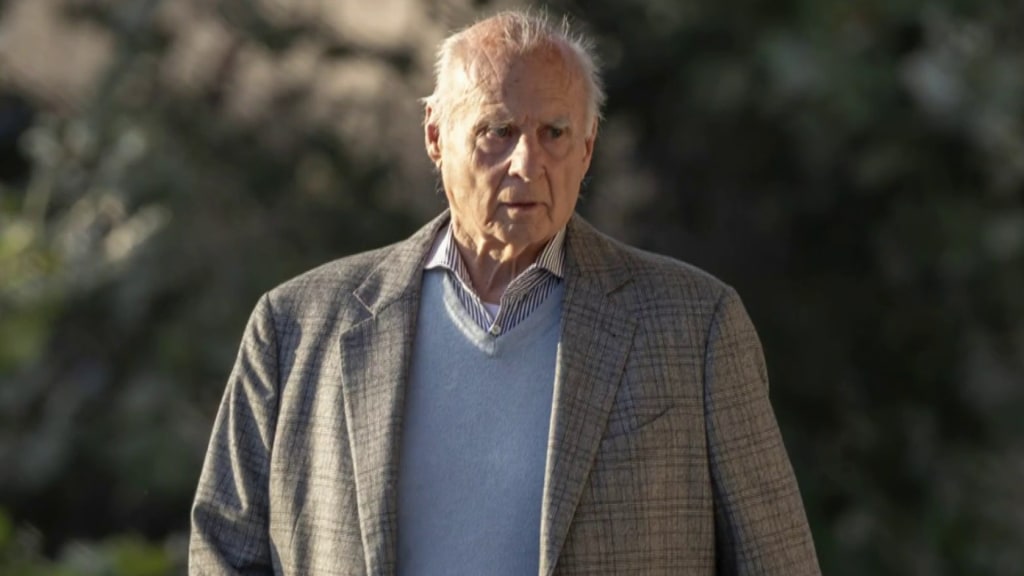
Disbarred Los Angeles attorney Tom Girardi—known to TV audiences through ‘The Real Housewives of Beverly Hills’—was charged in 2023 with wire fraud in separate federal cases alleging embezzlement of client settlement money. Disciplinary authorities had previously revoked his law license.
Indictments describe diversions of client funds and the collapse of his law firm. Subsequent proceedings have addressed competency, venue, and trial-scheduling issues.
G Herbo (Herbert Wright III)

Rapper G Herbo pleaded guilty in 2023 to conspiracy to commit wire fraud and to making false statements to a federal agent. The case originally alleged use of stolen identities to finance luxury travel and high-end rentals.
As part of the plea, prosecutors agreed to dismiss aggravated identity-theft counts. The agreement included restitution and a fine, with sentencing terms outlining supervision and repayment conditions.
Anna Sorokin

Anna Sorokin, whose story inspired the Netflix series ‘Inventing Anna,’ was convicted in New York state court in 2019 of grand larceny, attempted grand larceny, and theft of services. Prosecutors said she posed as a wealthy heiress to obtain hotel stays, goods, and attempted loans.
She received an indeterminate state sentence, a fine, and restitution orders, and was later paroled. Immigration authorities placed her under supervision following release.
Elizabeth Holmes
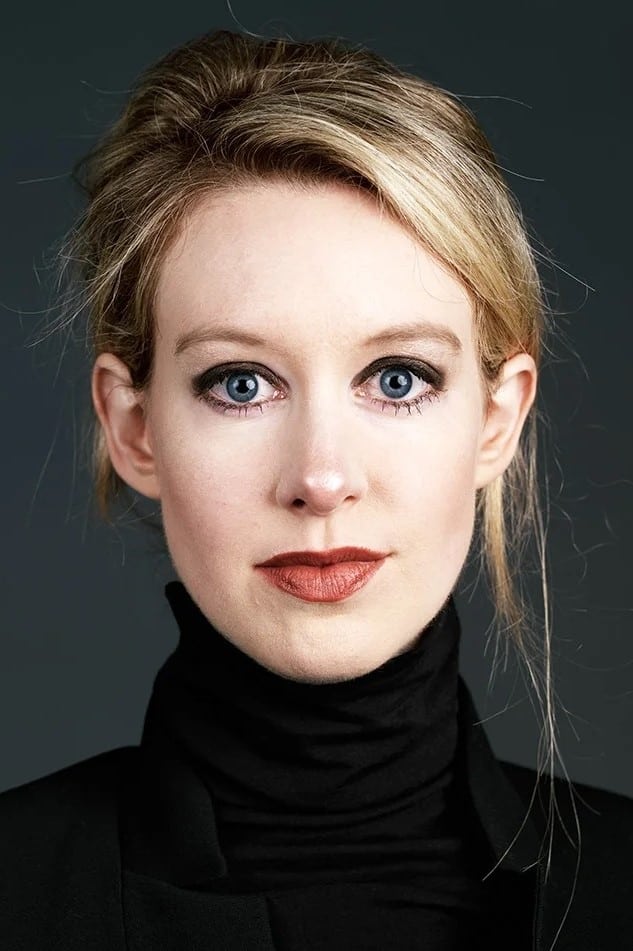
Theranos founder Elizabeth Holmes was found guilty in 2022 of defrauding investors—three wire-fraud counts and one conspiracy count—based on false claims about the company’s blood-testing technology. The court’s findings cited misleading statements to investors and doctored materials used in fundraising.
She was sentenced to more than 11 years in prison and ordered to pay hundreds of millions of dollars in restitution. Appeals resulted in limited adjustments but left the core judgment intact.
Sam Bankman-Fried

FTX founder Sam Bankman-Fried was convicted in 2023 on seven counts of fraud and conspiracy following the cryptocurrency exchange’s collapse. Trial evidence focused on misuse of customer deposits and misleading statements to investors and lenders.
In 2024 he was sentenced to 25 years in prison and ordered to forfeit assets valued in the billions, with restitution and victim-notification procedures addressed in the judgment. Post-sentence appeals and asset-recovery efforts continue in parallel civil and bankruptcy proceedings.
Michael Avenatti
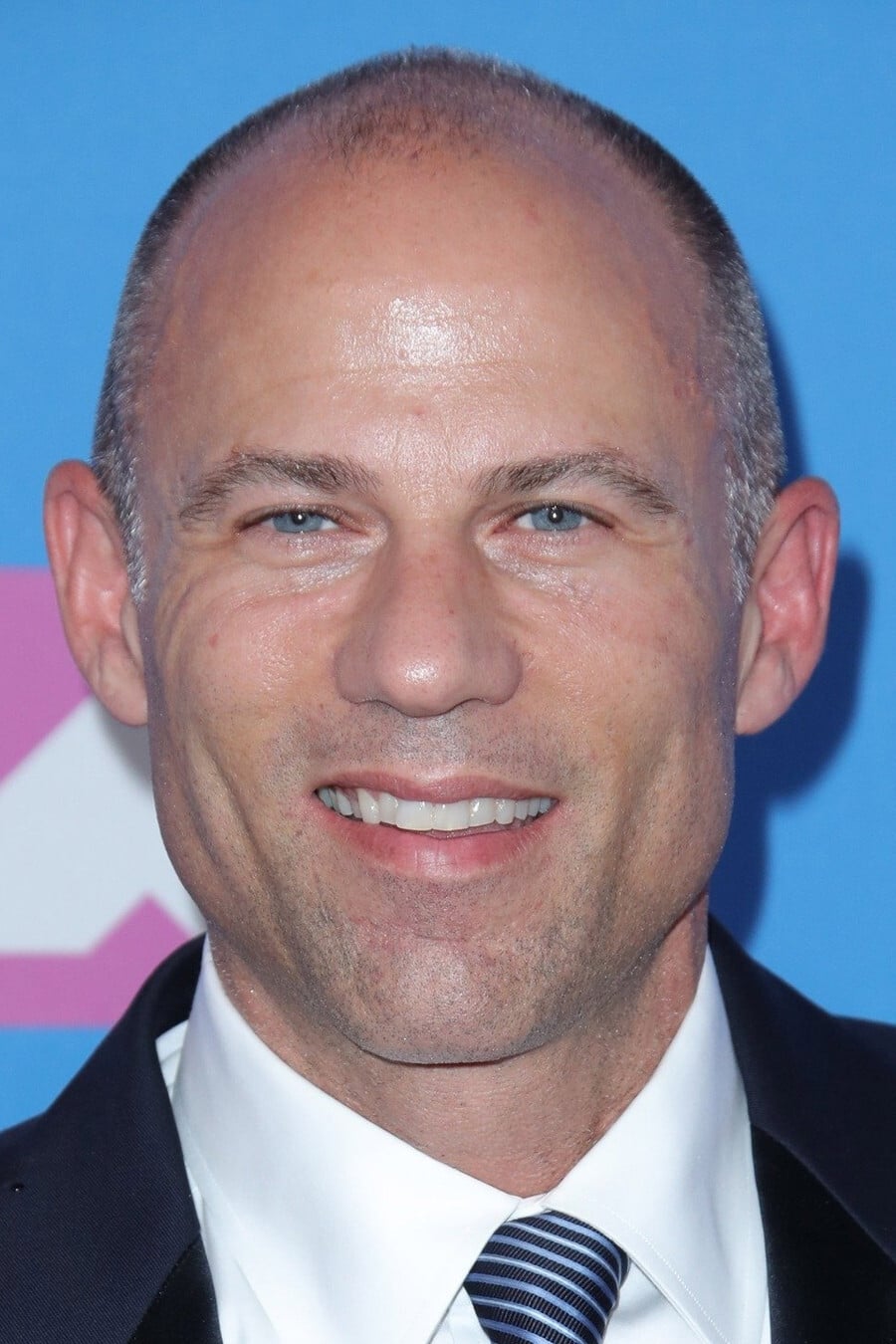
Attorney Michael Avenatti was convicted in 2020 of attempting to extort a sportswear company and later convicted of defrauding a client through false statements and misappropriation of funds. Separate charges in California addressed additional client-fund abuses.
He received multiple federal sentences to be served consecutively in part, along with restitution and supervised-release terms. After an appellate remand in one case, he was resentenced, with amended judgments reflecting credit for time served and adjusted calculations.
Share your thoughts on these cases—or any context you think should be added—in the comments.