


15 Celebrities Hollywood Turned Its Back On




Careers in the entertainment industry change quickly. A performer can be celebrated one year and find doors closing the next, often because of public controversies, contract disputes, behind the scenes conflicts, or shifting audience tastes. The people on this list all experienced a period when major studios and networks pulled back, whether through canceled projects, rescinded deals, or a noticeable drop in mainstream casting.
Some later rebuilt steady work on television or through independent projects. Others found opportunities outside the studio system or returned after long gaps. Each case shows how business decisions, publicity storms, and industry relationships can reshape a career in ways that go far beyond a single role or headline.
Mira Sorvino

Mira Sorvino won the Academy Award for Best Supporting Actress for ‘Mighty Aphrodite’ and then watched big studio opportunities slow down. She has said that she lost jobs after rejecting unwanted advances, and director Peter Jackson later said he was advised against casting her during early talks for ‘The Lord of the Rings’. Those statements drew wide attention to how informal warnings and off the record conversations can affect casting lists that most actors never see.
Sorvino kept working through a mix of television and independent films, including appearances on ‘Psych’ and ‘Hollywood’. She has also been active in advocacy work and returned to higher profile roles as the industry revisited stories of retaliation and gatekeeping. Her career path highlights how decisions made far from the audition room can shape long term momentum.
Mo’Nique
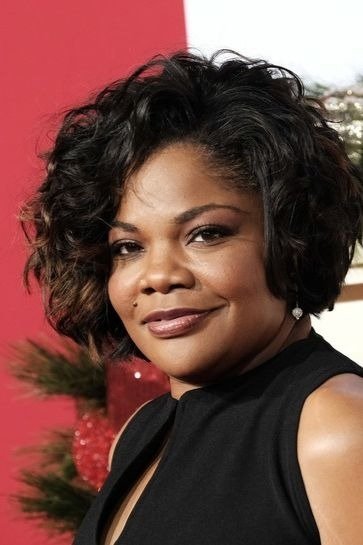
Mo’Nique won the Academy Award for Best Supporting Actress for ‘Precious’ and then clashed publicly with producers over awards season promotion. She later said she was blackballed after declining unpaid campaign events and spoke out about pay disputes with major companies. The result was a sharp drop in studio backed roles during years when an Oscar would typically boost offers.
She continued to tour as a stand up star and worked in film and television projects that did not rely on the big studio model. After a high profile legal fight over a comedy special offer, she reached a settlement and reunited with director Lee Daniels for new work. Her experience became a reference point in discussions about pay equity and the expectations placed on actors during awards campaigns.
Brendan Fraser
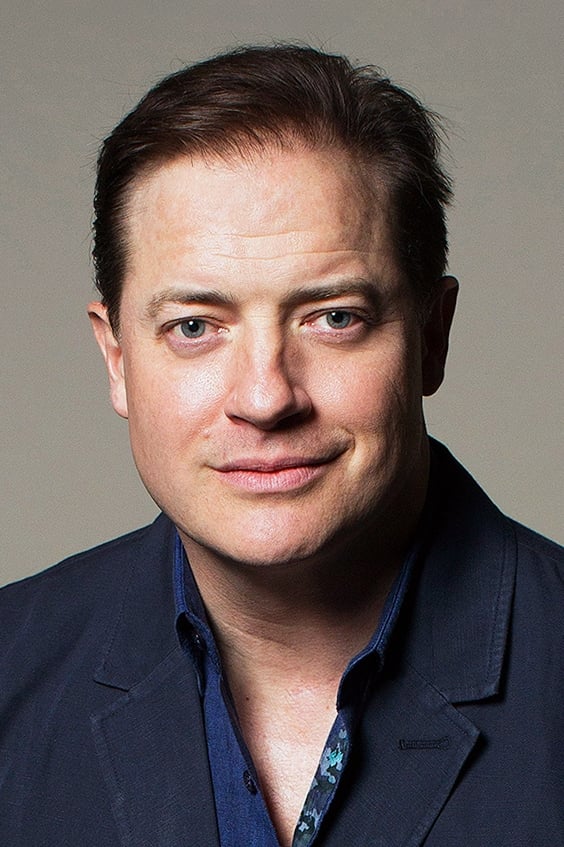
Brendan Fraser headlined hits like ‘The Mummy’ series and then endured injuries that required multiple surgeries, which limited the physical roles he often took. He has said that a 2003 incident with a Hollywood Foreign Press Association leader left him feeling ostracized and contributed to a slowdown in major offers. During that period he worked intermittently while focusing on recovery and family.
Fraser later mounted a widely covered return with ‘The Whale’, which brought a new wave of dramatic opportunities. The renewed attention led to roles with respected directors and festival premieres. His journey illustrated how health, personal experiences, and genre typecasting can interact to stall or restart a career.
Katherine Heigl

Katherine Heigl rose to prominence with ‘Grey’s Anatomy’ and the comedy ‘Knocked Up’ and then faced a swift shift in reputation after public comments about scripts and awards submissions. Reports of difficult relations on sets followed her from projects, and leading roles in wide release films declined. The conversation around her name often focused on off camera narratives rather than the work on screen.
She rebuilt with steady television roles, including parts on ‘Suits’ and ‘Firefly Lane’, and with producing credits that gave her more control. By shaping projects rather than only auditioning for them, she found a path back to regular visibility. The arc shows how public statements can change the tone of negotiations and how television can provide a reset.
Shannen Doherty

Shannen Doherty became a household name through ‘Beverly Hills, 90210’ and later ‘Charmed’, then exited both shows amid widely reported on set conflicts. After those departures she saw fewer leading roles in network television and studio films, and appearances shifted to smaller projects and guest spots. The pattern reflected how reputation can move from one production to the next.
She later returned to familiar franchises with reunion and revival appearances and worked consistently in television movies. Doherty also documented her health journey, which brought new public support and advocacy work. Her career demonstrates how early workplace disputes can shadow an actor and how persistence can still keep a career active.
Isaiah Washington
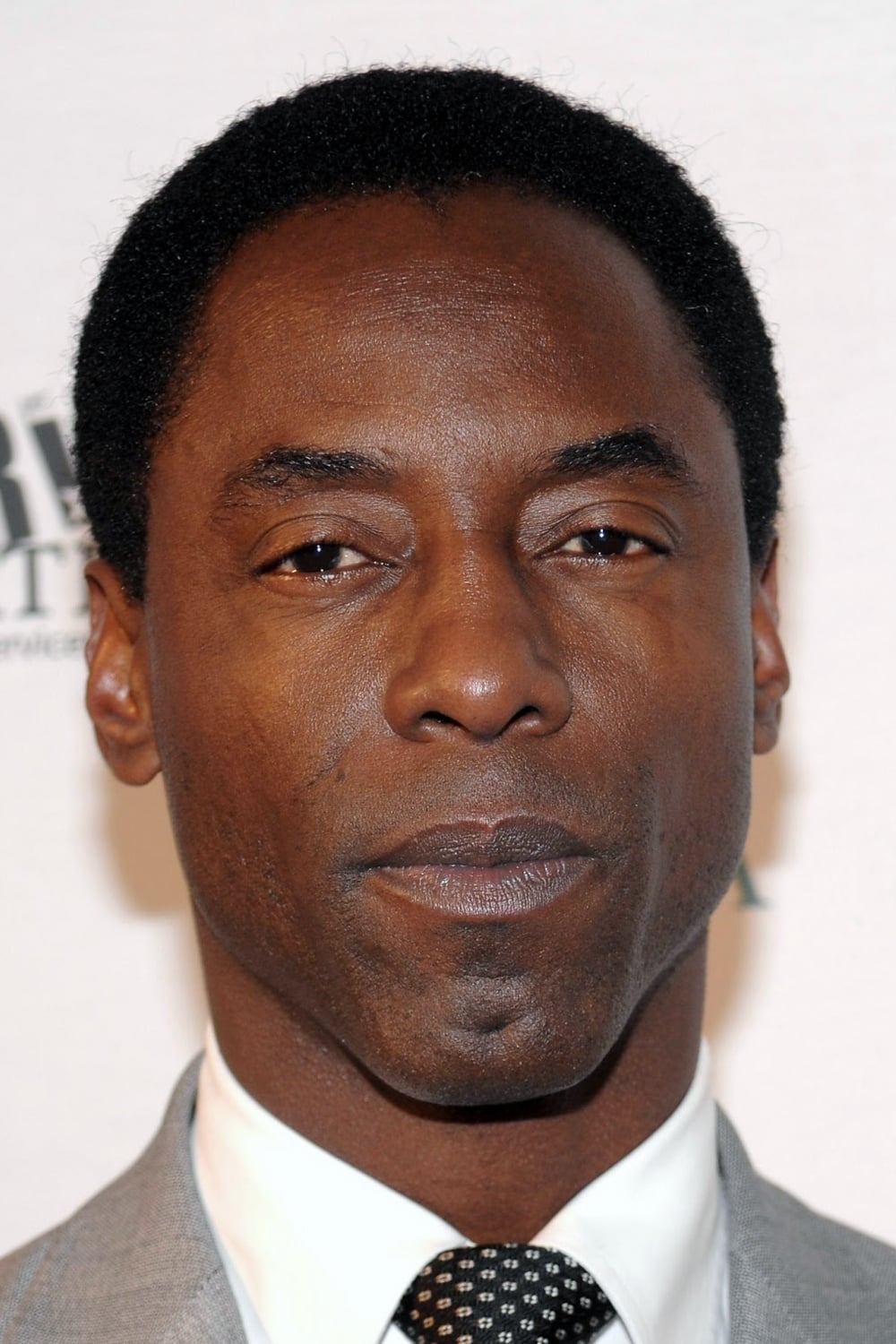
Isaiah Washington was written out of ‘Grey’s Anatomy’ following a controversy over a homophobic slur that drew heavy coverage and industry condemnation. The removal from one of television’s top rated dramas at the time significantly reduced his mainstream opportunities with major networks. Offers shifted toward independent productions and smaller cable projects.
He found new work with series like ‘The 100’ and independent films while also directing and producing. Washington’s experience is often cited in discussions about workplace conduct and consequences in ensemble shows. It shows how a single incident tied to a hit series can shape casting decisions for years.
Roseanne Barr
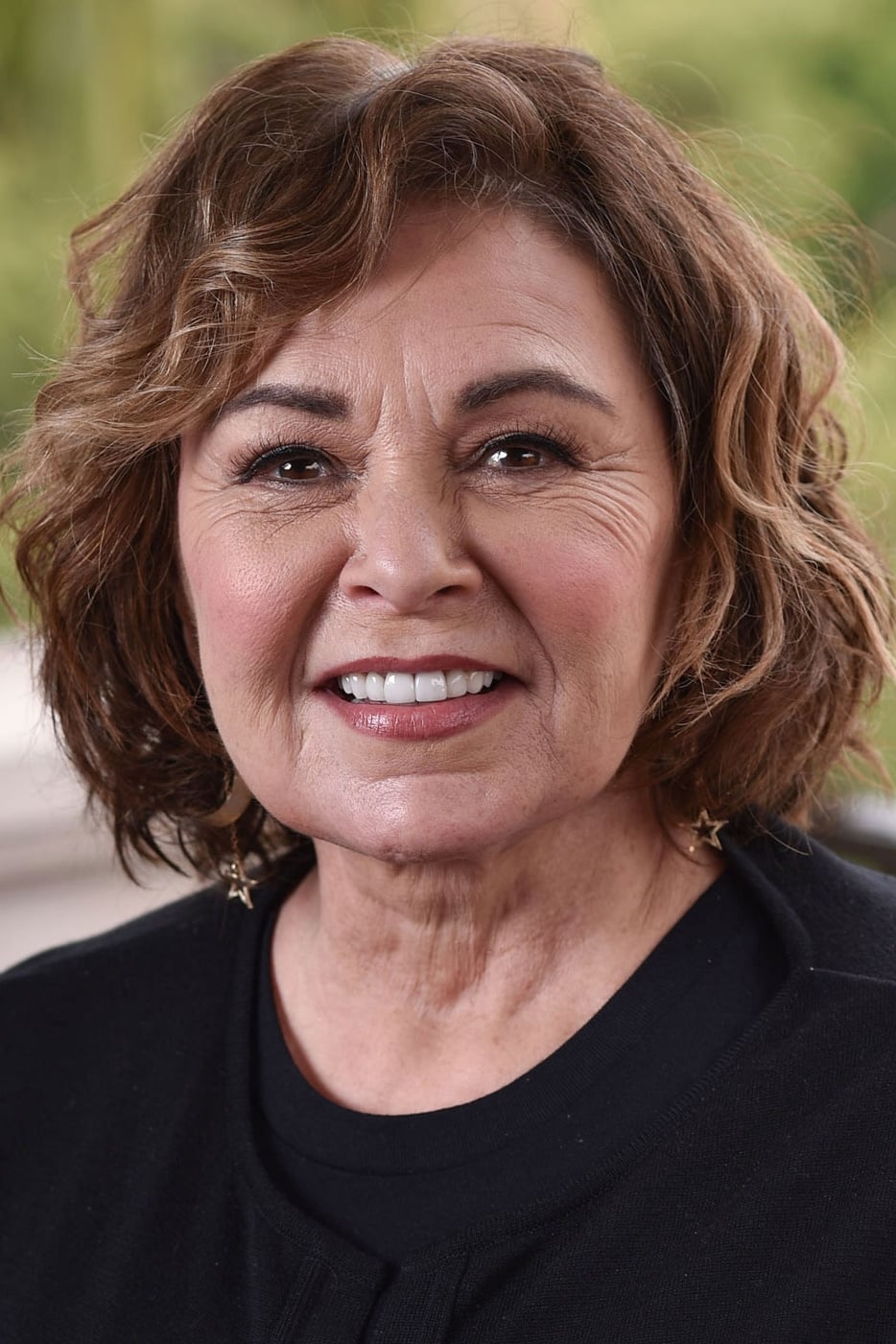
Roseanne Barr returned to prime time with a successful revival of ‘Roseanne’, then lost the show after a racist tweet prompted ABC to cancel the series. The network continued the retooled spinoff ‘The Conners’ without her character, and mainstream deals largely fell away in the immediate aftermath. The quick shutdown of a top rated series underlined how rapidly studios can move when brand safety is at risk.
Barr continued to perform live and pursued projects outside broadcast television. The separation between her and the network franchise remained firm as ‘The Conners’ carried on with the rest of the ensemble. This case shows how social media actions can instantly change long term business relationships.
Charlie Sheen
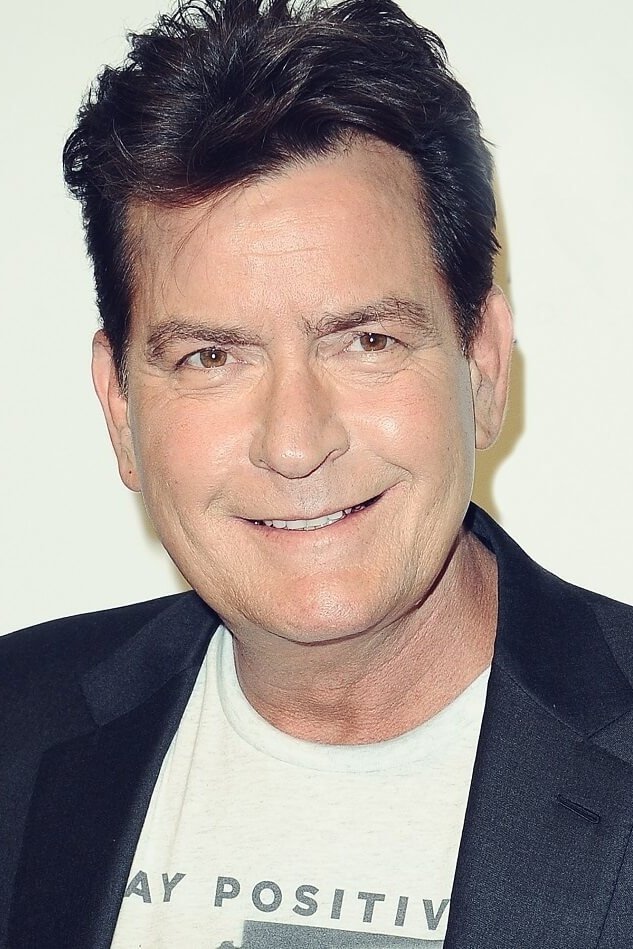
Charlie Sheen was fired from ‘Two and a Half Men’ after a very public dispute with the show’s creator and a string of highly publicized incidents. The dismissal from one of the most watched comedies on television immediately closed the door on that franchise and cooled interest from major networks. Insurance and reliability concerns became a factor in discussions about his casting.
He moved to cable with ‘Anger Management’ and kept working while also addressing health disclosures and personal matters. Although he remained a recognizable name, the scale and stability of projects changed compared with his pre firing period. The shift illustrated how off screen behavior can influence risk calculations for long running shows.
Lindsay Lohan

Lindsay Lohan broke out with ‘Mean Girls’ and then entered a stretch marked by legal issues, missed call times, and court mandated programs that made scheduling difficult. Insurance costs and reliability questions led studios to look elsewhere for young leads during a period when she might have otherwise headlined multiple films. The cumulative effect was a long pause on major studio projects.
She began a measured return through television guest spots and international work and then led streaming romantic comedies like ‘Falling for Christmas’ and ‘Irish Wish’. Those releases introduced her to a new audience and showed consistent delivery on promotional commitments. The comeback path highlights how controlled schedules and platform movies can reestablish trust.
Mel Gibson
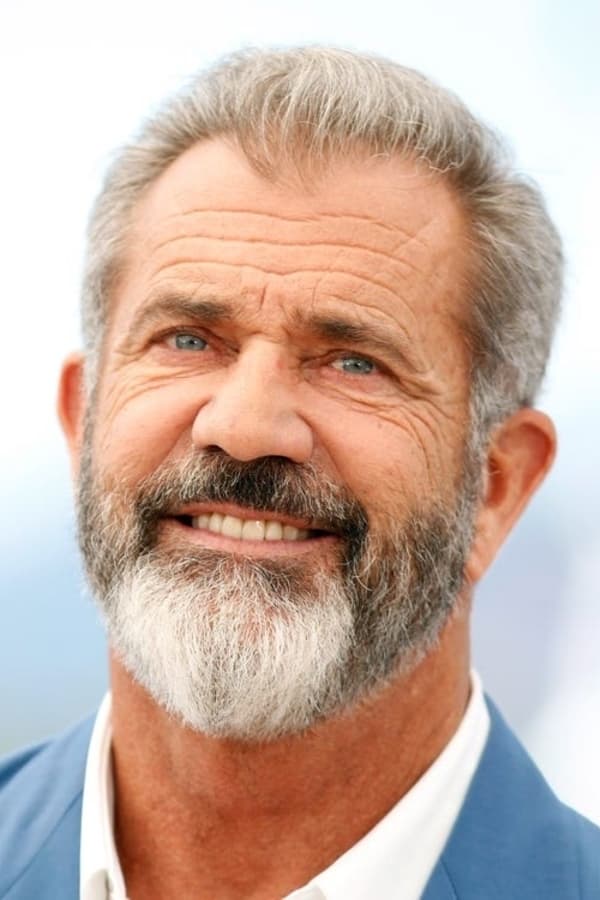
Mel Gibson faced industry wide backlash after a DUI arrest that included anti Jewish remarks and later the release of recorded phone calls that drew further condemnation. Major agencies and studios distanced themselves, and on screen roles in big budget films diminished sharply. For years he worked primarily in smaller projects or overseas productions.
He returned to prominence as a director with ‘Hacksaw Ridge’, which earned awards recognition and opened doors for new collaborations. Acting opportunities followed, though not at the same volume as earlier in his career. The timeline shows how a shift behind the camera can lead to gradual reentry after public scandals.
Jim Caviezel
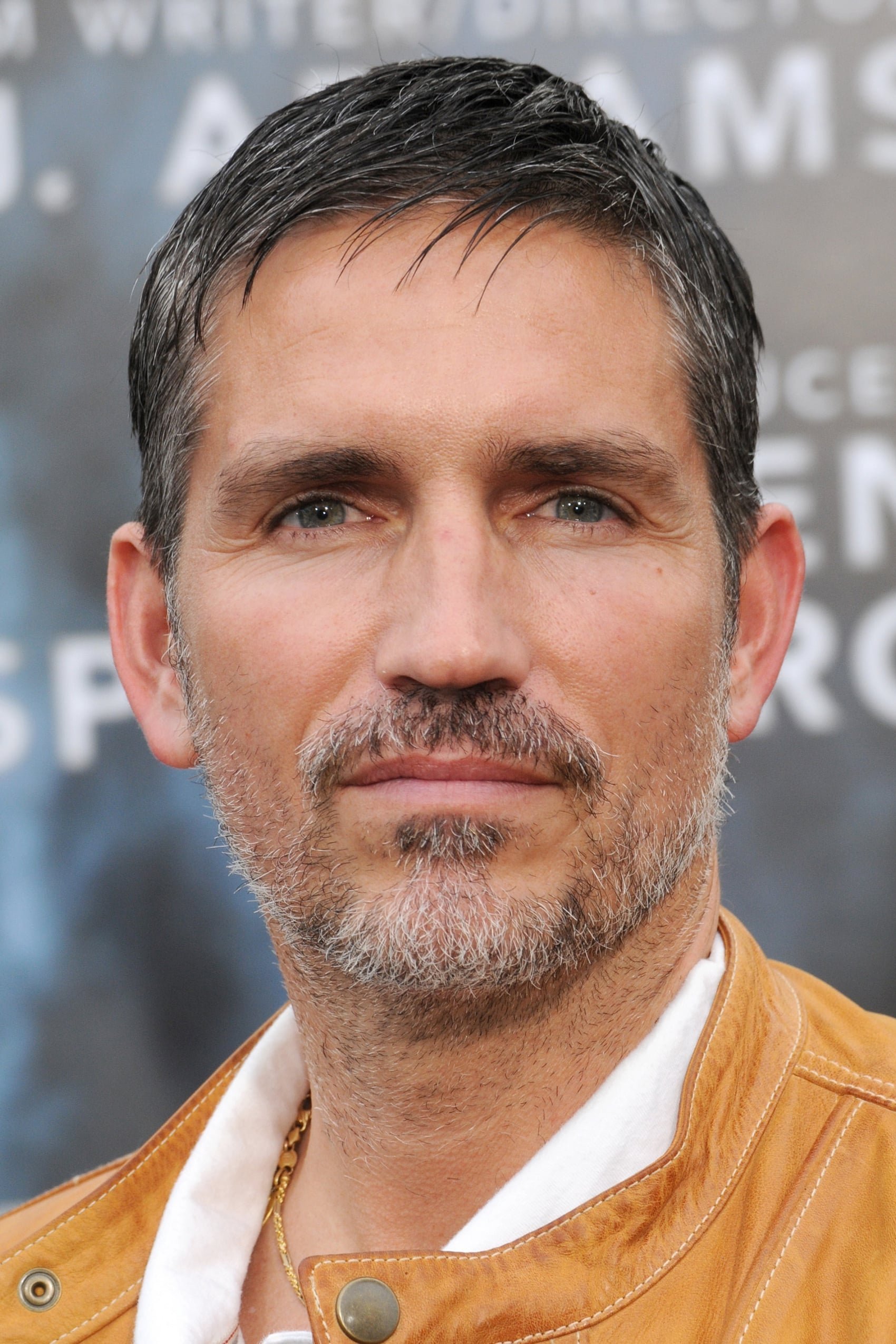
Jim Caviezel played Jesus in ‘The Passion of the Christ’ and later said that the intensity of that role made studios hesitant to cast him in mainstream projects. He worked steadily in films with faith based audiences and mid budget thrillers but did not land blockbuster leads in the years immediately following the release. The perception around that single role became a frequent talking point in coverage of his career.
He found long running success on network television with ‘Person of Interest’, which provided stability and wide exposure. That series proved his viability as a lead for broadcast schedules and syndication packages. His path shows how television can counteract narrow casting narratives that form after a breakout film.
Thora Birch

Thora Birch earned acclaim for ‘American Beauty’ and then saw momentum slow, with reports of family related issues affecting a Broadway job and some screen roles. The combination of personal management complications and shifting teen to adult casting made a steady pipeline harder to maintain. High profile parts became less frequent as a result.
She continued to work in independent films and later joined ‘The Walking Dead’ in a recurring role before departing due to scheduling and production changes. Birch also moved into directing with small scale projects. Her story underlines how off screen logistics can limit opportunities during a pivotal transition from youth roles to adult roles.
Terrence Howard
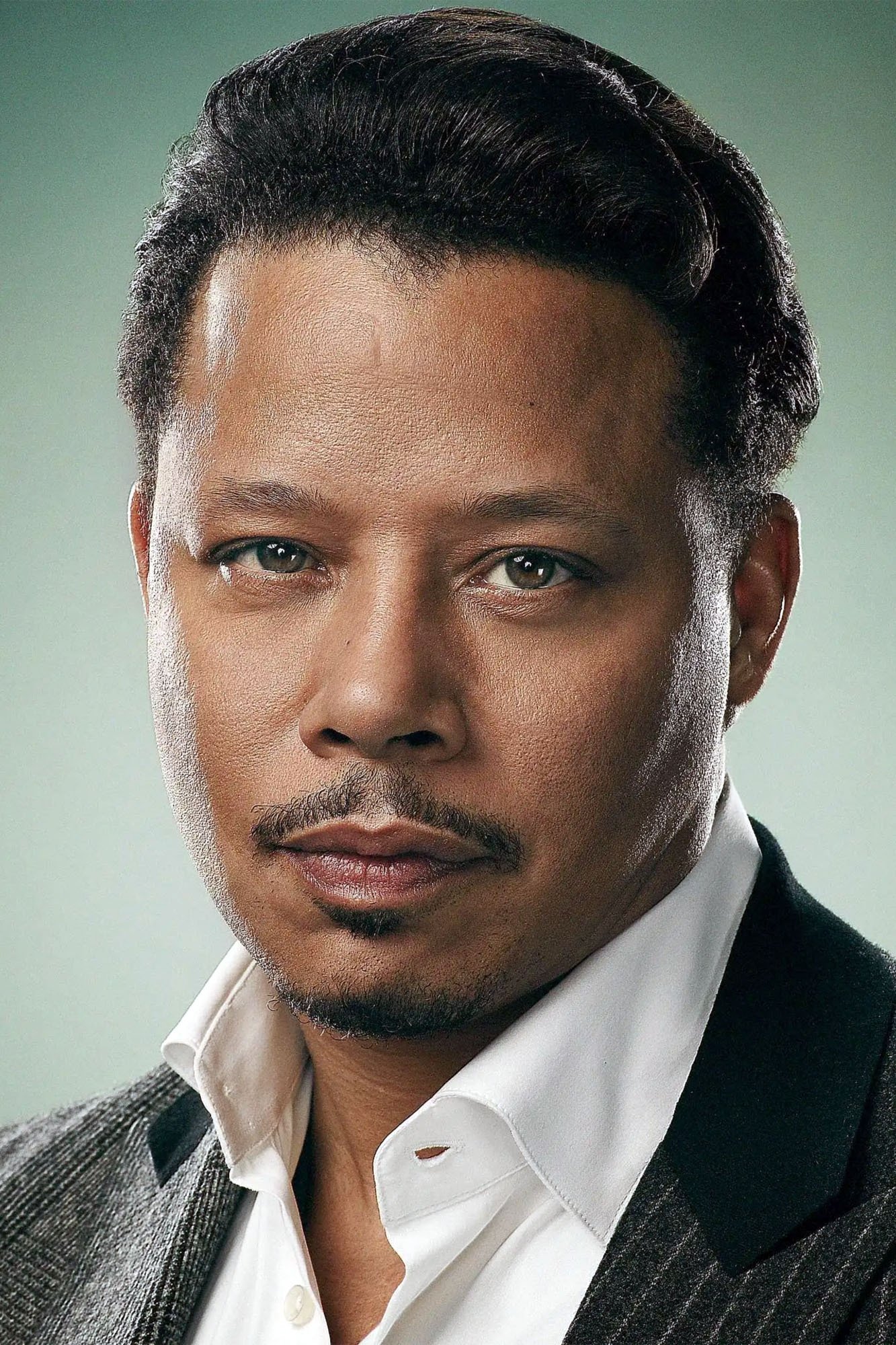
Terrence Howard received an Oscar nomination for ‘Hustle & Flow’ and then exited the ‘Iron Man’ franchise after a widely reported pay dispute. Being replaced in a major series that expanded into a shared universe reduced his access to related blockbuster roles and partnerships. That loss changed the trajectory of his film career during a peak era for superhero movies.
He later led the hit series ‘Empire’ and announced a retirement from acting before returning to select projects. The move to television restored weekly visibility and opened music and producing lanes. His experience demonstrates how contract negotiations can reset a career’s direction in a single decision.
Megan Fox

Megan Fox starred in ‘Transformers’ and then parted ways with the third film after comments that compared the director to Adolf Hitler in an interview. The studio did not bring her back for that installment, and big franchise offers slowed. She shifted to genre films and supporting parts rather than wide release tentpoles.
Fox rebuilt with roles in titles like ‘Jennifer’s Body’ gaining a cult following over time and later worked in ‘Teenage Mutant Ninja Turtles’. She also moved into television appearances and hosting. The course of her career shows how a public rift with a major filmmaker can ripple through casting discussions for years.
Kevin Spacey
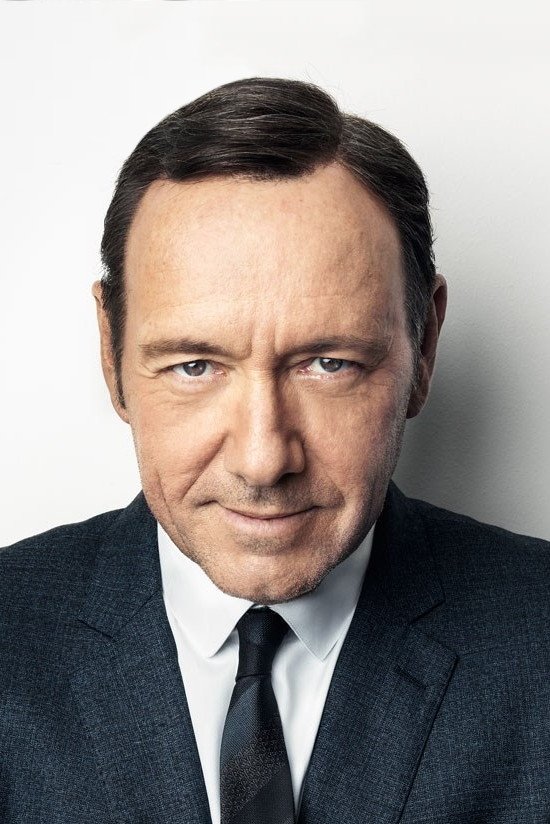
Kevin Spacey was removed from ‘House of Cards’ and replaced in ‘All the Money in the World’ after multiple allegations of sexual misconduct became public in 2017. Projects were halted or reshot, and studio partnerships ended quickly. Subsequent legal cases produced mixed outcomes, yet the immediate effect on his mainstream career was decisive.
In the years that followed he appeared in a small number of independent productions and international projects rather than studio films or network television. Distribution for some titles was limited as companies weighed audience reaction. This case illustrates how allegations and corporate risk management can effectively end a long standing presence in major releases.
Ashley Judd
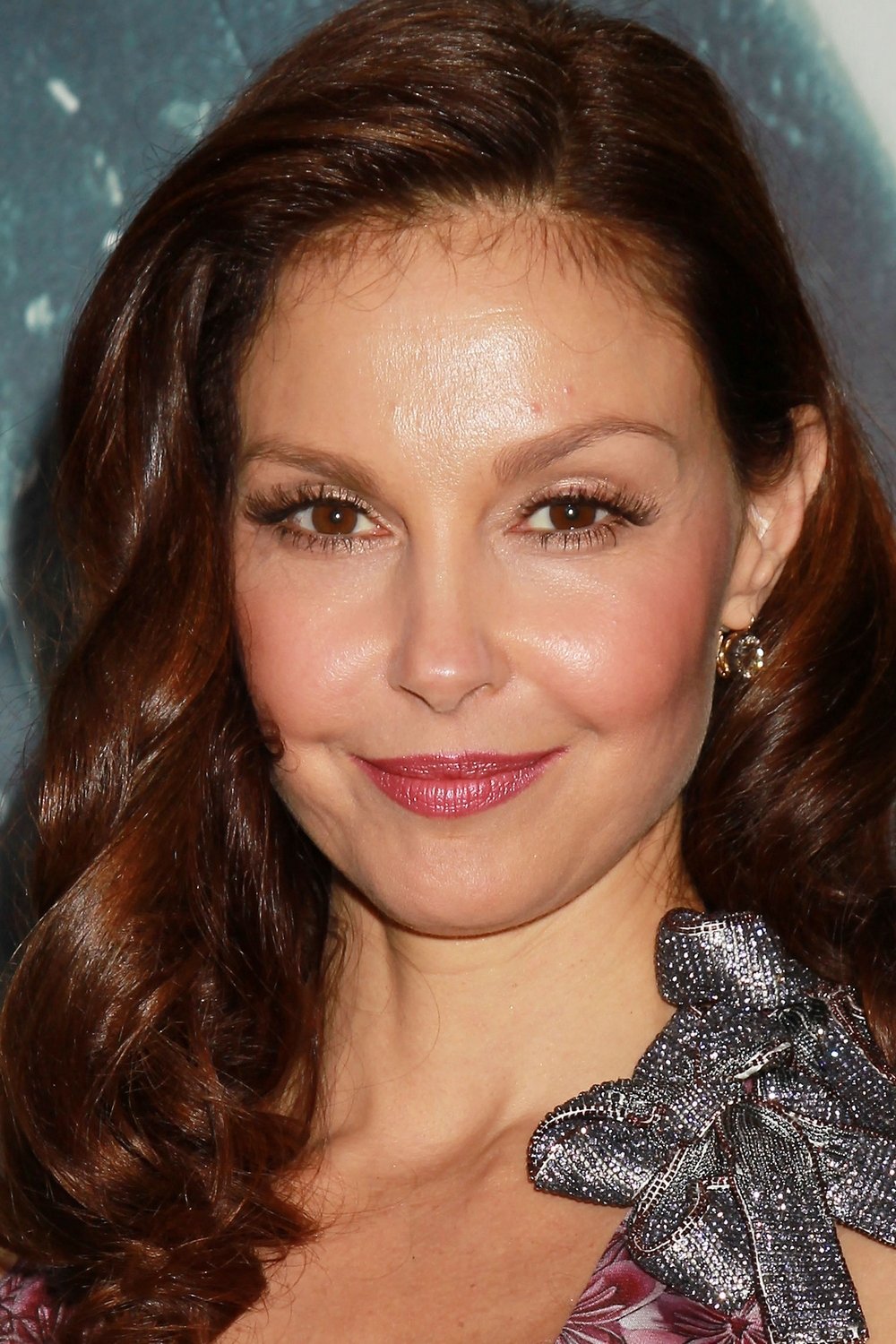
Ashley Judd earned recognition for films like ‘Double Jeopardy’ and then spoke publicly about professional retaliation after rejecting advances from a powerful producer. She described losing roles that had been under discussion and later joined legal actions related to workplace harassment. The accounts drew attention to casting decisions that can be influenced outside formal processes.
Judd continued to act in film and television, including work in the ‘Divergent’ series, and became a prominent advocate for safety and equity in the industry. She also pursued academic and humanitarian work that broadened her public profile beyond acting. Her experience became part of a larger review of how gatekeeping operates in entertainment.
Rose McGowan

Rose McGowan appeared in projects like ‘Scream’ and ‘Charmed’ and later said she faced career retaliation after reporting sexual misconduct. She documented her experiences in a memoir and a docuseries and focused on activism. Studio roles decreased as she moved away from traditional Hollywood pipelines.
McGowan continued to work as a creator and speaker while taking selective acting parts. She used independent and alternative distribution methods to reach audiences. Her path highlights how whistleblowing can shift a career from studio centered acting to advocacy and self produced work.
Share your picks in the comments and tell us which stories you think the industry still needs to reckon with.