


Celebrities Linked to Serial Killers in Unexpected Ways

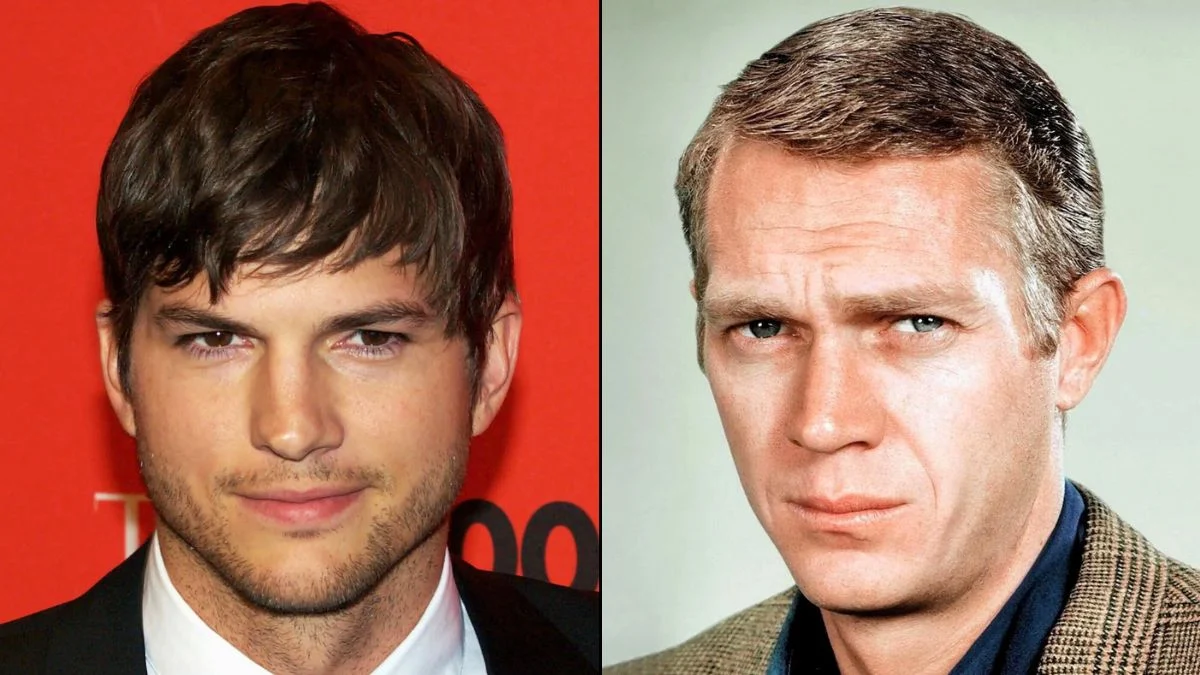


Some celebrity stories cross paths with true crime in ways most people would never expect. Sometimes the connection is a tragic encounter. Other times it is a chance meeting, a creative collaboration that aged badly, or a decision that inadvertently brushed up against history.
This list looks at ten well known figures whose lives intersected with serial killers in surprising ways. Each entry explains what happened and why the link matters, from courtroom testimony and infamous photographs to music credits and addresses that became part of a notorious case.
Ashton Kutcher
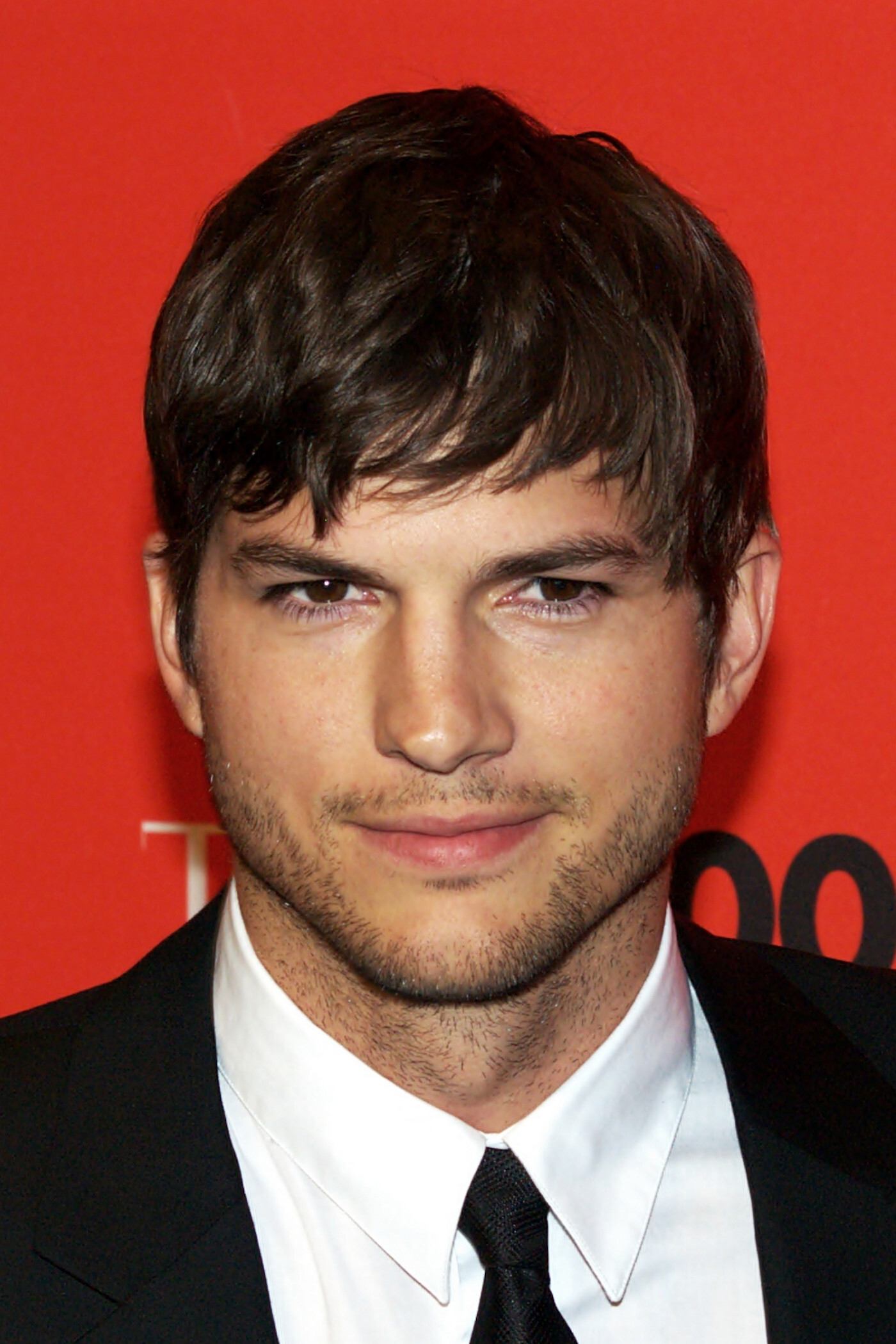
In 2001 Ashton Kutcher arrived to pick up Ashley Ellerin for a date and found the door locked with no answer. He later testified that he looked through a window and believed he saw wine spilled on the floor. Ellerin had been murdered earlier that evening by Michael Gargiulo, a serial killer later nicknamed the Hollywood Ripper. Kutcher’s account helped establish the timeline of the crime.
Years later Kutcher appeared as a witness during Gargiulo’s trial and described the sequence of calls and visits leading up to his discovery. Prosecutors used phone records and testimony to place Gargiulo at multiple attack scenes in the same period. The case linked a routine celebrity date night to a broader pattern of serial violence.
Sharon Tate
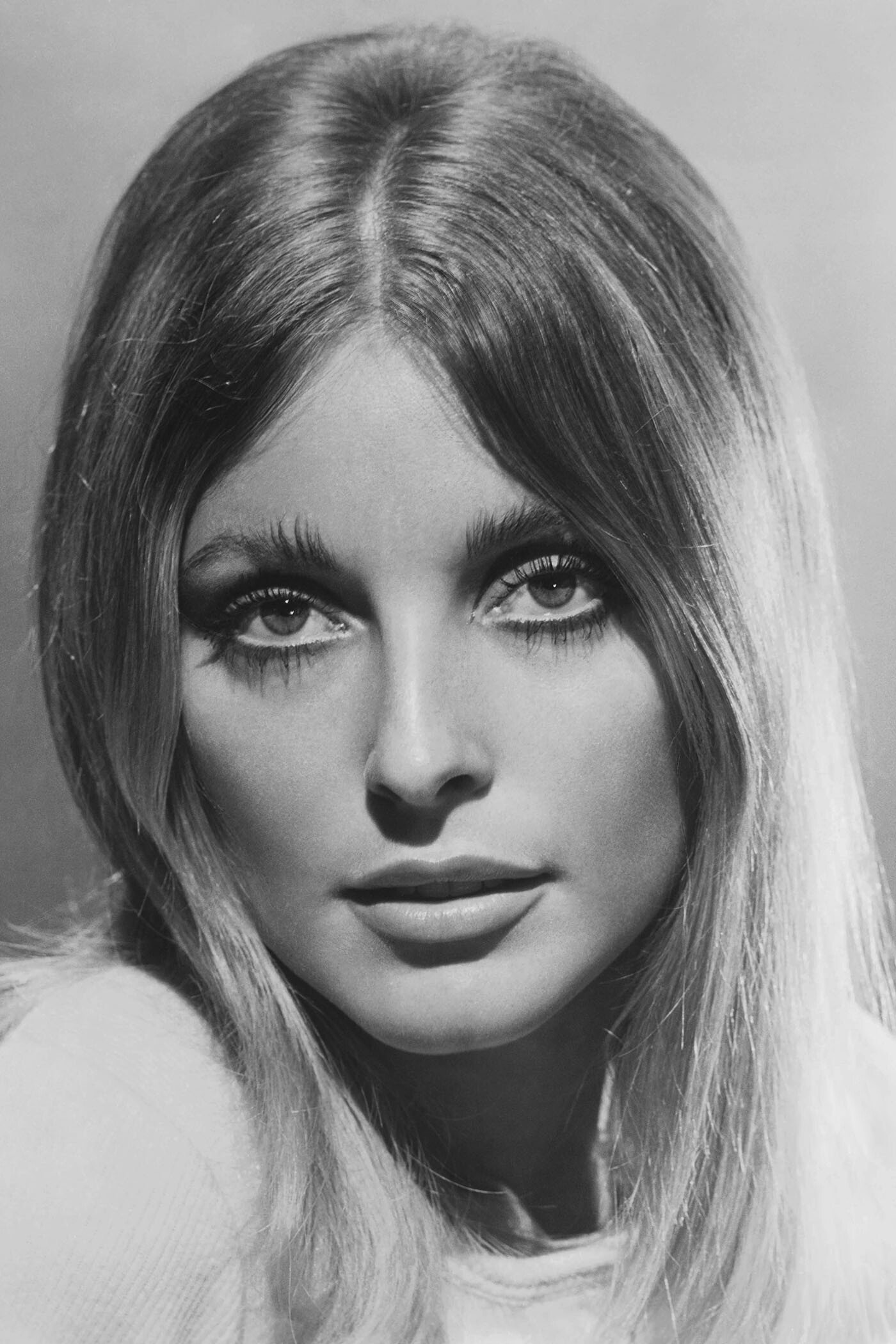
Actor Sharon Tate was murdered in Los Angeles in August 1969 by members of the Manson family. The attack at a home on Cielo Drive resulted in multiple deaths and became a central episode in the group’s series of killings. Tate’s death placed a rising Hollywood star at the center of one of the most infamous crime sprees in American history.
Investigators connected the murders to additional crimes committed the following night by the same group. The prosecutions that followed detailed planning, participants, and motives as authorities understood them. Tate’s name has remained a key reference point whenever the Manson case is discussed.
Gianni Versace
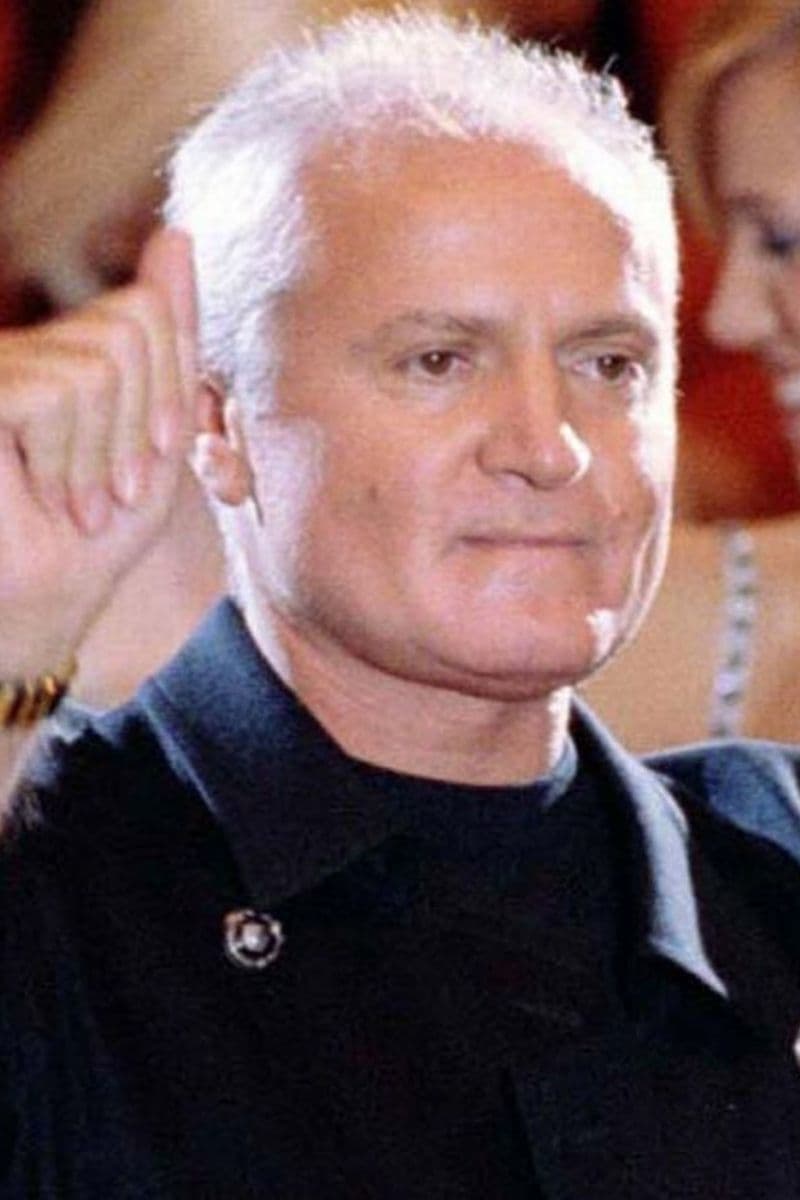
Fashion designer Gianni Versace was shot and killed outside his Miami Beach home in July 1997 by Andrew Cunanan. Authorities had been searching for Cunanan in connection with several earlier murders across different states. The killing ended a spree that prompted a nationwide manhunt and international media coverage.
Evidence recovered from Cunanan’s belongings and movements linked him to a sequence of victims before Versace. The case brought the realities of a serial killer’s trajectory into the orbit of a globally known designer and his brand. It also led to security changes around celebrity residences in that neighborhood.
Ann Rule
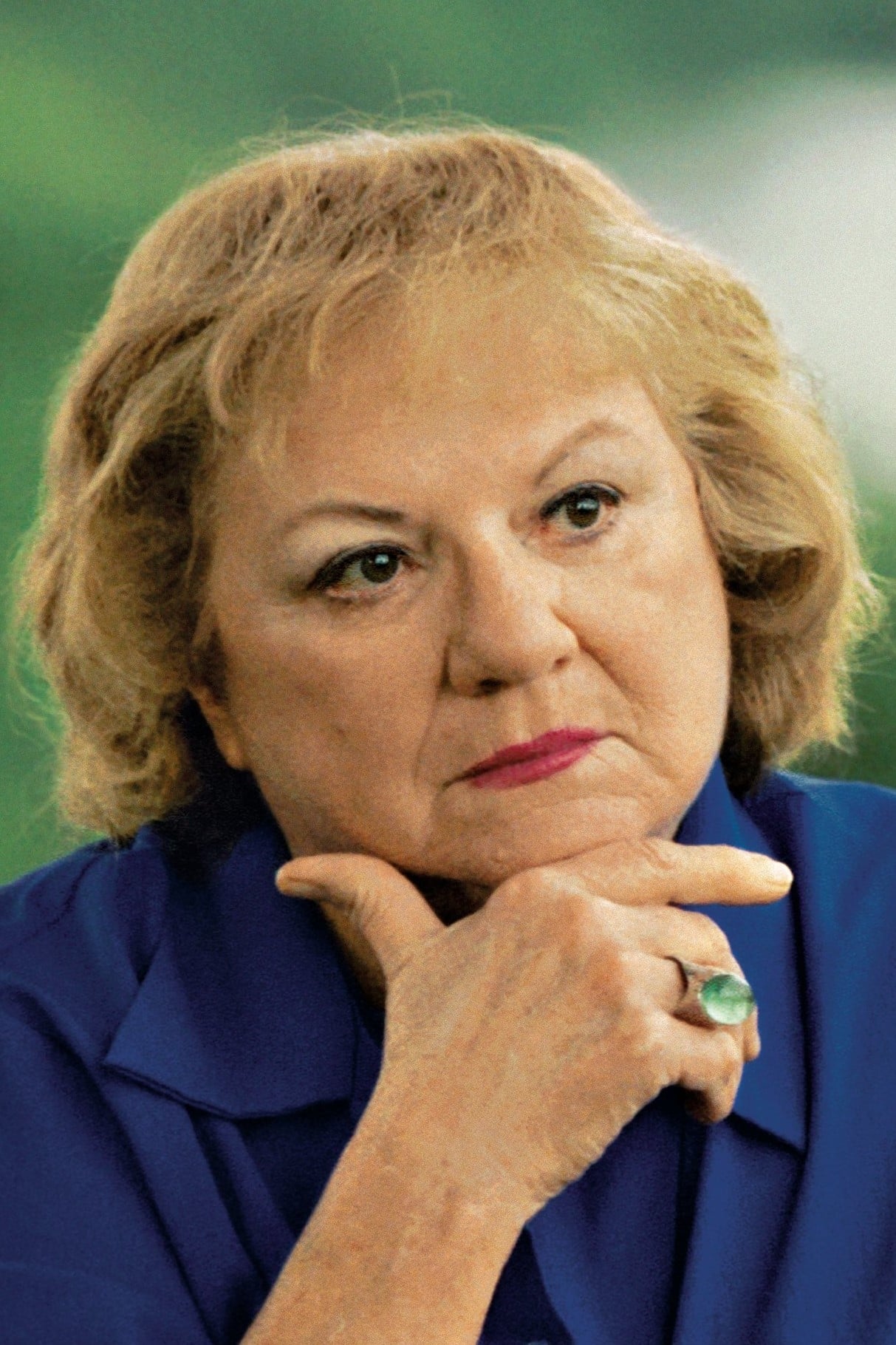
True crime author Ann Rule worked alongside Ted Bundy at a crisis hotline in Seattle before his crimes were known to the public. She later identified him as a suspect through reporting and correspondence while maintaining professional distance to document the case. Her book about the investigation became one of the most widely read accounts of Bundy and his victims.
Rule’s proximity provided unique details about Bundy’s behavior outside the crimes. She combined personal observations from their shared workplace with interviews and case records. The result offered a rare view of how a serial offender could present in everyday settings among colleagues.
Rosalynn Carter
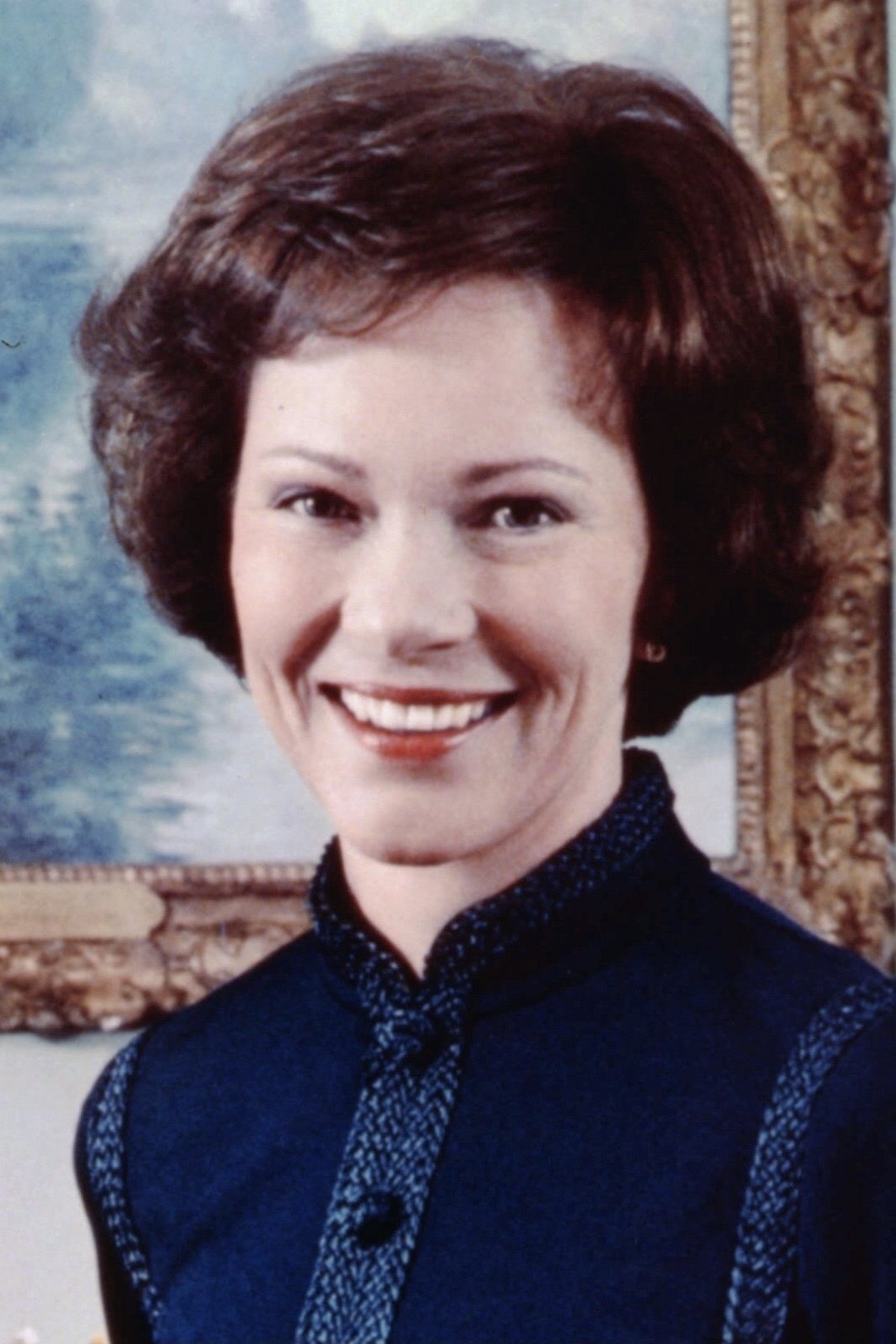
In 1978 First Lady Rosalynn Carter was photographed with John Wayne Gacy at a civic event in Chicago. At the time Gacy was known locally as a contractor and political volunteer. He later became notorious after authorities uncovered the murders of numerous young men and boys connected to him.
The image drew attention because Gacy had been granted close access at the event. After his crimes were exposed the photograph became a cautionary example used in discussions about vetting and event security. It remains one of the most cited visual documents linking a public figure to a serial killer before arrest.
Dennis Wilson
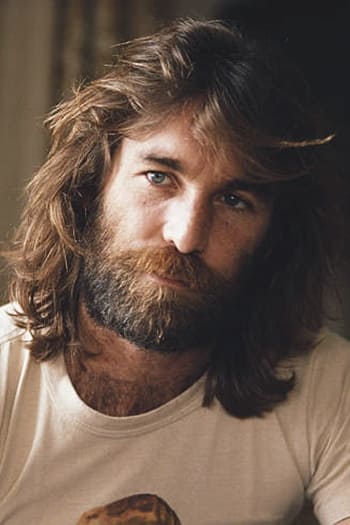
Beach Boys drummer Dennis Wilson met Charles Manson in 1968 and allowed members of Manson’s group to stay at his home for a period. Wilson introduced Manson to music industry contacts, and a reworked version of a Manson composition later appeared on a Beach Boys release without Manson’s original title or credit as he wanted it. The association ended before the murders.
Music historians have traced session notes, writing credits, and interviews to outline what the collaboration involved. Wilson’s eventual break from the group highlighted growing concerns about behavior and safety around the people Manson brought into his orbit. The episode shows how a casual industry connection intersected with a developing criminal saga.
Doris Day
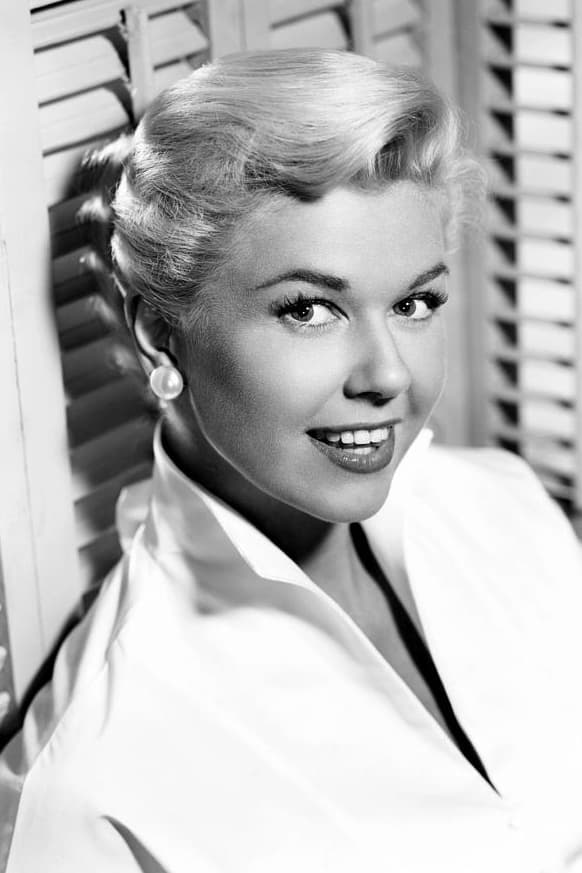
Singer and actor Doris Day’s son, producer Terry Melcher, had professional contact with Charles Manson while evaluating new acts. Melcher decided not to move forward with a recording deal and later moved out of the Cielo Drive home that became a crime scene in 1969. Day’s family connection placed her at a peripheral yet significant point in the prelude to the murders.
Accounts from the period describe meetings, auditions, and property changes involving Melcher and his circle. These details help explain how a high profile Los Angeles address that once hosted industry gatherings became linked to a series of violent crimes. Day’s inclusion on this list reflects how family and business networks overlapped with unfolding events.
Trent Reznor
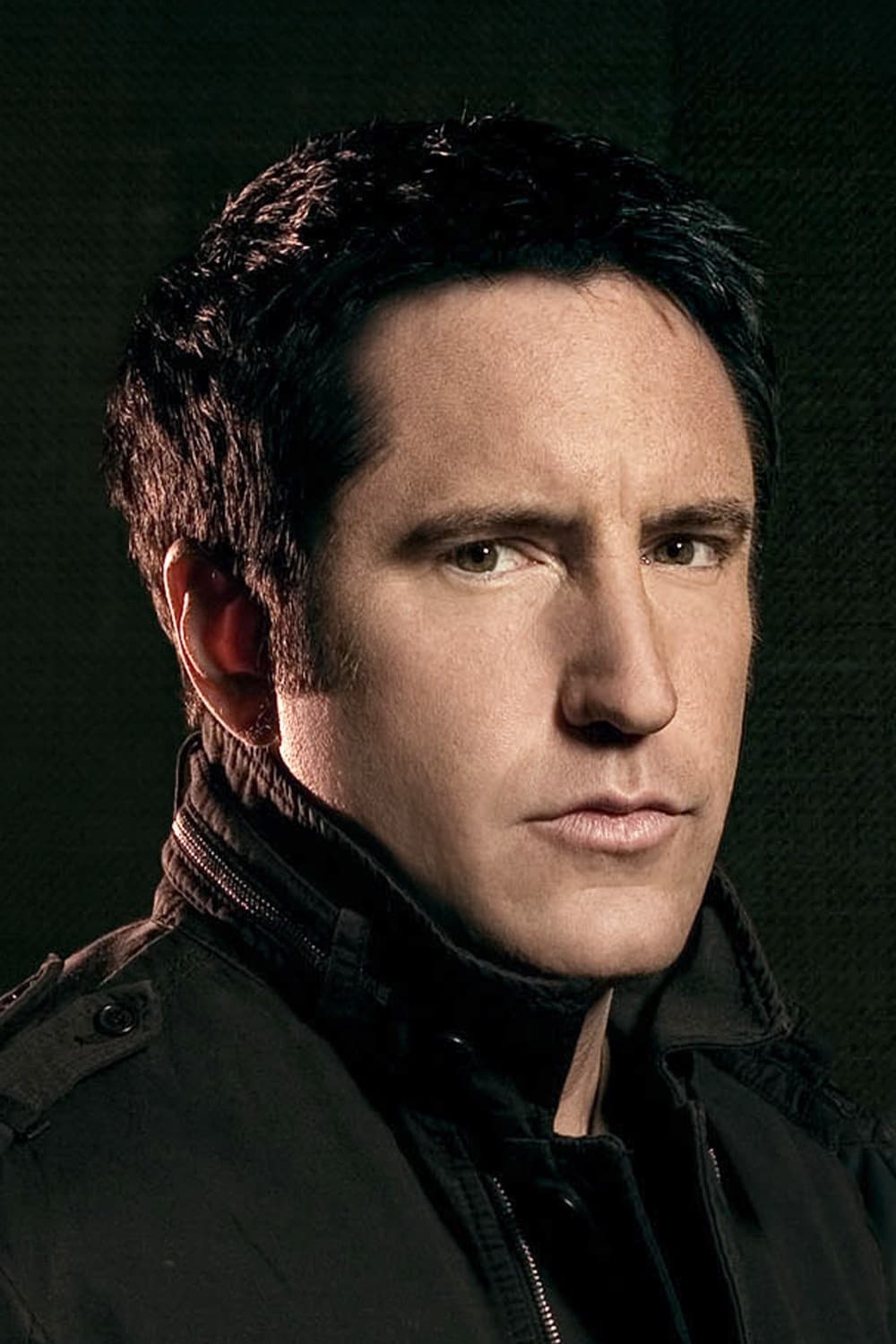
Musician Trent Reznor rented and recorded at 10050 Cielo Drive in the early 1990s, decades after the Manson family murders took place there. He installed studio equipment in the house and completed major work before the property was demolished. The location choice later drew criticism because of its history.
Reznor has spoken about packing up the studio and about an encounter with a member of Sharon Tate’s family that prompted reflection on the site’s legacy. The address itself became a reference point in music journalism and true crime writing. The episode shows how a creative workspace can carry historical weight far beyond the control of the artist using it.
Axl Rose
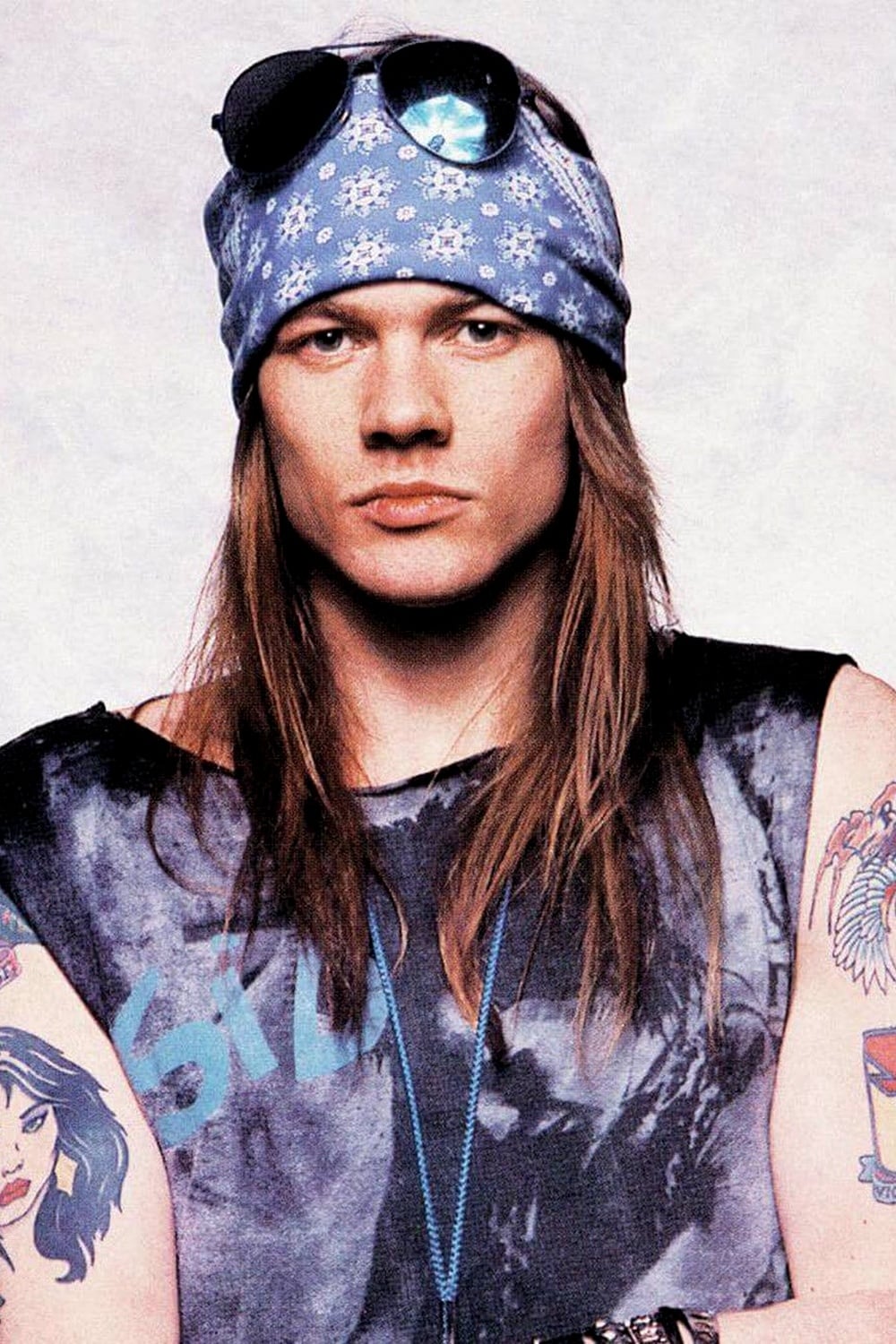
Guns N’ Roses included an unlisted Charles Manson song as a hidden track on an album in the early 1990s. The decision led to public backlash and later statements from the band regarding royalties and acknowledgments. The track was subsequently removed from later pressings in response to criticism and concerns about victims’ families.
Documentation of the album’s track lists, publishing credits, and later changes shows how a recording can be altered after release when ethical issues surface. The incident remains a case study in how musical choices can intersect with criminal histories. It also illustrates how entertainment products can end up tangling with the legacies of violent offenders.
Steve McQueen
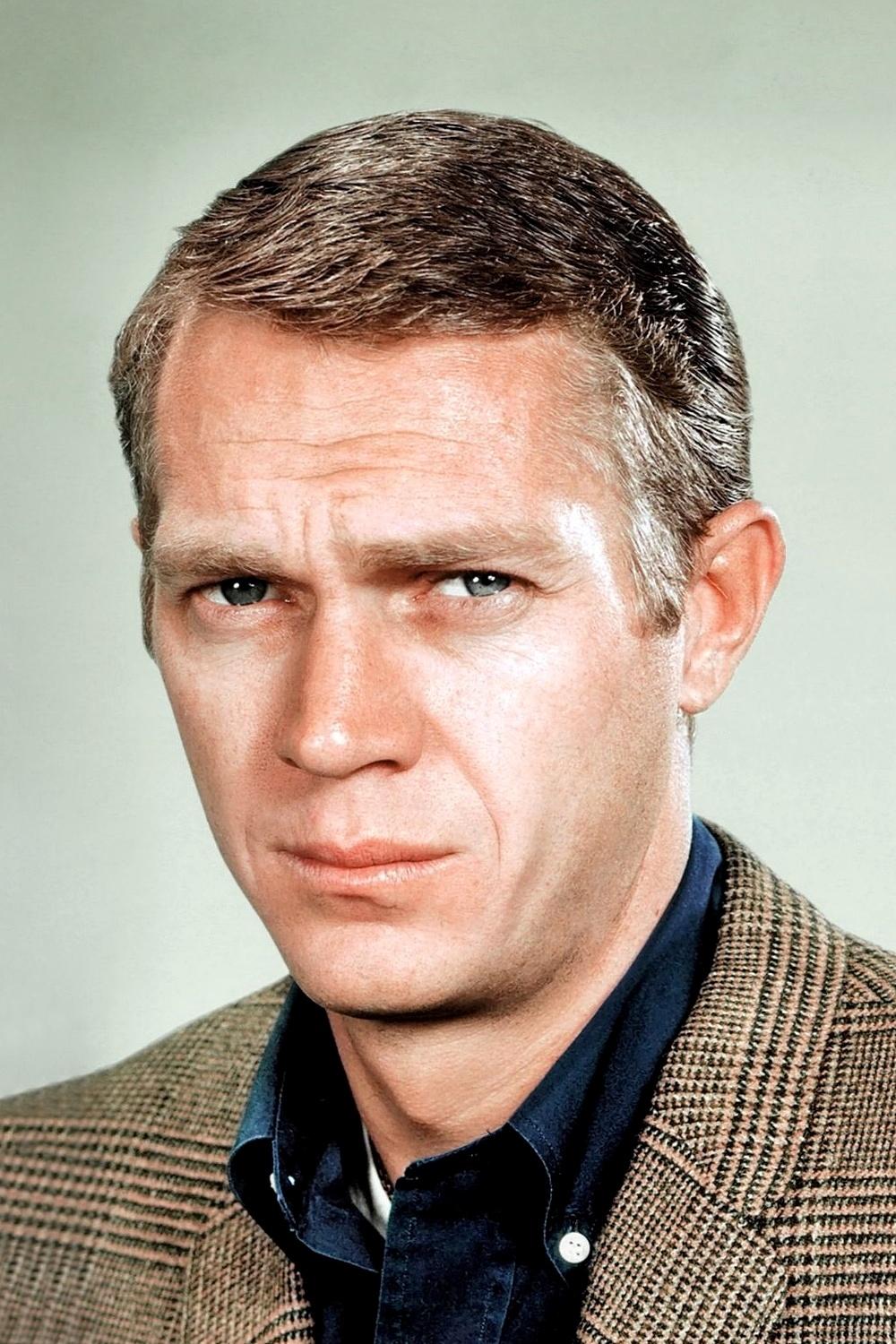
Actor Steve McQueen was invited to a gathering at the Cielo Drive house on the night of the 1969 murders but did not attend. Reports from friends and contemporaries describe canceled plans and changes in his routine that evening. McQueen’s near attendance placed him on the edge of a case that shocked Hollywood.
Later interviews and biographies recount how the murders influenced personal security habits among actors and filmmakers. McQueen’s close call is frequently cited when people discuss the ripple effects of the Manson crimes on the film community. The episode underscores how random schedule shifts can alter proximity to major events.
Share your thoughts below and tell us which story surprised you most in this list.