


Celebrities We Liked Before They Got Too Political

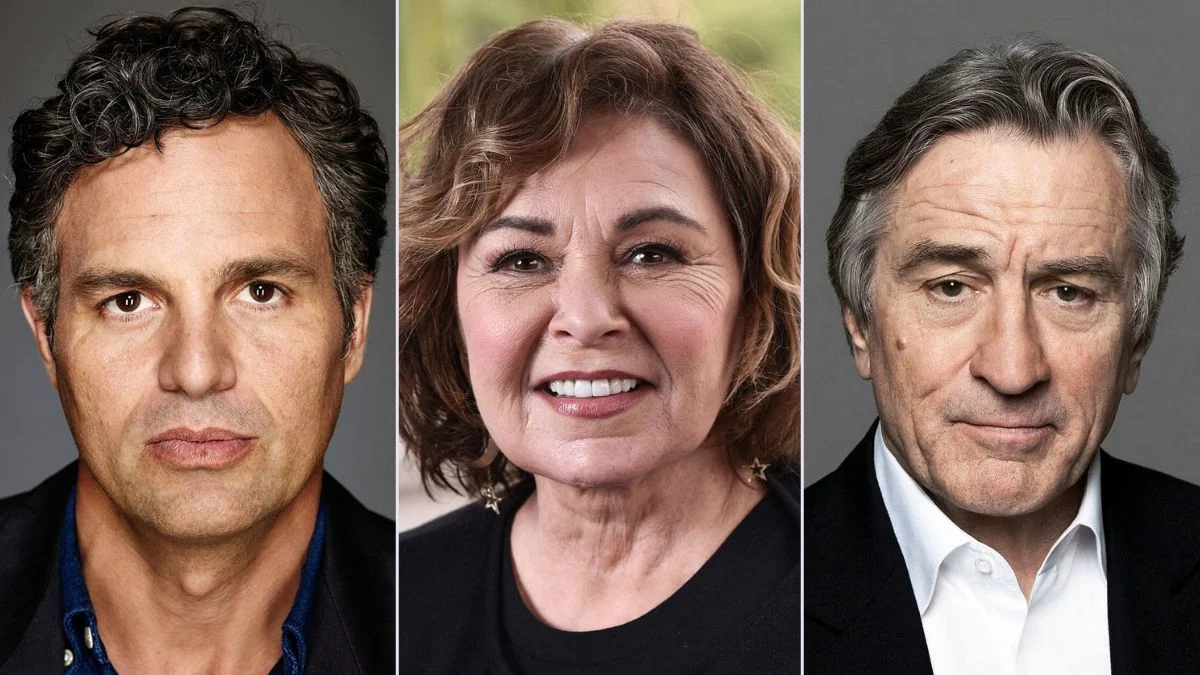


Some stars used to keep their views off the stage and screen, then shifted into louder advocacy that became part of their public identity. This list looks at well known names who increasingly spoke out about elections, policies, and causes, along with the specific moments and projects that marked the change.
For each person you will find concrete examples of what they backed and when they stepped forward. You will see campaigns they endorsed, organizations they supported, and actions they took that tied their fame to political topics.
Taylor Swift

Swift began speaking about politics in 2018 when she endorsed candidates in Tennessee and urged fans to register to vote. She continued sharing voter resources in later election cycles and used tour stops and social platforms to amplify registration deadlines and turnout information.
Documentary footage and long form posts explained why she shifted from silence to advocacy. She has discussed LGBTQ rights and women’s rights and she has supported legislation she believed would expand protections for those communities.
Ye
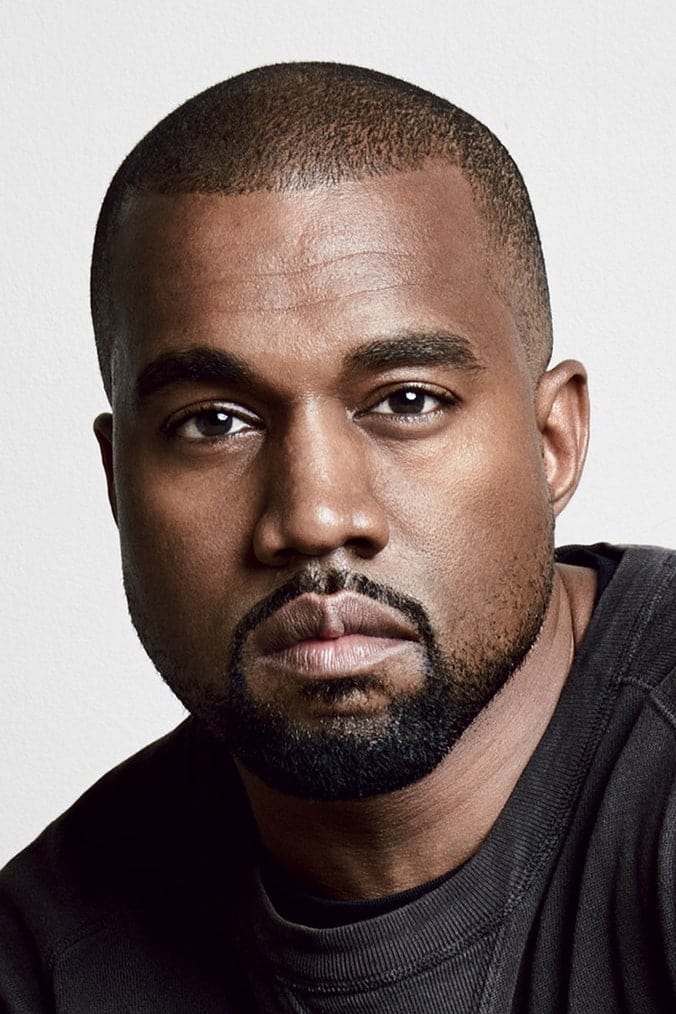
Ye ran an independent presidential campaign in 2020 and filed paperwork in several states. He appeared on ballots with a platform that mixed social conservatism with proposals on education and faith based initiatives.
He held campaign events and used interviews and social media to promote his run. He also discussed ballot access hurdles and collected signatures while facing deadlines that varied by state.
LeBron James
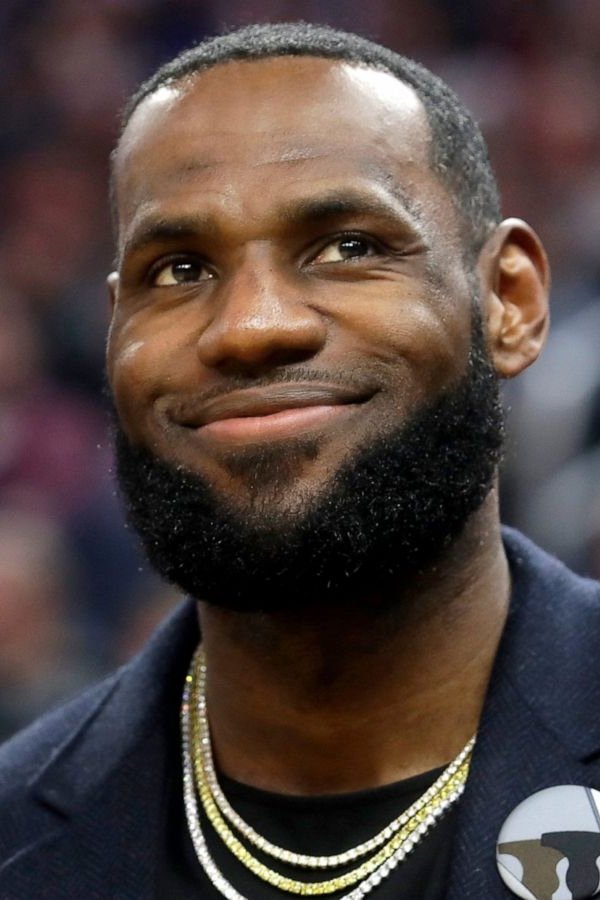
James helped launch More Than A Vote in 2020 to fight voter suppression and increase turnout among Black voters. The group recruited poll workers, supported sports arenas as polling sites, and shared nonpartisan voting information.
He has used press conferences and player platforms to talk about criminal justice and police accountability. His foundation work continued in parallel with civic pushes tied to registration and election day logistics.
Mark Ruffalo
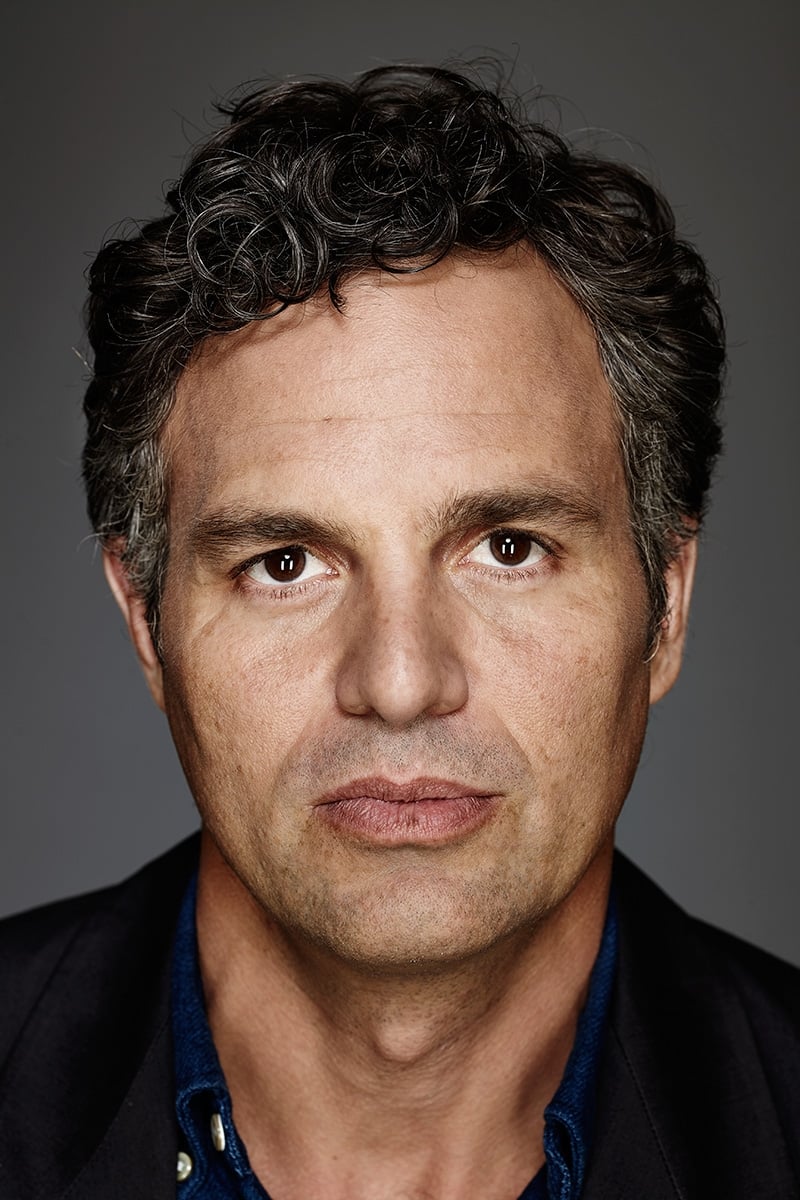
Ruffalo co founded The Solutions Project to promote a transition to clean energy and highlight community led climate work. He also campaigned against hydraulic fracturing in New York and appeared at rallies that preceded the state’s policy shift.
He has supported progressive candidates and amplified climate policy proposals during primary seasons. He frequently joins livestream panels with scientists and local organizers to explain technical issues like grid reliability and renewable targets.
Alyssa Milano
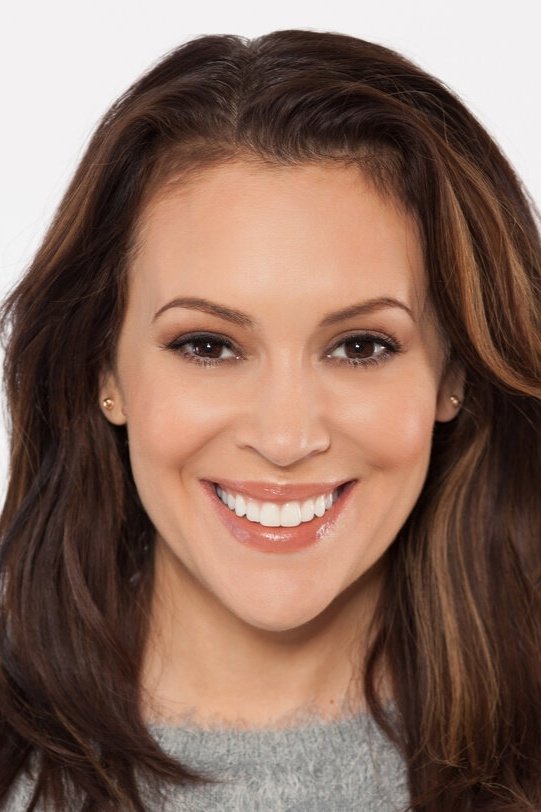
Milano helped popularize the MeToo hashtag in 2017 and then moved into electoral advocacy for issues such as the Violence Against Women Act and voting rights. She attended hearings in Washington and supported candidates who backed those policies.
She was detained during a voting rights demonstration near the White House in 2021. She continues to organize phone banks, share call scripts, and host online town halls that coach volunteers on outreach methods.
James Woods
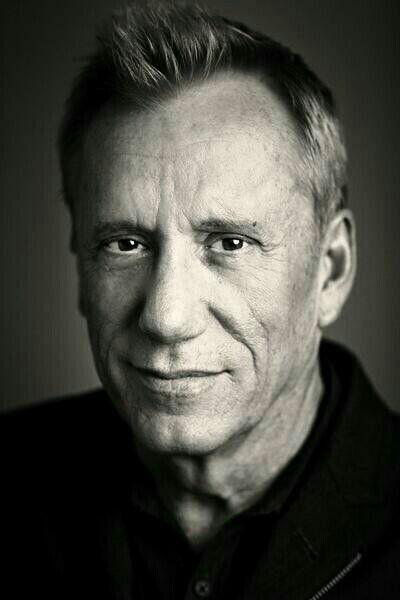
Woods uses social media to back conservative policies and Republican candidates and to criticize Democratic officeholders. He has participated in get out the vote messaging aimed at midterms and national elections.
He often shares commentary during congressional hearings and court cases that involve free speech and technology platforms. He also encourages followers to watch debates and primary events and to support specific bills.
Susan Sarandon
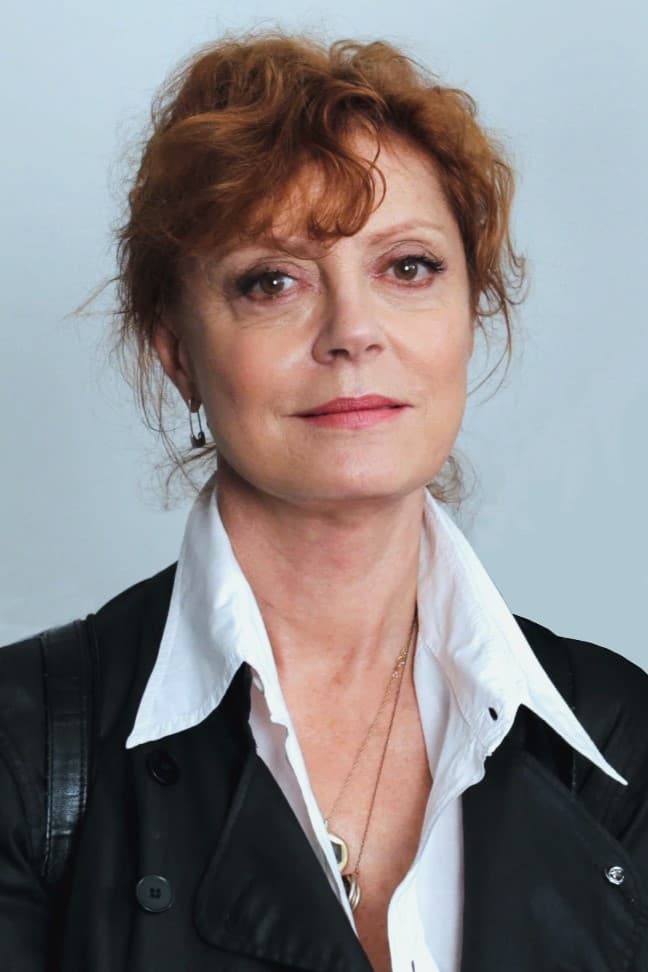
Sarandon supported Ralph Nader in 2000 and backed Bernie Sanders in later cycles. She has appeared at antiwar rallies and immigration marches and has spoken at events organized by labor and peace groups.
She continues to focus on third party visibility and primary challenges within the Democratic Party. She participates in panel discussions about campaign finance and foreign policy and works with grassroots networks on voter education.
Kid Rock
Kid Rock publicly supported Donald Trump and considered a run for the United States Senate from Michigan in 2017. He sold merchandise around the exploratory branding and held arena events that blended concerts with political messaging.
He has performed at rallies and used interviews to talk about taxes, gun rights, and cultural issues. He often links touring schedules with appearances that promote candidates he endorses.
Ted Nugent
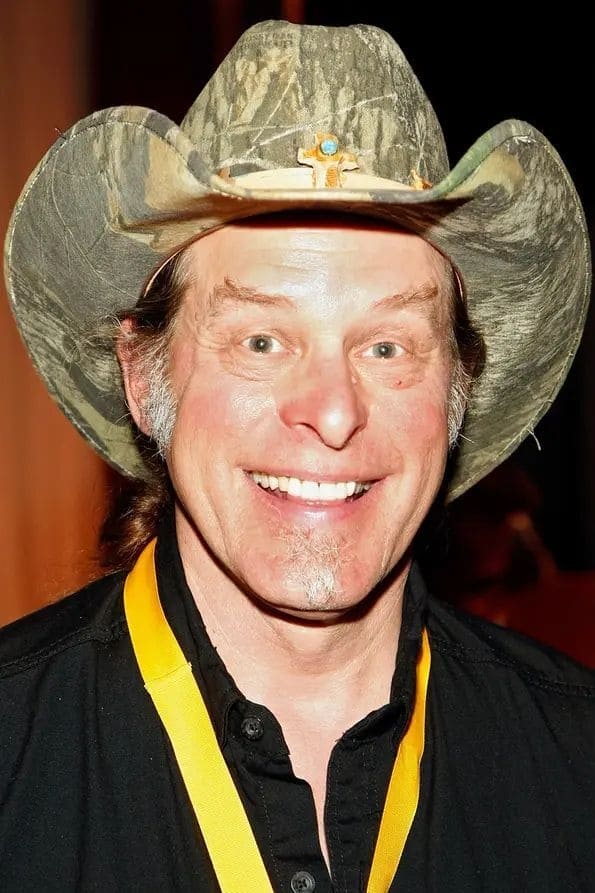
Nugent served on the board of the National Rifle Association and regularly campaigns for gun rights legislation. He visited the White House in 2017 with other prominent conservative figures and has long advocated for hunting and wildlife management policies.
He appears at statehouse hearings and sportsmen’s events to support specific bills. He also uses concerts and radio interviews to encourage voter participation among gun owners.
Robert De Niro
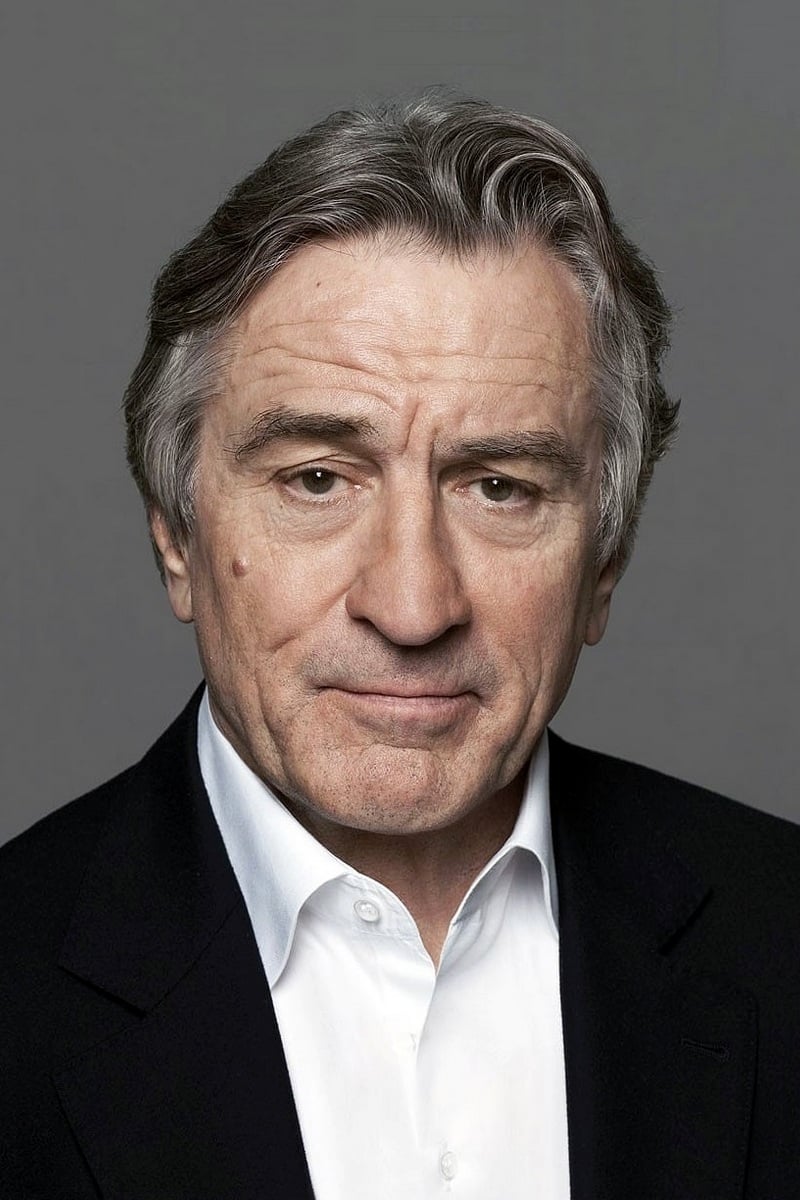
De Niro uses award shows, television interviews, and campaign videos to criticize Donald Trump and support Democratic candidates. He became a frequent voice in political ads and public statements during the 2020 and 2024 cycles.
He has participated in press conferences near courthouses and campaign headquarters to reinforce messages on rule of law and democratic norms. He continues to lend narration and appearances to fundraising and voter outreach efforts.
Gina Carano
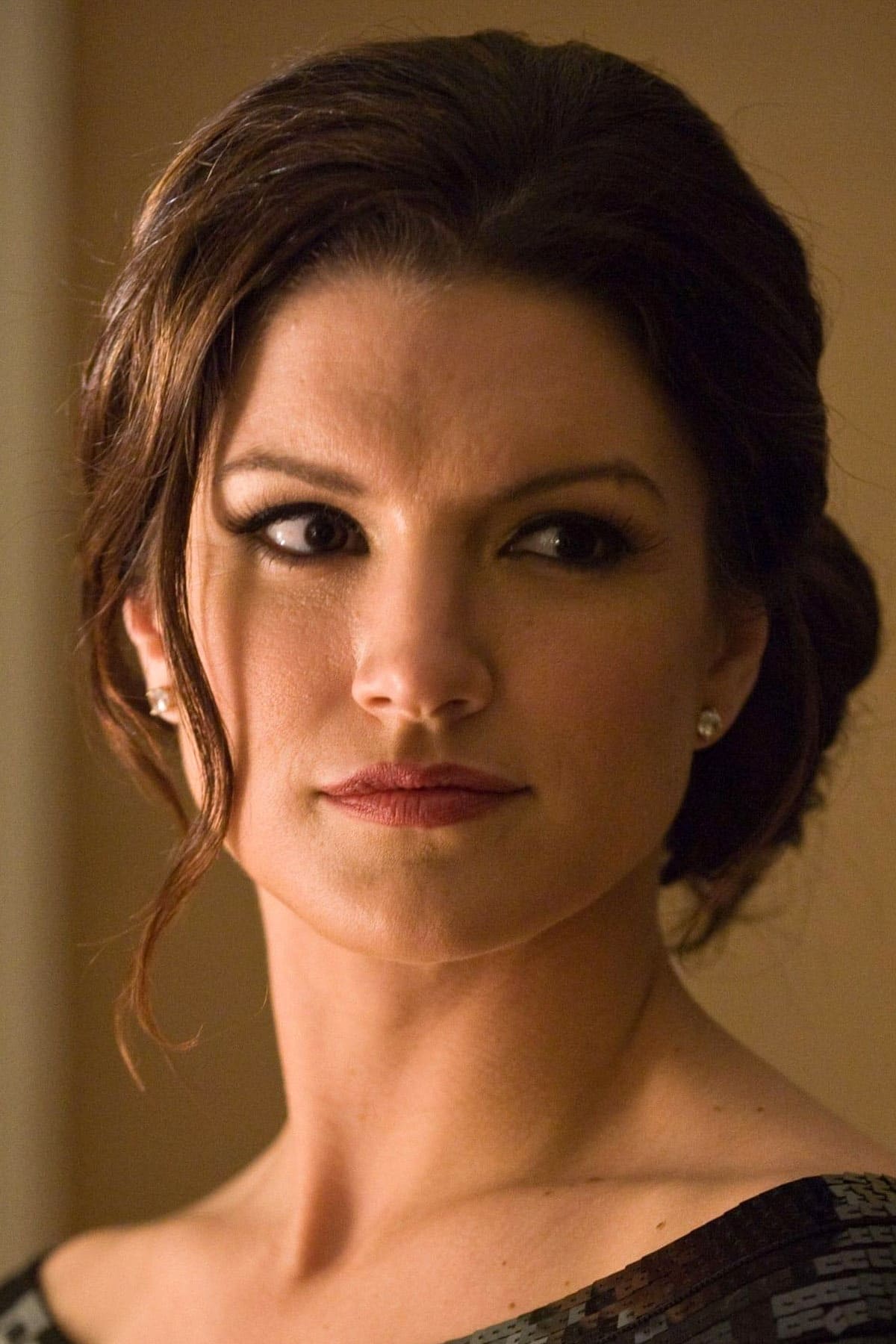
Carano was removed from a major television series in 2021 after social media posts that referenced pandemic policies and the 2020 election. Her case became a flashpoint about speech on corporate platforms and the boundaries of political commentary for talent.
She has since partnered with independent studios and legal advocacy groups to challenge her termination. She speaks at events about content moderation and ideological diversity in entertainment workplaces.
Roseanne Barr
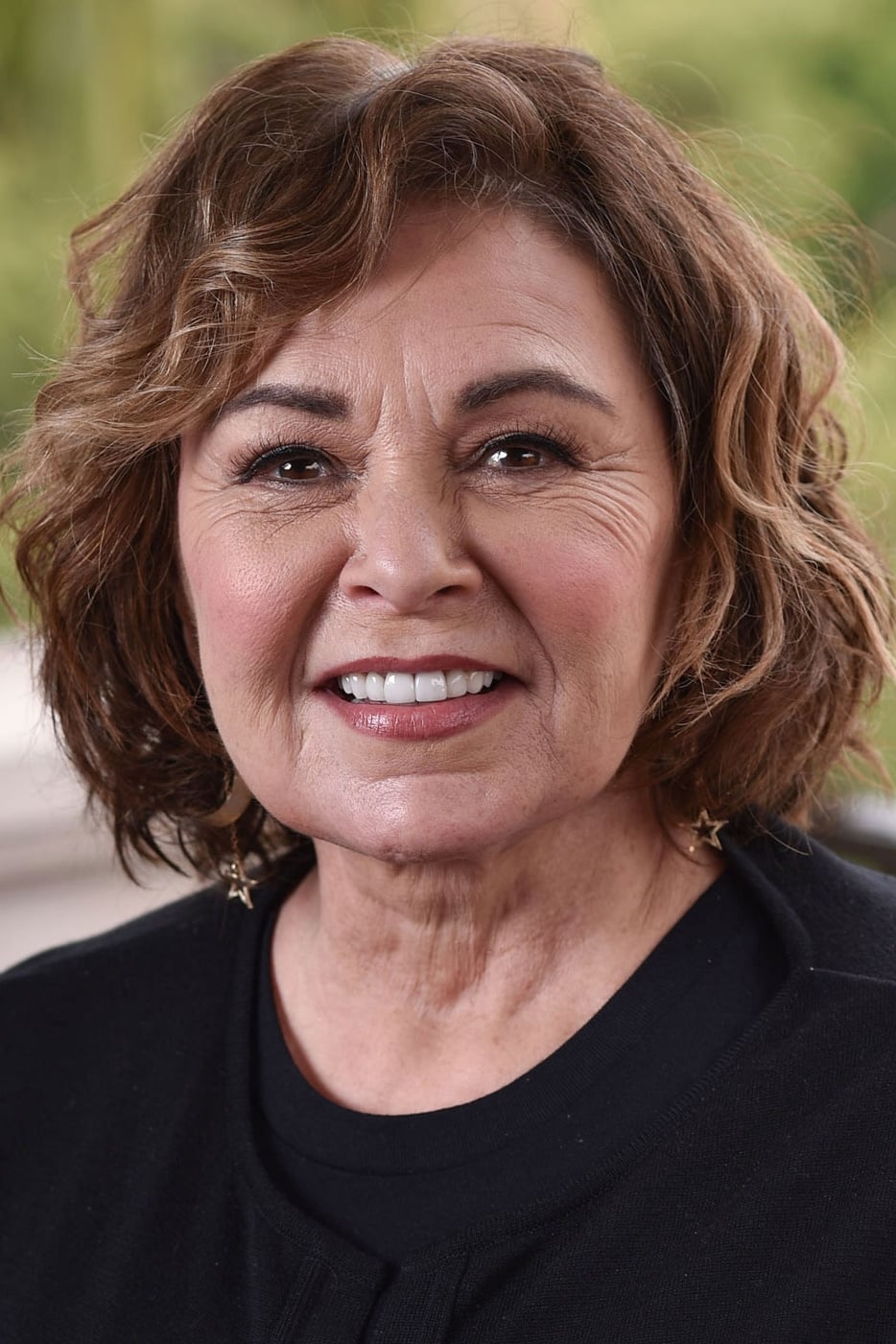
Barr ran for president in 2012 on the Peace and Freedom Party line after initially seeking the Green Party nomination. She used comedy tours and online videos to outline positions on drug policy, debt relief, and ballot access.
In 2018 ABC canceled the revival of her sitcom following a tweet that violated network standards. She has remained active on alternative platforms and continues to discuss elections and media bias in interviews.
Nicki Minaj

Minaj’s 2021 posts about COVID vaccines drew responses from health officials in Trinidad and the United Kingdom. The discussion quickly expanded into debates about mandates, misinformation, and event entry requirements.
She hosted live audio sessions with fans to talk about medical autonomy and media coverage. She has also commented on election issues and urged fans to research candidates before voting.
Shailene Woodley
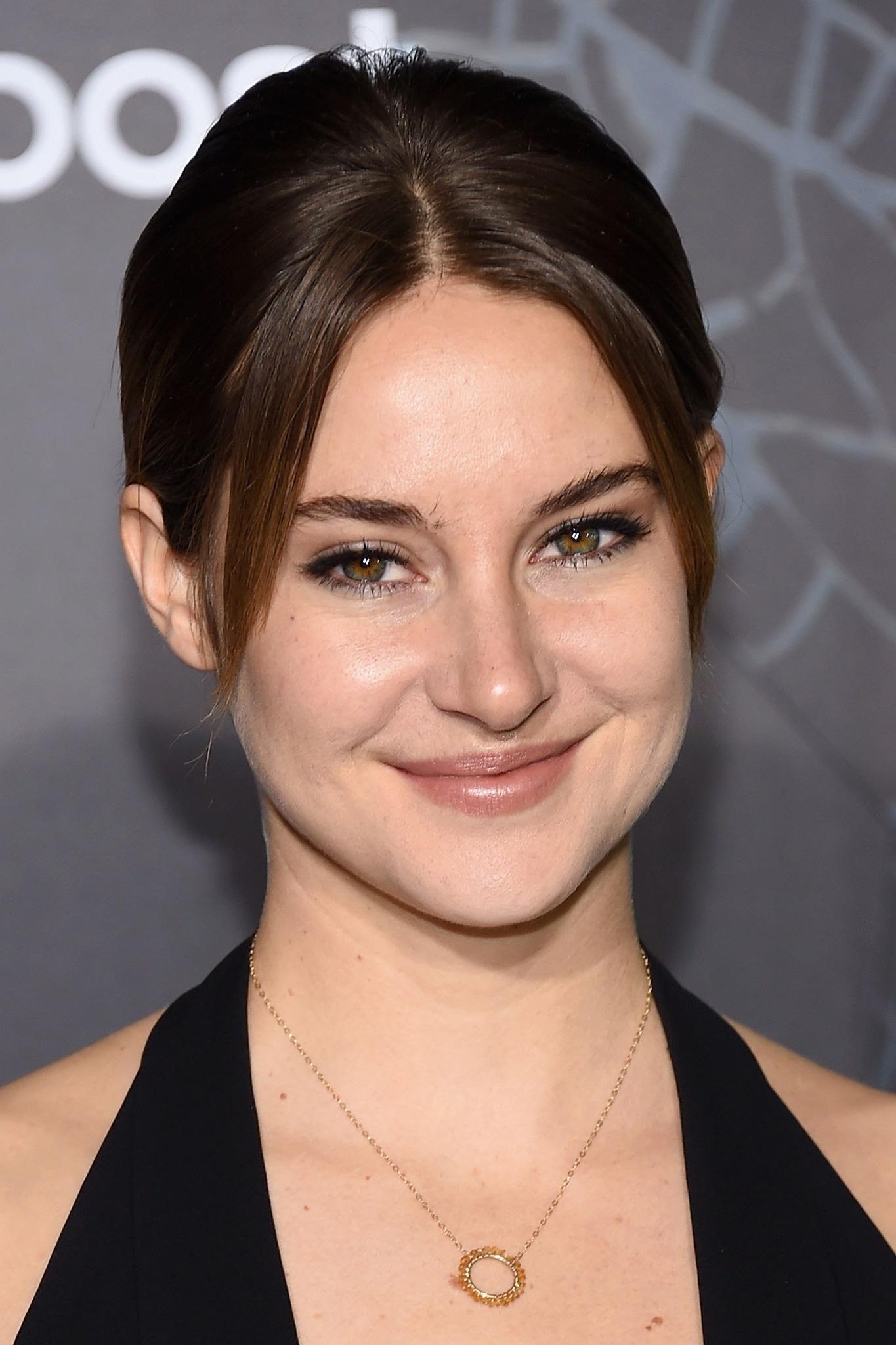
Woodley was arrested in 2016 during a protest against the Dakota Access Pipeline at Standing Rock. She live streamed the arrest and used the footage to highlight tribal sovereignty and environmental risks.
She continues to support climate groups and indigenous organizers through fundraisers and public education efforts. She appears at film festivals and panels to connect industry audiences with environmental campaigns.
Jon Voight
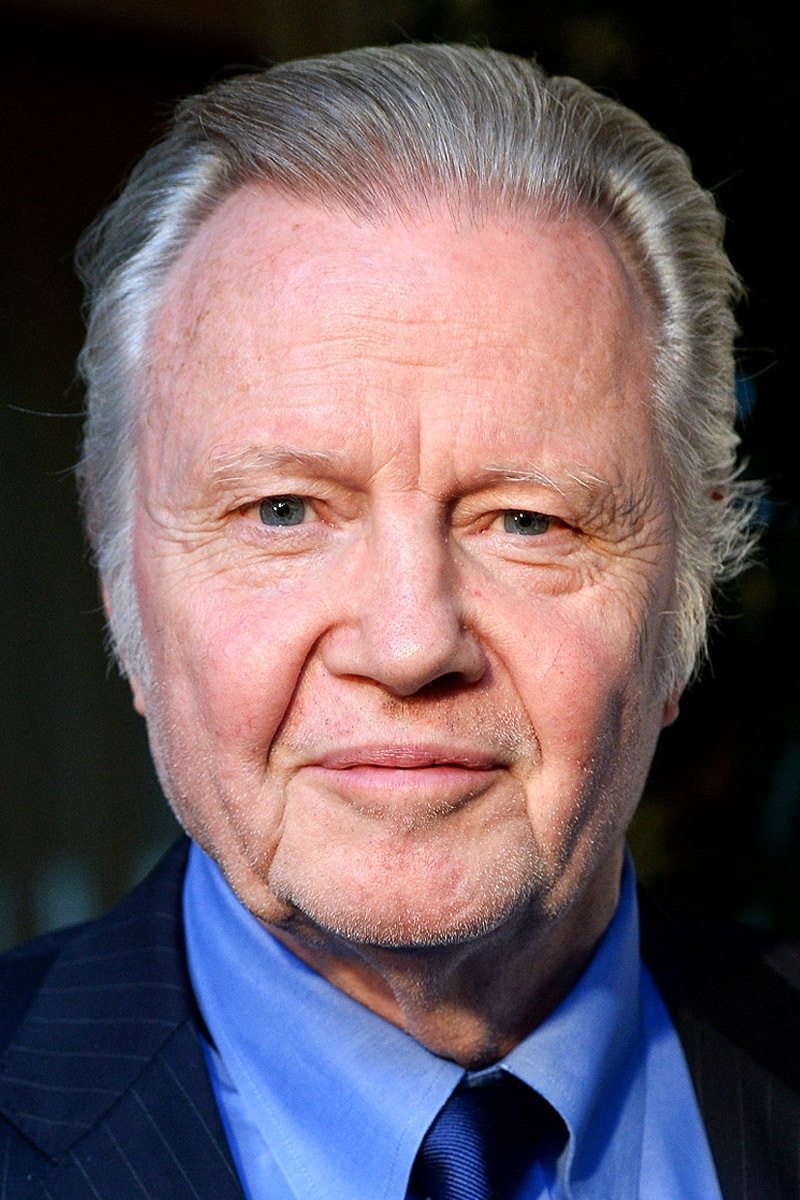
Voight frequently records video messages praising Republican policies and defending Donald Trump. His posts circulate widely on social media every election cycle and often reference national security and religious freedom.
He received the National Medal of Arts in 2019 and has used that platform to appear at conservative conferences. He also participates in faith based events and mobilizes supporters through short scripted statements.
Clint Eastwood

Eastwood served as mayor of Carmel by the Sea from 1986 to 1988 and focused on zoning and beach access. He spoke at the Republican National Convention in 2012 in a widely discussed moment that blended performance and political critique.
He later endorsed different candidates across the spectrum in state and national races. He writes op eds about governance and personal responsibility and occasionally records short videos for ballot measures.
Dwayne Johnson
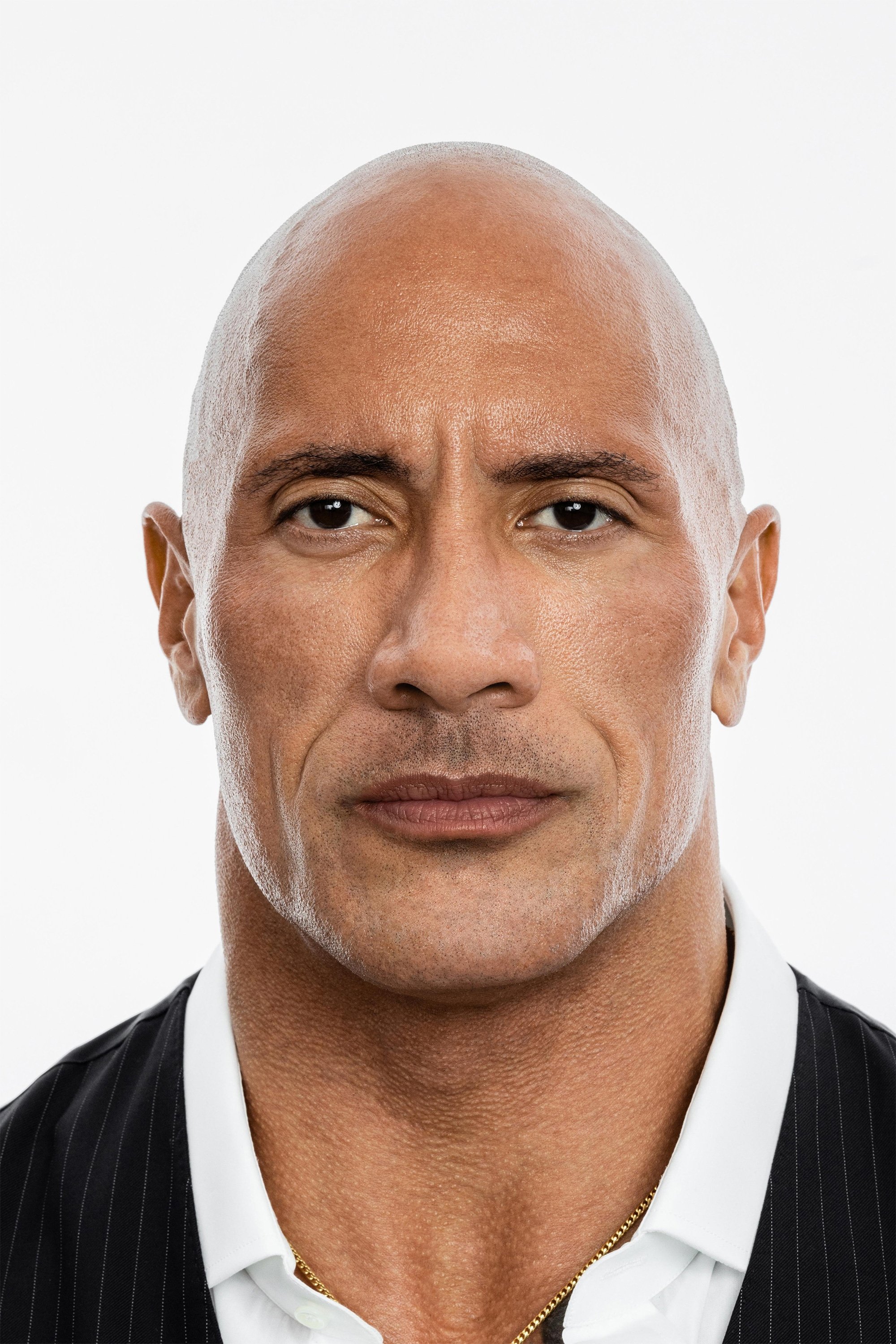
Johnson issued his first presidential endorsement in 2020 and interviewed the ticket he backed about public health and national unity. He explained why he was breaking a long practice of neutrality in a video to his followers.
He has since used statements to encourage respectful civic participation and turnout. He also speaks about veteran support and disaster response and ties those topics to policy conversations without aligning with a party on each issue.
George Clooney
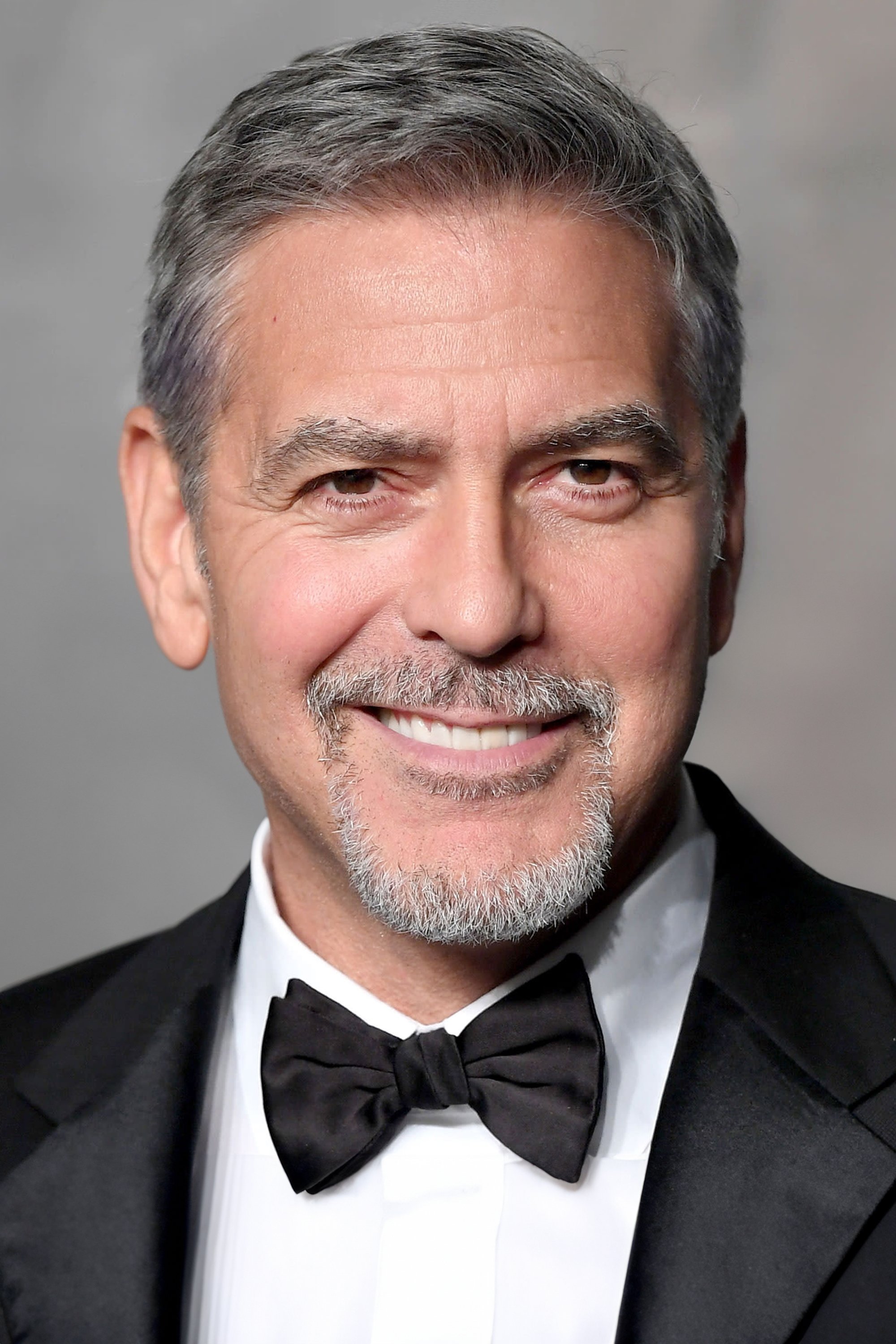
Clooney co founded Not On Our Watch to prevent mass atrocities and later merged that work into the Sentry to track illicit financing that fuels conflict. He was arrested in 2012 outside the Sudanese Embassy during a protest over humanitarian access.
He hosts high dollar fundraisers for Democratic campaigns and collaborates with policy experts on sanctions enforcement. His advocacy connects film industry influence with detailed reports on conflict economies.
Sean Penn
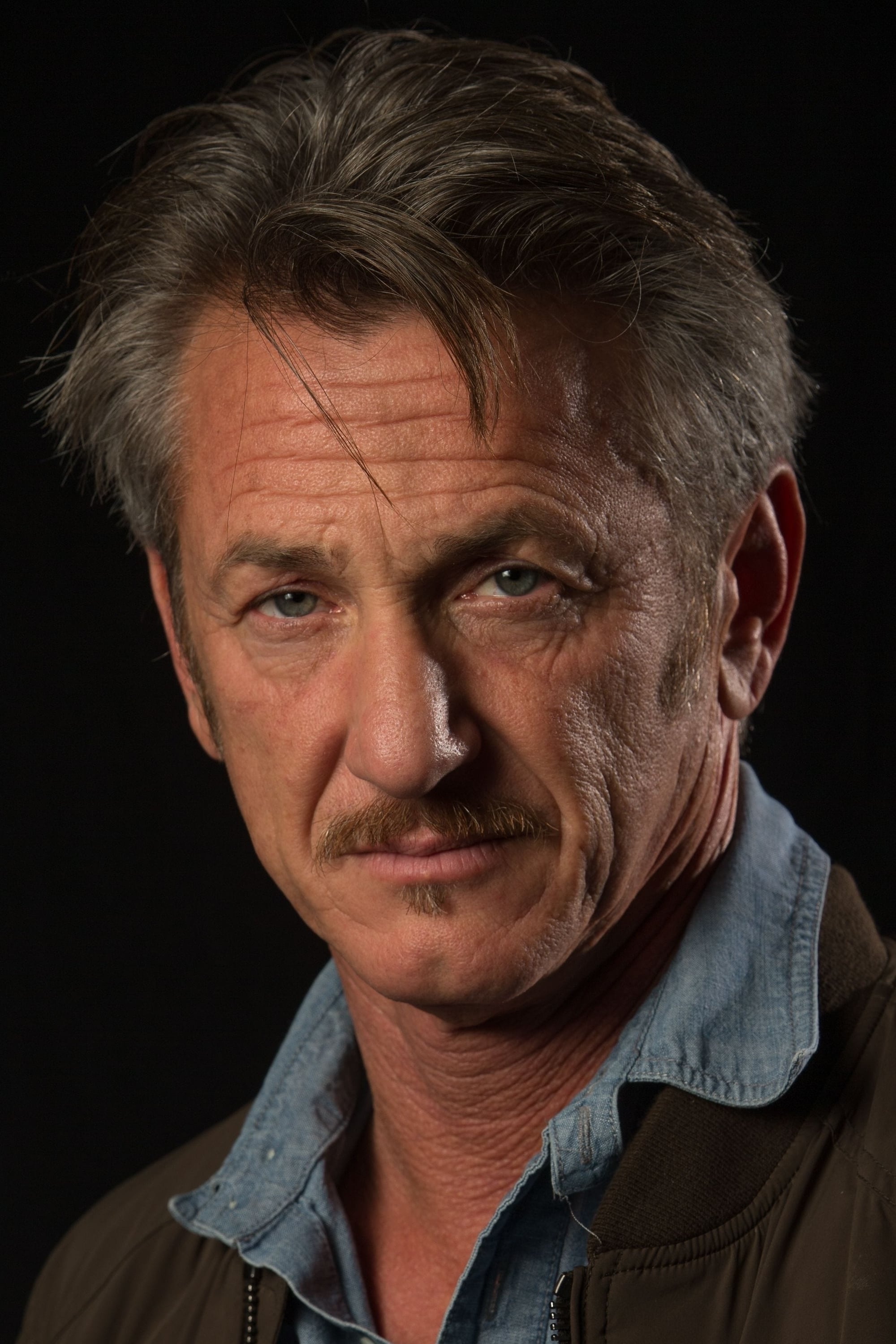
Penn founded J P Haitian Relief Organization after the 2010 earthquake and worked on housing and medical services in Port au Prince. He later shifted into documentary projects that examine governance and crisis response.
He traveled to Ukraine in 2022 to film during the invasion and met with President Volodymyr Zelenskyy. The resulting documentary explored leadership during wartime and the role of international aid and media attention.
Jane Fonda
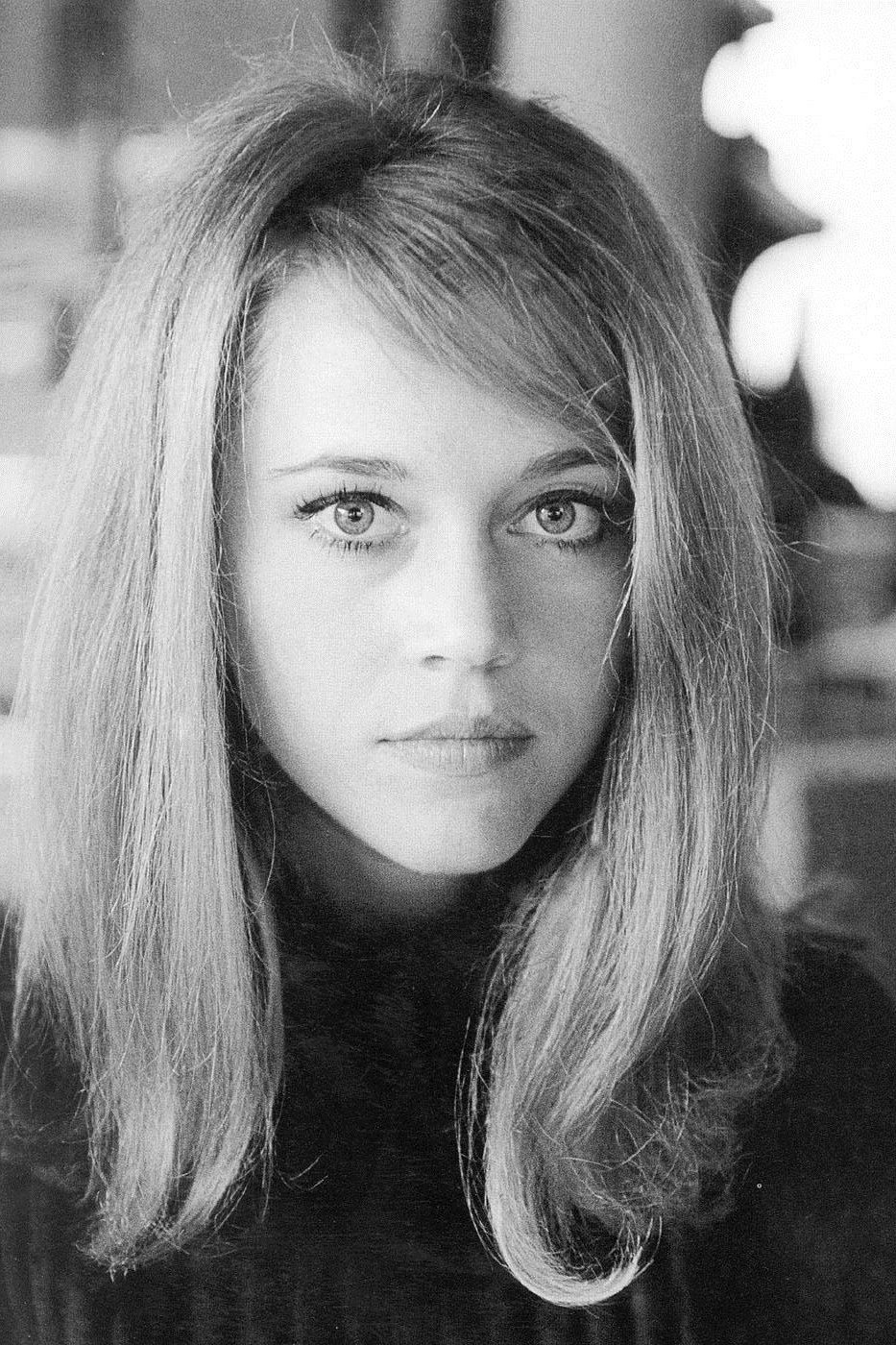
Fonda launched Fire Drill Fridays in 2019 to push for climate action through weekly protests in Washington. She was arrested multiple times at the Capitol during peaceful demonstrations that highlighted fossil fuel subsidies and green jobs.
She continues to support youth led climate groups and campaigns for candidates who back emissions targets. She appears in educational videos that explain legislative timelines and the mechanics of federal rulemaking.
Share your picks in the comments and tell us who you think changed the most once politics became part of their public brand.