


Celebrities Who Blew Millions On Failed Business Ventures Overnight

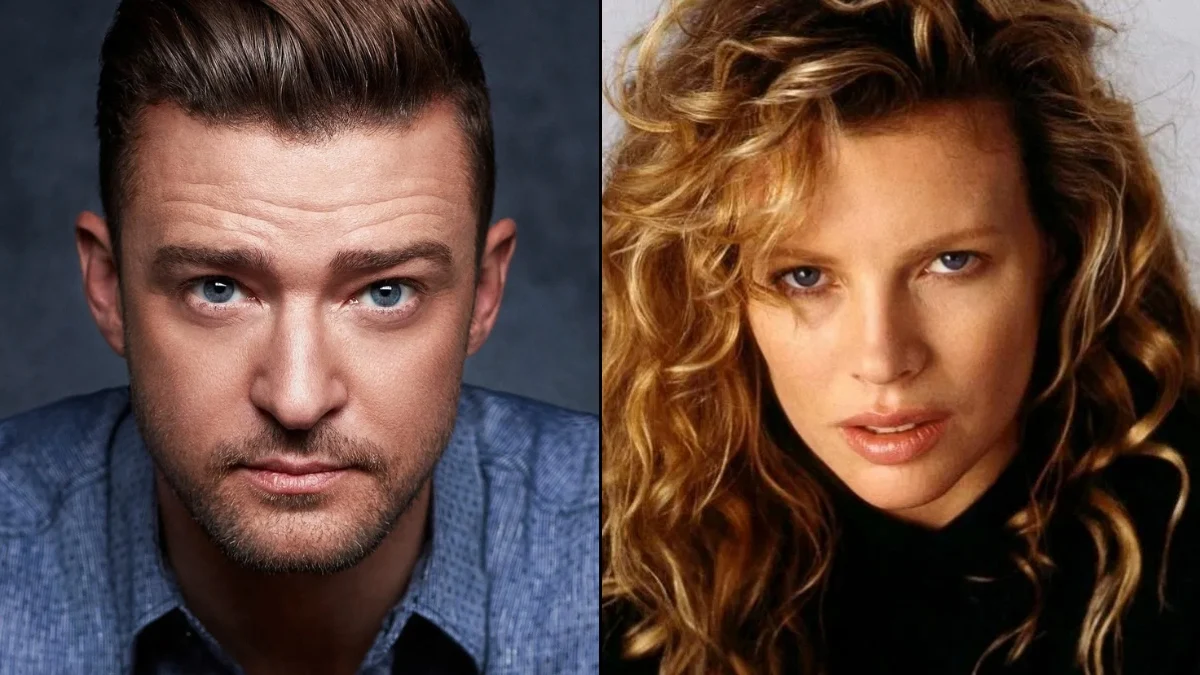


Celebrities often leverage their fame to launch ambitious business ventures, yet even massive star power cannot always guarantee commercial success. While many stars successfully build empires, others have seen millions of dollars vanish almost overnight due to poor timing, legal hurdles, or market saturation. These high-profile failures range from ill-fated restaurant chains and tech platforms to entire towns purchased on a whim. The following list highlights notable celebrities who faced significant financial setbacks after their business dreams failed to materialize.
Kim Basinger
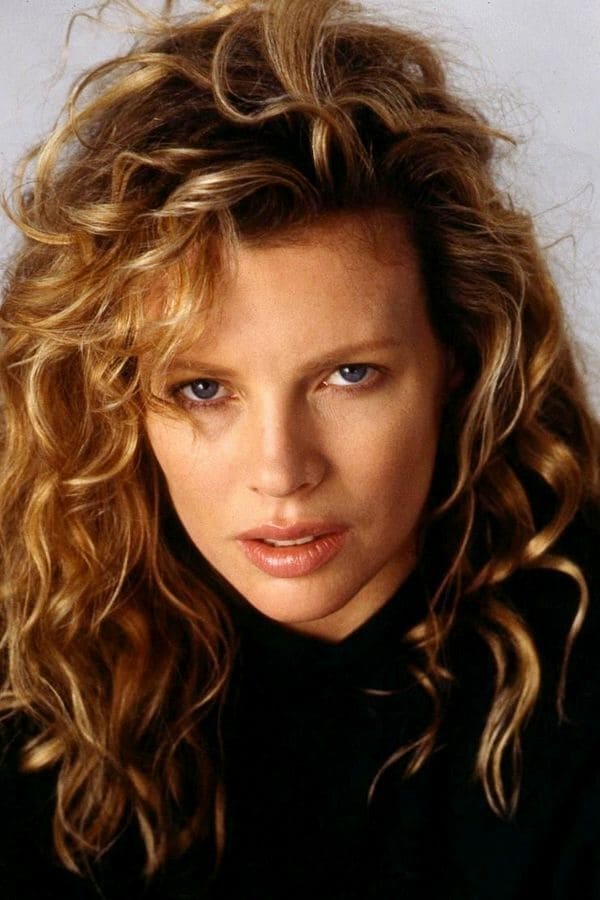
In 1989, Kim Basinger purchased the small town of Braselton, Georgia, for approximately $20 million with plans to turn it into a tourist destination. She intended to establish movie studios and a film festival within the 1,751-acre purchase to boost the local economy. However, financial difficulties and a massive legal judgment regarding the film ‘Boxing Helena’ forced her to file for bankruptcy. Basinger eventually sold her stake in the town for only $1 million in 1993, incurring a staggering loss. This investment remains one of the most high-profile real estate failures in Hollywood history.
Curt Schilling

Former Major League Baseball pitcher Curt Schilling founded 38 Studios to develop high-end video games and digital entertainment. The company received a $75 million loan from the state of Rhode Island to relocate its headquarters and develop its first major title. Despite releasing ‘Kingdoms of Amalur: Reckoning’, the studio could not generate enough revenue to meet its mounting financial obligations. The business filed for bankruptcy in 2012, causing Schilling to lose his entire career earnings of approximately $50 million. The state eventually pursued legal action to recover the taxpayer-funded loan following the company’s collapse.
Kanye West
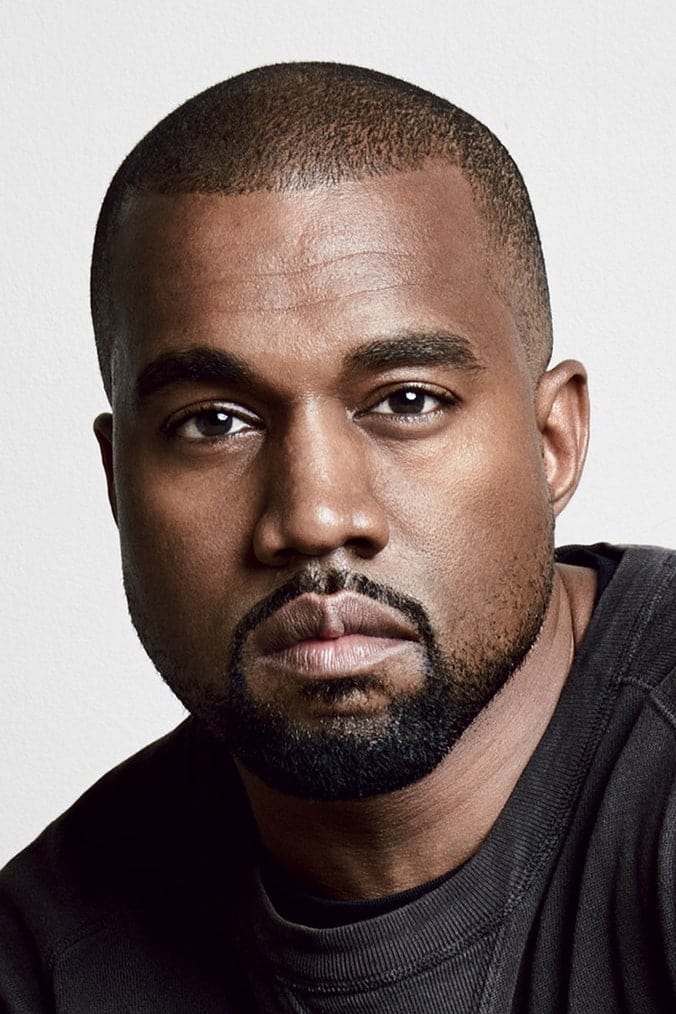
Kanye West lost his billionaire status almost overnight following a series of controversial public statements and actions in 2022. The artist had established extensive partnerships with Adidas and Gap to produce and distribute his Yeezy apparel and footwear lines. Both corporations moved quickly to sever ties with West, resulting in a reported $1.5 billion drop in his net worth within days. The termination of these deals left the future of the Yeezy brand in legal and financial limbo. West later faced multiple lawsuits from former business partners and staff following the disintegration of these massive ventures.
Jeffrey Katzenberg
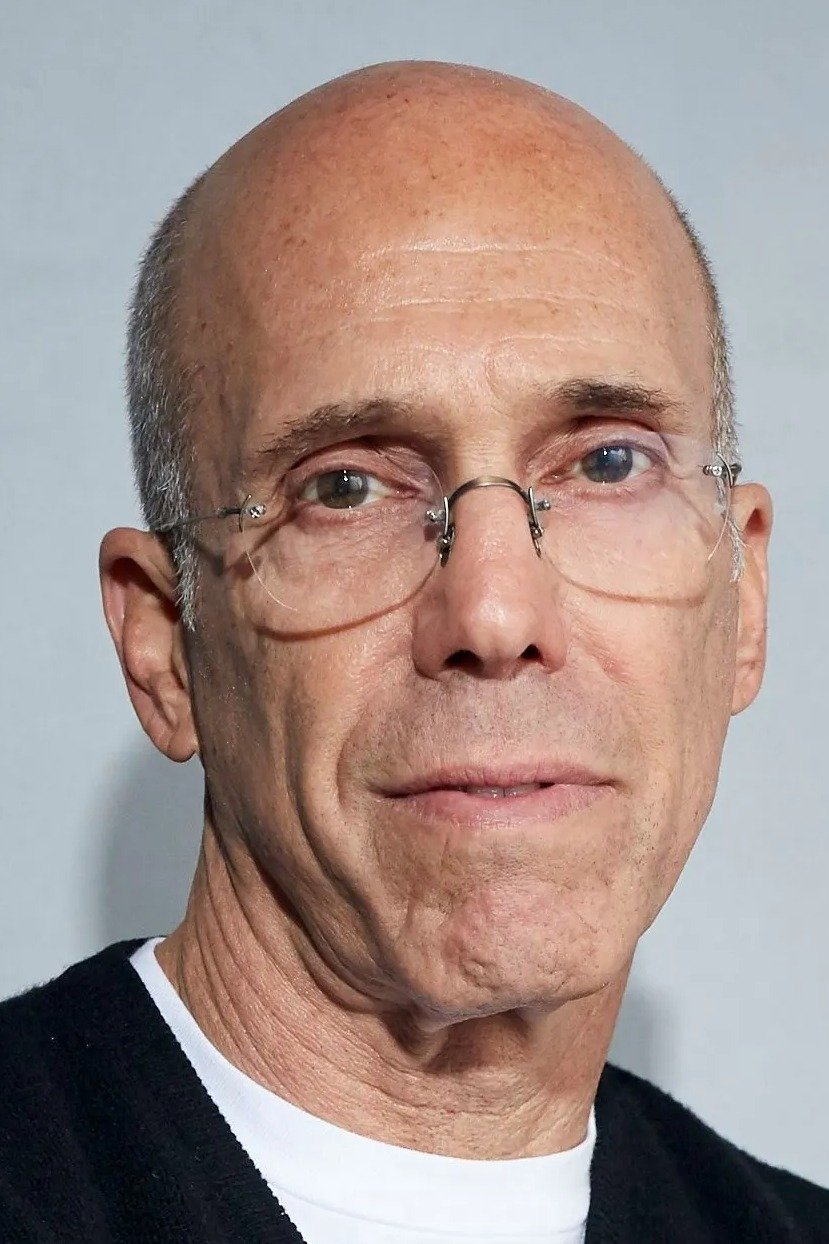
Media mogul Jeffrey Katzenberg launched Quibi, a short-form streaming service designed specifically for mobile devices, in April 2020. The platform raised $1.75 billion in funding from major Hollywood studios and significant tech investors. Despite the heavy financial backing and high-profile content creators, the service struggled to gain a sustainable subscriber base. Katzenberg announced the permanent closure of the platform just six months after its initial launch. The venture is frequently cited by analysts as one of the most expensive failures in the history of digital media.
Britney Spears

Britney Spears opened a restaurant called Nyla in the Dylan Hotel in New York City in 2002. The establishment originally focused on Southern cuisine before transitioning to an Italian menu shortly after its grand opening. The venture faced numerous challenges, including health code violations and reports of significant financial mismanagement. Spears officially cut ties with the restaurant after only six months of operation to protect her personal brand. The establishment closed permanently soon after her departure, marking a brief and costly foray into the hospitality industry.
Flavor Flav

Rapper and reality star Flavor Flav opened Flav’s Fried Chicken in Clinton, Iowa, in early 2011. The restaurant was intended to be the first of a national franchise specializing in a secret fried chicken recipe. However, the business shuttered its doors only four months after the grand opening due to intense management disputes. Reports indicated that staff members had experienced issues with late paychecks and inconsistent operational leadership. This rapid closure ended the star’s immediate plans for a fast-food empire and led to a legal rift with his partner.
Jennifer Lopez

Jennifer Lopez opened a Latin-themed restaurant called Madre’s in Pasadena, California, in 2002. The establishment aimed to provide traditional Cuban dishes based on recipes passed down from her grandmother. Despite initial popularity and a high-profile opening night, the restaurant struggled to maintain its momentum in a competitive dining market. Lopez officially closed the doors of Madre’s in 2008 without providing a detailed public explanation for the shutdown. The closure marked the end of her six-year personal and financial investment in the fine-dining sector.
Hulk Hogan
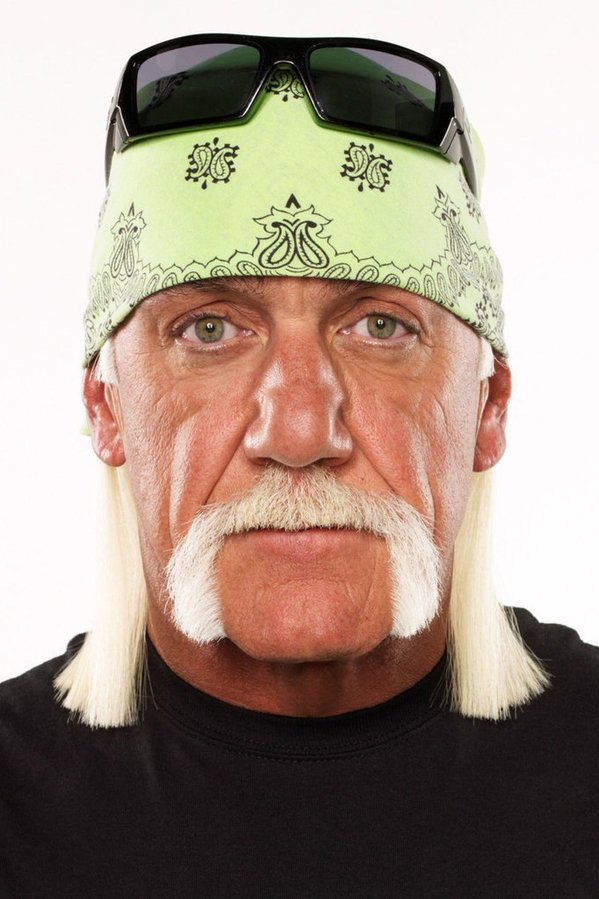
Professional wrestler Hulk Hogan launched Pastamania in the Mall of America in 1995. The restaurant featured a menu primarily composed of various pasta dishes with names inspired by his wrestling persona. Despite his massive fame at the height of the WCW era, the establishment failed to attract a consistent or loyal customer base. The restaurant closed its doors permanently less than a year after it began operations in the shopping complex. Hogan later transitioned to other endorsements, but his pasta venture remains a notable failure in his business portfolio.
The Kardashians
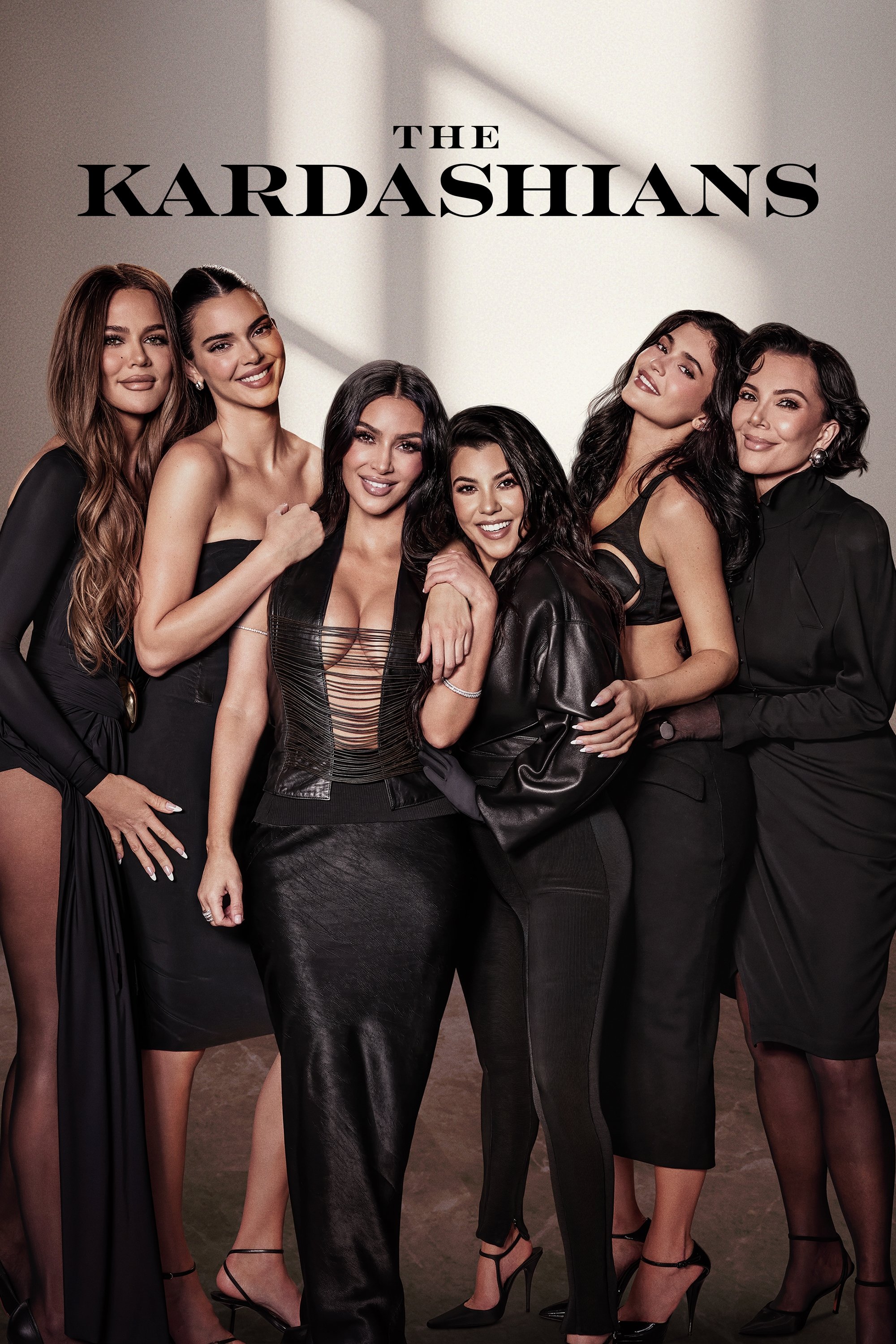
The Kardashian sisters launched the Kardashian Kard, a pre-paid MasterCard, to much fanfare in 2010. The financial product was heavily criticized by consumer advocates and the Connecticut Attorney General for its high fees. Critics pointed out that the card targeted young fans while imposing monthly maintenance costs and various activation charges. Due to the intense public backlash and mounting legal scrutiny, the sisters withdrew the card from the market only weeks after its debut. The termination of the contract resulted in a significant legal dispute with the card’s issuer and parent company.
Blake Lively
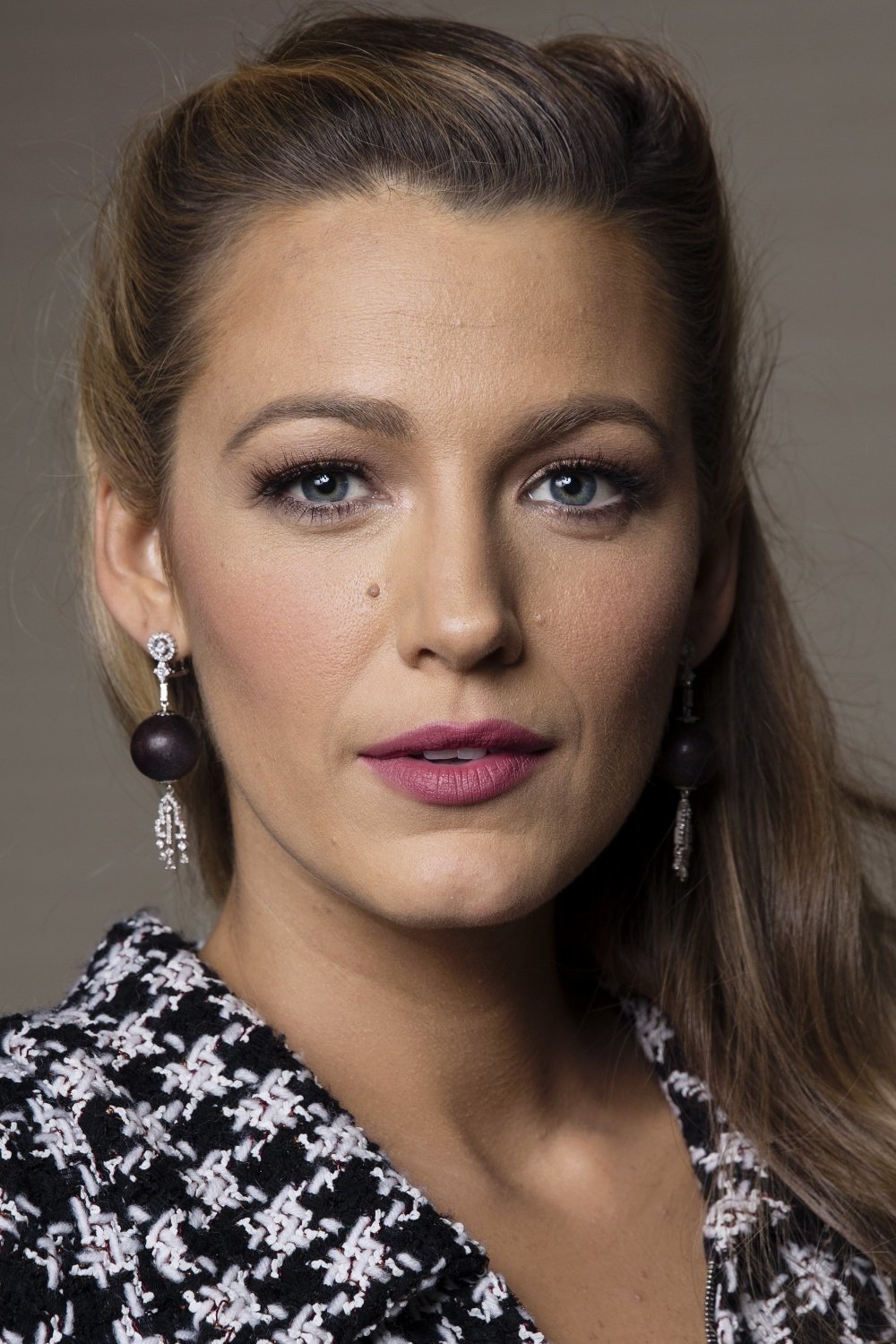
Blake Lively launched Preserve, a digital lifestyle magazine and e-commerce site, in 2014. The platform was designed to showcase artisanal products and Southern-inspired fashion and home goods. Lively faced significant criticism regarding the site’s aesthetic and the high price points for many of the featured items. Only one year later, she announced that the site would be shutting down to undergo a complete and total rebranding. Lively admitted in subsequent interviews that the venture had launched before it was truly ready for the market.
Justin Timberlake
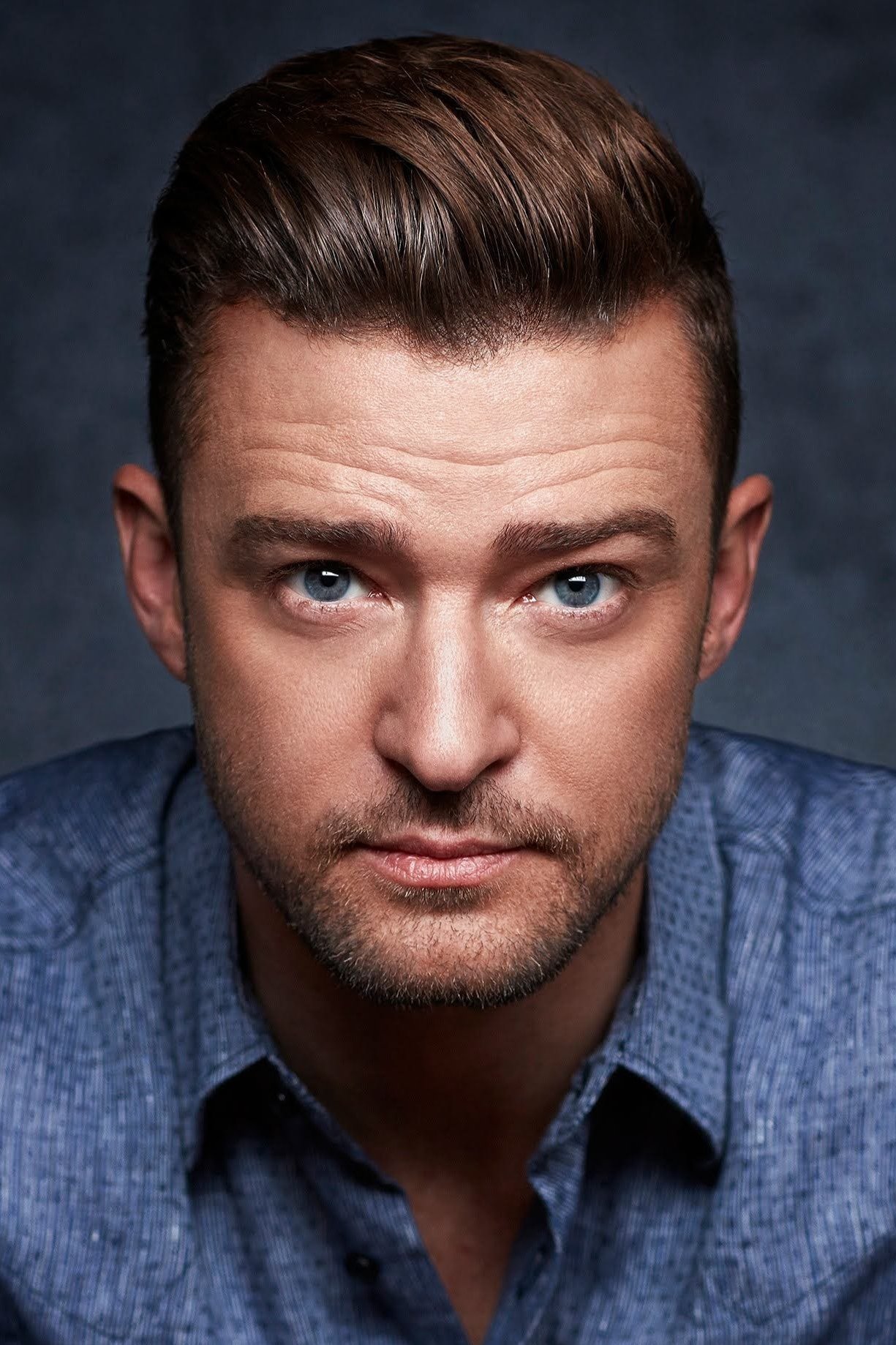
Justin Timberlake was part of an investment group that purchased the social media platform MySpace for $35 million in 2011. The goal was to revitalize the site and transform it into a hub for musicians and creative professionals. Despite a massive redesign and a high-profile marketing campaign featuring Timberlake, the platform failed to regain its former market dominance. Users continued to migrate to competitors, and the site eventually suffered a massive data loss during a server migration. The investment did not yield the cultural or financial resurgence the owners had originally anticipated.
Natalie Portman
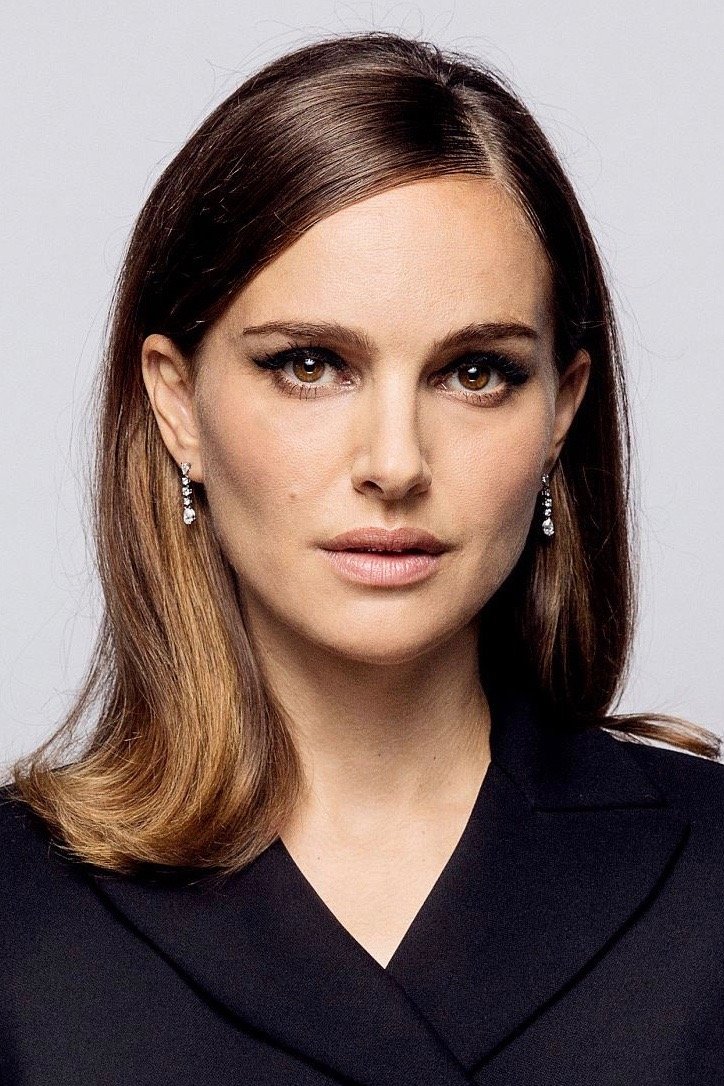
Academy Award winner Natalie Portman launched a line of vegan footwear called Te Casan in 2008. The shoes were designed to be high-fashion alternatives to traditional leather products, with prices starting at $200. Despite Portman’s star power and the growing interest in sustainable fashion, the boutique brand struggled to maintain retail sales. The parent company eventually went out of business, leading to the immediate discontinuation of the entire shoe line. Portman’s venture lasted only a few months before the financial collapse of its primary retail partner.
Pharrell Williams
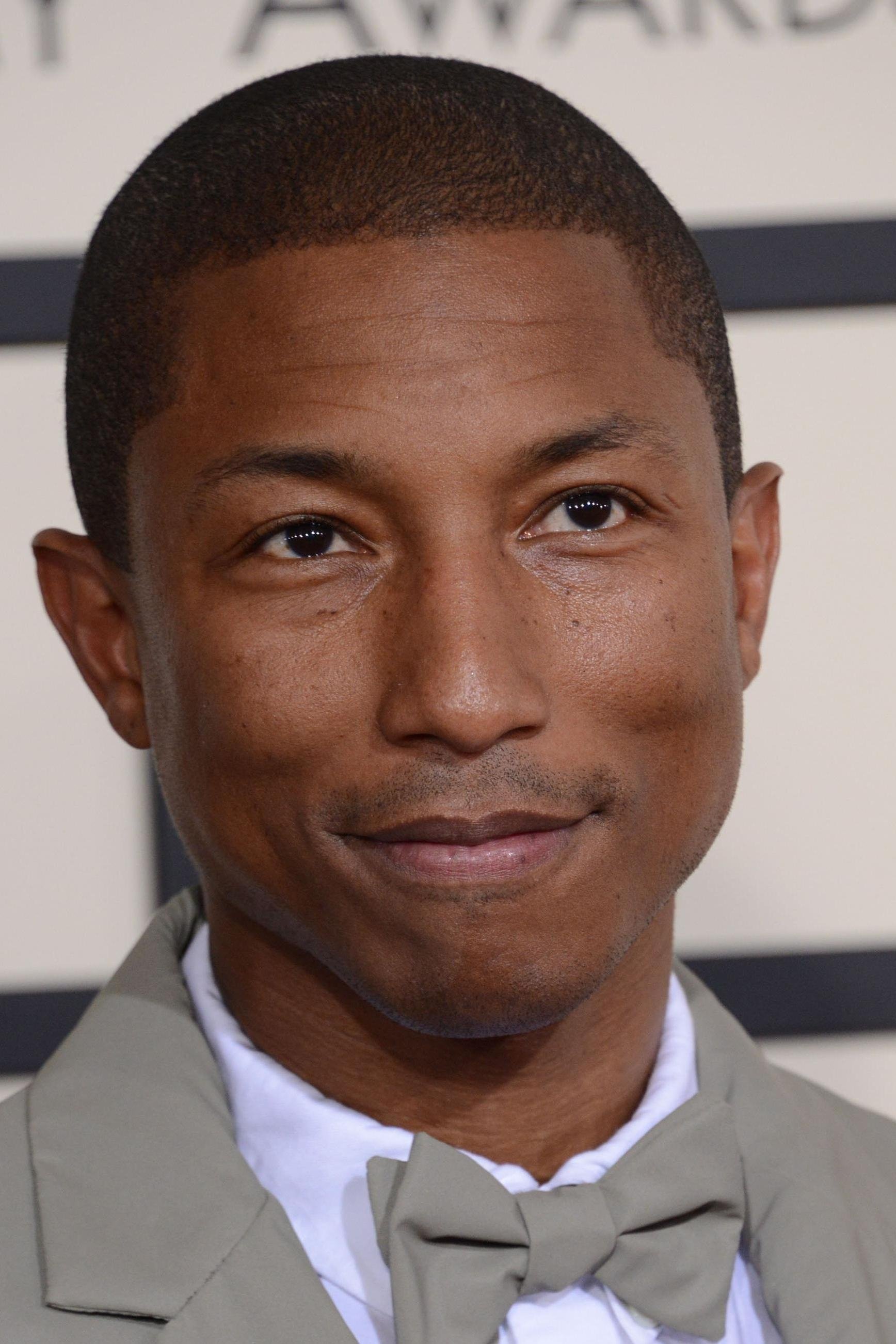
Pharrell Williams collaborated with beverage giant Diageo to launch Qream, a cream liqueur specifically marketed toward women, in 2011. The brand was positioned as a high-end luxury beverage for elegant consumers and featured a sophisticated bottle design. Williams later filed a $5 million lawsuit against the company, alleging that they failed to market the product correctly. He claimed that the corporation had neglected the brand and ultimately decided to discontinue it prematurely. The venture ended in a legal settlement after the product was pulled from retail shelves nationwide.
Soulja Boy
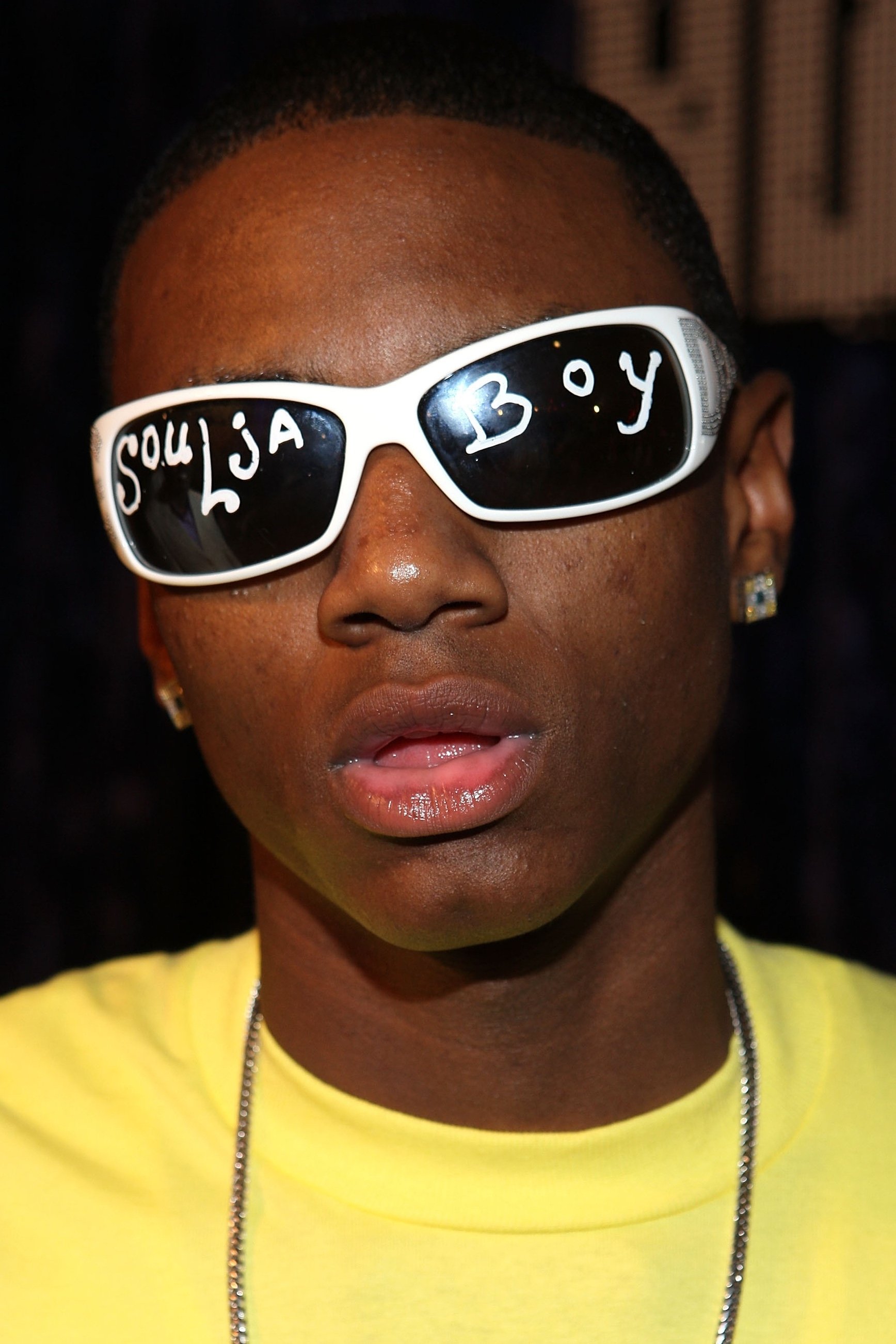
Soulja Boy released a line of video game consoles under the SouljaGame brand in late 2018. The products were criticized by tech journalists for being rebranded emulators that allegedly contained unlicensed software. Within weeks of the launch, the consoles were removed from his online store amidst reports of potential legal threats from established gaming companies. Soulja Boy initially defended the hardware before admitting that the venture had been halted for legal reasons. The rapid collapse of the brand became a viral topic across social media platforms and gaming forums.
Burt Reynolds

Burt Reynolds invested millions into a restaurant franchise called PoFolks during the 1980s. The chain focused on country-style cooking and saw rapid expansion across several states during his involvement. However, the company faced severe financial mismanagement and legal troubles that eventually led to a filing for bankruptcy. Reynolds reportedly lost a significant portion of his wealth in the failed venture, which contributed to his personal financial decline. The actor later cited this business move as one of the major regrets of his professional life.
Eva Longoria

Eva Longoria opened a female-focused steakhouse called SHe in Las Vegas in partnership with the parent company of Morton’s. The restaurant featured smaller portions and mirrors on the menus to appeal to its specific target demographic. However, the establishment was plagued by health department issues and consistently poor reviews from critics. It was forced to close in 2014 after the health district shut it down for numerous sanitation violations. Longoria’s previous restaurant venture, Beso, also faced a Chapter 11 bankruptcy filing prior to this second closure.
Heidi Montag
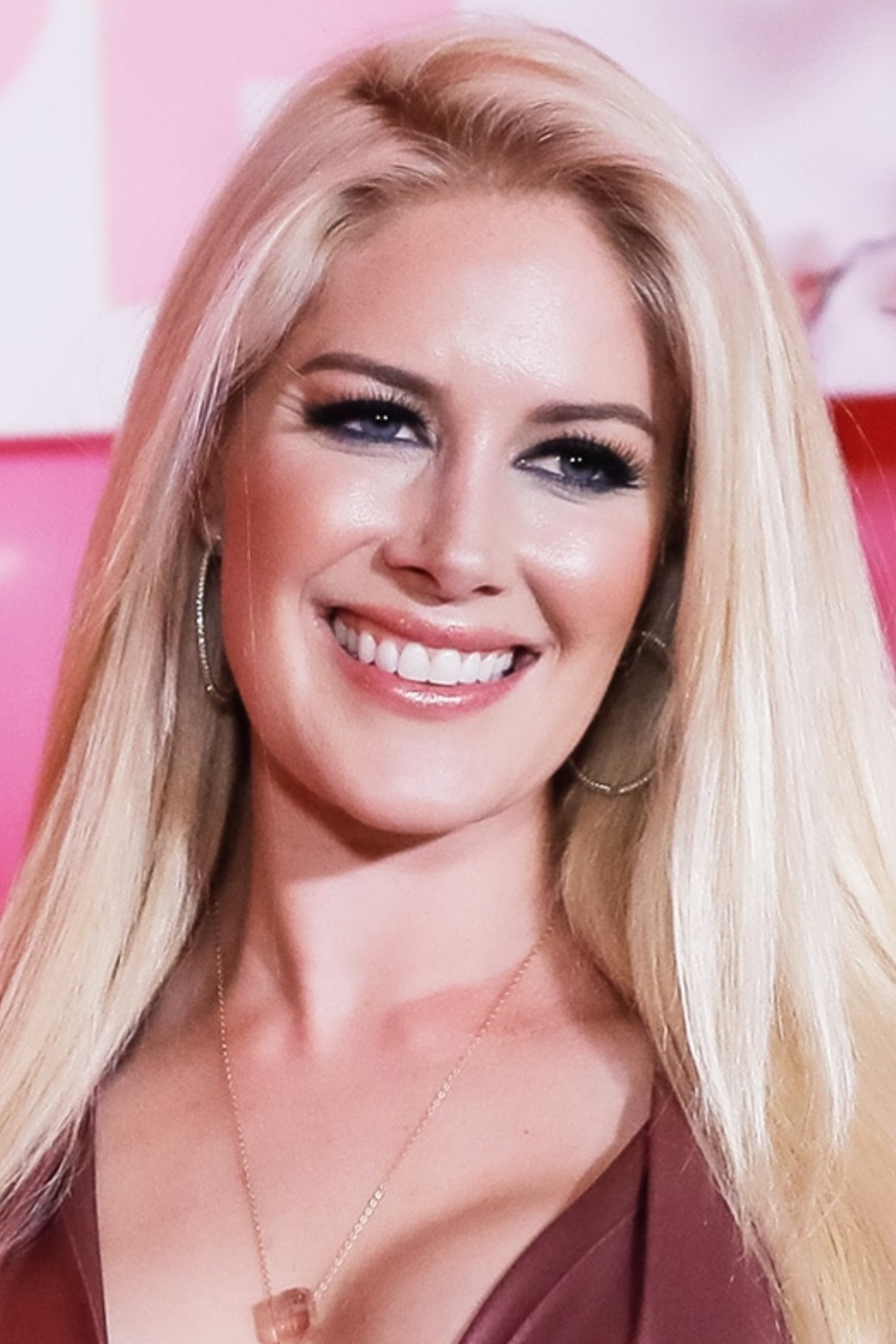
Reality television star Heidi Montag launched her clothing line, Heidiwood, in 2008 through a partnership with the retailer Anchor Blue. The line was aimed at teenagers and young adults, featuring California-inspired summer styles at accessible price points. Critics and fashion bloggers panned the collection for its perceived lack of quality and design originality. The partnership was terminated after only seven months, and the items were heavily discounted to clear remaining inventory. Montag’s attempt to transition into the fashion industry resulted in a quick and very public failure.
Kevin Costner
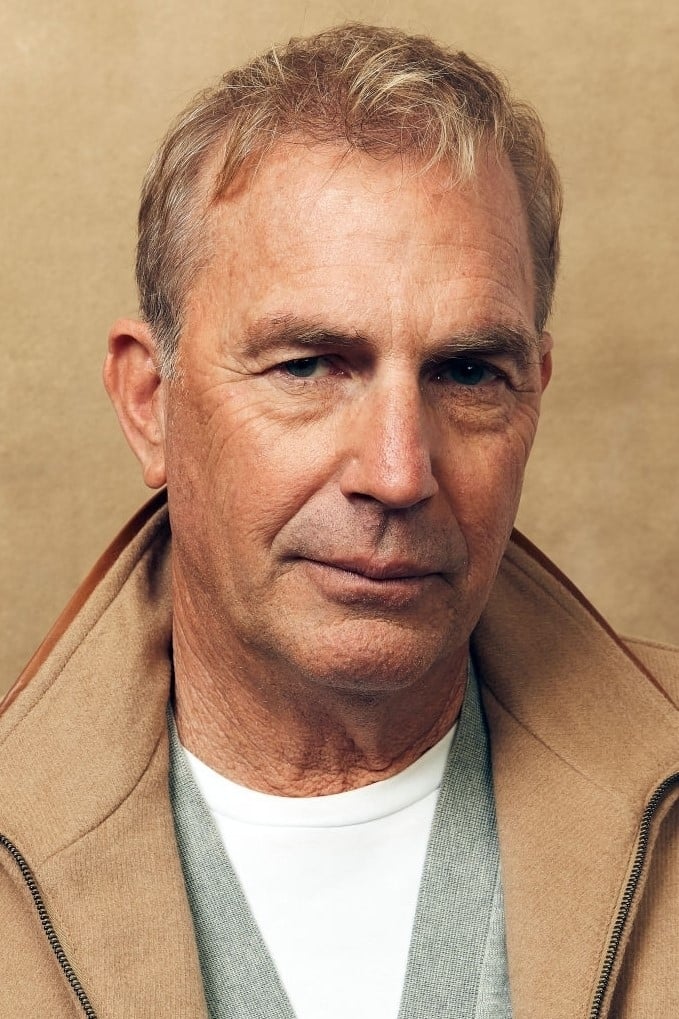
Kevin Costner invested over $20 million into Ocean Therapy Solutions, a company that developed centrifugal oil-water separators. Following the Deepwater Horizon oil spill in 2010, BP agreed to use the machines to help clean up the Gulf of Mexico. The venture became embroiled in a high-profile legal battle when fellow actor Stephen Baldwin sued Costner over the buyout of his shares. While the technology was functional, the business faced significant hurdles in maintaining long-term government and corporate contracts. The legal fees and internal disputes eventually overshadowed the company’s environmental mission.
Debbie Reynolds
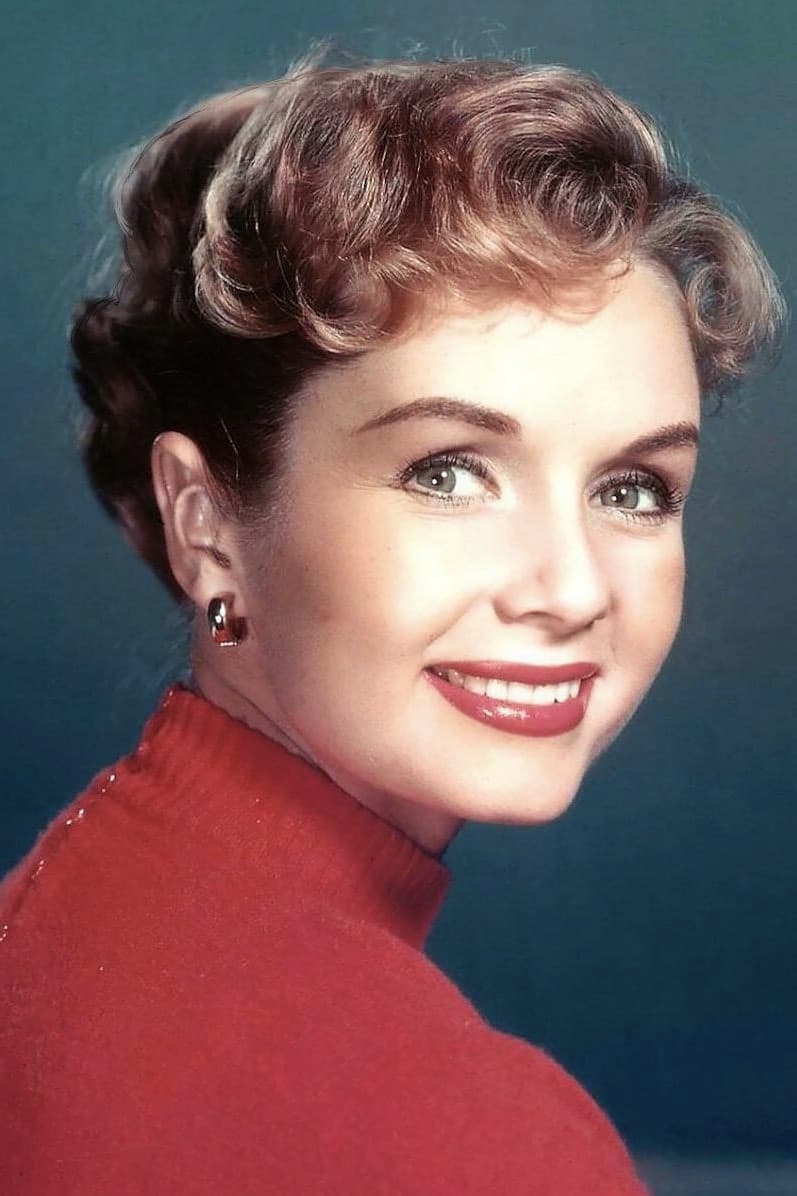
Debbie Reynolds opened the Debbie Reynolds Hollywood Hotel and Museum in Las Vegas in the early 1990s. She used the space to display her massive collection of Hollywood memorabilia, including iconic costumes from films like ‘Cleopatra’. The venture struggled with low occupancy rates and high maintenance costs for the extensive museum displays. Reynolds was forced to file for corporate bankruptcy in 1997 to protect her remaining assets. The hotel was eventually sold at auction, and her beloved collection was liquidated to pay off mounting debts.
Steven Spielberg
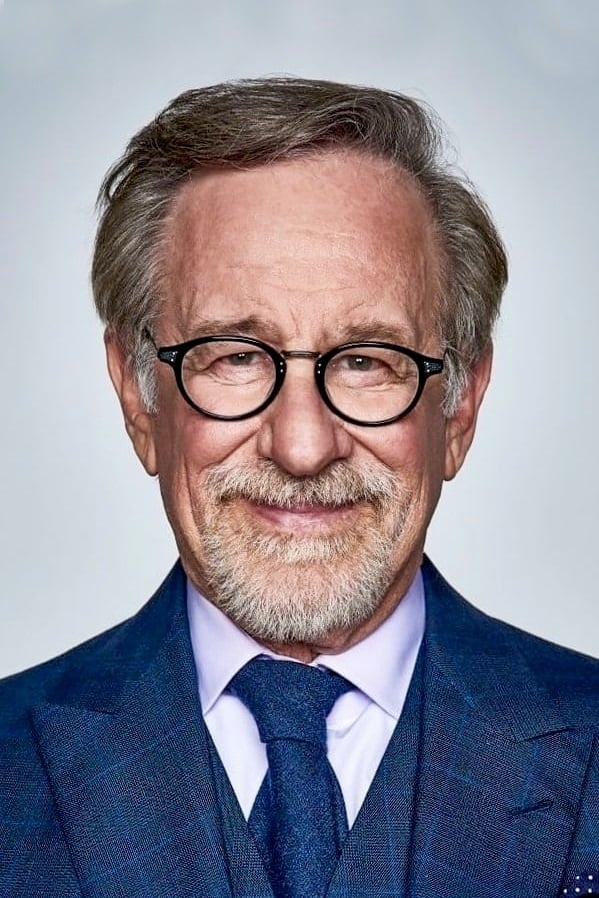
Director Steven Spielberg collaborated with industry peers to launch Dive!, a submarine-themed restaurant in Century City. The establishment featured a high-tech interior that simulated a submarine voyage, including portholes and water effects. Despite the initial hype and the celebrity pedigree behind the project, the novelty quickly wore off for many diners. The high operational costs of the themed environment made it difficult to sustain long-term profitability. The restaurant closed its doors in 1999, just five years after its ambitious opening.
Willie Nelson

Country music legend Willie Nelson launched BioWillie in 2005 to promote the use of biodiesel made from vegetable oils. The company aimed to provide a sustainable fuel alternative at truck stops across the United States. While the venture gained significant media attention, it struggled with high production costs and competition from traditional petroleum. The company eventually faced financial distress and underwent a series of complex restructurings and acquisitions. Nelson’s dream of a biodiesel revolution stalled as the market for alternative fuels remained volatile.
Jessica Simpson

Jessica Simpson launched Dessert Beauty in 2004, a line of edible cosmetics that included flavored lip glosses and body lotions. The brand was initially successful in retail stores like Sephora and gained a significant following among young consumers. However, the venture was derailed by a series of lawsuits involving the parent company and its manufacturing partners. Legal disputes over unpaid royalties and trademark issues led to the brand being pulled from the market entirely. This failure occurred despite Simpson’s later massive success with her namesake multi-billion dollar fashion empire.
Tyra Banks

Tyra Banks launched Tyra Beauty in 2014 as a direct-sales cosmetics brand utilizing a multi-level marketing structure. The company recruited individuals known as Beautytainers to sell products through social media and home parties. While the brand initially generated interest through Banks’s massive platform, it faced criticism regarding its business model and product pricing. In 2017, Banks announced that the company would be transitioning away from the direct-selling model to reach more consumers. The venture eventually folded, and the official website was shut down shortly thereafter.
Nicky Hilton
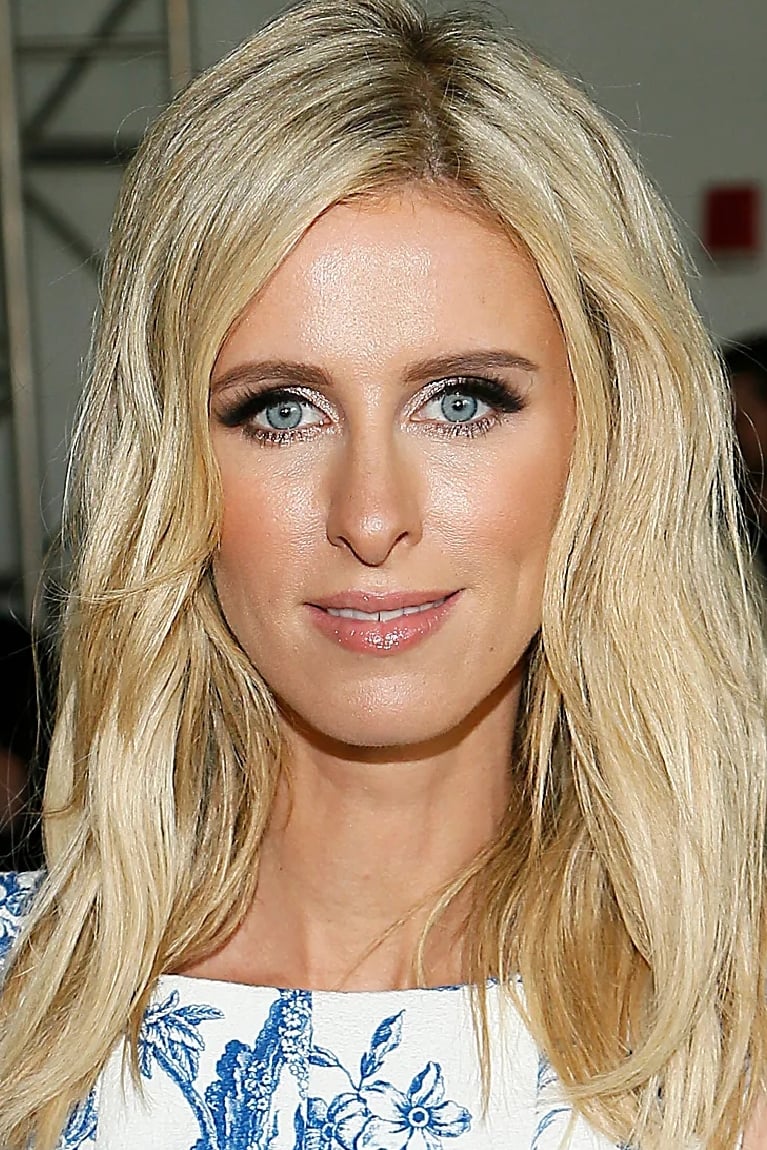
Nicky Hilton launched two clothing lines, Chick by Nicky Hilton and Nicholai, during the mid-2000s. The Nicholai line was intended to be a higher-end, sophisticated brand, while Chick targeted a younger, more casual audience. Both brands suffered from poor sales and a lack of clear identity in a crowded retail market. Hilton was eventually forced to cancel her planned fashion shows and shut down the businesses due to financial pressure. These failures occurred before she successfully pivoted into accessories and footwear collaborations with other established brands.
Mandy Moore
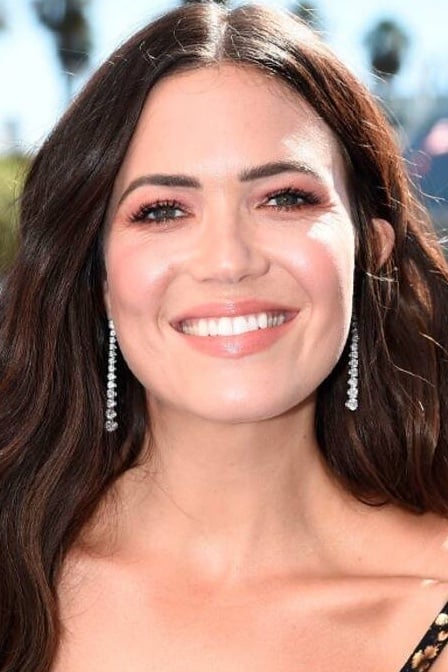
Singer and actress Mandy Moore launched her own fashion line called Mline in 2005. The contemporary knitwear collection was sold in upscale department stores and received initial praise for its comfort and style. However, Moore decided to shut down the company in 2009, citing a desire to focus on her growing acting career. Reports also indicated that the brand was struggling to remain profitable in a changing economic climate. The closure marked the end of her four-year attempt to establish herself as a professional fashion designer.
Tell us which celebrity business venture surprised you the most by sharing your thoughts in the comments.