


Celebrities Who Claim “Cancel Culture” Is Destroying Creative Freedom

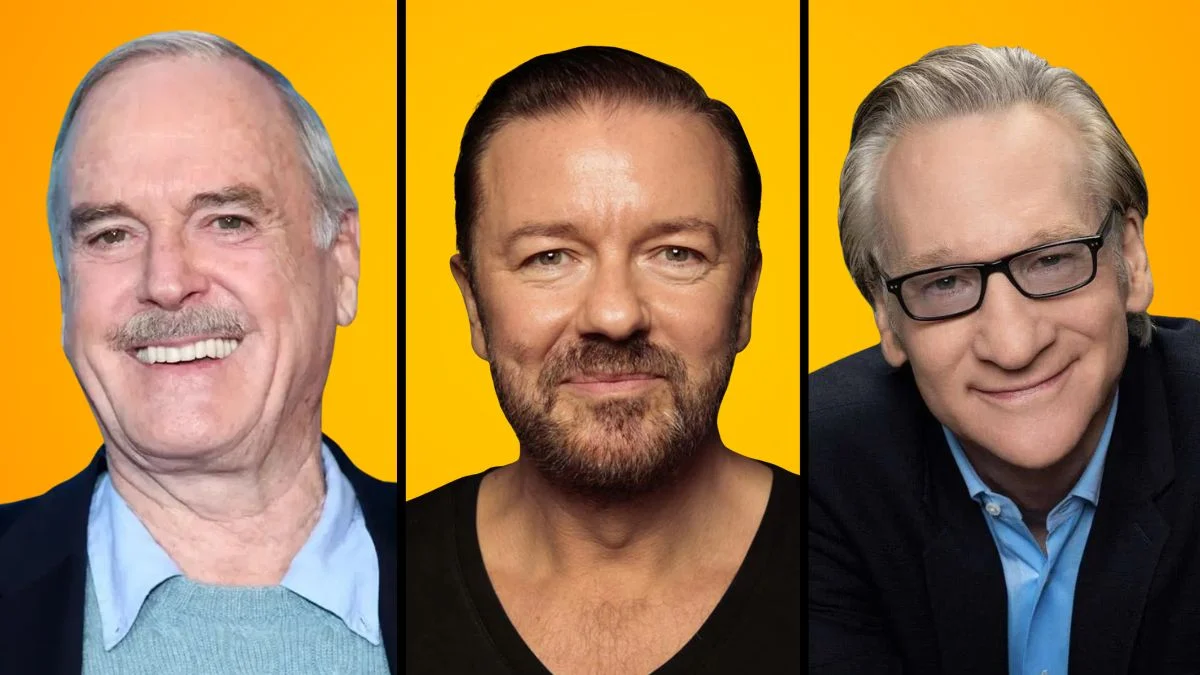


The phenomenon of public accountability often known as cancel culture has become a central topic of debate within the entertainment industry. Numerous actors directors and musicians have voiced concerns that the rapid backlash on social media leads to a climate of fear and self censorship. These individuals argue that the pressure to conform to shifting social standards restricts the ability of artists to take risks or explore complex themes. This list examines high profile figures who have publicly stated that these cultural pressures are detrimental to the future of creative expression.
J.K. Rowling
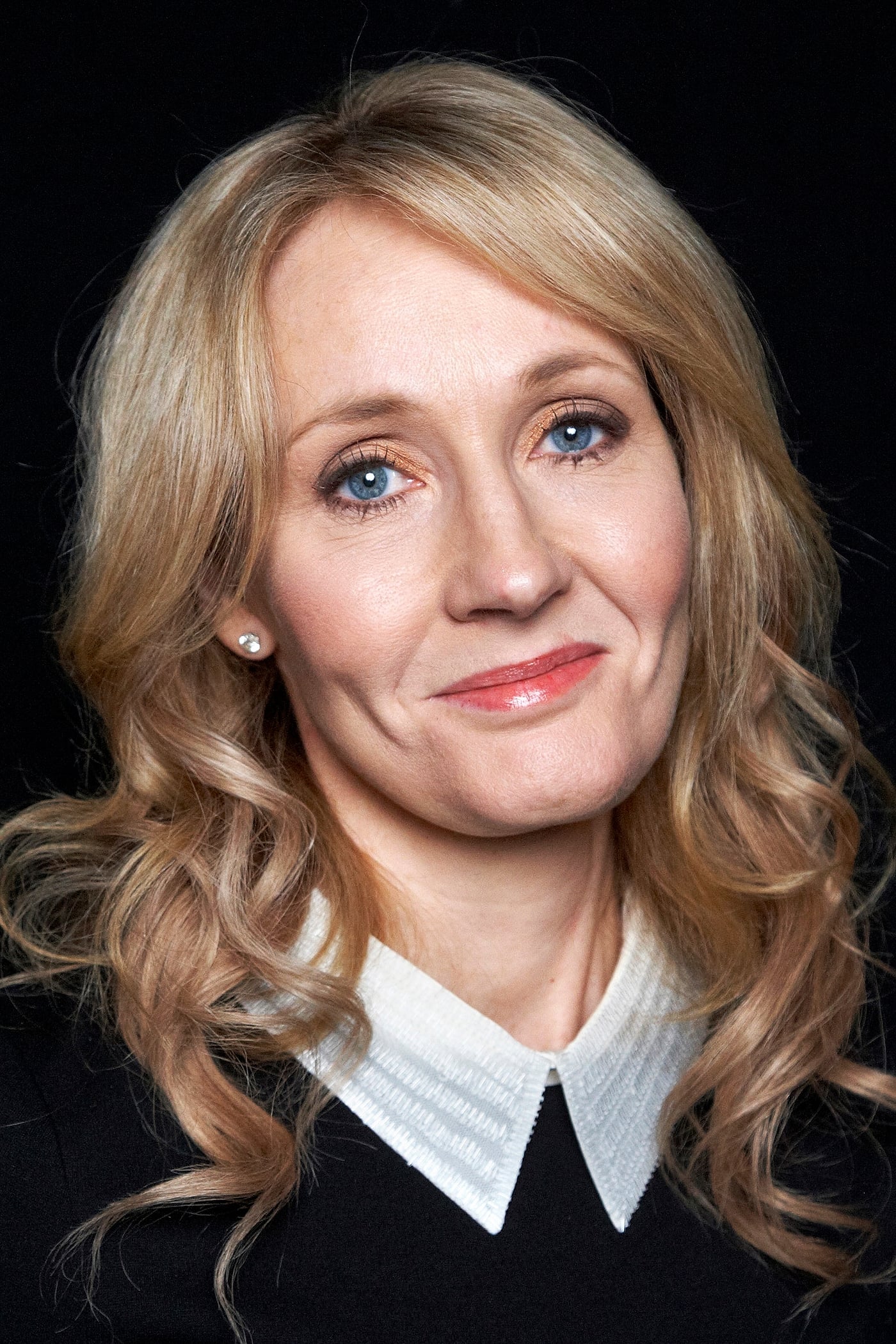
The author of the ‘Harry Potter’ series has frequently argued that the current cultural climate discourages open debate and artistic experimentation. She believes that the threat of public shaming forces many creators to self censor their work to avoid controversy. Rowling has stated that this environment is detrimental to the development of literature and film. Her public statements focus on the importance of maintaining a diversity of viewpoints in the creative arts.
Dave Chappelle
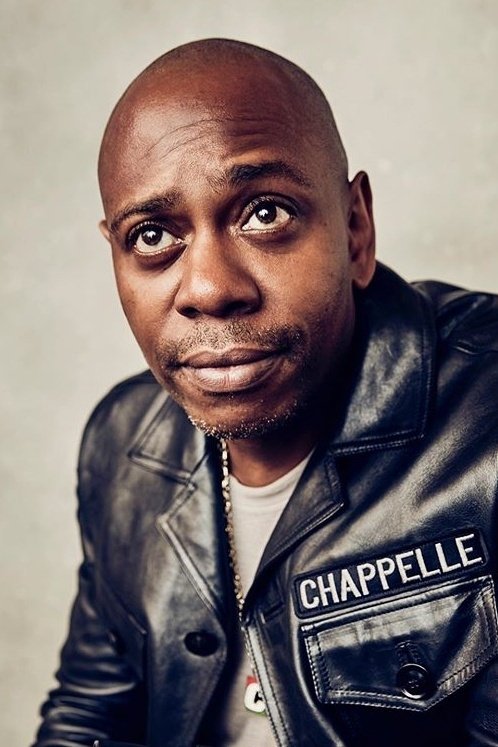
This stand up comedian has addressed the concept of public backlash in several of his recent television specials. He suggests that the intense scrutiny of jokes by social media users inhibits the natural evolution of comedic routines. Chappelle argues that artists must be allowed to make mistakes without facing permanent professional consequences. He continues to perform material that challenges contemporary social norms despite calls for his removal from streaming platforms.
Ricky Gervais
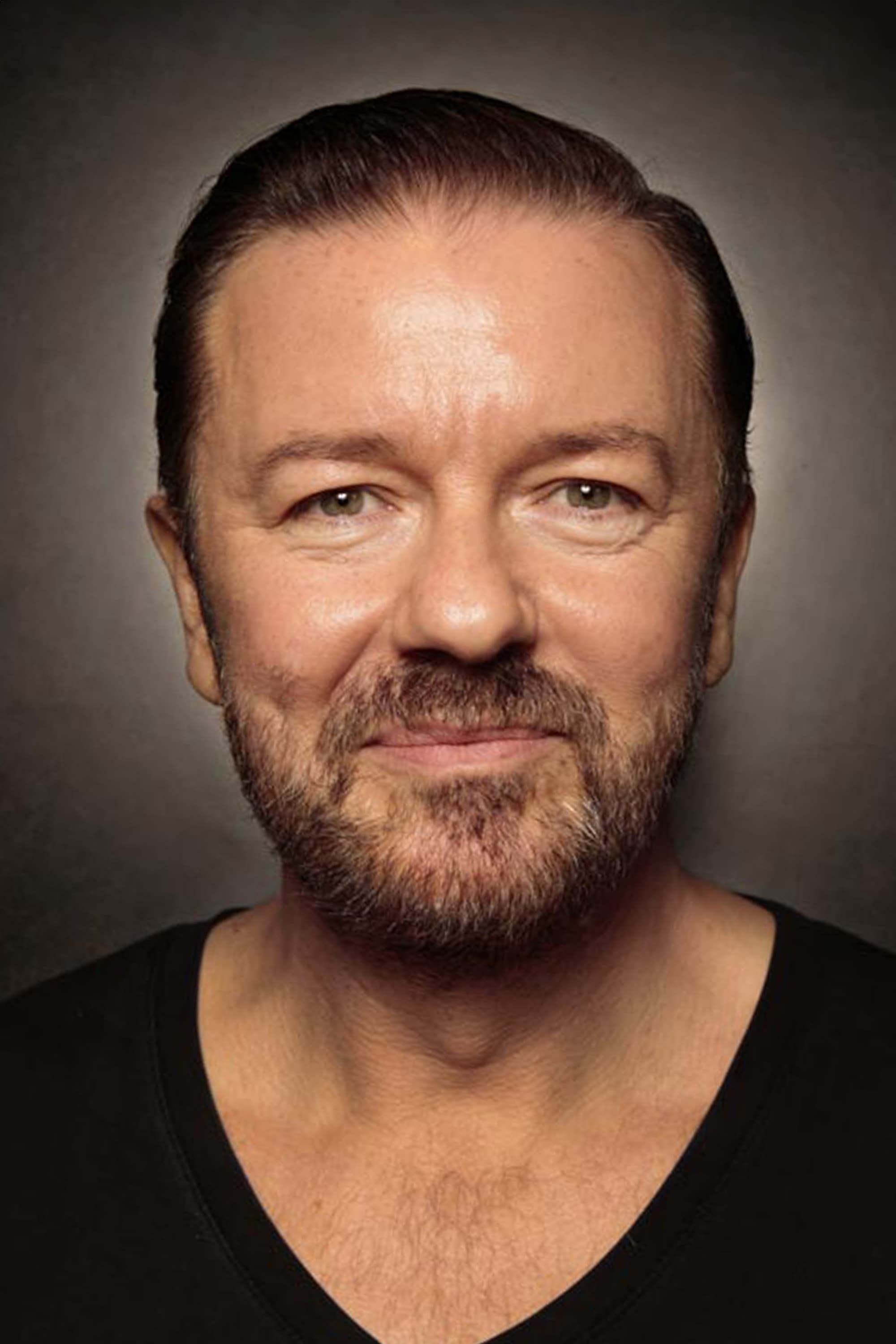
The creator of ‘The Office’ has been a vocal critic of the limitations placed on modern comedy. He maintains that irony and satire are being lost in a culture that prioritizes being offended over the intent of the artist. Gervais believes that no topic should be off limits for comedy as long as the joke is effective. He frequently uses his platform to defend the right of performers to provoke their audiences.
Bill Maher
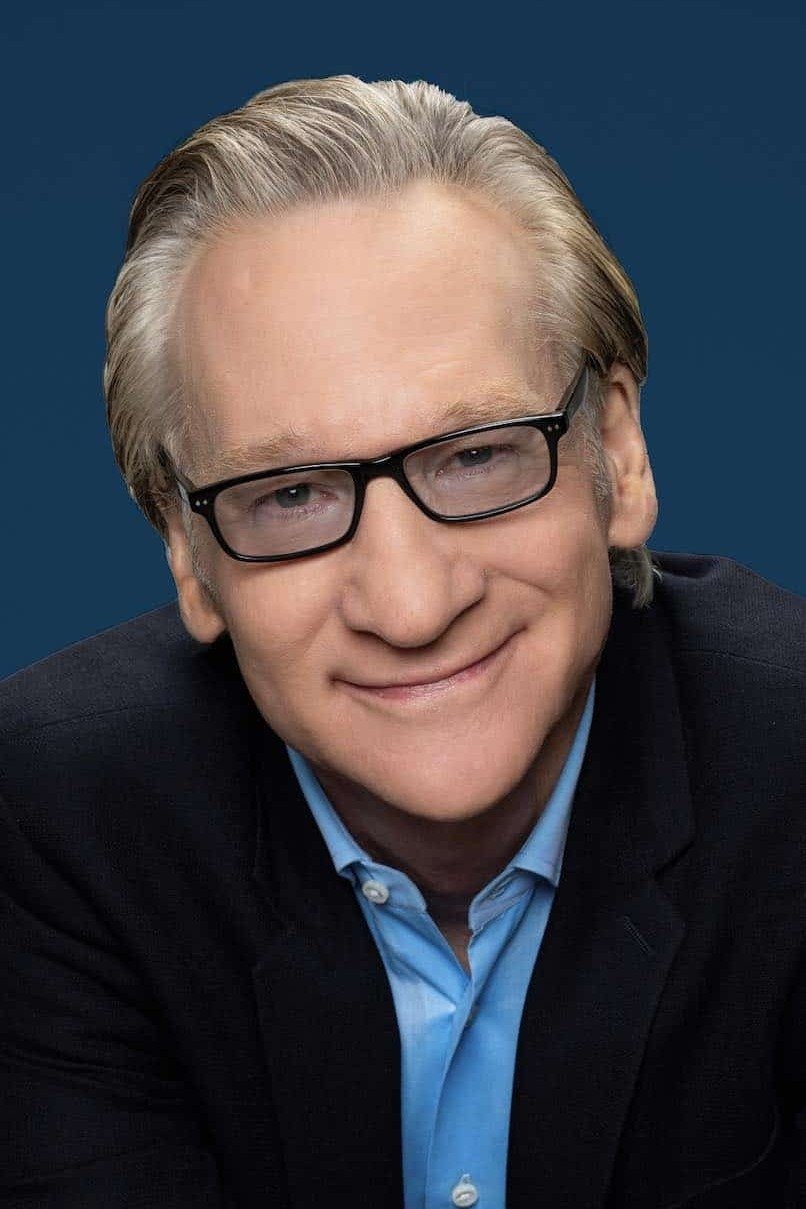
The host of ‘Real Time with Bill Maher’ often uses his monologues to critique what he views as an era of stifling political correctness. He argues that the fear of being canceled has led to a boring and predictable media landscape. Maher suggests that both the left and the right contribute to a climate where individual thought is punished. He believes that the creative industry is suffering because writers are too afraid to challenge their own audiences.
John Cleese
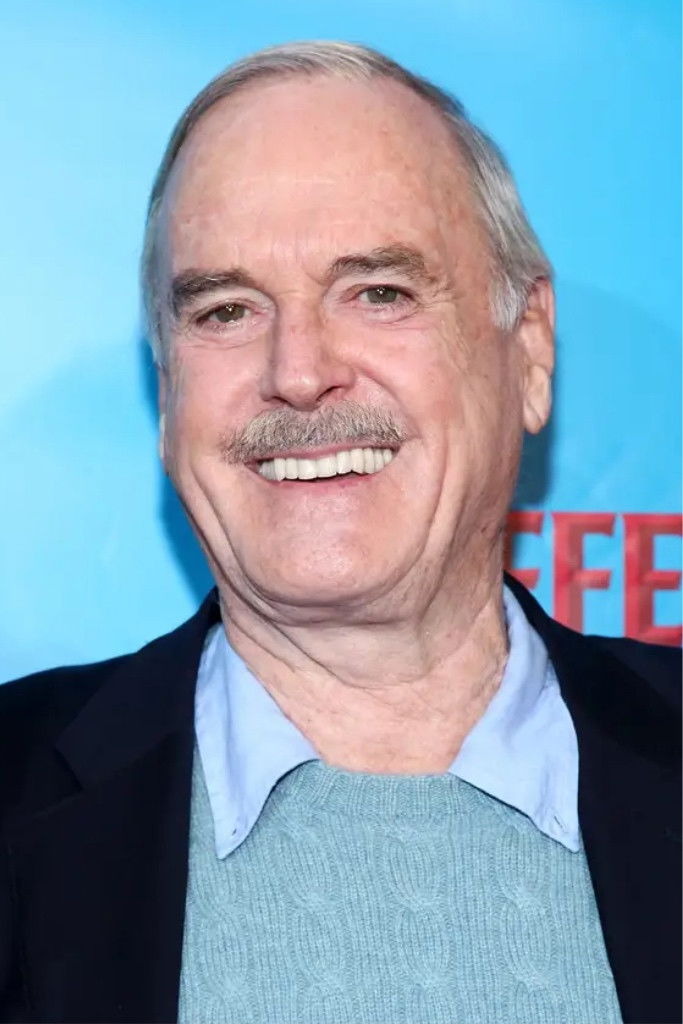
The ‘Monty Python’ star has spoken out against the removal of classic comedy episodes from streaming services. He believes that the inability to distinguish between a character holding an opinion and the creator holding that opinion is a sign of intellectual decline. Cleese argues that creativity requires an environment where people are not constantly walking on eggshells. He has even worked on a documentary series exploring the impact of social pressure on the arts.
Kevin Hart
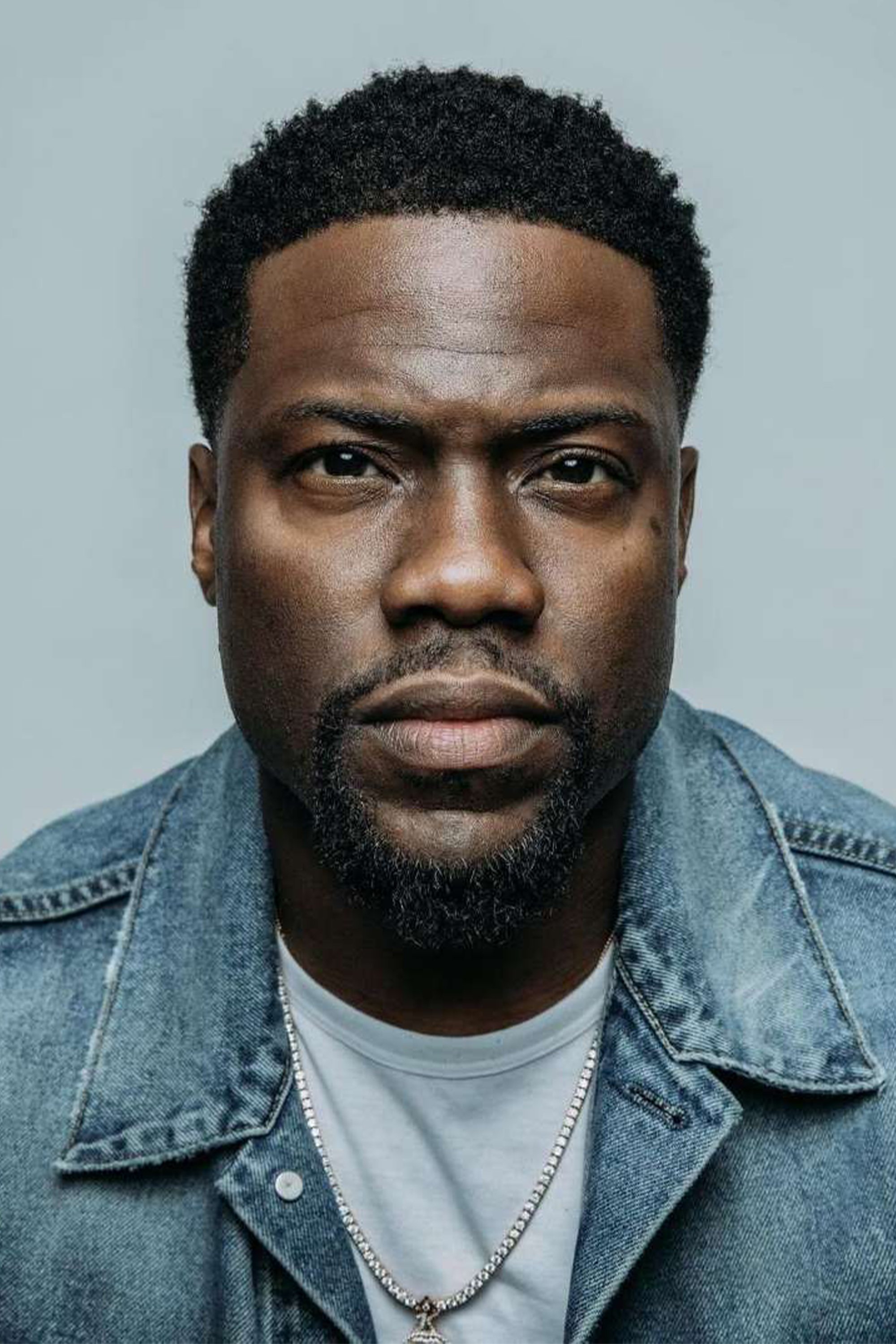
After stepping down from hosting the Academy Awards due to past comments the comedian has discussed the dangers of holding people to impossible standards. He argues that everyone should have the room to grow and learn from their past without losing their livelihood. Hart believes that the current trend of digging up old content to punish creators today is counterproductive to the creative process. He encourages a culture of forgiveness rather than one of immediate dismissal.
Sharon Osbourne
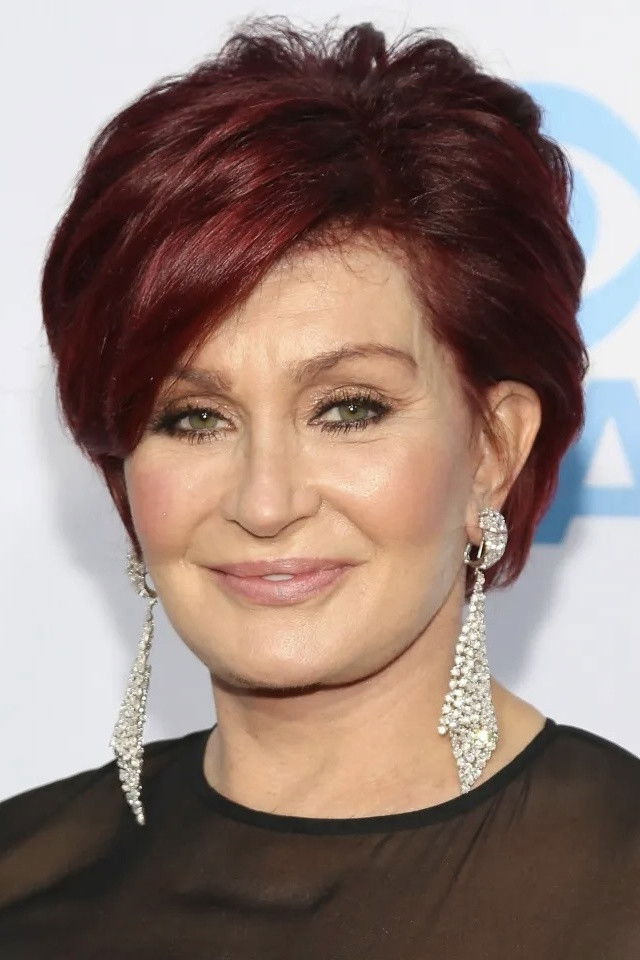
Following her departure from a daytime talk show the television personality has been a critic of the speed at which people are judged online. She maintains that the fear of public execution by the media prevents honest conversations from happening. Osbourne believes that the entertainment industry has become too focused on optics rather than authentic expression. She has voiced her concerns that this trend will lead to the end of genuine debate in the public square.
Piers Morgan
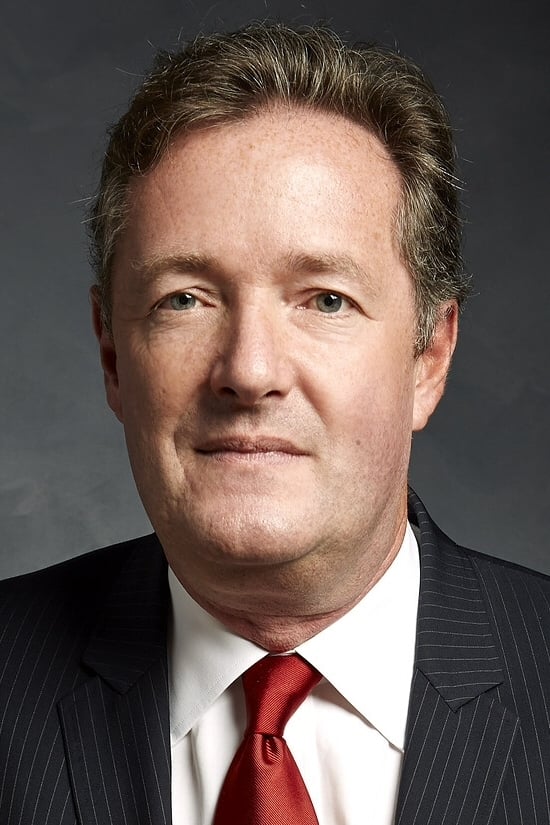
The journalist and broadcaster has consistently labeled cancel culture as a threat to the fundamental principles of free speech. He argues that the attempt to silence voices that do not align with the prevailing narrative is a form of modern authoritarianism. Morgan believes that the creative community is being intimidated into silence by a small but vocal minority. He frequently defends the right of individuals to hold unpopular opinions without being professionally ruined.
Roseanne Barr
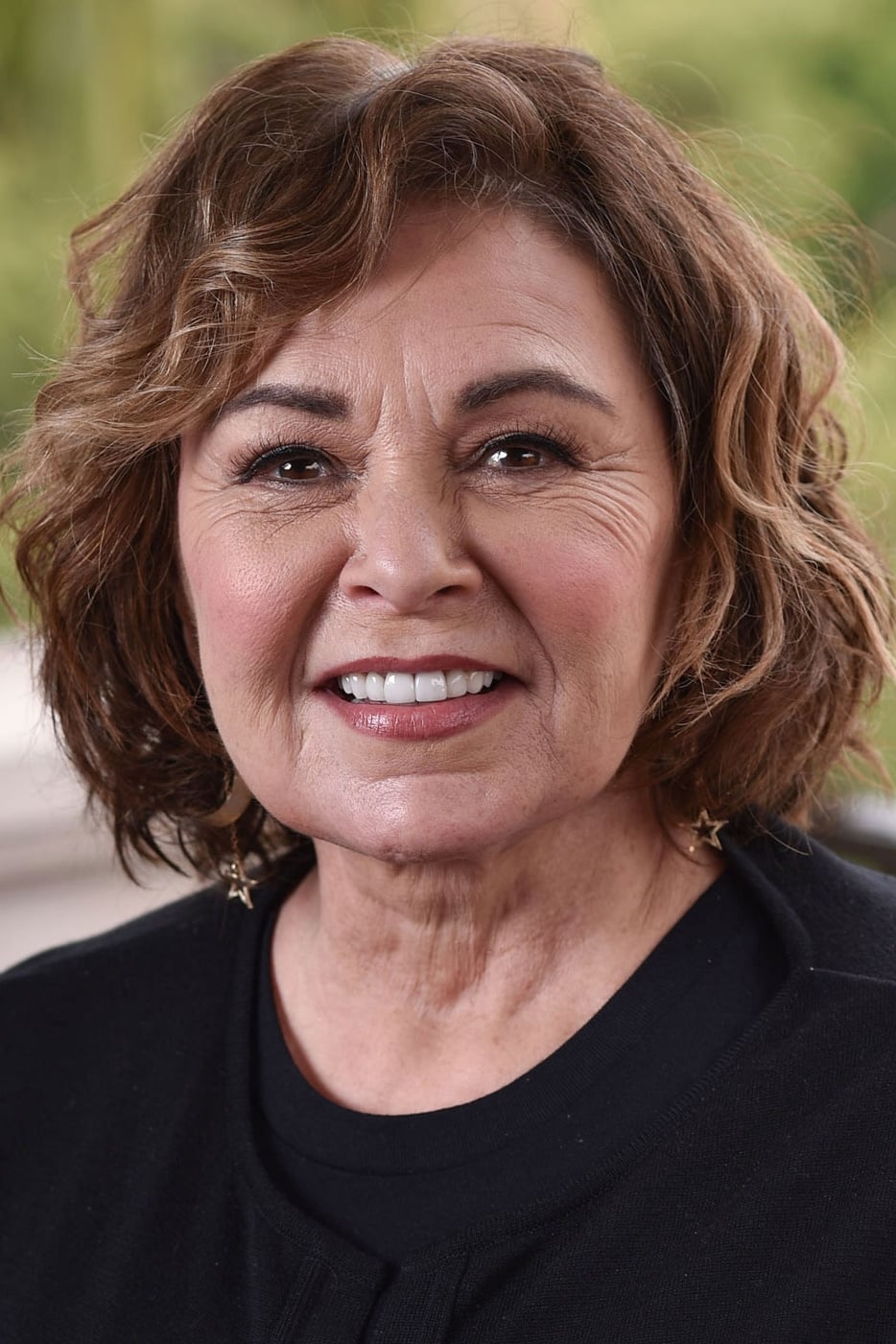
After her television show was canceled the actress argued that the industry no longer allows for the depiction of diverse political and social backgrounds. She believes that the pressure to adhere to a specific ideological line has destroyed the creativity of network television. Barr suggests that the public is being deprived of realistic stories because creators are afraid of the consequences. She remains a vocal opponent of what she describes as a culture of exclusion.
Gina Carano
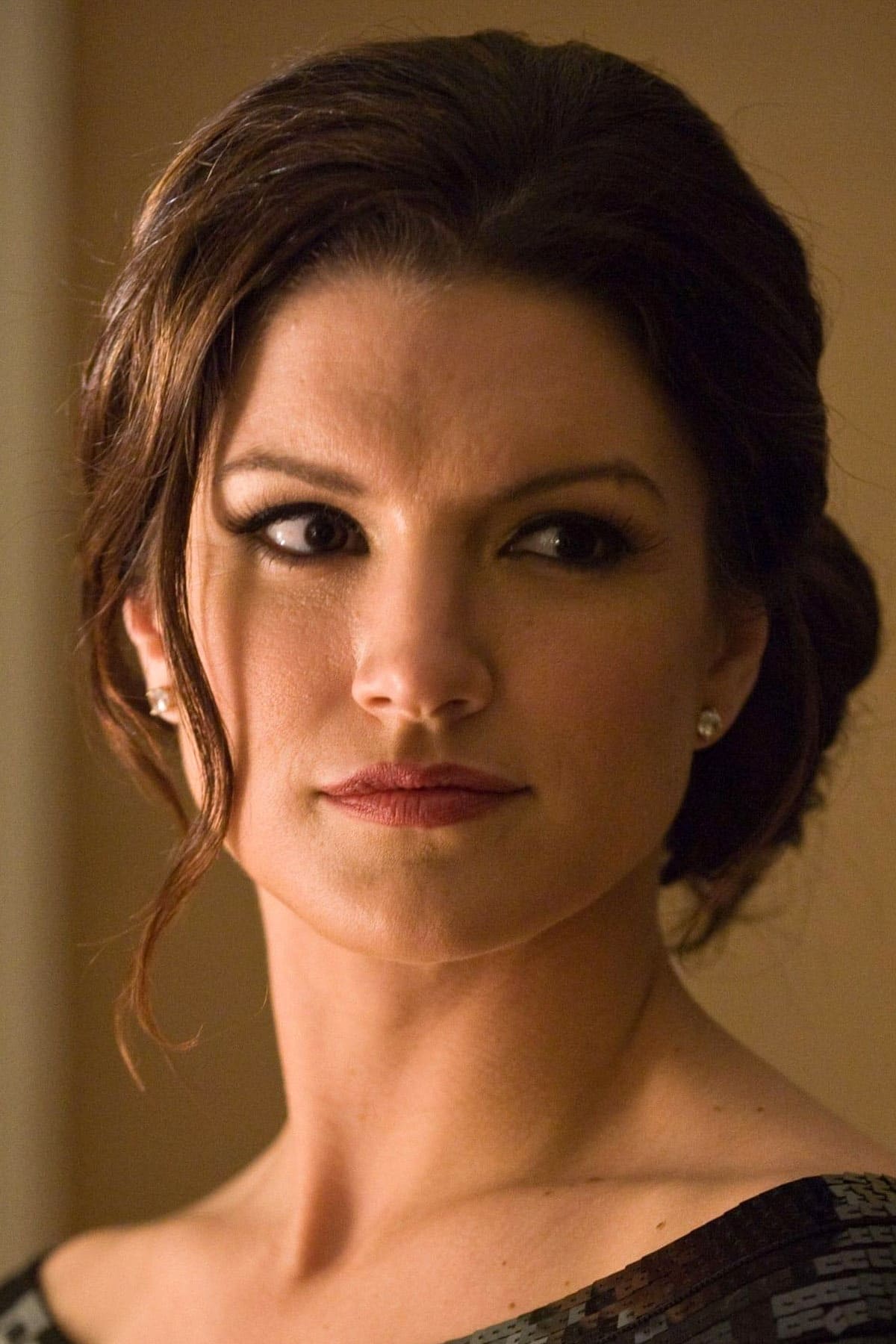
Following her exit from ‘The Mandalorian’ the actress and former fighter has positioned herself as a defender of creative independence. She argues that artists should not be fired for expressing their personal beliefs outside of their work. Carano believes that the entertainment industry is currently operating under a system of ideological policing. She has since moved toward independent production to maintain her creative freedom.
Chris Rock
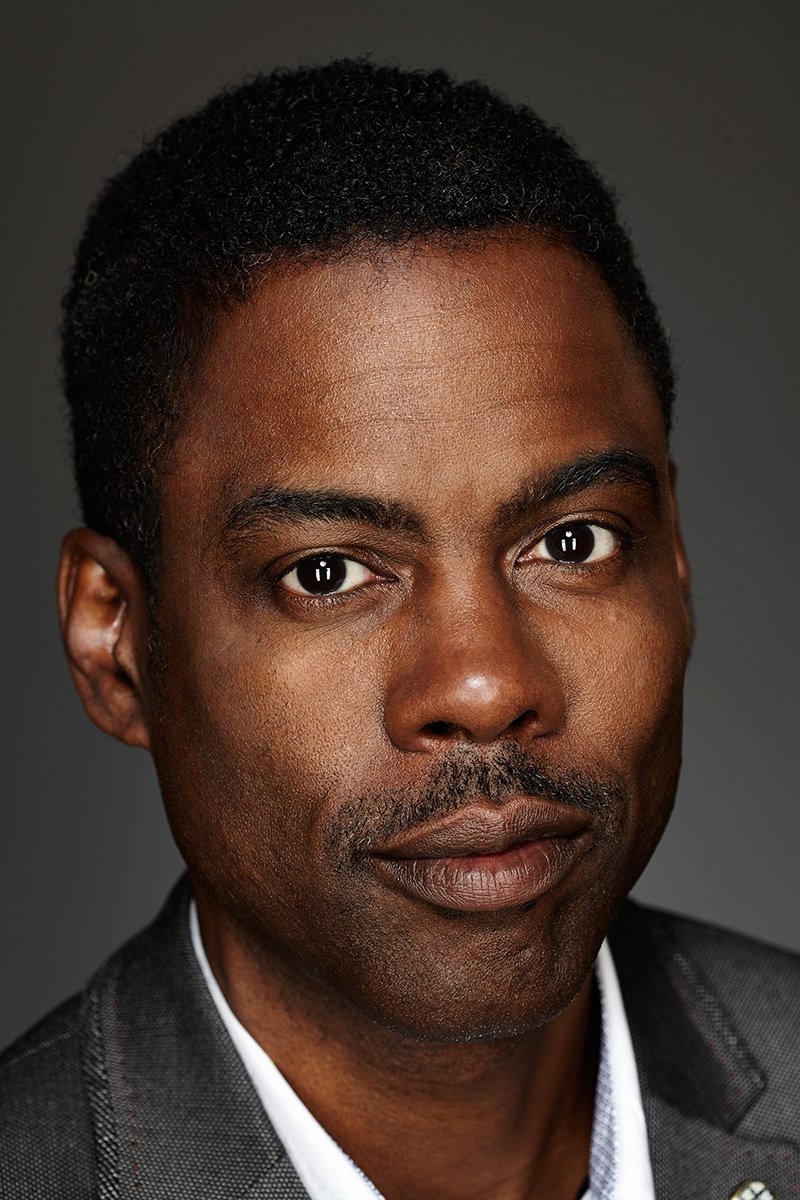
The legendary comedian has discussed how the fear of being canceled has changed the way he and his peers approach their craft. He suggests that the audience has become too focused on finding things to be offended by rather than enjoying the performance. Rock believes that this environment makes it difficult for new talent to develop their unique voices. He maintains that the best comedy comes from a place of total freedom.
Donald Glover
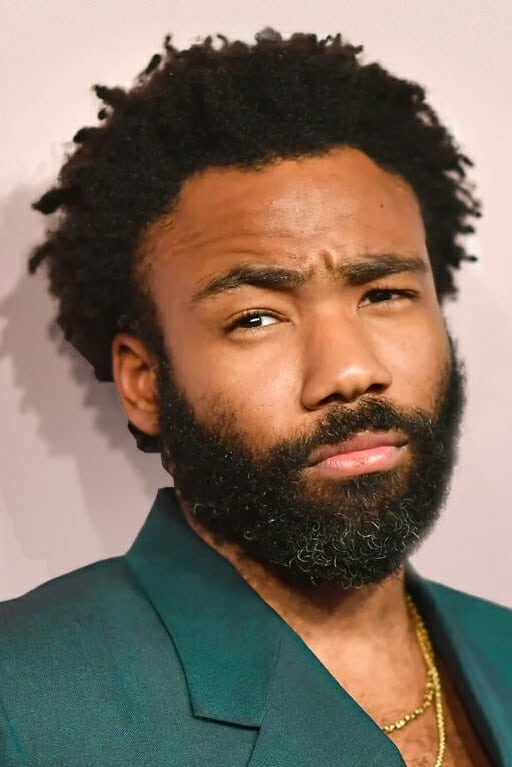
The creator of ‘Atlanta’ has tweeted about the lack of risk taking in modern film and television. He suggests that many creators are making safe and boring choices because they are terrified of being canceled. Glover argues that the result is a landscape of media that feels manufactured and devoid of soul. He believes that great art requires the possibility of failure and the freedom to be experimental.
Cate Blanchett
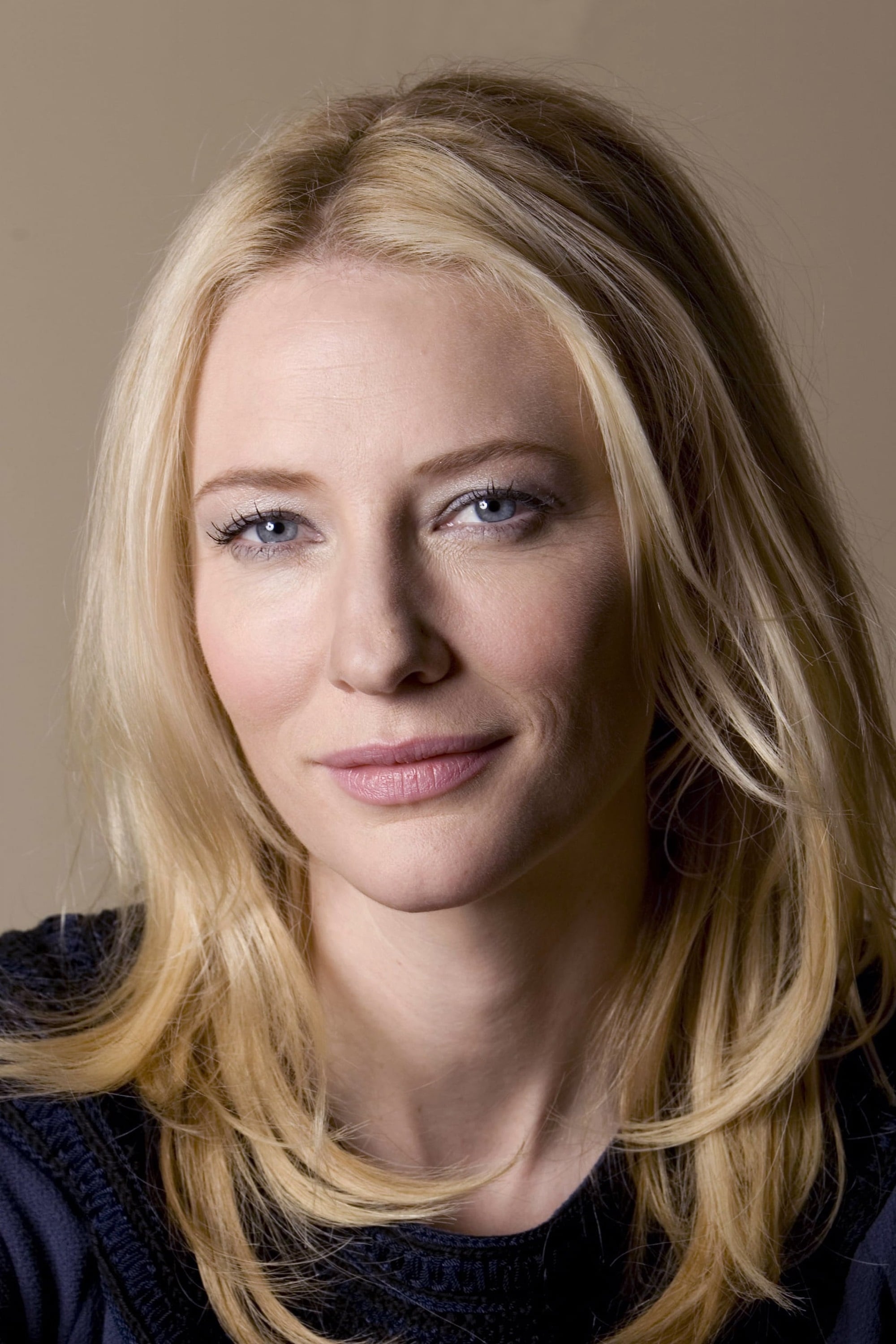
The award winning actress has defended the importance of portraying flawed and even offensive characters on screen. She believes that the current focus on the personal lives of creators can overshadow the artistic merit of their work. Blanchett argues that cinema should be a place where complicated and difficult truths are explored without fear of moral judgment. She has expressed concern that a culture of cancellation limits the scope of storytelling.
Helena Bonham Carter
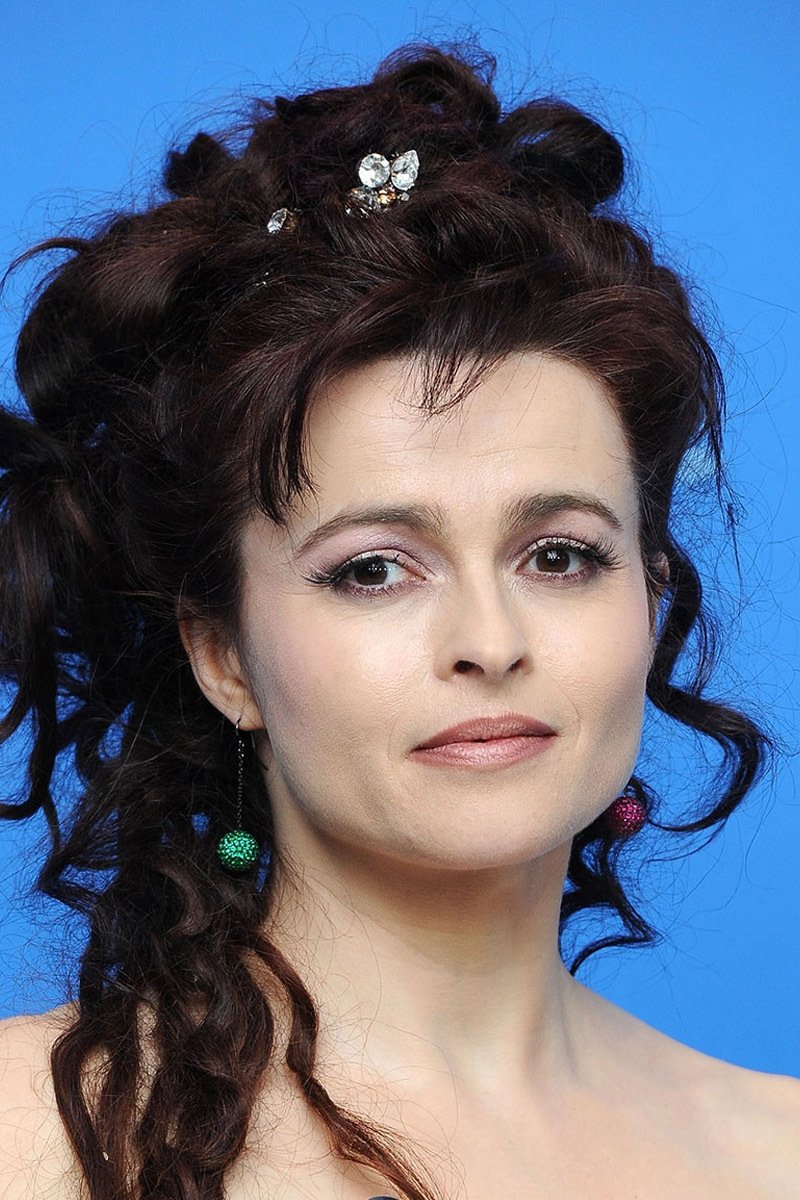
The ‘Sweeney Todd’ actress has voiced her support for colleagues who have faced public backlash for their opinions. She argues that the tendency to instantly condemn individuals is a form of modern witch hunting. Bonham Carter believes that people are complex and should be allowed to have different views without being erased from history. She maintains that the creative arts need a wide variety of perspectives to remain vibrant.
Ralph Fiennes
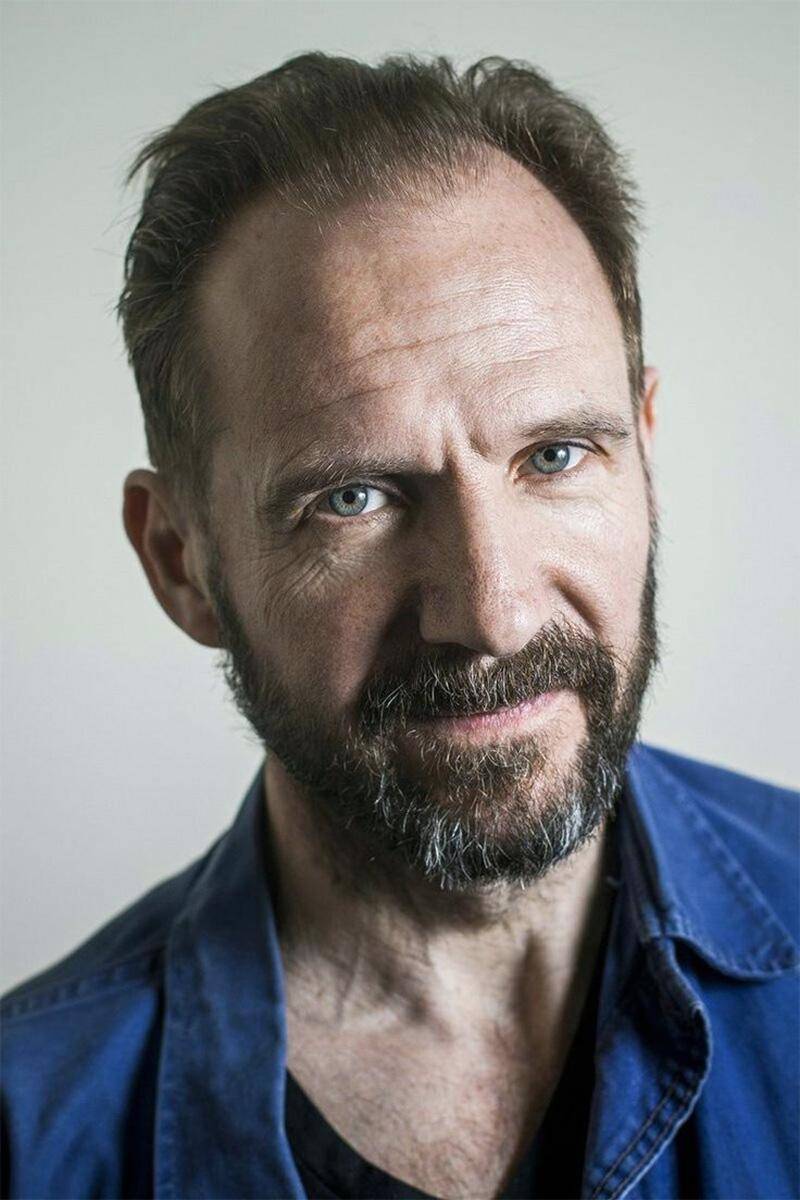
The actor known for his role in the ‘Harry Potter’ films has defended J.K. Rowling against the intense vitriol she has received. He argues that the level of hatred directed at individuals with differing opinions is disturbing and harmful to discourse. Fiennes believes that the creative world is becoming increasingly intolerant of any deviation from the status quo. He advocates for a more compassionate and open minded approach to public debate.
Brian Cox
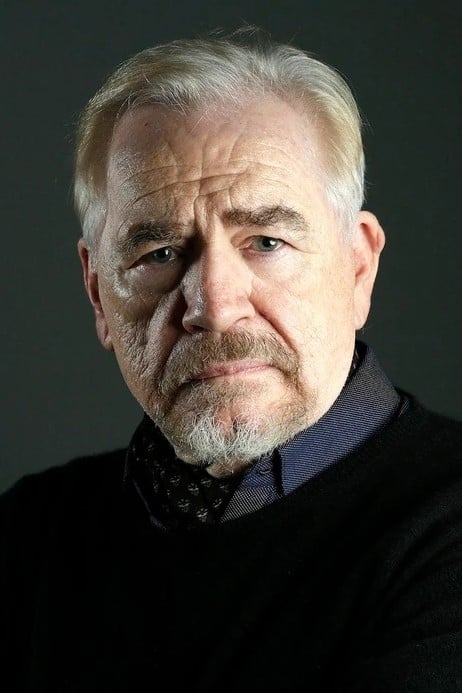
The ‘Succession’ star has criticized the trend of labeling and dismissing people based on single statements or actions. He believes that the current cultural climate is deeply judgmental and lacks the nuance required for true artistic expression. Cox argues that the fear of social media mobs is forcing creators to play it safe. He has stated that the industry must find a way to return to a more forgiving and intellectual environment.
Jennifer Aniston
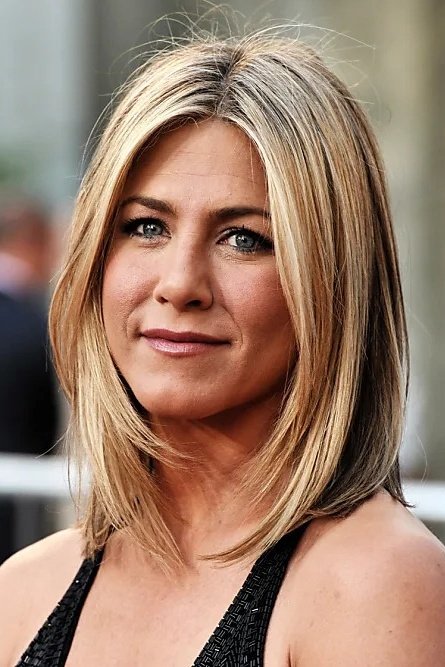
The ‘Friends’ star has mentioned that the world of comedy has become much more difficult to navigate in recent years. She believes that a whole generation of people now find things offensive that were once considered harmless satire. Aniston argues that the beauty of comedy is the ability to poke fun at ourselves and the world. She worries that the current sensitivity is making it harder for new comedies to find an audience.
Winston Marshall
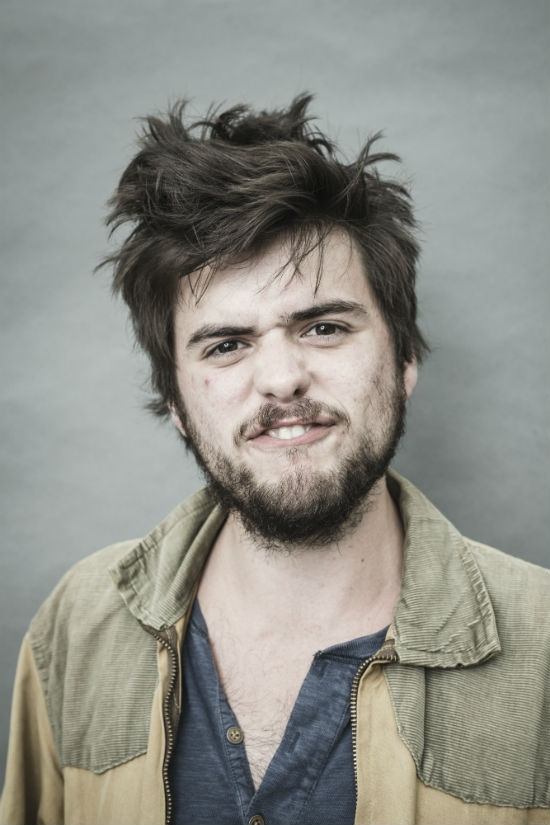
The former member of Mumford and Sons left his band after facing backlash for a tweet about a controversial book. He has since become a vocal advocate for free speech and the protection of creative freedom. Marshall argues that the pressure to conform to a specific groupthink is destructive to the individual artist. He believes that the industry should celebrate independence of thought rather than punishing it.
Nick Cave
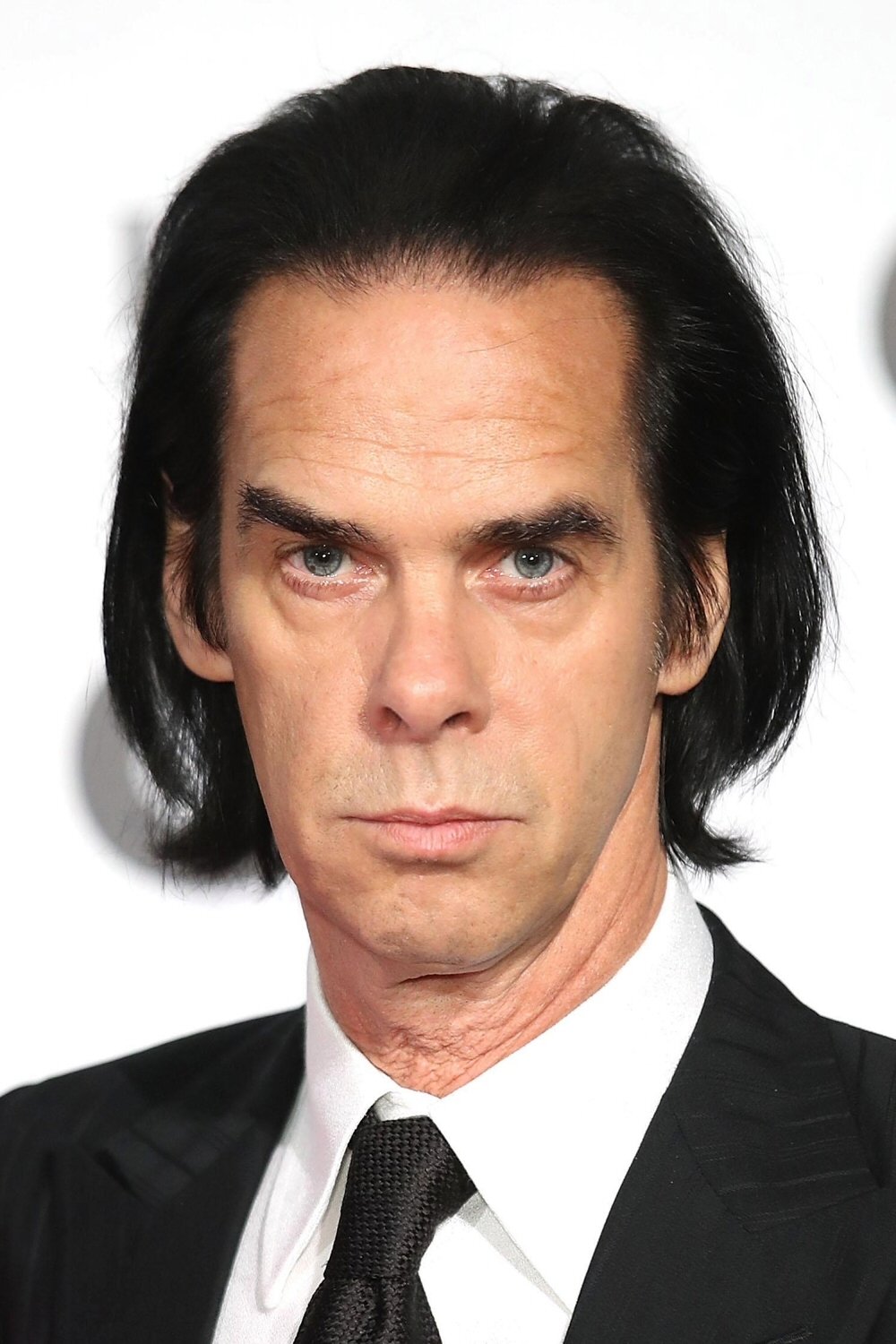
The musician has written extensively on his website about the dangers of cancel culture and its impact on the human spirit. He believes that the rush to judgment and the desire to silence others is a form of self righteousness that kills creativity. Cave argues that art should be a place where we encounter ideas that challenge and even disturb us. He maintains that mercy and forgiveness are essential for a healthy culture.
Alice Cooper
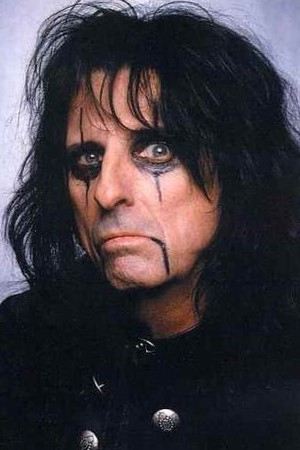
The rock icon has expressed his belief that the current climate of hypersensitivity is bad for the music industry. He argues that rock and roll was built on the idea of being provocative and challenging the establishment. Cooper believes that if every artist is worried about offending someone the music will become bland and meaningless. He encourages younger artists to focus on their vision rather than the opinions of the internet.
Gene Simmons

The KISS frontman has criticized the way celebrities are held to impossible standards in the modern era. He believes that people are too quick to jump on a bandwagon of hate without knowing the full story. Simmons argues that the creative freedom of the past allowed for a much more exciting and diverse entertainment landscape. He remains outspoken about his disdain for the current trend of professional cancellation.
Ye
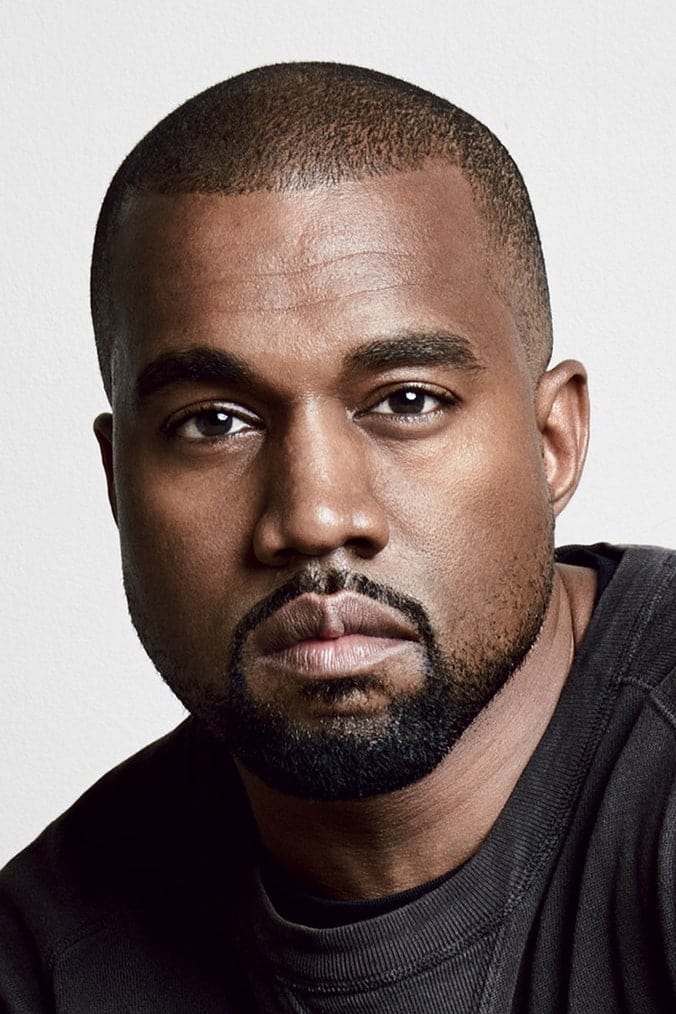
The rapper formerly known as Kanye West has often described cancel culture as a form of modern slavery that limits the mind. He believes that artists should be free to express any thought or idea without the fear of losing their platform. Ye argues that the pressure to fit into a certain box is the biggest hurdle for any creative individual. His career has been defined by his refusal to follow the rules of public perception.
Shia LaBeouf
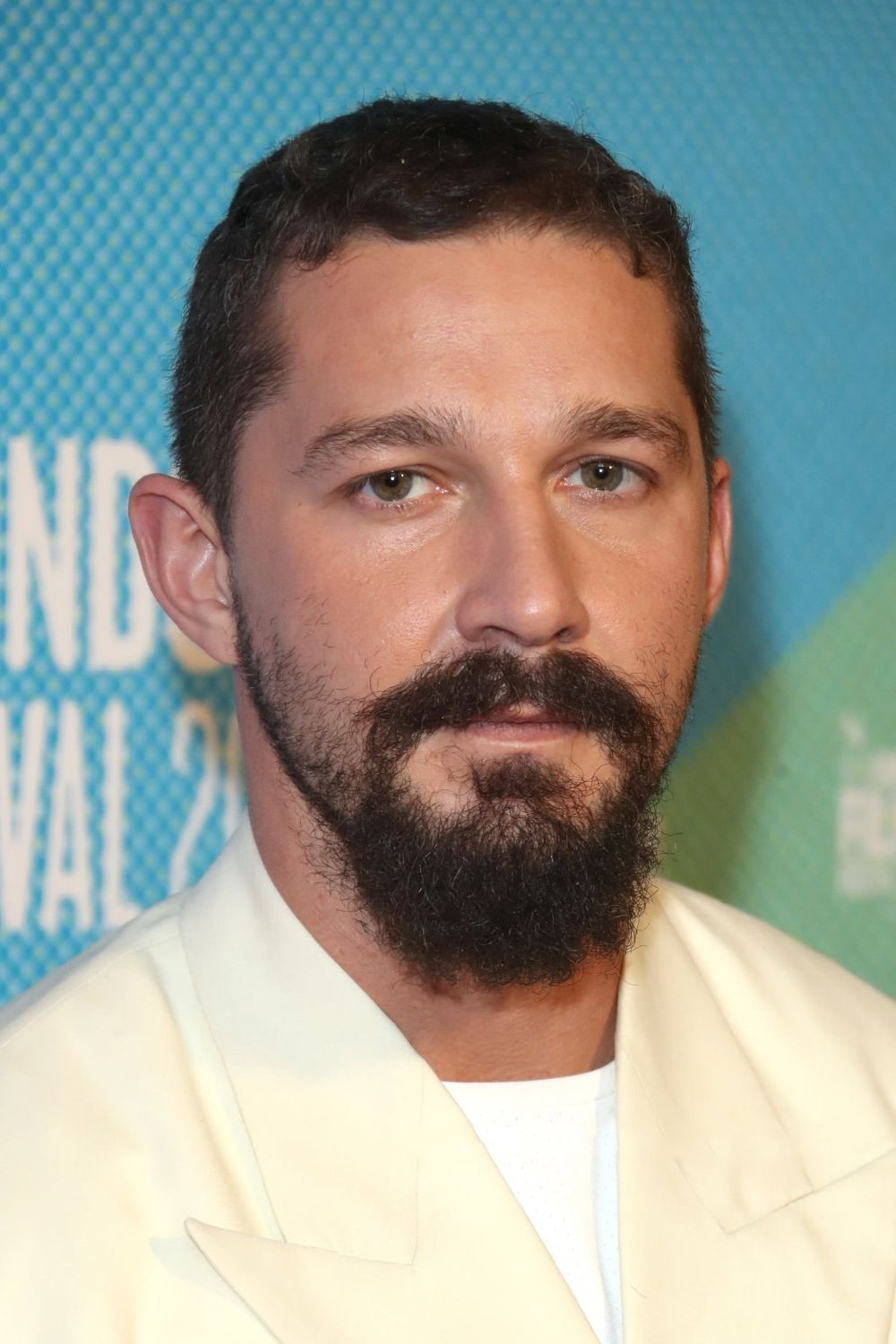
The actor has discussed his experiences with public scrutiny and the challenges of returning to the industry after personal controversies. He believes that the current culture does not allow for the complexity of the human experience or the possibility of redemption. LaBeouf suggests that the fear of being permanently cast out prevents artists from being truly honest in their work. He continues to seek out roles that challenge both himself and the audience.
Jon Voight
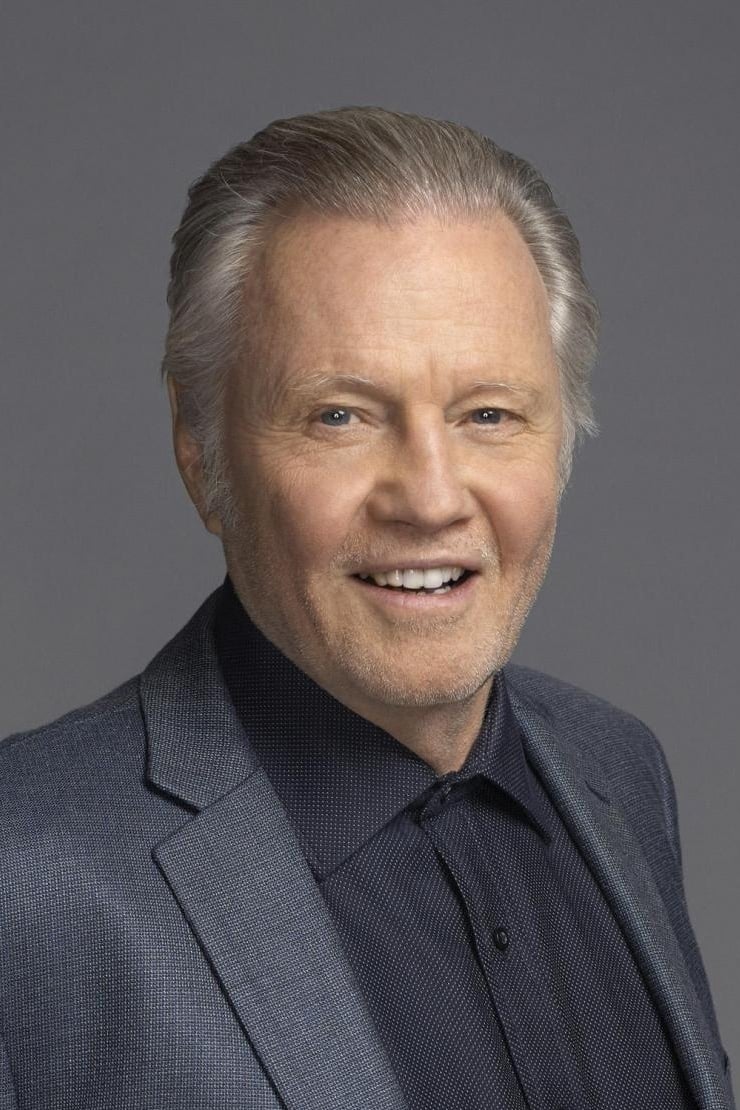
The veteran actor has been a consistent critic of the perceived political bias in Hollywood and the silencing of conservative voices. He believes that the industry is currently hostile to anyone who does not follow the mainstream narrative. Voight argues that this environment is a direct threat to the creative freedom of the entire community. He frequently uses his social media to call for a return to traditional values and open expression.
James Woods
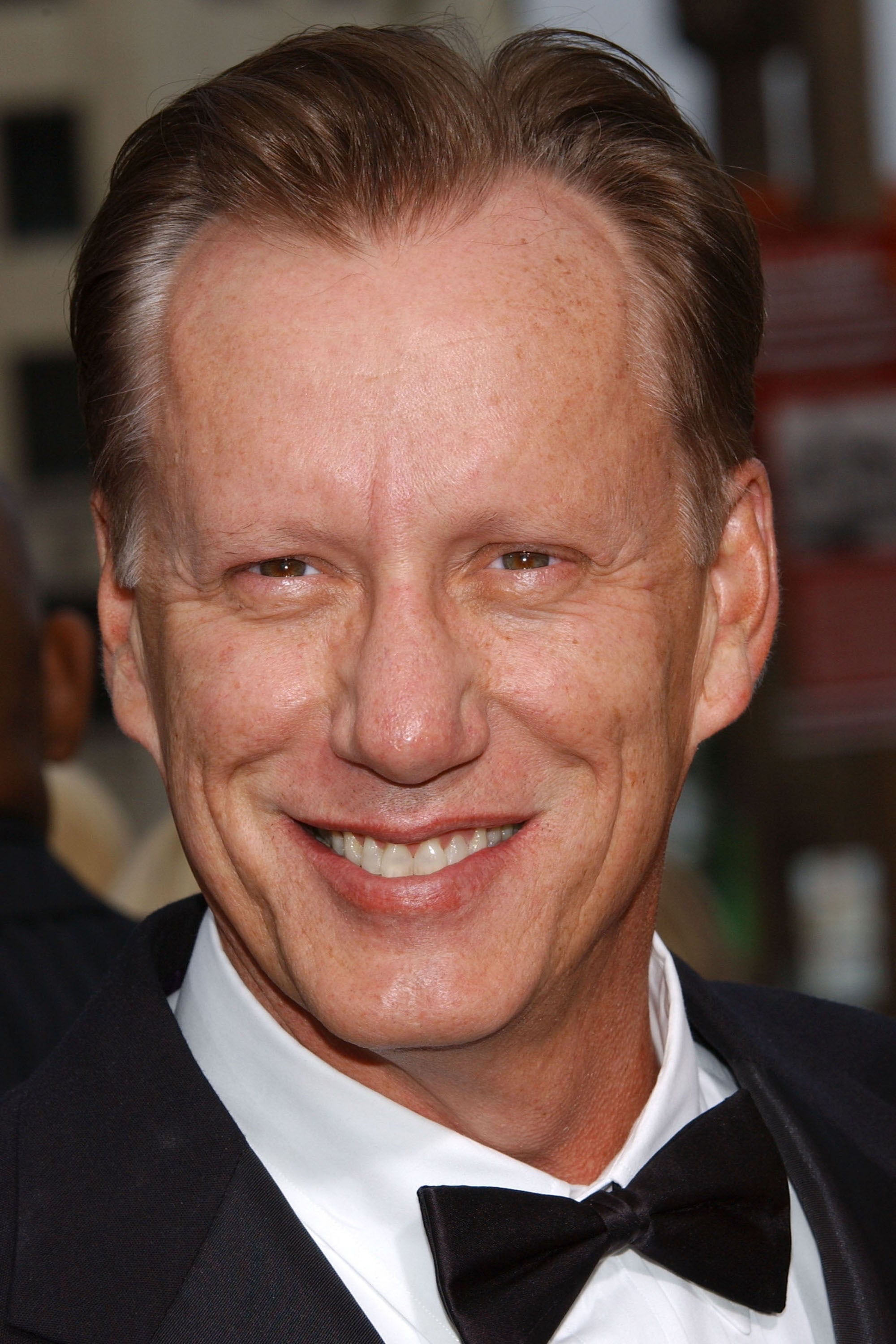
The ‘Casino’ actor has often used his platform to highlight what he views as the unfair targeting of individuals for their political beliefs. He argues that the entertainment industry has become a place where only certain opinions are allowed. Woods believes that the current climate of cancellation is an attempt to control the way people think and create. He remains one of the most vocal opponents of social media censorship in the industry.
Kelsey Grammer
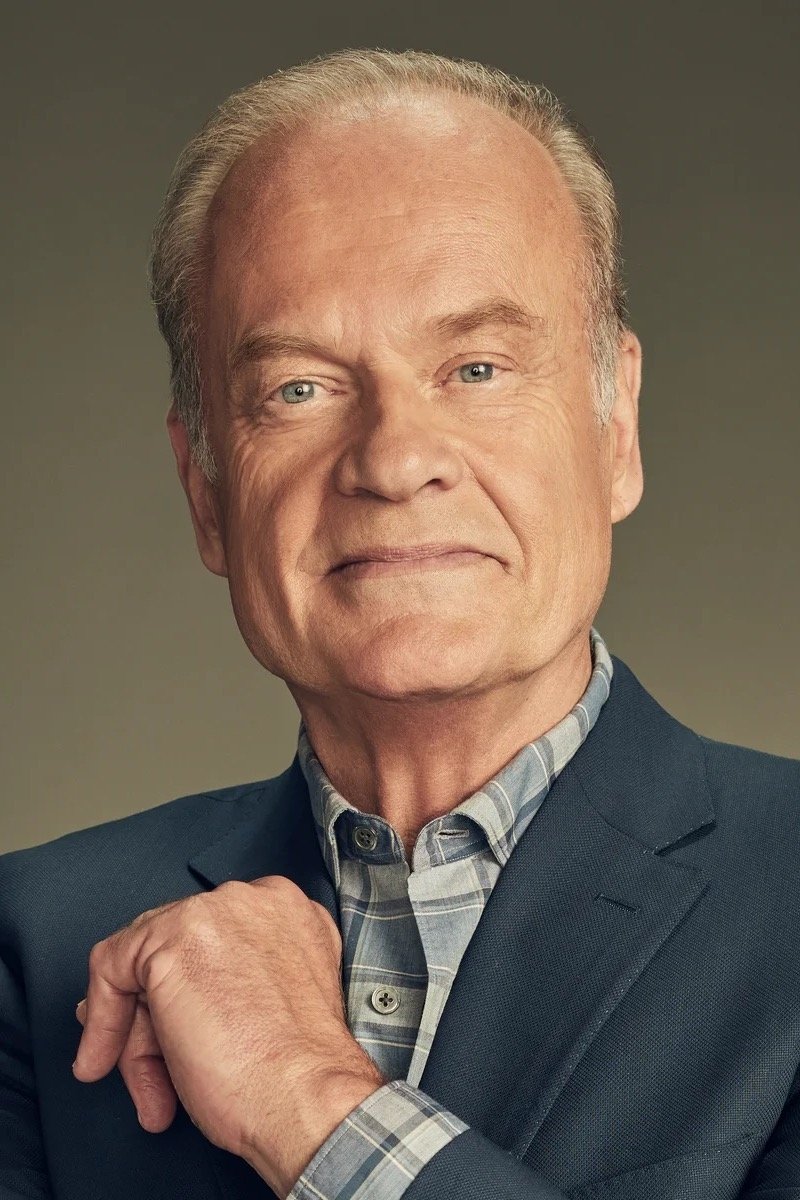
The ‘Frasier’ star has spoken about the difficulties of being an outspoken conservative in a predominantly liberal industry. He believes that the pressure to conform can be stifling for those who hold different views. Grammer argues that true creative freedom means allowing everyone a seat at the table regardless of their personal politics. He continues to work on projects that he believes reflect his values and artistic vision.
Rob Schneider
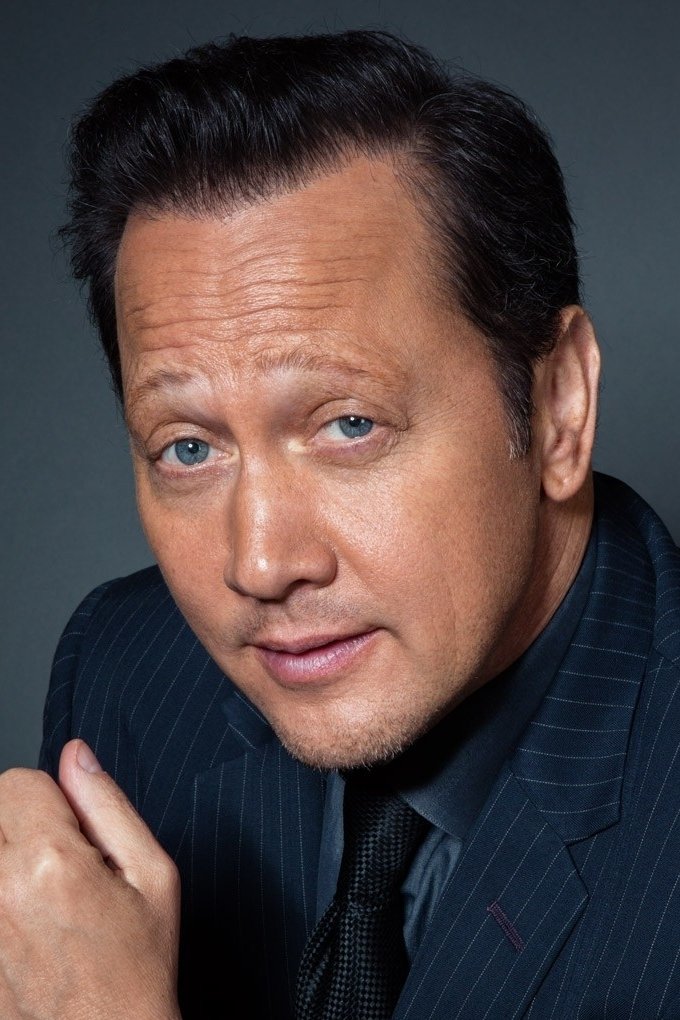
The comedian and actor has been very vocal about his opposition to the mandates and restrictions that he believes limit individual freedom. He suggests that the current culture of shaming is a way to force compliance among artists and the general public. Schneider argues that comedy is the first thing to suffer when a society becomes too focused on monitoring speech. He frequently performs stand up that directly addresses these cultural shifts.
Jim Caviezel
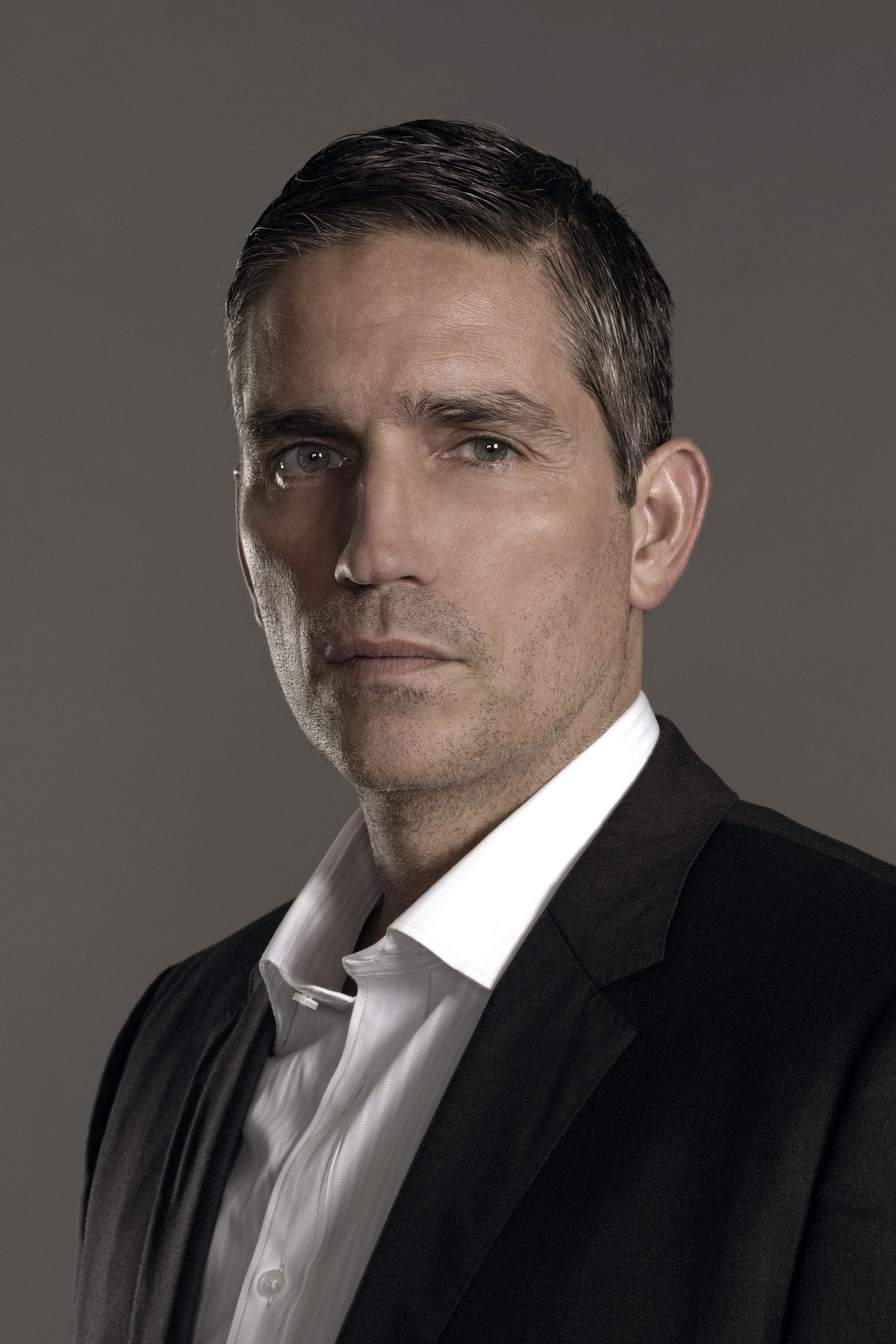
The actor known for ‘The Passion of the Christ’ has discussed the challenges of working on projects that go against the Hollywood mainstream. He believes that there is a significant amount of pressure to avoid certain topics or themes that might be considered controversial. Caviezel argues that his faith and his artistic choices have sometimes led to a sense of exclusion from the broader industry. He maintains that creators should stay true to their convictions despite the risks.
Salma Hayek Pinault
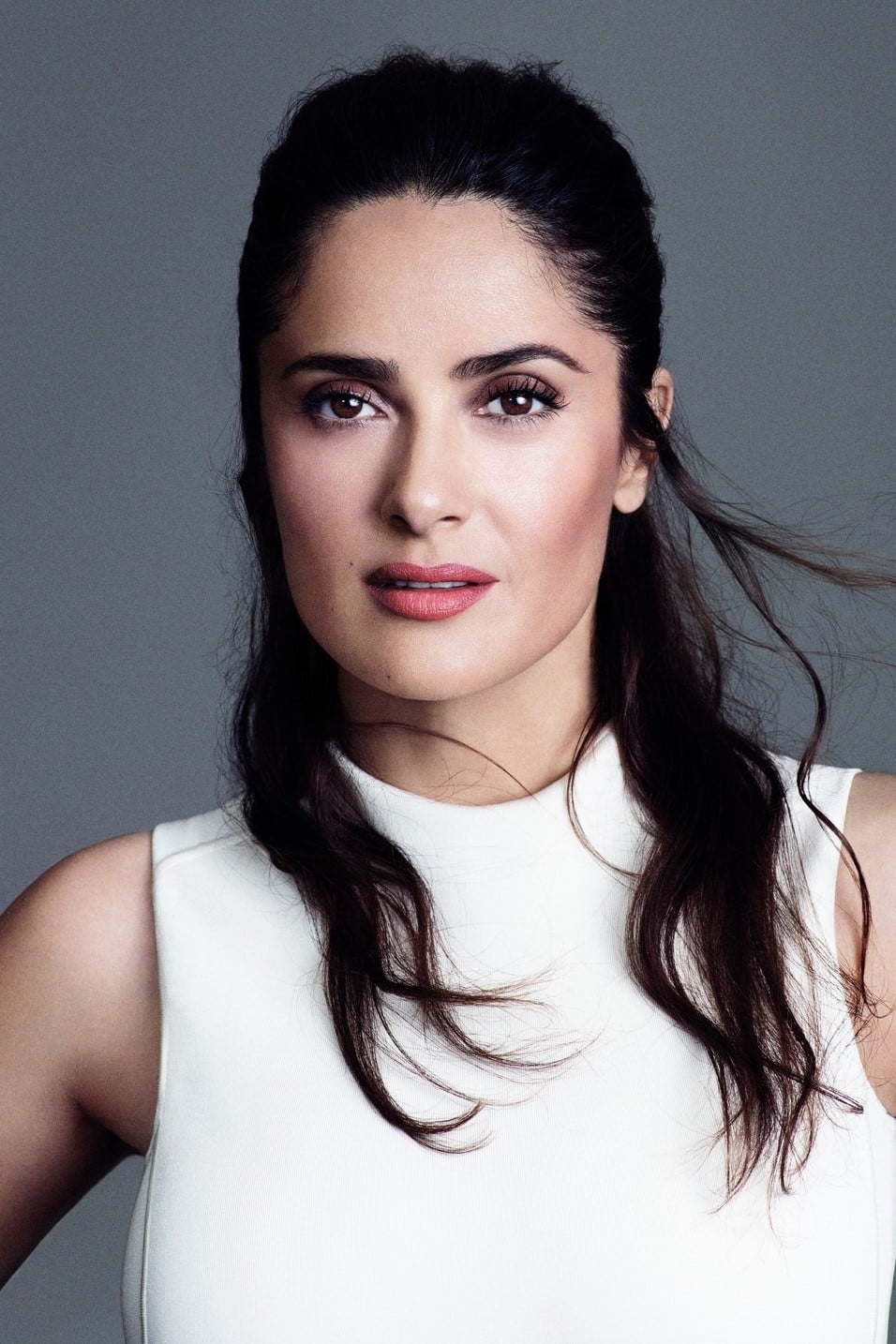
The actress has discussed the challenges of navigating an industry that is increasingly sensitive to historical portrayals and cultural nuance. She believes that the fear of causing offense can sometimes lead to a lack of authenticity in film roles. Salma Hayek Pinault advocates for a balance between social awareness and the freedom to portray complex characters. She has expressed concerns that over-regulation of creative choices could stifle artistic expression.
Jerry Seinfeld
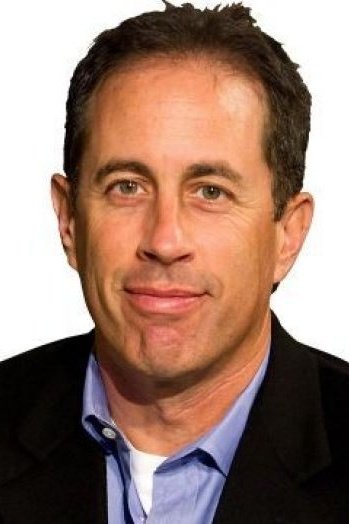
The creator of ‘Seinfeld’ has famously stated that he no longer performs at college campuses because students are too easily offended. He believes that the current climate is hurting comedy by making people too sensitive to the nature of a joke. Seinfeld argues that the essence of humor is found in the observation of human behavior which often includes pointing out flaws. He maintains that a world without the freedom to laugh at ourselves is a duller place.
Tim Allen
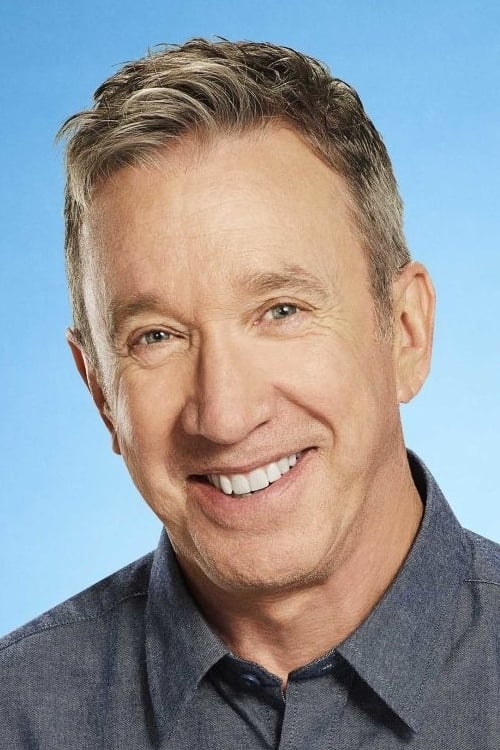
The ‘Last Man Standing’ star has often compared the current cultural climate to a type of modern day censorship. He argues that it has become increasingly difficult to tell jokes or create stories that don’t fit a specific mold. Allen believes that the audience still wants to see diverse viewpoints even if the industry is afraid to produce them. He continues to advocate for a more open and less judgmental creative landscape.
Matthew McConaughey
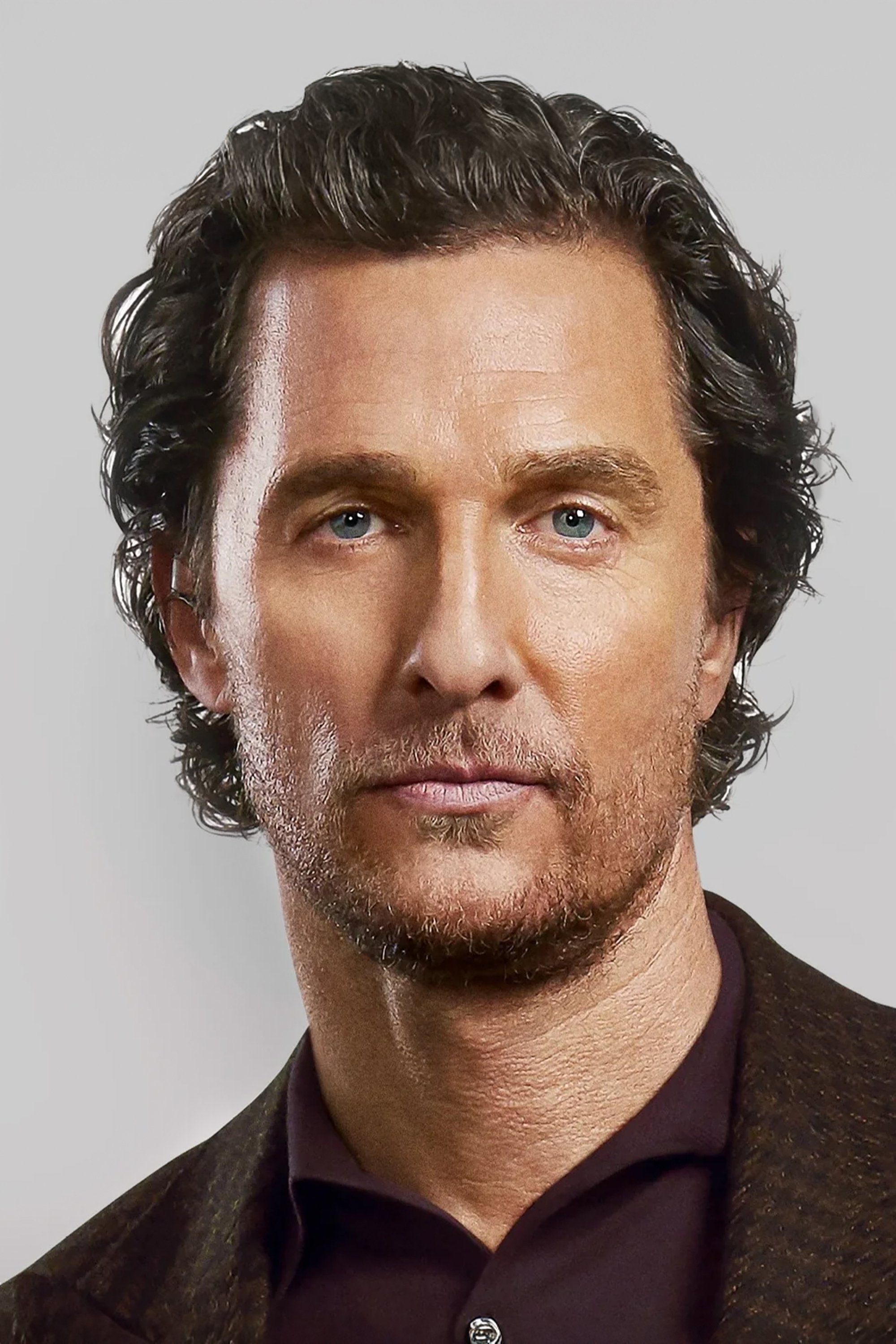
The Oscar winning actor has spoken about the need for more balance and less condemnation in the public square. He believes that the current culture of cancellation is often more about being right than about finding the truth. McConaughey argues that the fear of making a mistake is keeping many talented people from reaching their full potential. He encourages a return to a culture that values individual responsibility and common sense.
Vince Vaughn
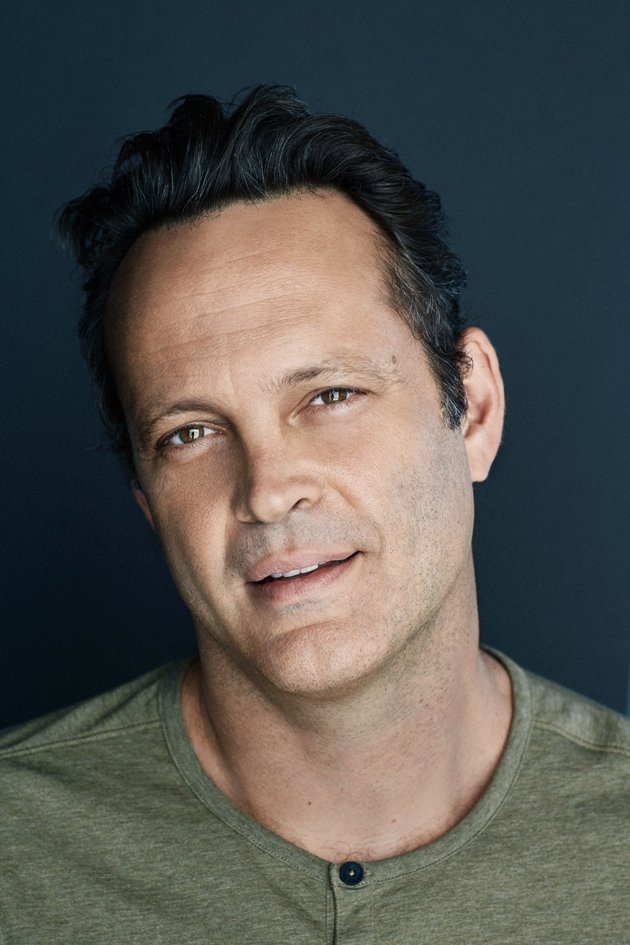
The ‘Dodgeball’ star has expressed his support for the idea that people should be allowed to have different opinions without facing professional ruin. He believes that the focus on personal politics has overshadowed the primary goal of entertainment which is to tell stories. Vaughn argues that the industry is at its best when it is inclusive of all types of backgrounds and beliefs. He continues to work on projects that prioritize character and story over social messaging.
Adam Sandler
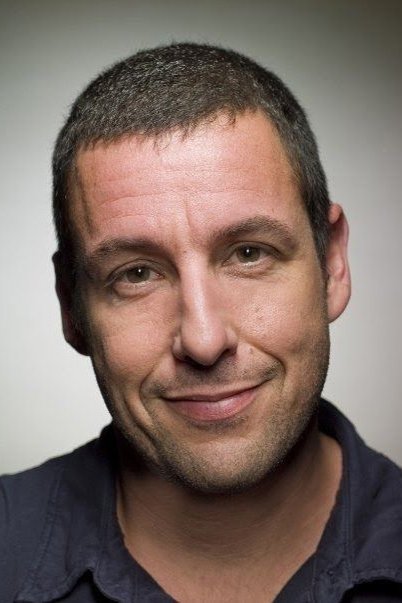
The comedian and producer has mentioned that he tries to keep his work focused on making people laugh rather than addressing political issues. He believes that the current environment makes it harder for comedians to be silly and irreverent without being analyzed for deeper meaning. Sandler argues that the goal of entertainment should be to provide an escape from the stresses of the world. He remains one of the most successful figures in the industry by staying true to his comedic roots.
Seth MacFarlane
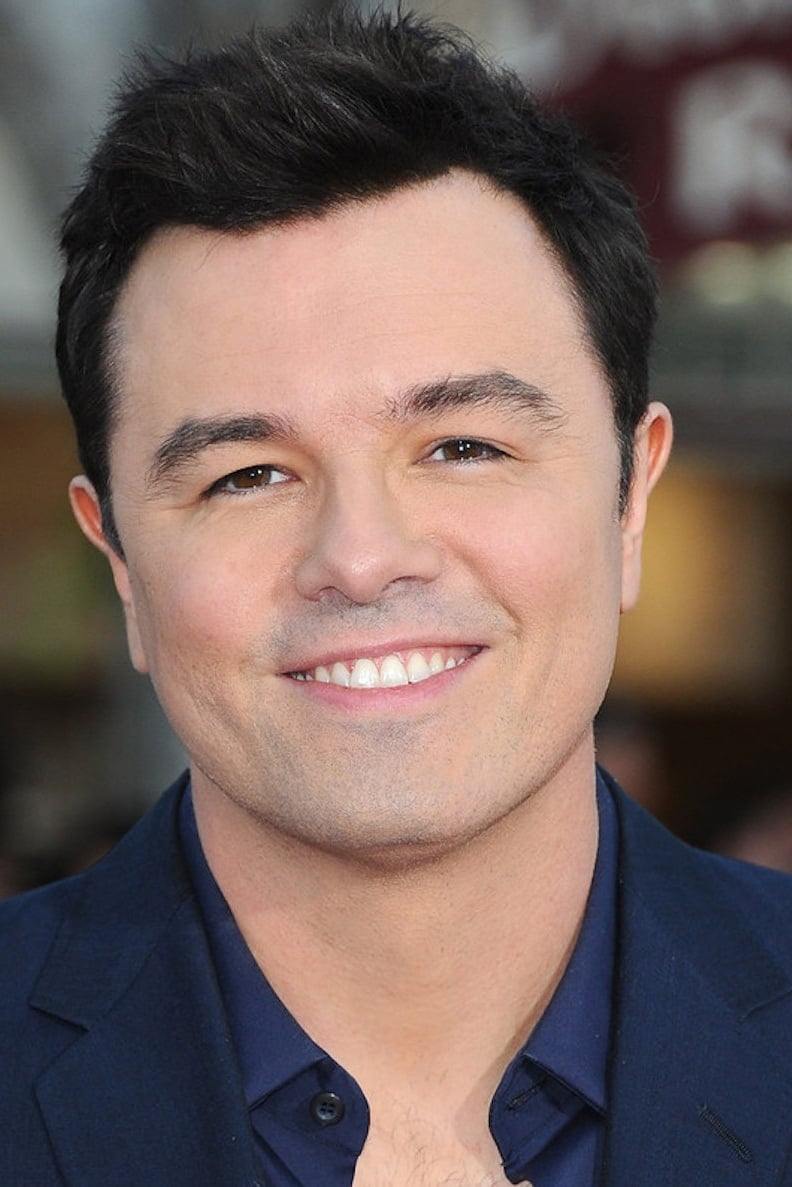
The creator of ‘Family Guy’ has voiced his concerns about the impact of social media on the creative process. He believes that the constant feedback loop of outrage can lead to a watered down version of comedy. MacFarlane argues that writers need the freedom to explore dark and absurdist themes without being taken literally. He maintains that the ability to offend is a necessary part of the freedom of speech.
Quentin Tarantino
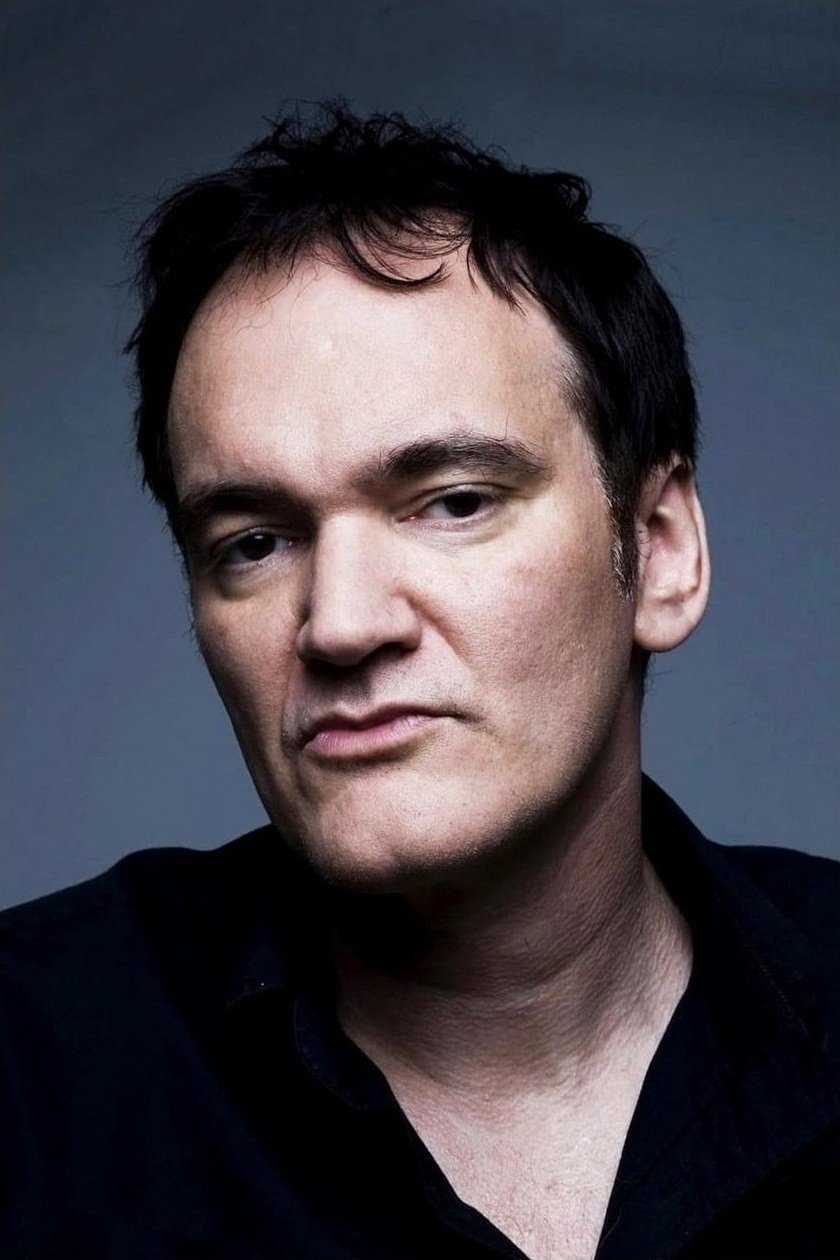
The director of ‘Pulp Fiction’ has consistently defended the use of graphic violence and controversial language in his films. He argues that the artist must be free to depict the world as they see it without being limited by modern sensibilities. Tarantino believes that the push for more sterilized content is a threat to the history of cinema. He remains one of the few directors who maintains total creative control over his provocative projects.
Todd Phillips
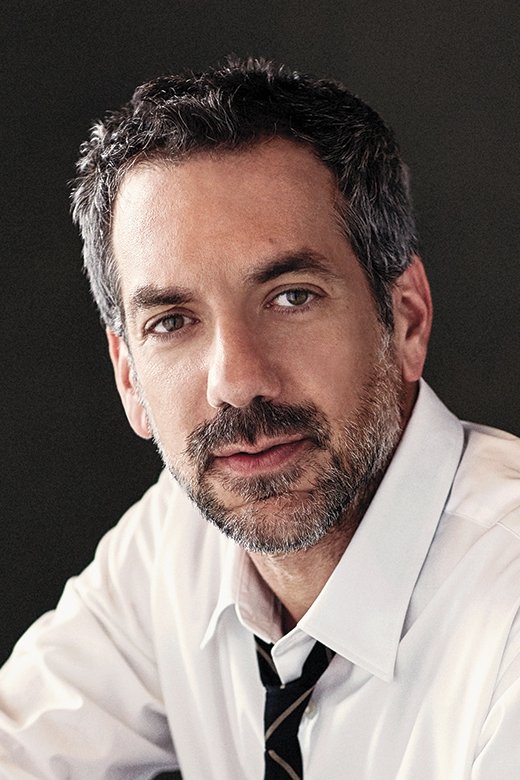
The director of ‘Joker’ has stated that the rise of woke culture is what led him to move away from directing comedies. He believes that it is almost impossible to be funny in a climate where everyone is looking for a reason to be angry. Phillips argues that the fear of a social media backlash has sucked the fun out of the movie making process. He chose to take his career in a darker direction to explore themes that he felt were still allowed.
David Mamet
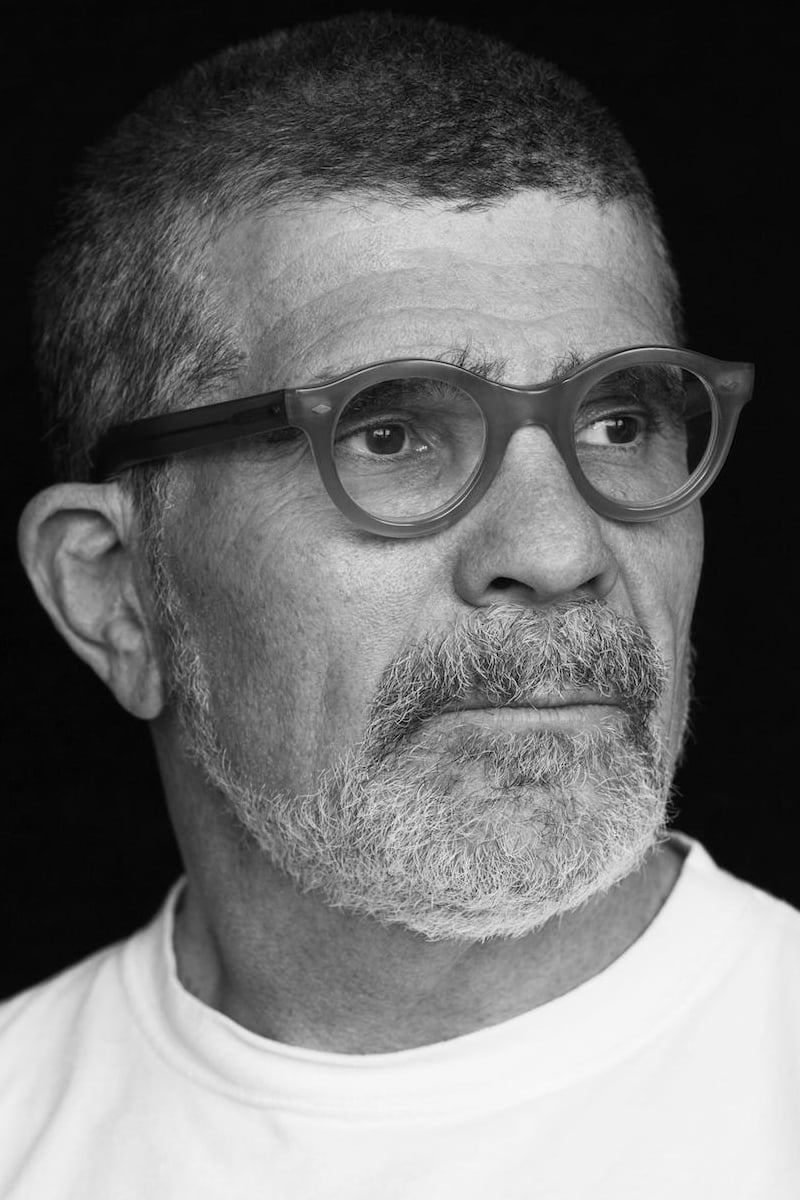
The Pulitzer Prize winning playwright has been a sharp critic of what he views as the decline of the arts due to political correctness. He argues that the current focus on social justice has replaced the focus on craft and storytelling. Mamet believes that the theater should be a place where uncomfortable truths are confronted head on. He has written extensively about his belief that the industry is currently in a state of self imposed exile from reality.
Laurence Fox
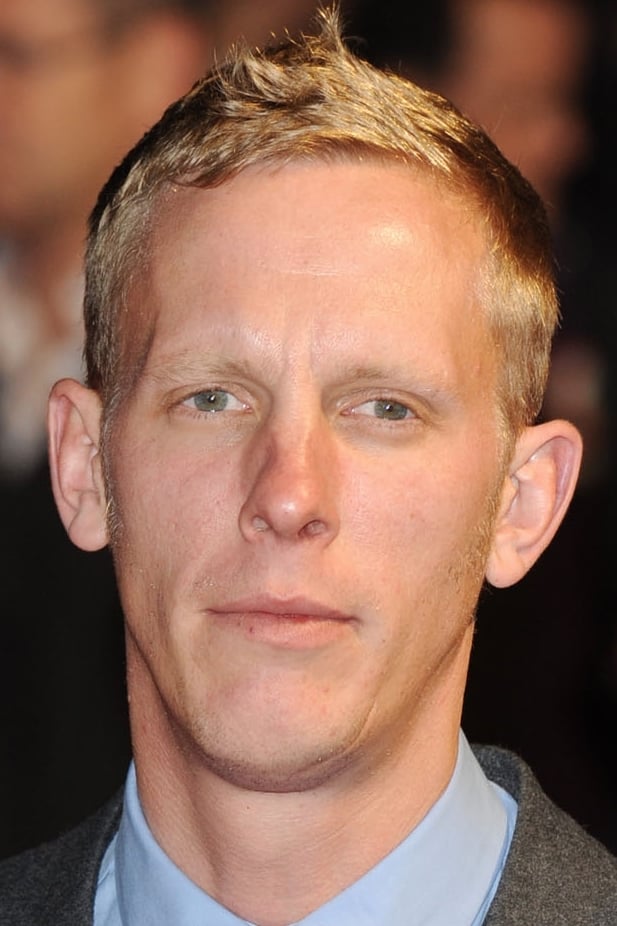
The British actor and founder of the Reclaim Party has become a central figure in the UK debate over cancel culture. He believes that the entertainment industry is dominated by a narrow set of opinions that exclude the majority of the public. Fox argues that his career was significantly impacted by his decision to speak out against contemporary social trends. He continues to use his platform to challenge the prevailing cultural narratives in the arts.
Morrissey

The former lead singer of The Smiths has often expressed his disdain for the modern media and its tendency to silence dissent. He believes that the current culture of cancellation is a form of narrow mindedness that is killing the spirit of rock music. Morrissey argues that the artist should always be an outsider who is not afraid to say the unsayable. Despite numerous controversies he remains committed to expressing his views through his music and writing.
Ice Cube
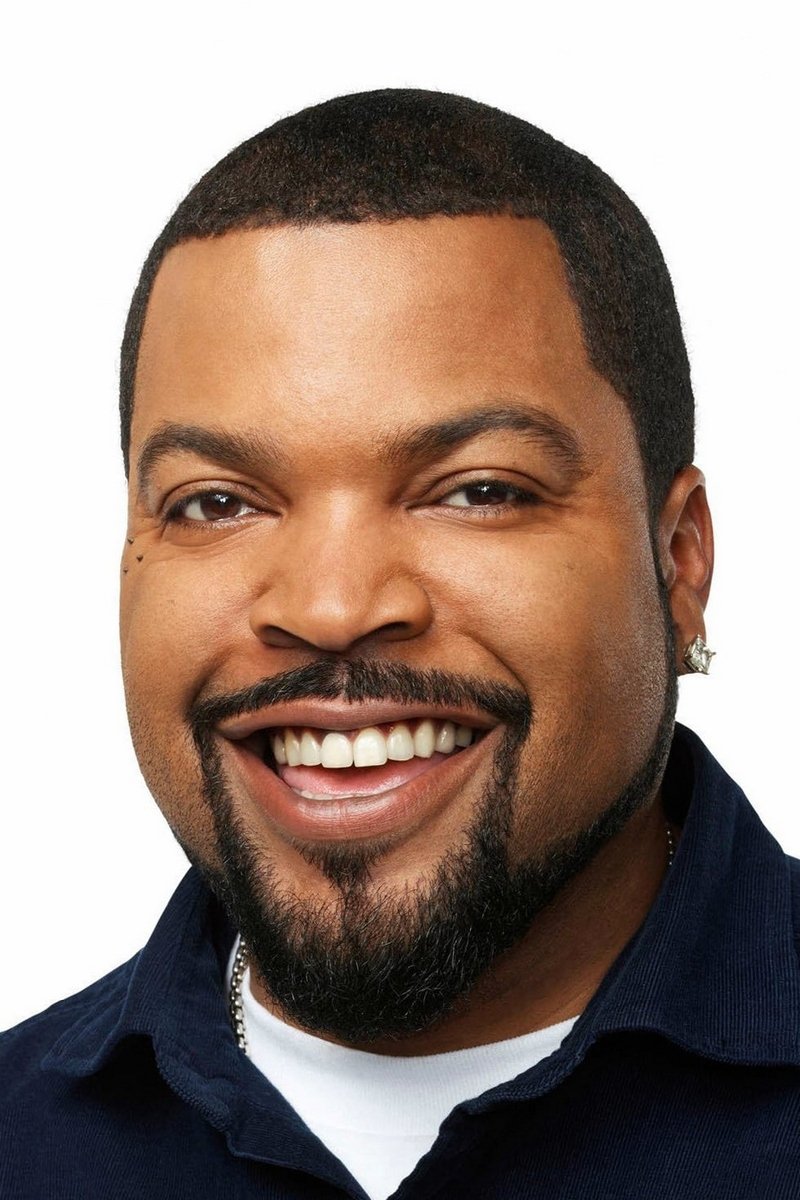
The rapper and actor has spoken about the importance of independence and the dangers of allowing others to control your narrative. He believes that the industry often tries to silence voices that are too loud or too challenging. Ice Cube argues that creators should own their work and their opinions to avoid being canceled by those in power. He has built a successful career by maintaining a strong sense of self and a refusal to back down.
Killer Mike
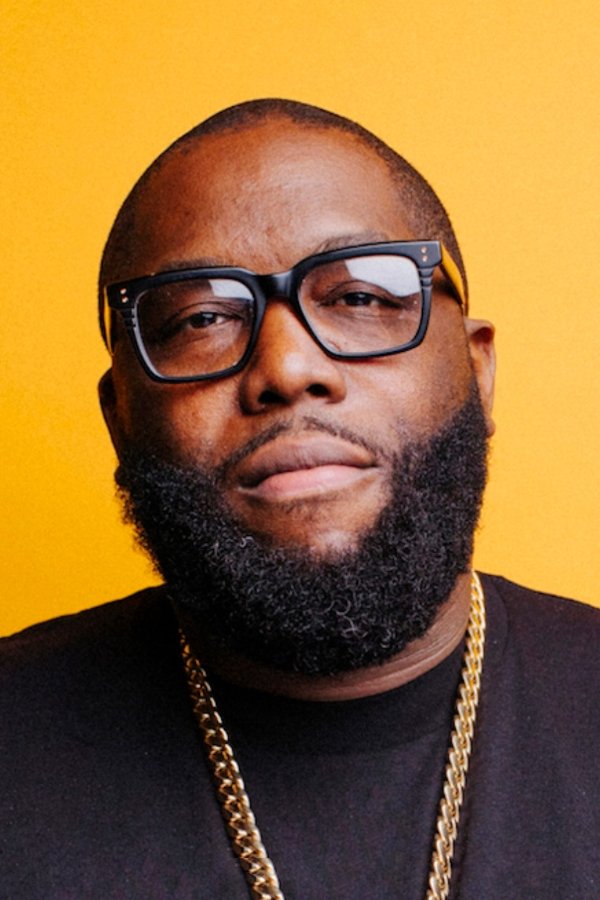
The rapper and activist has emphasized the need for free speech as a tool for social progress and creative innovation. He believes that silencing unpopular voices is a dangerous precedent that can eventually be used against everyone. Killer Mike argues that the best way to deal with bad ideas is to present better ideas rather than practicing censorship. He remains a powerful voice for the importance of intellectual freedom in the music world.
Snoop Dogg
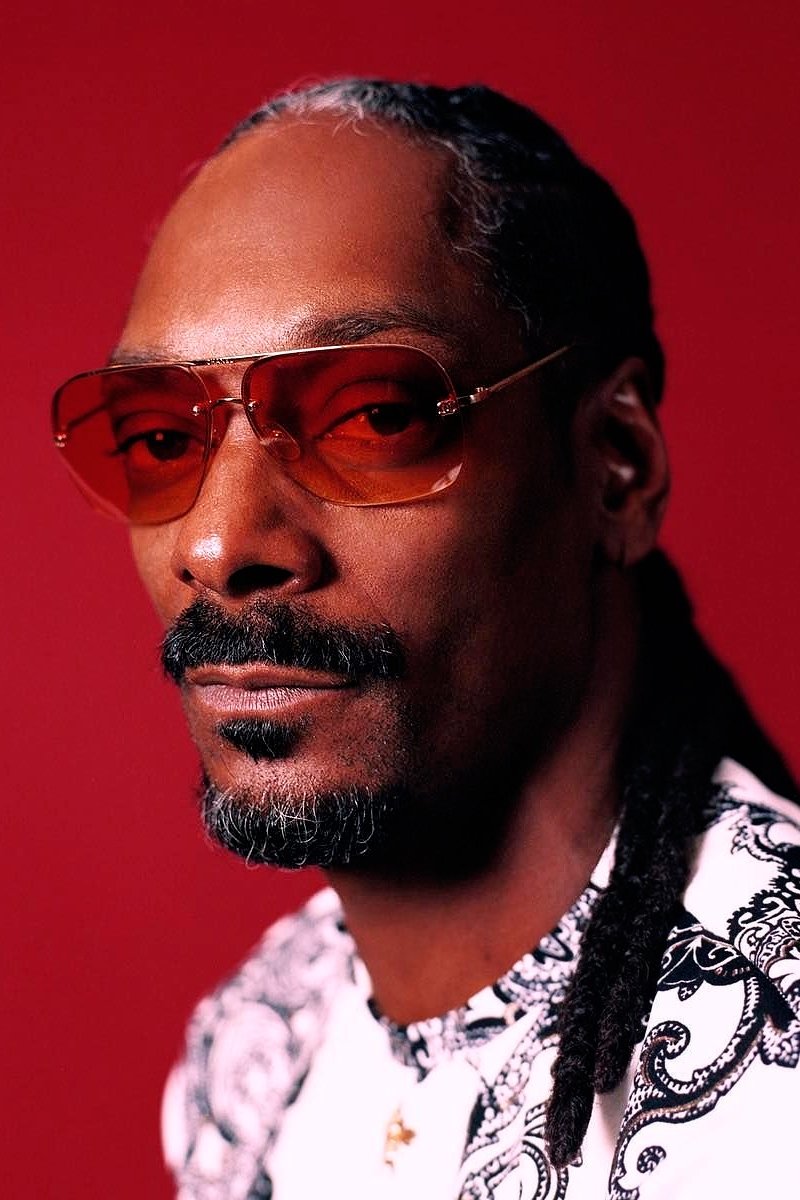
The hip hop legend has discussed the way social media has changed the stakes for celebrities and artists. He believes that the immediate nature of public backlash can be overwhelming and destructive to a career. Snoop Dogg argues that people should be allowed to evolve and change over time without their past being used as a permanent weapon. He continues to navigate the industry with a mix of humor and a commitment to his personal brand.
50 Cent
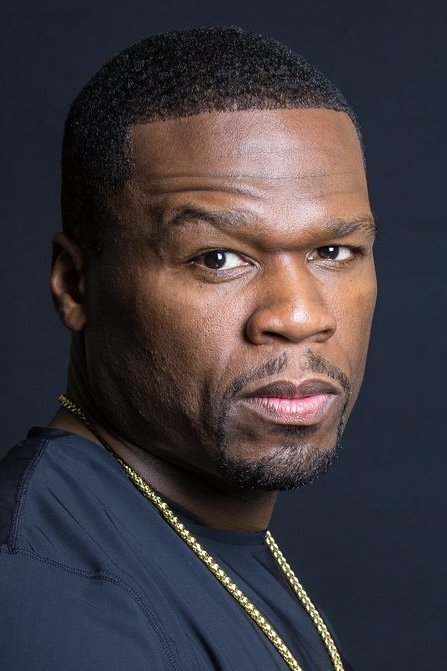
The rapper and television producer has often mocked the idea of being canceled on his social media platforms. He believes that as long as you have a direct connection with your audience the opinions of the media do not matter. 50 Cent argues that the attempt to silence people only makes them more popular in many cases. He continues to produce successful shows that often push the boundaries of what is expected on network television.
Catherine Deneuve
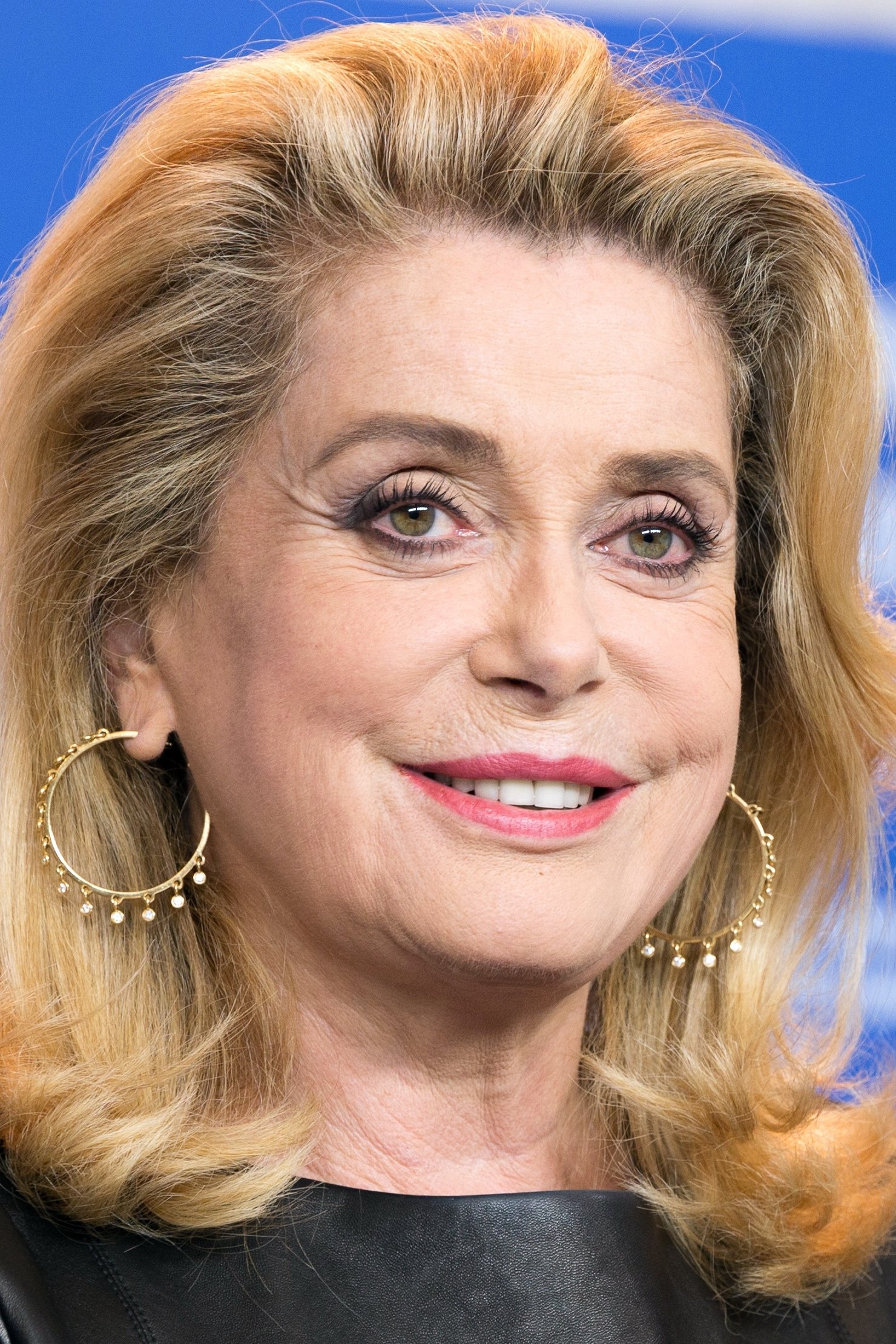
The legendary French actress was one of the signatories of a letter criticizing the excesses of the MeToo movement and its impact on artistic freedom. She argues that a culture of constant accusation creates a climate of puritanism that is harmful to creative expression. Deneuve believes that the arts should remain a space for exploration and desire without being strictly regulated by modern morality. Her stance sparked a major debate in France about the limits of public accountability.
Brigitte Bardot
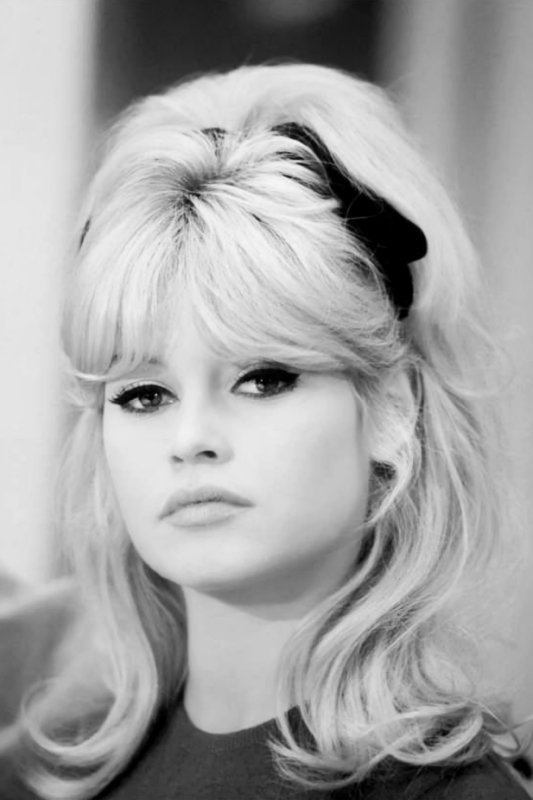
The former actress and animal rights activist has never been one to shy away from controversy or the threat of public backlash. She believes that the current world has become too sensitive and that people have lost the ability to speak their minds. Bardot argues that the freedom to be provocative is what made the cinema of her era so impactful. She continues to voice her opinions on social and political issues regardless of the criticism she receives.
Fanny Ardant
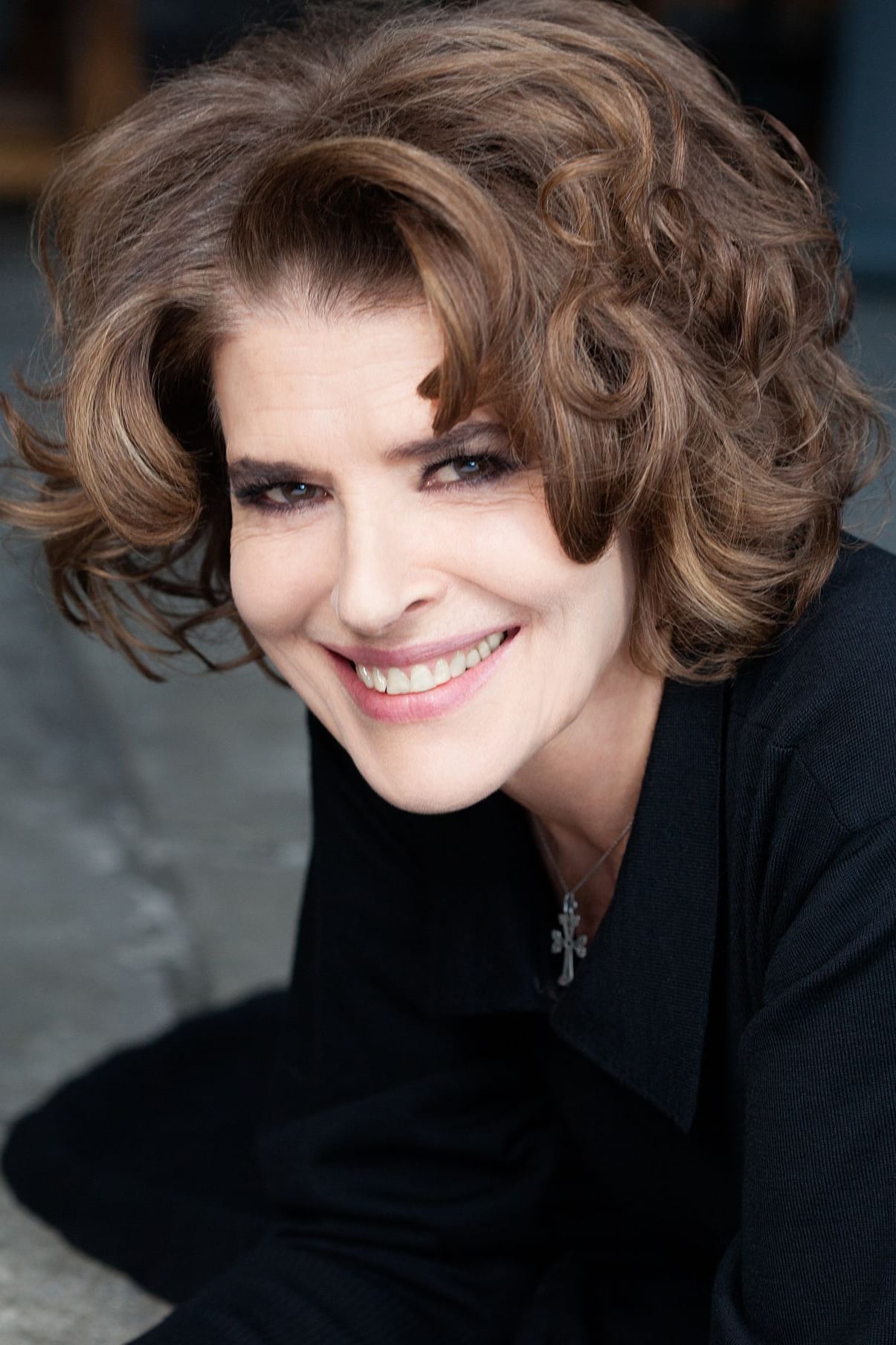
The French actress has defended several controversial directors against the calls for their work to be banned or boycotted. She believes that the artist and the work should be judged separately and that the history of cinema must be protected. Ardant argues that the current trend of retroactively judging past figures is a form of intellectual laziness. She maintains that the beauty of art lies in its complexity and its ability to transcend the personal failings of the creator.
Erykah Badu
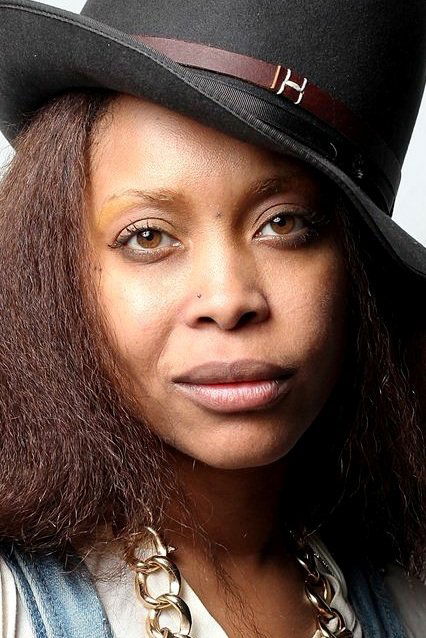
The singer has spoken about the importance of having empathy for all people even those who have been cast out by society. She believes that the rush to judgment in the digital age lacks the human element of understanding and growth. Badu argues that the creative community should be a place of healing and exploration rather than one of punishment. Her comments have often challenged the binary nature of modern public discourse.
Sia
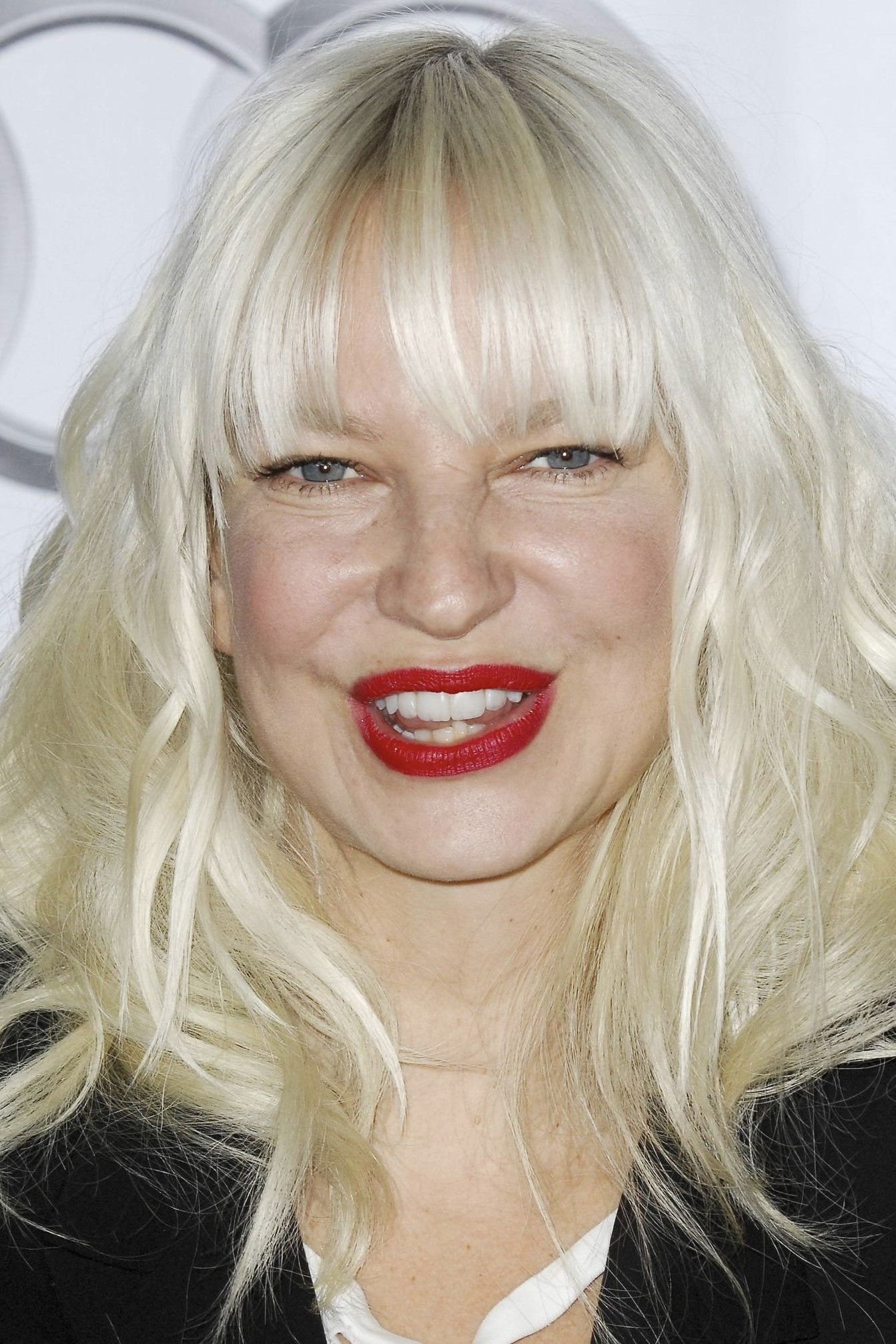
The singer and director faced significant backlash for her film ‘Music’ and has since spoken about the toll that cancel culture can take on an artist. She believes that the intensity of online criticism can lead to a fear of trying anything new or different. Sia argues that the creative process is often messy and that artists should be allowed to make mistakes in their pursuit of expression. She has expressed a desire for a more constructive and less destructive way for audiences to provide feedback.
Judi Dench
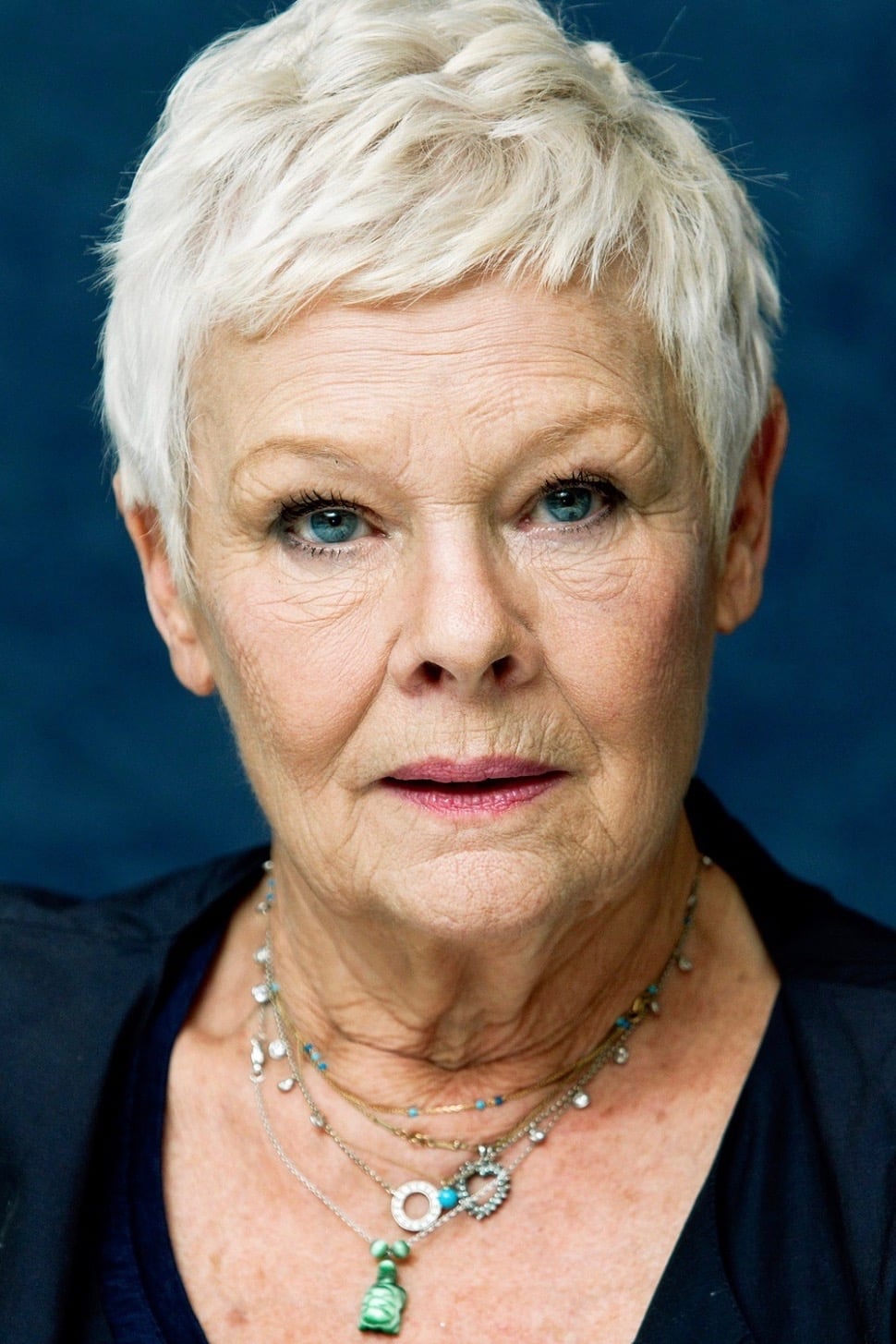
The legendary actress has voiced her distress over the retroactive removal of historical artistic works due to modern sensitivities. She argues that erasing or altering past creative achievements is a dangerous path for the arts to take. Dench believes that audiences should be trusted to view older content within its original context rather than seeing it edited or banned. Her remarks emphasize the importance of preserving the history of performance and storytelling.
Tell us what you think about the impact of cancel culture on the entertainment industry in the comments.