


Celebrities Who Don’t Support Gender Quotas




The debate regarding the implementation of gender quotas in the workplace and entertainment industry remains a significant point of contention among public figures. While many advocate for these measures to ensure diversity, several prominent celebrities have publicly voiced their opposition, favoring a merit-based approach instead. These individuals often argue that professional opportunities and accolades should be determined by talent and achievement rather than demographic requirements. This perspective emphasizes individual excellence and the belief that forced quotas can inadvertently undermine the integrity of various fields.
Antonio Sabàto, Jr.
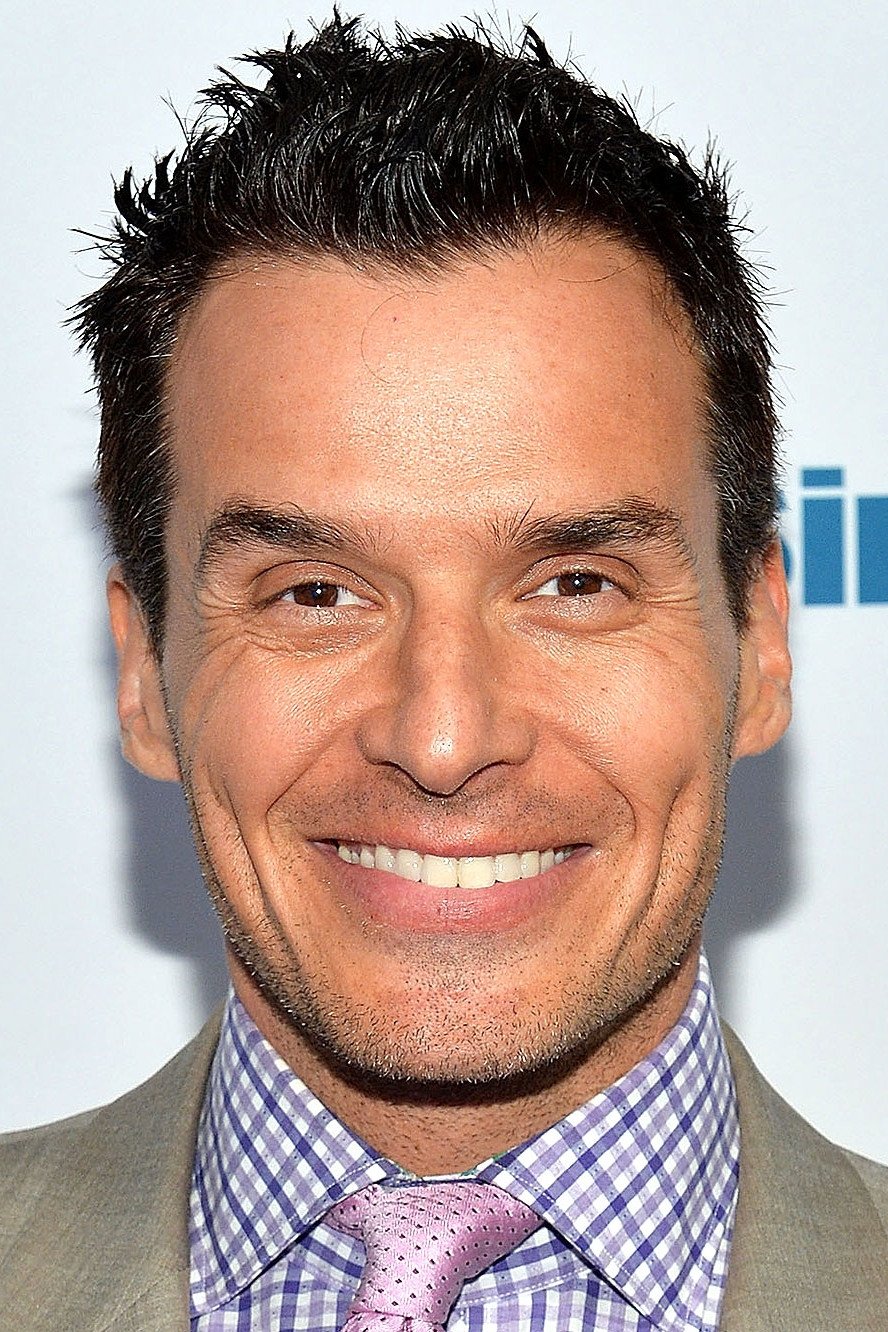
Antonio Sabato Jr. has expressed his opposition to quotas, favoring a system where hard work and ability dictate success. He believes that the entertainment industry has moved too far toward social engineering at the expense of fair competition. Sabato Jr., known for his work on ‘General Hospital’ (1992–1995), argues that everyone should be judged on their individual merits. He has suggested that quotas can lead to the exclusion of qualified candidates who do not fit specific demographic profiles. His stance is rooted in a belief in the ideal of equality of opportunity.
Cate Blanchett

Cate Blanchett has emphasized that the selection of leaders and award recipients should be based on artistic and professional merit. While she acknowledges the need for greater representation in cinema, she has expressed skepticism toward the use of rigid quotas in boardrooms and film crews. During her career, including her work on ‘The Aviator’ (2004), she has consistently promoted excellence as the primary metric for success. Blanchett believes that systemic barriers should be removed to allow talent to flourish organically. Her stance remains focused on creating an environment where the most qualified individuals are chosen for their skills.
Charlotte Rampling

Charlotte Rampling has been vocal about her preference for merit-based recognition over demographic quotas in the arts. She famously suggested that diversity mandates in award ceremonies could potentially compromise the value of the honors themselves. The actress, known for her performance in ‘Georgy Girl’ (1966), maintains that artistic contributions must be judged on their own terms. She has cautioned that focusing on quotas can lead to negative discrimination and detract from the quality of the work. Rampling continues to advocate for a professional landscape where individual ability is the sole deciding factor.
Clint Eastwood
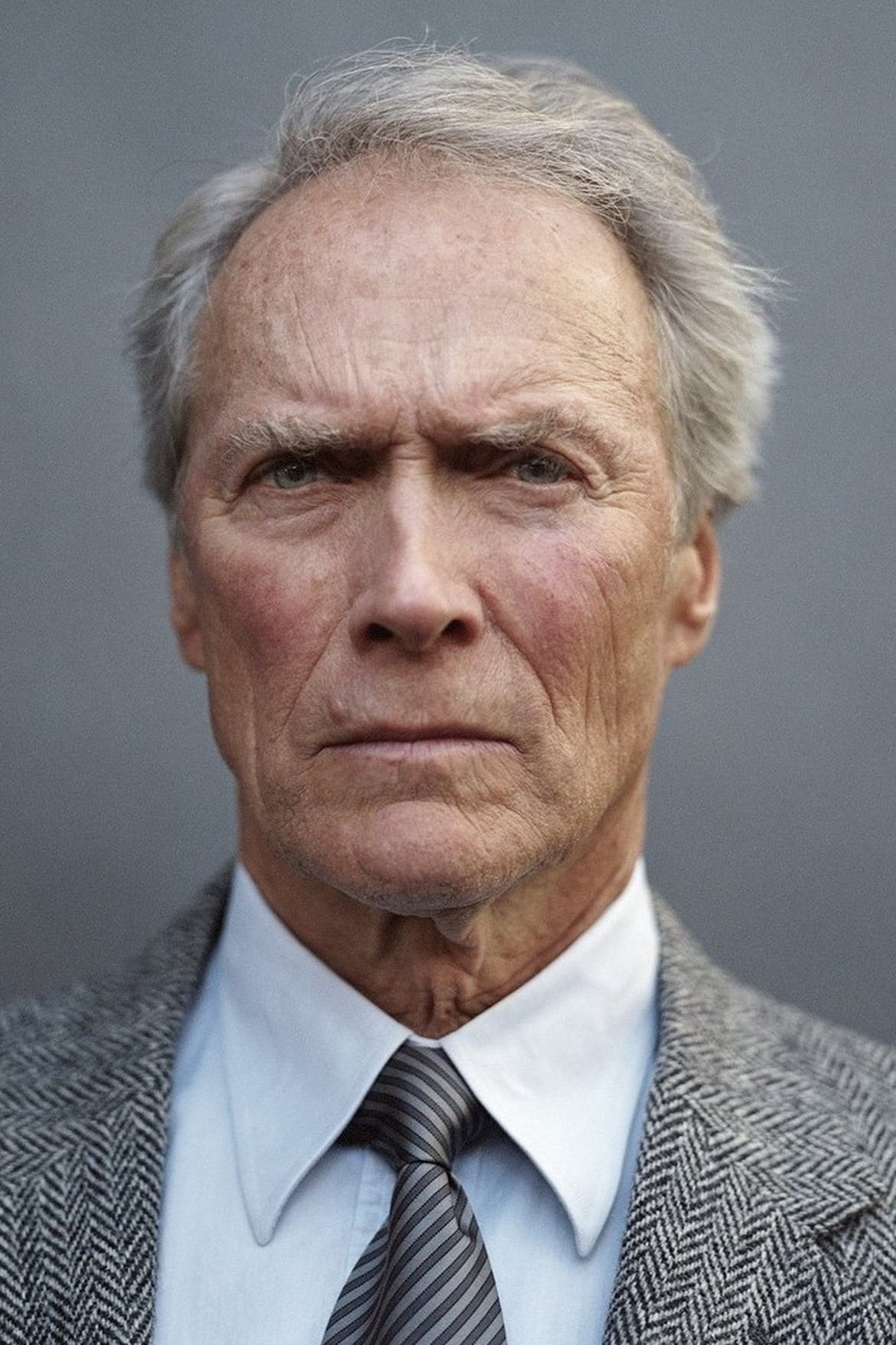
Clint Eastwood is known for his straightforward approach to filmmaking and casting, which favors efficiency and talent over quotas. He has rarely engaged with social mandates, preferring to hire based on professional capability and creative fit. As a director and actor in films like ‘Unforgiven’ (1992), Eastwood has built a reputation for prioritizing the work above all else. He has expressed that the industry should focus on telling good stories rather than filling demographic requirements. His long-standing success is often cited as a product of a merit-based philosophy.
Dean Cain
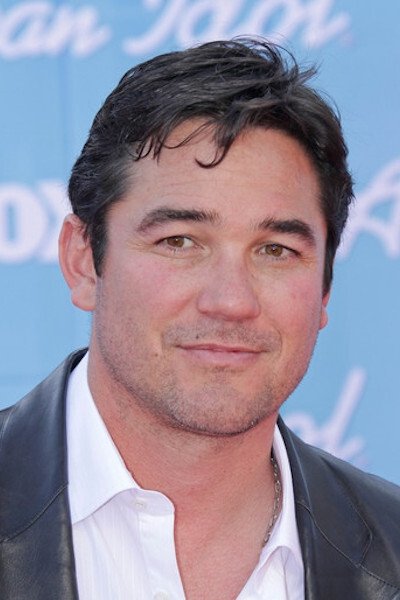
Dean Cain has expressed his support for a merit-based industry where talent is the sole factor in success. He believes that the current trend toward quotas and diversity mandates can be counterproductive to the goal of true equality. The ‘Lois & Clark: The New Adventures of Superman’ (1993–1997) star argues that every person should be given an equal chance to prove themselves through their work. Cain has suggested that quotas can inadvertently create resentment and lower professional standards. He remains committed to the idea that the best person should always get the job.
Elisabeth Hasselbeck

Elisabeth Hasselbeck has discussed the importance of merit-based hiring and has criticized the use of quotas in professional settings. She believes that individuals should be rewarded for their hard work and unique contributions rather than their demographic classification. During her time on ‘The View’ (2003–2013), she frequently advocated for a level playing field where merit is the deciding factor. Hasselbeck argues that forced quotas can create a sense of entitlement and detract from the value of individual achievement. Her perspective centers on the belief that fair competition brings out the best in people.
Gary Sinise
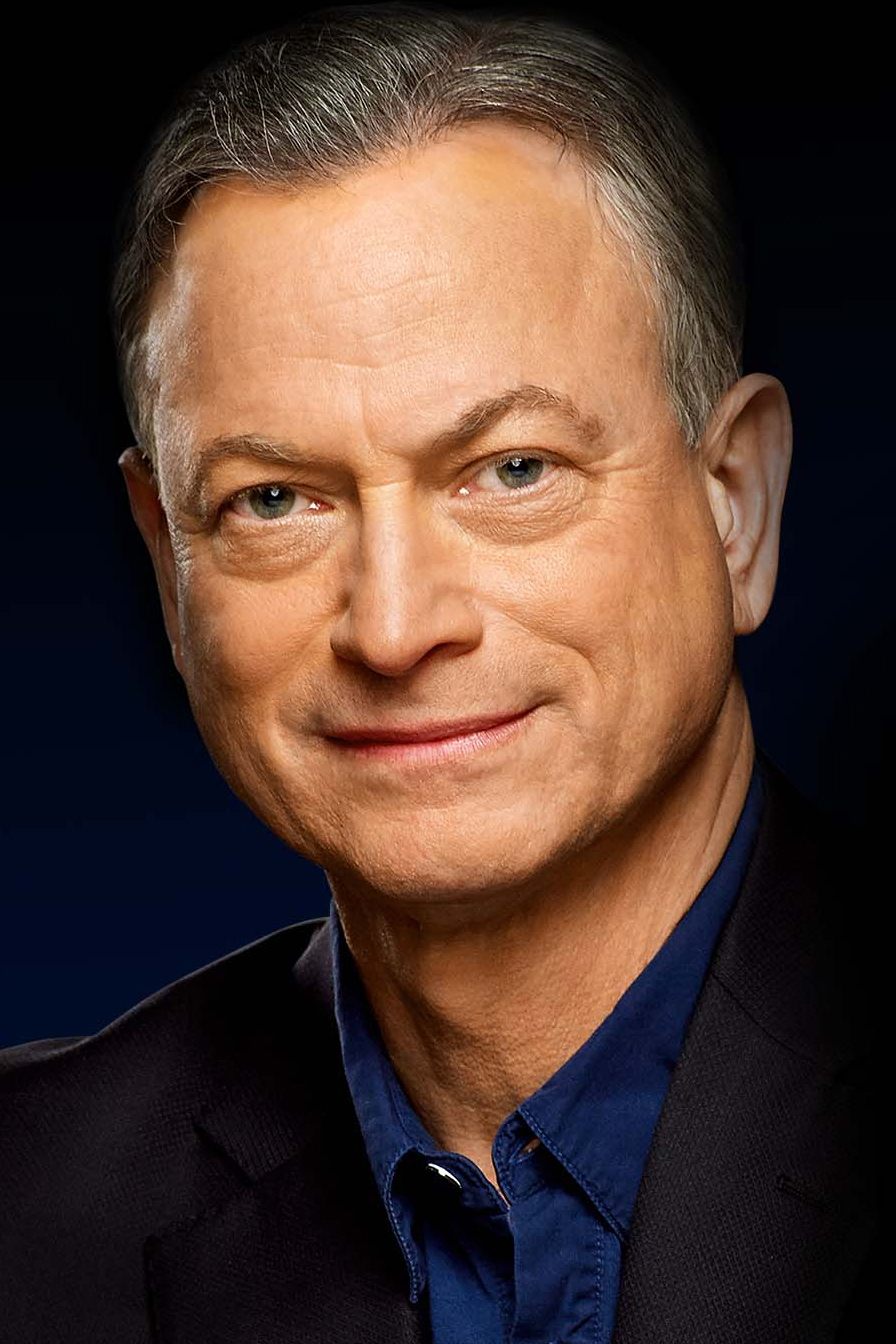
Gary Sinise has consistently supported the idea of professional excellence and merit in both the arts and his philanthropic work. He believes that opportunities should be earned through dedication and skill rather than granted through quotas. Sinise, who played Lieutenant Dan in ‘Forrest Gump’ (1994), has focused his career on authentic storytelling and support for individuals based on their needs and merits. He has suggested that a focus on quotas can detract from the genuine accomplishments of those who have worked hard to succeed. His approach emphasizes the value of character and commitment.
Gina Carano
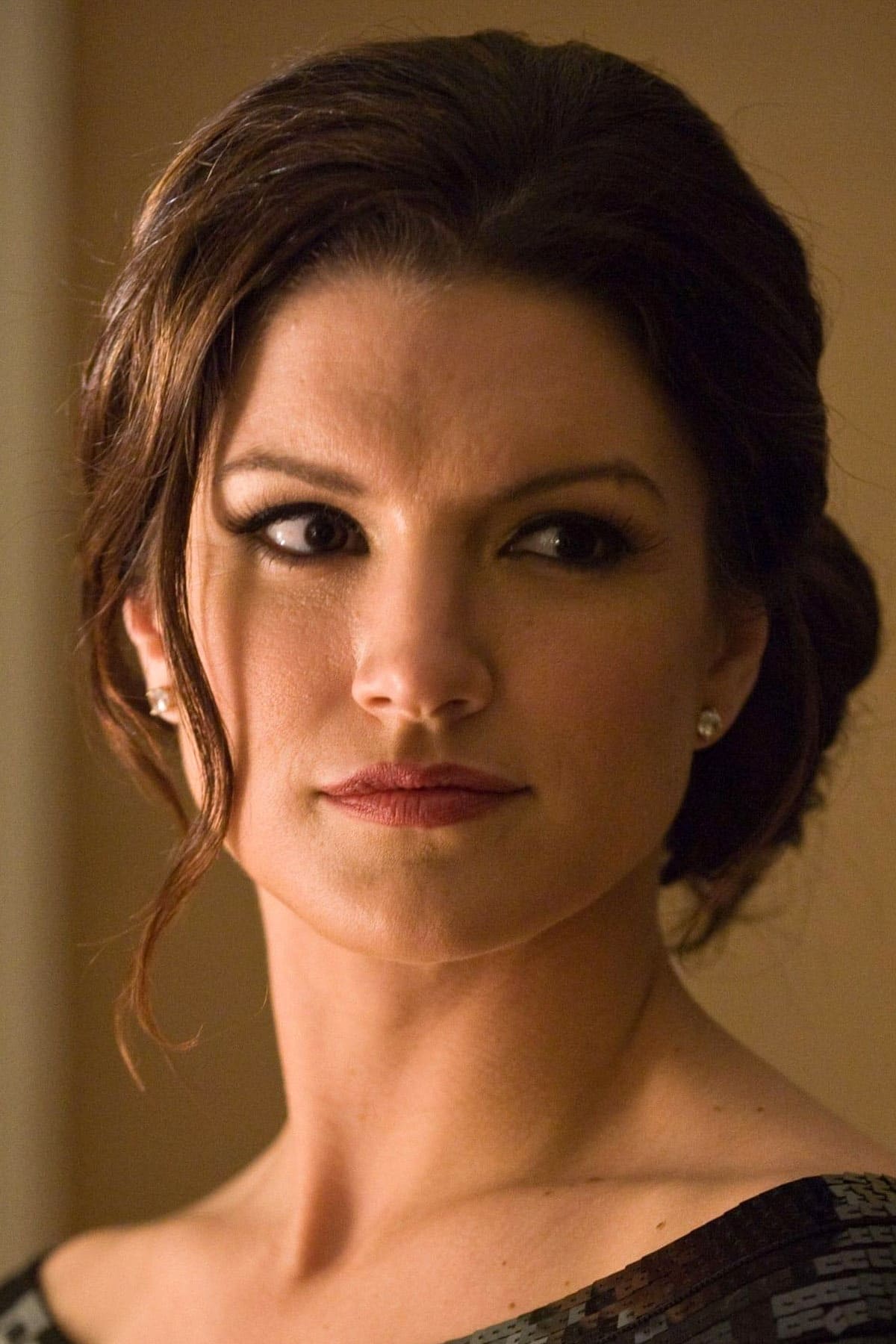
Gina Carano has faced significant public scrutiny for her views on industry mandates and social policies, including quotas. She has argued that individuals should be judged based on their character and performance rather than their compliance with social metrics. Carano, who appeared in ‘The Mandalorian’ (2019–2020), has been a vocal proponent of freedom of expression and meritocracy. She believes that forced quotas can lead to a sterile and conformist creative environment. Her stance centers on the protection of individual rights and the value of competitive talent.
Isaiah Washington
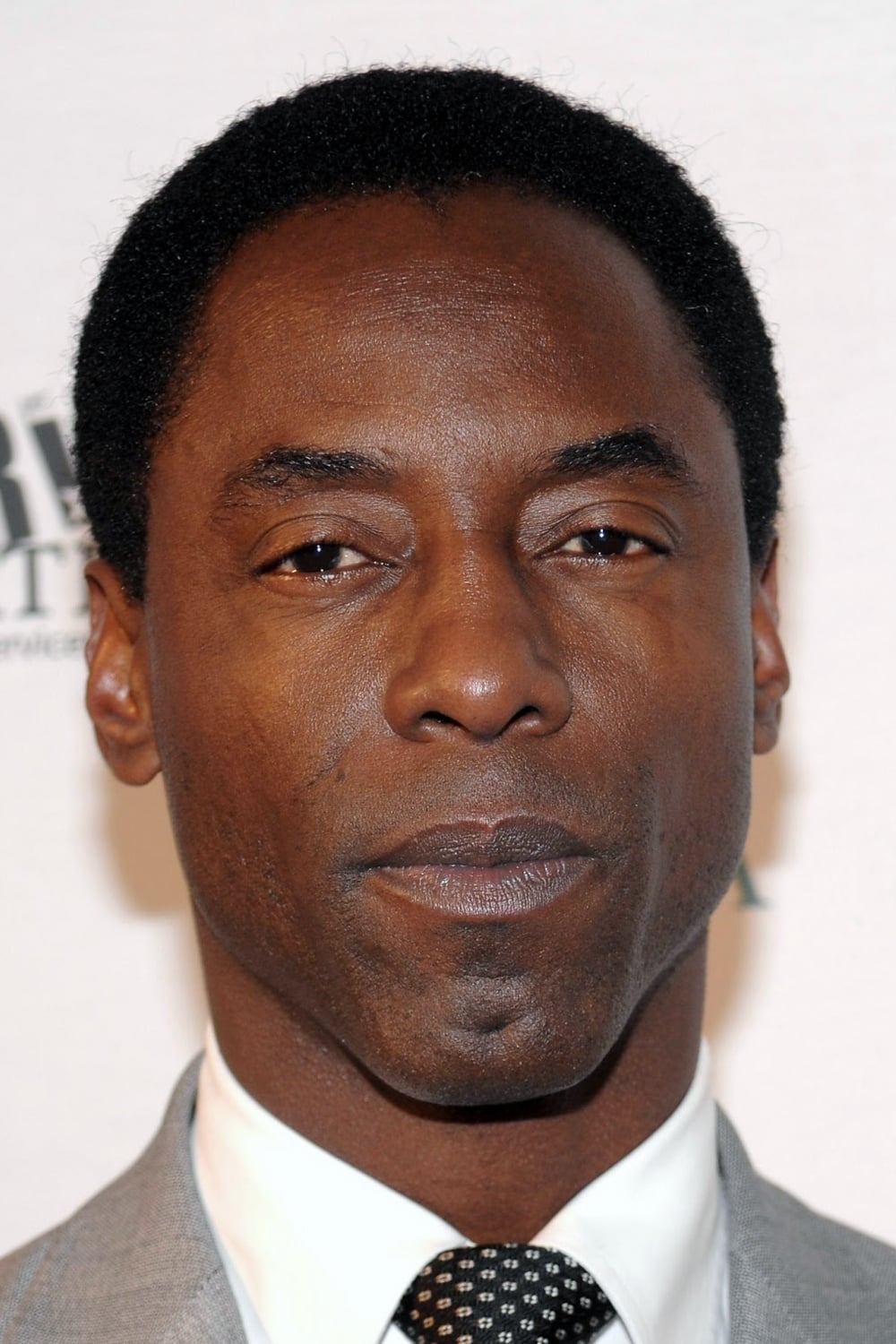
Isaiah Washington has voiced his concerns about the industry’s focus on quotas and the impact it has on professional standards. He believes that talent and preparation should be the only factors considered in casting and hiring. Washington, who starred in ‘Grey’s Anatomy’ (2005–2007), has argued that the push for demographic mandates can sometimes ignore the actual skill level of the individuals involved. He maintains that a focus on meritocracy is the only way to ensure the best possible results in any creative endeavor. His views highlight a preference for authenticity and professional excellence.
James Woods
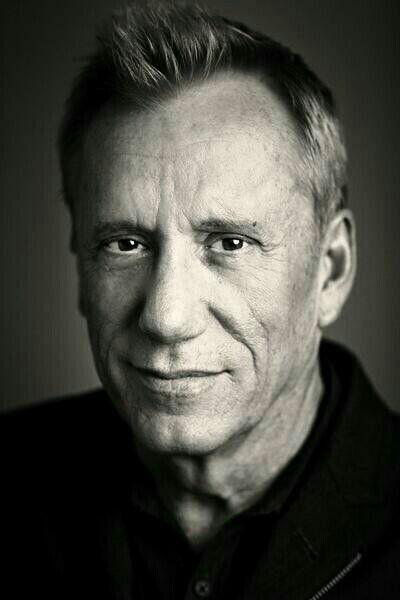
James Woods has frequently expressed his opposition to quotas and affirmative action-style policies in Hollywood. He believes that the industry has become too focused on social engineering at the expense of quality and fair play. Woods, an actor with a long list of credits including ‘Casino’ (1995), argues that the most talented individuals are being sidelined to satisfy diversity metrics. He maintains that a true meritocracy is the only way to ensure the long-term health of the creative arts. His social media presence often highlights these concerns regarding the current direction of the film industry.
John Cleese
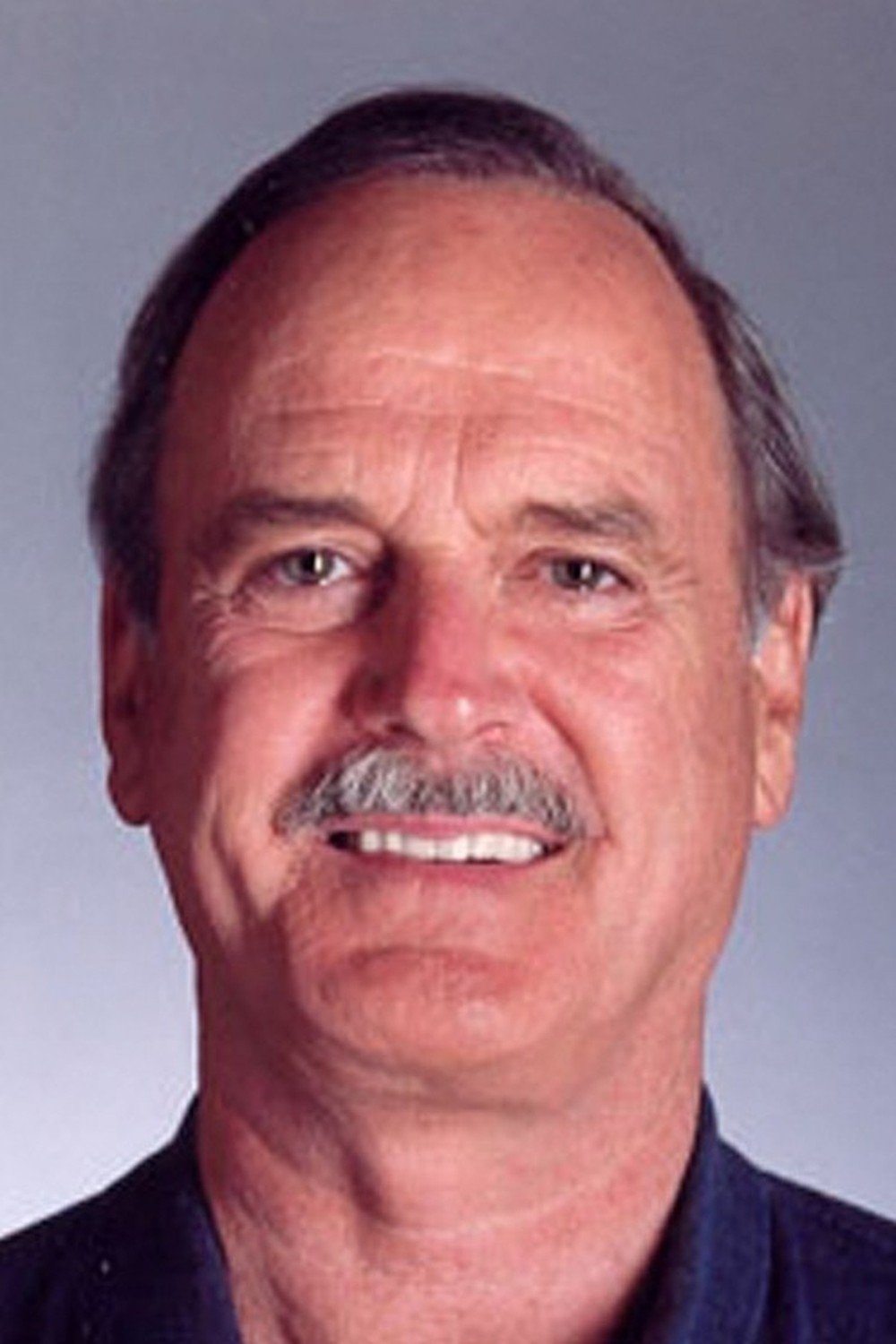
John Cleese has frequently criticized the push for social engineering and quotas within the creative industries. He argues that comedy and storytelling should be driven by creativity and humor rather than meeting bureaucratic representation targets. The ‘Monty Python’s Flying Circus’ (1969–1974) star believes that mandatory quotas can stifle the natural flow of artistic collaboration. Cleese has suggested that a focus on identity politics over merit can be detrimental to the cultural output of society. He continues to speak out in favor of maintaining high professional standards through open competition.
Jon Voight
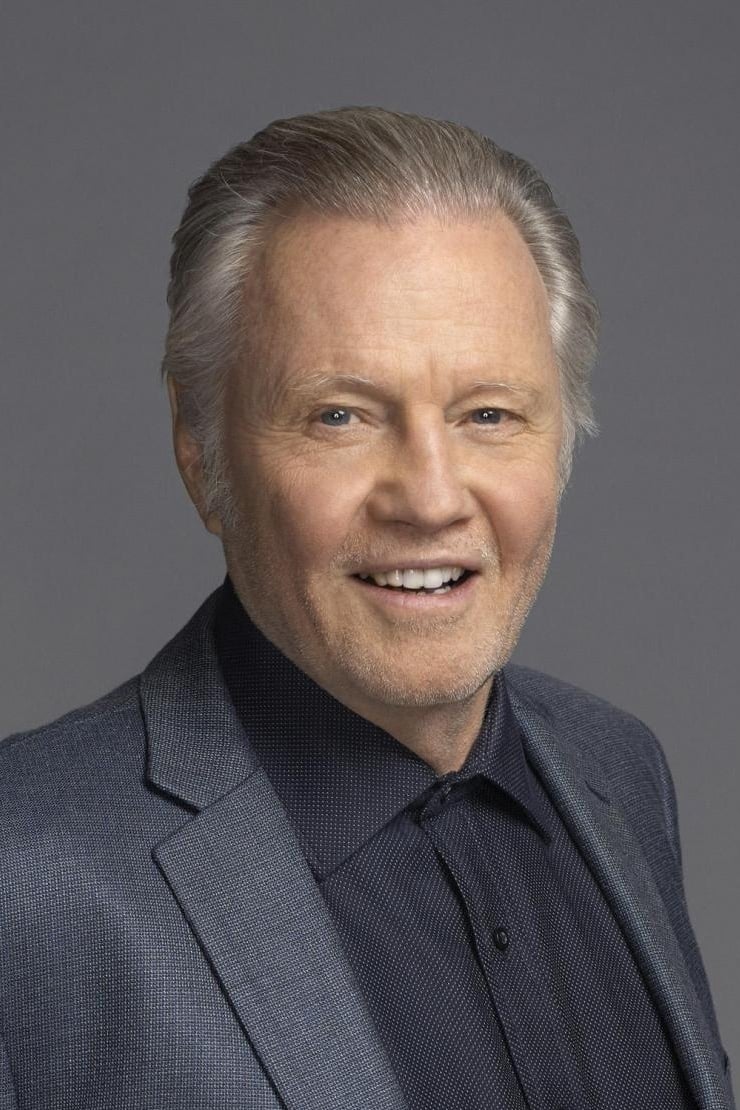
Jon Voight has been a vocal critic of the social policies that prioritize quotas over individual excellence in Hollywood. He believes that the focus on identity politics has negatively impacted the quality of American cinema. Voight, who won an Academy Award for ‘Coming Home’ (1978), argues that the industry must return to valuing the spirit and talent of the individual. He suggests that quotas create a false sense of progress while damaging the meritocratic foundation of the arts. His comments often emphasize the importance of freedom and competition.
Kelsey Grammer
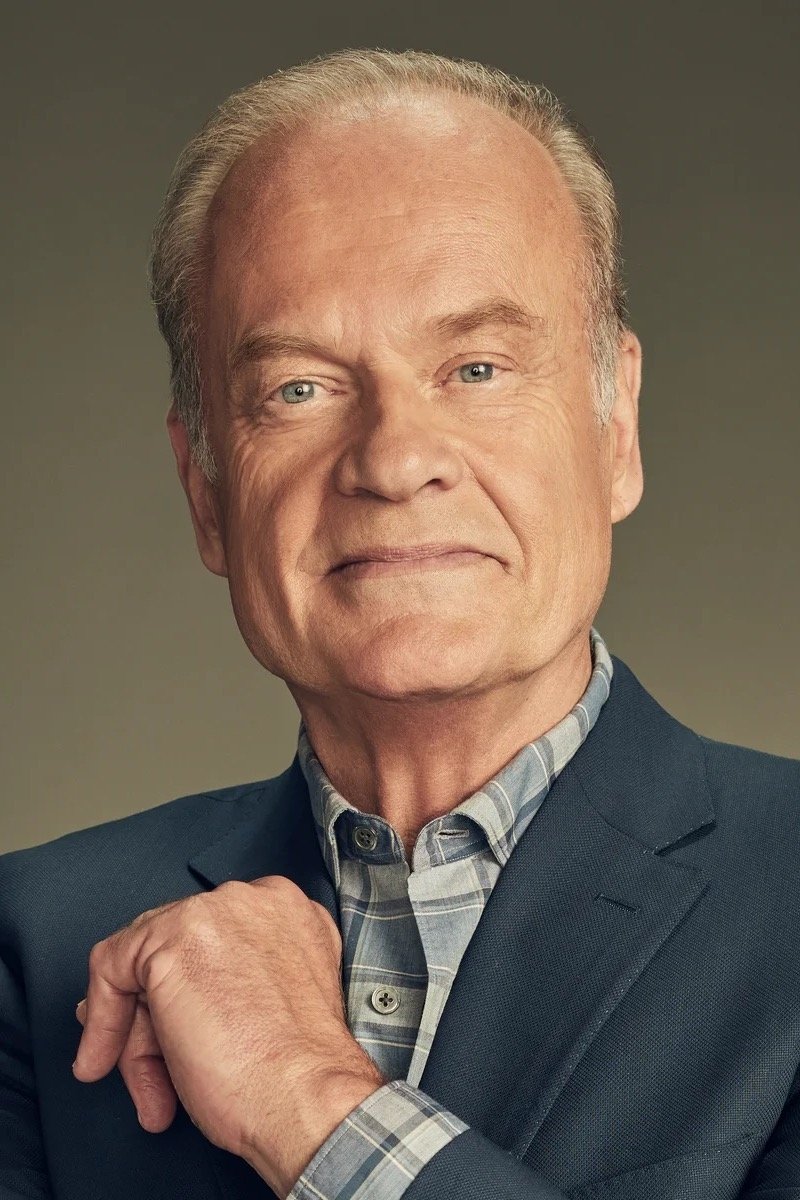
Kelsey Grammer has expressed a preference for traditional hiring practices that focus on talent and fit for the role. He has indicated that the entertainment industry should prioritize the best possible product for the audience rather than meeting administrative targets. The ‘Frasier’ (1993–2004) star believes that meritocracy ensures that the most capable performers and writers are given opportunities. Grammer suggests that a focus on quotas can lead to a standardized and less creative output. He remains a proponent of individual talent as the primary measure of worth.
Kevin Sorbo
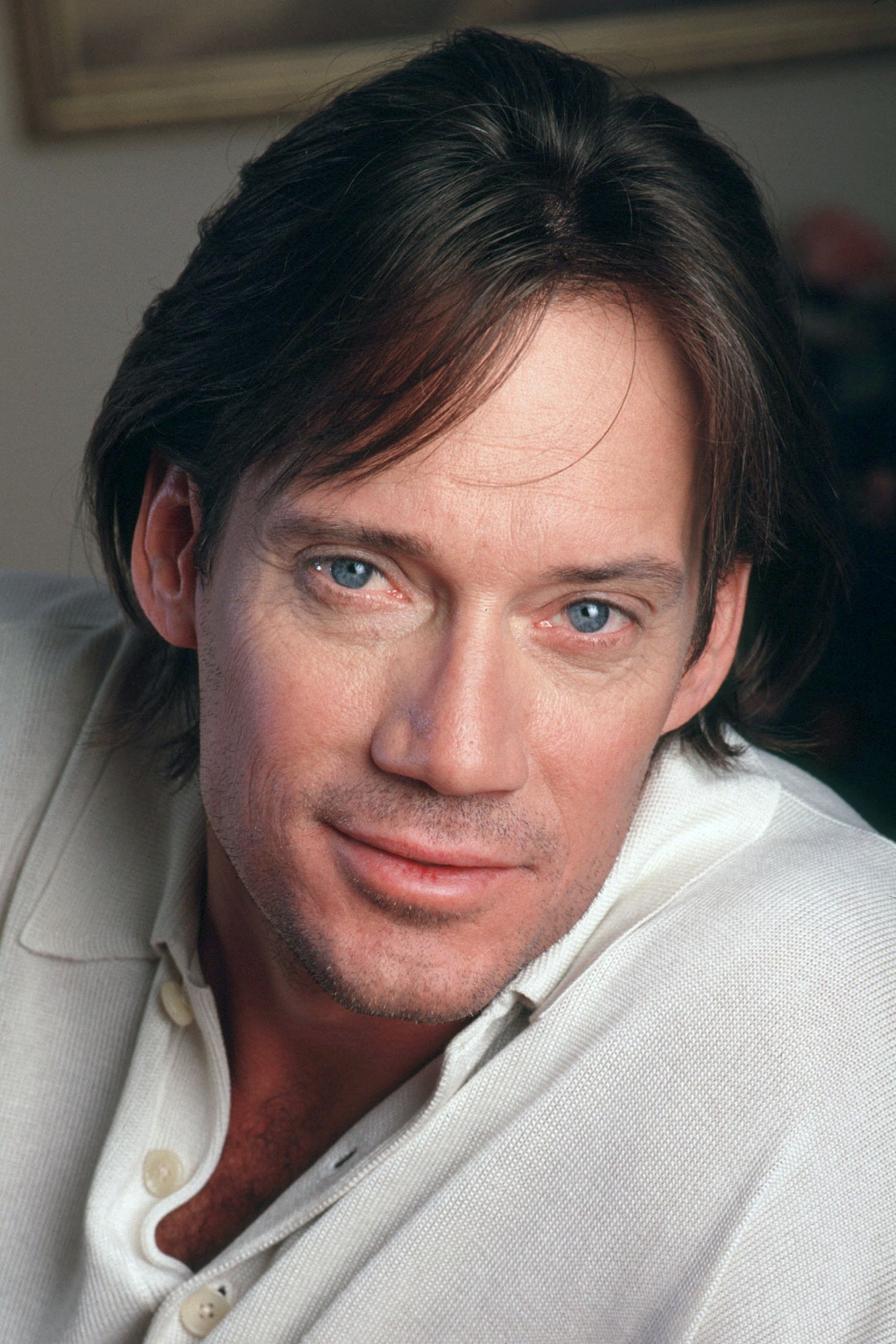
Kevin Sorbo has spoken out against what he perceives as a bias toward quotas in modern casting and production. He argues that the industry should focus on the best actors for the roles rather than filling demographic slots. The star of ‘Hercules: The Legendary Journeys’ (1995–1999) believes that quotas can be discriminatory toward those who do not fit specific criteria. Sorbo has called for a return to a system where work ethic and talent are the primary drivers of success. He views forced representation as a hindrance to genuine artistic storytelling.
Kristy Swanson

Kristy Swanson has been a vocal supporter of meritocracy and has criticized the push for demographic quotas in the arts. She believes that artists should be recognized for their talent and contributions rather than their identity markers. The star of ‘Buffy the Vampire Slayer’ (1992) has argued that forced representation can undermine the hard work of those who have earned their positions. Swanson advocates for an industry that values skill and dedication above all else. She believes that true diversity comes from a variety of voices competing on a level playing field.
Kurt Russell
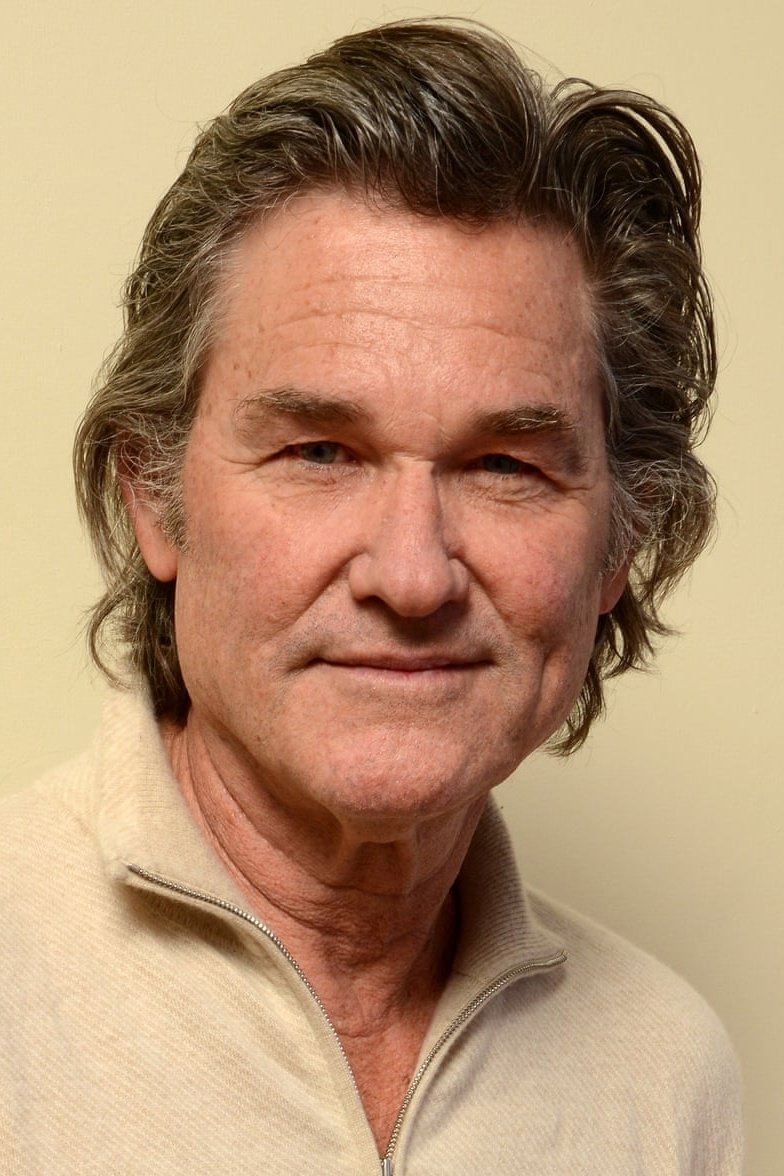
Kurt Russell has often spoken about the importance of individualism and merit in the film industry. He believes that roles should be cast based on who is best suited for the character, regardless of social pressure. Russell, who starred in ‘Escape from New York’ (1981), has maintained a career built on professional reliability and talent. He argues that forced quotas can interfere with the creative vision of filmmakers and the natural selection of talent. His perspective is rooted in a traditional view of the actor’s craft and industry competition.
Laurence Fox
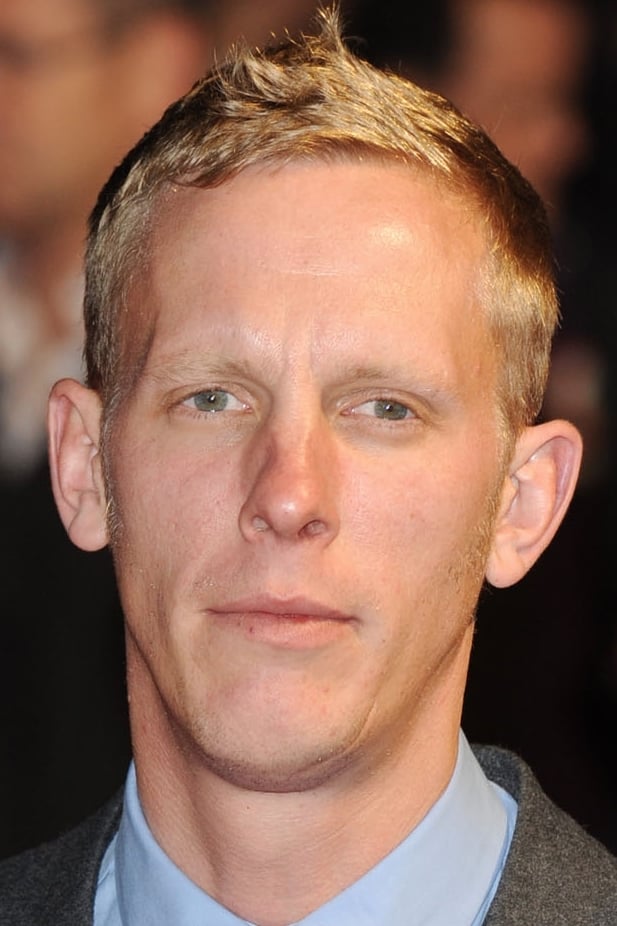
Laurence Fox is a prominent critic of quotas and diversity mandates within the British acting community and beyond. He has consistently argued that these policies lead to unfair hiring practices and compromise artistic integrity. Fox, known for his role in ‘Lewis’ (2006–2015), maintains that individual talent should be the only consideration in casting and award selections. He has even founded a political party to address what he views as the overreach of such social policies. His stance is rooted in a strict interpretation of equality of opportunity versus equality of outcome.
Martha Stewart

Martha Stewart has recently commented on the decline of meritocracy in corporate boardrooms and business environments. She expressed concern that the focus on quotas has moved away from selecting the most capable and experienced individuals. Having built a massive lifestyle brand and starred in ‘The Martha Stewart Show’ (2005–2012), she understands the complexities of professional leadership. Stewart believes that the best person for the job should be hired regardless of demographic factors to ensure business success. Her perspective highlights a preference for operational excellence and proven track records.
Michael Caine
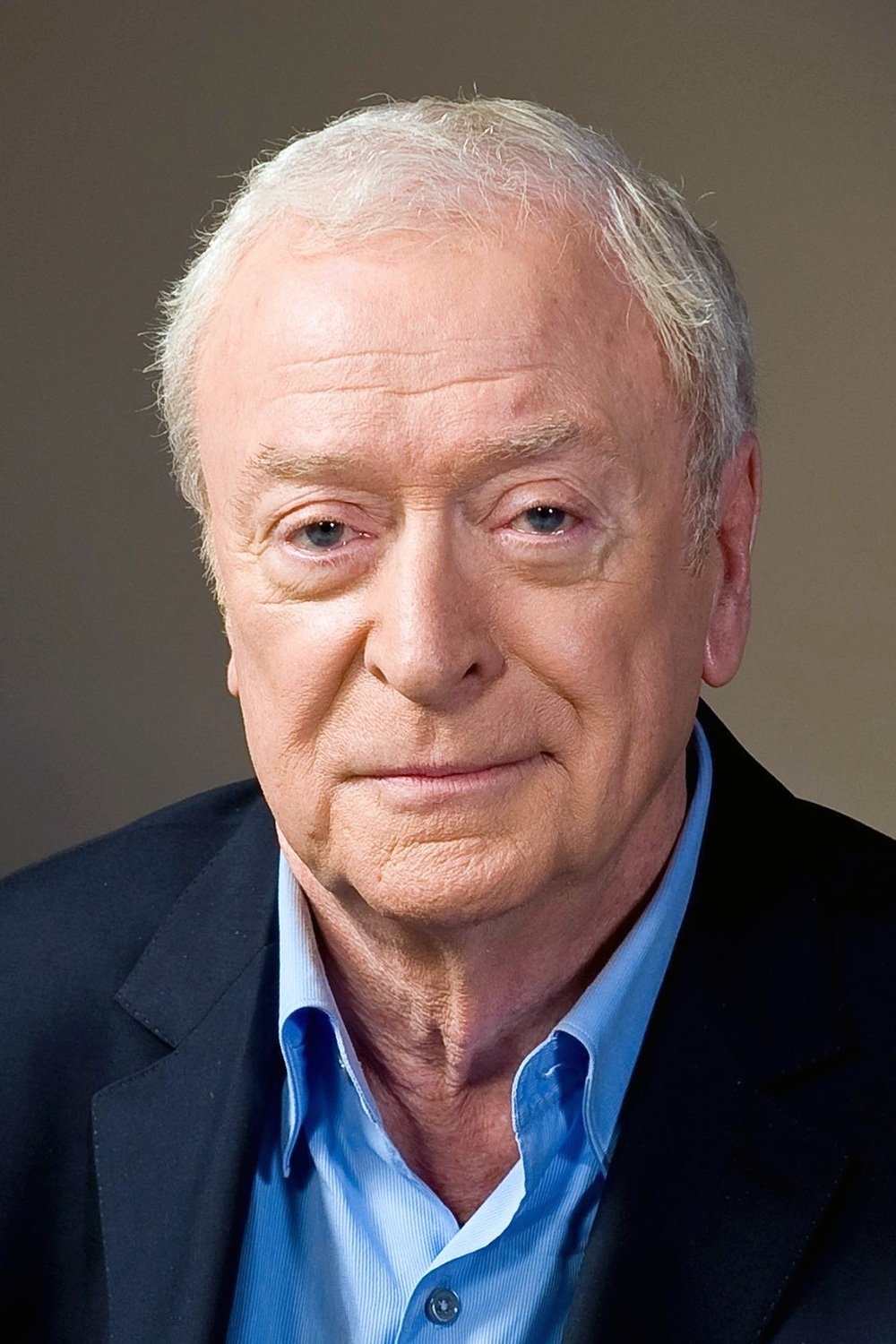
Michael Caine has expressed his belief that actors should be nominated and hired based on their performance rather than their identity. He has publicly stated that you cannot vote for someone just because they are from a specific group if their performance does not warrant it. Caine, who starred in ‘The Italian Job’ (1969), argues that the industry should remain a competitive meritocracy to preserve high standards. He suggests that talent is the only fair measure by which artists should be evaluated. His career reflects a commitment to the traditional values of the acting profession.
Morgan Freeman
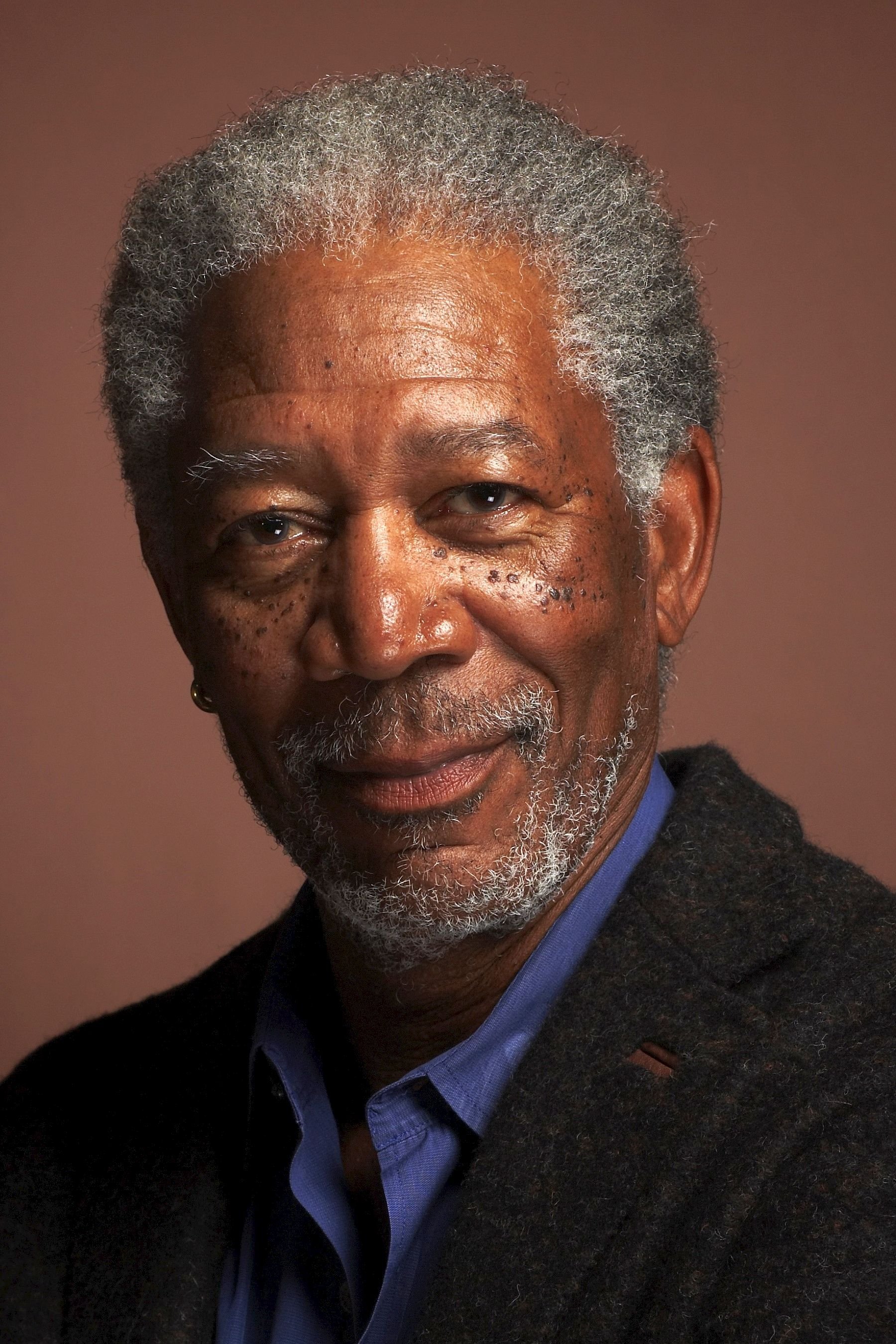
Morgan Freeman has famously stated that he finds the concept of mandated diversity and quotas to be unnecessary and counterproductive. He believes that focusing on demographic differences only serves to further divide society rather than unite it. Freeman, who starred in ‘The Shawshank Redemption’ (1994), has long advocated for a world where people are judged solely by their character and talent. He argues that meritocracy is the most effective way to ensure that everyone has an equal chance to succeed. His viewpoint emphasizes the power of individual agency and the importance of looking beyond superficial traits.
Patricia Heaton
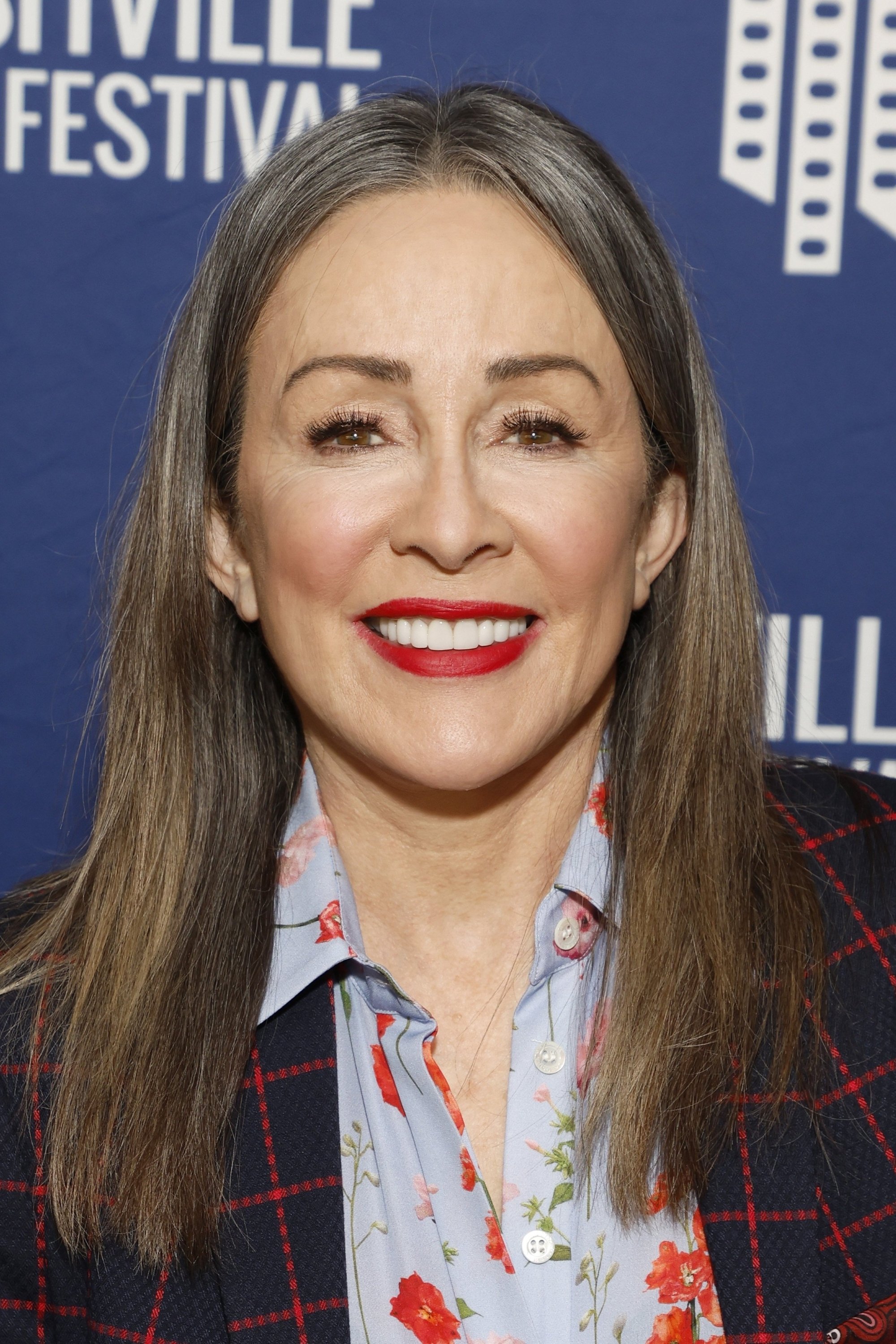
Patricia Heaton has spoken out about the need for a meritocratic environment in television and film. She believes that casting and hiring should be done based on who is the most qualified for the position. The ‘Everybody Loves Raymond’ (1996–2005) actress has expressed concern that quotas can lead to unfair treatment of talented individuals. Heaton advocates for a system where everyone has an equal opportunity to compete based on their skills. She believes that the focus should remain on the quality of the entertainment provided to the viewers.
Ricky Gervais
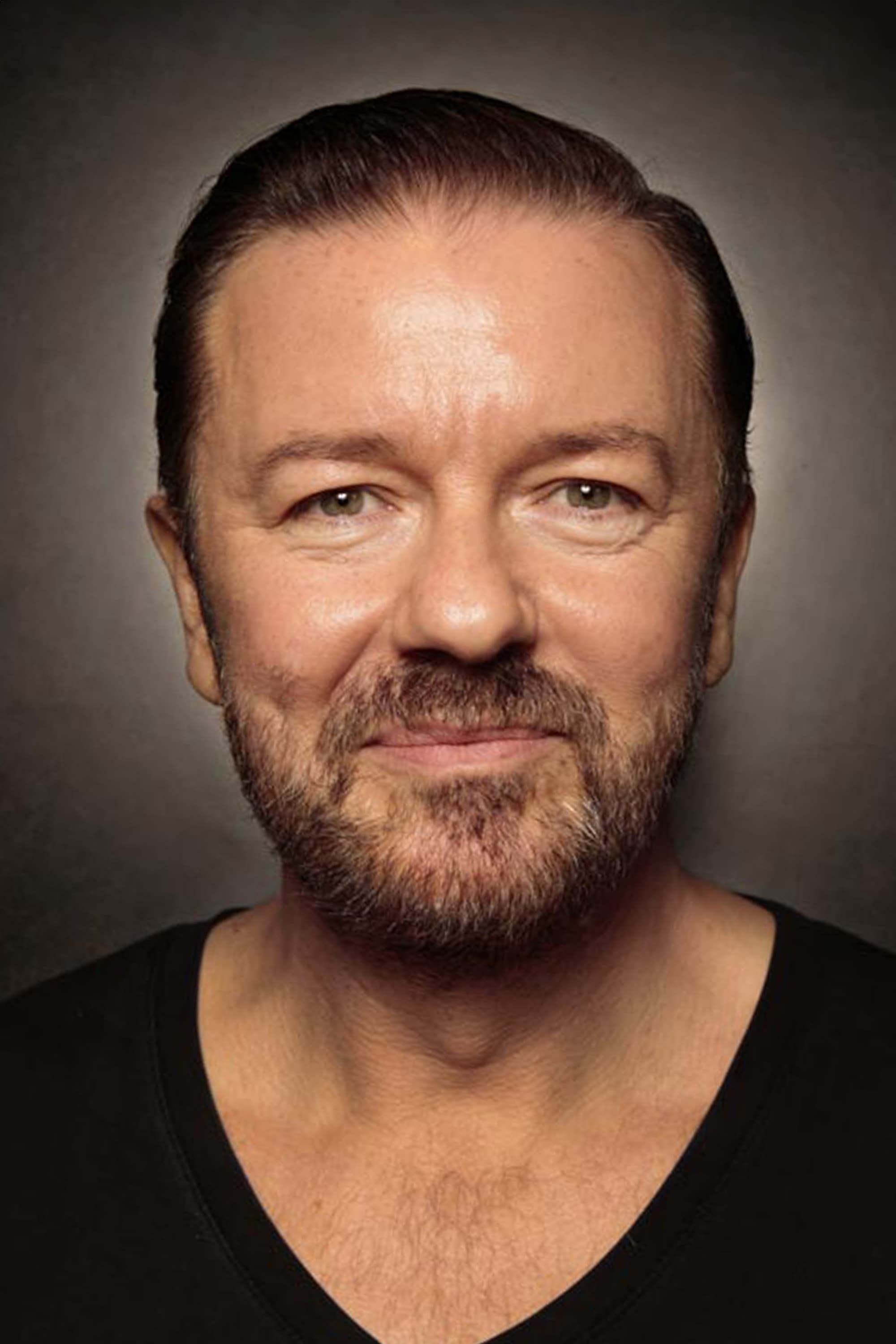
Ricky Gervais has often used his platform to critique the virtue signaling he associates with industry quotas. He maintains that talent and hard work should be the only criteria for success in the entertainment business. The creator of ‘The Office’ (2001–2003) believes that forcing diversity through quotas can feel patronizing and disingenuous. Gervais argues that comedy, in particular, must remain a space where the funniest material wins regardless of the demographic of the creator. He has frequently mocked the establishment’s focus on identity over individual merit.
Rob Lowe
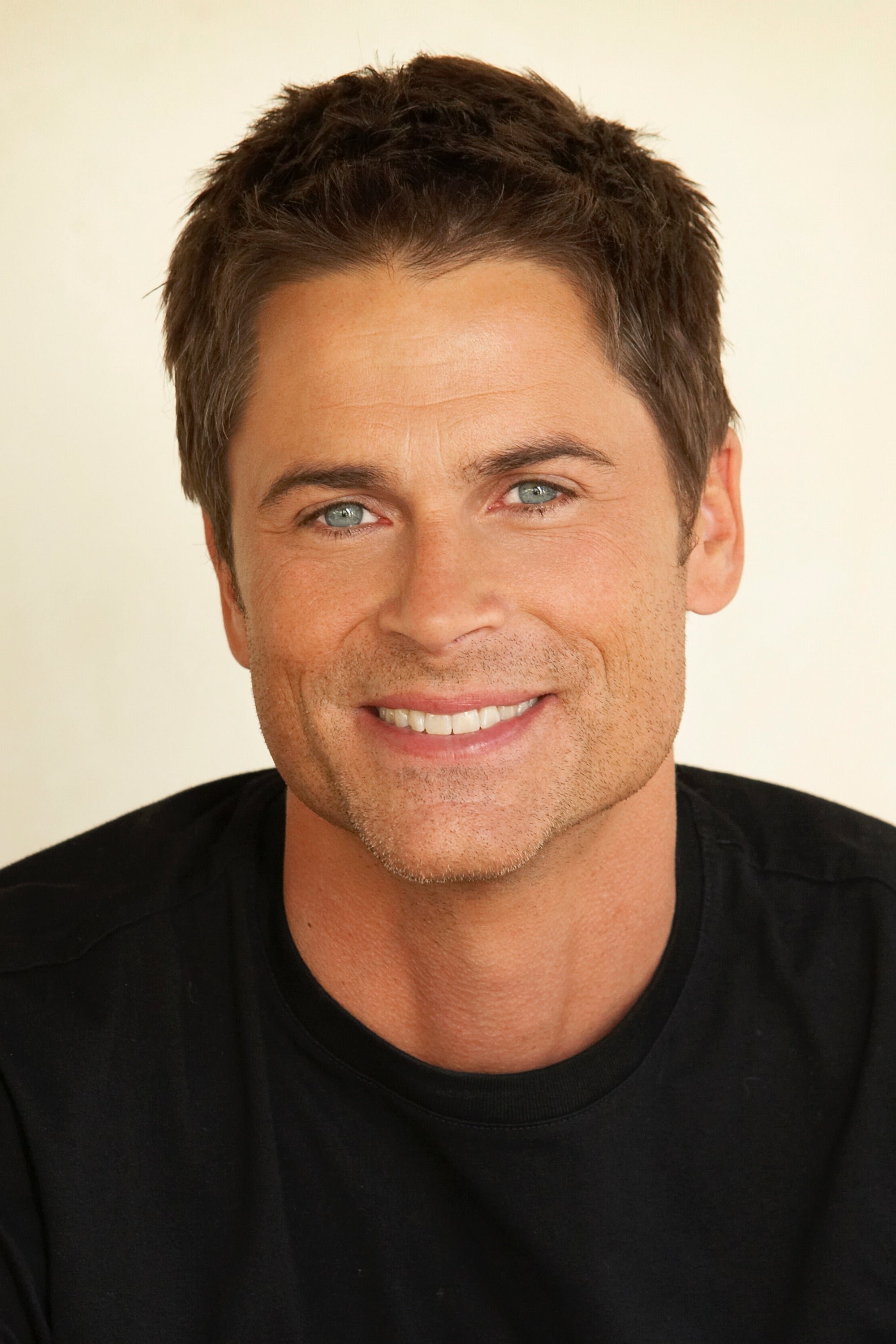
Rob Lowe has frequently praised the virtues of hard work and merit in the competitive world of Hollywood. He believes that success should be the result of one’s own efforts and talent rather than a product of administrative quotas. Lowe, who starred in ‘The West Wing’ (1999–2006), has navigated the industry for decades by focusing on his craft. He has expressed that the best way to ensure quality is to allow the most capable people to rise to the top. His perspective emphasizes the importance of a level playing field where merit is the primary standard.
Robert Davi
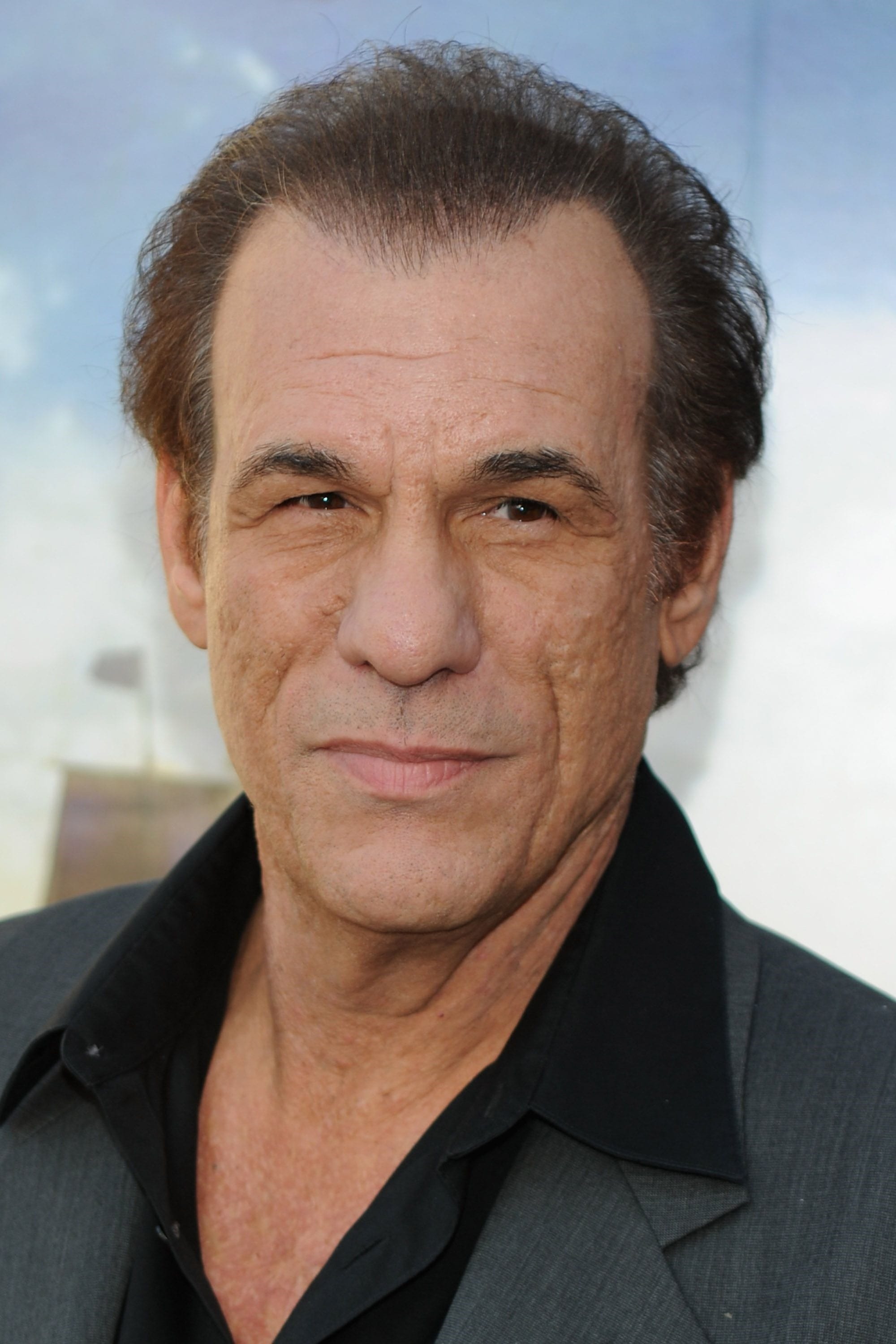
Robert Davi has frequently spoken about the need to preserve merit-based standards in the film industry. He believes that the focus on quotas has led to a decline in the quality of storytelling and filmmaking. Davi, who appeared in ‘Die Hard’ (1988), argues that casting should be about finding the most authentic and talented person for the role. He suggests that administrative mandates regarding gender or race can be detrimental to the artistic vision of a project. His perspective emphasizes the importance of tradition and excellence in the cinematic arts.
Roseanne Barr

Roseanne Barr has long been a proponent of meritocracy and has criticized the implementation of forced quotas in television. She believes that the best stories and performers should rise to the top through public appeal and skill. During her time on ‘Roseanne’ (1988–2018), she advocated for authentic representation that happens naturally rather than through mandates. Barr has argued that quotas often serve to alienate audiences rather than unify them. Her views reflect a preference for traditional competition within the marketplace.
Scott Baio
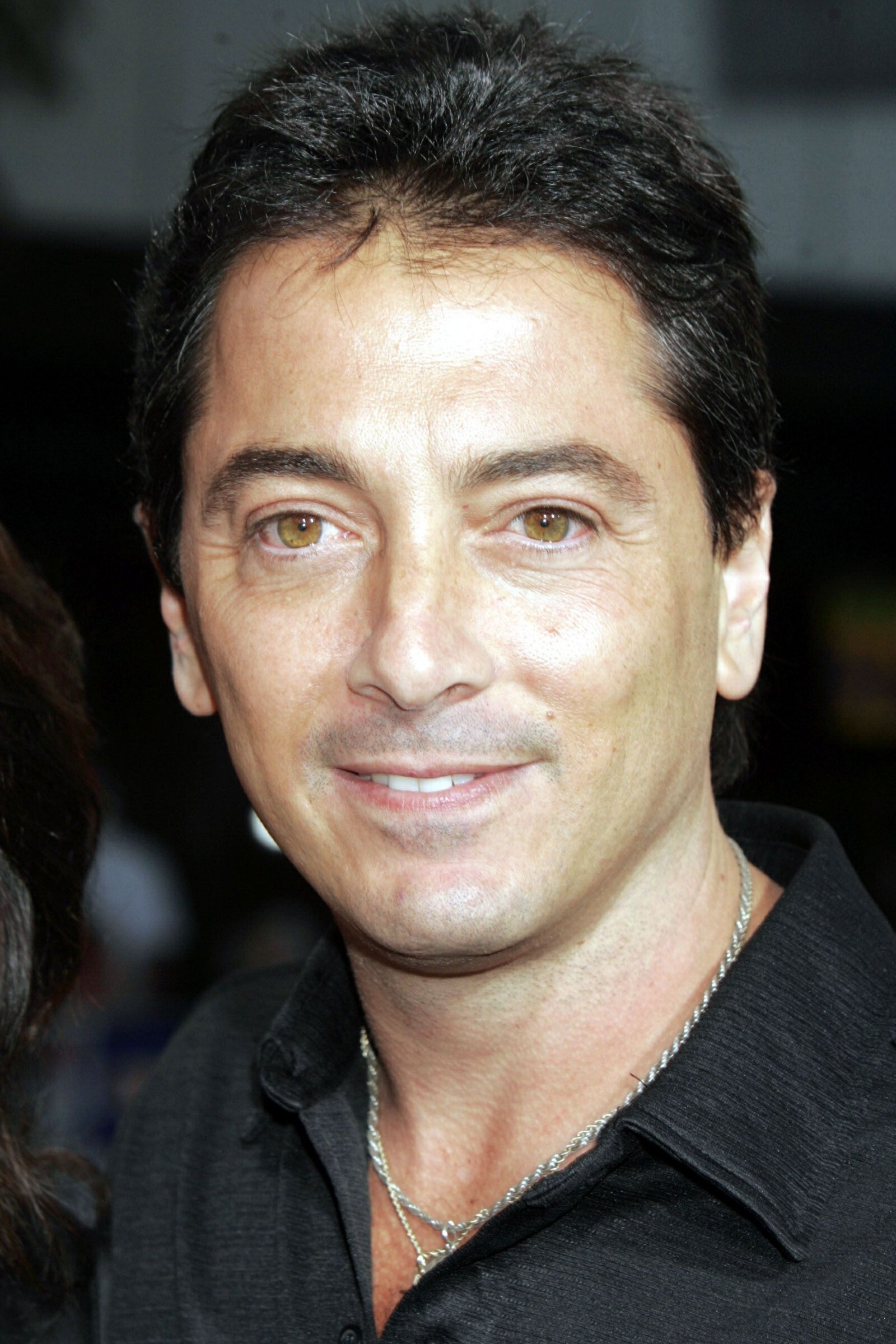
Scott Baio has often criticized the implementation of social quotas in Hollywood, viewing them as a departure from traditional meritocracy. He believes that the industry should focus on entertaining the public rather than promoting specific social agendas. Baio, known for ‘Happy Days’ (1974–1984), has expressed that talent and audience appeal are the only things that should matter in casting. He argues that quotas interfere with the natural dynamics of the creative process and the marketplace. His views reflect a broader critique of institutionalized representation.
Stacey Dash

Stacey Dash has been an outspoken opponent of quotas and identity-based hiring in the entertainment industry. She has famously argued for the abolition of demographic-specific awards and channels, suggesting they promote segregation rather than unity. Dash, known for her role in ‘Clueless’ (1995), believes that talent should be the only metric used to judge an artist’s work. She contends that quotas diminish the achievements of minority groups by suggesting they need special assistance to succeed. Her views advocate for a strictly merit-based society.
Stephen Fry
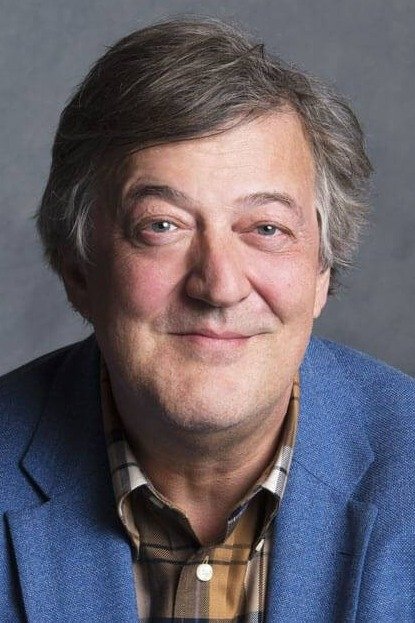
Stephen Fry has often discussed the importance of merit and individual expression over administrative identity quotas. He has warned that prioritizing demographic quotas can lead to a culture that devalues specific expertise and creativity. Fry, a veteran of ‘A Bit of Fry & Laurie’ (1989–1995), believes that professional environments should focus on the quality of ideas and skills. He advocates for a system where people are judged by their character and contributions rather than their category. His critiques often center on the preservation of free thought and artistic freedom.
Tim Allen
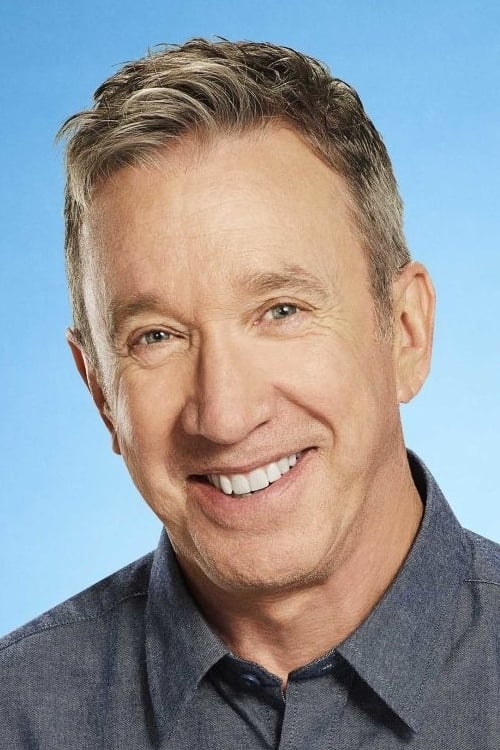
Tim Allen has often voiced his support for merit-based systems and has critiqued the trend toward mandatory quotas. He believes that people should be hired based on their ability to perform the job and connect with the audience. As the star of ‘Home Improvement’ (1991–1999), Allen has experienced the shifts in industry standards over several decades. He maintains that individual achievement should always take precedence over collective demographic goals. His perspective aligns with a broader philosophy of personal responsibility and hard work.
Vince Vaughn
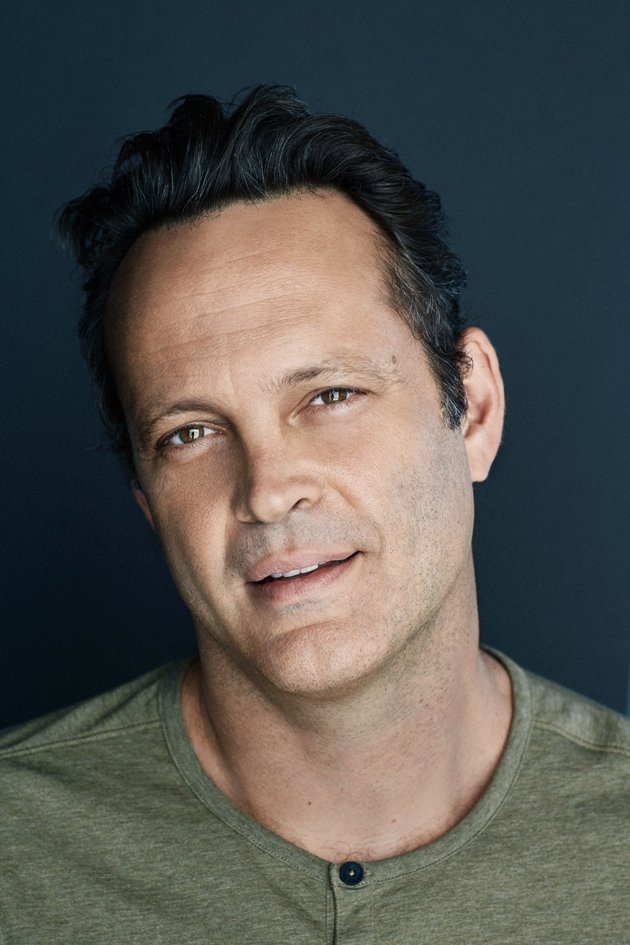
Vince Vaughn has shared libertarian views that generally oppose government or corporate mandates, including quotas. He believes that the marketplace should decide who is successful based on the quality of the content produced. Vaughn, known for his role in ‘Wedding Crashers’ (2005), advocates for a system where individual merit and hard work lead to success. He has expressed skepticism toward any policy that restricts freedom of choice in the hiring process. His stance highlights a belief in individual agency over institutionalized representation.
Please share your thoughts on the debate surrounding meritocracy and professional quotas in the comments.