


Celebrities Who Don’t Support The SAG-AFTRA Strike

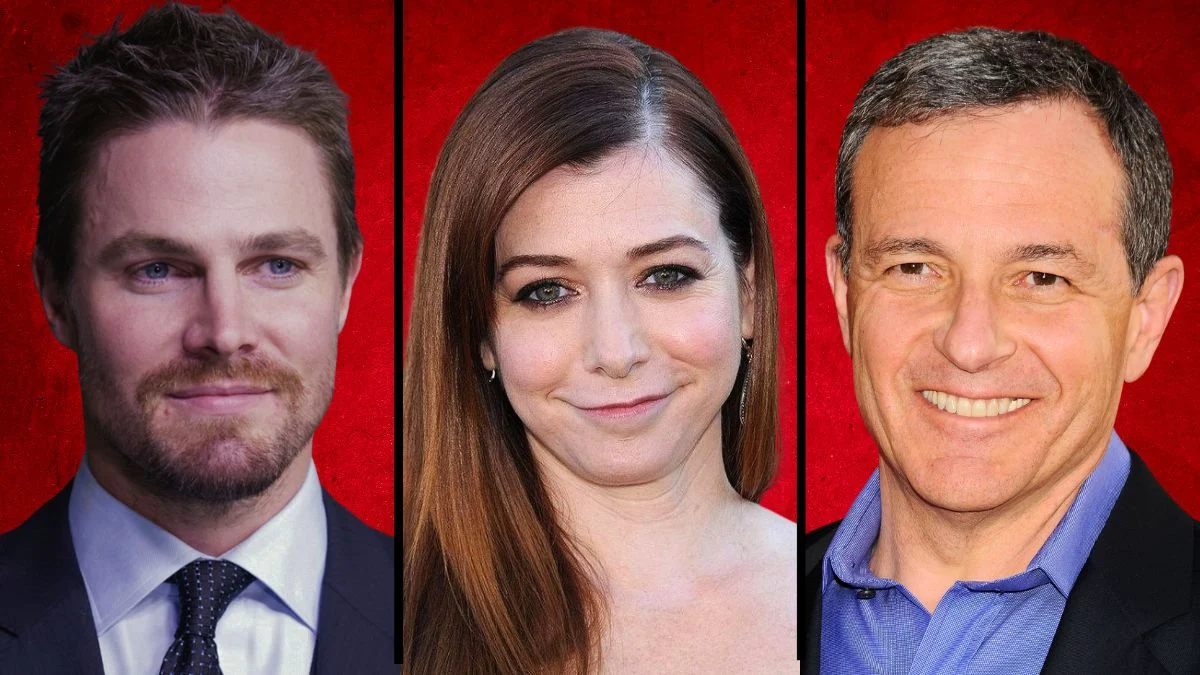


The 2023 SAG-AFTRA strike marked a historic moment in Hollywood as actors joined writers on the picket lines to demand better wages and protections against artificial intelligence. While the majority of the industry stood united in solidarity, a select group of public figures faced scrutiny for their actions or comments during the work stoppage. Some celebrities drew criticism for attempting to return to work on talk shows or continuing to film under specific contract stipulations. Others voiced disagreement with specific union strategies such as interim agreements or the strict rules regarding self-promotion. The following list examines the actors and hosts who found themselves at odds with the collective sentiments of the striking guilds.
Stephen Amell
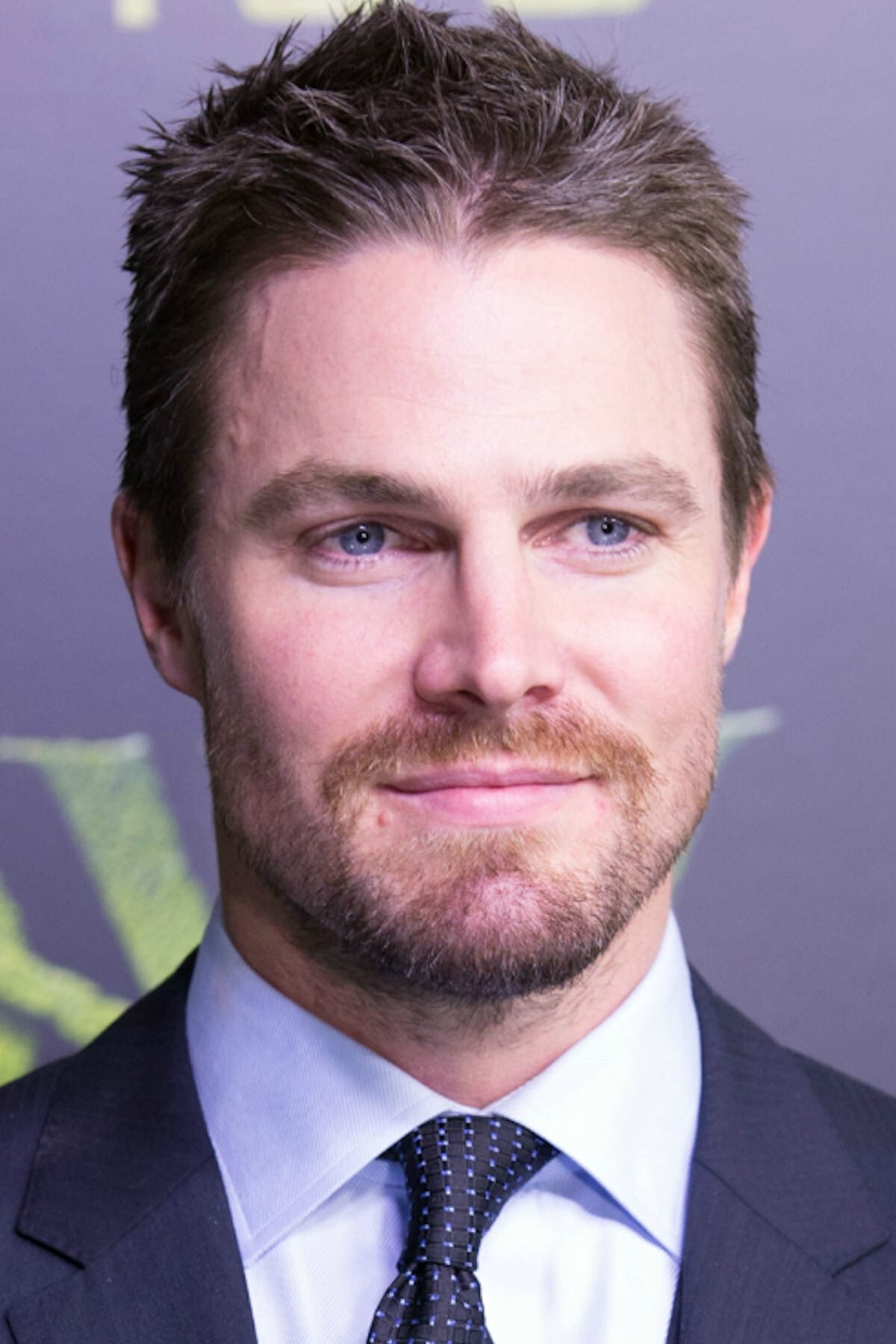
This actor faced significant backlash after publicly criticizing the strike during a convention appearance. He stated that while he supported his union, he did not support the act of striking itself. He described the strike as a reductive negotiating tactic and called it myopic regarding the release of new projects. His comments drew immediate ire from fellow actors who felt he was undermining the collective bargaining power. Although he later attempted to clarify his stance, the initial statement positioned him as a dissenter in the eyes of many.
Zachary Levi
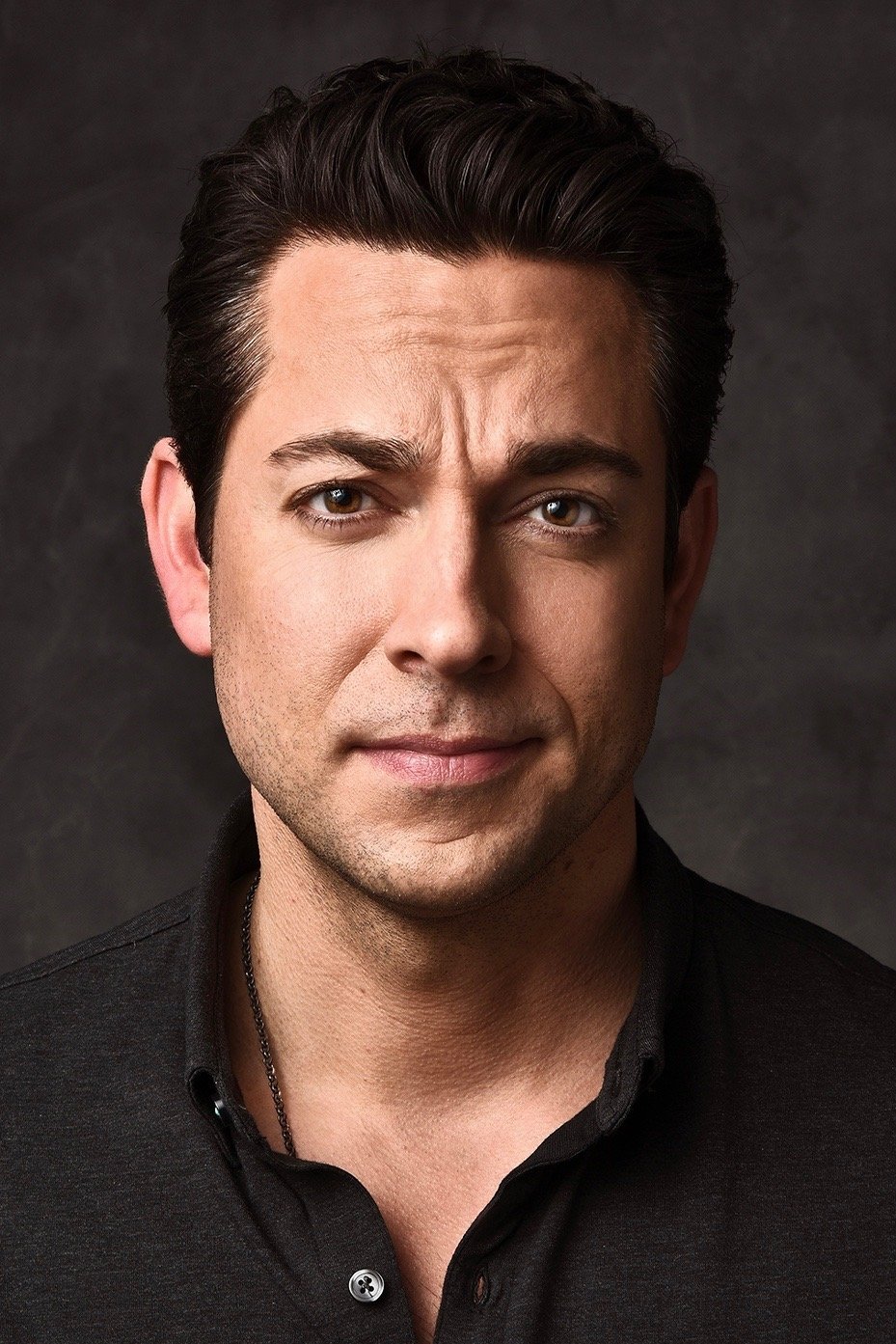
The star of ‘Shazam! Fury of the Gods’ sparked controversy when he criticized the strict rules regarding self-promotion during the strike. He referred to the regulations preventing actors from discussing their past or current work as dumb during a fan event. His comments circulated widely on social media and were viewed by many as insensitive to the broader goals of the union. He argued that the restrictions hurt fans and actors rather than the studios. This perspective alienated him from colleagues who were strictly adhering to the blackout on promotion.
Bill Maher
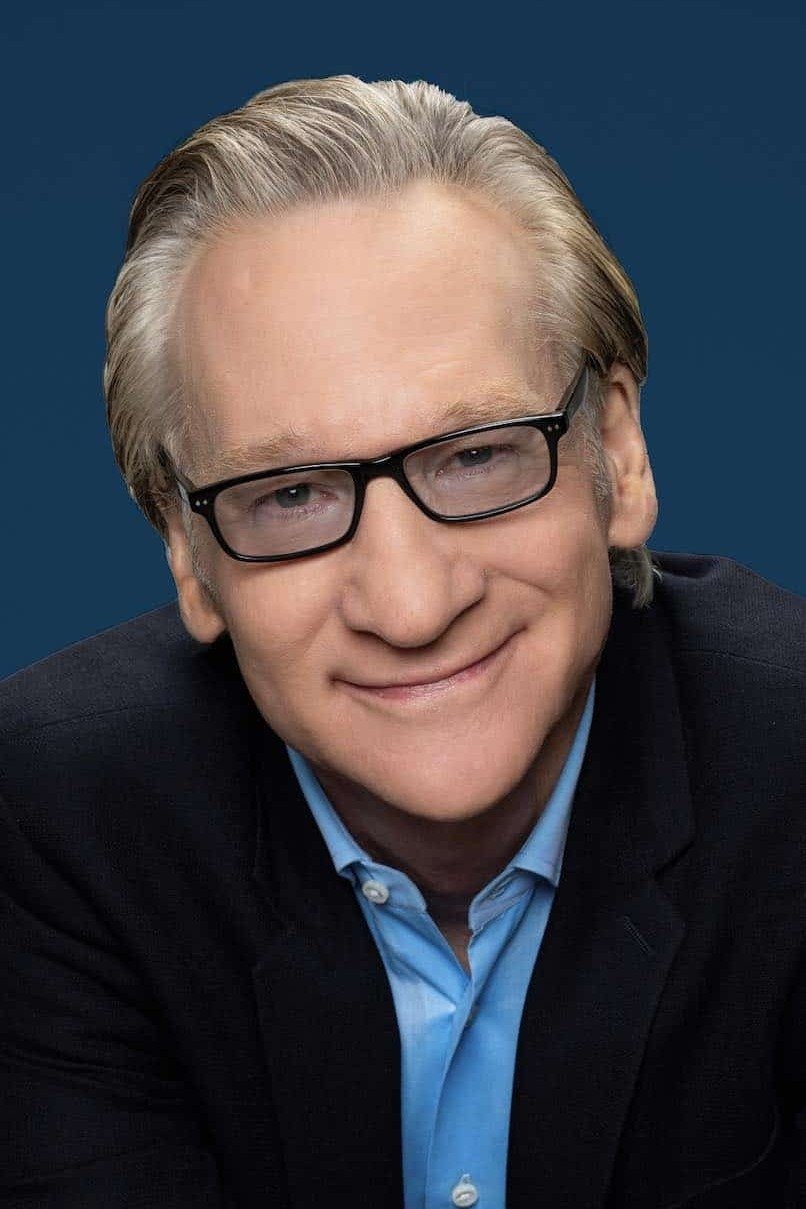
The host of ‘Real Time’ was one of the most vocal critics of the labor stoppage in Hollywood. He publicly stated that he did not believe writers were owed a living wage and dismissed some of their demands as unrealistic. He attempted to bring his talk show back to the air without writers before the strike had concluded. This move was met with intense criticism from both the WGA and SAG-AFTRA members who viewed it as crossing the picket line. He eventually reversed his decision after seeing the overwhelming negative response.
Drew Barrymore
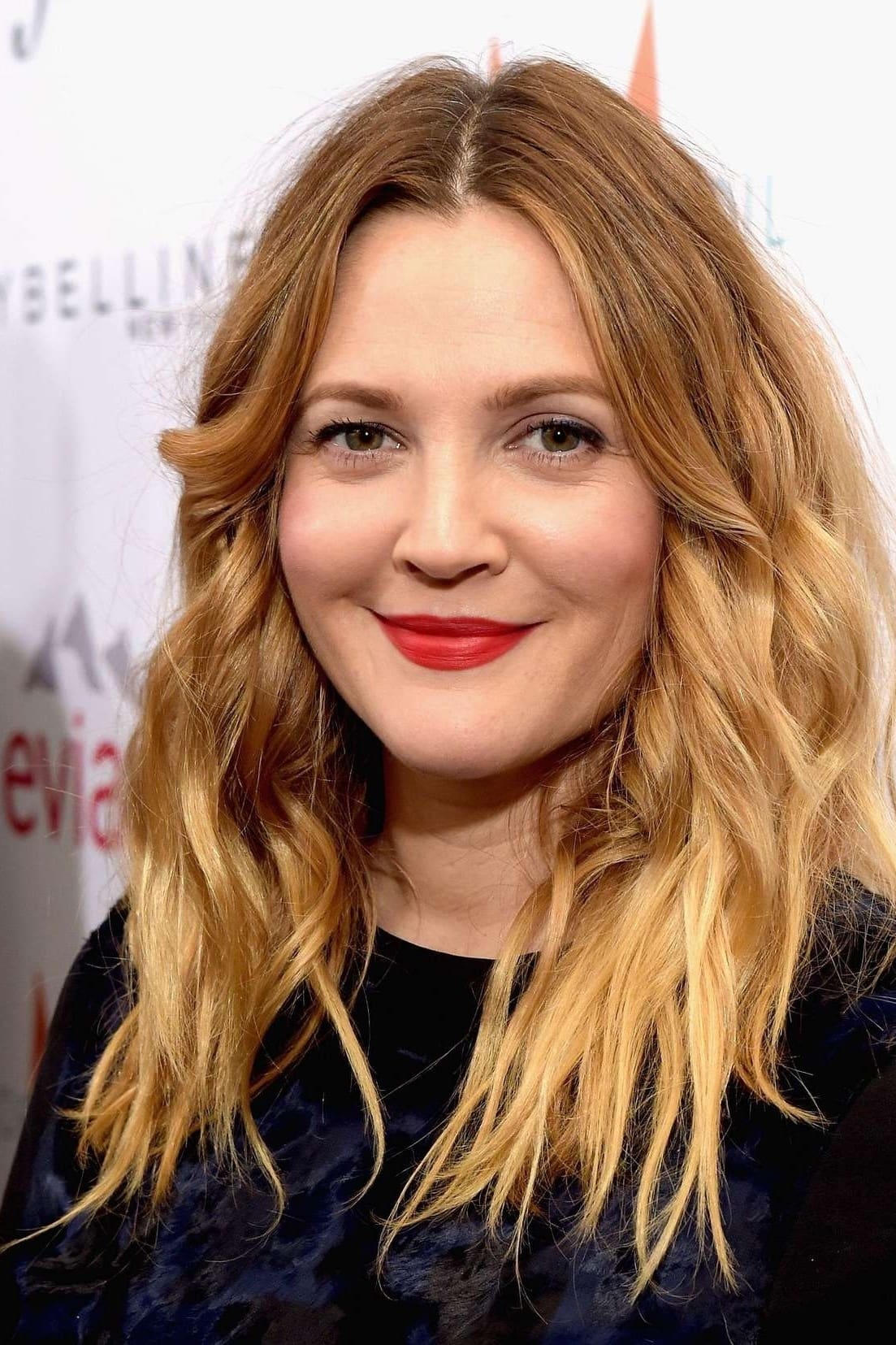
This actress and talk show host found herself at the center of a media storm when she announced her show would return during the strikes. While her role as a host was covered under a different contract, the return necessitated writing that would violate WGA rules and undermine SAG-AFTRA solidarity. Her decision led to picketers surrounding her studio and multiple guests canceling their appearances. The National Book Awards rescinded her invitation to host their ceremony in response to the controversy. She eventually paused the show again until the strikes were resolved.
Kim Kardashian
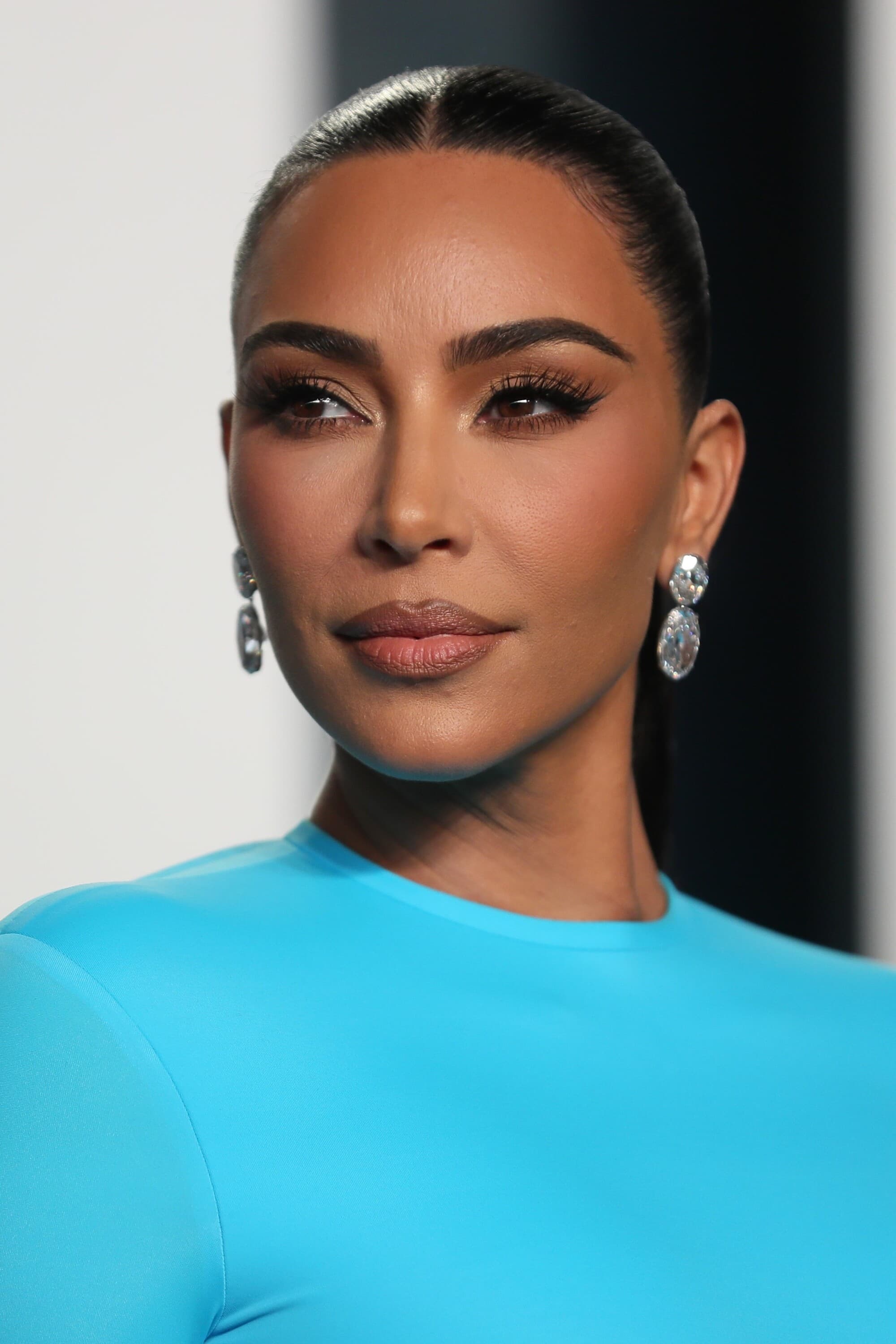
The reality star and actress continued to film for ‘American Horror Story’ during the active strike. She notably posted from the set while picketers were protesting outside the studio gates. Her decision to cross the picket line was heavily criticized by union members who felt she was prioritizing her production over the collective cause. ‘American Horror Story’ was one of the few major productions that remained in operation due to specific contractual nuances. Her actions were seen as a lack of solidarity with the working-class actors fighting for better wages.
Ryan Murphy
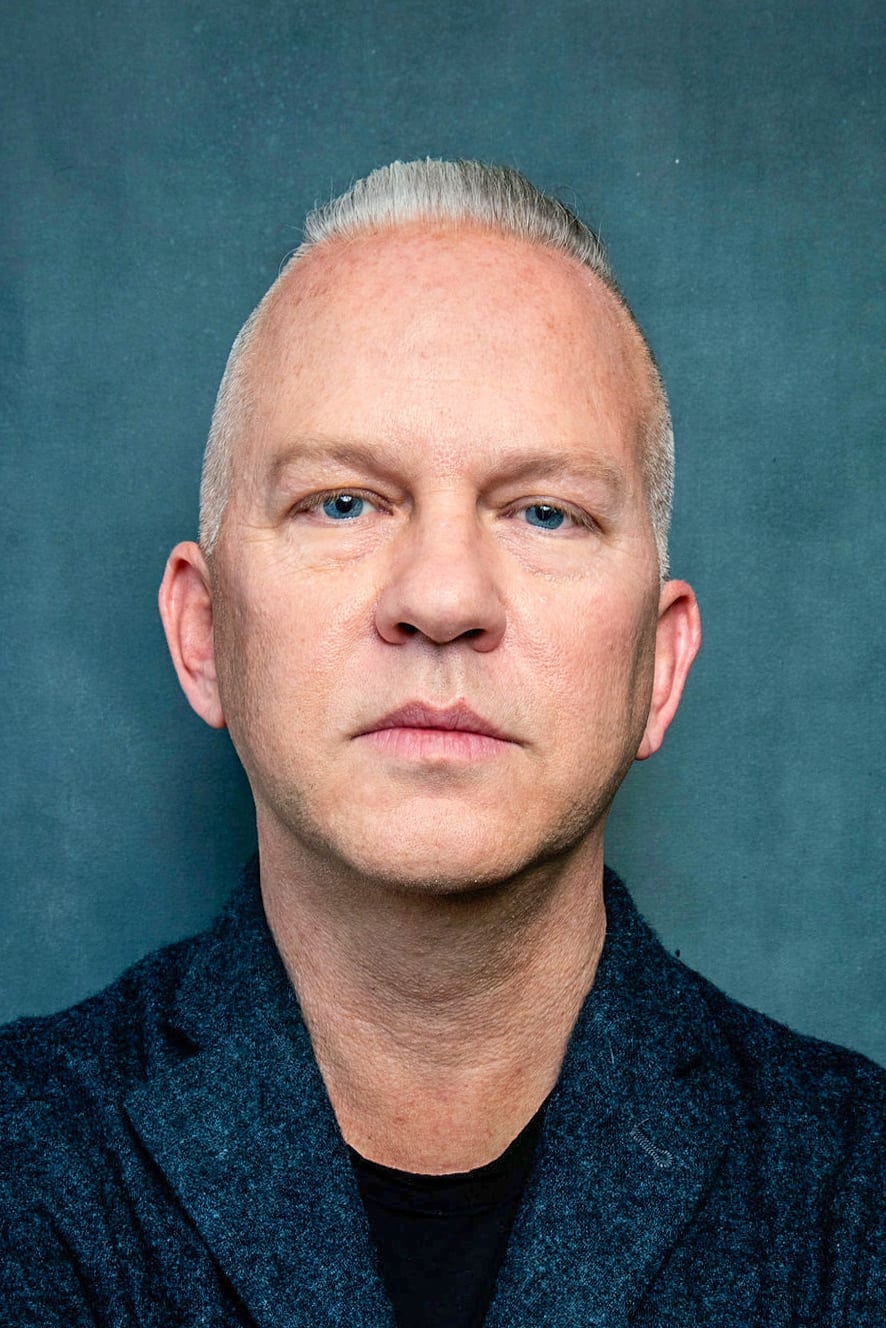
As the showrunner for ‘American Horror Story’, this producer faced accusations of pressuring cast and crew to continue working. Reports emerged that production assistants and crew members felt threatened with blacklisting if they refused to cross picket lines. The production continued to film in New York City despite the presence of striking actors and writers outside the locations. His management of the situation was viewed as hostile toward the union efforts to shut down production. This created a significant divide between his production company and the striking guilds.
Jennifer Hudson
Similar to other talk show hosts, this singer and actress attempted to bring her daytime show back into production while the strikes were ongoing. Her decision was met with immediate backlash from the entertainment community and the public. Production on her show was halted after it became clear that the move was perceived as scabbing. She faced criticism for failing to stand in solidarity with the writers who craft the content for her program. The delay in returning to air demonstrated the power of the collective pressure from the unions.
Kelly Clarkson
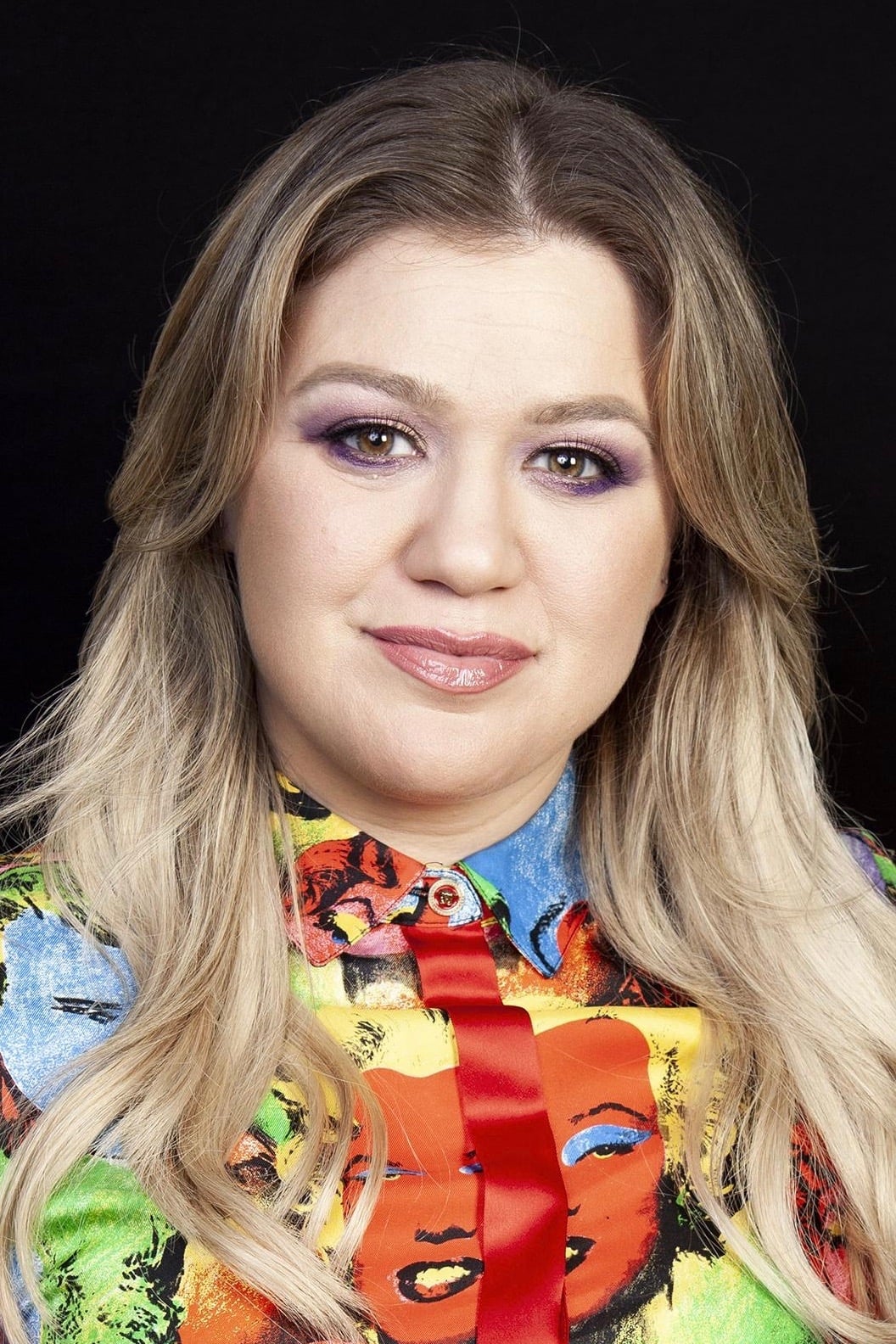
The host of ‘The Kelly Clarkson Show’ faced scrutiny when allegations emerged that her show was preparing to return without its writers. Although she was not as publicly defiant as others, the potential return was seen as a breach of solidarity. The show employs WGA writers, and operating without them was viewed as undermining the strike. She eventually addressed the situation and agreed to keep the show dark until a fair deal was reached. The incident highlighted the difficult position of daytime hosts during the labor dispute.
Ken Jennings
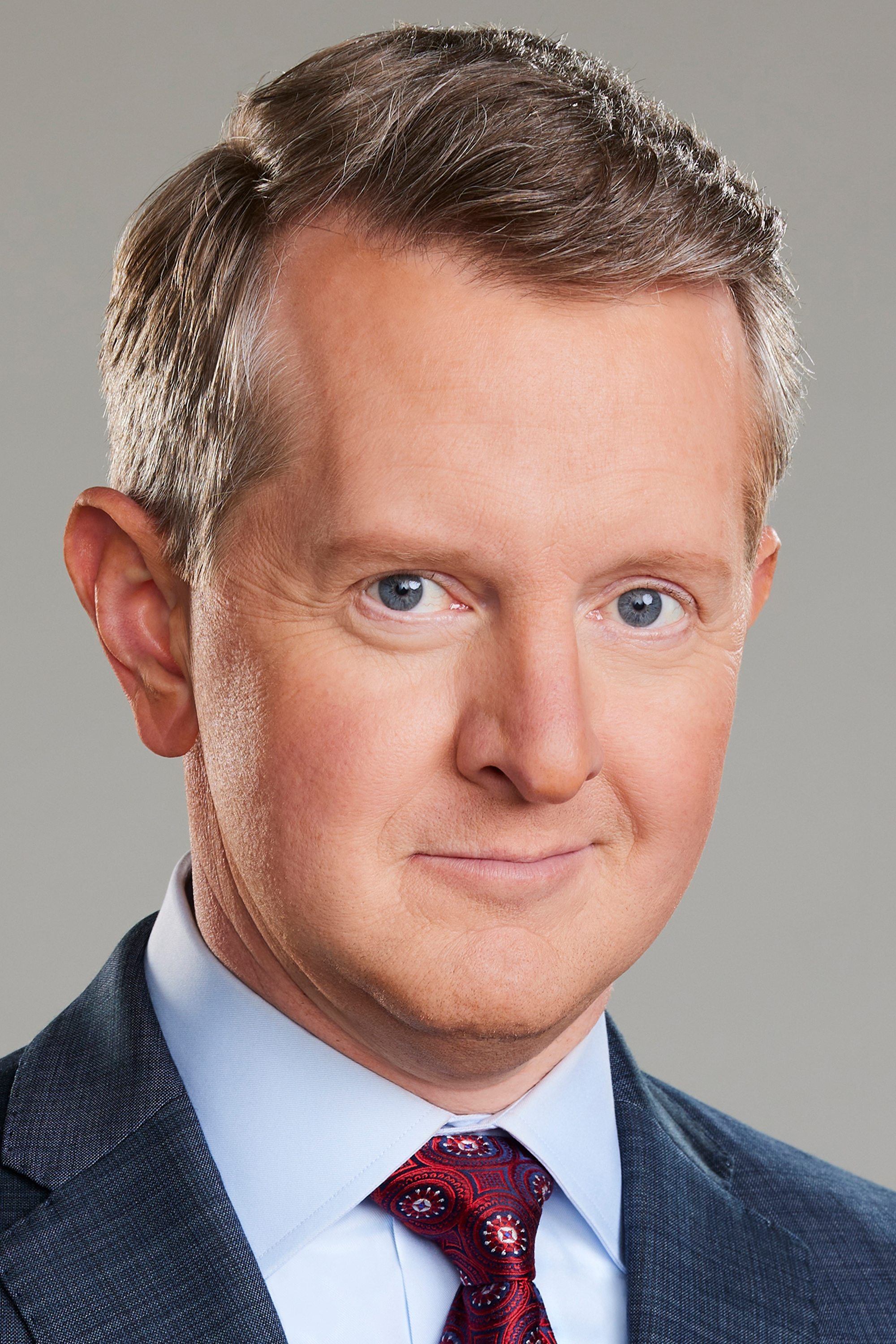
While his co-host Mayim Bialik stepped away from ‘Jeopardy!’ in solidarity with the strikers, this host continued to film new episodes. He crossed the picket line to fulfill his hosting duties, which drew criticism from fans and industry workers. The show relies on writers for its clues, and his decision to continue was seen as disregarding the WGA struggle. He faced accusations of being a scab for keeping the production running during the stoppage. His actions stood in stark contrast to Bialik’s refusal to participate.
Emma Roberts
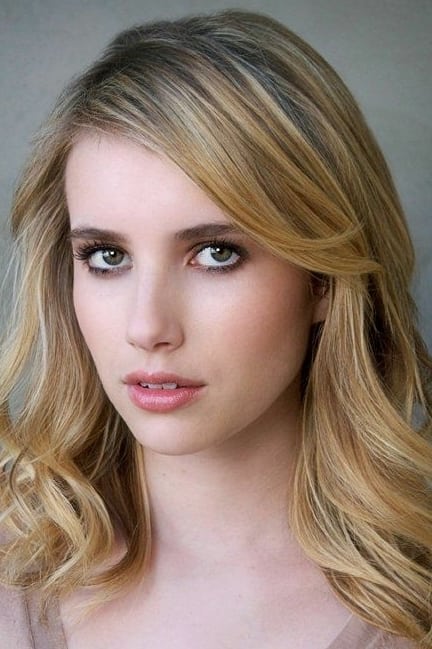
This actress was part of the cast of ‘American Horror Story’ that continued filming throughout the strike. She was photographed on set and crossing picket lines, which generated negative publicity. Many actors felt that those working on Ryan Murphy productions were exploiting loopholes rather than supporting the spirit of the strike. Her participation in the show during this period was viewed as a betrayal by those walking the lines. The decision to work highlighted the fractures within the acting community regarding productions that refused to shut down.
Cara Delevingne
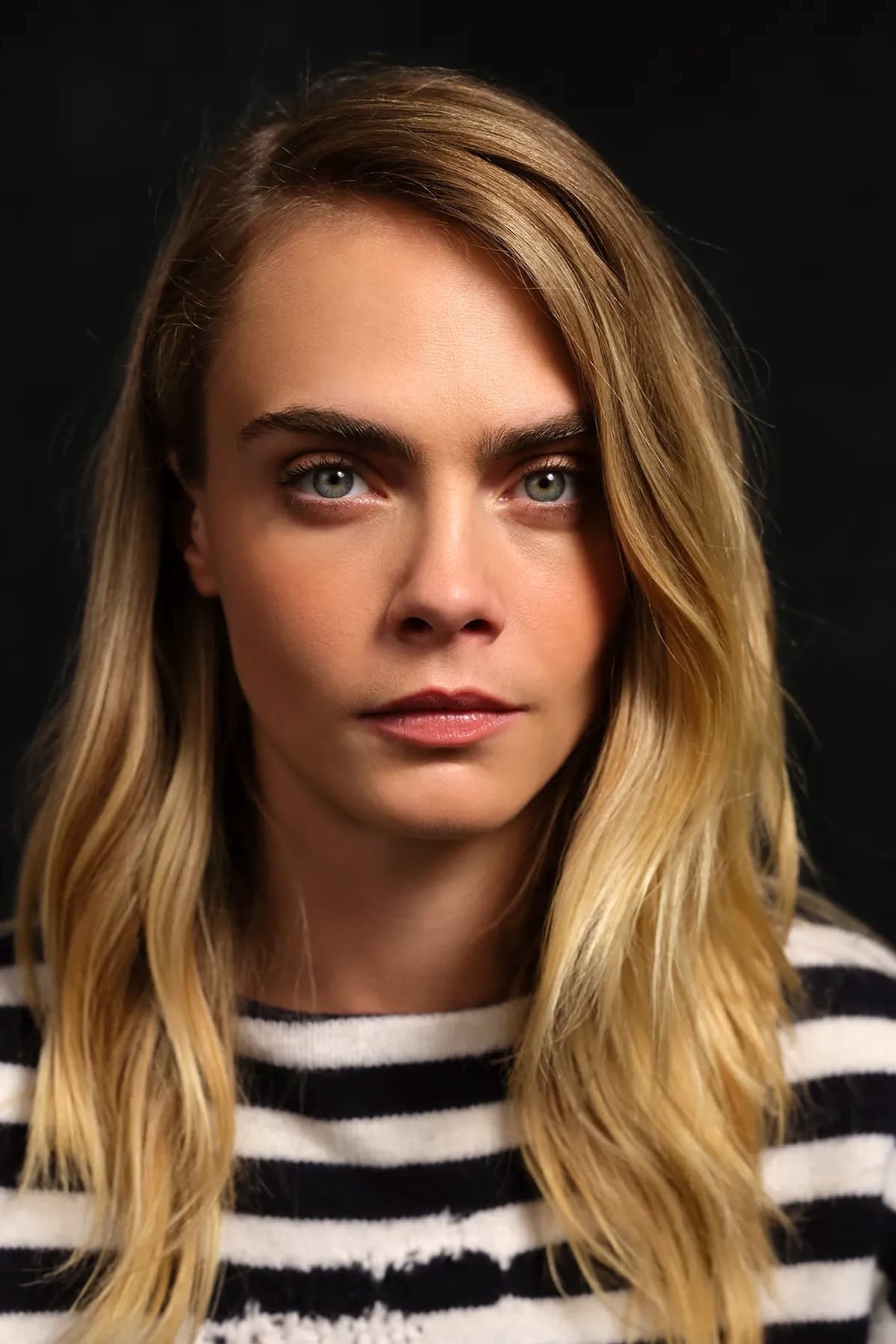
Another cast member of ‘American Horror Story’, this model and actress also continued working during the labor dispute. Her presence on set was documented while other productions across Hollywood had ground to a halt. Critics argued that wealthy celebrities working during the strike undermined the message that the industry was united. She faced backlash on social media for not using her privilege to support the stoppage. The production became a focal point for anger regarding scabbing and lack of solidarity.
Jamie Lee Curtis
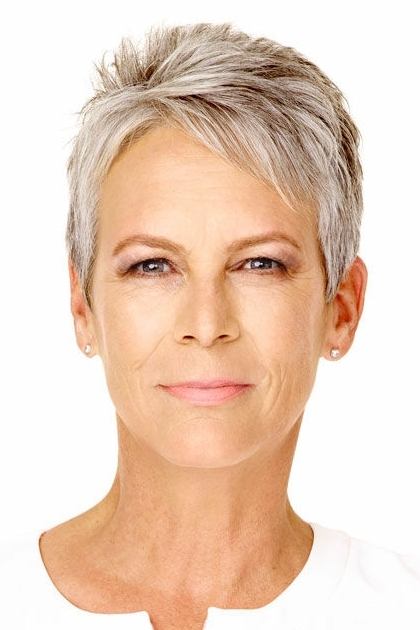
Although she was a vocal supporter of the union generally, she publicly criticized the specific narrative and tone used by strike leaders. She expressed discomfort with the “freedom fighter” rhetoric employed by SAG-AFTRA leadership. Her comments suggested that the aggressive language was unhelpful and potentially polarizing. While she did not oppose the strike itself, her critique of the messaging was seen by some as undermining the leadership’s strategy. She later clarified her support but maintained her stance on the importance of nuanced communication.
Selena Gomez
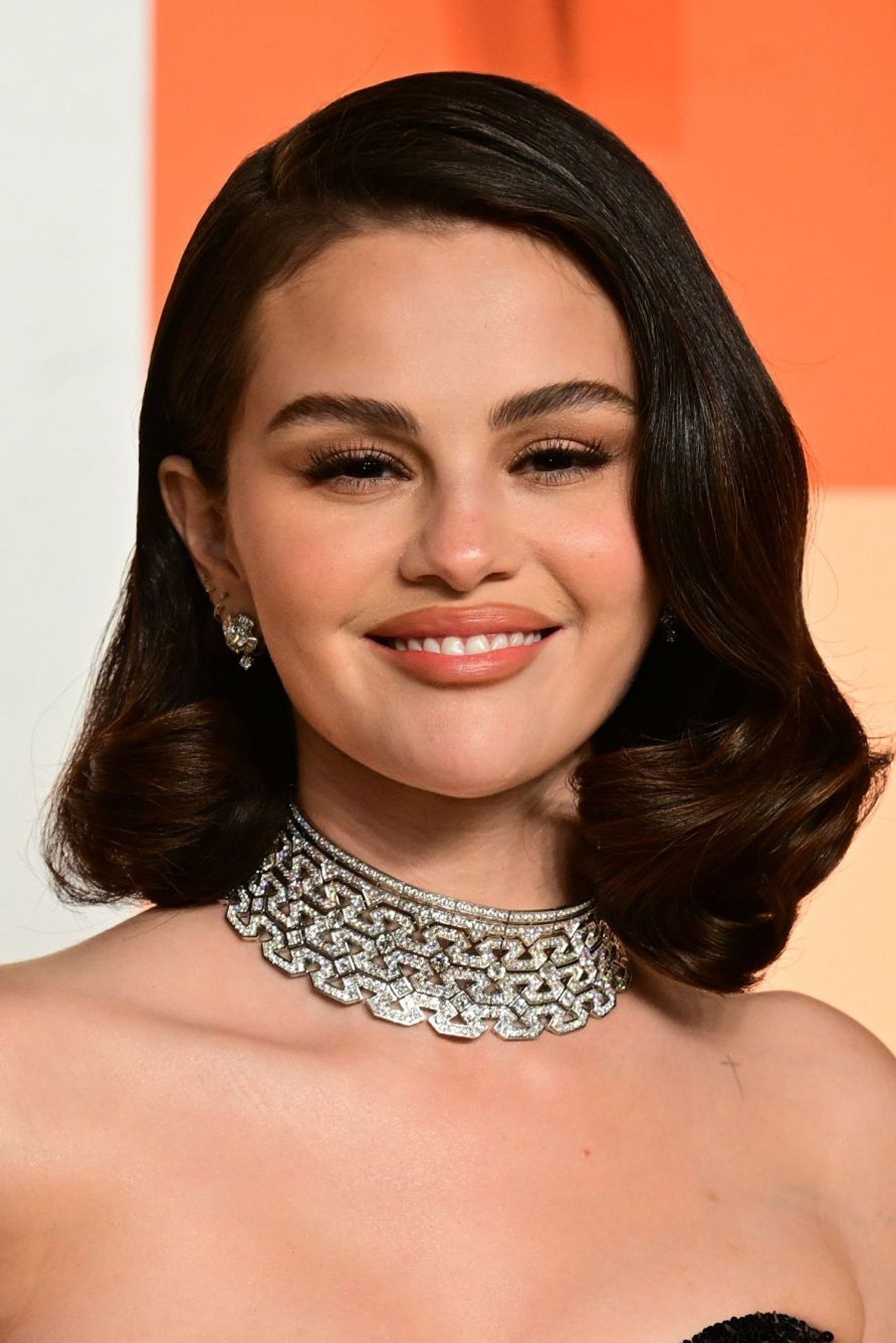
The actress faced accusations of violating strike rules after posting a photo from the set of ‘Only Murders in the Building’ on Instagram. The post tagged the official account of the show, which was seen as a form of promotion prohibited by the strike guidelines. She deleted the post after receiving a wave of backlash from followers and union members. The incident raised questions about whether celebrities were taking the rules seriously. It served as a high-profile example of the strict regulations regarding social media promotion.
Tom Cruise
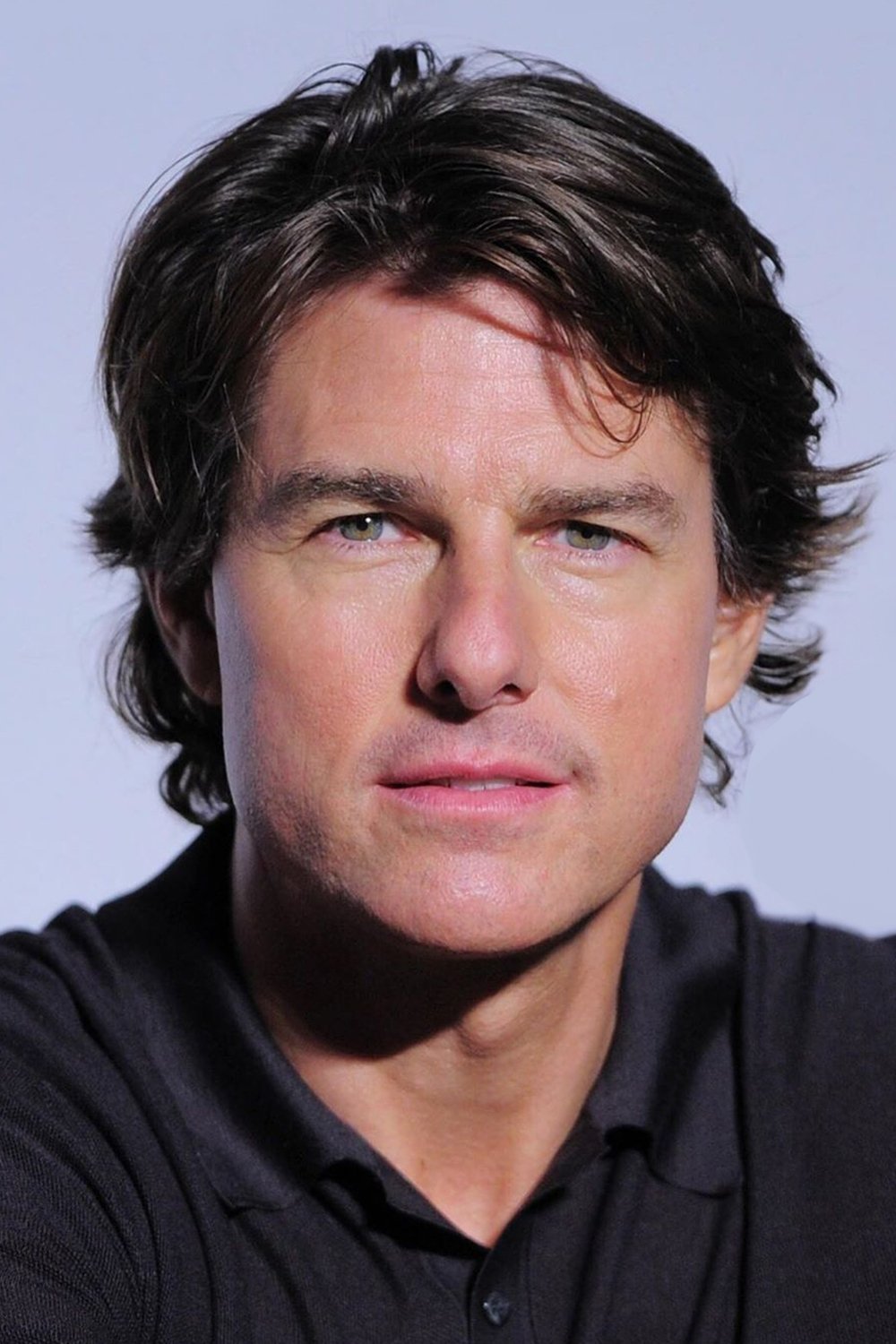
The global superstar reportedly lobbied the studios to allow actors to promote their films during the strike. He argued that the total blackout on promotion would cause irreparable damage to the theatrical box office. While he also lobbied on behalf of stunt performers, his push for promotional waivers was seen as prioritizing blockbuster profits over leverage. His stance was viewed by some as out of touch with the needs of the average working actor. The union ultimately maintained the ban on promotion despite his intervention.
Sherri Shepherd
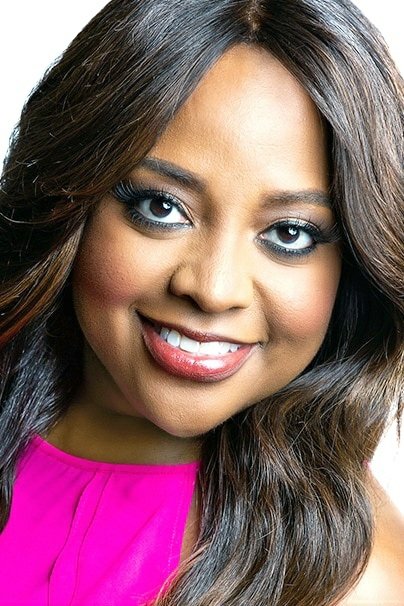
The host of ‘Sherri’ announced her show would return to the airwaves while the strikes were still active. She defended the decision by stating that her show did not employ WGA writers and was therefore not breaking specific rules. However, the move was criticized as a lack of solidarity with the broader Hollywood labor movement. Many felt that returning to air normalized business as usual while others were sacrificing their income. Her show continued production despite the contentious atmosphere.
Tamron Hall
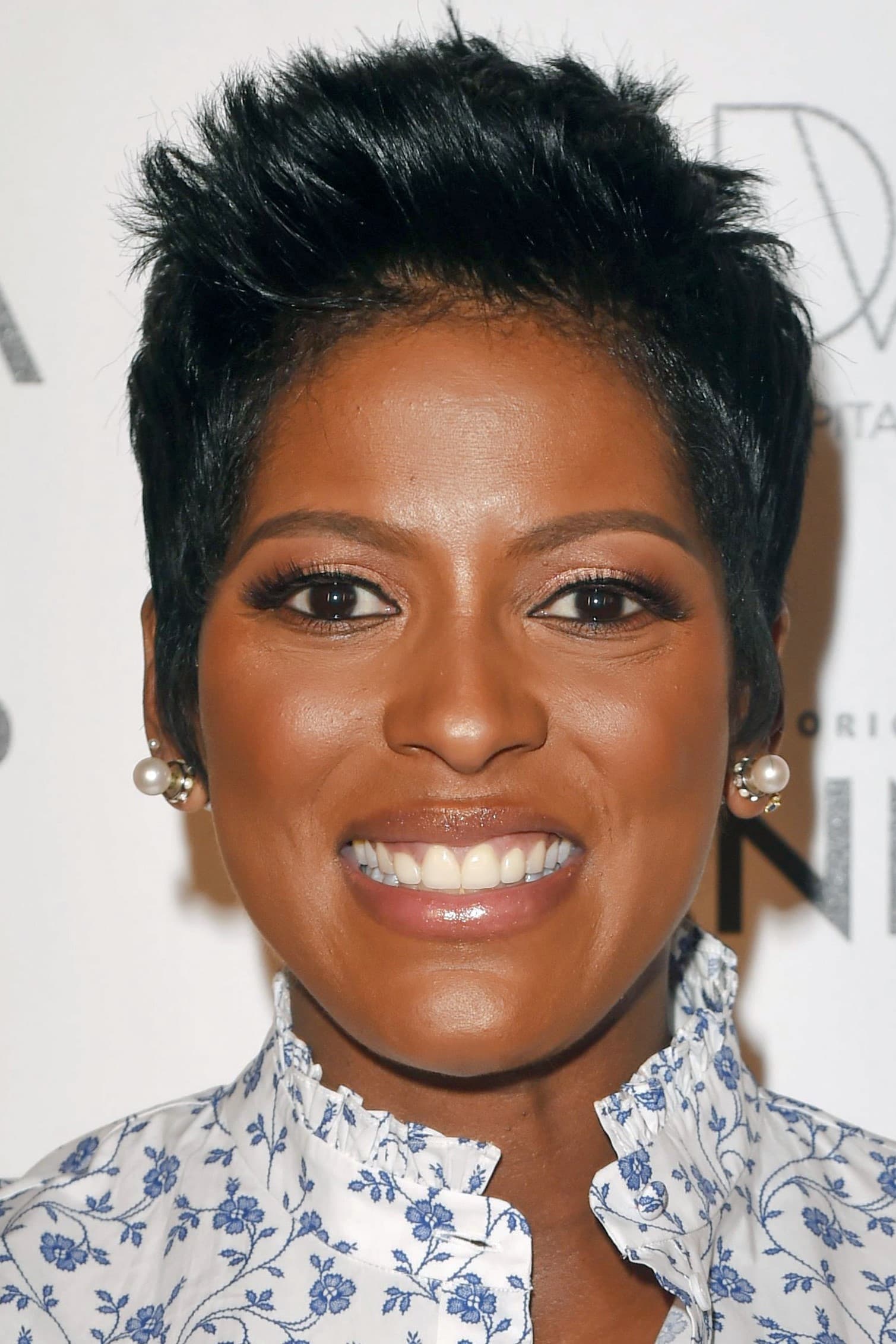
This journalist and talk show host also continued production of her daytime show during the strike. Like others in the daytime genre, she operated under a contract that was technically separate from the struck agreements. Nevertheless, the decision to continue filming was viewed negatively by those who believed all productions should shut down. Picketers frequently targeted the studios where daytime shows were filming. Her persistence in working contributed to the tension between daytime television hosts and the striking guilds.
Whoopi Goldberg
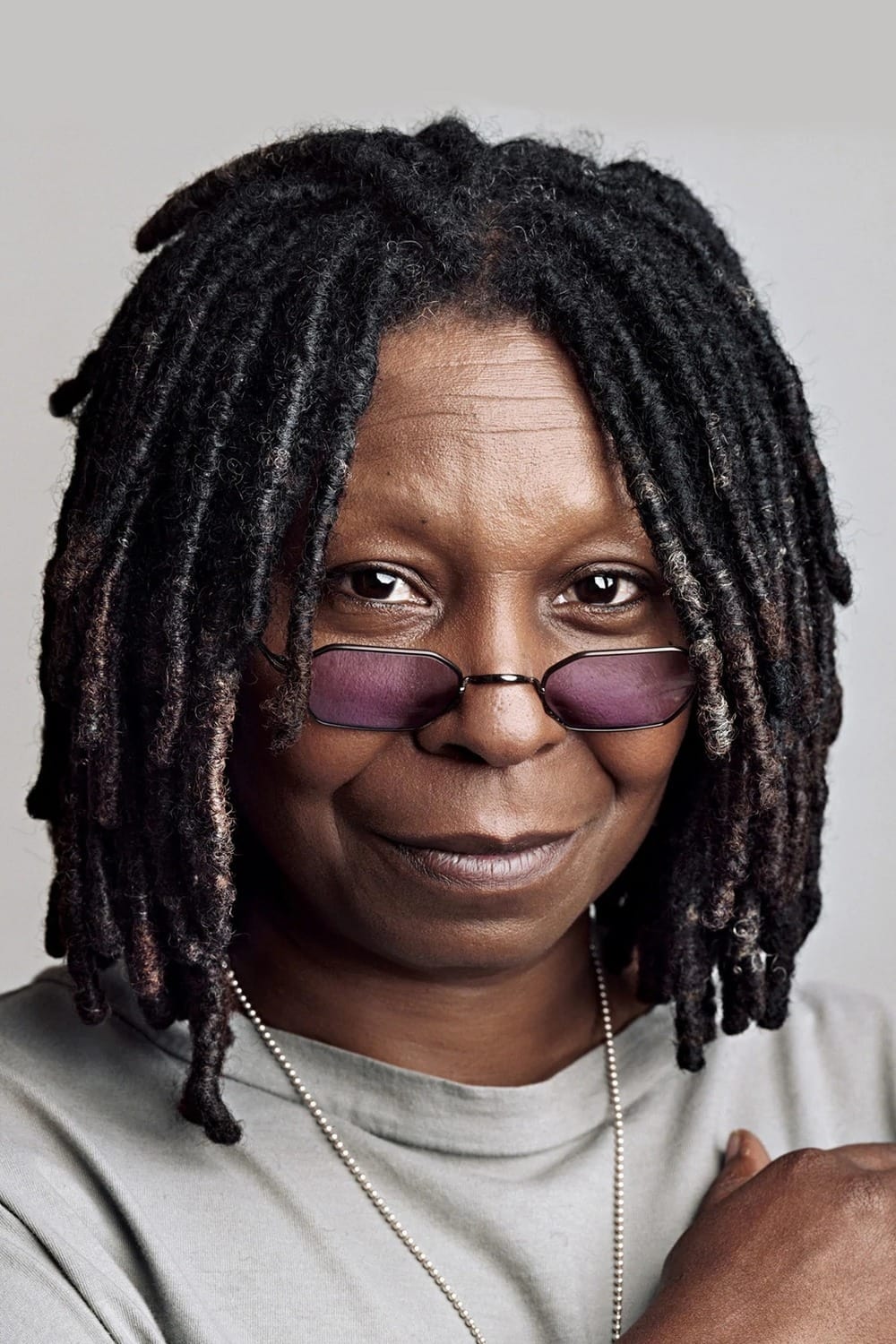
The moderator of ‘The View’ continued to appear on air throughout the duration of the strikes. She explained that the show operated under a different union code that was not subject to the work stoppage. Despite this technicality, the show faced criticism for continuing to provide content for the networks. Writers were absent from the show, which led to a noticeable change in the format. Her defense of the show’s continuation was met with skepticism by those demanding a total industry shutdown.
Joy Behar
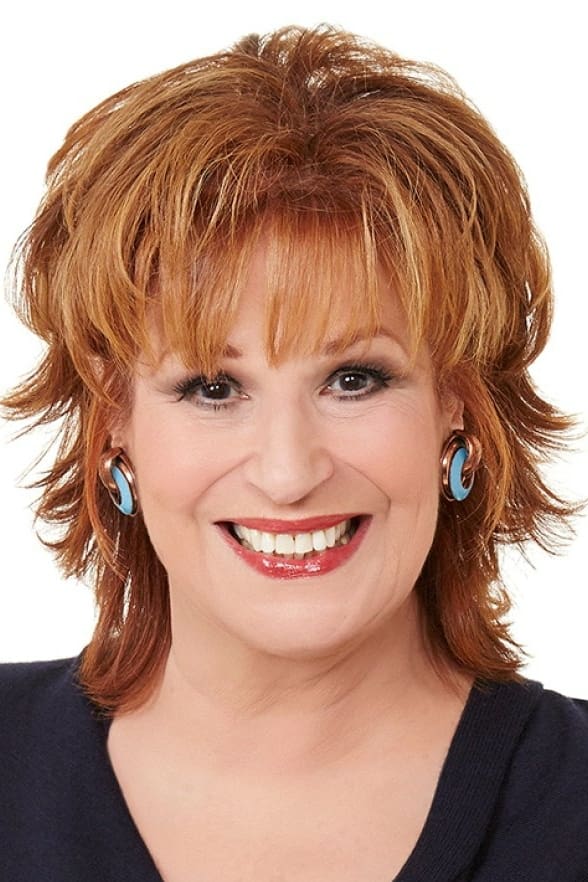
As a co-host of ‘The View’, she also continued to work despite the ongoing labor disputes. The show’s decision to remain on air was a point of contention for many writers who felt their absence should have forced a hiatus. She frequently mentioned the strike on air but continued to perform her hosting duties. This led to accusations that the show was undermining the impact of the writers’ absence. The visibility of ‘The View’ made it a primary target for criticism regarding solidarity.
Pat Sajak
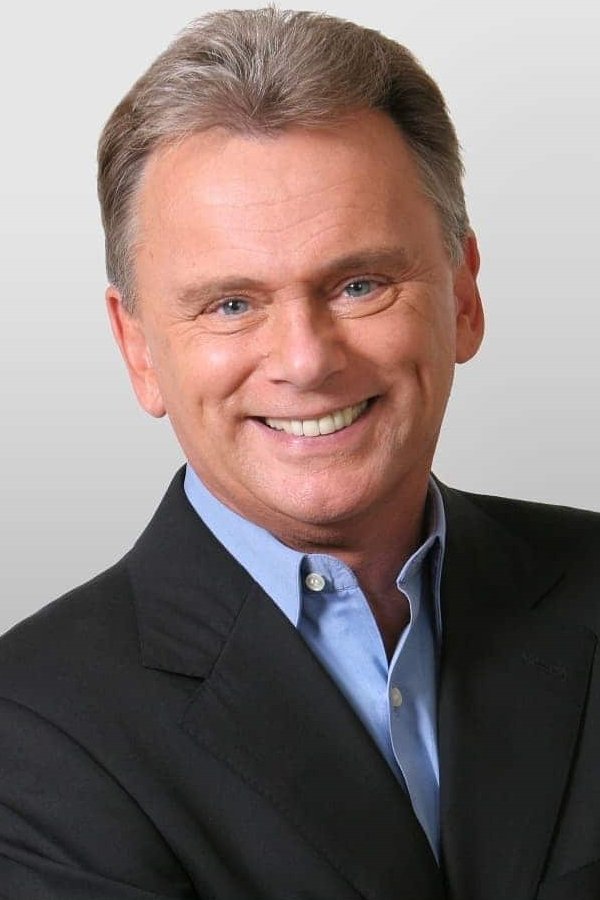
The long-time host of ‘Wheel of Fortune’ continued filming episodes without interruption during the strike. Game shows operate under a separate contract code, which technically allowed him to work. However, the writers who create the puzzles and content were on strike, leading to questions about how the show was being produced. His continuation of work was seen by some as a failure to support the writers who contribute to the show’s success. The lack of a pause in production was interpreted as prioritizing the network’s schedule over union demands.
Vanna White

The co-host of ‘Wheel of Fortune’ also continued her duties on the show alongside Pat Sajak. While she was in the midst of her own contract negotiations regarding salary, she did not join the work stoppage. The continued production of the game show provided fresh content for the network when scripted television was dark. This was viewed by strikers as alleviating the pressure on the studios. Her presence on screen was a reminder that not all of Hollywood had shut down.
Alfonso Ribeiro
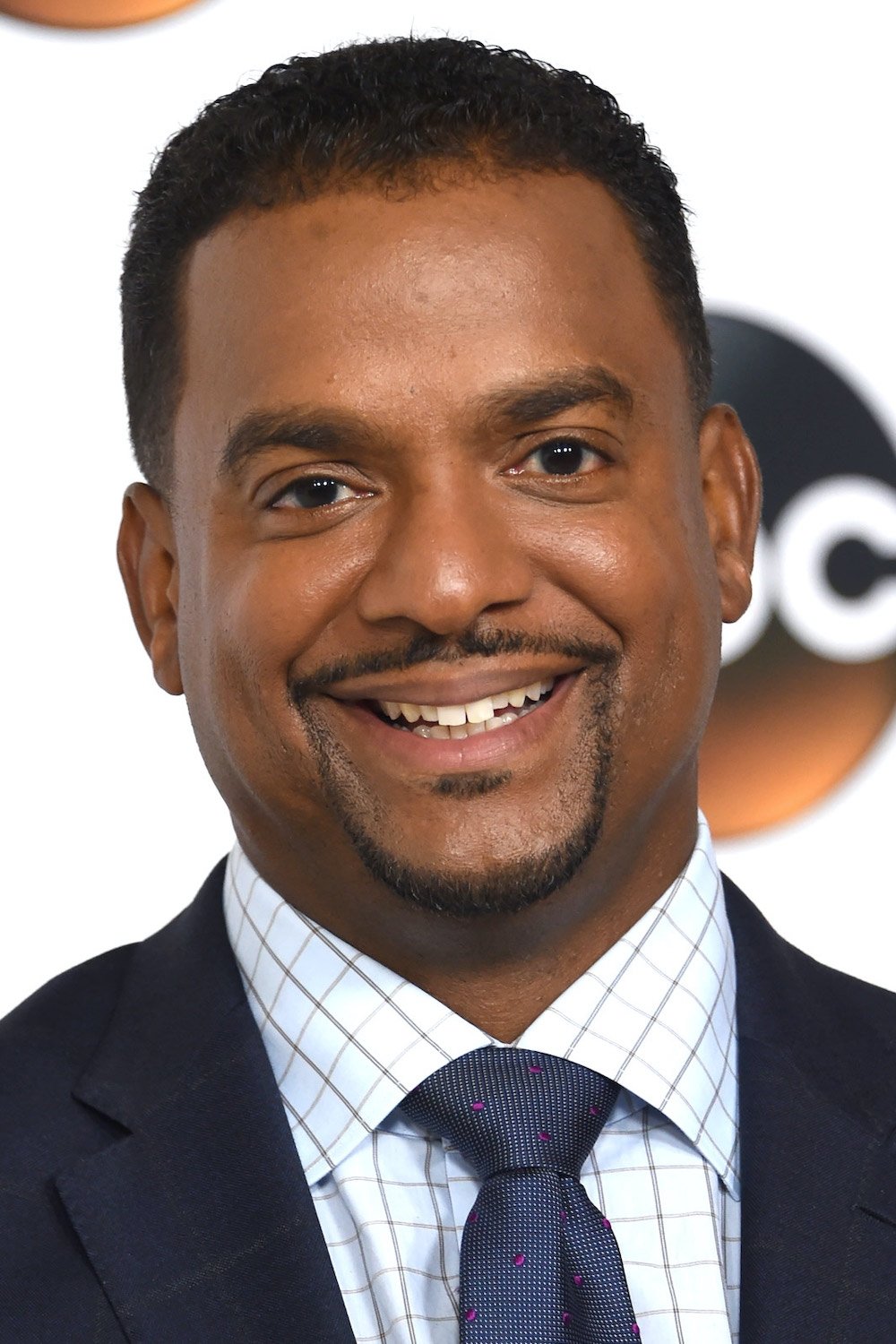
As the co-host of ‘Dancing with the Stars’, he faced a difficult situation when the show was targeted by picketers. Although he operates under a different contract, the show employs WGA writers who were on strike. He continued to host the show, which drew criticism from the Writers Guild and its supporters. The show became a flashpoint when actors Matt Walsh walked out, but Ribeiro remained. His decision to stay was seen as prioritizing the production over the picket line.
Julianne Hough
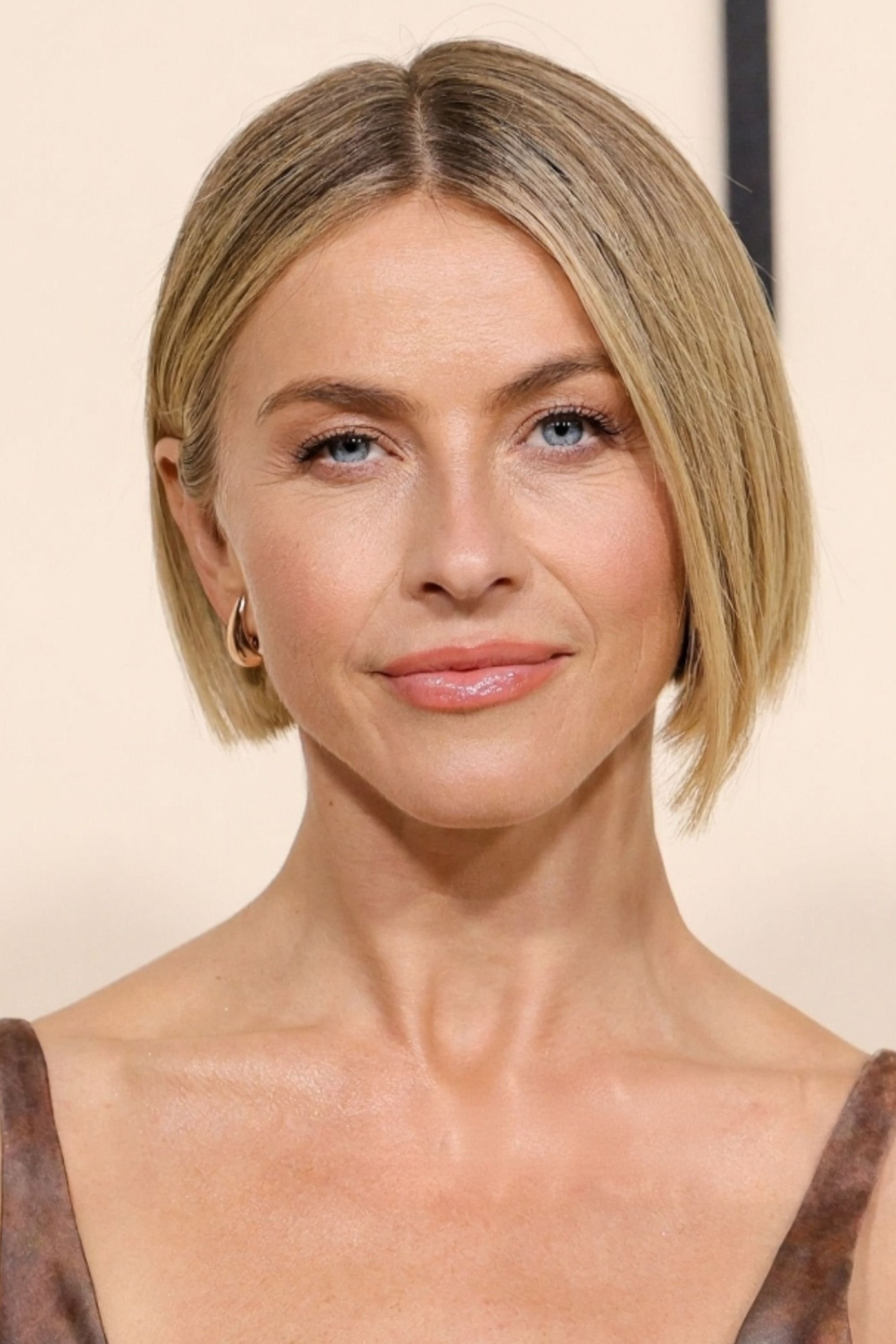
Joining Ribeiro as co-host of ‘Dancing with the Stars’, she also continued to work despite the controversy surrounding the show. The production was picketed, and pressure was mounted on the talent to step away. She remained in her role, helping the show launch its season during the height of the labor dispute. This decision was criticized by those who felt that high-profile talent should refuse to cross picket lines. The show’s reliance on WGA talent made her participation particularly contentious.
Alyson Hannigan
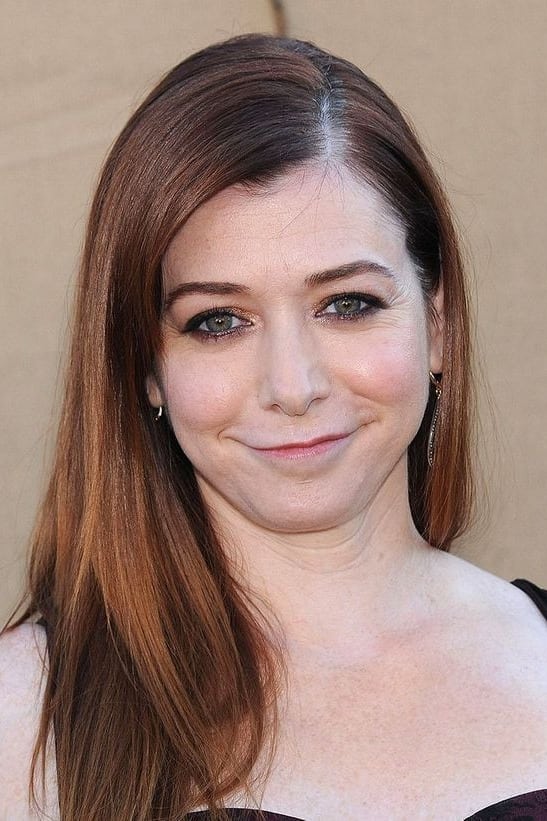
This actress participated as a contestant on ‘Dancing with the Stars’ during the strike. While SAG-AFTRA stated that appearing on the show was not a violation of their rules, the WGA was actively picketing the production. Her participation was viewed by many as crossing a moral line, even if it was technically permitted. Fans and fellow actors expressed disappointment that she did not step aside in solidarity. The controversy highlighted the confusion and division regarding reality competition shows.
Sarah Silverman
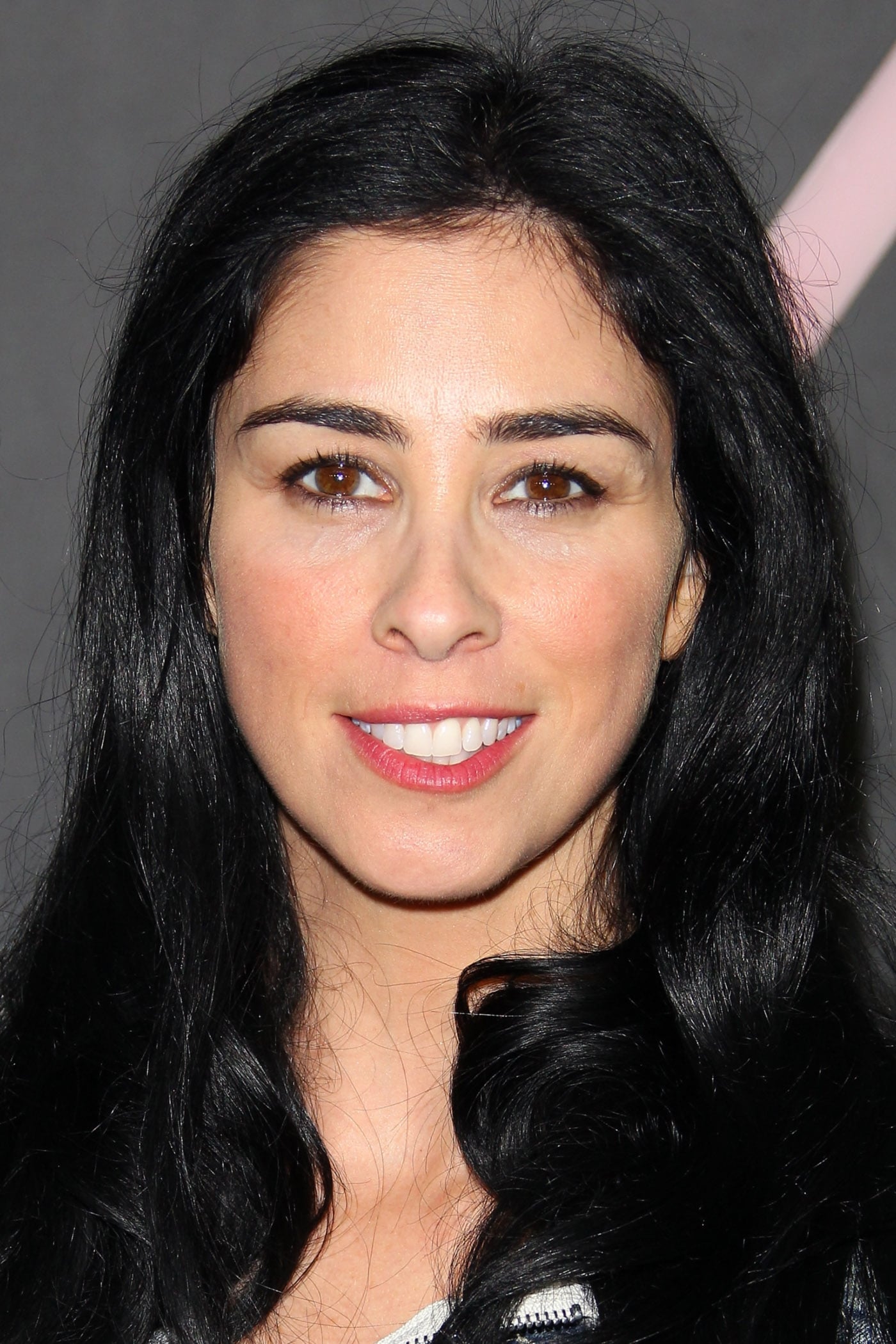
This comedian and actress publicly criticized the union’s strategy of granting interim agreements to independent productions. She argued that actors working on these waiver projects were essentially scabbing by providing content to the industry. Her comments sparked a debate about whether these agreements were helpful or harmful to the strike’s goals. She stated that she would not work on any project, waiver or not, until the strike was resolved. Her critique was directed at the union leadership’s tactics rather than the strike itself.
Viola Davis
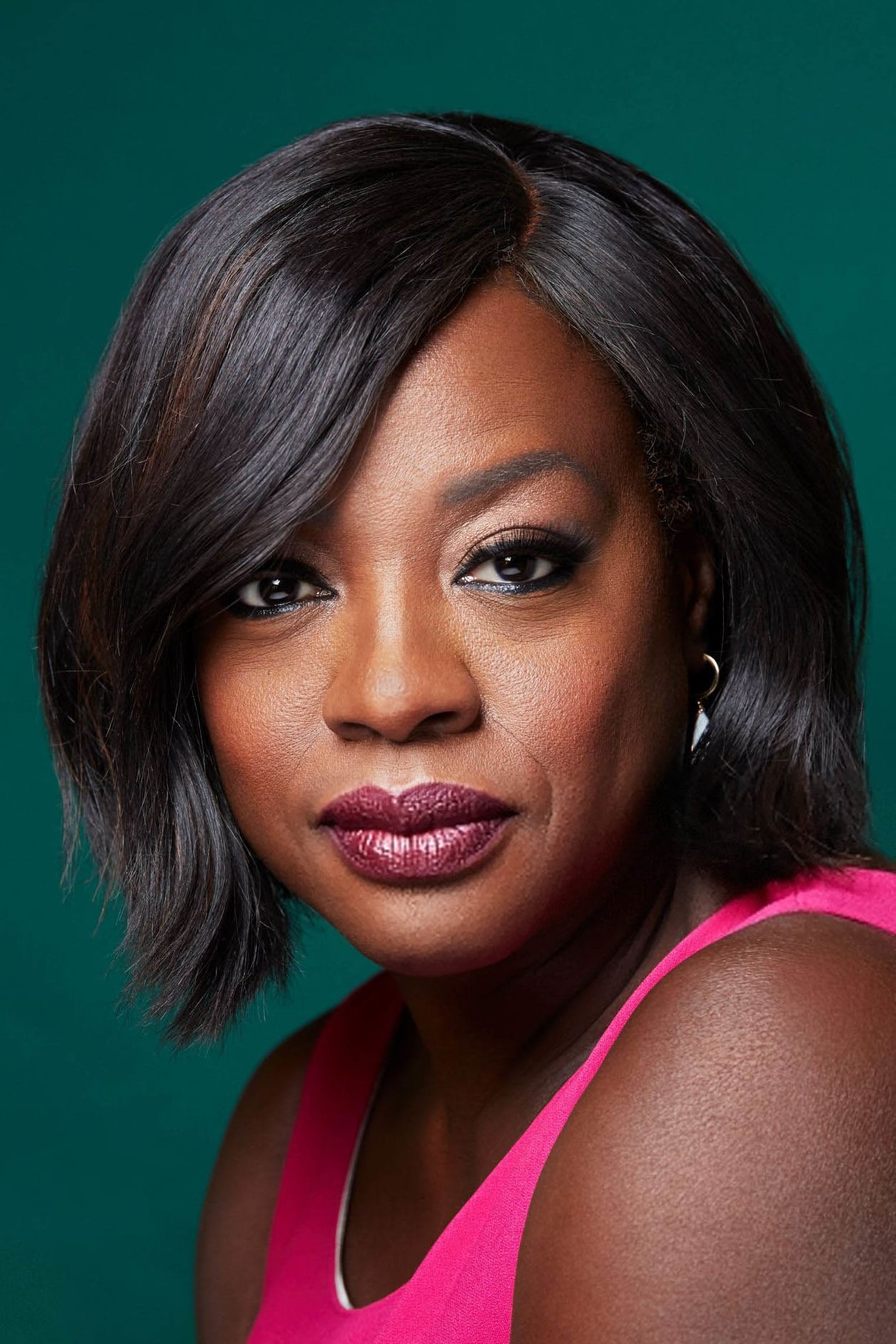
Although she was granted a waiver to film the movie ‘G20’, she ultimately decided to step away from the production. However, her initial involvement and the subsequent conversation highlighted the rift regarding interim agreements. She stated that she did not feel it was appropriate to work while her colleagues were on the picket lines. This decision came after significant public pressure and debate about the ethics of the waivers. Her situation exemplified the confusion and mixed feelings celebrities had about the union’s specific strategies.
Greg Gutfeld
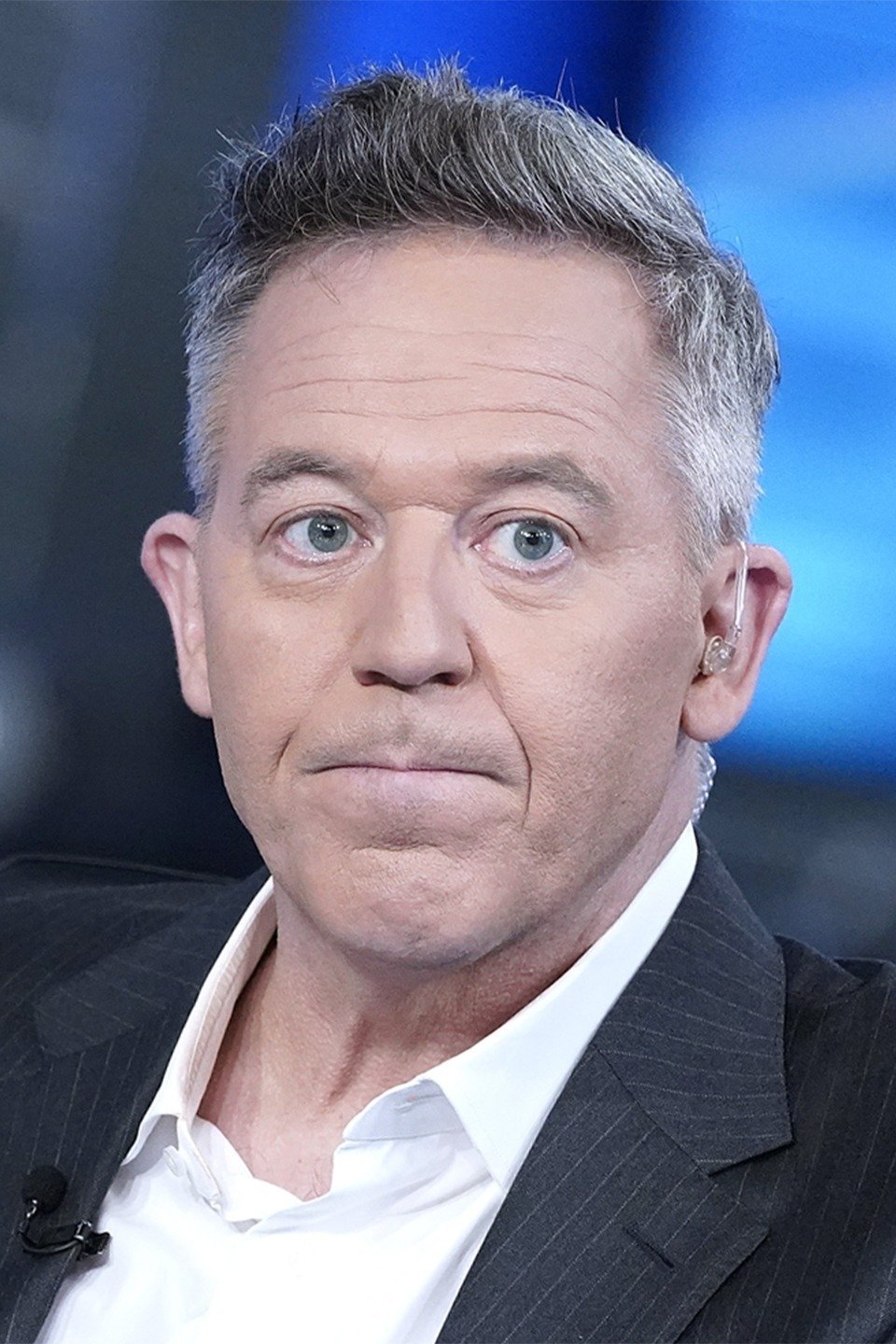
The Fox News host and commentator frequently criticized the strike and the actors involved on his program. He mocked the demands of the unions and characterized the strikers as out-of-touch elites. His commentary provided a platform for anti-union sentiment during the dispute. He argued that the strike was hurting the average worker more than the studios. His perspective was firmly aligned against the organized labor movement in Hollywood.
Russell Brand
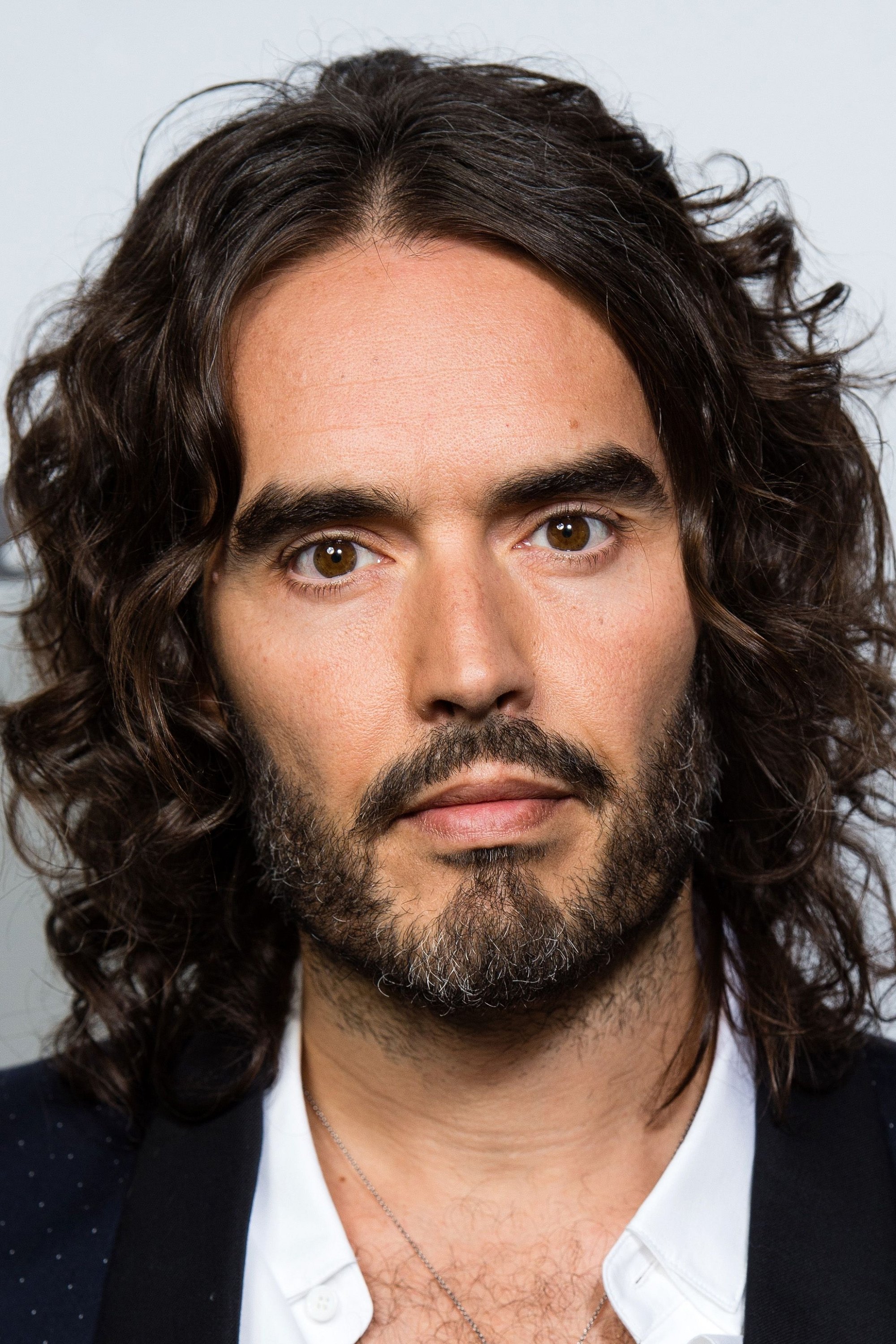
The comedian and commentator used his online platforms to critique the mainstream narrative of the strike. While he often critiques corporate power, his comments were viewed by some as cynical regarding the unions’ effectiveness. He questioned the motives of the industry leaders and the political nature of the strike. His stance was often ambiguous, failing to offer full-throated support for the specific demands of the guilds. This alienated him from the traditional Hollywood support structure.
Kevin O’Leary
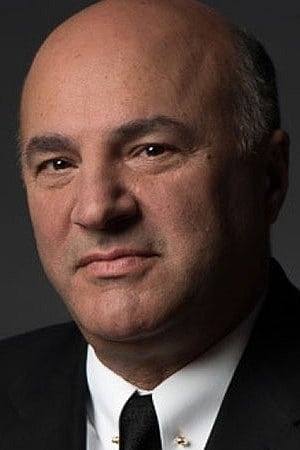
The ‘Shark Tank’ investor publicly criticized the writers’ strike, stating that many of their jobs should be replaced by AI. He argued that the industry was changing and that the demands for job protection against technology were futile. His comments were widely shared and condemned by creatives who viewed them as callous. He positioned himself firmly on the side of efficiency and technological replacement over worker rights. His lack of support for the human element of the industry was stark.
Bob Iger
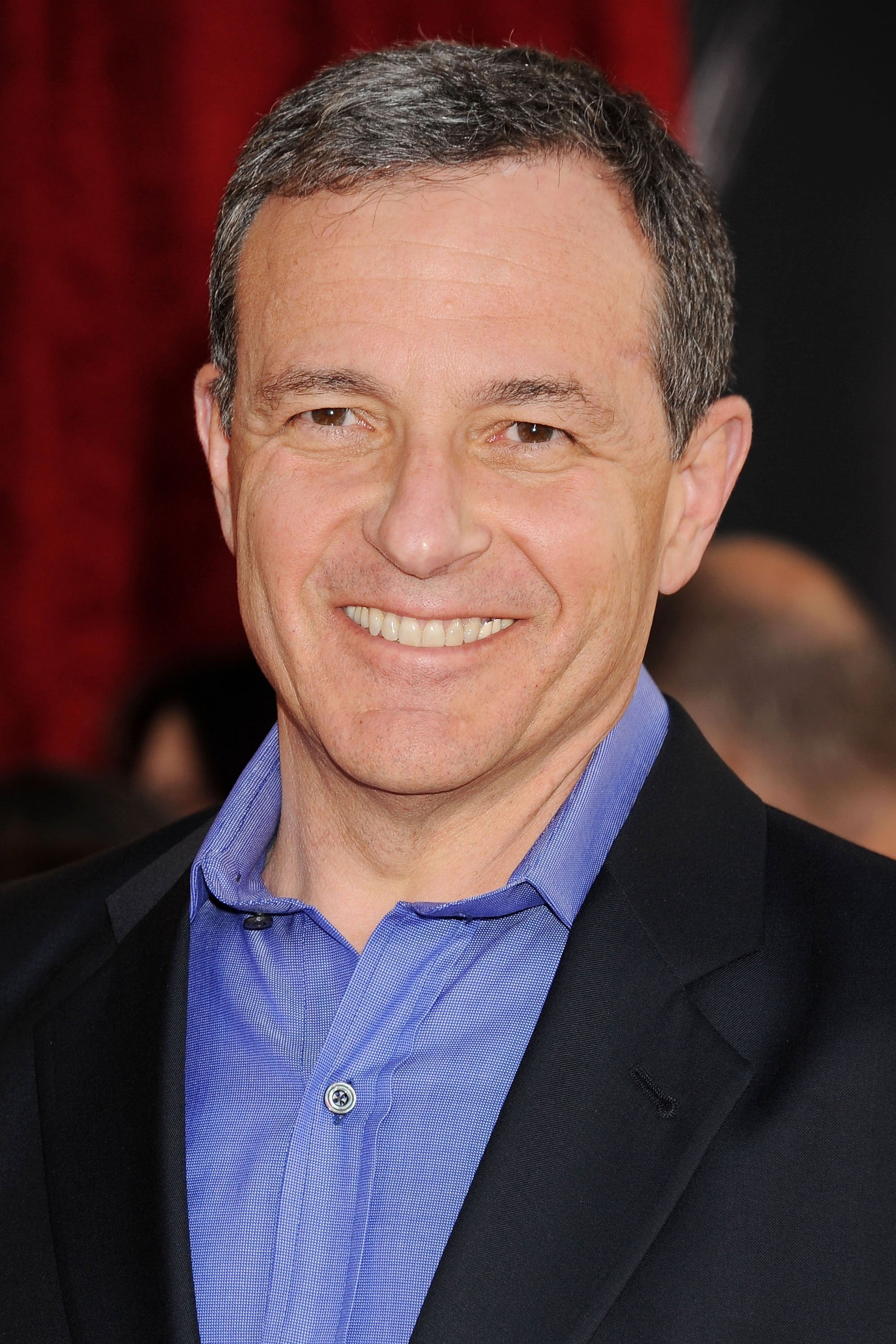
As the CEO of Disney, he was the primary antagonist in the eyes of the striking workers and certainly did not support their cause. He infamously called the union demands not realistic and disturbing during a television interview. His comments inflamed tensions and became a rallying cry for the picketers who felt insulted by his dismissal of their needs. He represented the studio opposition that the celebrities were fighting against. His refusal to meet the initial terms extended the duration of the conflict.
Share your thoughts on these celebrities and the strike controversies in the comments.