


Celebrities Who Entered Into Mutually Beneficial Fake Marriages to Survive Hollywood

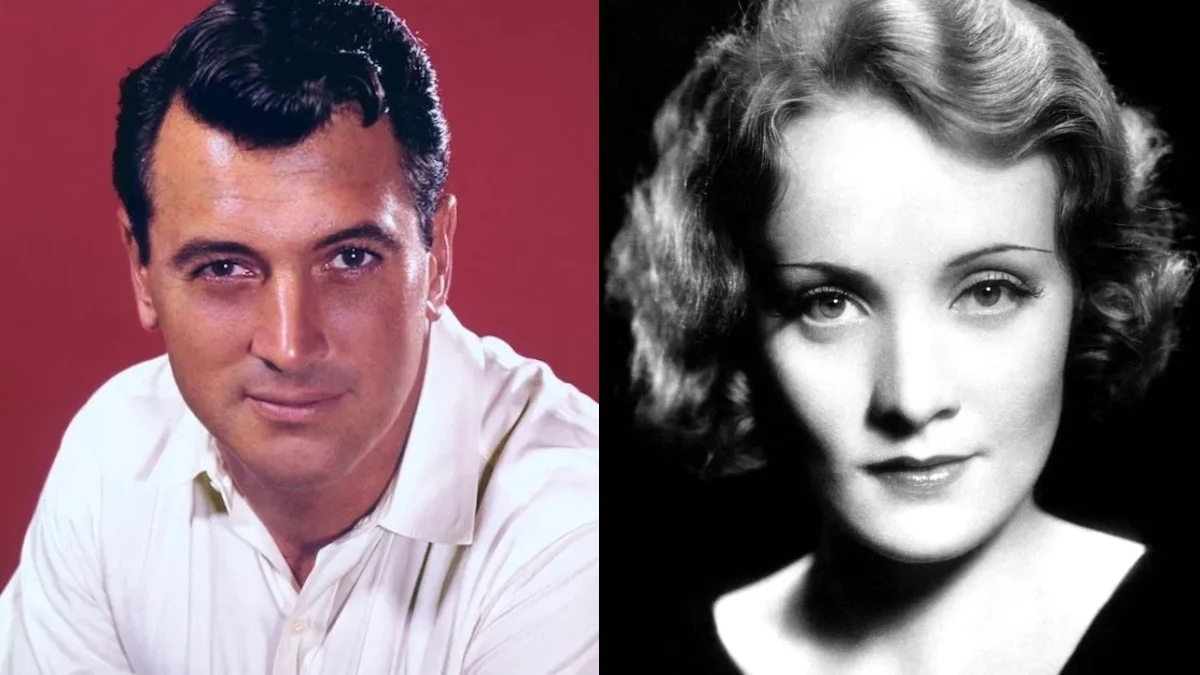


During the Golden Age of Hollywood and beyond, the personal lives of stars were strictly managed by major film studios to maintain a wholesome public image. Morality clauses in contracts often forced actors to hide their true identities or navigate scandalous situations through arranged unions known as lavender marriages. These relationships were mutually beneficial, providing celebrities with legal protection, career stability, and a shield against the intrusive gaze of the press. While many of these marriages were founded on professional convenience rather than romance, they allowed some of the industry’s biggest names to survive and thrive within a rigid studio system.
Rock Hudson
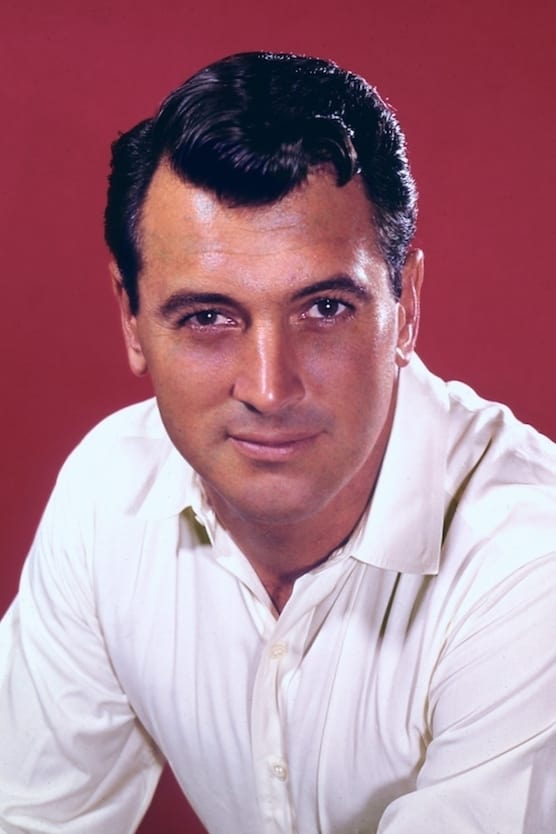
Hudson was pressured by his agent, Henry Willson, to marry Phyllis Gates in 1955 to preserve his image as a romantic lead. This arrangement helped suppress an upcoming exposé by ‘Confidential’ magazine regarding the actor’s private life. The marriage lasted three years and provided a temporary shield against rumors during a critical period in his career following ‘Giant’. While Gates later maintained the union was genuine, many Hollywood historians categorize it as a quintessential lavender marriage.
Barbara Stanwyck
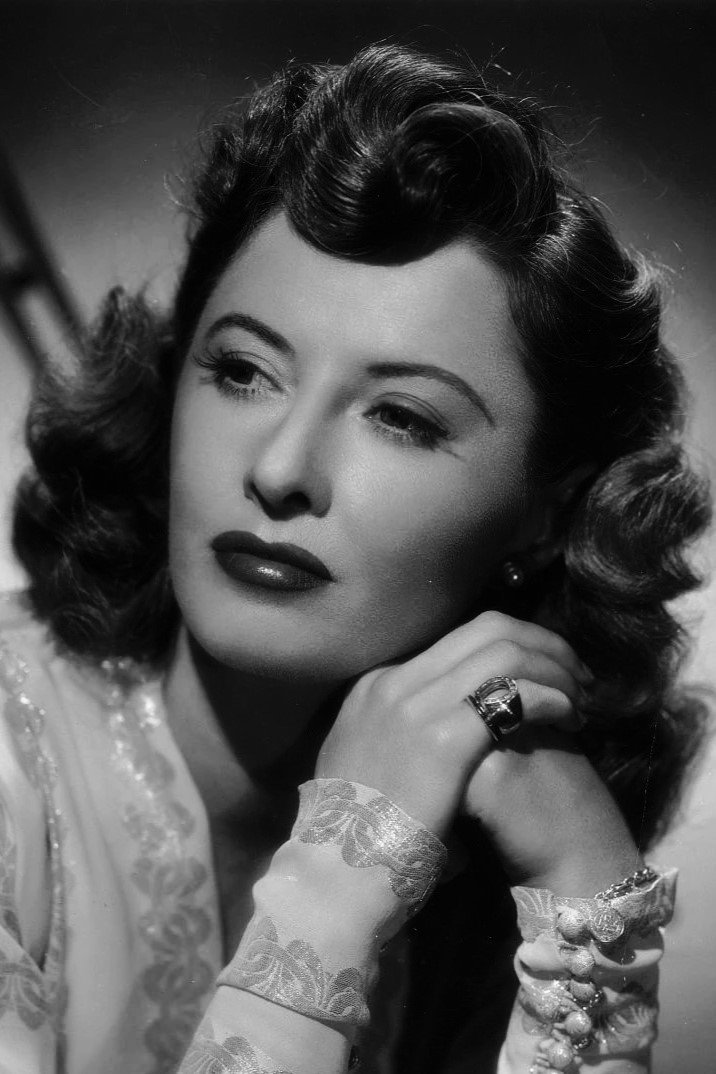
The union between Barbara Stanwyck and Robert Taylor was heavily promoted by MGM and 20th Century Fox to neutralize gossip about their personal lives. Both performers faced intense public scrutiny regarding their sexual orientation, which threatened their bankability in the 1930s. Their marriage lasted twelve years and served to fulfill the strict morality clauses in their studio contracts. Despite the tactical nature of the relationship, the couple maintained a professional and respectful public appearance while starring in hits like ‘Double Indemnity’.
Judy Garland
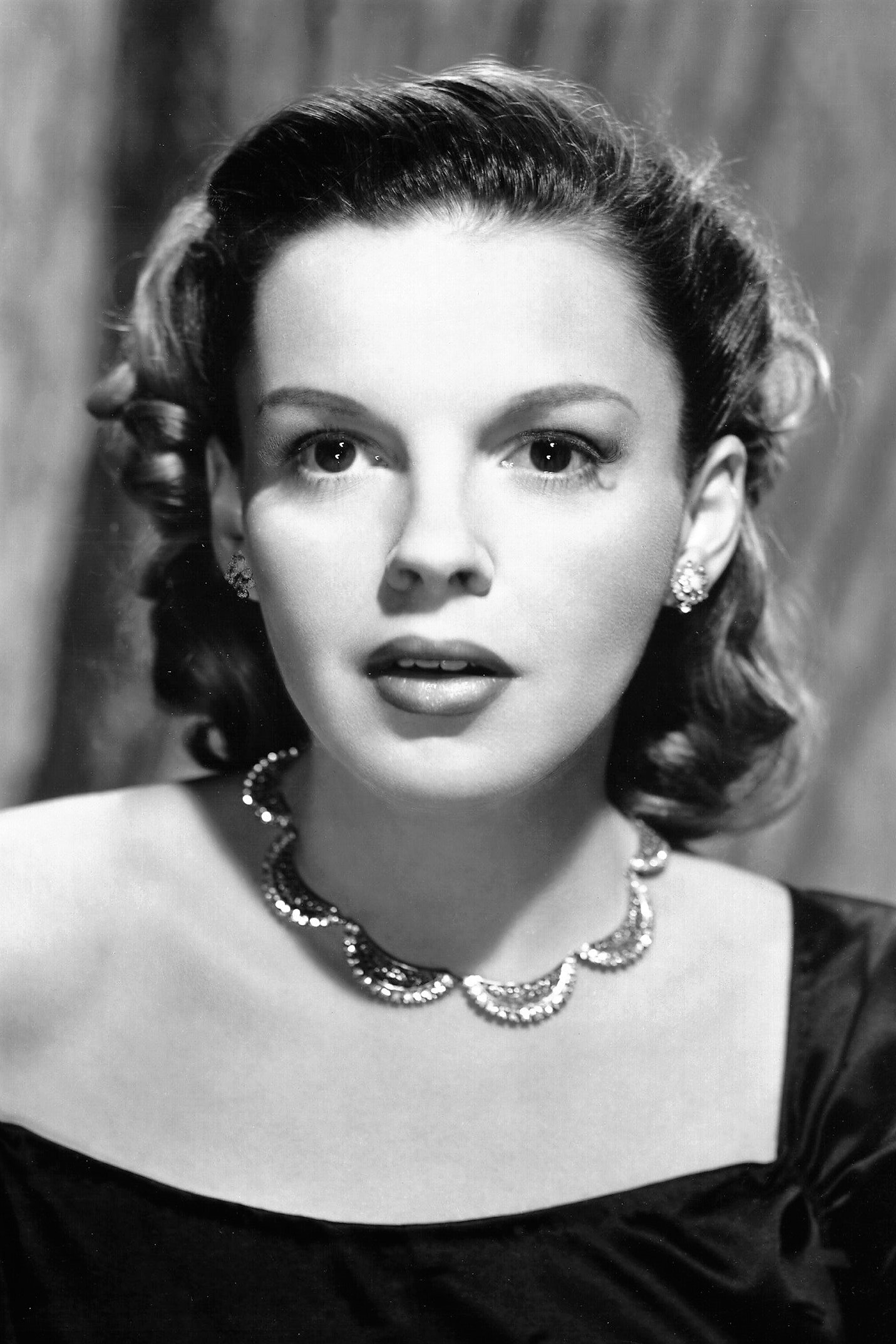
This 1945 union served to reposition Garland as a sophisticated adult star under the guidance of the studio system. Vincente Minnelli was a prominent director whose private life was known to be different from his public persona in theatrical circles. The marriage provided a social cover for both parties while they collaborated on successful projects like ‘The Pirate’. They stayed together for six years before their strategic partnership concluded and they pursued separate lives.
Rudolph Valentino
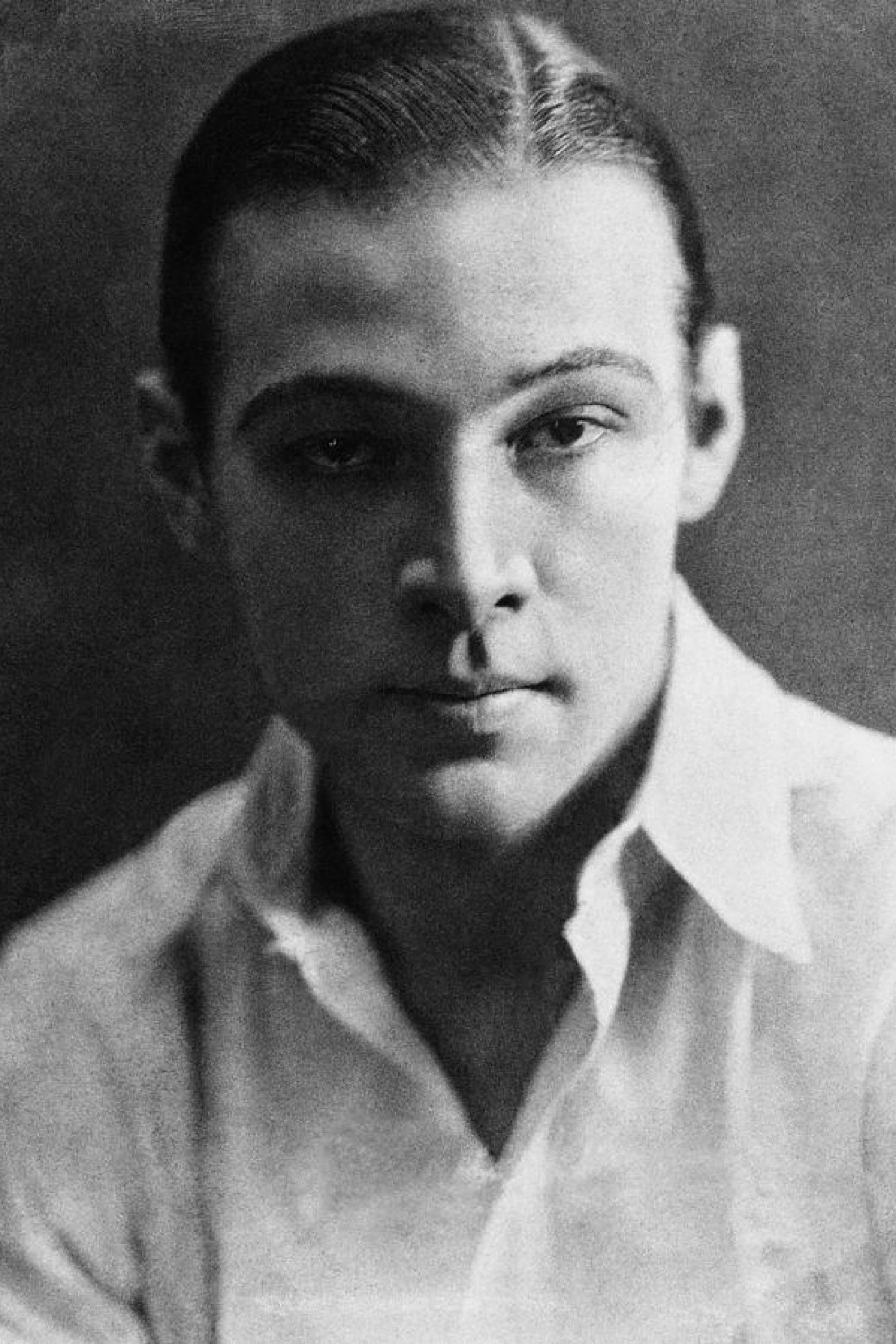
This silent film era marriage lasted only six hours before the bride, Jean Acker, reportedly locked Valentino out of their hotel room. Acker was an actress who entered the union to manage public perceptions of her own lifestyle and associations. Valentino, the era’s greatest “Latin Lover,” required a respectable domestic image to maintain his massive popularity among female fans. The legal union persisted for several years despite the couple never living together as husband and wife.
Janet Gaynor
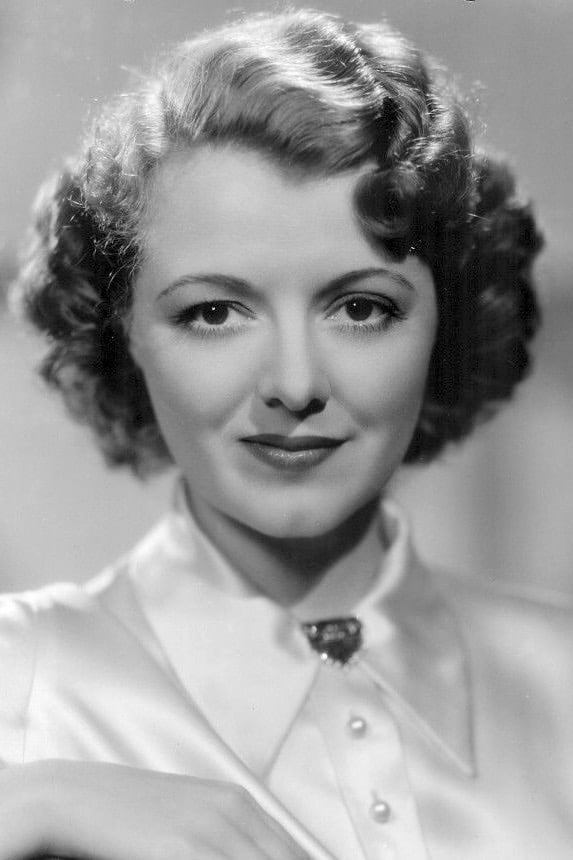
Janet Gaynor was the first person to win the Academy Award for Best Actress, while her husband Adrian was Hollywood’s most famous costume designer. Their 1939 marriage was widely understood within the industry as a way to protect their high-profile careers from persistent rumors. The couple maintained a close and mutually supportive relationship that lasted until Adrian’s death in 1959. This arrangement allowed both to continue their work at major studios without the threat of public scandal.
Cole Porter
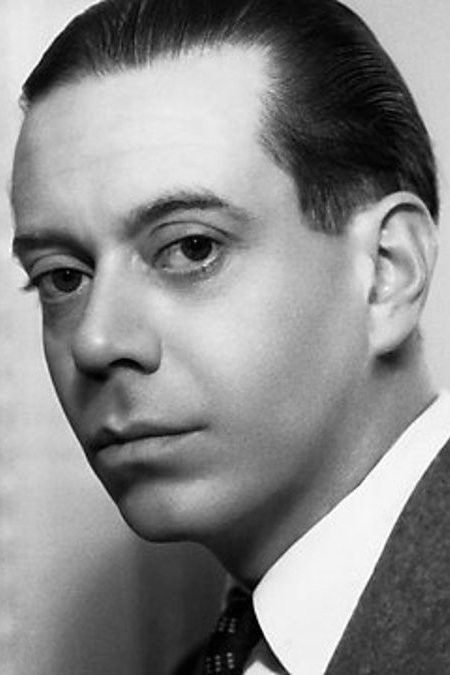
Cole Porter was a legendary composer who entered into a marriage with socialite Linda Lee Thomas in 1919. Thomas was fully aware of Porter’s sexual orientation and provided him with the social status required during that era of high society. The union was mutually beneficial, as Porter gained a devoted companion and Thomas gained the prestige of being married to a celebrated genius. They remained married for 34 years, navigating the complexities of their lives with mutual respect and public dignity.
Charles Laughton
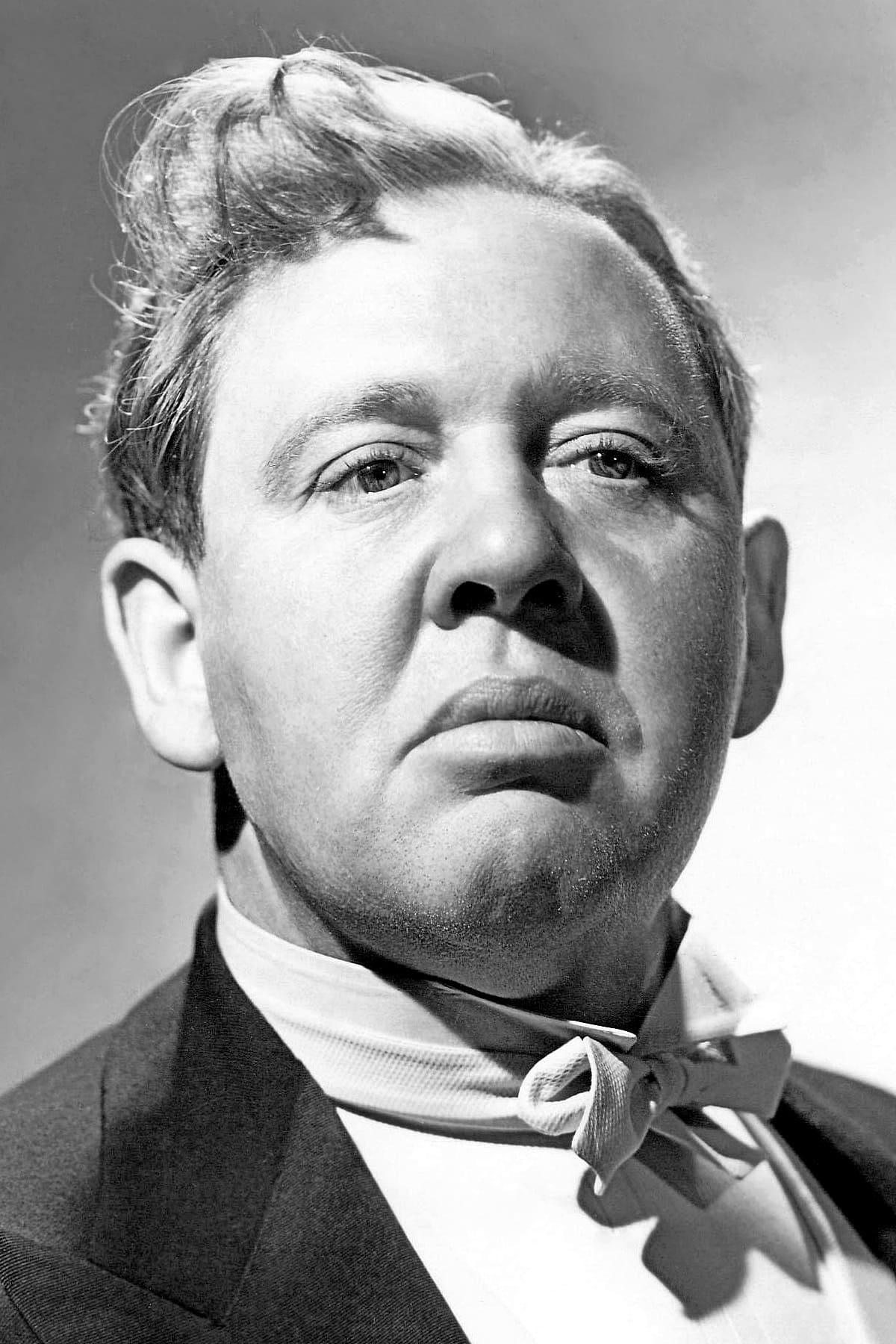
These two acclaimed actors married in 1929 and remained together until Laughton’s death in 1962. Elsa Lanchester revealed in her autobiography that Laughton informed her of his homosexuality early in their marriage. They formed a lifelong bond that was professional, intellectual, and protective of their standing in both London and Hollywood. Their partnership allowed Laughton to pursue iconic roles in ‘The Hunchback of Notre Dame’ and ‘Mutiny on the Bounty’ without social interference.
Tyrone Power
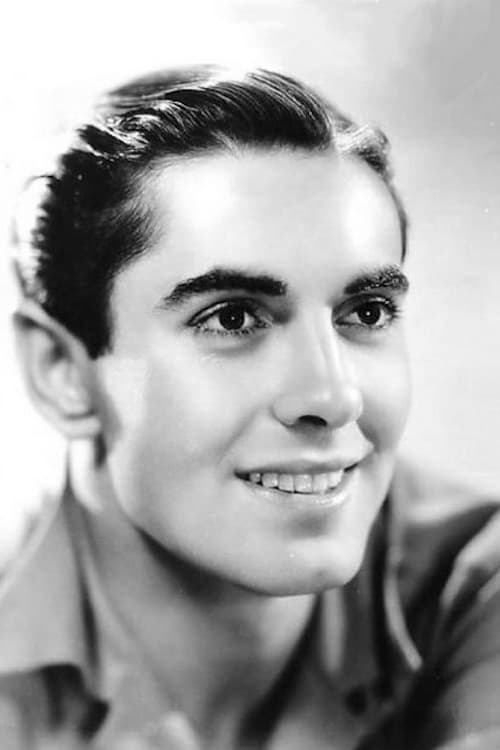
The 20th Century Fox studio head Darryl F. Zanuck encouraged this union with the actress Annabella to bolster Tyrone Power’s image as a romantic hero. Annabella was a French star whose international profile complemented Power’s rising status as a leading man. The marriage served to deflect persistent gossip concerning Power’s personal associations within the film industry during the late 1930s. They remained legally wed from 1939 to 1948, presenting a unified front to the press and the public.
Danny Kaye
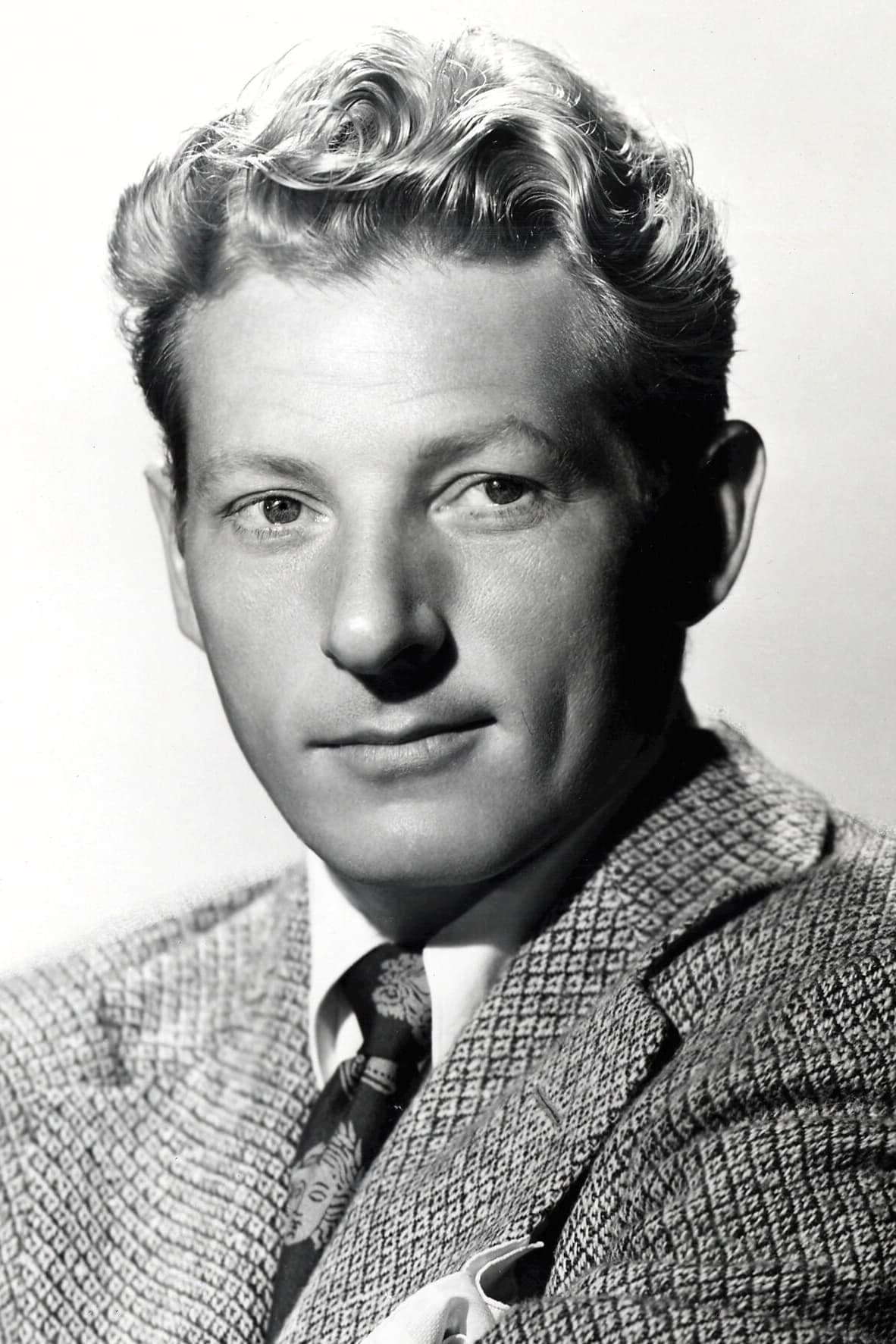
Danny Kaye and Sylvia Fine established a legendary professional partnership that was formalized by their marriage in 1940. Fine was the primary creative force behind Kaye’s comedy routines and musical numbers, making her essential to his professional success. The marriage survived various periods of separation and Kaye’s documented interests in other high-profile individuals. It functioned as a stable foundation for his success in major films such as ‘The Secret Life of Walter Mitty’.
Nils Asther
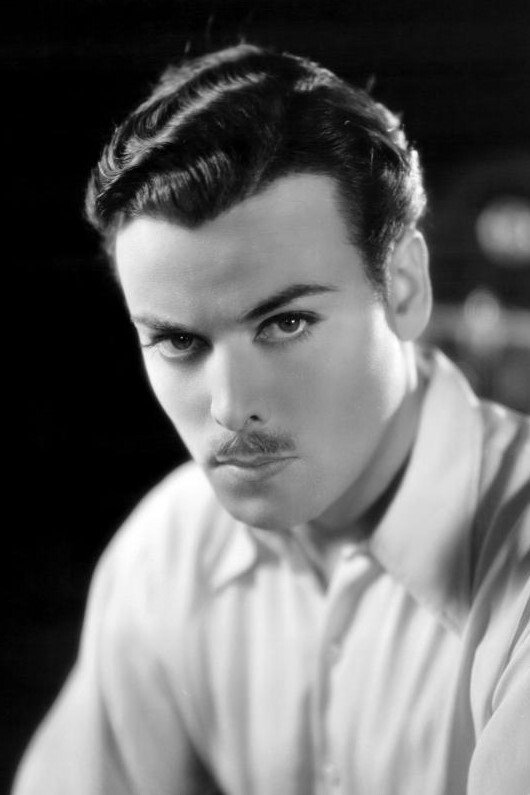
Nils Asther was a popular leading man at MGM who faced immense pressure from the studio to marry in the early 1930s. He wed Vivian Duncan, of the famous Duncan Sisters, in 1930 to project a specific domestic image to his audience. The marriage was short-lived and characterized by personal conflict, ending in a divorce in 1932. Asther’s career eventually suffered when he stopped conforming to the studio’s rigid demands regarding his private life.
Tallulah Bankhead

Tallulah Bankhead married actor John Emery in 1937 during a period when her public behavior was under heavy scrutiny by studio executives. The union was seen by many industry insiders as an attempt to ground the actress’s wild reputation and satisfy morality concerns. They appeared together in stage productions, which helped maintain their professional visibility as a legitimate couple. The marriage ended in 1941, with Bankhead famously stating that they remained good friends after the arrangement concluded.
Linda Darnell
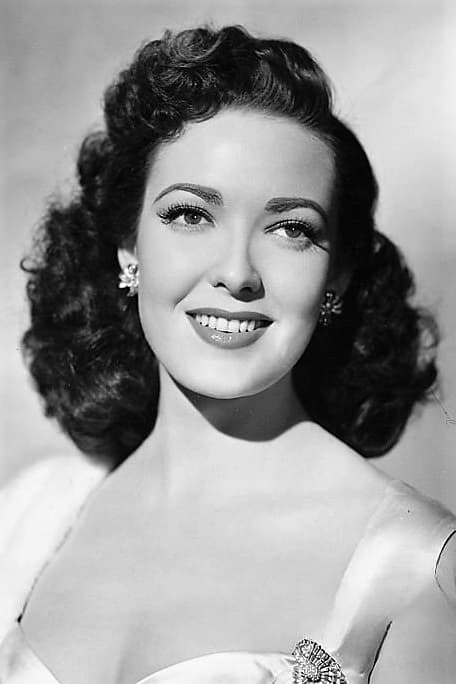
Linda Darnell married Peverell Marley, a cinematographer twenty years her senior, in 1943. Biographers have suggested the union was encouraged by the studio to give the young actress a sense of stability and maturity. Marley provided professional guidance, while the marriage shielded Darnell from the consequences of her various personal entanglements. They remained together for eight years, during which time Darnell starred in acclaimed hits like ‘A Letter to Three Wives’.
Jean Harlow
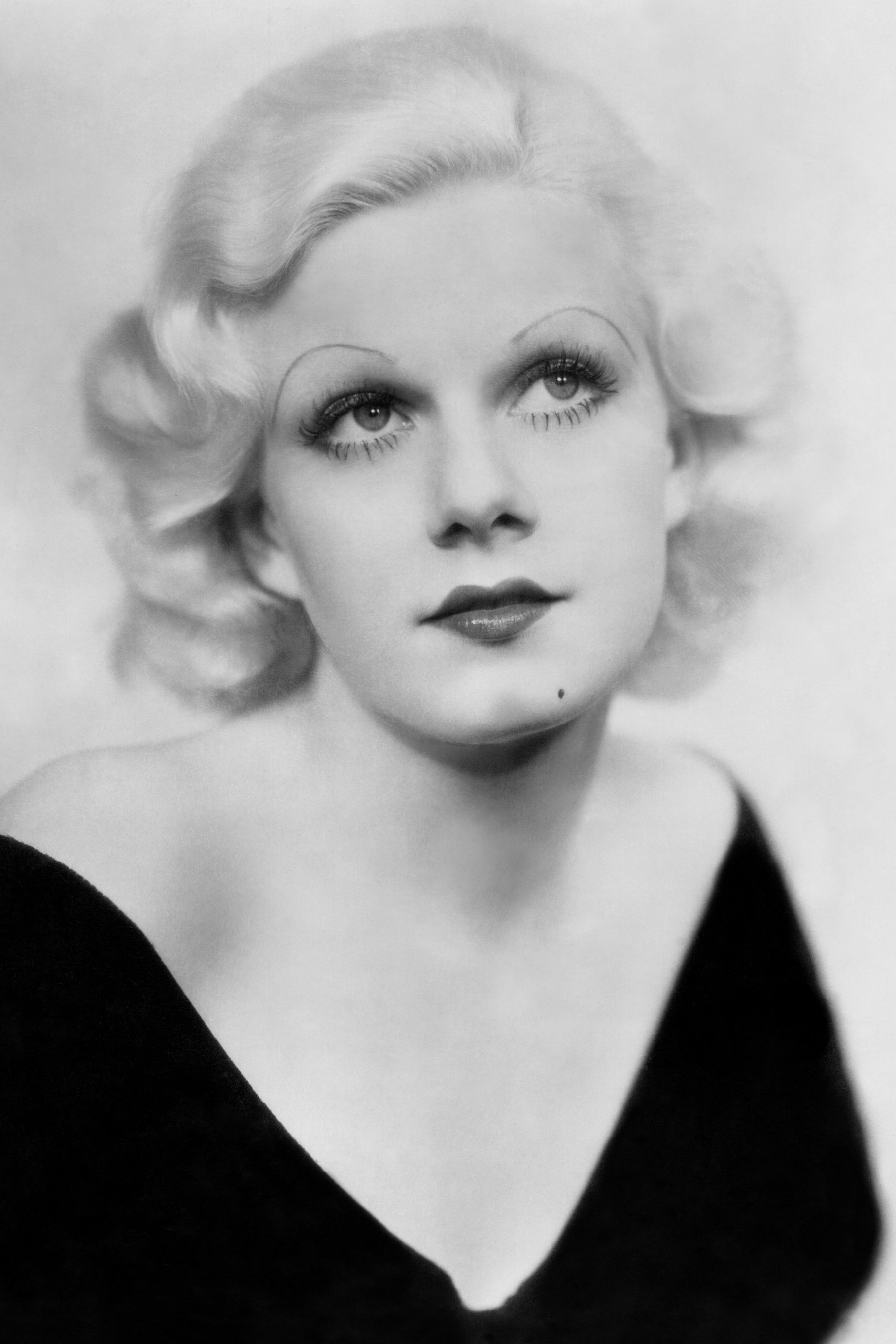
Following the scandalous death of her husband Paul Bern, MGM arranged for Jean Harlow to marry cinematographer Hal Rosson. The 1933 marriage was a strategic move to rehabilitate Harlow’s public image and distance her from the ongoing controversy. The couple had very little in common and reportedly spent most of their brief marriage living in separate residences. They divorced after only eight months once the immediate threat to Harlow’s career and bankability had passed.
Cary Grant
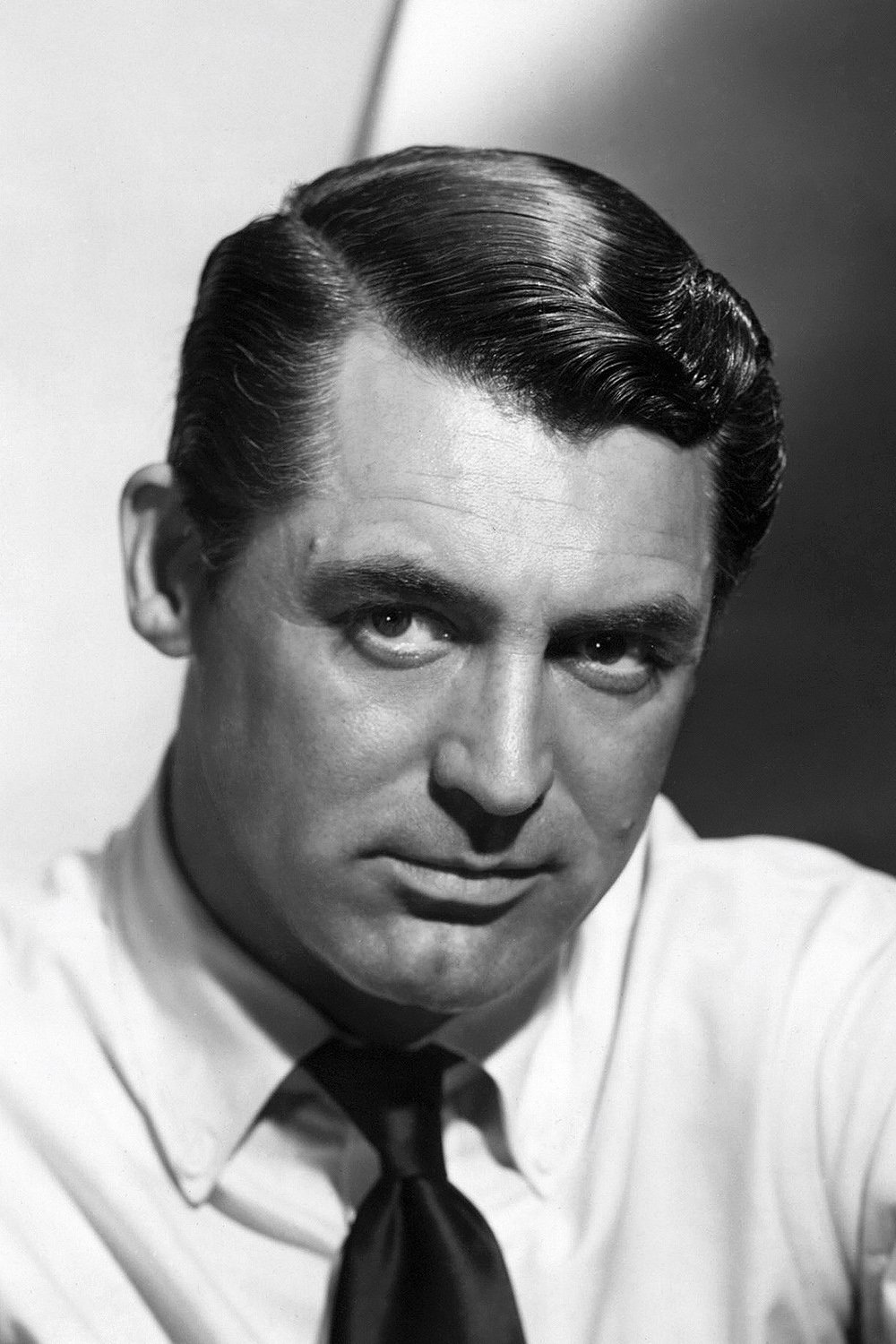
Cary Grant’s 1934 marriage to Virginia Cherrill was a strategic move to conform to the expectations of a Hollywood leading man. Paramount Pictures supported the union to establish Grant as a settled, domestic figure for his growing international female fanbase. The marriage was fraught with tension and lasted barely a year before Cherrill filed for a legal divorce. Grant’s later career in films like ‘The Awful Truth’ continued to rely on his carefully managed image as a sophisticated bachelor.
Vincent Price
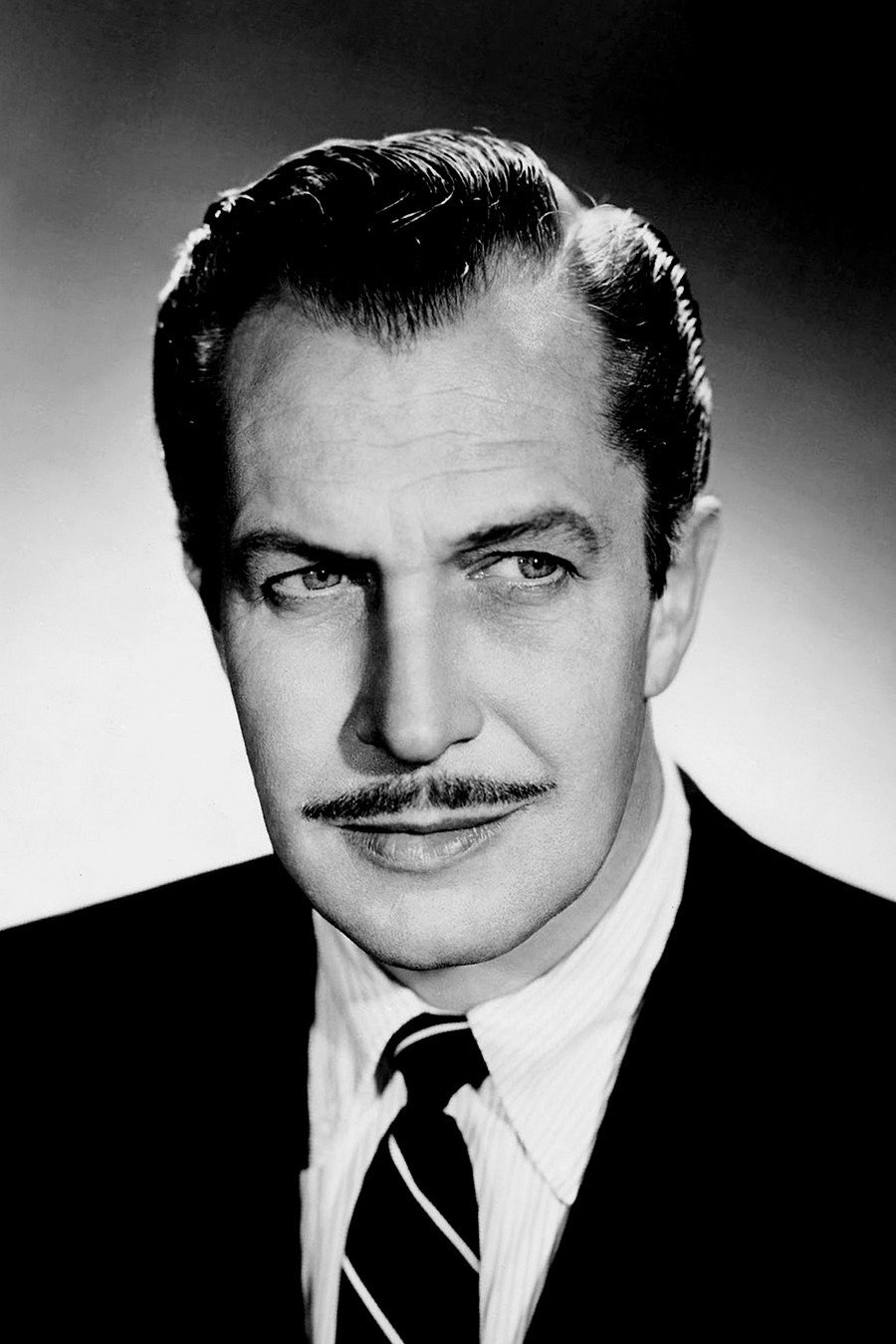
Vincent Price married actress Edith Barrett in 1938 as his film career was beginning to take flight in Hollywood. The union provided Price with a traditional family image that was highly valued by major studios at the time. Biographers have noted that the marriage allowed both parties to maintain their professional standing while navigating the social expectations of the era. They remained married for a decade before divorcing in 1948, shortly before Price transitioned into his famous horror roles.
Agnes Moorehead
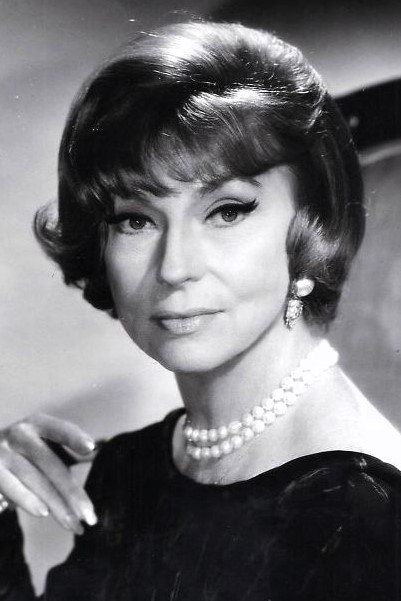
Agnes Moorehead was a highly respected character actress known for her roles in ‘Citizen Kane’ and the television series ‘Bewitched’. Her marriage to actor Jack G. Lee lasted from 1930 to 1952 and is frequently cited by historians as an arrangement of convenience. Moorehead was a deeply private person who used her marriage to satisfy the industry’s demand for social and moral conformity. The couple lived largely separate lives despite maintaining their long-term legal union for over twenty years.
Alla Nazimova
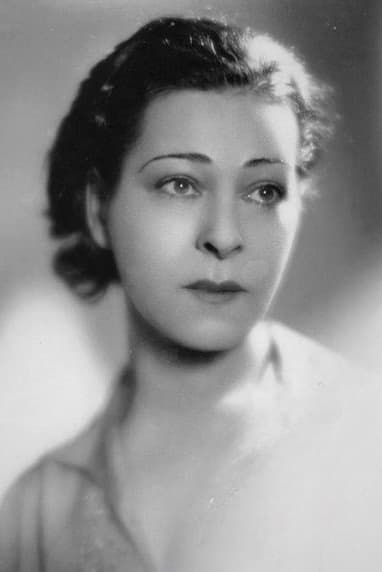
Nazimova was a major silent film star and producer who entered into a marriage of convenience with actor Charles Bryant. The union lasted from 1912 to 1925 and served to bolster their public images while they navigated the social constraints of early Hollywood. Nazimova was known for her legendary “Garden of Allah” estate and her involvement in the industry’s most private social circles. The marriage was eventually revealed to be a legal fiction, yet it allowed Nazimova to maintain her status in films like ‘Salomé’.
Anthony Perkins
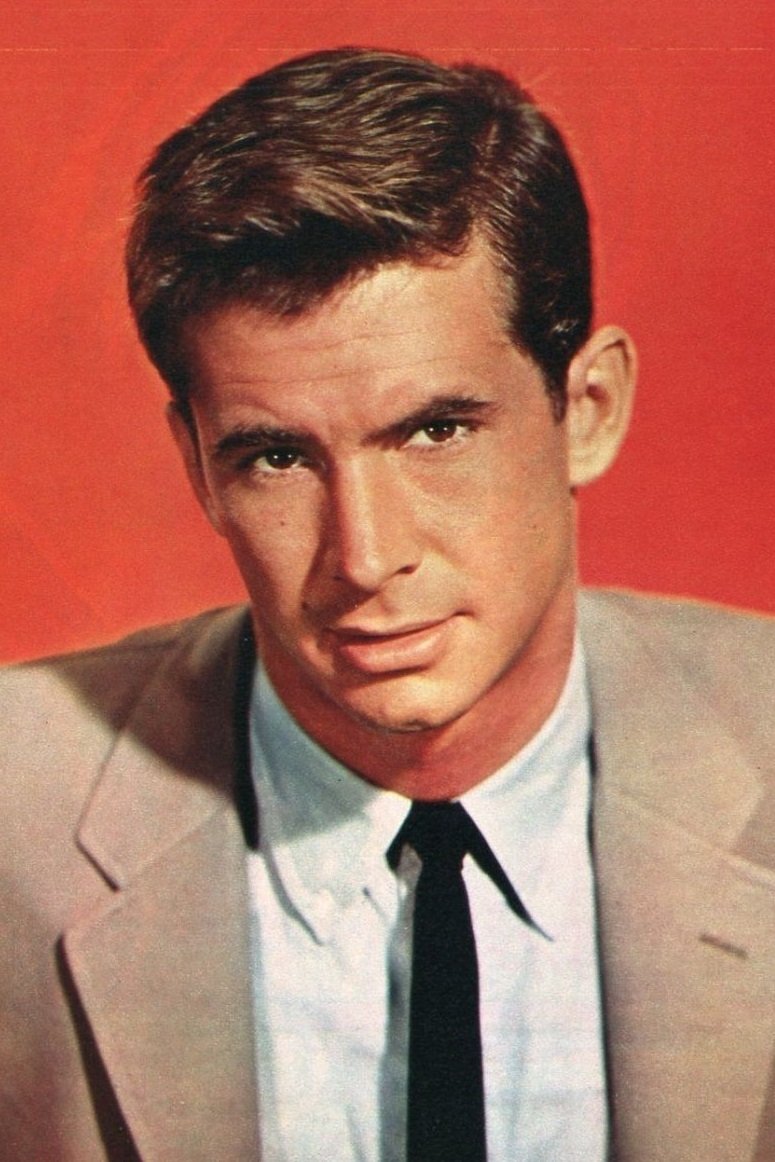
Anthony Perkins married photographer Berry Berenson in 1973 after years of living as a closeted actor in the Hollywood system. The marriage was seen by many as a sincere attempt by Perkins to change his public lifestyle and protect his future career opportunities. Berenson was aware of his history, and the union resulted in a stable family life that the public widely embraced. They remained married until Perkins’ death in 1992, providing him with a permanent shield against industry gossip.
Marlene Dietrich
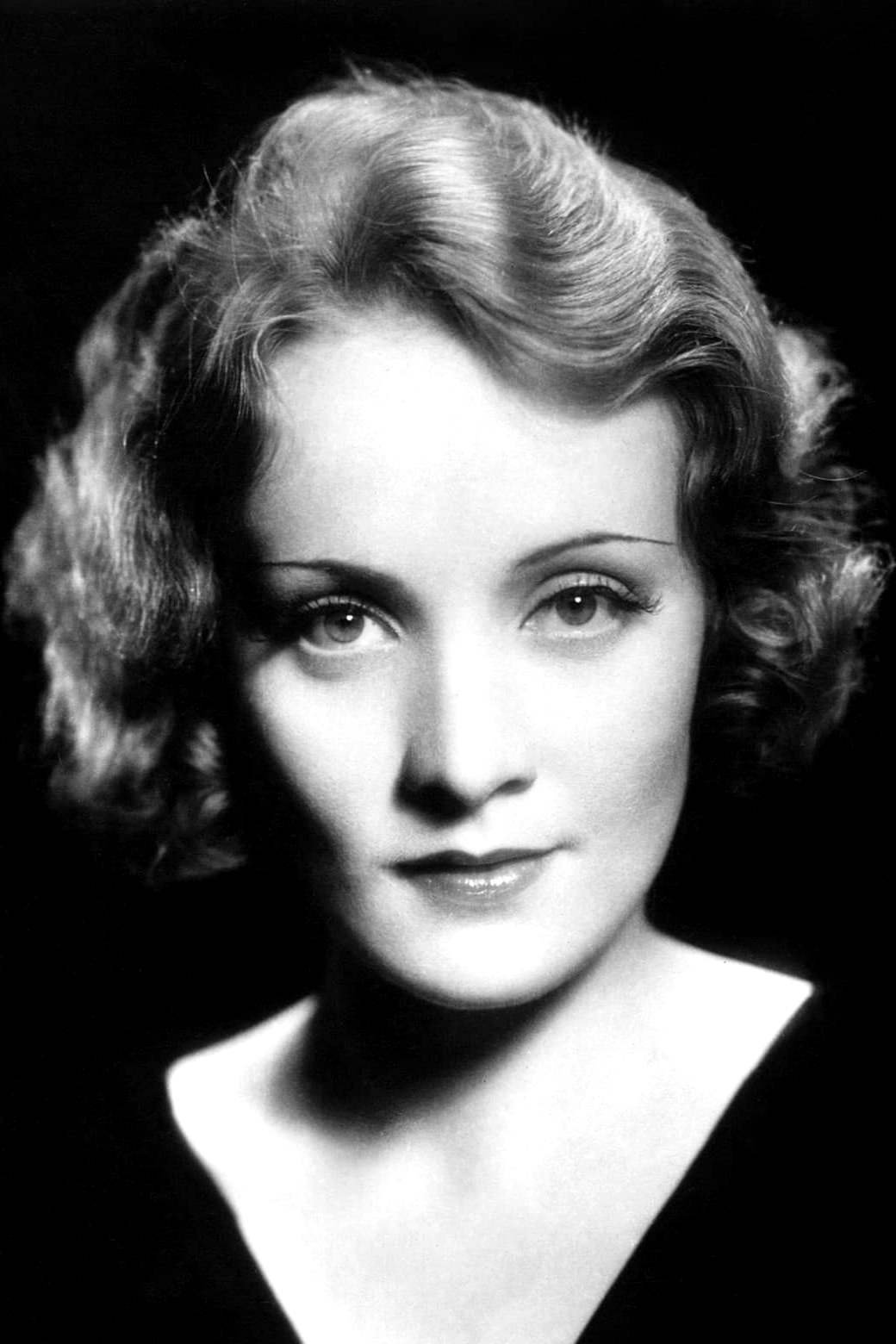
Marlene Dietrich married Rudolf Sieber in 1923 and remained legally wed to him until his death in 1976. Despite their lifelong bond, the couple lived separate lives for decades while Dietrich engaged in numerous famous romantic affairs. Sieber provided Dietrich with a constant domestic anchor and a trusted confidant throughout her high-profile international career. This arrangement allowed the star of ‘Morocco’ to maintain an unconventional personal life while preserving a respectable marital status.
Spencer Tracy
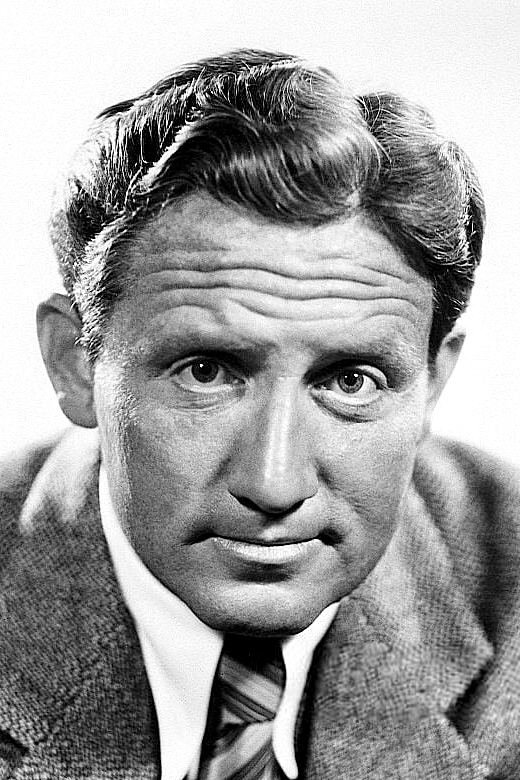
Spencer Tracy married Louise Treadwell in 1923, but the couple lived entirely separate lives after the early 1930s. Tracy was a devout Catholic and refused to divorce, which served the studio’s desire to avoid public scandals involving his personal life. The marriage provided a convenient legal cover for Tracy’s long-term, semi-secret relationship with actress Katharine Hepburn. By staying legally married to Treadwell, Tracy managed to balance his public image with his private reality until his final role in ‘Guess Who’s Coming to Dinner’.
Share which of these historical Hollywood arrangements you found most surprising in the comments.