


Celebrities Who Have Criticized Radical Feminism

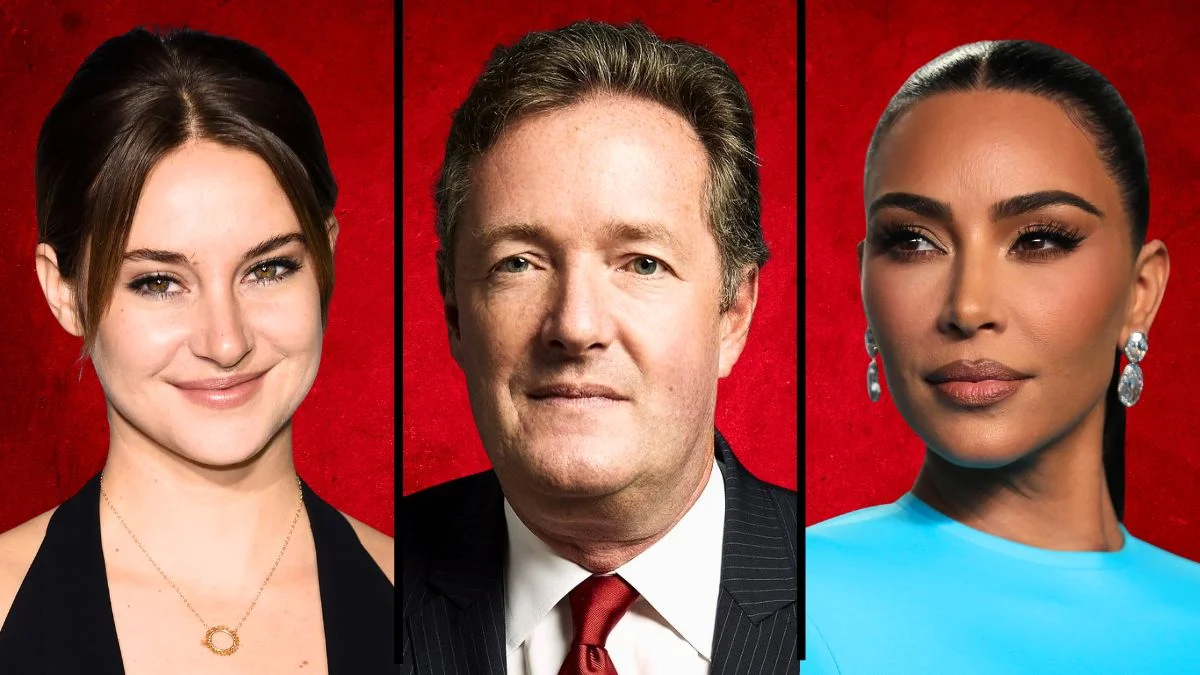


The discourse surrounding modern feminism has evolved significantly over the last few decades, creating a spectrum of opinions within Hollywood and the broader entertainment industry. While many public figures proudly embrace the feminist label, a distinct group of celebrities has voiced criticism toward what they perceive as radical or divisive elements of the movement. Some of these individuals identify as humanists, arguing that the term feminism implies a separation between the sexes that is no longer necessary or helpful. Others have specifically critiqued movements like #MeToo for potentially overstepping legal due process or creating a climate of fear. This list explores the actors, musicians, and cultural figures who have publicly distanced themselves from radical feminism or the label itself.
Shailene Woodley
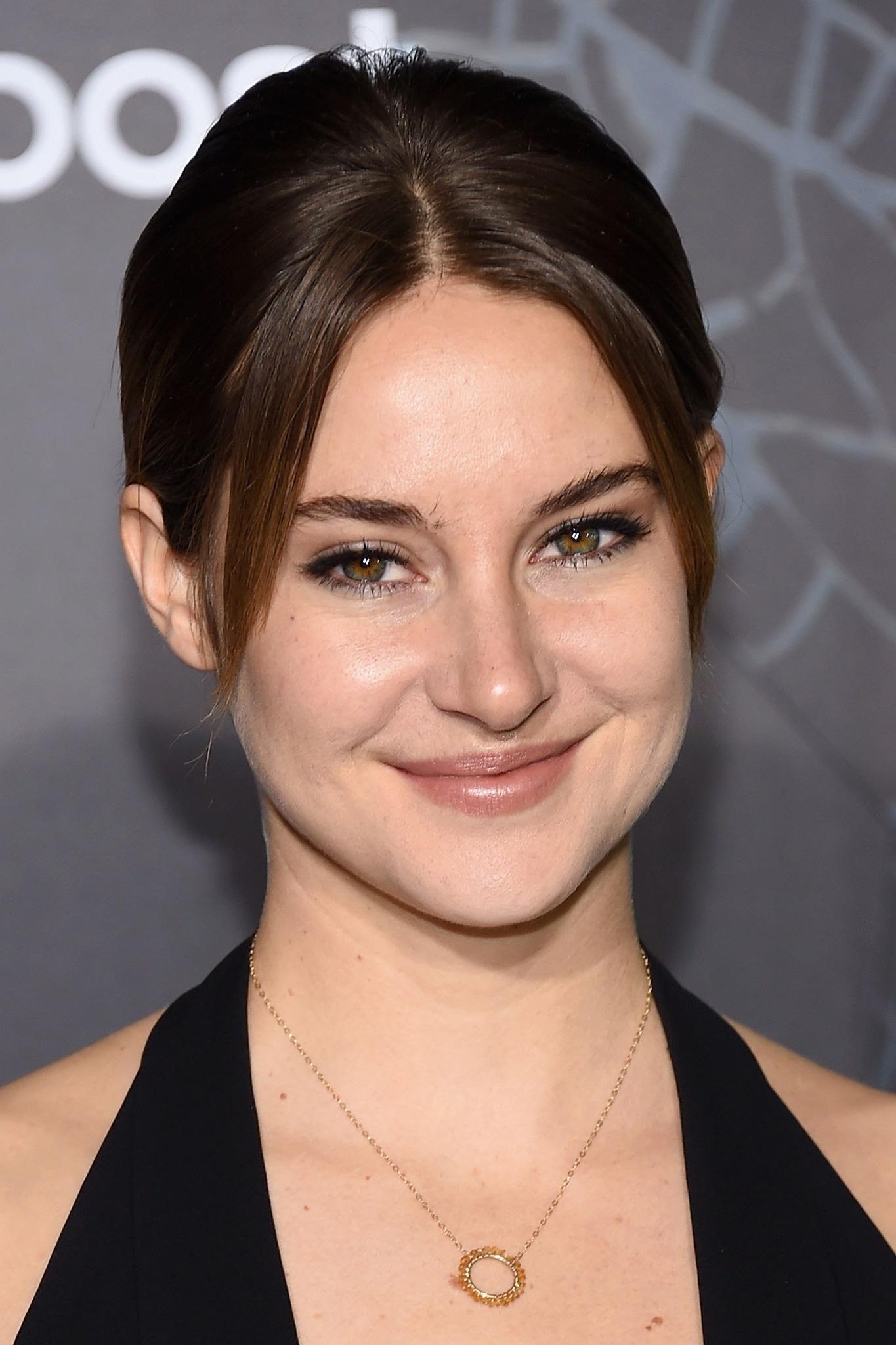
The star of ‘Divergent’ sparked a significant online conversation when she declined the feminist label during a 2014 interview. Woodley explained that she loves men and believes the concept of raising women to power by taking it away from men creates an imbalance. She advocated for “brotherhood and sisterhood” rather than a movement she perceived as divisive: her stance was rooted in the idea of mutual respect between genders. Woodley suggested that the label itself could be alienating and that true equality requires the participation of both sexes without antagonism.
Sarah Jessica Parker
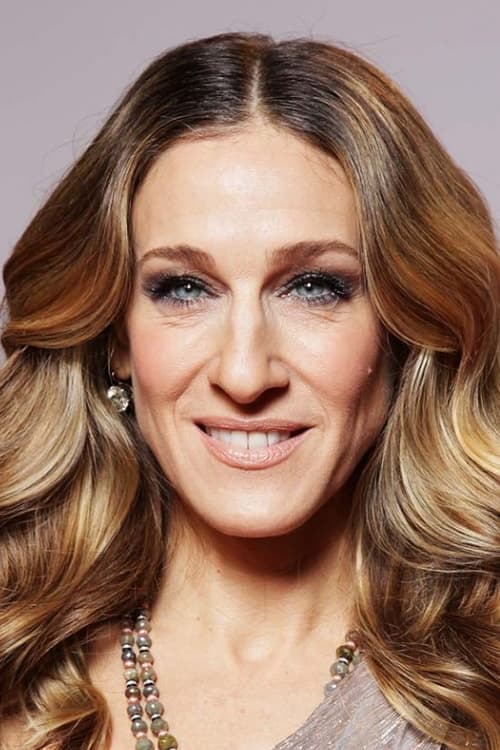
Despite playing one of television’s most iconic independent women in ‘Sex and the City’, Sarah Jessica Parker has stated she does not identify as a feminist. She prefers the term humanist, arguing that the world has moved past the need to separate issues by gender alone. Parker has expressed fatigue with the constant categorization of people: she believes the focus should simply be on treating everyone equally. Her critique centers on the idea that clinging to the label can sometimes perpetuate the very division the movement seeks to eliminate.
Susan Sarandon
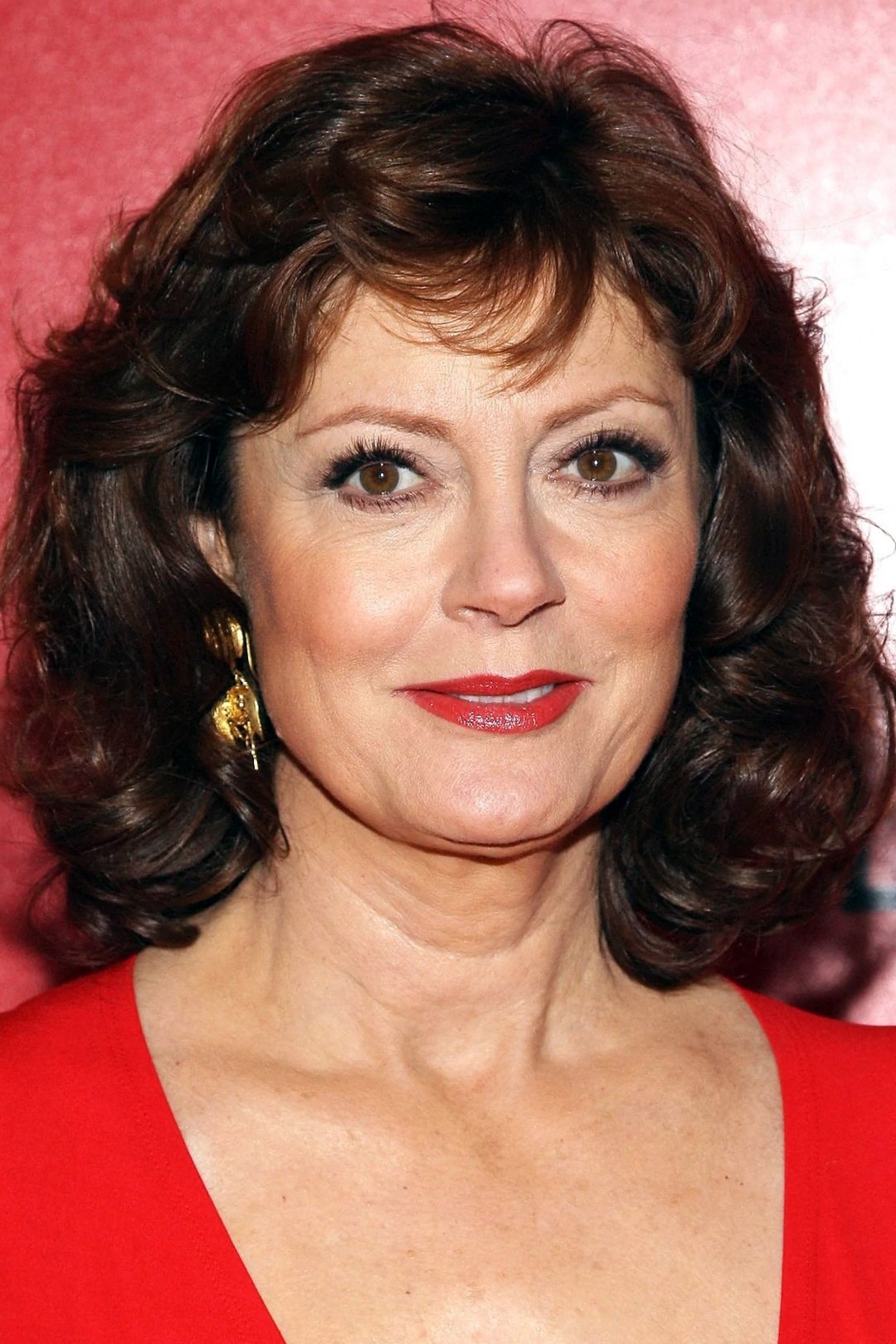
Academy Award winner Susan Sarandon has frequently described herself as a humanist rather than a feminist. She has criticized the modern iteration of the movement for being too “strident” and occasionally alienating to those who do not strictly adhere to its dogma. Sarandon has argued that the label is an old-fashioned word that doesn’t capture the complexity of human rights struggles today. She emphasizes that her daughter does not relate to the word either: they focus on bodily autonomy and power without needing the specific political tag.
Marion Cotillard
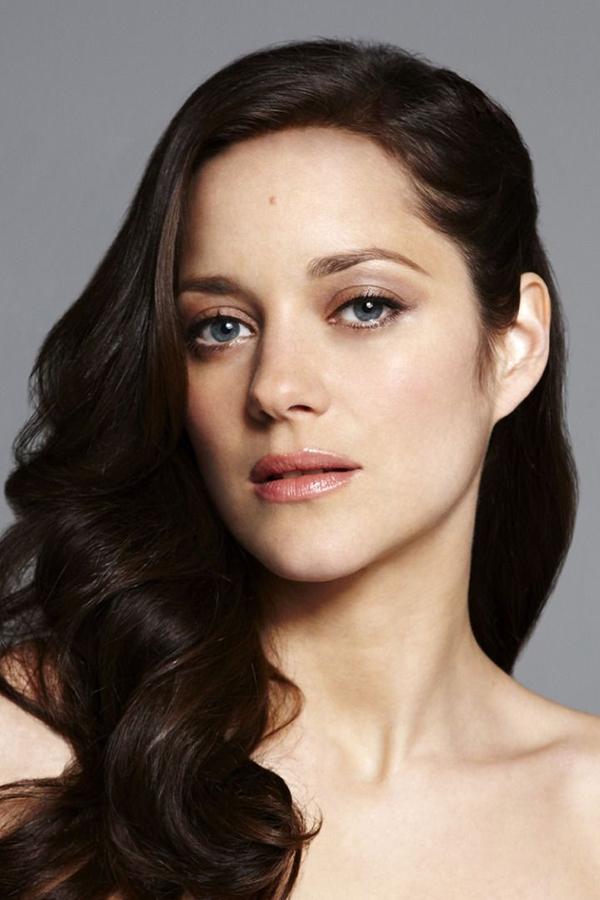
French actress Marion Cotillard has been vocal about her dislike for separating filmmaking by gender: she does not identify as a feminist. She argued that film festivals like Cannes should not be forced to meet gender quotas, as this undermines the artistic merit of the work. Cotillard believes that while the fight for women’s rights is real, the resulting segregation in the arts creates a divide between men and women that shouldn’t exist. She has stated that she does not want to be defined by her gender but rather by her capability as an artist.
Juliette Binoche
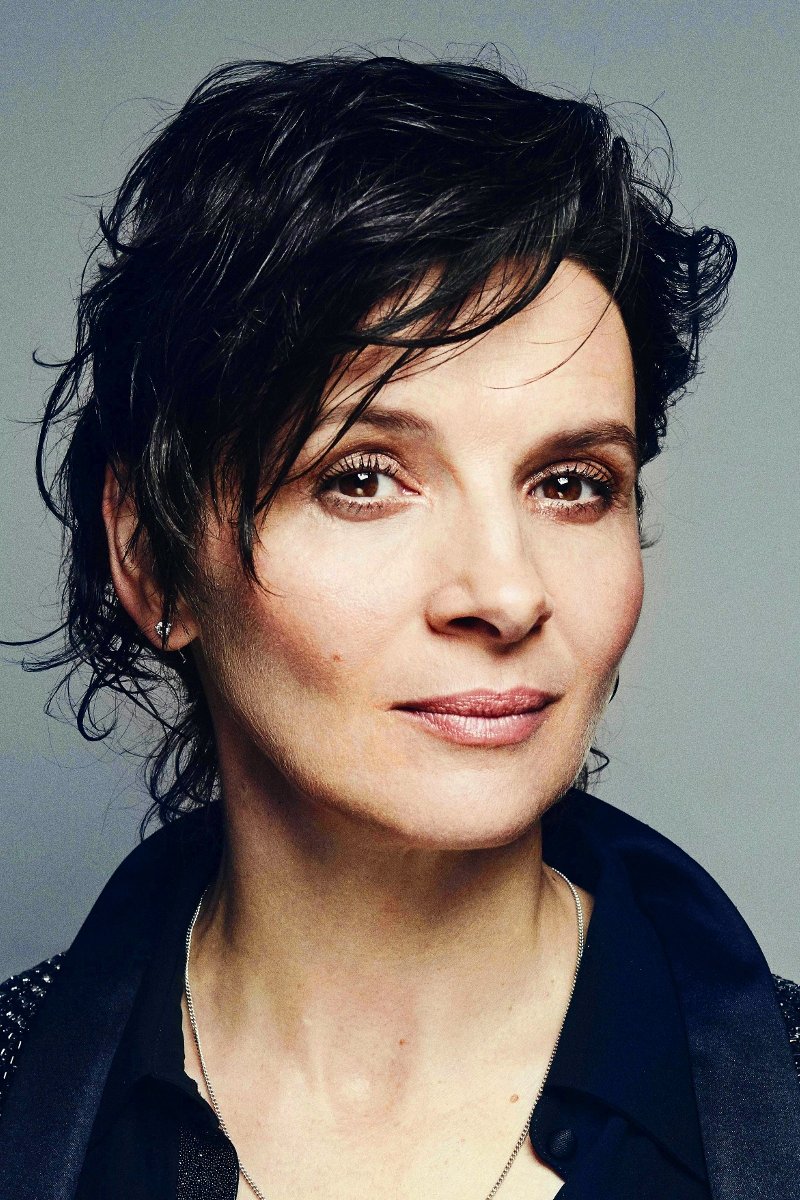
Another prominent French actress, Juliette Binoche, has expressed that the word feminism puts people in a “stereotyped way of thinking.” She believes that the focus should be on creation and action rather than labeling oneself within a political ideology. Binoche has suggested that constant discussion about feminism can sometimes paralyze actual progress by trapping people in intellectual debates. Her perspective leans toward an artistic individualism where gender is secondary to the human spirit.
Carla Bruni
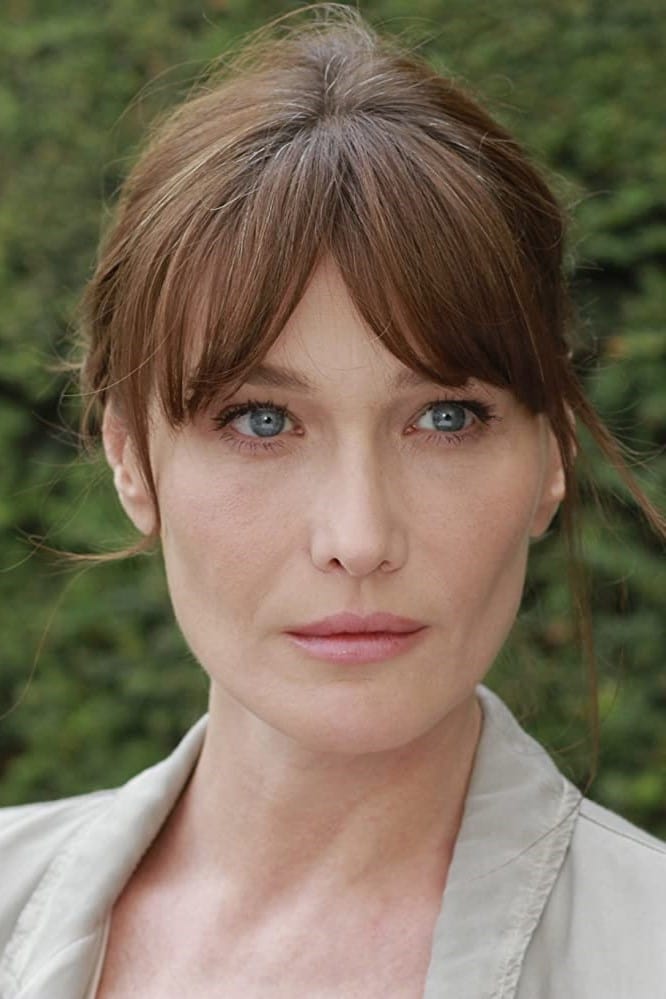
Singer and former First Lady of France Carla Bruni famously stated that her generation does not need feminism. She argued that the pioneers of the movement had already opened the breach and that she prefers to focus on her life as a “bourgeois” family woman. Bruni’s comments drew backlash, but she maintained that she is not an active feminist and finds the continued aggressive push unnecessary for her life. She represents a viewpoint that sees the major battles as having already been won by previous generations.
Lana Del Rey
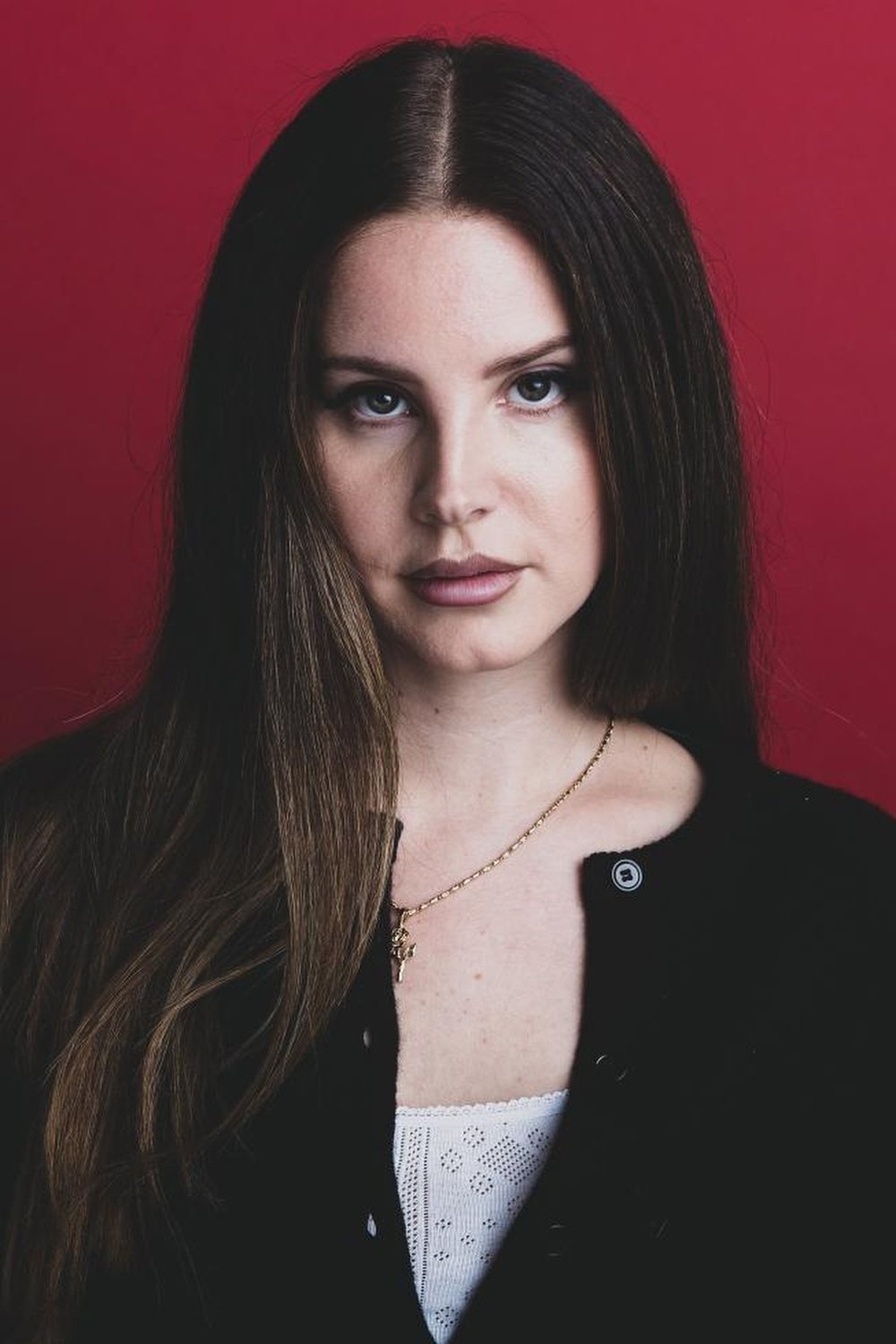
Singer Lana Del Rey has been candid about her lack of interest in feminism: she famously told The Fader that it is just not an interesting concept to her. She expressed that she is more interested in scientific advancements like SpaceX and Tesla than in sociopolitical gender debates. Del Rey defined her own version of a feminist as a woman who feels free enough to do whatever she wants. Her dismissal of the movement stems from a desire to focus on the future and personal freedom rather than political activism.
Evangeline Lilly
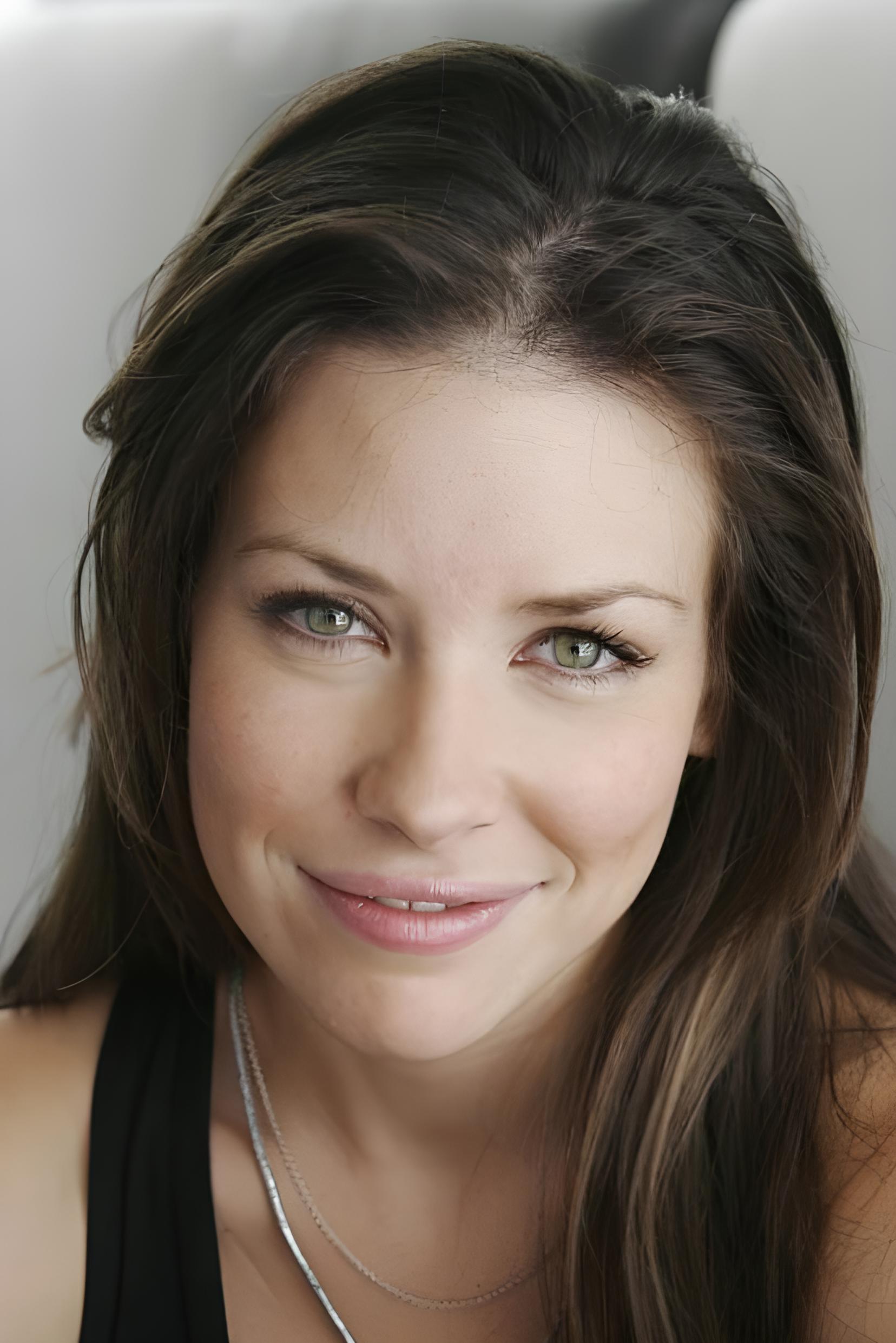
‘Ant-Man’ star Evangeline Lilly has rejected the feminist label because she associates it with women trying to pretend to be men. She has stated that she is proud of being a woman and does not want to embrace manhood or lose her femininity in the pursuit of equality. Lilly’s critique focuses on the idea that radical feminism sometimes devalues traditional feminine traits in favor of masculine ones. She prefers to embrace her distinct “womanhood” rather than conflating the two genders.
Pamela Anderson
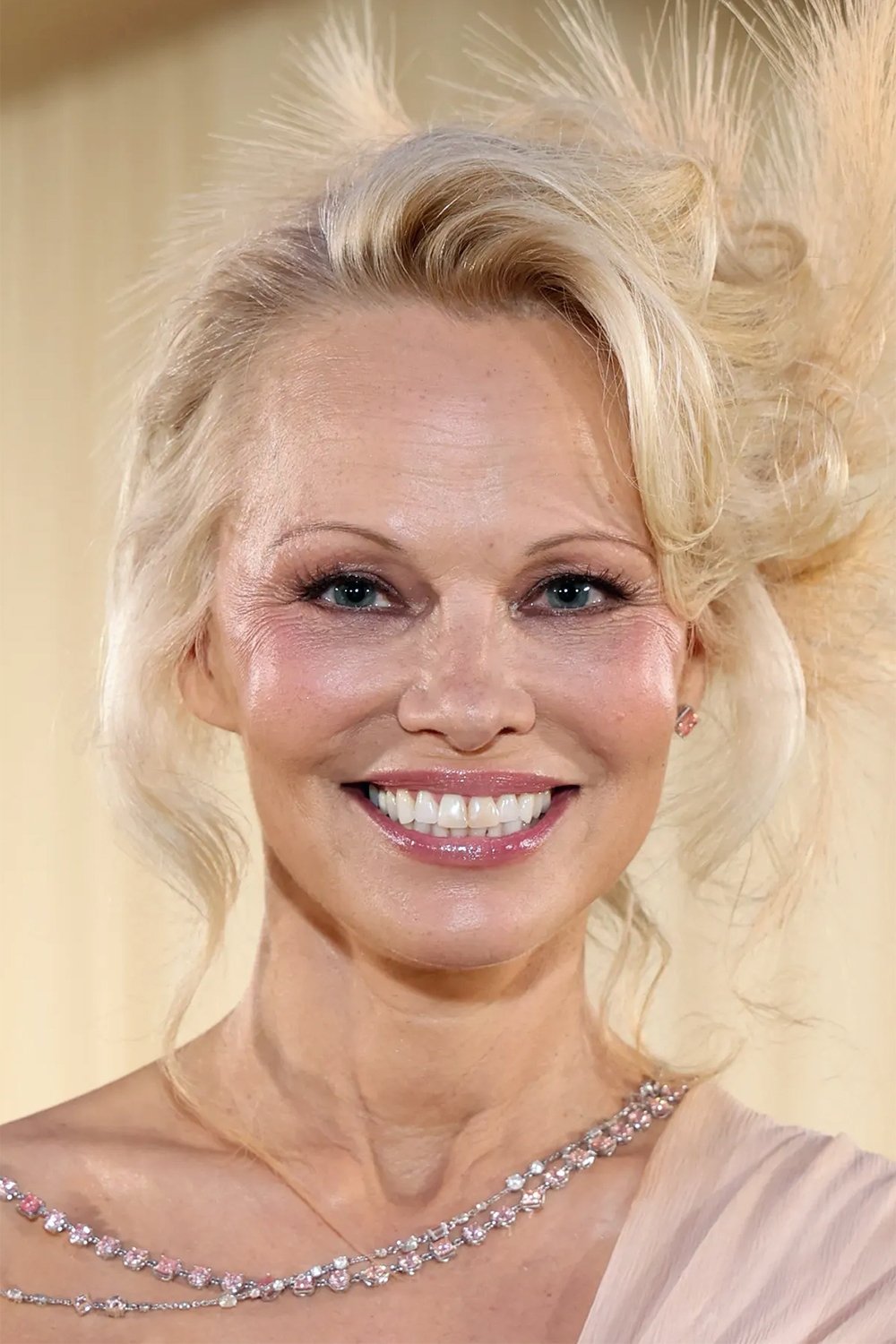
Pamela Anderson has been a vocal critic of the contemporary feminist movement, particularly regarding the #MeToo era. She argued that the movement has paralyzed men and that third-wave feminism is a “bore.” Anderson suggested that common sense should prevail in interactions between men and women, implying that some modern narratives victimize women unnecessarily. She has called for a return to traditional dynamics where men are allowed to be pursuers without fear of immediate condemnation.
Catherine Deneuve

French cinema legend Catherine Deneuve signed a controversial open letter that criticized the #MeToo movement as a “witch hunt.” The letter, signed by 100 French women, argued that the movement had gone too far and was threatening sexual freedom by conflating clumsy flirtation with sexual assault. Deneuve defended the right of men to “hit on” women, viewing it as a fundamental part of sexual liberty. She faced global backlash but stood by her concern that the movement was promoting a new form of puritanism.
Brigitte Bardot
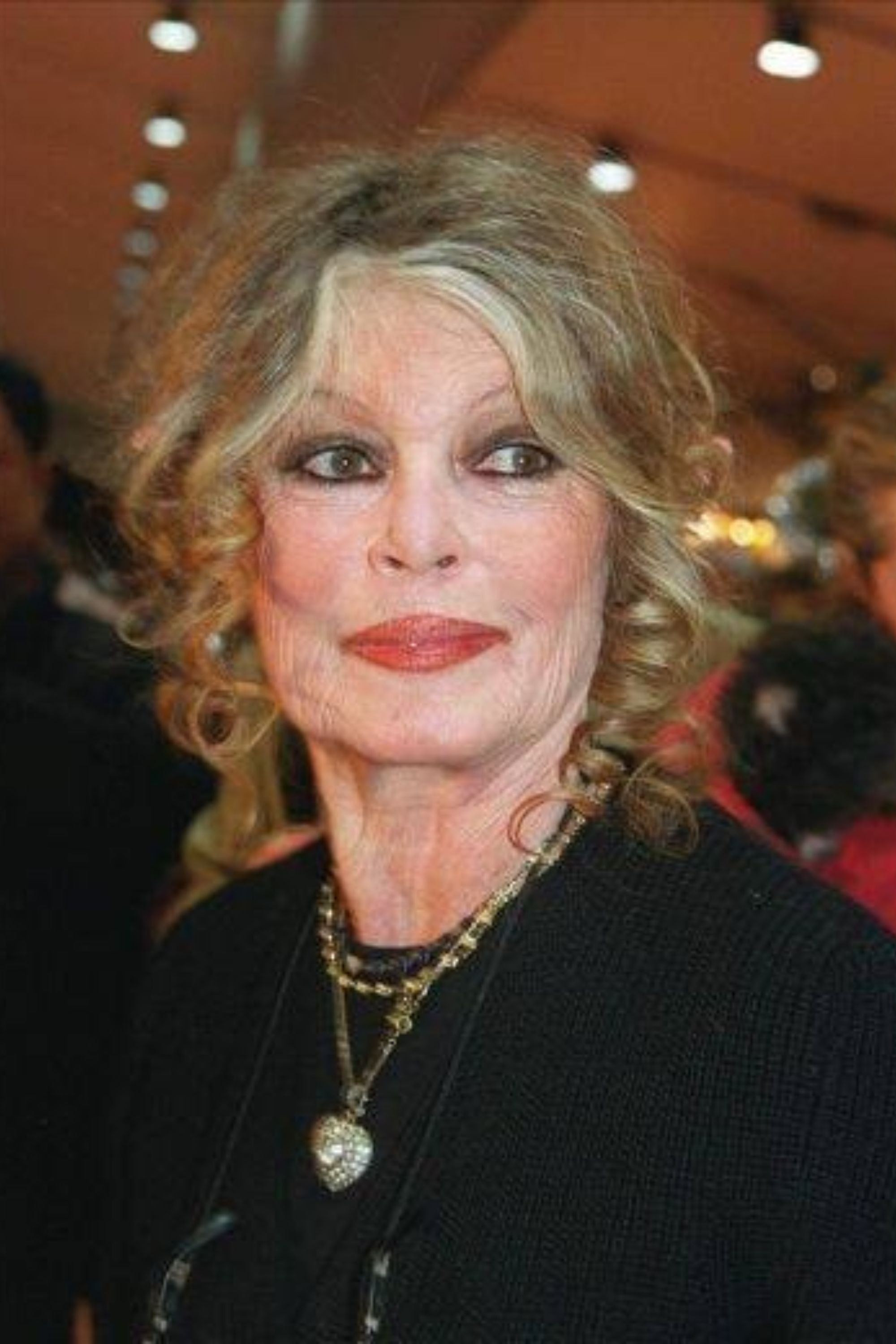
Brigitte Bardot, an icon of the 1960s, dismissed the #MeToo movement as hypocritical and ridiculous. She claimed that many actresses flirt with producers to get roles and then later claim harassment to generate publicity. Bardot’s critique was sharp and unapologetic: she views the modern complaints as a way for actresses to stay relevant. Her perspective aligns with a generational divide that views the current industry standards as overly sensitive compared to the past.
Lindsay Lohan
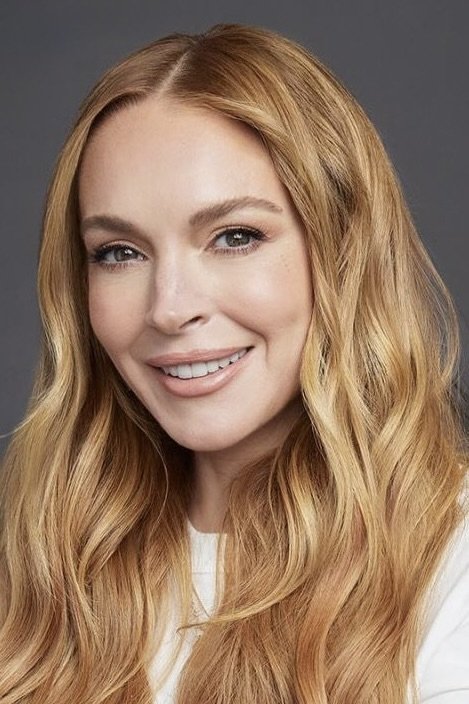
Lindsay Lohan sparked controversy when she criticized the #MeToo movement during an interview with The Times. She suggested that women who speak out about past experiences years later can look “weak” and that they should handle matters immediately with police. Lohan argued that the public nature of the movement often turns into a grab for attention rather than a pursuit of justice. Her comments were seen as a critique of the social media aspect of modern feminist activism.
Liam Neeson
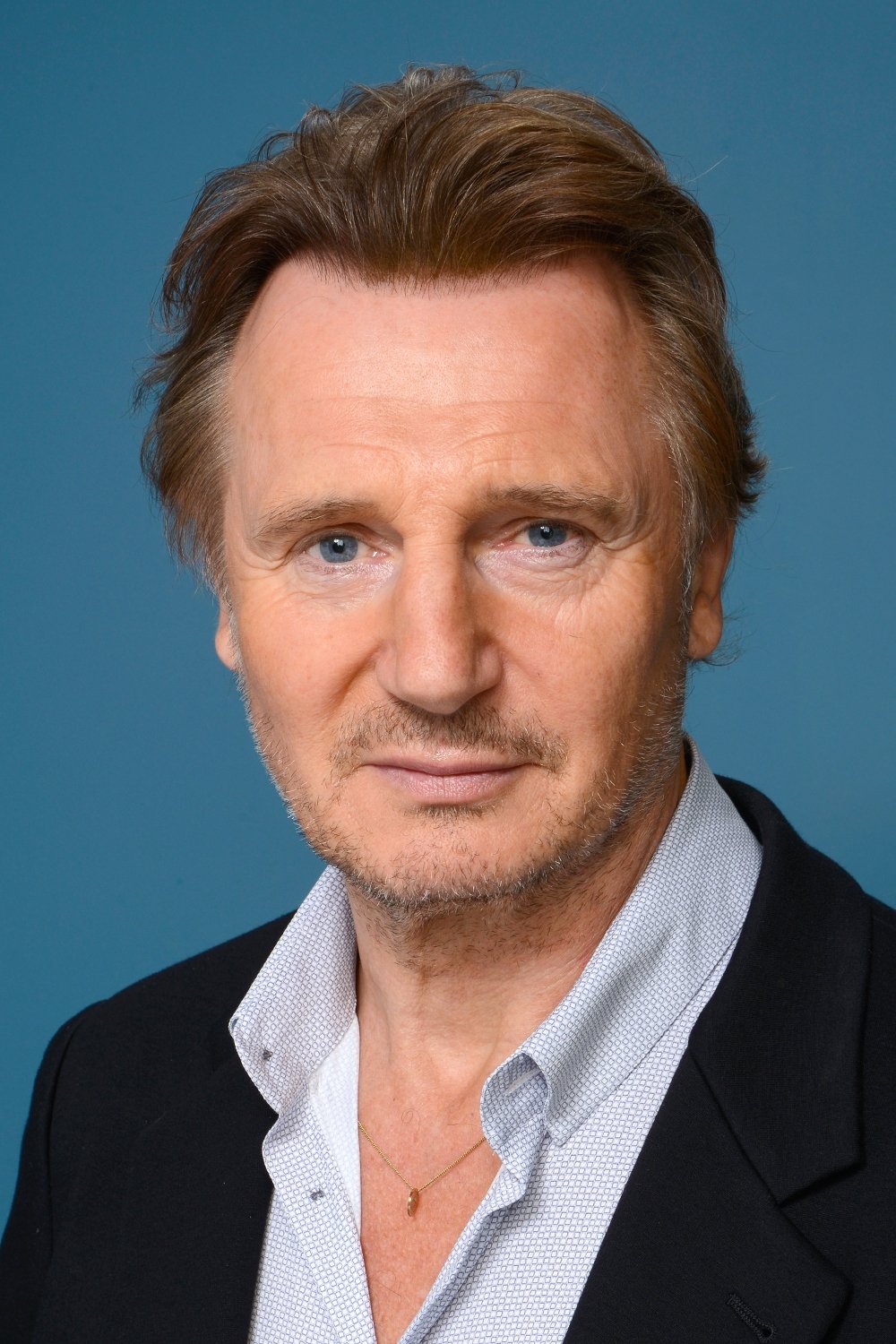
Action star Liam Neeson referred to the #MeToo movement as a “witch hunt” during a television interview. He expressed concern that the movement was causing a “bit of a panic” where people were being accused and fired without due process. Neeson clarified that he supports the punishment of actual crimes, but he criticized the nuances being lost in the public outcry. He pointed to instances where he felt careers were destroyed over minor behavioral infractions rather than criminal acts.
Sean Penn
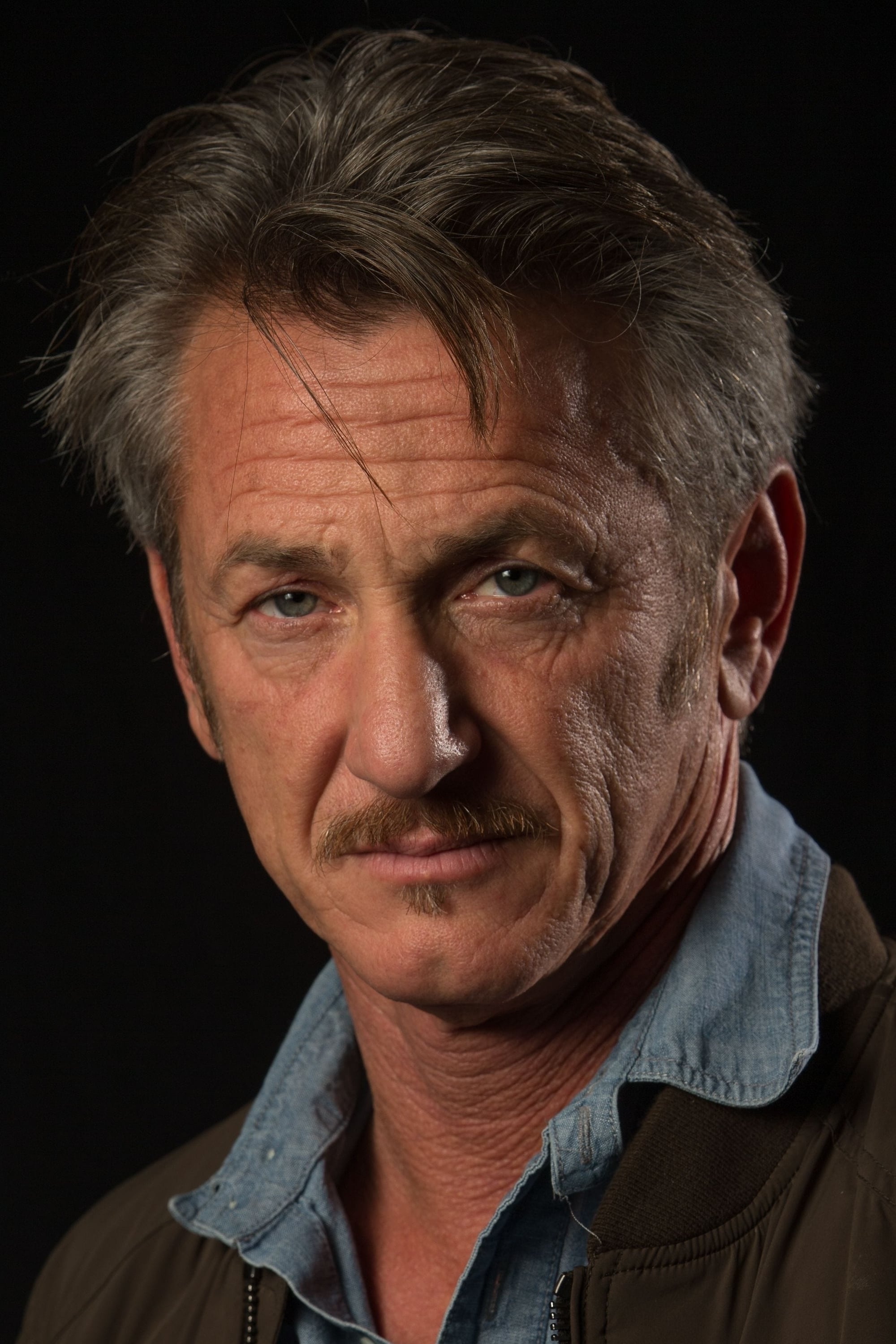
Sean Penn has been a consistent critic of the #MeToo movement: he has called it “salacious” and devoid of nuance. He argued that the movement is largely designed to divide men and women and often lacks intellectual honesty. Penn suggested that the spirit of the movement is too black-and-white, ignoring the complexities of human interaction. He views the “cancel culture” aspect of radical feminism as a destructive force in society.
Matt Damon
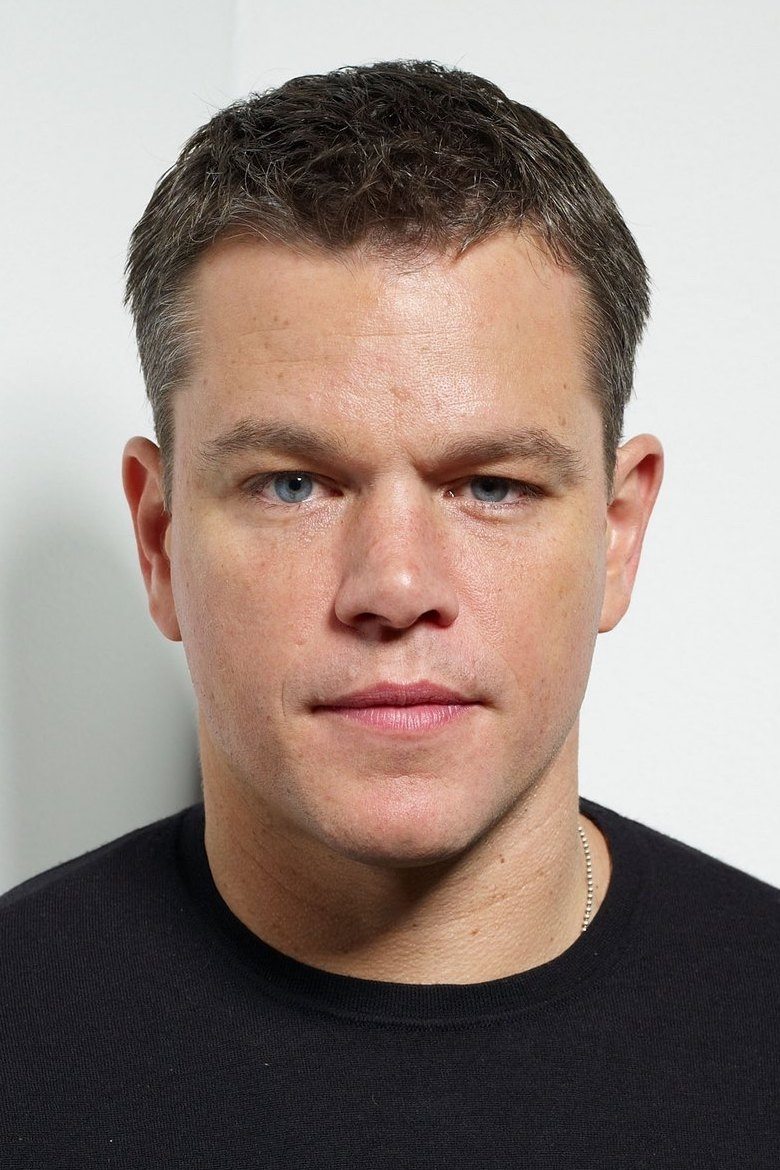
Matt Damon faced intense scrutiny after he called for a “spectrum of behavior” to be acknowledged within the sexual misconduct conversation. He argued that there is a difference between criminal acts like rape and lesser offenses like inappropriate touching: he believed they shouldn’t be conflated. Damon criticized the culture of “outrage and injury” that he felt was driving the narrative. While he later apologized for the pain his comments caused, his initial critique highlighted a desire for more nuance in feminist discourse.
Terry Gilliam
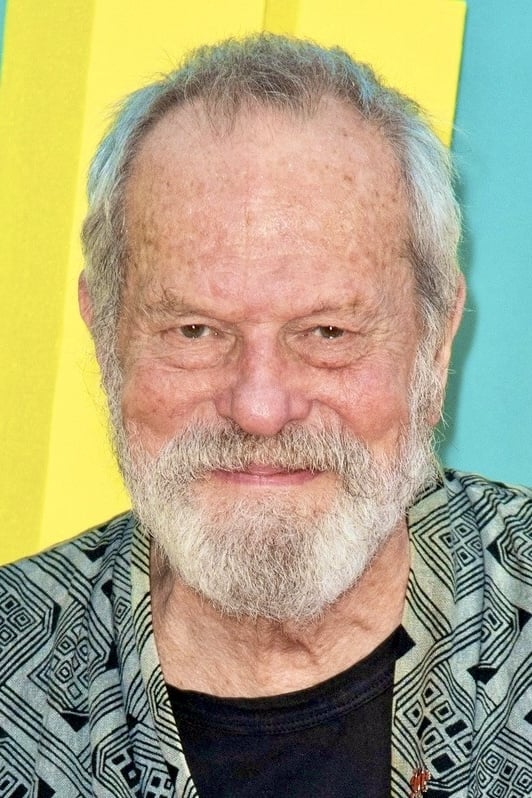
Director Terry Gilliam, a member of Monty Python, described the #MeToo movement as “mob rule.” He compared the public takedowns of powerful men to villagers marching with torches to burn down Frankenstein’s castle. Gilliam expressed frustration that the movement seemed to simplify complex human relationships into a narrative of victims and monsters. He argued that many people made calculated choices in Hollywood, and the retroactive rewriting of those interactions was dishonest.
Margaret Atwood

Author Margaret Atwood, despite writing the feminist seminal work ‘The Handmaid’s Tale’, has faced backlash for criticizing elements of modern feminism. She warned that the #MeToo movement could act like a “broken legal system” that bypasses due process. Atwood published an essay questioning whether the movement was becoming a vigilante justice system where accusations equal guilt. She maintains that true justice requires fair hearings, a stance that put her at odds with more radical activists.
Rose McGowan
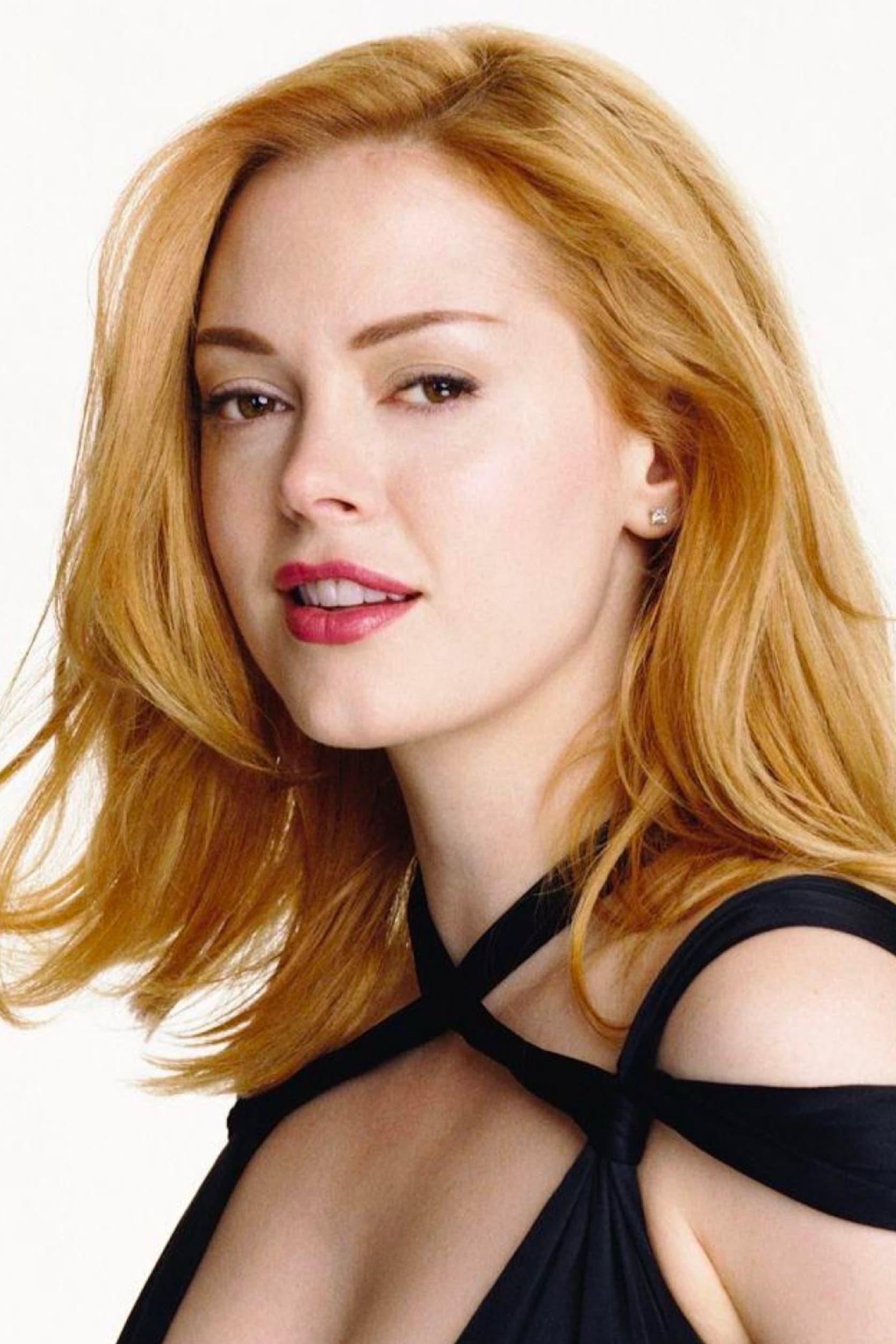
Rose McGowan, while a central figure in exposing Harvey Weinstein, has heavily criticized the mainstream “Hollywood” feminism championed by groups like Time’s Up. She called the movement “fake” and accused high-profile actresses of performing activism for good PR while having remained silent for years. McGowan’s critique is that corporate feminism is a fraud that protects the system rather than dismantling it. She considers herself a radical in a different sense: one who rejects the polished, safe version of feminism presented by the media.
J.K. Rowling
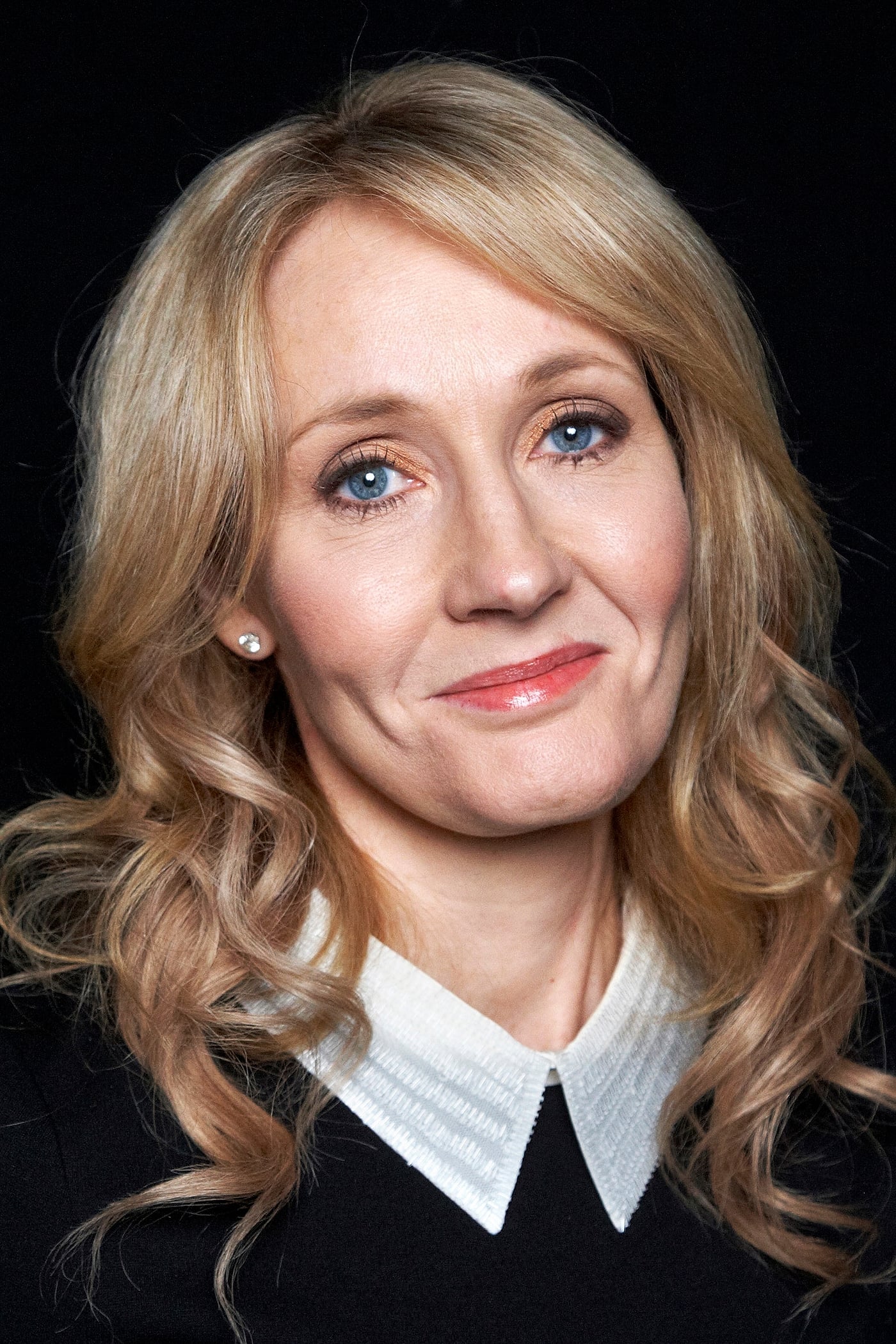
J.K. Rowling has become one of the most prominent figures criticizing the intersectional and gender-identity aspects of modern radical feminism. She identifies as a feminist but argues that the erasure of biological sex undermines the lived reality of women globally. Rowling has expressed concern that current gender ideology endangers single-sex spaces and the legal definition of womanhood. Her views have sparked a massive cultural war, separating her from the mainstream “third-wave” feminist consensus.
Bill Burr
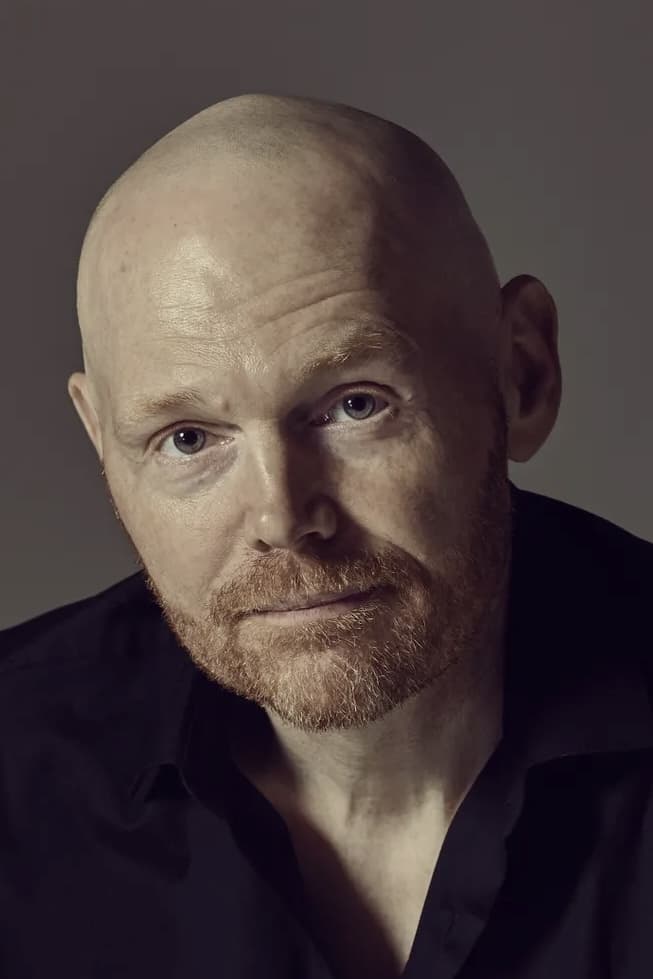
Comedian Bill Burr frequently targets male feminists and the hypocrisy he perceives in the movement during his stand-up routines. He argues that the movement often ignores the difficulties men face and that the cultural pendulum has swung too far toward misandry. Burr critiques the idea that all men are complicit in the patriarchy: he uses humor to highlight double standards in societal expectations. His comedy serves as a cultural pushback against what he views as the “cancellation” tactics of radical activists.
Dave Chappelle
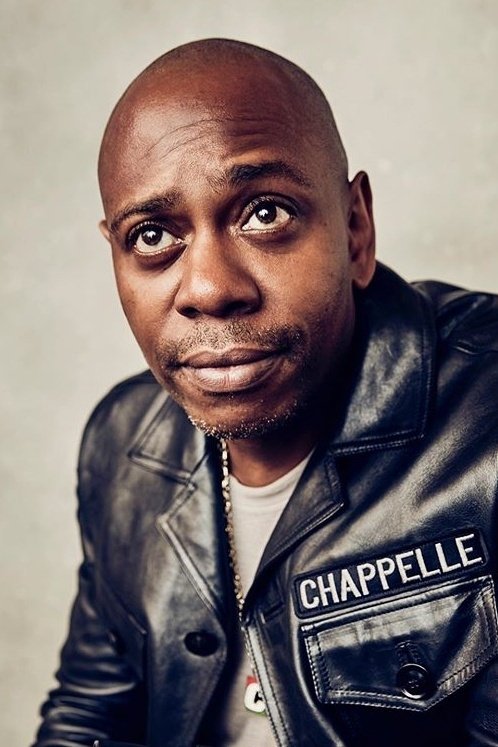
Dave Chappelle has used his specials to critique the “cancel culture” often associated with modern social justice movements, including feminism. He has argued that the fragility of modern audiences makes honest comedy impossible and that the movement often eats its own. Chappelle’s comedy suggests that the demand for ideological purity has become authoritarian. He defends the right to offend and questions the logic of modern feminist orthodoxy regarding gender and power.
Ricky Gervais
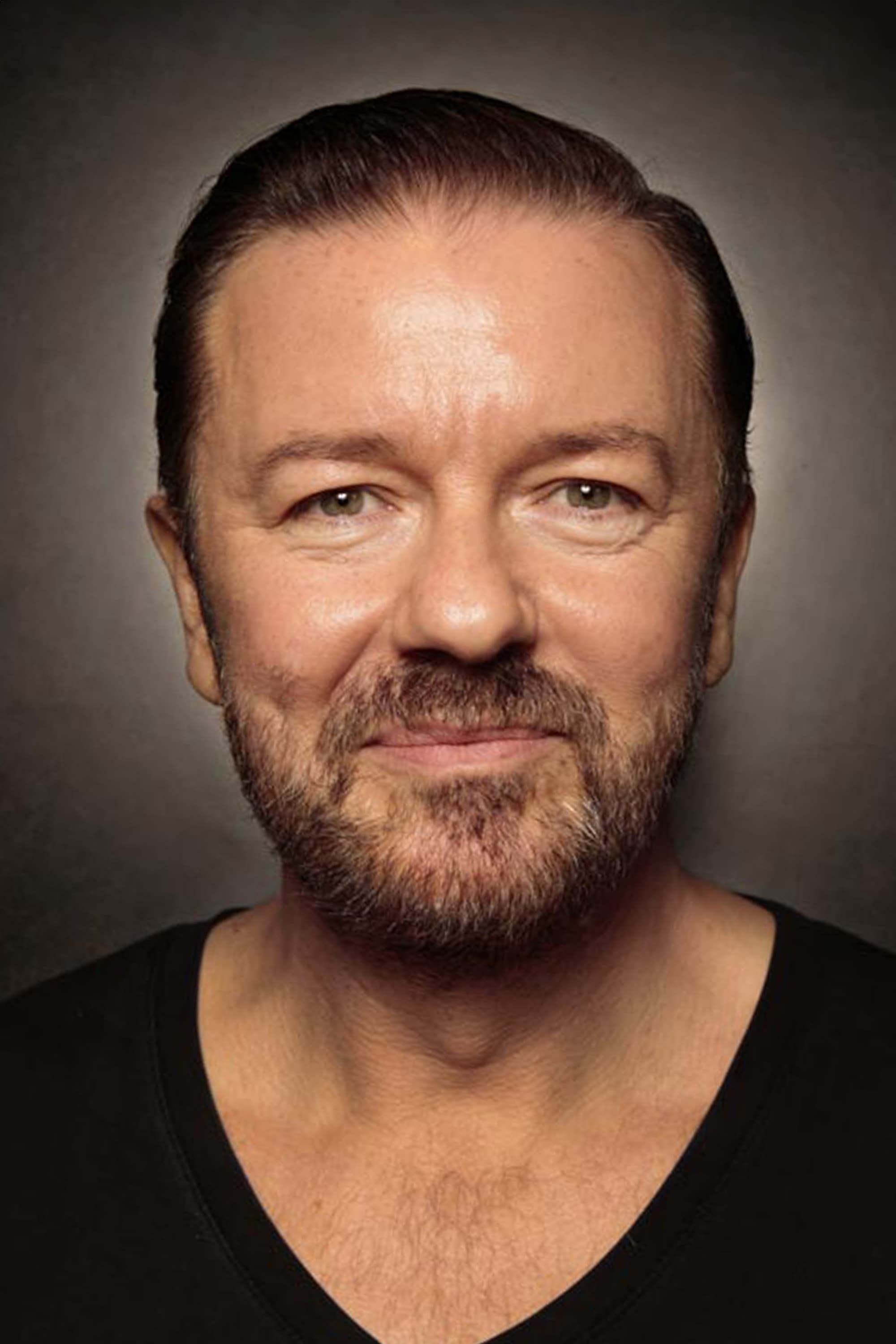
British comedian Ricky Gervais is a vocal critic of “woke” culture, which he often conflates with radical feminist policing of language. He uses his platform, particularly hosting the Golden Globes, to mock celebrities who preach political morality while working for corrupt corporations. Gervais argues that the new rules of social justice are performative and intellectually lazy. He refuses to bow to pressure regarding what jokes are “allowed” to be told about gender or identity.
Piers Morgan
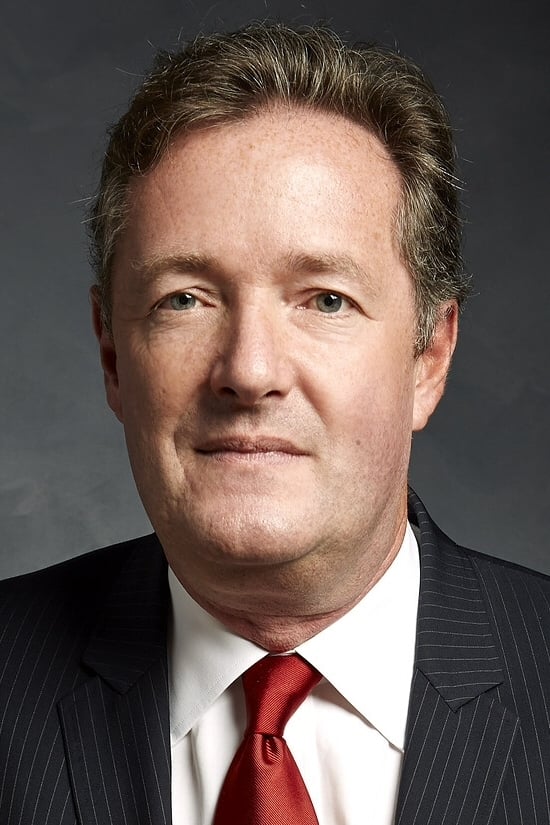
Broadcaster Piers Morgan is a relentless critic of what he terms “radical feminism,” often debating guests who hold these views on his shows. He distinguishes between “equality feminism,” which he supports, and a modern version he believes is intent on demonizing men. Morgan frequently criticizes protests and social media campaigns that he views as extreme or nonsensical, such as the banning of grid girls in Formula 1. He argues that the movement has been hijacked by extremists who want female supremacy rather than equality.
Joe Rogan
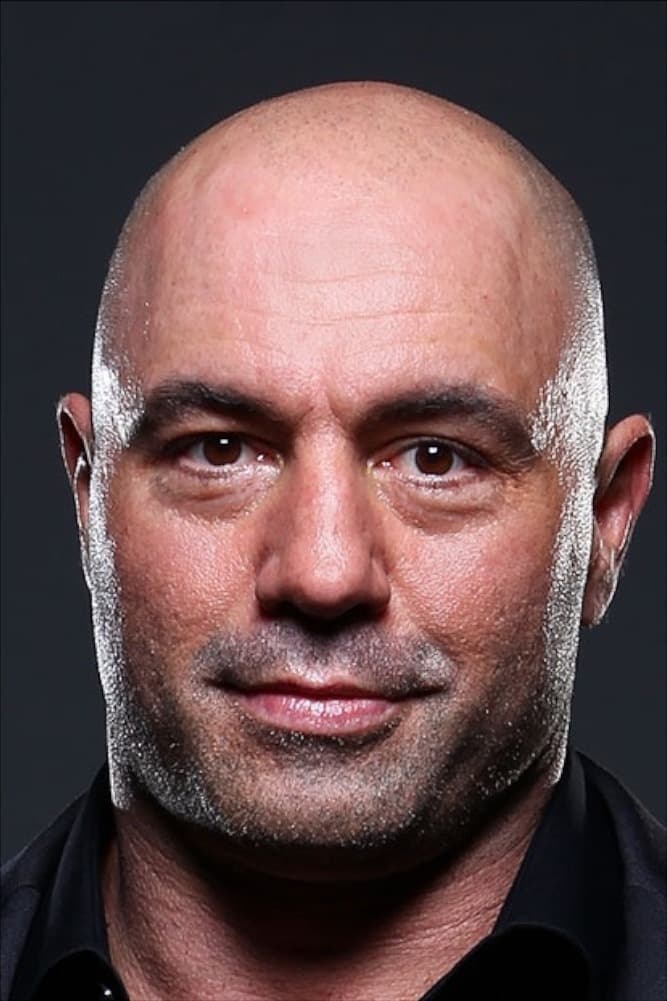
Podcaster Joe Rogan regularly hosts guests who critique modern feminism and discusses the topic at length. He has expressed the view that the movement has become an anti-male ideology that refuses to acknowledge biological differences. Rogan argues that the “patriarchy” narrative is often overstated and ignores the struggles of working-class men. He serves as a major amplifier for the “Intellectual Dark Web” figures who challenge feminist academic theory.
Candace Owens

Conservative commentator Candace Owens is one of the most aggressive critics of modern feminism: she calls it a “scam.” Owens argues that the movement encourages women to be miserable and to view men as the enemy rather than partners. She believes that feminism has destroyed the nuclear family and misled women about what will make them happy. Her critique is rooted in traditional values: she asserts that modern women have been “brainwashed” by radical ideology.
Gina Carano
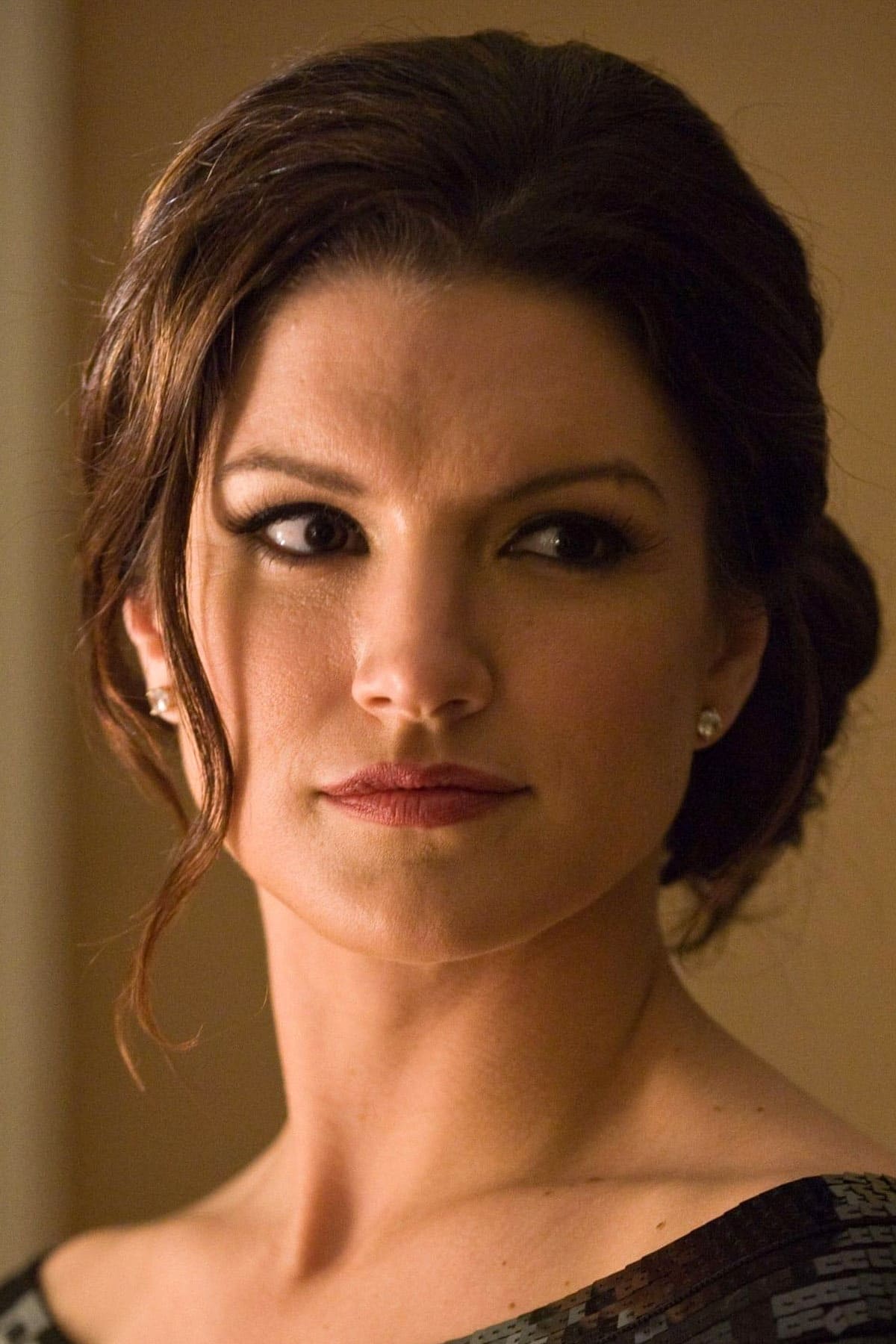
Actress and former MMA fighter Gina Carano has faced significant backlash for her refusal to conform to modern social justice mandates, including those related to gender. She has criticized the pressure to put pronouns in bios and the general climate of forced compliance in Hollywood. Carano views the modern feminist and activist culture as bullying rather than liberating. Her resistance to these norms eventually led to her separation from Disney and ‘The Mandalorian’.
Kevin Sorbo
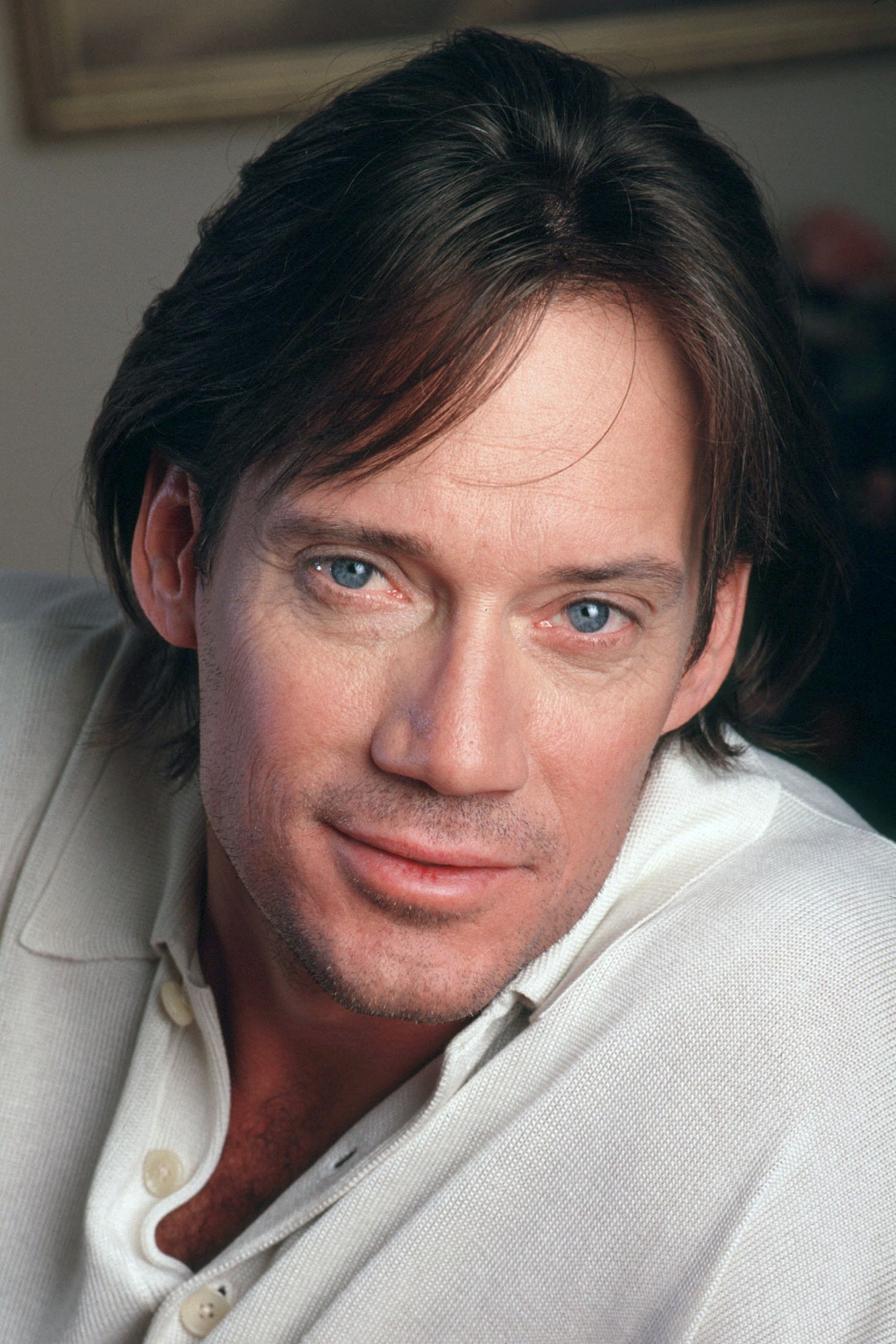
Actor Kevin Sorbo often speaks out against the “feminization” of men and the cultural attacks on masculinity. He argues that Hollywood and the media are pushing a radical agenda that seeks to make men weak and irrelevant. Sorbo believes that true feminism should not involve tearing men down, yet he feels that is exactly what the modern movement does. He advocates for a return to traditional gender roles and biblical values.
James Woods
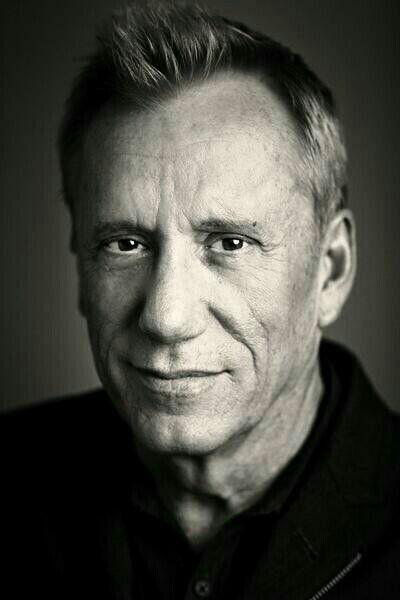
James Woods is a fierce critic of progressive politics on Twitter, frequently targeting feminist talking points. He uses his platform to mock what he sees as the absurdity of “woke” gender politics and the #MeToo movement’s excesses. Woods argues that the movement has abandoned logic in favor of emotional mob rule. He positions himself as a defender of traditional American values against a radical cultural shift.
John Cleese
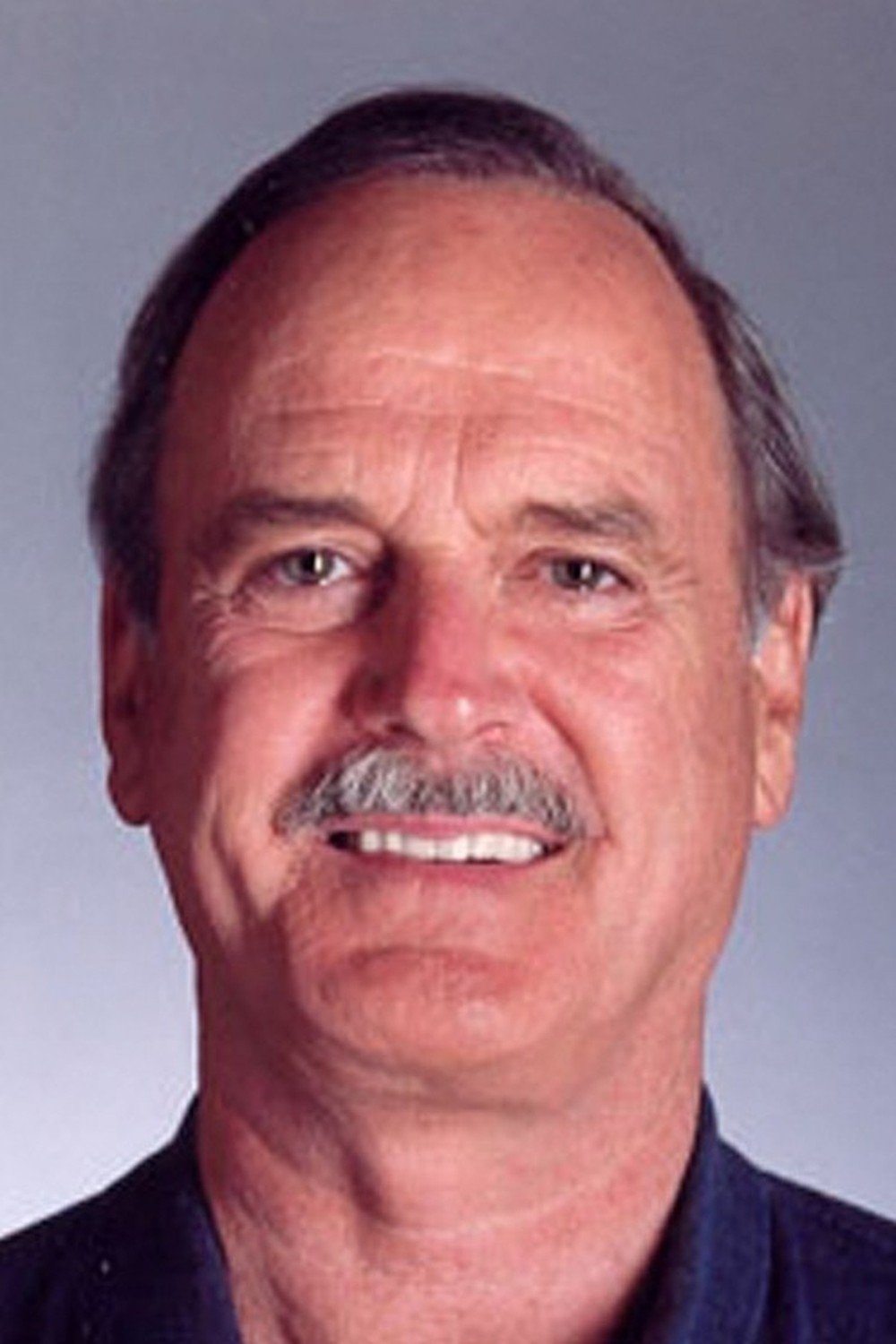
Monty Python legend John Cleese has criticized the “stifling” effect of political correctness and radical feminism on comedy. He argues that the fear of offending specific groups, including women, has destroyed the nuance required for humor. Cleese believes that the modern “woke” movement is authoritarian and lacks a sense of proportion. He refuses to apologize for past jokes or alter his style to suit modern sensibilities.
Laurence Fox
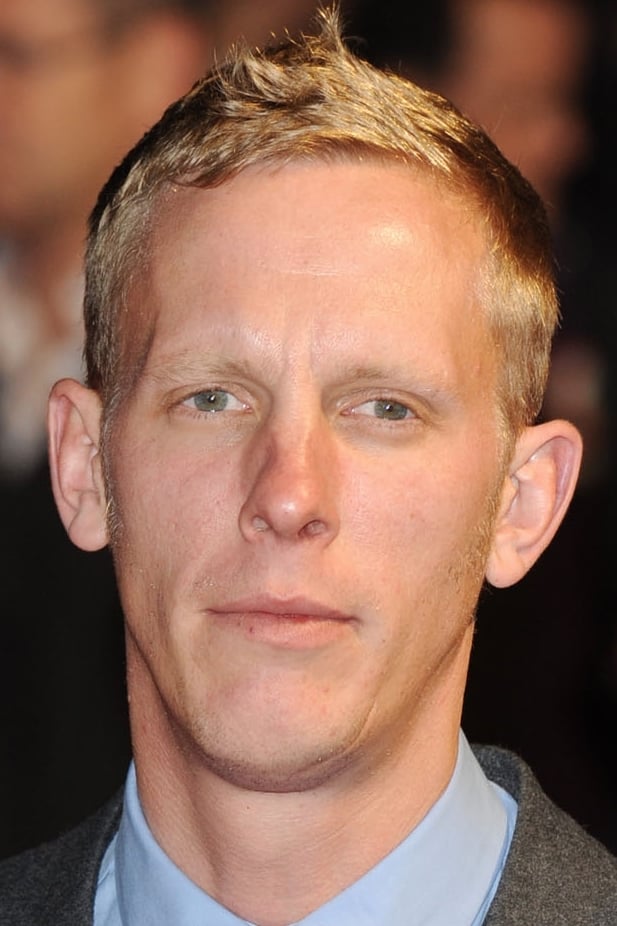
British actor Laurence Fox founded the Reclaim Party to fight against what he calls the “woke virus,” including radical feminism. He argues that white men are being systematically marginalized and that the narrative of systemic privilege is false. Fox has stated that he refuses to date “woke” women, finding the ideology insufferable. His entire political platform is built on criticizing the identity politics that centralize gender and race.
Morrissey

The former Smiths frontman has made numerous controversial statements criticizing the logic of modern gender politics. Morrissey has argued that the definition of harassment has become so broad that it trivializes actual assault. He has expressed skepticism about the “believe all women” mantra, suggesting it ignores the possibility of false accusations. His views are often characterized by a rejection of modern social consensus.
Sandra Day O’Connor
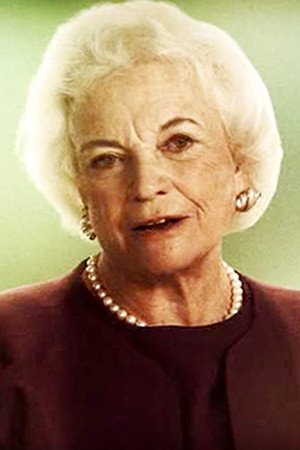
The first woman to serve on the U.S. Supreme Court, Sandra Day O’Connor, famously refused to call herself a feminist. She stated in interviews that she never cared for the label, preferring to be known as a “fair judge and a hard worker.” O’Connor believed that her actions spoke louder than political labels and that she didn’t need to join the “march in the streets.” Her critique was passive but powerful: she achieved the highest level of success without adopting the ideology.
Kim Kardashian
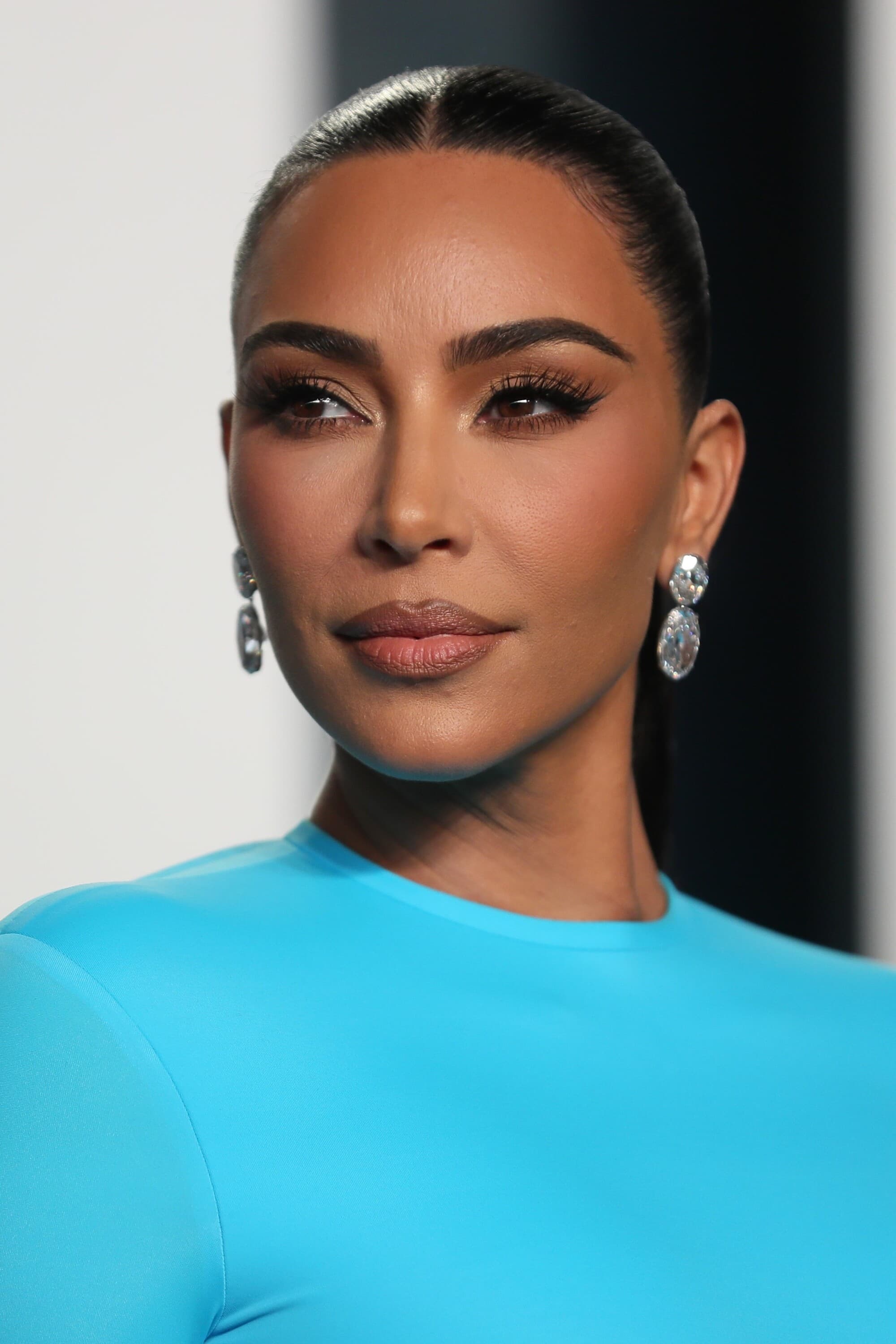
Reality TV mogul Kim Kardashian caused a stir when she explicitly stated, “I’m not a feminist.” She explained that while she supports women, she doesn’t like the labels and doesn’t want to be defined by them. Kardashian argued that you don’t need to be a feminist to do the work of empowering women. Her stance reflects a modern, commercialized view where individual success is prioritized over collective political identity.
Kendall Jenner
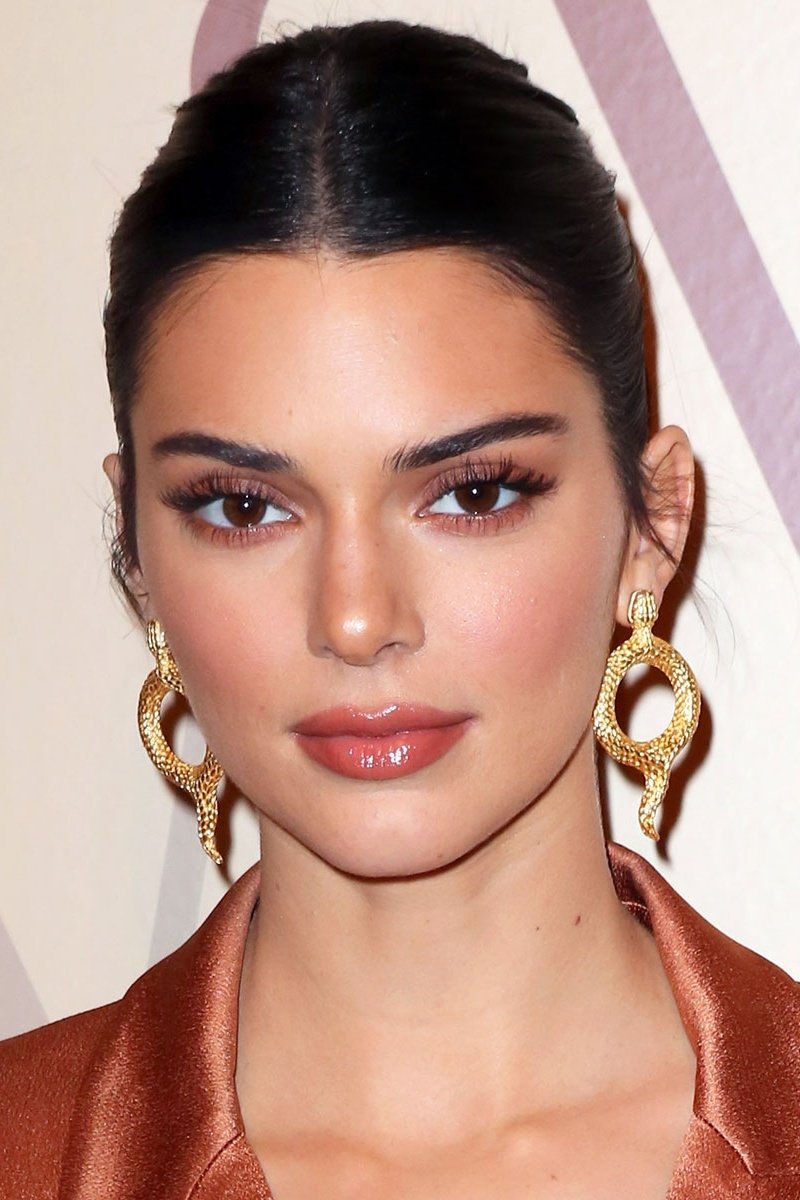
Following in her sister’s footsteps, Kendall Jenner has also stated that she does not identify as a feminist. She questioned the utility of the word, asking why she would need to label herself when she’s just a girl supporting other girls. Jenner’s critique is one of apathy toward the political weight of the term. She represents a younger demographic that finds the label unnecessary or outdated.
Melissa Leo
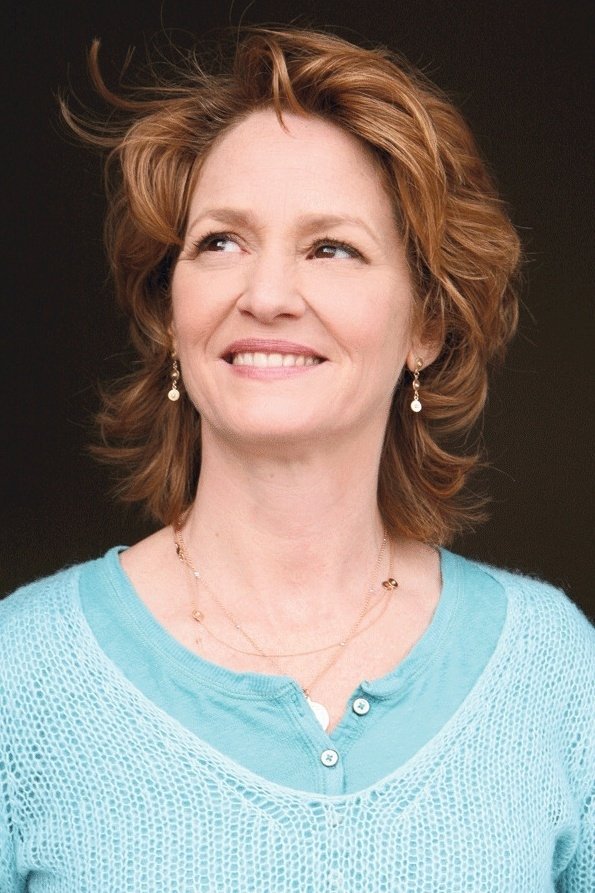
Actress Melissa Leo has rejected the feminist label, stating that as soon as we start labeling and categorizing ourselves, we “shut down the world.” She argues that these categories create divisions that prevent true human connection. Leo believes that the focus should be on the individual rather than the group identity. Her critique is philosophical: she views labels as inherently limiting.
Jacqueline Bisset
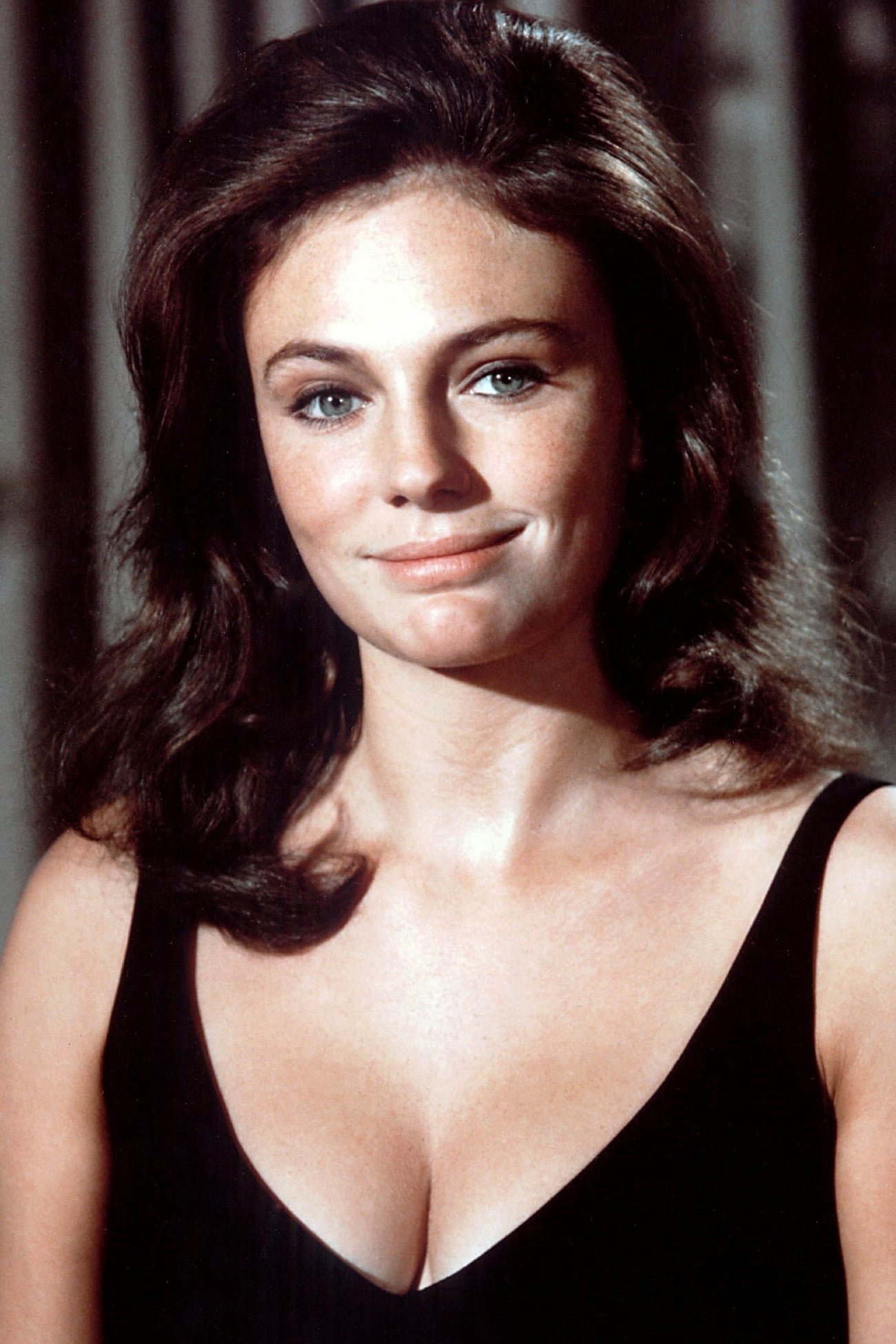
British actress Jacqueline Bisset has stated that she never fully embraced feminism because she found it too aggressive. She noted that while the movement had good points, she felt that “women are becoming so tough” that they lose their charm. Bisset’s critique is rooted in a desire to maintain the mystery and softness of romantic interplay. She argues that the movement sometimes sacrifices the beauty of gender differences.
Carrie Underwood
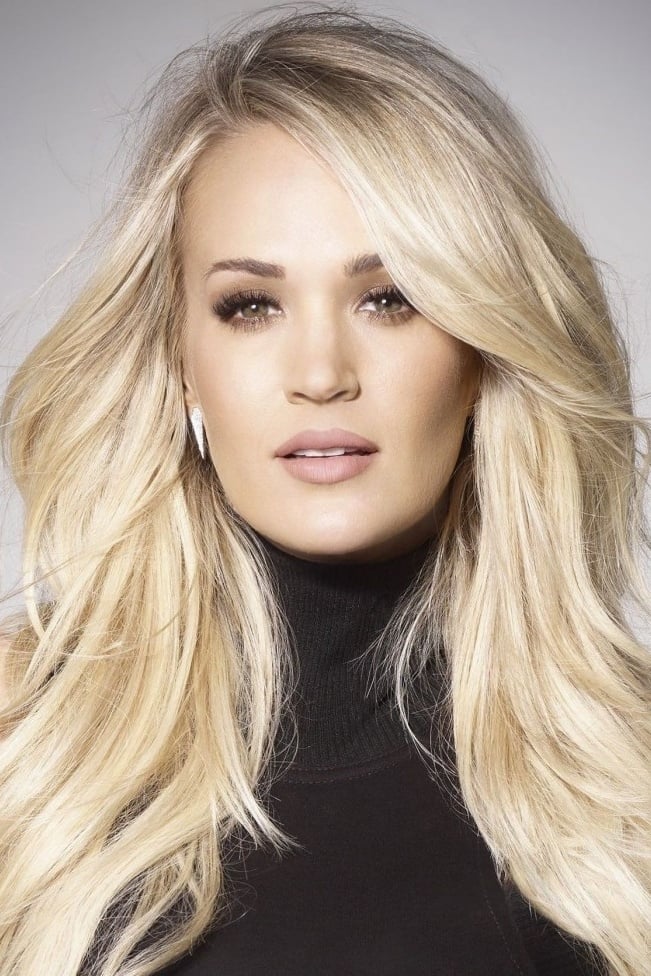
Country superstar Carrie Underwood has avoided the feminist label, saying she wouldn’t go so far as to use it because of its “negative connotation.” She prefers to describe herself simply as a “strong female.” Underwood’s hesitation stems from the perception that the word implies an angry or militant attitude. She seeks to empower women without adopting the political baggage she associates with the specific term.
Reba McEntire
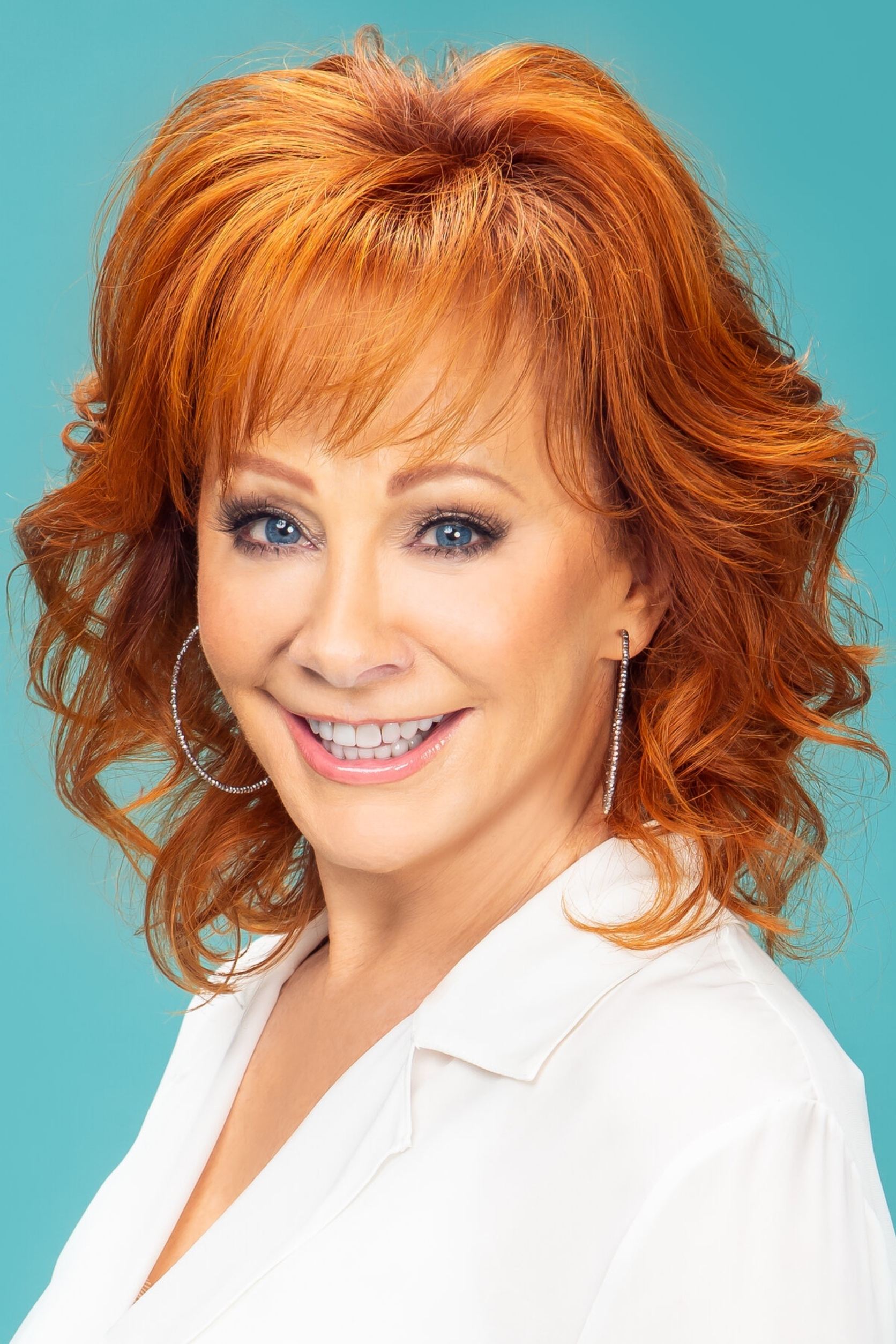
Country legend Reba McEntire has stated that she does not do “feminist stuff,” preferring to see herself as a person who supports all people. She argues that she focuses on working hard and treating people right, regardless of gender. McEntire’s critique is that the movement can be exclusionary or too focused on gender battles. She embodies a traditional “pull yourself up by your bootstraps” mentality that ignores gendered structural analysis.
Dolly Parton
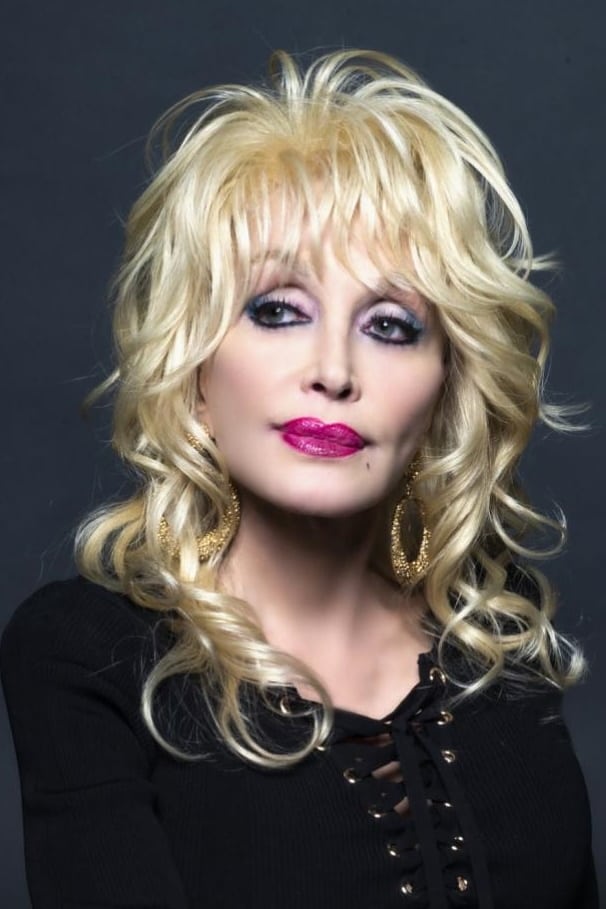
Dolly Parton, despite being a massive icon for female independence, has famously refused to call herself a feminist. She states that she loves men and doesn’t want to be part of a movement that she perceives as sometimes bashing them. Parton prefers to lead by example, running her own business empire and demanding respect without the political label. Her critique is gentle but firm: she believes in equality but rejects the ideology’s combative reputation.
Kelly Clarkson
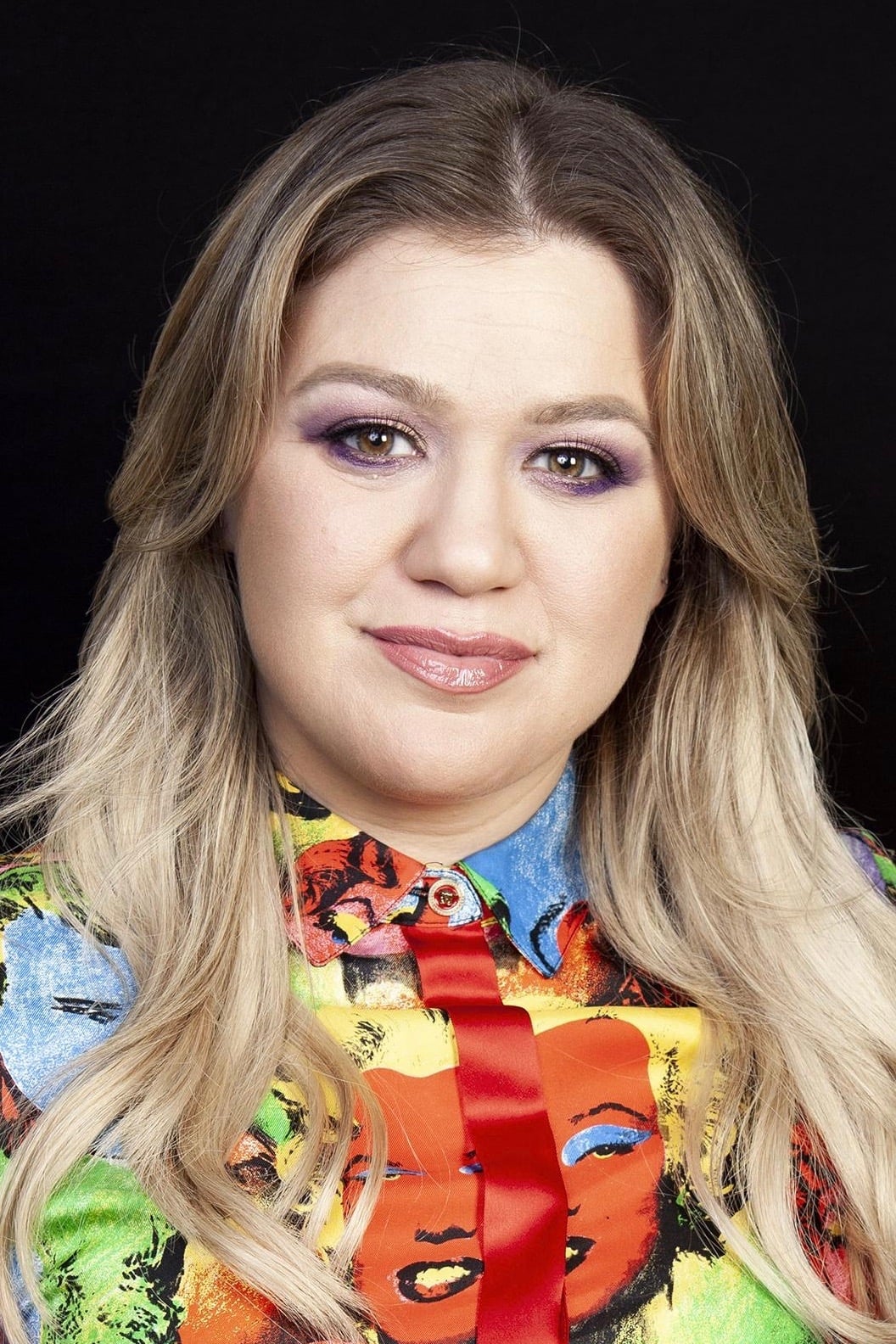
Singer Kelly Clarkson once stated that she wouldn’t say she is a feminist because “that’s too strong.” She expressed a fear that the word implies “get out of my way, I don’t need anyone,” whereas she enjoys being taken care of by a man in a partnership. Clarkson’s critique highlights the misconception or belief that feminism requires absolute independence to the point of isolation. She viewed the term as incompatible with her desire for a traditional romantic dynamic.
Katy Perry
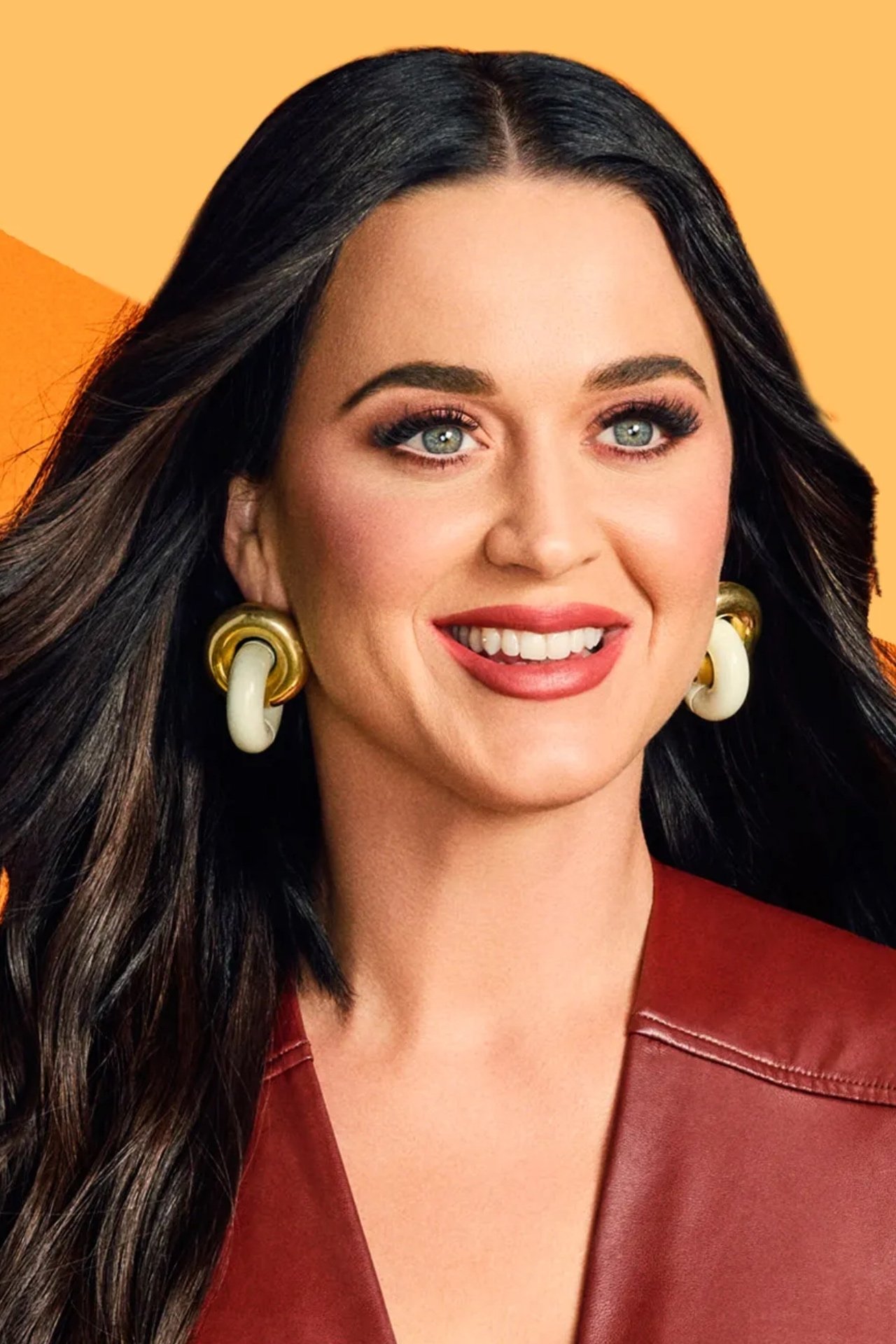
In the earlier years of her career, Katy Perry stated, “I am not a feminist, but I do believe in the strength of women.” She explained that she didn’t really understand the word at the time but associated it with a negative, anti-male sentiment. Perry’s early stance reflected a common pop-culture critique that feminism was synonymous with man-hating. While her views evolved, her initial rejection was a significant moment of celebrity criticism toward the label.
Lady Gaga
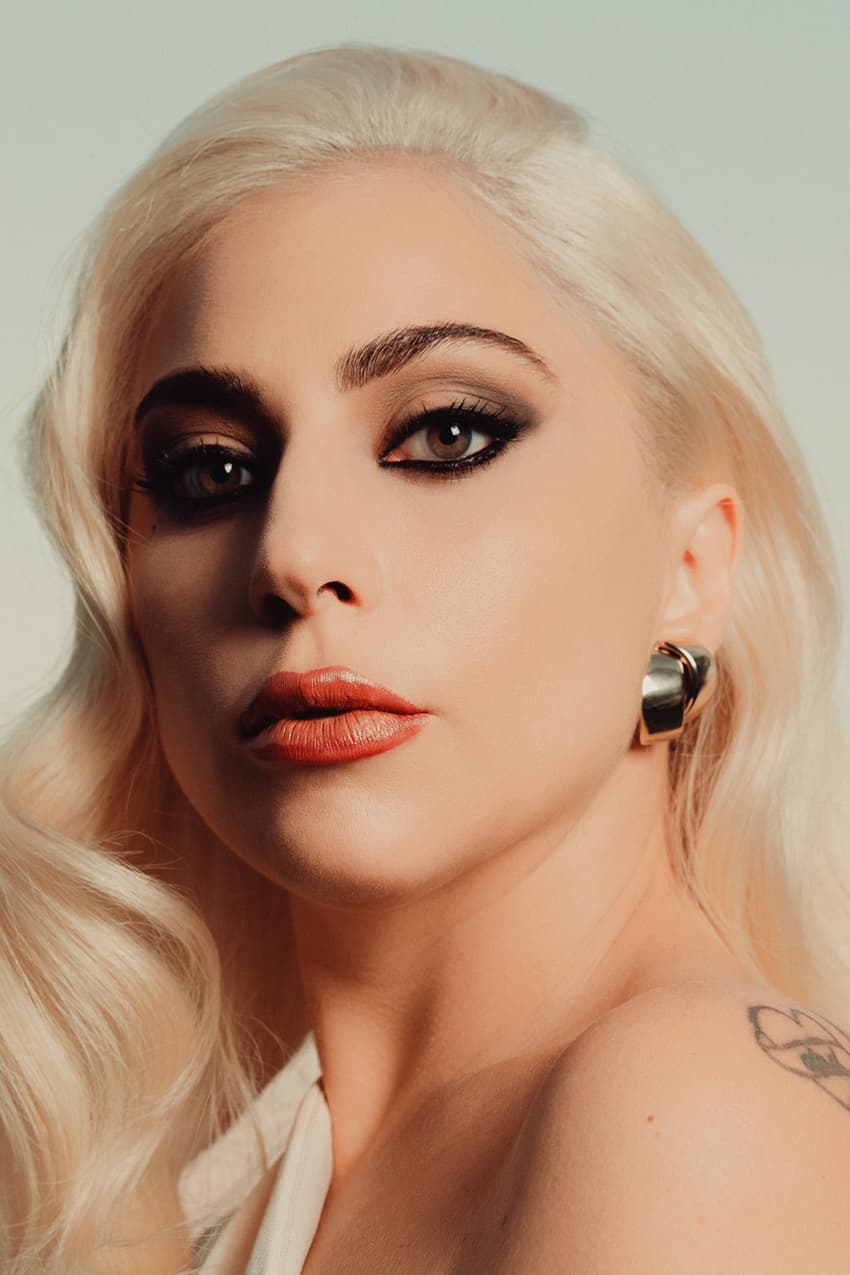
Lady Gaga, early in her fame, famously told the Los Angeles Times, “I’m not a feminist. I hail men, I love men.” She criticized the movement for what she saw as a hatred of American male culture, such as beer and muscle cars. Gaga argued that she could be a strong woman without adopting a label she felt was antagonistic toward men. This quote remains one of the most cited examples of a celebrity rejecting the feminist framework to defend their love for masculinity.
Björk
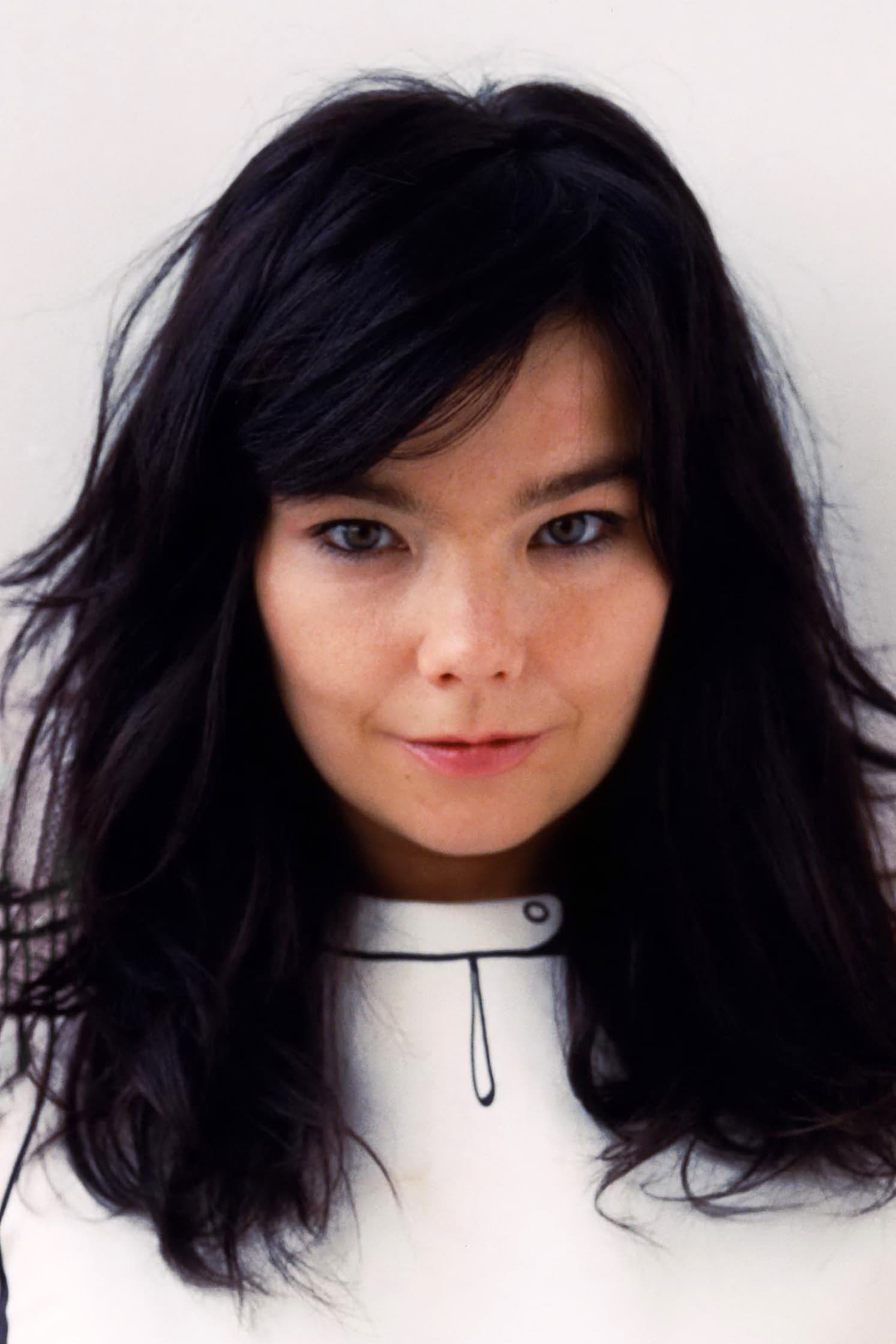
Icelandic artist Björk has stated that she does not identify as a feminist because she thinks it would “isolate” her. She expressed a desire to do positive things rather than complain or focus on grievances. Björk’s critique is that the movement can be too focused on the negative aspects of existence rather than creation. She prefers to operate outside of political definitions, focusing on nature and humanity as a whole.
Adam Baldwin
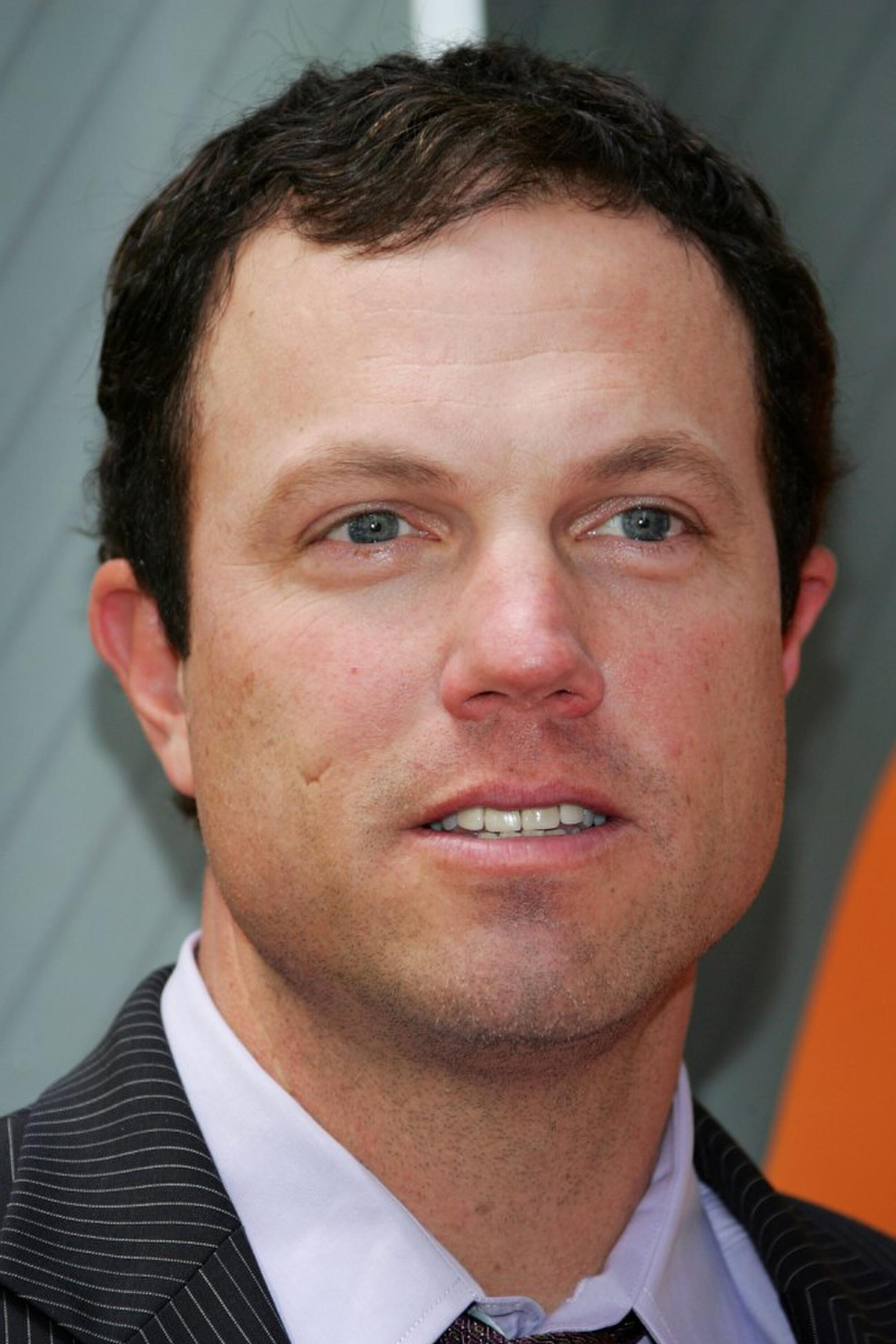
Actor Adam Baldwin, known for ‘Firefly’, was a central figure in the GamerGate controversy and has been a harsh critic of radical feminism in media. He argues that “social justice warriors” are ruining entertainment by forcing diversity and feminist themes where they don’t belong. Baldwin believes that meritocracy is being destroyed by gender quotas. He uses his social media platform to actively combat what he views as the imposition of radical leftist gender politics.
What do you think about these celebrities’ views on feminism and the #MeToo movement? Share your thoughts in the comments.