


Celebrities Who Have Criticized The #MeToo Movement

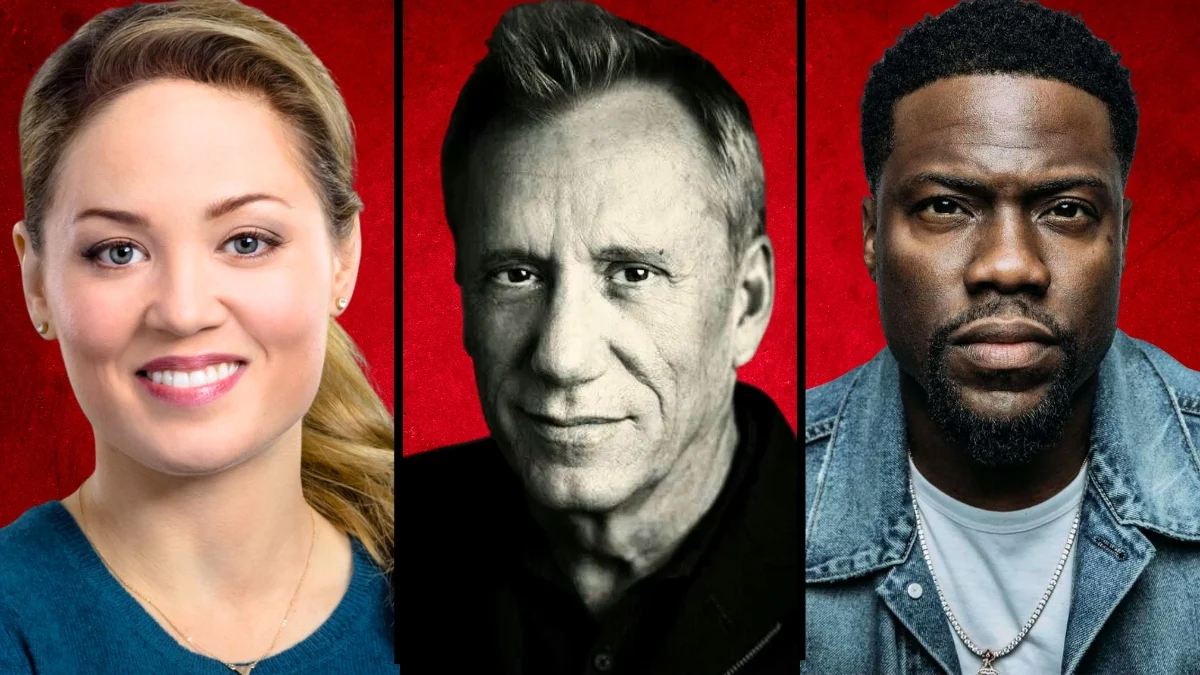


The #MeToo movement sparked a global conversation regarding sexual harassment and workplace misconduct, leading to significant shifts in the entertainment industry. While many stars championed the cause, several high-profile figures expressed concerns about its methods, potential for overreach, or impact on due process. These celebrities have publicly voiced skepticism, ranging from signing collective manifestos to sharing individual perspectives in televised interviews. Their critiques often highlight a generational or ideological divide regarding how professional and personal boundaries should be established in the modern era.
Catherine Deneuve

The French actress signed an open letter in ‘Le Monde’ criticizing the movement for creating a puritanical climate. She argued that persistent or clumsy flirting should not be considered a crime and expressed concern over a new form of censorship in the arts. The letter claimed the movement had gone too far by attacking men for what the signatories considered minor infractions. Deneuve later apologized to victims of sexual assault but maintained her original stance regarding the letter’s principles.
Brigitte Bardot
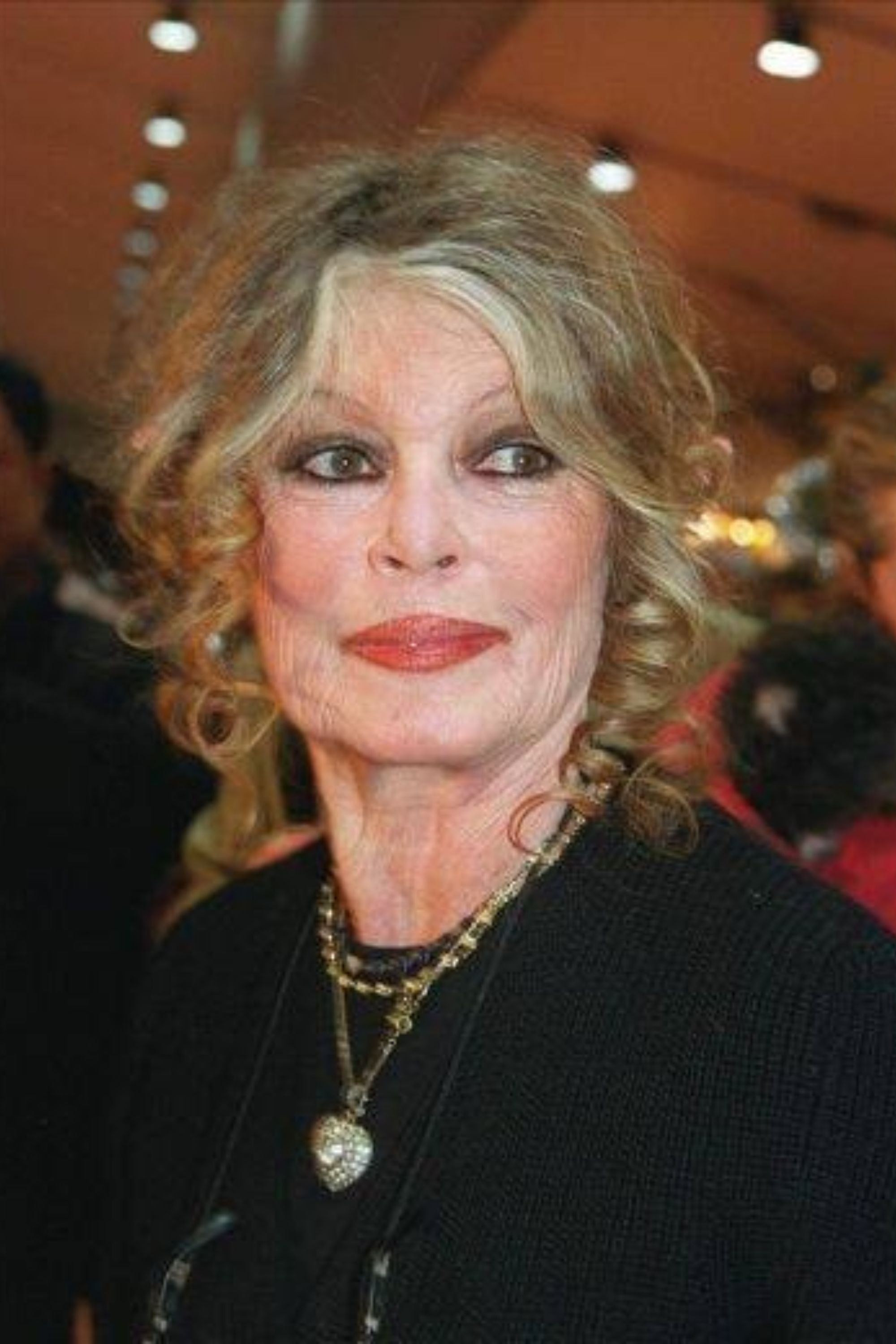
The cinema icon labeled actresses who complained about sexual misconduct as hypocritical and ridiculous. She stated in an interview that many performers would flirt with producers to land roles and then complain about harassment later to gain publicity. Bardot claimed she never felt like a victim of such behavior during her lengthy career in the film industry. Her comments sparked significant backlash from activists who argued she was dismissing the realities of systemic abuse.
Liam Neeson
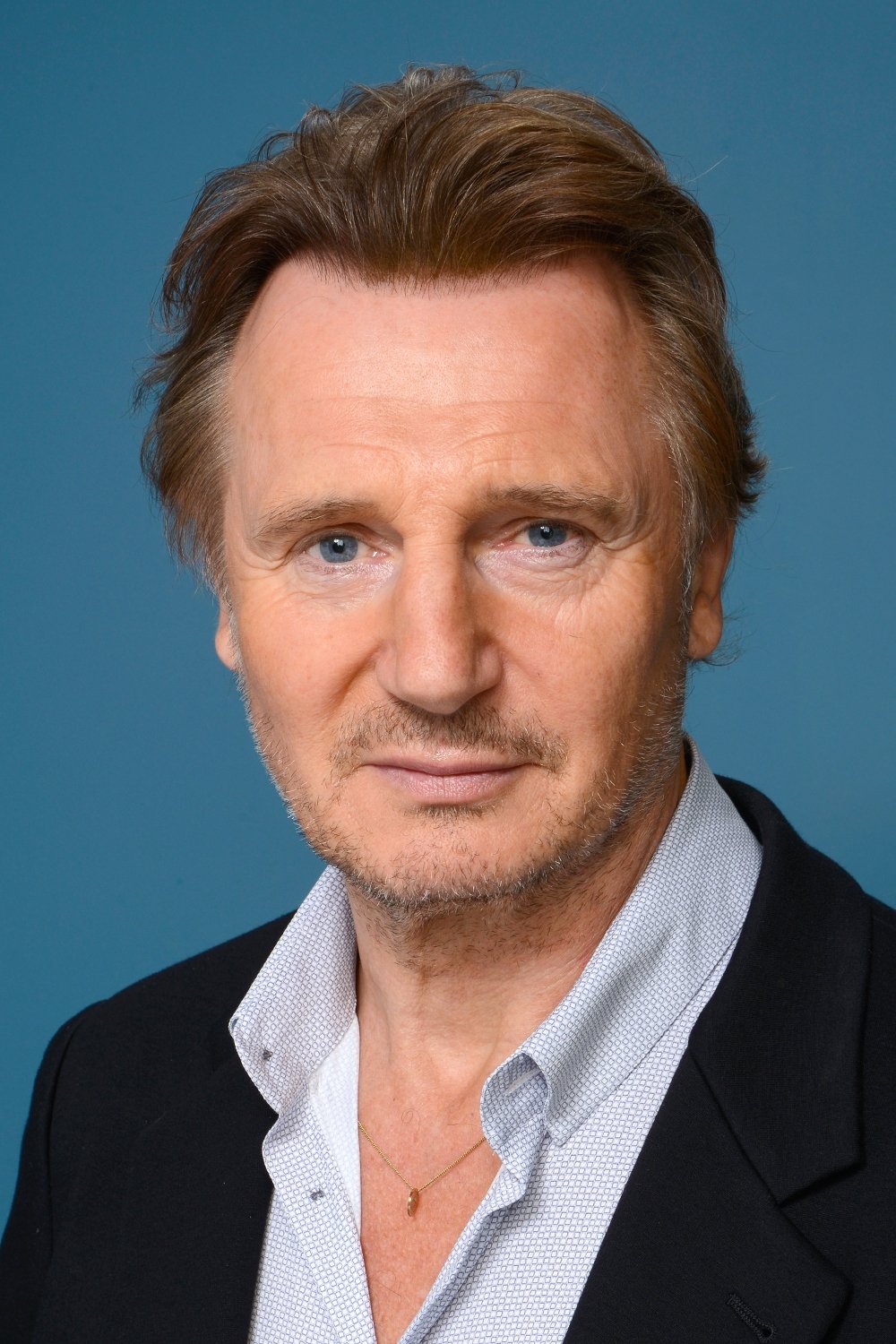
During an appearance on ‘The Late Late Show’, Neeson described the movement as a bit of a witch hunt. While he acknowledged that some high-profile cases were justified, he expressed concern that others were being accused without sufficient evidence. He cited the case of Garrison Keillor as an example of what he considered a disproportionate professional reaction. Neeson emphasized the importance of distinguishing between serious criminal assault and clumsy human behavior.
Sean Penn
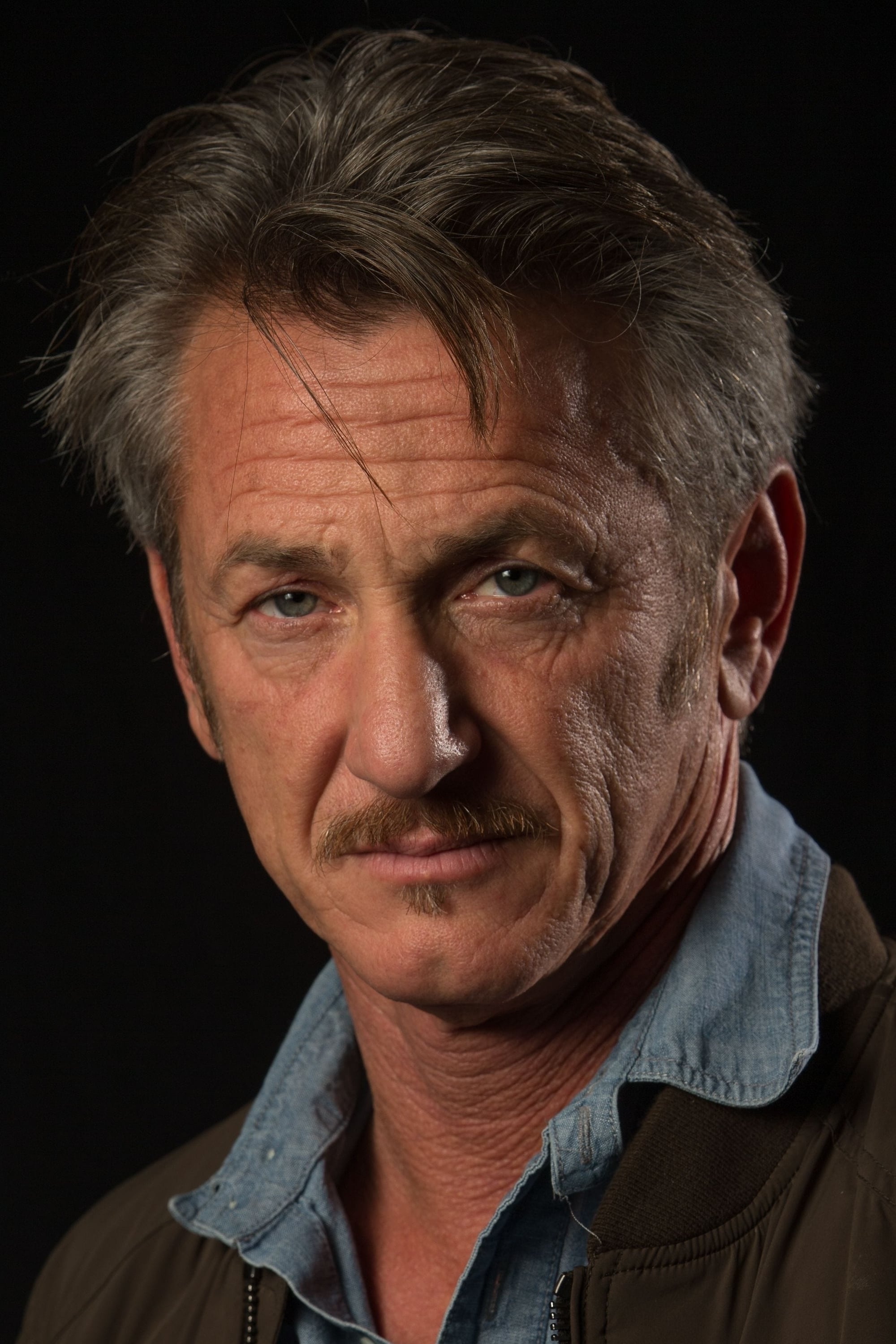
Penn critiqued the movement for being too black and white and suggested it was fundamentally divisive. He claimed the movement’s intent often appeared to be a way to divide men and women rather than foster genuine understanding. The actor stated that many of the conversations surrounding the movement were salacious and lacked necessary nuance. He voiced these opinions during the promotional cycle for his series ‘The First’.
Lindsay Lohan
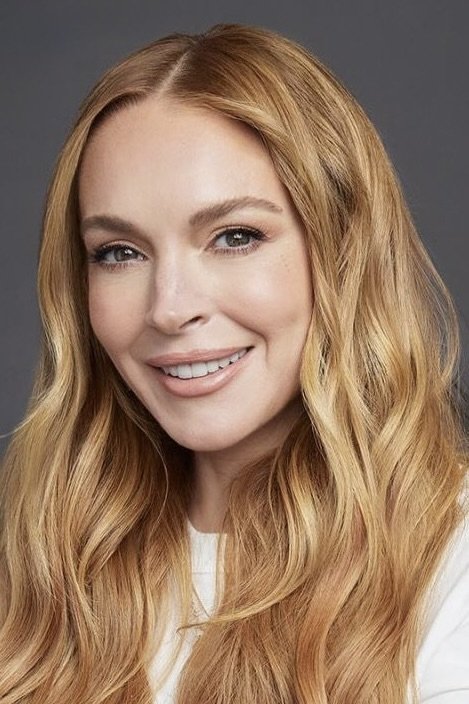
In an interview with ‘The Times’, Lohan argued that the movement makes women look weak by focusing on past grievances. She suggested that women should speak up in the moment rather than waiting years to come forward with allegations. Lohan also expressed concern that some individuals seeking attention through the movement were doing it for the wrong reasons. She later clarified that her comments were taken out of context but stood by her skepticism of the public outcry.
Pamela Anderson
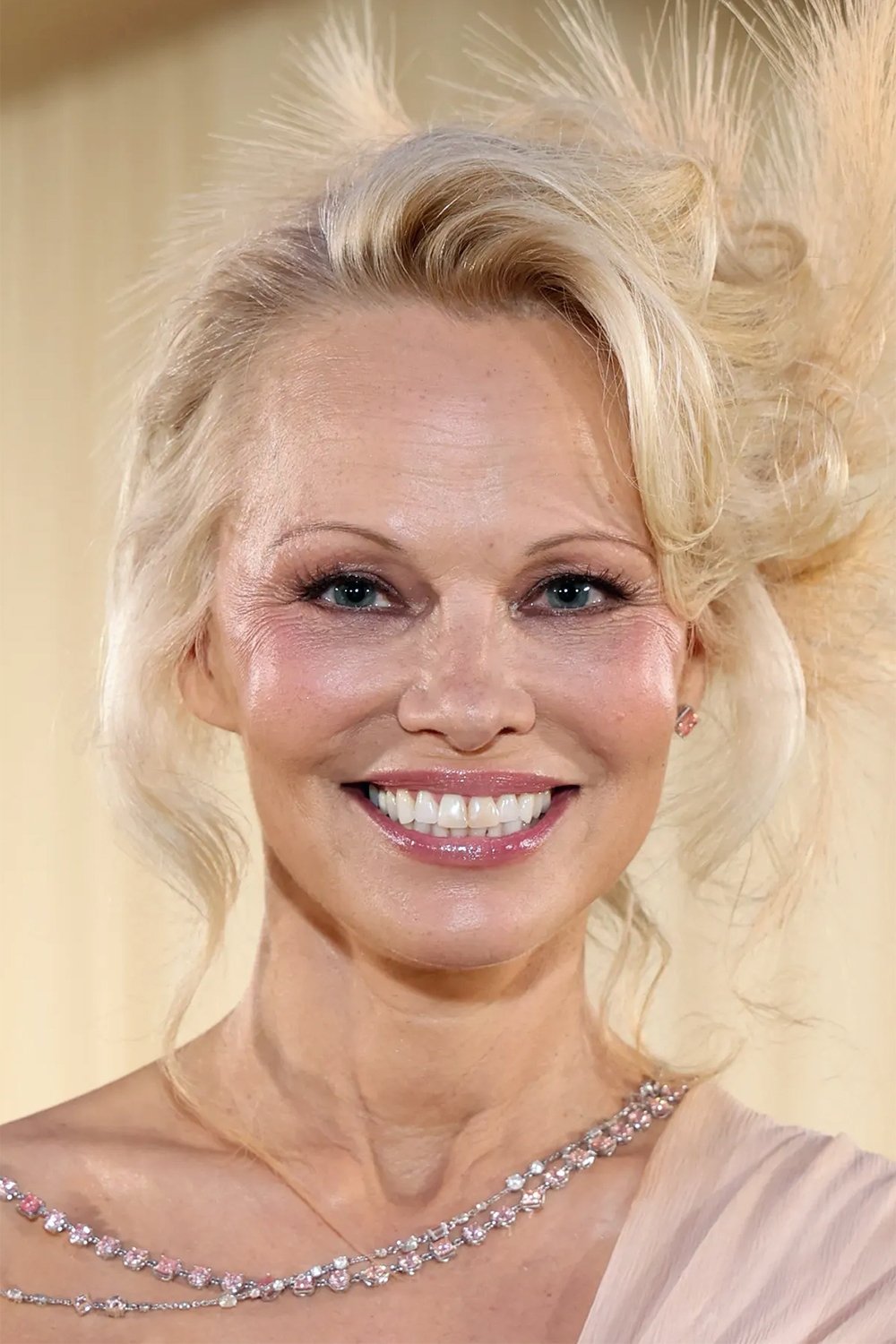
The actress commented on ‘Megyn Kelly Today’ that many victims should have used common sense to avoid dangerous situations. She suggested that individuals know what they are getting into when they agree to meet producers in private hotel rooms. Anderson criticized what she termed third-wave feminism, calling the movement’s approach boring and predictable. She maintained that while she is pro-woman, she did not support the specific methods used by the #MeToo cause.
Roseanne Barr
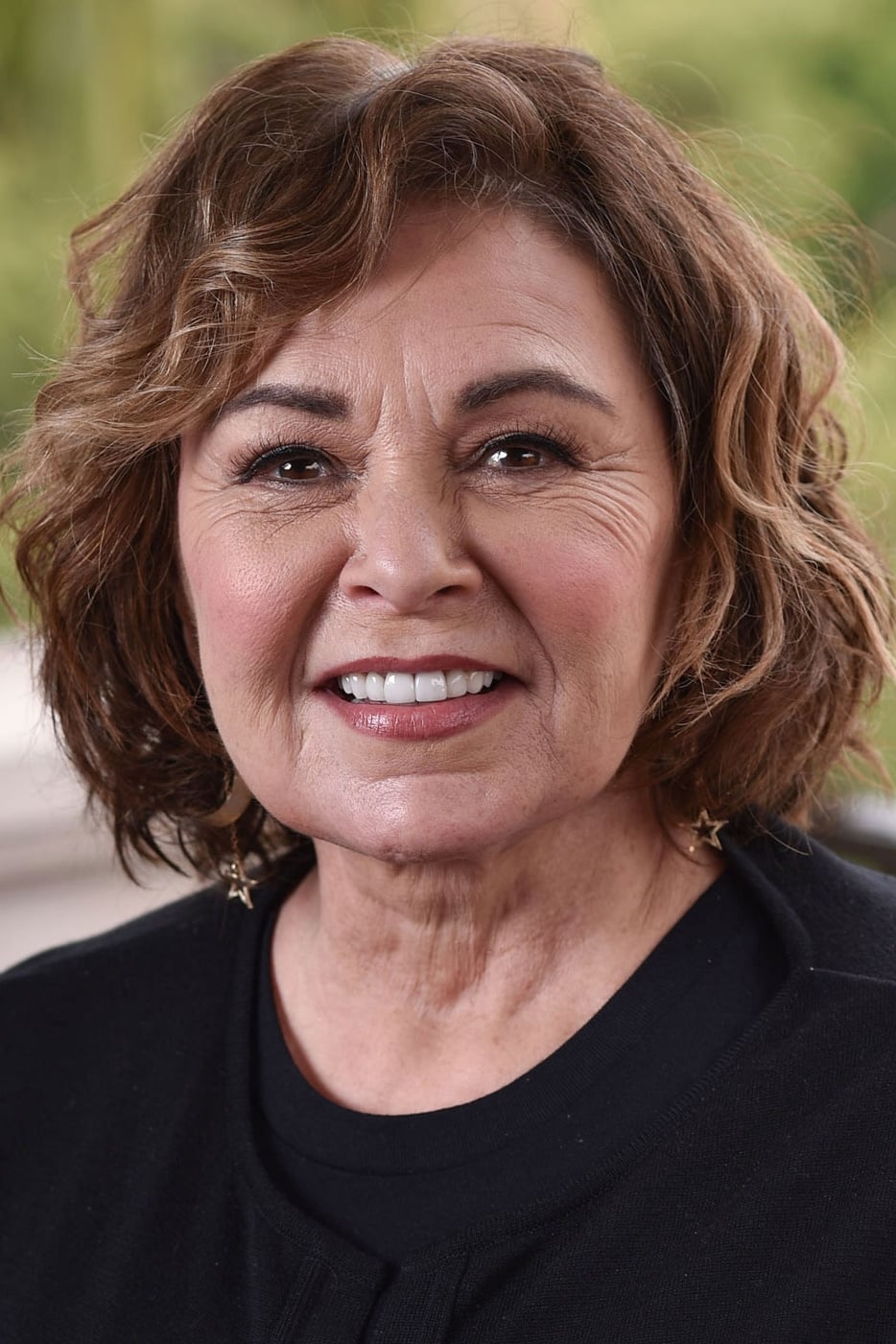
Barr attacked the movement for being elitist and ignoring the struggles of working-class women. She claimed that many participants were hypocrites who had previously benefited from the very system they were now criticizing. The comedian specifically targeted those she believed used the movement for political leverage rather than social justice. She voiced these opinions frequently through her social media channels and during her stand-up performances.
Michael Haneke
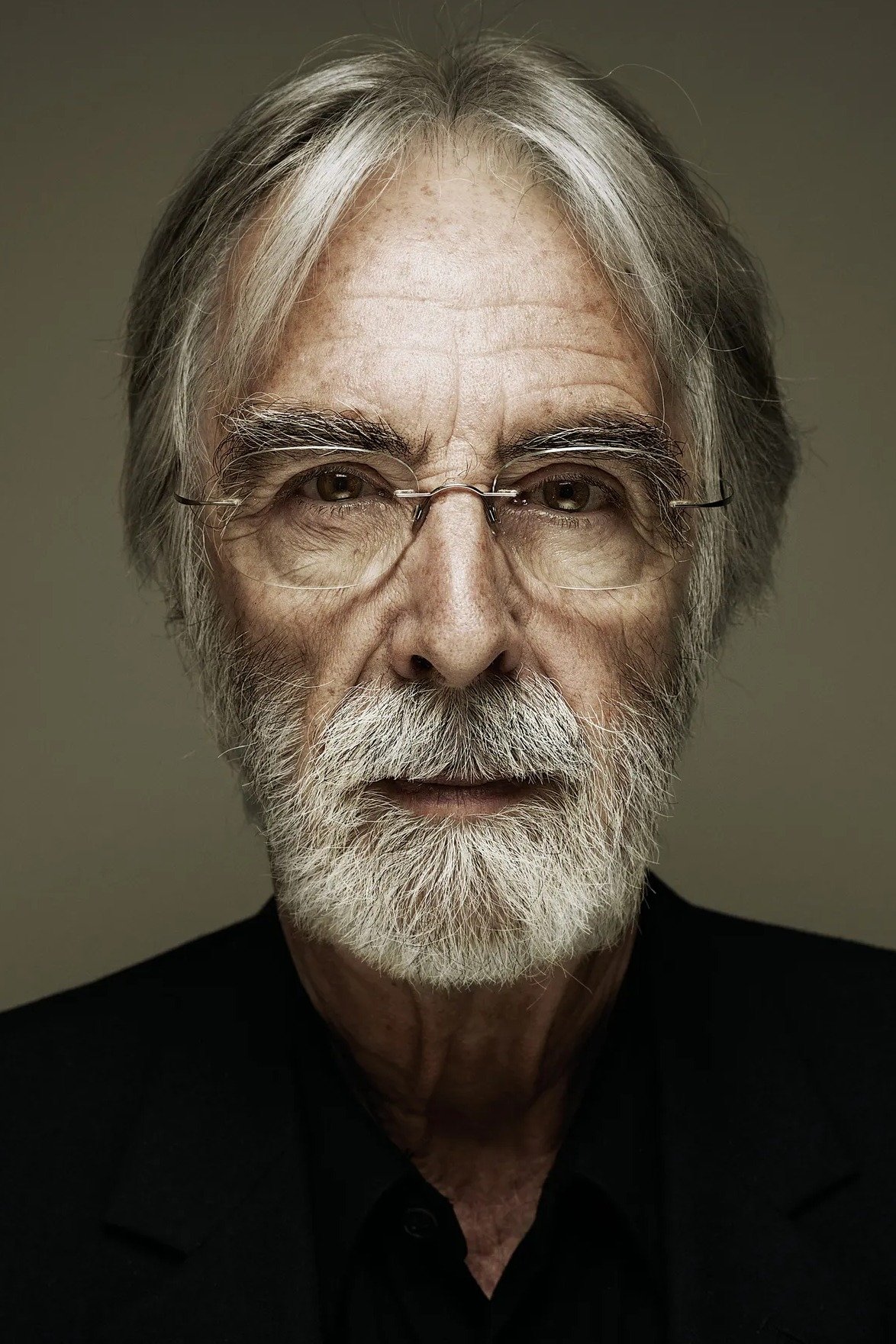
The director of ‘Amour’ compared the movement to a witch hunt and described it as a new form of puritanism. He argued that the movement was fueled by a pre-calculated hatred of men that would eventually damage the creative arts. Haneke expressed fear that the current climate would stifle freedom of expression and lead to internal self-censorship among filmmakers. He voiced these concerns during an interview with the Austrian daily newspaper ‘Kurier’.
Terry Gilliam
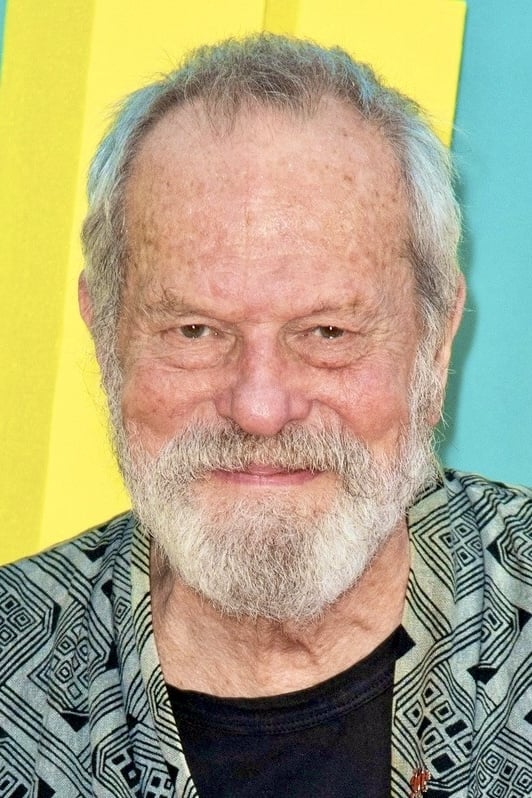
Gilliam described the movement as mob rule and criticized the perceived lack of due process for those accused. He stated that while certain individuals were monsters, many other men were being unfairly targeted by a simplistic cultural shift. The director argued that the movement had become a way of dealing with complex human interactions through social media judgment. He made these remarks during a wide-ranging interview with ‘Agence France-Presse’.
Morrissey

The singer questioned the validity of various claims made during the movement, suggesting that some individuals were merely disappointed rather than victimized. He stated that in many cases, people were fully aware of what was happening but chose to participate until the situation no longer suited them. Morrissey expressed concern that the movement was becoming reckless and damaging to the reputations of public figures. His comments appeared in a 2017 interview with the German newspaper ‘Die Welt’.
Henry Cavill
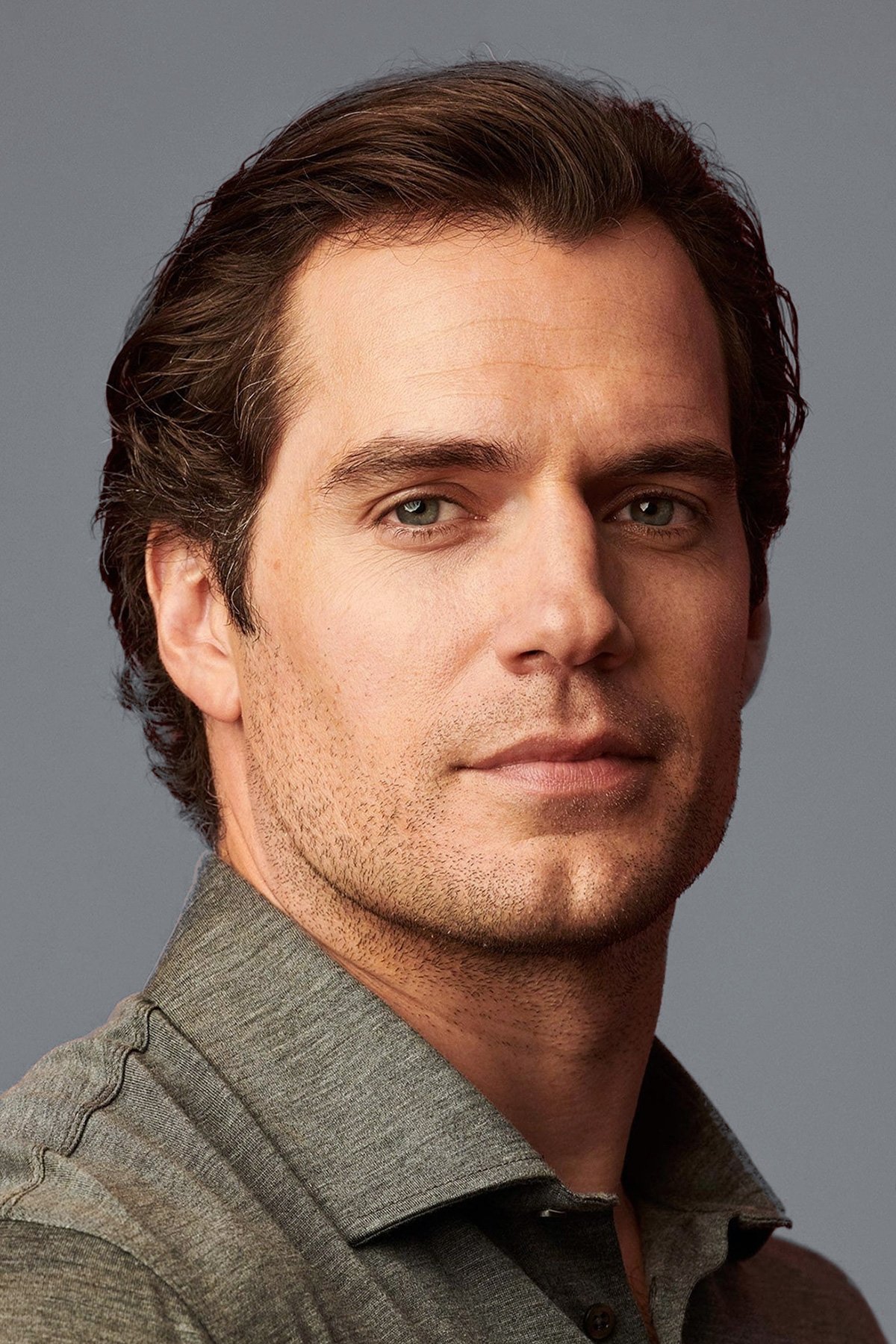
The actor expressed hesitation about dating in the post-MeToo era, fearing he might be labeled a predator for attempting to flirt. He told ‘GQ Australia’ that the traditional chase of courtship had become dangerous for men who want to follow the rules. Cavill later apologized for his choice of words, stating that he intended to show respect for the movement’s goals. Despite the apology, his initial remarks were widely cited as a sign of skepticism toward the movement’s social impact.
Matt Damon
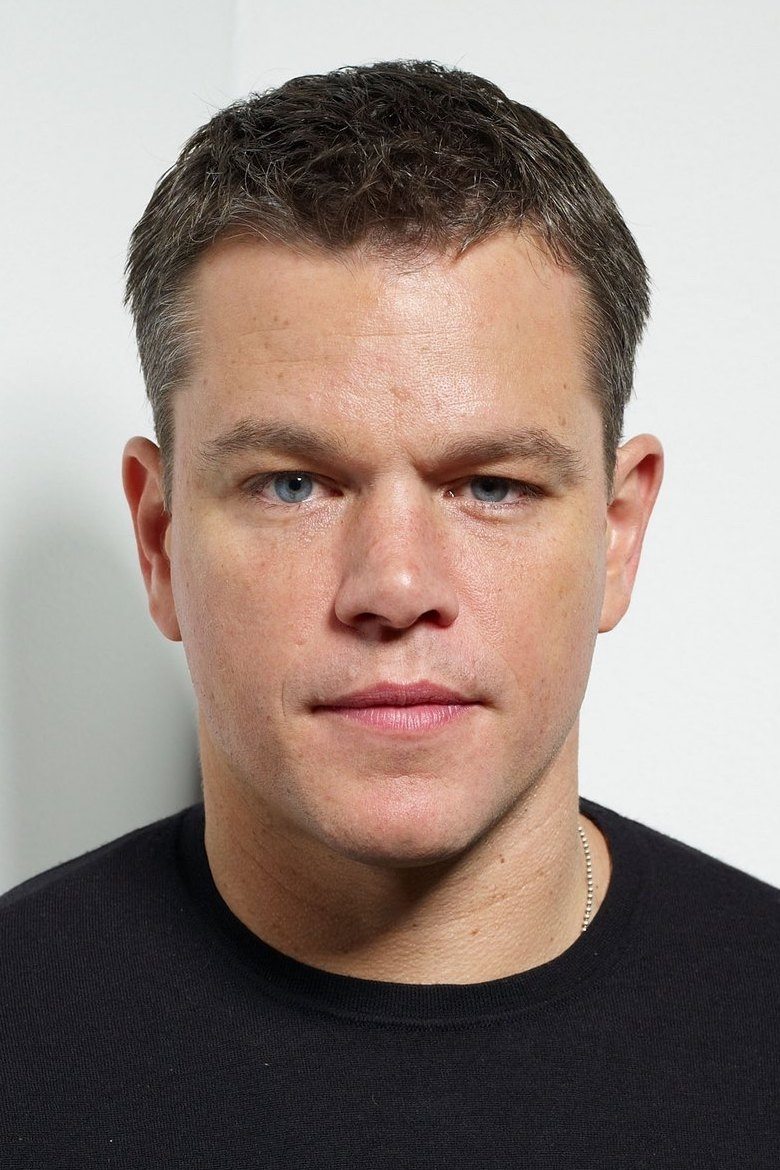
Damon sparked controversy when he spoke about a spectrum of behavior regarding sexual misconduct. He argued that there is a significant difference between minor physical contact and child molestation or rape. The actor expressed concern that the movement was conflating all behaviors into a single category of unforgivable acts. His comments led to significant online backlash and calls for his removal from the film ‘Ocean’s 8’.
Alec Baldwin
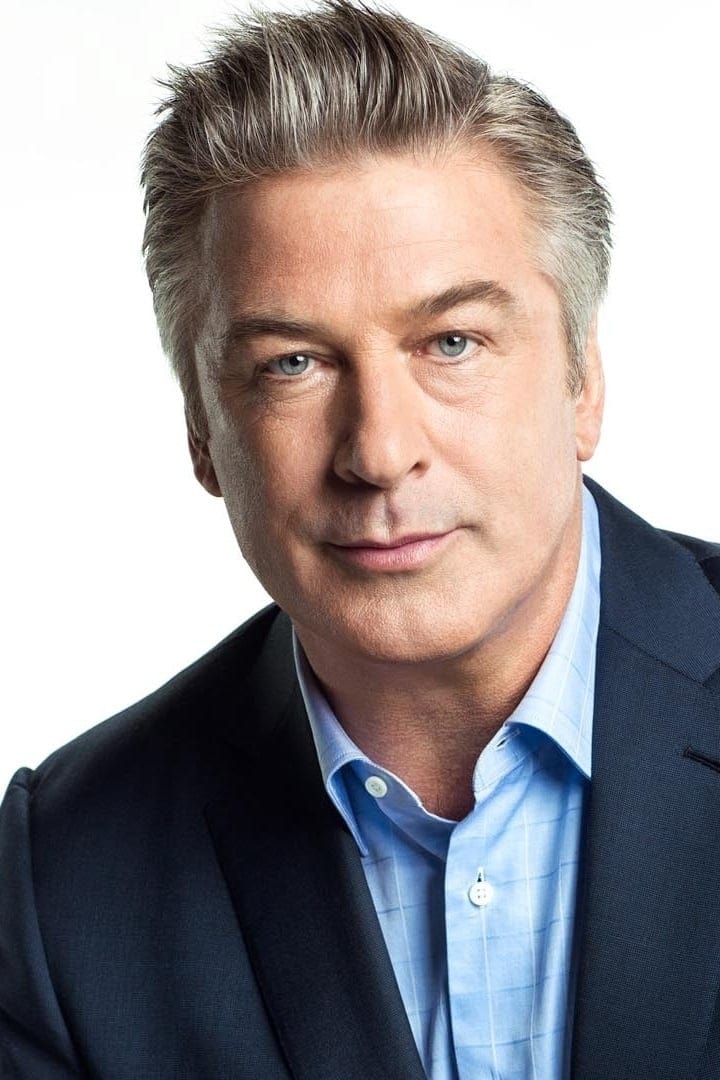
Baldwin has consistently defended friends like Woody Allen and criticized the chilling effect of the movement on the film industry. He argued that the rush to judgment in the court of public opinion often ignores the complexities of individual legal cases. Baldwin suggested that the movement was creating a climate where professional reputations could be destroyed without concrete evidence. He remains vocal about his belief that the social pendulum has swung too far toward reactionary judgment.
Margaret Atwood

The author of ‘The Handmaid’s Tale’ wrote an op-ed questioning the movement’s apparent rejection of legal due process. She compared the cultural climate to historical events like the Salem witch trials, where accusations were treated as immediate proof of guilt. Atwood argued that bypassing the legal system to achieve social justice would ultimately harm women and institutional stability. Her stance was met with mixed reactions from her fan base and fellow writers.
Germaine Greer
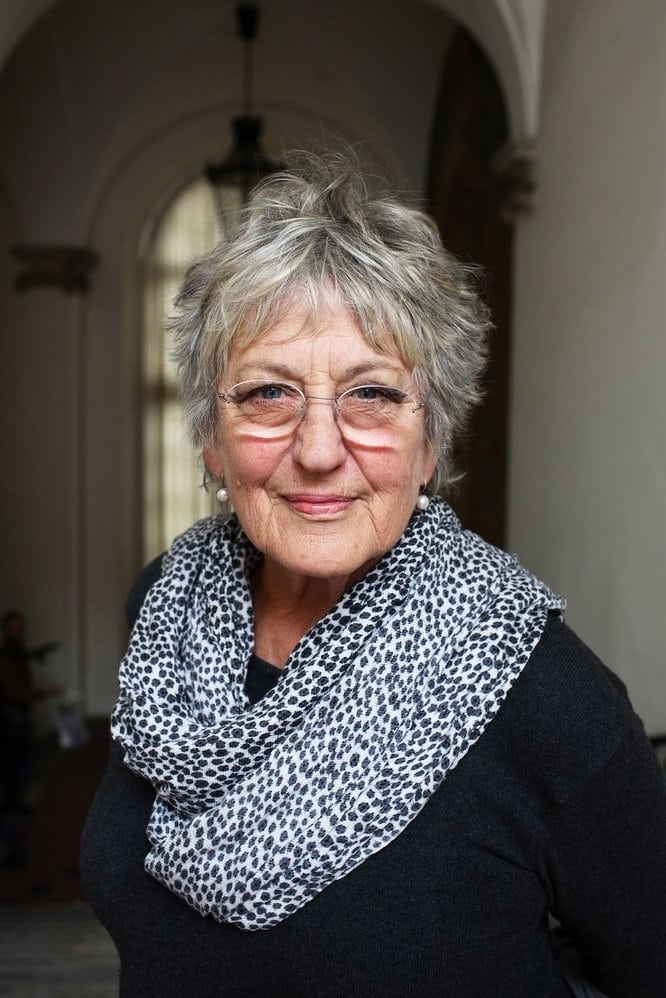
The feminist icon criticized the movement for being whiny and unprofessional in its approach to workplace grievances. She argued that women should be strong enough to handle unwanted advances without turning to the media for validation. Greer suggested that the focus on historic allegations was a distraction from more pressing economic and political feminist issues. She made these comments during various public speaking engagements and interviews in Australia.
Mayim Bialik
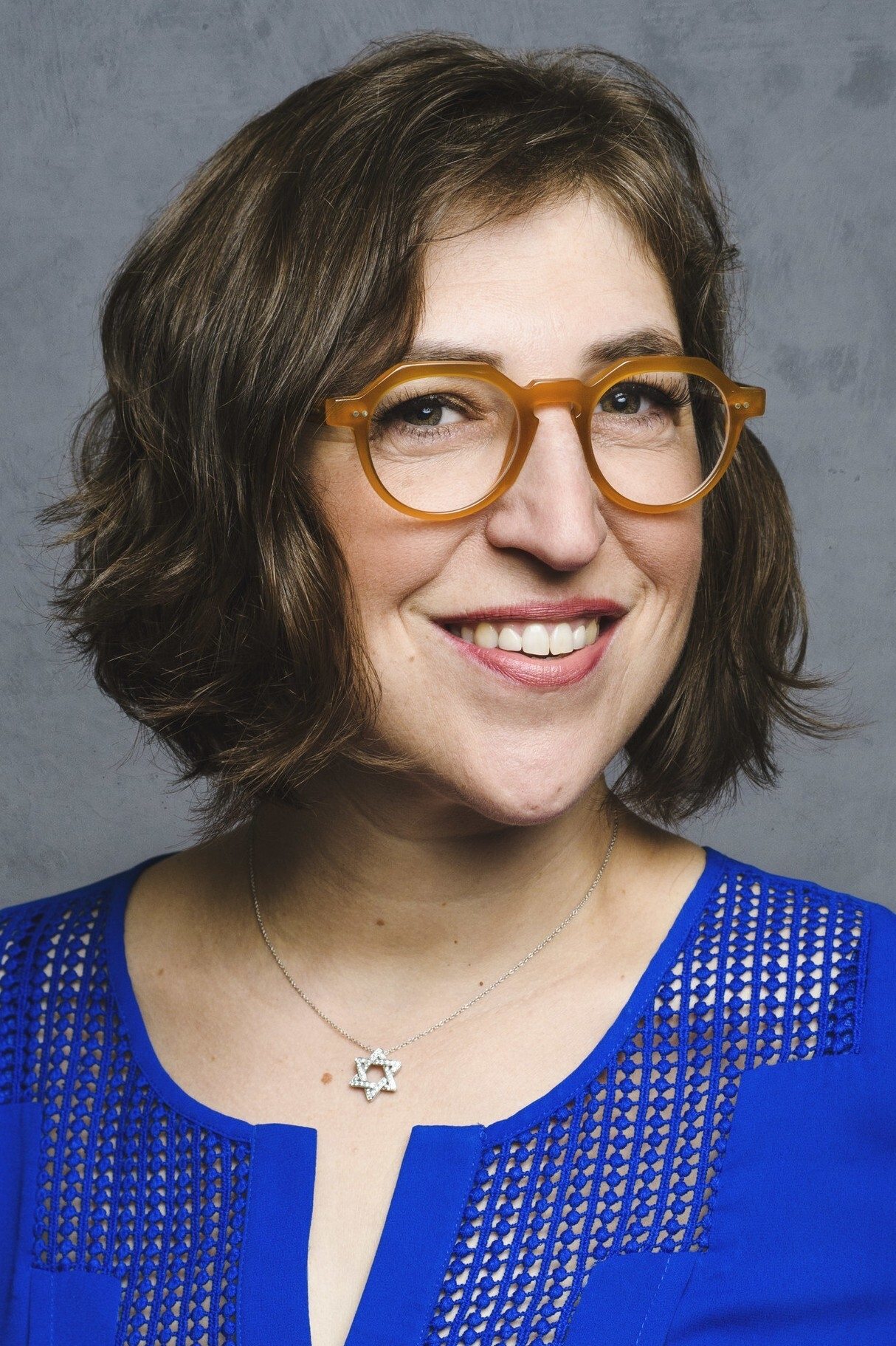
Bialik wrote an op-ed for the ‘New York Times’ that some readers perceived as a critique of the movement’s focus. She suggested that her modest lifestyle and personal choices helped her avoid the harassment others experienced in Hollywood. While she did not explicitly condemn the cause, critics argued her perspective undermined the shared experiences of victims. Bialik eventually apologized for any pain her words caused while clarifying her personal experience.
Bill Maher
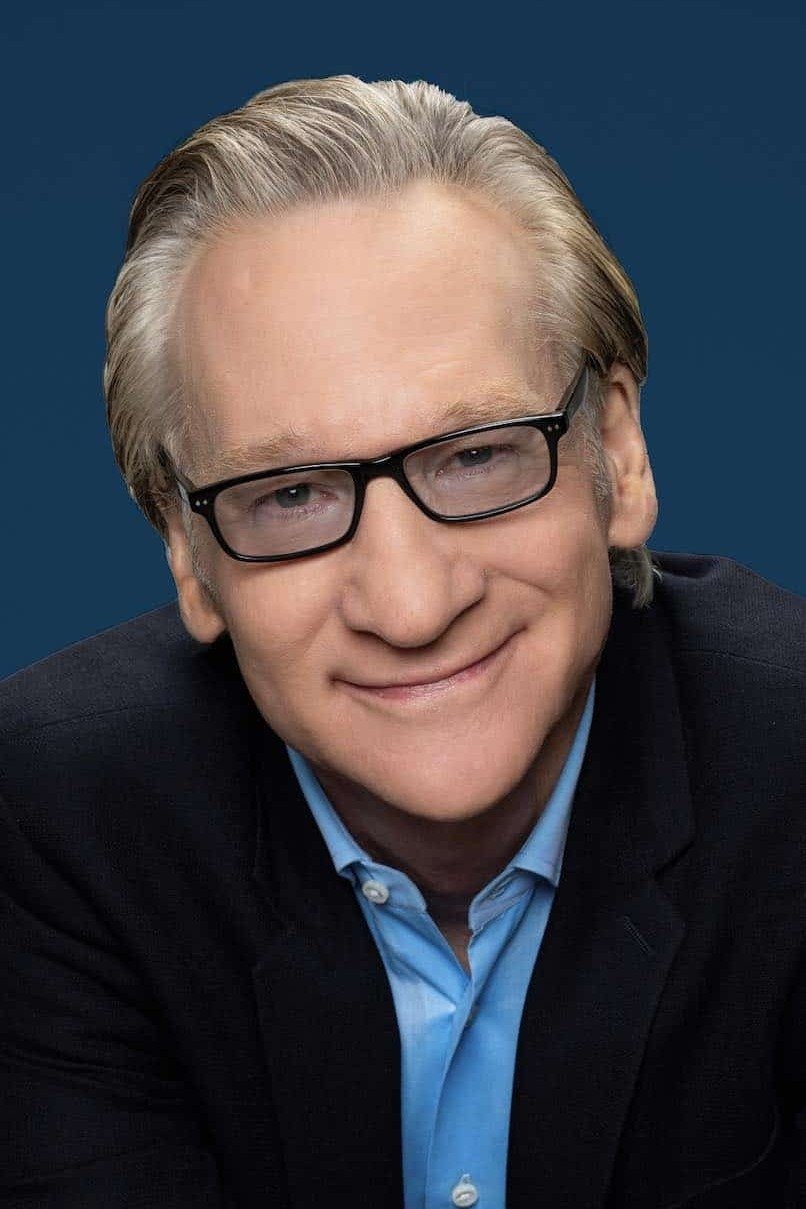
The host of ‘Real Time with Bill Maher’ frequently uses his platform to criticize the movement for being overzealous and puritanical. He has argued that the movement is erasing the distinction between a bad date and a criminal act. Maher expressed concern that the focus on moral purity is detrimental to personal freedom and liberal politics. He often lampoons the movement’s most vocal supporters as the woke police in his monologues.
James Woods
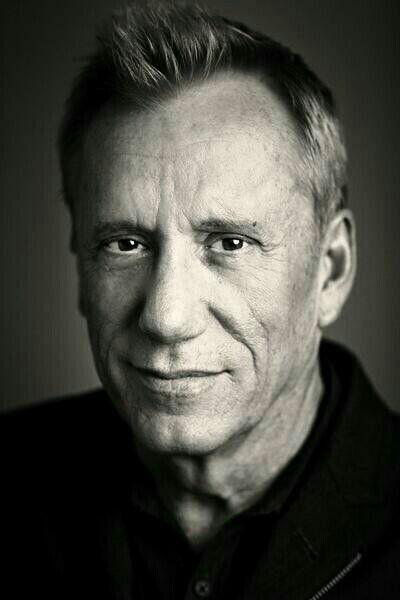
A vocal conservative critic, Woods has frequently mocked the movement and its supporters on social media. He often highlights cases where he believes men were falsely accused or unfairly removed from their professional positions. Woods frames the movement as a political tool used to silence opposition rather than a legitimate social cause. His critiques focus on the perceived lack of legal standards and the speed of modern social media judgment.
Sharon Stone
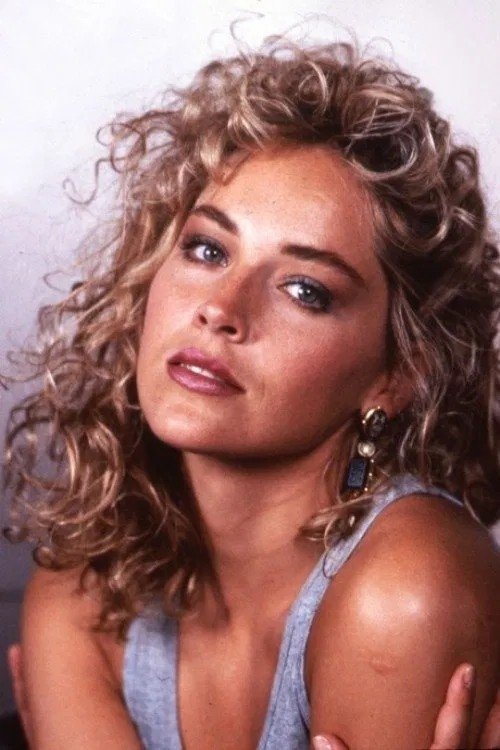
During an interview with ‘CBS Sunday Morning’, Stone laughed when asked if she had ever felt uncomfortable in Hollywood. She explained that she had seen everything during her career and that the industry used to be much tougher on women. Stone suggested that the current climate lacked the resilience that women needed to survive in the past. While not entirely anti-movement, her dismissive tone was interpreted by some as a critique of modern sensitivities.
Erika Christensen
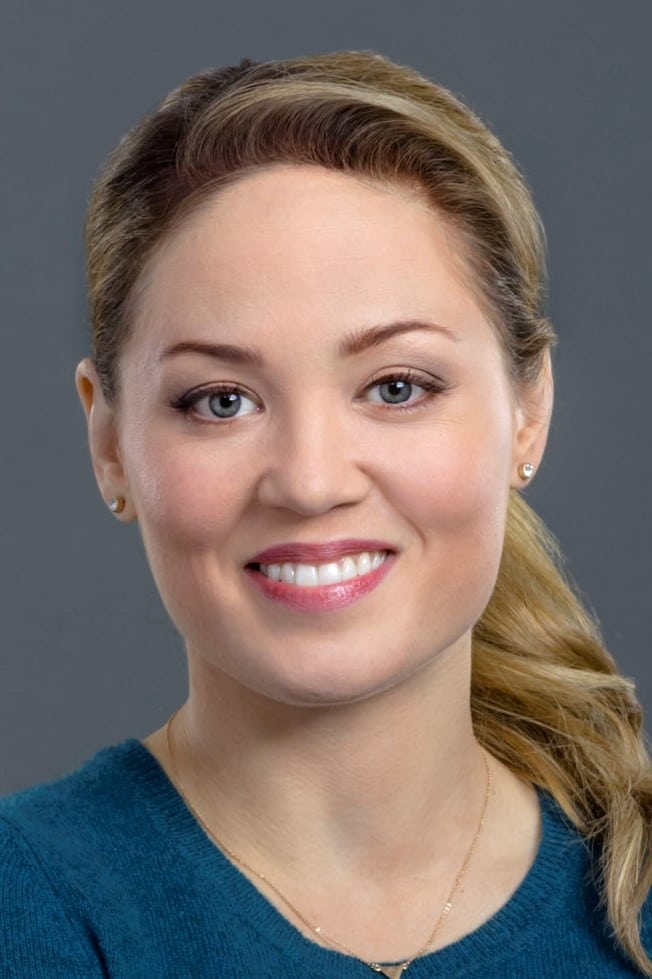
The actress has expressed views that emphasize personal responsibility and individual ethics over collective social movements. She suggested that individuals should focus on their own communication and standards rather than participating in public outcry. Christensen has remained largely removed from the movement’s advocacy and professional circles. Her stance aligns with her personal philosophy on handling social issues through internal rather than external means.
Frank Langella
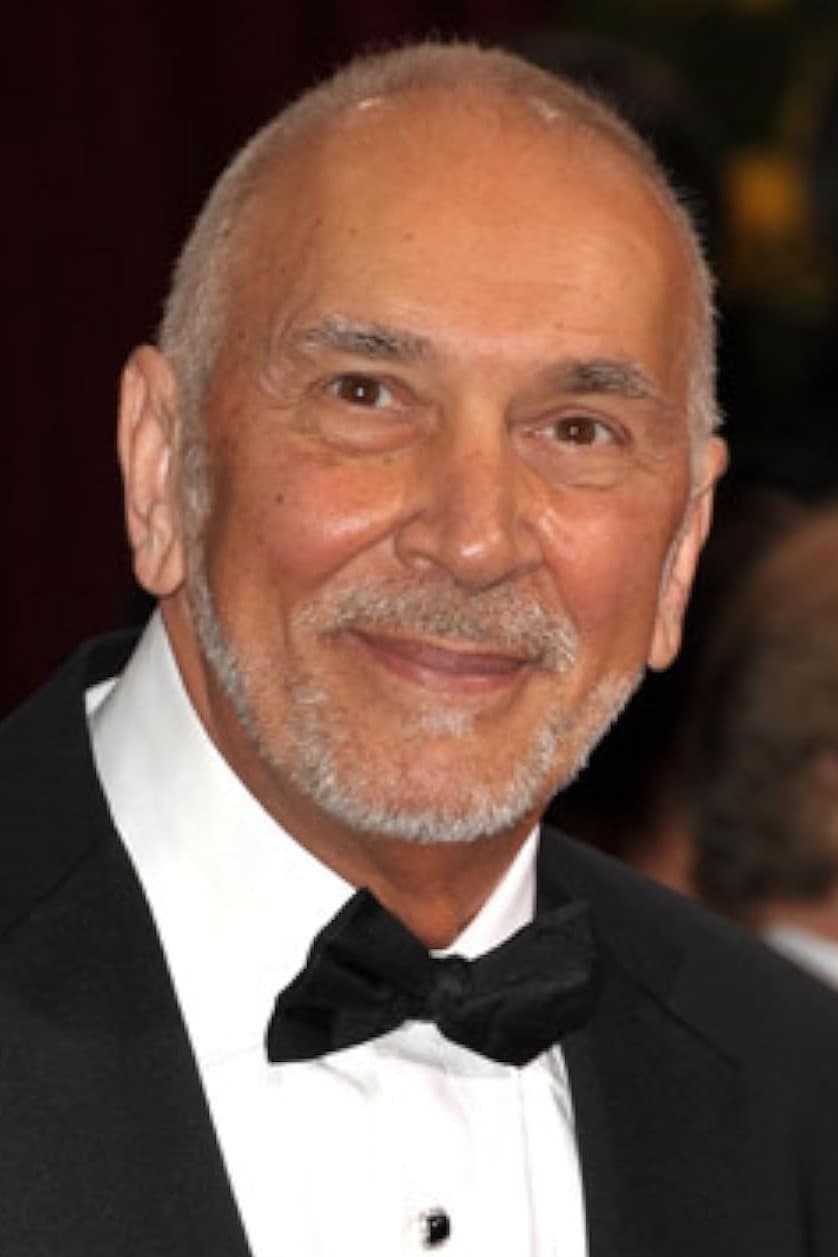
After being fired from ‘The Fall of the House of Usher’ following misconduct allegations, Langella wrote a scathing response against the movement’s influence. He criticized the cancel culture mentality that he believed fueled the investigation into his professional behavior. Langella argued that his actions were misconstrued and that the resulting investigation was a charade. He claimed the movement had created a toxic atmosphere on film sets that stifled natural interaction.
Diane Keaton
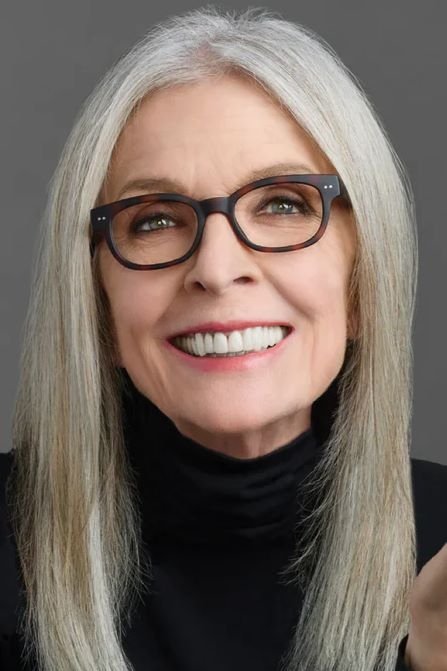
Keaton has consistently defended Woody Allen despite the renewed scrutiny brought upon him by the movement’s advocates. She stated on social media that Allen is her long-time friend and that she continues to believe his denials of past allegations. Keaton’s public support for Allen was seen by many as a direct rejection of the movement’s stance on historic claims. She has avoided joining the broader Hollywood consensus regarding the movement’s objectives.
Melanie Griffith
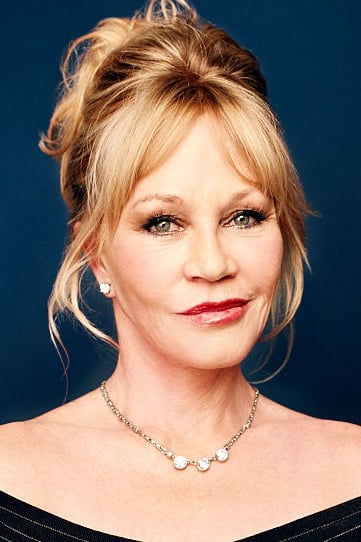
The actress expressed skepticism about the movement’s long-term impact on romantic interactions between men and women. She told ‘The Guardian’ that she worried the movement was making men too afraid to approach women in social settings. Griffith noted that while harassment is objectively wrong, the playfulness of the industry had been lost to the new rules. She remains nostalgic for a different era of Hollywood social dynamics and professional relationships.
Julie Christie

The British actress was one of the signatories of the ‘Le Monde’ letter that advocated for the freedom to bother. She supported the idea that the movement was evolving into a form of puritanism that limited women’s sexual autonomy. Christie argued that the movement’s protective stance could ultimately undermine the progress women have made in society. The letter she signed sparked a major international debate regarding the limits of the movement in Europe.
Marco Bellocchio
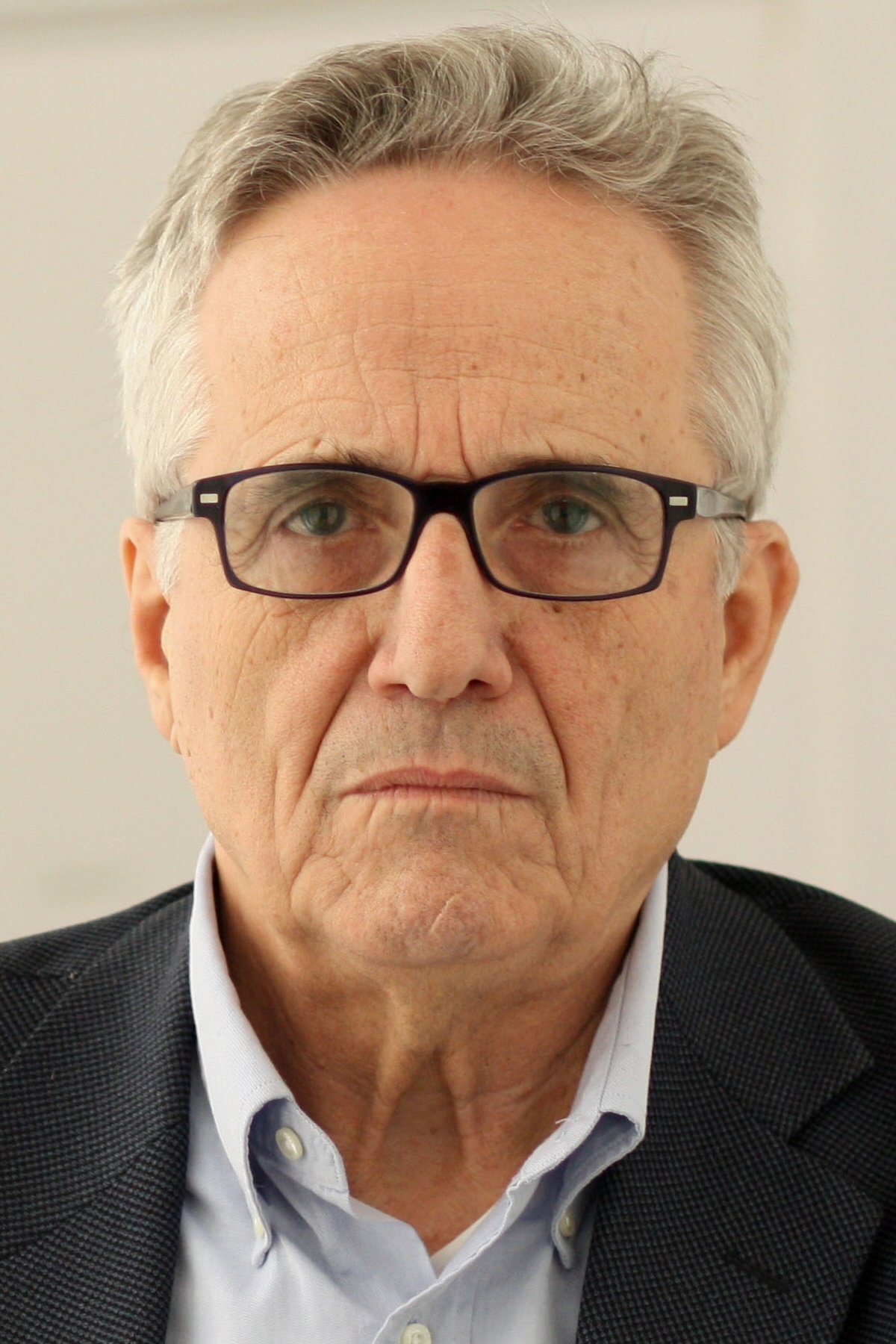
The Italian director criticized the movement for what he described as a new and stifling moralism in the arts. He expressed concern that the movement was imposing a retroactive morality on classic films and contemporary filmmakers. Bellocchio argued during a press conference at the ‘Cannes Film Festival’ that art should be exempt from the social standards of the moment. He believes that the movement’s influence could lead to a sanitized and less honest form of cinema.
Alain Delon
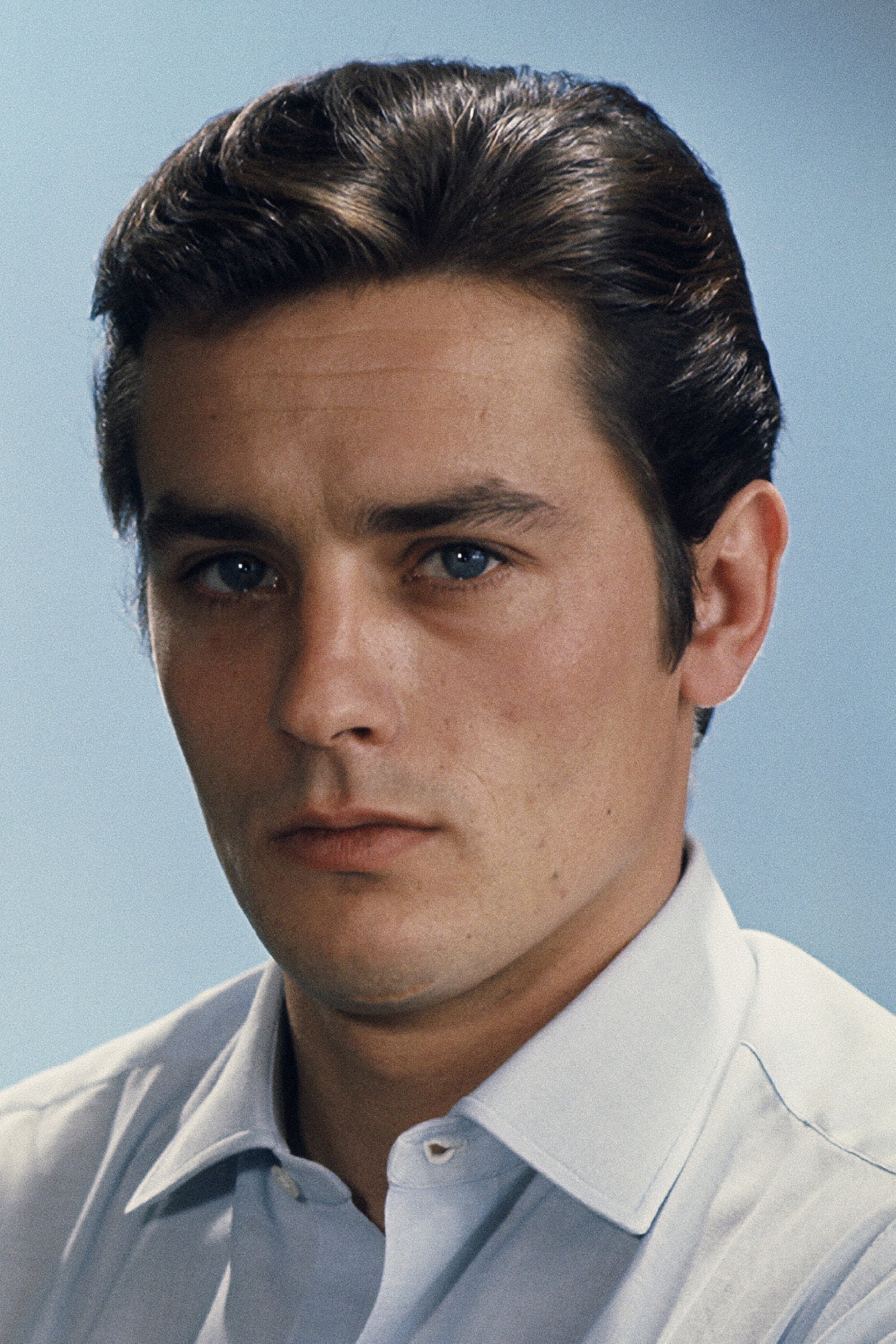
Delon signed the controversial ‘Le Monde’ letter and has been vocal about his disdain for the movement’s sanctimonious nature. He famously stated in interviews that he had slapped women in the past but insisted it was within the context of his personal relationships. Delon has characterized the movement as an attack on traditional masculinity and the French way of life. His views have made him a polarizing figure in the context of modern European cinema.
Woody Allen
Allen described the movement as a witch hunt atmosphere where every man in an office environment is suddenly forced to call a lawyer. He claimed that his own career and reputation had been unfairly targeted by the cultural shift in Hollywood. Allen has maintained his innocence regarding all allegations and suggested the movement could lead to many innocent people being swept up. He believes the movement lacks the nuance required to judge complex personal histories.
Kevin Hart
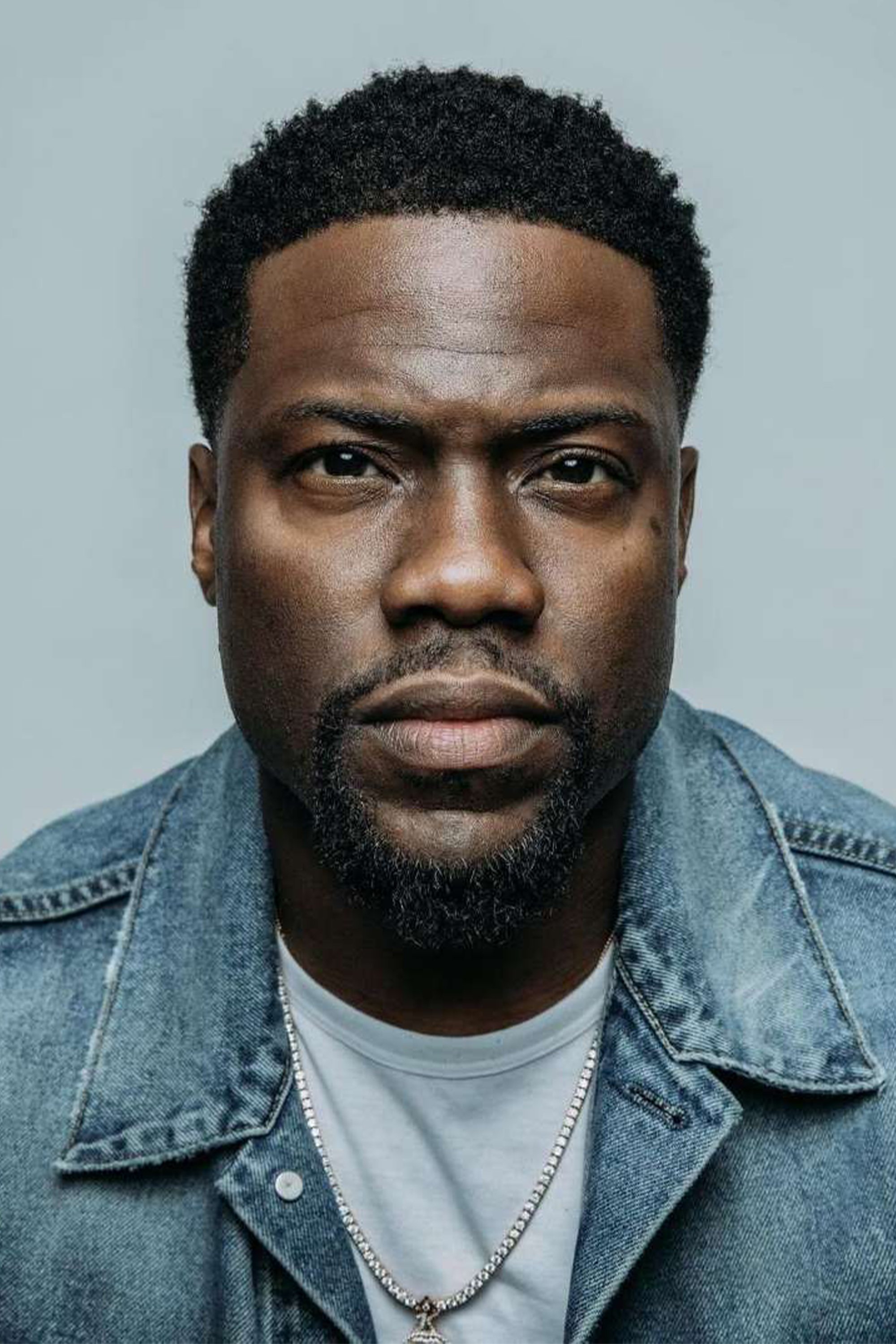
The comedian stepped down from hosting the ‘Oscars’ after old comments resurfaced, which he linked to the broader cancel culture environment. He argued that the movement and its offshoots do not allow for personal growth or the possibility of forgiveness. Hart has spoken out against the mob mentality he believes characterizes modern social media movements. He remains critical of how public figures are judged for past actions without consideration for their current character.
Stephen Fry
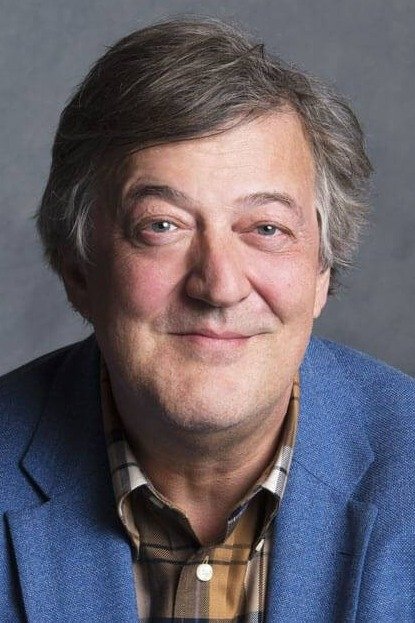
Fry expressed concern about what he termed the infantilization of women within the movement’s rhetoric. He argued that the cause often portrays women as victims who are unable to handle adult interactions or workplace conflict. Fry suggested that the loss of nuance in these public discussions is ultimately harmful to intellectual and social discourse. He has voiced these opinions on various podcasts and in interviews throughout the United Kingdom.
Piers Morgan
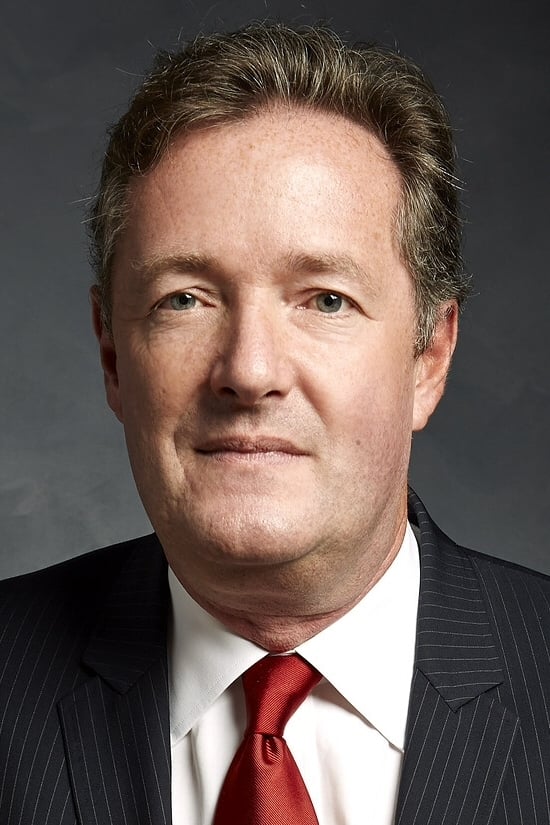
The journalist has been a frequent critic of the movement on ‘Good Morning Britain’ and in his various newspaper columns. He often argues that the movement has morphed into a war on men that ignores the principle of being innocent until proven guilty. Morgan frequently defends public figures he believes have been unfairly accused or punished by social media outcries. He maintains that the movement’s perceived lack of objectivity is its greatest fundamental flaw.
Please share your thoughts on these celebrity perspectives in the comments.