


Celebrities Who Have Run for Political Office

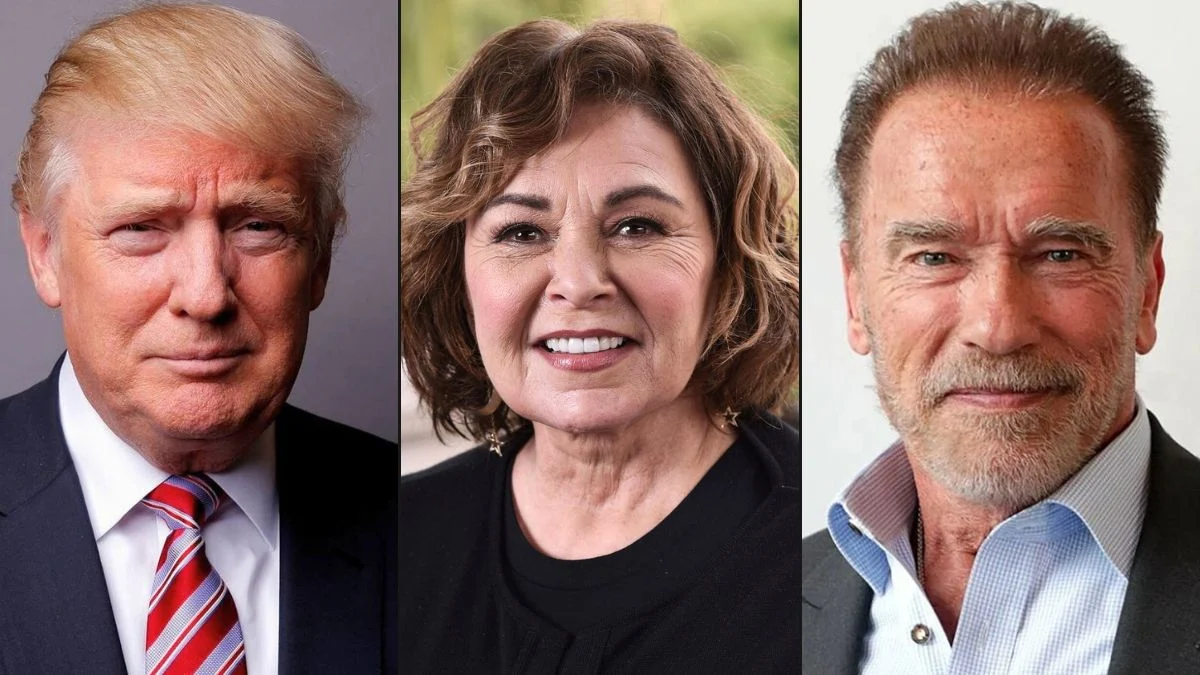


Celebrities have long leveraged their name recognition, storytelling skill, and built-in fan bases to jump into politics. Some brought a showbiz flair to the campaign trail, others emphasized managerial chops honed in studios and boardrooms, and a few turned their pop-culture personas into full-blown political movements. Success has varied, but one through-line stands out: fame can open the door, yet governing—or even winning—demands far more than star power.
From actors and musicians to athletes and reality-TV fixtures, public figures have sought everything from small-town mayorships to the presidency. A handful won and reshaped their countries or states; others made waves without claiming office, pushing ideas into the mainstream or forcing difficult conversations. Here are ten memorable examples of celebrities who stepped onto the ballot.
Ronald Reagan
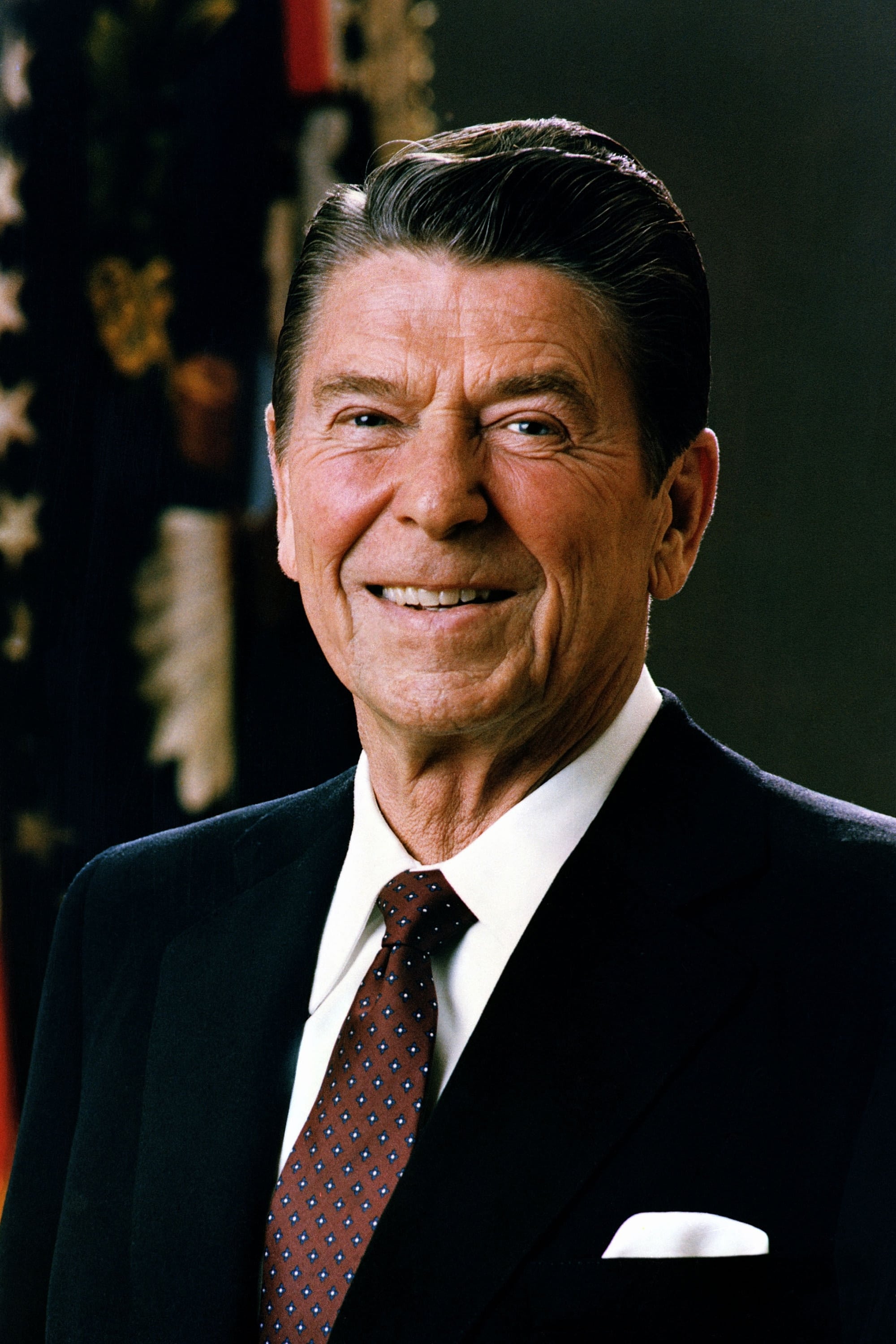
Before he was a two-term U.S. president, Ronald Reagan was a Hollywood leading man known for roles in films like ‘Knute Rockne, All American’ and ‘Bedtime for Bonzo’. He also served as president of the Screen Actors Guild, an early taste of the bargaining and coalition-building that would define his political life.
Reagan first ran for governor of California and won, using a message that fused optimism with hawkish fiscal restraint. His move from actor to governor to president helped cement the modern template for celebrity-politician transitions, proving that a well-crafted narrative can carry from the soundstage to the stump.
Donald Trump
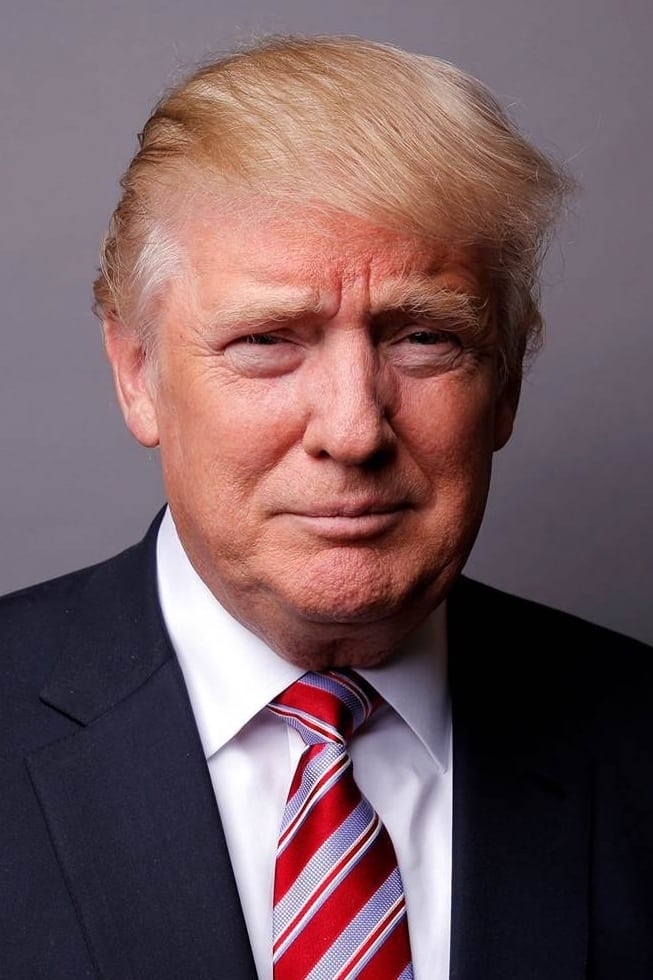
A real-estate developer turned television figure, Donald Trump became a household name hosting ‘The Apprentice’. His blunt, ratings-tested communication style and outsider posture set him apart from traditional candidates.
When he ran for president, Trump channeled populist energy and a talent for dominating the media cycle into electoral success. His campaigns showed how a celebrity brand—honed over decades of public visibility—can redefine party coalitions and reset political conversation.
Arnold Schwarzenegger
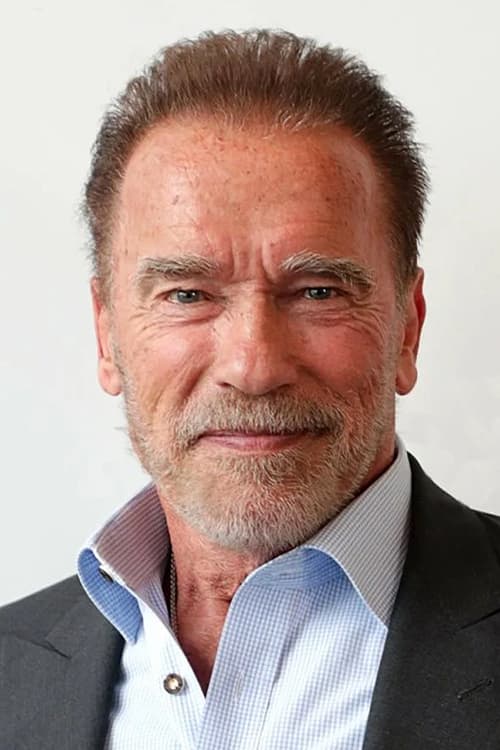
Global box-office icon Arnold Schwarzenegger, famous for ‘The Terminator’ and ‘Predator’, parlayed his action-hero persona into a reformer’s image. He framed himself as a pragmatic problem-solver above partisan food fights.
Schwarzenegger’s successful run for governor of California during a recall election underscored how crisis moments can favor well-known figures who promise stability and managerial focus. His tenure emphasized infrastructure, climate policy, and bipartisan negotiation, extending his star narrative into governance.
Volodymyr Zelenskyy
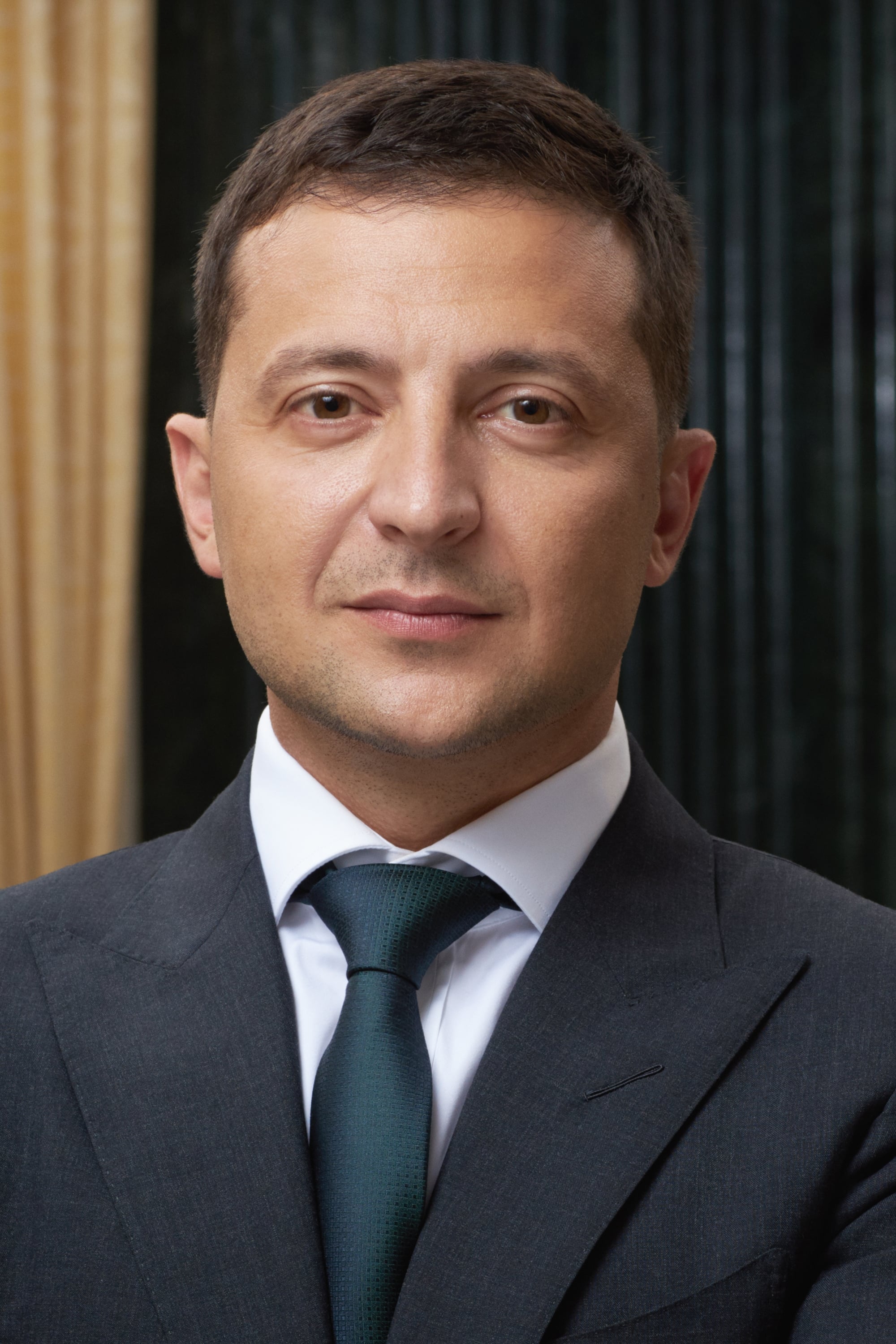
Before entering politics, Volodymyr Zelenskyy starred in the political satire ‘Servant of the People’, playing a humble teacher who unexpectedly becomes president. The show’s premise foreshadowed reality, and his production company later lent its name to his political party.
Zelenskyy’s campaign harnessed frustration with corruption and a desire for renewal. His victory demonstrated the power of authenticity and modern digital campaigning, showing how a performer’s credibility with audiences can translate into trust at the ballot box.
Jesse Ventura
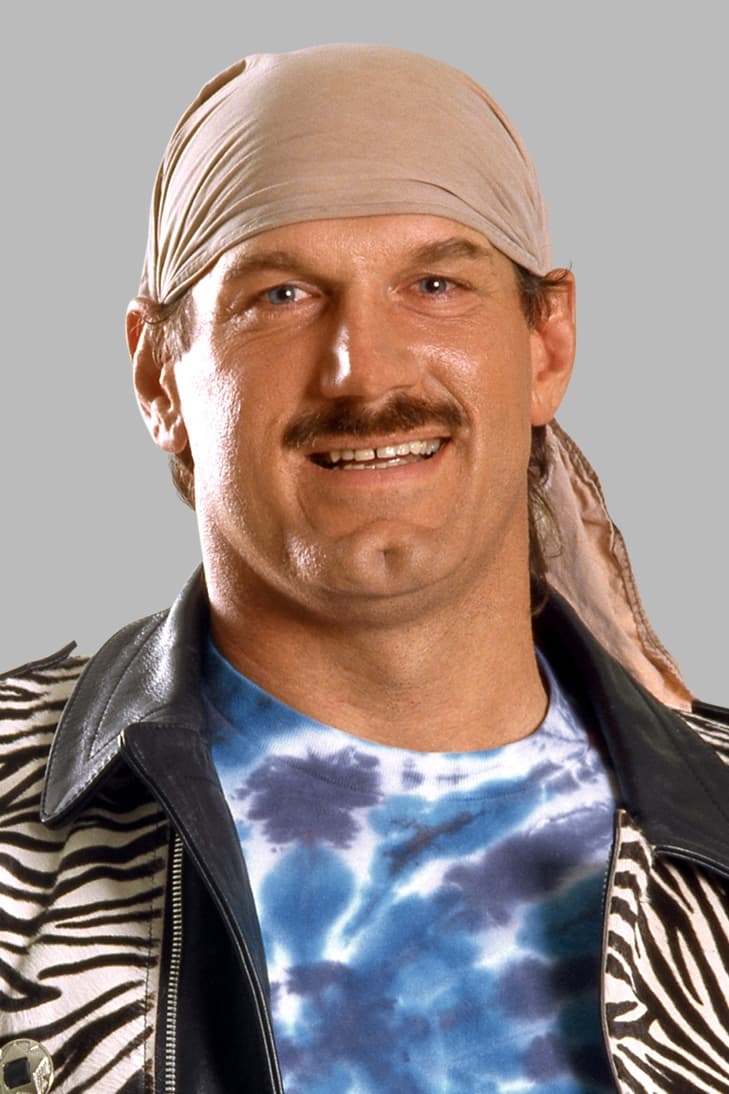
Professional wrestler and actor Jesse Ventura—seen on screen in ‘Predator’ and ‘The Running Man’—built a brand as a straight-talking outsider. He leaned into that image when he ran for governor of Minnesota.
Ventura’s improbable win spotlighted the appeal of independence from party establishments. His campaign thrived on grassroots energy, unconventional tactics, and a promise to shake up the status quo—an archetype many celebrity candidates have tried to emulate since.
Cynthia Nixon
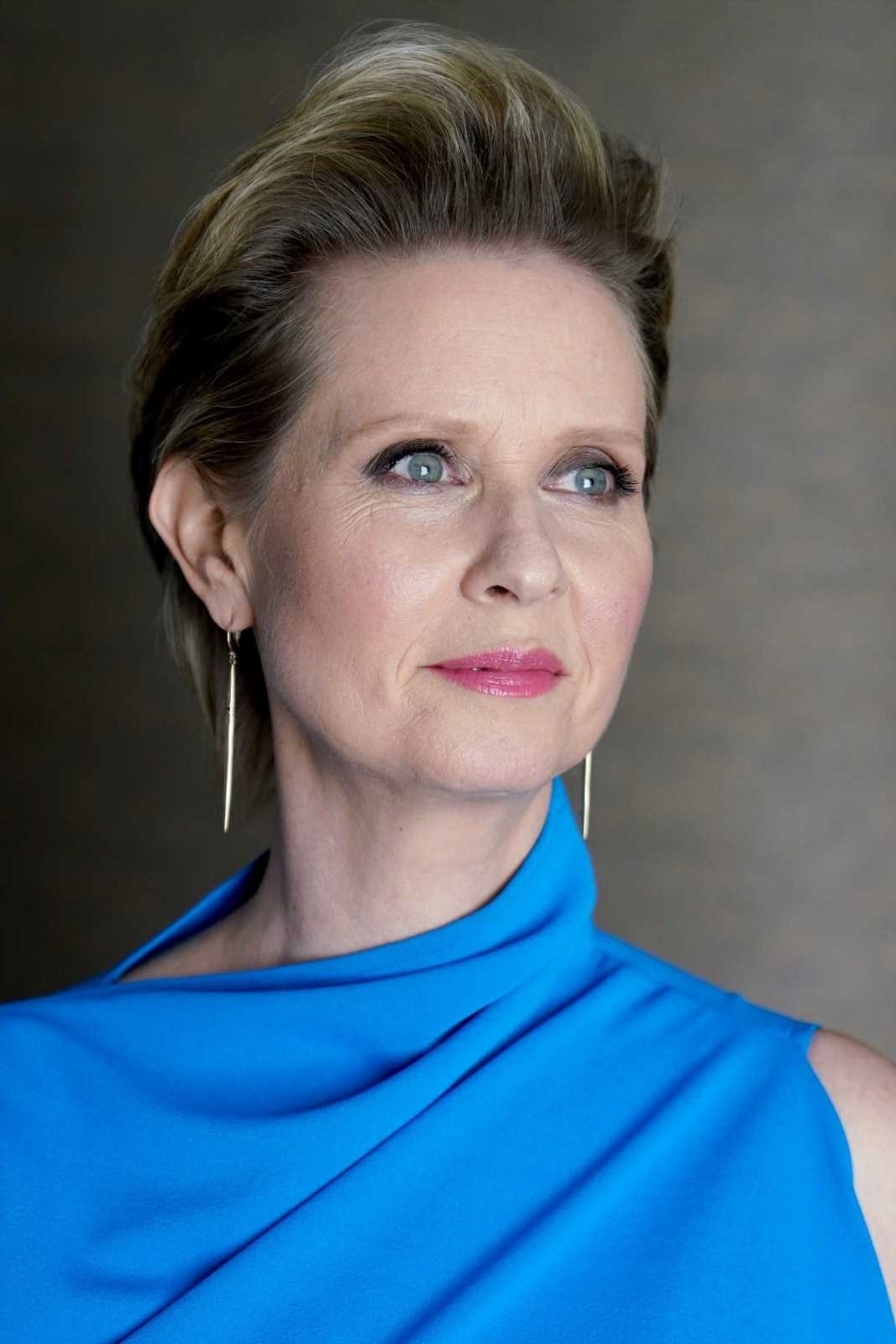
Actor and activist Cynthia Nixon, known worldwide for ‘Sex and the City’, brought progressive credibility and advocacy experience into a high-profile run for New York governor. She framed her challenge around education, transit, housing, and political reform.
While she didn’t win, Nixon’s campaign pushed issues up the agenda and energized a cohort of voters newly engaged in state politics. Her run illustrated how celebrity can amplify policy debates and change what establishment candidates have to answer for.
Caitlyn Jenner
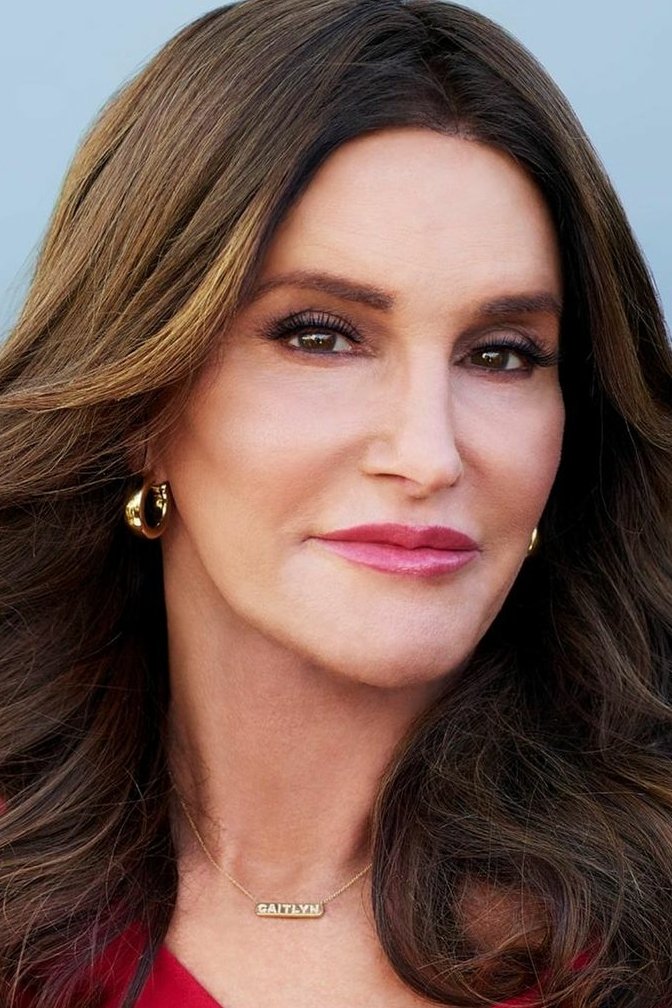
Olympic champion and reality-TV figure Caitlyn Jenner, familiar to audiences from ‘Keeping Up with the Kardashians’ and ‘I Am Cait’, entered California’s gubernatorial recall with a message centered on economic revival and homelessness.
Jenner’s bid faced the hurdles common to late-breaking celebrity campaigns: building policy depth, fundraising networks, and organizational muscle on a compressed timeline. Even without victory, her run broadened conversations around representation, ideology, and the evolving coalition within state politics.
Kanye West
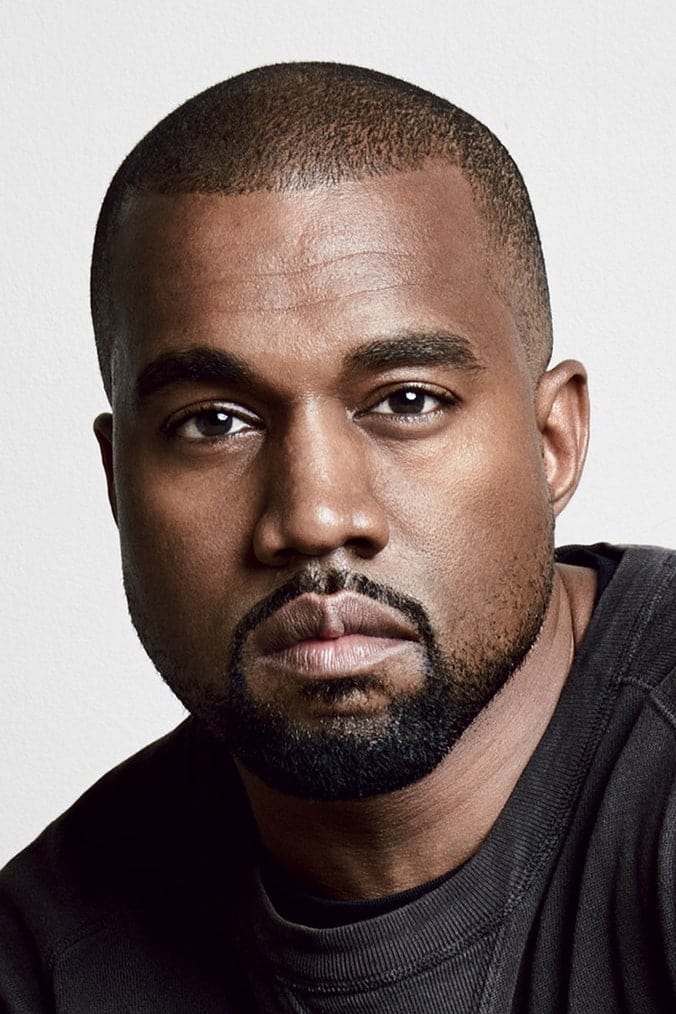
One of the most influential artists of his generation, Kanye West mounted an unconventional independent presidential run. His campaign reflected personal convictions, religious themes, and a desire to disrupt political norms.
Ballot-access challenges and a lean operation limited his reach, but the candidacy exemplified the centrifugal pull of modern celebrity: the ability to command attention, introduce ideas, and test the boundaries of what a pop-culture figure can attempt in electoral politics.
Clint Eastwood
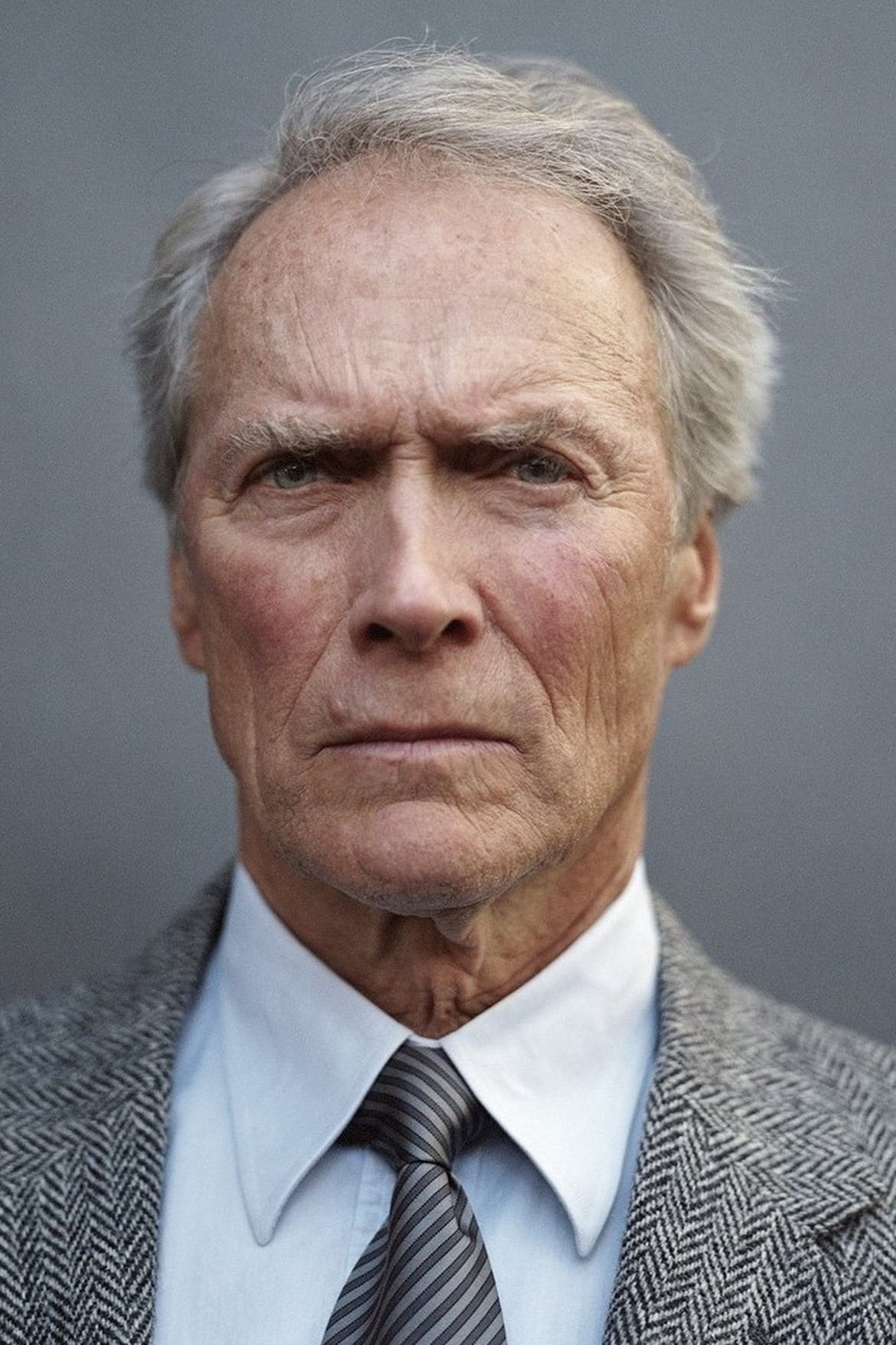
Legendary actor-director Clint Eastwood—associated with ‘Dirty Harry’ and later acclaimed as a filmmaker—took a civic detour when he ran for mayor of Carmel-by-the-Sea, California. His pitch was hyperlocal, promising to ease regulations and support small businesses.
Eastwood won and served a term, showing how star power can be redirected to community-scale problem-solving. His mayoralty remains a classic example of a celebrity opting for targeted, practical governance over grand ideological battles.
Roseanne Barr
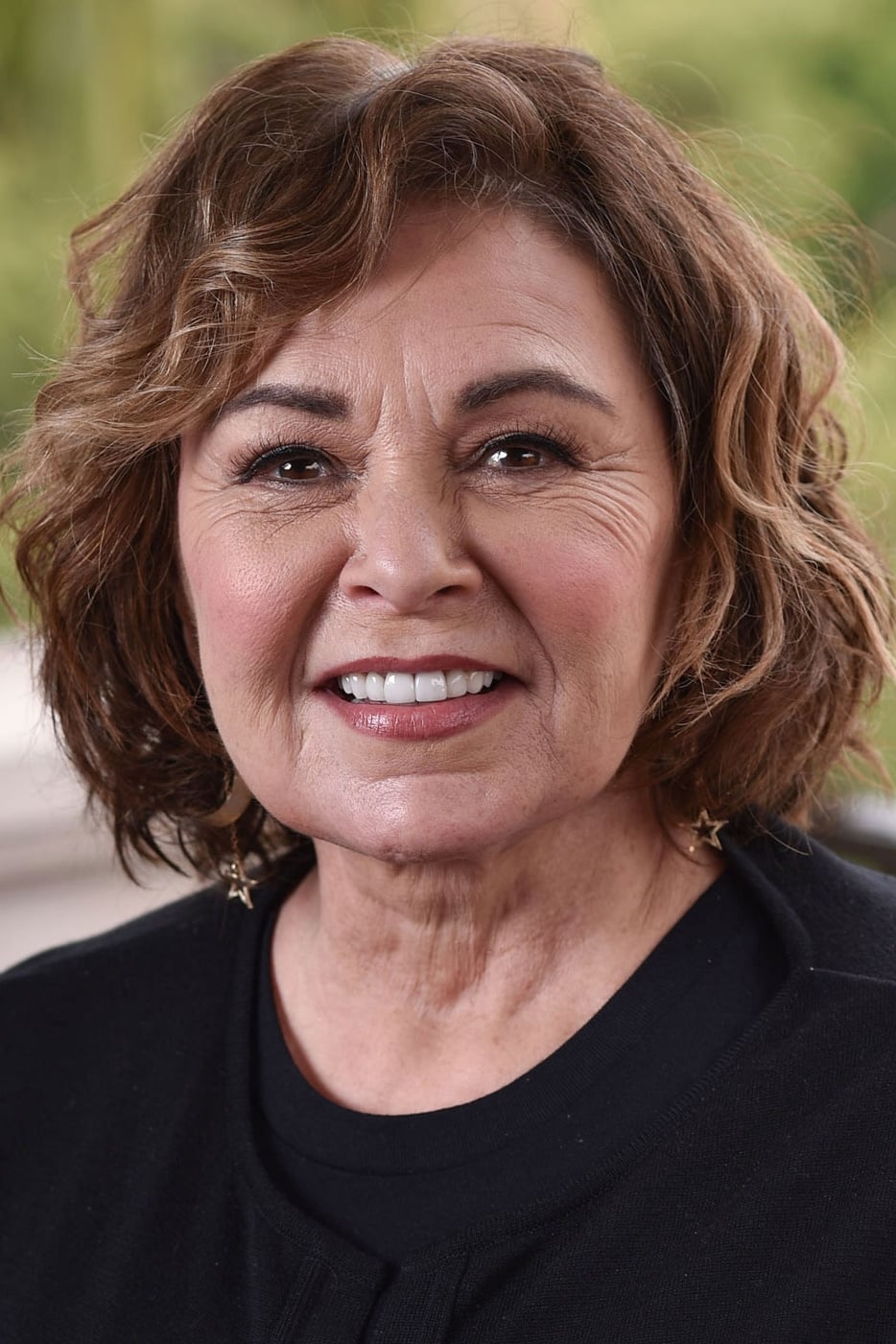
Comedian and sitcom star Roseanne Barr, whose show ‘Roseanne’ reshaped TV’s portrayal of working-class families, sought the U.S. presidency on a third-party ticket. She positioned herself as an outsider voice railing against political and corporate elites.
Though her run was symbolic and limited in scope, it captured the enduring appeal of anti-establishment candidacies. Barr’s foray into politics underscored how familiar TV personas can mobilize niche constituencies and spotlight issues major parties would rather sideline.
Share your take: which celebrity candidacy most surprised you—and why? Add your thoughts in the comments.